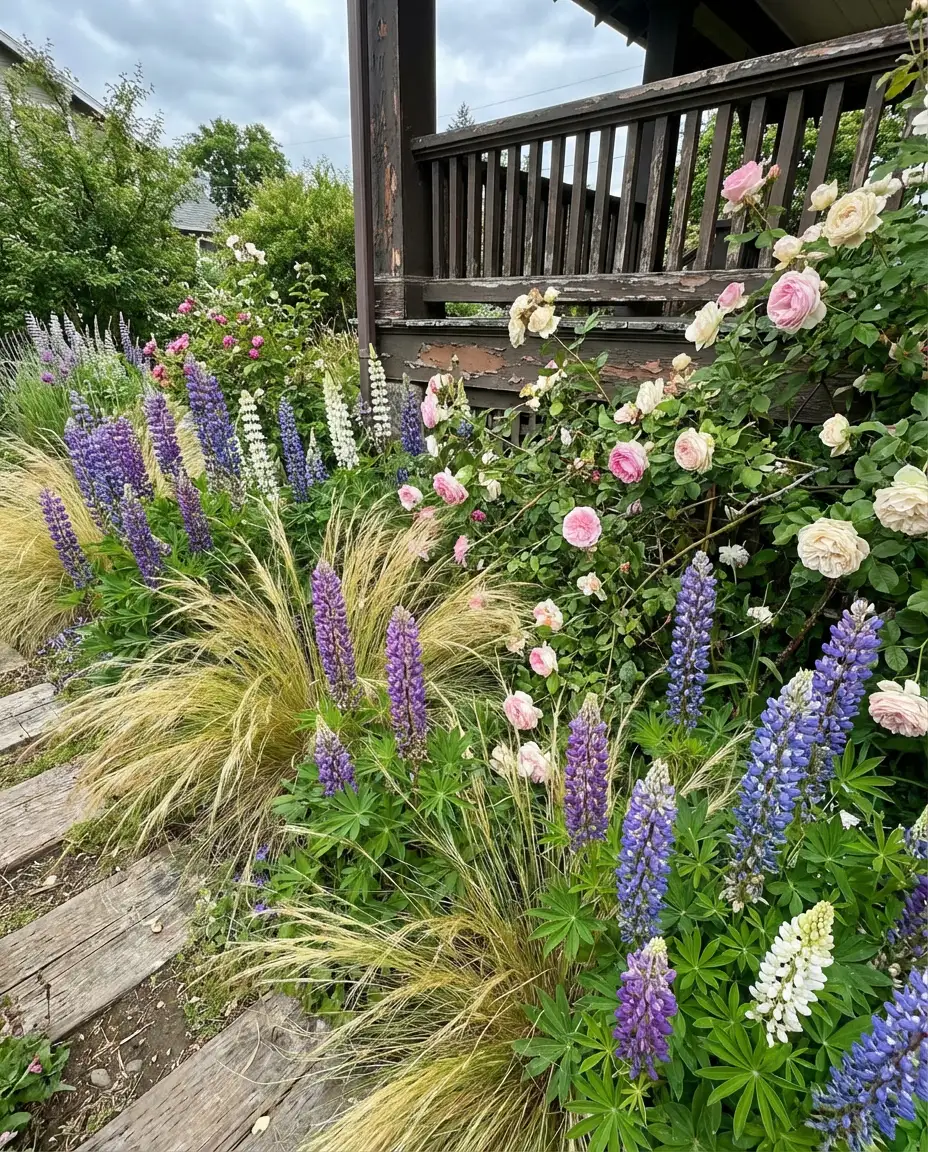
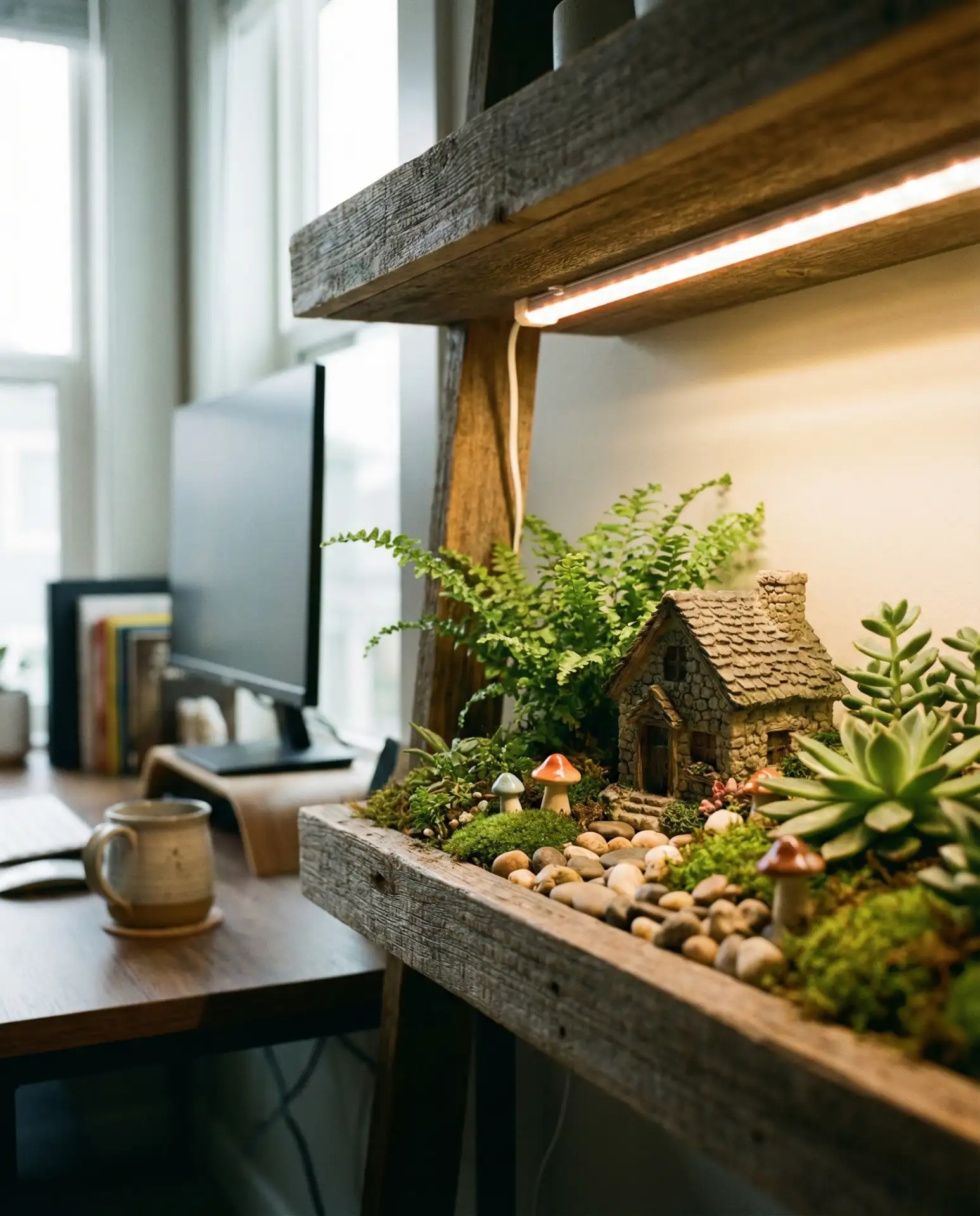
Fairy gardens have become one of the most enchanting trends in American home décor, blending creativity, nostalgia, and a love for miniature worlds. Whether you’re browsing Pinterest for inspiration or planning a weekend project, fairy gardens offer endless possibilities for both indoor and outdoor spaces. From simple setups using dollar store finds to elaborate enchanted forest scenes, these magical displays appeal to crafters, parents, and garden enthusiasts alike. In this guide, you’ll discover fresh fairy garden ideas for 2026 that work for every skill level, space, and budget.
1. Miniature Woodland Cottage Garden
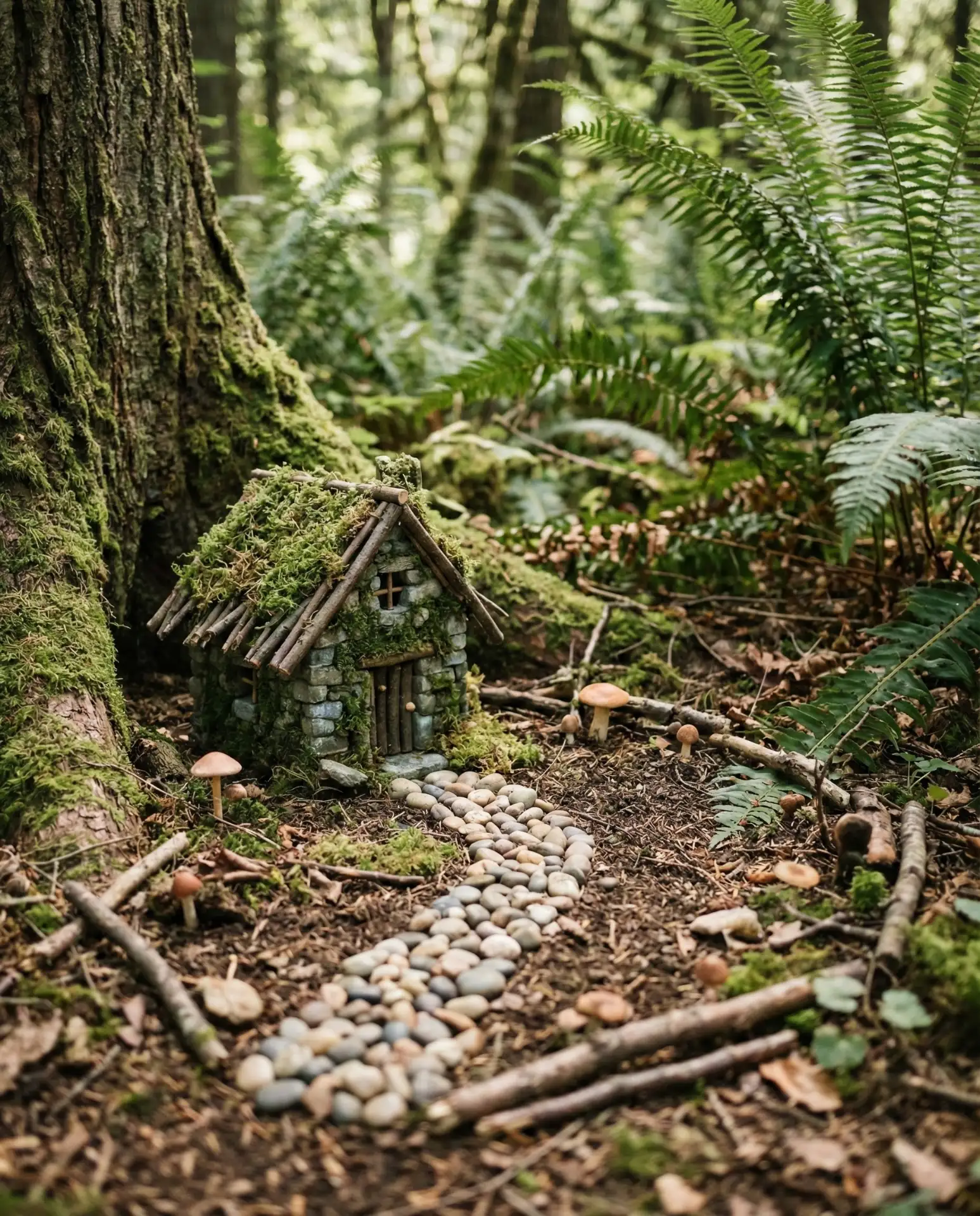
This miniature woodland setup brings an enchanted forest vibe to any corner of your home or yard. Built around a tiny cottage nestled among moss, pebbles, and twigs, it captures the whimsy of a storybook scene. The layered textures and natural materials make it feel grounded and magical at once, perfect for outdoor placement on a porch or patio table. 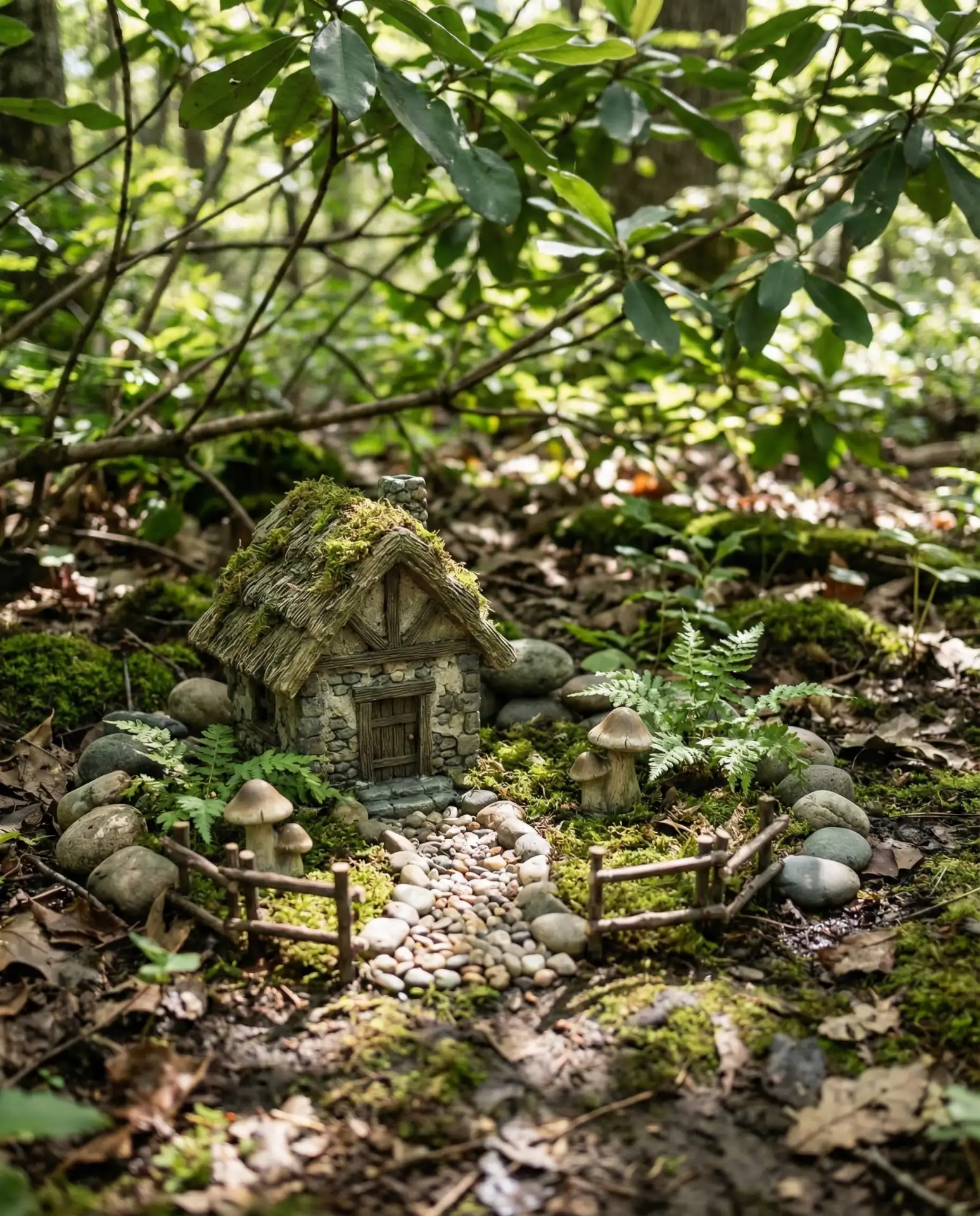
This style works best in shaded areas where moisture keeps the moss vibrant. Many homeowners place these gardens near the base of trees or along garden borders, where they blend seamlessly into the landscape. A practical tip: use a spray bottle to mist the moss every few days to keep it lush and green without overwatering the surrounding plants.
2. Teacup Fairy Garden

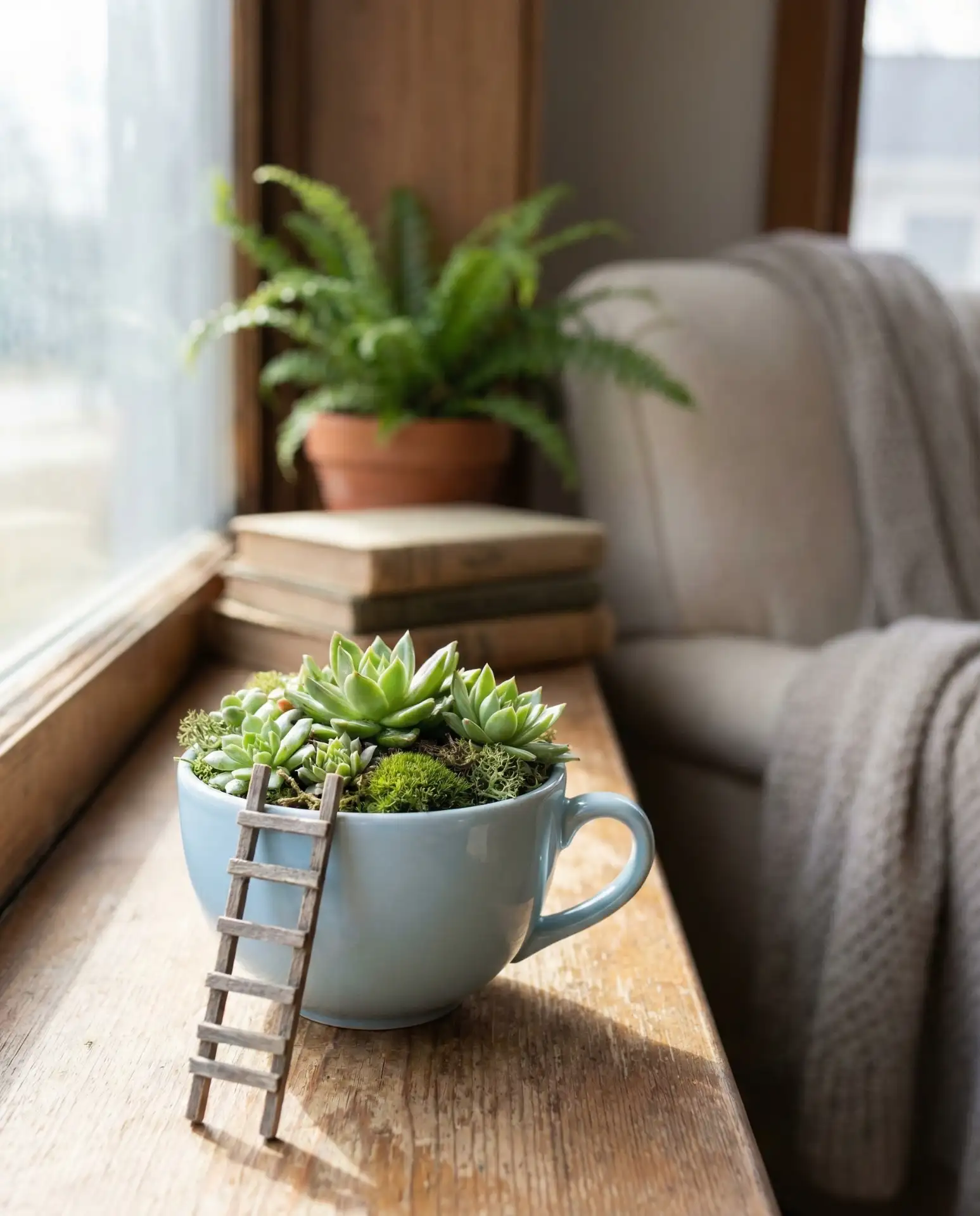
A teacup fairy garden is one of the most charming small pot projects you can create in under an hour. Using a vintage or thrifted teacup, you layer potting soil, tiny succulents or moss, and a few miniature accessories like a ladder or mushroom. It’s an indoor favorite that sits beautifully on a windowsill, bookshelf, or kitchen counter. 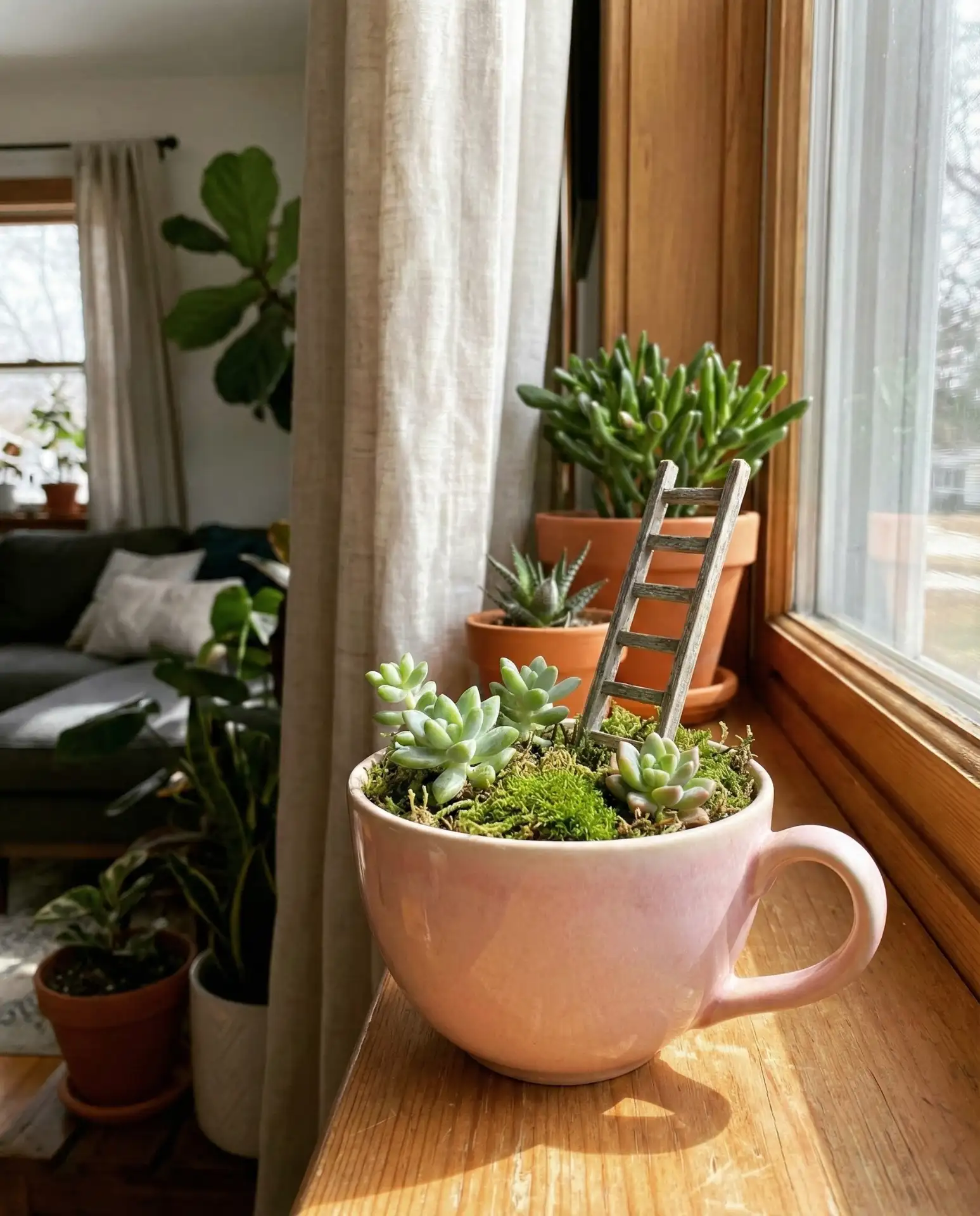
Teacup gardens became a favorite among apartment dwellers in 2024, especially in cities like Portland and Austin, where small-space living drives creative solutions. The compact size makes it easy to experiment with different themes—vintage English garden, desert oasis, or woodland hideaway—without committing to a large outdoor project.
3. DIY Pallet Fairy Garden
Transform a reclaimed wood pallet into a vertical DIY fairy garden that leans against a fence or garage wall. This outdoor design uses the pallet’s slats as natural shelves for small pots, moss, and fairy figurines. It’s a space-saving solution that adds vertical interest to backyards, patios, or balconies while keeping the ground clear for other uses. 
The most common error is putting too many plants, but this is easily fixable by picking small, drought-resistant plants that do well in shallow soils, like hen-and-chick or sedum, and then putting them in the little bags made of fabric or small terracotta pots that can be placed into each slat of the pallet. This makes it easier to maintain, while the visual display of the plants looks beautiful all season.
4. Bird Bath Fairy Garden
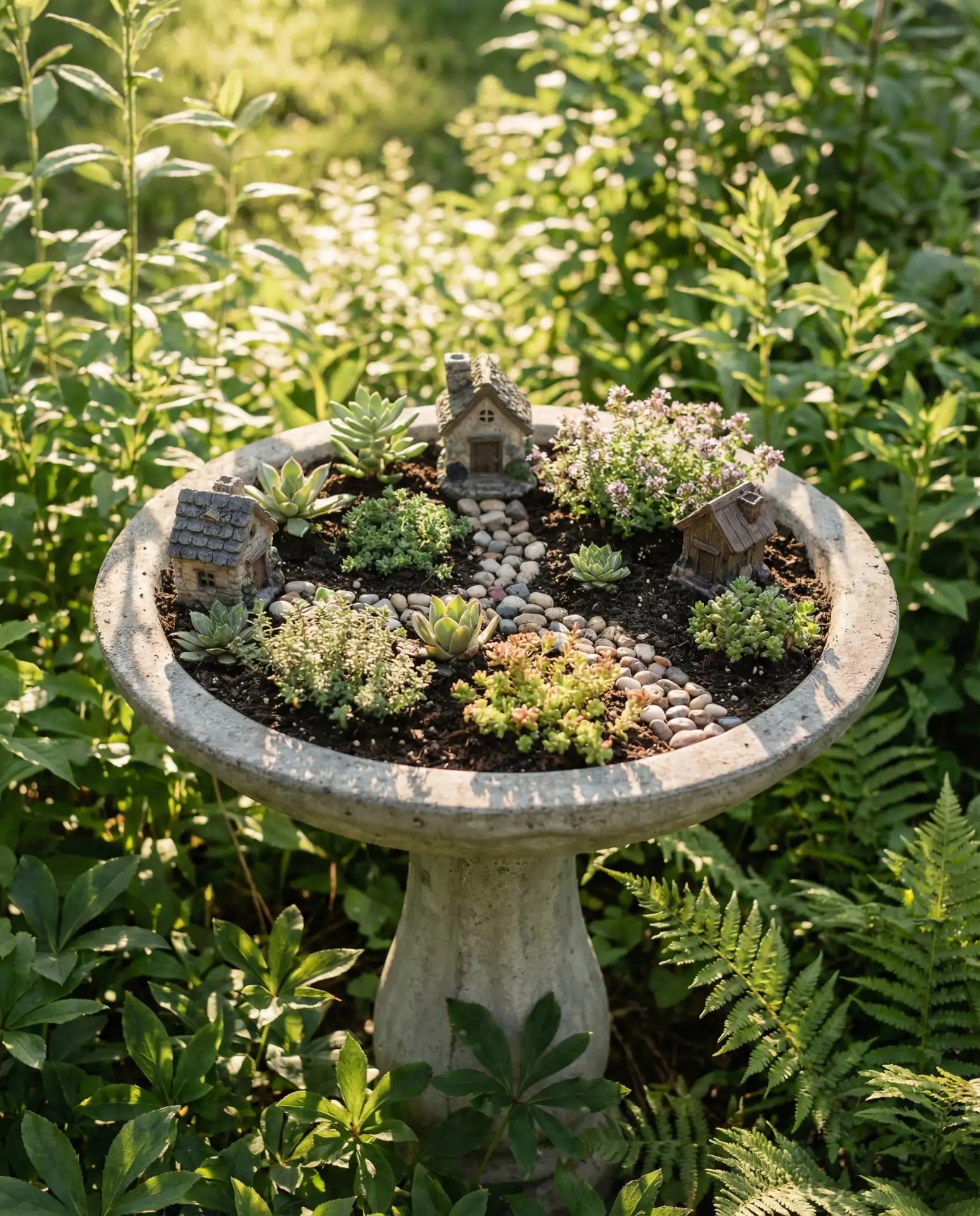
Transforming an old birdbath into a whimsical fairy garden focal point in your yard is a great way to repurpose it. The soil, tiny plants, and mini houses can all be placed in the basin, while the pedestal of the bath elevates the scene for easy viewing. This decorative outdoor piece is perfect for open garden beds, or by seating areas for guests to notice and appreciate all the little details. ” 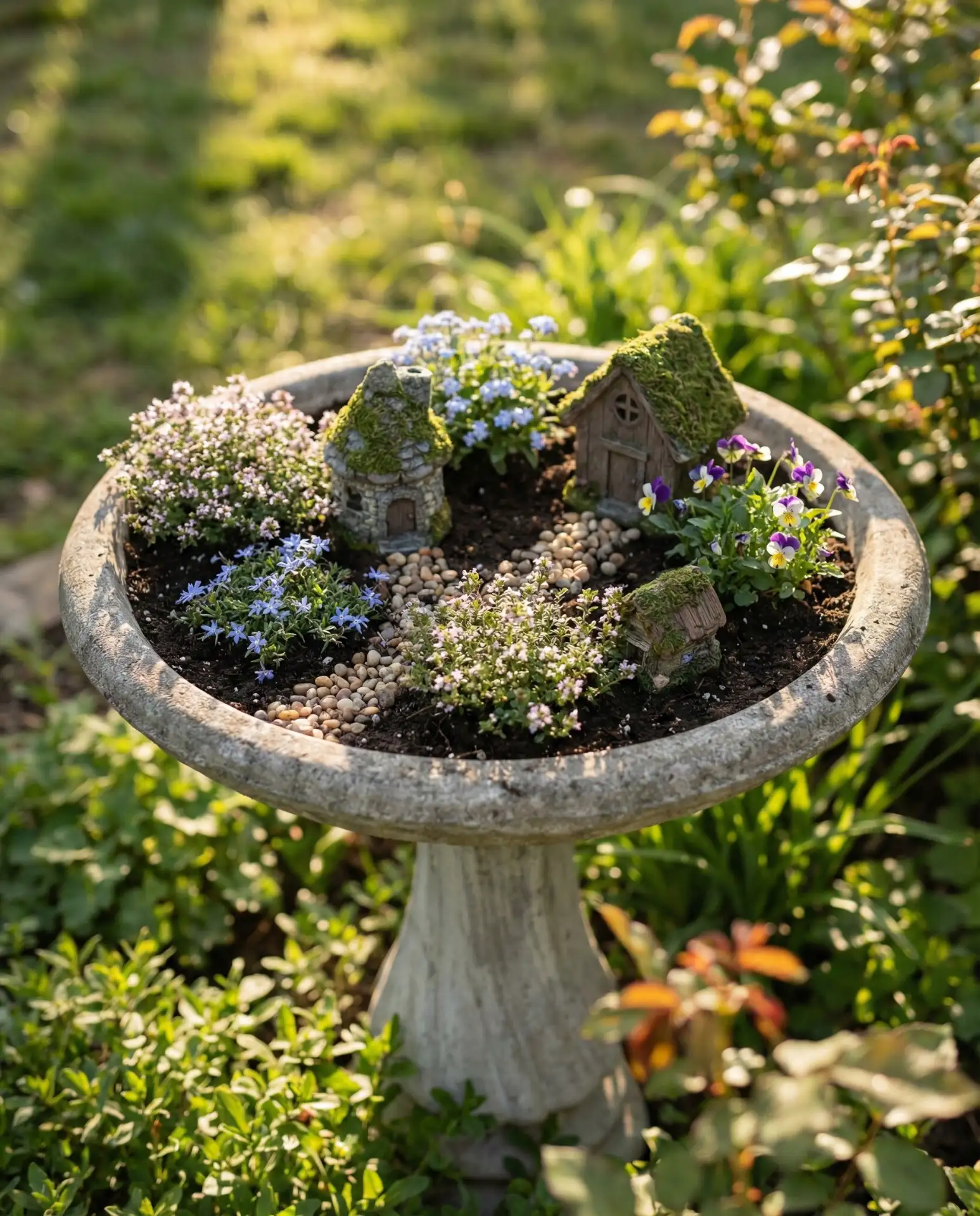
This design works best in suburban or rural yards where there’s room to let the fairy garden become a permanent feature. Homeowners in the Midwest and South often use bird baths that no longer hold water, giving them new life as raised planters. Budget tip: check thrift stores or estate sales for vintage bird baths under $30.
5. Enchanted Forest Terrarium
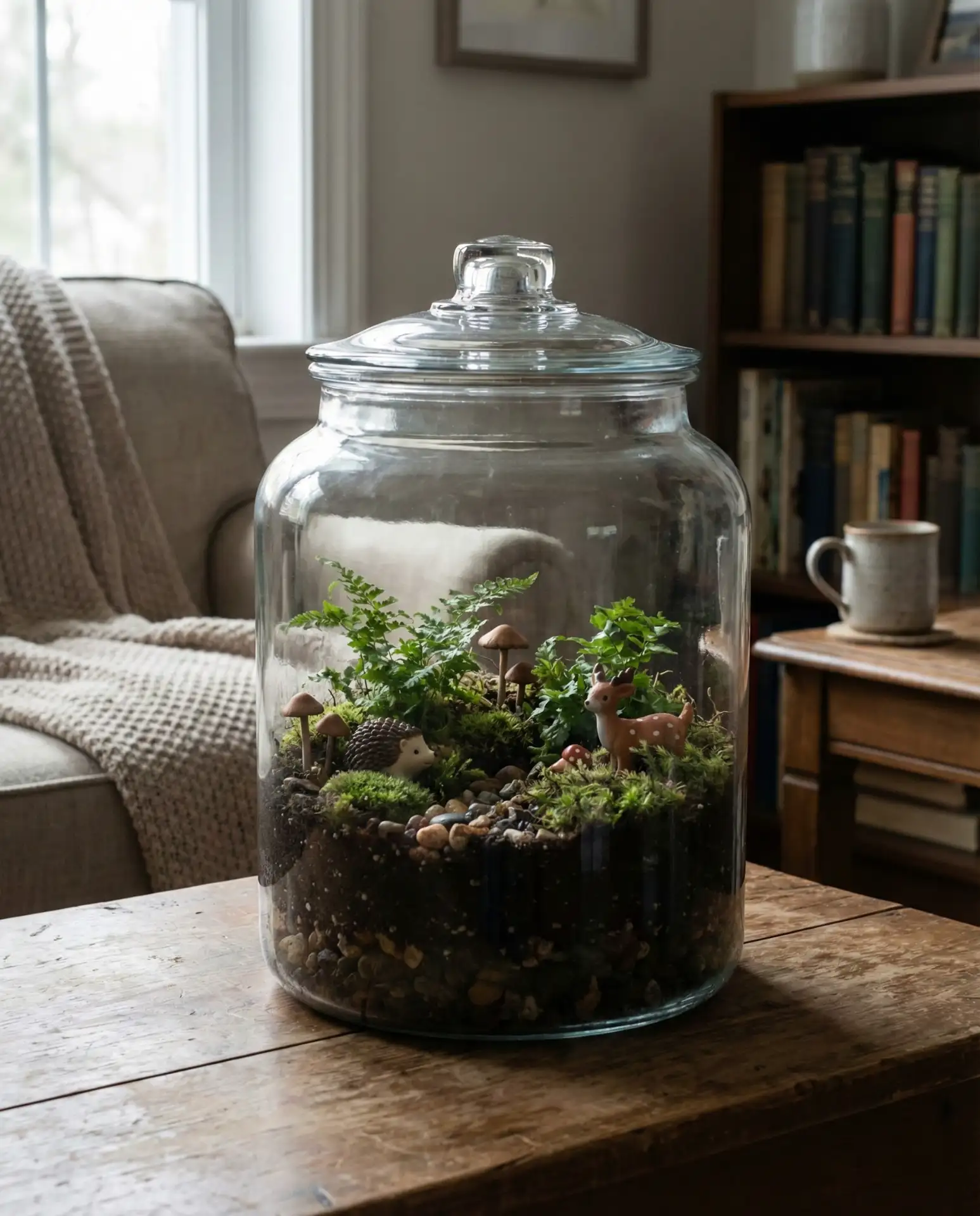
An enchanted forest terrarium brings the magic indoors using a glass container, layered soil, moss, and tiny woodland creatures. This sealed or open terrarium creates a self-sustaining ecosystem that requires minimal care, making it ideal for indoor spaces like desks, nightstands, or living room shelves. The glass magnifies the details, turning every glance into a moment of discovery. 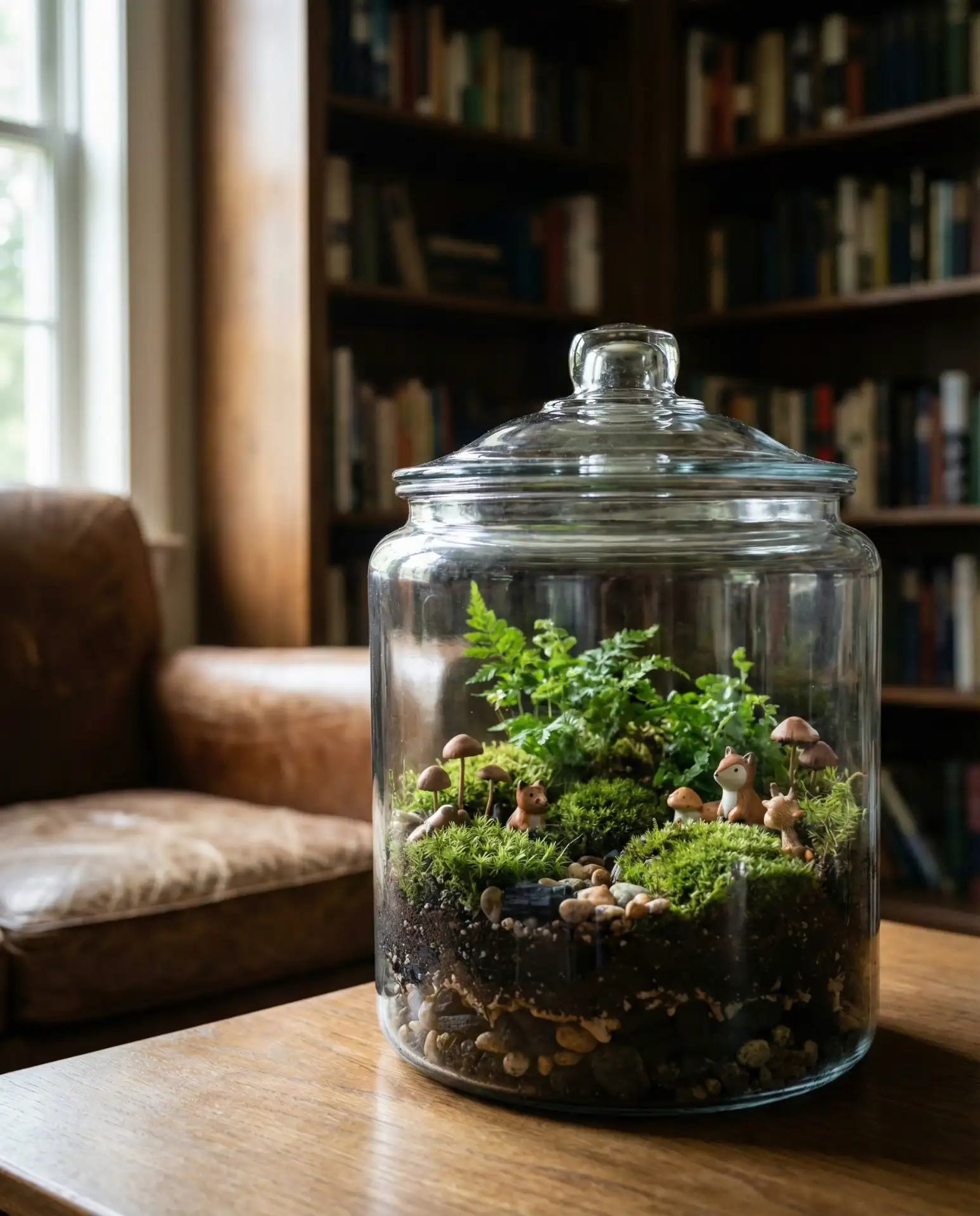
Terrariums have seen a resurgence in cities like Seattle and Denver, where indoor gardening helps people stay connected to nature during long winters. A quick expert tip: keep the terrarium away from direct sunlight to prevent overheating, and only water when the soil feels dry to the touch—overwatering is the most common cause of mold and rot.
6. Succulent Fairy Garden in a Shallow Bowl
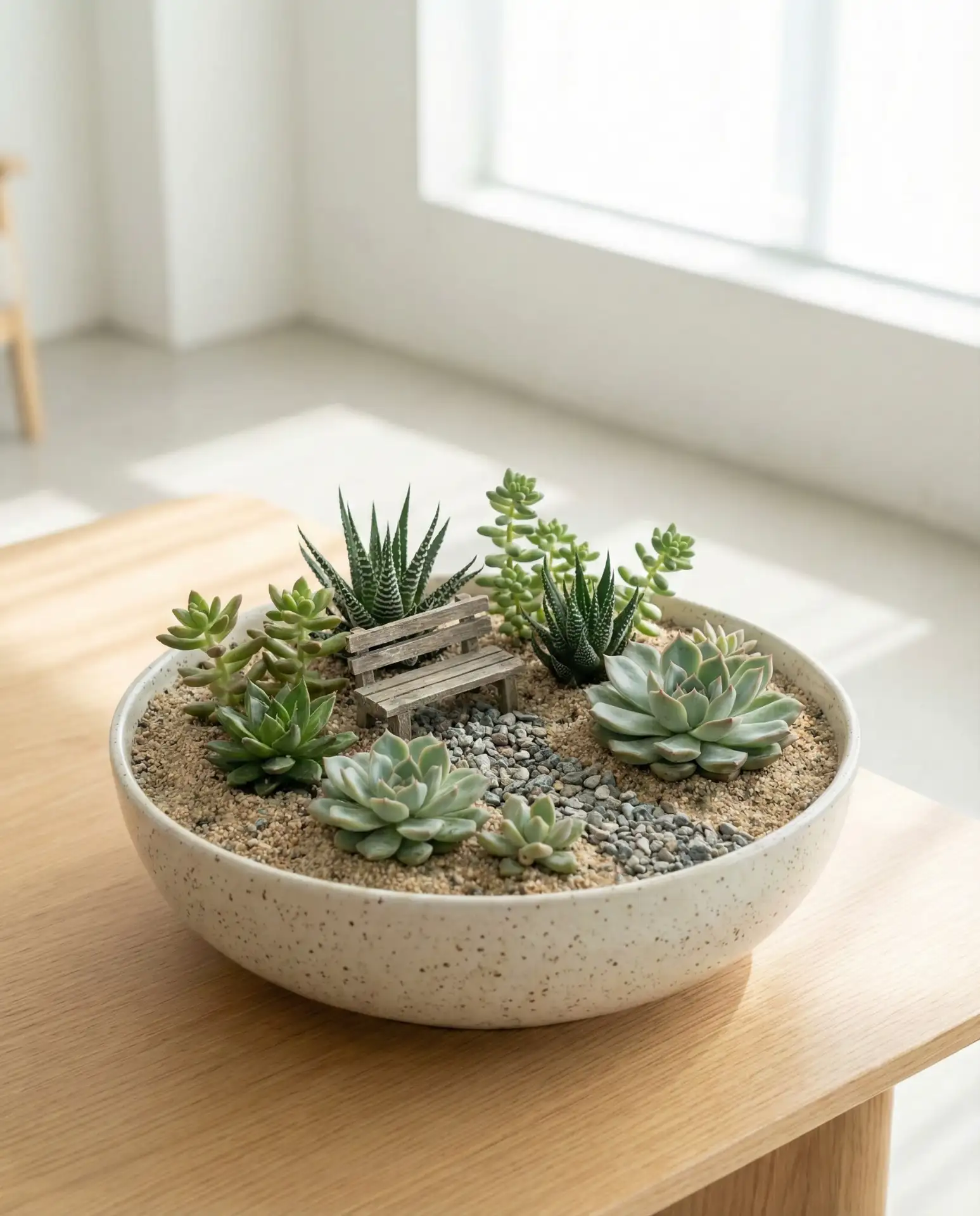
A succulent fairy garden in a wide, shallow bowl is an easy weekend project that thrives in bright, dry environments. Arrange different textures and colors of succulents around a tiny bench or stone path, and finish with sand or gravel for a desert-inspired look. This setup is perfect for indoor windowsills or sunny patios where water-wise plants excel. 
Succulent gardens are especially popular in Arizona, Southern California, and Texas, where hot, dry climates make traditional fairy gardens challenging. Because succulents need so little water, these gardens can go weeks without attention, making them ideal for busy households or anyone new to gardening.
7. Popsicle Stick Fairy House
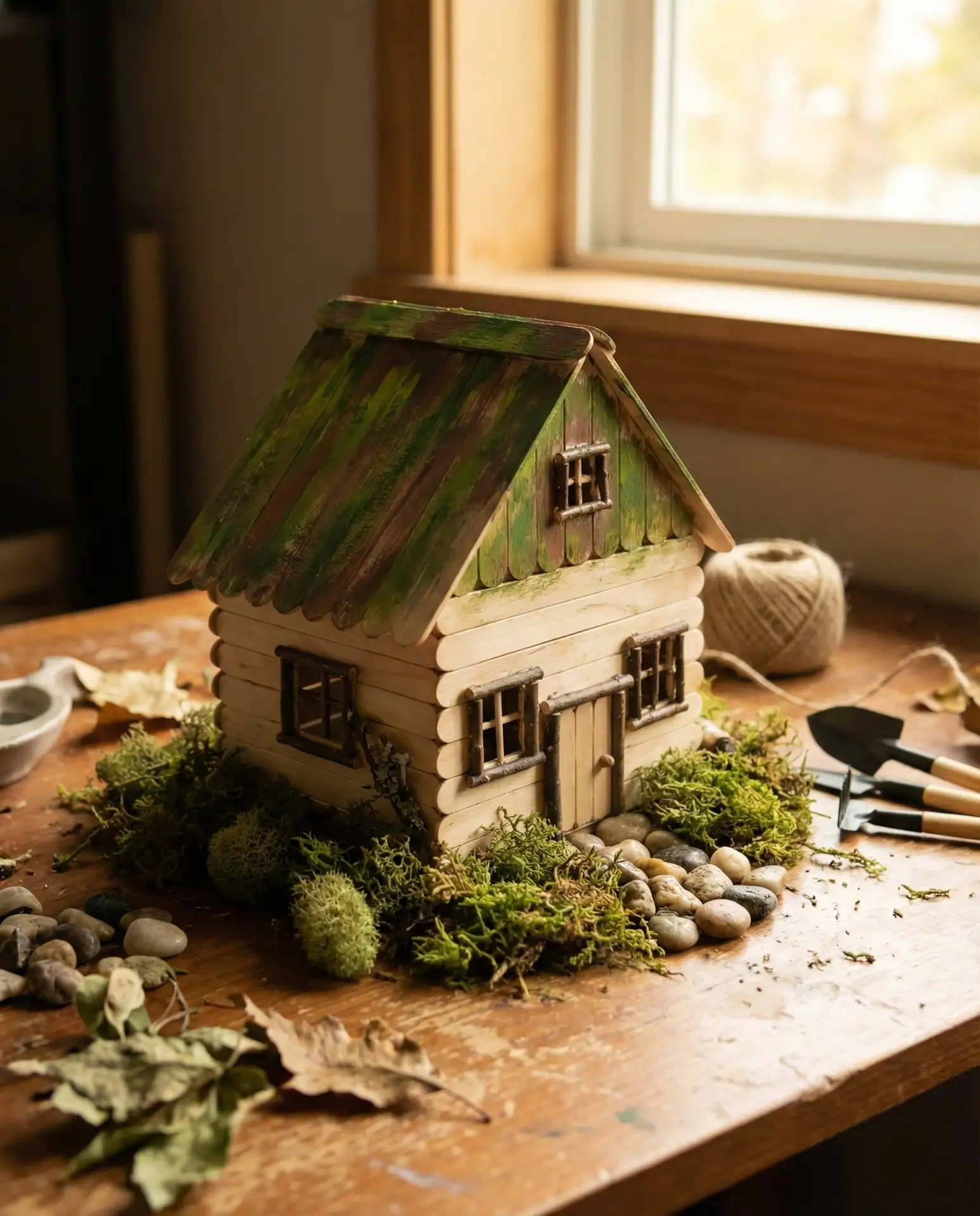
A popsicle stick fairy house is a beloved homemade craft project that kids and adults can build together. Using craft sticks, glue, paint, and a little imagination, you create a custom cottage that becomes the centerpiece of a larger fairy garden. It’s an affordable, hands-on activity that encourages creativity and fine motor skills, especially during school breaks or rainy weekends. 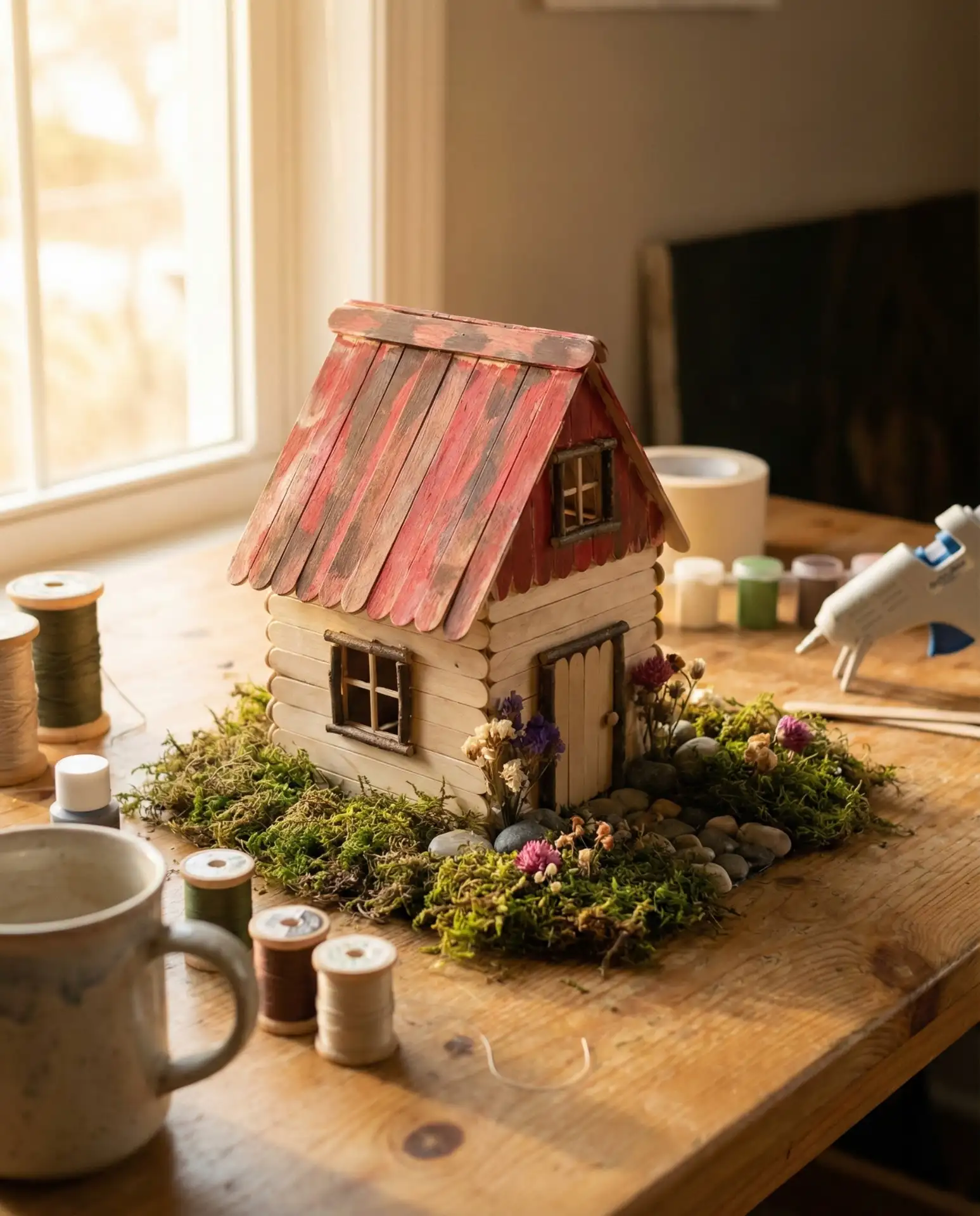
One family in Georgia shared that building a popsicle stick house became a weekly tradition during summer 2024, with each child designing their own version and adding them to a shared backyard fairy village. The low cost—just a few dollars for supplies—makes it accessible for classrooms, scout troops, or birthday parties.
8. Outdoor Fairy Garden Around a Tree
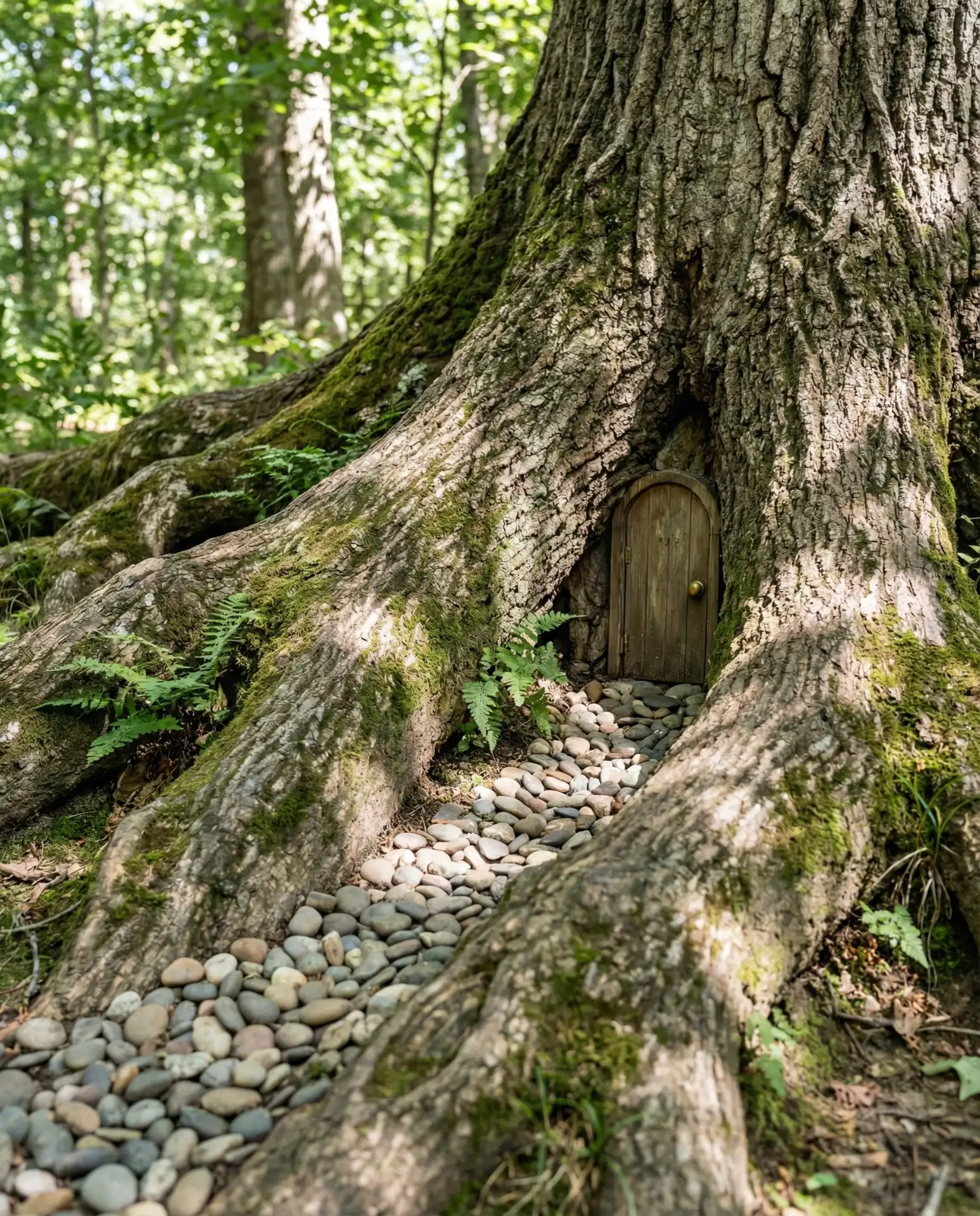
Building a fairy garden around a tree creates a natural, outdoor focal point that feels like it’s always been part of the landscape. Use the tree’s roots as natural architecture, tucking miniature doors, windows, and furniture into the bark or soil. Add moss, small ferns, and ground cover plants to blend the fairy world seamlessly into the existing ecosystem. 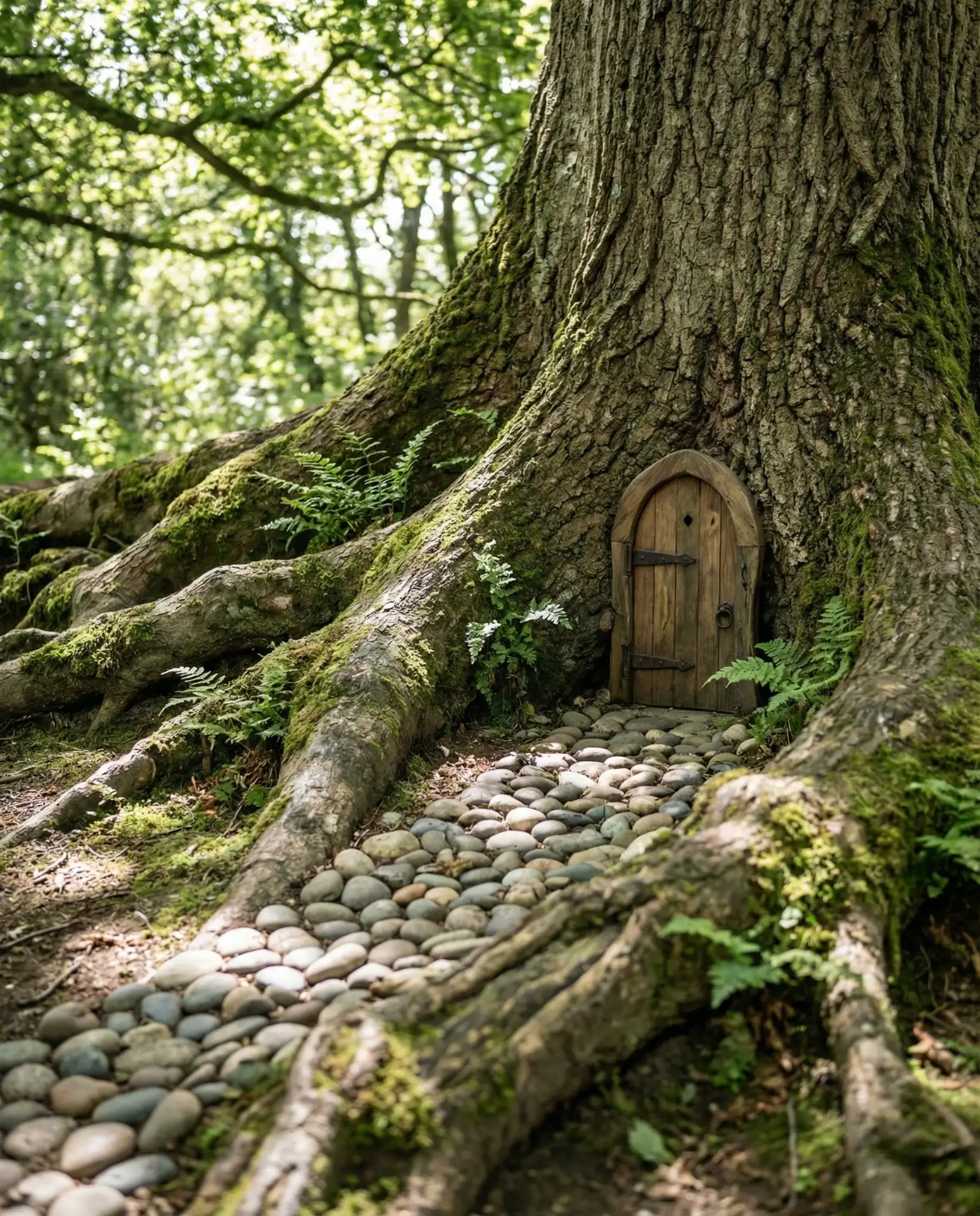
This design thrives in wooded backyards or parks where mature trees provide shade and structure. A key insight: avoid nailing or gluing accessories directly into living bark, which can harm the tree. Instead, use removable adhesive or lean pieces against the trunk, letting gravity and landscaping fabric hold them in place.
9. Dollar Tree Fairy Garden
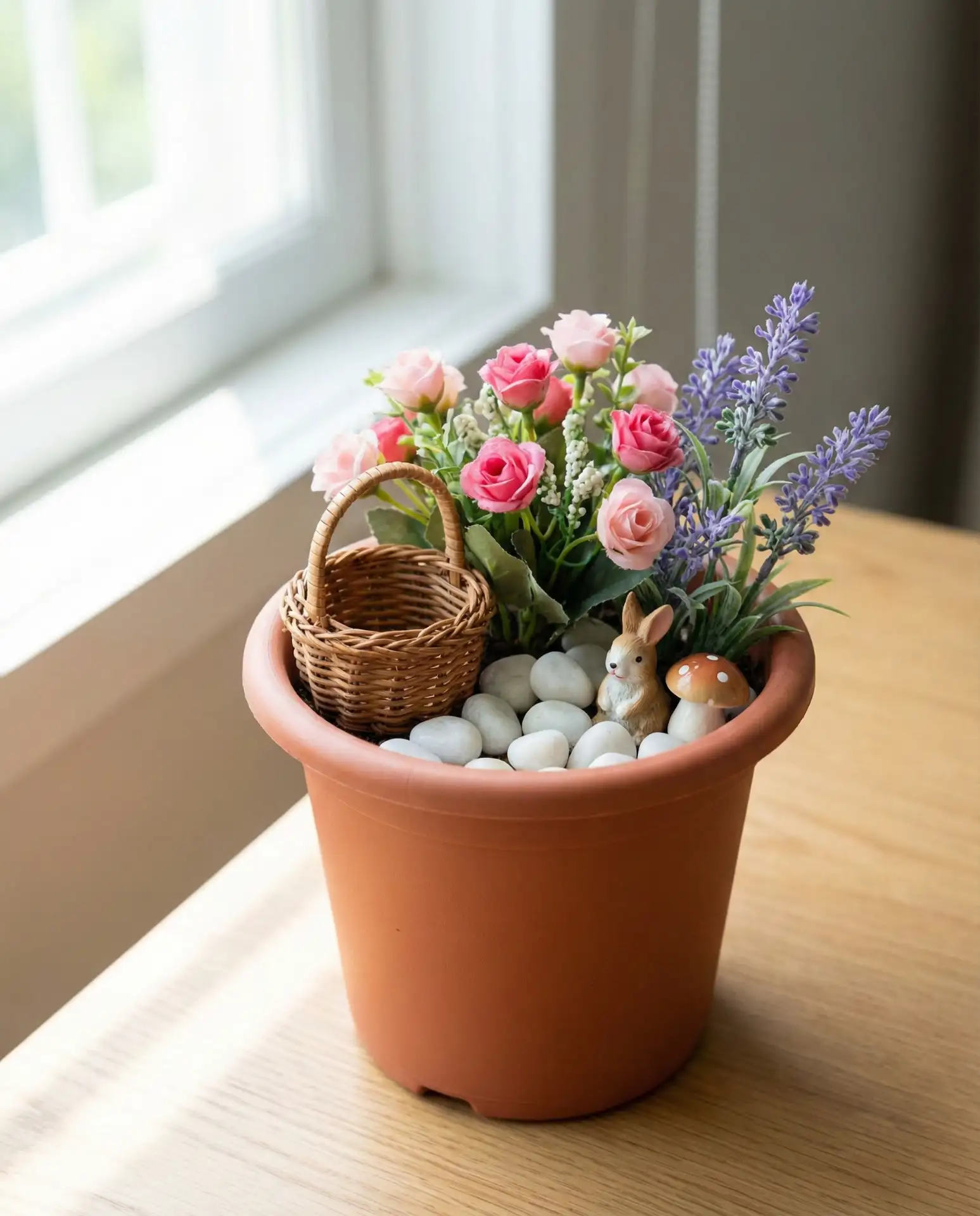
A Dollar Tree fairy garden proves you don’t need to spend much to create something magical. Pick up small baskets, miniature figurines, faux flowers, and decorative stones for just a few dollars, then arrange them in a small pot or tray. This budget-friendly approach is perfect for beginners or anyone testing out the hobby before investing in higher-end supplies. 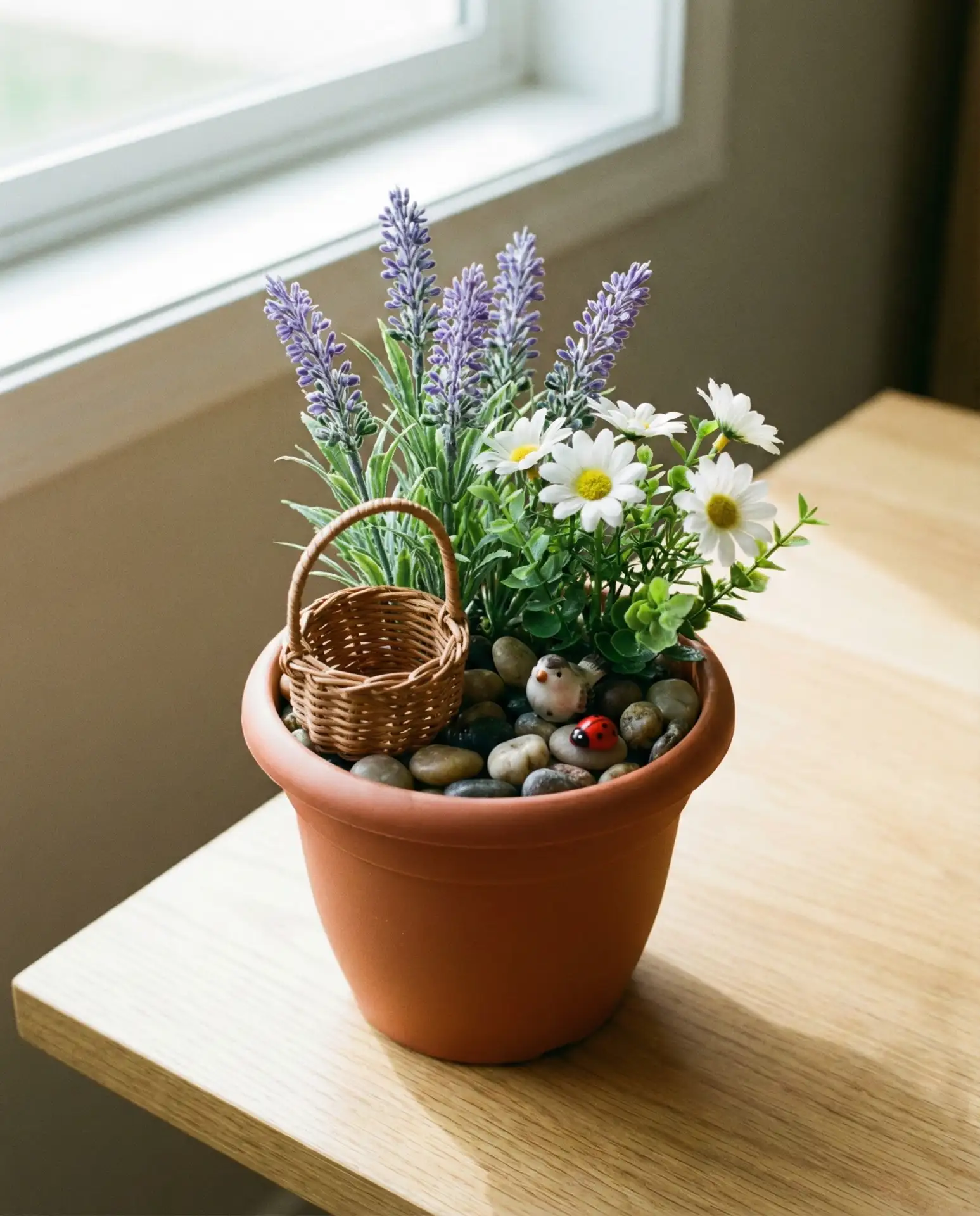
Dollar stores have become a go-to resource for fairy garden enthusiasts, especially in suburban and rural communities where specialty craft stores are farther away. Most Dollar Tree locations stock seasonal fairy garden items in spring and early summer, so it’s worth checking back weekly for new arrivals. Total project cost typically stays under $10.
10. Minecraft-Inspired Fairy Garden
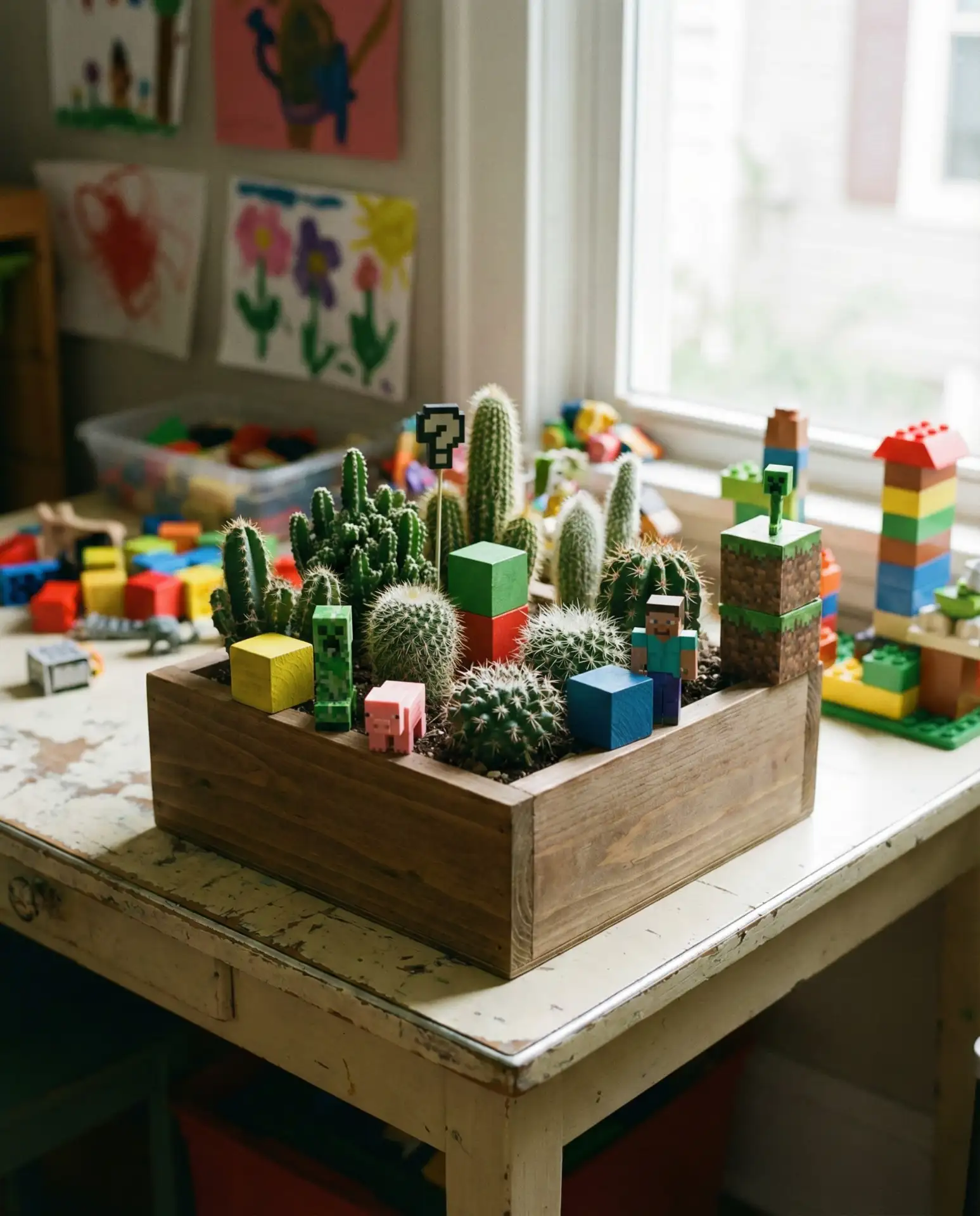
A Minecraft-themed fairy garden merges digital gaming culture with hands-on crafting, appealing to kids who love the blocky, pixelated world. Use square containers, cube-shaped planters, and DIY accessories made from painted wood blocks to mimic the game’s aesthetic. Add small cacti or succulents to represent the game’s biomes, and let kids place their favorite character figurines throughout the scene. 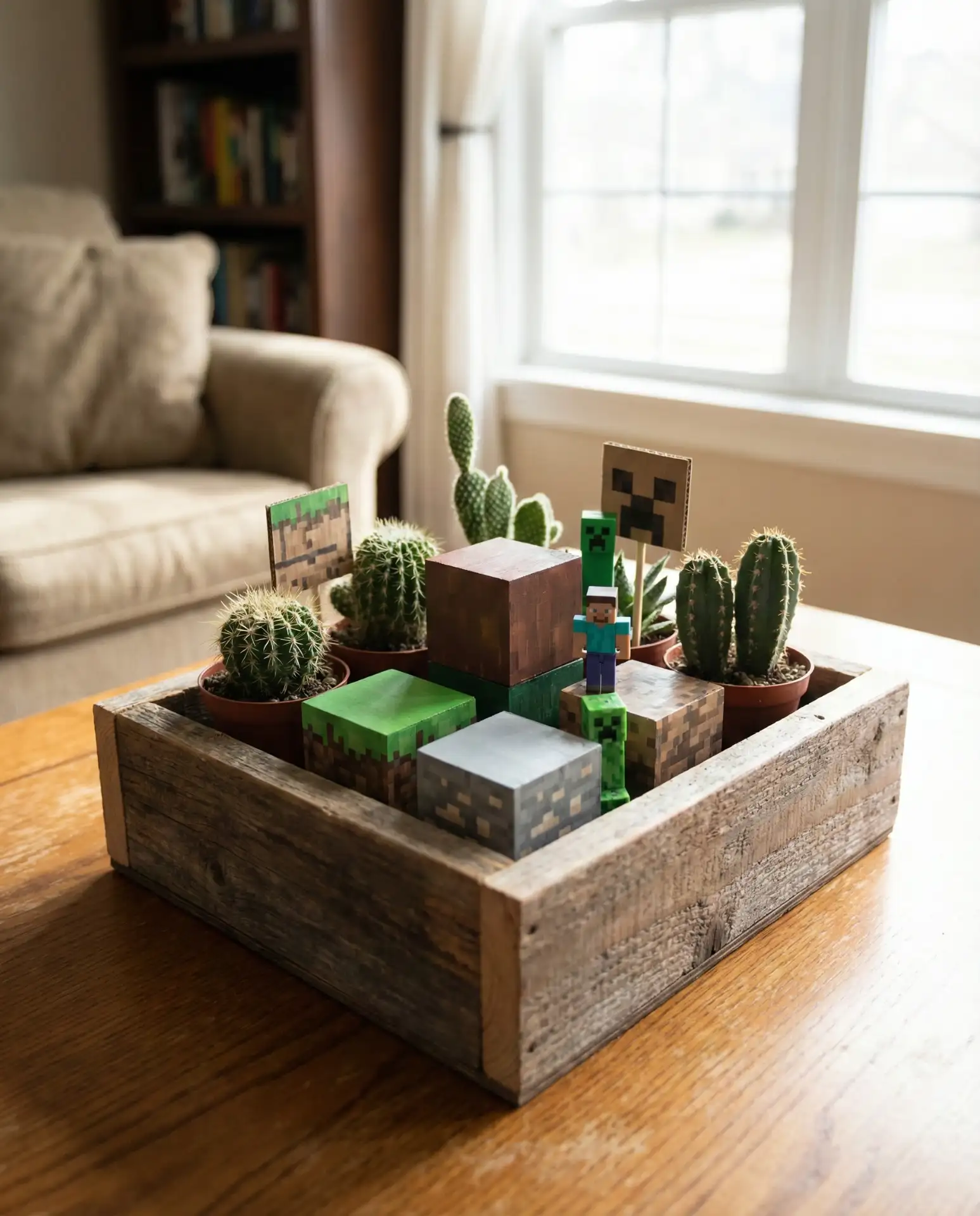
Parents across the U.S. have found that Minecraft fairy gardens help reluctant gardeners engage with plants and soil. One mom in Ohio noted that her son, who previously avoided outdoor chores, spent hours designing and maintaining his Minecraft garden, even researching which plants would survive in their zone. It’s a clever way to bridge screen time and green time.
11. Halloween Fairy Garden
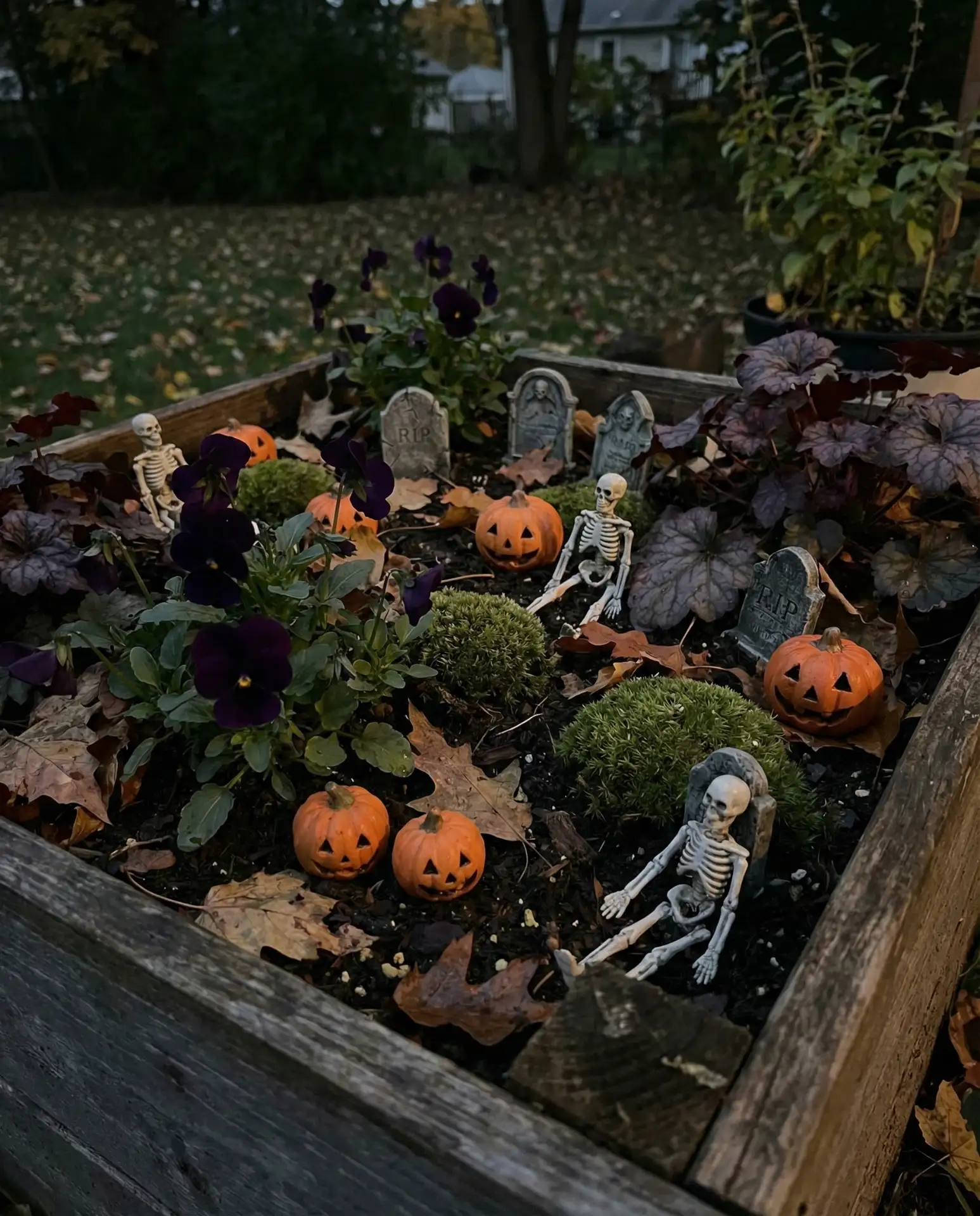
For something a little more festive, a Halloween fairy garden can be created where miniature pumpkins, skeletons, miniature gravestones, and darker plants, such as black petunias and deep purple coleus, can be added to give off a haunted and playful vibe. It is a great decor option for porches, backyard corners, and as a centerpiece in an outdoor gathering for the fall season. This holiday design is also great to get into the Halloween spirit. 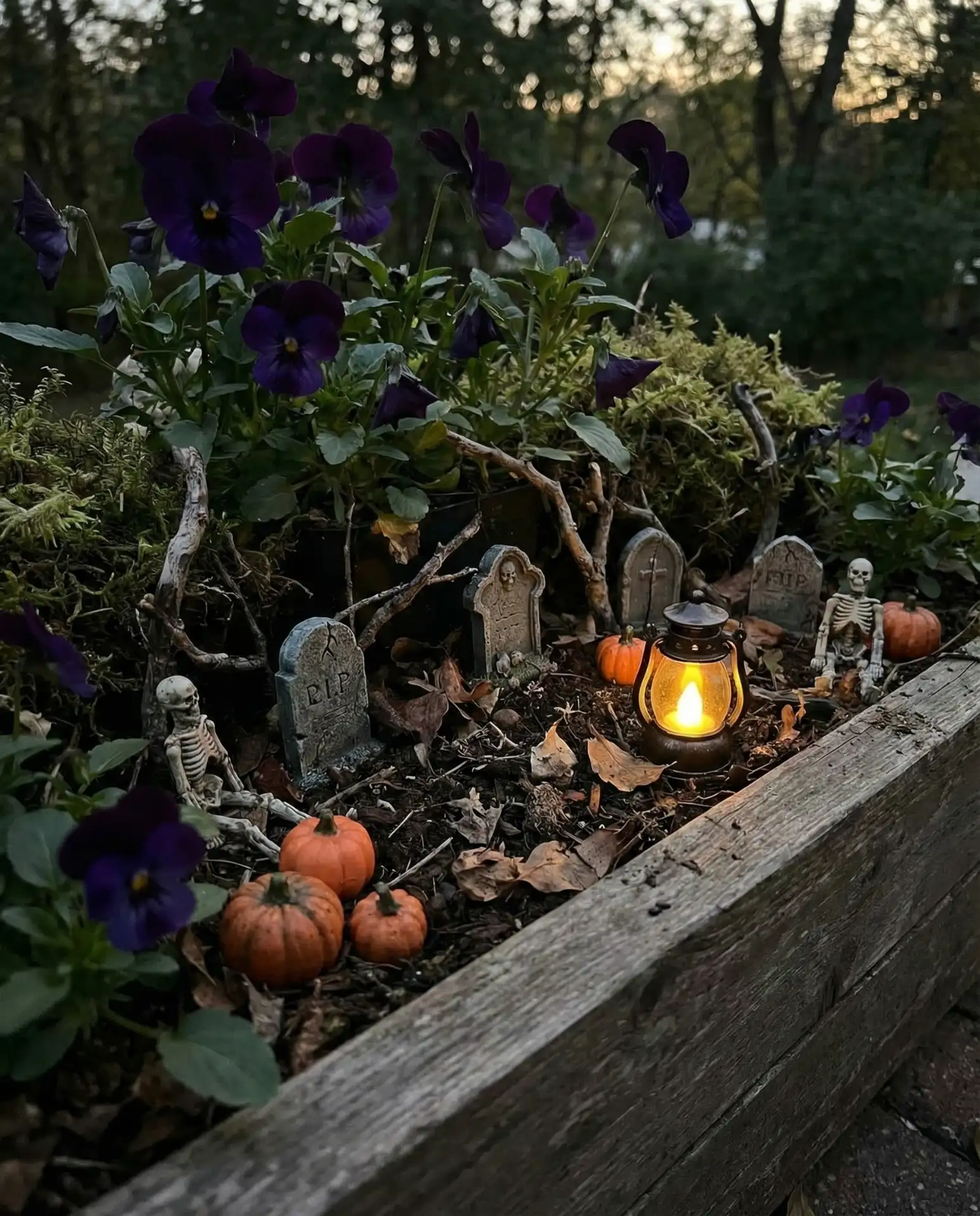
Halloween fairy gardens became more popular in 2023 and 2024 as more Americans began embracing holiday decor year-round. These fairy gardens are great for the whole month of October and into early November, and many families keep them up until Thanksgiving. As a note for budgeting, many of the miniature holiday decor items are clearanced after the holiday, so it’s an easy way to stock up for the following season at a discount of 50 to 75 percent.
12. Fairy Garden Party Centerpiece
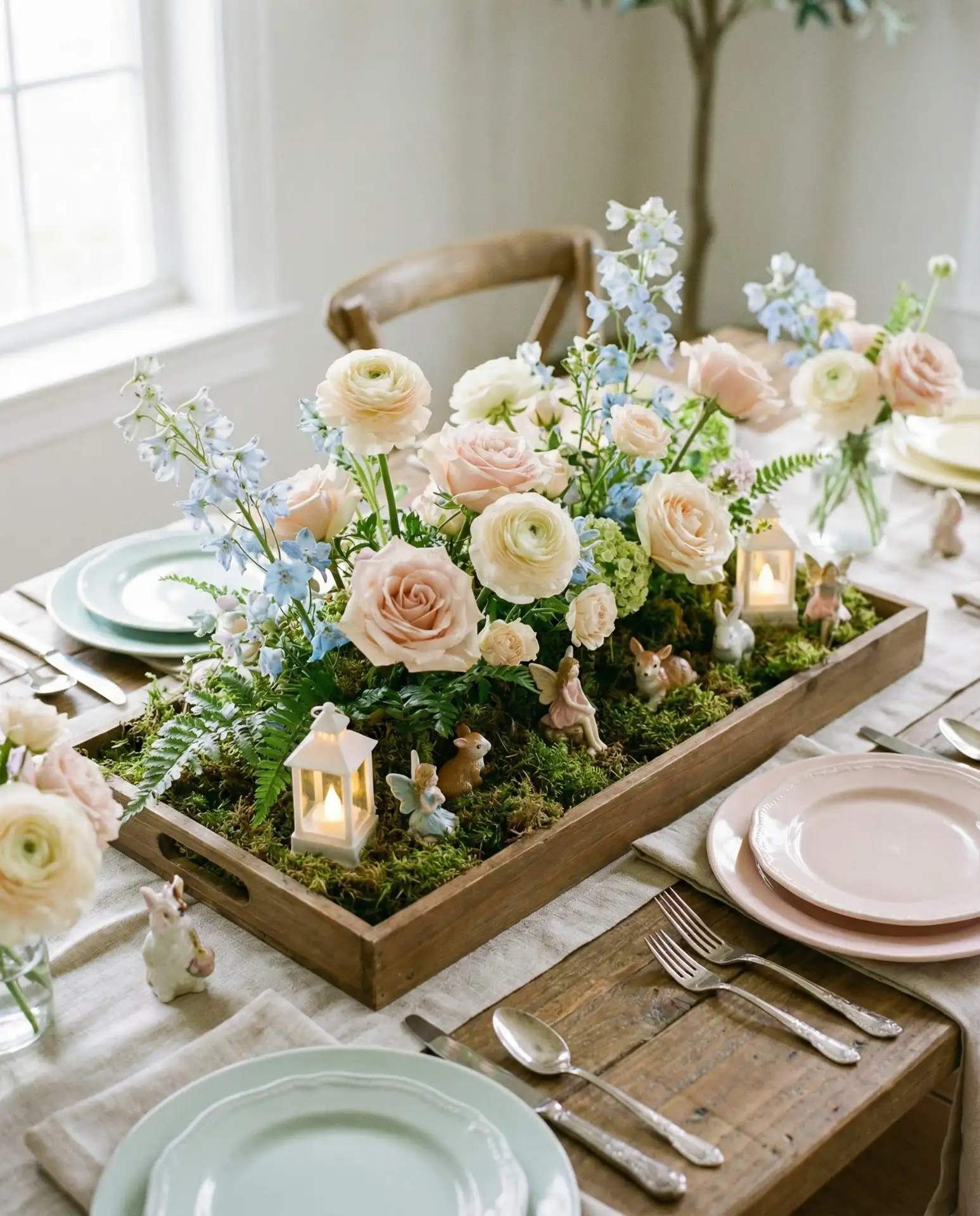
Turn a fairy garden into a party centerpiece by building a themed display in a decorative tray or shallow box. Use fresh flowers, moss, tiny lanterns, and figurines that match the event—woodland creatures for a baby shower, pastel colors for a bridal tea, or bright blooms for a birthday brunch. This easy project doubles as décor and a conversation starter that guests can admire up close. 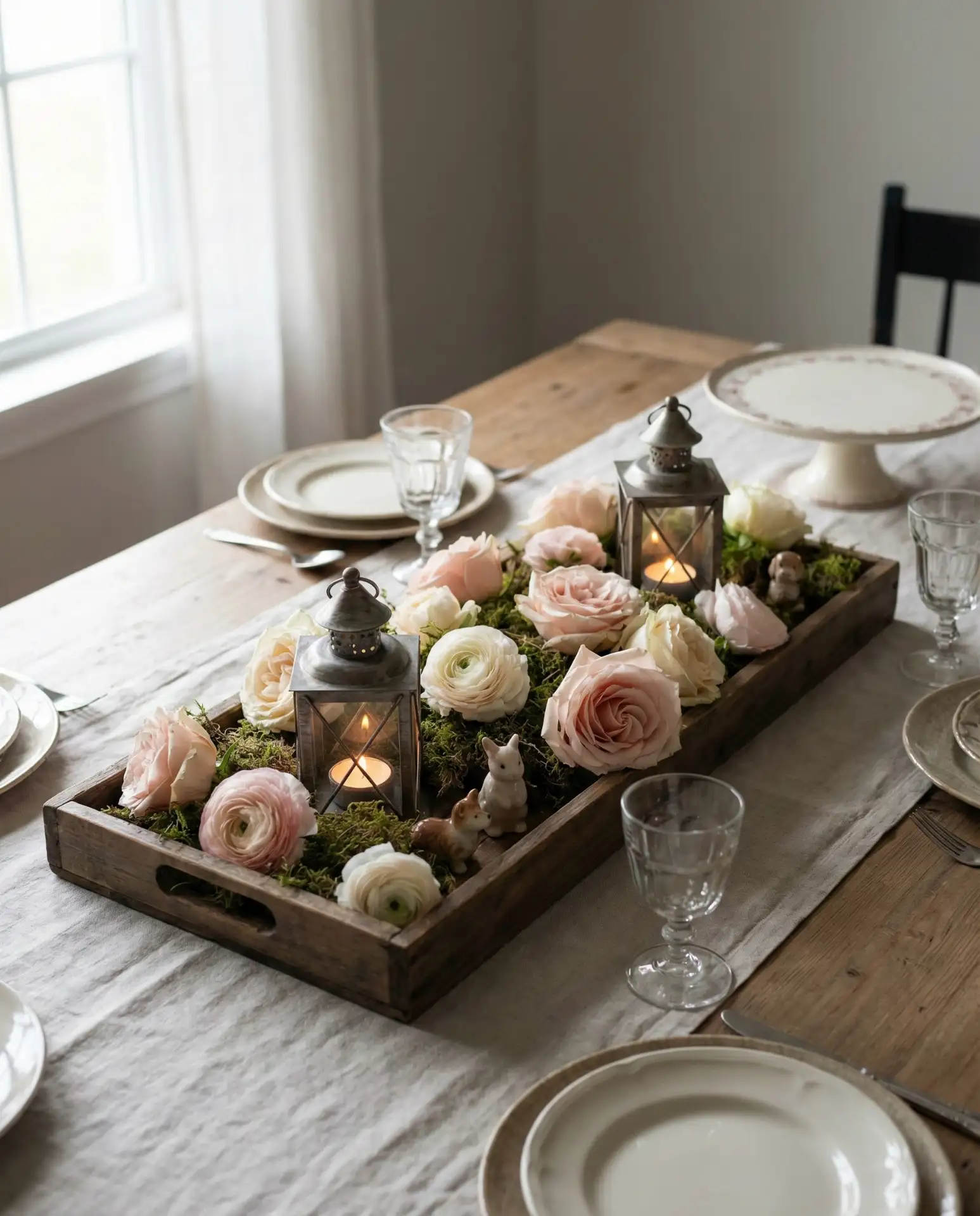
Event planners and DIY hosts have started using fairy gardens as reusable centerpieces, swapping out seasonal elements to match different occasions. This approach works especially well in the Pacific Northwest and New England, where indoor entertaining happens year-round. After the party, the display can move to a windowsill or patio to continue bringing joy.
13. Outdoor Flower Bed Fairy Garden
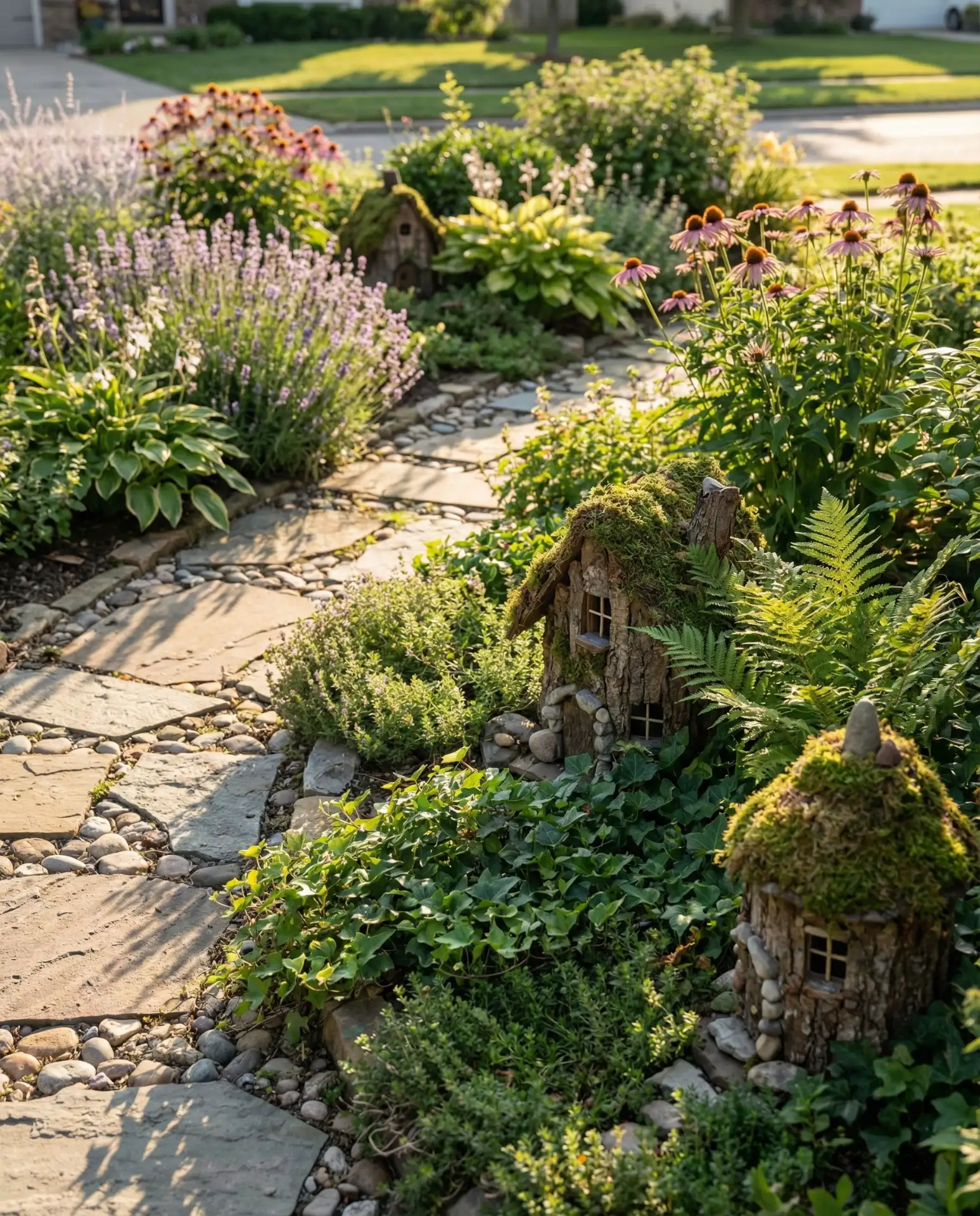
Integrate a fairy garden directly into an existing outdoor flower bed to create a layered, immersive landscape. Nestle miniature houses and accessories among perennials, annuals, and ground covers, letting the plants grow up and around the fairy world. This large outdoor design transforms a standard garden bed into a storytelling space that evolves with the seasons. 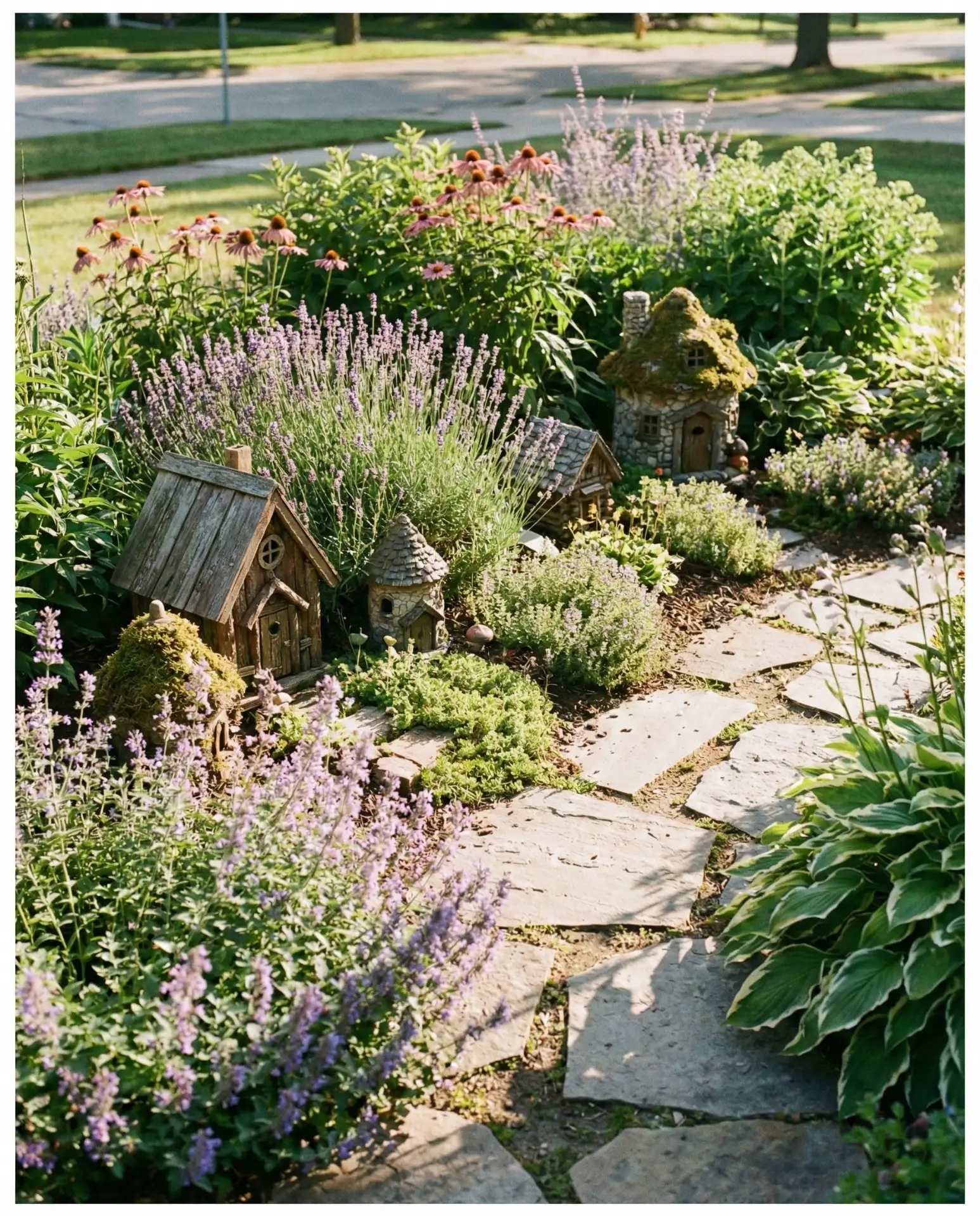
This style is most effective in zones 5–8, where a wide variety of plants thrive without extreme heat or cold. Gardeners often tuck fairy elements into corners or along borders, where they’re visible but don’t interrupt the flow of the larger bed. A common mistake is over-decorating, which can make the space feel cluttered—aim for 2–3 focal pieces per 4-foot section.
14. Fairy Garden in Vintage Pots
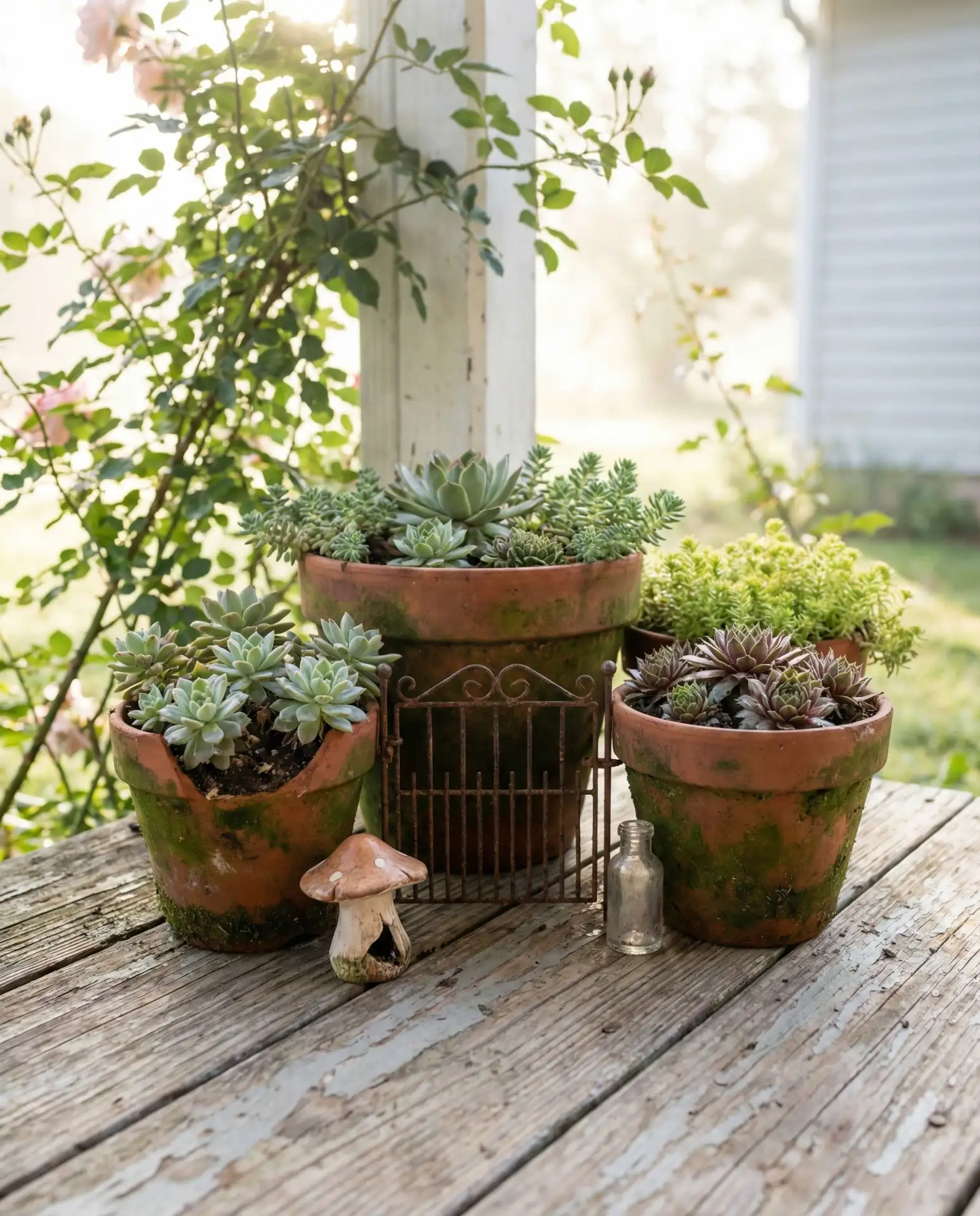
Use vintage terracotta and ceramic pots to transform your fairy garden into a lovely aged, time-worn piece. Weathered pots add a unique and irreplaceable character to new containers. You can create a cohesive display by arranging a collection of differently sized vintage pots on your porch or patio, each containing a miniature scene of its own. 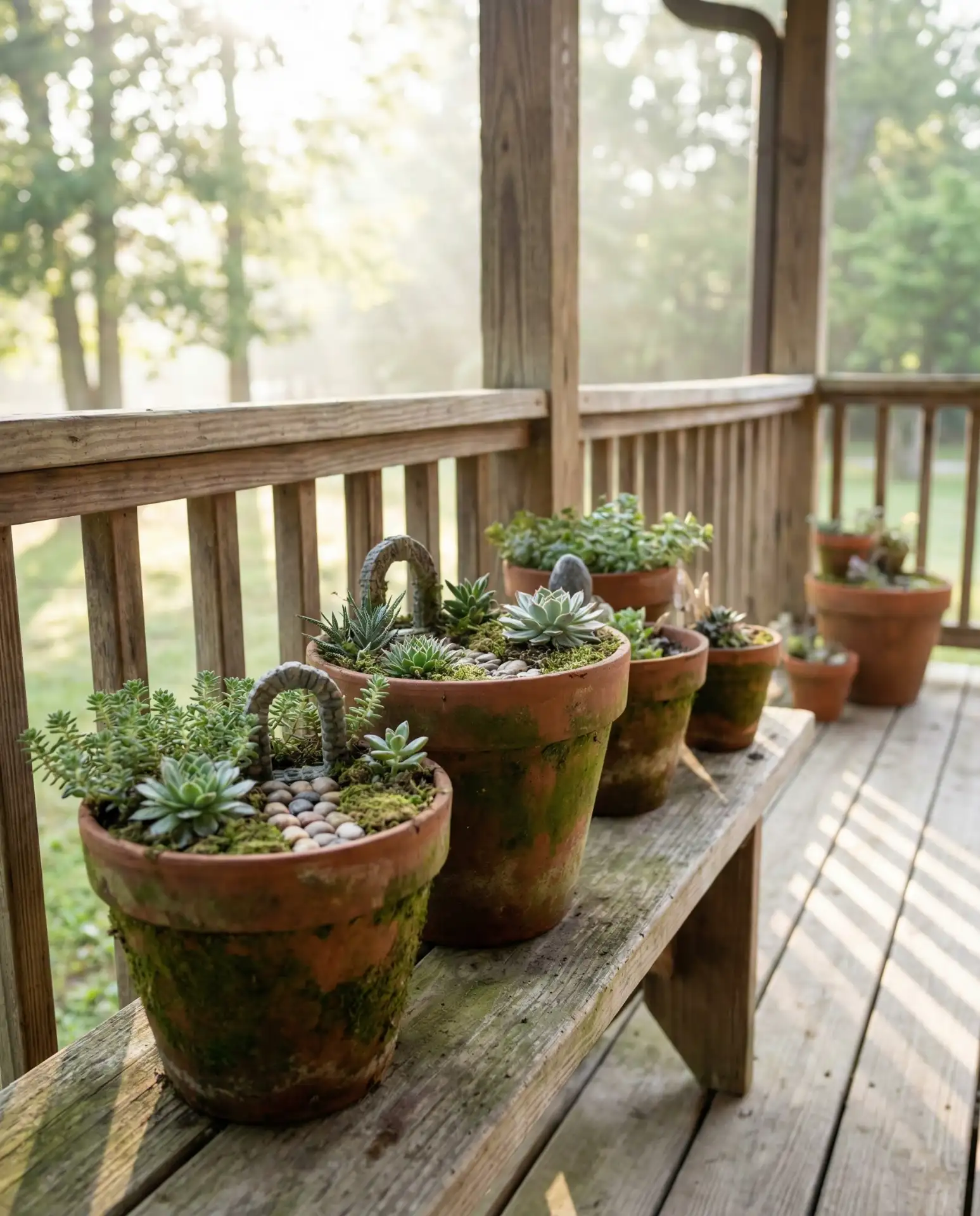
Where it works best: vintage pots shine in cottage-style gardens, farmhouse patios, and historic homes where the aged aesthetic complements the architecture. Flea markets, estate sales, and antique malls are treasure troves for finding these pots at $5–$15 each. If the pot has a chip or crack, it only adds to the rustic charm and doesn’t affect planting.
15. DRAWING AND PLANNING YOUR FAIRY GARDEN
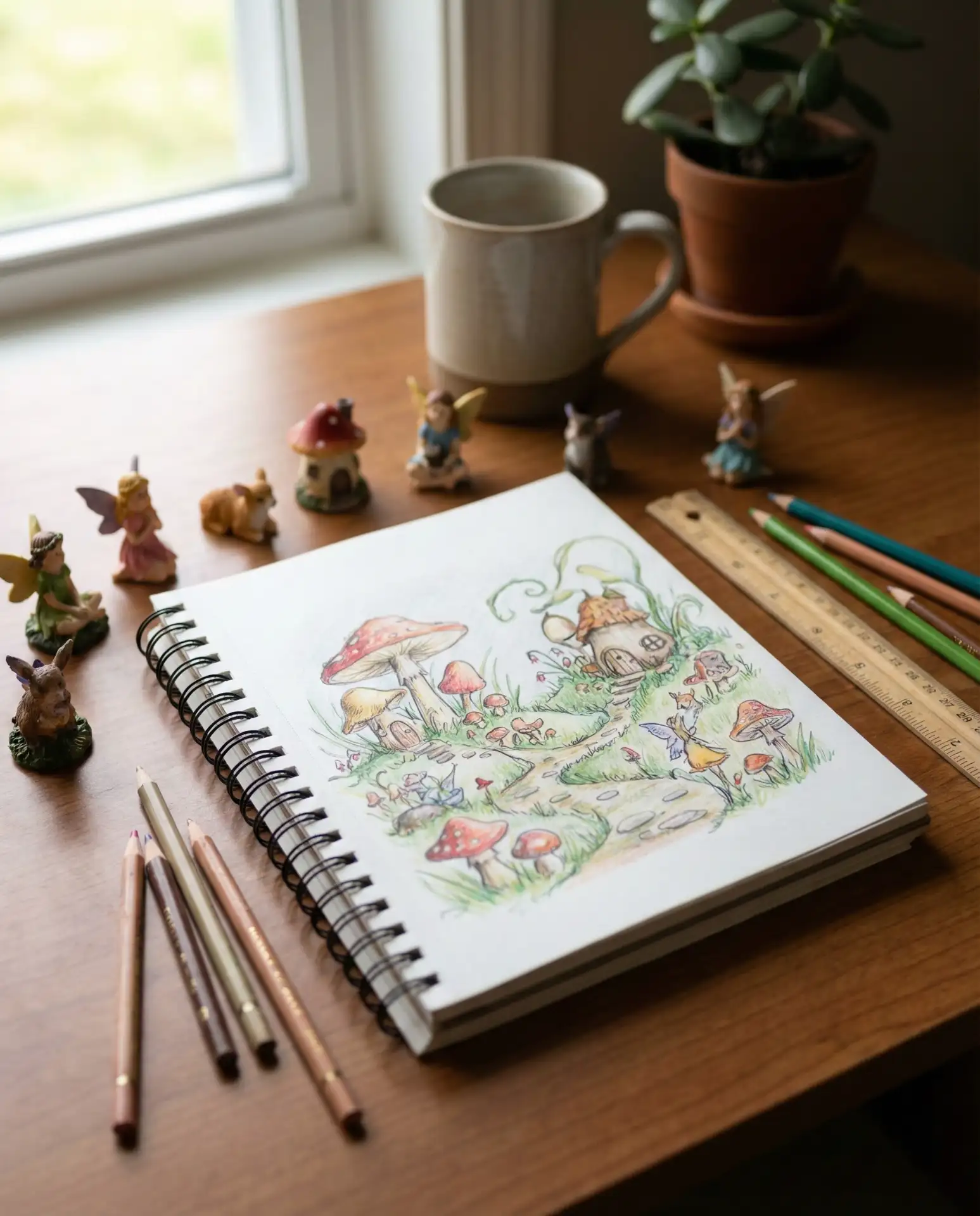
Before you start building, spend time drawing your fairy garden layout on paper or using a digital app. Sketch the placement of plants, paths, structures, and accessories to visualize the flow and scale. This planning step prevents costly mistakes and helps you see whether your ideas will fit in the available space, whether indoor or outdoor. 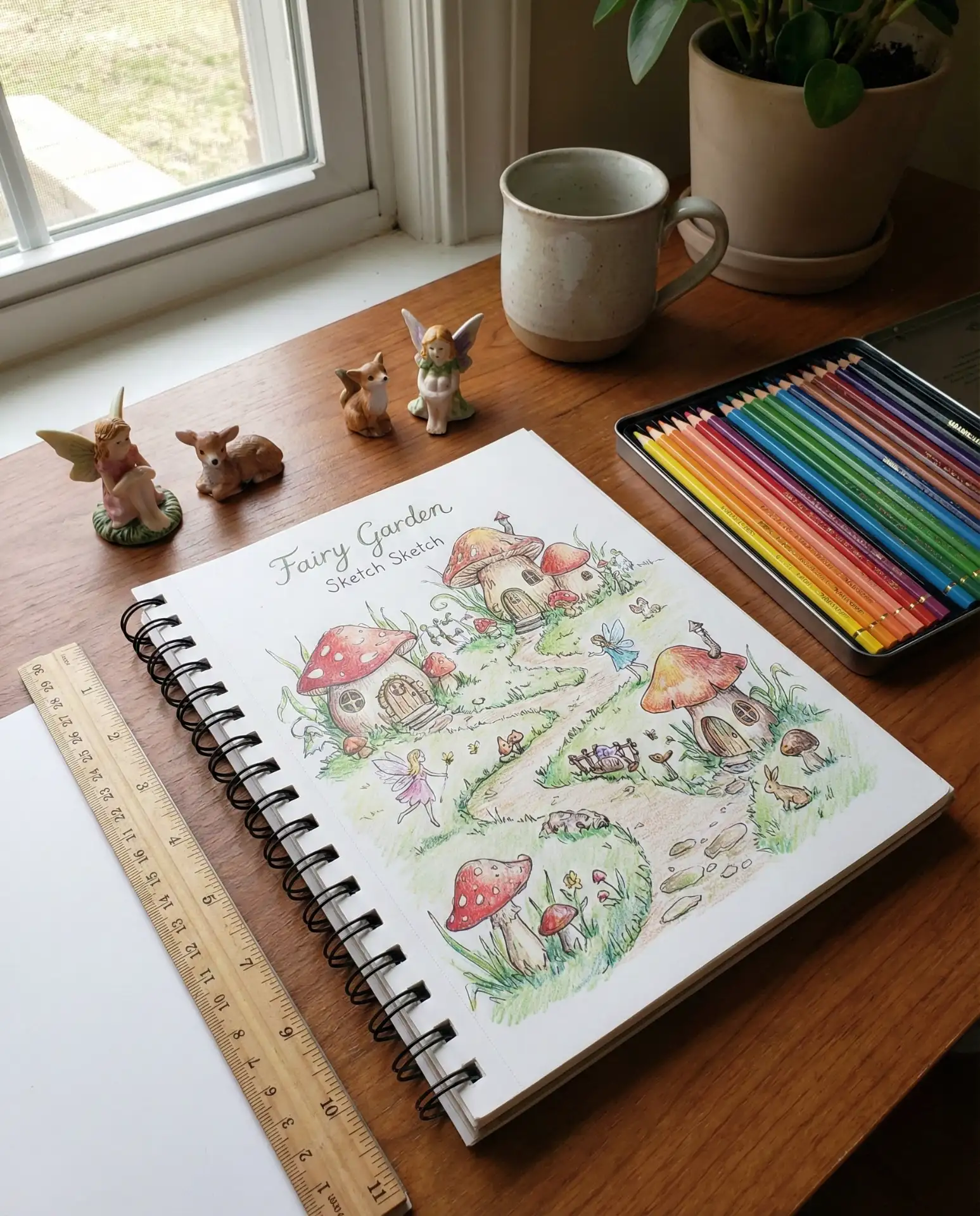
Expert gardeners and landscape designers often recommend this step, especially for larger projects. A detailed drawing lets you estimate how many plants you’ll need, where sunlight will hit, and how to create focal points that guide the eye. It’s also a fun way to involve kids in the planning process, giving them ownership over the design before a single seed is planted.
16. Easy Beginner Fairy Garden
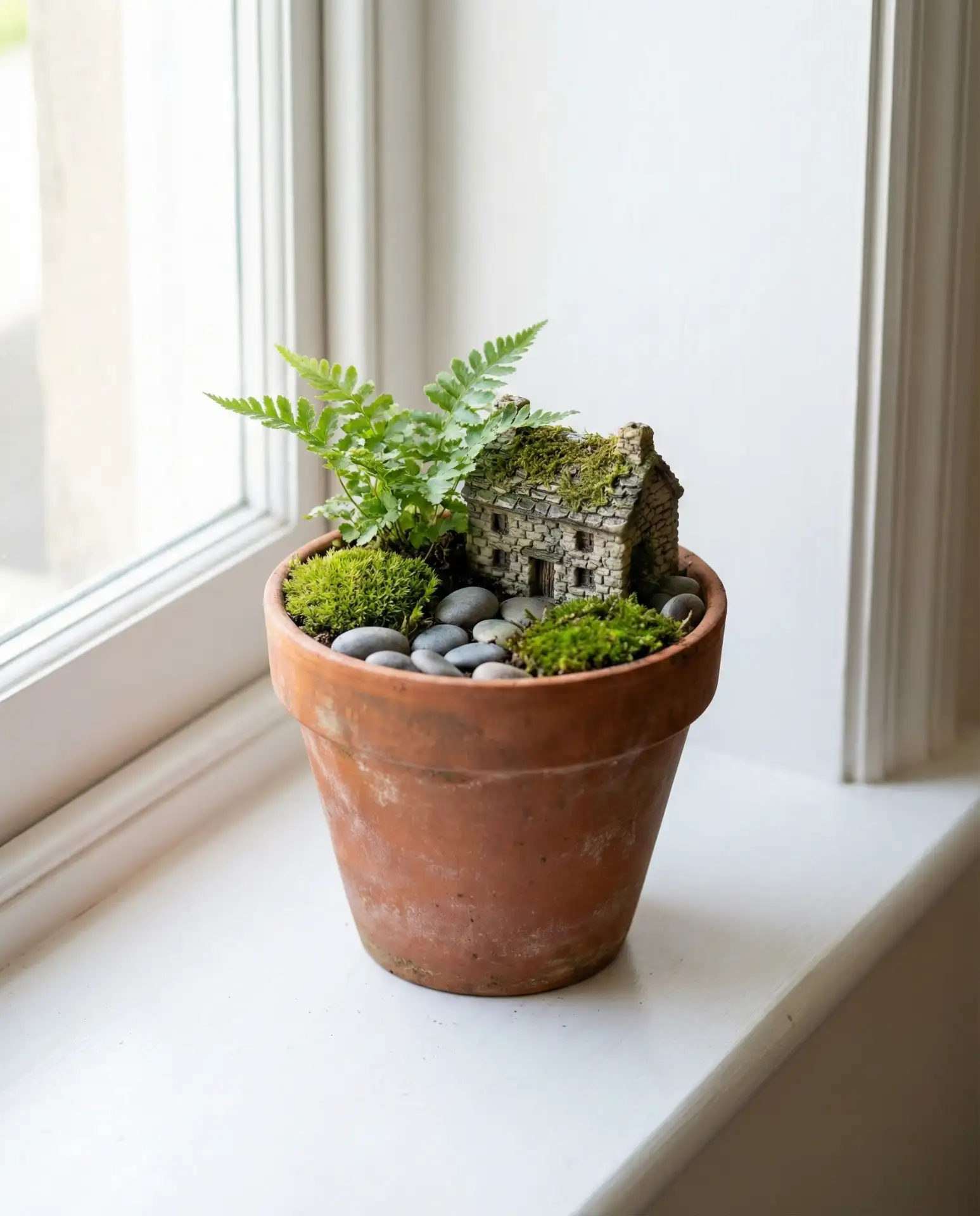
An easy beginner fairy garden uses just a handful of elements—a small container, potting soil, one or two hardy plants, and a single miniature house or figurine. This stripped-down approach removes the overwhelm and lets newcomers learn the basics of plant care, placement, and design without a big investment. It’s perfect for kids or anyone who’s never gardened before. 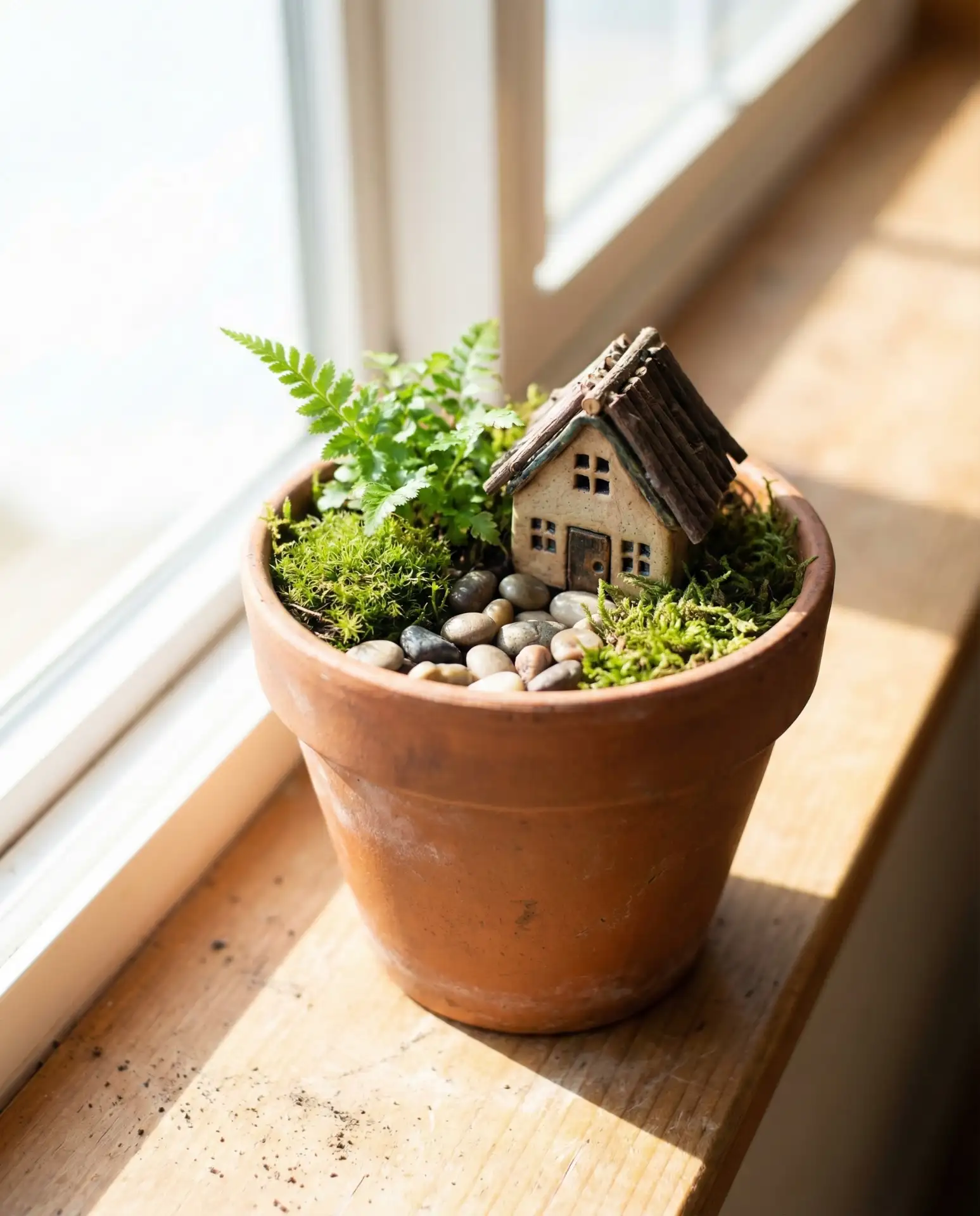
Many first-time fairy gardeners feel intimidated by elaborate setups they see online, but starting small builds confidence and skills. A single pot on a kitchen counter or balcony is enough to learn about watering schedules, light requirements, and how to arrange miniatures without crowding. Once comfortable, you can expand to larger or more complex designs.
17. Large Backyard Fairy Village
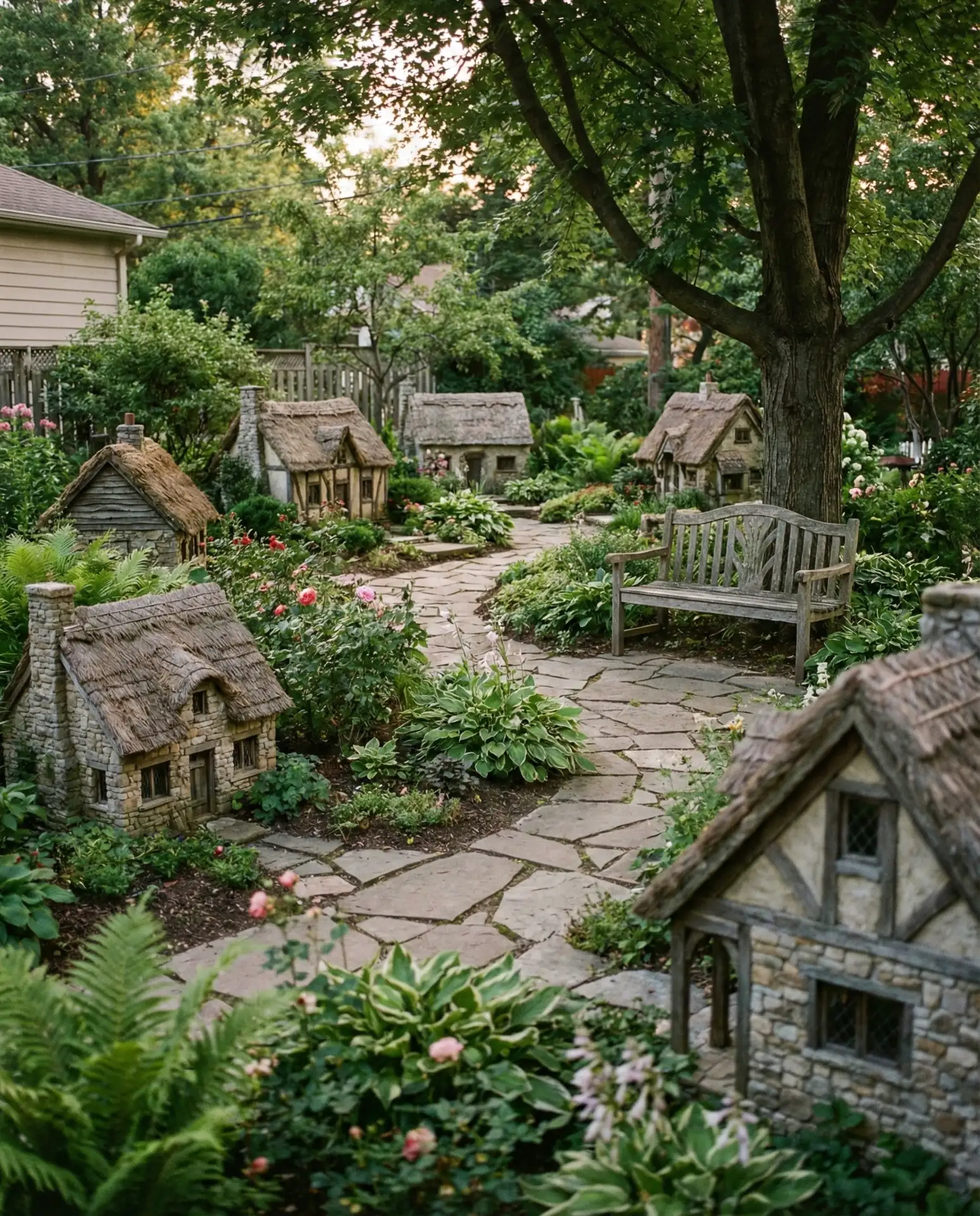
Create a sprawling fairy village across a section of your backyard, using multiple structures, winding paths, and varied plantings to build a miniature neighborhood. This large outdoor project can cover several square feet, with different zones for a market square, cottage row, or woodland grove. It’s an ambitious undertaking that rewards patience and creativity with a truly immersive fairy world. 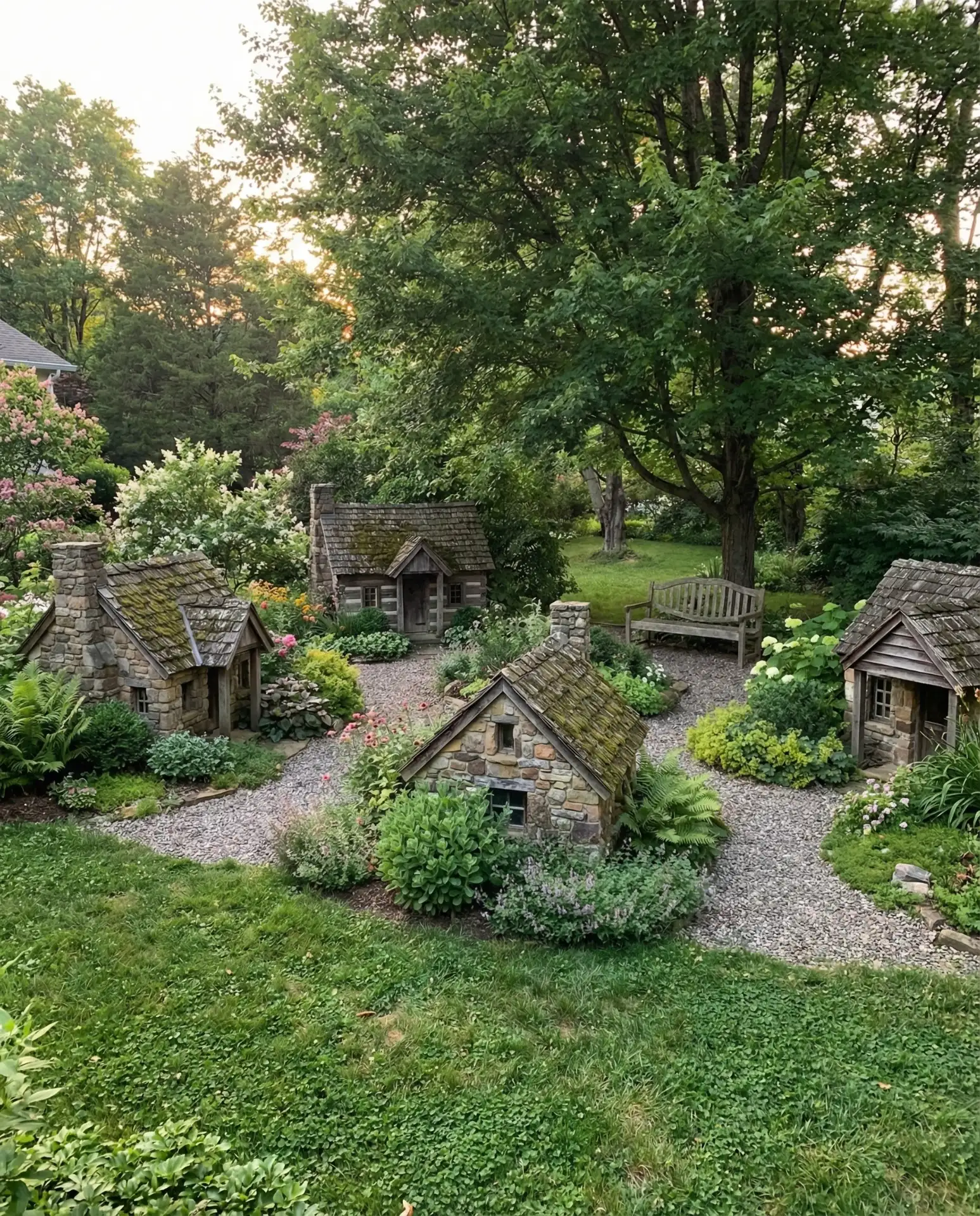
This design thrives in spacious suburban or rural yards where there’s room to expand without interfering with lawn care or other landscaping. Homeowners often add to the village over several seasons, purchasing or crafting new buildings as inspiration strikes. Budget-wise, expect to invest $100–$300 depending on the number of structures and plants, though many crafters keep costs lower by making their own accessories.
18. Indoor Fairy Garden with Grow Lights
For homes with limited natural light, an indoor fairy garden paired with a small LED grow light ensures plants stay healthy and vibrant. Set up the garden on a shelf, desk, or side table, and position the grow light overhead to provide 12–14 hours of supplemental light each day. This setup is especially popular in basements, home offices, or apartments with north-facing windows. 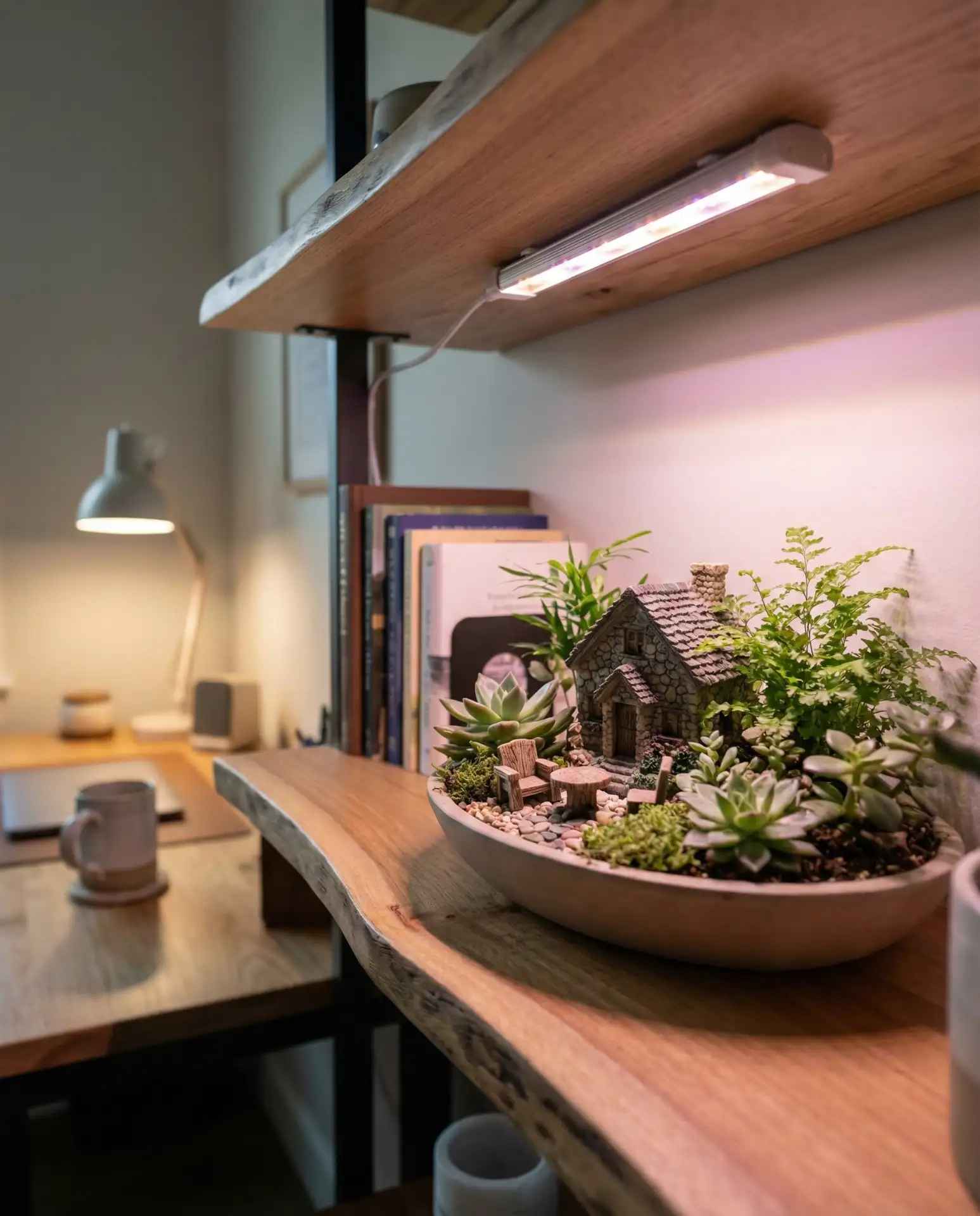
Urban gardeners in cities like New York, Chicago, and San Francisco have embraced grow lights as a way to keep plants thriving year-round despite limited window space. A basic clip-on grow light costs $15–$30 and can support several small fairy gardens. The added light also makes colors pop, giving the garden a lush, gallery-worthy appearance even in dim rooms.
19. Succulent and Cactus Fairy Garden
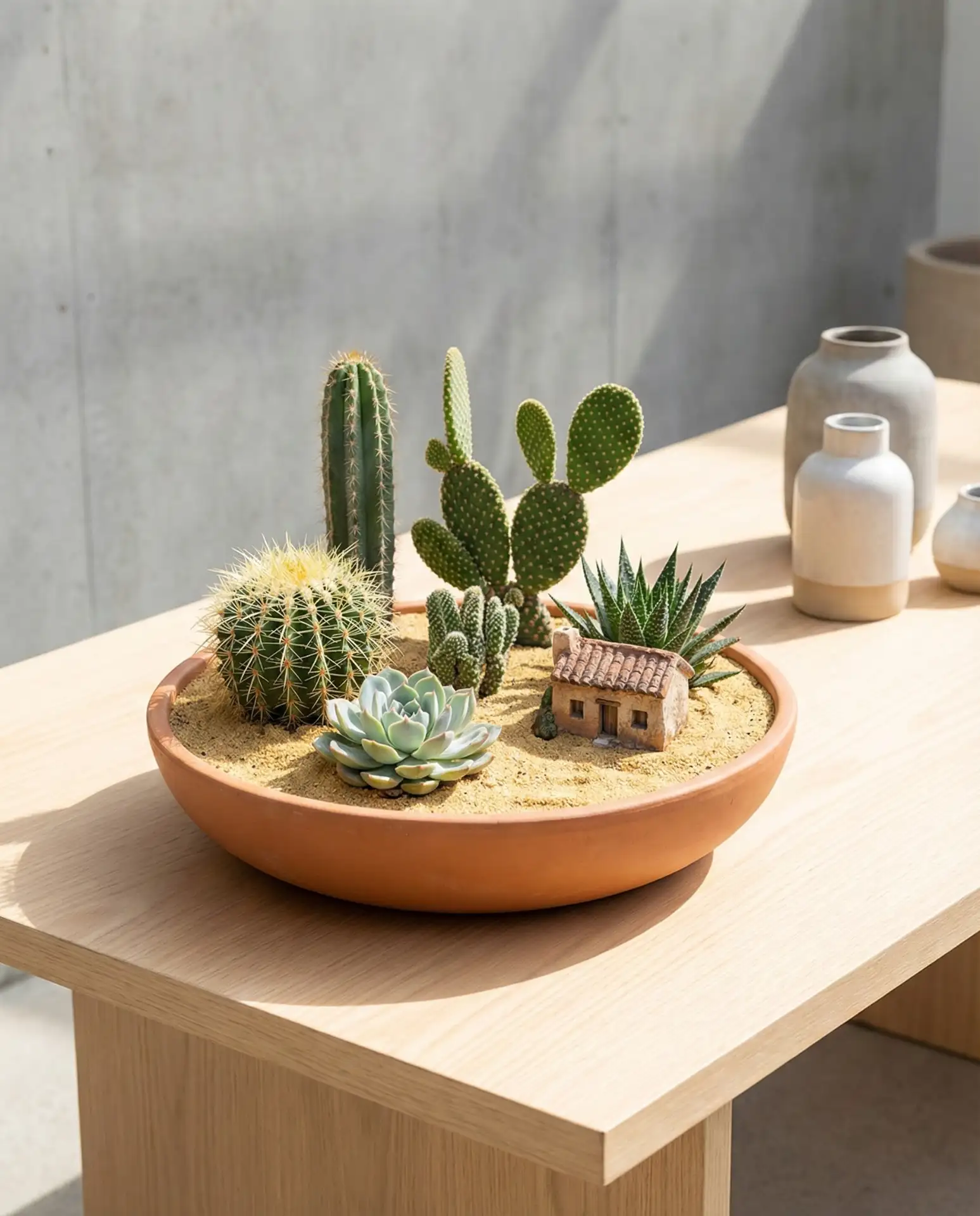
A succulent and cactus fairy garden brings desert vibes to any space, using low-water plants that thrive in bright, arid conditions. Arrange different shapes and textures—barrel cacti, paddle plants, and echeveria rosettes—around a miniature adobe-style house or rock formation. This theme is ideal for outdoor gardens in hot climates or indoor displays near south-facing windows. 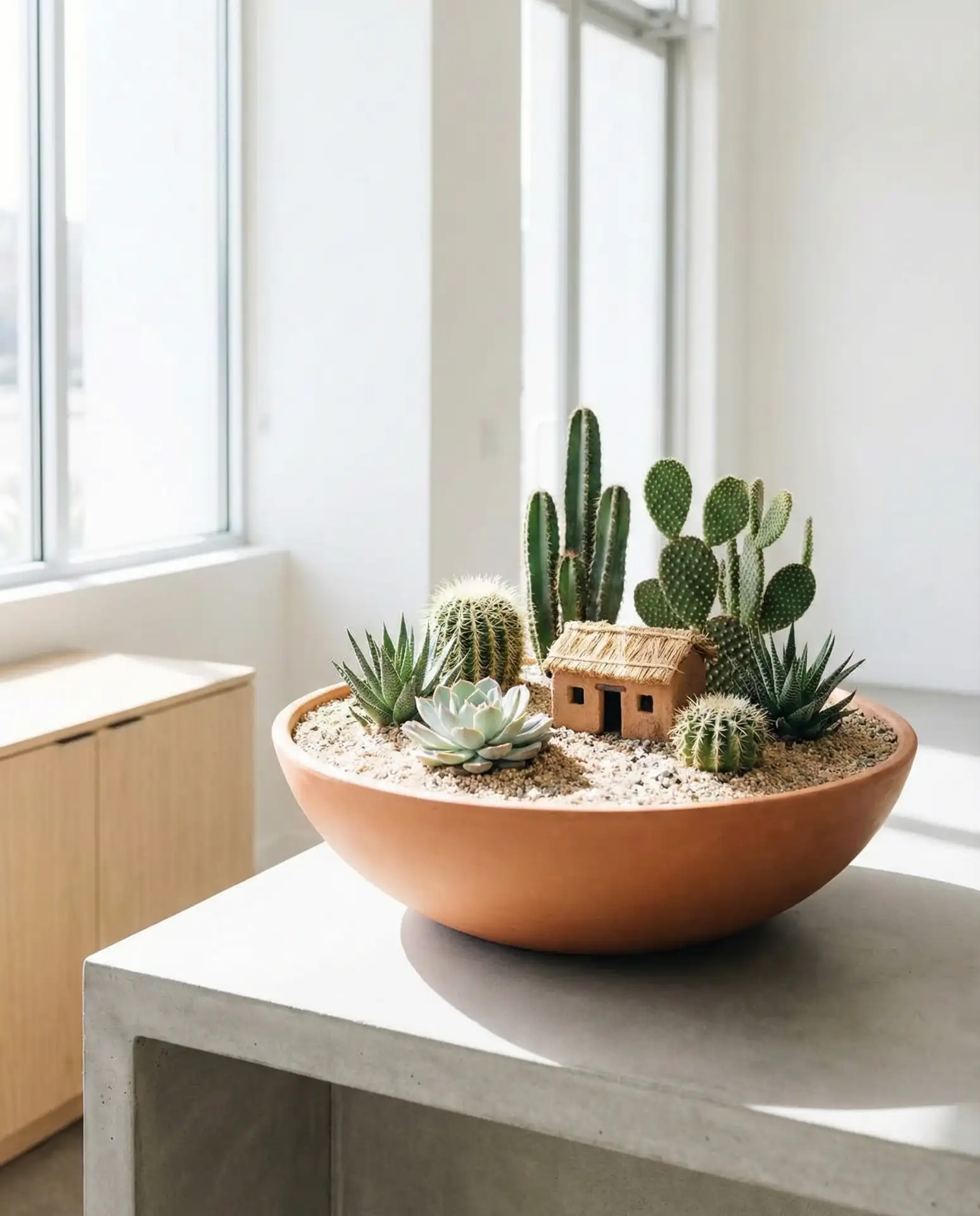
Mohlar himself notes homeowners in states like Nevada, New Mexico, and Arizona have fairy garden succulents, which last longer than traditional gardens due to extreme heat, which kills more delicate plants. Long drought events mean succulents and cacti do not need to be watered frequently, only once every 2-3 weeks, and their sculptural shapes are visually enjoyable even without flowering.
20. Fairy Garden with Homemade Accessories
Items such as acorns, twigs, and stones can be transformed into fairy garden accessories. Benches can be made by twigs and twine, and flat stones can be used as stepping stones. A walnut shell can be used as a birdhouse. This will be fairly inexpensive and more personal than buying accessories. 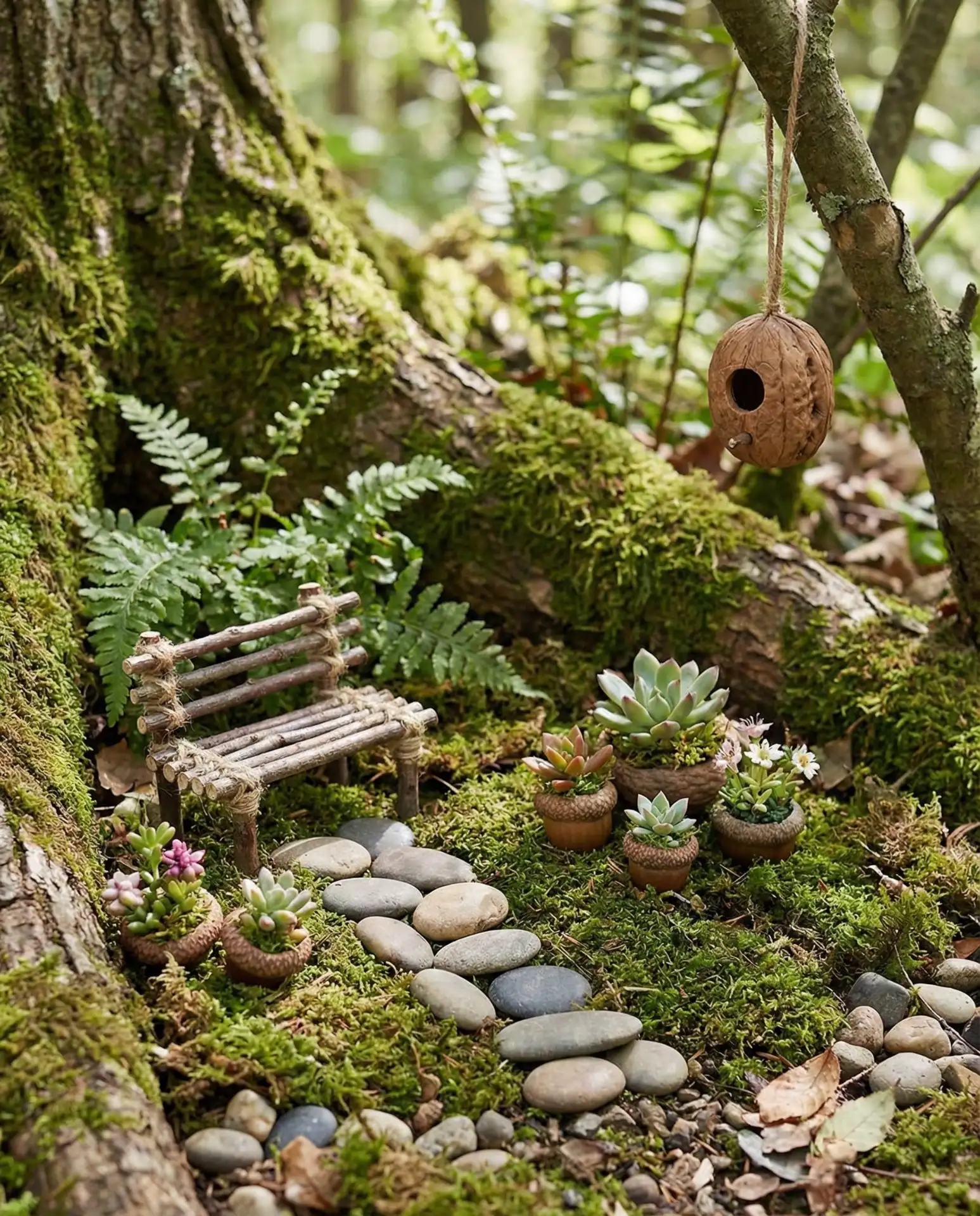
Converting accessories into a garden design theme and an aesthetic for your fairy garden. A nature walk in Oregon, Vermont, and other wooded states can be used to get materials in the fall to gather and in the winter evenings to assemble into miniature décor and furniture. It results in a fairy garden that is one of a kind.
21. Fairy Garden with Solar String Lights
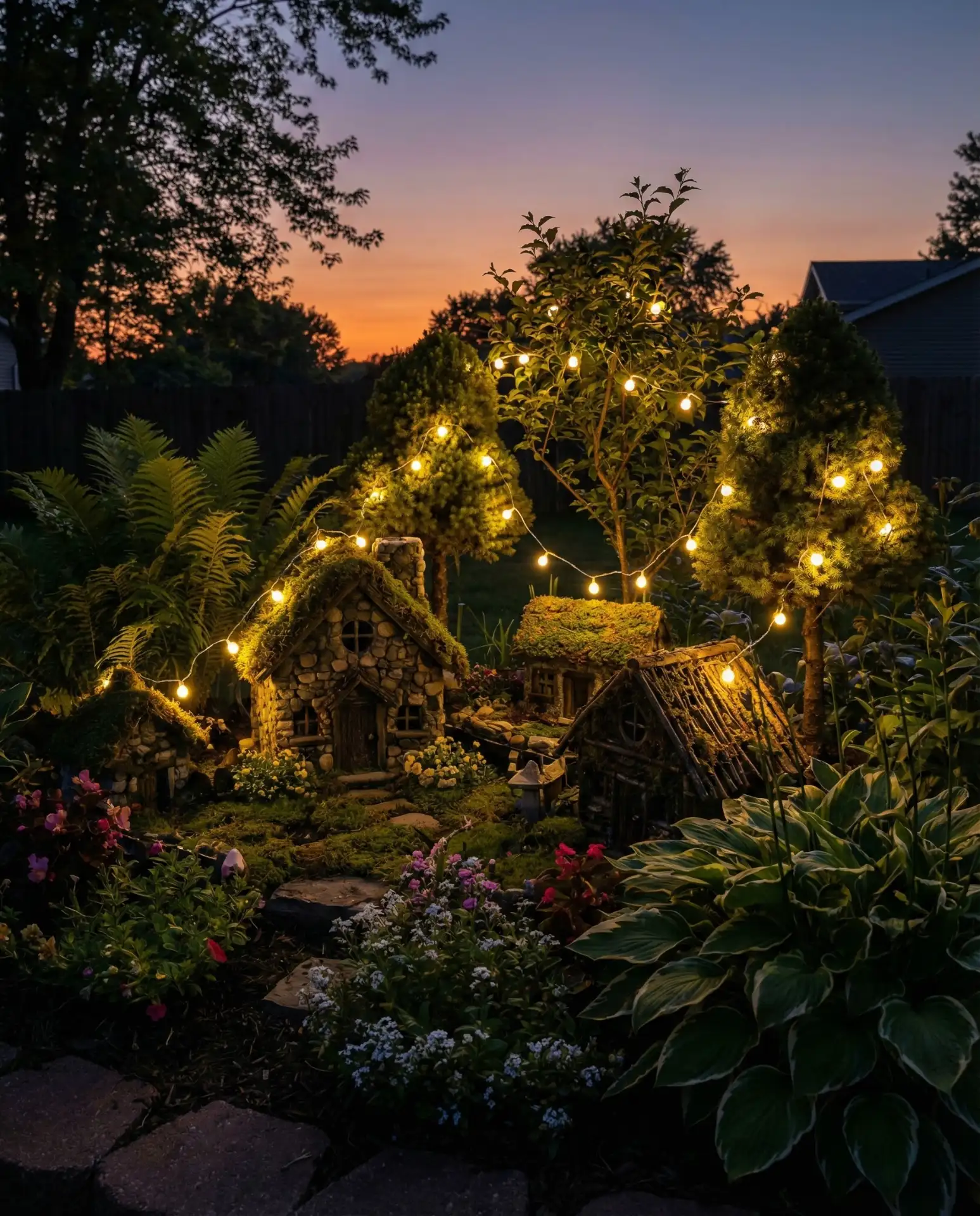
Solar string lights can be woven into miniature houses, pathways, and plants, bringing magic to outdoor fairy gardens. These lovely little lights illuminate gardens and make them visible at night. They charge during the day and glow at dusk, making them enchanting. The illuminations make the outdoor space inviting and visible after the sun has set in the sky. 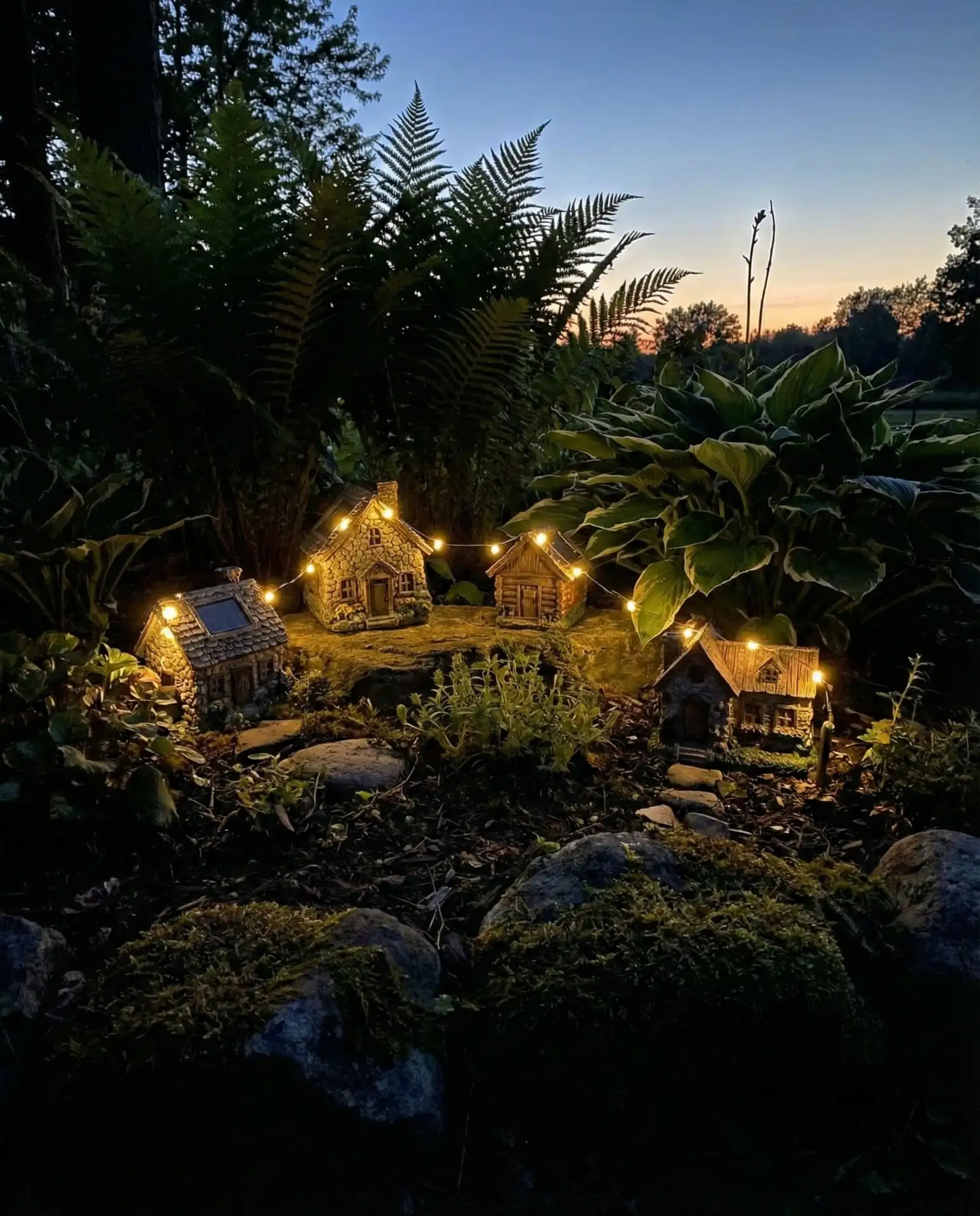
Solar lights have become a beloved addition in the South and Southeast U.S. Warm southern evenings are perfect for outdoor relaxation. 20 to 30 fairy lights are sold in a string for $10 to $20, which makes the addition very affordable. With no batteries, they’re easy and eco-friendly to use. Lit gardens make guests feel storybook-like, especially when a nearby seating area is included.
Conclusion
Fairy gardens offer endless opportunities to express creativity, connect with nature, and bring a little magic into everyday life. Whether you’re working with a teacup on a windowsill or a sprawling backyard village, the key is to start simple, experiment with materials, and let your imagination guide you. Share your favorite fairy garden ideas or photos in the comments—we’d love to see what you create in 2026.