Small bedrooms are one of the most common design challenges in American homes, whether you’re living in a compact city apartment, a cozy suburban starter home, or converting a spare room into a functional retreat. As we move into 2026, the focus has shifted toward maximizing every inch without sacrificing style or comfort. Pinterest users are searching for fresh, realistic solutions that blend smart storage, calming aesthetics, and personal expression. This guide brings together inspiring small bedroom ideas that work in real homes, with practical tips you can start using today.
1. Floating Nightstands to Free Up Floor Space
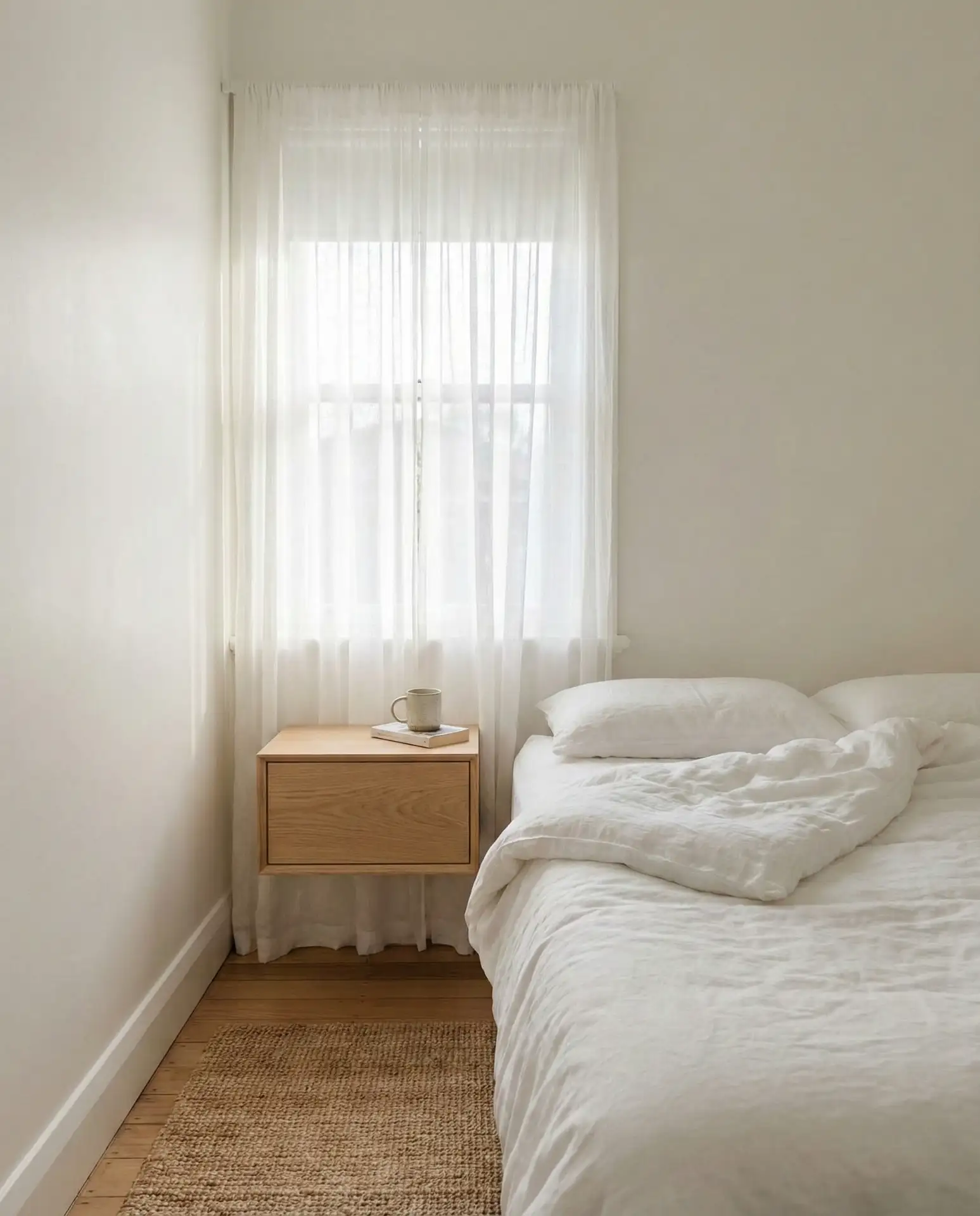
Wall-mounted nightstands are a game-changer for small bedroom ideas 2026, especially when you’re working with limited square footage. These sleek surfaces eliminate bulky furniture legs and create visual breathing room, making your small bedroom feel more open. Choose designs with a slim drawer or shelf for essentials like your phone, glasses, or a reading lamp. Floating pieces work beautifully in modern small bedrooms and blend seamlessly with minimalist or Scandinavian styles. 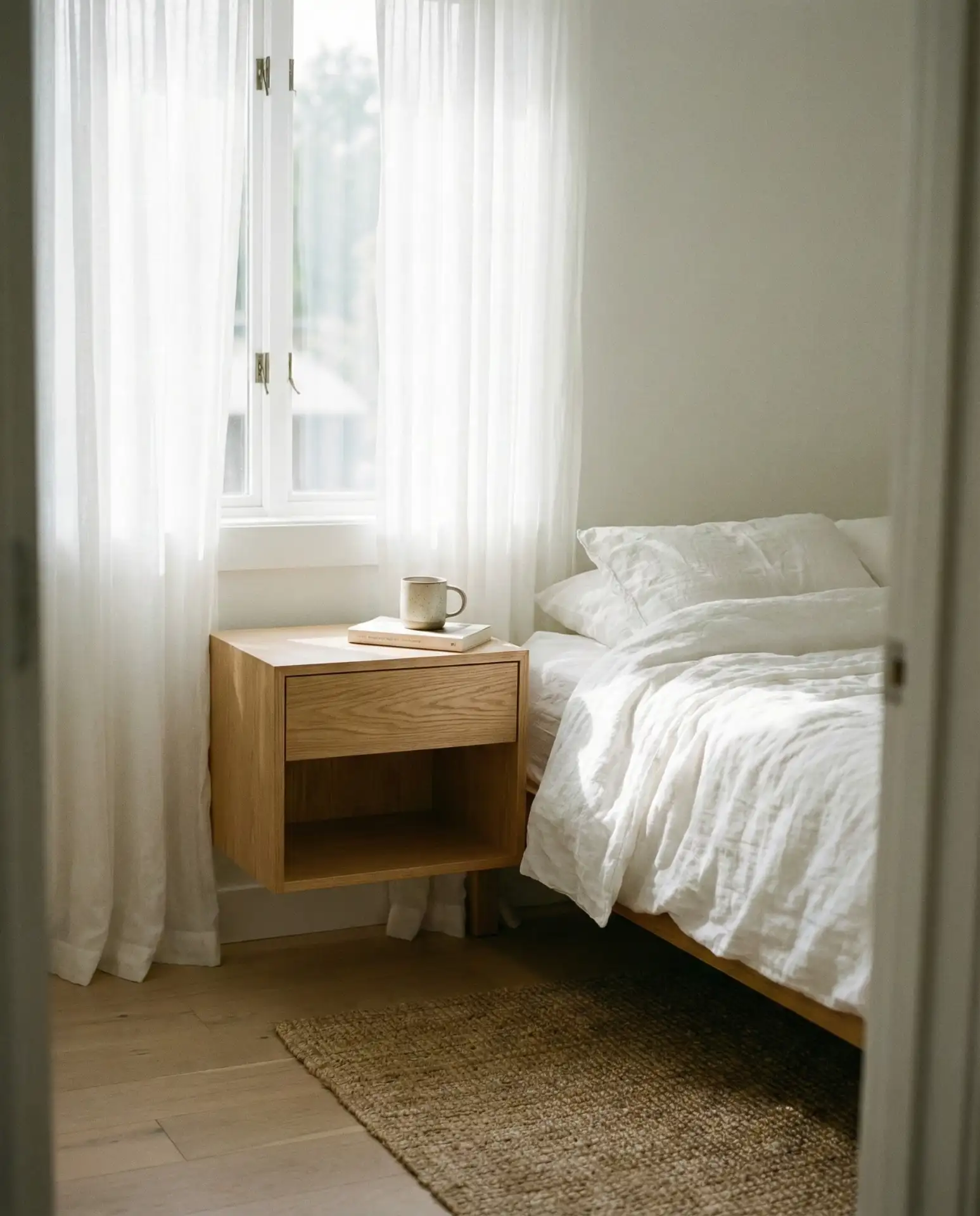
Floating nightstands work best in bedrooms where you can’t fit traditional bedside tables without blocking walkways. They’re especially popular in narrow rooms or studio apartments where every inch counts. Installation is straightforward—most models mount directly into wall studs—and you can position them at the exact height that suits your mattress. This small adjustment makes a noticeable difference in how spacious your room feels, and it simplifies cleaning underneath.
2. Under-Bed Storage Bins for Hidden Organization
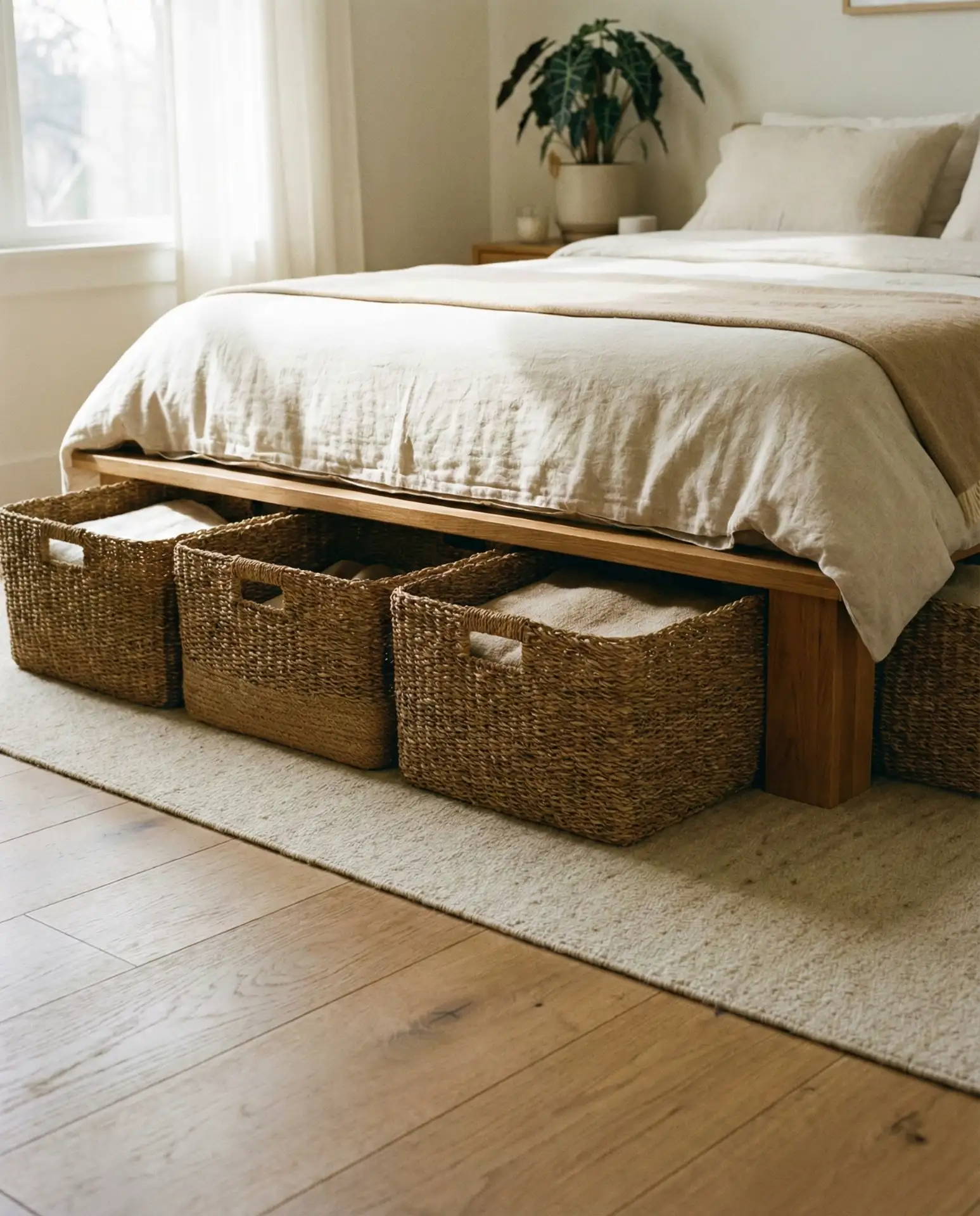
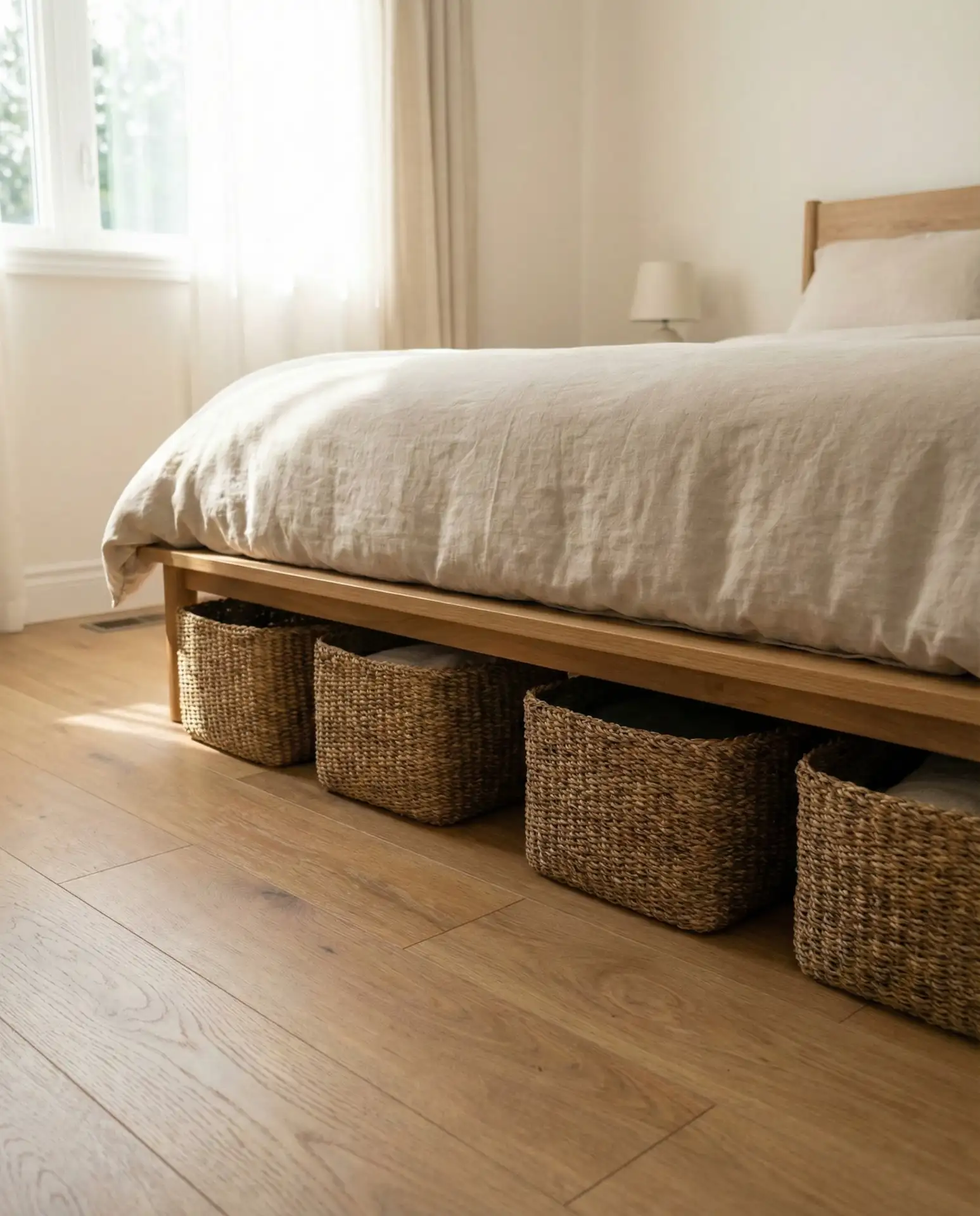
The space beneath your bed is valuable real estate that often goes unused in small bedrooms. Invest in low-profile storage bins or rolling drawers designed to slide effortlessly under your bed frame. This approach keeps seasonal clothing, extra linens, or shoes neatly tucked away while maintaining a clean, cozy small bedroom look. Opt for bins with wheels or handles for easy access, and choose materials like canvas or woven rattan that won’t snag on carpet.
In Southern states where homes tend to have less basement storage, under-bed organization is especially practical. A common mistake is choosing bins that are too tall—measure your bed clearance first to avoid frustration. If your bed sits low to the ground, consider bed risers that lift the frame 4–6 inches, instantly creating storage space you didn’t have before. This simple upgrade costs under $30 and can hold an entire wardrobe’s worth of off-season items.
3. Light Paint Colors to Expand Visual Space
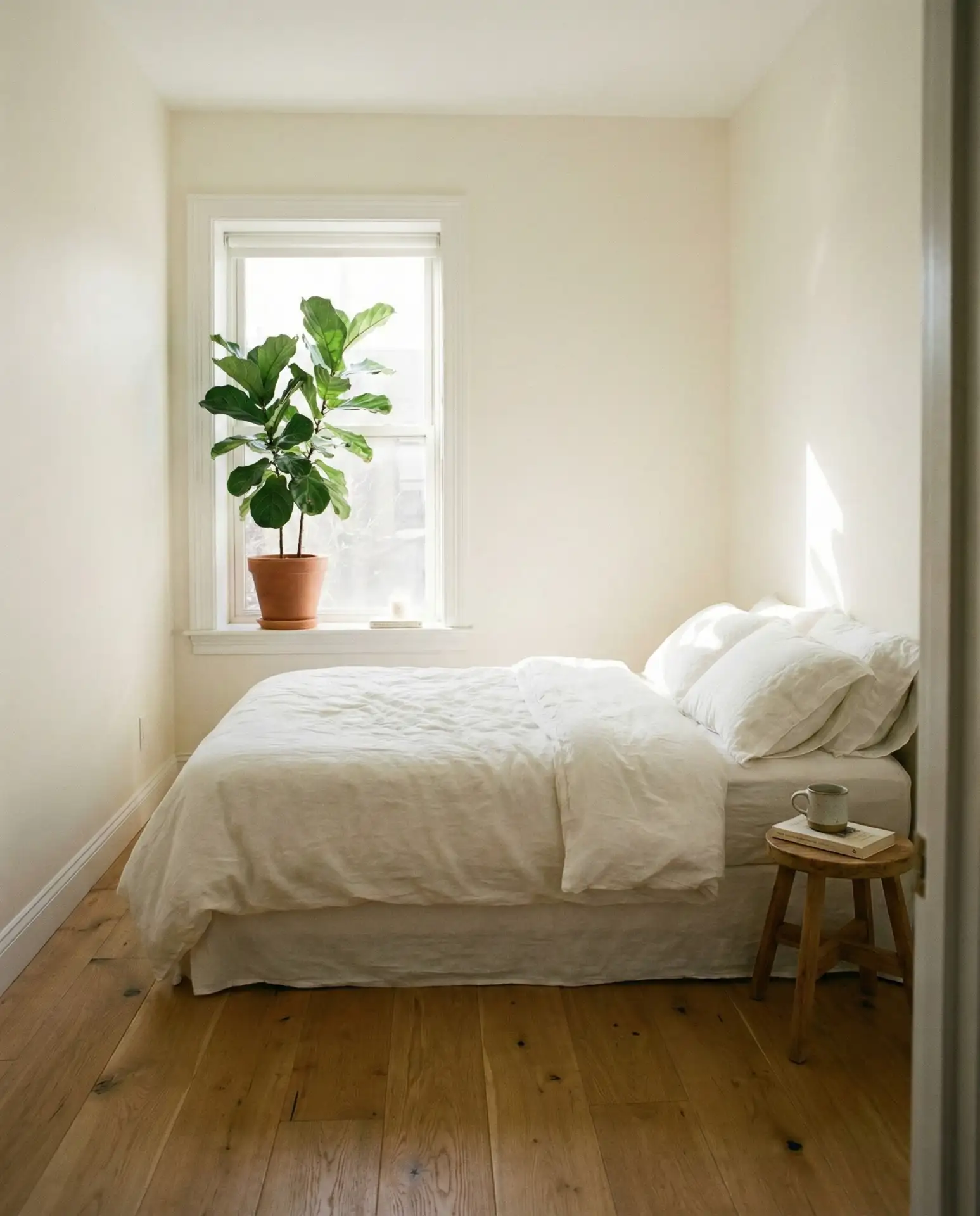
Soft whites, warm creams, and pale grays remain the foundation of successful small bedroom design because they reflect natural light and prevent walls from closing in. In 2026, designers are favoring slightly warmer neutrals over stark whites—think greige, linen, or warm off-white—that create a cozy small bedroom atmosphere without feeling cramped. These hues pair beautifully with natural wood accents and textured bedding, adding depth while keeping the space feeling open and breathable. 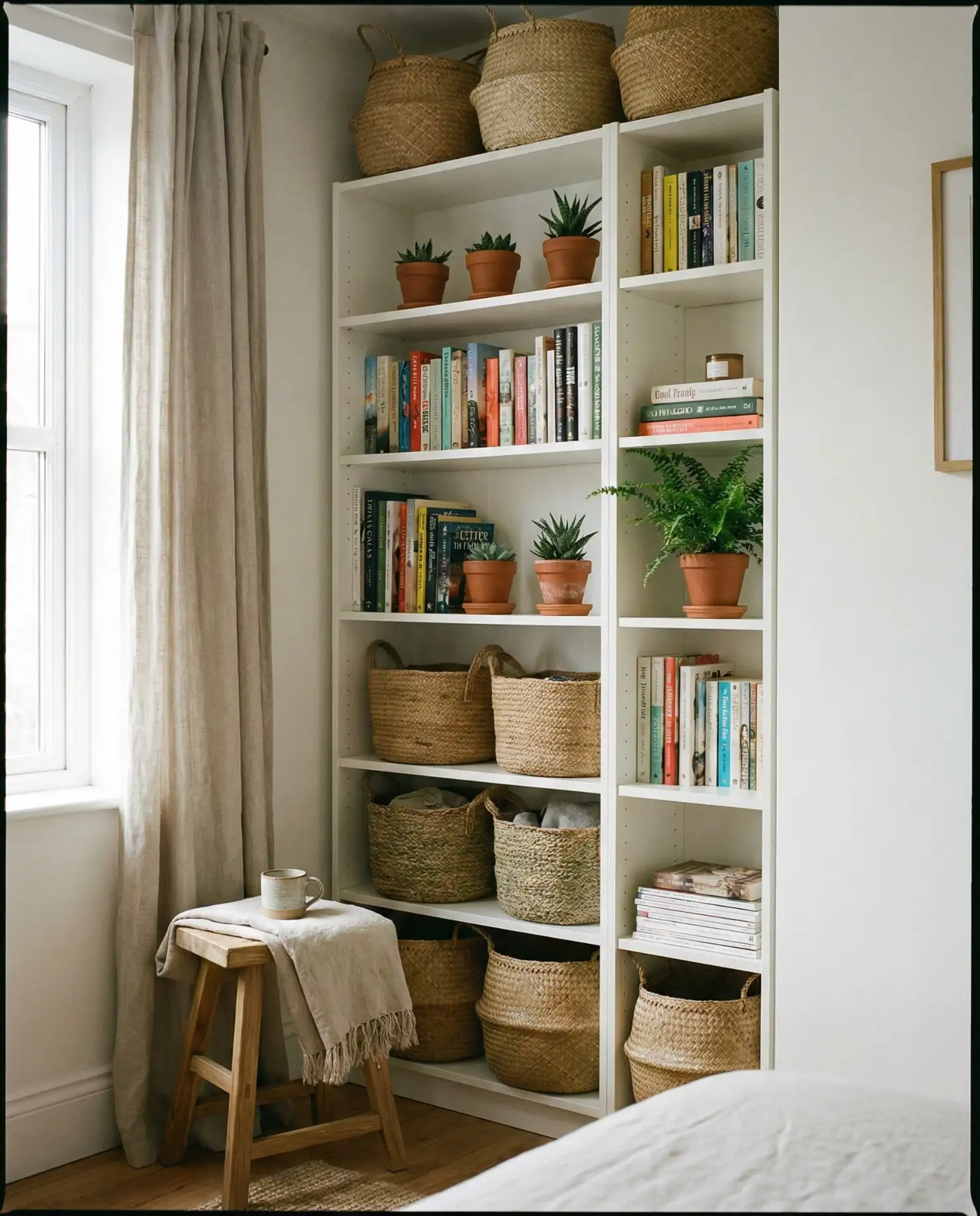
Light colors work particularly well in north-facing bedrooms that receive cooler, indirect light throughout the day. If pure white feels too clinical, try Benjamin Moore’s “White Dove” or Sherwin-Williams “Alabaster”—both are favorites among interior designers for their subtle warmth. Painting the ceiling the same shade as the walls can also eliminate visual breaks that make a room feel smaller, a technique often used in compact New York City apartments where every trick counts.
4. Vertical Storage Solutions to Maximize Height
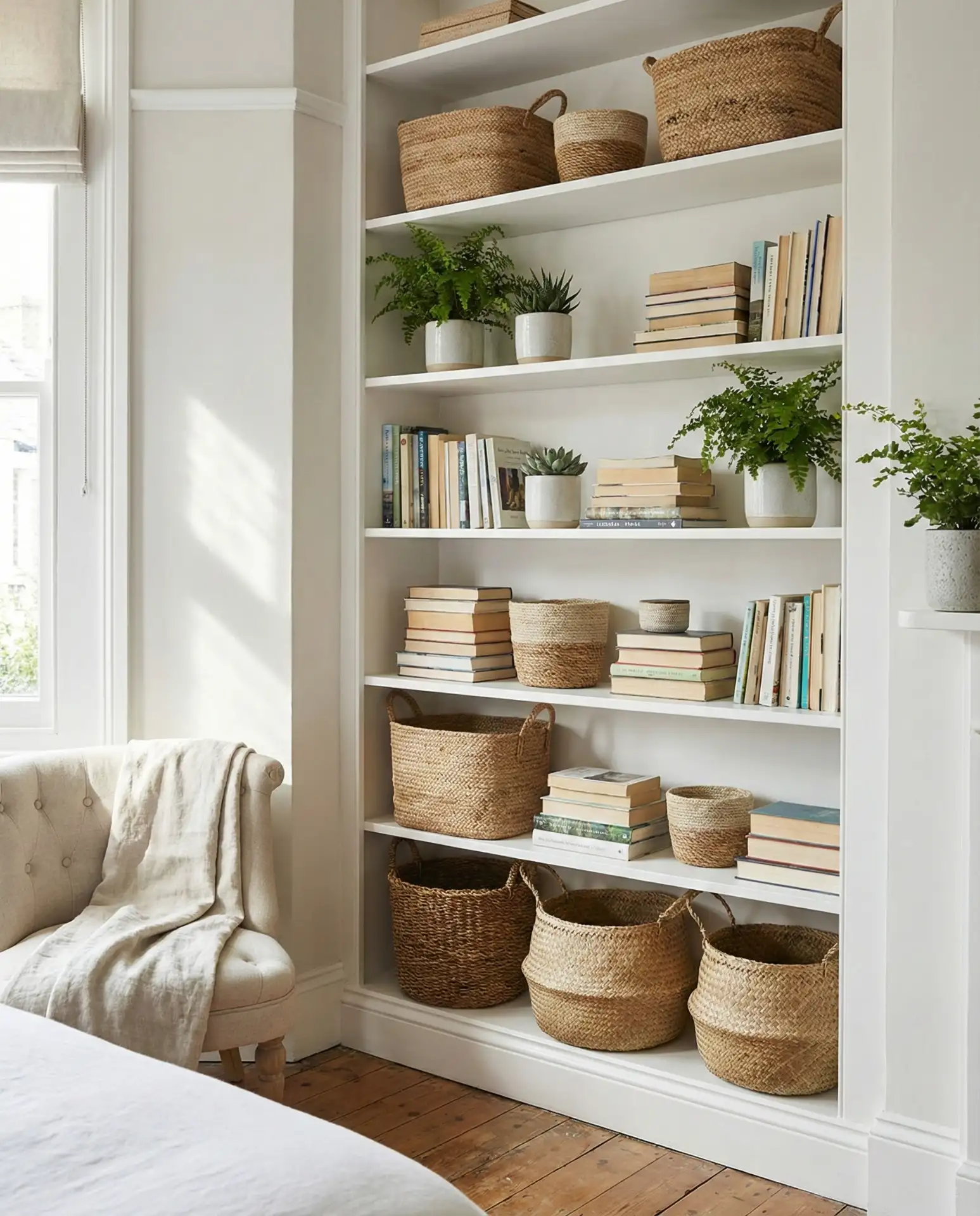
When floor space is tight, look up. Tall bookshelves, wall-mounted shelving units, and stacked storage cubes draw the eye upward and make use of the often-overlooked vertical dimension in small bedroom ideas 2026. Choose narrow, tall pieces rather than wide, squat furniture to preserve walking room. Open shelving keeps the space feeling airy, while adding a few closed baskets or boxes on upper shelves conceals clutter without blocking light. 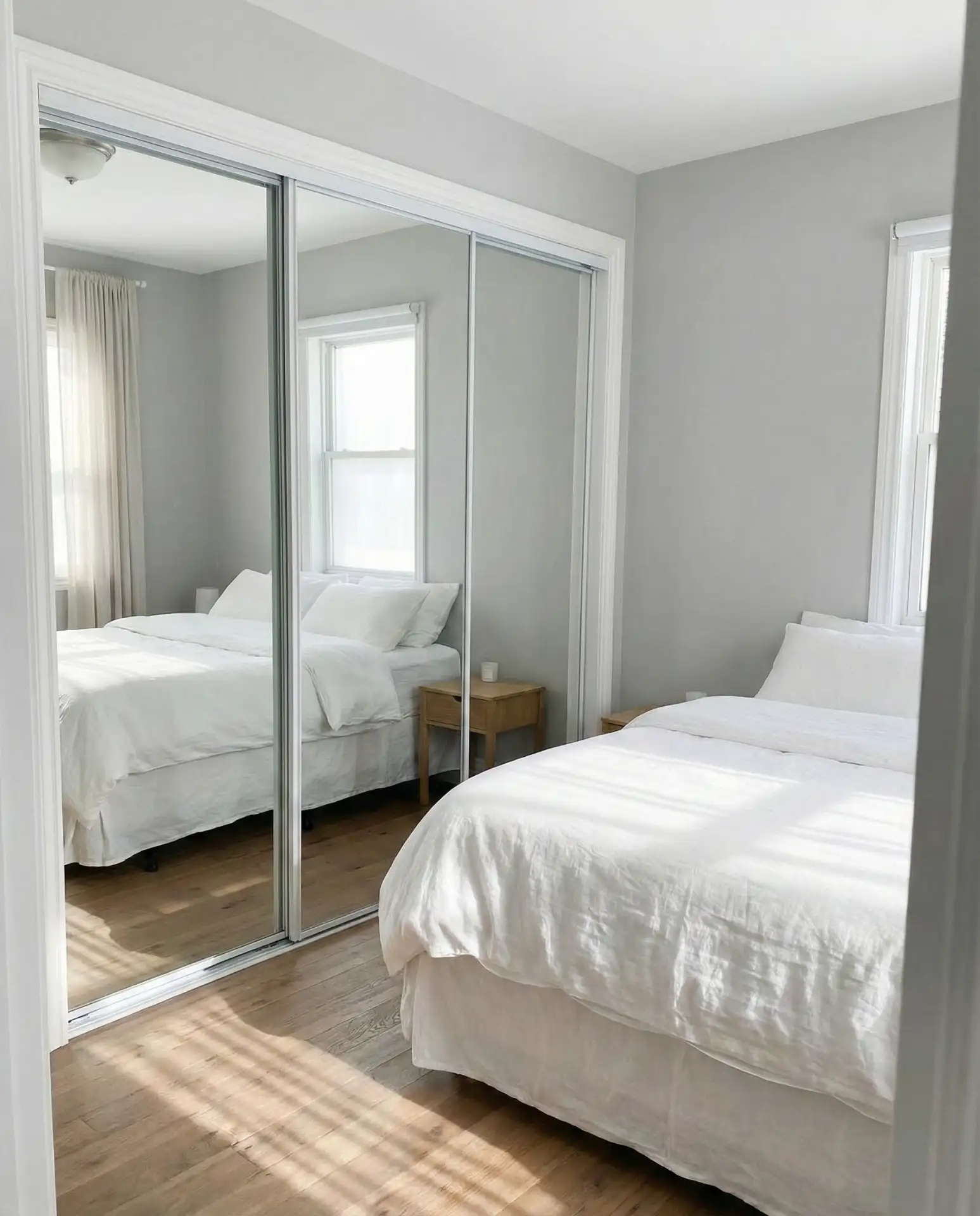
Vertical storage shines in bedrooms with high ceilings—common in older homes and converted lofts. Installing shelves that reach nearly to the ceiling takes advantage of space that would otherwise go unused. One practical insight: keep everyday items at eye level or below, and reserve the highest shelves for seasonal decor or items you access infrequently. This prevents you from needing a step stool every morning and keeps your routine efficient.
5. Mirrored Closet Doors to Double the Light
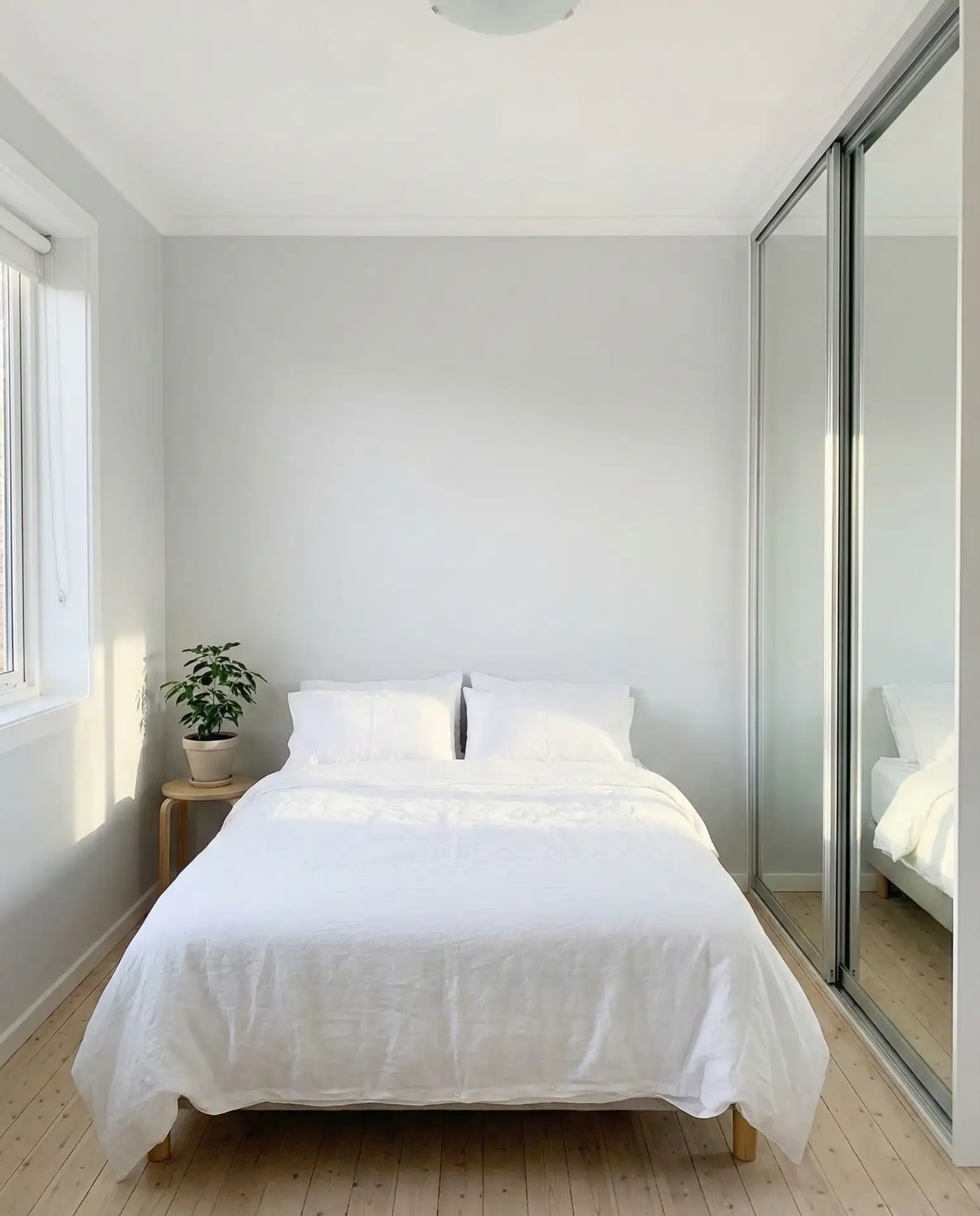
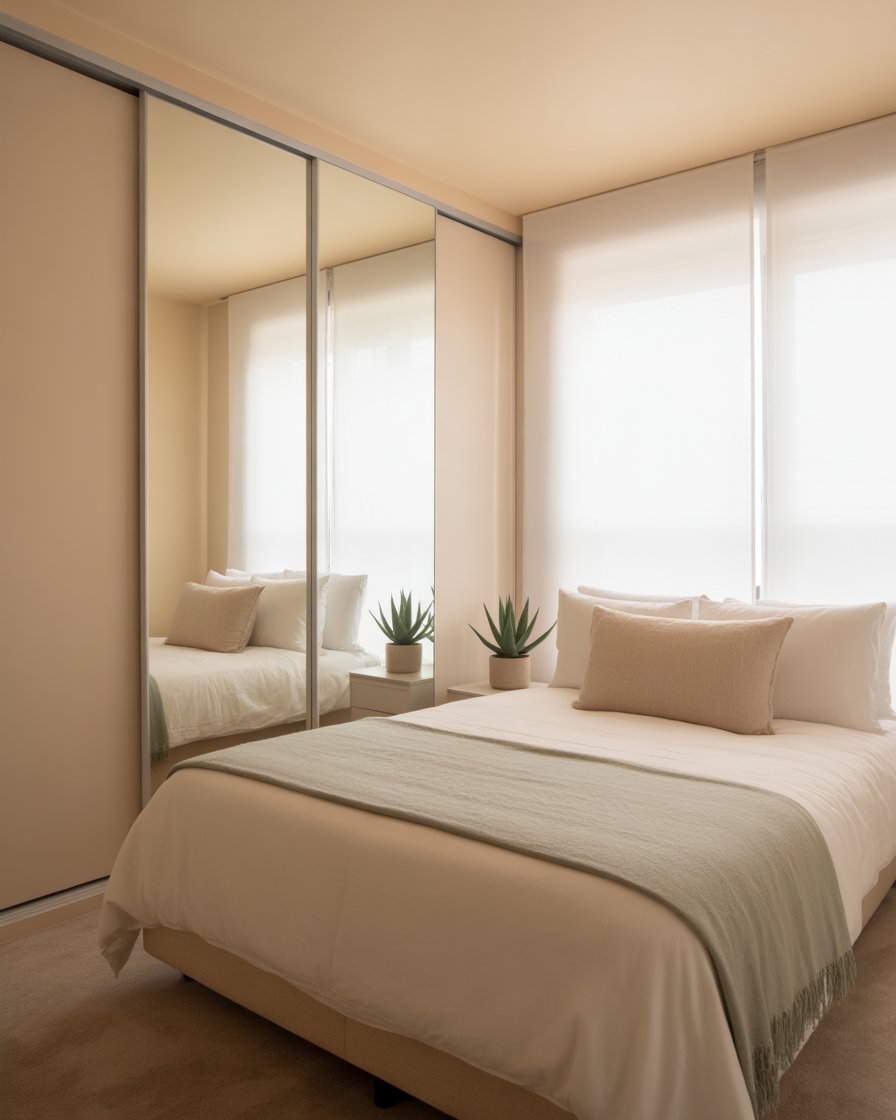
Replacing standard closet doors with floor-to-ceiling mirrors is one of the most effective ways to visually expand a small bedroom. Mirrors reflect both natural and artificial light, instantly brightening the room and creating the illusion of more square footage. This upgrade is particularly impactful in modern small bedrooms where clean lines and reflective surfaces are key design elements. Choose frameless mirrors for a seamless, contemporary look that doesn’t interrupt the room’s flow.
A neighbor once transformed her cramped guest room by installing mirrored closet doors, and the difference was remarkable—the room felt twice as large immediately. The bonus is functional: you get a full-length mirror for getting dressed without sacrificing wall space for a standalone version. If you rent and can’t replace doors permanently, consider removable mirror panels or large leaning mirrors positioned strategically to achieve a similar effect.
6. Murphy Beds for Multi-Functional Rooms
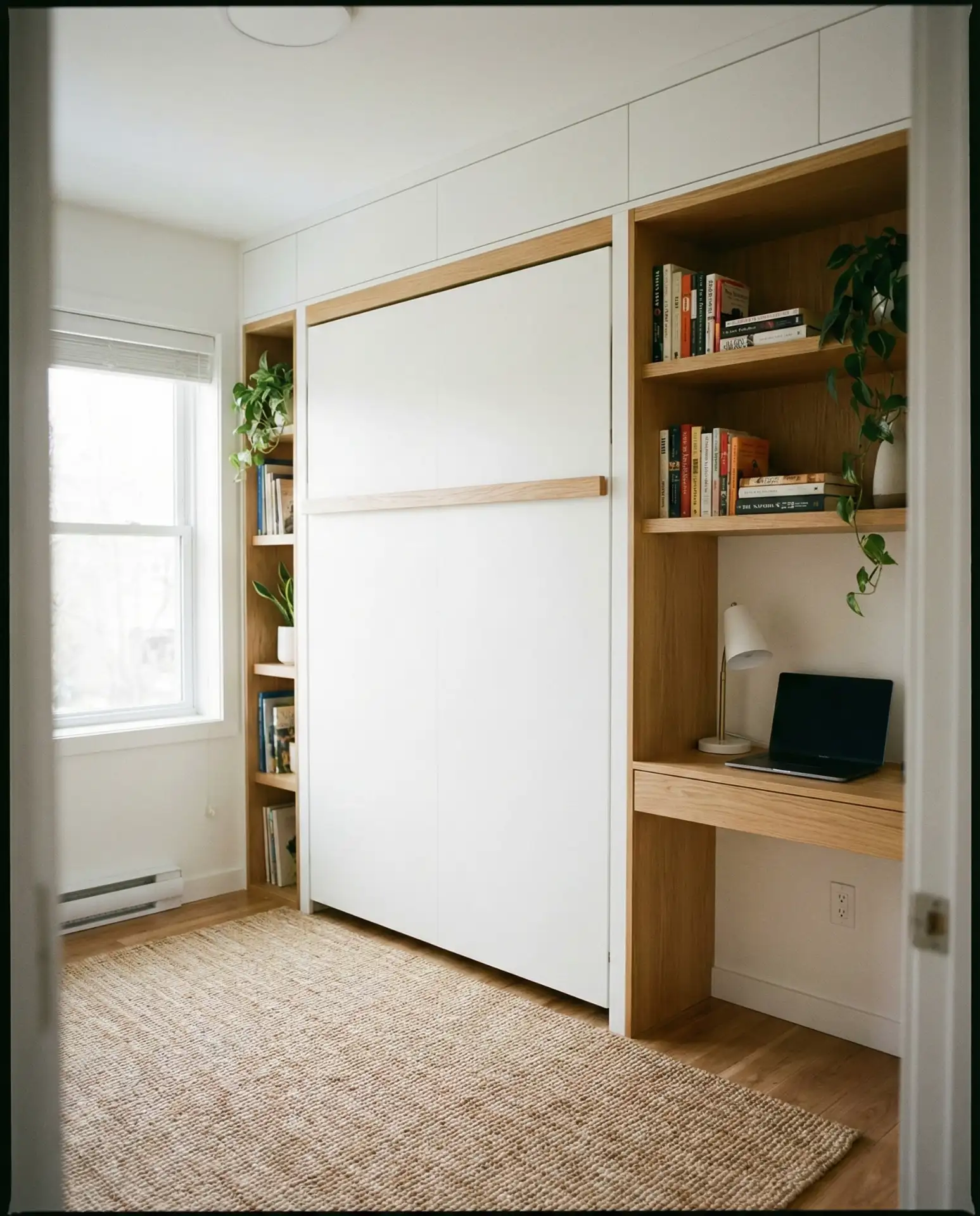
Wall beds, or Murphy beds, remain a top choice for small bedroom ideas 2026 when you need a room to serve multiple purposes. These fold-up beds free up floor space during the day, transforming a bedroom into a home office, yoga studio, or play area. Modern Murphy beds come with integrated shelving, desks, or sofas that make the room look intentional rather than makeshift. Quality models are surprisingly comfortable and can accommodate full or queen-size mattresses. 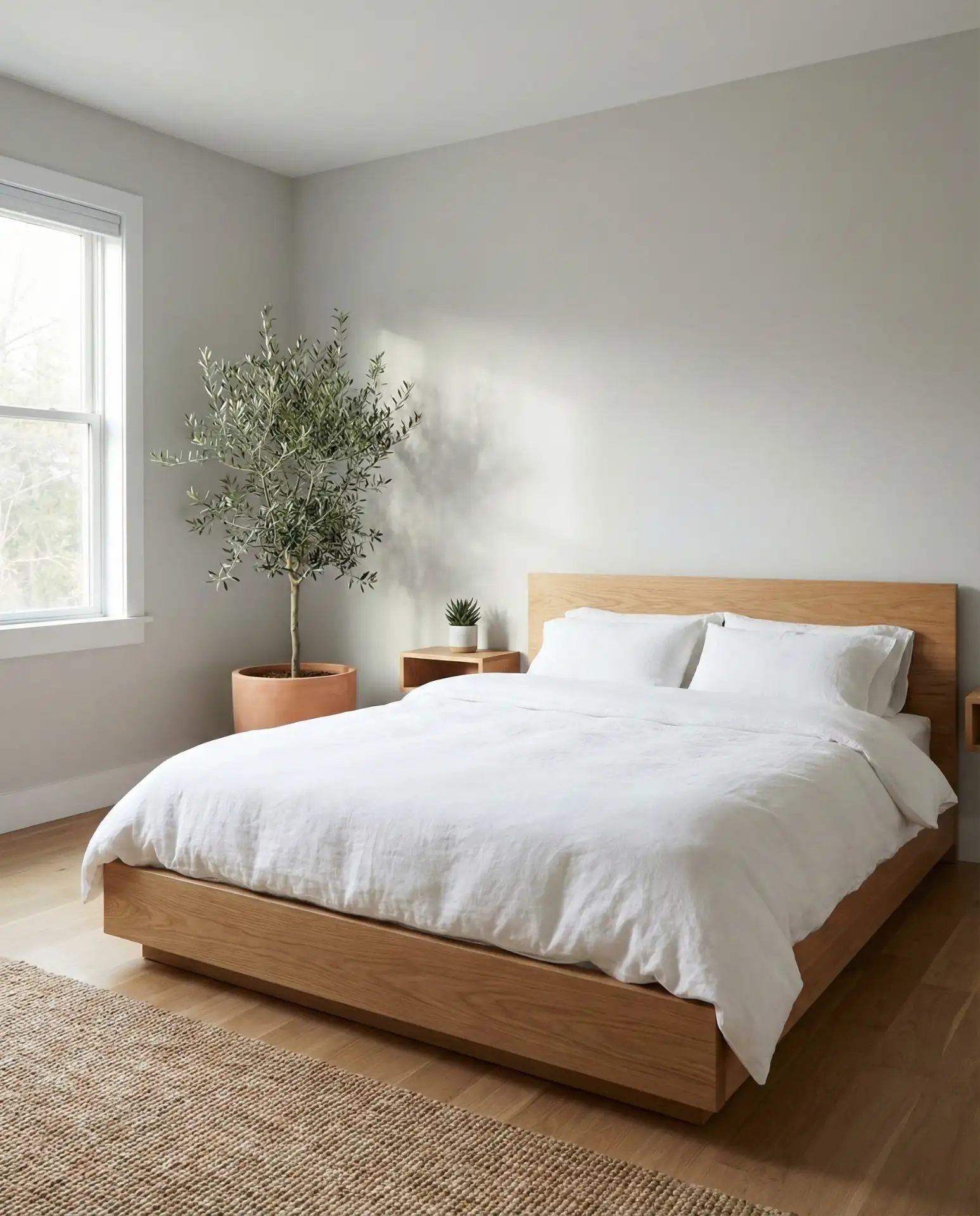
Murphy beds work best in guest rooms that double as home offices—a setup increasingly common as remote work continues across the U.S. Installation typically requires professional help to ensure proper wall anchoring and safety, with costs ranging from $1,500 to $4,000 depending on features. While not the cheapest option, the return on usable square footage often justifies the investment, especially in urban areas where space commands premium rent or resale value.
7. Low-Profile Platform Beds to Create Airiness
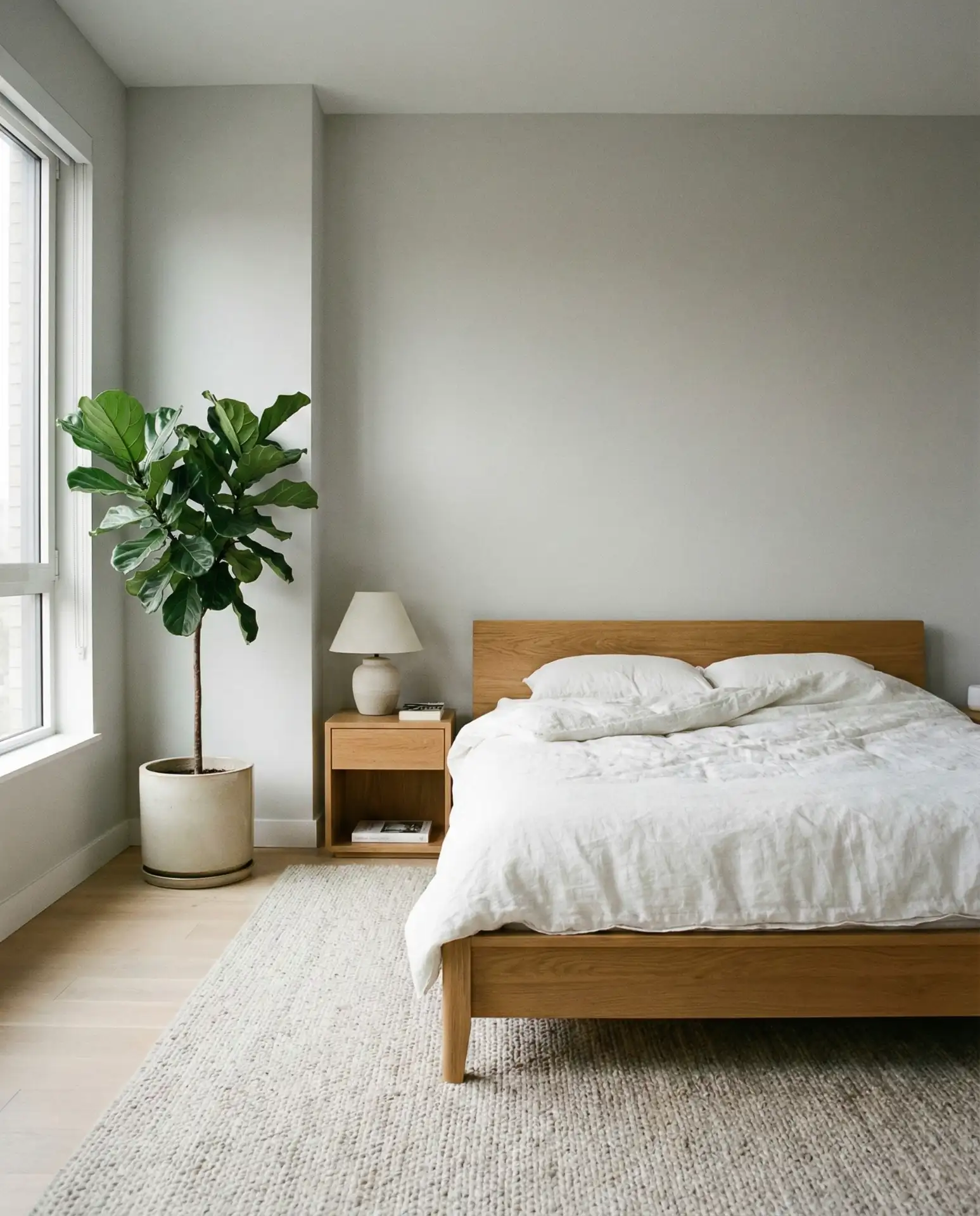
Platform beds that sit low to the ground create an unexpected sense of openness in small bedrooms by reducing visual bulk and leaving more wall space visible. This Japanese-inspired approach emphasizes horizontal lines and simplicity, making the room feel less crowded. Choose a modern small bedroom platform bed with built-in storage drawers to maintain functionality while keeping the profile sleek. Natural wood or upholstered frames in neutral tones work particularly well. 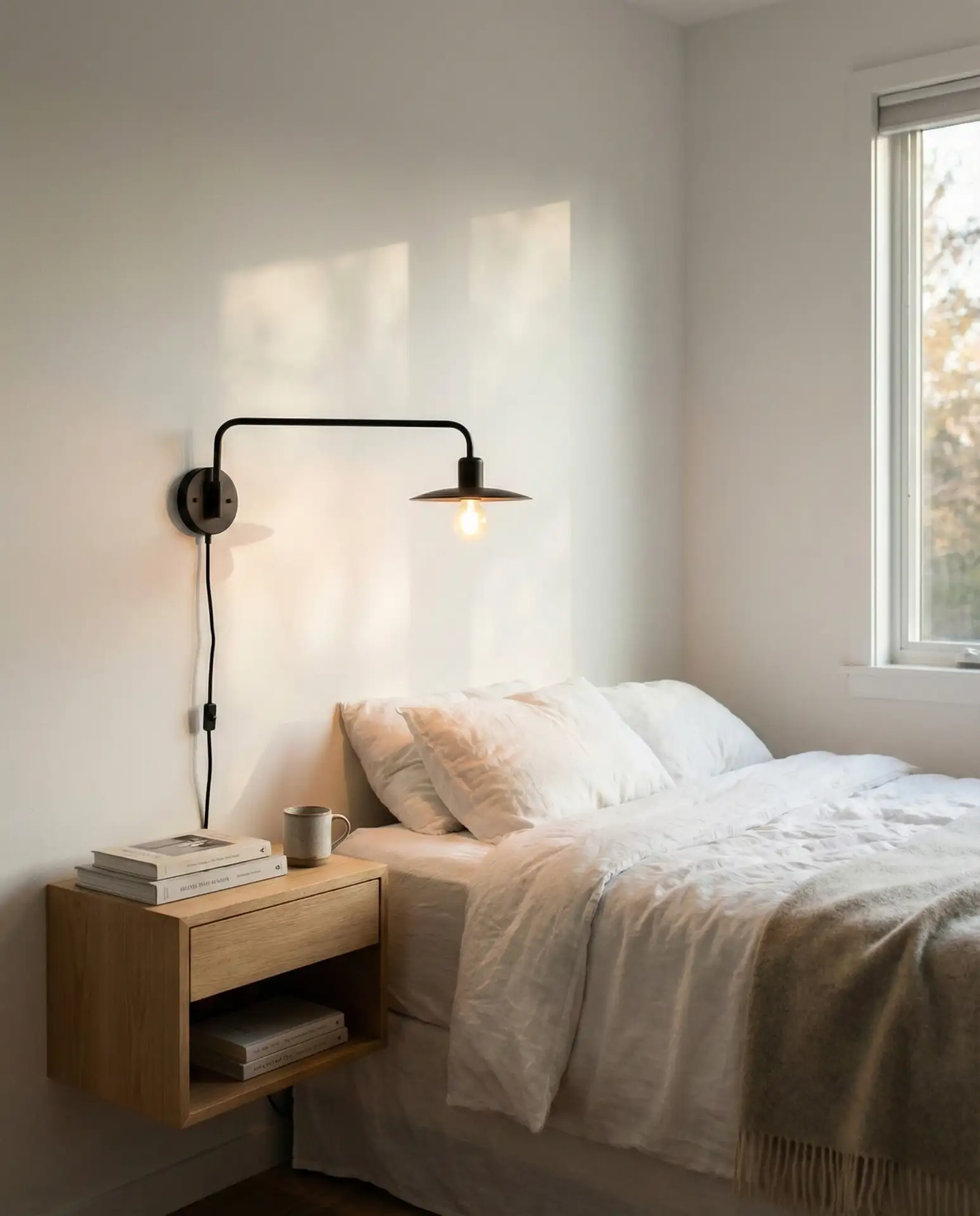
Low platform beds are especially popular on the West Coast, where mid-century modern and Japanese minimalism influence residential design. They work beautifully in rooms with low ceilings, where tall headboards can make the space feel compressed. One practical note: if you have mobility concerns or prefer higher beds for easier getting in and out, this style may not be ideal—but for younger homeowners seeking a contemporary aesthetic, it’s a winning choice.
8. Wall-Mounted Lamps to Free Up Nightstand Space
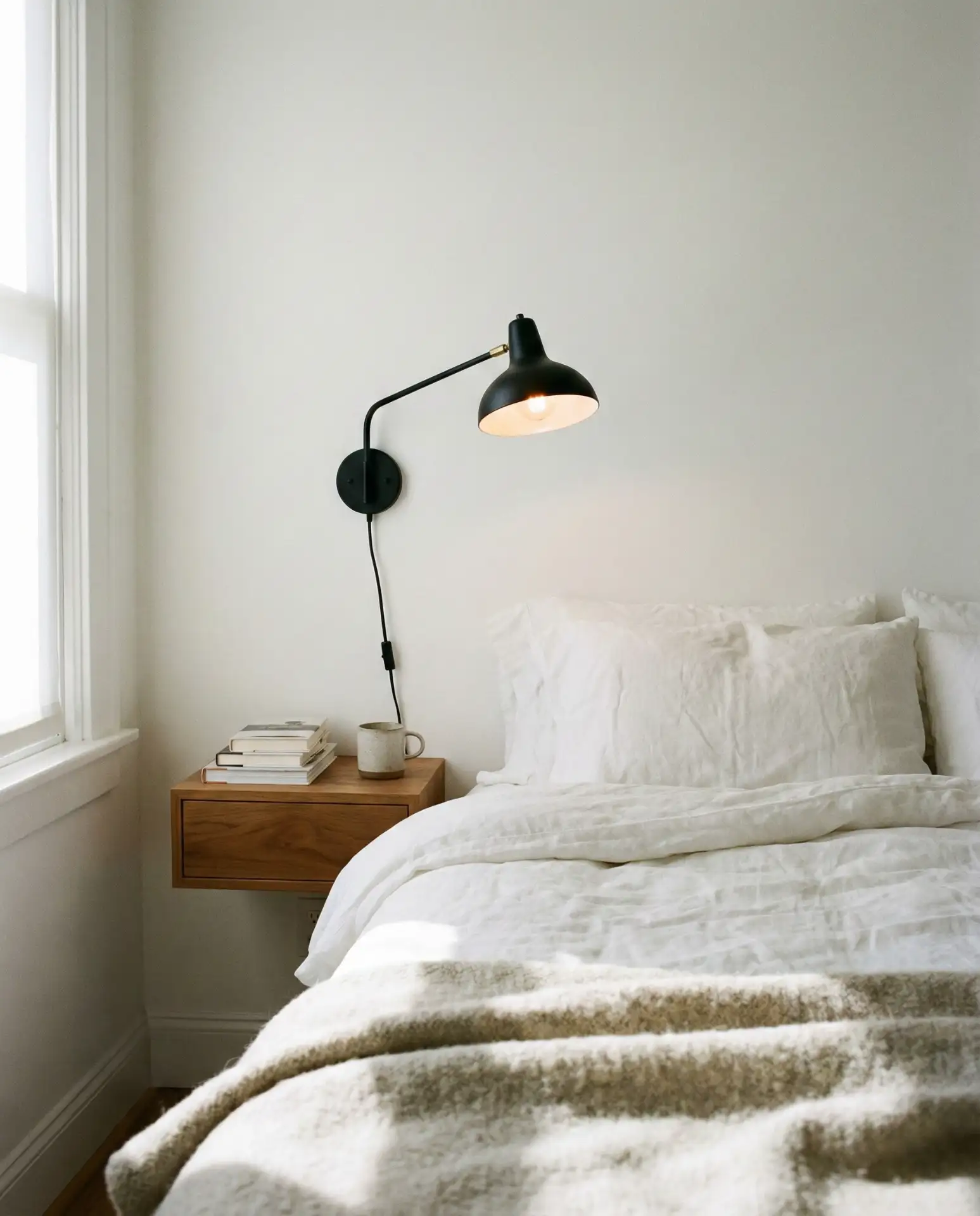
Swing-arm sconces and wall-mounted reading lights eliminate the need for table lamps, freeing up valuable surface area on your nightstand or floating shelf. This is one of the smartest small bedroom design moves for creating a cleaner, more streamlined look. Position lights at reading height—typically 18–24 inches above the mattress—and choose adjustable models that direct light exactly where you need it. Hardwired sconces offer a polished, permanent solution, while plug-in versions are perfect for renters. 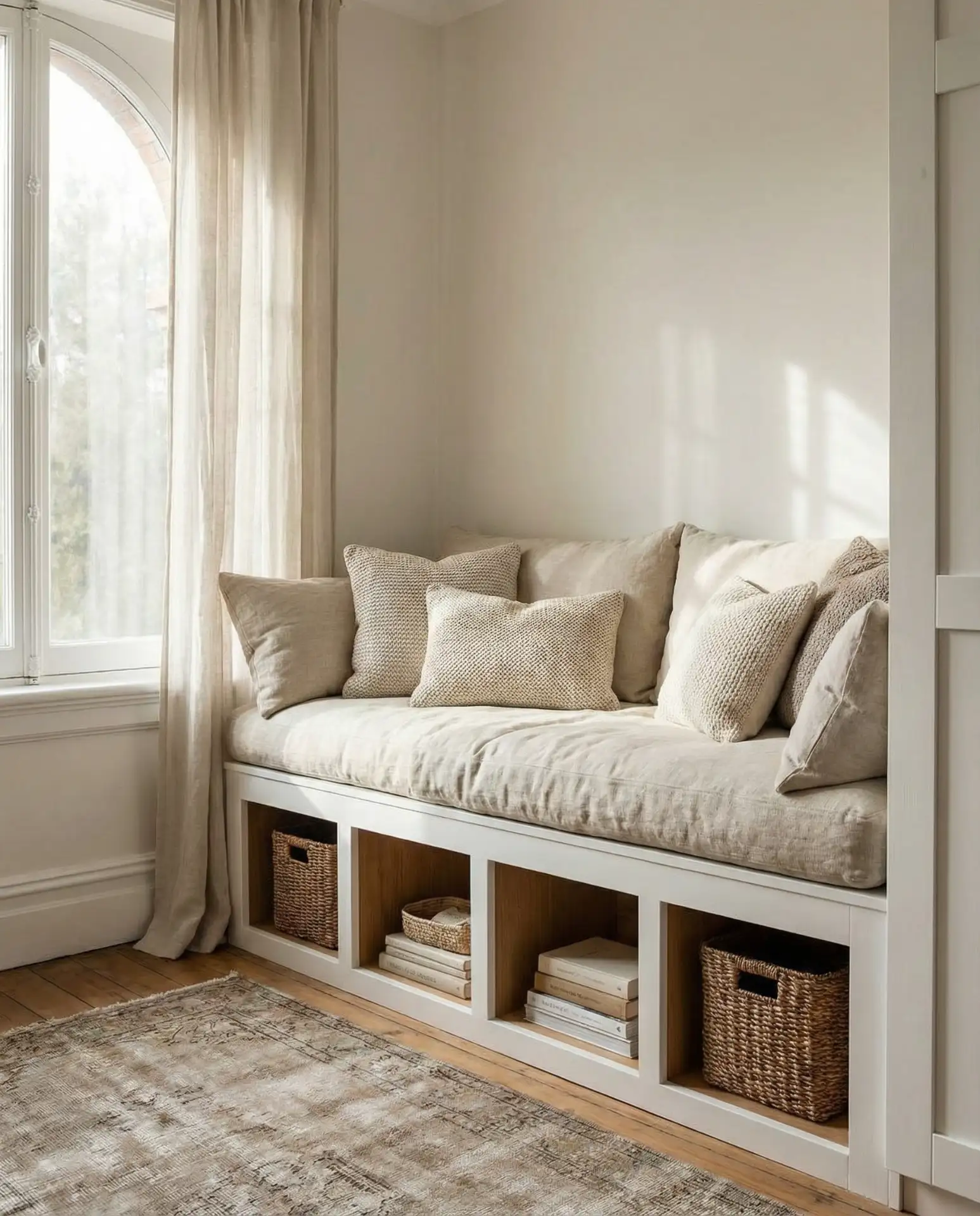
This approach is particularly effective in bedrooms where nightstands are tiny or nonexistent. By mounting lighting directly to the wall, you open up space for a water glass, book, or phone charger—the true essentials. A common mistake is installing sconces too high, which creates harsh overhead light instead of focused task lighting. Measure carefully and test the position before drilling to ensure comfortable reading angles.
9. Built-In Window Seats with Storage Below
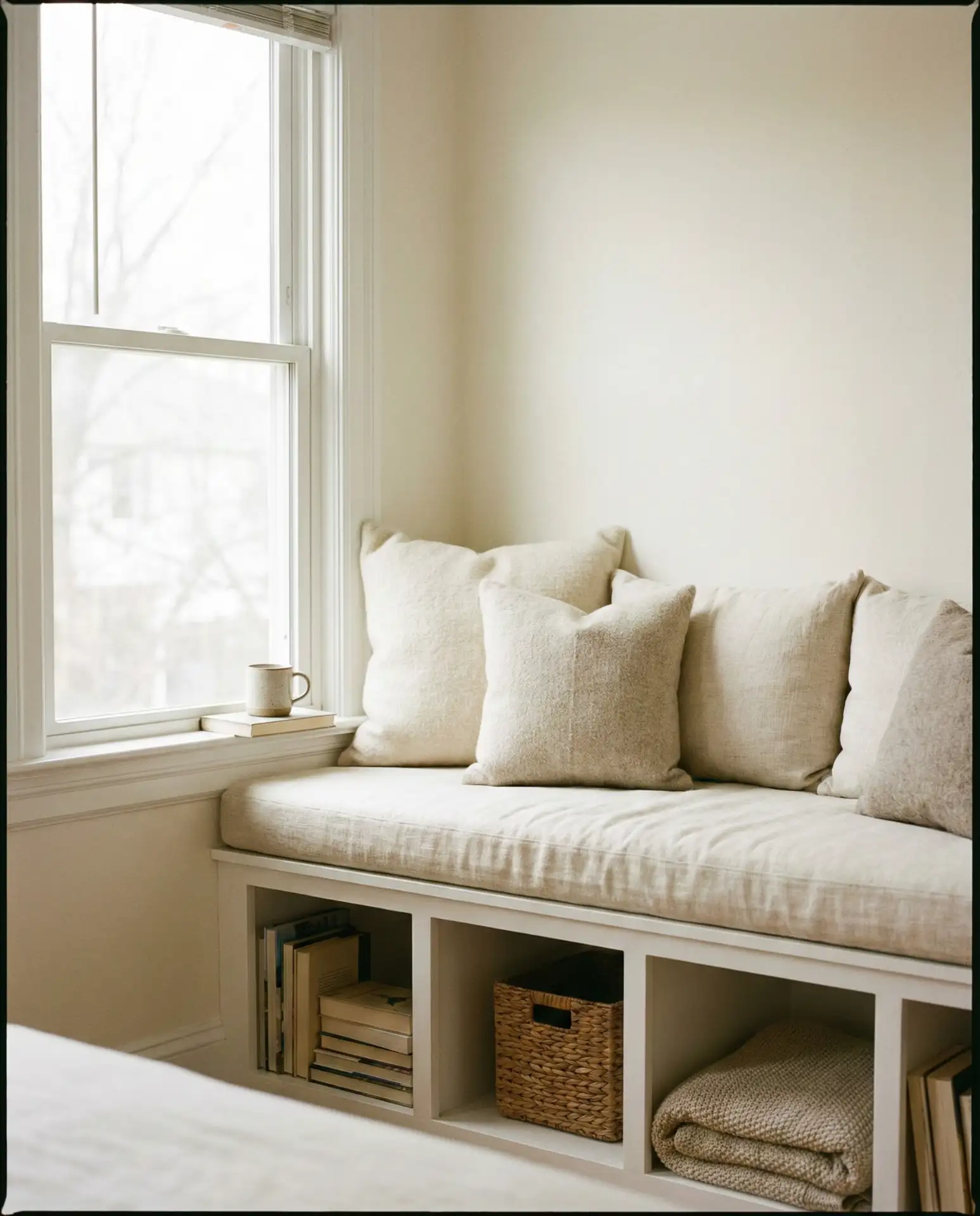
Transforming an underused window nook into a built-in bench creates a charming reading spot while adding hidden storage underneath. This small bedroom idea works beautifully in rooms with bay windows or alcoves that might otherwise feel awkward to furnish. Add a cushioned top, throw pillows, and lift-up or drawer-style storage below for linens, books, or seasonal items. The result is a cozy small bedroom feature that feels custom and intentional. 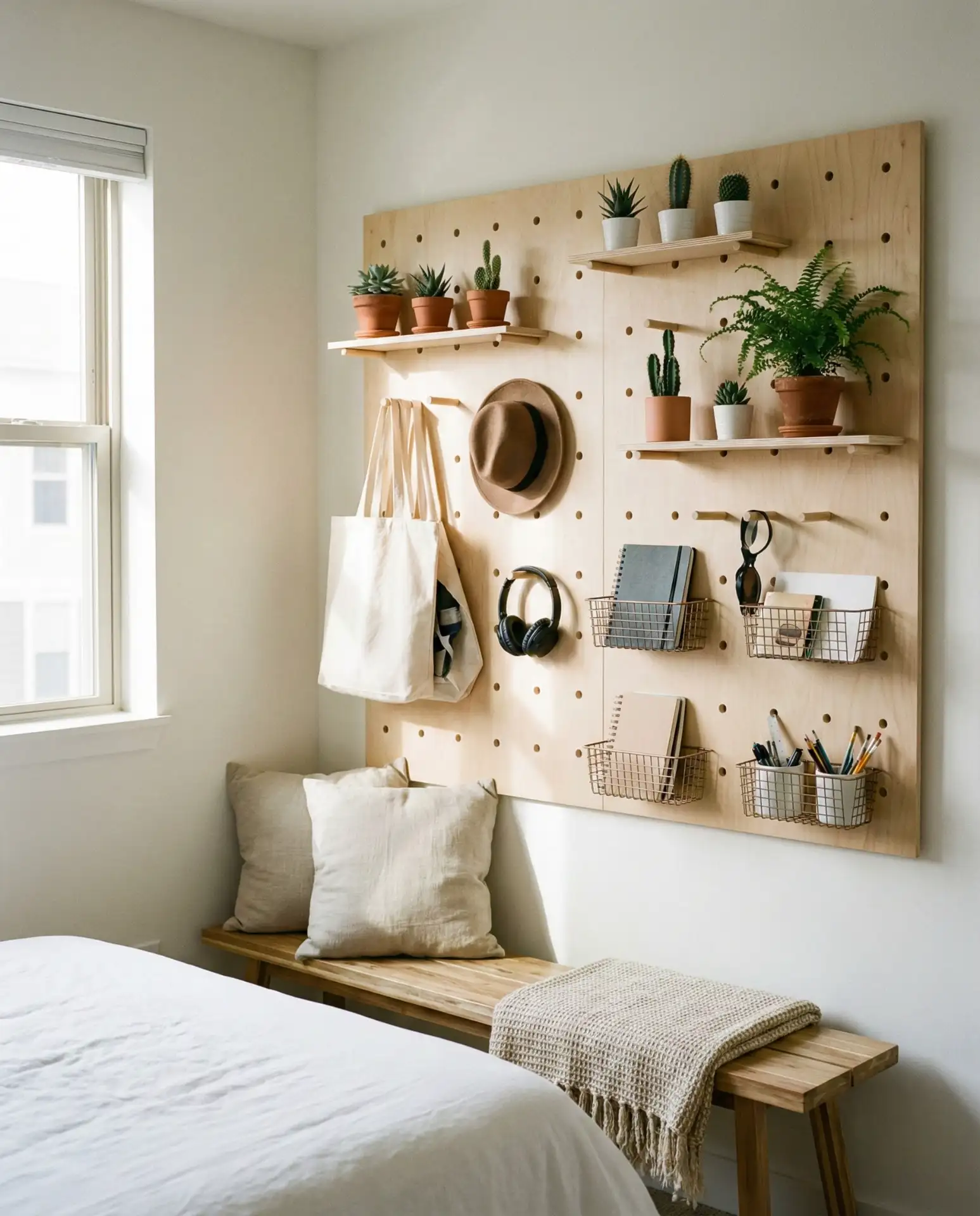
Window seats are especially common in New England homes with traditional architecture, where bay windows and alcoves are standard features. If you’re handy, a DIY window seat can be built for a few hundred dollars using stock cabinets or plywood. For a polished look, consider hiring a carpenter to create a custom piece that fits your exact dimensions. Either way, the dual function of seating and storage makes this a high-value addition to any small bedroom.
10. Pegboards for Flexible Wall Organization
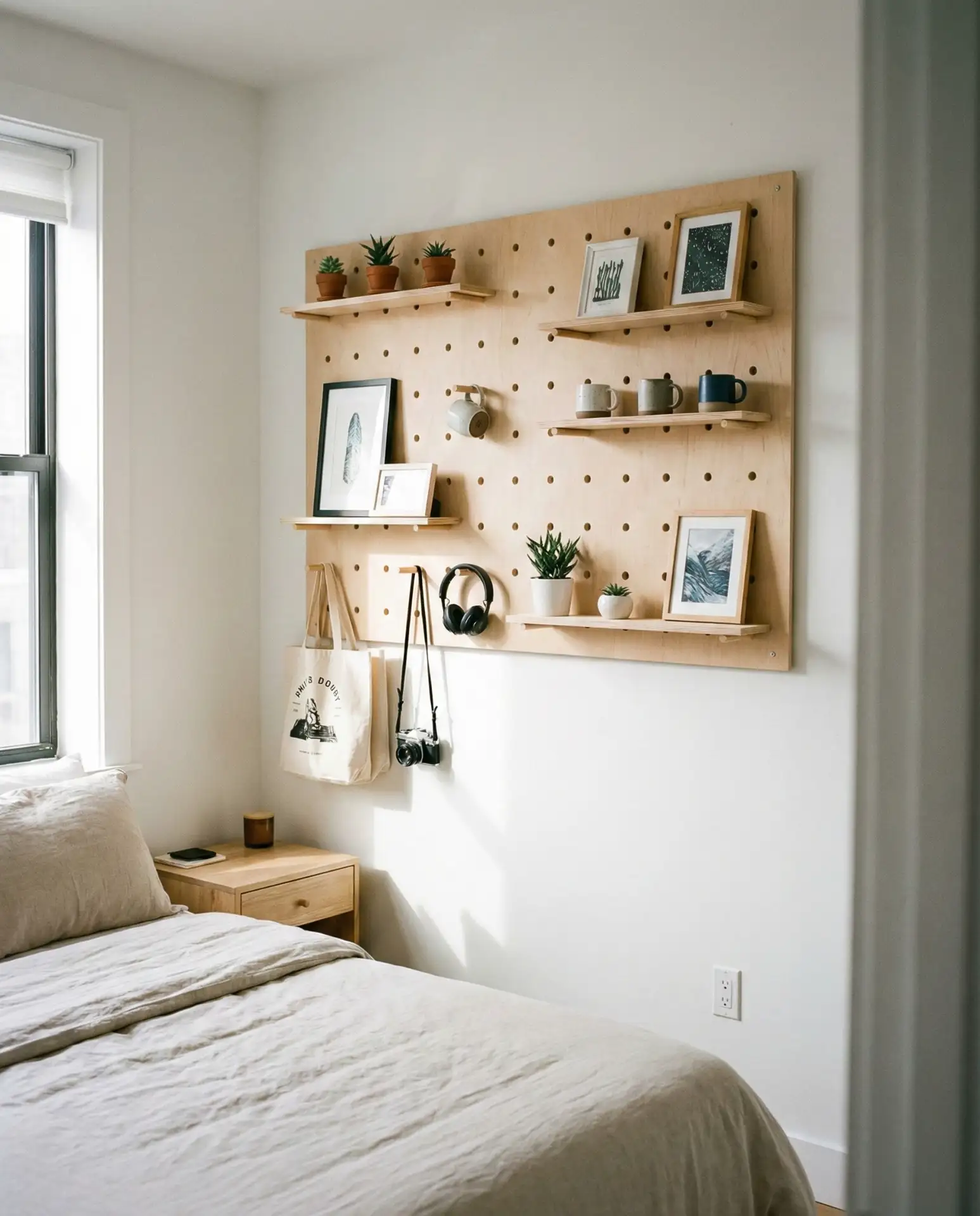
Pegboards aren’t just for garages anymore—they’ve become a stylish and practical solution for small bedroom ideas 2026. Install a painted or natural wood pegboard above a desk or dresser to hang jewelry, hats, bags, or small plants. The beauty of this system is its flexibility: hooks and shelves can be rearranged as your needs change. Choose a finish that complements your room’s palette, from crisp white to warm walnut, and keep the arrangement curated to avoid visual clutter. 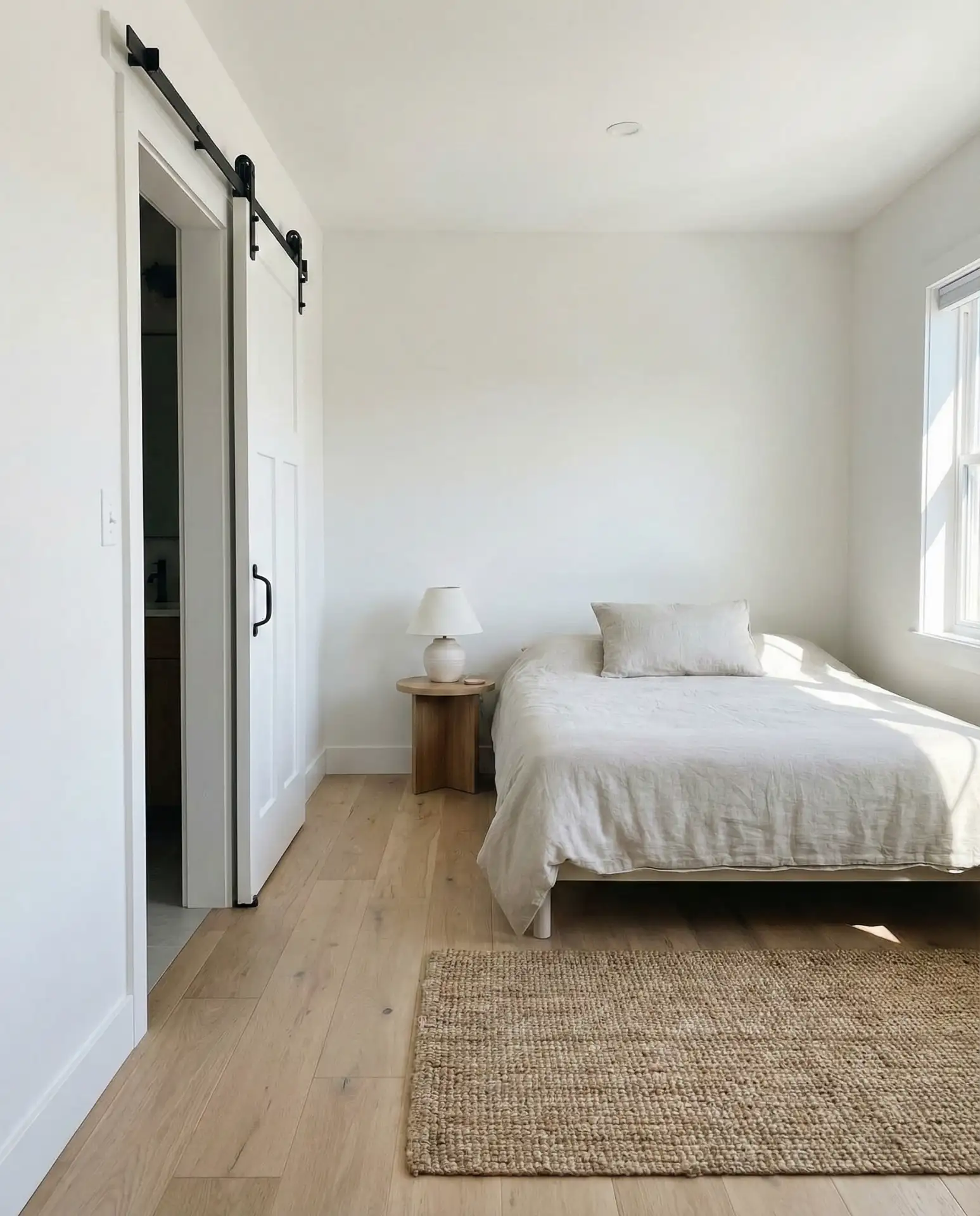
Pegboards are particularly popular among renters and younger homeowners who value adaptability and affordability. A 4×4-foot pegboard costs around $20–40, and installation is simple with a few wall anchors. Where it works best: behind a vanity area for cosmetics and accessories, or above a workspace for organizing supplies. The key is restraint—fill only about 60-70% of the board to maintain a clean, intentional look rather than a cluttered one.
11. Sliding Barn Doors to Save Swing Space
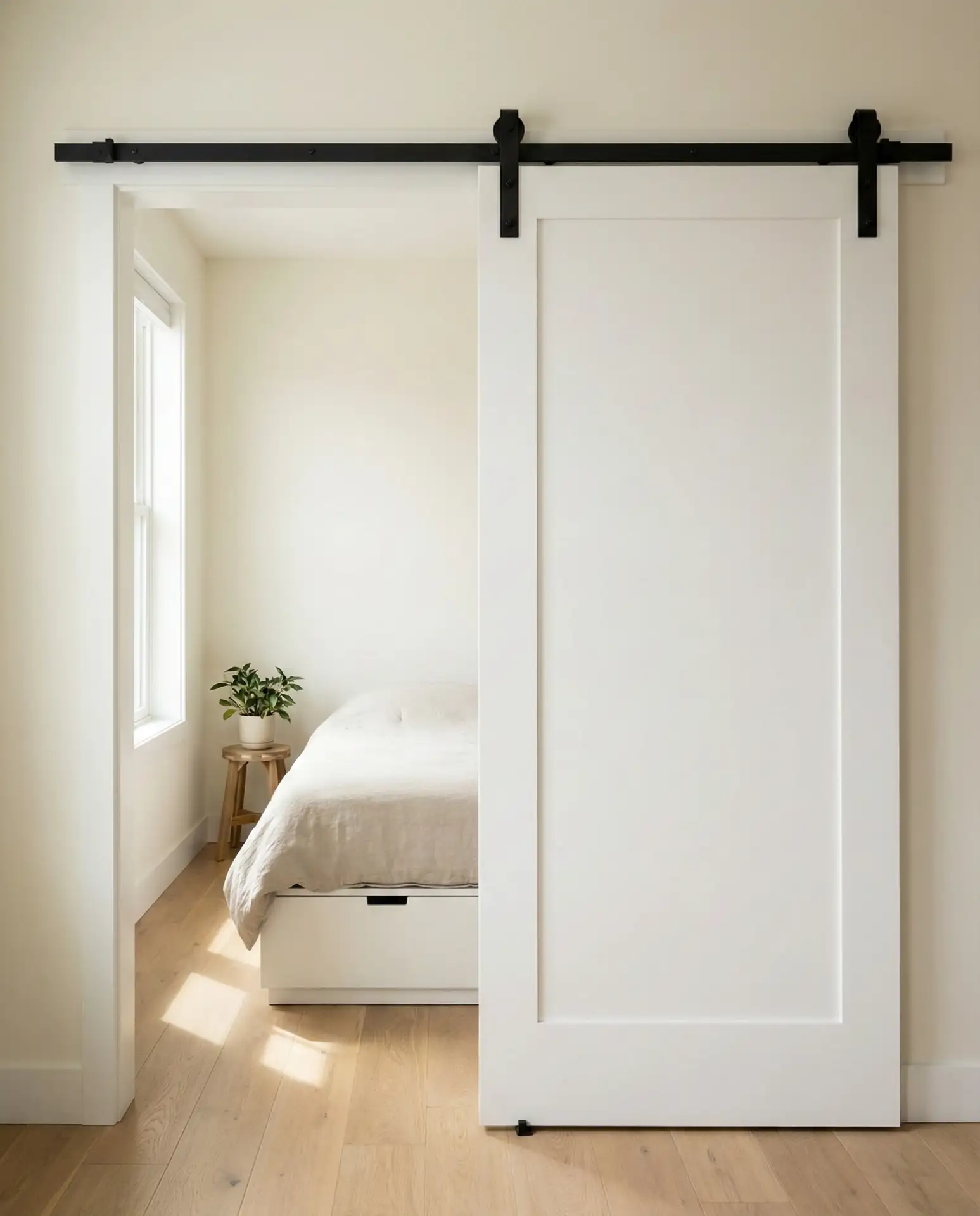
Replacing traditional hinged doors with sliding barn-style doors can reclaim precious floor space in tight small bedroom layouts. Barn doors slide parallel to the wall, eliminating the clearance needed for a door swing—often 2–3 feet. This makes them ideal for closets, en-suite bathrooms, or bedroom entries in compact homes. Modern hardware comes in matte black, brushed nickel, or oiled bronze finishes that suit both farmhouse and modern small bedroom aesthetics. 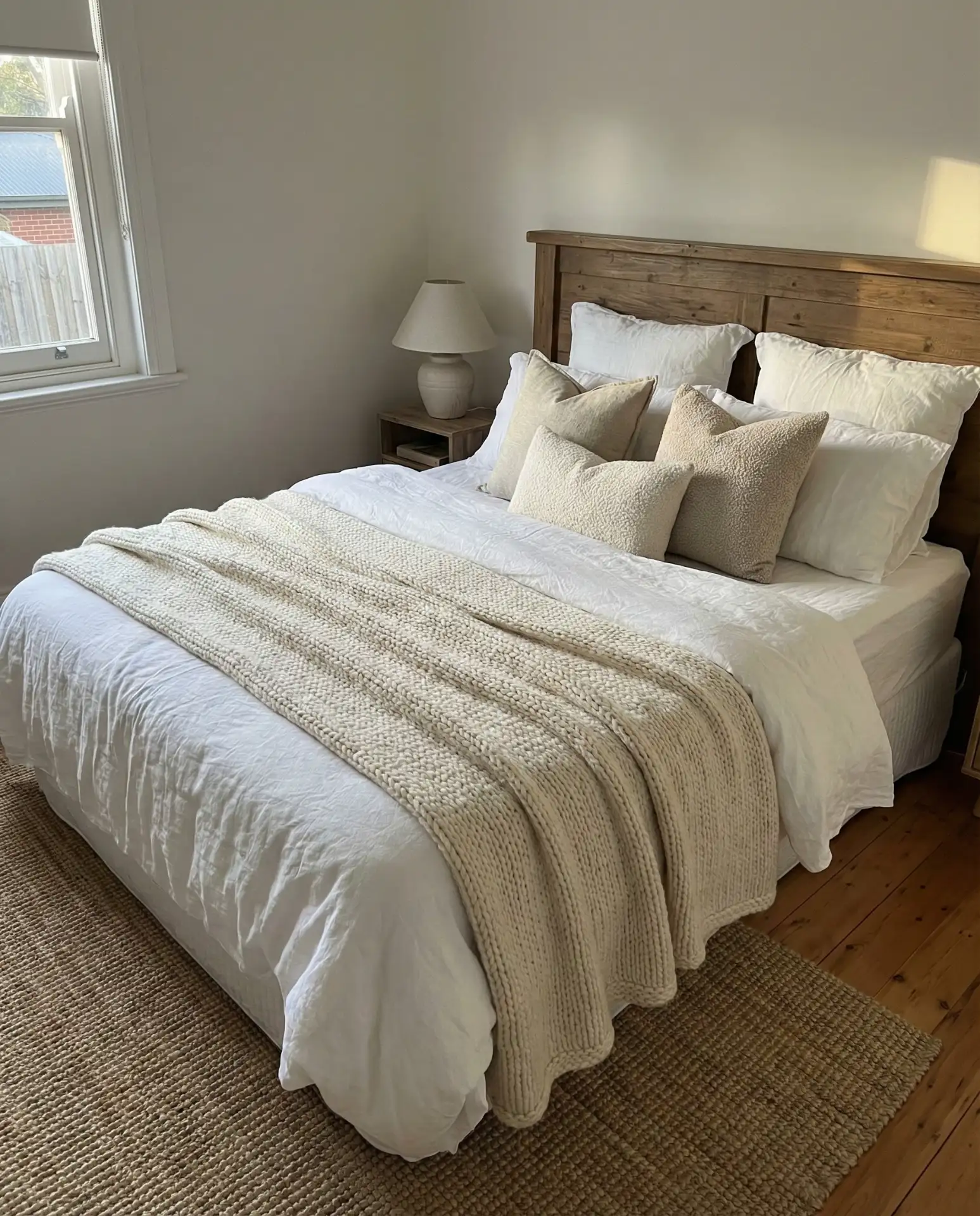
Barn doors have become especially popular in renovated homes across the South and Midwest, where rustic-modern hybrids dominate interior trends. Keep in mind that barn doors don’t seal as tightly as traditional doors, so they’re less ideal for spaces requiring sound privacy or climate control. They’re best used for closets or as decorative room dividers where their space-saving benefits outweigh the slight gap along the edges.
12. Neutral Bedding with Textural Layers
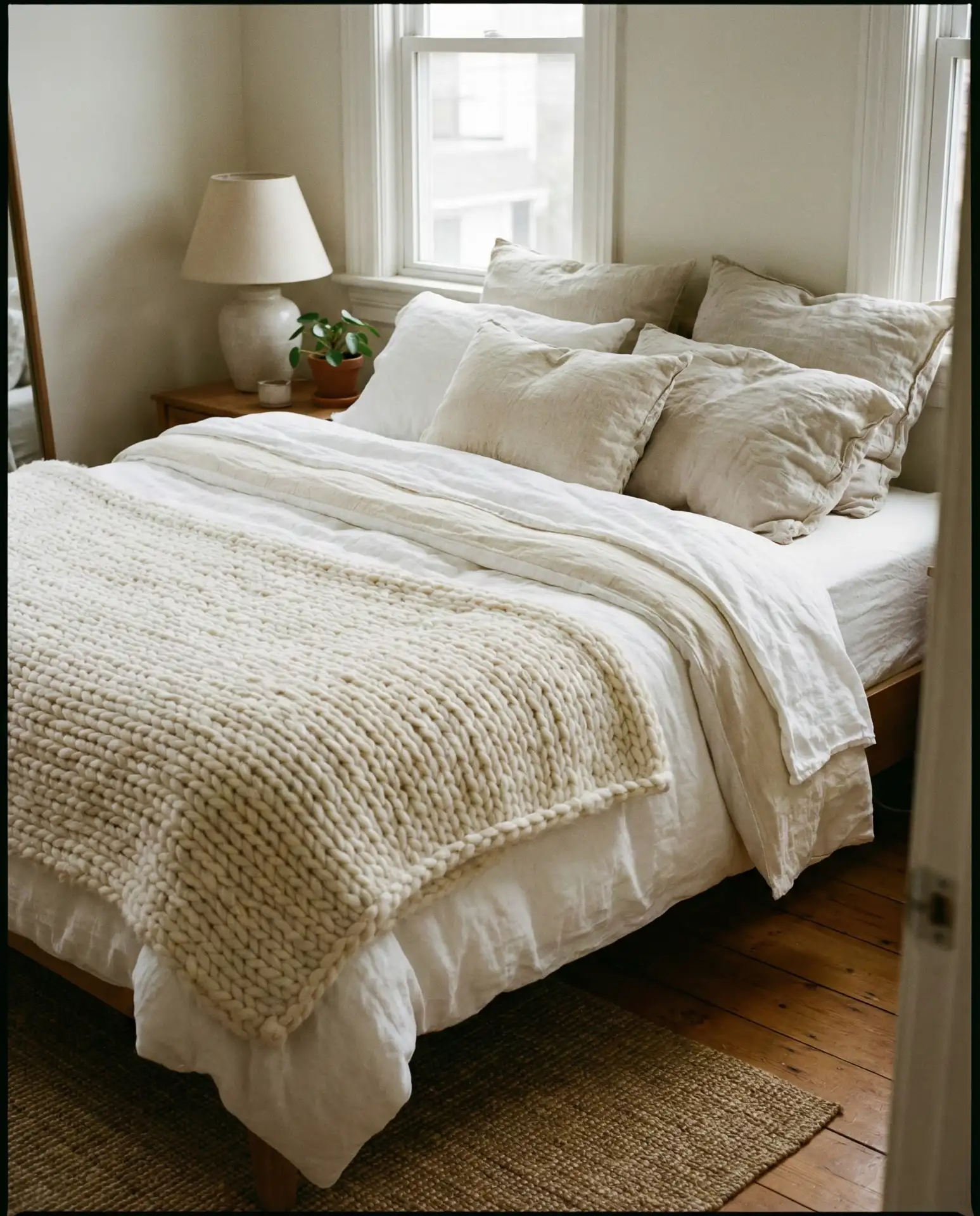
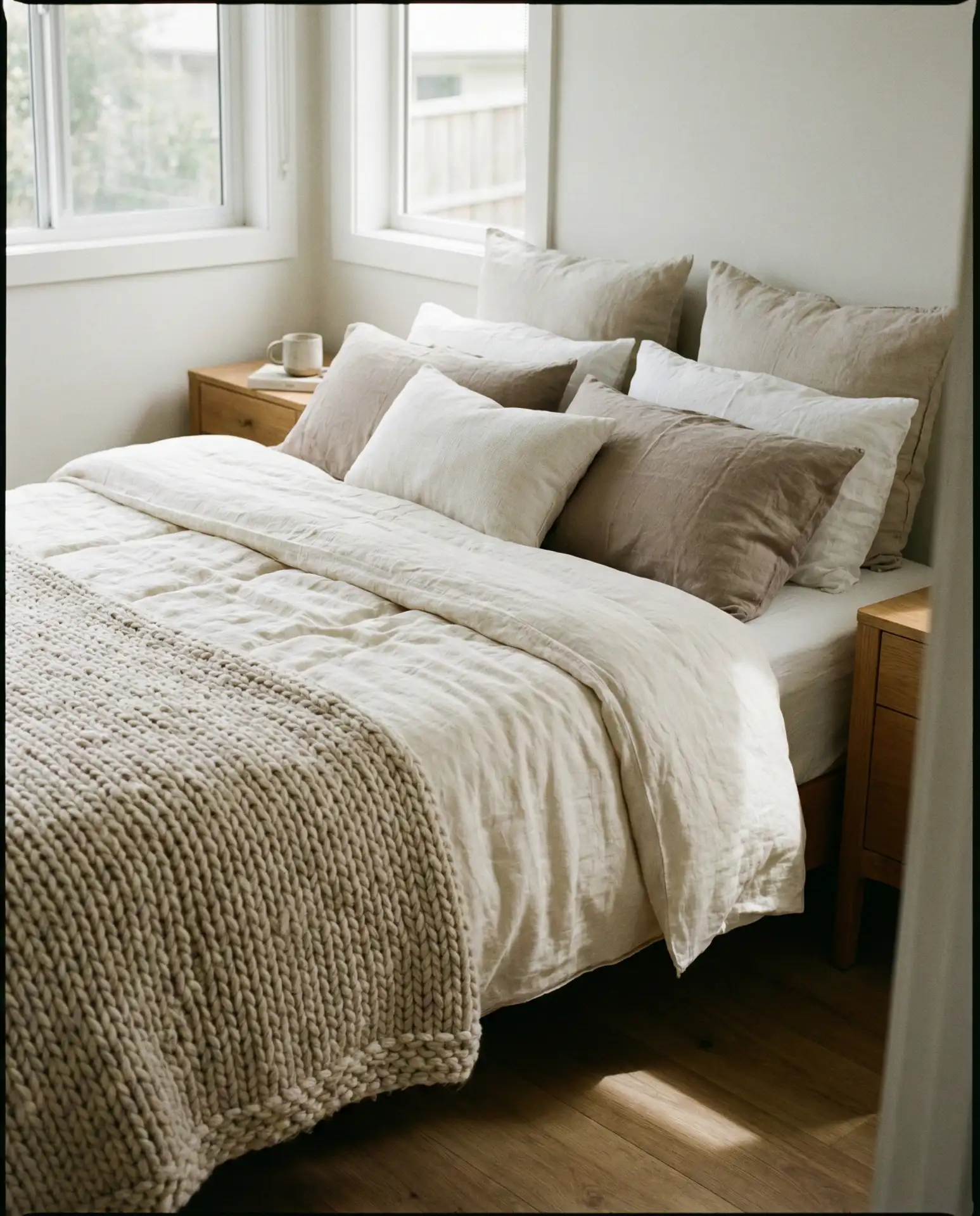
Keeping your bedding in soft neutrals—whites, creams, beiges, and light grays—creates a calm, cohesive foundation that makes a small bedroom feel more spacious. Instead of relying on color, add visual interest through texture: a linen duvet, a chunky knit throw, velvet pillows, or a woven cotton blanket. This layered approach creates depth and warmth without overwhelming the space, a hallmark of cozy small bedroom design that feels both luxurious and livable. 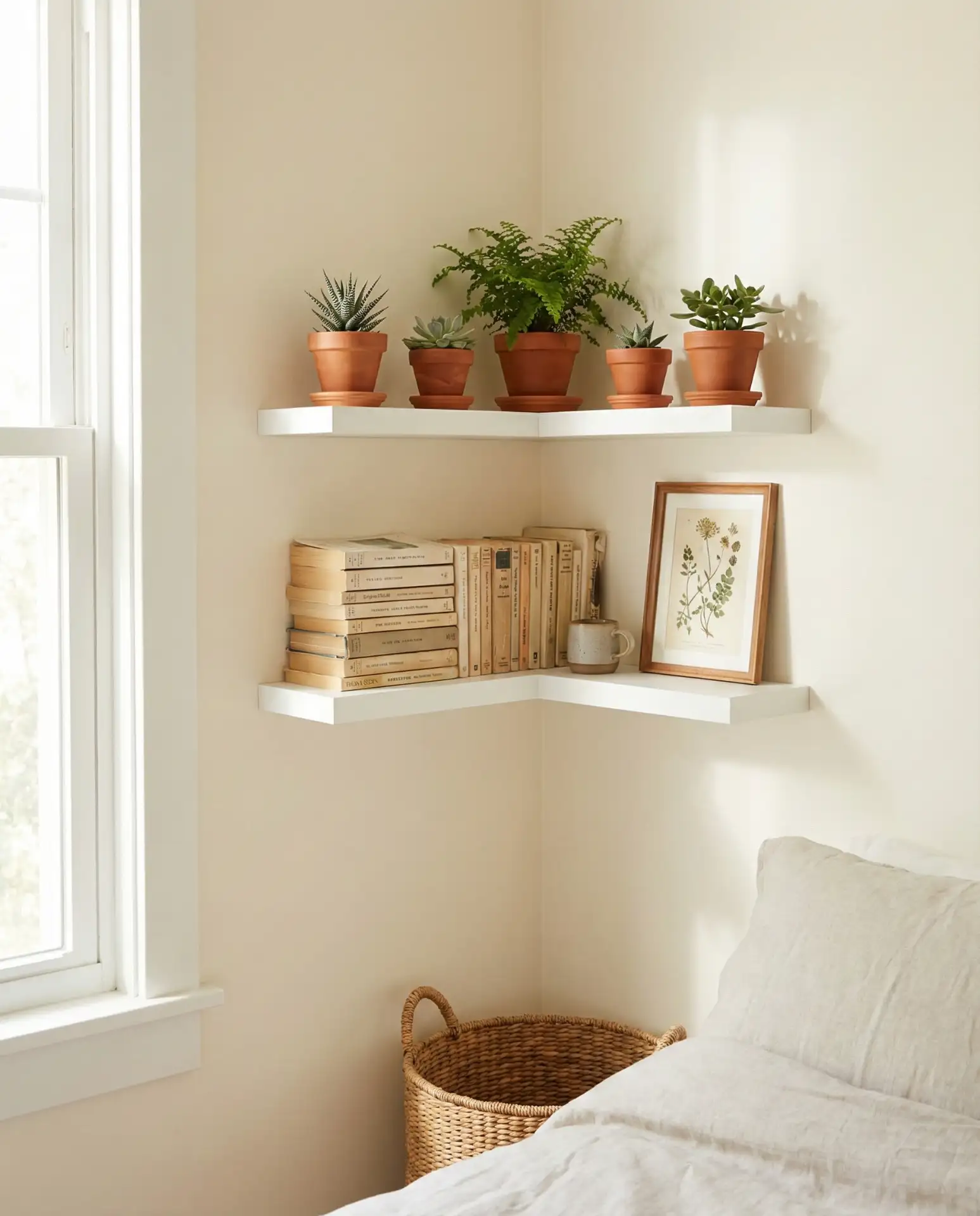
Real homeowners often underestimate the power of texture until they try it. One designer trick: mix at least three different fabric weights in your bedding—smooth percale sheets, a heavier linen duvet, and a nubby wool or cotton throw. This creates a high-end, hotel-like feel without introducing busy patterns that can make small rooms feel chaotic. Budget-conscious shoppers can find quality neutral bedding at retailers like Target, West Elm, or Parachute, with duvet covers starting around $80.
13. Corner Shelving to Use Dead Space
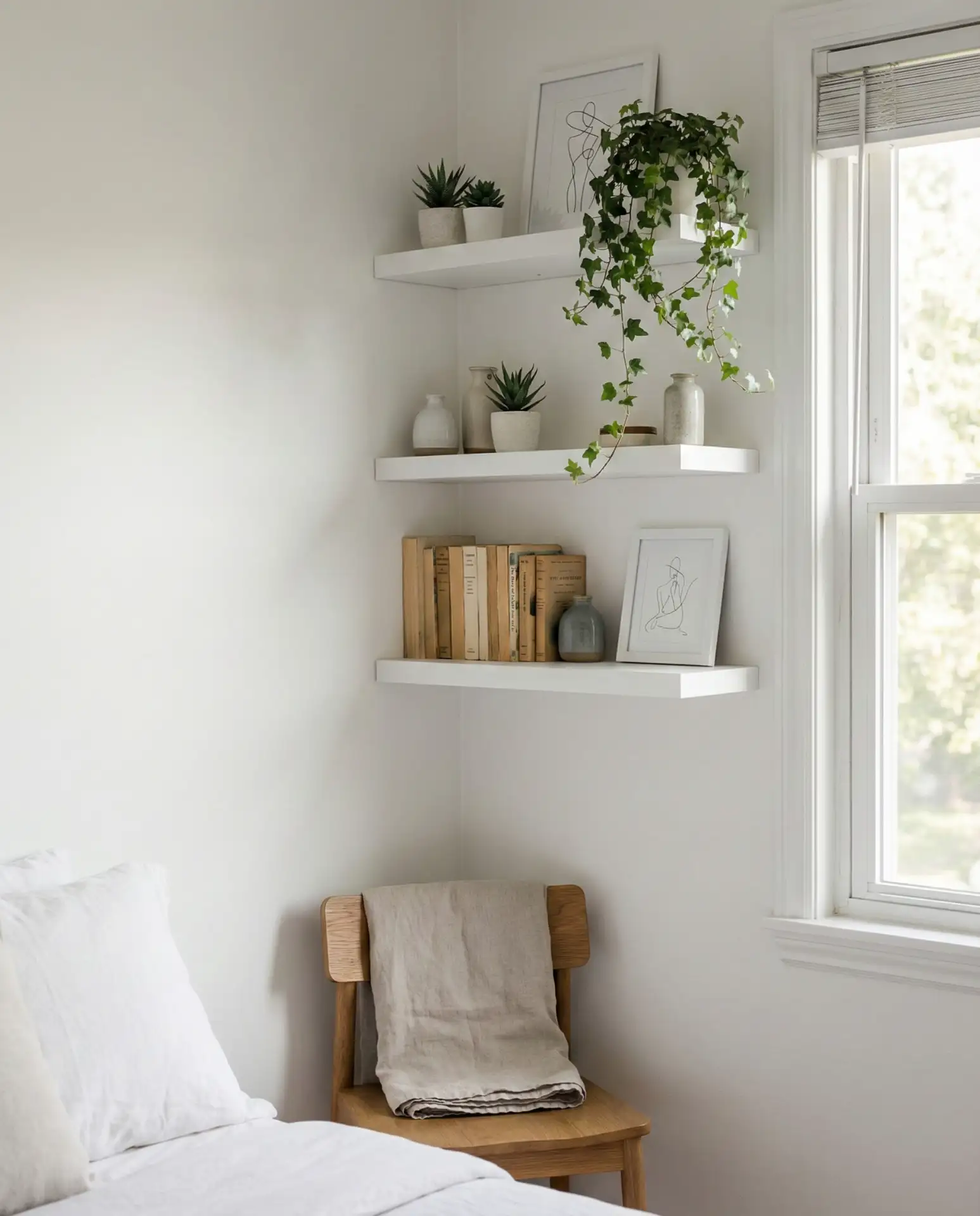
Room corners are often wasted in small bedroom design, but corner shelves turn these awkward angles into functional storage or display areas. Floating corner shelves work beautifully for plants, books, or decorative objects, while larger corner units can hold clothing, shoes, or bedding. This approach keeps your floor plan open while maximizing storage capacity. Choose slim, streamlined designs that don’t protrude too far into the room. 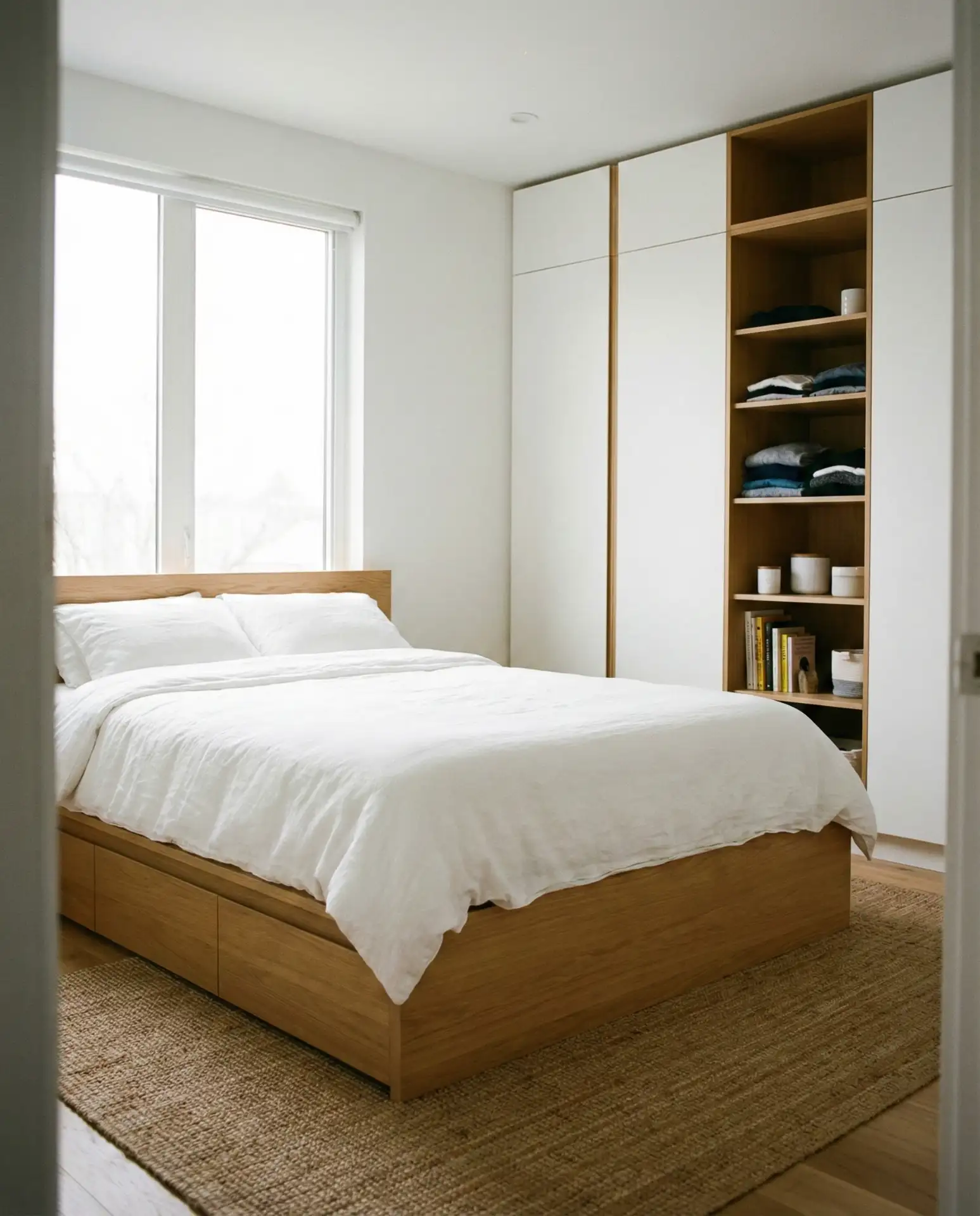
Corner shelving is particularly effective in bedrooms with unusual layouts or sloped ceilings where standard furniture doesn’t fit well. A common mistake is overloading corner shelves, which can make them feel cluttered and visually heavy. Stick to a few carefully chosen items per shelf, and alternate open and filled spaces to maintain balance. This simple restraint keeps the corner feeling purposeful rather than packed.
14. Bed Frames with Built-In Drawers
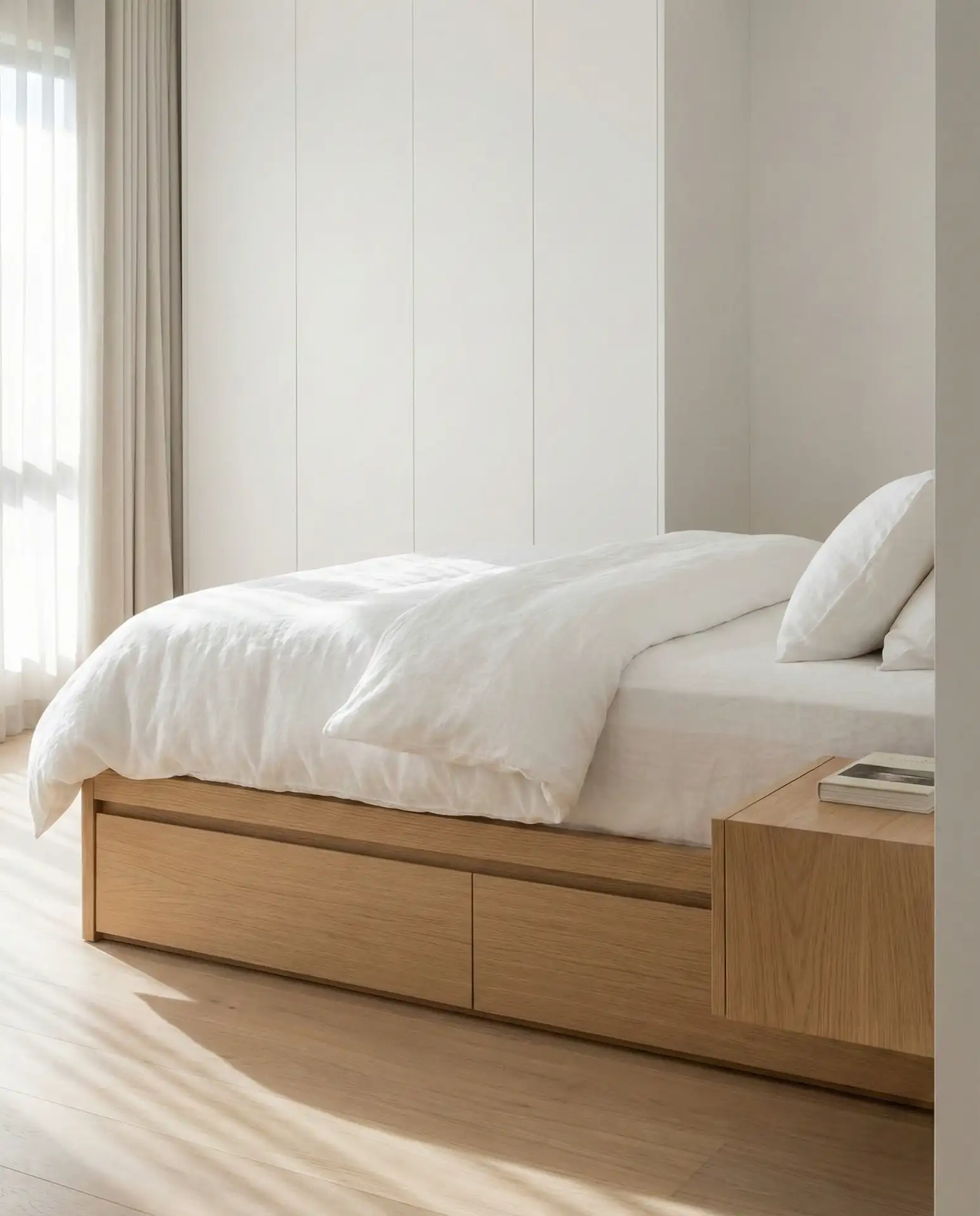
Storage beds with integrated drawers are a staple of practical small bedroom ideas 2026, especially in homes without spacious closets. These beds typically feature two to six deep drawers built into the base, perfect for storing clothing, shoes, or extra linens. Unlike under-bed bins, built-in drawers slide smoothly and look intentional, maintaining a clean aesthetic. Look for solid wood or engineered wood frames with dovetail joints for durability. 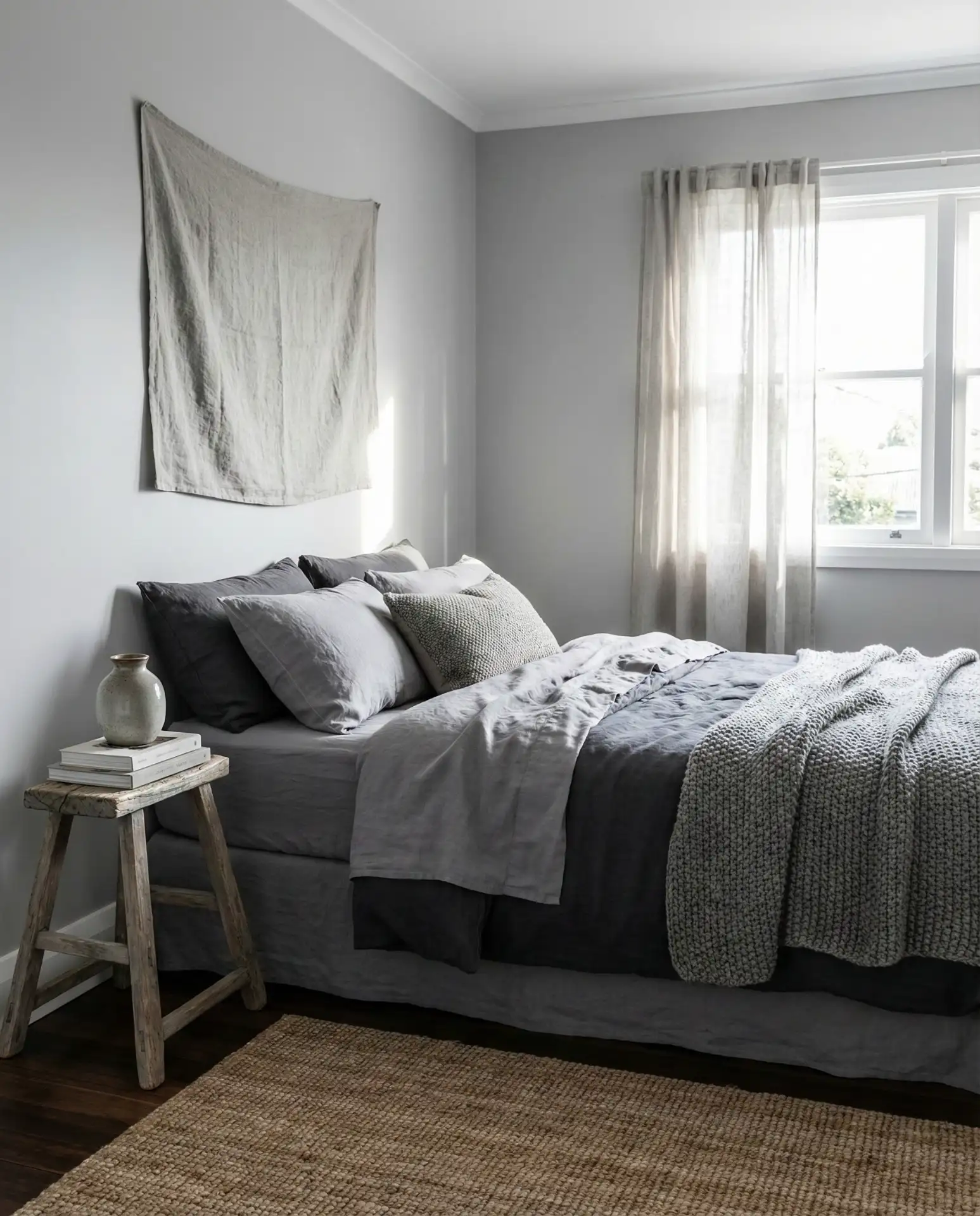
Expert commentary: interior designers consistently recommend storage beds for clients dealing with limited closet space, particularly in older homes built before walk-in closets became standard. One drawback to consider—storage beds can be heavy and challenging to move, so they’re best treated as a longer-term investment. Prices range from around $400 for basic models to over $2,000 for high-quality hardwood versions, making them a mid-range upgrade that pays off in daily functionality.
15. Monochromatic Color Schemes for Visual Calm
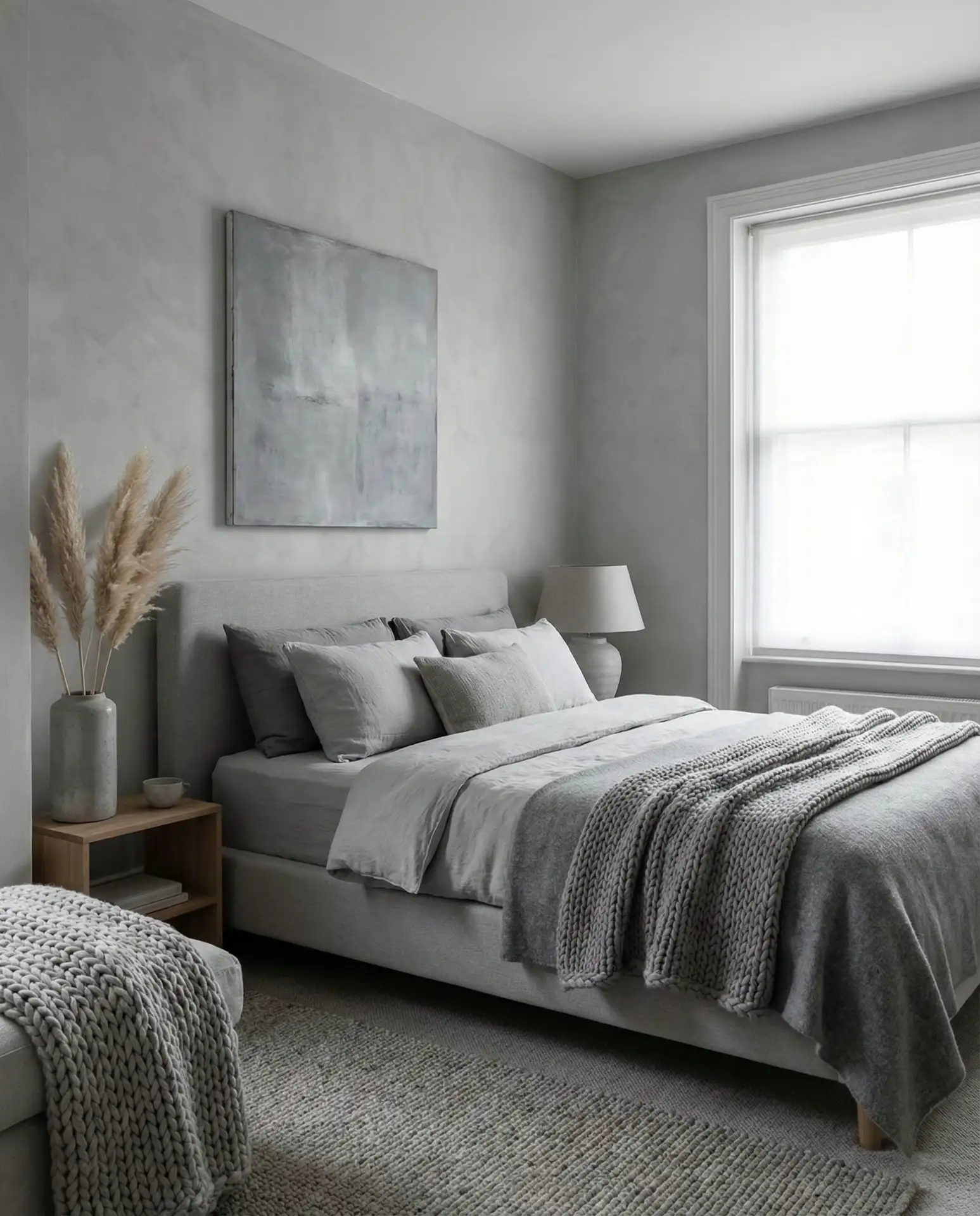
Sticking to one color family in varying shades creates a sophisticated, seamless look that makes small bedrooms feel larger and more cohesive. Whether you choose warm whites, soft grays, or earthy taupes, a monochromatic palette eliminates visual choppiness and allows the eye to move smoothly through the space. Layer in different tones and textures—think ivory walls, cream bedding, and tan accents—to prevent the room from feeling flat or one-dimensional. 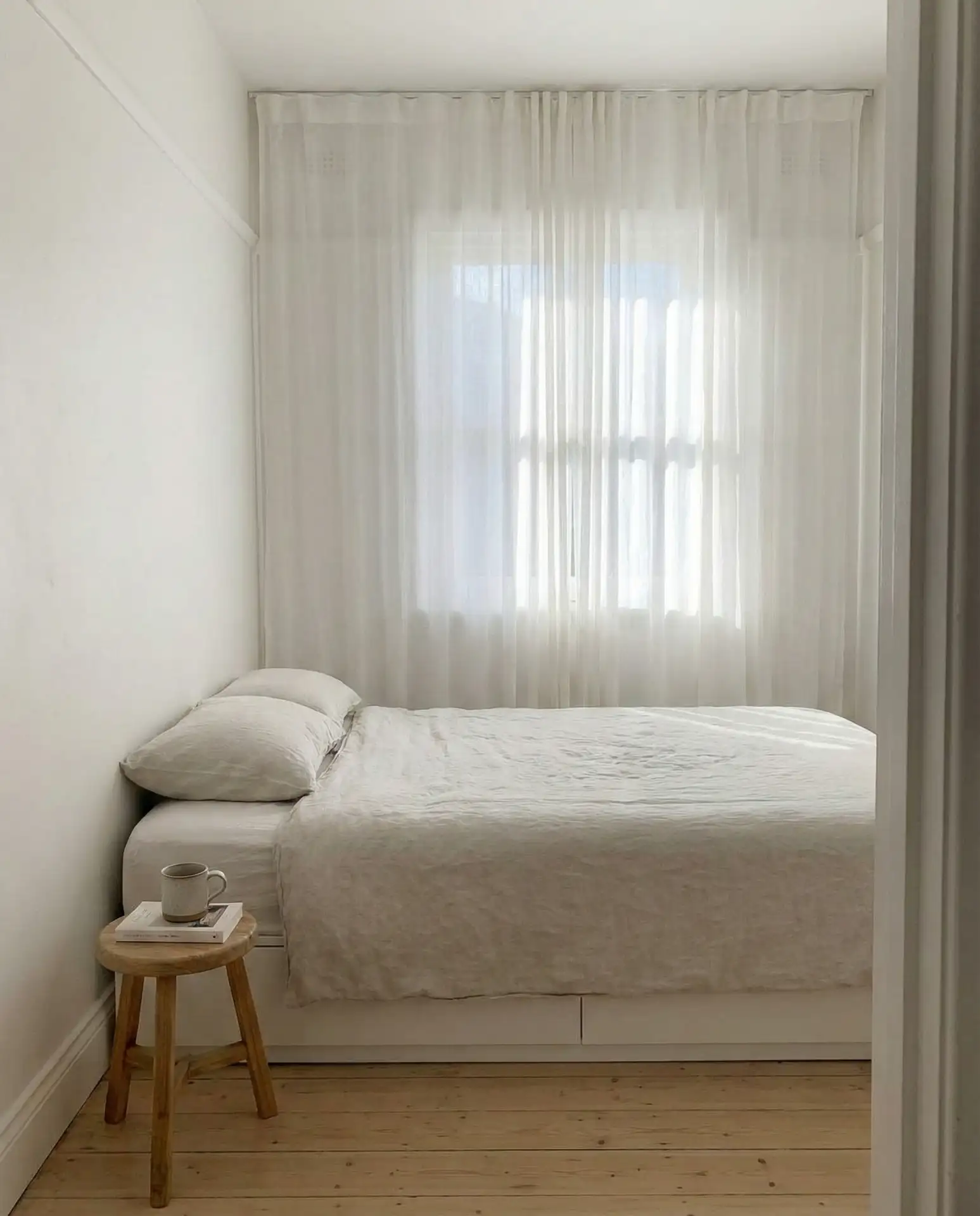
Monochromatic doesn’t mean boring—real homeowners find that limiting the color palette actually makes rooms feel more intentional and curated. The trick is to vary textures and finishes: matte paint, glossy ceramics, soft linens, and natural wood all add dimension within the same color story. This approach is especially effective in studio apartments or open-plan spaces where visual continuity helps define separate areas without walls.
16. Sheer Curtains to Maximize Natural Light
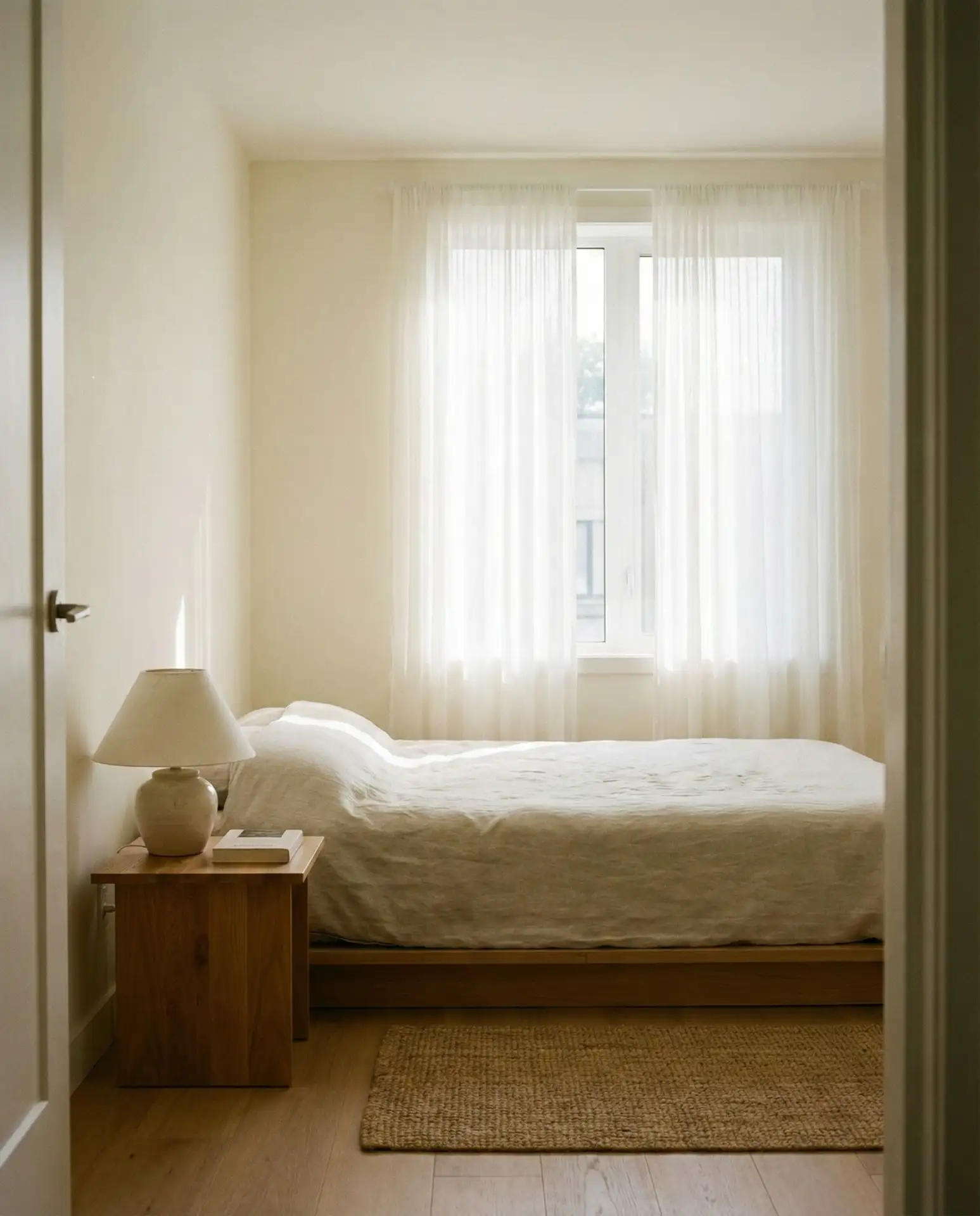
Heavy drapes can make a small bedroom feel darker and more enclosed, while sheer or semi-sheer curtains allow natural light to filter through while maintaining privacy. This simple swap instantly brightens the room and creates an airy, open atmosphere. Choose white, cream, or soft gray sheers and hang them as close to the ceiling as possible to draw the eye upward and create the illusion of taller windows. Layer with blackout shades or blinds if you need full darkness for sleeping. 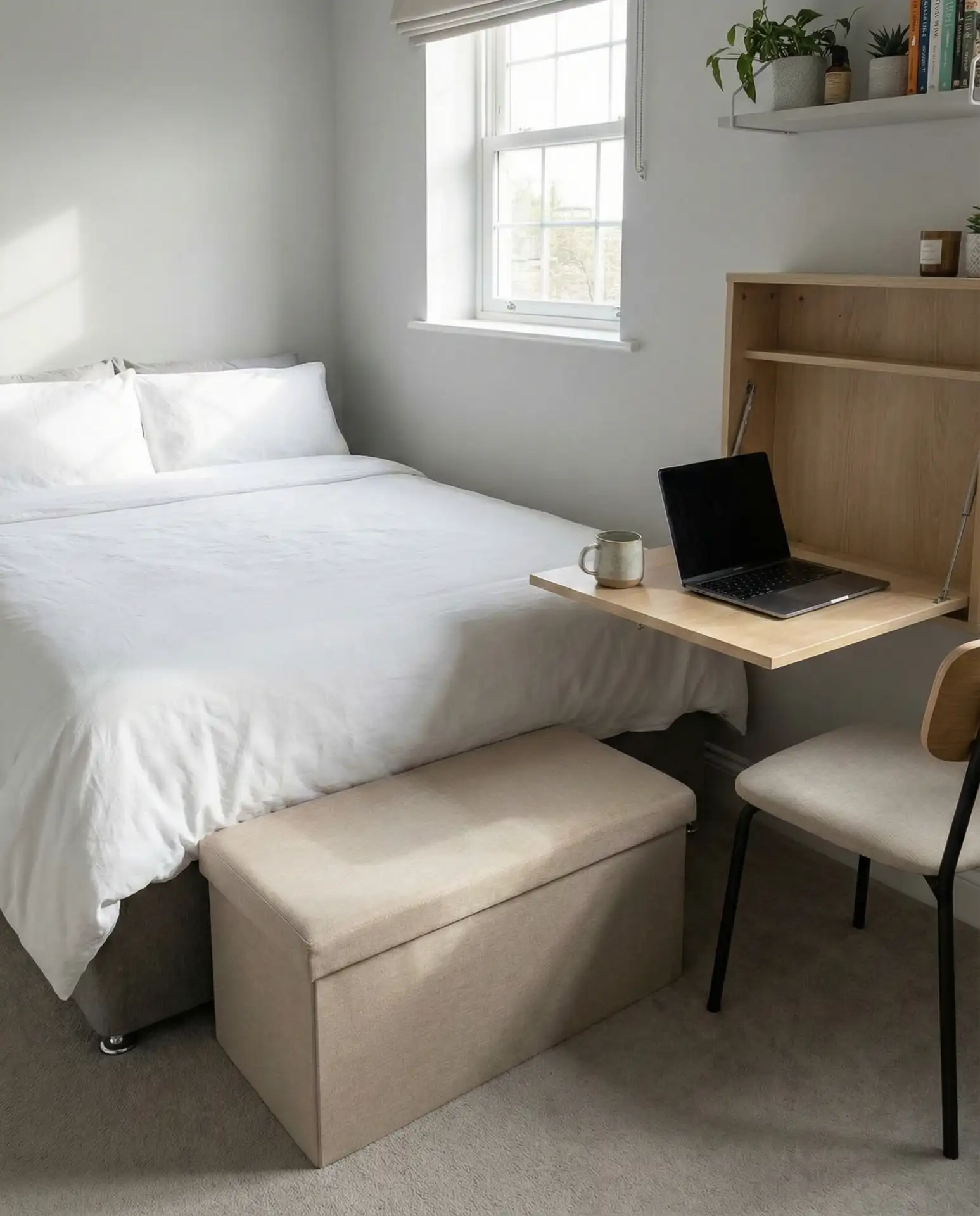
Sheer curtains work particularly well in bedrooms facing tree-lined streets or private yards where you don’t need heavy window coverings for privacy. They’re also ideal in climates with abundant sunshine—think California or the Southwest—where maximizing natural light is a priority. If you’re concerned about early morning sun, install a dual-track system with sheers on one rod and blackout panels on another, giving you flexibility to control light levels throughout the day.
17. Multi-Functional Furniture Pieces
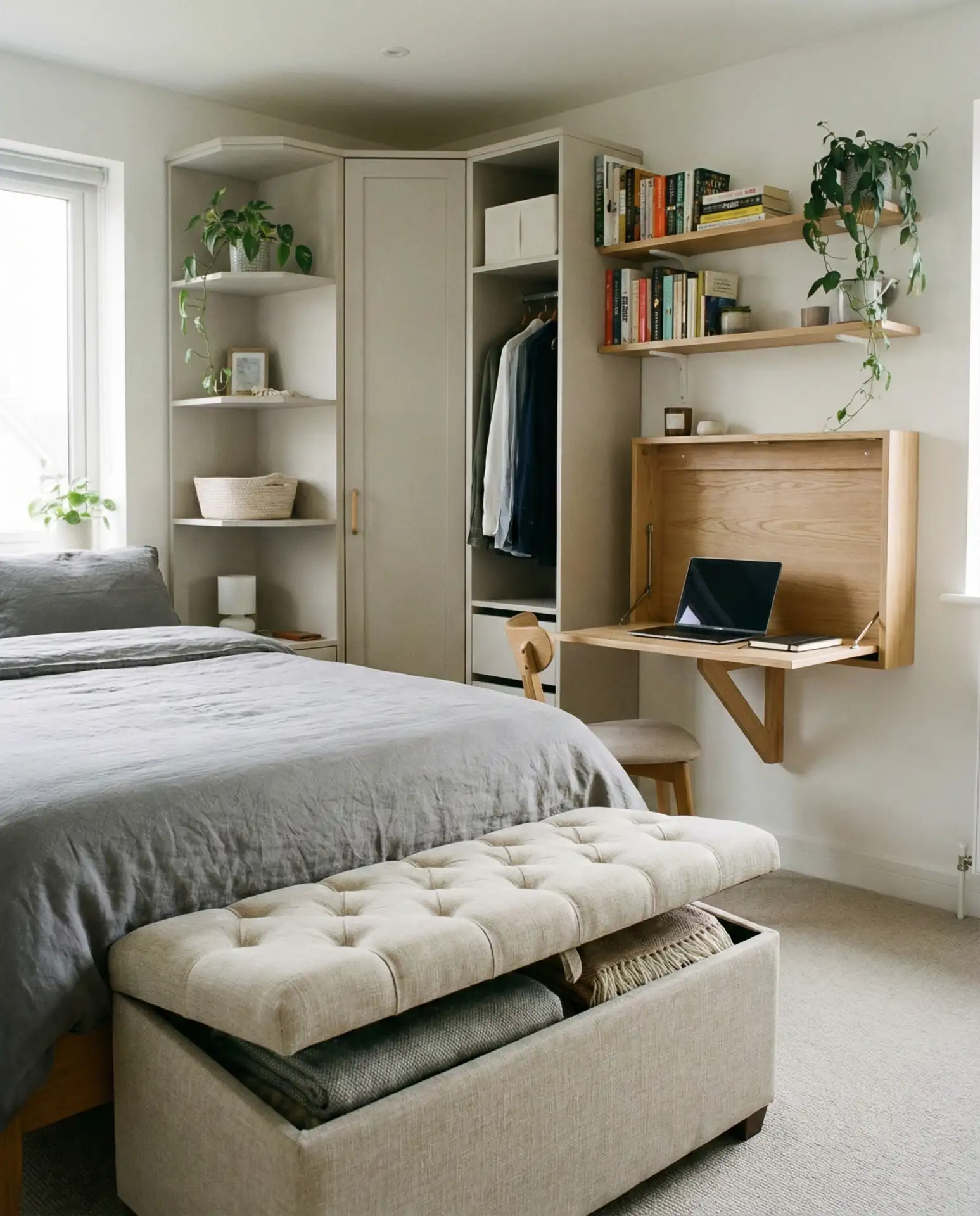
In small bedroom ideas 2026, furniture that serves multiple purposes is essential for maintaining both function and visual simplicity. Consider a storage ottoman that doubles as seating, a desk that folds down from the wall, or a bench at the foot of the bed with hidden compartments. These pieces reduce the total furniture count in your room while maximizing utility, a key principle of modern small bedroom design that prioritizes efficiency without sacrificing style. 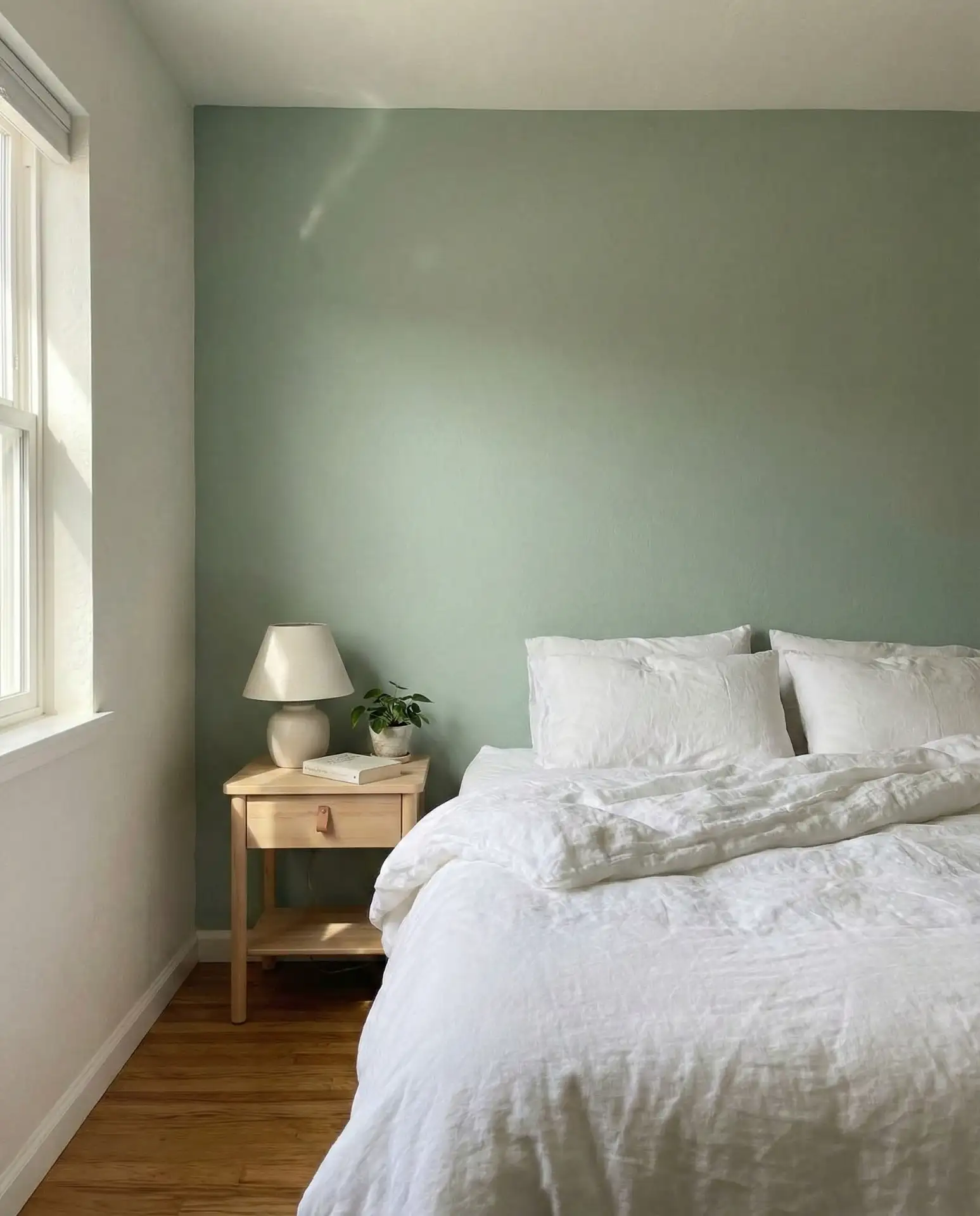
Multi-functional furniture is particularly popular among urban dwellers and first-time homeowners working with limited square footage. A practical insight: invest in quality pieces that you’ll use daily rather than trendy items that might lose functionality over time. For example, a well-made storage bench from a brand like West Elm or CB2 (around $300–600) will outlast a cheaper particle board version and remain useful as your living situation evolves.
18. Accent Walls in Light, Subtle Tones

Accent walls don’t have to be bold or dark to make an impact in a small bedroom. Soft sage, dusty blue, warm terracotta, or blush pink can create visual interest without closing in the space. Paint the wall behind your bed or use peel-and-stick wallpaper with a subtle pattern to add dimension. This approach adds personality to a cozy small bedroom while keeping the overall feel light and spacious, a balance that’s hard to achieve with darker accent colors. 
Light accent walls are increasingly popular in 2026 as homeowners move away from the stark all-white trend toward warmer, more personalized spaces. Where it works best: behind the headboard wall, where it creates a focal point without overwhelming the room. If you’re hesitant to commit to paint, try removable wallpaper—brands like Tempaper and Chasing Paper offer hundreds of subtle patterns that install in minutes and peel off cleanly when you’re ready for a change.
19. Slim Profile Dressers and Armoires

Choosing narrow, tall dressers over wide, short ones preserves valuable floor space in small bedrooms while still providing ample storage. Look for pieces that are 18–24 inches deep rather than the standard 30+ inches—this single adjustment can make a significant difference in how much room you have to move around. Tall dressers with 5–6 drawers maximize vertical space and keep the footprint minimal, a core strategy in effective small bedroom design. 
A common mistake is buying standard-depth furniture without measuring first, then realizing it blocks walkways or doors. Before purchasing, measure your available space and leave at least 24–30 inches of clearance for comfortable movement. Slim dressers from brands like IKEA, Article, or Room & Board typically cost $300–800 and are widely available in finishes that suit any style, from Scandinavian oak to matte black lacquer.
20. Hanging Plants to Add Life Without Floor Space

Bringing greenery into your small bedroom doesn’t require floor space if you use hanging planters or wall-mounted pots. Trailing plants like pothos, string of pearls, or ivy add texture and life while drawing the eye upward, enhancing the sense of height. Hang them near windows for natural light, or choose low-light varieties like snake plants or ZZ plants for darker corners. This vertical approach to greenery keeps surfaces clear while creating a fresh, vibrant atmosphere. 
Hanging plants are especially practical in bedrooms with pets or young children, where floor-level plants might get knocked over or nibbled. Install sturdy ceiling hooks rated for at least 10–15 pounds to ensure safety, and choose lightweight ceramic or plastic pots to minimize weight. Real homeowners often report that adding just one or two hanging plants transforms the energy of a small bedroom, making it feel more lived-in and welcoming without any floor clutter.
21. Foldable or Nesting Furniture
Furniture that folds, collapses, or nests when not in use is invaluable in small bedroom ideas 2026, particularly for items you don’t need every day. Folding chairs, nesting side tables, and collapsible laundry hampers can be tucked away to free up space instantly. This approach is ideal for guest rooms or bedrooms that double as home offices, where you need flexibility to reconfigure the space quickly. Choose designs that look intentional even when on display, not just utilitarian. 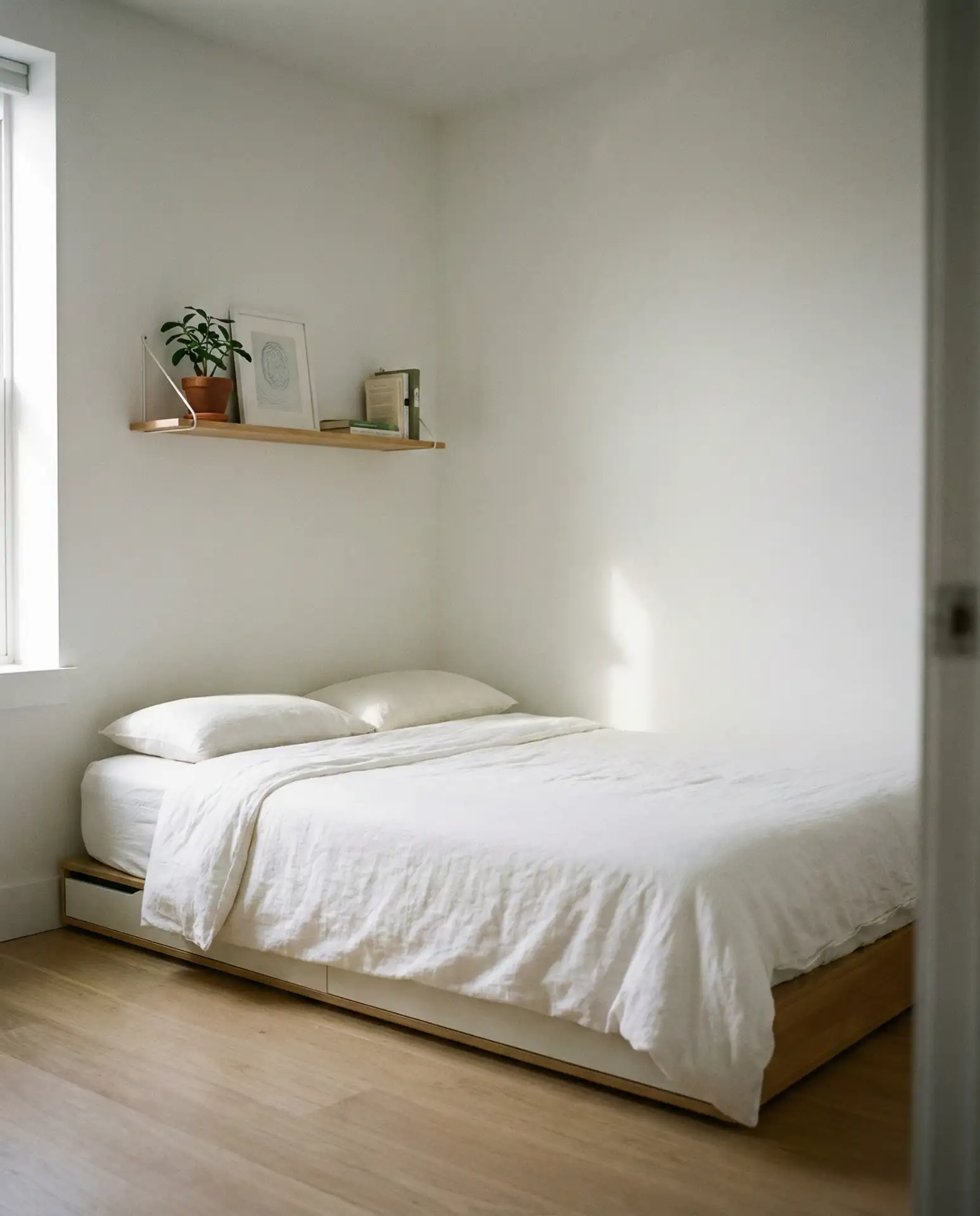
Foldable furniture works particularly well in studio apartments or converted attics where every square foot matters. Budget-conscious shoppers can find quality options at IKEA, Target, or CB2, with folding chairs starting around $30 and nesting tables around $80–150. The key is choosing pieces made from durable materials—solid wood or metal frames outlast plastic and maintain their appearance through repeated folding and unfolding.
22. Minimalist Headboards or None at All
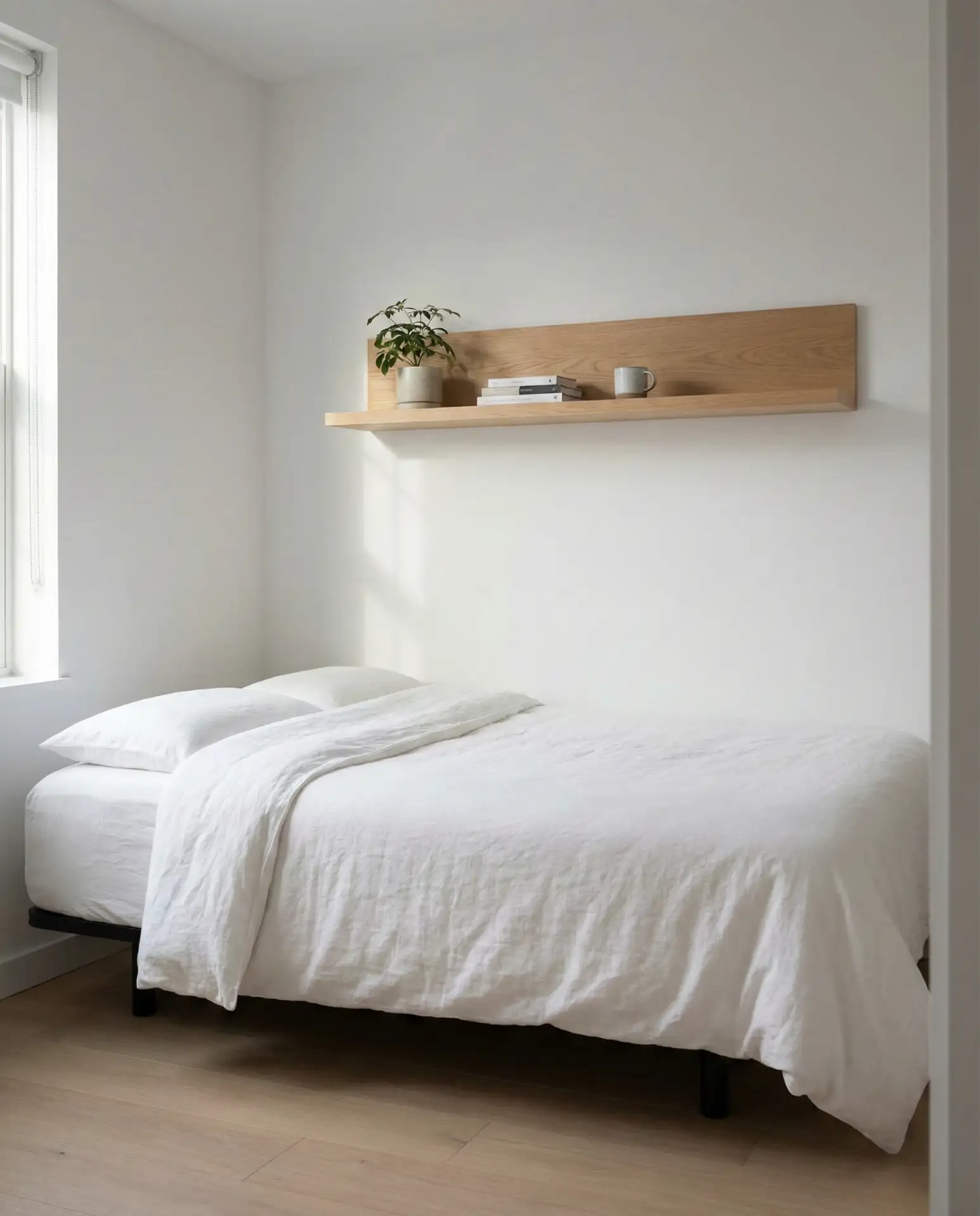
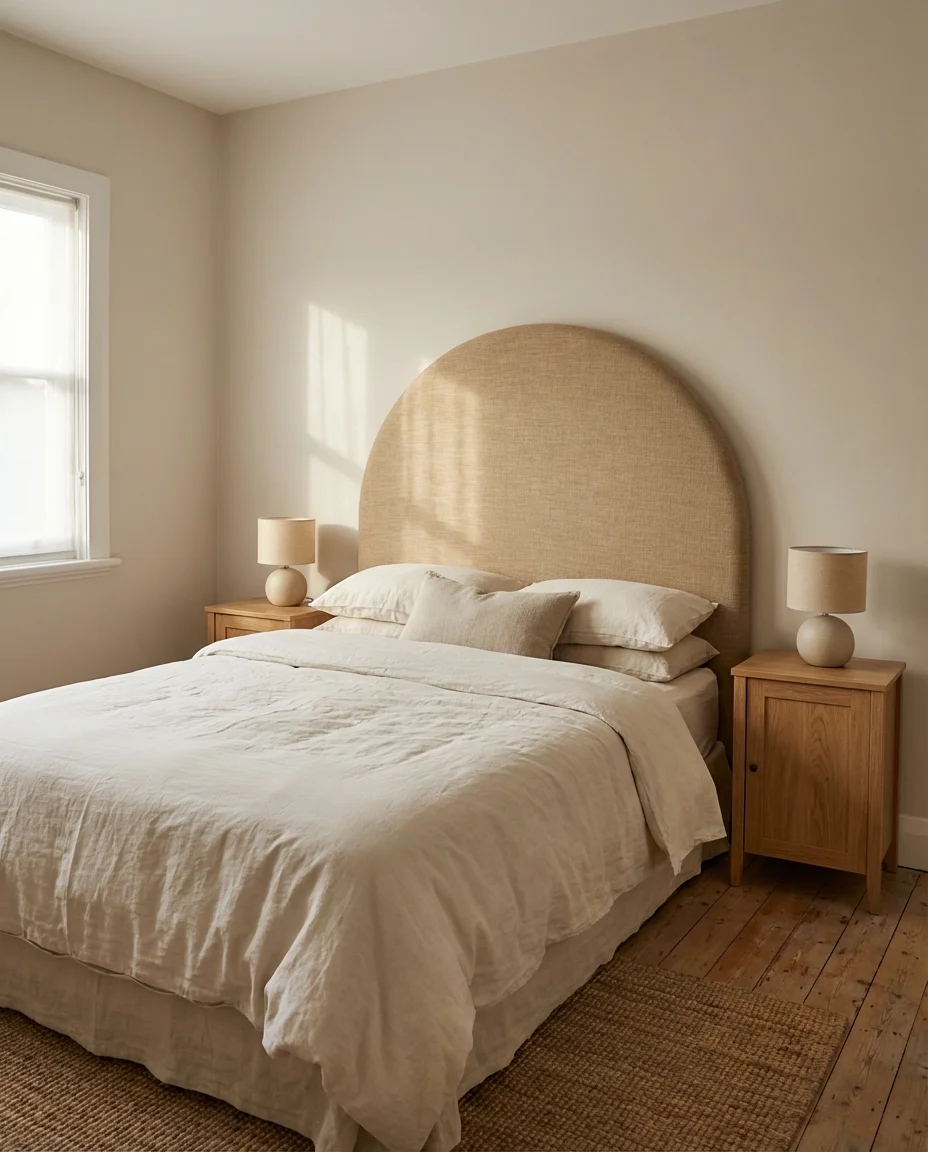
Eliminating the headboard or choosing a slim, low-profile version can make a small bedroom feel more open and less furniture-heavy. Instead of a traditional upholstered or wooden headboard, consider a simple painted accent behind the bed, a narrow floating shelf, or nothing at all. This minimalist approach reduces visual bulk and allows you to push the bed flush against the wall, maximizing floor space. It’s a hallmark of modern small bedroom design that prioritizes clean lines. 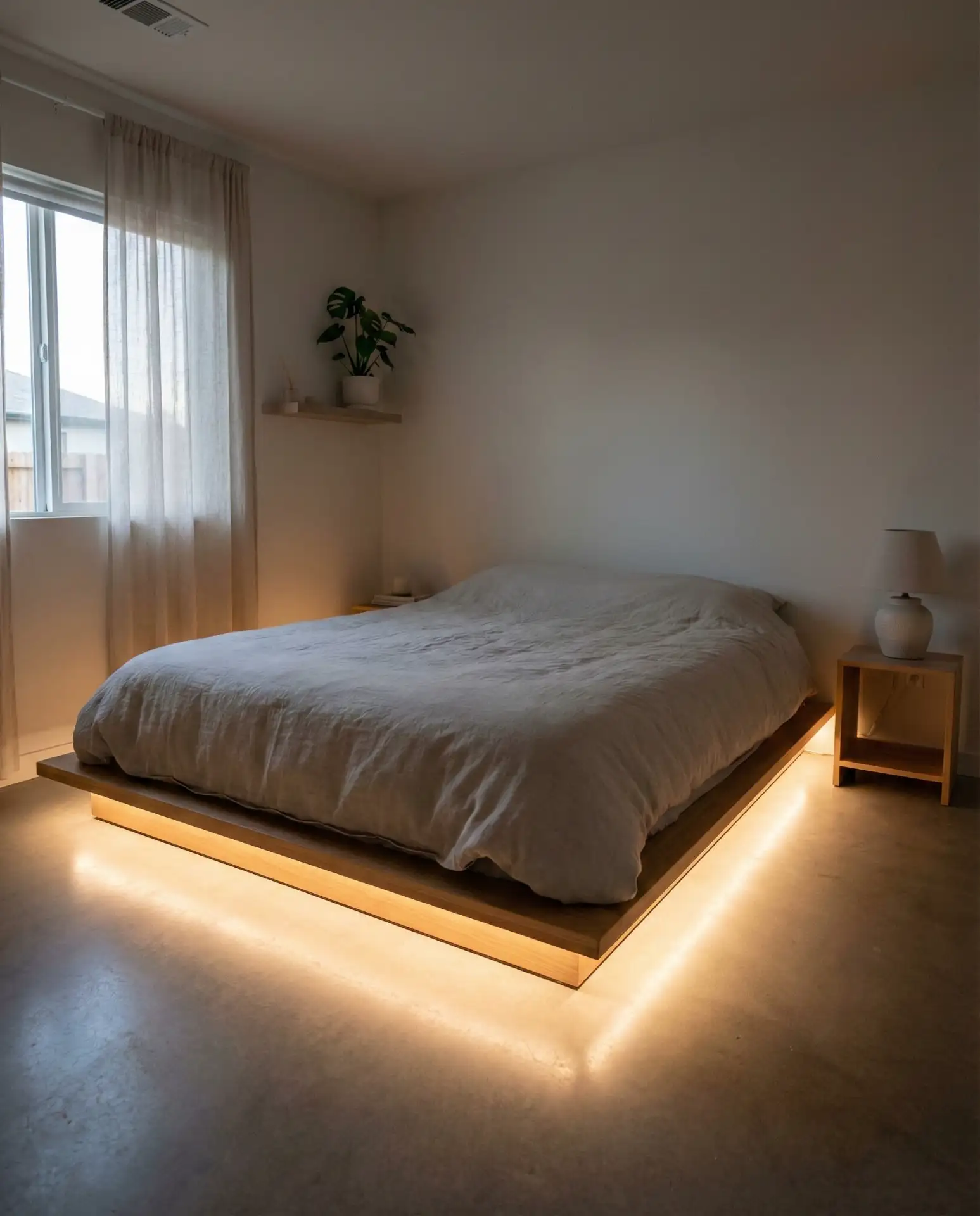
Skipping the headboard is a practical move in very tight bedrooms where even a few inches matter. If you’re concerned about wall wear, add a washable fabric panel or install a narrow wooden ledge to protect the paint. This approach also saves money—quality headboards can cost $200–800, and eliminating this expense frees up budget for other upgrades. The result is a streamlined, contemporary look that feels intentional rather than unfinished.
23. LED Strip Lighting for Ambient Glow

LED strip lights installed under the bed frame, behind a headboard, or along shelves create soft ambient lighting that makes small bedrooms feel warmer and more inviting without taking up any space. These adhesive-backed lights are easy to install, affordable, and energy-efficient. Choose warm white tones (2700K–3000K) for a cozy small bedroom atmosphere, and opt for dimmable versions to adjust brightness levels for different times of day. Smart LED strips can even change colors or sync with your routines.
LED strips have become especially popular among younger homeowners and renters who want to customize their spaces without permanent alterations. Installation takes minutes—just peel and stick—and most kits cost $15–40, making this one of the most affordable upgrades on this list. Where it works best: behind floating shelves, under bed frames, or along the perimeter of the ceiling for indirect cove lighting. Avoid placing strips where they’ll shine directly in your eyes; the goal is a subtle glow, not a spotlight.
Conclusion
Small bedrooms don’t have to feel cramped or compromised. With thoughtful design choices, smart storage solutions, and a focus on light and simplicity, you can create a space that feels both spacious and deeply personal. Whether you’re working with a compact city apartment or transforming a spare room, these 23 ideas offer practical, achievable ways to make the most of every square inch in 2026. Which ideas resonate with your space? Share your favorite small bedroom solutions in the comments below.