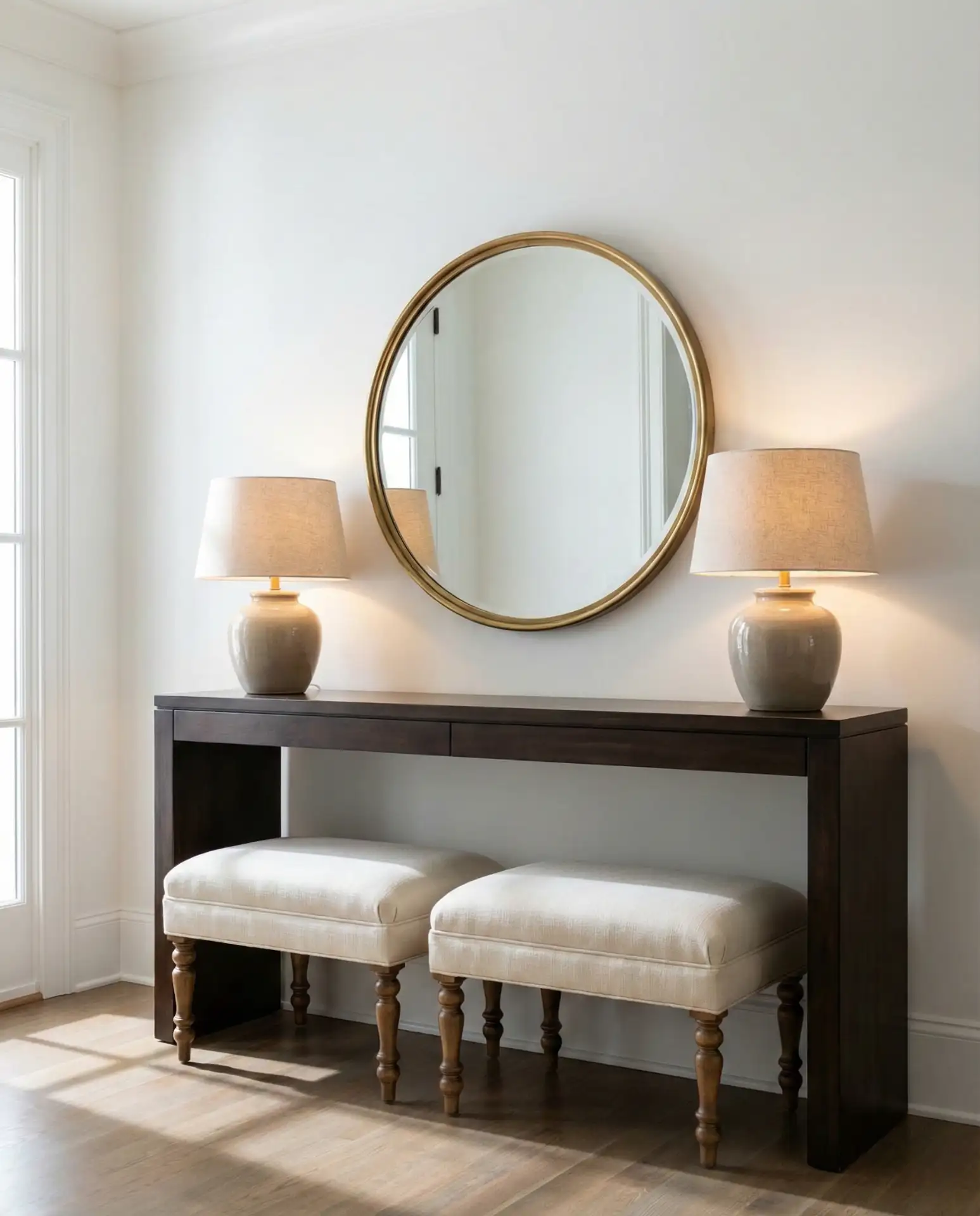
Entryways set the tone for the entire home—and in 2026, foyer design is all about making that first impression count. Whether you’re working with a narrow corridor in an apartment, a high-ceiling two-story entry, or a traditional foyer that needs a modern refresh, the right ideas can transform your entrance into a space that’s both functional and unforgettable. Americans are turning to Pinterest more than ever for visual inspiration that marries style with real-life practicality. This guide walks you through standout foyer concepts—each tailored to different layouts, aesthetics, and lifestyles—so you can find the perfect fit for your home.
1. Modern Luxury Foyer with Statement Lighting
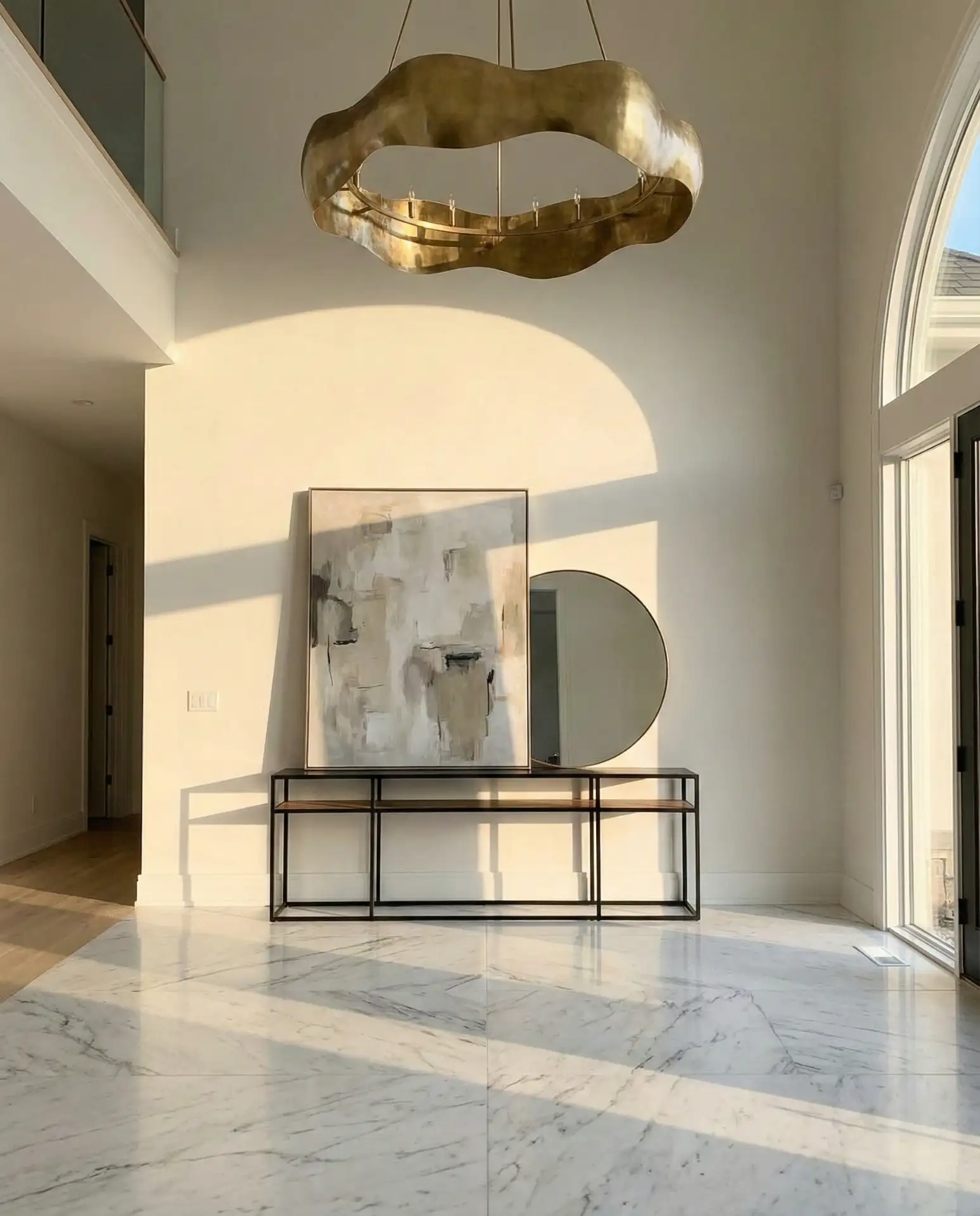
A modern luxury foyer begins with a showstopping chandelier or pendant that anchors the space. Think sculptural fixtures in brass, black metal, or crystal that draw the eye upward and create instant drama. Pair this with a streamlined console table, an oversized mirror, and a single piece of bold art to keep the look cohesive. This approach works beautifully in large entryways where you have the vertical and horizontal space to let each element breathe.
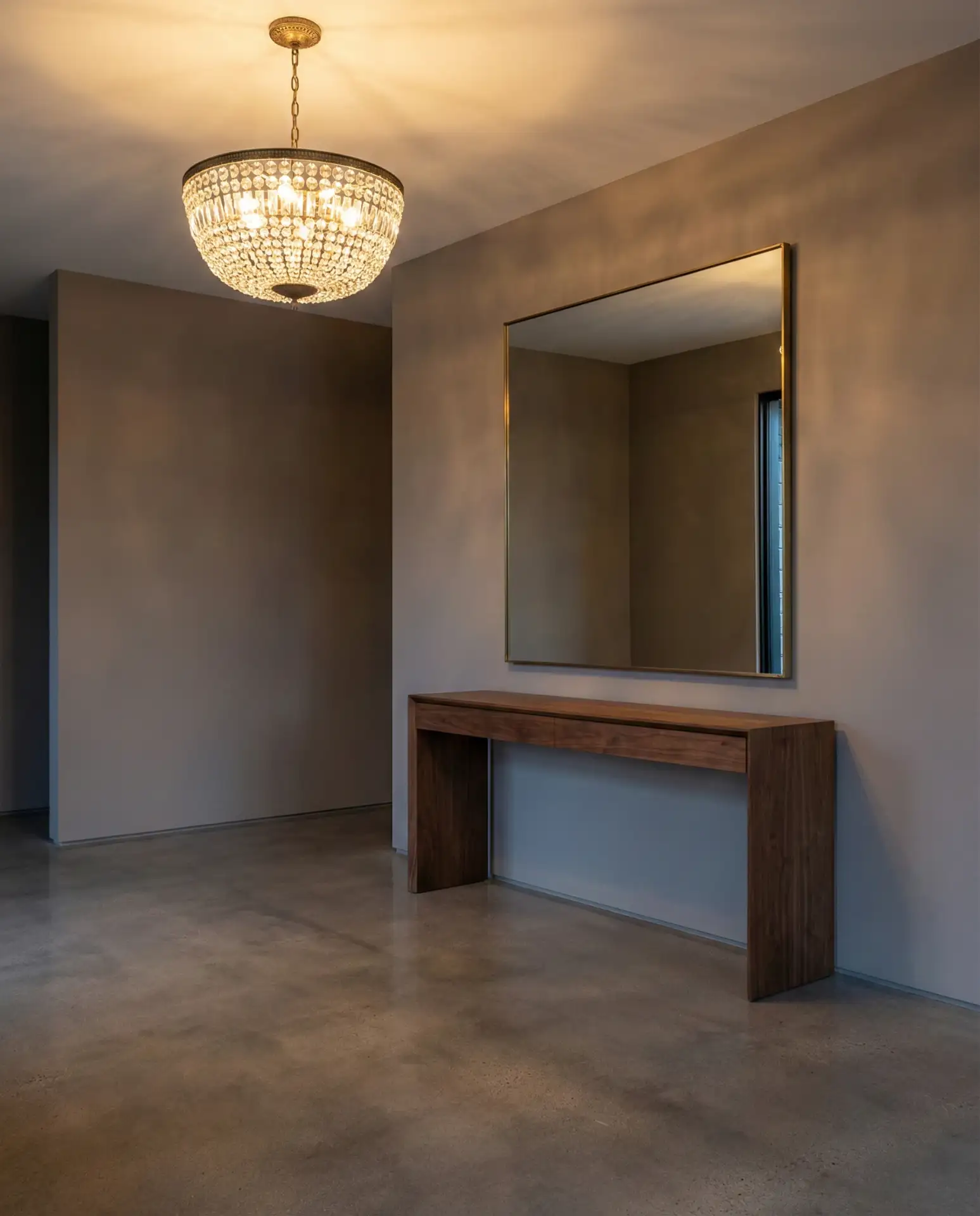
Budget tip: You don’t need to spend thousands on a designer fixture. Many affordable online retailers now offer modern chandeliers under $500 that deliver the same visual impact. Focus your splurge on one or two hero pieces—like the light and mirror—and save on accessories. The key is proportion: in a luxury foyer, less is more, and every item should feel intentional.
2. Narrow Entryway with Vertical Storage
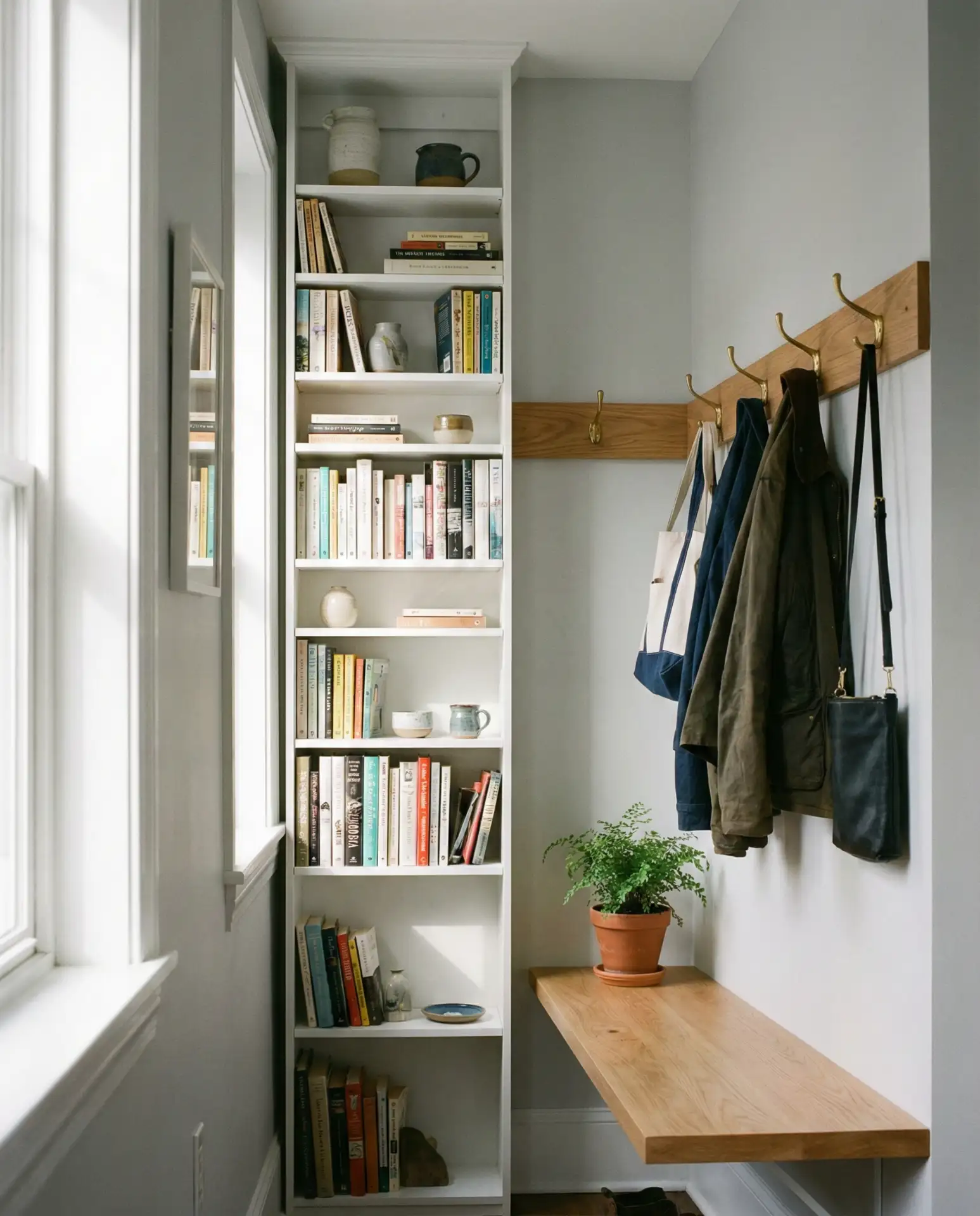
When you’re working with a narrow corridor, vertical solutions are your best friend. Install tall, slim cabinets or open shelving that climbs the wall, keeping coats, shoes, and bags organized without eating into precious floor space. A wall-mounted bench with hooks above maximizes utility while maintaining a clean sightline. This is especially practical in apartment living, where every square foot counts.
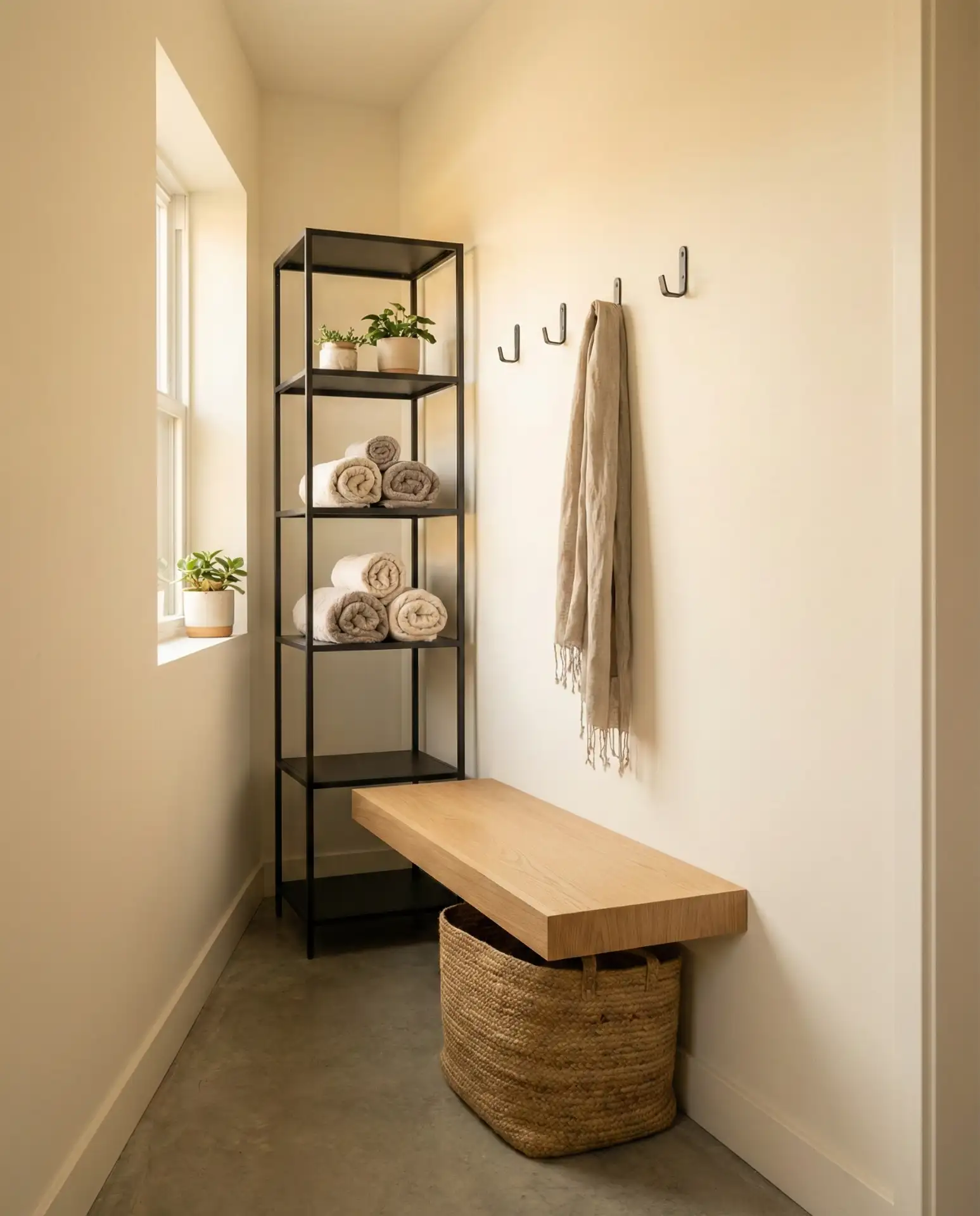
This works best in urban apartments and townhomes where hallways double as entryways. The vertical approach keeps clutter off the floor and makes the space feel taller. Add a mirror at eye level to visually widen the corridor, and stick to light colors to prevent the space from feeling cramped. It’s a small change that makes a huge difference in daily function.
3. Two-Story Foyer with Grand Staircase
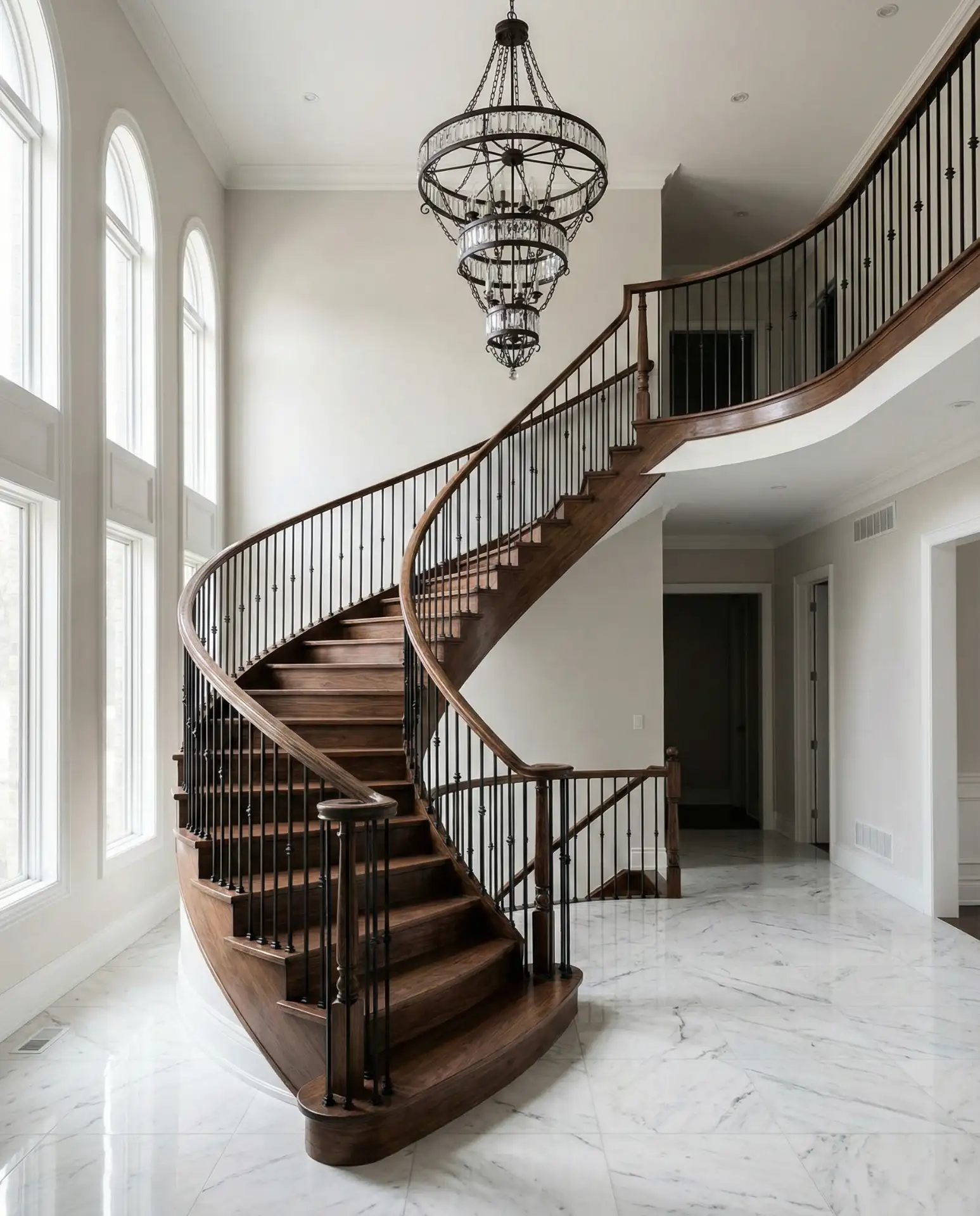
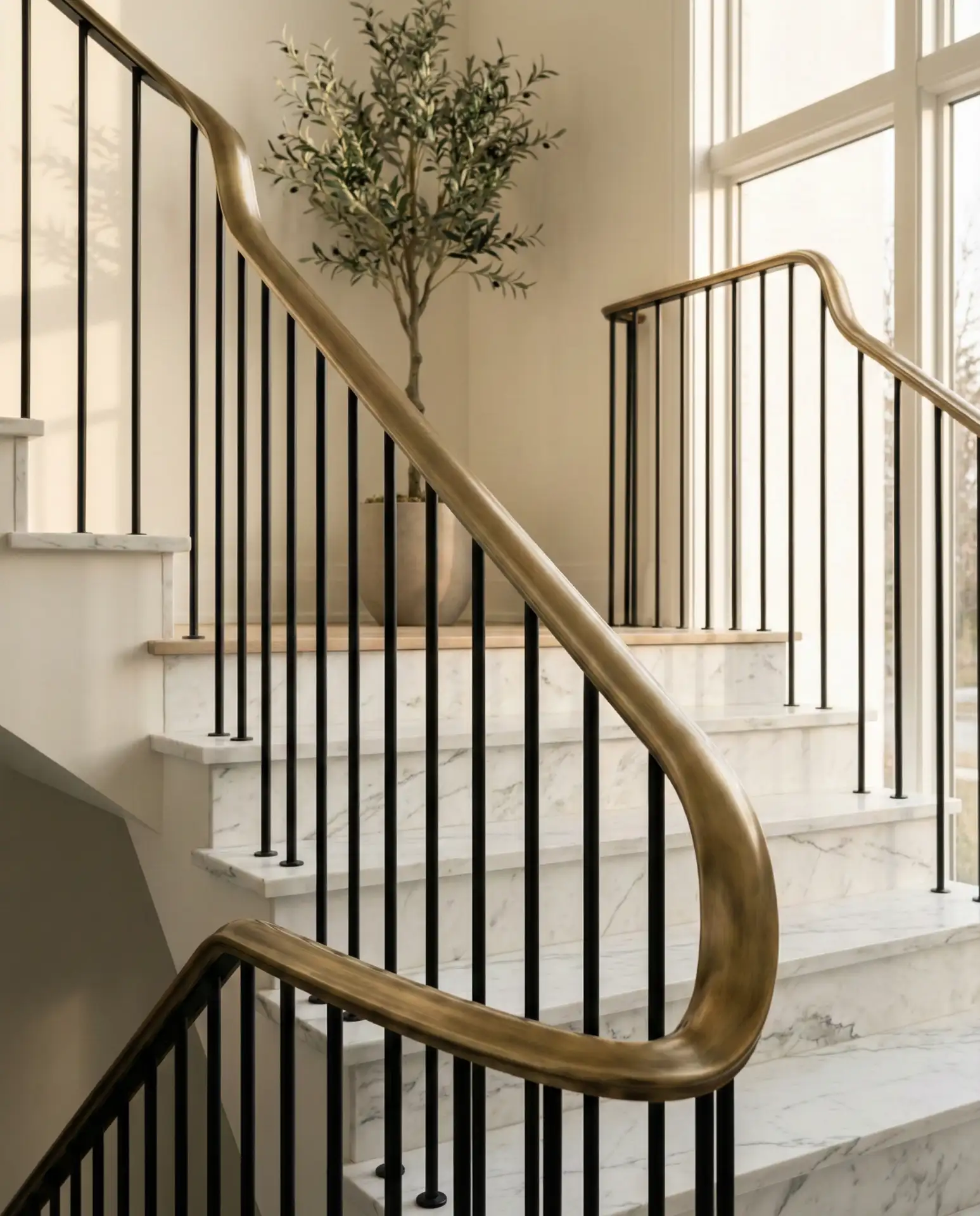
A 2-story foyer offers dramatic height and the chance to make a grand entrance. Anchor the space with a sweeping staircase—whether traditional wood, modern glass and metal, or a blend of both. Use the vertical wall space for oversized art or a gallery wall that climbs alongside the stairs. A statement chandelier that hangs from the upper level ties the two floors together visually and floods the entrance with light.
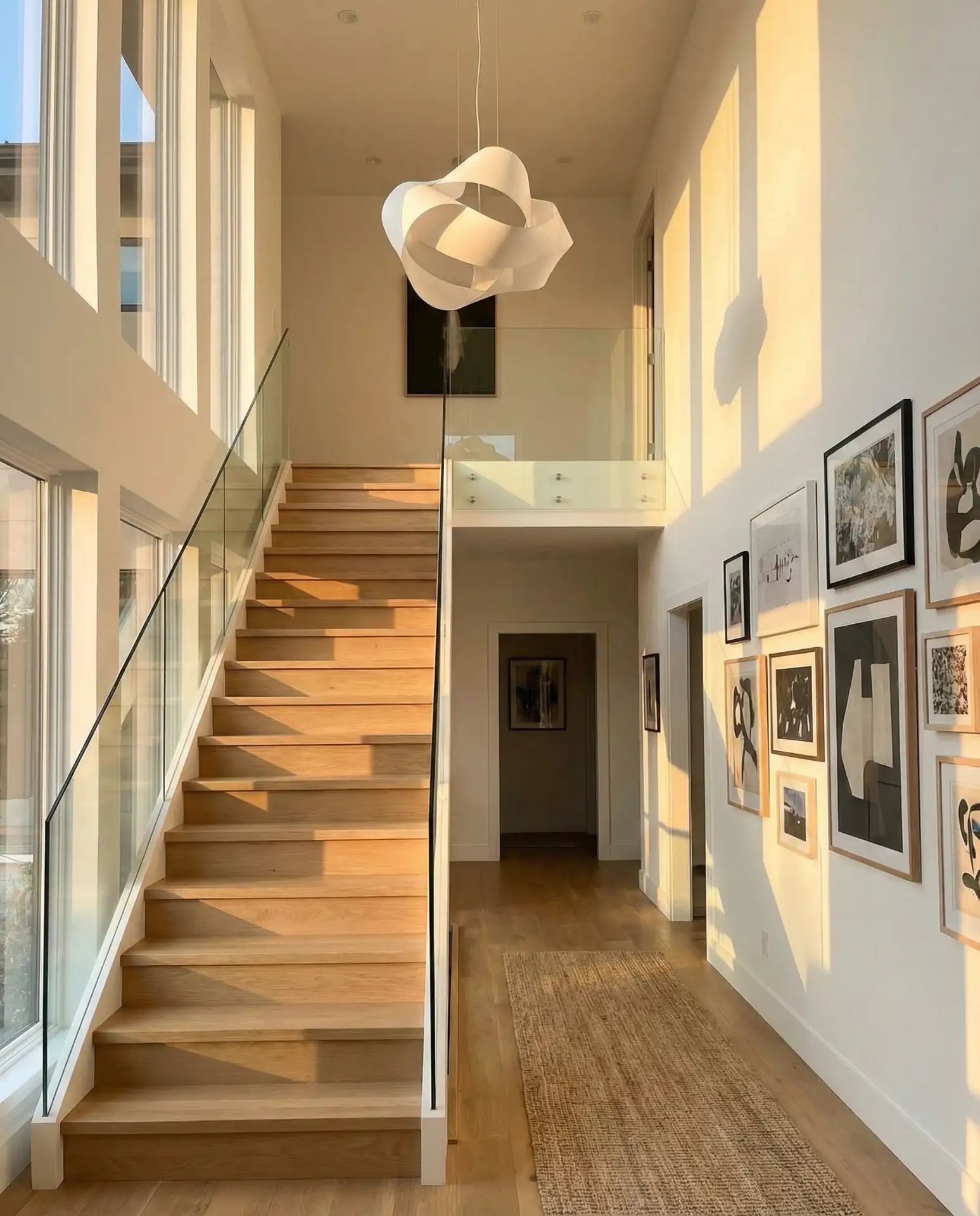
Real homeowner behavior: Many people with two-story foyers worry about the space feeling cold or cavernous. The fix is layering—add a runner on the stairs, a large area rug at the base, and warm wood tones to soften the stone or tile. These touches make the space feel inviting without sacrificing its grandeur.
4. Indian Modern Foyer with Cultural Accents
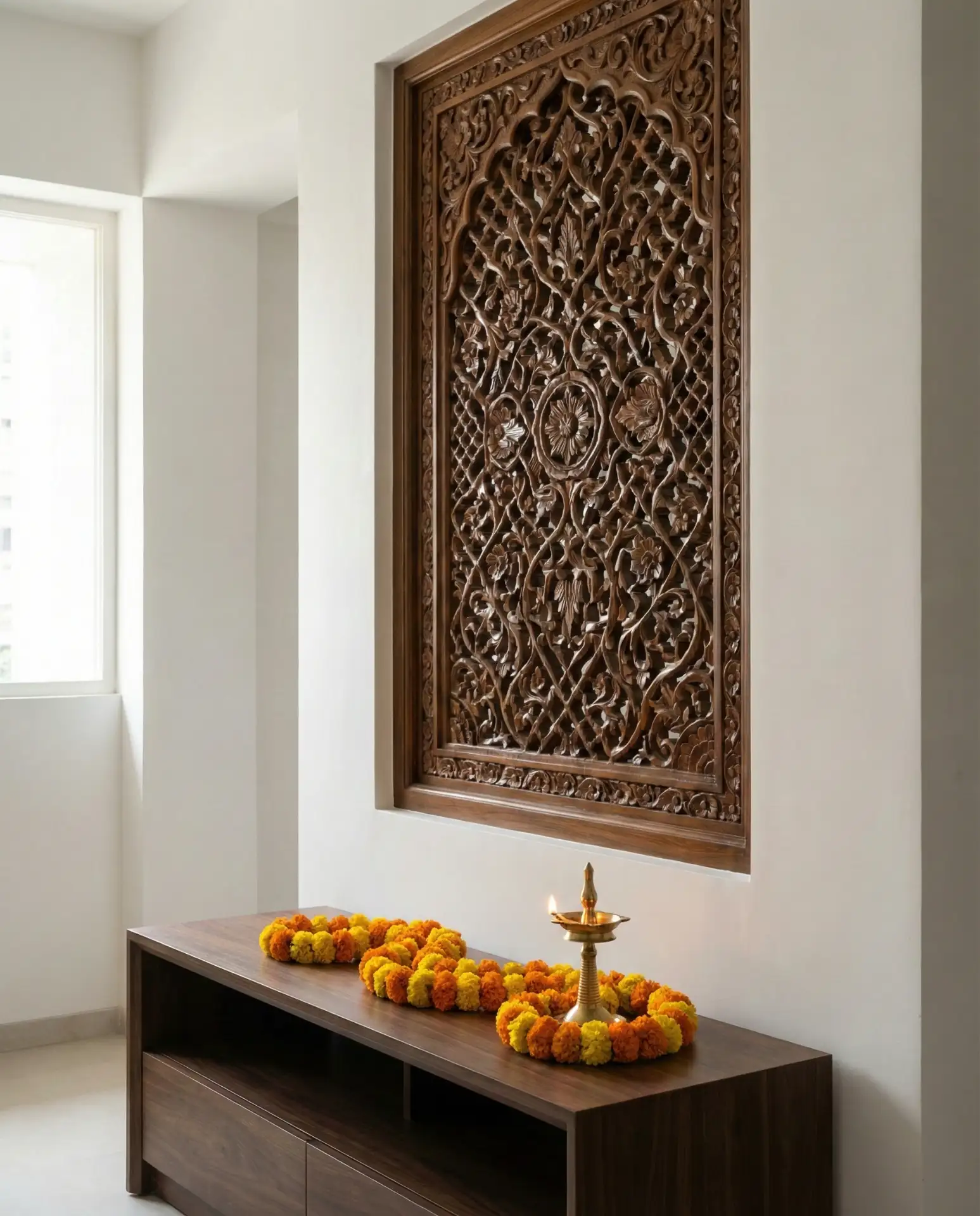
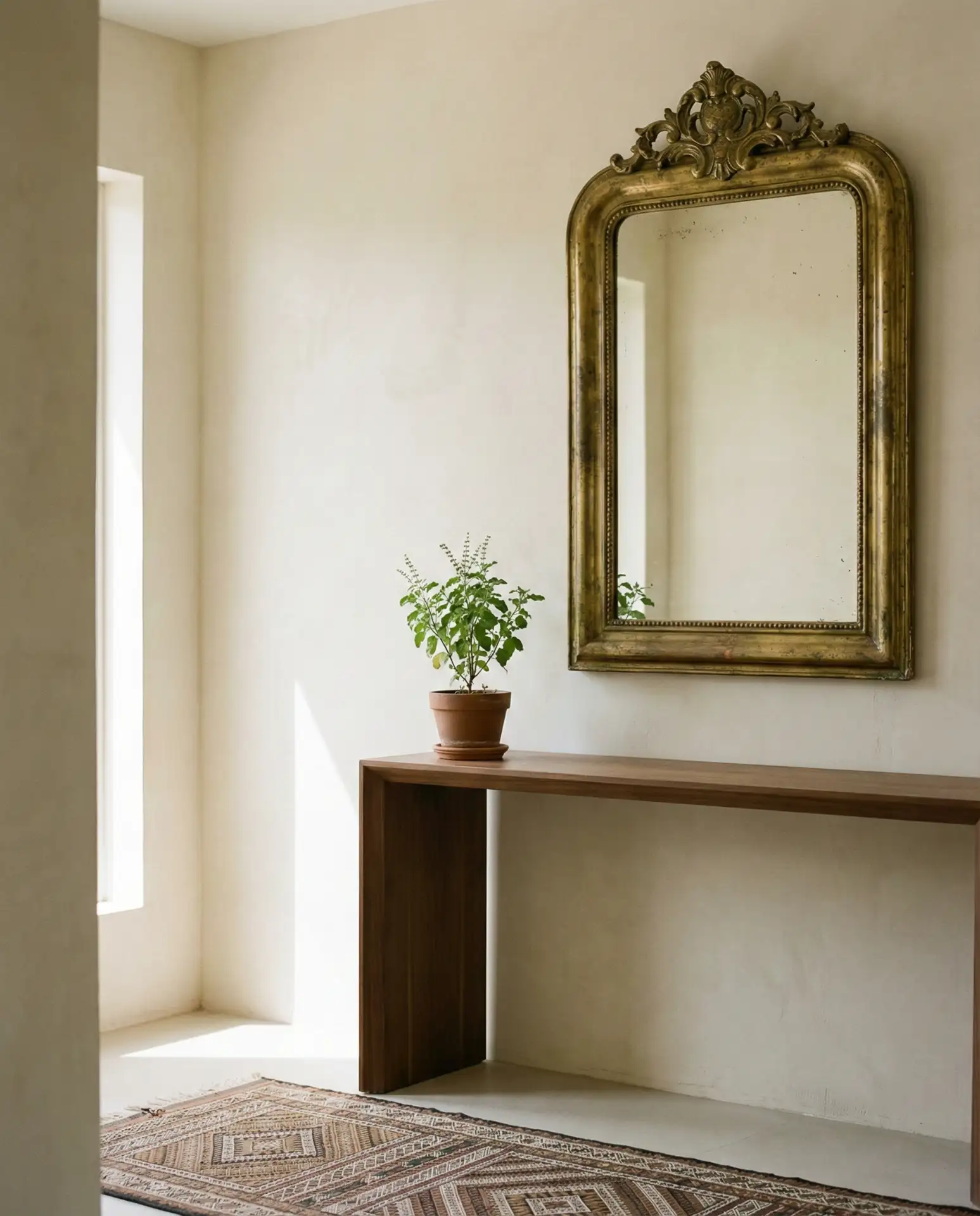
A modern Indian foyer blends contemporary design with traditional Indian elements. Think clean lines and neutral walls paired with intricate jali screens, brass accents, or hand-carved wooden panels. A low console with a decorative diya or fresh marigolds adds a cultural touch without overwhelming the space. This style is gaining traction in Indian apartments where homeowners want to honor heritage while keeping the aesthetic current.
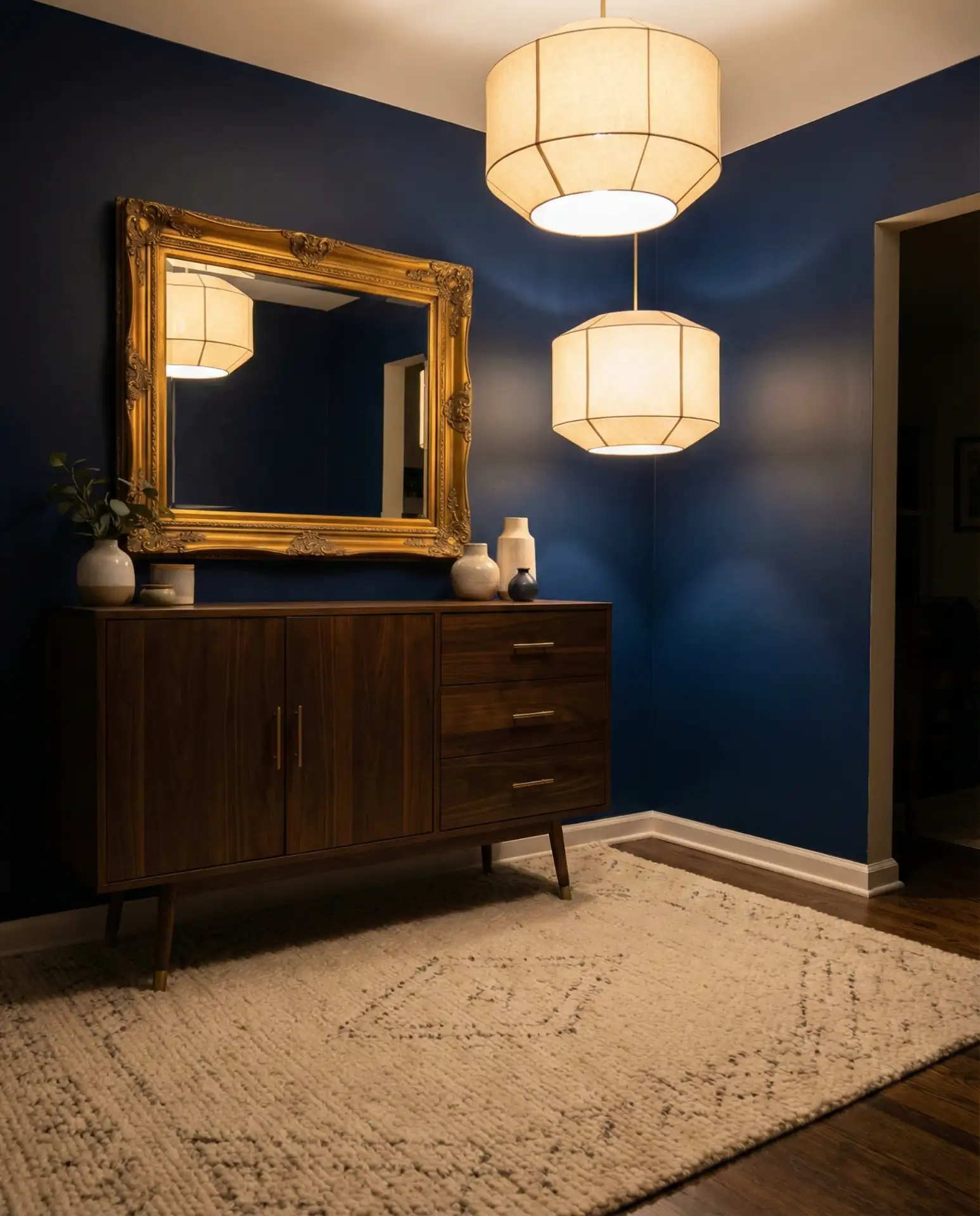
A friend recently renovated her Mumbai apartment and added a single jali panel as a room divider between the foyer and living room. It immediately became the most-photographed corner of her home, offering privacy and visual interest without closing off the flow. She paired it with modern furniture, and the contrast was stunning.
5. Moody Foyer with Dark Walls and Rich Textures
A moody foyer embraces deep paint colors—charcoal, navy, forest green, or even black—to create an intimate, cocooning effect. Layer in rich textures: velvet upholstery, a plush area rug, leather accents, and matte black hardware. This approach works especially well in home entryways with limited natural light, where the darkness feels intentional rather than gloomy. Add warm-toned lighting to balance the drama.
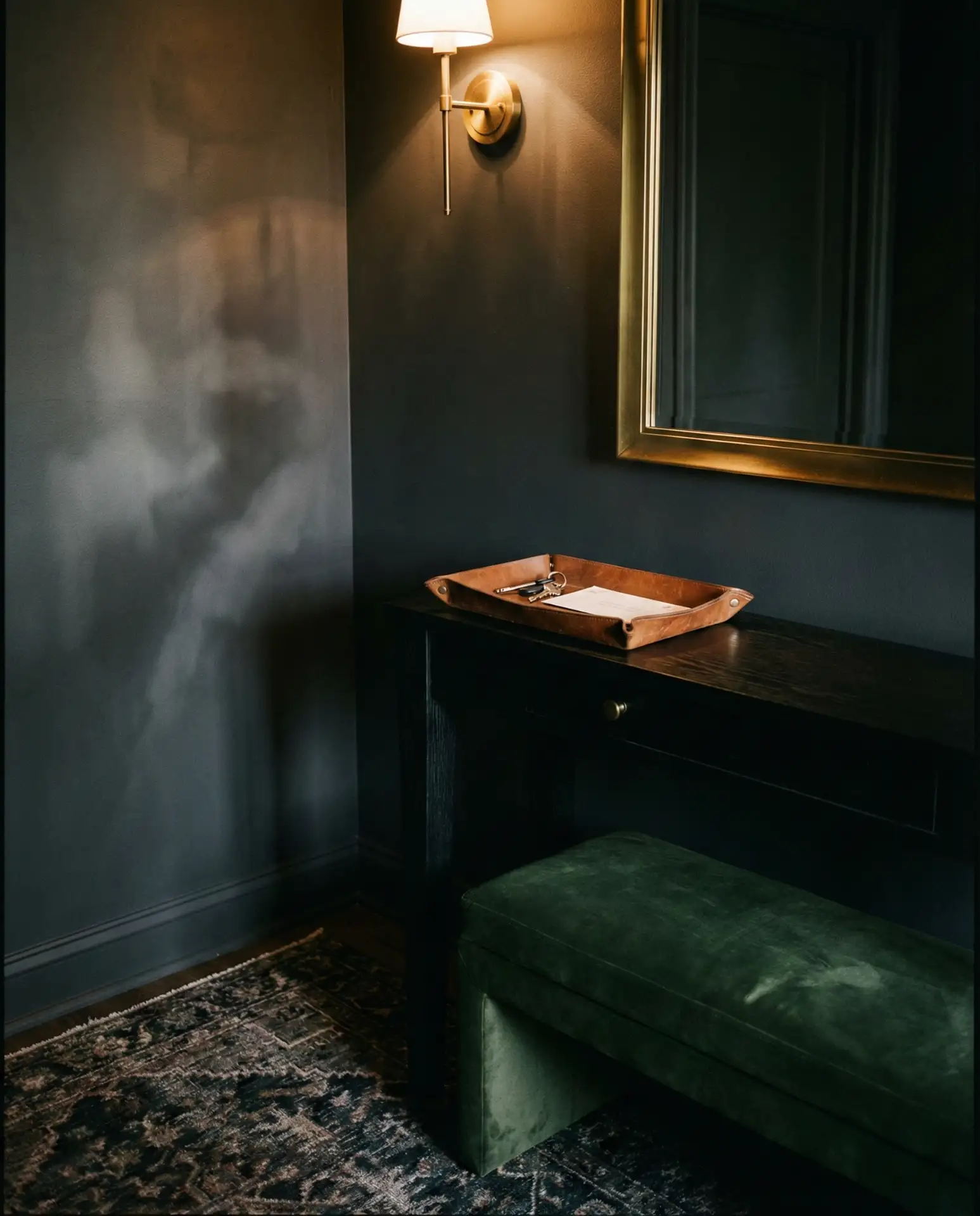
Expert-style commentary: Dark walls in a foyer can actually make the space feel larger when done right. The key is contrast—use light-colored flooring, metallic accents, and strategic lighting to prevent the room from swallowing itself. A moody entryway sets a sophisticated tone and makes every other room in the house feel brighter by comparison.
6. Open Concept Foyer with Sightlines
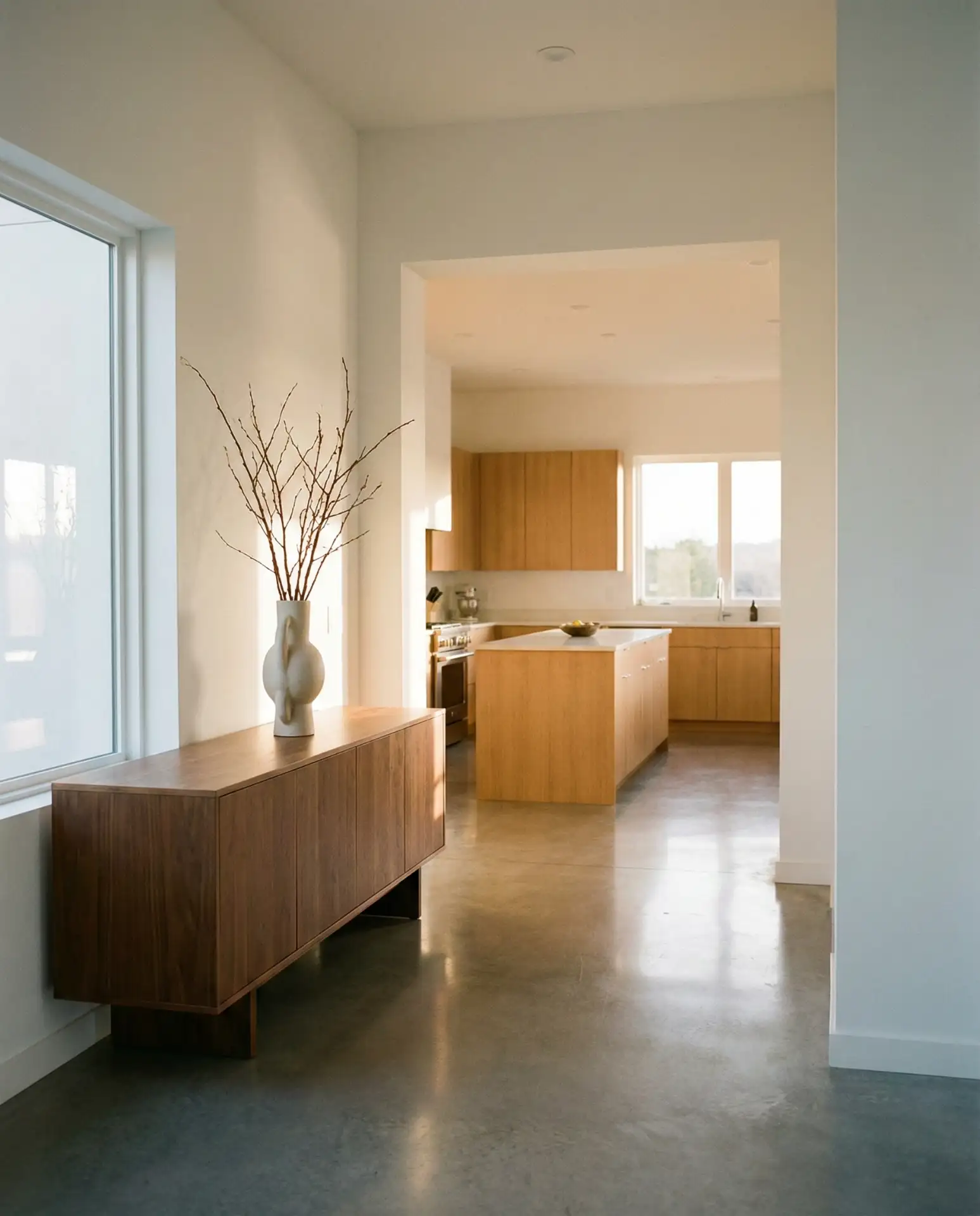
An open foyer flows directly into the living or dining area, with no walls or doors to section it off. This layout is popular in modern luxury homes where the goal is to maximize light and create a sense of expansiveness. Define the entry zone with a change in flooring—tile to hardwood, for example—or a low credenza and runner that signal “this is where you enter” without blocking the view.
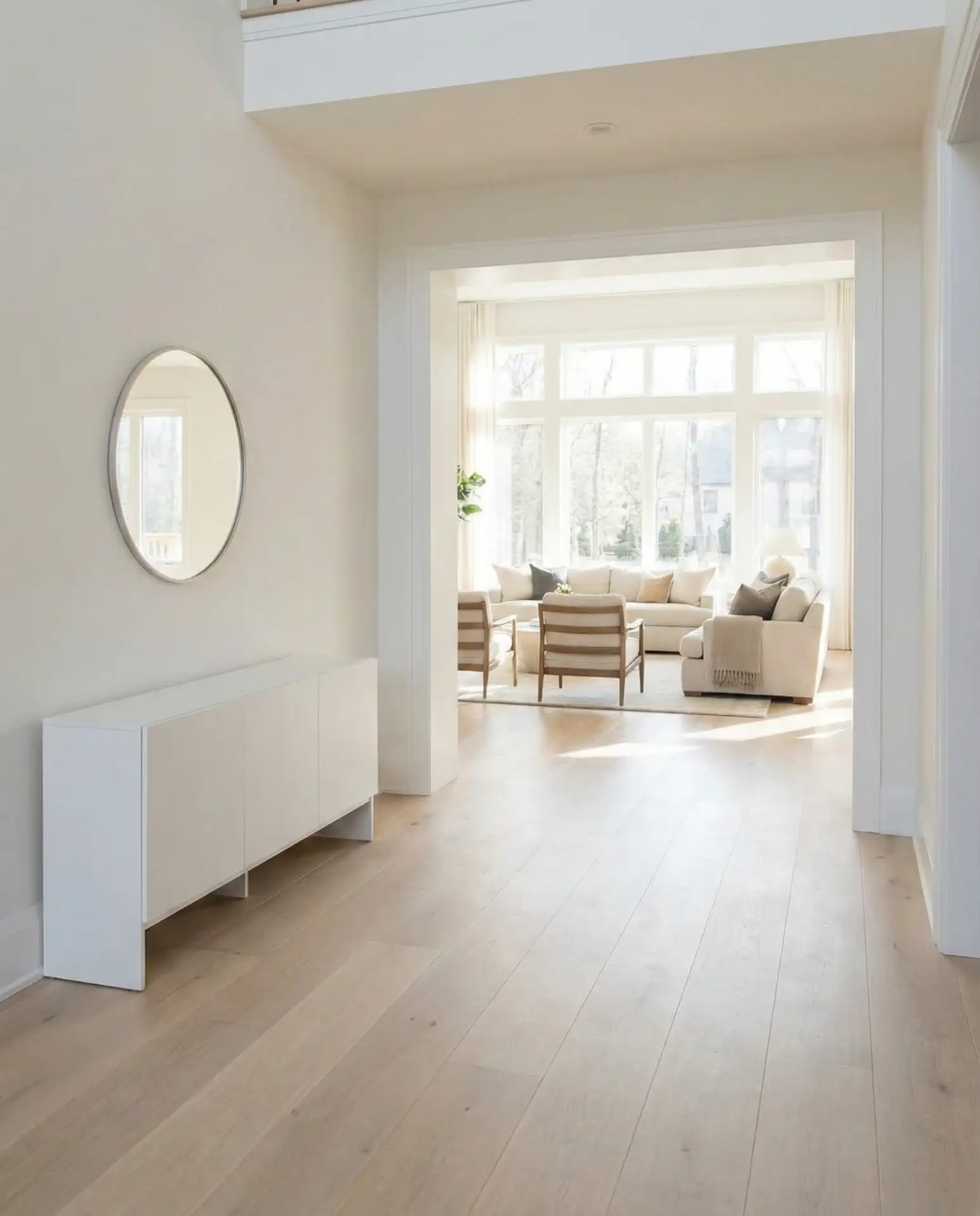
This works best in ranch-style homes and contemporary builds where the floor plan is already open. Americans love the flow of an open foyer, especially in warmer climates where indoor-outdoor living is key. Just be mindful of clutter—since there’s no door to hide behind, everything is on display, so storage solutions need to be both functional and beautiful.
7. High Ceiling Foyer with Dramatic Proportions
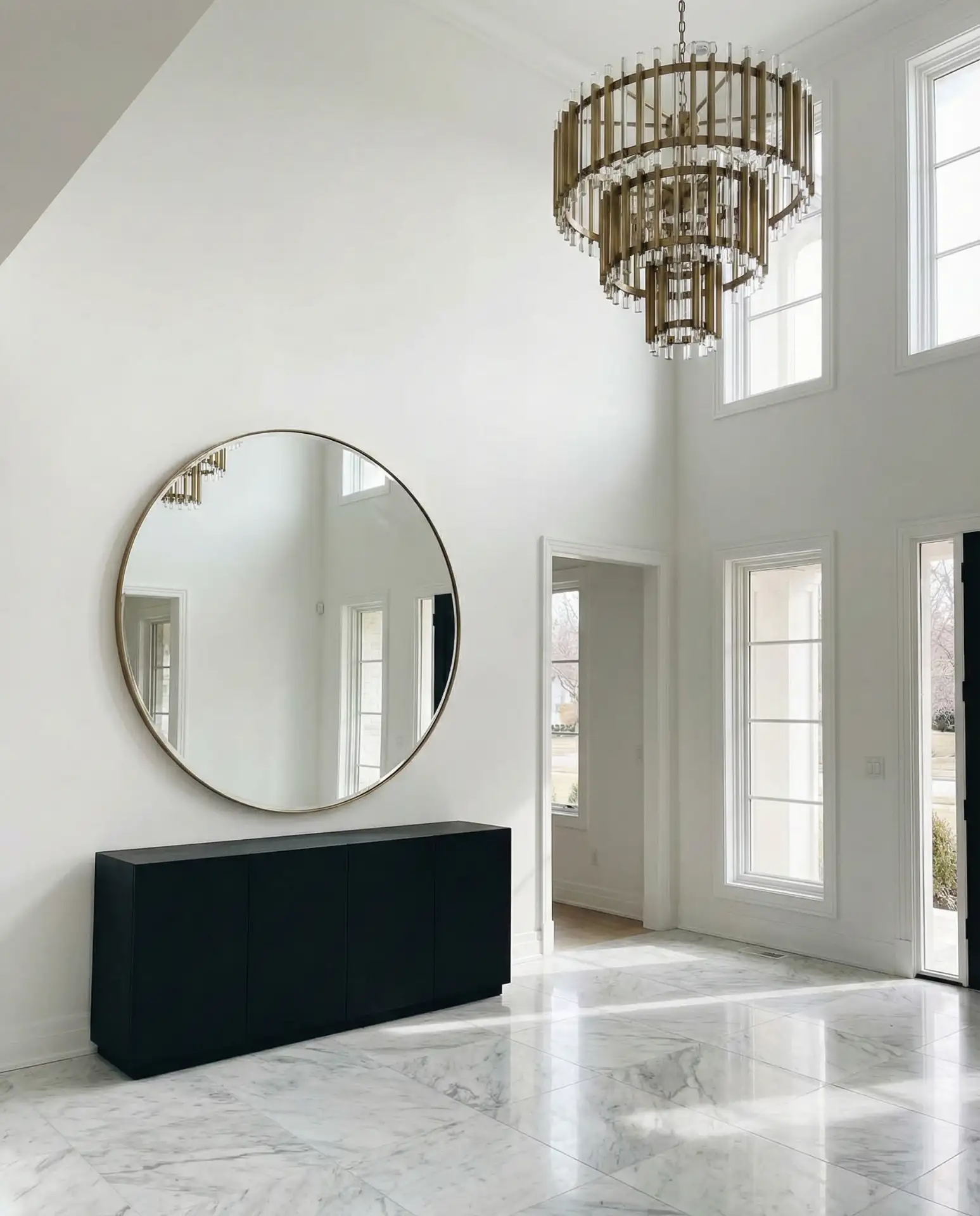
A high-ceiling foyer is a gift—and a challenge. The soaring height creates drama, but it can also make the space feel empty if not properly scaled. Use oversized furniture and art to anchor the room: a tall mirror, a large console, and a chandelier that hangs low enough to feel grounded. This is especially important in tall entryways where the proportions need to be carefully balanced to avoid a cavernous feel.
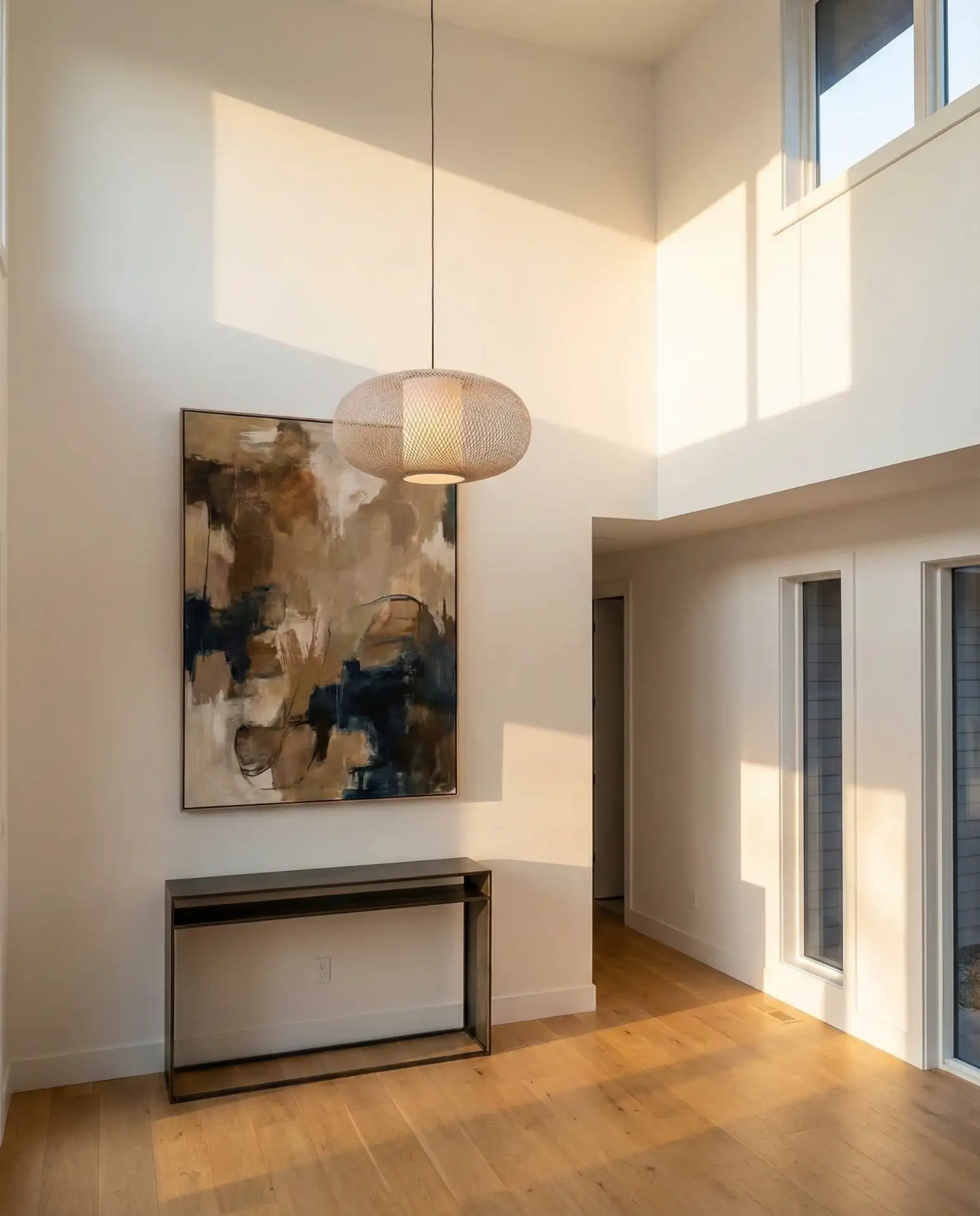
Common mistake: Hanging the chandelier too high. In a double-height space, aim for the bottom of the fixture to be around 7 to 8 feet from the floor—low enough to create intimacy but high enough to clear heads. This simple adjustment makes the room feel intentional rather than hollow.
8. Traditional Foyer with Classic Millwork
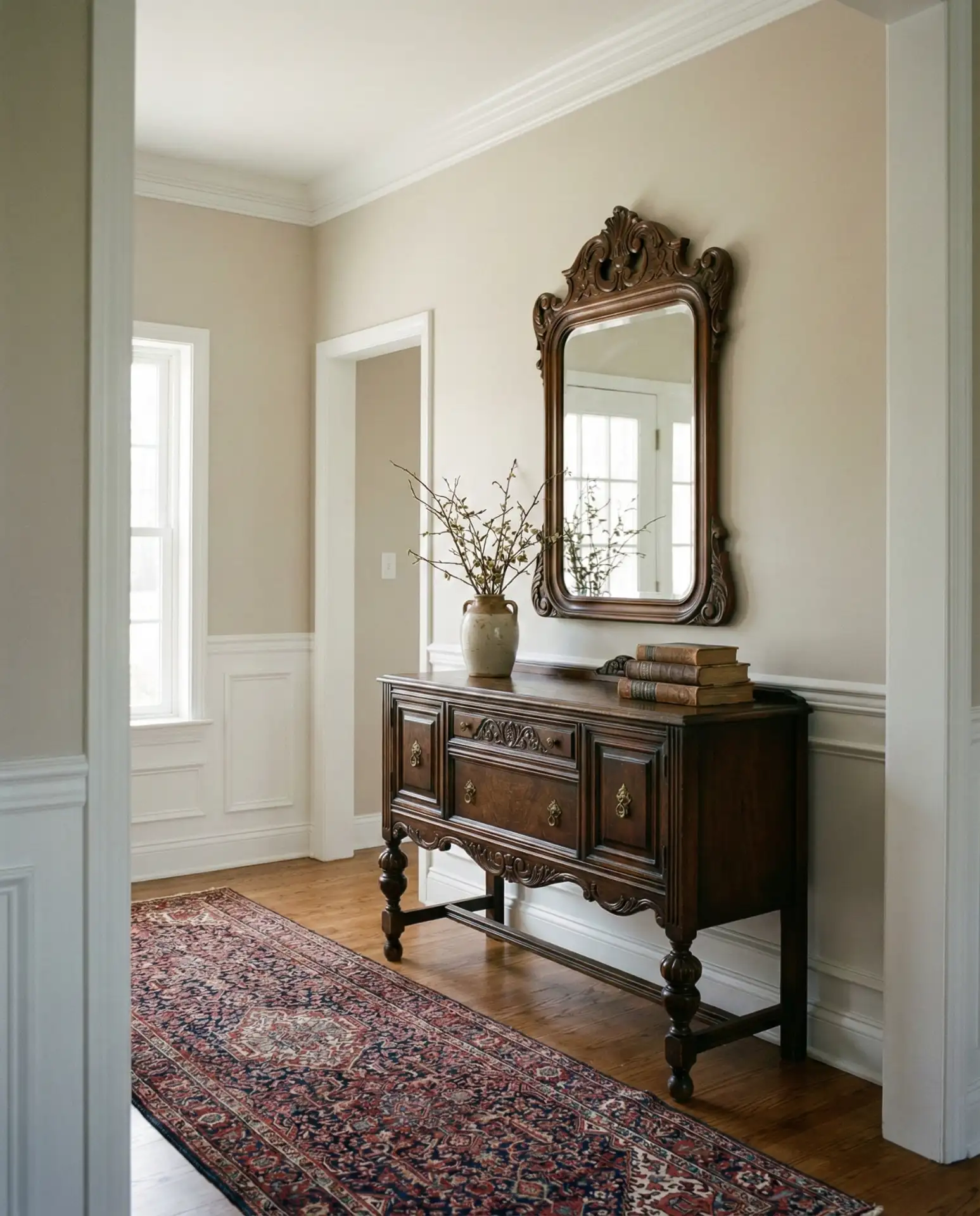
A traditional foyer leans into timeless details: wainscoting, crown molding, paneled walls, and a classic color palette of creams, grays, and soft blues. Pair these architectural elements with an antique or vintage-inspired console, a carved wood mirror, and a Persian or Oriental rug. This style thrives in older home builds, especially Colonial, Victorian, or Craftsman houses where the bones already have character.
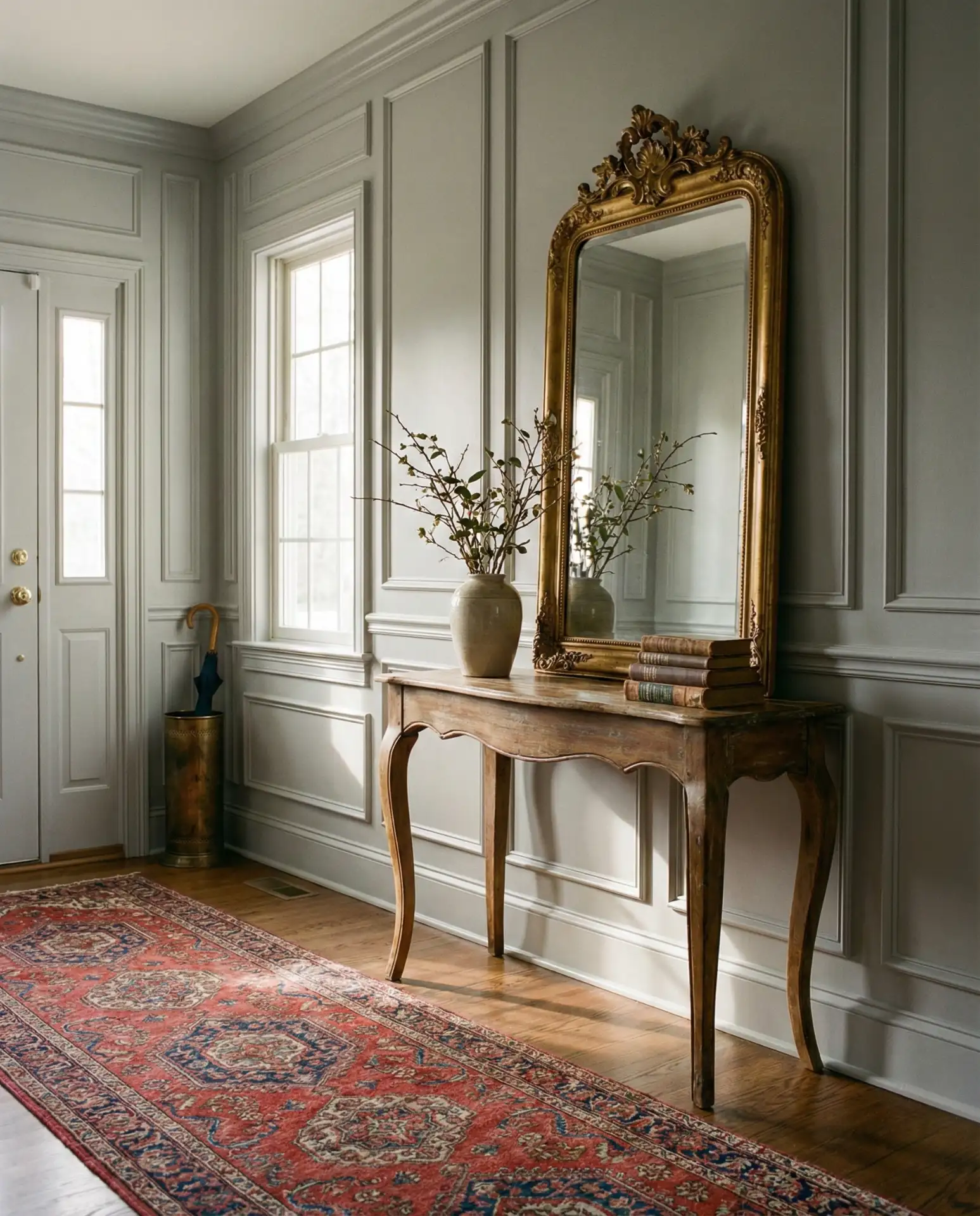
Regional context: In the American South and Northeast, traditional foyers are still the gold standard for historic homes. Homeowners often update the paint color or swap in more modern lighting, but the millwork stays—it’s what gives these entryways their enduring elegance. If you’re renovating, resist the urge to rip out original details; they’re what make the space special.
9. Rustic Foyer with Reclaimed Wood and Natural Textures
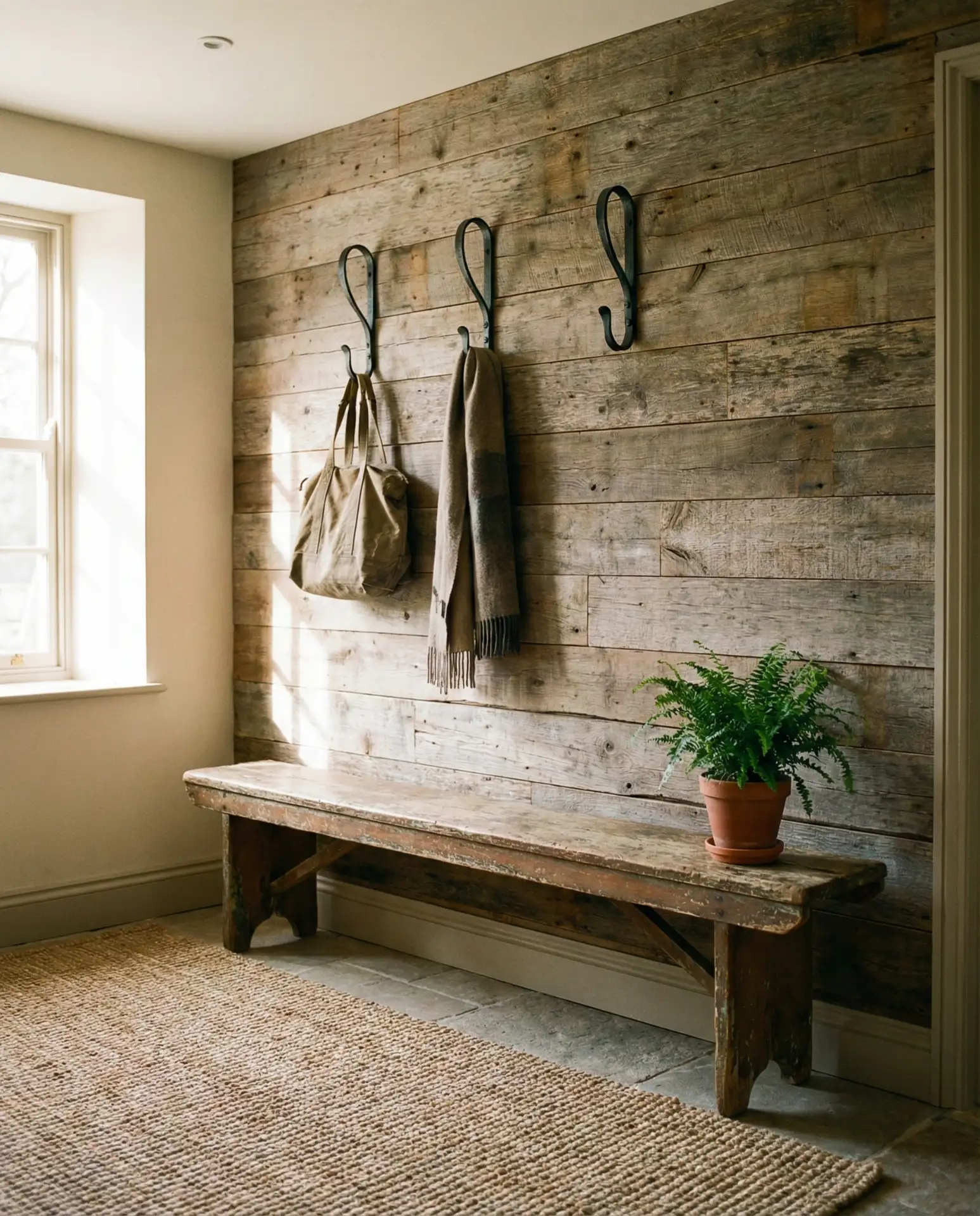
A rustic foyer brings the outdoors in, using reclaimed wood, stone, and natural fibers to create a warm, organic welcome. Think exposed beam ceilings, a weathered wood bench, a jute rug, and metal hooks for coats. This style is ideal for home settings in rural or mountain areas, but it’s also being adapted in suburban homes where people crave that cabin-in-the-woods feeling without leaving the city.
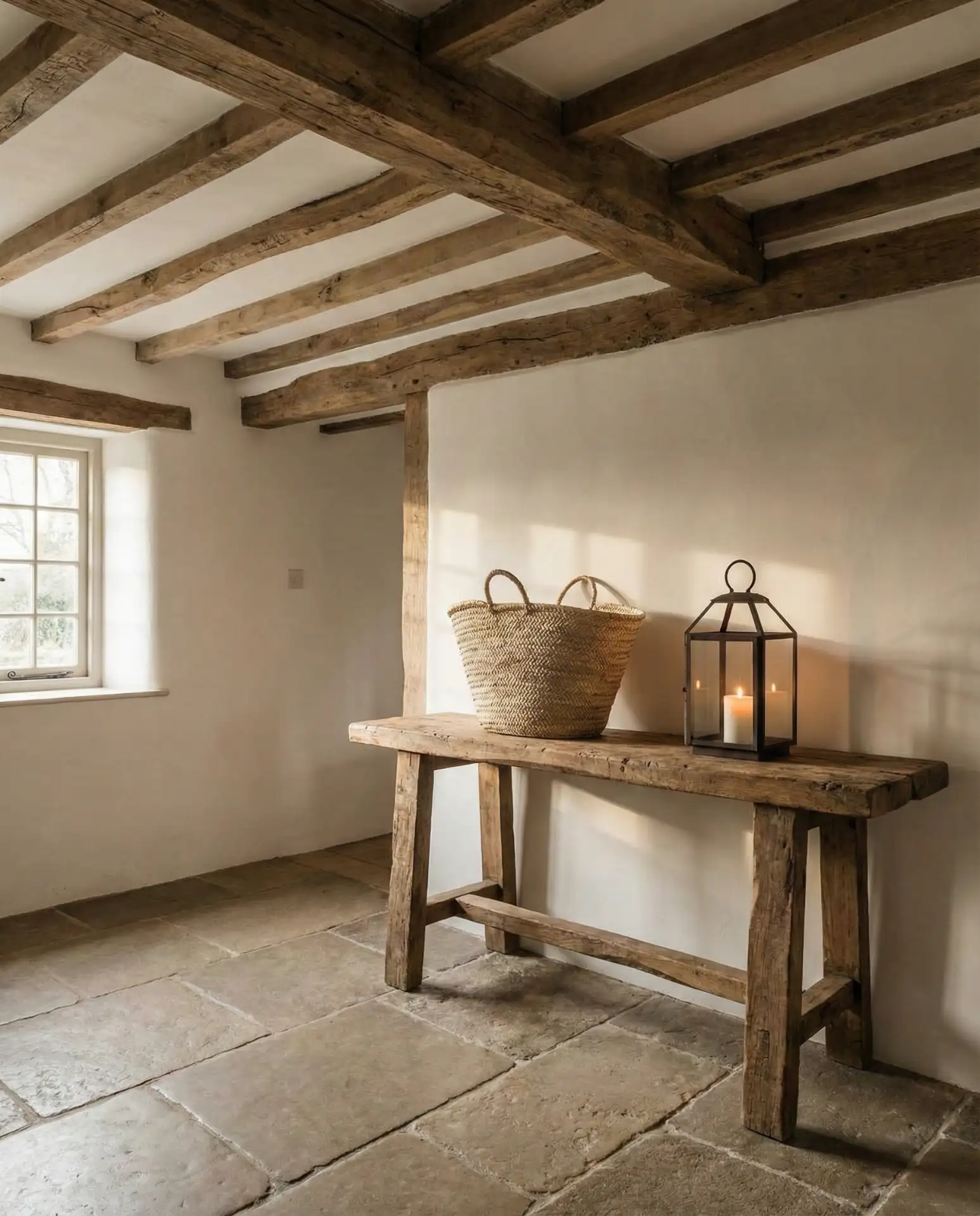
Practical insight: Reclaimed wood can be pricey, but you can achieve a similar look with new wood that’s been distressed or stained in weathered tones. Focus on one statement piece—like an accent wall or a large bench—and let that set the tone. Keep the rest simple and natural to avoid the space feeling too busy.
10. Tiny Foyer with Smart Space-Saving Solutions
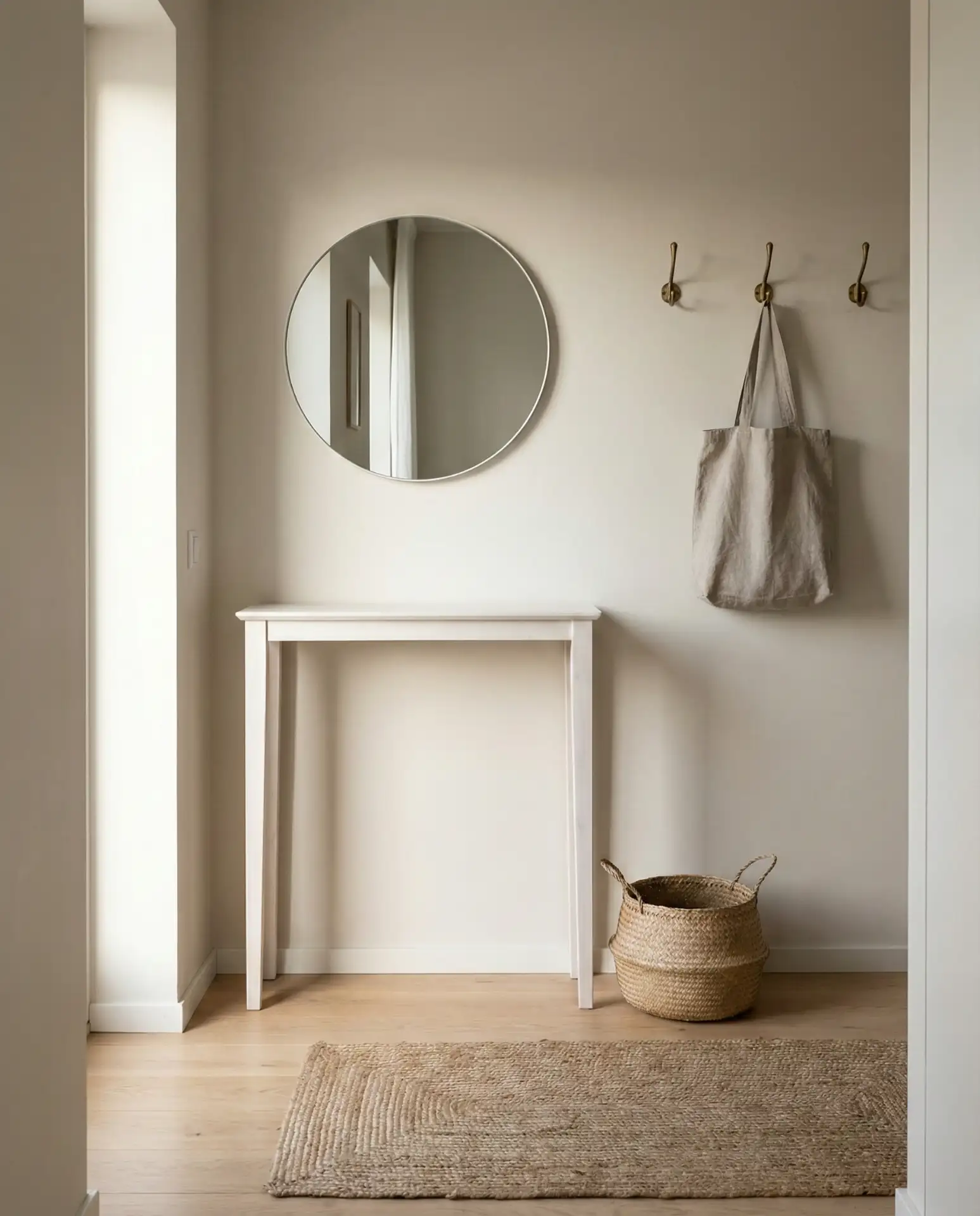
A tiny foyer requires creativity and discipline. Every piece needs to earn its place, so opt for multifunctional furniture like a bench with hidden storage, wall-mounted hooks instead of a coat rack, and a narrow console that doesn’t jut out. Mirrors are your secret weapon here—they visually double the space and bounce light around. This is especially relevant in apartment living, where the entryway might be just a few square feet.
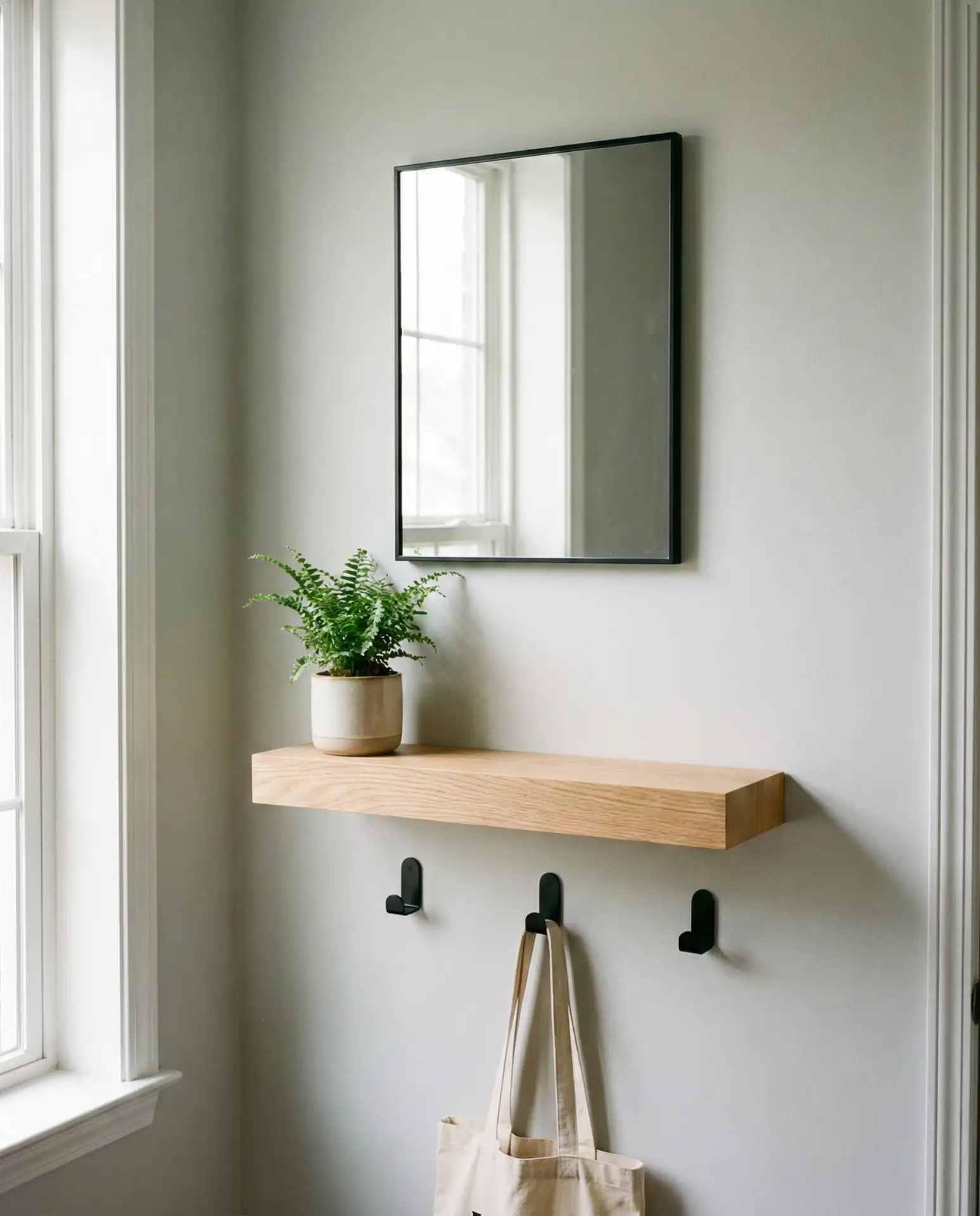
Real homeowner behavior: People with tiny foyers often make the mistake of leaving shoes and bags piled by the door because there’s “no space” for storage. The truth is, vertical storage and hidden compartments can transform even the smallest entry into a functional drop zone. A wall-mounted shoe rack and a few hooks can change everything.
11. Long Foyer with Layered Lighting
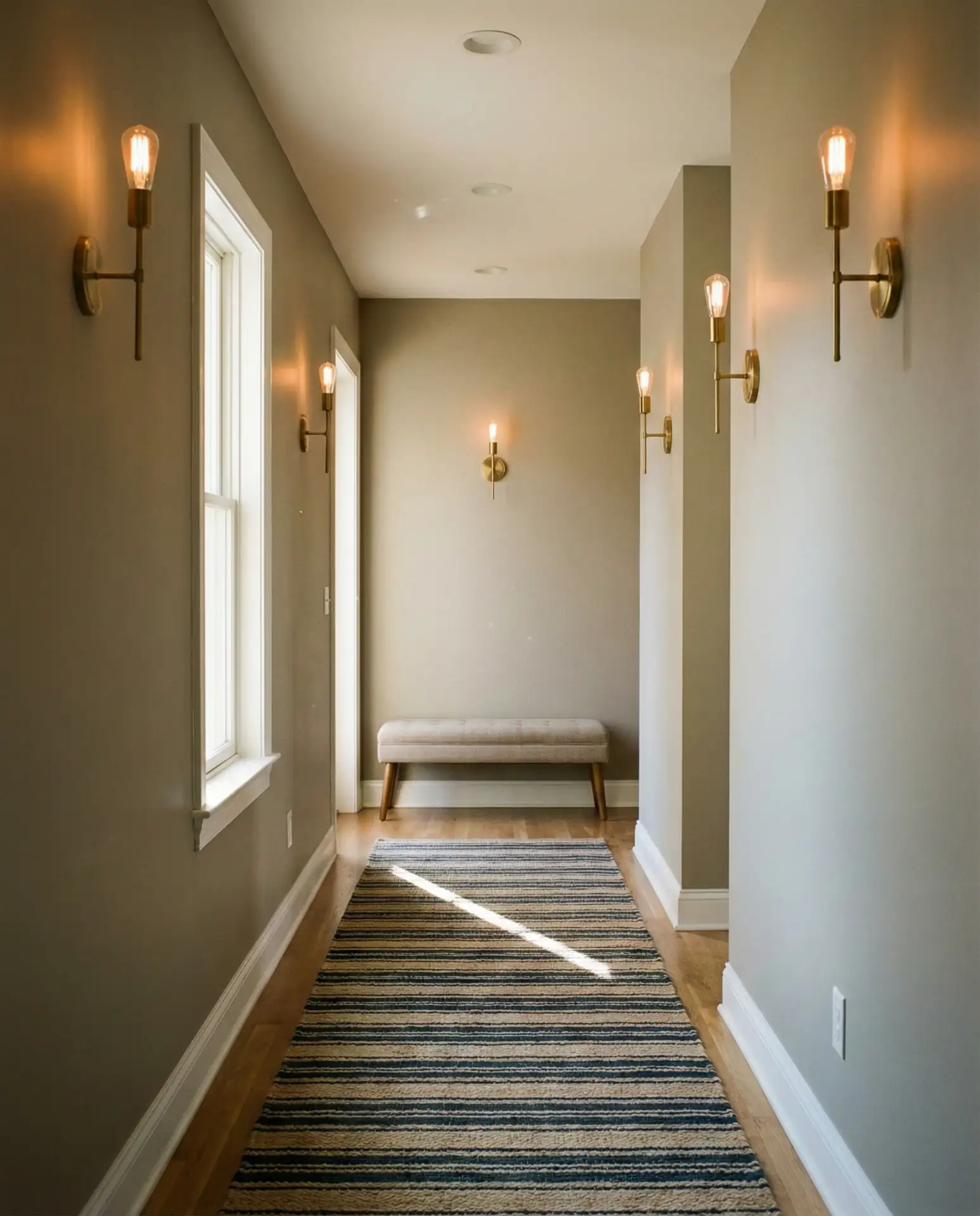
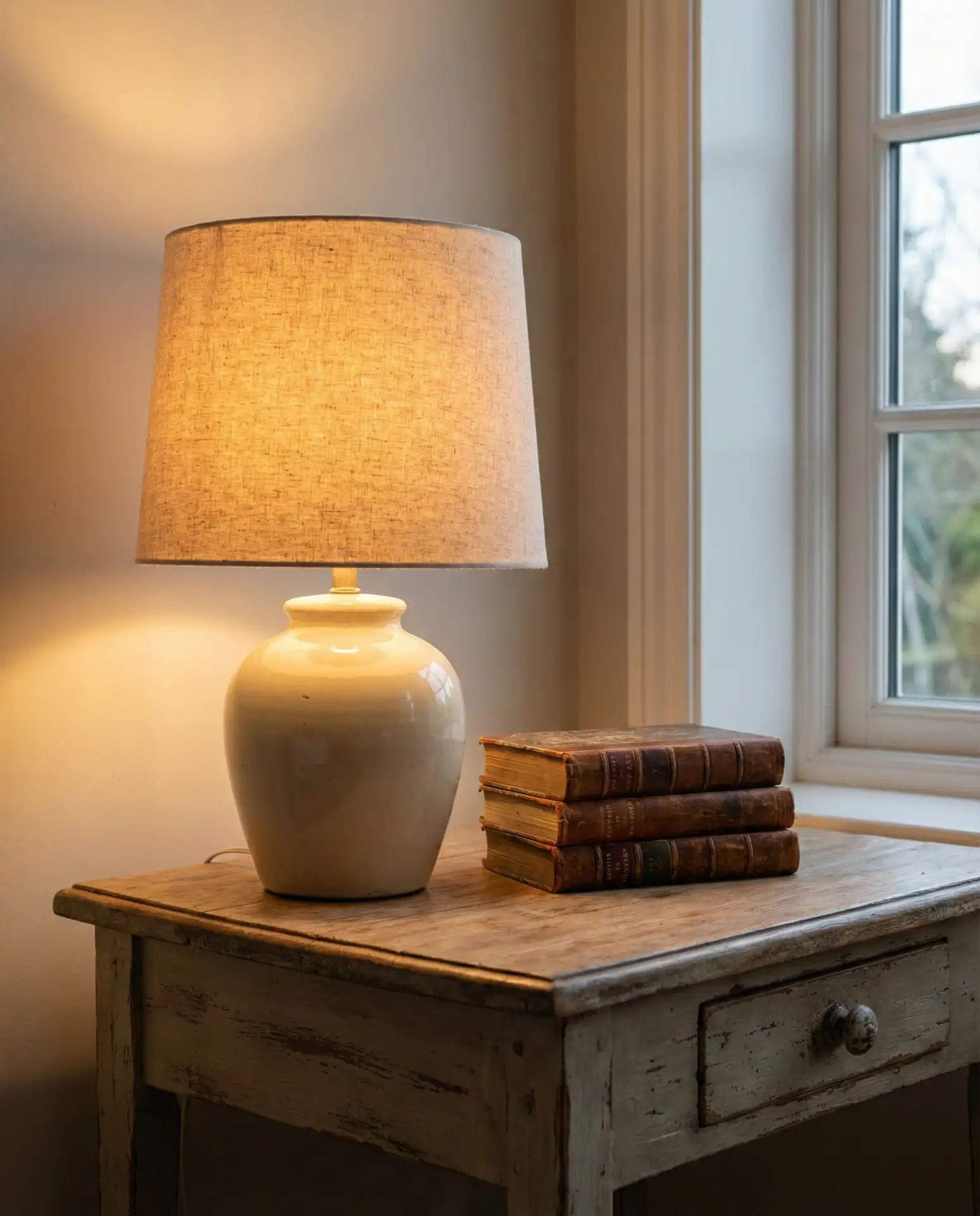
A long foyer can feel like a tunnel if not lit properly. Break up the length with layered lighting: overhead fixtures every few feet, wall sconces at eye level, and a table lamp on a console. This creates rhythm and prevents dark pockets. Use a runner to visually shorten the space, and consider adding a bench or small seating area halfway down to give the entrance a sense of destination rather than just a pass-through.
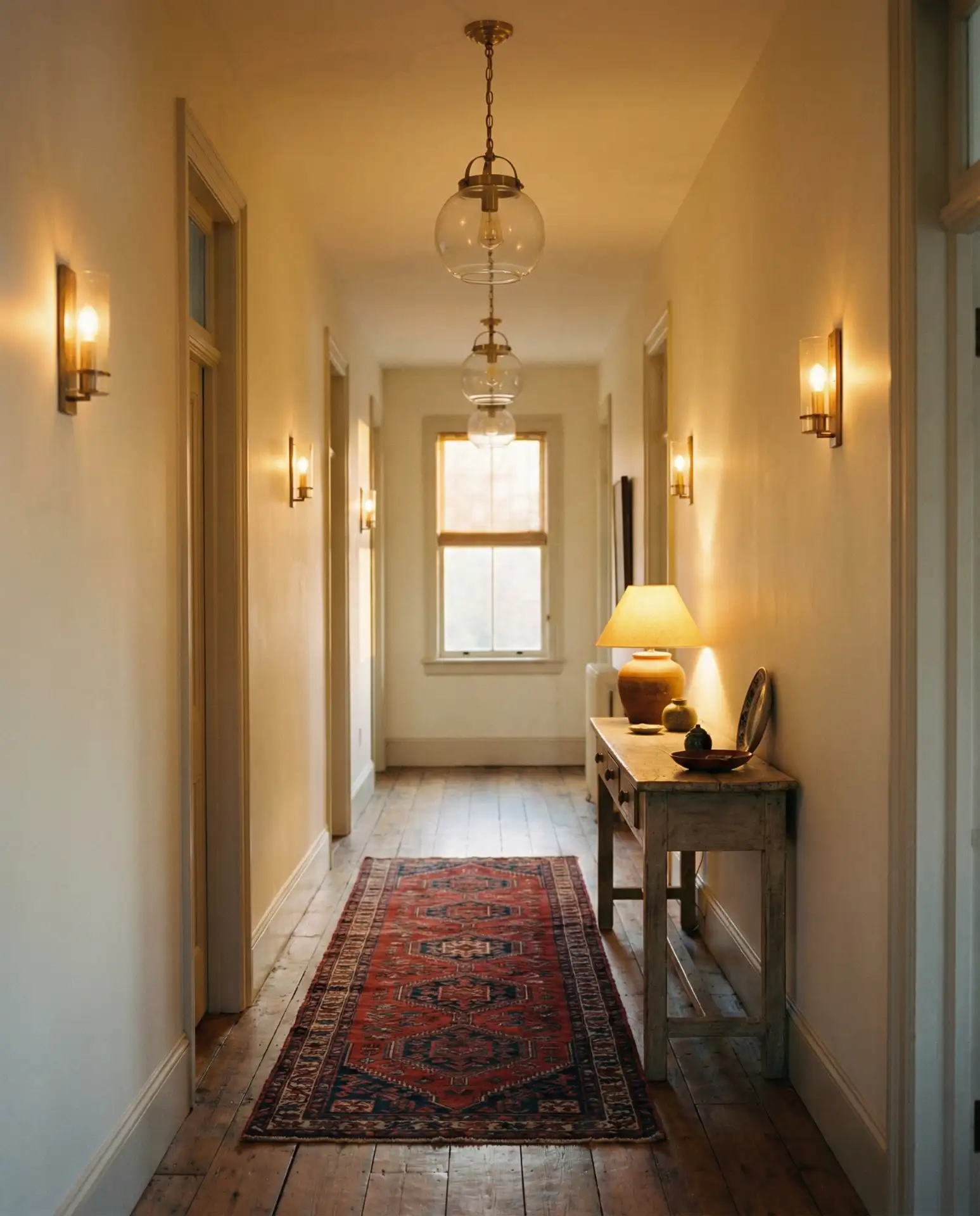
This works best in ranch homes and older Colonial layouts where the entryway is a long hallway leading to the main living spaces. Americans often underestimate how much lighting can change the feel of a long corridor. Adding dimmers lets you adjust the mood from bright and functional during the day to soft and welcoming at night.
12. Elegant Foyer with Symmetry and Balance
An elegant foyer relies on symmetry to create a sense of order and calm. Flank the console with matching lamps or topiaries, hang a centered mirror, and use pairs of chairs or benches to frame the space. This approach is timeless and works beautifully in traditional or transitional homes where the goal is a polished, collected look. Stick to a restrained color palette—whites, creams, and soft grays—and let the architecture shine.
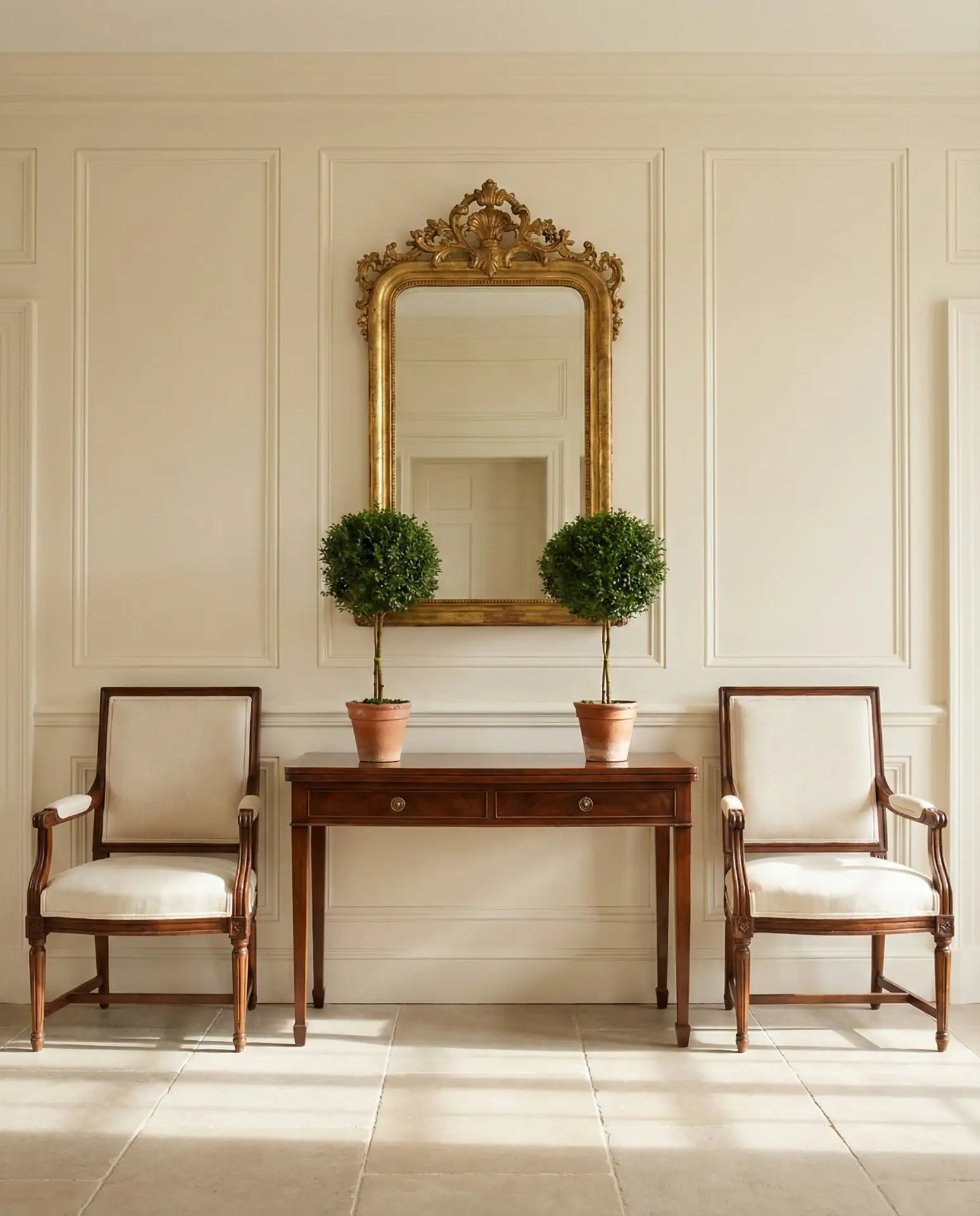
Budget tip: Symmetry doesn’t have to be expensive. Thrift stores and online marketplaces often have matching lamps or chairs that just need a fresh coat of paint. The key is proportion and placement—if the pieces are balanced, even budget finds can look high-end. Invest in one good mirror, and let everything else play a supporting role.
13. Split-Level Foyer with Defined Zones
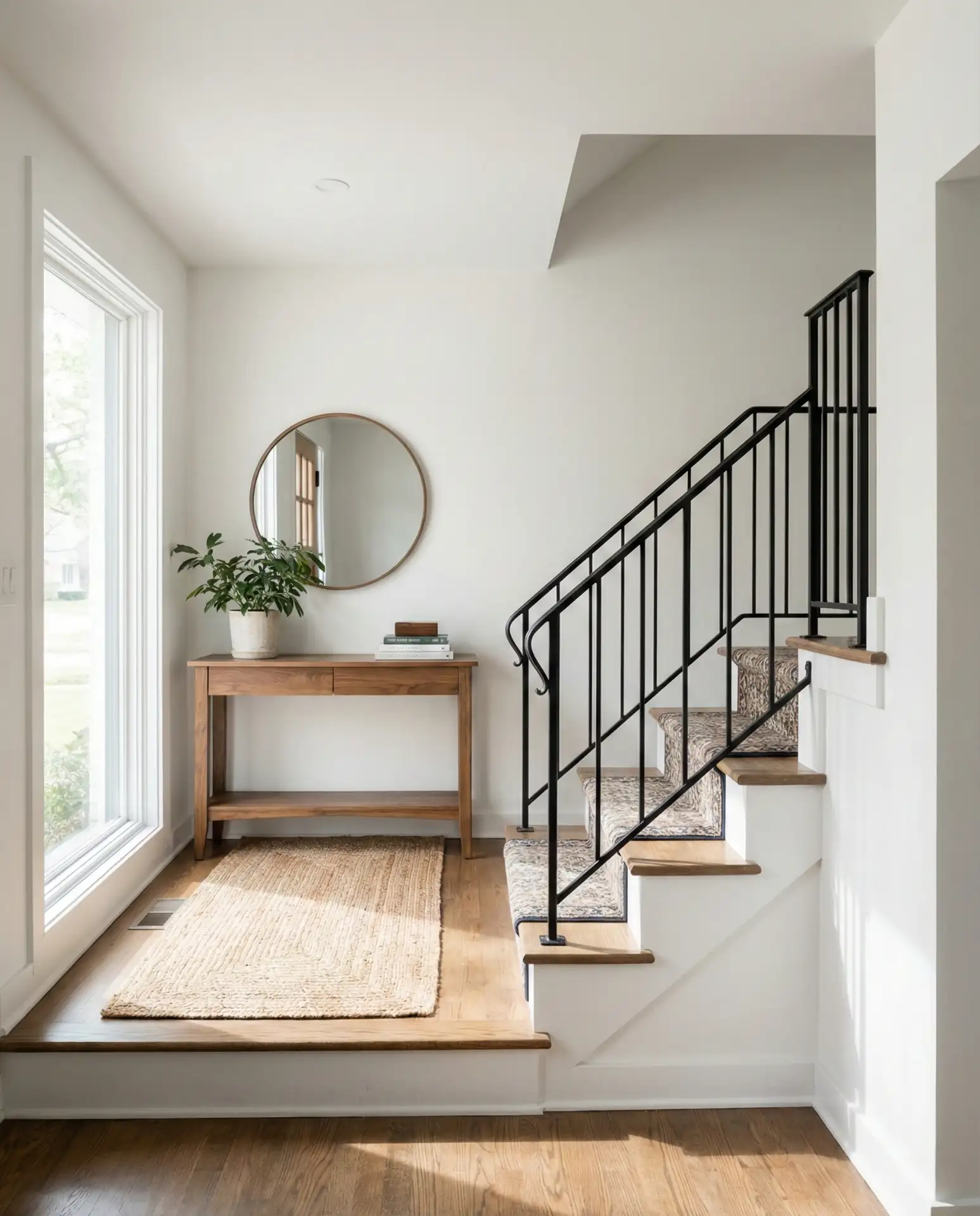
A split-level foyer has steps that lead up or down from the entry, creating natural zones. Use the landing as your main foyer space, with a console and mirror, and let the stairs themselves become part of the design. Add a runner, update the railing, or paint the risers in a contrasting color to draw the eye. This layout is common in mid-century and 70s-era home designs, and it’s seeing a resurgence as people update these properties.
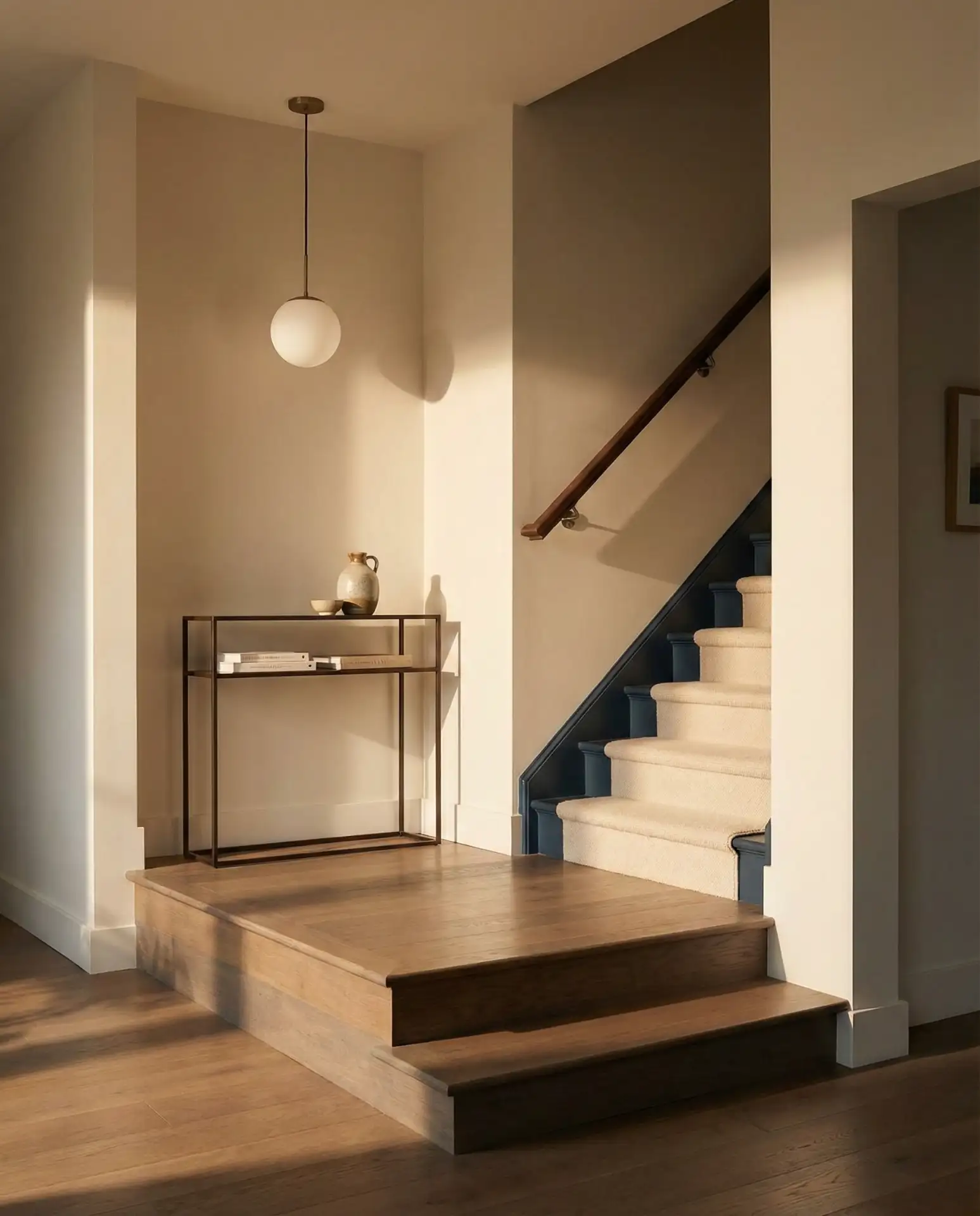
Expert-style commentary: Split-level foyers can feel awkward if the transition isn’t intentional. The landing should feel like a moment of arrival, not just a pass-through. Add a rug to anchor the space, and make sure the lighting is focused on the landing rather than just the stairs. This simple shift makes the entry feel complete.
14. Wide Foyer with Generous Proportions
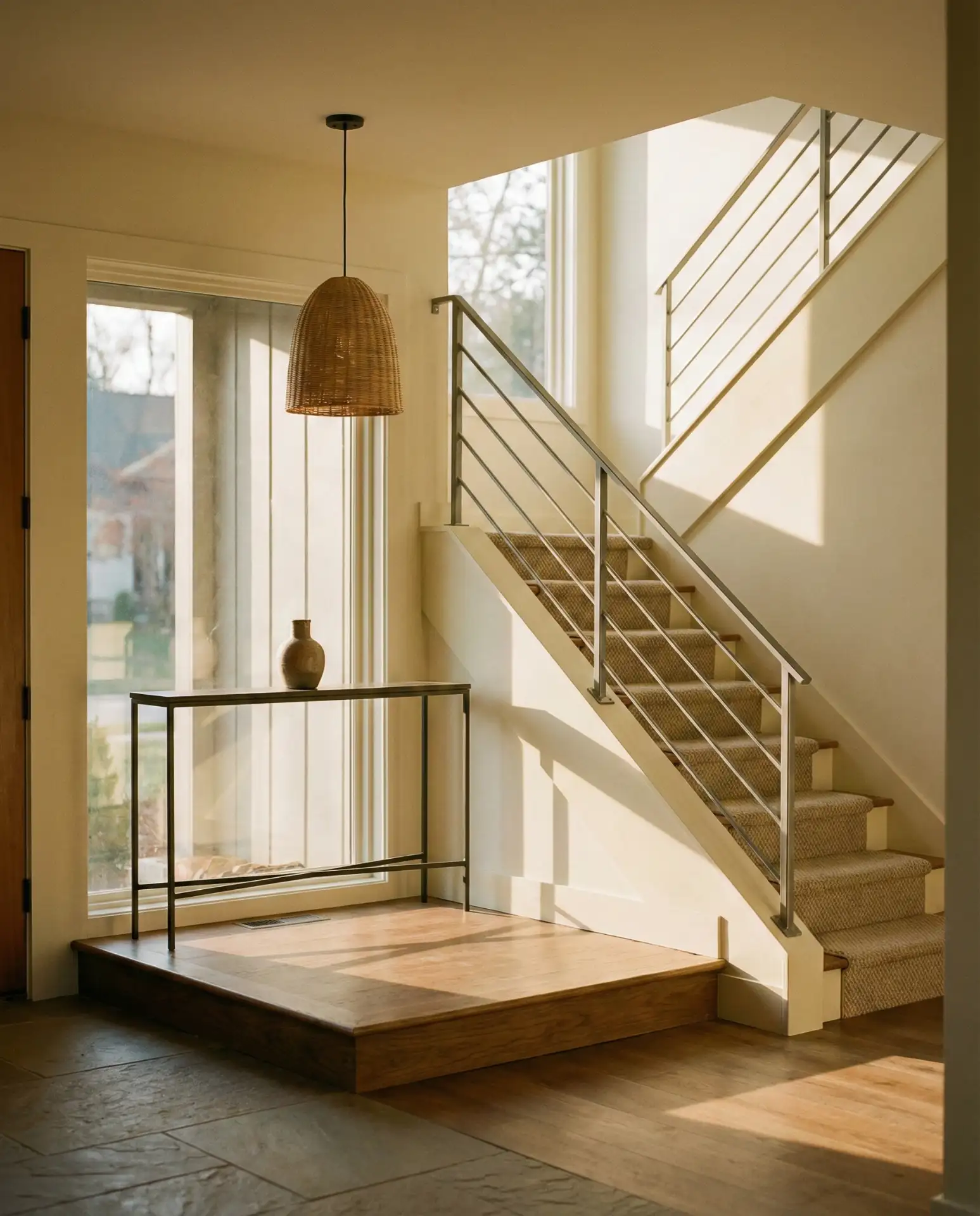
A wide foyer gives you room to think beyond a single console and mirror. Consider a round center table with a statement floral arrangement, flanked by a pair of chairs or a bench. Use the width to create a sense of grandeur without cluttering the space. This layout works especially well in large suburban homes where the foyer is the first thing guests see and needs to make an impression.
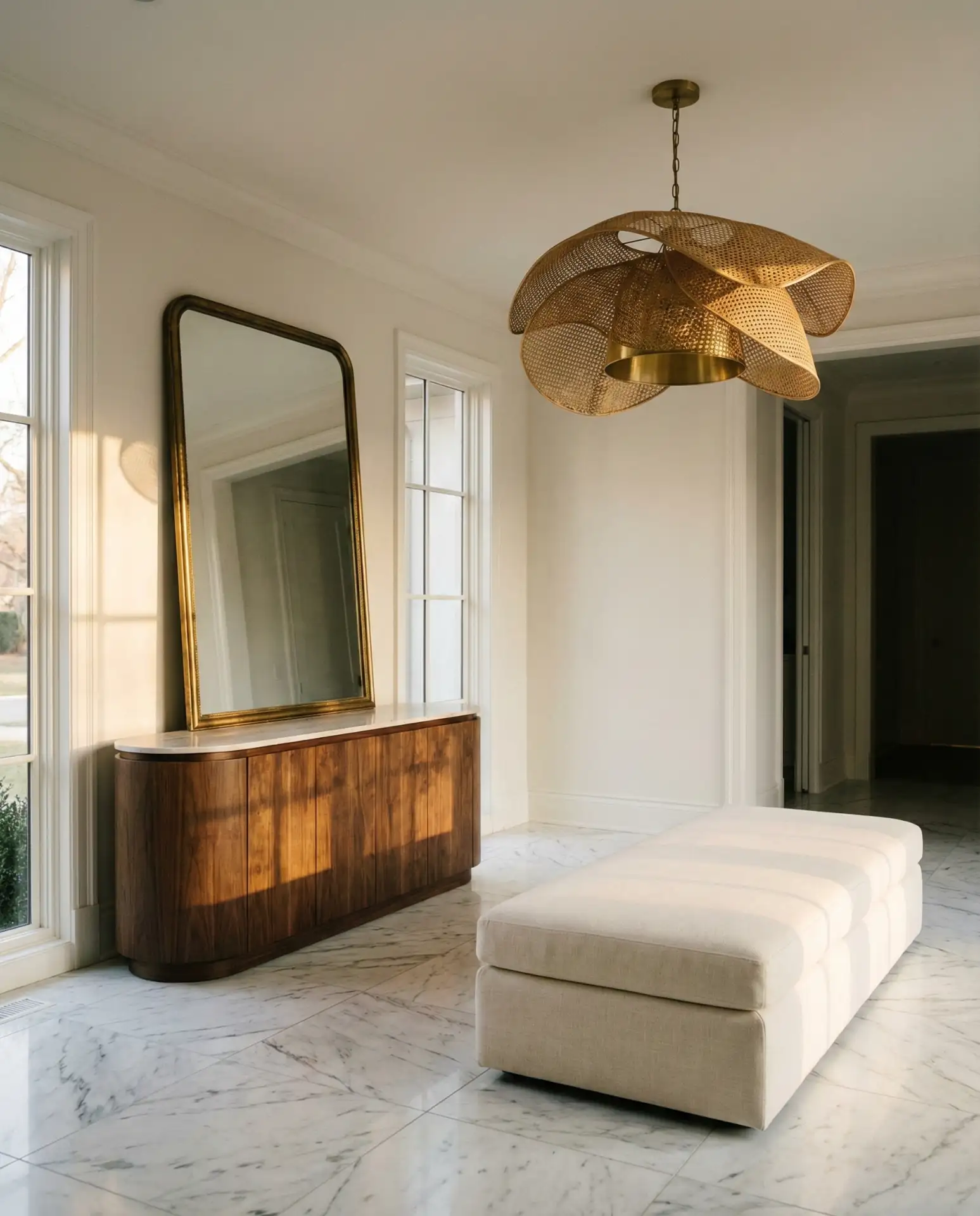
American lifestyle: In the South and Midwest, wide foyers are a staple of traditional home design. They’re meant to feel welcoming and hospitable—a place where guests can linger before moving into the rest of the house. Keep the palette light and the furniture scaled to the room, and don’t be afraid to add a touch of personality with art or a colorful rug.
15. Indian Story Foyer with Layered Textiles
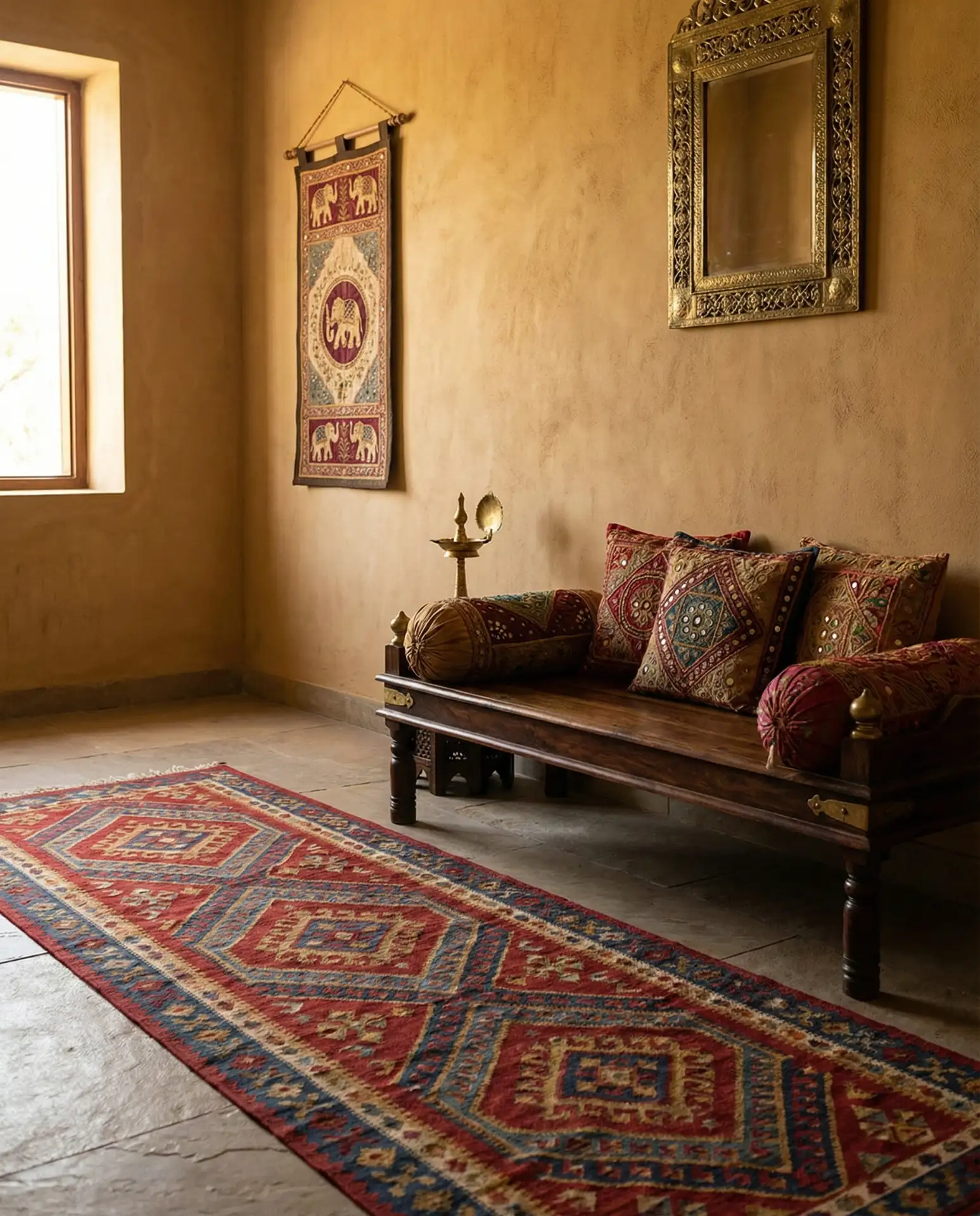
An Indian story foyer celebrates the richness of Indian textiles and craft traditions. Layer a handwoven runner over tile or stone, add embroidered cushions on a low bench, and hang a traditional tapestry or wall hanging. Brass accents—whether in the mirror frame, hooks, or lighting—tie the look together. This approach honors heritage while keeping the space functional and modern, and it’s increasingly popular in both Indian apartments and American homes with South Asian owners.
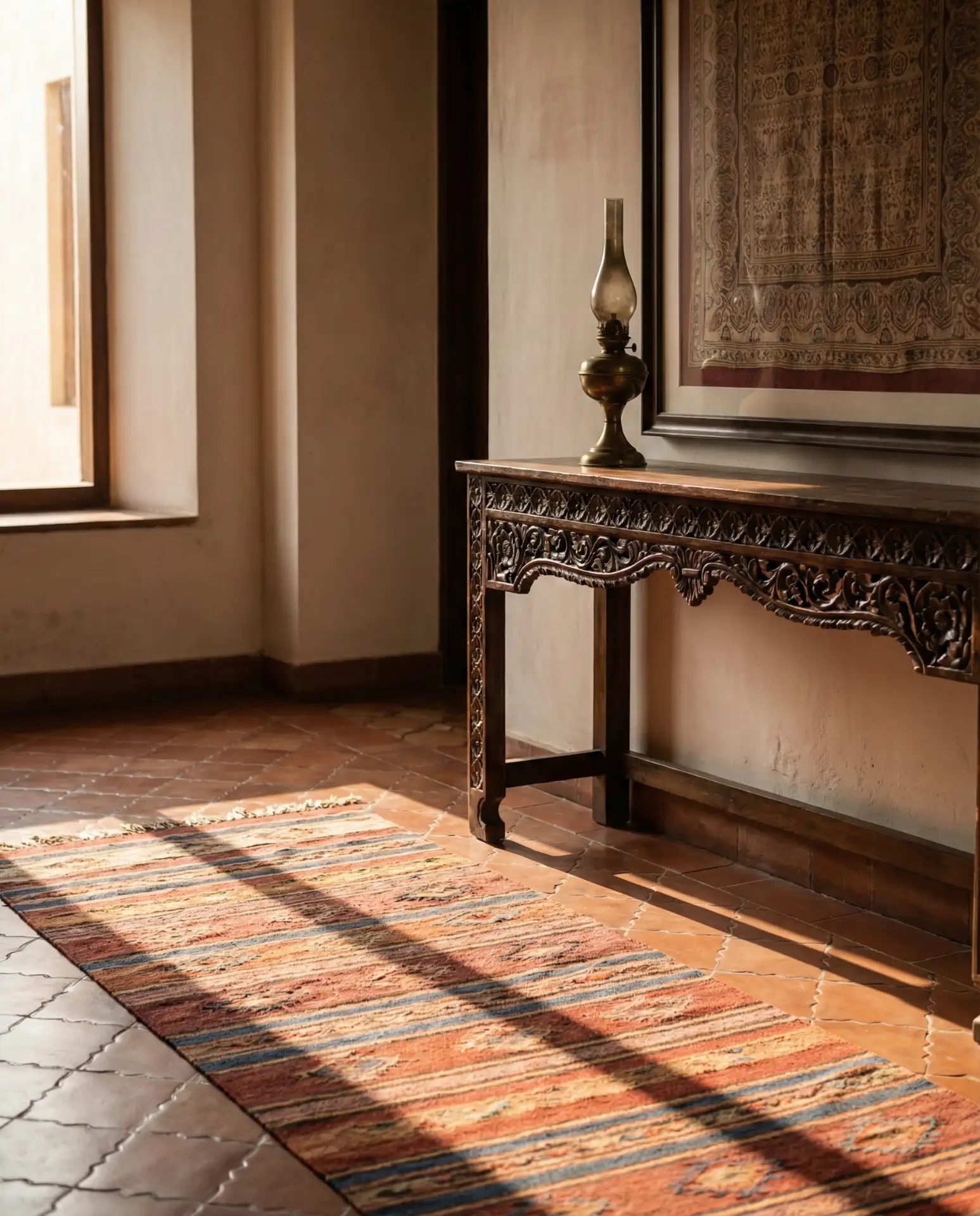
A neighbor layered three different textiles in her entryway—a vintage sari as a wall hanging, a block-printed runner, and embroidered cushions—and the result was stunning. The key was keeping the walls and furniture simple so the textiles could be the star. It felt personal and collected, not staged.
16. Front Entry with Bold Color and Personality
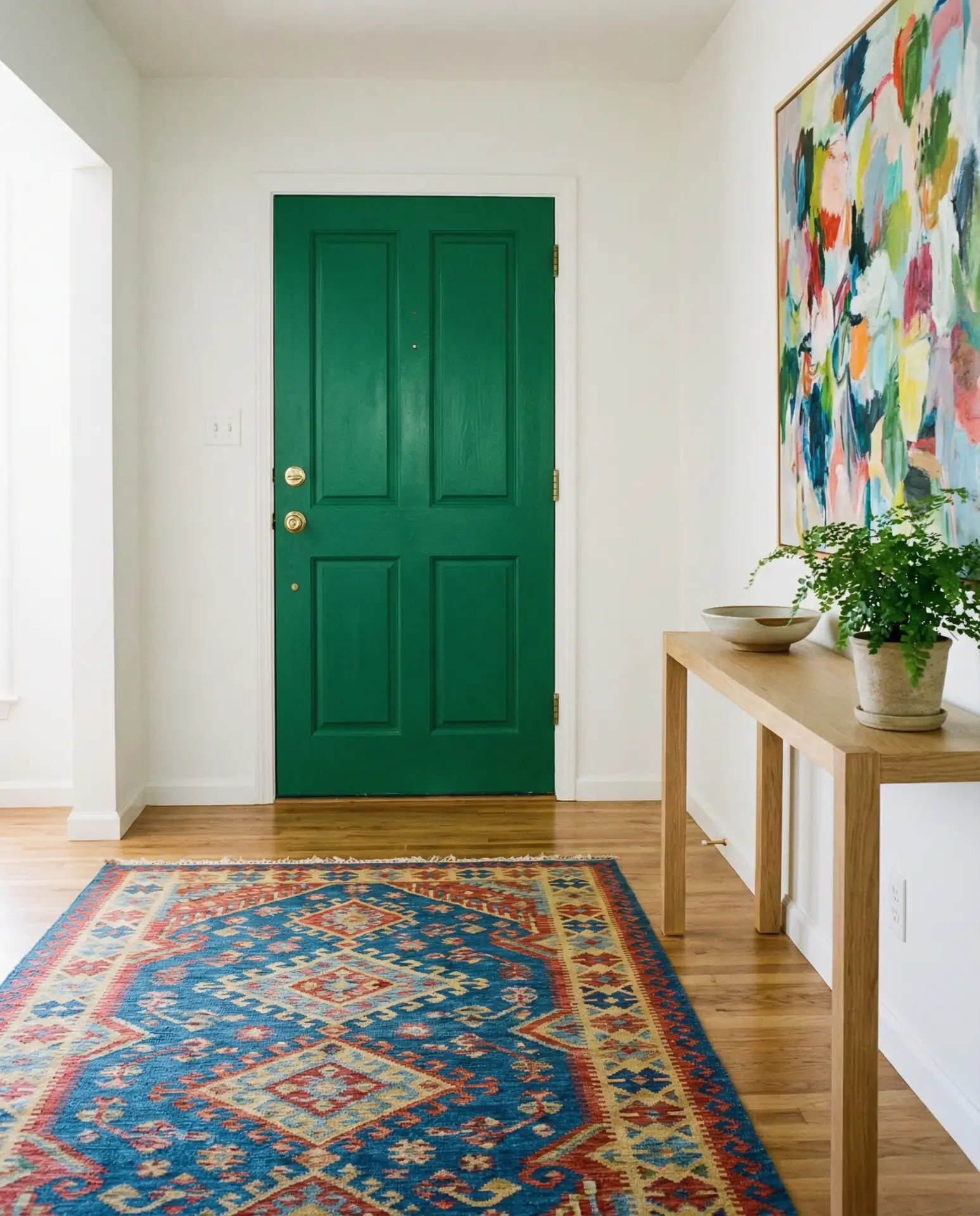
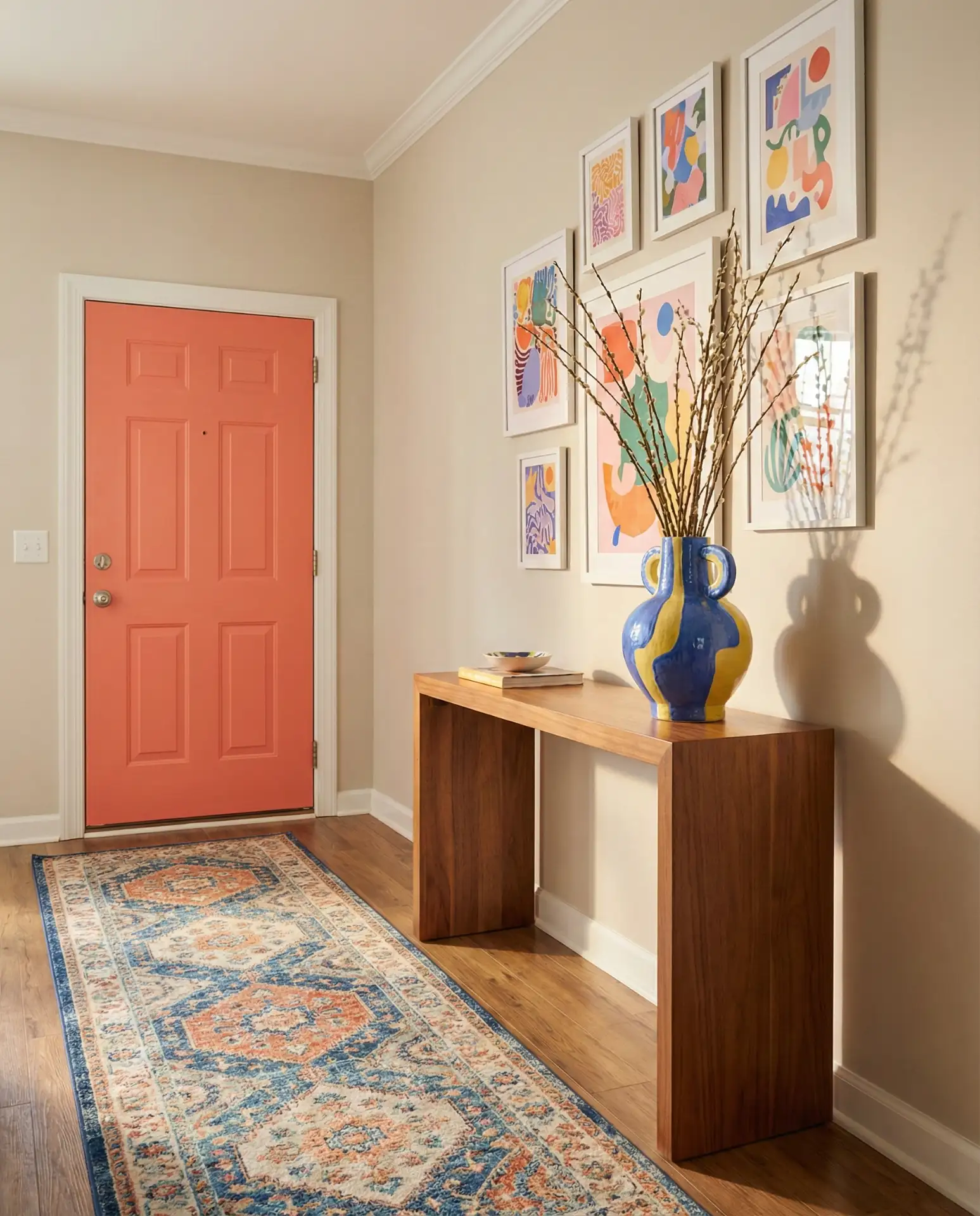
Your front entry is the perfect place to take a color risk. Paint the door a bold hue—coral, emerald, or cobalt—and carry that energy inside with accent pieces. A colorful runner, vibrant art, or a painted console can transform a bland entrance into a memorable first impression. This approach works in any style of home, from modern to traditional, and it’s an easy update that makes a big impact.
Practical insight: If you’re nervous about committing to a bold door color, test it on a small section or buy a peel-and-stick sample. The front door is one of the easiest and most cost-effective ways to refresh your home’s curb appeal and interior style at the same time. Choose a color that makes you happy—you’ll see it every single day.
17. Foyer with Stairs as a Focal Point
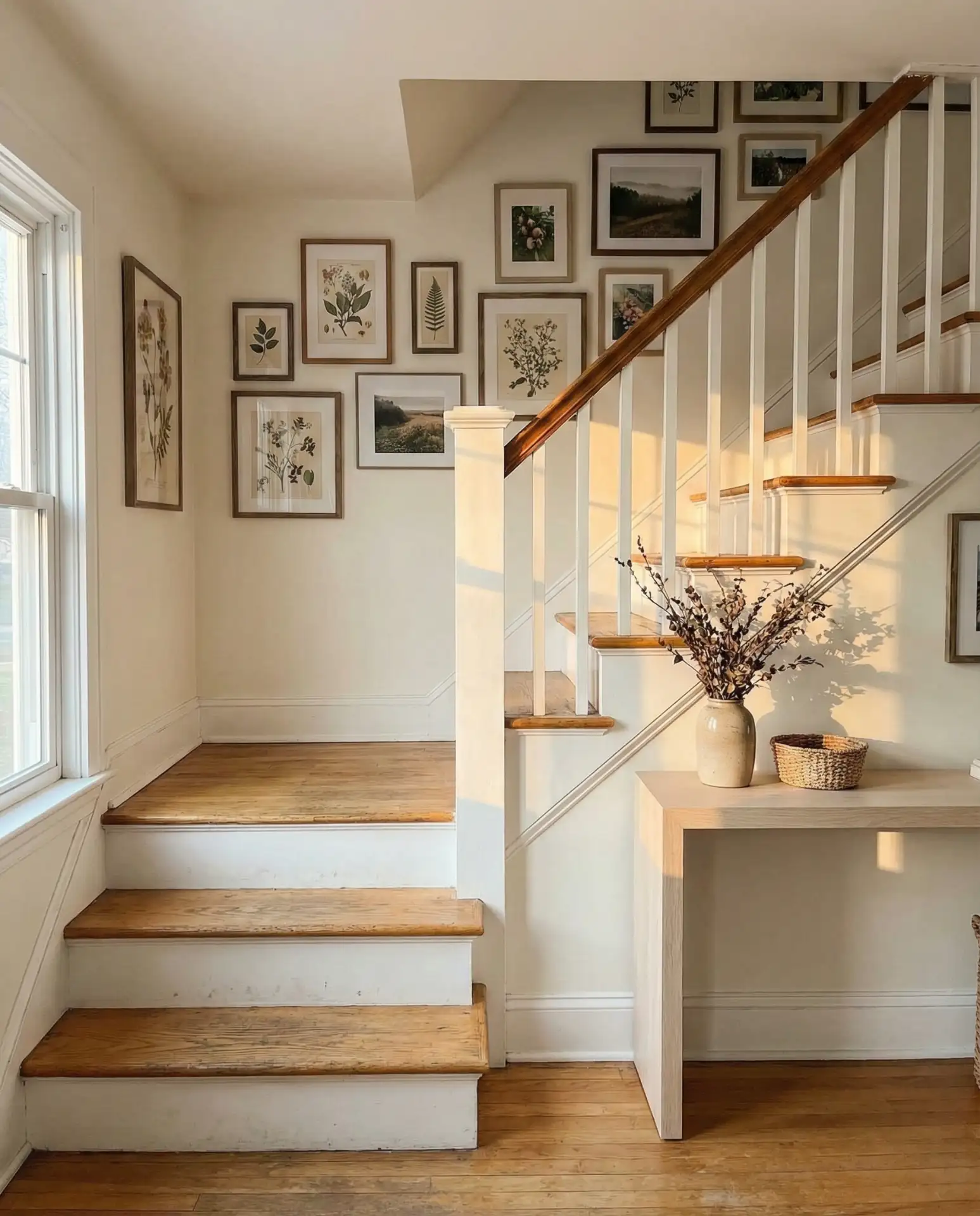
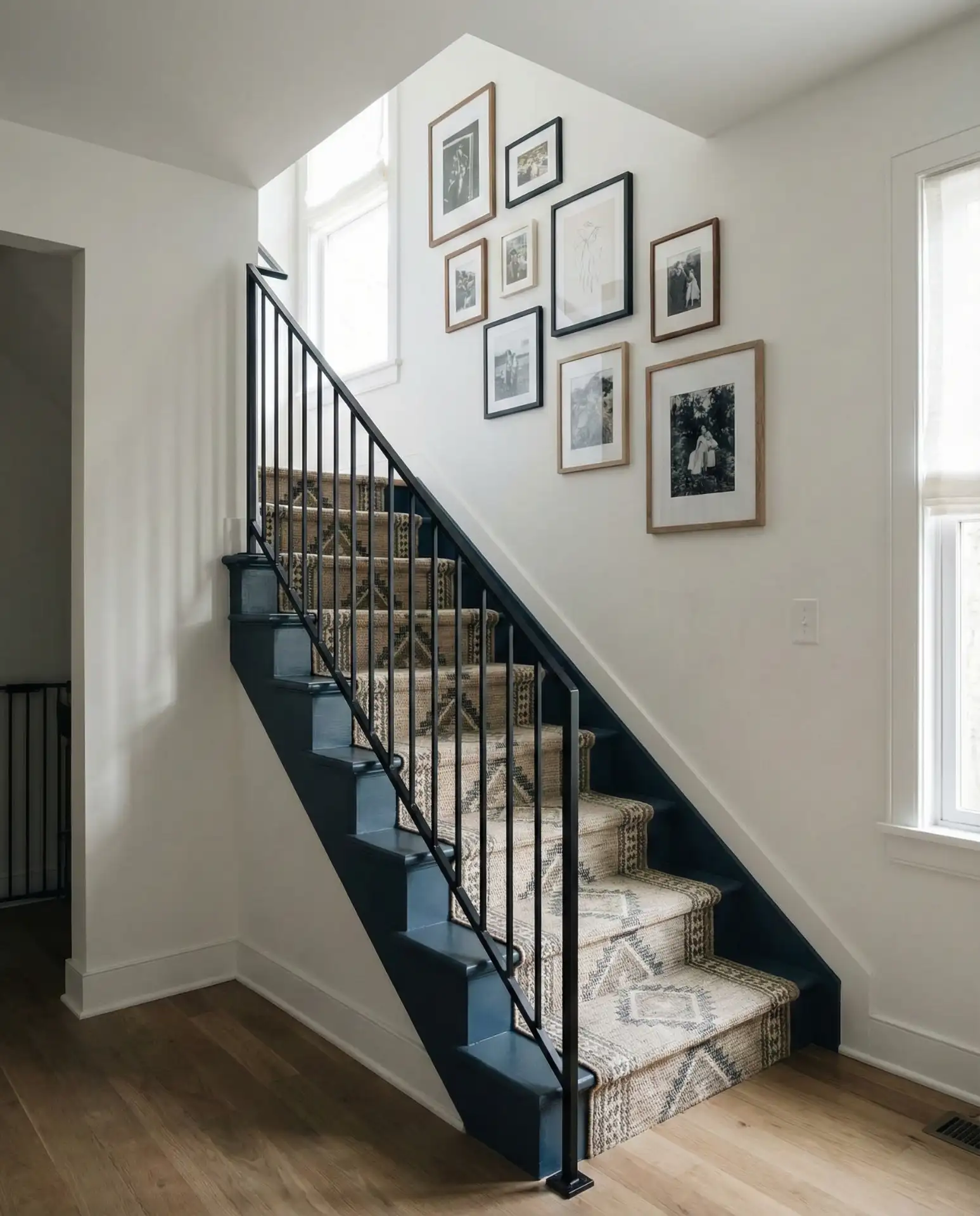
When the stairs are the dominant feature of your foyer, lean into it. Paint the risers, update the railing, or add a dramatic runner that pulls the eye upward. A gallery wall that climbs alongside the staircase adds personality and breaks up a blank wall. This works in any home where the stairs are immediately visible from the front door—it turns what could be a purely functional element into a design statement.
Common mistake: Treating the staircase as an afterthought. If your stairs are the first thing people see, they deserve attention. A fresh coat of paint, a new runner, or even just styling the wall can make a massive difference. Don’t underestimate the power of a well-styled staircase—it sets the tone for the entire home.
18. Bloxburg-Inspired Foyer for Gaming and Real Life
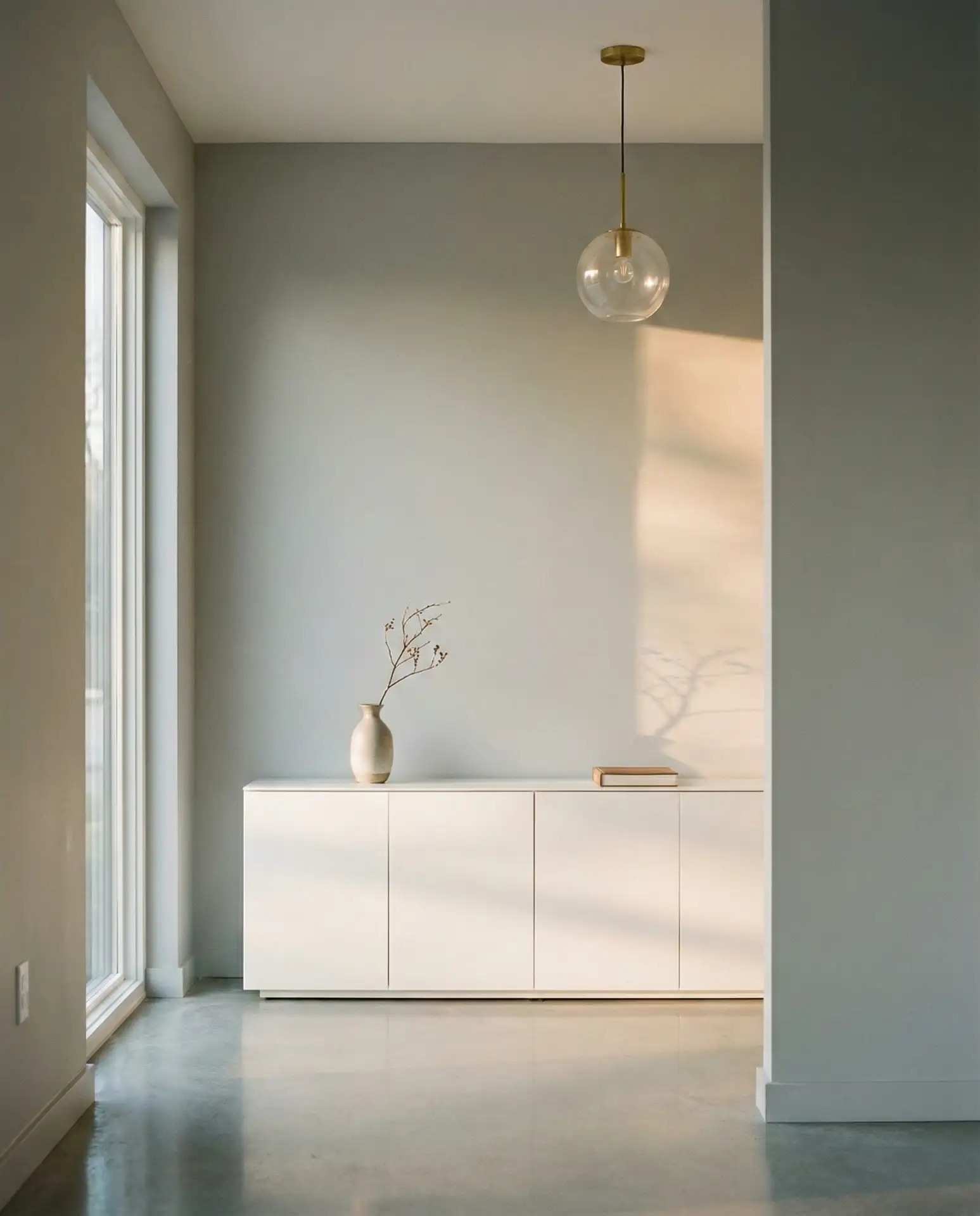
The Bloxburg aesthetic—inspired by the popular Roblox building game—is all about clean, modern lines, neutral tones, and a carefully curated look. Think white walls, light wood or marble flooring, minimalist furniture, and just a few statement pieces like a large mirror or a sculptural vase. This style has crossed over from gaming into real-world design, especially among younger homeowners who want a fresh, uncluttered entrance.
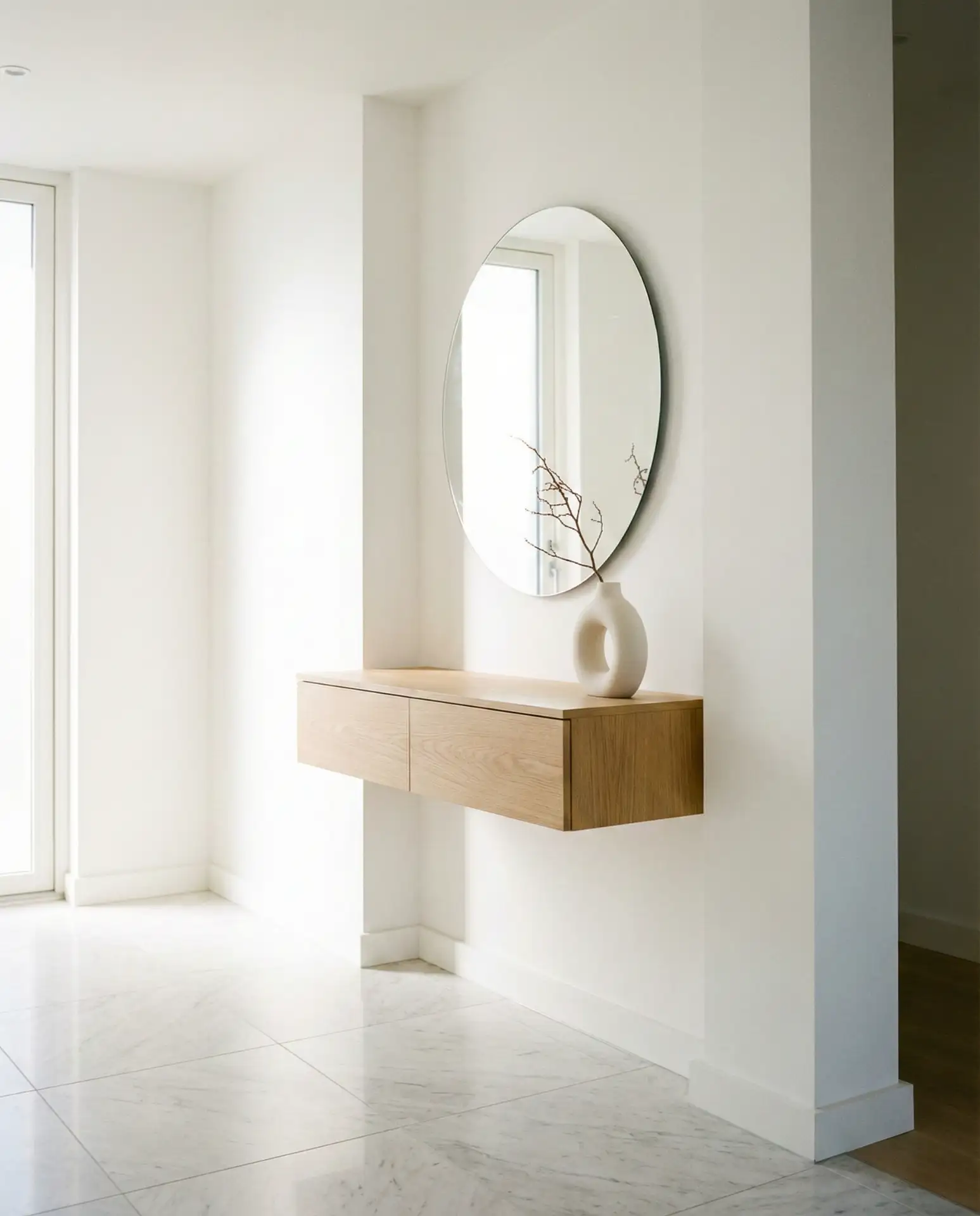
This works best in modern apartments and new builds where the architecture is already clean and simple. The Bloxburg look is surprisingly achievable on a budget—most of the furniture is minimalist by design, and the key is restraint. Keep accessories to a minimum, and let the space breathe.
19. Foyer with Greenery and Natural Elements
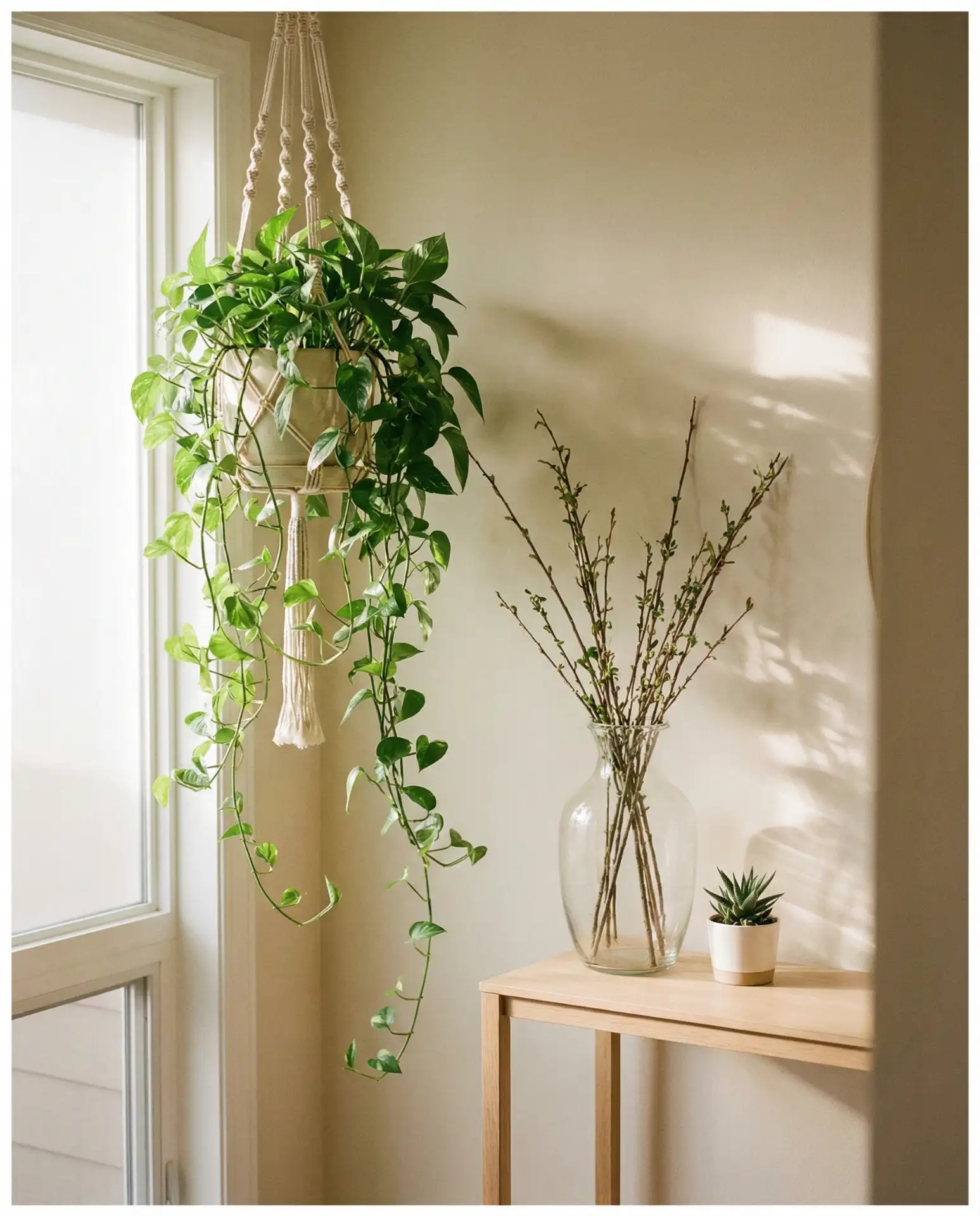
Bringing plants into your foyer adds life and warmth instantly. A tall fiddle leaf fig or monstera in the corner, a trailing pothos on the console, or a simple vase of eucalyptus can transform the entrance into a welcoming, breathable space. This approach works in any style—modern luxury, rustic, or traditional—and it’s especially popular in homes where the owners want to blur the line between indoors and outdoors.
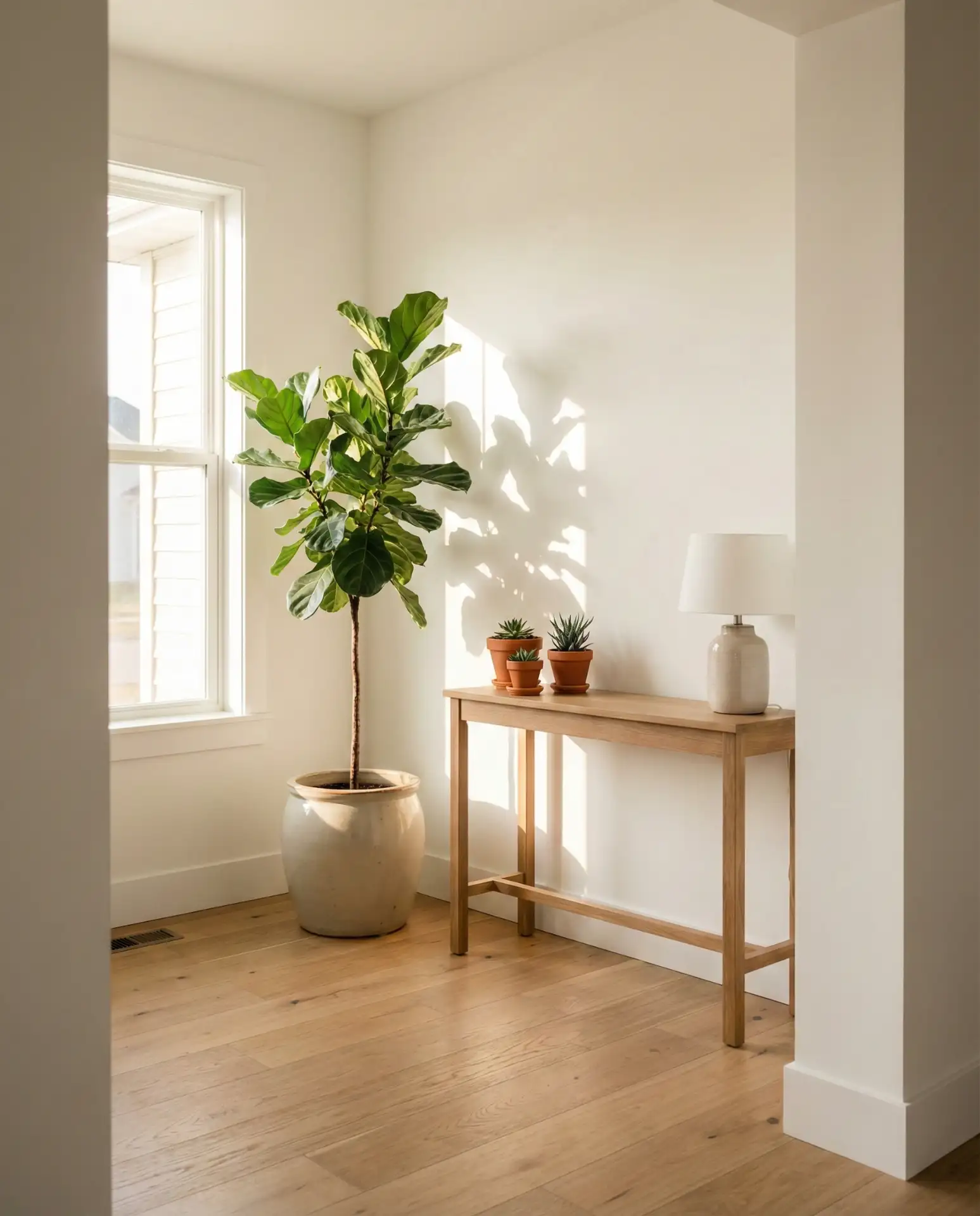
Regional context: In California and the Pacific Northwest, indoor plants are practically a requirement in foyer design. The climate supports lush greenery, and homeowners take pride in their plant collections. Even in drier climates, faux plants have come a long way—high-quality fakes can be just as impactful without the maintenance.
20. Apartment Foyer with Renter-Friendly Updates
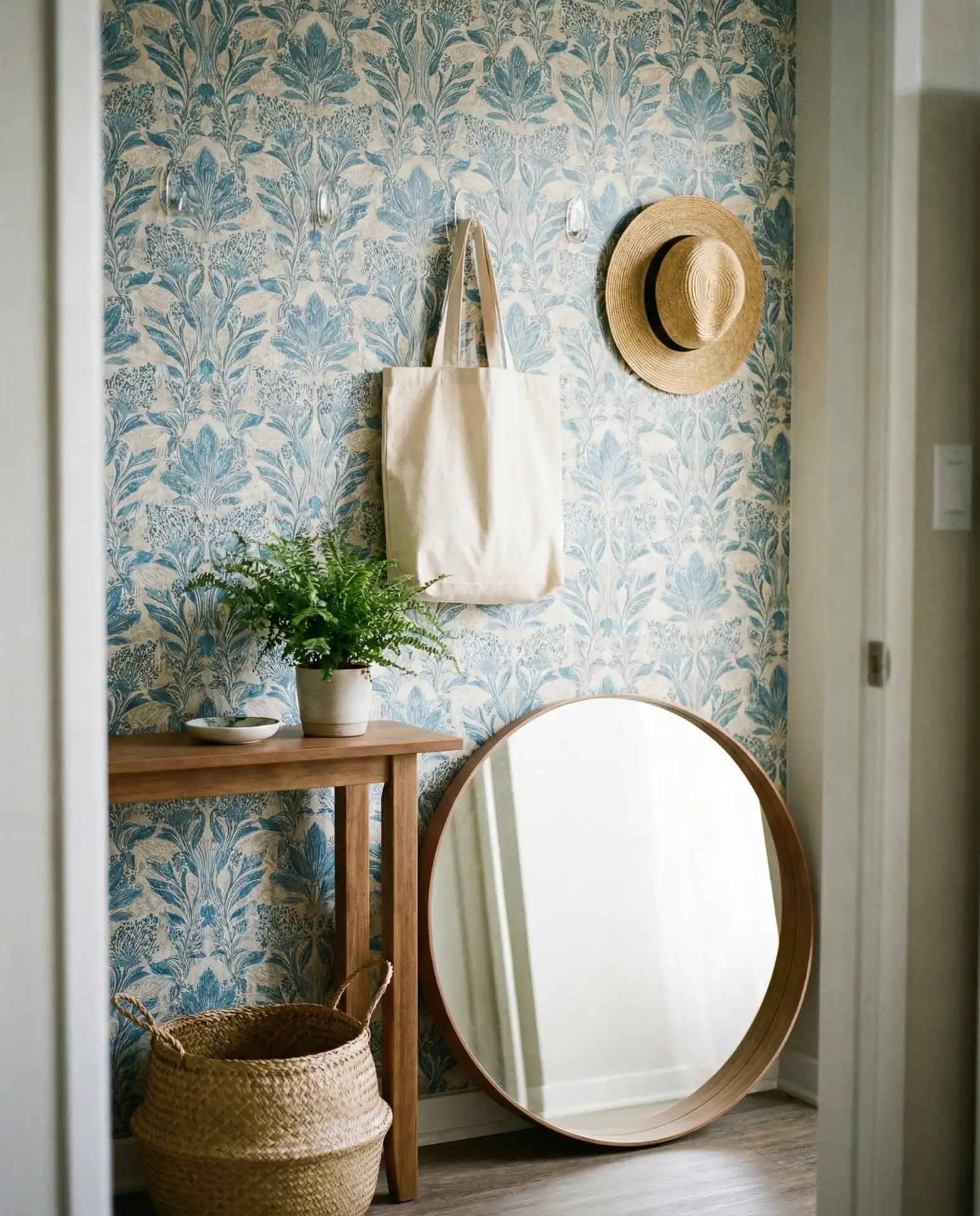
An apartment foyer often comes with limitations—no painting, no permanent fixtures, and a builder-grade door. Work with what you have by adding removable wallpaper, peel-and-stick hooks, a runner, and a leaning mirror. These updates are temporary but transformative, and they come with you when you move. This is especially useful for renters in urban areas where the entrance is often small and generic.
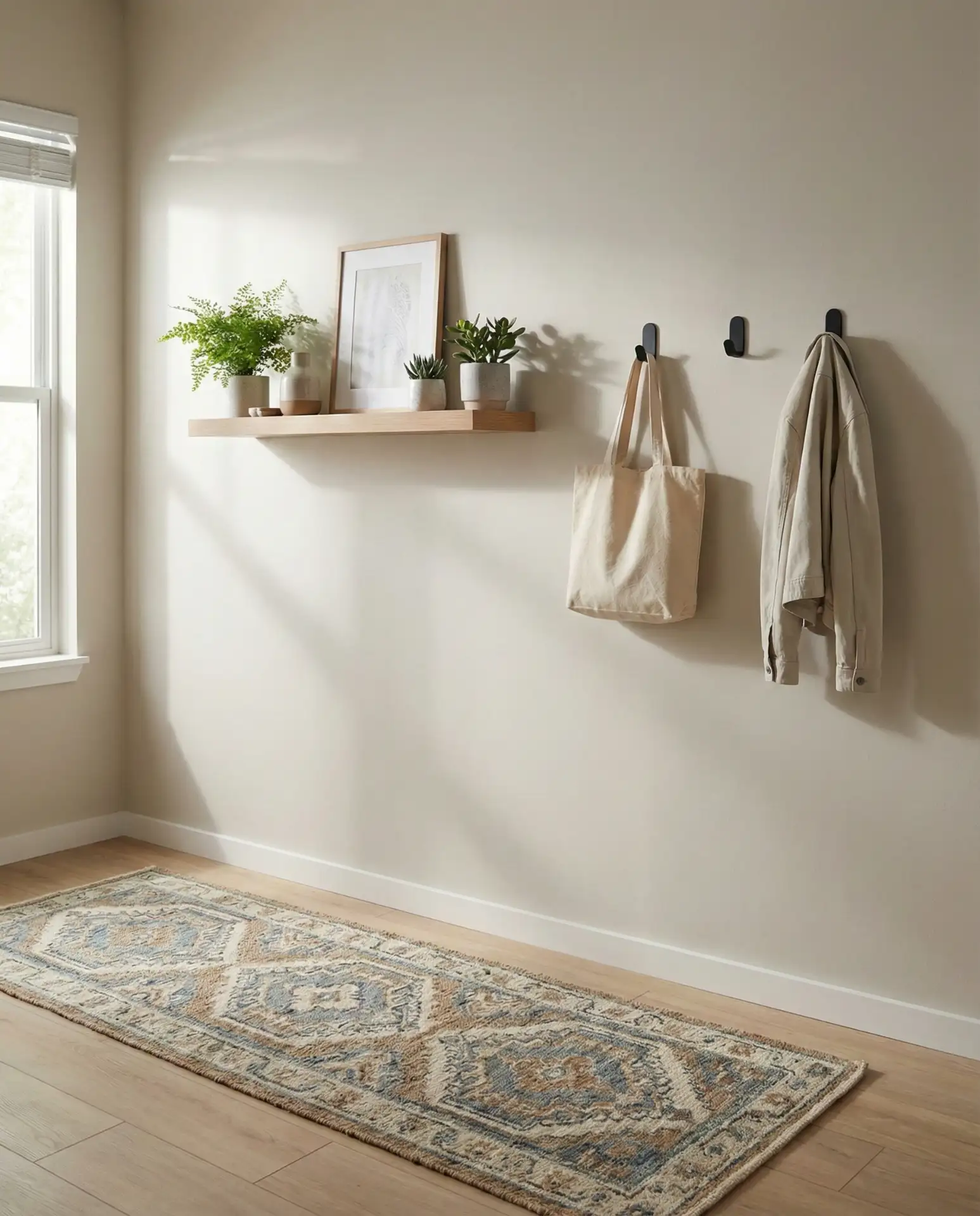
Real homeowner behavior: Renters often assume they can’t personalize their space, but removable products have changed the game. A friend transformed her bland apartment entry with peel-and-stick tile, a few hooks, and a mirror—total cost under $150. When she moved, she took everything with her and reused it in her new place.
21. Foyer with Artwork as the Hero
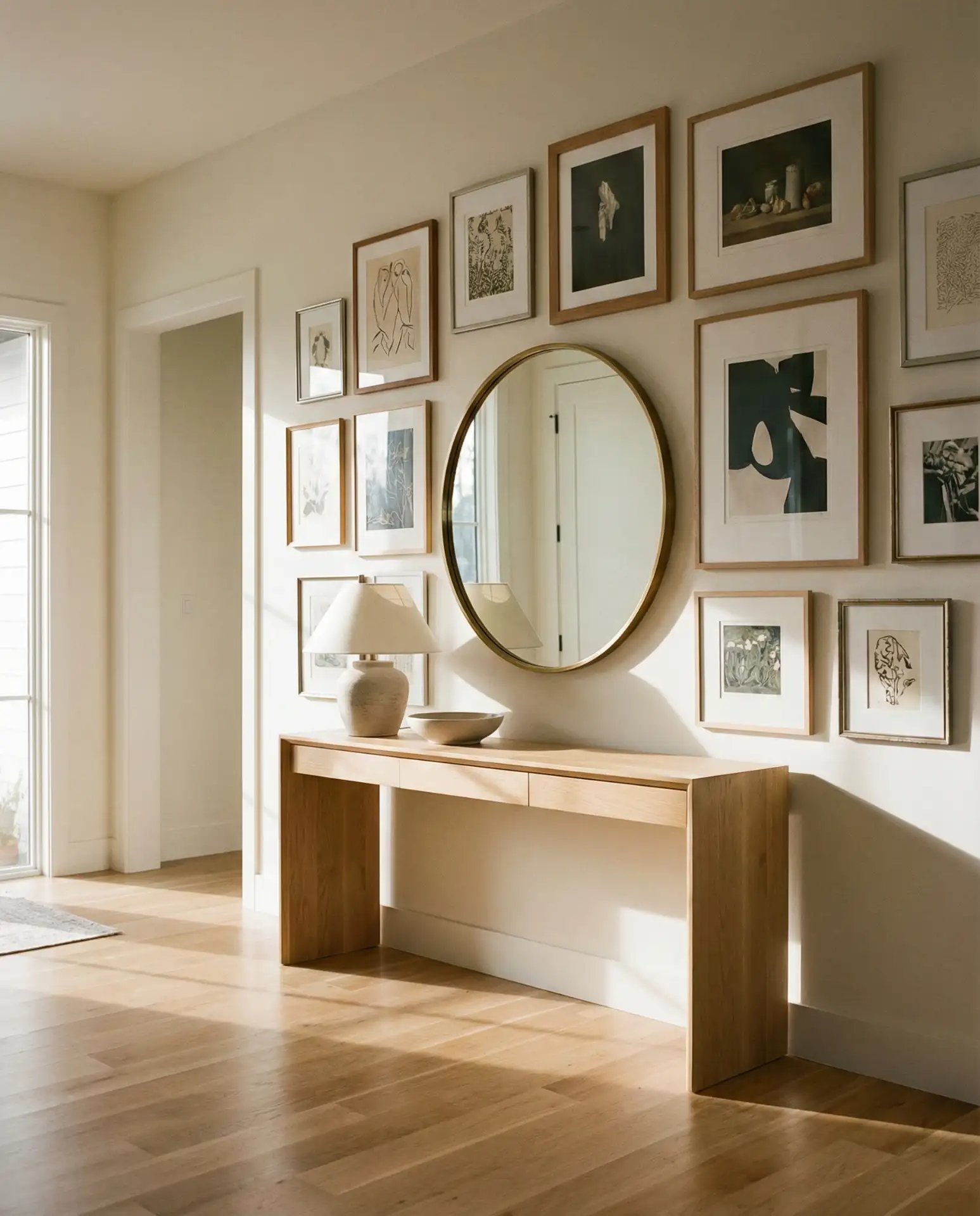
Let art take center stage in your foyer. A single large-scale painting, a gallery wall, or a sculptural piece can define the entire space. Keep the rest of the entrance minimal—simple furniture, neutral walls—so the art gets the attention it deserves. This approach works in modern luxury and elegant homes where the goal is to make a statement without clutter.
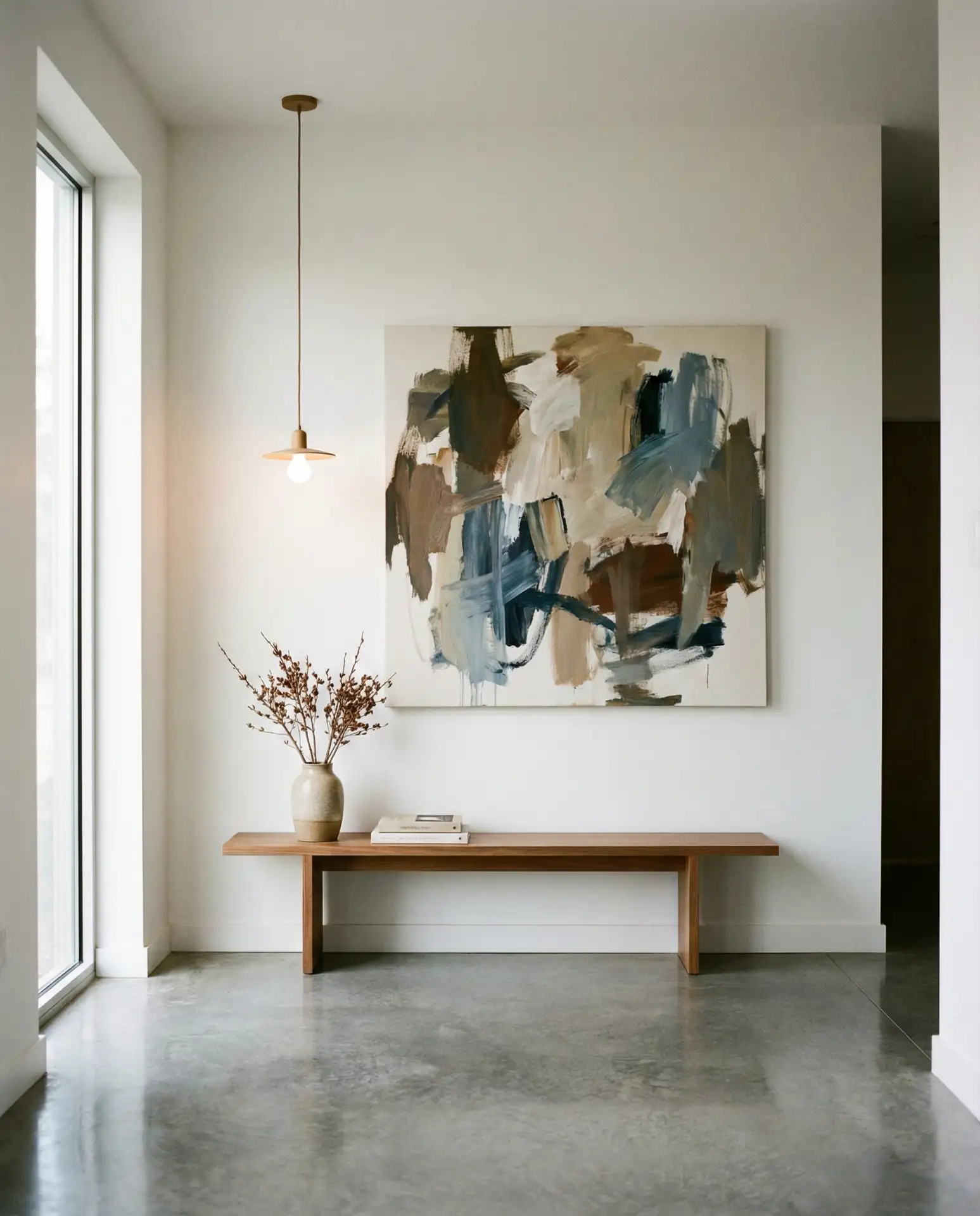
Budget tip: You don’t need original art to make an impact. Many online retailers sell high-quality prints that look like the real thing when framed properly. Invest in good frames—they make all the difference—and mix frame styles and sizes for a collected, curated feel. The foyer is a great place to showcase pieces that might be too bold for other rooms.
22. Home Office Transition Foyer
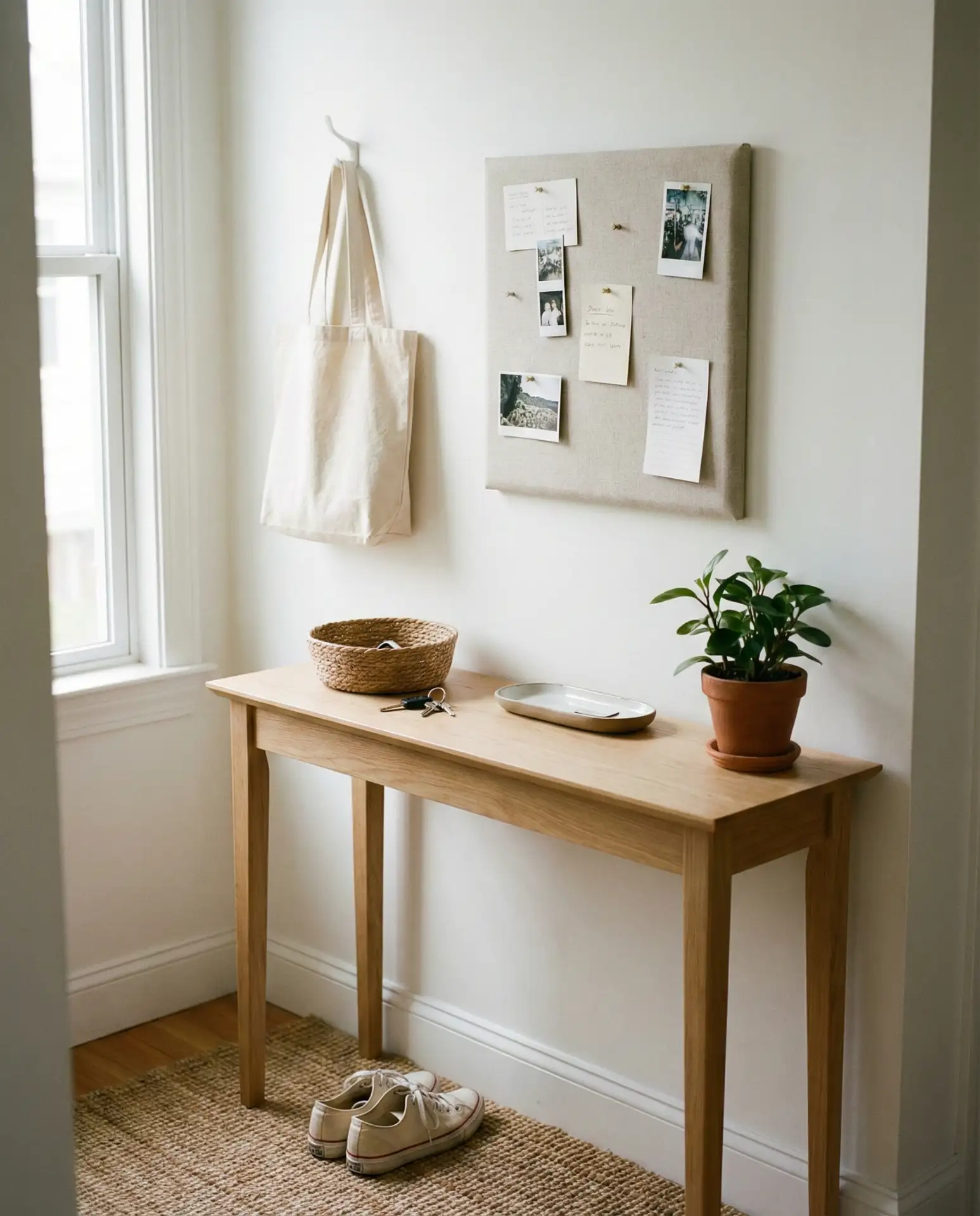
With more Americans working from home, the foyer is sometimes doubling as a transition zone between work and personal life. Add a console that functions as a drop zone for work bags and keys, a small bulletin board or hooks for mail, and a basket for everyday essentials. Keep the style clean and functional so the space can shift from professional to personal seamlessly.
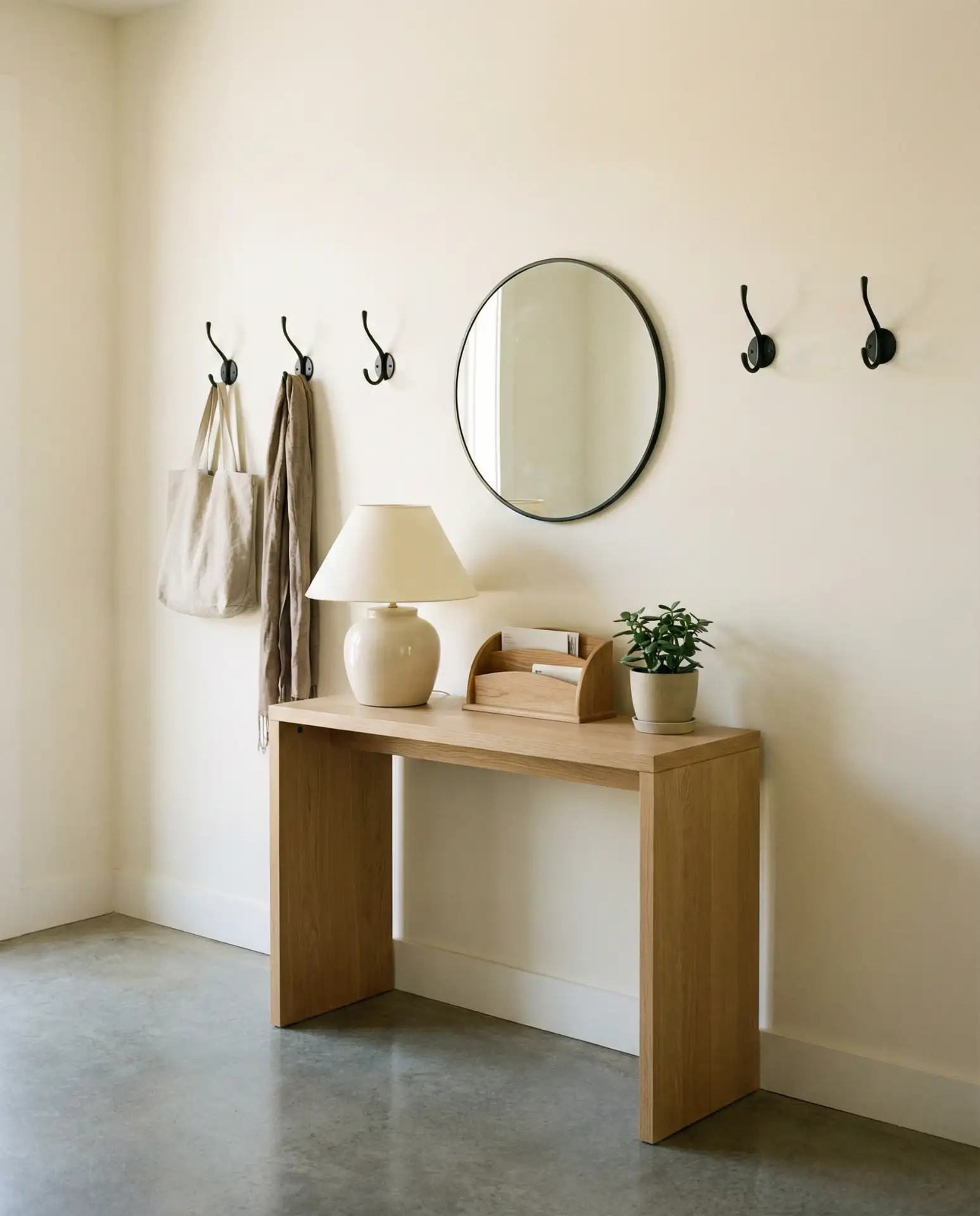
Expert-style commentary: The pandemic changed how we use our entryways. They’re no longer just aesthetic—they’re functional drop zones that need to handle bags, shoes, mail, and keys. A well-designed foyer anticipates this and provides storage that’s hidden but accessible. It’s the difference between a cluttered doorway and a calm, organized entry.
Conclusion
Your foyer is more than a pass-through—it’s the opening line of your home’s story. Whether you’re drawn to the drama of a moody palette, the warmth of rustic textures, or the simplicity of a Bloxburg-inspired minimalist entry, there’s a style here that fits your space and your life. Take what resonates, adapt it to your layout, and don’t be afraid to make it your own. What’s your favorite foyer idea from this list? Drop a comment below—we’d love to hear what you’re planning for your entryway in 2026.