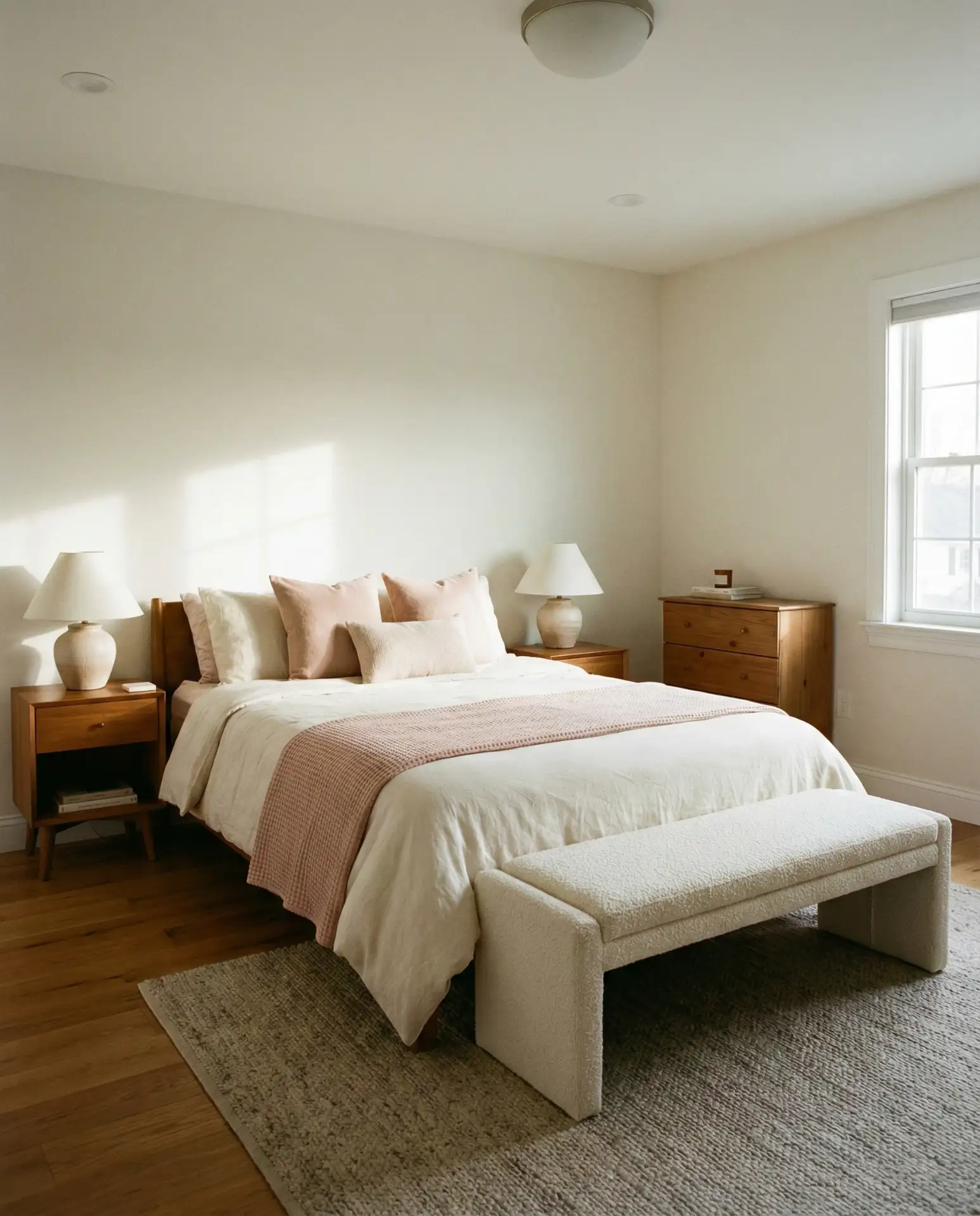
There’s something quietly exciting about a small bedroom—it’s a puzzle, sure, but it’s also an invitation. Right now, more Americans than ever are turning to Pinterest to crack that code, searching for layouts that actually work in tight spaces without sacrificing an ounce of style. The truth is, small bedrooms in 2026 aren’t about making do anymore. They’re about making something genuinely beautiful out of limited square footage, using smart furniture placement, layered textures, and intentional design choices that feel warm, personal, and deeply livable. Whether you’re working with a cozy 8 by 10 or a more generous 10 by 10, this guide is packed with real, Pinterest-worthy ideas to help you rethink your space from the ground up.
1. The Floating Bed with a Minimalist Wall Shelf System
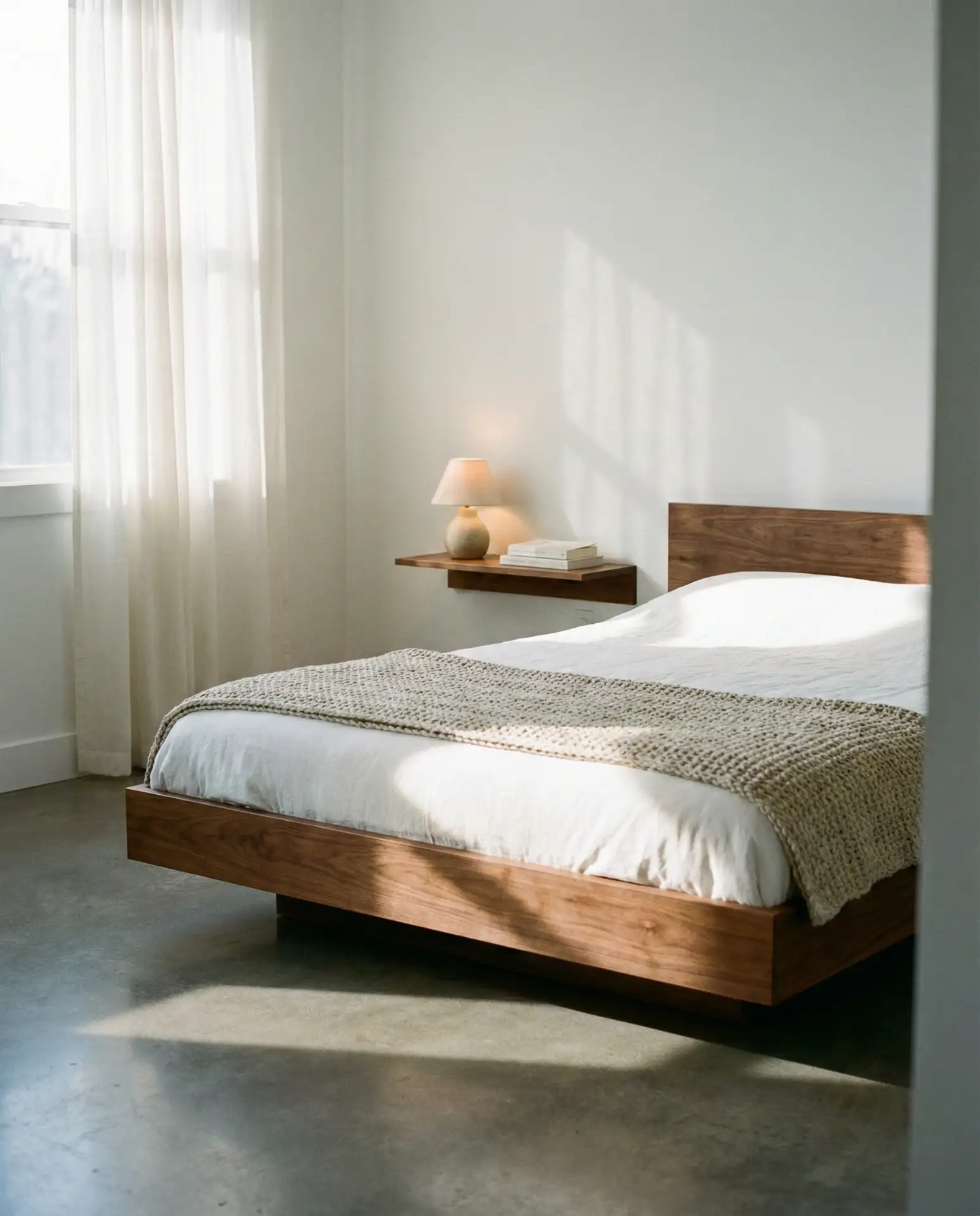
If you’ve been scrolling through ideas with desk layouts on Pinterest, chances are you’ve already fallen for the floating bed trend—and for good reason. A platform or floating bed frame visually lifts the floor plane, making even the smallest rooms feel airy and open. Pair it with a lean wall shelf system mounted above for books, a lamp, and a few personal touches, and you’ve essentially created a nightstand-free zone that doesn’t feel bare. This layout works beautifully in ideal 10×10 rooms where every inch of floor space matters, giving you clean sightlines from the doorway without crowding the corners.
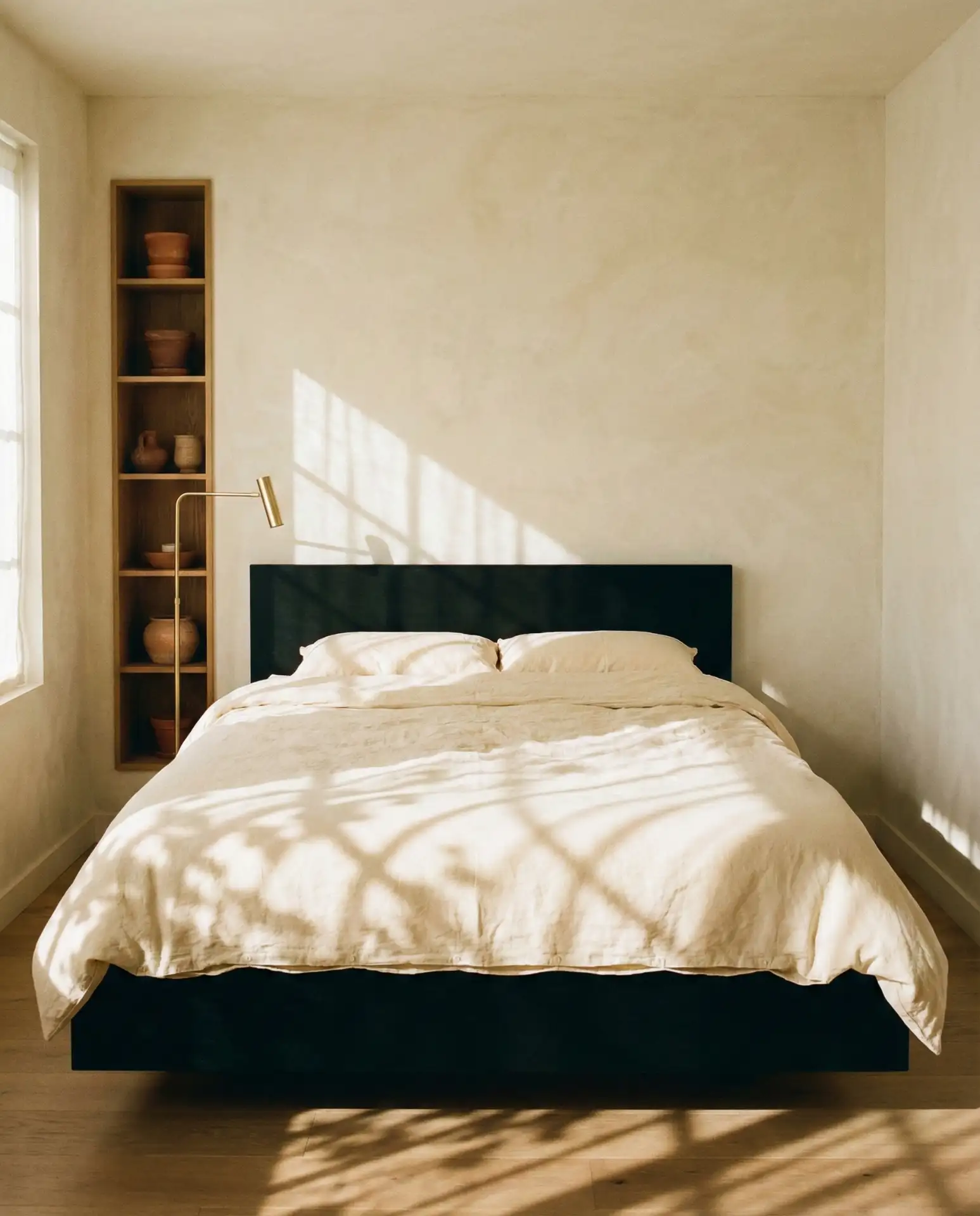
The real magic here is in the restraint. Most people overcrowd a small bedroom trying to fit everything in, but the floating bed layout forces you to edit down to what actually matters. A common mistake is mounting shelves too high—keep them within arm’s reach from the bed so the setup actually functions as a nightstand replacement. This approach works best in rooms with at least one unobstructed wall, and it’s one of the easiest layouts to pull off on a budget since you’re swapping out bulky furniture for a single flat piece of hardware.
2. The Queen Bed Diagonal Corner Layout
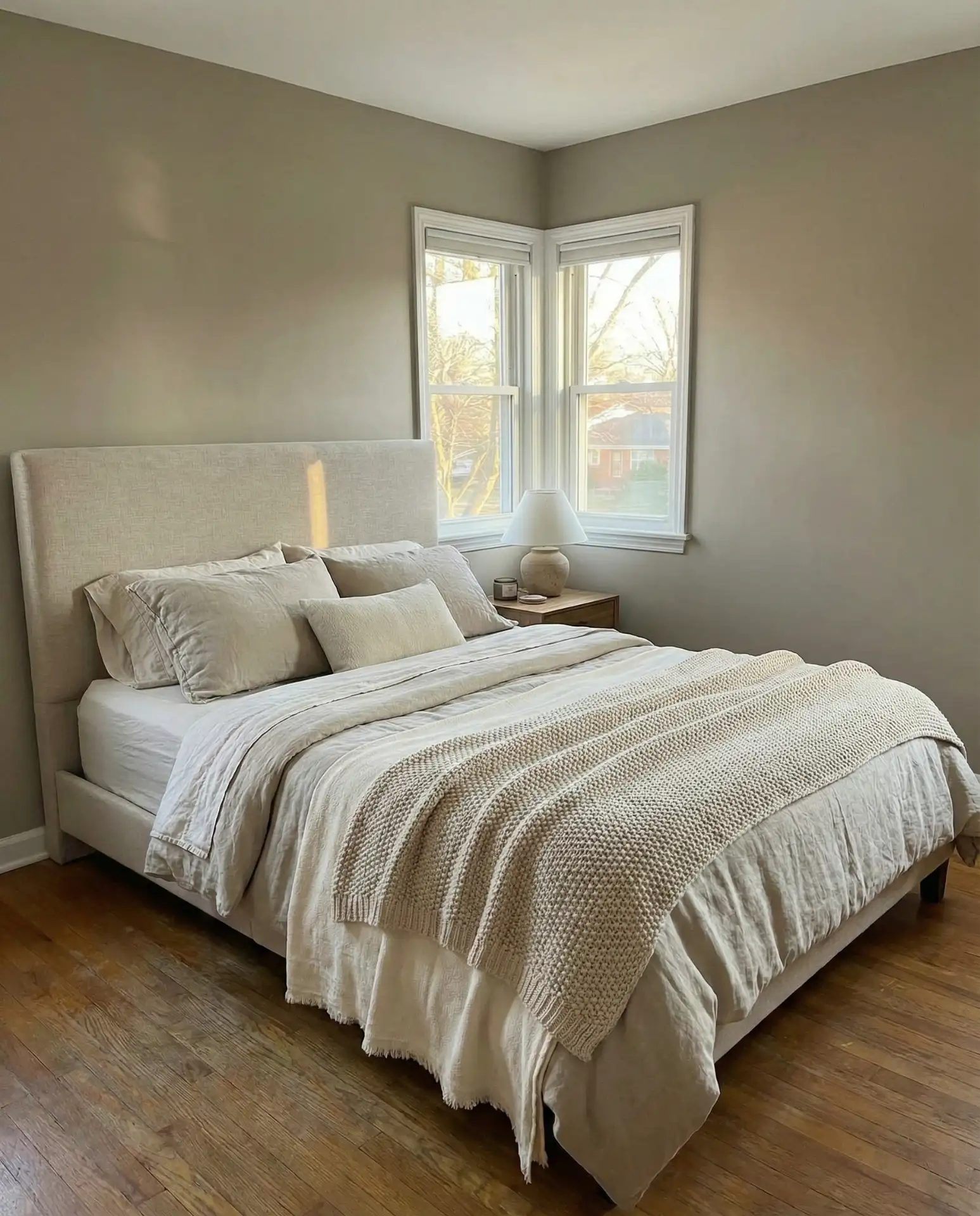
Tucking a queen bed into a corner on the diagonal is one of those design moves that looks almost too good to be real. It opens up the center of the room dramatically and creates a cozy, tucked-in feeling that’s perfect for smaller spaces. This layout is a favorite on Pinterest for anyone exploring ideas for furniture placement because it solves the perennial problem of a bed dominating the room—angling it softens the visual footprint and makes the remaining floor space feel more intentional and usable. It’s an especially smart choice in rooms where the door placement makes a straight-against-the-wall layout feel cramped.
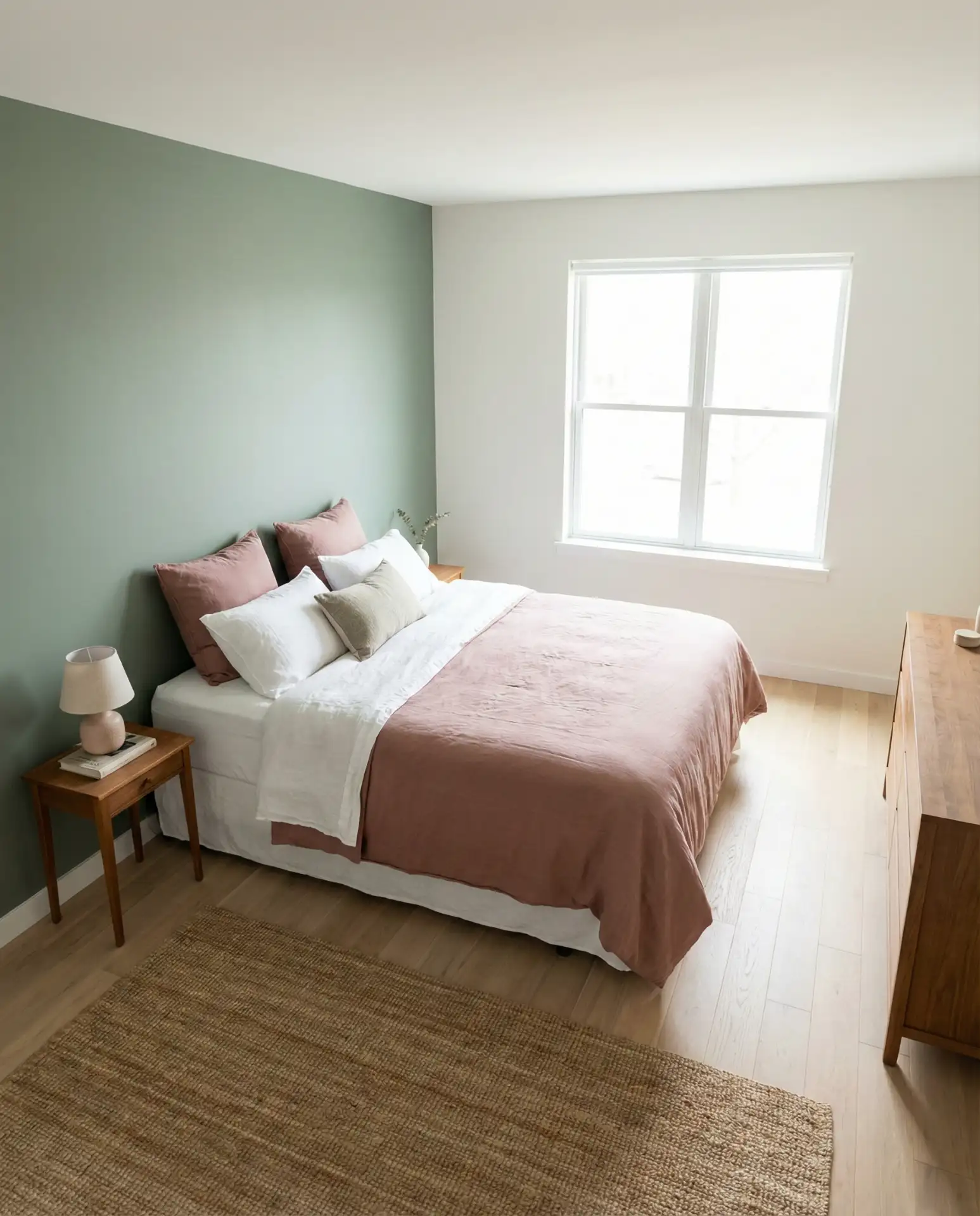
Here’s the thing most people don’t realize: you don’t need a huge room to make a diagonal layout work. Even in an 8 by 10 or a 10 by 10 space, this placement can feel surprisingly generous once you see it in person. An interior designer friend once told me she recommends this layout to anyone whose bedroom feels more like a storage unit than a retreat—it’s an instant mood shift. Just make sure you leave enough clearance on both open sides of the bed to actually get in and out comfortably, and you’re golden.
3. The Built-In Bed Nook with Under-Bed Storage
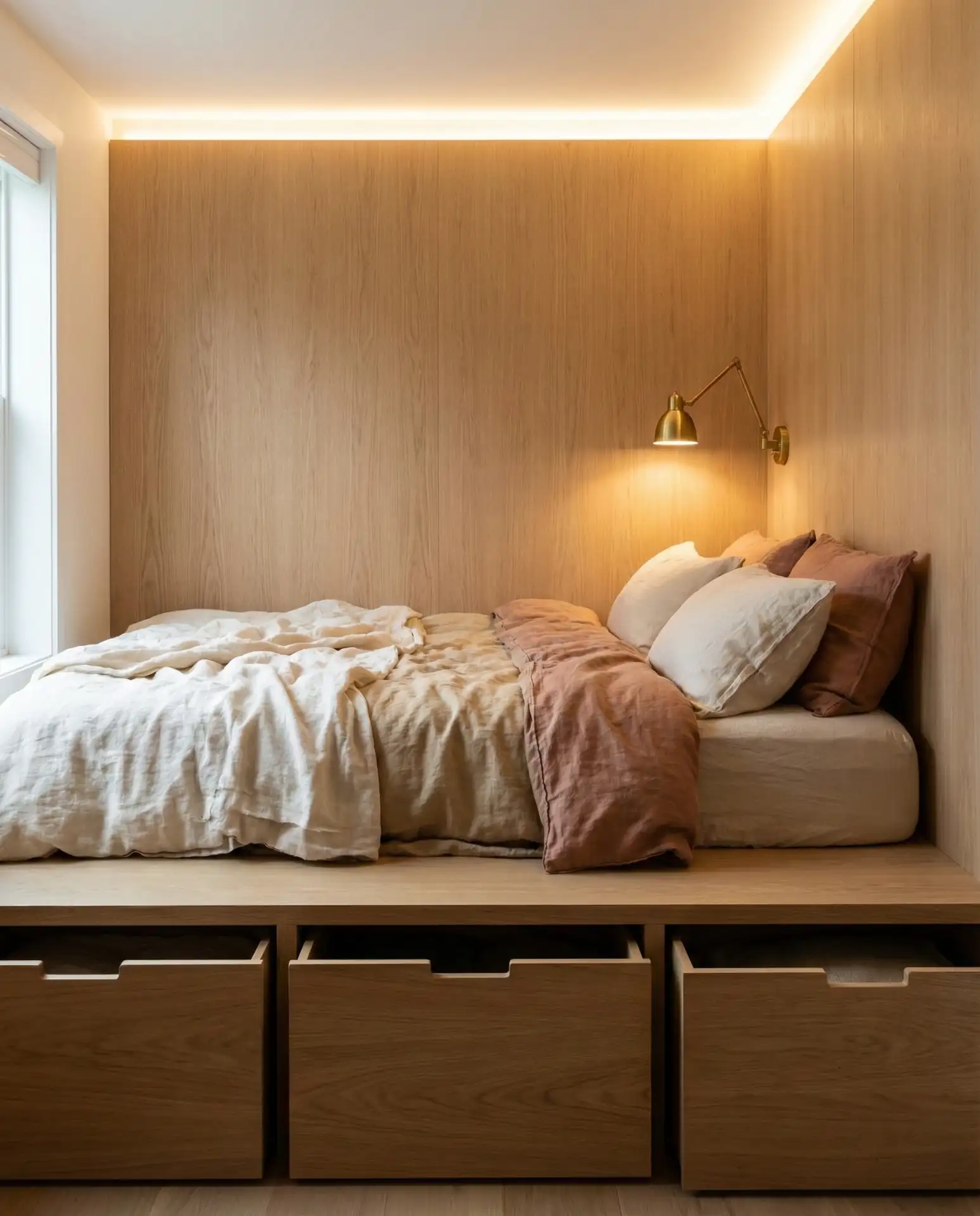
Built-in bed nooks are having a serious moment, and it’s easy to see why. For anyone searching for ideas for couples or tackling a very small bedroom, this layout is practically a cheat code. The nook creates a cocoon-like sleeping space while simultaneously housing pull-out drawers beneath the mattress for linens, seasonal clothes, or anything else you’d normally stuff into an overflowing closet. It’s the kind of architectural detail that makes a room feel custom-designed rather than thrown together, and it’s especially popular in apartment-style bedrooms where built-in solutions maximize every square foot.
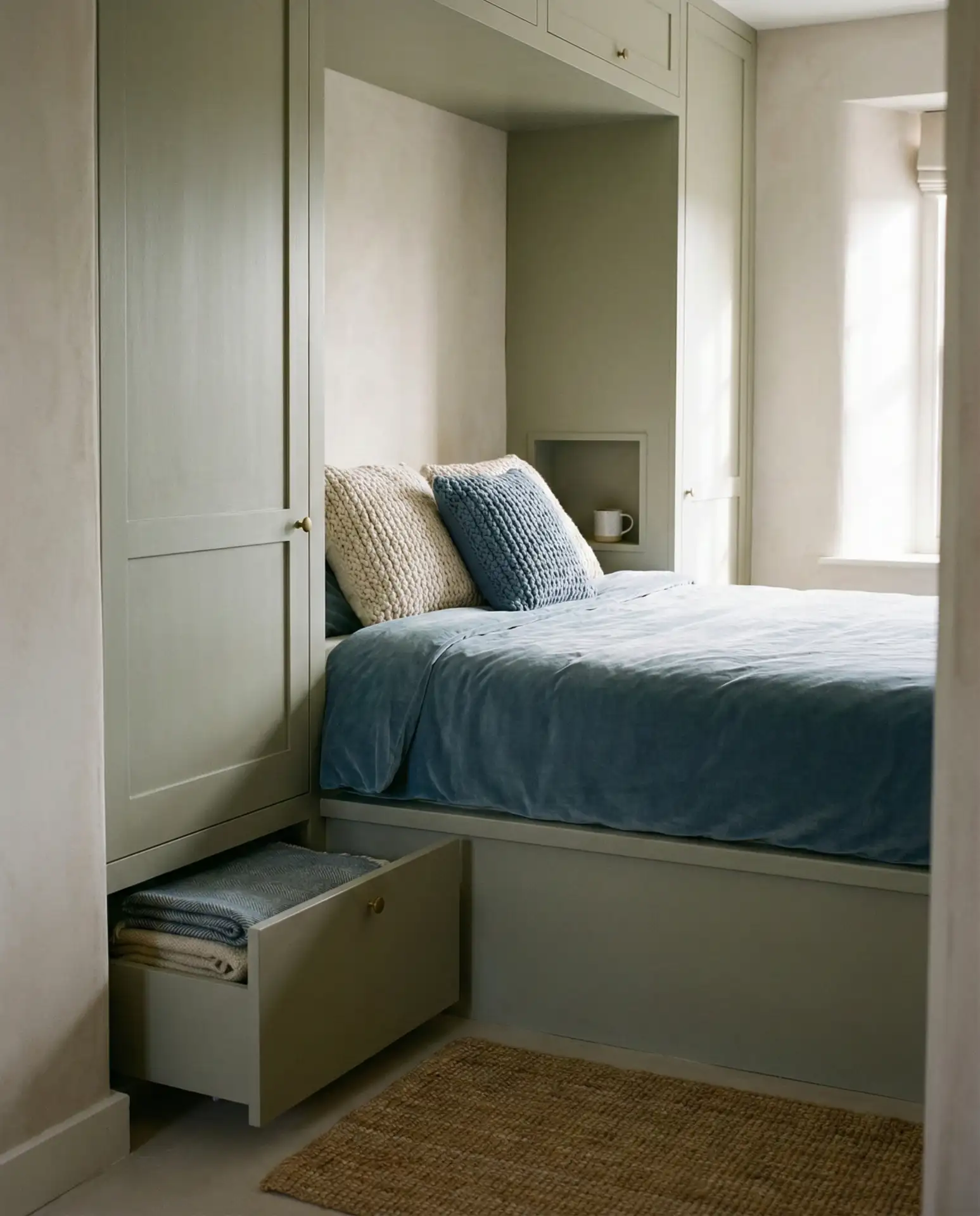
This layout works best in rooms with a natural alcove or a wall segment that can be sectioned off without eating into usable floor space. If you’re renting and can’t do true built-ins, a freestanding platform bed with integrated drawers achieves a very similar effect. Designers increasingly recommend this approach for the bedroom because it quietly doubles your storage without adding a single piece of visible furniture to the room—a win-win that keeps the space feeling open and intentional.
4. The Desk-by-the-Window Bedroom for Remote Workers
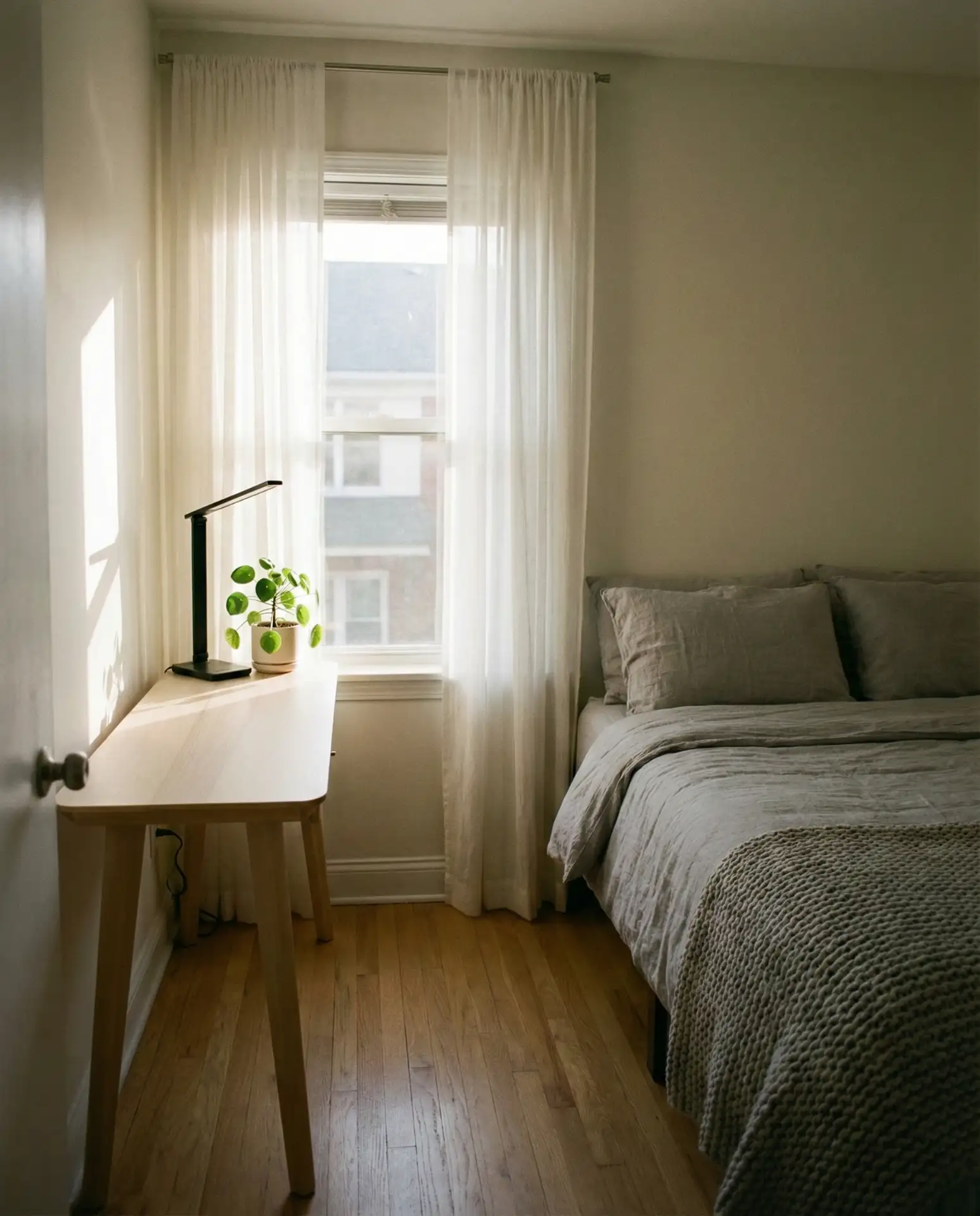
If you work from home and your bedroom is pulling double duty, the idea with the desk and dresser layout is worth a serious second look. Placing a slim desk directly beneath or beside the window does two things at once: it gives you natural light for video calls and focus time, and it keeps the workstation visually separated from the sleep zone. This setup is especially popular among the Pinterest crowd exploring tips for multifunctional small rooms, because it feels intentional rather than like you just shoved a laptop on top of your dresser.
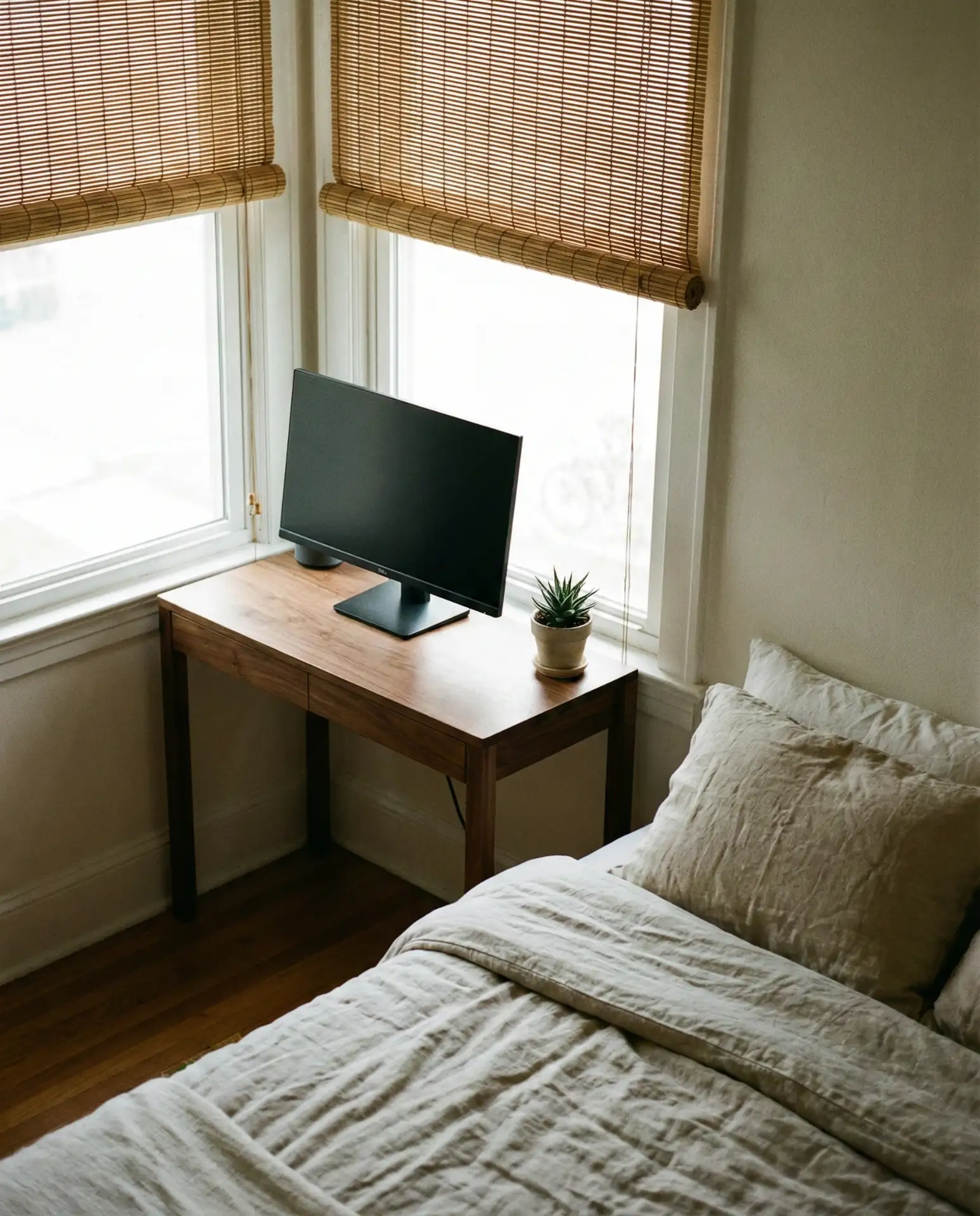
The biggest mistake people make with this layout is using a desk that’s too wide. In a small bedroom, anything over 36 inches across starts to feel like it’s taking over. A narrow console-style desk or even a wall-mounted drop-leaf option keeps the footprint tiny. If budget is a concern, this is one of the most affordable bedroom layouts to pull off—a simple IKEA-style desk and a good chair can run you under $200 total and still look sharp.
5. The Color-Drenched Walls with a Low-Profile King Bed
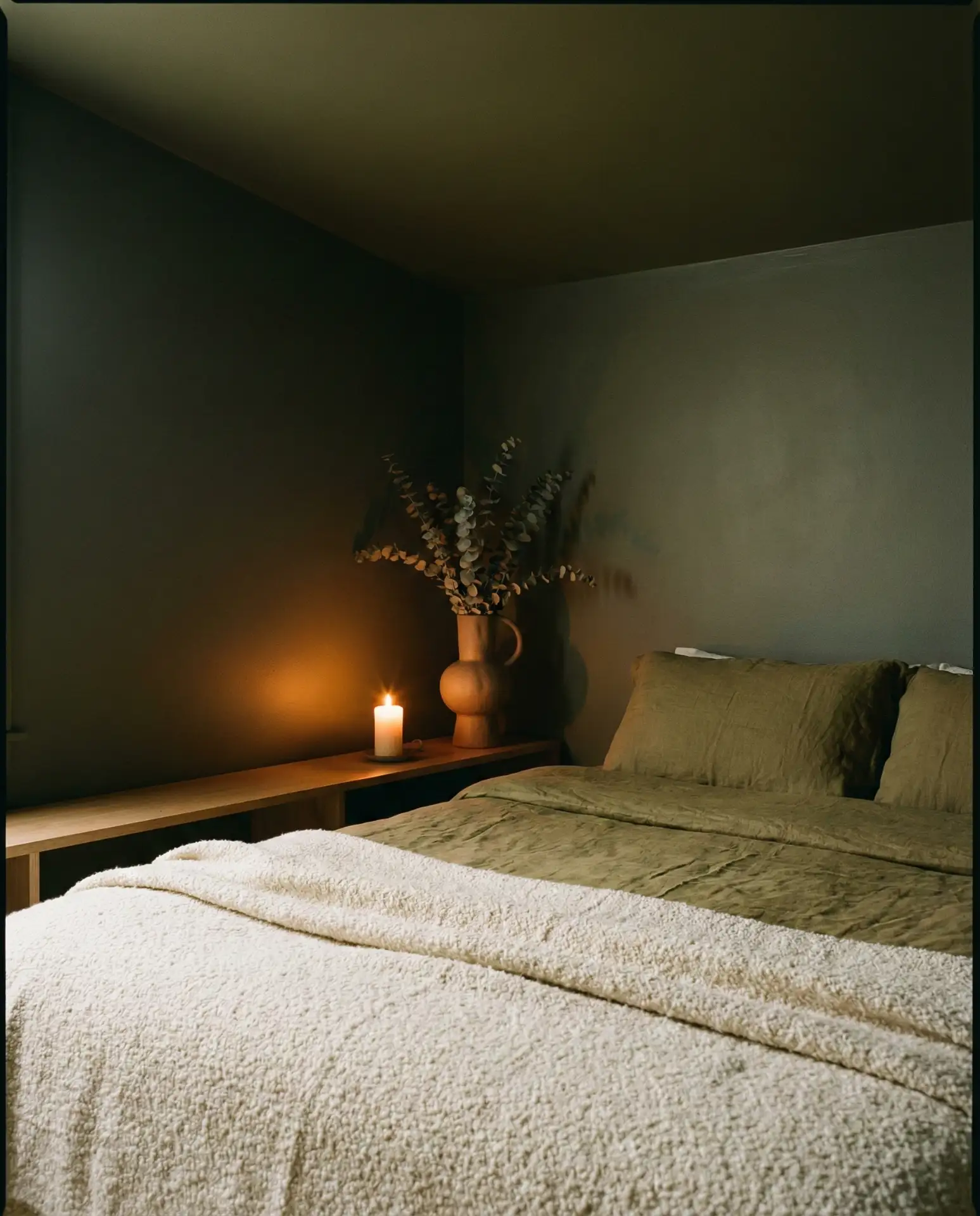
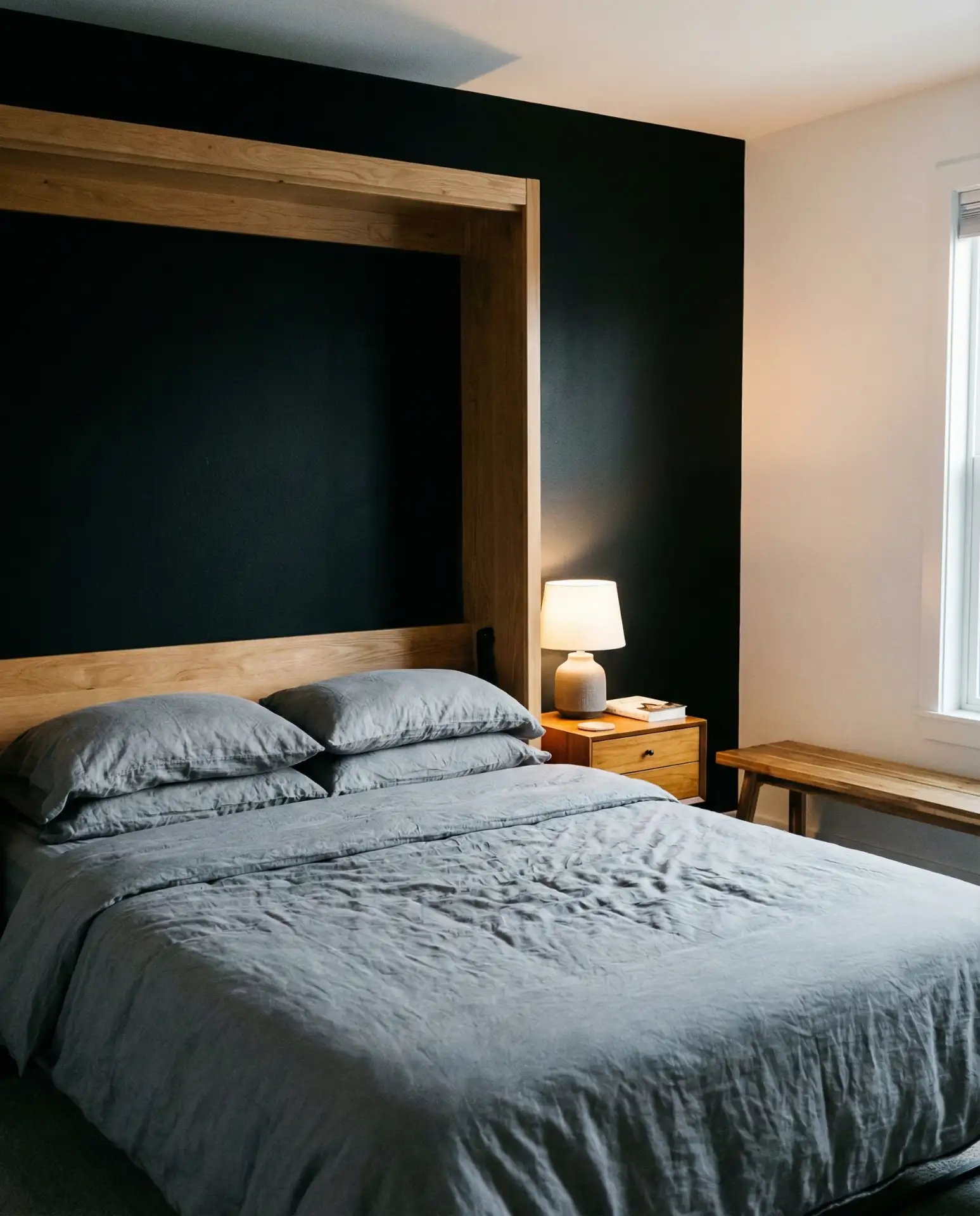
Think a king bed can’t fit in a small bedroom? Think again. A low-profile or floor-level king bed paired with color-drenched walls is one of the most striking layouts trending right now. When you paint the walls, trim, and ceiling in one deep, enveloping hue—think moody blue-gray or smoky olive—the room stops feeling boxed in. The color trick eliminates visual breaks, and a low bed keeps the sightline open. This is a layout that screams design inspo while still being genuinely livable, especially in rooms where ceiling height is on the shorter side.
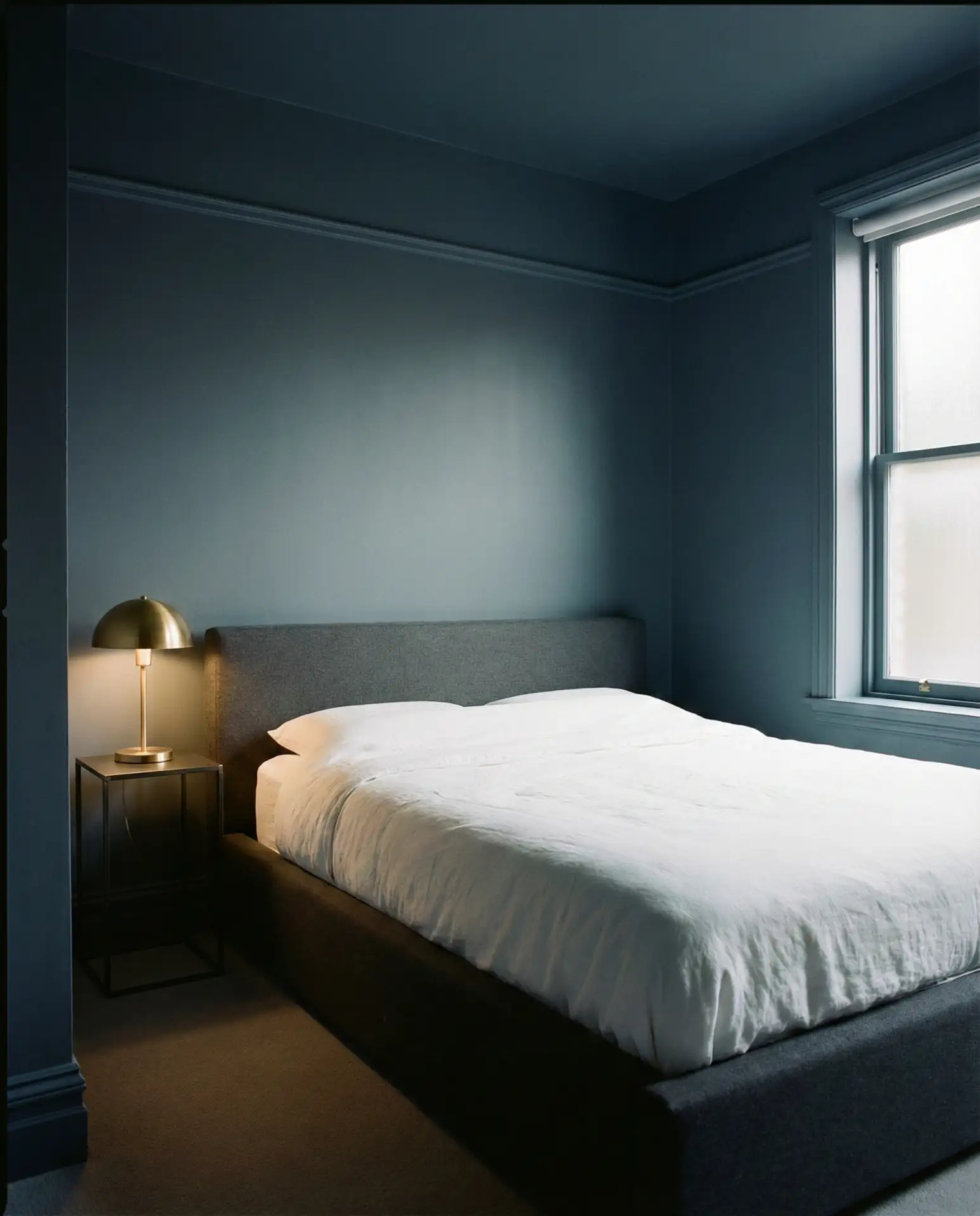
This layout works best in bedrooms where you don’t need a ton of additional furniture. A king bed in a small room leaves limited floor space, so keeping everything else minimal—one nightstand, maybe a small dresser—is key. Designers have noted that color-drenching actually makes smaller rooms feel larger because your eye doesn’t ping-pong between surfaces. It’s a counterintuitive move that pays off enormously when done right.
6. The Symmetrical Queen Setup with Matching Nightstands
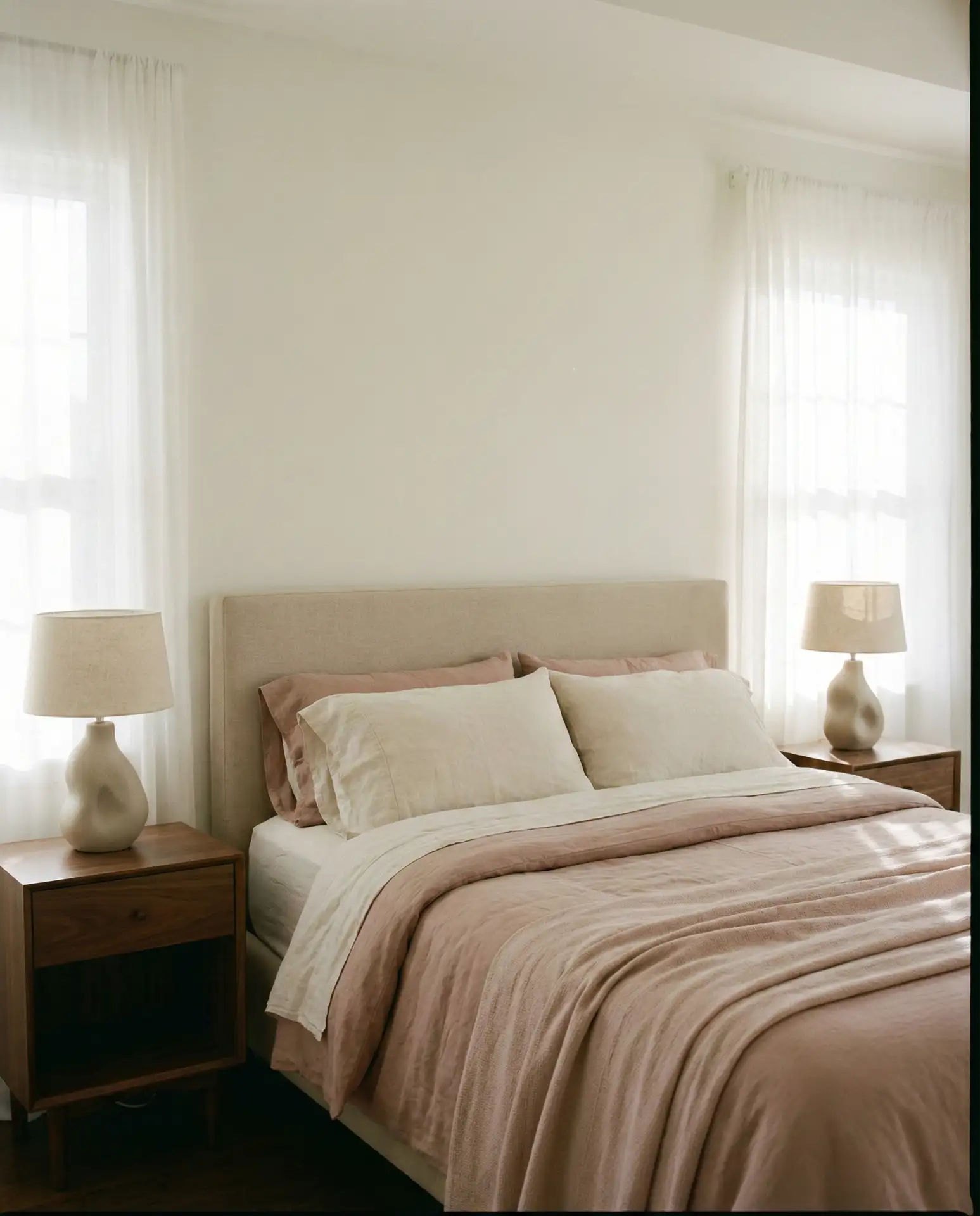
There’s a reason the symmetrical bedroom layout never goes out of style—it just feels right. For couples or anyone with a queen-size bed looking to make a small room feel polished and intentional, centering the bed on a wall with matching nightstands on either side is a timeless formula. This layout is a staple in ideas for couples boards on Pinterest because it creates visual balance and a sense of calm that asymmetrical arrangements sometimes lack. It also makes the bed the undisputed focal point, which is exactly where your eye should land when you walk in.
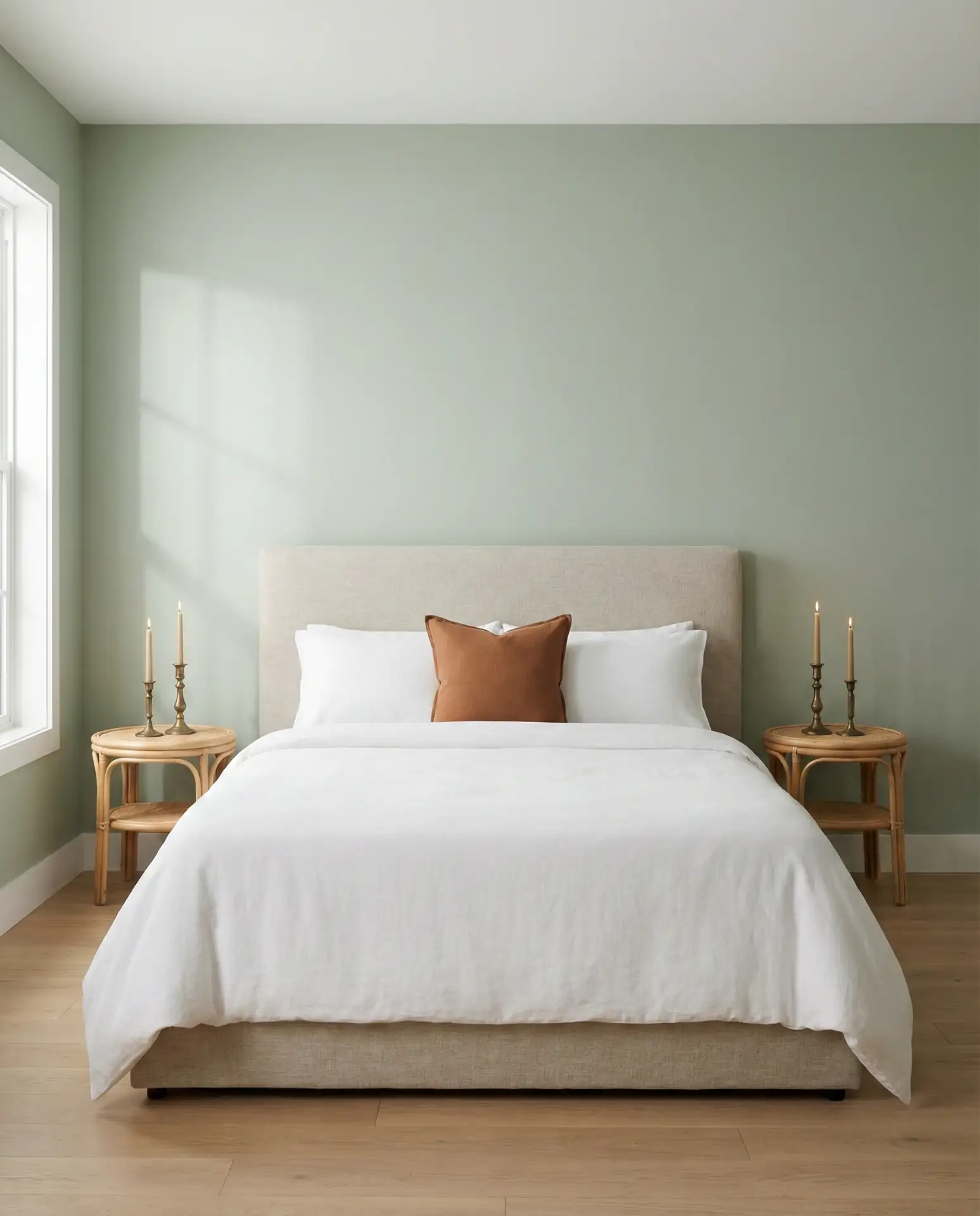
One thing worth keeping in mind: symmetry works beautifully in photographs, but in real life it can feel a little rigid if everything matches too perfectly. The trick is to introduce subtle variation—maybe the lamps match, but the books on each nightstand don’t. It keeps the layout feeling curated without becoming sterile. This setup particularly shines in rooms with a strong back wall, like one that faces a window or has architectural detail to draw the eye.
7. The Closet-Forward Layout with a Sliding Door
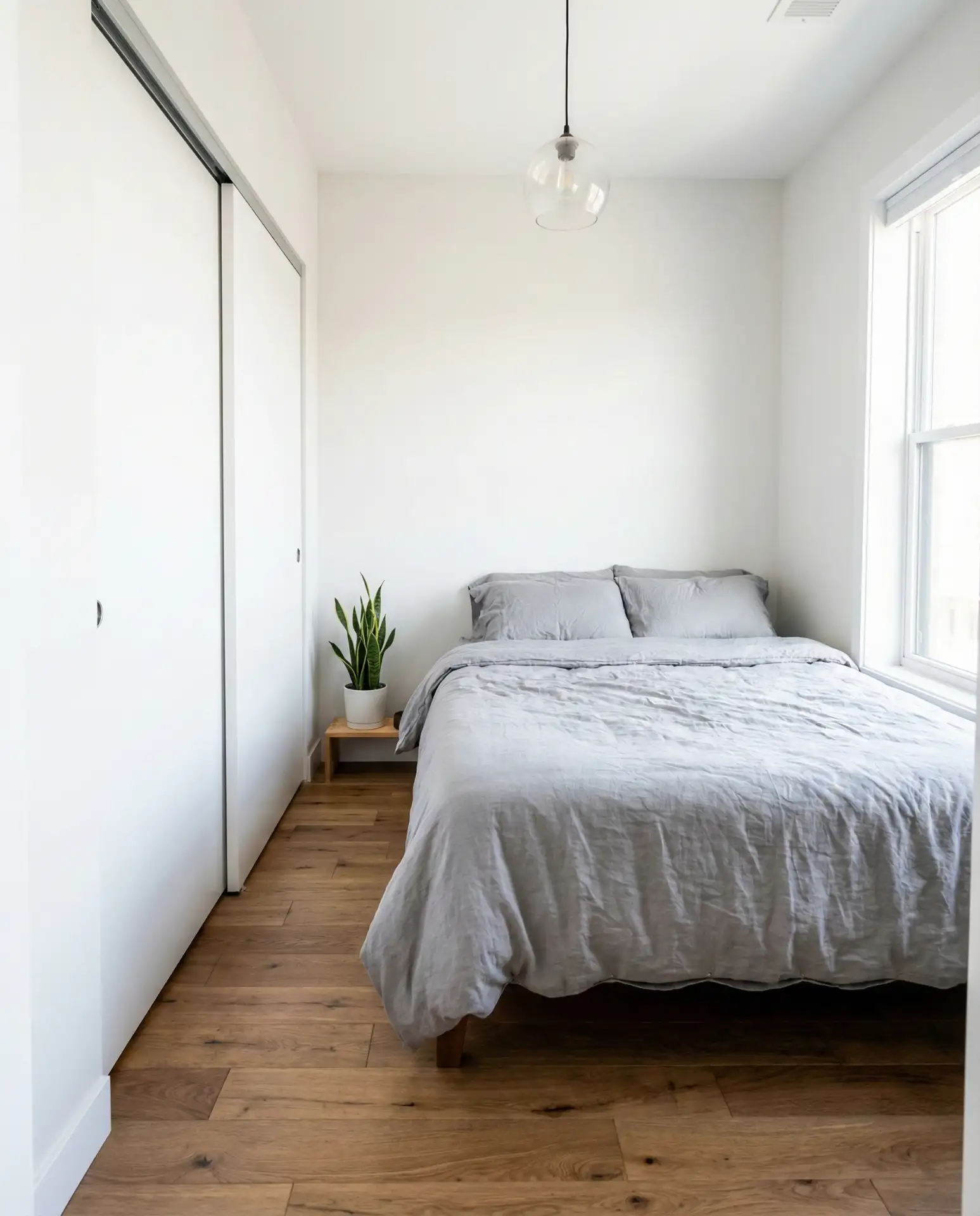
If your closet situation is the real bottleneck in your small bedroom, it’s time to stop treating it as an afterthought and start designing around it. A closet-forward layout positions the bed perpendicular to the closet wall, with a sleek sliding door that takes up zero extra floor space when open. This is a layout that shows up constantly in ideas for 8 x 10 bedroom boards because it solves the storage crisis without adding bulk. The sliding door itself becomes a design element—think frosted glass, wood panels, or even a mirror that bounces light into the room.
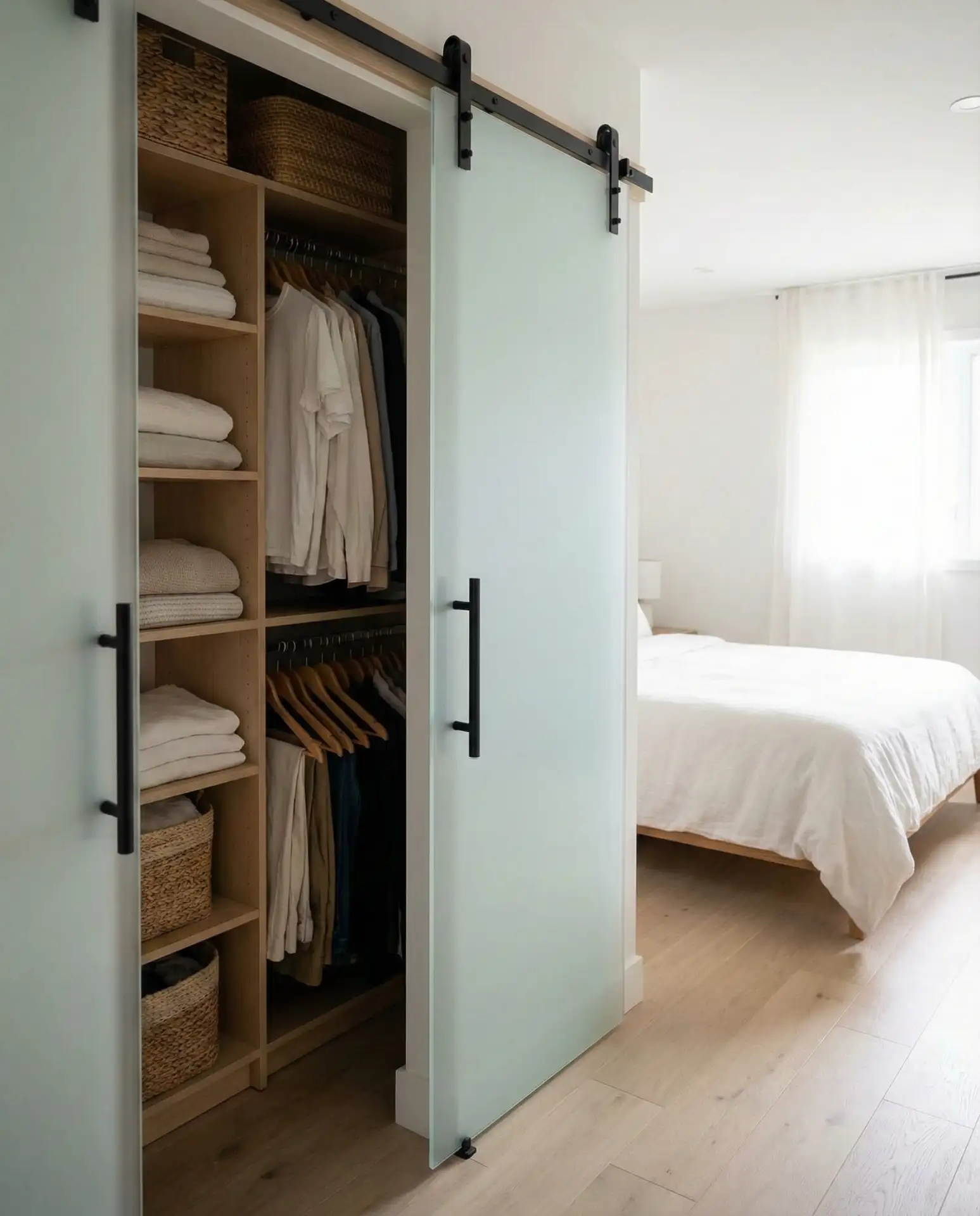
A mirrored sliding door is one of the smartest swaps you can make in a small bedroom—it doubles the perceived size of the room without any layout changes at all. If you’re renting and can’t install a true sliding door system, freestanding mirror panels leaned against the closet opening achieve a surprisingly similar effect. This is the kind of small-space hack that feels almost like cheating, but it works every single time.
8. The Teen Bedroom with a Loft Bed and Desk Below
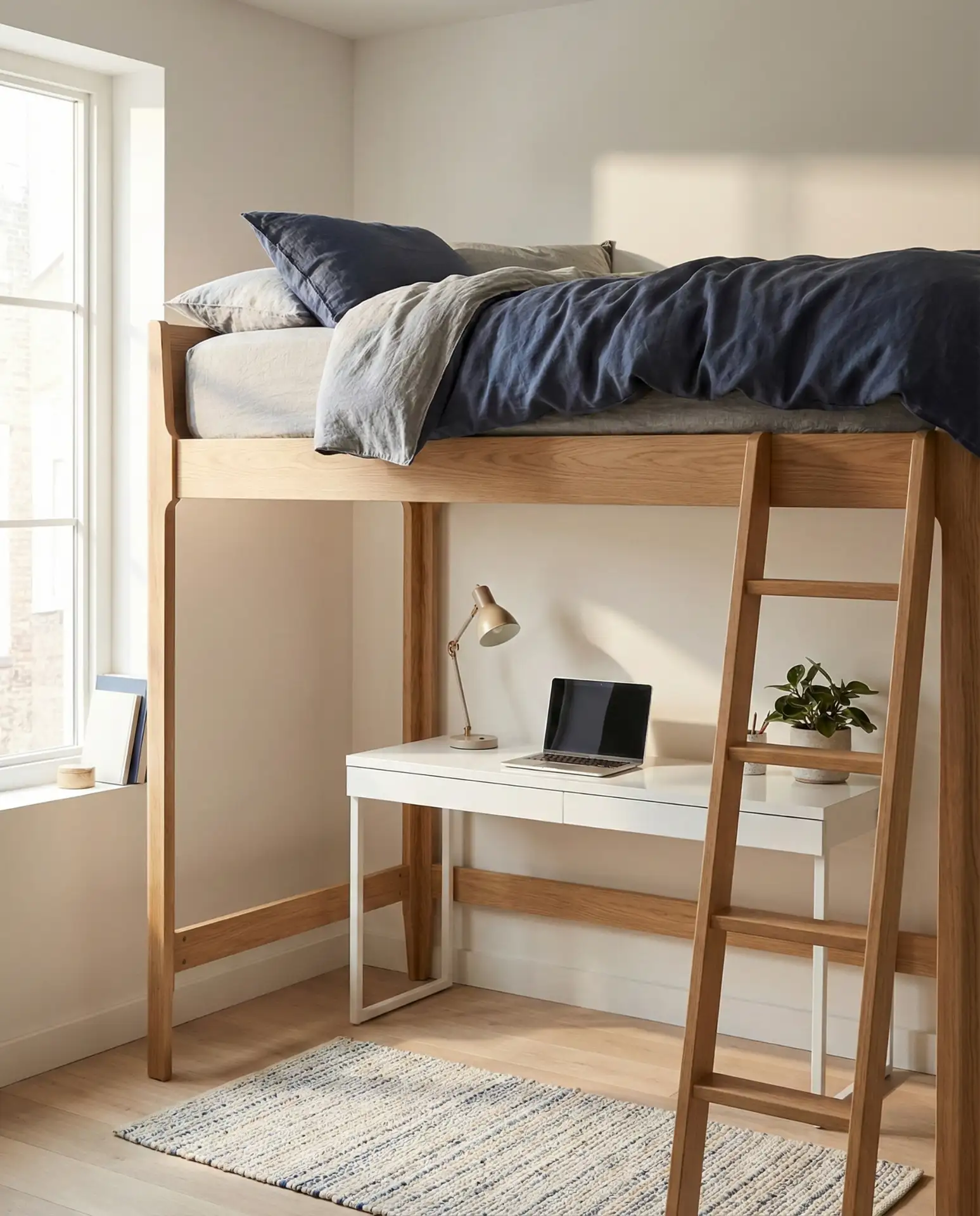
For ideas for teens, the loft bed layout is basically the ultimate small-room hack. You’re stacking the bedroom vertically instead of spreading it horizontally, which means the desk, a small dresser, and even a reading nook can all fit beneath the elevated bed platform. This is a layout that Pinterest teens absolutely love, and it translates surprisingly well into a stylish space when done with the right materials—think solid wood frames, clean lines, and a color palette that feels grown-up rather than juvenile. It works especially well in rooms with decent ceiling height.
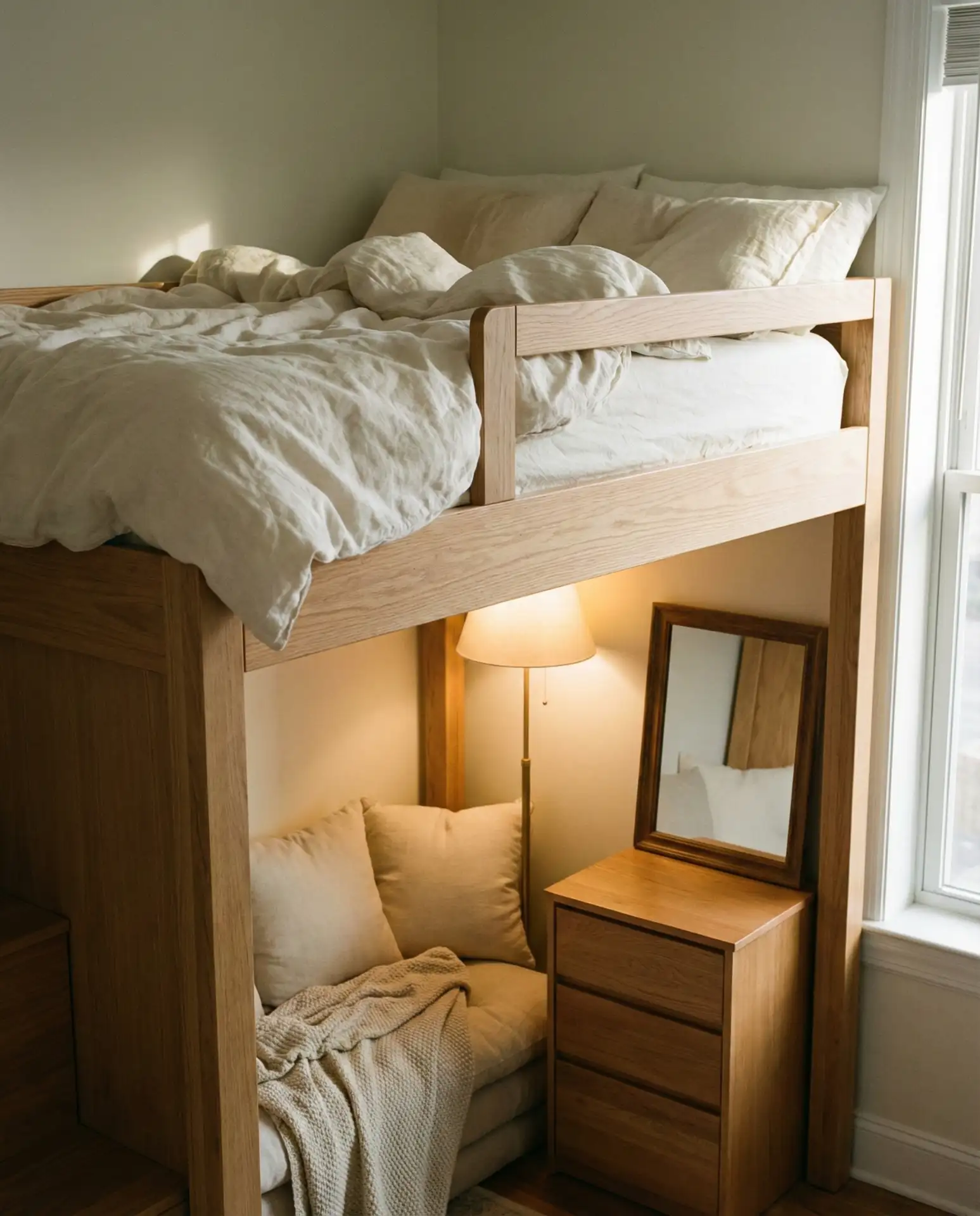
The real lifestyle behavior behind this layout is how teens actually use their bedrooms—as a combined study, hangout, and sleep space all at once. A loft bed acknowledges that reality instead of fighting it. One thing to watch out for: make sure the clearance beneath the platform is at least five feet, or your teen will be hunched over that desk every homework session. Anything less and the novelty wears off fast.
9. The Full-Size Bed with a Dresser-Mirror Wall Combo
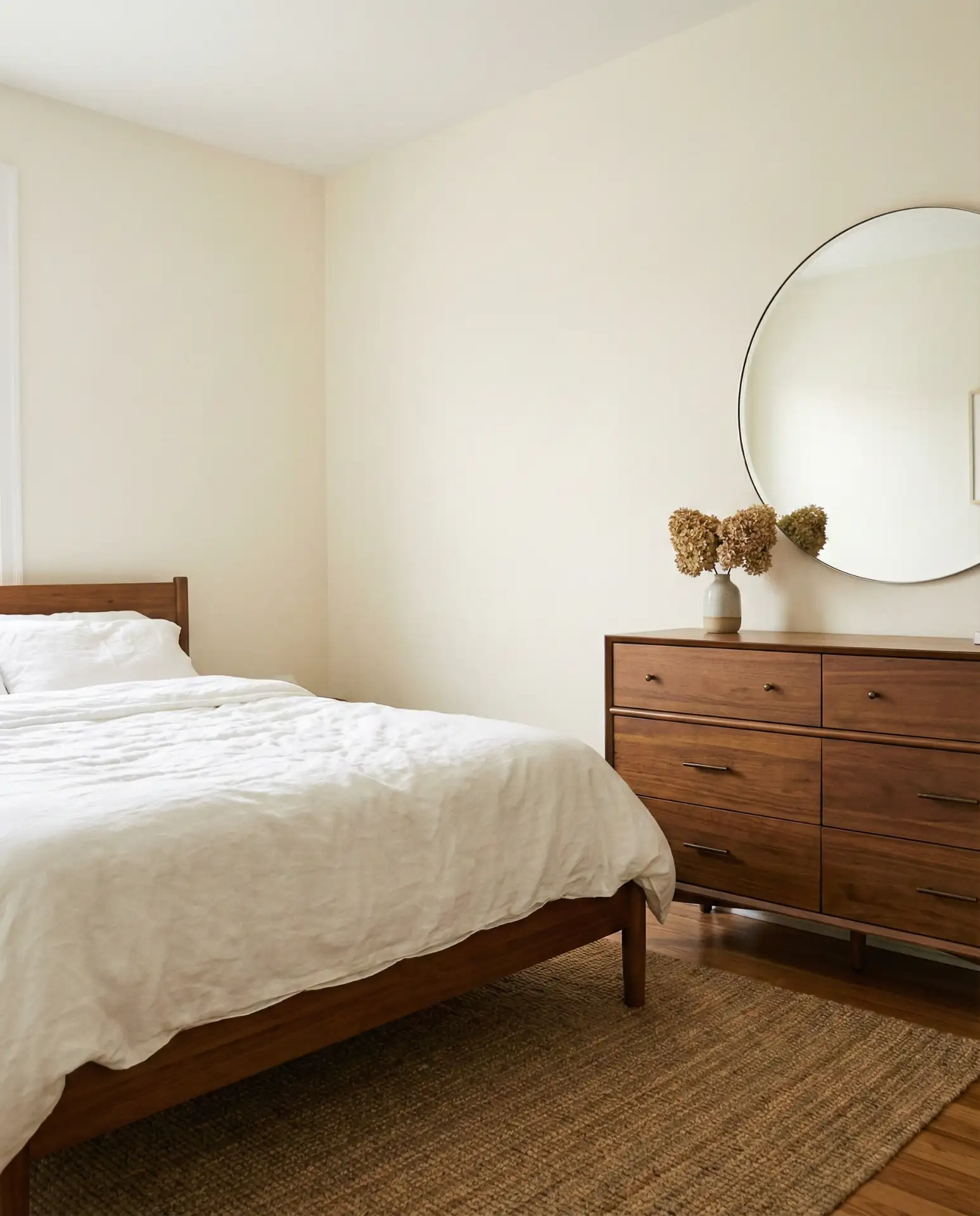
A full-size bed is the unsung hero of small bedroom layouts—it’s big enough to sleep comfortably but compact enough to leave real breathing room around it. Pair it with a dresser-and-mirror combo mounted flush against the wall opposite the bed, and you’ve got a layout that feels complete without feeling stuffed. This is a go-to for anyone searching for ideas for a full-size bed who wants storage without sacrificing floor space. The mirror does double duty, reflecting light and making the room feel noticeably larger than its actual dimensions.
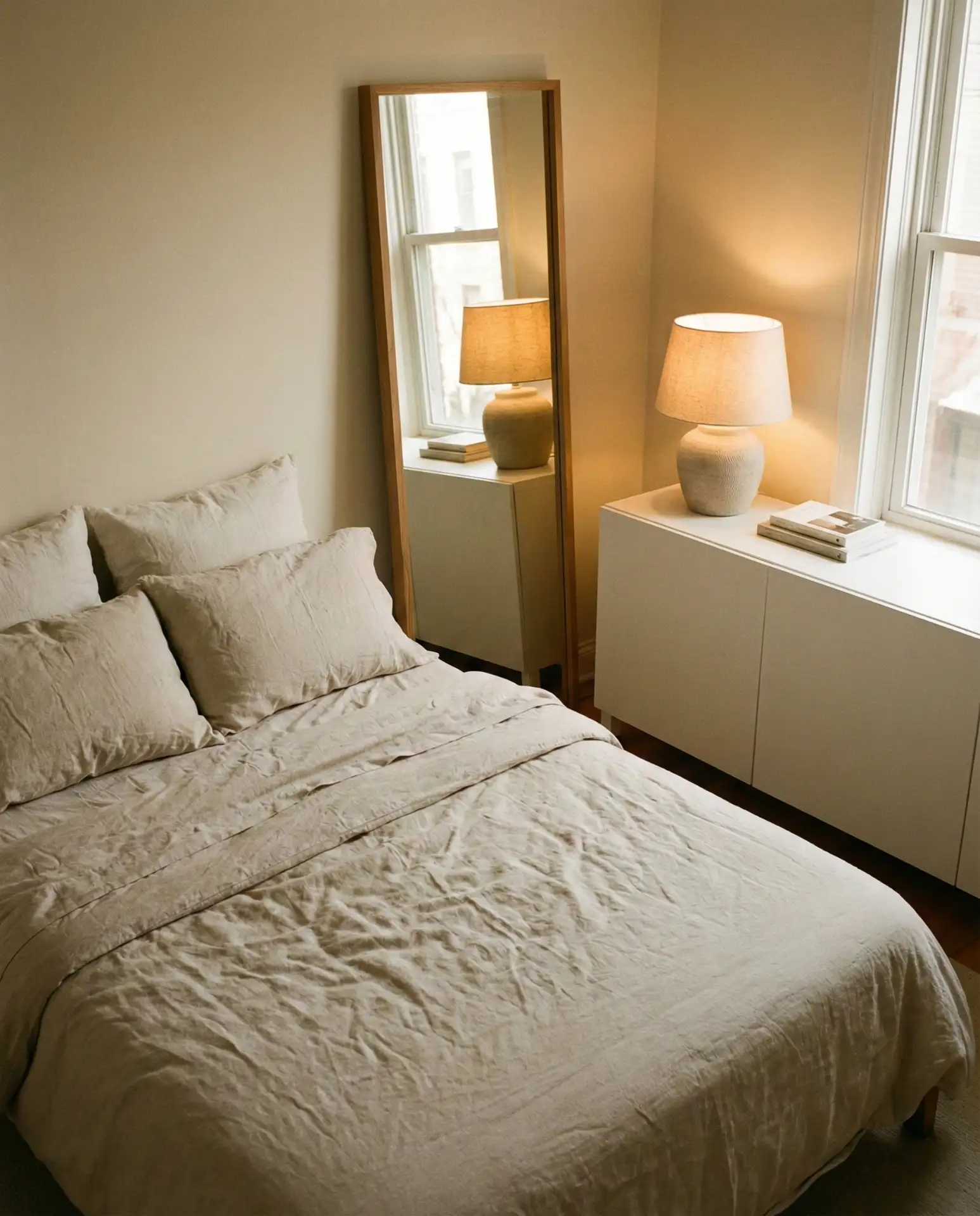
This layout is one of the most budget-friendly options out there. A full-size bed frame can run anywhere from $150 to $400 at most furniture retailers, and a basic dresser-mirror set hovers in a similar range. You don’t need to spend a fortune to make it look intentional—a little styling on the dresser and a quality set of bedding do most of the heavy lifting in terms of visual impact.
10. The Wardrobe-as-Room-Divider Layout
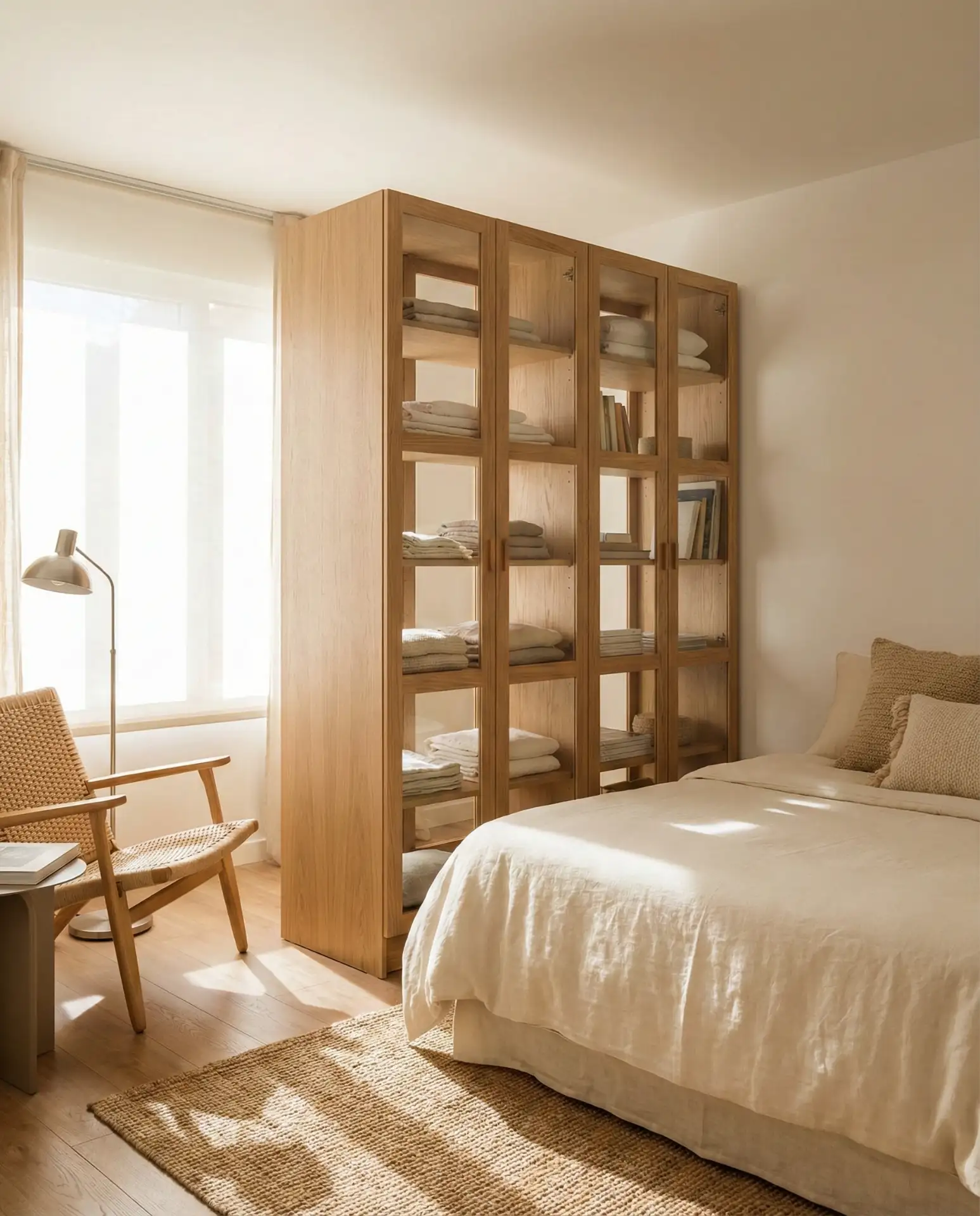
When your bedroom is doing double duty as a guest room or a study, a freestanding wardrobe can become the smartest piece of furniture in the room. Positioned in the middle of the space—or at least not flush against a wall—it creates a visual partition between the sleeping area and whatever else is happening in the room. This layout pops up constantly in ideas with desks and wardrobes and ideas for furniture placement in bed searches because it solves the “I need more than one zone in here” problem without knocking down any walls. It’s especially effective with open-back or two-sided wardrobes.
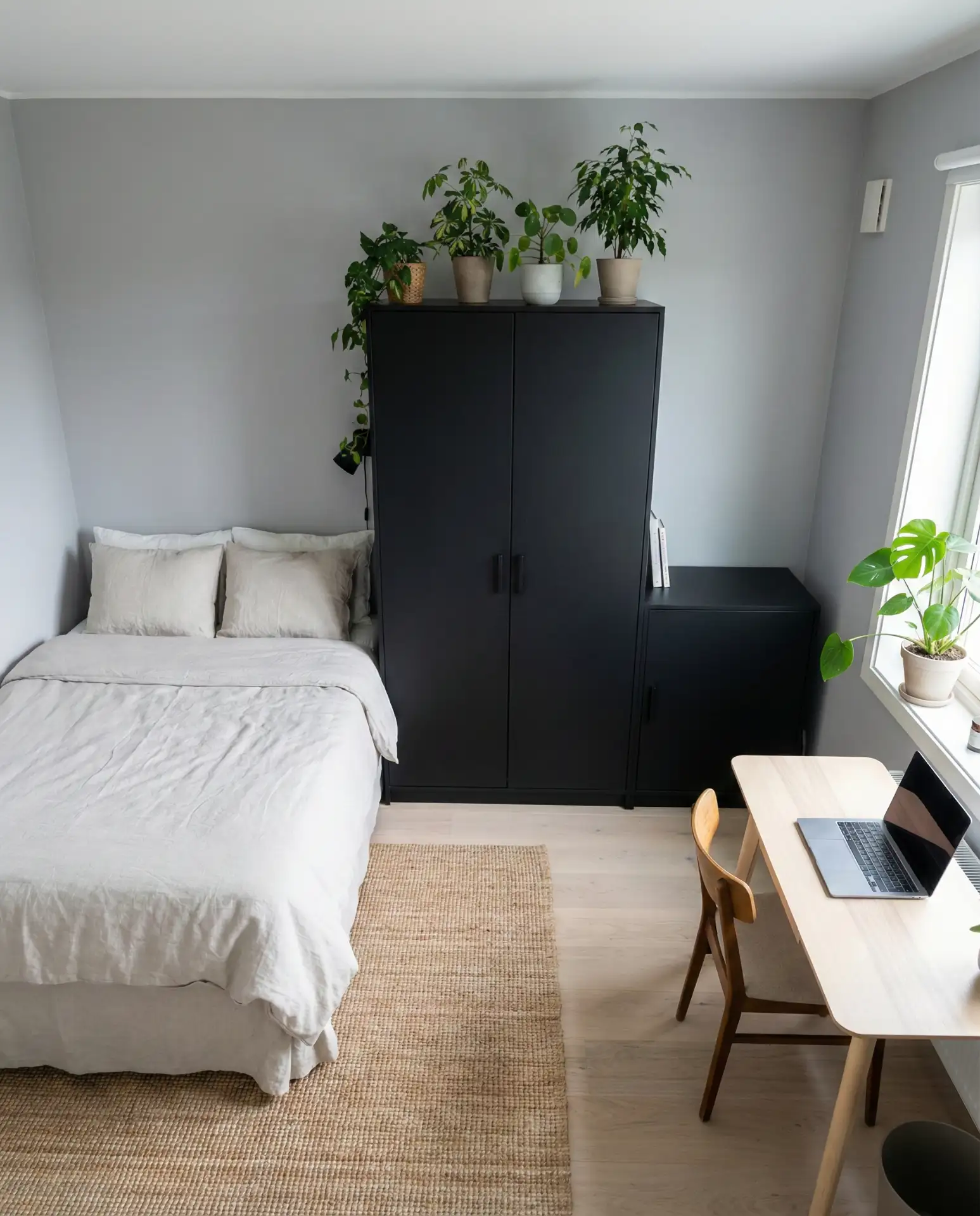
This layout works best when the wardrobe is tall enough to block sightlines but not so tall it makes the room feel like a maze. Something in the six-foot range hits the sweet spot for most standard ceilings. One pro tip: style the top of the wardrobe with trailing plants or a few decorative objects so it doesn’t just look like a piece of storage furniture you shoved into the middle of the room.
11. The TV-Above-the-Bed Gallery Wall Layout
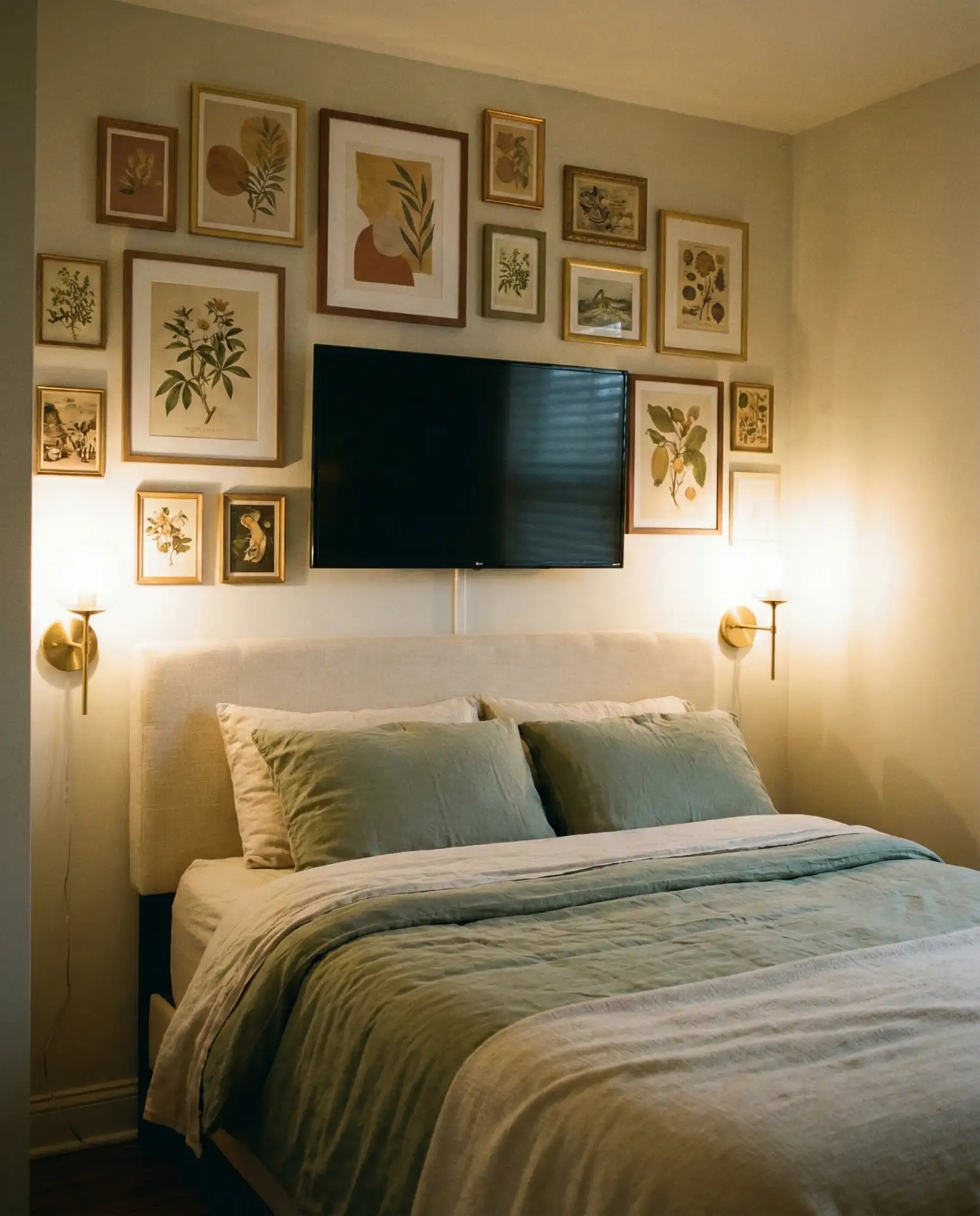
Mounting a TV above the bed used to be a controversial design choice, but in small bedrooms it’s become genuinely practical—especially when you integrate it into a larger gallery wall arrangement. This layout frees up dresser and console space that would otherwise be eaten up by a TV stand, and the gallery wall softens the screen so it doesn’t feel like you’re sleeping under a billboard. It’s a layout that works especially well for anyone exploring inspo for bedrooms that need to balance entertainment with aesthetics in tight quarters.
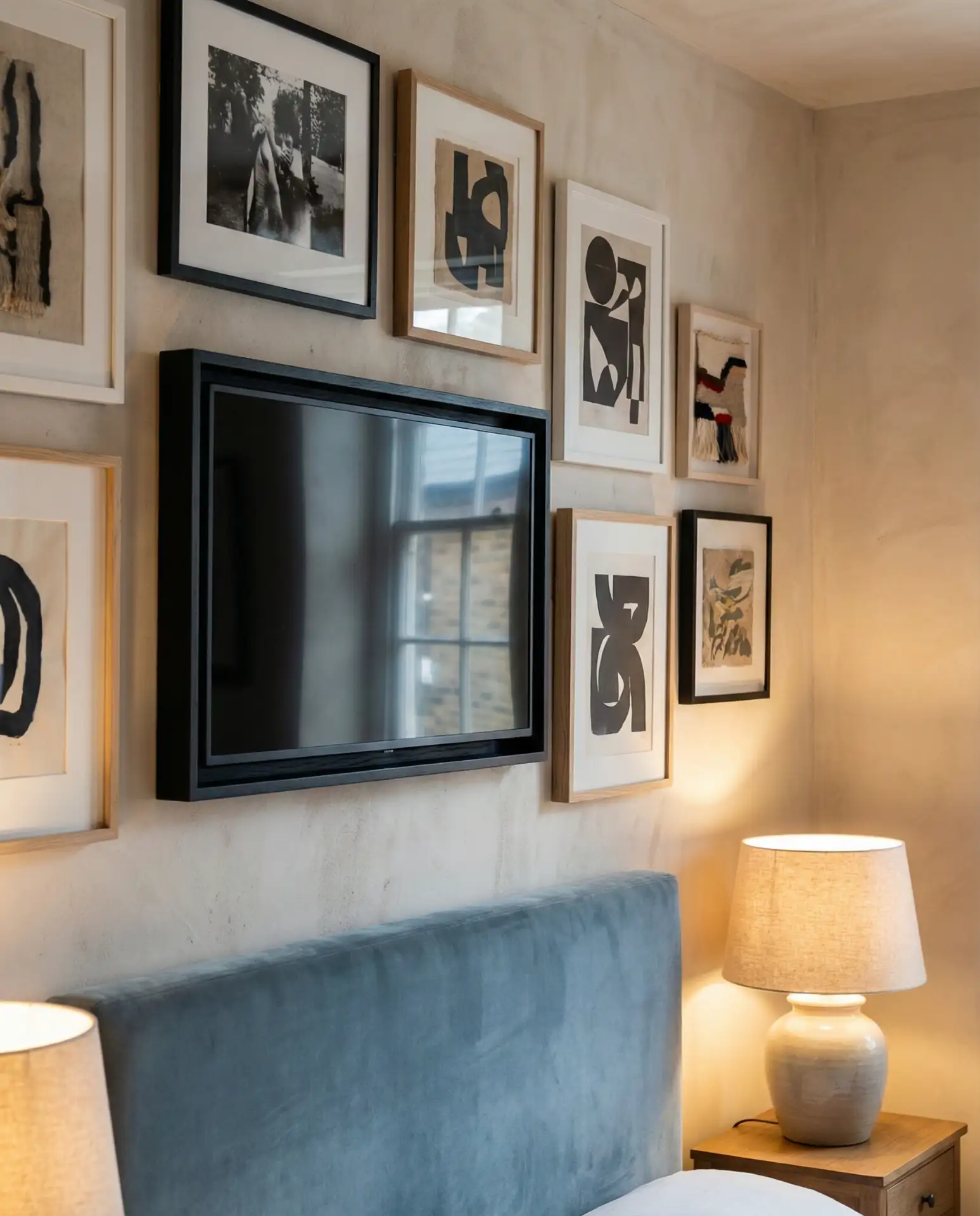
The one caveat here is ergonomics—looking straight up at a screen for long periods isn’t great for your neck. Keep the TV no more than 30 inches above the top of your pillows when you’re lying down, and consider a tilt mount so you can angle it slightly downward. This layout particularly shines in bedrooms where there’s no other logical wall for a TV, turning a limitation into a genuinely attractive focal point.
12. The 10×10 Bedroom with a Bench at the Foot of the Bed
In a 10×10 bedroom, every piece of furniture needs to earn its place—and a foot-of-the-bed bench earns it ten times over. It gives you a place to sit while getting dressed, a spot to toss clothes at the end of the day, and a visual anchor that makes the bed layout feel finished and intentional. This is a staple in ideas 10×10 queen bed layouts because it fills the gap between the bed and the wall without crowding the room. A slim upholstered bench or even a simple storage ottoman does the job beautifully.
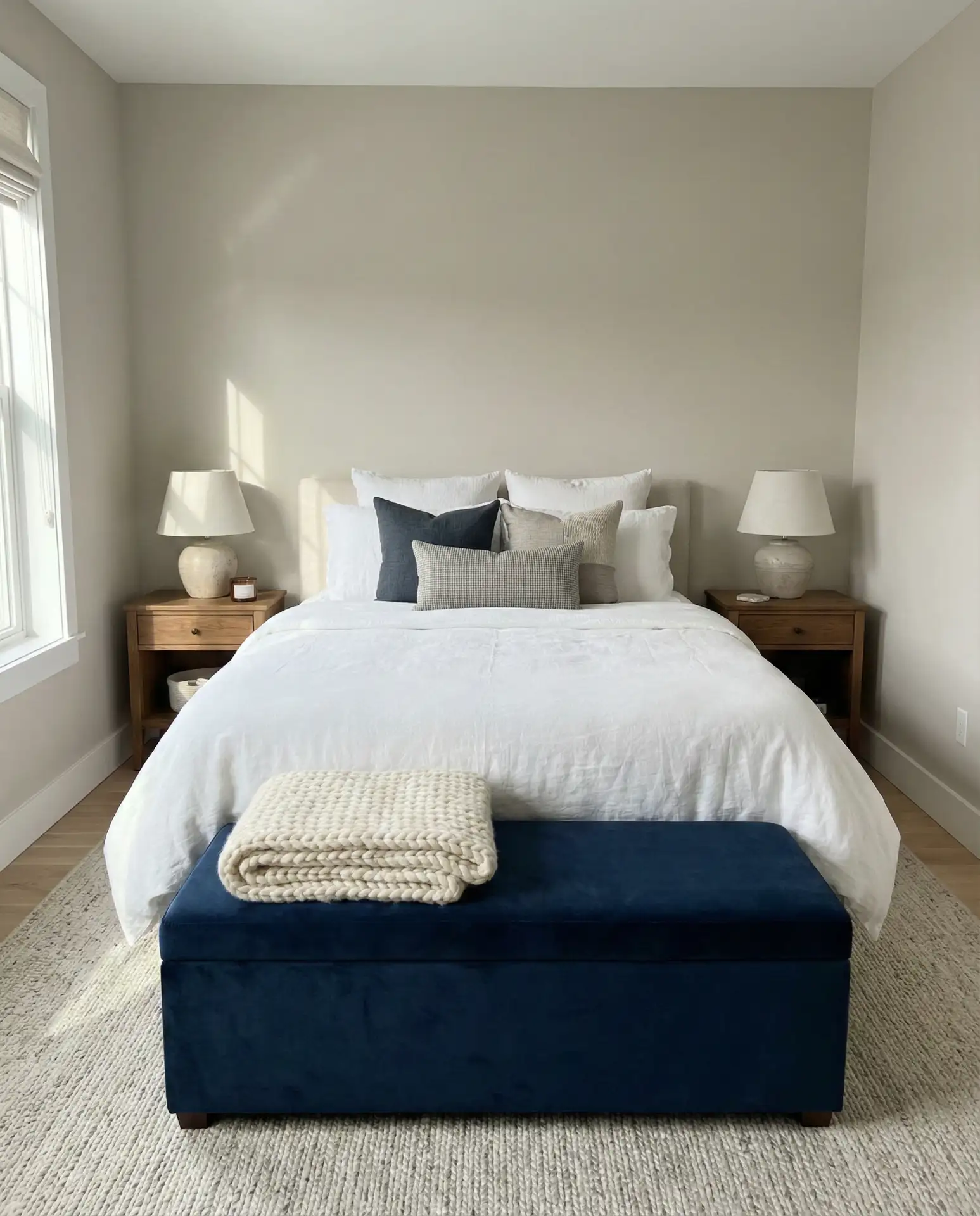
If you’re trying to keep costs down, a storage bench does double duty—the top opens up to reveal extra space for blankets or pillows. In a 10 by 10 room, that hidden storage can be the difference between a cluttered closet and an organized one. This is the kind of layout where every single choice compounds, so choosing pieces that serve more than one purpose isn’t just smart, it’s essential.
13. The Bathroom-Adjacent Bedroom with a Vanity Nook
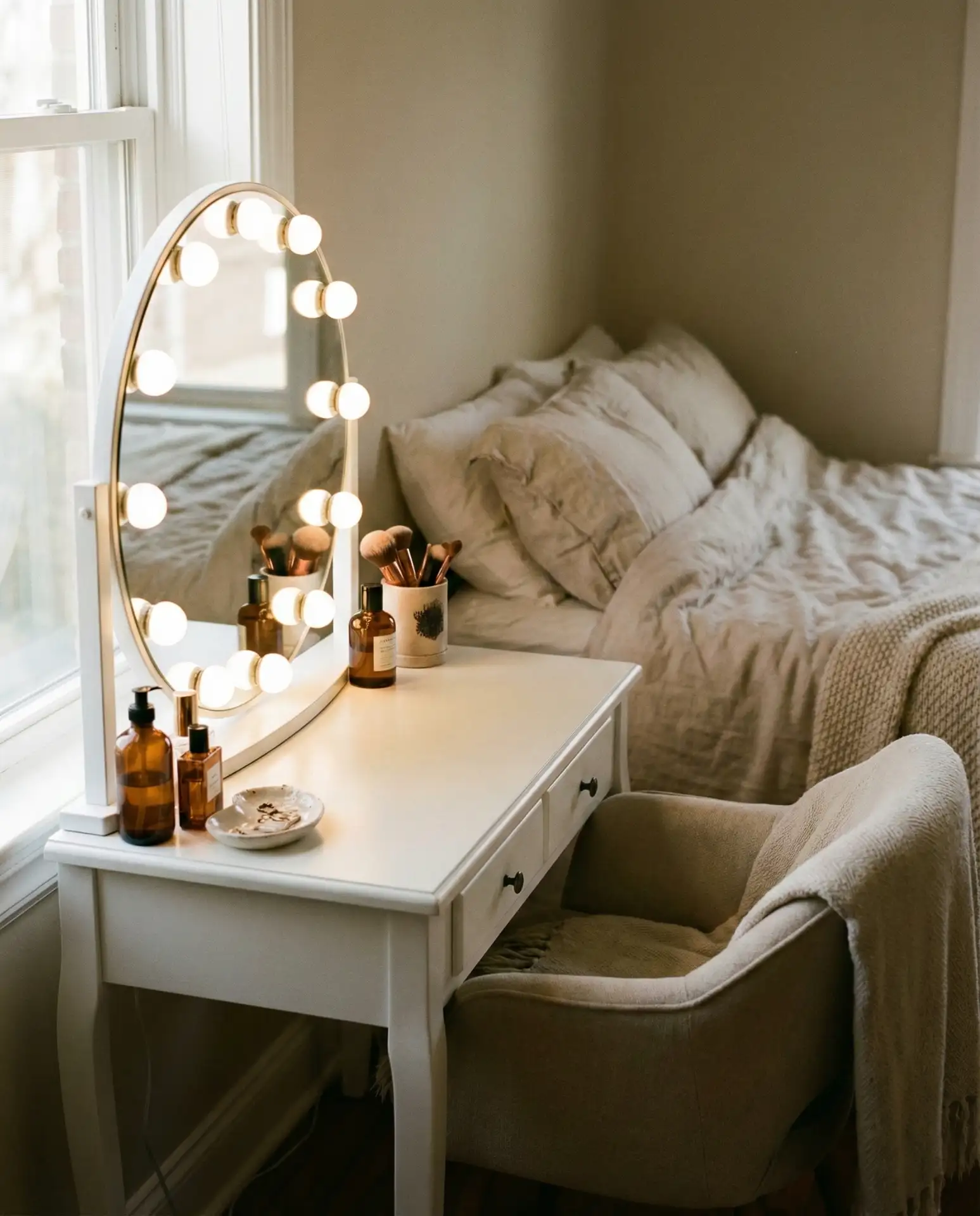
When your bathroom is small or you share one with a roommate, carving out a vanity nook inside the bedroom is a game changer. A small makeup or grooming station tucked into a corner—complete with a mirror, good lighting, and a few drawers—keeps your morning routine from turning into a territorial battle. This layout is gaining traction in plan discussions for studio and one-bedroom apartments, where every room has to stretch its functionality. It’s a subtle addition that most guests won’t even register as a separate zone, but you’ll notice it every single day.
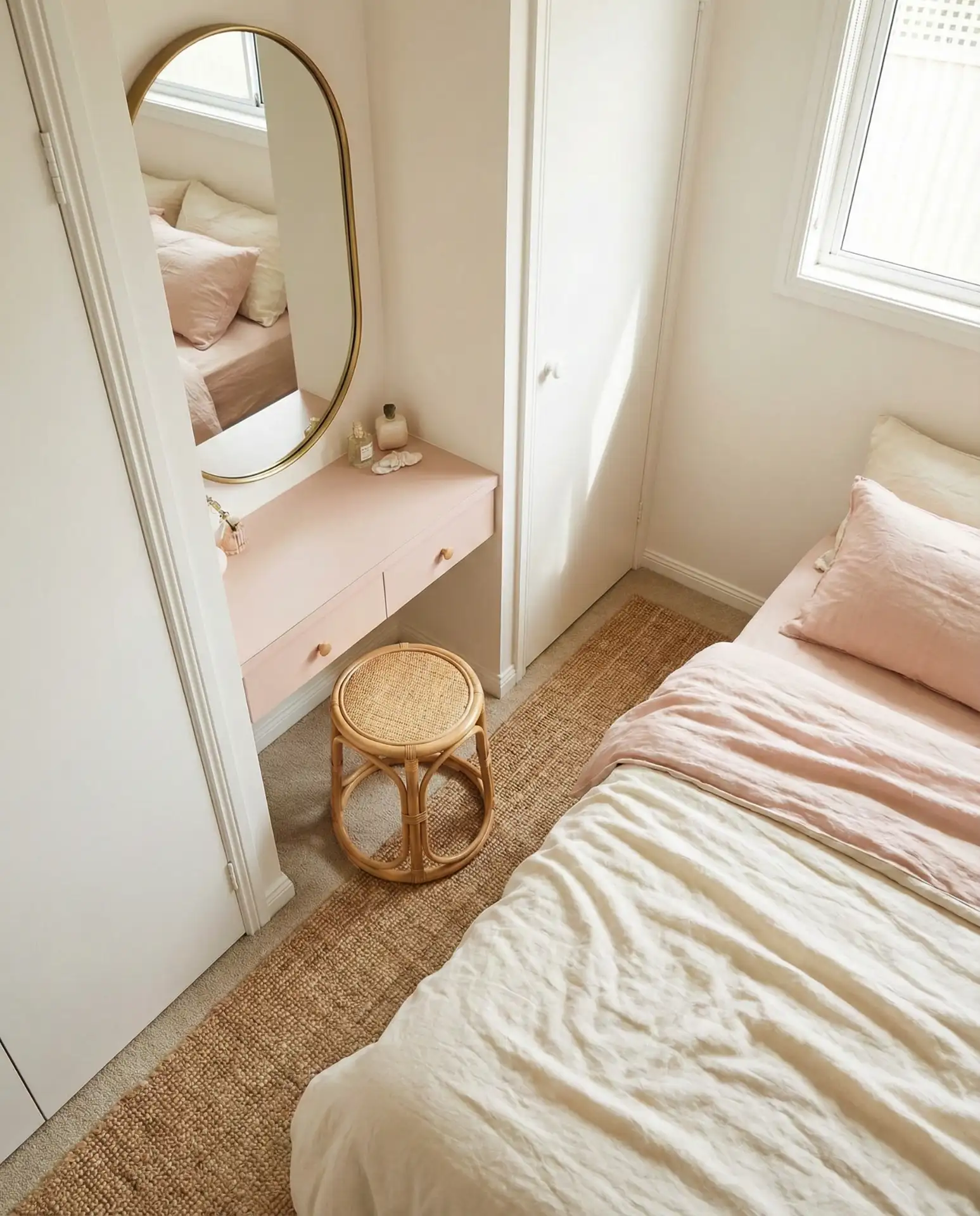
The key to making this work without the room feeling cluttered is keeping the vanity itself compact and the mirror proportional. A round mirror in the 24-inch range is usually the sweet spot—big enough to be functional, small enough to feel like a design choice rather than an afterthought. This layout is a real homeowner favorite because once you have a dedicated spot for your morning routine, you genuinely wonder how you lived without it.
14. The Double Bed Guest Room with Foldable Extras
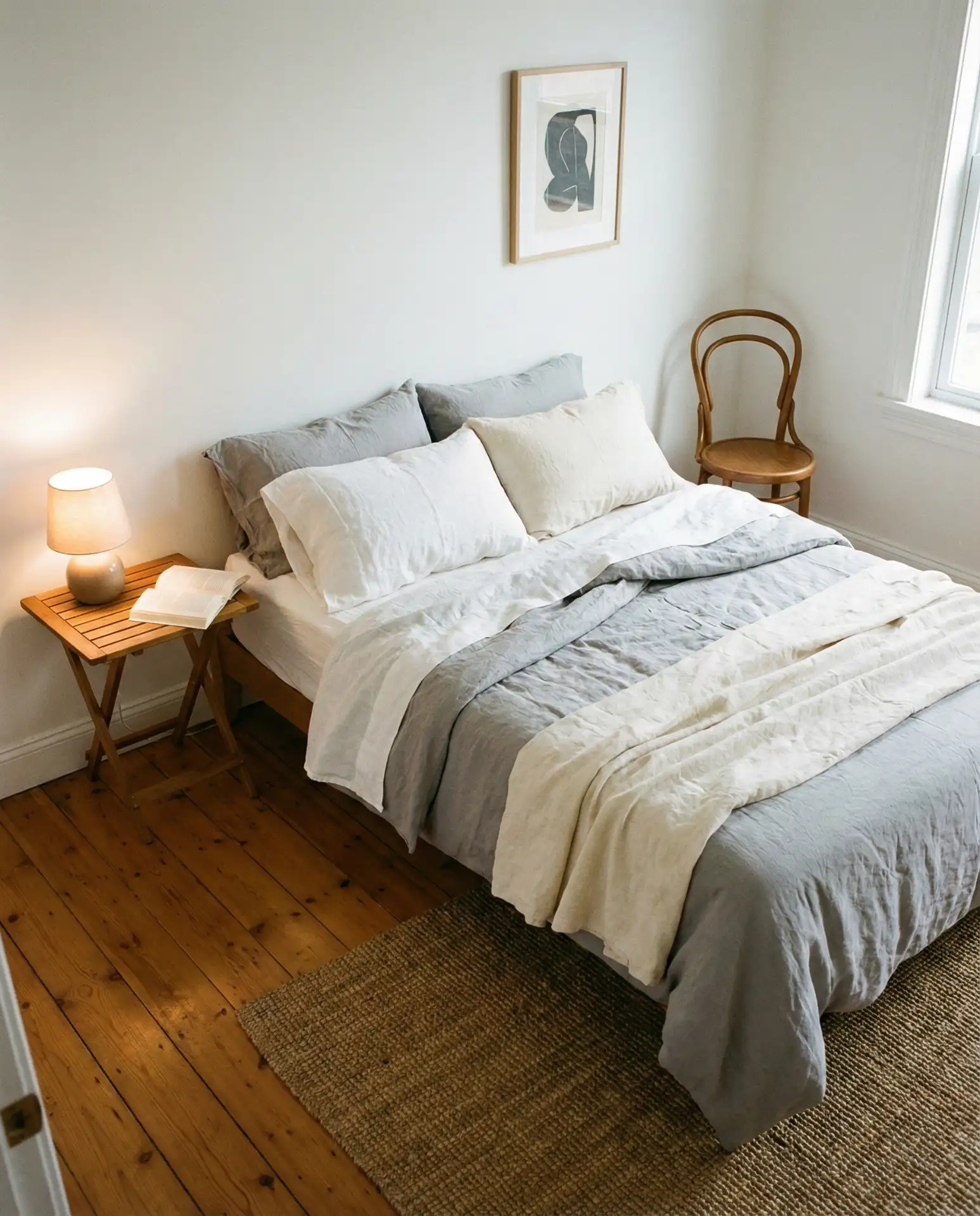
A double bed is the perfect size for a guest room that also needs to function as something else the rest of the year. This layout leans into that flexibility by pairing the bed with foldable or stackable pieces—a Murphy-style wall table, a folding chair, or a collapsible side table—that can disappear when guests aren’t visiting. It’s a layout that shows up in ideas for furniture placement threads constantly because it solves the “how do I have a guest room without wasting a whole room?” problem that so many Americans face in smaller homes.
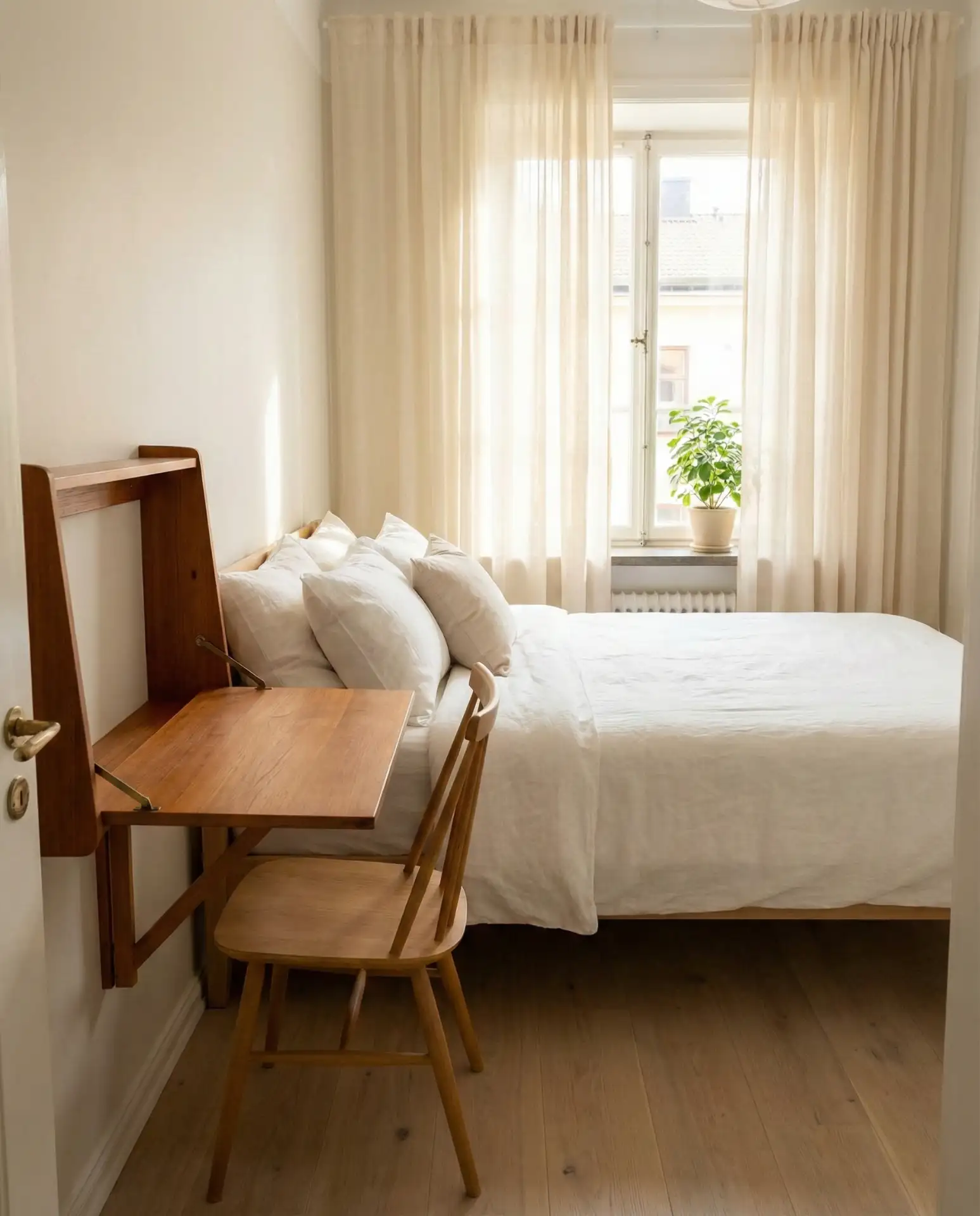
This is one of those layouts where the American lifestyle context really matters. In cities like Chicago or New York, having a dedicated guest room is already a luxury—making it do double duty isn’t a compromise; it’s just smart living. A Murphy bed, or wall bed, is the ultimate version of this idea, but even a regular double bed with a few foldable accent pieces captures the same spirit at a fraction of the cost.
15. The Earthy Cocoon Bedroom with Textured Walls
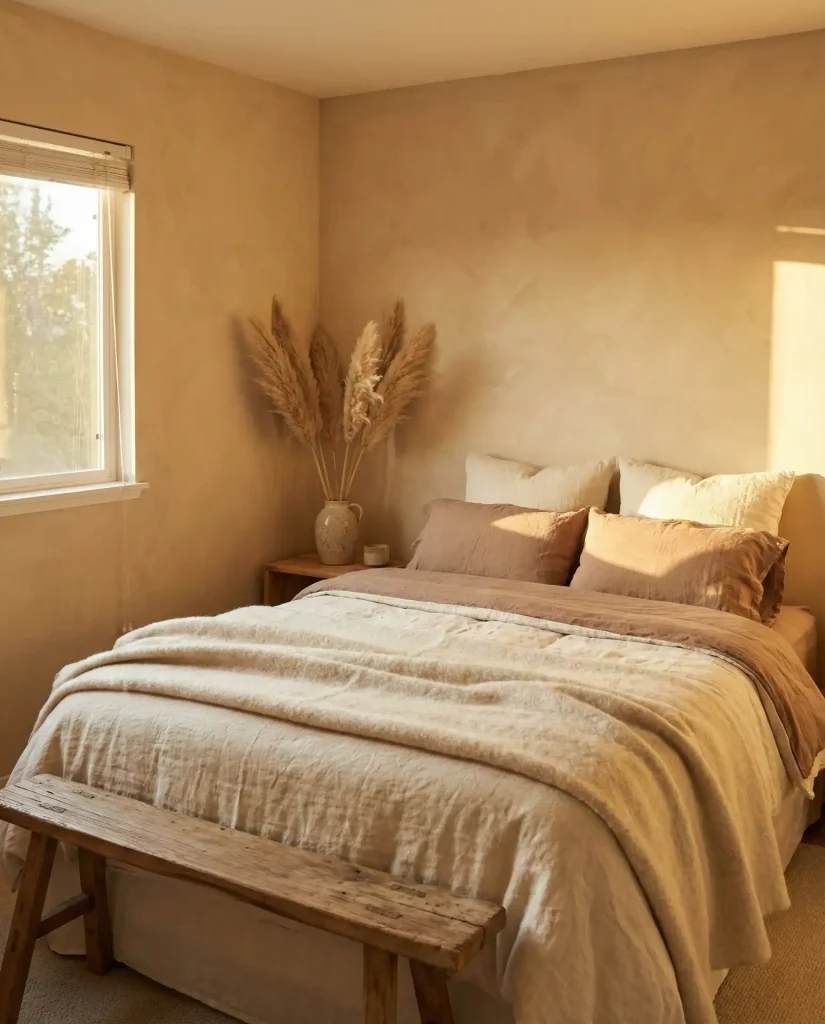
The “earthy cocoon” trend is everywhere right now, and it translates beautifully into small bedroom layouts. Think limewash or textured plaster walls in warm terracotta or sand tones, paired with a low bed, chunky linen bedding, and soft wood accents. This is a layout built for inspiration seekers who want something that feels genuinely cozy rather than just trendy. It works incredibly well in rooms with queen bed setups because the warm tones and textures draw attention to the bed as the centerpiece without needing any other statement pieces.
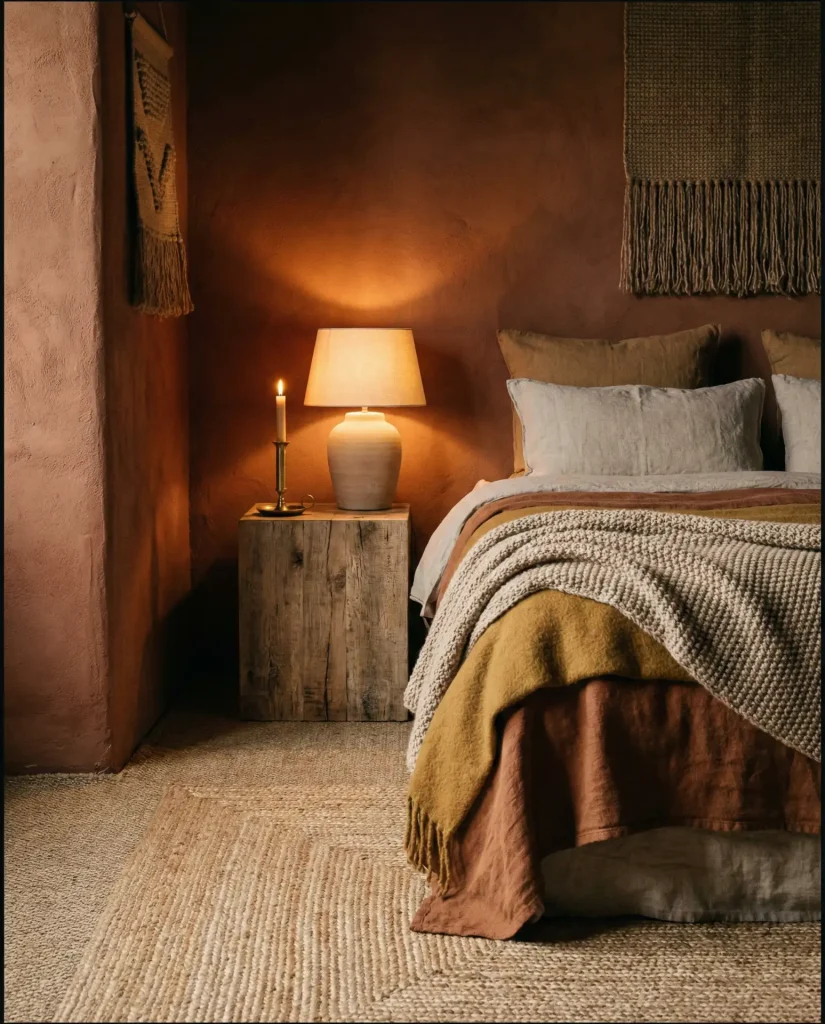
Designers are increasingly pointing to this style as the antidote to the cold, sterile minimalism that dominated small bedrooms for the last several years. The texture on the walls does a surprising amount of work—it adds depth and visual interest without requiring any additional furniture or decor. If you’re renting and can’t paint, limewash-effect wallpaper is a convincing alternative that peels off cleanly when your lease is up.
16. The Upholstered Headboard Wall with a Floating Dresser
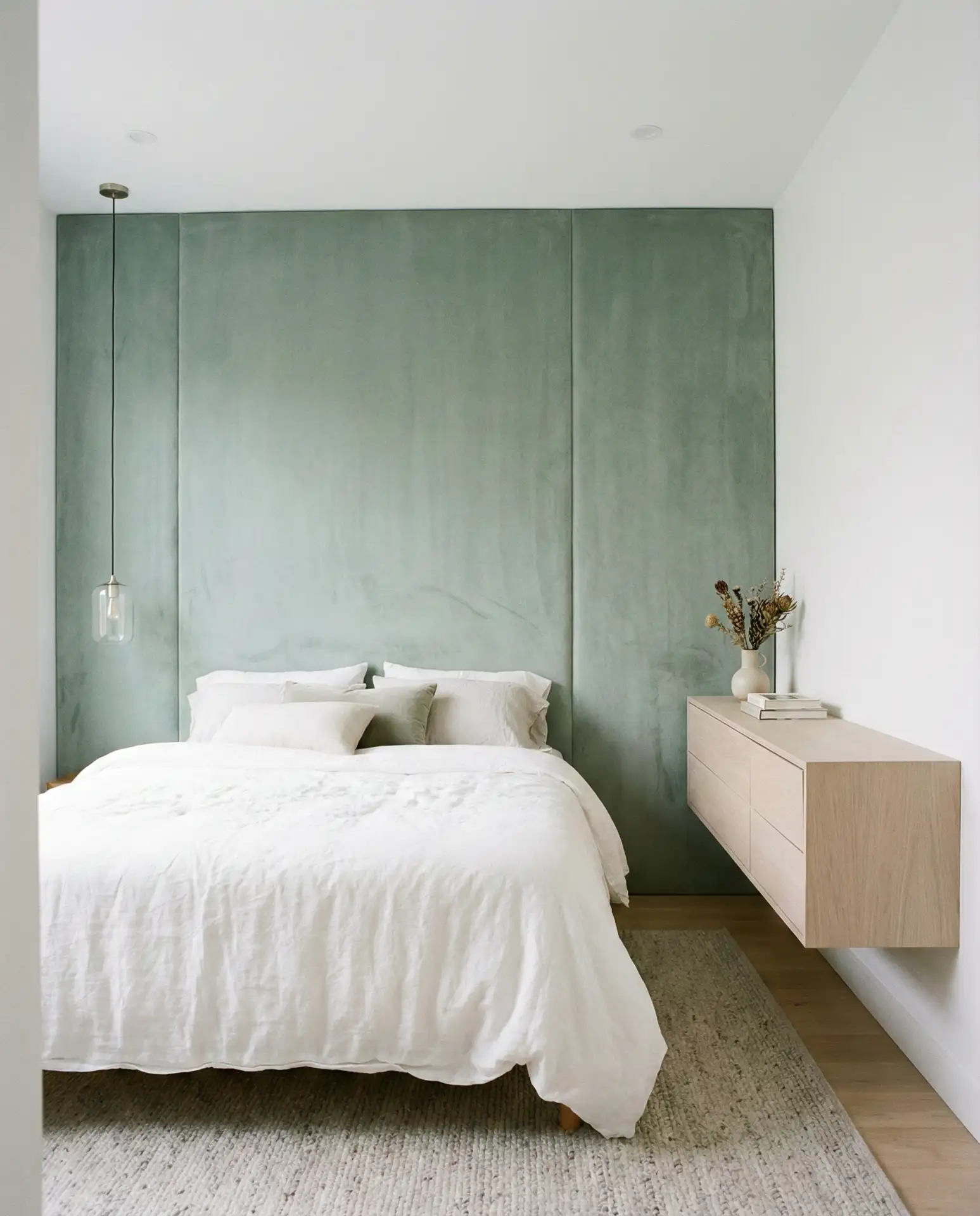
An upholstered headboard that extends from floor to ceiling is more than just a design trend—it’s a layout strategy. When the entire wall behind the bed becomes a soft, padded surface, it absorbs sound, adds visual warmth, and creates a focal point that makes the rest of the room feel intentionally spare. Pair it with a floating dresser on the opposite wall, and you’ve got a layout that maximizes vertical space while keeping the floor completely open. This is a must-see for anyone browsing bedroom design ideas who wants their small room to feel like a boutique hotel.
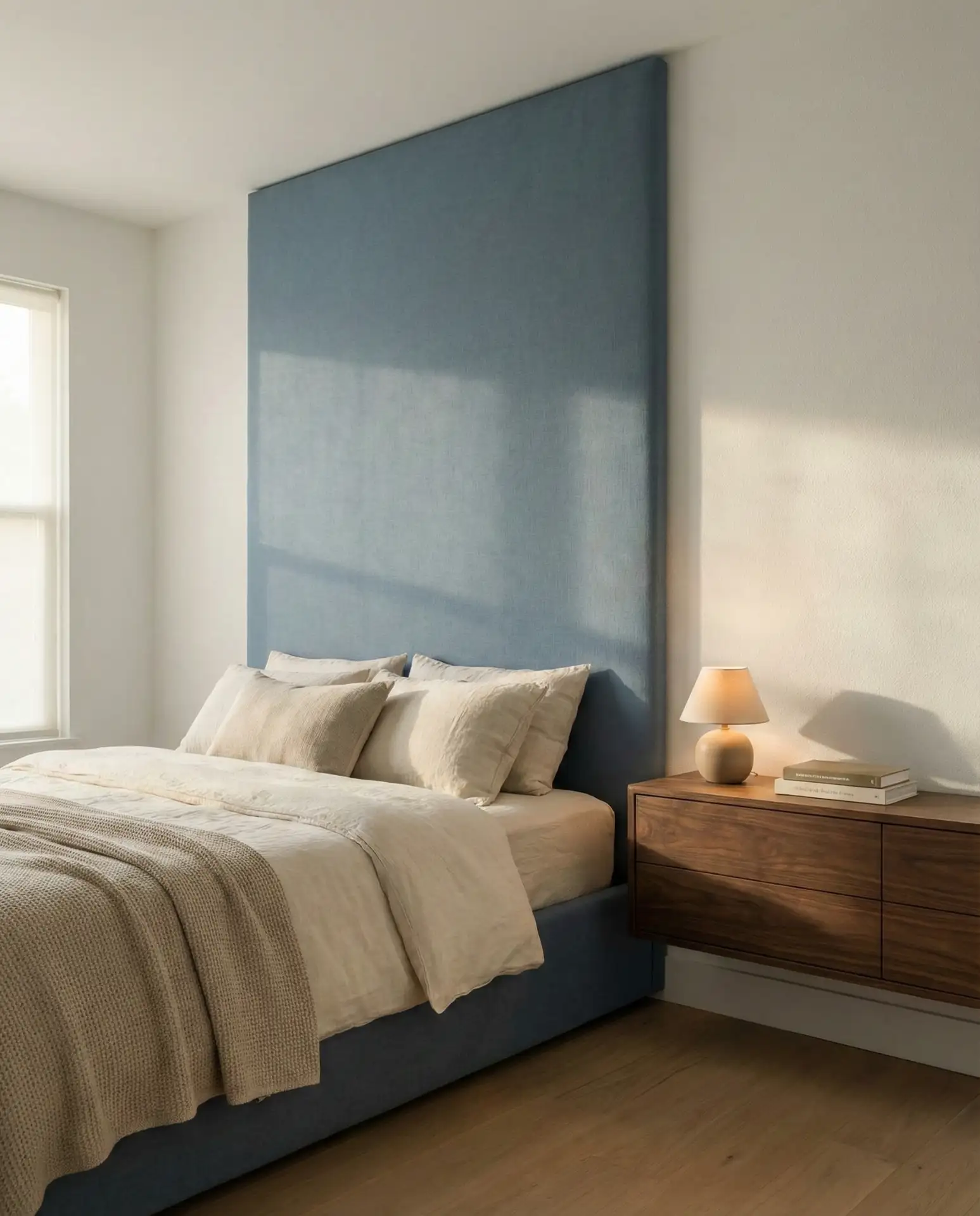
The acoustic benefit here is real and underrated. Fabric-covered walls dampen sound in a way that paint alone simply can’t, which matters enormously in apartments or homes with thin walls. If a full floor-to-ceiling panel feels like too big a commitment, start with a large upholstered headboard that extends well past the width of the mattress on each side—it captures most of the visual and sound benefits at a lower price point.
17. The 8×10 Bedroom with a Murphy Bed and Daytime Seating
In an 8 x 10 bedroom, a Murphy bed is less of a luxury and more of a survival strategy. When the bed folds up into the wall during the day, you’re suddenly working with a room that can double as a yoga studio, a reading nook, or even a small workspace. This layout pairs the Murphy bed with a loveseat or a pair of accent chairs that slide into place once the bed disappears—turning one small room into two completely different experiences. It’s a layout that’s gaining serious traction in ideas about furniture placement conversations for studio apartments and small one-bedrooms.
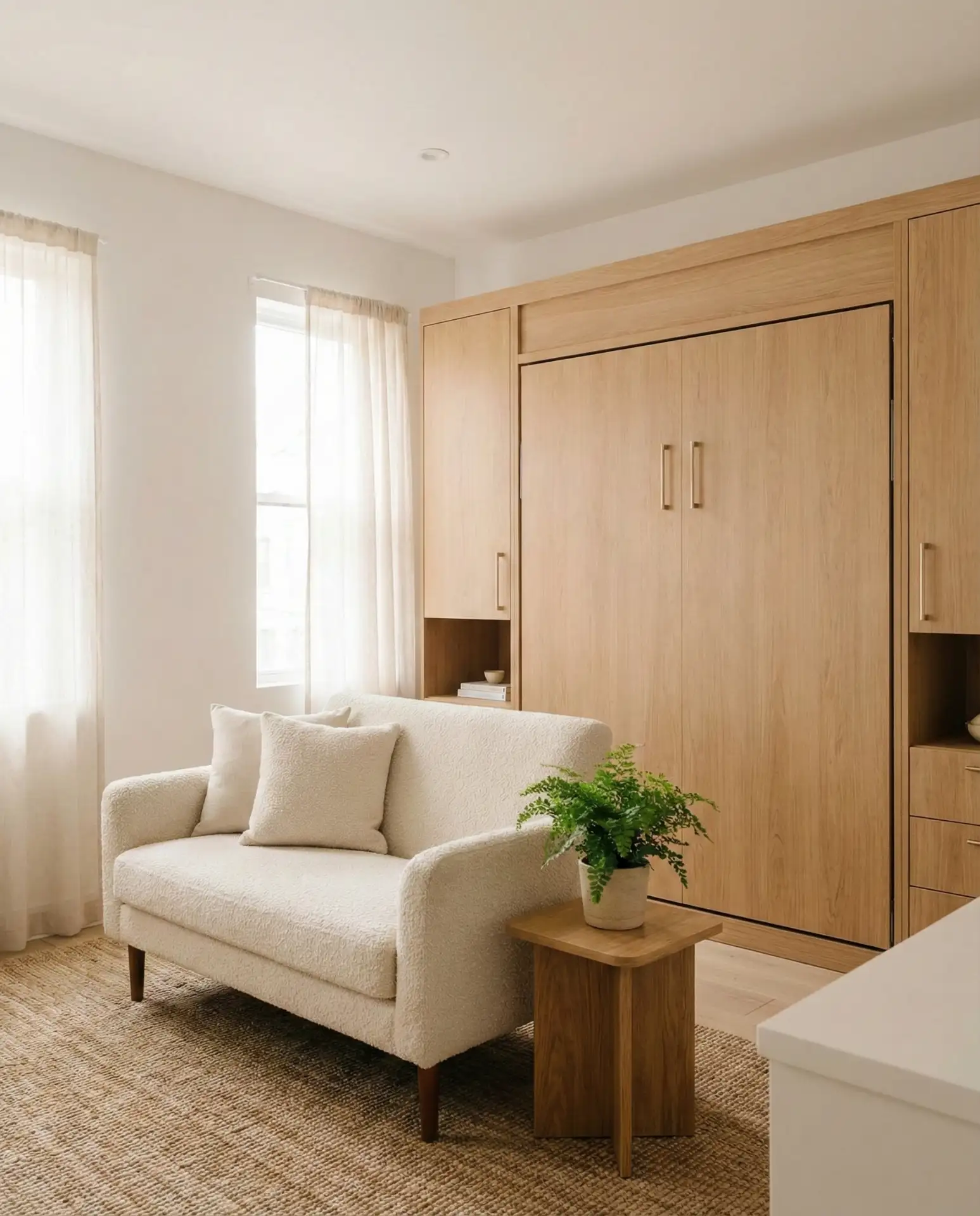
Murphy beds have come a long way from the clunky, awkward versions of decades past. Modern designs fold down smoothly and look like built-in cabinetry when closed. The real challenge isn’t the bed itself—it’s committing to the routine of making it up and putting it away every day. If that sounds like too much, a hybrid design with a pull-out sofa below the Murphy unit gives you a permanent seating option without sacrificing the bedroom functionality.
18. The Romantic Queen Bed with Sheer Curtain Canopy
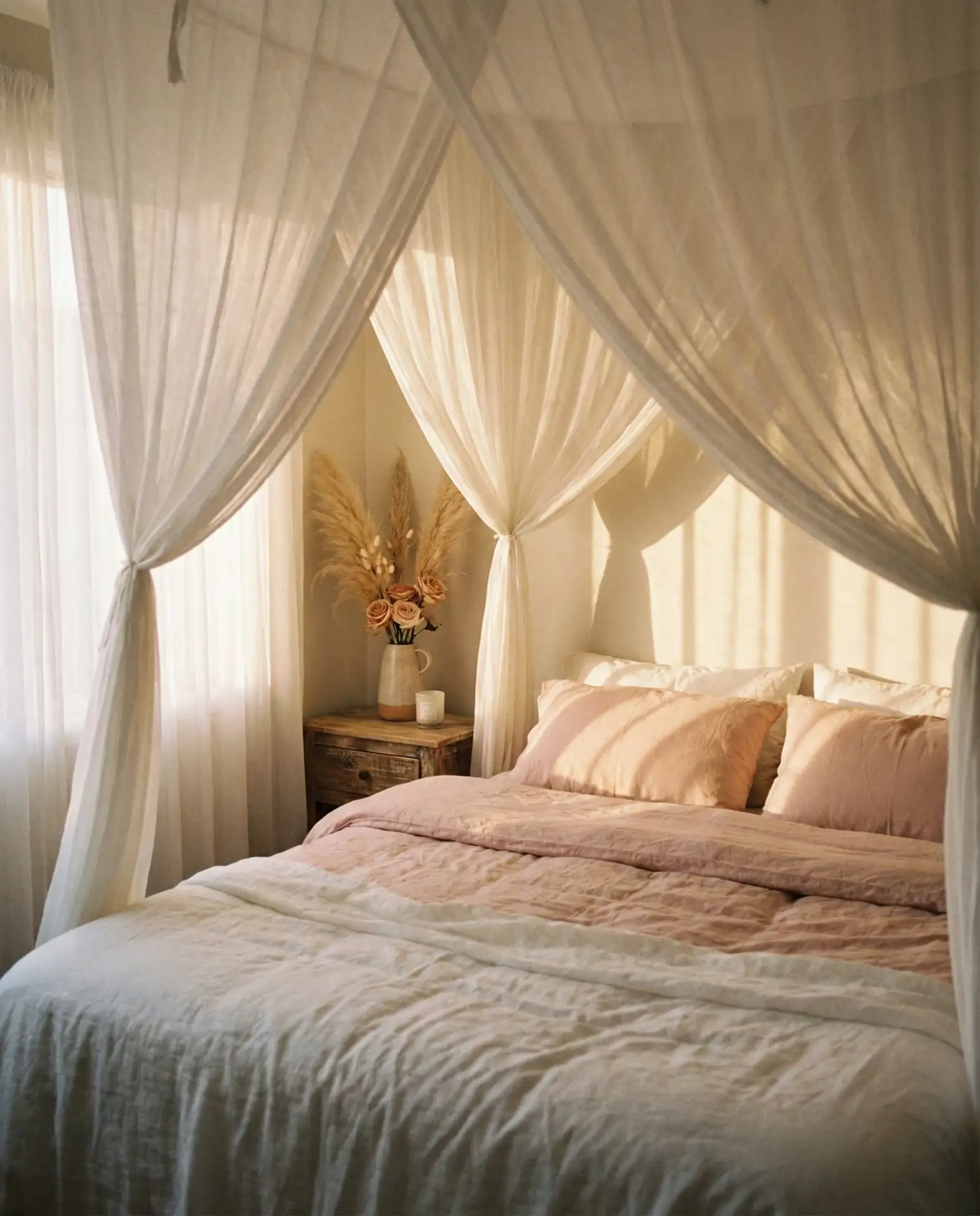
A DIY sheer curtain canopy is one of the most Pinterest-popular ways to add romance and drama to a queen bed without spending thousands on a true canopy frame. Hanging lightweight fabric from ceiling-mounted hooks or a simple curtain rod above the bed creates a dreamy, cocoon-like feeling that photographs beautifully. This layout is a favorite for anyone exploring ideas for queen bed setups and ideas for couples who want their bedroom to feel special and personal. It works best in rooms with good ceiling height and natural light, where the sheers can catch and diffuse the glow without making the space feel heavy.
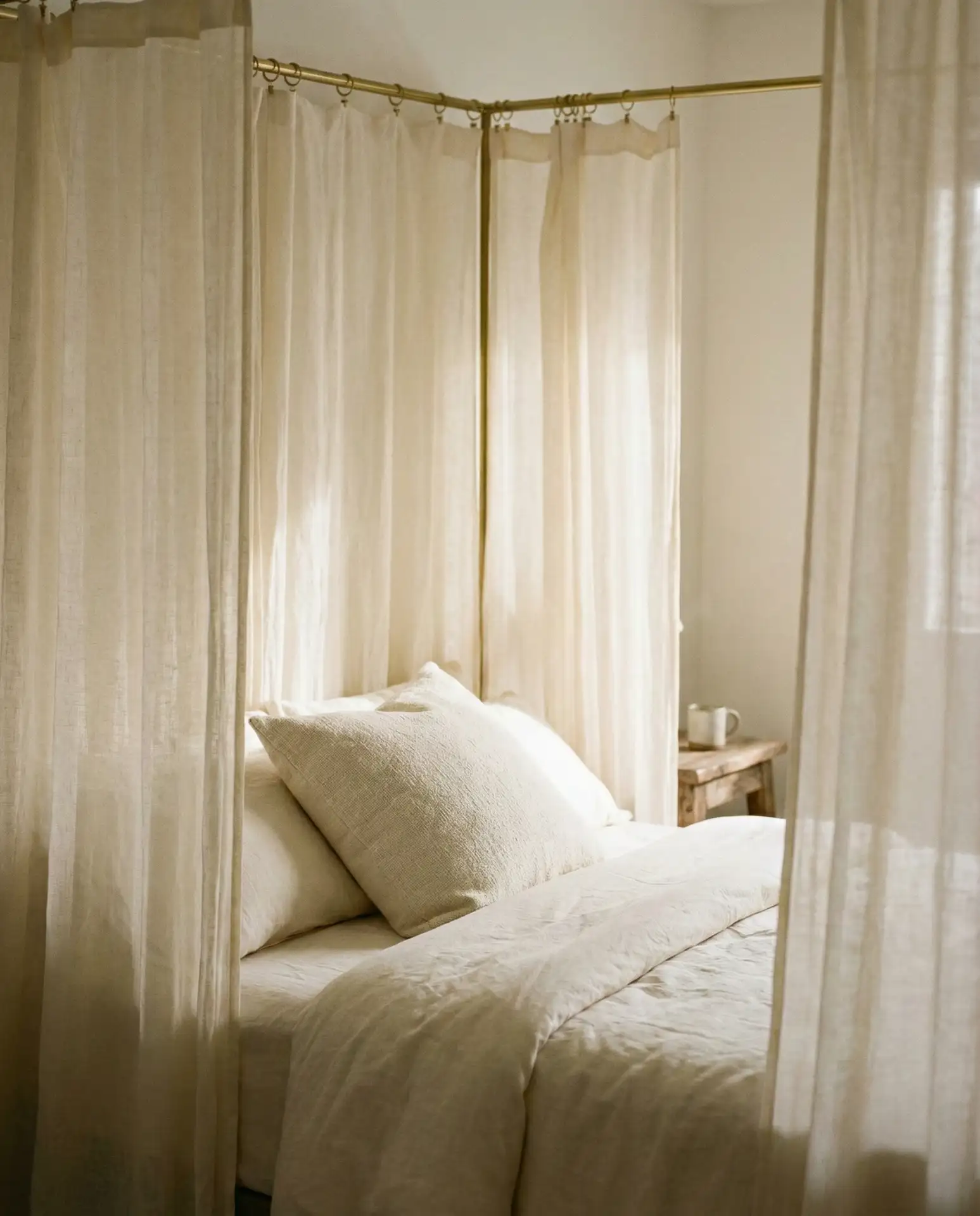
One designer cautioned that canopy setups can backfire in small rooms—if the fabric is too heavy or too opaque, the space starts to feel closed-in rather than dreamy. Stick to ultra-lightweight sheers in white or very pale tones, and keep the rest of the room as open as possible to maintain that airy, breathable quality. This is a layout that costs almost nothing to pull off but delivers an outsized visual impact.
19. The Minimalist Bedroom with a Single Statement Rug
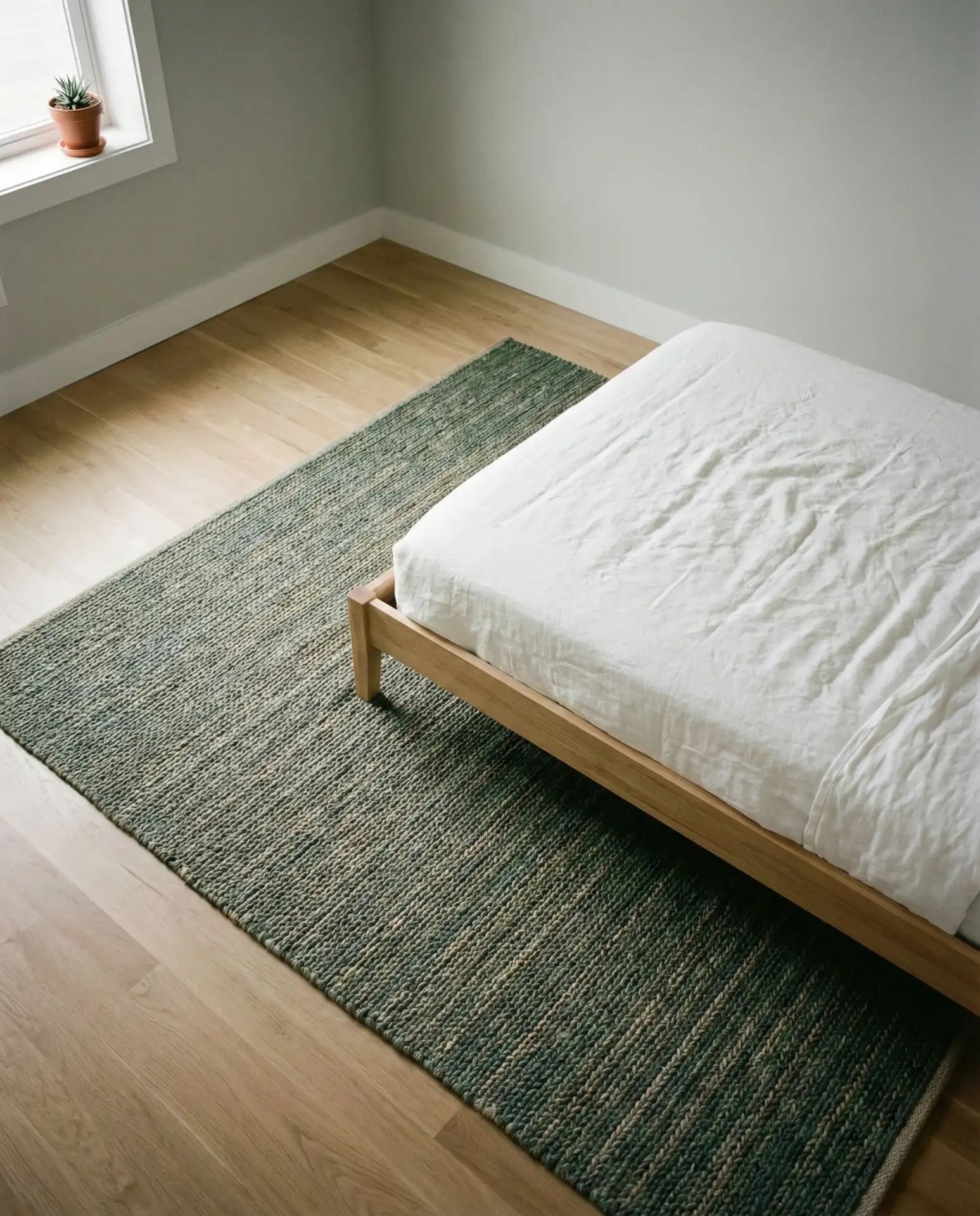
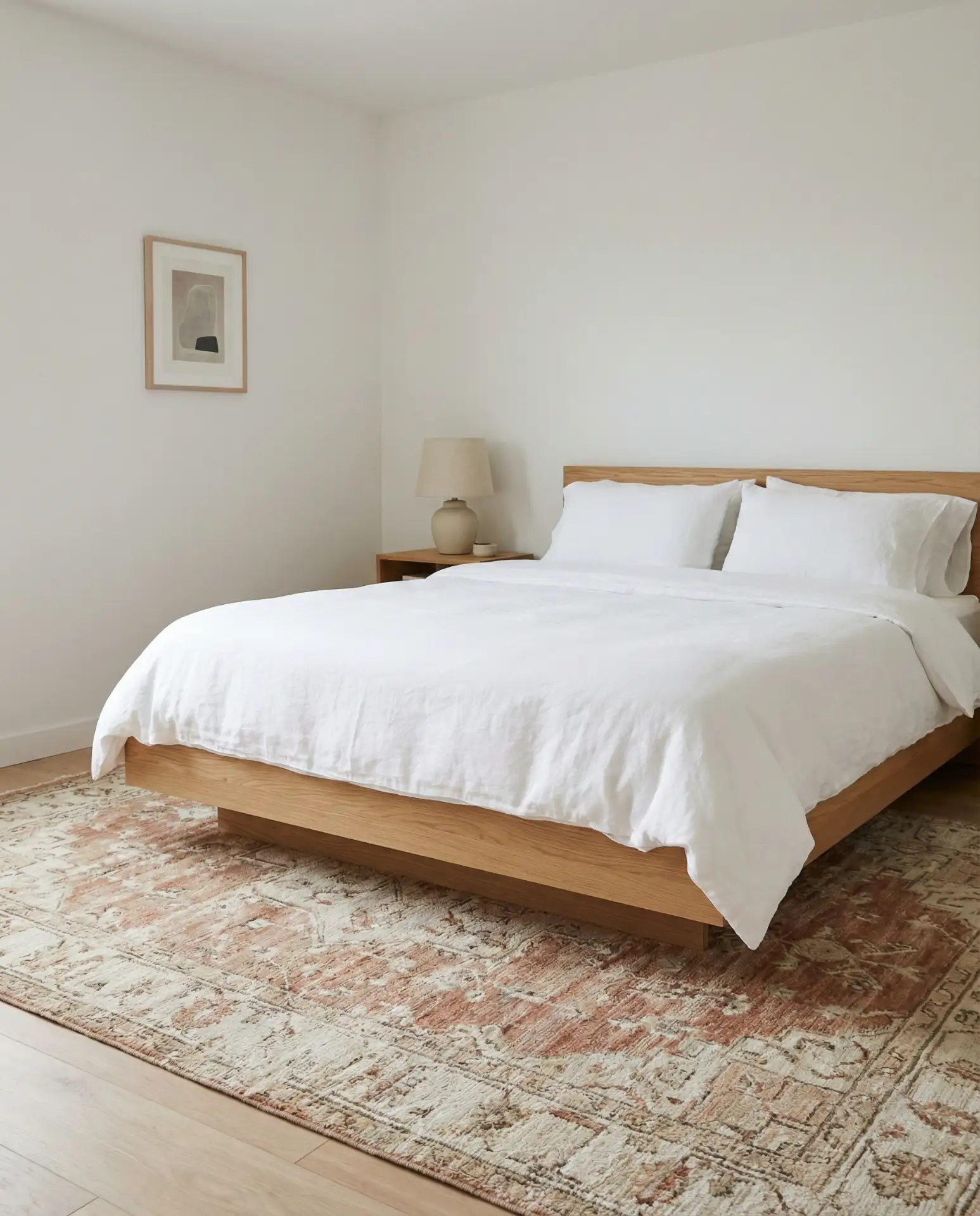
Sometimes the best small bedroom layout is the one that does the least. A clean, minimalist setup with a simple bed frame, one nightstand, and a single statement rug as the only real design moment is quietly one of the most effective approaches for tight spaces. The rug grounds the room, adds texture and color without cluttering the floor, and creates a focal point that draws the eye down rather than toward the bare walls. This is a layout that works especially well for bedroom design lovers who are drawn to the Japanese-inspired concept of “”ma”—the beauty of intentional empty space.
The common mistake with this layout is choosing a rug that’s too small. In a minimalist bedroom, the rug needs to be big enough to anchor the bed—at least 8 by 10 feet, even if the room itself isn’t much bigger. A rug that’s undersized just looks like a bathmat, and the whole “intentional simplicity” effect falls apart. Invest in one good rug and let it do all the design work for you.
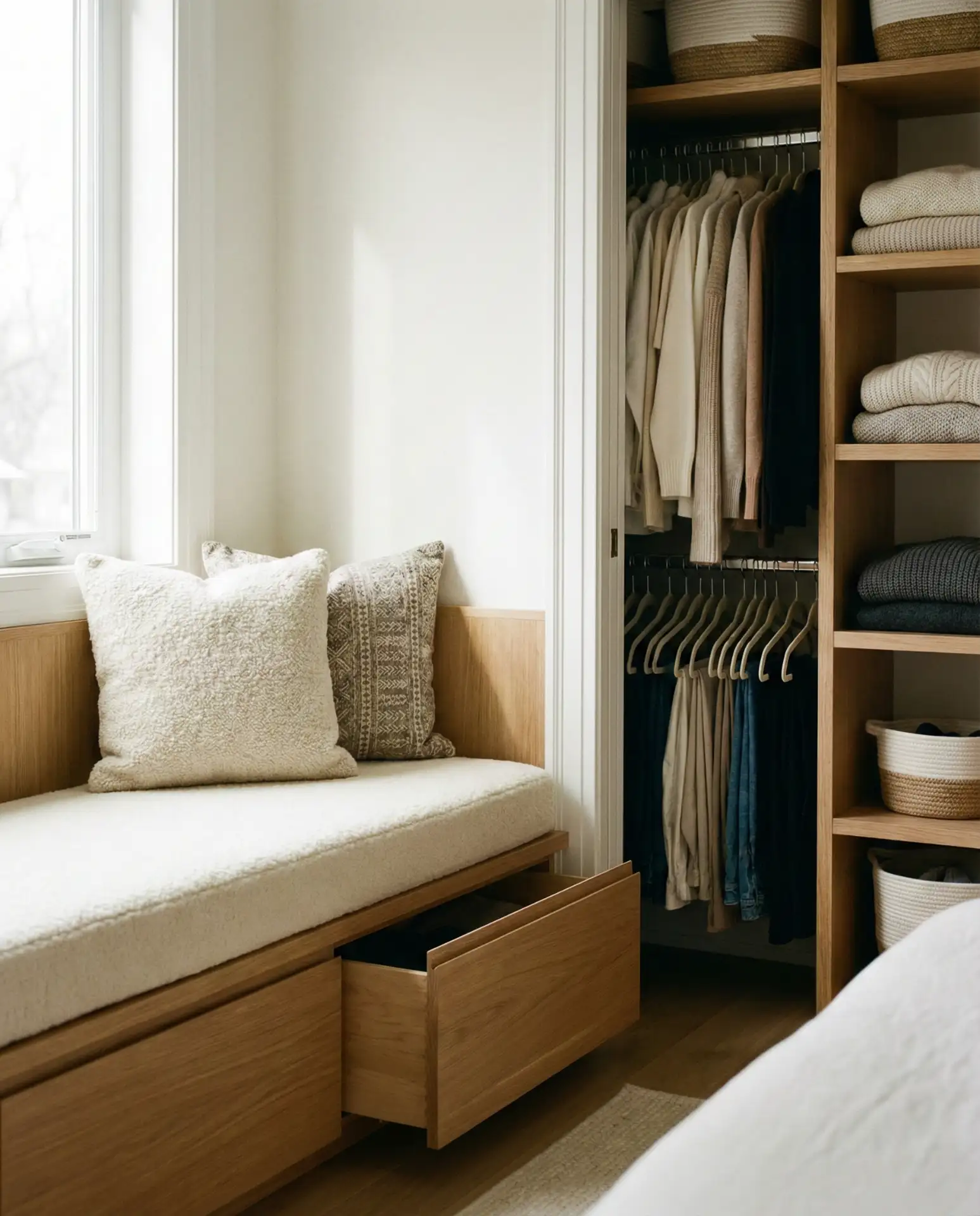
20. The Bedroom with a Built-In Bench and Closet Organizer
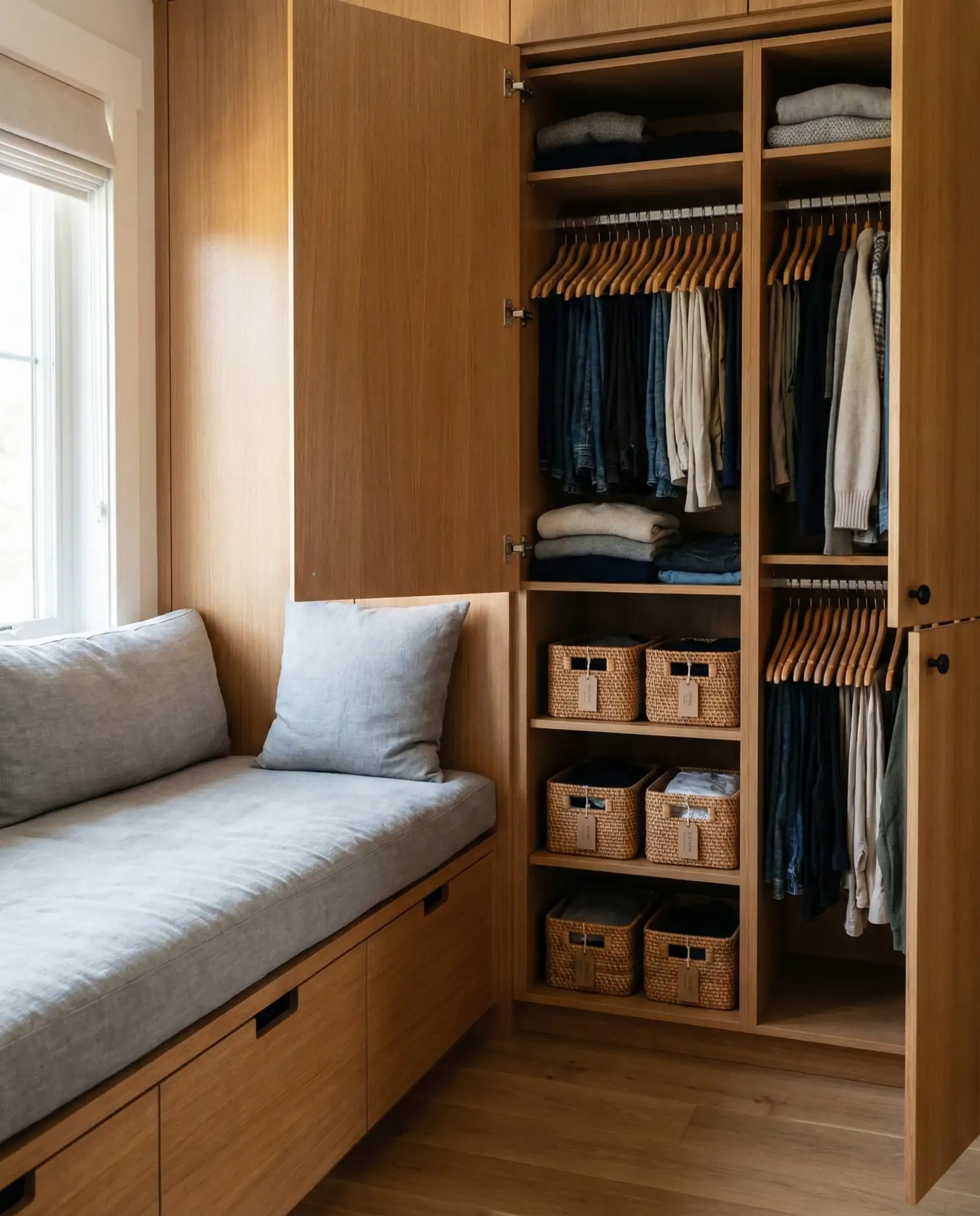
For anyone whose closet is the real source of bedroom stress, a built-in bench with integrated storage beside a fully organized closet system can completely change how the room feels. The bench gives you a place to sit and get ready without needing a separate piece of furniture, and the closet organizer—with uniform hangers, shelf dividers, and labeled bins—keeps everything visible and accessible. This is a layout that’s popular among tips searchers who are tired of the “I have nothing to wear” feeling that actually means “I can’t find anything in this mess.” It works best when the closet and bench share the same wall.
A well-organized closet isn’t just about aesthetics—it genuinely saves you time and mental energy every single morning. Closet organizer systems from major retailers typically run between $100 and $300 depending on the size and complexity, making this one of the highest-impact upgrades you can make in a small bedroom without touching the actual layout. The built-in bench is the cherry on top, but even without it, the closet transformation alone is worth the investment.
21. The Textured Ceiling Bedroom with Pendant Lighting
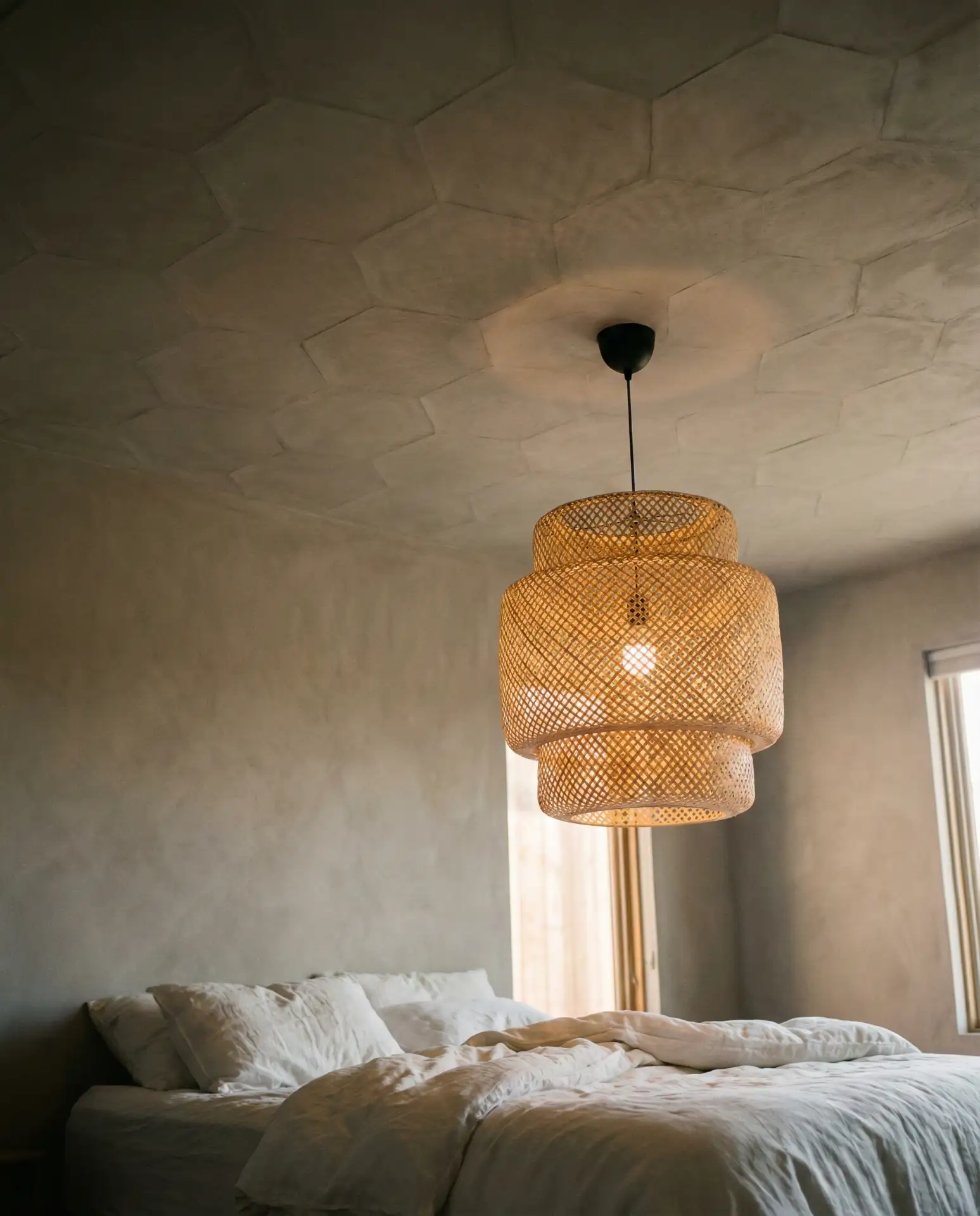
Most people design small bedrooms from the floor up and completely forget about the ceiling—but in 2026, that’s changing fast. A textured or patterned ceiling paired with sculptural pendant lights draws the eye upward, which is one of the oldest tricks for making a room feel taller and more spacious. This is a layout that resonates with anyone browsing bedroom inspiration who wants their space to feel layered and interesting without adding any extra furniture. It works especially well in very small rooms where the walls are already doing a lot of visual work.
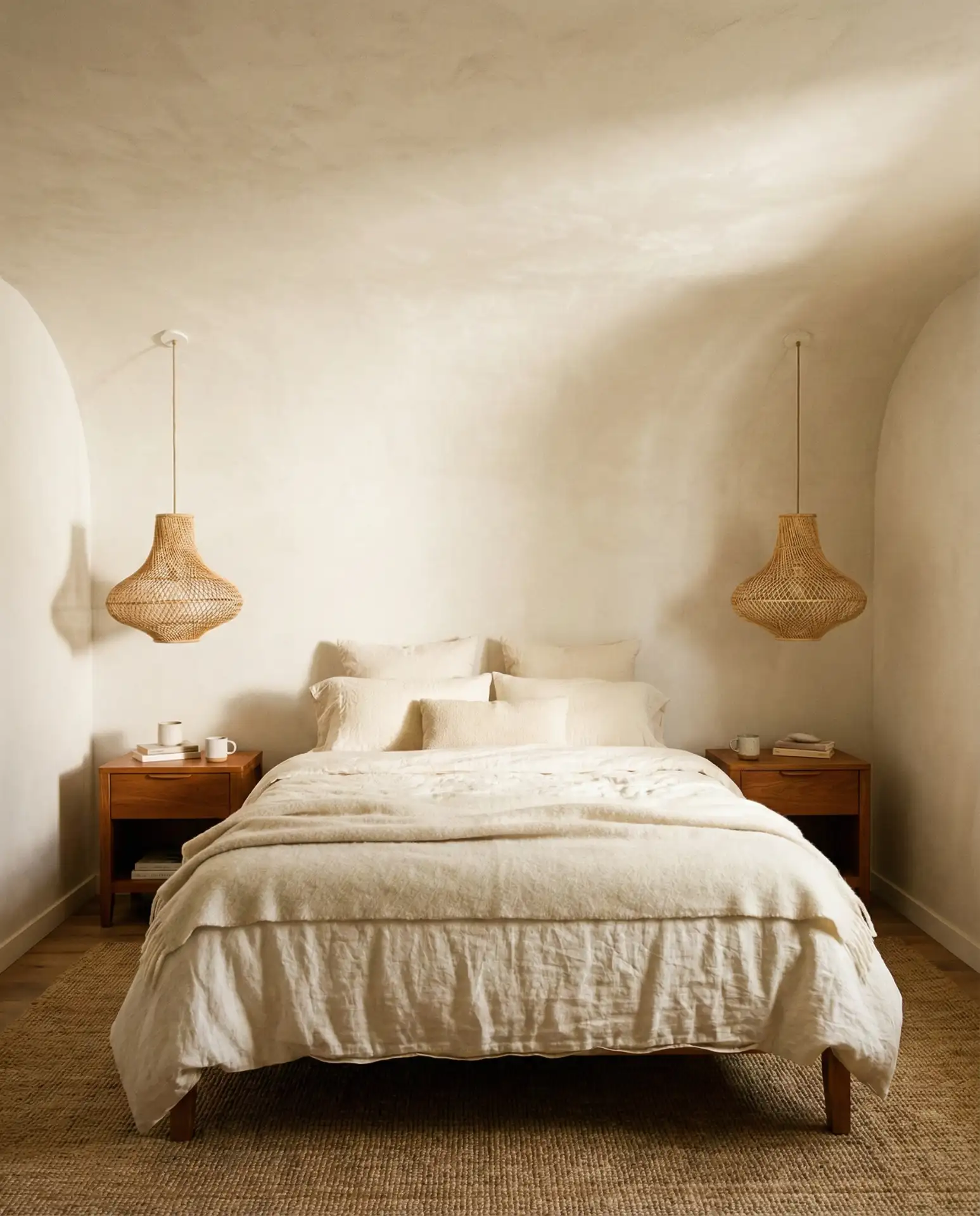
This is a layout where the details really matter. A ceiling that’s just painted a different color won’t have the same impact as one with actual texture—think limewash, venetian plaster, or even a subtle wood-panel effect. The pendant lights should complement the texture rather than compete with it, so lean toward natural materials like rattan, wood, or ceramic rather than industrial metals. It’s the kind of detail that makes a room feel designed rather than just decorated.
22. The Cozy Reading Nook Bedroom with a Layered Bed
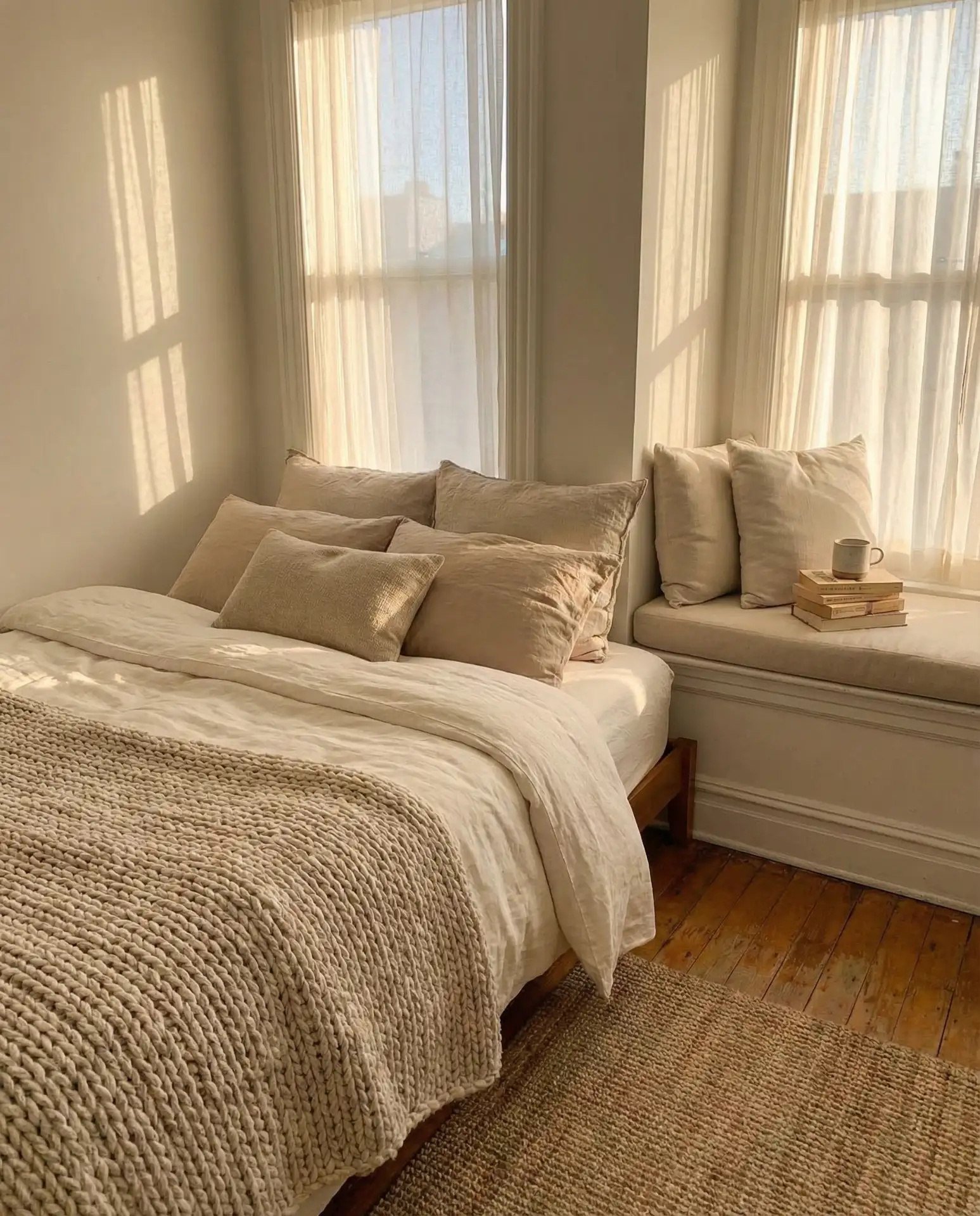
If there’s one small bedroom layout that captures everything Pinterest lovers are searching for right now, it’s this one. A deeply layered bed with plush bedding, chunky throws, and a tower of pillows anchors the room, while a tucked-away reading nook—maybe a window seat, an oversized chair, or even a cushioned corner—gives you a second zone that feels like an escape within an escape. This is peak bedroom inspo territory, and it’s a layout that works beautifully with a full-size bed or a queen in rooms where you want warmth and texture to be the dominant feeling.
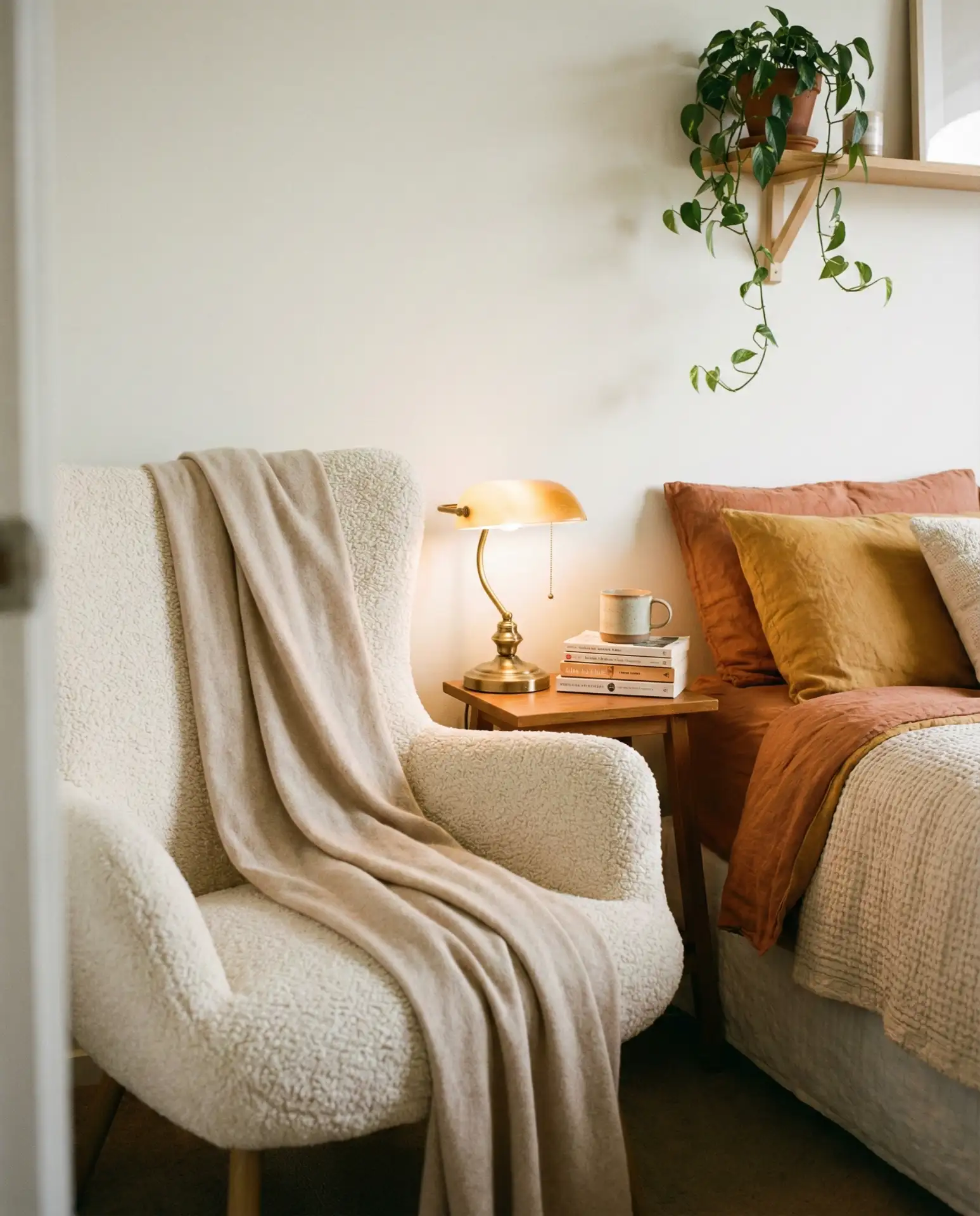
The layered bed look is one of those things that photographs incredibly well but can feel overwhelming in person if you go too far. The sweet spot is usually three to four layers—a duvet, a throw blanket, and a mix of pillows in two or three complementary tones. Keep the reading nook small and intentional rather than trying to make it a full lounging area, and the whole layout stays feeling cozy without tipping into cluttered. This is the kind of bedroom you close the door to and just breathe.
Conclusion
Small bedrooms are proof that square footage isn’t everything—it’s what you do with it that counts. Whether you’re drawn to the minimalist calm of a floating bed setup or the layered warmth of a reading nook retreat, there’s a layout here that can transform your space into something that genuinely feels like yours. We’d love to hear which idea speaks to you most, or if you’ve already tried one of these layouts in your own home. Drop your thoughts, questions, and even photos of your own small bedroom makeovers in the comments below—let’s keep this conversation going.