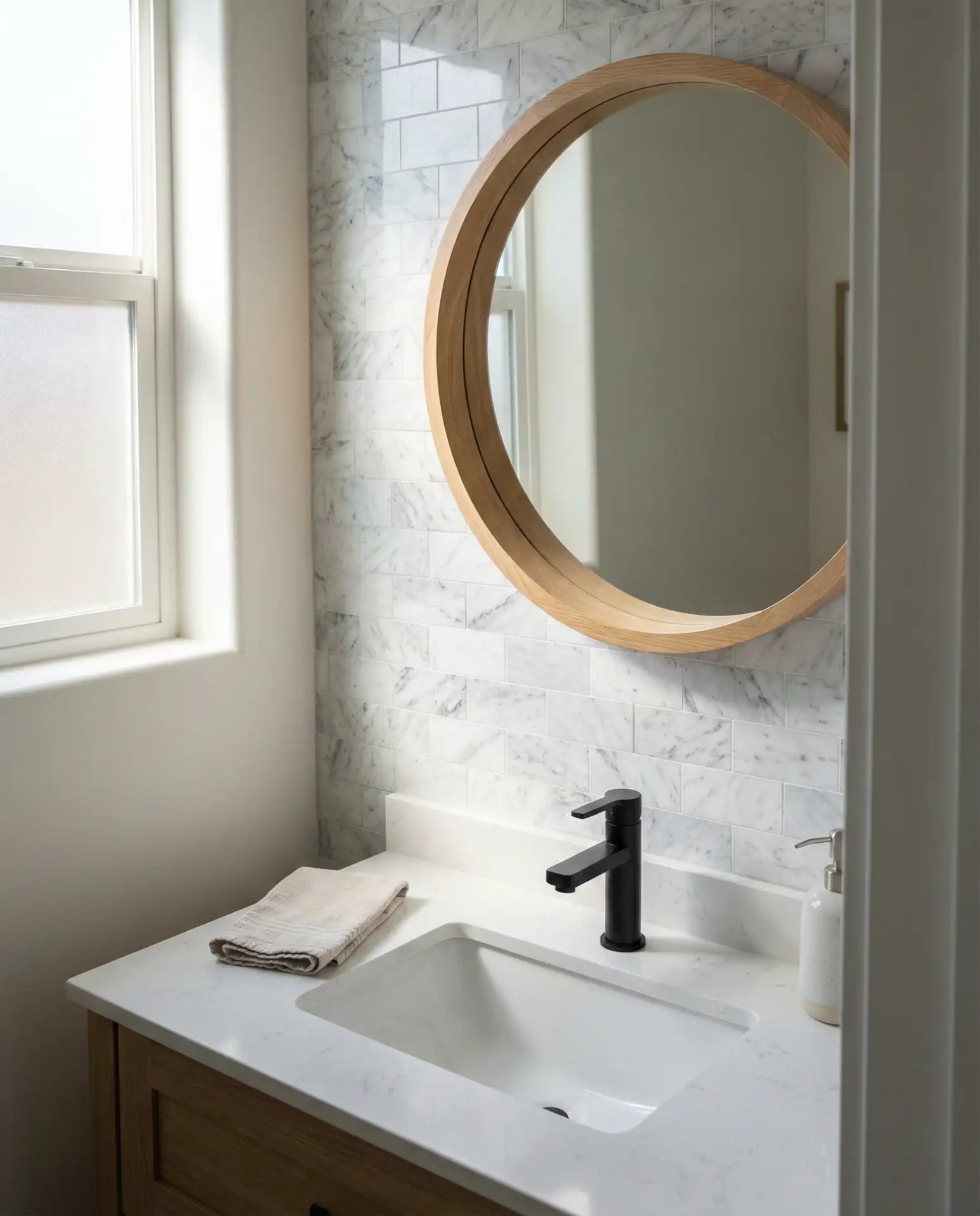
Bathrooms are no longer just functional spaces—they’ve become personal sanctuaries where design meets daily ritual. As we move into 2026, American homeowners are searching Pinterest for fresh ways to transform everything from cramped powder rooms to luxurious primary suites. Whether you’re working with a tight budget, reimagining a guest bath, or finally tackling that outdated tub-shower combo, this year’s trends blend timeless comfort with smart, livable style. Below, you’ll find inspiring bathroom remodel ideas that speak to real homes, real budgets, and real life—from mid-century revivals to walk-in shower transformations that feel both current and classic.
1. Warm Minimalist Walk-In Shower
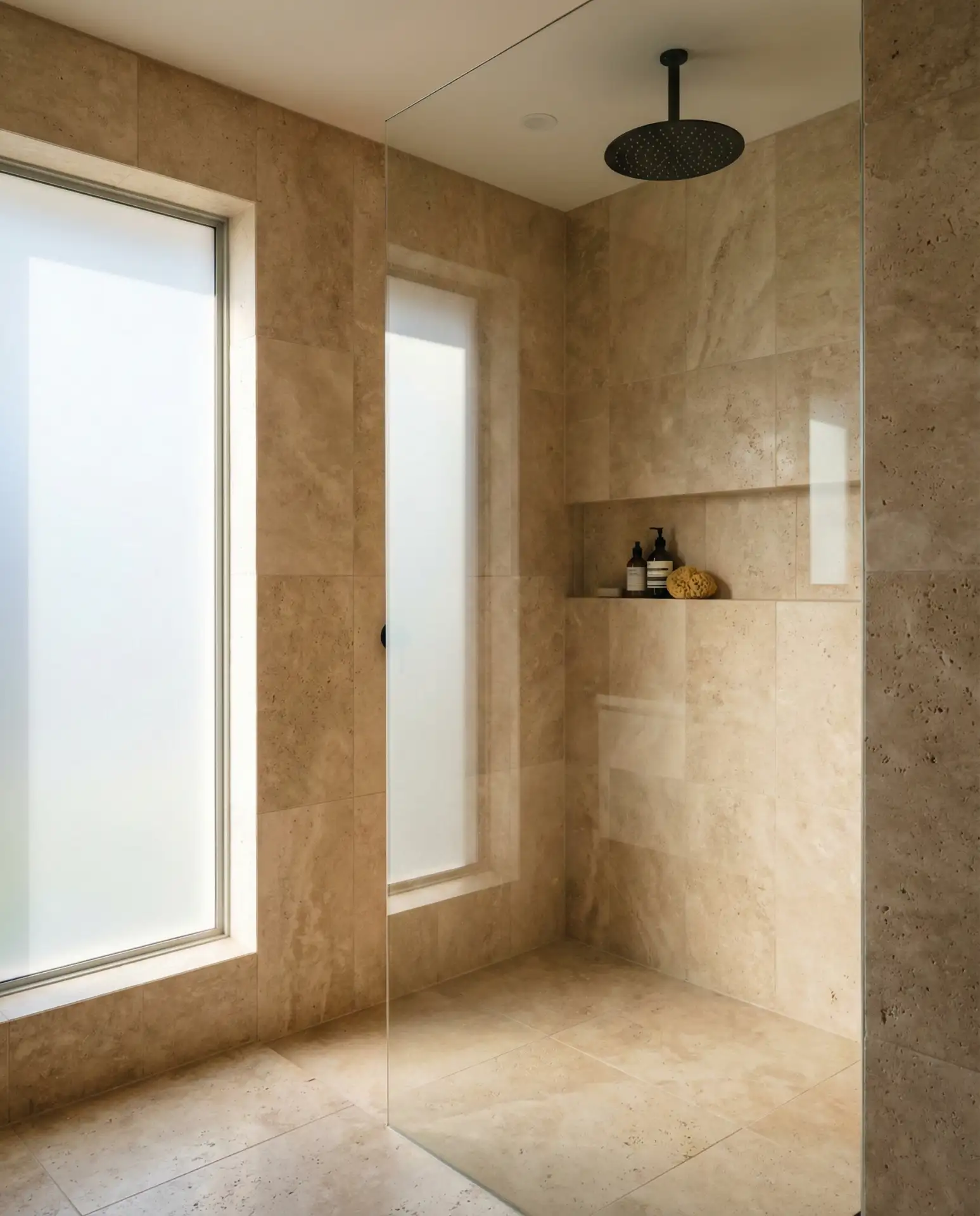
A walk-in shower with frameless glass and warm-toned stone instantly elevates a master bathroom without feeling cold or clinical. This approach works beautifully in 2026 trends, where natural materials and soft, organic palettes replace the stark white-and-chrome schemes of the past. Think limestone or travertine underfoot, paired with matte black fixtures and a rainfall showerhead that feels like a daily escape.
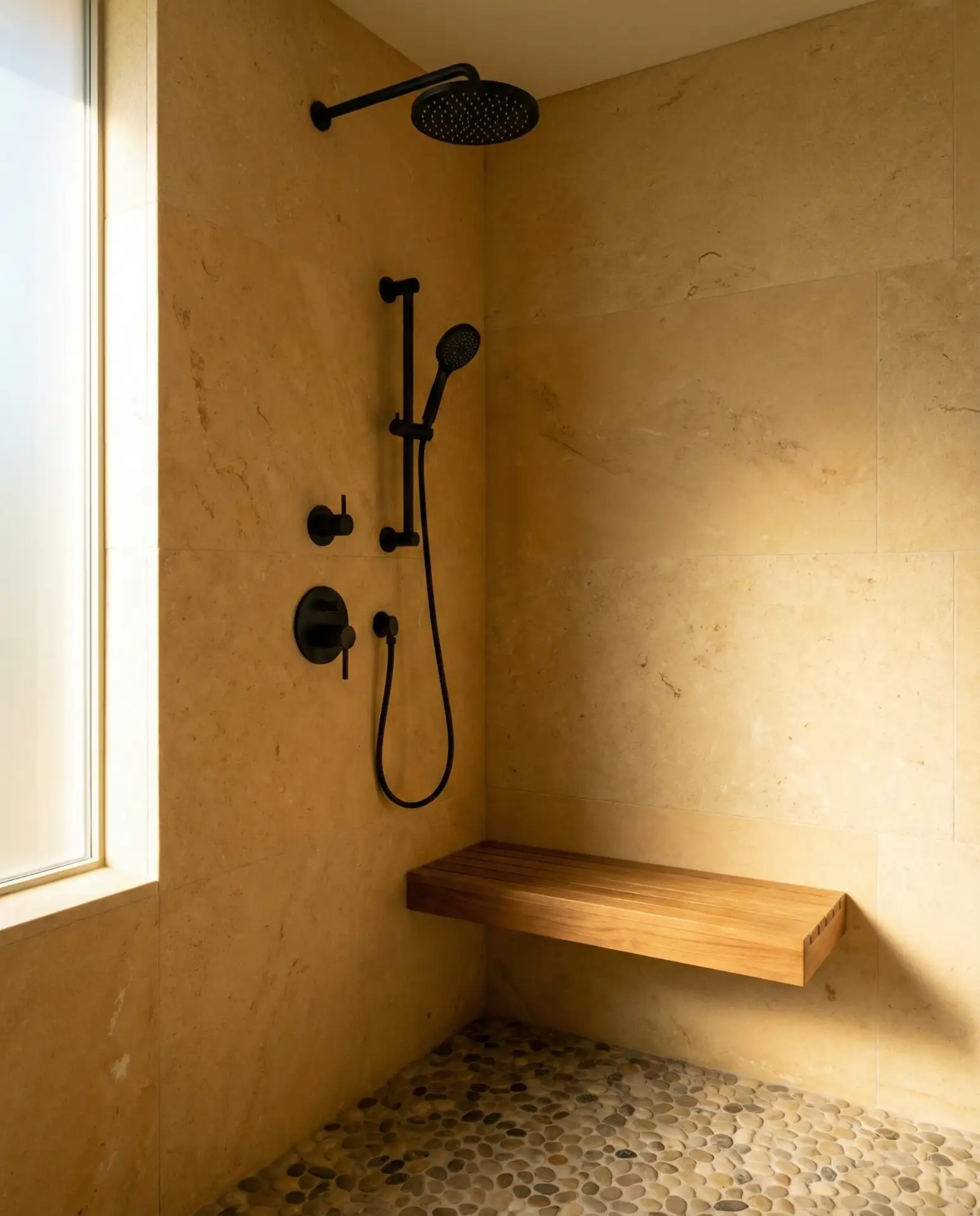
This setup works best in homes with good water pressure and a bit of square footage to spare. If you’re remodeling a primary bath, consider extending the shower zone to include a bench or built-in shelf—it adds function without clutter. A common mistake is skipping proper slope in the floor drain, which leads to standing water. Make sure your contractor plans for a gentle pitch toward the drain to keep water flowing smoothly and prevent long-term issues with grout or mildew.
2. Budget-Friendly Peel-and-Stick Refresh

If you’re working with a budget and can’t afford a full gut job, peel-and-stick tile or wallpaper can transform a half bath in a single weekend. These materials have come a long way—today’s options mimic real ceramic, marble, and even encaustic patterns with surprising realism. Pair them with a fresh coat of paint and updated hardware, and you’ll barely recognize the space.
Peel-and-stick works best in low-moisture areas like powder rooms or guest baths that don’t see heavy steam. For a shower or tub surround, you’ll still want real tile. One homeowner in Ohio told me she redid her downstairs half bath for under $200 using peel-and-stick subway tiles and a vintage mirror from Facebook Marketplace—it looked like a magazine spread. Just make sure your walls are clean, dry, and smooth before applying, or the adhesive won’t hold.
3. Terrazzo Comeback in Small Spaces
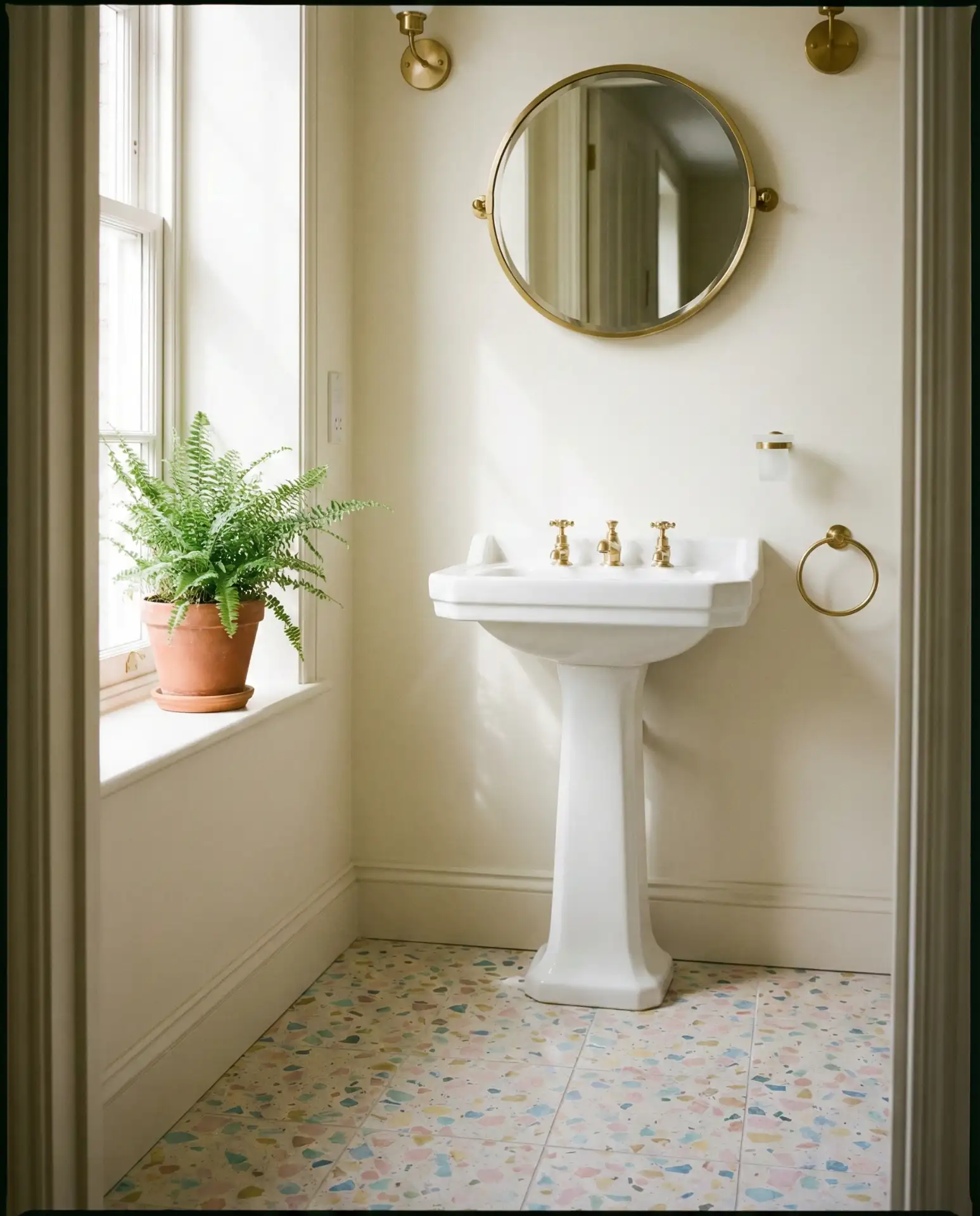
Terrazzo is having a major moment, and it’s perfect for small space bathrooms that need visual interest without overwhelming the eye. The speckled, multicolored surface adds texture and personality while hiding everyday wear and tear. Use it on floors, accent walls, or even as a vanity countertop to inject a playful, mid-century vibe that feels fresh again.
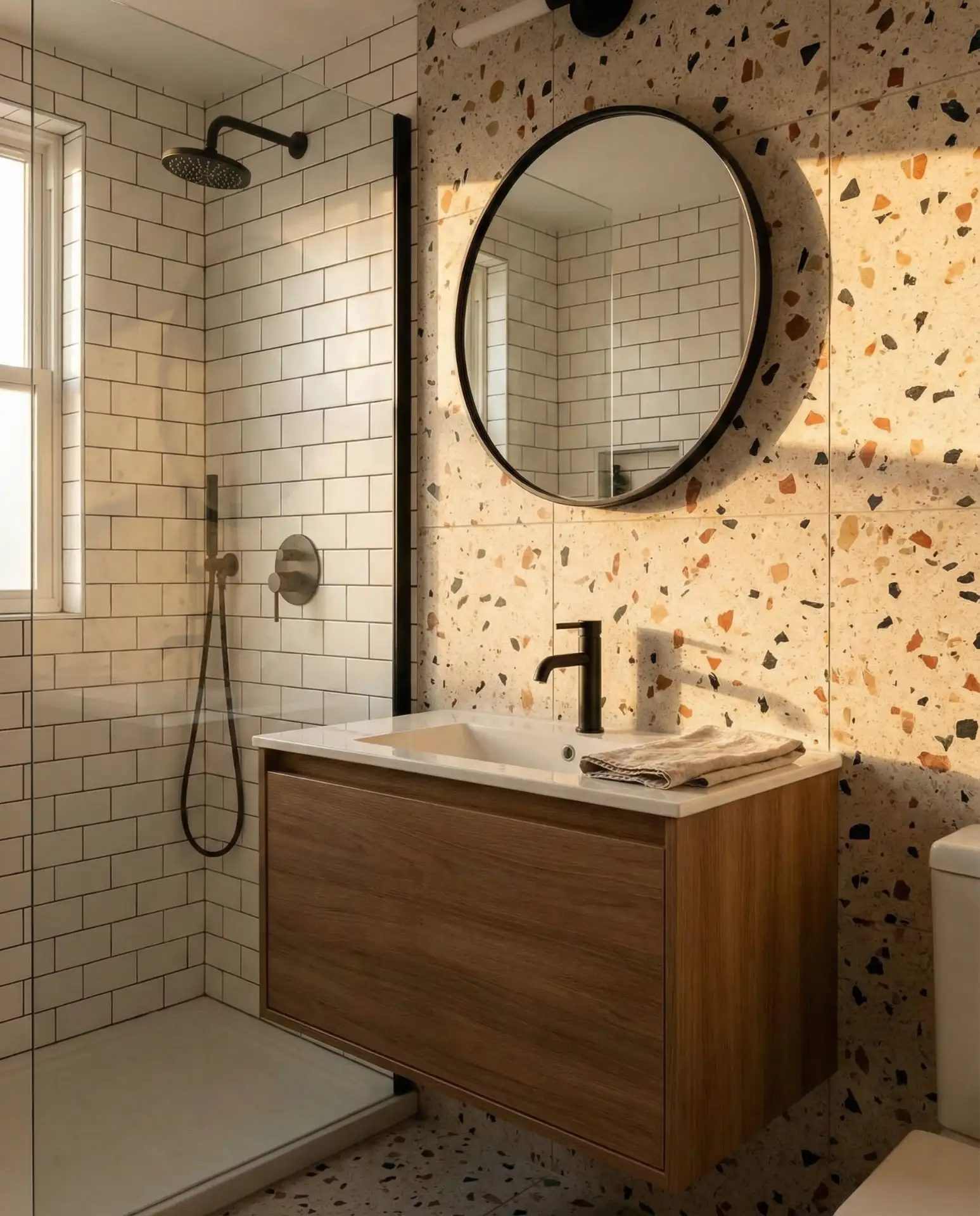
Terrazzo is surprisingly practical—it’s durable, water-resistant, and easy to clean, which is why it’s been used in institutional settings for decades. In American homes, it adds a touch of nostalgia without feeling dated. Keep the rest of your palette simple—white walls, natural wood, or matte black accents—so the terrazzo can be the star. If you’re on a cheap budget, consider terrazzo-look porcelain tiles instead of poured terrazzo, which can run thousands of dollars.
4. Freestanding Tub as Focal Point
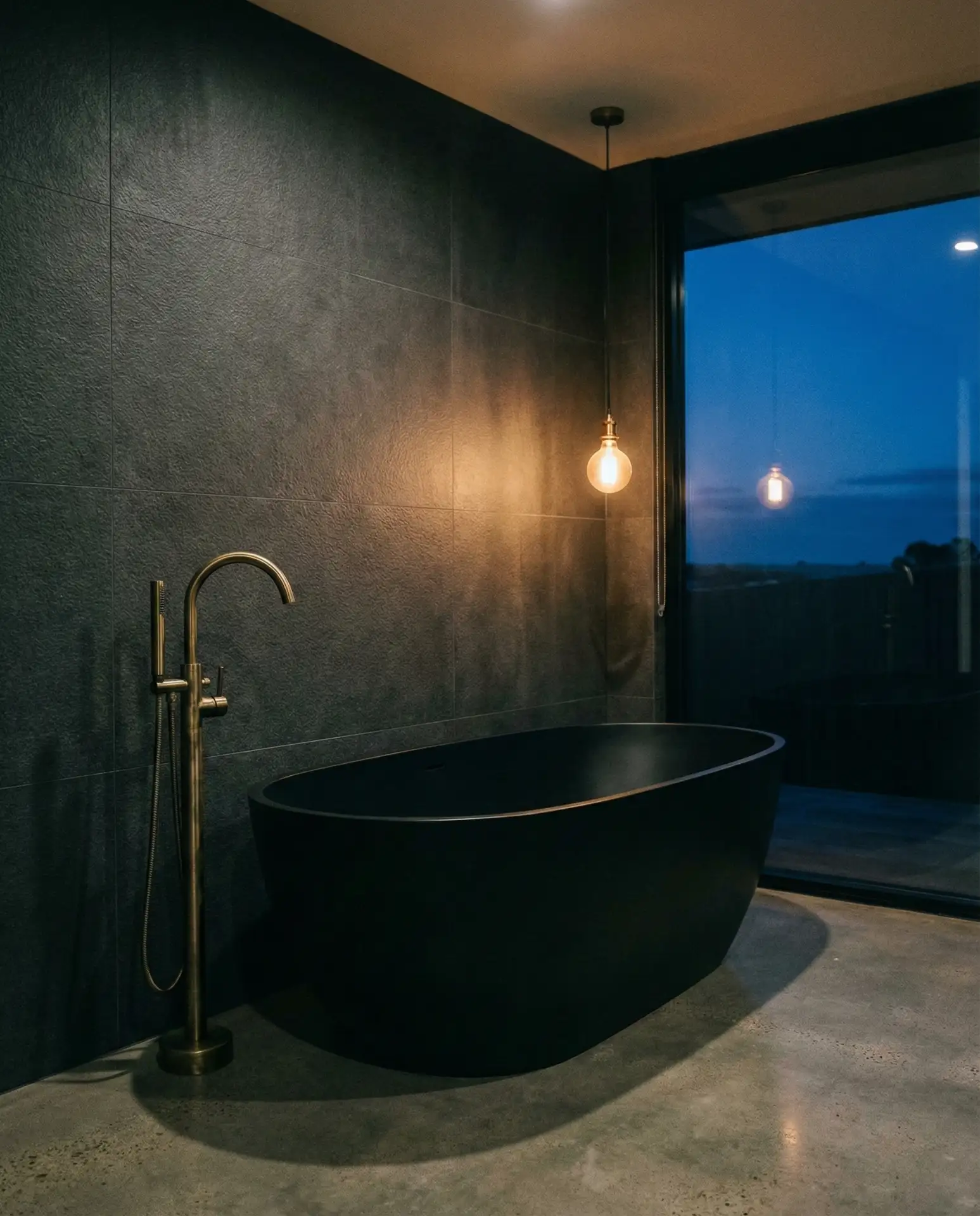
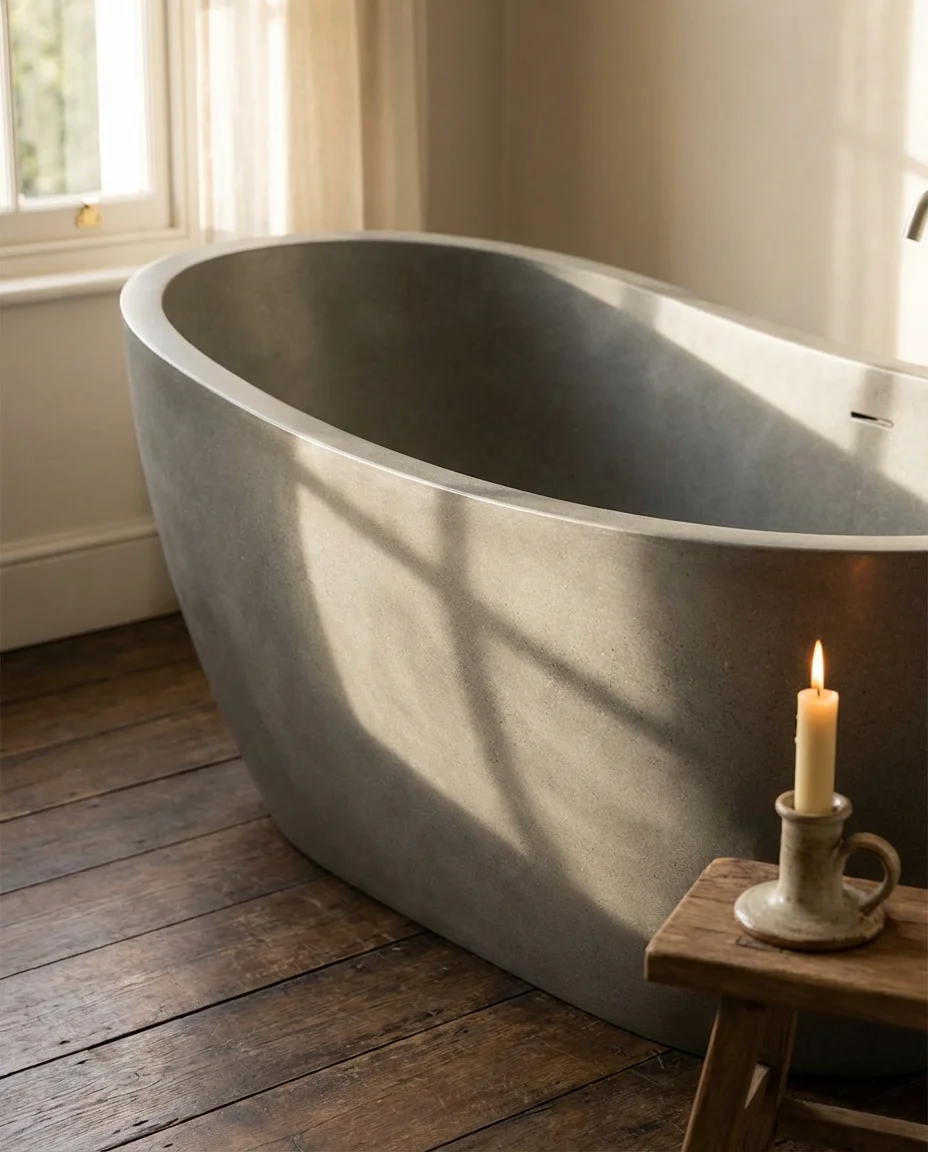
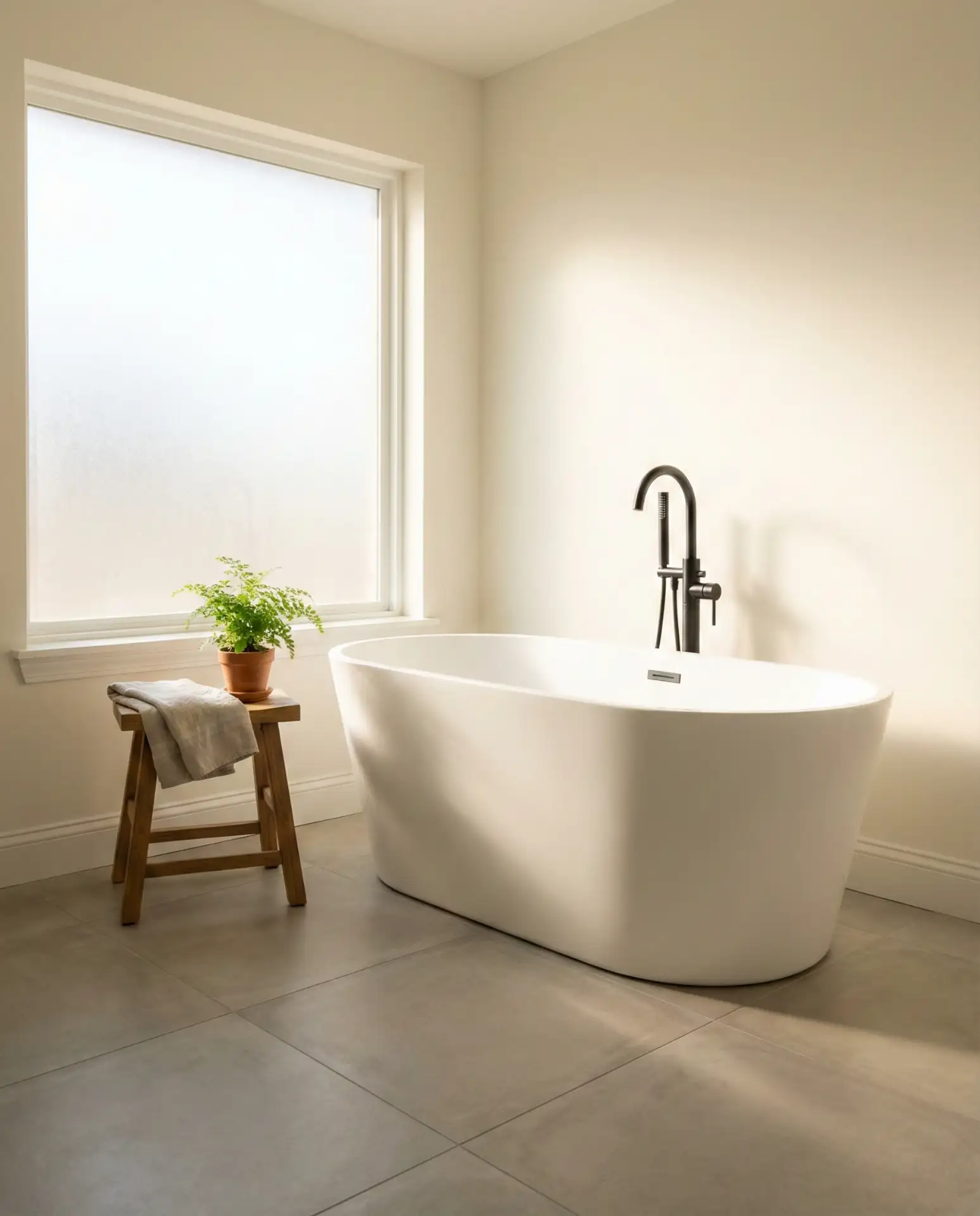
A freestanding tub anchors a primary bathroom and creates that hotel-spa feeling everyone pins on Pinterest. Whether you go for a classic clawfoot, a modern oval, or a sleek rectangular silhouette, placing the tub near a window or under a statement light fixture turns it into sculpture. This works especially well in open-plan layouts where the tub can be seen from the bedroom.
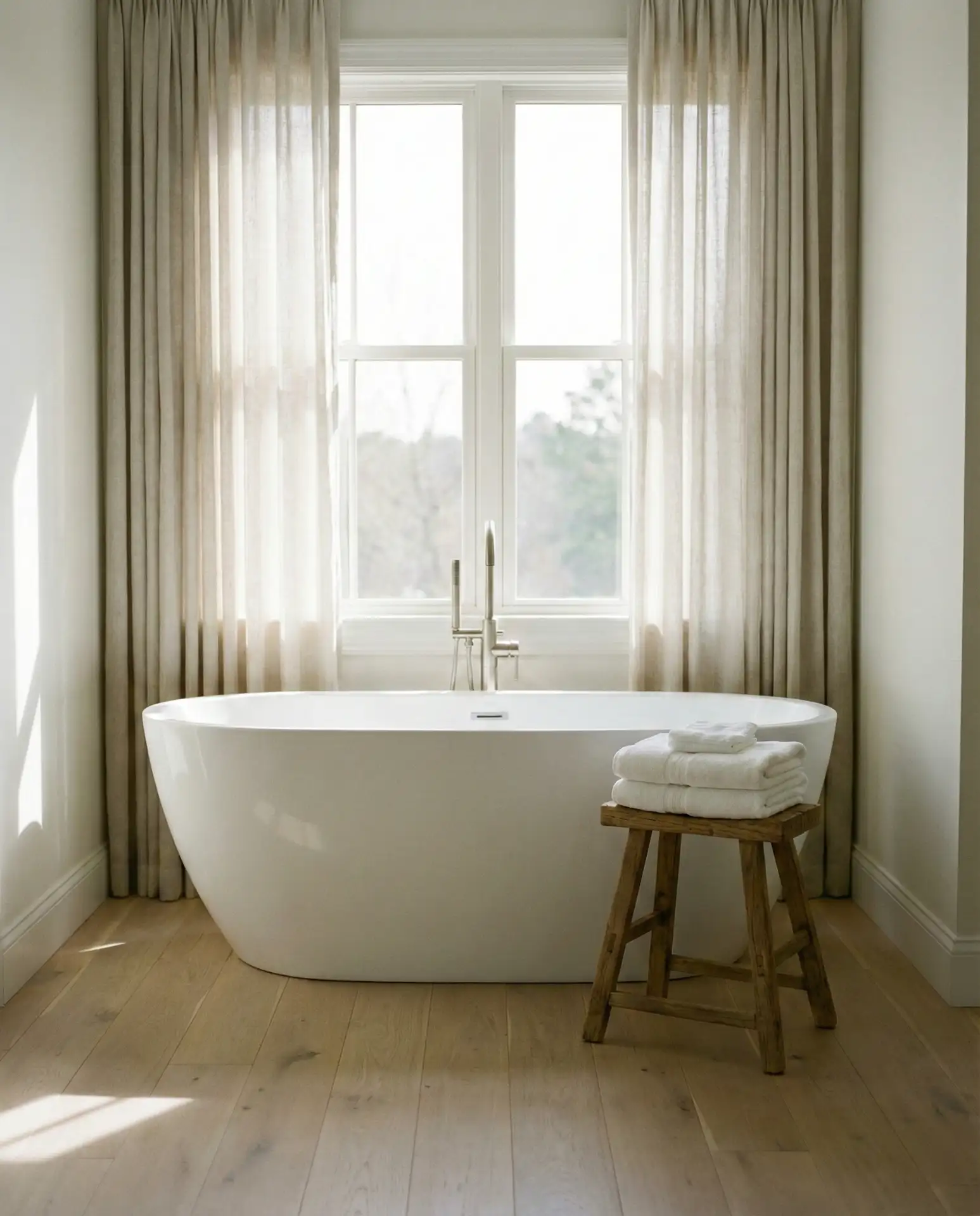
Where it works best: master suites with at least 60 square feet of open floor space. Freestanding tubs need breathing room to shine—crowding them into a corner defeats the purpose. Make sure you have access to plumbing that can accommodate a floor-mounted or freestanding faucet, as retrofitting can add to costs. Expect to spend anywhere from $800 for a basic acrylic model to $3,000+ for cast iron or stone resin. Pair it with a separate walk-in shower to keep the layout functional.
5. Moody Blue Accent Walls
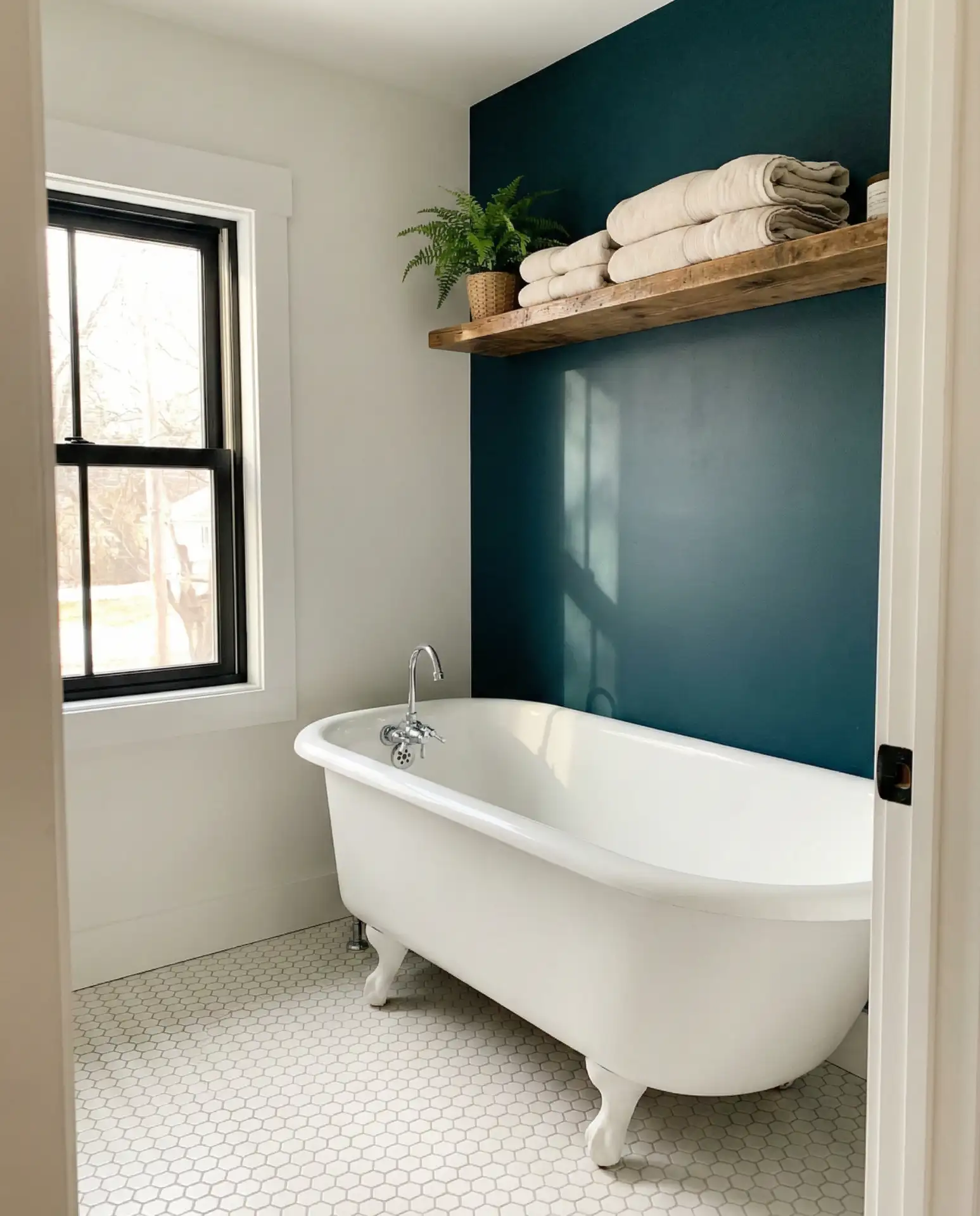
Deep blue tones—navy, midnight, or smoky teal—are replacing gray as the go-to neutral in American bathrooms. A blue accent wall behind the vanity or tub adds depth and drama without overwhelming a small full space. It pairs beautifully with white fixtures, brass hardware, and natural wood, creating a layered, collected look that feels intentional rather than trendy.
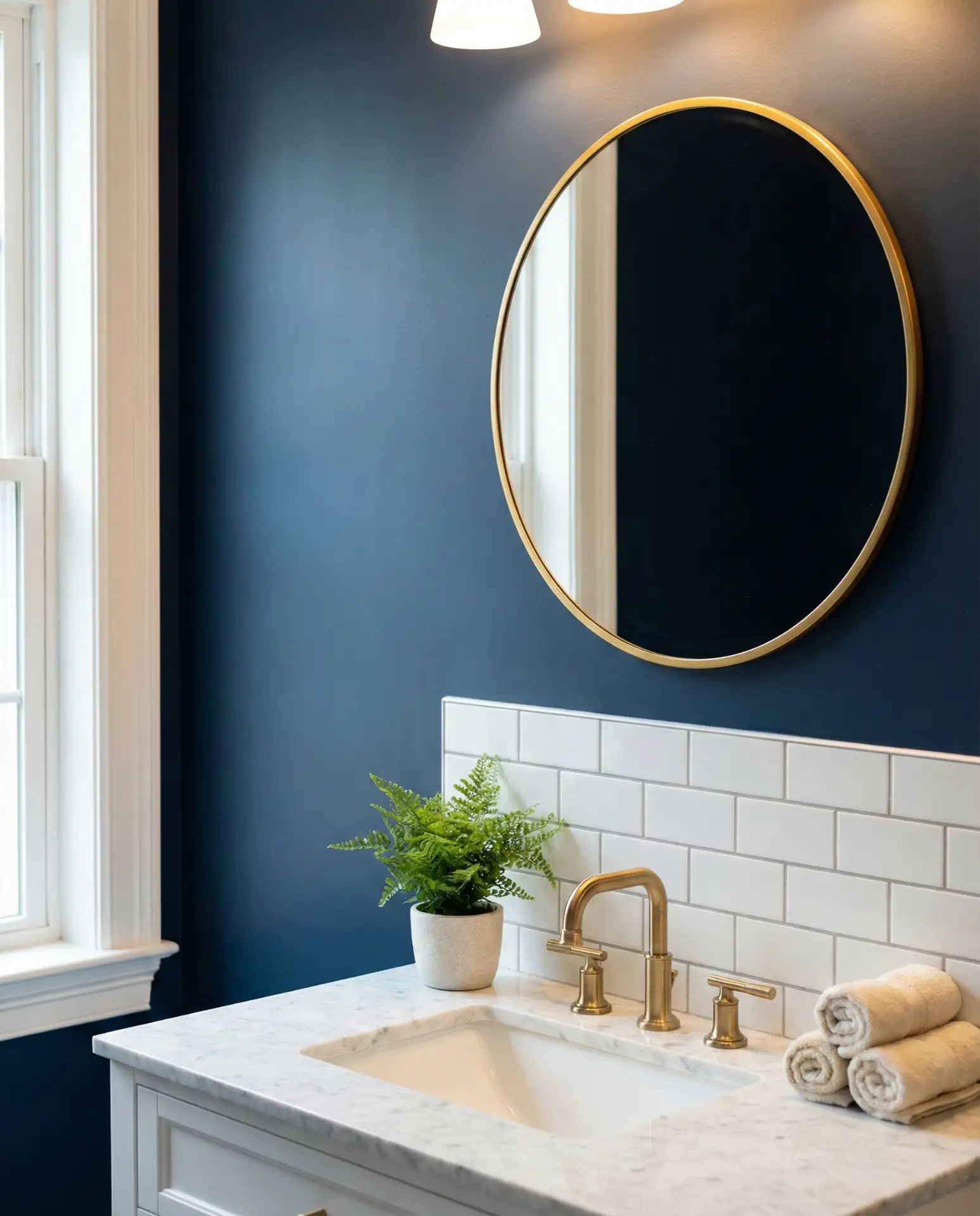
This is an easy weekend project that delivers major impact. A single gallon of quality paint costs under $60, and you can tackle it yourself with painter’s tape and a roller. One thing to watch: dark colors can make a tiny bath feel closed-in if you don’t have enough light. Balance it with a large mirror, bright bulbs, or a window. In homes with good natural light—especially in the South and West—moody blues actually feel calming and expansive rather than heavy.
6. Vintage Brass Fixtures Revival
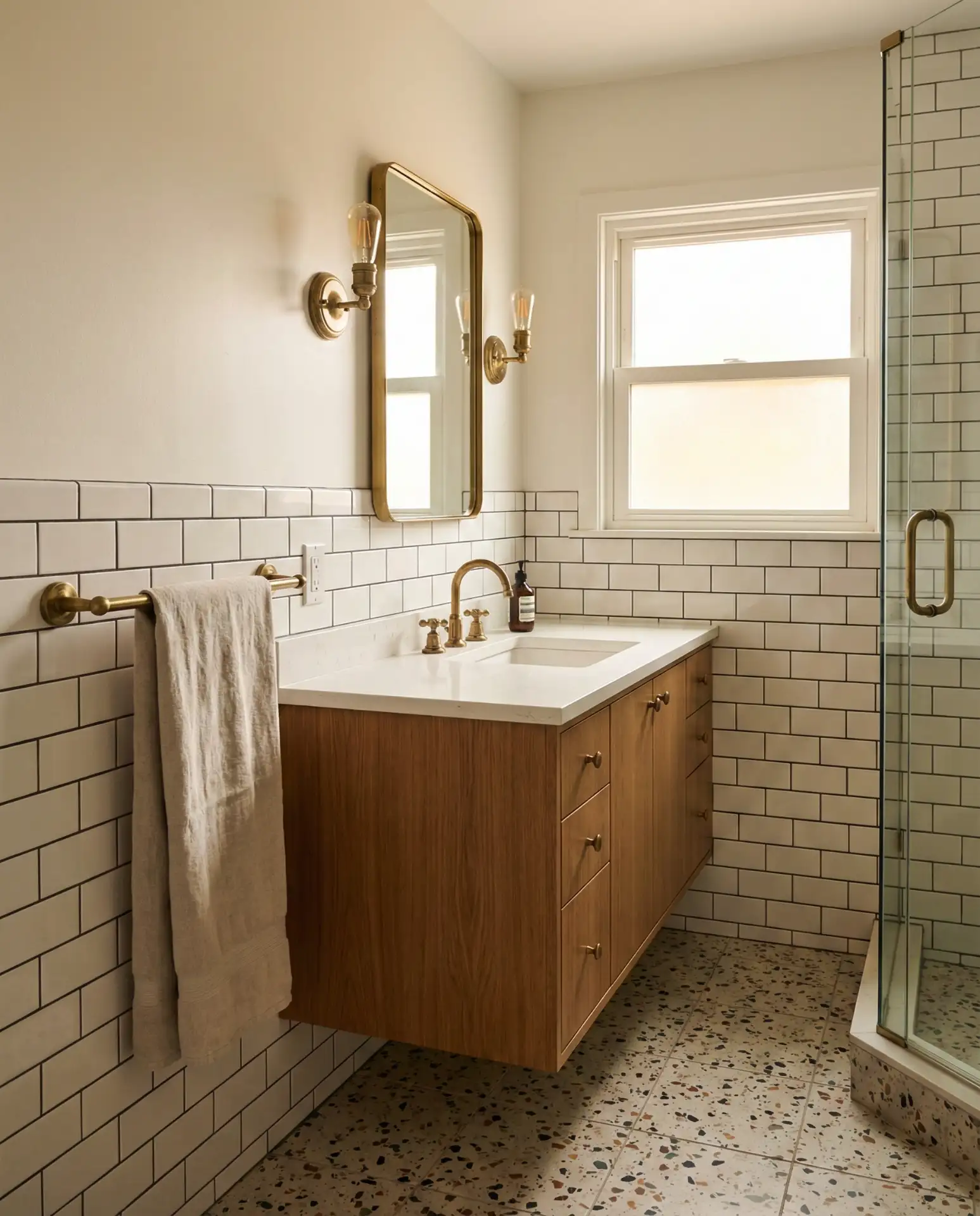
Unlacquered brass is back in a big way, and it’s showing up in faucets, cabinet pulls, towel bars, and light fixtures across 2026 trends. Unlike the shiny, polished brass of the ’80s, today’s versions have a soft, living finish that develops a patina over time. This warmth contrasts beautifully with cool white tile or natural stone, adding a layer of character that chrome and nickel can’t match.
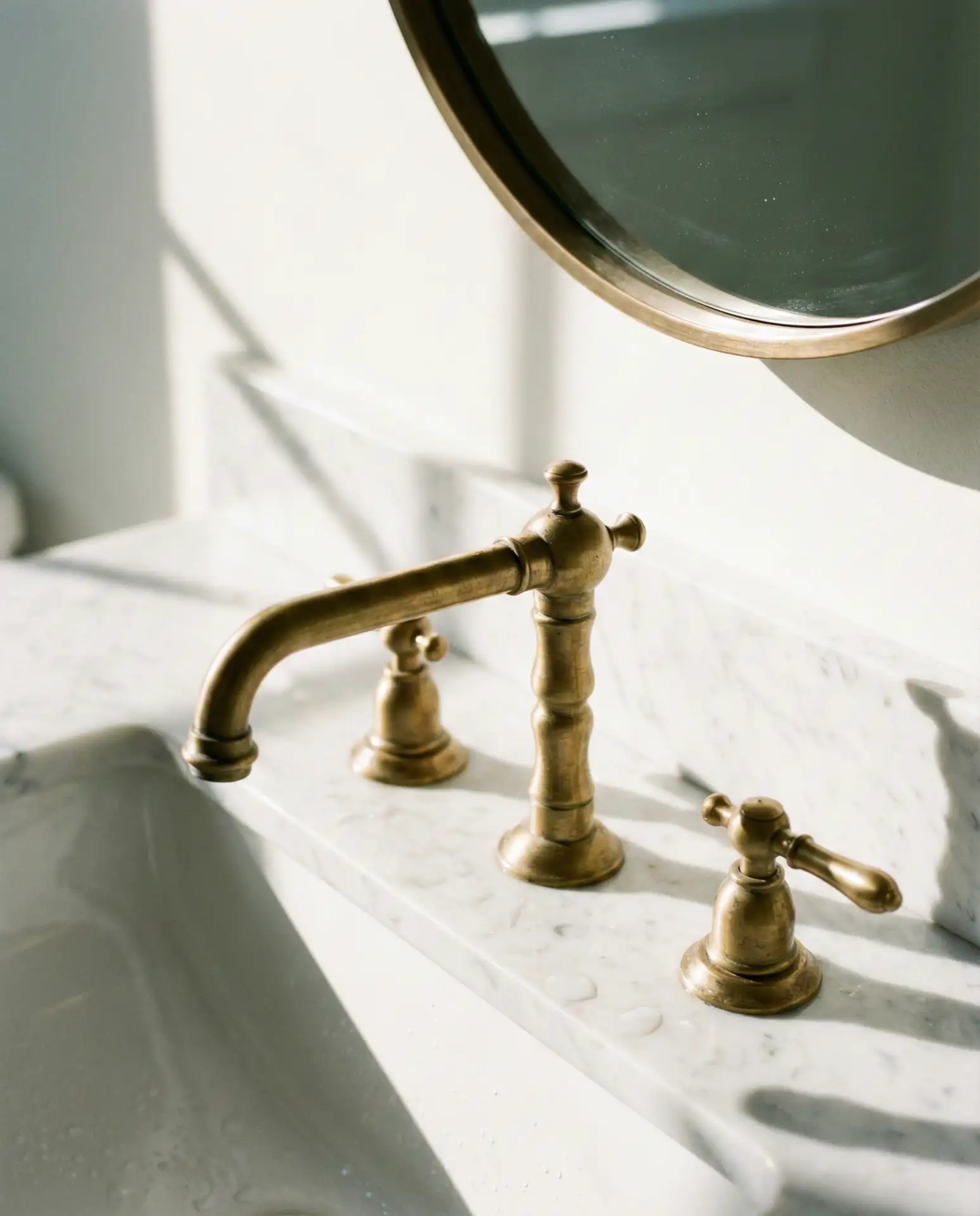
Brass works in almost any style—mid-century, farmhouse, coastal, or industrial—because it brings warmth without being overly decorative. If you’re worried about tarnish, remember that the patina is part of the appeal; it’s meant to age. A set of brass fixtures for a half bath typically runs $300–$600, which is comparable to high-quality chrome or brushed nickel. Just avoid mixing metals haphazardly—stick to brass for all your hardware and lighting in one space for a cohesive look.
7. Open Shelving for Airy Storage
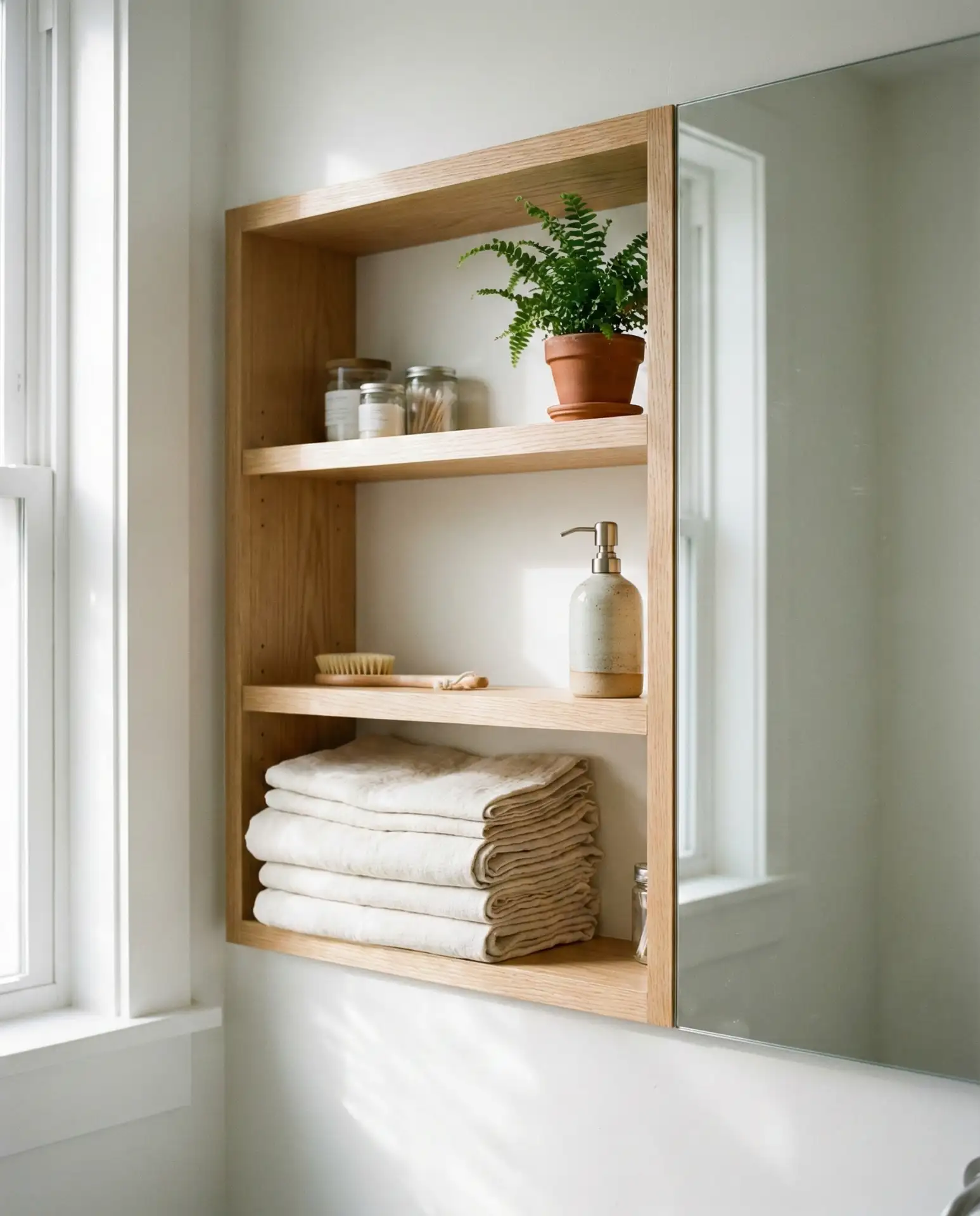
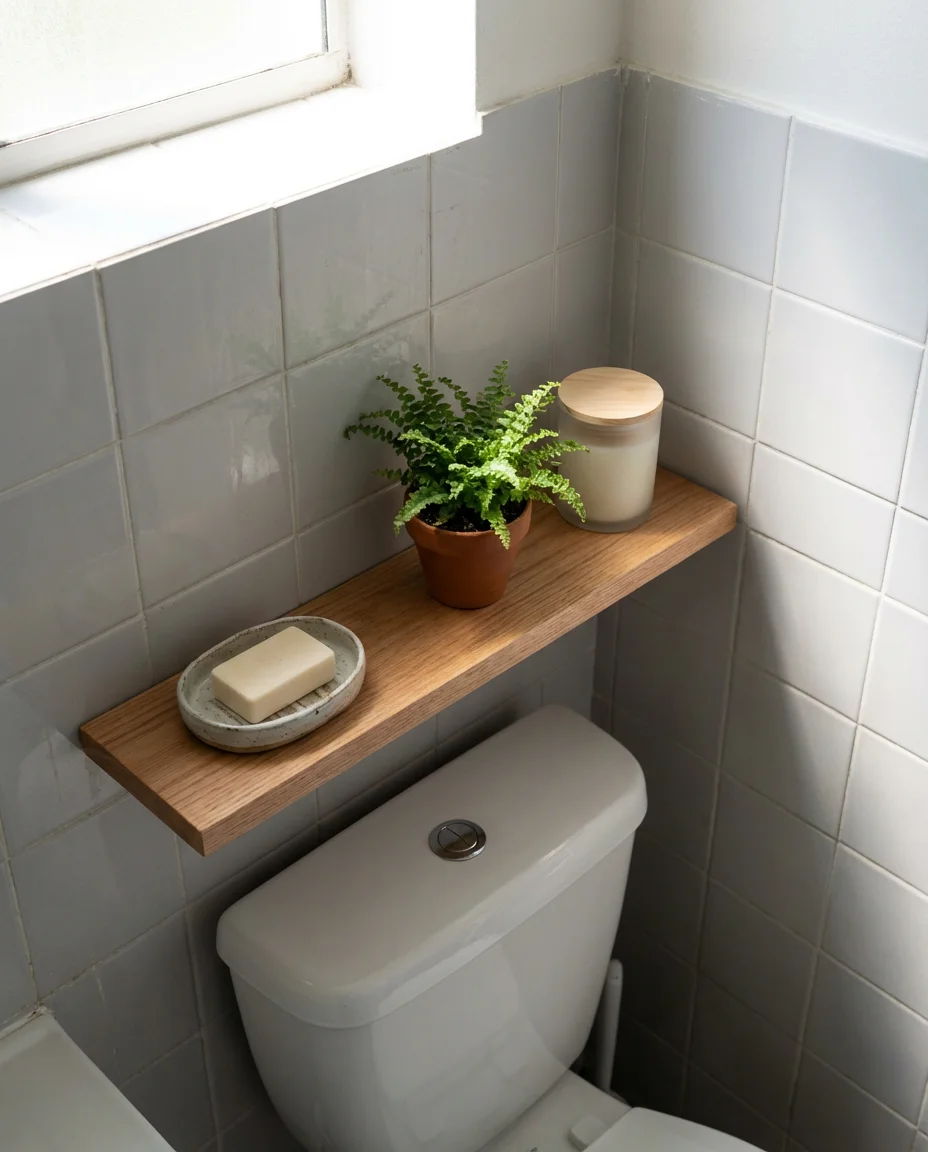
Floating shelves or open wood brackets replace bulky medicine cabinets in small space remodels, making bathrooms feel lighter and more breathable. You can display rolled towels, apothecary jars, or a few green plants, turning everyday items into decor. This approach works best when you’re disciplined about keeping things tidy—clutter shows, but so does good styling.
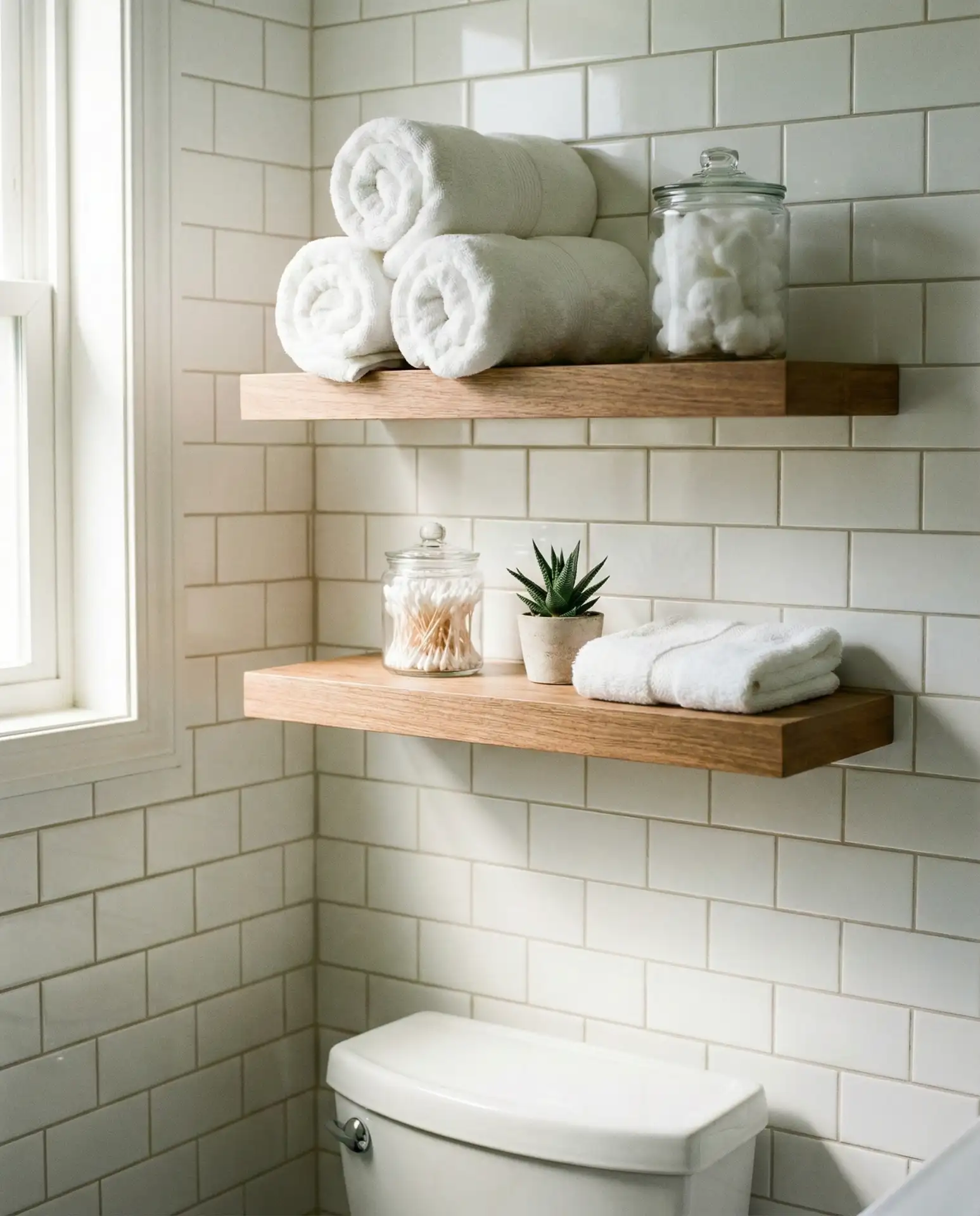
Real homeowner behavior: people who commit to open shelving tend to edit their bathroom products down to the essentials, which is a hidden benefit. You’ll stop hoarding half-empty bottles and start curating what you actually use. Budget-wise, this is a win—floating shelves cost $20–$80 each, and installation is straightforward if you hit studs. Just make sure to seal wood shelves with a water-resistant finish, especially in steamy full baths where moisture is constant.
8. Subway Tile with Colored Grout
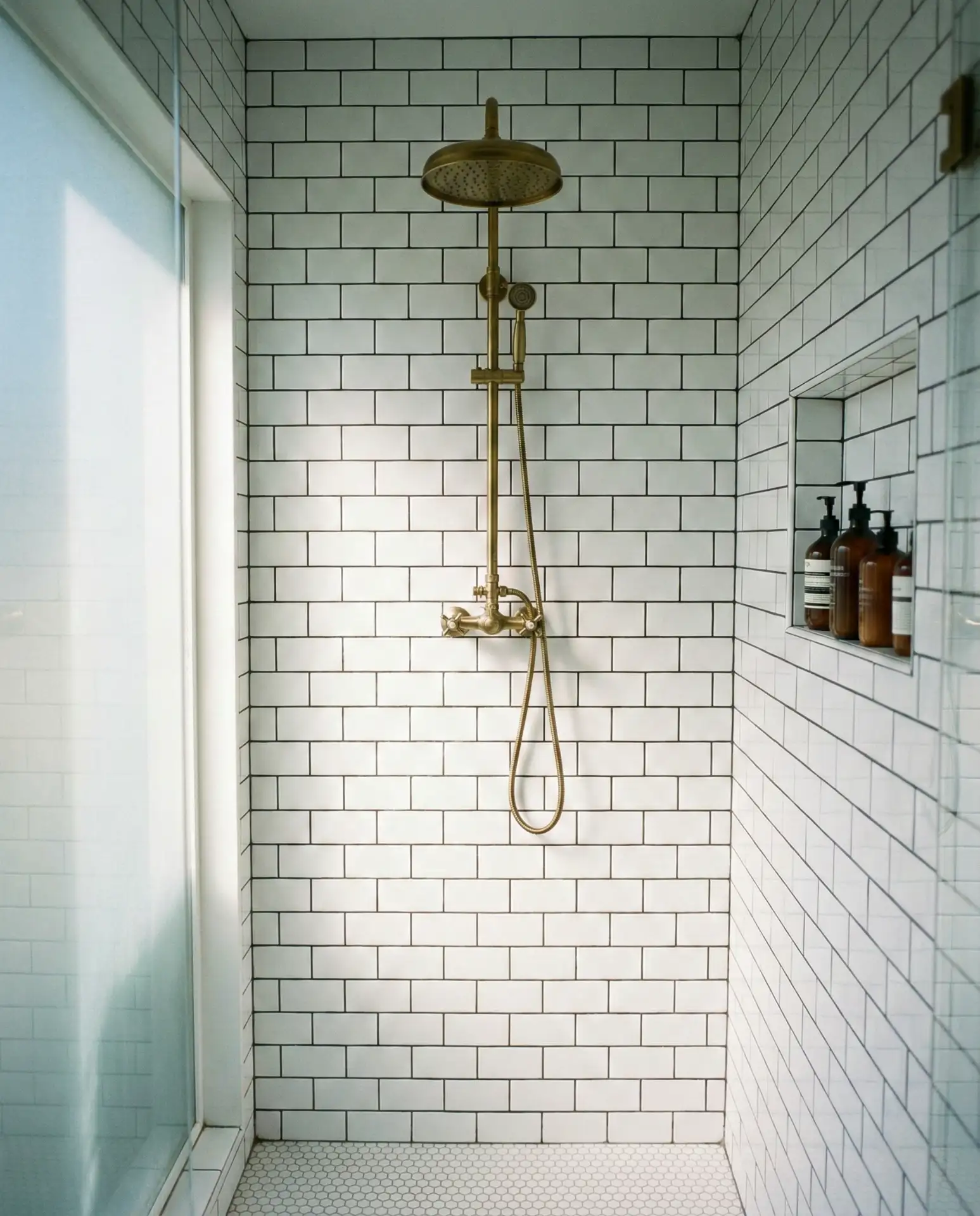
Classic white subway tile gets a modern twist when you pair it with charcoal, navy, or even terracotta grout. This simple move adds dimension and personality to a tub surround or shower wall without straying too far from a timeless look. It’s subtle enough to age well but distinctive enough to feel current in 2026 trends.
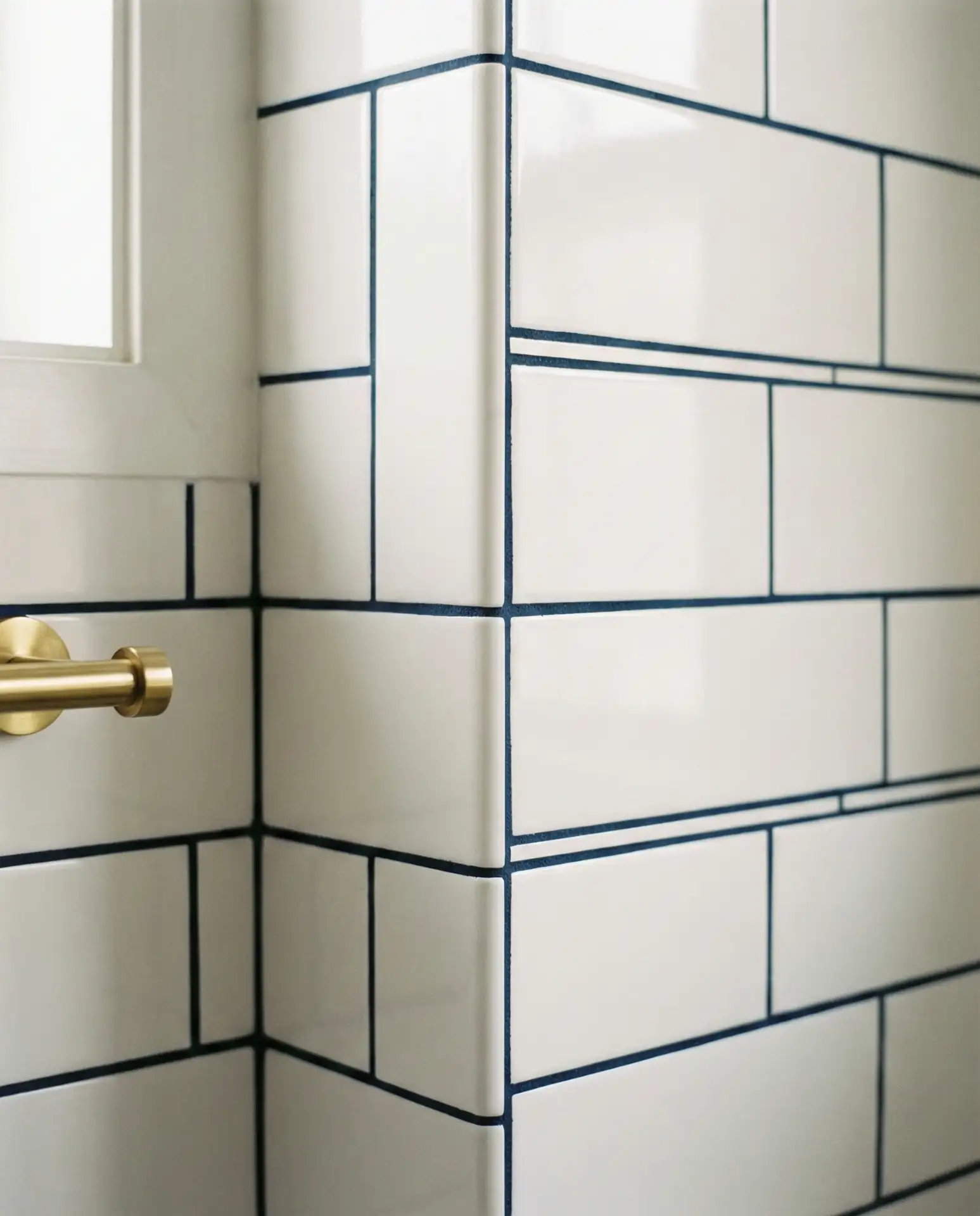
Colored grout is an expert-style move that signals you’ve thought about the details. It’s also forgiving—darker grout hides mildew and soap scum better than white, which can look dingy over time. If you’re tackling a tub shower combo on a budget, this upgrade costs virtually nothing extra in materials but delivers a custom look. Just make sure your installer uses a high-quality, stain-resistant grout and seals it properly to prevent water penetration and discoloration.
9. Heated Floors for Everyday Luxury
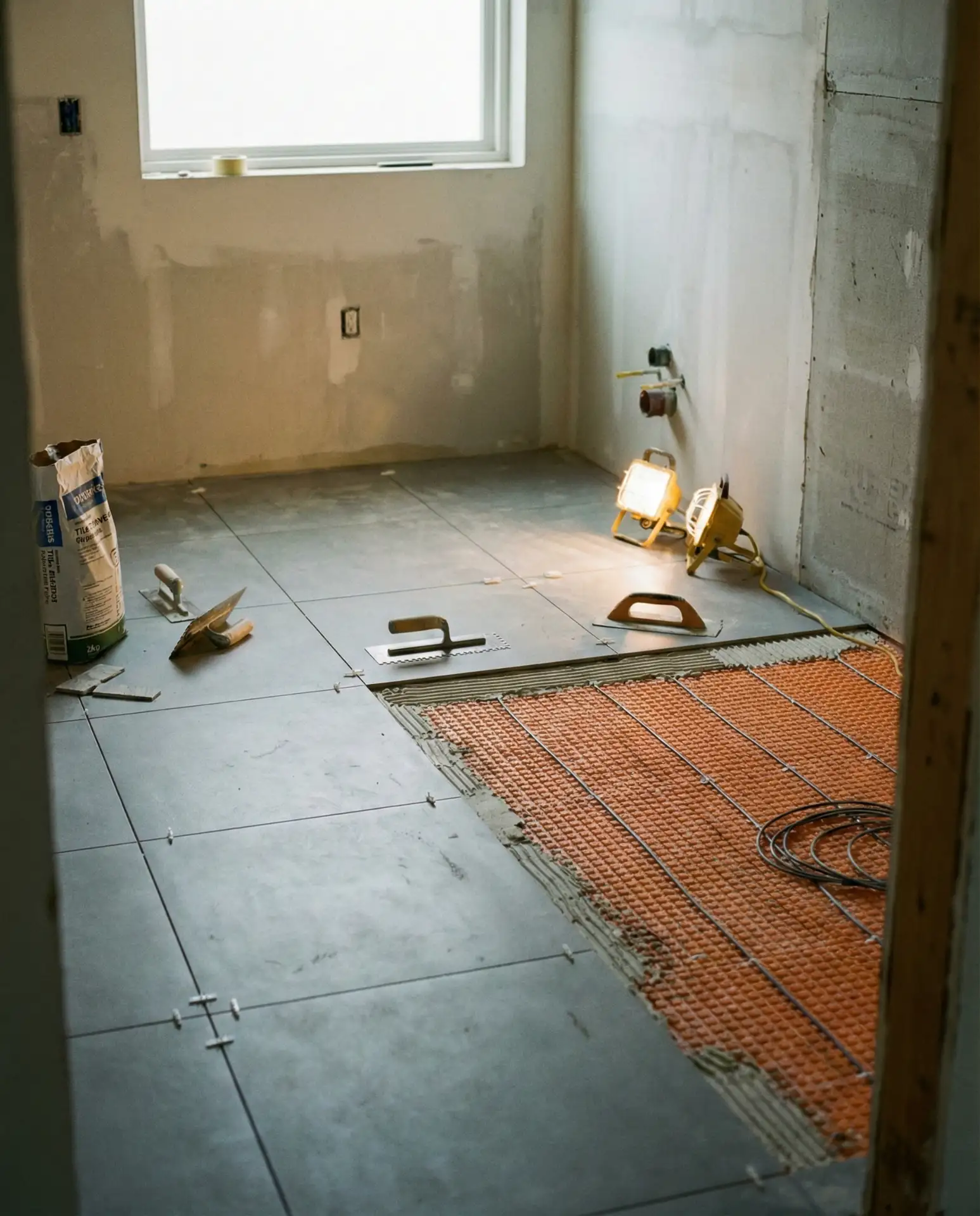
Radiant floor heating is no longer a splurge reserved for master suites—it’s becoming standard in primary bath remodels across colder regions like the Midwest and Northeast. Electric mat systems are affordable and easy to install under tile during a renovation, and the payoff is immediate: warm feet every morning and faster drying after showers.
For a typical 50-square-foot bathroom, electric radiant heat costs $400–$800 in materials and adds another $300–$500 in labor if you’re already retiling. Operating costs are low—about $2–$5 per month if you use a programmable thermostat. This is one of those upgrades that homeowners consistently say they wish they’d done sooner. It works best under tile or stone; avoid it with vinyl or laminate, which can warp. In Southern climates, it’s less essential but still appreciated on chilly winter mornings.
10. Statement Mirrors with Architectural Frames
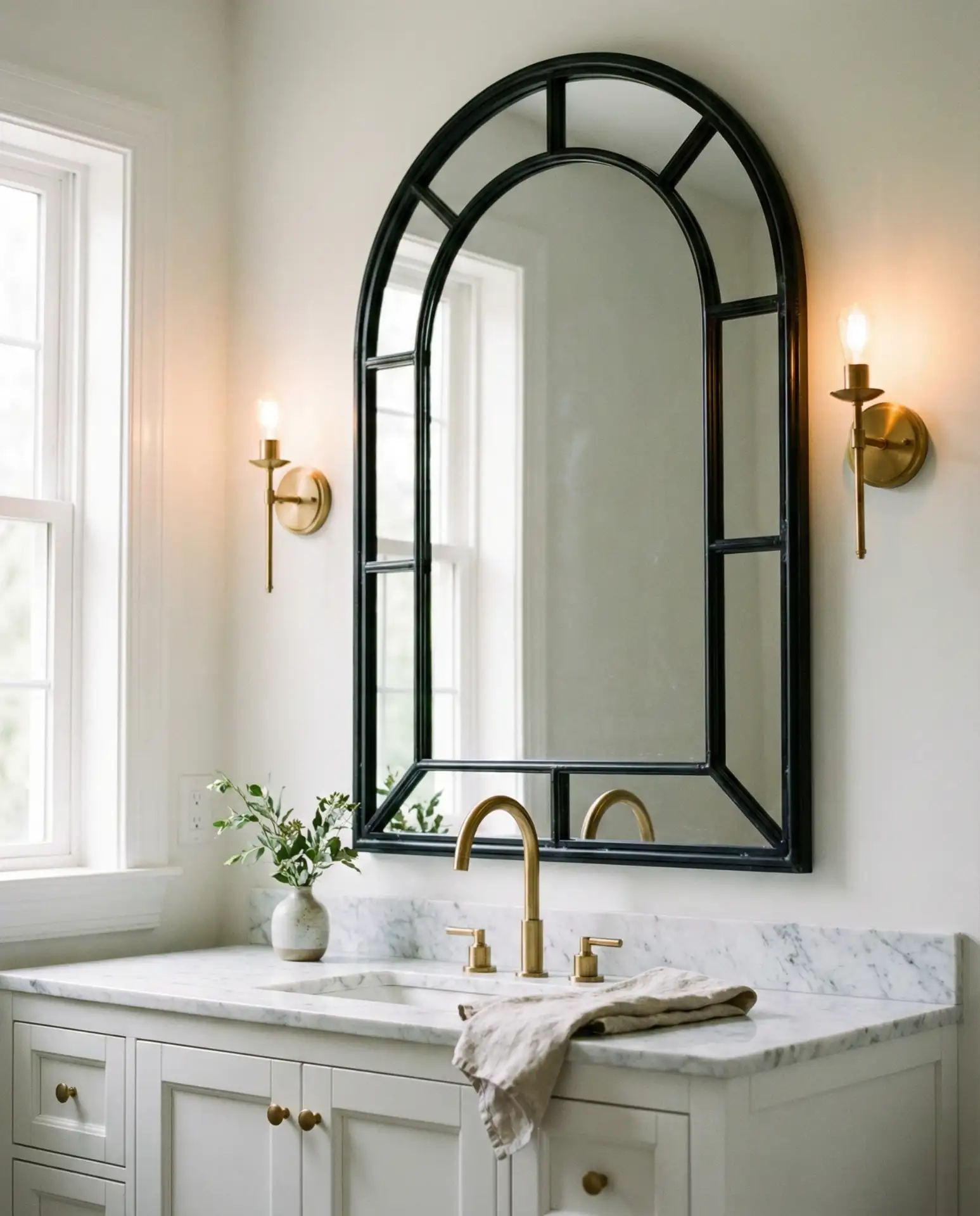
A large, architecturally striking mirror—arched, scalloped, or framed in thick wood or metal—can transform a guest bath from forgettable to memorable. Mirrors bounce light around tiny spaces and add a sense of height and openness. Choose a shape and finish that complements your overall style, whether that’s rustic farmhouse or sleek contemporary.
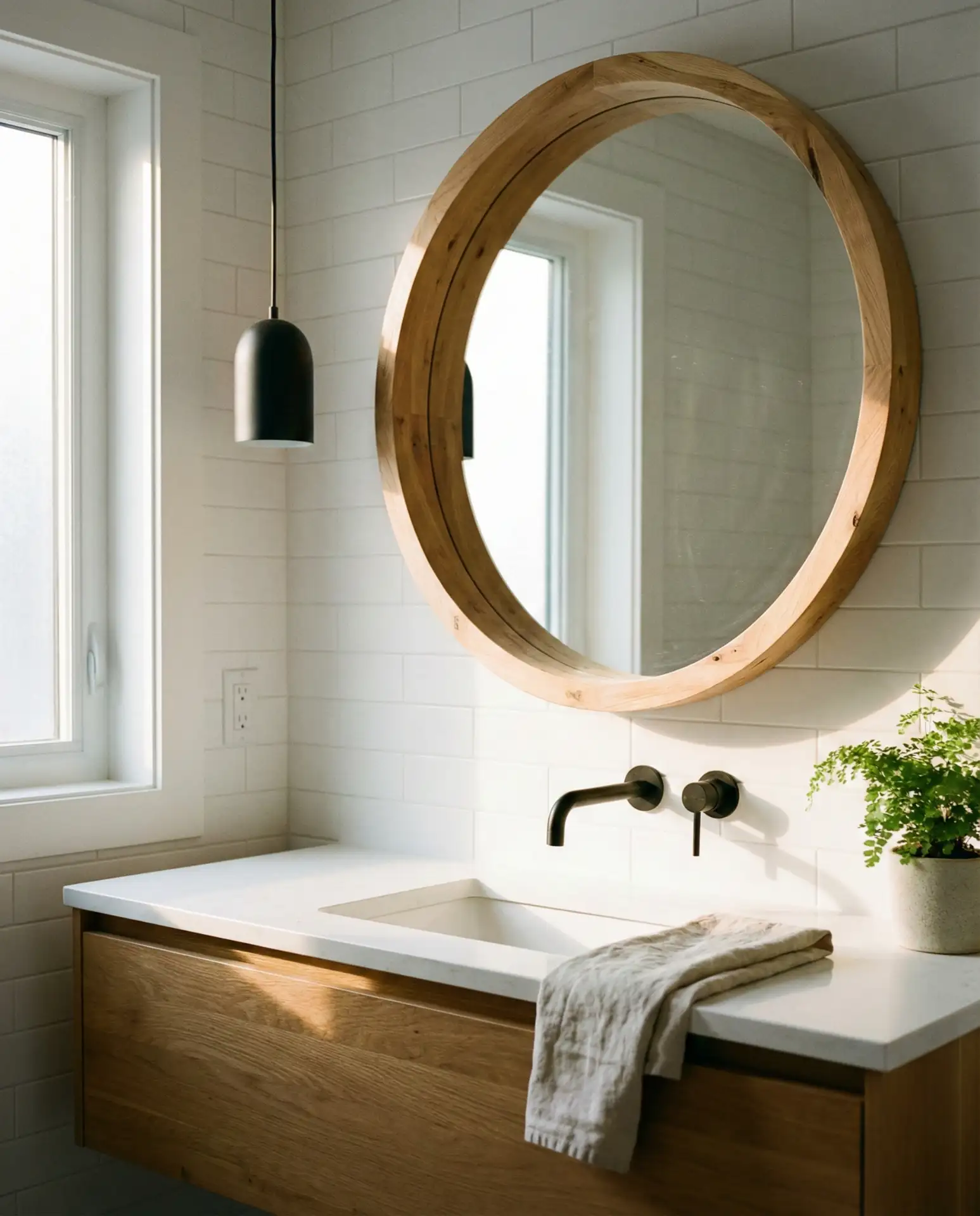
This is an easy swap that makes a huge visual impact. You can find statement mirrors at big-box retailers for $150–$400 or invest in a custom piece from a local maker. A common mistake is choosing a mirror that’s too small—it should be at least two-thirds the width of your vanity to feel proportional. If you’re working with a small half bath, go as large as the wall allows to maximize light reflection and create the illusion of more space.
11. Spa-Inspired Neutral Palette
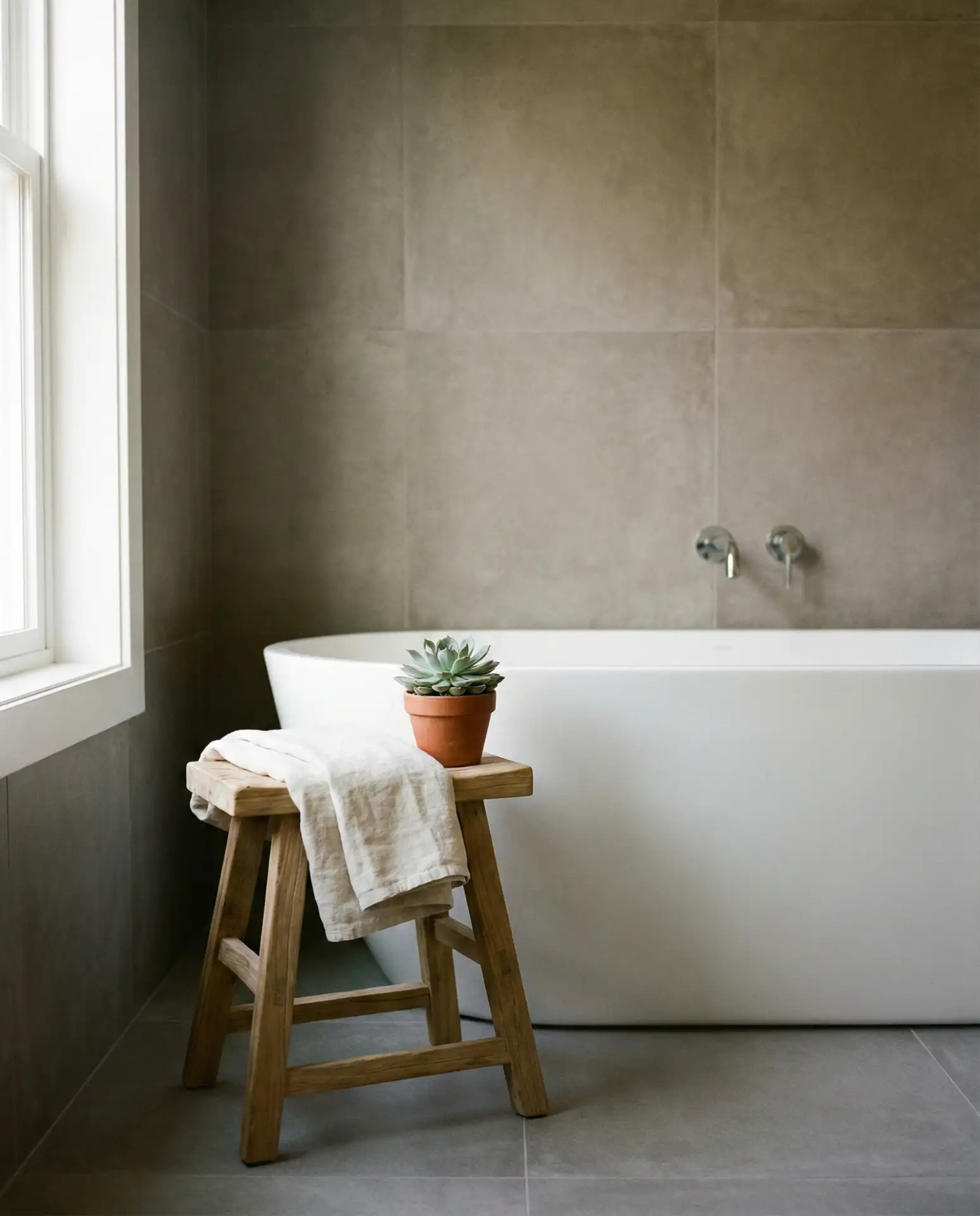
Soft whites, warm grays, and natural wood tones create a serene, spa-like atmosphere that never goes out of style. This palette works beautifully in primary bathrooms where you want to unwind at the end of the day. Layer textures—linen shower curtains, stone countertops, matte tile—to keep the look from feeling flat or sterile.
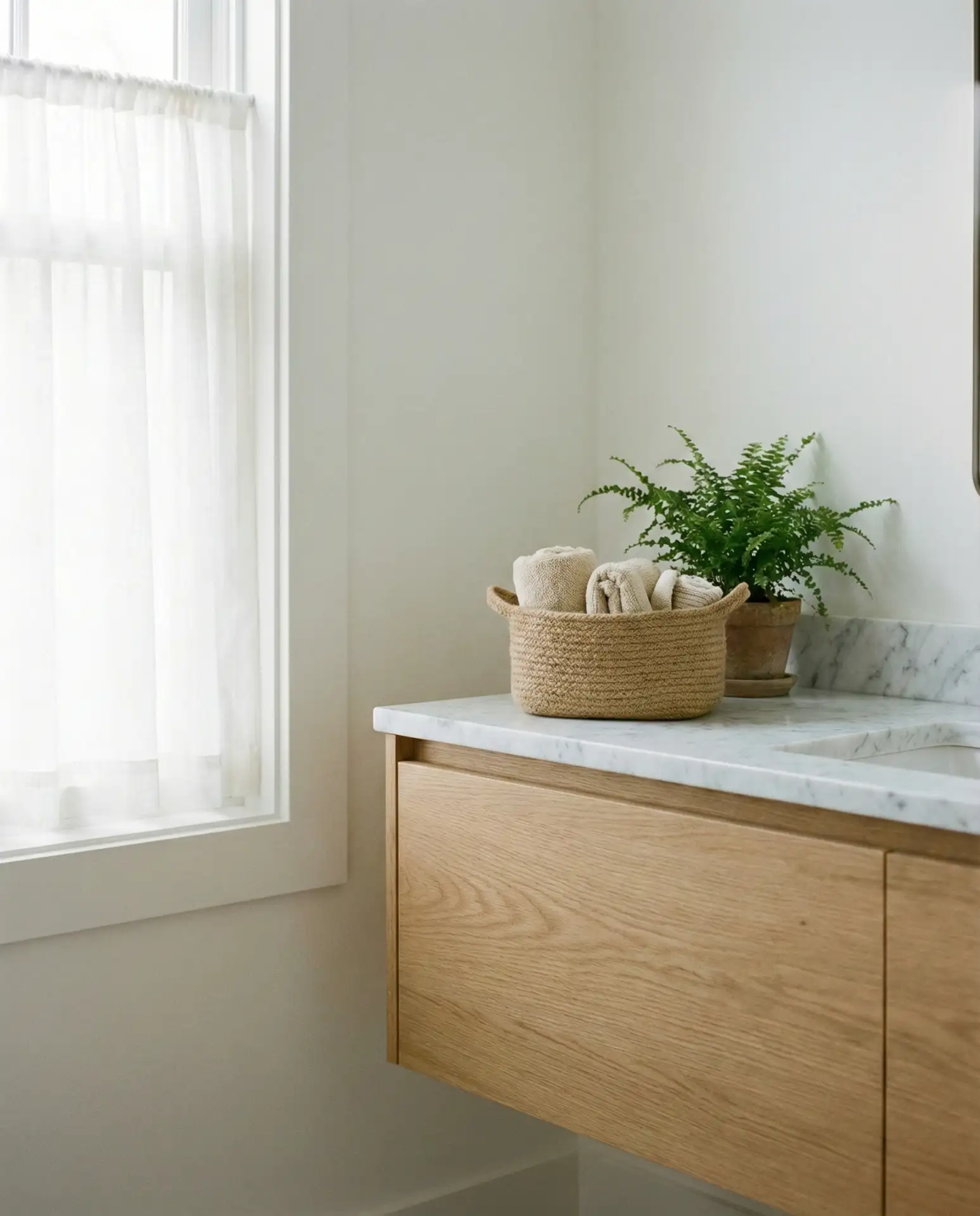
A practical insight: neutral palettes photograph beautifully, which is why they dominate Pinterest searches. But they also offer flexibility—you can swap out towels, rugs, or accessories to shift the mood seasonally without repainting or retiling. Stick to a consistent temperature of neutrals (all warm or all cool) to avoid a muddy look. This approach works in any region and any home style, from mid-century ranch houses to modern farmhouses in the South.
12. Patterned Floor Tile for Visual Interest
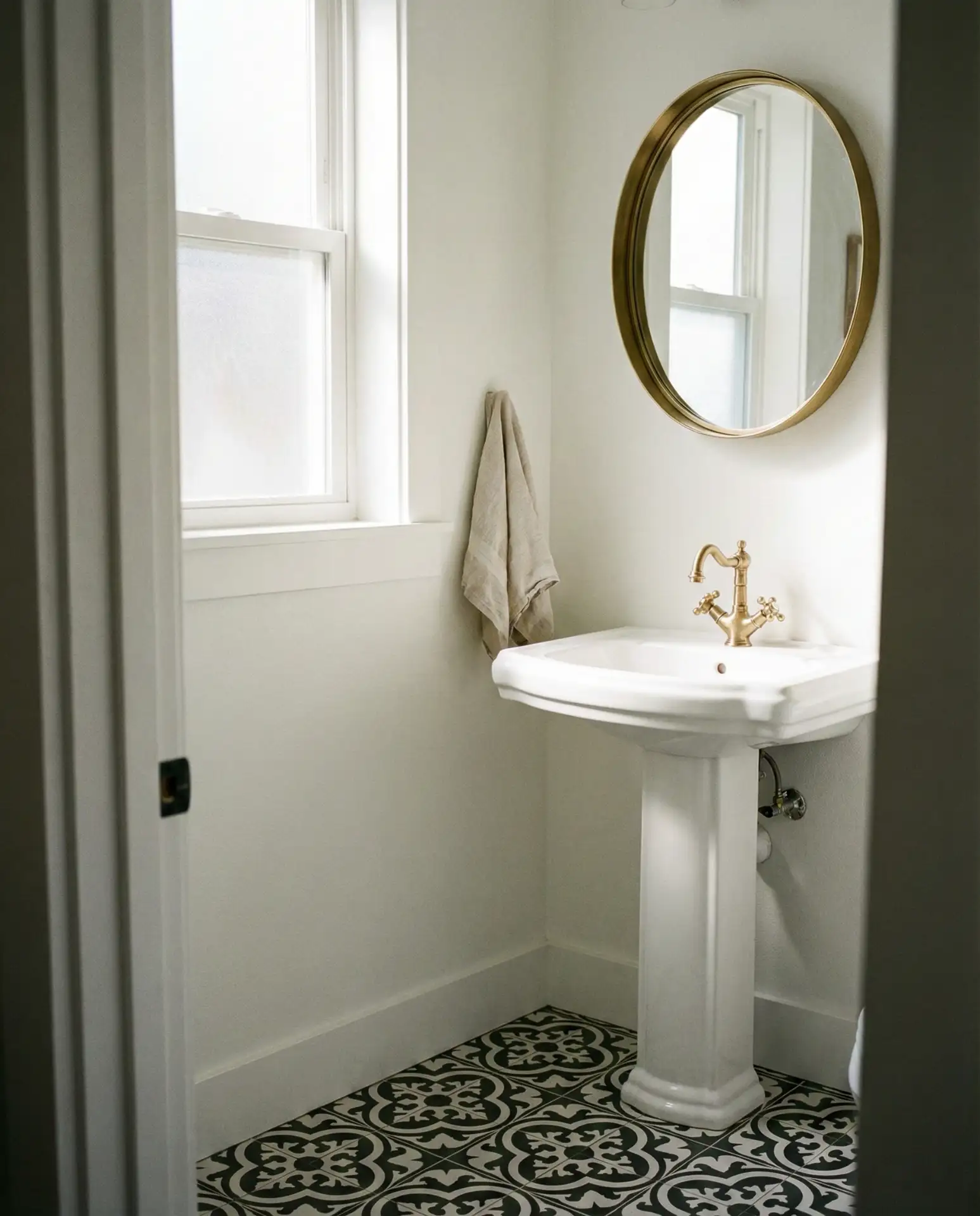
Encaustic-look or geometric floor tiles add personality to a small half bath without requiring bold wall colors or elaborate fixtures. Whether you choose black-and-white checkerboard, colorful Moroccan motifs, or subtle hexagons, a patterned floor anchors the room and gives you a focal point that’s easy to build around. Keep walls and fixtures simple to let the floor shine.
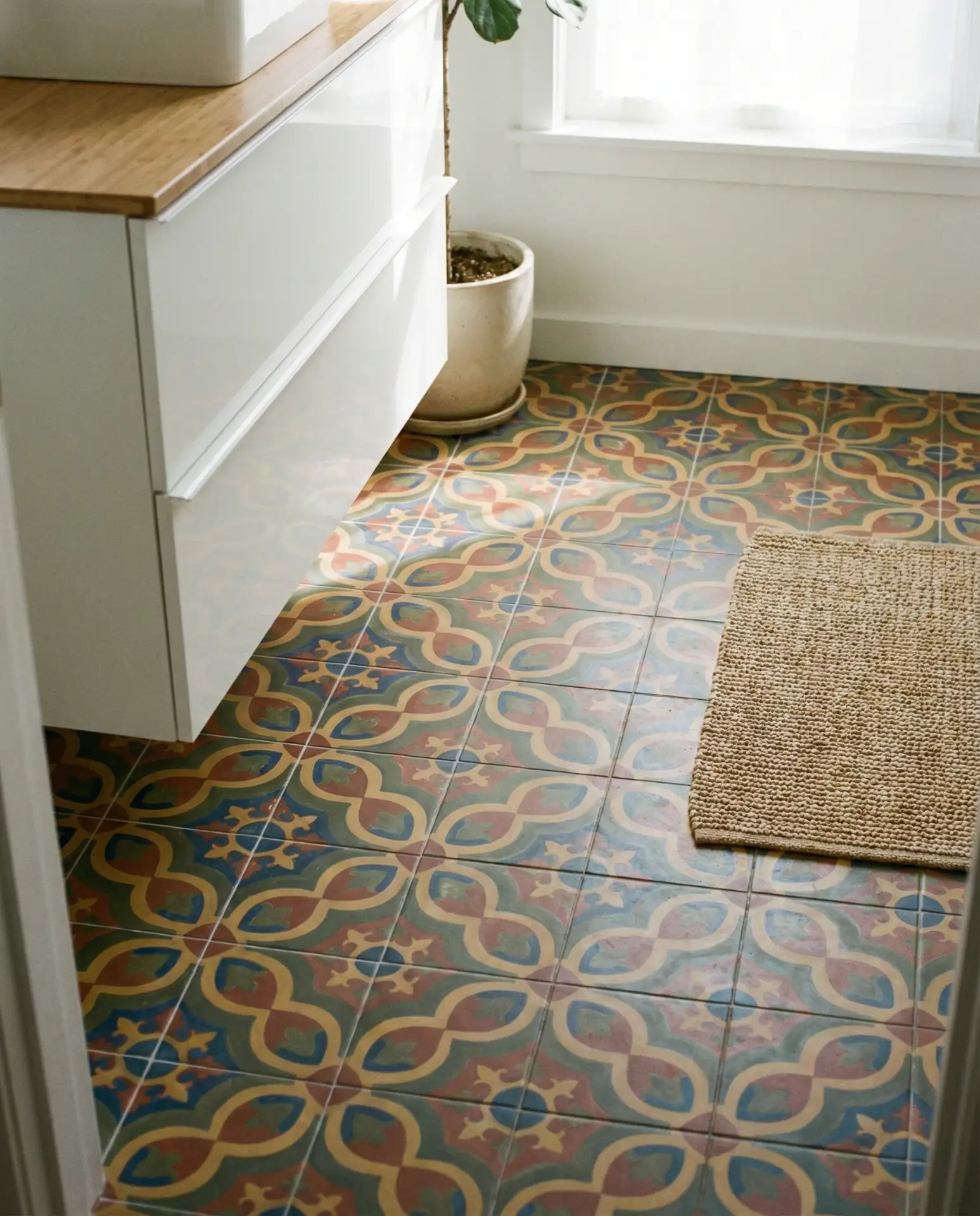
Patterned tile typically costs $8–$15 per square foot, which is a bit more than plain ceramic but still fits most budget remodels. Where it works best: small bathrooms where the floor is the first thing you notice. In larger spaces, the pattern can feel busy unless you balance it with solid-colored walls and cabinetry. Many American homeowners use patterned tile in powder rooms or guest baths—spaces where you can take a design risk without committing to something you’ll see every day.
13. Black Window Frames for Modern Edge
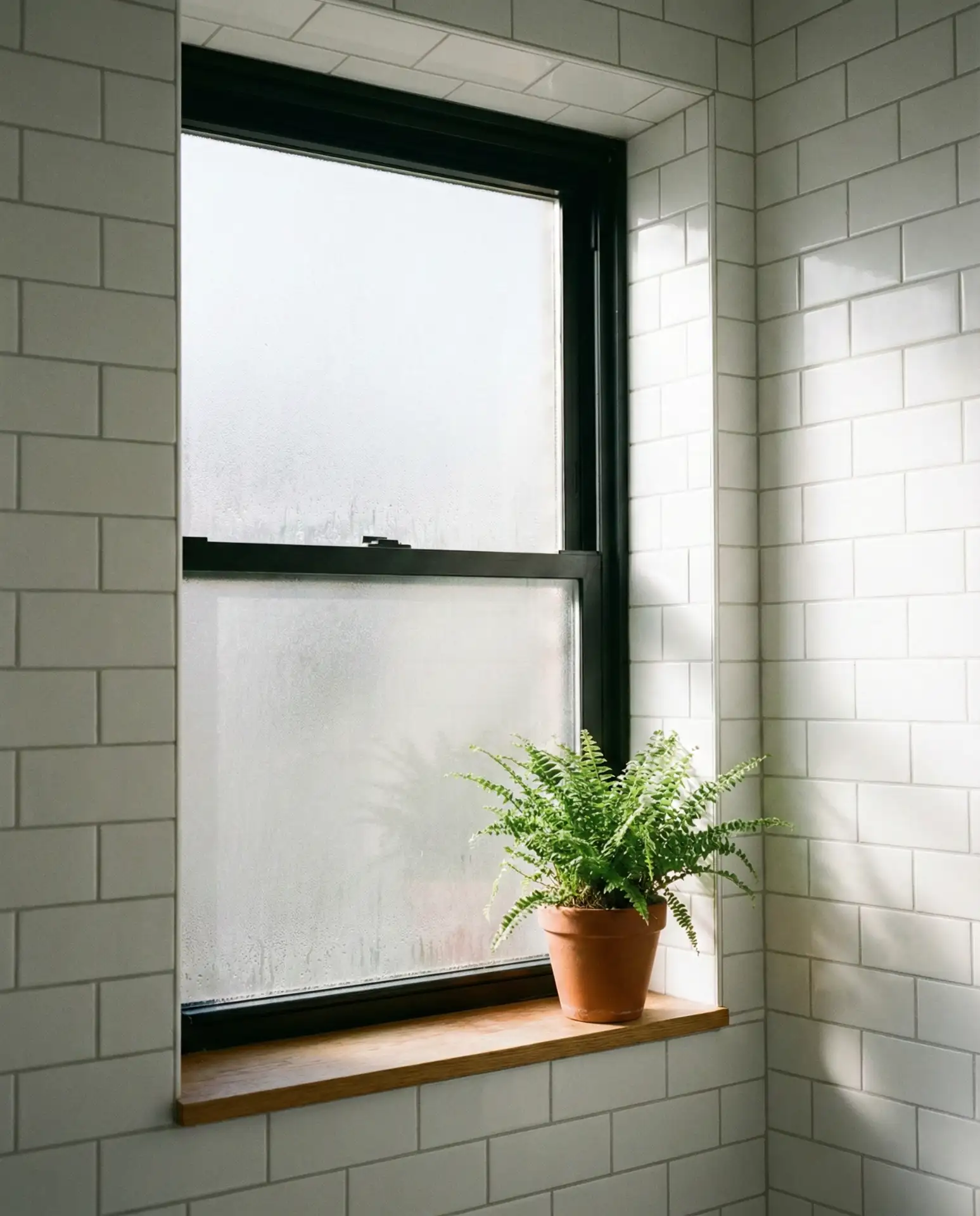
Swapping white or wood-trimmed windows for matte black frames instantly sharpens a bathroom’s look. This is a big trend in 2026, especially in new builds and remodels that lean modern or industrial. Black frames add graphic contrast and pair beautifully with white tile, natural wood, or even blue accent walls. If you have a window in your shower, black frames with frosted or textured glass maintain privacy while looking intentional.
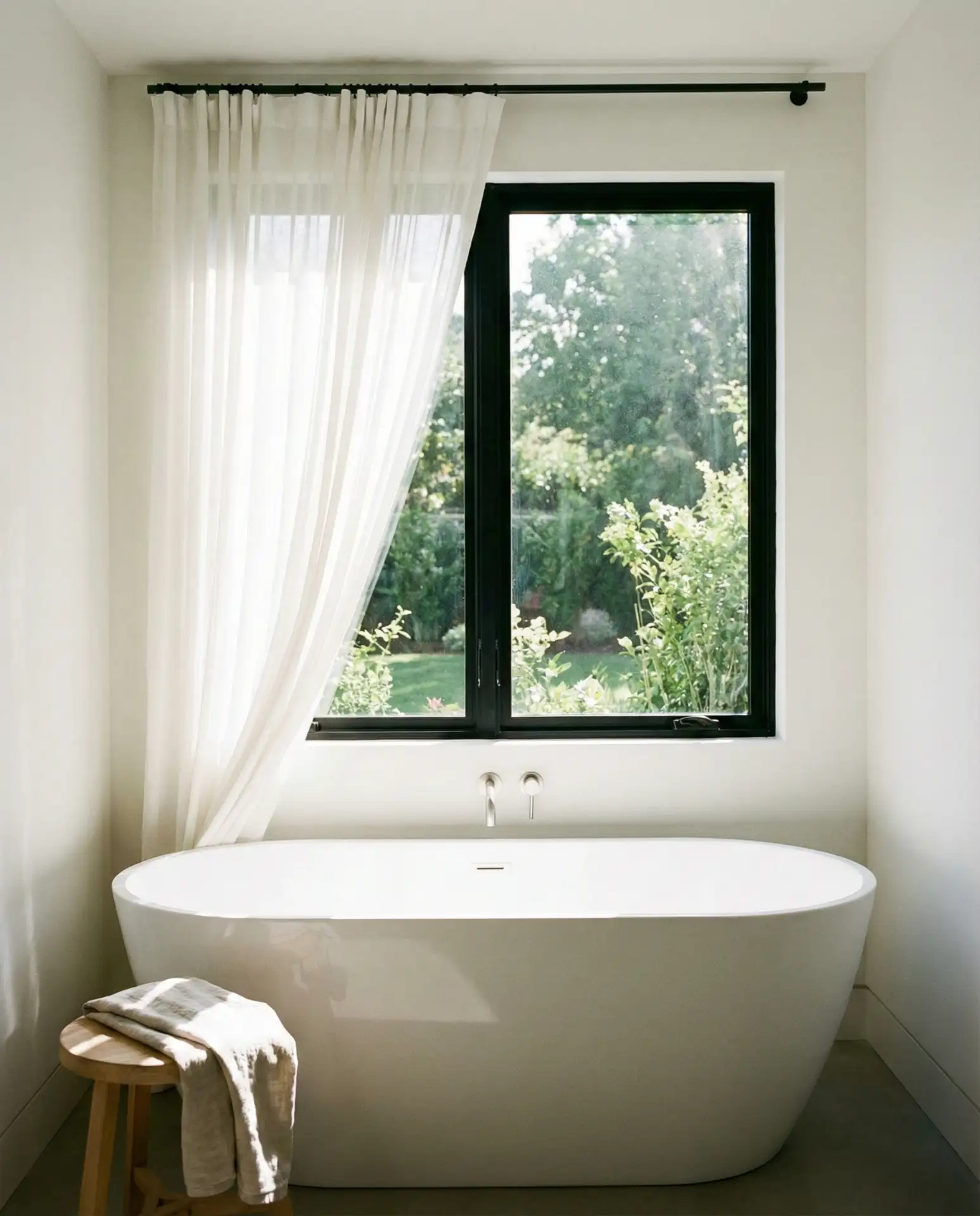
Replacing windows is a bigger investment—expect $300–$800 per window depending on size and whether you’re going vinyl or aluminum. But if you’re already doing a full remodel, it’s worth considering. Black frames have become widely available from major window manufacturers, so you’re not limited to custom orders. One thing to note: they show water spots and dust more than white frames, so you’ll want to wipe them down regularly if you have hard water.
14. Reclaimed Wood Vanity for Character
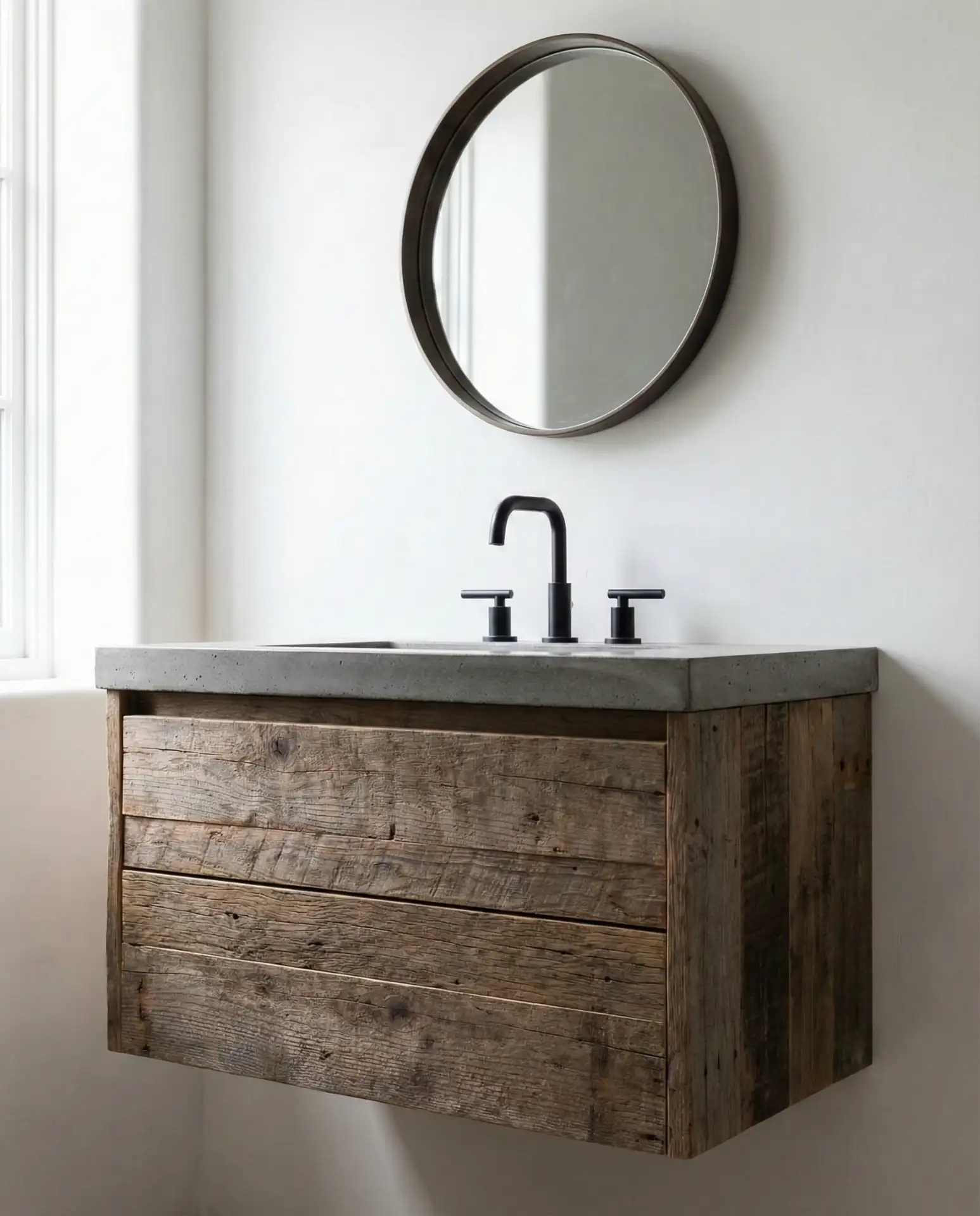
A vanity made from reclaimed barn wood or salvaged timber brings warmth and texture into a rustic or farmhouse-style bathroom. Each piece has unique grain, knots, and weathering that can’t be replicated with new lumber. Pair it with a white vessel sink, matte black fixtures, and simple hardware to let the wood be the star.
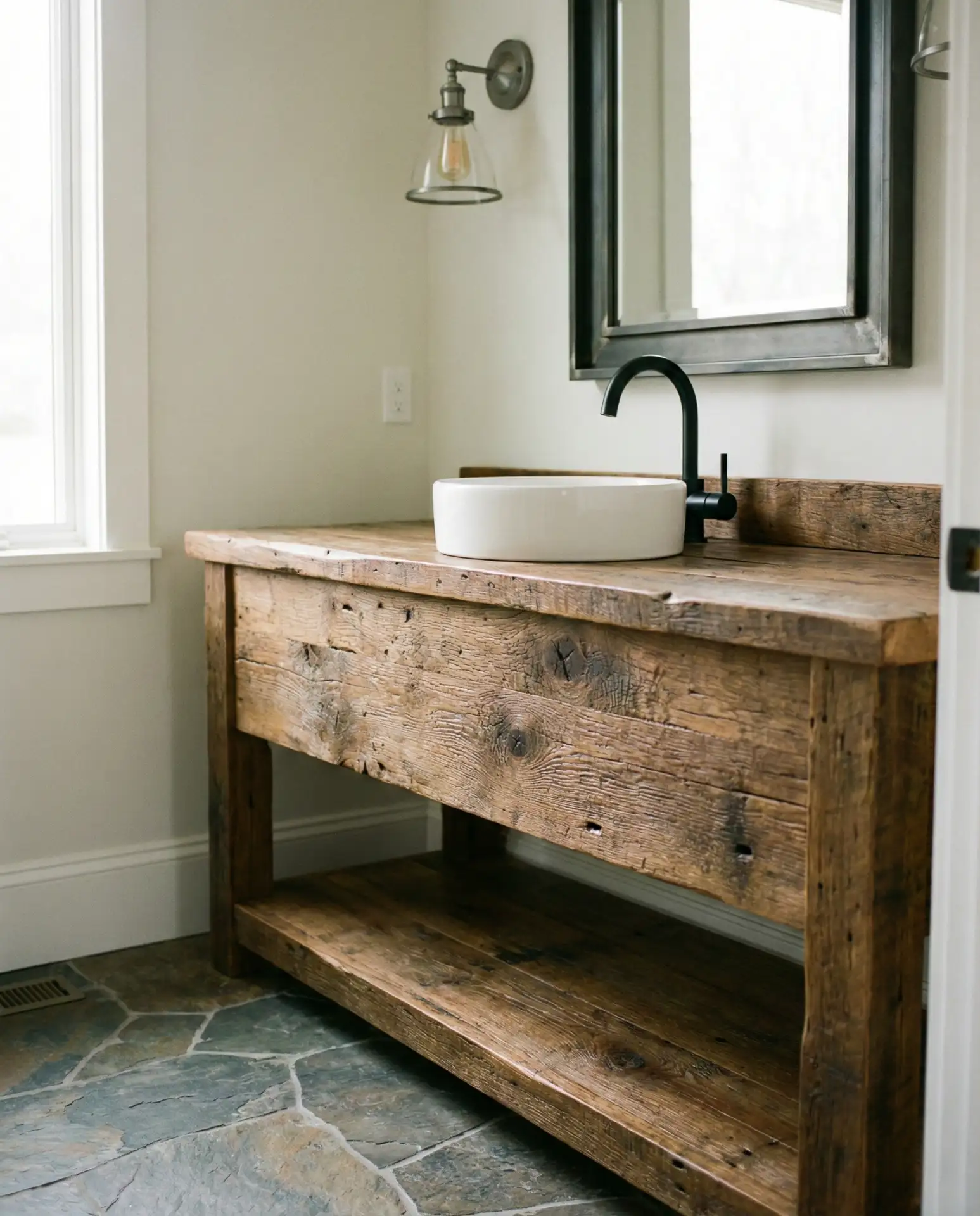
Reclaimed wood vanities can be pricey if you buy them custom-made—$800 to $2,500 depending on size and finish—but they’re also a great DIY project if you have basic woodworking skills. Make sure the wood is properly sealed with a water-resistant finish to prevent warping or mold in a humid bathroom. This style works best in rustic, farmhouse, or eclectic homes, and it’s particularly popular in rural and mountain regions where salvaged materials are part of the local design vernacular.
15. Niche Storage in Shower Walls
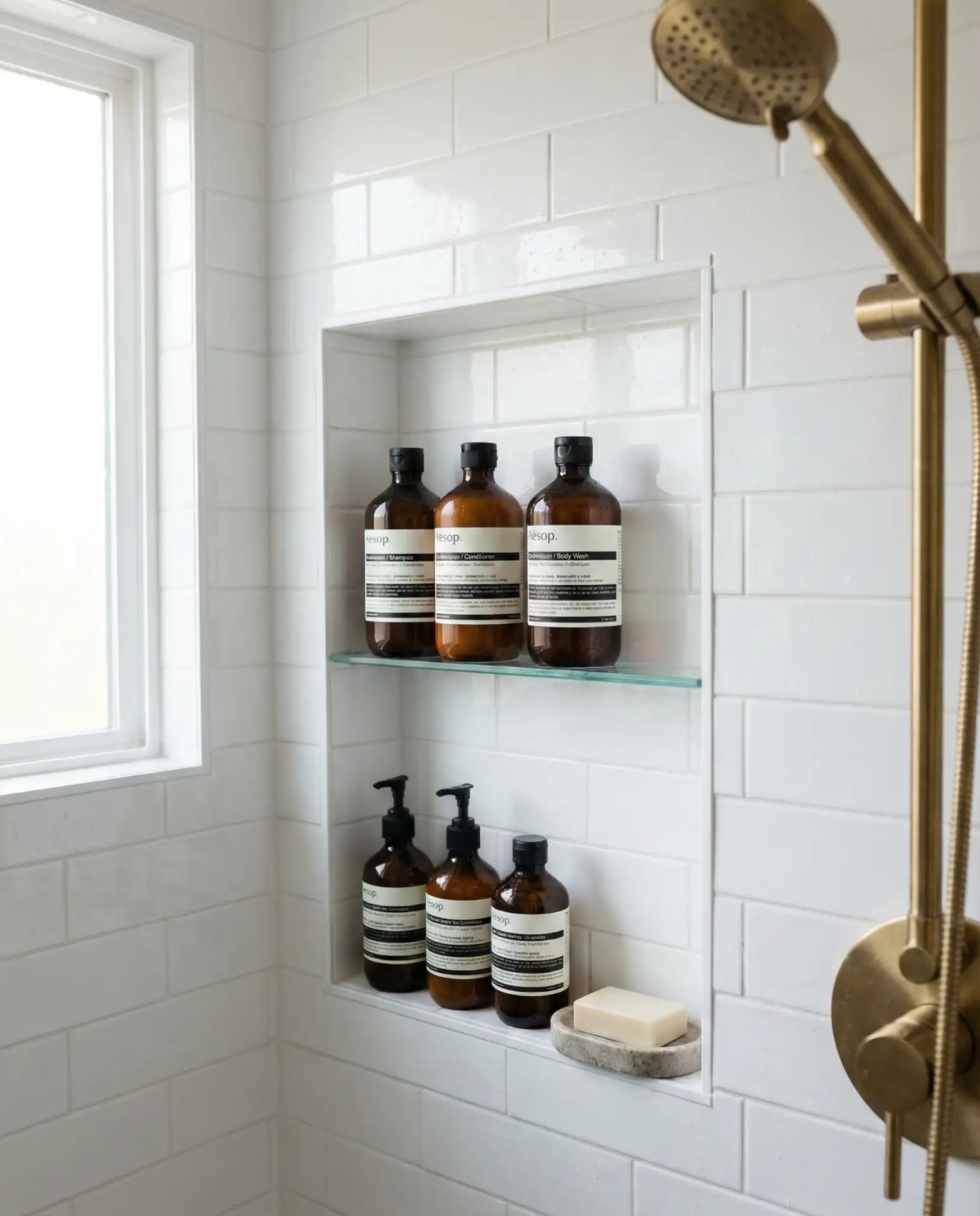
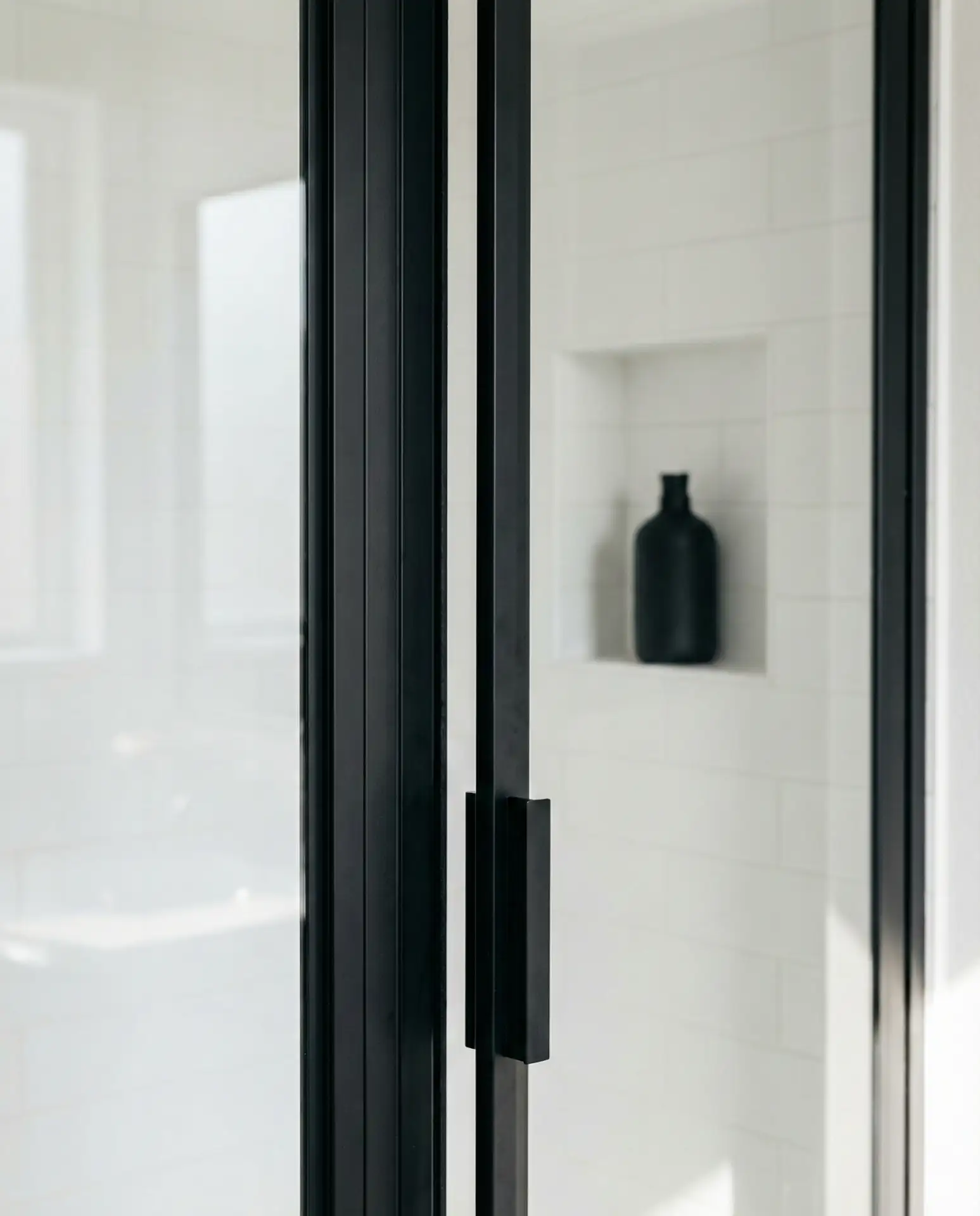
Built-in niches eliminate the need for hanging caddies or corner shelves, giving your walk-in shower a cleaner, more streamlined look. You can tile the interior to match the walls or add an accent tile for a pop of color or pattern. Plan for at least two niches—one at shoulder height for shampoo and soap, and one lower for body wash or a razor.
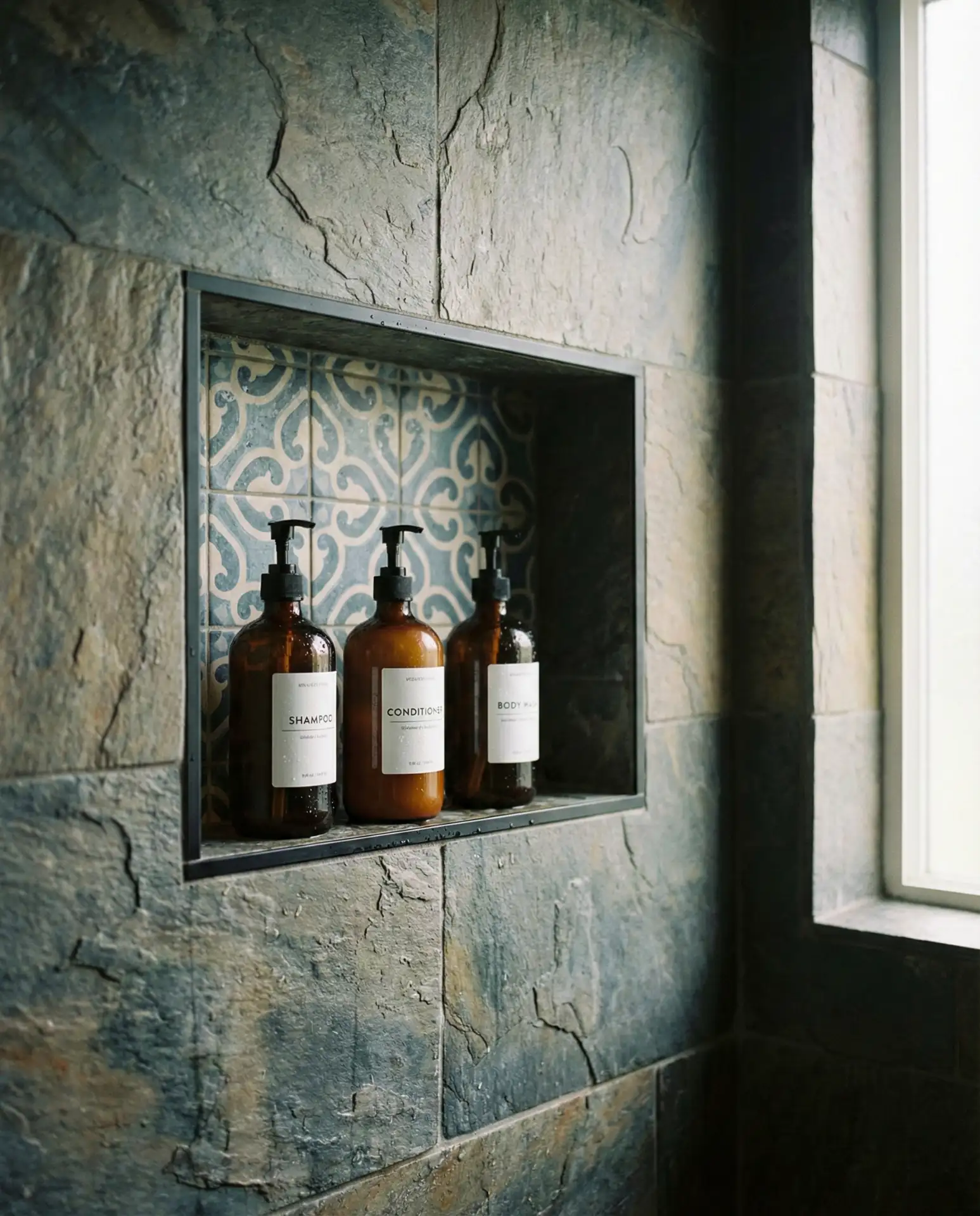
Adding niches during construction or a remodel costs $150–$300 per opening, depending on whether you’re working with studs or need to reframe. It’s a smart investment that keeps toiletries organized and prevents clutter. A common mistake is making niches too shallow—aim for at least 3.5 inches deep so bottles don’t tip over. Niches work in any shower size, but they’re especially useful in small full baths where every inch of storage counts.
16. Large-Format Tile for Seamless Look
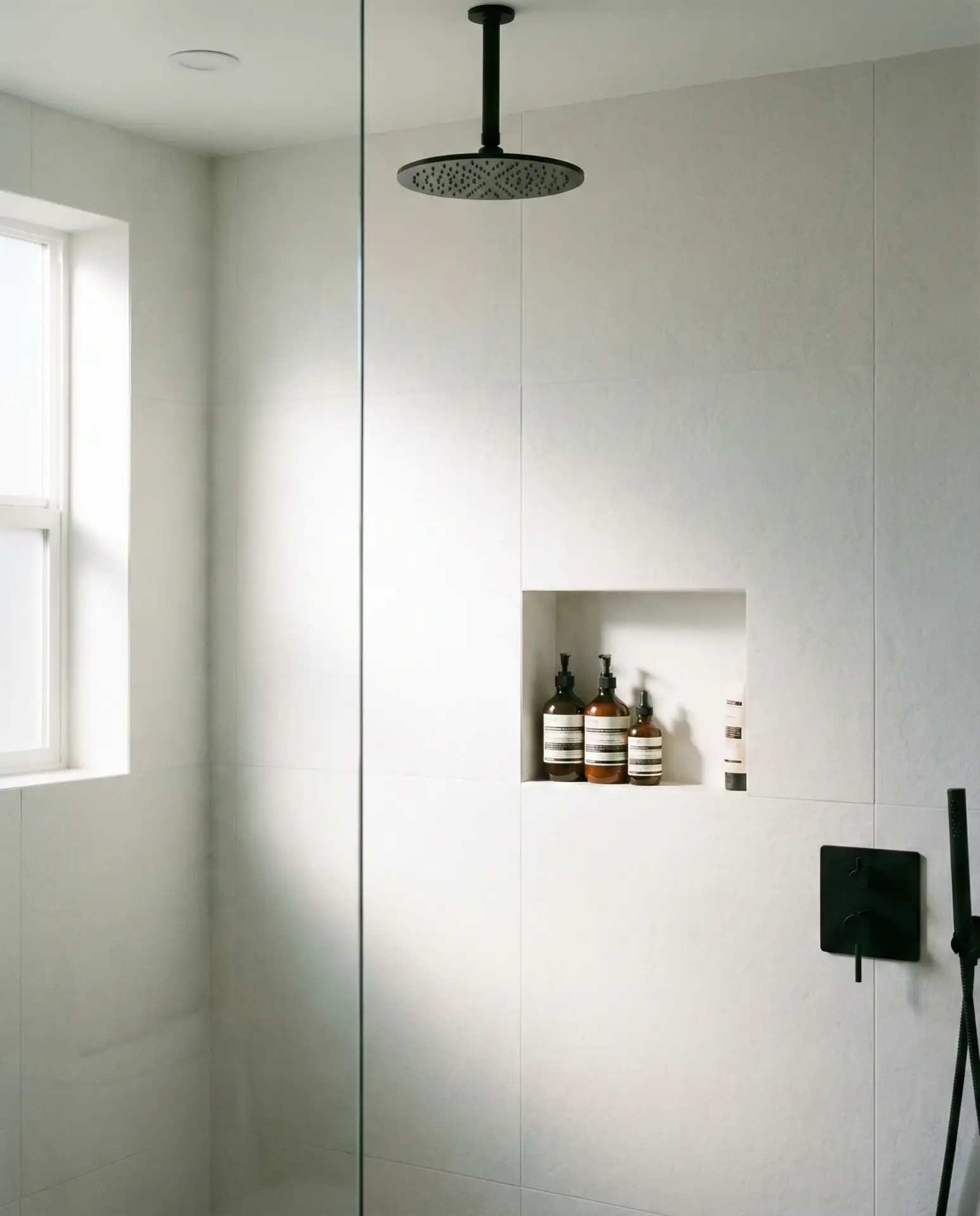
Large-format tiles—12×24 inches or bigger—reduce grout lines and create a sleek, continuous surface that makes a small space feel larger. They’re ideal for floors and shower walls, and they’re easier to clean than smaller mosaics. Choose a neutral color in a matte or honed finish for a modern, understated look that won’t compete with other design elements.
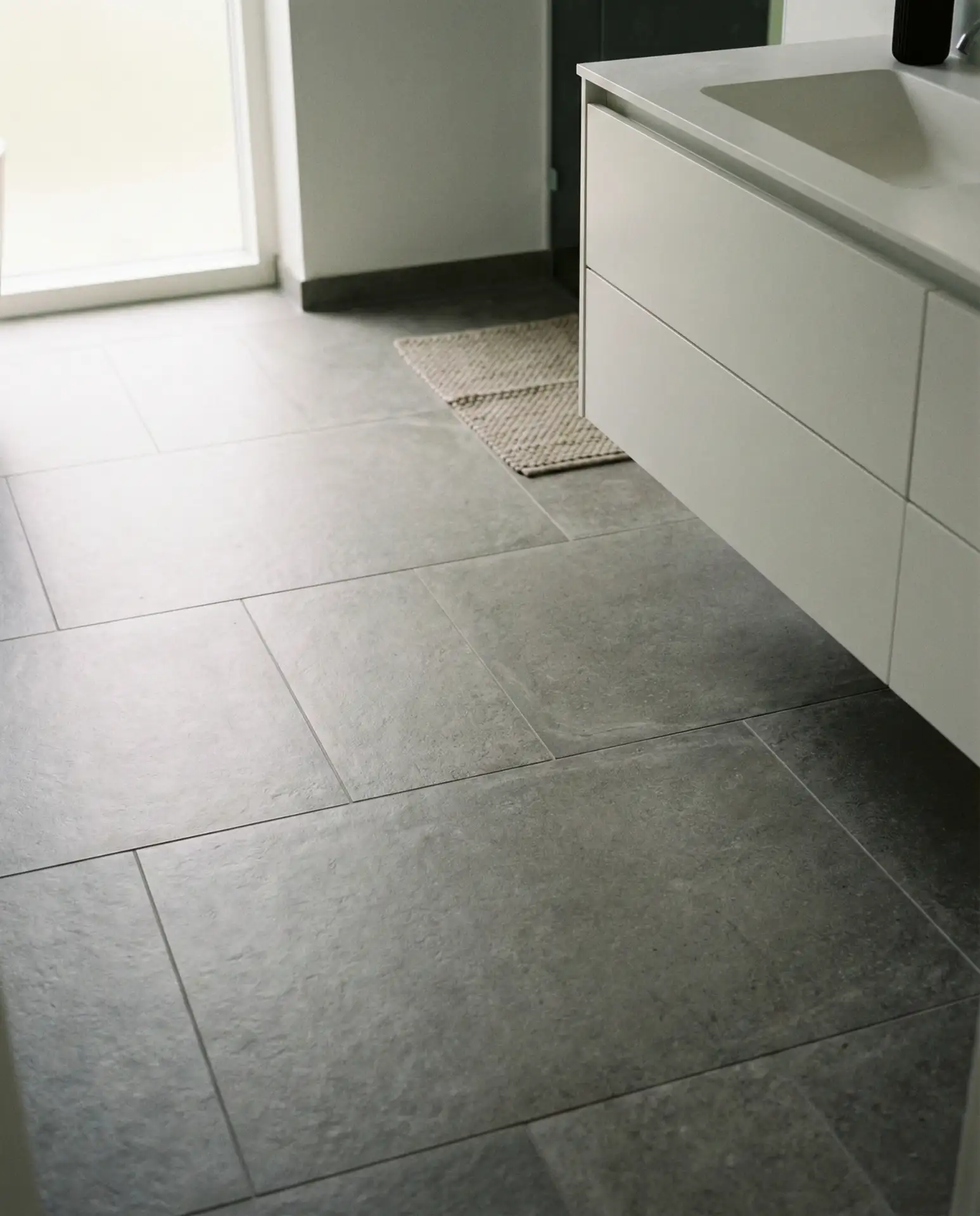
Large-format tile can be more expensive than standard sizes—$6–$12 per square foot—and installation costs a bit more because it requires a perfectly flat substrate and experienced hands. But the payoff is a contemporary, high-end look with less grout to scrub. This style is popular in urban apartments and modern homes where clean lines and simplicity are priorities. It’s also a smart choice for basement bathrooms, where moisture control is critical and large tiles mean fewer seams for water to penetrate.
17. Vintage Clawfoot Tub Restoration
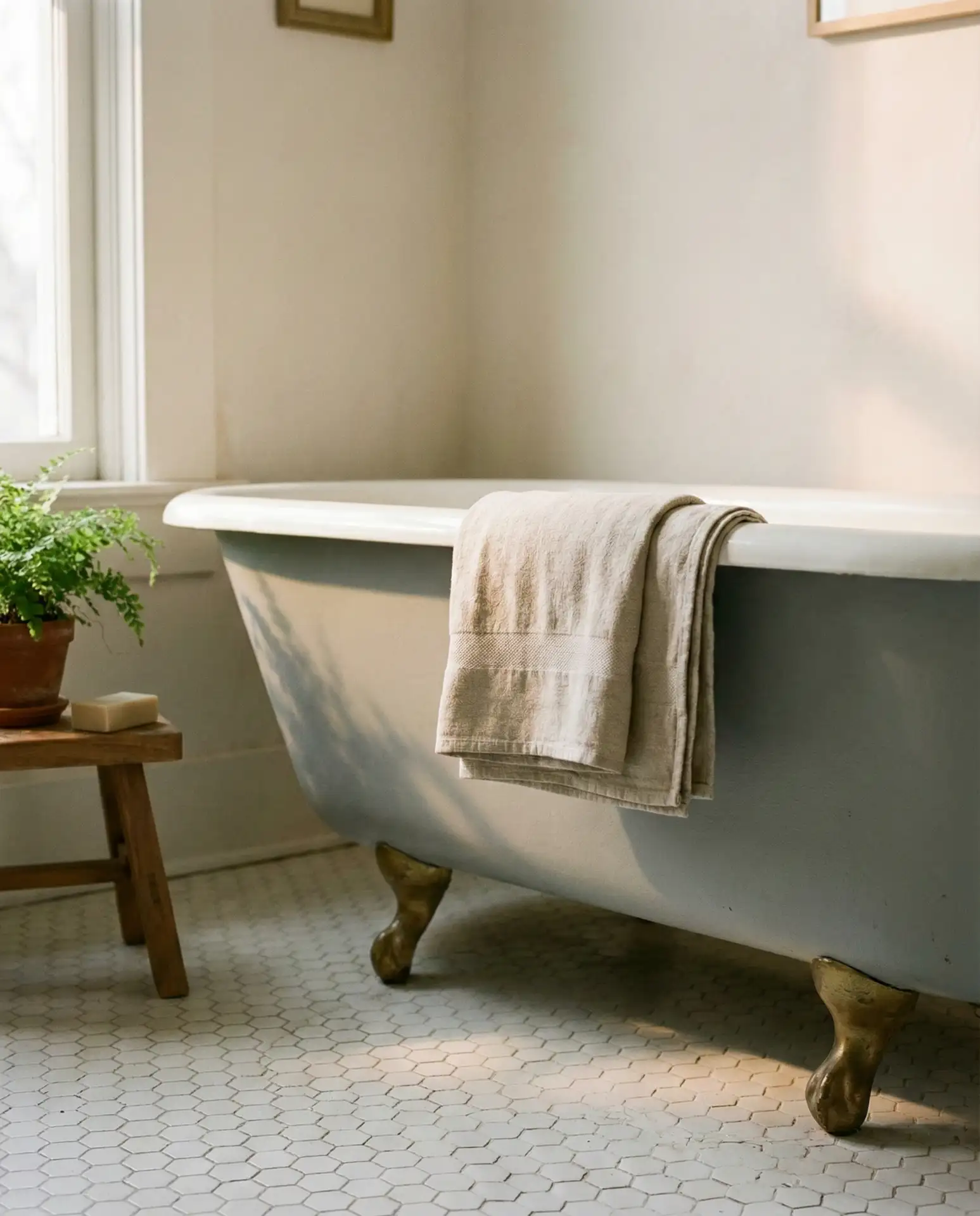
Restoring a vintage clawfoot tub brings history and charm into a bathroom remodel, and it’s often cheaper than buying a new freestanding tub. You can find them at salvage yards, estate sales, or online marketplaces, then have them professionally refinished for $400–$800. The cast-iron construction retains heat beautifully, making for a long, luxurious soak.
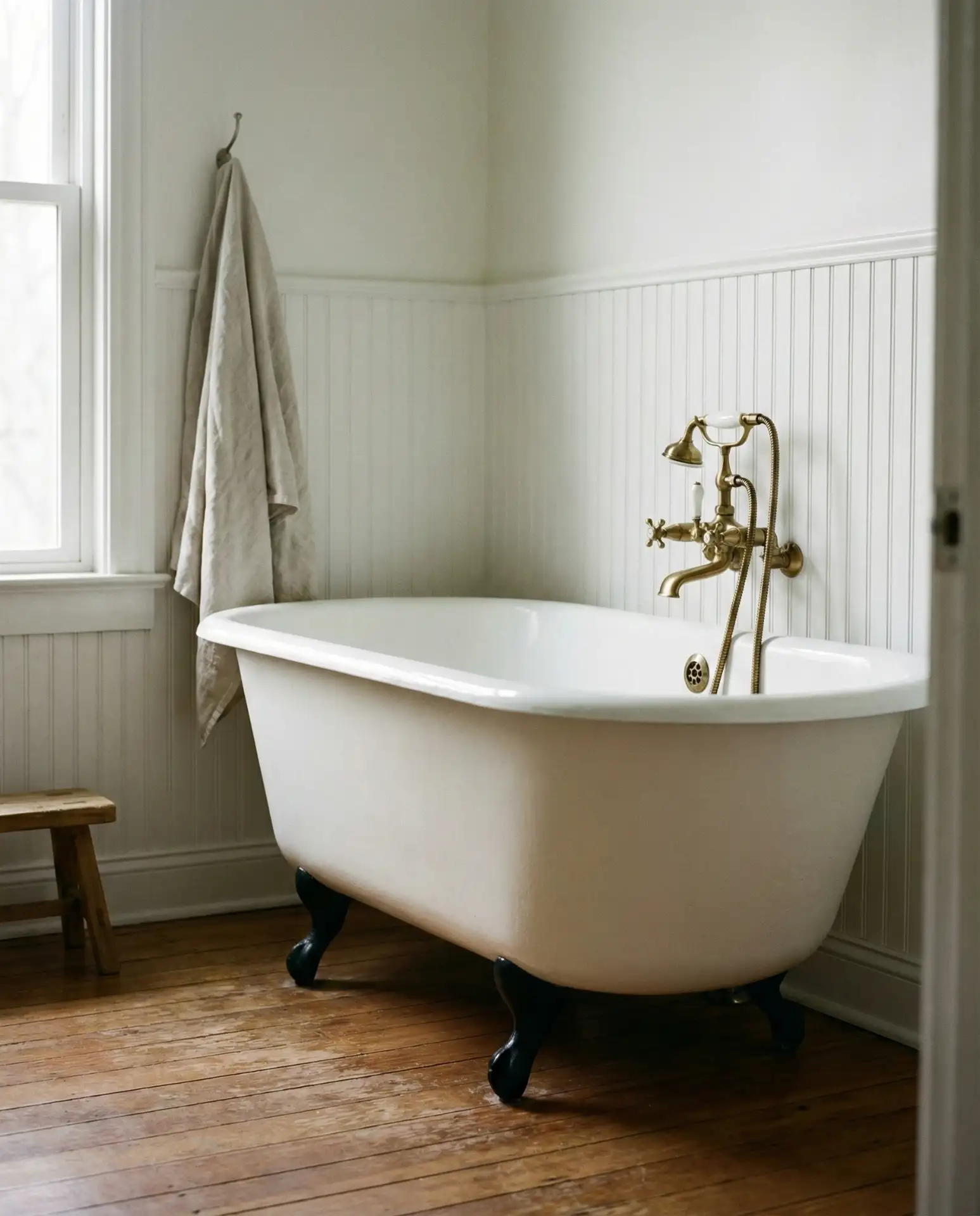
An American lifestyle note: clawfoot tubs are especially popular in older homes in New England, the Midwest, and parts of the South, where they fit the architectural character. They do require floor-mounted or wall-mounted plumbing, so factor that into your budget. A common mistake is buying a tub without checking its condition first—look for cracks, chips, or rust that might require extensive repair. Pair it with a vintage-style shower ring and handheld sprayer for a functional daily bathing option.
18. Concrete- or Cement-Look Surfaces
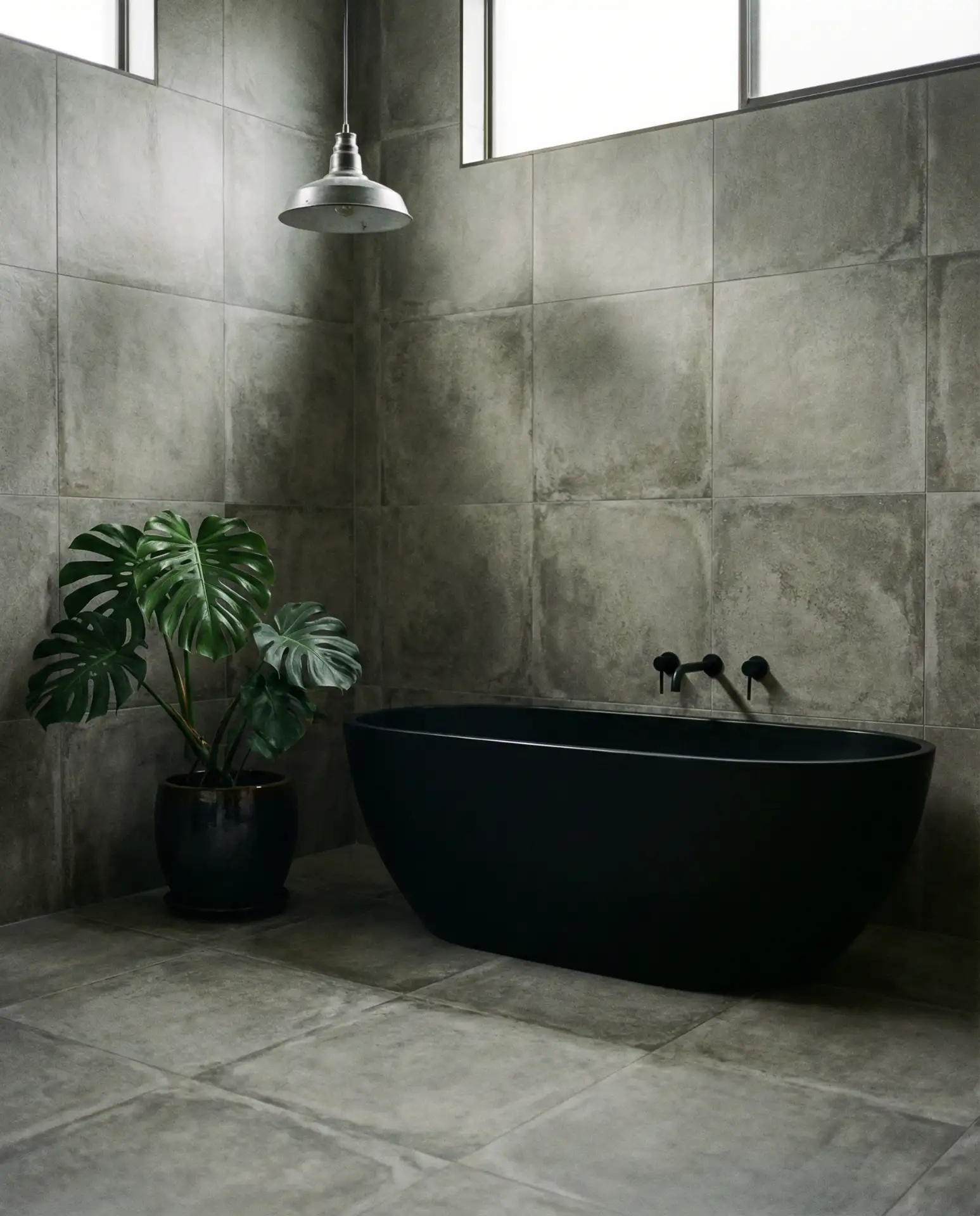
Concrete- or cement-look tiles and countertops offer an industrial, mid-century vibe that’s both durable and on-trend for 2026. The matte, slightly textured surface feels modern without being cold, and it pairs beautifully with warm wood, brass fixtures, or black accents. Use it on floors, walls, or vanity tops for a cohesive, contemporary look.
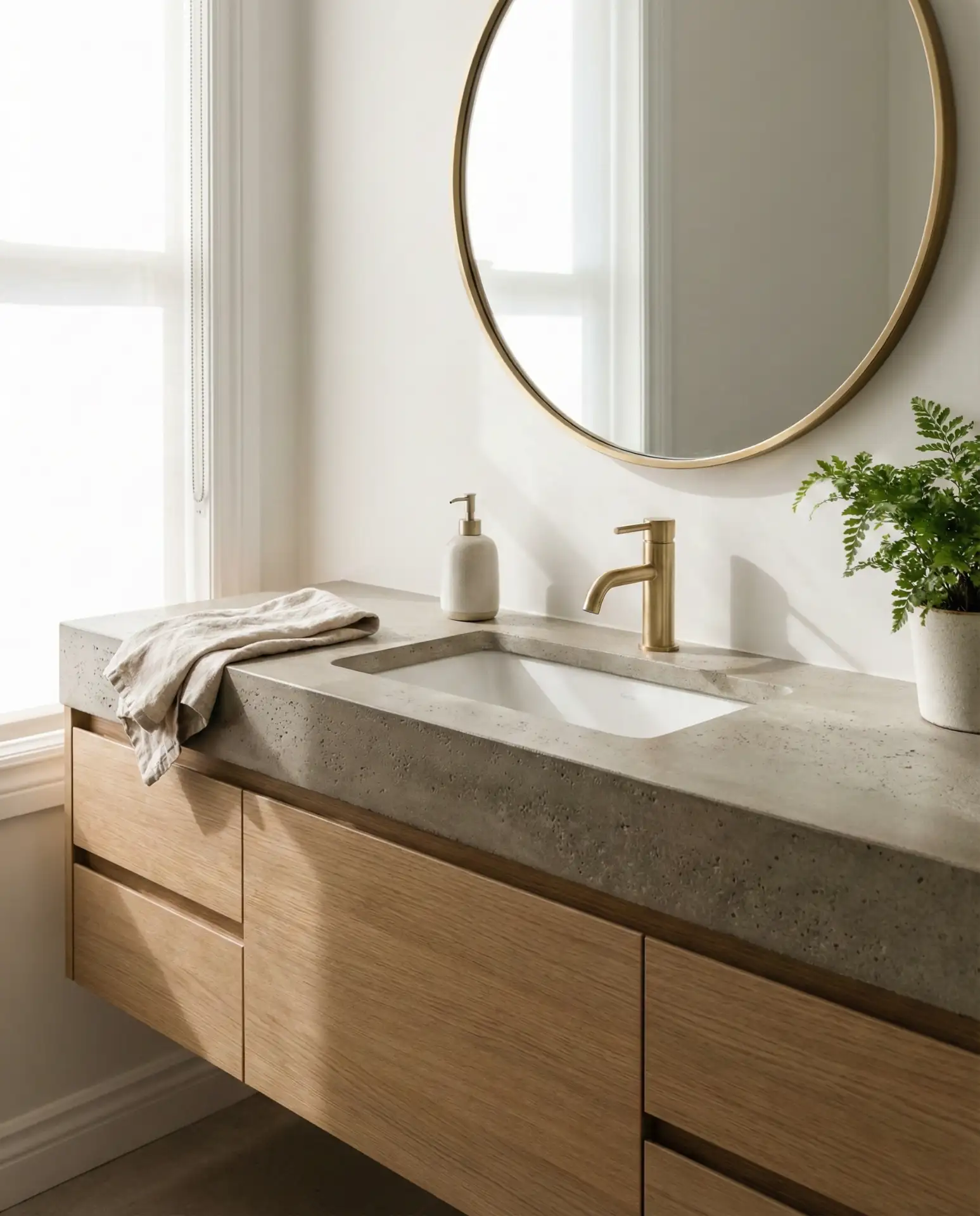
Real concrete countertops need to be sealed regularly to prevent staining and water damage, but concrete-look porcelain tiles give you the aesthetic with far less maintenance. Tile options run $4–$10 per square foot, making them budget-friendly. This style works particularly well in loft apartments, modern farmhouses, or any home with exposed brick, steel beams, or other industrial elements. It’s a smart choice for basement bathrooms, where the raw, urban look feels right at home.
19. Skylight for Natural Light Boost
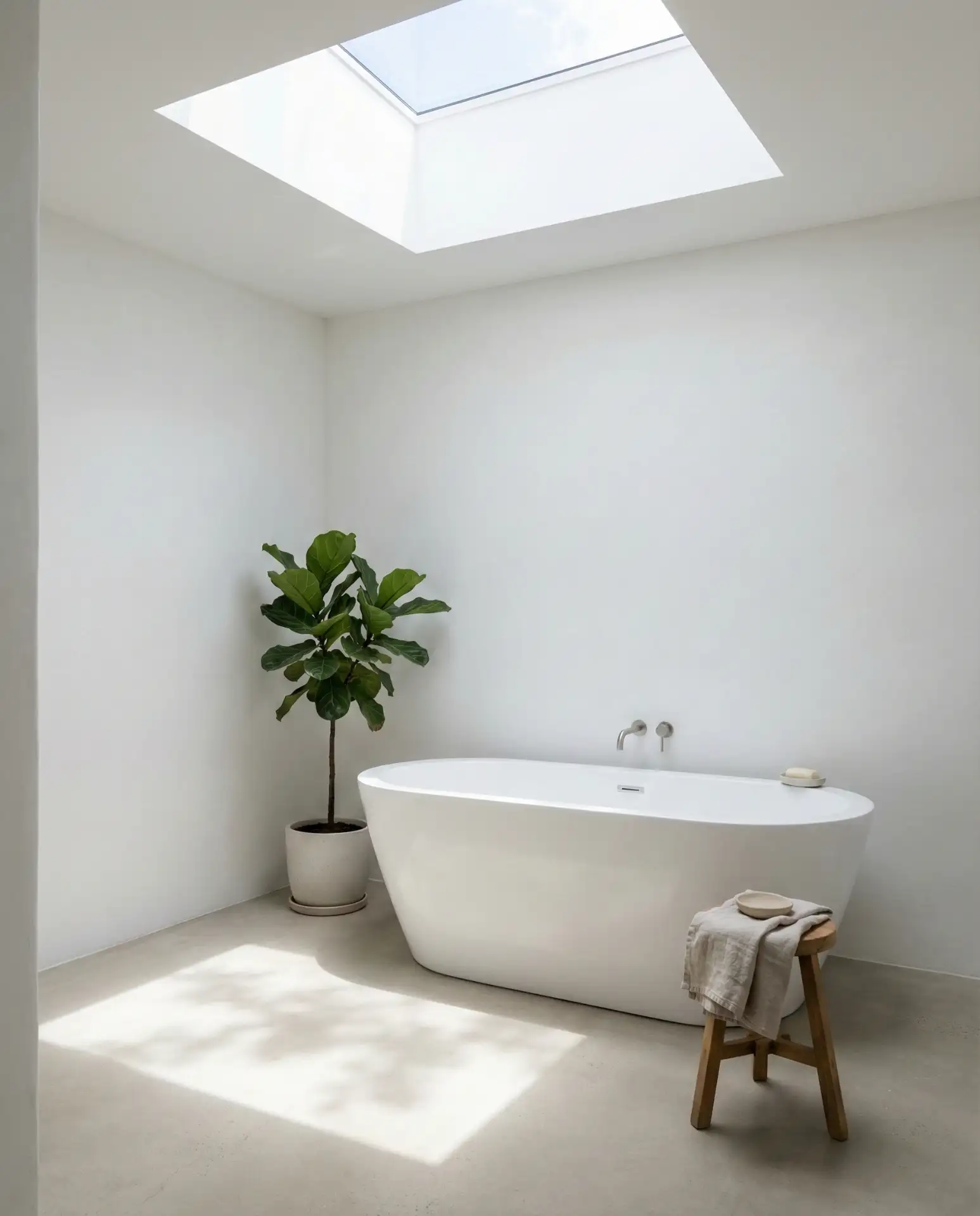
Adding a skylight to a windowless basement or interior bathroom floods the space with natural light and makes it feel dramatically larger. If you’re already working with the roof structure during a remodel, it’s the perfect time to cut in a skylight. Modern options include solar-powered shades, rain sensors, and low-E glass to prevent heat gain in summer.
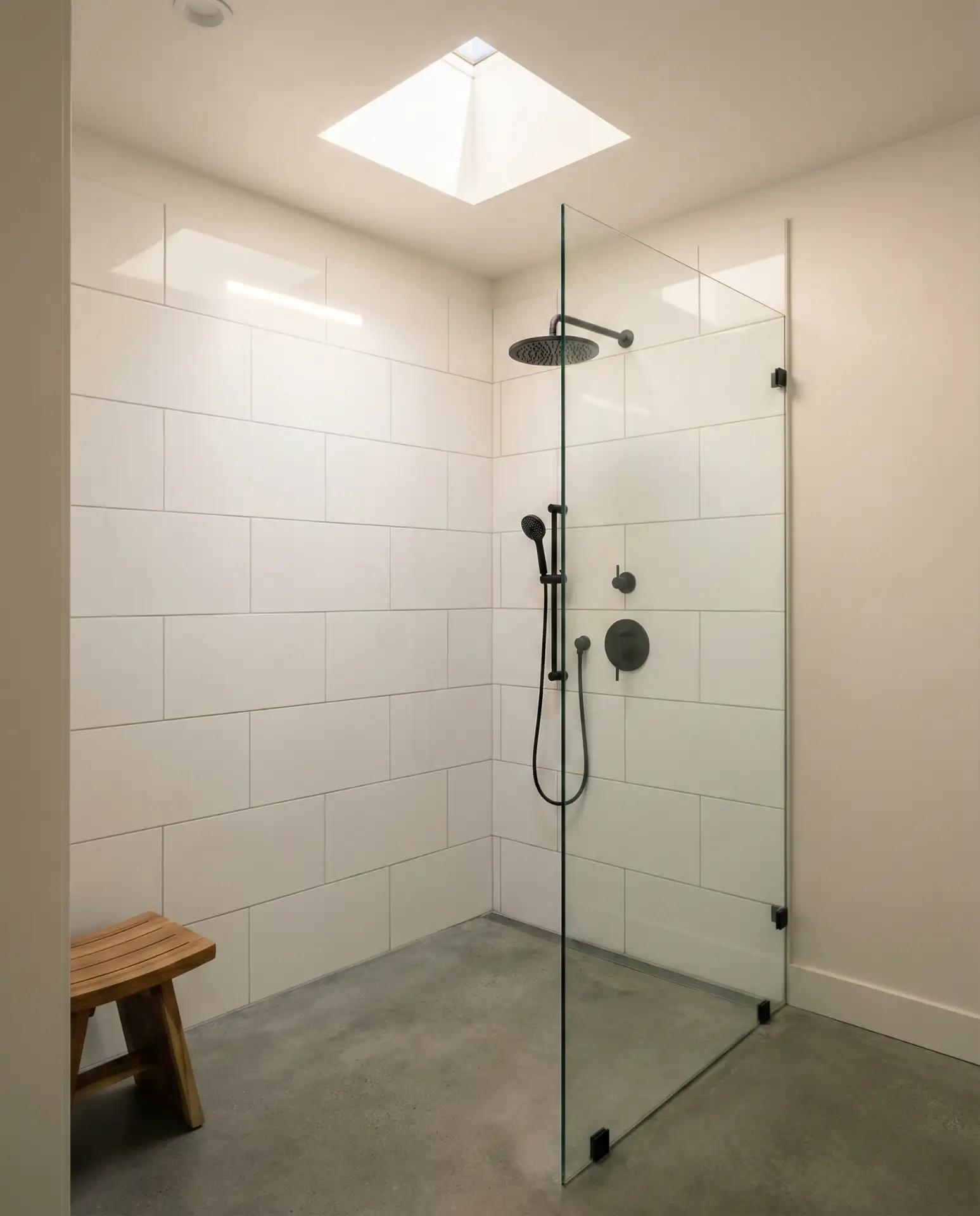
Skylights typically cost $1,500–$3,000 installed, depending on size and roof access. They reduce the need for artificial lighting during the day, which can lower energy costs. Where it works best: master bathrooms with direct roof access or single-story homes where the bathroom sits under the roofline. One thing to watch for: make sure installation is watertight and flashed properly, as leaks can cause serious damage. In sunny regions like the Southwest, choose a tinted or UV-blocking skylight to prevent overheating.
20. Compact RV and Camper Bath Upgrades
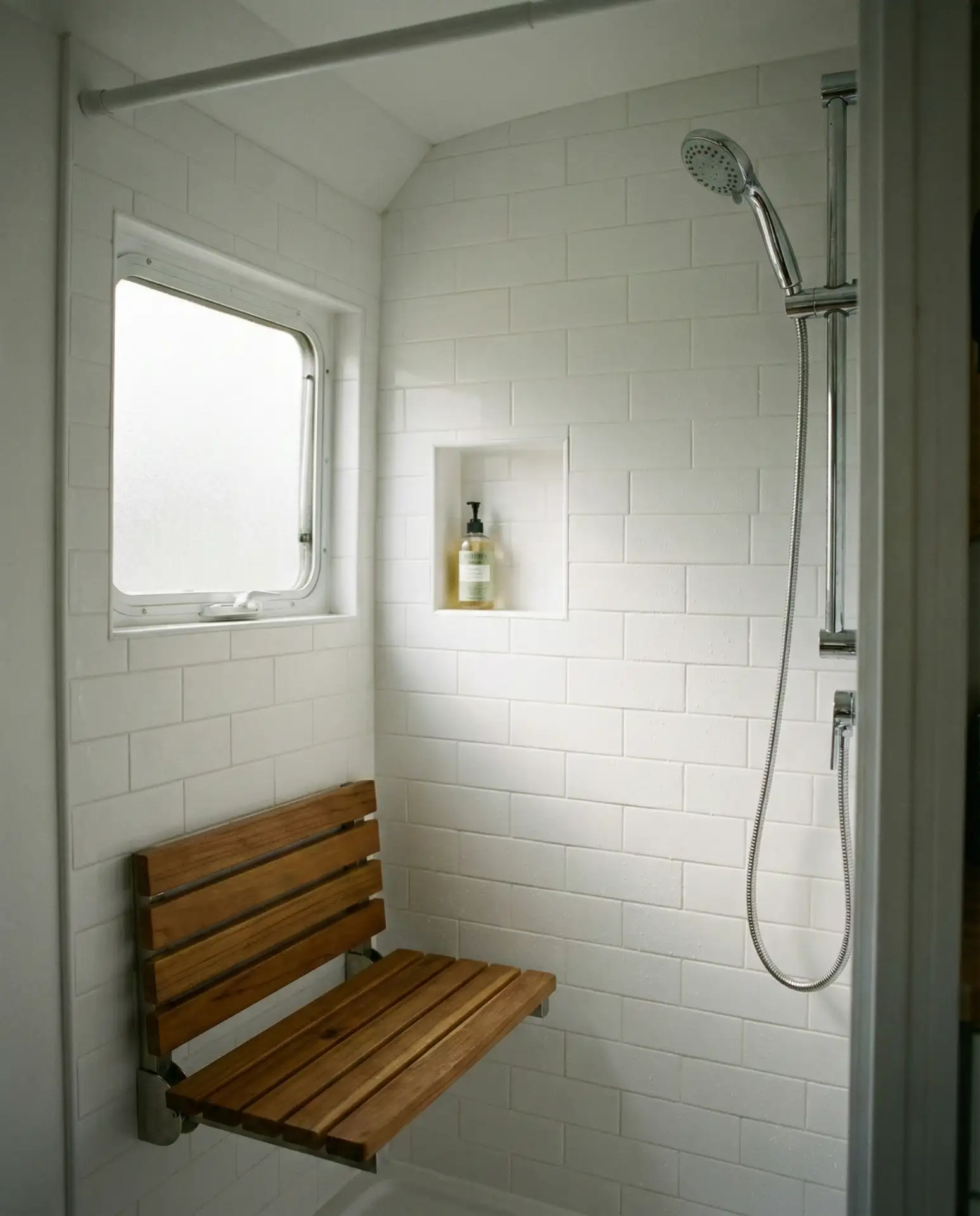
Even in an RV or camper, you can create a stylish, functional bathroom with the right materials and fixtures. Lightweight peel-and-stick tile, compact corner sinks, and fold-down shower seats maximize space without sacrificing comfort. Choose moisture-resistant finishes and secure everything properly to handle road vibrations.
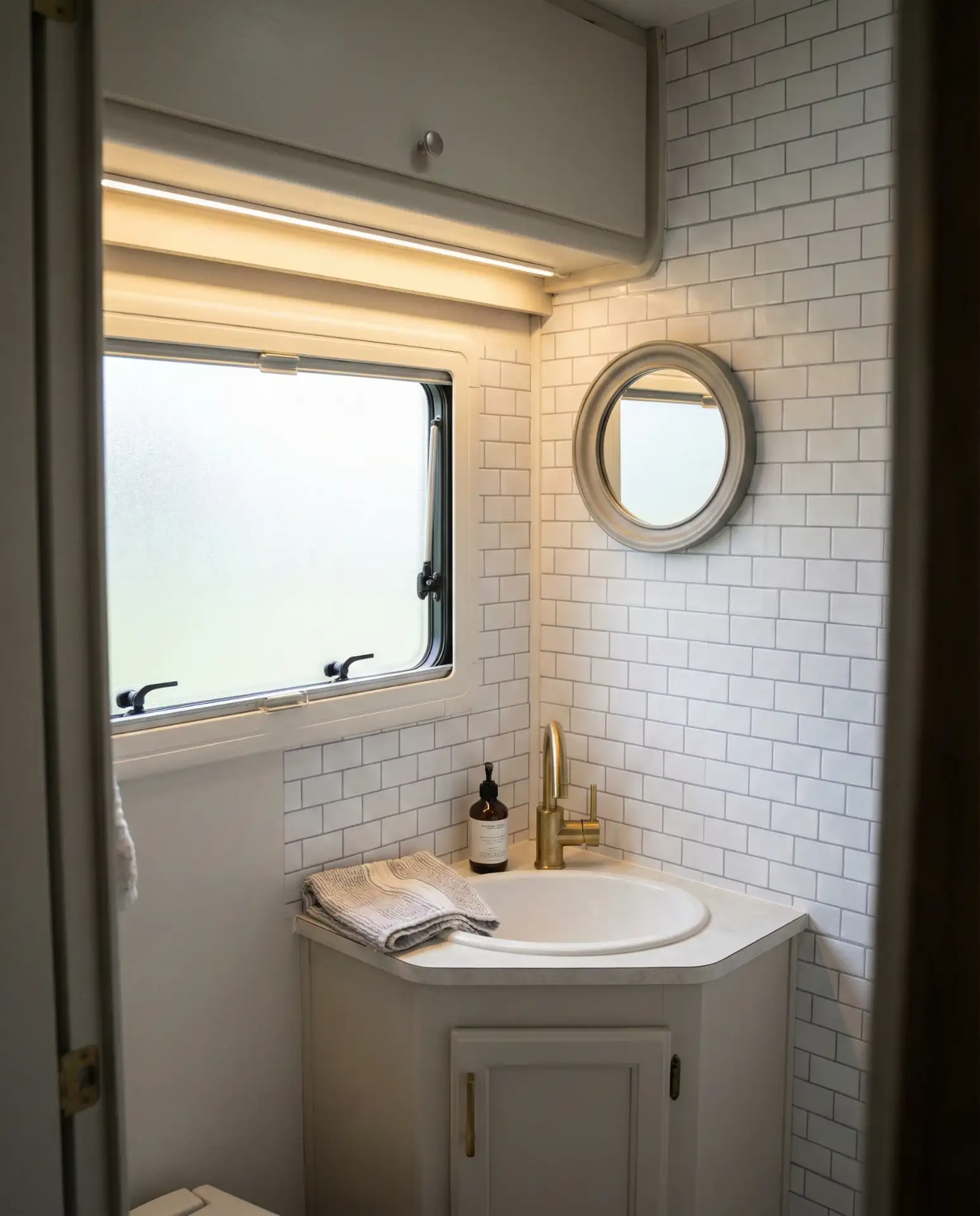
RV remodels are popular among full-time travelers and weekend adventurers who want their mobile space to feel like home. Use adhesive-backed materials that won’t add weight, and choose fixtures designed for marine or RV use that can handle movement. A small RV bath can be updated for $200–$600 with smart product choices. Storage is critical—add hooks, magnetic strips, and over-door organizers to keep toiletries contained. This approach also works in mobile home bathrooms, where space and weight considerations are similar.
21. Two-Tone Cabinetry for Depth
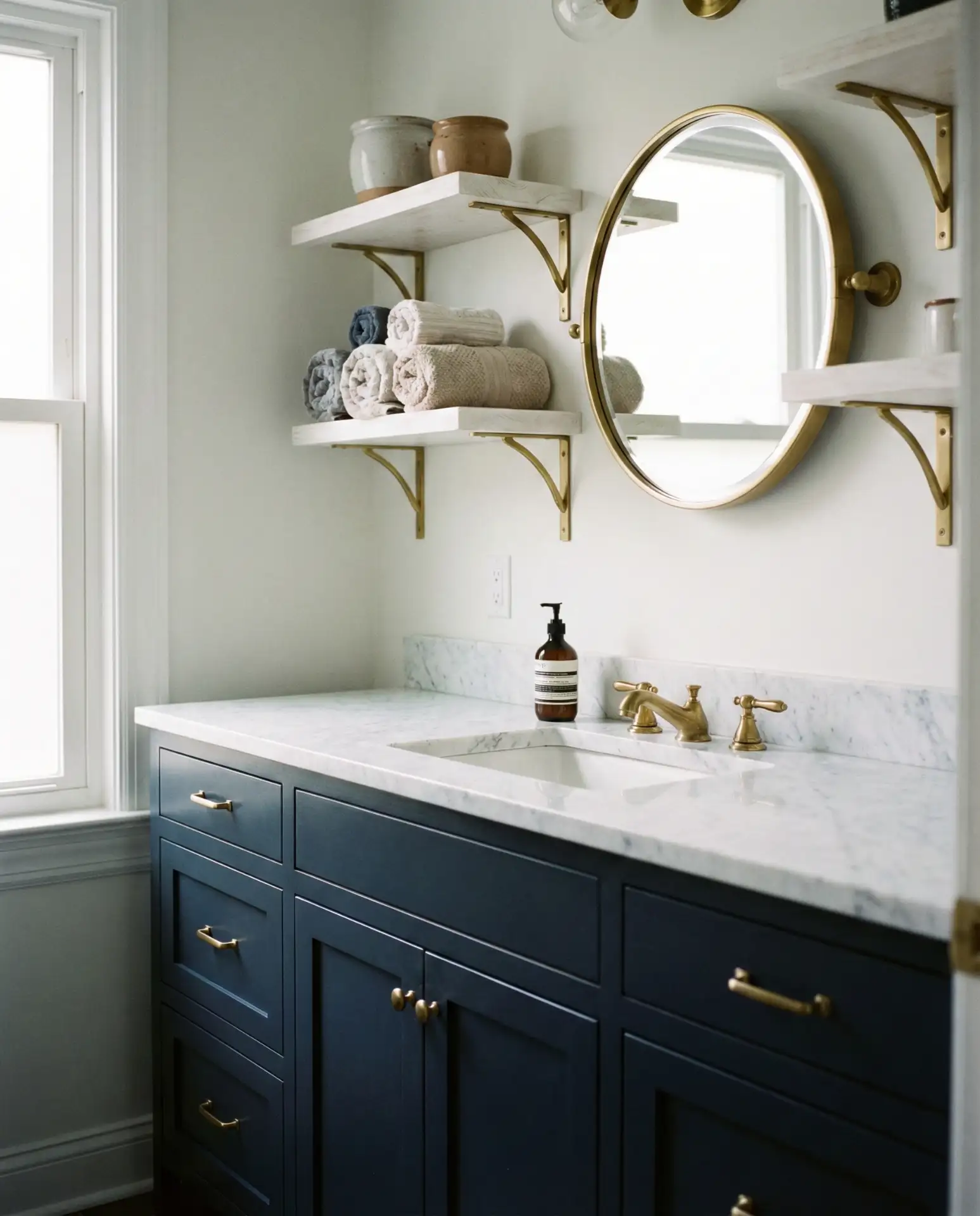
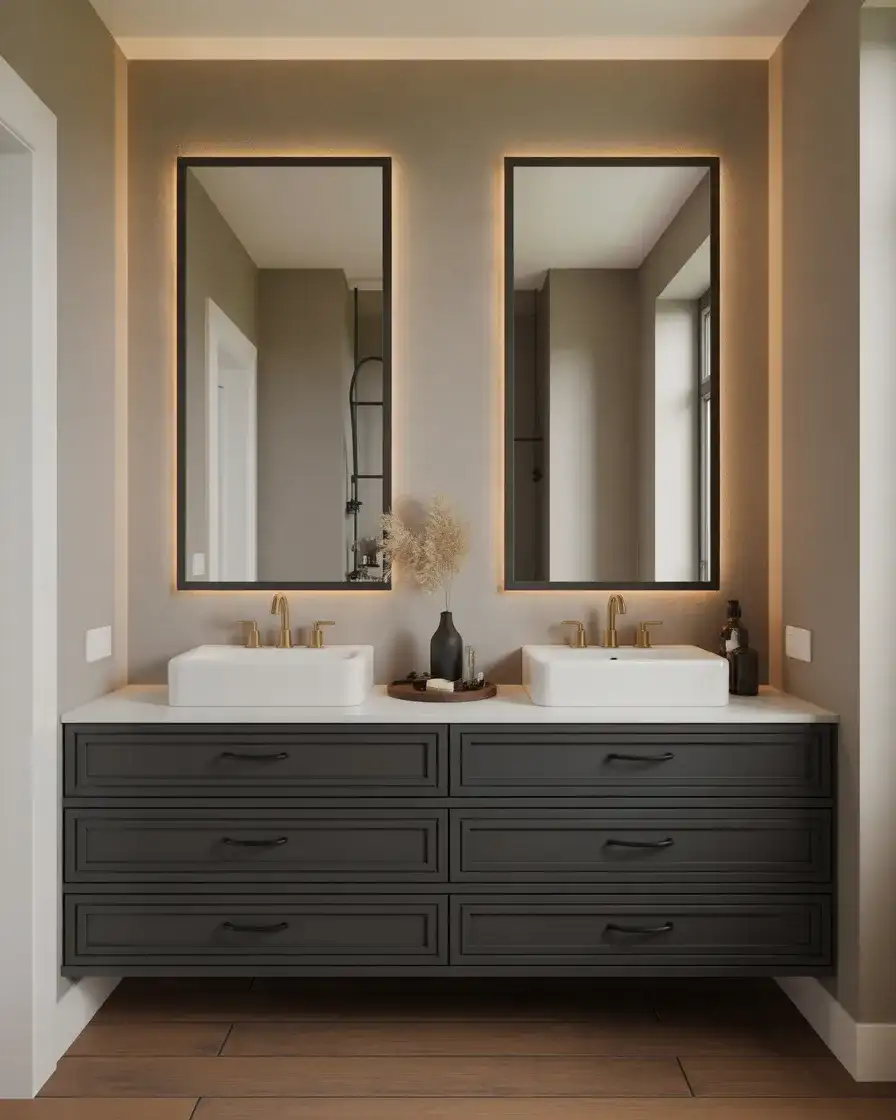
Pairing a dark lower vanity with lighter upper cabinets or open shelving creates visual interest and depth in a full bathroom. This two-tone approach feels current and allows you to play with color without overwhelming the space. Try navy or charcoal on the bottom with white or natural wood on top.
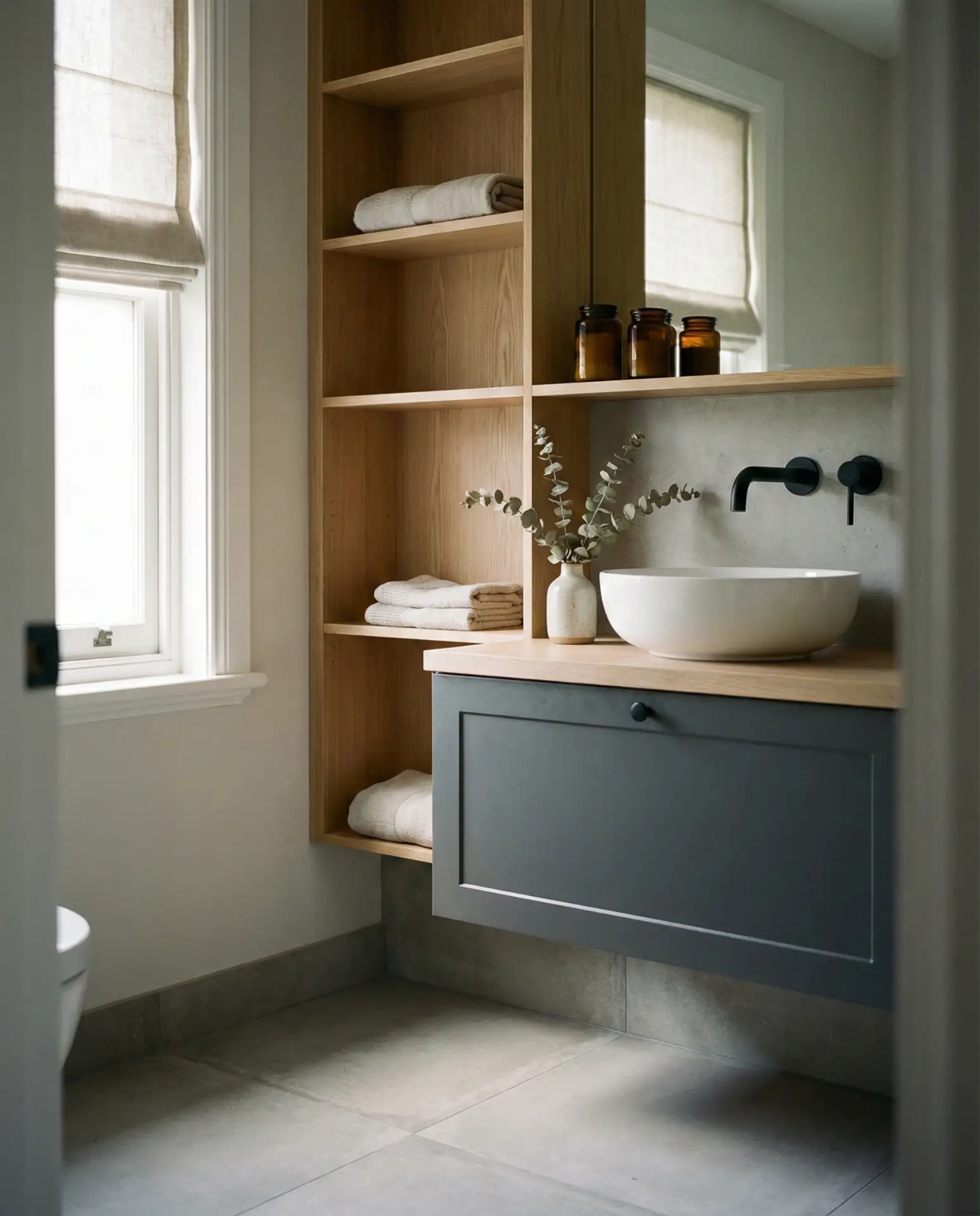
Expert-style commentary: Two-tone cabinetry is a smart way to experiment with color if you’re nervous about committing to bold walls or tile. It’s also forgiving—if you tire of the darker base, you can repaint just that section without redoing the whole room. This works in any size bathroom but shines in primary suites where you have enough cabinetry to make the contrast noticeable. Budget-wise, painting existing cabinets is an easy weekend project that costs under $100 in supplies.
22. Gallery Wall of Framed Art and Prints
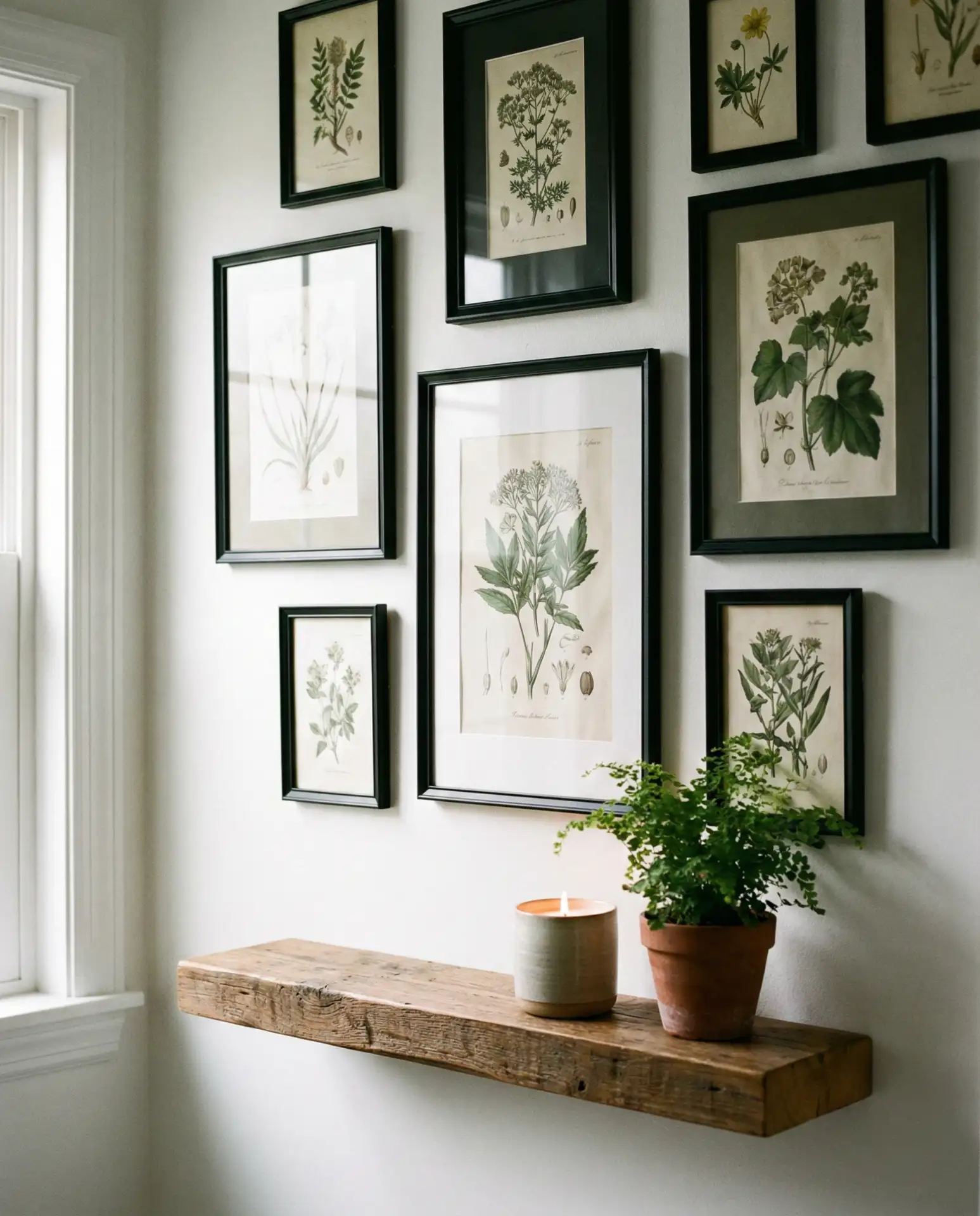
Bathrooms deserve art, too. A curated gallery wall of framed prints, pictures, or even vintage botanical illustrations adds personality and makes the space feel thoughtfully designed. Stick to a cohesive frame style—all black, all brass, or all wood—and choose moisture-resistant prints or photos sealed under glass to protect them from humidity.
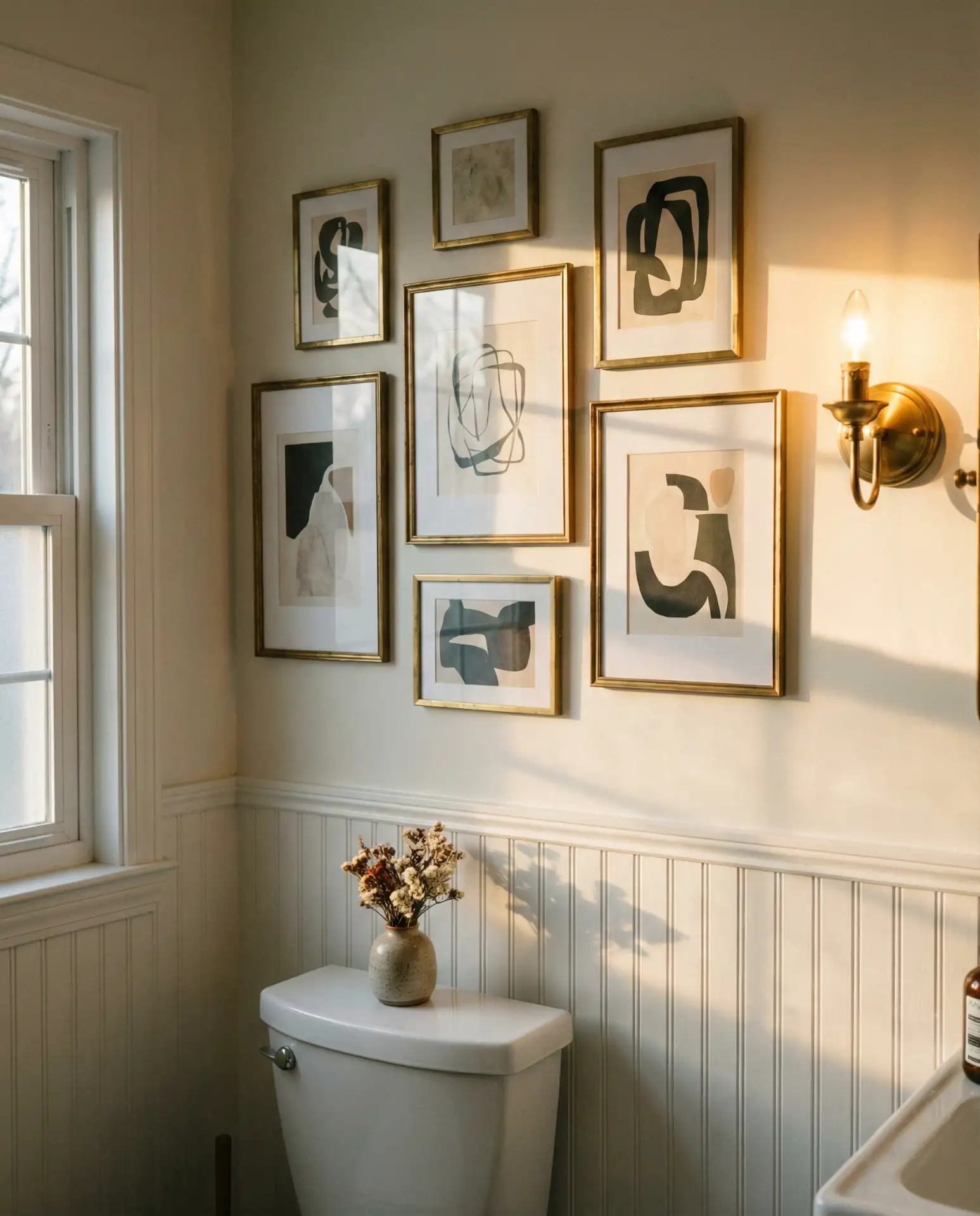
This is one of the most affordable ways to make a guest or half bath feel finished and intentional. You can source prints for $10–$30 each from online shops or local artists, and frames run $15–$50 depending on size and quality. Hang them using a template or painter’s tape to plan your layout before committing to nail holes. A gallery wall works especially well in powder rooms, where guests have time to linger and appreciate the details. Just avoid placing frames too close to the shower or tub, where steam can warp paper or damage the finish over time.
Conclusion
Whether you’re refreshing a cramped powder room or reimagining your entire master suite, these ideas offer a starting point for creating a bathroom that feels both current and personal. The best remodels balance beauty with function, and they reflect how you actually live—not just what looks good in a magazine. Take what resonates, adapt it to your space and budget, and don’t be afraid to mix styles until you find something that feels authentically yours. Drop a comment below with your favorite idea or share your own bathroom transformation—we’d love to hear what’s working in your home.