Bedroom makeovers are dominating Pinterest boards in 2026 as Americans seek fresh ways to transform their most personal space without breaking the bank. Whether you’re working with a tight budget, renting, or simply craving a cozy refresh, this year’s trends emphasize accessibility, creativity, and individuality. From aesthetic DIY projects to renter-friendly solutions, these ideas will help you reimagine your bedroom into a sanctuary that reflects your style and meets your needs. Let’s dive into the most inspiring bedroom makeover concepts that are capturing attention across the country right now.
1. Soft Neutral Palette with Textured Layers
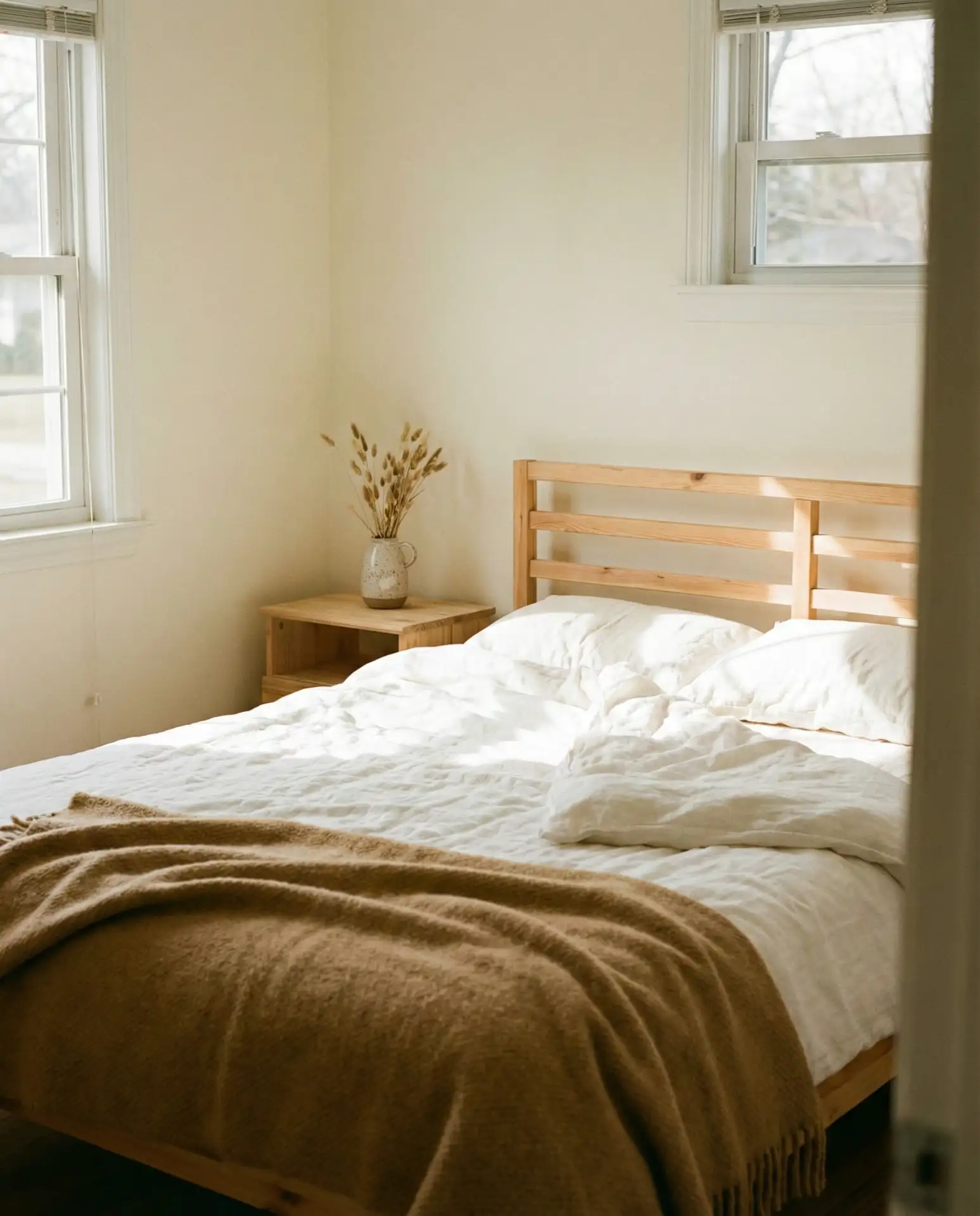
This aesthetic approach transforms any bedroom into a calming retreat using creamy whites, warm beiges, and soft taupes layered with linen bedding, chunky knit throws, and woven wall hangings. The look works beautifully in small rooms because lighter tones visually expand the space while the varied textures add depth without clutter. It’s become wildly popular as inspo for those seeking a minimalist yet inviting atmosphere that feels both modern and timeless.
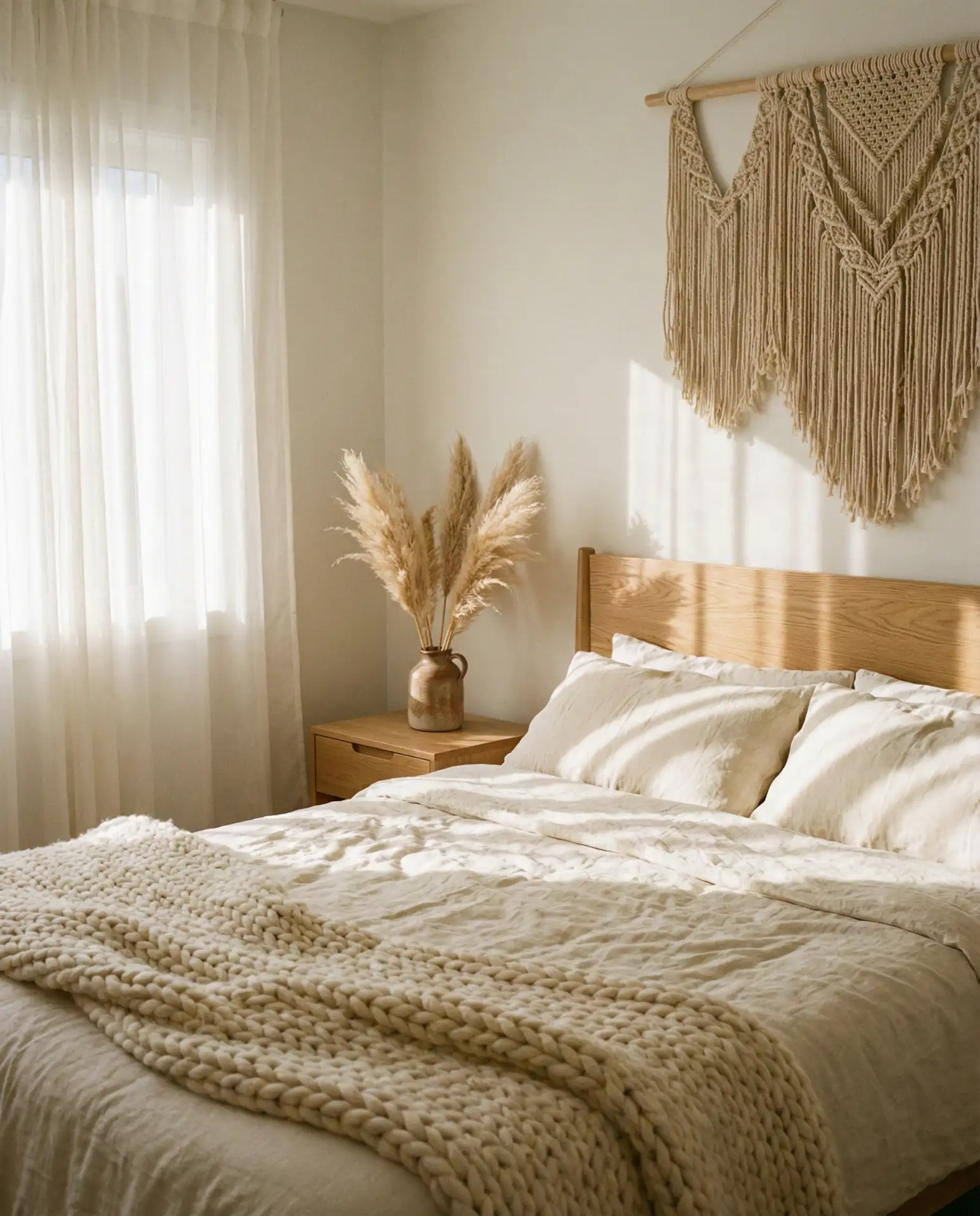
This style thrives in apartments across the Sun Belt, where natural light is abundant, particularly in cities like Austin and Phoenix, where residents want cooling visual effects without sacrificing warmth. The beauty lies in how easily you can swap out accessories seasonally—switching from lightweight cotton in summer to heavier knits in winter keeps the room feeling fresh. Most homeowners find this approach surprisingly affordable since thrift stores and discount retailers stock neutral bedding year-round.
2. Bold Accent Wall with Peel-and-Stick Wallpaper
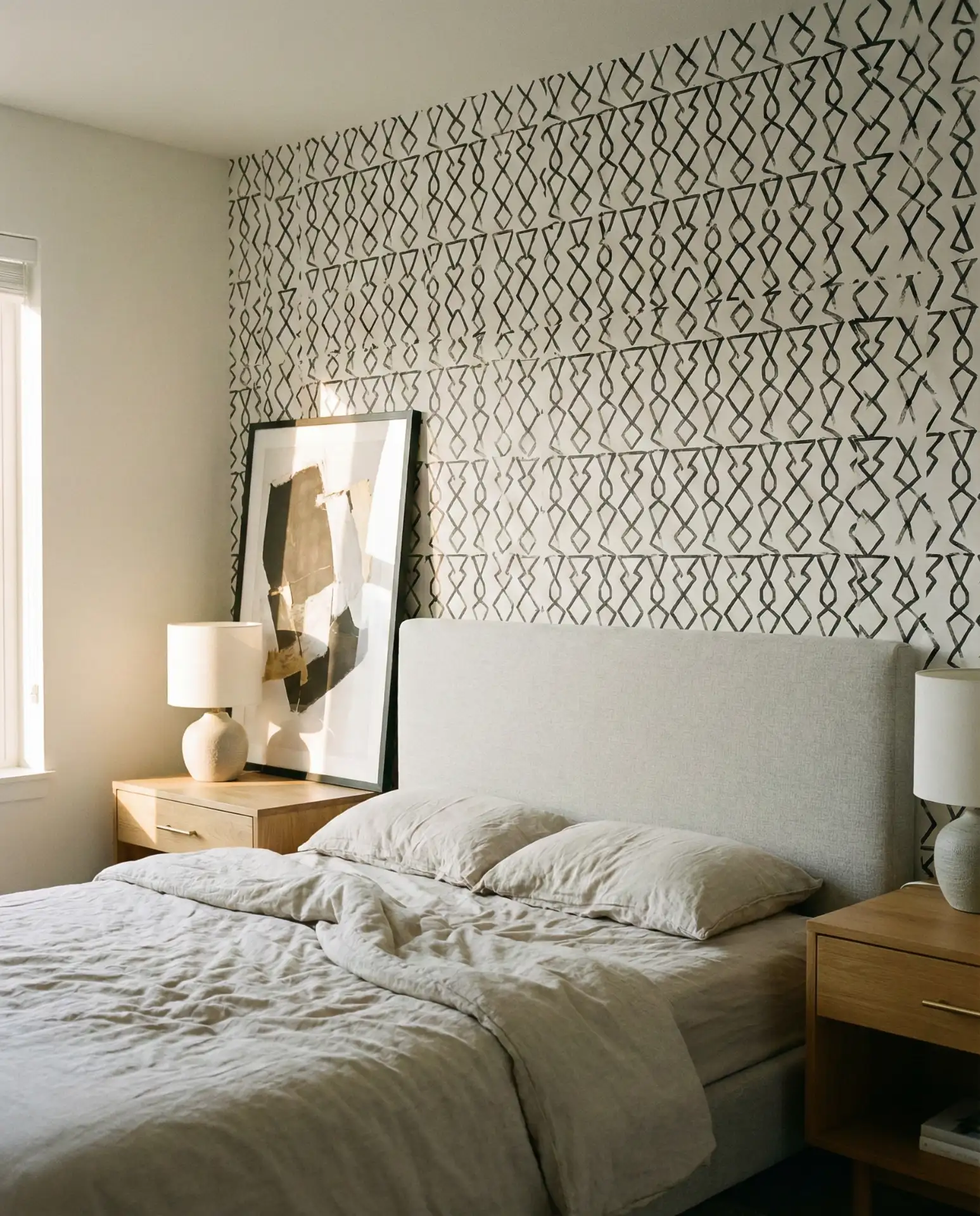
Renters are embracing renter-friendly accent walls using removable wallpaper in everything from geometric patterns to botanical prints, creating dramatic focal points without risking security deposits. This rental-friendly solution has become a game-changer for those who previously felt stuck with bland white walls. The installation takes just a few hours, and the variety of patterns available means you can achieve virtually any aesthetic from bohemian to ultra-modern.
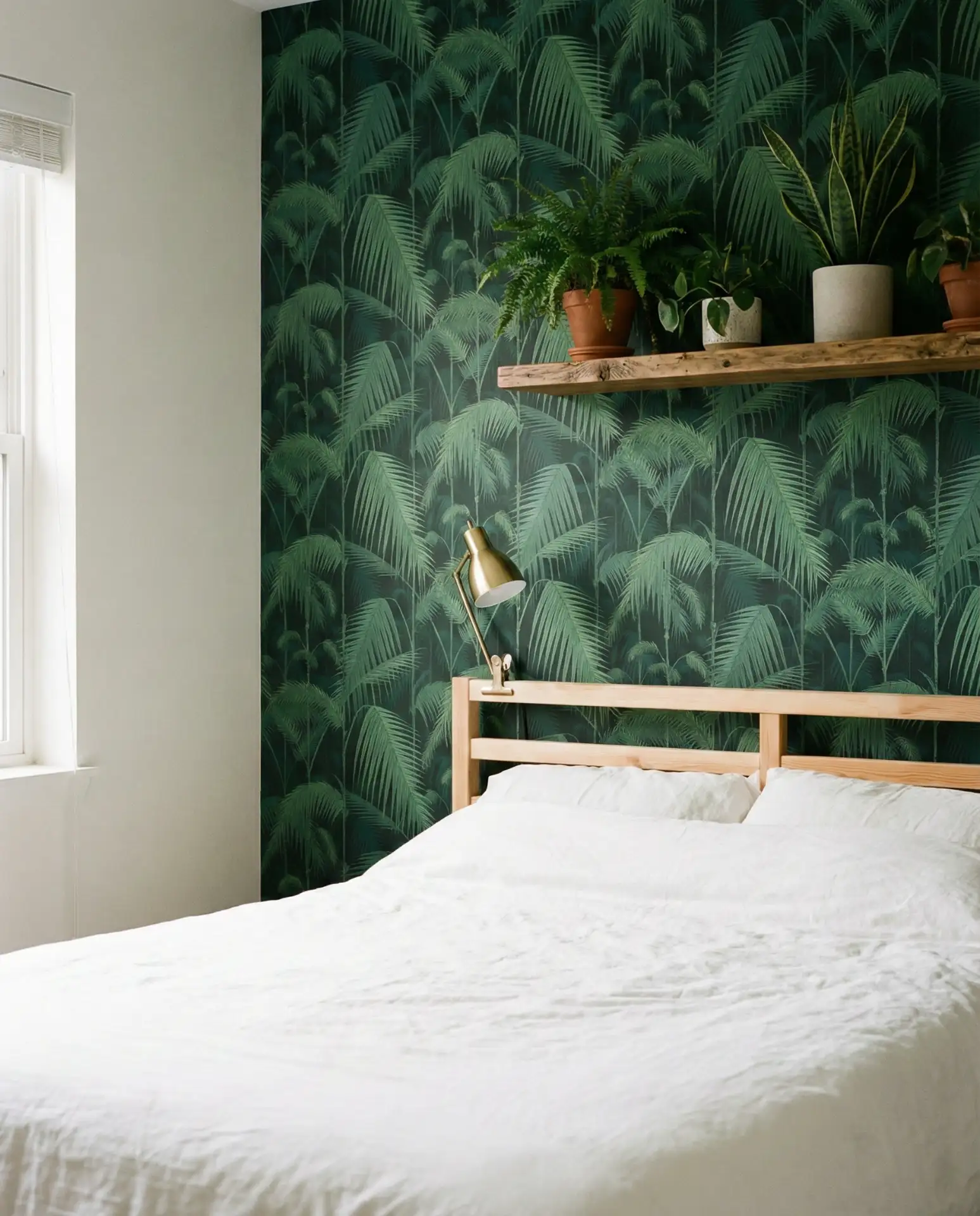
A common mistake is choosing patterns that are too busy for small bedrooms—stick with larger-scale designs that won’t overwhelm the space. Always order samples first to see how colors look in your specific lighting throughout the day. Many renters have discovered that applying wallpaper to just the wall behind the bed creates maximum impact while minimizing material costs and installation time.
3. Vintage Thrift Store Furniture Revival
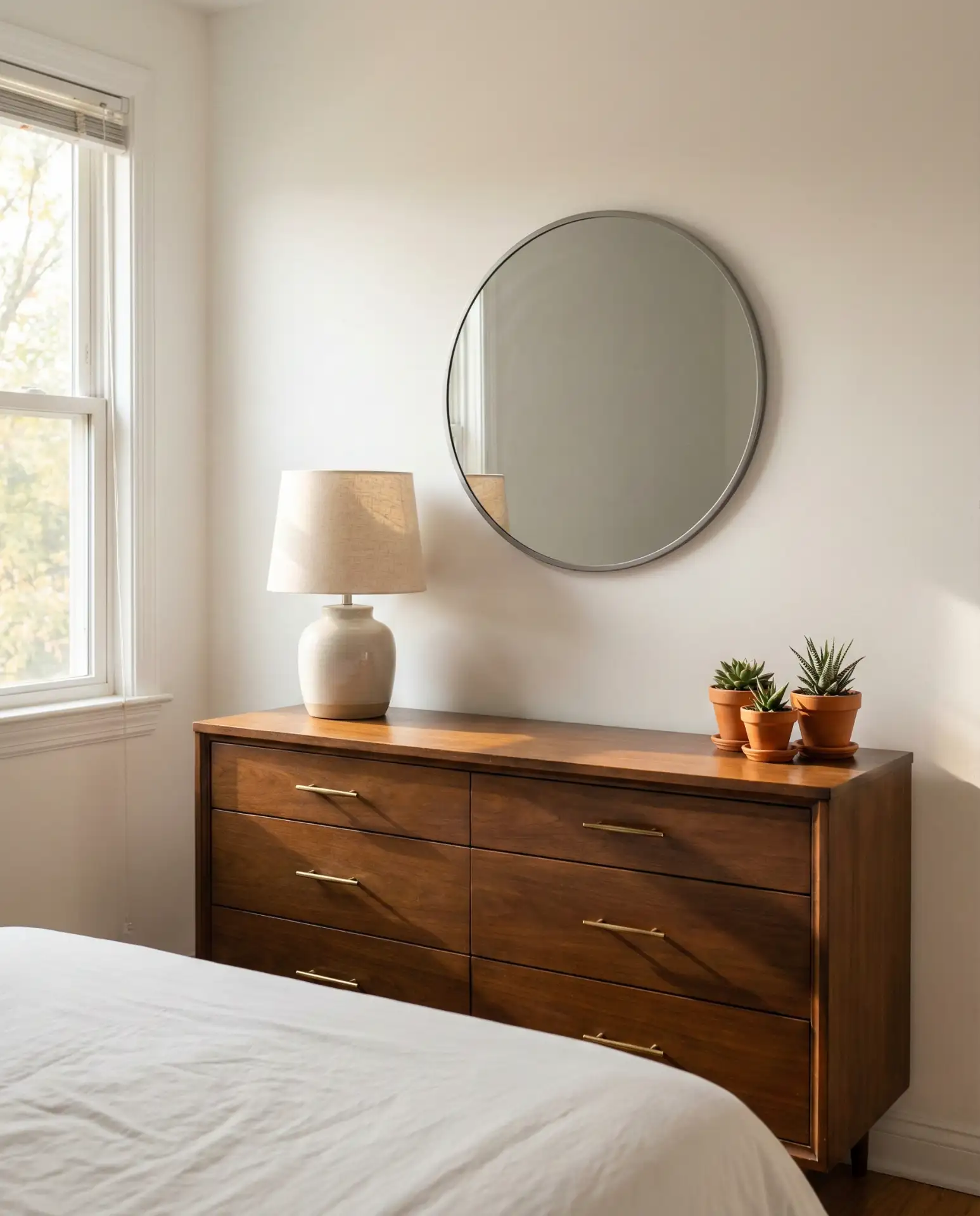
Scoring a solid wood dresser or vintage nightstand from a thrift shop and giving it new life with paint or stain has become a signature DIY move for budget bedroom makeovers. This approach delivers one-of-a-kind pieces with character that new furniture simply can’t match, and it’s considerably cheaper than buying retail. The sustainability angle resonates strongly with younger homeowners who appreciate both the environmental and financial benefits of secondhand furniture.
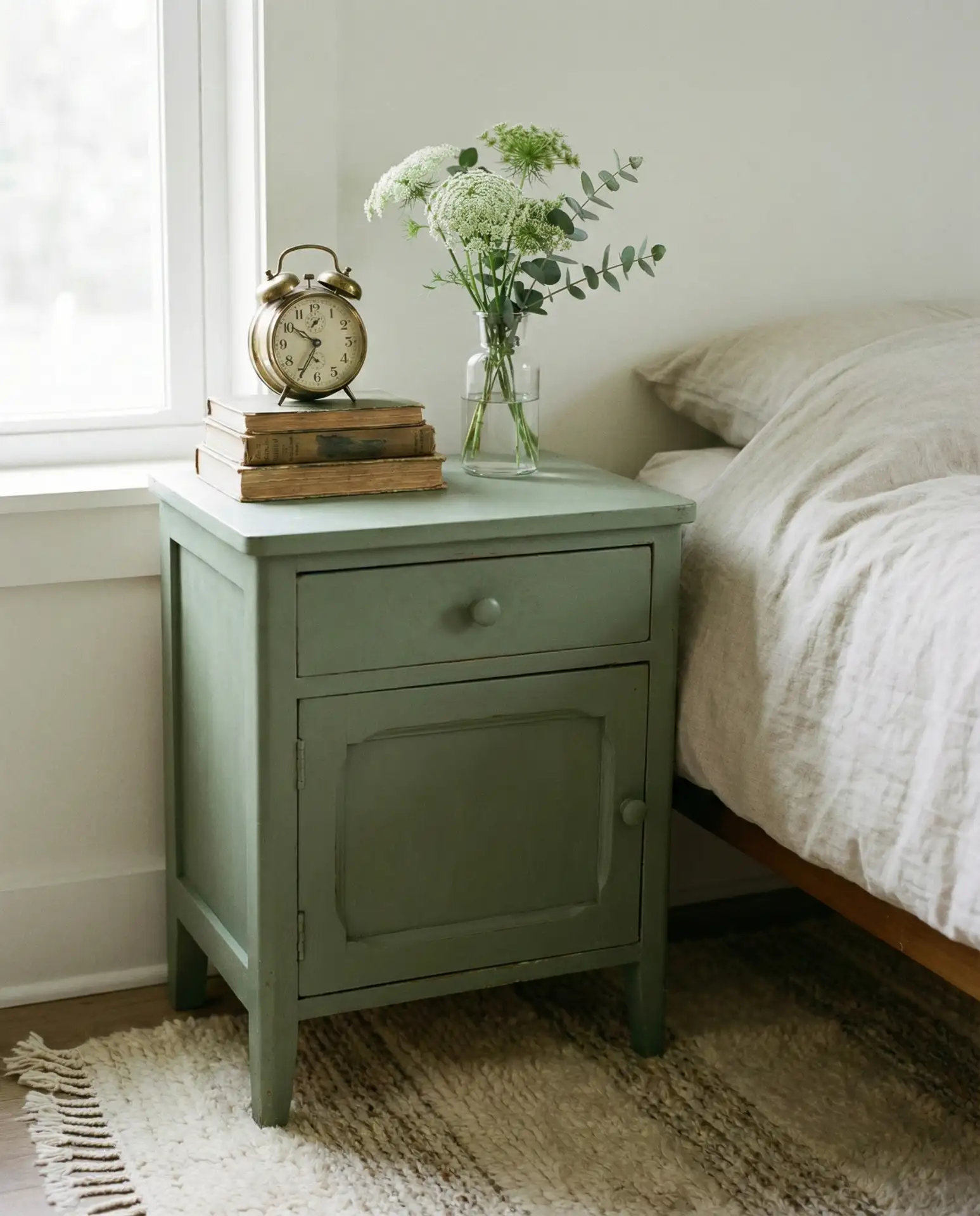
In the Midwest, estate sales often yield incredible finds from the 1950s and 60s—solid construction at a fraction of retail prices. My neighbor spent $40 on a maple dresser at a church sale, another $30 on supplies, and now has a piece that looks like it came from a boutique furniture store. The key is looking past surface damage to assess the bones of the piece.
4. Layered Lighting with Multiple Sources
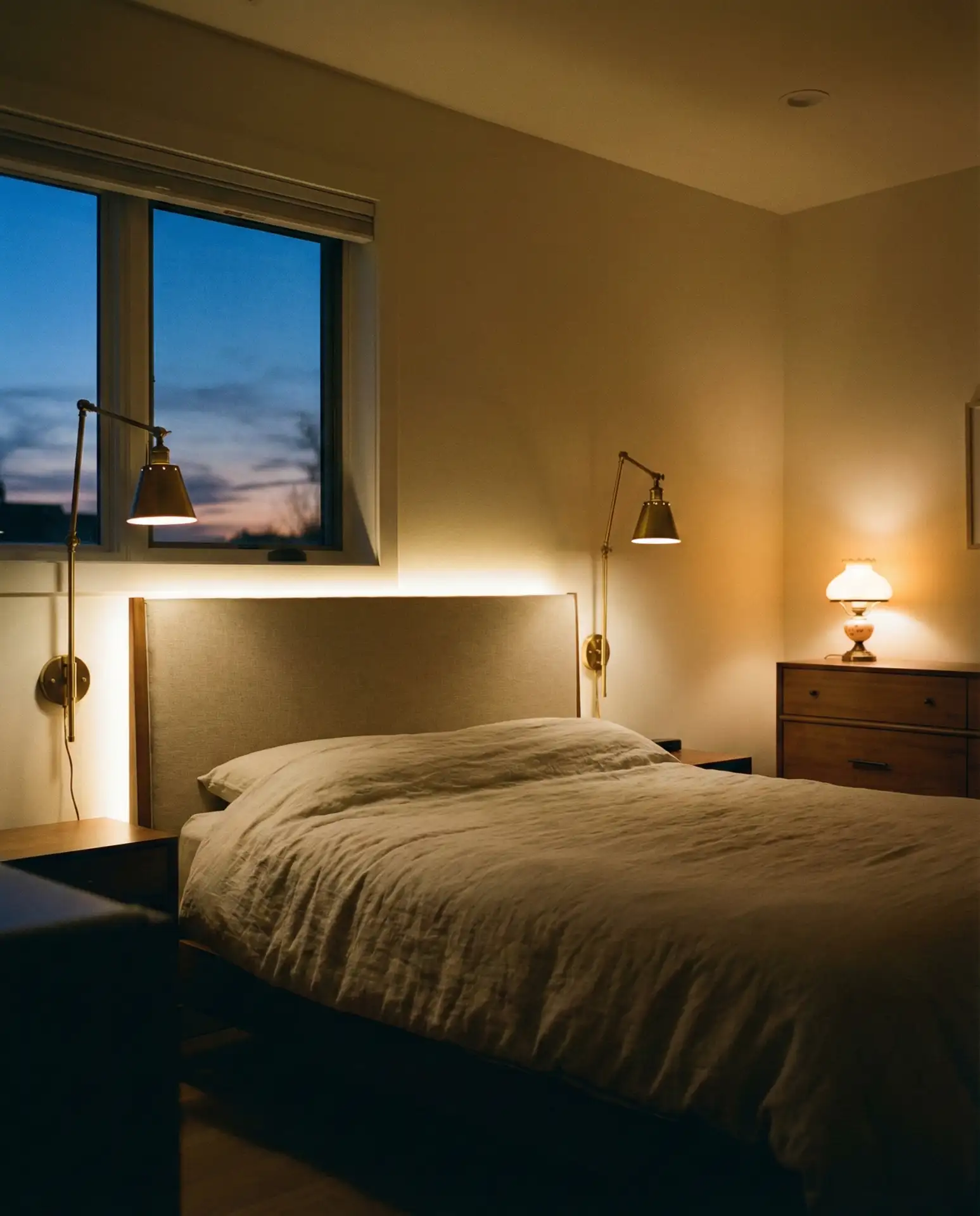
Moving beyond a single overhead fixture, smart bedroom makeovers now incorporate bedside lamps, wall sconces, and LED strips to create adjustable ambiance for different activities and moods. This easy upgrade dramatically changes how a room feels without any structural changes, making it perfect for rental situations. The ability to control brightness and warmth helps create a cozy sanctuary that adapts from morning routines to evening wind-down.
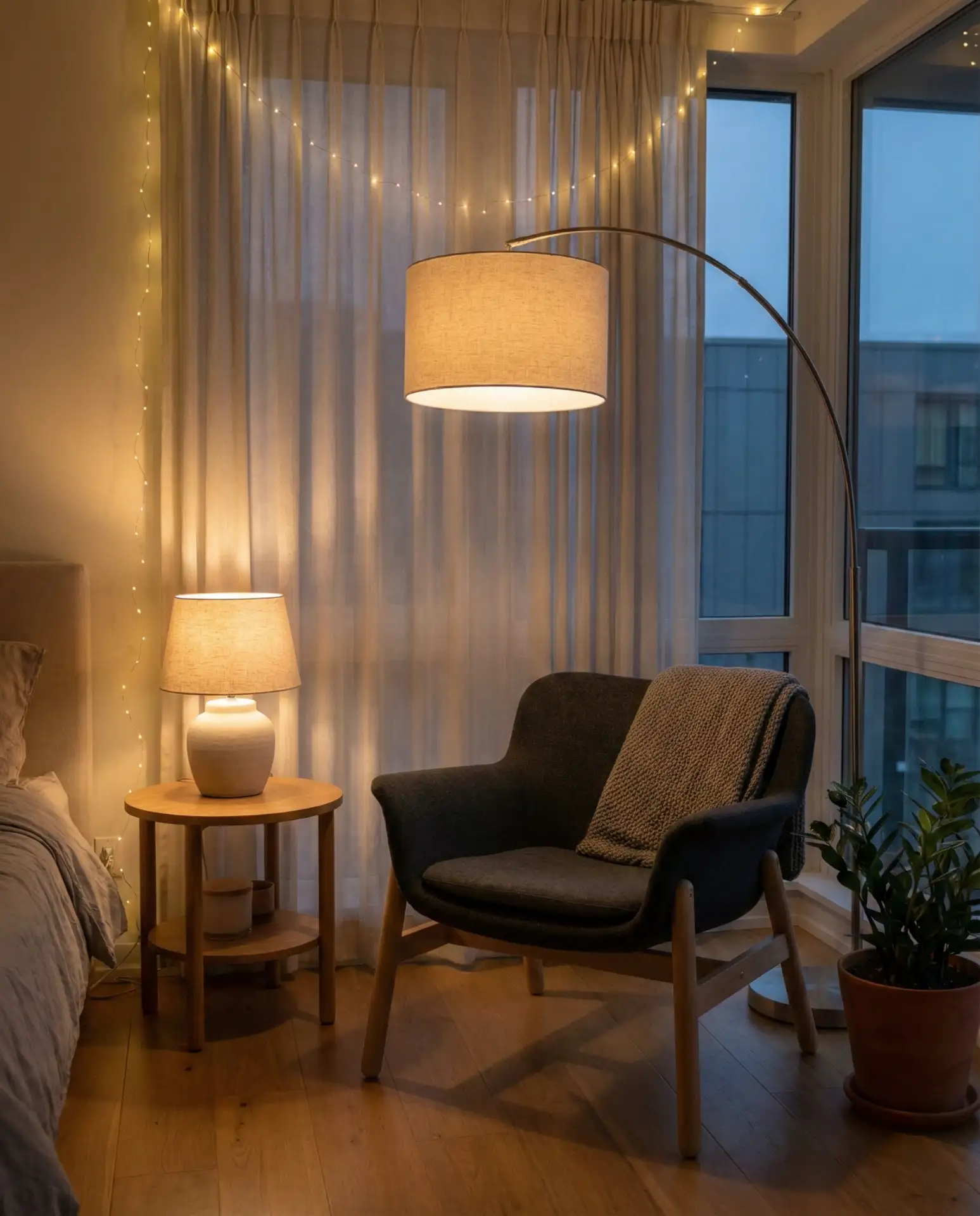
This technique works exceptionally well in basement bedrooms or rooms with limited natural light, which are common in older homes throughout the Northeast. Adding dimmers to each light source gives you complete control over the room’s mood. Most Americans now prefer warm bulbs (2700-3000K) in bedrooms rather than the harsh cool whites that dominated a decade ago.
5. Floating Shelves for Vertical Storage
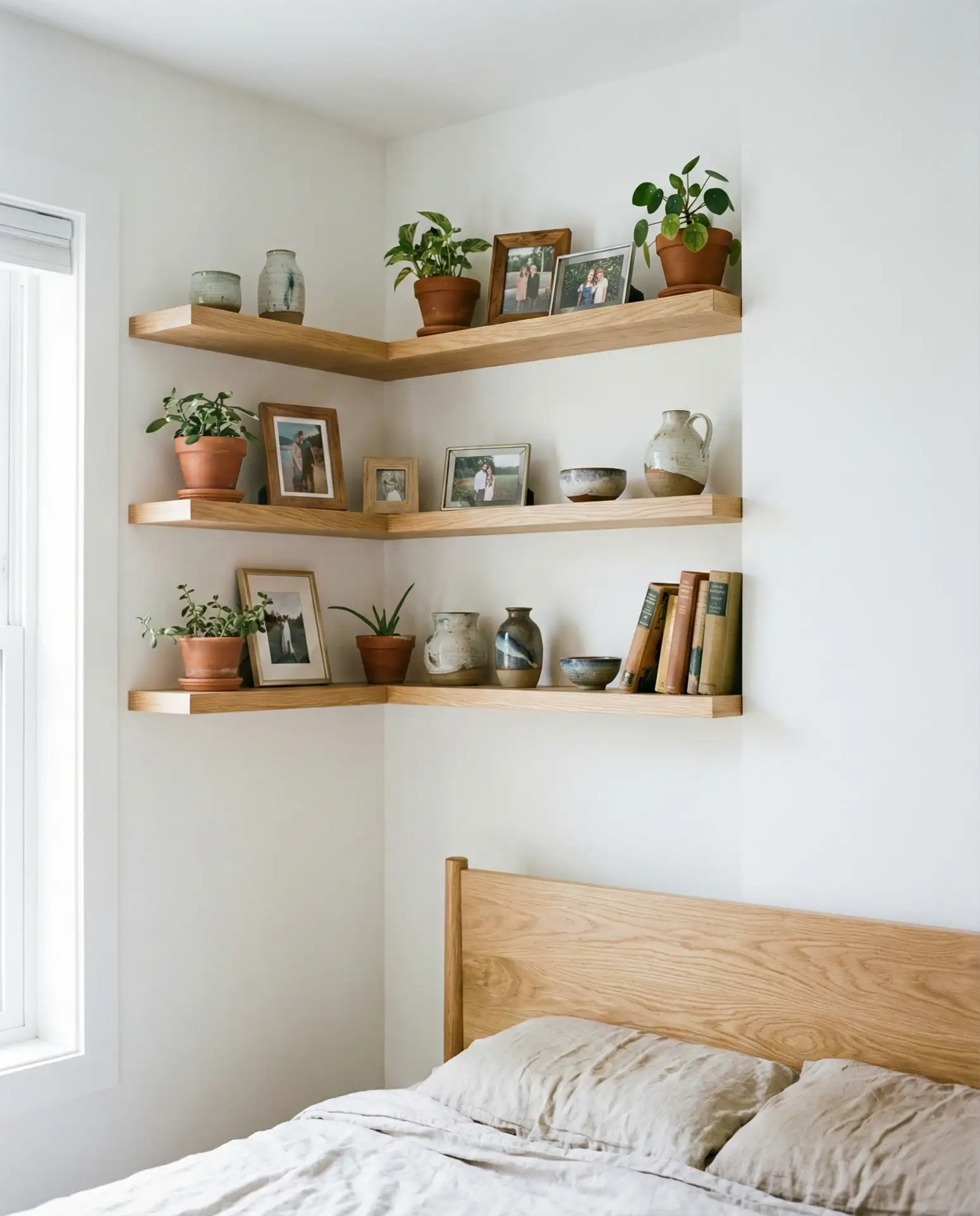
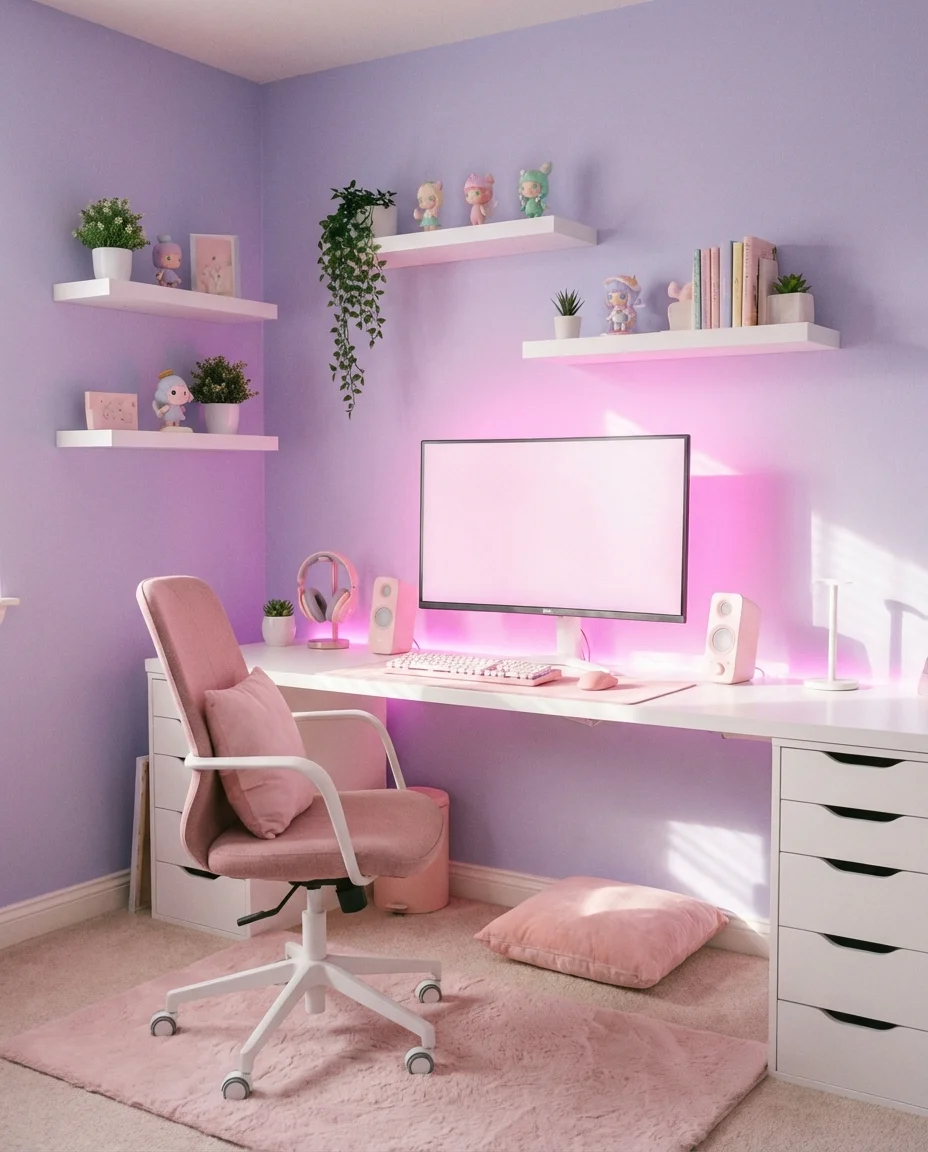
Installing simple floating shelves above the bed or along empty walls provides functional storage while creating opportunities for decorative displays that reflect your personality. This solution is particularly valuable in tiny bedrooms where floor space is precious, and it’s a renter-friendly option since most landlords permit a few mounting holes. The shelves serve double duty as both practical storage for books and essentials and as platforms for showcasing plants, photos, and collected objects.
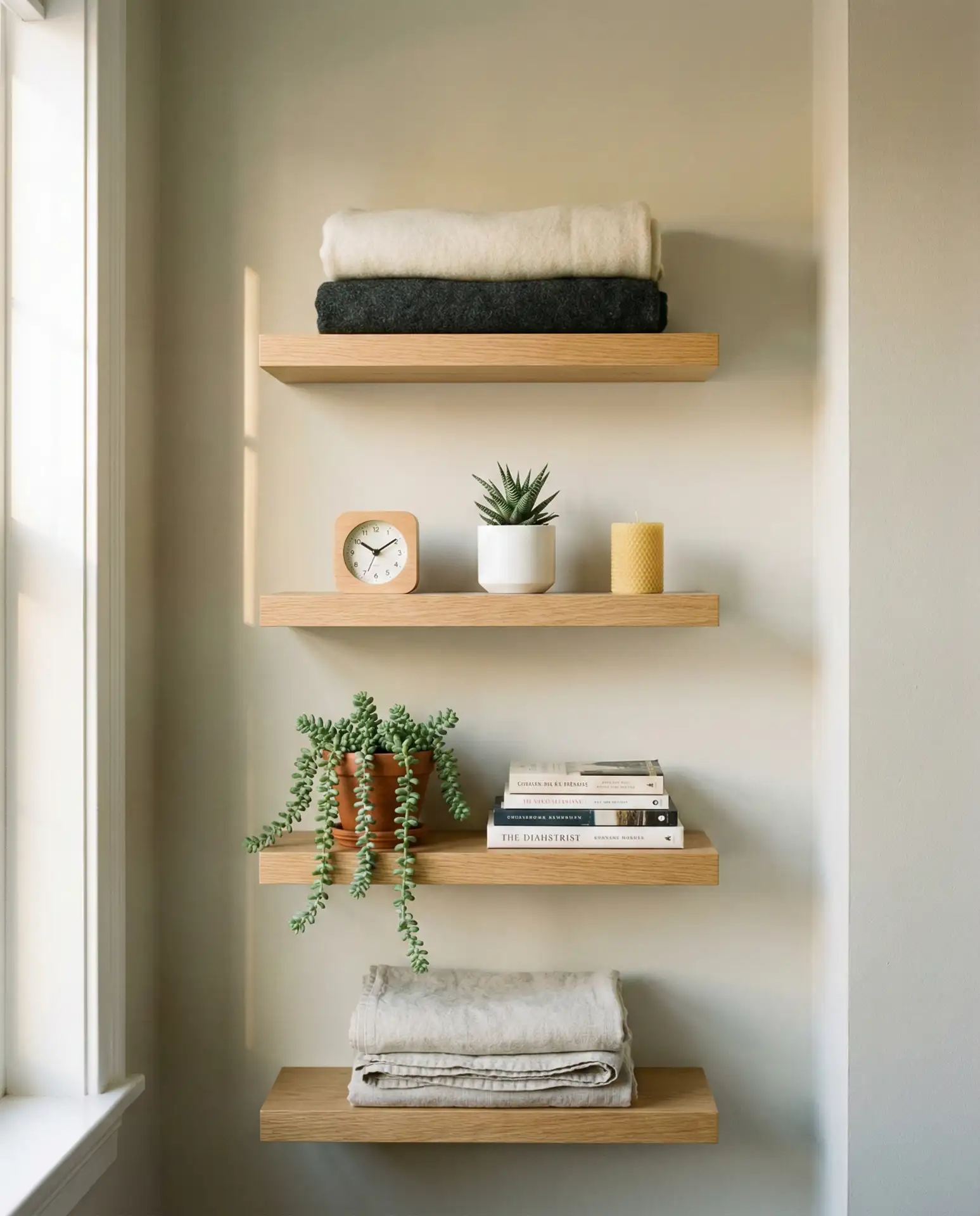
Real homeowners frequently make the mistake of overloading shelves with too many items, which creates visual chaos rather than calm. Keep displays edited and leave breathing room between objects. In studio apartments across cities like Seattle and Denver, floating shelves have become essential for maximizing vertical space without the footprint of traditional bookcases or dressers.
6. Canopy or Draped Fabric for Romance
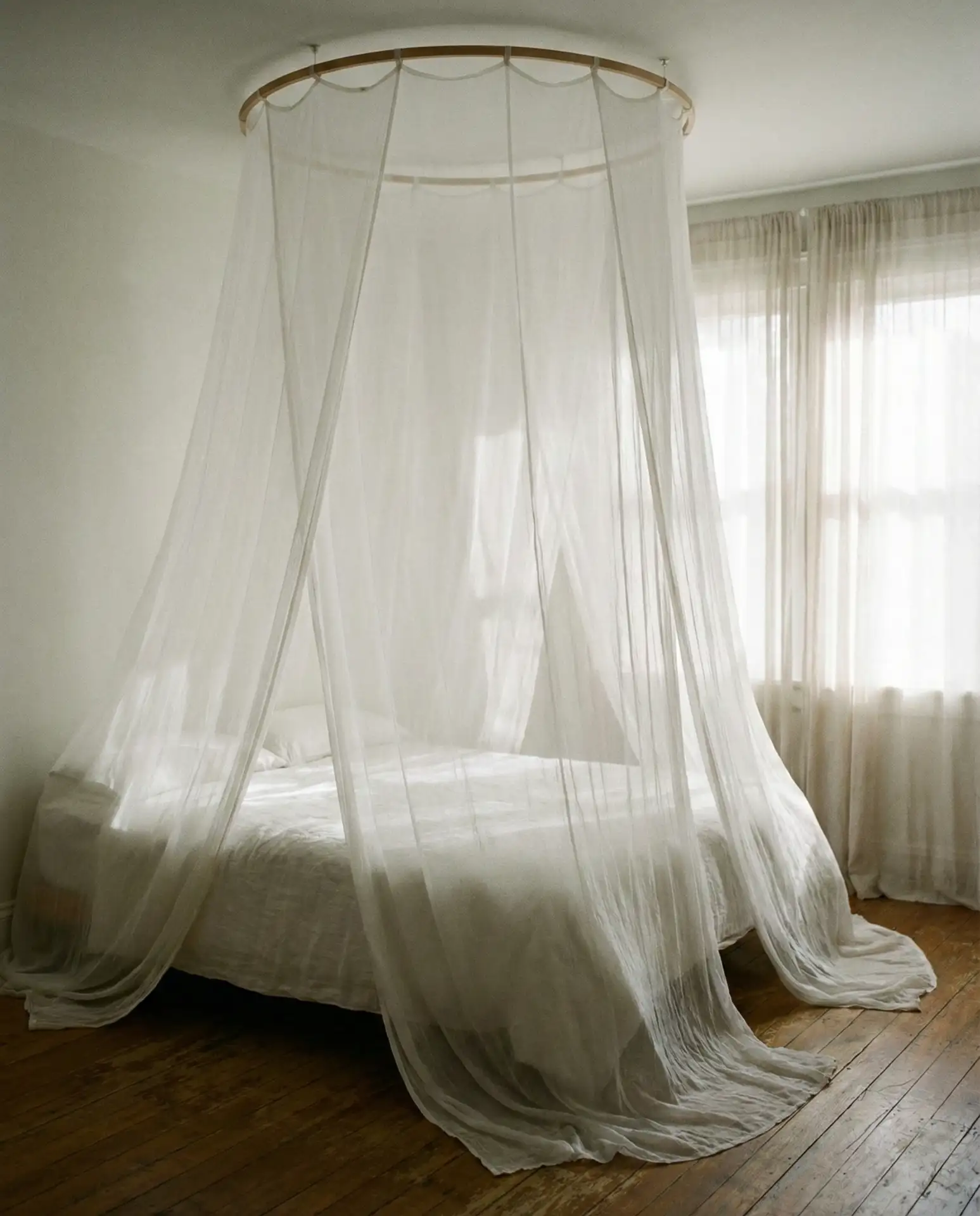
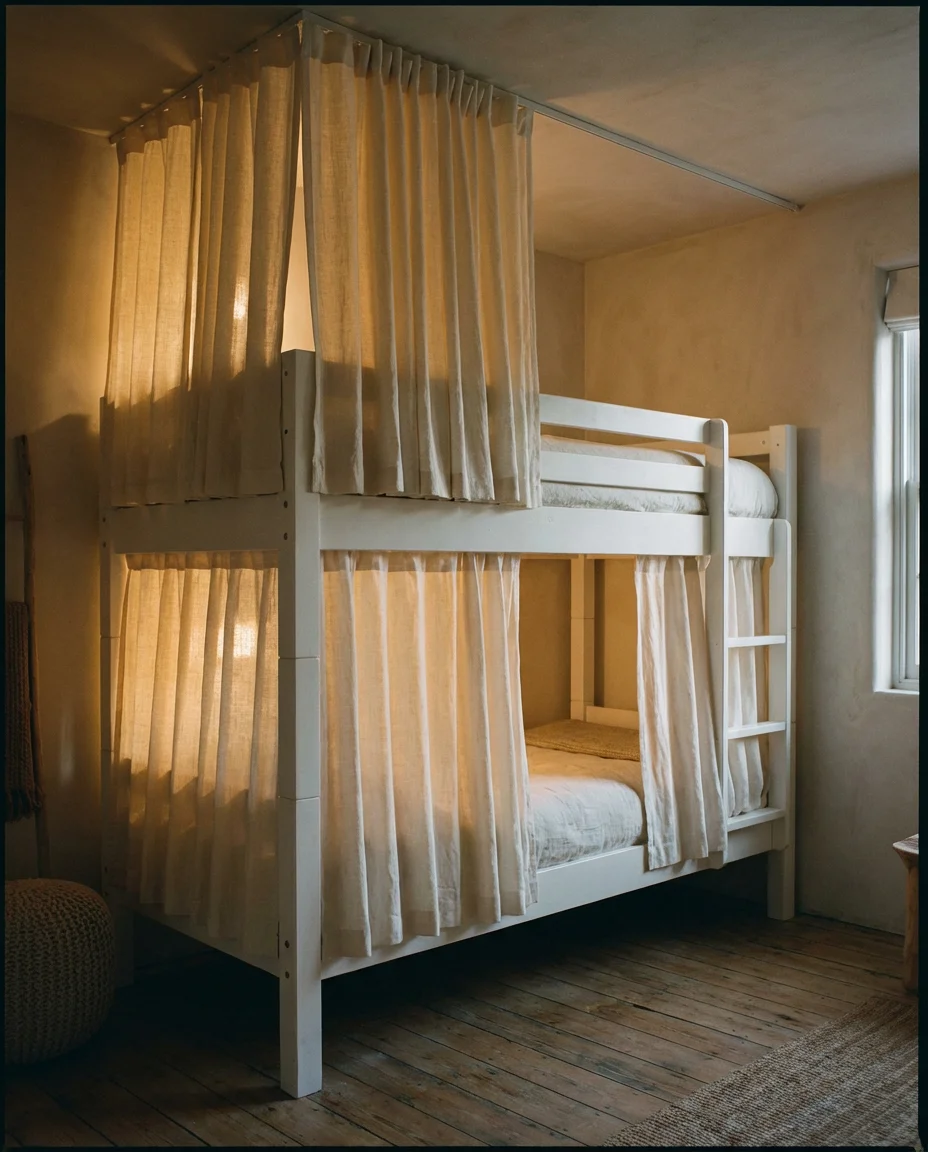
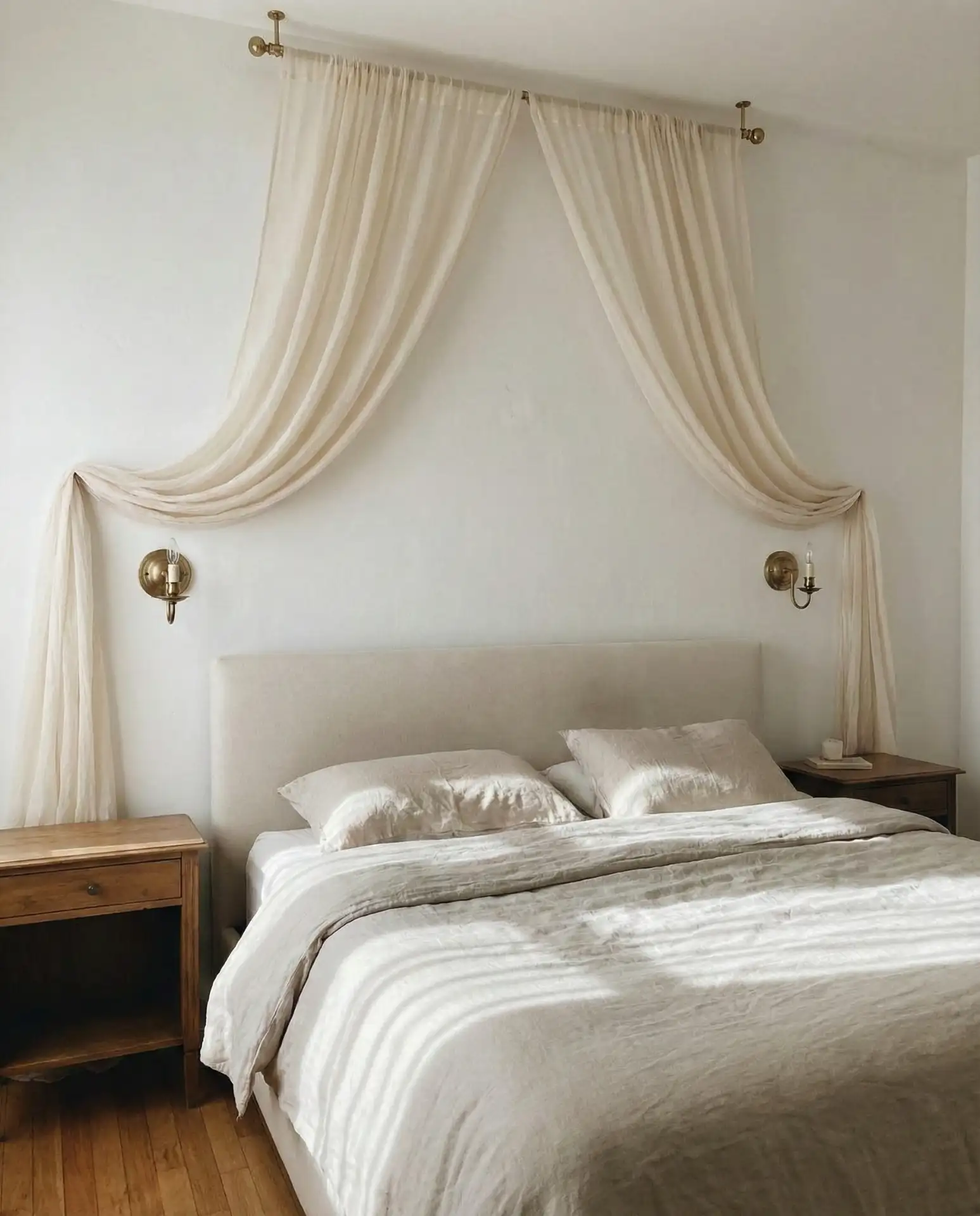
Creating a soft canopy using sheer curtains or lightweight fabric hung from a ceiling-mounted hoop or rod instantly adds architectural interest and a dreamy quality to any bedroom. This aesthetic trend draws inspiration from European and Mediterranean design, and it’s surprisingly easy to achieve with basic hardware and affordable fabric from craft stores. The draped effect softens hard angles and adds a layer of intimacy that makes the bed feel like a true retreat.
Budget-conscious DIYers can achieve this look for under $50 using an embroidery hoop, sheer panels from discount stores, and fishing line for hanging. The installation requires only a single ceiling hook rated for light loads. This works beautifully in rooms with standard 8-foot ceilings as well as those with higher ceilings, though the proportions of the canopy should be adjusted accordingly.
7. Gallery Wall of Personal Photos and Art
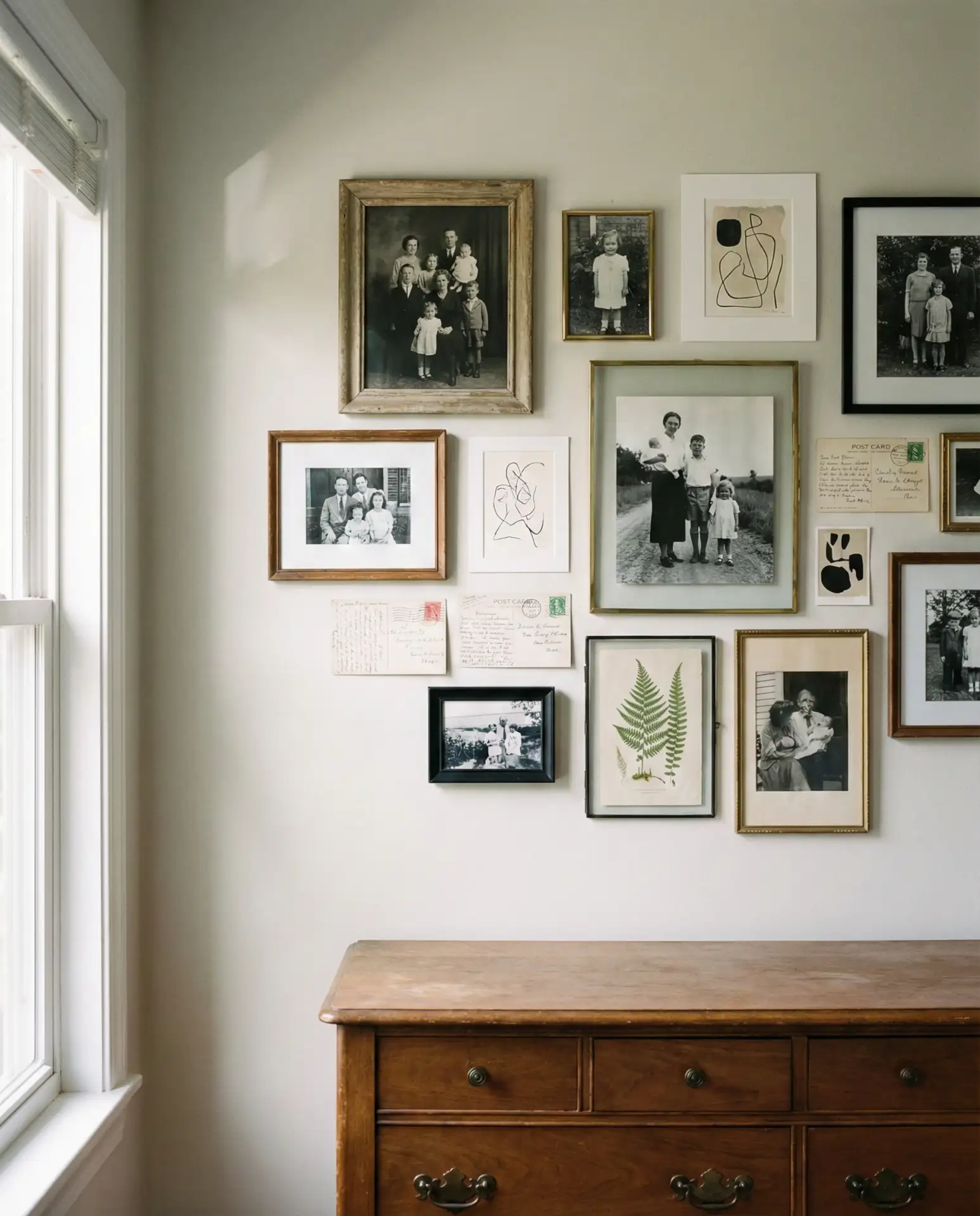
Curating a gallery wall with a mix of family photos, travel memories, and affordable art prints creates a deeply personal focal point that tells your story. This DIY project requires minimal investment—just frames and your existing photos—making it an ideal budget solution for adding character to bland walls. The arrangement can evolve over time as you add new memories, making it a living element of your bedroom’s design.
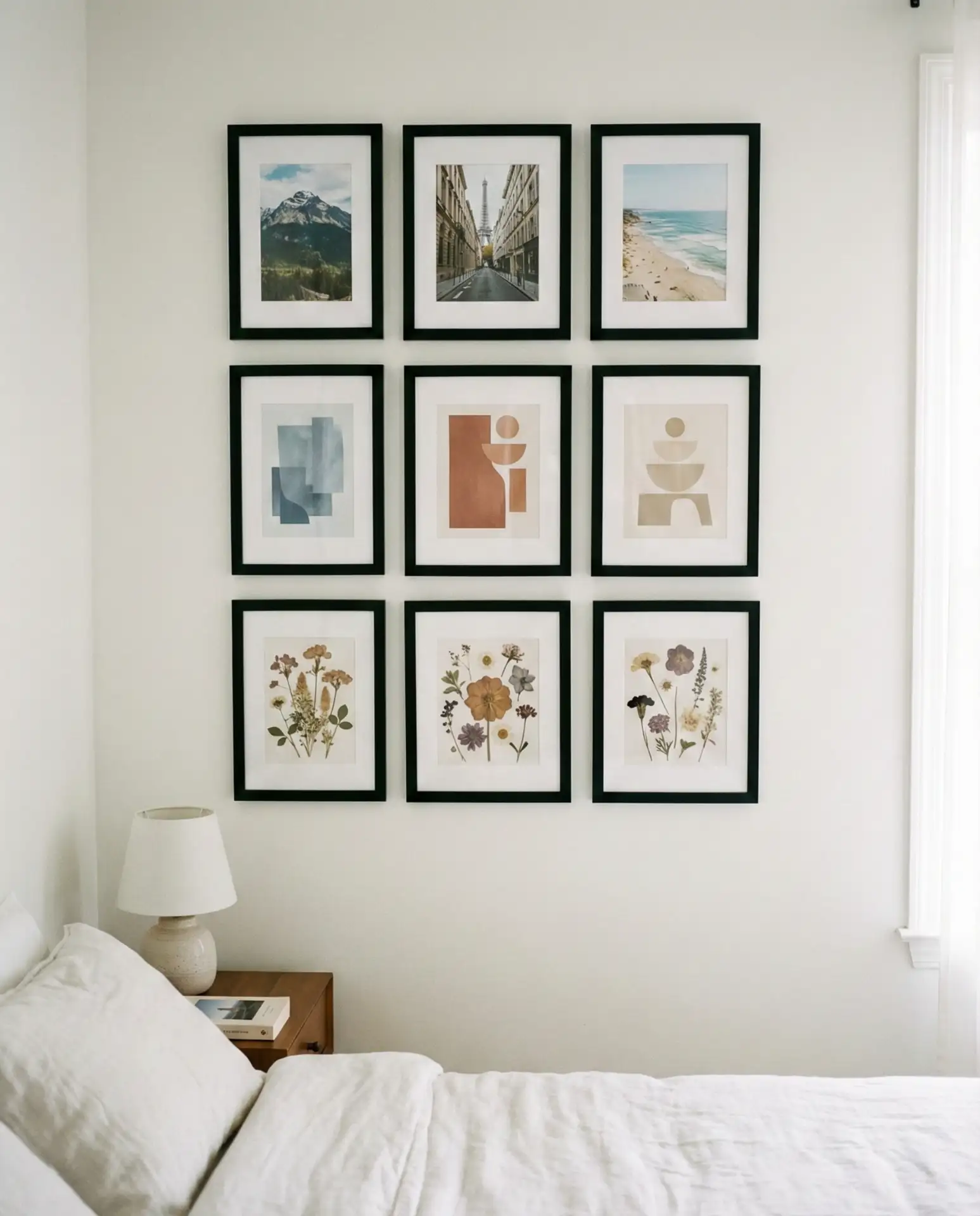
Where it works best: above the dresser, on the wall opposite the bed, or flanking a window. Avoid placing gallery walls directly above the headboard where they might feel cluttered when you’re lying down. Americans increasingly prefer mixing frame styles and sizes for an organic, collected-over-time feel rather than perfectly matched sets that can feel too formal or staged for a bedroom setting.
8. Natural Materials and Organic Textures
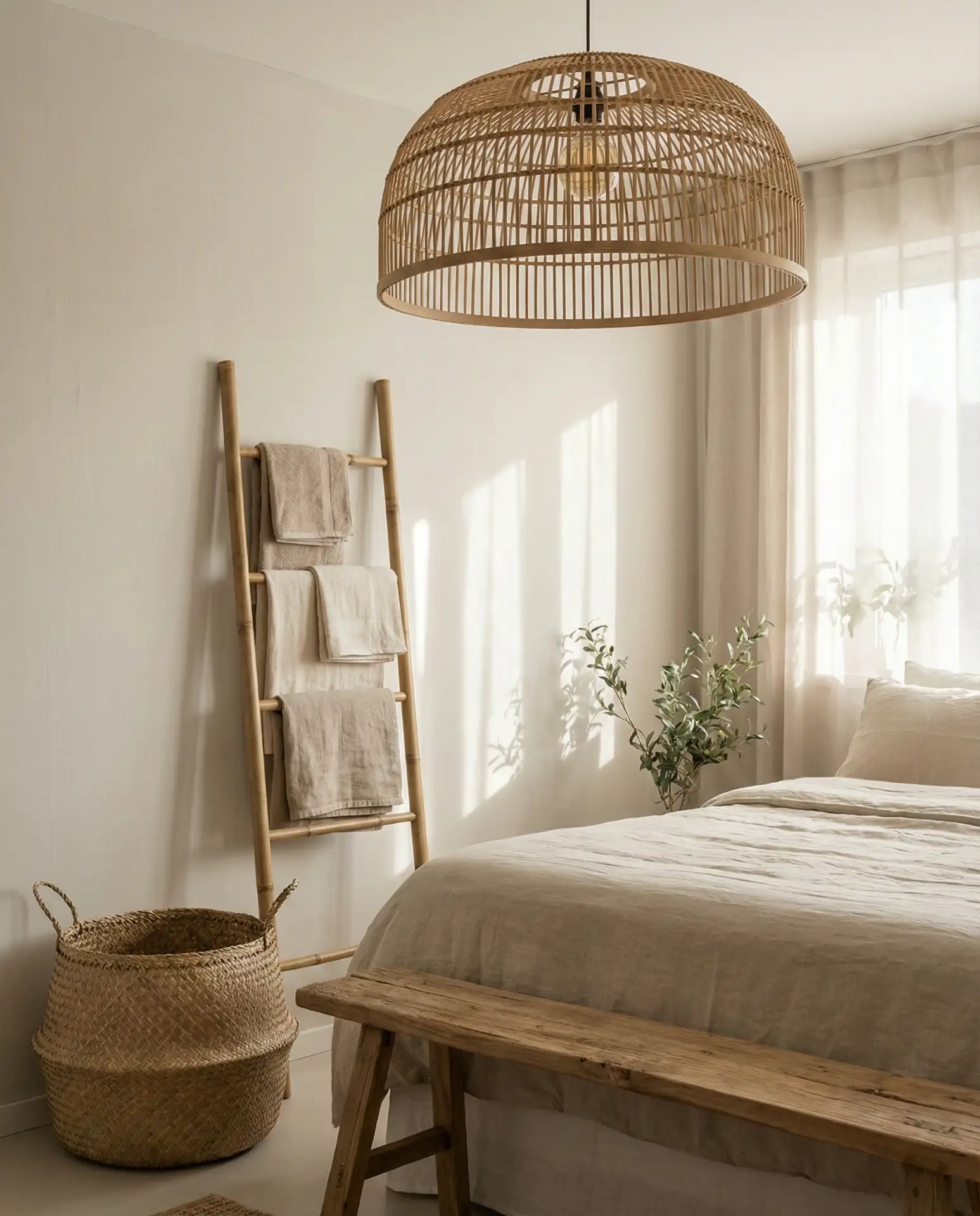
Incorporating rattan, jute, linen, and raw wood brings warmth and connection to nature that resonates with the current wellness-focused culture. This aesthetic draws heavy inspiration from Scandinavian and Japanese design philosophies, emphasizing quality over quantity and natural beauty over artificial perfection. The tactile variety of organic materials creates sensory richness that makes bedrooms feel grounded and nurturing.
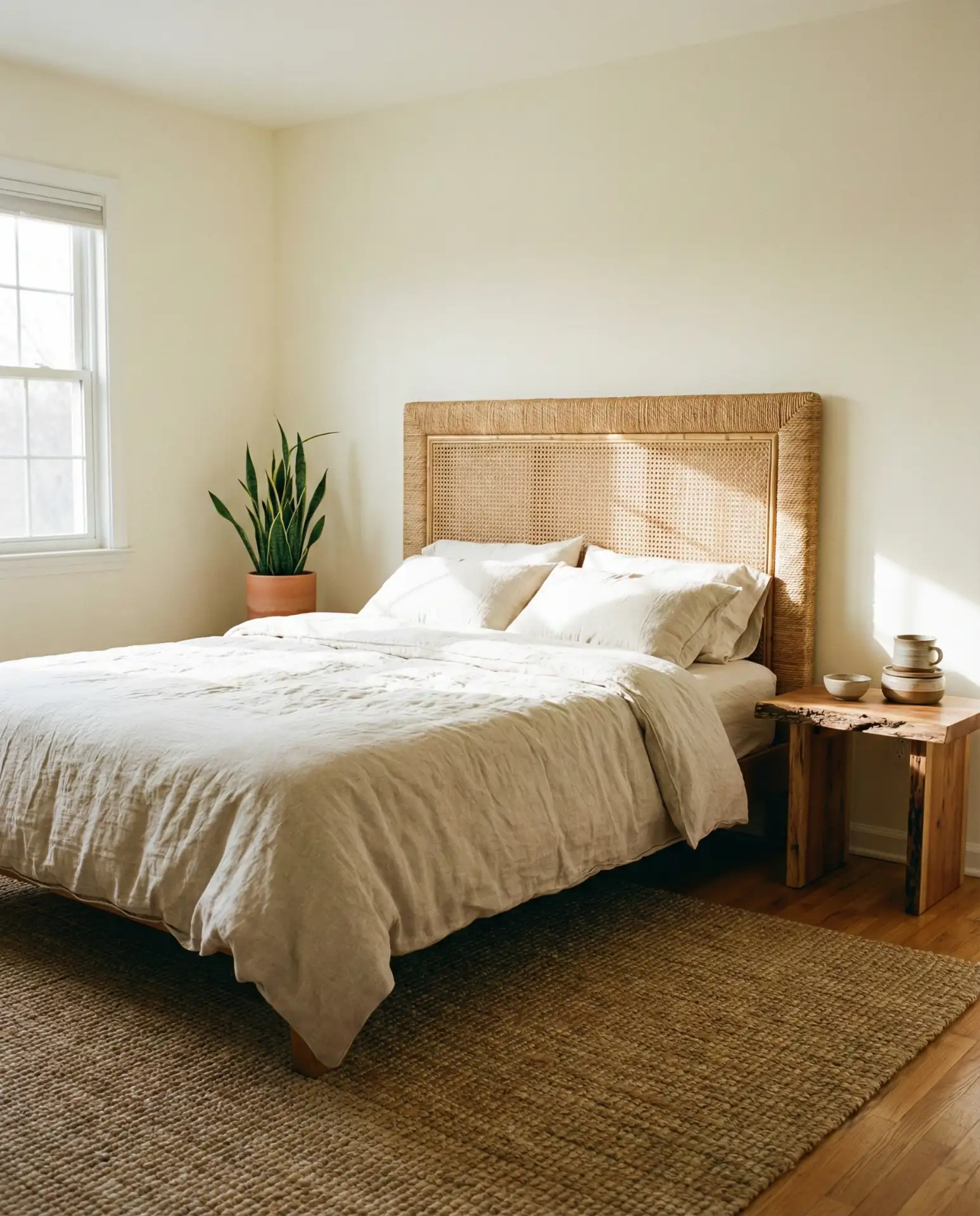
Expert designers suggest balancing rough textures like jute with softer elements like linen to prevent the space from feeling too rustic or harsh. The natural materials approach has gained particular traction in coastal areas from California to the Carolinas, where the indoor-outdoor lifestyle makes organic elements feel especially appropriate. These materials age gracefully, developing character rather than looking worn out.
9. Blush Pink Accents for Subtle Warmth
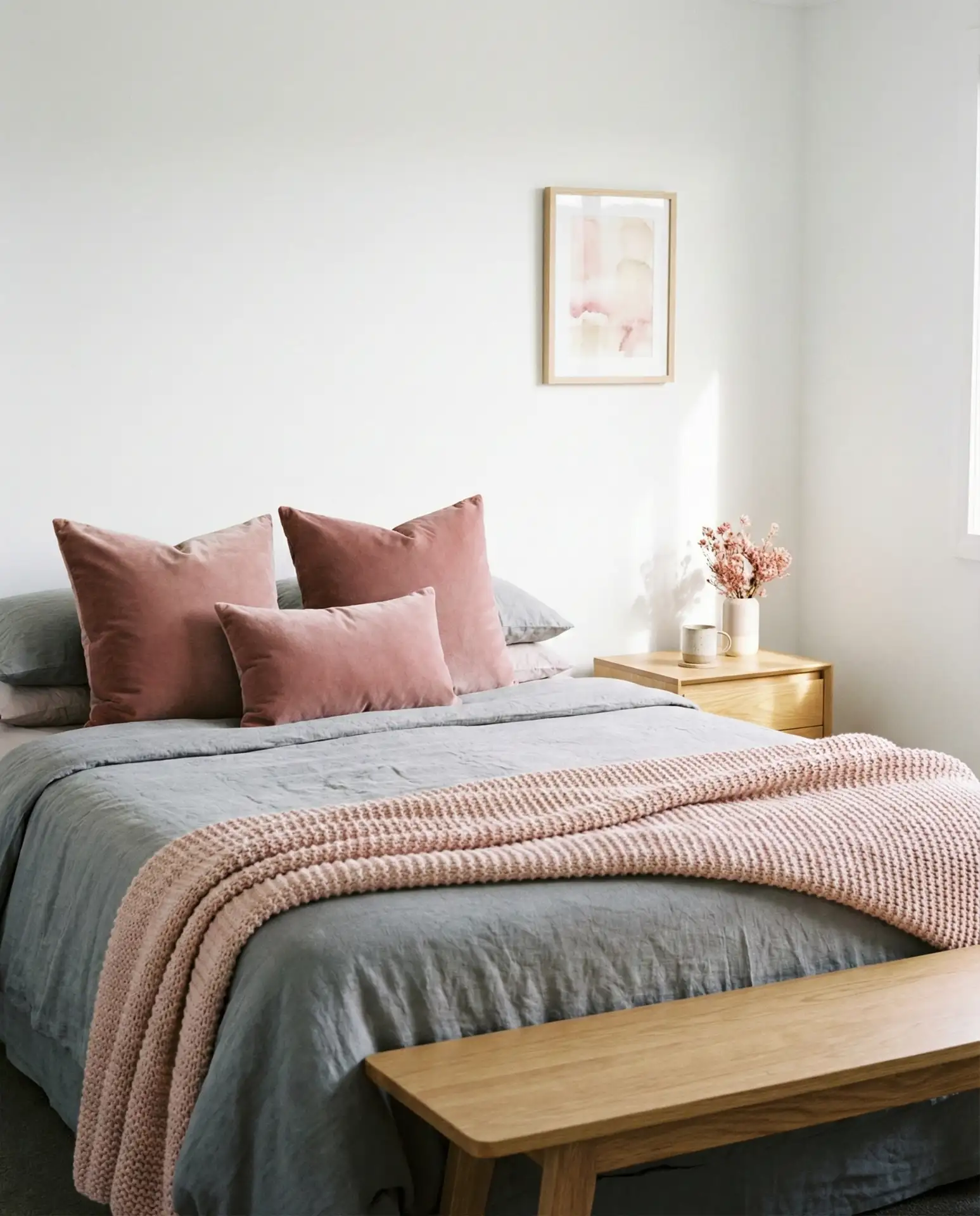
Adding touches of pink in muted, dusty tones through bedding, pillows, or artwork creates a sophisticated warmth that works for all ages and avoids the overtly feminine associations of brighter pinks. This aesthetic has become especially popular as inspiration for creating calming environments that feel both modern and inviting. The key is choosing barely-there pinks that read almost neutral, complementing grays, whites, and natural woods beautifully.
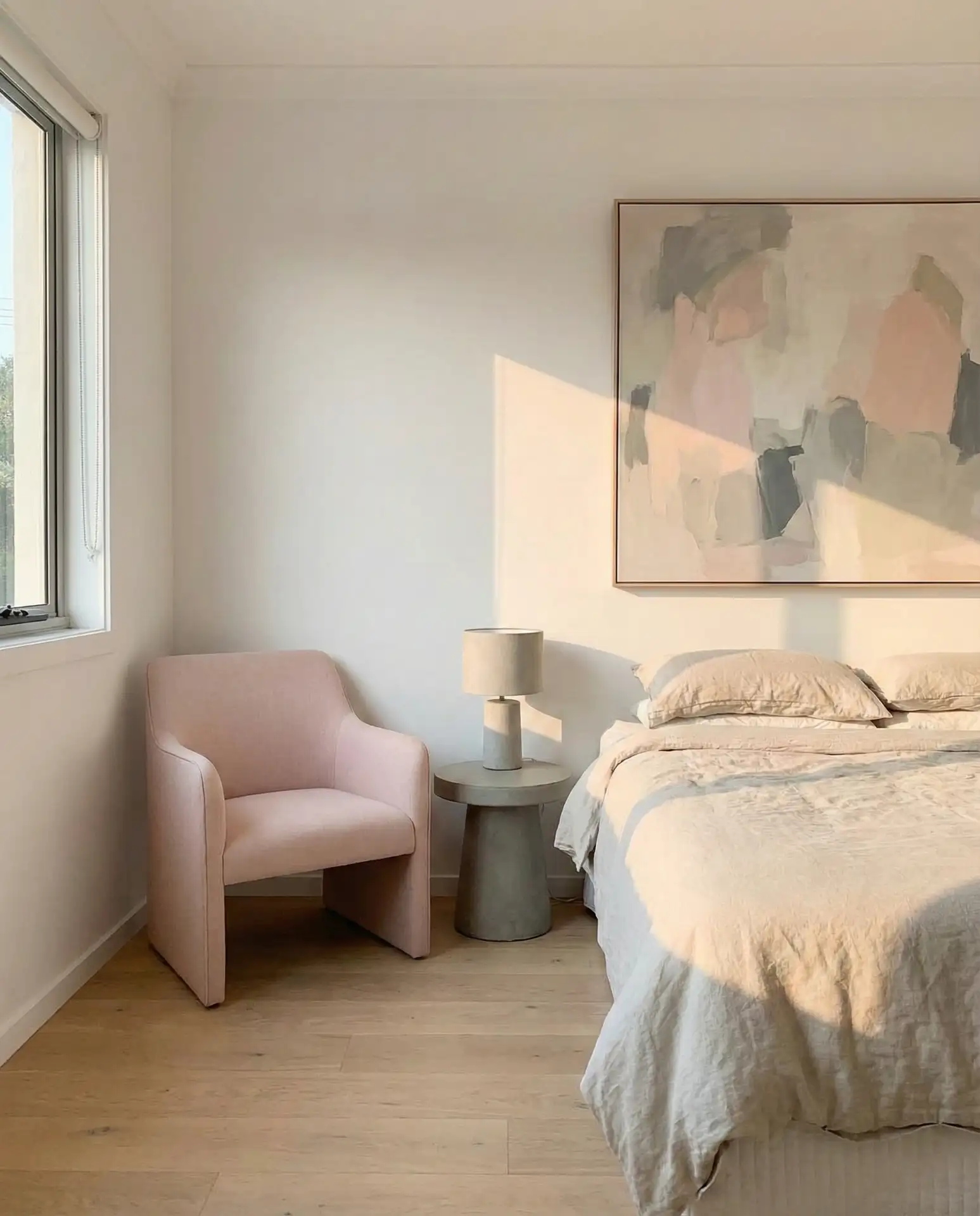
In professional spaces, this color scheme is often seen in boutique hotels, which speaks to its universal appeal and restful qualities. The pink-and-gray combination has been particularly popular in urban apartments from Brooklyn to San Francisco. Starting with just two or three pink elements allows you to test the waters before committing to more—a throw blanket and pillow set can be swapped seasonally if you tire of the look.
10. Statement Headboard as Focal Point
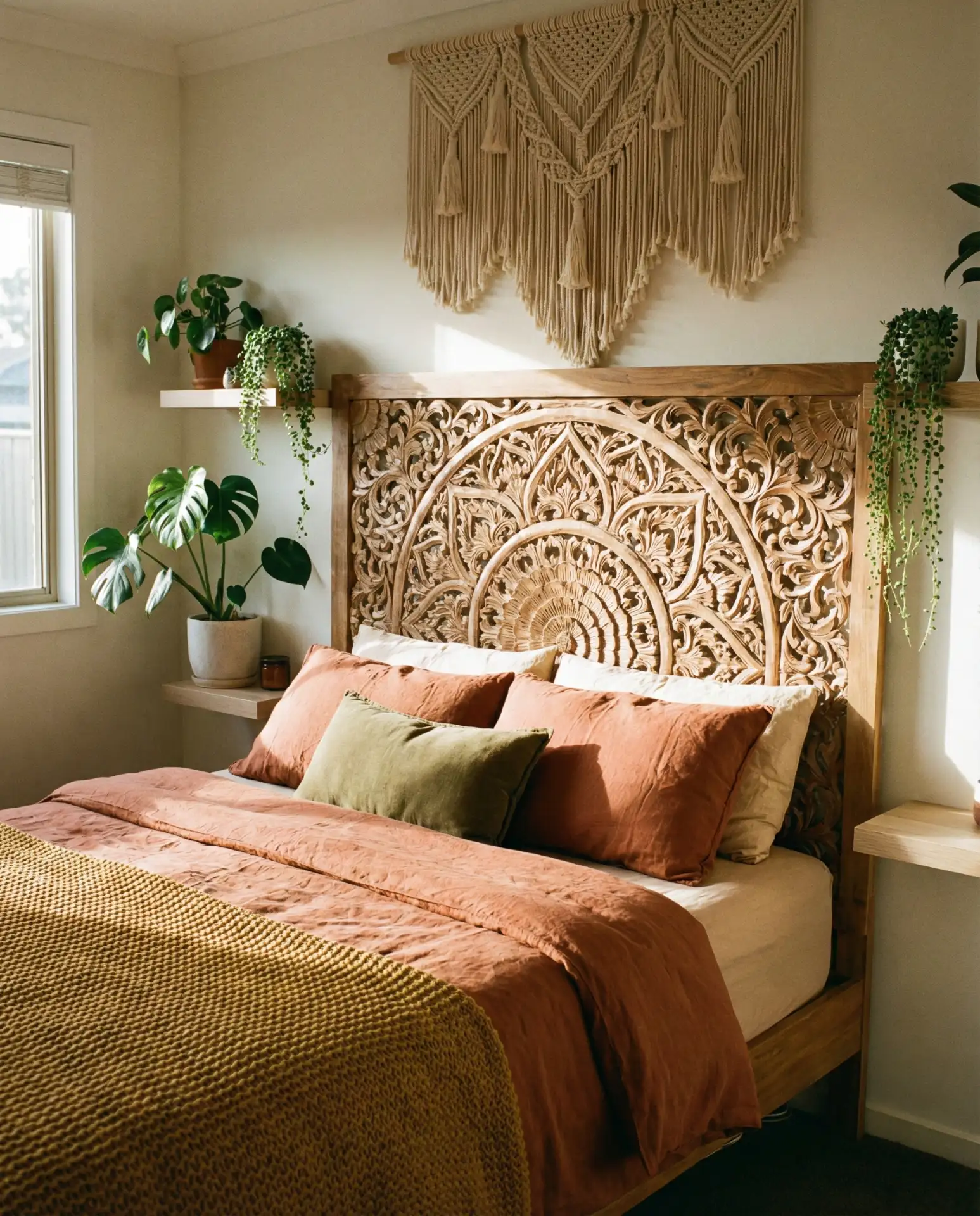
Investing in or DIYing a dramatic headboard—whether upholstered, carved wood, or architectural—instantly elevates the entire room and gives it a finished, intentional look. For middle-class homeowners working on a budget, building a headboard from reclaimed wood or using plywood and foam to create an upholstered version costs significantly less than retail options. The headboard anchors the bedroom design and can be the single element that ties together all other choices.
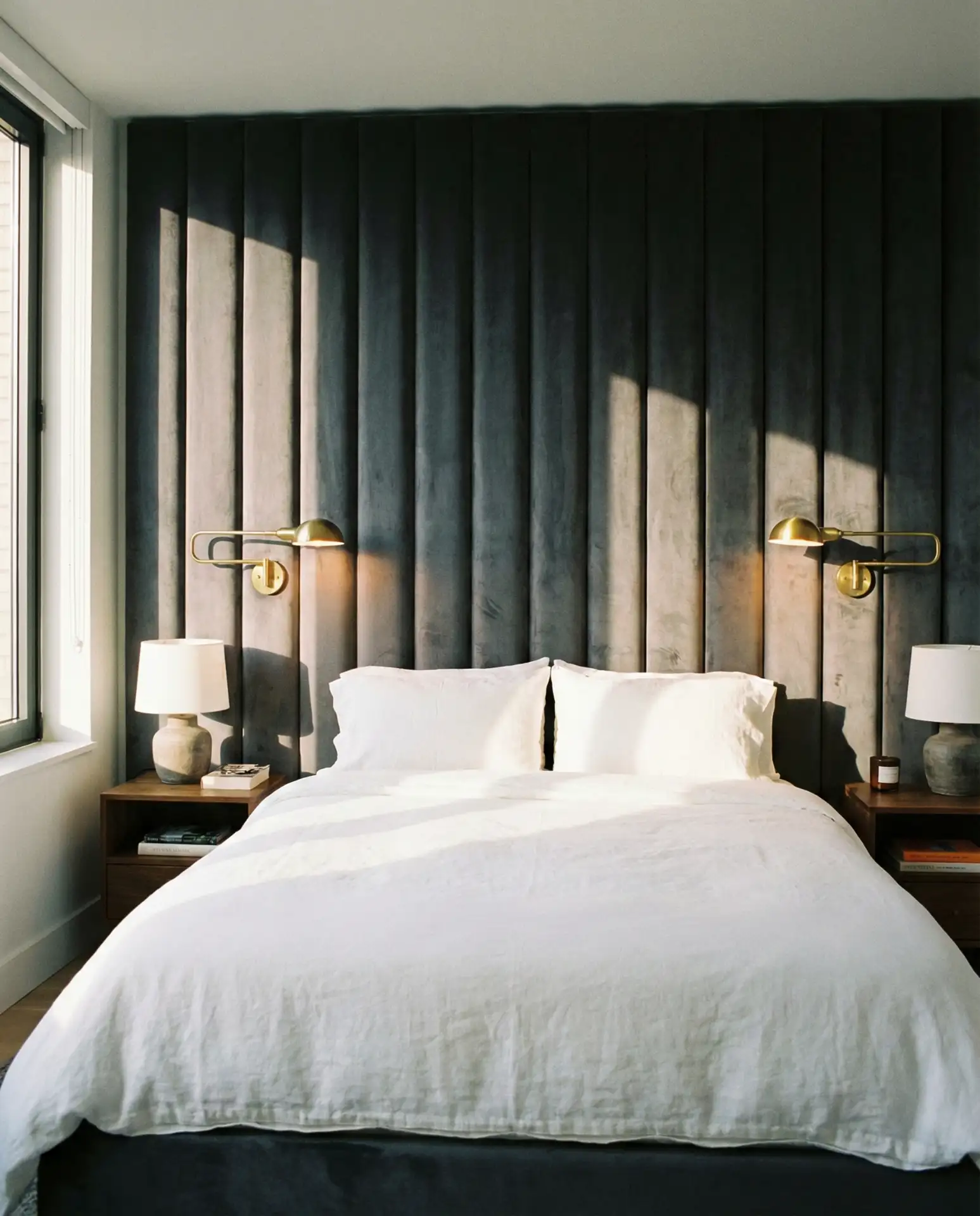
A bedroom with a striking headboard reads as more expensive and intentionally designed, even if everything else is relatively simple. DIY tutorials for building headboards have exploded on YouTube, with many requiring only basic woodworking skills and common tools. The headboard should be proportional to the bed—a queen or king bed can handle a tall, substantial design, while a full bed needs something more modest in scale.
11. Moody Dark Walls for Drama
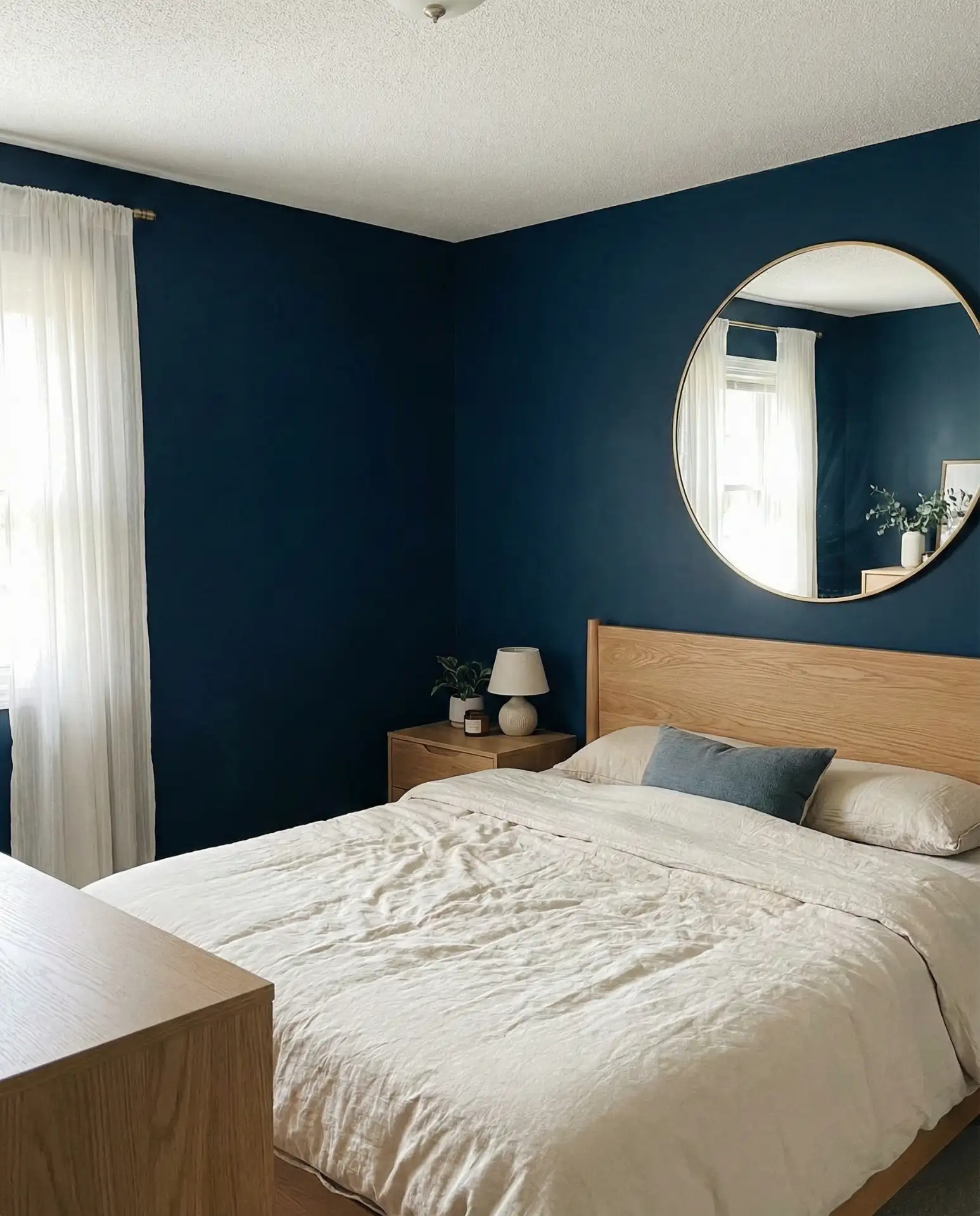
Painting walls in deep charcoal, navy, forest green, or even black creates an enveloping, cozy atmosphere that’s surprisingly restful and has become a go-to for sophisticated bedroom makeovers. This bold choice requires confidence but delivers maximum impact for minimal cost—just paint and time make it a perfect cheap transformation. Dark walls make light-colored bedding and furniture pop while concealing imperfections better than light colors.
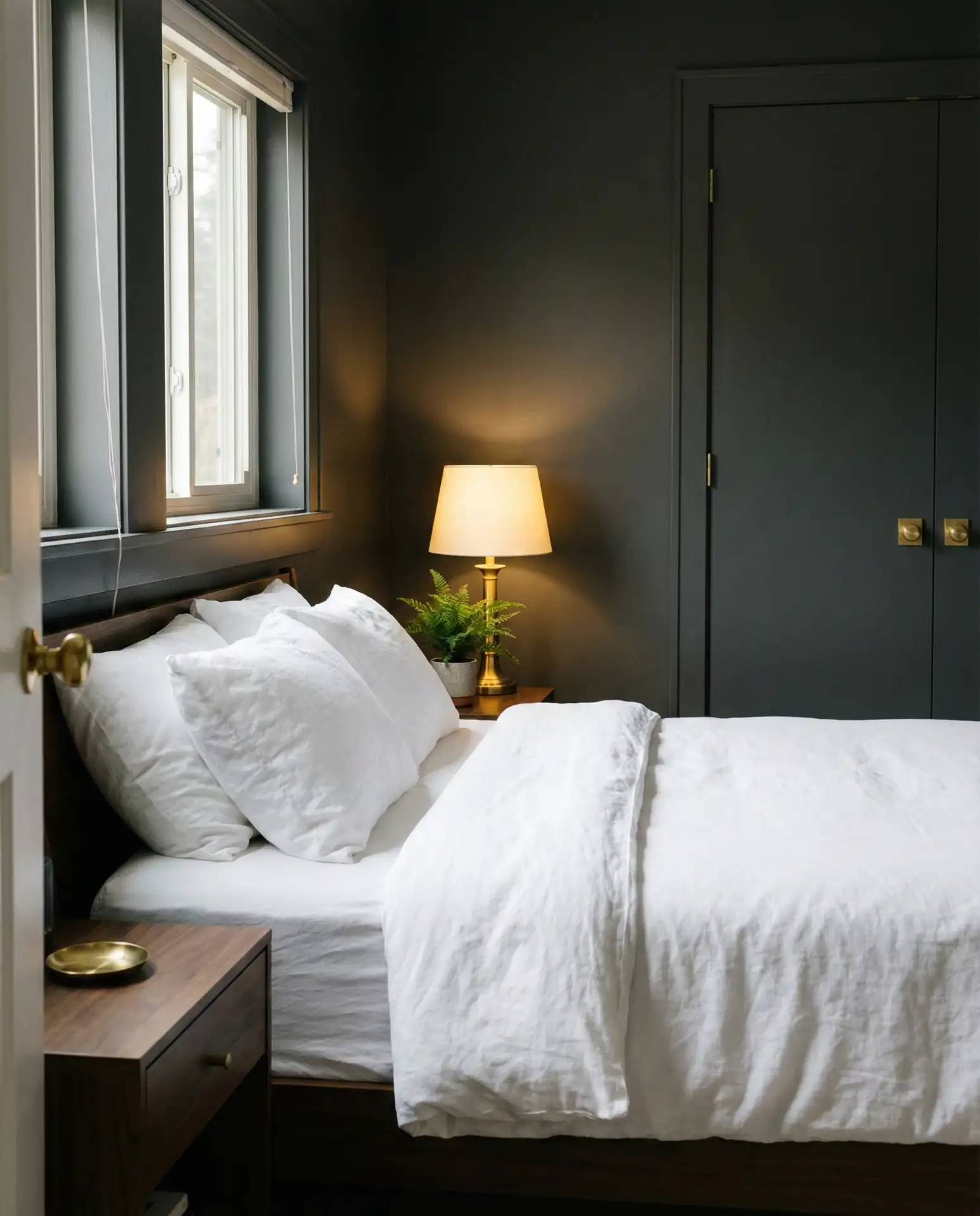
While renters might assume dark paint isn’t allowed, many landlords approve it as long as you repaint it white before moving out—always check your lease and get written permission. The common mistake is pairing dark walls with heavy, dark furniture, which can make the room feel oppressive. Instead, balance with lighter bedding, rugs, and at least one major furniture piece in a lighter tone to maintain airiness.
12. Built-In or Floating Nightstand Solutions
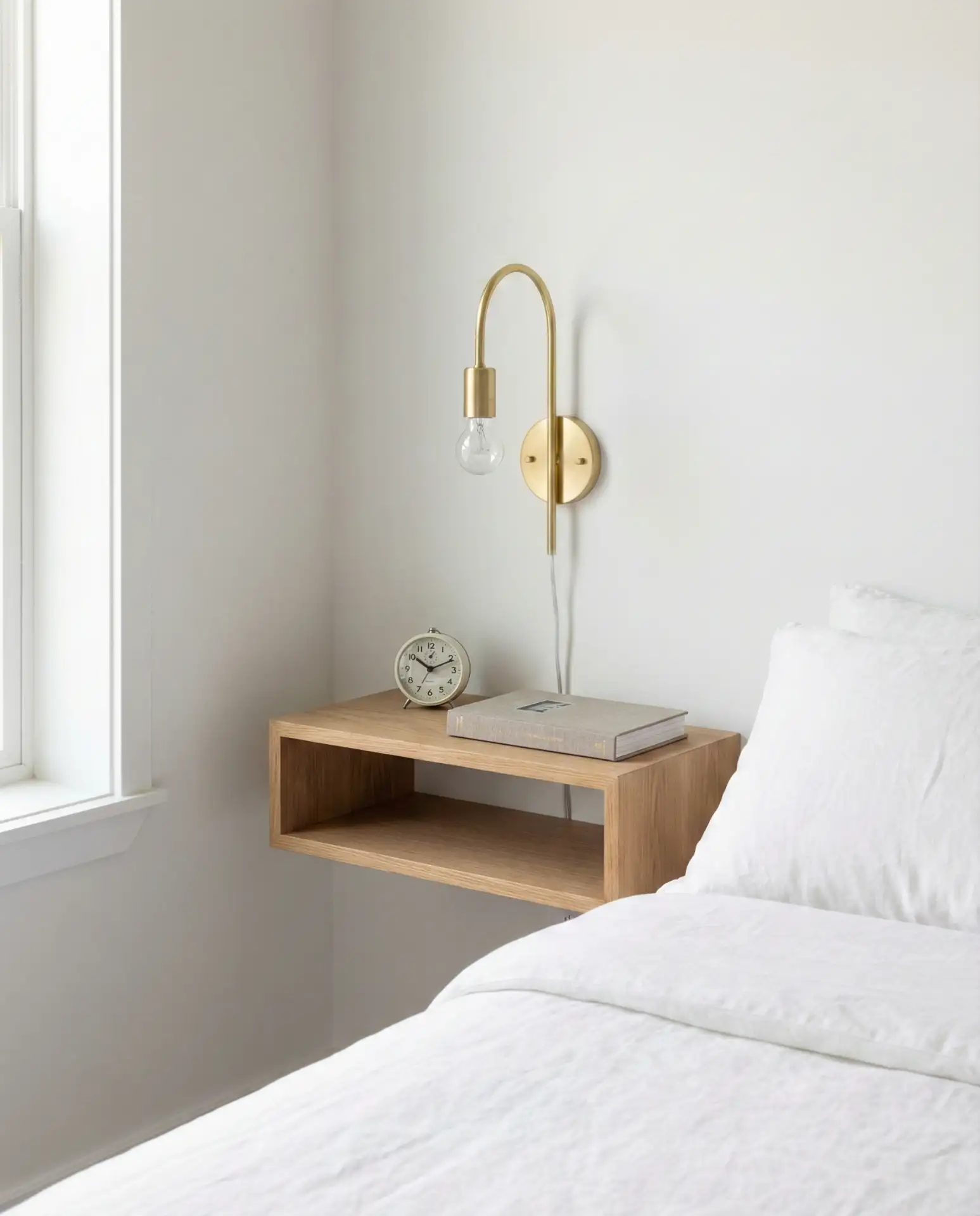
Mounting floating shelves or small wall-mounted nightstands eliminates bulky furniture bases, creating an airy feeling that’s especially valuable in small room situations. This renter-friendly approach (when installed properly and with landlord permission) provides all the function of traditional nightstands while preserving precious floor space. The streamlined look contributes to a modern, uncluttered aesthetic that makes rooms feel larger and more intentional.
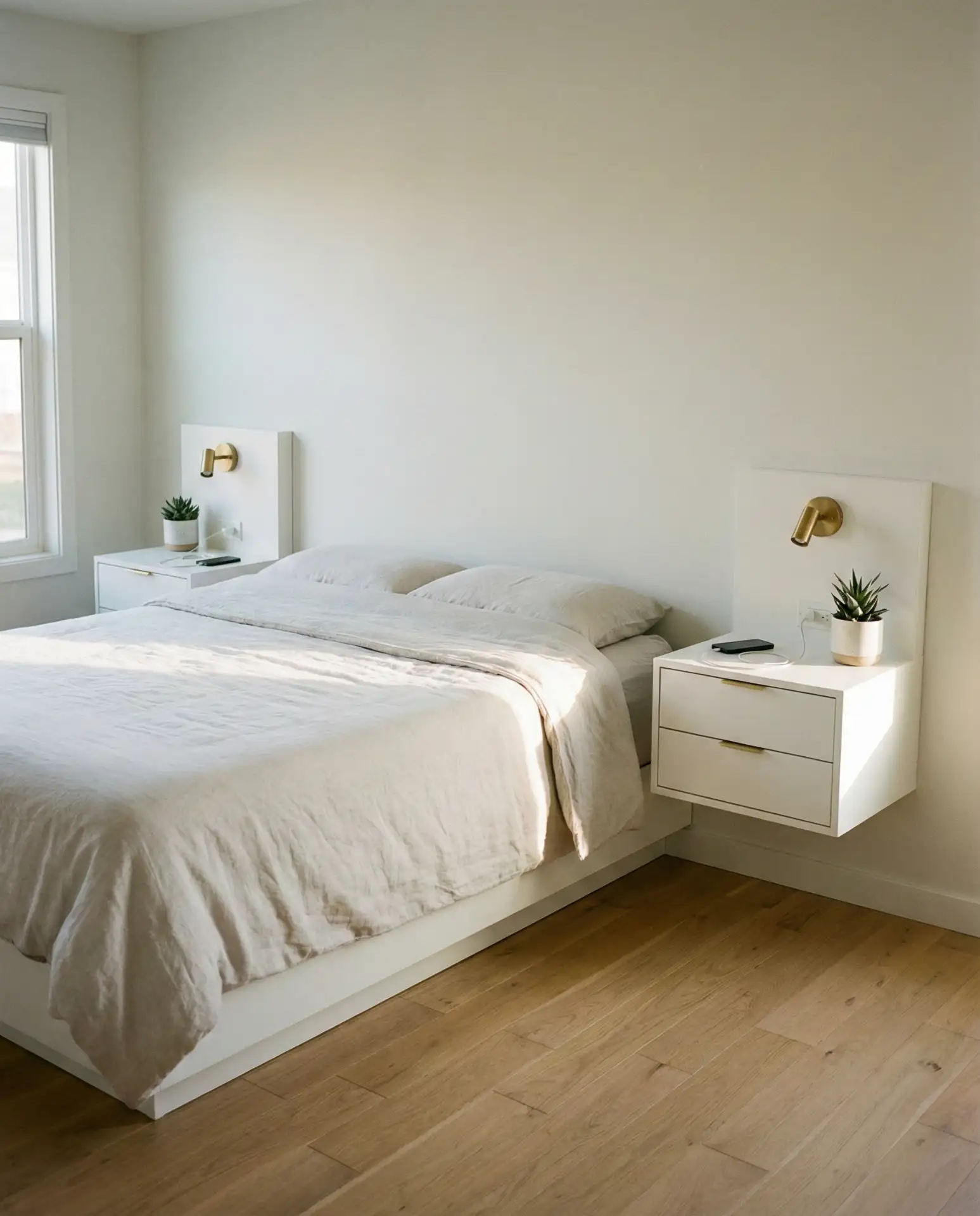
This setup works particularly well in narrow bedrooms where traditional nightstands would block walkways or make the space feel cramped. In cities with smaller apartment footprints like New York and Boston, floating nightstands have become almost standard in modern renovations. Robot vacuums can easily clean underneath, which is a small but genuine daily convenience many users appreciate.
13. Oversized Floor Mirror for Light and Space
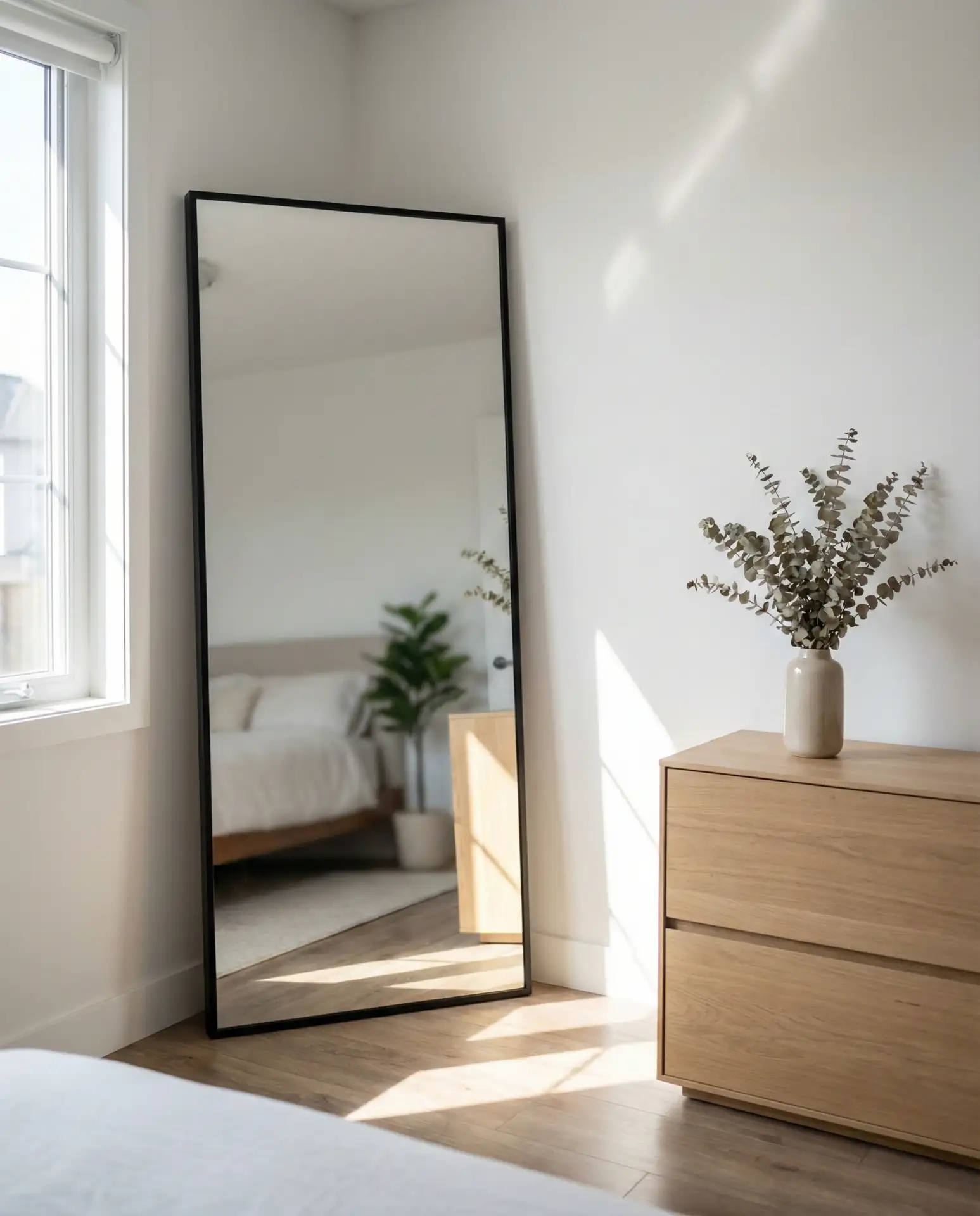
Leaning a large mirror against a wall reflects light and creates the illusion of more space, making it a staple in tiny bedroom makeovers across the country. This simple addition requires zero installation, making it perfectly rental friendly, and can be repositioned as needed. Beyond its practical function for getting dressed, the mirror serves as an architectural detail and a way to bounce natural light into darker corners.
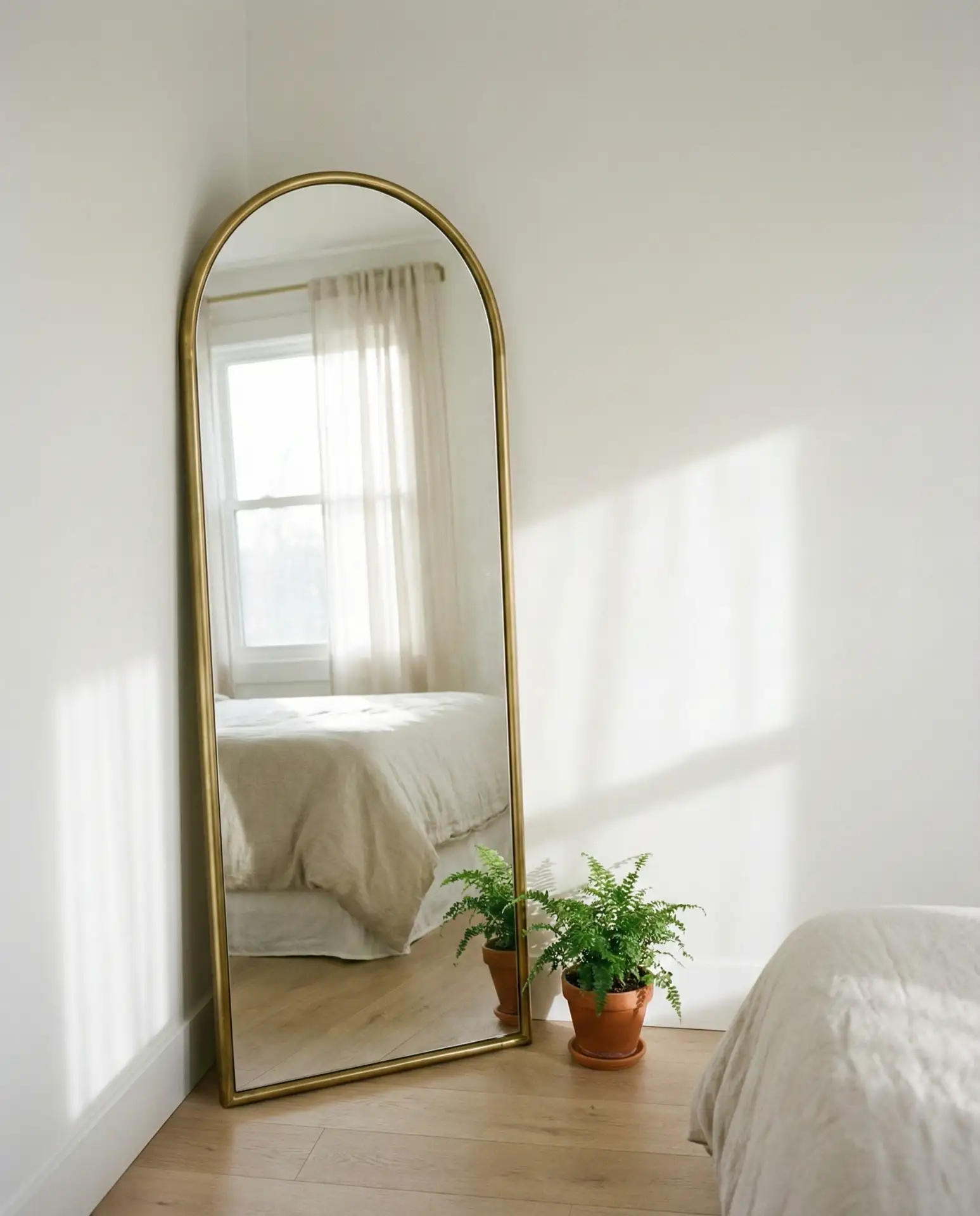
Position mirrors to reflect something attractive—a window, artwork, or a nicely styled area—rather than pointing them toward clutter or blank walls. Discount retailers often carry affordable large mirrors during back-to-school and fall home refresh seasons. The mirror doesn’t need to be expensive to be effective; a basic design in the right spot delivers the same visual expansion as a pricey designer piece.
14. Curated Bedding with Layered Textures
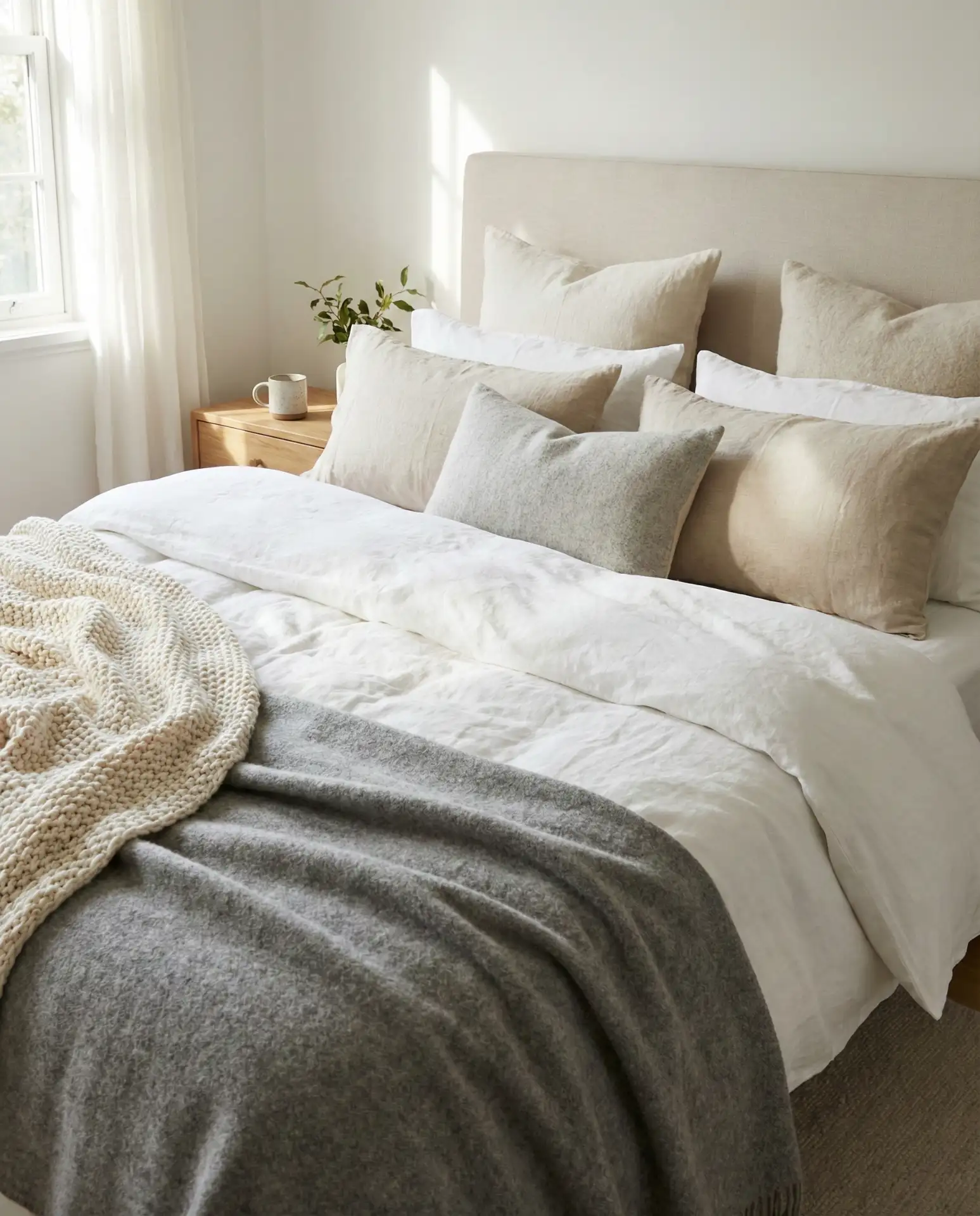
Building a bed with multiple layers—fitted sheet, top sheet, lightweight blanket, duvet, and throw—creates a luxurious hotel-like appearance that serves the practical purpose of adaptable warmth. This cozy approach has become an inspiration for those seeking to make their beds the true centerpiece of the room. The mix of materials—cotton, linen, velvet, and knit—adds visual interest and invites you to sink in at the end of the day.
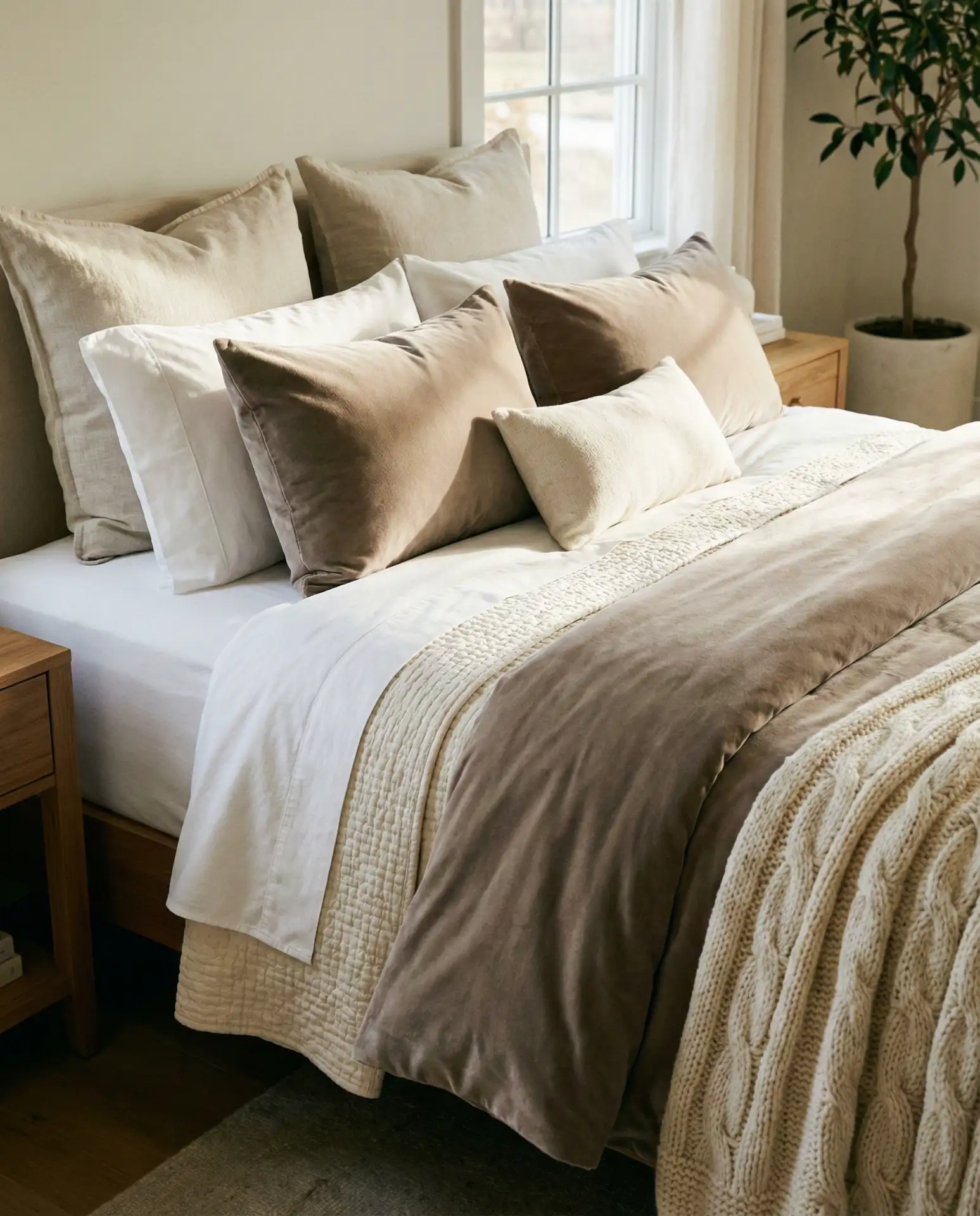
Americans in varied climates appreciate this system since you can adjust layers seasonally—stripping down to just a top sheet in July or piling on every layer in January. The look appears expensive but can be achieved by mixing affordable basics with one or two quality pieces. Most real homeowners find that investing in good pillows and a quality duvet makes more difference to actual comfort than fancy decorative elements.
15. Dedicated Reading Nook Corner
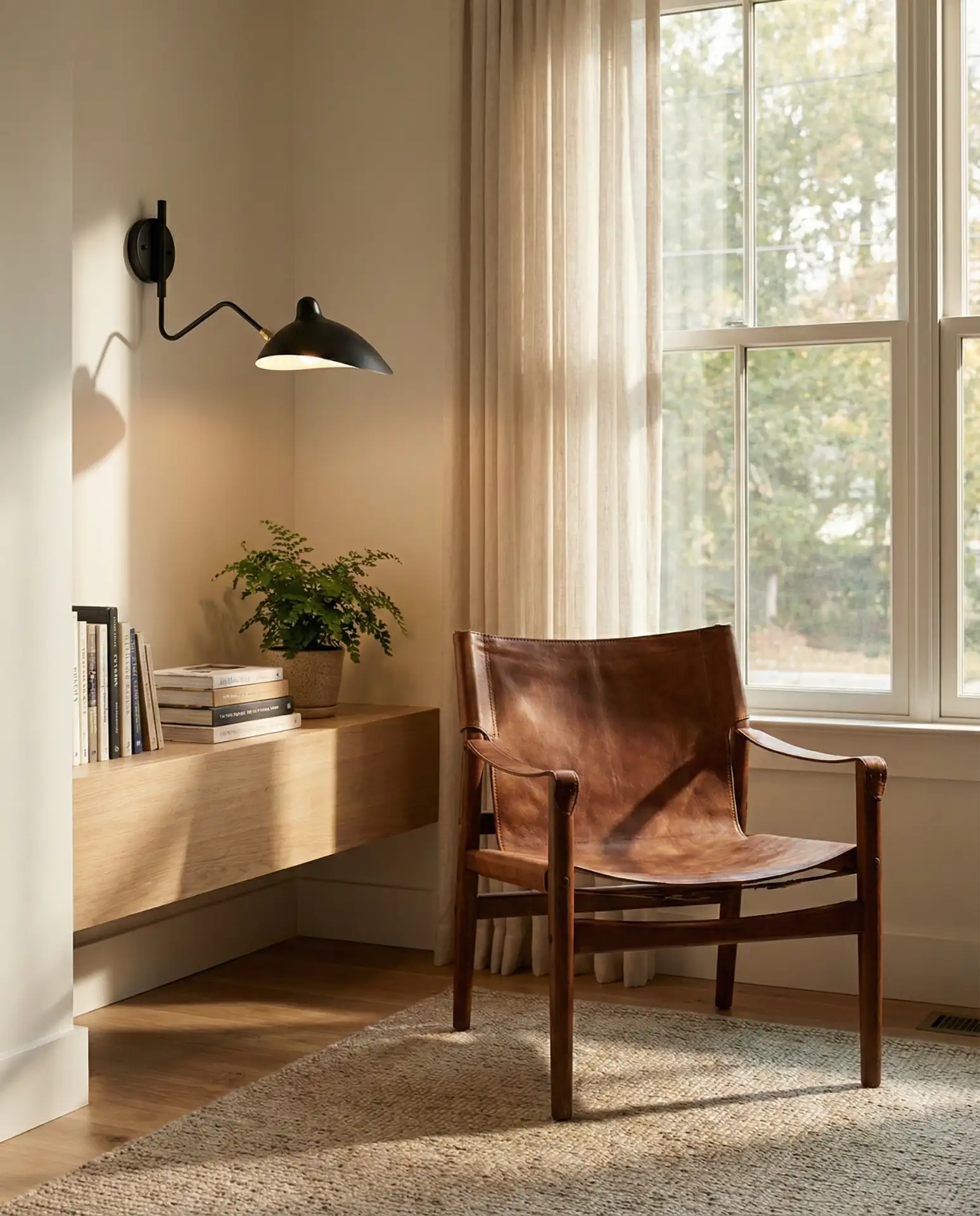
Carving out a small reading spot with a comfortable chair, good lighting, and a side table transforms an unused corner into a functional retreat within the bedroom. This addition is particularly appealing for guest bedrooms, giving visitors a place to relax beyond just the bed. Even in small room layouts, a compact armchair or floor cushion with a reading lamp can establish this zone without overwhelming the space.
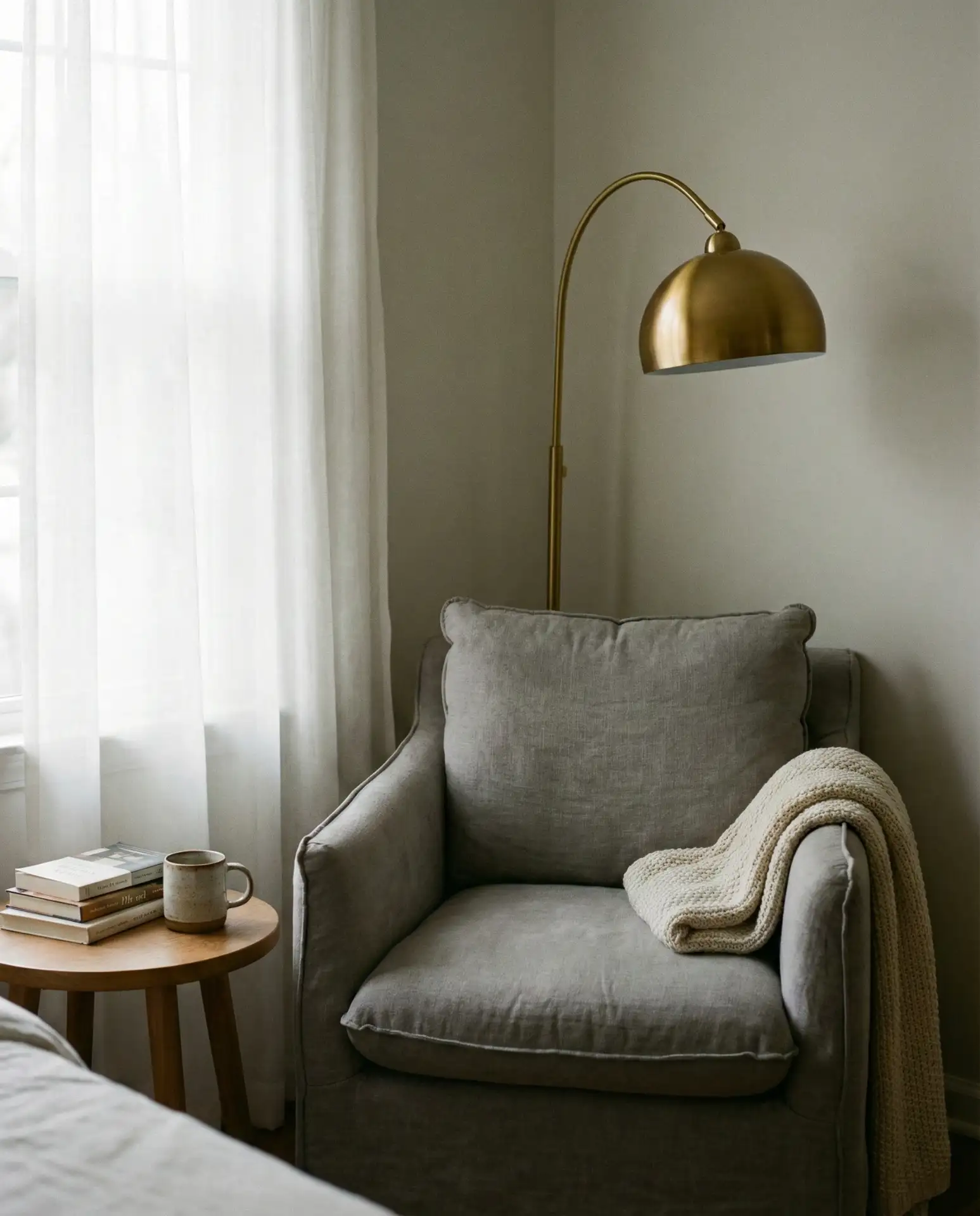
Position your reading spot near a window if possible to take advantage of natural light during the day. The nook doesn’t require expensive furniture—a vintage chair from a thrift shop, a DIY pillow setup on the floor, or even a hanging chair can work. Many people find that having this designated space actually increases how much they read since the setup makes the activity more appealing and comfortable.
16. Indoor Plants for Life and Air Quality
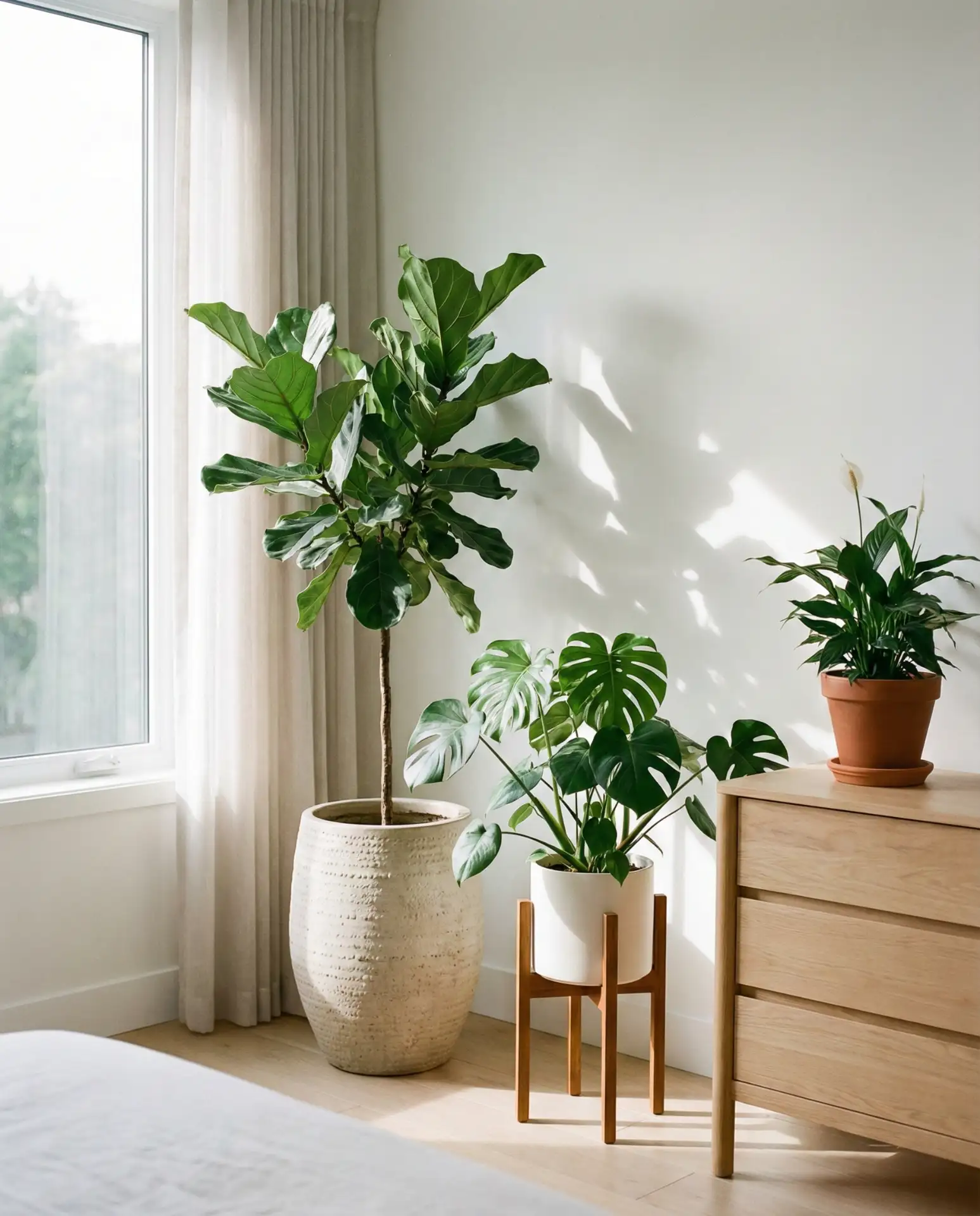
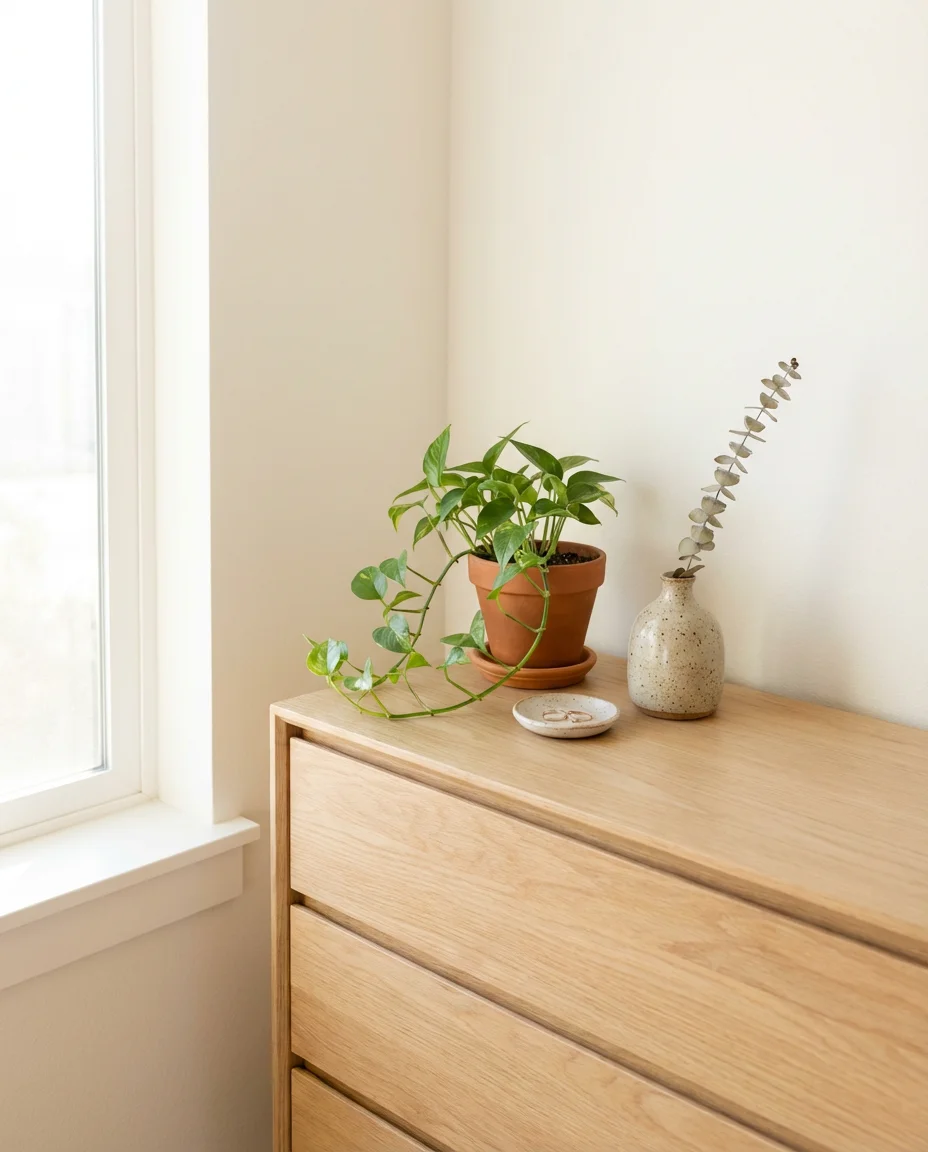
Adding low-maintenance plants like snake plants, pothos, or ZZ plants brings life and improved air quality to bedrooms while requiring minimal care. This easy upgrade delivers both aesthetic appeal and wellness benefits that resonate with health-conscious homeowners. Plants also help soften hard edges and add organic shapes that balance the straight lines of furniture and architecture.
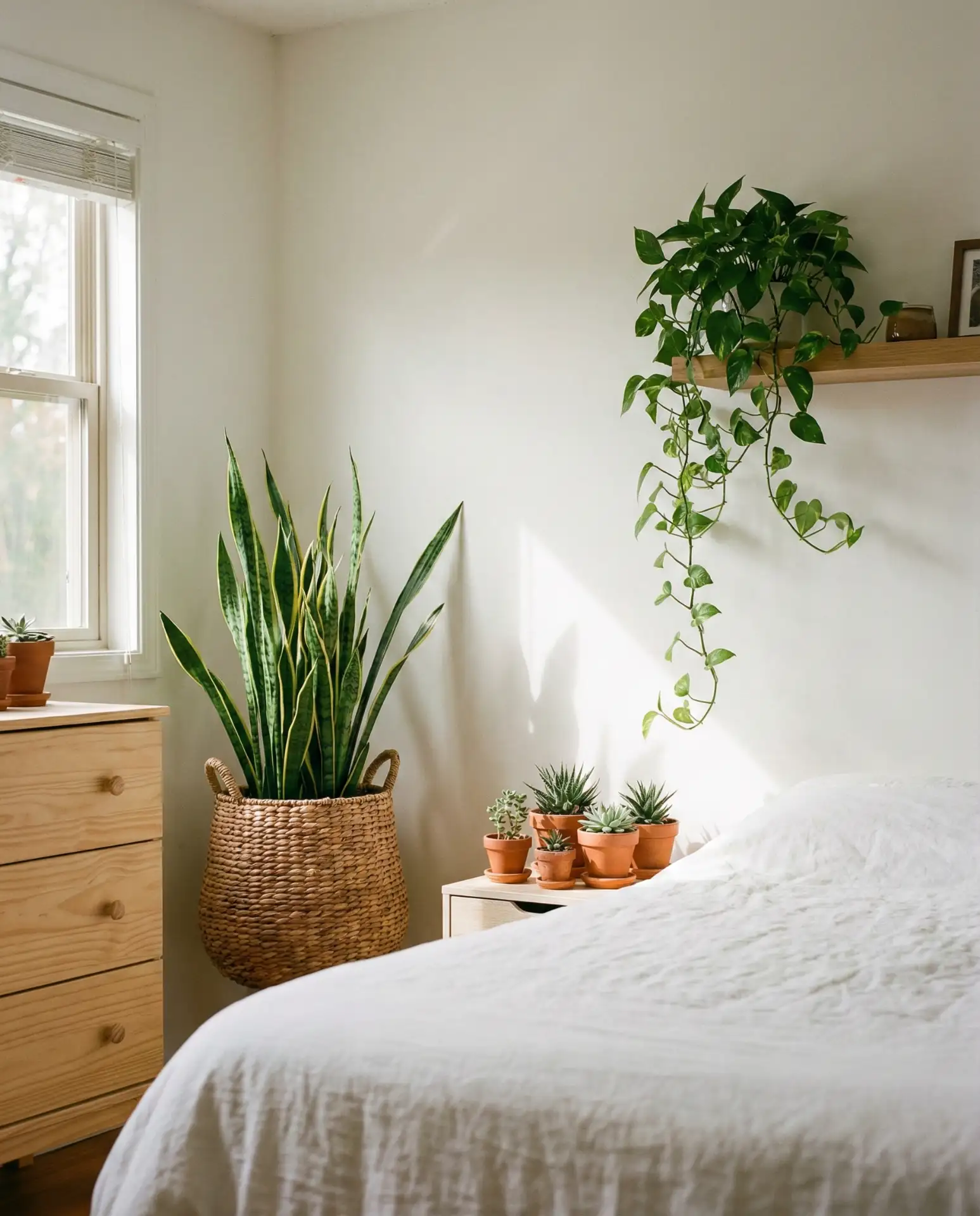
Steer clear of flowering plants or those with strong fragrances in bedrooms, as these can trigger allergies or disrupt sleep. Start with just one or two hardy varieties rather than overwhelming yourself with plant care. Local nurseries in humid climates like the Southeast often have better prices on tropical plants than those in drier regions, while desert dwellers have the advantage for succulents and cacti.
17. Minimalist Approach with Negative Space
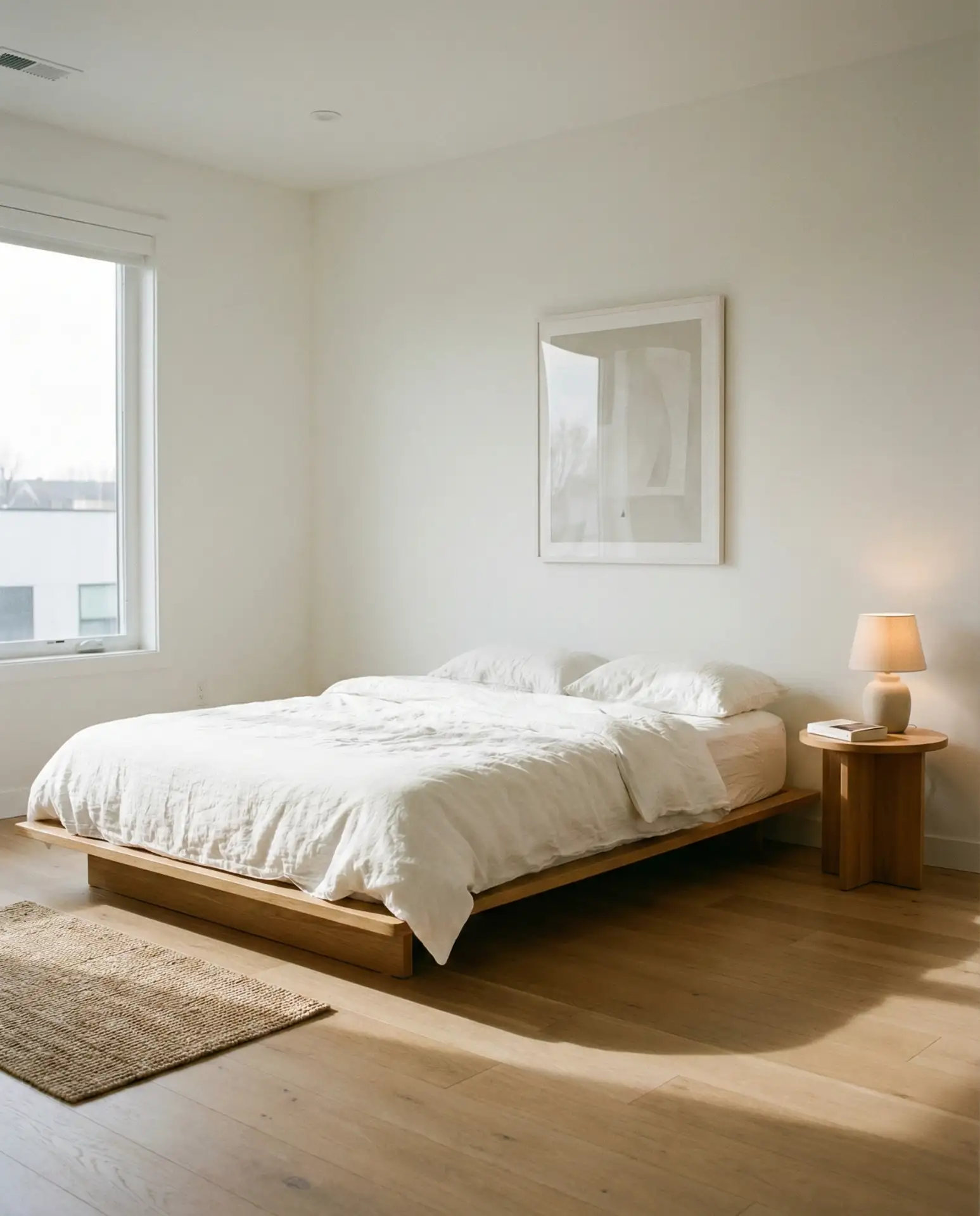
Embracing empty space and resisting the urge to fill every surface creates a calm, cozy environment that actually feels more spacious and relaxing than cluttered rooms. This mindset shift costs nothing, making it the ultimate budget bedroom makeover for those willing to pare down. The aesthetic focuses on keeping only pieces that serve a purpose or bring genuine joy, following principles that have gained mainstream acceptance in recent years.
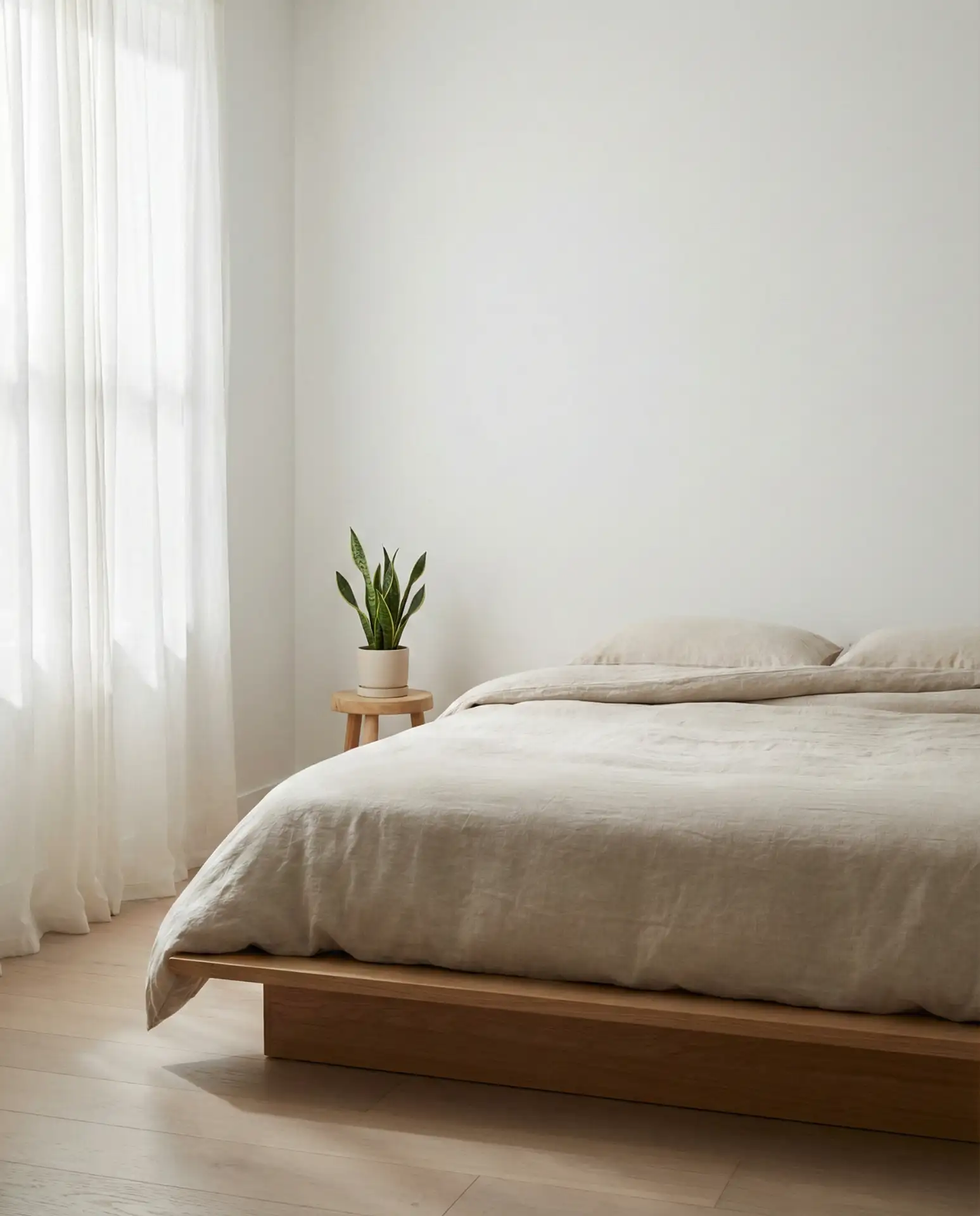
This approach is particularly effective in studio apartments and smaller homes where visual clutter makes spaces feel even more cramped. The psychological benefit of a simplified bedroom is better sleep quality, which multiple studies have connected to reduced visual stimulation before bed. Many Americans report that removing the TV, excess furniture, and decorative items dramatically improved their rest.
18. Area Rug to Define and Anchor Space
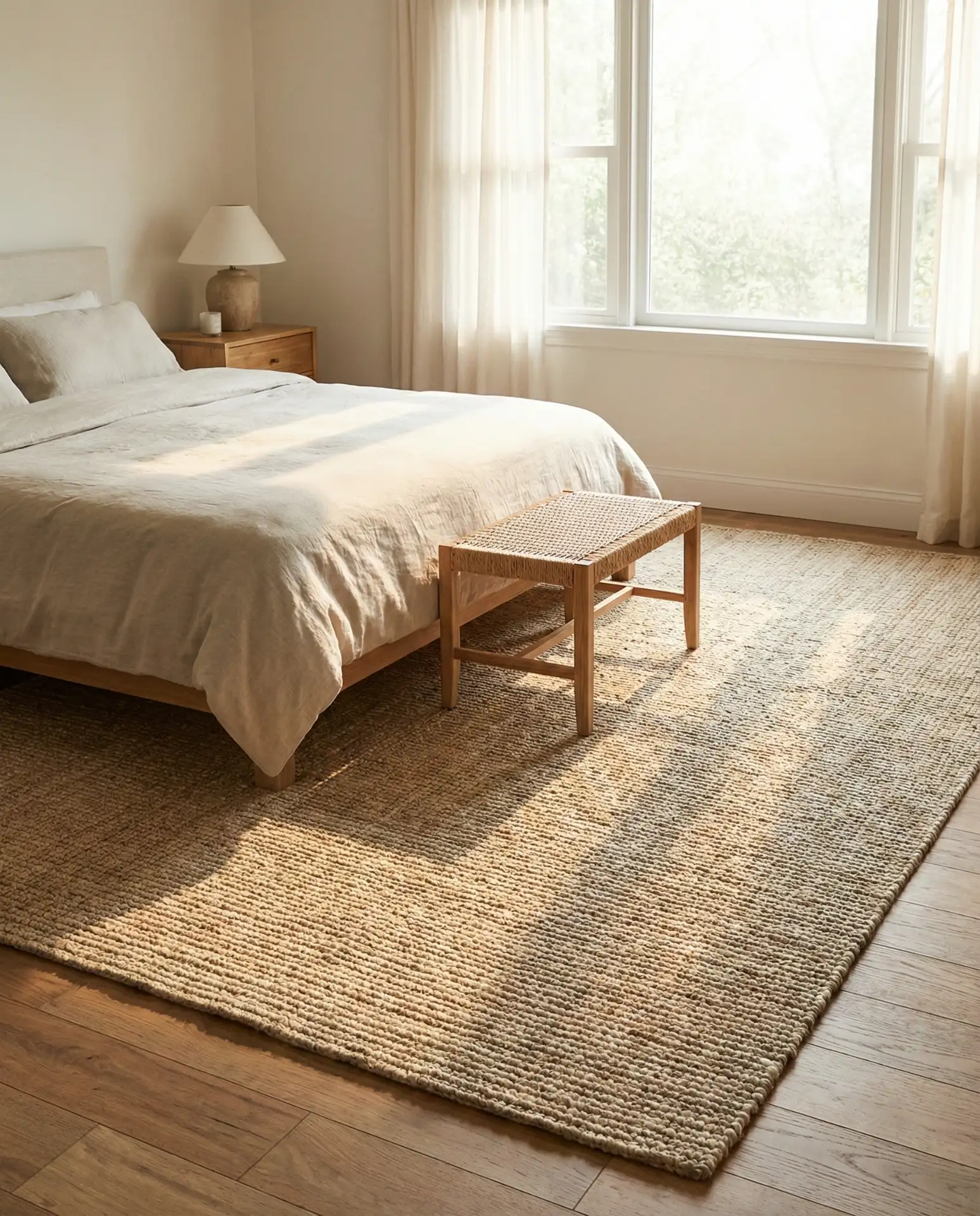
Placing a substantial area rug under and extending beyond the bed creates visual grounding and adds softness underfoot that’s especially welcome in homes with hardwood or tile floors. For rental situations where you can’t change flooring, a rug provides the warming effect you need while remaining completely renter friendly. The rug also helps absorb sound and adds another layer of texture to the room’s overall design.
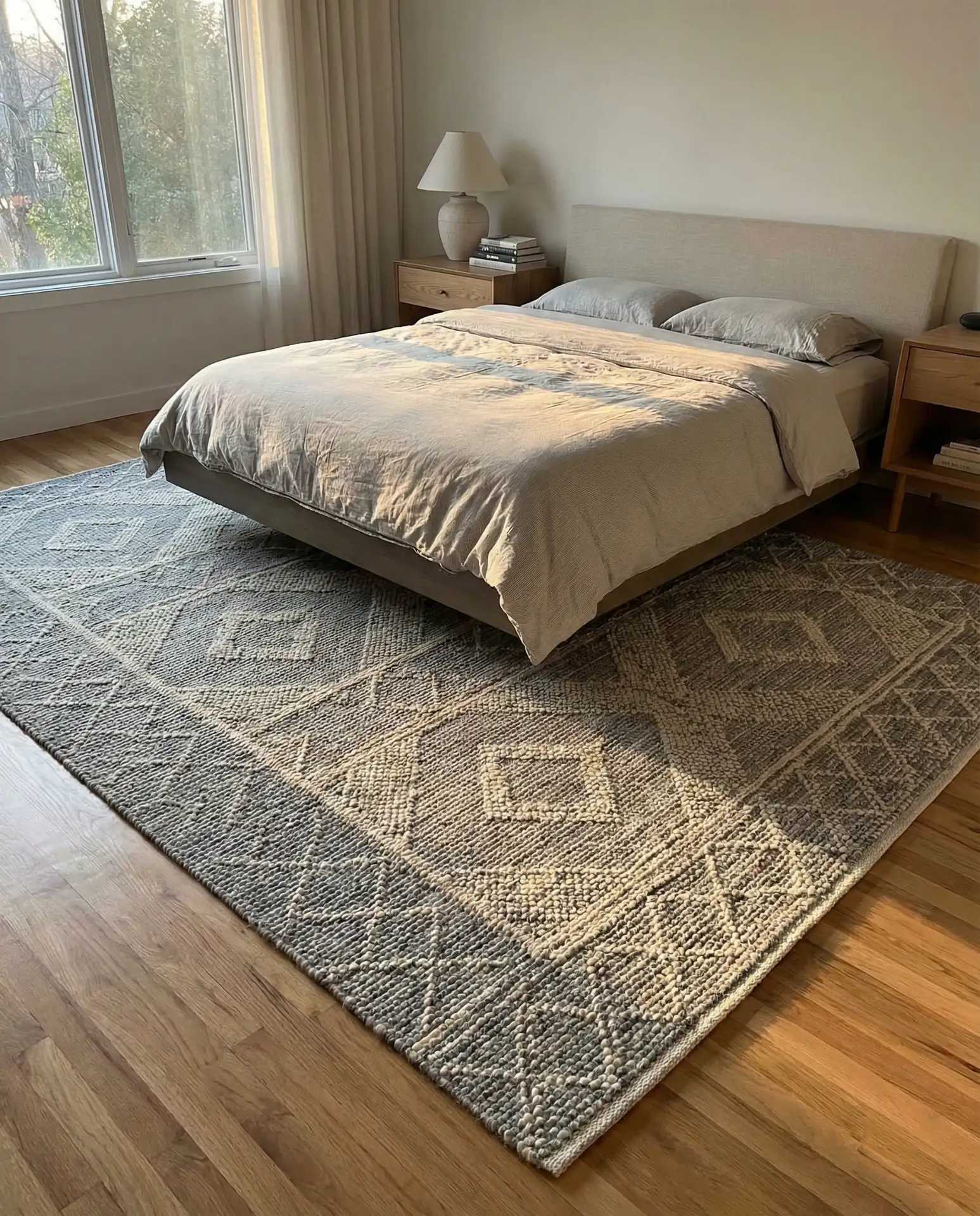
Experts recommend sizing rugs so they extend at least 18-24 inches beyond the sides and foot of the bed, creating that anchored, pulled-together appearance. In colder climates across the northern states, a plush rug makes a tremendous difference on winter mornings. Avoid tiny rugs that look like afterthoughts—if budget is tight, a secondhand larger rug beats a new small one every time.
19. Smart Storage Solutions Under the Bed
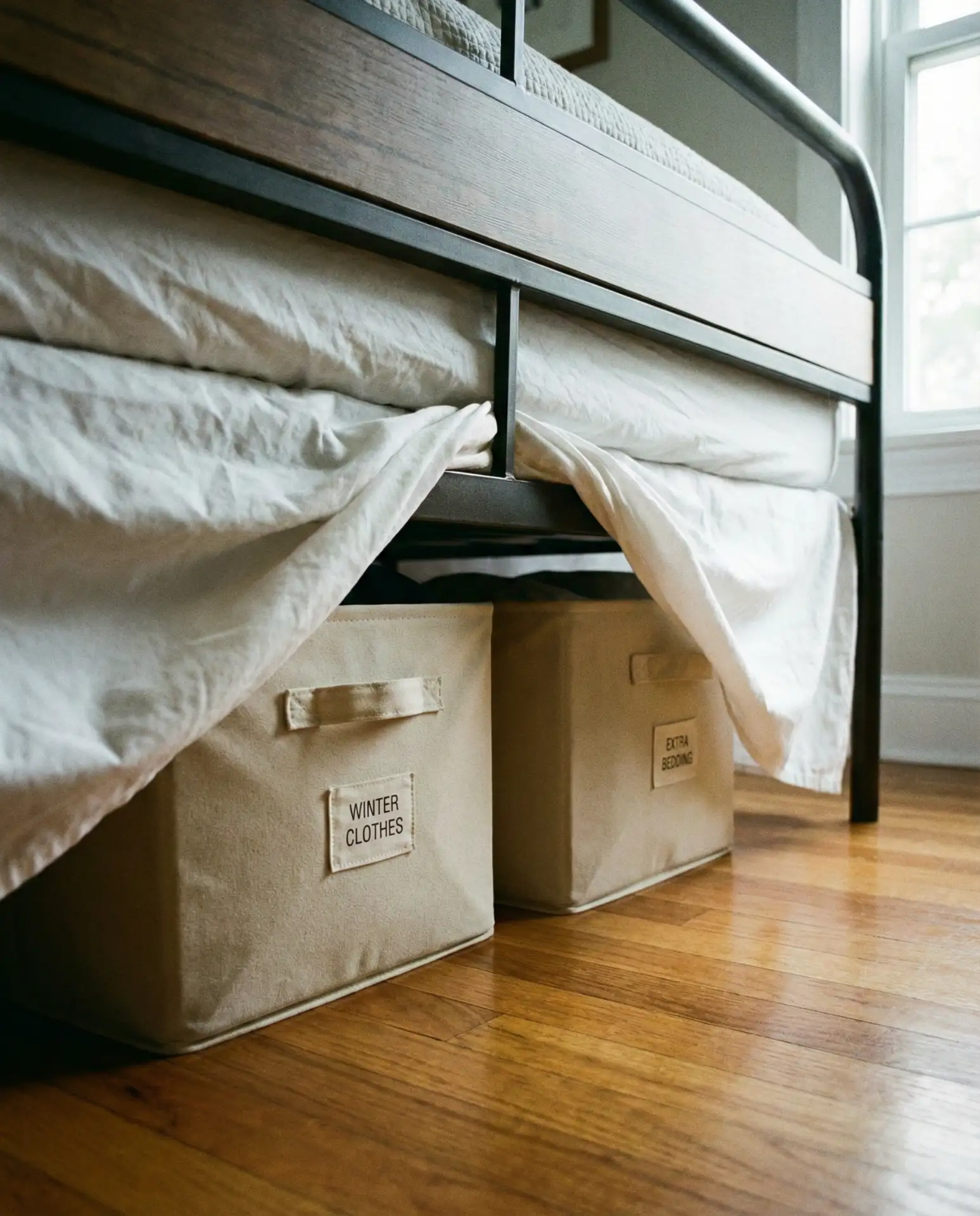
Using under-bed storage containers or choosing a bed frame with built-in drawers maximizes space in tiny bedrooms where closet space is limited. This practical solution is especially crucial in older apartments and homes built before walk-in closets became standard, making it popular in cities with historic housing stock. The hidden storage keeps seasonal items, extra linens, or off-season clothing accessible but out of sight.
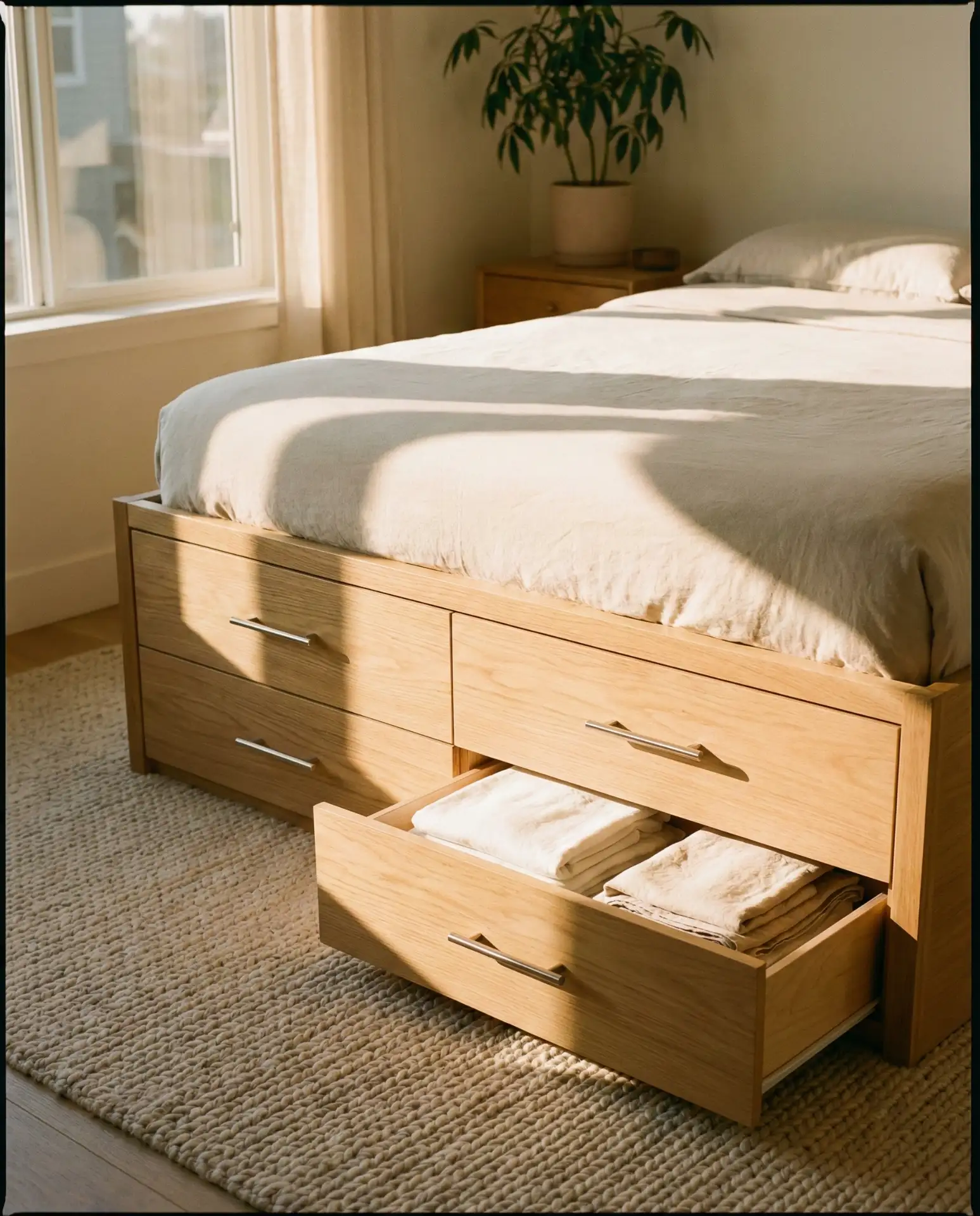
Where it works best: studio apartments, children’s rooms, and guest bedrooms with limited closet access. Measure your bed’s clearance before buying containers—most beds offer 6-10 inches of space, but platform styles may have less. Rolling storage bins are easier to access than static boxes, especially for those with mobility limitations or in tight quarters where you can’t easily walk around the bed.
20. Bohemian Layered Textiles and Patterns
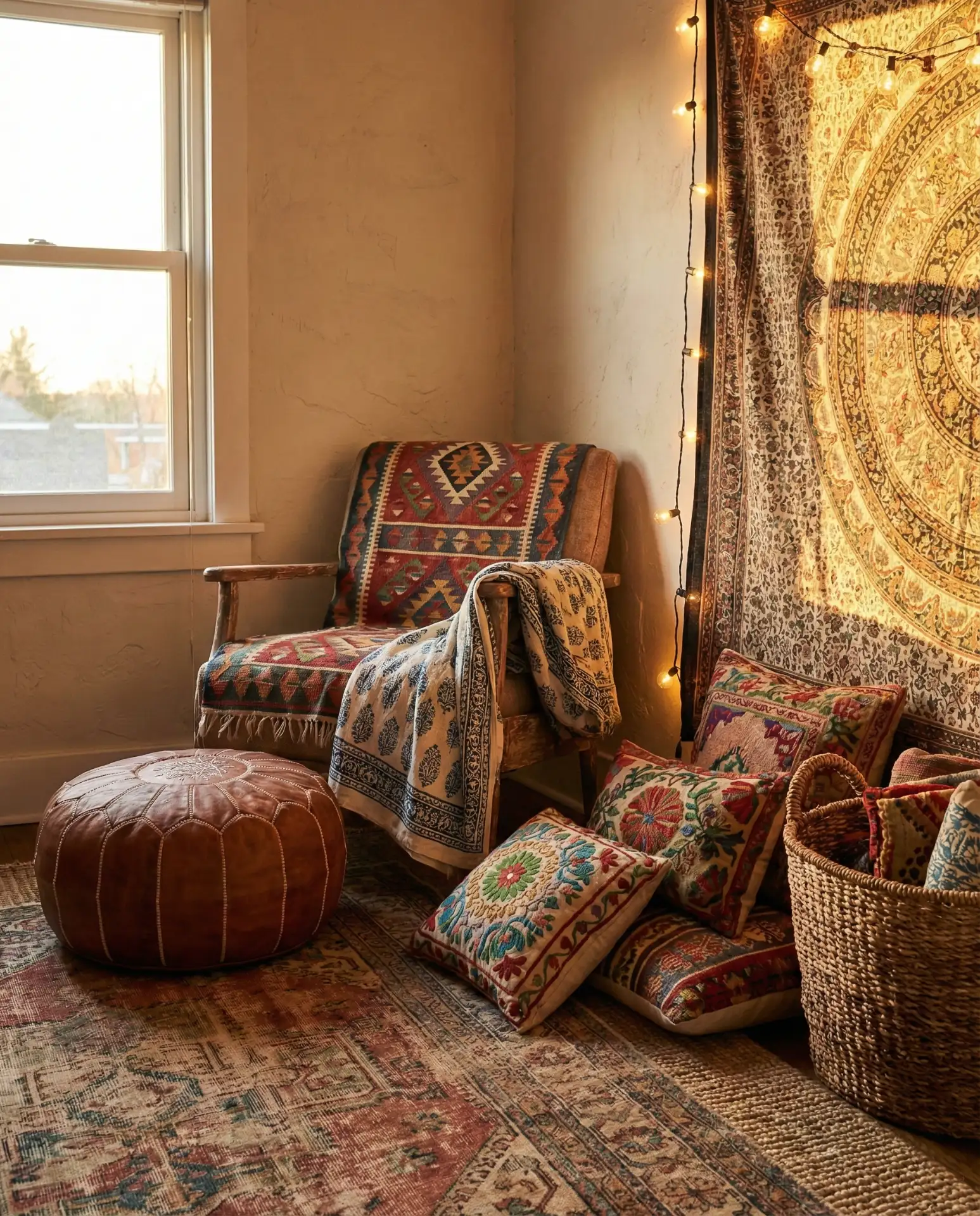
Mixing patterns, textures, and globally inspired textiles creates an eclectic, collected-over-time feel that’s become popular aesthetic inspiration for free-spirited homeowners. This approach celebrates individuality and the perfectly imperfect, making it forgiving of budget constraints since thrifted finds and handmade pieces fit naturally into the style. The layered look feels personal and inviting rather than decorated, which resonates with people who reject cookie-cutter design.
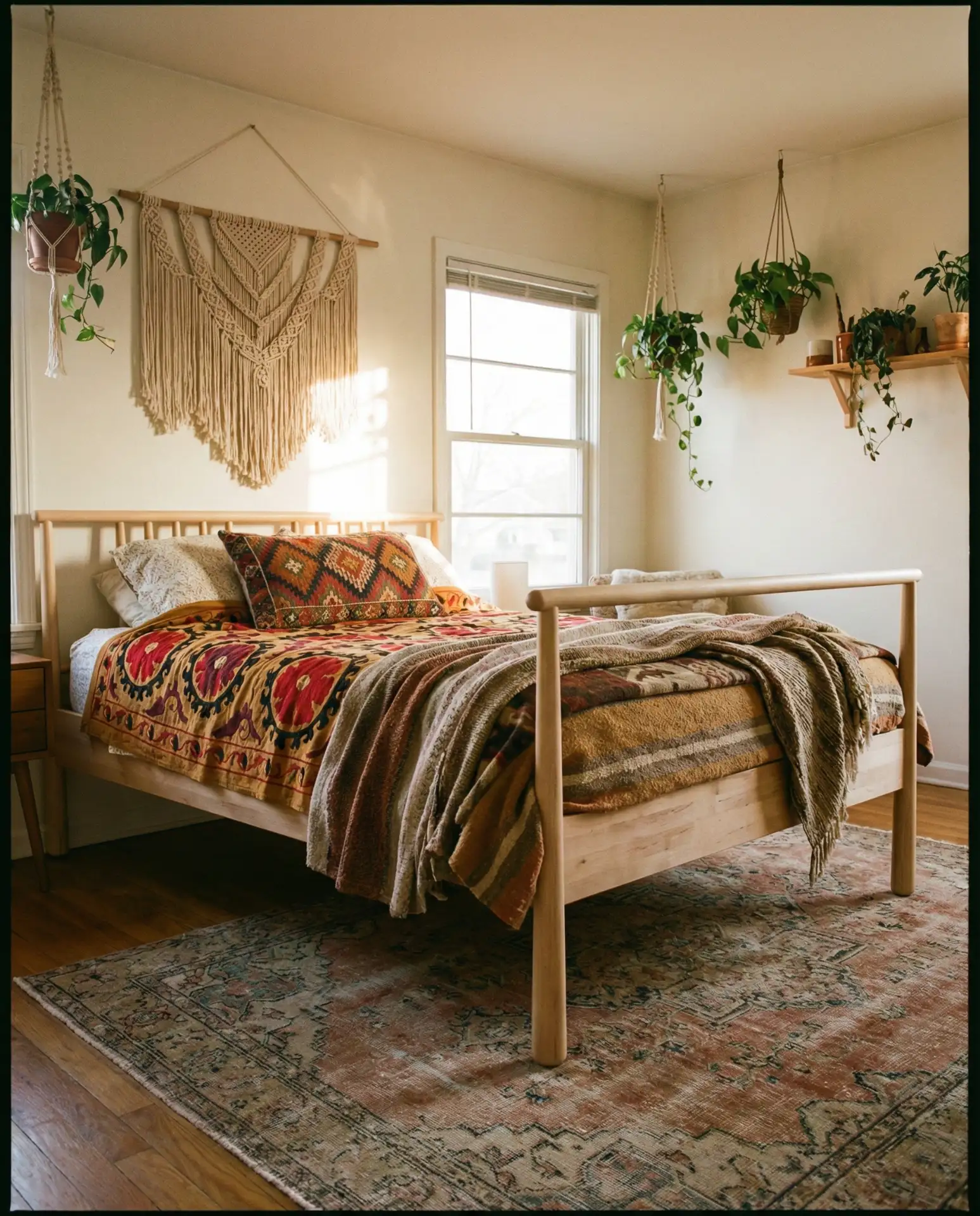
The key to successful pattern mixing is sticking to a cohesive color palette even while varying prints—this keeps the room from tipping into chaos. Flea markets and estate sales in the Southwest often yield authentic vintage textiles at reasonable prices. My sister gradually built her bohemian bedroom over two years, adding pieces as she found them, which actually created a more authentic collected look than buying everything at once.
21. Upgraded Closet Organization as Visual Element
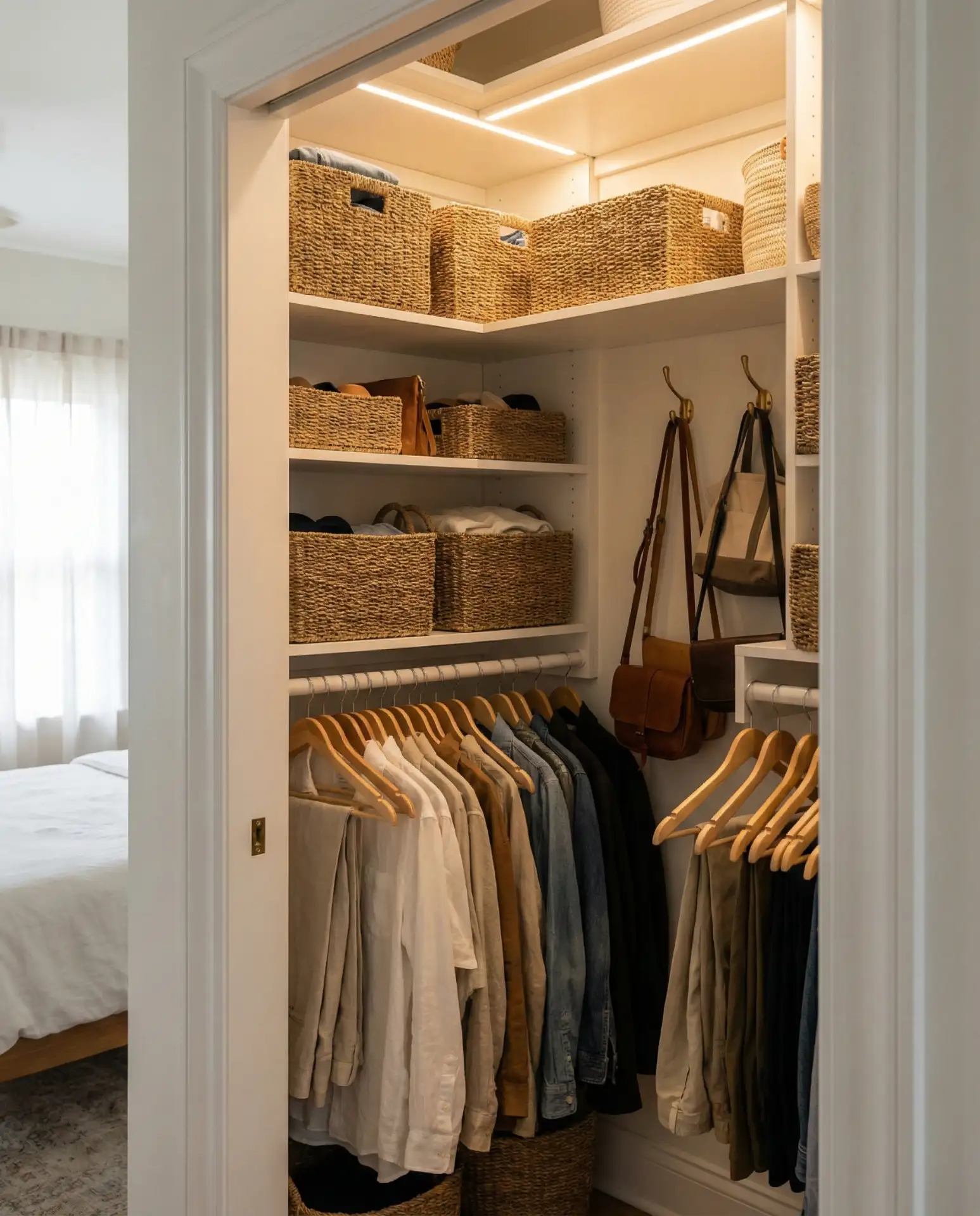
Installing matching hangers, adding shelf dividers, and organizing by color transforms a closet into a satisfying visual element that reduces daily stress. For rental bedrooms where built-in upgrades aren’t possible, this cheap transformation makes a surprising difference in how the entire room feels. An organized closet with the door open becomes part of the room’s aesthetic rather than something to hide.
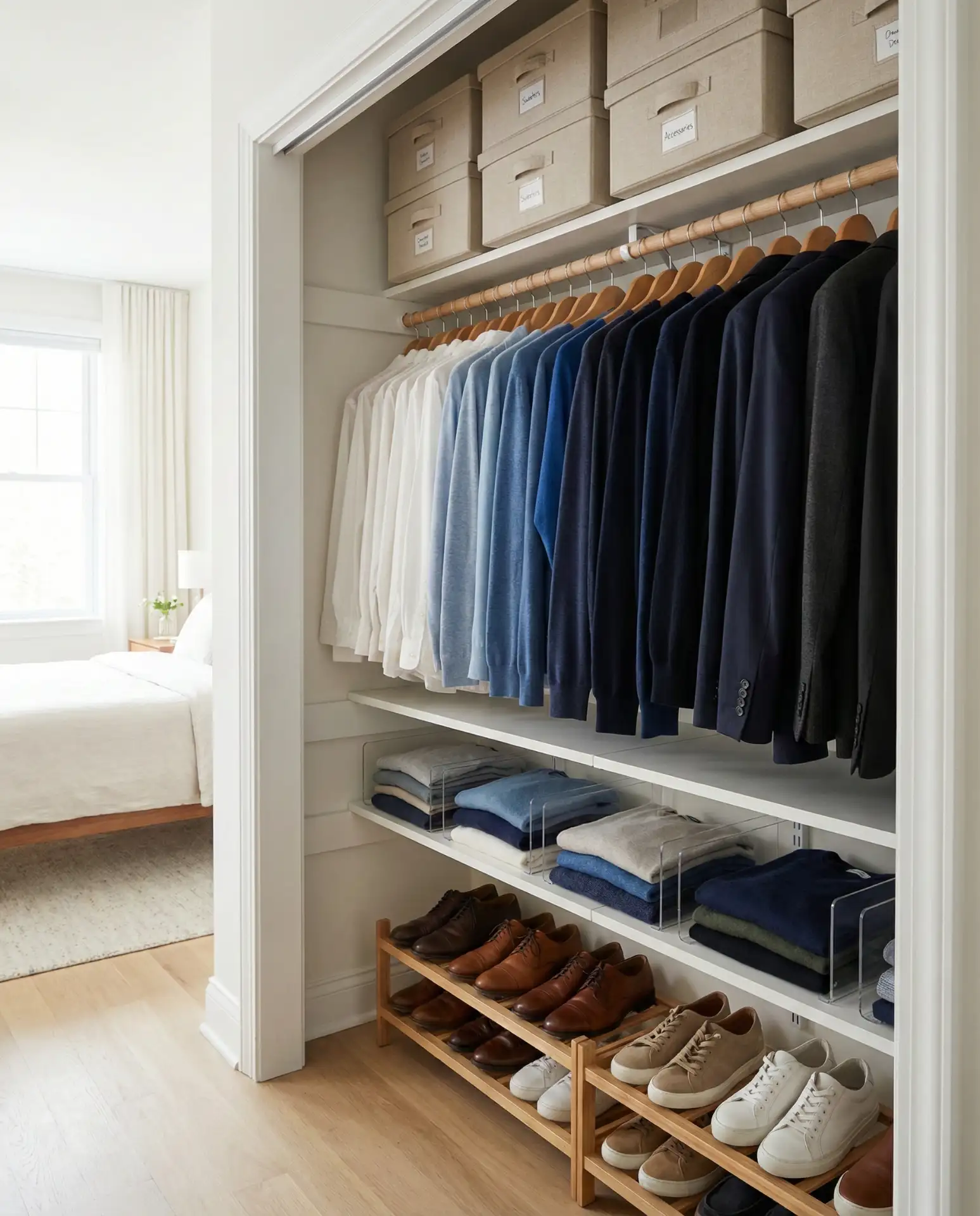
This project delivers daily returns since you use your closet multiple times every day, and the time saved searching for items adds up significantly over months. Budget-conscious organizers can achieve this look by simply sorting items and using boxes or baskets they already own before investing in expensive systems. In smaller markets across the Midwest, local hardware stores often run seasonal sales on closet organization components that make upgrades quite affordable.
22. Symmetrical Nightstand and Lamp Pairing
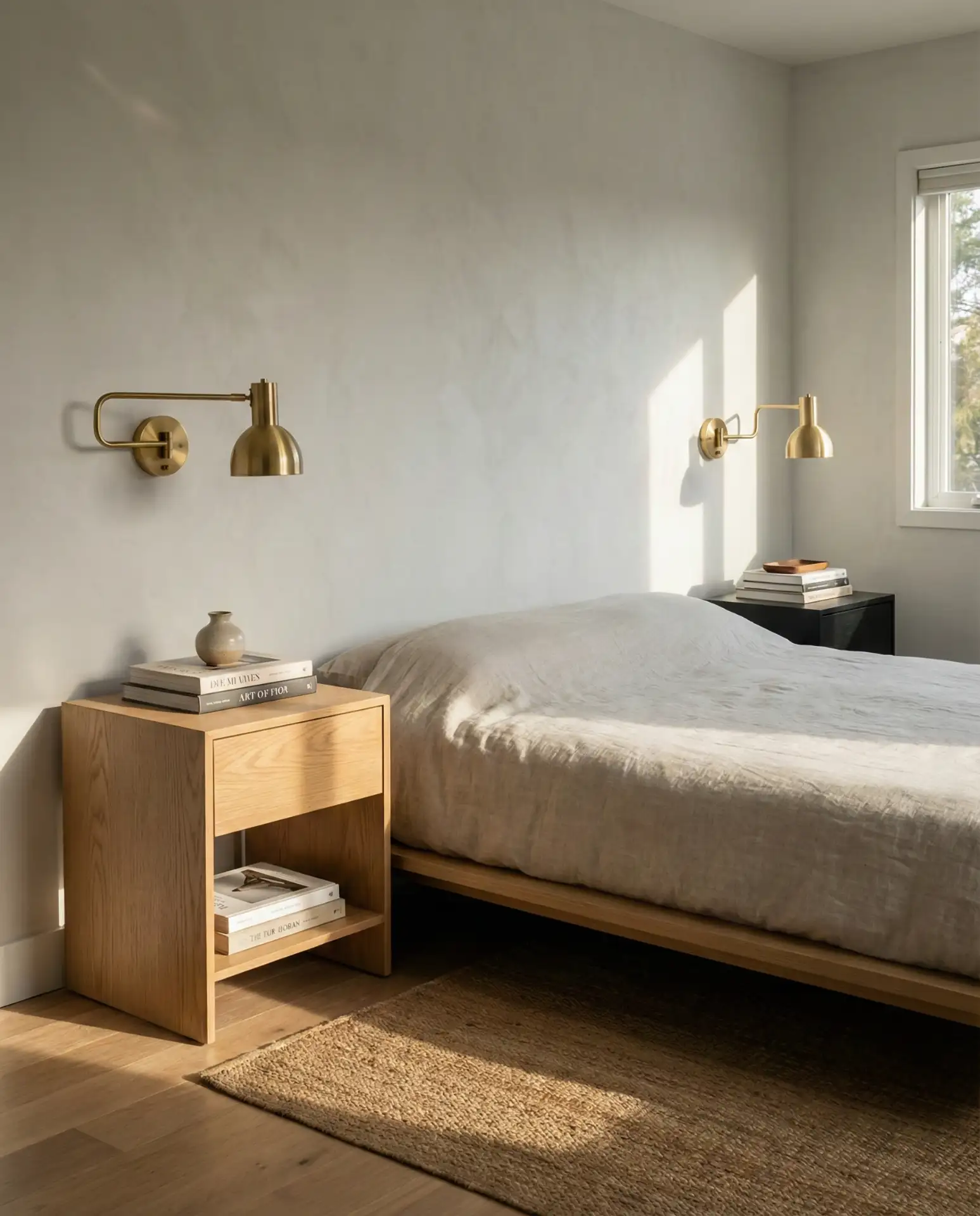
Creating balance with matching or coordinating nightstands and lamps on both sides of the bed delivers a polished, hotel-like symmetry that feels calming and intentional. This aesthetic approach has become standard inspiration for master bath renovations that extend into adjacent bedroom updates. The symmetry provides visual rest for the eyes and creates a sense of order that many find psychologically soothing.
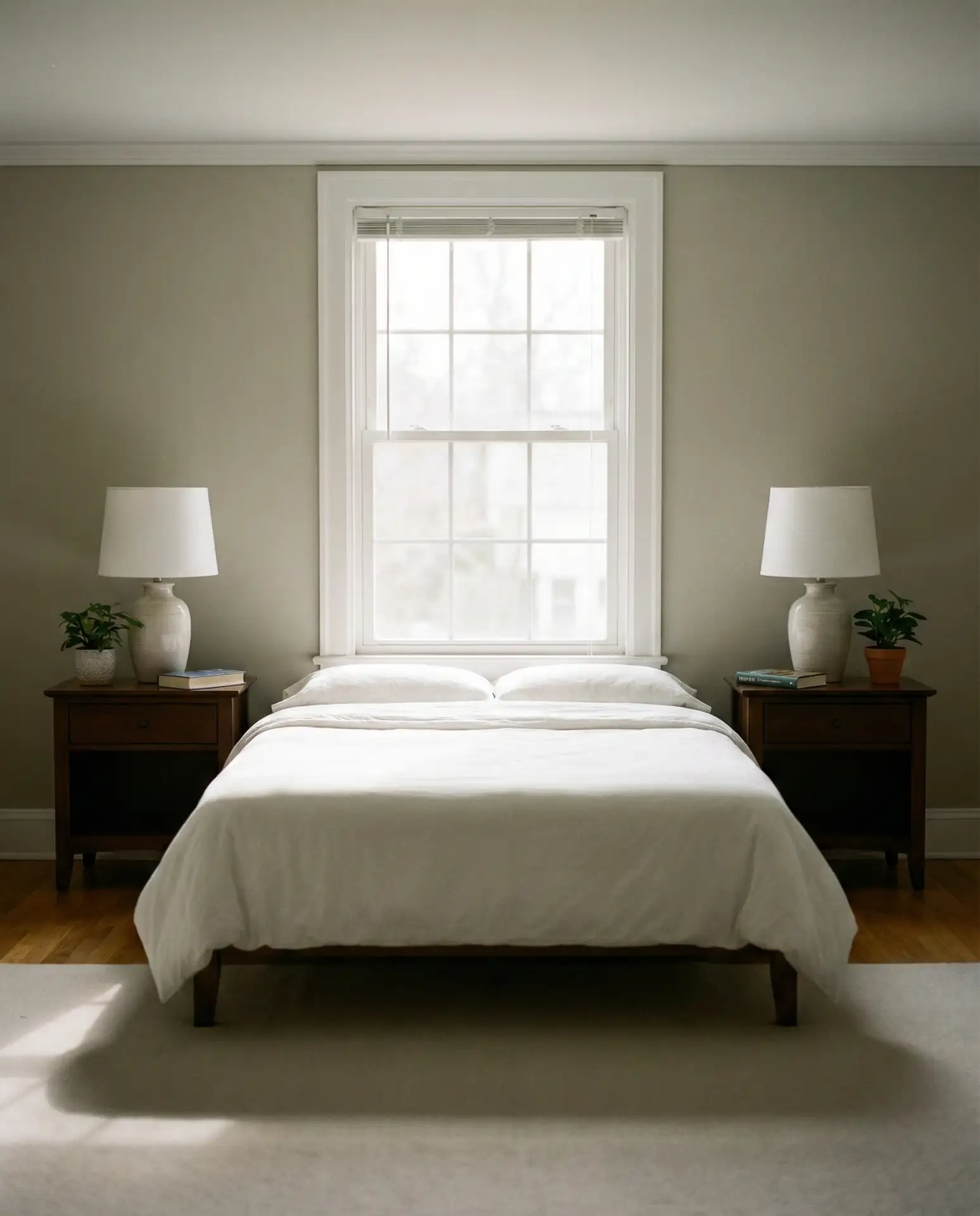
While perfect matching creates classic elegance, coordinating pieces with the same scale and style but different finishes or details can feel more personal and less rigid. Thrift stores are ideal for finding pairs of nightstands that you can refinish to match. The symmetry works particularly well in rectangular bedrooms where the bed is centered on a wall, less so in awkward layouts where architectural features prevent balanced placement.
23. Window Treatment Upgrade for Light Control
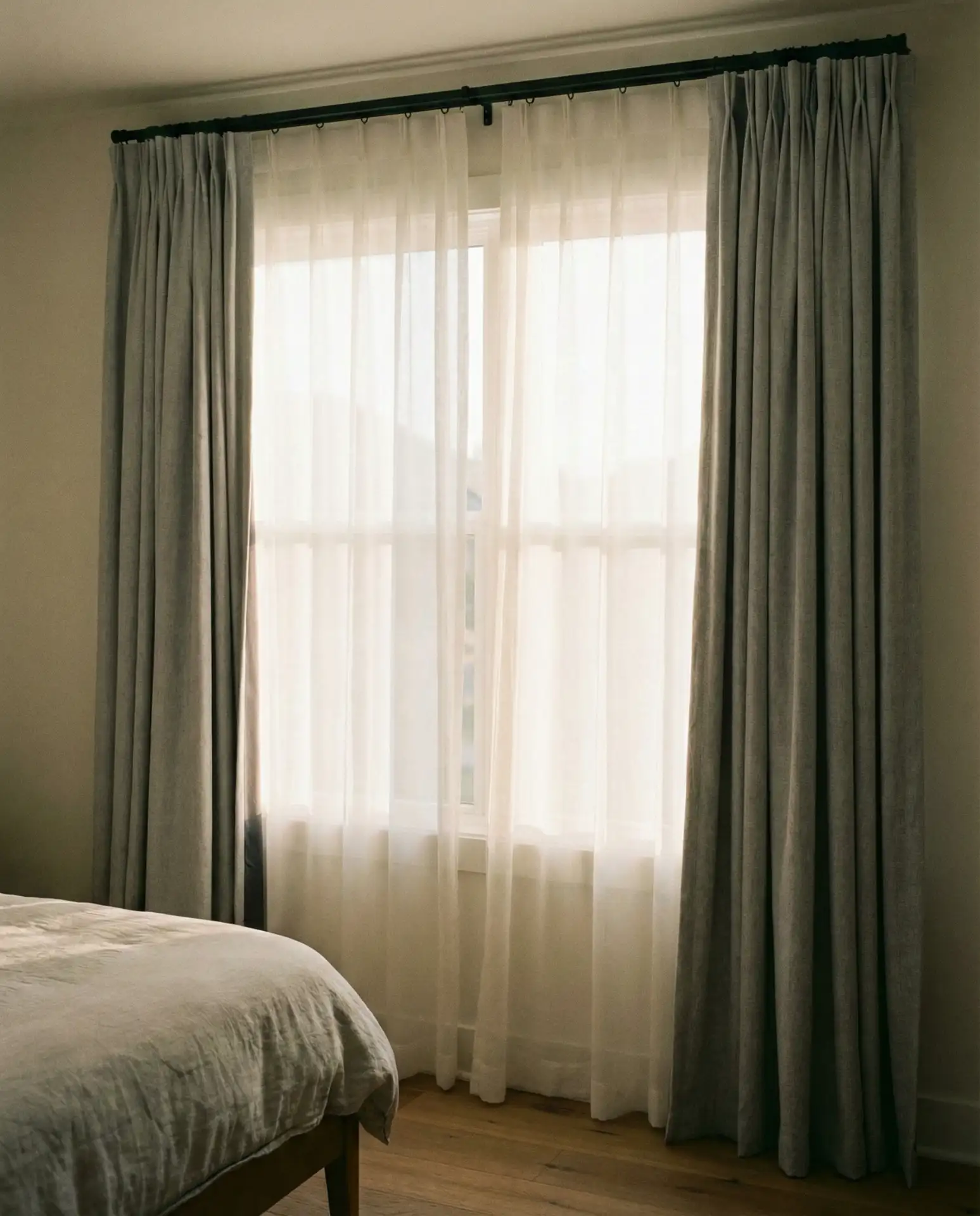
Replacing basic blinds with layered curtains—combining blackout panels with sheers—provides both functional light control and visual softness that frames windows beautifully. This upgrade is particularly valuable in camper and RV conversions where managing light and privacy in tight quarters requires flexible solutions. The combination allows you to block light completely for sleep while having the option to filter natural light during the day.
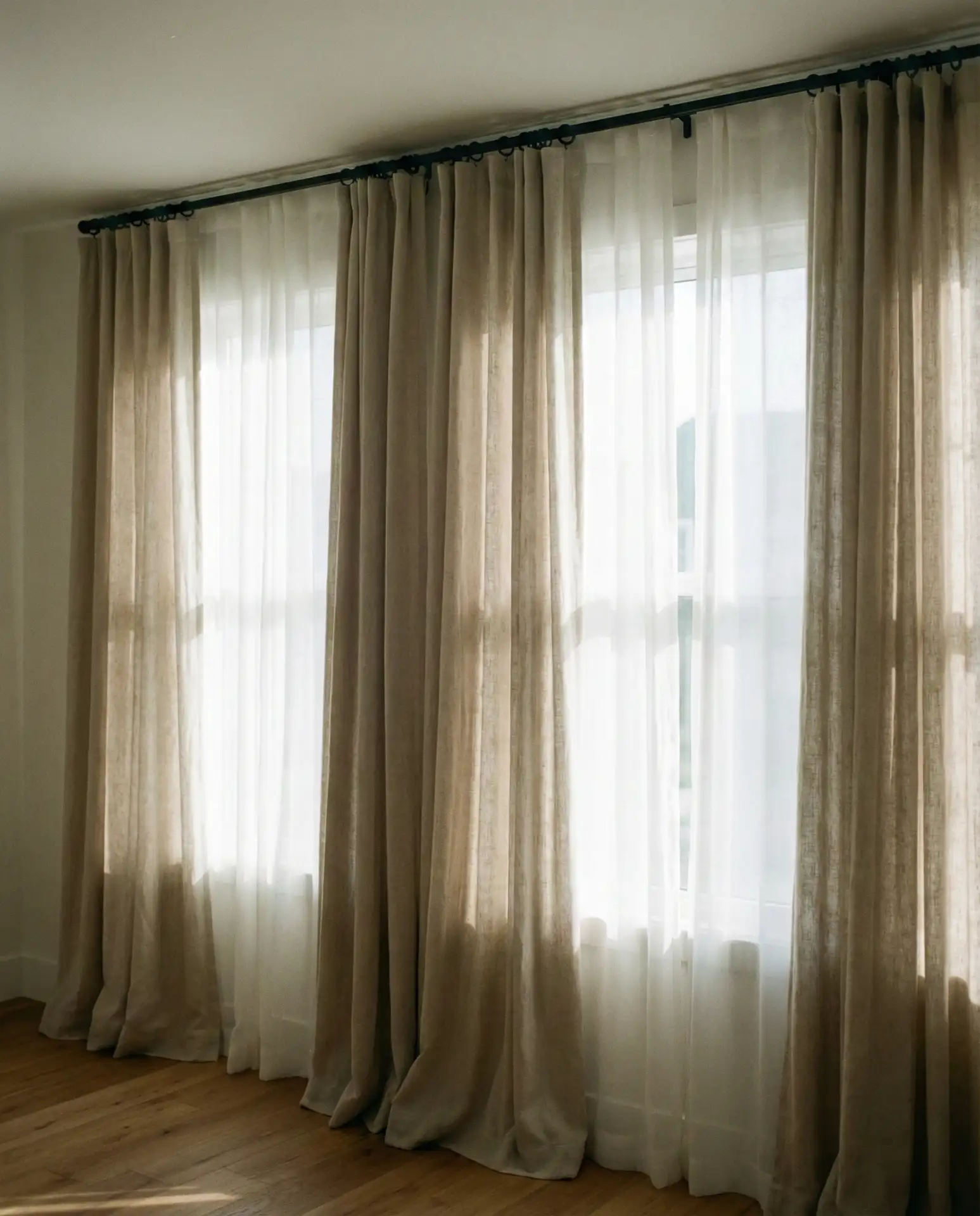
Mounting curtain rods several inches above the window frame and extending them beyond the window’s edges on both sides creates the illusion of larger windows and higher ceilings. This trick is particularly effective in older homes with smaller windows, common in pre-war construction throughout the Northeast and Midwest. Ready-made curtains from big-box stores now come in lengths up to 108 inches, making the dramatic floor-length look accessible without custom tailoring.
24. Personal Collections Displayed with Purpose
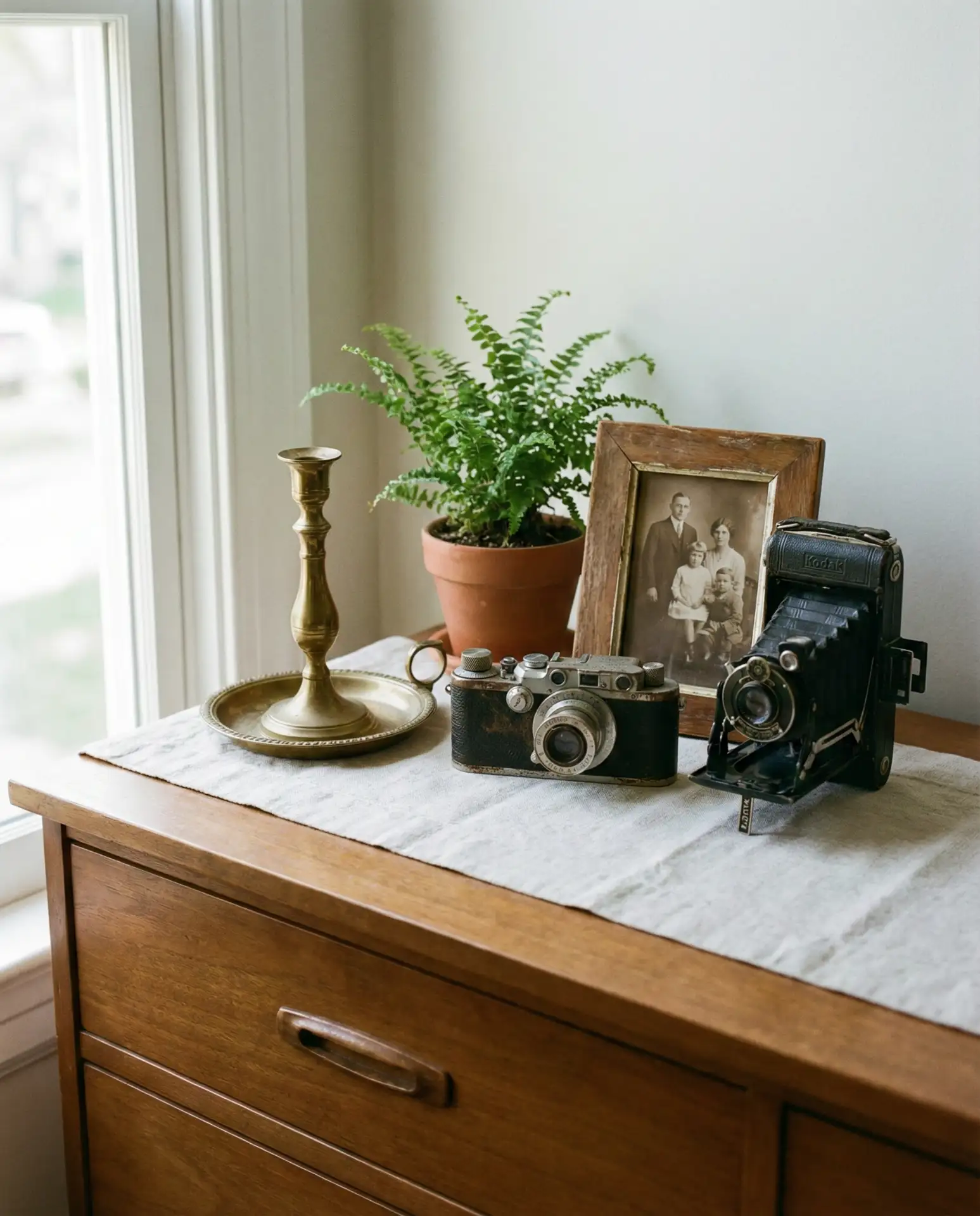
Showcasing meaningful collections—whether vintage cameras, pottery, or travel souvenirs—on open shelving or as vignettes gives personality to your space and creates conversation pieces. This DIY approach to inspiration costs nothing beyond the items you already own and love, making it perfect for a budget Indian or middle-class makeover that values personal story over expensive decor. The displays make the bedroom uniquely yours rather than resembling a showroom.
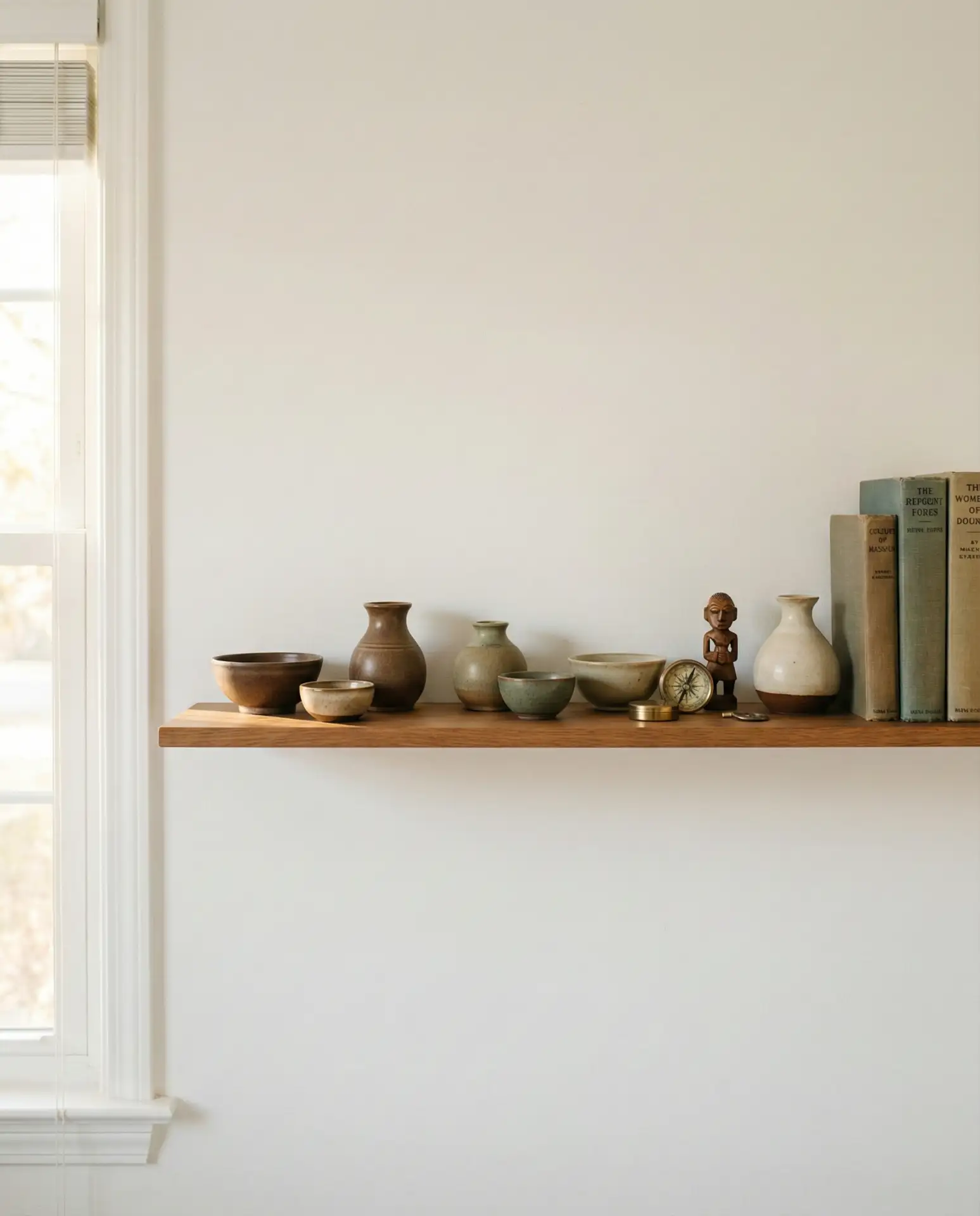
Real homeowner behavior shows that displayed collections often get edited and refreshed seasonally as people rotate favorite pieces, keeping the room feeling dynamic. The common mistake is displaying too many items at once, which creates visual noise—edit ruthlessly and give each piece room to breathe. Group items in odd numbers (3, 5, 7) and vary heights for the most pleasing arrangements that look collected rather than cluttered.
Conclusion
These bedroom makeover ideas offer something for every situation, whether you’re working with a strict budget, renting, or have the freedom to make more permanent changes. The beauty of bedroom design in 2026 is that it celebrates personal expression and creativity over following rigid rules—your space should reflect who you are and how you live. Try one idea or combine several to create the restful, beautiful retreat you deserve. Share your favorite approach or your own bedroom transformation in the comments below!