
Bookshelf styling has become one of the most searched home décor topics on Pinterest heading into 2026, and it’s easy to see why. American homeowners are moving beyond simple storage—they’re treating shelves as curated galleries that reflect personality, taste, and lifestyle. Whether you’re working with a Kallax cube system, a classic Billy unit, or custom built-in shelving, the way you arrange books, objects, and art can transform an entire room. This guide walks through 23 fresh, actionable ideas that blend function with visual appeal, perfect for anyone seeking inspiration that actually works in real homes.
1. Eclectic Layered Shelving with Global Finds
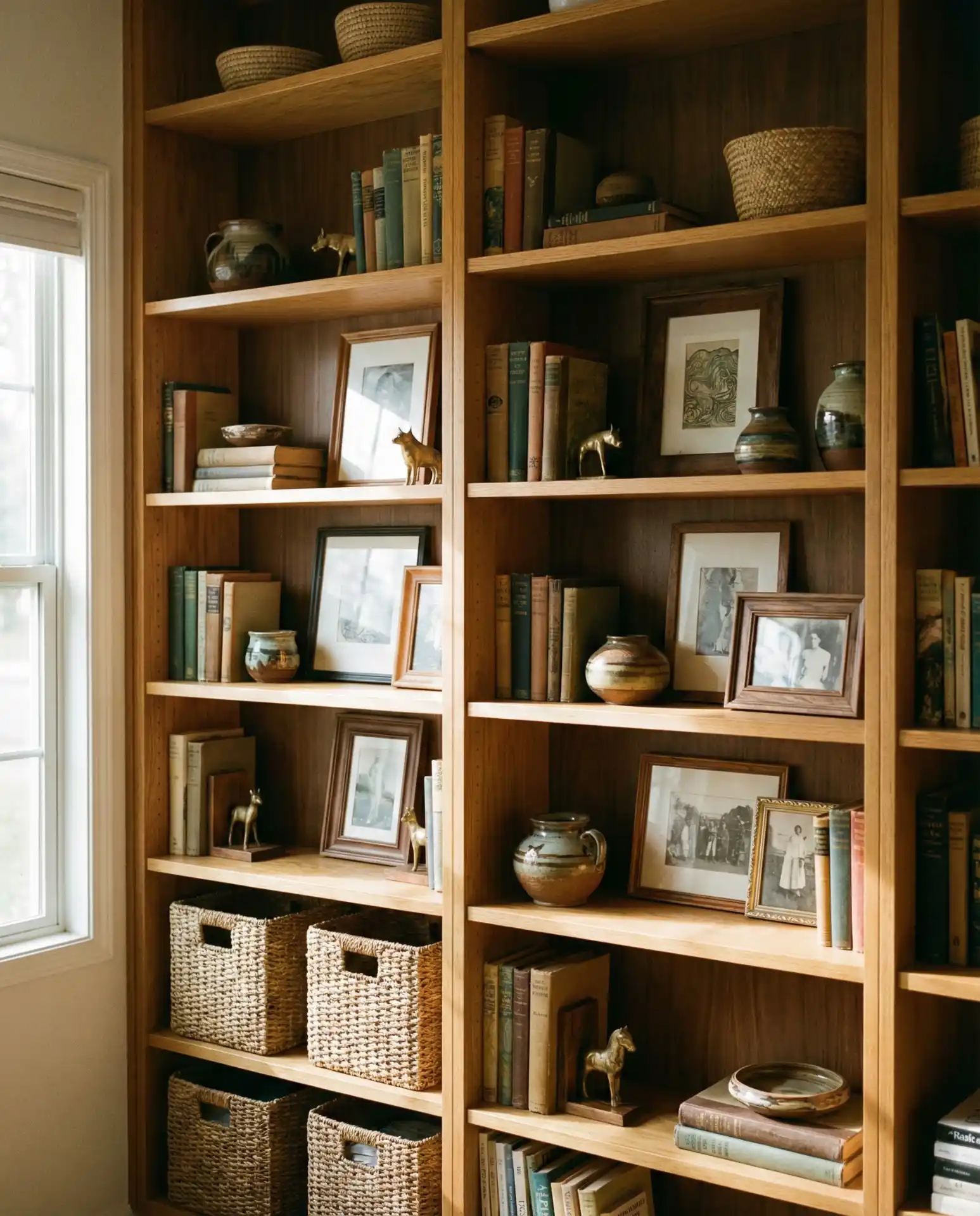
An eclectic approach to bookshelf styling celebrates the beauty of collected objects from different eras and places. Think Moroccan ceramics next to vintage hardbacks, a small brass elephant beside a stack of neutral linen-bound volumes. The key is balancing color, scale, and texture so nothing feels chaotic. This style works especially well in living rooms or home offices where you want personality front and center. 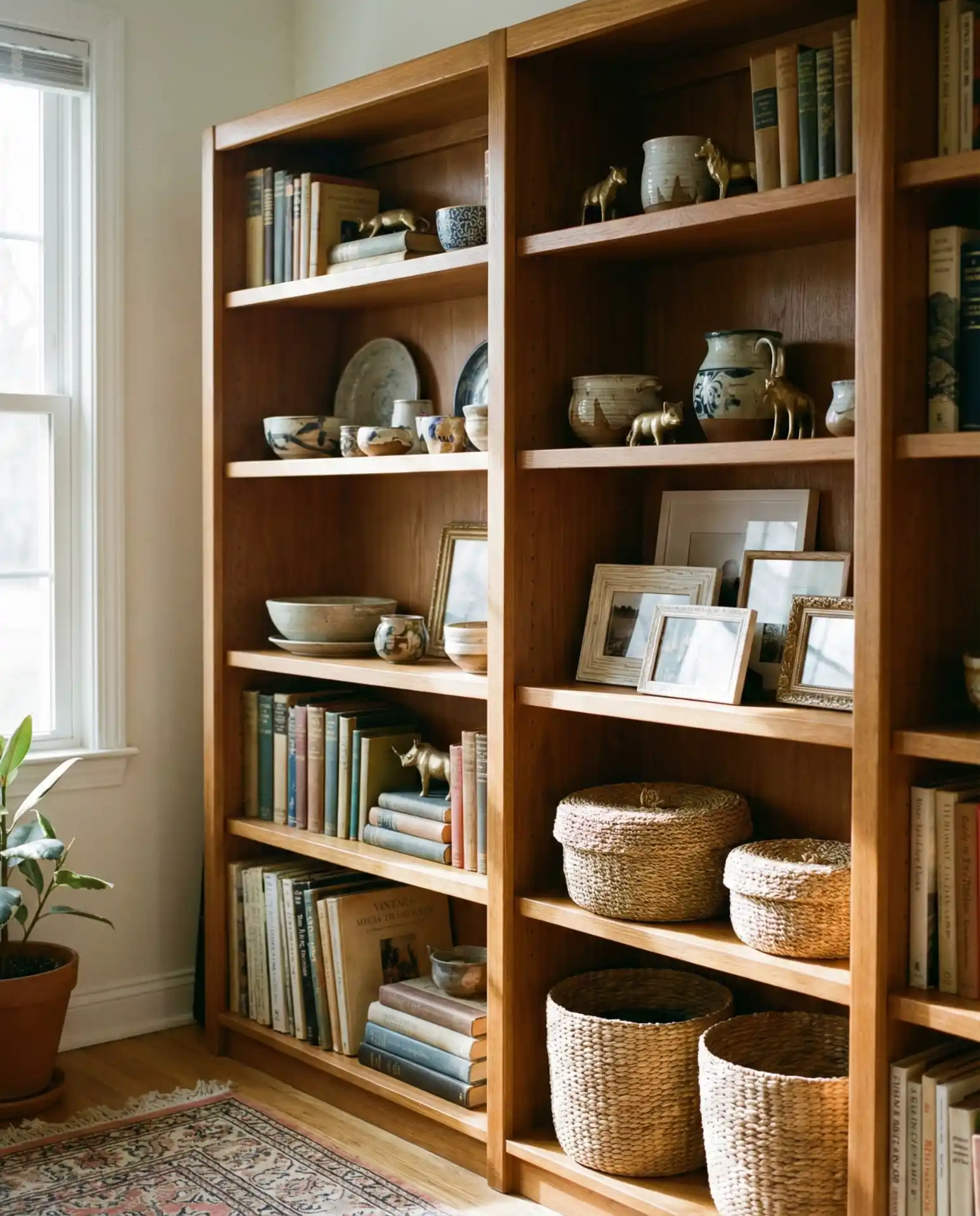
One common mistake is overcrowding every shelf. Instead, leave some breathing room—empty space actually makes your favorite pieces stand out. Rotate objects seasonally to keep the display fresh, and don’t be afraid to lean art against the back wall for added depth. This approach turns your bookshelf into a living canvas that evolves with your interests.
2. Dark Moody Shelving for Drama
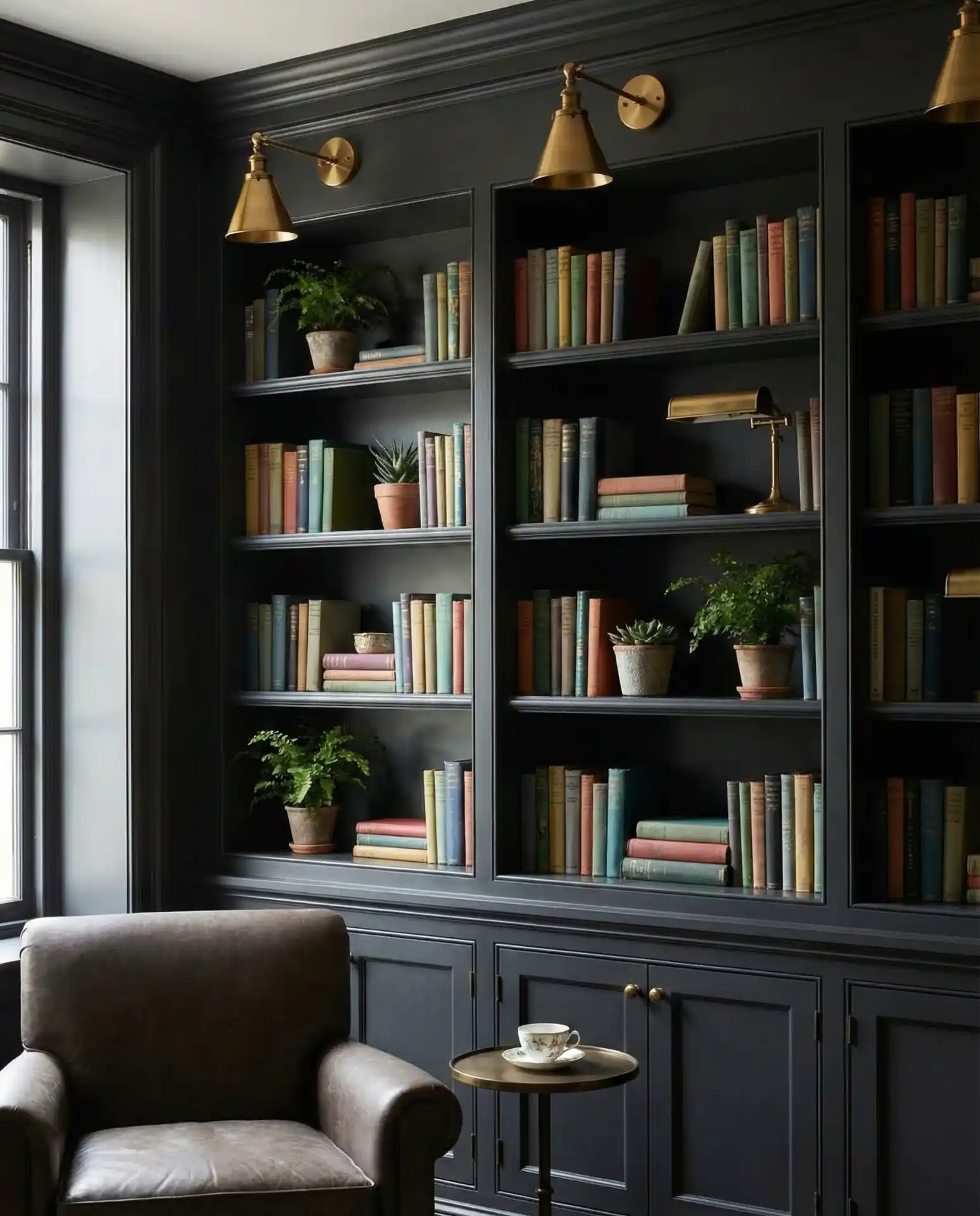
Dark shelving—whether painted charcoal, deep navy, or true black—creates an instant sense of sophistication. It’s a trend that’s taken off in urban apartments and suburban homes alike, offering a gallery-like backdrop that makes colorful book spines and metallic accents pop. Pair dark shelves with warm lighting, like picture lights or LED strips, to avoid a cavernous feel. 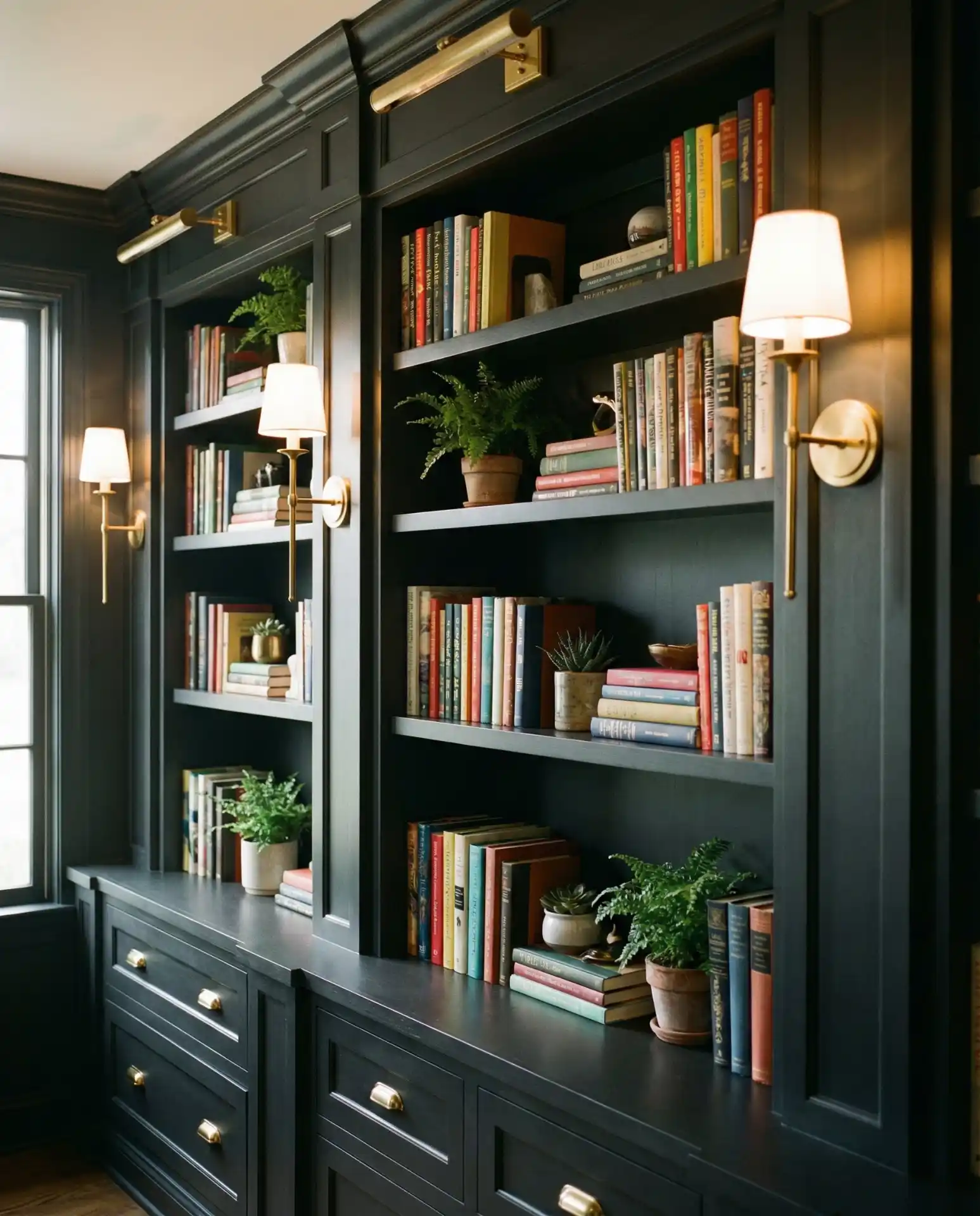
This works best in rooms with plenty of natural light or layered artificial lighting—dark shelves in a dim basement can feel oppressive. Homeowners in the Pacific Northwest and Northeast have embraced this look for cozy winter retreats. Balance the heaviness with lighter accessories: white ceramics, glass vases, or a small framed mirror to reflect light back into the space.
3. Books as Sculpture

Forget alphabetical order—this idea treats books as architectural elements. Stack them horizontally to create pedestals for small sculptures or plants, lean oversized art books at angles, and mix vertical and horizontal arrangements within the same shelf. The result is dynamic and visually engaging, perfect for readers who want their collections to feel intentional rather than utilitarian. 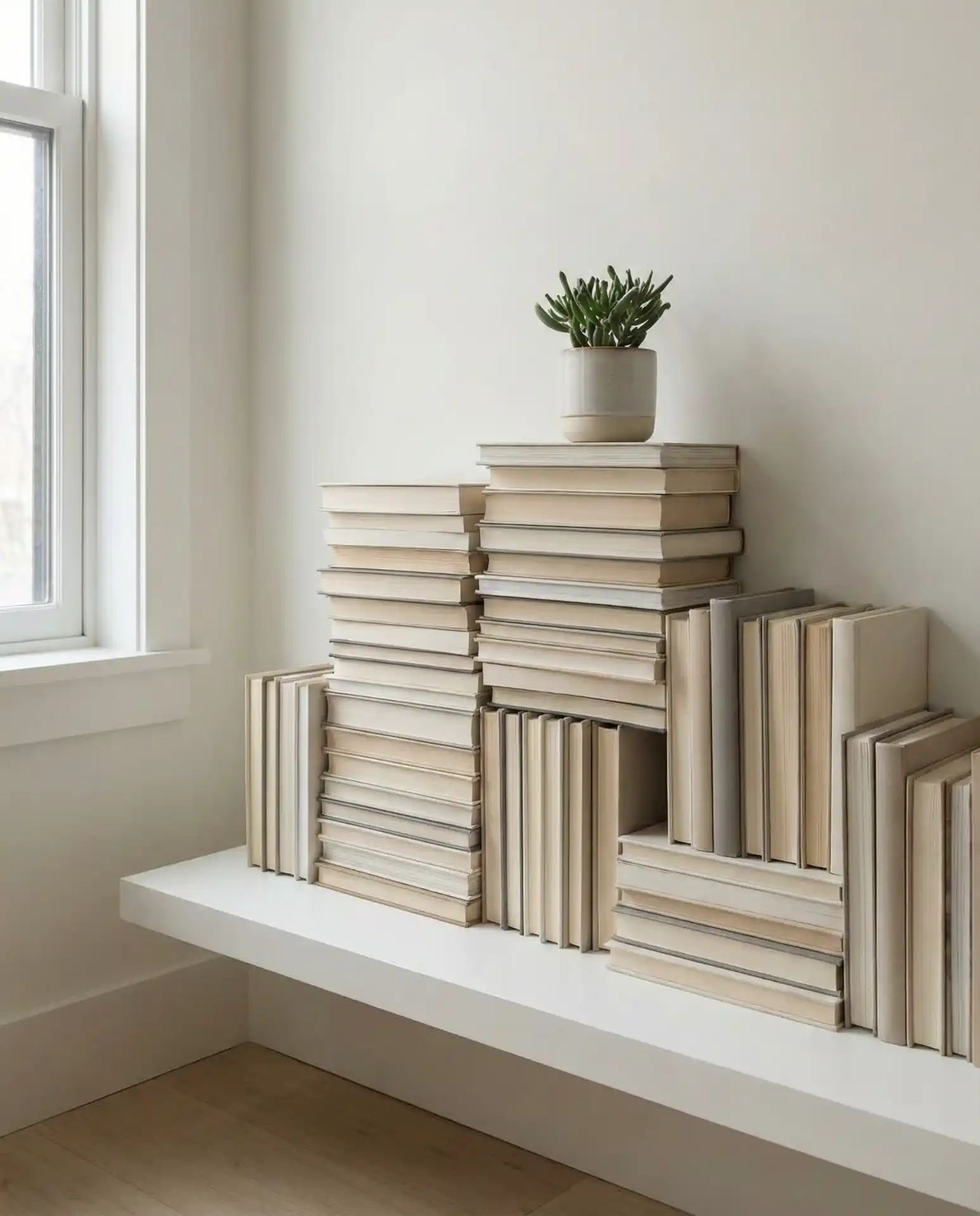
A practical insight: keep your most-read books at eye level and vertical, while coffee table books and reference volumes work well stacked flat. This method also protects book spines from warping over time. It’s a favorite among designers who want bookshelves to feel like an installation rather than storage.
4. Aesthetic Minimalism with Breathing Room
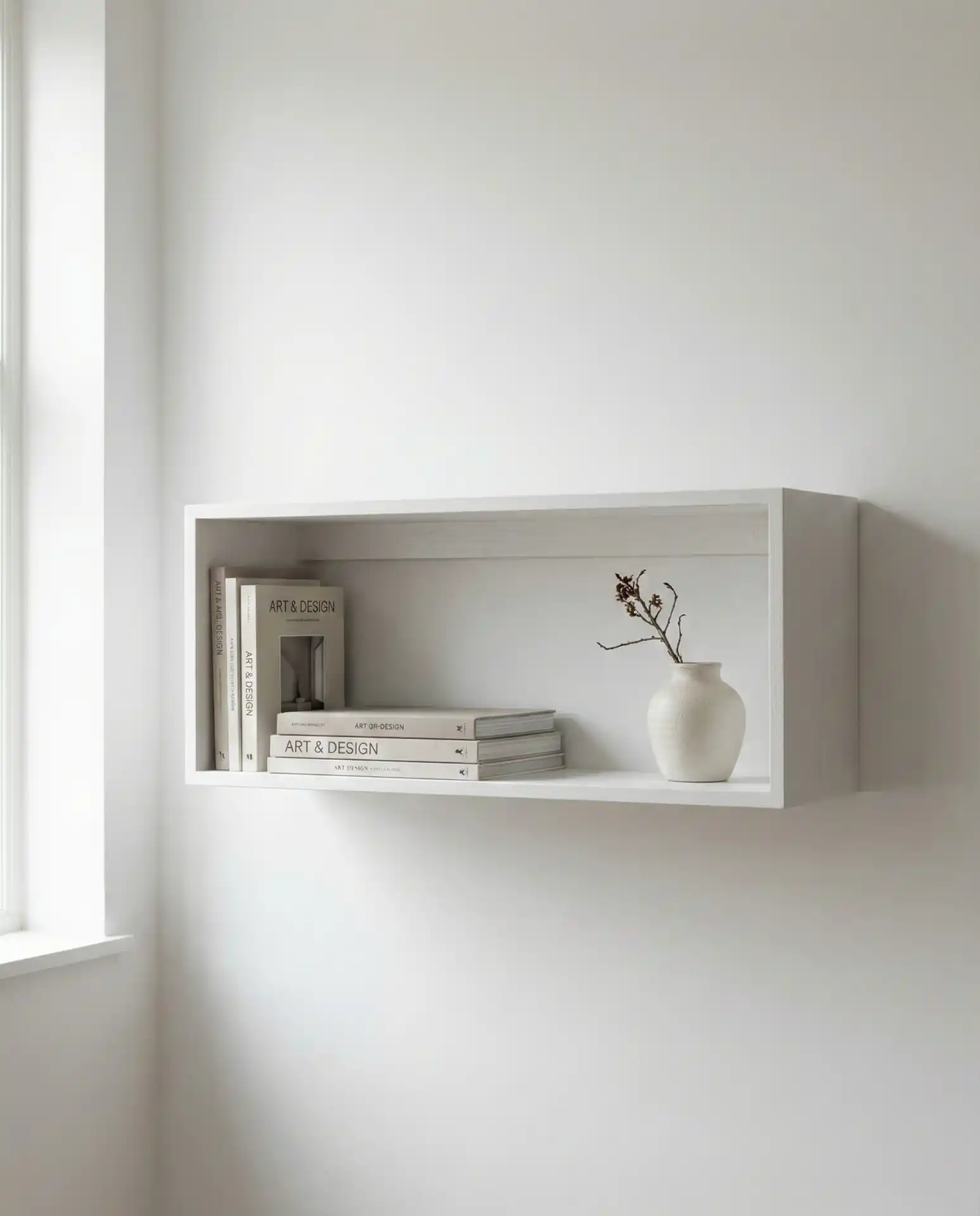
The aesthetic minimalist approach focuses on curation over abundance. Select a few cherished books , a single vase, and maybe one small piece of art per shelf. This style has become increasingly popular among younger American homeowners who prioritize intentional living and visual calm. It’s the opposite of maximalism, but no less impactful when done right. 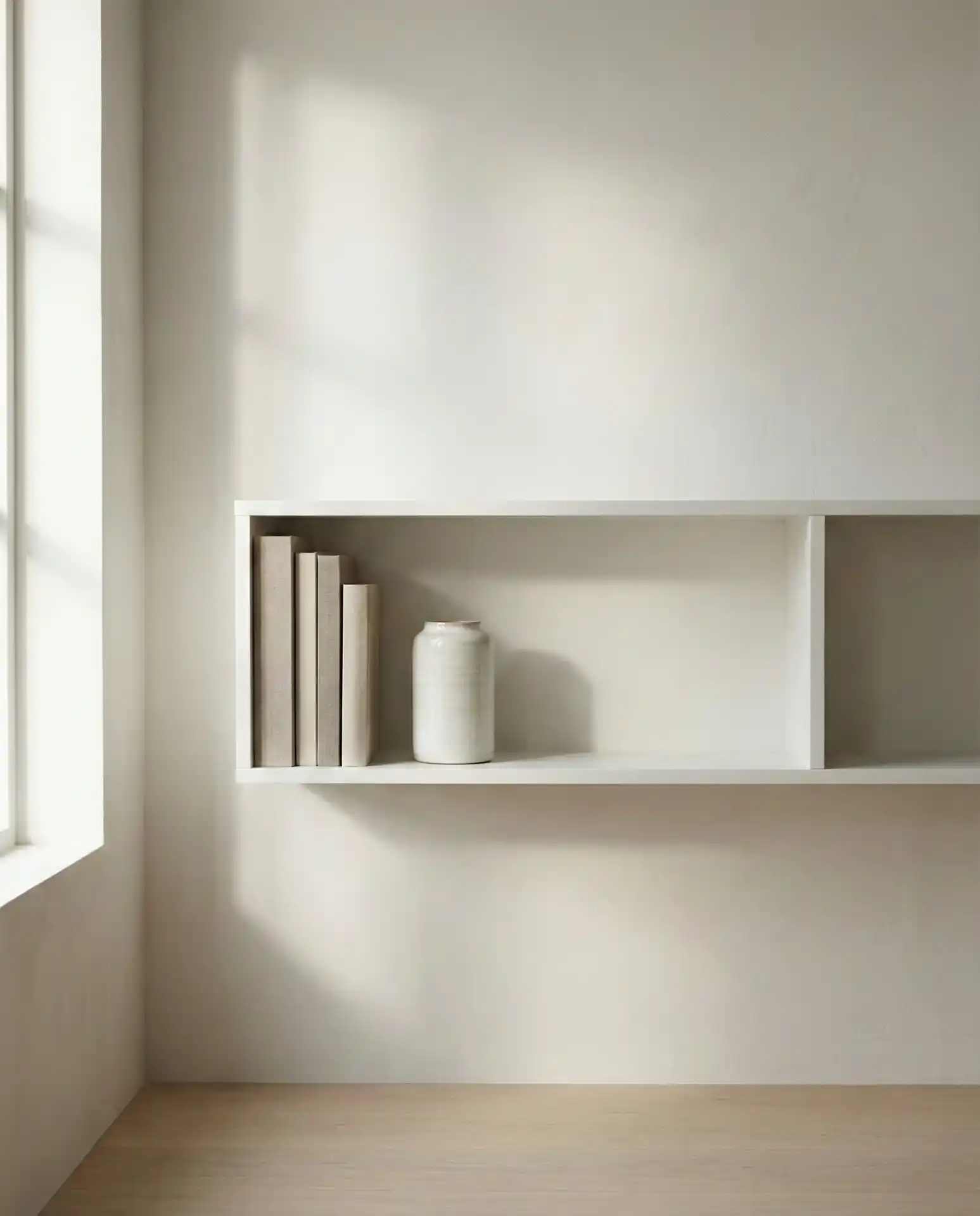
Where this works best: small apartments and studios where visual clutter can make spaces feel cramped. Budget-conscious renters appreciate this approach because it doesn’t require filling every shelf—quality over quantity means you’re investing in fewer, better pieces. Just be sure to dust regularly; with fewer objects, each one is more noticeable.
5. Kallax Cube Versatility
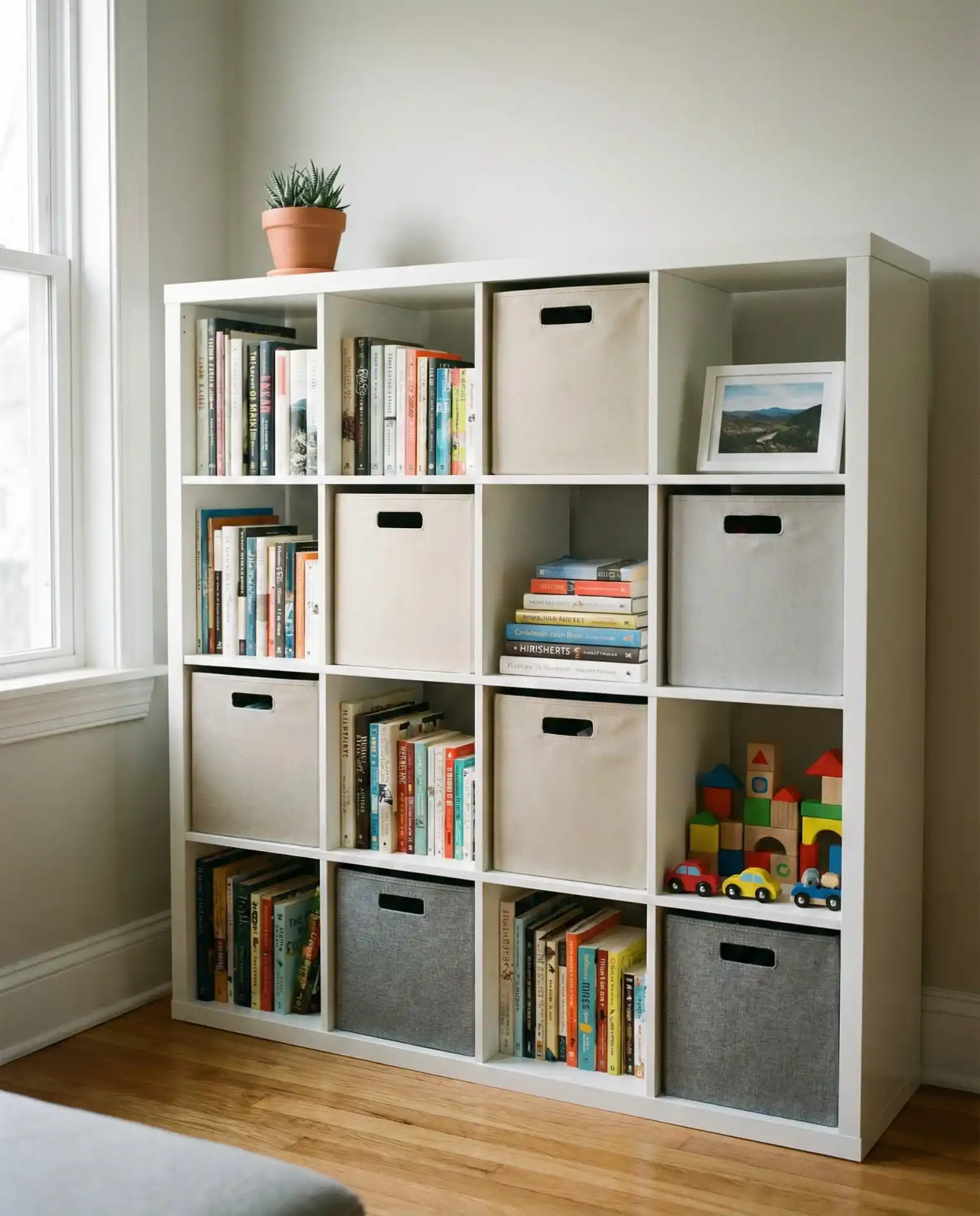
The Kallax system from IKEA remains a go-to for Americans styling everything from playrooms to home offices. Its cube format allows for modular styling—some cubes hold books, others house fabric bins, and a few might display framed photos or small plants. The uniform grid creates visual order even when contents vary. 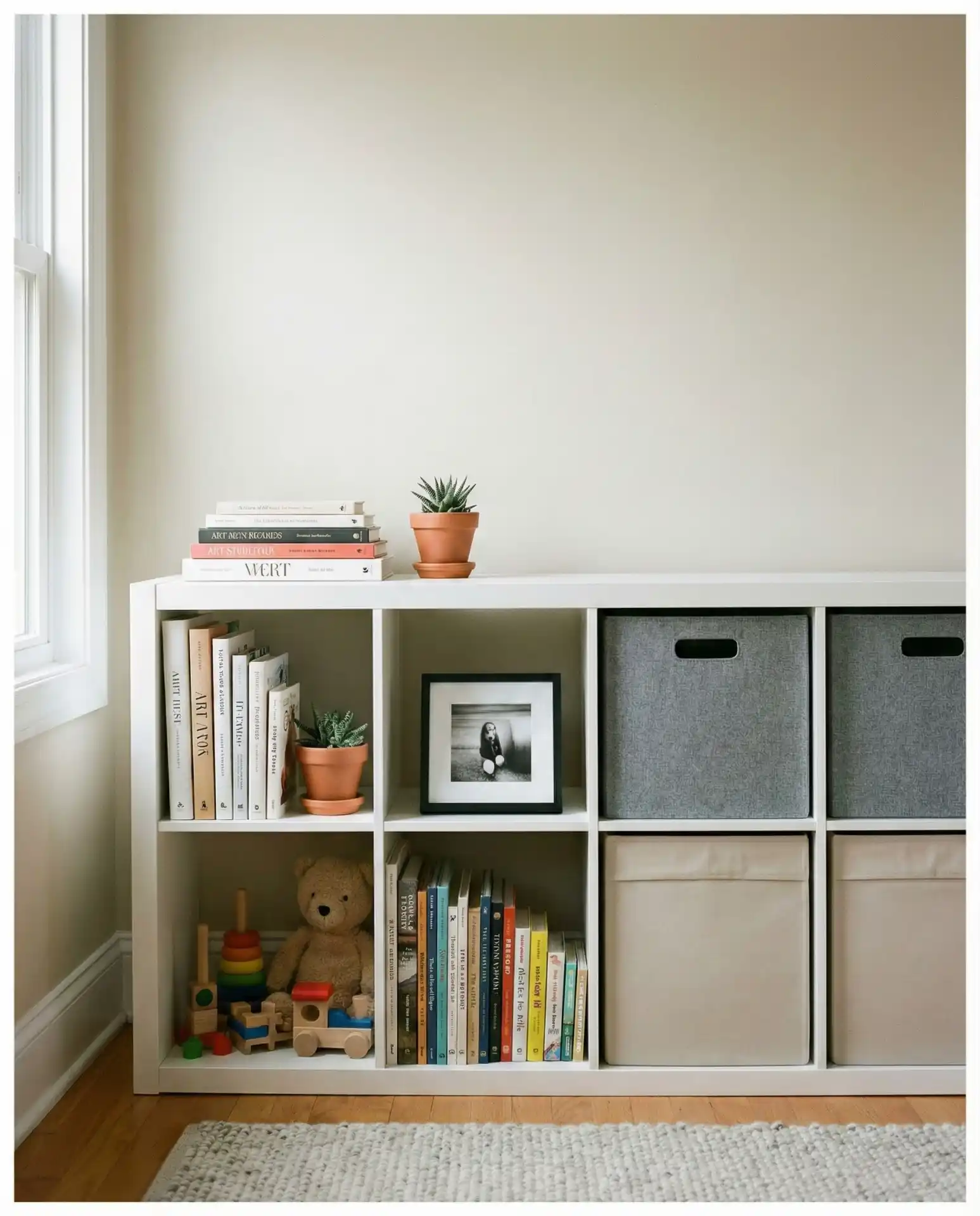
A micro anecdote: One homeowner in Austin uses her Kallax as a room divider in a studio apartment, styling one side with books and the other with baskets for linens. This dual-purpose approach maximizes square footage while maintaining visual interest. Consider anchoring it to the wall for safety, especially in homes with kids or pets.
6. Open Shelving in the Kitchen
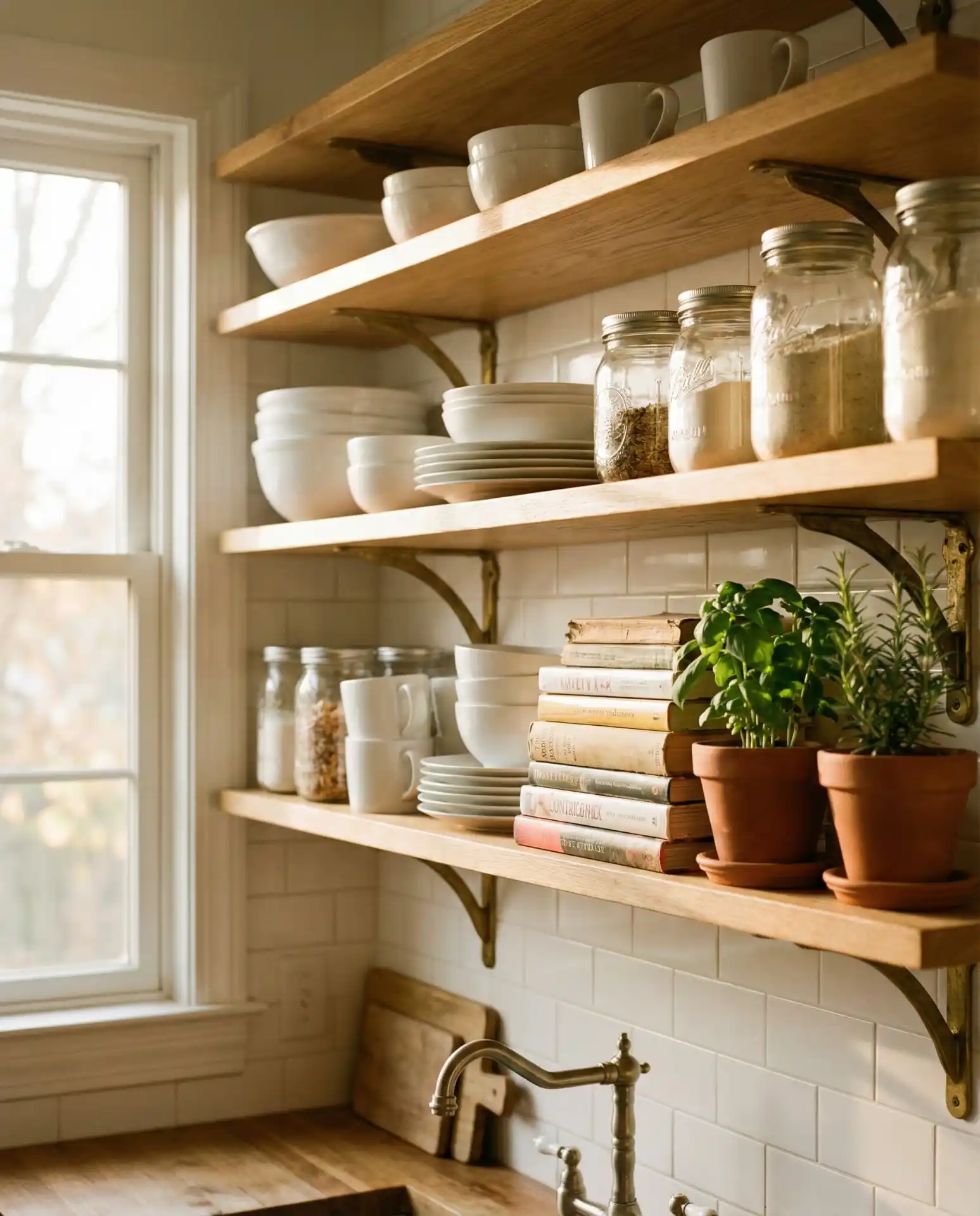
Open shelving has moved beyond the kitchen trend phase into a staple of American home design. Styled with cookbooks, ceramic dishware, and glass jars of pantry staples, these shelves merge function and display. The key is editing ruthlessly—only show what you actually use and what looks good together. 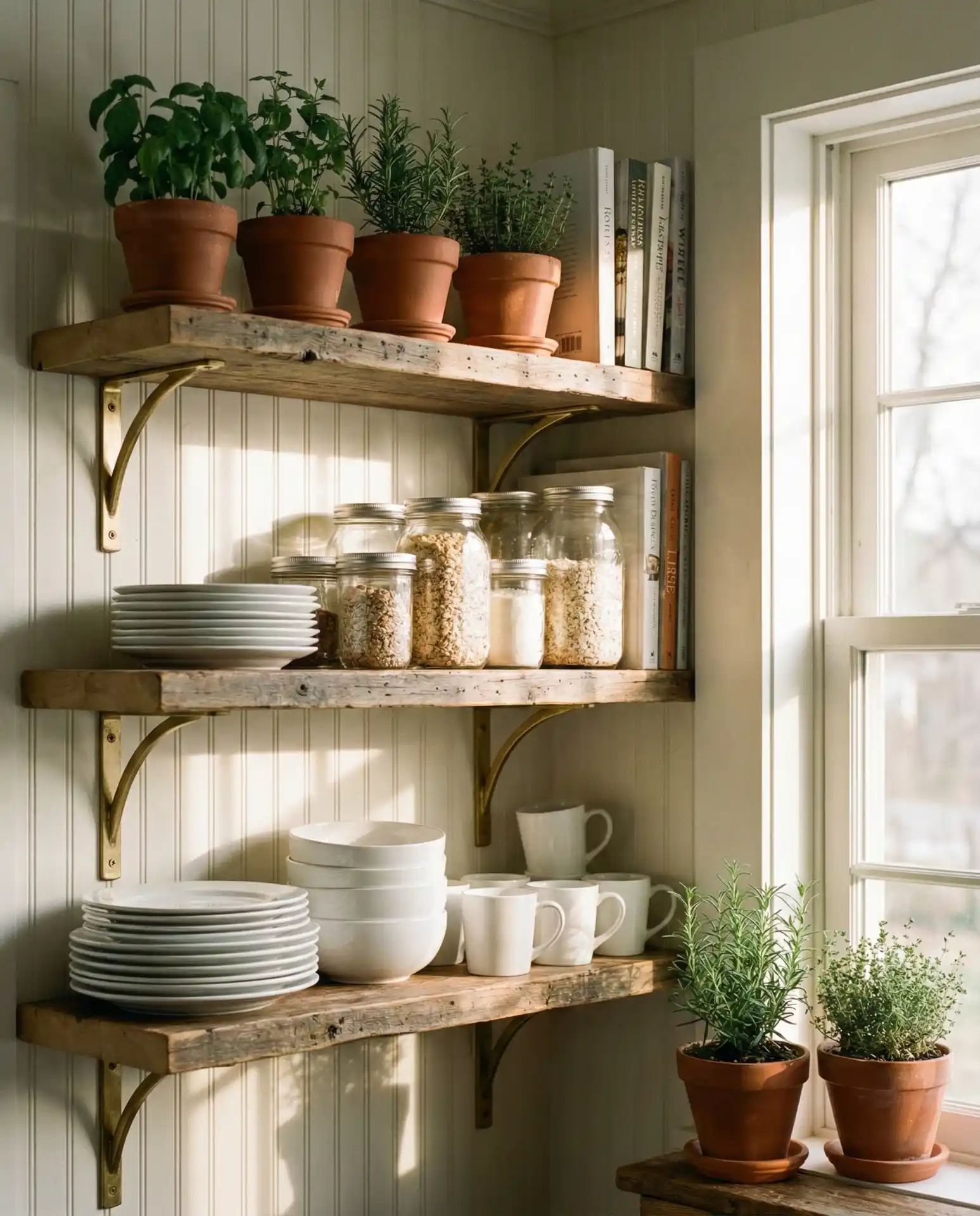
Real homeowner behavior: Many people start ambitious and then realize the upkeep—dust and grease accumulate. To manage this, keep frequently used items on lower shelves and decorative pieces up high. In regions like the Midwest, where home cooking is central, open shelving becomes a point of pride, showcasing heirloom dishware and well-loved recipe books.
7. Large Statement Shelving Units
A large floor-to-ceiling shelving unit anchors a room and provides ample opportunity for creative styling. These work beautifully in tall living rooms or lofts with high ceilings, where standard furniture can feel dwarfed. Fill lower shelves with practical storage—baskets, bins, board games—and reserve upper shelves for lighter decorative items. 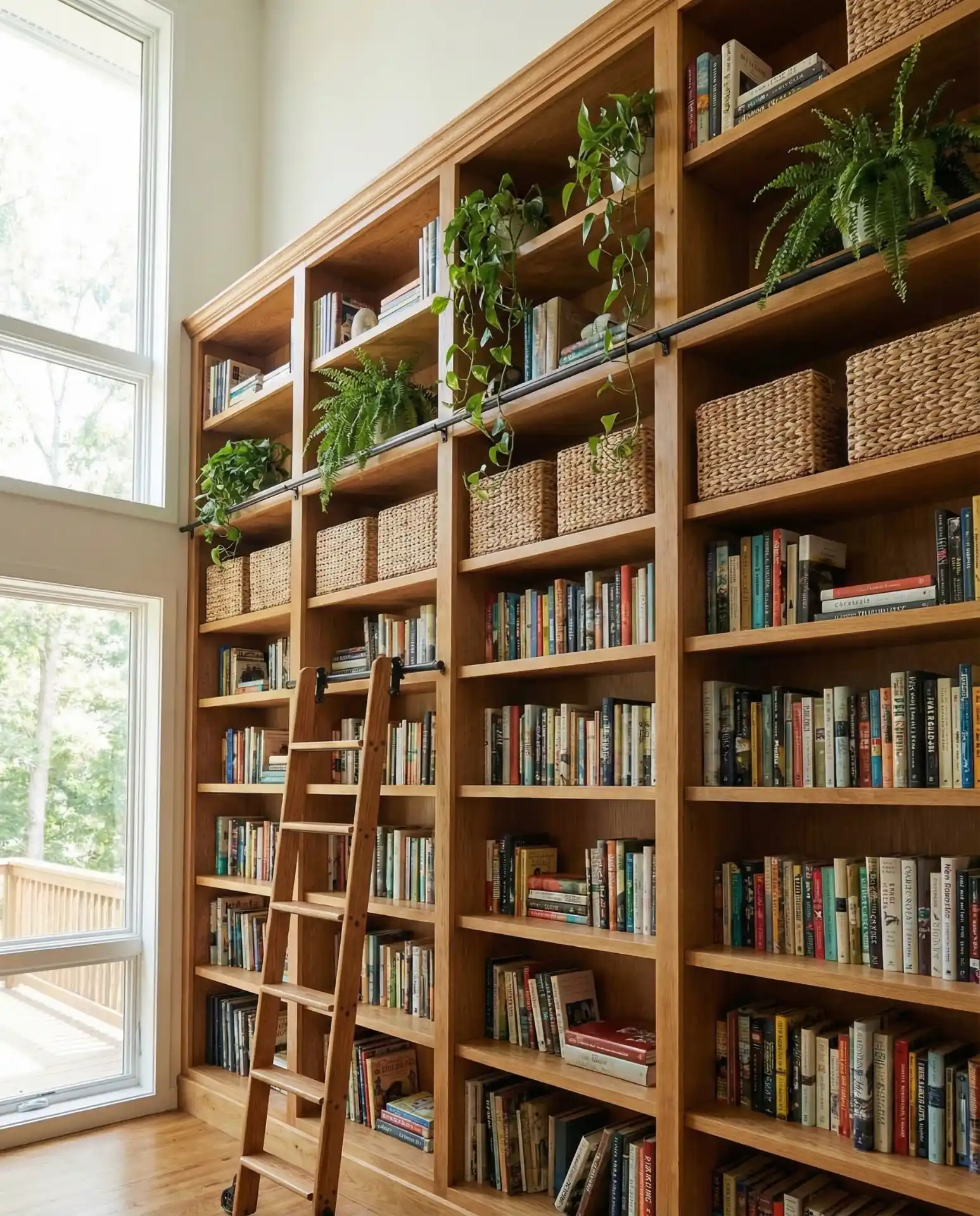
Expert-style commentary: Designers recommend the “rule of thirds” when styling large units—divide each shelf into three visual zones and vary the height and density of objects within each. This prevents the monolithic look that can occur when every shelf is styled identically. A rolling ladder adds both function and a touch of library charm.
8. Ladder-Leaning Shelves

Ladder shelves lean against the wall at an angle, offering a more casual, less permanent look than traditional bookcases. They’re popular in rentals where wall-mounting isn’t an option, and they work beautifully in bedrooms, bathrooms, or entryways. Style them with a mix of books, small plants, and personal objects for a lived-in feel. 
Where it works best: Ladder shelves suit smaller spaces like studio apartments or guest rooms, where a full bookcase would overwhelm. They also excel in bathrooms, holding rolled towels and skincare products. Just ensure the base is on a non-slip surface—rugs can cause instability. This is a budget-friendly option that typically runs under $150.
9. Narrow Shelving for Tight Spaces
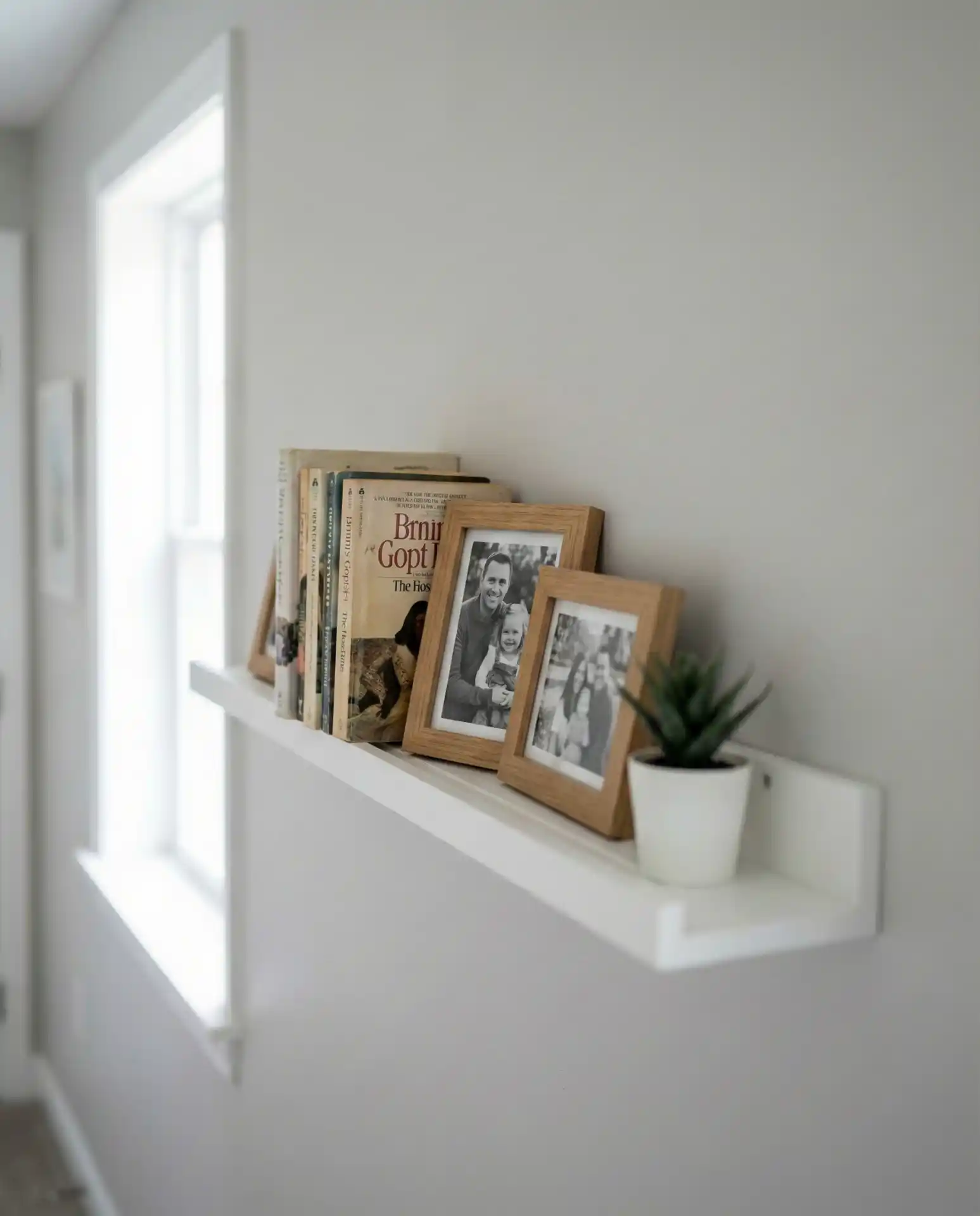
Narrow shelving (under 10 inches deep) solves the problem of awkward nooks, hallways, or spaces behind doors. These slim units won’t hold coffee table books, but they’re perfect for paperbacks, framed photos, and small decorative objects. Paint them the same color as the wall to create a seamless, built-in look without the construction. 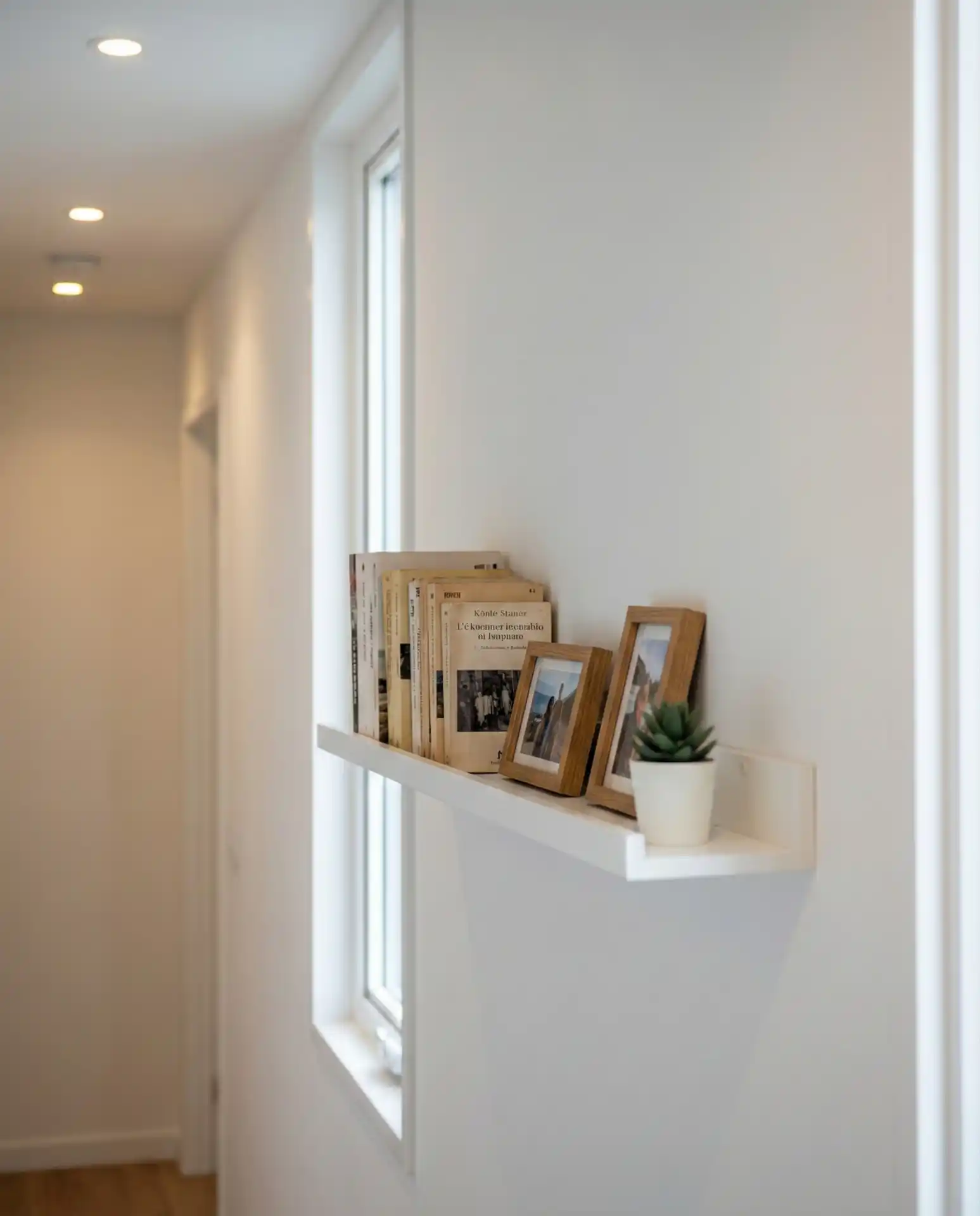
Prompt: Realistic interior photo, natural light, soft shadows, no people. Clear focus on the described interior. Not a 3D render. Do not use signs, and do not write the year. Make the photo size 4:5. Narrow wall-mounted shelf, slim white unit, small paperback books, framed photos, tiny succulent, hallway lighting, seamless minimalist design, shallow depth.
This is especially popular in older American homes with long, underutilized hallways. A homeowner in Charleston transformed her narrow hallway into a gallery-style book display using three slim shelves and track lighting. The result feels intentional rather than cramped. Stick to lighter items to avoid overloading narrow brackets.
10. Billy Bookcase Customization
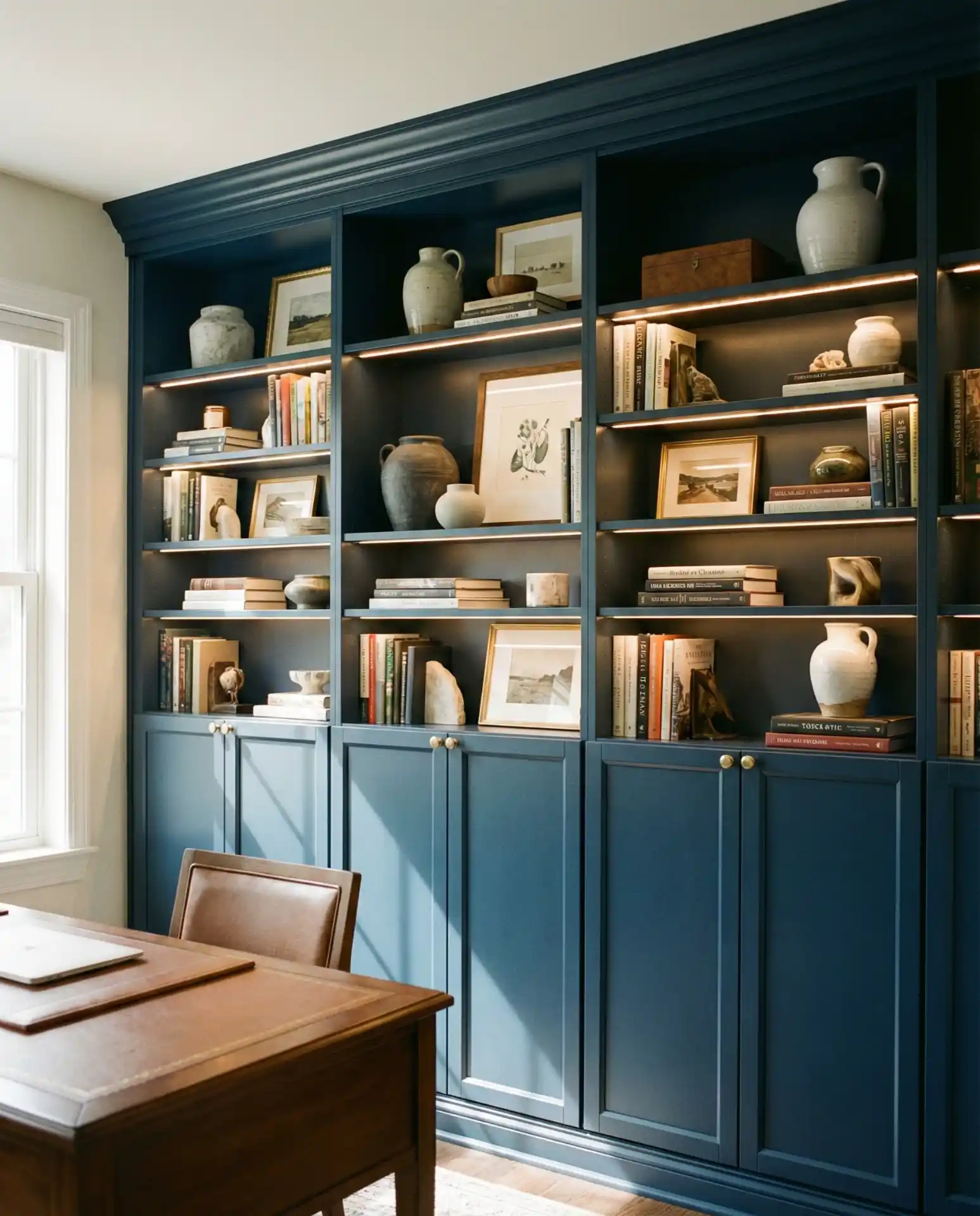
The Billy bookcase from IKEA is the best-selling bookshelf in the world for good reason—it’s affordable, versatile, and endlessly customizable. Many Americans upgrade theirs with crown molding, a fresh coat of paint, or new hardware to create a more expensive look. You can also add LED strip lighting inside for a boutique vibe. 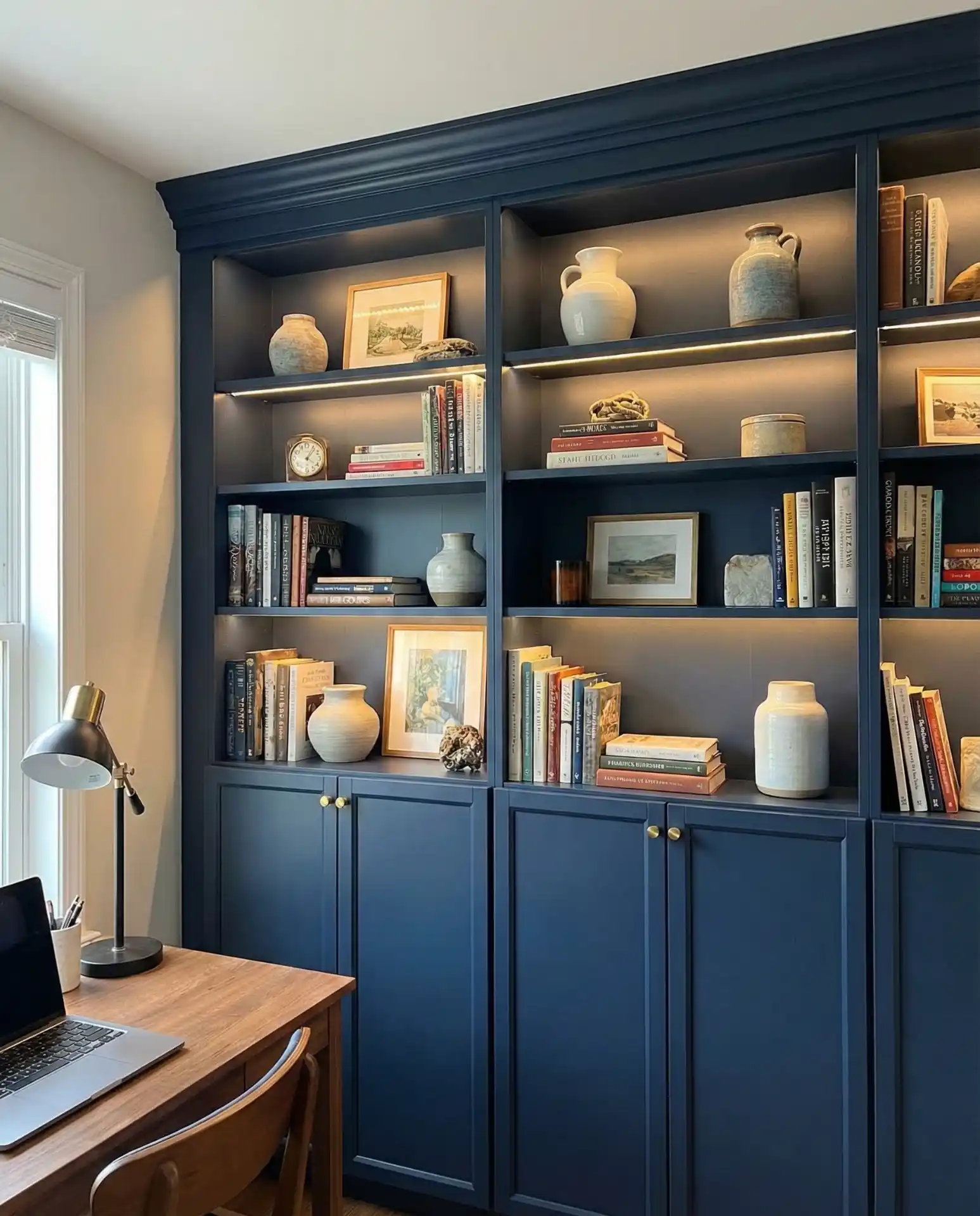
Budget angle: A basic Billy runs around $70, but with $50 in molding and paint, you can achieve a look that rivals $500 custom units. This DIY approach is huge in American craft and home improvement communities. The adjustable shelves mean you can adapt the unit as your collection grows, making it a smart long-term investment.
11. Arched Shelving for Architectural Interest
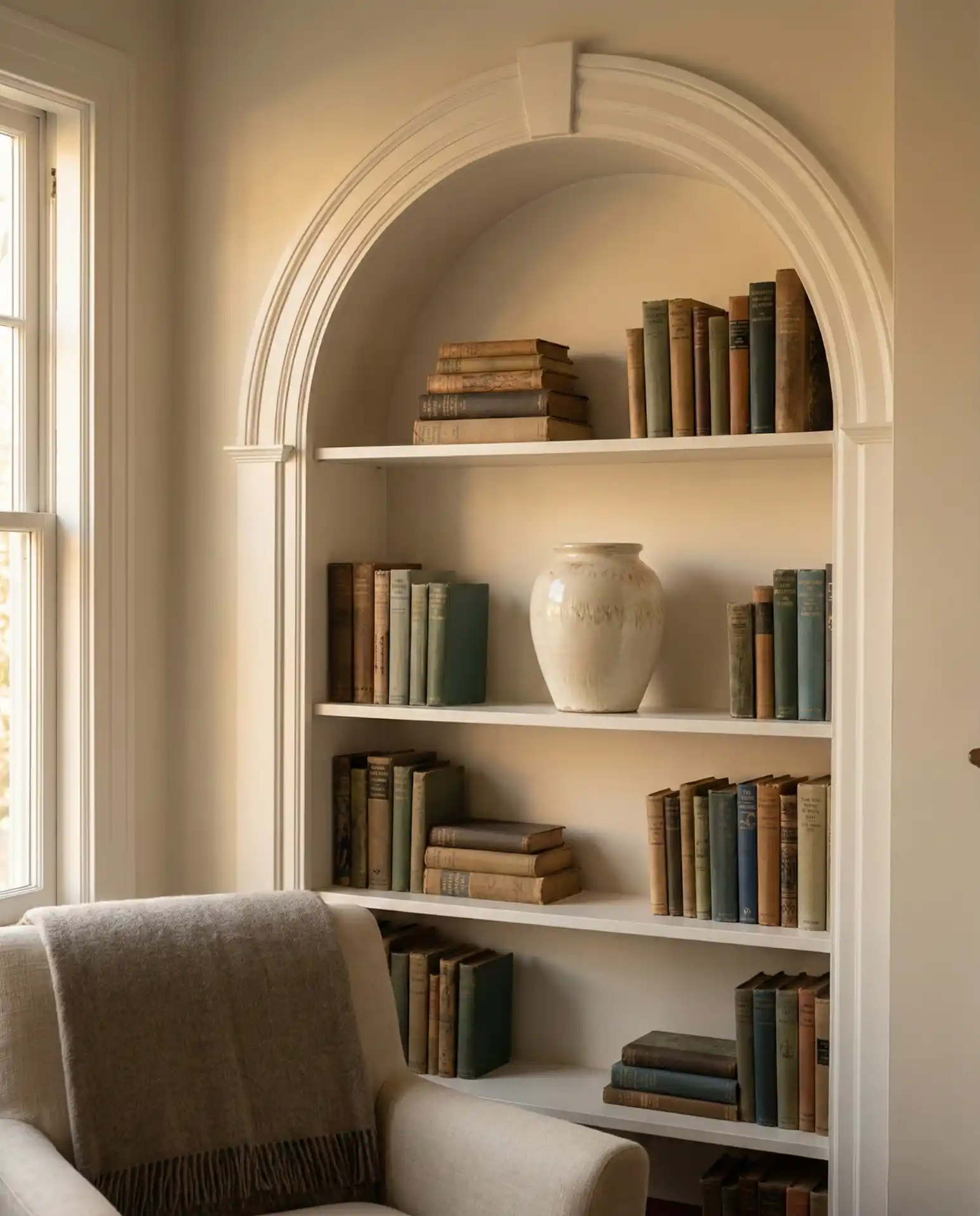
Arched shelving—featuring curved tops or recessed nooks—adds a romantic, old-world feel to any room. This style has seen a revival as Americans embrace softer, less angular design. Whether you’re working with a true architectural alcove or a freestanding unit with arched details, the curved lines create visual warmth that rectangular shelves can’t match. 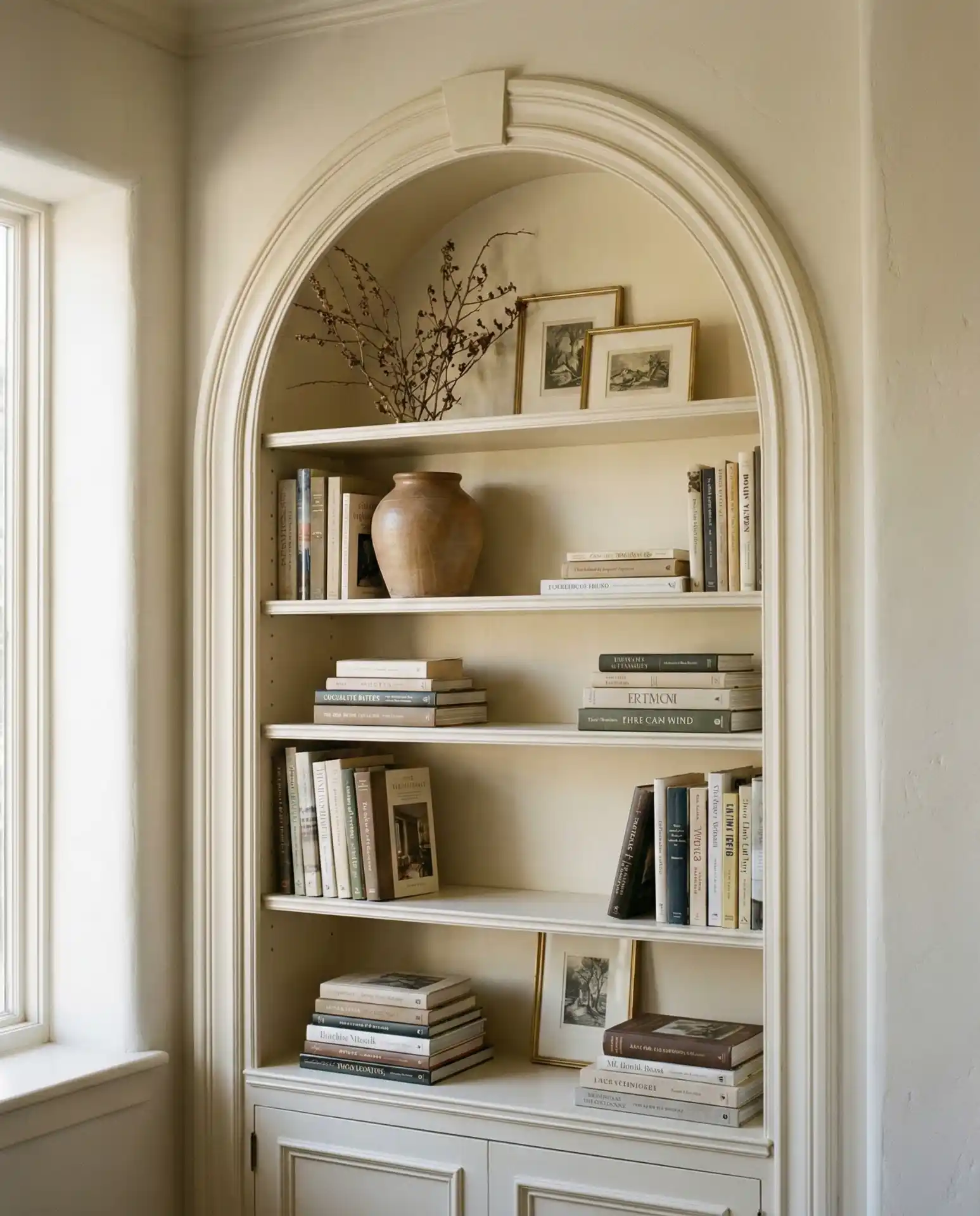
This design works best in homes with existing architectural character—Craftsman bungalows, Spanish Revival houses, or any space where you want to emphasize historical charm. Style arched shelves with a mix of heights to echo the curve, and consider adding a small spotlight at the top to highlight the arch. It’s a statement that says you care about the details.
12. White Shelving for Scandinavian Simplicity
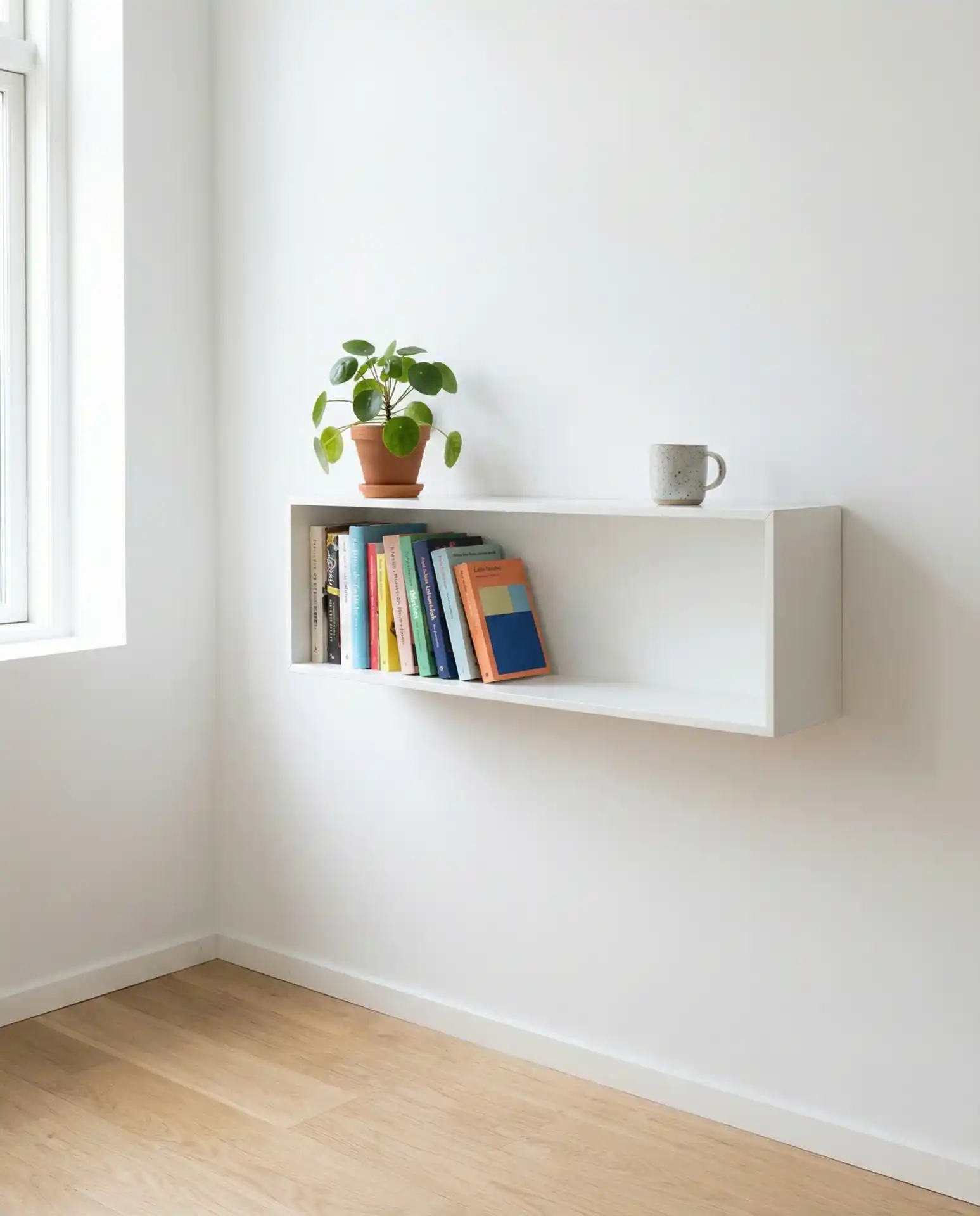
White shelving is the backbone of Scandinavian-inspired interiors, creating a clean, airy backdrop that lets colorful book spines and aesthetic objects shine. It’s particularly effective in smaller homes or apartments where darker furniture might close in the space. The simplicity of white also means you can switch up your styling seasonally without clashing with the shelves themselves. 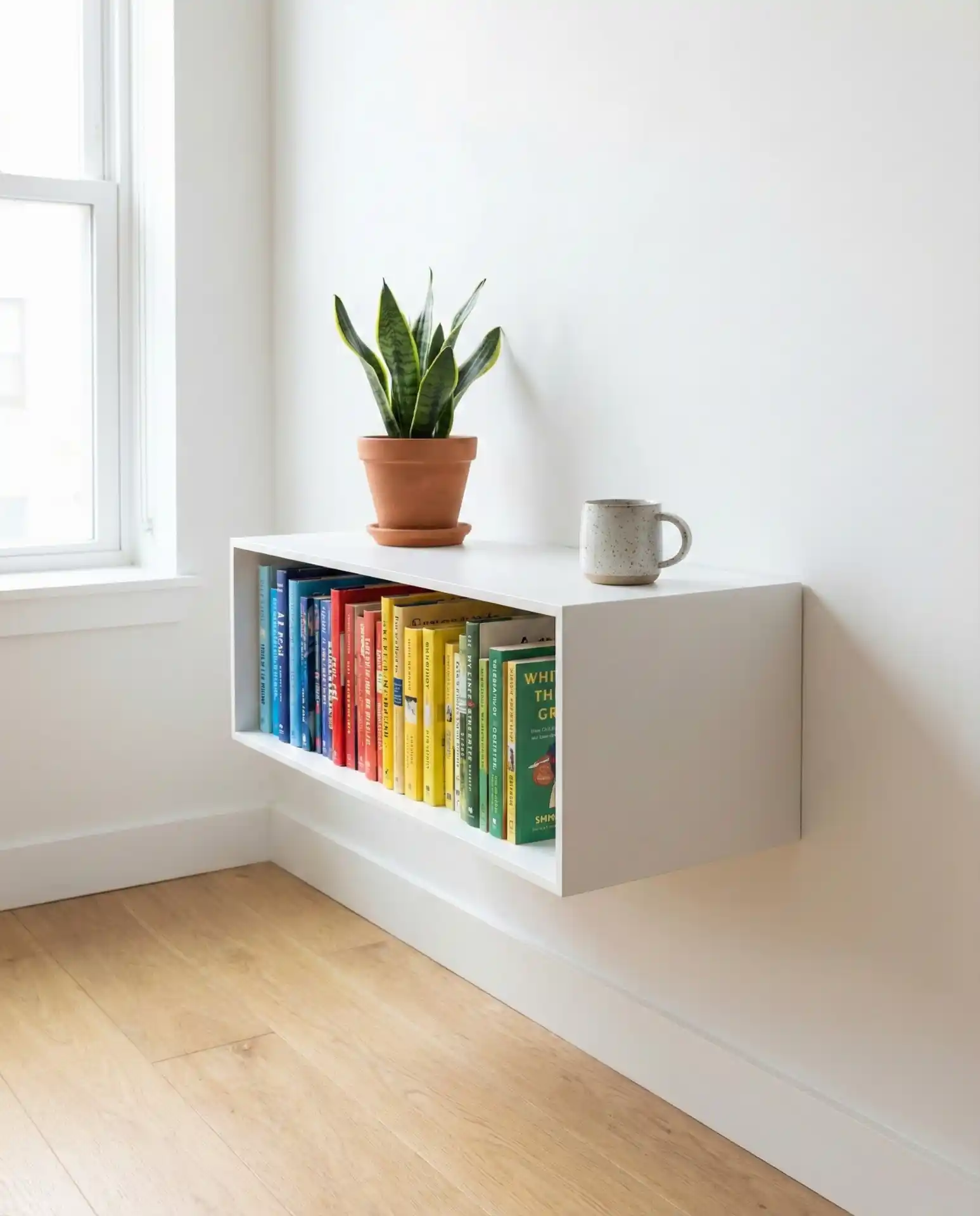
Common mistake: Over-accessorizing white shelves can make them look cluttered. Instead, embrace negative space and let the white itself act as a design element. This approach is especially popular in coastal regions—California, Florida, and the Carolinas—where bright, open interiors are prized. A quick wipe-down keeps white shelves looking fresh, which is easier than it sounds.
13. Built-In Shelving Around Windows
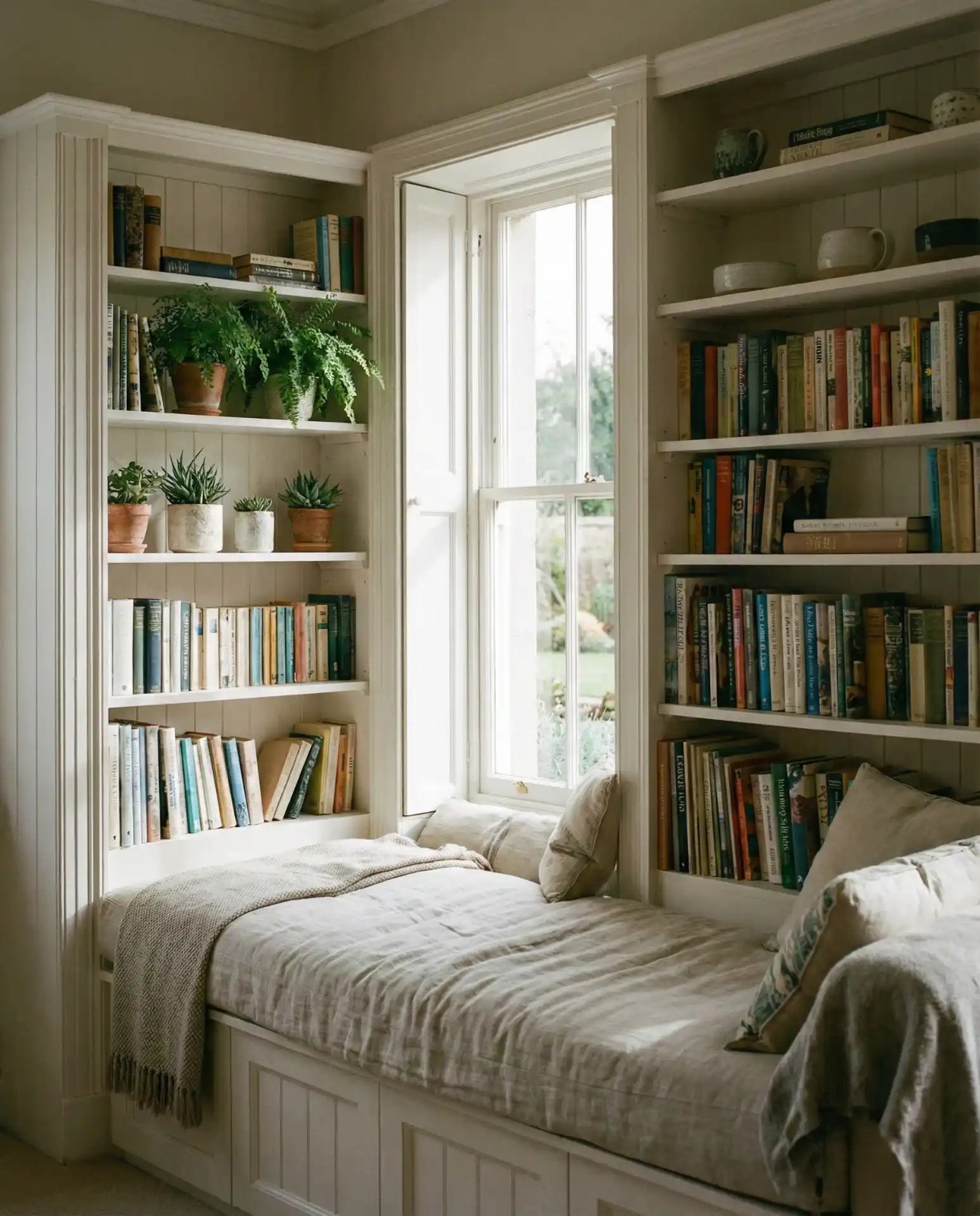
Built-in shelving flanking a window creates a cozy reading nook and maximizes often-wasted wall space. This configuration is a favorite in home renovations, particularly in living rooms and primary bedrooms. Add a window seat between the shelves, and you’ve got an instant focal point that adds both function and charm to the room. 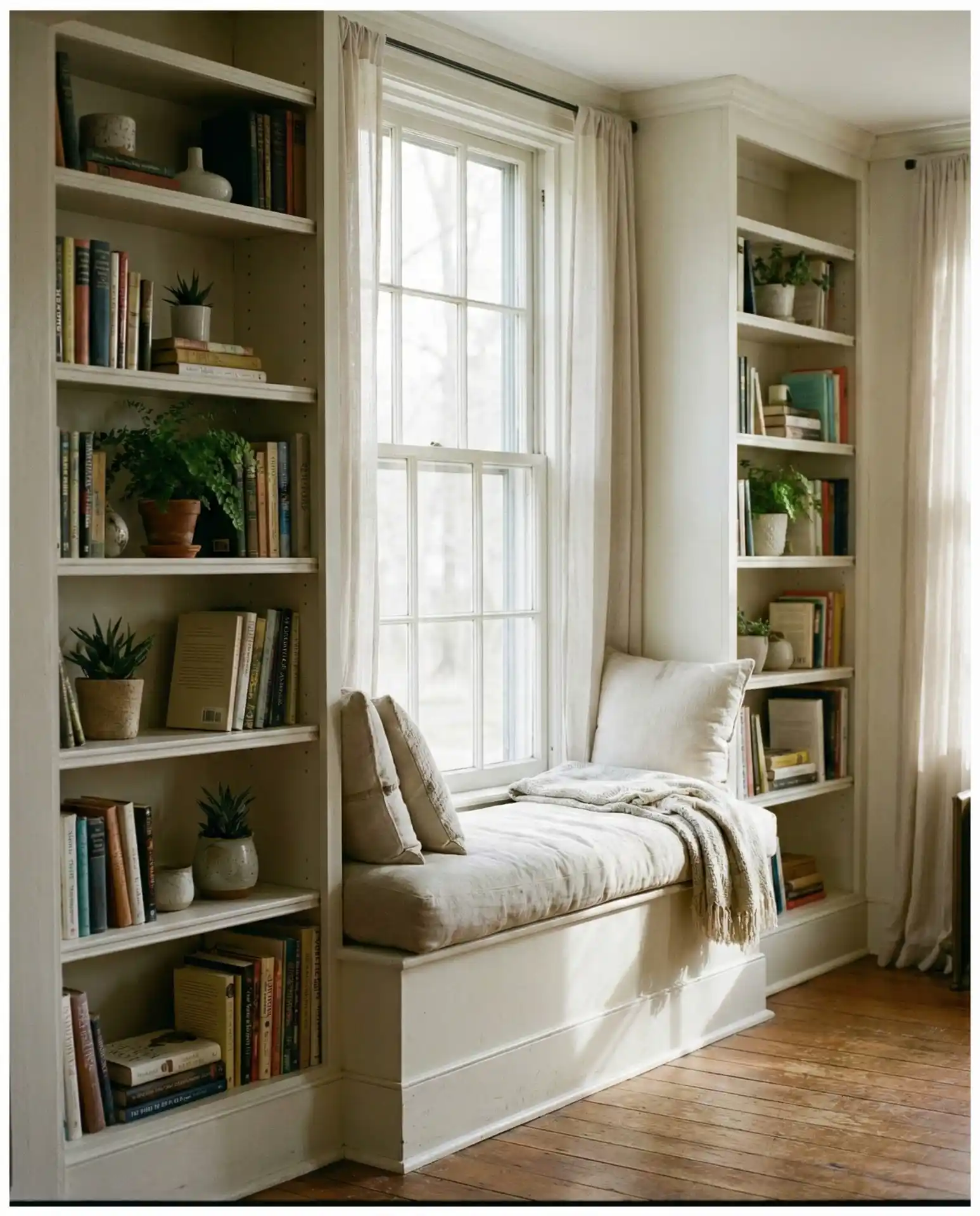
American lifestyle context: This setup is especially common in New England homes and suburban Midwest houses, where seasonal reading by the window is a cherished ritual. The investment can range from $2,000 to $6,000 depending on materials, but it often increases home value. Style lower shelves with heavier items to balance the visual weight of the window.
14. Short Shelving for Kids’ Rooms
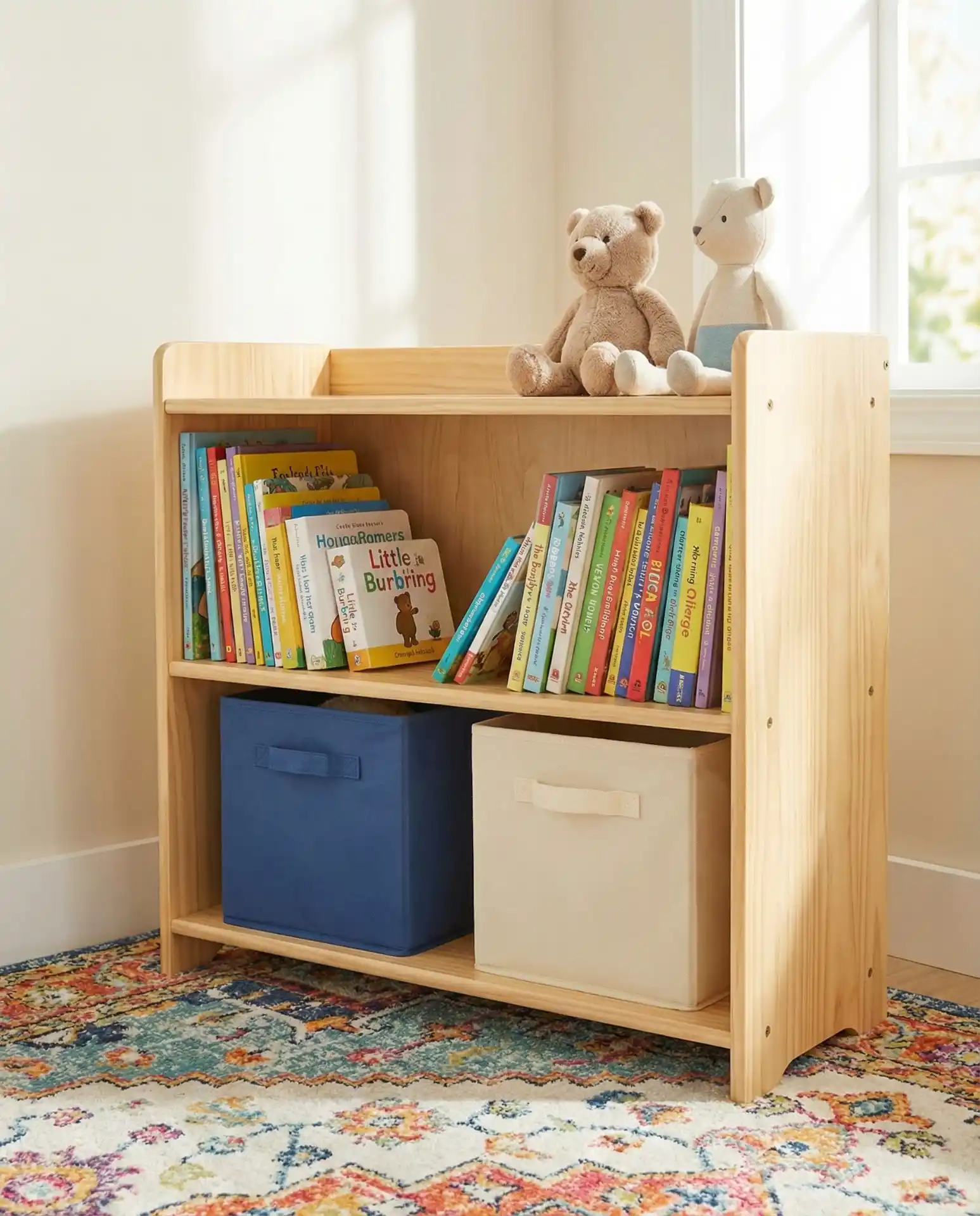
Short bookshelves (under three feet tall) put books and toys within reach of young children, encouraging independence and organization. These low units also reduce the risk of tip-overs and make it easier for kids to clean up after themselves. Style them with a mix of picture books, bins for small toys, and a few personal treasures at their eye level. 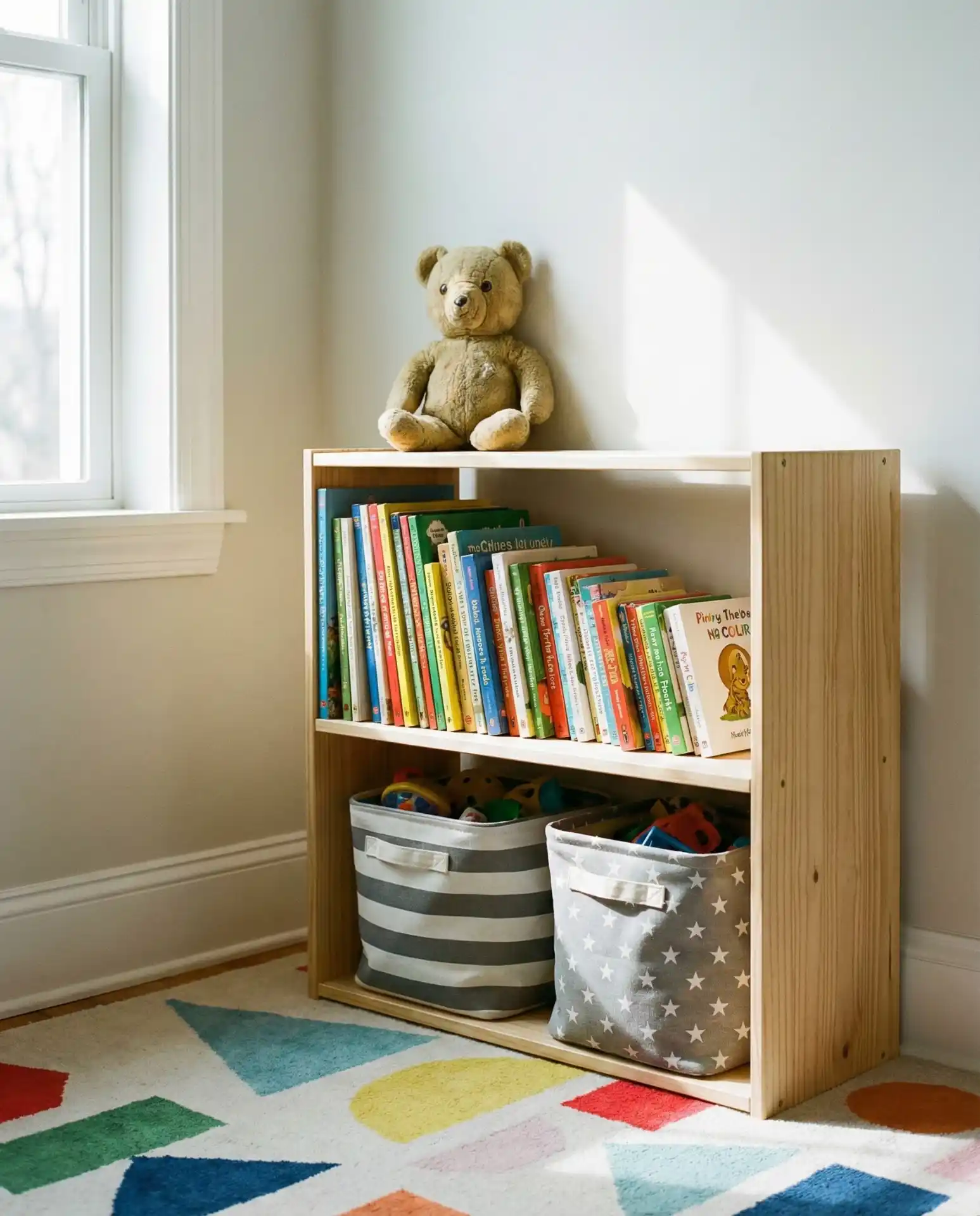
Practical insight: Montessori-style parenting has popularized this approach across America, emphasizing child-accessible storage. Keep board books face-out on the top shelf to encourage reading, and rotate the selection every few weeks to maintain interest. Anchoring even short shelves to the wall is essential—kids climb, and safety always comes first.
15. Maximalist Abundance

Maximalist bookshelf styling celebrates “more is more,” packing shelves with books, art, plants, sculptures, and personal collections. This approach reflects a personality-driven trend among American homeowners who reject minimalism in favor of visual richness. The key is intentional chaos—everything should have a reason for being there, even if it looks spontaneous. 
Where it works best: Maximalism thrives in spaces where you spend a lot of time—home offices, living rooms, and personal libraries. It’s less suited to bedrooms, where visual calm aids sleep. To avoid looking cluttered, vary the scale of objects and use a cohesive color palette. This style has taken off in creative hubs like Brooklyn, Portland, and Austin, where individuality is celebrated.
16. Mid-Century Modern Lines

Mid-century modern shelving features clean lines, tapered legs, and warm wood tones that define the iconic style of the 1950s and ’60s. Units from that era—or quality reproductions—often include sliding glass doors or asymmetrical compartments. Style them with period-appropriate objects: ceramic vessels, vintage barware, and books with mid-century graphic covers. 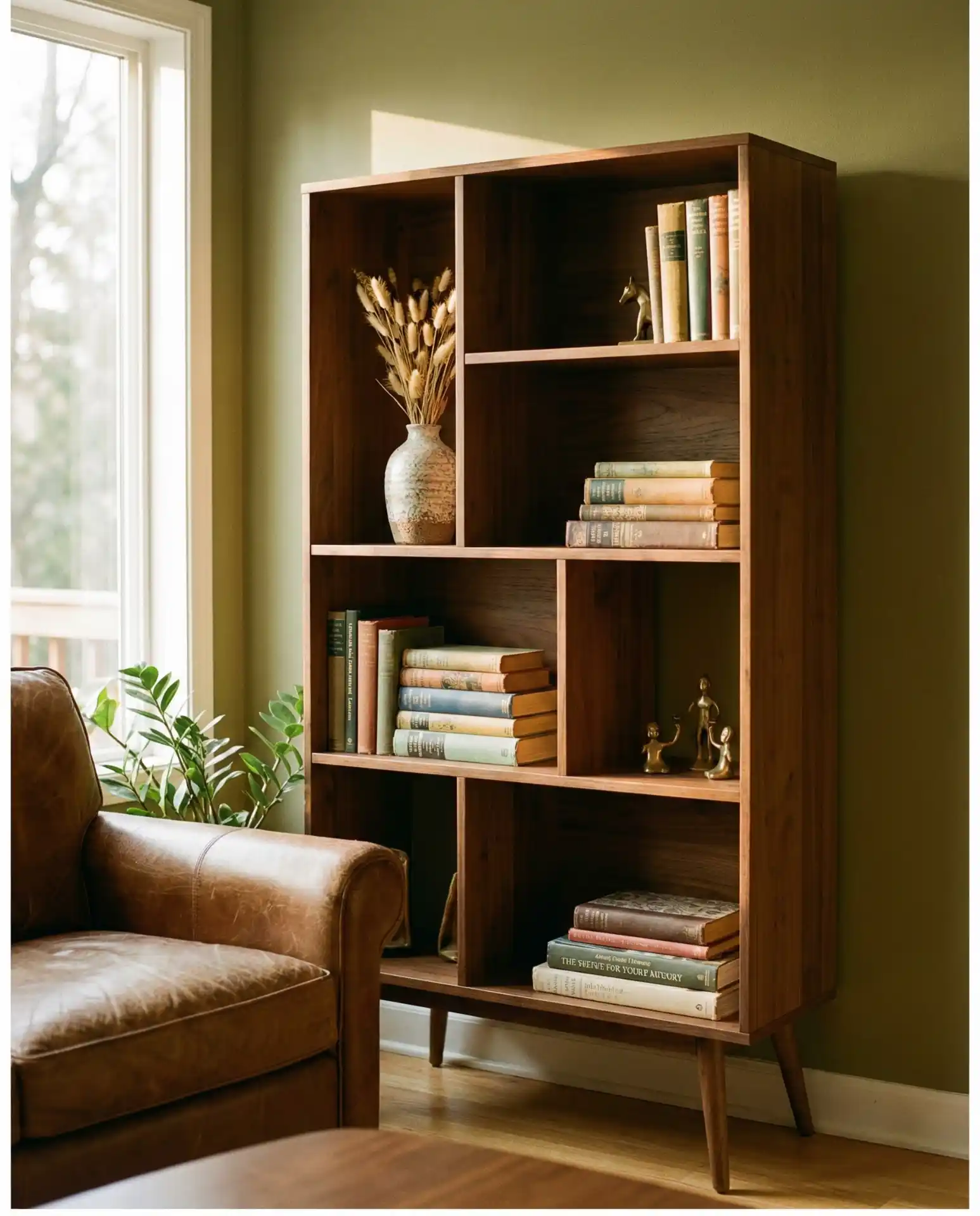
This style remains hugely popular across the U.S., particularly in California and the Southwest, where mid-century architecture is prevalent. Authentic pieces can be pricey, but brands like West Elm and Article offer accessible options. Balance the warmth of the wood with cooler tones in your accessories to keep the look from feeling too matchy.
17. Ralph Lauren-Inspired Traditional Elegance
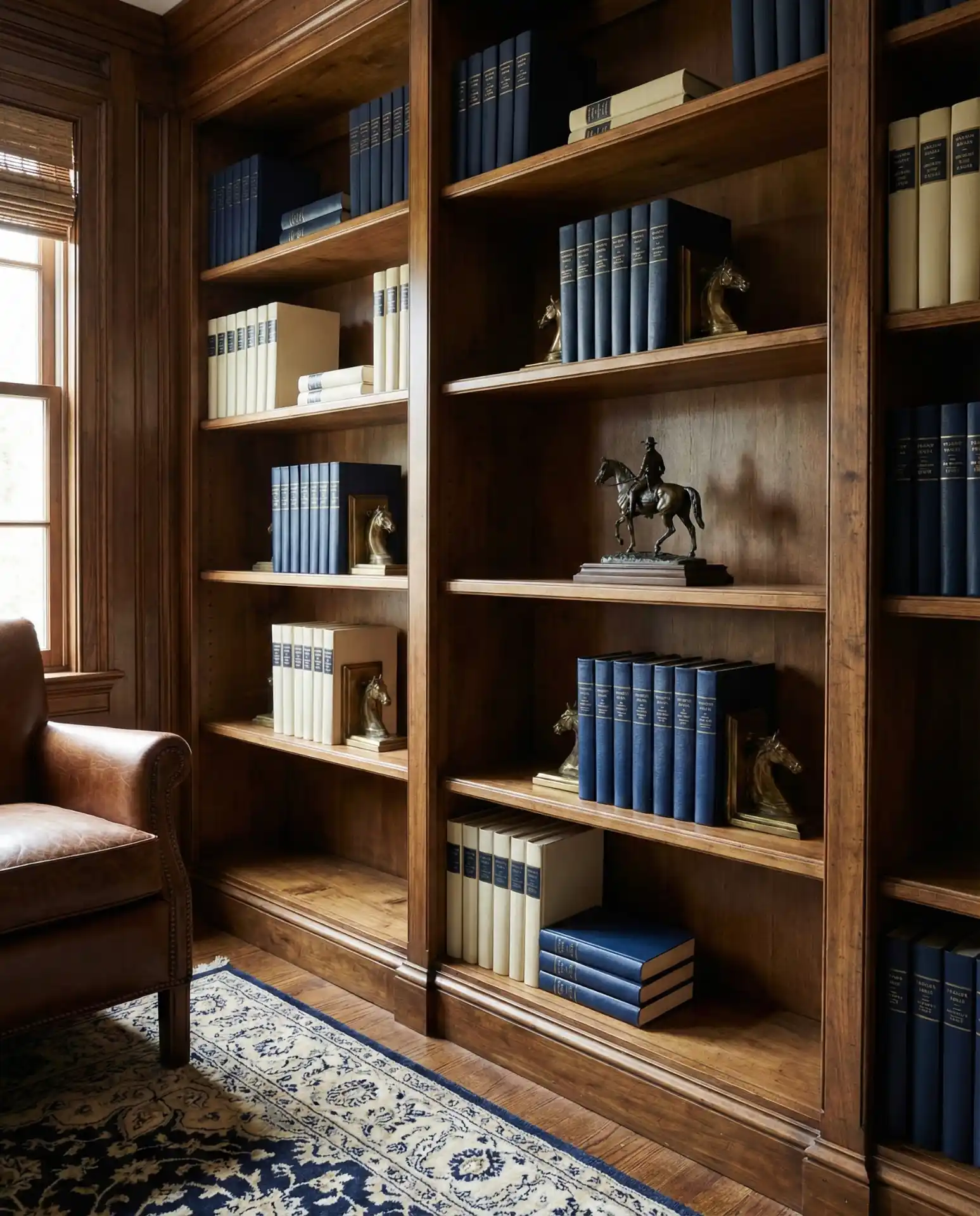
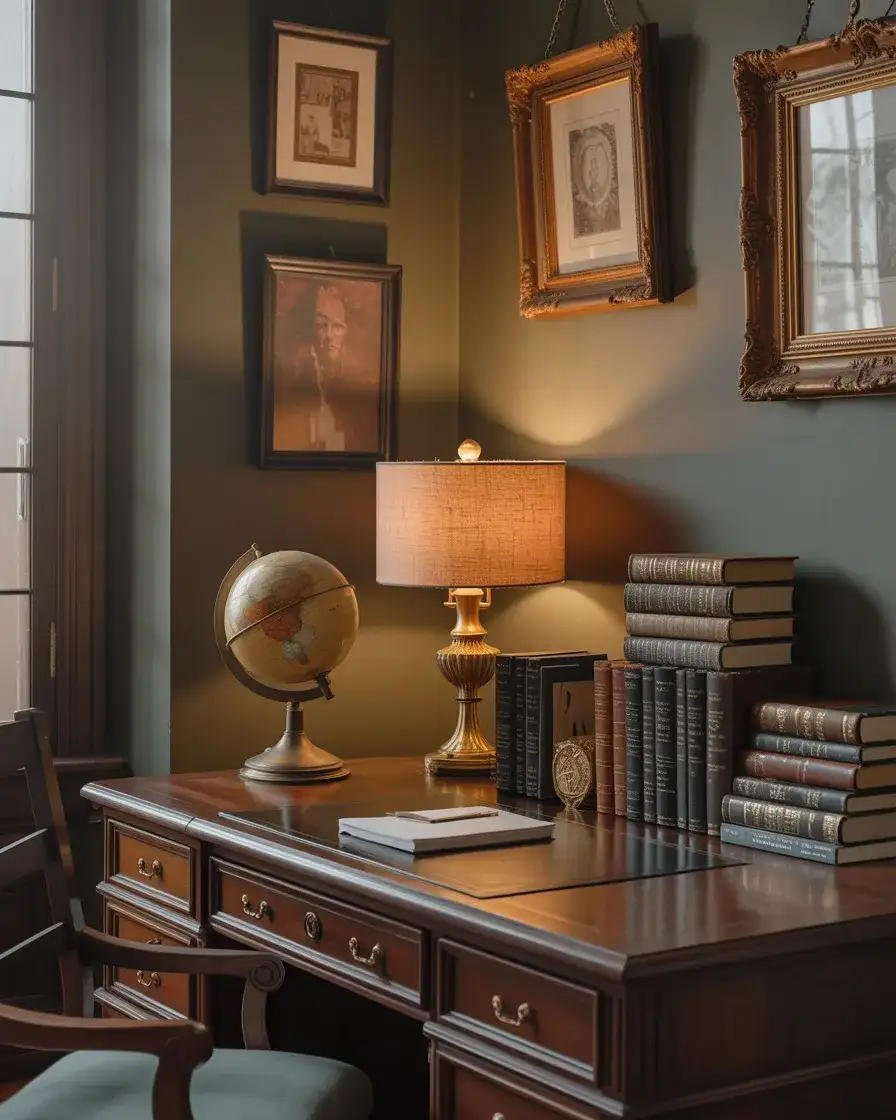
The Ralph Lauren aesthetic brings preppy, timeless elegance to bookshelf styling. Think leather-bound classics, equestrian accents, navy and cream color schemes, and accessories in brass or tortoiseshell. This look channels the aesthetic of East Coast estates and private libraries, where every object feels collected over generations rather than bought in a single shopping trip. 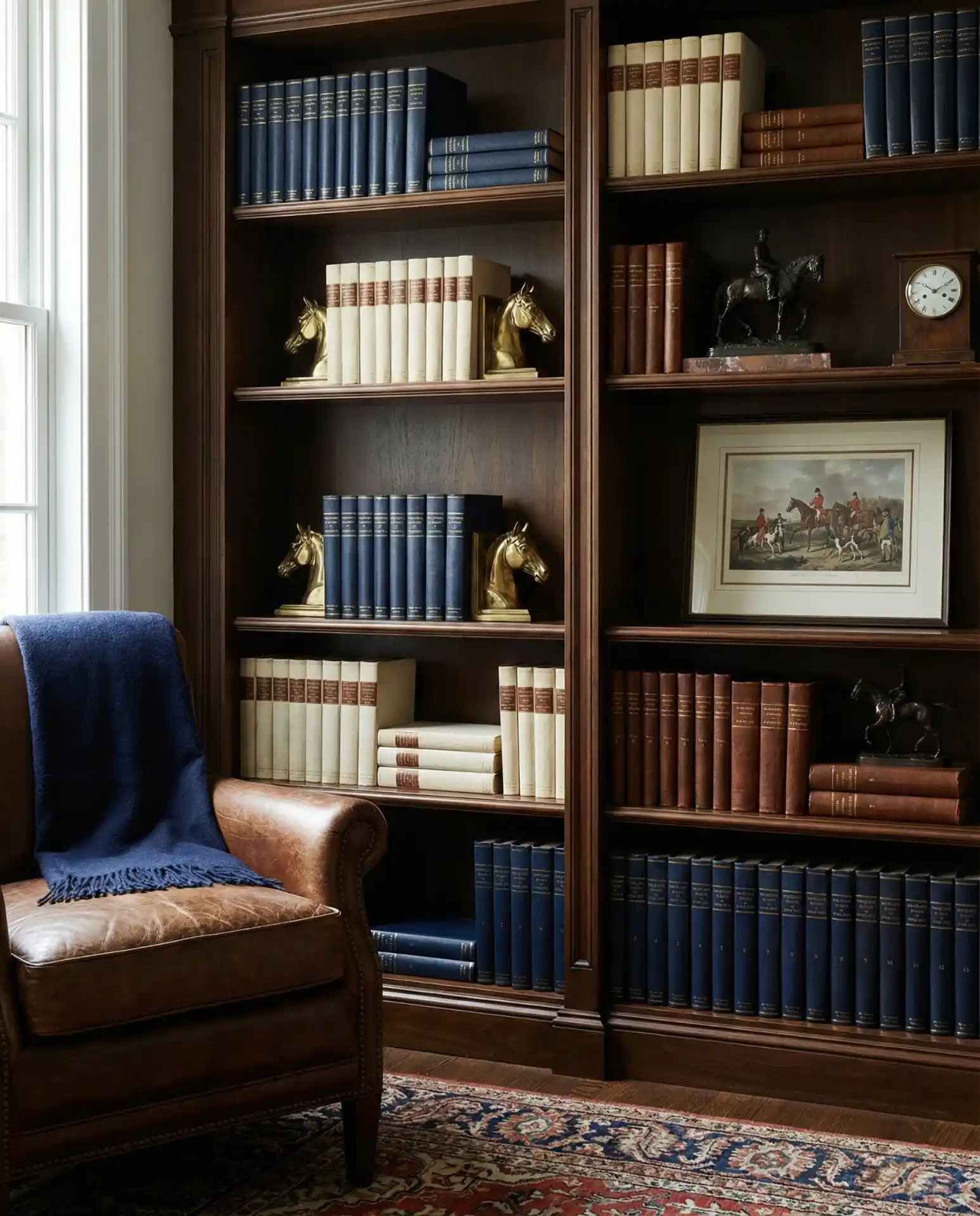
Expert commentary: This style works beautifully in home offices or studies where you want to project authority and sophistication. It’s particularly popular in the Northeast and among homeowners who appreciate traditional American design. Mix in family photos in silver frames and monogrammed accessories for a personalized touch. The goal is curated, not cluttered.
18. MCM Credenza Styling
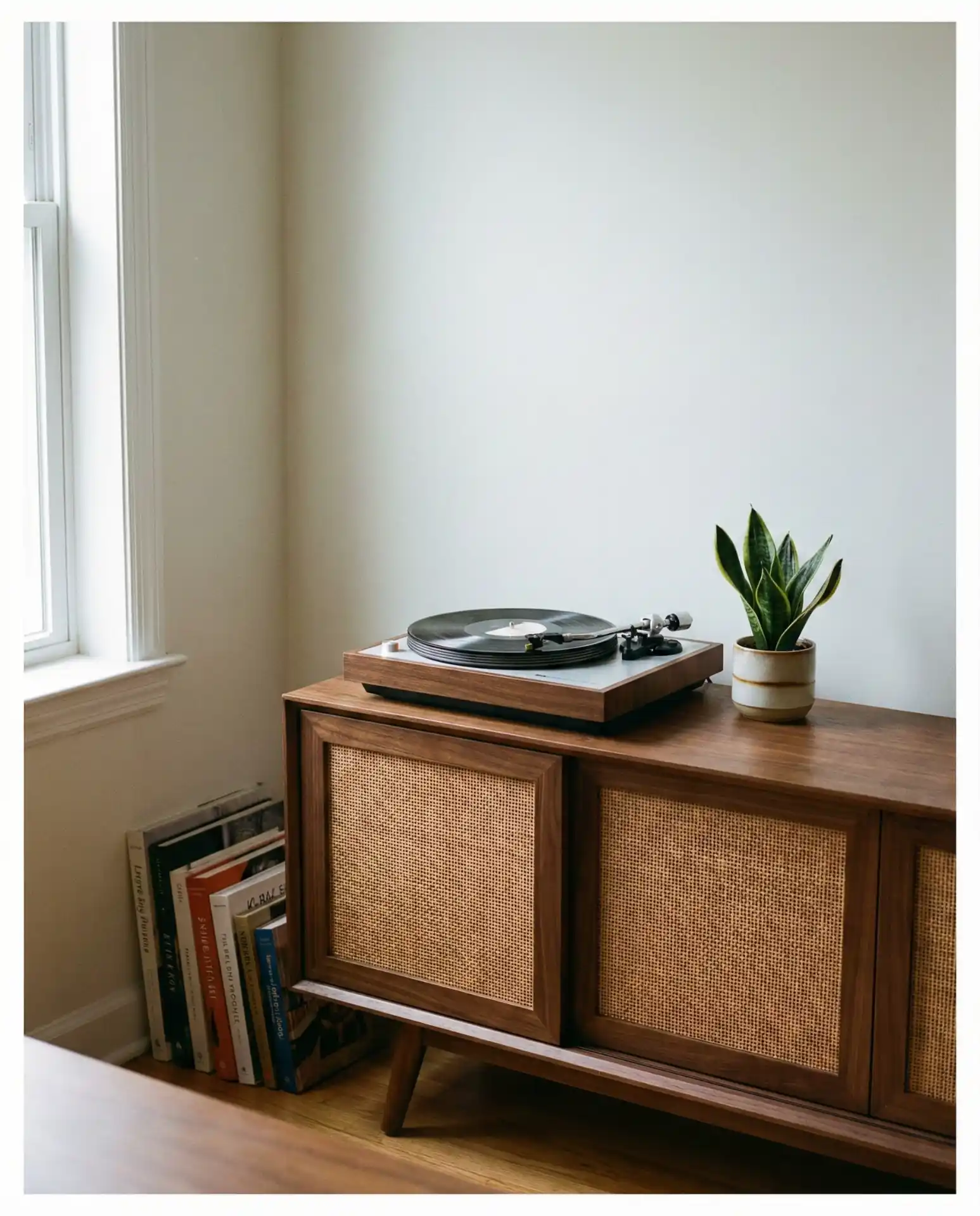
An MCM (mid-century modern) credenza offers low-profile storage that doubles as a display surface. While not technically a bookshelf, it’s often styled as one—lean books against the wall behind it, stack a few on the surface, and add a record player or vintage radio. This low-slung approach works especially well in open-plan spaces where a tall bookshelf might block sightlines. 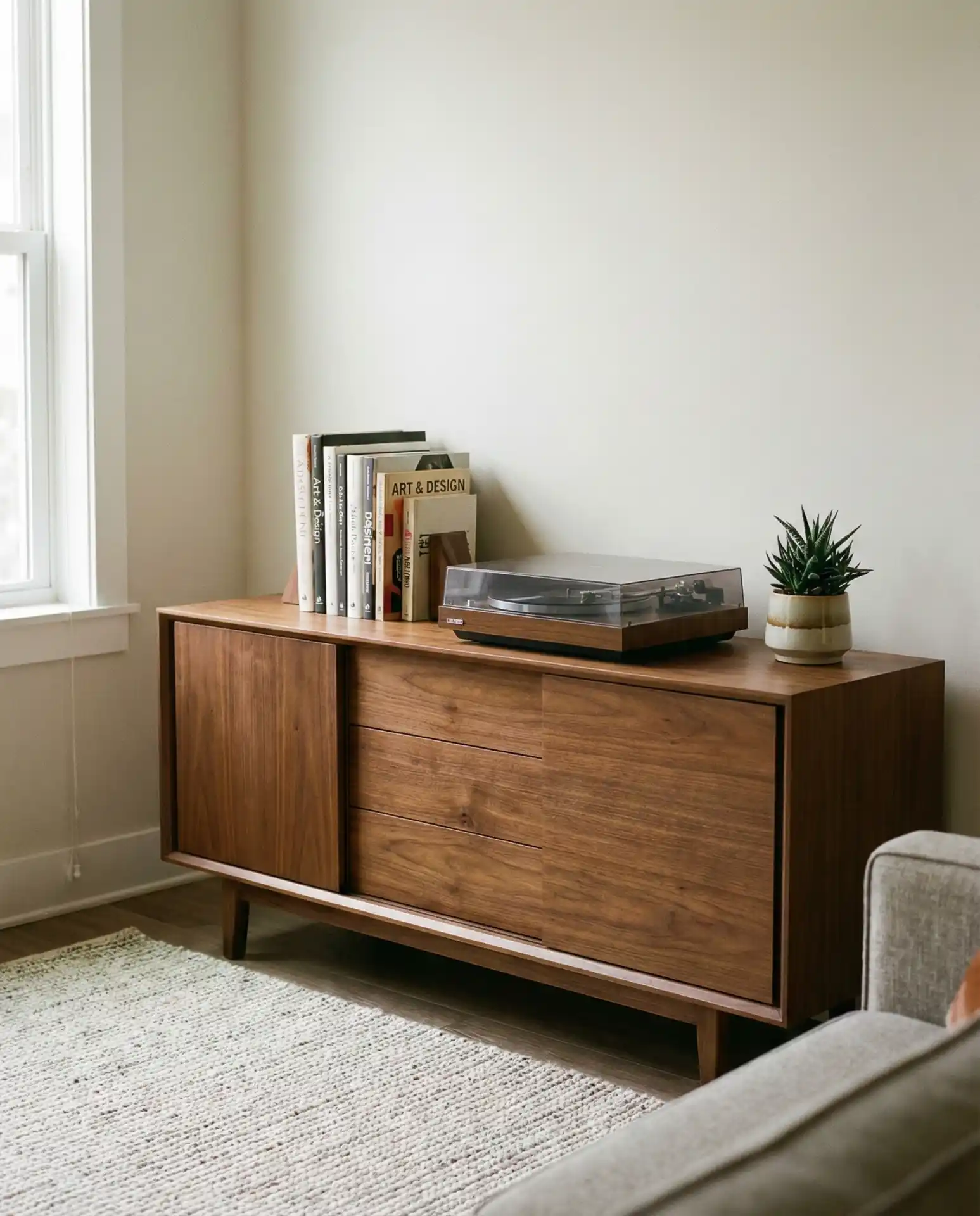
A micro anecdote: A Denver couple uses their credenza to display vinyl records and design monographs, with the closed cabinets below hiding less photogenic items like cables and remotes. This hybrid approach keeps the visual calm while still accommodating real life. Look for pieces with sliding doors for easier access than hinged ones.
19. IKEA Billy Hack Library Wall
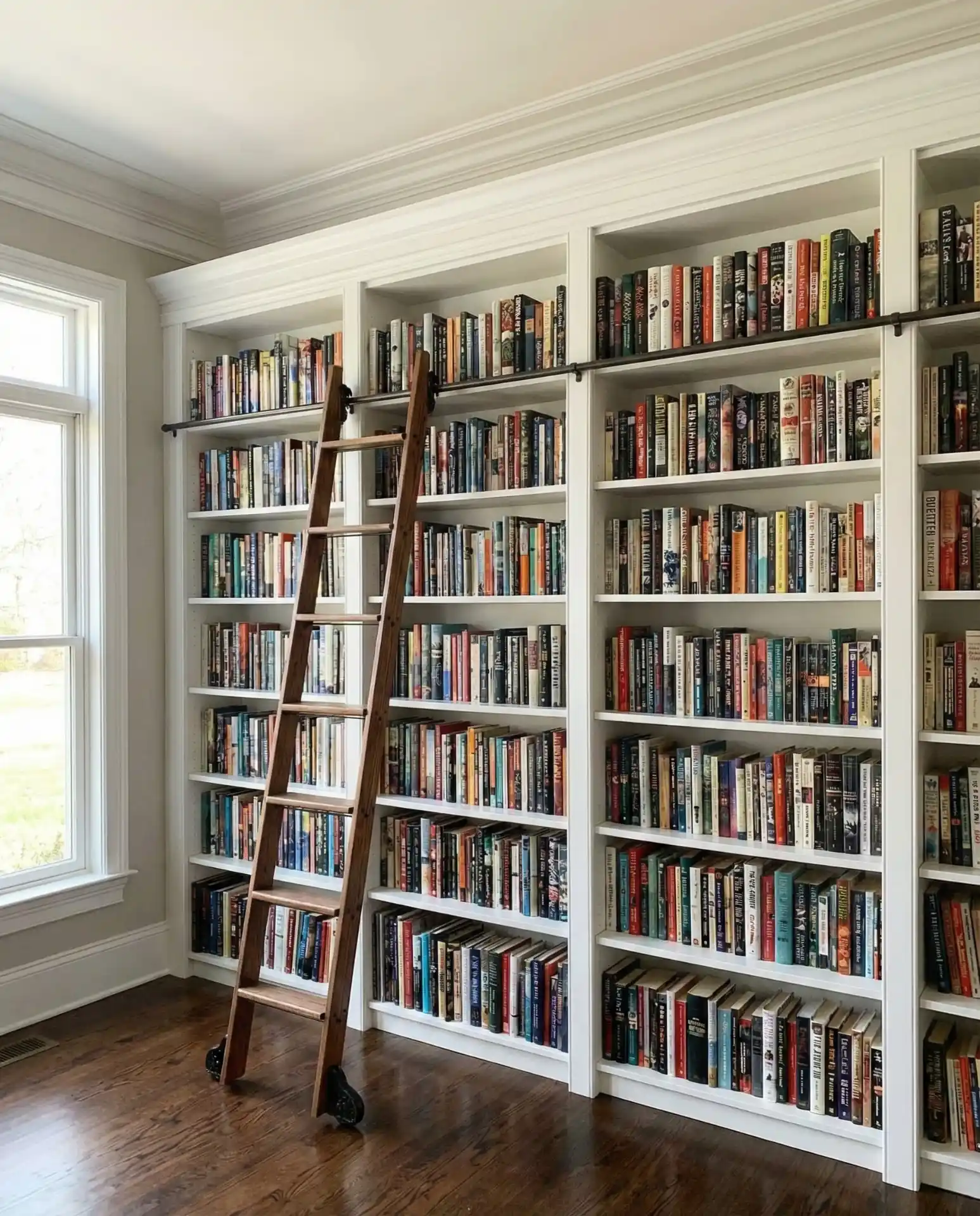
The Ikea Billy hack has become a phenomenon—line up multiple Billy bookcases to create a floor-to-ceiling library wall, then add trim and paint for a custom built-in look. This DIY project has been featured everywhere from Pinterest to home renovation shows, and it’s a budget-friendly way to achieve high-end results. The key is securing units together and to the wall for stability. 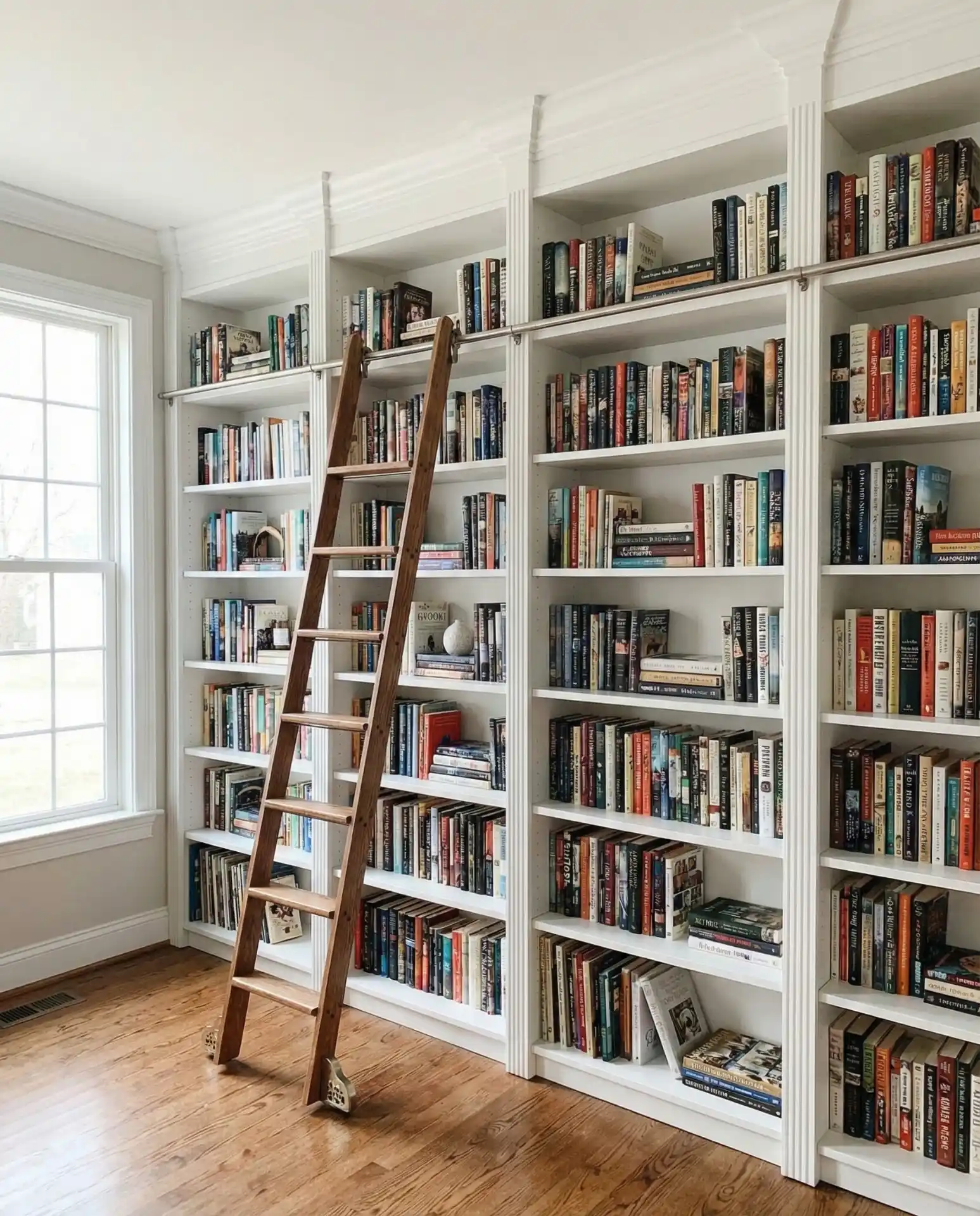
Budget angle: Five Billy units plus molding, paint, and hardware will run around $600—a fraction of custom built-ins. This project is popular among American DIYers who share tutorials on YouTube and Instagram. Plan your layout carefully, accounting for baseboards and ceiling height, and consider adding picture lights above for a professional finish.
20. Neutral Palette for Timeless Appeal
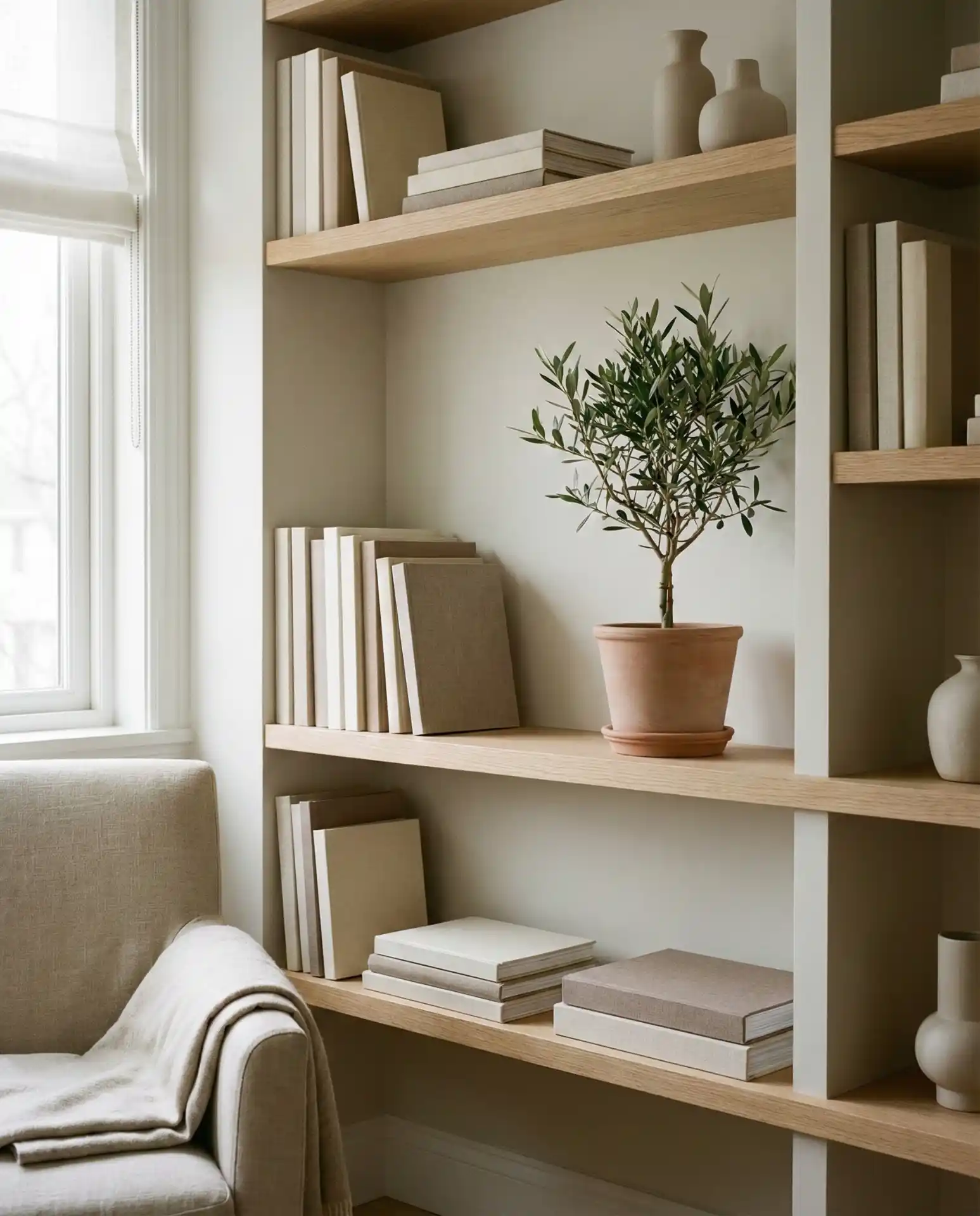
A neutral palette—creams, taupes, soft grays, and natural wood—creates a calming, timeless look that won’t feel dated in five years. This approach has dominated American interiors as homeowners seek spaces that adapt to changing trends. Style white or light wood shelves with neutral-colored accessories and book covers in similar tones, punctuated by greenery for life. 
Real homeowner behavior: Many people remove colorful dust jackets from books to achieve a more cohesive neutral look. This can feel precious, but it’s surprisingly popular in Instagram-worthy homes. The benefit is that the shelf becomes a backdrop rather than a focal point, allowing furniture and art to shine. Refresh the look seasonally by swapping out a single accent color.
21. Long Floating Shelves
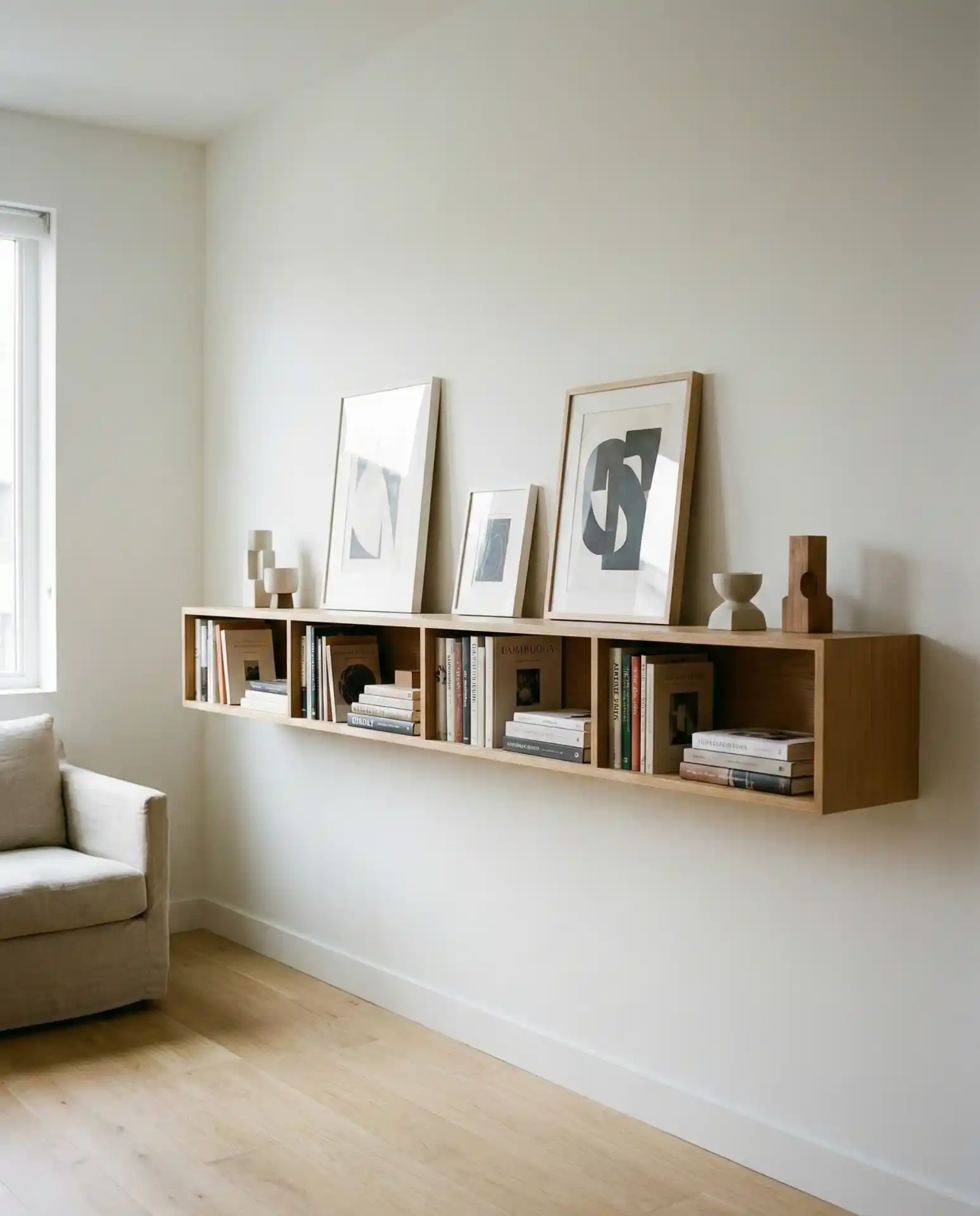
Long floating shelves—six to eight feet or more—create a gallery-like display that runs horizontally along a wall. Without visible brackets, they appear to defy gravity, offering a sleek, modern look. Style them with a mix of books (some vertical, some stacked flat), art leaning against the wall, and small sculptural objects spaced evenly along the length. 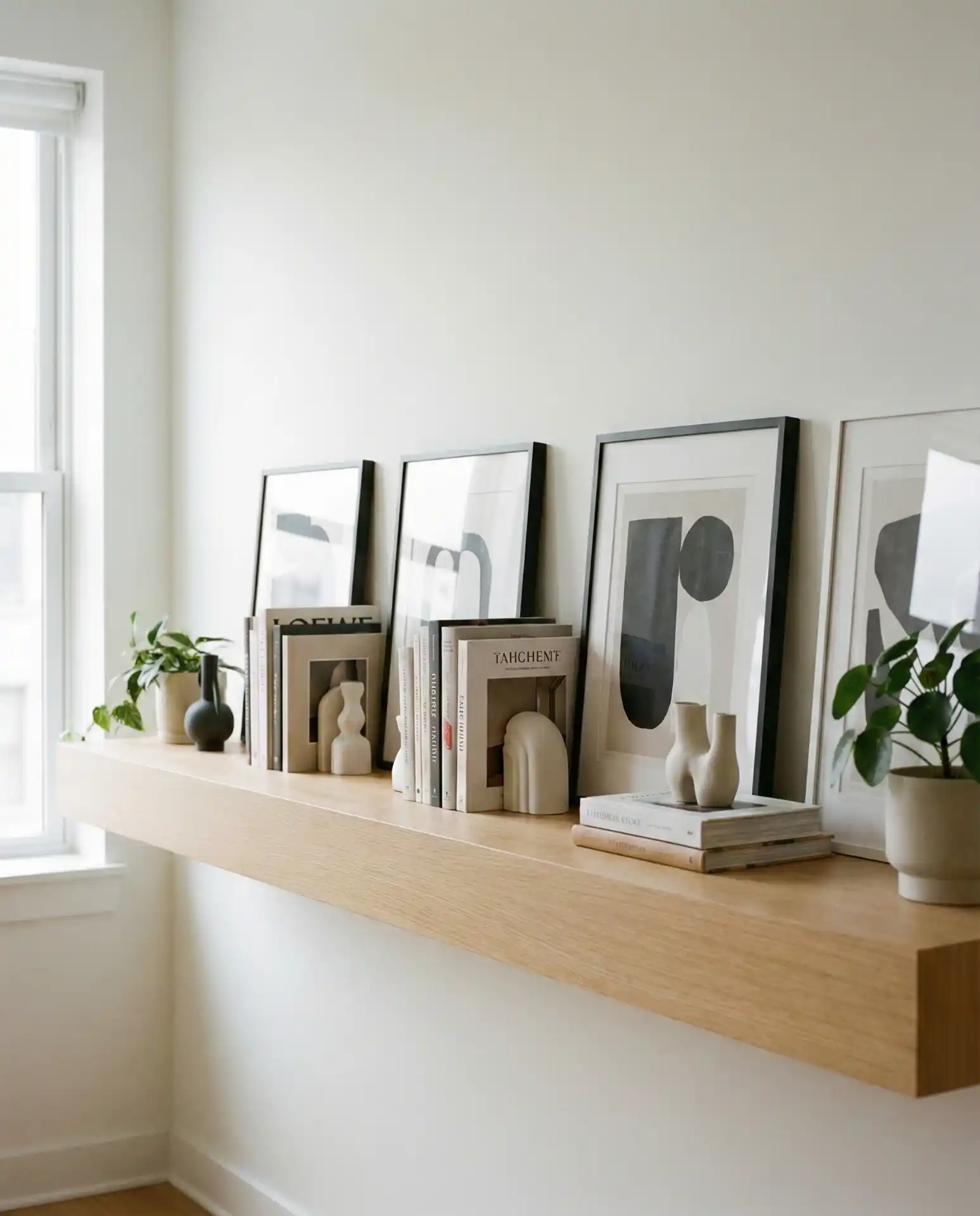
Where this works best: Dining rooms, hallways, and above sofas—anywhere you want to add storage without the bulk of a full bookcase. Floating shelves are also popular in modern lofts and condos where space is at a premium. Ensure proper installation into studs; a single long shelf loaded with books can be quite heavy. This is a relatively affordable upgrade that delivers major visual impact.
22. Color-Blocked Shelving
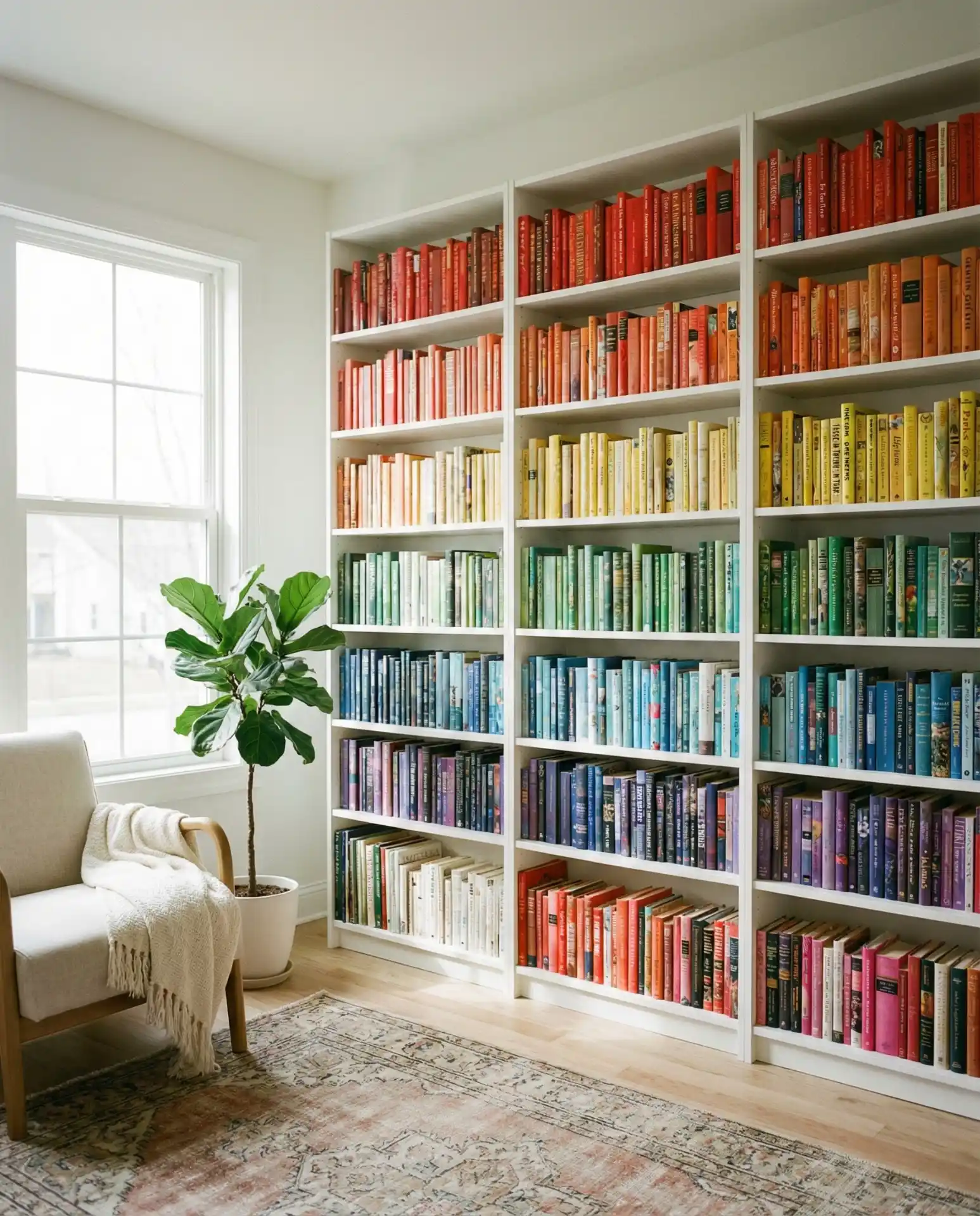
Color-blocking your bookshelf—organizing books by spine color—creates a rainbow effect that’s endlessly photogenic. This trend has exploded on Pinterest and Instagram, appealing to visual thinkers who don’t rely on alphabetical order. The result is graphic and intentional, turning your bookshelf into a piece of art in its own right.
Common mistake: Going full rainbow can make it hard to find specific titles. Consider color-blocking within sections—fiction in one color gradient, nonfiction in another—to maintain some organizational logic. This approach is hugely popular among younger homeowners and design enthusiasts who value visual impact over traditional library organization. It’s also free, making it an instant refresh.
23. Industrial Pipe Shelving
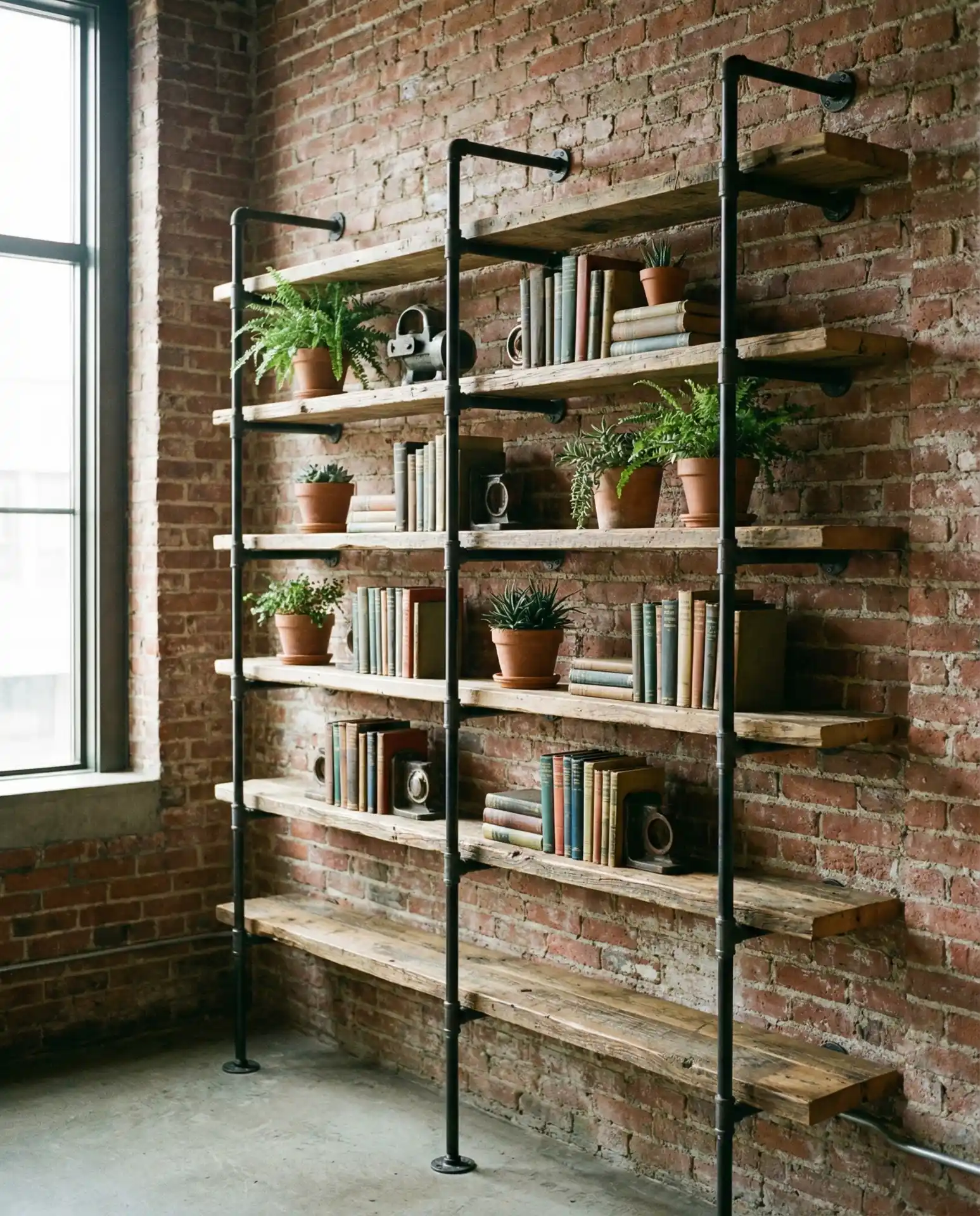
Industrial pipe shelving pairs reclaimed wood planks with black iron pipe for a rugged, loft-inspired look. This style has remained popular in American homes that embrace open industrial aesthetics—exposed brick, concrete floors, and metal accents. The shelves are sturdy enough to hold heavy books and look especially striking against white walls or natural brick.
This is a favorite DIY project, with materials available at any hardware store for around $200–$300 per shelving unit. The look works beautifully in converted loft spaces, basements, and home offices where you want an edgy, masculine vibe. Balance the hardness of the metal and wood with softer accessories—textiles, plants, and ceramic vases—to keep it from feeling too stark.
Conclusion
These ideas offer something for every style, space, and budget—from the timeless appeal of neutral palettes to the bold statement of dark, moody shelving. The beauty of bookshelf styling in 2026 is that there are no hard rules, just opportunities to express your personal aesthetic. Whether you’re drawn to the clean lines of mid-century modern, the abundance of maximalism, or the accessibility of an IKEA hack, your shelves can become one of the most meaningful design elements in your home. Drop a comment below with your favorite idea or share photos of your own styled shelves—we’d love to see how you’re making these concepts your own.