As we move into 2026, parents across America are reimagining boys’ bedrooms with fresh creativity and purpose. Whether you’re decorating a 5-10 year-old’s first big-kid room or updating a 13-14 teen’s space to match their evolving style, Pinterest has become the go-to hub for visual inspiration. From Lego -themed havens to sleek industrial style teen retreats, today’s bedroom designs balance fun with function. This guide walks you through on-trend ideas that celebrate personality, maximize space, and create rooms boys actually want to spend time in.
1. Adventure-Ready Outdoor Theme for Ages 5-10
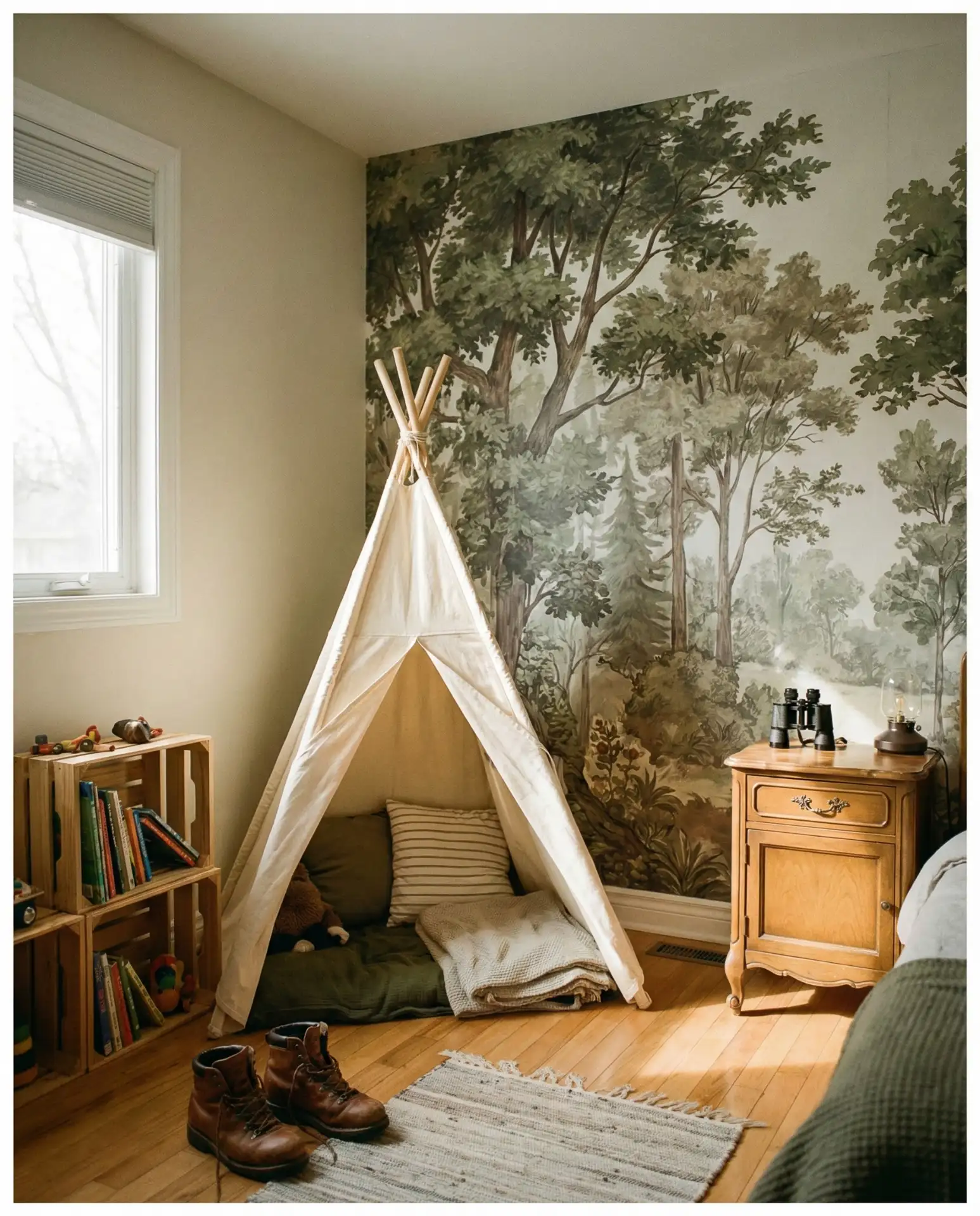
An outdoor theme bedroom transforms ordinary walls into a forest canopy or mountain basecamp, perfect for 5-10 year-olds who dream of camping trips and backyard explorations. Tree decals, canvas tents used as reading nooks, and earthy greens paired with khaki tones create an immersive environment that sparks imaginative play. Wall-mounted climbing holds or a small indoor slide can turn bedtime into an adventure, while storage shaped like wooden crates keeps the explorer’s gear organized. 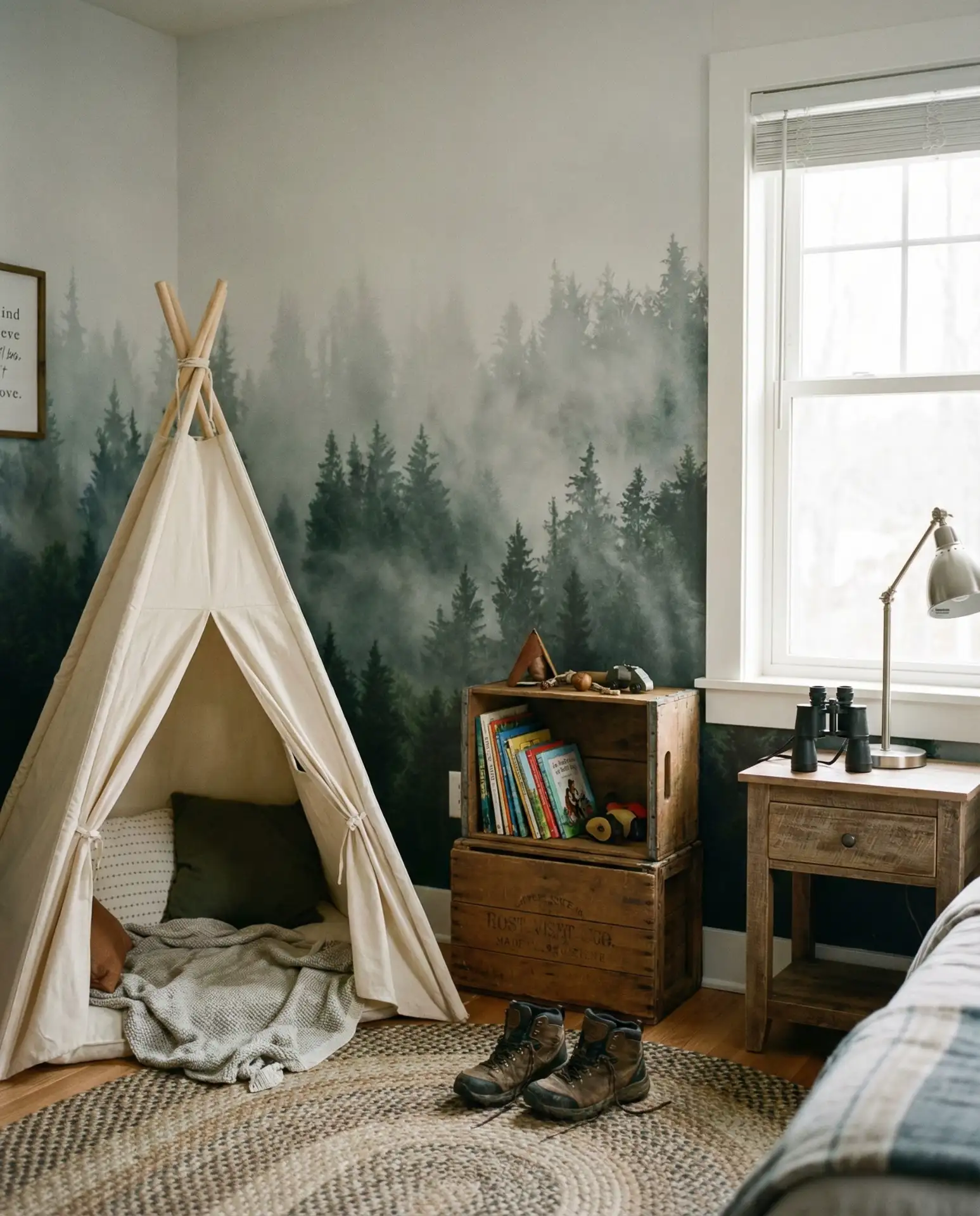
This setup works exceptionally well in suburban homes where families already enjoy hiking and camping together, extending that lifestyle into the bedroom. Parents appreciate how the neutral color palette grows with the child—swap out stuffed animals for real camping gear as they age. A common mistake is overloading the space with fake plants and busy patterns; instead, choose one strong focal wall and let natural wood furniture anchor the room with simplicity.
2. Bold Camo Pattern for the Young Outdoorsman
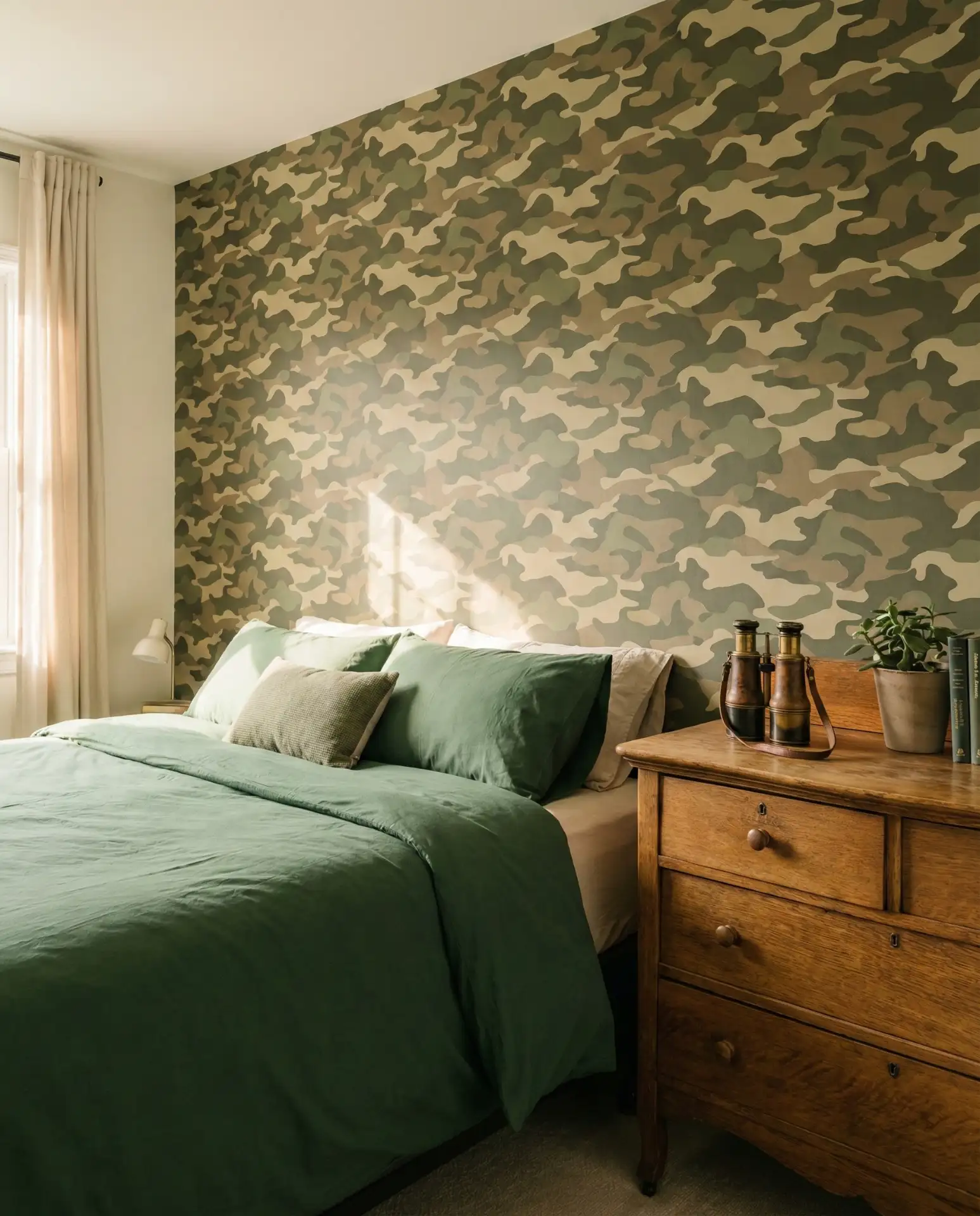
A camo bedroom doesn’t have to feel like boot camp—modern interpretations use muted olive, charcoal, and tan in geometric patterns that feel sophisticated rather than juvenile. Accent one wall with peel-and-stick camo wallpaper and balance it with solid-colored bedding in army green or khaki. This theme pairs beautifully with rustic furniture and works for boys who love hunting stories, military history, or simply the rugged aesthetic of the great outdoors. 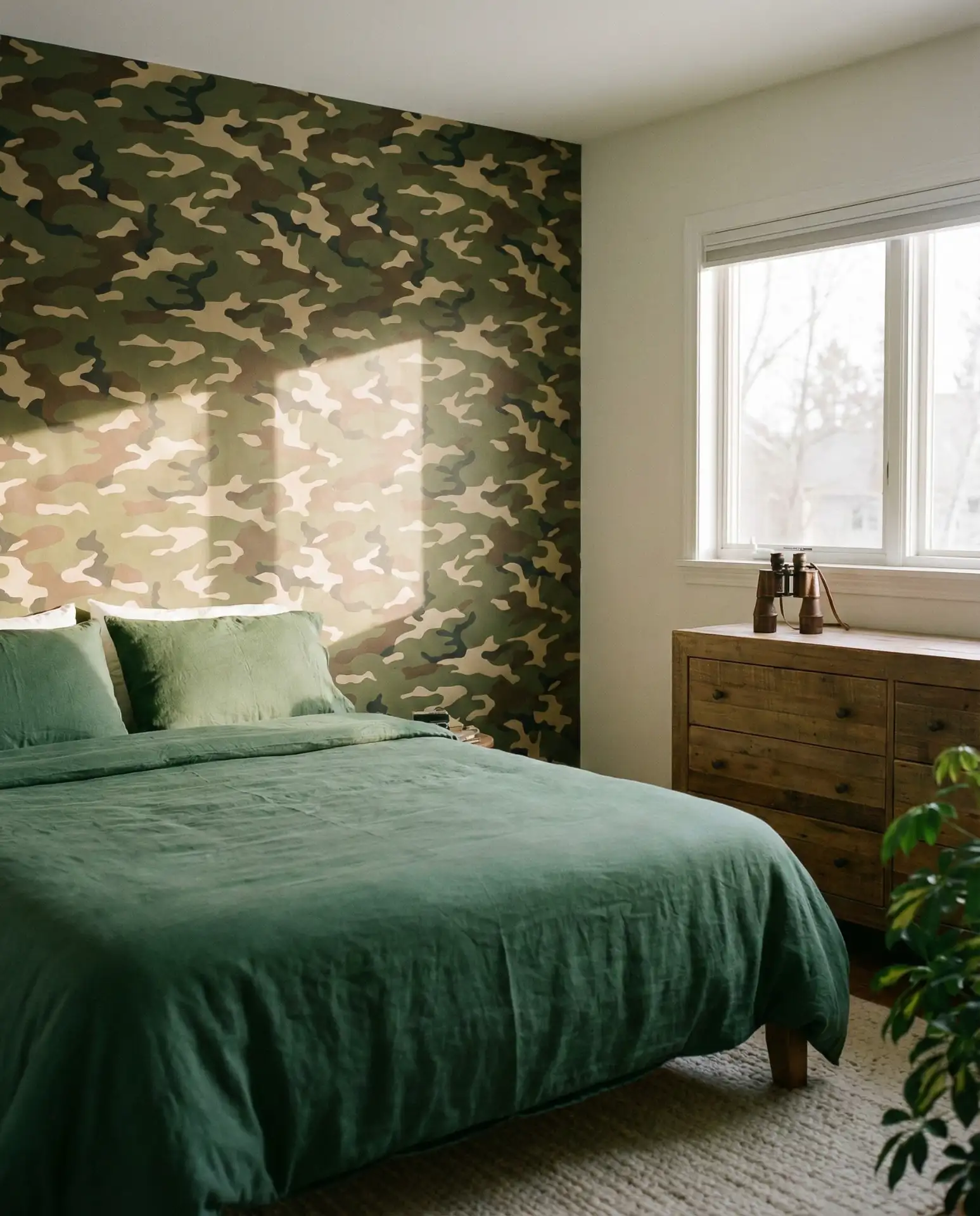
In many Southern and Midwestern households, camo reflects a genuine family tradition of outdoor activities, making the bedroom feel like an extension of weekend adventures. One father in Tennessee mentioned his son takes pride showing friends the duck decoy collection displayed on floating shelves. The key is restraint—use camo as an accent rather than covering every surface, which can overwhelm the eye and make the room feel chaotic.
3. Bright Blue Coastal Vibes for Ages 5-10
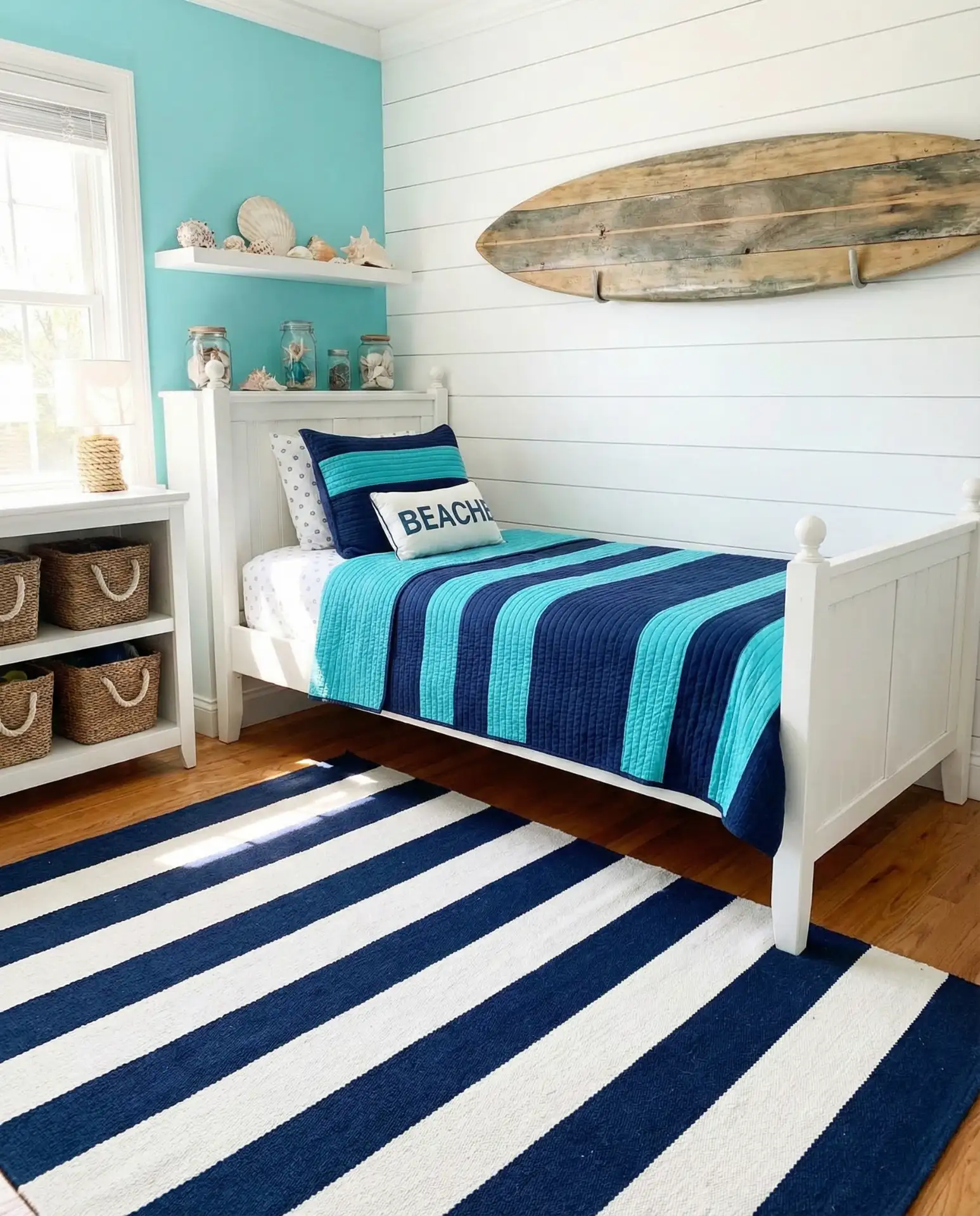
Nothing says summer freedom like a coastal bedroom dressed in 5-10 blue shades—from turquoise walls to navy accent pillows. Rope details, striped rugs reminiscent of beach umbrellas, and weathered white furniture capture that breezy shore house feeling even if you live hours from the ocean. Hang a surfboard or paddleboard as wall art, and display collected seashells on open shelving to personalize the space with actual vacation memories. 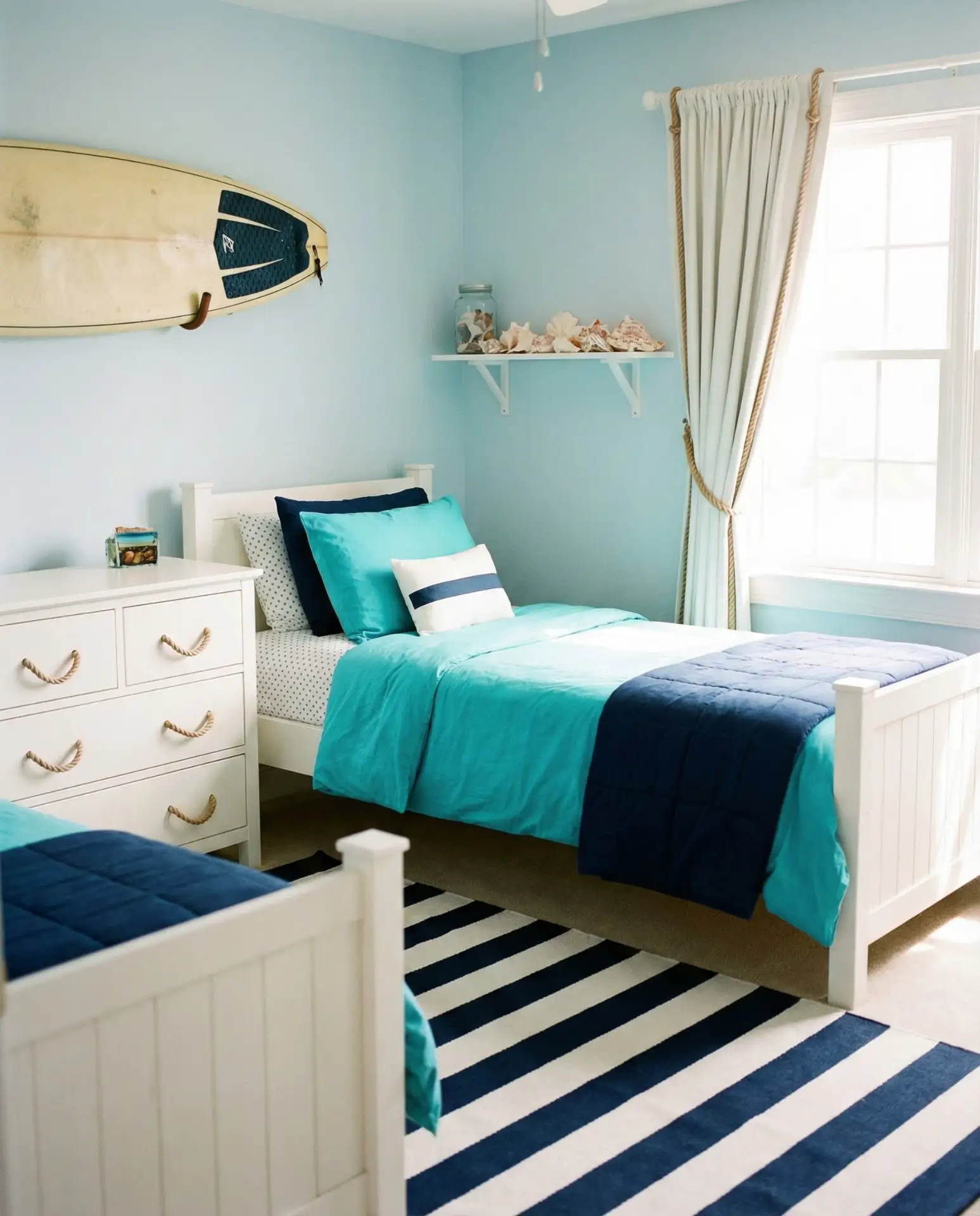
Coastal themes work best in homes with abundant natural light—think rooms with large windows that mimic the brightness of a beach day. The color blue has been shown to promote calm and better sleep, making this more than just a pretty aesthetic choice. Avoid the temptation to add anchors and ship wheels everywhere; authentic coastal style is about light, texture, and breathing room, not nautical clichés.
4. Lego Builder’s Paradise with Display and Storage
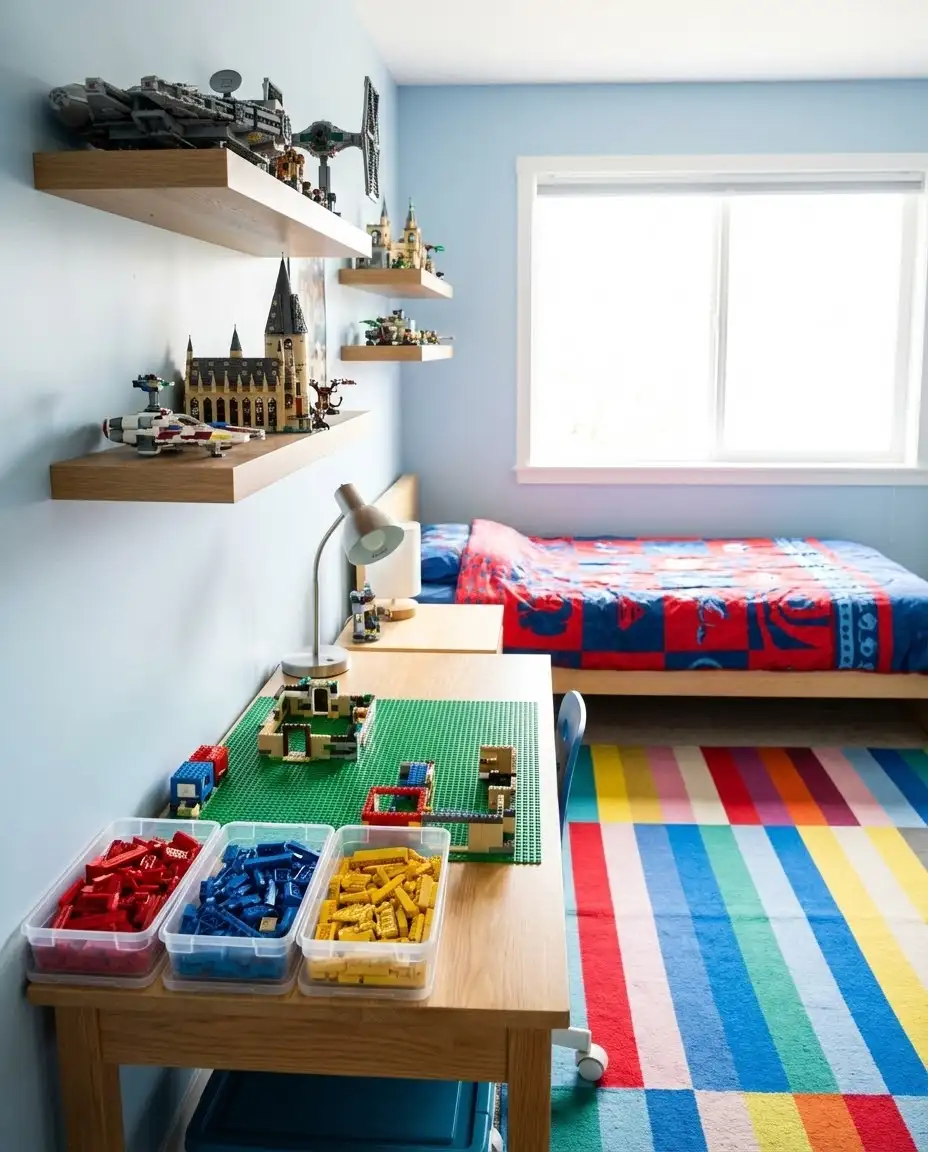
For the dedicated Lego enthusiast, a bedroom becomes a showroom and workshop combined. Install floating shelves at varying heights to display completed sets, use clear storage bins underneath the bed for bricks sorted by color, and dedicate a corner desk with a magnetic building plate surface. Primary colors—red, blue, yellow—naturally echo the classic Lego palette and keep the room feeling playful without relying on licensed character bedding that quickly feels dated. 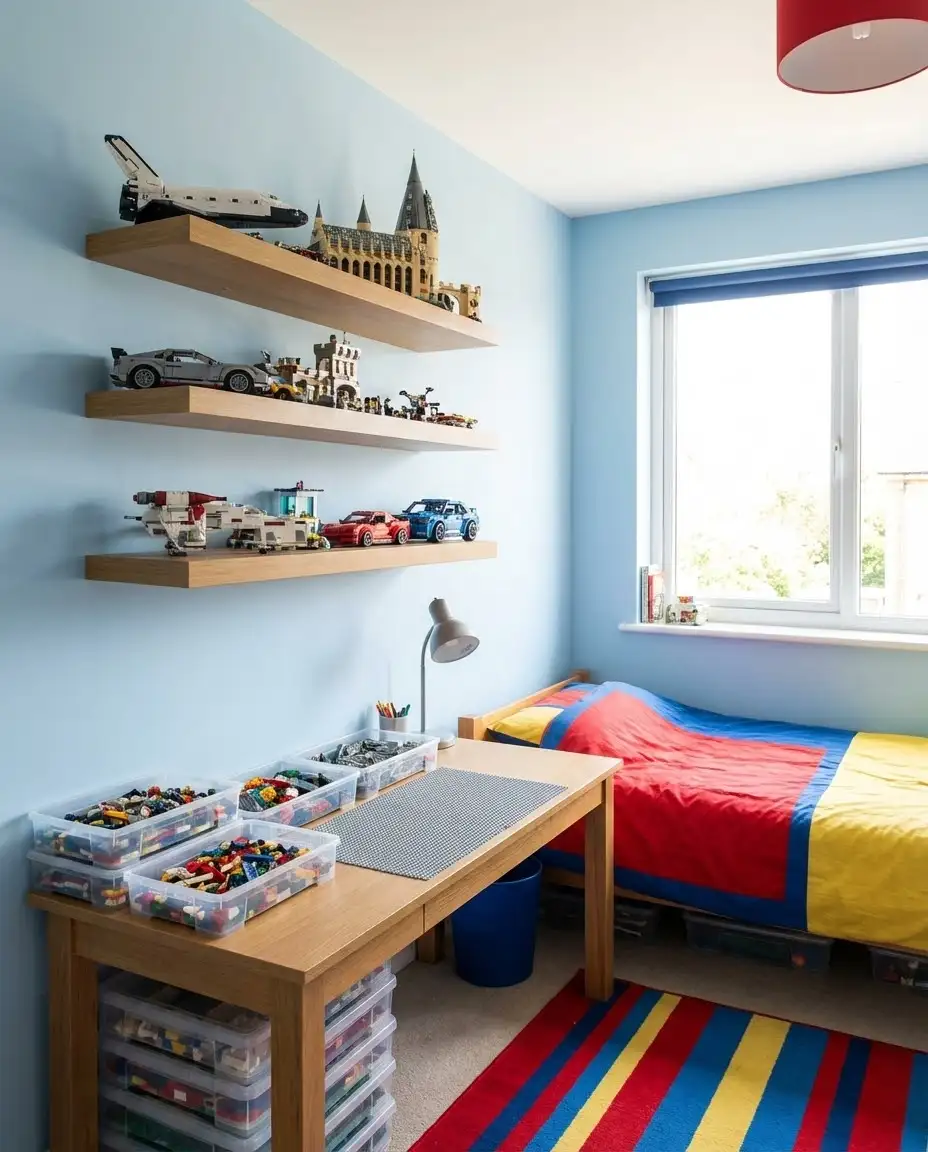
Budget-conscious families can achieve this look without breaking the bank—repurpose existing bookshelves and add LED strip lighting beneath each level for a dramatic display effect that costs under twenty dollars. One California mom shared that rotating which sets get prime shelf space keeps her son engaged with his collection and prevents the room from feeling cluttered. The biggest mistake is not planning for growth; as skills advance, so does the need for workspace and specialized storage for technic pieces and minifigures.
5. Industrial Style Teen Loft with Exposed Elements
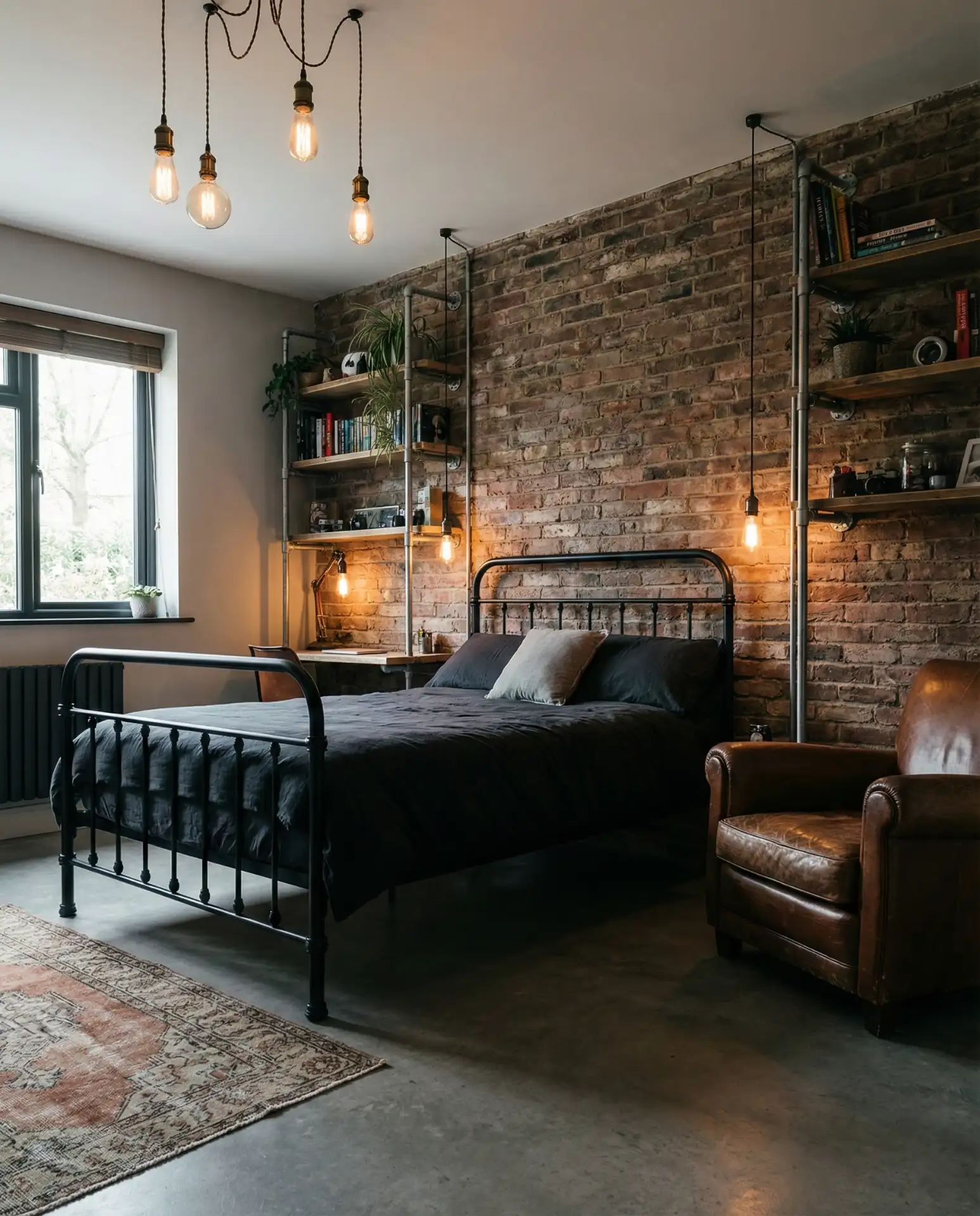
An industrial style teen bedroom embraces raw materials—think metal pipe shelving, Edison bulb fixtures, and a black metal bed frame that anchors the space with edgy sophistication. Exposed brick wallpaper or concrete-look paint creates an urban loft vibe, while leather accents and vintage signage add personality without feeling childish. This aesthetic appeals to older boys who want a space that reflects maturity and individual taste rather than cartoon characters. 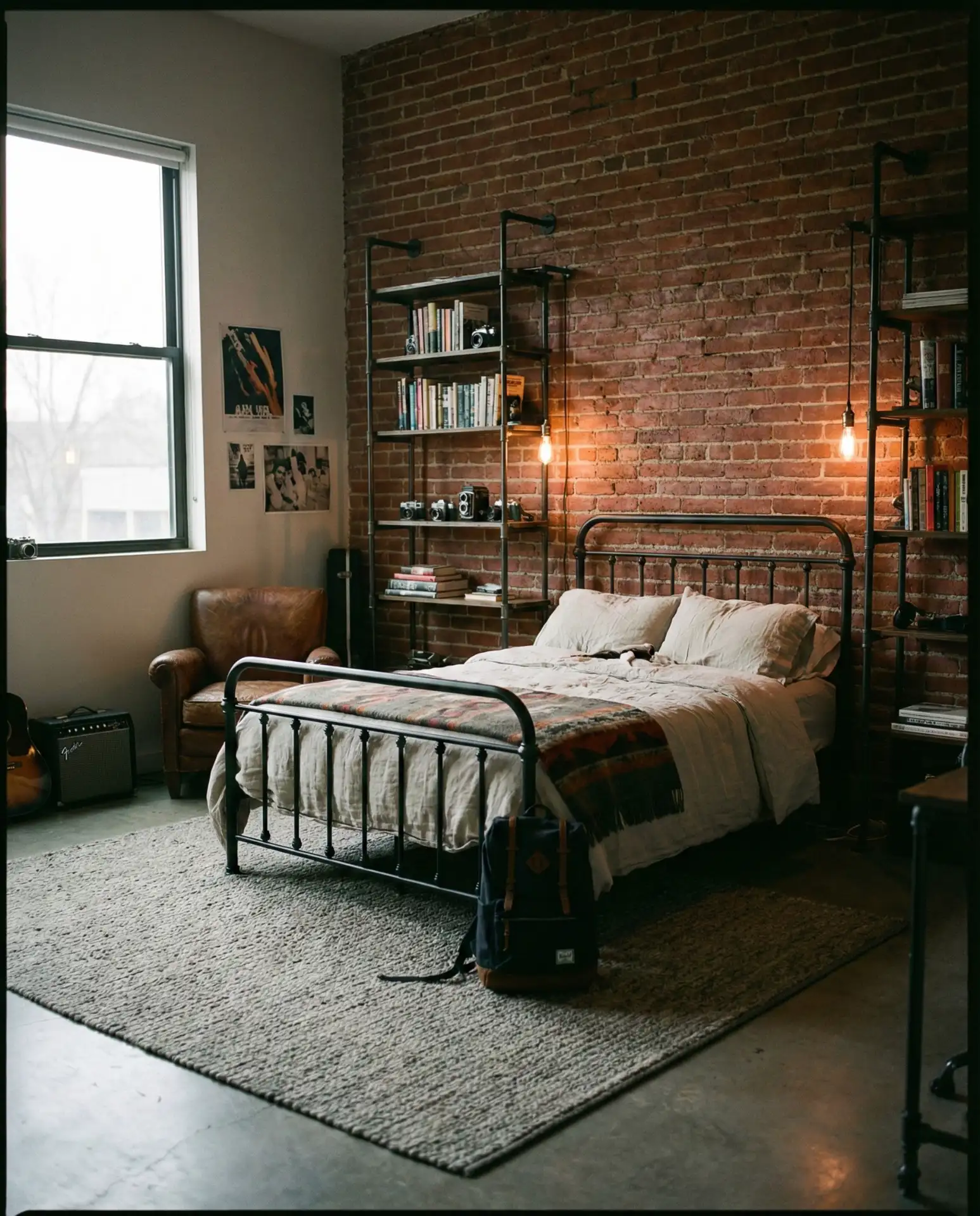
Industrial design works particularly well in older homes with high ceilings or in urban apartments where the architecture already leans modern. The beauty of this style is its flexibility—a mix of vintage finds from flea markets and affordable metal furniture from big-box stores creates an authentic collected-over-time feel. However, the space can feel cold if not balanced; add warmth through textured bedding, area rugs, and strategic task lighting rather than overhead fluorescents.
6. Marvel Superhero Headquarters for True Fans
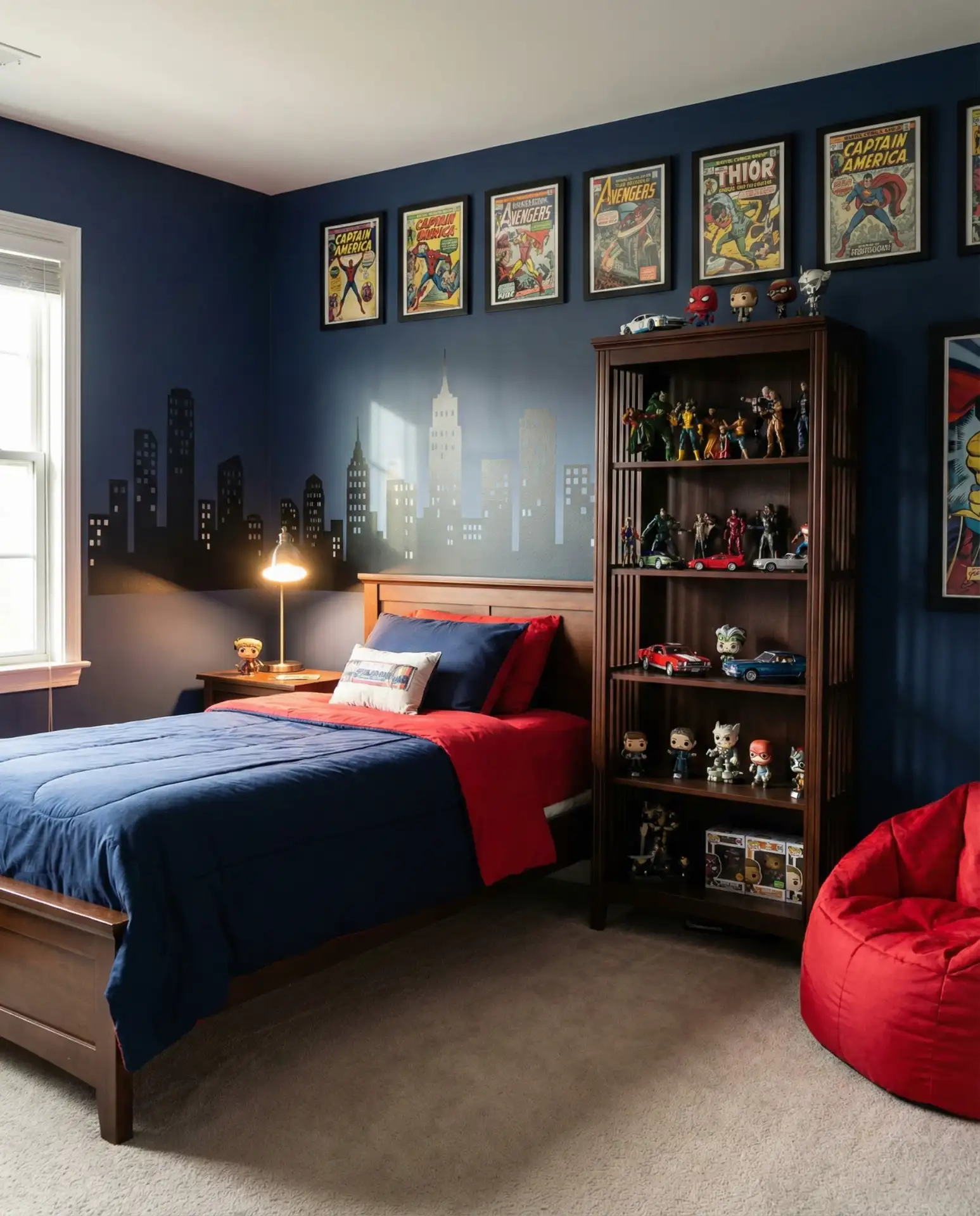
A Marvel themed bedroom celebrates comic book heroism through thoughtful design rather than overwhelming graphics. Frame vintage comic book covers as art, use a color scheme drawn from favorite characters—Captain America’s navy and red, or Hulk’s green and purple—and incorporate subtle references like shield-shaped mirrors or cityscape silhouettes. This approach lets the theme evolve as tastes mature, swapping out action figures for collectible statues or graphic novels. 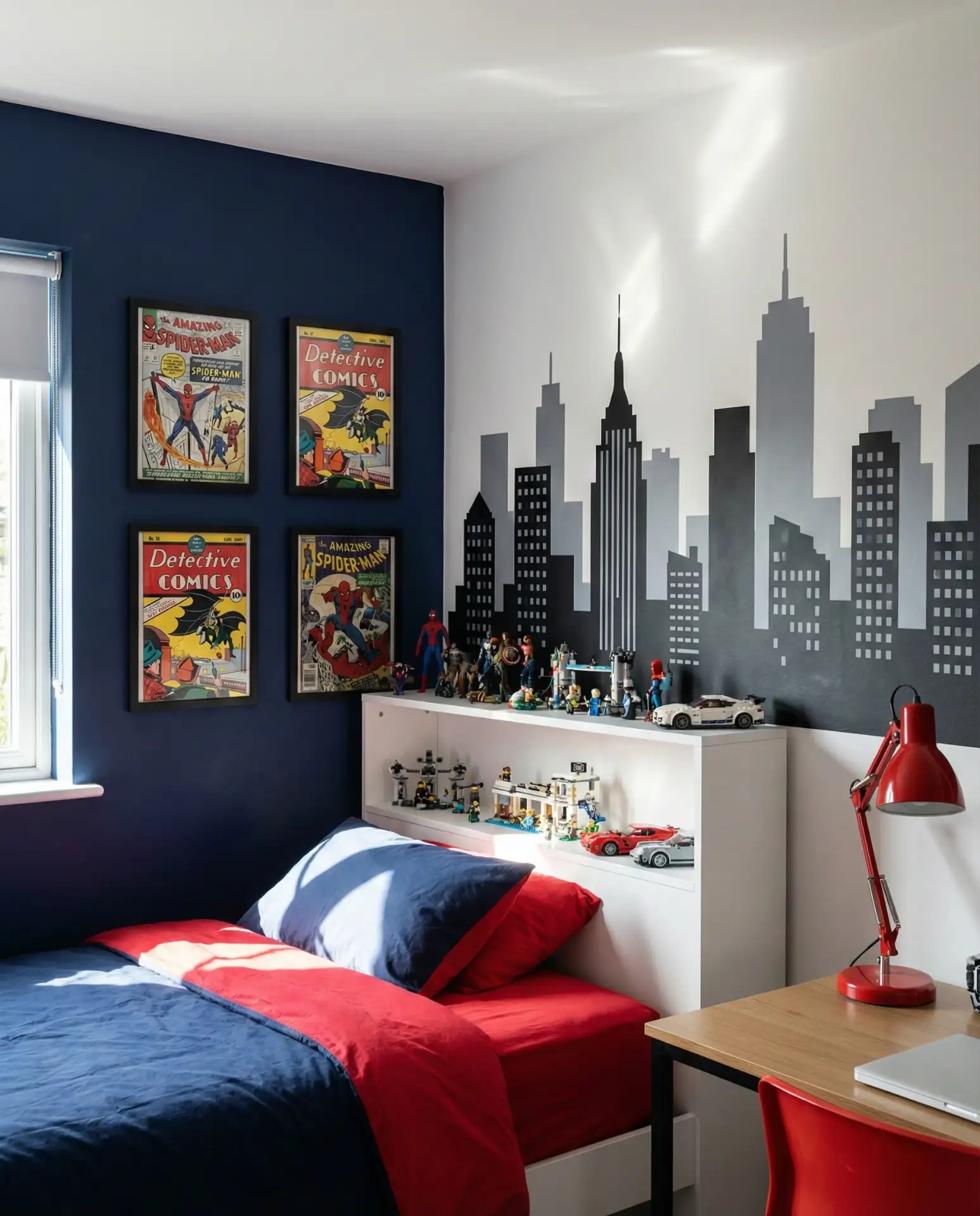
Comic book stores and online marketplaces offer affordable vintage prints that give the room an authentic collector’s feel rather than mass-market merchandise. Parents find this theme surprisingly timeless—one New York dad mentioned his son’s room transitioned from action figures at eight to signed comics at fifteen without needing a complete redesign. The common trap is buying too much licensed bedding and accessories that clash; instead, choose solid colors and let curated collectibles tell the story.
7. Simple and Clean Design for Ages 5-10
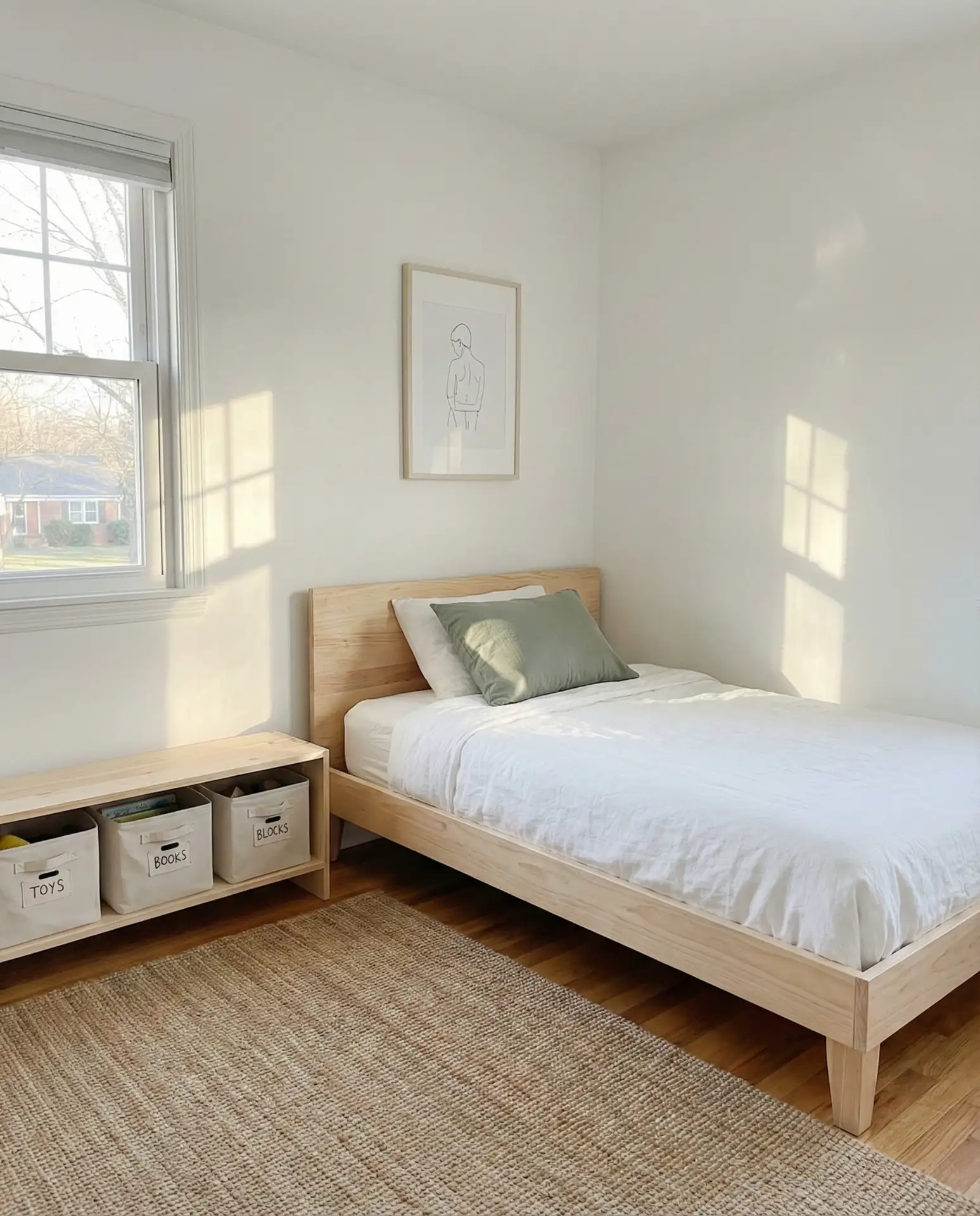
A 5-10 simple bedroom proves that less truly is more, especially for families who value calm over clutter. White walls, natural wood furniture, and a single accent color—perhaps soft gray or sage green—create a peaceful retreat that doesn’t distract from homework or bedtime routines. Open storage with labeled bins, minimal decor, and plenty of negative space teach organizational habits while growing gracefully through different interests and ages. 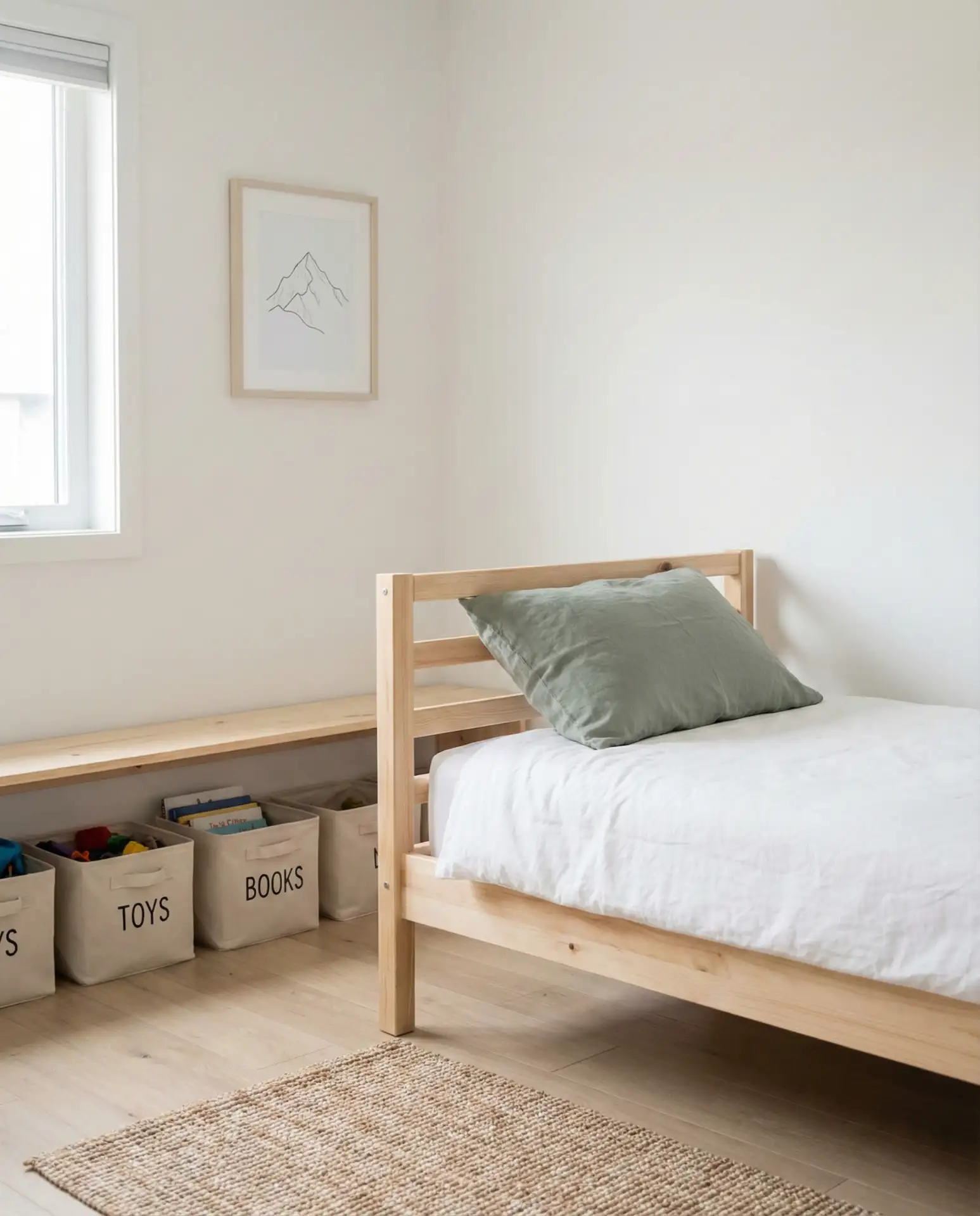
This style particularly resonates in the Pacific Northwest and Northeast where Scandinavian-inspired design has taken root in family homes. Experts in child psychology note that overstimulating environments can affect sleep quality and focus—a simple room serves developing minds better than walls packed with posters and toys. The only real challenge is maintaining the minimalism as kids accumulate stuff; regular editing sessions and thoughtful gift requests help preserve the intentional feel.
8. Colorful Chaos Contained
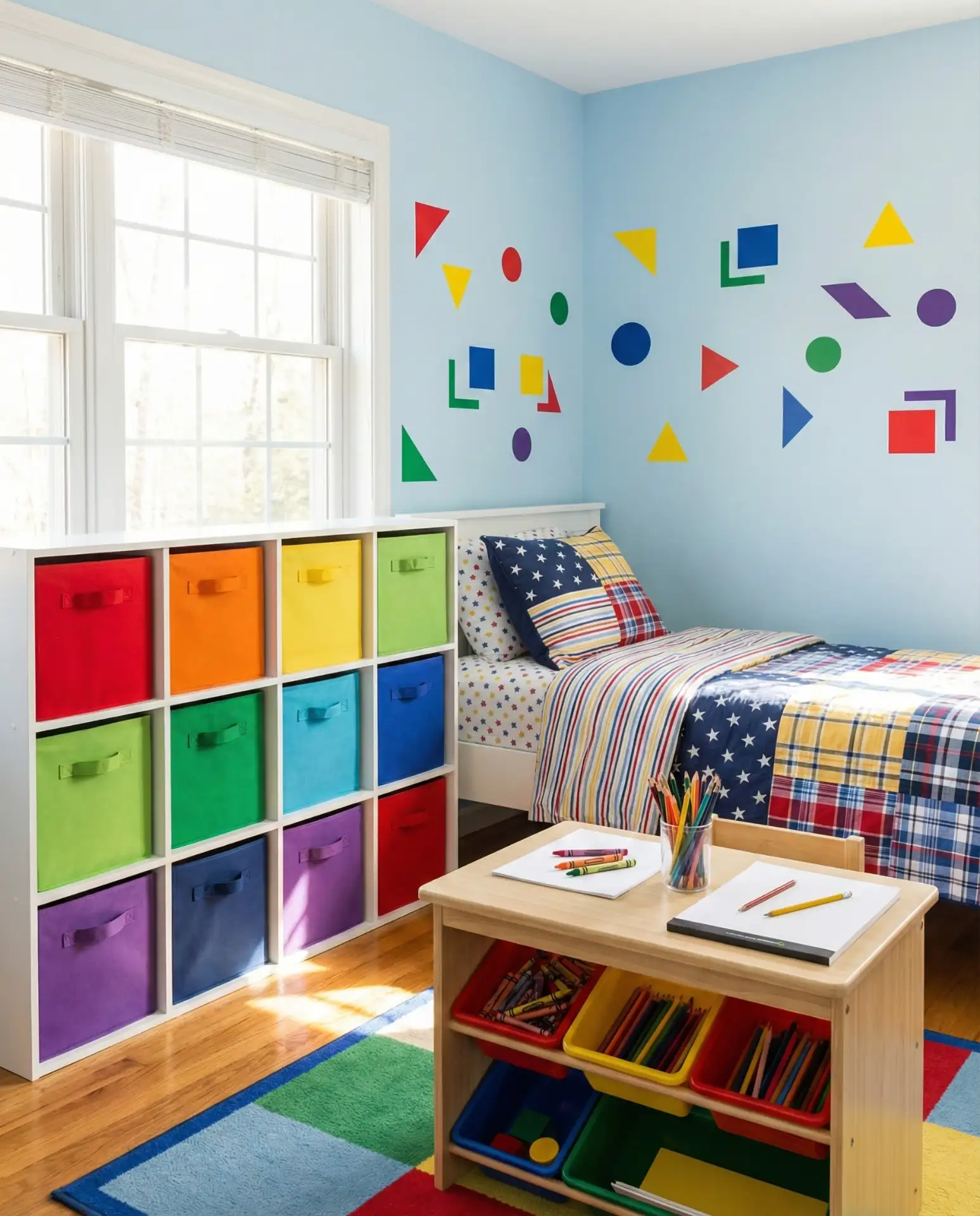
Some boys thrive in colorful environments where every surface celebrates bold hues and pattern mixing. Think rainbow storage cubes, geometric wall decals in primary shades, and bedding that combines stripes with polka dots. The trick is creating designated zones—keep the wildest colors in play areas while maintaining calmer tones near the bed. This energetic style suits creative kids who see their room as a canvas for self-expression rather than a quiet retreat. 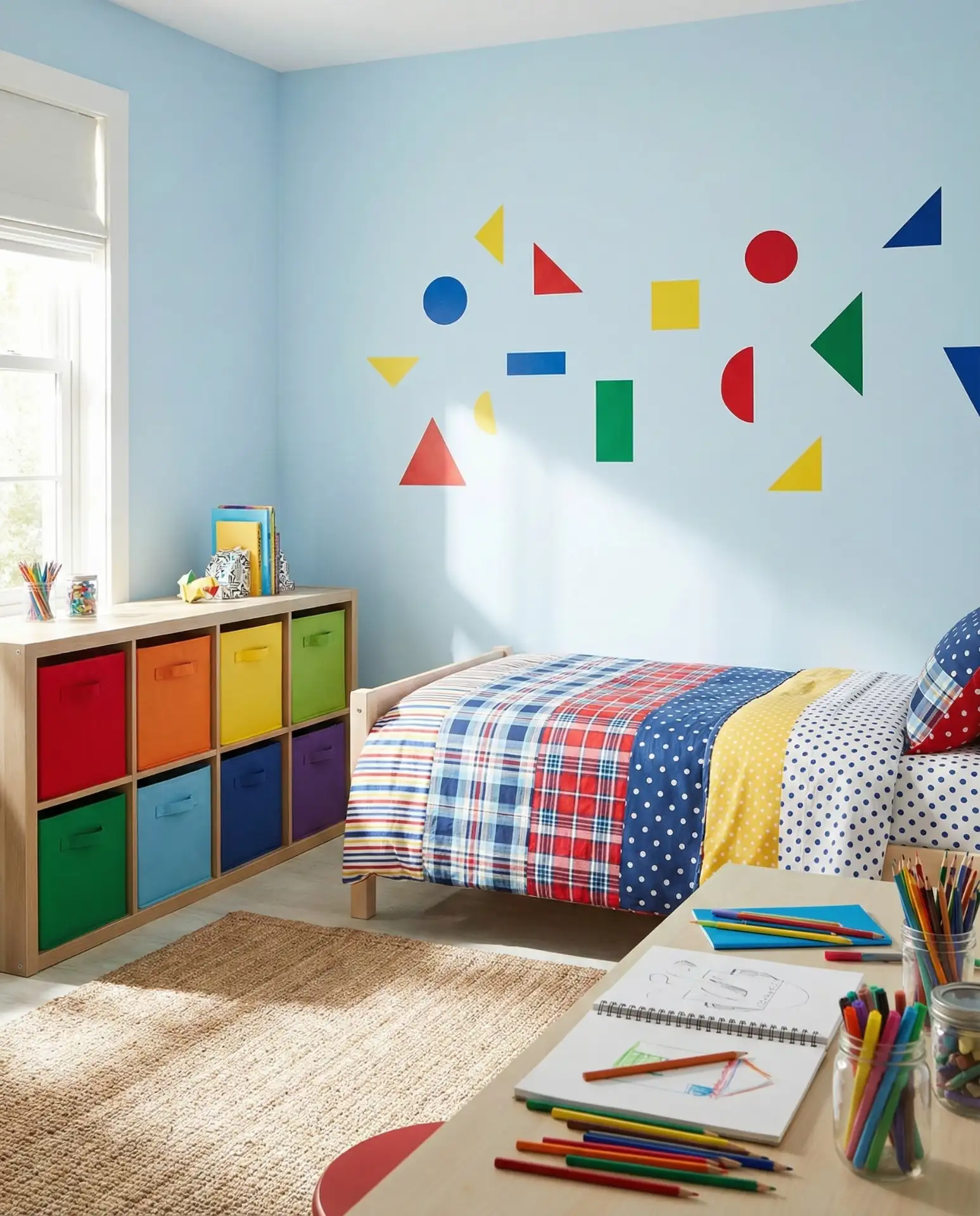
Where it works best: Homes with open floor plans where bedroom doors can close off the visual energy, or in basement bedrooms where the bold palette doesn’t clash with the rest of the house. The key to making multicolor schemes work is committing fully—half-hearted color feels chaotic, while intentional rainbows feel joyful. Balance is essential; white or neutral furniture gives the eye places to rest between bursts of color.
9. Transportation-Themed Toddler Room That Grows
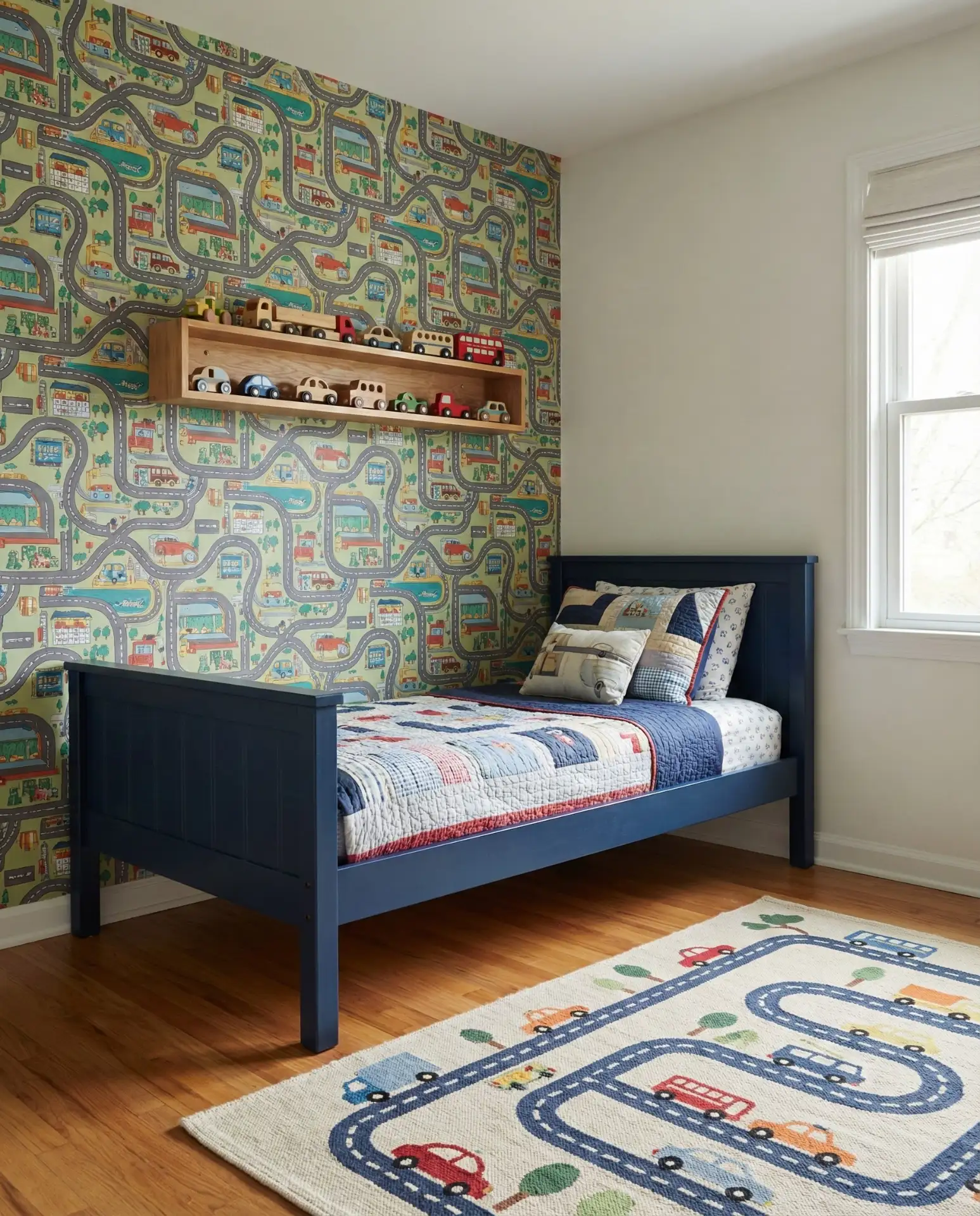
A transportation-themed toddler space captures little ones’ fascination with planes, trains, and automobiles through thoughtful decor that doesn’t rely on babyish graphics. Road map wallpaper on one wall, vintage toy vehicles displayed on shelves, and bedding featuring subtle traffic patterns create a cohesive look. Choose furniture that isn’t overtly themed—a simple bed frame painted navy works now and transitions easily when interests shift from dump trucks to dinosaurs. 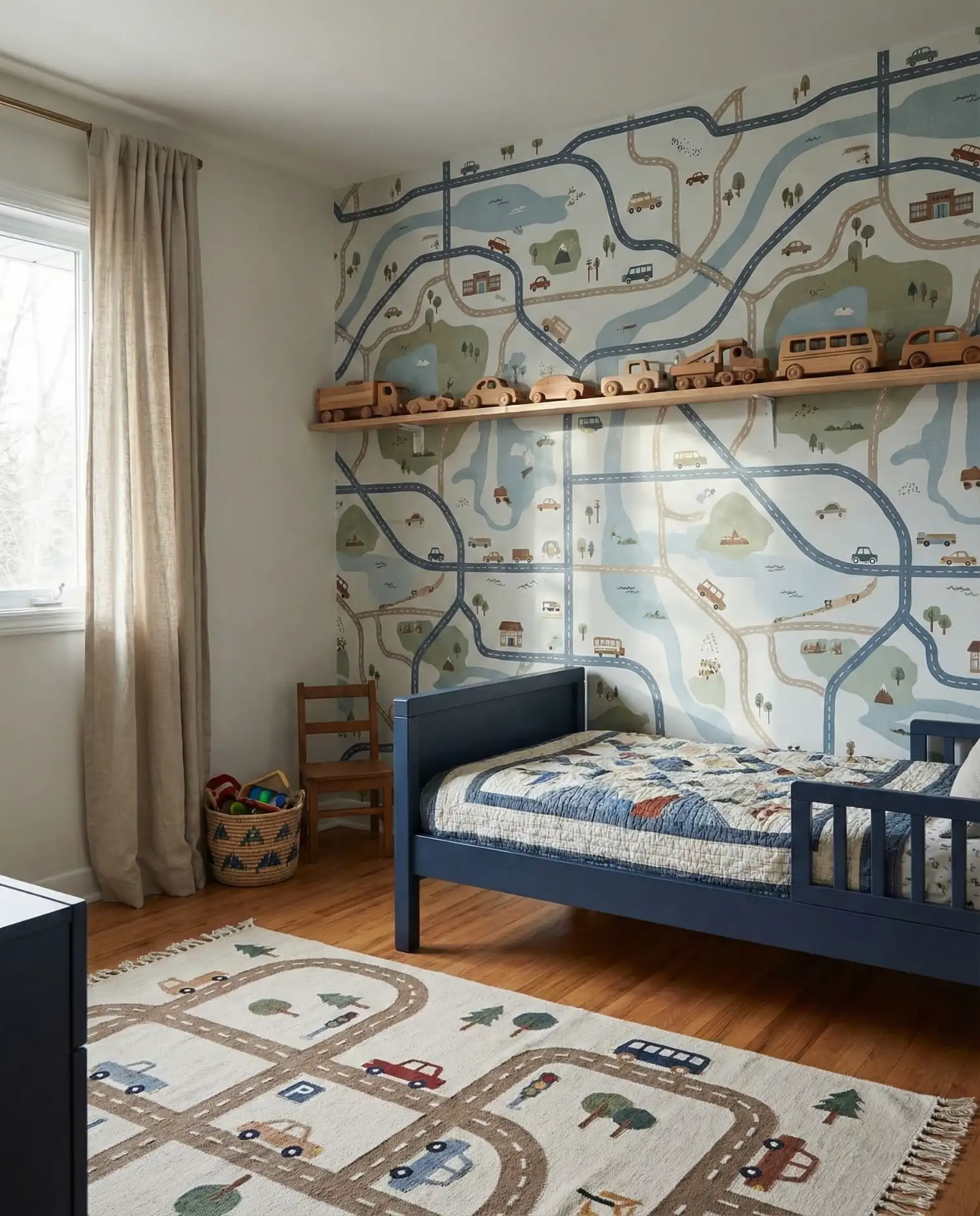
Families living near airports or train stations often embrace this theme naturally, turning everyday sounds into part of the room’s story. Real homeowners suggest investing in quality shelving that displays collections beautifully—when toy cars and planes become display pieces rather than floor clutter, the room feels intentional rather than messy. Avoid bedding and curtains with large vehicle prints that immediately date the room; instead, use accessories and art that can swap out affordably as tastes evolve.
10. Monster Truck Rally Energy
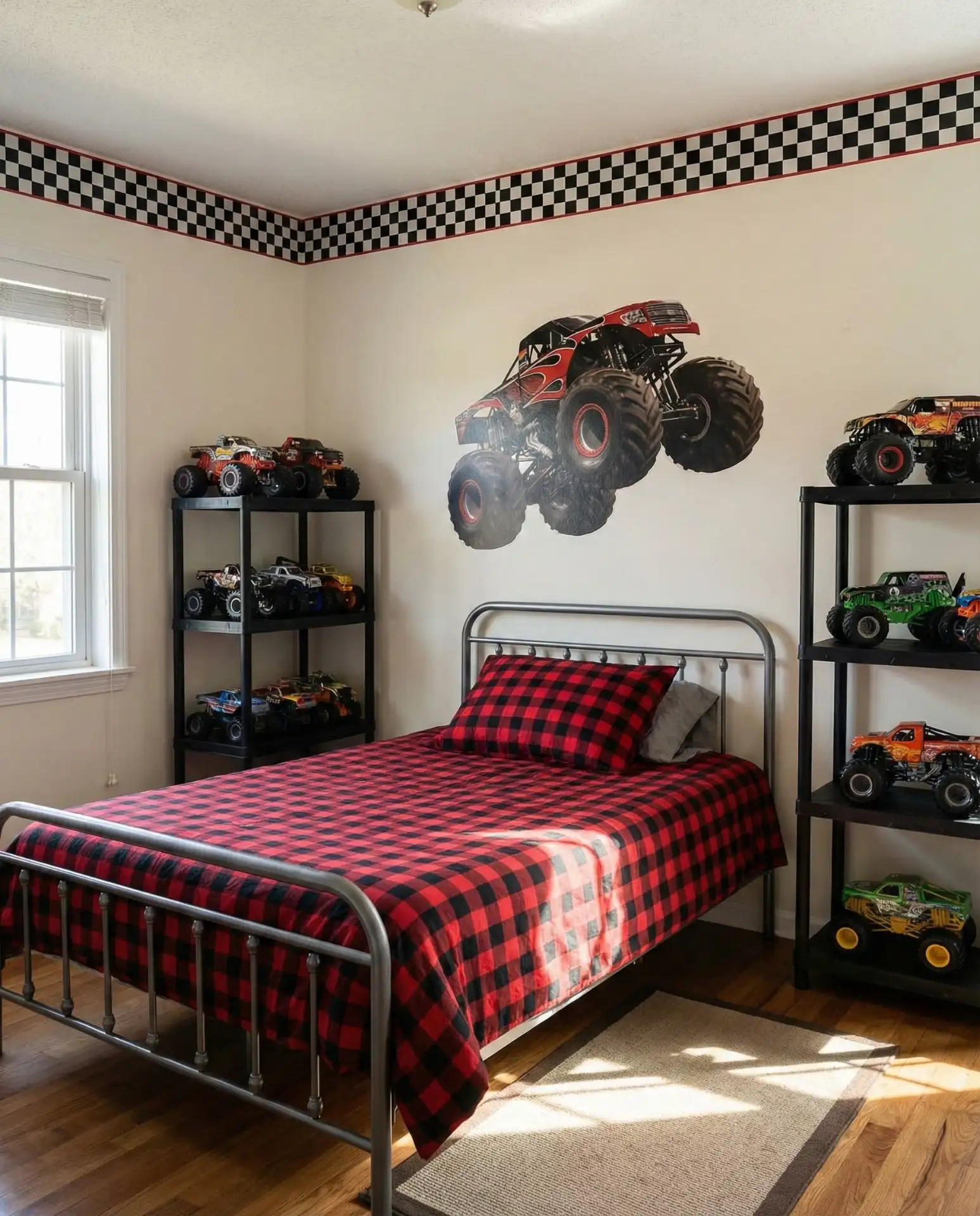
Monster trucks bring high-octane excitement into bedroom design with checkered flag accents, tire tread patterns, and bold reds and blacks. Wall decals of trucks mid-jump create dynamic focal points without permanent commitment, while industrial metal shelving echoes the mechanical aesthetic. This theme particularly appeals to 4-6 year-olds who love the spectacle and noise of rally events, offering a room that celebrates their enthusiasm without tipping into overwhelming chaos. 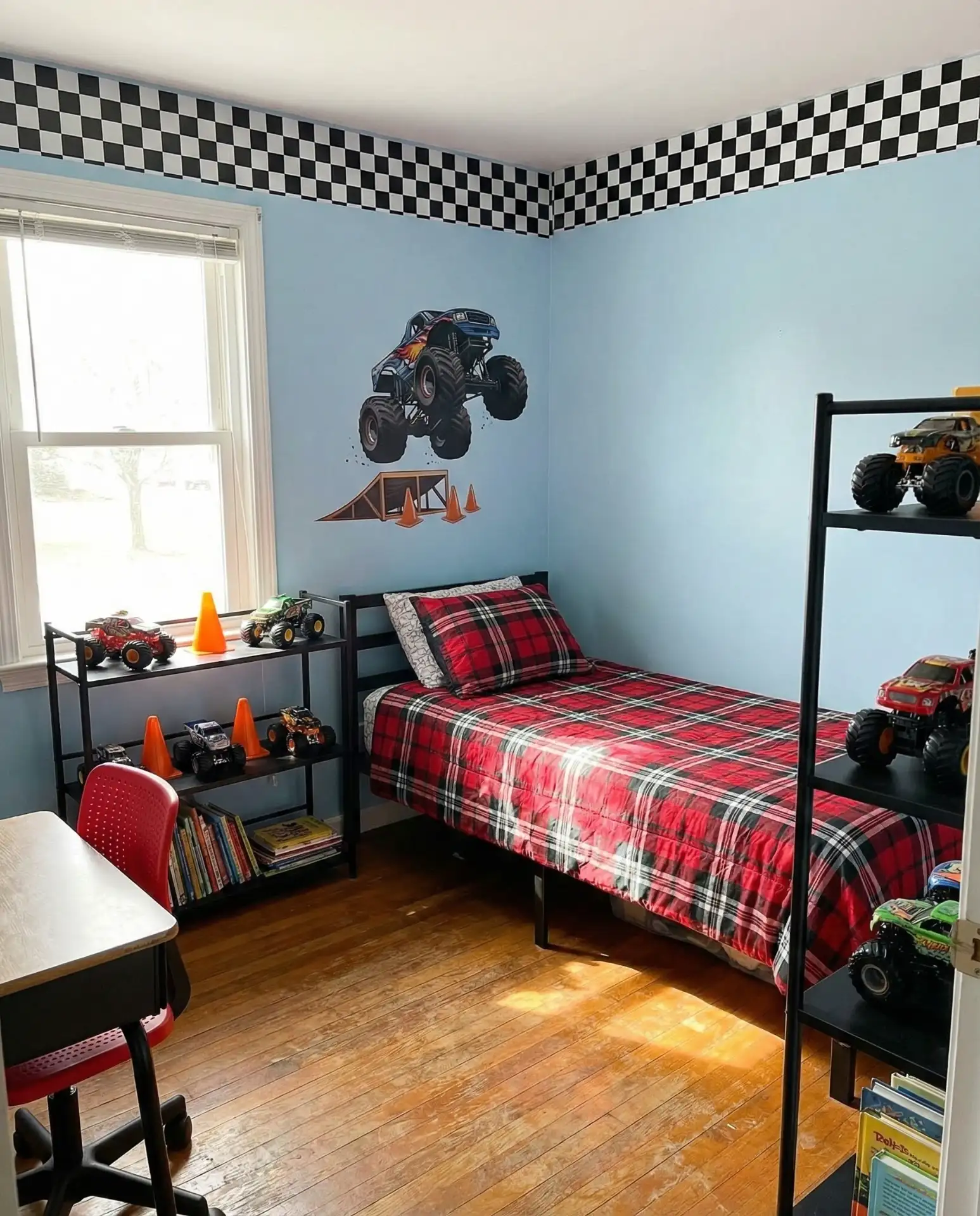
Budget-wise, this theme can be achieved affordably—checkered racing flags cost a few dollars at party stores, and black furniture hides wear and tear better than lighter colors. One practical insight: use washable paint in high-traffic areas since small hands inevitably leave marks during enthusiastic truck races across the walls. The room stays fresh when you rotate which trucks get premium display space, keeping the collection feeling curated rather than cluttered.
11. Sonic Speed Through Blue and Gold Accents
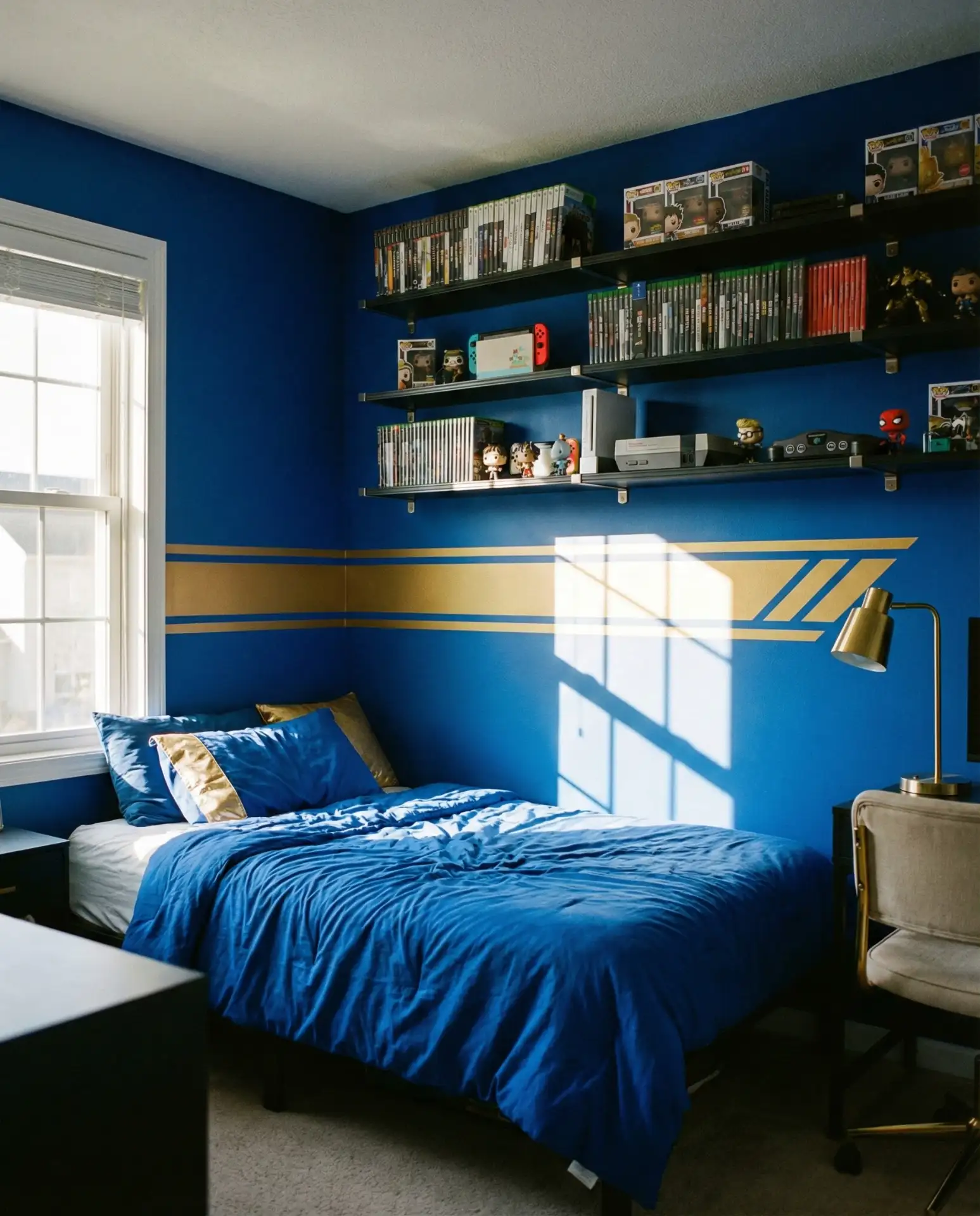
A Sonic themed bedroom channels the video game icon’s signature electric blue paired with gold ring accents for a space that feels fast-paced and fun. Speed stripe decals along one wall create movement, while cobalt bedding anchored by gold throw pillows captures the character’s essence without plastered logos everywhere. Display shelves can hold Sonic figurines and games, allowing the collection to grow alongside the fan’s dedication to the franchise. 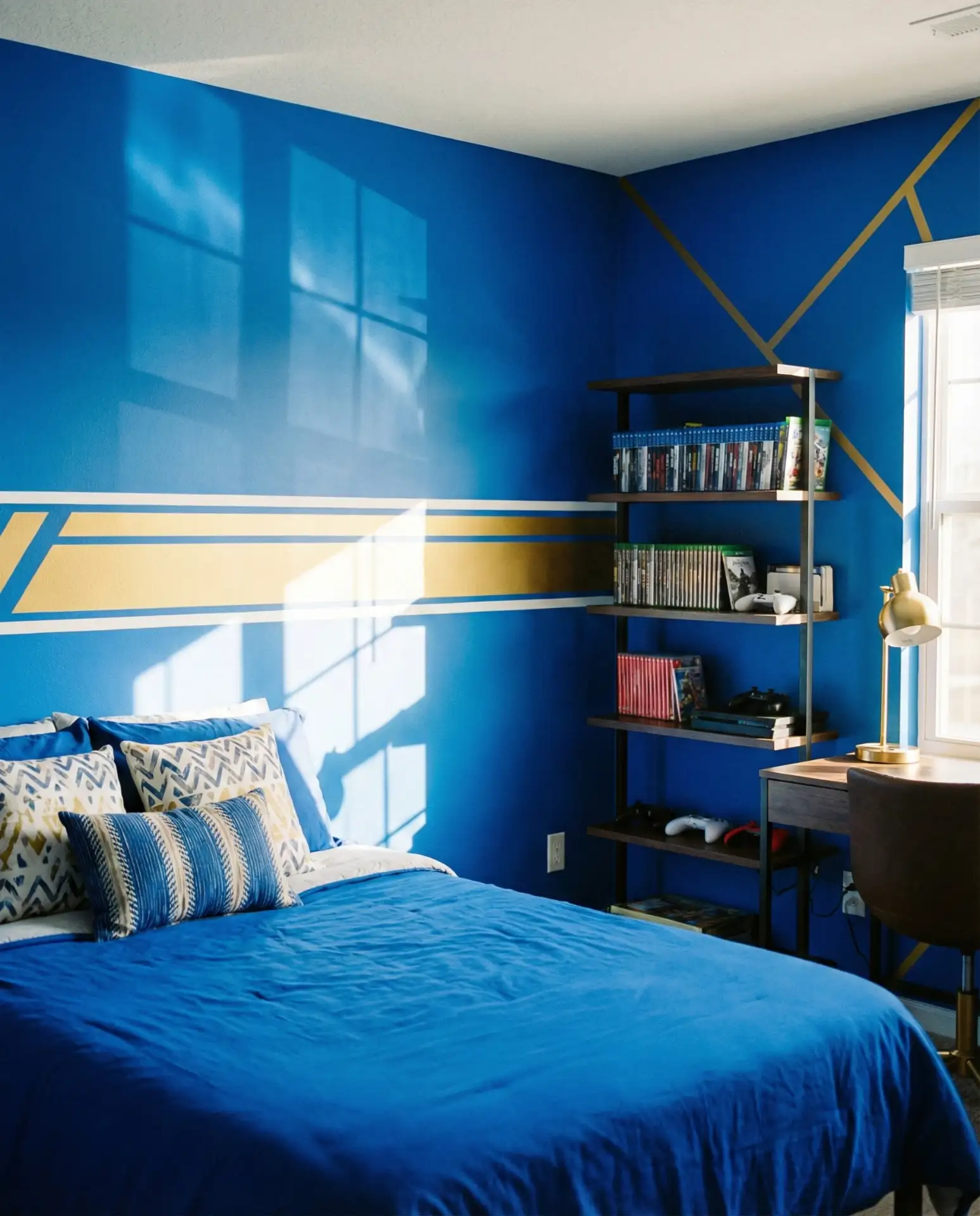
Gaming-themed rooms resonate strongly in suburban communities where video games form social connections between friends. The color combination works well for boys who want something bold but not chaotic—blue reads as calming despite its intensity when balanced with neutral furniture. A common mistake is choosing too many different blues; stick to one or two shades and let gold accents provide contrast rather than introducing additional colors that muddy the scheme.
12. Double Bed Solution for Growing Boys
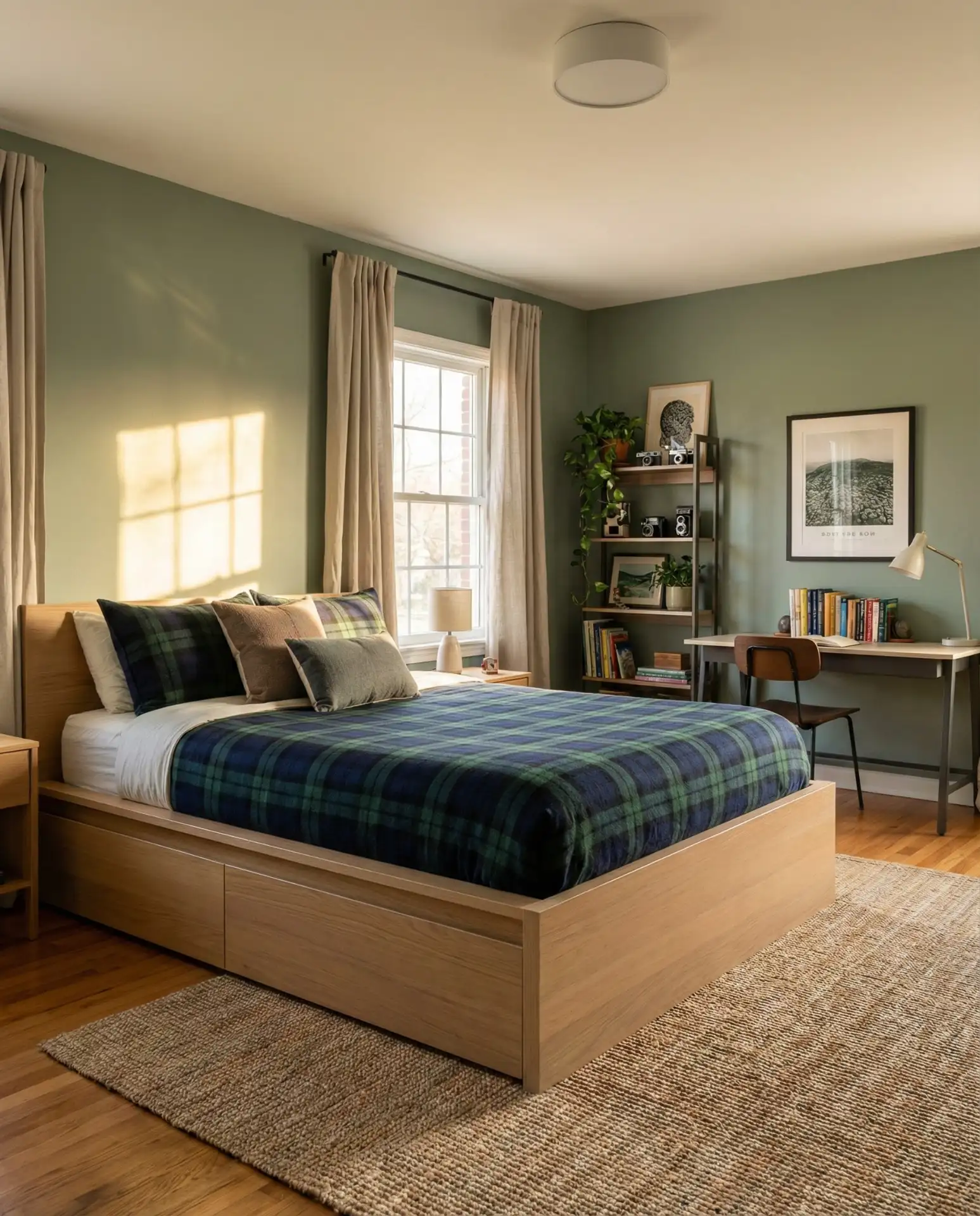
Upgrading to a double bed marks a significant milestone, offering 11-12 year-olds the space they need for growth spurts and the maturity statement they crave. A platform bed with built-in drawers maximizes storage while the larger mattress becomes the room’s focal point. Choose bedding in sophisticated patterns—plaid, geometric, or solid colors—that signal this isn’t a little kid’s room anymore. The additional space also accommodates sleepovers without air mattresses crowding the floor. 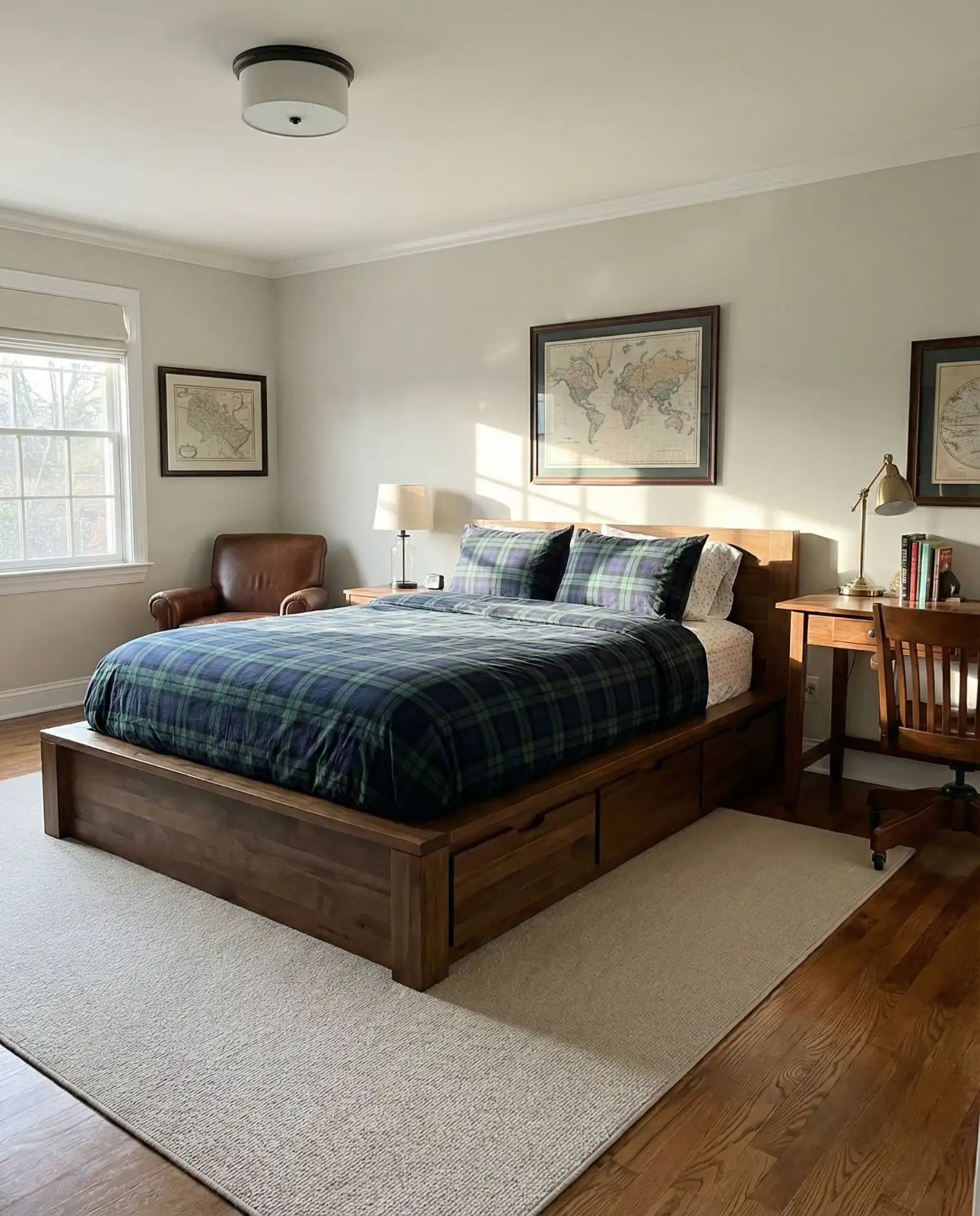
American families increasingly choose double beds over twins for children’s rooms, recognizing that the investment pays off through high school rather than needing another upgrade. The transition works best when you redesign the entire room simultaneously—new bed, fresh paint, updated storage—so it feels like a complete transformation rather than just bigger furniture in the same space. Parents often underestimate how much floor space a double bed consumes; measure carefully and consider furniture placement before purchasing.
13. WWE Wrestling Ring-Inspired Layout
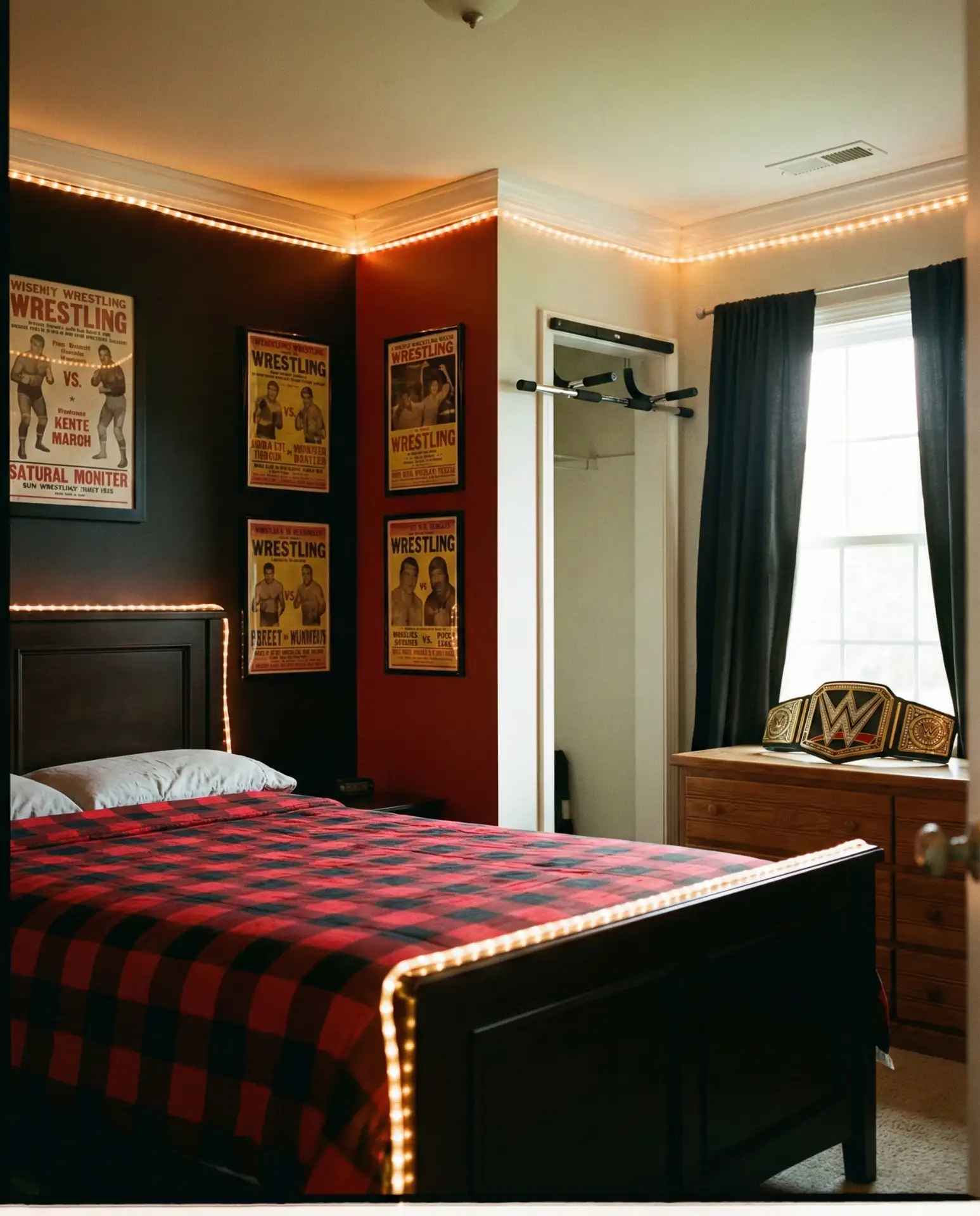
A WWE bedroom celebrates professional wrestling’s drama and athleticism through bold graphic choices and an active layout. Rope lighting around the ceiling mimics ring ropes, while red and black create the high-contrast palette of championship belts and entrance ramps. Posters of favorite wrestlers provide inspiration, and a pull-up bar or hanging punching bag acknowledges that wrestling fans often want to emulate their heroes’ strength and determination. 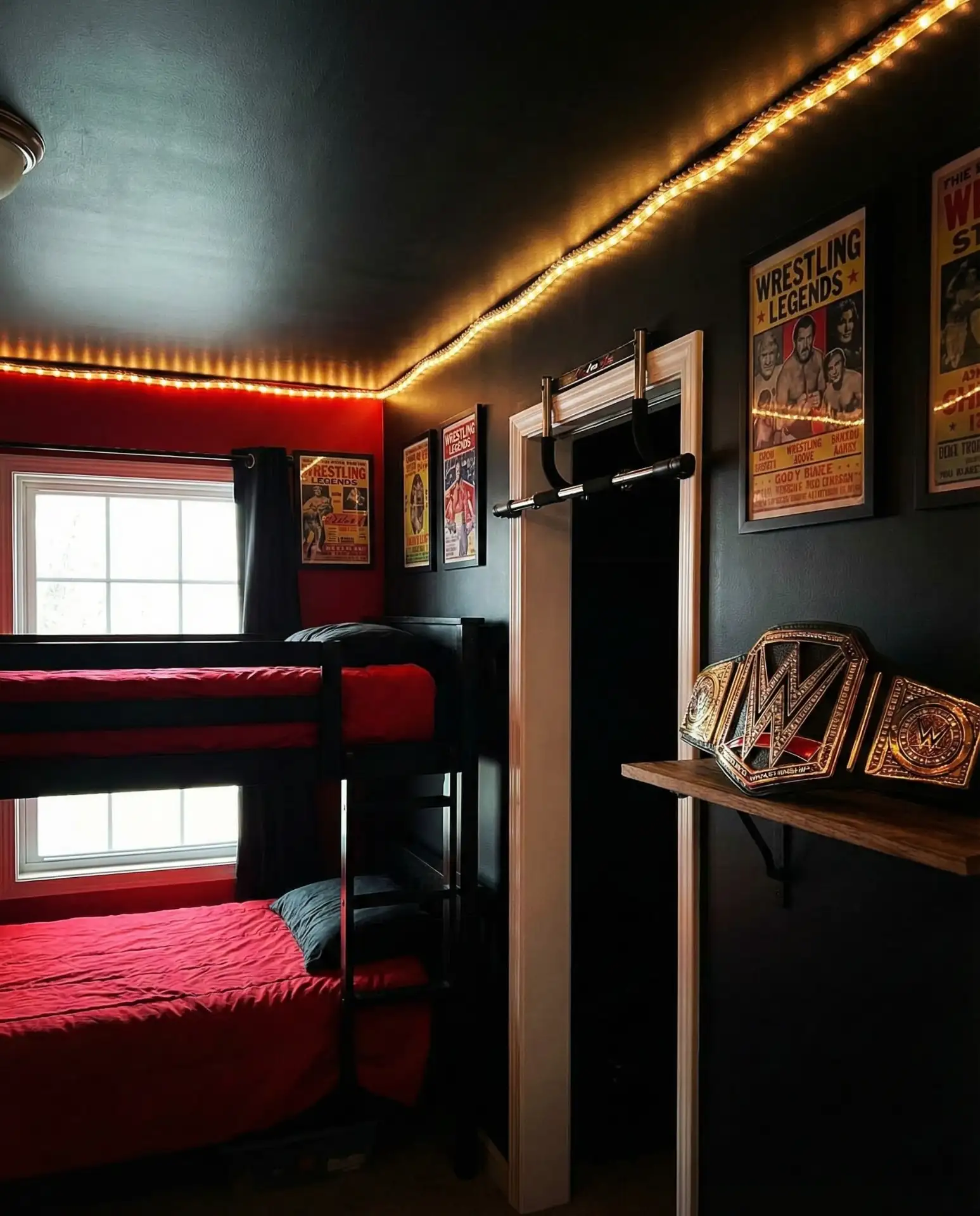
This theme particularly thrives in regions where wrestling culture runs deep—the South and Midwest especially. One wrestling coach in Texas noted that kids with wrestling-themed rooms often show greater commitment to training because their space reinforces their goals daily. The setup requires durable finishes since wrestling-inspired play can be rough on walls and furniture; choose washable paint and sturdy beds that can withstand occasional body slams from enthusiastic fans.
14. Shared Teen Space with Divided Zones
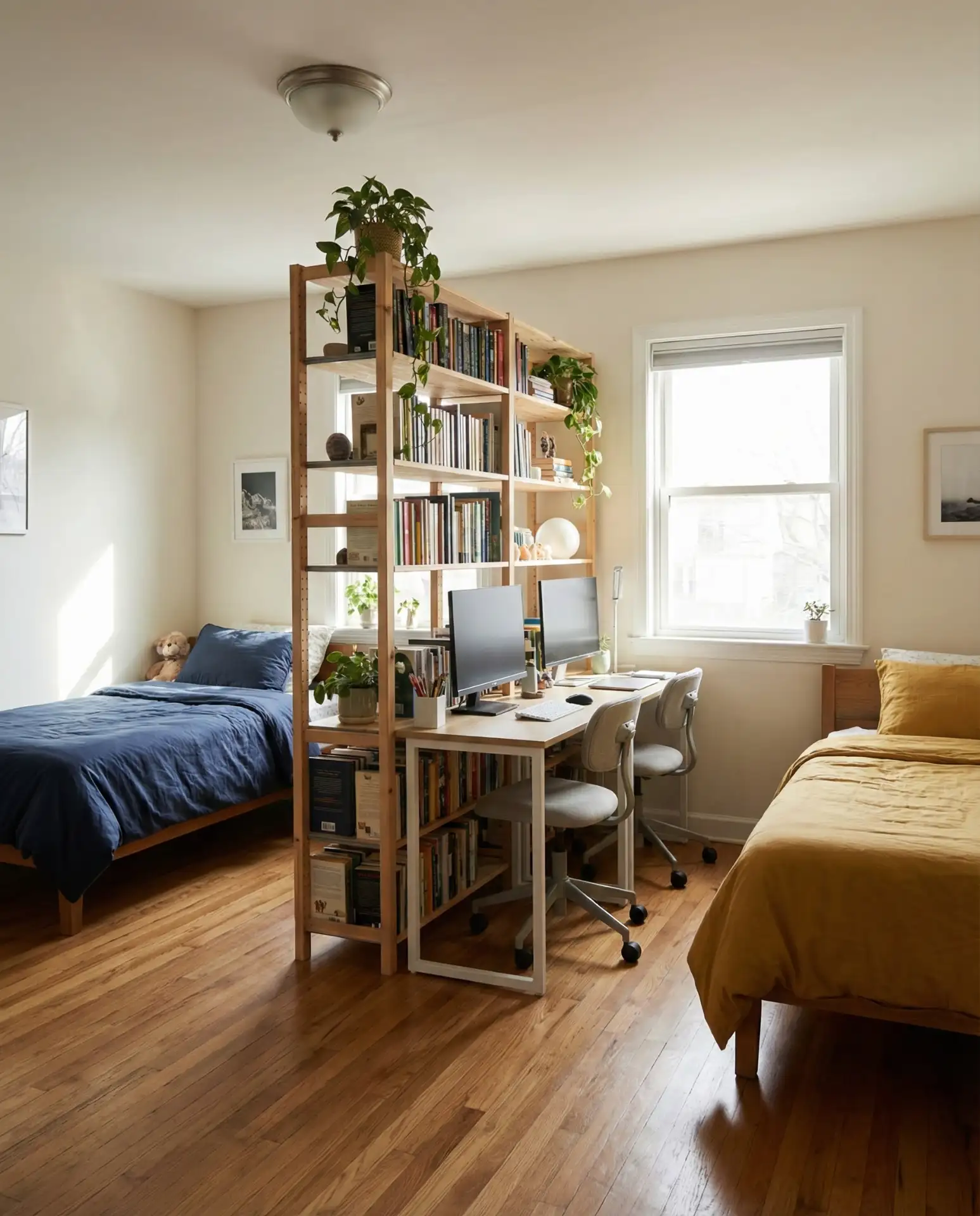
A shared teen bedroom demands careful planning to give each boy personal territory while maintaining visual harmony. Position beds on opposite walls with a bookshelf or curtain divider creating psychological privacy, and allow each teen to choose accent colors for their side—perhaps one prefers navy while the other wants gray. Shared furniture like a central desk with dual workstations and a common storage system for sports equipment keeps the room cohesive while respecting individual needs. 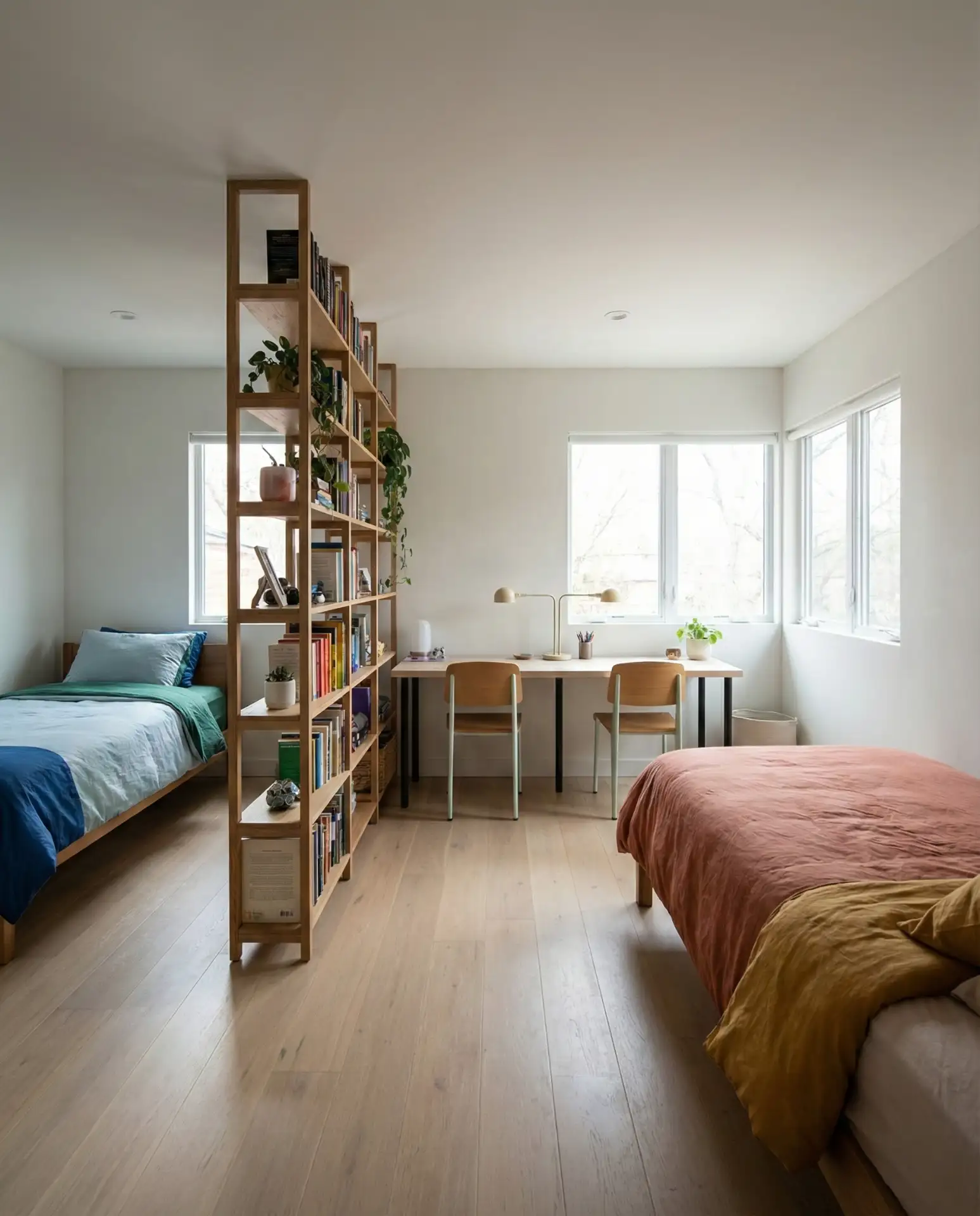
Shared rooms work best when brothers are close in age and interests align reasonably well, though creative zoning can accommodate even different personalities. The most successful setups give each boy complete control over their half—wall art, bedding choice, even paint color—while keeping flooring, window treatments, and major furniture neutral and shared. Families report fewer conflicts when bedroom rules are clearly established early: headphones after 10pm, respect for personal zones, and shared responsibility for cleanliness.
15. Baseball Diamond Dreams
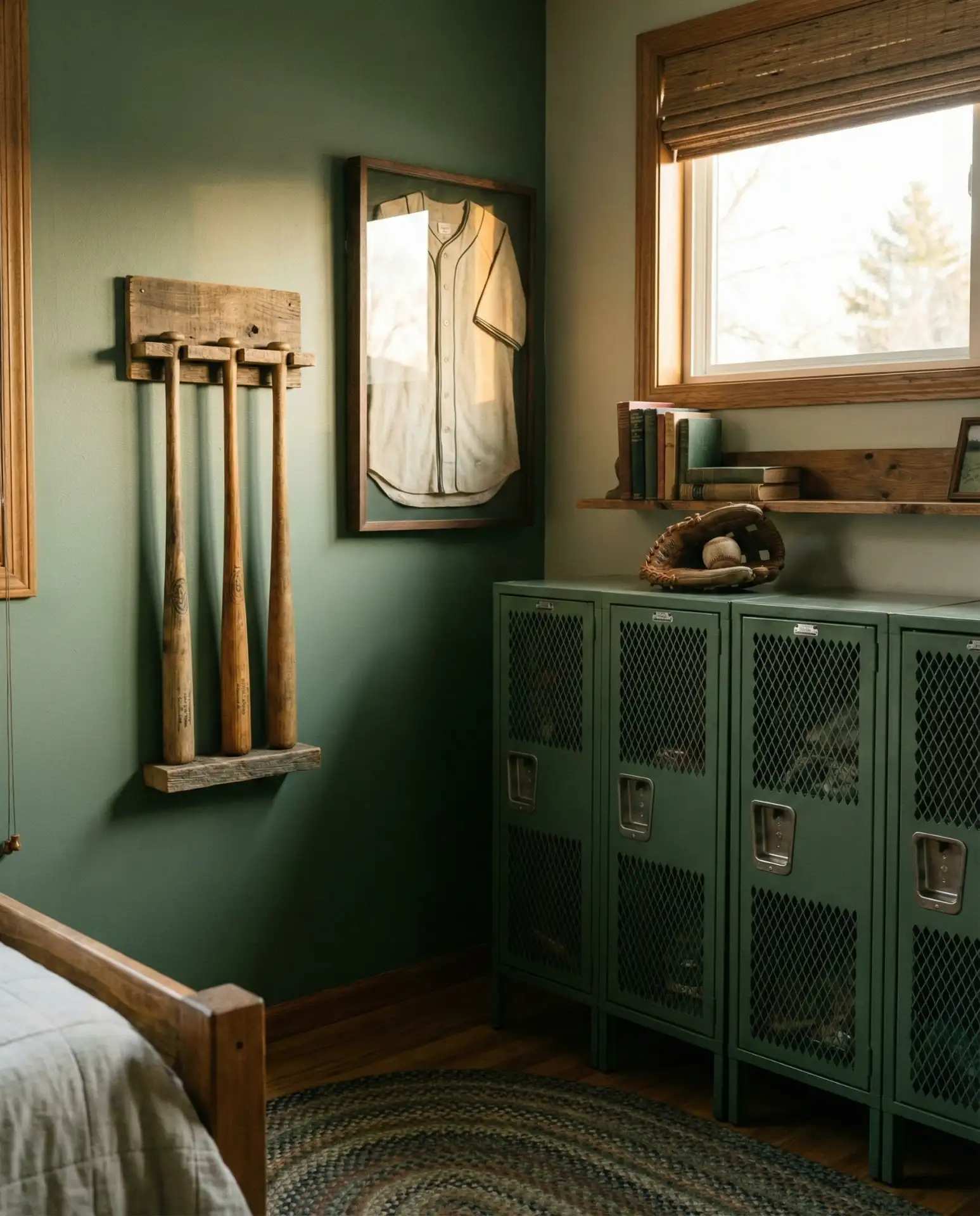
A baseball themed bedroom celebrates America’s pastime through vintage-inspired decor and smart storage for equipment. Mount bat racks on walls as functional art, frame signed jerseys or stadium tickets from memorable games, and use a locker-style storage unit for cleats and gloves. The color palette pulls from team colors or classic baseball aesthetics—leather browns, grass greens, and white chalk lines that evoke summer evenings at the ballpark. 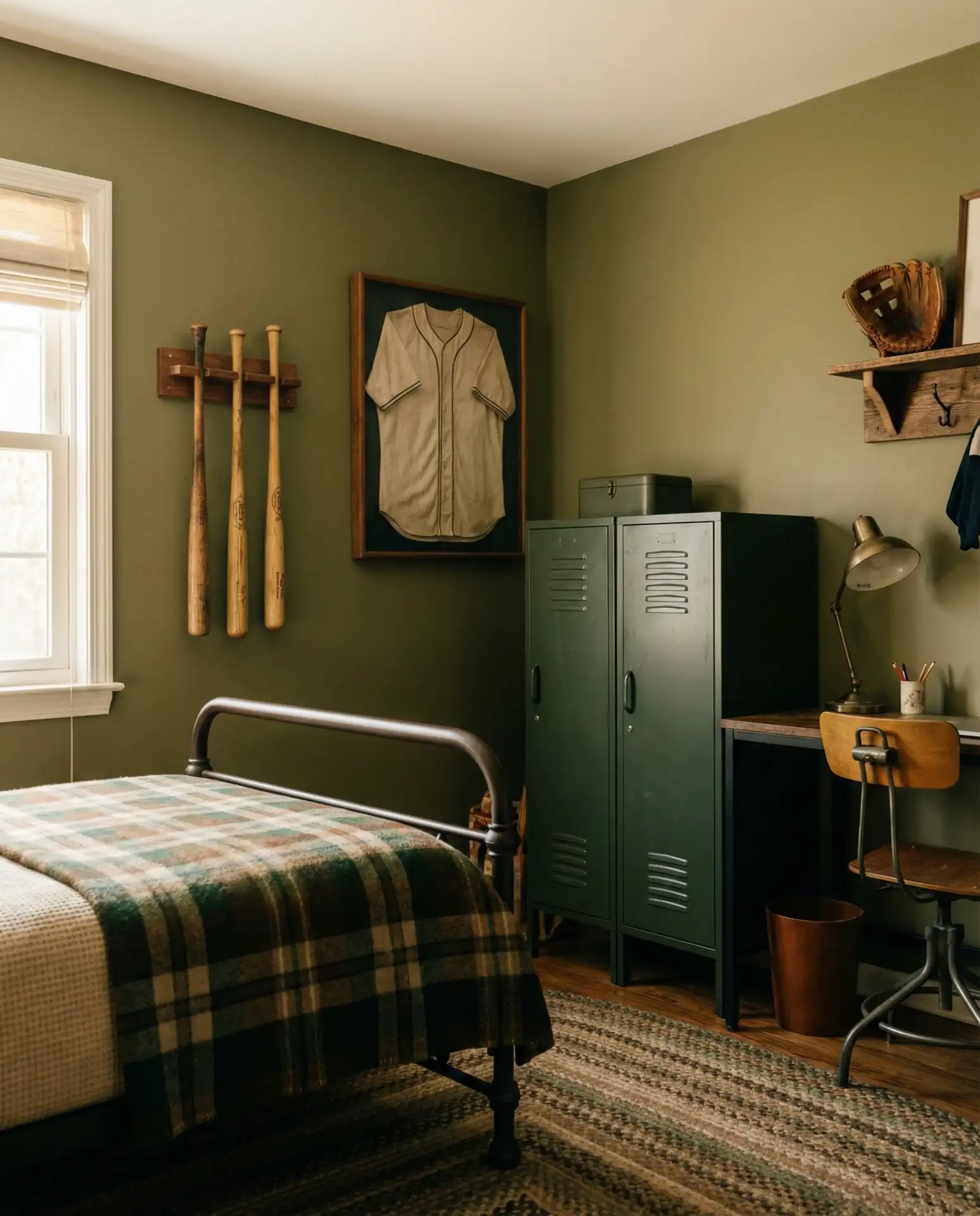
Expert decorators suggest incorporating actual game-used equipment rather than generic sports store items—a bat from little league playoffs or a ball signed by the team creates authentic personal connection. This approach resonates particularly in communities where youth baseball forms the center of spring and summer social life. The bedroom becomes both memory keeper and motivational space, reminding young athletes why they love the game during long winter months between seasons.
16. Easy Updates with Removable Elements
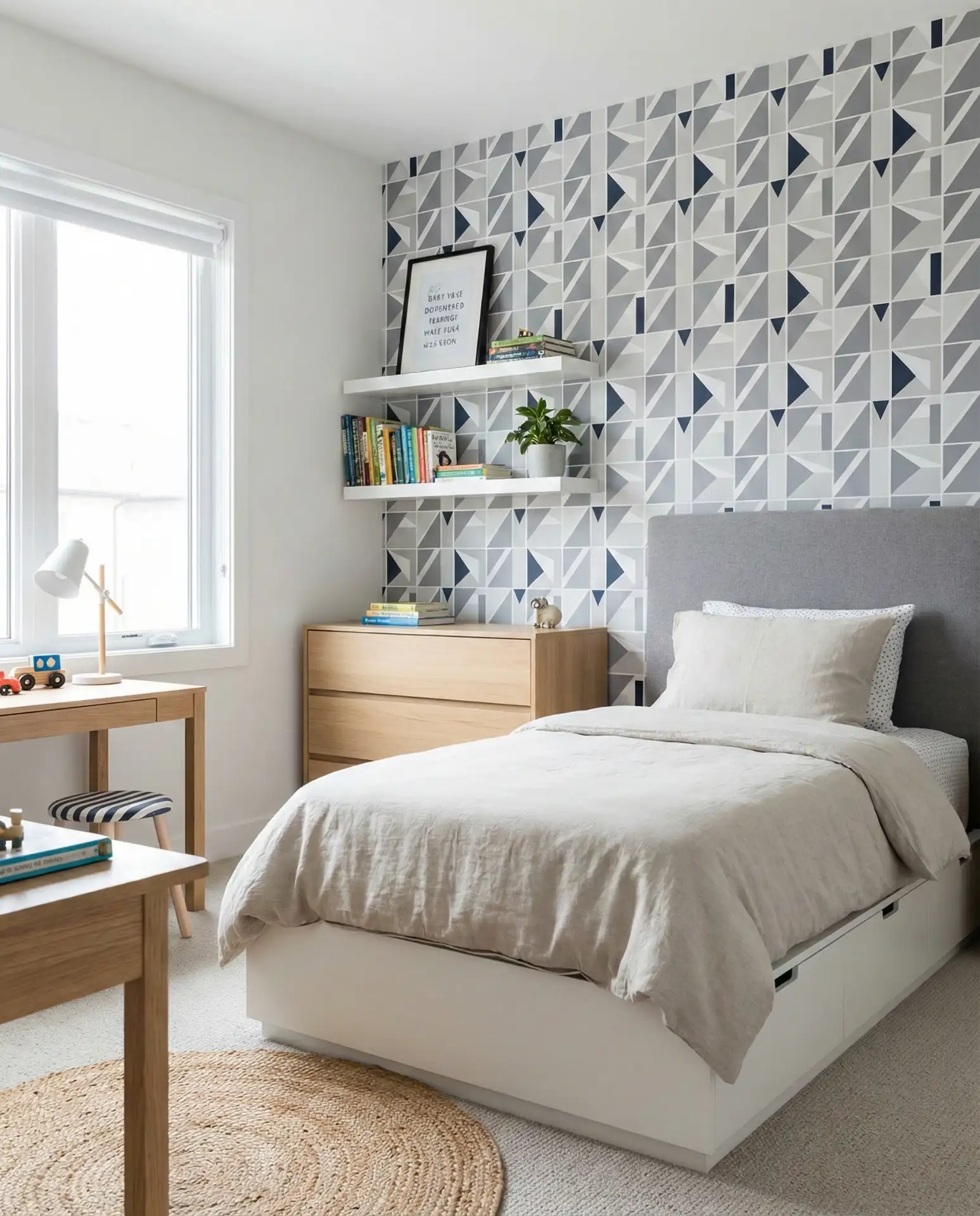
An easy bedroom design relies on changeable elements rather than permanent commitments, perfect for families who want flexibility as interests evolve. Peel-and-stick wallpaper creates dramatic accent walls that remove cleanly, floating shelves display current obsessions without nail holes everywhere, and neutral furniture serves as a blank canvas for any theme. This strategy proves particularly valuable for renters or those planning to move, since the room can transform completely in a weekend without major renovation. 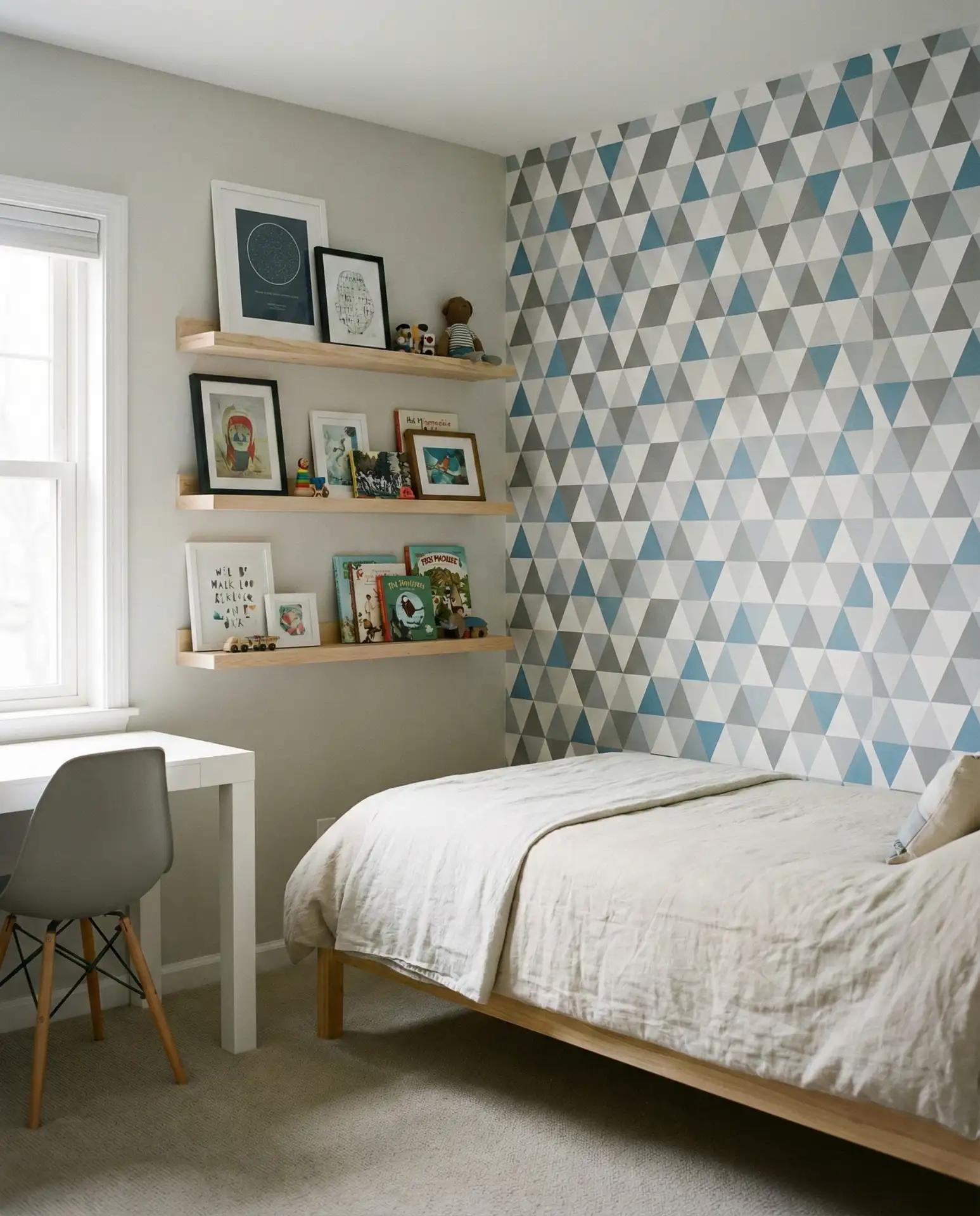
This philosophy aligns perfectly with how children actually grow—a seven-year-old’s dinosaur phase might last six months before pivots to space exploration. Rather than committing to permanent murals, removable elements allow the room to evolve with the child’s development. One practical tip: buy quality neutral pieces (bed, dresser, desk) and budget for fun accessories that can rotate affordably. Many parents report this approach actually saves money long-term compared to complete room makeovers every few years.
17. Black Metal Bed Frame with Industrial Edge
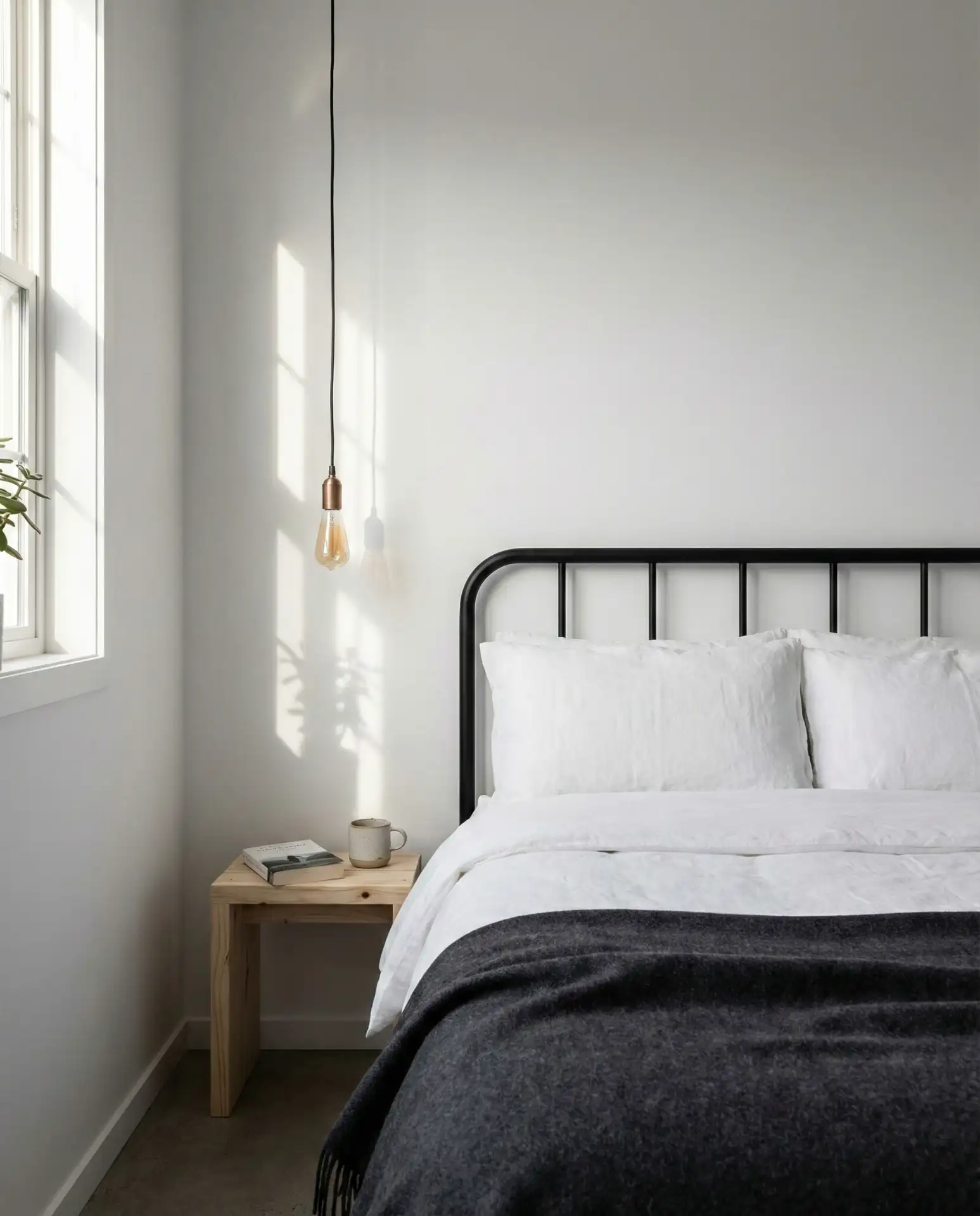
A black metal bed frame anchors a teen bedroom with architectural presence and surprising versatility. The dark frame pops against white walls or blends seamlessly with moody charcoal paint, working equally well in industrial style teen spaces and more traditional rooms. Metal construction means durability through rough treatment, while the minimalist lines keep the focus on bedding and accessories. This choice signals maturity and independence—exactly what teenagers want their rooms to communicate. 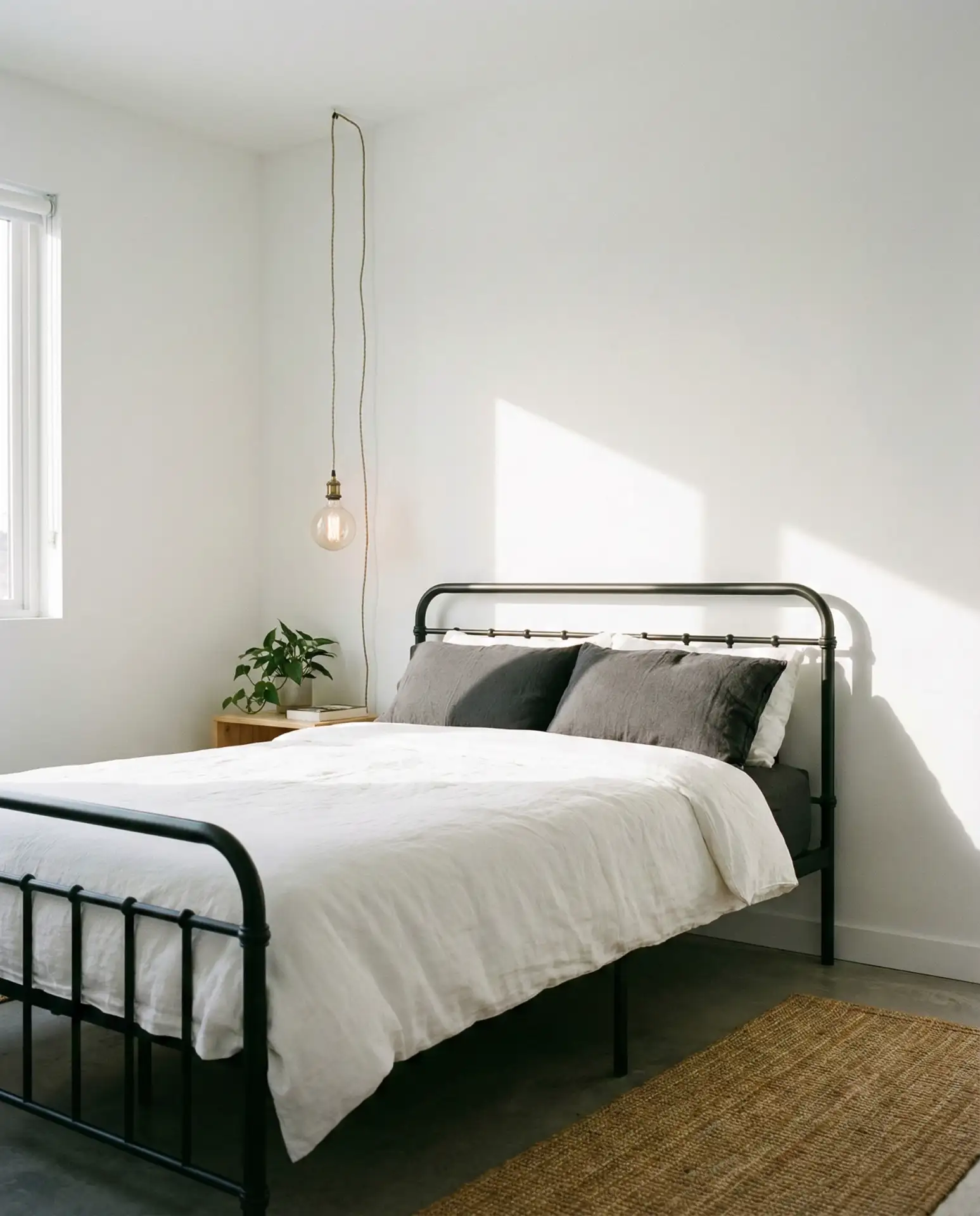
Metal beds have surged in popularity as teens gravitate toward urban aesthetics they see on social media and in boutique hotels. The frame works well from age twelve through college, making it a smart investment that won’t feel outgrown in two years. Homeowners find these beds surprisingly affordable compared to wooden alternatives, with many quality options under three hundred dollars. The main consideration is ensuring the room has enough warmth elsewhere—textured rugs, wood nightstands, and soft bedding prevent the space from feeling too austere.
18. Two Bed Layout with Bunk Alternative
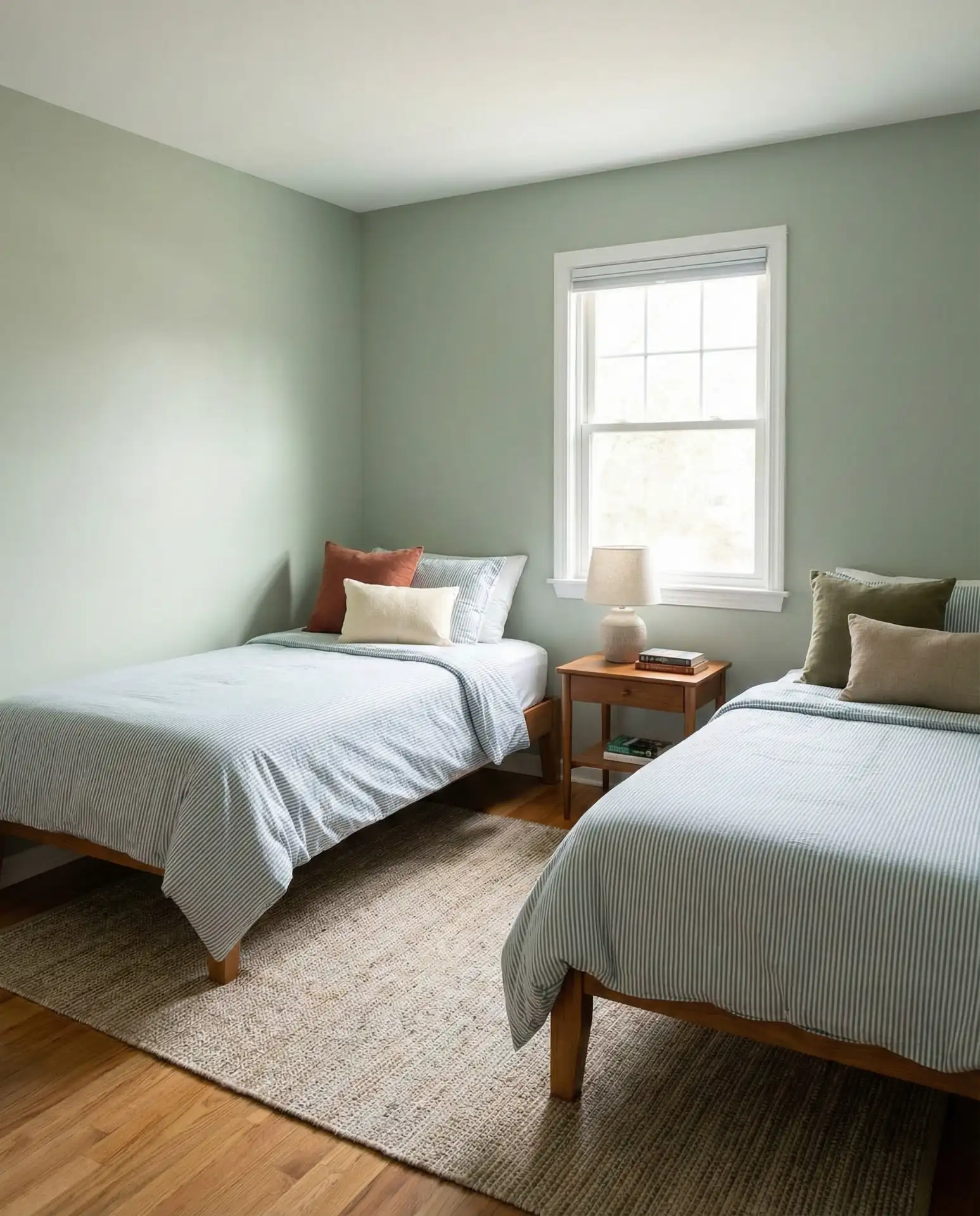
A 2 bed room without bunks offers brothers equal status and floor-level safety, particularly valuable for younger boys or those who struggle with climbing. Position twin beds in an L-configuration to maximize floor space, or place them parallel with a nightstand between creating individual zones. This layout works beautifully for 10-12 year-olds who’ve outgrown the novelty of bunks but still need to share space. Matching bedding creates cohesion while different throw pillows let each boy express personality. 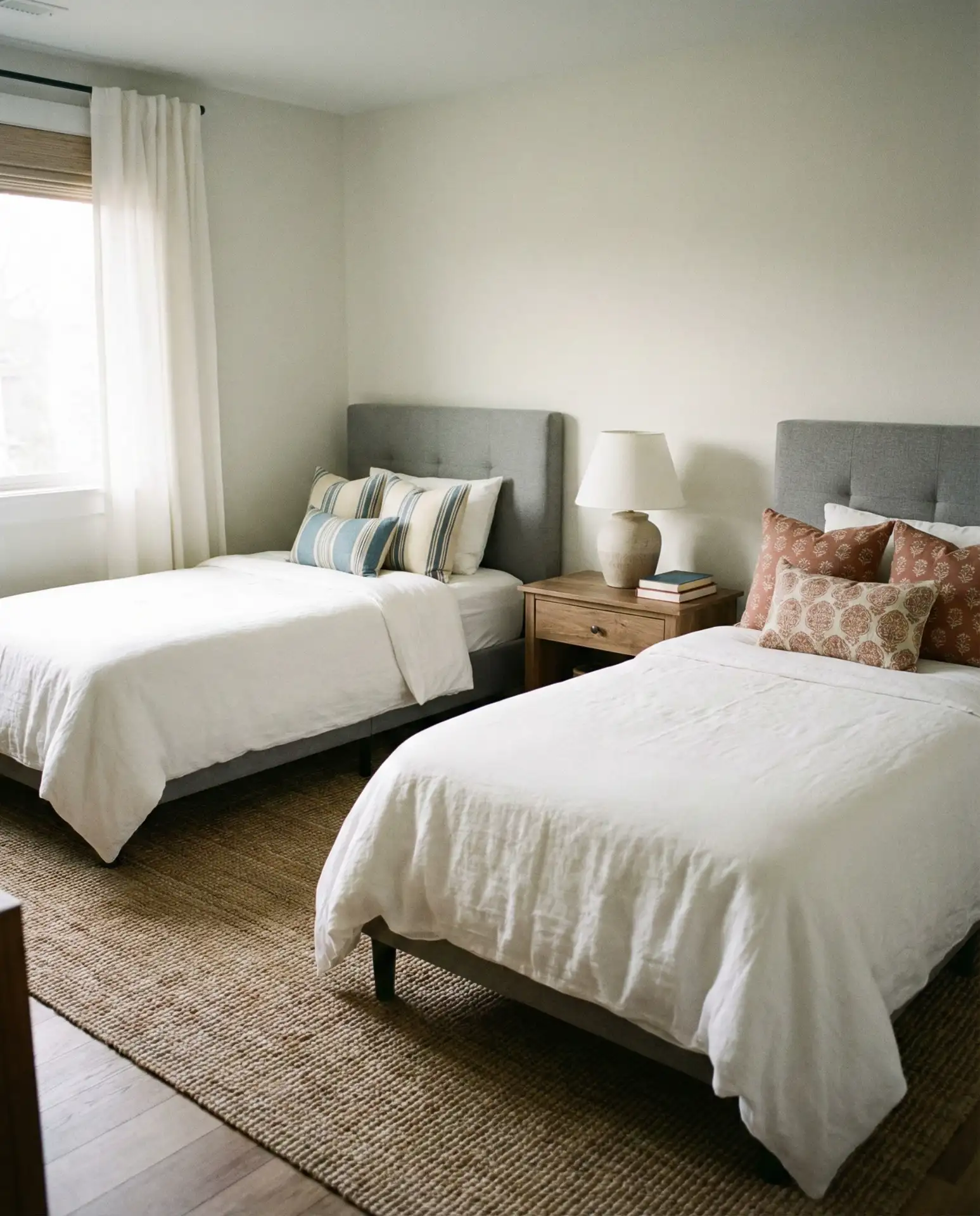
Where it works best: Medium to large bedrooms where floor space permits two separate beds without creating a cramped hallway between them. Parents appreciate the flexibility—when one boy eventually moves to his own room, the space easily converts to a single-occupant bedroom with a reading corner or desk area where the second bed was. Sleep quality often improves compared to bunks since neither boy is disturbed by the other’s movements during the night.
19. Colorful Expression for Creative Minds
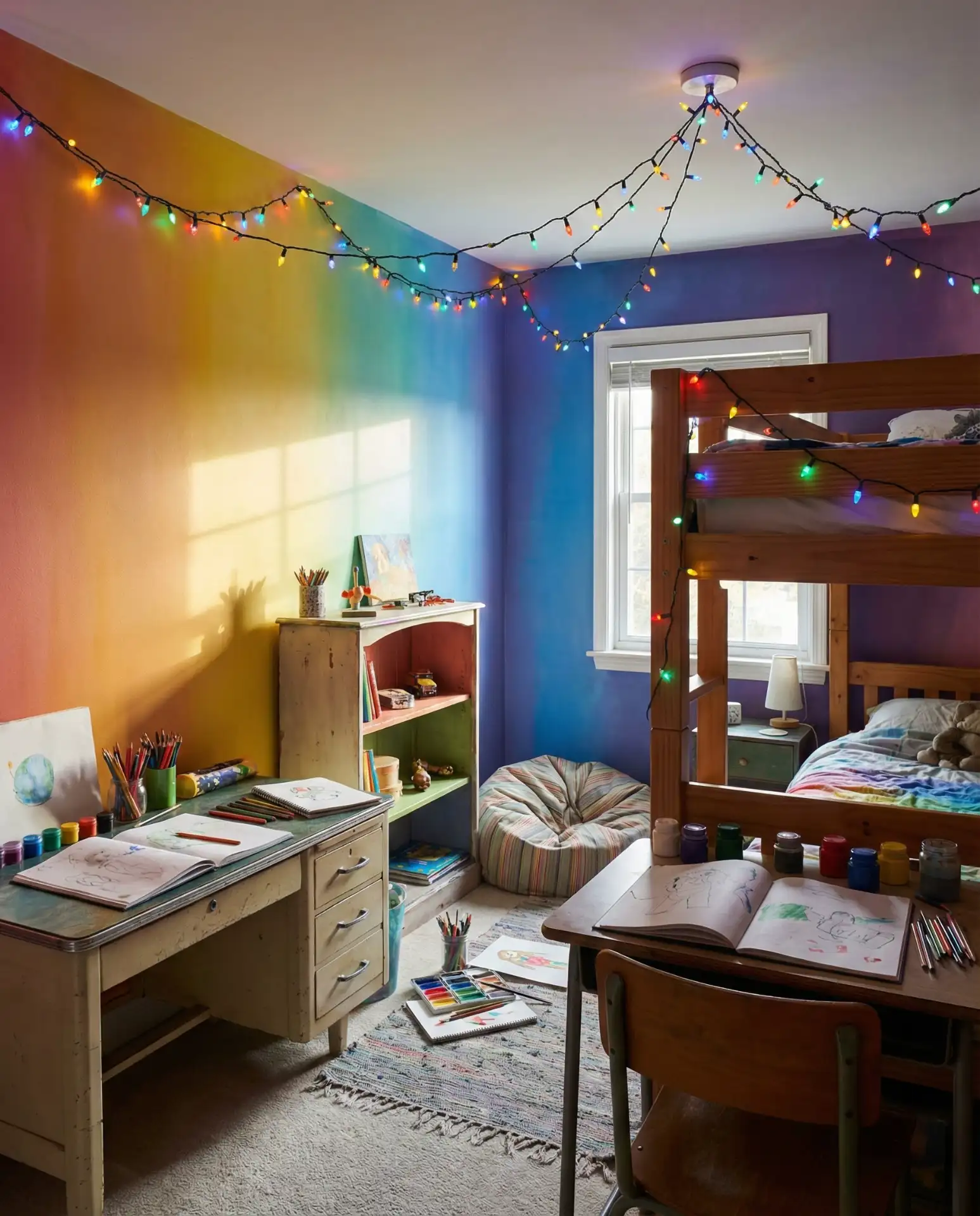
A truly colourful bedroom embraces British spelling and international design influence, mixing vibrant hues with confidence. Paint each wall a different shade—perhaps coral, teal, sunshine yellow, and lavender—or use a rainbow gradient effect that transitions smoothly from one color to the next. Multicolored string lights, patterned curtains, and eclectic furniture pieces create a bohemian feel that encourages creativity and self-expression. This approach suits artistic boys who see color as energy rather than distraction. 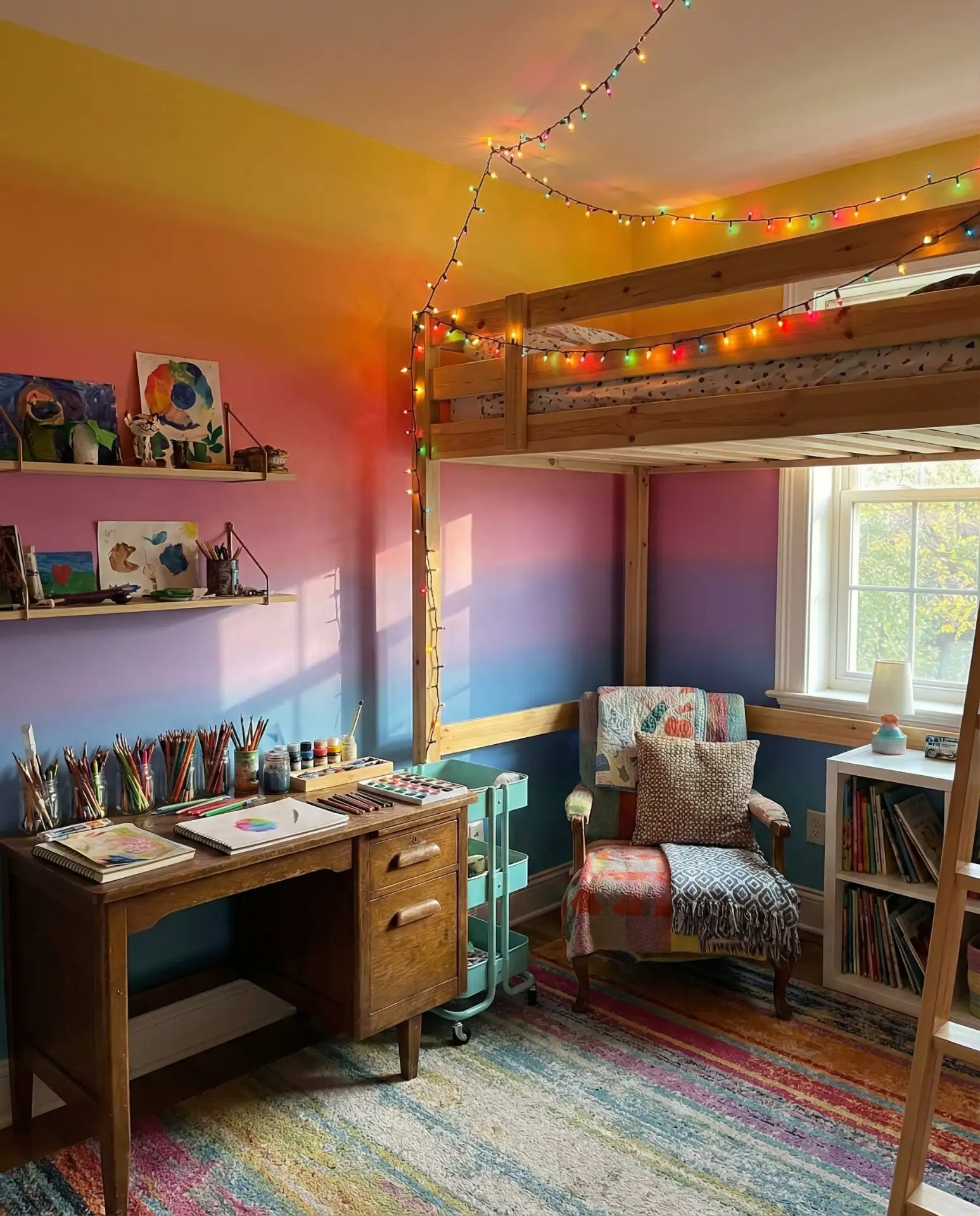
One Boston-area art teacher mentioned that students with colorful bedrooms often demonstrate greater confidence in their creative work, suggesting environment genuinely influences artistic development. The key to preventing overwhelm is intentional placement—concentrate the wildest colors in areas designated for activity and creativity while keeping sleep zones calmer. Common mistakes include choosing too many competing patterns; when walls are bold, keep fabrics simpler and let the architecture itself provide the visual interest.
20. Organized Chaos for Ages 13-14
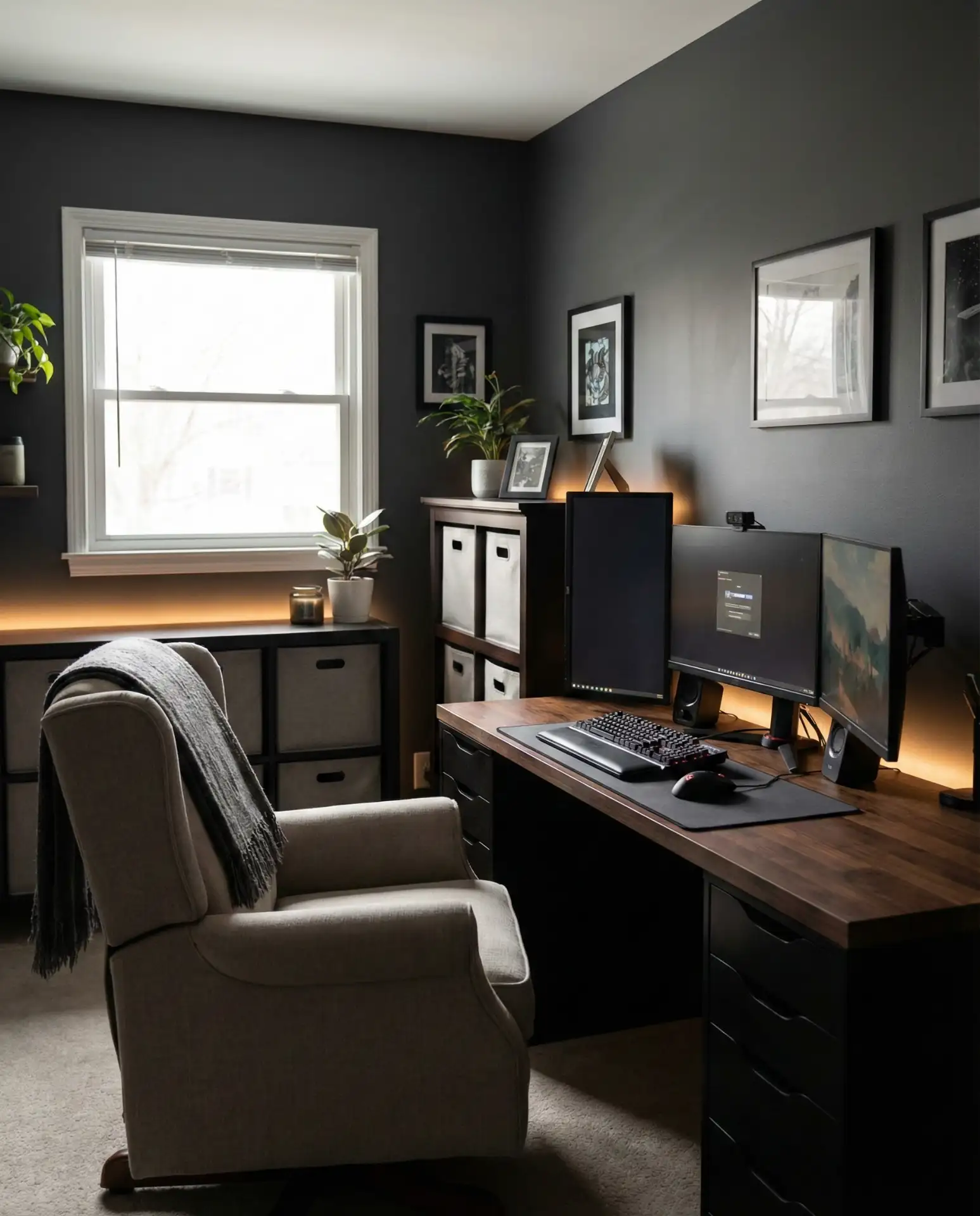
Teenagers aged 13-14 occupy a unique space between childhood and young adulthood, needing rooms that accommodate both gaming marathons with friends and serious homework sessions. A successful design includes a substantial desk with monitor space, comfortable seating beyond just the bed, and smart storage that hides clutter quickly when needed. The aesthetic tends toward darker colors—charcoal, navy, or even black walls—that feel sophisticated and hide the inevitable wear and tear of teenage life. 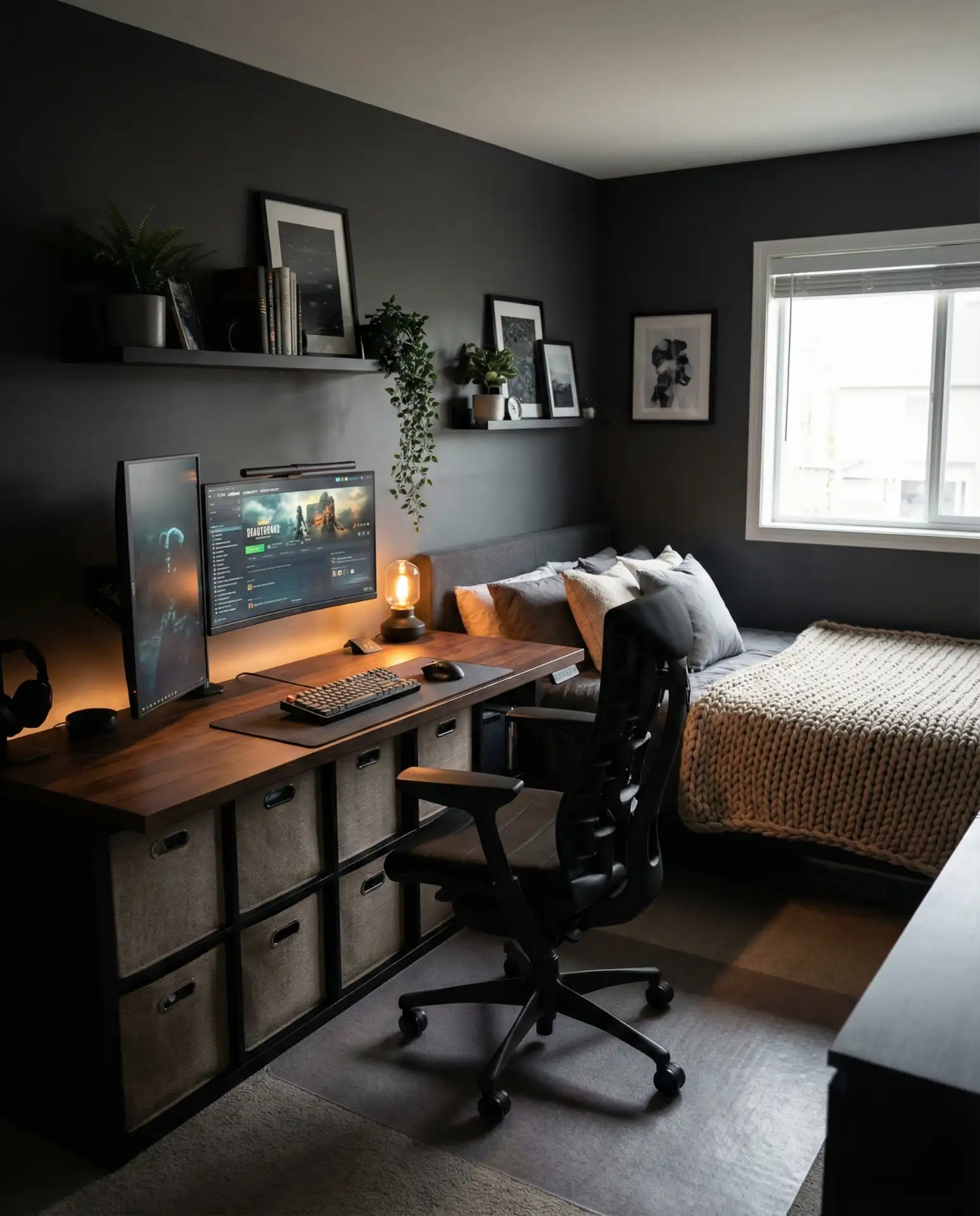
This age group benefits from being included in design decisions—when teens help choose colors and furniture, they take greater ownership of maintaining the space. Parents often discover that investing in one high-quality desk chair prevents years of complaints and improves posture during long study sessions. The balance between giving teenagers independence and maintaining household standards requires negotiation; perhaps the bedroom door can stay closed to hide personal organizational systems as long as weekly cleaning happens consistently.
21. Mixed Period Furniture with Modern Edge
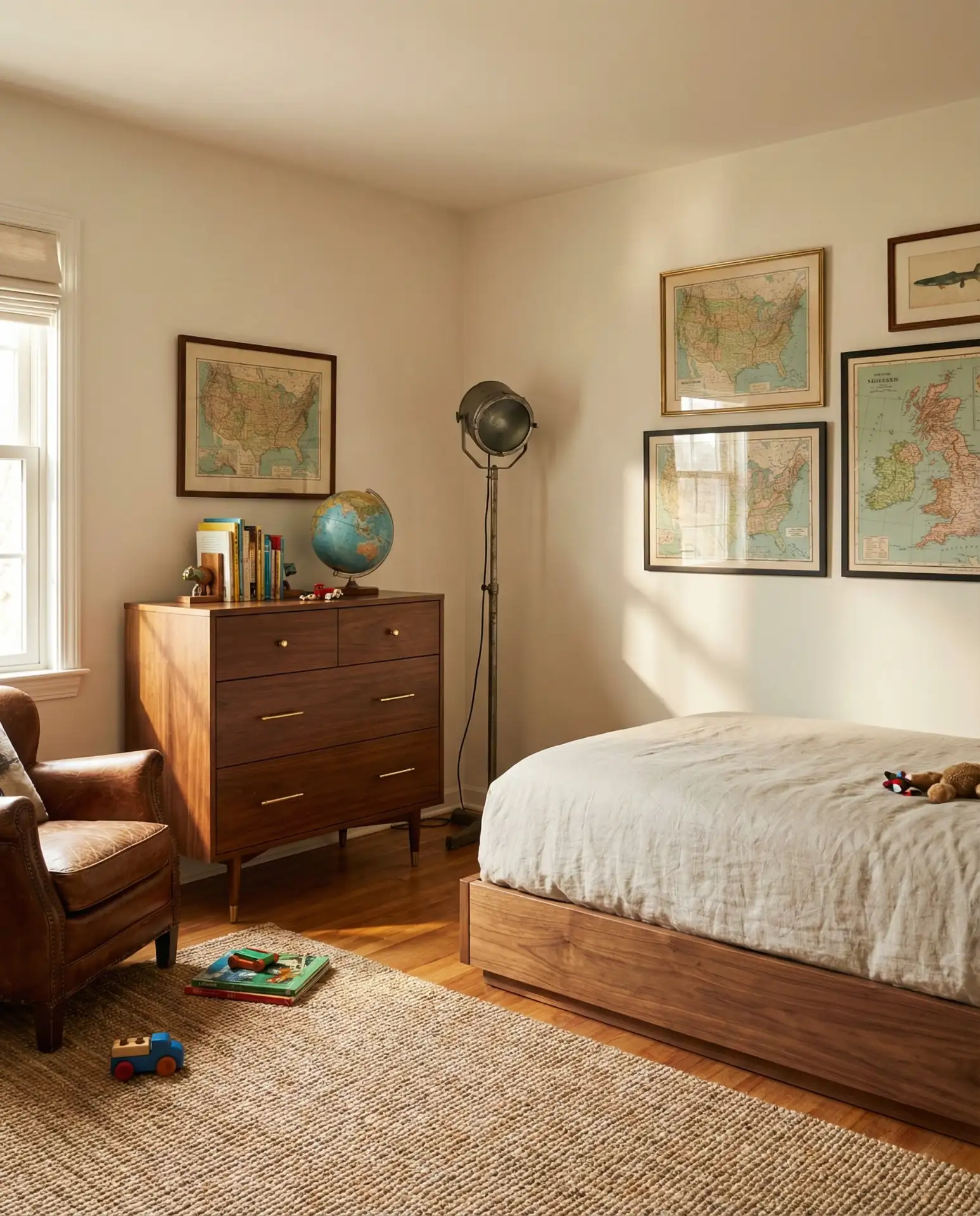
An eclectic bedroom combines furniture from different eras—perhaps a mid-century modern dresser paired with a contemporary platform bed and vintage industrial lighting. This collected aesthetic teaches boys about design history while creating a unique space that doesn’t look like a catalogue page. The approach works particularly well when you’re furnishing on a budget, since thrift stores and family hand-me-downs mix seamlessly with a few new pieces. Unifying elements like consistent wood tones or a cohesive color palette keep the variety feeling intentional rather than random. 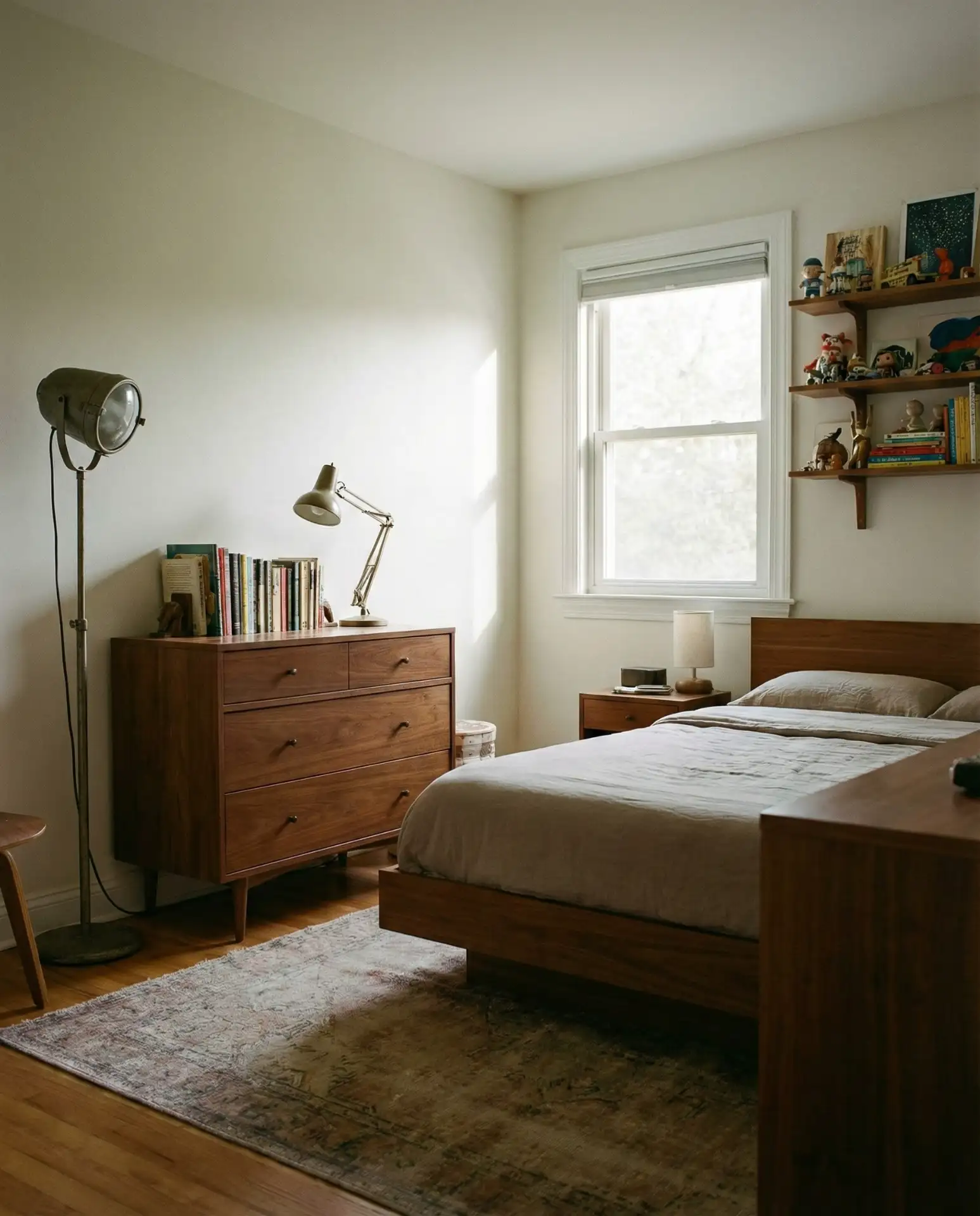
Interior designers note that mixed-period rooms feel more authentic and lived-in than perfectly matched suites, appealing to families who value character over conformity. This strategy particularly resonates in older homes where architectural details from different eras already coexist—why not let the furniture reflect that same layered history? The biggest risk is creating visual chaos; limit yourself to three distinct furniture styles and make sure everything shares at least one common element, whether that’s color, material, or scale.
Conclusion
These twenty-one boys bedroom ideas for 2026 offer something for every age, interest, and budget. Whether you’re drawn to the simplicity of Scandinavian-inspired spaces or the energy of color-saturated rooms, the goal remains the same: creating a space where boys feel comfortable, inspired, and truly at home. Share your favorite idea in the comments below, or tell us about your own bedroom transformation successes.