As we step into 2026, butterfly gardens are blooming across American backyards, patios, and even balconies—driven by a growing desire to support pollinators and create peaceful, visual retreats. Pinterest users are searching for fresh ideas that blend beauty with purpose, from layered planting schemes to whimsical garden décor that welcomes monarchs, swallowtails, and native bees. Whether you’re planning a full landscape overhaul or a simple container garden, these ideas will help you design a space that’s both ecologically mindful and utterly enchanting. Here are butterfly garden concepts that marry aesthetics with real-world practicality.
1. Layered Cottage Garden with Native Milkweed

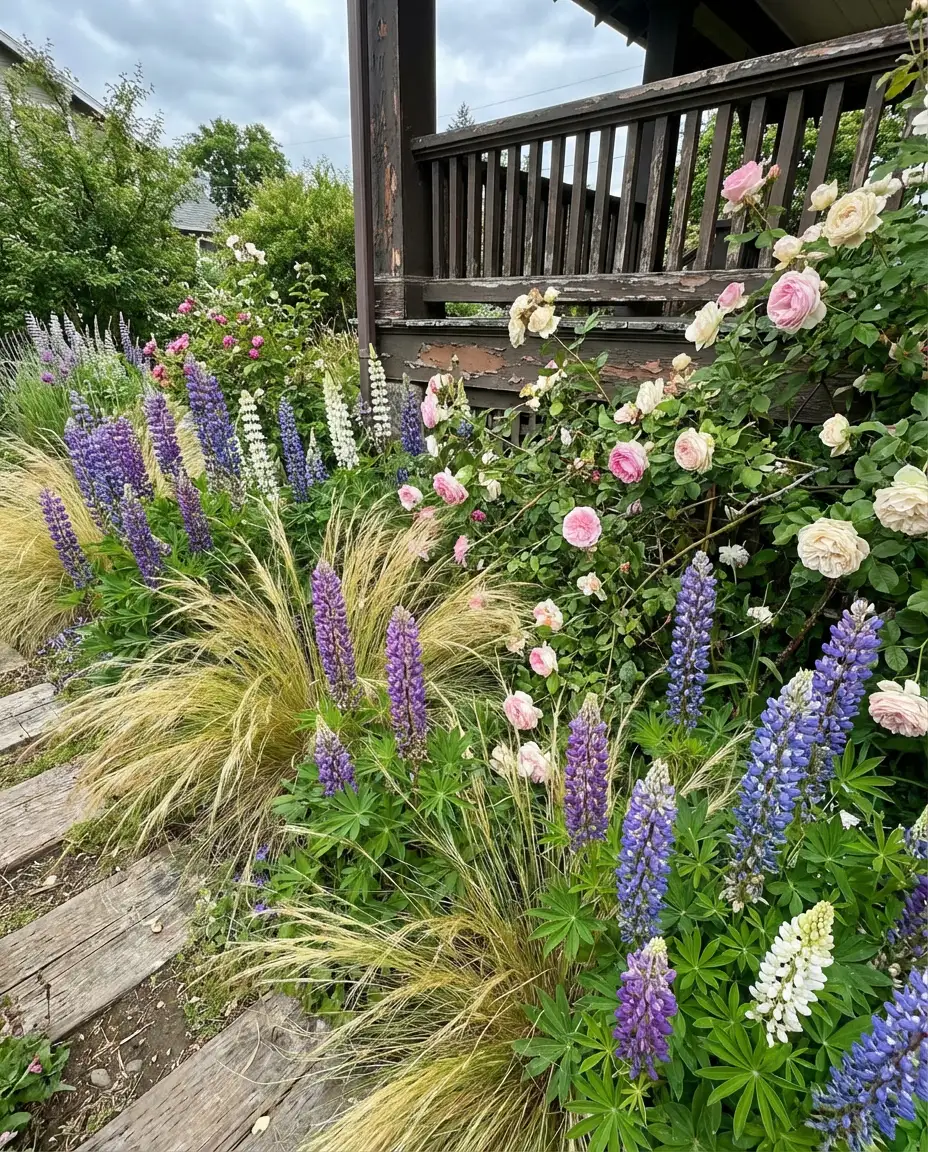
This design idea centers on staggered bloom heights—tall Joe Pye weed in back, mid-height coneflowers, and low creeping thyme up front. Native milkweed anchors the planting for monarchs, while purple verbena and black-eyed Susans add splashes of color from May through September. The layout mimics an English cottage garden but swaps exotics for American natives, making it both romantic and region-appropriate. 
Where it works best: Suburban yards in the Midwest and Northeast, where monarchs migrate through in late summer. This setup thrives in full sun and tolerates clay-heavy soil once established. Local garden centers now stock region-specific milkweed cultivars, so you’re not ordering blind from catalogs. Expect butterflies within two weeks of bloom.
2. Modern Minimalist Pollinator Strip

A narrow band of plants along a fence or driveway can pack serious pollinator power without overwhelming a modern design. Choose three to five species—say, lavender, Russian sage, and dwarf butterfly bush—and repeat them in blocks for a clean, aesthetic punch. Gravel mulch and steel edging keep the look crisp, while drip irrigation makes maintenance nearly hands-off.
Budget angle: This runs roughly $150–$300 for a 20-foot strip, including plants, edging, and mulch. Big-box stores often discount perennials in late summer—perfect timing if you’re planting in fall. Drip tubing adds another $40 but cuts your watering time by 80 percent, a worthwhile trade for busy households.
3. Shaded Woodland Butterfly Haven

Not every butterfly garden needs blazing sun. Shaded yards can host swallowtails and wood nymphs with the right plant palette: columbine, wild geranium, and Virginia bluebells for spring; and shade-tolerant asters and Joe Pye for late summer. A theme of soft, dappled greens and whites keeps the space feeling luminous even under a canopy. 
Practical insight: Mulch with shredded leaves instead of wood chips—it breaks down faster and mimics forest floor conditions. Water weekly until roots establish, then let natural rainfall take over. Shade gardens mature slowly but reward patience with low-maintenance beauty and unexpected butterfly visits.
4. Container Butterfly Garden for Small Patios

Renters and condo dwellers can create a butterfly magnet using just five or six large pots. Cluster containers of varying heights—tall verbena, mid-size zinnias, trailing alyssum—to mimic a garden bed’s layered look. Choose a party design palette of warm oranges, pinks, and purples for maximum visual punch on a compact patio. 
Common mistake: Under-watering containers in July heat. Pots dry out faster than in-ground beds—check soil daily and consider self-watering inserts for vacation weeks. Use potting mix labeled for vegetables; it retains moisture better than generic blends. Deadhead spent blooms every few days to keep nectar flowing.
5. Raised Bed Butterfly Border with Edible Herbs

Marry pollinators with kitchen utility by planting basil, dill, and parsley alongside butterfly favorites like Mexican sunflower and lantana. The landscaping feels cohesive when herbs and ornamentals share the same raised cedar beds, and you’ll notice swallowtail caterpillars on the parsley by mid-June. This design idea suits homeowners who want double-duty gardens. 
Real homeowner behavior: Many gardeners let a few parsley plants bolt to seed—it’s a sacrifice crop for caterpillars while you harvest from others. Keep one bed herb-focused and another purely ornamental to avoid confusion. Raised beds warm up faster in spring, giving you an early start in northern zones.
6. Prairie-Style Butterfly Meadow

Replicate the look of native prairie grasslands with a mix of warm-season grasses and forbs: little bluestem, purple coneflower, butterfly weed, and wild bergamot. The aesthetic is loose and naturalistic and changes weekly as different species peak. It’s a dramatic departure from manicured lawns and a magnet for monarch butterflies during fall migration. 
American lifestyle context: Prairie restorations are surging in the Great Plains and upper Midwest, where homeowners trade weekly mowing for an annual fall burn or cut. Initial seeding costs $300–$600 per quarter-acre, but long-term maintenance is minimal. Local soil and water districts sometimes offer cost-share programs for native plantings.
7. Butterfly Puddling Station with Sand and Stone

Male butterflies gather at shallow, muddy spots to sip minerals—a behavior called puddling. Create a dedicated station with a shallow terracotta saucer, sand, and a few flat stones. Bury it slightly so the rim sits flush with soil, and keep it damp with a slow drip or daily watering. This simple DIY feature becomes a social hub for swallowtails and skippers.
Expert-style commentary: Position your puddling station in full sun near nectar plants but away from foot traffic. Refresh the sand monthly to prevent algae buildup. Some gardeners add a pinch of sea salt or a spoonful of compost tea to boost mineral content. Expect to see results within a week during peak butterfly season.
8. Vertical Butterfly Garden on a Trellis

Train vining plants like passionflower, coral honeysuckle, and Dutchman’s pipe up a trellis or arbor to create vertical habitat without sacrificing ground space. Passionflower hosts gulf fritillary caterpillars, while honeysuckle blooms feed hummingbirds and butterfly visitors alike. The layout works beautifully in narrow side yards or along privacy fences. 
Where it works best: Southeastern and Gulf Coast gardens, where Gulf fritillaries are year-round residents. In cooler zones, substitute native honeysuckle or clematis. Secure trellises firmly—mature vines get heavy. Prune annually after bloom to keep growth manageable and flowering vigorous.
9. Butterfly-Friendly Perennial Border in Full Sun

Anchor a sunny border with tried-and-true perennials: salvia, echinacea, rudbeckia, and sedum. These plants bloom in succession from June through October, ensuring continuous nectar. A design tip: cluster three to five plants of each species rather than scattering singles—it creates a stronger visual impact and makes it easier for butterflies to locate food. 
Practical insight: Divide overgrown clumps every three years to maintain vigor. Spring division works best for most species, but sedum tolerates fall splitting. Refresh mulch annually to suppress weeds and conserve moisture. A well-planned perennial border hits its stride in year three, rewarding your patience with months of color.
10. Butterfly Garden with Colorful Annuals for Instant Impact

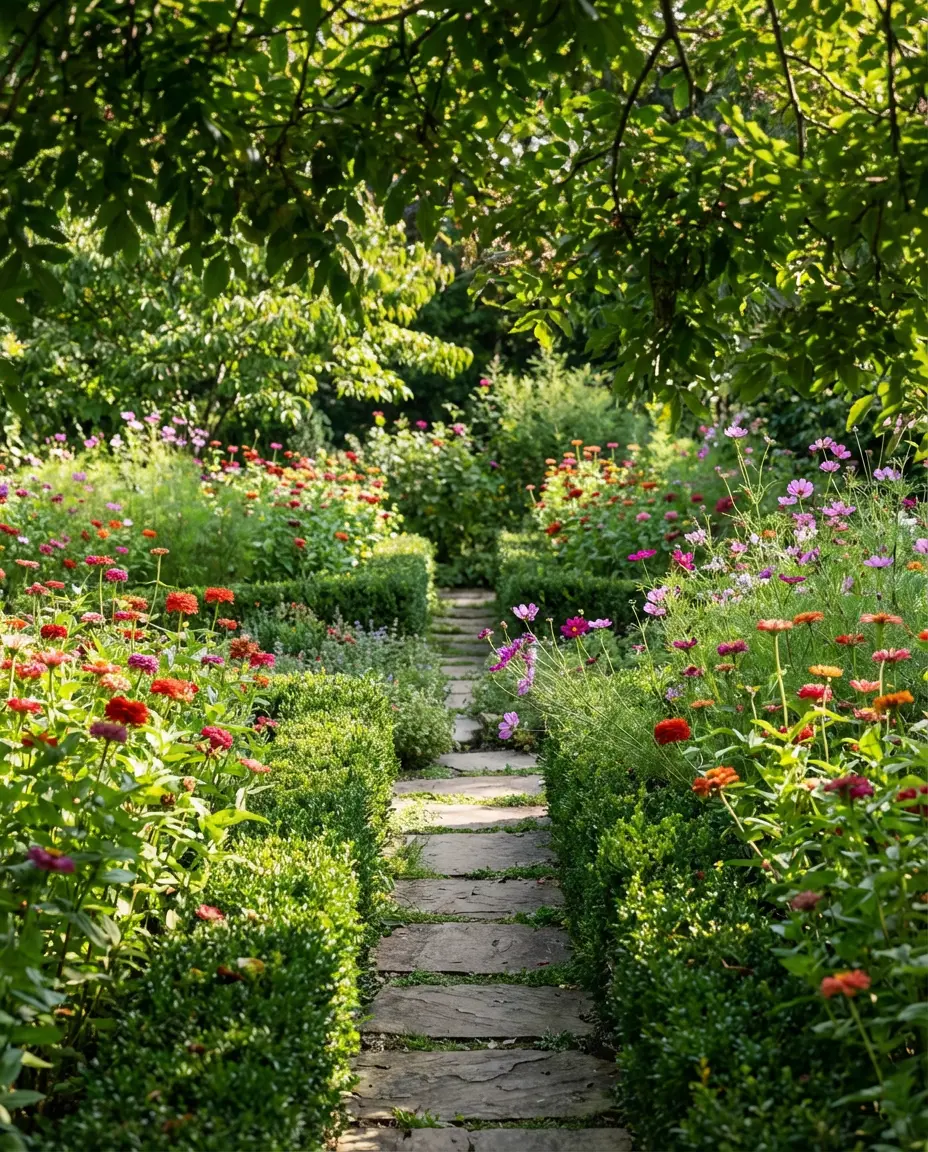
If you can’t wait for perennials to mature, plant zinnias, cosmos, and marigolds for immediate nectar flow. These birthday party brights—hot pinks, oranges, and yellows—bloom nonstop from transplant until frost. Refresh spent plants mid-summer with a second wave of seedlings for continuous color. It’s a fast-track approach favored by theme gardeners and event planners. 
Budget angle: A flat of 18 zinnias costs $12–$15 at most nurseries, enough to fill a 4×8 bed. Start from seed indoors in March for even bigger savings—packets run $2–$4 and yield dozens of plants. Deadhead every few days to prolong bloom and prevent self-seeding chaos in future seasons.
11. Butterfly Garden Cake Topper Inspiration in Real Life

The whimsy of butterfly cake decorations translates seamlessly into a living garden with the addition of ceramic butterfly stakes, hand-painted garden markers, and mosaic birdbaths. For birthday aesthetics, the pastels in blooms paired with pale pink, lavender, and creamy white flowers clustered in soft, romantic arrangements carry over beautifully. It is a favorite Pinterest find for fantasy-loving homeowners and gardeners.
Partial Case Study: One Ohio homeowner enjoys the butterfly mosaic birdbath her daughter decorated during her butterfly garden birthday party. The birdbath is her garden’s centerpiece and is used by songbirds as well as butterflies that come to the garden. If you live in a place that has freezing temperatures, you should cover the birdbath with frost-proof ceramics.
12. Butterfly Tattoo Garden: Bold Blacks and Deep Purples

Emulate the boldness of a moody butterfly tattoo through a combination of hollyhocks in near black, purple salvias, and burgundy sedums. The design strays away from the more typical pastel aesthetics that modern gardeners with more edgy styles tend to look for. To balance out the dark flowers with some silver foliage such as artemisia or lamb’s ear to balance the bed and stop it from looking too heavy. 
Overview of the design: To prevent dark-flowered plants from disappearing in the shade, the garden is best suited in full sun. People love to photograph this design as well as the black hollyhocks that look best when they are backlit with the sun, as they are a dark maroon in color. This design stands out from the crowd and will surely captivate many builders looking for inspiration. To prevent the flowers from fading, the flowers need to be watered consistently. The black, maroon pigments and contrasting flowers in the design bring a lot of color and life to the space to make it a great location for social media.
13. Butterfly Drawing Corner: Sketchable Garden Scenes

Design a quiet nook with seating and a view of your best nectar plants—a living still life for anyone who loves to sketch or draw butterflies in motion. Frame the space with tall ornamental grasses that sway gently, and add a rustic bench or folding chair. The aesthetic is contemplative, encouraging slow observation and creative engagement with nature. 
Real homeowner behavior: Families with kids use this setup as an outdoor art station—watercolors and sketch pads come out on weekends. Position the bench so morning or late-afternoon light illuminates your focal plants without glare. A small side table holds supplies and keeps everything tidy.
14. Butterfly and Bee Combo Garden

Butterflies and bees thrive on many of the same plants, so why not design for both? Lavender, catmint, and anise hyssop serve double duty, while early-blooming crocus and late-blooming asters extend the season. This theme maximizes pollinator support without complicating your plant list. It’s ecologically generous and visually cohesive. 
Practical insight: Bees prefer blue and purple blooms, while butterflies lean toward reds, oranges, and pinks—overlap plants like salvia and echinacea to satisfy both. Avoid hybrid flowers labeled “double” or “pom-pom”; they often lack accessible pollen and nectar. Native plants outperform ornamental cultivars for pollinator value.
15. Butterfly-Themed Baby Shower Garden Setup

Host an outdoor baby shower in your butterfly garden by placing a long table amidst the blooming beds. Center the tables with pastel linens, potted nectar plants, and butterfly garlands strung up for an overhead decoration. The theme feels fresh and gender-neutral, and real butterflies fluttering by is a magical touch that you cannot get from indoors. An Instagram-worthy backdrop for your guests. 
Where it works best: Backyards with mature butterfly gardens in late spring or early summer, when there is an abundance of blooms and the heat is not oppressive. Schedule the event for late afternoon so as to avoid the midday sun. Shade umbrellas and lots of cold drinks are a must, and a garden shower eliminates venue costs for you and leaves guests talking about the setting for months.
16. Bird and Butterfly Integrated Garden

Combine bird feeders, native shrubs, and nectar flowers to create a biodiverse haven. Serviceberry and elderberry feed birds while hosting caterpillars; coneflowers and black-eyed Susans provide seeds for finches and nectar for butterflies. This layered design supports wildlife at every level—ground, mid-story, and canopy—and feels alive with movement and sound. 
American lifestyle context: Birdwatching surged during the pandemic, and many enthusiasts now maintain dual-purpose gardens. Native shrubs require little care once established—prune lightly after fruiting. Add a shallow birdbath to complete the habitat. You’ll notice increased butterfly activity near water sources, as both groups rely on moisture.
17. DIY Butterfly Puddler with Recycled Materials

Turn an old baking dish, plant saucer, or pie tin into a DIY puddling station. Fill it with sand, add a few pebbles for perches, and bury it slightly in your garden bed. This zero-cost project takes ten minutes and delivers results all summer. It’s a gateway activity for kids learning about butterfly ecology and a conversation starter for neighbors. 
Common mistake: Letting the puddler dry out. Check it daily in hot weather and top up with water as needed. Position it where you’ll see it from a window or patio—watching butterflies puddle is surprisingly meditative. Rotate the sand every month to keep it fresh and prevent odors.
18. Butterfly Wedding Arch with Climbing Vines

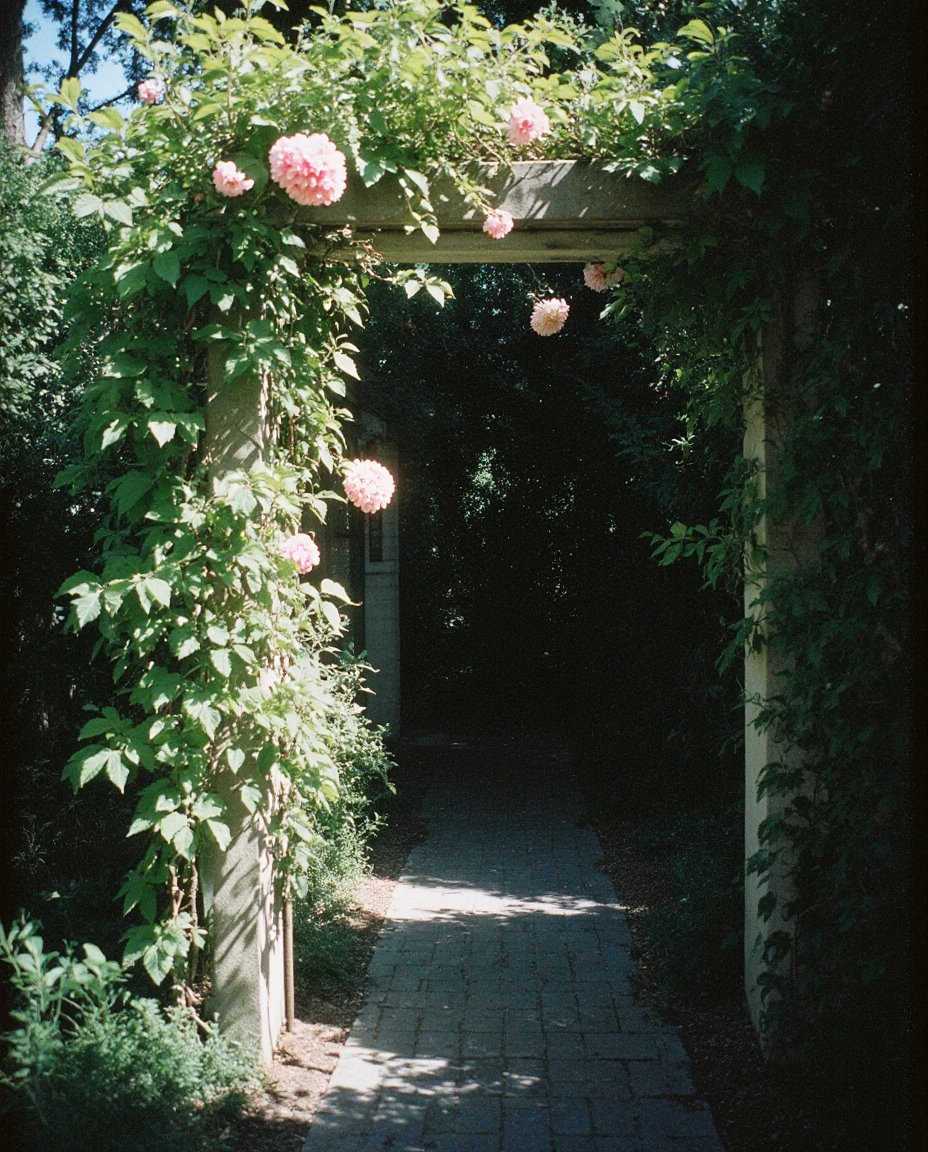
For an outdoor wedding, frame your ceremony with a living arch draped in passionflower, clematis, or climbing roses. Butterflies visiting the blooms add spontaneous magic to photos and create an unforgettable backdrop. This design suits garden weddings, vineyard venues, or any setting where nature takes center stage. It’s romantic, sustainable, and surprisingly low-maintenance. 
Micro anecdote: A North Carolina couple planted their wedding arch vines two years in advance, letting them mature for the big day. Guests still talk about the monarchs that drifted through during vows. If you’re planning ahead, choose hardy, fast-growing vines and install a sturdy metal or wood frame that can support years of growth.
19. Animal Crossing–Inspired Butterfly Garden

Fans of Animal Crossing can recreate the game’s cheerful, pastel-heavy aesthetic with clusters of tulips, hyacinths, and pansies—all real-world plants. Add decorative touches like wooden signposts, stone pathways, and whimsical garden furniture. The result is a playful, nostalgic space that appeals to gamers and gardeners alike, with actual butterflies replacing digital sprites. 
Budget angle: Spring bulbs cost as little as $0.50 each when purchased in bulk. Plant them in fall for a spring show that mimics the game’s perpetual bloom. Wooden signs and painted stones are easy DIY projects—kids love helping. This theme works especially well in small yards where every element feels intentional.
20. Dubai-Inspired Desert Butterfly Garden

Use arid climate butterfly gardening techniques. Use summer bloomers like desert marigold, penstemons, and Mexican hat. The Dubai design and aesthetic is also modern and mulch, metal, and succulents help create a water-wise design. Butterflies in desert regions are tougher than you’d think, seeking nectar from blooms that can handle 100-degree days. 97 Where it works best: Southwest gardens in Arizona, New Mexico, and Southern California. Drip irrigation is essential—hand watering in desert heat is unsustainable. For best results, choose plants that are native to your specific desert type: Sonoran, Mojave, or Chihuahuan. Butterflies visit most actively in early morning and late afternoon, avoiding midday heat.
21. Butterfly Photoshoot Garden with Designated Backdrops

Designate one corner of your garden as a photoshoot zone with Instagram-worthy blooms and props. Plant tall dahlias, sunflowers, or hollyhocks as natural backdrops, and add a vintage ladder, wire basket, or wooden crate for styling. This setup invites both professional photographers and casual phone snappers to capture butterflies in action. It’s a smart move if you monetize your garden content.
Real homeowner behavior: Content creators refresh props seasonally—pumpkins in fall, watering cans in spring. Keep the area weed-free and mulched for clean visuals. Natural light is best between 4 and 6 PM in summer. A simple reflector (white foam board) bounces light and fills shadows without expensive gear.
22. Compact ACNH Monarch Sanctuary in a Raised Planter

Combine the cozy, curated vibe of ACNH with a real-world monarch sanctuary by filling a large raised planter with milkweed, asters, and zinnia. The confined space forces you to edit ruthlessly, resulting in a tidy, high-impact display. It’s perfect for small yards, patios, or anyone who wants a butterfly garden that doesn’t sprawl. The layout stays manageable, and the results rival much larger plantings. 
Practical insight: Raised planters drain faster than ground beds, so check moisture daily in peak summer. Mix compost into your soil blend to boost water retention. Position the planter where you’ll see it often—monarch caterpillars munch milkweed visibly, and watching their progress is half the fun. A single planter can support a dozen butterflies through their life cycle.
Conclusion
Whether you’re drawn to the naturalistic sweep of a prairie meadow or the tidy charm of a container garden, these butterfly garden ideas prove that supporting pollinators and creating beauty aren’t mutually exclusive. Mix and match concepts to suit your space, climate, and aesthetic preferences. We’d love to hear which idea you’re planning to try first—share your thoughts, questions, or your own butterfly garden wins in the comments below.