
College Apartment Decor 2026: 46 Budget-Friendly Ideas for Small Spaces That Feel Stylish

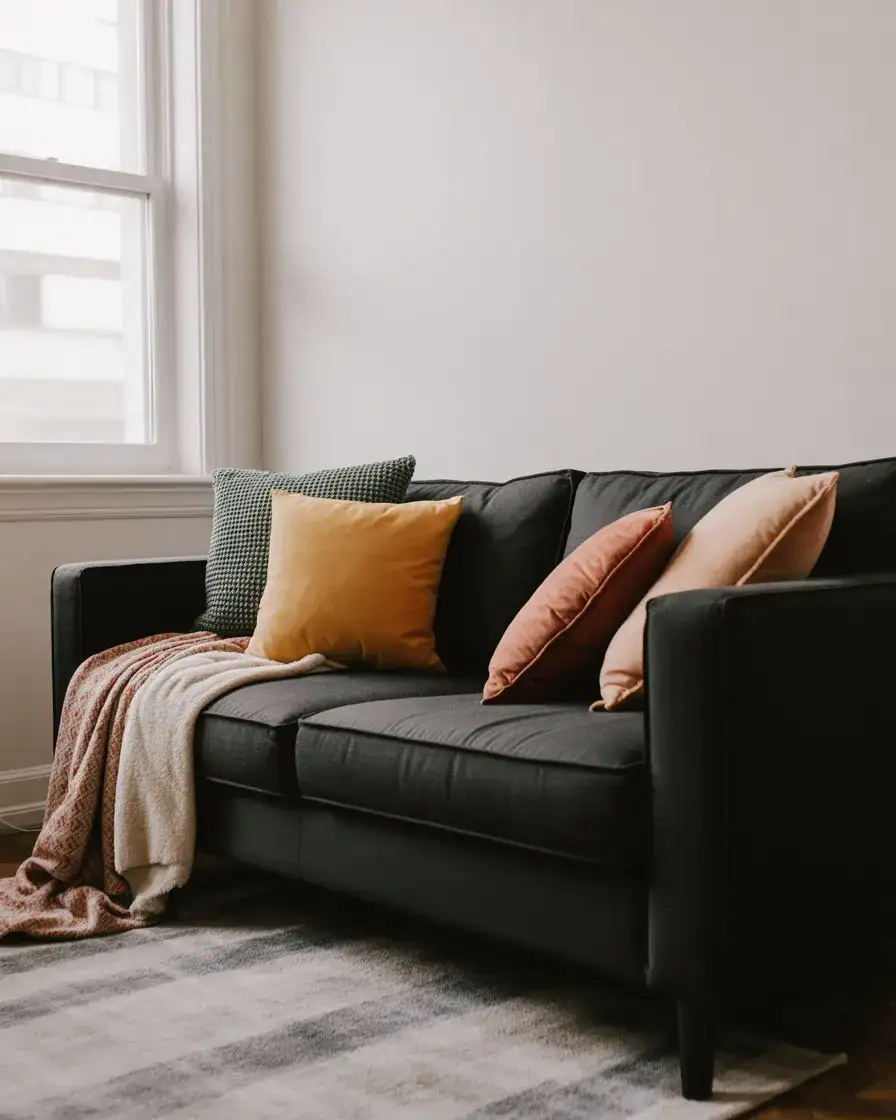
College apartment decor in 2026 is about making small spaces feel intentional, personal, and surprisingly stylish—even on a tight budget. Whether you’re moving into your first dorm, a studio off-campus, or sharing a cramped two-bedroom with roommates, the challenge is the same: how do you create a home that feels like you without spending a fortune or violating your lease? This year, students and young renters are turning to Pinterest for inspiration that’s equal parts practical and aspirational—think cozy textures, aesthetic color palettes, and clever DIY hacks that actually work in real life. From transforming a bland bathroom into a spa-like retreat to styling a living room around a black couch, the ideas that follow will help you make the most of every square foot, no matter your style or budget.
1. Layered Textiles for a Cozy Bedroom Retreat
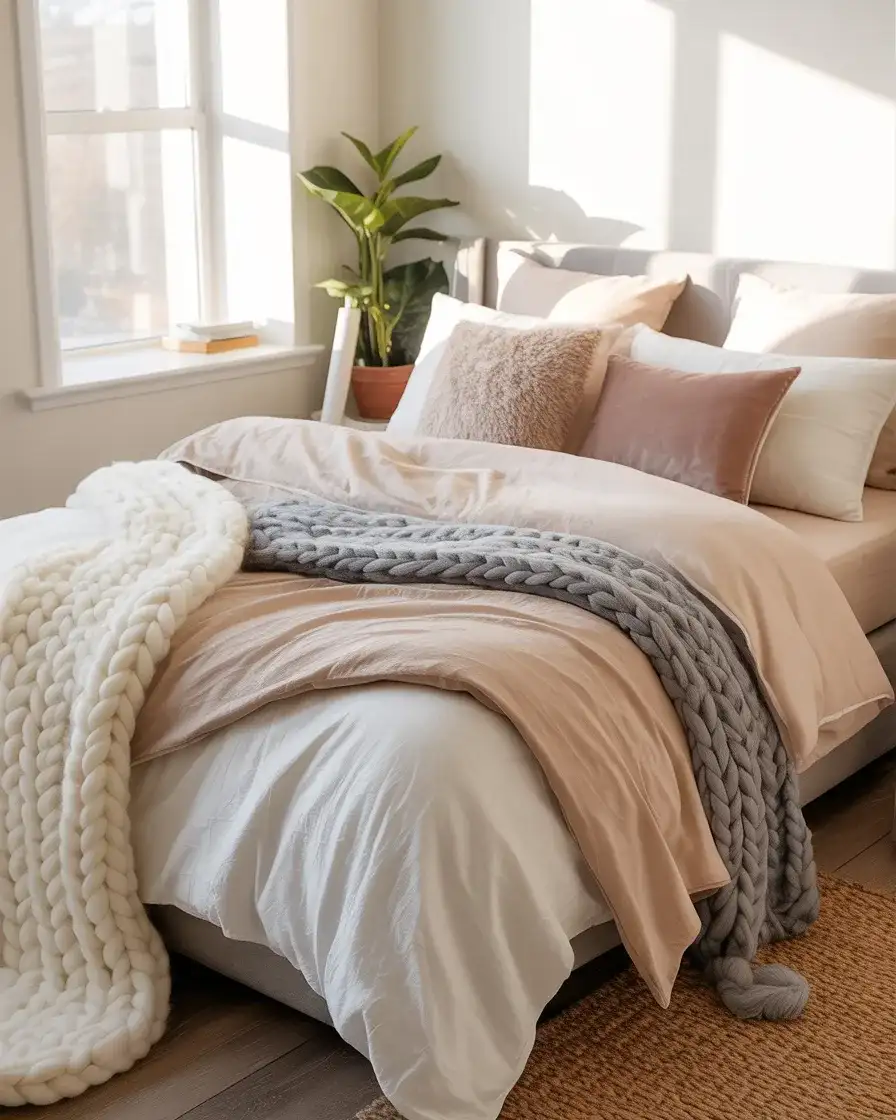
Transform a basic bedroom cozy setup by layering multiple textures—chunky knit throws, linen duvet covers, and velvet pillows in neutral or muted tones. This approach works especially well in budget bedrooms and small spaces, where you can’t rely on square footage to create warmth. Instead, you build depth through fabric weight, color variation, and thoughtful stacking. A faux sheepskin rug at the foot of the bed, a quilted blanket folded over the corner, and a few mismatched cushions instantly make a rental bedroom feel lived-in and personal.
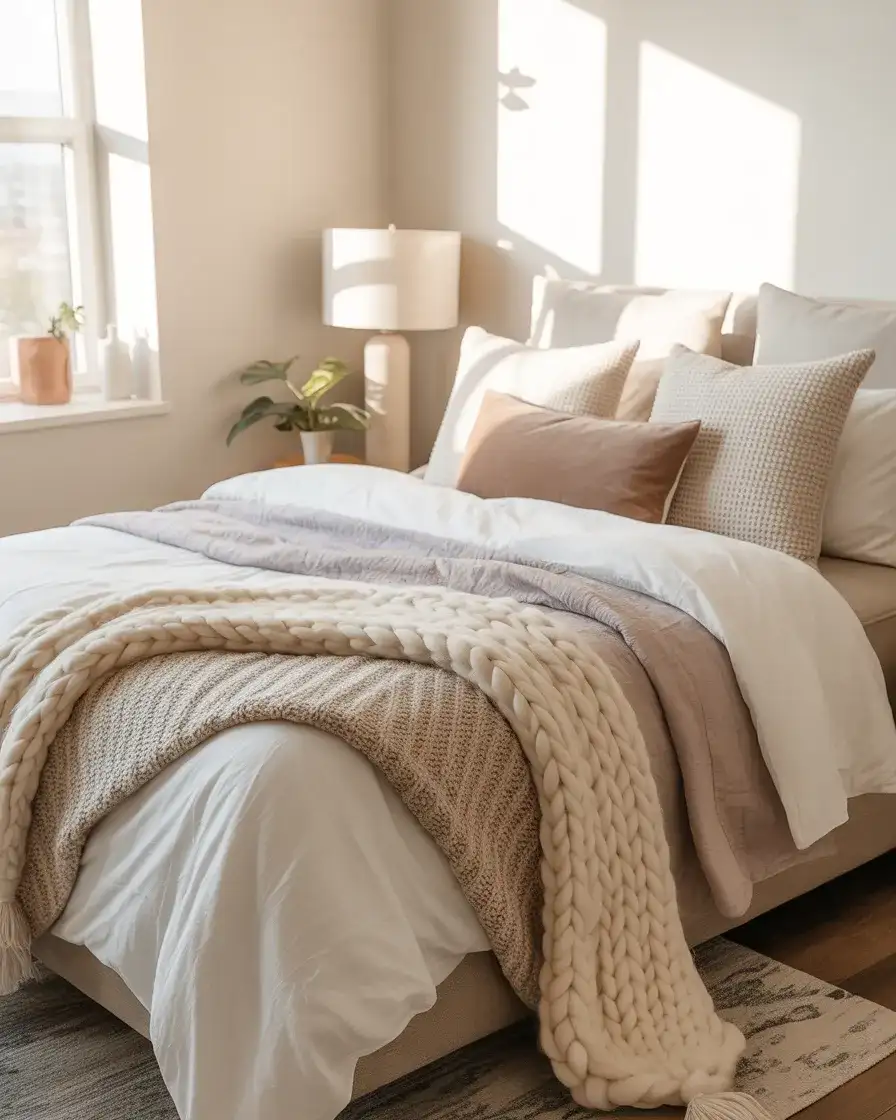
The beauty of this strategy is that it’s entirely reversible—no nails, no paint, no deposit lost. You can swap out throws seasonally or bring everything with you when you move. In the Midwest and Northeast, where winters are long and apartments often lack charm, textile layering is a low-cost way to combat both cold and sterile interiors. It’s also forgiving: mismatched patterns and secondhand finds look intentional when grouped together with a cohesive color story.
2. Command Hook Gallery Wall Without the Commitment
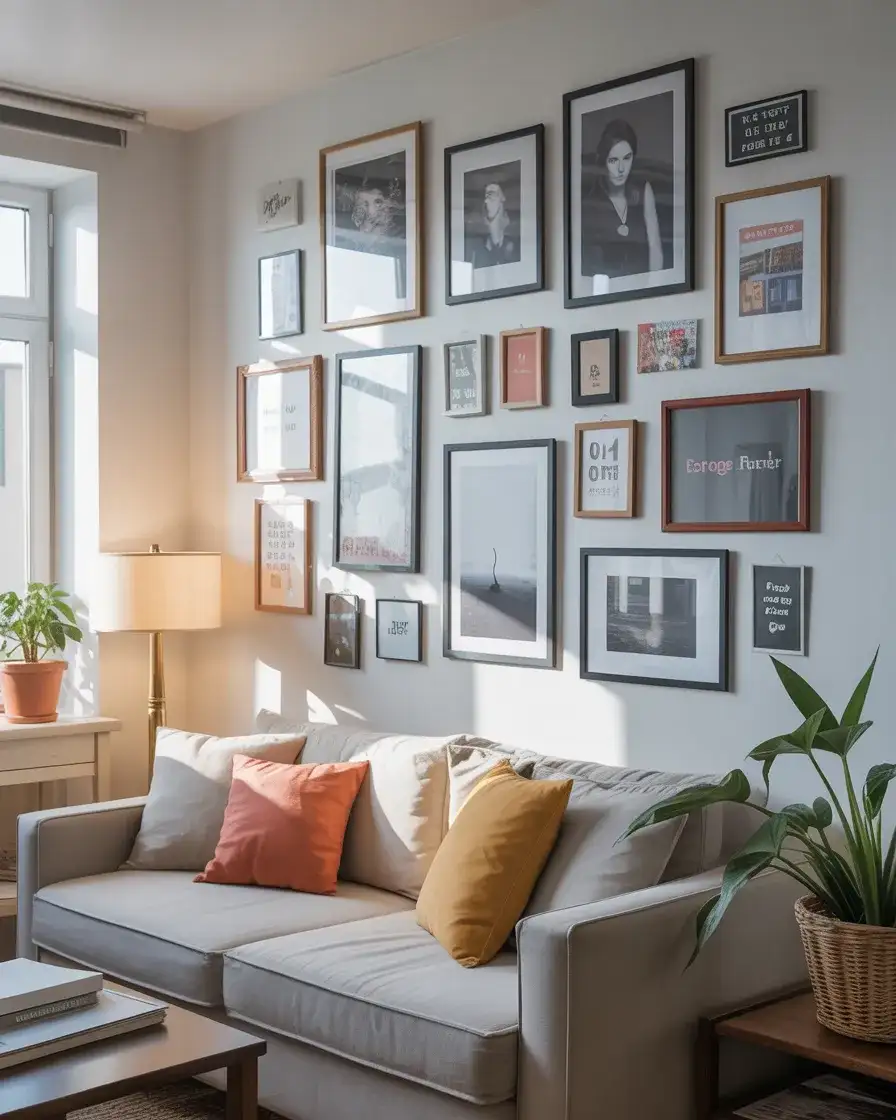
A gallery wall is one of the fastest ways to make a rental feel curated, and in 2026, students are leaning into DIY solutions that don’t require a single nail. Command hooks and strips now come in weights that support framed prints, clipboards, and even small shelves. The key is planning your layout on the floor first, then transferring it to the wall with painter’s tape as a guide. Mix personal photos, thrifted art, postcards, and printable downloads for a look that’s both aesthetic and deeply personal.
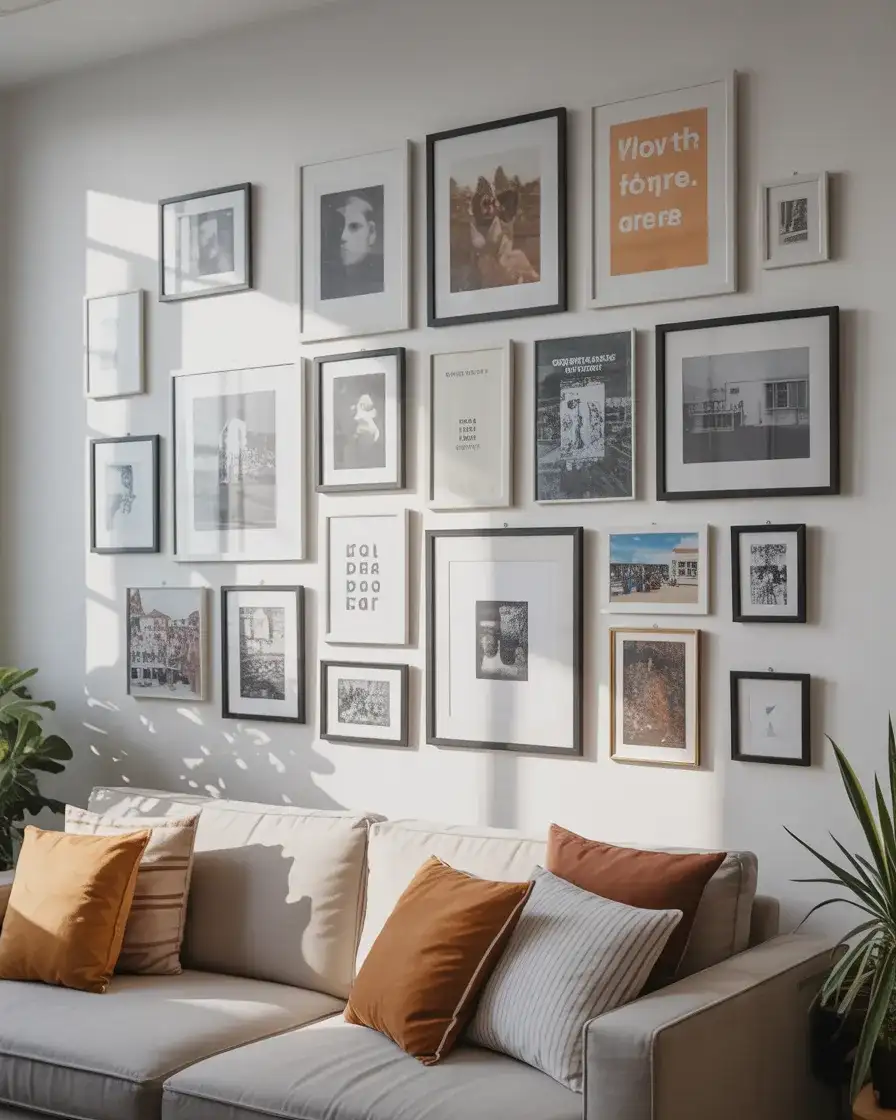
This works best in living room spaces or above a desk, where the wall becomes a focal point. One common mistake is hanging everything too high—art should be at eye level, or slightly lower in a room where you’re usually seated. Another pitfall is overcrowding: leave breathing room between pieces so each one can be appreciated individually. In shared apartments, a gallery wall also signals ownership of space without being territorial.
3. Rolling Cart as a Flexible Storage Solution
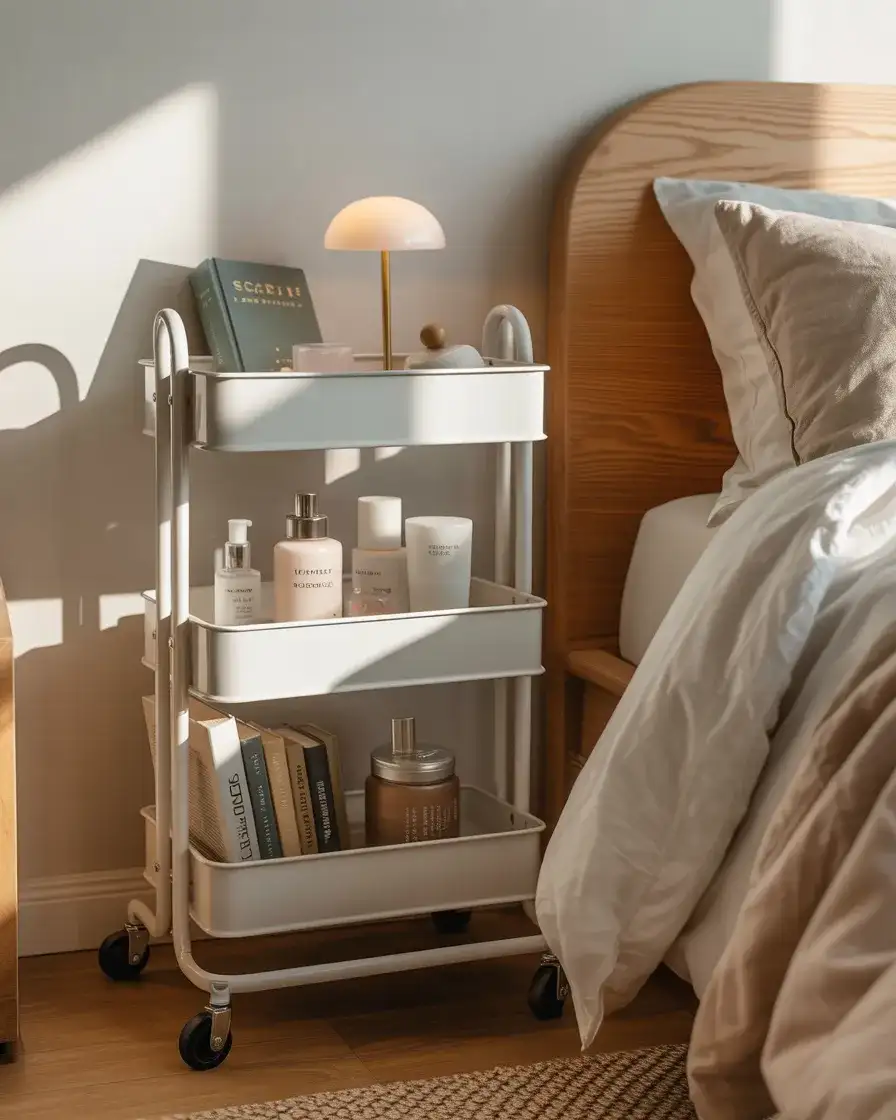
A three-tier rolling cart is the unsung hero of a budget college decor. It can serve as a nightstand, a bar cart, a plant stand, or extra kitchen storage—and it moves wherever you need it. In tight quarters, mobility is everything. Choose a metal cart in white, black, or blue to match your palette, and style it with intention: books on the bottom, a small lamp or speaker on top, and practical items like chargers or skincare in the middle tier.
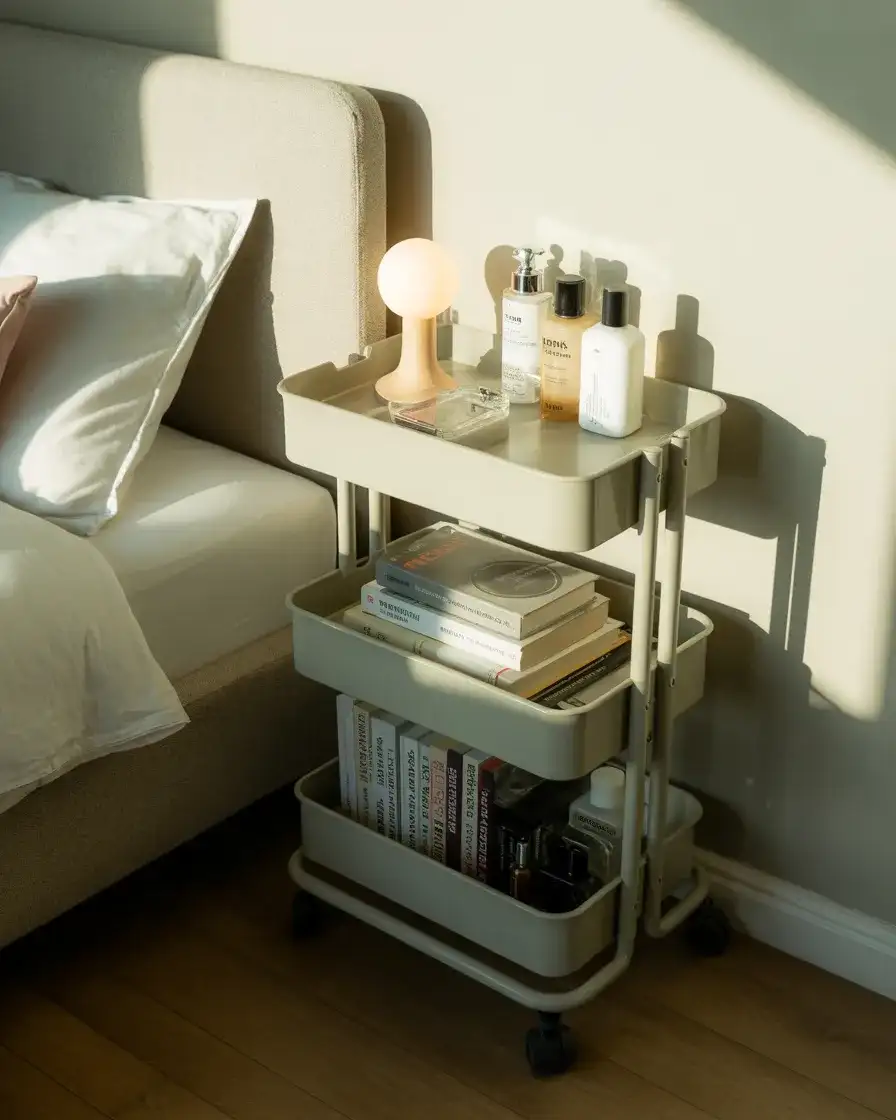
Real homeowner behavior: students often use these carts as mobile coffee stations in studio apartments, wheeling them to the desk during study sessions and back to the kitchen when guests arrive. They’re also ideal for bathrooms with zero counter space—just roll it next to the sink when you need it. The flexibility means you’re not locked into one function, which is critical when your needs change semester to semester.
4. Peel-and-Stick Tile for a Bathroom Refresh
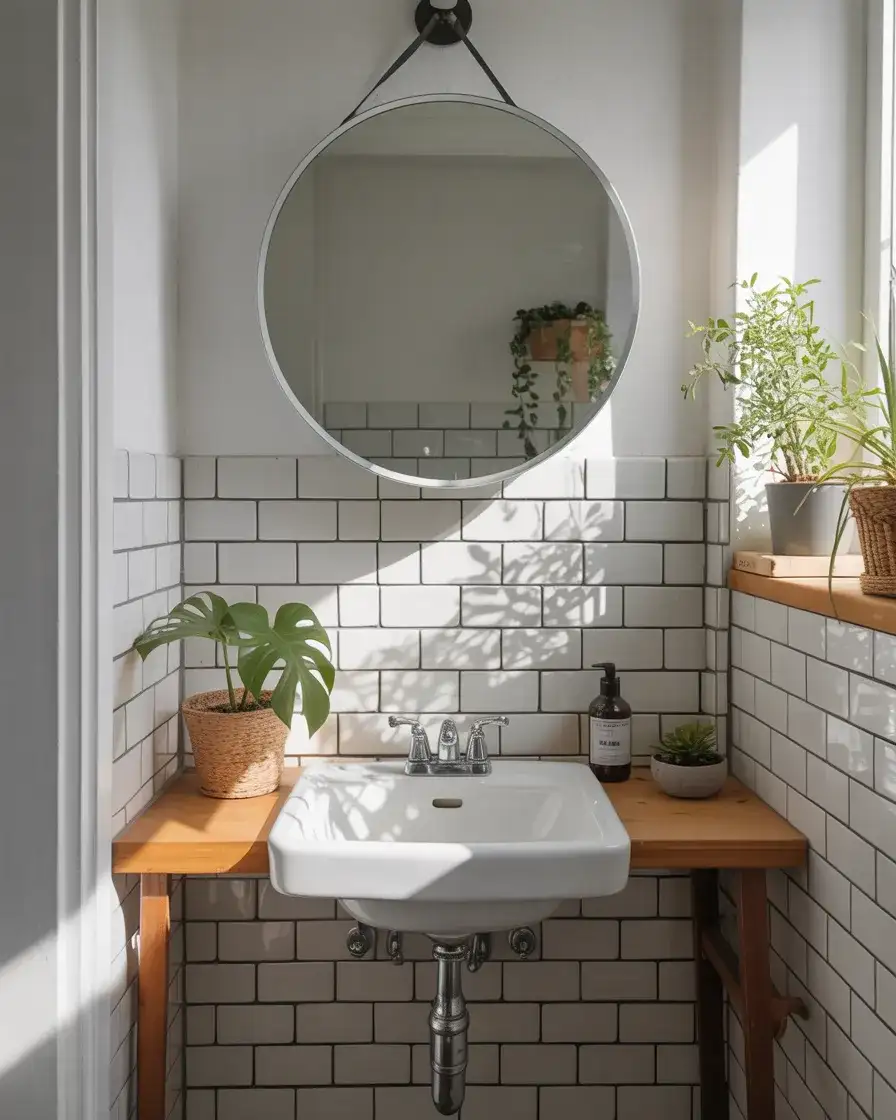
Peel-and-stick backsplash tiles have evolved—they’re now heat- and water-resistant, and they look surprisingly real. Use them to cover a dingy budget bathroom backsplash or create an accent wall behind the toilet. Subway tiles, hex patterns, and moroccan motifs are all available in adhesive form, and installation takes less than an hour. This is one of the most transformative DIY projects you can do in a rental, and it’s completely removable when you move out.
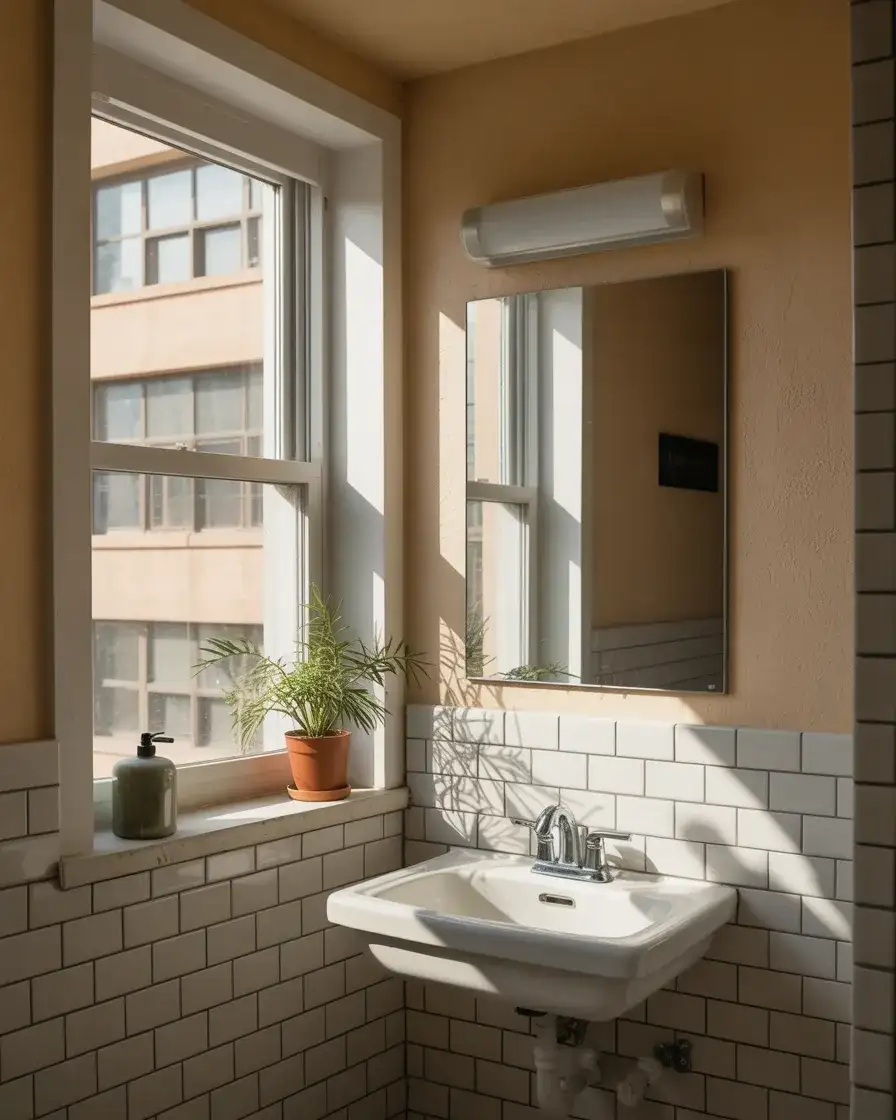
In regions with older housing stock—like the Northeast or Rust Belt cities—bathrooms in student housing are often dated and depressing. A small tile upgrade can make the space feel cleaner and more intentional without breaking the bank. Prices range from $20 to $60 for enough material to cover a backsplash, making this one of the most cost-effective upgrades you can make. Just be sure to clean the wall thoroughly before application, or the tiles won’t stick properly.
5. Floating Shelves for Vertical Storage
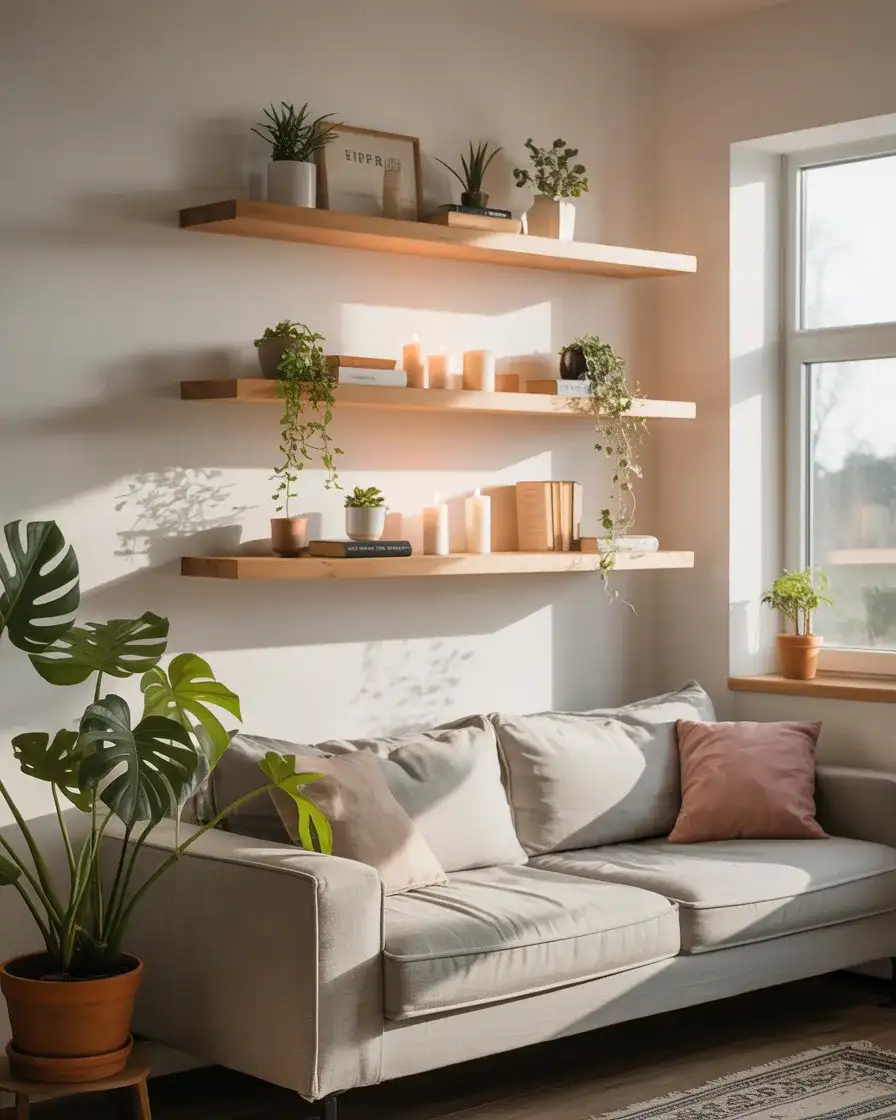
When floor space is limited, go vertical. Floating shelves installed with heavy-duty command strips or anchored into studs (if your lease allows) turn blank walls into functional inspo moments. Use them in the kitchen for mugs and spices, in the bedroom cozy nook for books and candles, or in the living room cozy modern setup for plants and decorative objects. The trick is not to overcrowd them—leave some negative space so the eye can rest.
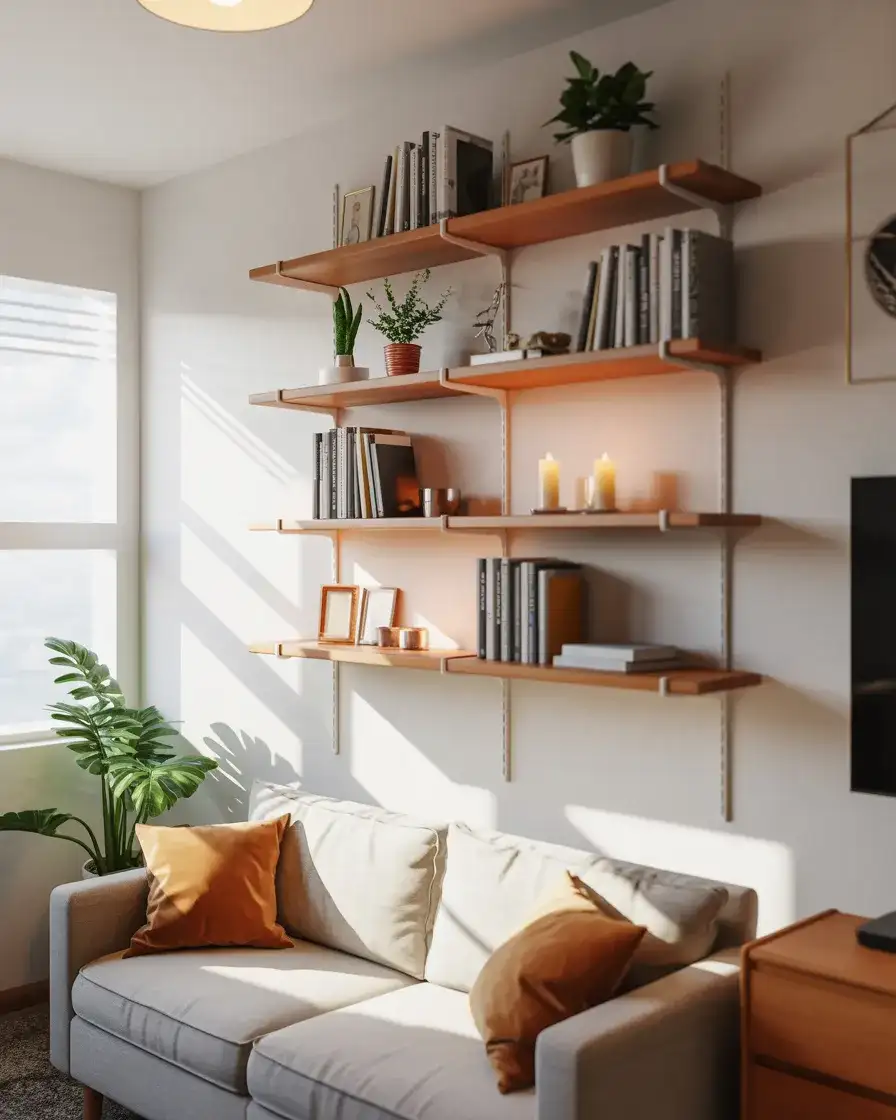
Floating shelves work best in rooms with high ceilings, where they draw the eye upward and make the space feel larger. In a studio or one-bedroom, they can also serve as visual dividers between zones—mount them above a sofa to signal the end of the living area and the start of the sleeping space. Avoid the common mistake of placing them too high; they should be reachable without a step stool and low enough that you can actually see what’s on them.
6. Thrifted Mirror to Expand Small Spaces
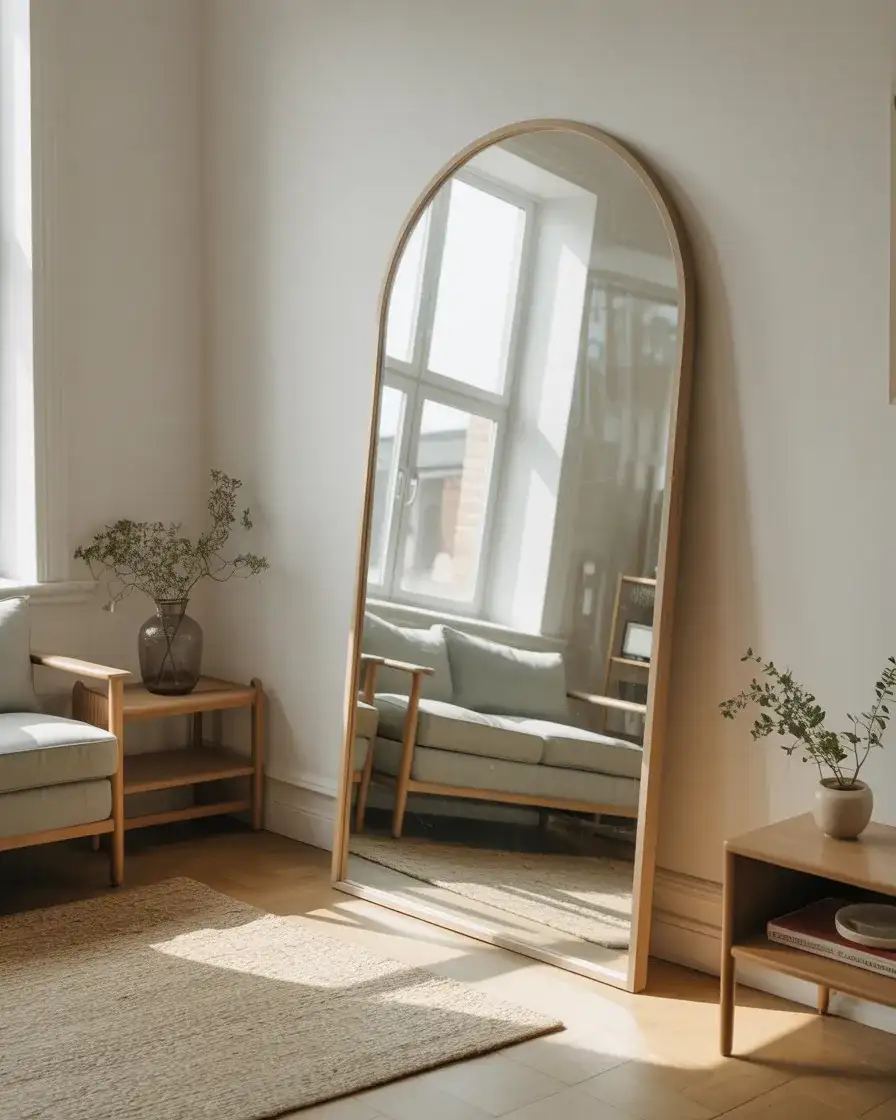
A large mirror—preferably floor-length or arched—can make a cramped apartment feel twice as big. Hunt for one at a thrift store, estate sale, or online marketplace, and lean it against a wall opposite a window to maximize natural light. This is a go-to trick for a budget living room in small spaces, where square footage is tight but ceilings are decent. The reflected light and visual depth create an airy, open feeling that’s hard to achieve any other way.
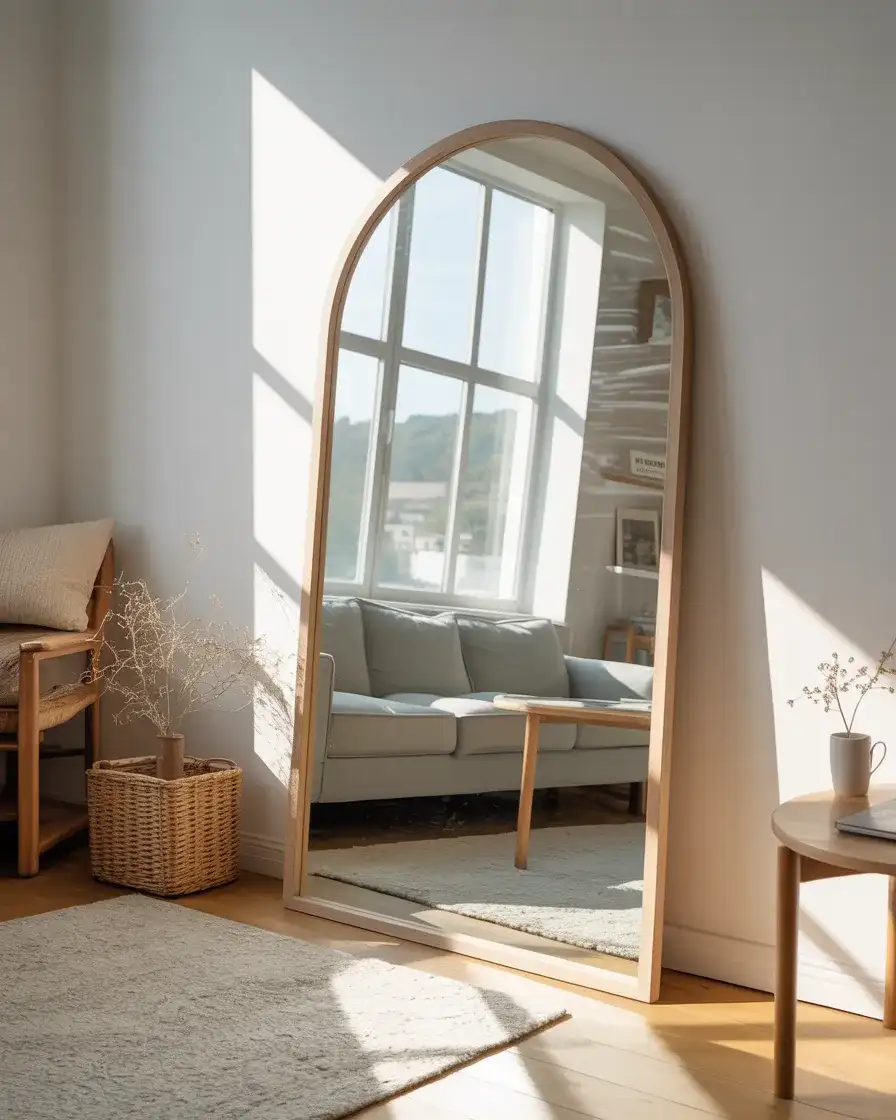
In Southern and West Coast cities, where apartments are often bathed in strong sunlight, a well-placed mirror can almost eliminate the need for overhead lighting during the day. It’s also a subtle way to make a room feel more expensive—mirrors add dimension and architectural interest, even in builder-grade apartments. Just avoid placing them directly across from cluttered areas, or you’ll double the visual chaos instead of the space.
7. String Lights for Ambient Warmth
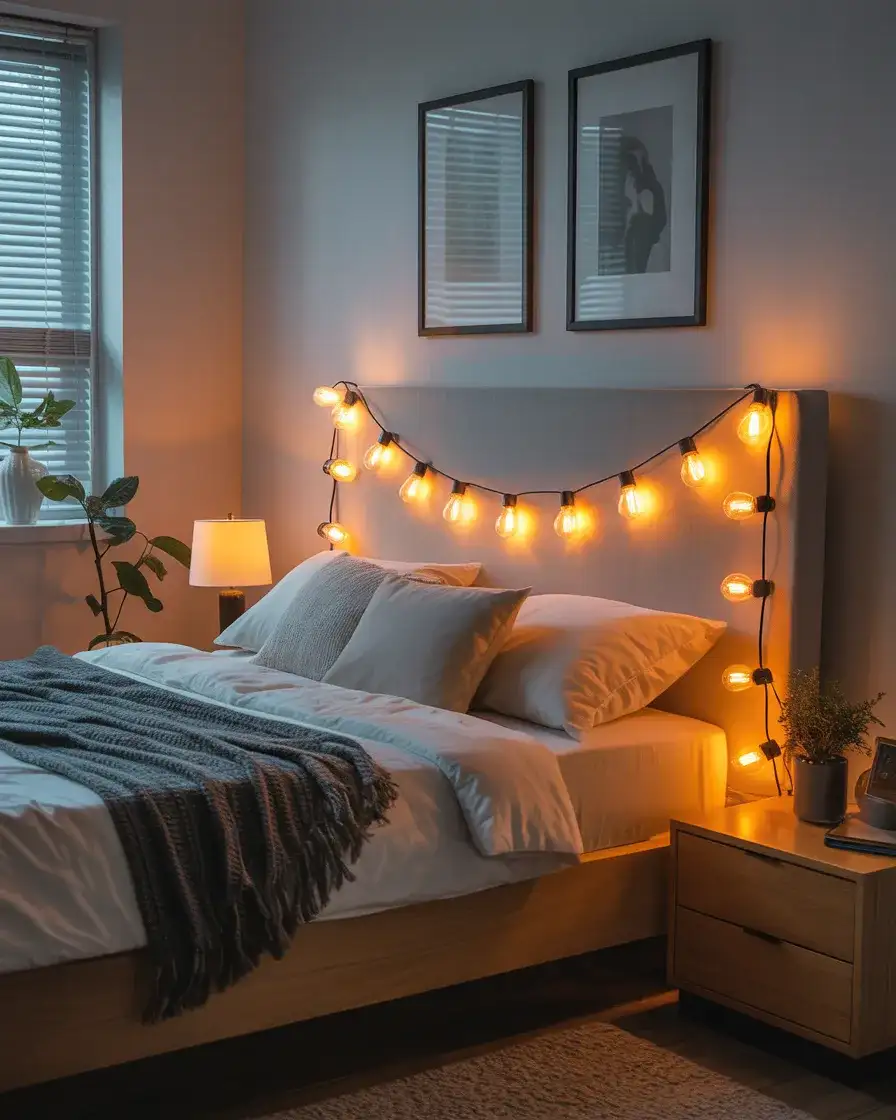
String lights are a college decor staple for a reason: they’re cheap, they’re removable, and they instantly soften harsh overhead lighting. Drape them along a headboard, across a window frame, or around a bookshelf to create cozy ambient light that’s flattering and fun. In 2026, the trend is moving away from the standard fairy lights toward Edison bulbs, globe lights, and vintage-style filament bulbs that feel more grown-up and intentional.
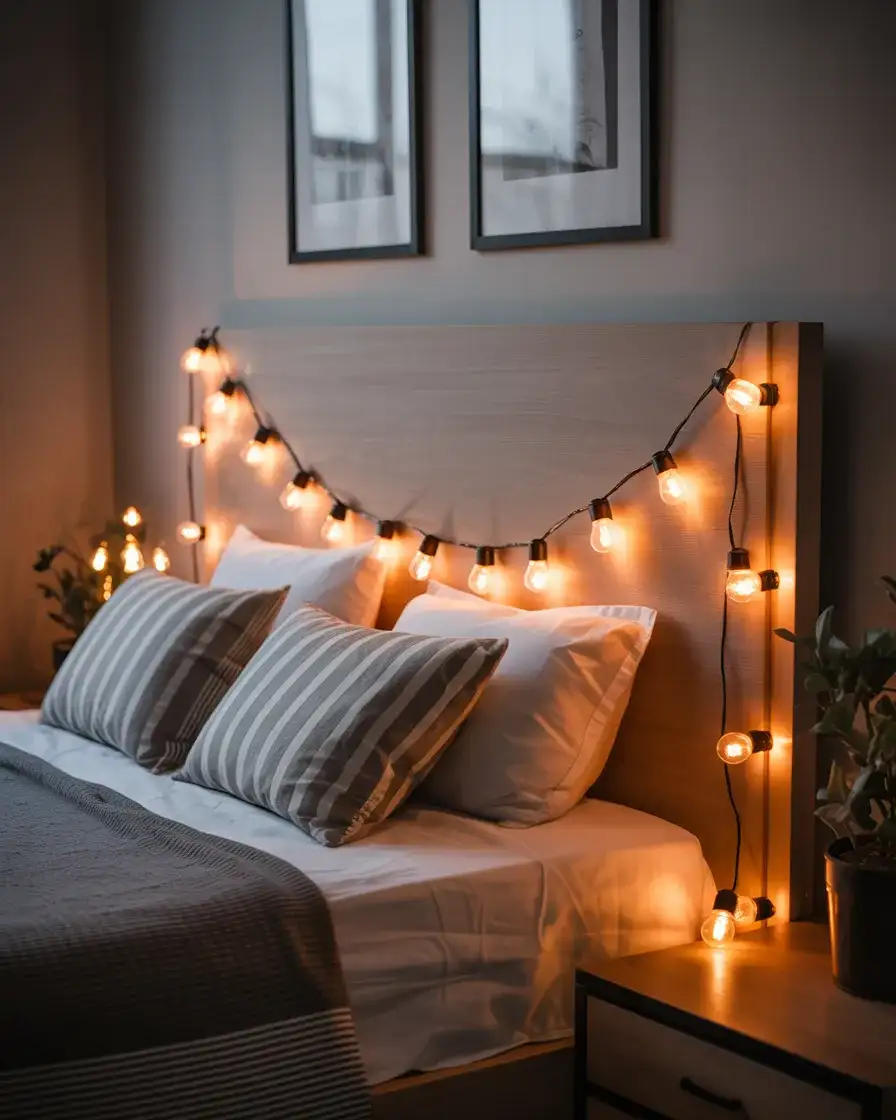
Practical insight: use battery-operated or plug-in lights with a timer function so you’re not wasting energy—or draining batteries—when you’re out. String lights work especially well in rooms with limited outlets, since many newer models run on USB power or rechargeable batteries. They’re also one of the easiest ways to shift the mood of a room from daytime functional to nighttime relaxing without any permanent changes.
8. Black Couch as a Grounding Anchor
A living room black couch is a bold choice, but it’s also incredibly versatile. Black grounds a space and makes colorful accents pop—think mustard pillows, a rust-colored throw, or a soft pink rug. It’s also forgiving when it comes to wear and stains, which matters in a high-traffic apartment. If you’re starting from scratch, a black couch can anchor a living room cozy modern scheme that’s equal parts sophisticated and student-friendly.
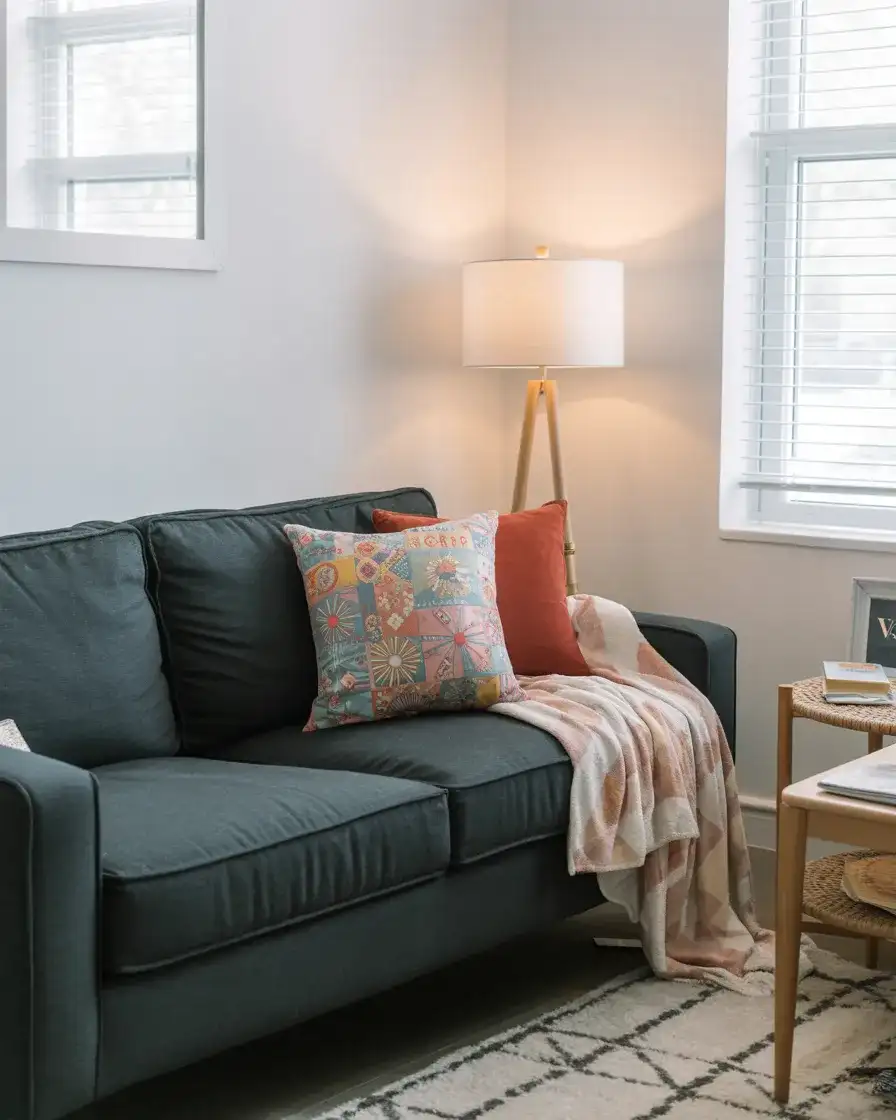
Where it works best: in small living rooms with lots of natural light, where the dark upholstery doesn’t overpower the space. In darker apartments, balance the couch with light-colored walls, reflective surfaces, and plenty of lamps. Black furniture also hides a multitude of sins—coffee spills, pet hair, and general dorm wear blend in rather than standing out. It’s a practical choice that doesn’t look like a compromise.
9. Removable Wallpaper Accent Wall
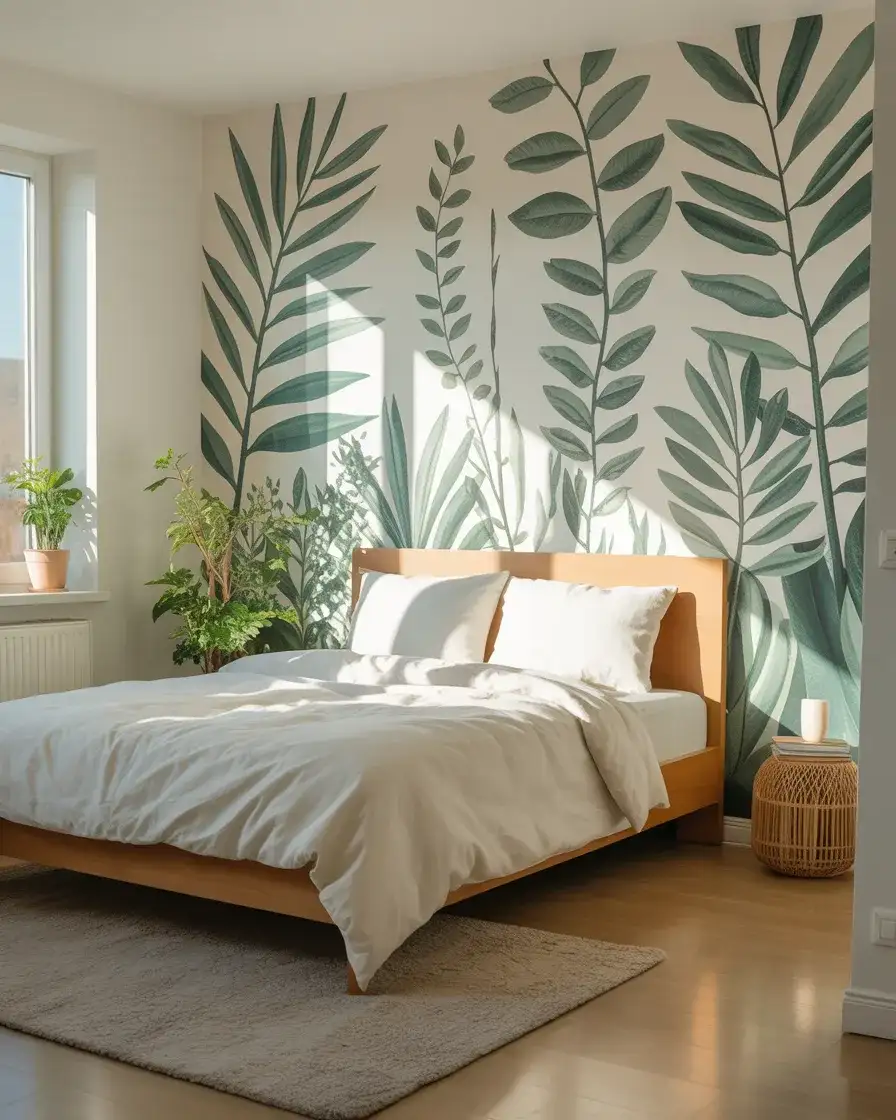
Removable wallpaper has come a long way, and in 2026, it’s one of the easiest ways to add personality to a rental without losing your deposit. Choose a single accent wall—behind the bed, behind the couch, or in a narrow hallway—and apply a pattern that reflects your style. From botanical prints to geometric designs to soft, muted murals, there’s an option for every aesthetic. The application is straightforward, and removal is even easier: just peel it off when your lease is up.
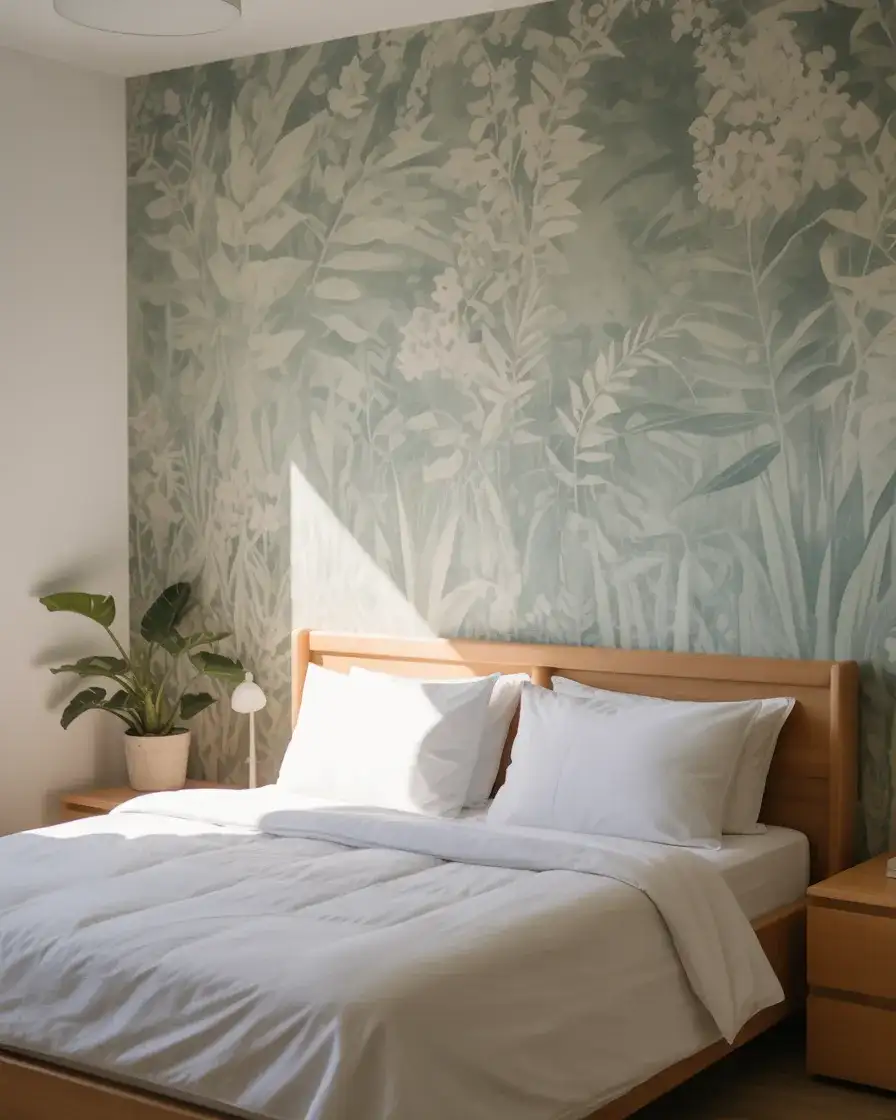
Expert-style commentary: wallpaper works best on smooth, clean walls—textured or freshly painted surfaces can cause bubbling or peeling. Measure carefully and order an extra roll or two; you don’t want to run short mid-project. The impact is immediate and dramatic, which is why this is often the first DIY project students tackle when they want to make a rental feel less generic. It’s also highly photographable, which explains its popularity on Pinterest and Instagram.
10. Multi-Functional Ottoman for Seating and Storage
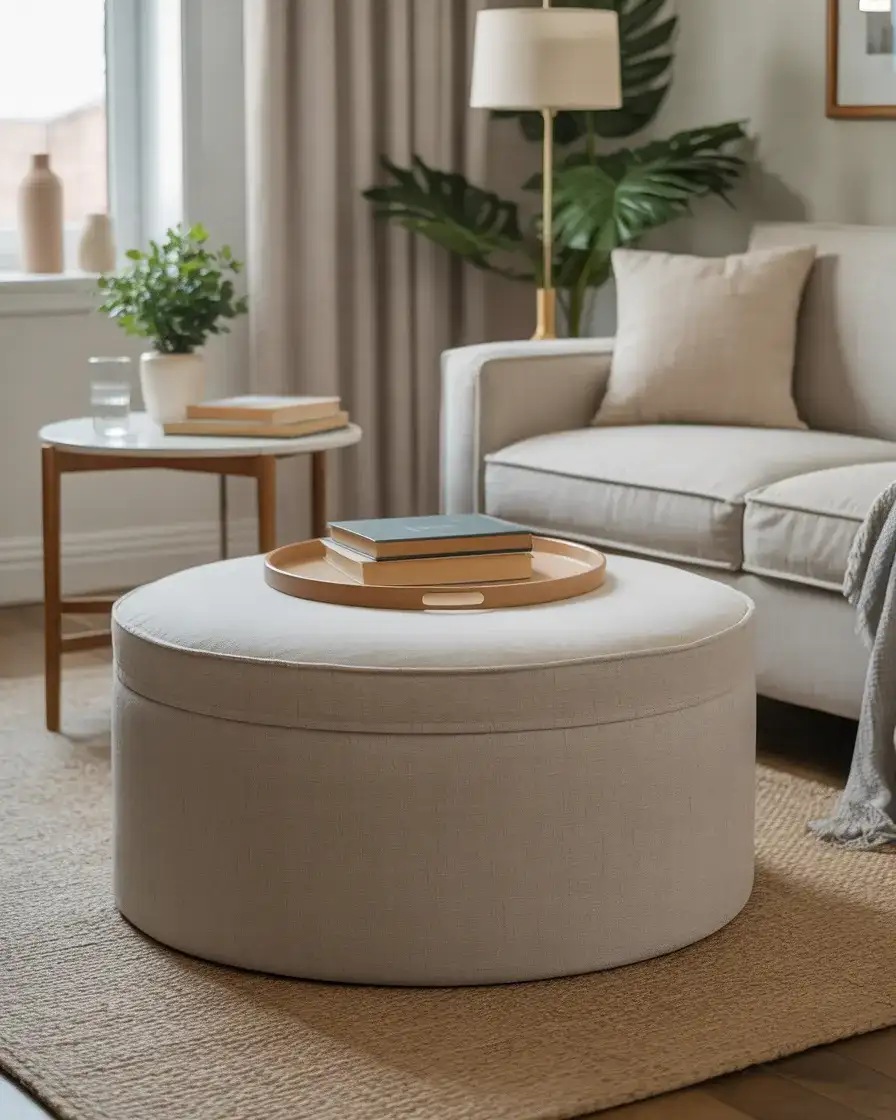
An ottoman with hidden storage is the definition of smart furniture for budget bedrooms and small spaces. Use it as a coffee table, extra seating, or a footrest, and stash blankets, textbooks, or off-season clothes inside. Look for one in a neutral fabric or faux leather that can move between rooms as your needs change. In a studio, it can double as a side table next to the bed; in a shared apartment, it’s perfect for the cozy living room setup where guests are frequent.
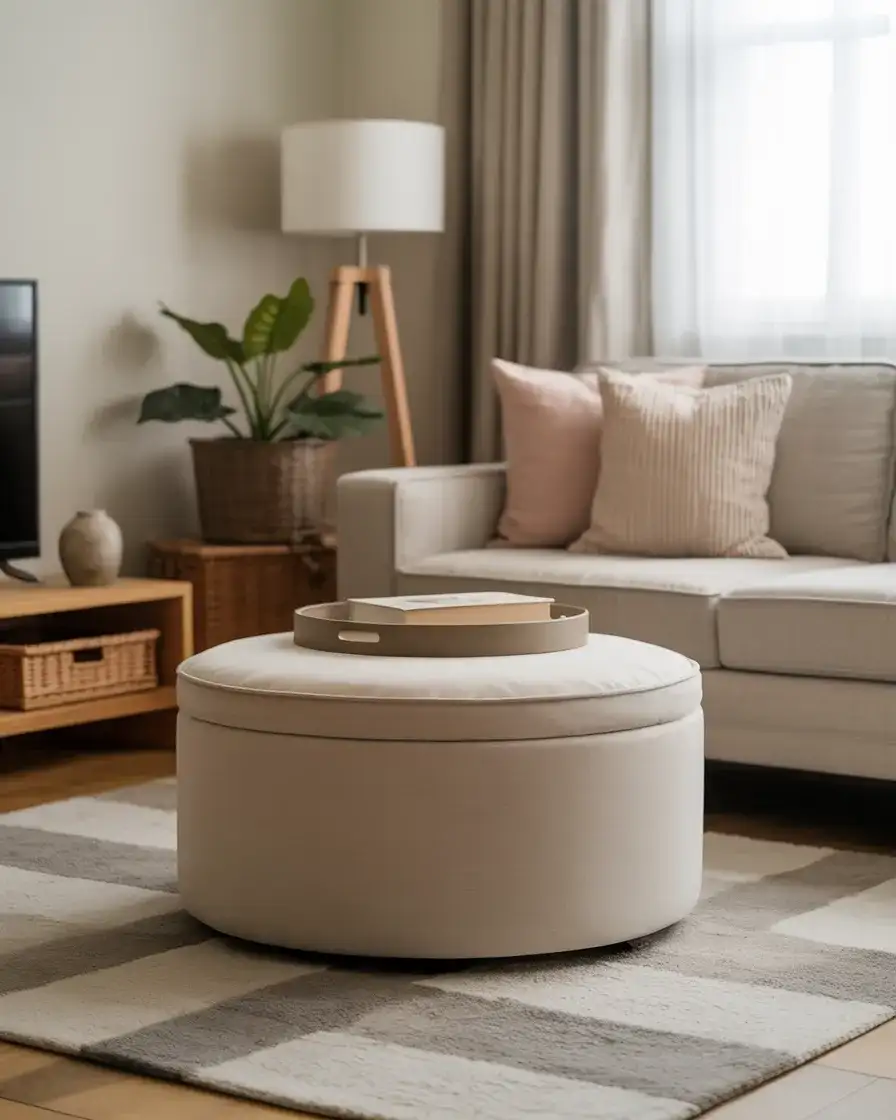
American lifestyle context: in cities where apartments are expensive and square footage is precious—think New York, San Francisco, and Boston—multi-functional furniture isn’t just trendy, it’s essential. An ottoman is one of the few pieces that earns its keep in multiple ways, which makes it worth the $50 to $150 investment. It’s also easy to move, which matters when you’re relocating every year or two.
11. Open Clothing Rack as a Style Statement
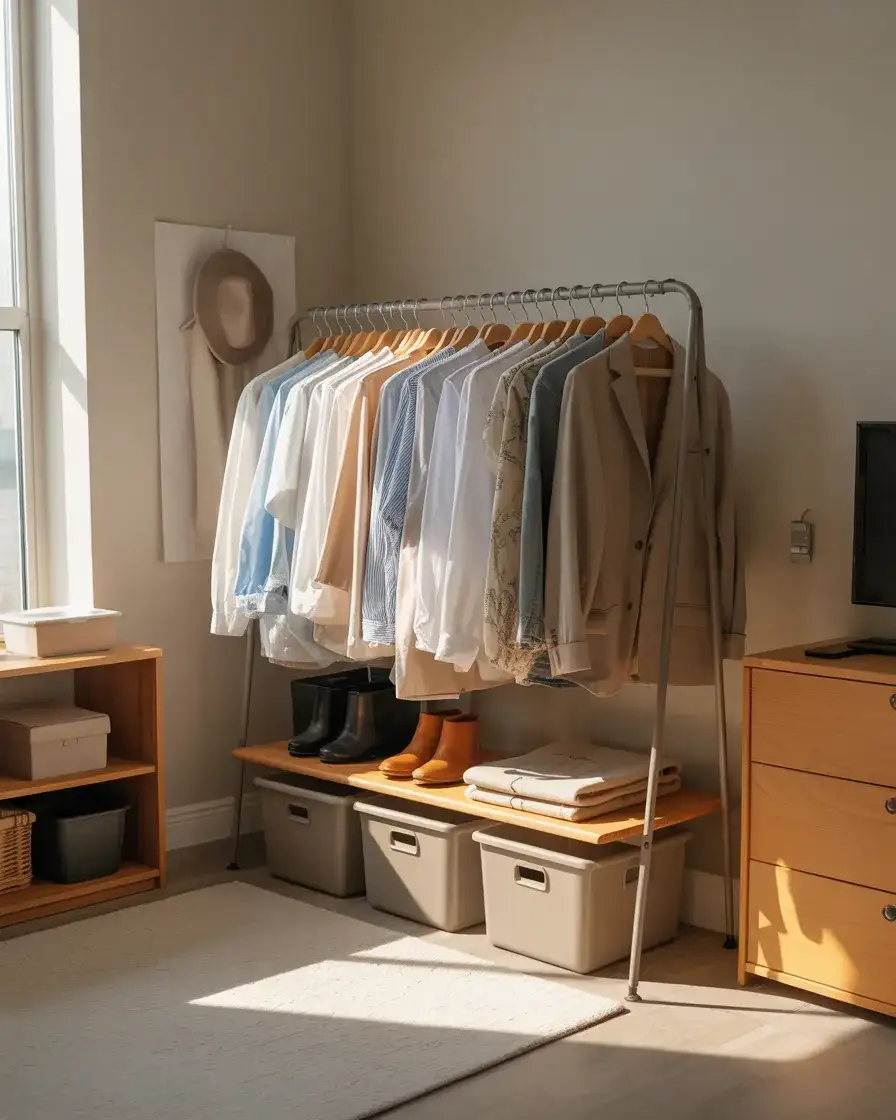
If your closet is tiny or nonexistent, embrace an open clothing rack. It’s practical, affordable, and—when styled well—it becomes part of the decor. Hang your favorite pieces, color-coordinate them, and keep the rest tucked in bins underneath. This approach works in cozy bedroom spaces where the closet is shared or where you want to showcase your wardrobe as part of your personal aesthetic. Add a small rug or runner underneath to define the zone.
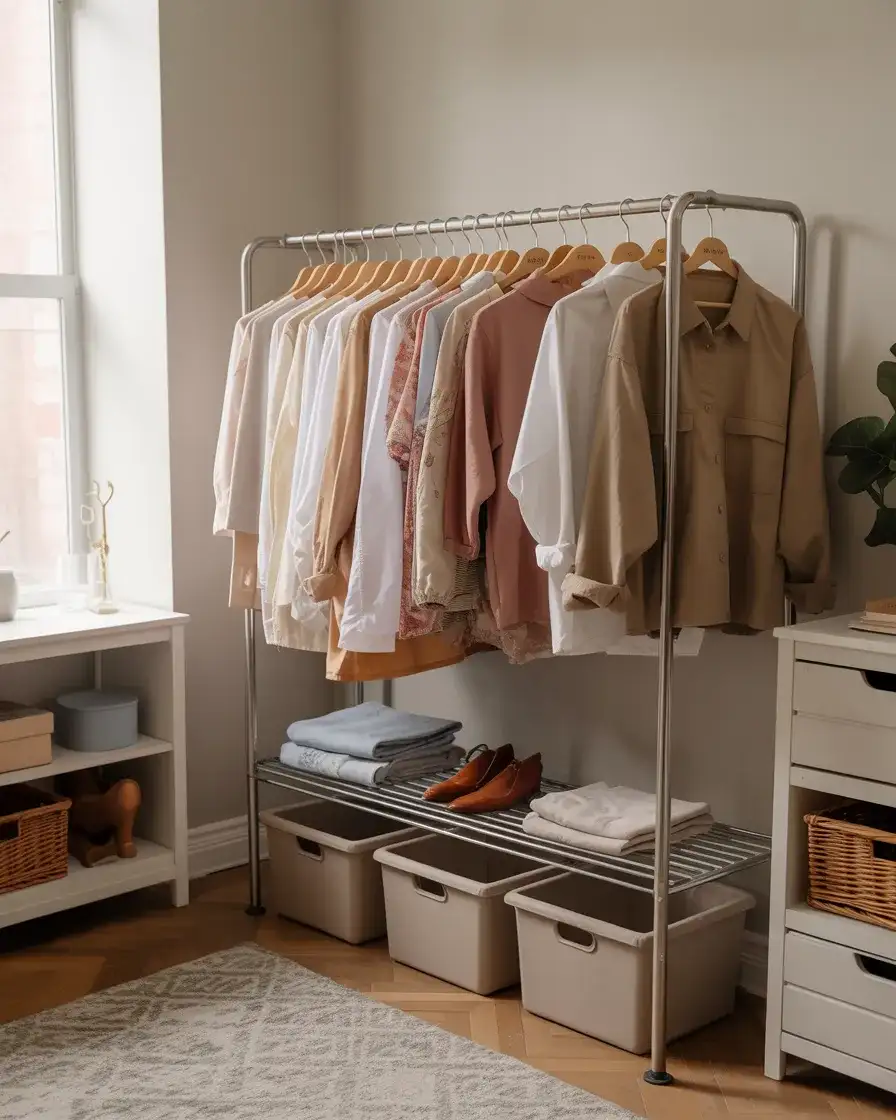
One design student in Chicago told me she keeps her open rack styled like a boutique—only the pieces she loves are visible, and it forces her to stay organized. The rest goes in under-bed storage or seasonal bins. This method works especially well in studios or lofts where the bedroom and living area overlap. Just be mindful that open storage requires discipline; if it’s messy, it reads as clutter, not curated.
12. Blue Accents for a Calming Palette
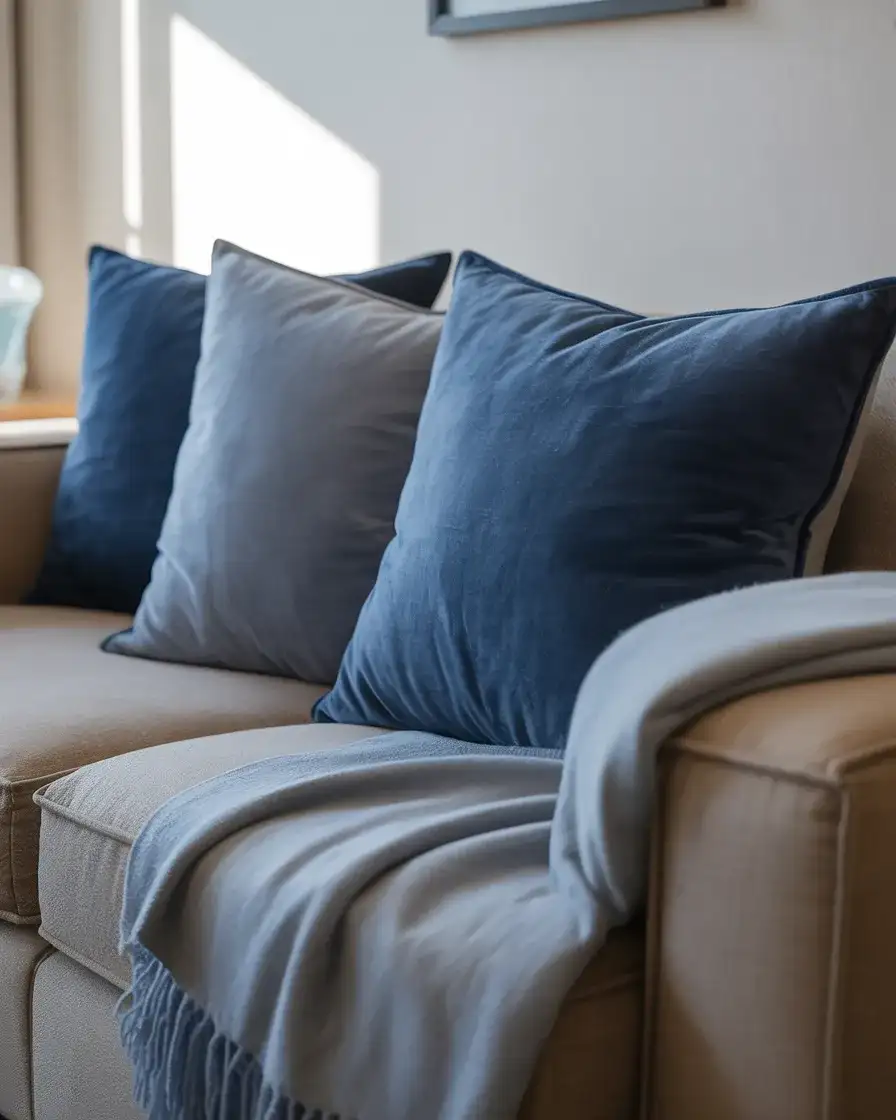
Incorporating blue into your decor palette—whether through pillows, artwork, or a throw blanket—instantly cools down a space and makes it feel more serene. In 2026, soft blues like powder, slate, and sky are trending over navy, especially in cozy bedroom and cozy modern living room setups. Blue pairs beautifully with neutrals like cream, beige, and soft gray, and it’s forgiving enough to work in rooms with varied lighting.
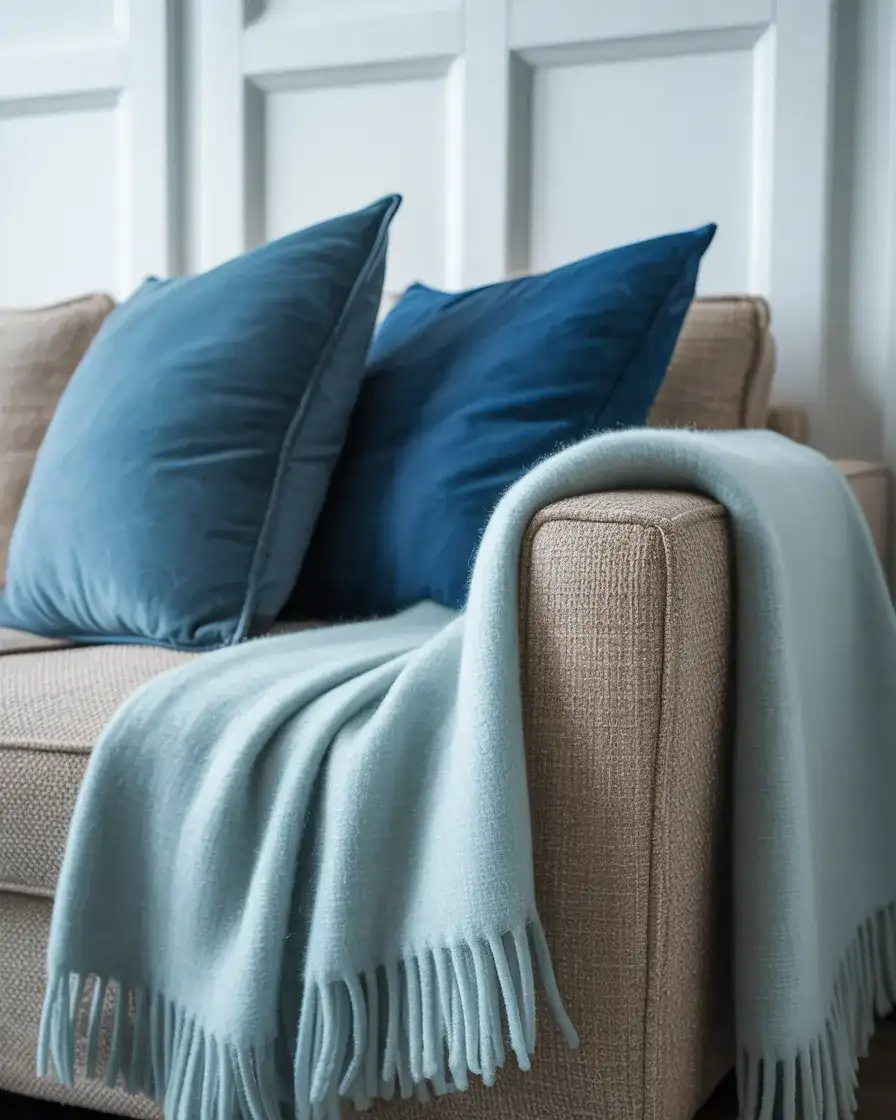
Common mistakes: pairing too many shades of blue in one room, which can feel cold or clinical. Stick to one or two tones and balance them with warm textures like wood, rattan, or linen. Blue also works particularly well in rooms that get harsh afternoon sun, as it visually cools the space. In regions with cooler climates, consider using blue as an accent rather than the dominant color to avoid making the room feel too cold.
13. DIY Headboard from Salvaged Materials
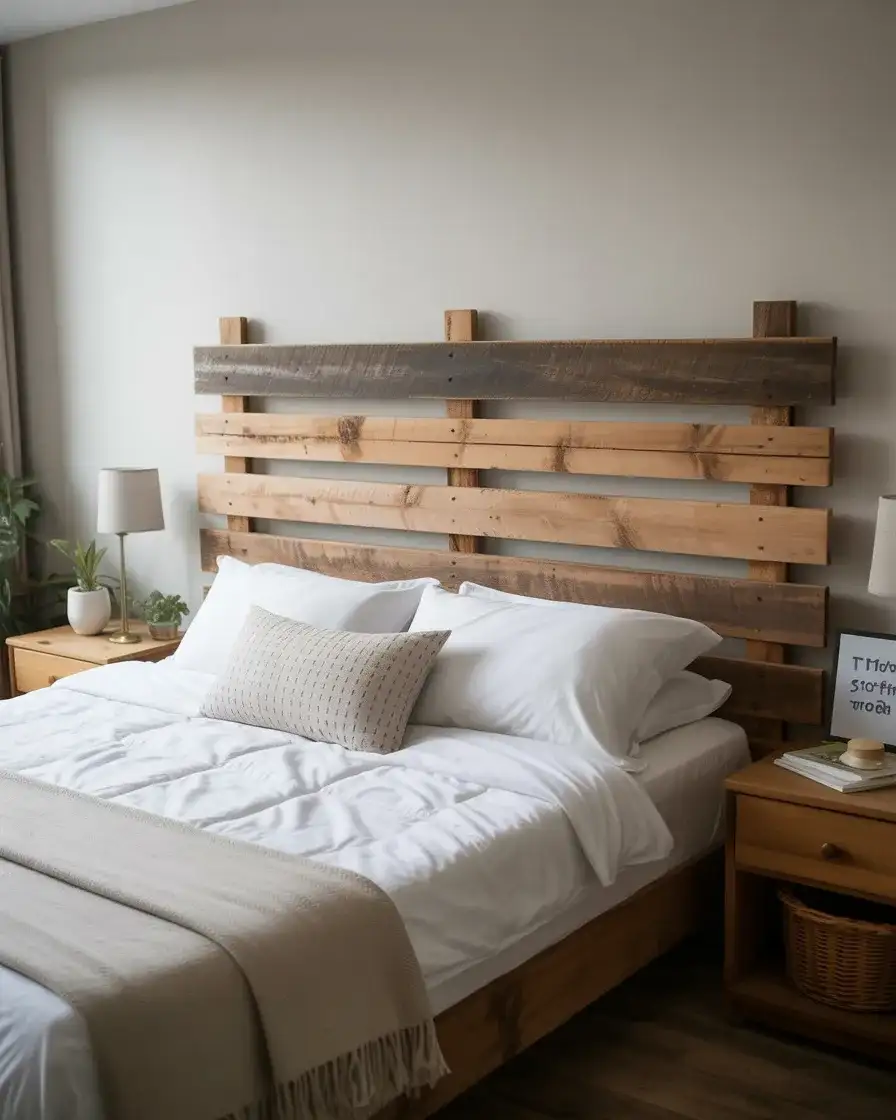
A headboard doesn’t have to be store-bought or expensive. Create your own using salvaged wood, an old door, or even a large piece of fabric stretched over a frame. This DIY approach gives you full control over size, finish, and style, and it’s one of the most impactful ideas for transforming a basic bed into a focal point. Sand the wood, stain or paint it, and mount it to the wall with heavy-duty command strips or brackets if drilling is allowed.
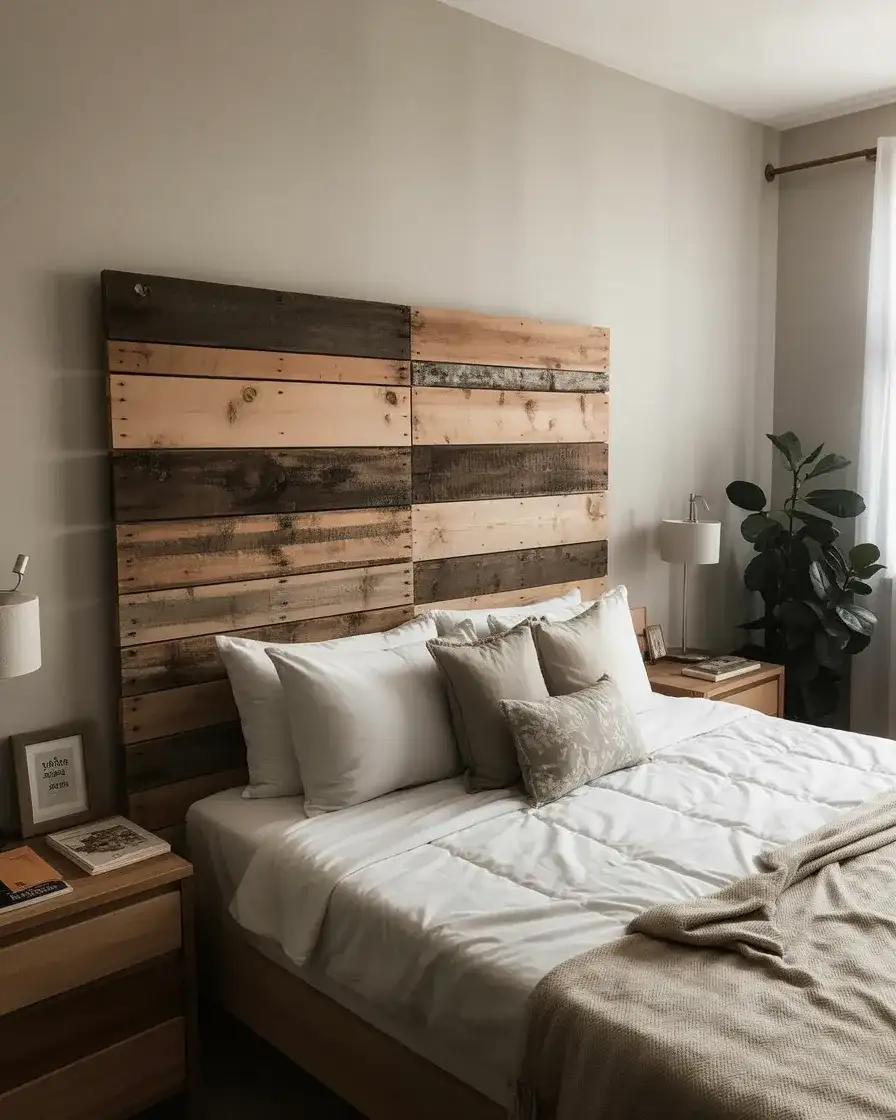
Where it works best: in apartments with high ceilings or blank walls that need a vertical anchor. A tall, dramatic headboard draws the eye upward and makes the room feel more finished. This project also appeals to students in creative fields—art, design, architecture—who want their space to reflect their skills. Just be realistic about your tools and timeline; this isn’t a one-hour project, but the payoff is worth it.
14. Under-Bed Storage Bins for Hidden Organization
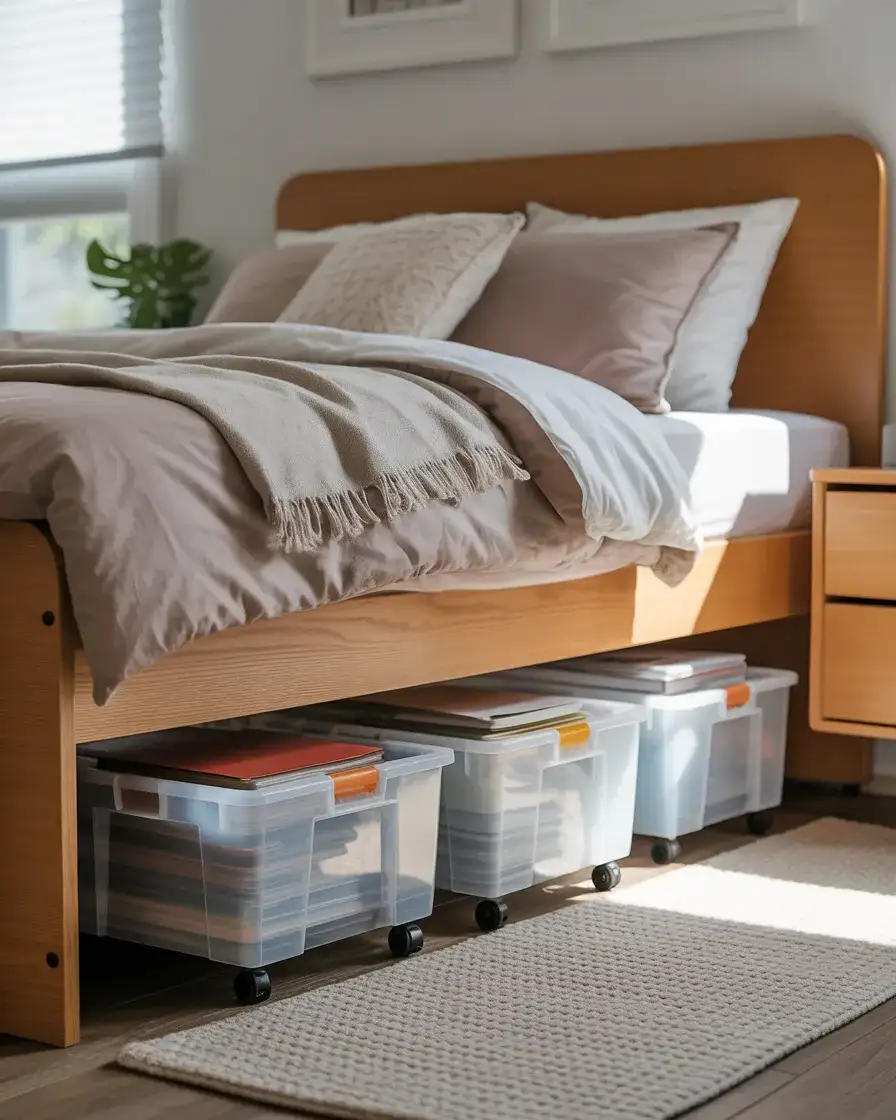
The space under your bed is prime real estate, especially in budget bedrooms and small spaces where closet space is limited. Invest in low-profile storage bins with wheels or handles, and use them for off-season clothes, shoes, extra linens, or textbooks. Clear bins let you see what’s inside without digging, while fabric bins in neutral tones keep the look cohesive. Pair this with bed risers to maximize vertical storage if your bed frame allows it.
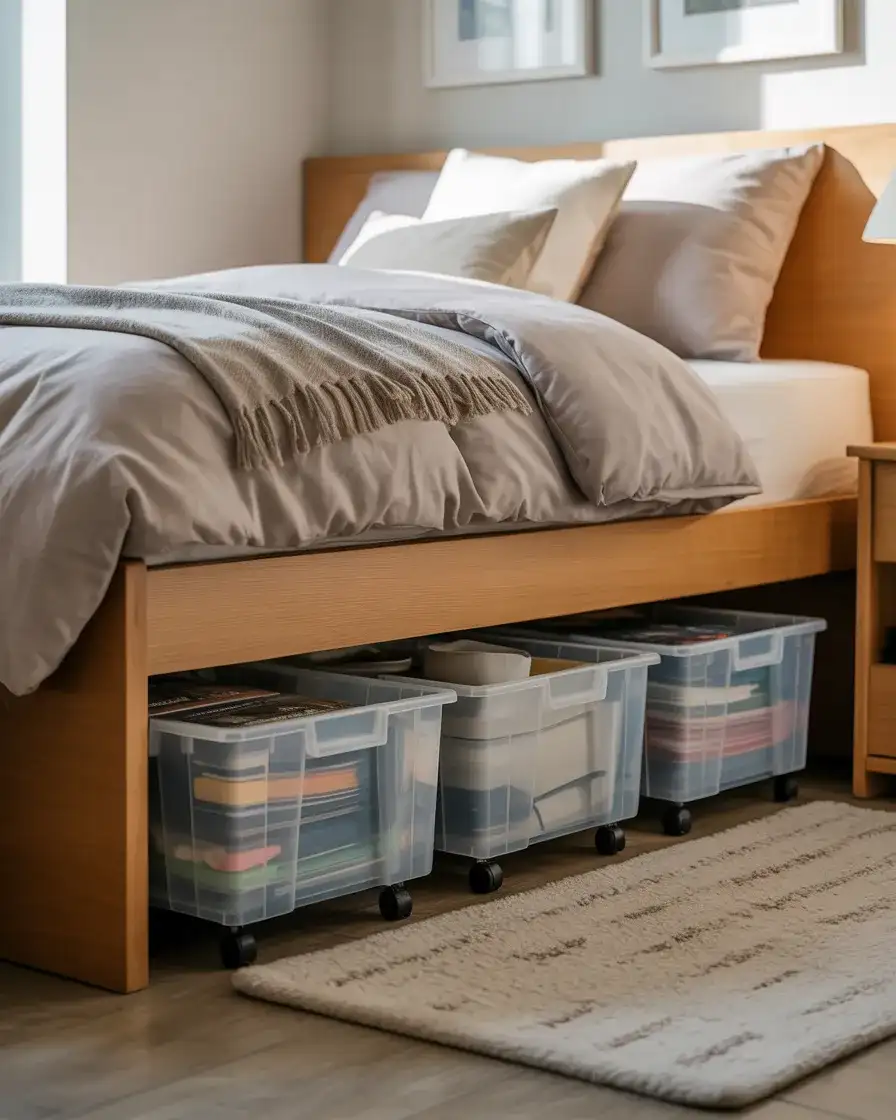
Budget angle: decent under-bed bins start around $15 to $30 each, and you’ll probably need two to four depending on your bed size. This is a small investment that pays off in reduced clutter and easier move-outs. Just avoid overstuffing them—heavy bins are hard to slide in and out, and they can damage flooring if dragged repeatedly. Label them if you’re storing multiple categories so you don’t have to pull everything out to find what you need.
15. Potted Plants for Life and Texture
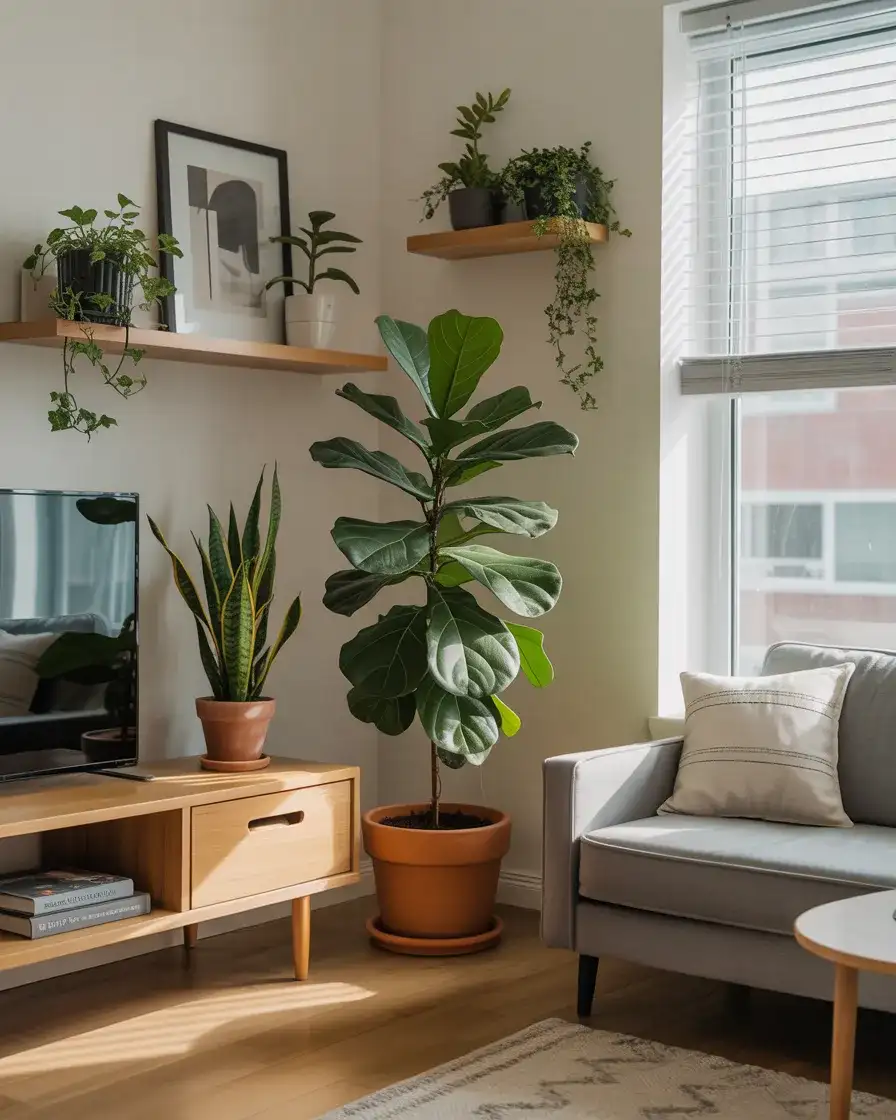
Nothing softens a stark rental like greenery. Even if you don’t have a green thumb, low-maintenance plants like pothos, snake plants, and succulents thrive in college apartments. Place them on shelves, windowsills, or the floor in larger pots to add texture and warmth. They’re also one of the easiest ways to bring inspo living room vibes into a space without spending much. Plus, plants improve air quality and make a room feel lived-in and cared for.
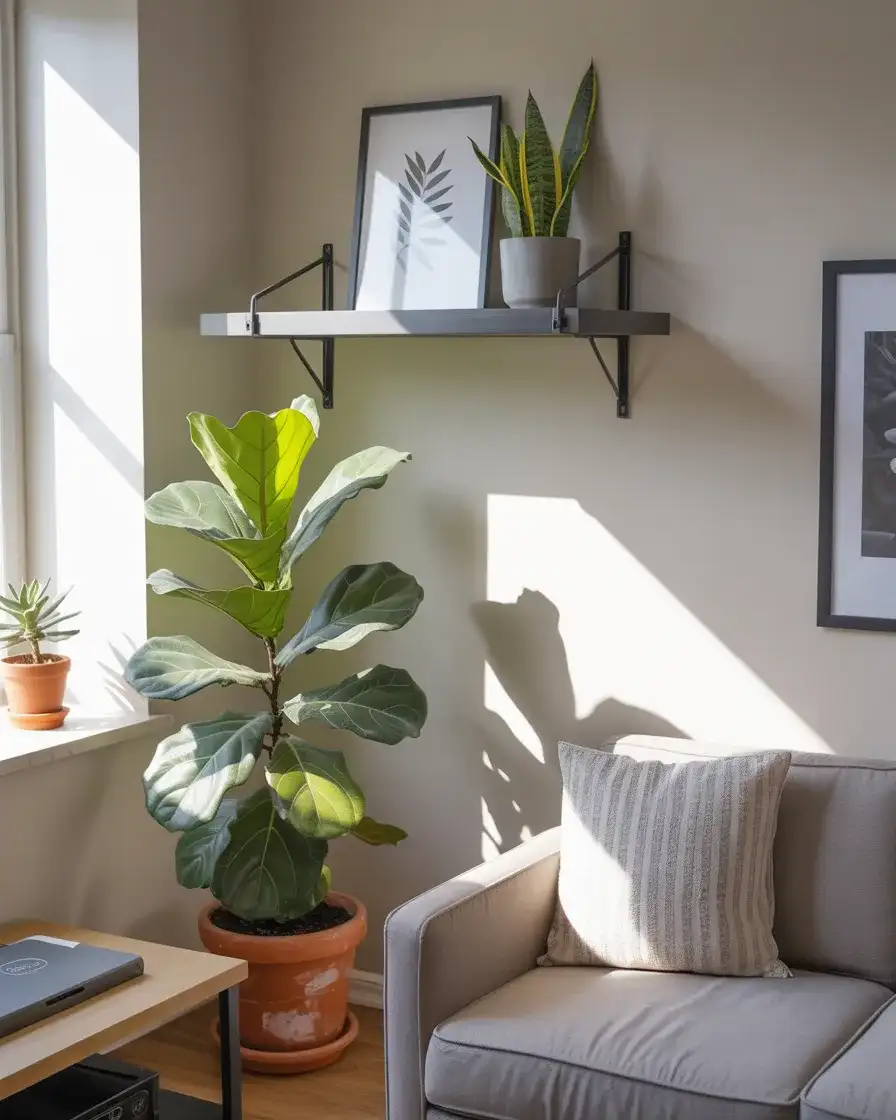
Real homeowner behavior: students often start with one or two plants and gradually build a collection as they figure out what survives their lifestyle. The key is matching the plant to the light—low-light varieties for basements or north-facing windows, sun-lovers for south-facing ones. Overwatering is the most common mistake, so err on the side of underwatering and research each plant’s needs. Even a single well-placed plant can shift the energy of a room.
16. Modular Shelving for Customizable Storage
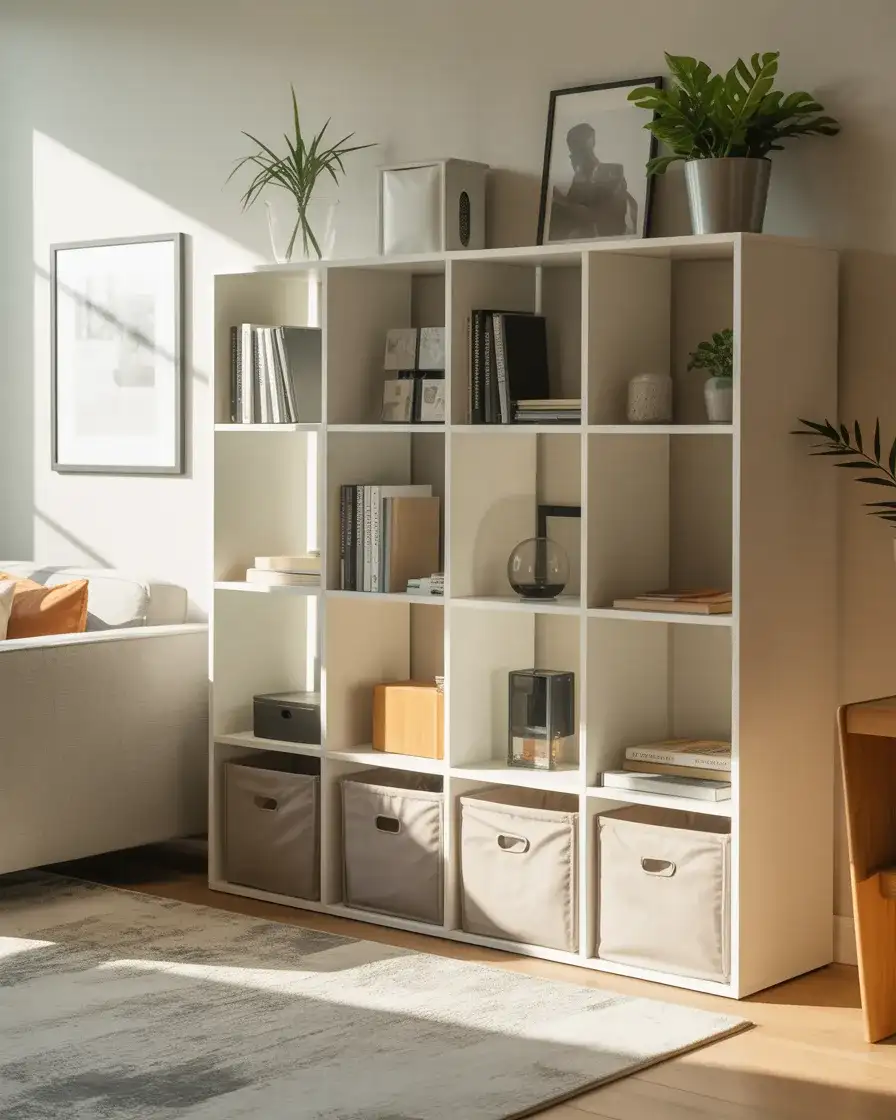
Modular cube shelving systems let you build your storage to fit your space—stack them vertically, arrange them horizontally, or create an asymmetrical layout that doubles as a room divider. Use fabric bins in some cubes and leave others open for books, decor, or plants. This is especially useful in a budget living room or small spaces where traditional furniture doesn’t fit or where you need flexibility as your needs change from semester to semester.
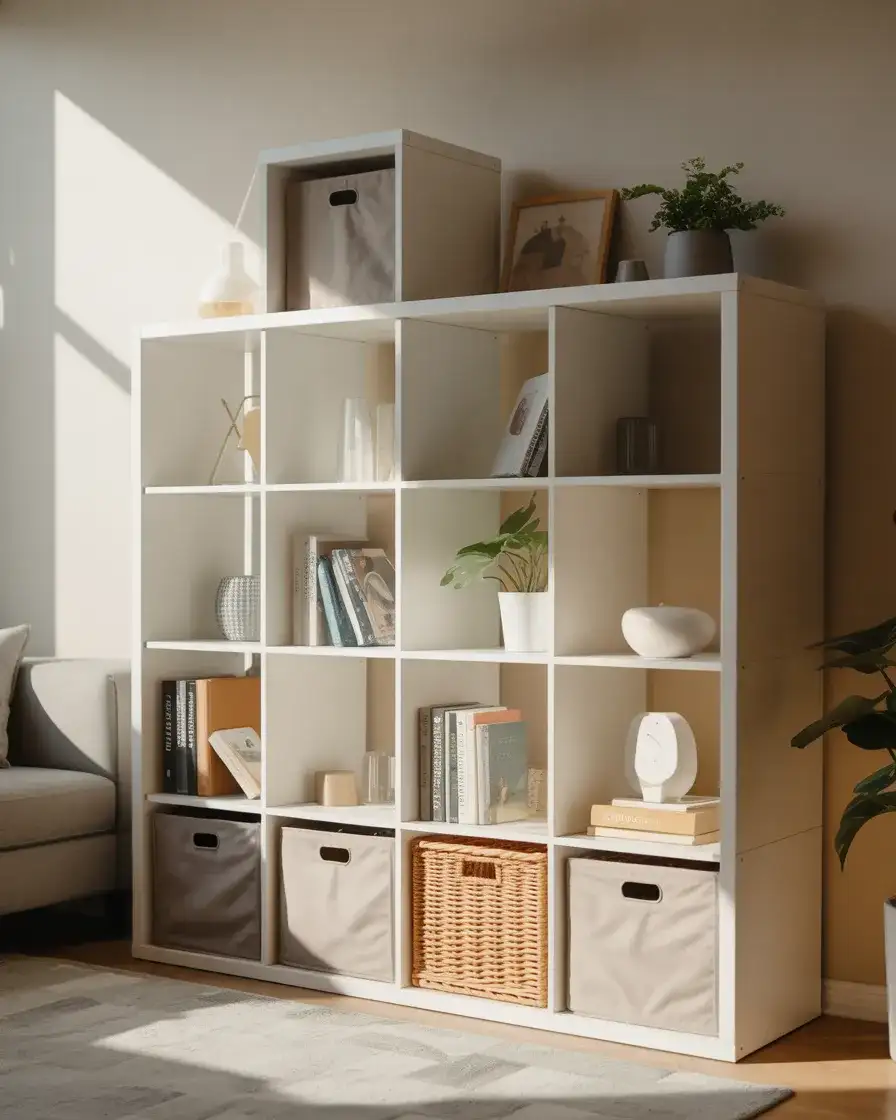
In shared apartments, modular shelving can delineate personal space without building walls—one roommate’s cubes hold their books and belongings, and the other’s hold theirs. It’s also easy to disassemble and move, which is a huge advantage for students who relocate frequently. Prices vary widely, but affordable options start around $60 for a six-cube unit. Just anchor it to the wall if you’re stacking it tall; top-heavy units can tip over.
17. Vintage Rug to Define a Zone
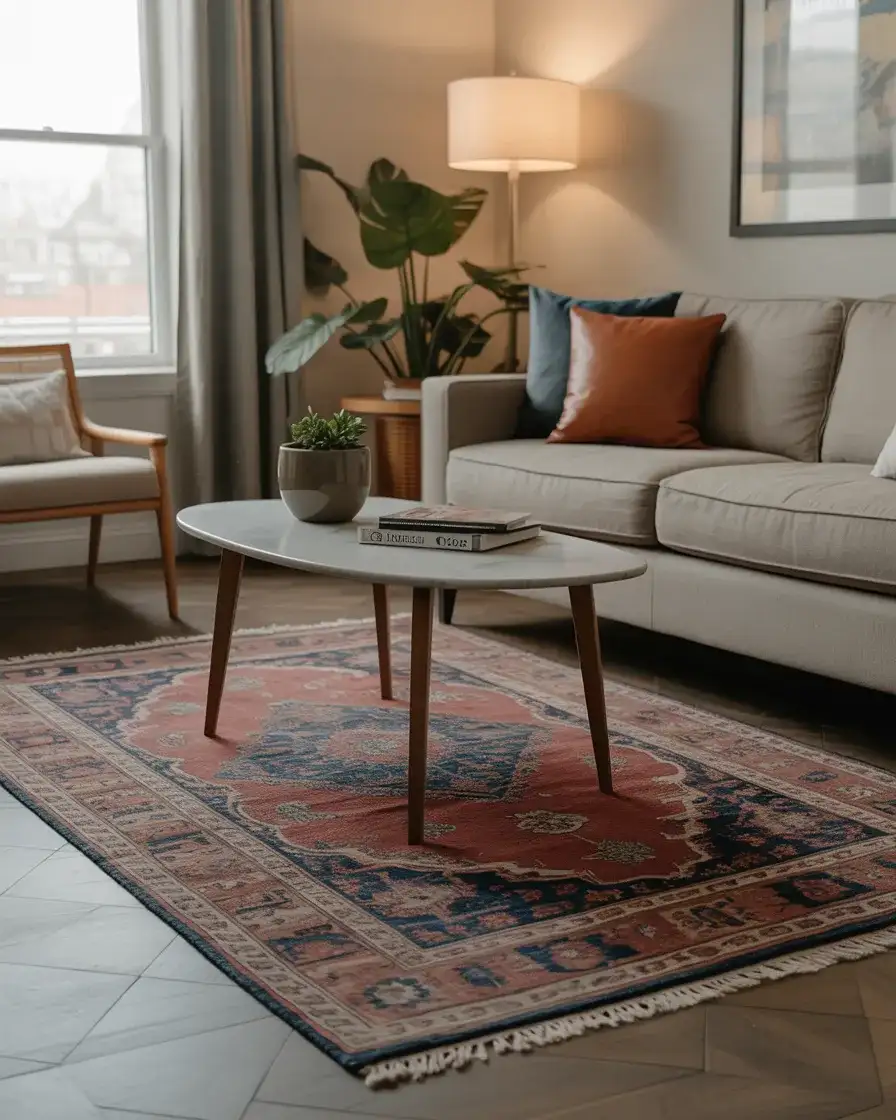
A vintage or vintage-inspired rug grounds a room and adds instant character. Whether you thrift a real Persian rug or buy a printed reproduction, the effect is the same: warmth, texture, and a sense of history. Use a rug to define the living room cozy seating area, anchor a bedroom cozy nook, or soften a cold kitchen floor. In open-plan studios, a rug is one of the simplest ways to visually separate living and sleeping zones without adding furniture.
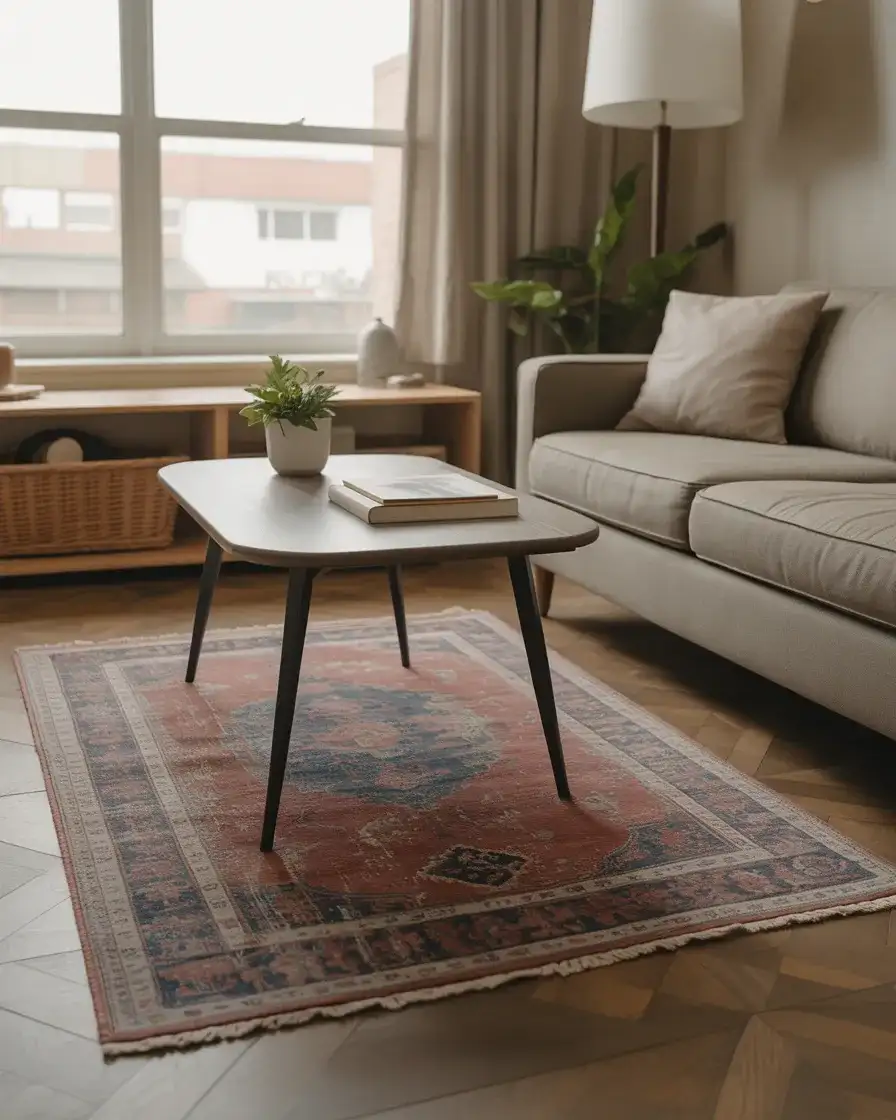
Expert-style commentary: when shopping for rugs, prioritize durability and ease of cleaning—college life is messy. Look for flatweave or low-pile options that won’t trap crumbs or pet hair. Vintage rugs are often more forgiving of stains and wear than new ones, and they add a layer of sophistication that’s hard to replicate with fast-furniture alternatives. If the rug is too small, it will look like an afterthought; aim for one large enough that at least the front legs of your furniture rest on it.
18. Desk Lamp with Warm Bulbs for Task Lighting
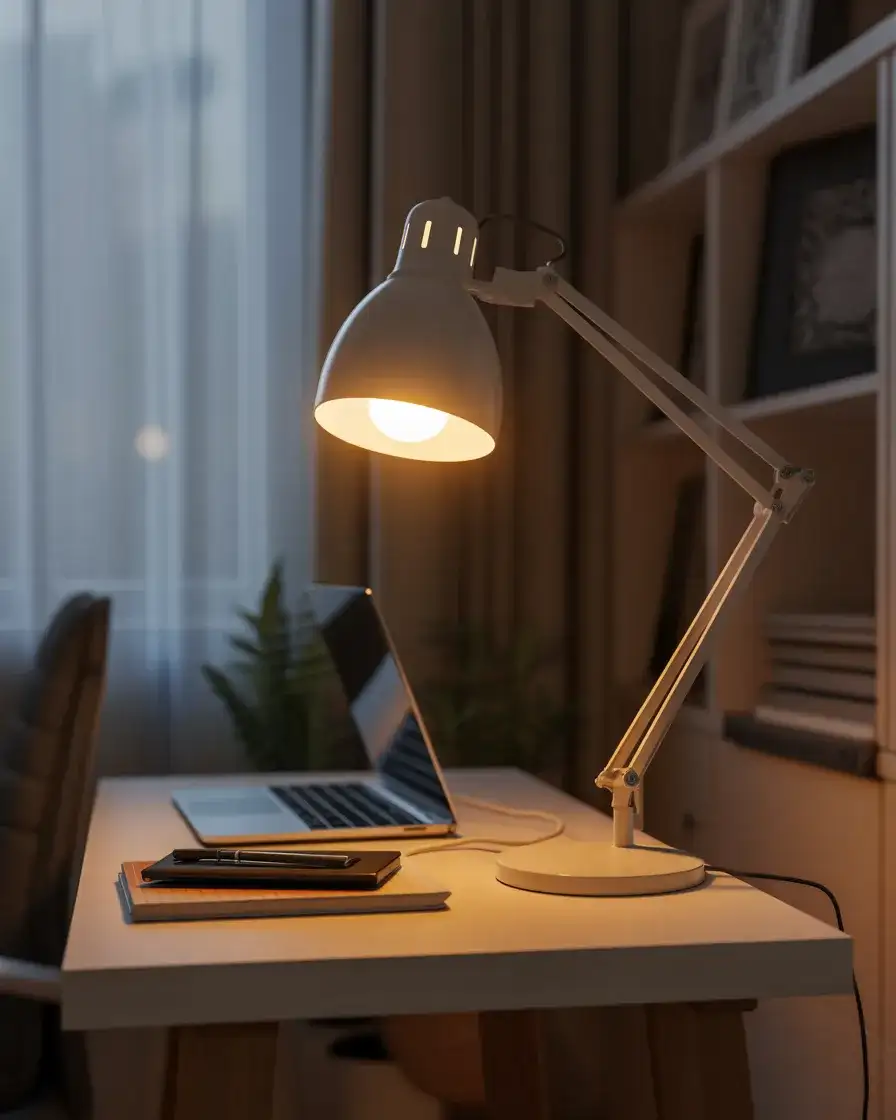
Good lighting is non-negotiable, especially in a study or work zone. A desk lamp with an adjustable arm and a warm-toned LED bulb reduces eye strain and makes late-night study sessions more bearable. Avoid cool, blue-toned bulbs—they’re harsh and uninviting. Instead, choose a lamp that mimics natural daylight or has a dimming feature so you can adjust the intensity based on the time of day. This is one of those budget upgrades that makes a huge difference in daily comfort.
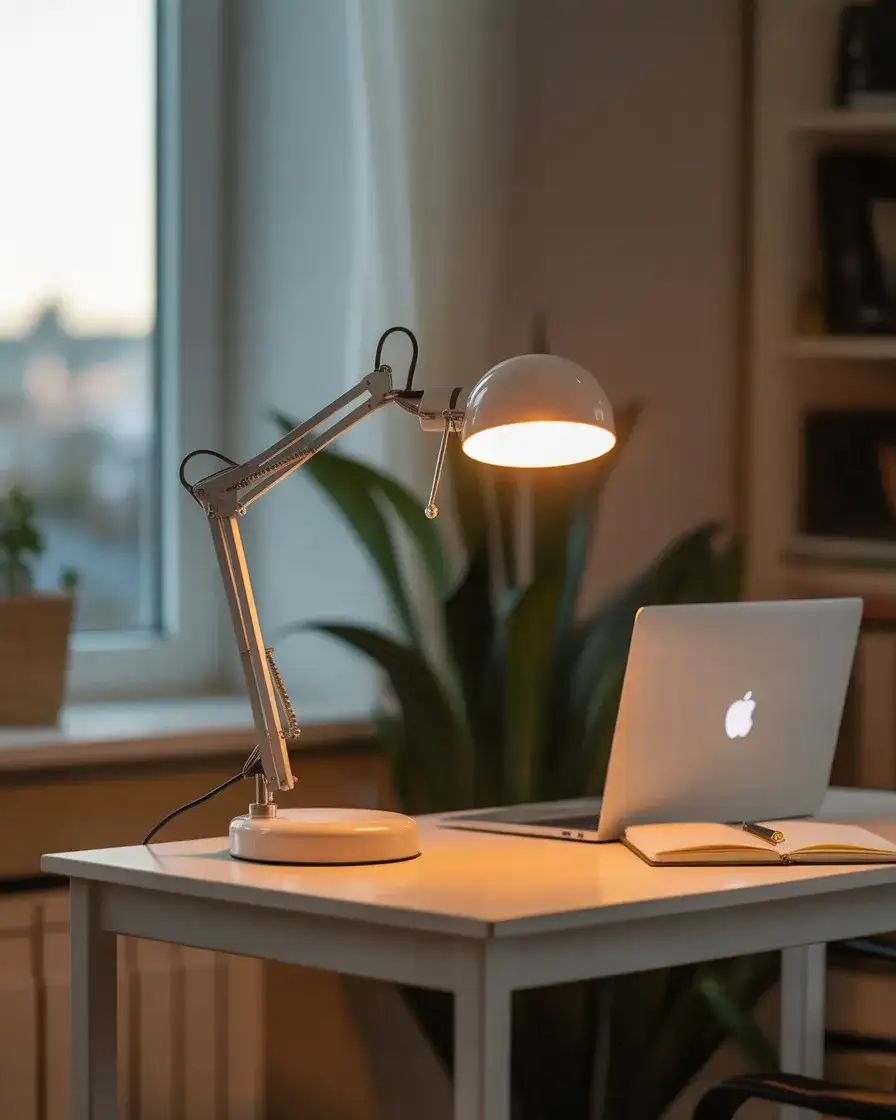
Practical insight: if your apartment has overhead fluorescent lighting—common in older buildings—layer in several lamps to create pockets of warm light. This softens the harshness and makes the space feel more residential. A desk lamp is also portable, so you can take it with you from room to room or apartment to apartment as you move. Budget around $20 to $50 for a quality lamp that will last through multiple semesters.
19. Magnetic Spice Rack for Tiny Kitchens
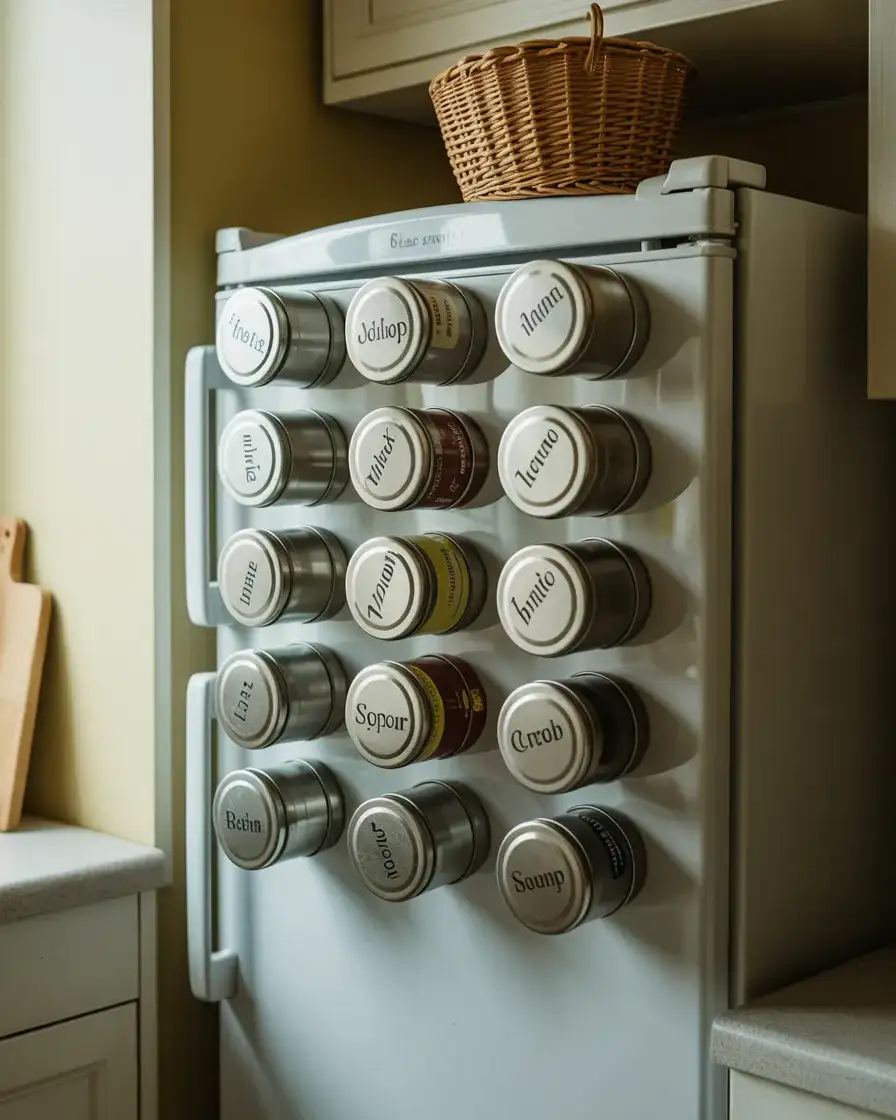
When counter space is at a premium, a magnetic spice rack mounted on the fridge or a metal strip on the wall is a game-changer. Decant your spices into matching magnetic tins, label them, and arrange them in a grid for easy access. It keeps your cooking essentials organized and visible, and it frees up valuable drawer or cabinet space. This fun and functional solution is especially popular in studio apartments where every inch counts.
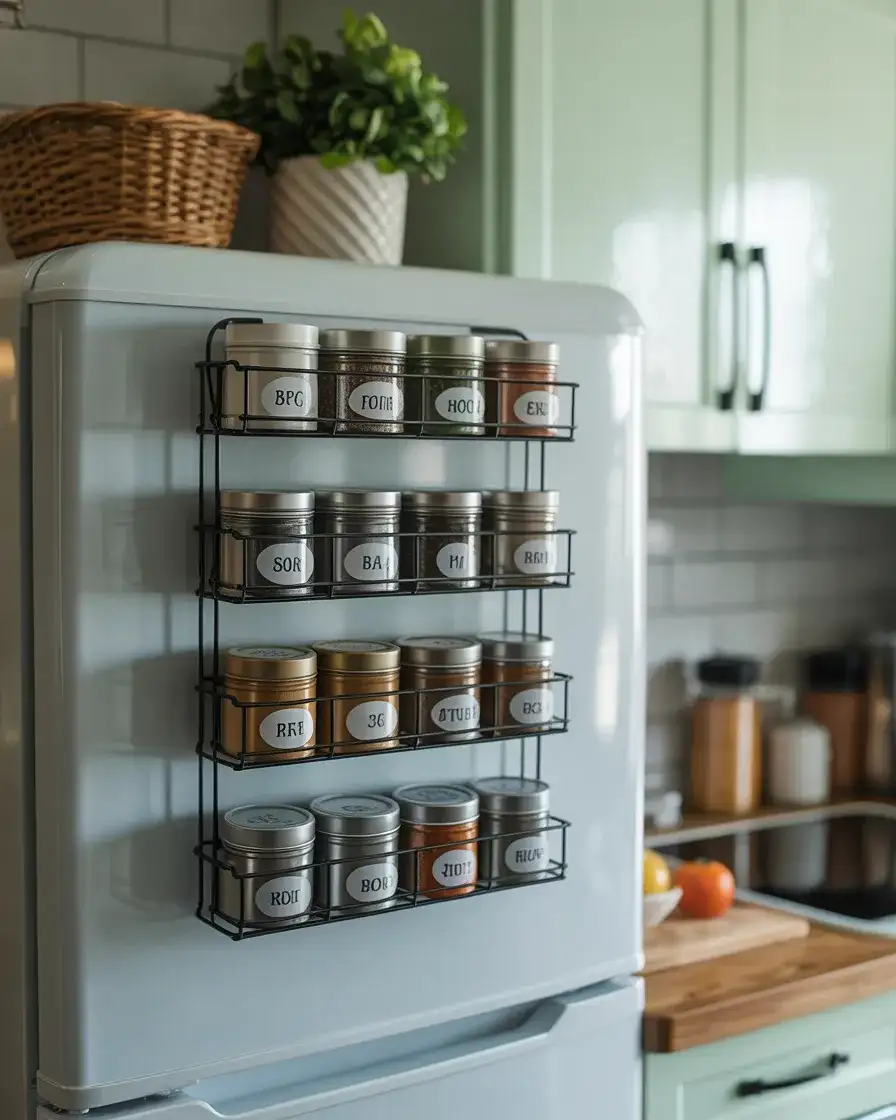
Real homeowner behavior: students who cook frequently swear by this system because it eliminates the rummage-through-the-cabinet ritual. It also looks impressive when guests are over, signaling that you’re someone who takes your kitchen seriously even in a small space. The upfront cost is around $25 to $40 for a set of tins and labels, and refilling them from bulk bins or larger containers saves money over time.
20. Folding Bistro Set for a Tiny Balcony
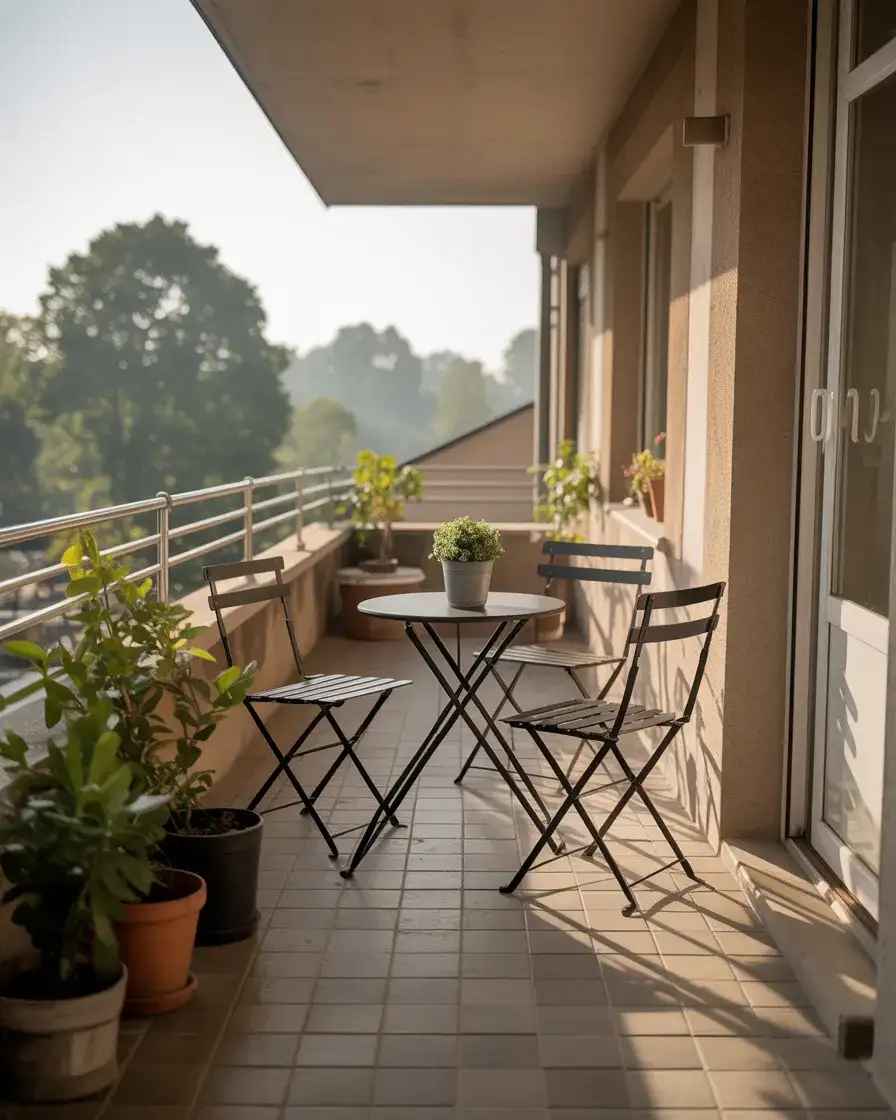
If you have even the smallest outdoor space, make the most of it with a folding bistro table and two chairs. Choose weather-resistant materials like metal or treated wood, and keep the palette simple—black, white, or natural wood tones. This setup turns a neglected balcony into a cozy spot for morning coffee, studying, or evening drinks. When not in use, fold the furniture flat and tuck it against the wall to reclaim floor space.
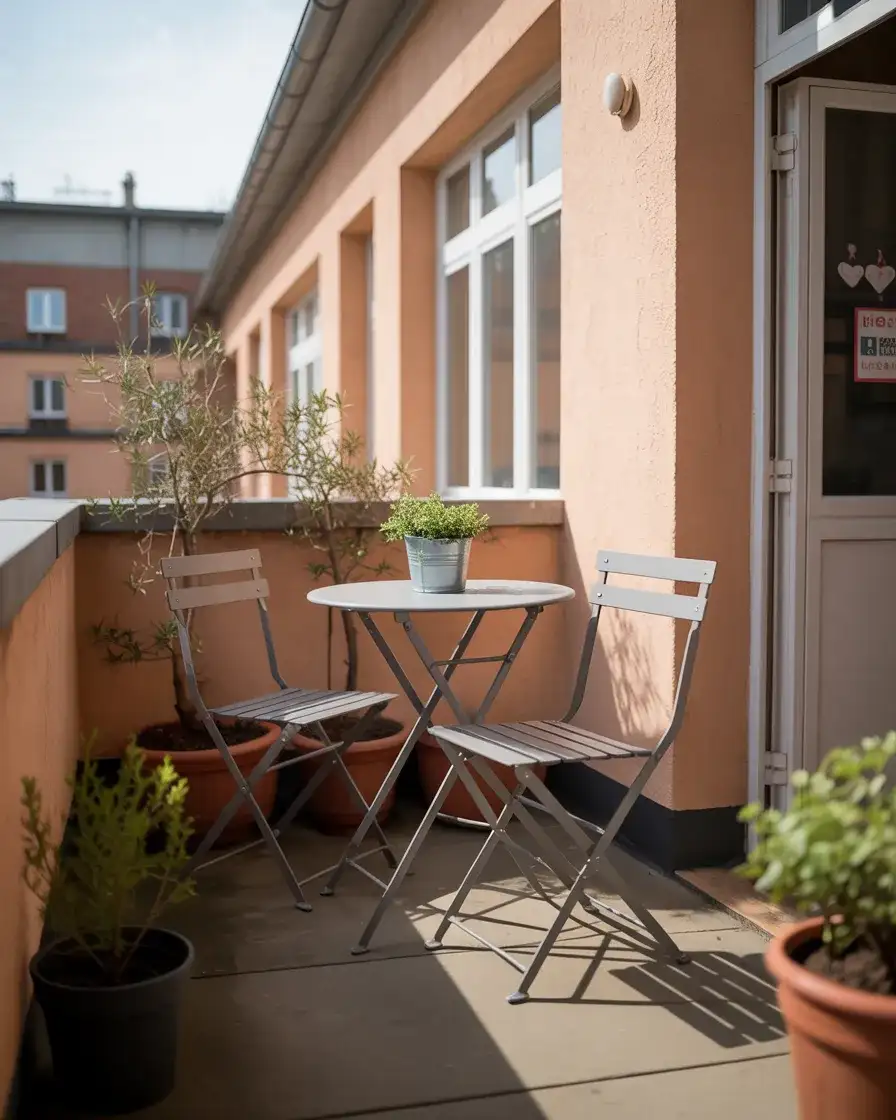
American lifestyle context: in cities with mild climates—like Austin, Portland, or San Diego—students use balconies year-round, making a bistro set a worthwhile investment. In colder regions, the furniture might only see use in spring and fall, but it’s still worth it for the mental health boost of having access to fresh air and natural light. Just check your lease; some apartments restrict balcony furniture for fire safety reasons.
21. Woven Baskets for Stylish Storage
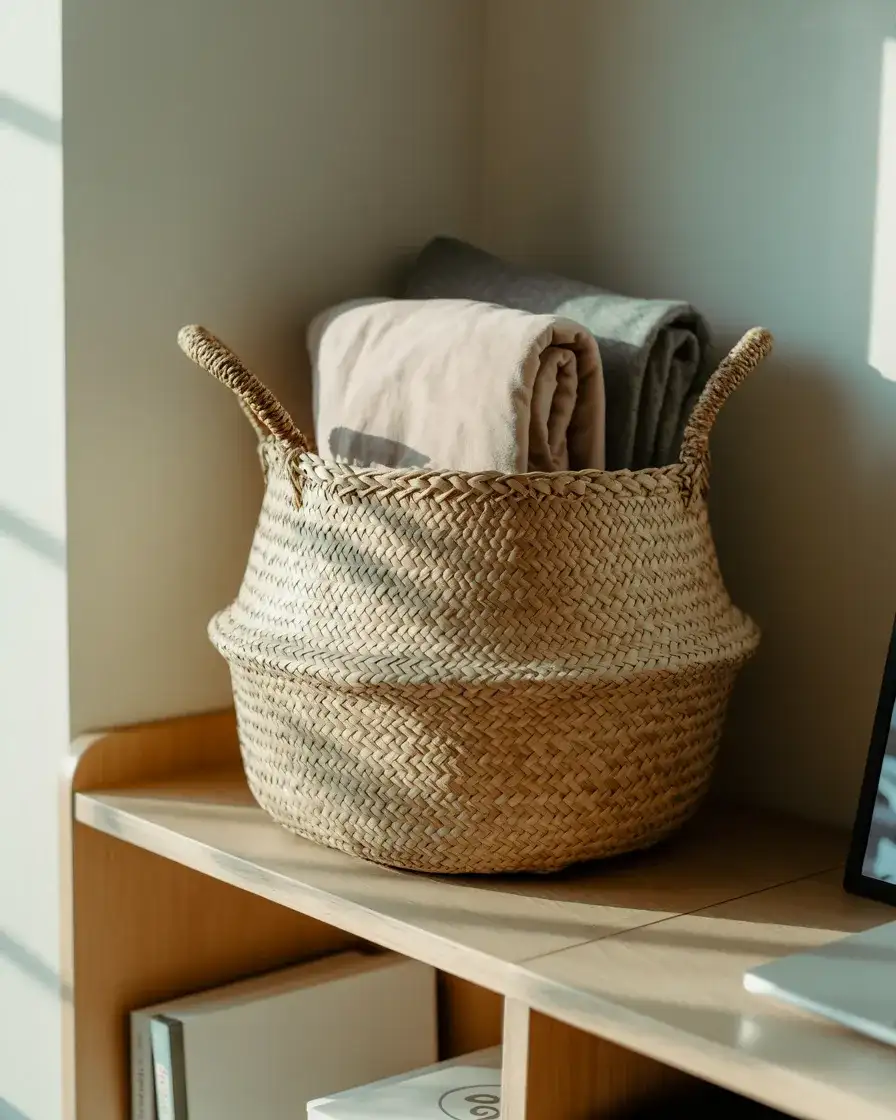
Woven baskets in seagrass, rattan, or jute add texture and warmth while hiding clutter. Use them on shelves, under console tables, or in closets to corral everything from throw blankets to laundry to school supplies. They’re lightweight, affordable, and easy to move around as your storage needs evolve. In 2026, natural materials are having a moment, and baskets are one of the simplest ways to tap into that aesthetic without committing to a full boho overhaul.
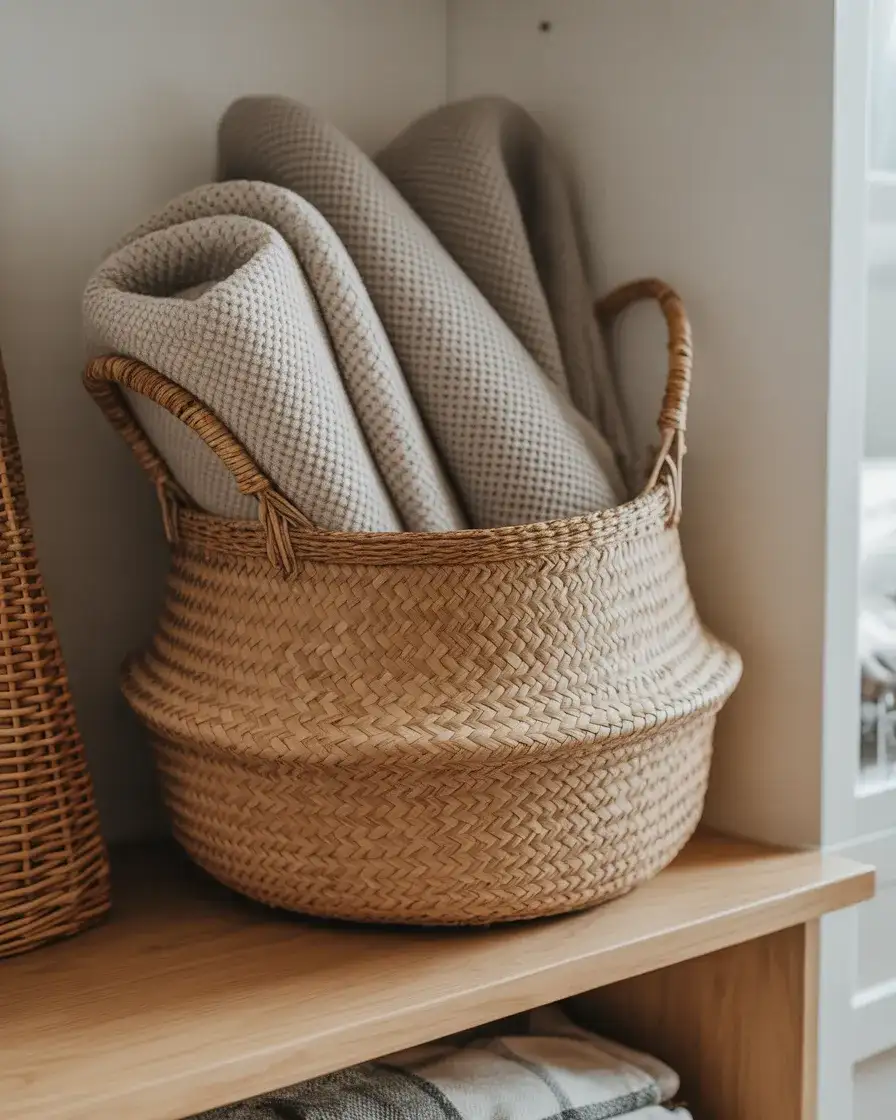
Where it works best: in entryways, bathrooms, and bedrooms where you need quick-access storage that doesn’t look utilitarian. Baskets also soften hard surfaces like metal shelving or wire racks, making the overall space feel more curated. They’re typically priced between $10 and $40 depending on size and quality, and they’re easy to find at thrift stores or online. Just avoid overloading them—they’re not structural, and overstuffed baskets lose their shape.
22. Christmas Touches Without Overwhelming the Space
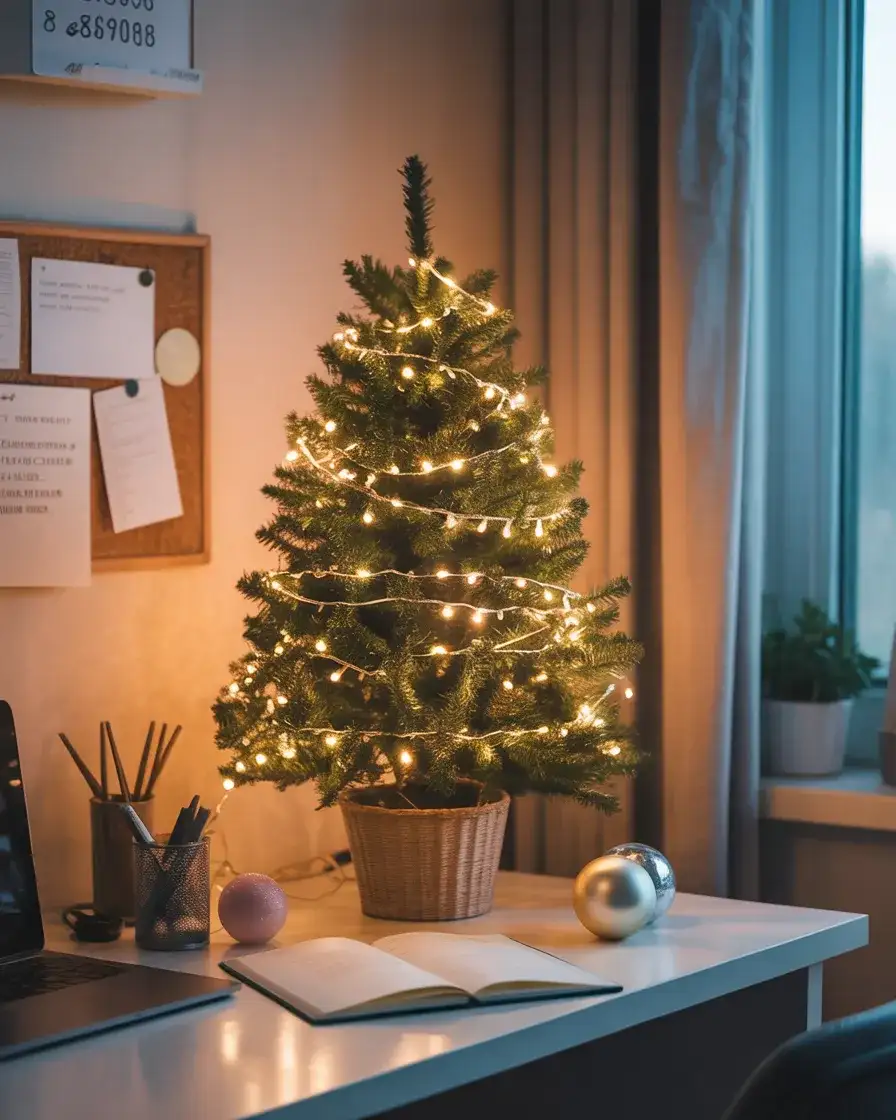
Adding Christmas decor to a small college apartment requires restraint. Instead of a full-size tree, opt for a tabletop version or a festive garland draped across a mantel or bookshelf. String lights in warm white or soft gold add holiday ambiance without taking up space, and a few seasonal throw pillows or a plaid blanket can shift the mood instantly. Keep decorations temporary and easy to pack away, especially if you’re heading home for break.

Common mistakes: going too big, too bright, or too themed. In a tiny apartment, a six-foot tree or a dozen decorations can quickly feel overwhelming. Stick to a few high-impact pieces—a wreath on the door, a string of lights, a scented candle—and let the rest of your decor stay neutral. This also makes cleanup easier and ensures your space doesn’t look like a seasonal pop-up shop.
23. Coordinated Hangers for a Polished Closet
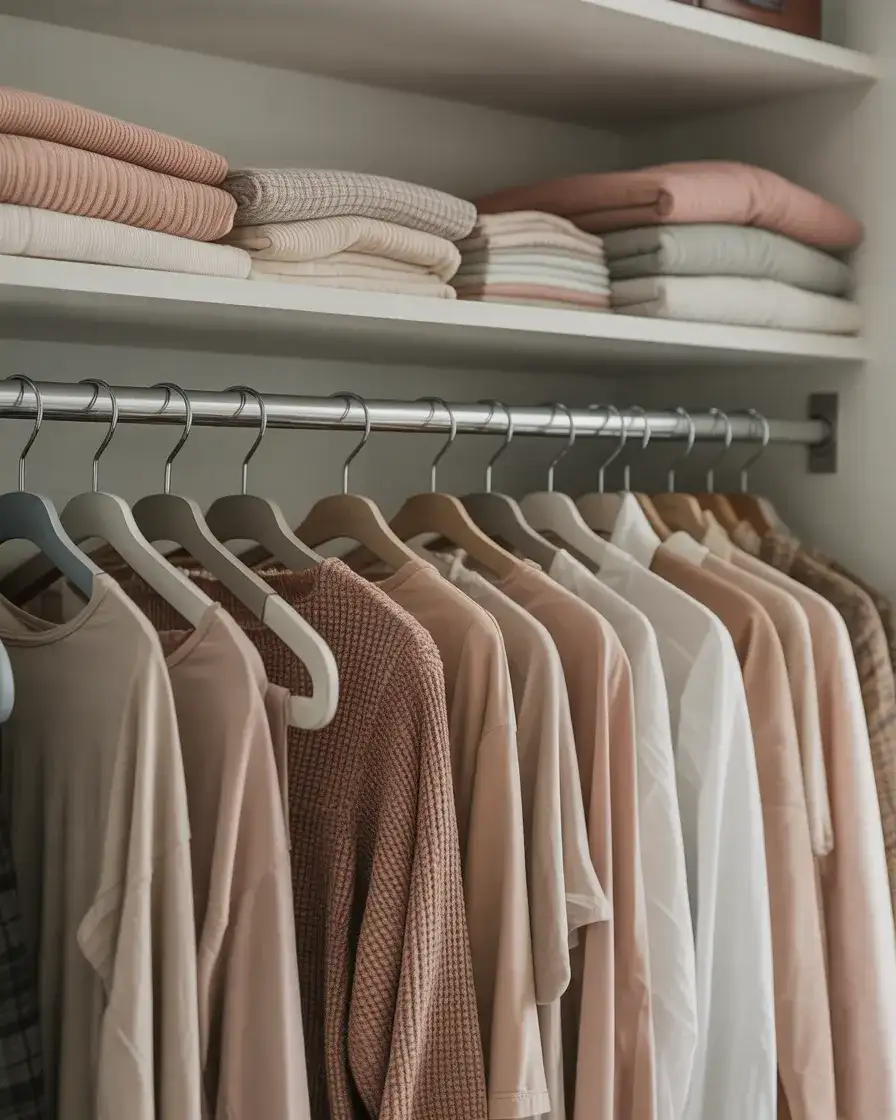
It sounds trivial, but swapping out mismatched hangers for a uniform set—whether velvet, wood, or slim plastic—makes your closet look and function better. Matching hangers maximize space, prevent clothes from slipping, and create a visual calm that spills over into the rest of the room. This is one of those living room-adjacent projects that improves your daily routine more than you’d expect, and it costs less than $20 for a full set.

Practical insight: velvet hangers are great for delicate fabrics and prevent slipping, but they take up slightly more space than plastic. Wood hangers look the most polished but are bulkier and heavier. Slim plastic hangers are the best all-around choice for small closets. Whichever you choose, the uniformity alone makes a huge difference. It’s one of those invisible upgrades that signals you’ve got your life together, even if the rest of the apartment is still a work in progress.
Conclusion
Whether you’re working with a shoebox studio or a shared two-bedroom, these ideas prove that college apartment decor doesn’t have to mean bare walls and hand-me-down furniture. With a little creativity, some strategic DIY energy, and a willingness to think beyond the beige, you can build a space that feels intentional, comfortable, and entirely your own—all without sacrificing your security deposit or your sanity. Now it’s your turn: which of these ideas are you trying first? Drop your thoughts, questions, or your own budget-friendly hacks in the comments below.

