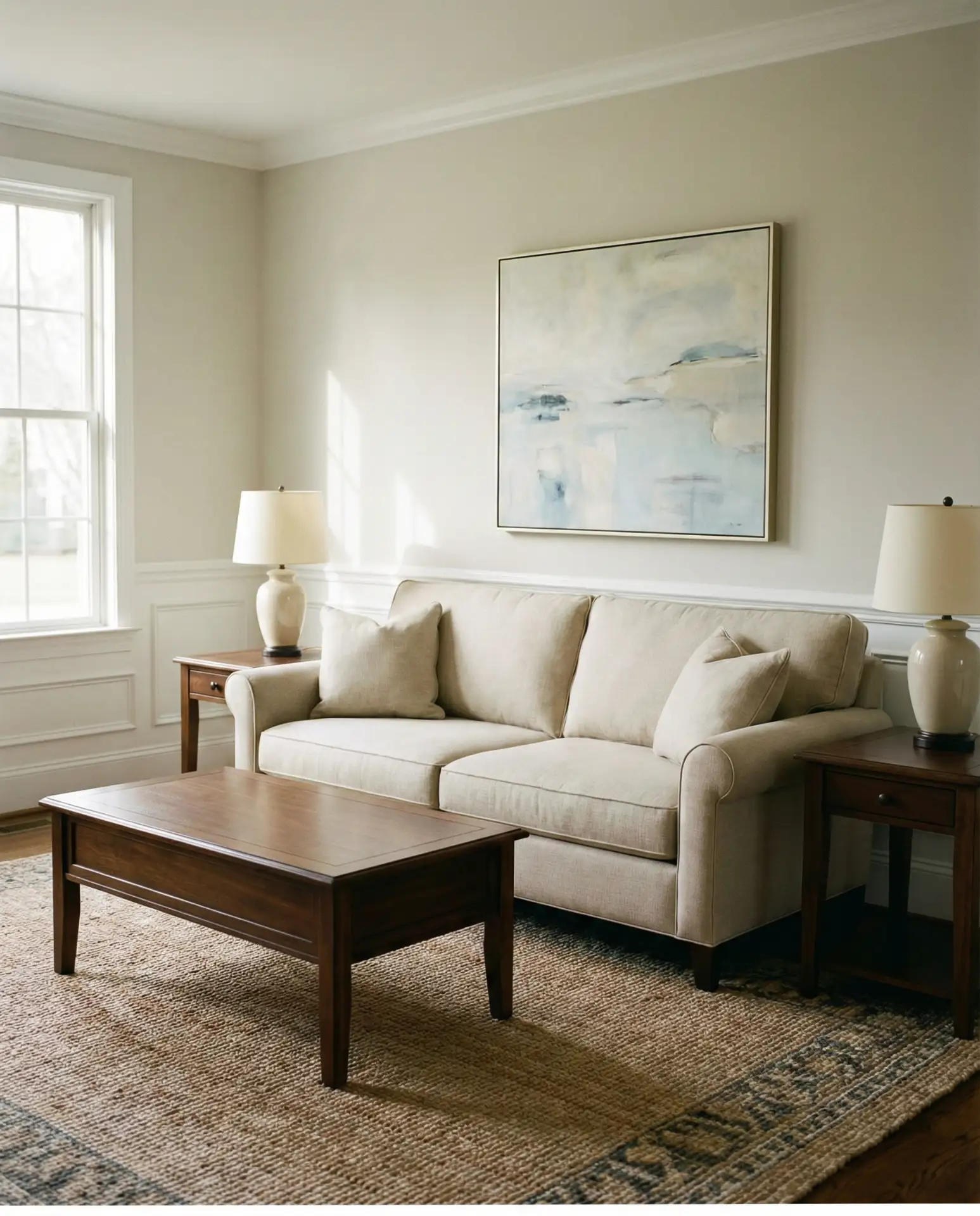
Contemporary living rooms in 2026 are all about balance—merging sleek modern minimalist principles with layers of warmth, texture, and personality. Whether you’re drawn to neutral palettes that breathe calm into your space or bold colorful accents that make a statement, this year’s design trends reflect how we actually live: multifunctional, comfortable, and undeniably stylish. Americans are turning to Pinterest in droves for inspiration that feels both aspirational and achievable, seeking rooms that work for movie nights, remote work, and everything in between. In this guide, you’ll discover fresh ideas that capture the essence of contemporary living in 2026—from Japandi serenity to industrial edge, each one designed to help you create a space that feels like home.
1. Soft Neutral Foundations with Textured Layers
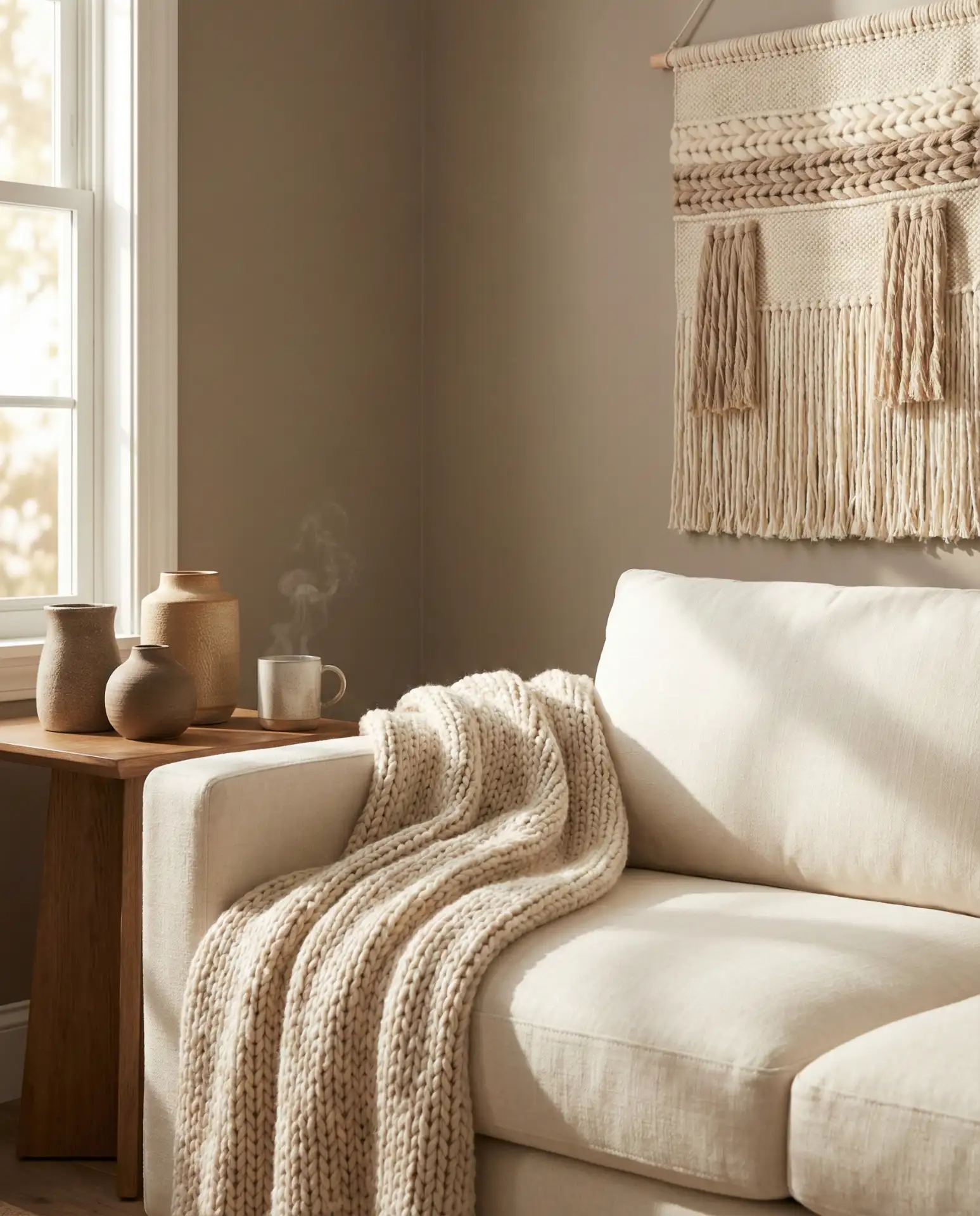
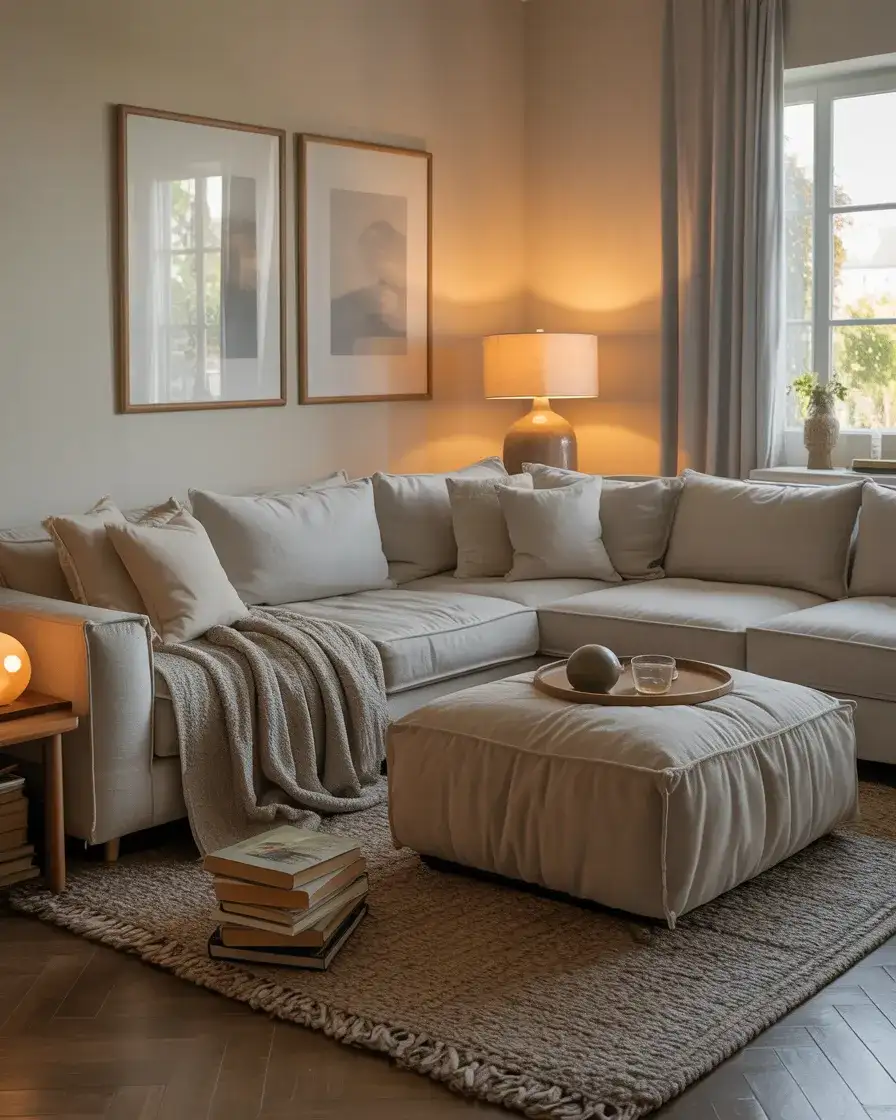
This idea centers on creating a neutral base that feels anything but bland. Think creamy whites, warm taupes, and soft grays layered with linen throws, wool rugs, and woven baskets. The contemporary approach in 2026 leans into soft textures that invite touch and create visual depth without relying on bold color. It’s a look that works beautifully in open-plan homes where the living room flows into dining and kitchen areas, providing a cohesive backdrop that never competes for attention.
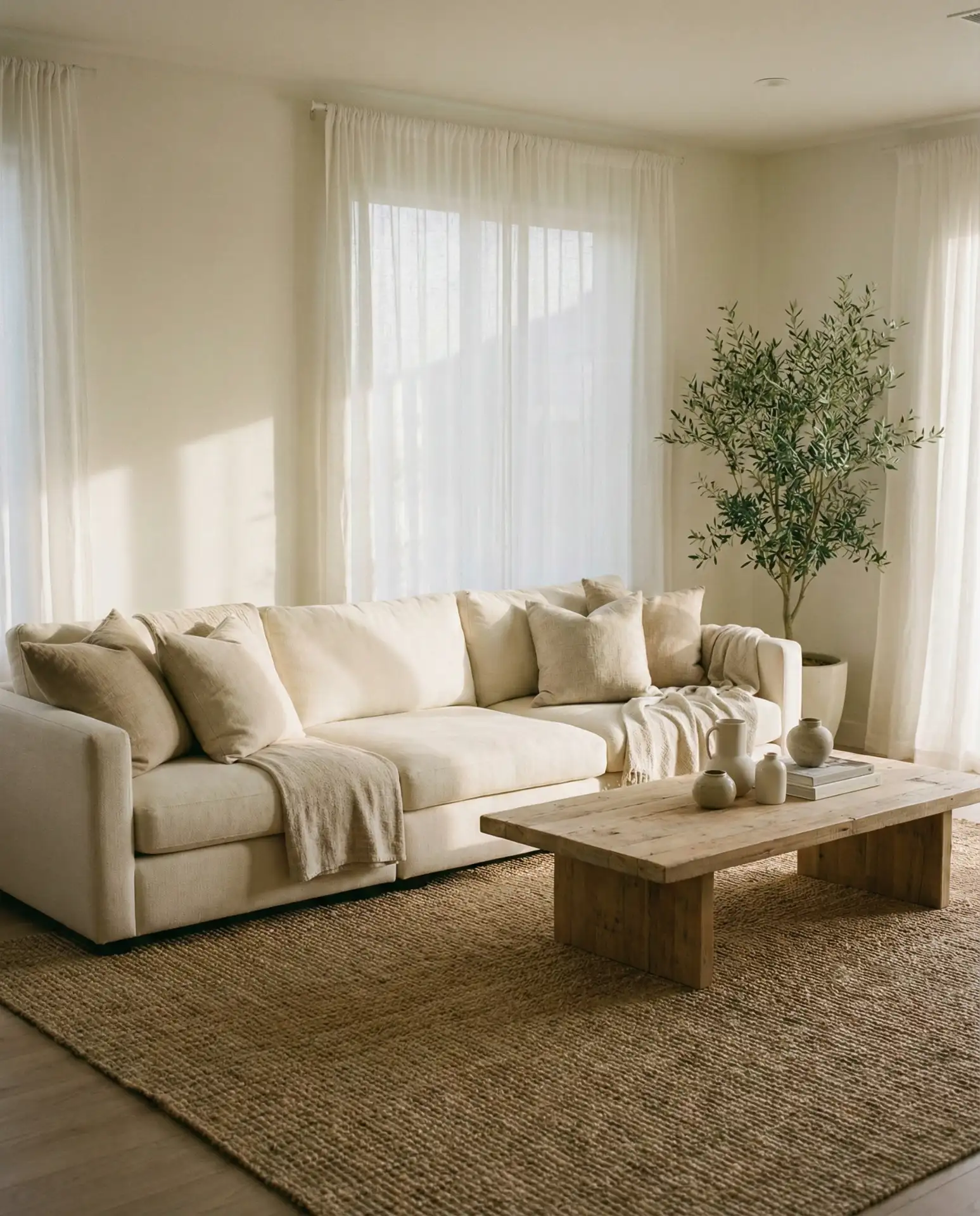
Where this works best is in smaller apartment settings where visual clutter can quickly overwhelm. By keeping the palette subdued and focusing on texture rather than pattern, you create a sense of spaciousness and calm. Practical tip: invest in quality fabrics over trendy prints—linen, cotton, and wool age beautifully and can be mixed and matched as your style evolves. This approach also makes it easier to introduce seasonal touches without a full redesign.
2. Cozy Fireplace with Rustic Charm
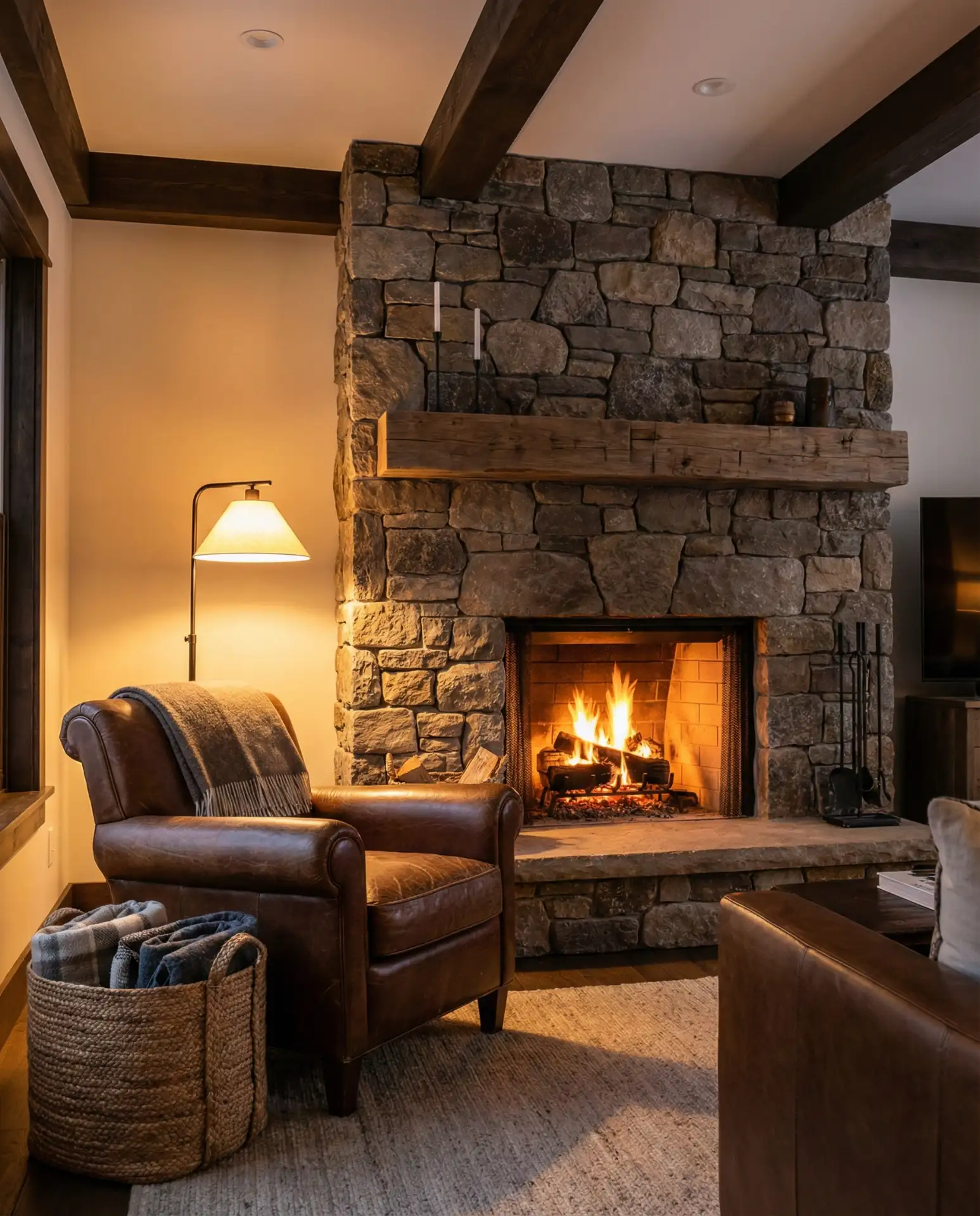
A cozy living room centered around a fireplace brings instant warmth and character to contemporary homes. In 2026, this design marries rustic elements like reclaimed wood mantels and stone surrounds with clean-lined furniture and modern accessories. The fireplace becomes more than a heat source—it’s a gathering point that defines the room’s layout and mood. This approach works beautifully in regions with cold winters, from New England to the Mountain West, where homeowners crave both function and ambiance.
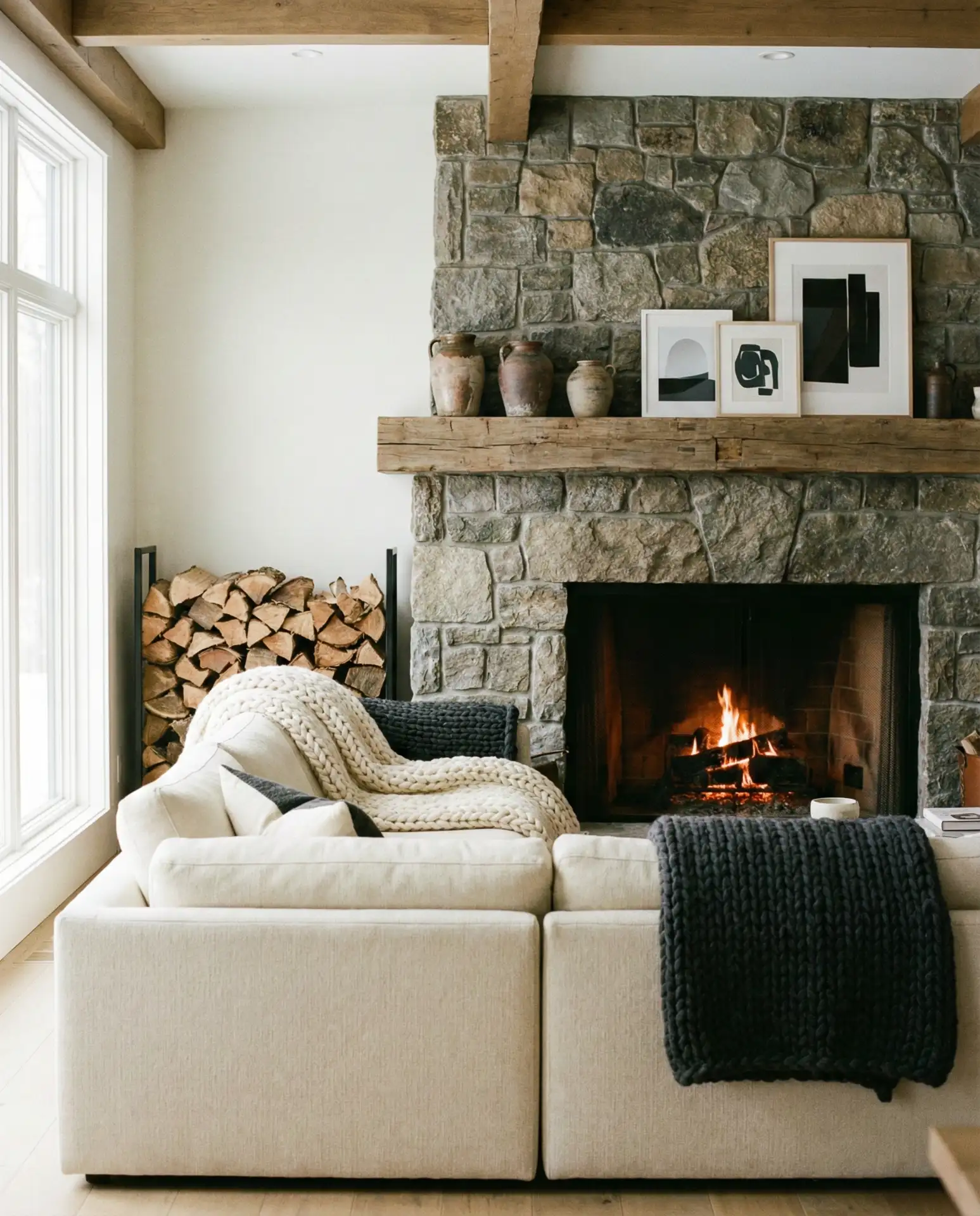
A common mistake homeowners make is positioning furniture too far from the fireplace, which diminishes its impact and warmth. Arrange seating in a semi-circle facing the hearth, no more than eight to ten feet away, to create an intimate conversation zone. Real homeowners who’ve nailed this setup often mention that their living rooms become the most-used space in winter months, with family members naturally gravitating to the fire’s warmth and the cozy atmosphere it creates. Don’t forget practical storage for firewood or accessories—built-in niches or decorative baskets keep essentials handy without creating clutter.
3. Mid-Century Modern Revival
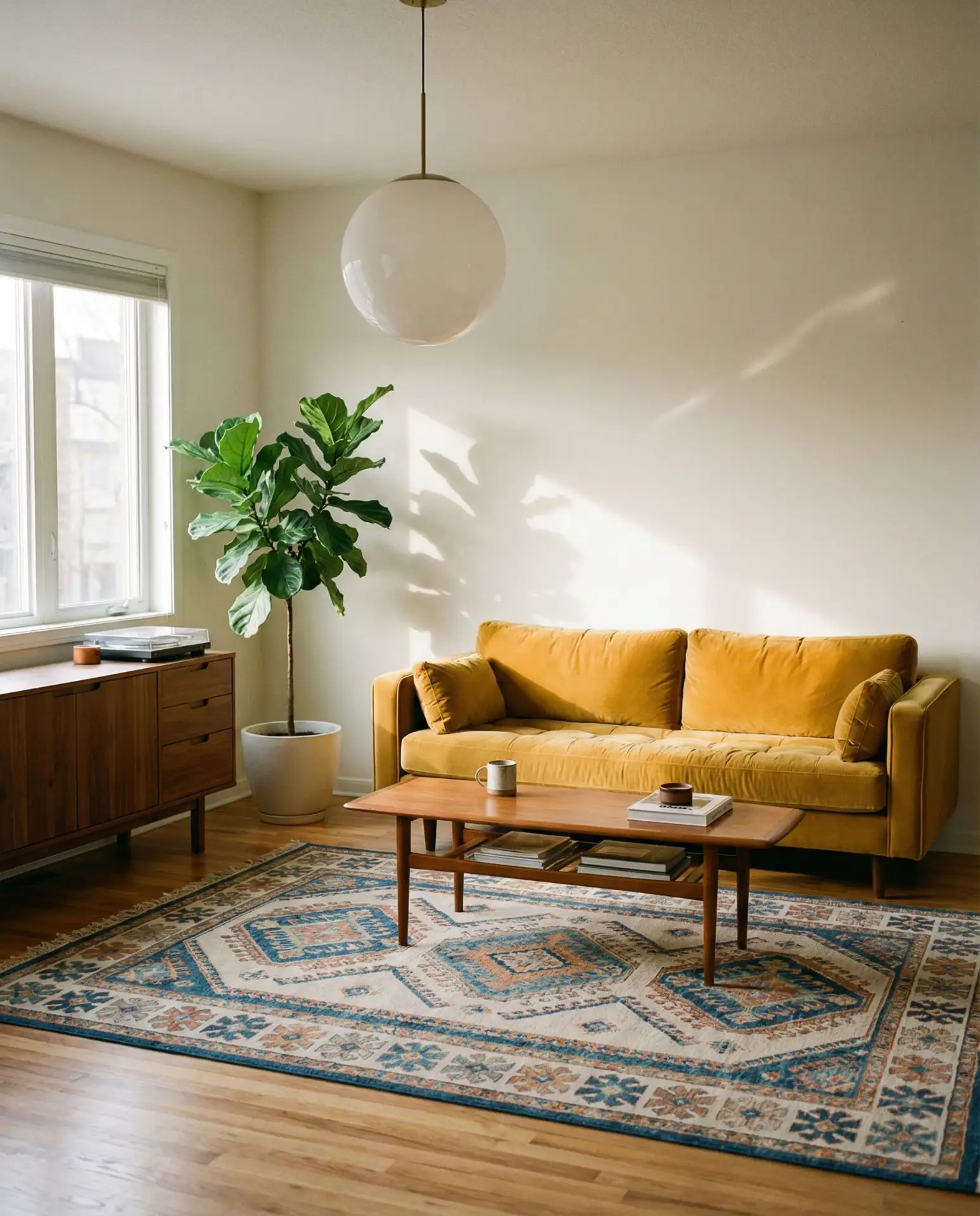
The mid-century aesthetic continues to captivate in 2026, but with a fresh twist. Clean lines, tapered legs, and organic forms remain central, but today’s interpretation layers in more warmth and personalization. Think teak credenzas paired with plush velvet seating, geometric prints mixed with natural fibers, and iconic pieces like Eames chairs alongside handmade ceramics. This style resonates strongly with American homeowners who appreciate timeless design that doesn’t feel stuffy or overly curated.
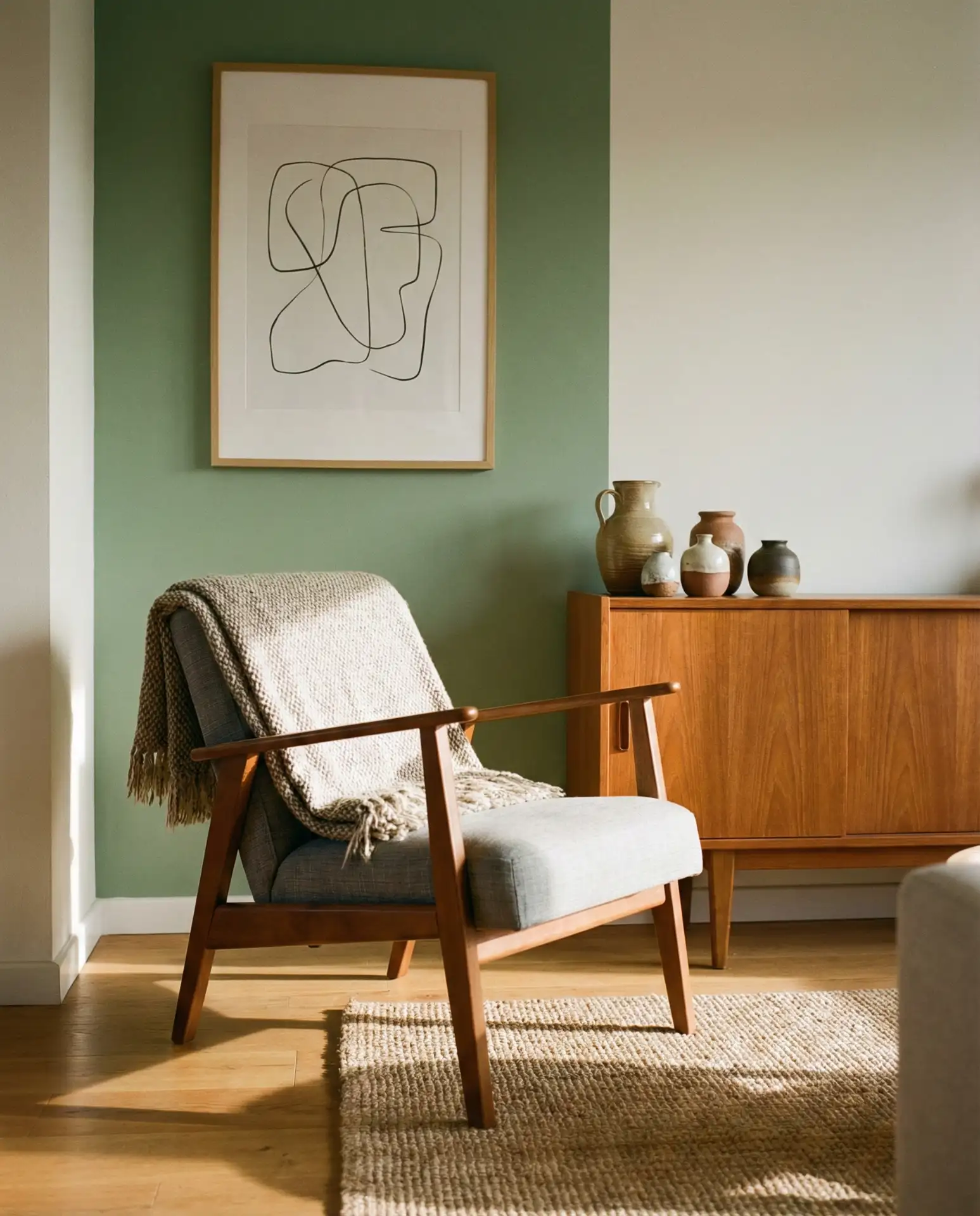
In terms of budget, you don’t need authentic vintage pieces to nail this look. Many contemporary brands offer affordable mid-century-inspired furniture that captures the spirit without the hefty price tag. A neighbor of mine recently furnished her entire living room with reproductions from West Elm and Article, and the result is indistinguishable from the real deal to most visitors. The key is maintaining proportion and restraint—let a few statement pieces shine rather than cramming every corner with retro finds.
4. Japandi Minimalism Meets Warmth

The Japandi style—a fusion of Japanese simplicity and Scandinavian functionality—has become a go-to for those seeking calm, clutter-free living rooms. This approach emphasizes natural materials, low-profile furniture, and a muted palette of whites, beiges, and soft grays. In 2026, the trend has evolved to include more warmth through handcrafted elements, organic textures, and subtle earthy tones that prevent spaces from feeling too stark or clinical.
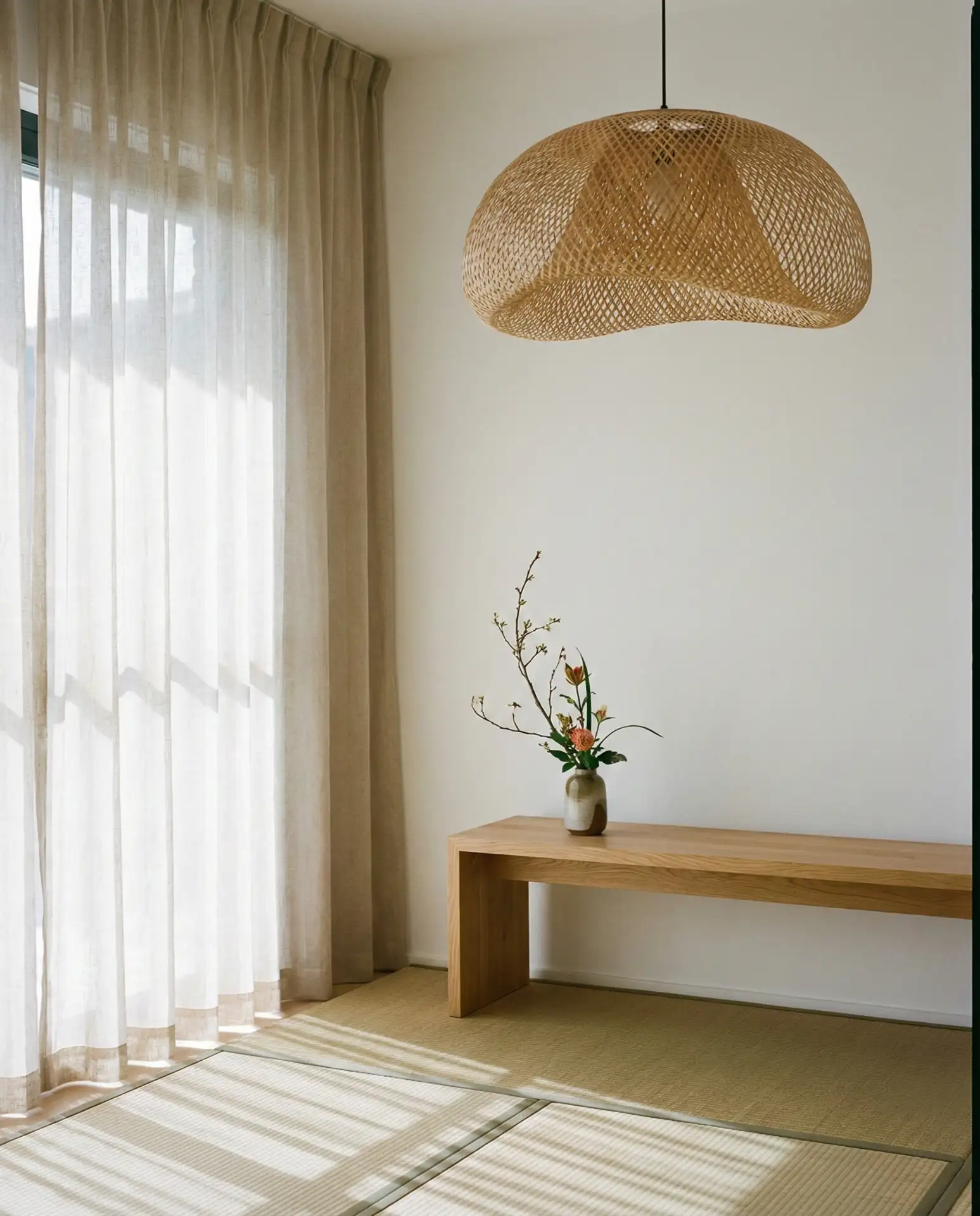
This style works exceptionally well in urban apartments where square footage is limited. By paring down to essentials and choosing multifunctional pieces—like a coffee table with hidden storage or a sofa that converts to a guest bed—you maximize both space and serenity. Expert designers recommend the “one in, one out” rule: for every new item you bring into the room, remove something else. It’s a mindset shift that keeps Japandi spaces functional and beautiful over time.
5. Coastal Lightness with Natural Fibers
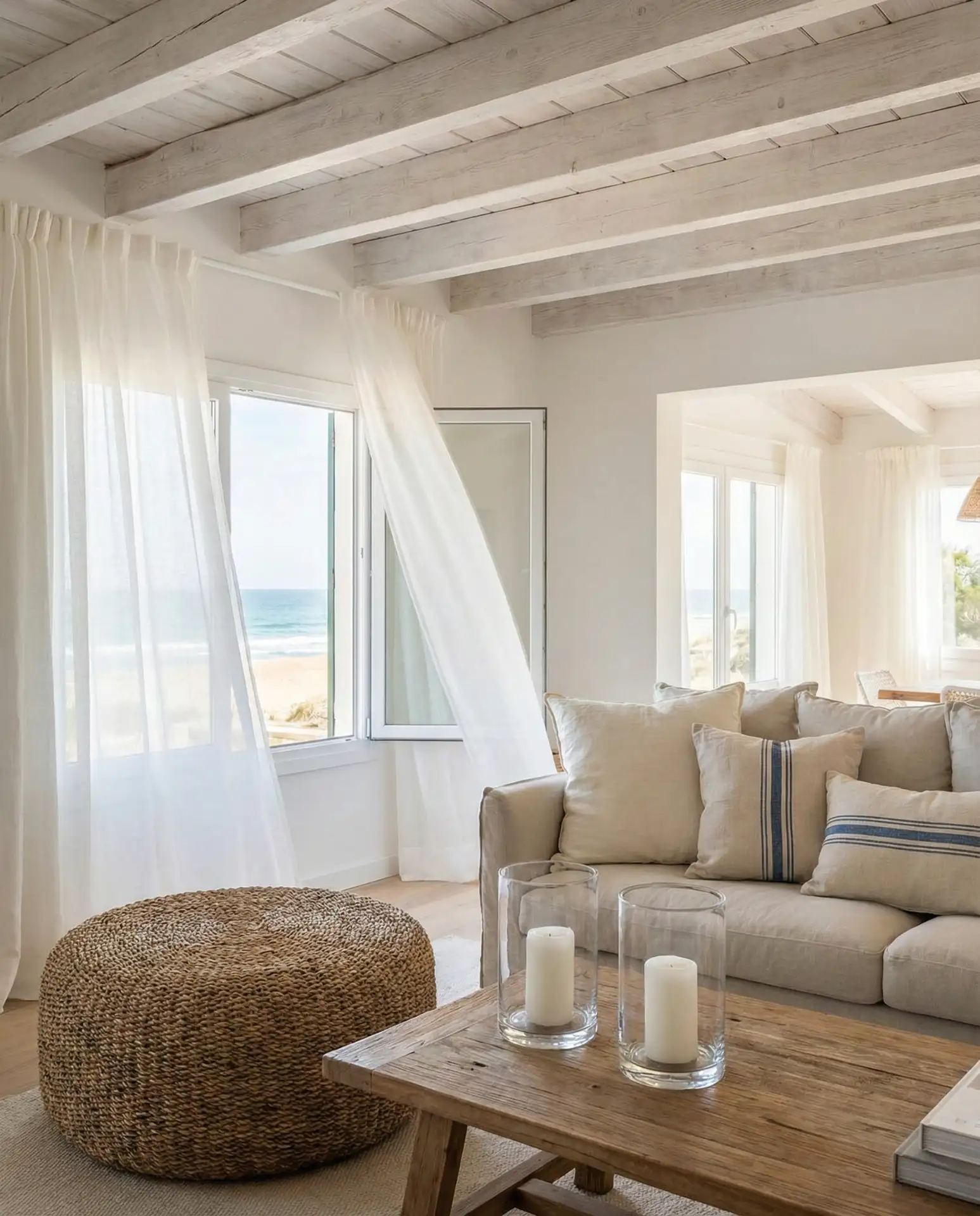
The coastal living room in 2026 has shed its nautical clichés in favor of breezy, sun-drenched spaces anchored by natural materials. Think whitewashed wood, rattan furniture, and linen slipcovers in shades of sand and seafoam. This aesthetic thrives in beach communities from California to the Carolinas, but it’s equally achievable inland—especially for those craving a vacation-like retreat in their everyday lives. The key is keeping things light, airy, and effortlessly relaxed.
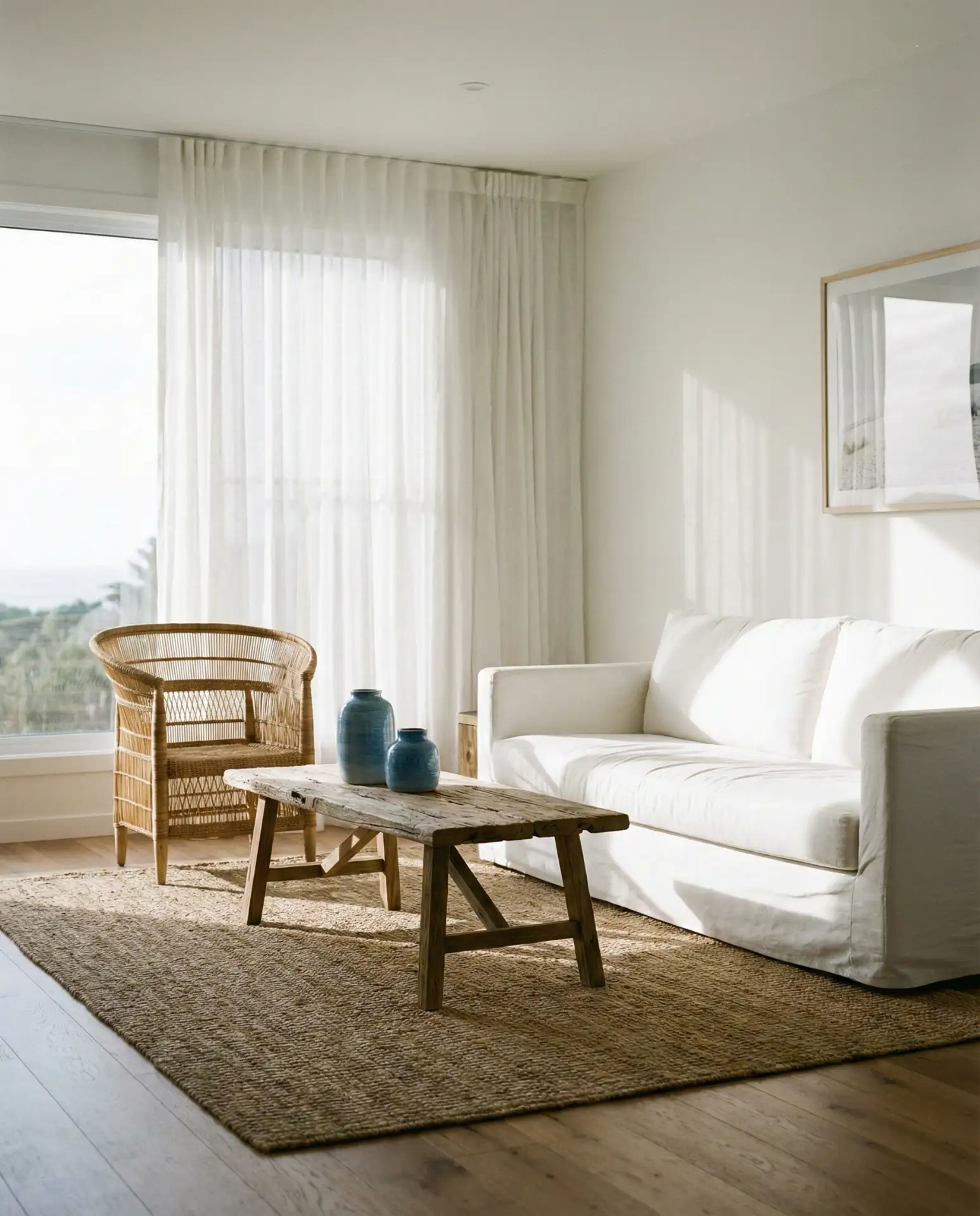
A practical insight: coastal style is incredibly forgiving when it comes to wear and tear. Natural fibers like jute and rattan develop a patina that adds character rather than looking shabby. Linen slipcovers can be tossed in the wash when sandy feet track through the house. This makes it an ideal choice for families with kids or pets, where durability matters as much as aesthetics. Just avoid the temptation to overdo beach-themed accessories—a few well-chosen pieces go much further than a room full of shells and anchors.
6. Industrial Edge with Soft Textures
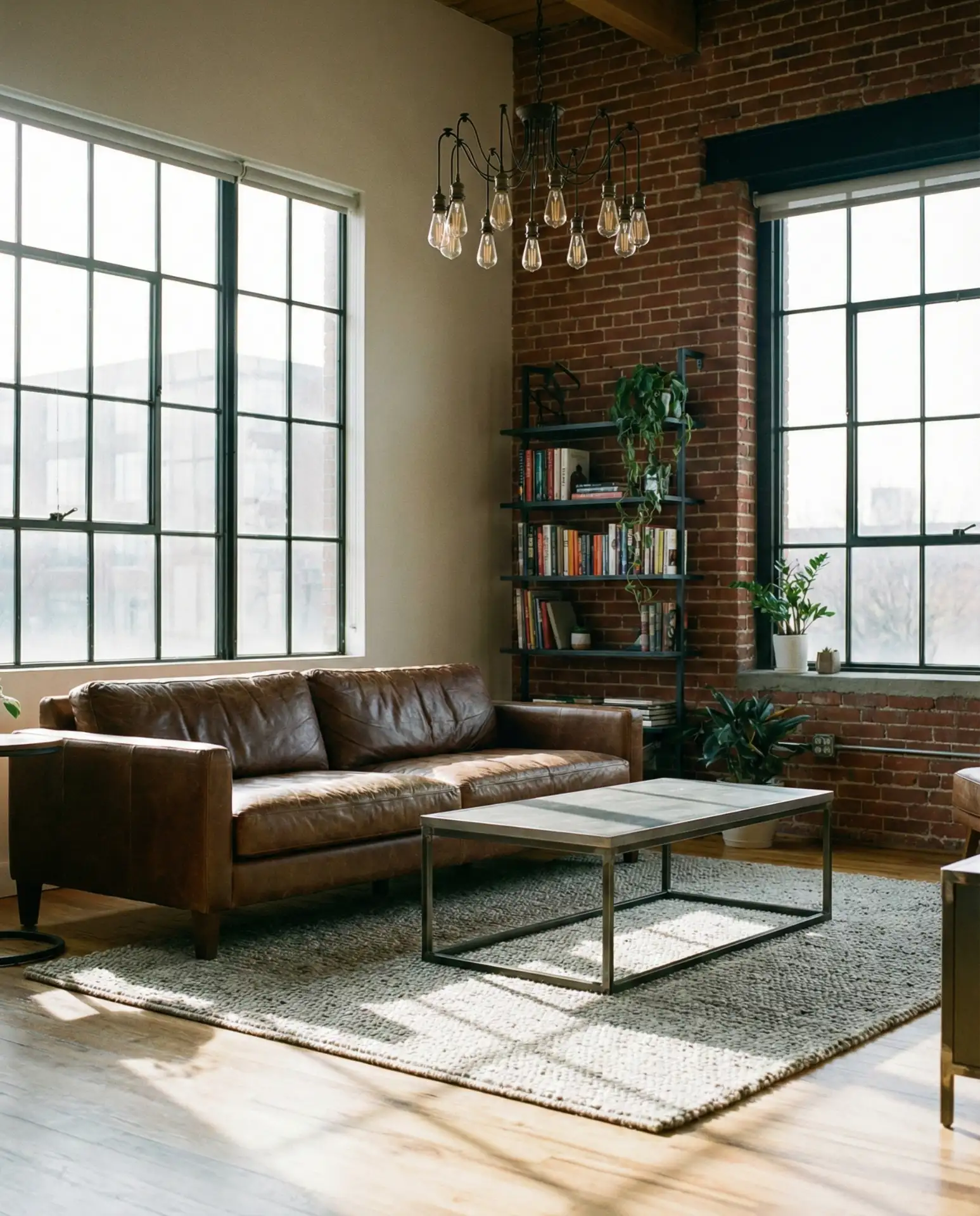
The industrial living room in 2026 balances raw materials—exposed brick, steel beams, and concrete floors—with plenty of soft textures to avoid feeling cold or warehouse-like. This style has deep roots in American loft conversions, particularly in cities like New York and Chicago, where historic buildings are reimagined as modern homes. Leather sofas, sheepskin throws, and plush rugs warm up hard surfaces, while Edison bulb fixtures and metal-framed furniture maintain that edgy, urban vibe.
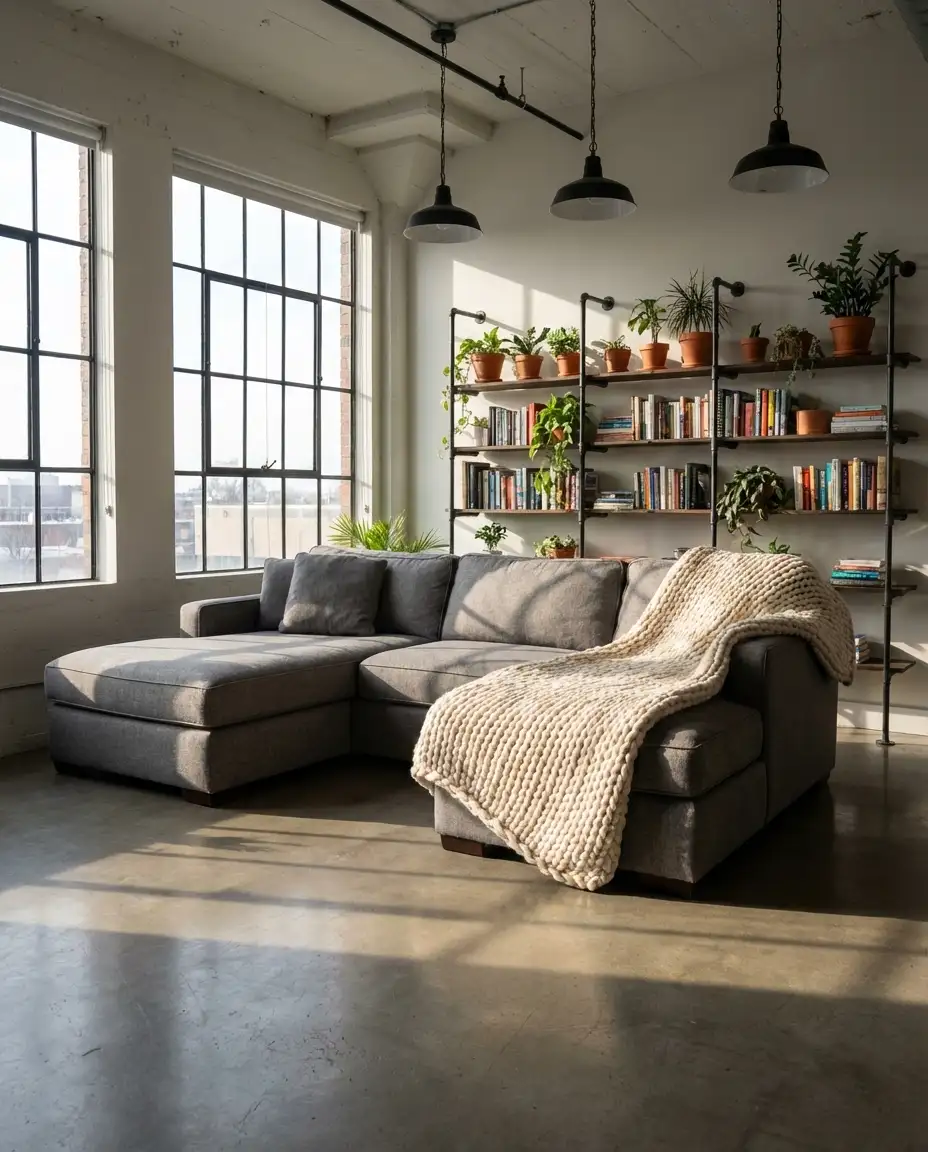
Where it works best is in open-concept spaces with high ceilings and abundant natural light. These architectural features prevent industrial elements from overwhelming the room. One common mistake is neglecting acoustics—hard surfaces bounce sound around, creating an echoey environment. Add fabric wall hangings, upholstered furniture, and heavy curtains to absorb noise and make the space more livable. Real homeowners in converted lofts often mention this as the single most impactful change they made after moving in.
7. French-Inspired Elegance

A French-inspired contemporary living room brings Old World charm into modern life through refined details and a mix of vintage and new. Imagine a tufted linen sofa, ornate mirrors, fresh flowers in mercury glass vases, and a palette of soft whites, creams, and muted blues. This style has found a devoted following among American homeowners who crave elegance without formality—spaces that feel collected over time rather than designed all at once.
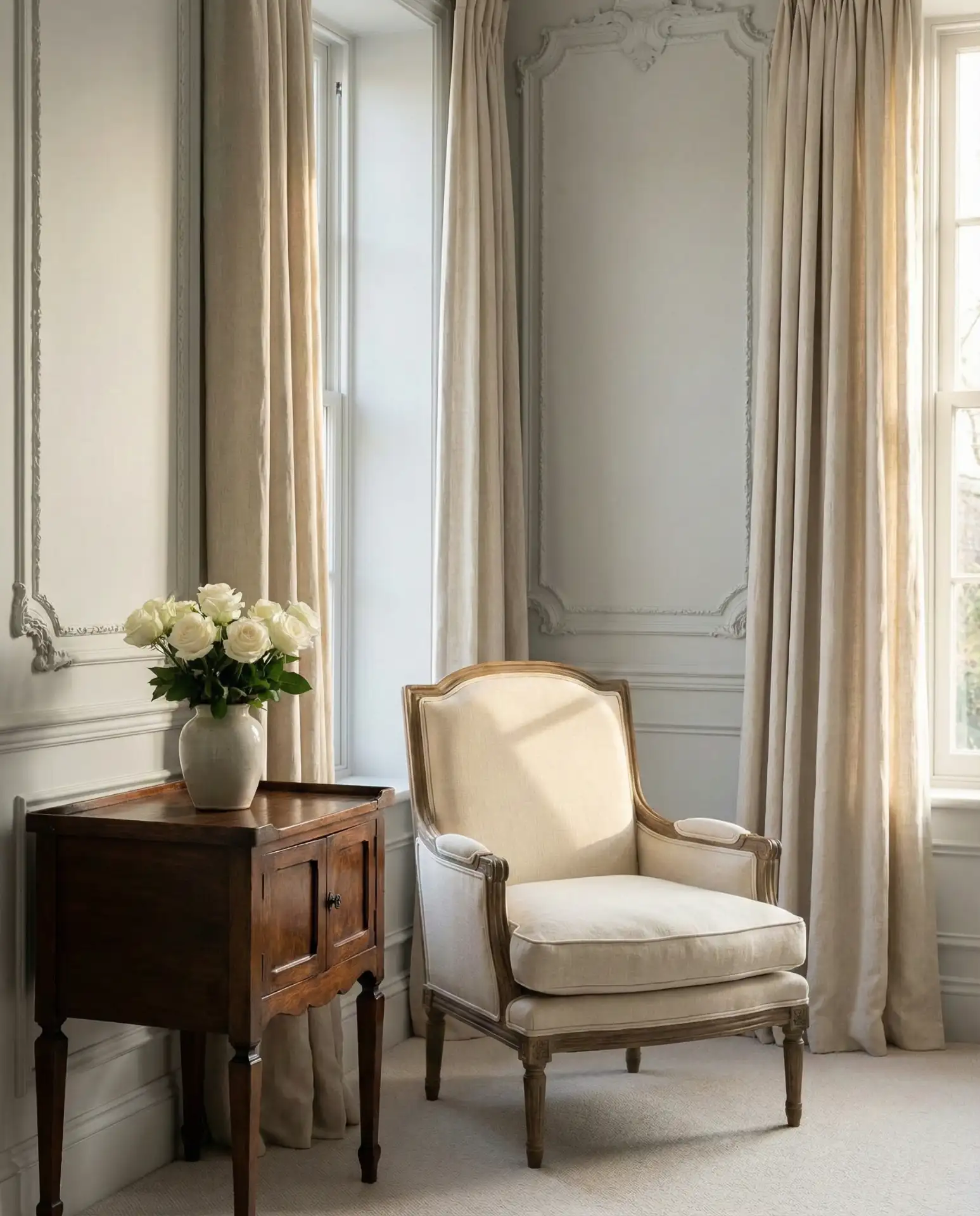
This look thrives on layering—mixing flea market finds with high-end pieces, pairing silk with burlap, and balancing ornate with simple. A friend recently transformed her suburban living room by adding just three key pieces: a vintage gilt mirror, a linen slipcovered sofa, and a rustic farm table used as a console. The transformation was instant and didn’t require a complete overhaul. The beauty of French-inspired design is that it evolves naturally, inviting you to add meaningful pieces over time rather than buying everything at once.
8. Colorful Maximalism Done Right
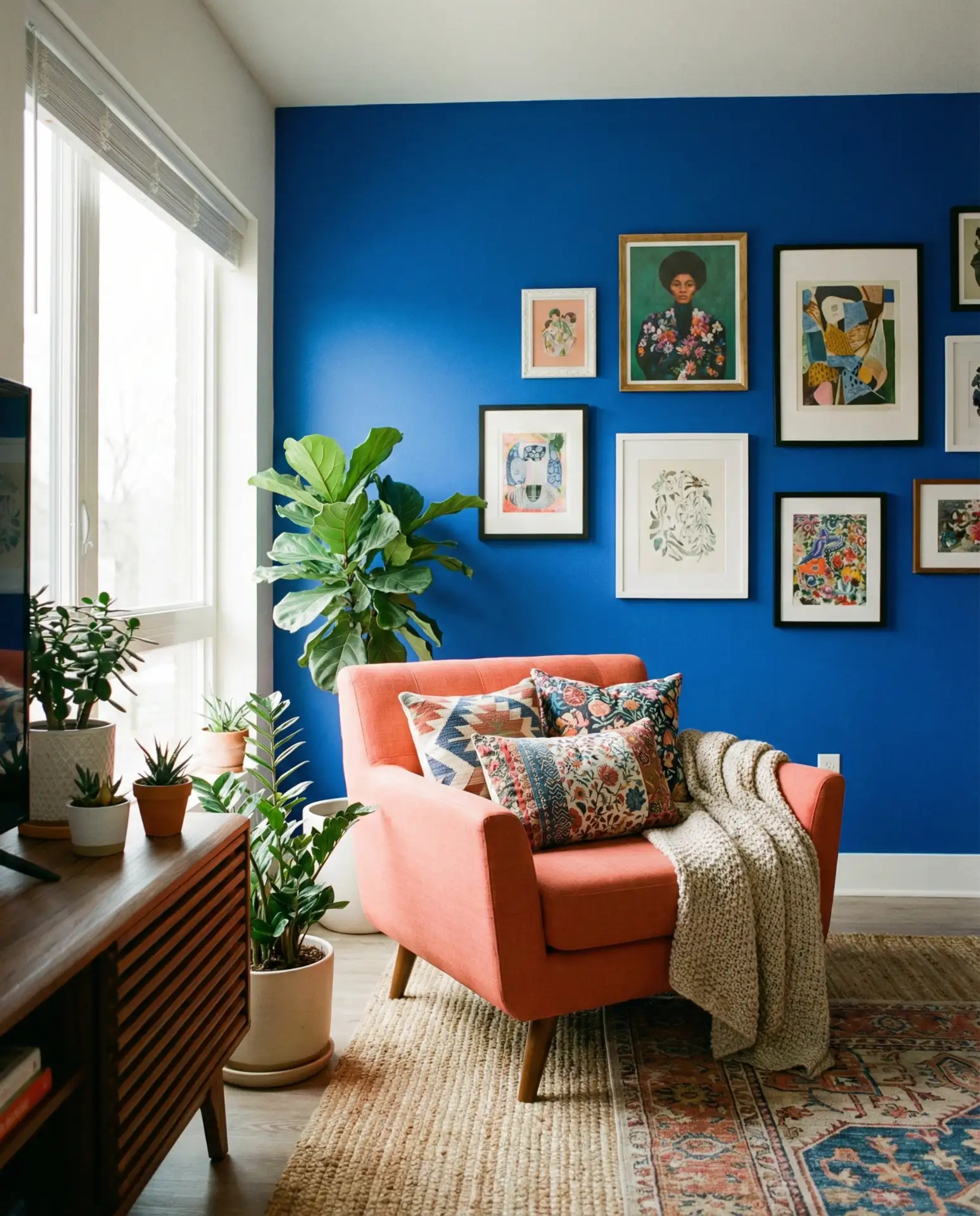
In 2026, colorful living rooms are reclaiming their place in contemporary design, moving away from the all-white-everything trend of the past decade. Rich jewel tones, saturated terracottas, and vibrant blues mix fearlessly with patterned textiles, gallery walls, and collections of art and objects. This approach celebrates personality and self-expression, appealing to Americans who want their homes to reflect their individuality rather than conforming to minimalist norms.
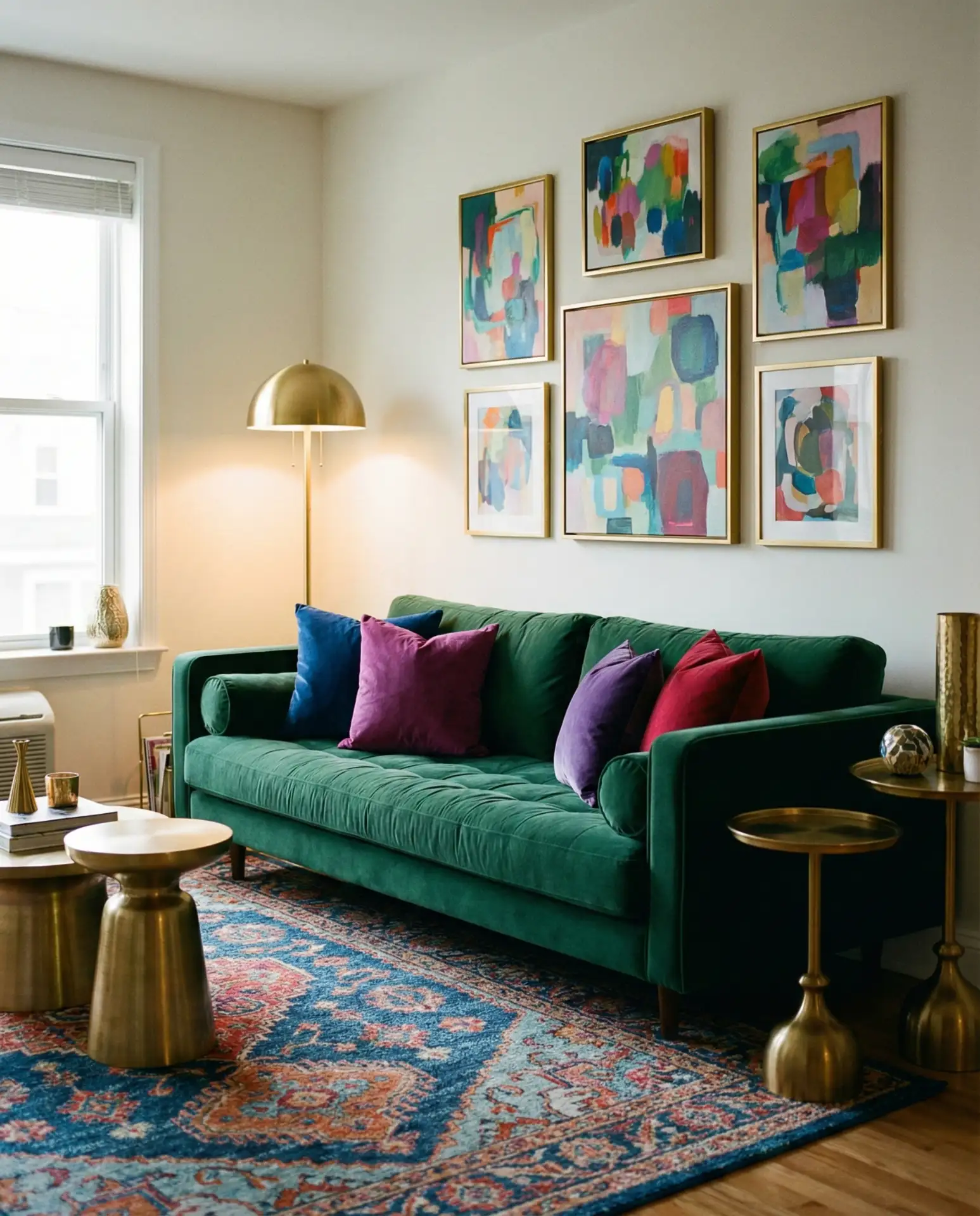
The trick to pulling off colorful maximalism is grounding it with intentional repetition. Pick three to five colors and repeat them throughout the room in different ways—a pillow, a piece of art, a throw blanket. This creates cohesion amid the abundance. Budget-wise, you can start small by painting an accent wall or swapping out neutral pillows for bold ones, then build from there. Avoid the common mistake of buying everything at once; let your collection grow organically so each piece feels purposeful rather than chaotic.
9. Modern Minimalist with Architectural Focus
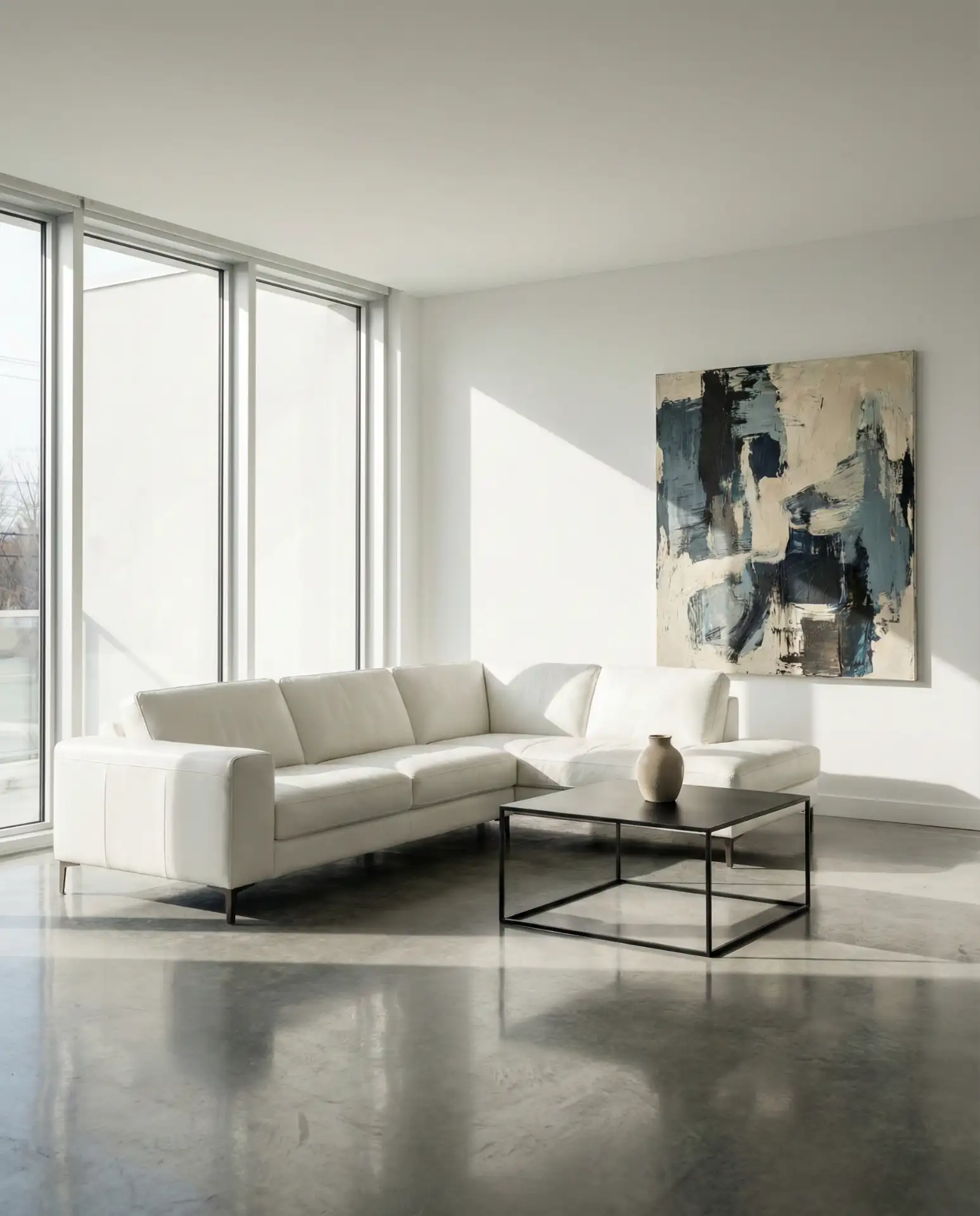
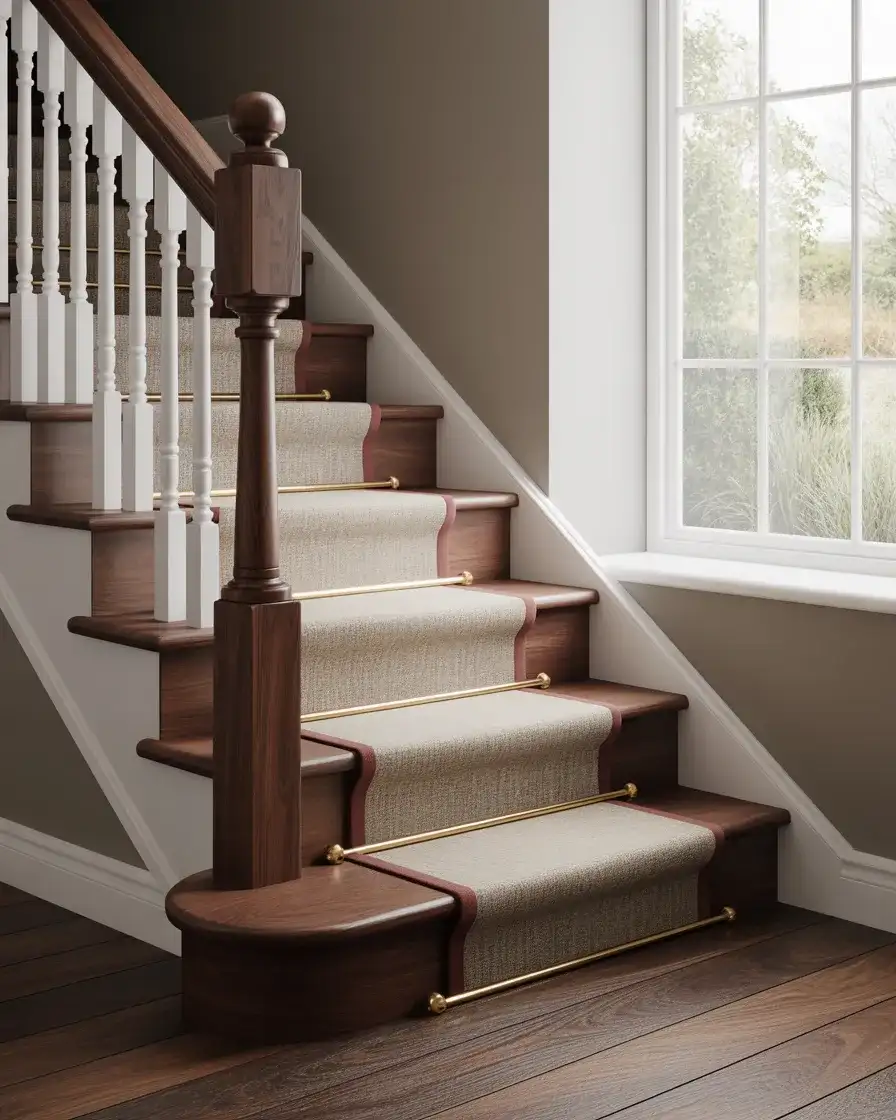
True modern minimalist living rooms in 2026 are defined by clean lines, negative space, and a focus on architectural details rather than decorative clutter. This means highlighting features like floor-to-ceiling windows, sculptural staircases, or statement lighting fixtures. The furniture is streamlined—often low-profile sofas in monochromatic tones, sleek media consoles, and maybe one striking piece of art as a focal point. It’s a sophisticated look that requires discipline but rewards with tranquility and timelessness.
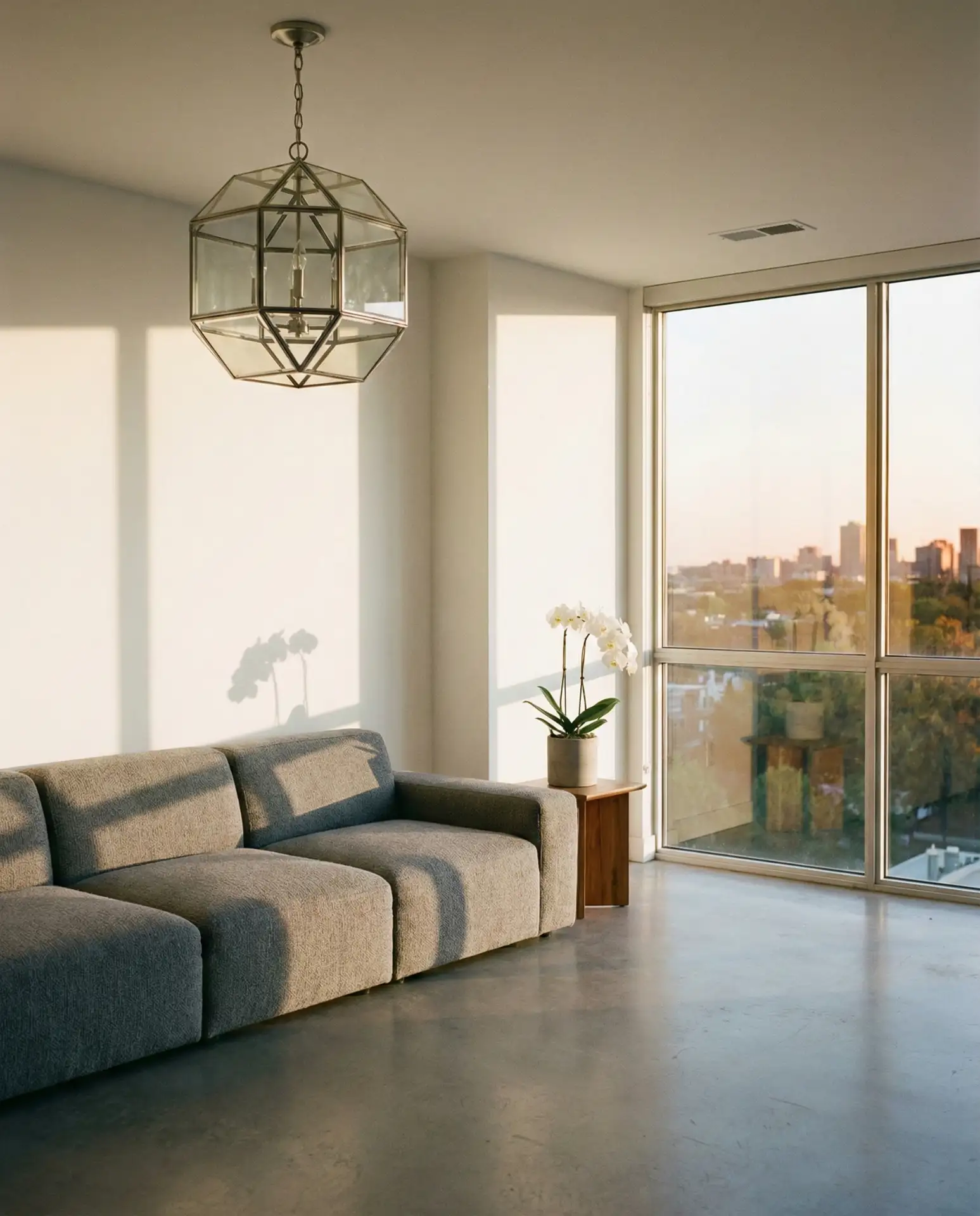
This style works exceptionally well in new-build homes with strong architectural bones, where ornament would only distract from the structure itself. Expert designers emphasize that minimalism isn’t about deprivation—it’s about curation. Every item in the room should serve a purpose or bring genuine joy. In practice, this often means investing in fewer but higher-quality pieces. A single well-made sofa will always look better than three mediocre ones, and the restraint allows architectural elements to truly shine.
10. Fireplace as the Heart of the Room

The fireplace remains a cherished focal point in contemporary American living rooms, but its design has evolved dramatically. Today’s fireplaces range from sleek linear gas inserts to traditional wood-burning hearths updated with modern surrounds. Whether it’s clad in marble, concrete, or shiplap, the fireplace anchors the room and provides both literal and figurative warmth. Arranging seating around it creates an instant gathering spot that feels intentional and cozy, perfect for long winter evenings or casual entertaining.
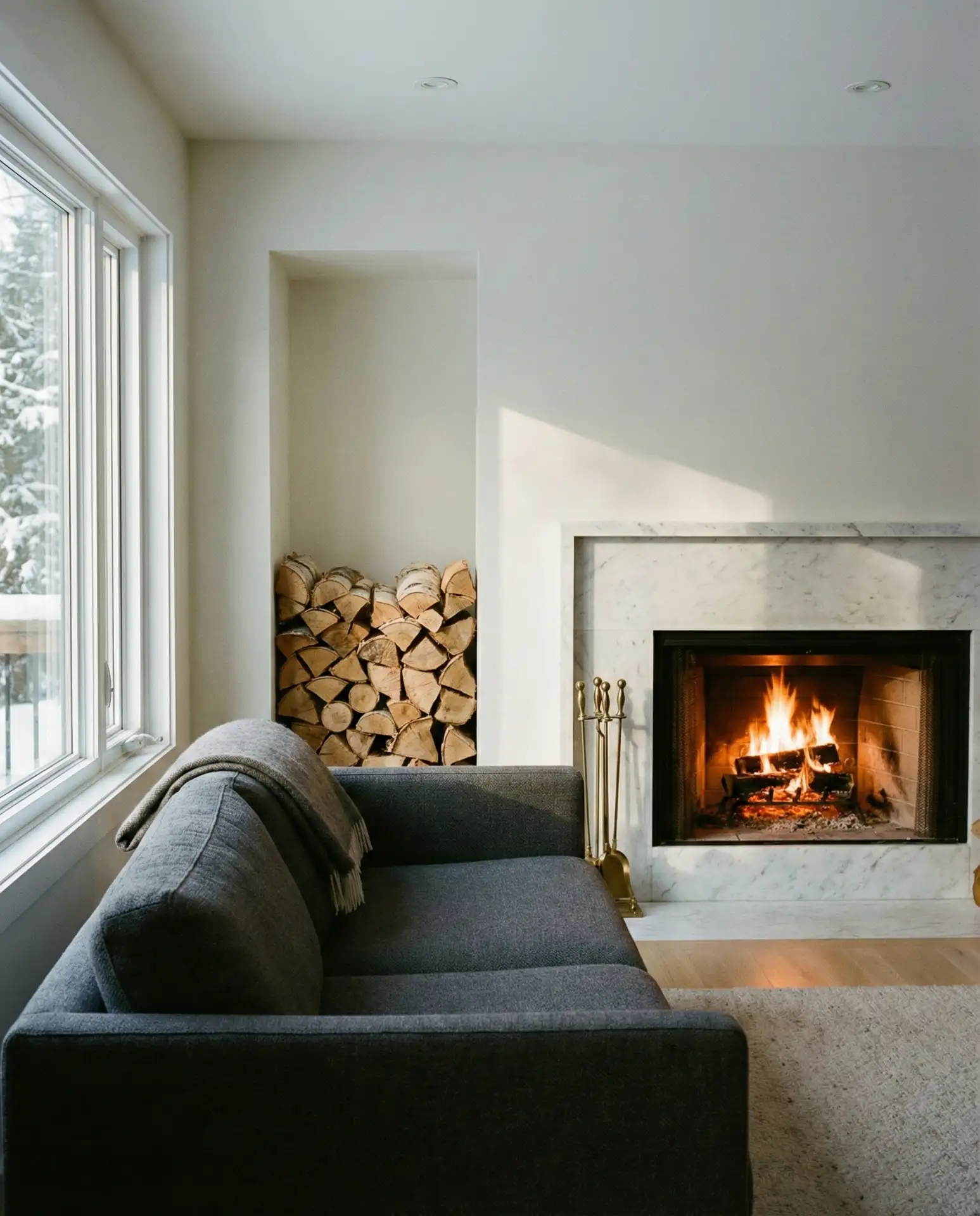
Regional context matters here—fireplaces are nearly universal in cold-weather states but often serve more decorative purposes in warmer climates like Arizona or Florida, where electric or gas inserts provide ambiance without excessive heat. One practical consideration: make sure the TV isn’t mounted directly above the fireplace. This forces an uncomfortable viewing angle and can damage electronics from heat exposure. Instead, position the television on an adjacent wall or use the fireplace wall for art, keeping technology and coziness in their own zones.
11. Rustic Contemporary Fusion
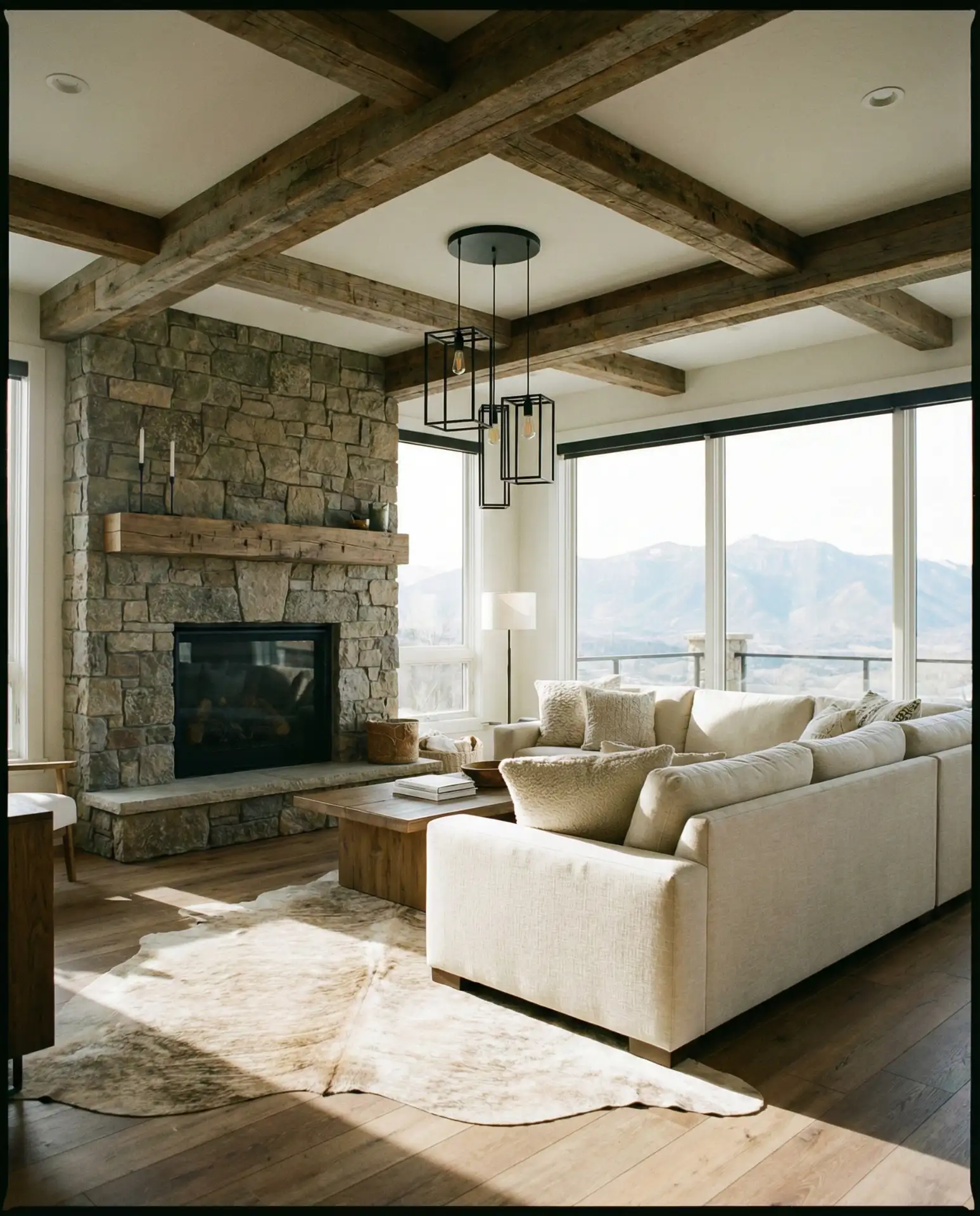
Blending rustic charm with contemporary polish creates living rooms that feel grounded yet refined. This approach combines reclaimed wood beams, natural stone accents, and weathered textures with clean-lined furniture and modern lighting. It’s particularly popular in mountain homes and ranch properties across the American West, where the surrounding landscape inspires interiors that honor tradition while embracing current design sensibilities. The result is a space that feels both timeless and of-the-moment.
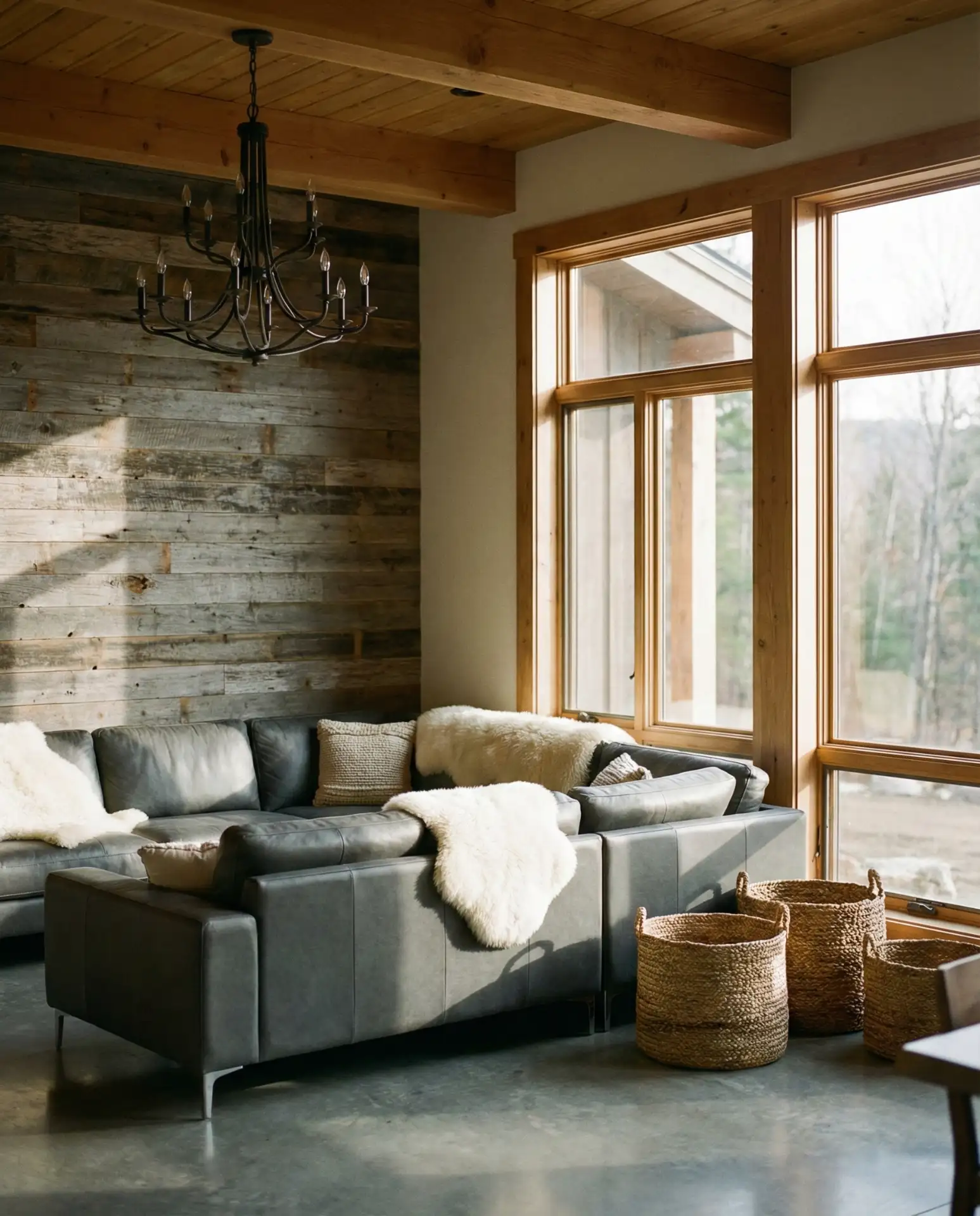
Where this works best is in homes with existing rustic elements—original wood floors, stone walls, or exposed beams—that can be honored rather than covered up. The contemporary pieces prevent the space from feeling like a log cabin time capsule, while rustic elements add warmth and soul. Real homeowners who’ve nailed this look often mention shopping at both high-end furniture stores and local salvage yards, mixing polished with raw in a way that feels authentic and personal rather than staged.
12. TV Unit as a Design Statement
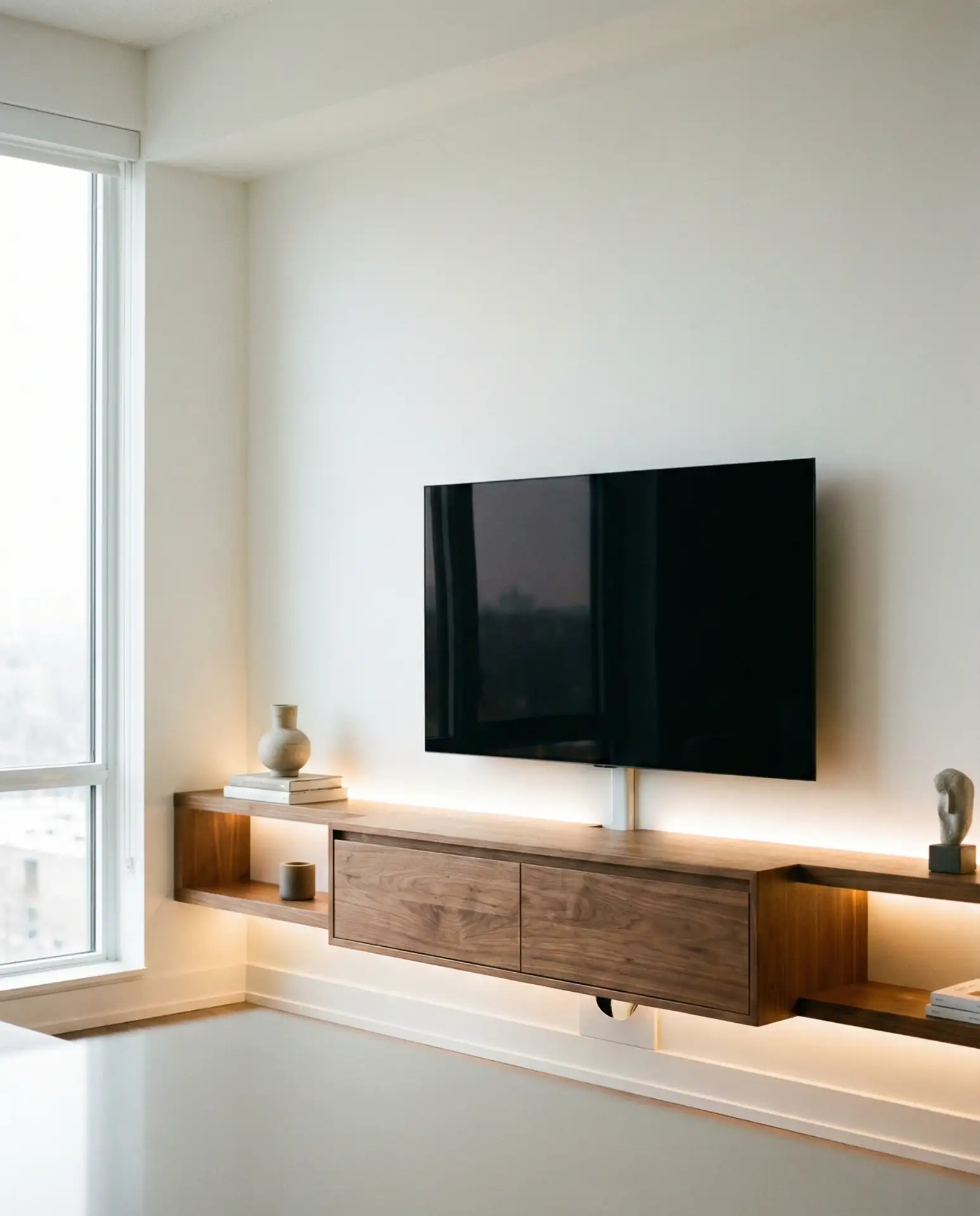
The TV unit has transformed from a purely functional piece into a design centerpiece in contemporary living rooms. In 2026, integrated media walls, floating credenzas with hidden cable management, and custom millwork that conceals electronics when not in use are all popular choices. Rather than letting the television dominate the room, these solutions integrate it seamlessly into the overall aesthetic—whether that’s modern minimalist, industrial, or transitional style. The goal is functionality without visual clutter.
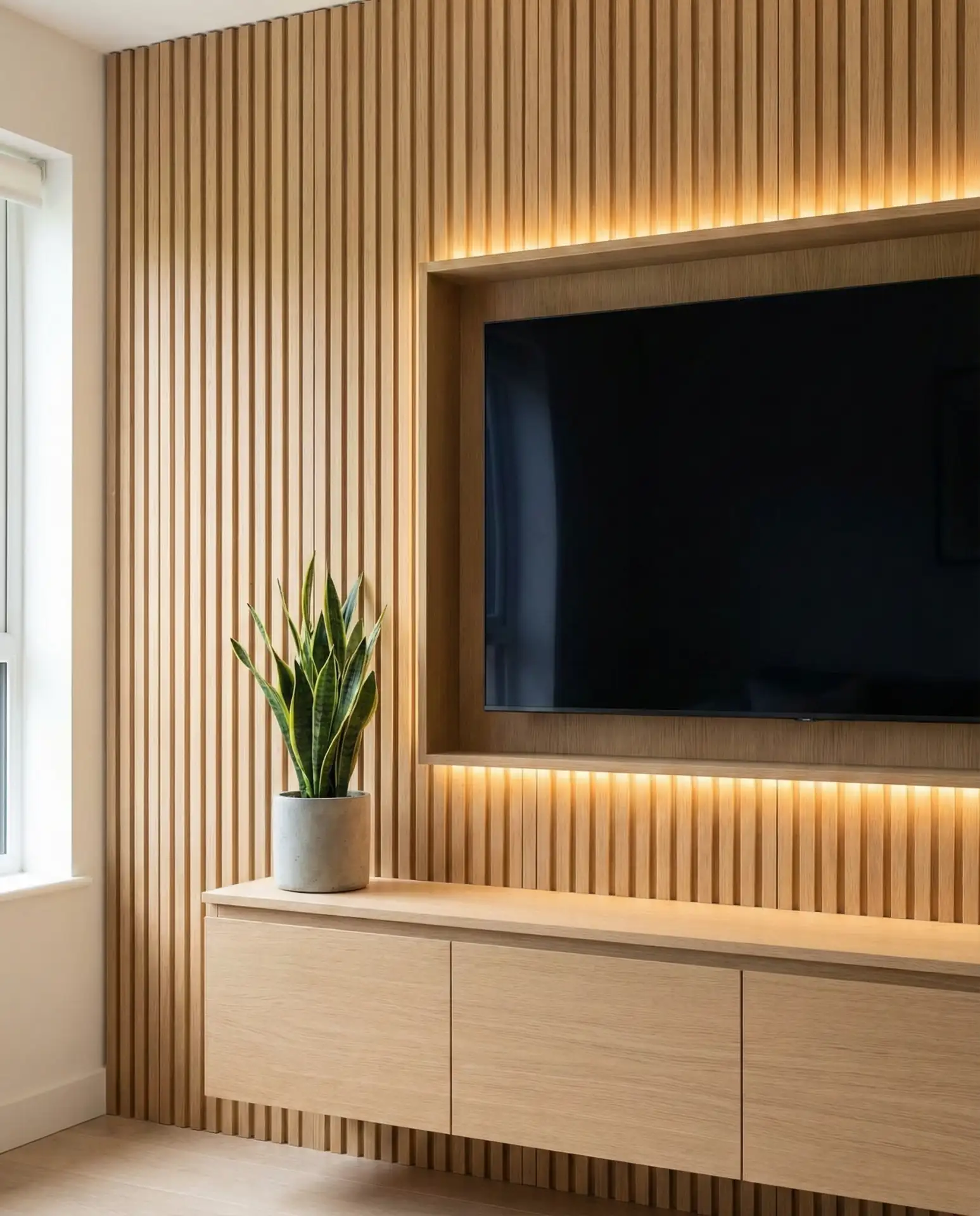
A common mistake is choosing a TV stand that’s too small for the television, creating visual imbalance. The console should be at least as wide as the TV, ideally a few inches wider on each side. Budget-conscious shoppers can achieve a high-end look by pairing an affordable media console with a floating shelf above for styling opportunities—books, plants, or art objects that draw the eye upward. This trick adds dimension and prevents the TV from being the only thing you notice when entering the room.
13. Transitional Comfort Meets Contemporary Lines
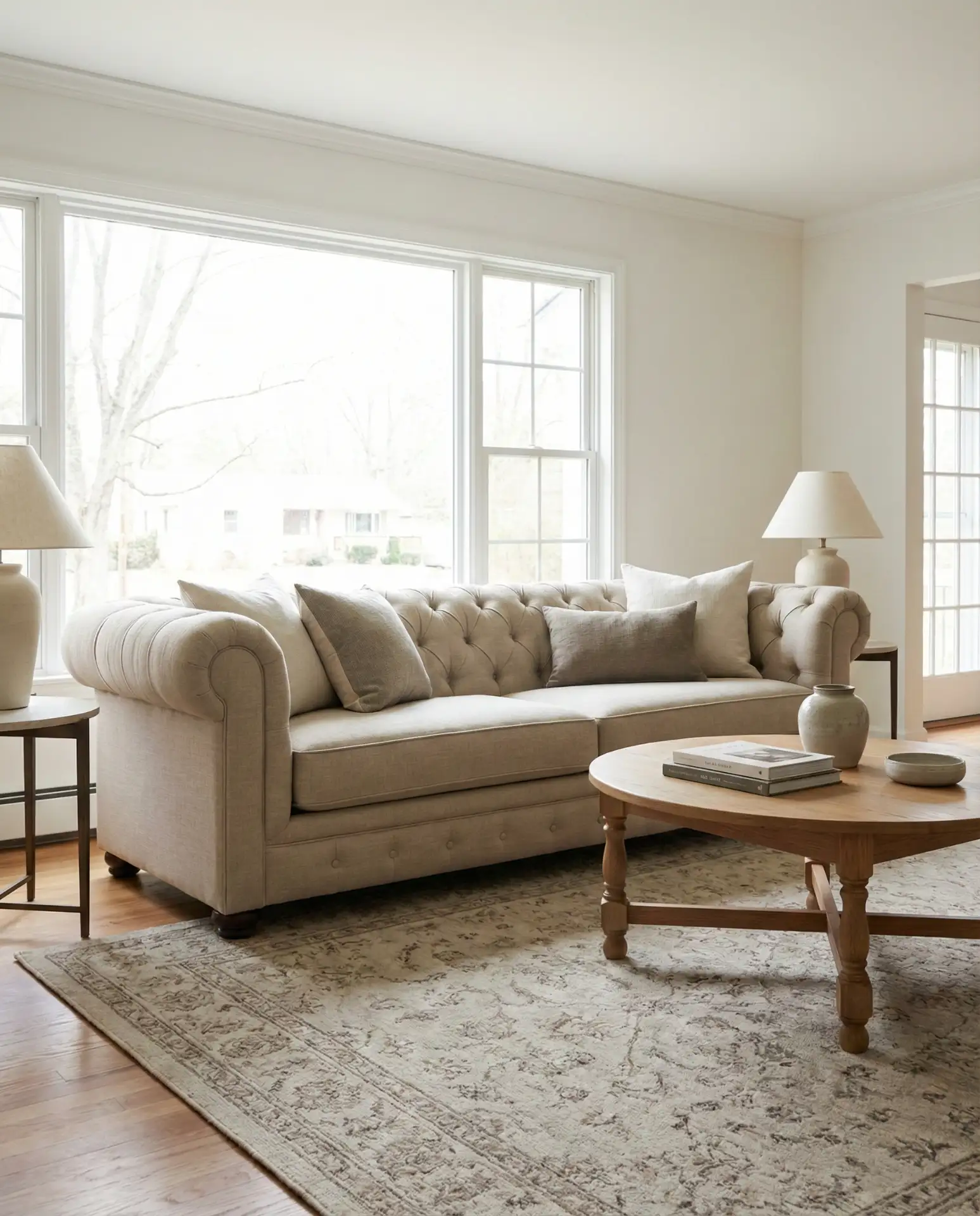
The transitional living room bridges traditional comfort with contemporary simplicity, making it one of the most livable and popular styles in American homes. This approach features classic silhouettes—tufted sofas, rolled arms, turned legs—executed in updated materials and neutral palettes. You’ll see linen instead of heavy brocade, streamlined rather than ornate, and a mix of wood tones that feel curated without being matchy. It’s designed for real life, where family movie nights and formal gatherings happen in the same space.
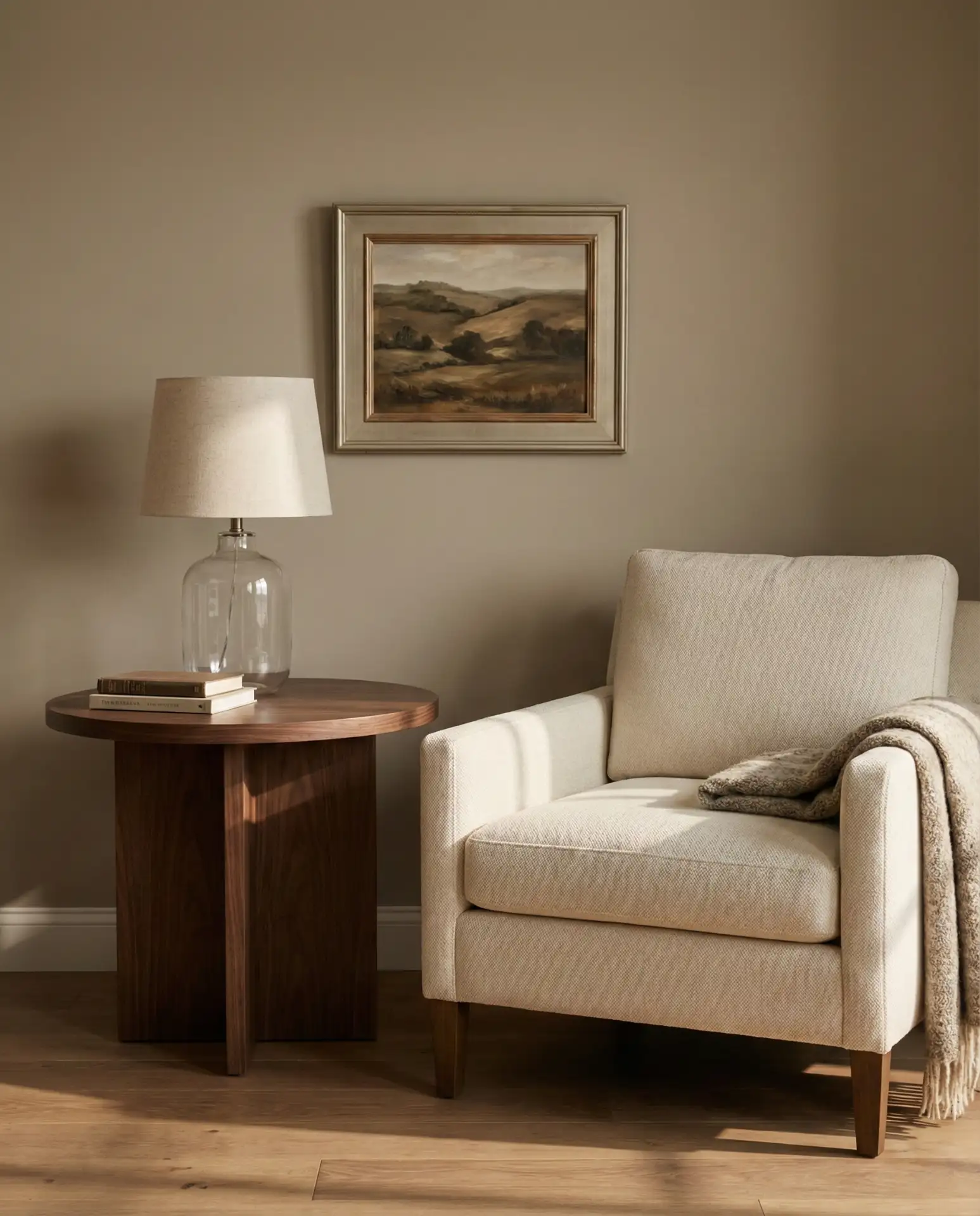
This style particularly resonates with suburban families who want their homes to feel welcoming to guests but also durable enough for daily life with kids and pets. Practical insight: choose performance fabrics that look luxurious but can withstand spills and stains. Brands like Crypton and Sunbrella now offer textiles that mimic linen and velvet while being machine-washable—a game-changer for households where beautiful and practical aren’t mutually exclusive. Transitional design proves you don’t have to sacrifice comfort for style or vice versa.
14. Black Accents for Bold Contrast
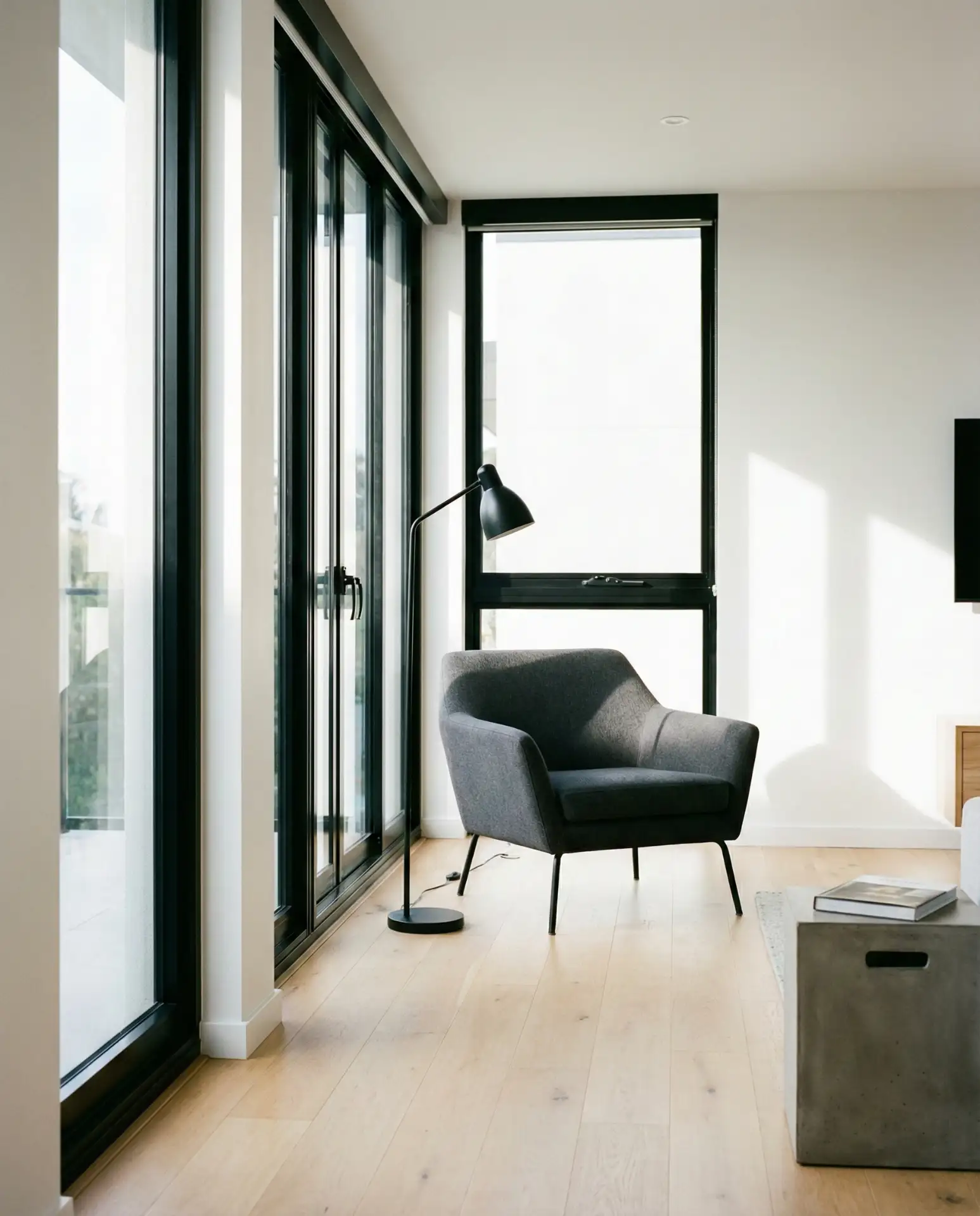
Incorporating black elements into a contemporary living room creates striking contrast and visual anchoring, preventing spaces from feeling washed out or overly safe. This might mean black-framed windows, matte black light fixtures, charcoal accent furniture, or even a dramatic black accent wall. Used thoughtfully, black adds sophistication and depth without overwhelming—especially when balanced with plenty of natural light and lighter surrounding tones. It’s a confident design choice that signals intentionality.
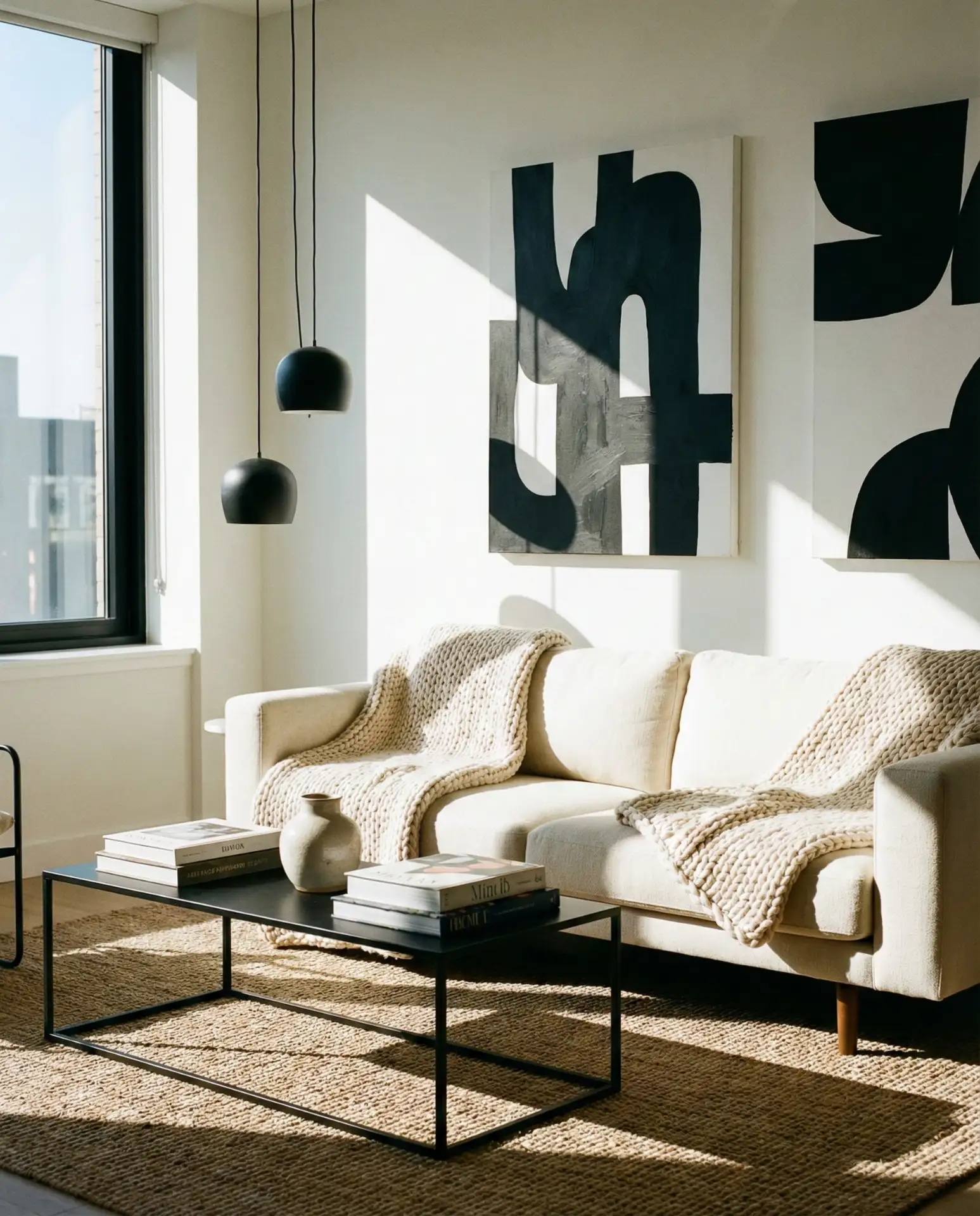
In American design, black accents have become particularly popular in open-concept homes, where they help define zones without physical barriers. A black-framed glass partition or a dark media console can subtly separate living and dining areas while maintaining flow. One expert tip: use black in odd numbers—one black chair feels intentional, two feels like you ran out of ideas, and three creates rhythm and visual interest. This small trick makes the difference between a space that feels considered versus one that seems haphazard.
15. Georgian Interiors with Contemporary Restraint
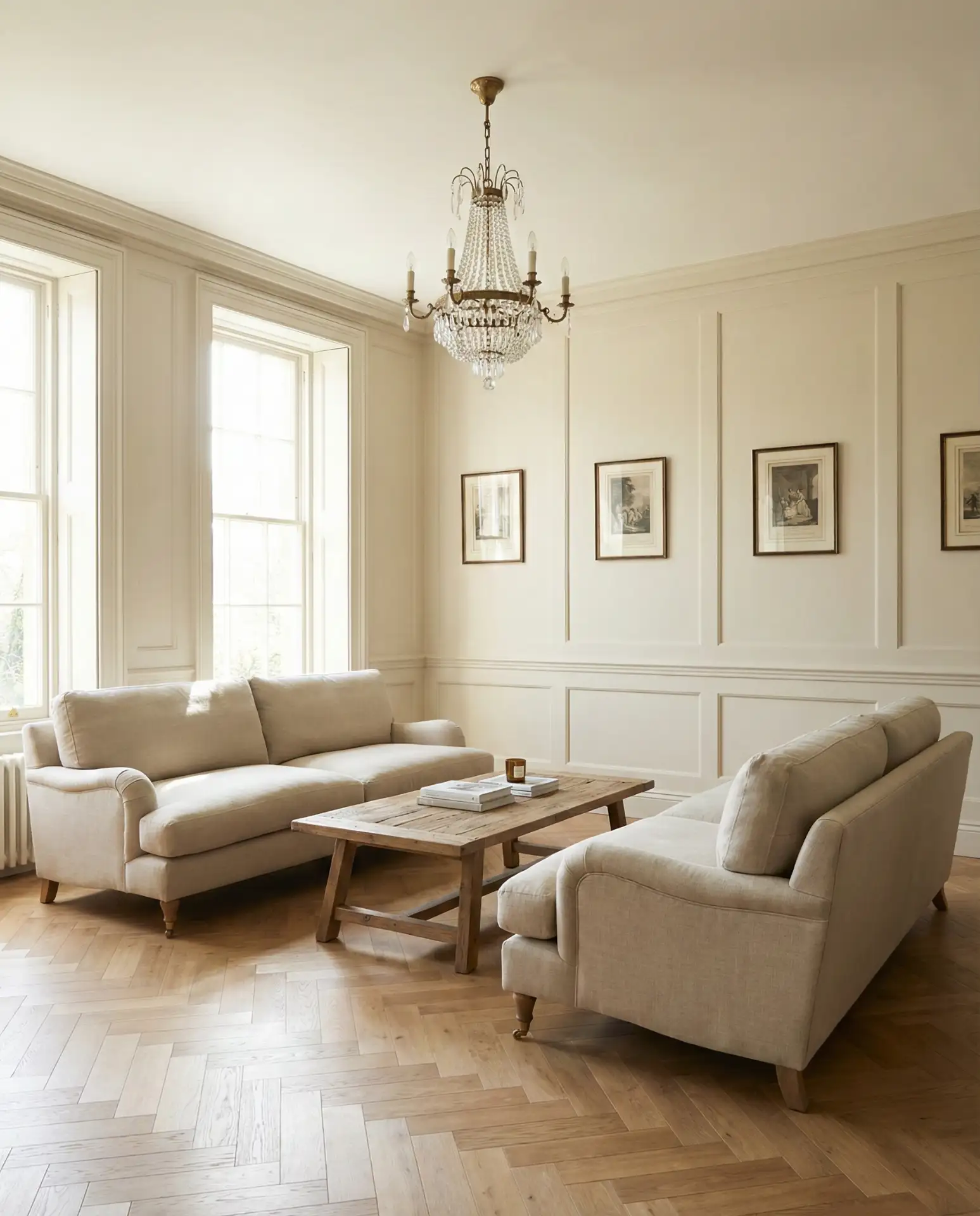
Drawing inspiration from Georgian interiors, this approach honors classical proportions, symmetry, and architectural detailing while stripping away heavy Victorian excess. Think crown molding, wainscoting, and chair rails executed in crisp white, paired with contemporary furniture in muted tones. This style appeals to Americans living in historic homes who want to respect the original architecture while creating spaces that feel fresh and livable rather than museum-like. The balance between old and new creates richness without stuffiness.
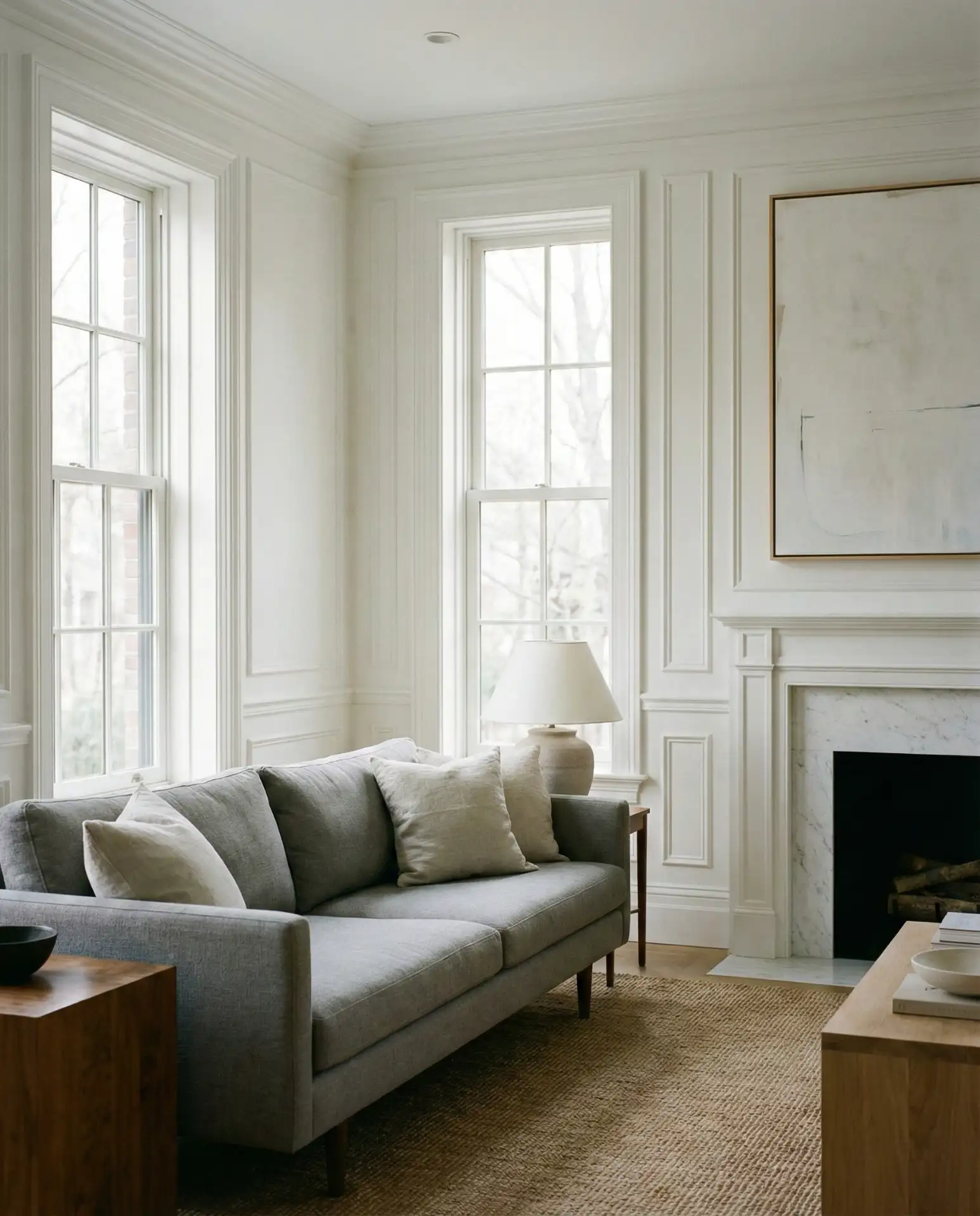
This style works best in homes with existing architectural character—colonial revivals, brownstones, or historic properties—where removing details would diminish value and charm. Rather than fighting the bones of the house, lean into them with updated furnishings that feel current. A practical tip for those in older homes: if your molding and trim are original, resist the urge to paint over wood stains with trendy colors. Clean, crisp white paint allows Georgian details to stand out while providing a neutral canvas for contemporary furniture and art.
16. Apartment-Smart Multifunctional Design
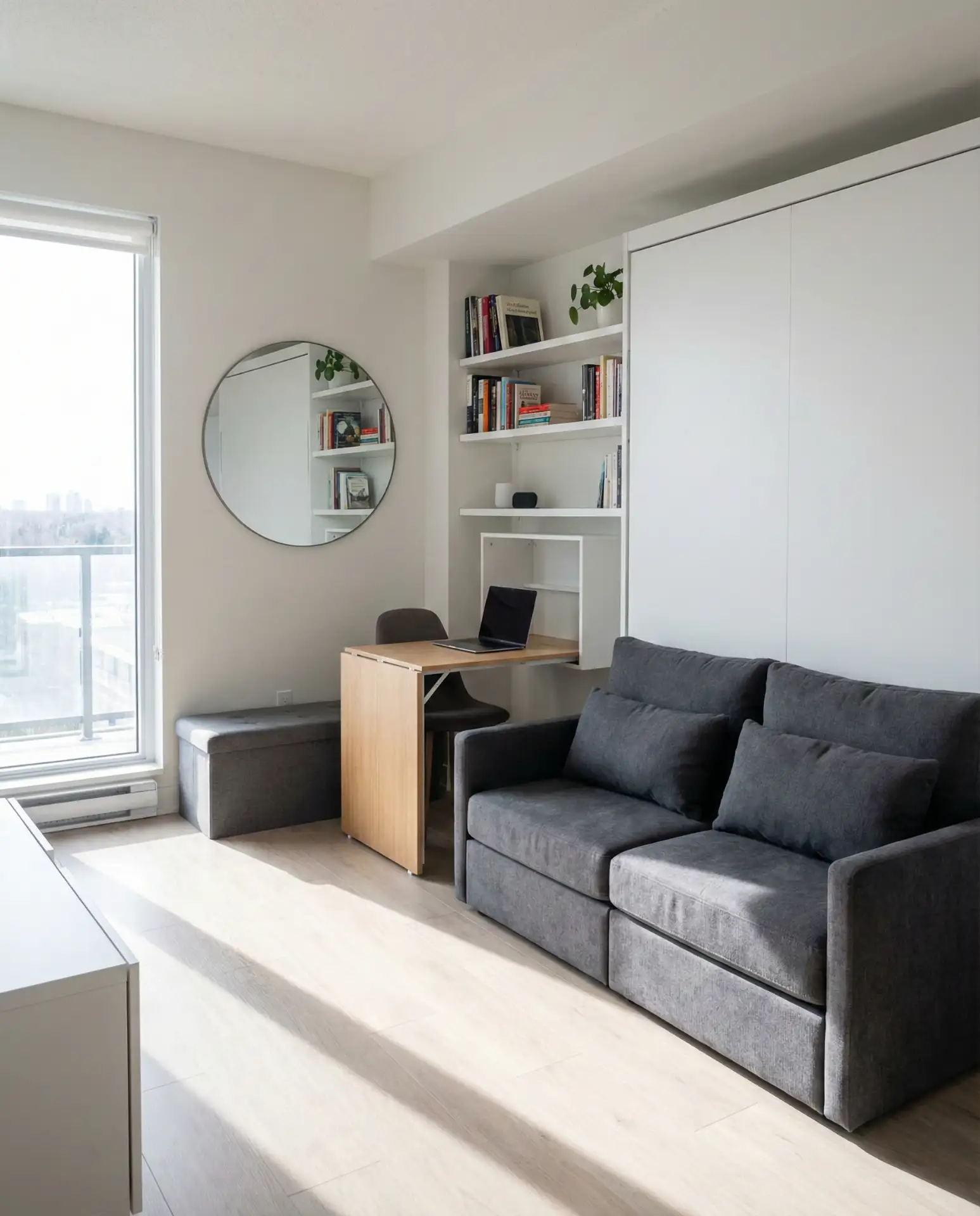
Contemporary apartment living demands furniture and layouts that work overtime. In 2026, this means sleeper sofas that actually look good, nesting tables, storage ottomans, and wall-mounted solutions that free up floor space. The aesthetic leans modern minimalist by necessity—clutter accumulates fast in small spaces—but with thoughtful pops of personality through art, textiles, and lighting. Urban dwellers from Boston to Seattle are proving that square footage doesn’t dictate style, just strategy.
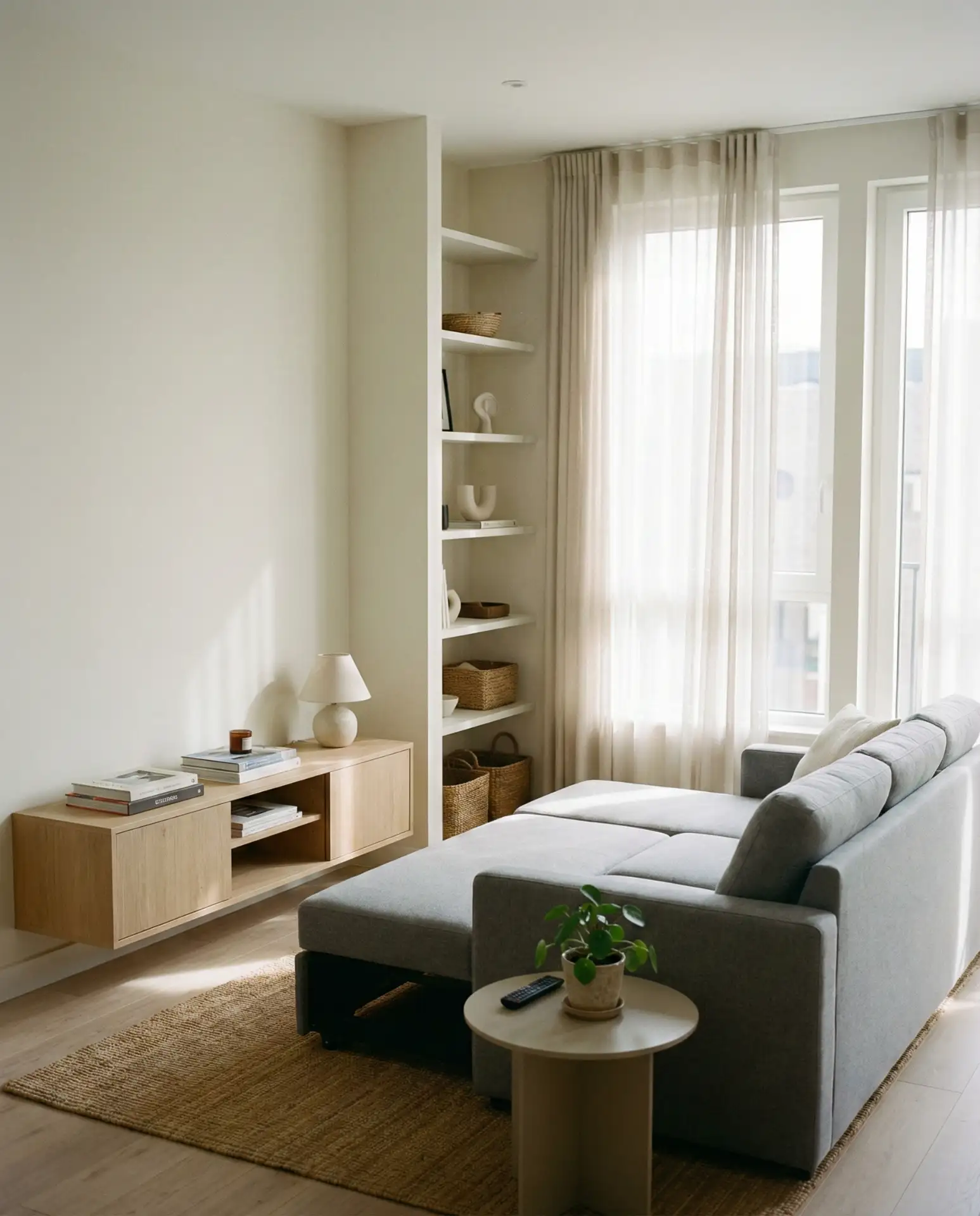
The key mistake apartment dwellers make is oversized furniture. A massive sectional might look great in a showroom but can overwhelm a 400-square-foot living room. Instead, opt for pieces scaled to your space—a loveseat instead of a full sofa, armless chairs that tuck under tables, and glass or lucite furniture that visually disappears. Real homeowners in tight quarters often report that ruthless editing—keeping only what they truly use and love—makes the biggest difference in how spacious and calm their apartments feel.
17. White Living Room with Warm Undertones
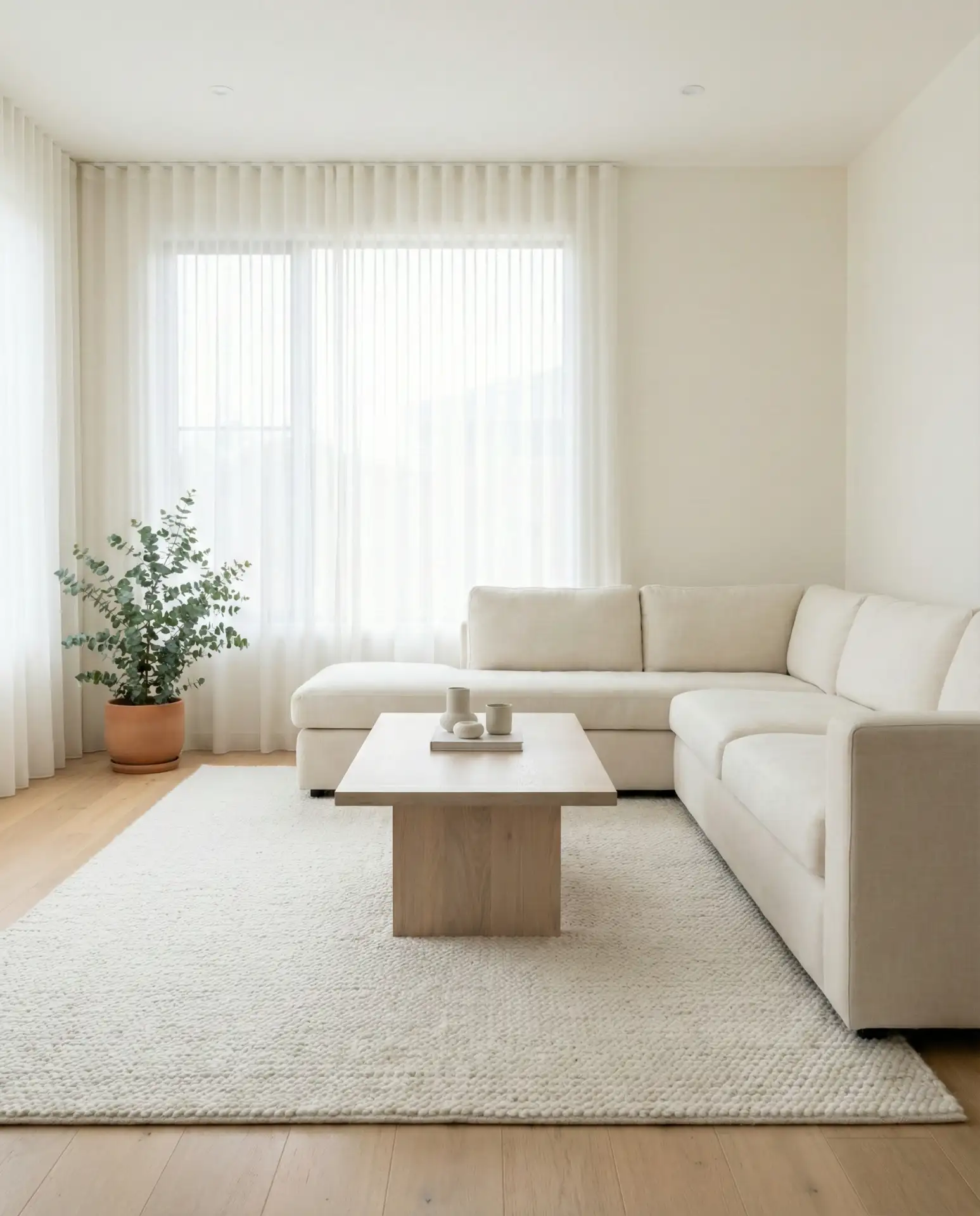
The all-white living room remains a contemporary classic in 2026, but the approach has shifted toward warmer, creamier tones rather than stark, cool whites. This creates spaces that feel serene without being clinical—think ivory walls, natural linen upholstery, bleached wood accents, and soft off-white textiles. The monochromatic palette allows architectural details and textures to shine, making it a favorite among design purists who appreciate subtlety and restraint.
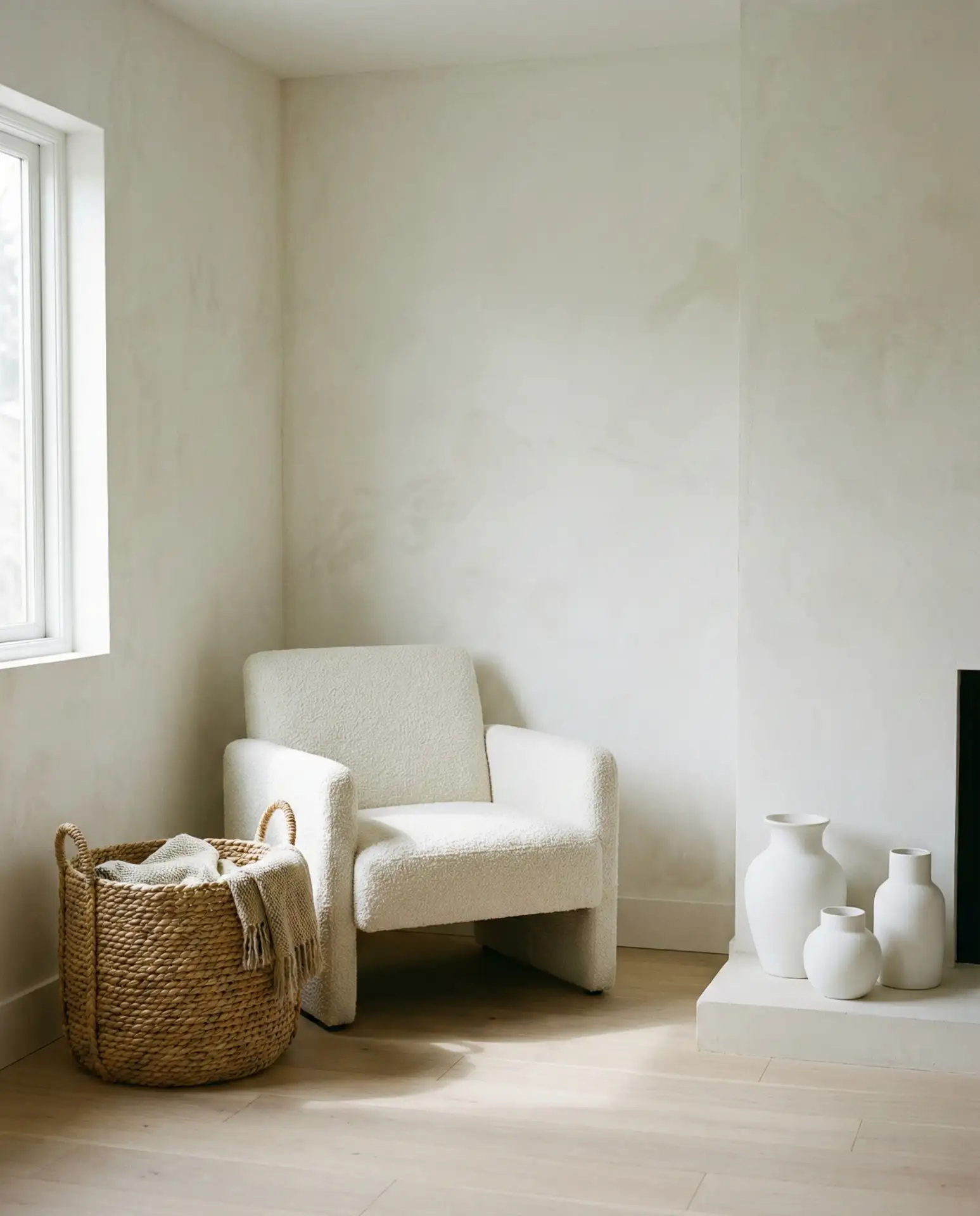
This look thrives in homes with abundant natural light—particularly in regions like Southern California, where sunshine is generous year-round. The brightness amplifies the white palette, creating an almost ethereal quality. A practical consideration: white living rooms require maintenance, so invest in washable slipcovers and performance fabrics. Many homeowners also keep a small basket of cleaning supplies handy for quick spot treatments. Despite the upkeep, those who commit to this aesthetic report that the sense of calm and spaciousness makes it worthwhile.
18. Indian-Inspired Contemporary Richness
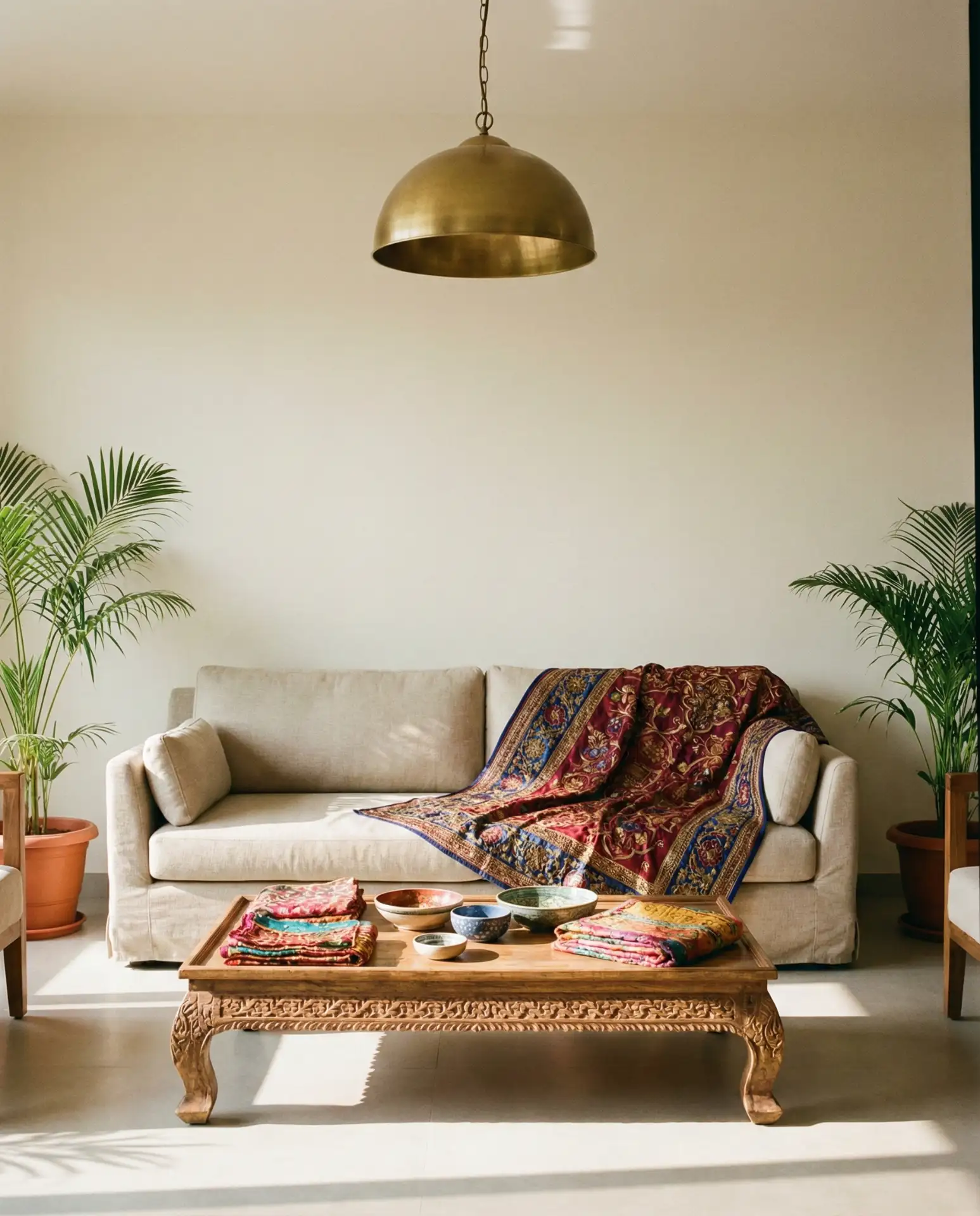
Incorporating Indian design elements into a contemporary living room brings warmth, color, and global sophistication. This might include hand-blocked textiles, carved wooden screens, brass accents, or vibrant floor cushions and poufs alongside modern furniture. The key is balancing ornate traditional pieces with clean-lined contemporary elements so neither overwhelms. This fusion style has gained popularity among Americans seeking to infuse their homes with cultural richness and artisanal craftsmanship in an era of mass-produced furniture.

Where this works best is in eclectic homes where global influences are celebrated rather than treated as exotic curiosities. The Indian elements should feel integrated, not costume-y. For example, a beautifully carved antique door repurposed as a headboard or coffee table tells a story, while dozens of “ethnic” accessories feel contrived. Budget shoppers can find authentic Indian textiles and metalwork through fair-trade importers or even online marketplaces, supporting artisans while adding genuine character to their spaces.
19. Mood Board Aesthetic in Reality
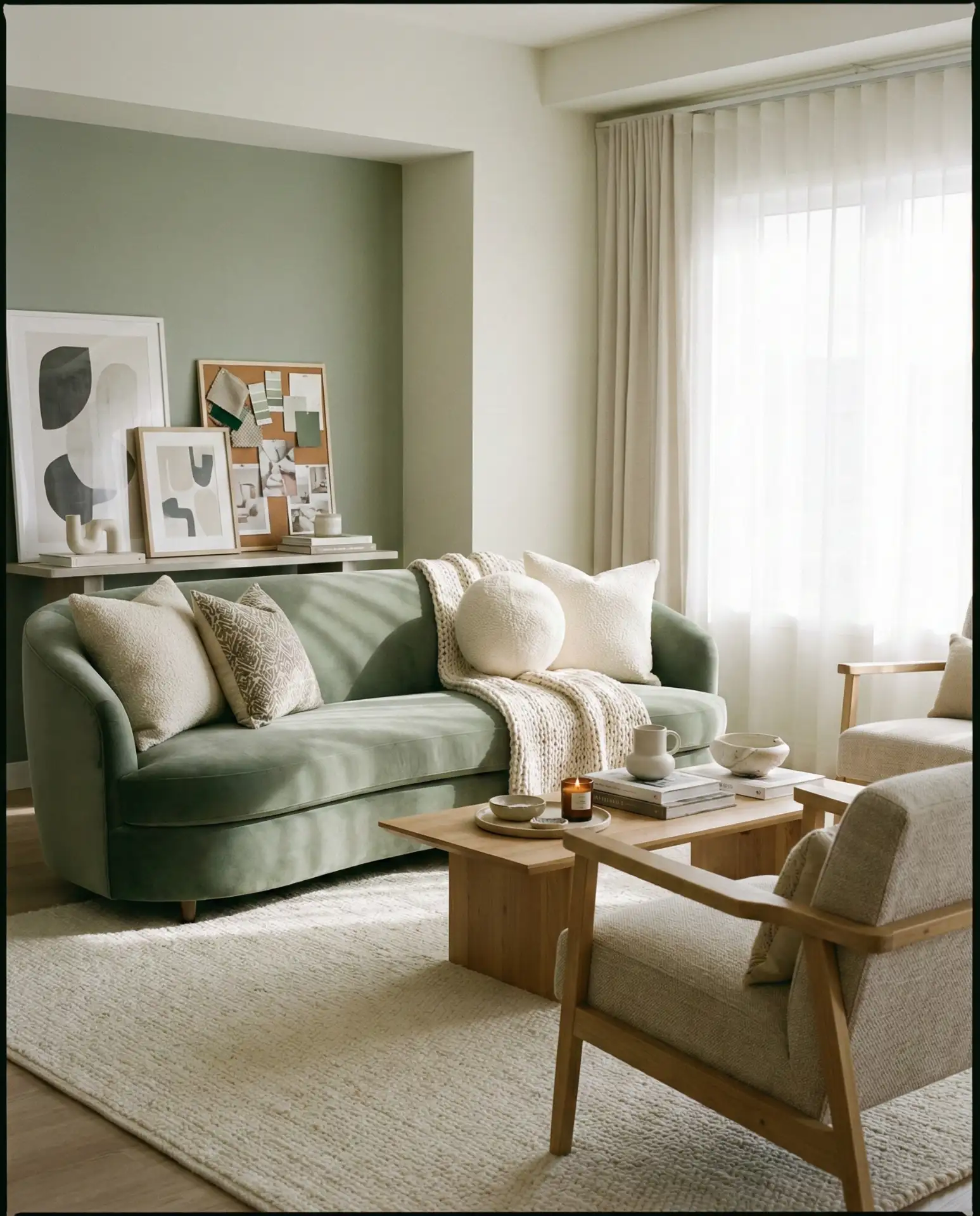
Translating a Pinterest mood board into an actual living room is both art and science. The challenge is maintaining the cohesive vibe of curated images while working with real-world constraints like budget, available furniture, and existing architecture. In 2026, successful implementations focus on identifying core elements—a color story, a few key pieces, a specific mood—and building around those anchors rather than trying to replicate every detail. This approach creates spaces that feel inspired by rather than copied from inspiration boards.
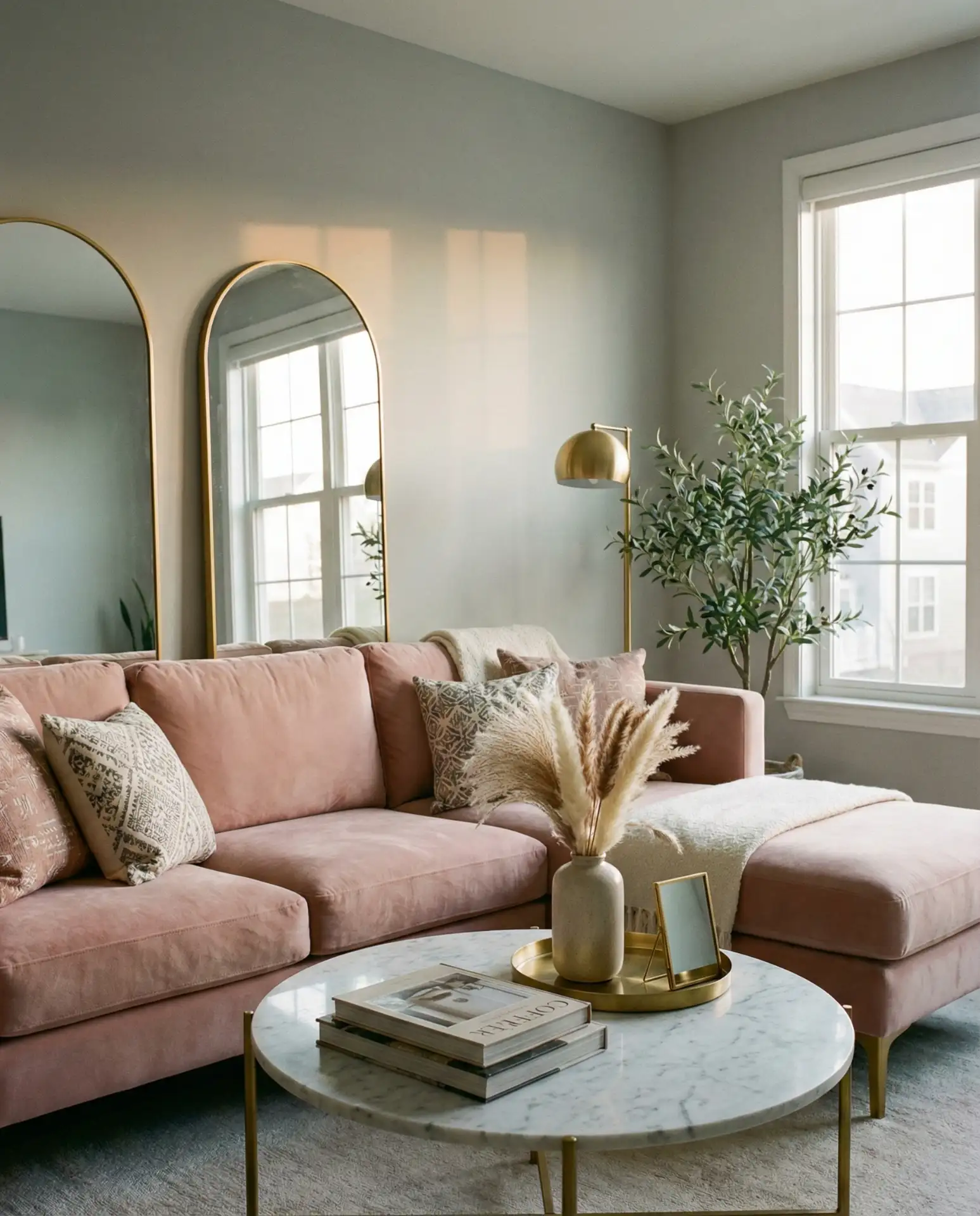
A common mistake is trying to buy everything at once to match the mood board exactly. This often leads to overspending and buyer’s remorse when reality doesn’t quite match the fantasy. Instead, start with one or two significant pieces—a sofa in your chosen palette, a statement light fixture—and build slowly. Real homeowners who successfully execute mood board-inspired rooms often mention that the process took months or even years, with each addition carefully considered rather than impulsively purchased. Patience yields better results than haste.
20. Luxury Design Elements at Every Price Point
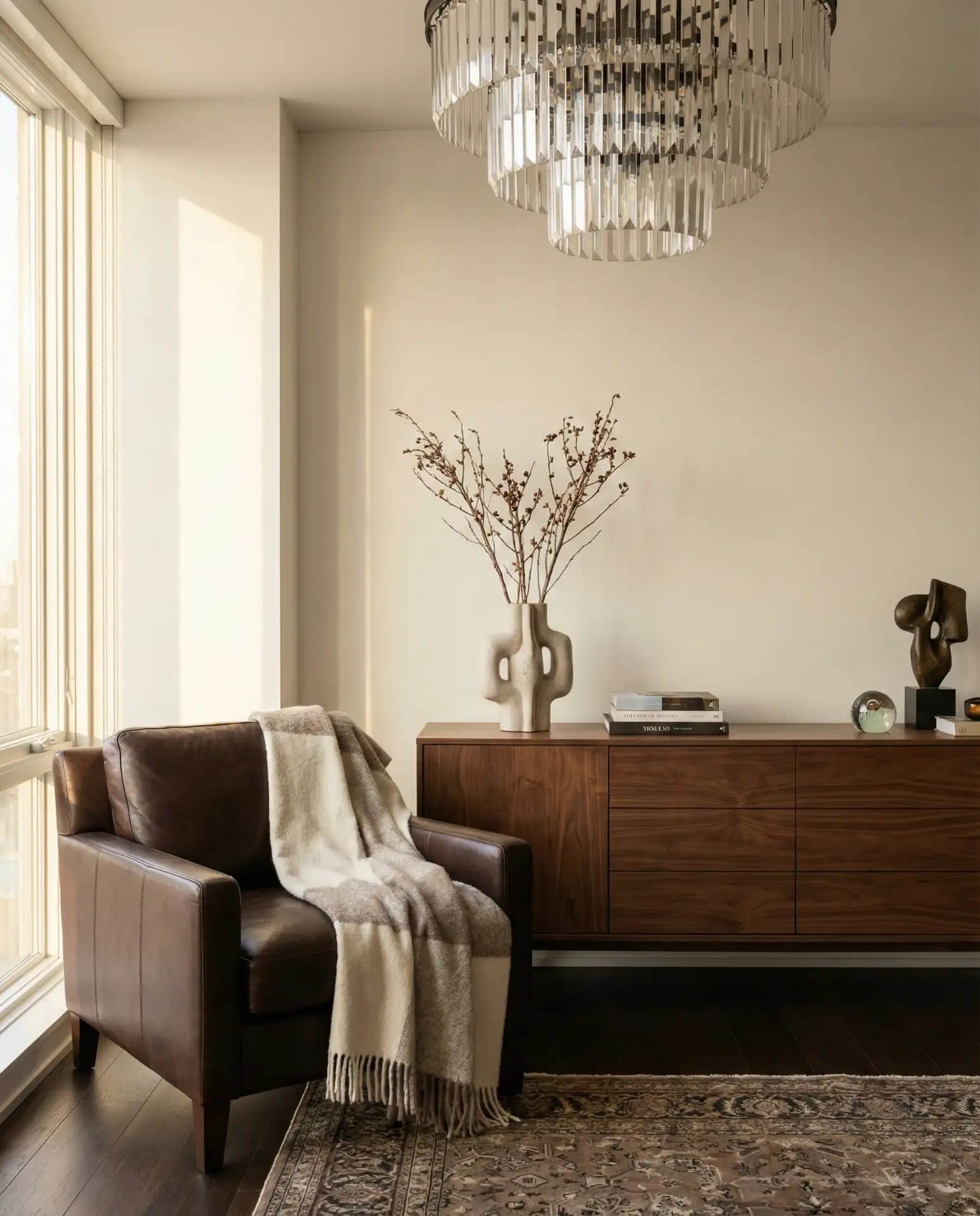
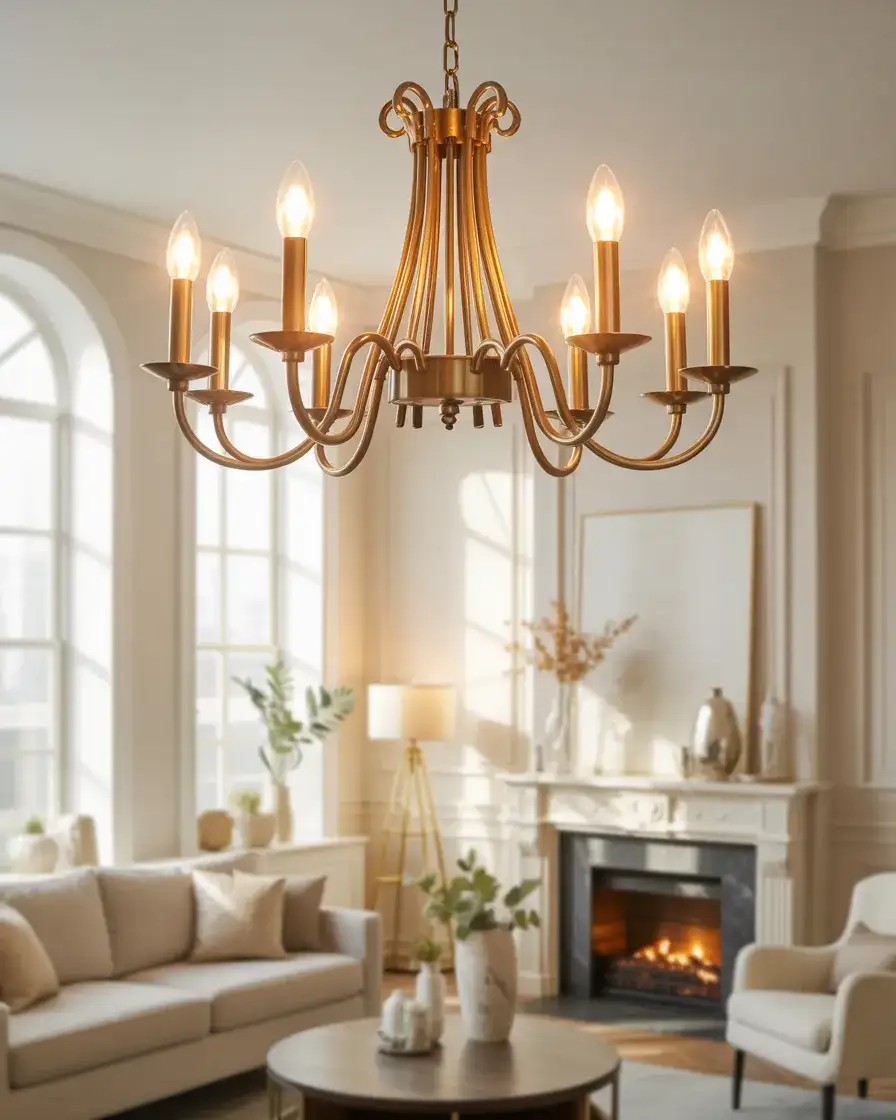
Contemporary luxury designs in 2026 are less about logos and more about quality materials, craftsmanship, and thoughtful details. Even on a budget, you can incorporate luxury signals—think heavy linen curtains, brass hardware, marble accessories, or a single designer piece mixed with affordable finds. Americans are increasingly savvy about the “high-low” approach, investing in items that matter (a quality sofa, good lighting) while saving on easily swapped decor like pillows or art prints.
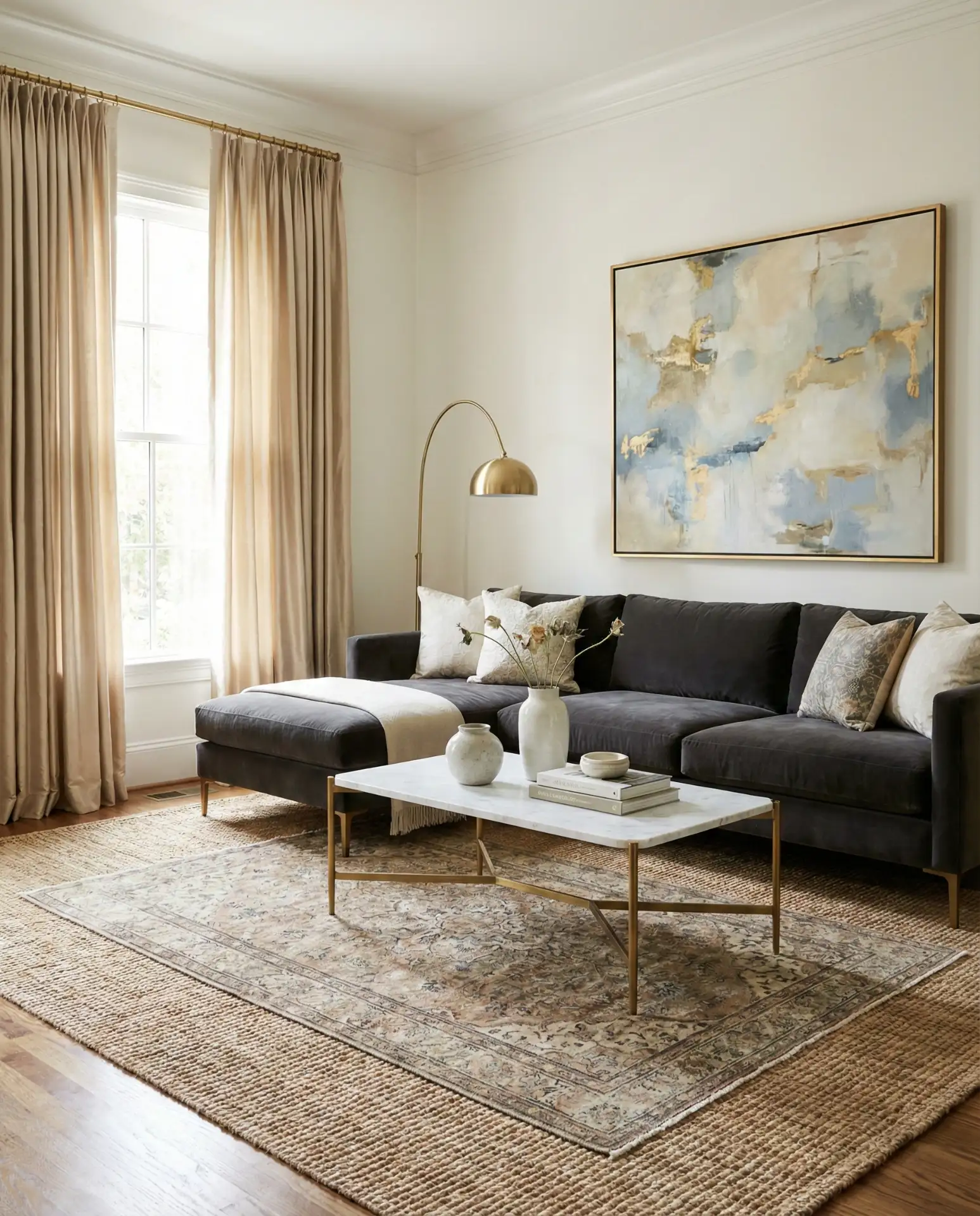
An expert tip: luxury is felt as much as seen. This means prioritizing comfort—deep seat cushions, supportive pillows, and soft rugs underfoot—alongside visual appeal. One well-off homeowner I know splurged on custom-made cushions for her IKEA sofa rather than buying a designer couch, and guests consistently compliment how comfortable it is. Sometimes the path to luxury isn’t buying expensive pieces wholesale but identifying what truly enhances your daily experience and investing strategically in those elements.
21. Earthy Tones and Organic Materials
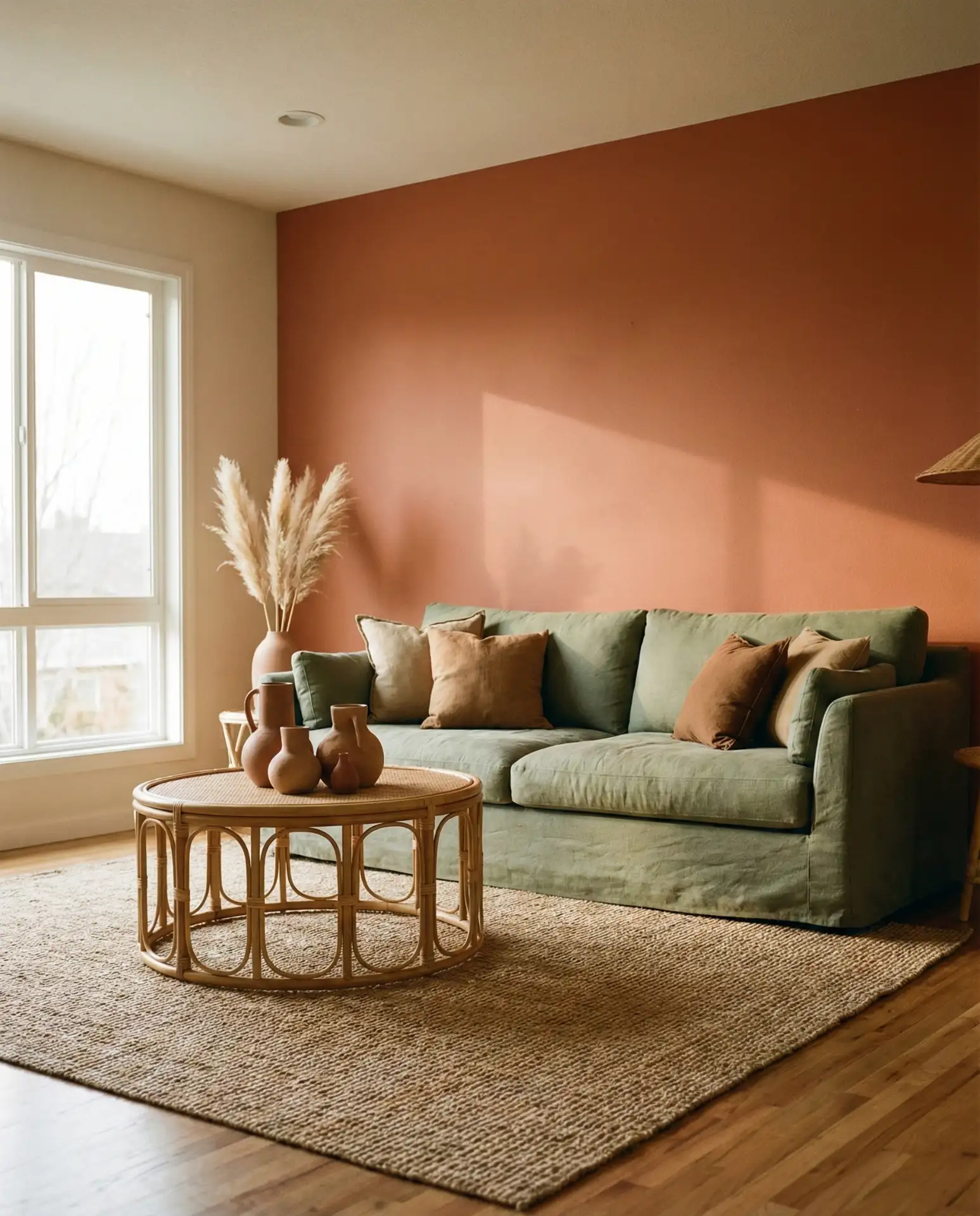
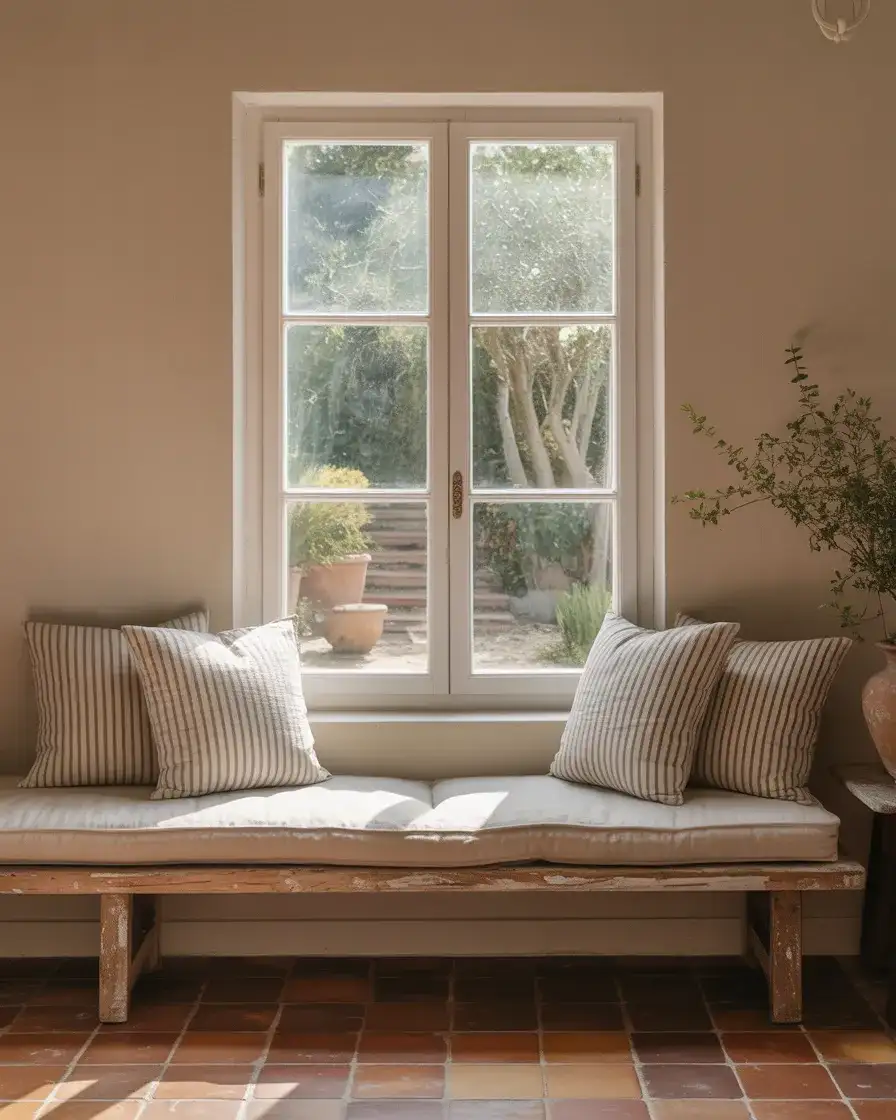
The earthy contemporary living room embraces terracotta, rust, sage, and warm browns paired with natural materials like clay, wood, stone, and rattan. This grounding aesthetic connects indoor spaces to the natural world, creating environments that feel calming and restorative. It’s particularly resonant in 2026 as more Americans seek refuge from digital overwhelm in spaces that feel organic and unplugged. The palette is inherently cozy without being heavy, making it suitable year-round across different climates.

This style particularly appeals to homeowners in the Southwest, where desert landscapes inspire interiors, but it translates beautifully to any region. Practical insight: natural materials require different care than synthetic ones. Wood needs occasional oiling, rattan can dry out in low humidity, and natural fiber rugs may stain more easily. But advocates argue the trade-off is worth it—these materials age beautifully, developing patinas and character that synthetic alternatives can’t match. The lived-in quality becomes part of the appeal rather than a flaw.
22. Soft Contemporary Comfort
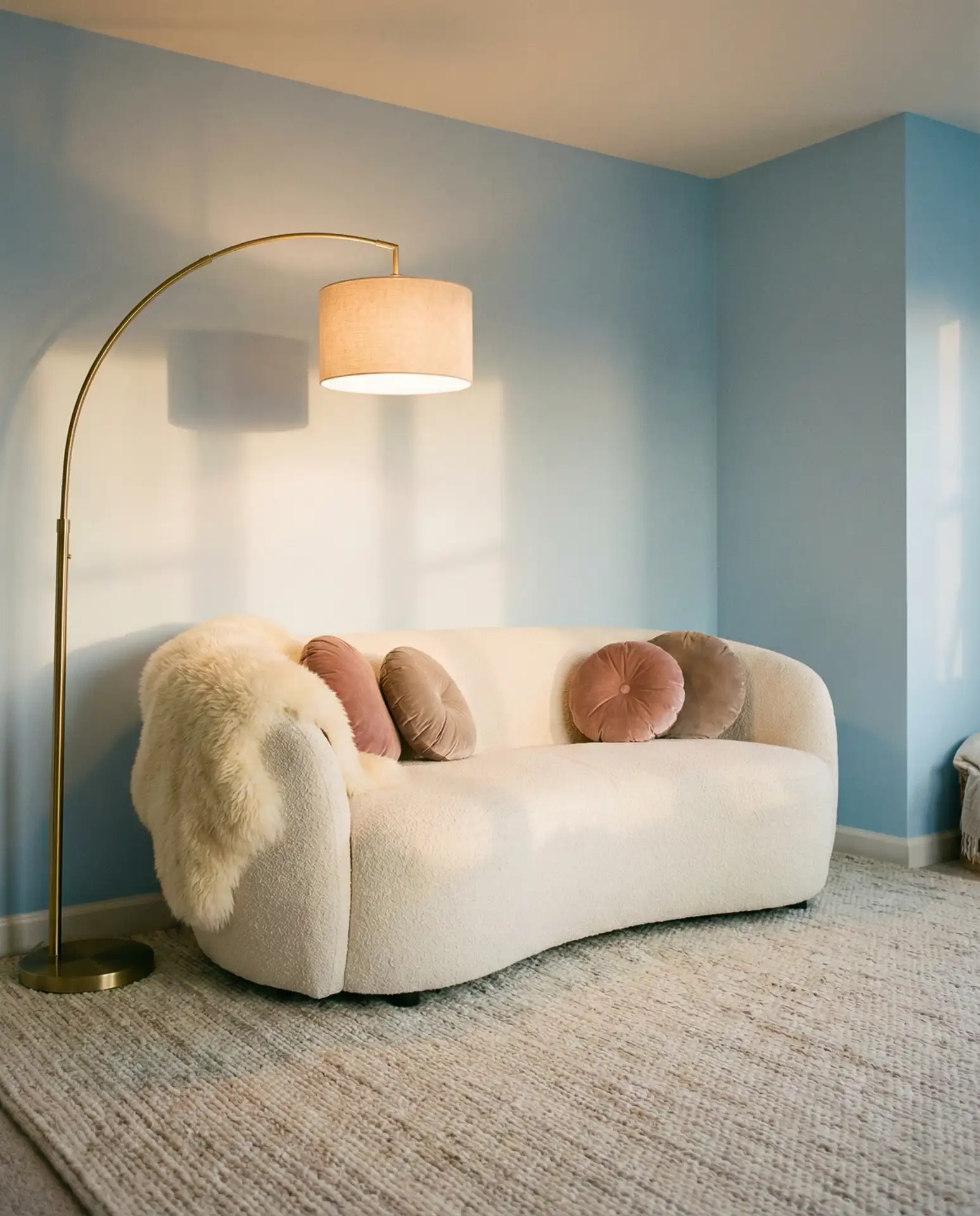
The soft contemporary living room prioritizes tactile comfort and gentle aesthetics—think rounded furniture silhouettes, plush upholstery, and a palette of muted pastels or warm neutrals. In 2026, this approach offers a counterpoint to the sharp angles and cool materials that dominated earlier contemporary design. Curved sofas, bouclé fabric, and organic shapes create spaces that feel nurturing and inviting, perfect for Americans seeking sanctuary at home after stressful days.
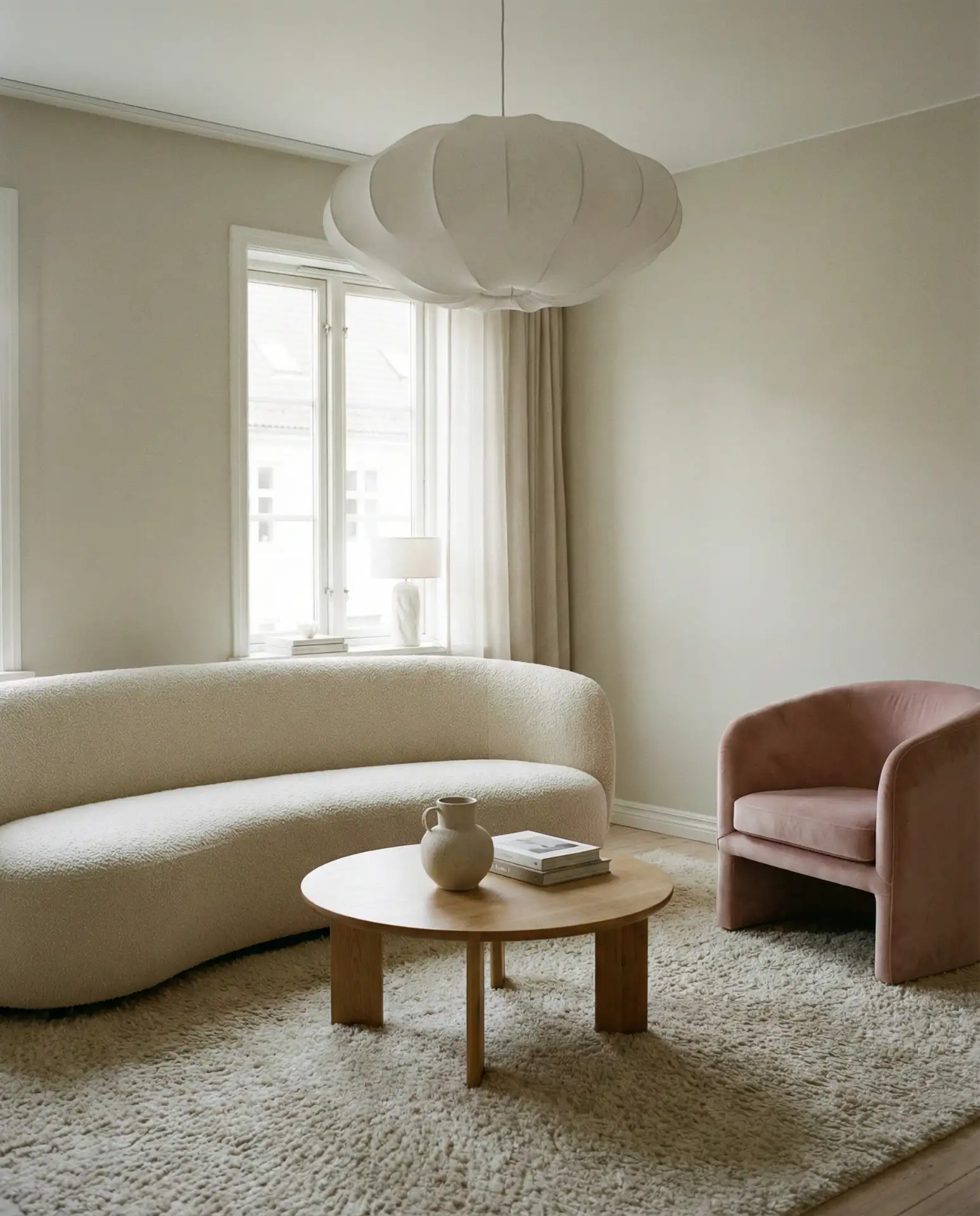
Where this works best is in homes where the living room truly functions as a place to relax rather than just impress guests. It’s the style equivalent of a warm hug. Real homeowner behavior shows that soft contemporary spaces encourage people to actually use their living rooms—curling up with books, taking naps on the sofa, gathering for conversations—rather than treating them as formal showrooms. If your goal is a living room that lives up to its name, this approach delivers in spades.
23. Classic Foundations with Contemporary Updates
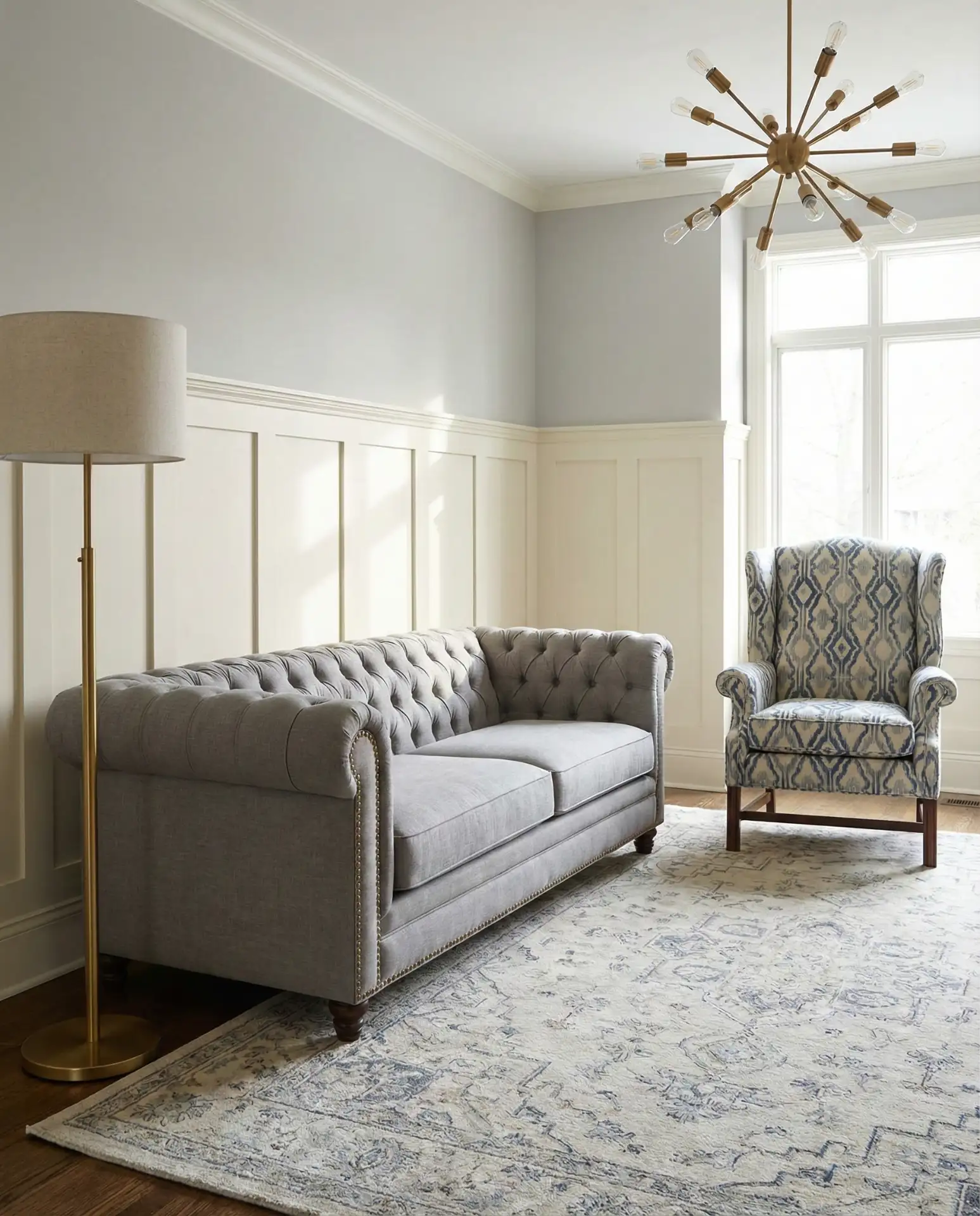
Rooted in classic design principles—symmetry, proportion, and quality materials—this approach updates traditional living rooms for contemporary life. It might mean a Chesterfield sofa reupholstered in modern gray linen or traditional wainscoting painted in on-trend colors. The furniture has timeless silhouettes but lighter scales and updated finishes. This style appeals to Americans who appreciate enduring design but don’t want their homes to feel dated or frozen in time. It’s about honoring the past while living firmly in the present.
This style works particularly well in traditional home styles—Colonials, Tudors, and Craftsmen—where fighting the architecture would be futile. Instead, work with the bones while updating the soft goods and accessories. A common mistake is being too literal with “classic” and ending up with a stuffy, uninviting space. The key is restraint and editing: keep classic proportions and quality but strip away fussy details, heavy fabrics, and dated color schemes. The result is a living room that feels both rooted and refreshingly current.
Conclusion
These ideas offer a spectrum of possibilities for creating a contemporary living room in 2026 that truly reflects your lifestyle and aesthetic. Whether you’re drawn to minimalist serenity, maximalist energy, or something in between, the common thread is intentionality—choosing elements that serve both function and beauty. We’d love to hear which ideas resonate with you or how you’ve incorporated these trends into your own space. Share your thoughts in the comments below, and let’s keep the conversation going!