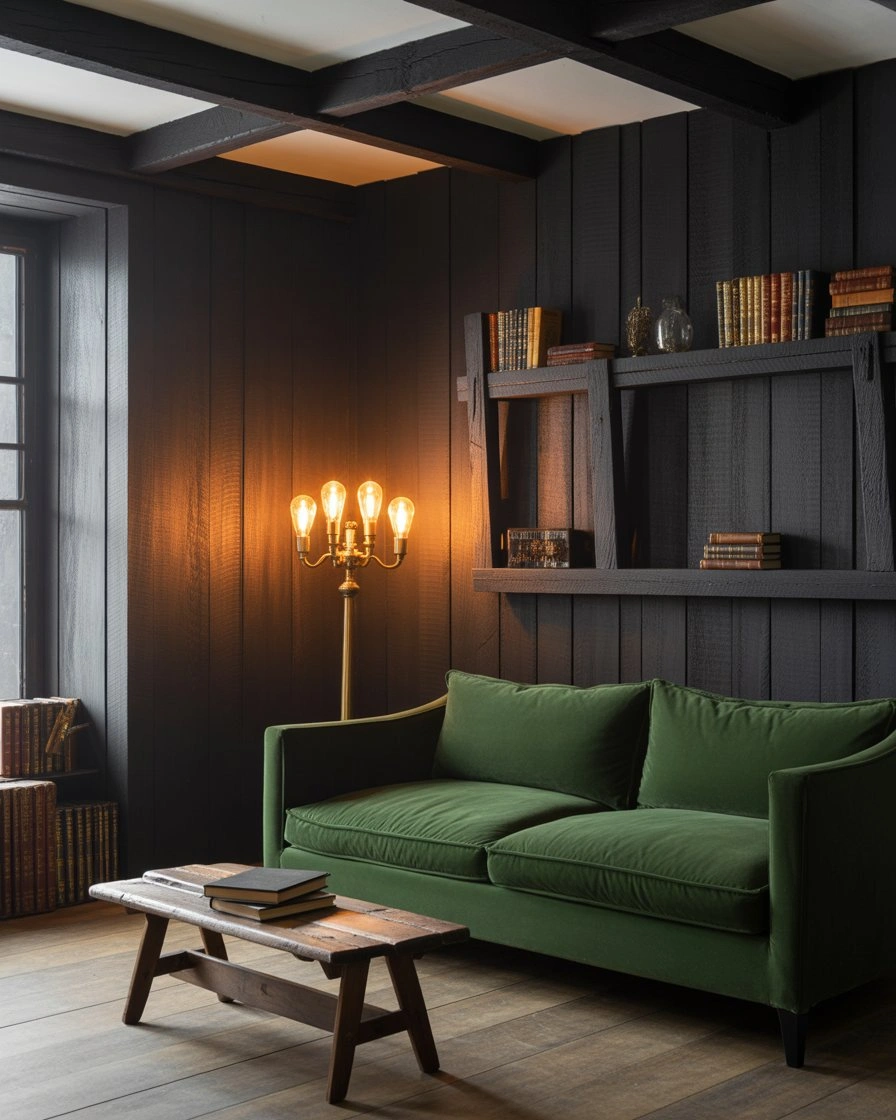
Cottage living rooms have stolen the hearts of American homeowners in 2026, mixing nostalgia and charm with modern comfort to feel both timeless and yet refreshingly of the moment. Whether the soft neutrals of Scandinavian-inspired design are your thing, colorful accents energize you, or dark moody elements excite you—cottage style can be played to perfection in different colors. Pinterest boards are filled with visions of lakeside getaways and Victorian-era elegance, and homeowners all over the country are revamping their living spaces with lush textures, vintage finds, and thoughtful touches. The list I’ve put together takes a deep dive into 22 unique cottage living room ideas that range from the French countryside chic to upbeat coastal flair, and they all are great ways you can bring real-life inspiration right inside your own home.
1. Cosy Neutral Cottage Living Room with Natural Textures
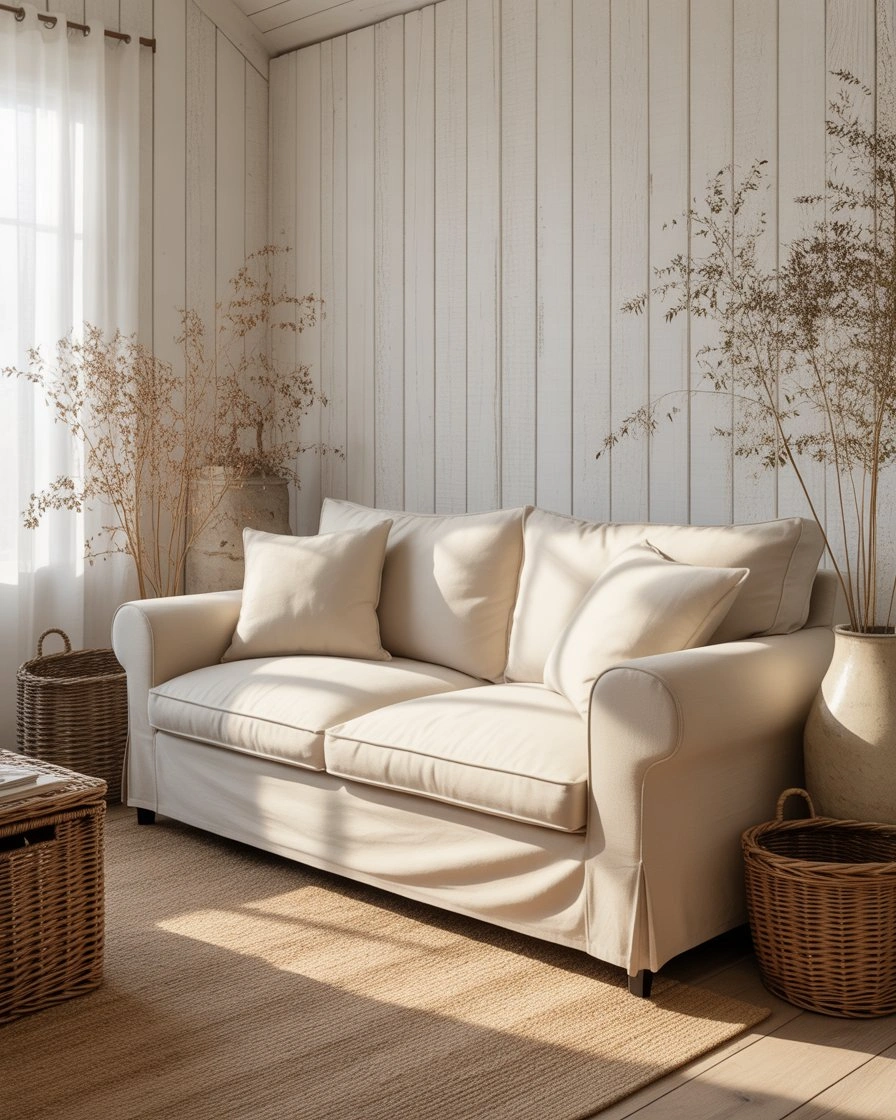
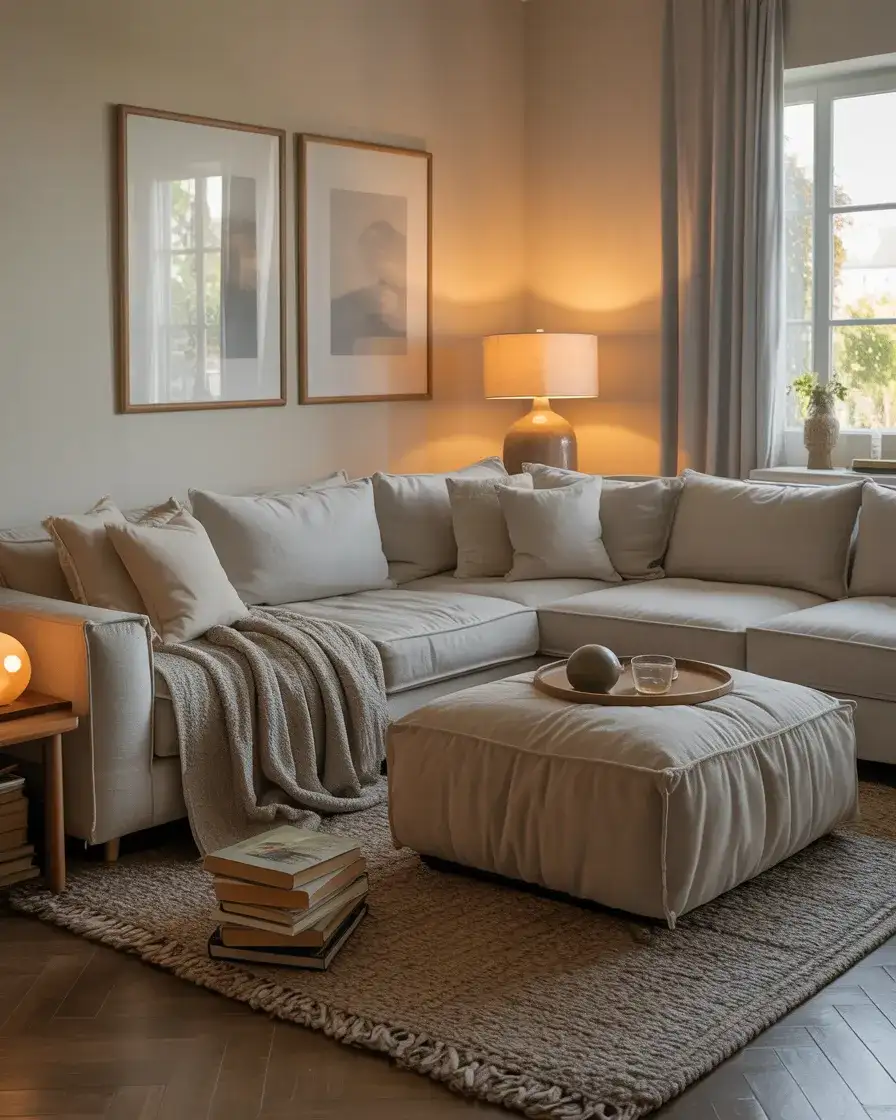
A cozy neutral cottage living room creates an inviting foundation that never goes out of style, particularly when layered with natural textures like linen, jute, and weathered wood. The beauty of this approach lies in its versatility—cream walls, beige sofas, and whitewashed beams provide a calming backdrop that allows you to introduce seasonal accents without overwhelming the space. Americans increasingly favor this aesthetic because it photographs beautifully for social media while remaining genuinely comfortable for everyday living. 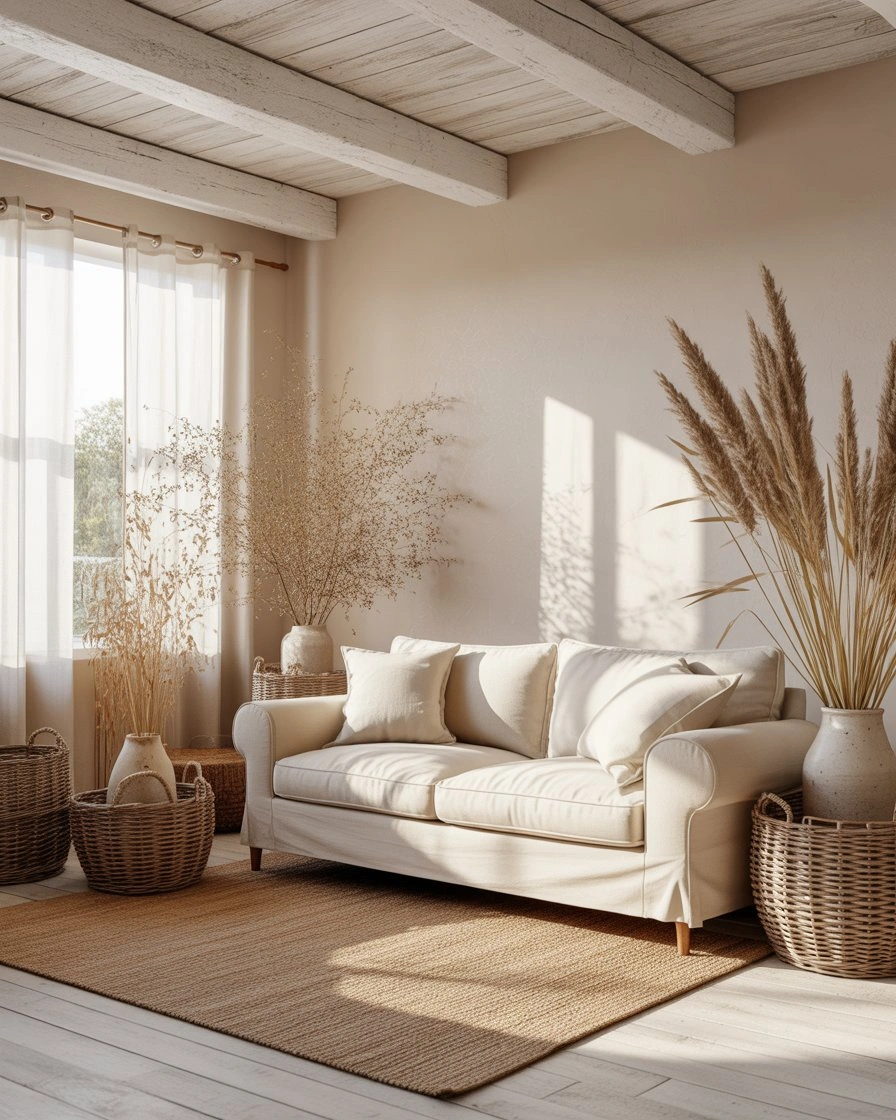
This style works particularly well in smaller homes where visual clutter can quickly make rooms feel cramped—the monochromatic palette creates an illusion of expanded space while maintaining warmth. Budget-conscious homeowners appreciate that neutral foundations allow for gradual upgrades; you can start with affordable basics and slowly introduce higher-quality pieces as your budget allows. The key is investing in varied textures rather than patterns, which keeps the room interesting without requiring frequent updates.
2. French Country Cottage Living Room with Elegant Details
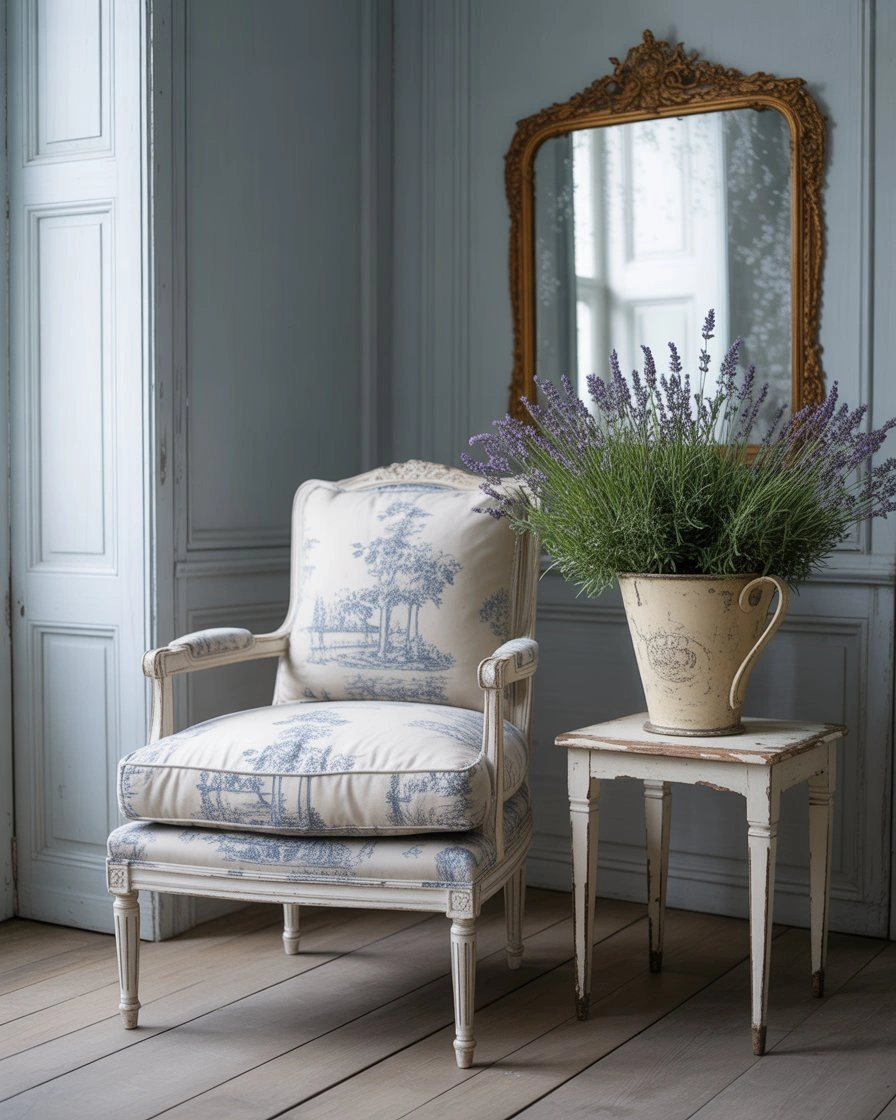
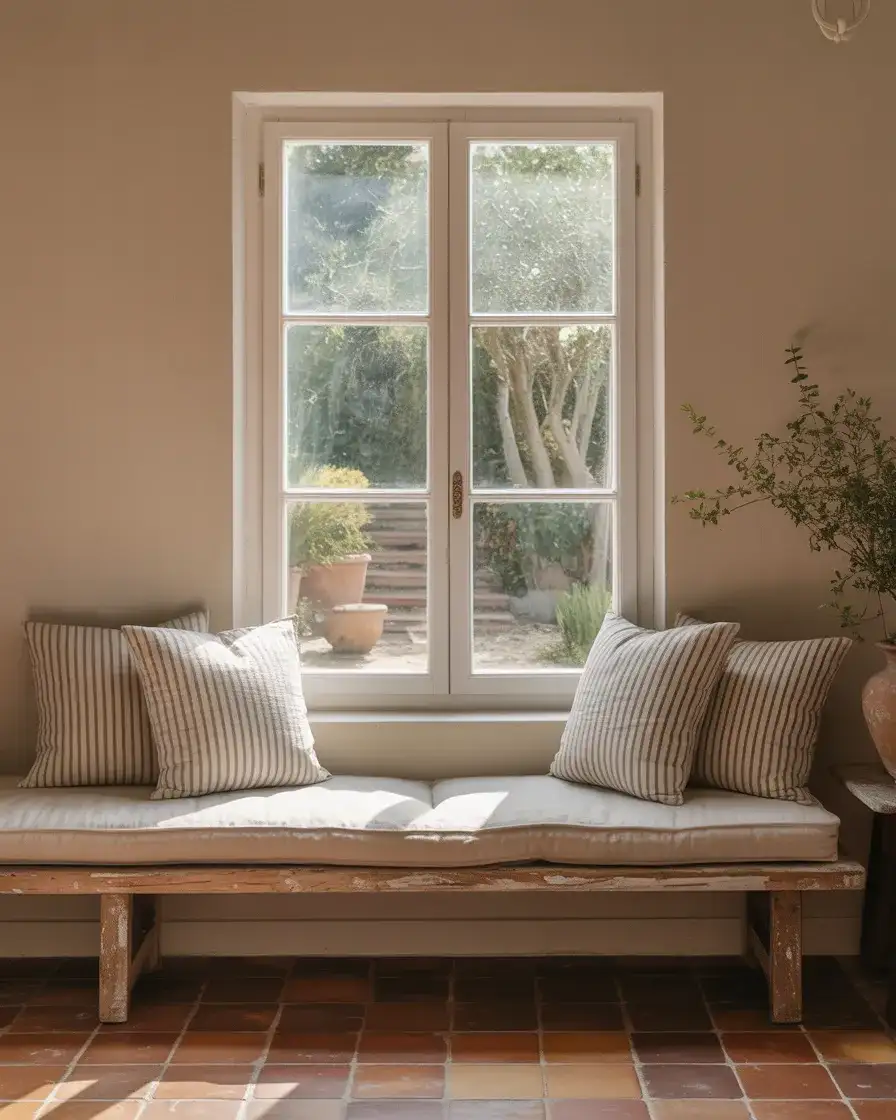
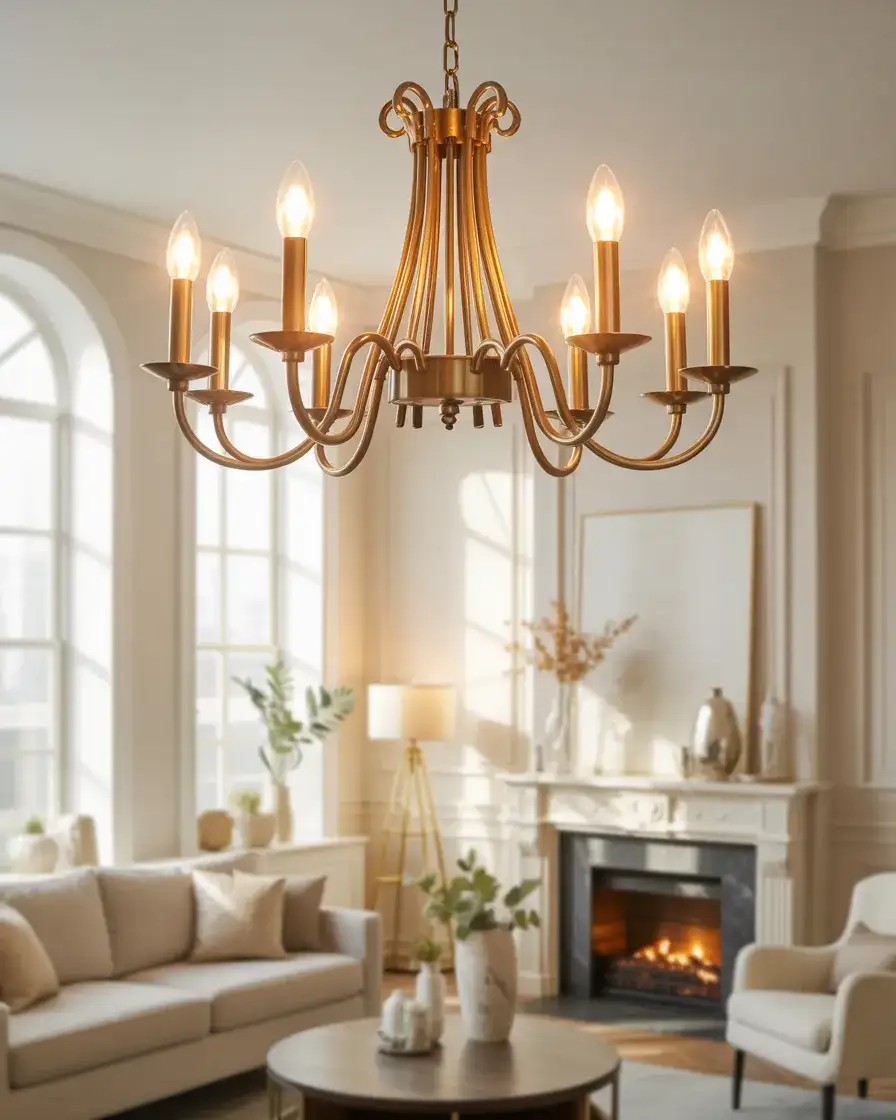
The French cottage style brings a touch of provincial elegance to American homes with such details as toile fabrics, distressed furniture, and soft blue-gray paint colors. This trend exploded in 2026 when homeowners began asking for sophistication that wasn’t so strict as traditional French interiors but rather felt lived-in and chic yet approachable. Carved wooden mantels, antique mirrors, and gossamer chandelier lighting contribute to a space that feels as if it were transported from the countryside of Provence. 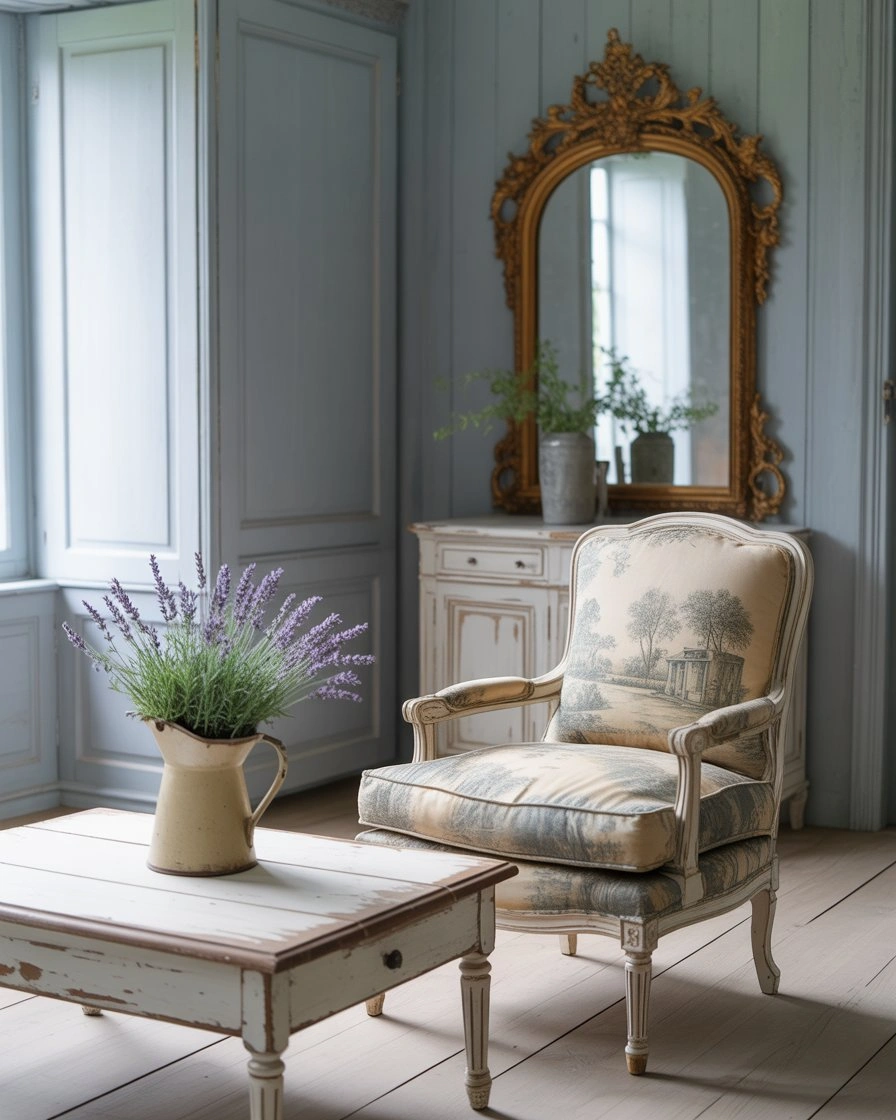
Where this look fares best is in homes with character (crown molding, tall windows, or original hardwood floors will do) since those attributes only serve to complement the French vibe. An interior designer friend once mentioned to me that Americans often make the mistake of over-accessorizing French cottage rooms; the trick is in editing down to a few statement pieces, not covering every surface. Consider one gorgeous armoire over several small accent tables, or one spectacular chandelier instead of scattered lighting fixtures.
3 Coastal Cottage Living Room with Breezy Blues
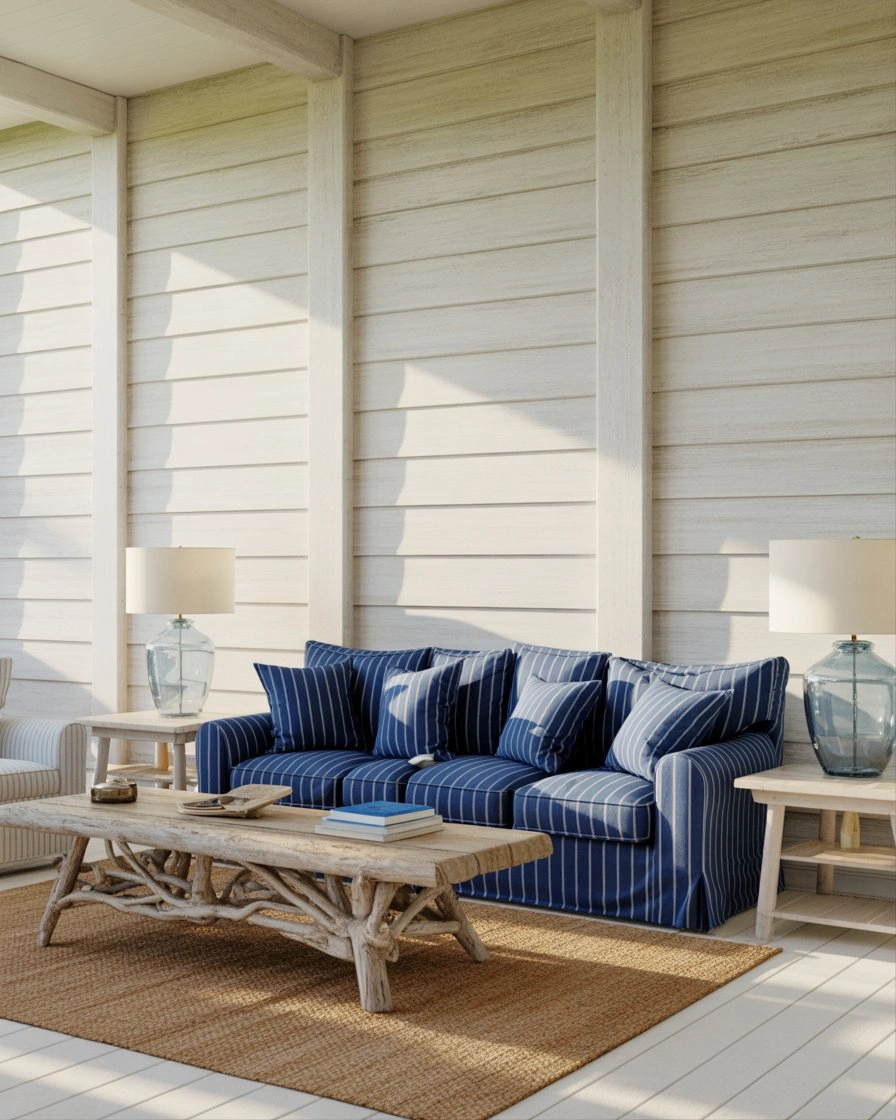
A Coastal Cottage Living Room Follow our guide to creating a breezy, light-filled living room with coastal style. View Guide Welcome to Our Home House Tour SwipeRight Welcome to Our Home: Marie’s New England-Style Georgian Entryway SwipeRight A serene and clean aesthetic for an entry hall inspired by the couple’s love of minimalism. It’s an aesthetic that speaks strongly to Americans on the country’s coasts and along its lakeshore communities, a vacation-like vibe that dissipates anxiety and encourages easy socializing. It’s a style that combines nautical nods with cozy cottage, yet instead of replicating theme-park clichés simply for effect, there’s authenticity and organic choices throughout. 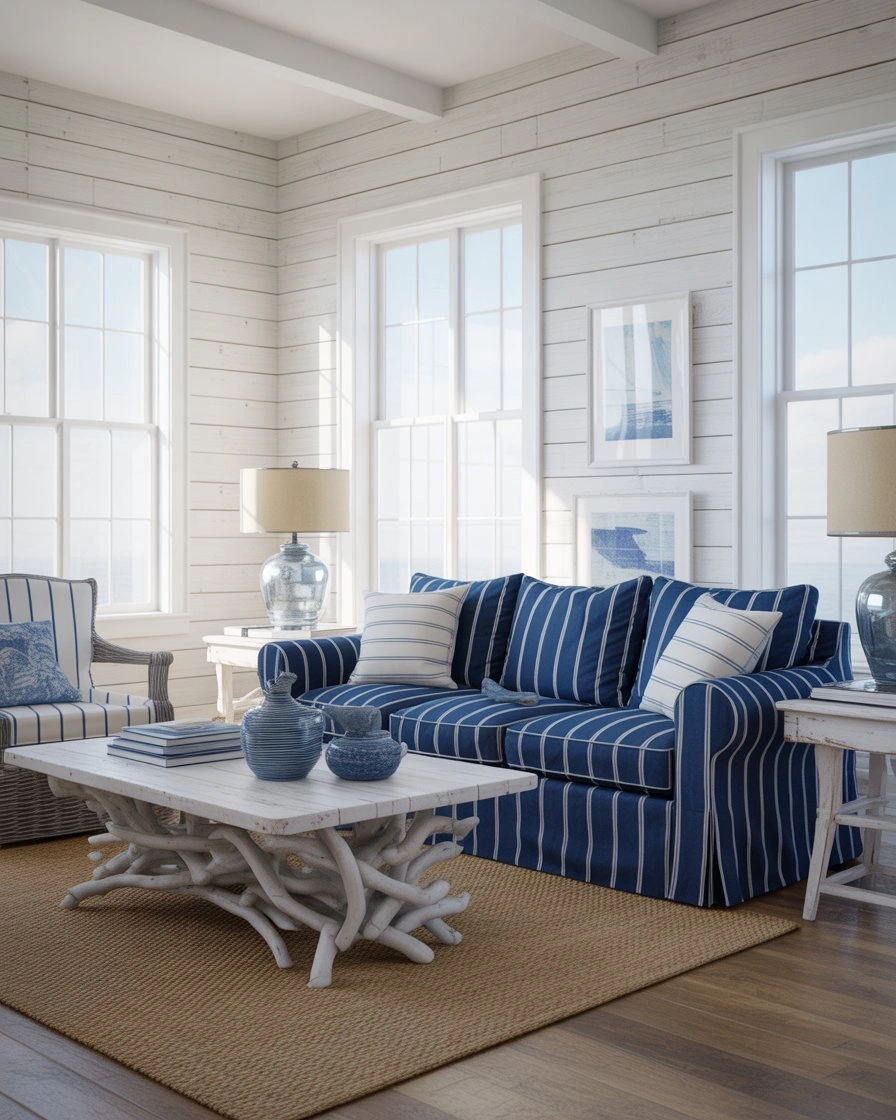
But practical know-how should steer you toward performance fabrics for a coastal cottage, especially in humid climates where mildew and salt air can spoil traditional textiles. Indoor/outdoor rugs, solution-dyed acrylics, and sealed wood finishes help keep furnishings looking as long-lived as the look you’ve created. Pass on the matching shell collections and anchor wall art—true coastal style is in small nods to the ocean through color and texture, not in literal nautical props.
4. Moody Dark Cottage Living Room with Rich Depth
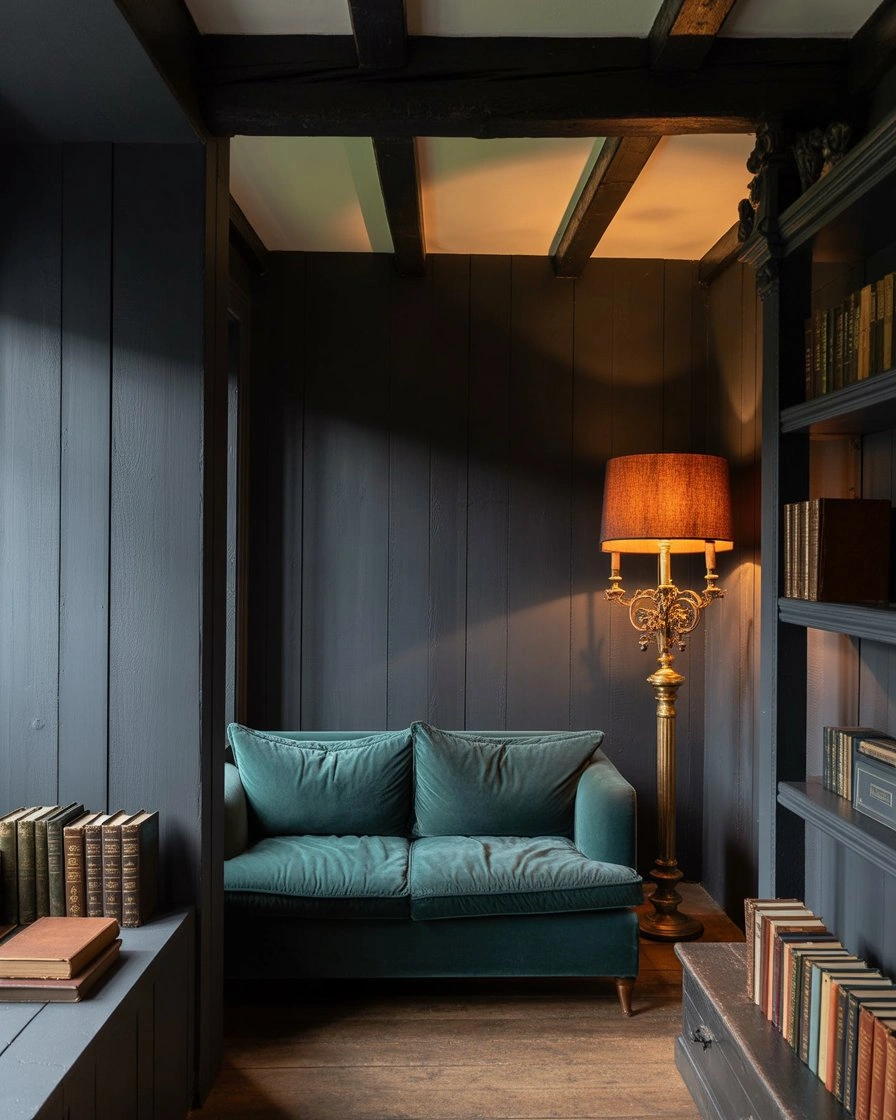
Trend: Moody Cottage The mood cottage trend runs counter to the traditional ideal of light and airy, looking instead for deep charcoals, forest greens, and midnight blues that cocoon you into a dramatic space. This chic take has seen a surge in interest over 2026, as householders moved on from the bare, whitewashed rooms of past years towards spaces that feel cozy and have even more of a personal touch. Dark walls mixed with vintage brass fixtures, velvet upholstery, and warm wood tones have made an unexpectedly cozy environment here. It feels both historic and contemporary.
Real homeowners tell us that moody cottage rooms look even darker in pictures than they do in person, so lighting is key—layer table lamps, wall sconces, and overheads to avoid a too-dark feeling. The mistake is to have everything dark all around; try dark walls but keep ceilings white or in natural wood—to let the eyes float and allow some ventilation. And the approach works beautifully in northern climes where natural light is anything but a given: here, the darker palette seems intentional rather than compensatory.
5. Blue and White Classic Cottage Living Room
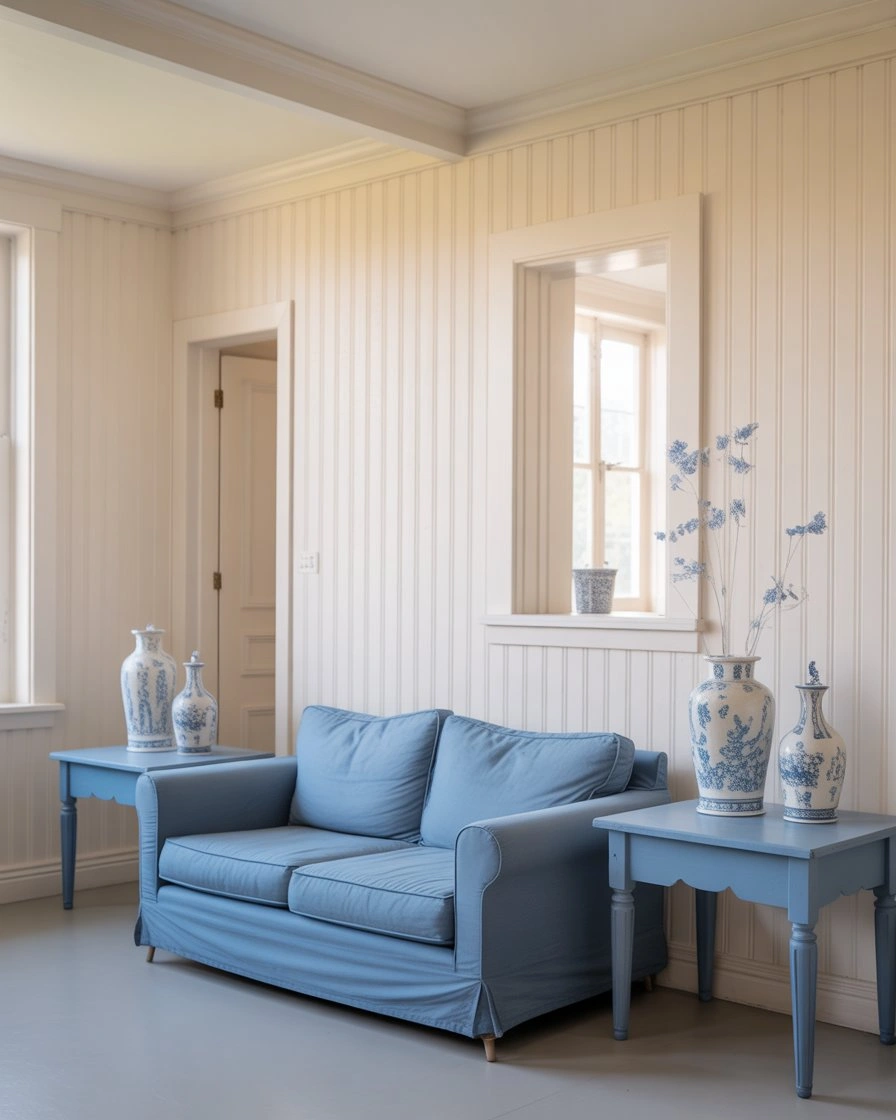
The timeless combination of blue and white remains a cottage staple, offering endless variations from soft powder blues to vibrant cobalt while maintaining a cohesive, collected-over-time appearance. This color scheme particularly appeals to Americans who appreciate traditional design but want something more personality-driven than builder-grade beige, allowing for creativity within a familiar framework. Whether expressed through gingham fabrics, painted furniture, or ceramic collections, blue-and-white cottage rooms feel simultaneously nostalgic and current. 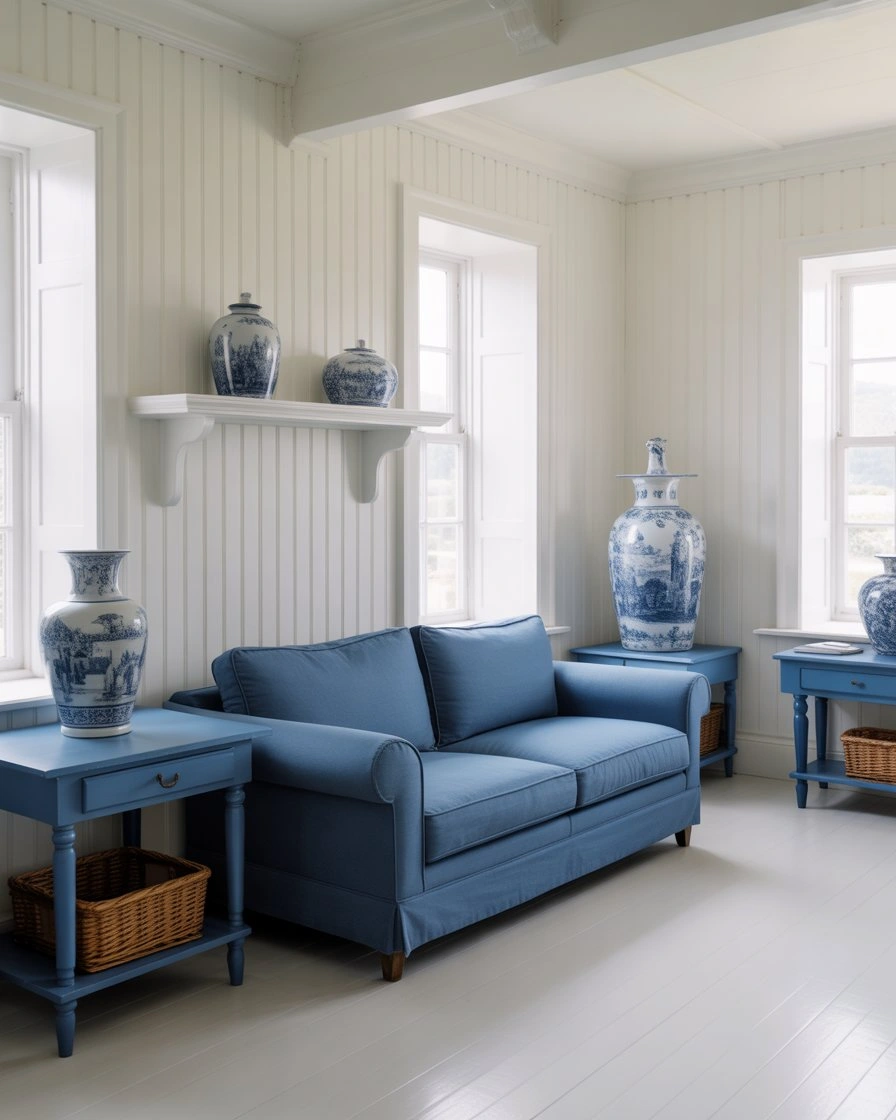
“### This palette is most flattering in rooms with abundant natural light, like those that face south or west, where the blue doesn’t go chalky and feel cold or institutional.”‘ Savvy decorators have long appreciated that blue-and-white is perennially available at all price points, from high-street retailers to vintage markets, enabling them to gradually fill a room. Therein lies the secret to keeping this tried-and-true pairing fresh: Don’t be afraid to mix things up with your shades and patterns instead of going matchy-matchy.
6. Green Botanical Cottage Living Room with Garden Views
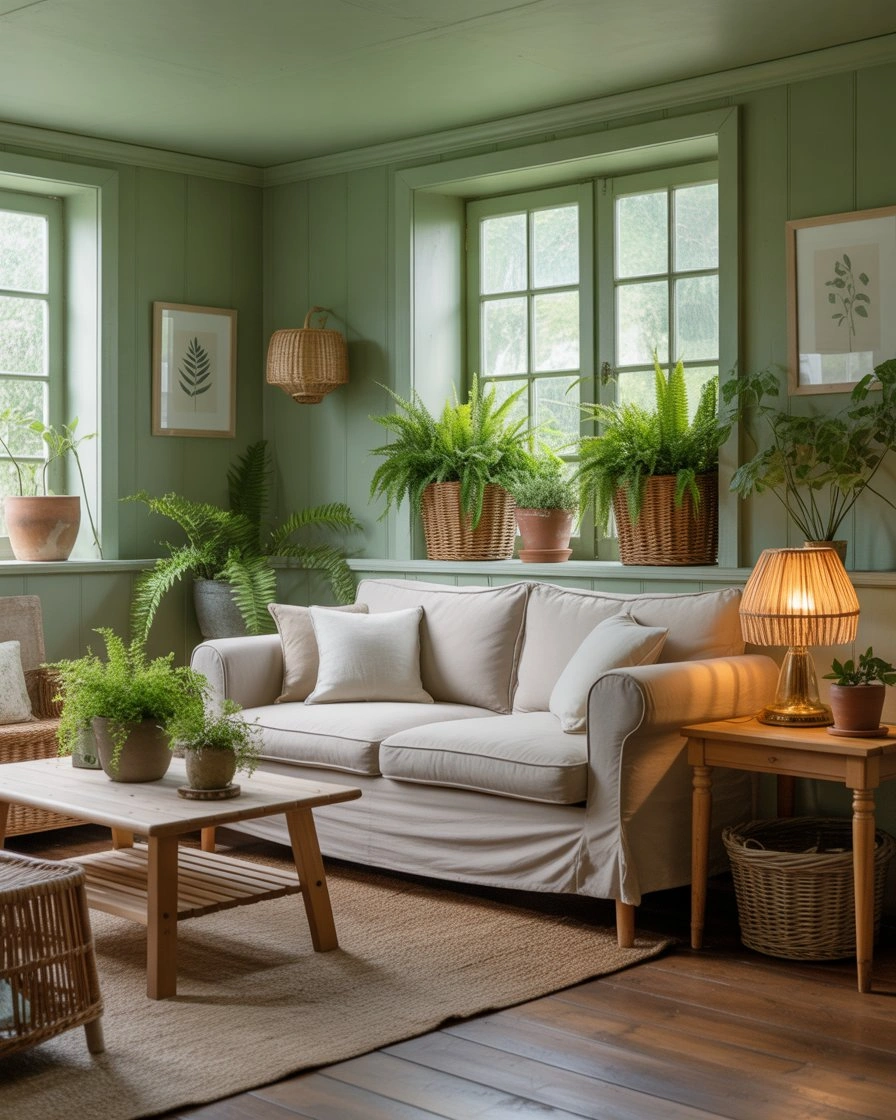
Incorporating green tones brings the garden indoors, creating a cottage living room that feels alive and connected to nature through sage walls, botanical prints, and abundant plant life. This approach resonates particularly with younger homeowners who prioritize sustainability and biophilic design, viewing their living spaces as extensions of the natural landscape. From soft celadon to deep emerald, green offers remarkable versatility while maintaining the cottage aesthetic’s inherent connection to rural life and outdoor living. 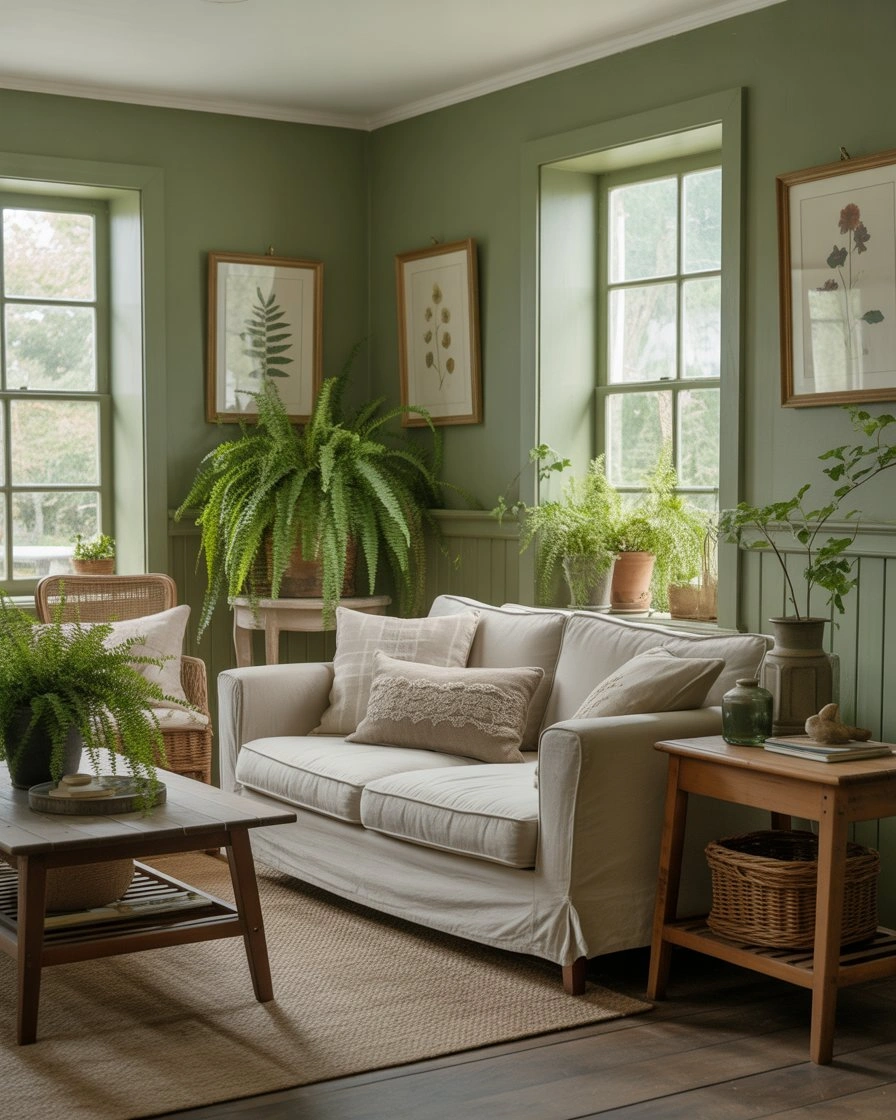
Experienced designers point out that green cottage rooms have been making it work for years by choosing colors with intention: Warmer olive and sage greens make a room feel cozy and grounded, whereas cooler mint or eucalyptus tones leave you feeling refreshed, like you just stepped into a spa. Americans who live in cold-winter climates especially accept green cottage interiors as year-round equivalents of the growing season. The pitfall is over-accessorizing with faux plants when the green palette itself is already a celebration of nature: Pick up on it by investing in a few real plants and let the paint and textiles carry the botanical theme.
7. Colorful Eclectic Cottage Living Room with Personality
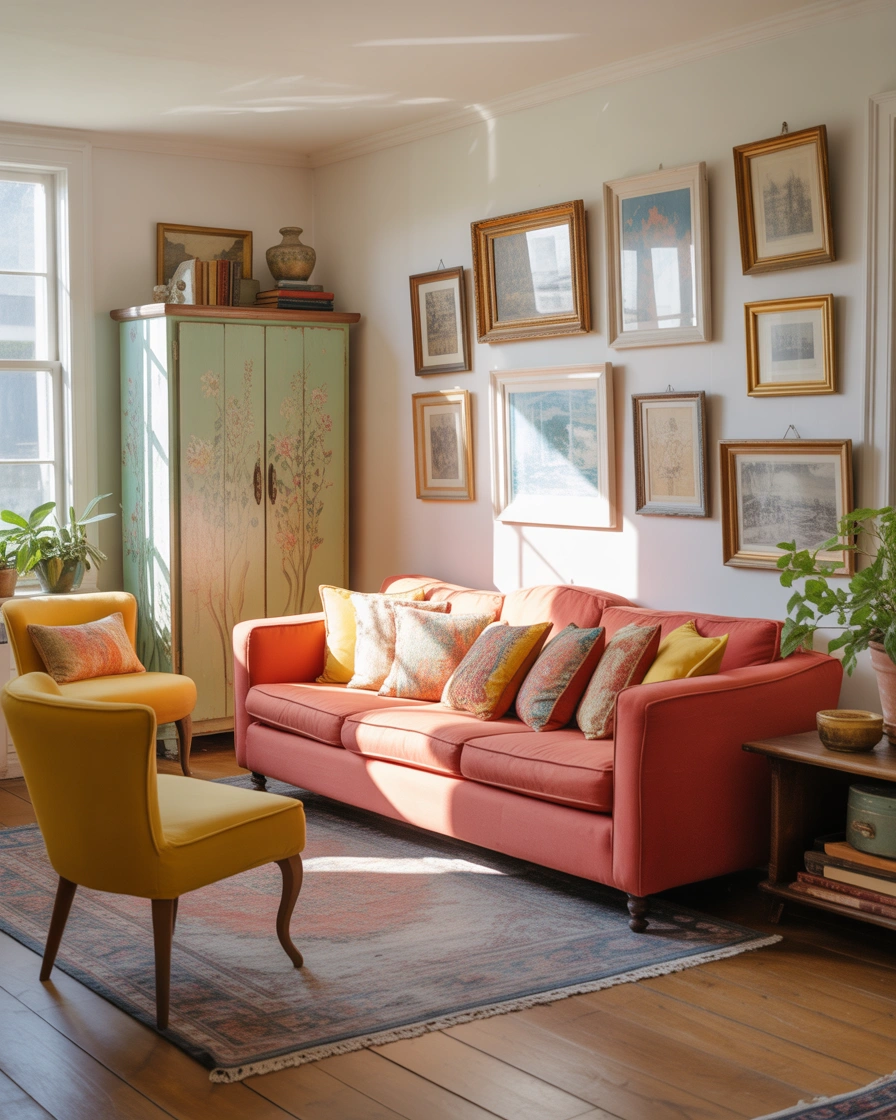
A colorful cottage living room rejects minimalism in favor of joyful maximalism, layering patterns, hues, and textures to create spaces that feel deeply personal and collected over time. This approach particularly appeals to creative Americans who view their homes as self-expression rather than showrooms, mixing vintage finds with contemporary pieces in unexpected combinations. The cottage framework provides enough structure to prevent chaos, with wood beams, simple architectural details, and natural materials grounding even the boldest color choices. 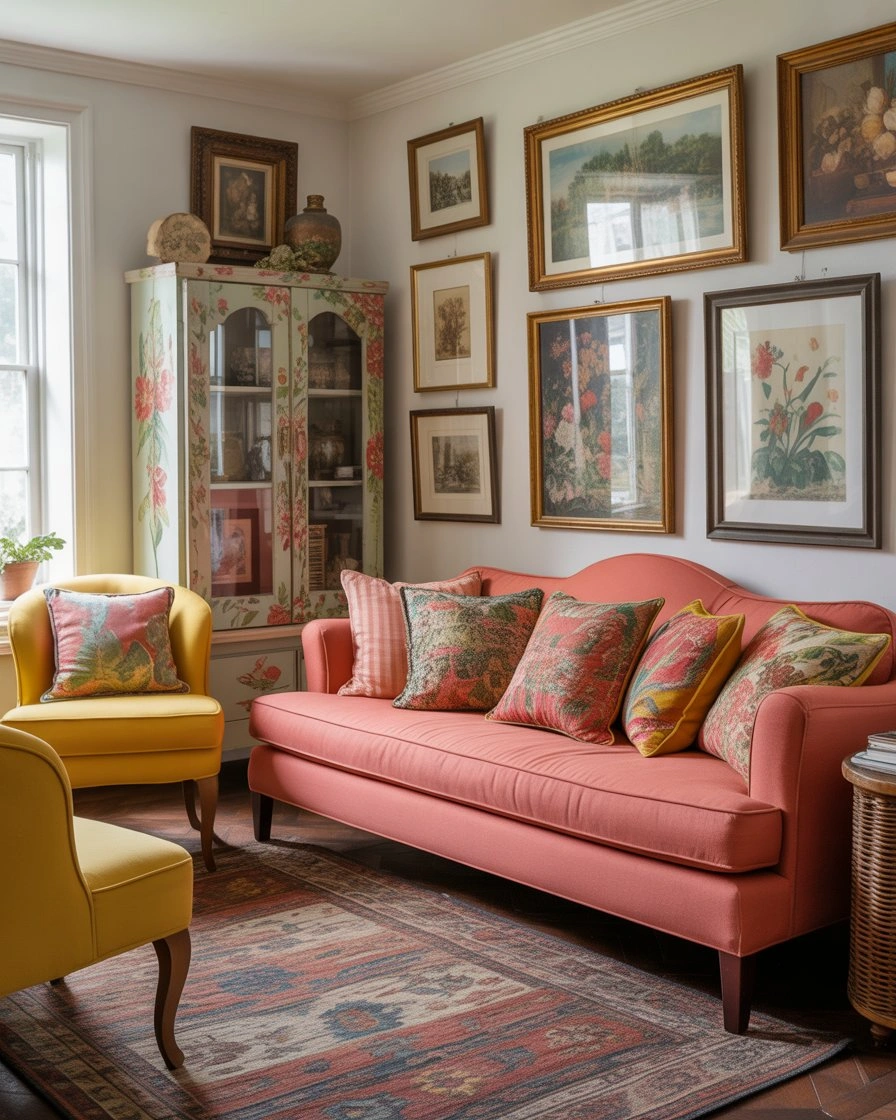
Real homeowners in colorful cottage spaces report that the key to success lies in repeating colors throughout the room rather than introducing each hue only once—if you have coral pillows, echo that coral in artwork or accessories across the space. This creates visual cohesion despite the variety. Where this works best is in homes with good natural light and neutral architectural backgrounds, allowing the colorful furnishings to take center stage without competing with ornate moldings or bold built-ins.
8. Bloxburg-Inspired Modern Cottage Living Room
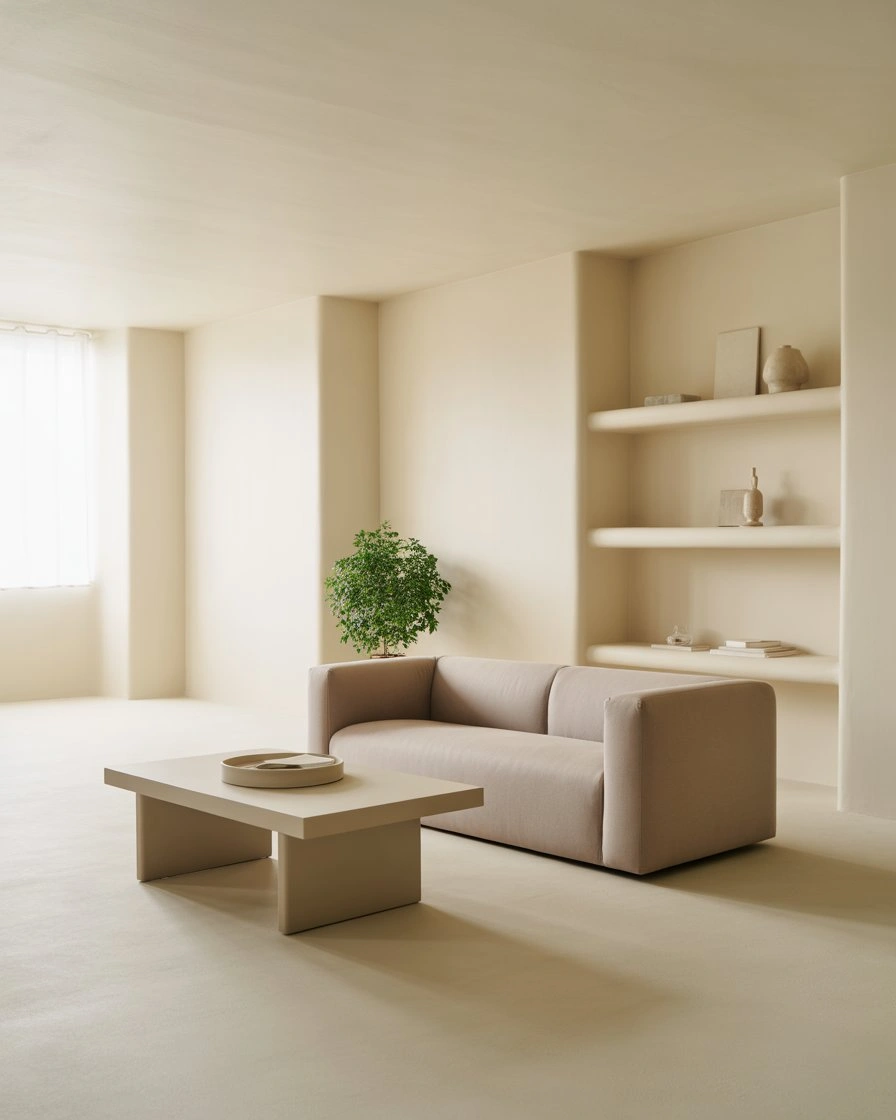
The boho chic aesthetic of Bloxburg, a popular Roblox building game, is actually quite translatable to real-life cottage design, with its focus on sharp angles and lines and clean tans/neutrals/grays without excess garbage all over the place. Younger homeowners who came of age designing virtual spaces are now bringing that sensibility to their actual living rooms, crafting streamlined cottage environments that feel more contemporary than vintage-heavy. It’s a junction of cottage architecture and modern furniture in rooms that pay homage to the past without taking anyone (including their owners) back there. 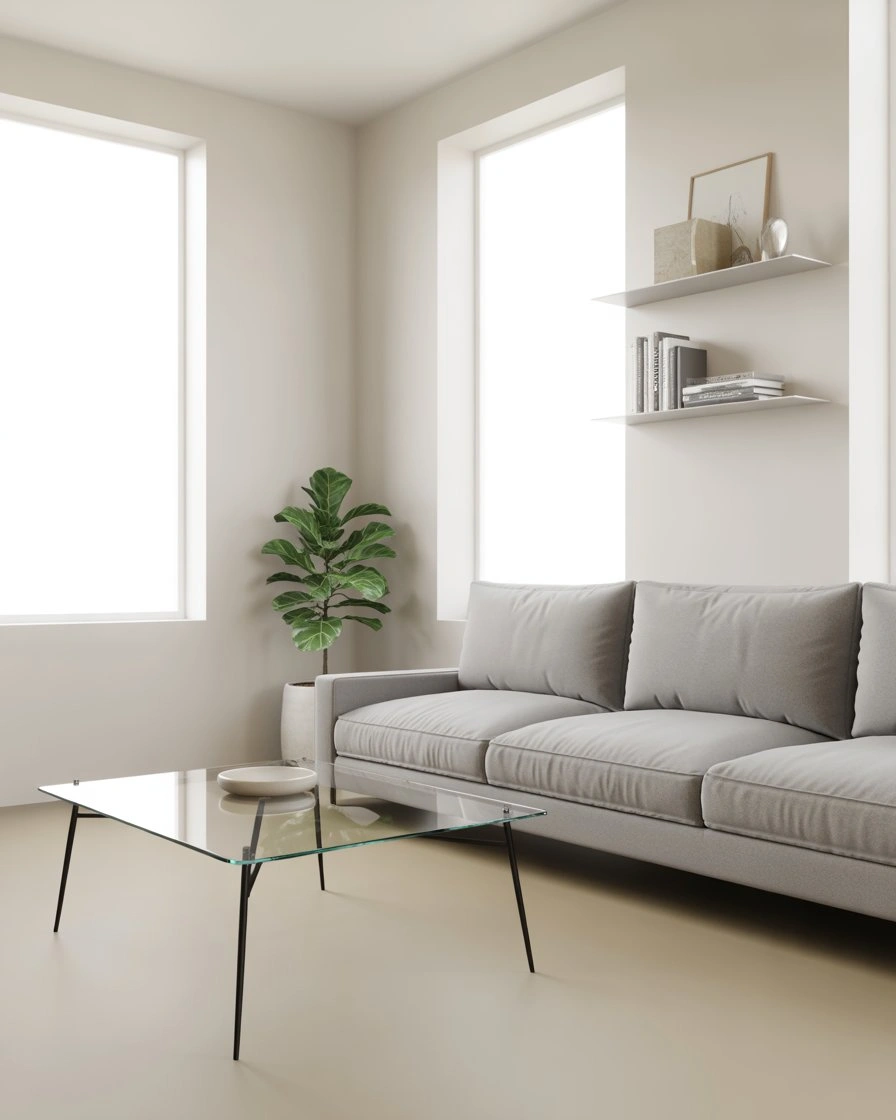
This trend is especially great for first-time homeowners trying to make the most out of a tight budget, as fewer pieces are required and can be used for splurging on quality basics. The typical error is to mistake Bloxburg-esque aesthetics with an antiseptic minimalism: the distinction has to do with retaining warmth via natural materials, soft textiles, and purposeful negative space—not by absolutely nothing at all. Americans who adopt this aesthetic seem to respond to the Instagram-ready look along with real livability.
9. Sims 4 Cottage Living Room with Virtual-to-Reality Style
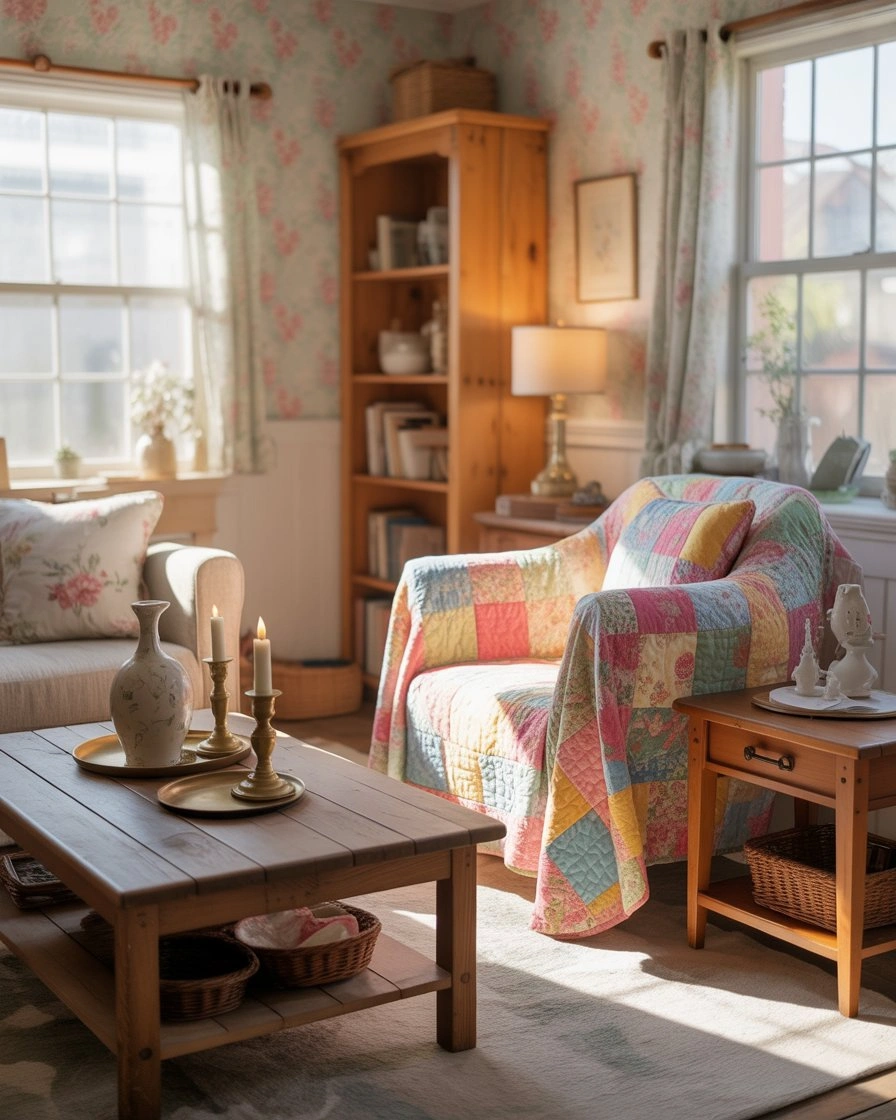
The Sims 4 Cottage Living expansion pack brings charm, whimsy, and slightly fantastical color schemes to real living spaces, courtesy of the game’s cottage living expansion pack that honors country life and snug interiors. That irreverent spirit is connecting with Americans who are looking to make their homes bring them joy rather than simply work for them and who want surprising things in them—bright floral prints, mismatched vintage furniture, and a little bit of exaggerated cottage detail. The effect is more storybook than historically exact, in service of feeling over period correctness. 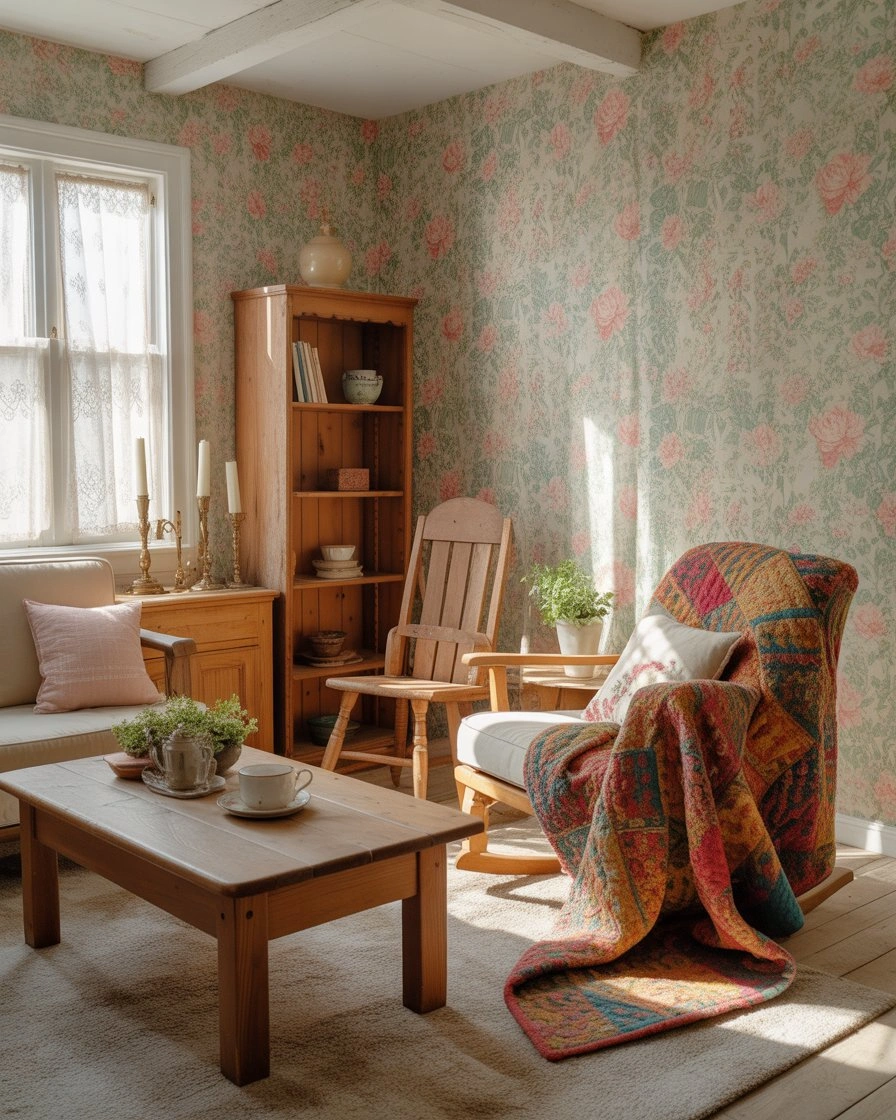
One homeowner I know designed her whole living room based on screenshots from The Sims 4, using the game as a visual planning tool before any purchase. It helped her experiment with color combinations and furniture arrangements risk-free, she said. This strategy is especially useful for folks who have difficulty with spatializing or scoping how a design might feel and people who hem and haw about decisions like, I dunno, what kind of bedspread to buy. A video game gives you a low-stakes opportunity to try that stuff all out!
10. Pink Cottage Living Room with Romantic Softness
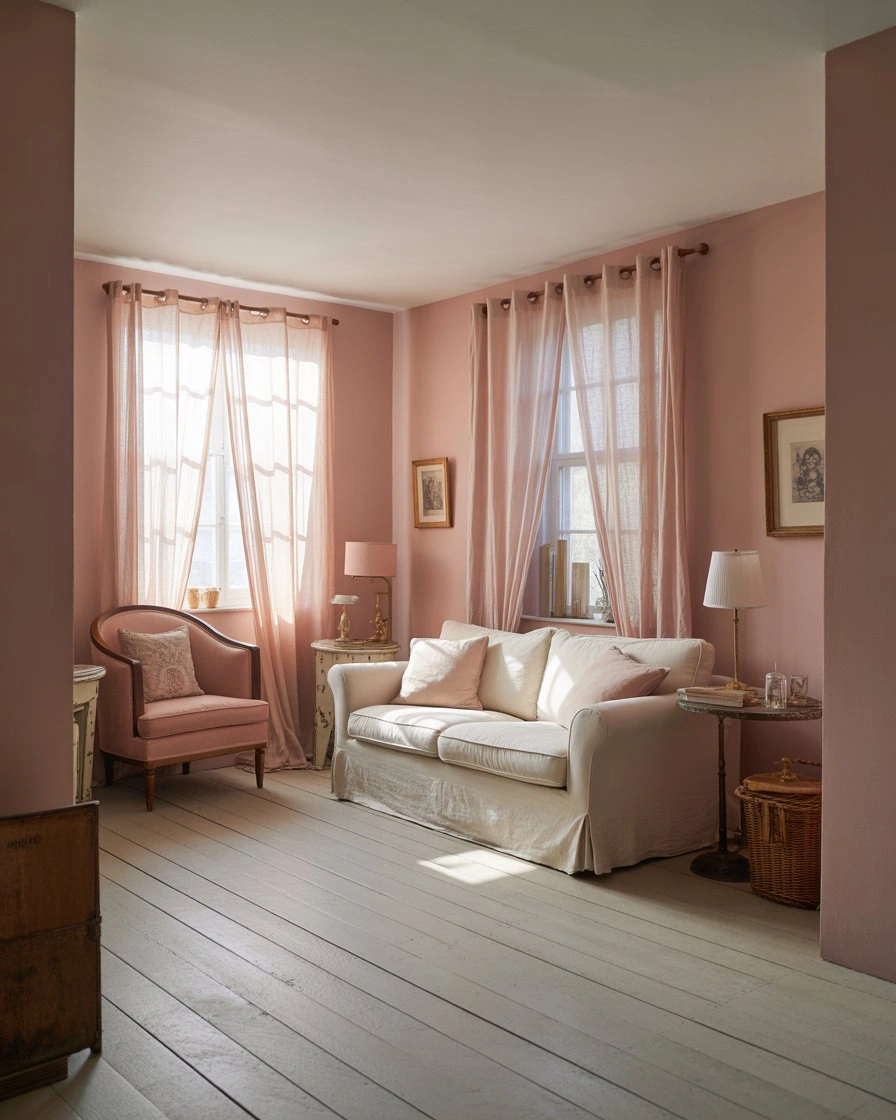
A pink cottage living room defies gender stereotypes and fulfills romance, bearing feelings of sophistication with blush to rose so sophisticated spaces feel at once mature and tender. This grew to be a popular aesthetic in 2026, as attitudes towards “feminine” colors in home design started to change, with Americans of all stripes also embracing pink here at the end of the decade as a true neutral that pairs so well with natural finishes and vintage elements. The cottage setting keeps pink from looking juvenile, with architectural details, antiques, and nature-inspired textures grounding it. 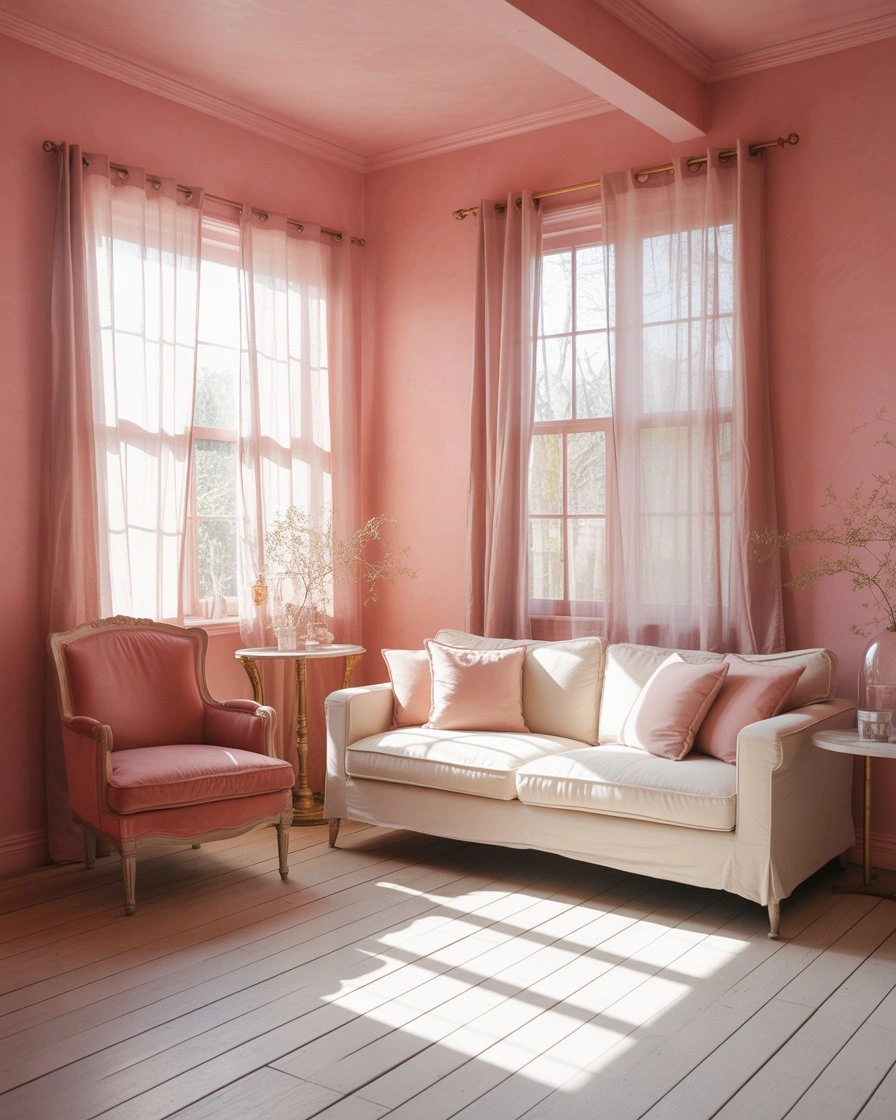
It’s in rooms with a cool, northern light that this pink is most successful; these tones stop the pink from becoming overly warm or appearing orange-toned and are conversely best avoided in spaces bathing in glorious southern exposure, which could do away with cooler, more purple-leaning pinks. There’s also the budget: Pink home goods are perennially available at all price points, from discount stores to high-end boutiques. The trick is to pair it with grounded components—natural wood touches, metal fixtures, or darker pieces of furniture help keep the space from feeling gritty.
11. Victorian Cottage Living Room with Historic Charm
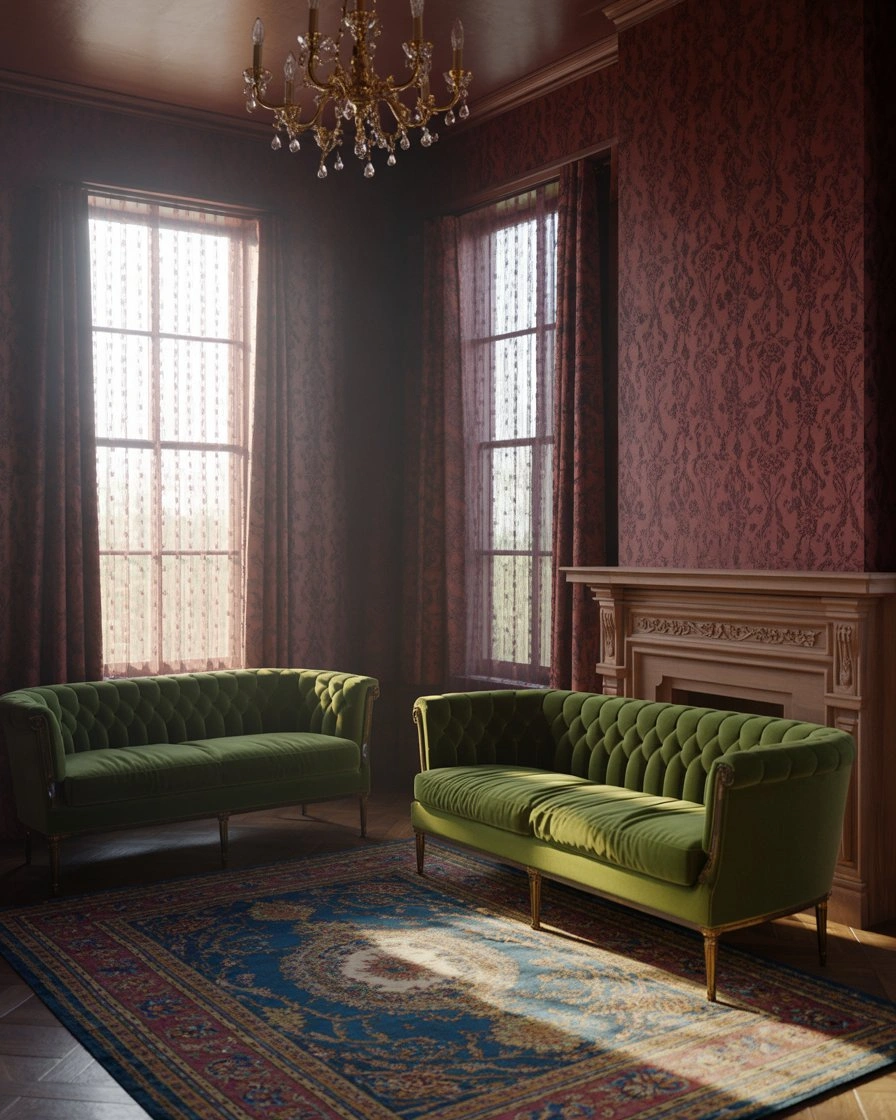
The Victorian cottage aesthetic embraces ornate details, rich colors, and layered textiles that reflect the elaborate sensibilities of the 19th century while adapting them for contemporary comfort. This approach appeals to history-minded Americans who own older homes or simply appreciate the craftsmanship of earlier eras, incorporating elements like patterned wallpapers, tufted upholstery, and carved wood furniture. The challenge lies in achieving Victorian richness without creating an overstuffed museum effect, editing down to essential pieces that evoke the period without overwhelming modern lifestyles. 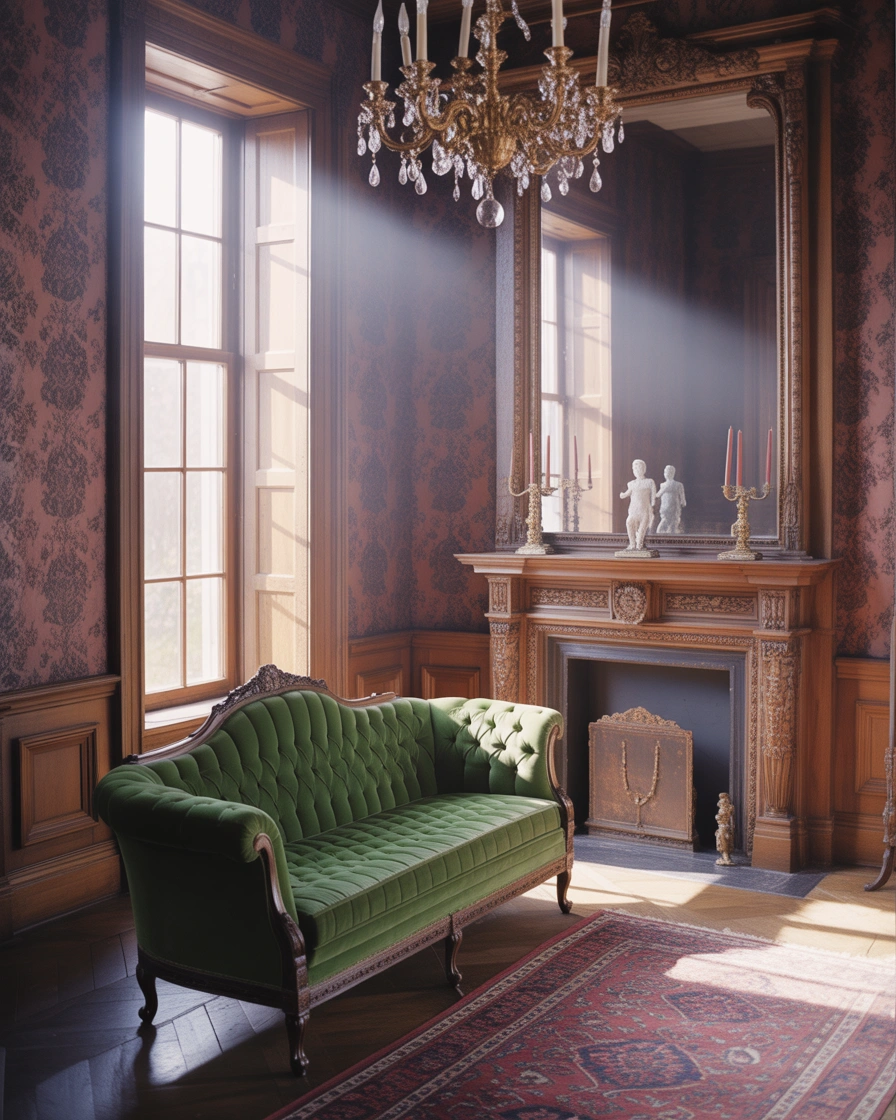
Expert commentary suggests that authentic Victorian cottage style requires understanding the hierarchy of ornamentation—the Victorians were strategic rather than random in their decorating, often focusing embellishment on one or two key pieces while keeping surrounding elements simpler. Modern interpretations work best when they honor this principle rather than covering every surface with pattern. This aesthetic particularly suits older homes in the Northeast and Midwest, where Victorian-era construction remains common, allowing the design to feel contextually appropriate rather than costume-like.
12. Neutral Minimalist Cottage Living Room
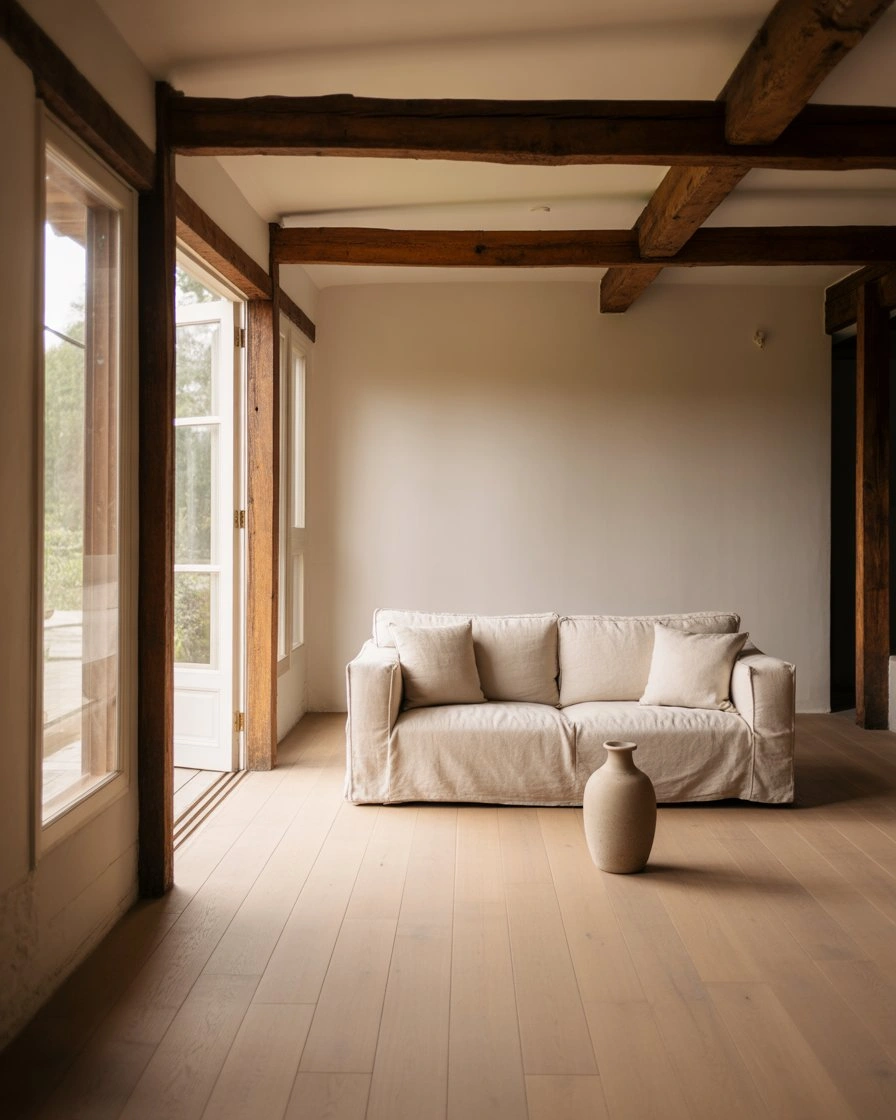
A neutral minimalist cottage living room removes the excess to keep just what we need, giving emphasis on quality materials, clean lines, and thoughtfully edited collections. This sensibility straddles the distance between Scandinavian simplicity and English cottage comfort, resulting in spaces that manage to feel both current and enduring. Americans who embrace that approach say they crave the mental clarity of less-cluttered surroundings but want to add softness—and, crucially, character—separating cottages from raw modern minimalism. 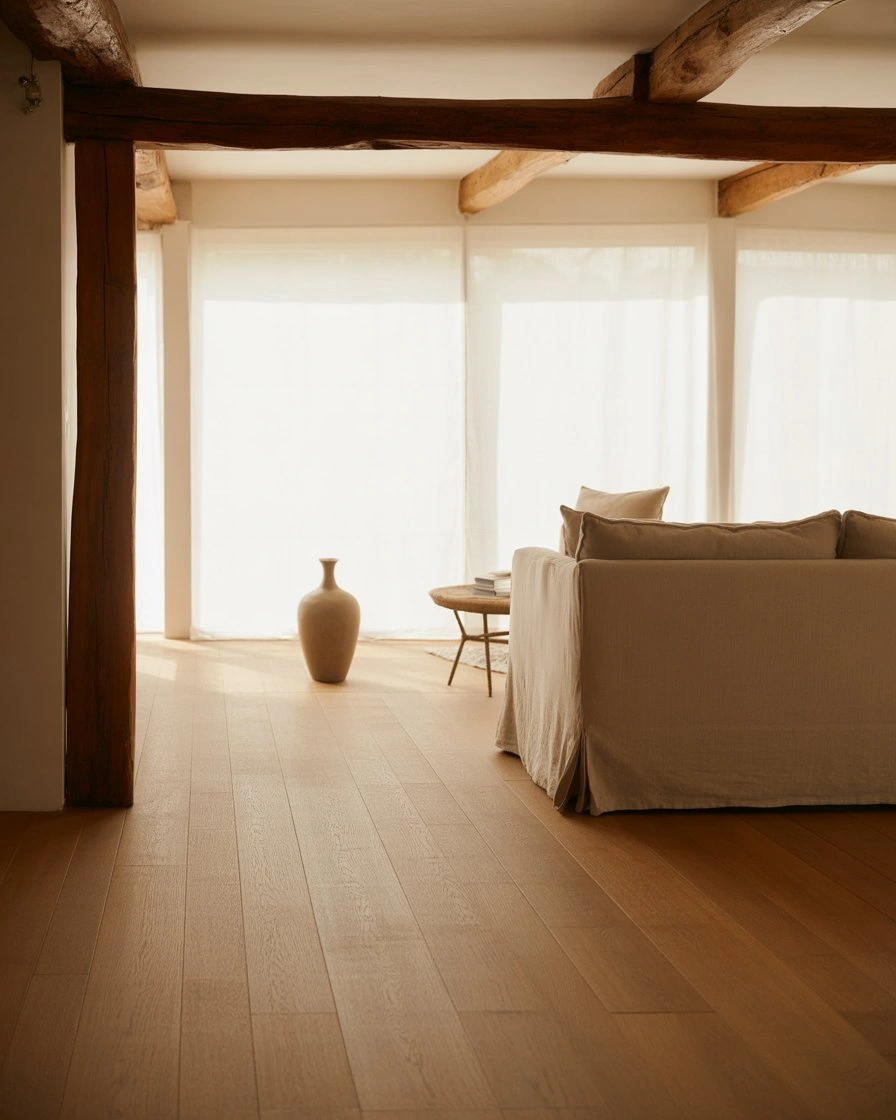
Common mistakes include confusing minimalism with coldness—neutral cottage minimalism maintains warmth through natural materials, layered textiles, and varied textures even while reducing overall quantity. The difference between this and sterile minimalism lies in the cottage bones: wood beams, plaster walls, or stone fireplaces provide character without requiring decorative objects. Budget-wise, this approach can be either economical or expensive depending on execution; fewer pieces means each one carries more visual weight, sometimes justifying higher per-item investment.
13. TV-Centered Cottage Living Room with Modern Function
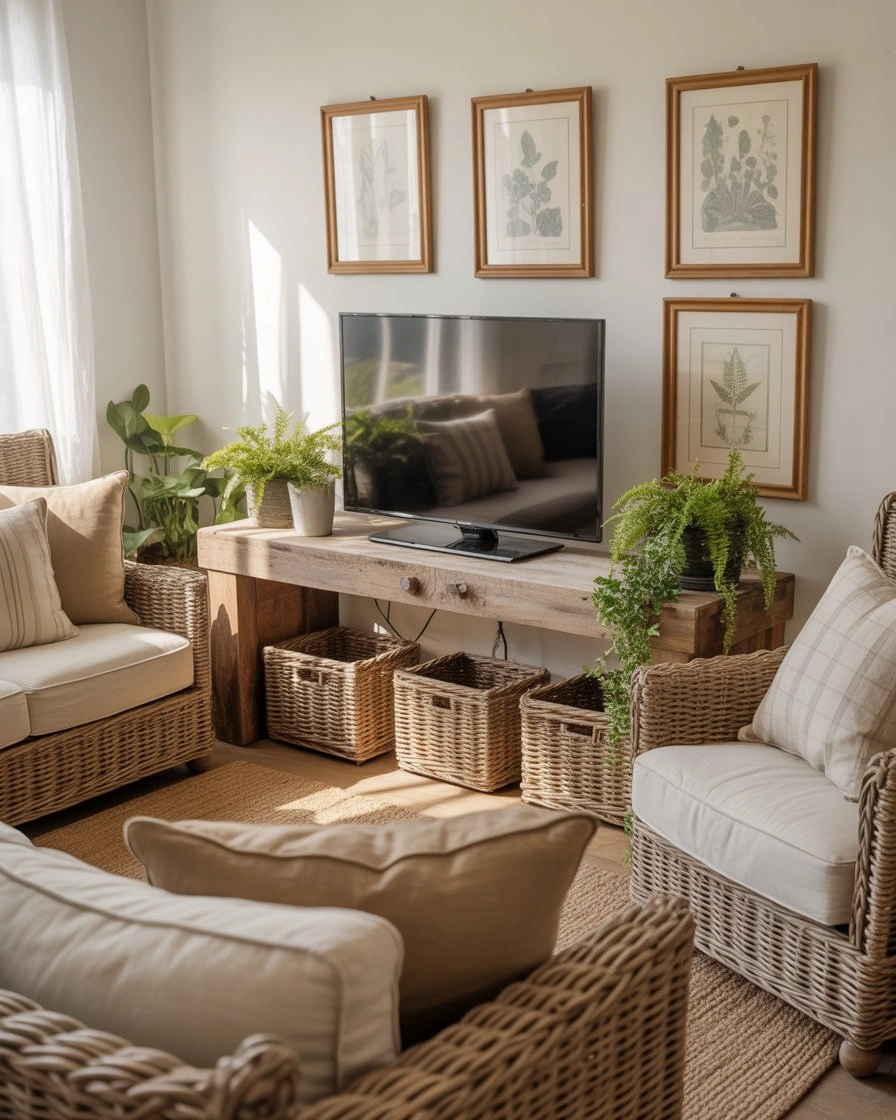
Integrating a TV into cottage design requires thoughtful planning to prevent modern electronics from disrupting the timeless aesthetic, often involving built-in cabinetry, gallery wall surrounds, or carefully chosen vintage-style media consoles. American homeowners increasingly reject the “TV as focal point” approach in favor of designs that acknowledge screen-watching realities while maintaining cottage charm. The solution often involves creating a cohesive wall treatment that makes the television feel like one element among many rather than a jarring technological intrusion. 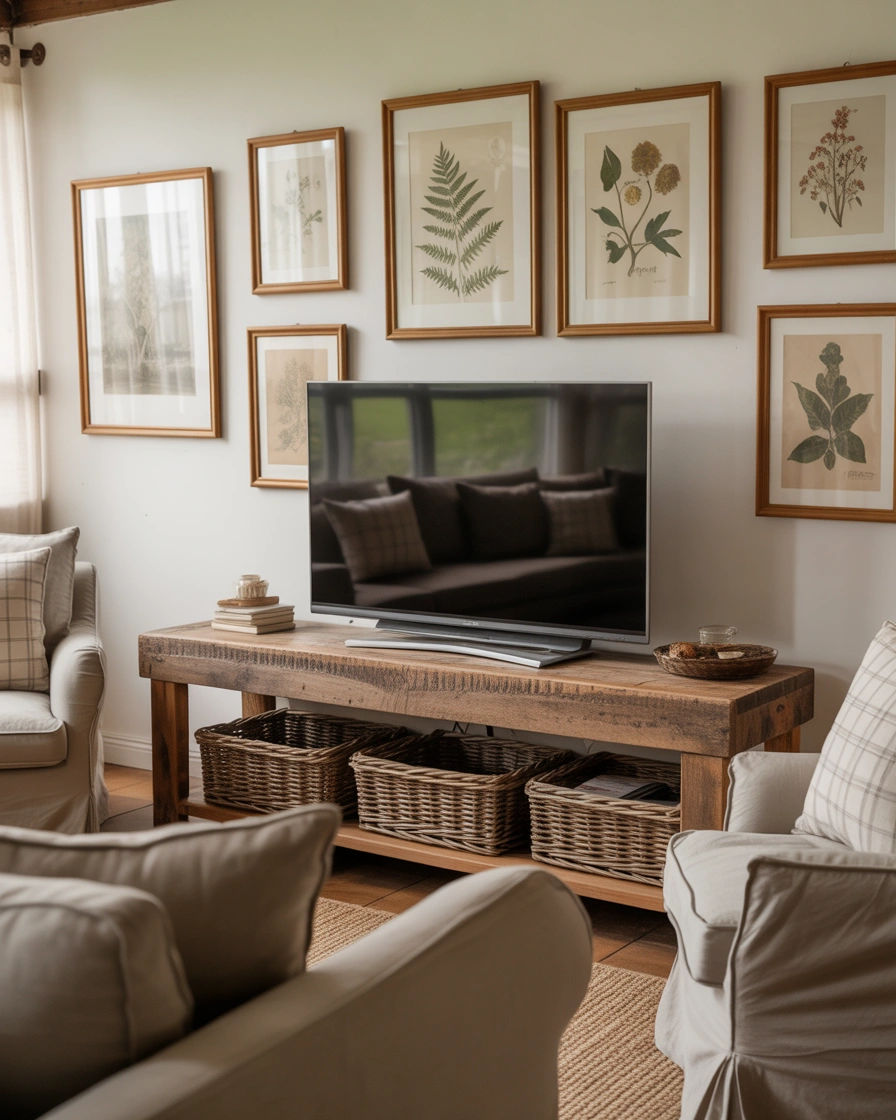
Practical insight suggests mounting TVs at proper viewing height (typically with the center of the screen at seated eye level) rather than above the fireplace, where they often end up too high, causing neck strain during extended viewing. Americans also increasingly invest in frame TVs or models that display artwork when not in use, helping technology recede when not actively needed. The key is planning furniture arrangement for actual viewing comfort rather than just aesthetic photographs—a beautifully styled room that’s uncomfortable for watching movies defeats the purpose.
14. Fireplace-Centered Cottage Living Room with Cozy Hearth
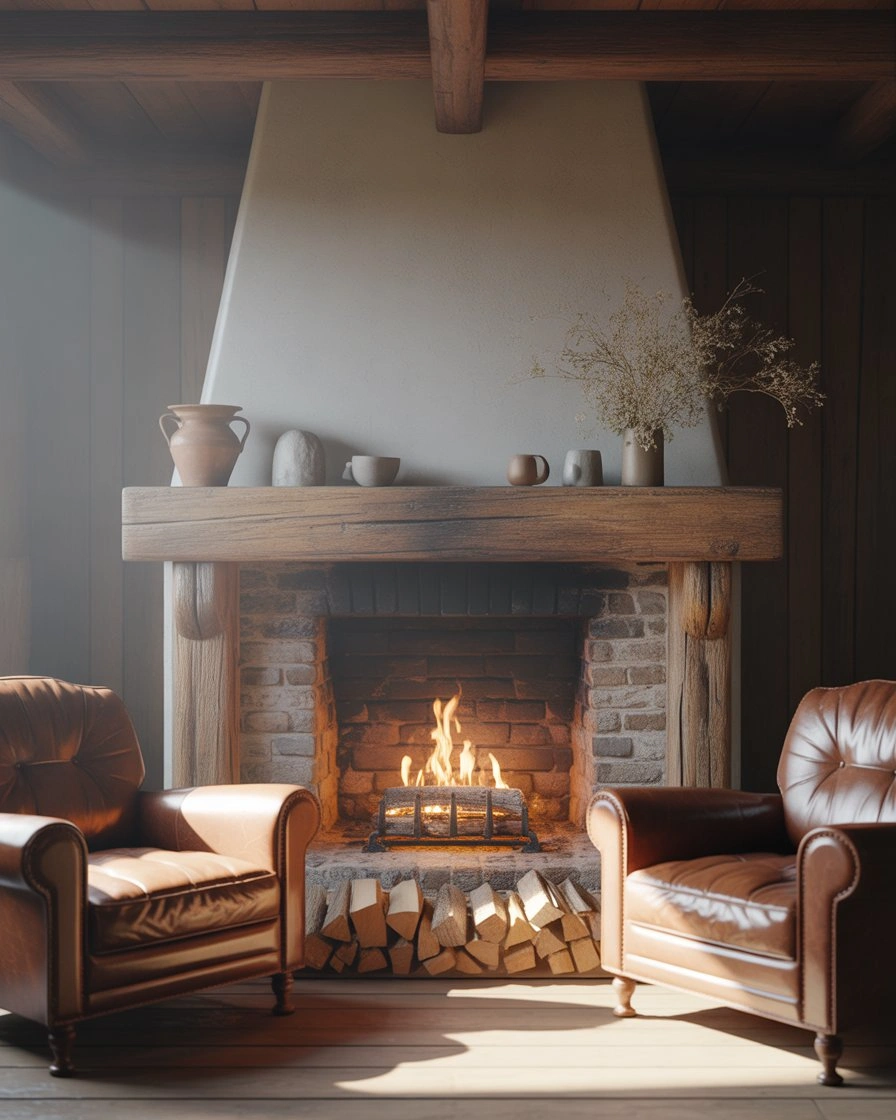
The fireplace is the obvious heart of cottage living rooms, distributing actual warmth as well as figurative calm. And they also strike a chord with chilly Americans who think of fireplaces as utility items, not just decorative ones (though in more moderate climates, their somber emotional weight will give off instant cottage-vibe signals). Whether wood-burning, gas, or electric, “your fireplace is a season for decorating, and it also adds architectural interest year-round,” said Lum. 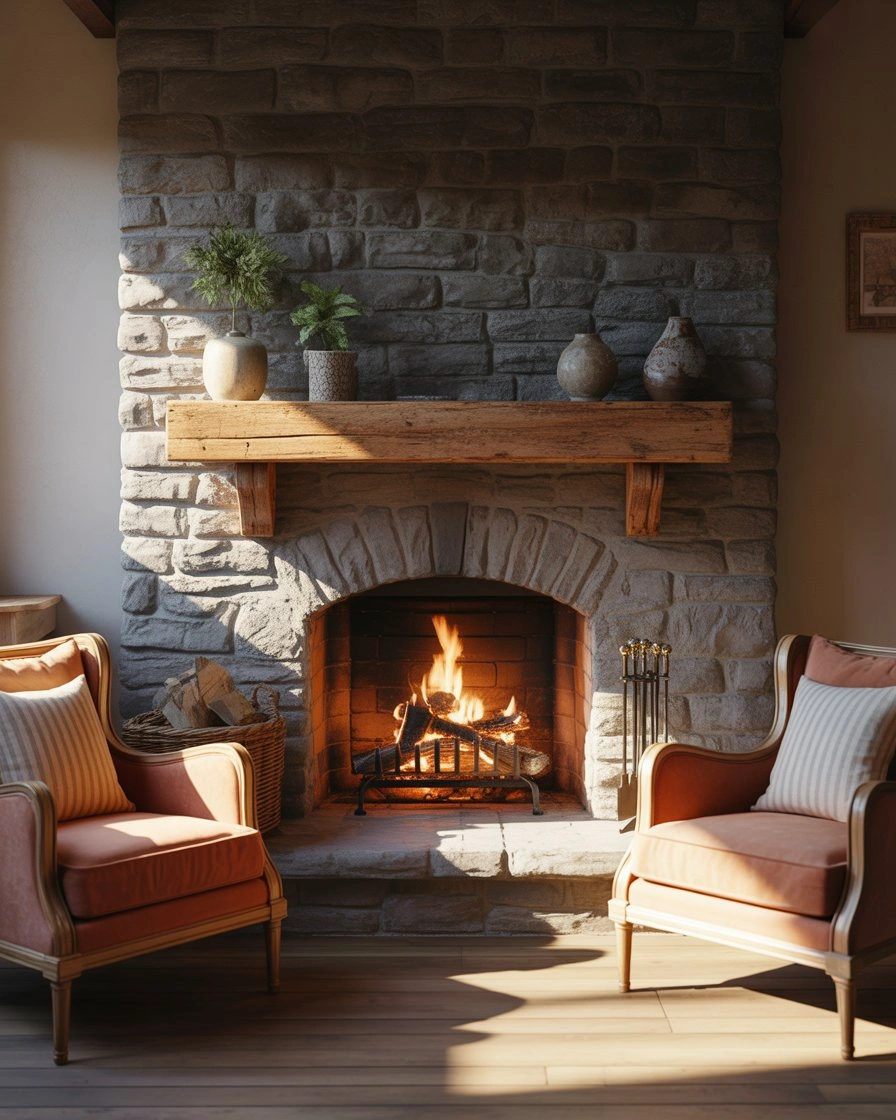
Where this works best is in homes where the fireplace naturally occupies the room’s focal wall, allowing furniture to be arranged around it without awkward compromises. A neighbor once mentioned that the biggest surprise of fireplace ownership was the maintenance—real wood-burning fireplaces require annual chimney cleaning and careful ash disposal, while gas models need periodic inspection. The common mistake is over-decorating the mantel; cottage style benefits from edited displays that change seasonally rather than permanent clutter that obscures the fireplace’s architectural beauty.
15. Lake Cottage Living Room with Waterside Views
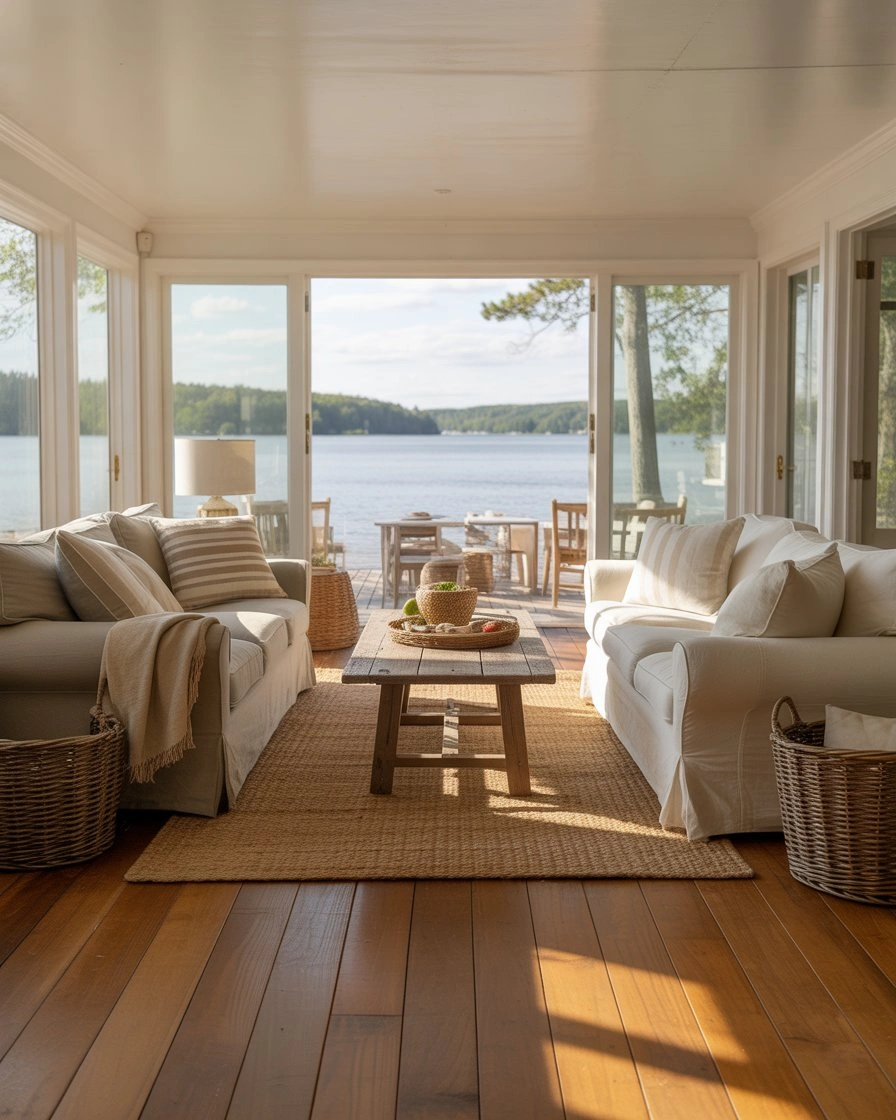
A lake cottage living room embraces its waterfront location through strategic window placement, weather-resistant materials, and color palettes that reflect the surrounding landscape without literally depicting it. This style resonates across American lake communities from the Great Lakes to the Ozarks, balancing rustic cabin elements with refined cottage details. The goal is to create spaces that frame spectacular views while remaining comfortable and functional for families who track in sand, mud, and wet gear after days spent on the water. 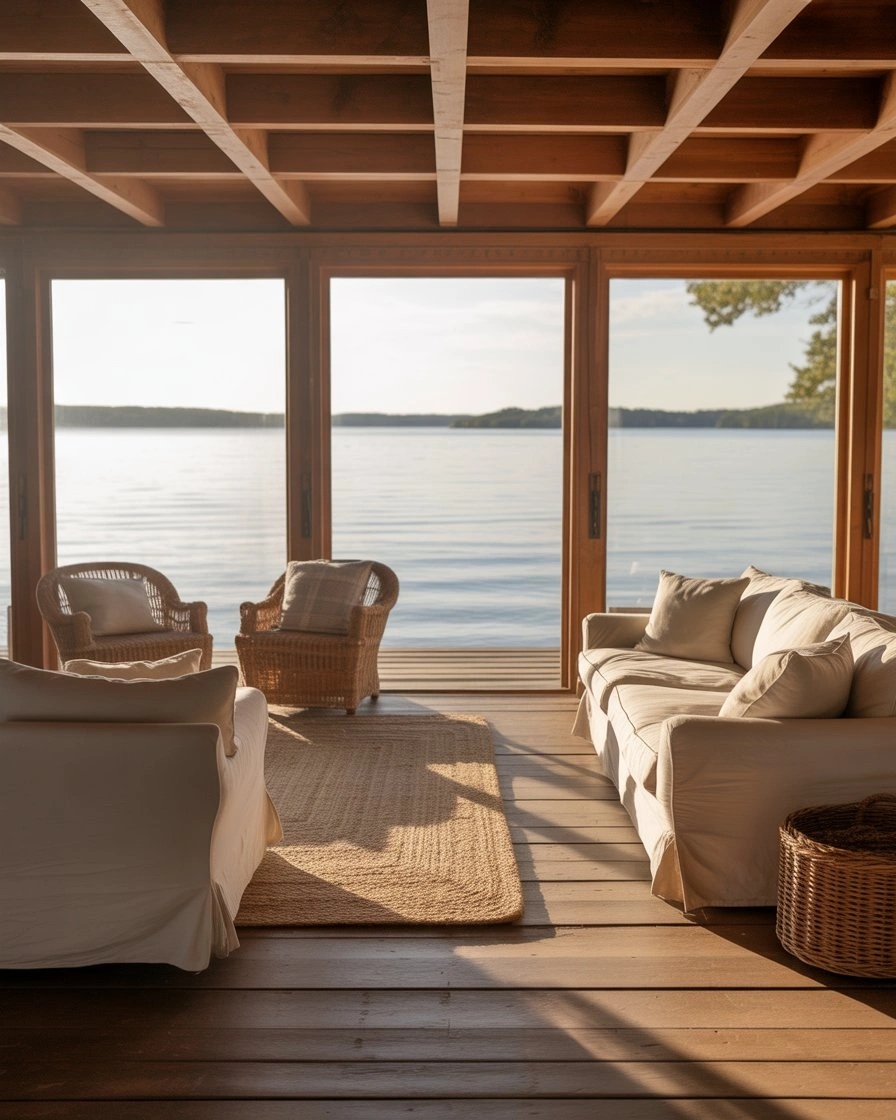
Actual lakehouse owner behavior, in those cottages, is all about cleanability and durability: slipcovered furniture that can be washed regularly by a professional cleaner and stain-resistant rugs that can withstand tracked-in silt. The local context makes a big difference—lake cottages in Minnesota have a much different aesthetic than those in South Carolina; chillier climates lend themselves to cozier, more closed-off designs, while warmer climes tend to maximize indoor-outdoor flow. The budget should also take these added expenses into account, as higher humidity and temperature swings can damage non-seasonal furniture.
16. Mid-Century Cottage Living Room Fusion
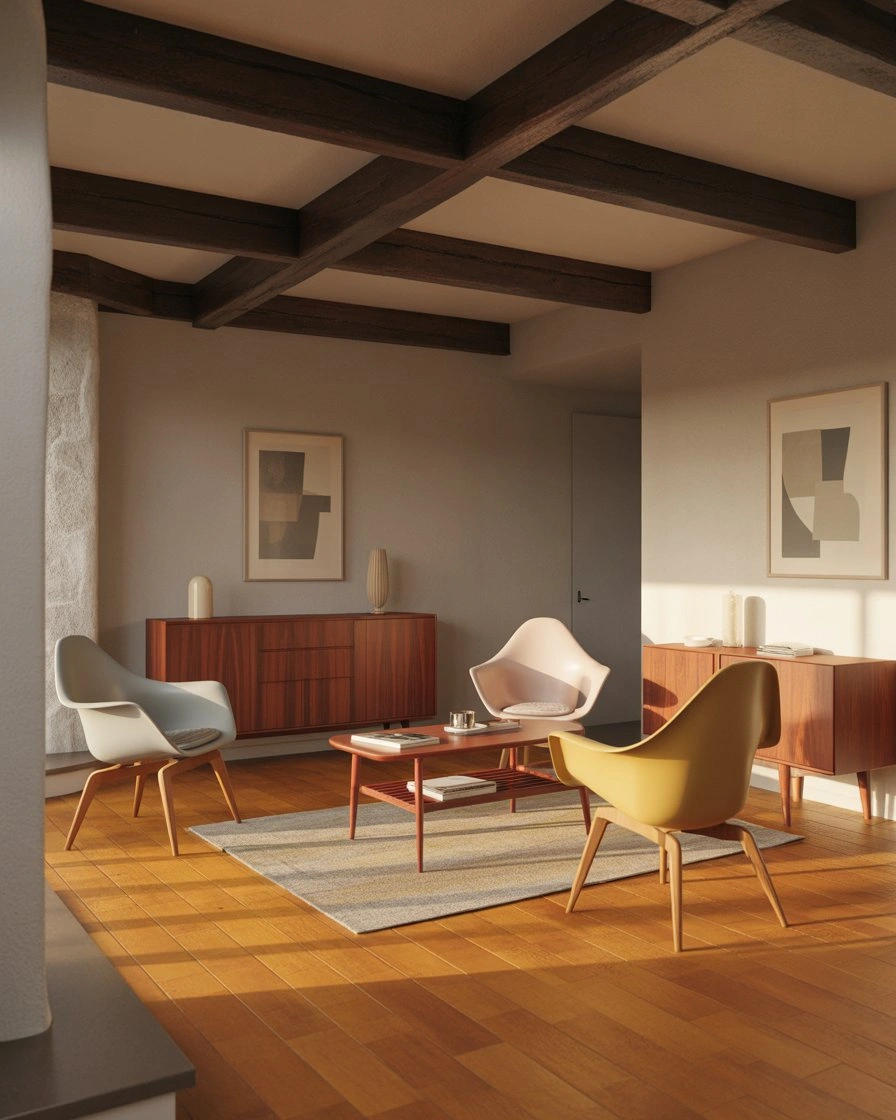
The mid-century cottage fusion combines the 50s-60s modernist furniture with traditional cottage architecture and creates a surprising mix of old and new that is both nostalgic and avant-garde. This combination appeals to Americans who adore clean-lined vintage furniture but don’t enjoy the cold austerity of pure mid-century modern, believing that cottage warmth softens the sharp-edged furniture while keeping the interest. The outcome pays respect to both design movements without fully subscribing to either one of them and lets you express yourself in some sort of way by mixing eras or styles selectively. 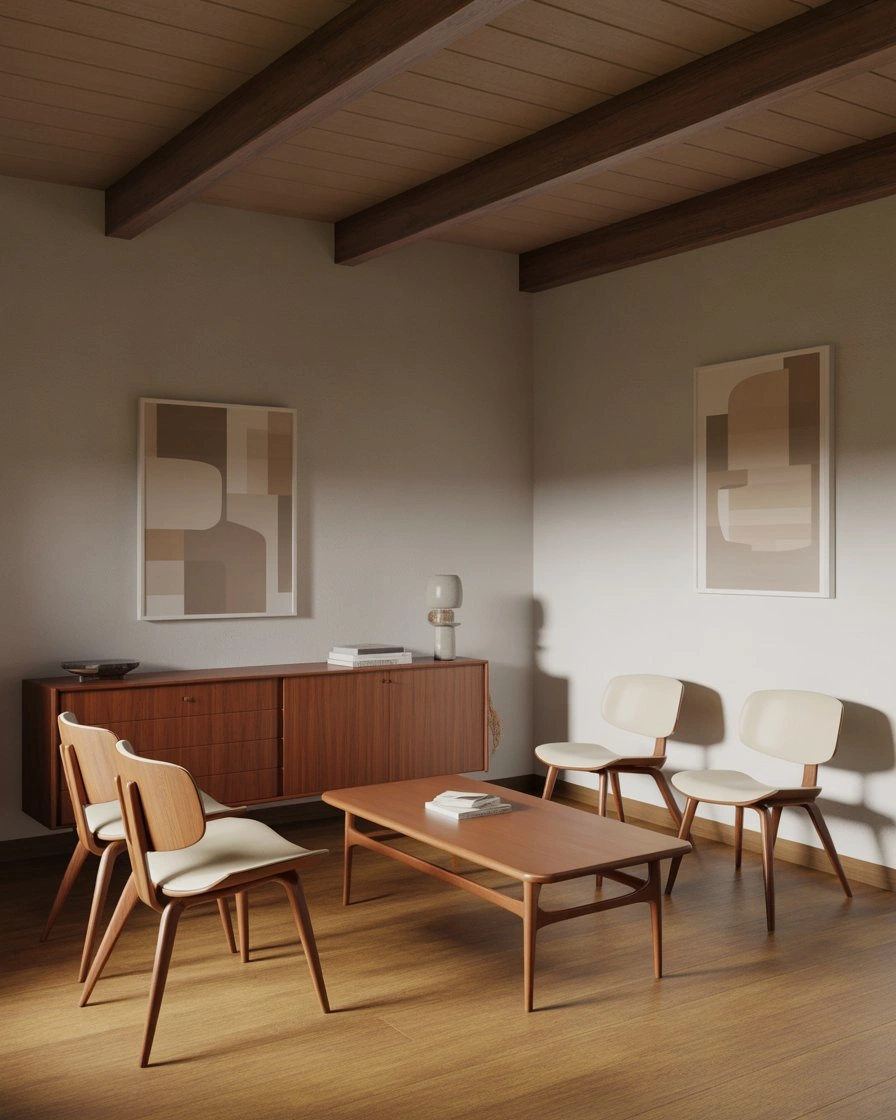
Expert commentary suggests that successful mid-century cottage fusion requires respecting the proportions of each style—bulky traditional sofas fight with sleek mid-century tables, while properly scaled pieces from each era complement each other naturally. Americans in remodeled mid-century ranch homes particularly embrace this aesthetic, as it honors their home’s original period while adding warmth that pure modernism sometimes lacks. The common mistake is mixing too many eras; limiting yourself to mid-century modern and cottage elements creates cohesion that falls apart when you add Art Deco, industrial, or other style influences.
17. Cottage Living Room with Layered Curtains and Textiles
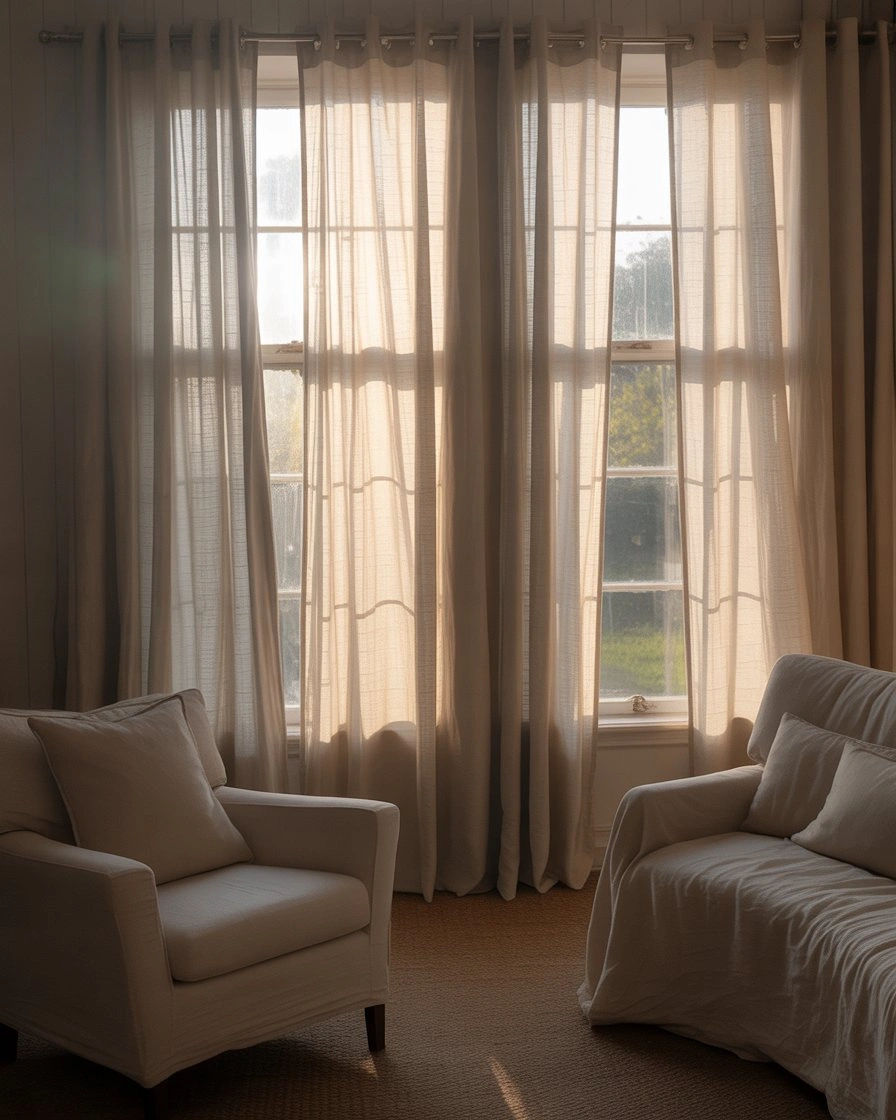
Strategic use of curtains and window treatments transforms cottage living rooms by controlling light, adding softness, and contributing significant visual impact through fabric choices ranging from breezy linens to romantic florals. This element particularly resonates with Americans moving away from the bare-window trend of recent years, rediscovering how proper curtains provide privacy, insulation, and design opportunities. Cottage style embraces generous fabric, whether in simple panels that pool on the floor or more elaborate treatments with valances and tiebacks, creating a finished look that feels intentional rather than builder-basic. 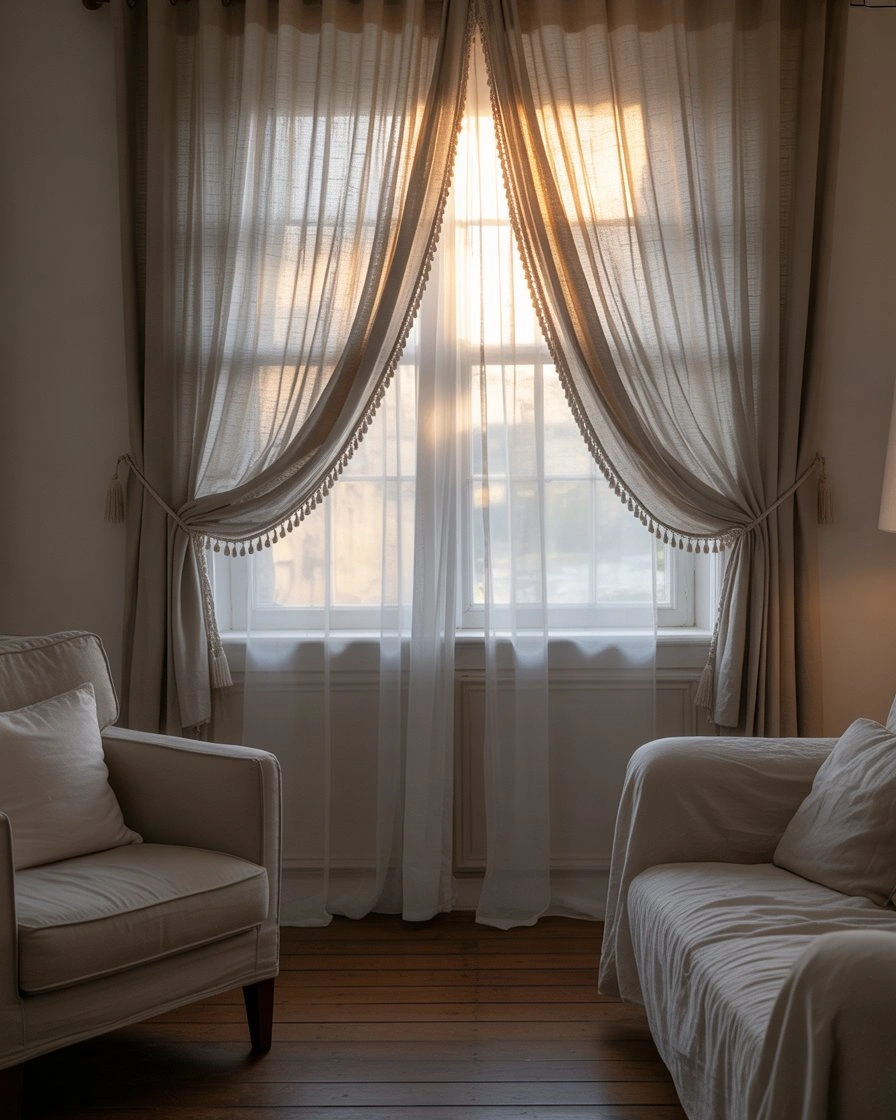
Insider info: It’s curtain location that makes or breaks the cottage look—hang rods high and well outside of window frames to create the illusion of bigger windows and taller ceilings while enabling maximum light when they’re open. Allstate Budget is one of the held subsidiary-held nitrous companies to in ‘/14; it an annual means division policy Ready-made curtains are cost-effective for standard-size windows, but if your window sizes differ or computers make the ways and angles difficult or the room has a cozy or period look, then bespoke treatments may be required. Americans living in historic homes are the largest purchasers of counterbalance reproduction window treatments from the Victorian or Edwardian westbound hours of their cottage.
18. Vintage Modern Cottage Living Room Balance
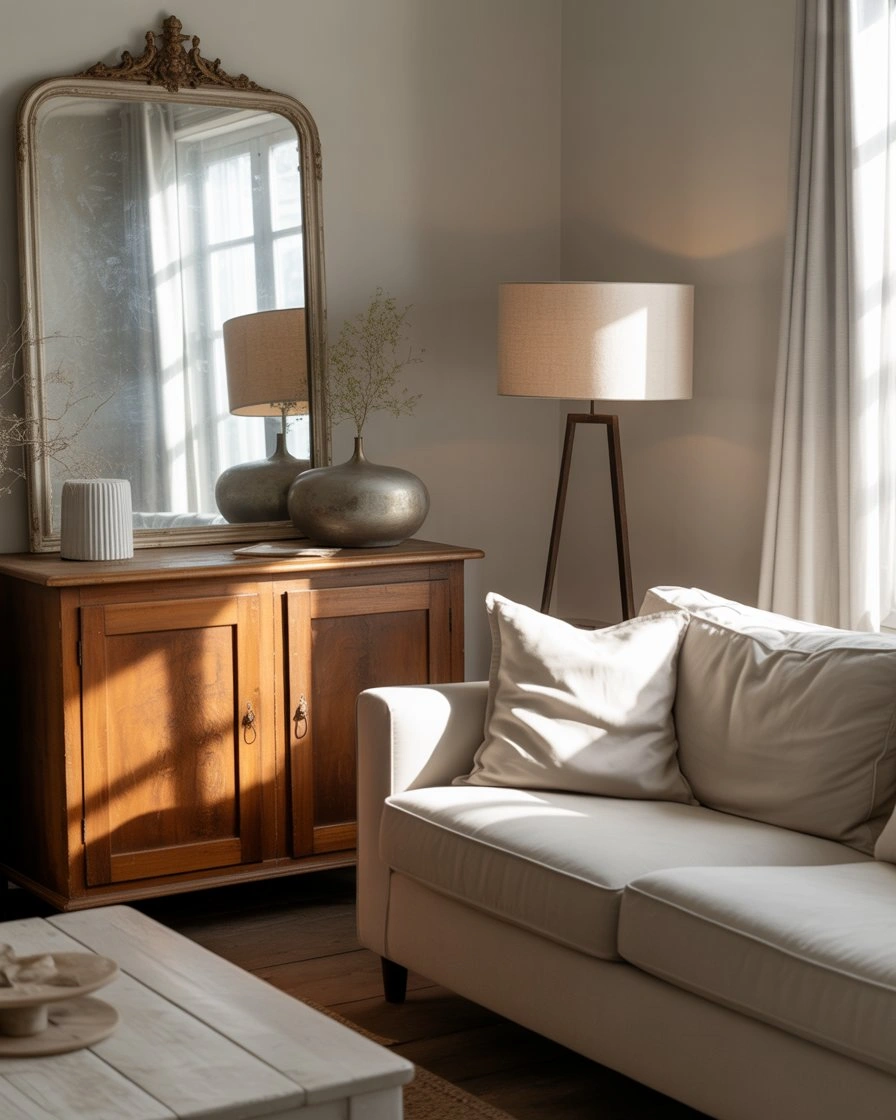
The vintage modern cottage style walks a fine line between celebrating the past and embracing contemporary function, integrating genuine antiques or vintage pieces with new furnishings that recall traditional forms but provide modern-day comfort. This approach attracts Americans who love the character of older furniture but don’t want to live in a time capsule, producing collected-over-time spaces that seem authentic rather than themed. The trick is proportion—usually one or two big strikes of vintage on an otherwise new room that play well with the antiques rather than competing. 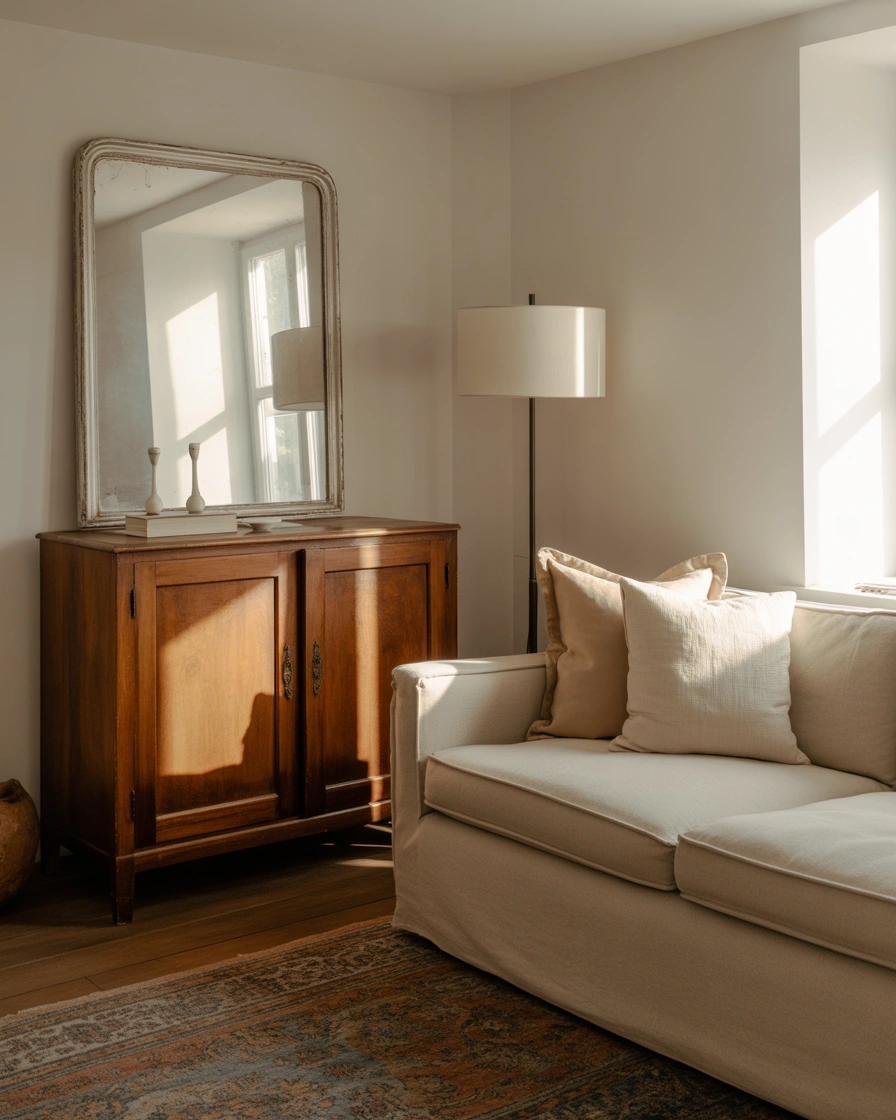
And where this works best is in homes with a little architectural character you can riff on—vintage modern cottage feels more natural in a 1930s bungalow than in new construction, despite how much I get heart eyes for the minimalist finishes.” But smart styling could easily make the look work across any space. Existing homeowners say the treasure-hunt aspect of finding perfect vintage pieces becomes a source of enjoyment, making decorating an ongoing hobby rather than something you do once as part of furnishing your first home. The common error is to assume that all vintage things automatically complement each other, which is not the case. When creating a successful vintage modern cottage, you should really be thinking about scale, color, and style, not just piling up the old stuff.
19. Scandi Cottage Living Room with Nordic Simplicity
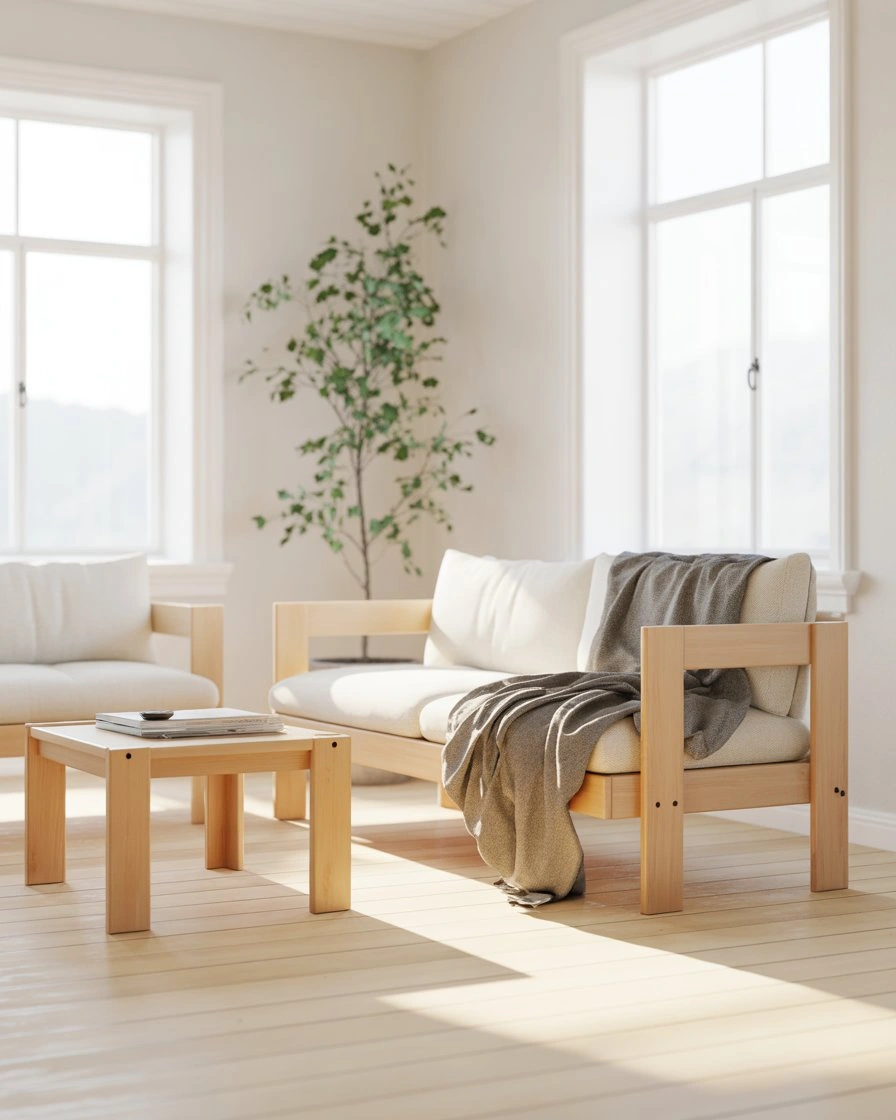
Scandi Cottage The Scandi cottage palette and aesthetic import Nordic design principles to the classic cottage room—Swedish and Norwegian designs, although typically featuring a lot of pale woods, white walls, and edited collections that emphasize function (interest) as well as craftsmanship over base ornament. This fusion speaks to Americans who want that hygge-derived sense of coziness but without rejecting the clean simplicity, so conducive to life, that characterizes Scandinavian design, offering calm yet warm spaces. It’s especially effective in smaller cottages, where the light-reflecting properties of Scandi design brighten small spaces by bouncing whatever sunlight there is around the room while still providing inviting textures. 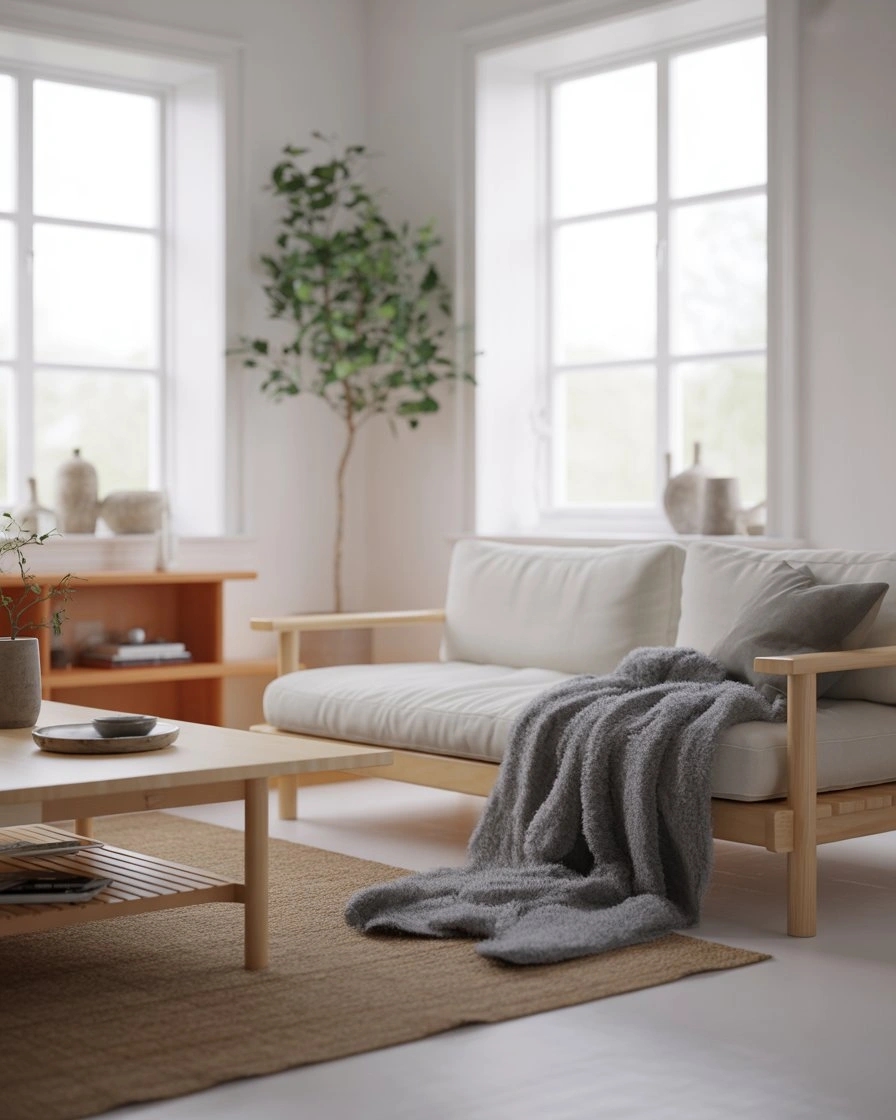
‘Scandi inspiration and budget constraints are perfect partners,’ says Abi, of the Your Home blog—because Scandinavian design is all about quality over quantity: investing in pieces that will look good for decades rather than changing with cheaper trends. Scandi cottage style has a certain appeal to Americans in the northern climate, where we face similar environmental challenges—long winters, limited daylight—that the Scandinavians have spent centuries learning to overcome. “It’s actually very practical,” Mr. Suval says of the Scandi approach. The thing to be careful of is stripping out character with minimalism; authentic Scandi interior style adds warmth through the use of wood, textiles, and thoughtful lighting that creates snuggliness (which you can have because it’s your word now) despite its pared-back palette.
20. Whimsical Storybook Cottage Living Room
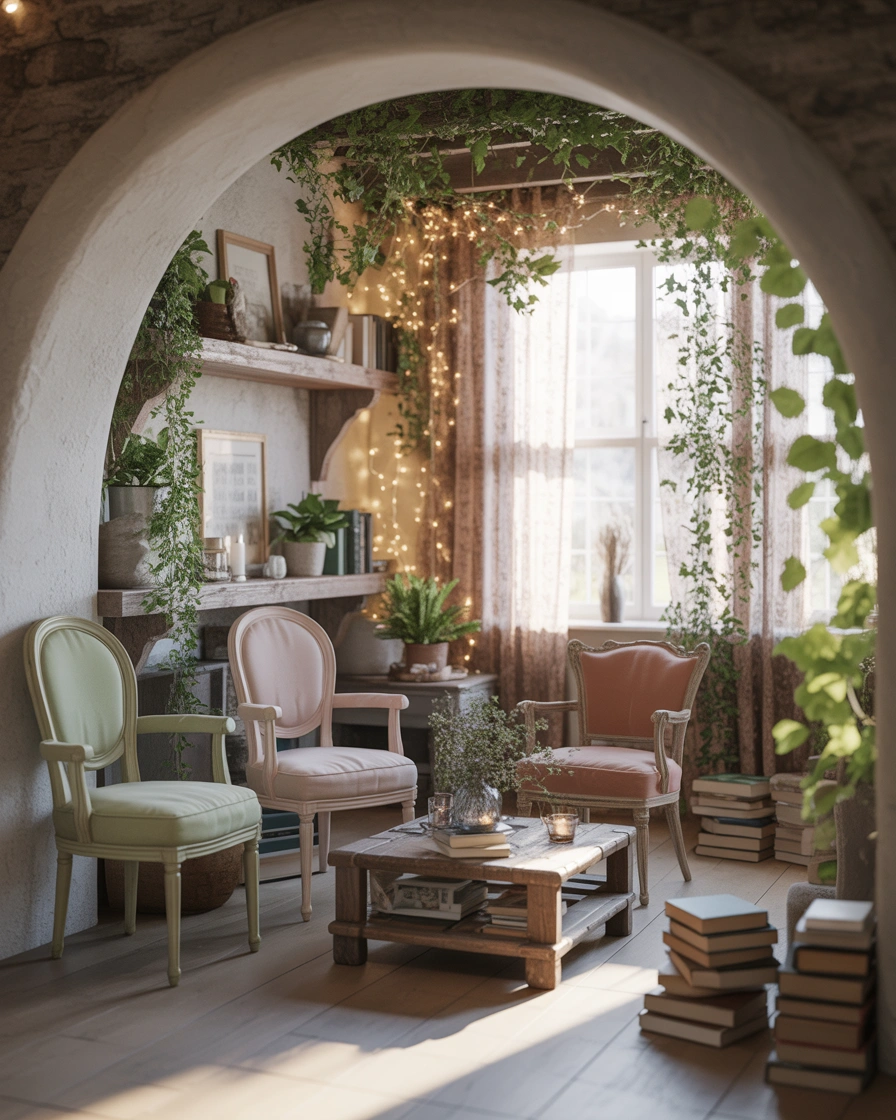
This whimsical cottage living room invites fairytale magic through quirky accents, fun color, and a hint of fantasy that values emotional impact over design rules. This aesthetic resonates with Americans who see their homes as personal retreats from the world, spaces where imagination trumps convention and rules can be bent for joy’s sake. This doesn’t mean rooms have to be full of fairytale kitsch—elements such as arched doorways, curved furniture, and botanical motifs combined with lighting that is not too harsh make them feel enchanted. 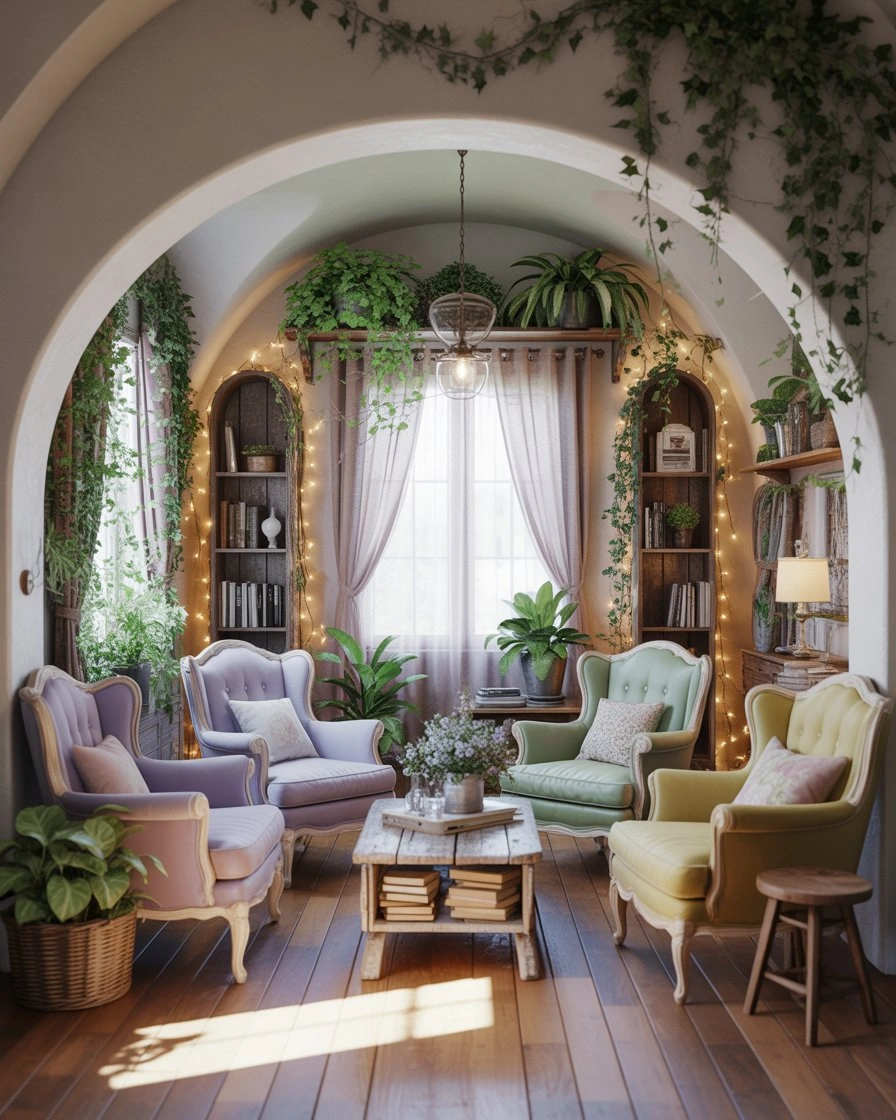
Expert designers note that successful whimsical cottage spaces require a surprisingly firm hand—without some structure and editing, the aesthetic can quickly become cluttered rather than charming. The key is selecting a cohesive color palette and maintaining scale relationships even while incorporating unexpected elements. This style works particularly well for creative professionals, artists, and writers who work from home and want their living spaces to inspire rather than simply function. Americans embracing this aesthetic often report that it becomes a conversation starter with guests while providing personal daily delight that more conventional designs don’t offer.
21. Minecraft-Inspired Blocky Cottage Living Room
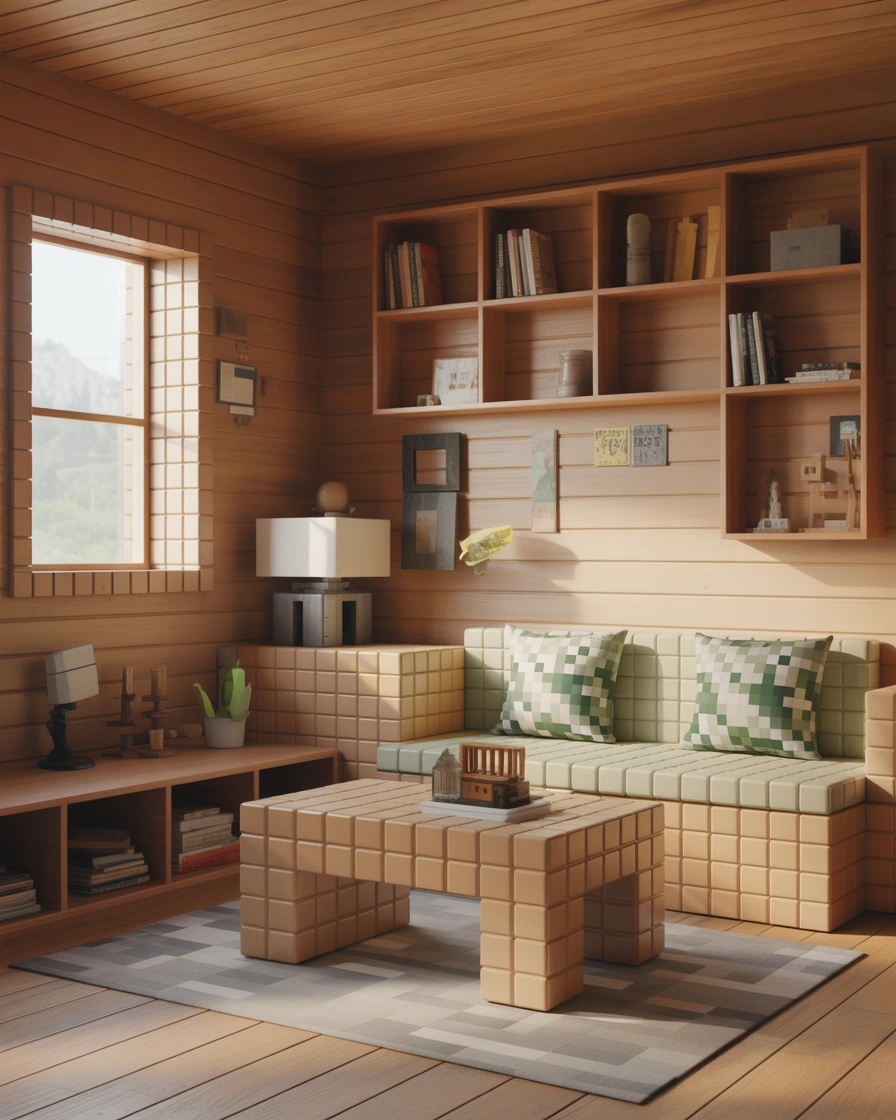
The Minecraft aesthetic translates the game’s blocky, geometric style into real-world cottage design through angular furniture, grid-based arrangements, and a straightforward approach to spatial planning that younger homeowners find both nostalgic and practical. This playful interpretation brings gaming culture into domestic spaces in ways that feel fresh rather than juvenile, celebrating simplicity and honest materials that echo the game’s resource-based building mechanics. The result reads as modern rustic rather than explicitly game-themed, accessible to guests who’ve never played Minecraft while remaining recognizable to those familiar with the game. 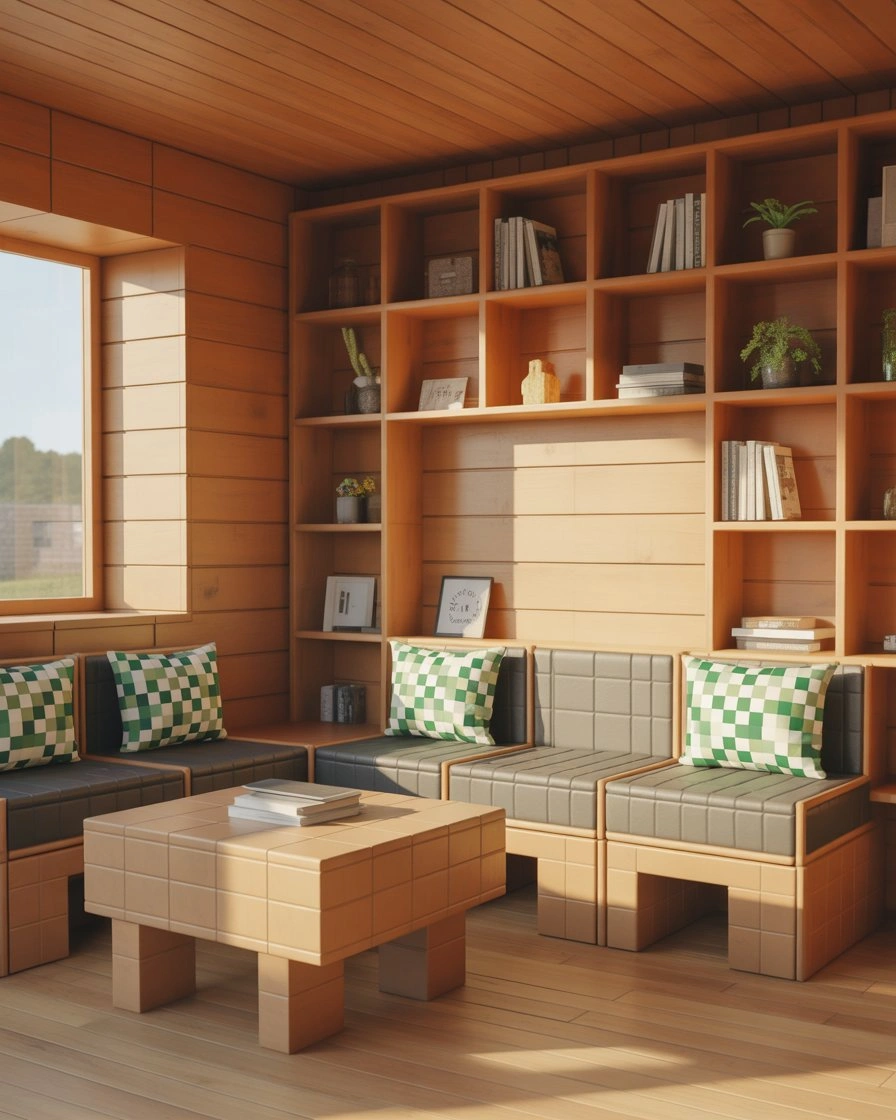
It requires only the kind of woodwork a DIYer can tackle: plain furniture made from planks full of butt joints and forged fastenings, because this look celebrates exposed construction, not satisfied finishes. Budget-minded Americans are glad to see that Minecraft-inspired design doesn’t involve pricey pieces—it’s just a matter of being visionary with what you have on hand and crafting an authentic slice of cottage charm that would make the game proud. That misstep is reading too much into the theme with in-your-face game references; a subtle touch of geometry and use of natural materials imply a more sophisticated version beyond pixelated decor.
22. Yellow Cottage Living Room with Sunny Warmth
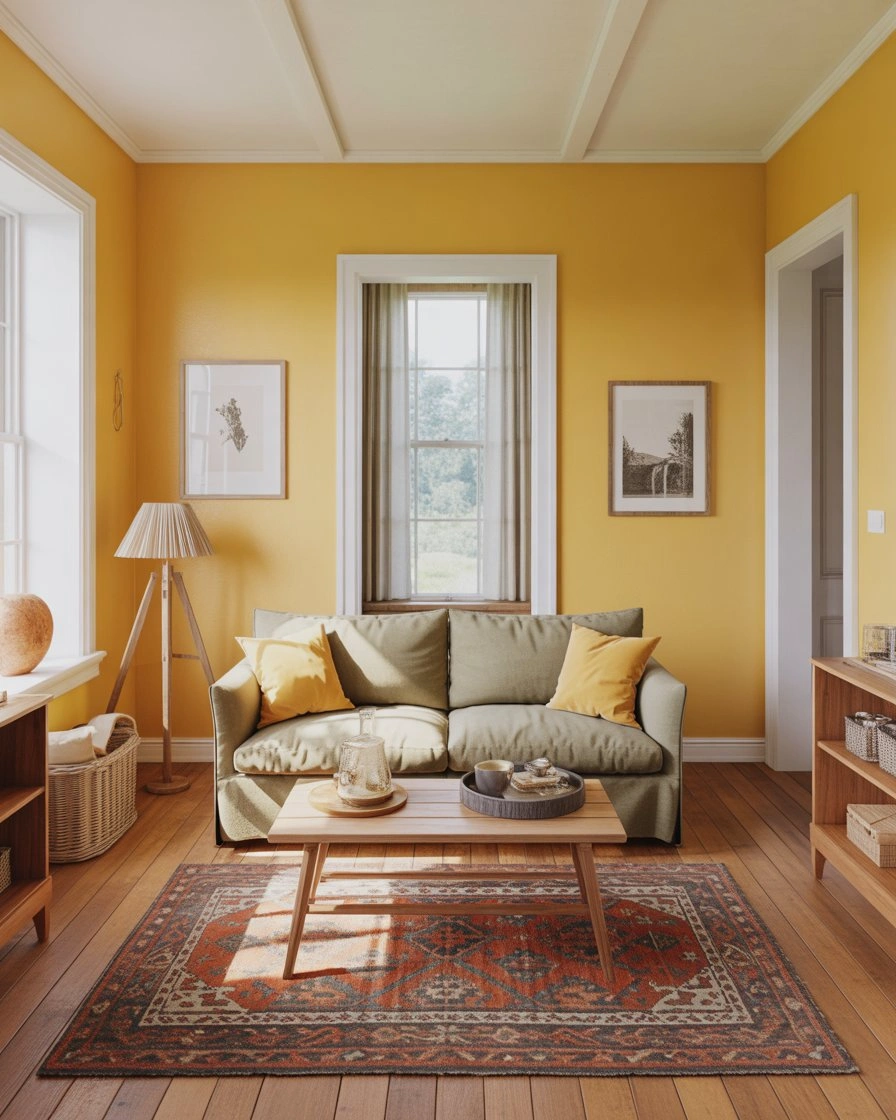
A yellow cottage living room brings instant warmth and optimism through butter, mustard, or golden tones that evoke sunshine even on gray days, particularly appealing to Americans in northern climates seeking year-round cheerfulness. This color choice works beautifully in cottage contexts where it feels natural rather than bold, pairing effortlessly with wood tones, white trim, and natural textiles. The rug becomes a crucial anchor in yellow rooms, often grounding brighter walls or furniture with earth-toned patterns that prevent the space from feeling overwhelming. Grey serves as an excellent supporting player, providing sophisticated contrast that keeps yellow from reading as too sweet or childish while adding a contemporary edge to traditional cottage bones. 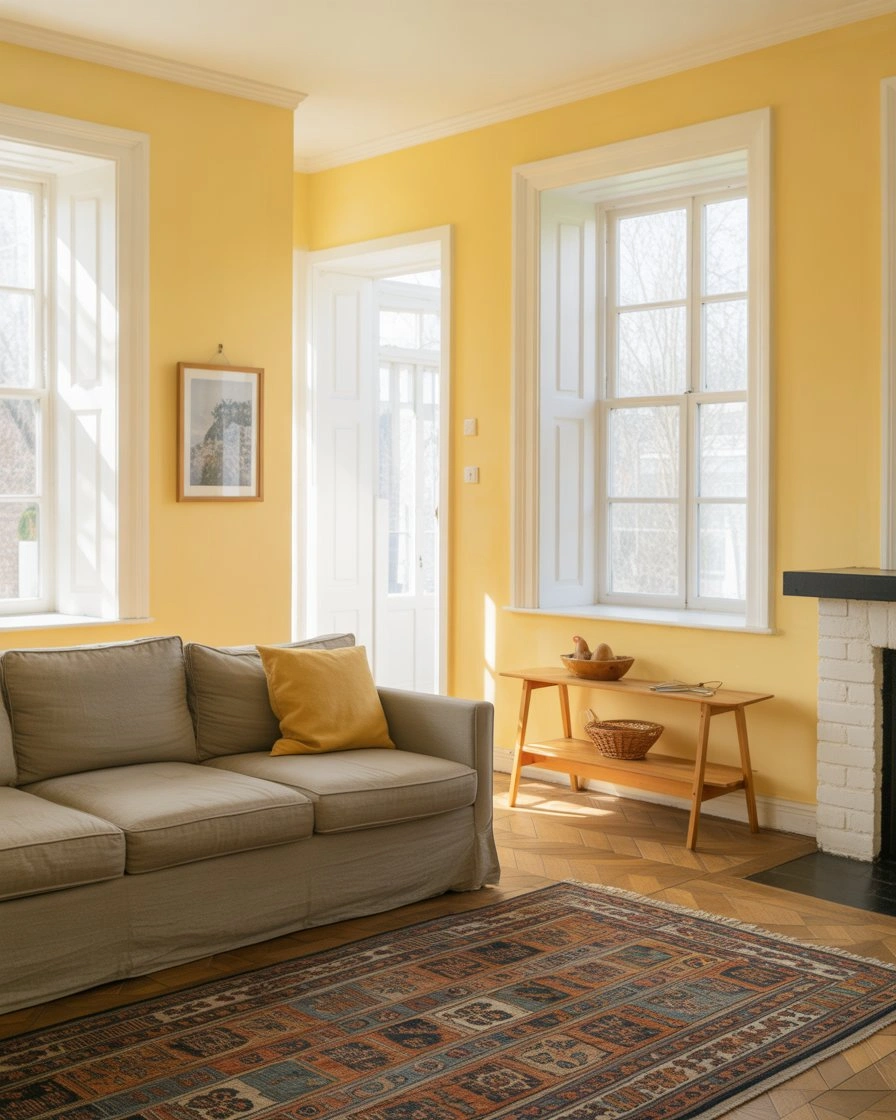
The witchy vibe might not seem the most obvious juxtaposition with yellow, but darker golds together with vintage botanical prints, dried flowers, and antique brass accents veer it toward an unexpected cottage style that’s part magical whimsy and part earthy. This is most successful in rooms with a lot of natural light, where the hue doesn’t read as dingy or dark; northern exposures prefer something more golden, while southern light can carry off cooler lemon shades. Budget decisions should take that intensity into account—trying out yellow with accessories is a good way to test if you can handle more, because for many people even after the novelty of an all-over yellow wall wanes, it can be a bit harder on your eyes than neutral palettes.
Conclusion
Designing the ideal cottage living room will always involve equal measures of design sanity and home inspo madness, taking inspiration from our ideas that make you dream for a while but ensuring your own unique requirements are all catered for. Whether you prefer the drama of moody walls, the whimsy of game-inspired design, or the classic appeal of blue and white decor, cottage style provides ample opportunity for easygoing design within its snug envelope. Tell us your favorite ideas in the comments section and how you have brought aspects of a cottage living room aesthetic into your home.