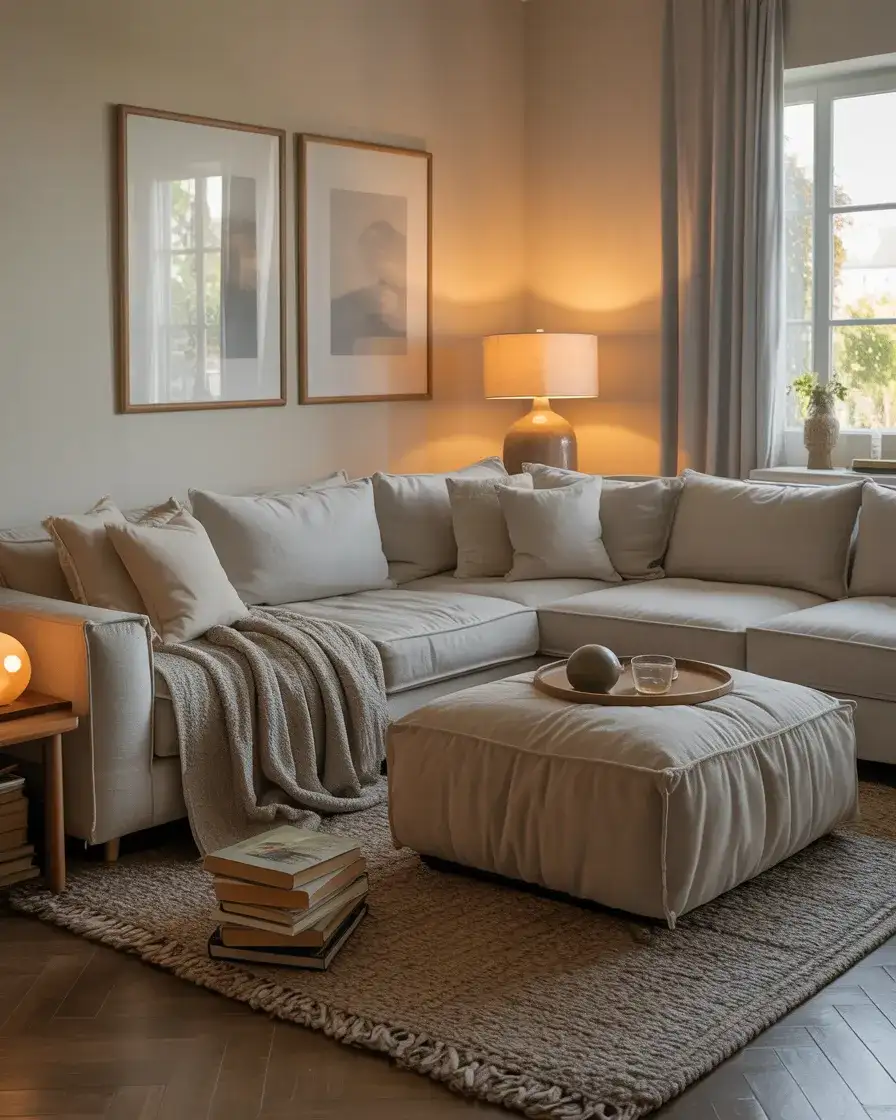
Something has shifted in the way Americans are decorating their homes, and living rooms are at the center of it. After years of chasing minimalist perfection, people are craving spaces that actually feel good to be in—rooms that wrap you in warmth the moment you walk through the door. Search traffic for cozy living room ideas has surged on Pinterest, driven by a collective longing for comfort, character, and a little bit of beauty in everyday life. Whether you’re working with a sprawling open floor plan or a tight apartment layout, the ideas in this article will help you transform your living room into the most lived-in, loved space in your home—starting today.
1. The Warm Neutral Layer Cake
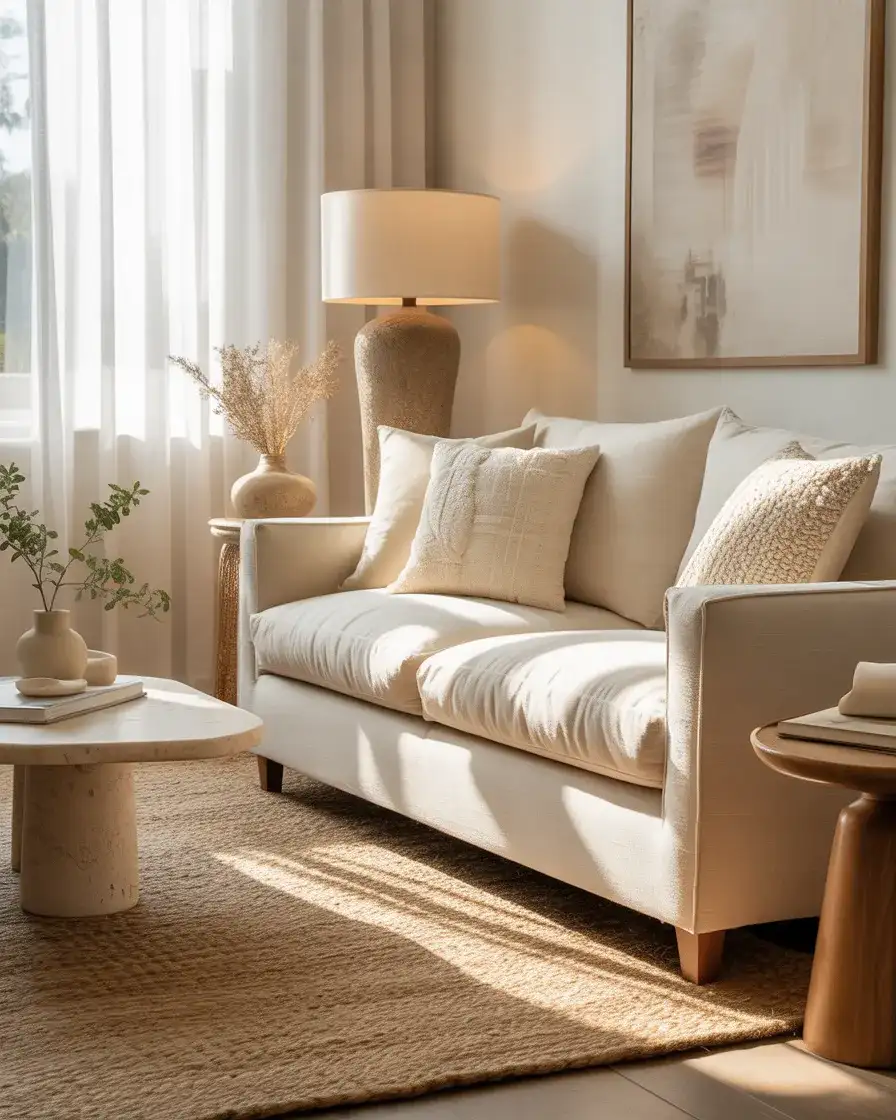
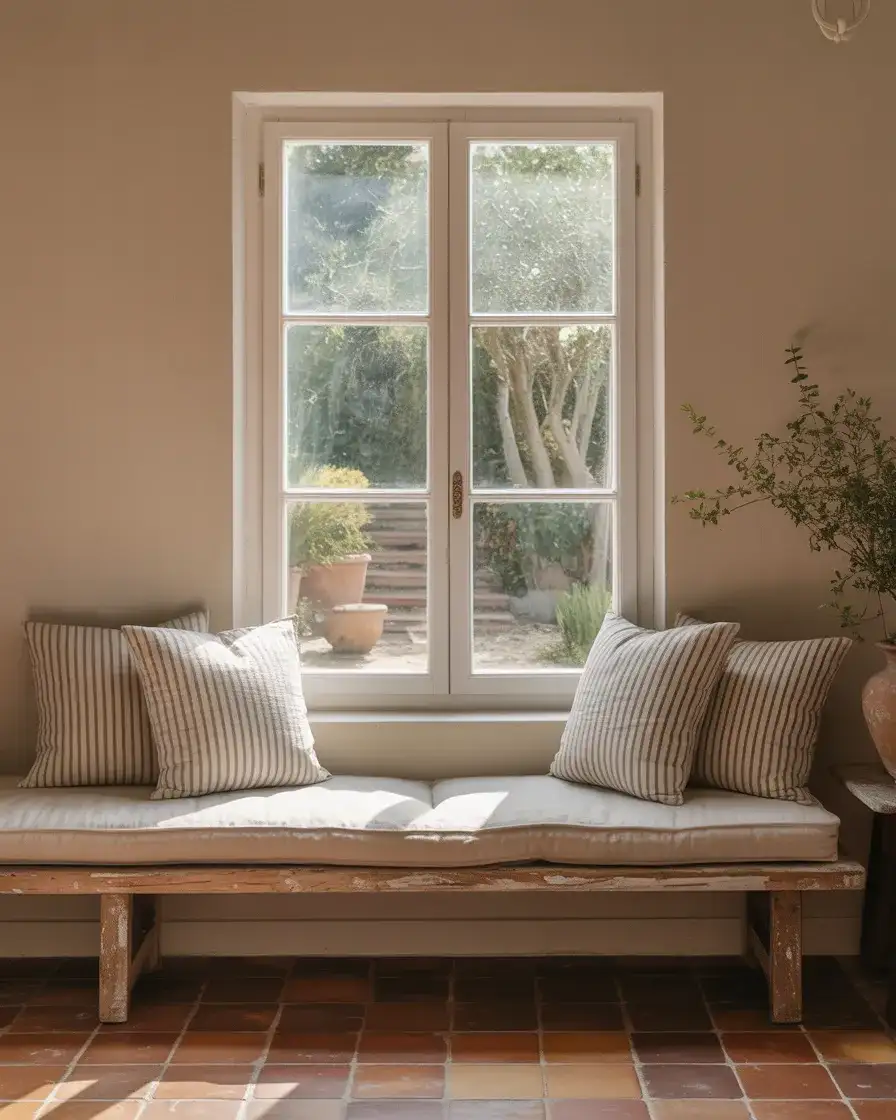
If there’s one trend dominating warm interior design in 2026, it’s the art of layering neutrals so thoughtfully that a room feels anything but boring. Think creamy ivory linen sofas stacked with oatmeal boucle cushions, a chunky jute rug anchoring the space, and a side table in aged travertine. The key is texture—every surface should invite touch. This approach works beautifully in apartments and larger homes alike, and it never goes out of style because it’s built on timeless, earthy warmth rather than seasonal trends. Neutral doesn’t mean flat; it means deliberate.
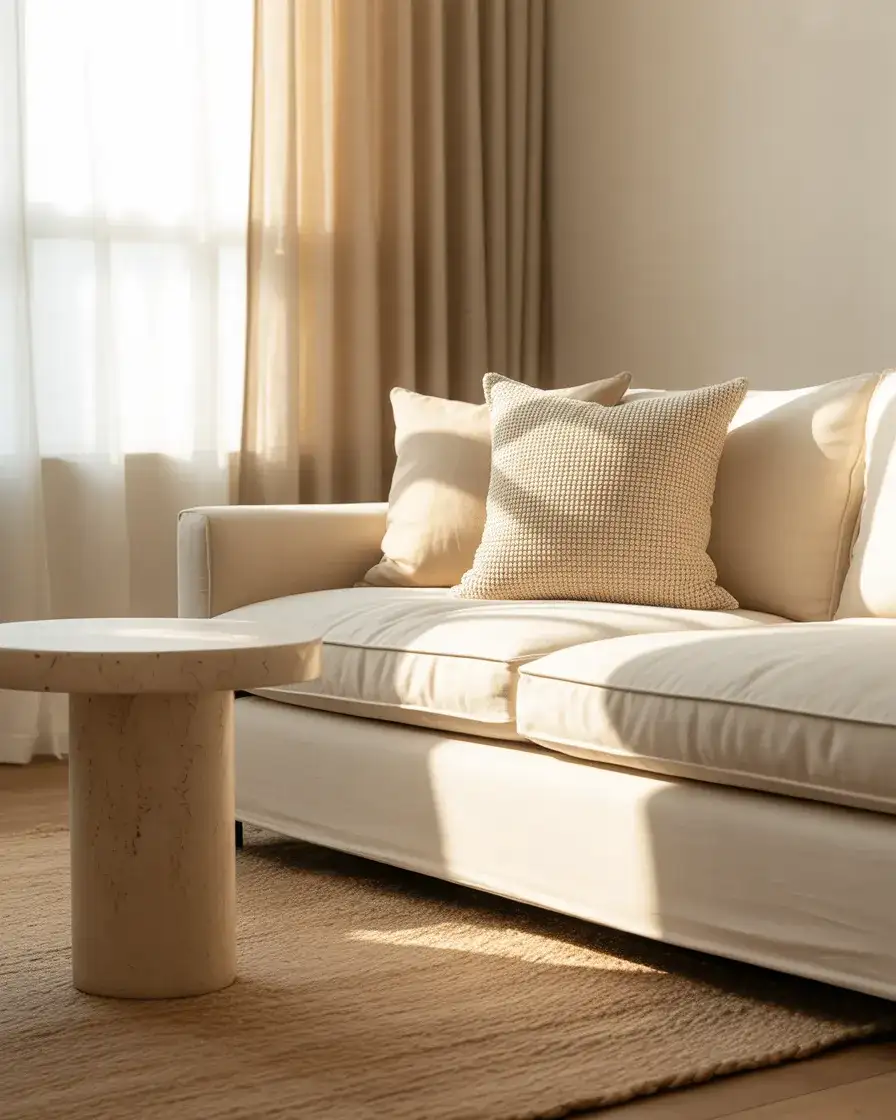
Designers who specialize in this palette often say the biggest mistake homeowners make is stopping at two neutrals. The magic happens around four or five—when you introduce warm white walls alongside a sand-toned sofa, a camel-colored throw, a rust-edged pillow, and a walnut wood frame. The room suddenly reads as intentional rather than underdone. For anyone nervous about committing to color, this is the ideal starting point: it reads sophisticated on camera, which is exactly why it performs so consistently well on Pinterest inspiration boards.
2. Moody Dark Walls That Actually Warm a Room
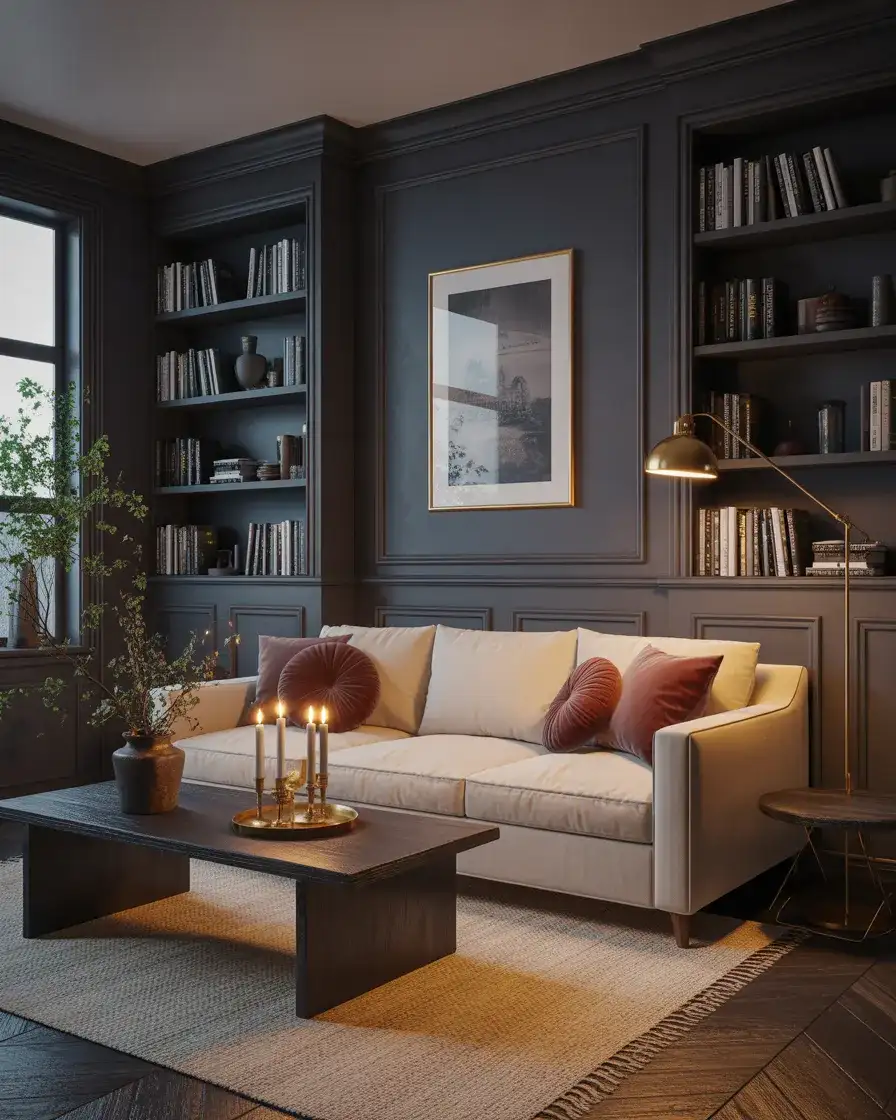
Somewhere between midnight navy and forest green lives the moody living room aesthetic that has taken over Pinterest in the most satisfying way. Dark walls—done right—don’t shrink a space; they create an enveloping, cocoon-like quality that makes the room feel like a destination. Deep charcoal, ink blue, or a rich hunter green paired with warm brass fixtures and cream upholstery strikes a balance that feels both dramatic and livable. The trick is to make the darkness intentional, not accidental, and to flood the room with layered light sources.
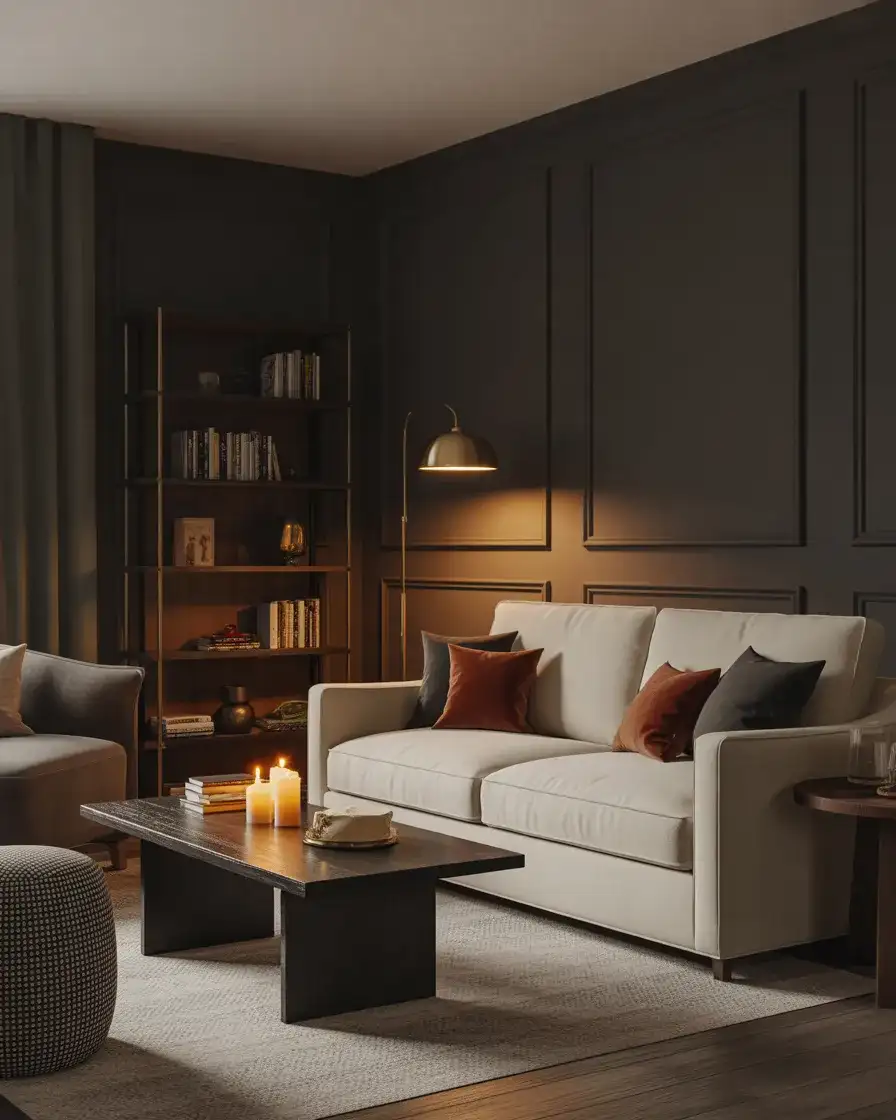
Dark paint colors genuinely test the resolve of most homeowners. One interior stylist in Nashville recalled painting her living room a deep espresso brown on a Saturday afternoon and nearly crying by Sunday morning—until she added a gallery of warm-toned art, switched to Edison bulbs, and brought in a honey-colored leather sofa. The transformation was so complete that the same room was featured in three separate publications. The lesson: dark walls demand more deliberate lighting and warm accents, not fewer. When balanced correctly, they create rooms that feel genuinely atmospheric and impossible to leave.
3. Fireplace as the Room’s Focal Heart
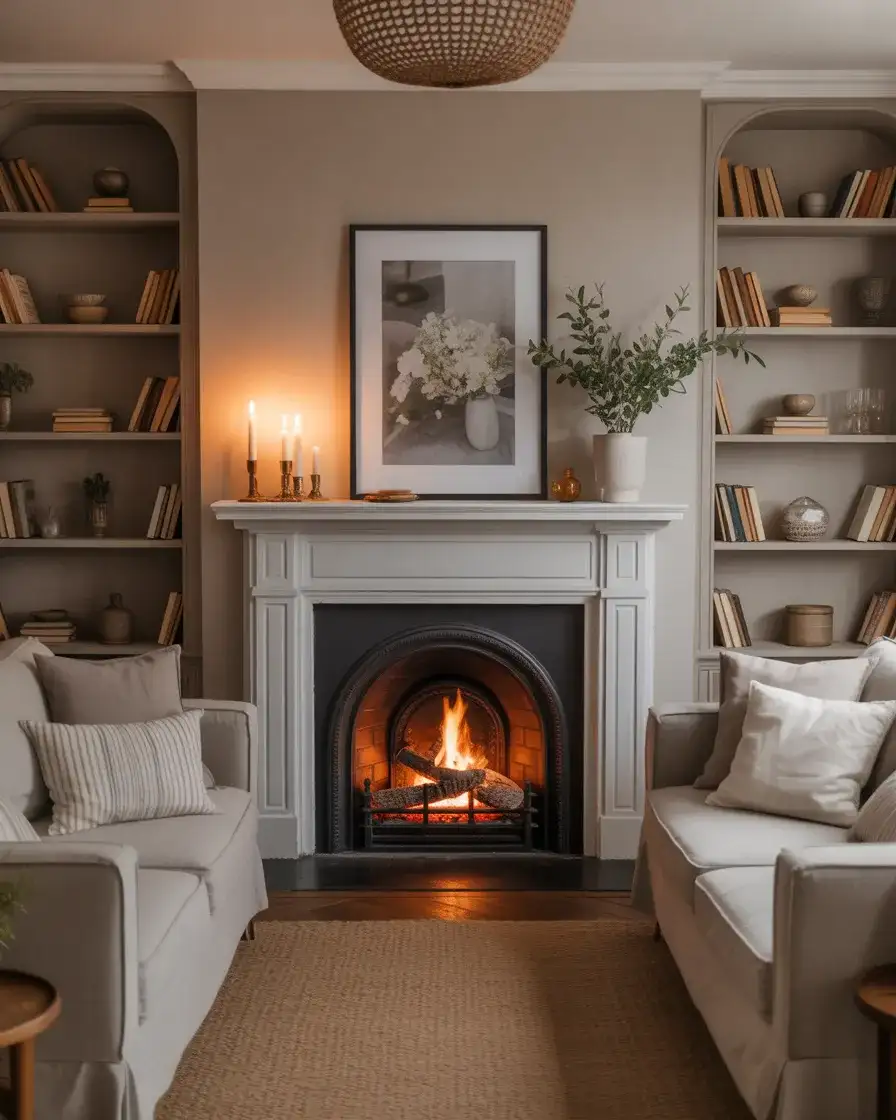
There is almost nothing more universally beloved in American home design than a well-styled fireplace, and in 2026, designers are treating the mantel as the emotional anchor of the entire living room. Whether you’re working with a traditional wood-burning hearth, a gas insert, or a beautifully rendered electric version, the key is making the surround a true design statement. Fluted plaster, stacked stone, shiplap, or painted brick all work—the important thing is that the fireplace commands attention the moment you enter the room, drawing the eye and the body toward warmth.
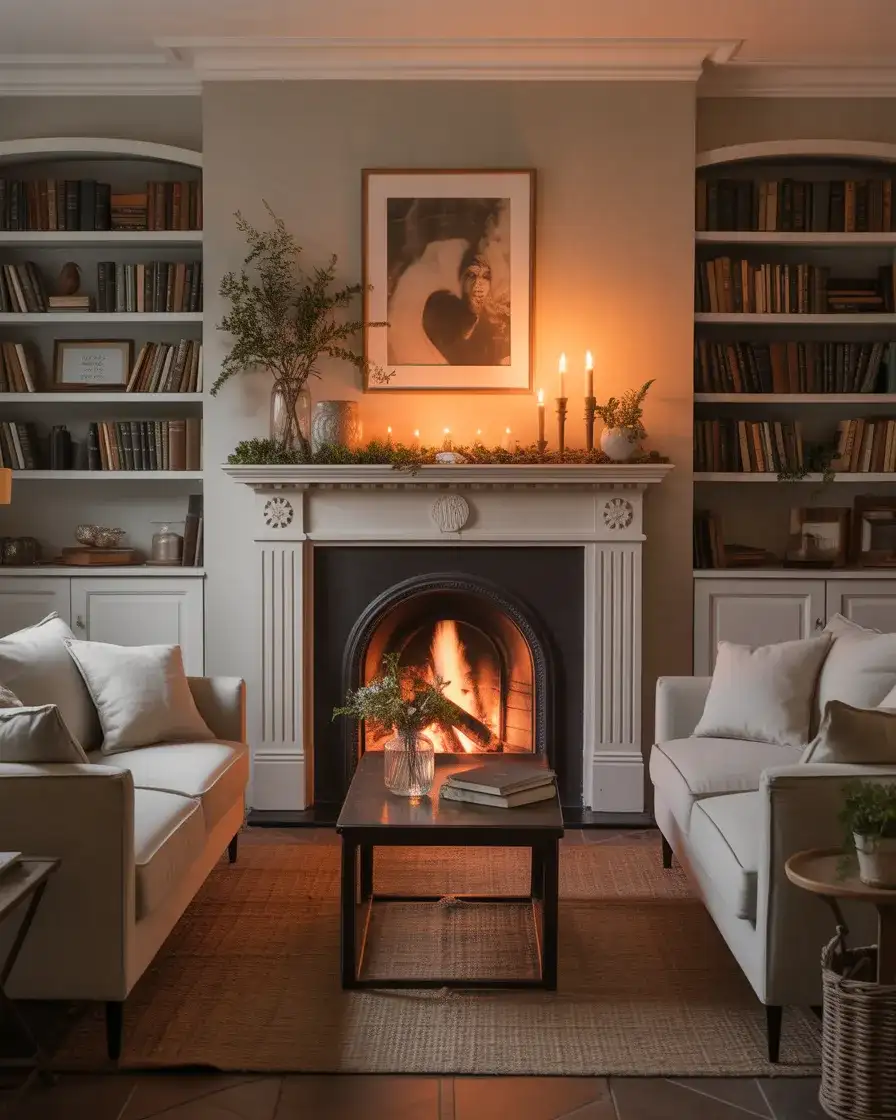
This works best in living rooms that have a single strong wall to anchor—ideally opposite the main seating group, so furniture can be arranged in conversation-friendly arcs facing the fireplace. In ranch-style homes across the Midwest and South, the fireplace often competes with large wall-mounted televisions for dominance. The smartest solution designers are recommending right now: mount the TV directly above the fireplace when ceiling height allows, frame both with thick millwork, and suddenly the entire wall becomes one cohesive, intentional composition rather than two competing focal points.
4. Small Apartment, Big Cozy Energy
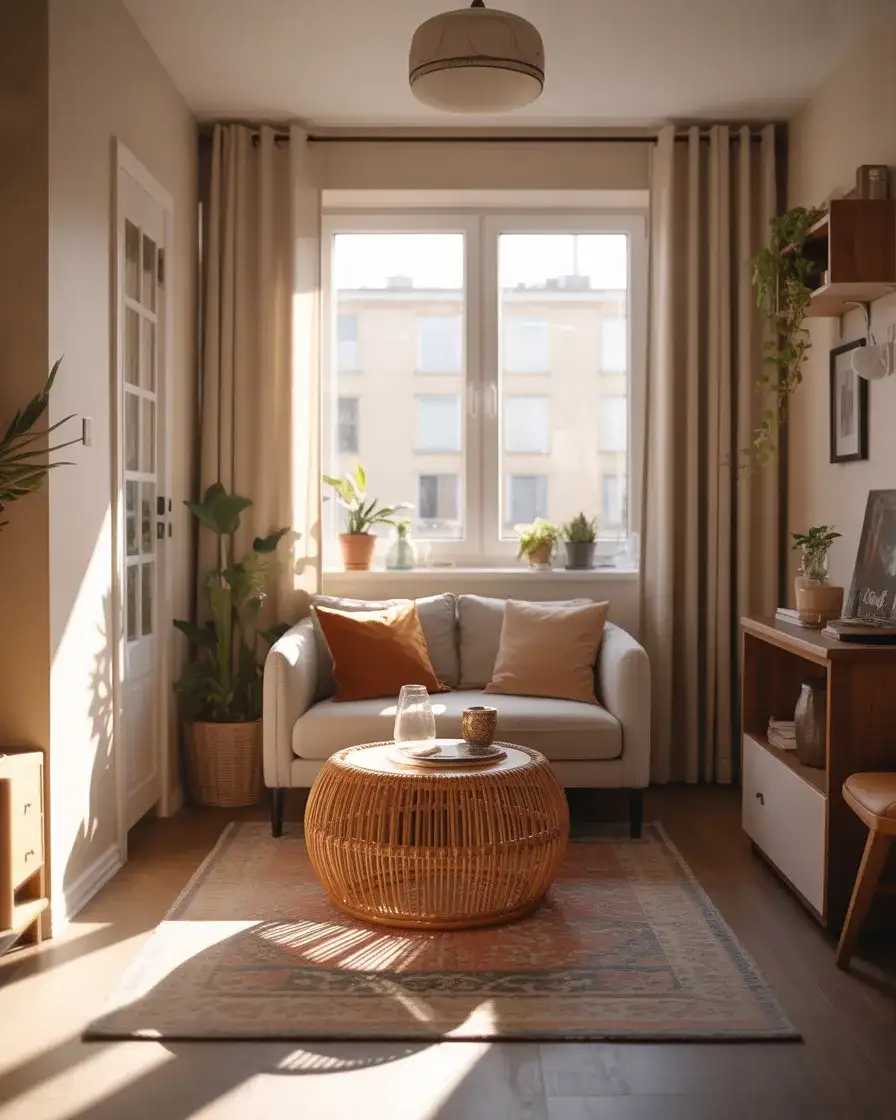
Living in a small space doesn’t mean sacrificing warmth—it actually makes it easier to achieve, because coziness thrives in contained environments. The best apartment aesthetic for small living rooms in 2026 leans into the intimacy of the space rather than fighting it. Think of a plush two-seater sofa positioned close to the window, a round coffee table to keep circulation easy, a warm rug that defines the seating zone, and curtains hung high and wide to make the room feel taller and more expansive than it actually is.
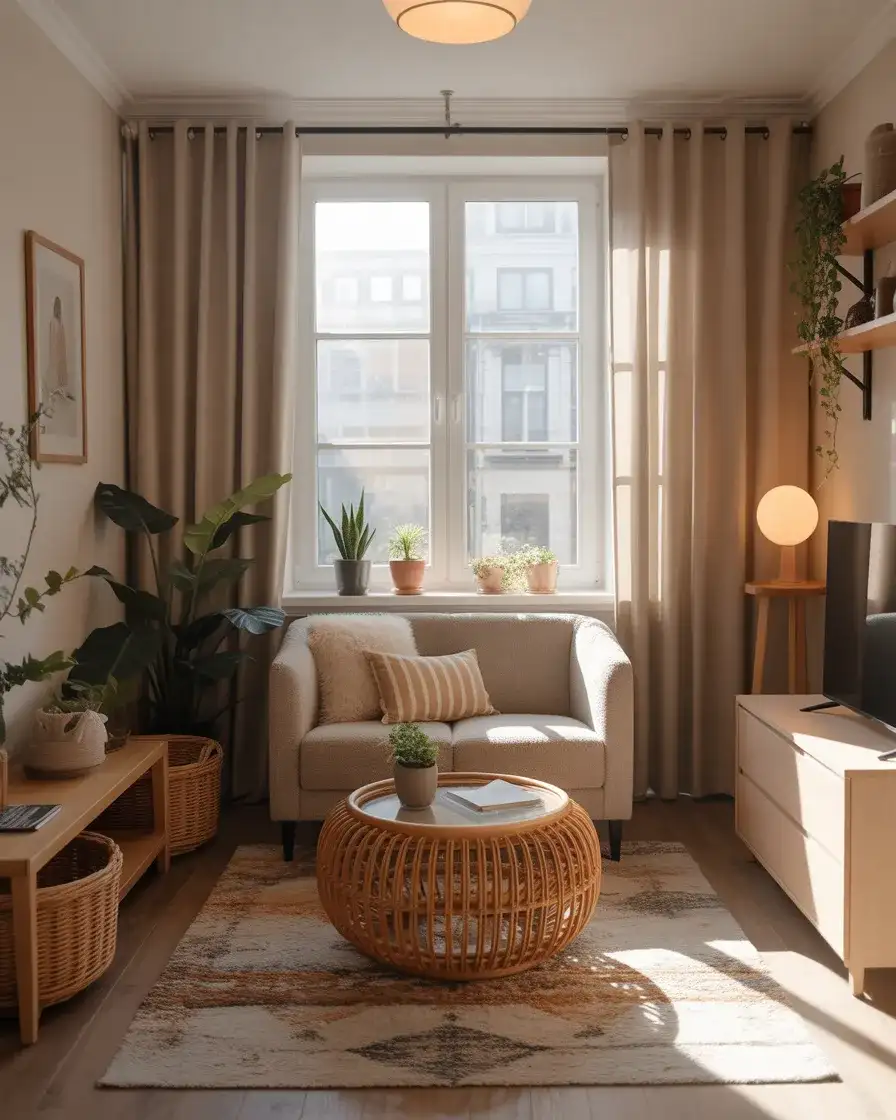
Budget is often the governing reality for apartment renters, and the great news is that achieving a cozy small space doesn’t require spending a fortune. A well-chosen area rug—ideally in a warm ochre, rust, or cream tone—does more visual work than almost any other single purchase in a small room. You can find quality options at HomeGoods, Rugs USA, and even Facebook Marketplace for a fraction of the retail price. Pair that with a couple of warm-watt bulbs in existing fixtures and a single trailing plant on a high shelf, and the transformation is genuinely remarkable for the investment involved.
5. Earthy Terracotta and Clay Tones
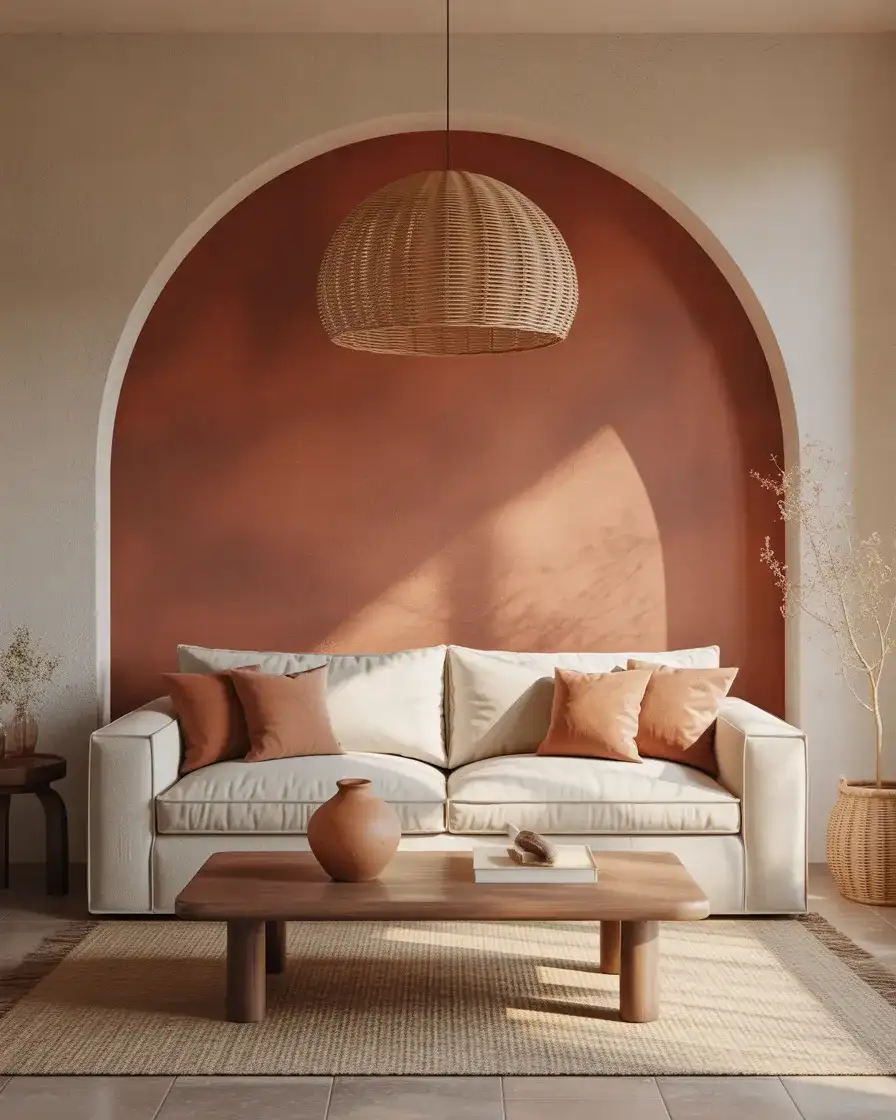
The earthy color wave that began building a few years back has matured into something richer and more sophisticated heading into 2026. Terracotta, burnt sienna, warm clay, and adobe—these are the warm colors that feel both ancient and completely of the moment. They work on walls, in textiles, and in accent furniture, and they have the remarkable quality of making a room feel grounded and sun-kissed simultaneously. The reason they resonate so strongly with American audiences right now is that they evoke a sense of natural warmth that’s been missing from overly sterile, cool-toned interiors.
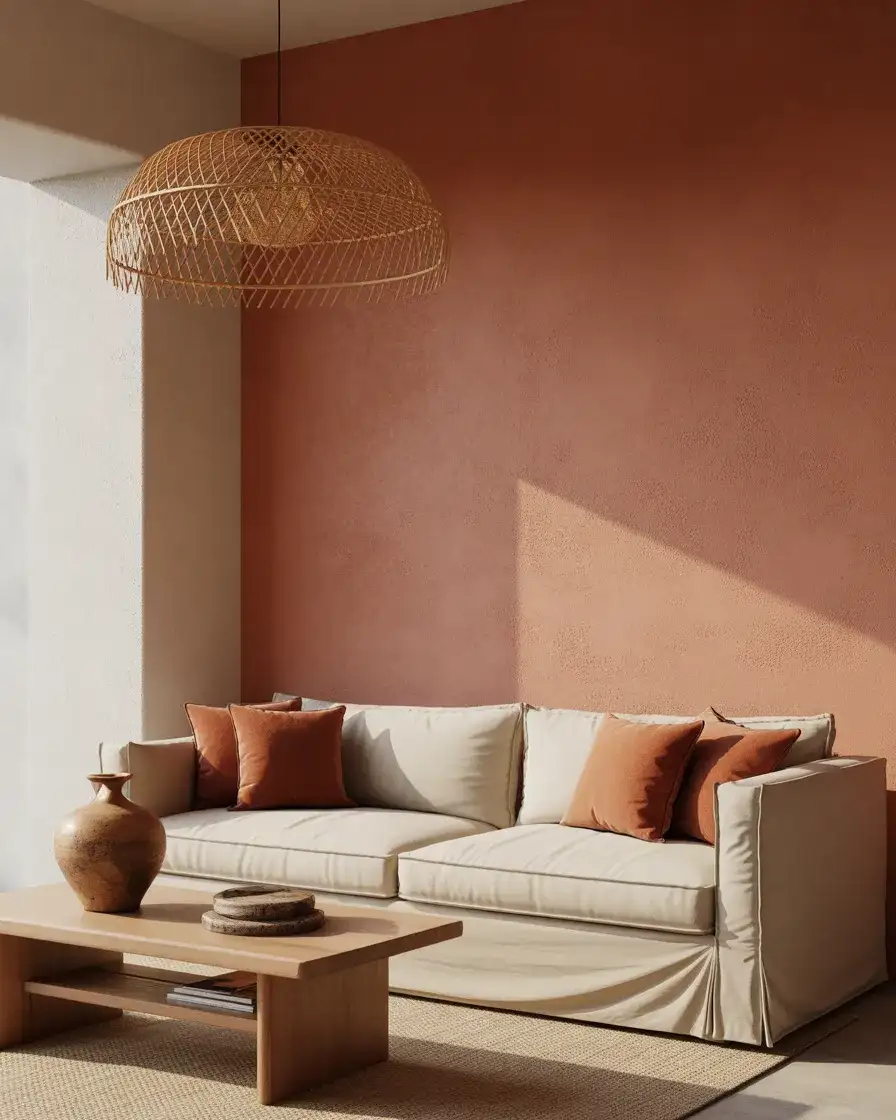
Where this palette works best is in south-facing living rooms that get generous natural light throughout the day—the sun amplifies the warmth in terracotta and clay in a way that north-facing rooms sometimes can’t match. If you’re working with a darker space, lean toward the lighter end of the earthy spectrum: dusty peach, washed clay, and pale terracotta still deliver the feeling without overwhelming a room that lacks light. Pair with natural wood tones, raw linen, and simple greenery for a look that feels collected over time rather than purchased all at once.
6. The Grey Couch Reinvented
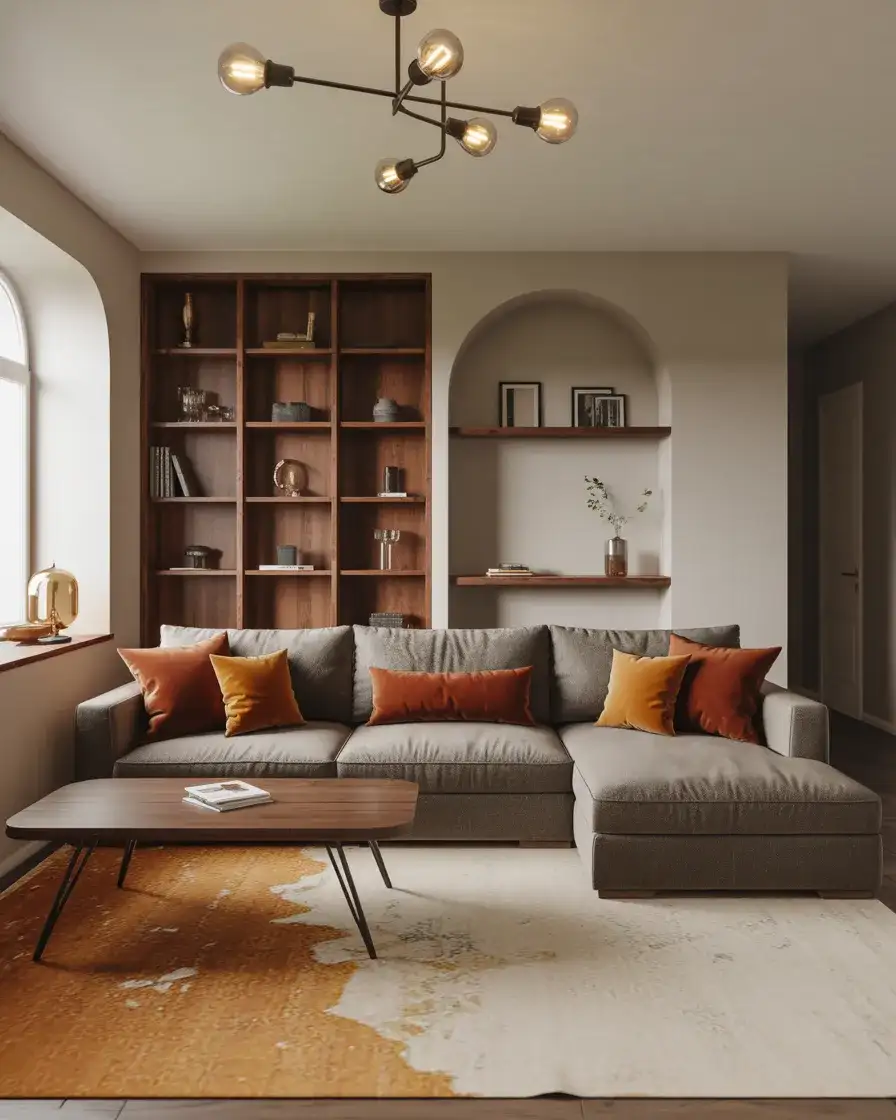
The grey couch became ubiquitous for a reason—it’s forgiving, versatile, and works with virtually any other color in the room. But in 2026, the way we’re styling grey sofas has evolved significantly. Instead of pairing them with cool greys and whites (which read cold and impersonal), the move now is to warm them up dramatically: think rust-colored throw pillows, a burnt amber blanket, a warm-toned rug in cream and ochre, and wooden accents throughout. Suddenly that practical grey couch becomes the anchor of a genuinely inviting, warm color-palette-driven room.
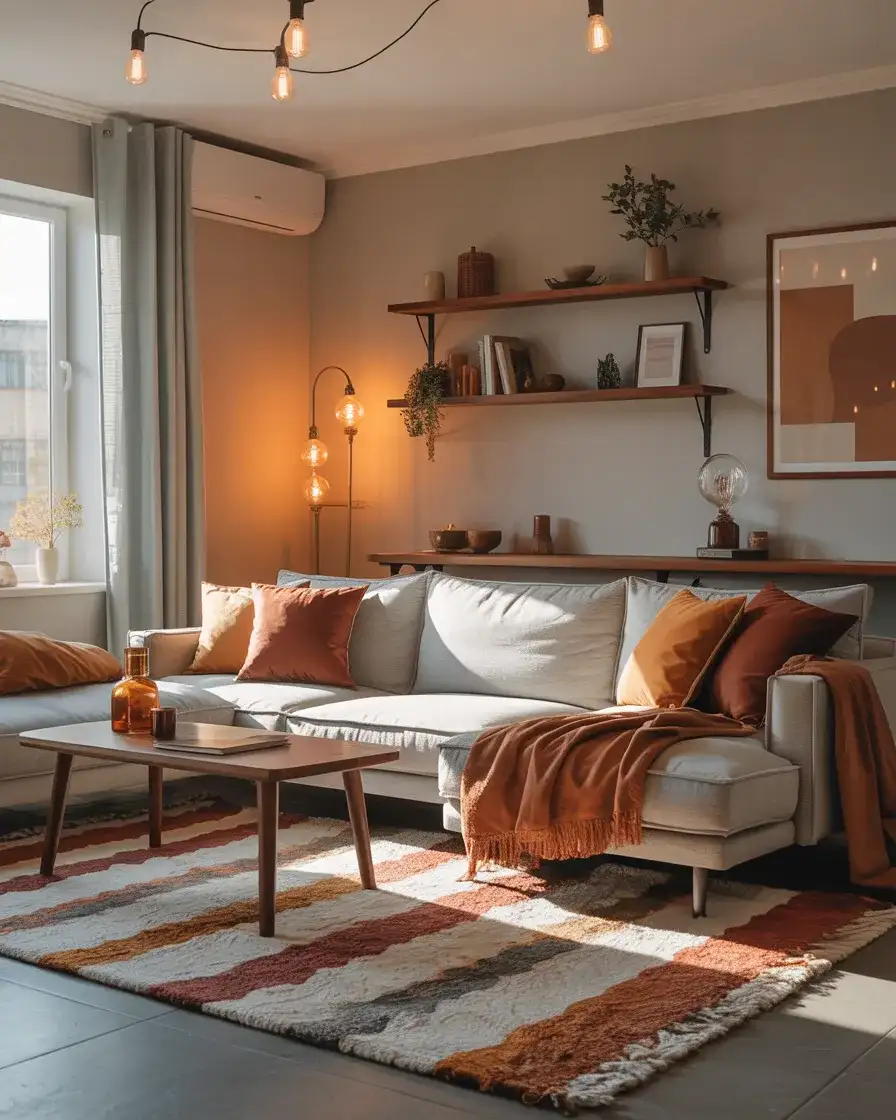
One of the most common mistakes people make with a grey sofa is assuming the wall color has to match or complement its cool undertones. The opposite is often true. Paint the walls a warm white—think Benjamin Moore’s White Dove or Sherwin-Williams Alabaster—and let the grey sofa contrast gently against a backdrop that reads warm and soft rather than stark. Then let your textiles do the heavy lifting. A mix of warm-toned throws and pillows in odd numbers (three pillows, two blankets) creates visual interest while ensuring the sofa reads as the comfortable, welcoming centerpiece it’s meant to be.
7. Minimal Cozy—The Anti-Clutter Approach
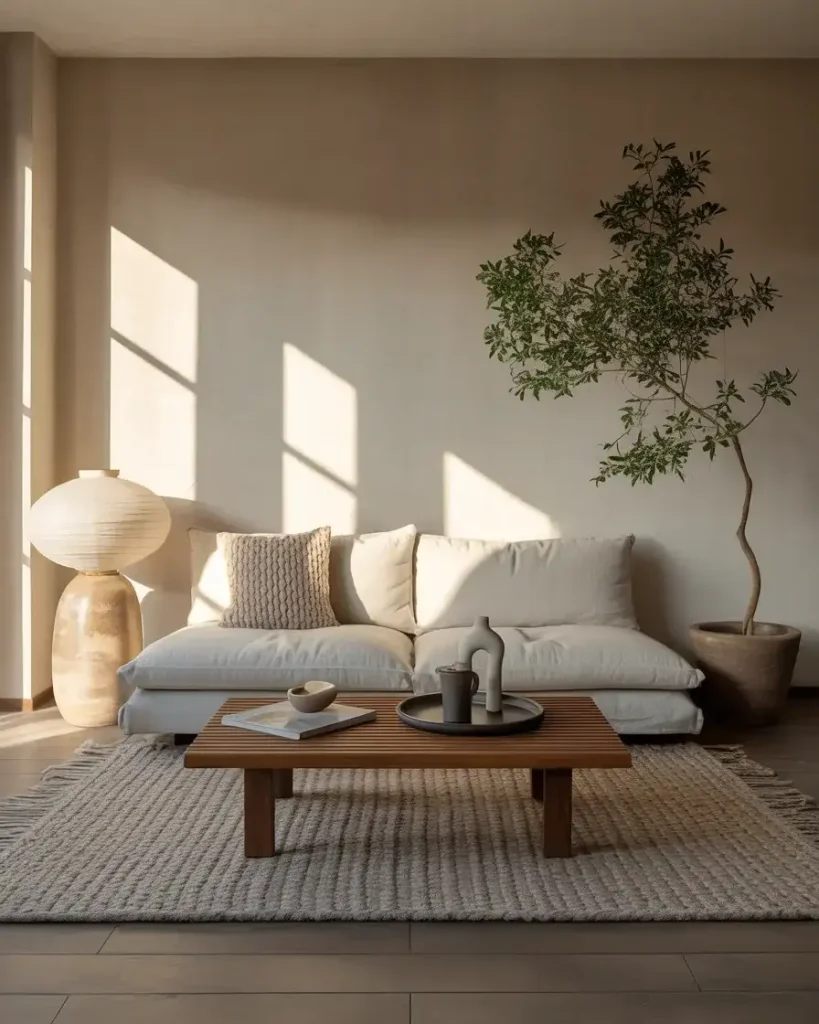
The tension between minimal and cozy is real, but it’s also entirely resolvable. The secret is editing ruthlessly while choosing each remaining piece for maximum warmth and texture. A spare living room with only five well-chosen items—a deep linen sofa, one oversized ceramic lamp, a single architectural plant, a low slatted coffee table, and a hand-knotted wool rug—can feel more enveloping than a room packed with décor. The aesthetic here is about restraint in quantity but indulgence in quality and sensory richness.
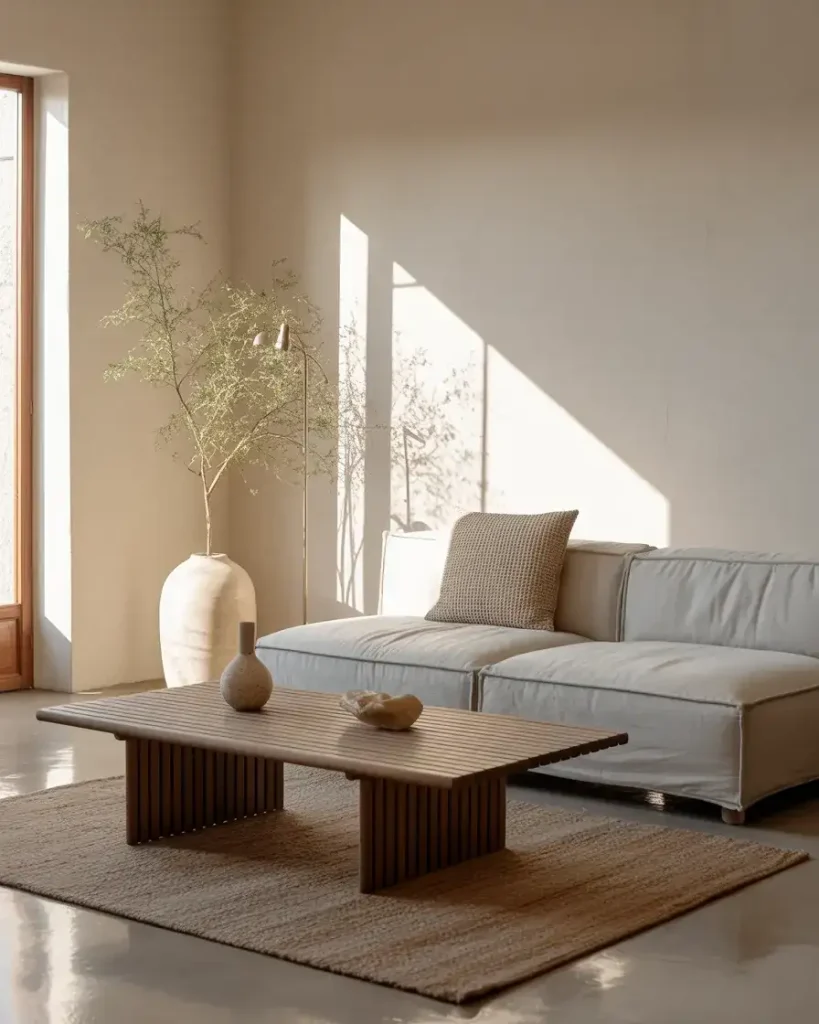
Real homeowners who’ve committed to this approach often report an unexpected emotional benefit: the room becomes genuinely restful rather than stimulating, which is particularly valuable for people who work from home and need a clear mental boundary between work and rest. Interior designers who specialize in Japandi aesthetics—the fusion of Japanese minimalism and Scandinavian warmth—consistently recommend starting with a color palette of no more than four tones, then introducing texture as the primary means of creating visual variety. The result is a living room that photographs beautifully and, more importantly, feels wonderful to come home to.
8. Lighting Ideas That Change Everything
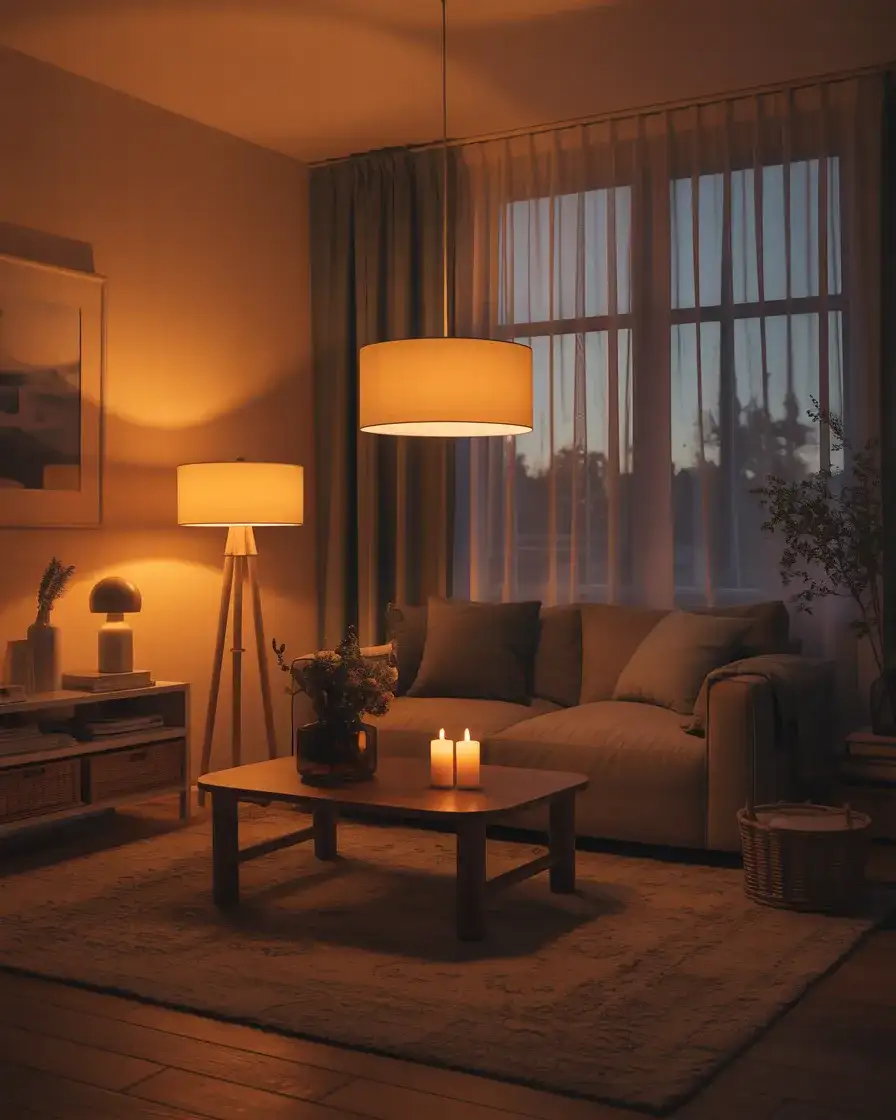
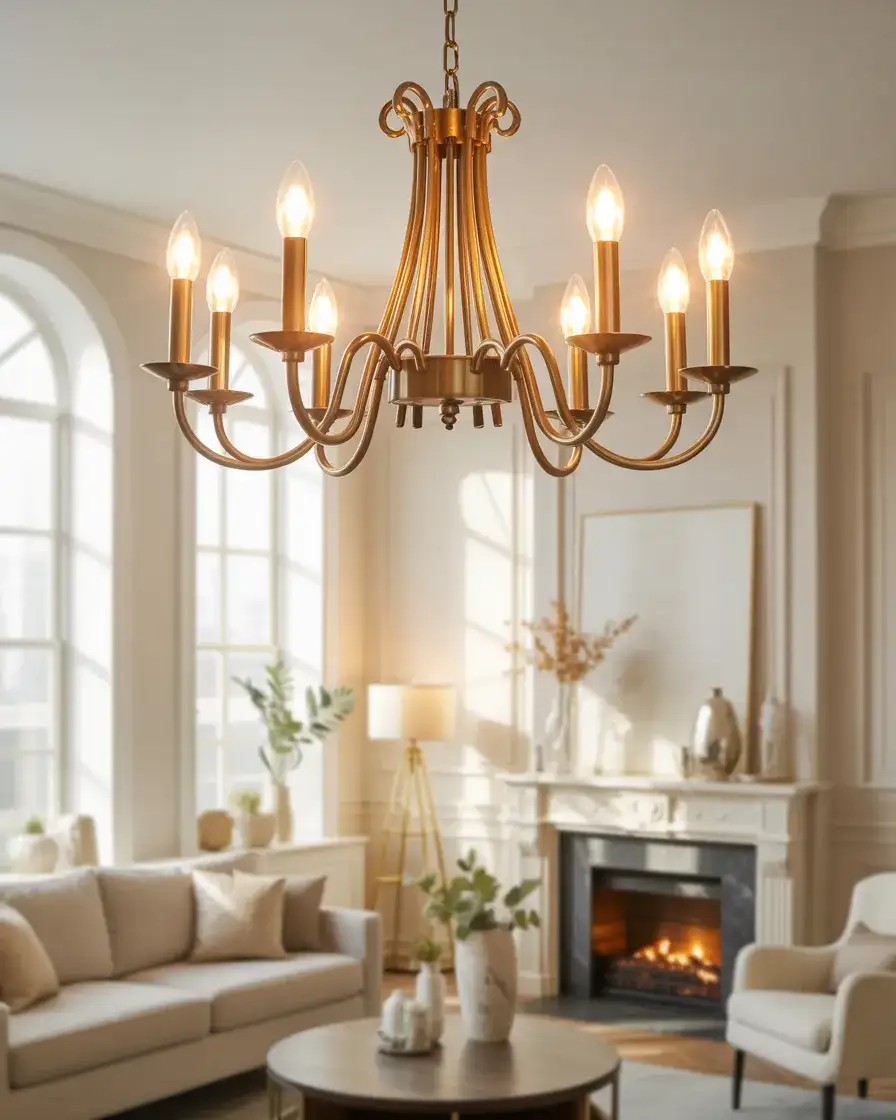
Lighting is the single most underestimated tool in cozy living room design, and in 2026, Americans are finally catching up to what European decorators have known for decades: overhead lighting is almost always the enemy of atmosphere. The best lighting ideas for cozy spaces involve layering—a floor lamp beside the sofa, a table lamp on a side table, a dimmer-controlled pendant above, and perhaps a few candles or LED tea lights scattered on the coffee table. Together, these create pools of warm light at eye level rather than harsh brightness from above.
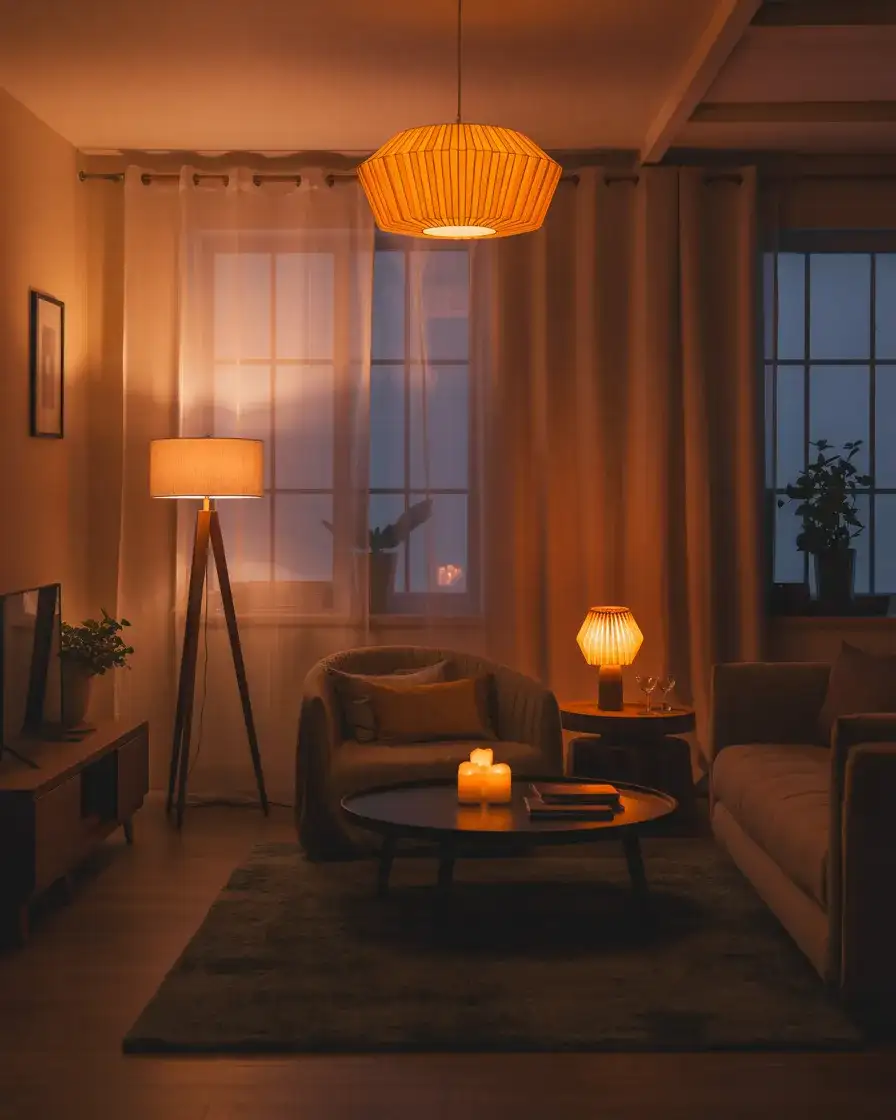
The American lifestyle context here matters: most homes built in the last few decades were wired for ceiling-centered lighting that made sense for task-focused living but does nothing for relaxation. The practical fix doesn’t require rewiring—it requires adding. A simple dimmer switch (about $15 at any hardware store) on your existing overhead can transform the baseline, and two warm-toned lamps at around 2700K color temperature will do the rest. Think of lighting design the way a restaurant does: the goal is to make the people and the space look their very best, always erring on the side of warmer and softer.
9. Traditional Comfort, Updated
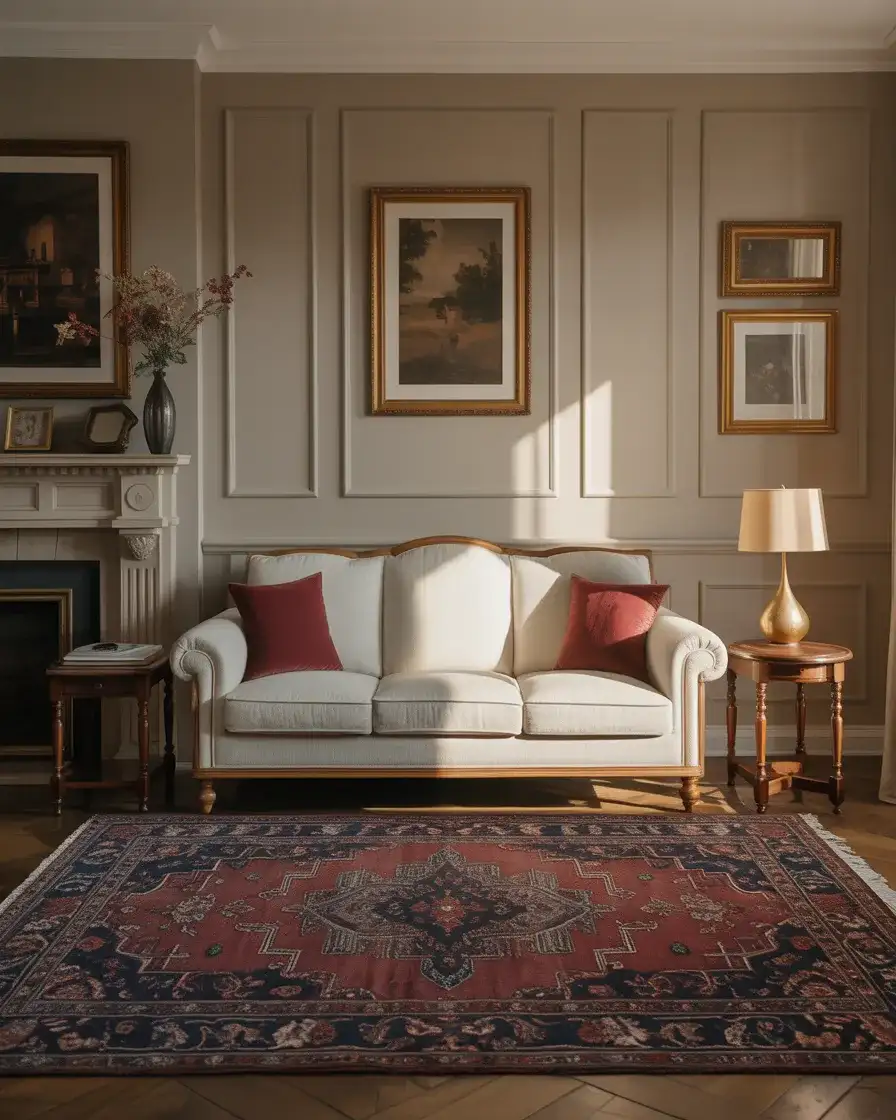
The resurgence of traditional design sensibilities in 2026 isn’t nostalgia—it’s a deliberate embrace of the rooms that have always made people feel at home. Rolled arm sofas, turned wooden legs, framed oil-style prints, a Persian-influenced rug in jewel tones, and crown molding: these elements are making a comeback with a twist. Today’s take on traditional strips away the fussiness while preserving the warmth. You keep the architectural interest and the sense of history but pair it with cleaner lines in upholstery and a more restrained color palette than your grandmother’s parlor might have had.
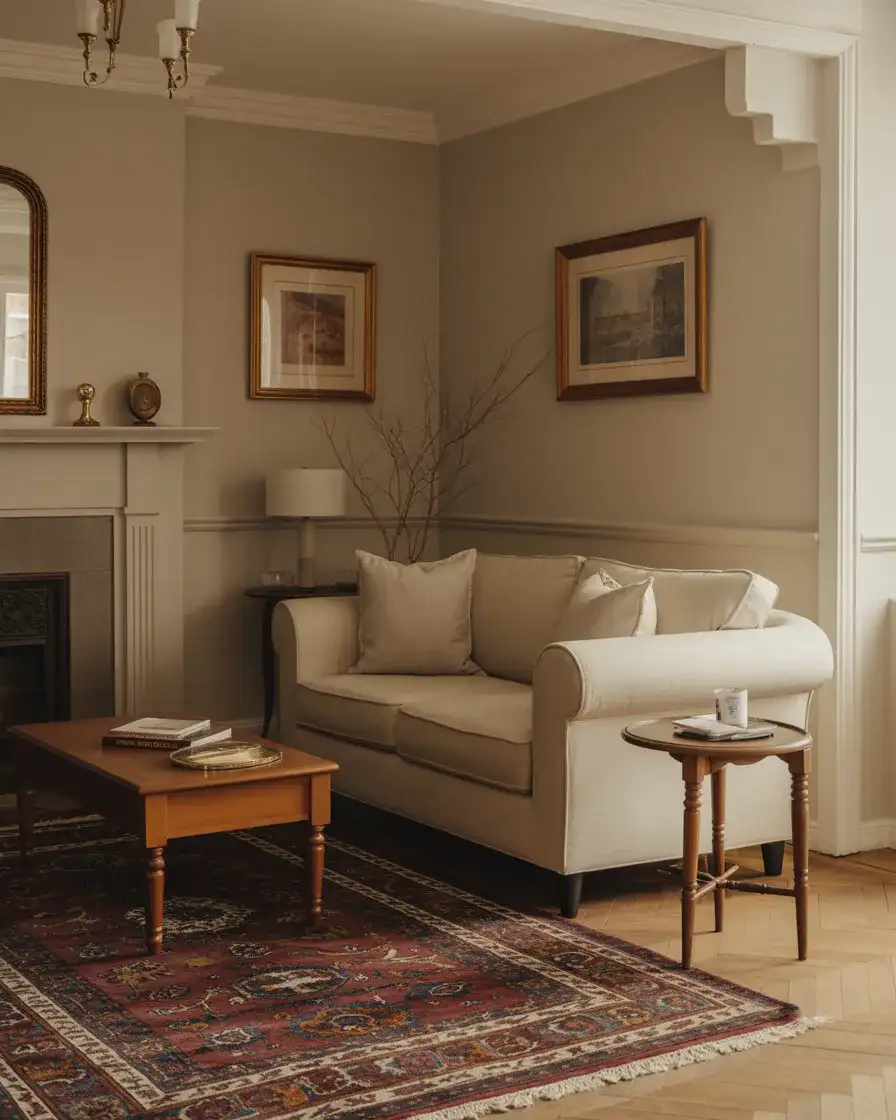
This style performs exceptionally well in American homes built before 1980, where existing architectural details like picture rails, plaster ceilings, and wide-plank wood floors give the aesthetic a natural foundation. If you’re working in a newer build without those bones, you can introduce the feeling through furniture selection alone: a Chesterfield sofa, a pair of cane-backed chairs, and a hand-knotted rug will carry more traditional weight than any amount of architectural trim. The updated version of this style insists on one or two modern counterpoints—a concrete lamp, a clean-lined side table—to prevent the room from reading as a period recreation rather than a lived-in home.
10. Paint Colors That Actually Create Coziness
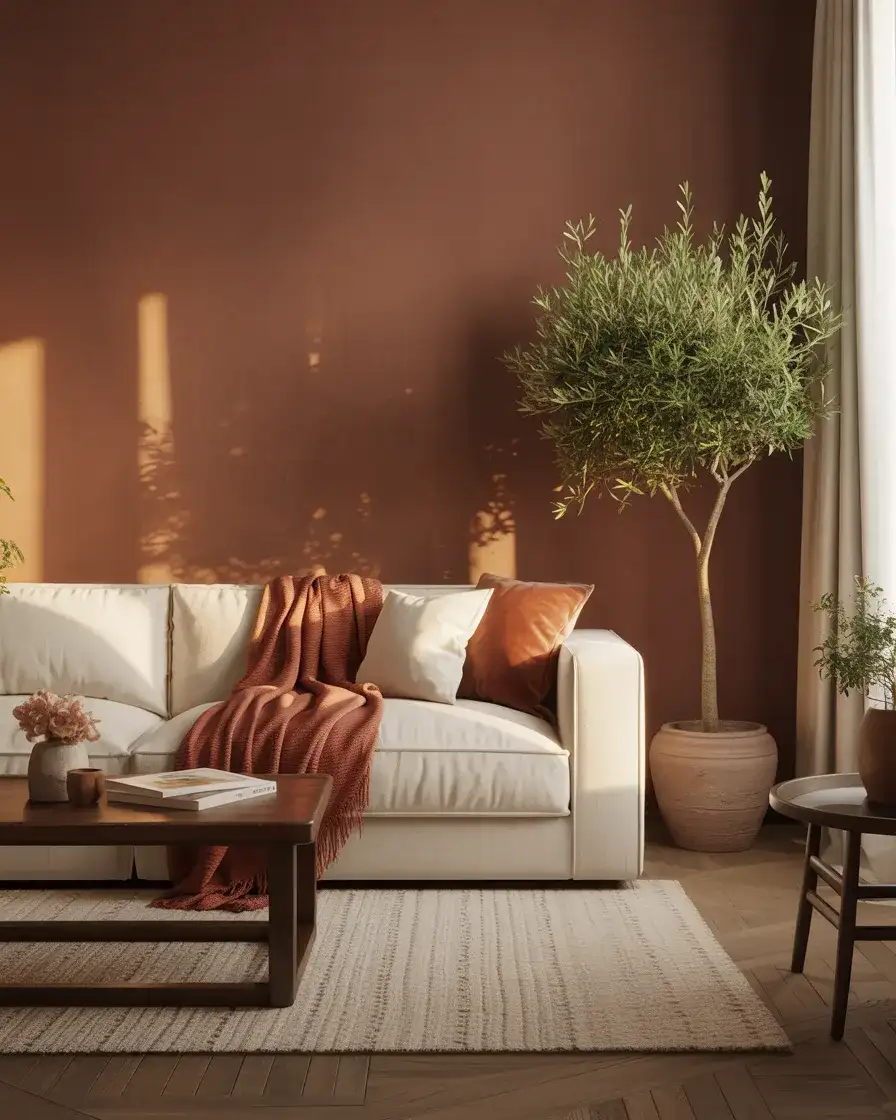
Color psychology is real, and the right wall paint colors can make a living room feel dramatically warmer without any additional furniture or décor. The most effective warm color palettes for cozy living rooms in 2026 include deep mushroom, warm greige, sage with golden undertones, and soft butter yellow—all of which absorb and reflect light in ways that feel intimate rather than clinical. The key is always to check undertones: a beige with pink undertones reads warmer than one with grey undertones, even if they look similar on a chip at the paint store.
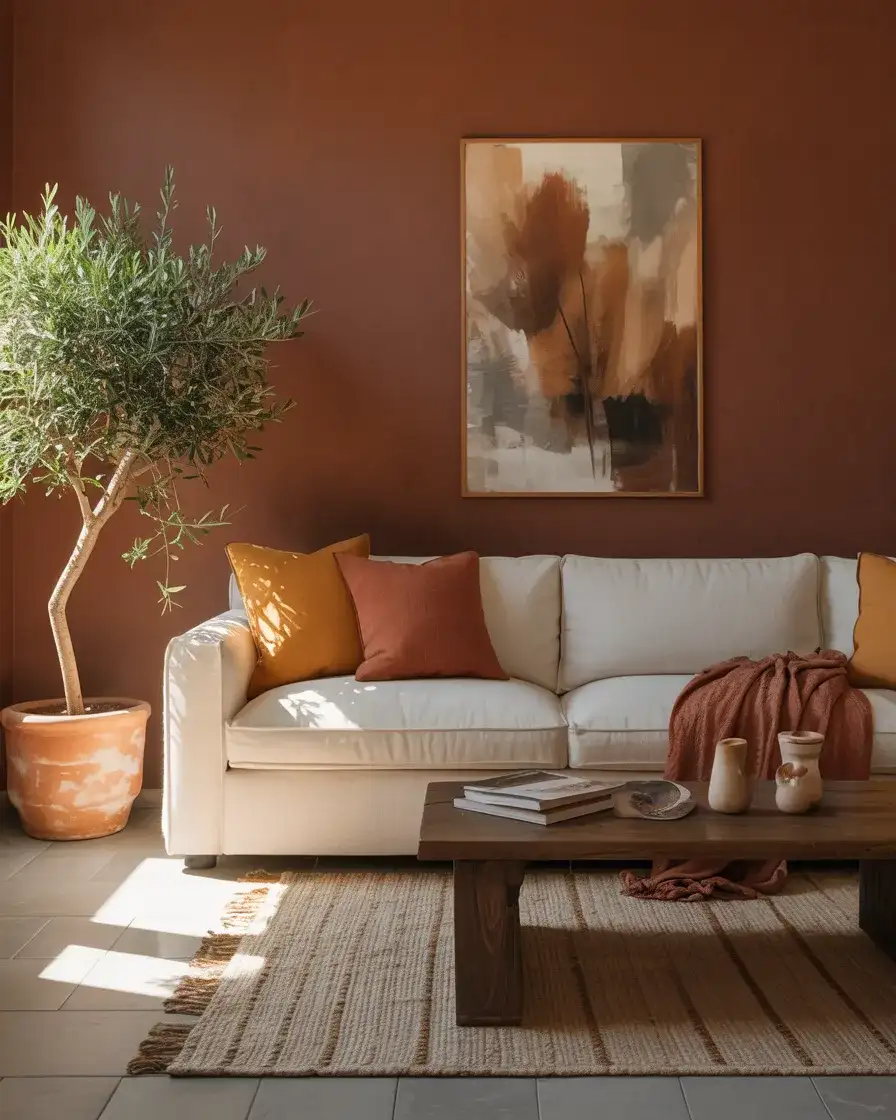
One of the most useful tricks when choosing paint for a cozy living room is to paint a large swatch—at least 12 by 12 inches—directly on your wall and observe it at different times of day before committing. Morning light, noon light, and lamplight at night will all shift the color significantly. Interior designer Sarah Richardson has famously noted that most people choose their paint colors in stores under fluorescent light, which is the worst possible condition for evaluating warm tones. Always view your swatches in the actual room where they’ll live, and never judge a color by the chip alone.
11. The Apartment Inspo Living Room That Punches Up
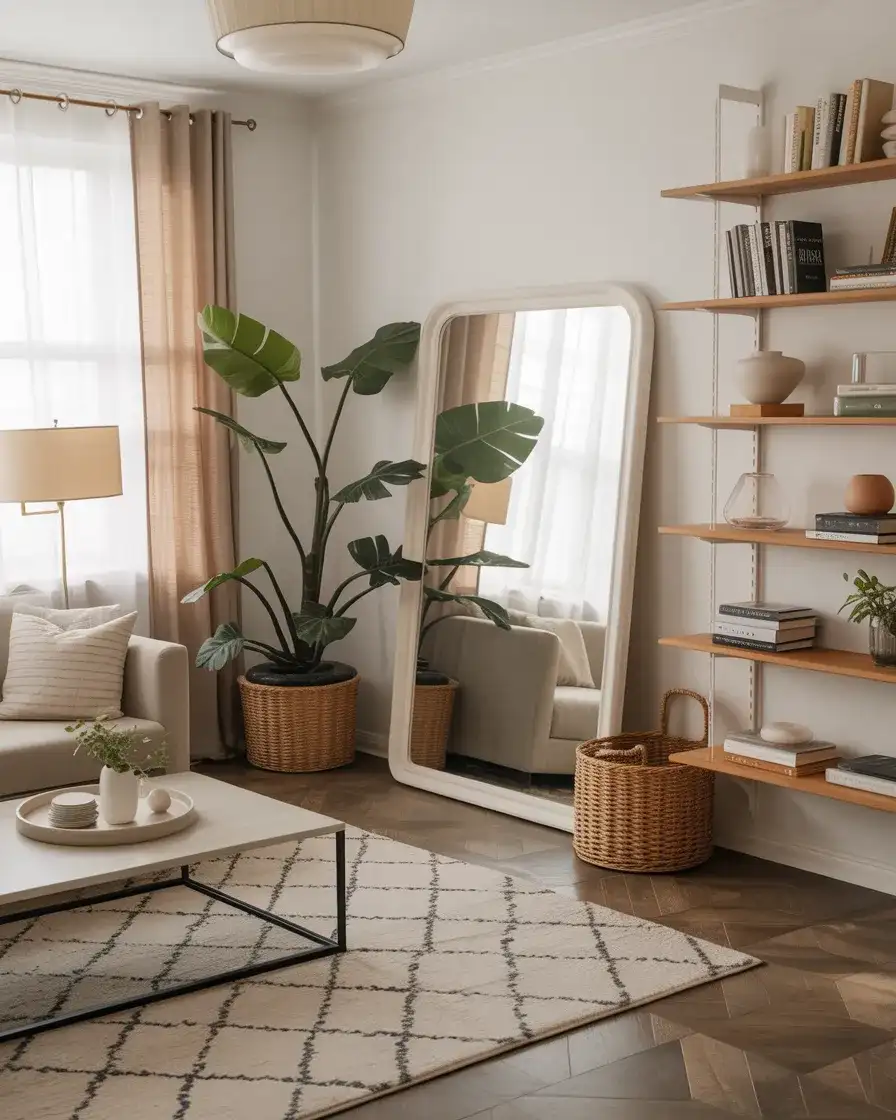
For renters browsing apartment inspo on Pinterest at midnight, the challenge is always the same: how do you make a rented, white-walled, builder-grade space feel genuinely personal and warm without making permanent changes? The answer in 2026 is strategic layering and commitment to scale. A large statement rug, floor-to-ceiling curtains on tension rods, an oversized mirror leaning against the wall, and a bookshelf styled with warm objects can completely transform a generic living room in a single weekend—no holes, no paint, no landlord drama.
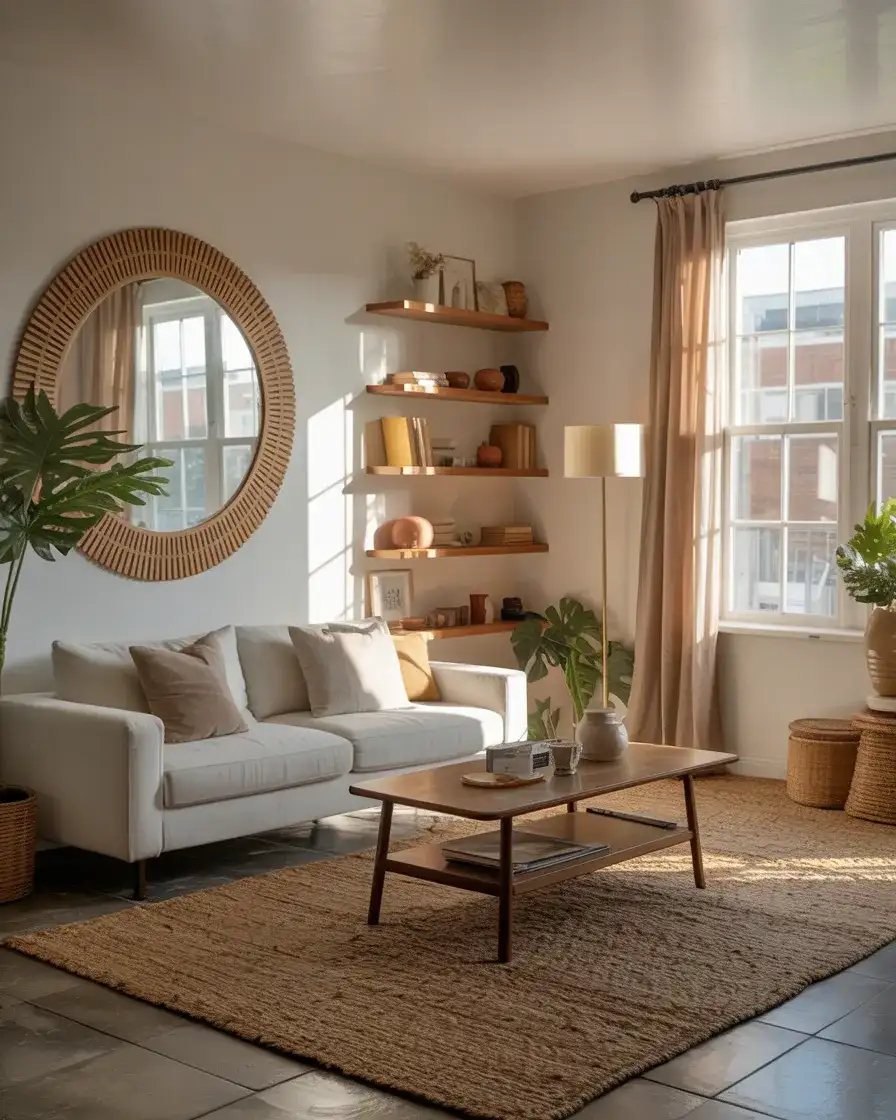
The scale issue is where most renters go wrong. They buy furniture and accessories that are too small for the space—a 5×7 rug that floats in the middle of the room, curtain panels that hover awkwardly above the floor, and a tiny sofa against a vast wall. The room immediately reads as provisional and unfinished. Going bigger is almost always the right call: a rug large enough that all furniture legs sit on it, curtains that skim the floor, and a sofa scaled to the wall behind it. These spatial proportions are what separate rooms that look like magazine features from ones that look like temporary arrangements.
12. Comfy Over Chic: Prioritizing Feel
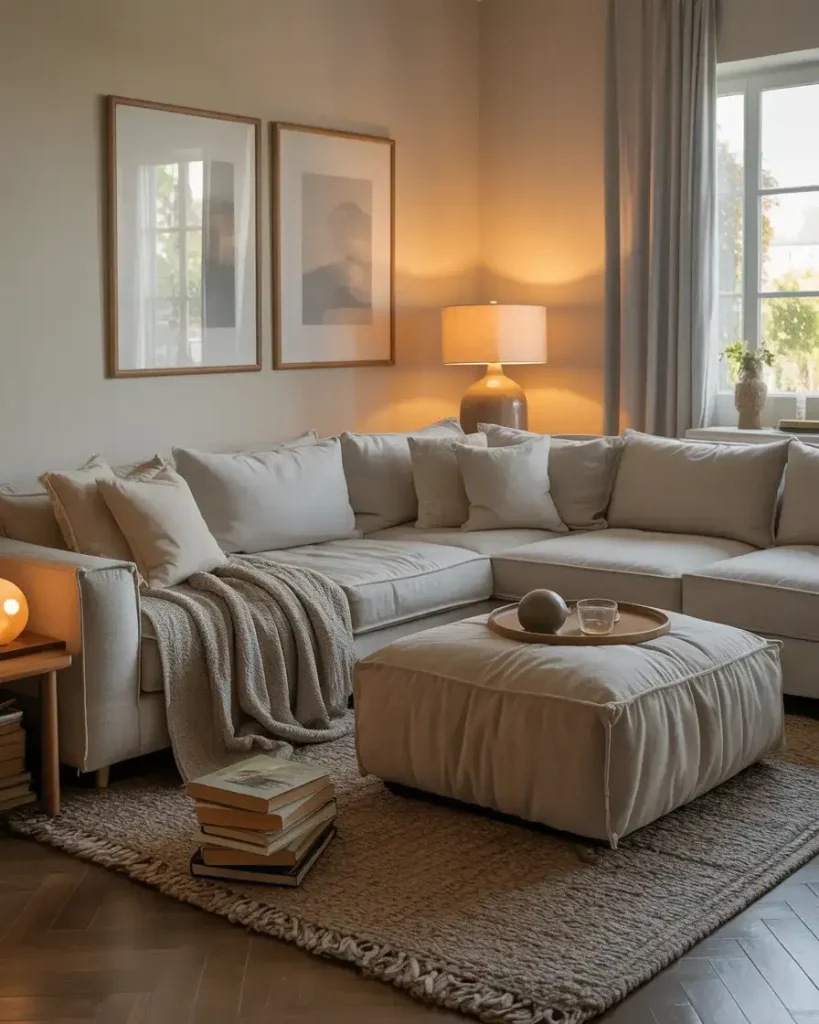
There’s a growing design philosophy in 2026 that actively resists the tyranny of the picture-perfect living room—one that says comfy should always win over merely photogenic. This means investing in a sofa deep enough to actually lie down on, cushions soft enough that you sink in, a throw blanket within arm’s reach at all times, and an ottoman large enough to put your feet up after a long day. The inspo here isn’t a showroom; it’s the living room of the most relaxed, welcoming house you’ve ever visited, where you stayed three hours longer than you planned.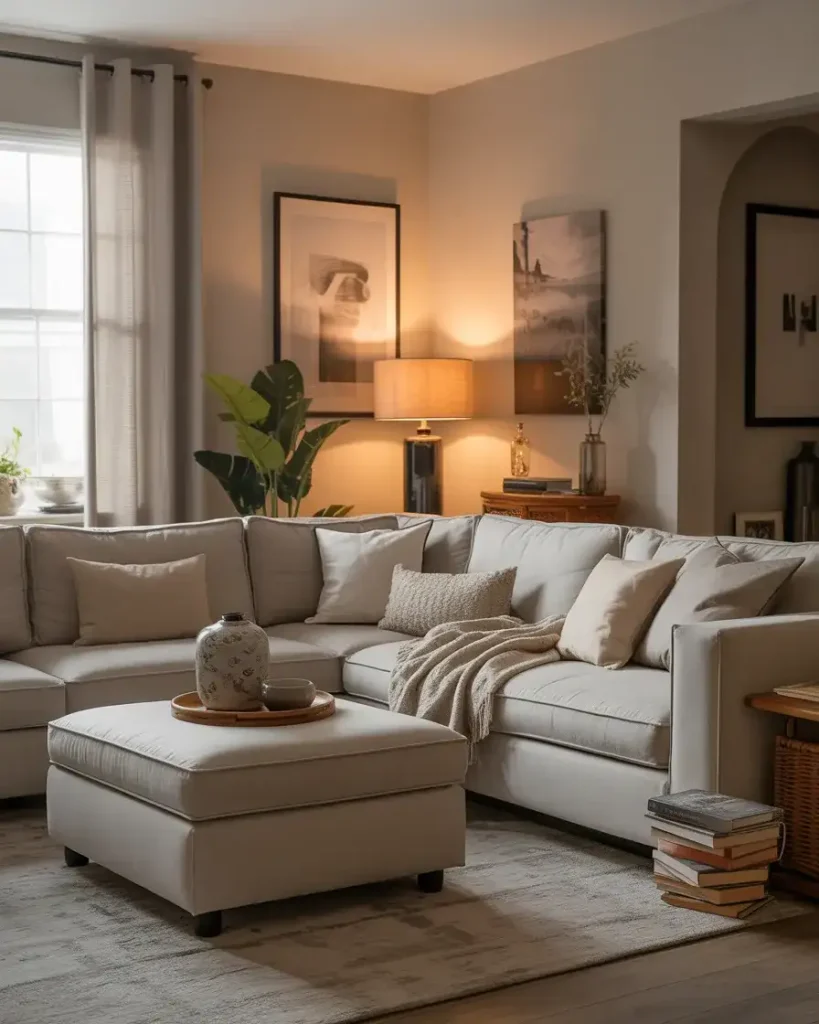
American homeowners who grew up in families that kept a formal living room—the one with the plastic-covered furniture nobody was allowed to use—often carry an unconscious association between nice rooms and inaccessibility. The design movement toward comfort-first spaces is, in some sense, a collective therapy session about what home is actually supposed to feel like. Practically speaking, this means choosing performance fabrics that can be cleaned easily, investing in a sofa with an eight-way hand-tied spring system (more expensive but transformatively comfortable), and keeping surfaces clear enough that you can put your coffee cup down without searching for a coaster.
13. Warm Color Palettes That Feel Organic
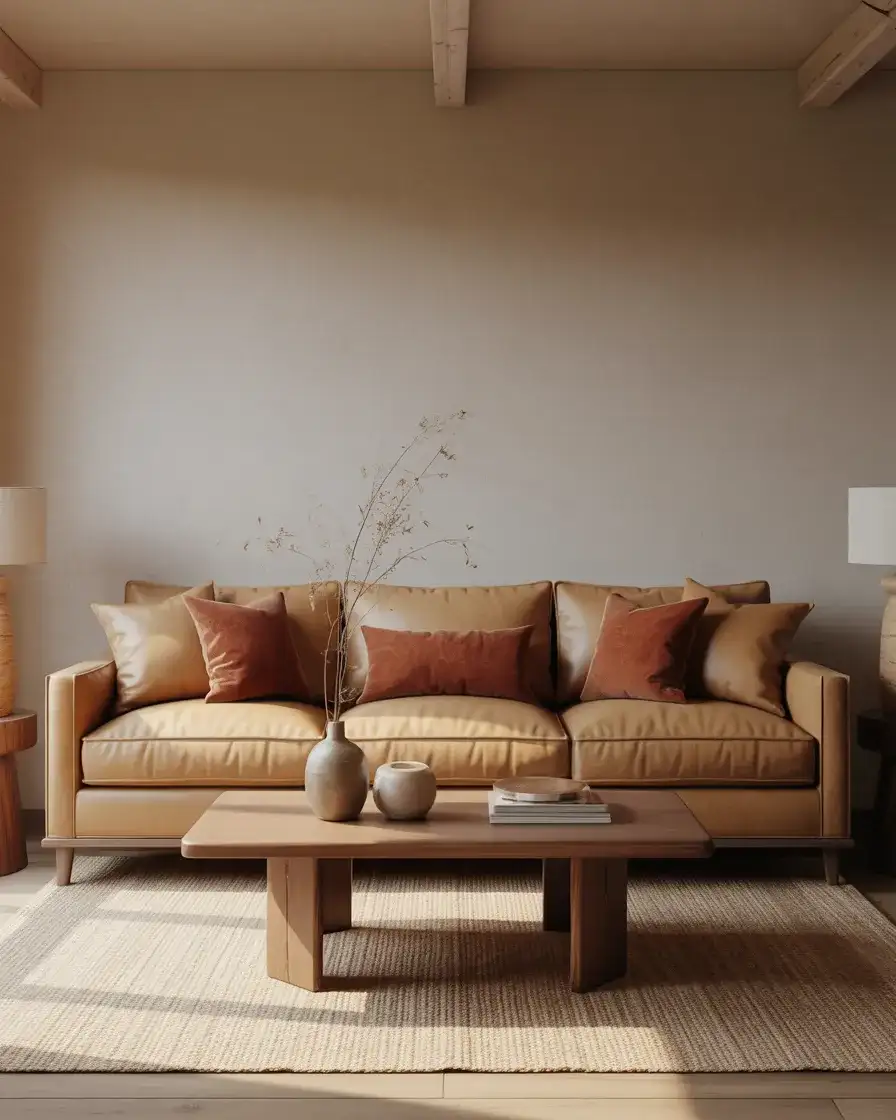
The best warm color palettes for living rooms don’t feel like they were chosen from a trend report—they feel like they evolved organically from the materials and light in the room. In 2026, the most compelling warm palettes are anchored by a complex neutral (warm greige, parchment, or linen white), accented by a single earthy mid-tone (tobacco, warm sage, or dusty rose), and punctuated with one deep note (rust, cognac, or dark olive). This three-tiered approach gives a room color coherence while maintaining the layered, evolved quality that makes a space feel genuinely personal.
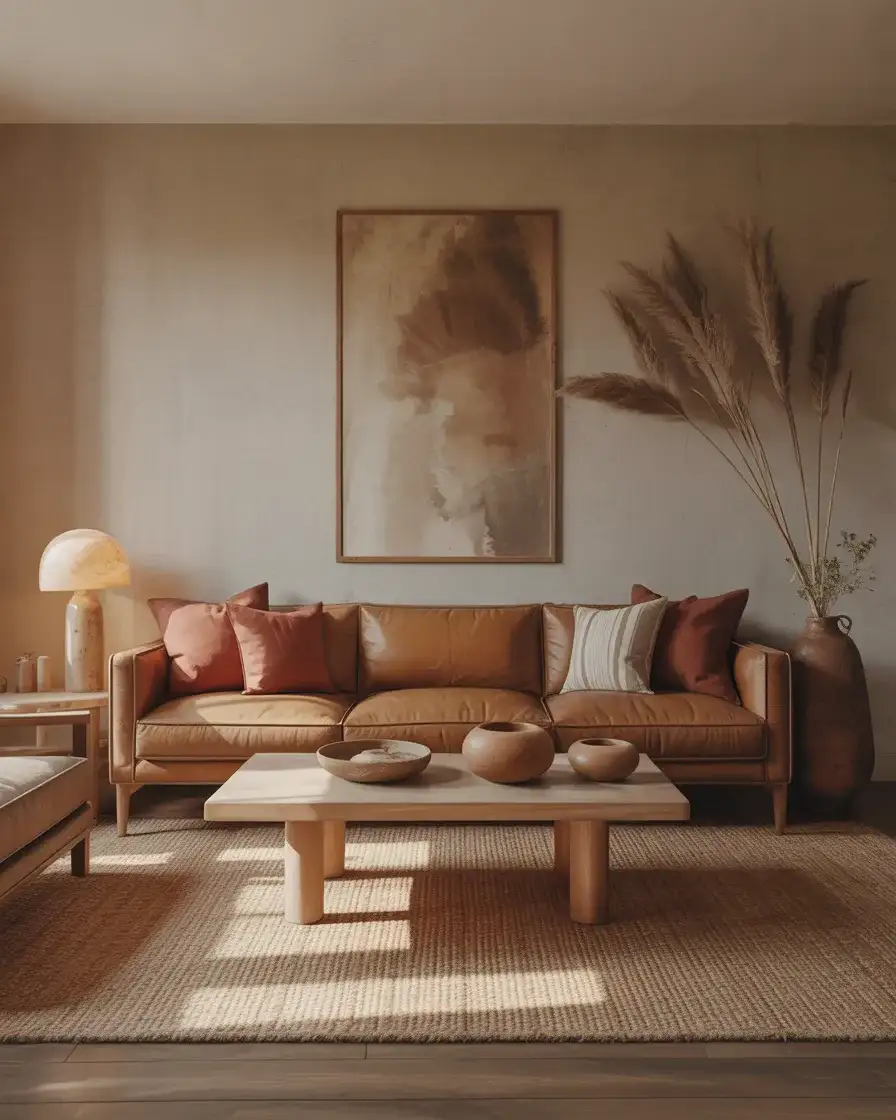
The regional context in the American South and Southwest is particularly interesting here: homes in states like Arizona, New Mexico, and Texas have a long tradition of warm, earth-derived color palettes that mirror the landscape outside the window. What’s new is the national adoption of this sensibility—homeowners in Chicago, Portland, and Boston are now reaching for these palettes as a conscious counter to the grey-and-white decade that preceded it. The result is living rooms that feel simultaneously grounded and lively, connected to something natural even in the middle of an urban environment.
14. Ideas for Small Spaces: Double-Duty Design
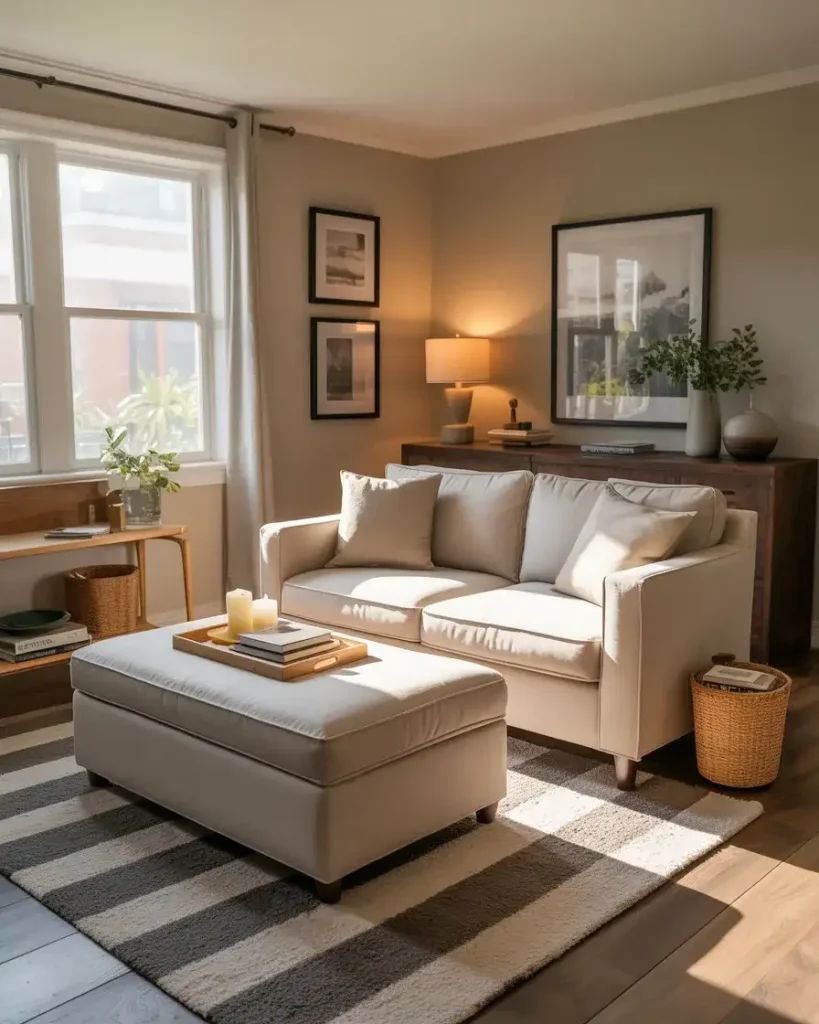
When square footage is limited, every piece of furniture needs to justify its presence—and the best ideas for small spaces in 2026 are all about pieces that do two jobs beautifully. An ottoman with interior storage that serves as a coffee table. A loveseat with a chaise that creates a reading nook without requiring a separate chair. A console table behind the sofa that serves as a landing zone and occasional work surface. These small-space design strategies create a living room that feels complete rather than compromised and functional rather than cramped.
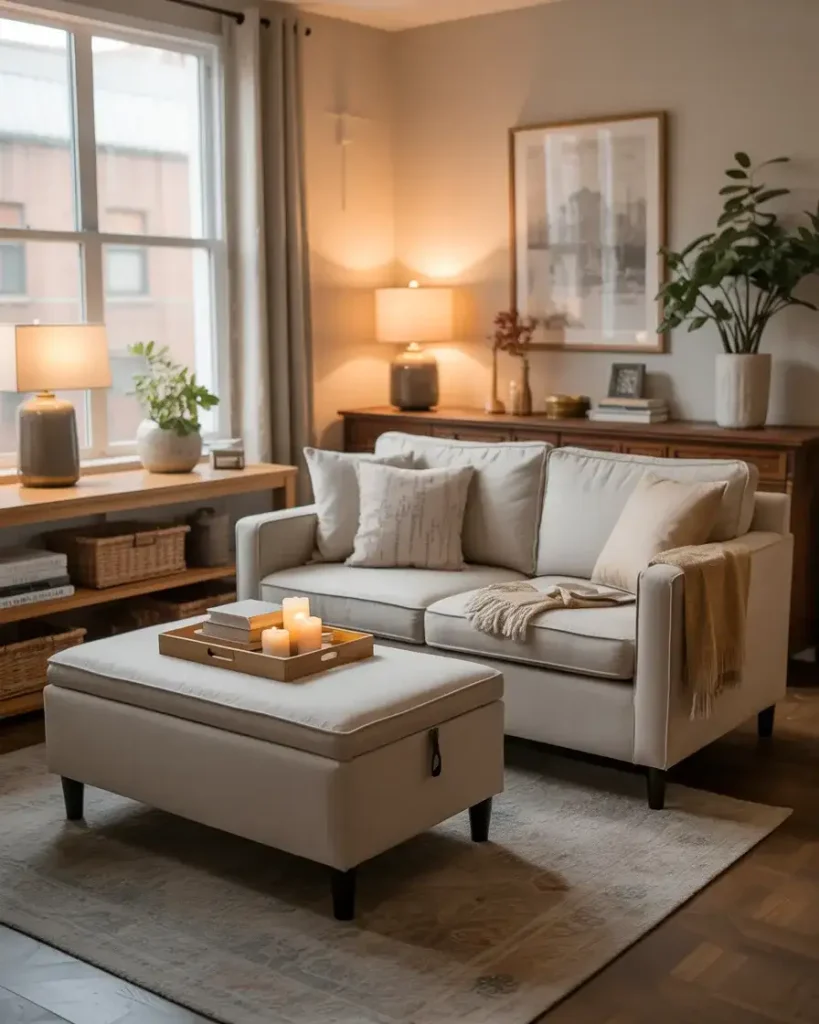
The most important thing to understand about furnishing small living rooms is that furniture height matters as much as floor plan. Low-profile sofas and coffee tables create the illusion of more ceiling height, making a compact room feel more expansive than it is. Conversely, tall bookshelves draw the eye upward and make rooms feel taller. Designers working in New York City studio apartments—where living rooms are often shared with dining and sleeping areas—have refined these principles to an art form, and their advice consistently lands in the same place: go low, go light, and keep the floor as visible as possible.
15. Rugs as the Room’s Foundation
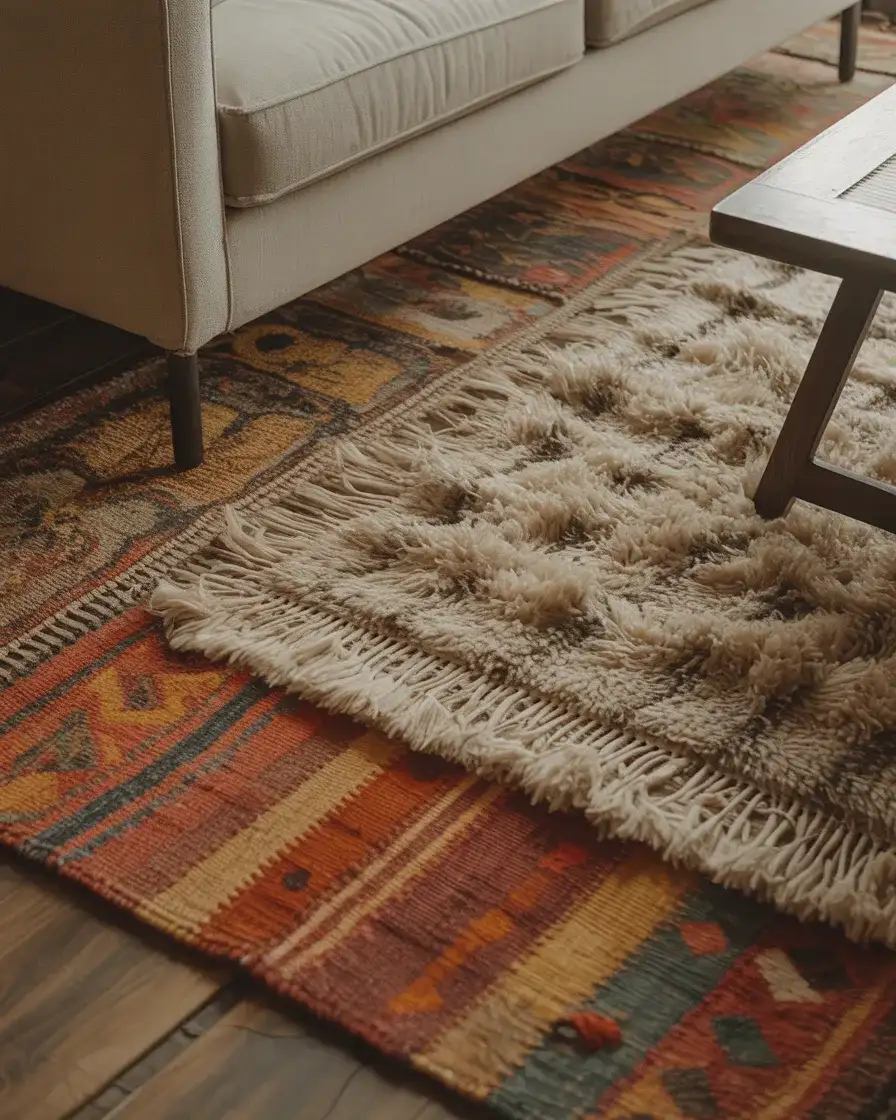
An expert in residential interior design once said that a rug is the room’s handshake—it’s the first thing that sets the tone for everything else. In 2026, the approach to rug selection for cozy living rooms has become more considered and, frankly, more adventurous. Layering two rugs—a flat-weave or kilim underneath and a shaggy or looped texture on top—creates depth and warmth that a single rug simply can’t achieve. This technique also allows homeowners to incorporate pattern and color gradually, since the bottom layer can be more neutral while the top adds personality.
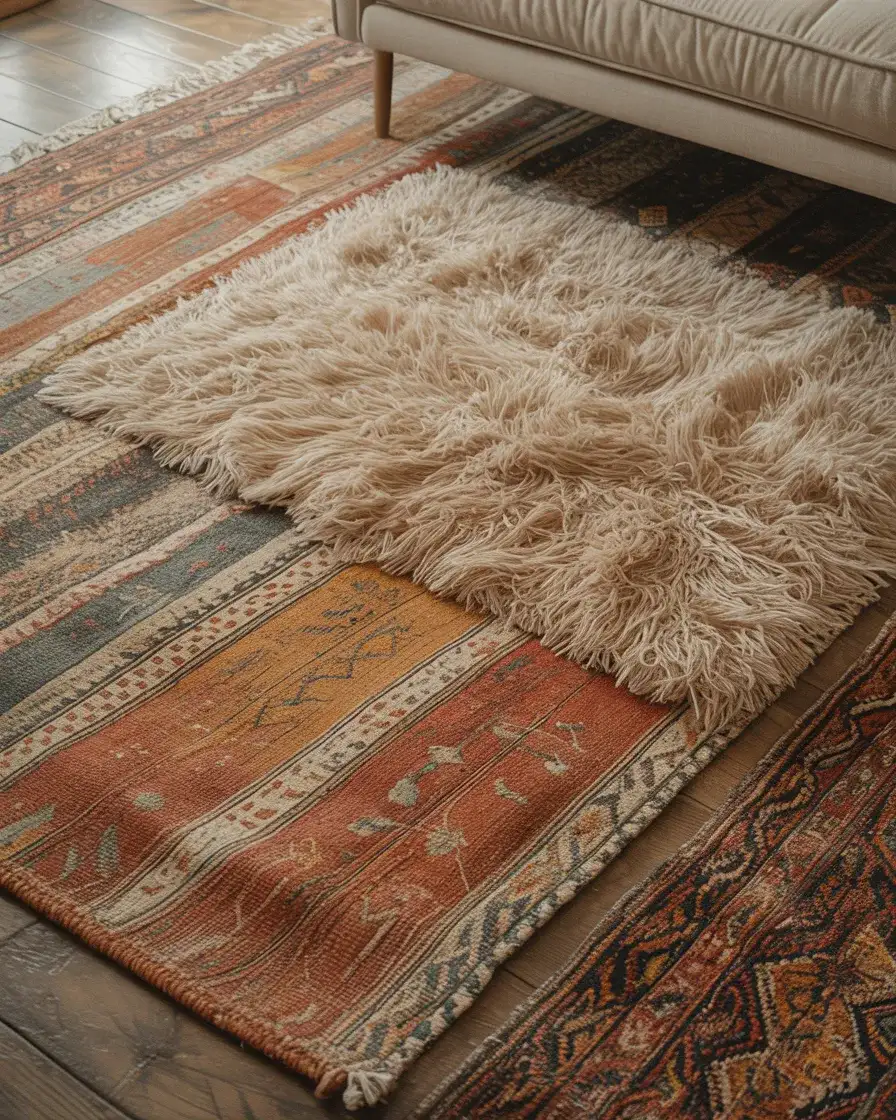
The practical insight that most homeowners learn the hard way: buy one size larger than you think you need. The most common rug mistake in American living rooms is a 5×8 rug floating in the center of a room that needs an 8×10 or 9×12. When a rug is too small, the furniture islands visually, the room looks unfinished, and the intended coziness evaporates. The rule of thumb from professional designers: in a typical living room, all the front legs of the sofa and chairs should rest on the rug, with at least six inches of rug visible beyond those front legs on every side.
16. Cozy Apartment Small Spaces With Warm Wood
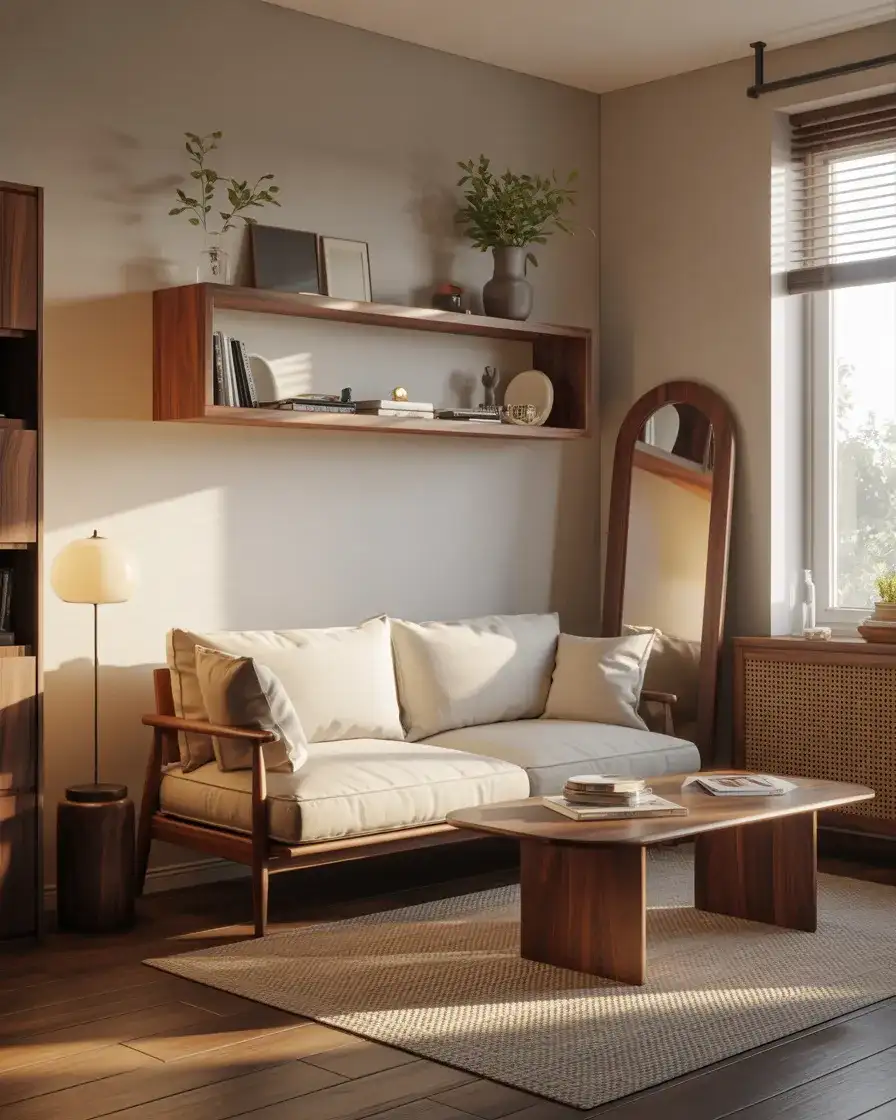
Wood is one of the most inherently cozy materials in any living room, and in small apartment spaces, it plays an outsized role in introducing warmth without adding visual weight. In 2026, the trend is toward medium-warm wood tones—walnut, warm oak, and acacia—rather than the blonde Scandinavian pine that dominated the previous decade. A walnut coffee table, a floating wood shelf above the sofa, and wood-framed mirrors create a cohesive warmth through the room while maintaining the openness that small spaces require. The wood grounds the space and makes everything around it feel more settled.
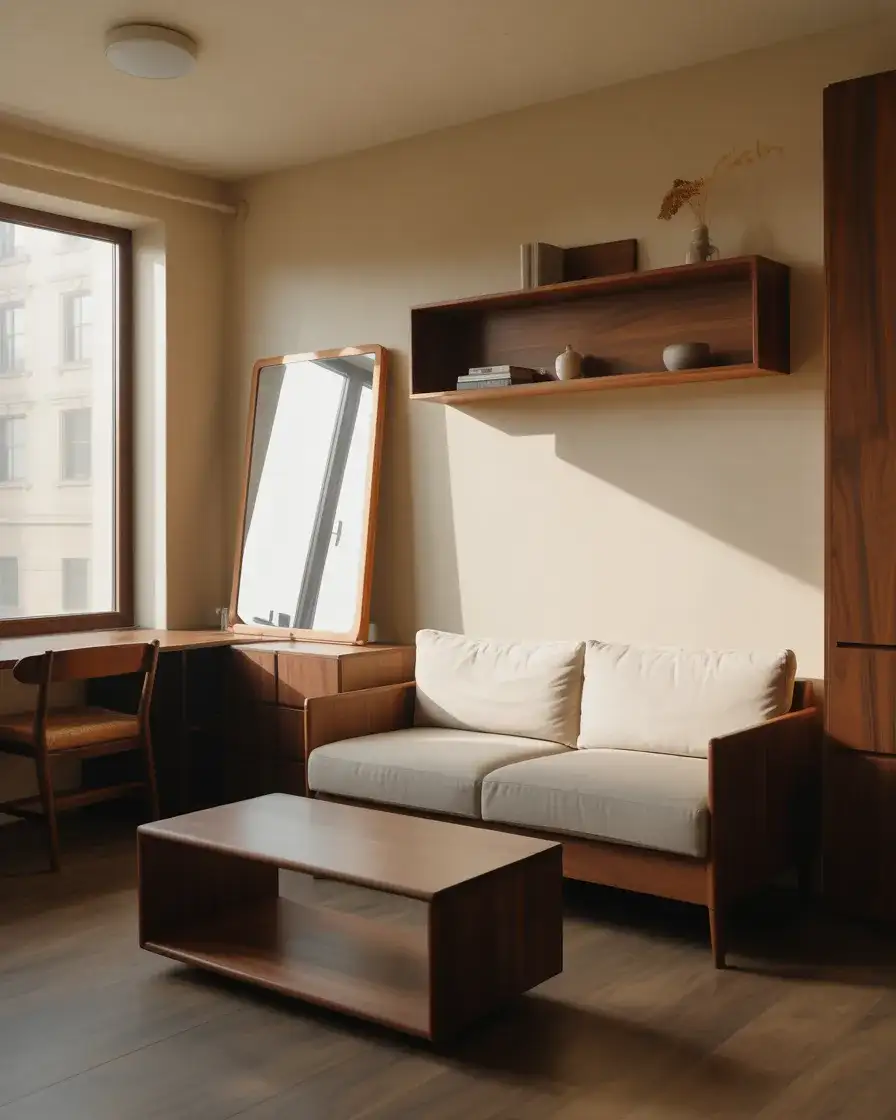
The micro anecdote that illustrates this perfectly: a designer working with a 480-square-foot studio in Chicago replaced all the white laminate furniture with warm-toned wood alternatives and described the response from the client as immediate and visceral—”It finally feels like a home, not a storage unit. “Wood introduces a biological warmth that humans respond to at a primal level; numerous studies on biophilic design have confirmed that natural materials like wood and stone measurably reduce stress and increase feelings of comfort and safety in interior spaces.
17. Dark Moody Corners for Maximum Drama
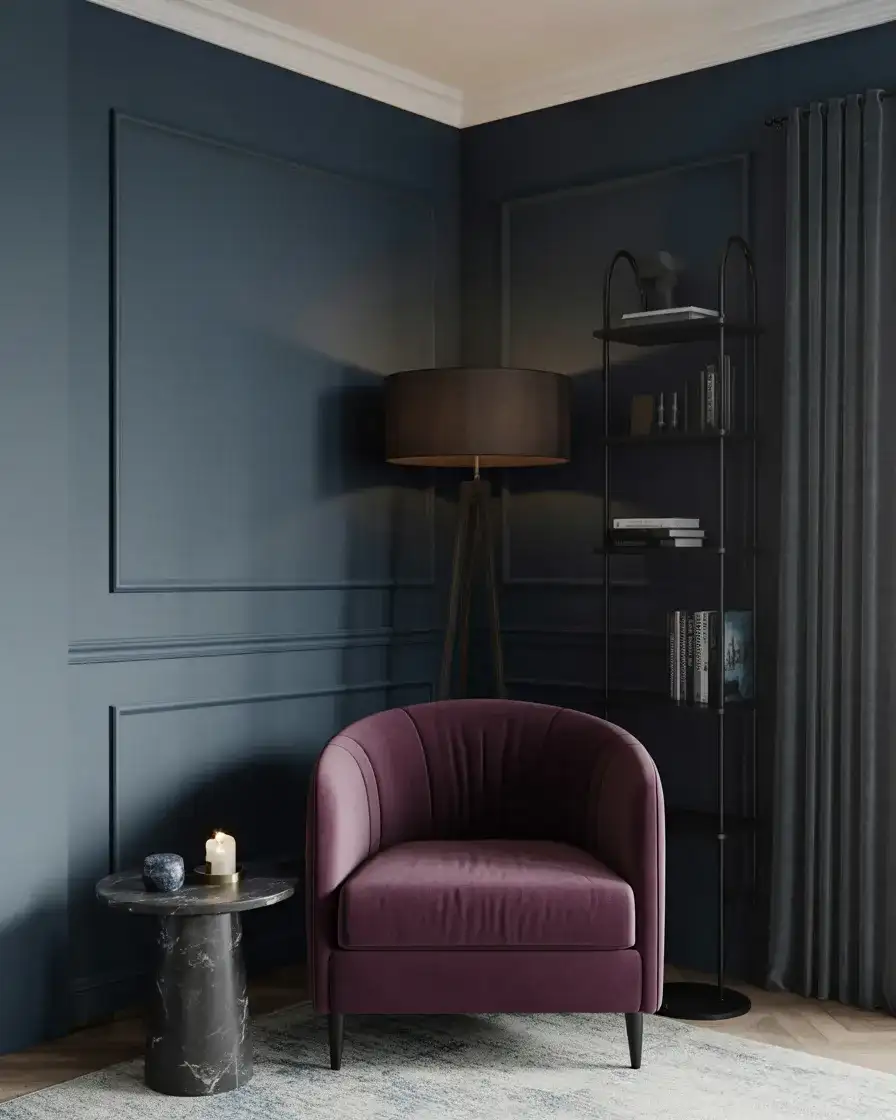
You don’t have to commit to dark walls throughout an entire living room to capture the atmosphere that moody interiors deliver—you can create it in a single corner. The “dark corner” design strategy involves painting one recessed wall or alcove in a deep, dramatic tone and furnishing that corner with rich, layered pieces: a velvet reading chair, a towering dark-shaded floor lamp, a stack of books, and a side table with a candle. The rest of the room can remain lighter, which actually makes the dark corner feel more intentional and theatrical by contrast.
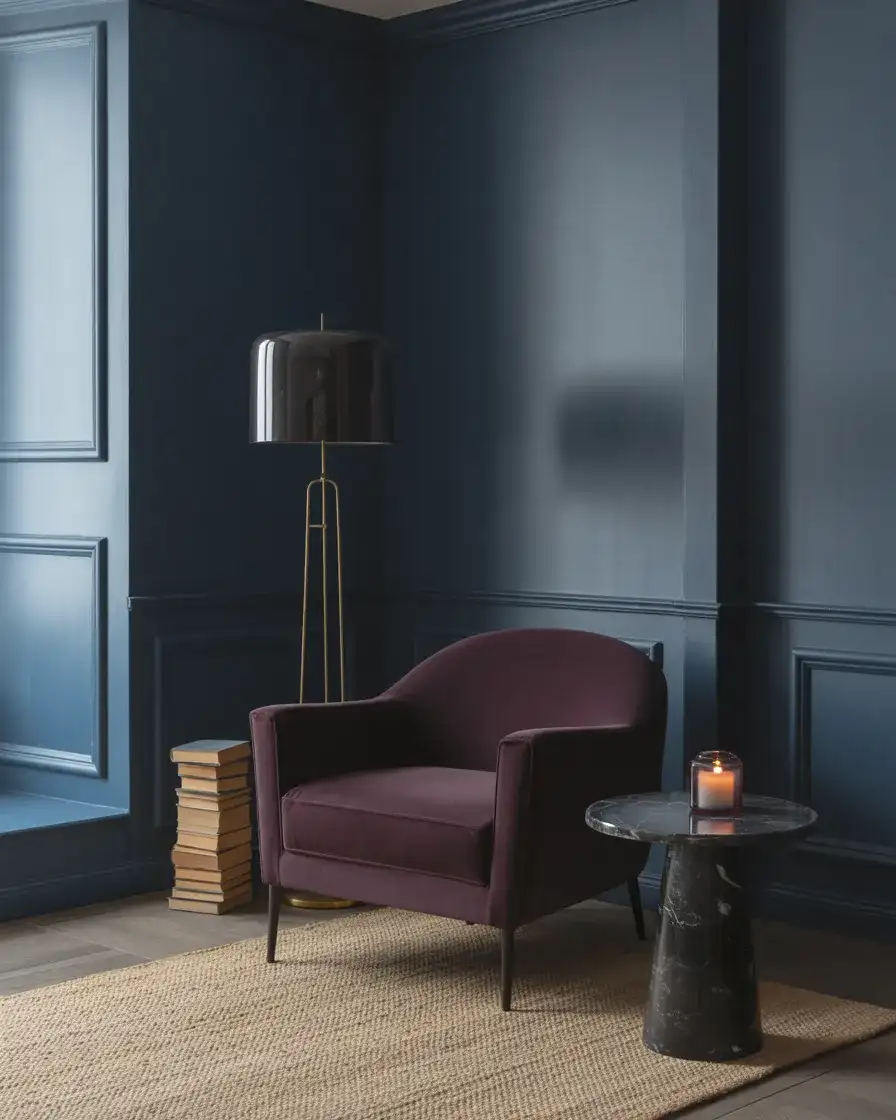
This works best in living rooms with architectural features that create natural niches—a bay window recess, a chimney breast, or simply a corner that’s slightly separated from the main seating area. Apartment dwellers can achieve a similar effect using a bookcase to partially define a corner and painting the wall behind it in a deep accent color. The contrast between the lighter main room and the darker corner creates a sense of spatial variety that makes even a single-room apartment feel like it contains multiple distinct zones, each with its own mood and purpose.
18. Modern Mansion Vibes on Any Budget
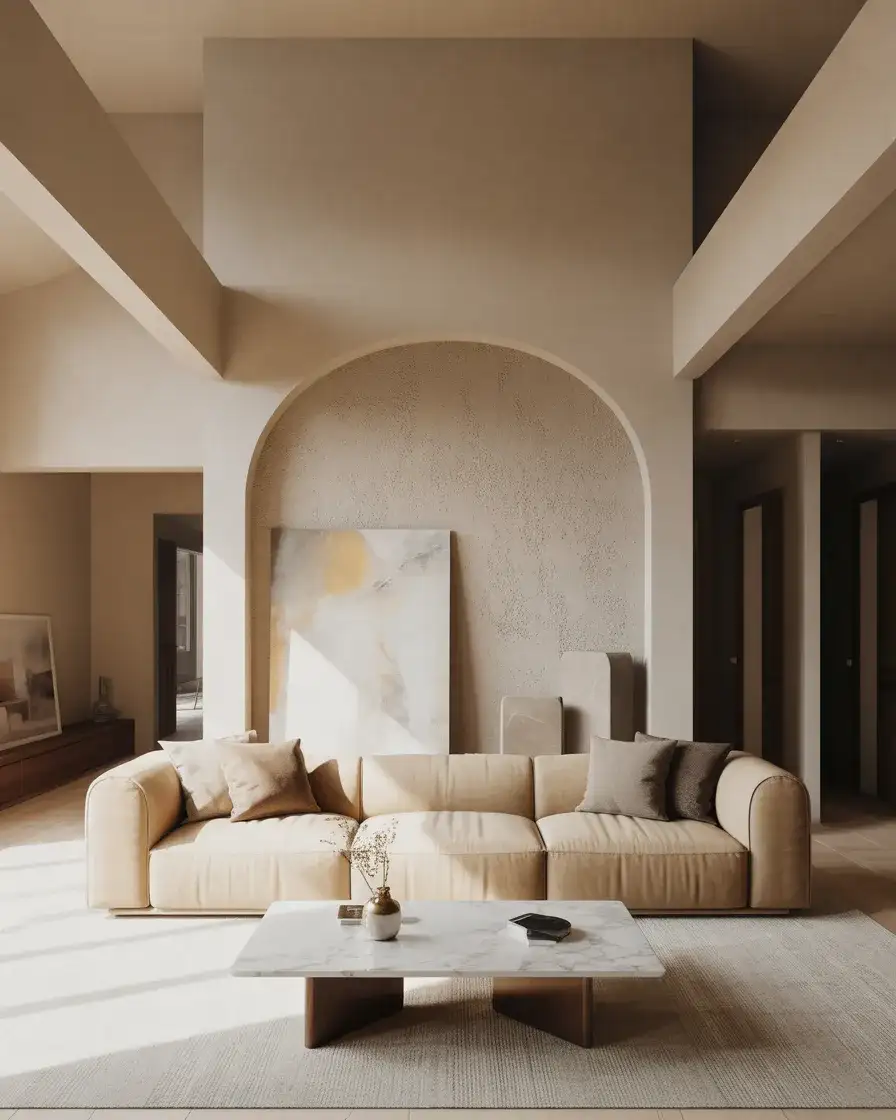
The aspirational living room aesthetic—what some on Pinterest loosely describe as toca boca house ideas” or “modern mansion energy”—is essentially about making a space feel elevated, expansive, and carefully curated even when the actual square footage tells a different story. In 2026, the formula for achieving this feeling on a real-world budget involves three key moves: invest heavily in the sofa (it’s the room’s most visible piece), add architectural interest through paint or wallpaper, and incorporate one or two genuinely beautiful objects that function as art. Everything else can be affordable.
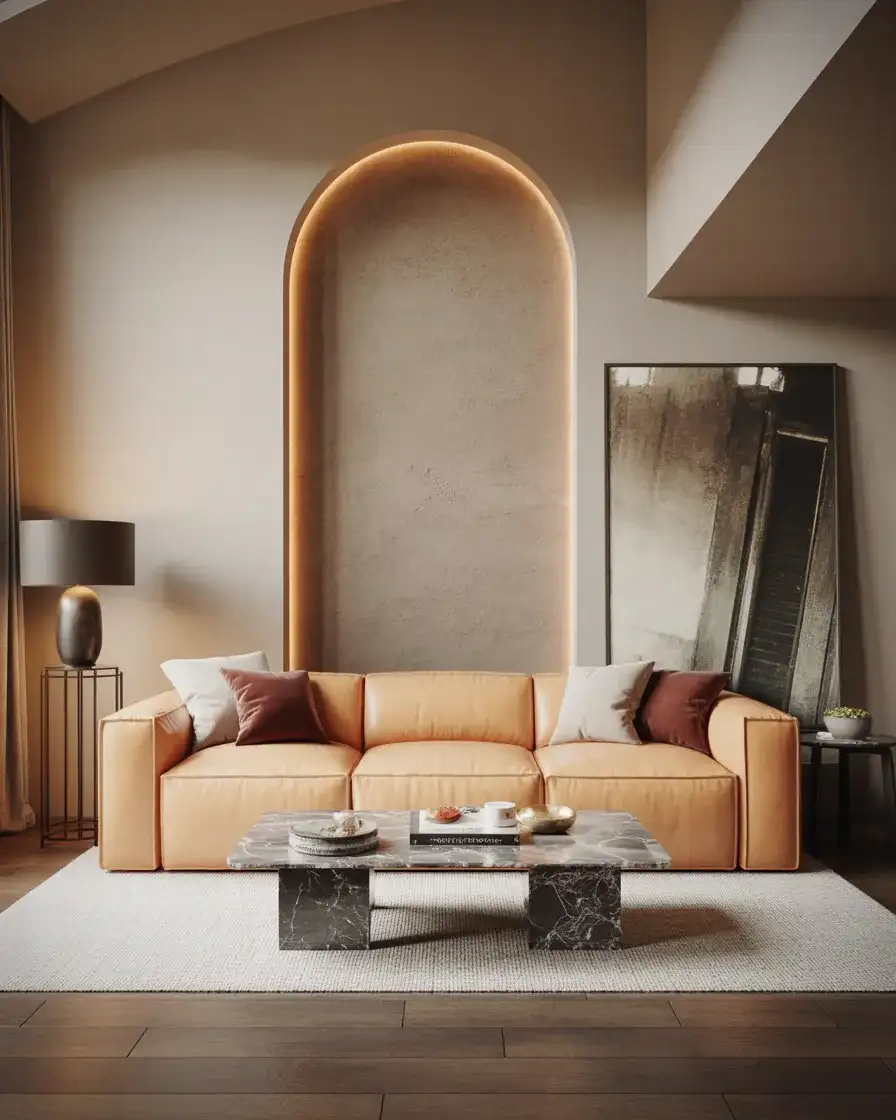
The budget reality check: a truly excellent sofa—the kind with proper cushion fill and a solid frame—typically costs between $1,500 and $4,000 from quality mid-market brands like Article, Joybird, or Interior Define. That’s a significant investment, but it’s also the single piece you’ll use every single day for the next decade. By contrast, side tables, lamps, and decorative objects can be sourced brilliantly from thrift stores, Facebook Marketplace, and estate sales without any visual compromise. Mixing one investment piece with well-selected affordable finds is the exact strategy that interior designers use in their own homes—not because they can’t afford everything new, but because the mix genuinely looks better.
19. Warm Interior Design With Vintage Finds
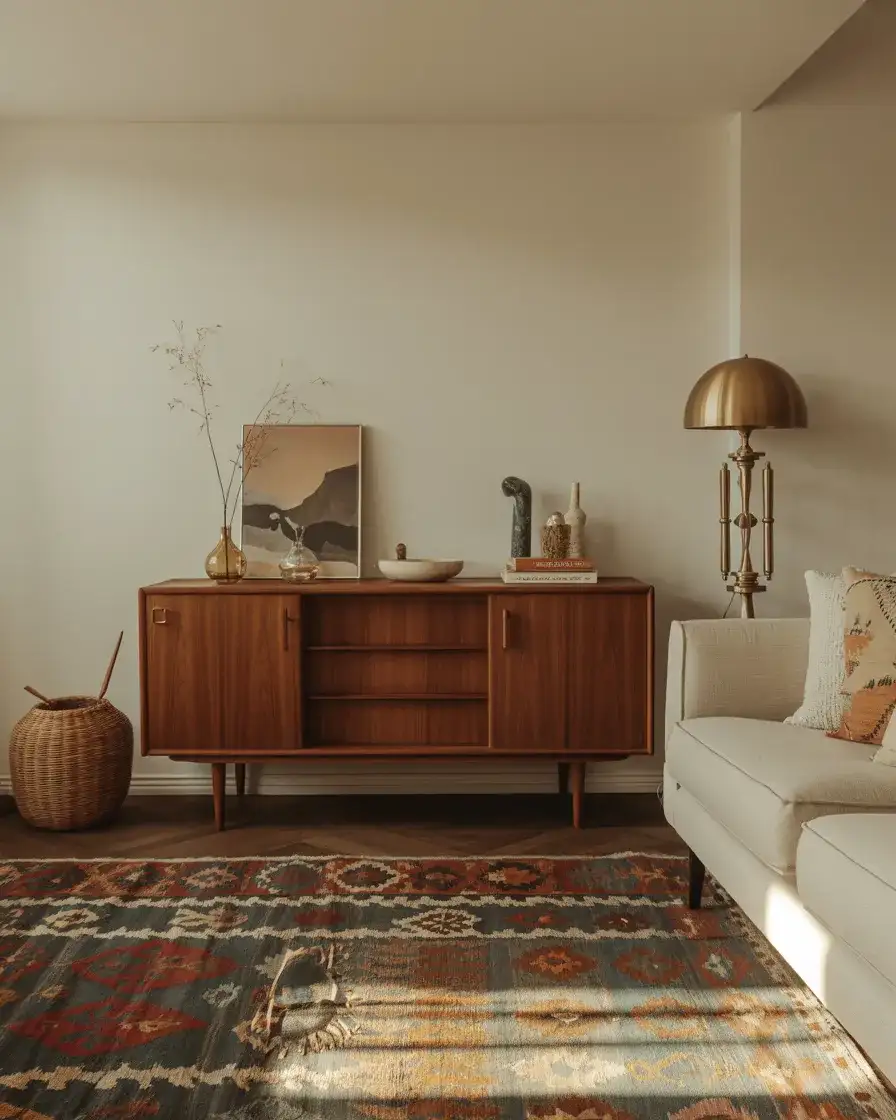
Nothing adds soul to a living room faster than a well-chosen vintage piece, and the best warm interior design schemes in 2026 are built around the tension between new and old. A vintage kilim rug under a clean-lined modern sofa. An Art Deco brass lamp beside a contemporary linen armchair. A 1970s wooden credenza serving as a media console below a sleek flat screen. These pairings create a room that feels like it was assembled by a person with genuine taste and personal history—because it was—rather than by someone who simply ordered a matching set from a single retailer.
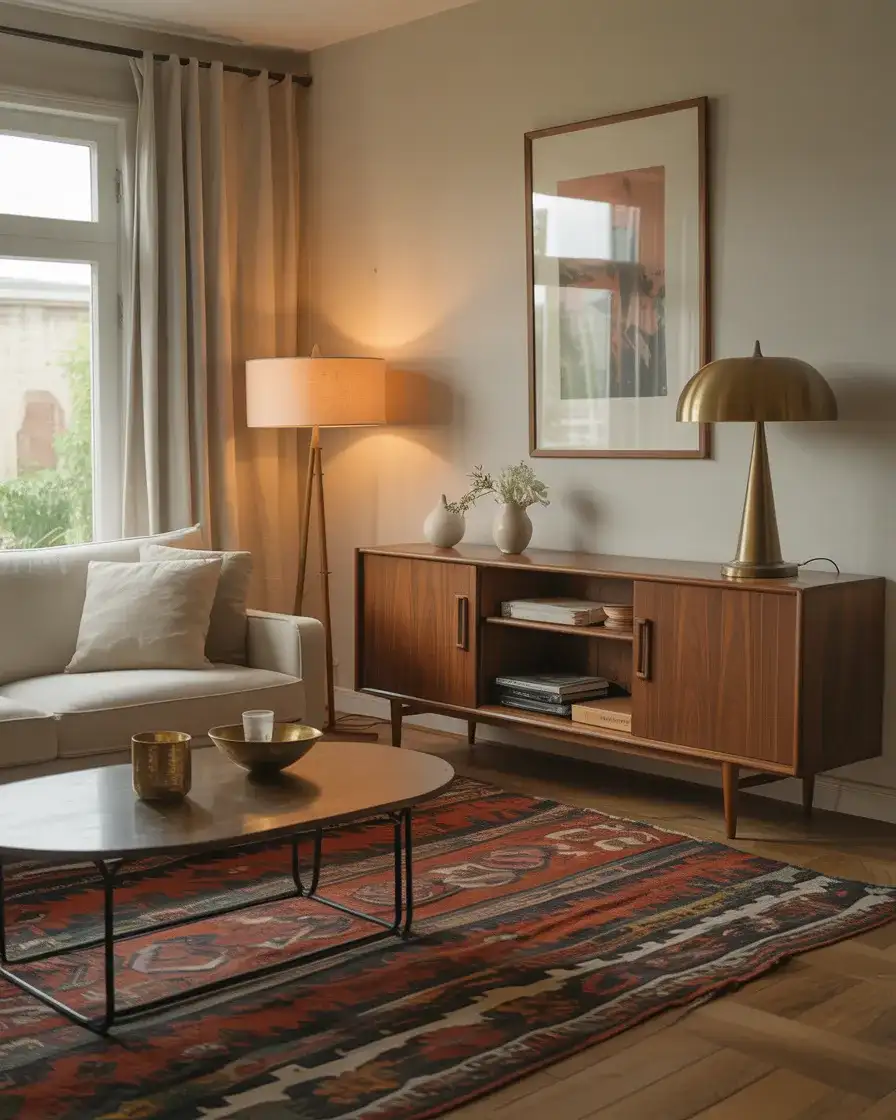
Real homeowner behavior around vintage sourcing varies dramatically by region. In cities with strong thrift and estate sale cultures—Portland, Austin, Philadelphia, and New Orleans—people often develop deep relationships with specific dealers and shops, visiting regularly until the right piece appears. In areas with less access to vintage markets, online platforms like Chairish, 1stDibs, and even eBay have made it possible to source quality vintage pieces nationally. The key is knowing what to look for: solid wood construction, quality upholstery fabric (or the willingness to reupholster), and proportions that work with your existing furniture. Imperfections in vintage pieces often add charm rather than detracting from it.
20. Inspiration Boards Brought to Life
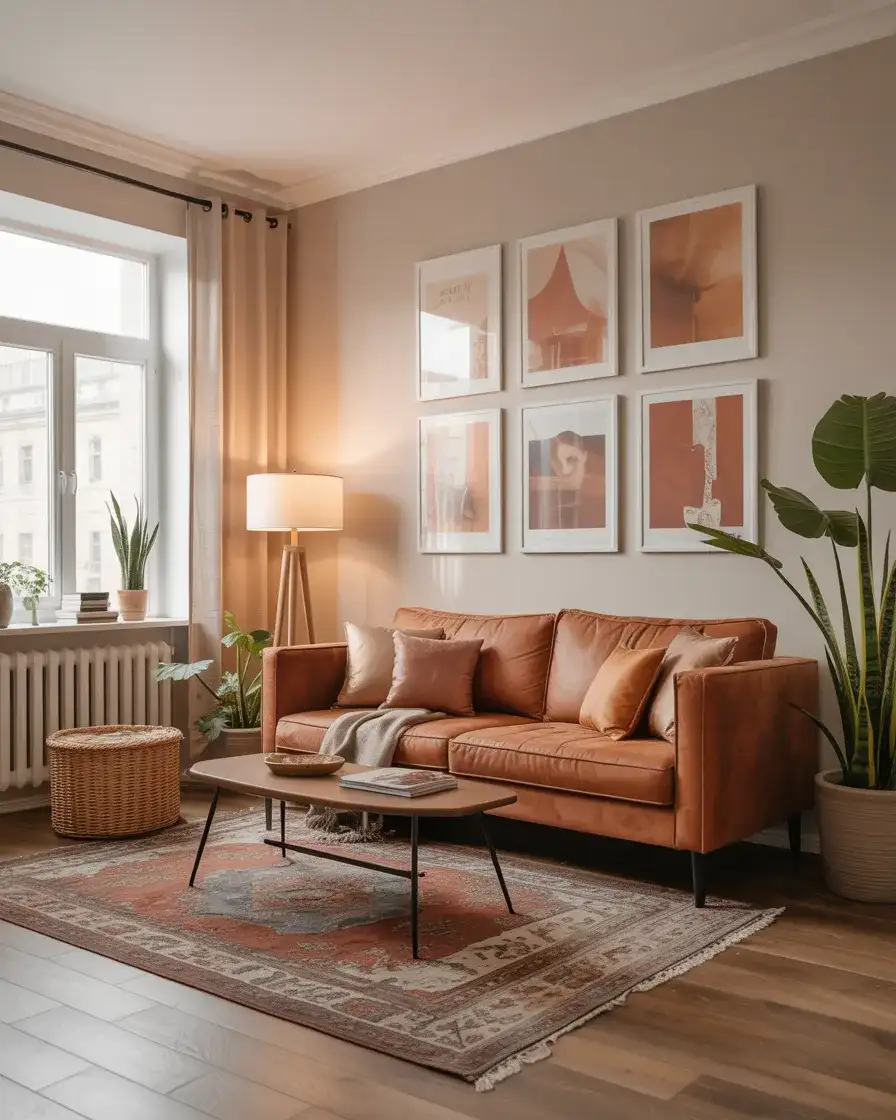
The gap between a Pinterest inspiration board and an actual living room can feel enormous, but in 2026 designers are offering a more accessible bridge. The process starts with identifying the three to five images you’ve saved most consistently on your boards—not the flashiest or most expensive rooms, but the ones that make you feel a genuine pang of want—and then extracting the specific elements those images share. Is it always the lighting? The color on the walls? The type of sofa? The presence of plants? That recurring element is your actual design priority, and it’s where your budget should go first.
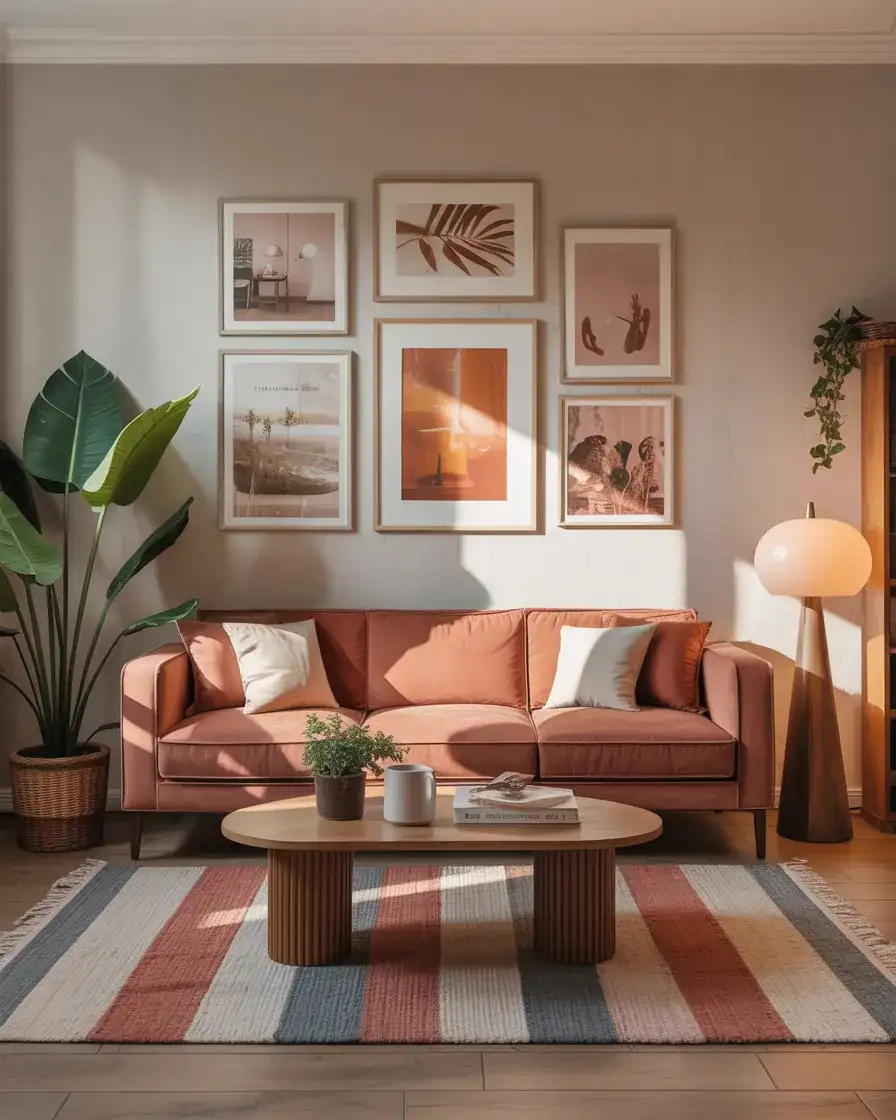
The expert-style commentary is worth internalizing: most of the rooms that perform best on Pinterest are styled for the photograph rather than for living. Cushions are fluffed, throws arranged just so, and every surface cleared of the actual evidence of daily life. This doesn’t mean the aspiration is dishonest—it means that translating inspiration imagery into livable design requires reverse engineering the principles rather than copying the specific setup. Ask yourself: what is it about this image that makes me feel good? Then create that feeling in your own room, using your own things, in your own way. That’s what a real home looks like.
21. Earthy Greens and the Biophilic Living Room
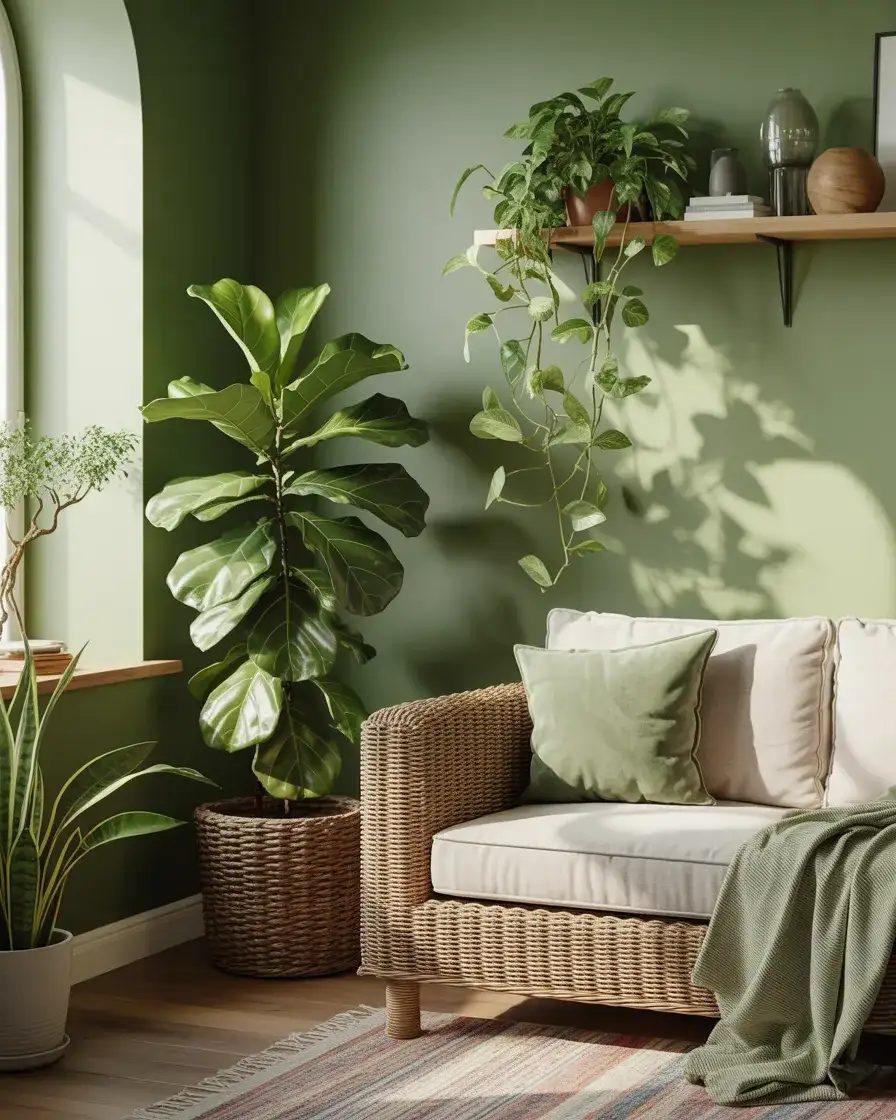
The biophilic design movement has moved well beyond simply adding a houseplant to a corner, and in 2026, the most compelling living rooms are integrating nature at a structural level. Earthy greens—moss, sage, olive, and deep forest—appear on walls, in upholstery, and in the actual living plants that have become as architecturally important as furniture. A large fiddle-leaf fig beside a window, a trailing pothos along a shelf, and a cluster of varying-height ferns near the fireplace: these aren’t accessories; they’re essential design elements that add scale, color, and life to the room.
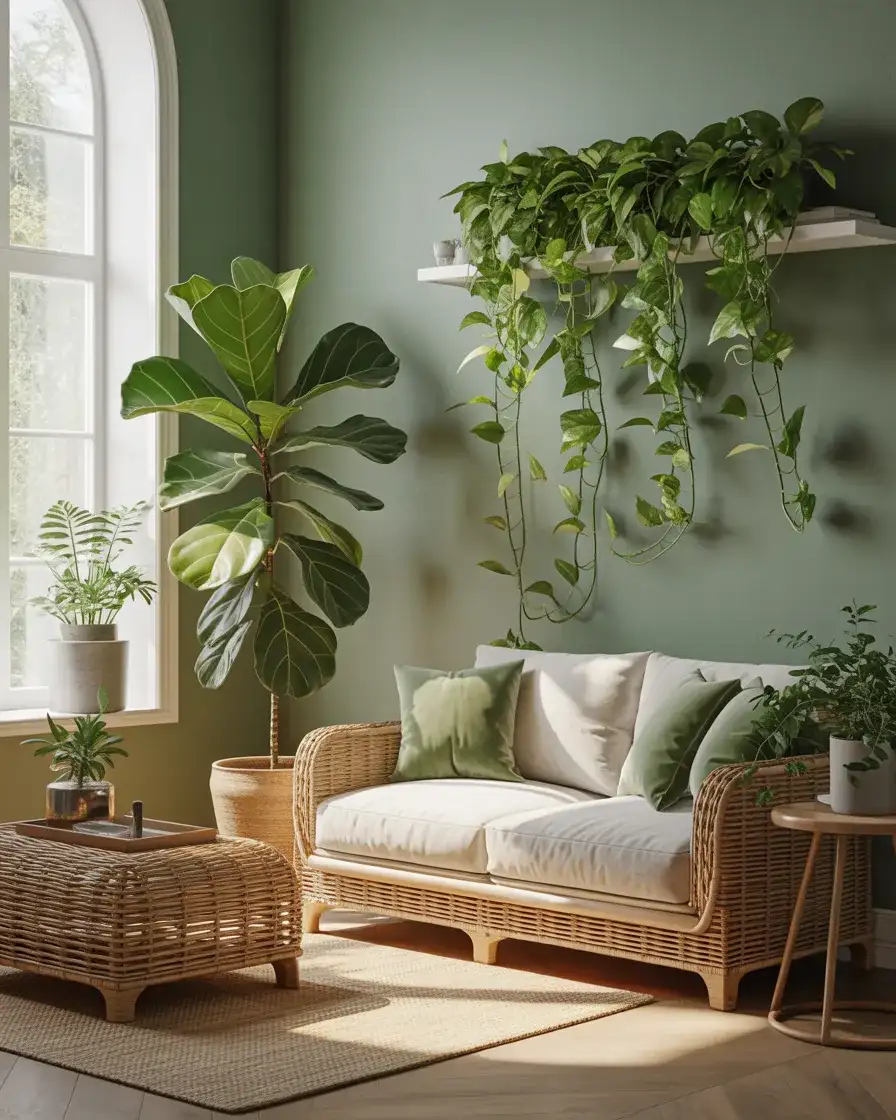
Where this approach works best is in homes with good natural light and homeowners willing to learn basic plant care—because nothing undermines a beautiful room faster than a dying plant. For people with dark apartments or travel-heavy lifestyles, the solution is to lean on the color palette rather than the actual plants: sage green walls, olive upholstery, and botanical print pillows deliver much of the same psychological warmth and visual calm without requiring any watering. The green-toned living room is also one of the most universally flattering environments for human skin, which may partly explain its persistent popularity in social photography.
22. Cozy Colors: The Case for Warm Whites
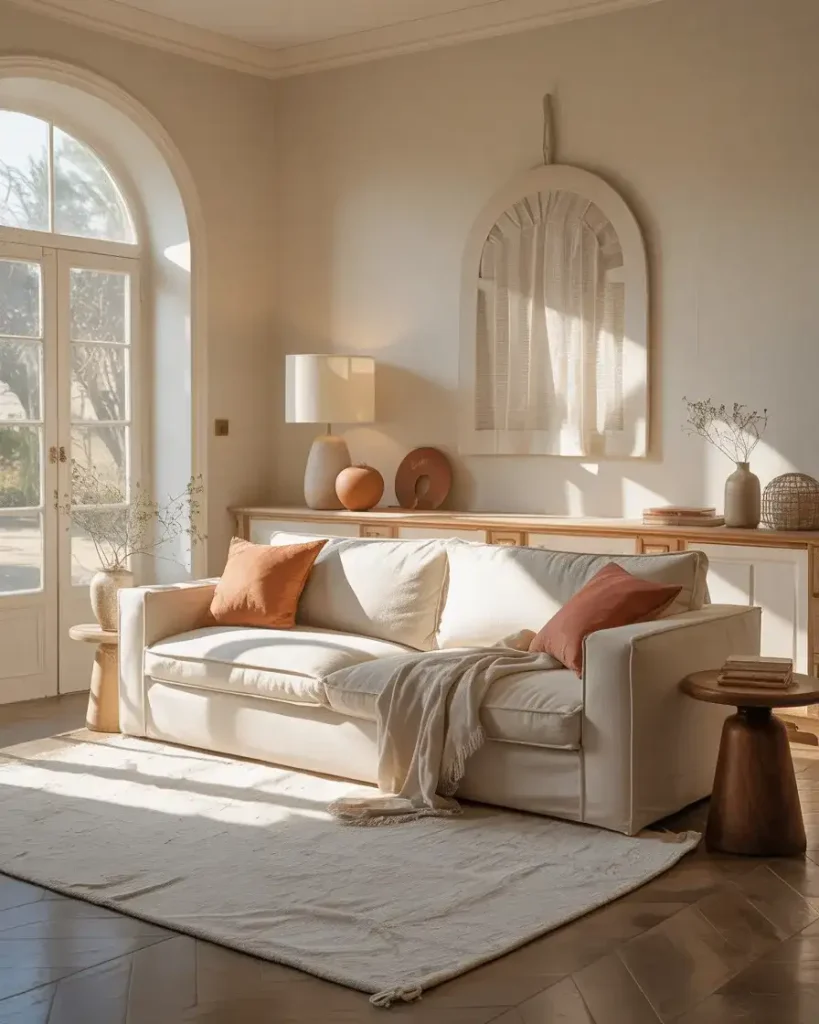
Not all whites are created equal, and understanding the difference is foundational to cozy living room design. Colors that fall in the warm white family—cream, off-white, milk white, and antique white—have subtle undertones of yellow, pink, or beige that make them feel soft and inviting rather than clinical and cold. In 2026, warm whites are being used on walls, ceilings, millwork, and even upholstery simultaneously, creating a tone-on-tone effect that feels sophisticated and enveloping. The result is a room that feels as if it’s been gently sunlit even on the cloudiest days.
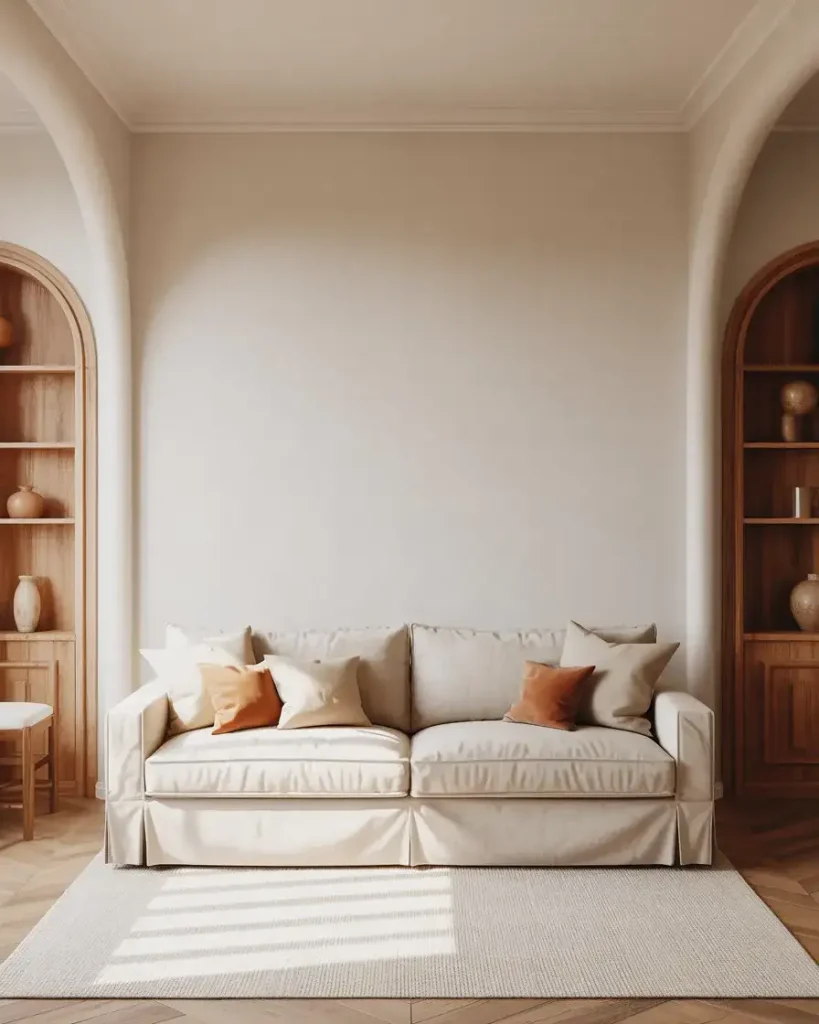
The common mistake people make with white rooms is choosing a cool, blue-toned white (like a stark bright white or a grey-white) and then wondering why the room feels cold and impersonal despite being freshly painted and well-furnished. The fix is simpler than most people expect: strip the room back and repaint with a warm white. Benjamin Moore’s White Dove, Farrow & Ball’s Pointing, and Sherwin-Williams Alabaster are three of the most recommended options by professional designers for exactly this reason—they read white to the eye but carry enough warmth in their undertones to make a room feel genuinely welcoming rather than clinical.
23. Designs for Small Spaces: The Vertical Living Room
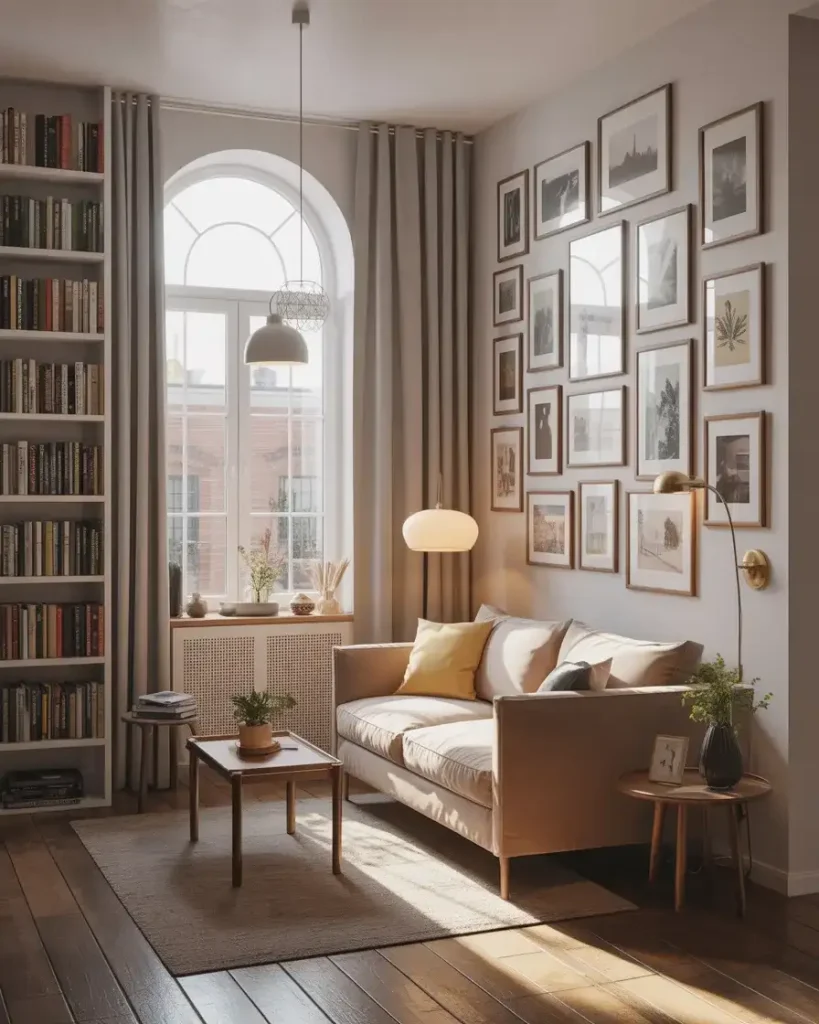
One of the most underutilized strategies in designing small spaces is thinking vertically—treating the walls above furniture as active design space rather than empty background. In 2026, the vertical living room uses tall bookshelves that reach toward the ceiling, curtains hung from ceiling-height rods, gallery walls that climb well above eye level, and wall-mounted lighting that adds warmth without consuming floor space. These moves draw the eye upward, making a room feel taller and more expansive while also providing additional storage and visual interest that small rooms desperately need.
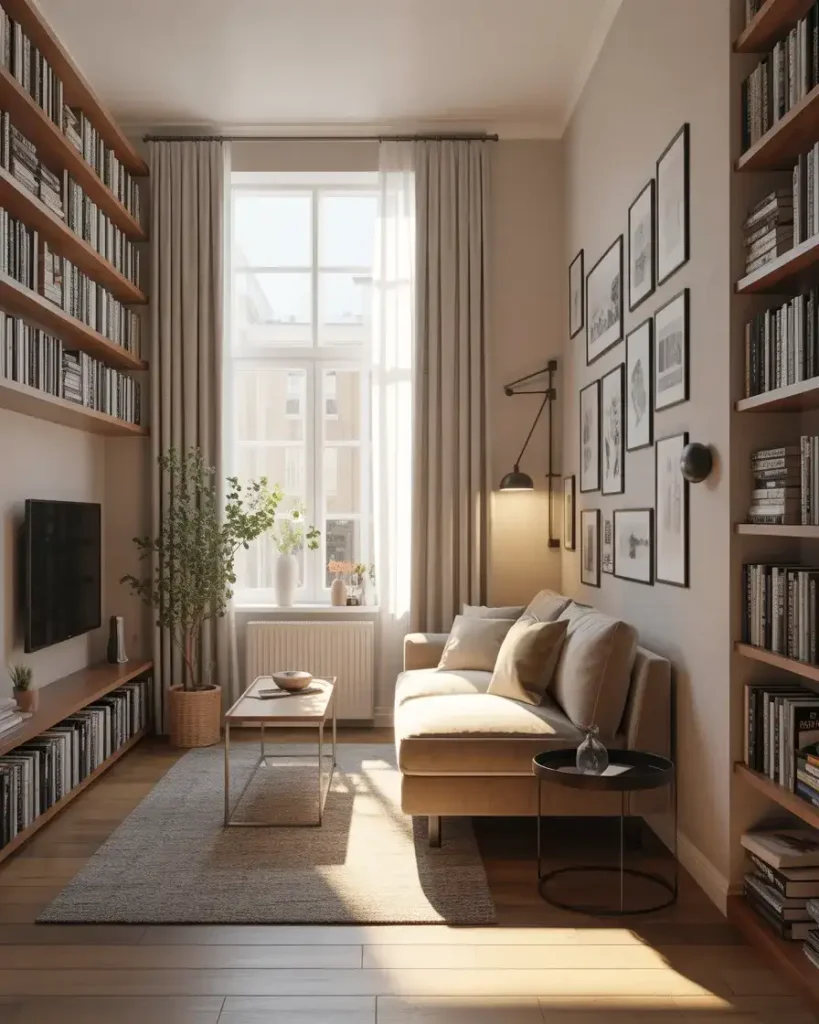
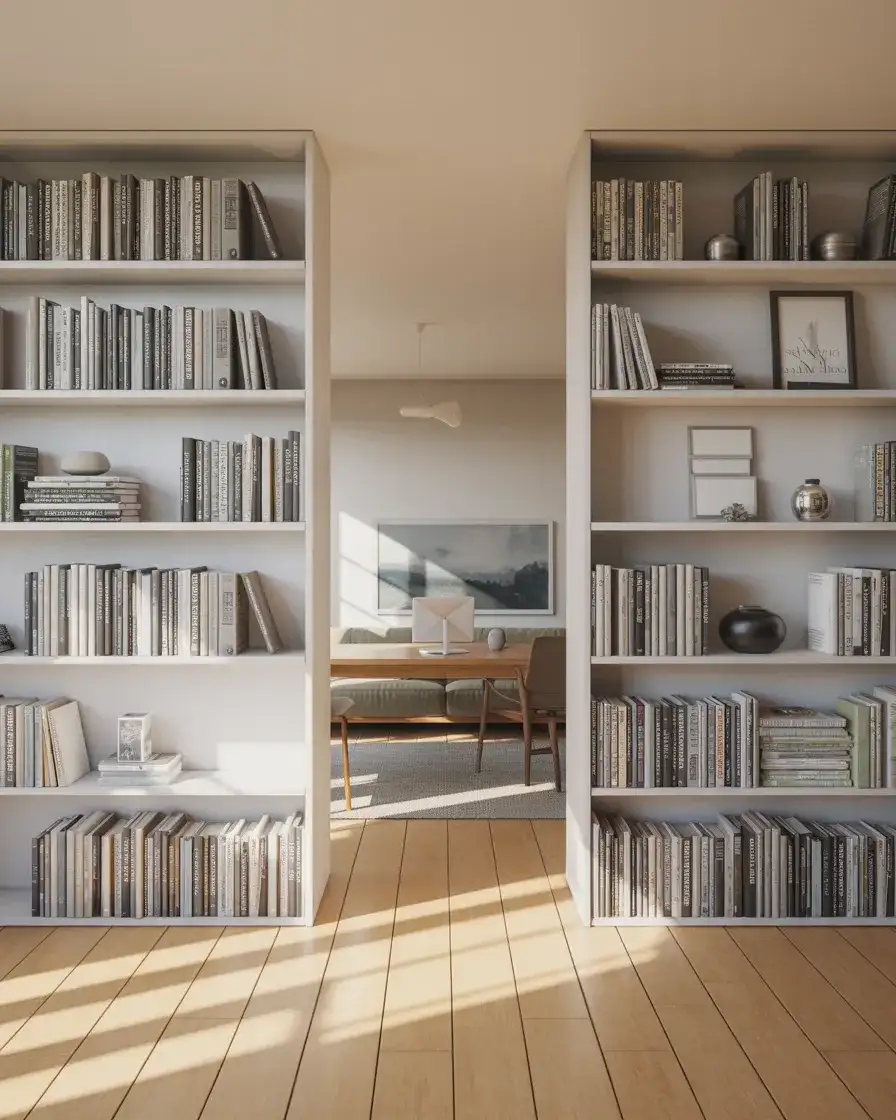
The practical insight here is that tall bookshelves in small living rooms serve a dual purpose: they provide storage and display space while also making the room feel larger by drawing attention upward. IKEA’s Billy bookcase with height extensions is one of the most frequently recommended products by professional space planners precisely because it offers extraordinary vertical reach for a modest price. Style the shelves with a mix of books, plants, baskets, and meaningful objects arranged in a loose, organic pattern—avoid the rigid color-coding or perfectly spaced arrangements that look forced and artificial in real homes.
24. The Fully Lived-In Living Room—The Goal Above All
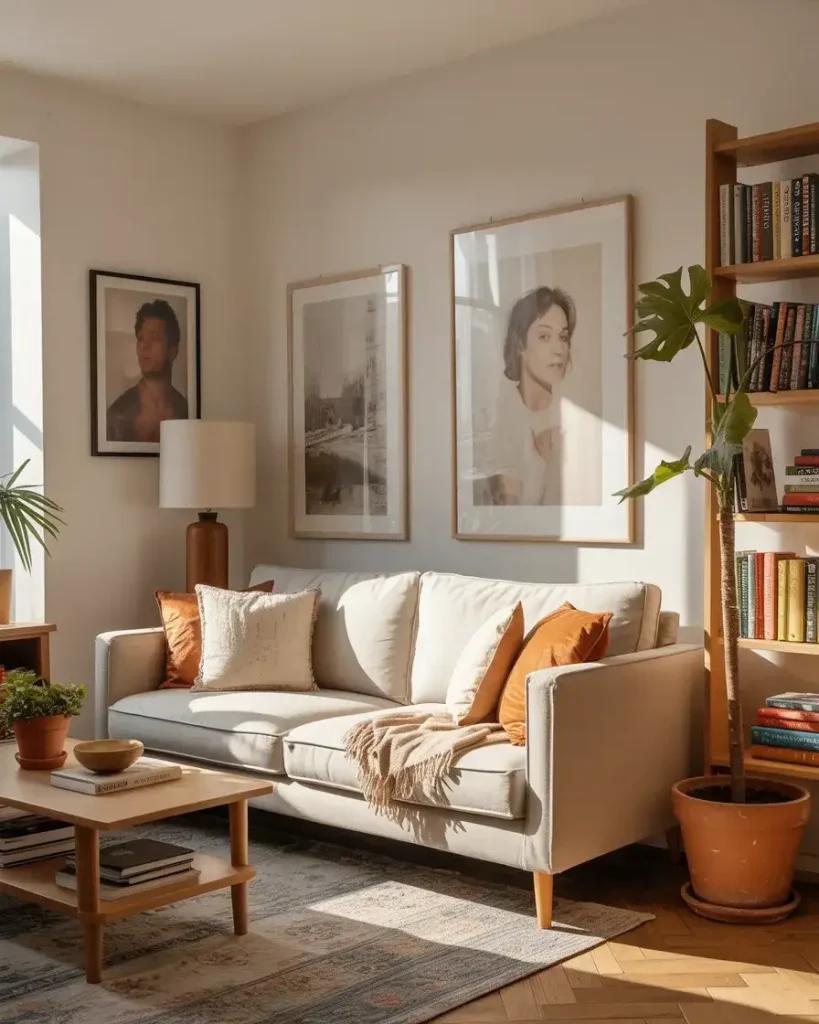
The highest aspiration in cozy living room design isn’t a perfect showroom—it’s a space that looks like the best version of your actual life. Aesthetic coherence matters, and so does comfort, but the room that inspires the deepest sense of cozy is the one where everything in it has been chosen with intention and love, where the cushions are slightly rumpled because people actually sit on them, where the books on the shelf are ones you’ve genuinely read, and where the art on the walls makes you feel something every time you walk past it. This is the apartment aesthetic and home design goal that 2026 is pointing toward: deeply personal, warmly curated, and genuinely yours.
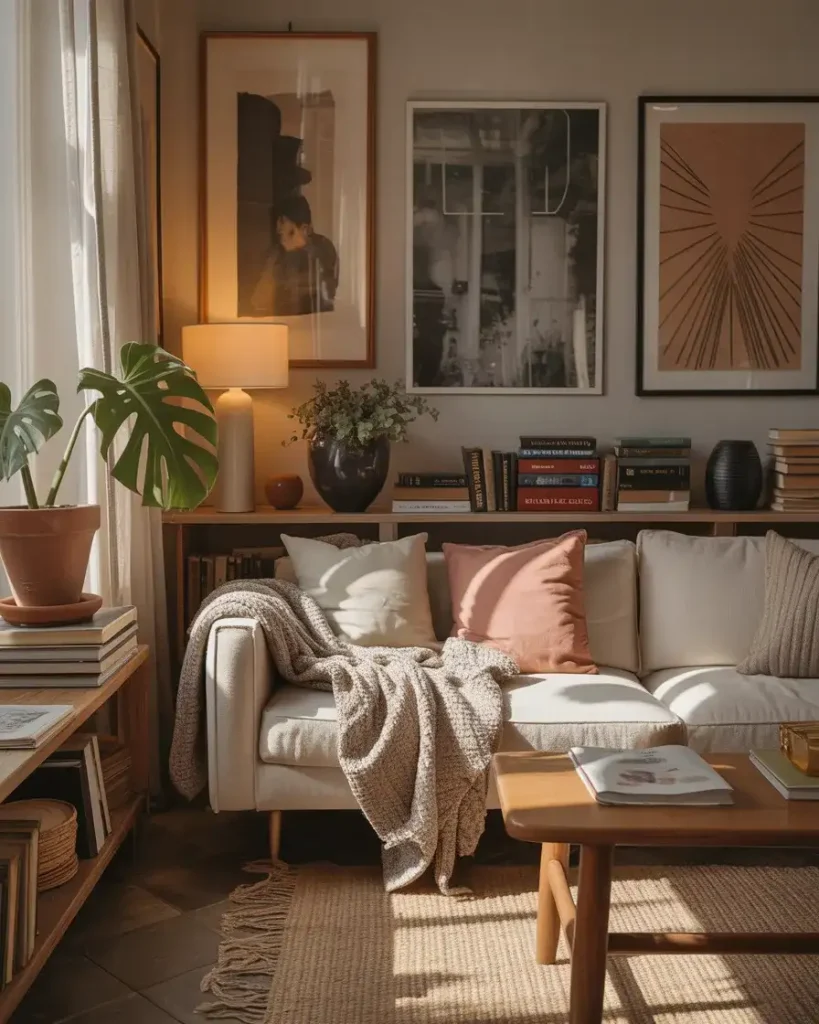
There’s a version of this room in almost every home, waiting to emerge once the pressure to perform for social media is released and the focus shifts to what actually feels good. A cozy living room in 2026 doesn’t need to be designed for anyone else—it needs to be designed for the person who comes home to it every evening, kicks off their shoes, and exhales. That’s the real goal. All the design strategies in this article—the warm colors, the layered lighting, the thoughtful rugs, the dark accent walls—are simply tools for building a room that earns that exhale, every single time.
Conclusion
The most exciting thing about cozy living rooms in 2026 is how many different paths lead to the same destination—that warm, breathing, genuinely welcoming space that makes home feel like home. Whether you’re drawn to the moody drama of dark walls, the sun-kissed comfort of terracotta tones, or the quiet sophistication of layered neutrals, there’s a version of this feeling that belongs to your space and your life. We’d love to hear which ideas resonated most with you—drop your favorite in the comments below, share what your living room looks like right now, or tell us the single change that made the biggest difference in how your space feels.