Family rooms have always been the heart of American homes, but in 2026, they’re evolving into spaces that balance comfort with cutting-edge design. With more people searching for inspiration on Pinterest—looking for ways to create rooms that work for both everyday living and entertaining—the demand for flexible, stylish family room ideas has never been higher. Whether you’re renovating a basement, rethinking your open-concept layout, or simply refreshing your current space, this guide will walk you through on-trend family room designs that blend beauty, function, and personality. From cozy modern farmhouse vibes to sleek minimalist retreats, you’ll find ideas that fit your lifestyle and budget.
1. Cozy Layered Textures with Warm Neutrals

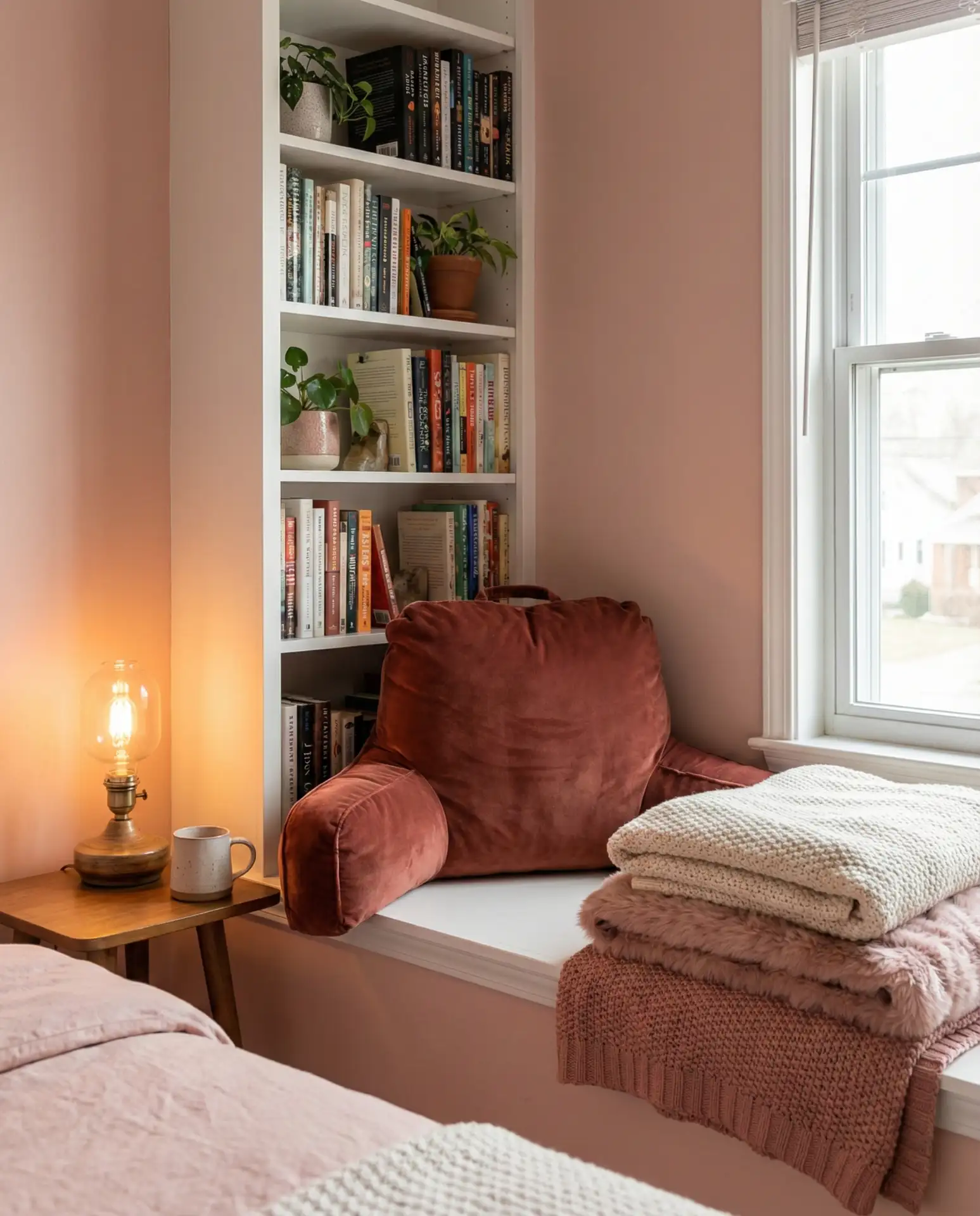
Creating a cozy family room in 2026 means layering soft textiles, plush throws, and natural materials that invite you to sink in and stay awhile. Think chunky knit blankets draped over linen sofas, wool rugs underfoot, and velvet accent pillows in earthy tones. This approach works especially well in homes where the family room serves as the main gathering spot, offering warmth without sacrificing style. The key is mixing textures—smooth with rough, matte with sheen—to create depth and visual interest that feels intentional yet effortless.
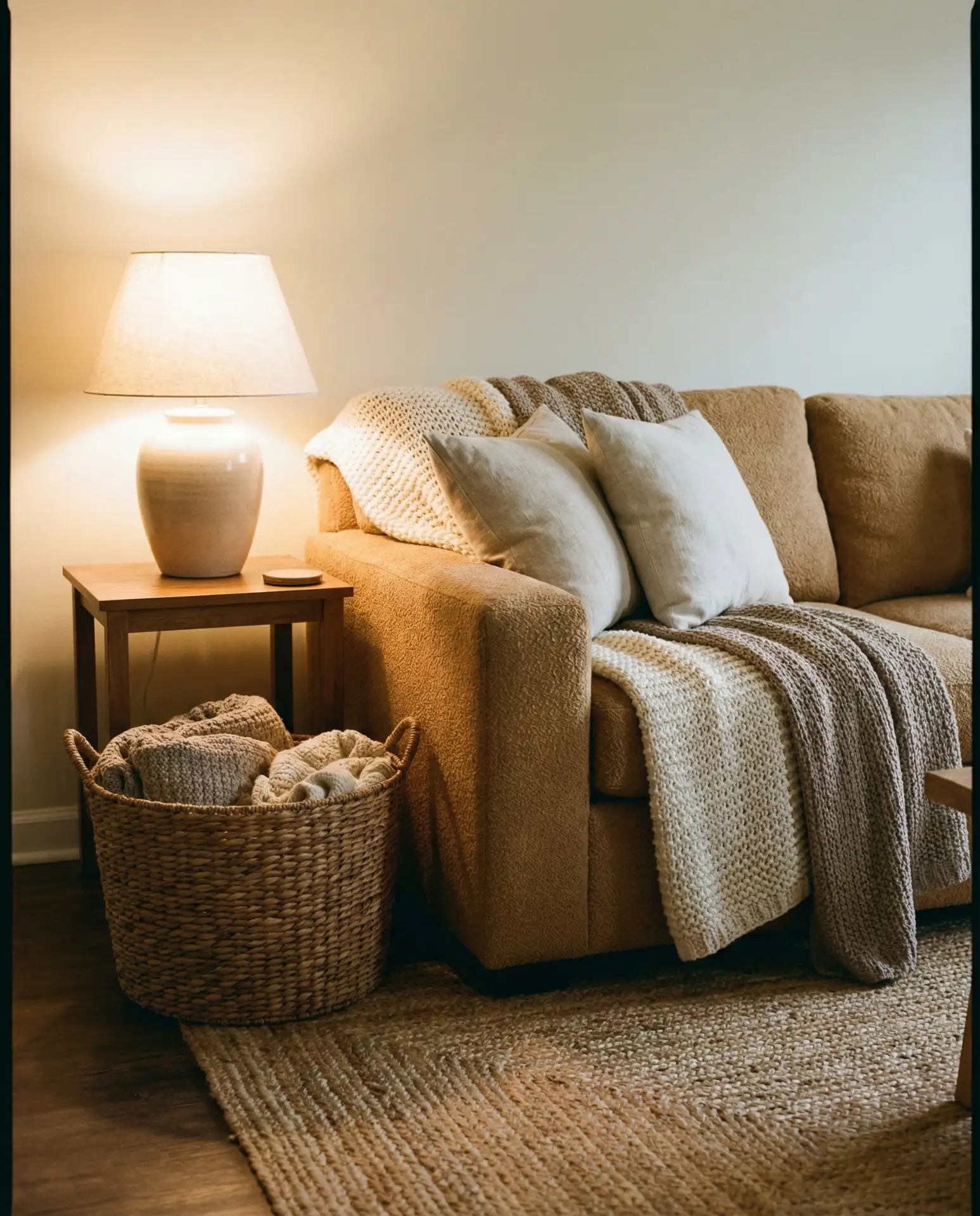
One common mistake is over-layering to the point where the room feels cluttered rather than cozy. Stick to three to four complementary textures per seating area, and choose a cohesive color palette to keep things grounded. In American homes, this style works beautifully in climates with cooler winters—think New England, the Midwest, or the Pacific Northwest—where a warm, tactile environment makes long evenings indoors feel like a retreat. Keep surfaces clear and let the textiles do the talking.
2. TV-Centered Layout with Built-In Media Wall
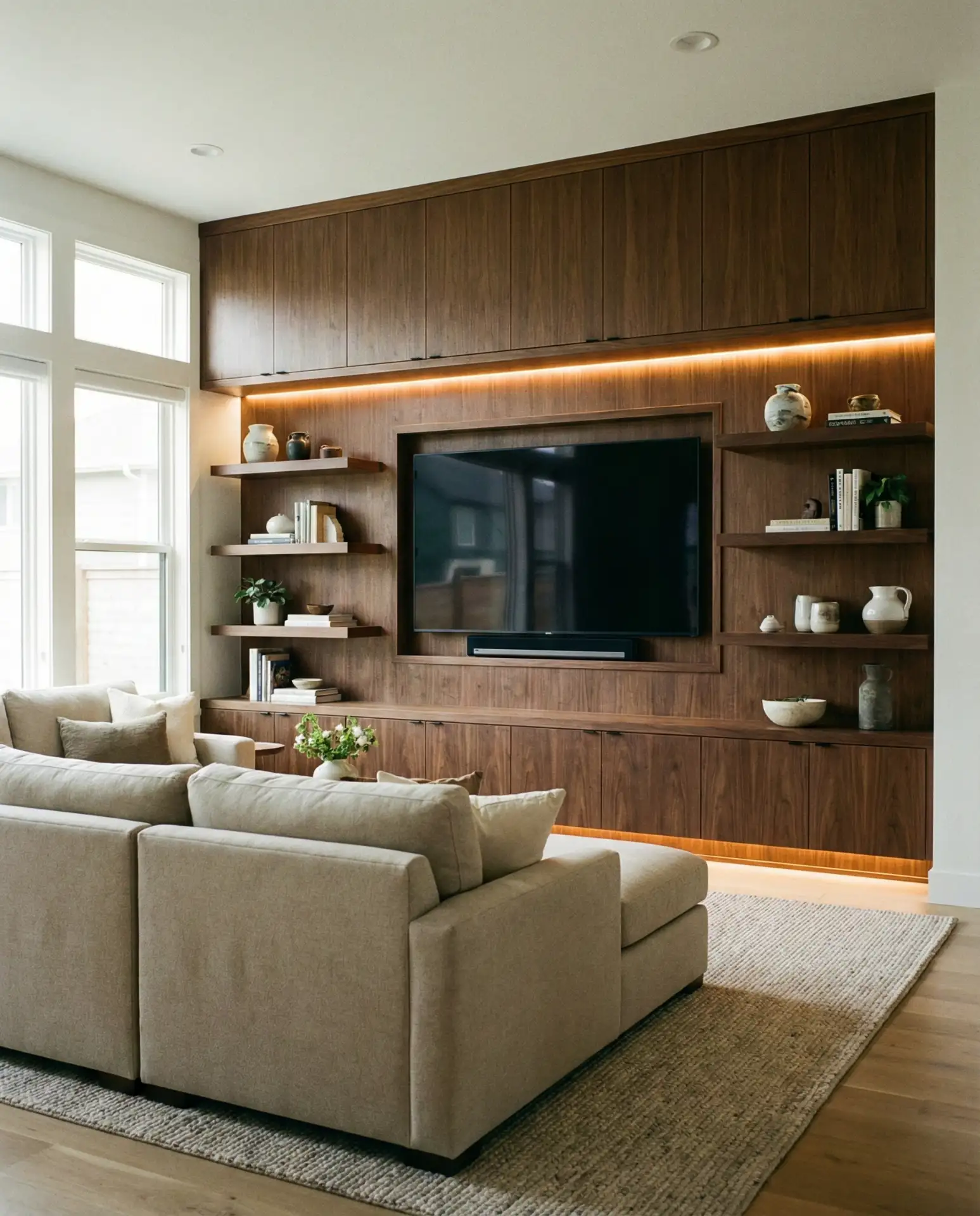
The TV remains the focal point in most American family rooms, and in 2026, the built-in media wall is the ultimate solution for organizing electronics, storage, and decor in one seamless design. These custom units often feature recessed shelving, hidden cable management, and integrated lighting that frames the screen without overwhelming the space. Whether you opt for dark wood, painted paneling, or sleek lacquer finishes, a media wall elevates the room’s design while keeping clutter at bay.
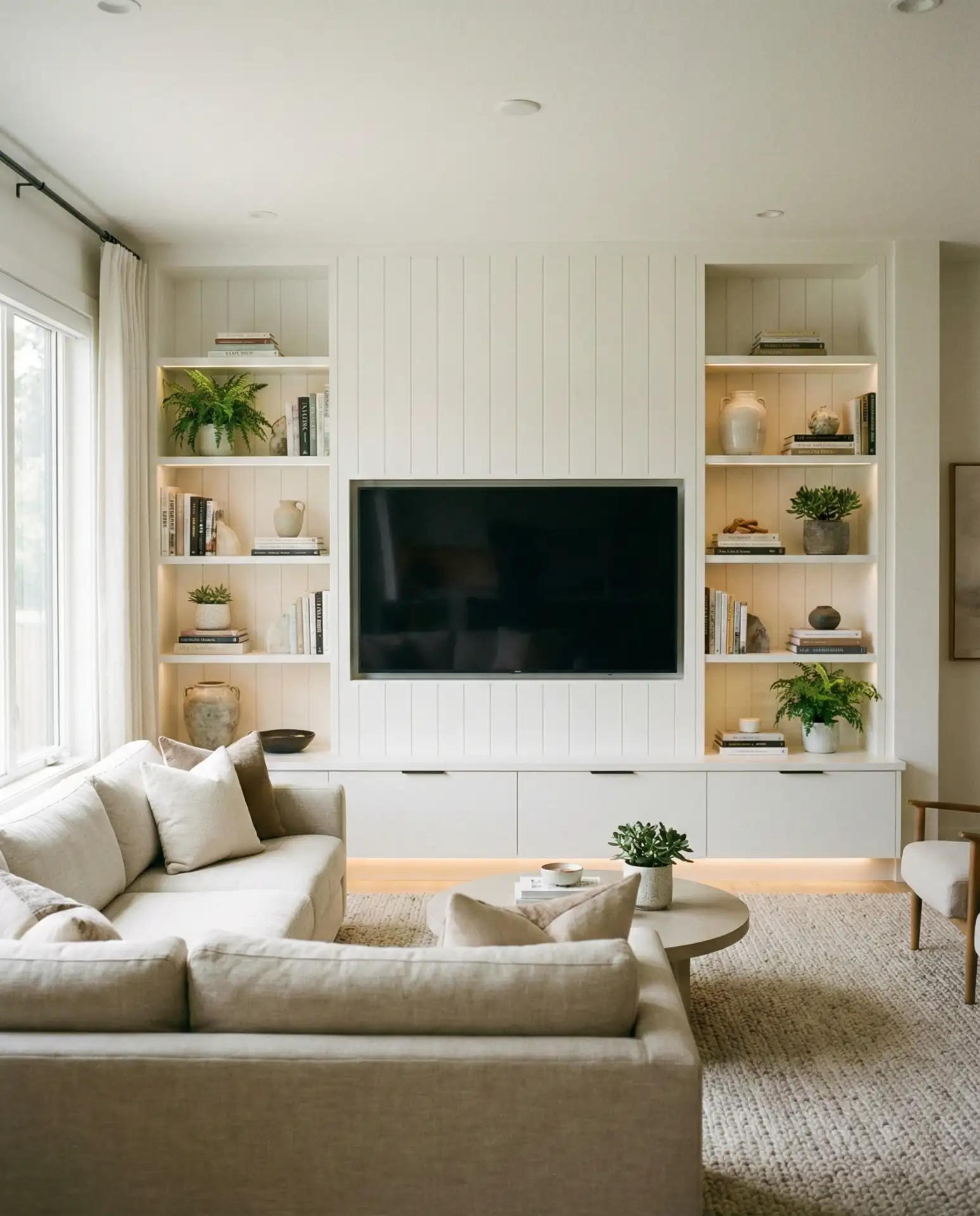
This setup works best in dedicated family rooms where the TV is the primary entertainment source. Homeowners often choose media walls when renovating basements or finishing bonus rooms, as they provide a polished, finished look. Budget-wise, a custom-built unit can range from $2,000 to $8,000 depending on materials and complexity, but the investment pays off in functionality and resale appeal. It’s a smart choice for families who value both aesthetics and practicality.
3. Basement Transformation into Multi-Use Haven
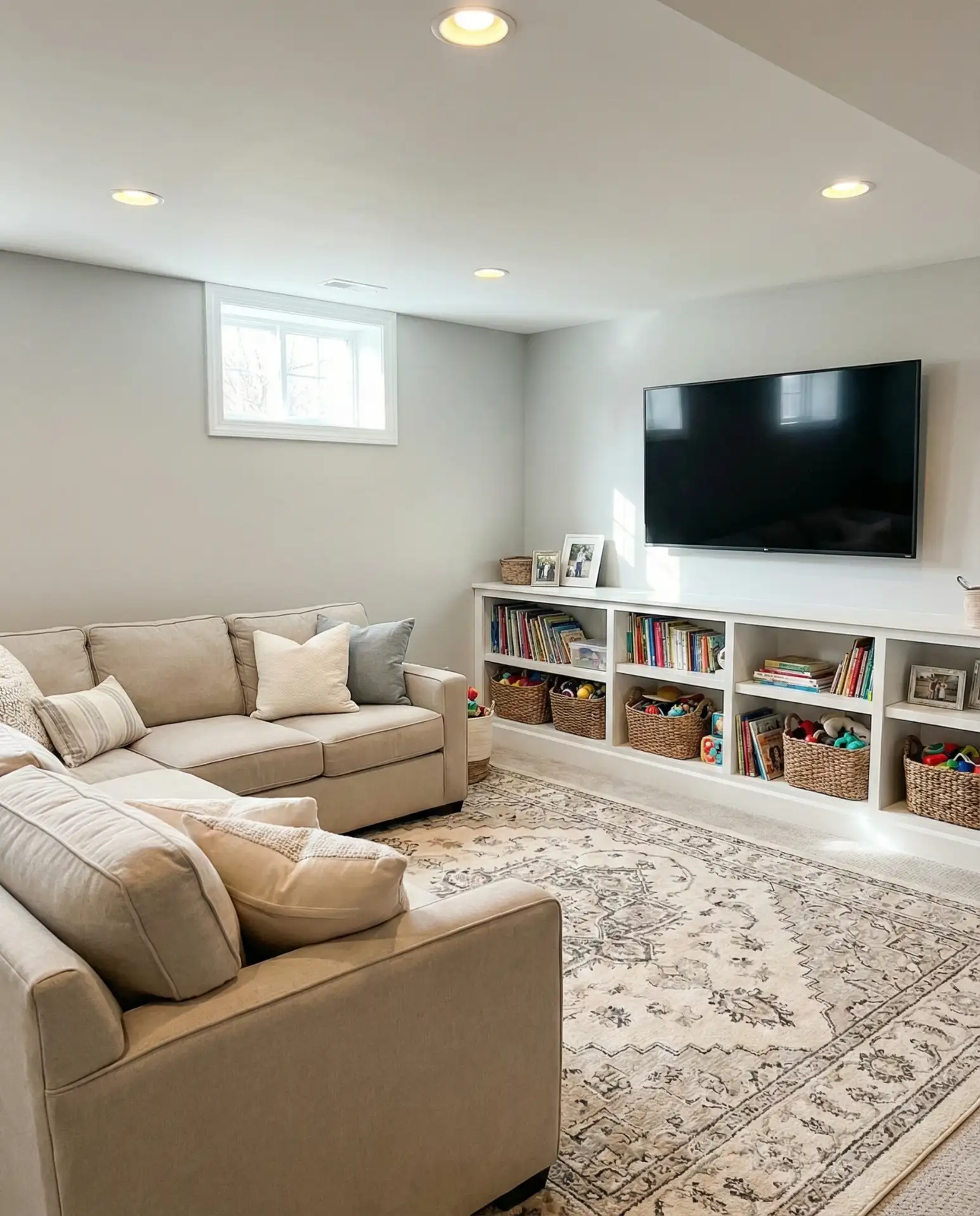
Turning a basement into a fully functional family room is one of the most popular home projects in 2026, especially for growing families who need extra space for play, relaxation, and entertainment. The challenge is making a below-grade room feel bright and inviting, which requires strategic lighting, warm finishes, and smart furniture placement. Recessed ceiling lights, layered lamps, and light-colored walls help counteract the lack of natural light, while sectional seating and area rugs define zones within the larger space.
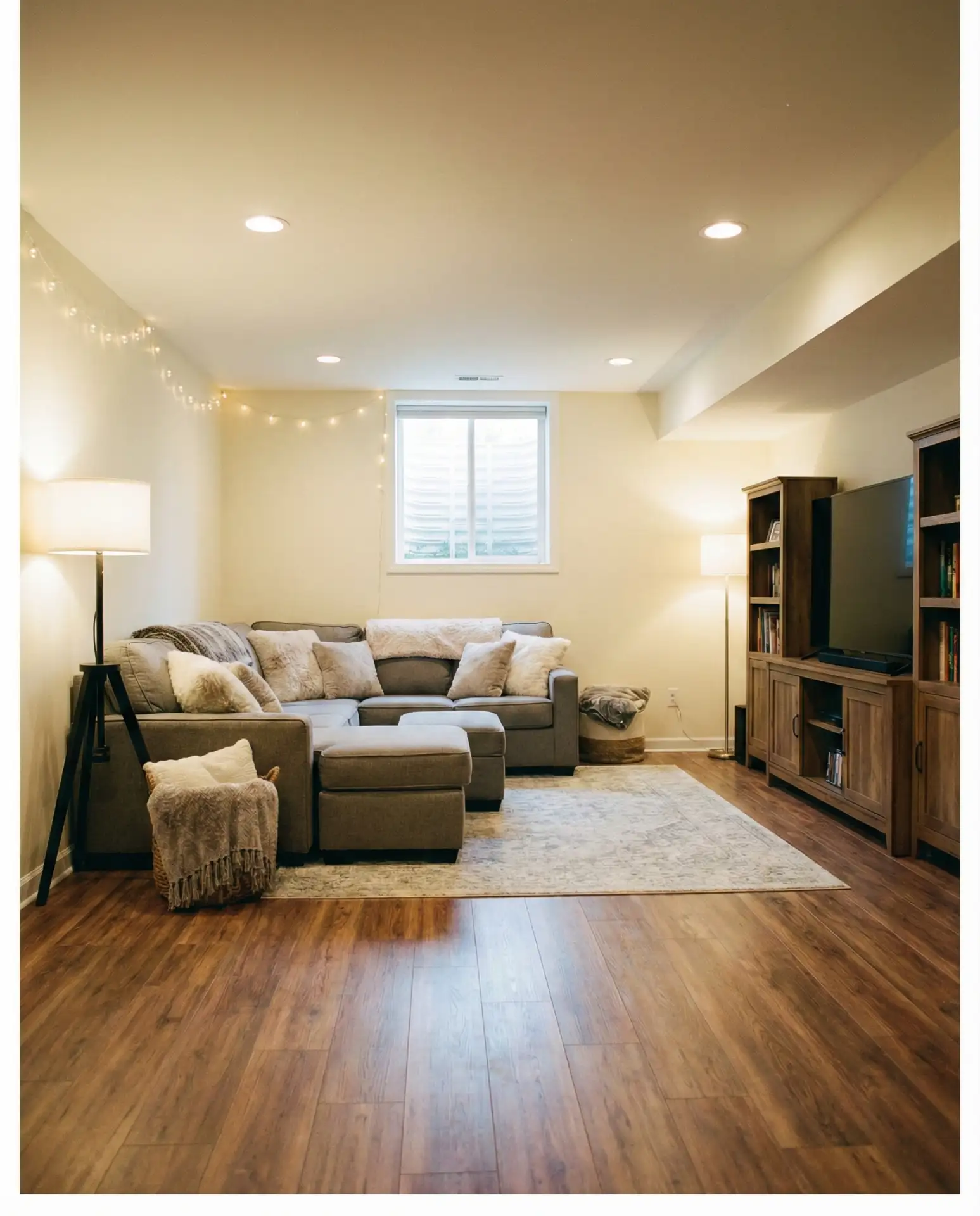
Where it works best: Suburban homes in the Midwest and Northeast, where basements are standard and winters drive families indoors. Many homeowners add a small kitchenette or wet bar to make the basement feel like a true second living area. The key is to avoid dark, heavy colors—stick to soft grays, warm whites, and natural wood tones to keep the space feeling open and airy, even underground.
4. Fireplace as Architectural Anchor

A fireplace instantly adds warmth and character to any family room, and in 2026, homeowners are treating it as a true design centerpiece rather than an afterthought. From floor-to-ceiling stone surrounds to sleek linear gas inserts framed by minimalist tile, the fireplace sets the tone for the entire room. Arranging seating around the hearth encourages conversation and creates a natural gathering spot, especially during cooler months. Whether you go traditional with brick and a wood mantel or opt for a contemporary look with black metal and concrete, the fireplace grounds the space.
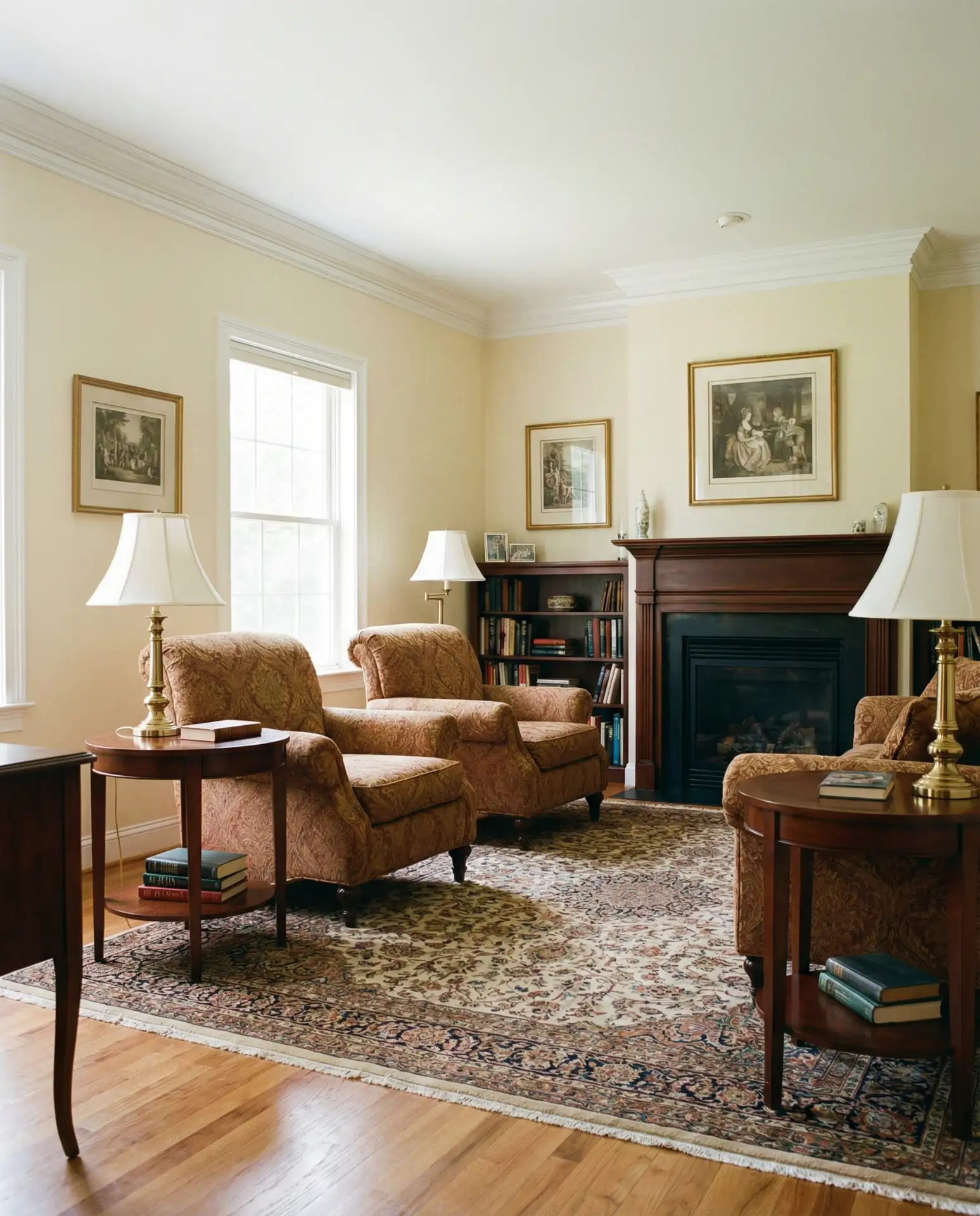
A friend recently renovated her family room in Denver and chose a stacked stone fireplace that reaches the ceiling—it completely transformed the space from generic to dramatic. The lesson? Don’t skimp on the surround material or scale. A fireplace should command attention, not blend into the background. If you’re working with an existing fireplace that feels dated, consider refacing it with new tile, paint, or stone veneer for a fresh look without the cost of a full rebuild.
5. Traditional Elegance with Timeless Furnishings
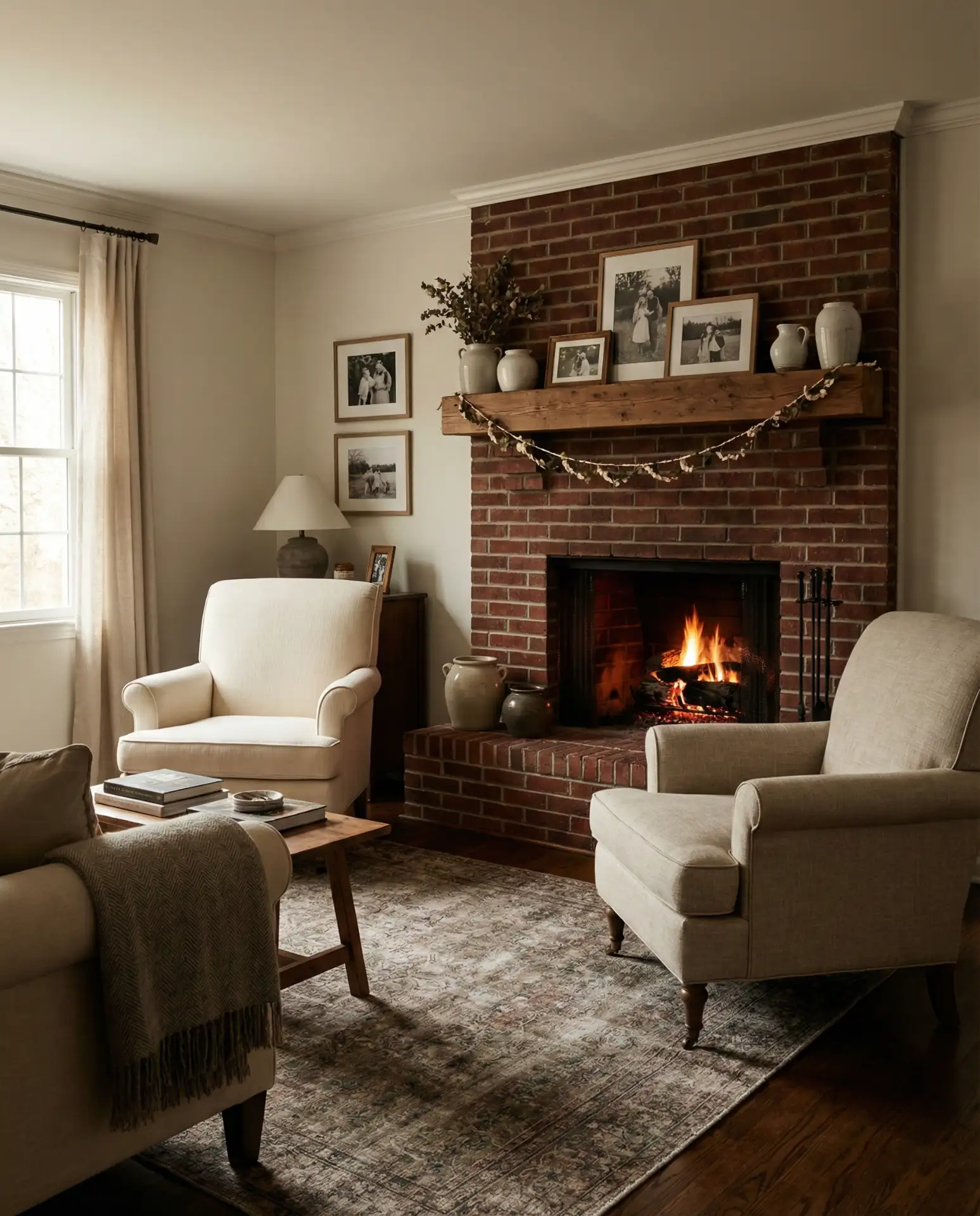
For families who appreciate traditional design, 2026 brings a renewed appreciation for classic silhouettes, rich wood furniture, and refined details that never go out of style. Think rolled-arm sofas, turned-leg coffee tables, and built-in bookcases with crown molding. This look pairs beautifully with warm paint colors like soft taupe, sage green, or creamy ivory, and it works especially well in older homes with architectural details worth highlighting. The goal is to create a space that feels both formal and livable—polished enough for guests, comfortable enough for everyday use.
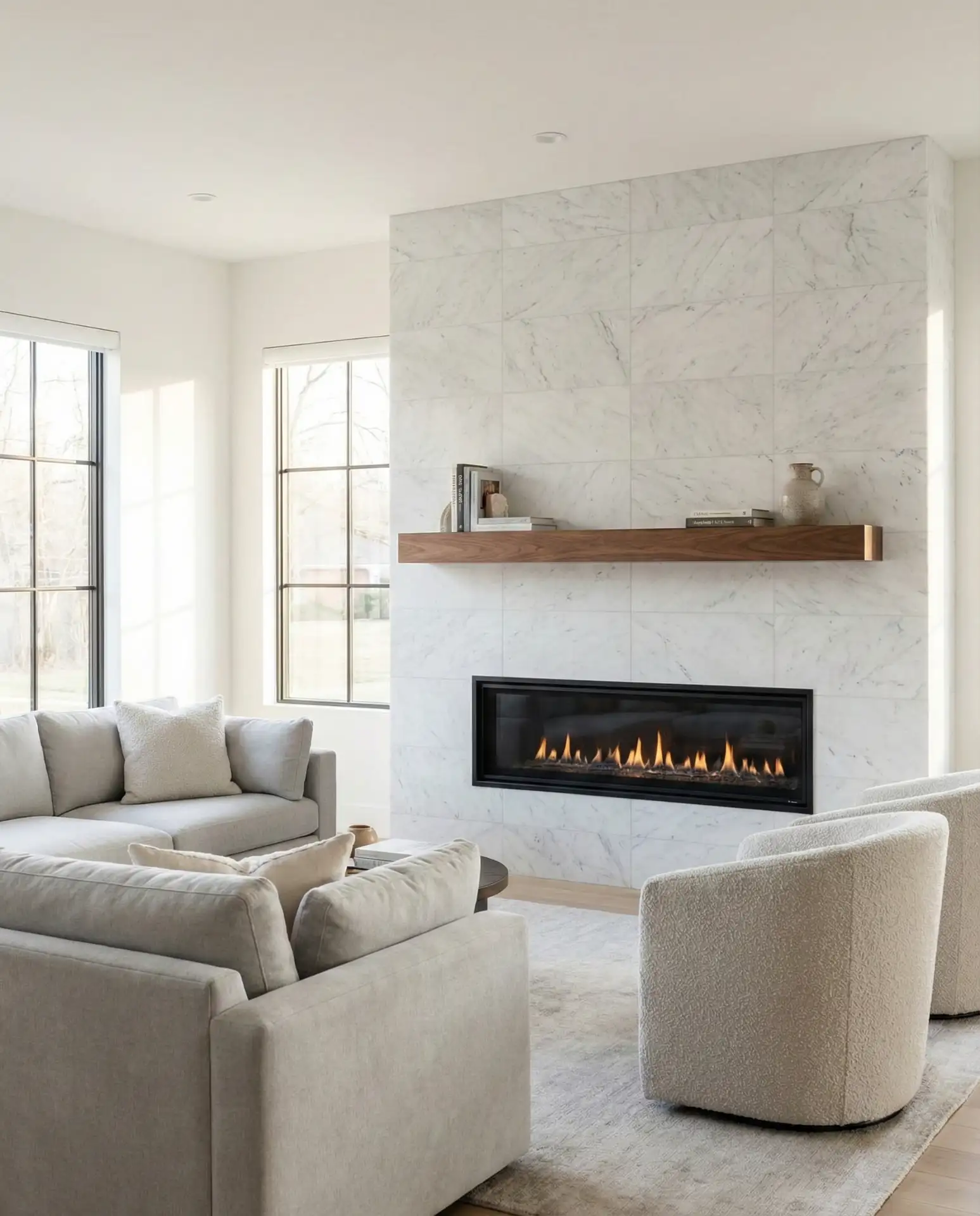
This style works best in colonial, craftsman, or Victorian homes across New England and the Mid-Atlantic, where architectural details naturally support traditional decor. Budget-wise, investing in a few high-quality pieces—like a solid wood coffee table or a well-made sofa—will serve you better than filling the room with trendy items that won’t age well. Traditional design is all about longevity, so choose wisely and let the room evolve slowly over time.
6. Kid-Friendly Zones with Durable Materials
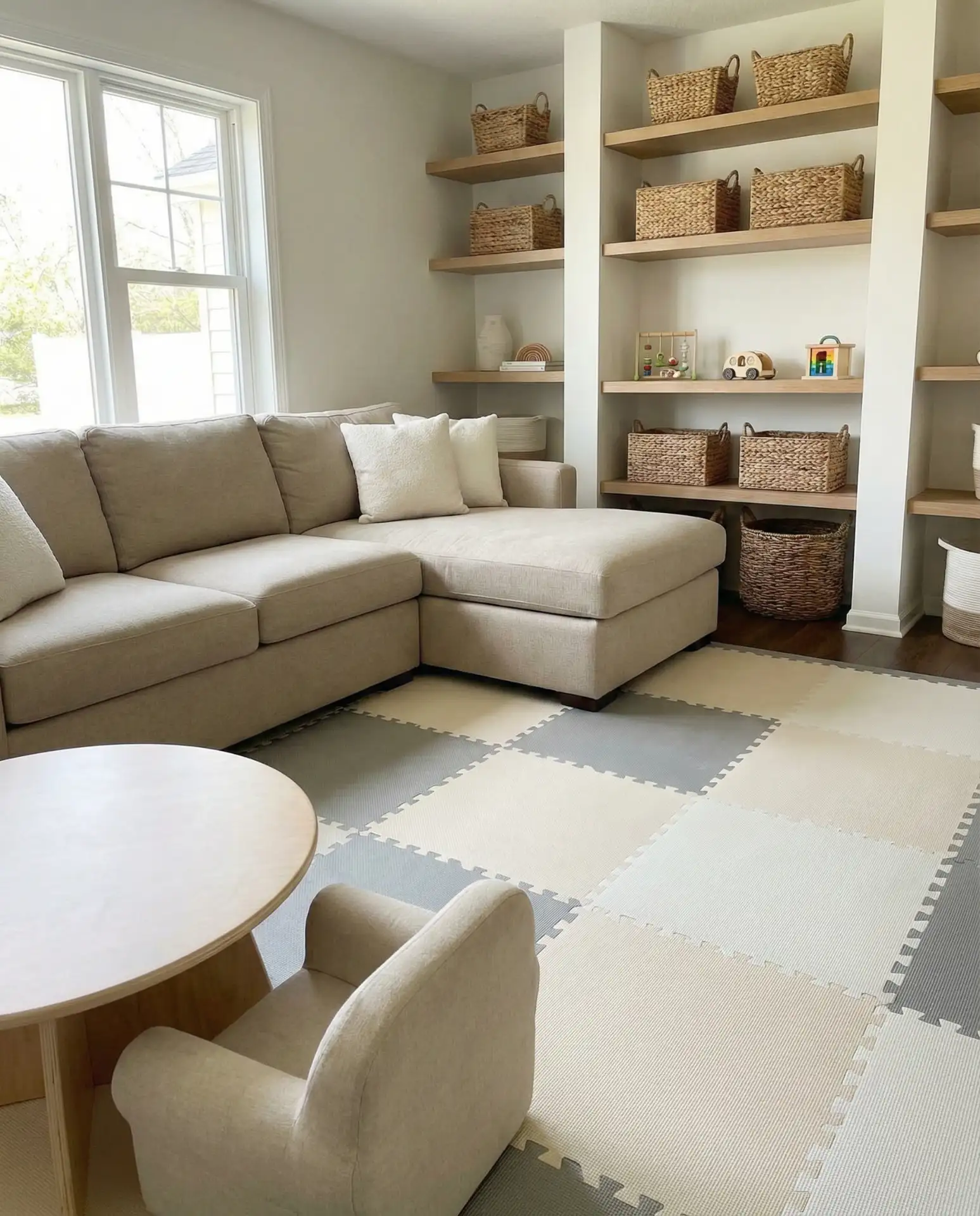
Designing a kid-friendly family room doesn’t mean sacrificing style—it means choosing materials and layouts that can handle spills, rough play, and constant use. In 2026, performance fabrics like Crypton and Sunbrella are game-changers, offering stain resistance and easy cleaning without looking institutional. Pair these with washable rugs, rounded furniture edges, and built-in storage for toys and books, and you’ll have a space that works for the whole family. The trick is creating designated play zones that don’t overtake the entire room, so adults still have a place to relax.
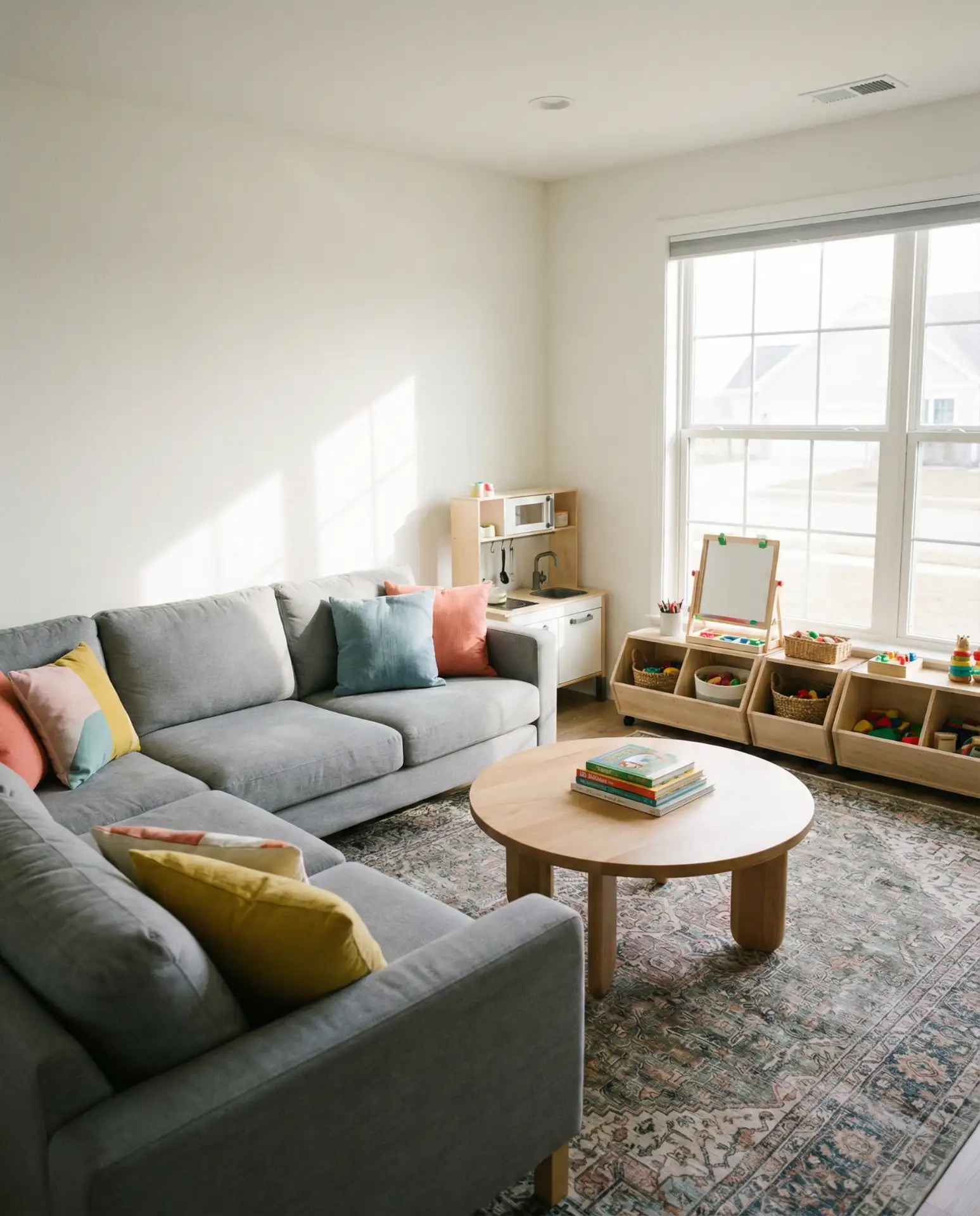
Real homeowner behavior shows that families with young children often choose sectionals with removable, washable covers and avoid glass coffee tables altogether. Leather or faux leather furniture is another smart choice—it wipes clean easily and develops a lived-in patina over time. A common mistake is trying to keep everything too precious; instead, embrace durable, forgiving materials and focus on creating a space where everyone can actually live comfortably.
7. Contemporary Lines with Bold Accent Colors
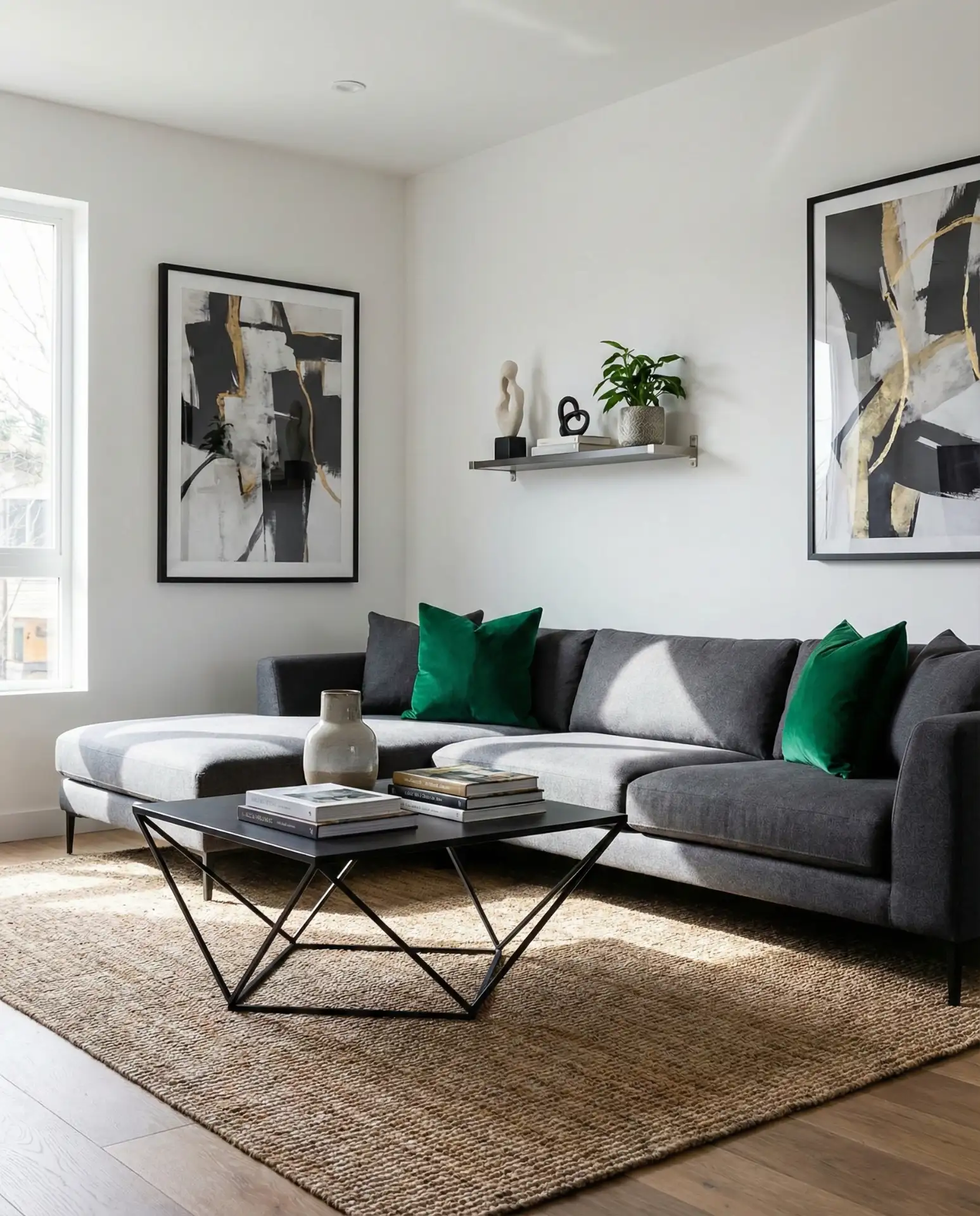
A contemporary family room in 2026 is all about clean lines, uncluttered surfaces, and strategic pops of color that energize the space without overwhelming it. Think low-profile sofas, geometric coffee tables, and abstract art paired with bold throw pillows or a statement rug in deep jewel tones or vibrant terracotta. The neutral backdrop—usually white, gray, or black—lets these accents shine, creating a dynamic yet balanced environment. This style appeals to design-forward homeowners who want a space that feels current and curated.
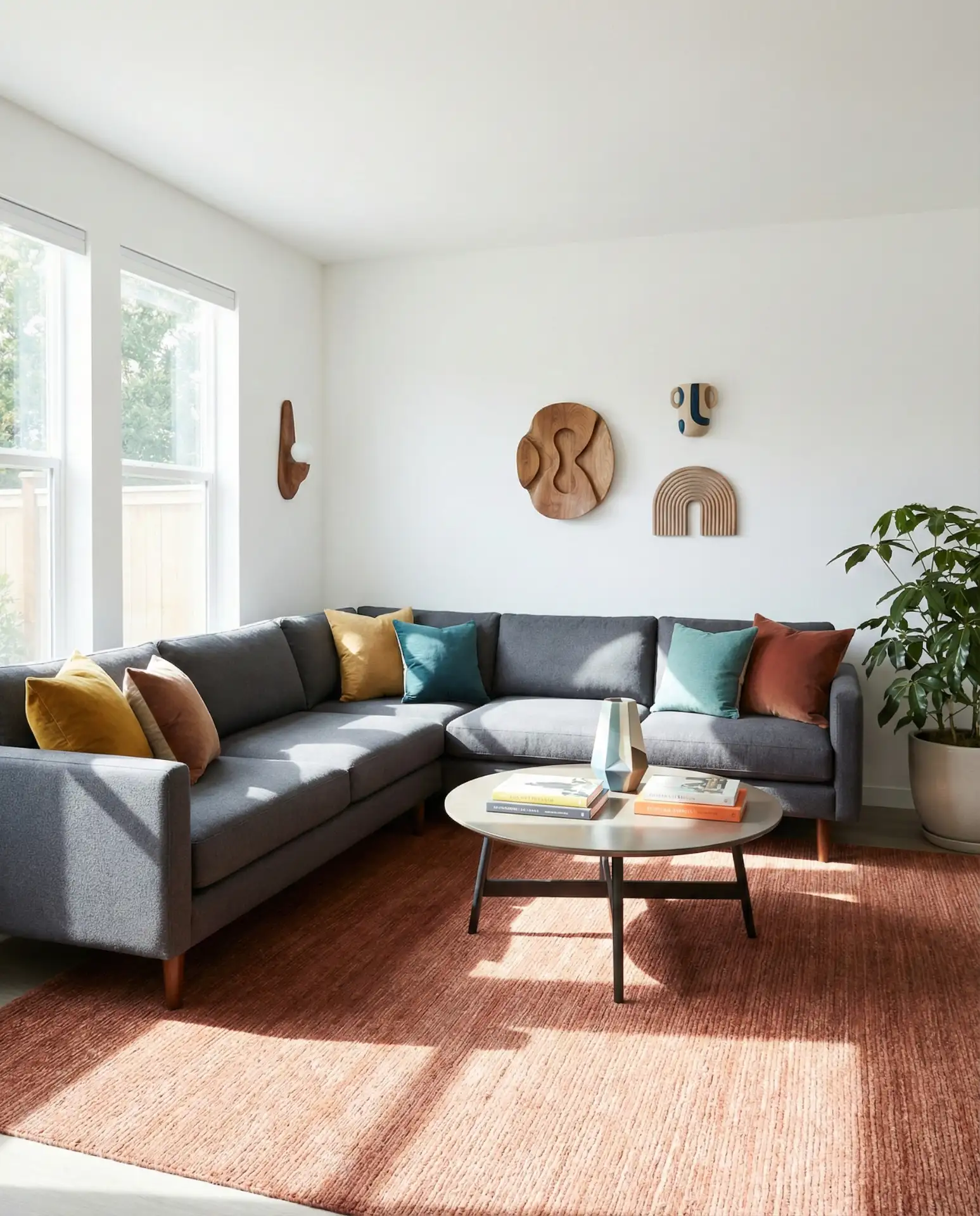
This approach works particularly well in urban homes and newly built properties where architectural details are minimal and the focus is on furniture and decor. Expert designers often recommend starting with a neutral foundation and layering in color through easily swappable elements—pillows, throws, art—so you can refresh the look seasonally or as trends evolve. It’s a flexible, modern approach that keeps the room feeling alive and personal.
8. Open Concept Flow with Defined Seating Areas
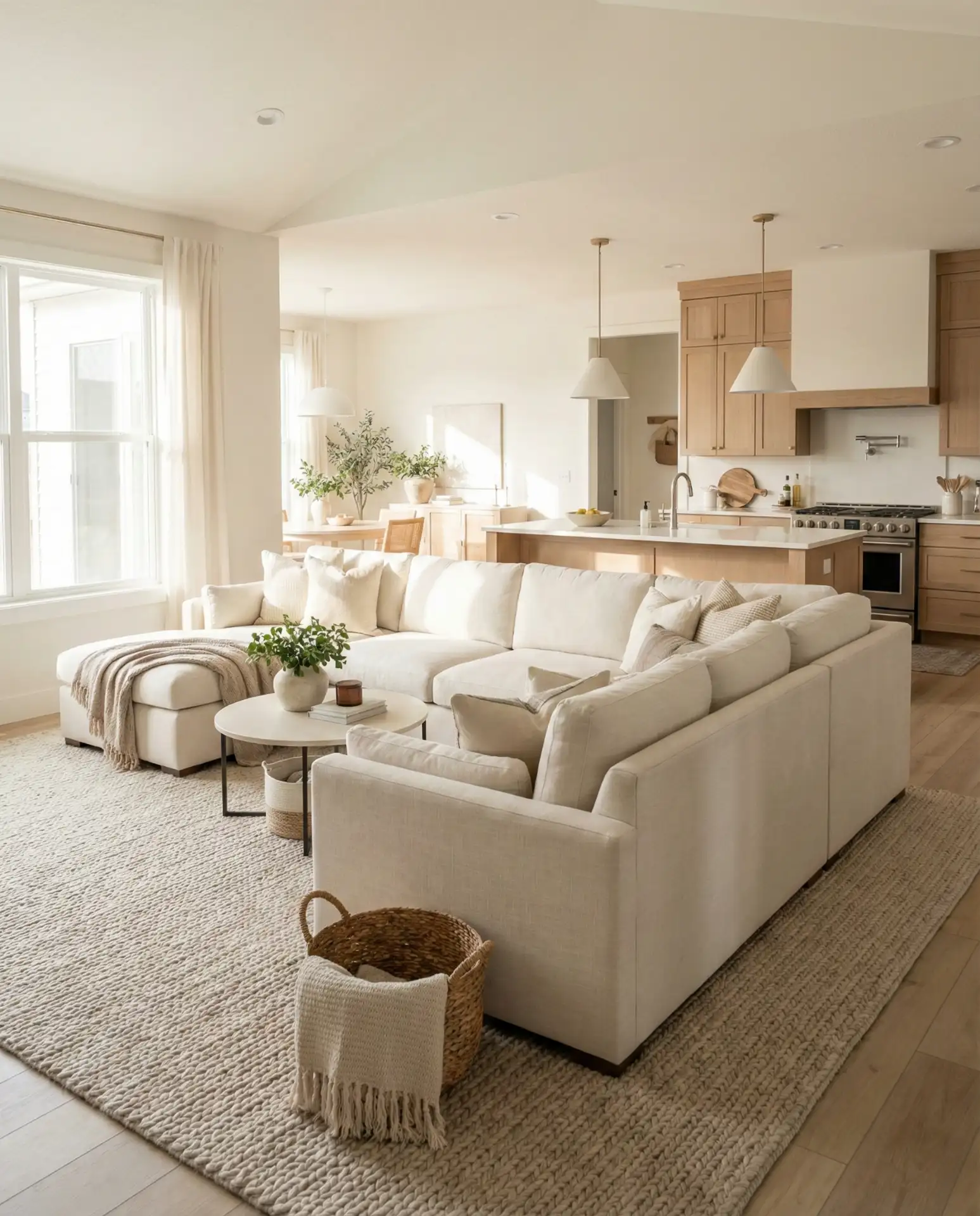
The open concept layout continues to dominate American home design in 2026, but the challenge is creating distinct zones within one large space without using walls. In a family room that flows into the kitchen or dining area, area rugs, furniture arrangement, and lighting become your tools for definition. A large sectional anchored by a rug creates a clear living zone, while pendant lights or a different paint color can signal the transition to another area. The key is maintaining visual continuity—matching wood tones and coordinating color palettes—so the space feels cohesive, not choppy.
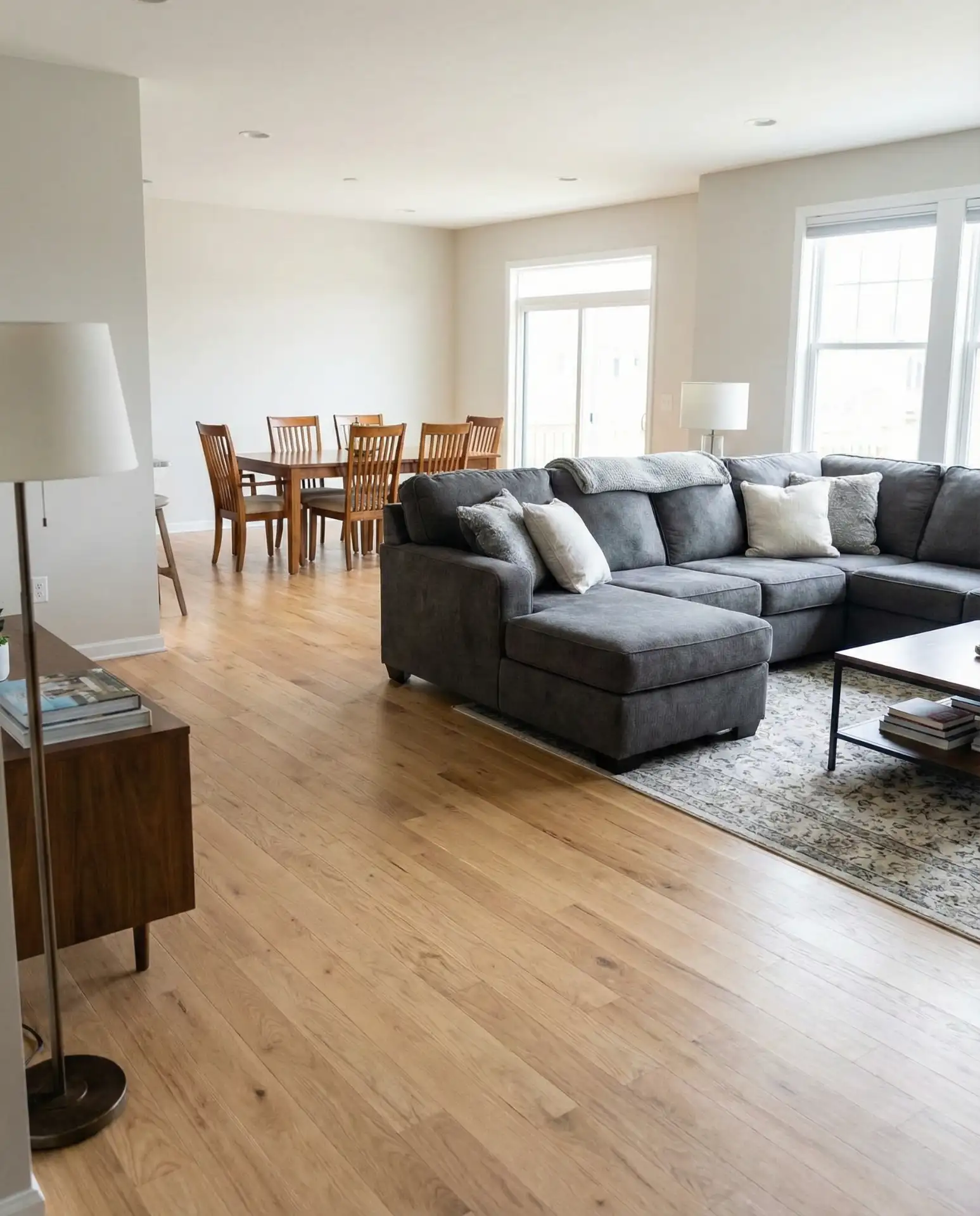
Where it works best: Newer suburban homes and modern farmhouses, especially in the South and Southwest, where open-plan living is the norm. Many homeowners add a console table or low bookshelf behind the sofa to create a subtle divider without blocking sightlines. This keeps the space feeling open while giving each zone a sense of purpose. It’s a practical solution that honors the original intent of open-concept design—connection and flow—while addressing the need for structure.
9. Luxury Details with High-End Finishes
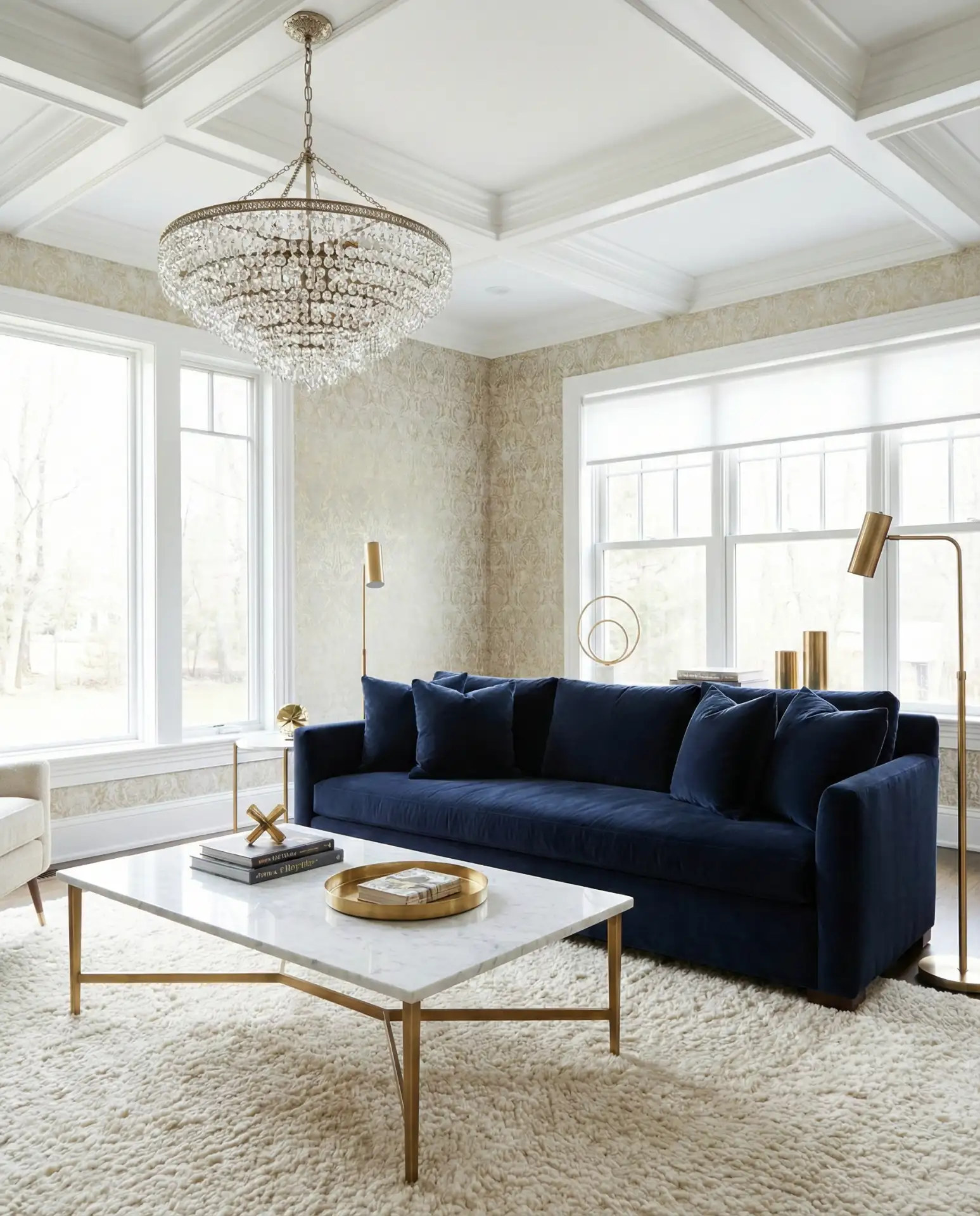
A luxury family room in 2026 is defined by quality materials, custom details, and a sophisticated color palette that exudes elegance. Think marble accent tables, velvet upholstery, brass or nickel hardware, and statement lighting fixtures that serve as functional art. Coffered ceilings, wainscoting, or designer wallpaper add architectural interest, while plush rugs and layered window treatments complete the look. This isn’t about flashy logos or over-the-top decor—it’s about investing in pieces that look and feel exceptional, creating a space that’s both comfortable and impressive.
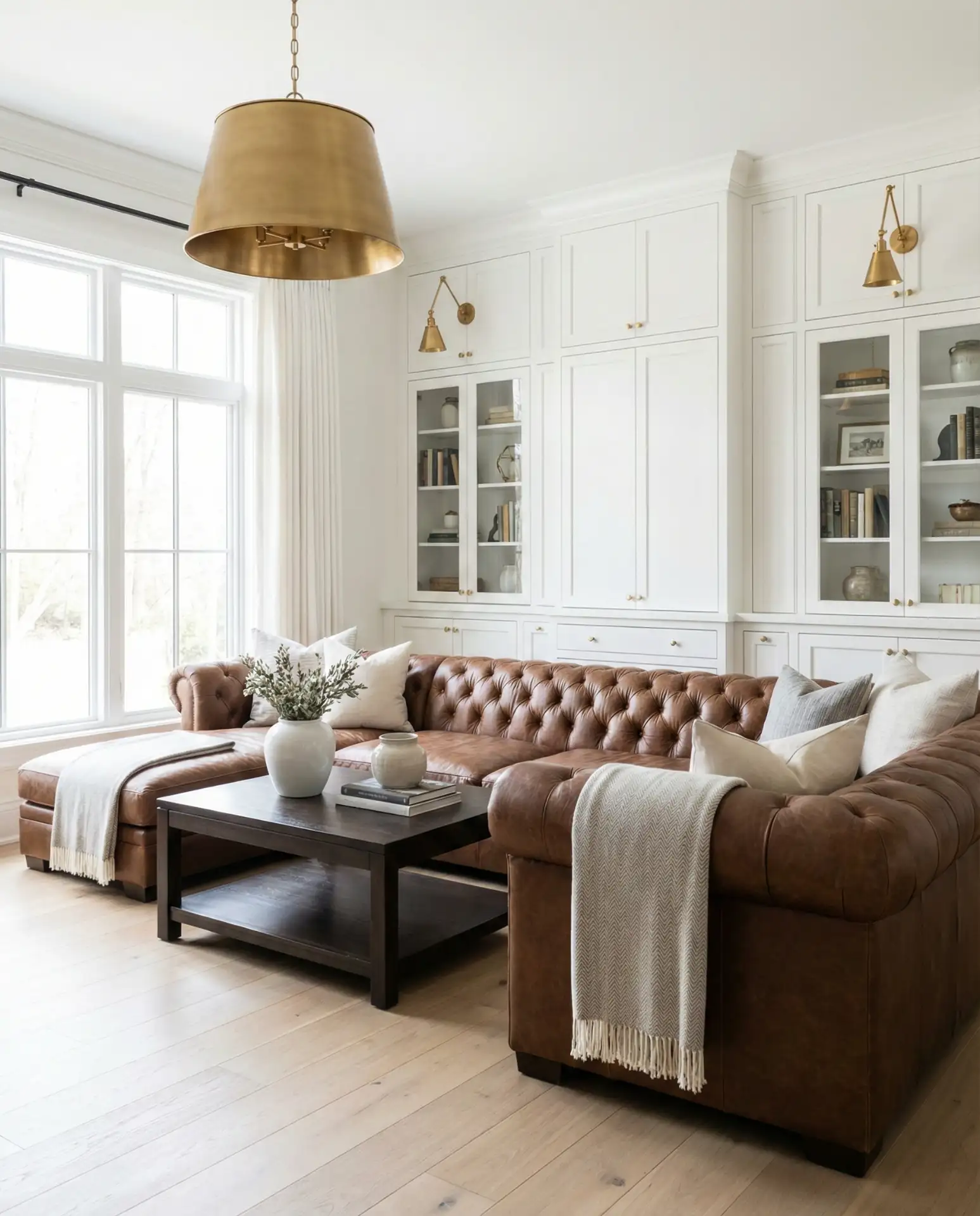
Expert designers note that luxury is often found in the details—perfectly mitered trim, seamless upholstery, or a hand-knotted rug. Budget-wise, you don’t have to overhaul everything at once; focus on one or two statement pieces, like a stunning light fixture or a custom sofa, and build around them. Real homeowners in high-end markets like Coastal California, Scottsdale, and the Hamptons often prioritize custom millwork and bespoke furniture that can’t be replicated, making the space truly one-of-a-kind.
10. Cozy Modern Farmhouse with Rustic Touches

The cozy modern farmhouse aesthetic remains one of the most searched styles on Pinterest, blending rustic charm with contemporary comfort. In 2026, this look is less about shiplap overload and more about thoughtful, organic details—reclaimed wood beams, vintage-inspired lighting, linen slipcovers, and a soft, neutral palette with touches of black or charcoal for contrast. It’s a style that feels welcoming and unpretentious, perfect for families who want a home that’s both stylish and lived-in.
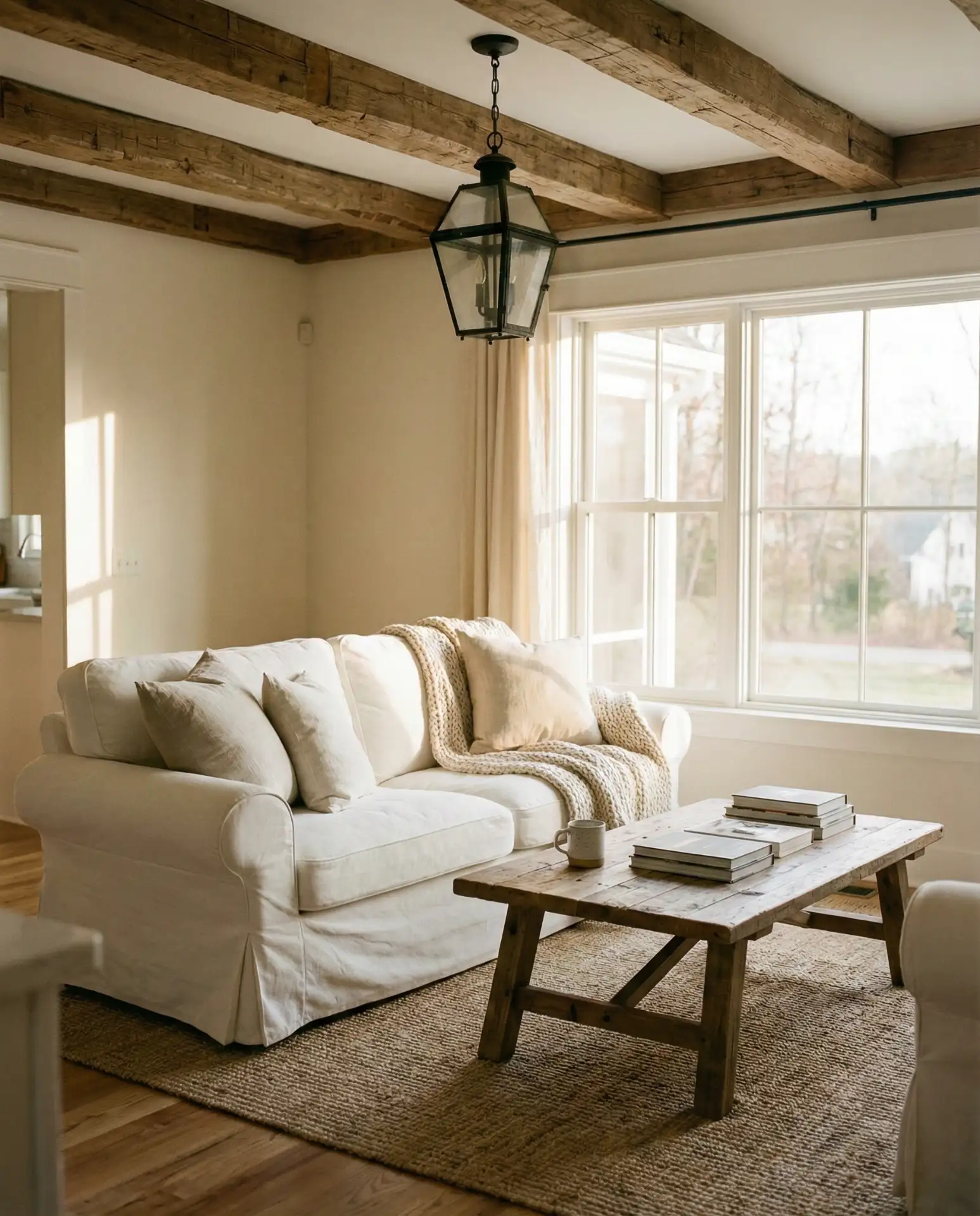
This style thrives in rural and suburban areas across the Midwest, Texas, and the Southeast, where farmhouse architecture is already part of the landscape. A practical insight: shop for vintage or secondhand pieces at flea markets and antique stores to add authentic character without breaking the bank. Real farmhouse style isn’t about buying everything new—it’s about mixing old and new in a way that feels collected and personal over time.
11. Transitional Balance Between Classic and Modern
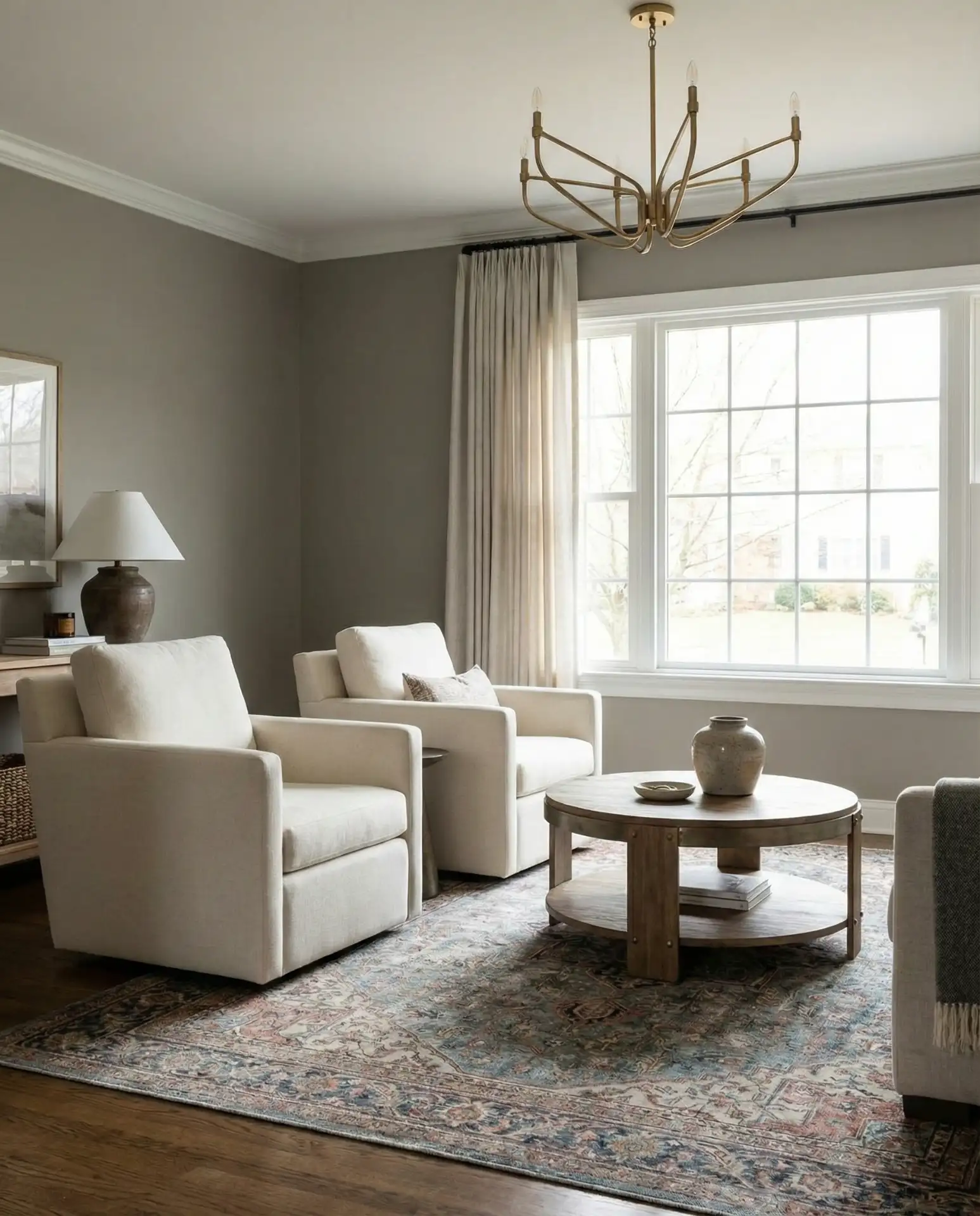
The transitional style is perfect for homeowners who can’t decide between traditional and contemporary—because it gives you the best of both. In 2026, transitional family rooms feature clean-lined furniture with classic proportions, neutral color schemes with subtle patterns, and a mix of materials like wood, metal, and glass. The result is a timeless space that feels current but not trendy, elegant but not stuffy. It’s the Goldilocks of design: just right for families who want a room that works now and years from now.
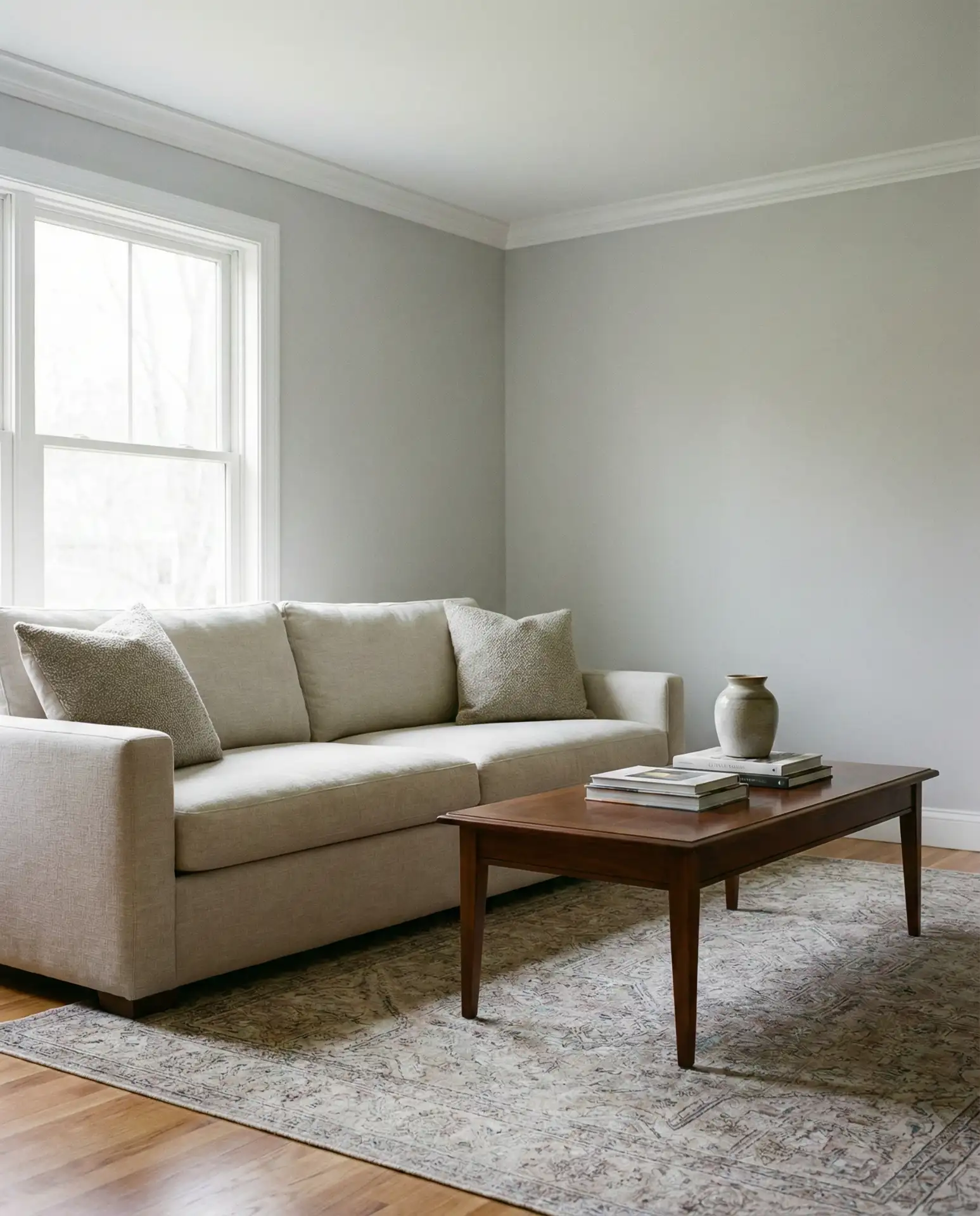
Where it works best: Anywhere, honestly—transitional design is universally appealing, which is why it’s a favorite among real estate stagers and interior designers. The key is restraint; avoid going too far in either direction. If your sofa is very traditional, pair it with modern lighting. If your coffee table is sleek and contemporary, soften it with a classic patterned rug. This push-and-pull creates visual interest without confusion.
12. Eclectic Mix of Styles and Eras
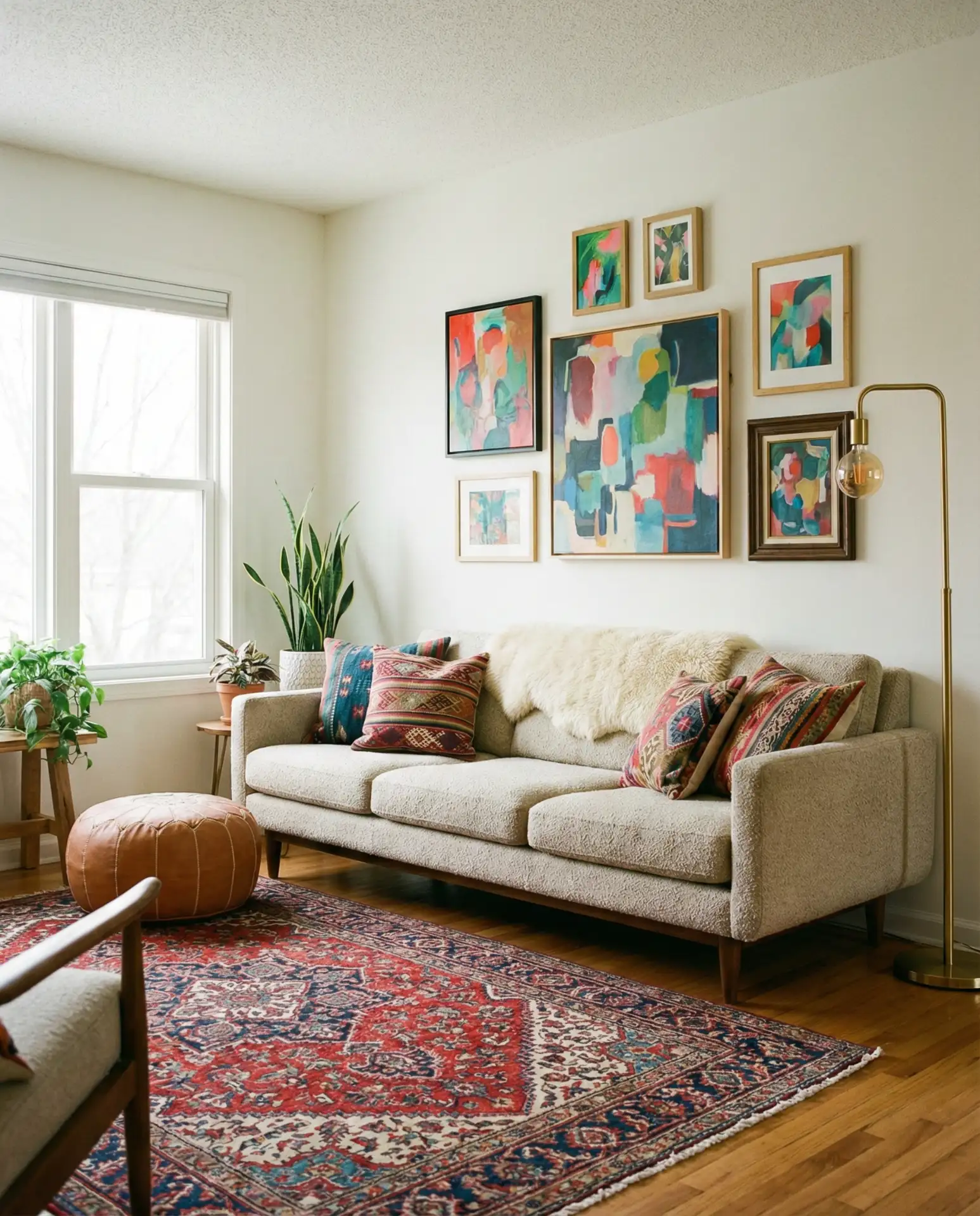
An eclectic family room celebrates individuality, layering pieces from different design periods, cultures, and aesthetics into one cohesive, personality-filled space. In 2026, this trend is less about random chaos and more about intentional curation—a mid-century modern chair next to a Moroccan pouf, a vintage rug beneath a contemporary sofa, and colorful art mixing with neutral textiles. The unifying thread is often a consistent color palette or a repeated material, like wood or brass, that ties the disparate elements together.
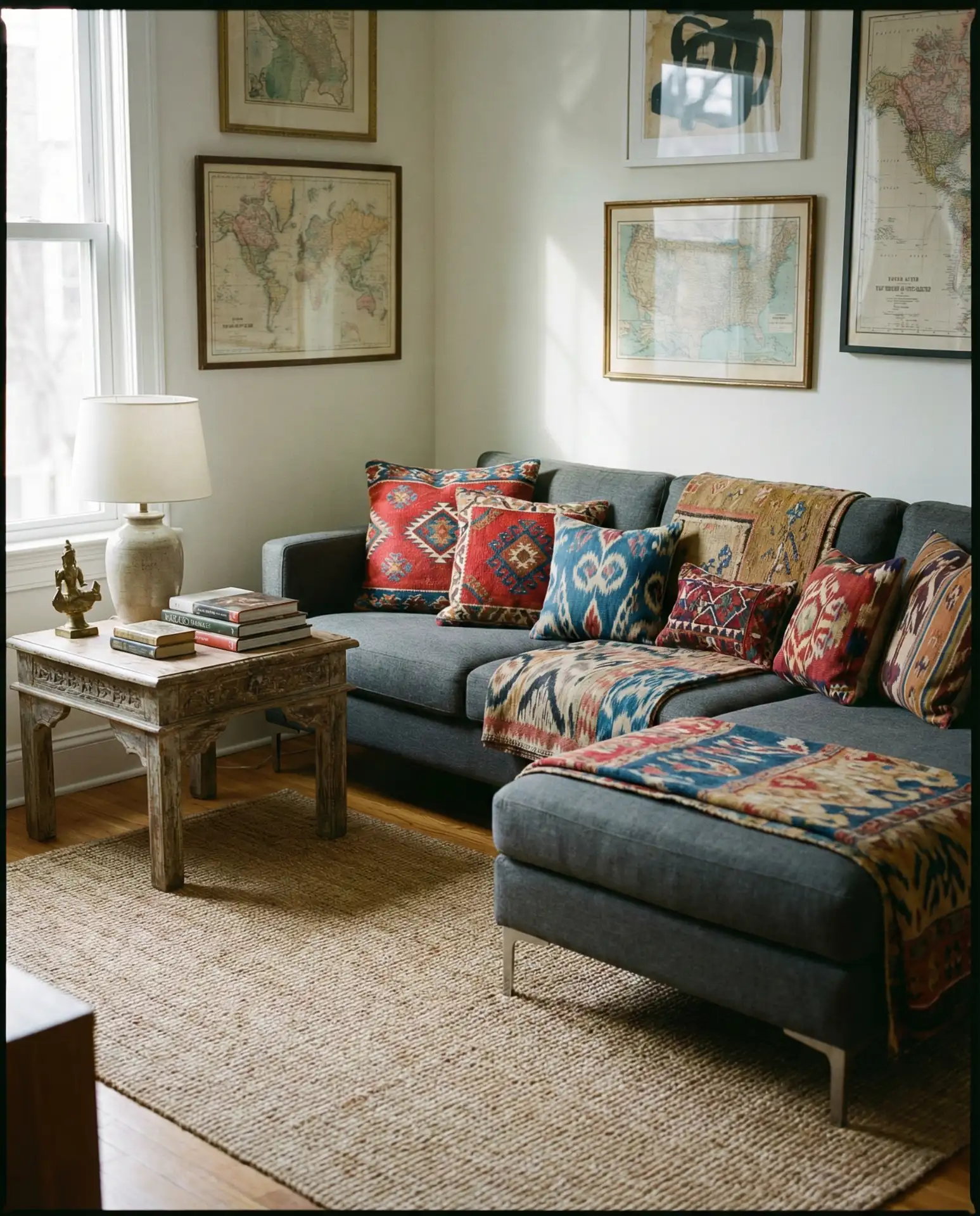
A common mistake with eclectic design is going overboard and creating visual clutter instead of curated charm. The trick is editing—choose a few statement pieces and let them shine, rather than filling every surface. Real homeowners who nail this style often collect pieces over time through travel, thrift stores, and family heirlooms, which gives the space an authentic, lived-in feel that can’t be bought all at once from a single retailer.
13. Sectional Seating for Maximum Comfort
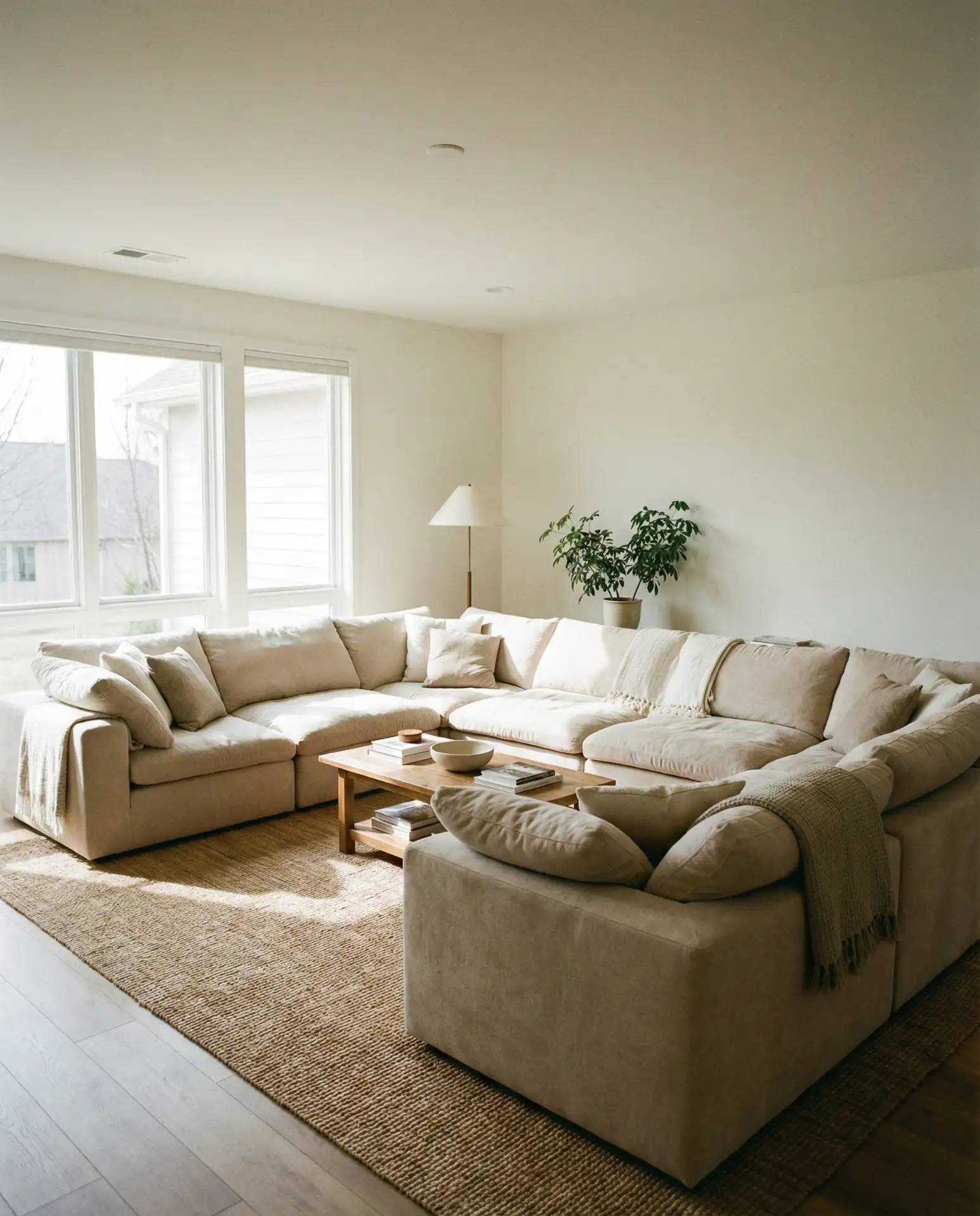
A large sectional is the workhorse of American family rooms, offering plenty of seating for movie nights, homework sessions, and weekend lounging. In 2026, sectionals come in modular configurations that let you customize the layout to fit your space, whether it’s L-shaped, U-shaped, or something in between. Performance fabrics and deep cushions make them as practical as they are comfortable, and neutral tones ensure they’ll work with evolving decor. Pair a sectional with a low coffee table, and you’ve got a setup that encourages everyone to gather and stay awhile.
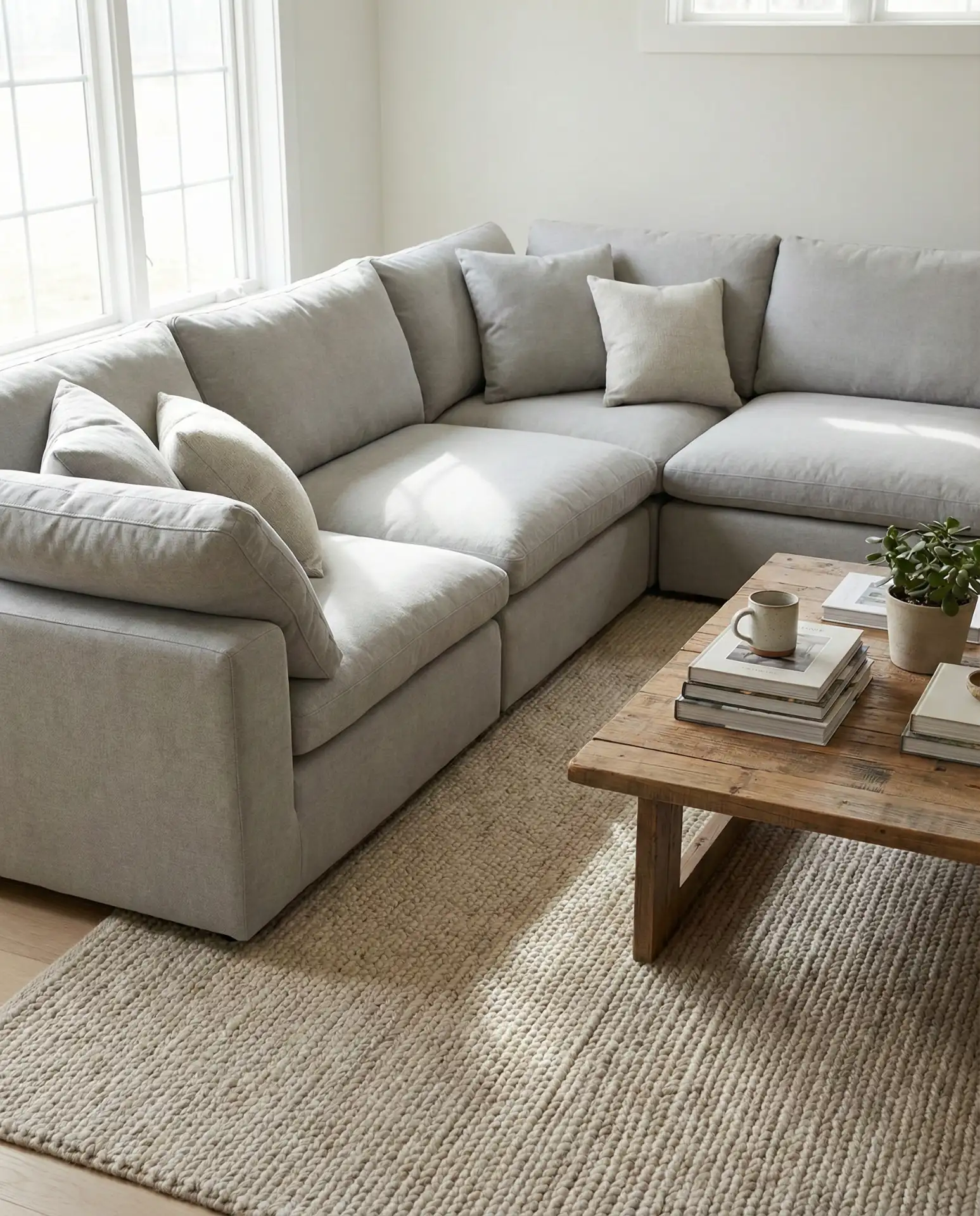
Real homeowner behavior shows that sectionals are especially popular in homes with children or frequent guests, where flexible seating is essential. Budget-wise, quality sectionals can range from $1,500 to $5,000 or more, but investing in a durable frame and cushion construction means you won’t have to replace it in a few years. Look for hardwood frames, high-density foam, and removable covers for easy cleaning—these details make all the difference in longevity.
14. Large-Scale Furniture for Spacious Rooms
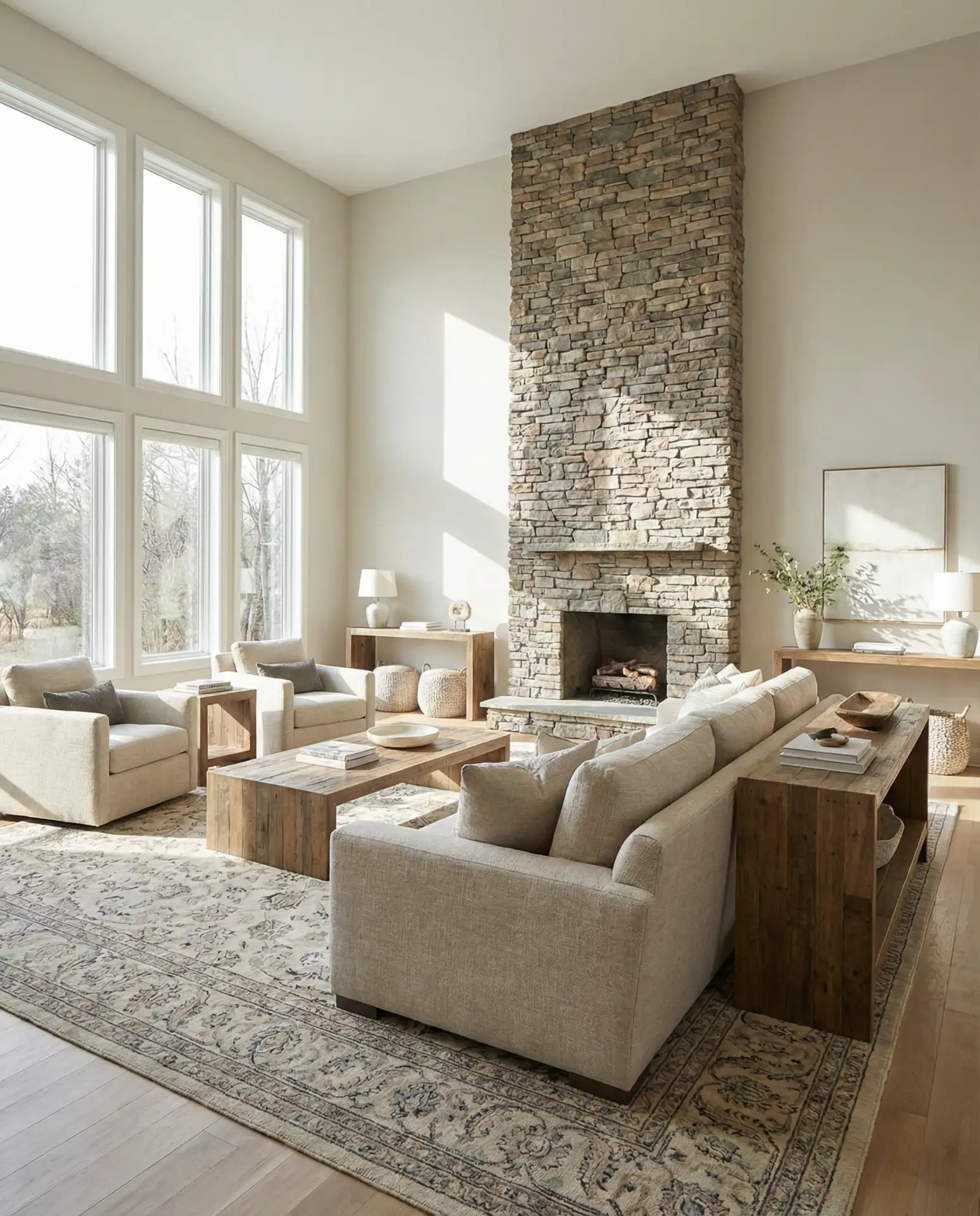
When you’re working with a large family room, the biggest mistake is furnishing it with pieces that are too small, which leaves the space feeling empty and disconnected. In 2026, designers recommend scaling up—oversized sofas, substantial coffee tables, tall bookshelves, and generous rugs that anchor the room and make it feel purposeful. Proportion is everything; a large room needs furniture that holds its own, creating intimacy within the bigger footprint. Think of it as filling the space with intention, not just stuff.

This approach works best in newly built homes, great rooms, or renovated spaces with high ceilings and open floor plans, common in the Sunbelt and newer suburban developments. An expert tip: use multiple seating areas within one large room—a main conversation zone around the TV and a secondary reading nook by the window—to break up the space and make it feel more intimate. Large doesn’t have to mean impersonal; it just requires thoughtful planning.
15. TV and Open Concept Integration
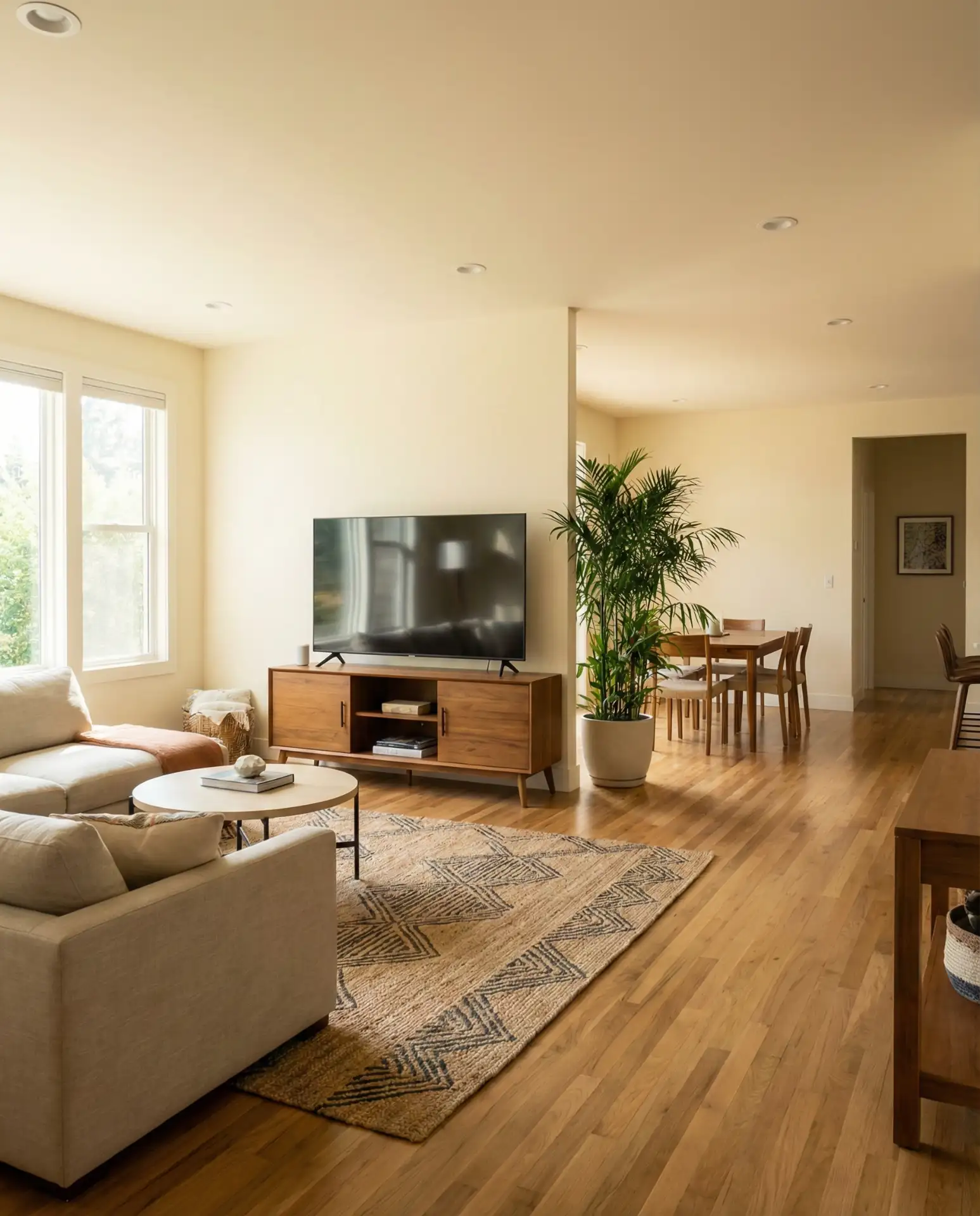
Integrating a TV into an open concept space requires careful thought—you want the screen to be visible from the main seating area without dominating sightlines from the kitchen or dining zone. In 2026, popular solutions include mounting the TV on a feature wall with contrasting paint or texture, incorporating it into a built-in unit, or using a low console that doubles as a subtle room divider. The goal is to make the TV functional for family movie nights without it becoming the focal point when you’re entertaining or cooking.
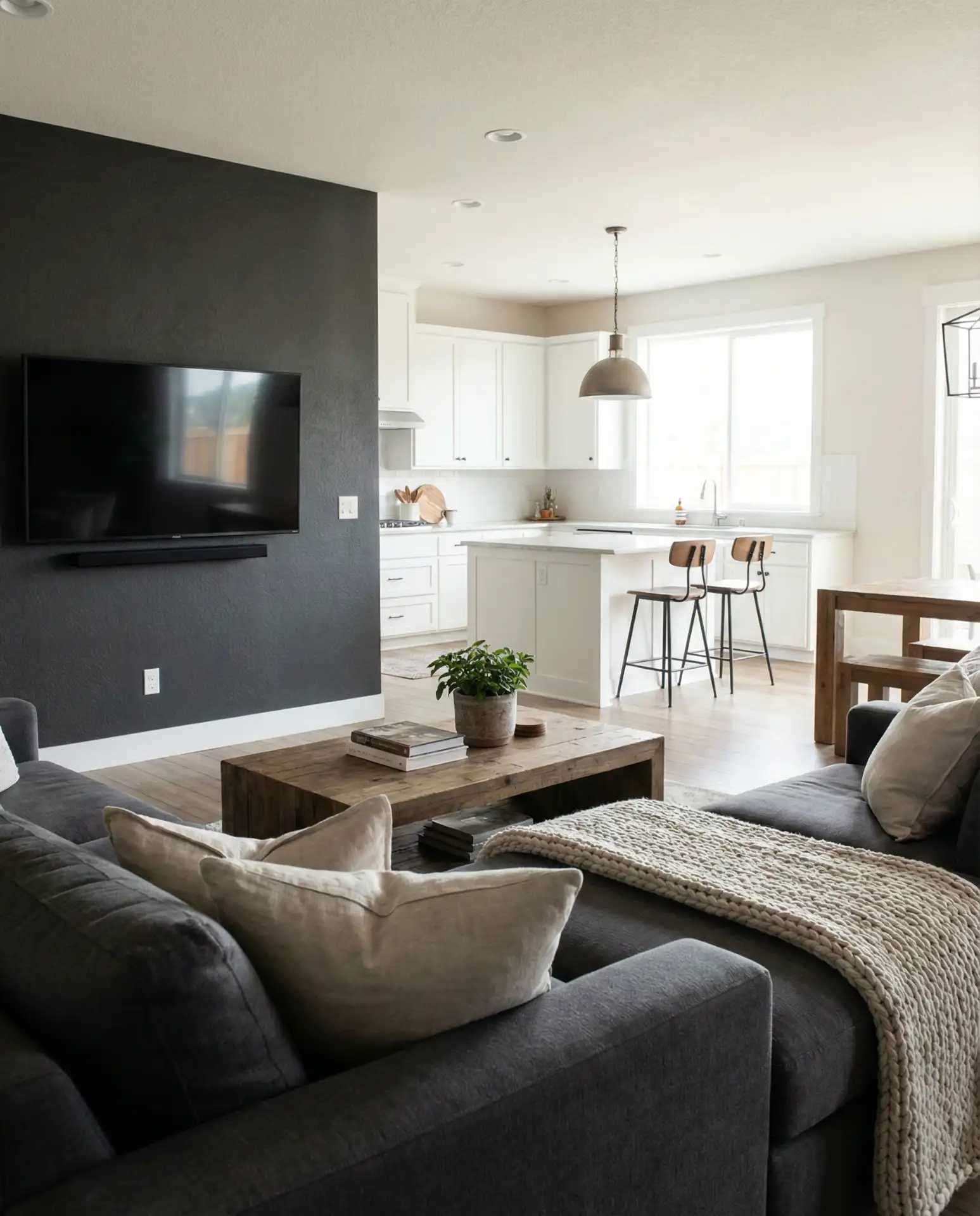
American lifestyle trends show that open-concept living is here to stay, especially in West Coast and Southwest homes where indoor-outdoor flow is valued. Many families use sliding barn doors or curtains to hide the TV when not in use, maintaining a cleaner aesthetic during the day. It’s a simple solution that gives you flexibility—an entertainment hub when you want it and a clean backdrop when you don’t.
16. Inspired by Hotel Lounge Sophistication
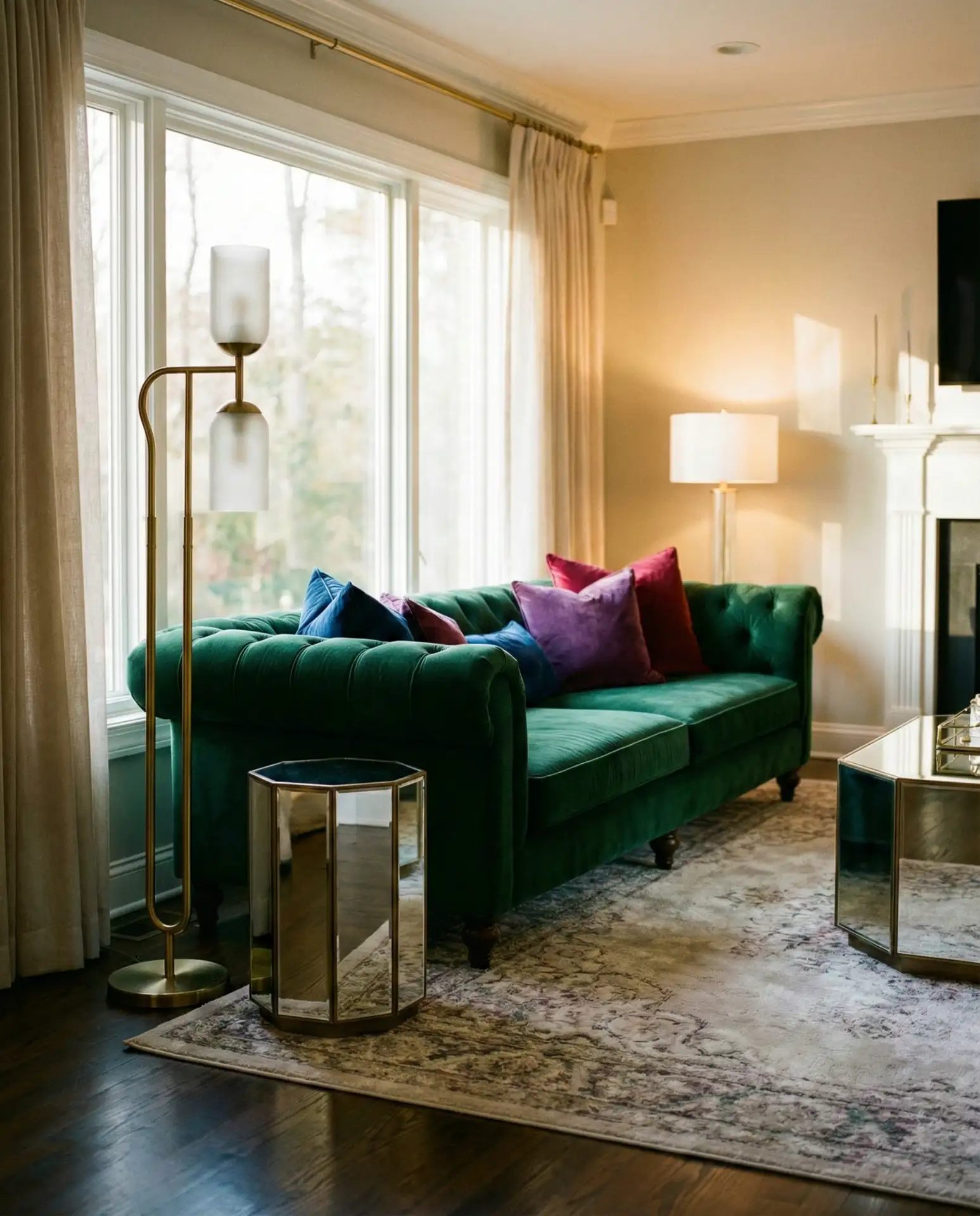
Drawing inspiration from hotel lobbies and lounges, 2026 family rooms can achieve a polished, resort-like feel with rich textures, layered lighting, and a refined color palette. Think plush seating, mirrored accents, sculptural side tables, and luxe materials like velvet, silk, or high-gloss lacquer. The key is creating a space that feels special—somewhere you’d want to spend time even if you weren’t watching TV or wrangling kids. It’s about elevating the everyday into something that feels intentional and indulgent.
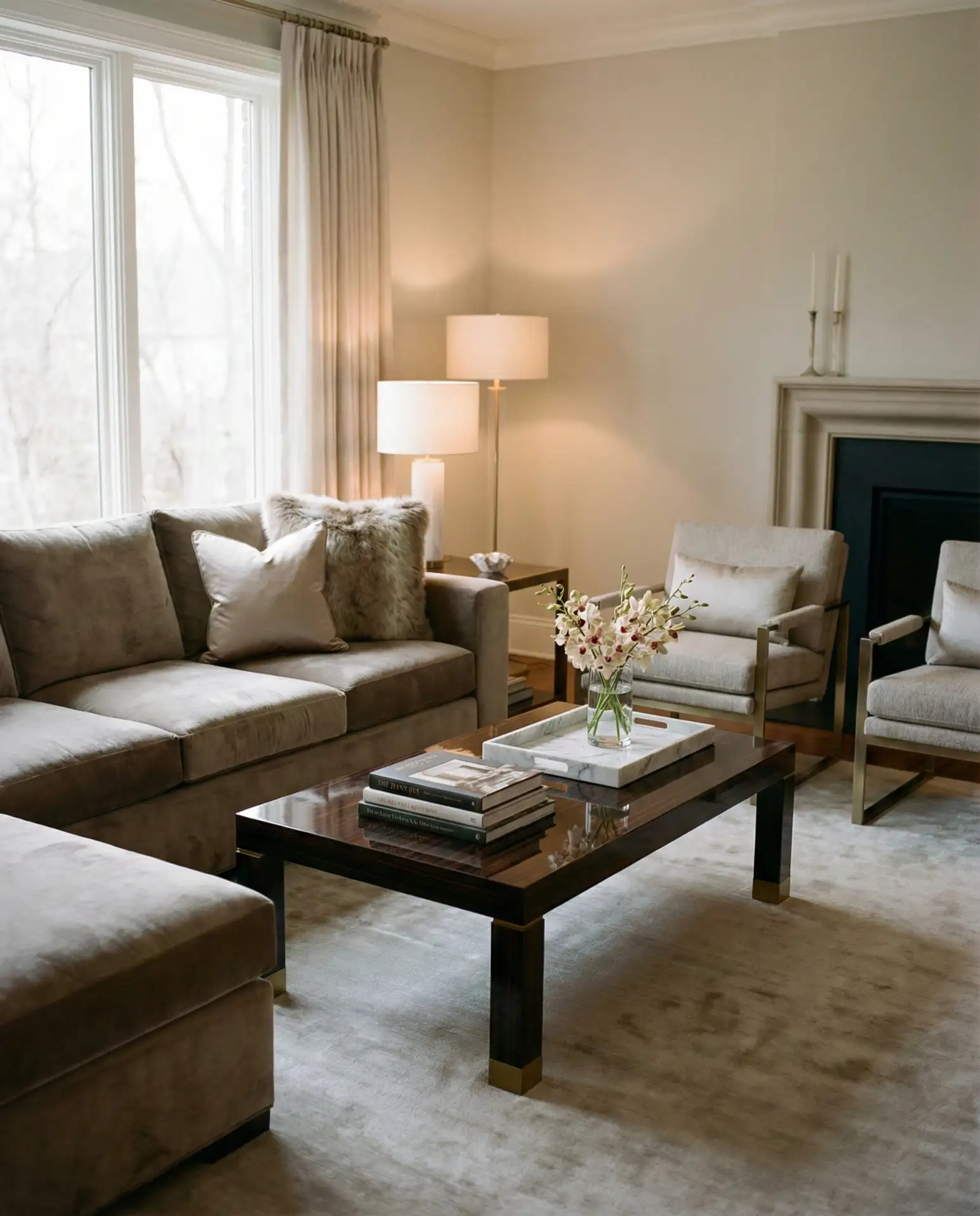
Where it works best: Urban condos and upscale homes where the family room doubles as a space for entertaining guests. This style requires a bit more maintenance—velvet needs vacuuming, mirrors need cleaning—but the payoff is a room that always looks camera-ready. Budget-conscious homeowners can achieve this look by focusing on a few statement pieces and keeping the rest streamlined and neutral.
17. Minimalist Calm with Functional Simplicity
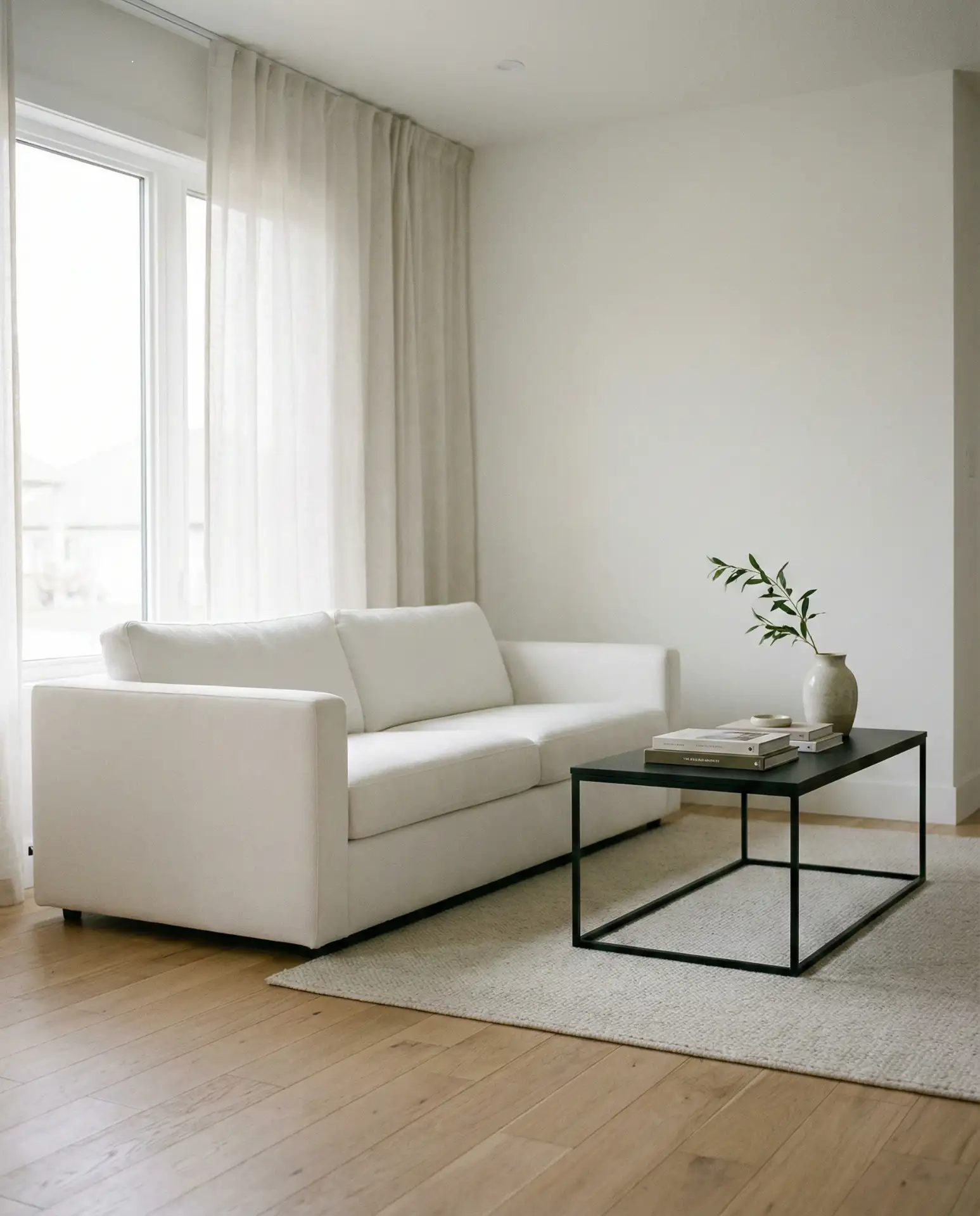
A minimalist family room in 2026 embraces the “less is more” philosophy, focusing on clean lines, uncluttered surfaces, and a restrained color palette that creates a sense of calm. This doesn’t mean the room is cold or unwelcoming—it means every piece has a purpose, and unnecessary decor is edited out. Think low-profile sofas, hidden storage, simple artwork, and plenty of negative space that lets the architecture and natural light take center stage. It’s a style that appeals to families seeking refuge from visual noise and overstimulation.
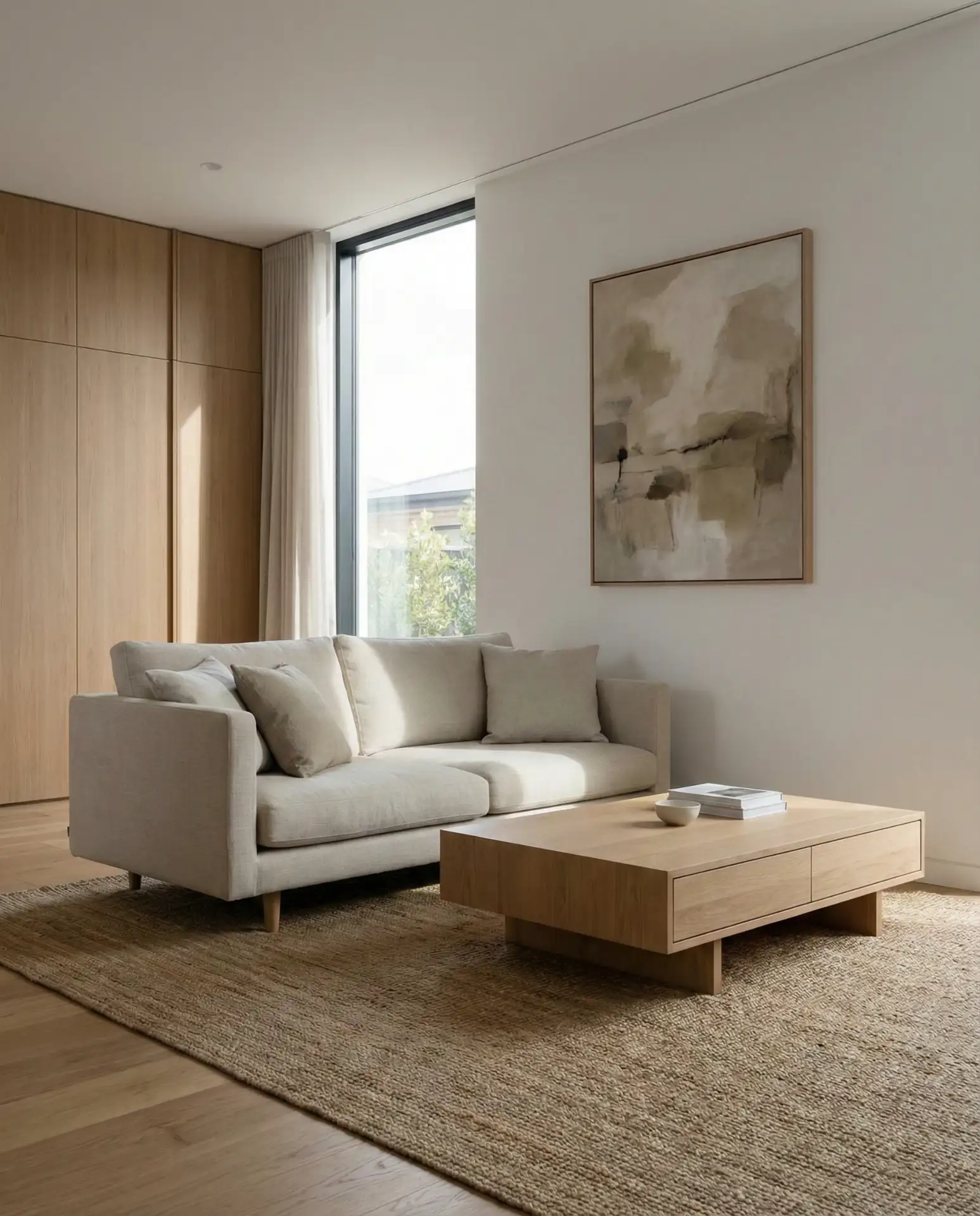
This style thrives in urban apartments and modern homes where space is at a premium and clutter is the enemy. A practical insight: invest in furniture with built-in storage—ottomans with lift-tops, media consoles with closed cabinets—to keep the minimalist aesthetic intact while still accommodating real life. The challenge is maintaining the look once you add kids’ toys and daily living; the solution is ruthless editing and smart, concealed storage solutions.
18. Bloxburg Virtual Design Translated to Reality
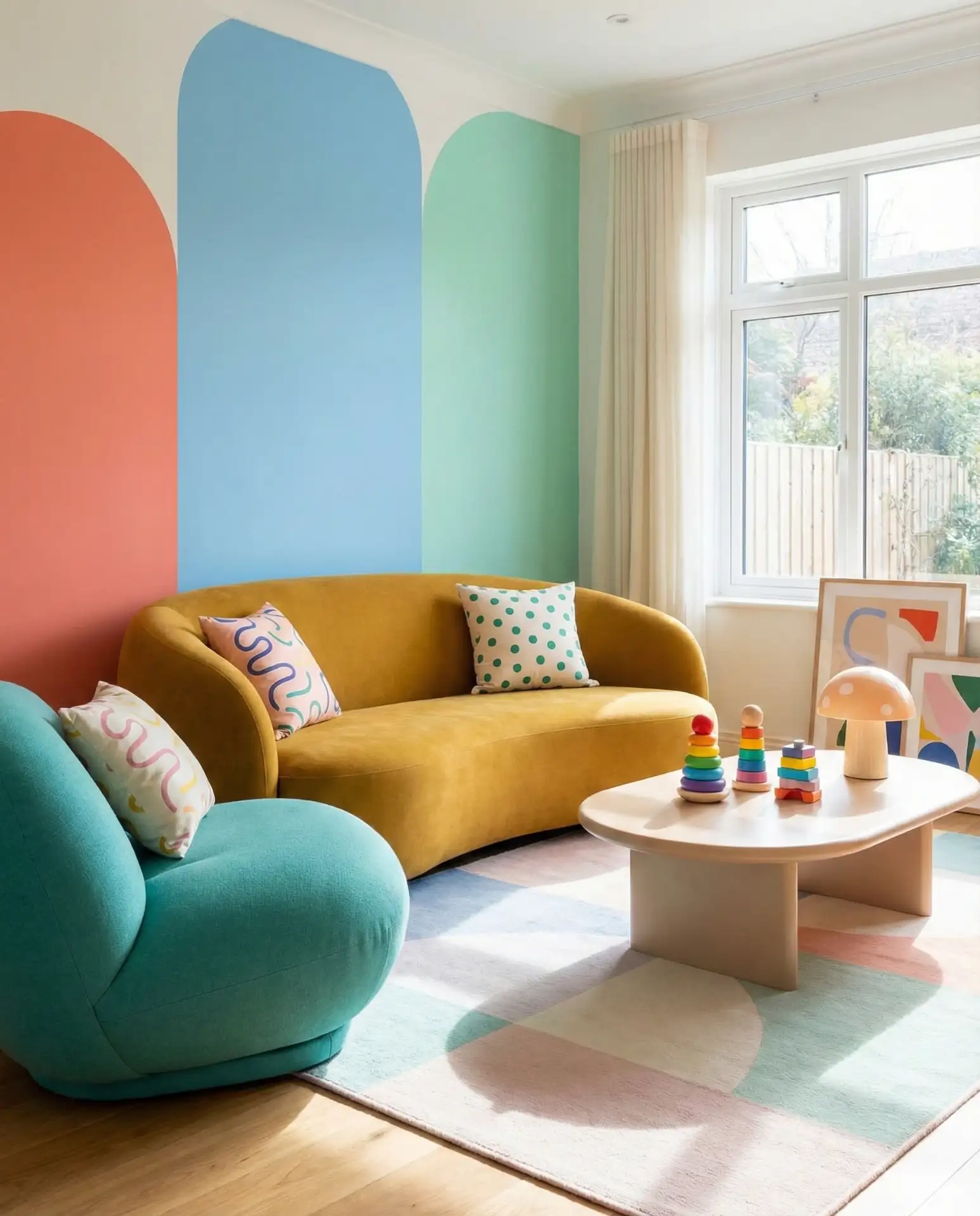
The popular Roblox game Bloxburg has inspired a generation of young designers, and in 2026, those playful, colorful, and highly stylized interiors are making their way into real homes. Translating virtual design into reality means embracing bold color blocking, fun geometric patterns, and youthful energy while keeping the space functional. Think pastel palettes, rounded furniture, and whimsical decor that doesn’t take itself too seriously. It’s a trend that appeals to Gen Z and younger millennials decorating their first homes or refreshing family spaces with a fresh, optimistic vibe.

A friend’s teenage daughter designed her dream family room in Bloxburg first, then her parents used it as inspiration for their real renovation—complete with a curved sectional and neon accent wall. The result was unexpected and delightful, proving that virtual design tools can spark real creativity. If this style feels too bold, start with one or two playful elements—like colorful pillows or a fun rug—and see how you feel before committing to a full-room transformation.
19. Classic Symmetry and Timeless Proportions
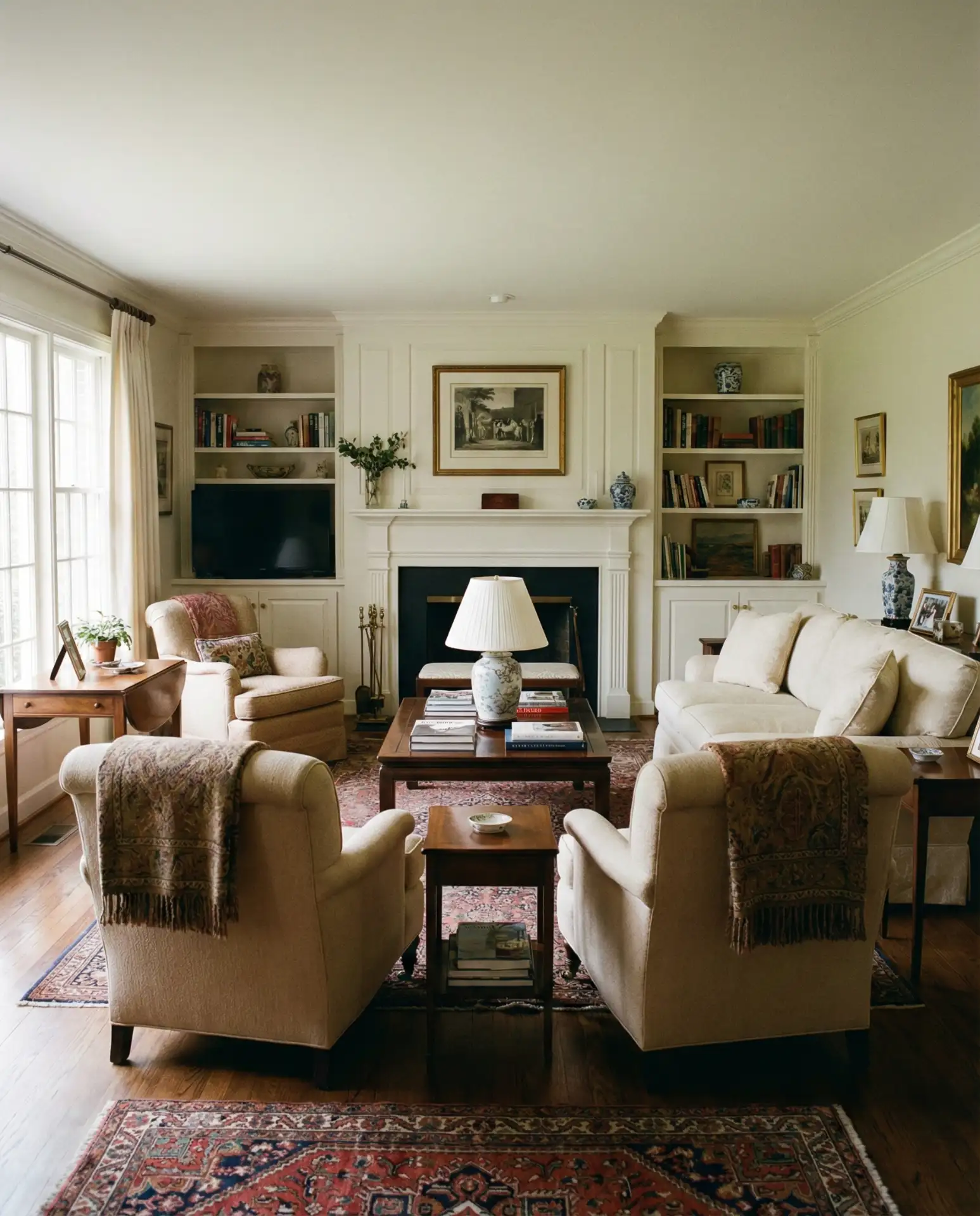
A classic family room design relies on symmetry, balanced proportions, and timeless furniture that never goes out of style. In 2026, this means matching sofas or armchairs flanking a central fireplace or coffee table, coordinated table lamps on side tables, and a centered area rug that grounds the arrangement. This approach creates a sense of order and calm, appealing to homeowners who value tradition and predictability. It’s the antithesis of eclectic or trendy design, and that’s precisely its strength—it endures.
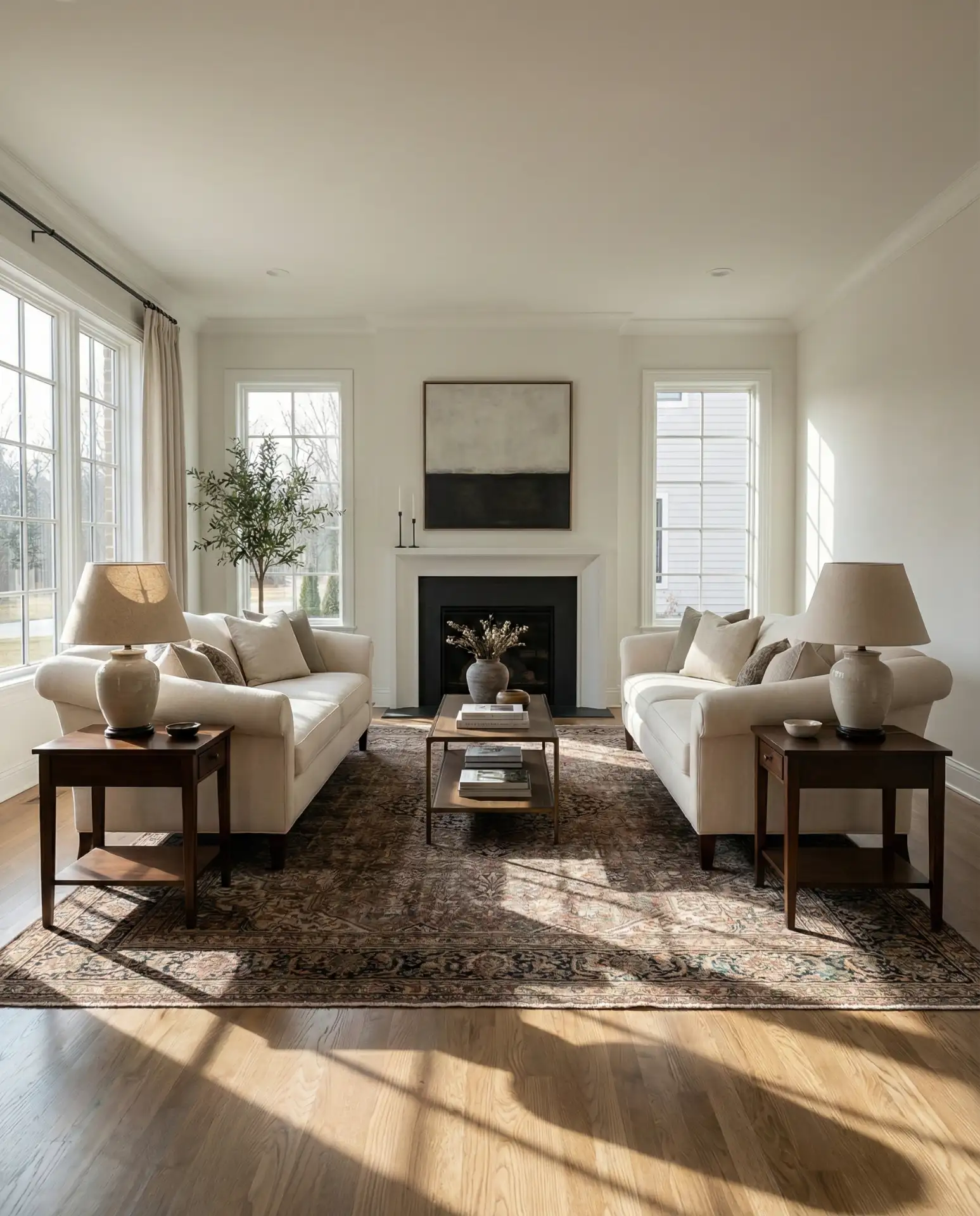
This style works best in colonial, Georgian, or neoclassical homes with formal architecture that demands a similarly formal interior approach. American lifestyle trends show that classic design is experiencing a resurgence, especially among buyers of older homes who want to honor the original character. The key is avoiding stiffness—add comfortable cushions, warm textiles, and personal touches so the room feels livable, not like a museum.
20. Fun Elements with Unexpected Details
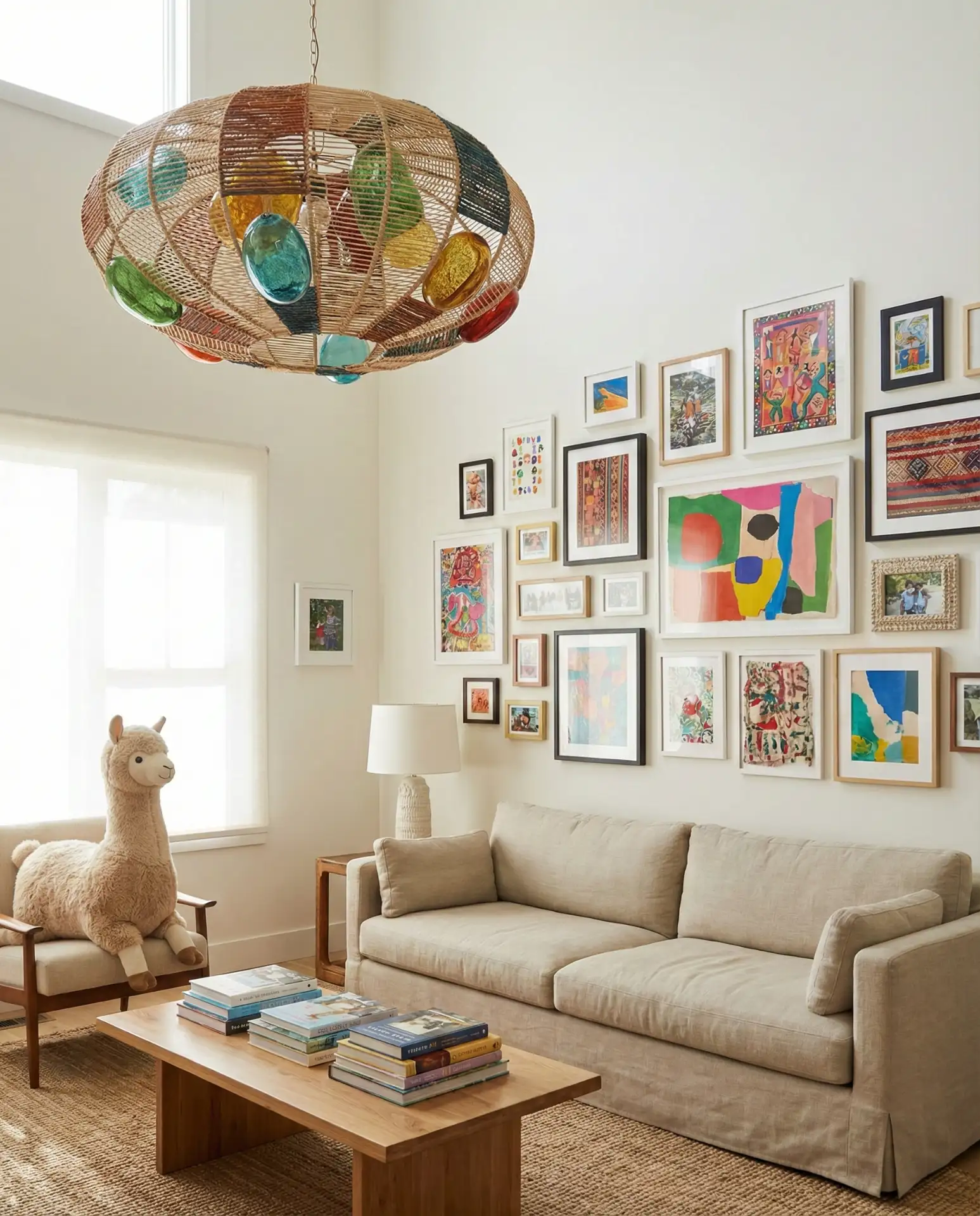
Injecting fun into a family room in 2026 doesn’t mean sacrificing sophistication—it means adding unexpected details that spark joy and conversation. A bold accent wall in a saturated color, a quirky light fixture, a collection of vintage concert posters, or a statement piece of furniture in an unusual shape can transform an otherwise neutral room into something memorable. The trick is restraint; one or two fun elements per room is enough to add personality without tipping into chaos or kitsch.
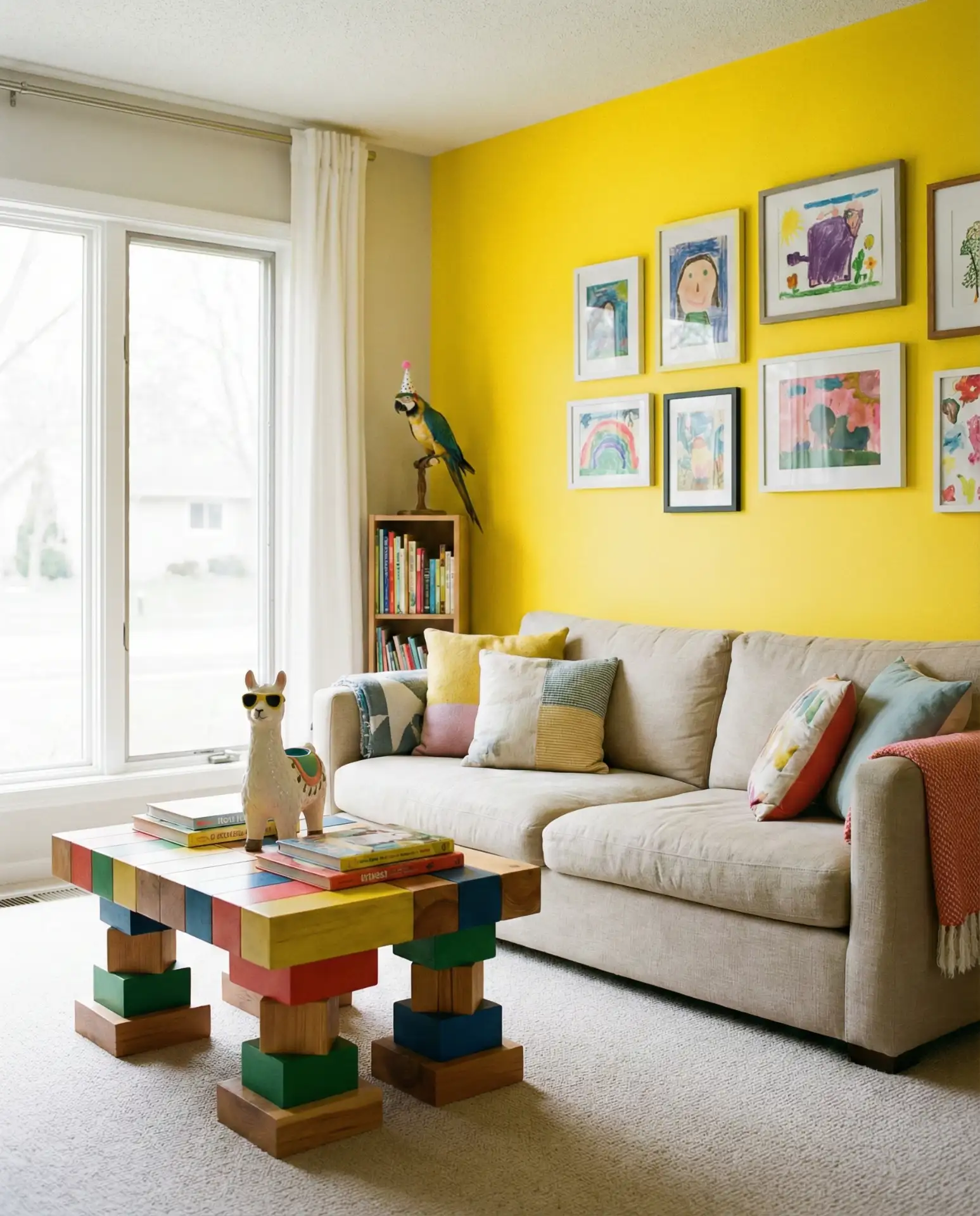
Real homeowners often add fun elements through DIY projects or thrifted finds, which keeps costs down and adds authenticity. A common mistake is thinking “fun” means “childish”—but playful design can be sophisticated when executed with quality materials and thoughtful placement. This approach works anywhere, but it’s especially popular in creative communities and among younger homeowners who want their spaces to reflect their personalities, not just follow a design rulebook.
21. Simple Foundations with Versatile Styling
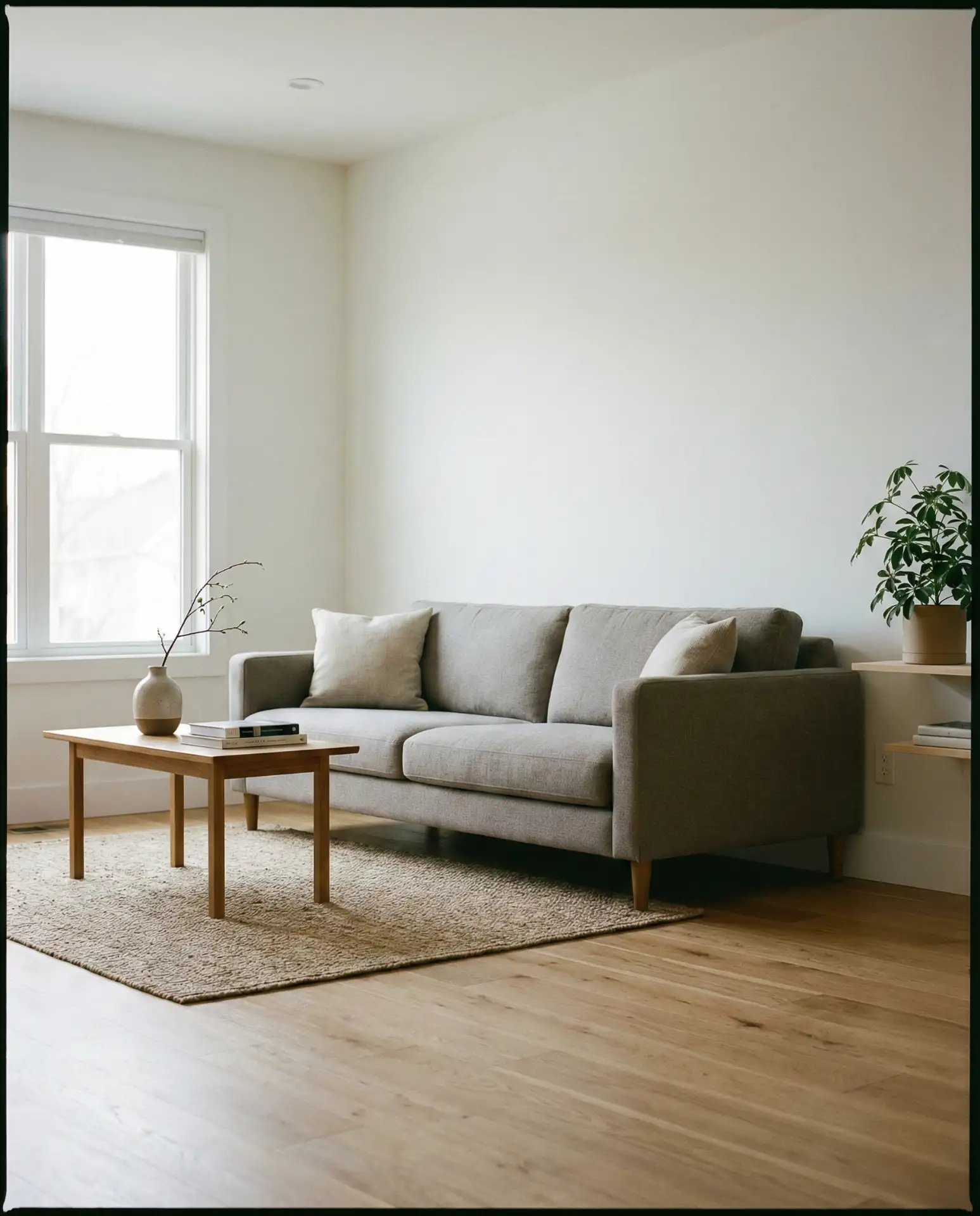
Building a family room on simple foundations—neutral walls, classic furniture silhouettes, and minimal architectural details—gives you ultimate flexibility to change the look over time with accessories, textiles, and art. In 2026, this approach appeals to practical homeowners who want a space that can evolve with trends, seasons, and life stages without requiring a full renovation. Start with a quality sofa in a neutral color, add a versatile area rug, and layer in personality through pillows, throws, and decor that can be swapped out easily.
Budget-wise, this is one of the smartest approaches because you’re not locked into a specific style that might feel dated in a few years. Invest in the big, permanent pieces—sofa, rug, coffee table—and save money on the accessories that you can refresh seasonally or as your taste evolves. It’s the design equivalent of a capsule wardrobe: a few solid basics that work with everything, styled differently depending on your mood.
22. Cozy Modern Luxury with Refined Comfort
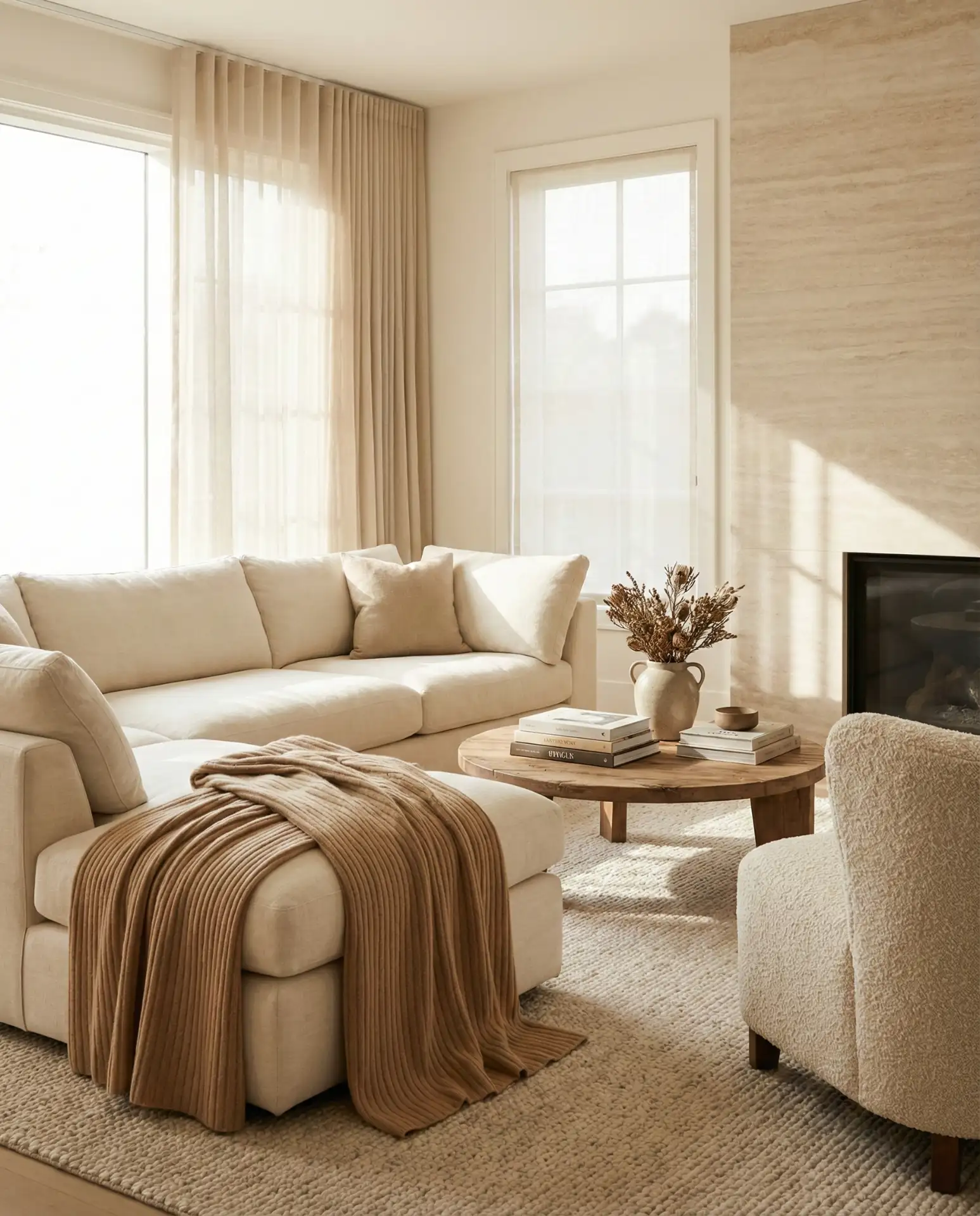
The cozy modern luxury aesthetic combines the plush comfort of a traditional family room with the clean lines and sophisticated palette of contemporary design. In 2026, this means sumptuous fabrics like bouclé and cashmere, high-end finishes like natural stone and oiled brass, and a neutral color scheme punctuated by rich, warm tones. It’s a style that says, “I care about design, but I also care about being comfortable,” and it’s perfect for families who want a space that impresses guests while still inviting everyone to kick off their shoes and relax.
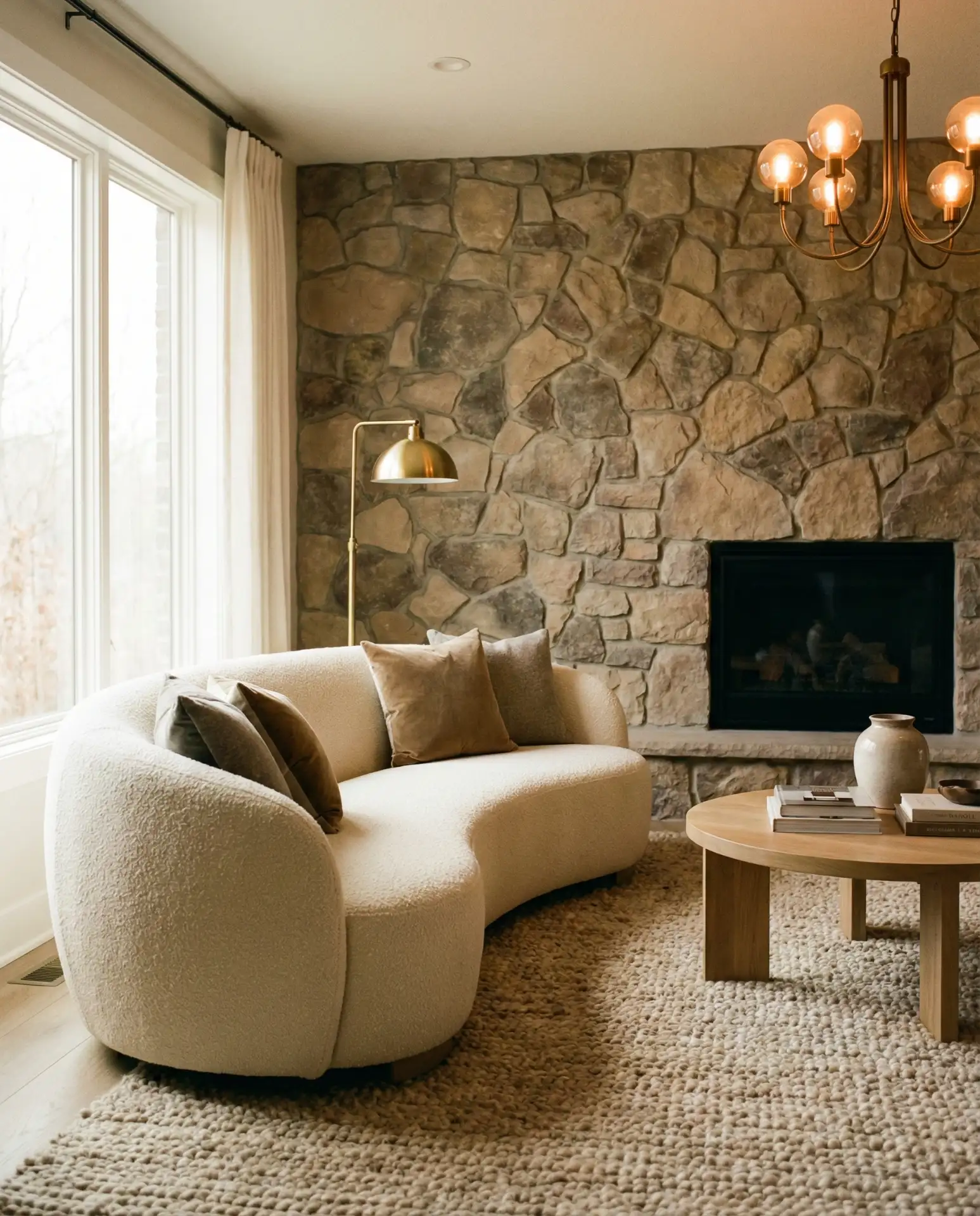
This style is popular in upscale suburban homes and newly built luxury properties across affluent markets like California, Colorado, and the Northeast. Expert commentary suggests that achieving this look requires balancing the tactile (soft, cozy textures) with the visual (clean, modern lines), so neither element overpowers the other. It’s a delicate dance, but when done right, the result is a family room that feels like a five-star retreat without sacrificing livability.
Conclusion
These family room designs offer something for every style, budget, and lifestyle, proving that 2026 is all about creating spaces that work as hard as they look good. Whether you’re drawn to the warmth of a cozy modern farmhouse or the sleek sophistication of a minimalist retreat, the key is choosing elements that reflect your family’s needs and personality. Don’t be afraid to mix ideas, experiment with unexpected details, and make the space truly your own. Which design resonates most with you? Share your thoughts in the comments below.