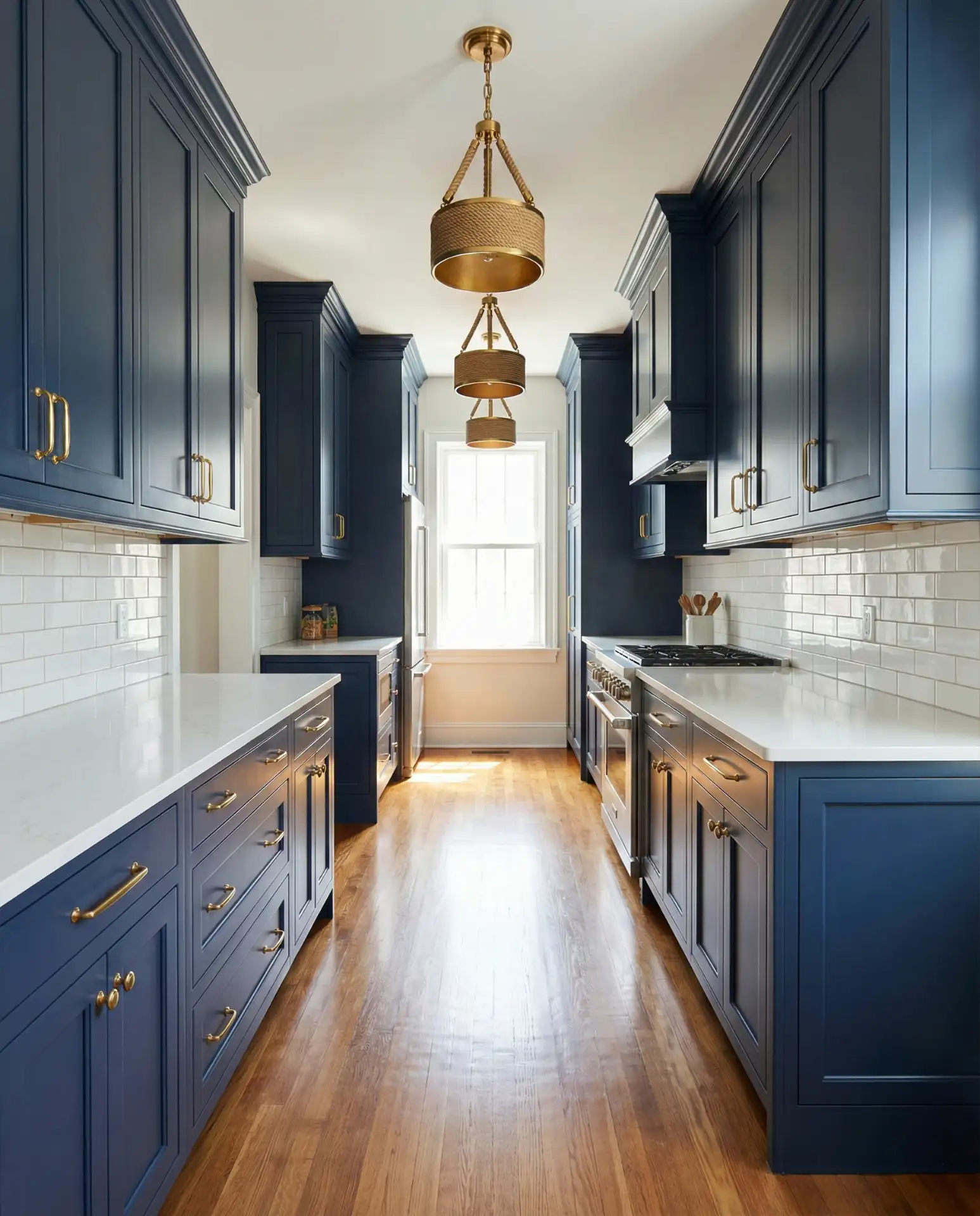
Galley kitchens are having a major moment in 2026, and it’s easy to see why. These efficient, corridor-style spaces maximize every inch without sacrificing style, making them ideal for urban apartments, historic homes, and modern renovations alike. Americans are flocking to Pinterest for fresh galley kitchen inspiration that proves you don’t need a sprawling footprint to create a stunning, functional cooking space. Whether you’re working with a narrow footprint or planning a full remodel, the right design moves can transform a tight galley into the hardest-working room in your home. Here are smart, beautiful ideas to help you reimagine what’s possible in a galley layout.
1. Classic White Galley with Timeless Appeal
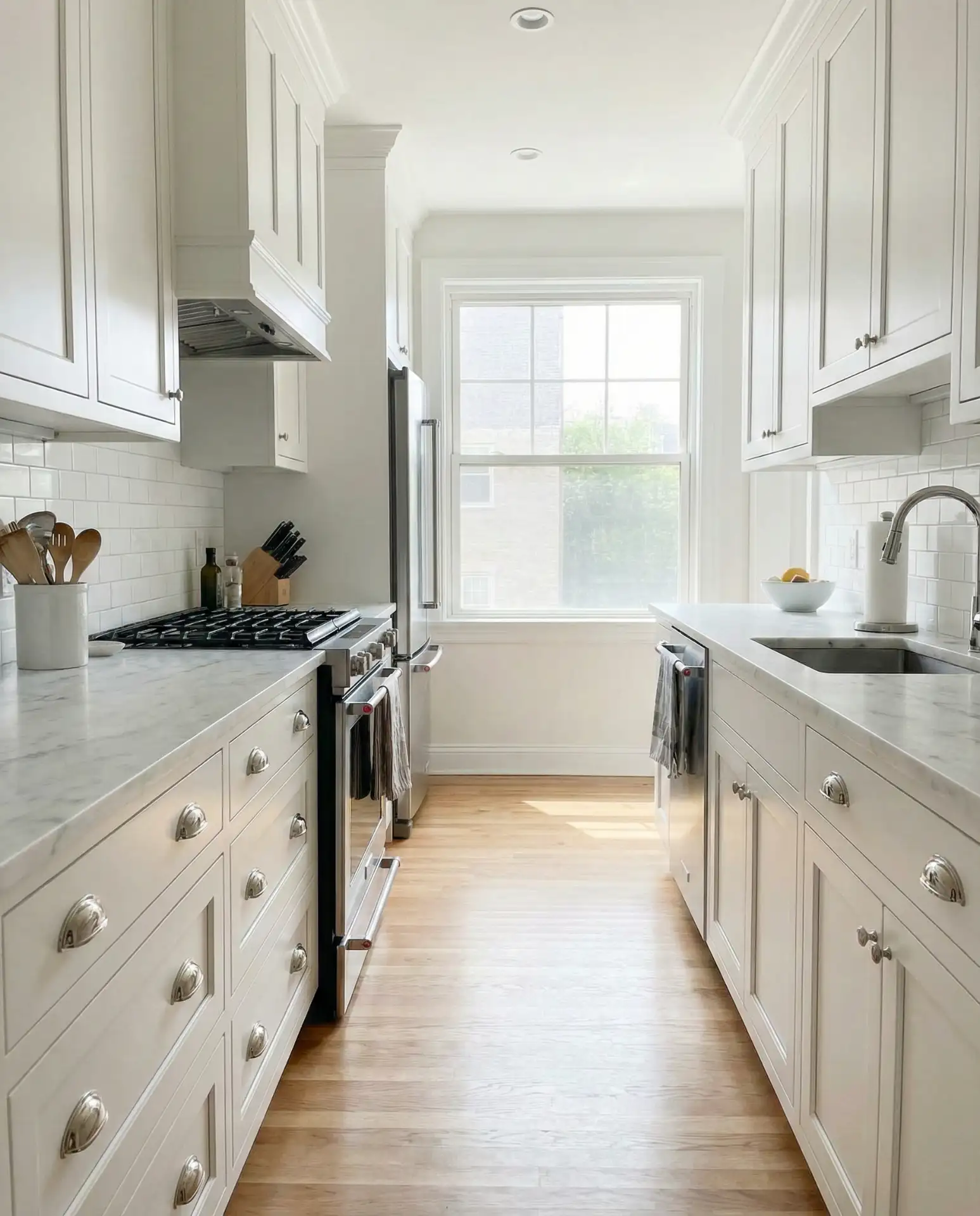
A white galley kitchen never goes out of style, offering a clean, bright foundation that makes even the most compact space feel open and airy. This approach works beautifully in older homes where you want to honor traditional architecture while updating functionality. Crisp white cabinetry paired with marble or quartz countertops creates a sophisticated backdrop that adapts to any décor style, from farmhouse to contemporary.
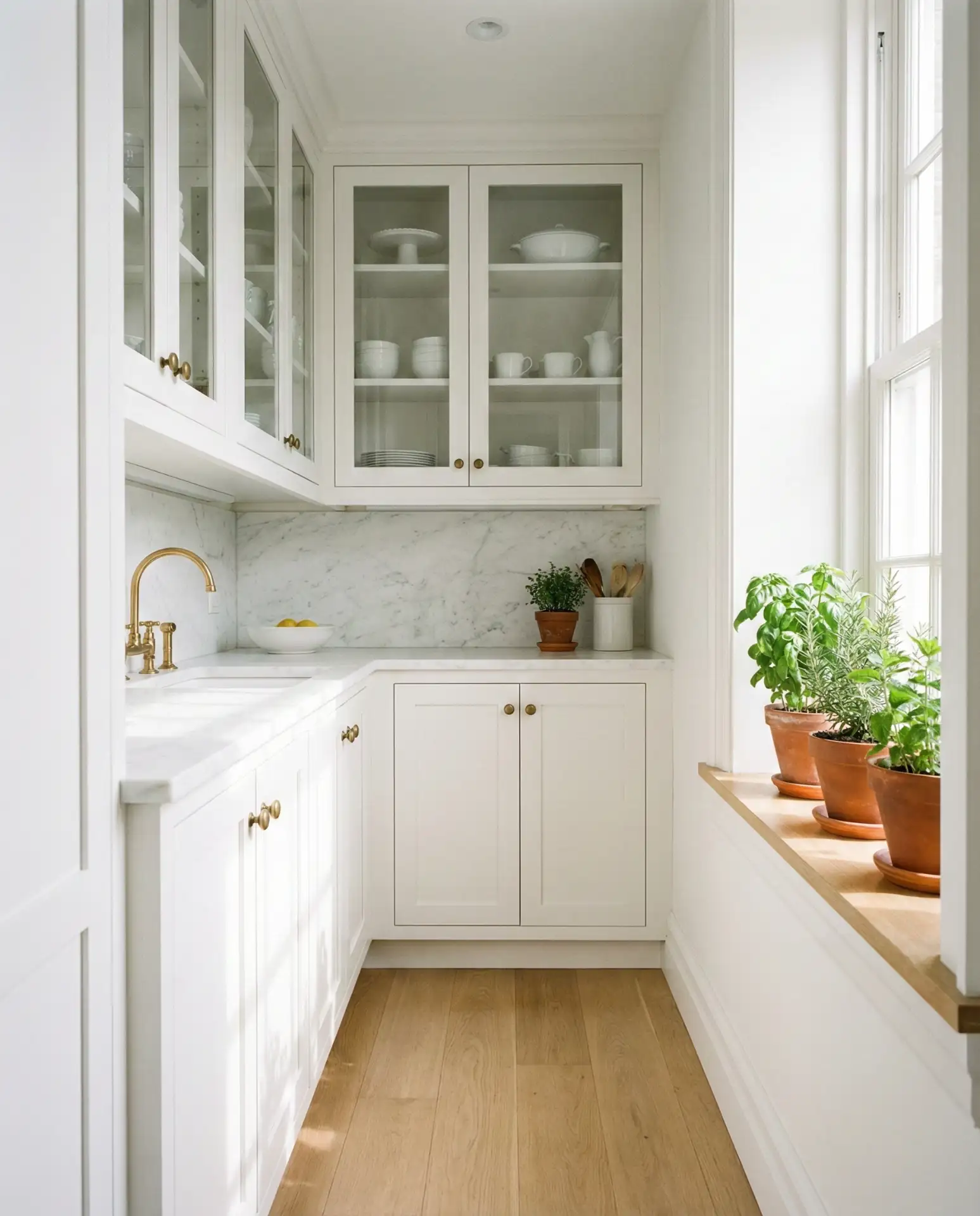
White surfaces reflect light beautifully, which is crucial in a galley where natural light sources may be limited to one or both ends. The monochromatic palette also simplifies decision-making when it comes to appliances, hardware, and décor. A common mistake is choosing stark, cold whites—opt for warmer tones like ivory or cream to add softness and prevent the space from feeling sterile or clinical.
2. Peninsula Addition for Extra Counter Space
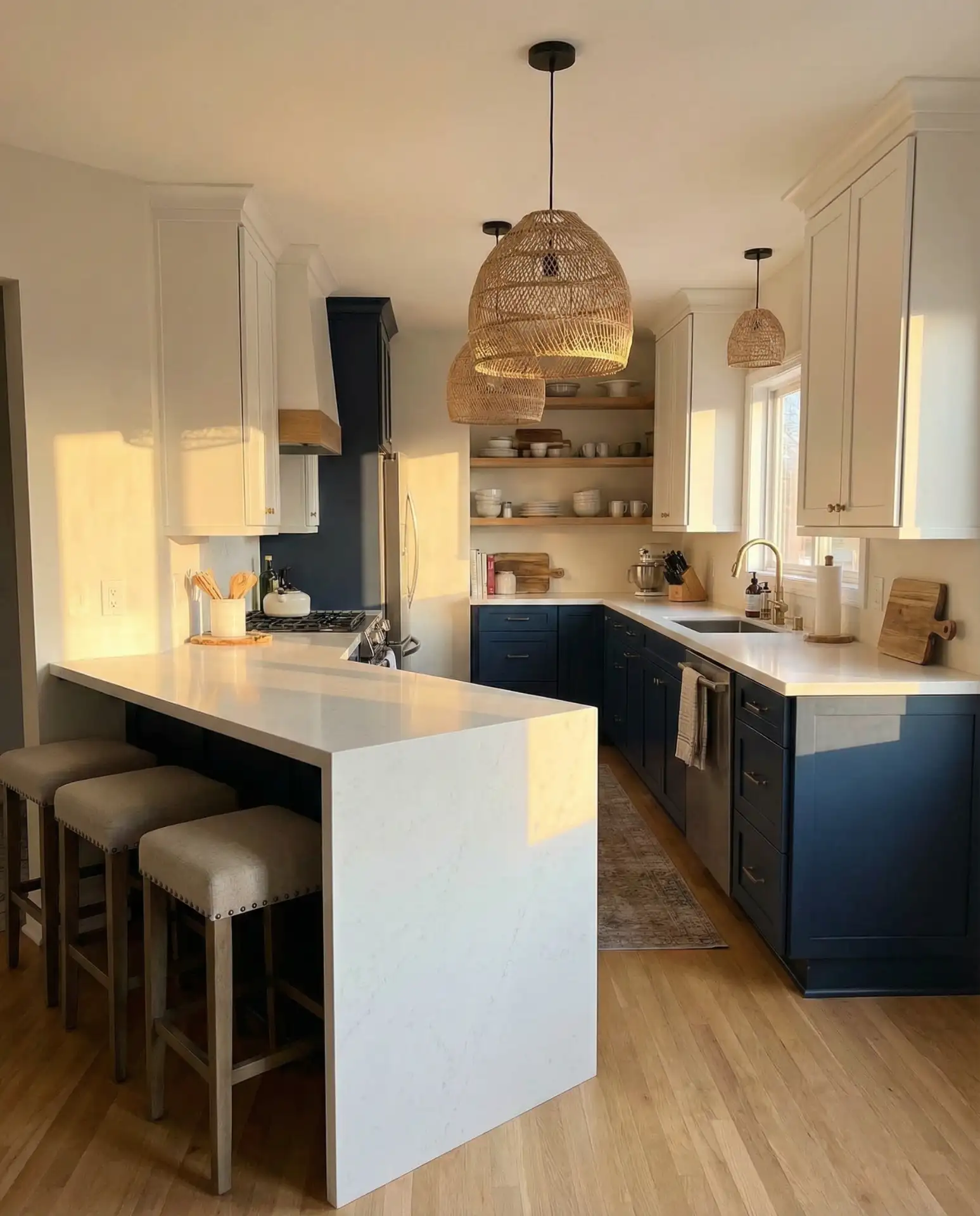
Adding a peninsula to one end of a galley kitchen creates a natural boundary while delivering much-needed counter and storage space. This layout works especially well when your galley opens into a dining or living area, offering a casual spot for breakfast or evening drinks. The peninsula acts as a visual anchor, defining the kitchen without closing it off entirely.
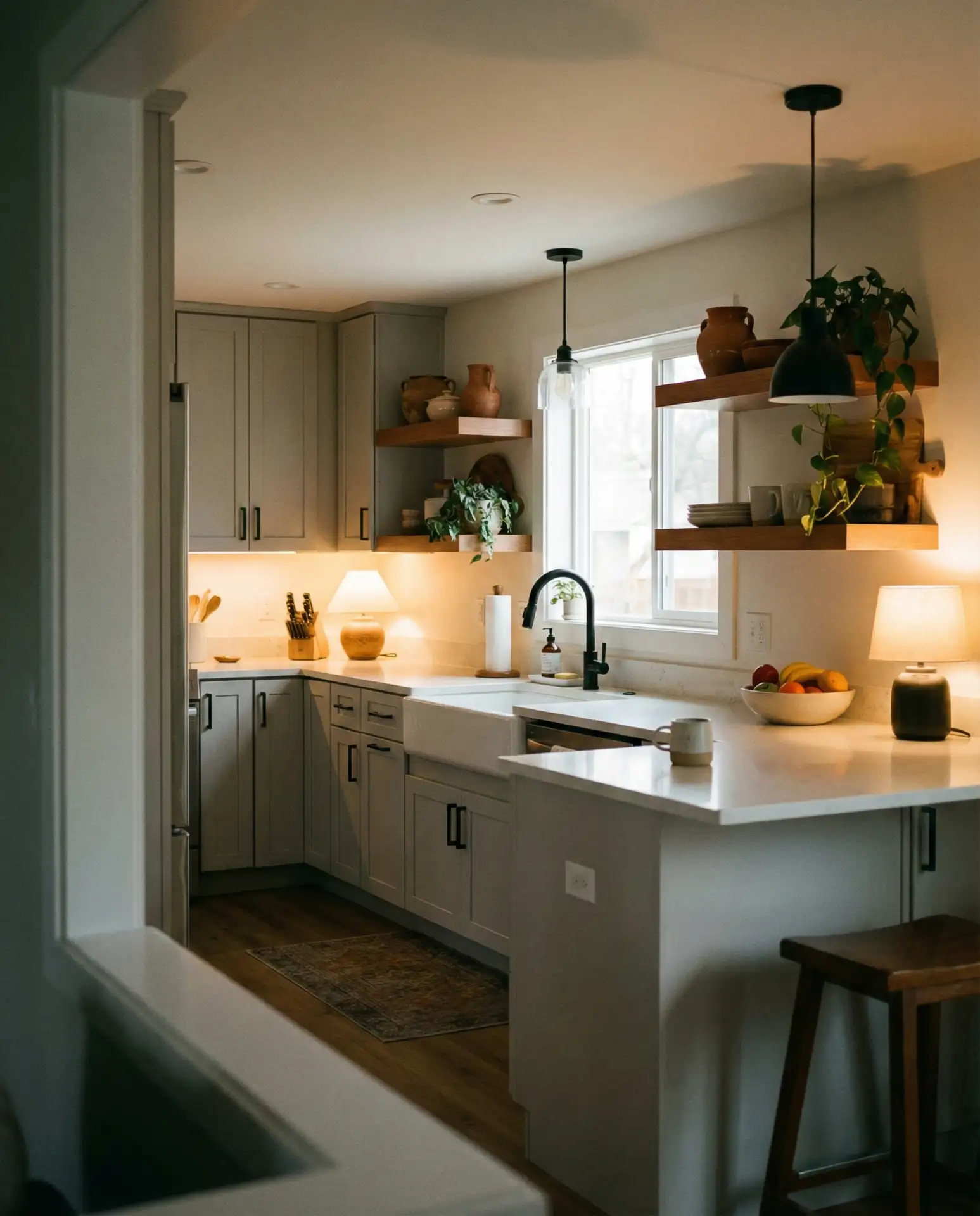
In the Midwest and Northeast, where open-concept living has become the standard, homeowners often add a peninsula to maintain flow while preserving distinct zones. It’s a practical solution that also increases property value. Just make sure to leave at least 42 inches of clearance on the working side to avoid bottlenecks during meal prep.
3. Long and Lean Layout Maximizes Flow
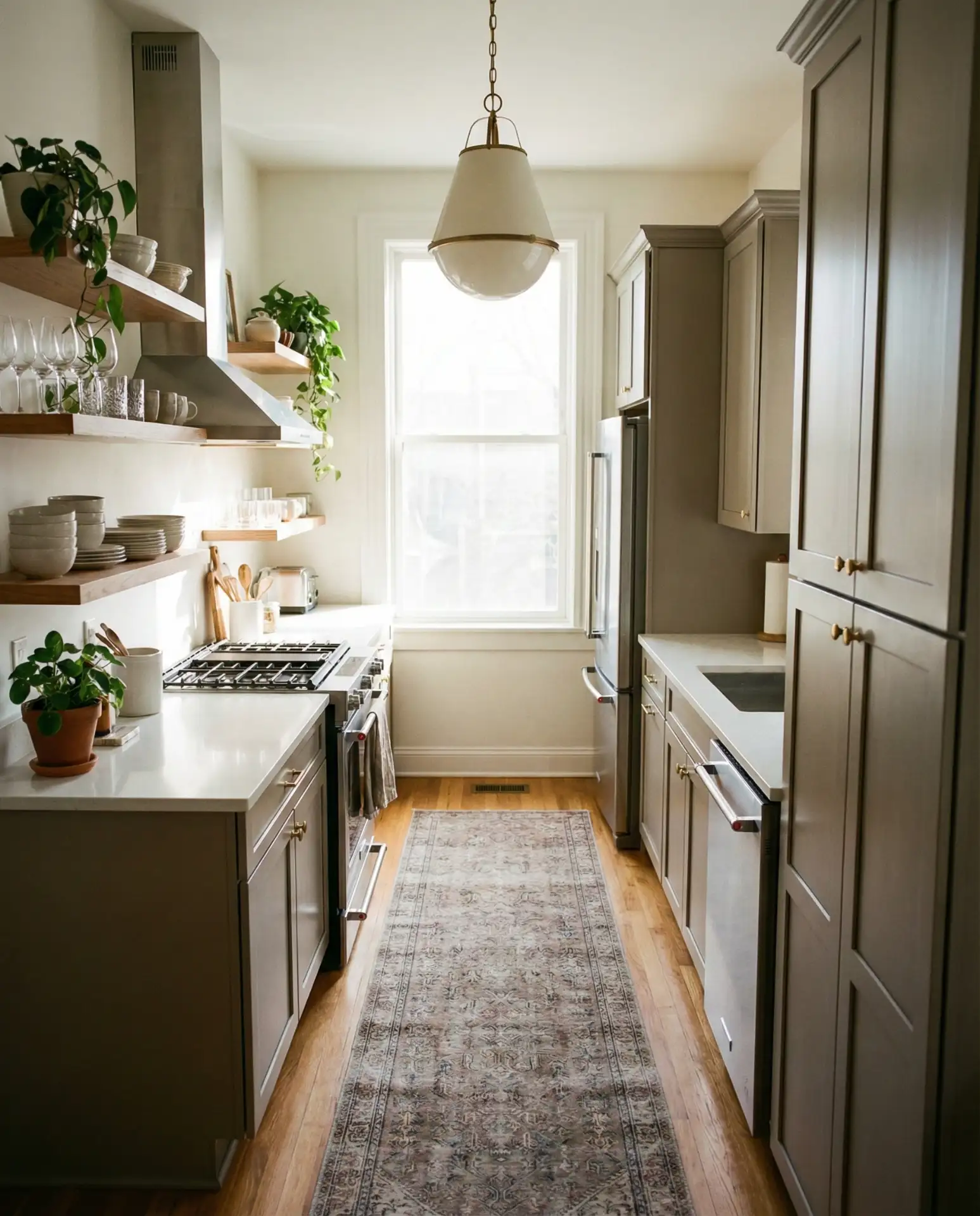
A long galley kitchen thrives on smart zoning and uninterrupted sightlines. By arranging your sink, stove, and refrigerator in a classic work triangle along opposing walls, you create an intuitive flow that minimizes steps and maximizes efficiency. This layout is particularly effective in narrow urban apartments and historic townhouses where square footage is at a premium.
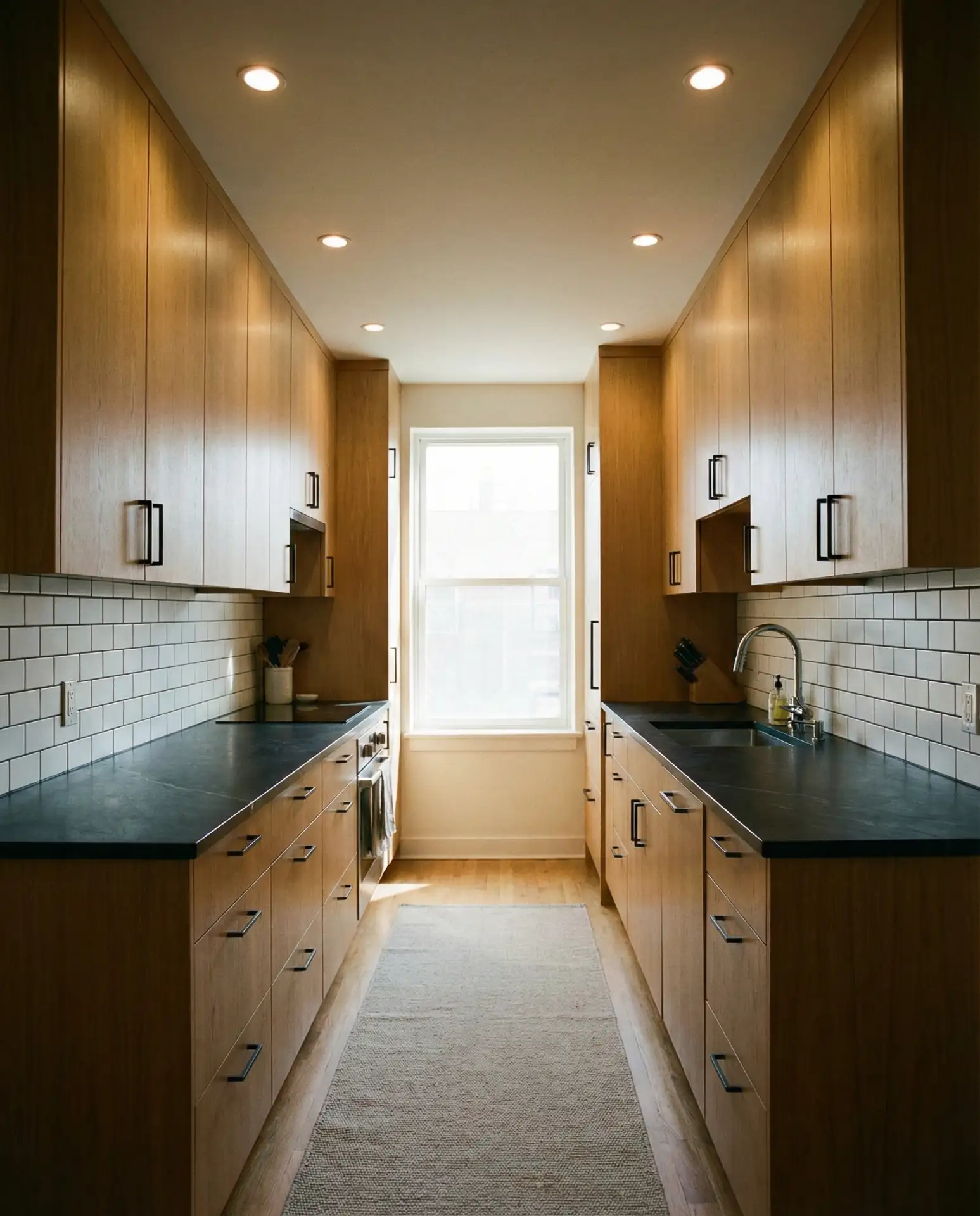
One homeowner in Brooklyn told us she initially worried her 14-foot galley would feel cramped, but after installing slim-profile appliances and eliminating upper cabinets on one side, she gained breathing room without sacrificing storage. The key is resisting the urge to overstuff the space—every element should earn its place.
4. Floor Plans That Open Up Small Spaces
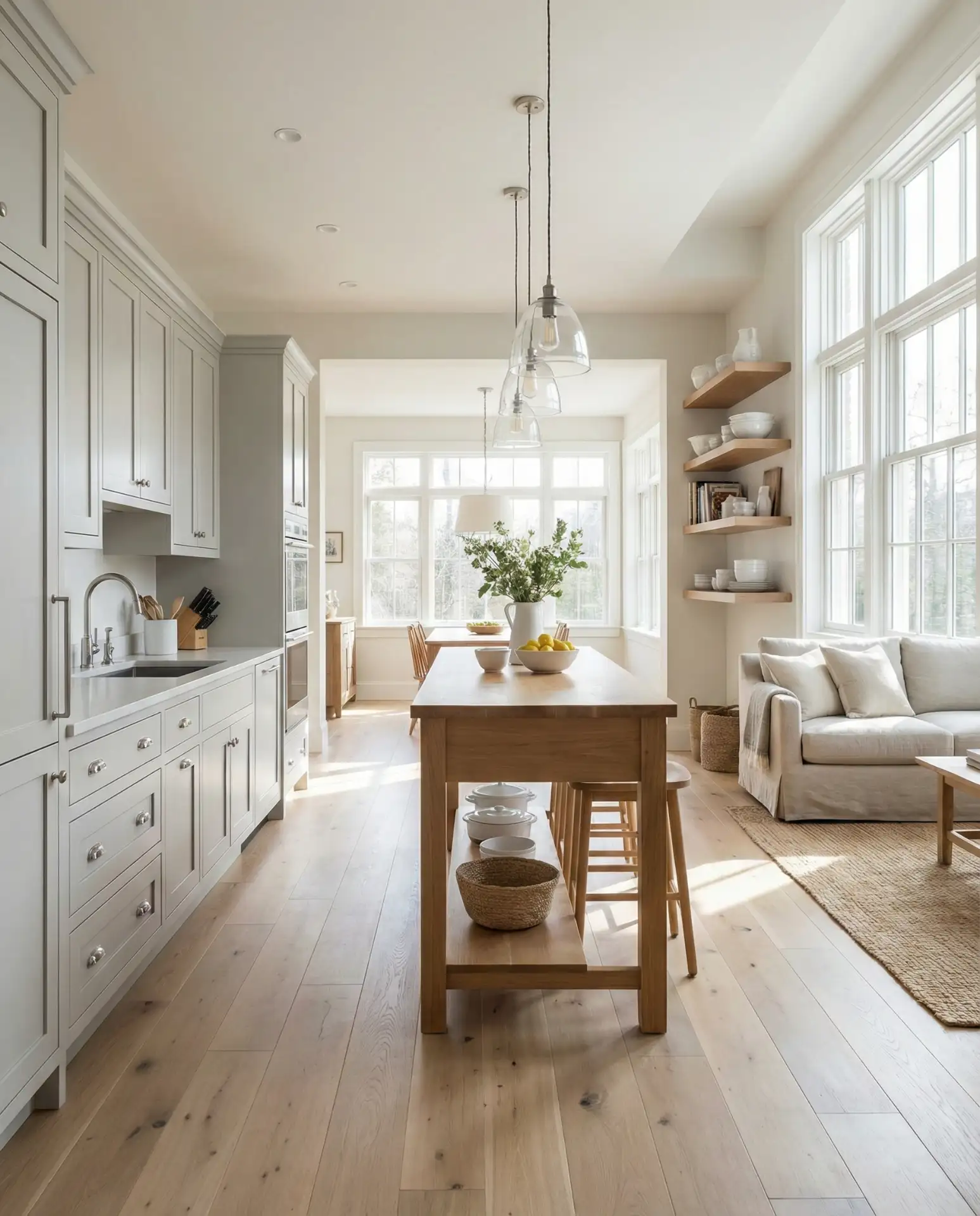
Strategic layout floor plans can make a galley kitchen feel twice its actual size. By removing non-structural walls or widening doorways, you invite natural light and sightlines from adjacent rooms, creating the illusion of a larger, more connected home. This approach is especially popular in California and the Pacific Northwest, where indoor-outdoor living is a priority.
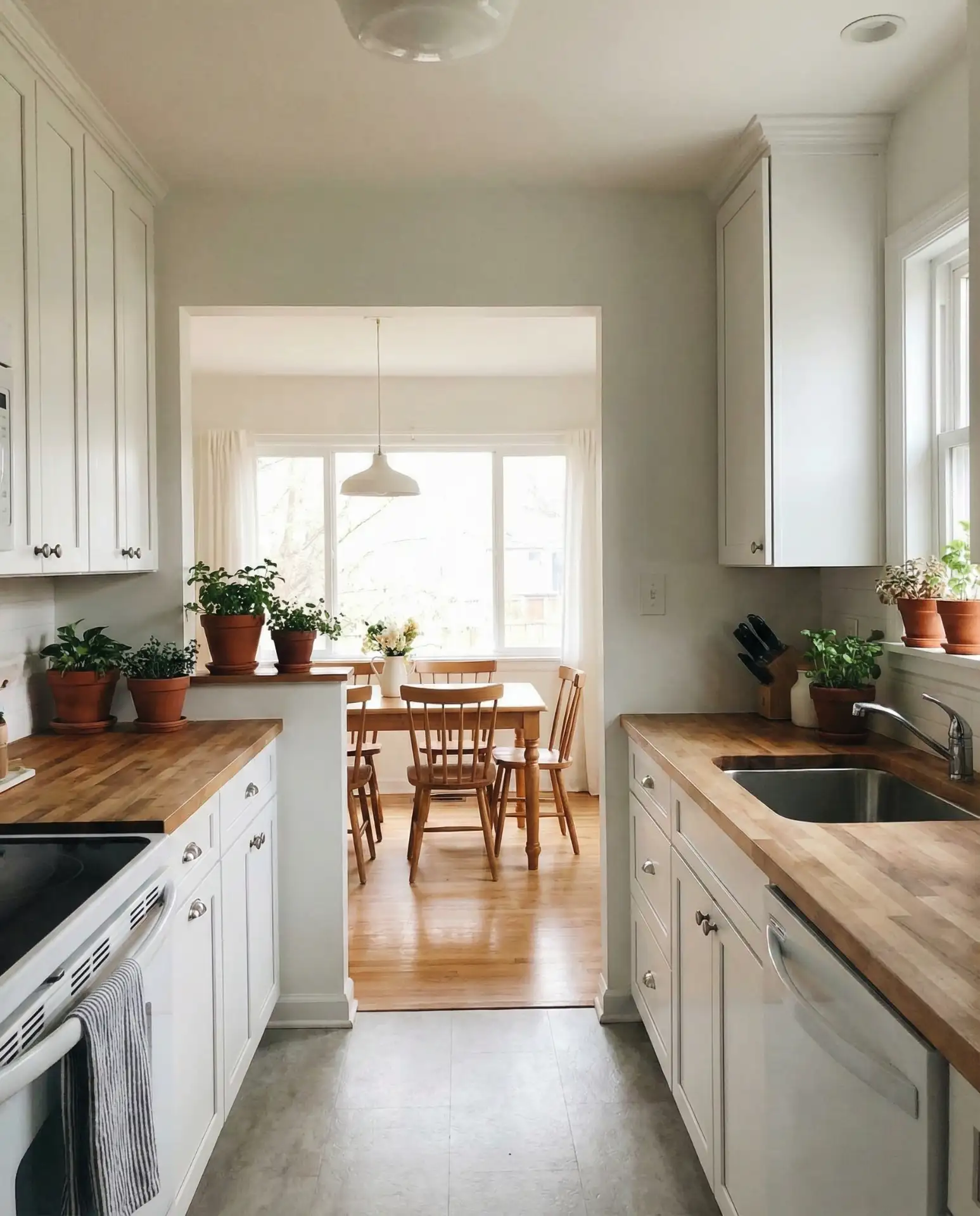
Experts recommend consulting a structural engineer before removing walls, even if they appear minor. What looks like a simple divider could be load-bearing, and addressing this upfront saves costly surprises. Budget-wise, opening up a galley can range from $2,000 to $8,000 depending on structural requirements and local labor costs.
5. Ideas for Narrow Spaces That Work Hard
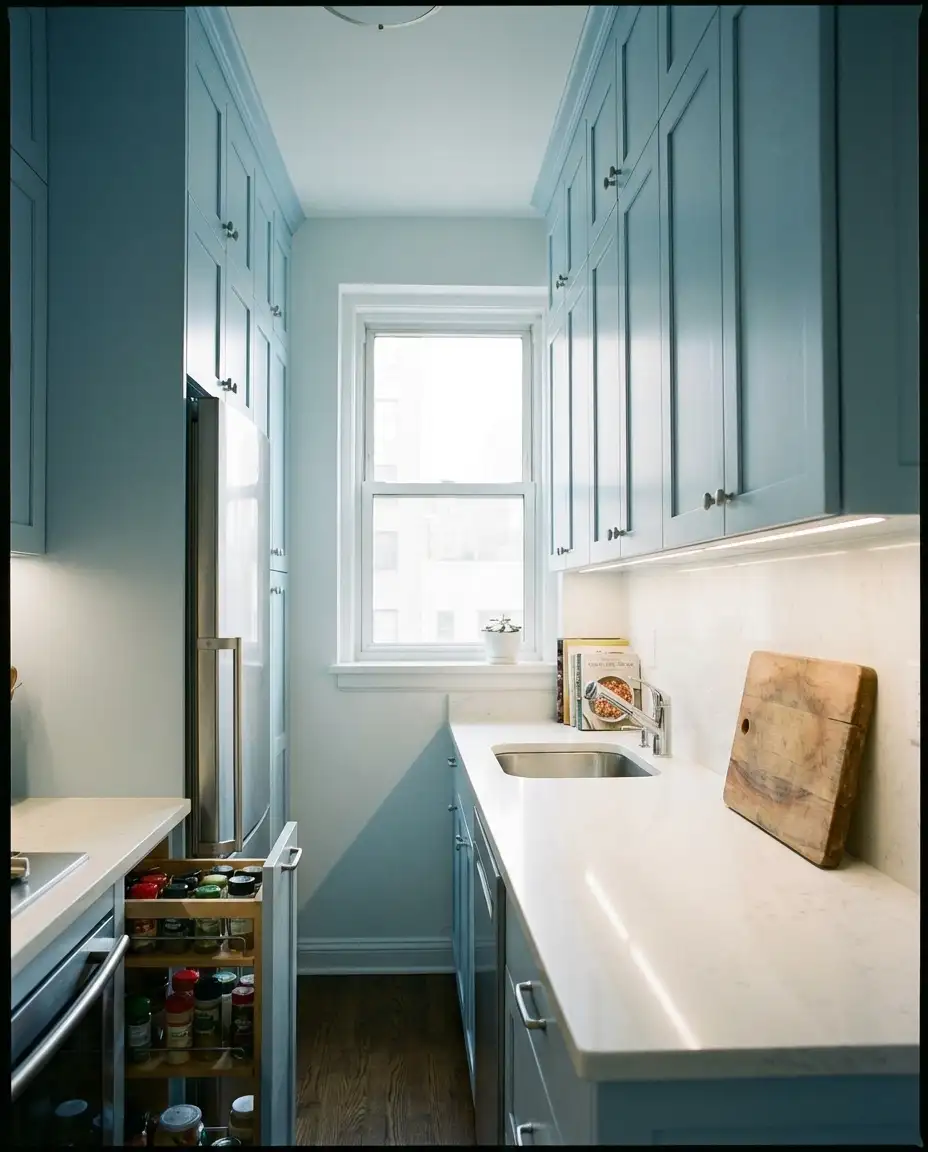
Ideas for narrow galleys demand creativity, but the payoff is a kitchen that feels custom-built for your lifestyle. Prioritize vertical storage with ceiling-height cabinets, install pull-out pantry shelves in tight corners, and choose slender appliances that don’t protrude into the walkway. Every inch counts, so think upward and inward rather than outward.
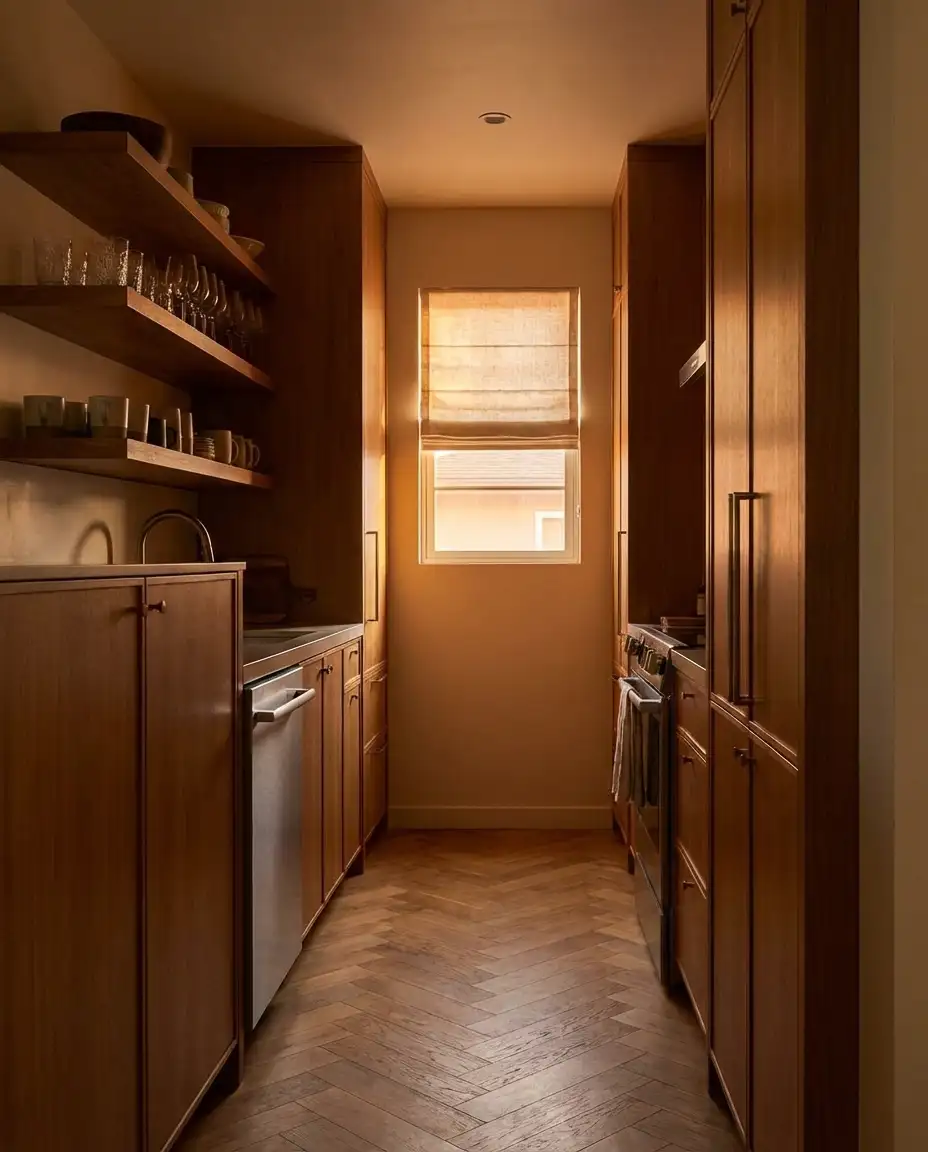
This style works best in older urban buildings and converted lofts where the footprint is fixed but the need for modern amenities is high. Real homeowners often swap standard 24-inch-deep base cabinets for 18-inch versions on one side, gaining precious walking space without losing much storage. It’s a simple swap that makes daily movement far more comfortable.
6. Open Galley Connected to Living Areas
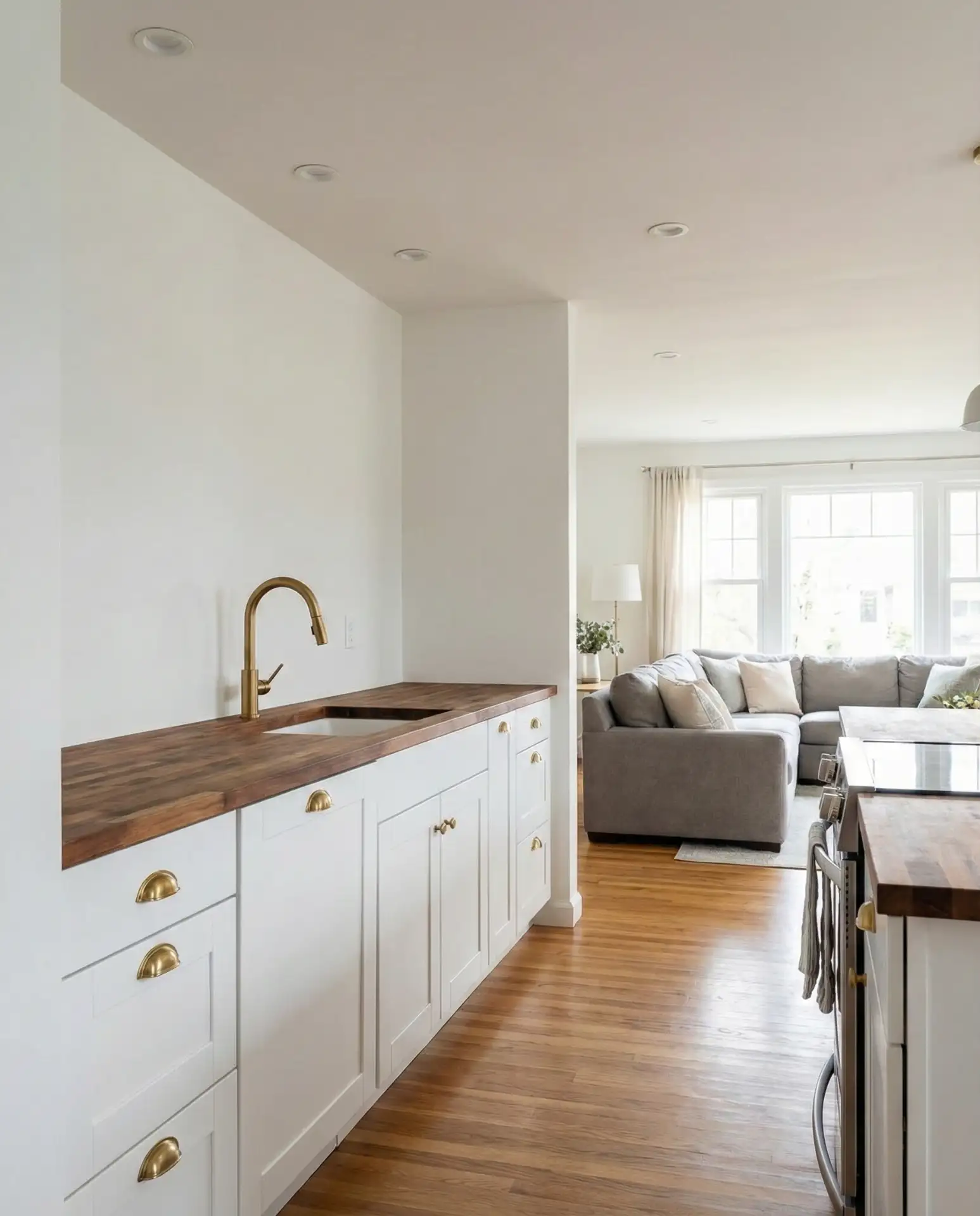
An open galley dissolves the boundaries between cooking and entertaining, perfect for families who want to stay connected while preparing meals. Removing upper cabinets on one side or installing a low half-wall maintains sightlines to the living or dining room, creating a sense of spaciousness without a full gut renovation.
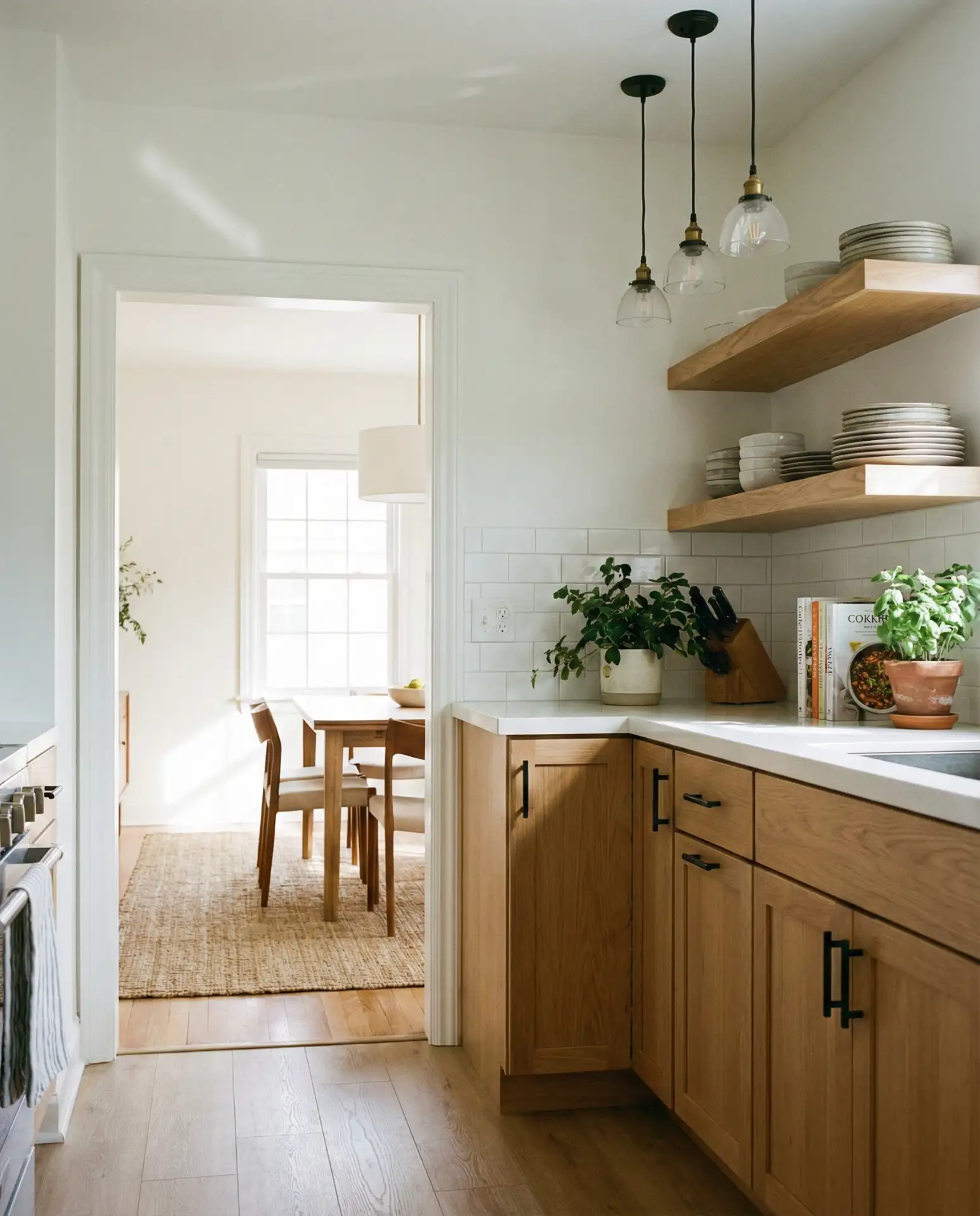
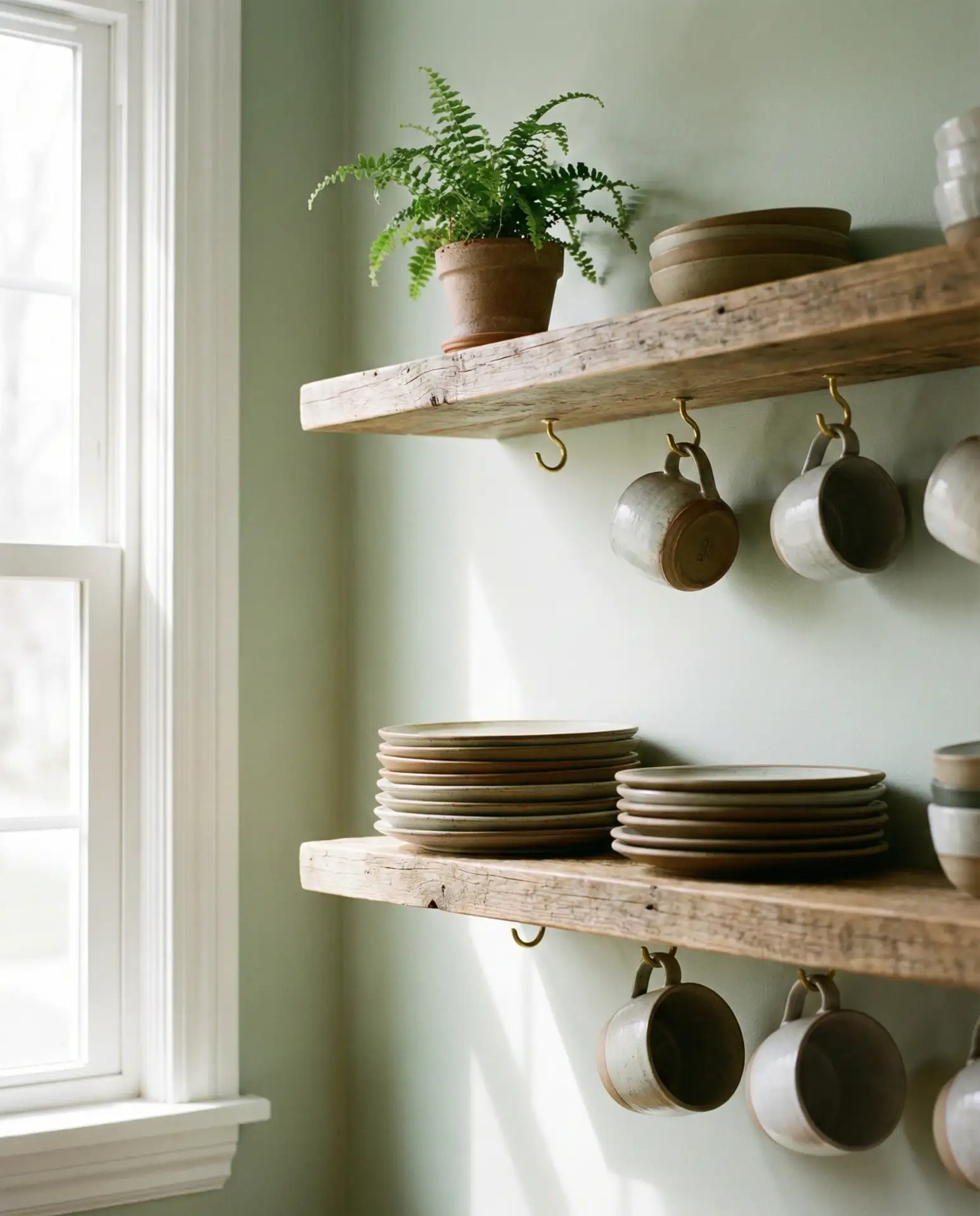
A common mistake is removing all upper storage without planning where everyday items will go. Consider installing open shelving or a tall pantry cabinet at one end to keep essentials accessible without cluttering counters. This approach keeps the space feeling open while ensuring you don’t sacrifice the functionality that makes a galley kitchen so efficient.
7. Opening Up with Glass and Light
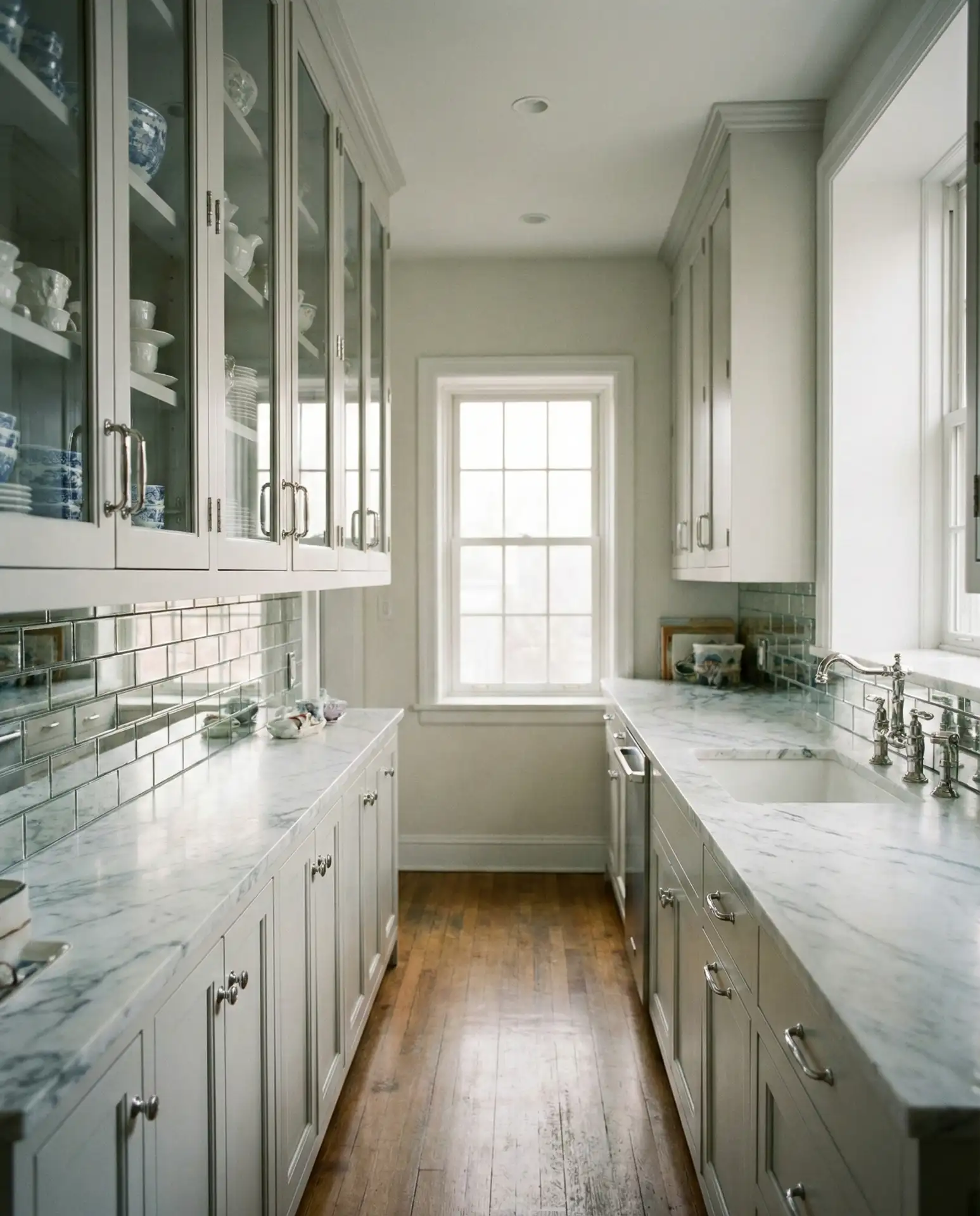
Opening up a galley doesn’t always require knocking down walls—sometimes it’s about inviting light in through glass-front cabinets, mirrored backsplashes, or transom windows above doorways. These reflective surfaces bounce light around the room, making the space feel larger and more inviting without any structural changes.
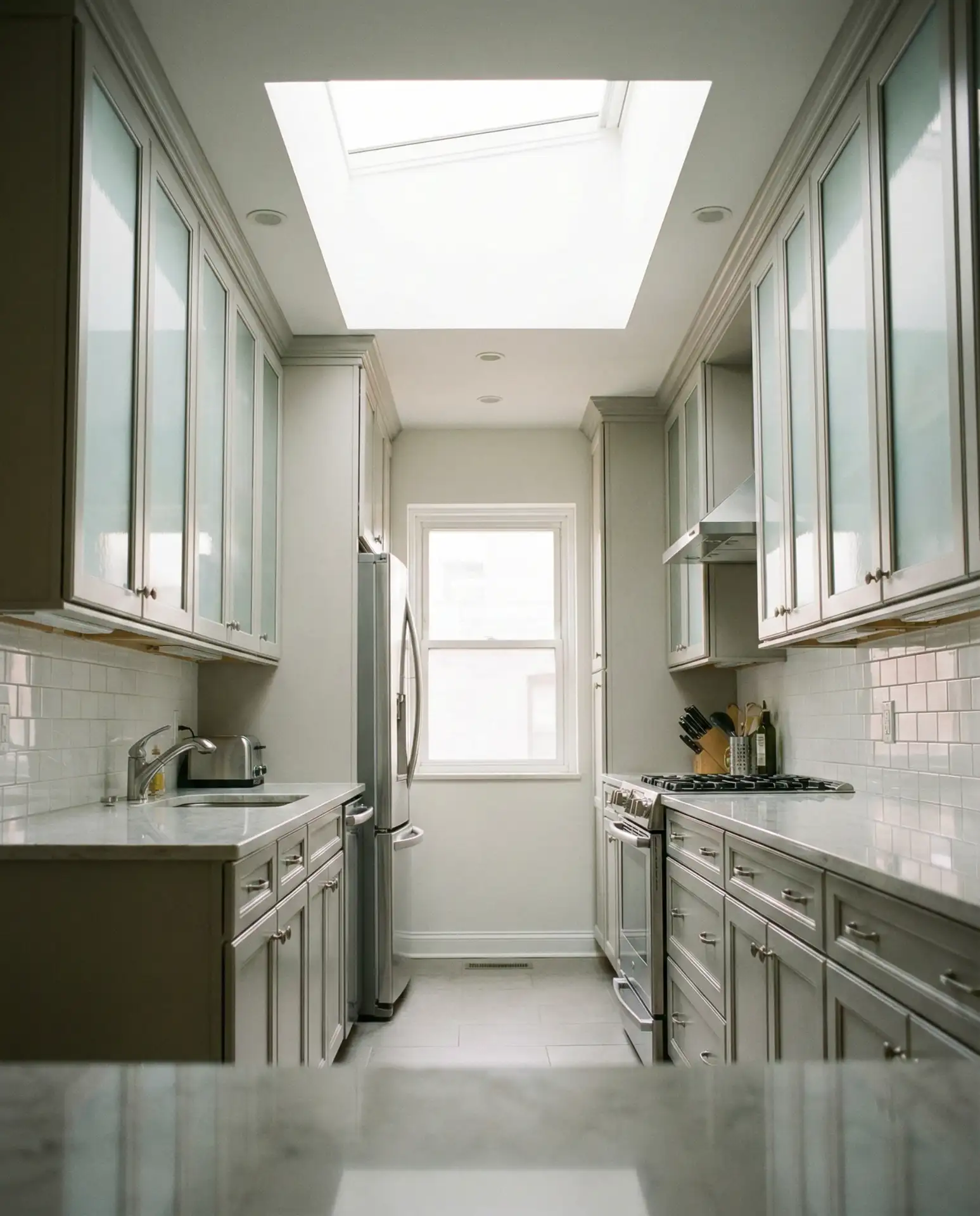
In the South, where humidity can be an issue, homeowners often pair glass-front cabinets with open shelving to promote air circulation and reduce mustiness. It’s a practical choice that also adds visual interest. Pro tip: use interior cabinet lighting to highlight glassware and create a warm glow that extends beyond the kitchen itself.
8. Wide Galley for Comfortable Two-Cook Workflow
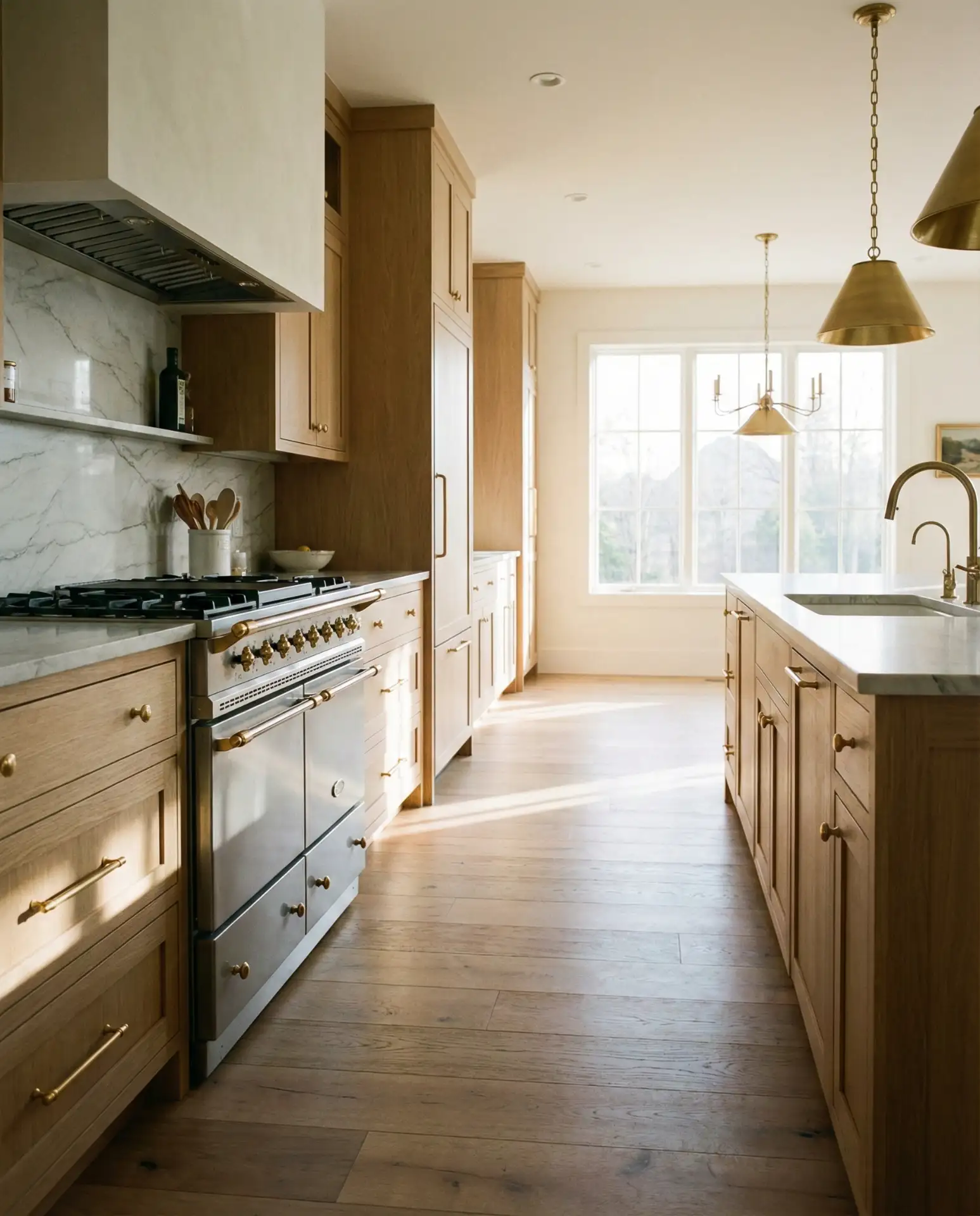
A wide galley kitchen—typically 8 to 10 feet across—offers the rare luxury of two people cooking comfortably without bumping elbows. This generous spacing allows for deeper countertops, larger appliances, and even a small prep island in the center. It’s ideal for serious home cooks or families who view meal preparation as a shared activity.
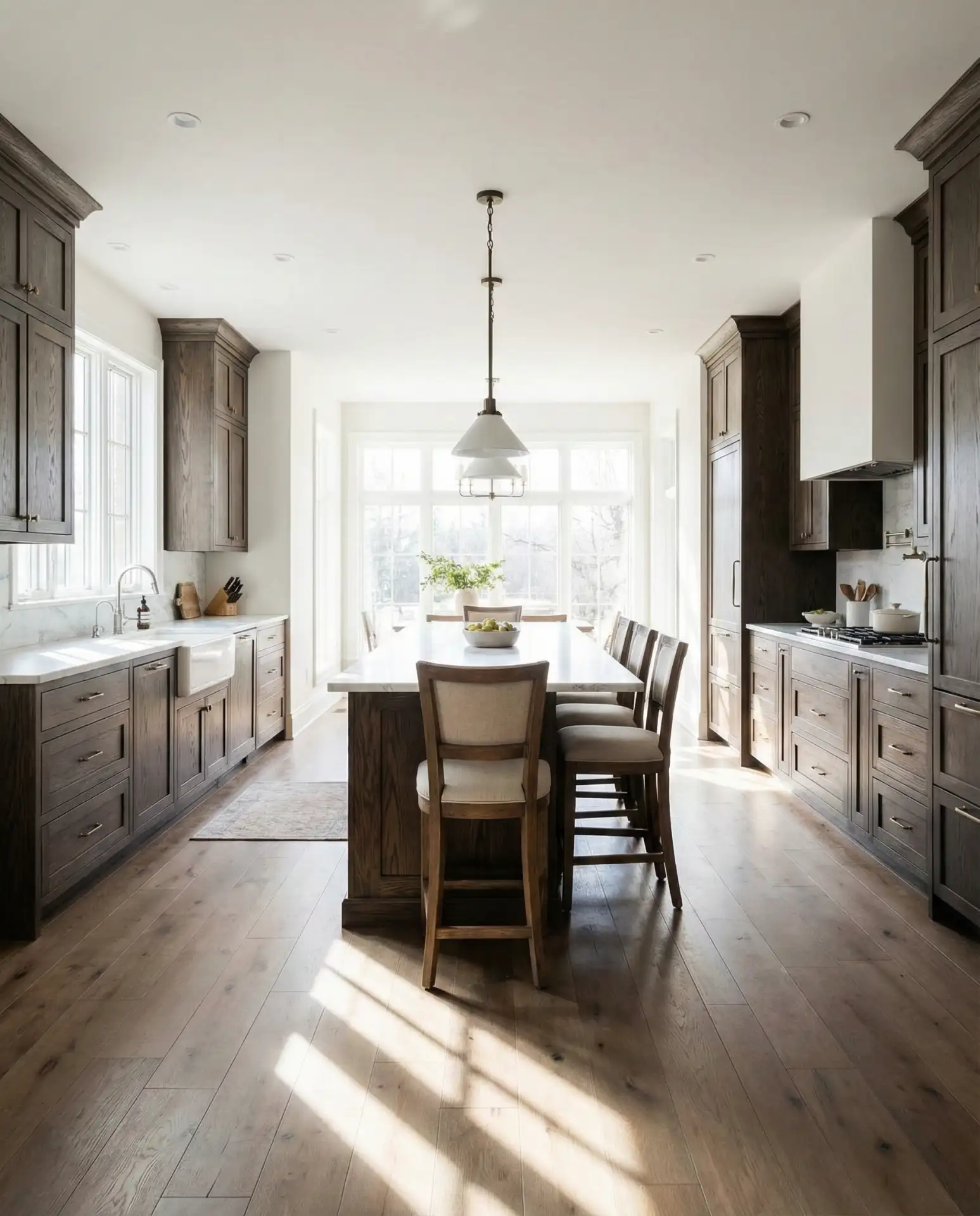
This layout works best in suburban homes and newer constructions where square footage isn’t as constrained. One couple in Austin mentioned they specifically sought a wide galley when house hunting because they both love to cook and needed the elbow room. The wider footprint also makes it easier to integrate a kitchen table or breakfast nook at one end.
9. Tiny Galley with Big Personality
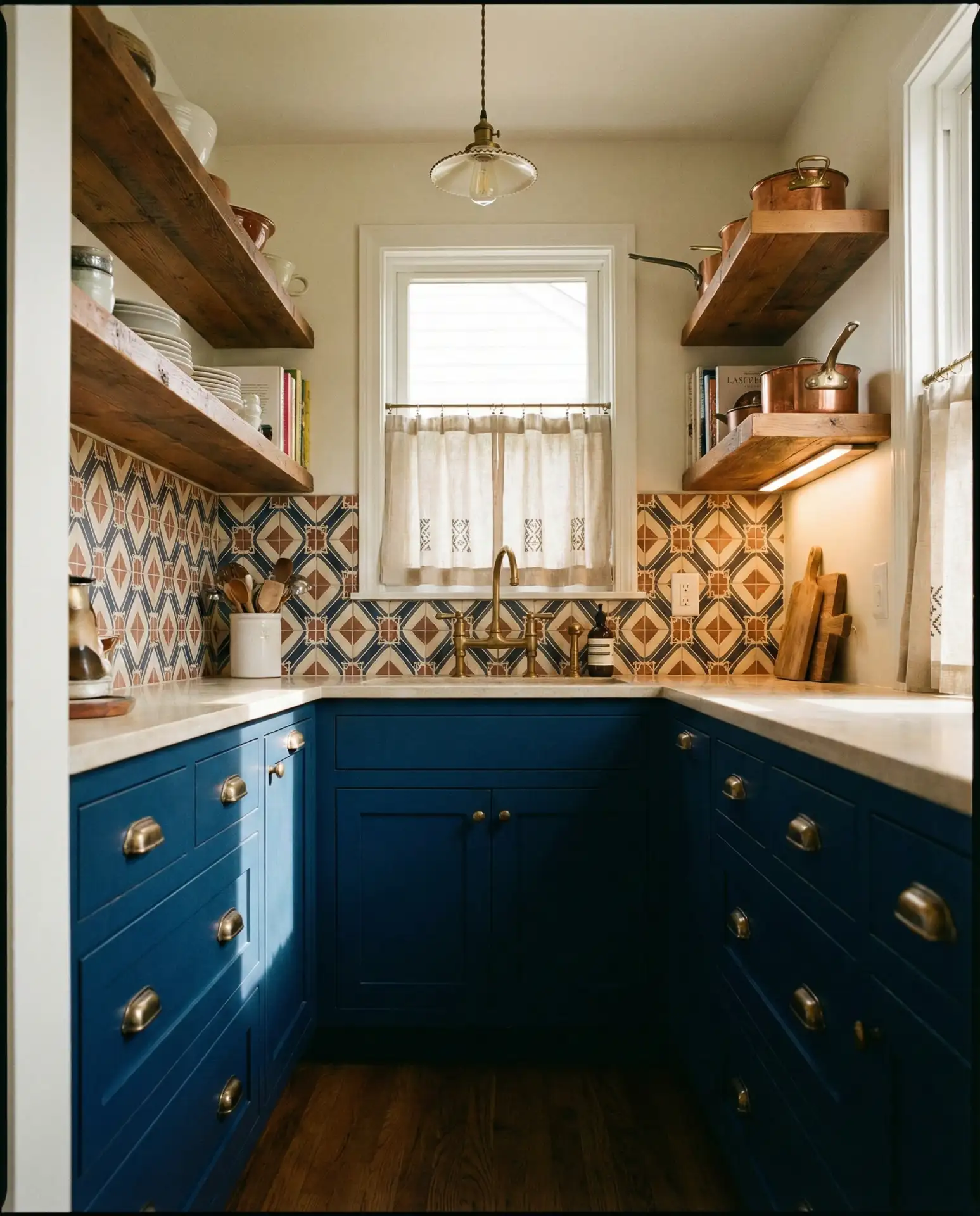
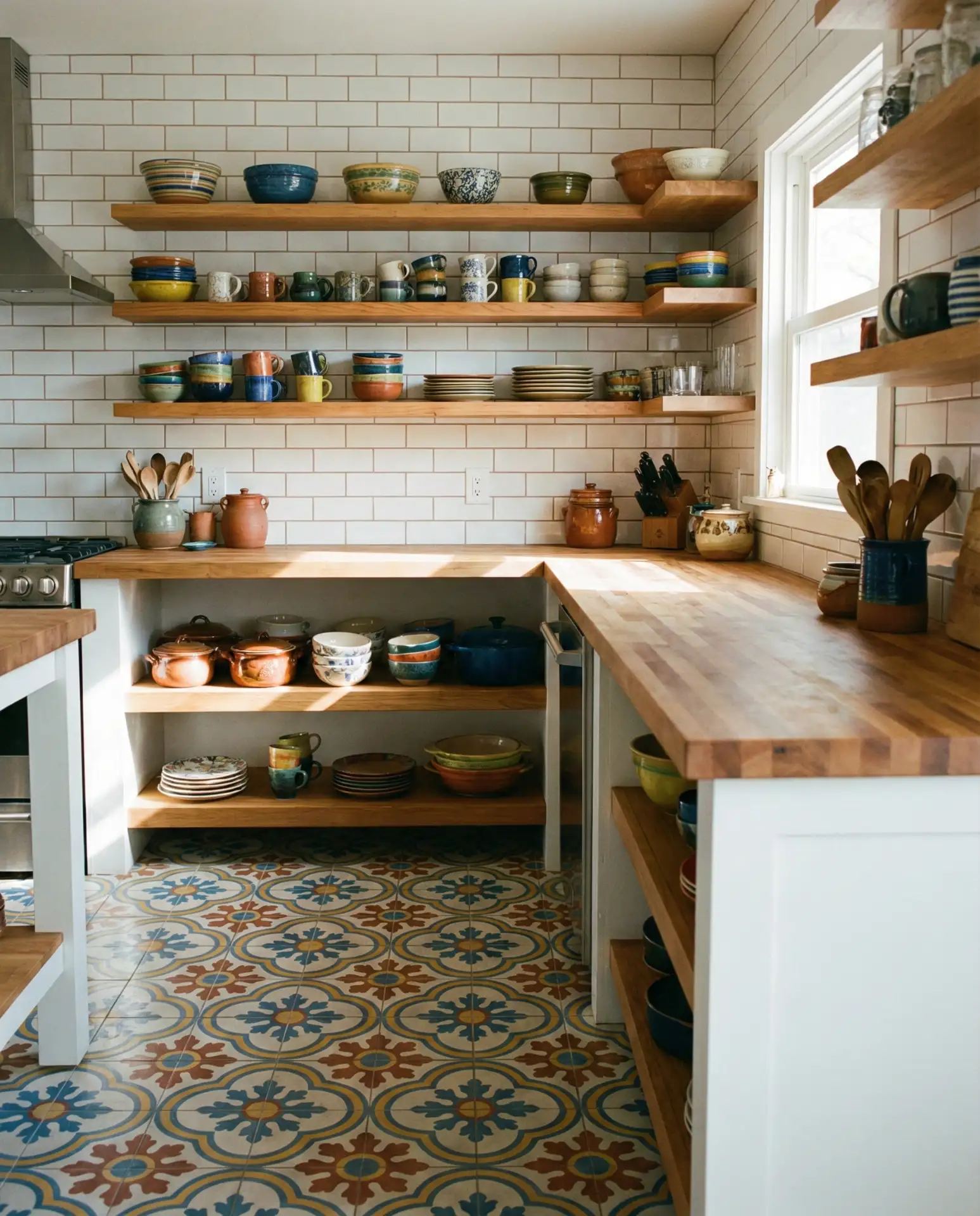
A tiny galley kitchen might be compact, but it’s the perfect canvas for bold design choices. Consider vibrant cabinetry, patterned tile, or a statement backsplash that draws the eye and distracts from the limited footprint. When you can’t go big, go bold—small spaces reward confident design decisions.
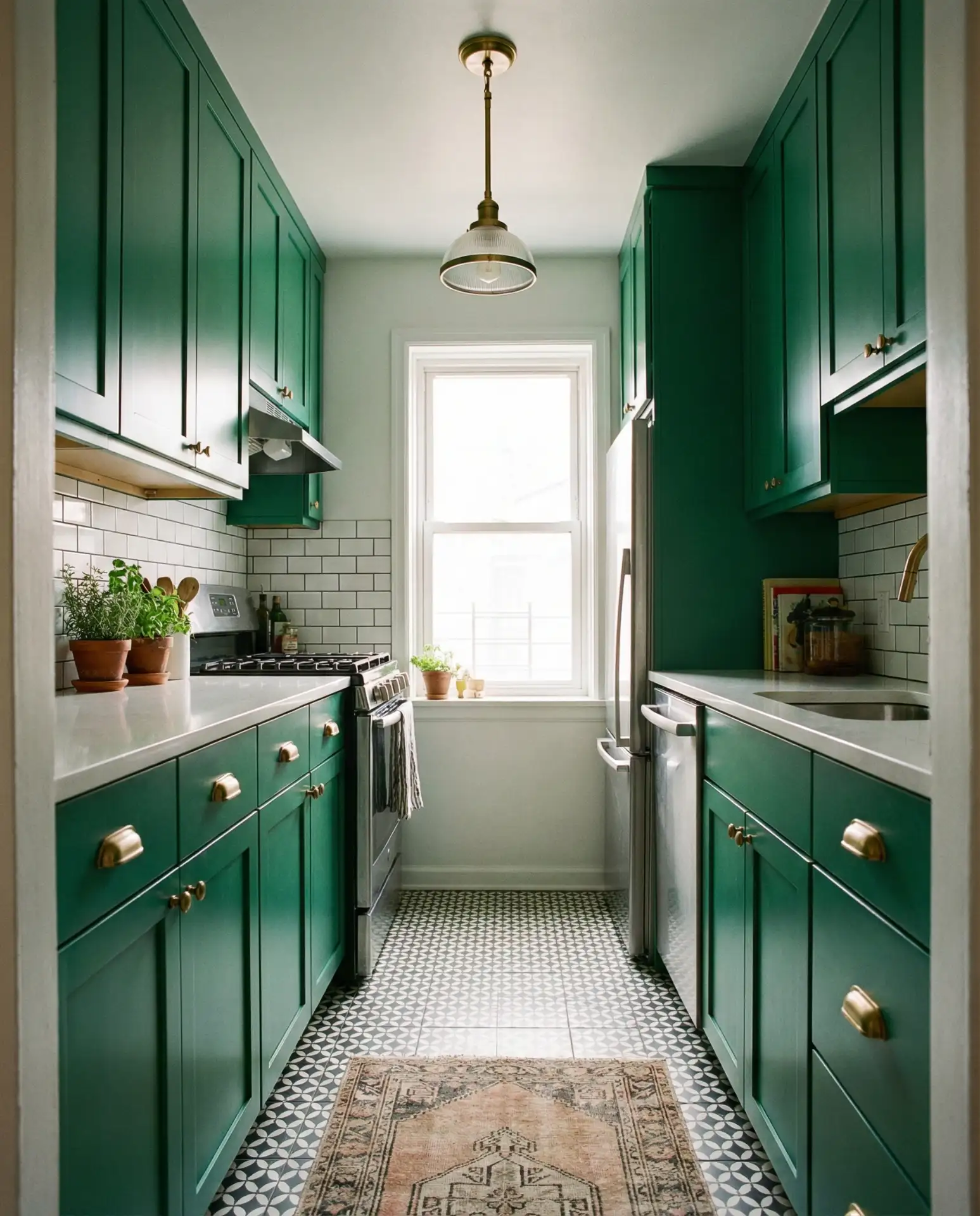
Budget-conscious renovators can achieve dramatic impact by focusing funds on high-visibility elements like cabinetry paint and backsplash tile, which together might cost $1,500 to $3,000. Save on appliances by choosing apartment-sized models or gently used pieces. The smaller scale means premium materials like marble or handmade tile become more affordable since you need less of them.
10. Double Galley for Symmetry and Balance
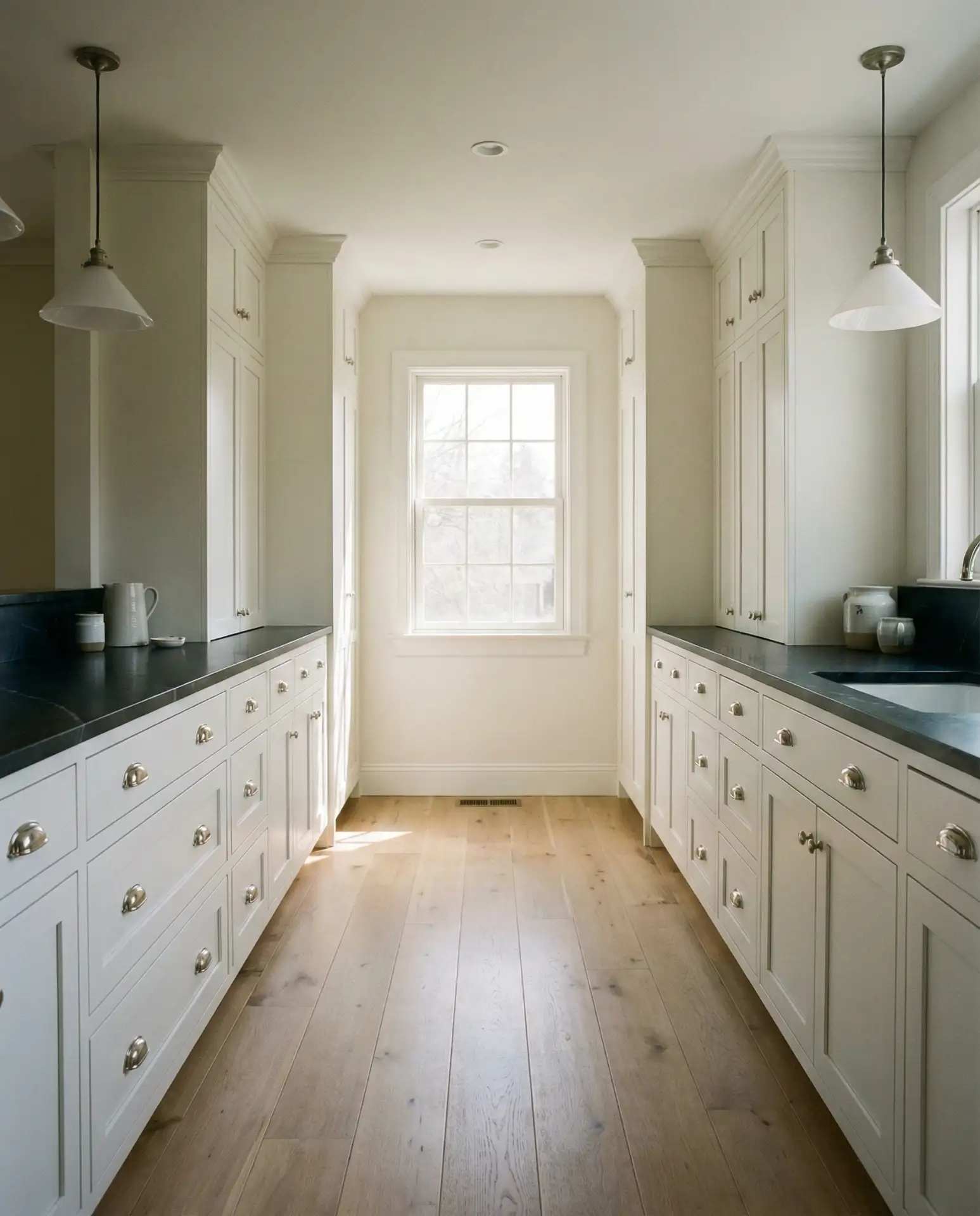
A double galley features matching cabinetry and countertops on both sides, creating a sense of symmetry that’s visually calming and highly functional. This mirrored approach simplifies design decisions and makes the space feel intentional rather than improvised. It’s a favorite in historic homes where architectural balance is prized.
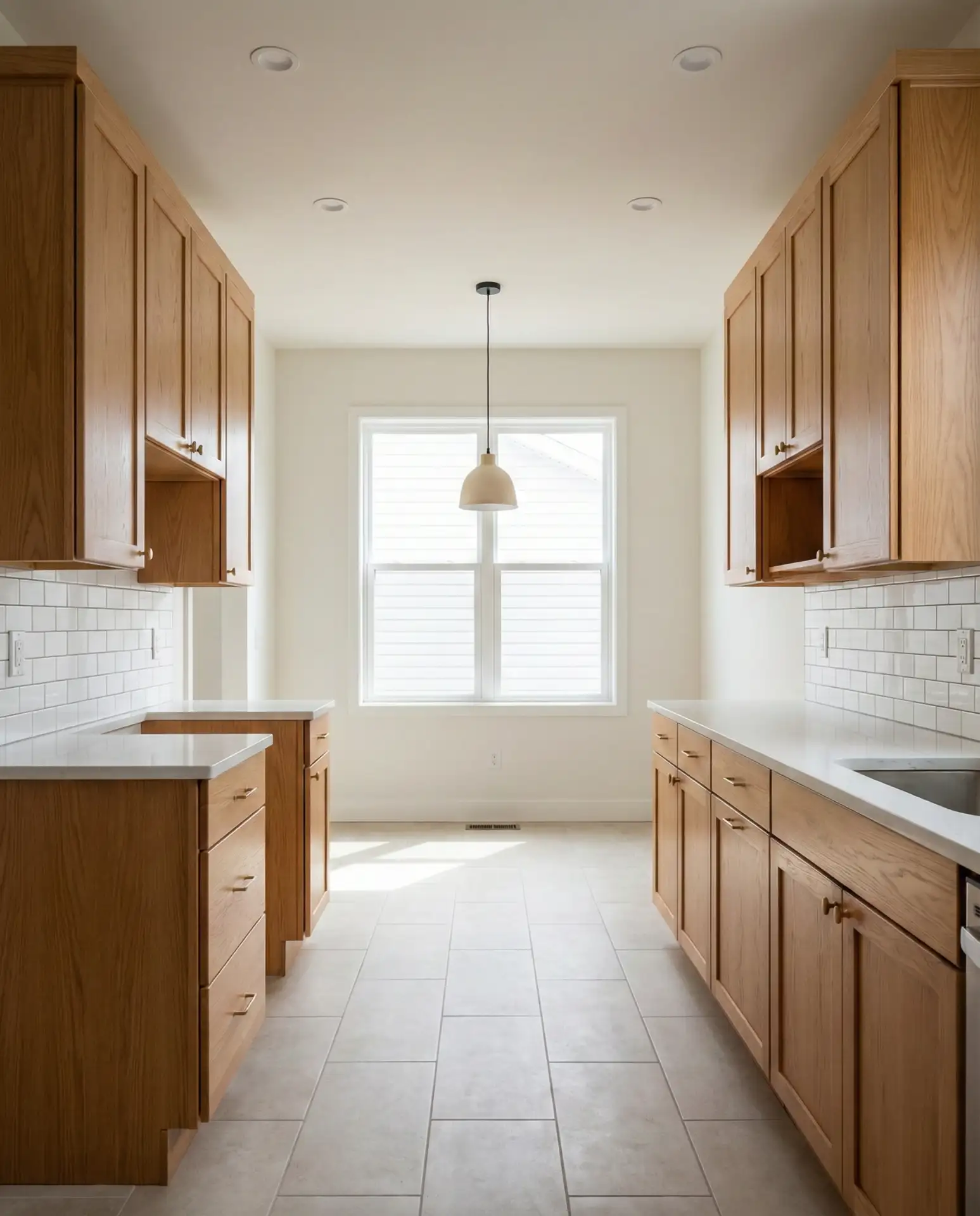
Real homeowners often choose this layout when they want a cohesive, unfussy look that won’t date quickly. The uniform design also makes future upgrades simpler—replace hardware or repaint cabinets, and the whole kitchen gets a refresh. It’s a practical choice for those who value longevity and ease of maintenance over trendy asymmetry.
11. Large Galley with Room to Breathe
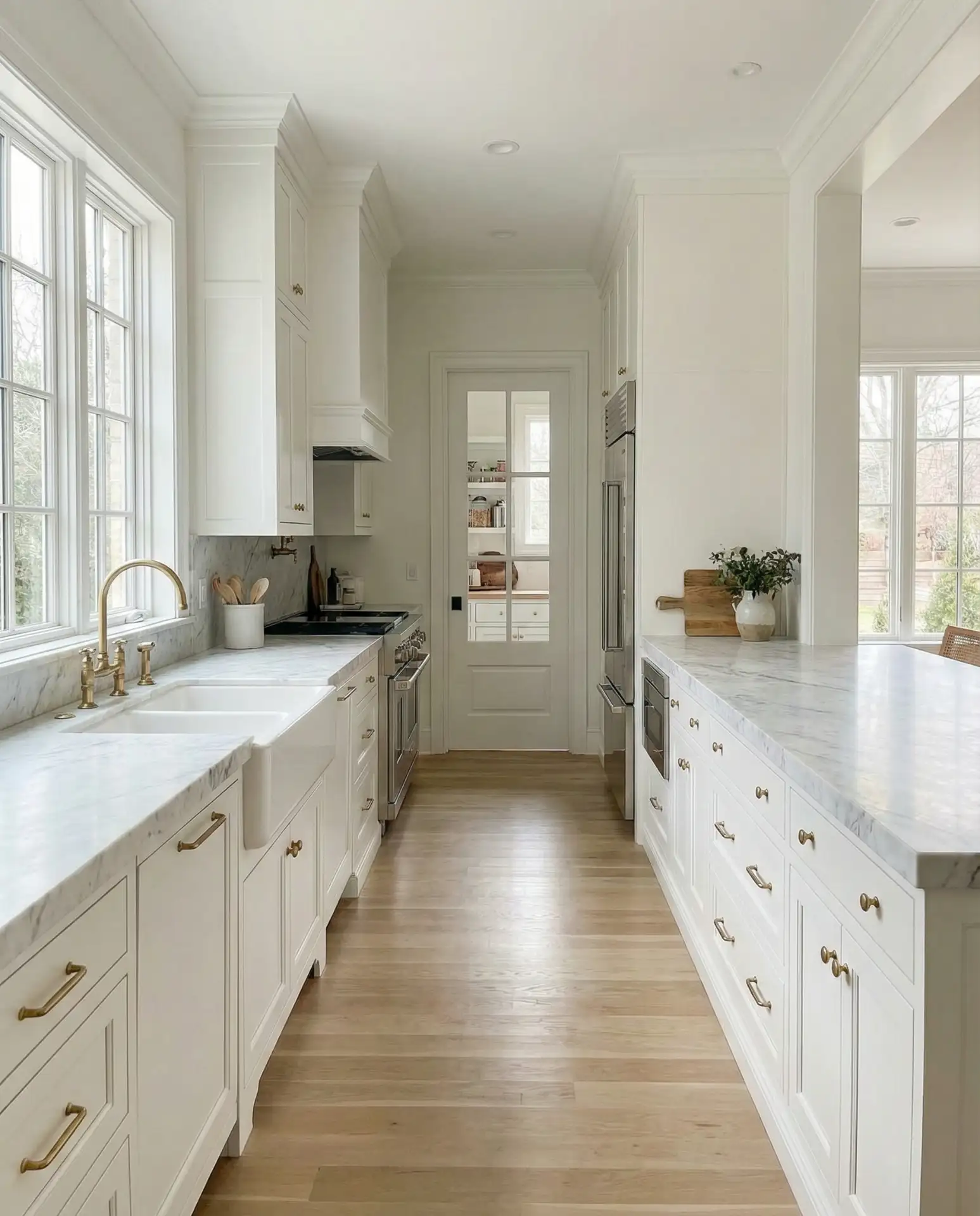
A large galley kitchen offers the rare advantage of abundant storage and counter space without sacrificing the efficient workflow that makes the layout so beloved. With room for a walk-in pantry, double sinks, or even a wine fridge, this style suits avid cooks and entertainers who need professional-grade functionality in a residential setting.
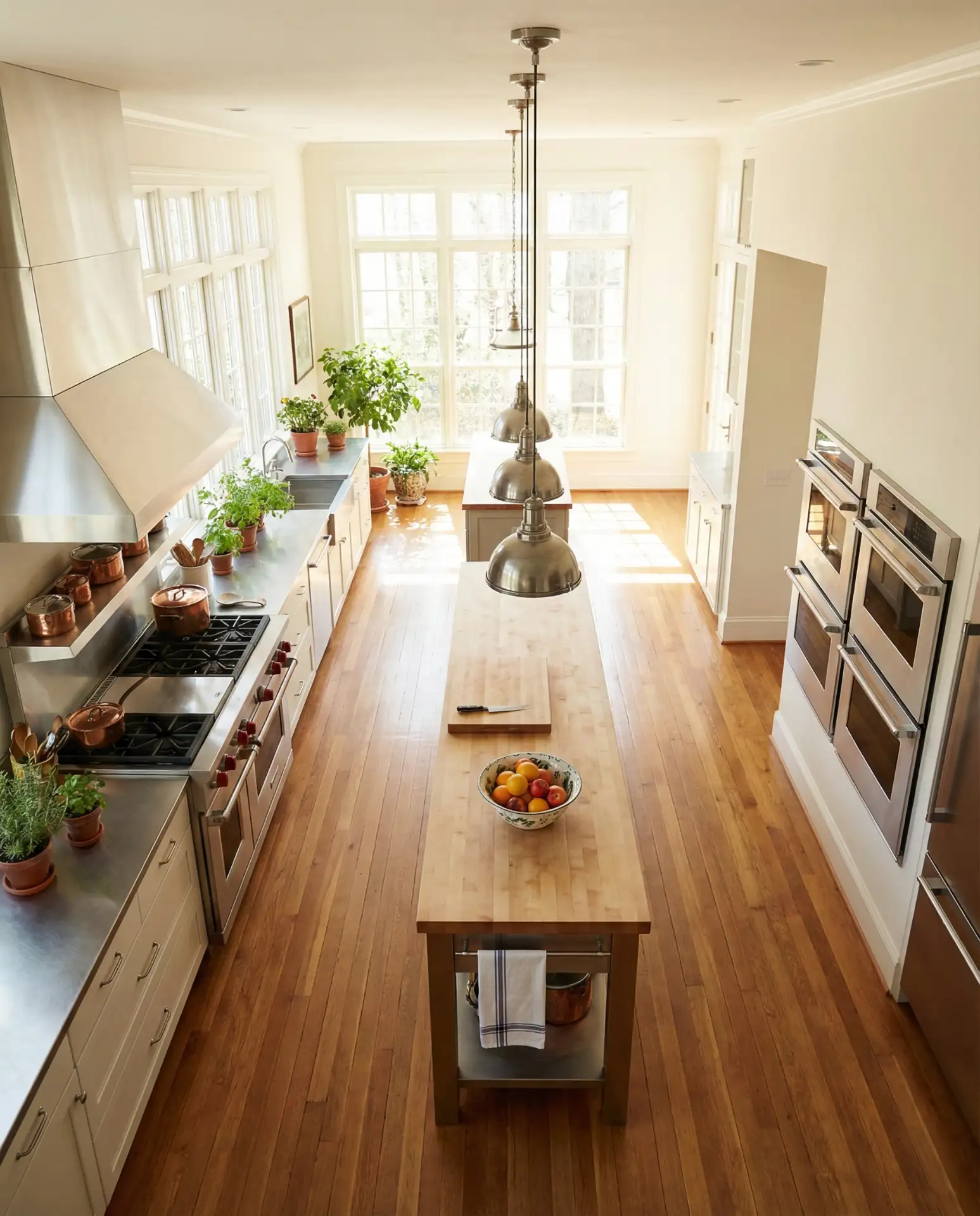
In the Northeast, where formal dining rooms are still common, a large galley often serves as a transitional space between casual family areas and more formal entertaining zones. Design experts suggest using the extra space for a butler’s pantry or coffee bar—dedicated zones that keep clutter off main counters and elevate everyday routines into small rituals.
12. Breakfast Nook Tucked Into the End
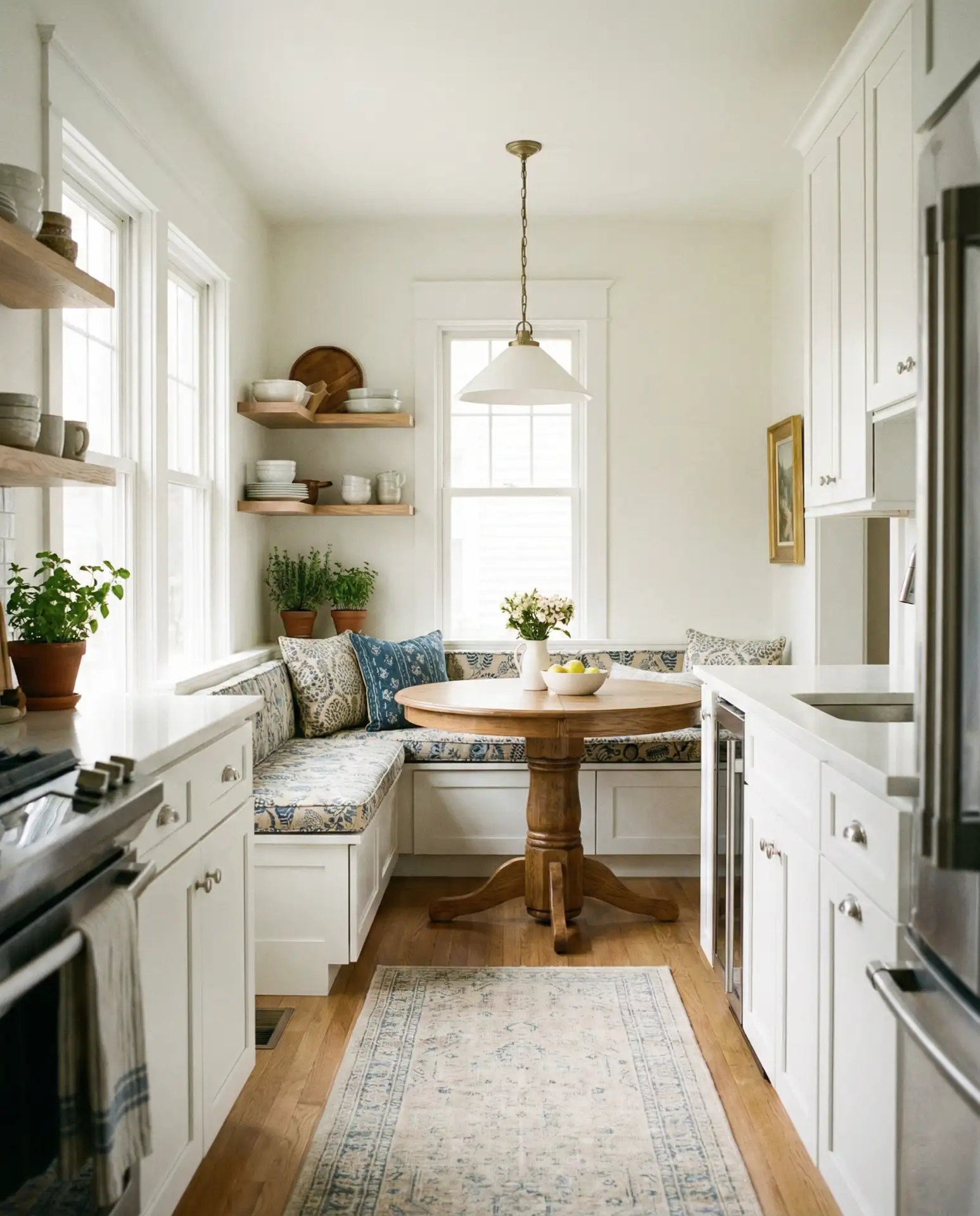
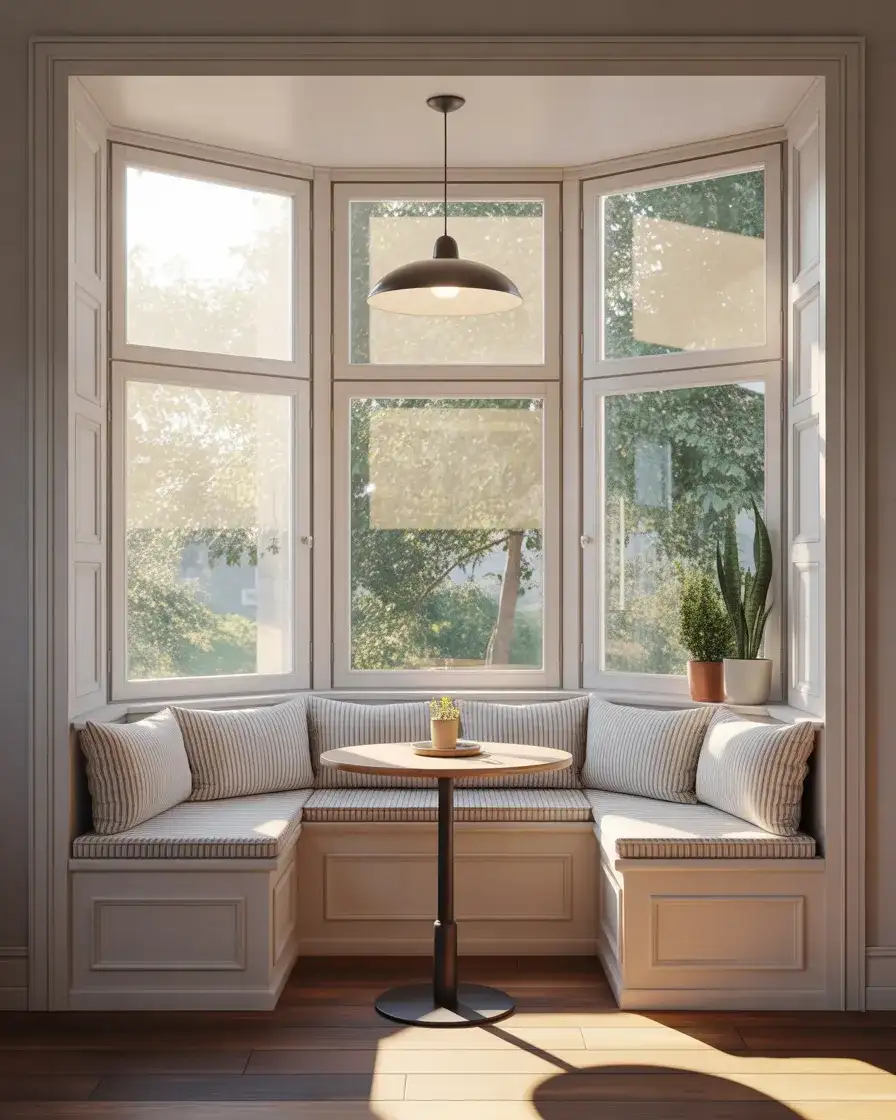
Adding a breakfast nook at the end of a galley kitchen transforms an underused corner into a cozy gathering spot for morning coffee or casual meals. A built-in banquette with storage underneath maximizes the footprint while providing comfortable seating. This layout is especially popular in family homes where a full dining room feels too formal for everyday use.
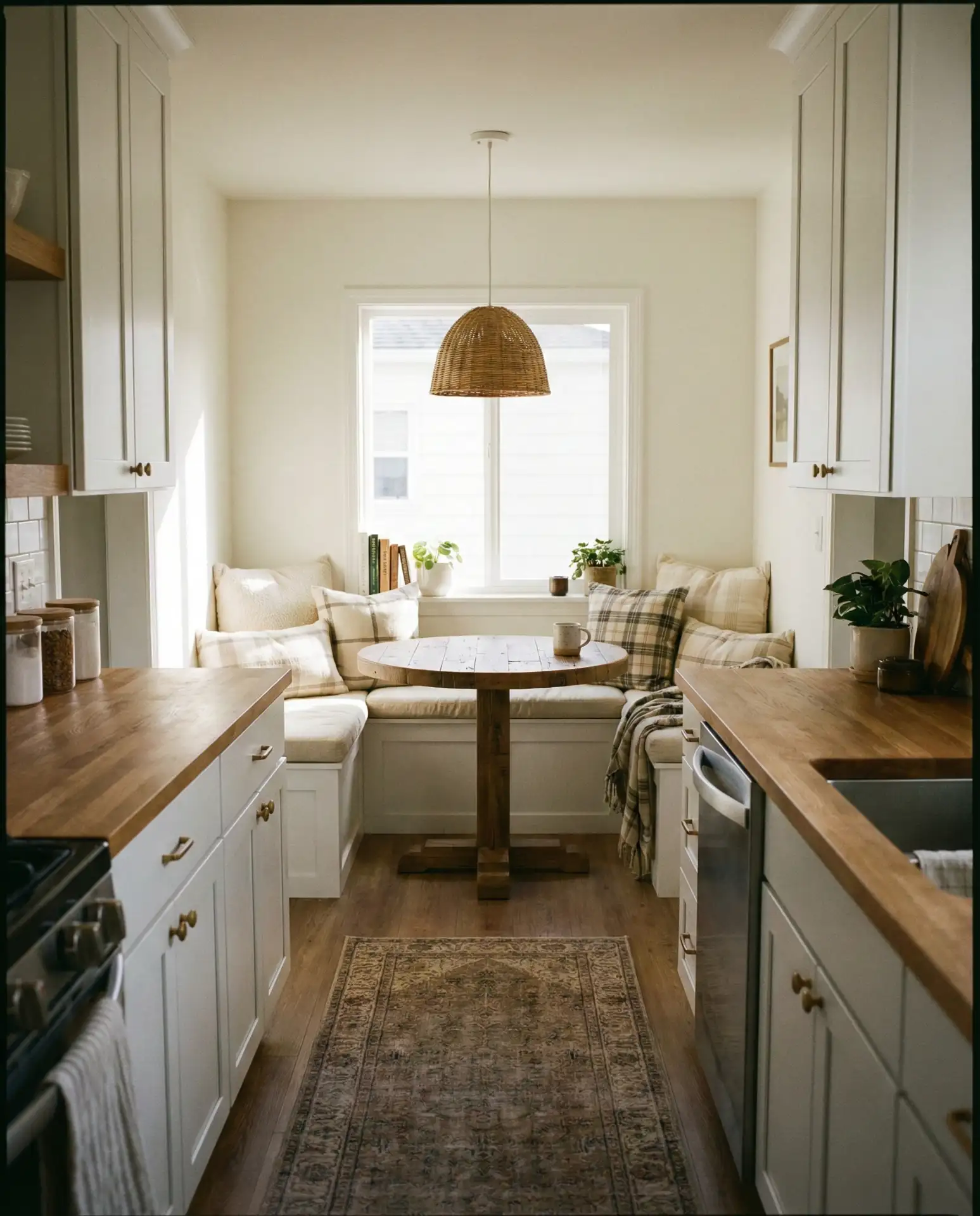
One practical insight: ensure the nook doesn’t block the primary kitchen workflow. Position it at the far end of the galley so it feels like a destination rather than an obstacle. Many homeowners install the nook near a window to take advantage of natural light and garden views, making it the go-to spot for morning routines and homework sessions alike.
13. Cottage Charm with Vintage Details
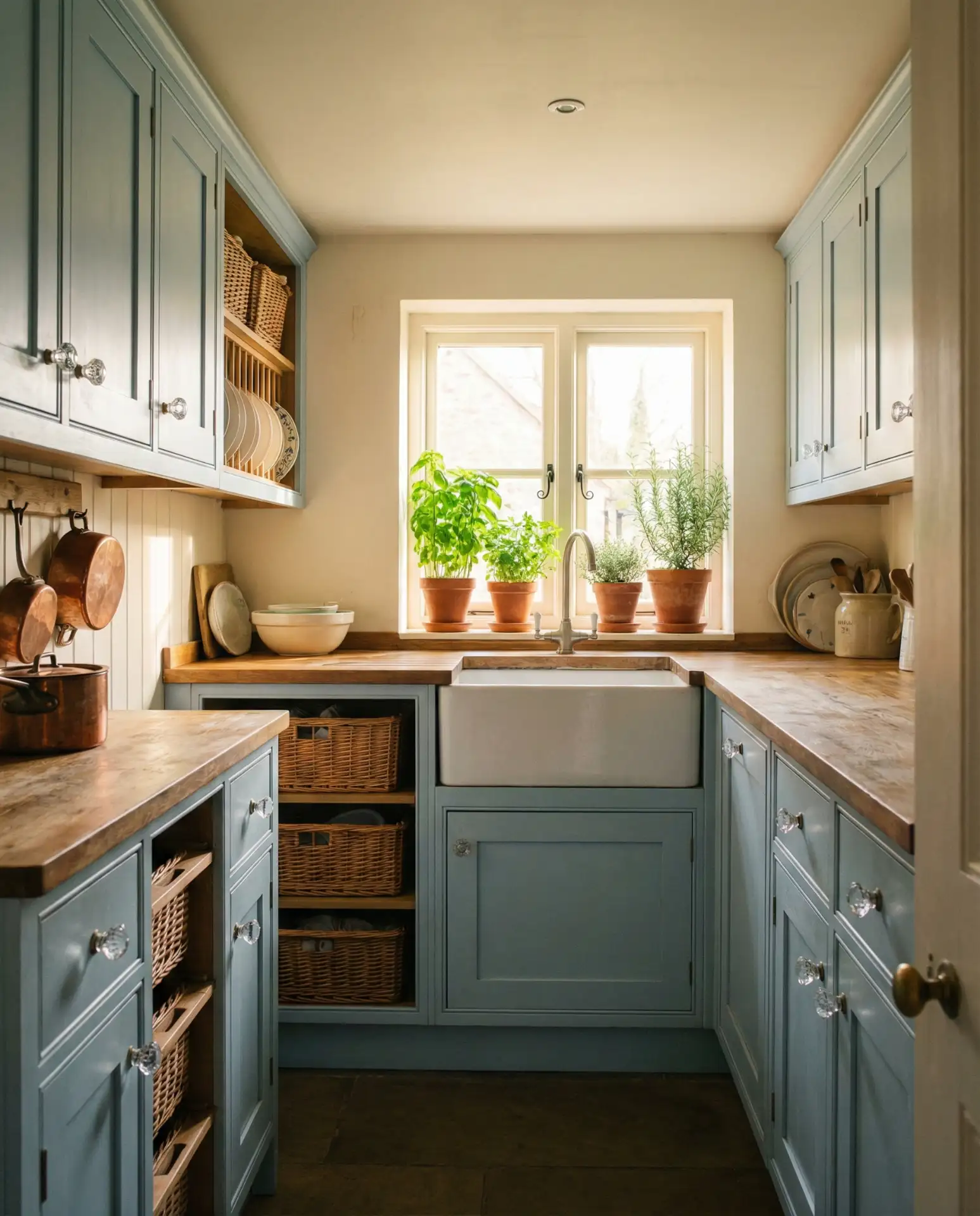
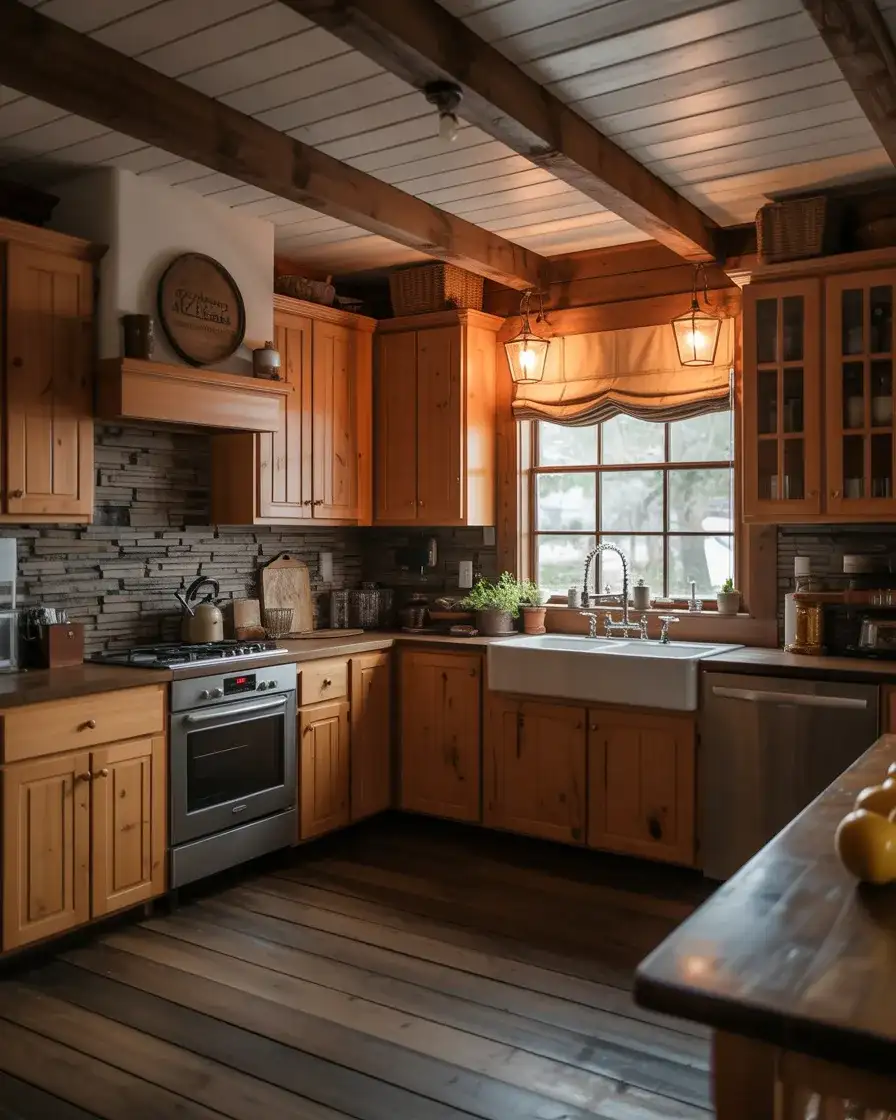
A cottage-style galley kitchen embraces warmth and nostalgia with beadboard paneling, farmhouse sinks, and vintage-inspired hardware. Soft, muted colors like sage green or buttery cream create a lived-in feel that’s both relaxing and inviting. This style works beautifully in beach houses, rural retreats, and older homes where preserving character is a priority.
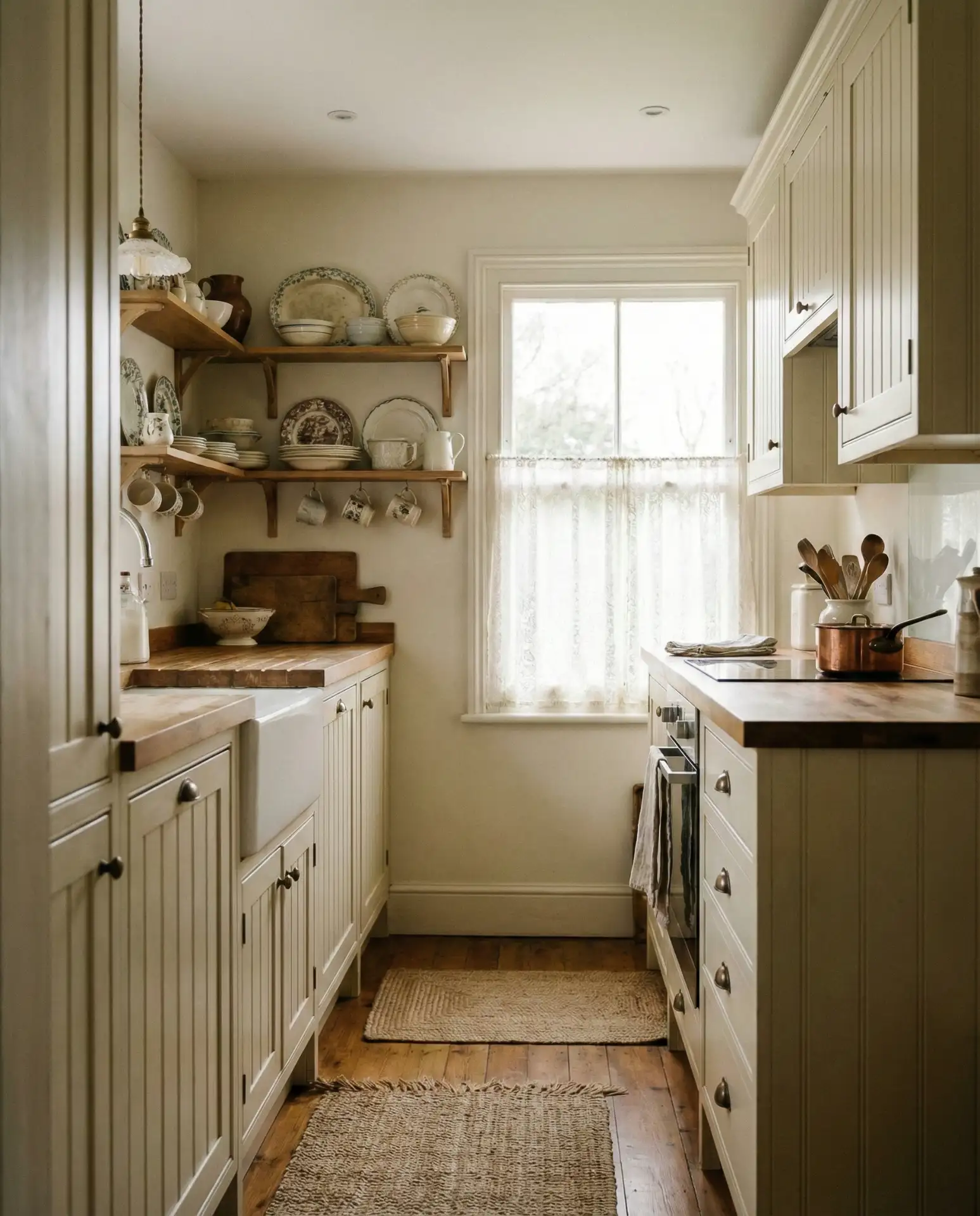
This style works best in vacation homes, coastal properties, and rural settings where a slower pace of life is celebrated. Cottage kitchens often incorporate salvaged or repurposed materials—vintage light fixtures, reclaimed wood shelves, or antique hardware—that add layers of history and personality. The result is a space that feels collected over time rather than assembled overnight.
14. Green Cabinetry for Natural Warmth
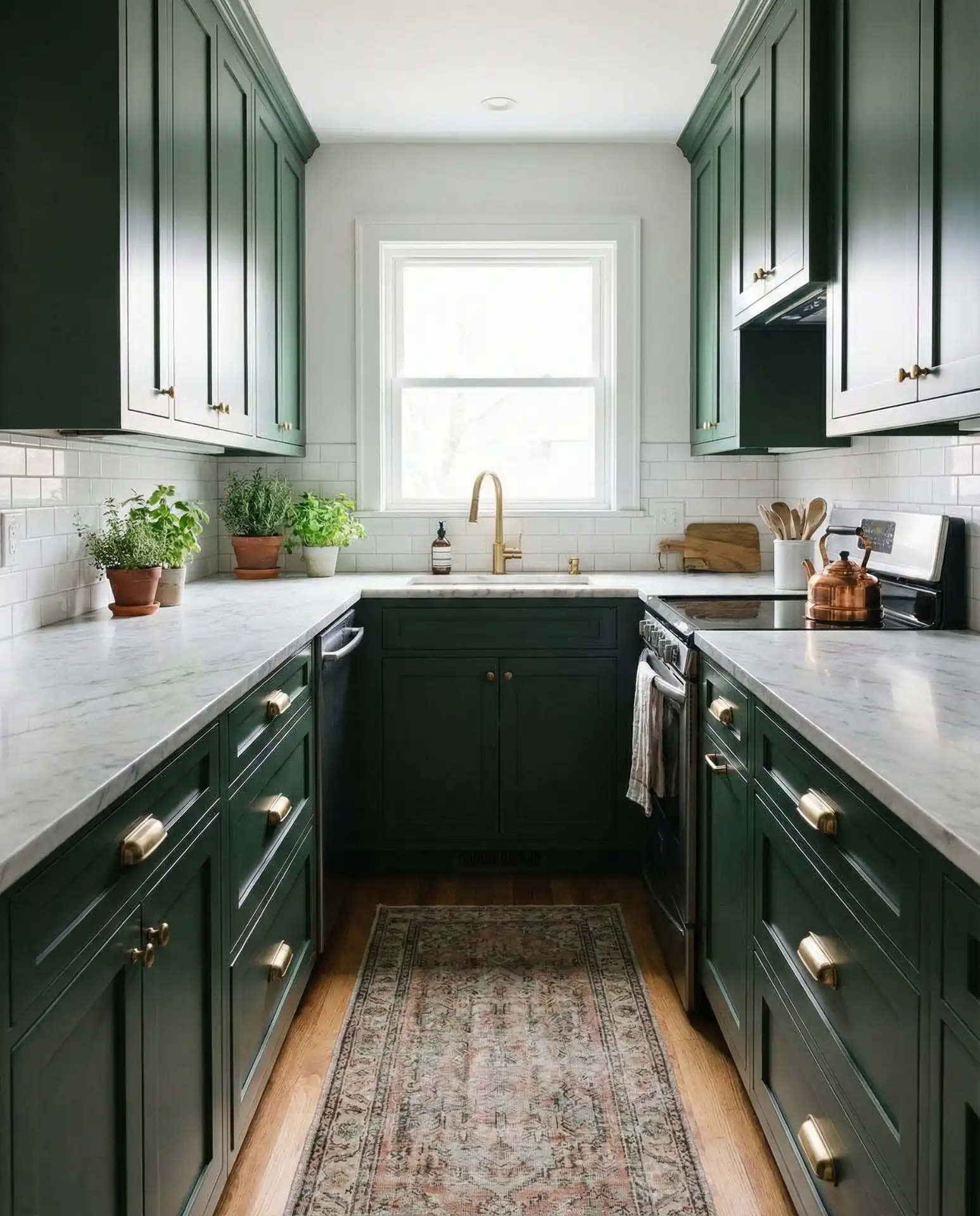
Green cabinetry has become a standout choice in galley kitchens, offering a sophisticated alternative to all-white or gray palettes. From deep forest tones to soft sage, green evokes nature and tranquility while still feeling current and fresh. Pair it with brass or gold hardware for a warm, elevated look that works in both modern and traditional settings.
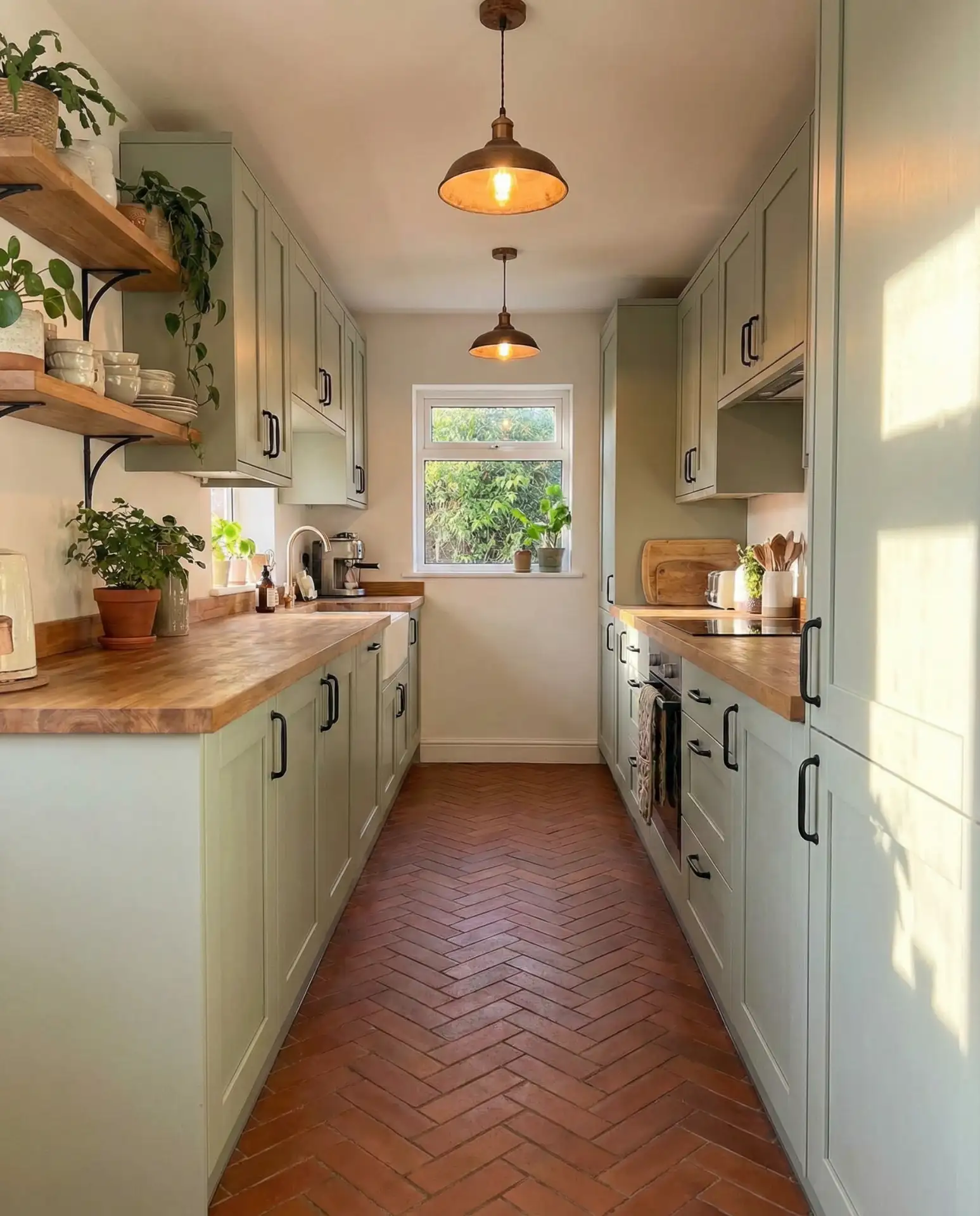
Across the Pacific Northwest and New England, where natural landscapes inspire interior choices, green kitchens have surged in popularity. One homeowner in Portland shared that she chose olive green cabinets to complement her backyard garden views, creating a seamless connection between indoors and out. The color hides fingerprints and wear better than white, making it practical for busy families.
15. Remodel Ideas That Respect Your Budget
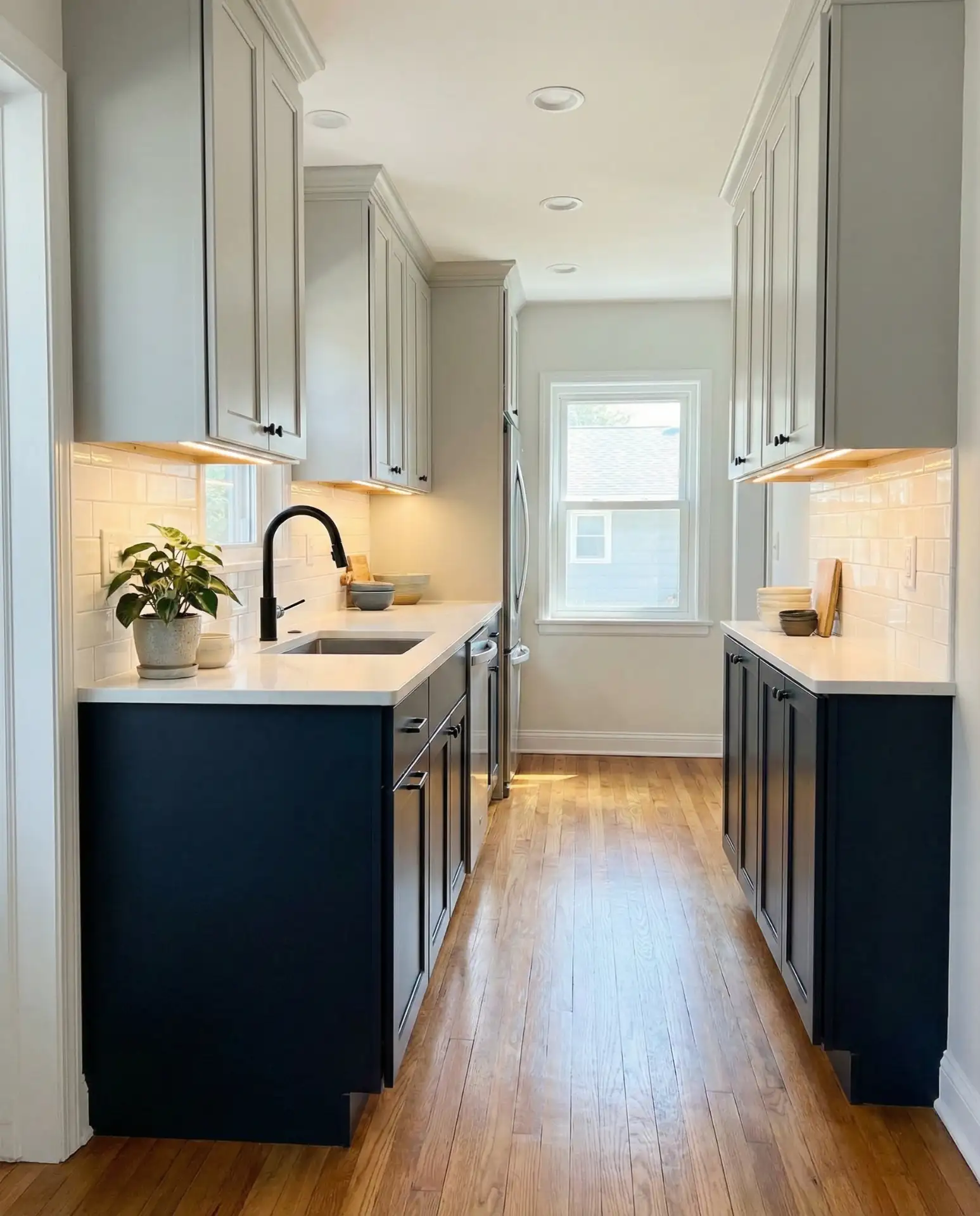
Smart remodel ideas focus on high-impact changes that don’t require gutting the entire kitchen. Paint existing cabinets, replace outdated hardware, upgrade lighting, and install a new backsplash—these moves can transform the space for a fraction of a full renovation. Even swapping out old appliances for energy-efficient models delivers both aesthetic and functional improvements.
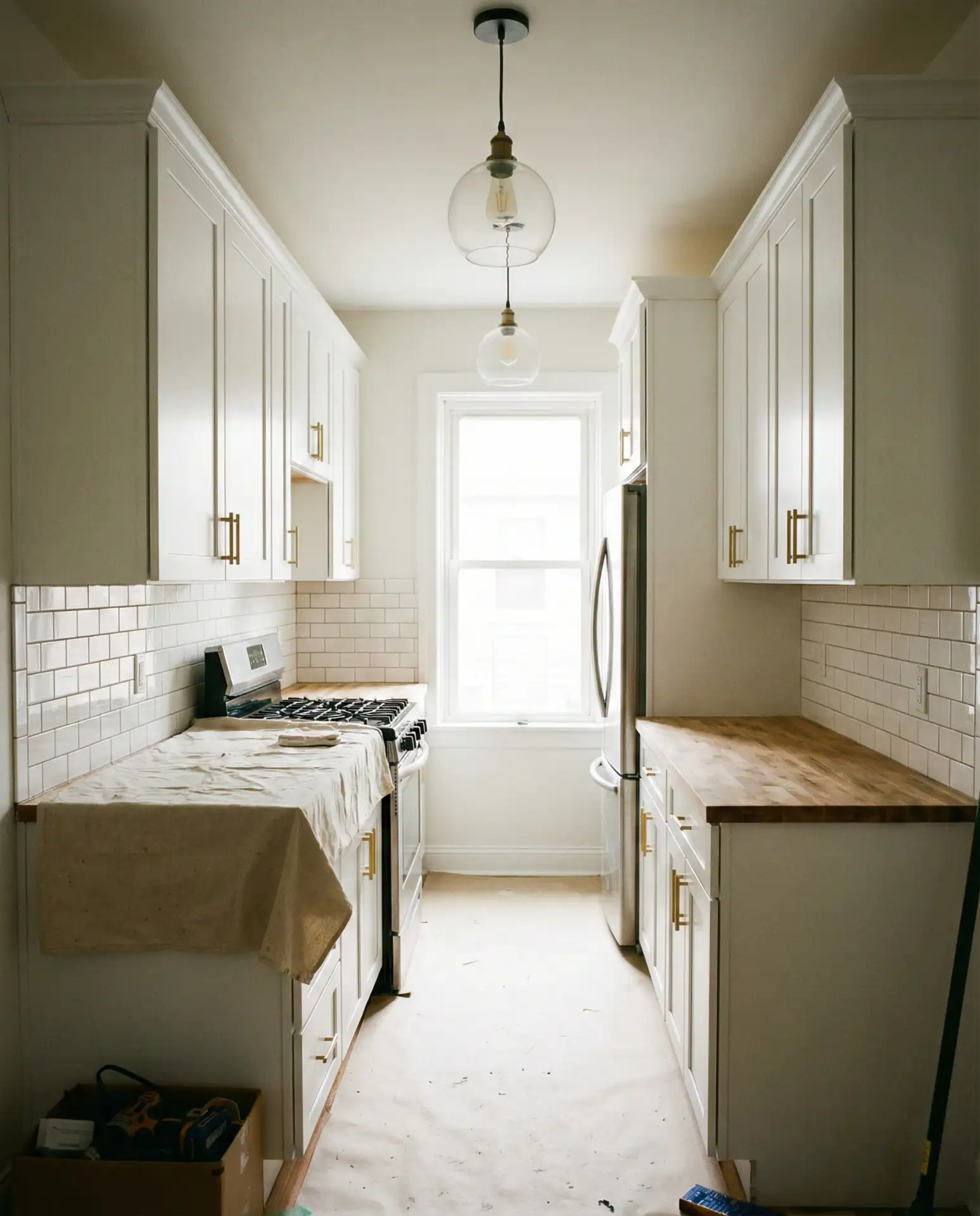
Budget-wise, a cosmetic galley refresh can run between $3,000 and $12,000 depending on scope and material choices. Prioritize visible surfaces first—countertops, backsplash, and cabinet fronts—since these deliver the most visual bang for your buck. Save structural work or layout changes for later phases when you can budget more comfortably, or skip them entirely if the current flow already works well.
16. Breakfast Bar for Casual Dining
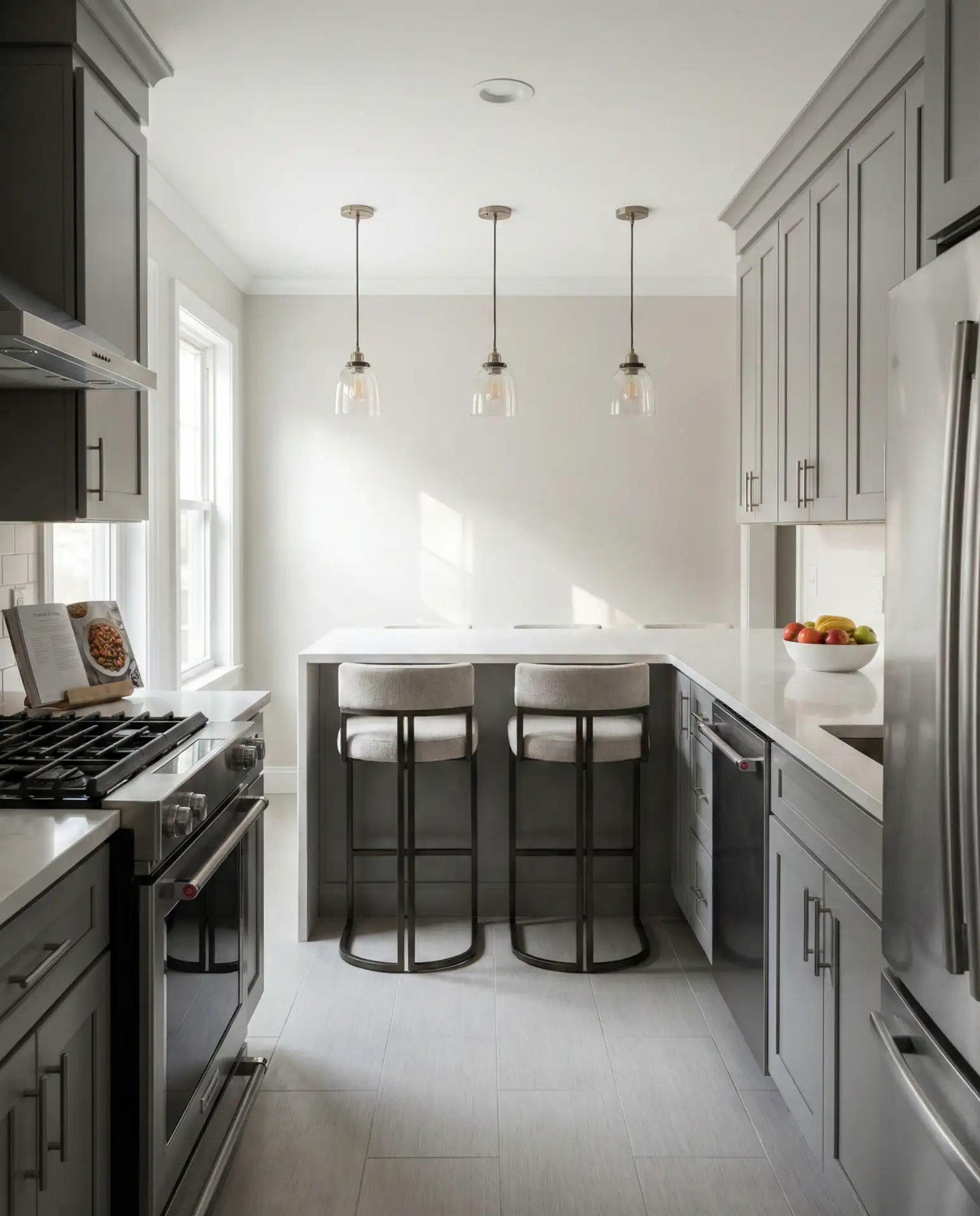
A breakfast bar extends counter space while providing casual seating for quick meals or homework sessions. In a galley kitchen, this typically means raising one end of the counter or adding a small overhang supported by brackets or corbels. It’s a simple addition that makes the kitchen more social and family-friendly without requiring major construction.
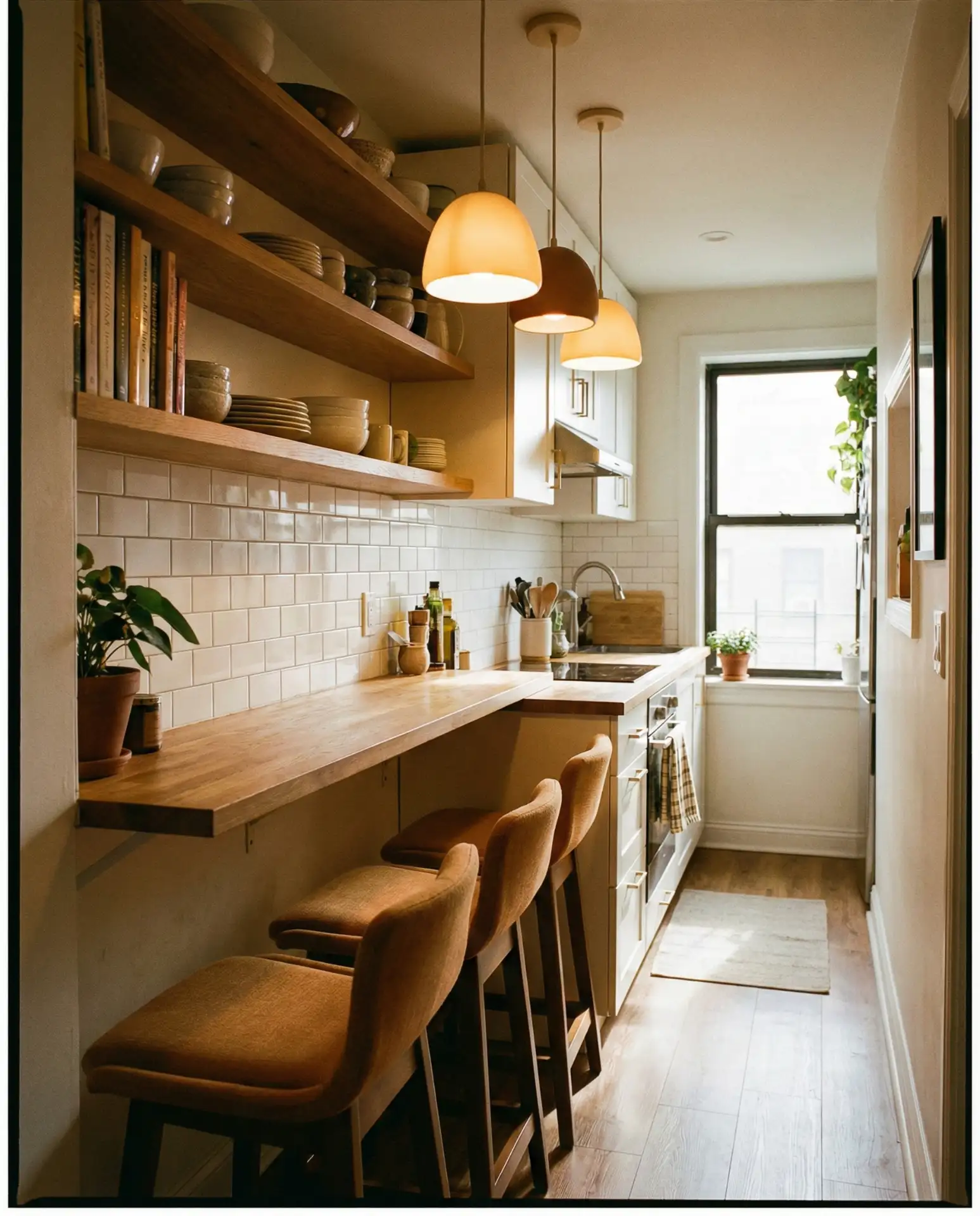
In the American South and Southwest, where indoor-outdoor living blurs, breakfast bars often face patios or backyard views, becoming the preferred spot for morning coffee and evening cocktails. One common mistake is forgetting knee clearance—make sure there’s at least 12 inches of overhang and 24 inches of legroom per seat to keep the bar comfortable and functional for all ages.
17. Black Accents for Modern Drama
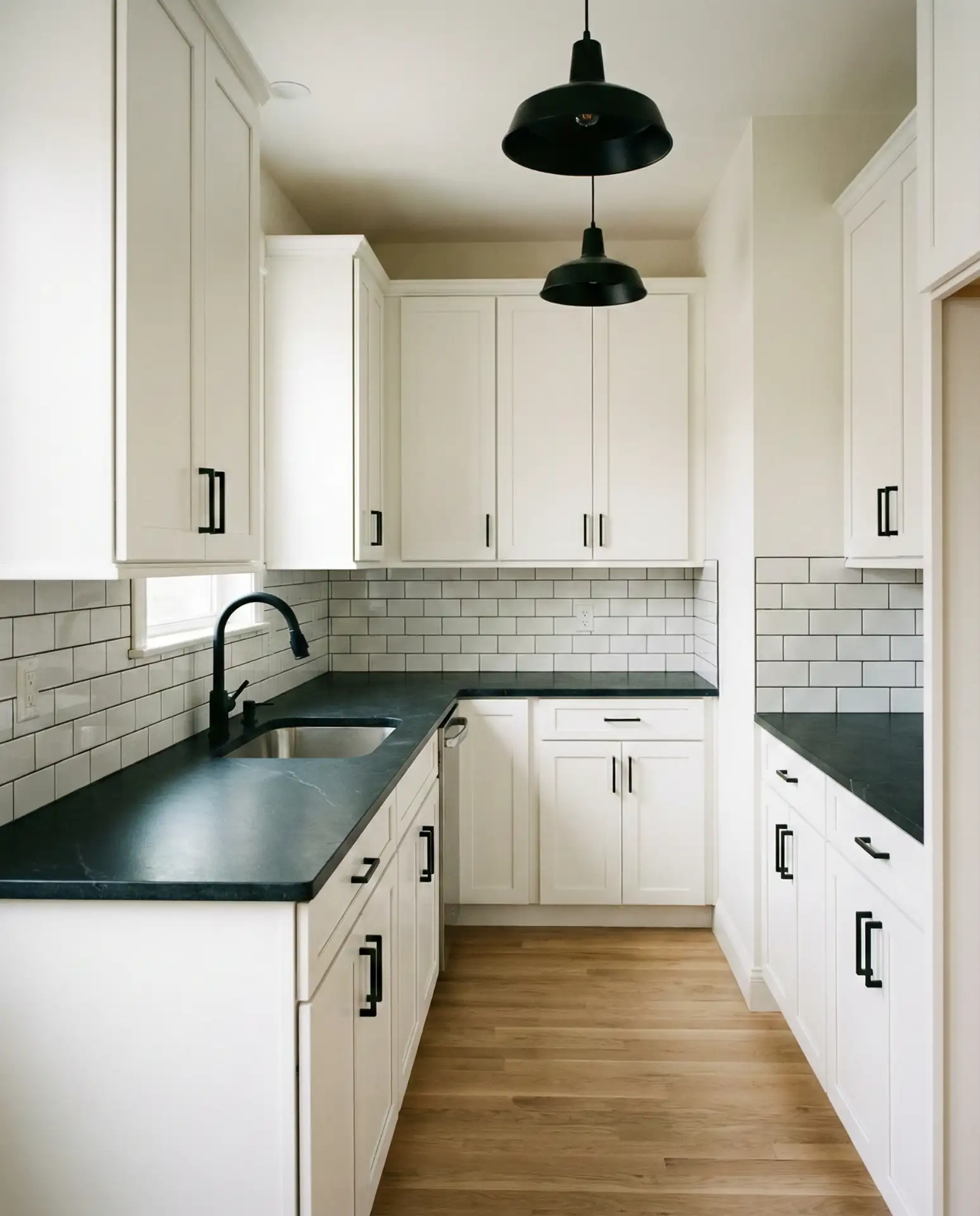
Black fixtures, hardware, and countertops introduce striking contrast and a contemporary edge to a galley kitchen. Whether it’s matte black faucets, cabinet handles, or a dramatic soapstone counter, these dark elements ground the space and prevent it from feeling too saccharine or bland. Black also hides water spots and wear, making it surprisingly practical for high-traffic kitchens.
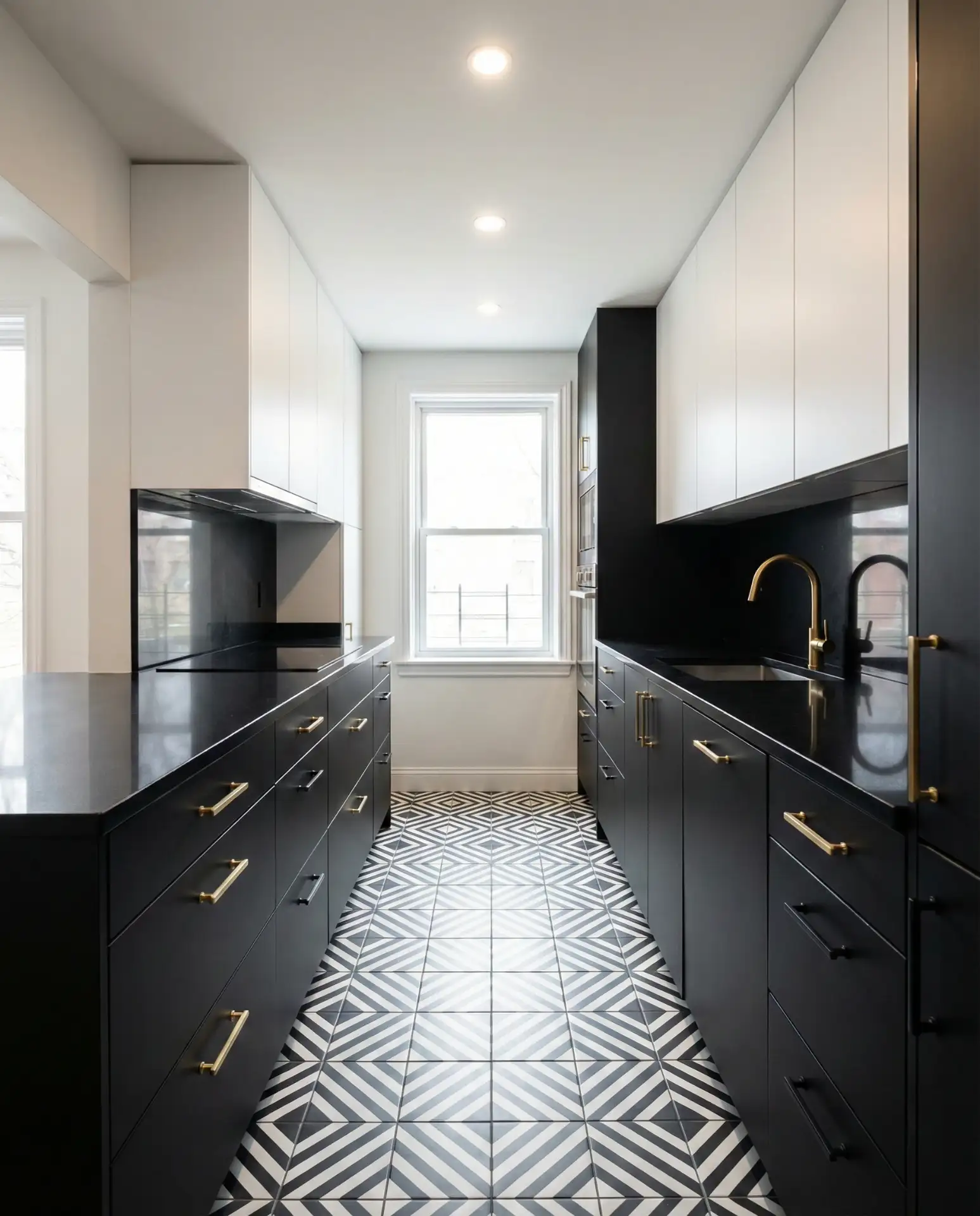
Expert designers suggest balancing black elements with plenty of white or light wood to prevent the space from feeling cave-like. In narrow galleys especially, reserve black for accents rather than entire walls of cabinetry. The goal is drama without darkness—a sophisticated contrast that adds depth and character without compromising the airy feel that makes a galley work.
18. Island Layout for Versatile Function
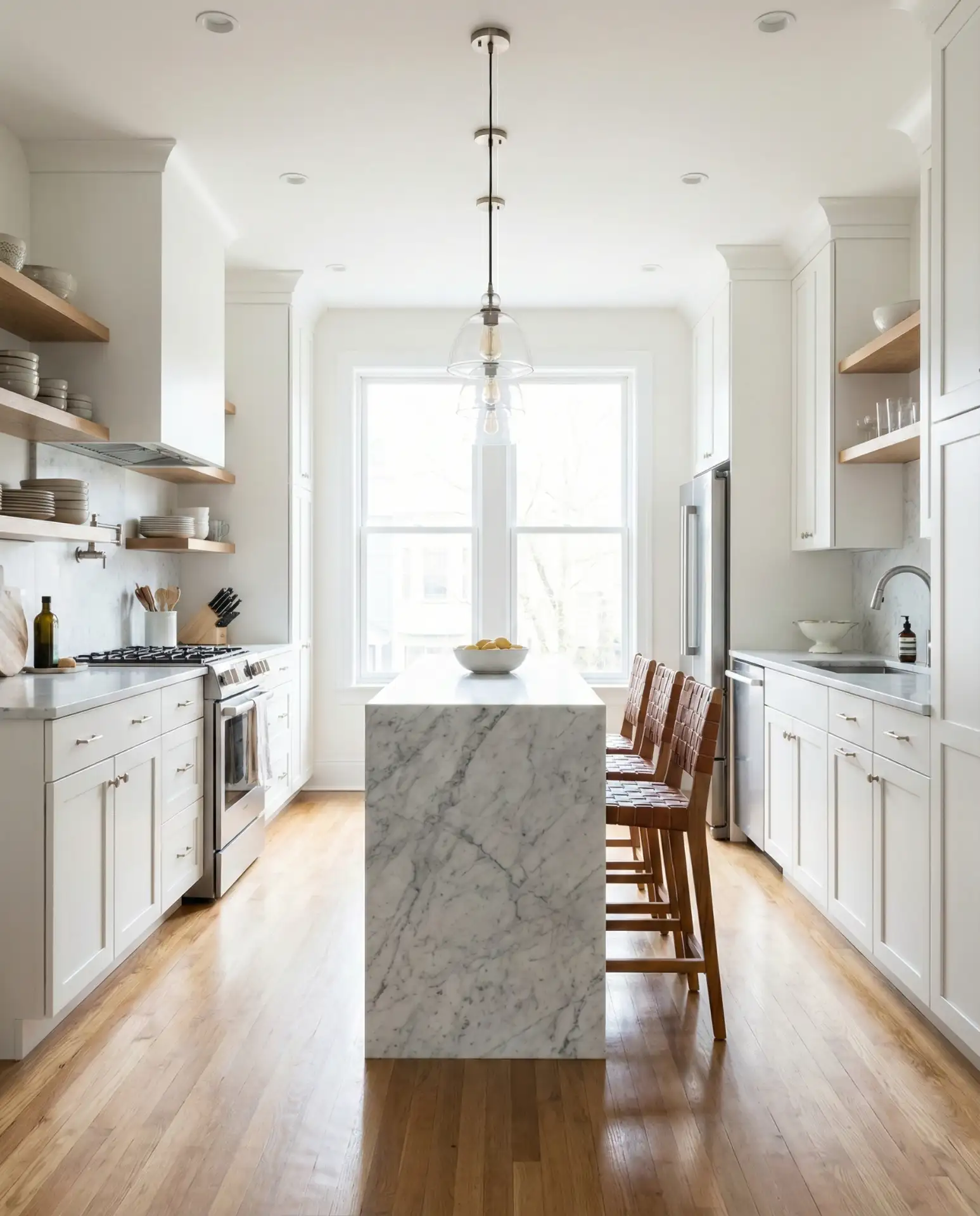
When space allows, an island layout transforms a traditional galley into a more flexible workspace with room for prep, storage, and seating all in one central element. This hybrid approach works especially well in wider galleys or when one wall is shorter, creating a natural spot for an island without blocking flow. It bridges the gap between galley efficiency and open-plan sociability.
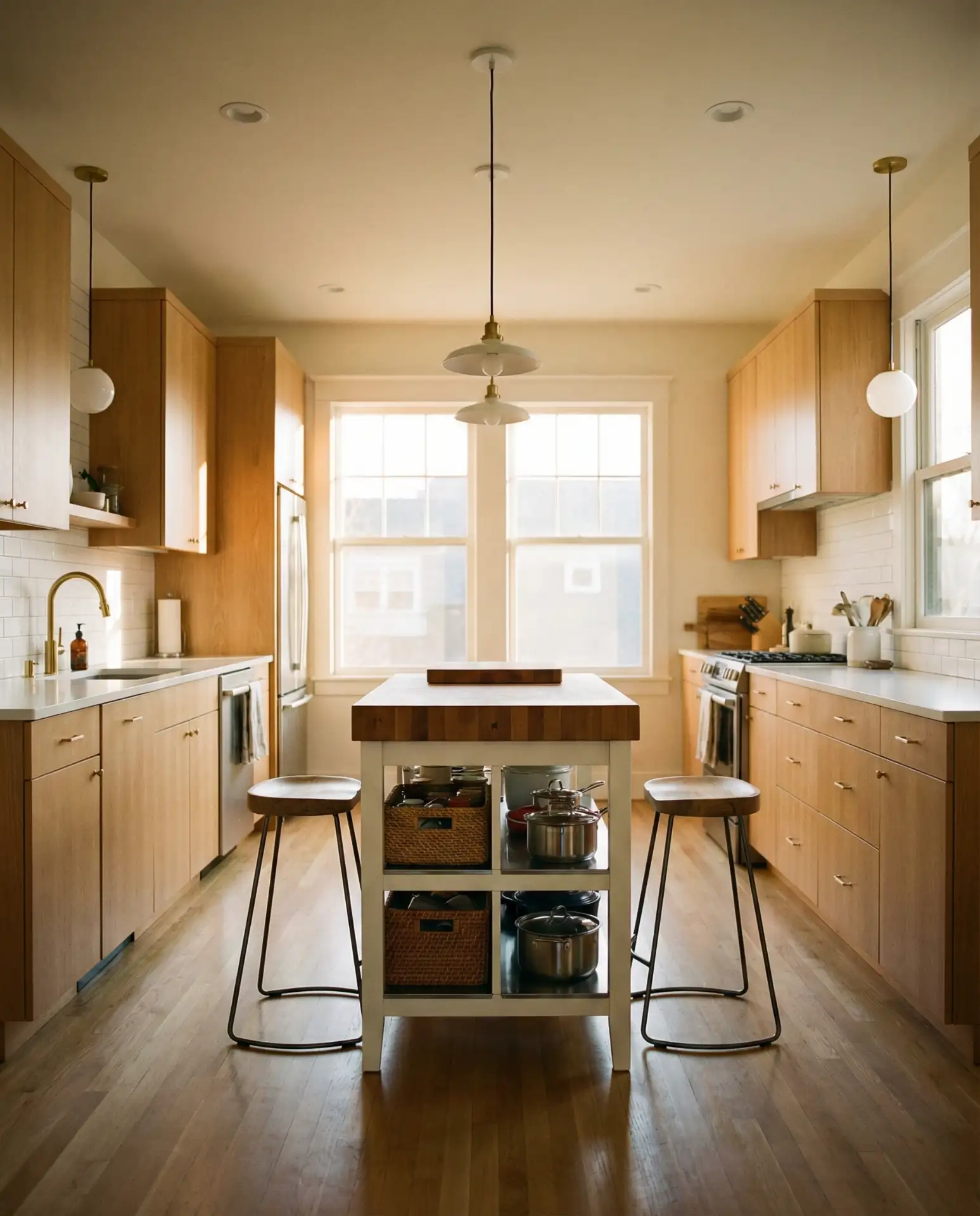
Avoid the temptation to oversize the island—it should enhance the galley’s natural efficiency, not impede it. Leave at least 42 inches of clearance on all sides to maintain comfortable traffic flow. Many homeowners use the island to house a second sink or cooktop, creating multiple work zones that allow two cooks to work simultaneously without getting in each other’s way.
19. Mid-Century Modern Lines and Materials
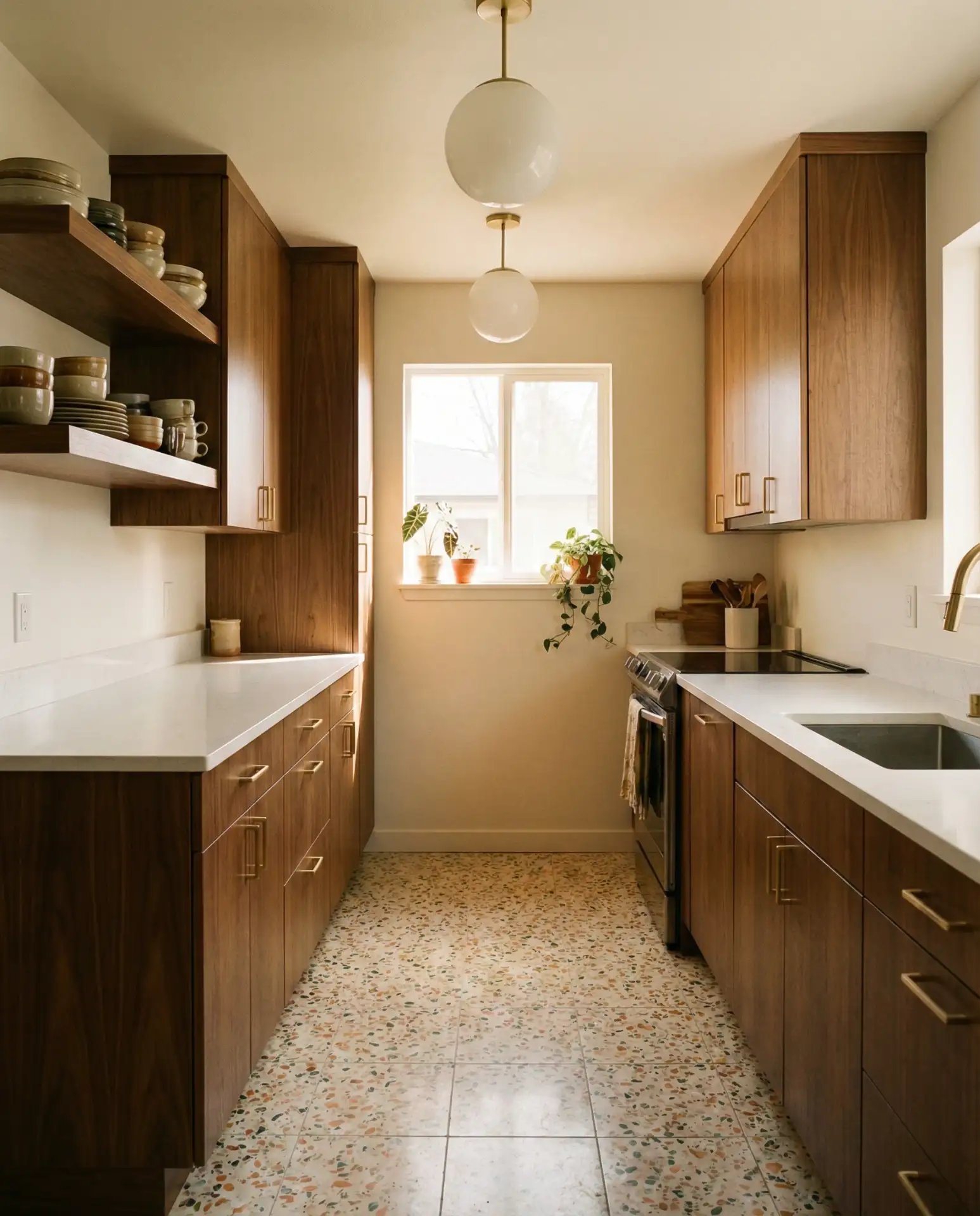
Mid-century design brings clean lines, warm wood tones, and minimalist hardware to the galley kitchen. Think flat-front cabinets in walnut or teak, simple pull handles, and geometric tile patterns that nod to the 1950s and 60s without feeling dated. This aesthetic celebrates function and craftsmanship, making it perfect for galley kitchens where every element must earn its place.
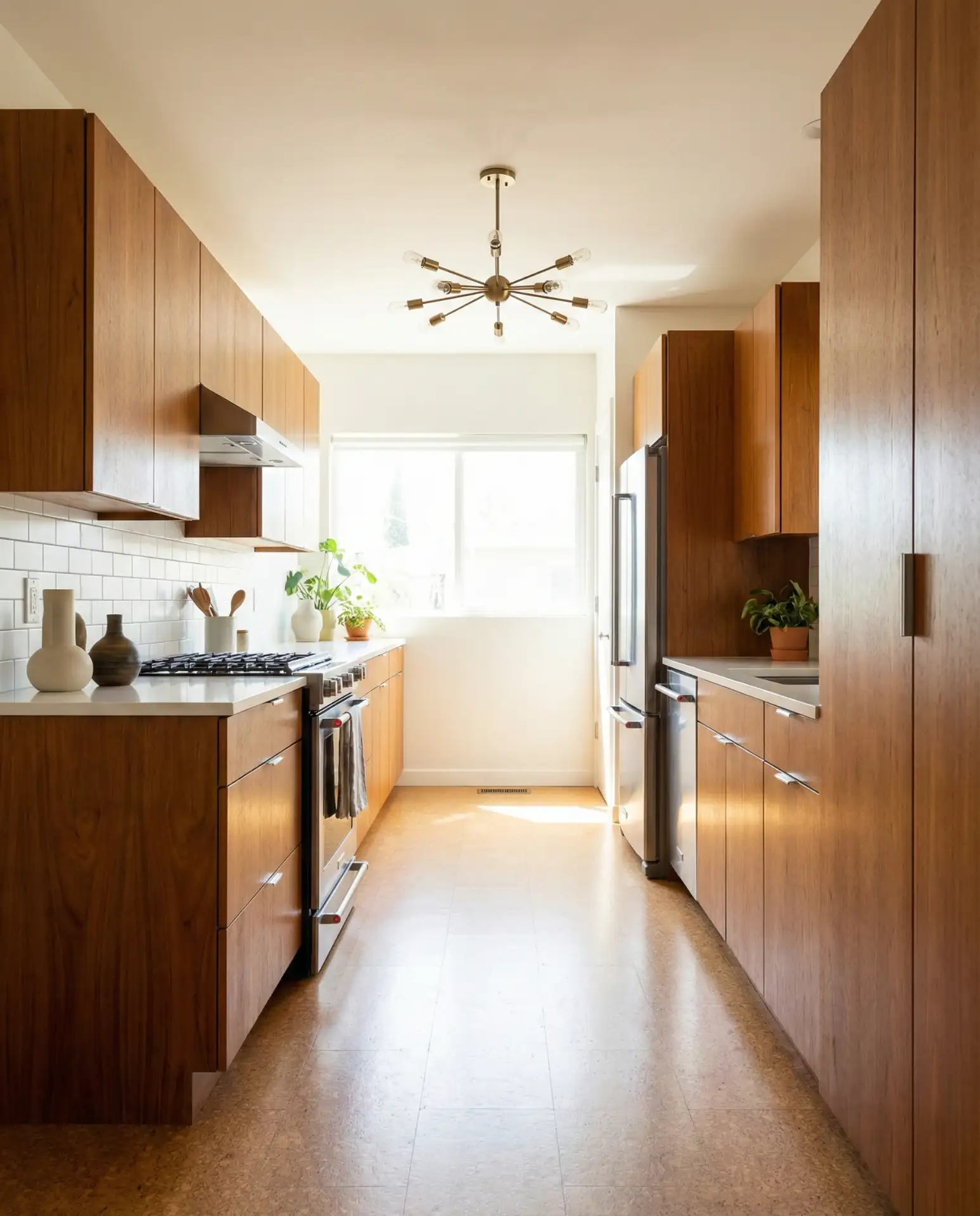
Across California and the Southwest, where mid-century architecture remains prevalent, homeowners often restore original galley kitchens to their former glory rather than replacing them entirely. By refinishing cabinets, updating appliances, and preserving period-appropriate details like cork or linoleum flooring, they honor the home’s heritage while ensuring modern functionality. It’s a respectful approach that preserves architectural integrity.
20. Renovation Focused on Light and Flow
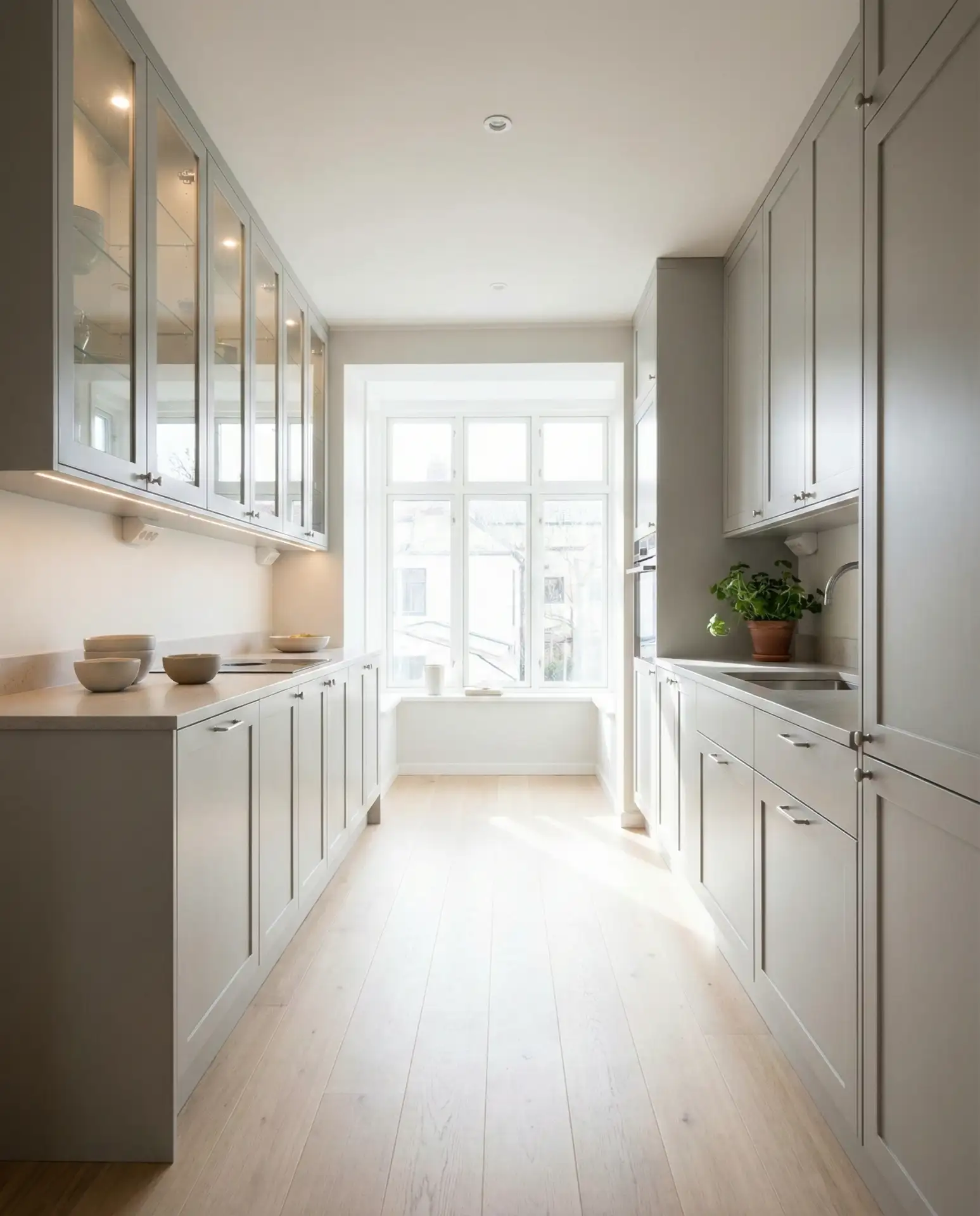
A successful renovation addresses the two biggest challenges in galley kitchens: limited natural light and tight circulation. Strategies include installing skylights, widening doorways, removing upper cabinets to let light travel, and choosing reflective finishes that amplify whatever light is available. The goal is a space that feels open and easy to move through, even within the same footprint.
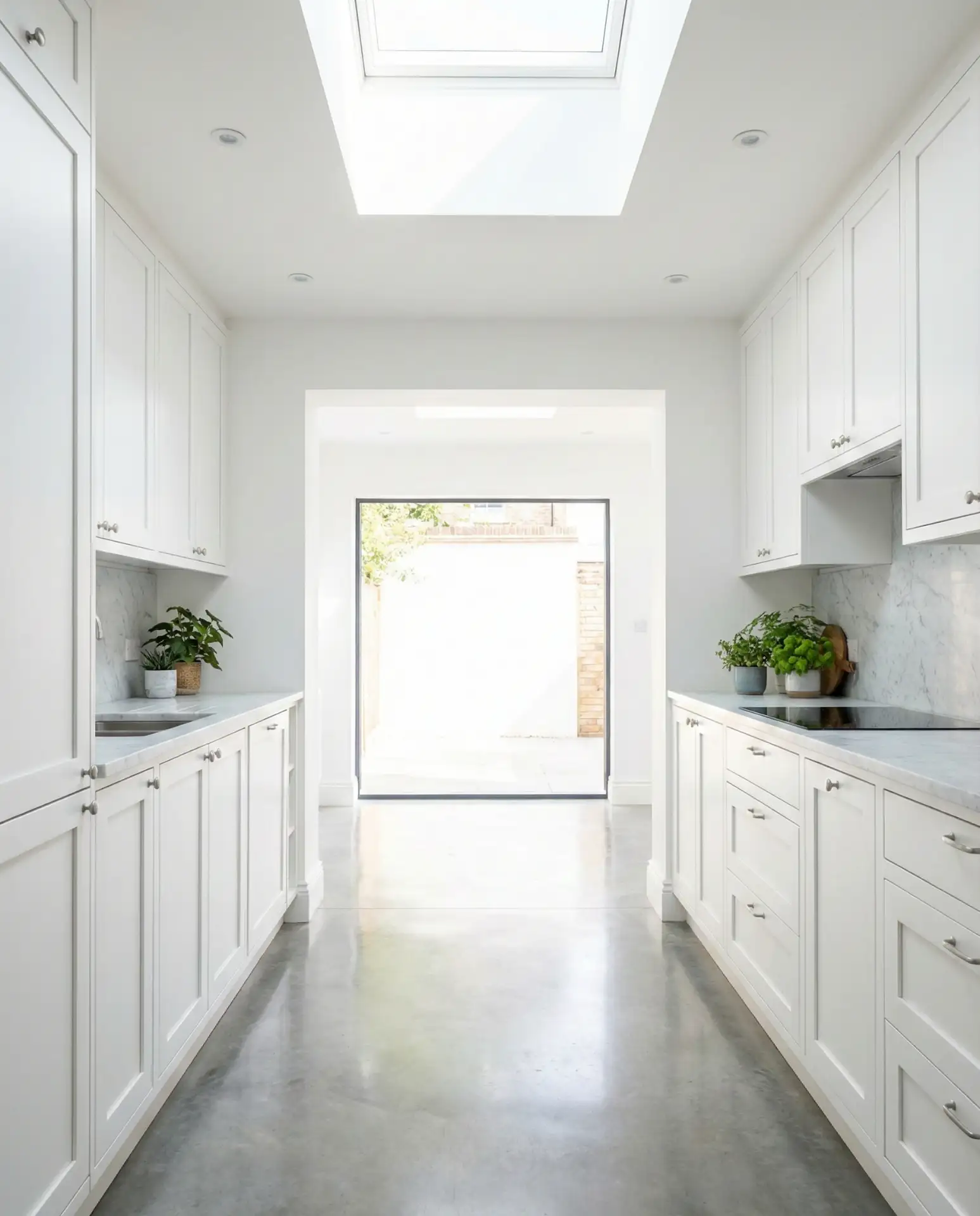
One Chicago homeowner recounted that her galley felt like a tunnel until she removed a section of upper cabinets and installed a large window where a small one had been. The change doubled the perceived size of the room and made cooking feel less isolated. Sometimes the best renovation isn’t about adding square footage—it’s about thoughtfully editing and enhancing what’s already there.
21. Blue Cabinetry for Calm and Character
Blue cabinets bring a sense of calm and coastal charm to galley kitchens, working beautifully in both traditional and contemporary settings. From soft powder blue to rich navy, this color family offers depth and personality without overwhelming a narrow space. Pair with white countertops and natural wood accents for a balanced, timeless look.
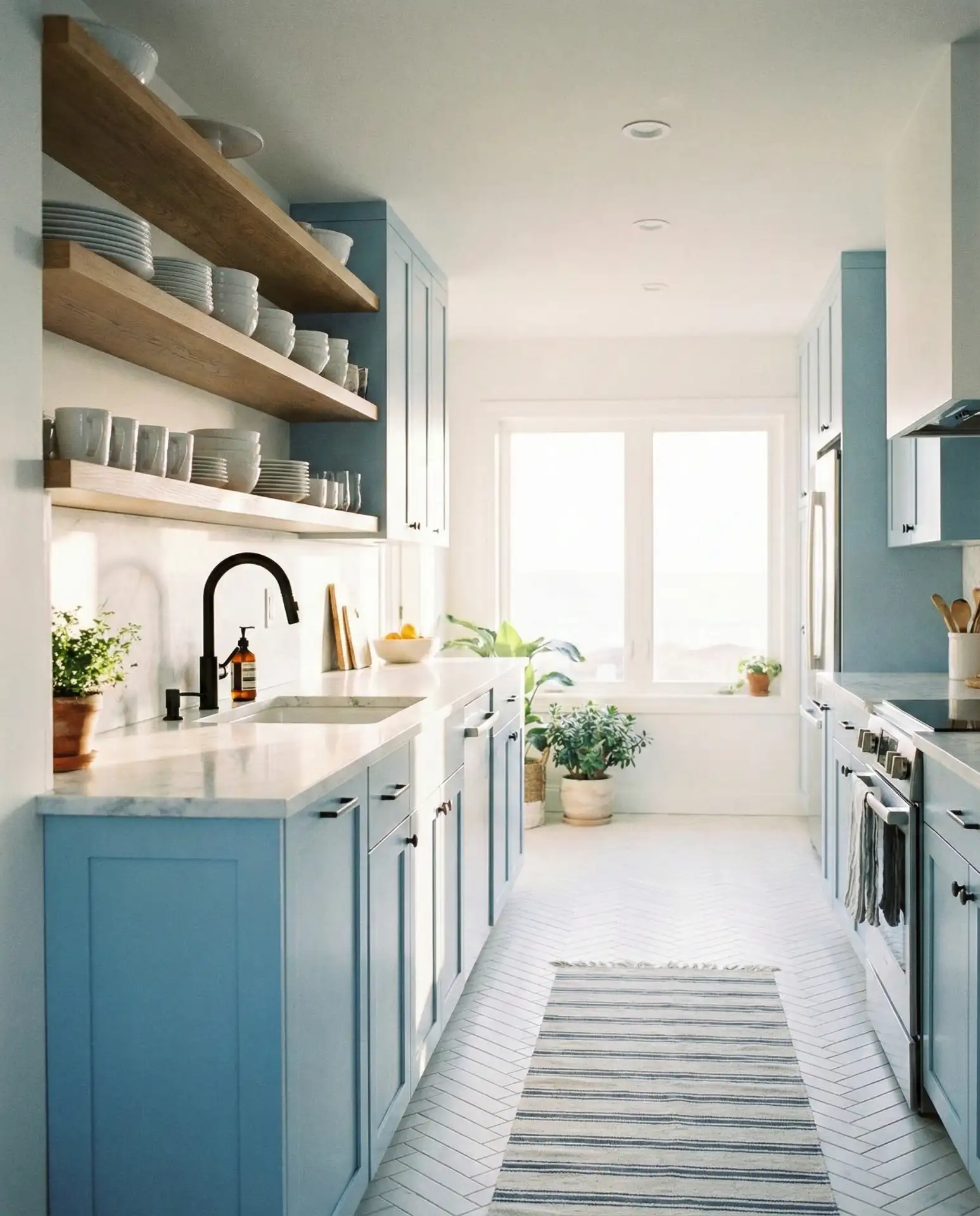
Real homeowners, particularly in coastal regions from Maine to Southern California, gravitate toward blue as a way to echo nearby water and sky. The color also hides daily wear better than white while still feeling fresh and inviting. One Seattle resident mentioned that her medium blue cabinets made her small galley feel less cramped by drawing the eye horizontally rather than emphasizing the narrow corridor.
22. Mid-Century Modern with Retro Appliances
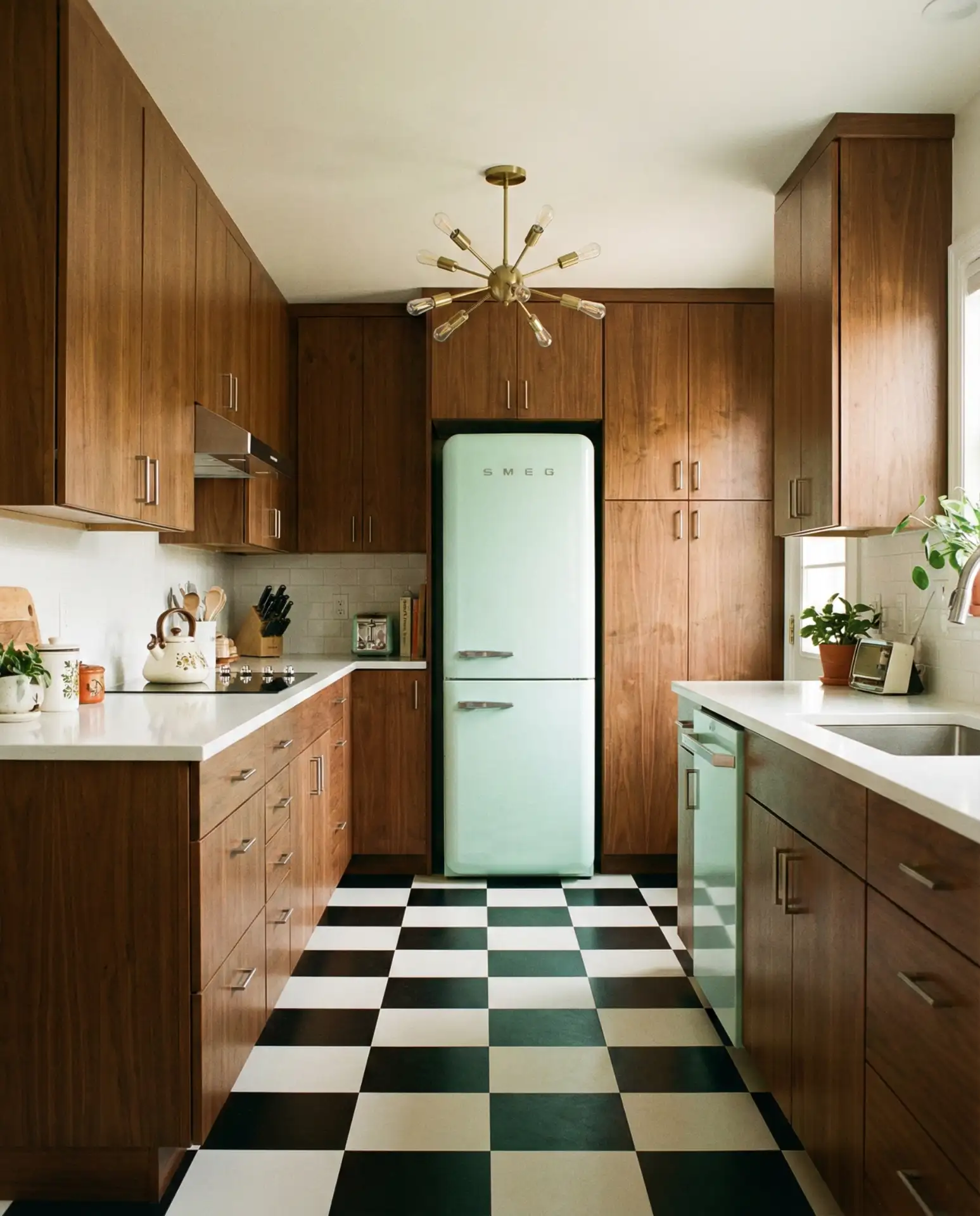
Mid-century modern galley kitchens shine when paired with vintage-inspired appliances in bold colors like turquoise, red, or mint green. These statement pieces anchor the room and add playful personality while honoring the era’s love of color and form. Combined with clean-lined cabinetry and minimal hardware, the result is a layout that feels both nostalgic and refreshingly current.
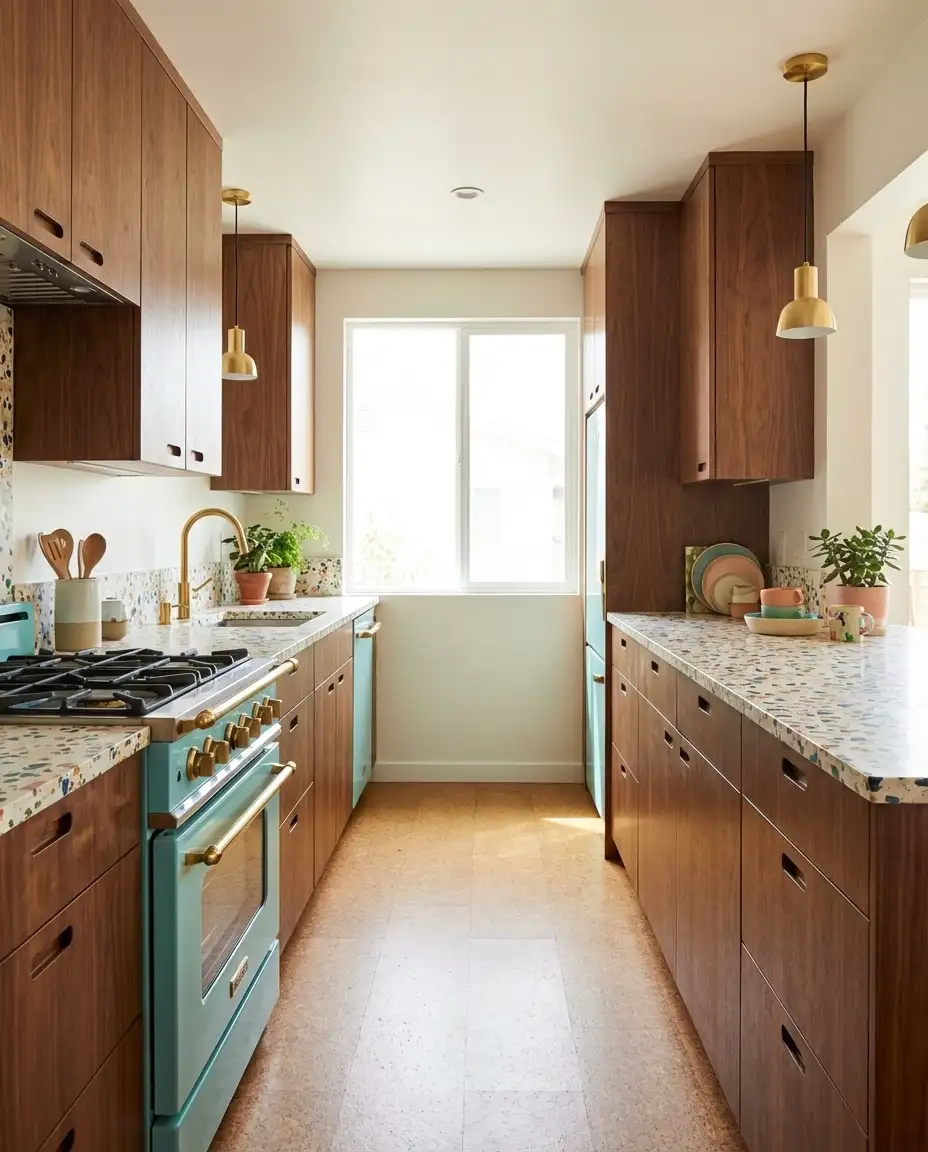
This style works best when you commit fully to the aesthetic rather than mixing eras haphazardly. Source authentic or reproduction pieces from specialty retailers, and resist the urge to modernize every detail. The charm lies in the cohesive vision—a space that feels transported from another decade yet functions beautifully today. The budget for retro appliances tends to run higher than standard models, but the visual impact and conversation-starting appeal often justify the investment.
Conclusion
Galley kitchens in 2026 prove that smart design can make any space work beautifully, no matter the square footage. From bold color choices and strategic renovations to clever layouts and character-rich details, there’s no shortage of ways to transform a narrow corridor into a kitchen you’ll love spending time in. Which of these ideas resonates most with your space? Share your thoughts, your own galley challenges, or your favorite design wins in the comments below—we’d love to hear what’s working in your home.