As we move into 2026, parents are embracing a fresh wave of creativity when designing nurseries for their daughters. Pinterest boards are overflowing with girls’ nursery ideas that blend timeless charm with modern sensibility, from soft neutral palettes to bold statement walls. Whether you’re drawn to whimsical themes or minimalist decor, this year’s trends celebrate personalization and thoughtful design. American families are seeking spaces that grow with their children, balancing beauty with function. In this article, we’ll explore inspiring ideas to help you create a nursery that feels both magical and meaningful.
1. Soft Blush and Cream Elegance
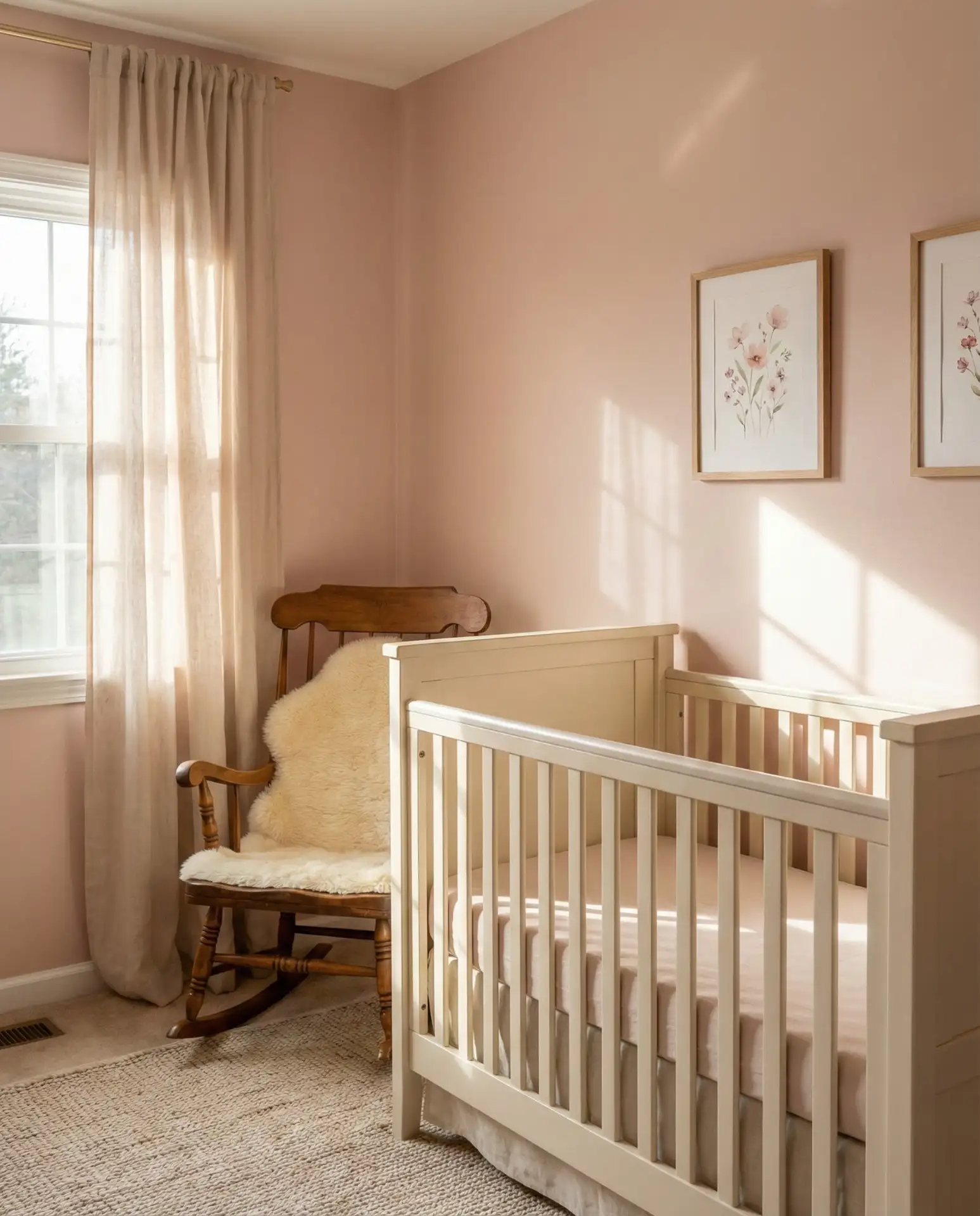
A soft blush and cream palette creates a serene foundation for any girl’s nursery, offering warmth without overwhelming the senses. This combination works beautifully in both small urban apartments and spacious suburban homes, providing a timeless backdrop that adapts as your child grows. The gentle pink tones feel nurturing, while cream adds sophistication and light. Pair this palette with natural wood furniture and linen textiles for a cohesive, calming environment. 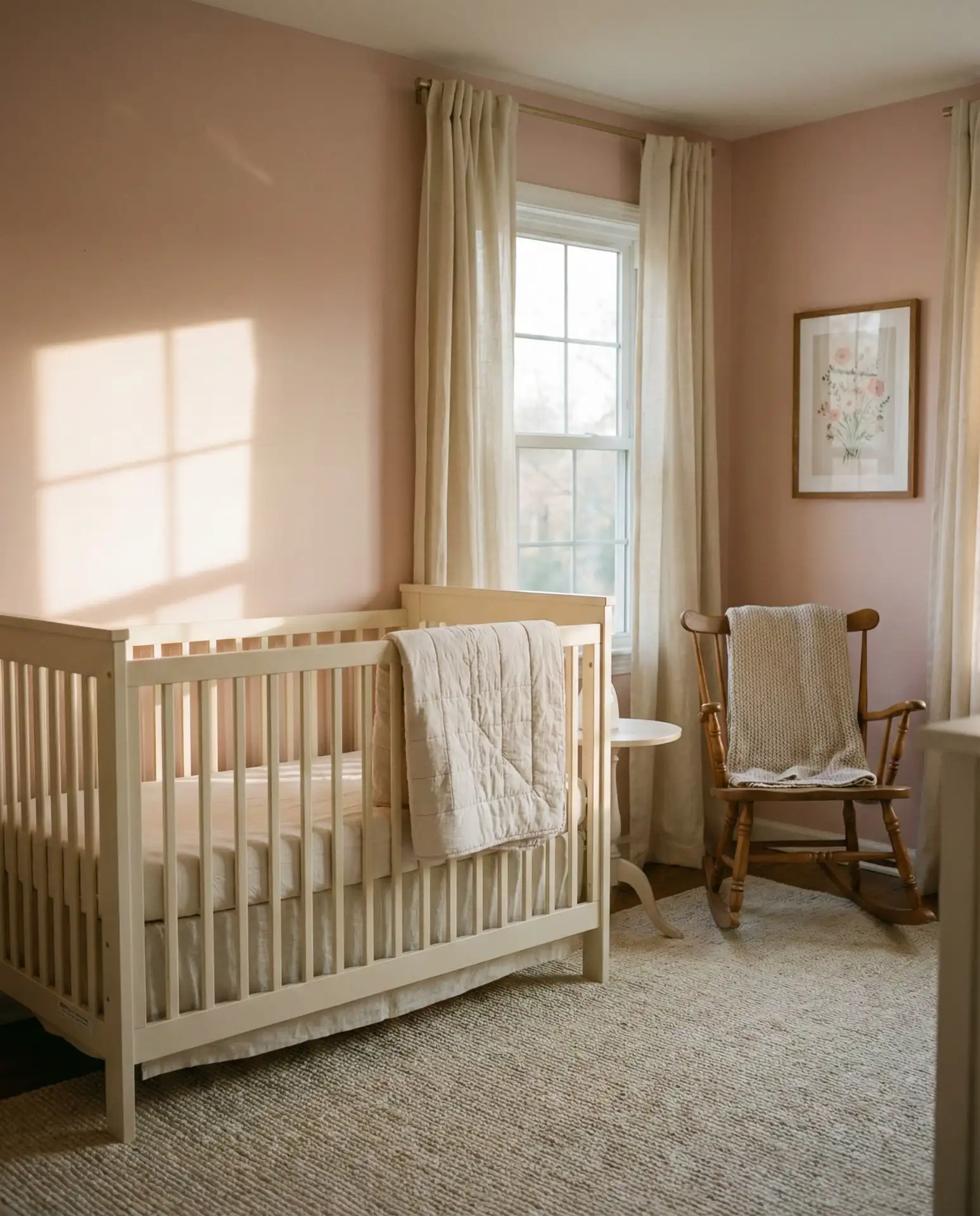
One common mistake is choosing overly saturated pink shades that can feel juvenile or dated within a year. Instead, opt for muted blush tones with gray or beige undertones that photograph beautifully and feel sophisticated. These softer hues allow you to introduce bolder accents through artwork, rugs, or throw pillows without committing to a color scheme that feels too literal or theme-driven.
2. Botanical Wall Decor Paradise
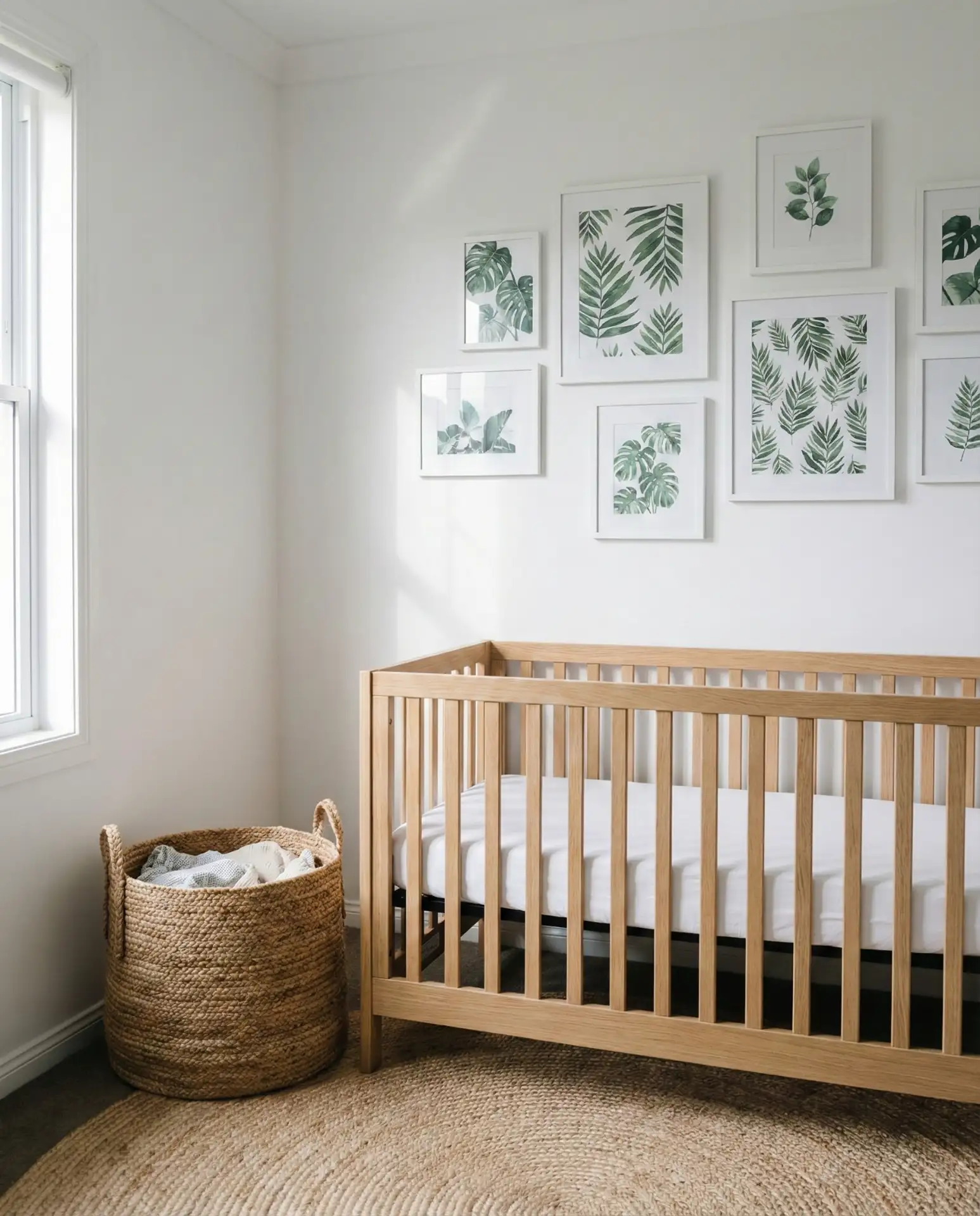
Bringing nature indoors through wall decor has become a cornerstone of modern nursery design, with botanical prints and leafy patterns dominating Pinterest feeds. These designs introduce organic shapes and calming greens that promote restfulness while adding visual interest to the room. From large-scale framed ferns to delicate watercolor florals, botanical art pairs effortlessly with neutral walls and natural wood accents, creating a space that feels both current and enduring. 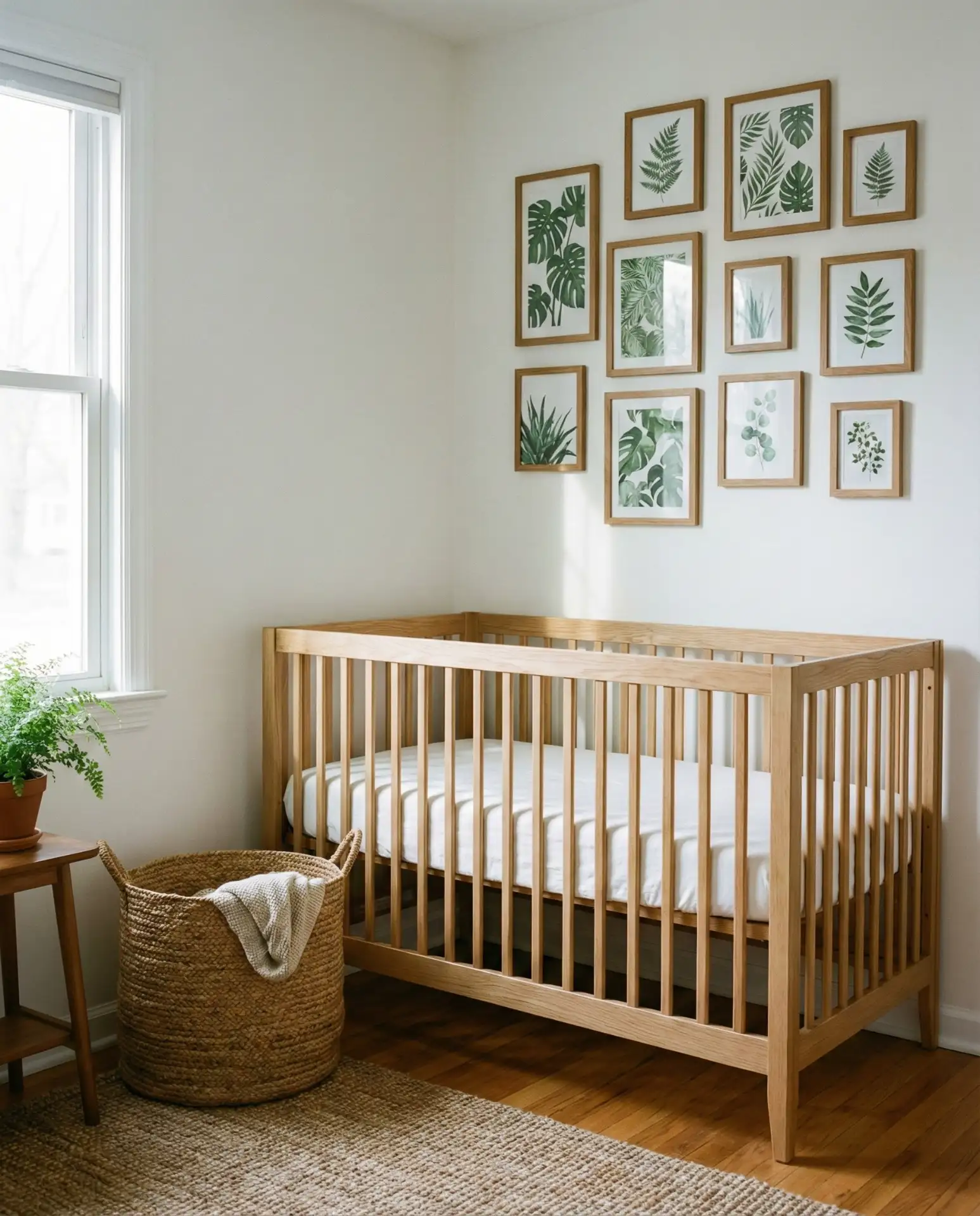
In the Pacific Northwest and other regions with strong outdoor cultures, parents are particularly drawn to these nature-inspired designs as a way to mirror the landscape just beyond their windows. The botanical trend resonates with families who value sustainability and want to instill an early appreciation for the natural world in their children’s everyday environment.
3. Vintage-Inspired Pastel Dream
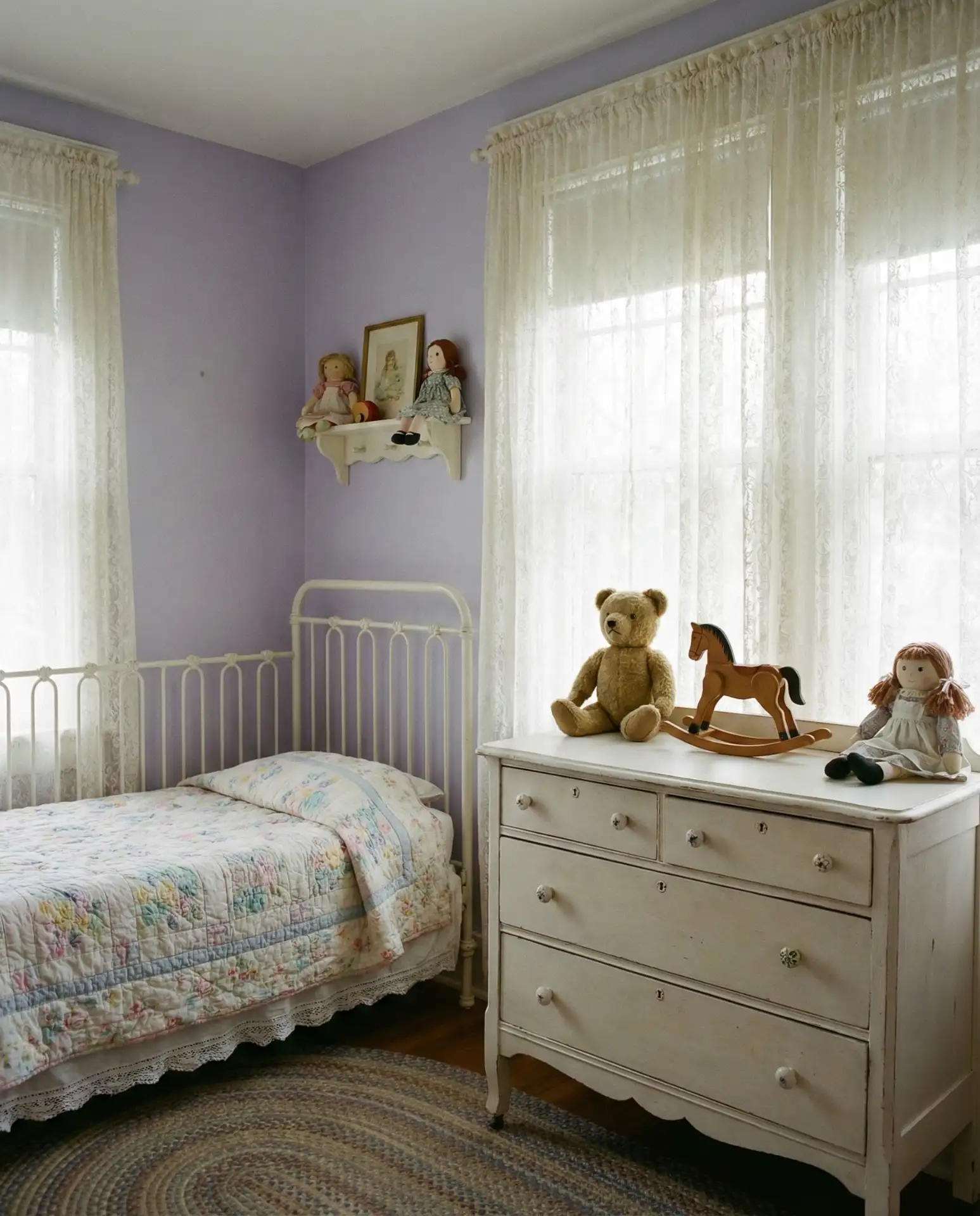
Vintage decor is experiencing a renaissance in nursery design, with parents seeking out antique cribs, hand-me-down rocking chairs, and retro-inspired textiles. Soft pastels in lavender, mint, and peach create a nostalgic atmosphere that feels both personal and curated. This approach celebrates family history while maintaining a fresh, airy aesthetic that doesn’t feel overly precious or cluttered. 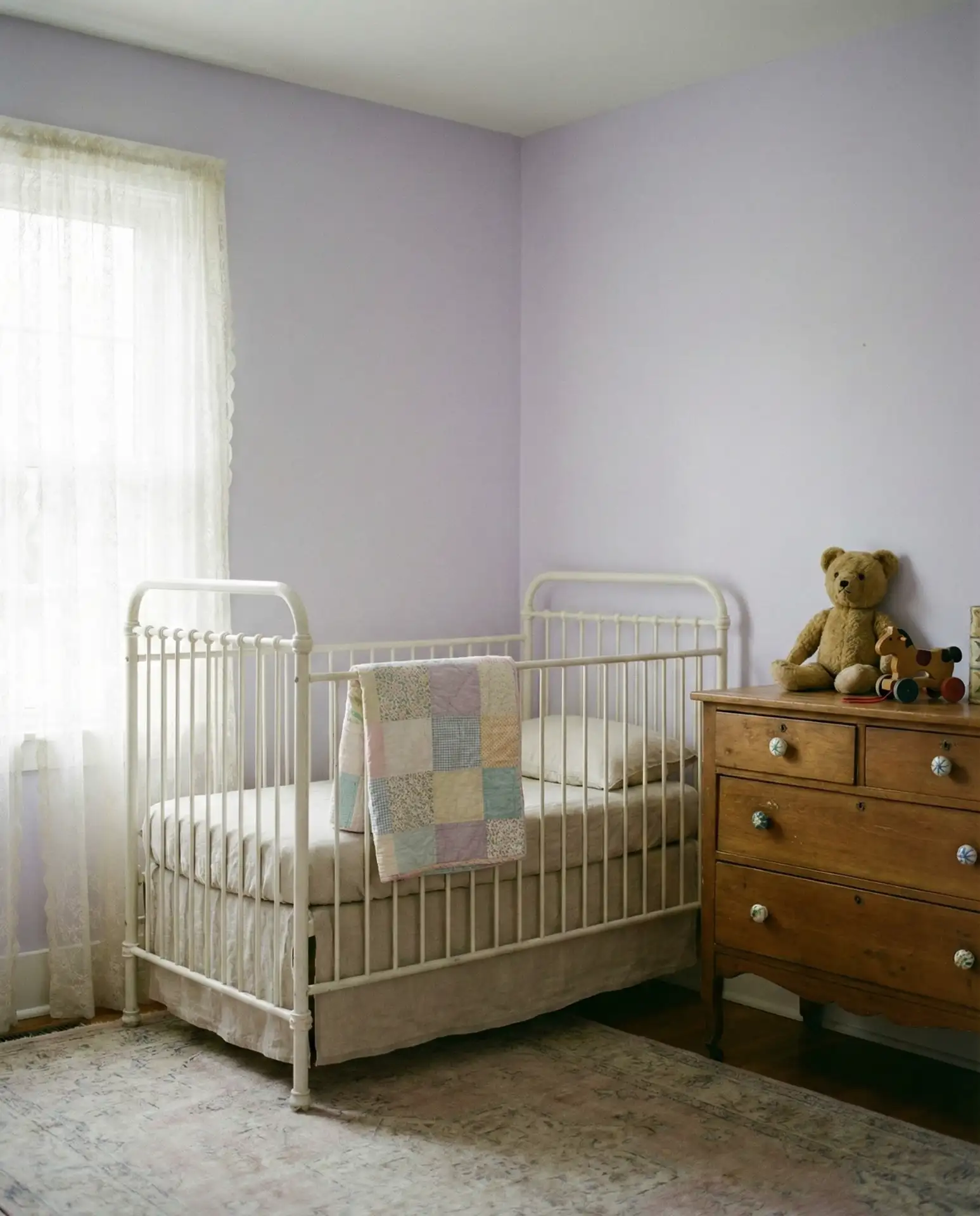
I once visited a nursery in Charleston where the grandmother’s childhood dresser had been refinished in a soft sage green, becoming the room’s centerpiece. The piece carried stories across generations, grounding the space in family narrative while still feeling current and intentional in its styling.
4. Monochromatic Gray Serenity
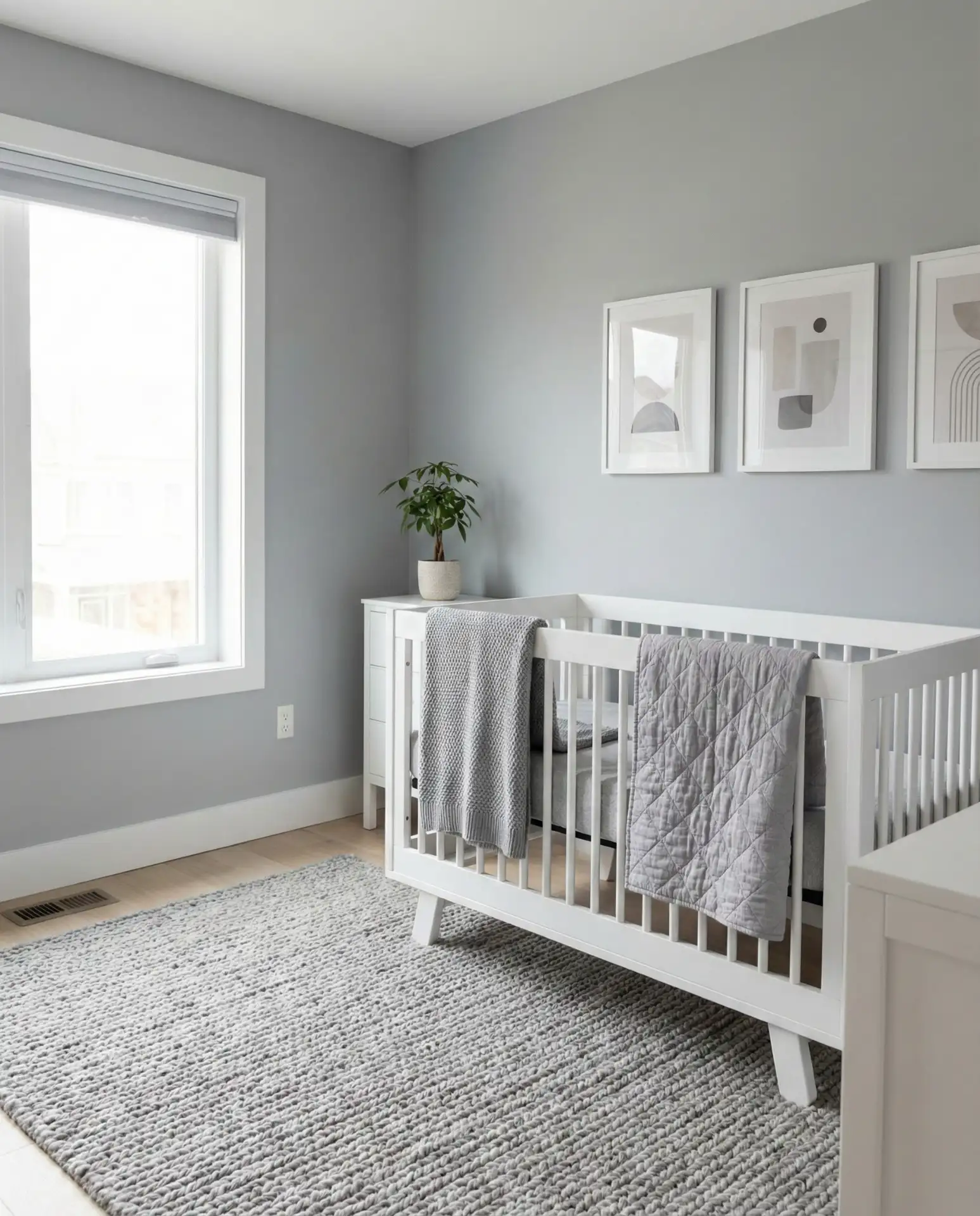
A monochromatic gray palette offers a surprisingly warm and gender-neutral foundation for a girls’ nursery, particularly when layered with varying textures and tones. From charcoal accent walls to dove gray furniture, this approach creates a sophisticated canvas that allows decor elements and personal touches to truly shine. The beauty of gray lies in its versatility—it pairs equally well with blush accents, brass hardware, or pops of emerald green. 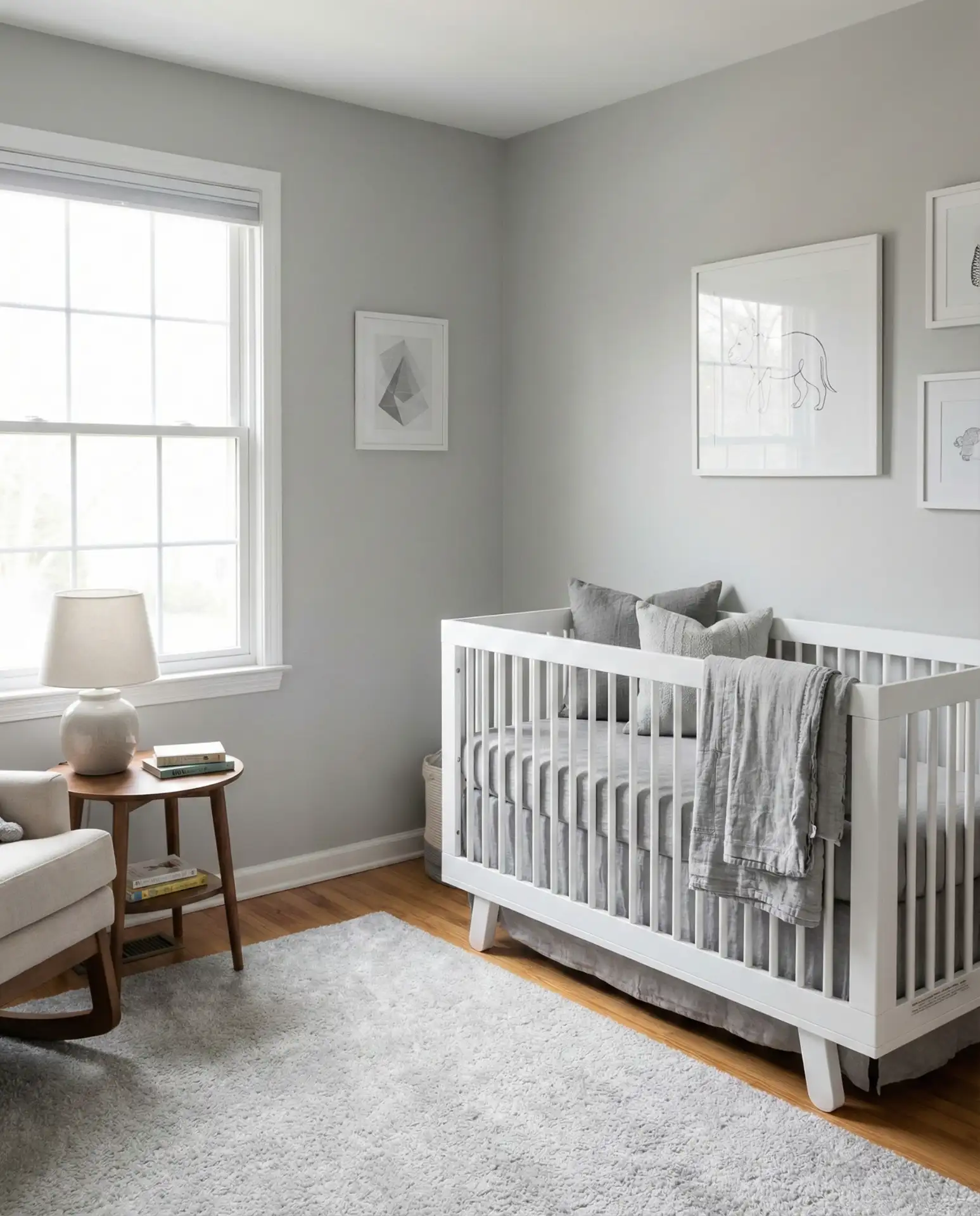
Budget-conscious parents appreciate gray because it’s incredibly forgiving and easy to refresh over time. A $30 can of paint and some thrifted accessories can completely transform the mood without requiring a full redesign, making it ideal for families who plan to transition the space from nursery to toddler room without starting from scratch.
5. Rainbow Accent Wall Magic
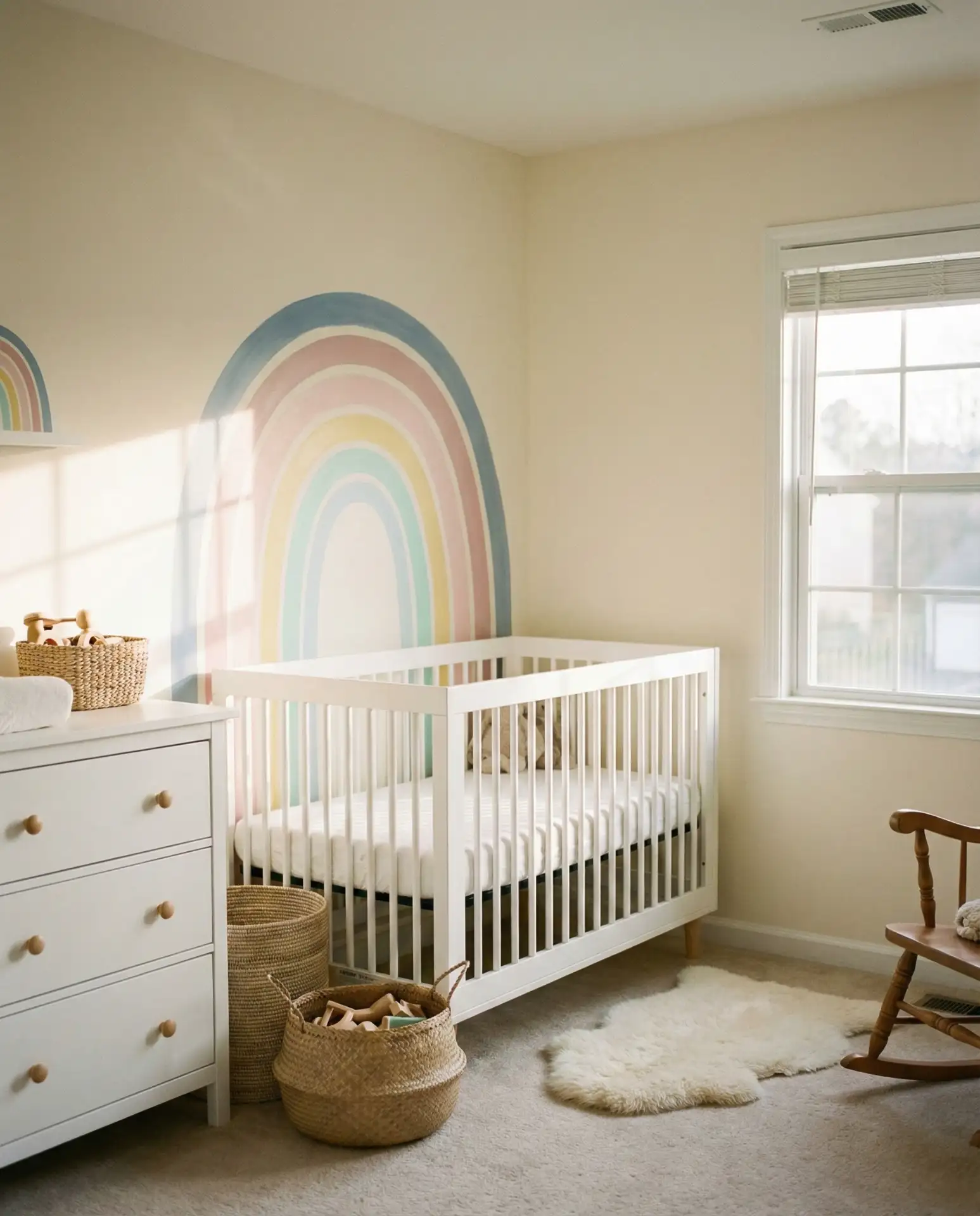
Rainbow wall decor brings joyful energy to a nursery without committing to a single color story, offering visual stimulation that babies find engaging. Whether painted as gentle arches or displayed through fabric bunting, rainbow elements create a cheerful focal point in the room. This playful approach works especially well when the surrounding palette remains neutral, allowing the rainbow to serve as functional art rather than overwhelming the senses. 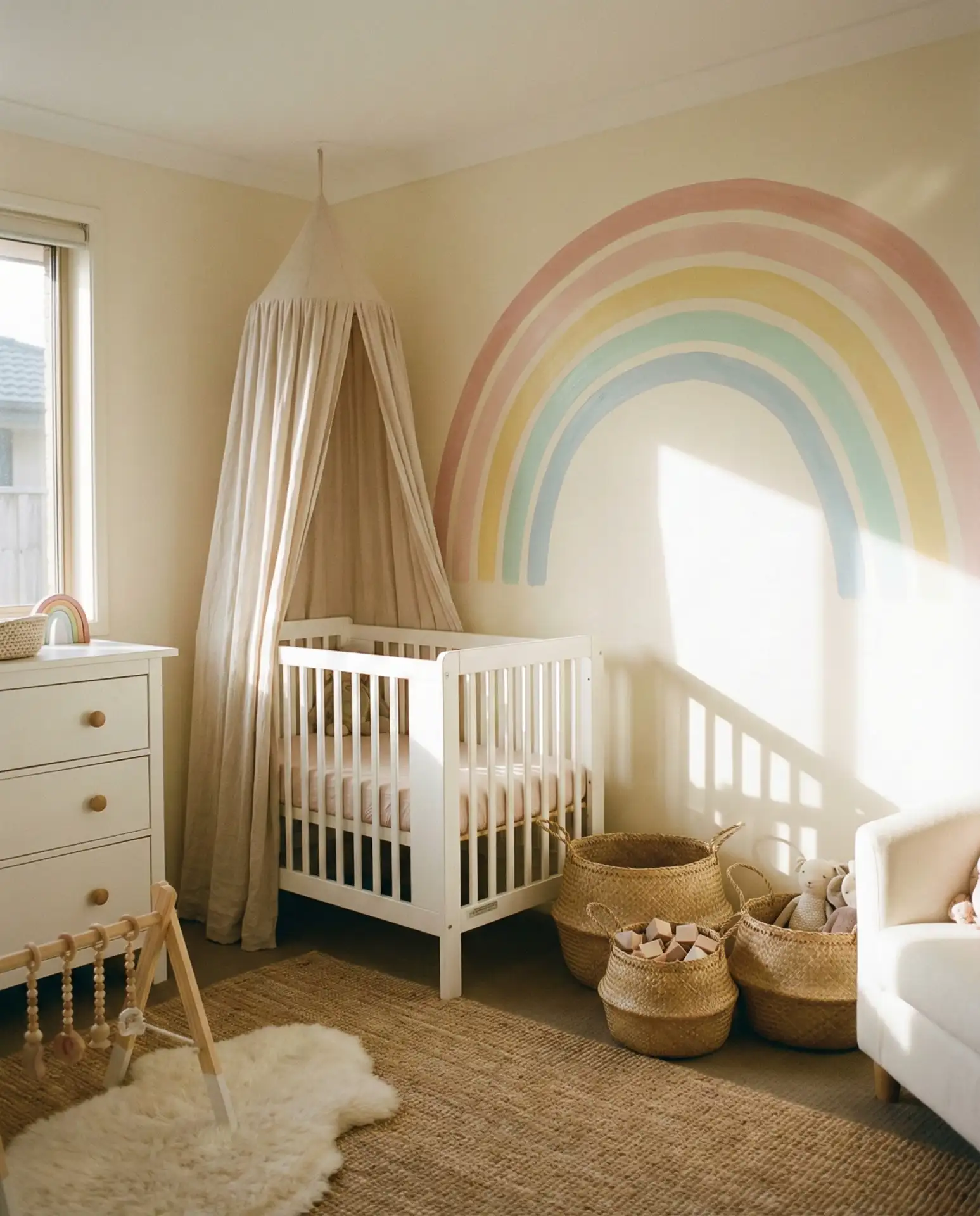
This design works best in rooms with ample natural light, particularly those facing east or south, where morning and midday sun enhance the colors’ vibrancy. In darker rooms or north-facing spaces, rainbow accents can sometimes feel muddy, so consider placement carefully or opt for lighter, more pastel iterations of the trend.
6. Floral Wallpaper Statement
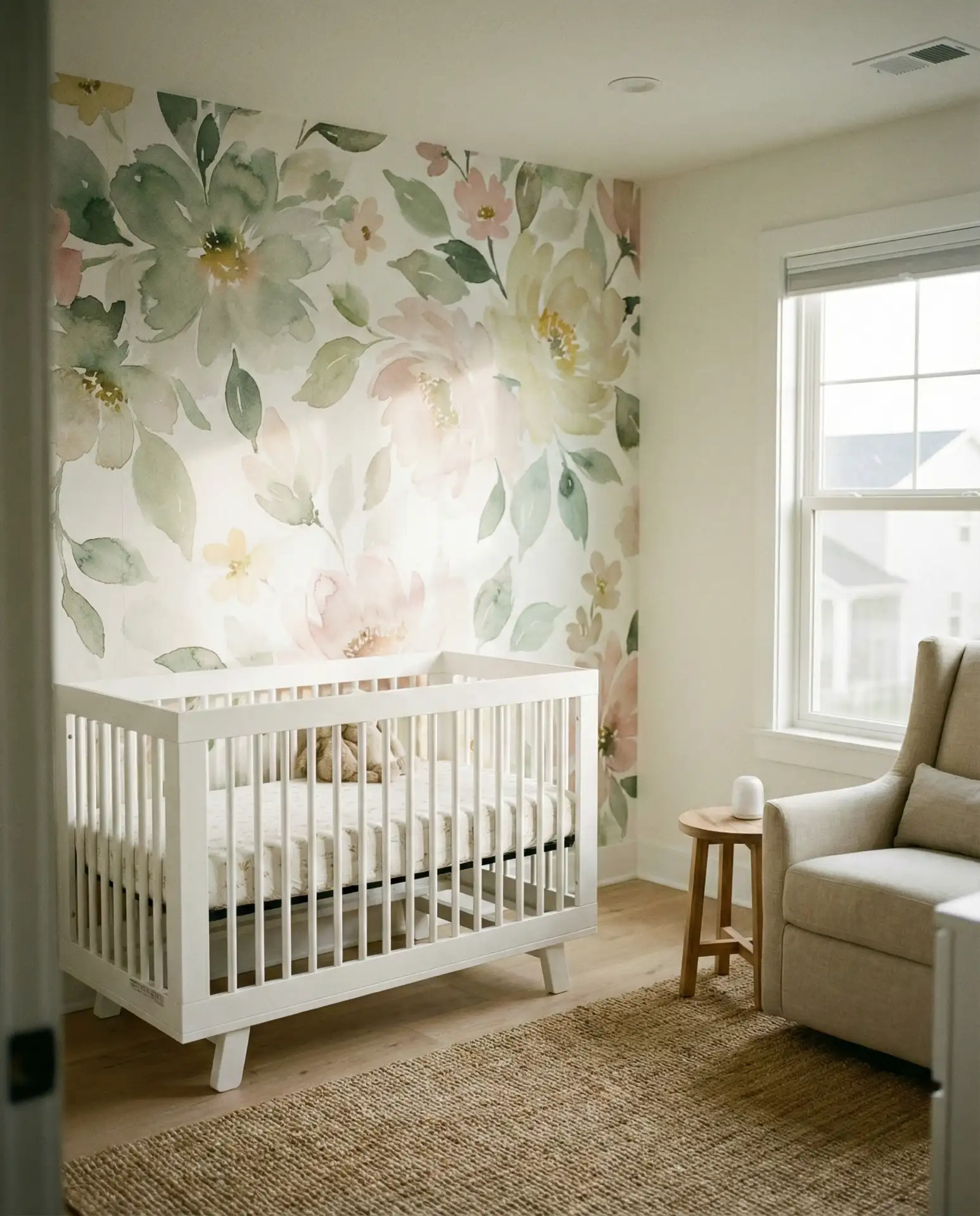
Bold floral wallpaper has reclaimed its place in nursery design, moving beyond grandmotherly associations to become a sophisticated choice for statement-making spaces. Modern interpretations feature oversized blooms, watercolor effects, and unexpected color combinations that feel artistic rather than saccharine. A single wallpapered accent wall provides maximum impact while keeping the room from feeling visually cluttered, which is especially important in smaller nurseries. 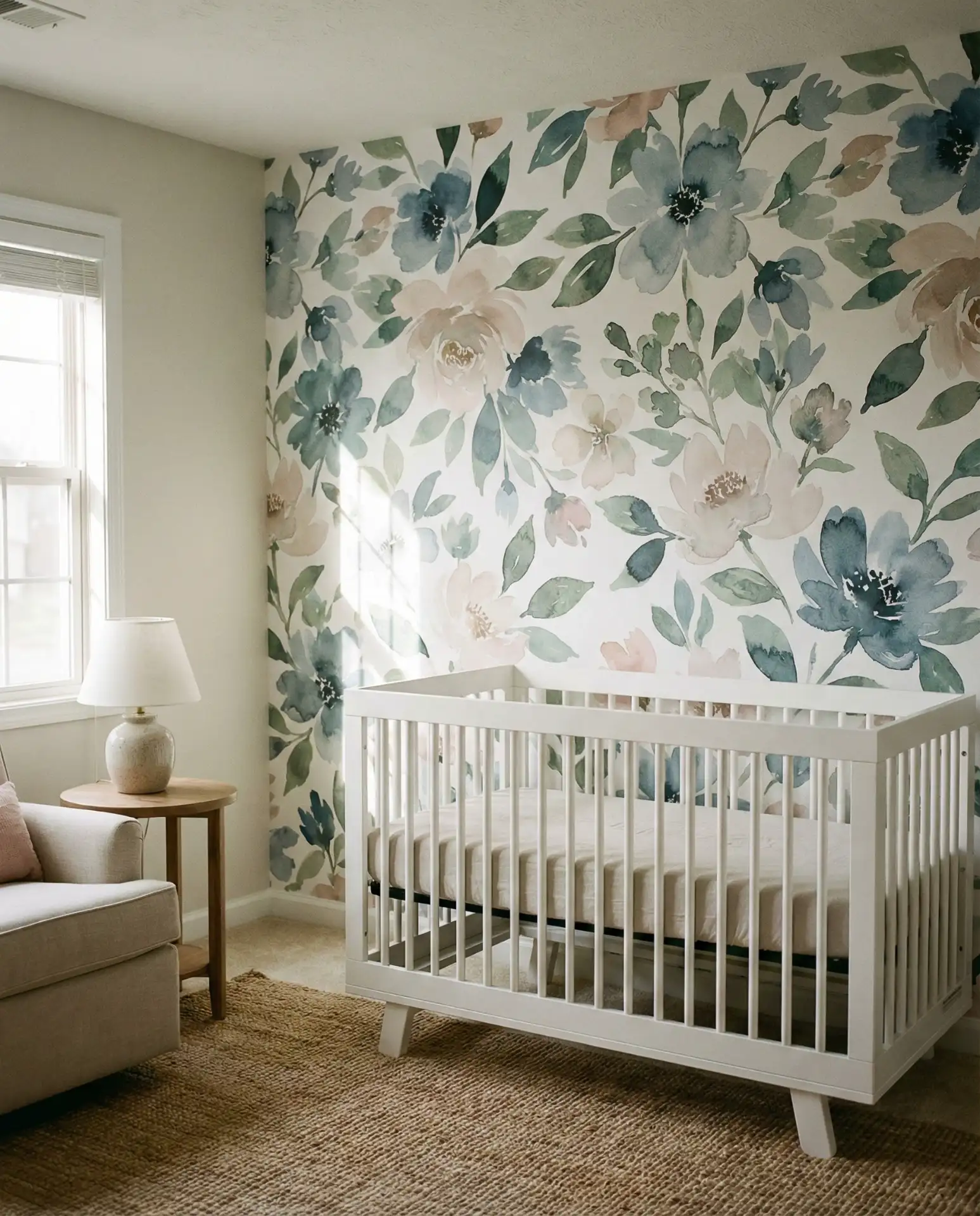
Many homeowners worry that wallpaper commits them to a design for years, but removable peel-and-stick options now offer the flexibility to update as tastes evolve. Quality removable wallpaper runs $40-80 per roll, making it comparable to professional painting when you factor in labor, and it’s significantly easier to change when your toddler develops strong opinions about unicorns or dinosaurs.
7. Minimalist Scandinavian Calm
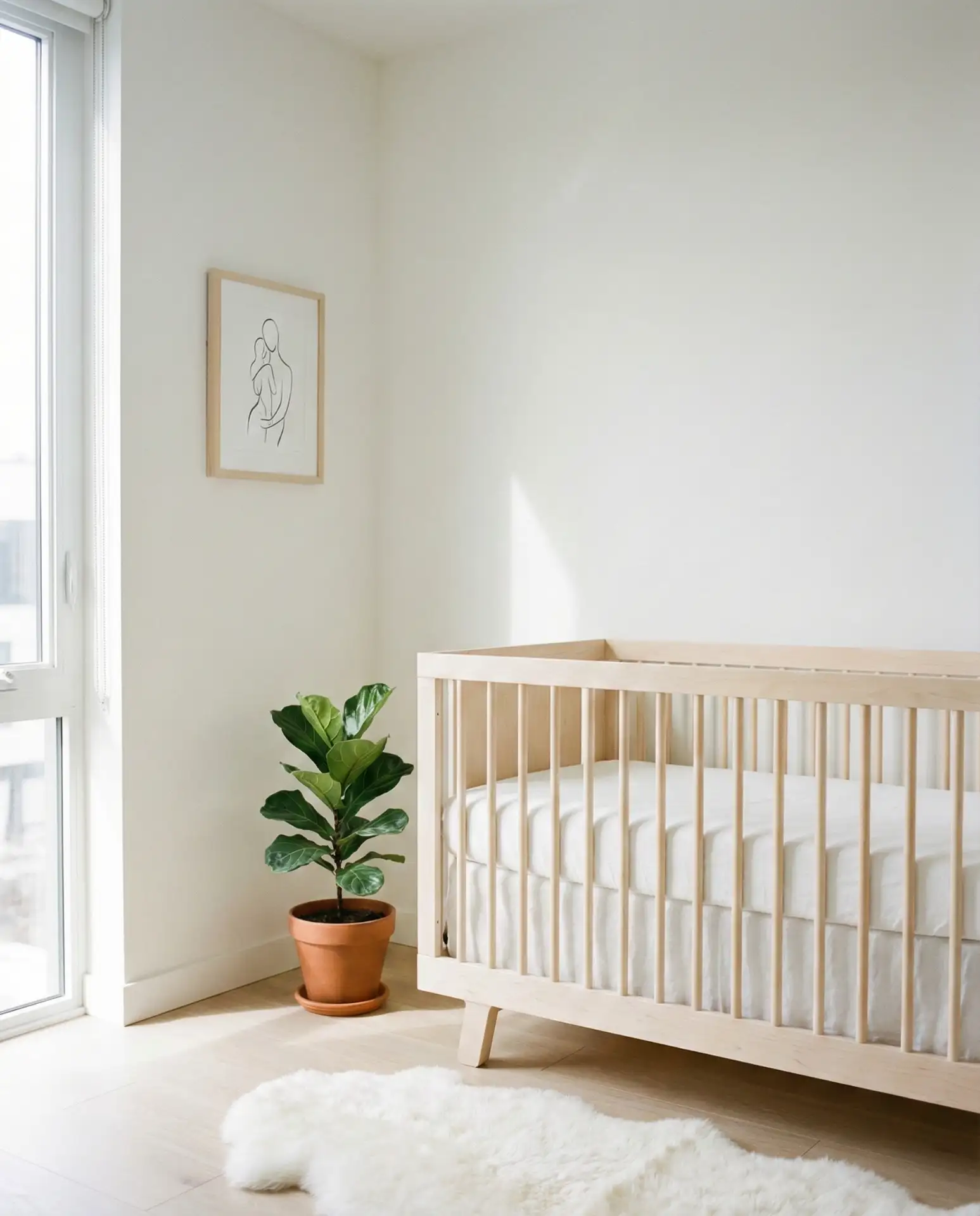
Scandinavian design principles create nurseries that feel spacious, uncluttered, and deeply restful—qualities every sleep-deprived parent desperately needs. This approach emphasizes neutral palettes, natural materials, and purposeful simplicity, with every element serving both function and aesthetic. White walls, light wood furniture, and carefully edited decor allow the space to breathe, creating an environment that promotes calm for both parent and child. 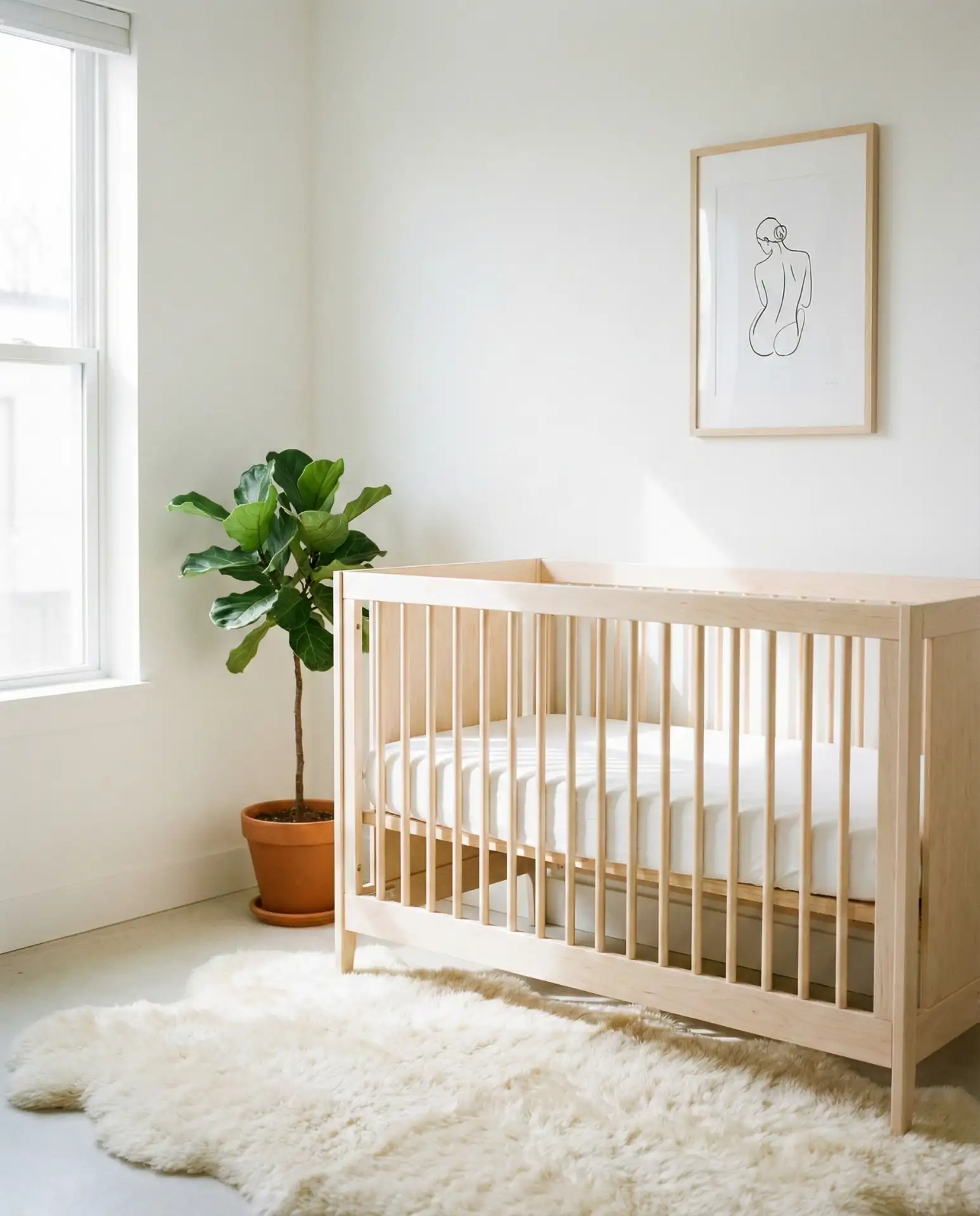
Real parents living in smaller homes, particularly in urban areas like Seattle, Boston, or San Francisco, gravitate toward this aesthetic because it makes compact spaces feel larger and more functional. The discipline of choosing only essential items also reduces the overwhelming accumulation of baby gear that can quickly overtake a home.
8. Canopy Crib Romance
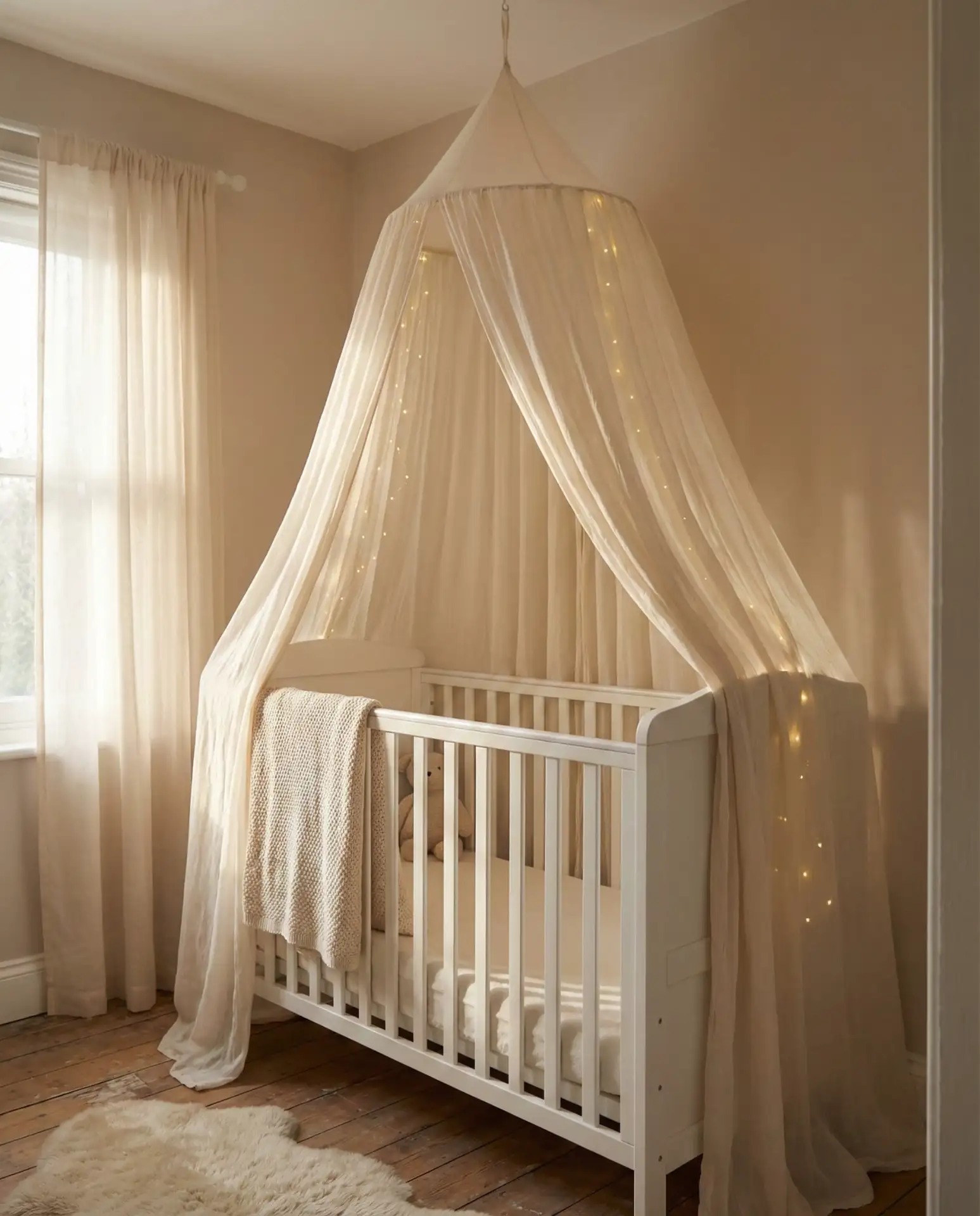
A flowing fabric canopy above the crib creates an instant focal point and adds a dreamy, protective quality to the nursery. Whether made from gauzy tulle, linen, or cotton muslin, canopies introduce vertical interest and softness that balances harder furniture lines. This romantic touch pairs beautifully with both pink palettes and more neutral schemes, adapting to whatever aesthetic direction you choose. 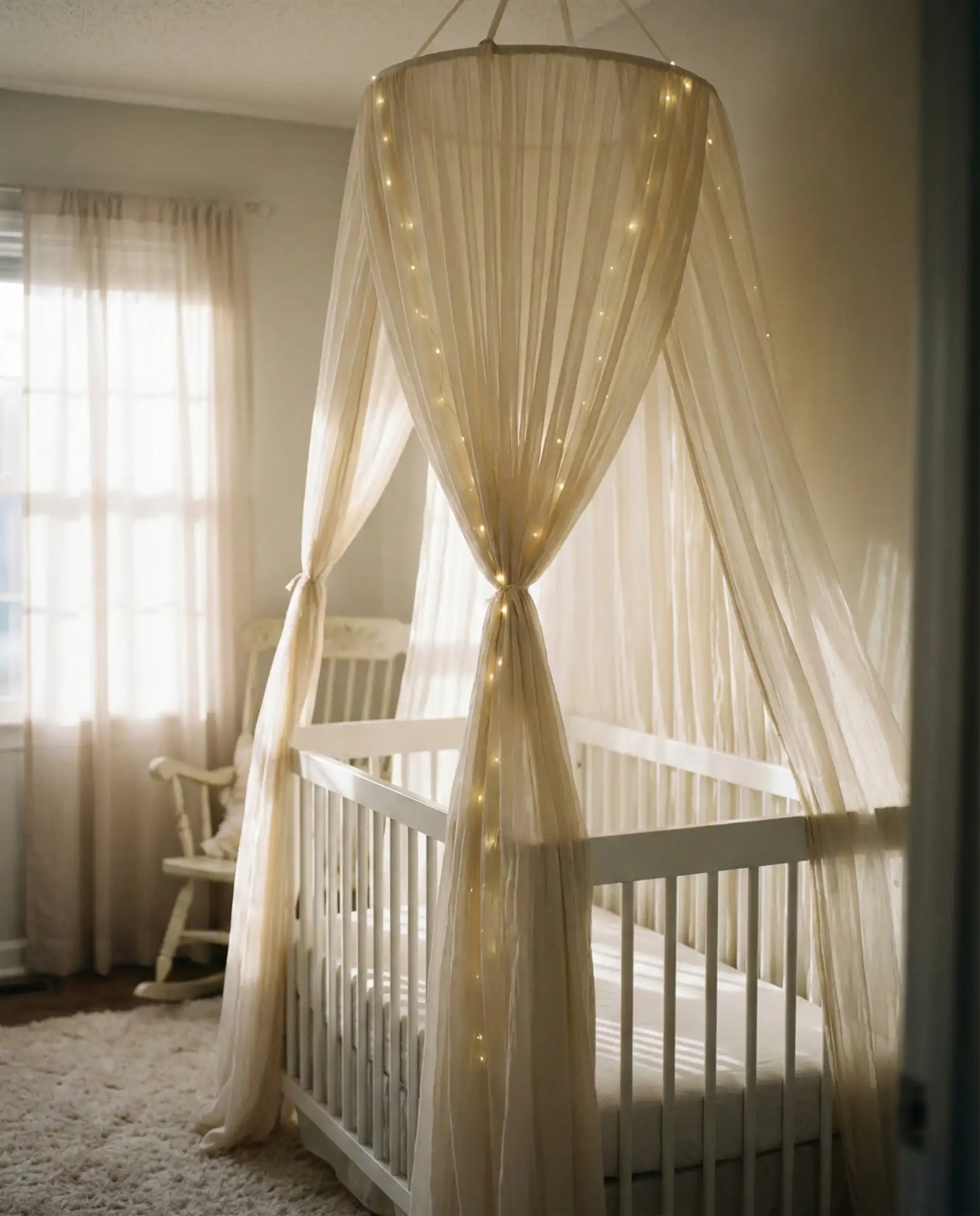
From a practical standpoint, ensure canopies are securely mounted to ceiling studs and that all fabric is well out of reach once babies become mobile and begin pulling themselves up. Safety experts recommend removing or raising canopies by the time children can stand in their cribs to prevent any climbing or entanglement risks.
9. Gallery Wall Storytelling
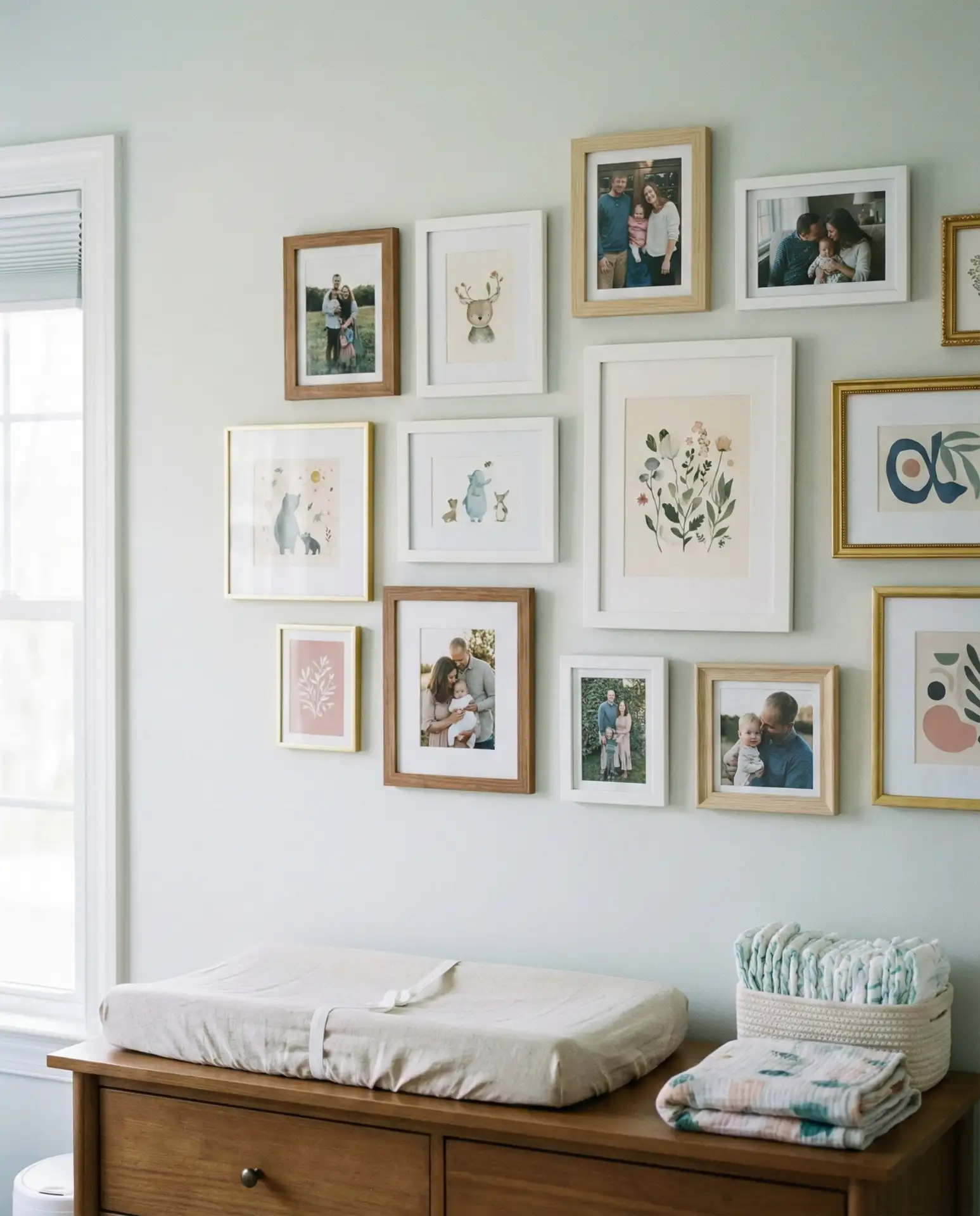
A thoughtfully curated gallery wall transforms blank space into a personal narrative, combining family photos, meaningful quotes, and artistic prints that reflect your values and inspiration. This approach allows the nursery to evolve as your child grows—simply swap out images and artwork to match developing interests and milestones. Mix frame styles and sizes for visual interest while maintaining a cohesive color palette that ties the collection together. 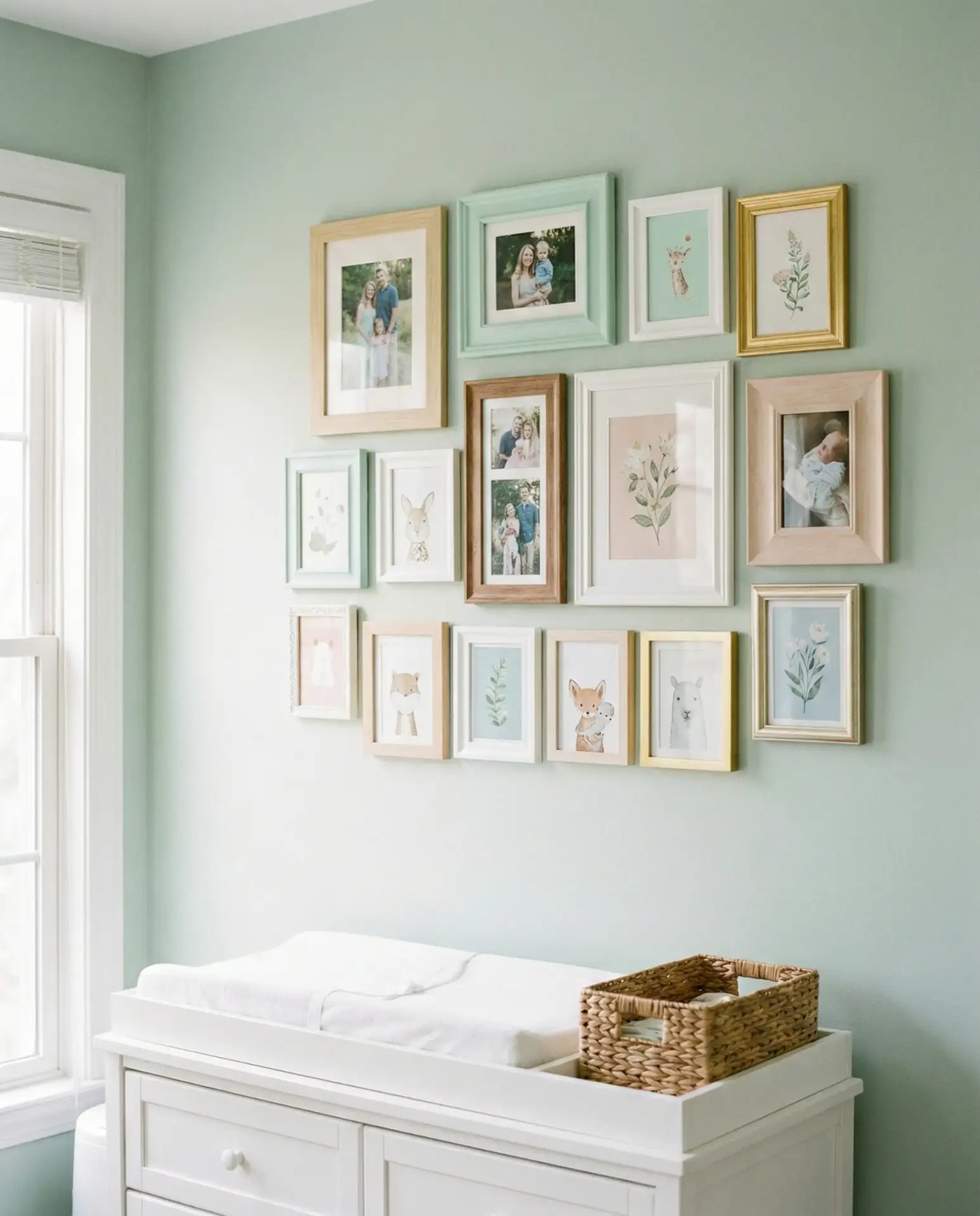
Interior designers often recommend laying out your gallery arrangement on the floor before hammering a single nail, taking a photo, and using that as your installation guide. This extra step prevents the all-too-common scenario of multiple holes and misaligned frames, saving both walls and sanity during an already overwhelming period of preparation.
10. Earthy Terracotta Warmth
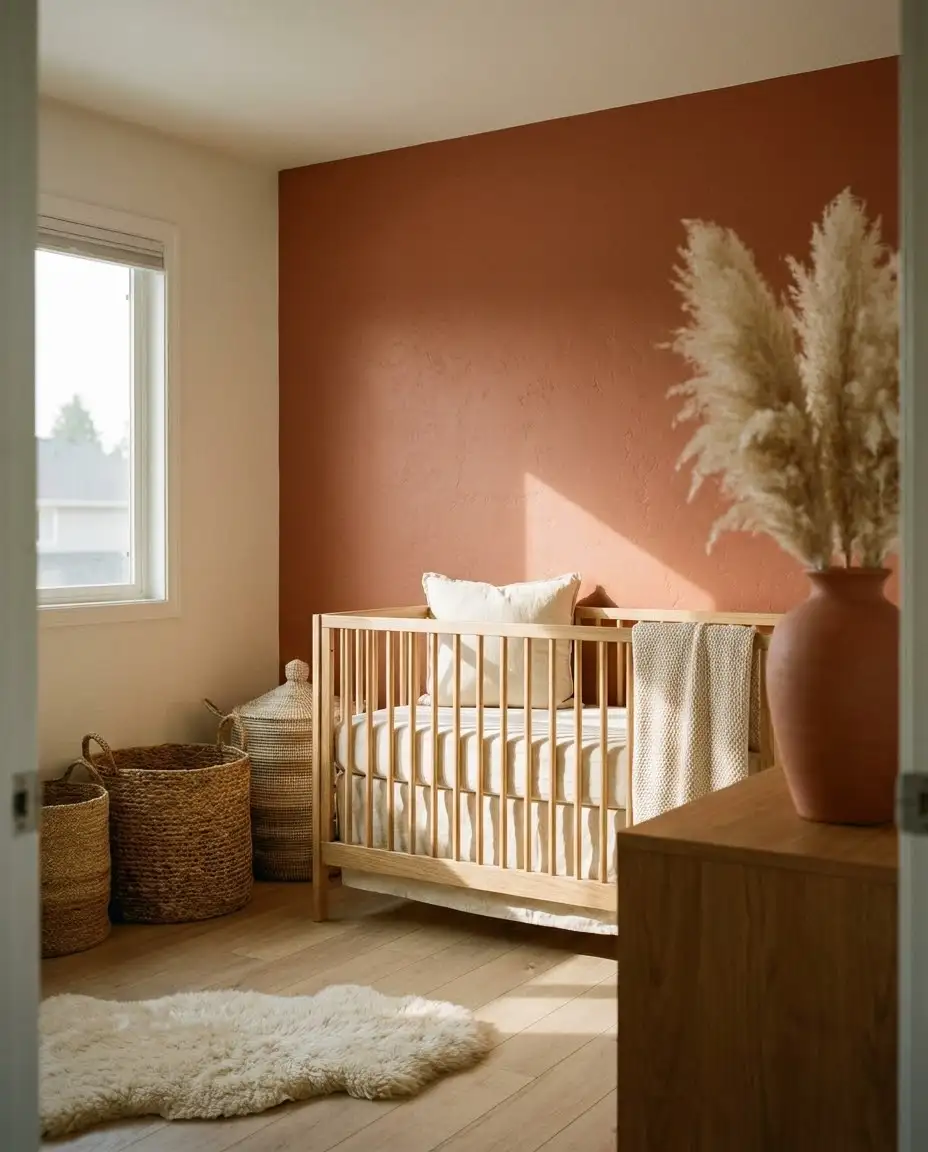
Terracotta and warm rust tones are emerging as sophisticated alternatives to traditional pink, bringing earthy warmth and a connection to natural landscapes. These sunset-inspired hues work beautifully in nurseries with abundant natural light, creating cozy, enveloping environments without feeling heavy or dark. Pair terracotta walls with cream textiles, natural wood, and dried florals for a palette that feels both current and timeless. 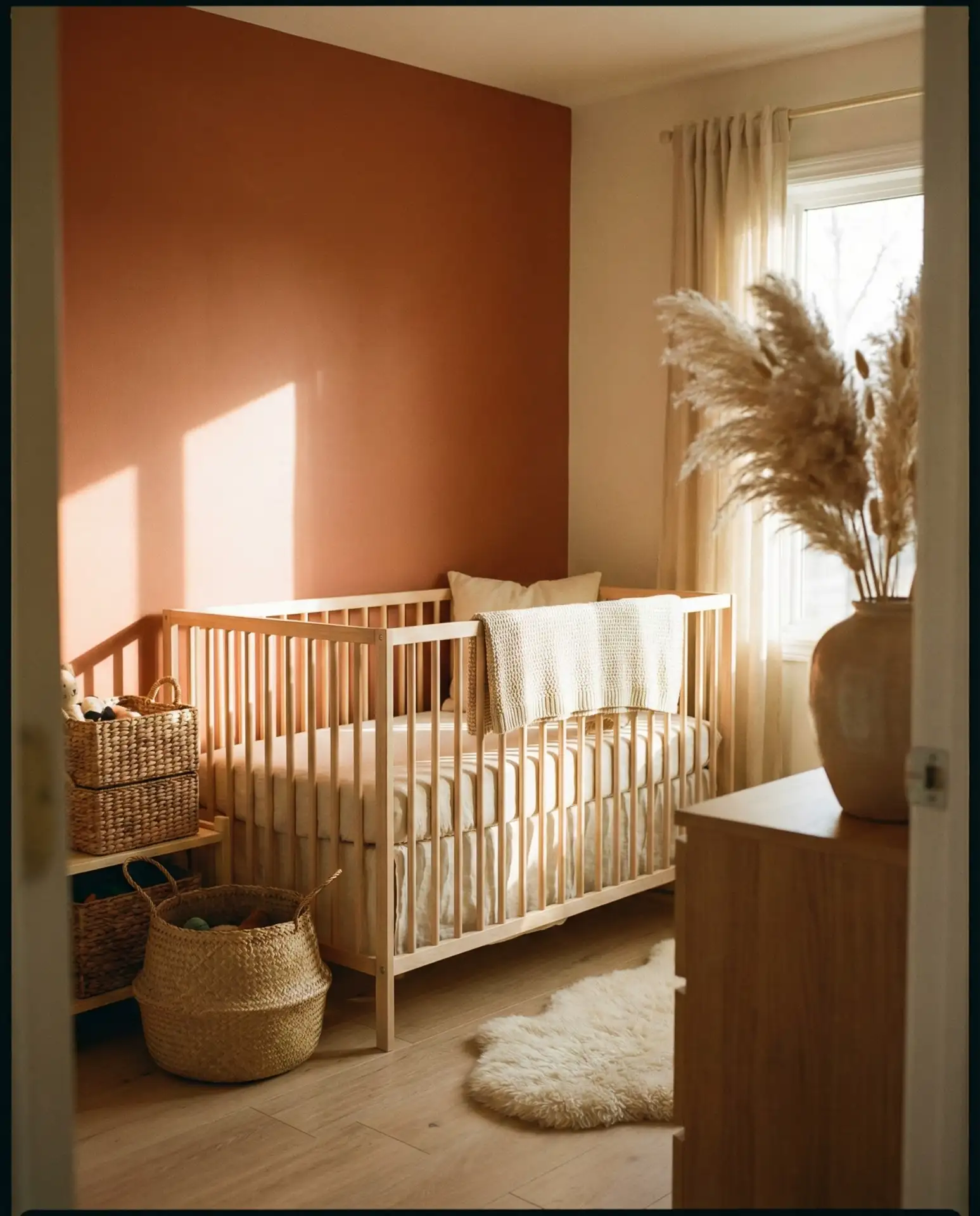
This palette particularly resonates in southwestern states like Arizona, New Mexico, and Southern California, where the colors echo the surrounding desert landscape. However, it’s gaining traction nationwide as parents seek warmth without defaulting to the expected pastel palette, creating nurseries that feel grounded and intentional.
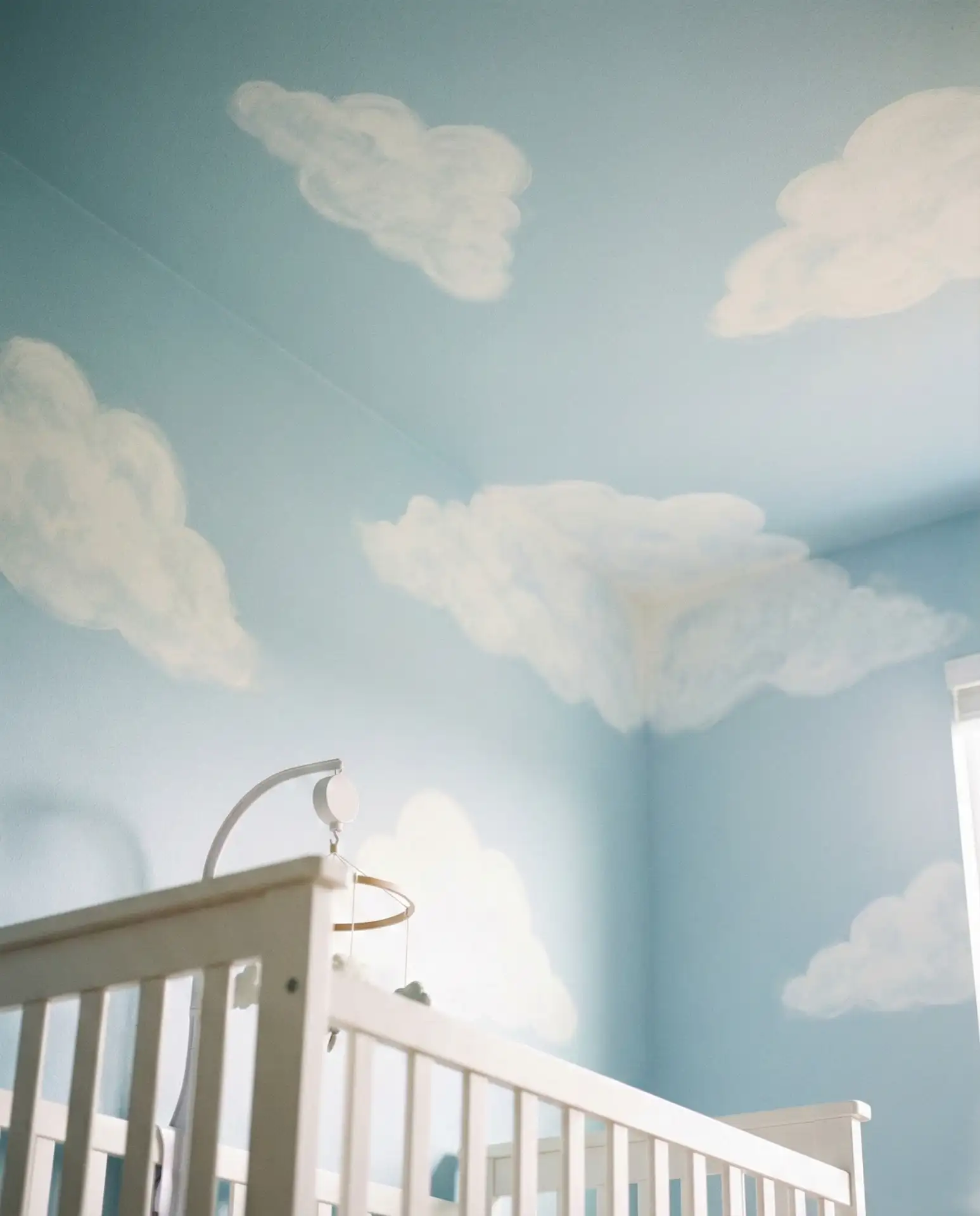
11. Whimsical Cloud Ceiling
Looking up at a sky-blue ceiling dotted with fluffy painted clouds creates a magical perspective that babies lying in cribs will actually appreciate. This often-overlooked surface offers creative opportunity, transforming the entire room into an immersive environment. The theme works especially well in nurseries with good ceiling height, where the painted sky doesn’t feel too close or overwhelming. 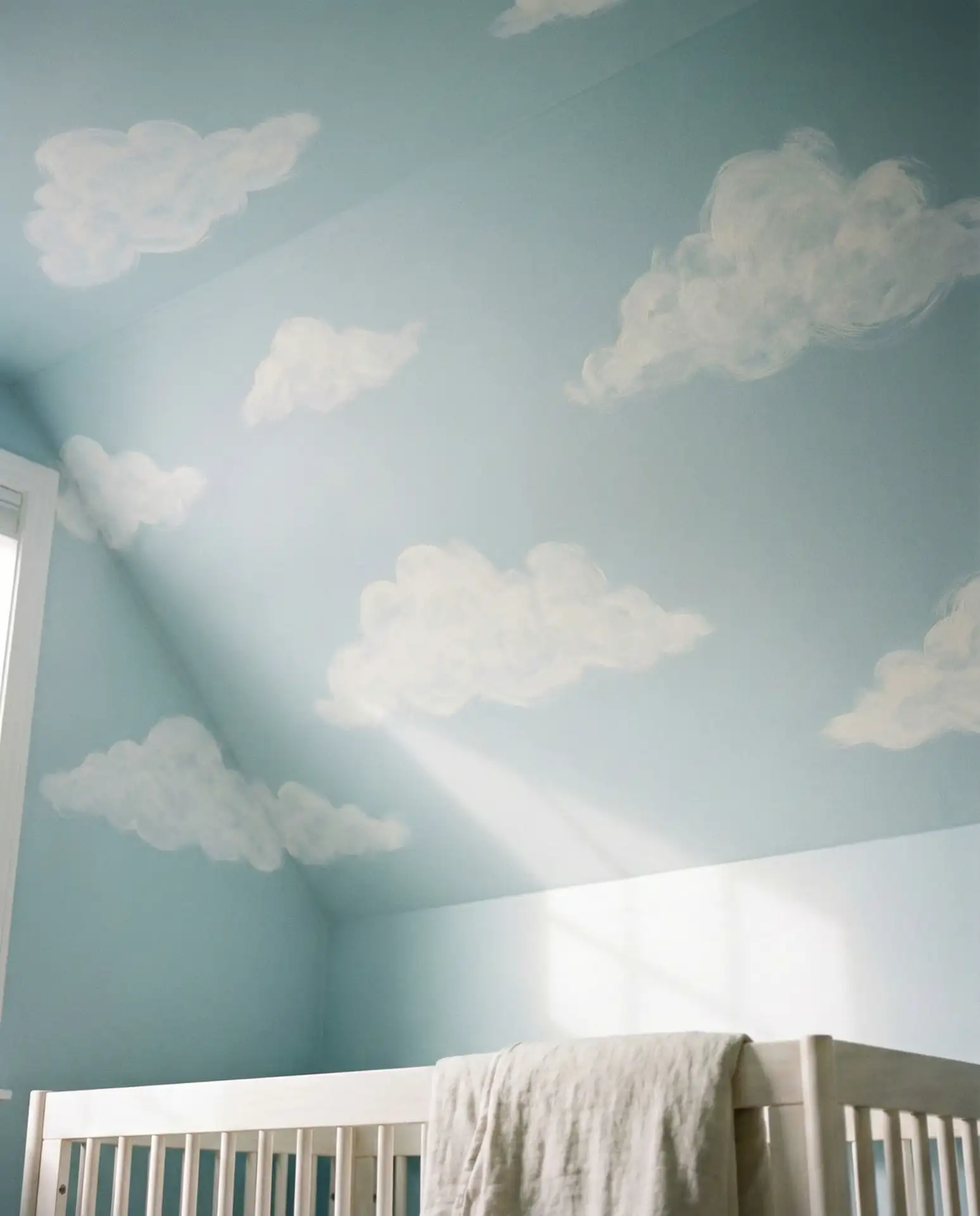
A neighbor recently shared that painting her nursery ceiling transformed night wakings—instead of staring at blank white while feeding at 3 a.m., she could gaze up at gentle clouds, making those long hours feel slightly more bearable and even meditative.
12. Textured Neutral Layers
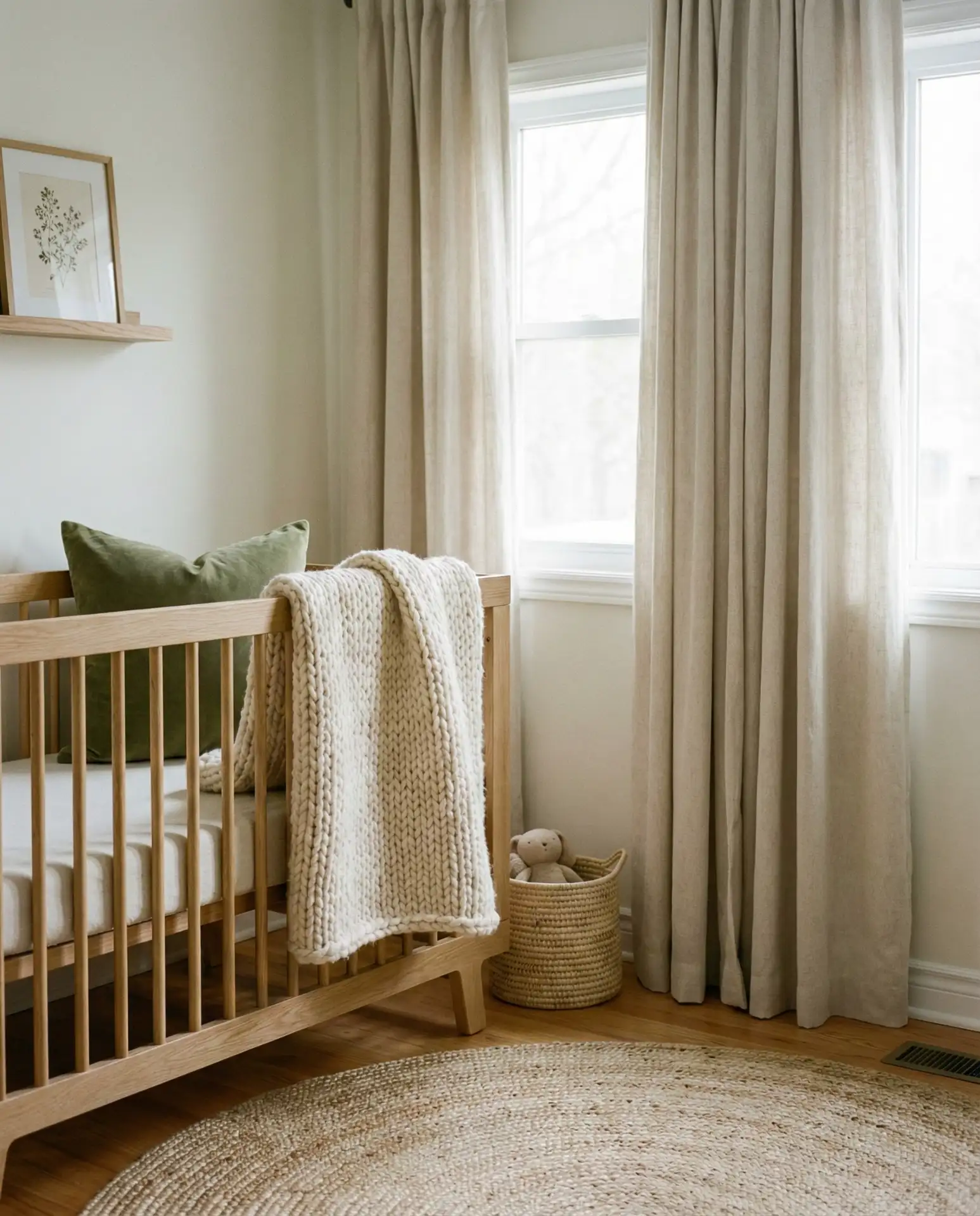
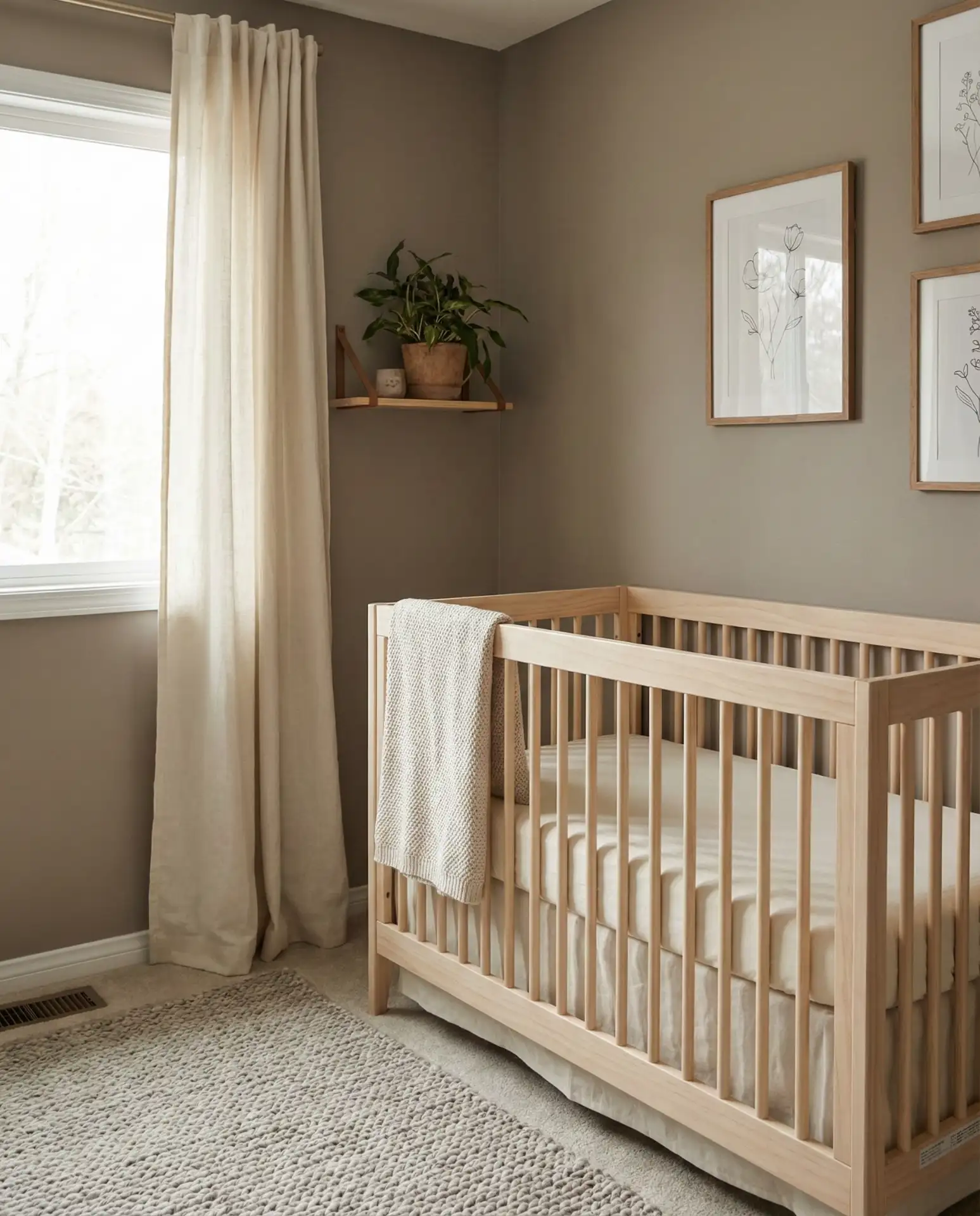
When working with a neutral color scheme, texture becomes the secret ingredient that prevents the space from feeling flat or boring. Layer different materials—a chunky knit throw, smooth linen curtains, a jute rug, and velvet cushions—to create visual and tactile interest within a monochromatic palette. This approach feels sophisticated and adult while remaining soft and welcoming for a baby. 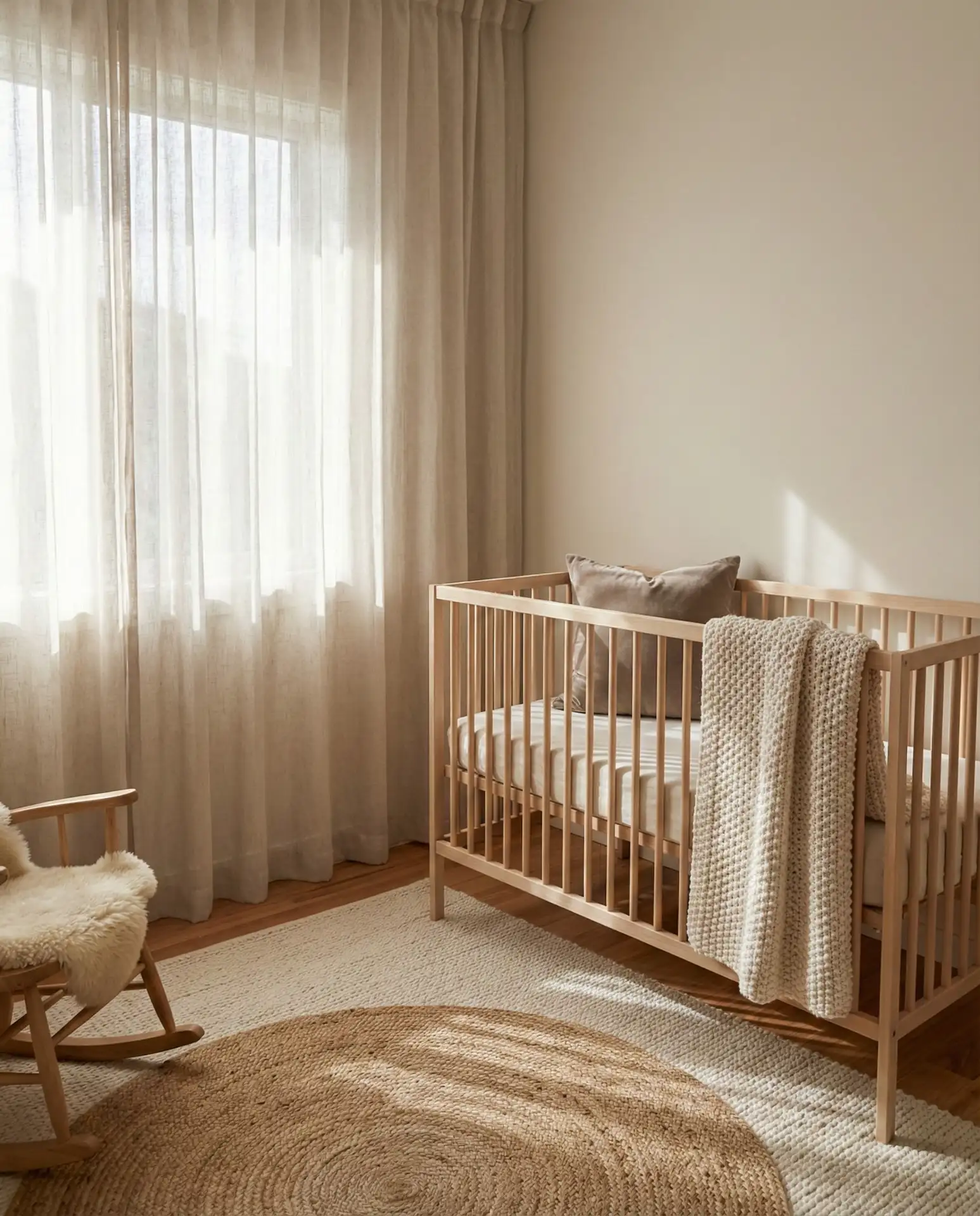
The key mistake people make with neutral nurseries is achieving color restraint but forgetting about texture, resulting in spaces that photograph beautifully but feel cold and unwelcoming in person. Incorporating at least four distinct textures—ideally natural fibers—creates warmth and dimension that pure color never could.
13. Storybook Mural Magic
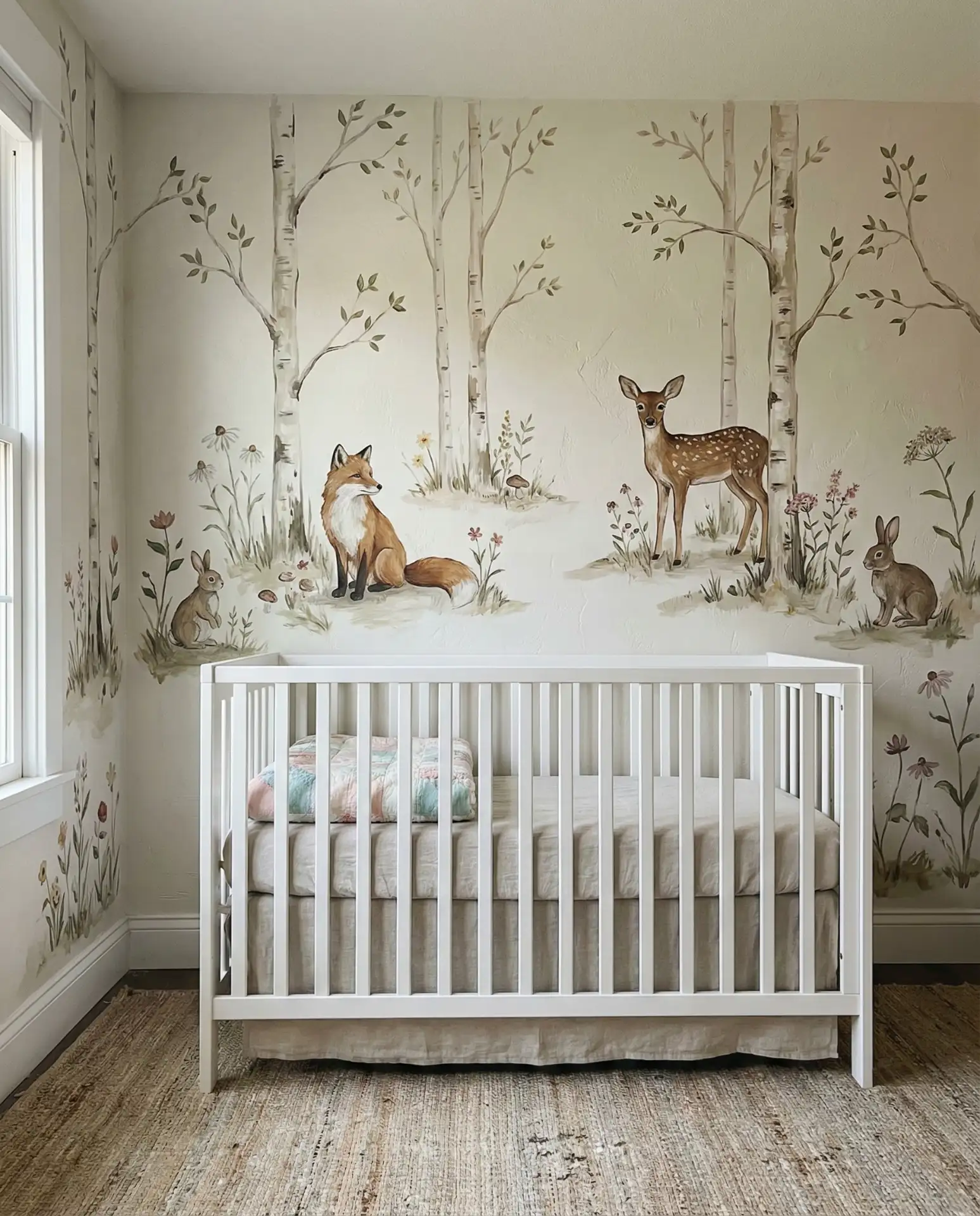
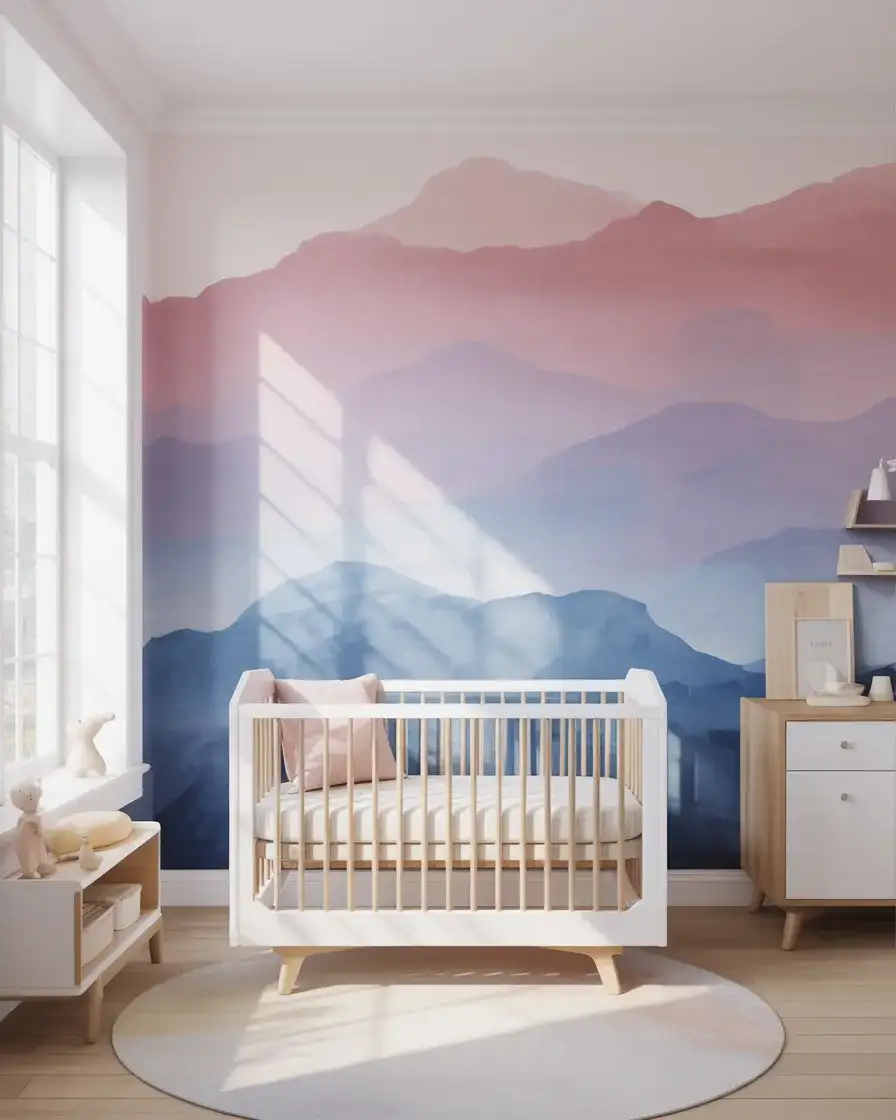
Hand-painted or vinyl murals depicting scenes from beloved children’s stories create an enchanting backdrop that sparks imagination from day one. Whether you choose a whimsical forest, a castle scene, or characters from classic tales, murals serve as both art and wall decor that grow with your child. This investment piece becomes a defining feature of the room, creating memories that last well beyond the nursery years. 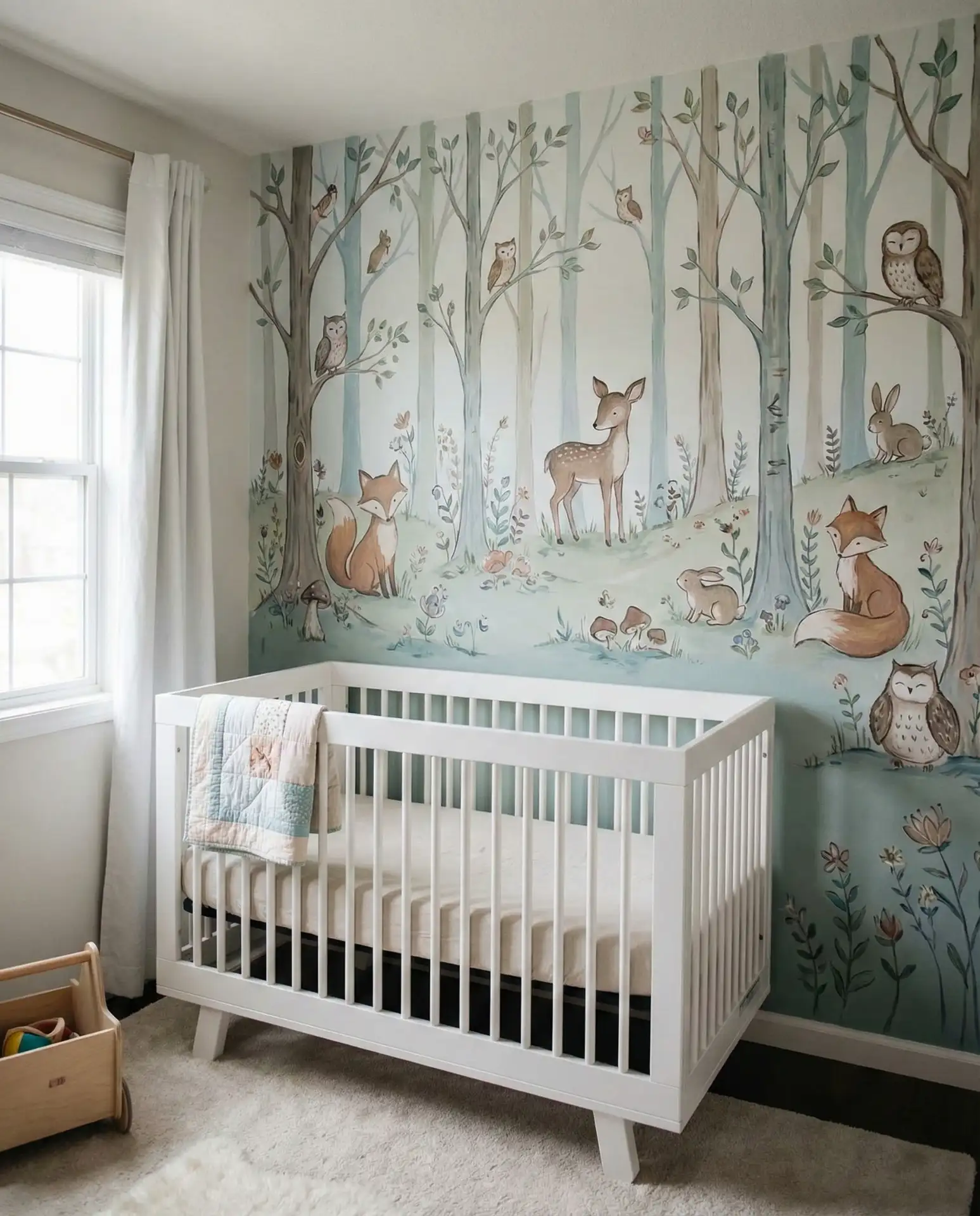
Professional mural artists typically charge $25-75 per square foot, while high-quality removable wall decals start around $100 for smaller designs and can reach $500 for full-wall installations. For families planning to stay in their homes long-term, the painted option often feels worth the investment, while renters benefit from the flexibility of removable alternatives.
14. Modern Geometric Patterns
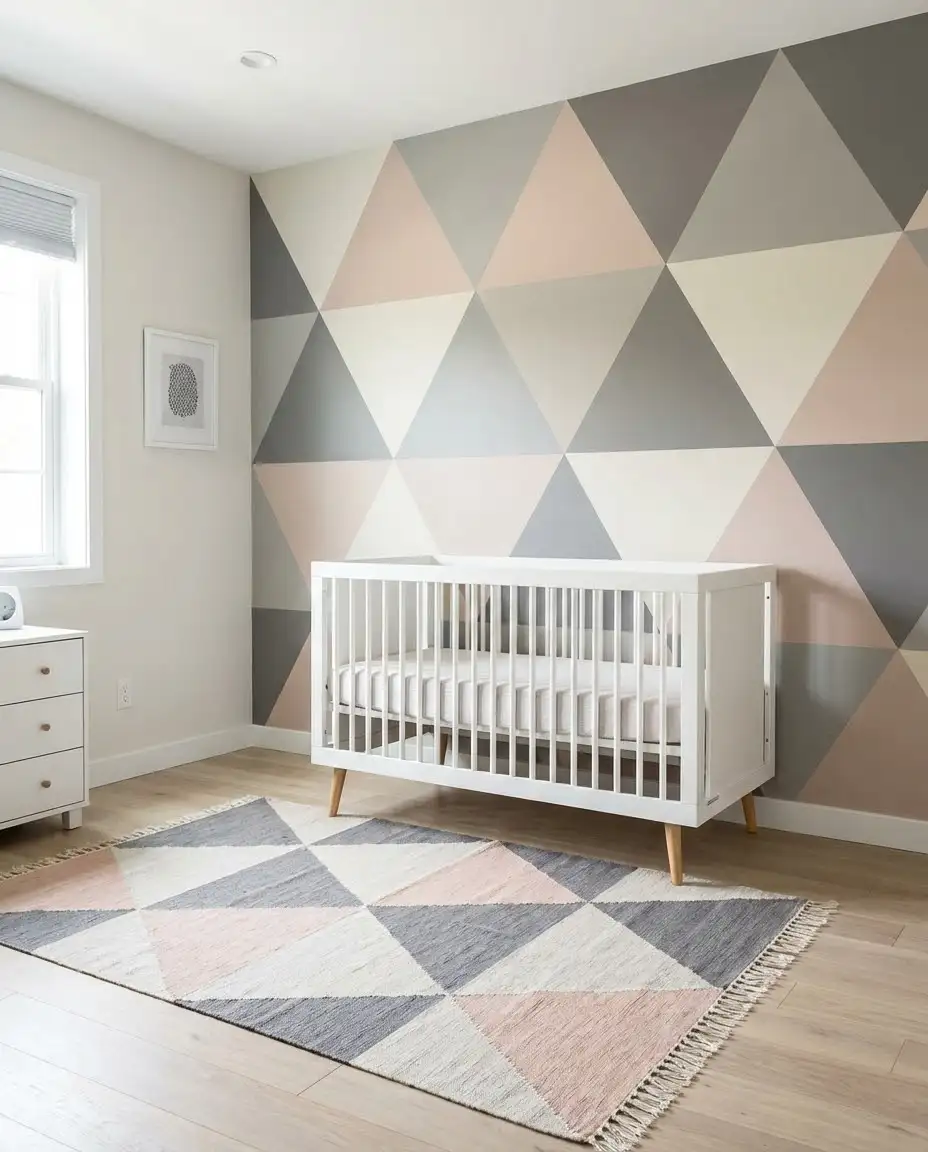
Clean geometric shapes in wall decor, textiles, and wallpaper bring contemporary sophistication to nursery design, proving that babies’ spaces can be stylish without sacrificing whimsy. Triangles, hexagons, and abstract patterns in muted colors create visual interest that stimulates developing vision while maintaining an adult-friendly aesthetic. This approach works particularly well for parents who want a nursery that integrates seamlessly with their home’s overall design language. 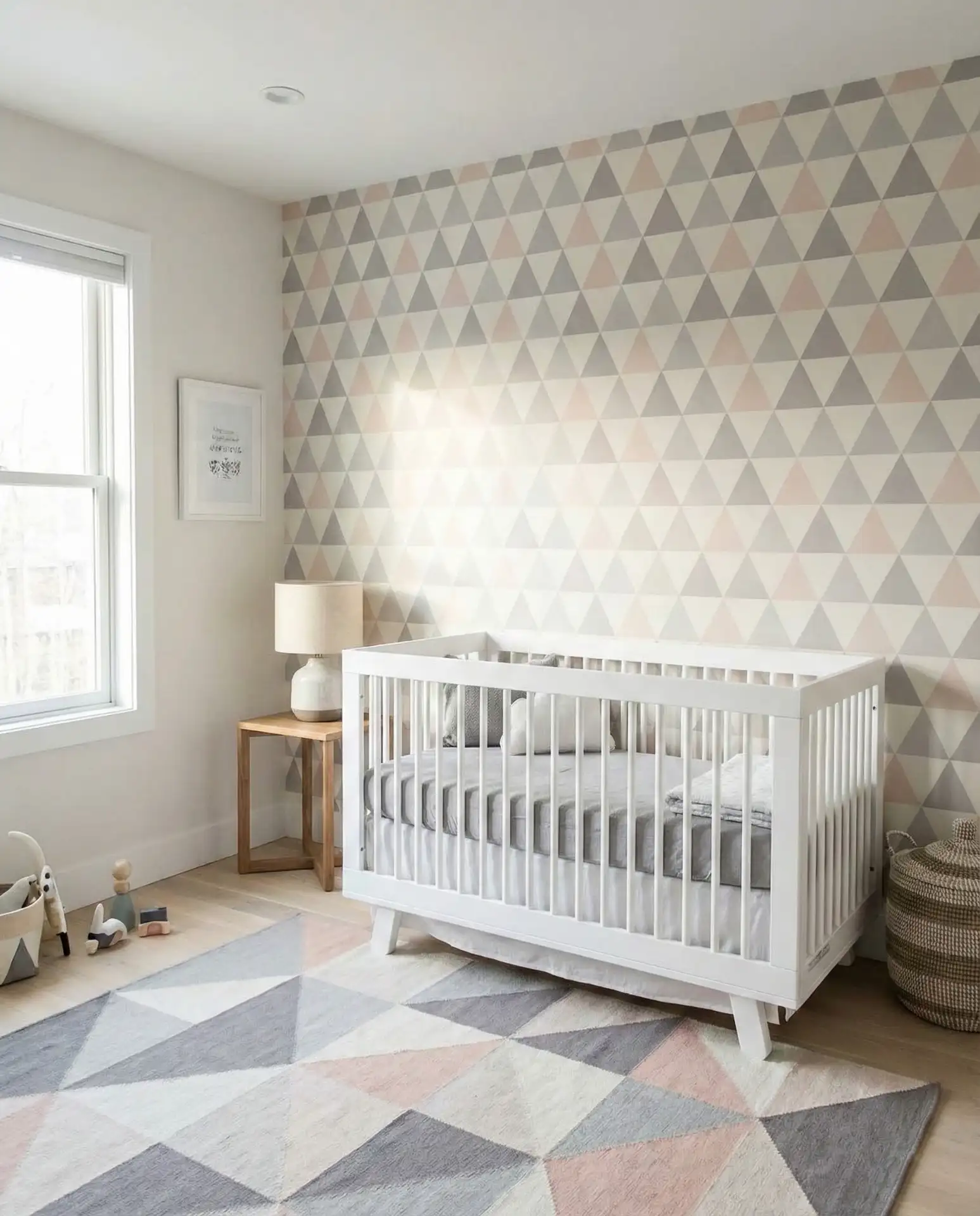
Parents with careers in design, architecture, or tech—particularly those in cities like Austin, Denver, or Portland—often gravitate toward geometric patterns as a way to maintain their aesthetic values while creating appropriate spaces for children. The approach signals that becoming a parent doesn’t require abandoning personal style.
15. Soft Lavender Dreams
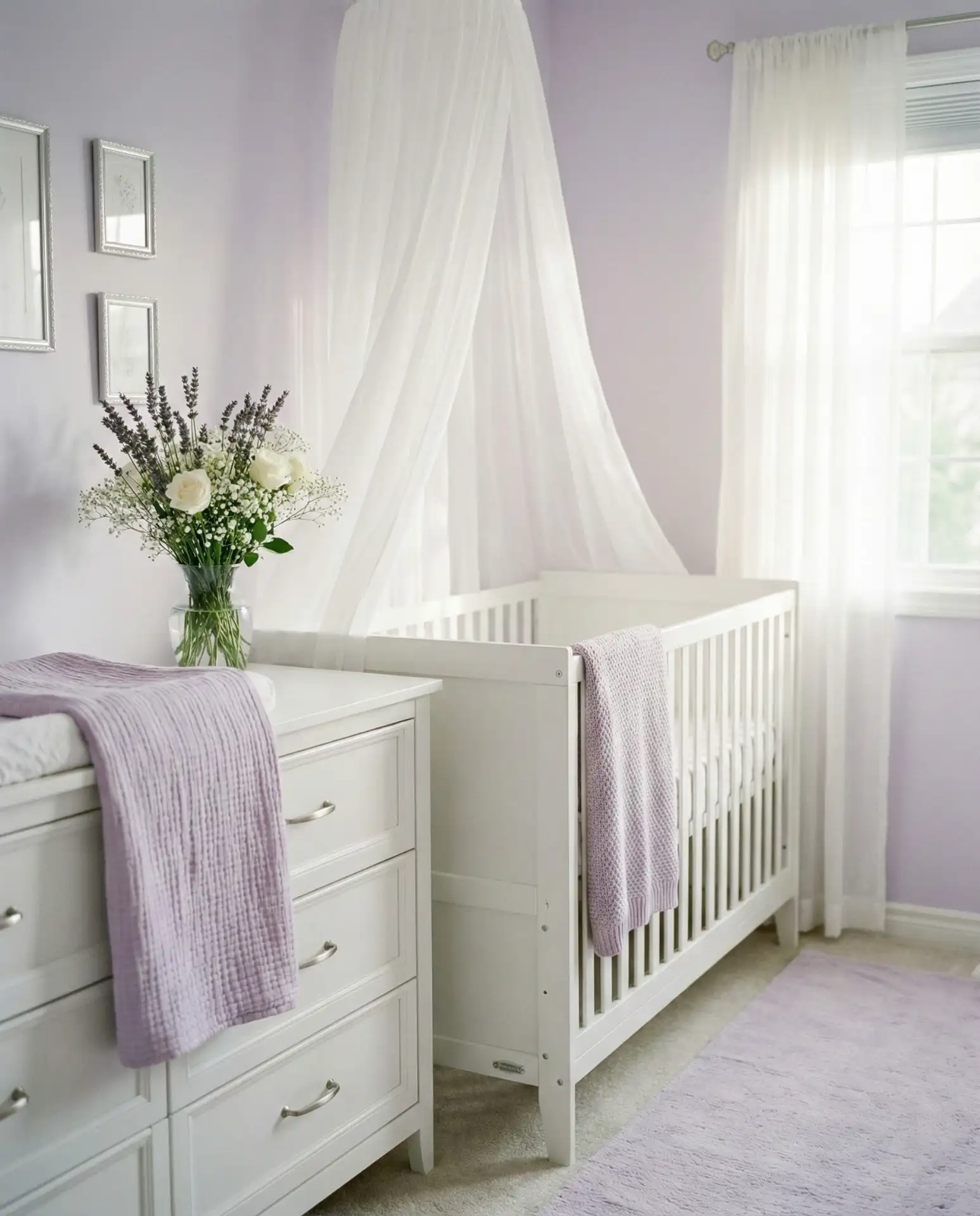
Lavender offers a sophisticated alternative to traditional pink, bringing calming purple undertones that research suggests may promote better sleep. This color works beautifully as an all-over wall treatment or as an accent paired with white, gray, or sage green. The result feels both feminine and contemporary, avoiding the overly sweet aesthetic that many modern parents want to sidestep. 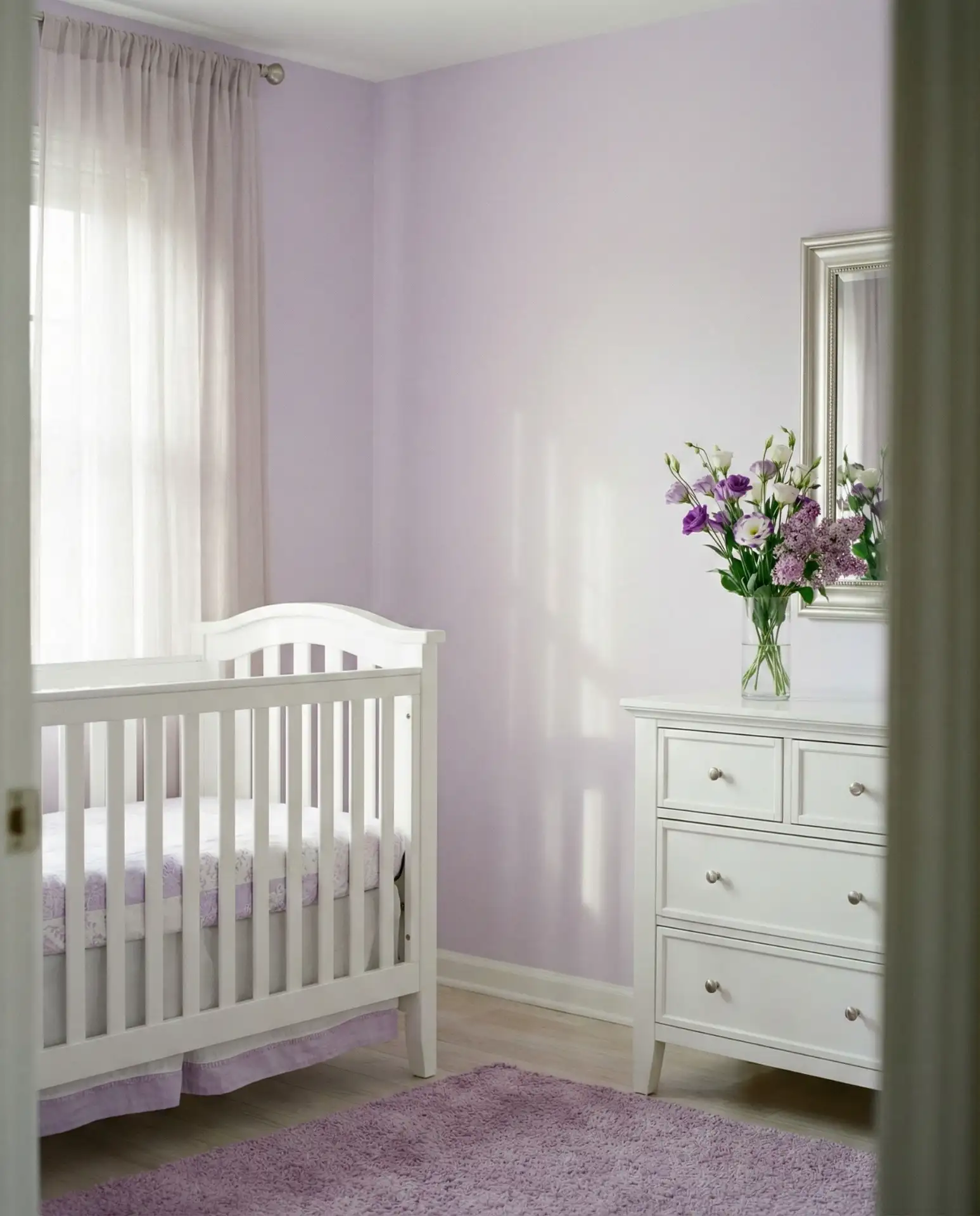
This palette works best in well-lit rooms, as lavender can read muddy or dull in spaces with limited natural light or northern exposures. If your nursery faces north or has small windows, consider using lavender as an accent color through textiles and accessories rather than as the dominant wall color.
16. Natural Wood Warmth
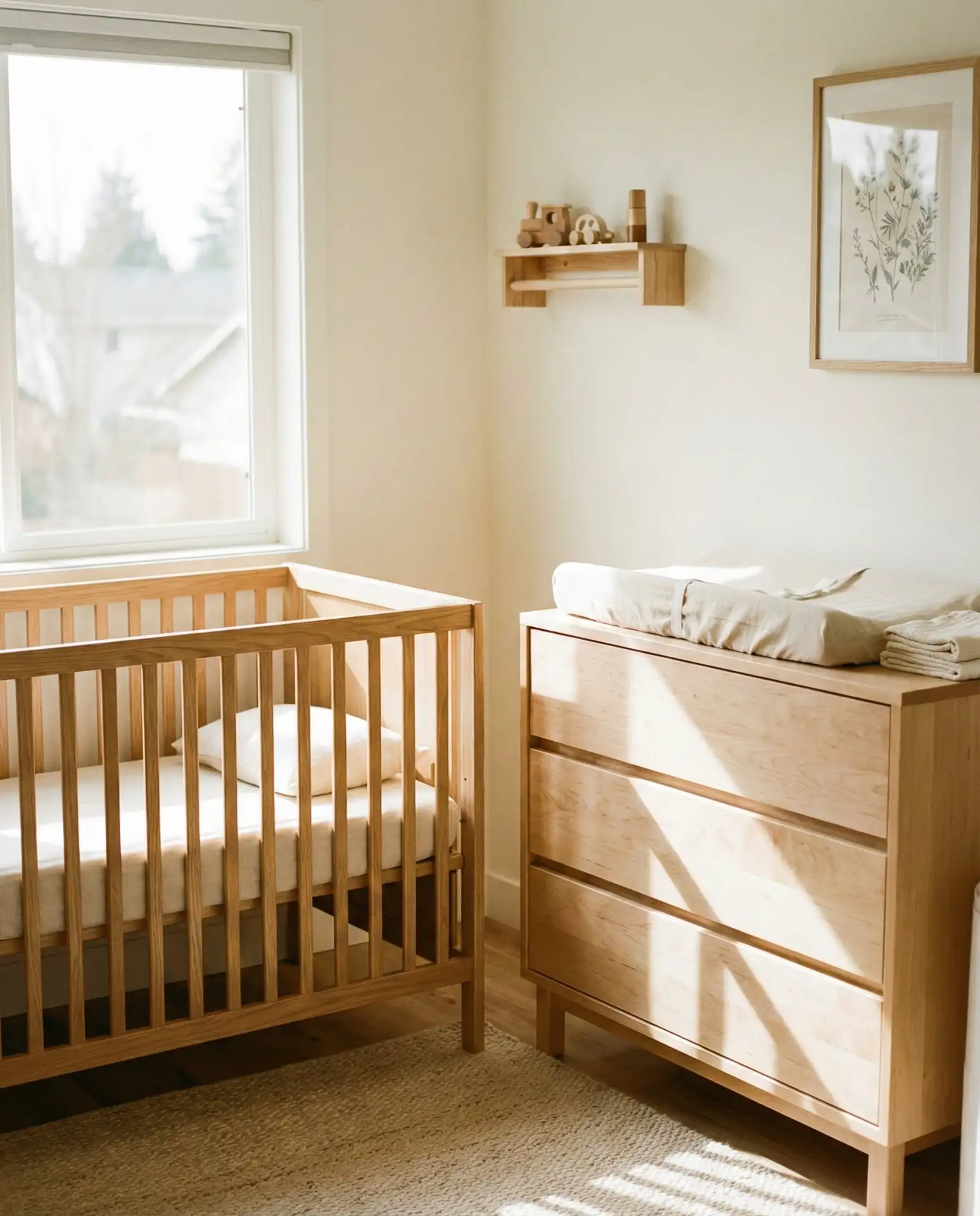
Embracing natural wood in its unstained or lightly finished state creates warmth and organic beauty that synthetic materials simply cannot replicate. From oak cribs to maple dressers to pine shelving, visible wood grain adds character and grounds a nursery in natural elements. This approach pairs beautifully with any color scheme and supports a philosophy of sustainable, long-lasting decor that can transition to other rooms as children grow. 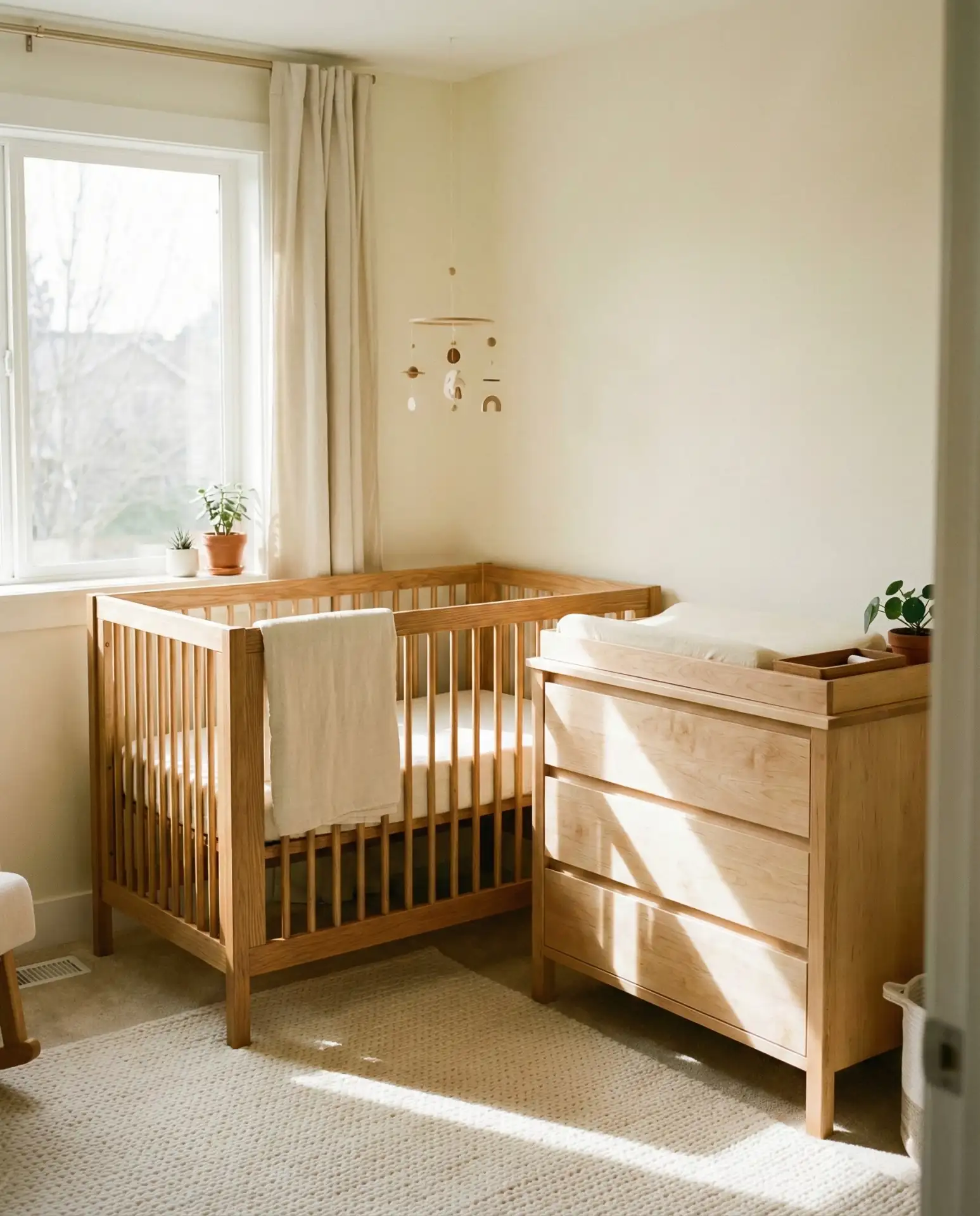
Investment-minded parents appreciate that solid wood furniture, while more expensive upfront (cribs start around $400 versus $150 for particleboard alternatives), can be refinished, repurposed, and even passed down to the next generation. When calculated on a cost-per-year basis, quality wood pieces often prove more economical than multiple replacements of cheaper alternatives.
17. Boho Macramé Accents
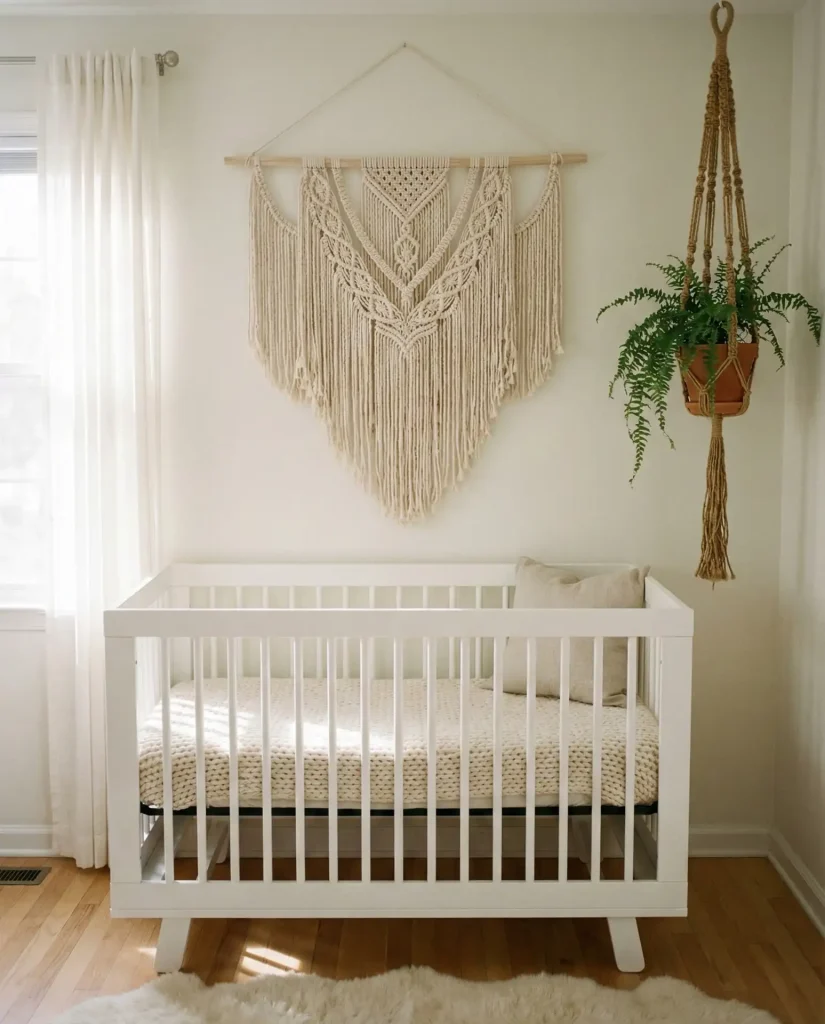
Macramé wall hangings, plant holders, and decorative garlands bring bohemian texture and handcrafted charm to nursery spaces. These fiber art pieces add softness to walls while introducing an artisanal quality that mass-produced decor cannot match. The neutral tones of natural cotton rope work with virtually any color scheme, making macramé a flexible choice for evolving nursery ideas. 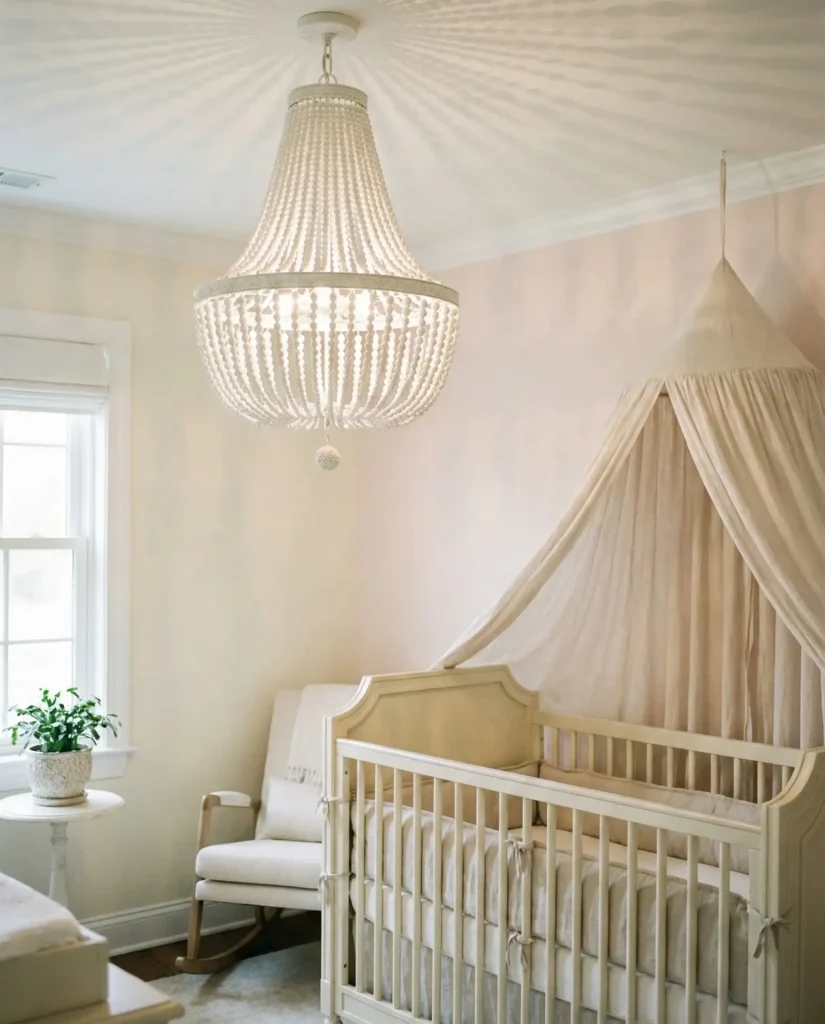
Many new parents discover local artisans through Etsy or craft fairs who create custom macramé pieces, often incorporating meaningful details like birth dates or initials woven into the design. These commissioned pieces typically range from $60 for small wall hangings to $300 for large statement pieces, supporting small businesses while creating truly one-of-a-kind nursery elements.
18. Statement Lighting Fixture
An eye-catching chandelier, pendant, or sculptural light fixture draws the eye upward and adds personality to a nursery in unexpected ways. Whether you choose a cloud-shaped pendant, a beaded chandelier, or a modern brass fixture, statement lighting serves double duty as functional illumination and artistic wall decor. This single investment piece can completely transform the room’s character and become a conversation starter. 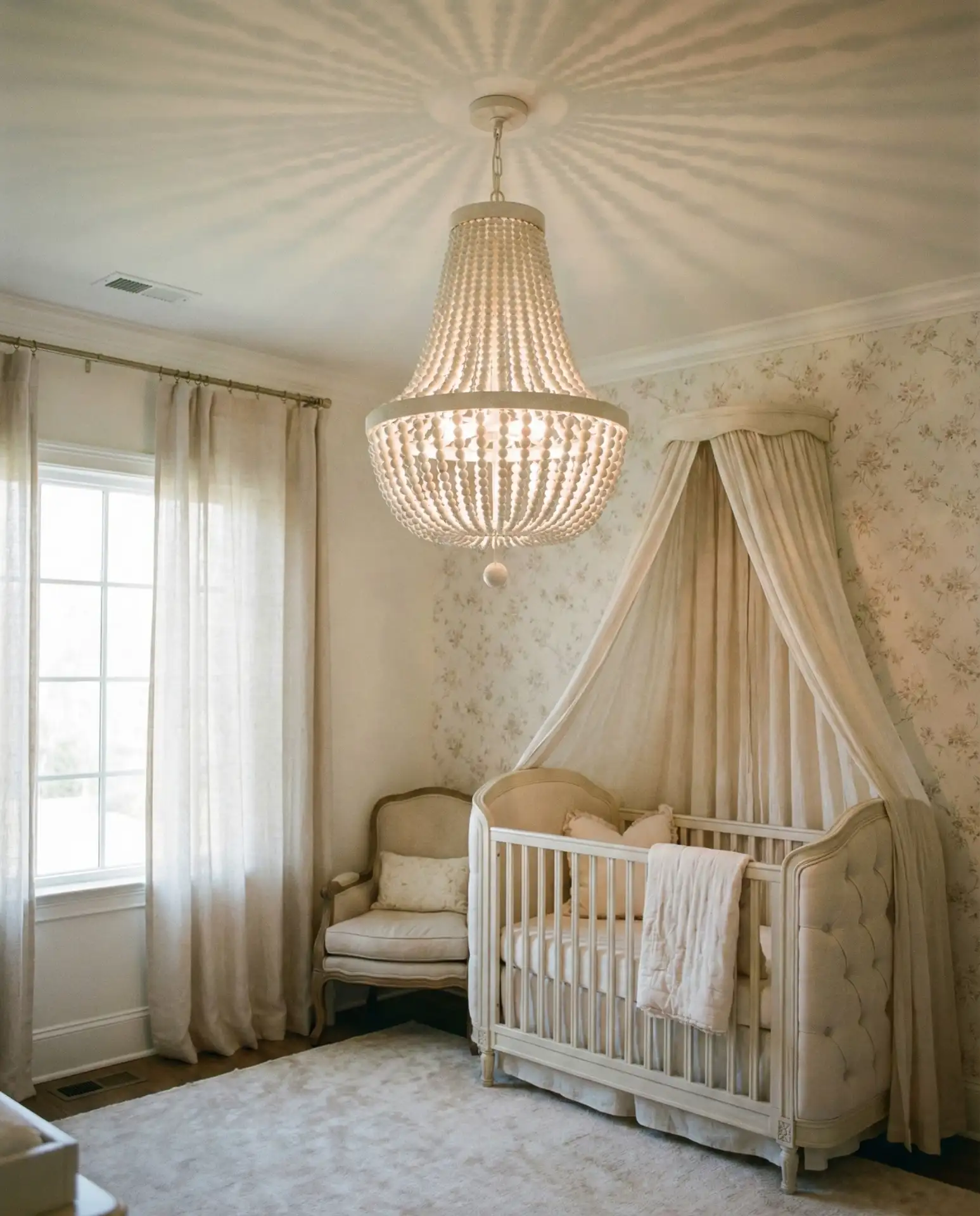
Ensure any statement fixture includes a dimmer switch—a detail many enthusiastic designers overlook. Those middle-of-the-night feedings and diaper changes require just enough light to see, not the full wattage that a beautiful fixture might naturally provide. Installing a dimmer during initial setup costs about $15 and saves countless nighttime retina burns.
19. Soft Sage and White Serenity
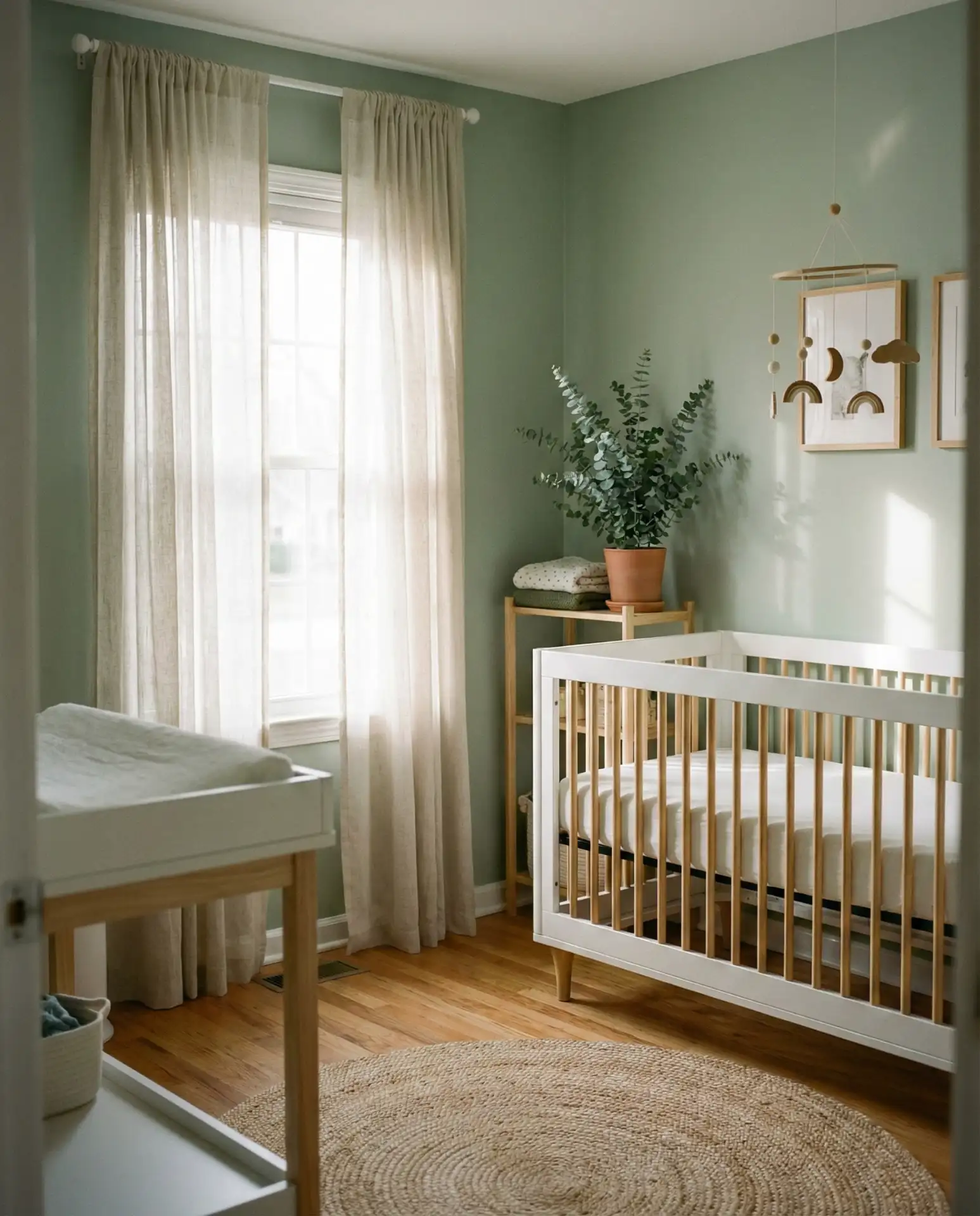
Sage green has emerged as one of the most popular neutral choices for modern nurseries, offering color without committing to traditional gender expectations. This muted green evokes nature and calm, creating a peaceful environment that benefits both babies’ developing nervous systems and parents’ stress levels. Paired with crisp white and natural wood, sage creates a fresh, organic aesthetic that photographs beautifully and feels timeless. 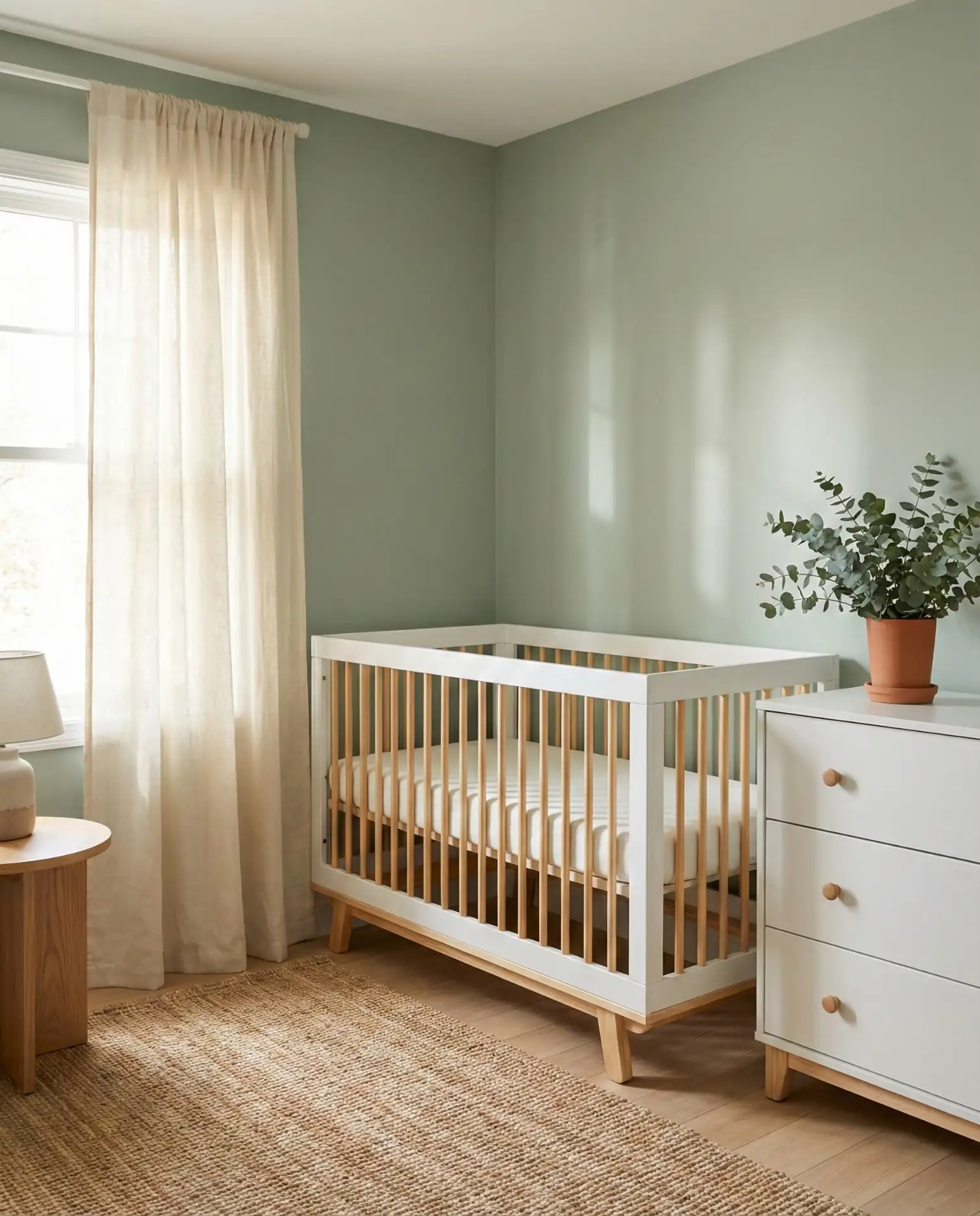
Across the country, from Vermont to California, parents report choosing sage specifically because it ages well—unlike trend-driven colors that might feel dated within a year or two. The color’s inherent flexibility means it works equally well if you later decide to add traditionally feminine touches or keep the space completely gender-neutral for future children.
20. Personalized Name Display
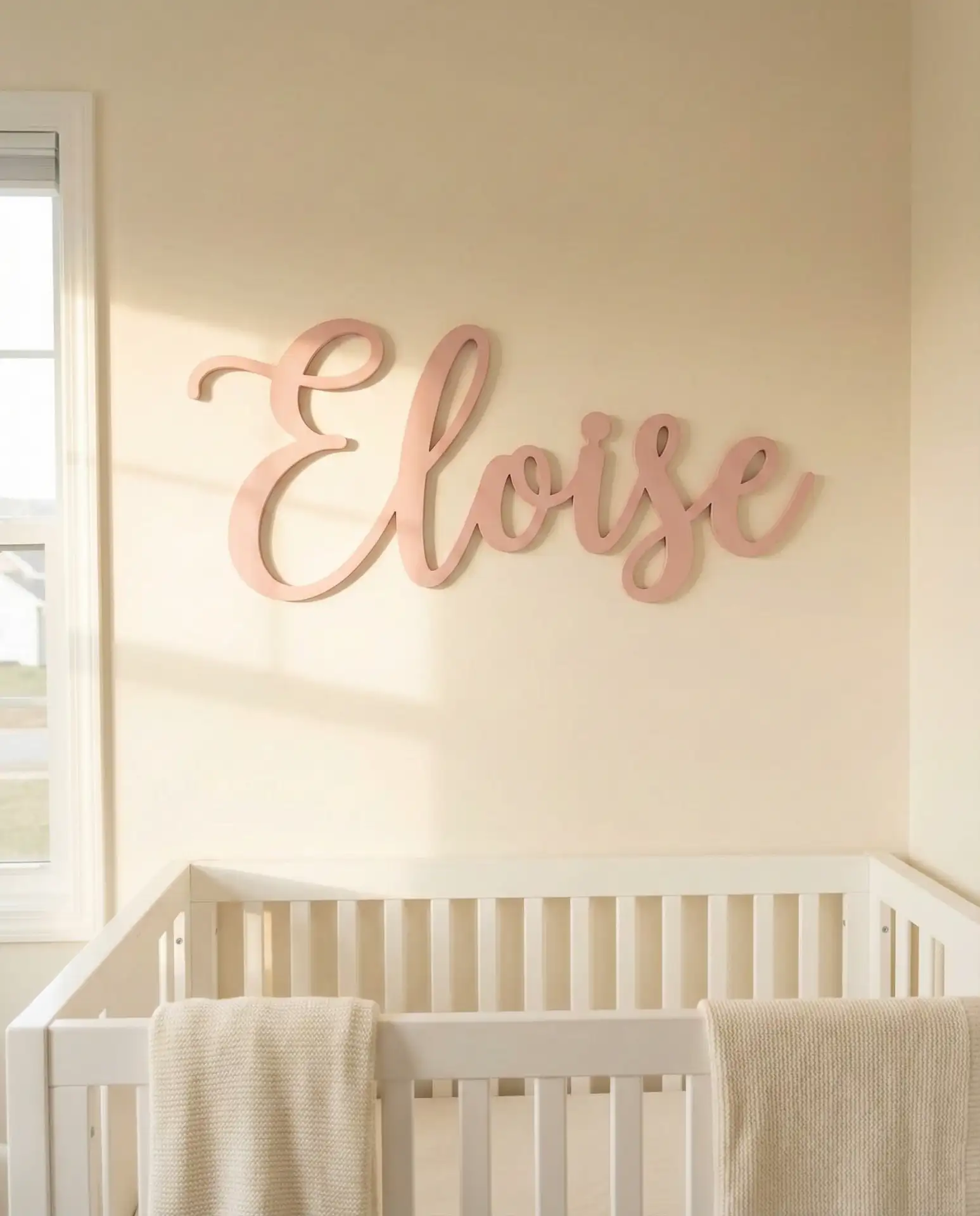
Displaying your baby’s name prominently—through wooden letters, neon signs, embroidered banners, or custom artwork—creates an immediate sense that this space belongs to her. This personalization transforms a generically beautiful room into her specific sanctuary, establishing identity from the earliest days. Name displays serve as both decor and a meaningful marker of this important life chapter. 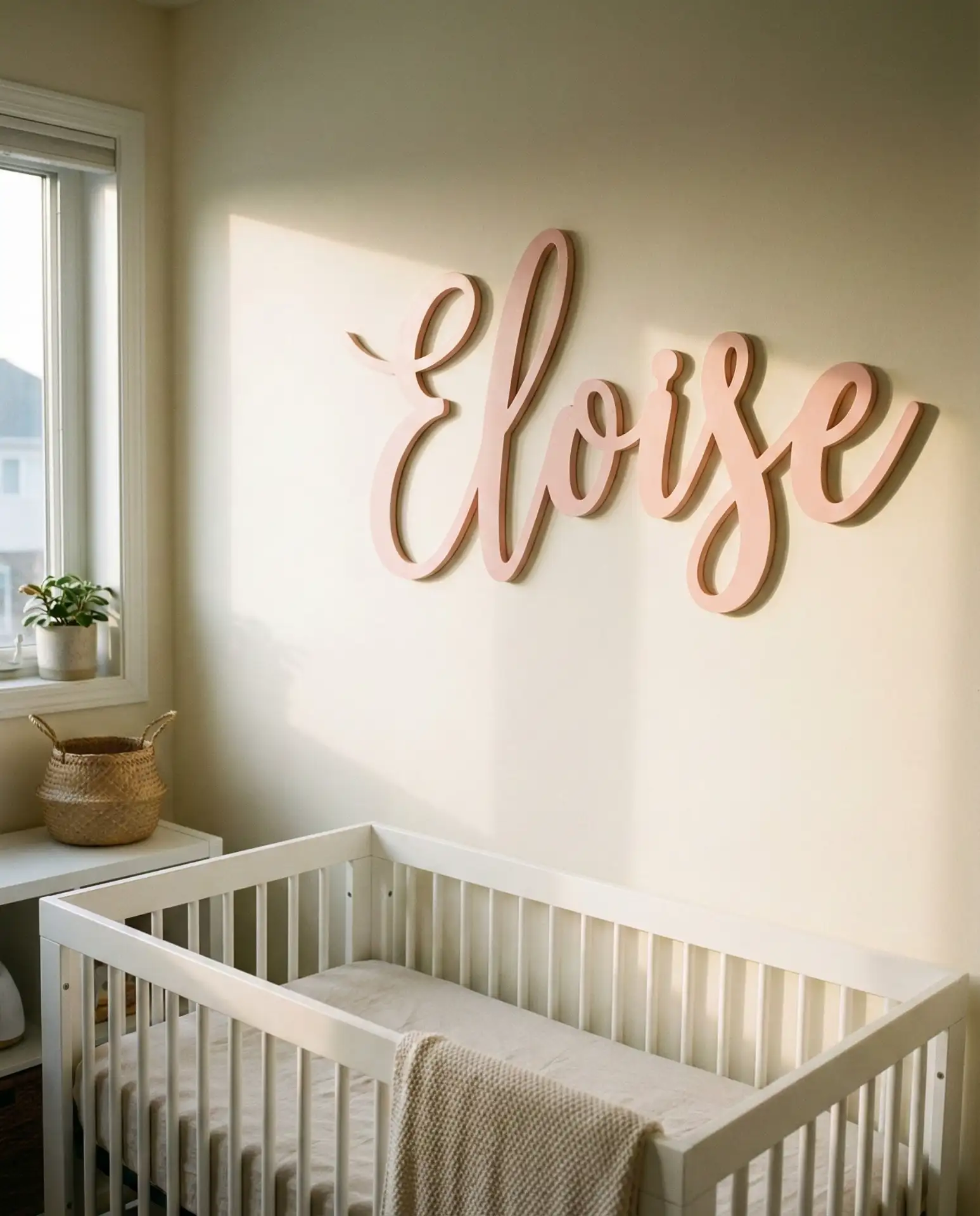
Interior designers caution against placing name displays directly above the crib where they could potentially fall, recommending instead that they be mounted on adjacent walls or above dressers. This small placement adjustment maintains visual impact while prioritizing safety—a consideration that becomes even more important once babies begin reaching and pulling on anything within grasp.
21. Cozy Reading Nook
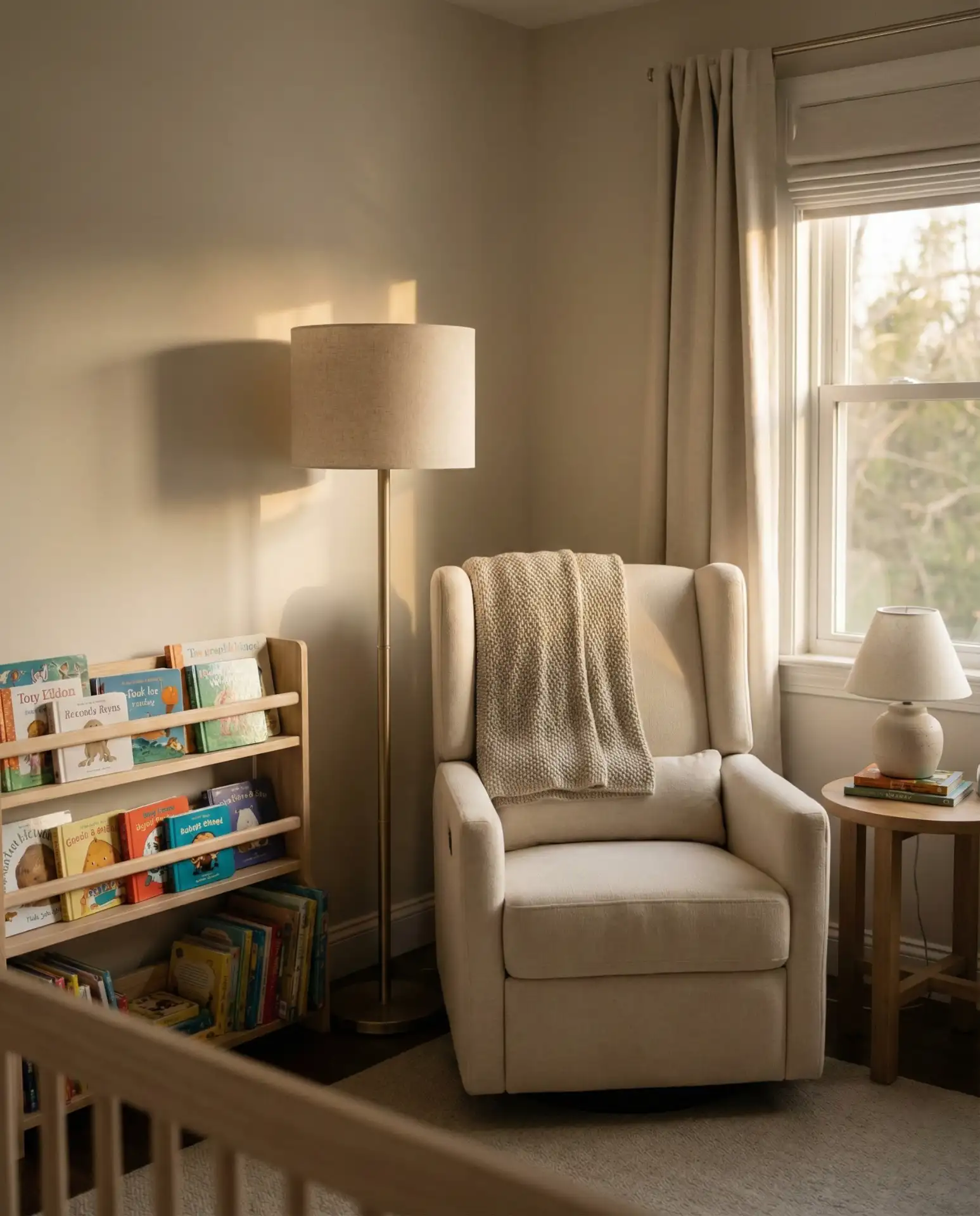
Creating a dedicated reading corner within the nursery establishes the importance of books and storytelling from the very beginning. A comfortable adult chair, good task lighting, accessible book storage, and soft textiles transform an underutilized corner into a cherished space for bonding. This intentional design supports the nightly routine that so many families build around bedtime stories, making those moments feel special and anticipated. 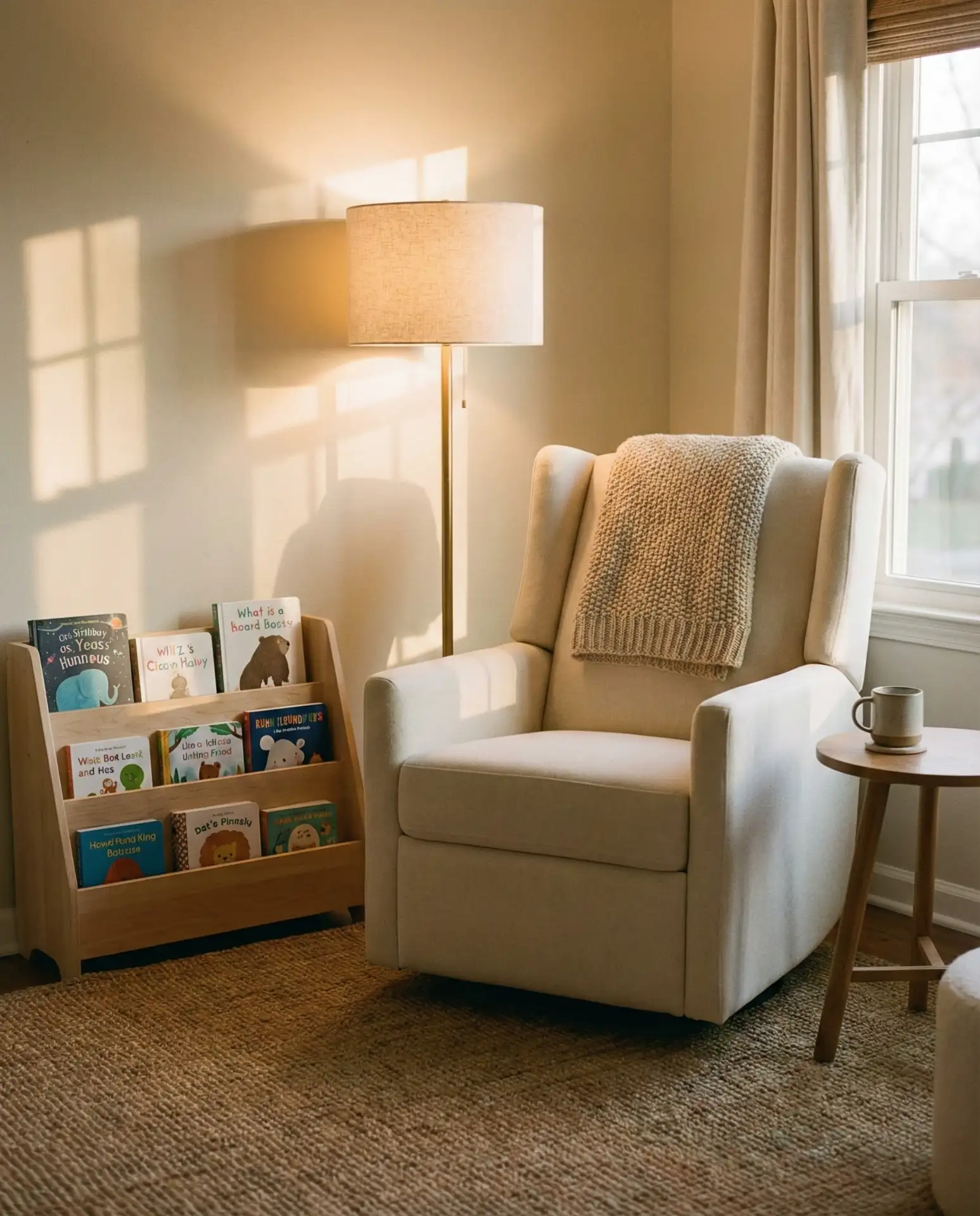
One tired parent shared that her reading nook became the place where she felt most connected during those exhausting newborn months—even when her daughter was too young to understand the stories, the ritual of sitting together in that specific chair with a book created structure and comfort when everything else felt chaotic and uncertain.
22. Peel-and-Stick Wallpaper Freedom
Removable wallpaper has revolutionized nursery design for renters and commitment-phobic homeowners alike, offering dramatic transformation without permanent installation. From delicate florals to bold geometrics, temporary wallpaper provides the visual impact of traditional paper with the flexibility to change as tastes evolve. This solution is particularly valuable for families who might relocate or simply want the freedom to refresh their child’s space as she grows. 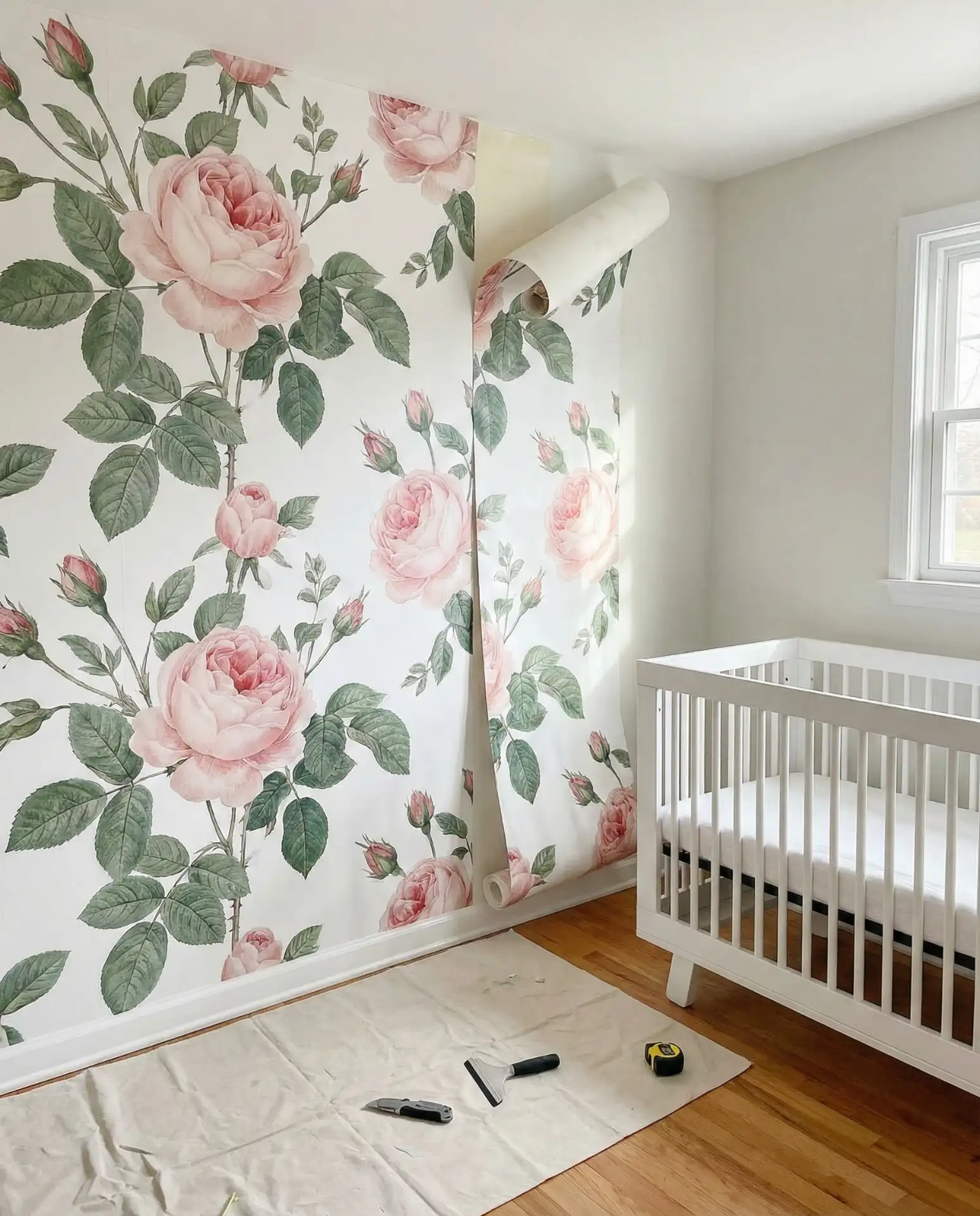
The biggest mistake DIYers make with peel-and-stick wallpaper is rushing the application without properly smoothing out air bubbles as they go. Taking the extra time to work methodically with a plastic smoother prevents frustrating wrinkles and ensures the paper lies flat against the wall. Most manufacturers recommend starting from the top center and working outward and downward in smooth, deliberate motions.
23. Mixed Metallic Accents
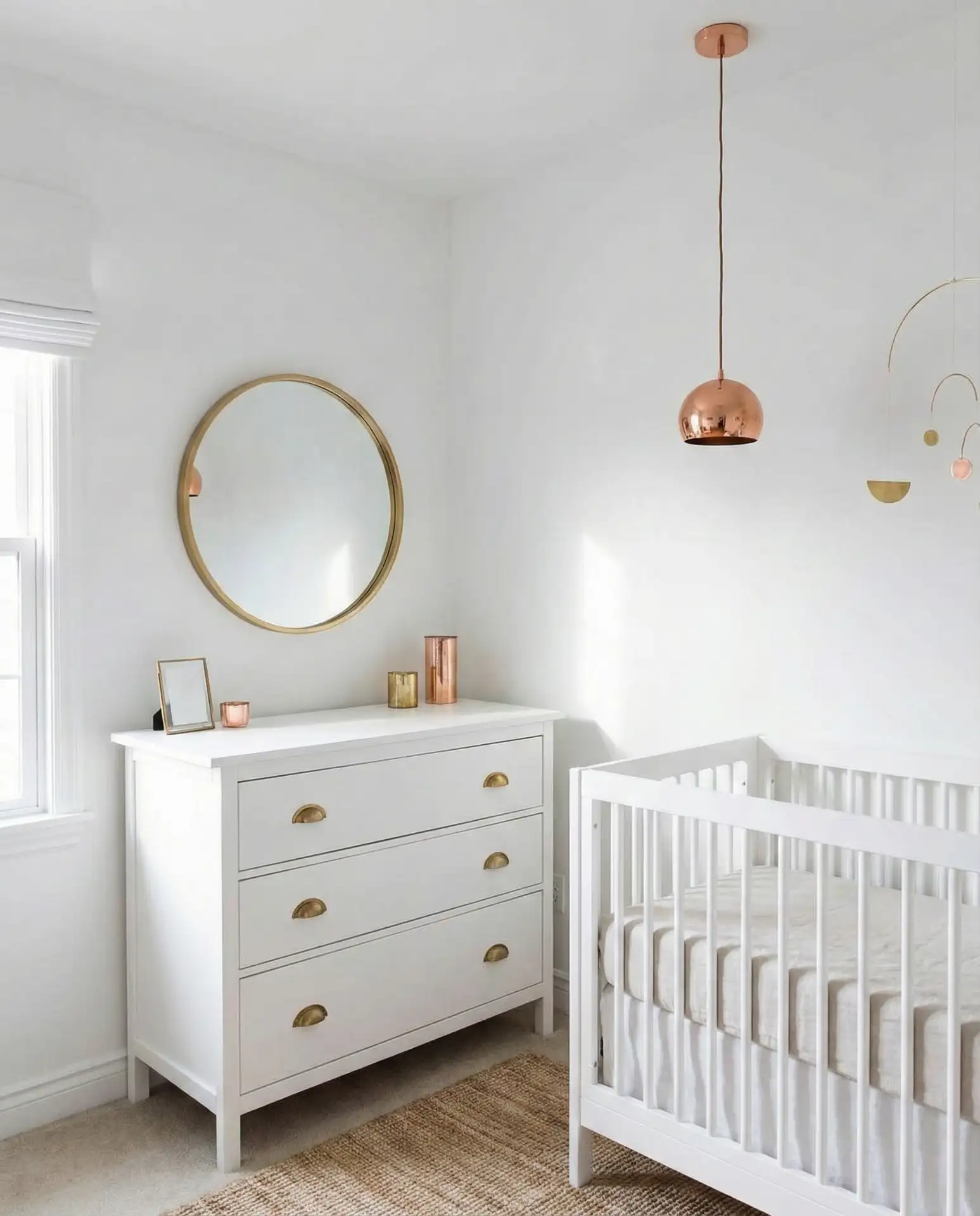
Thoughtfully combining gold, brass, and copper hardware, light fixtures, and decorative elements adds subtle glamour and sophistication to a girls’ nursery. These warm metallics catch and reflect light beautifully, introducing shimmer without overwhelming the space or feeling too precious. The key is restraint—a few well-chosen metallic pieces scattered throughout the room create polish, while too many can feel busy or garish. 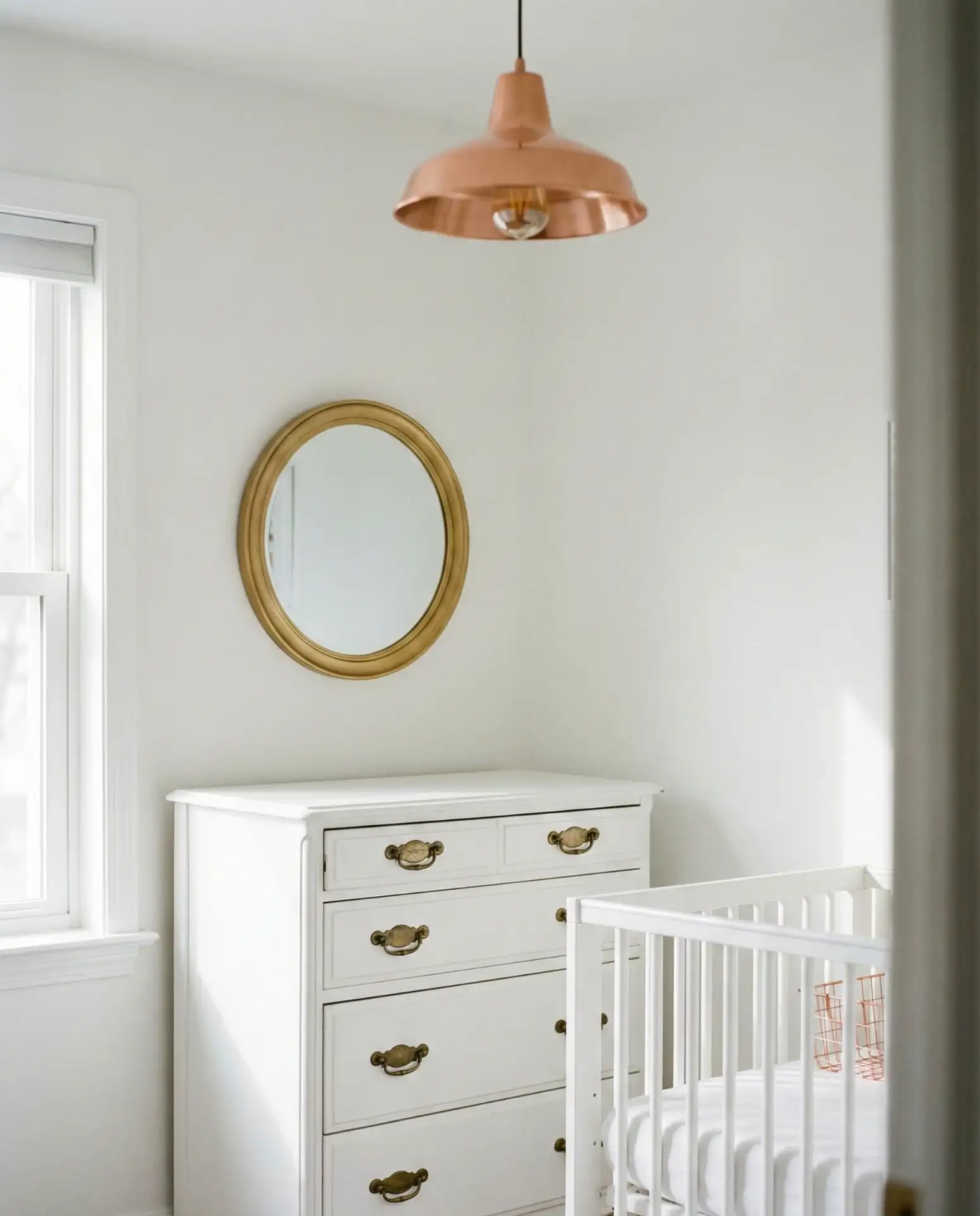
Contrary to outdated design rules, mixing metals—brass cabinet pulls with a copper light fixture and gold-framed art—creates visual interest and prevents the space from feeling too matchy or sterile. The unifying factor should be the warm-tone family rather than matching exact finishes, allowing for the collected-over-time look that makes spaces feel personal rather than catalog-ordered.
Conclusion
These ideas offer a starting point for creating a nursery that reflects your style while providing a nurturing environment for your daughter. Whether you’re drawn to bold statement walls, soft neutral palettes, or nature-inspired themes, the key is choosing elements that bring you joy and will create meaningful memories for years to come. We’d love to hear which ideas resonated with you—share your favorite nursery inspiration in the comments below.