Guest bedrooms are getting a major glow-up in 2026, and American homeowners are leading the charge with fresh, thoughtful design ideas that balance style with genuine hospitality. Whether you’re working with a compact spare room or a spacious second-floor suite, the latest trends emphasize flexibility, comfort, and that welcoming feeling that makes visitors want to extend their stay. From Pinterest boards overflowing with coastal palettes to practical daybed solutions that work overtime, these ideas reflect how we’re rethinking guest spaces to serve multiple purposes without sacrificing charm. This year’s approach is all about creating rooms that feel intentional yet relaxed, combining smart storage with those little touches that make guests feel truly at home.
1. Tiny Guest Retreat with Smart Storage
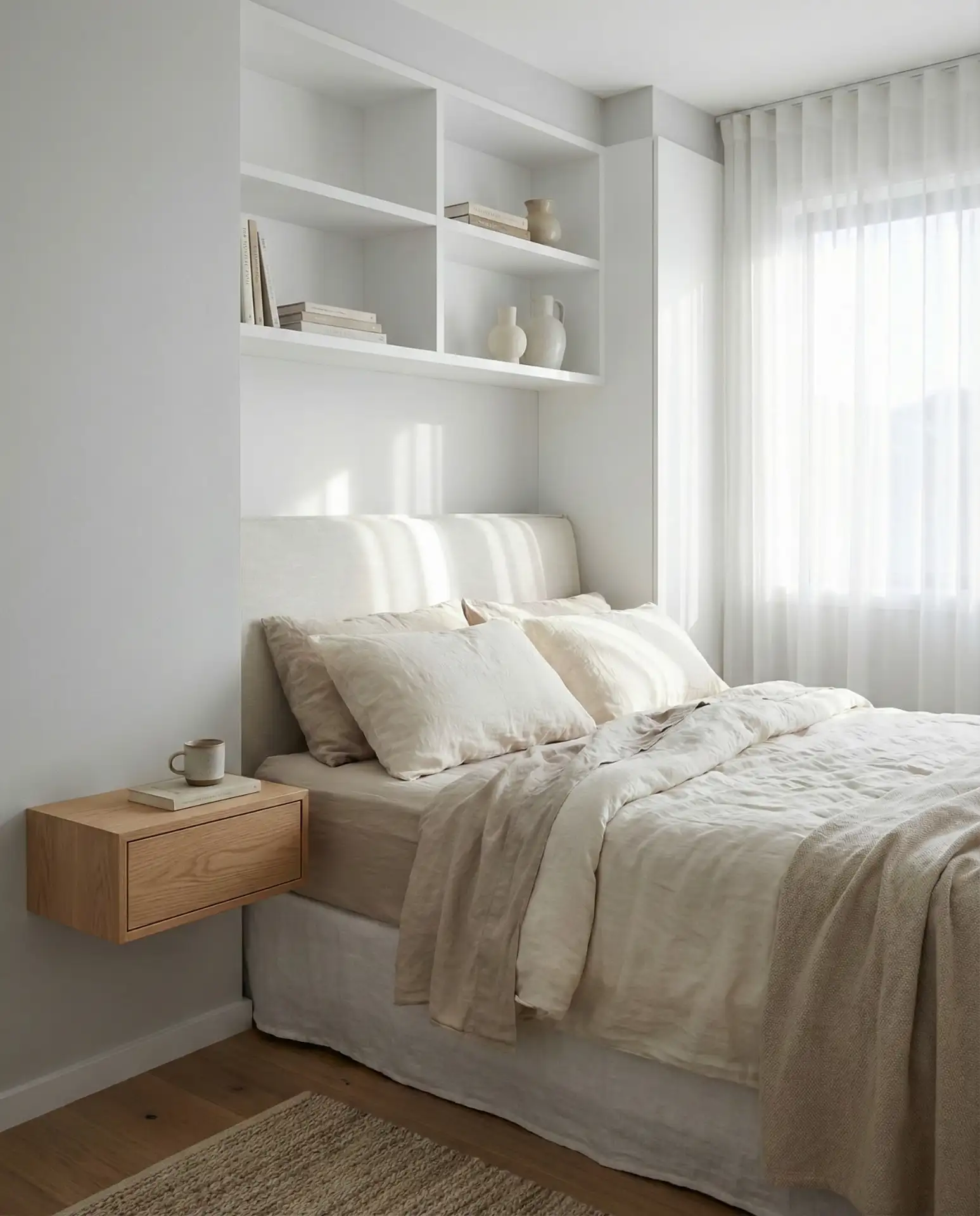
When square footage is precious, a tiny guest bedroom demands creative solutions that maximize every inch. Built-in shelving above the bed, under-bed drawers, and wall-mounted reading lights free up floor space while keeping the room functional. Opt for a floating nightstand and a narrow dresser that doesn’t overwhelm the room’s proportions, and consider light paint colors to visually expand the walls outward. 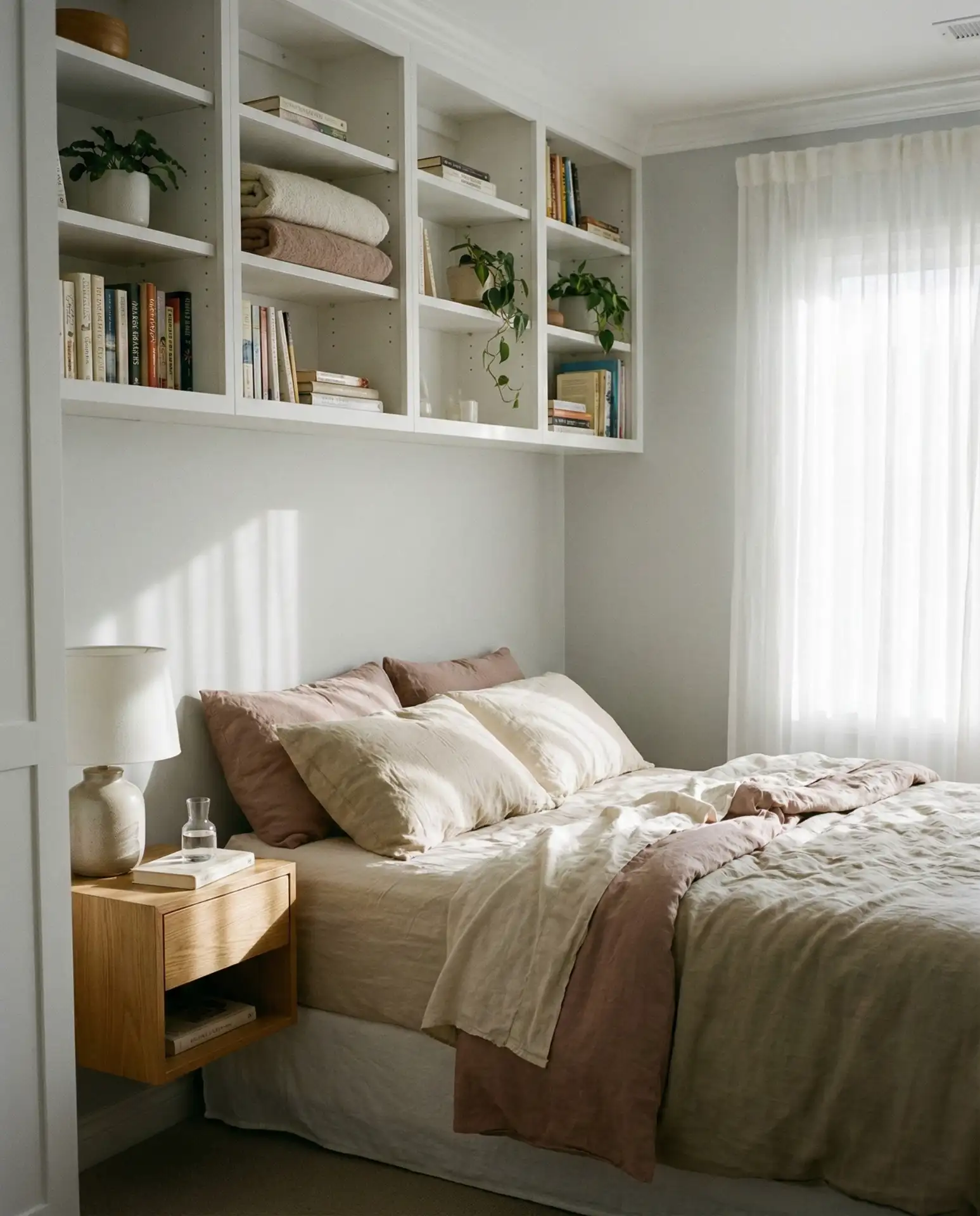
In cities like New York and San Francisco, where spare rooms often measure just 8×10 feet, homeowners are getting inventive with vertical storage and multi-purpose furniture. A Murphy bed or a daybed with trundle can transform the space from guest room to home office in seconds, making the investment work harder for your household’s evolving needs throughout the year.
2. Cozy Layered Textiles and Warm Lighting
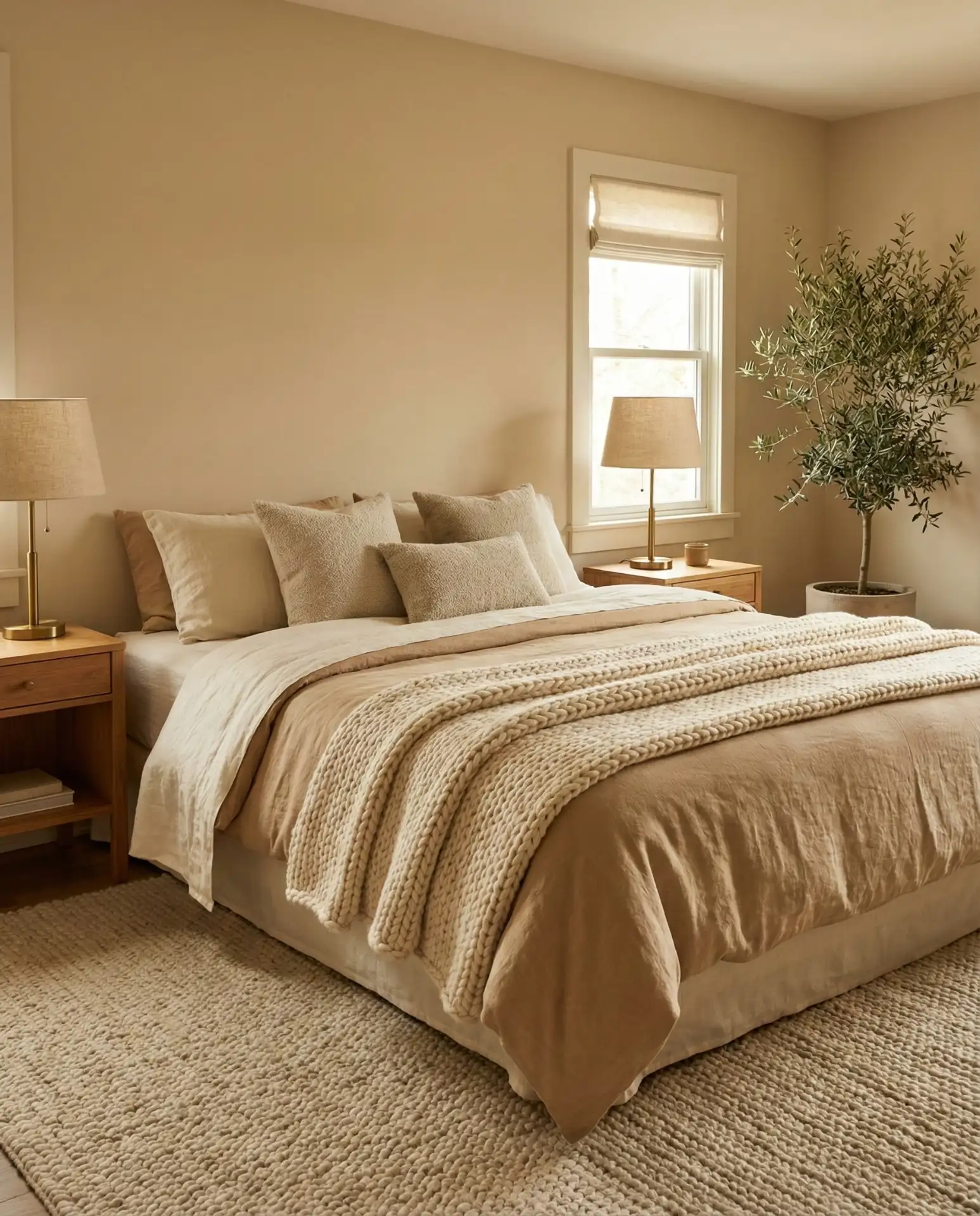
Nothing says “welcome” quite like a cozy guest bedroom piled with soft throws, textured pillows, and a plush area rug underfoot. Layer your bedding with a cotton duvet, a quilted coverlet, and at least three pillows of varying sizes to create that hotel-worthy look. Warm-toned table lamps or sconces with dimmers let guests adjust the ambiance to their preference, whether they’re reading before bed or just unwinding after a long drive. 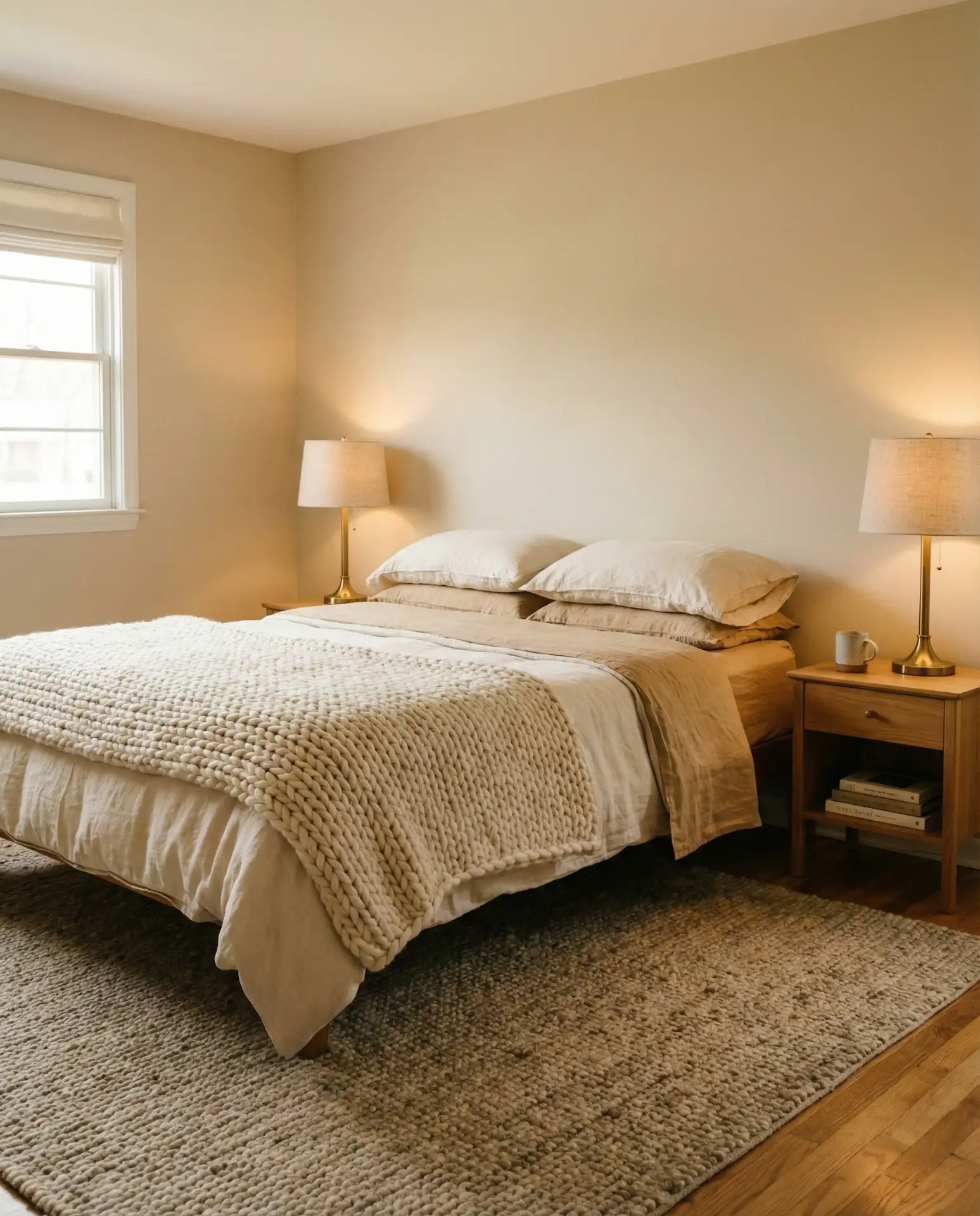
This works best in colder climates like the Midwest and Northeast, where guests genuinely appreciate the extra warmth during winter visits. One common mistake is overloading the bed with decorative pillows that guests have to remove every night—stick to functional pillows and one or two accent cushions that can easily be tucked onto a nearby chair.
3. Cozy Modern Minimalism with Clean Lines
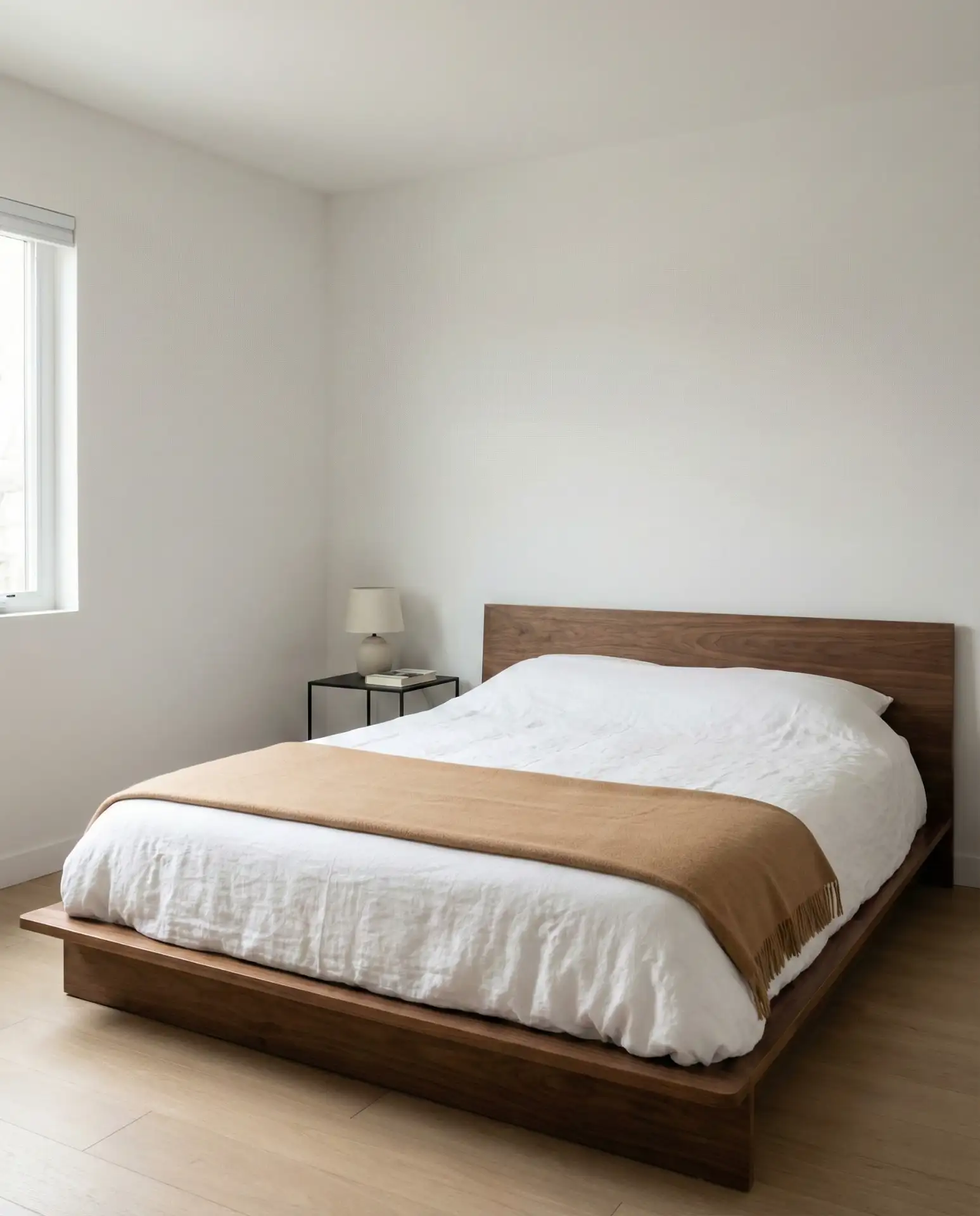
The cozy modern aesthetic strikes a perfect balance between warmth and restraint, combining sleek furniture silhouettes with soft, inviting textures. Think platform beds with low profiles, simple wood side tables, and neutral bedding accented by a single woven throw or textured pillow. This style avoids clutter while still feeling personal and welcoming, ideal for hosts who appreciate a more curated, editorial look. 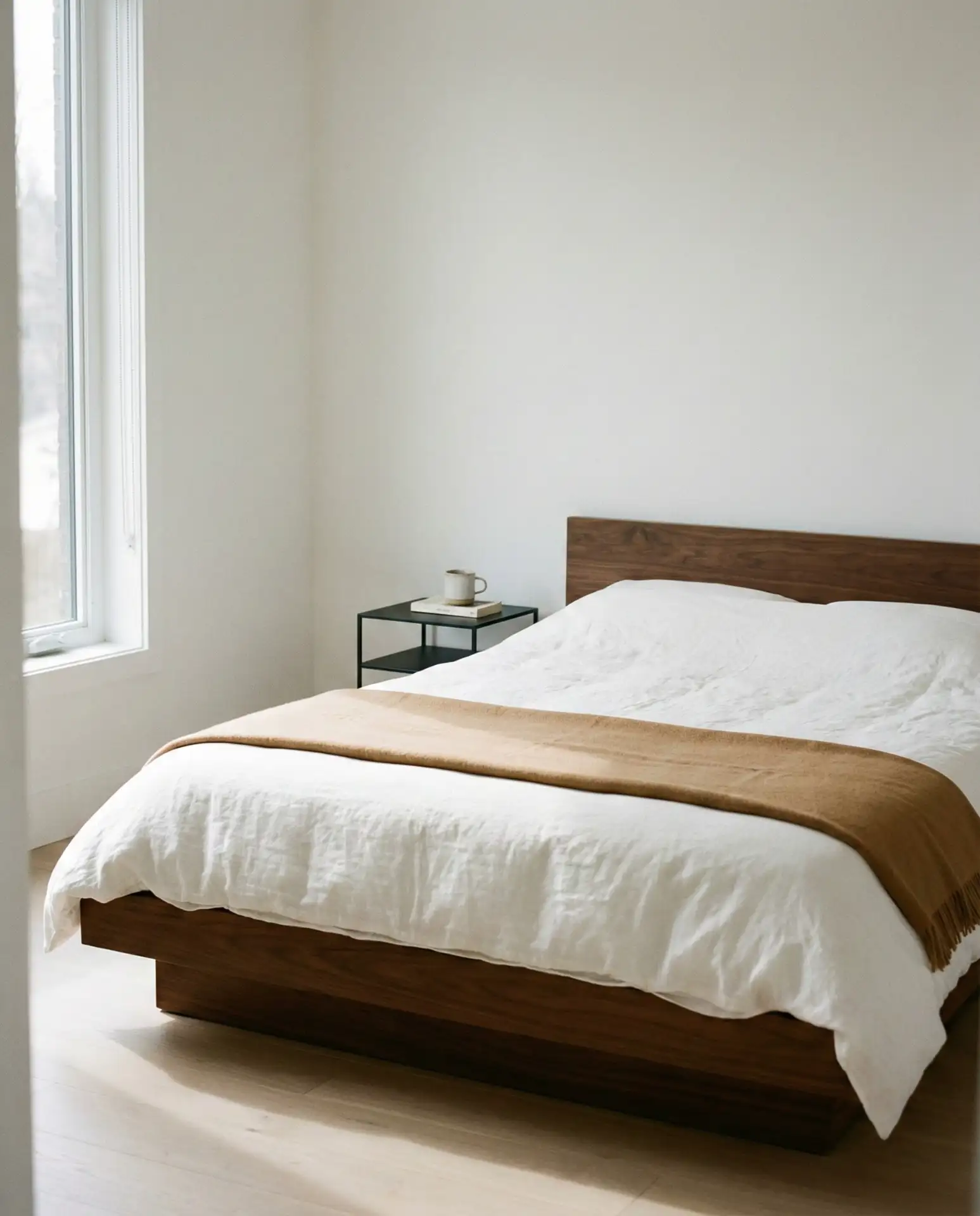
A designer friend once mentioned that guests feel more comfortable when a room doesn’t look “too precious”—cozy modern delivers exactly that by keeping surfaces clear and design elements intentional. It’s especially popular in urban areas where homeowners want their guest rooms to feel like a boutique hotel experience without the fussiness of overly decorated traditional styles.
4. Twin Beds for Flexible Guest Arrangements
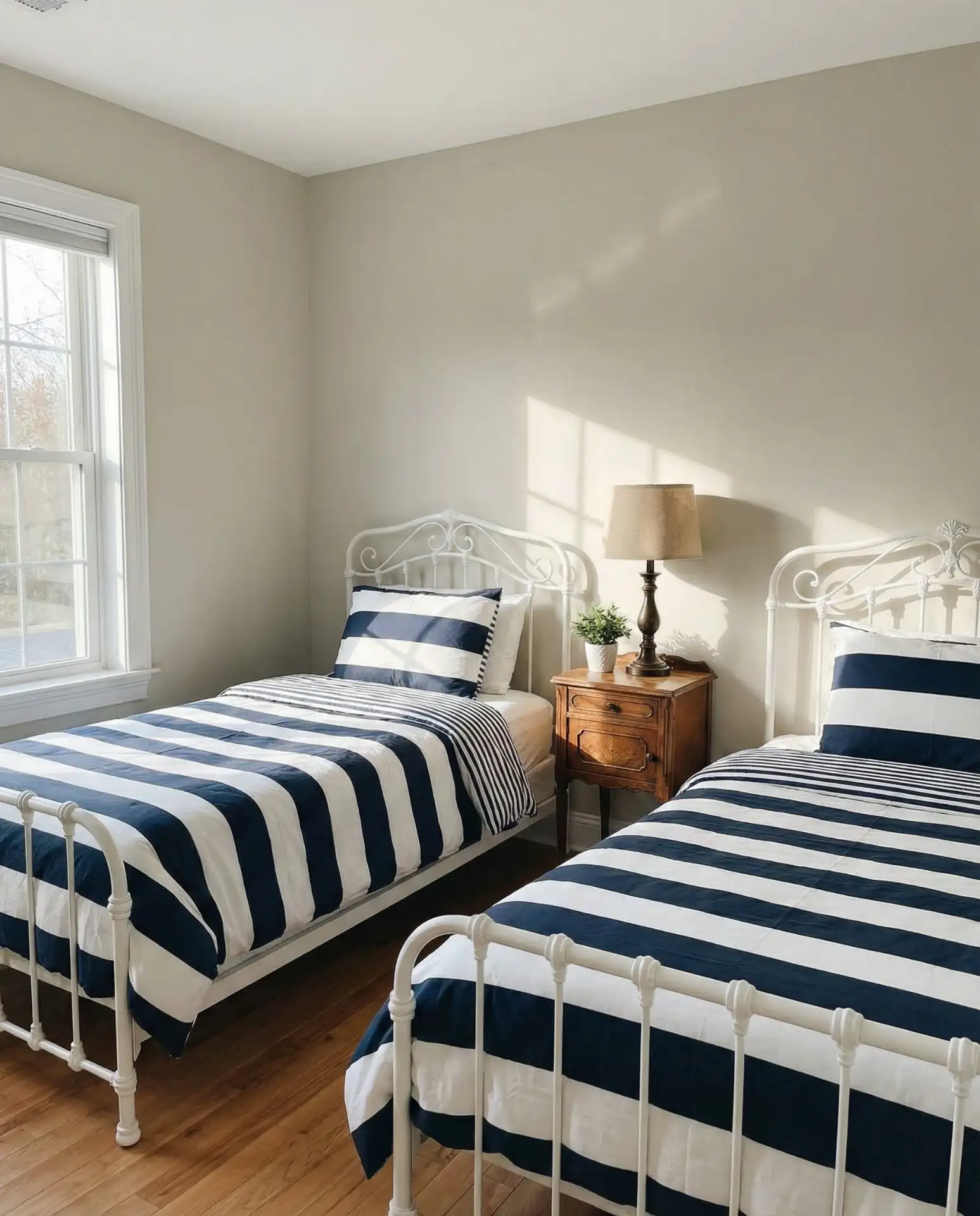
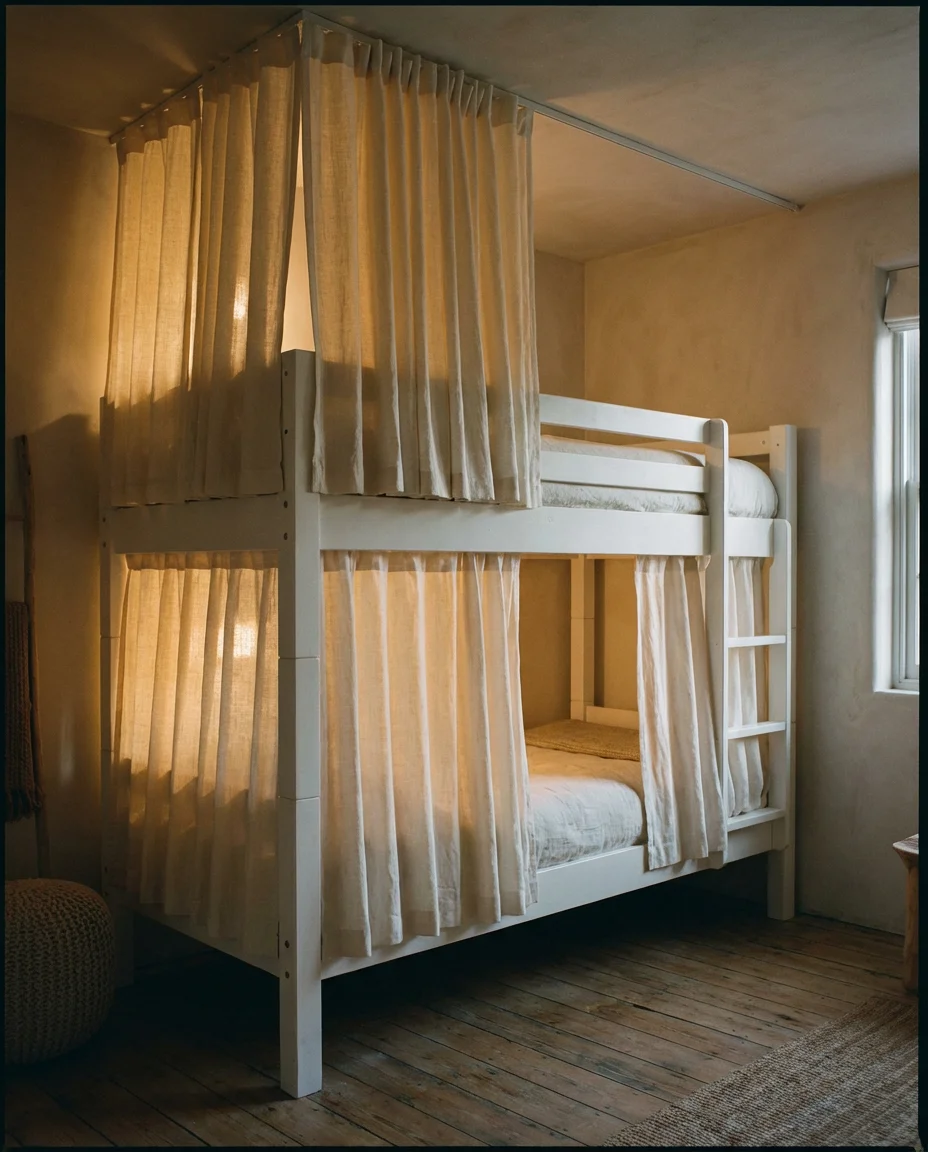
Hosting friends traveling together, kids visiting grandparents, or colleagues attending a family event? Twin beds offer unmatched versatility in a guest room, allowing you to accommodate different combinations of visitors without awkwardness. Position them with a shared nightstand between or angle them toward opposite walls depending on your room’s layout, and dress each bed identically for a cohesive, symmetrical look that photographs beautifully. 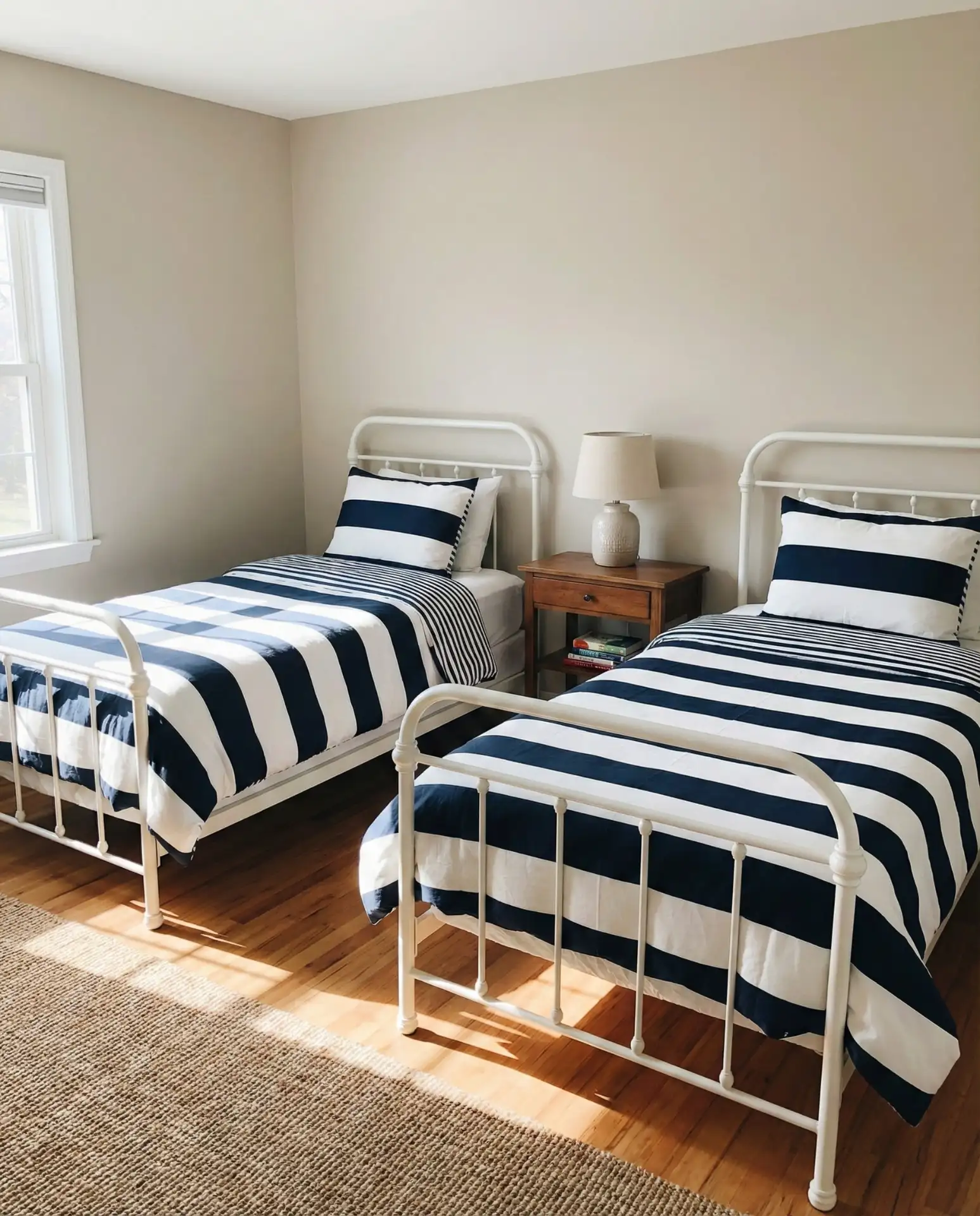
This setup works best in homes with frequent family gatherings or in vacation properties where guest configurations change regularly. Budget-wise, twin mattresses and frames typically cost 30-40% less than a queen setup, making this an economical choice that doesn’t compromise on comfort or style when you choose quality linens and supportive mattresses.
5. Budget-Friendly Refresh with Paint and Thrifted Finds
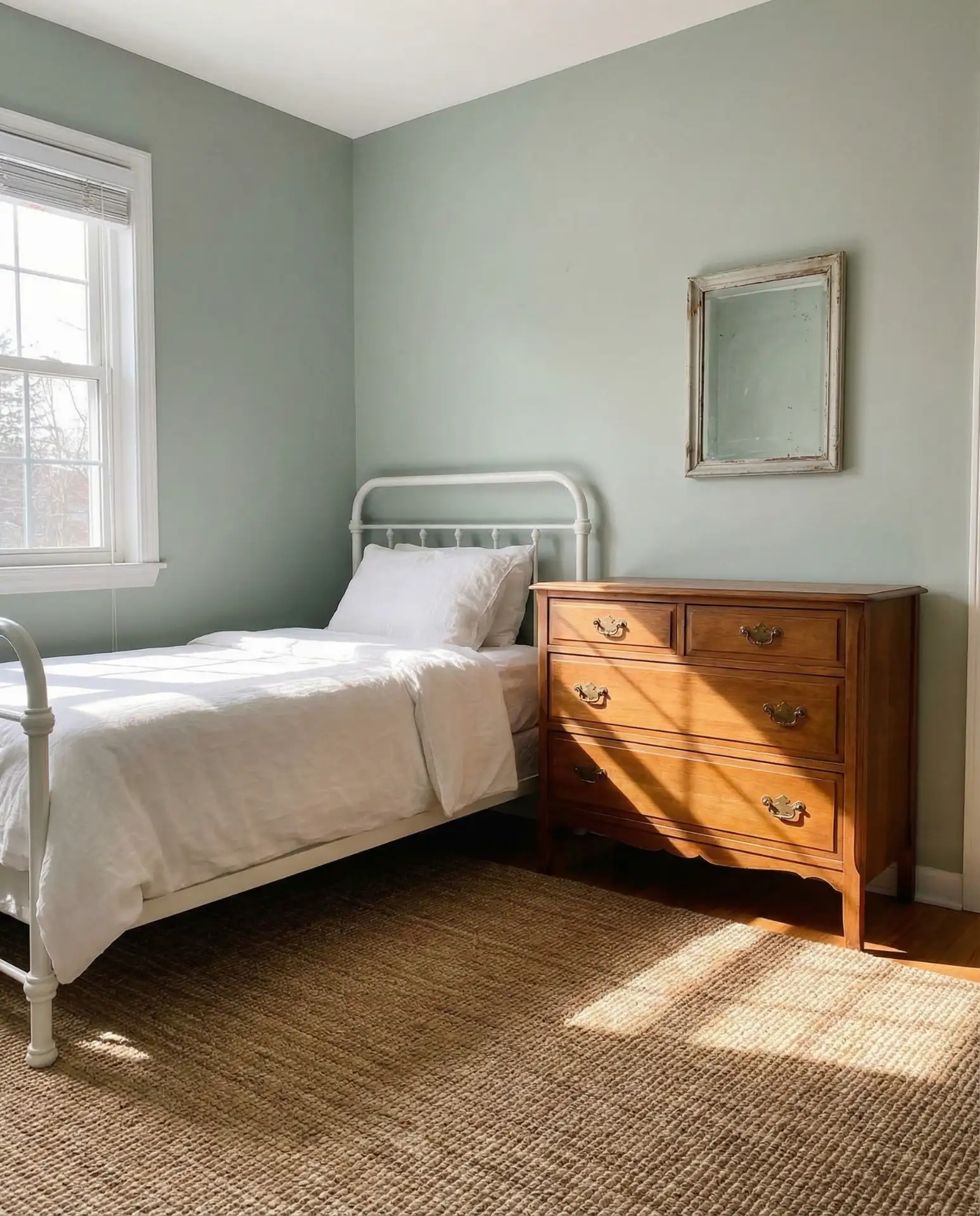
Creating an inviting guest space on a budget is entirely possible when you focus on high-impact, low-cost updates like a fresh coat of paint and strategically sourced secondhand furniture. A gallon of quality paint runs about $40 and can transform the entire mood of a room, while thrift stores and estate sales often yield solid wood dressers and nightstands that just need minor refinishing to look current and charming. 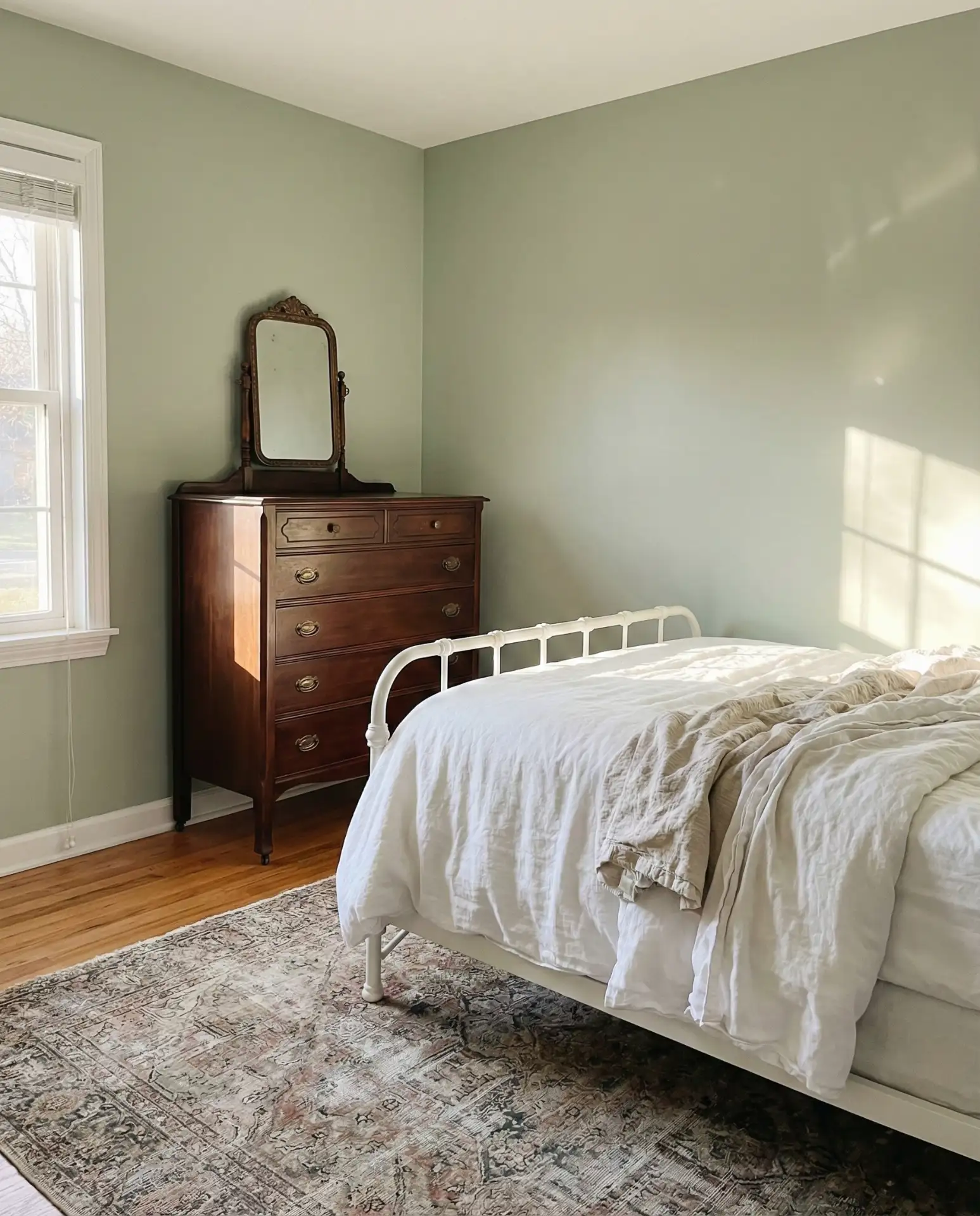
Across the South and Midwest, where garage sales and antique malls are weekend traditions, homeowners regularly score beautiful vintage pieces for under $100. The key is choosing furniture with good bones—solid construction matters more than surface finish, which you can easily update with paint, new hardware, or a quick sanding to bring out natural wood grain.
6. Bloxburg-Inspired Geometric Accents
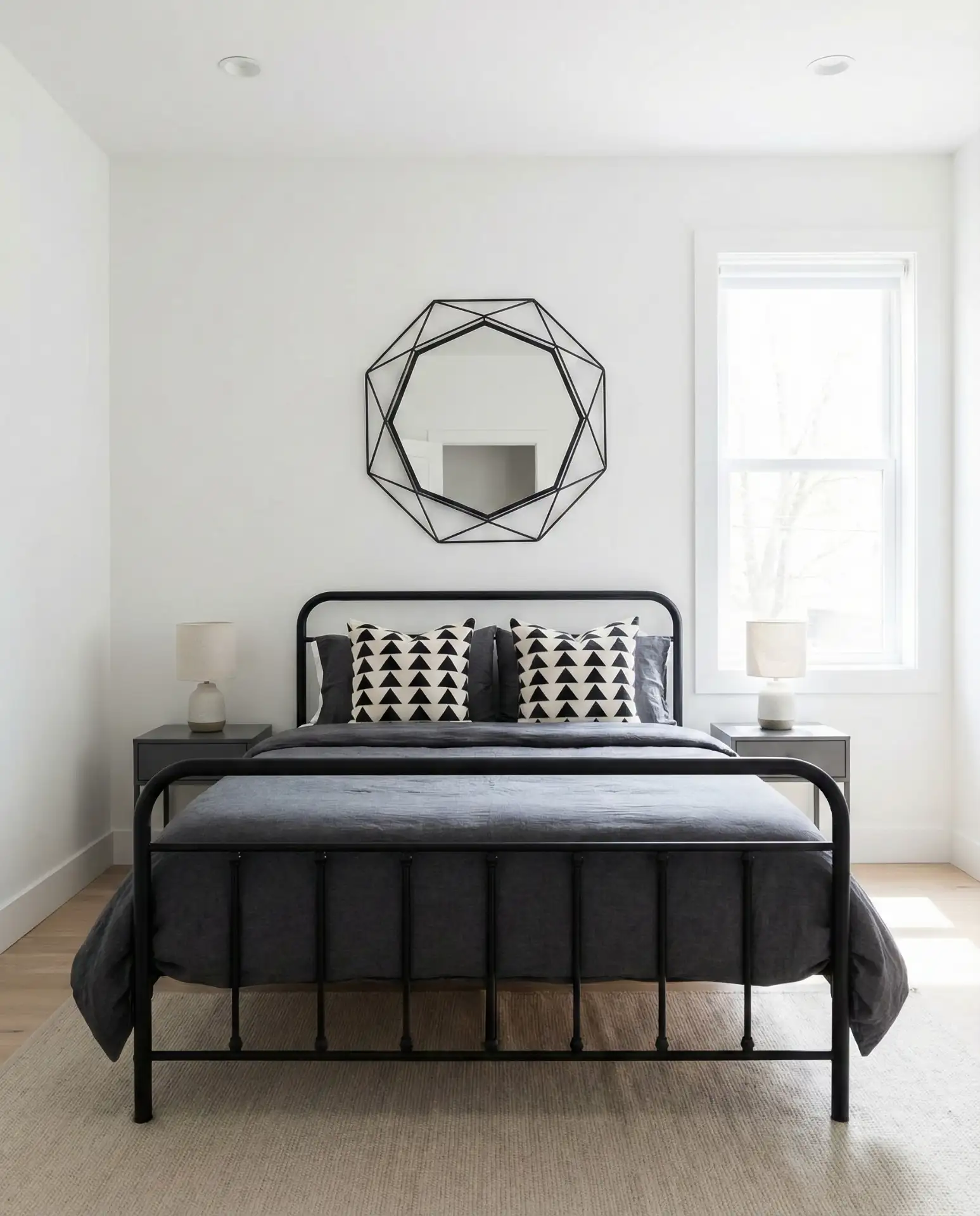
Taking cues from the clean, architectural aesthetic popular in Bloxburg design communities, this approach emphasizes geometric patterns, symmetrical layouts, and a limited color palette for a polished, almost digital-perfection vibe. Incorporate hexagonal mirrors, triangle-patterned throw pillows, or linear wall art to echo those crisp, modern lines that make virtual rooms so visually satisfying in real life. 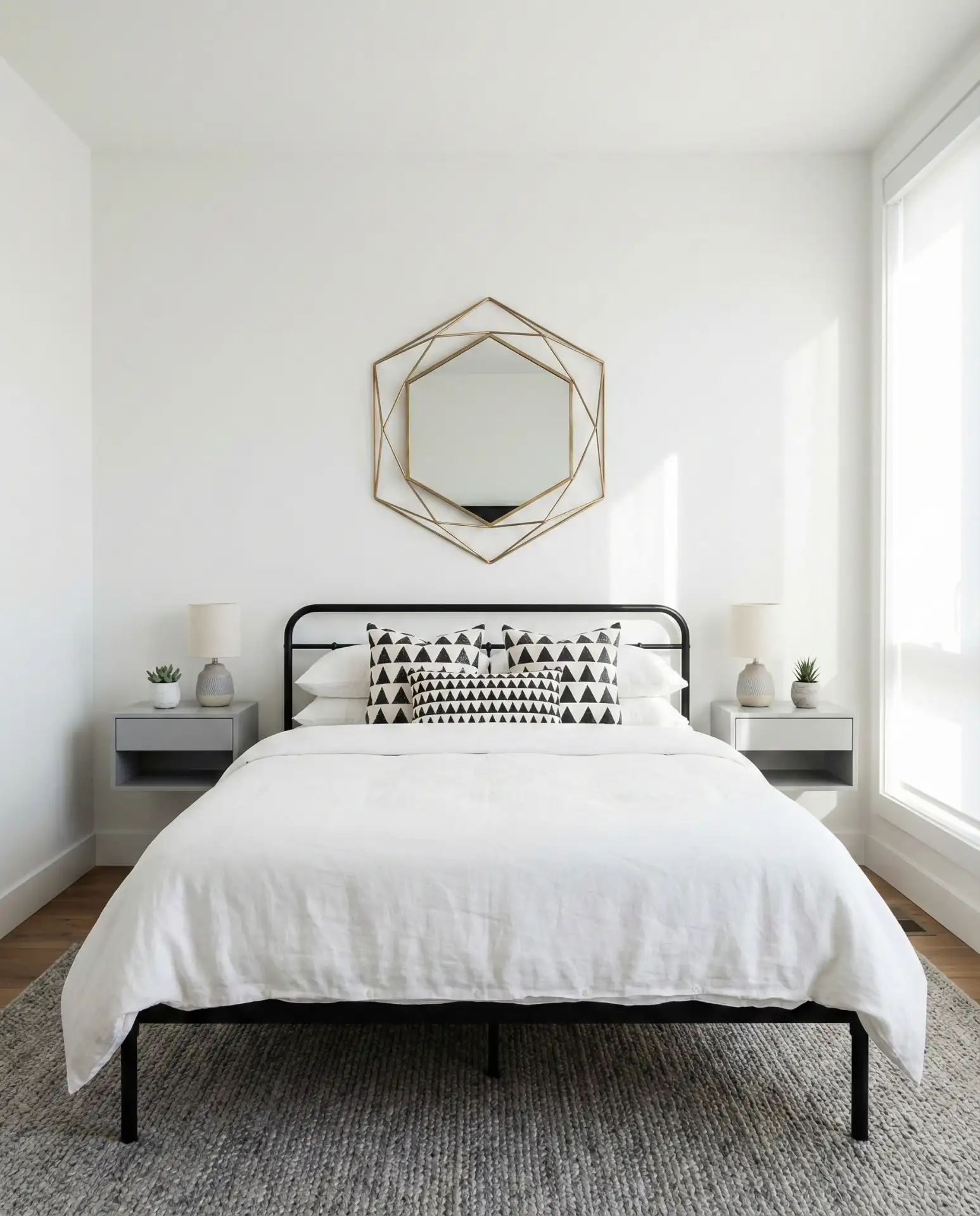
This style particularly resonates with younger homeowners in their 20s and 30s who grew up with design simulation games and appreciate that same sense of intentional order in their physical spaces. The geometric elements add visual interest without requiring expensive artwork or complicated installations, making it both accessible and Instagram-ready for hosts who love sharing their spaces online.
7. Daybed for Dual-Purpose Functionality
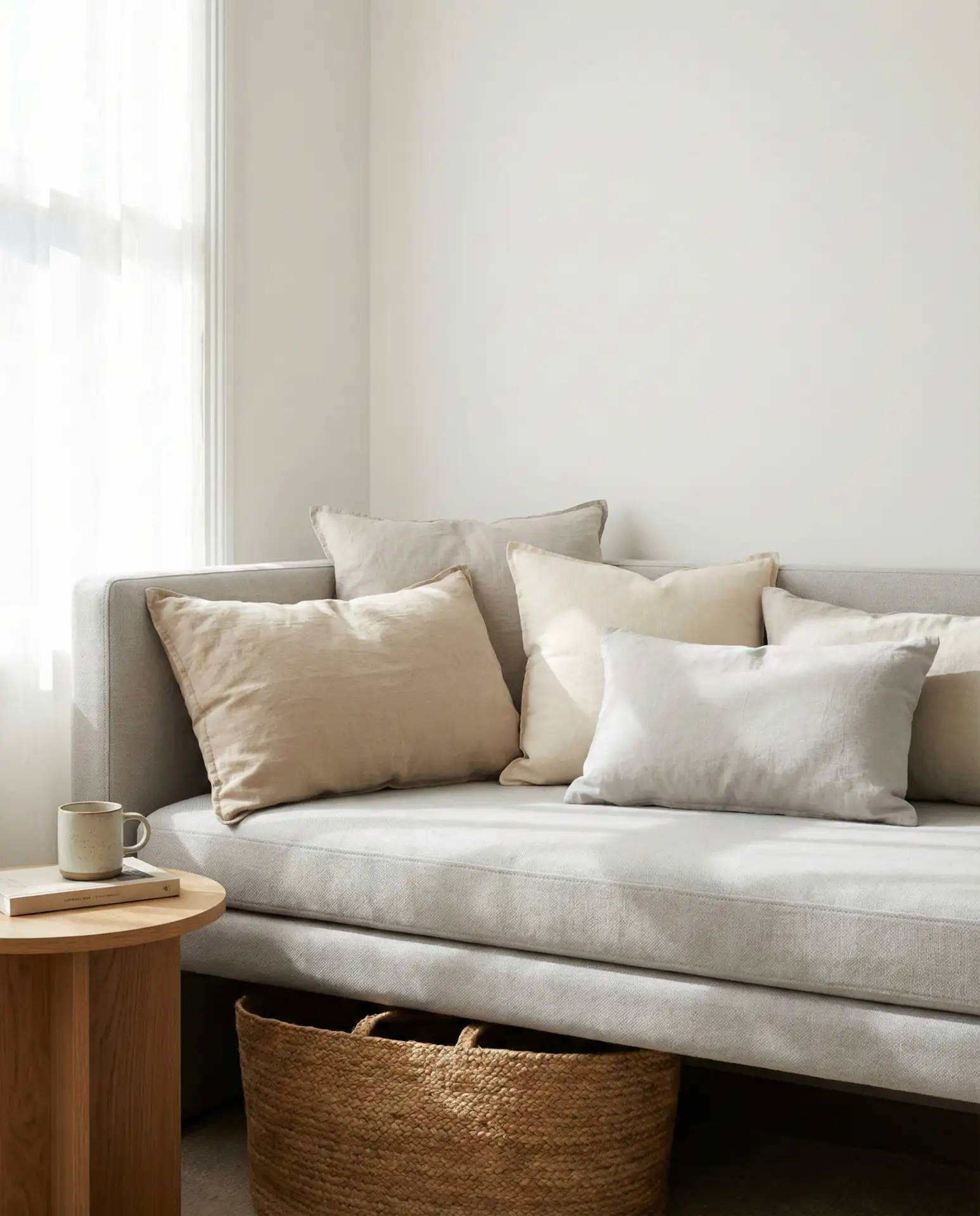
A daybed is the multitasking hero of guest bedrooms, functioning as a sofa during non-guest periods and a comfortable bed when visitors arrive. Position it against a wall with plenty of throw pillows during the day, and it becomes a reading nook or extra seating for family game nights. Many modern daybeds include trundle options, instantly doubling your sleeping capacity without permanently dedicating the room to guest-only use. 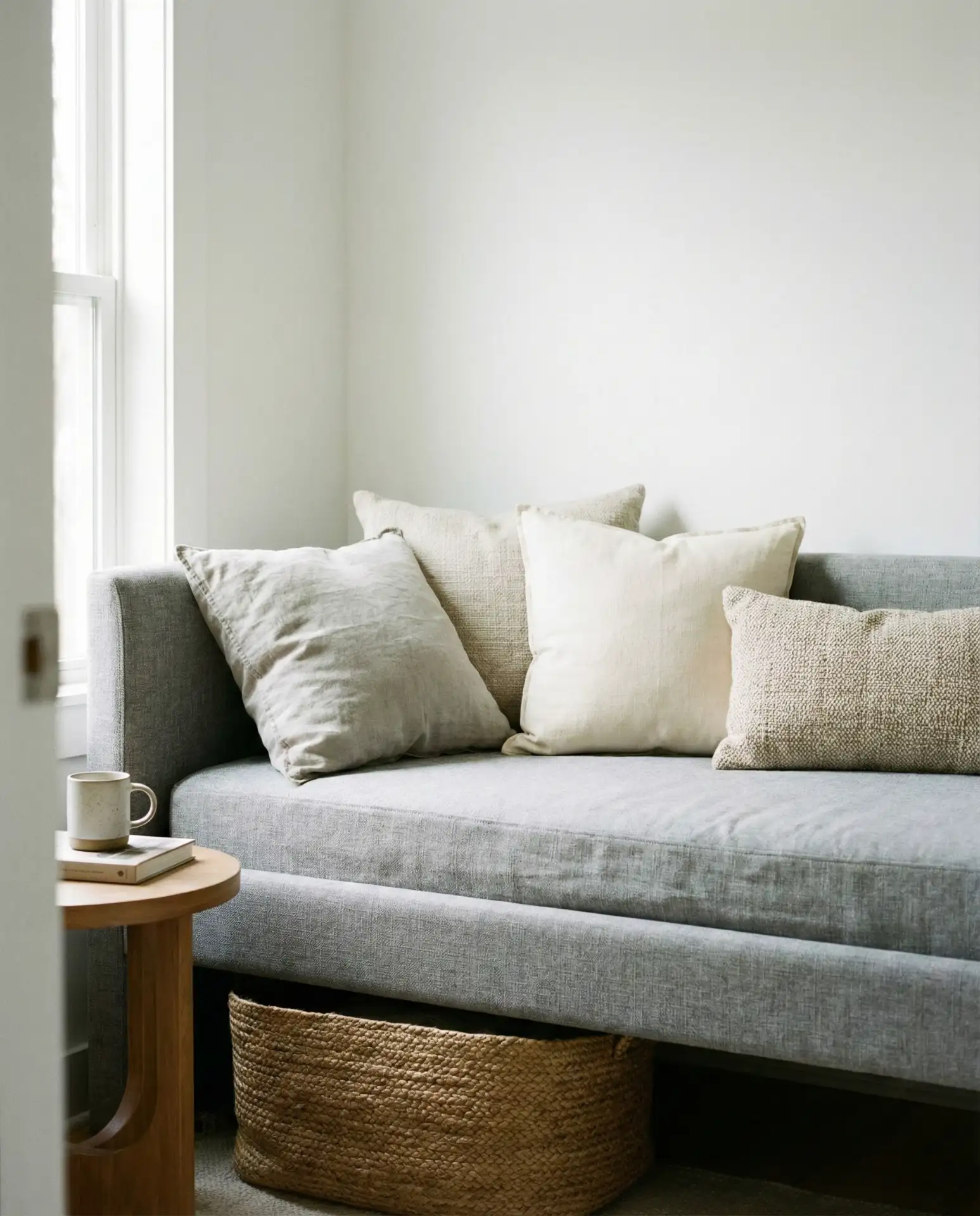
In American homes where the “guest room” often doubles as a home office, craft room, or workout space, the daybed has become essential furniture. Real homeowner behavior shows that rooms with daybeds get used daily by the household, whereas traditional guest beds often sit empty for months between visits, making the daybed a smarter investment for active family life.
8. Fun Accent Wall with Bold Wallpaper
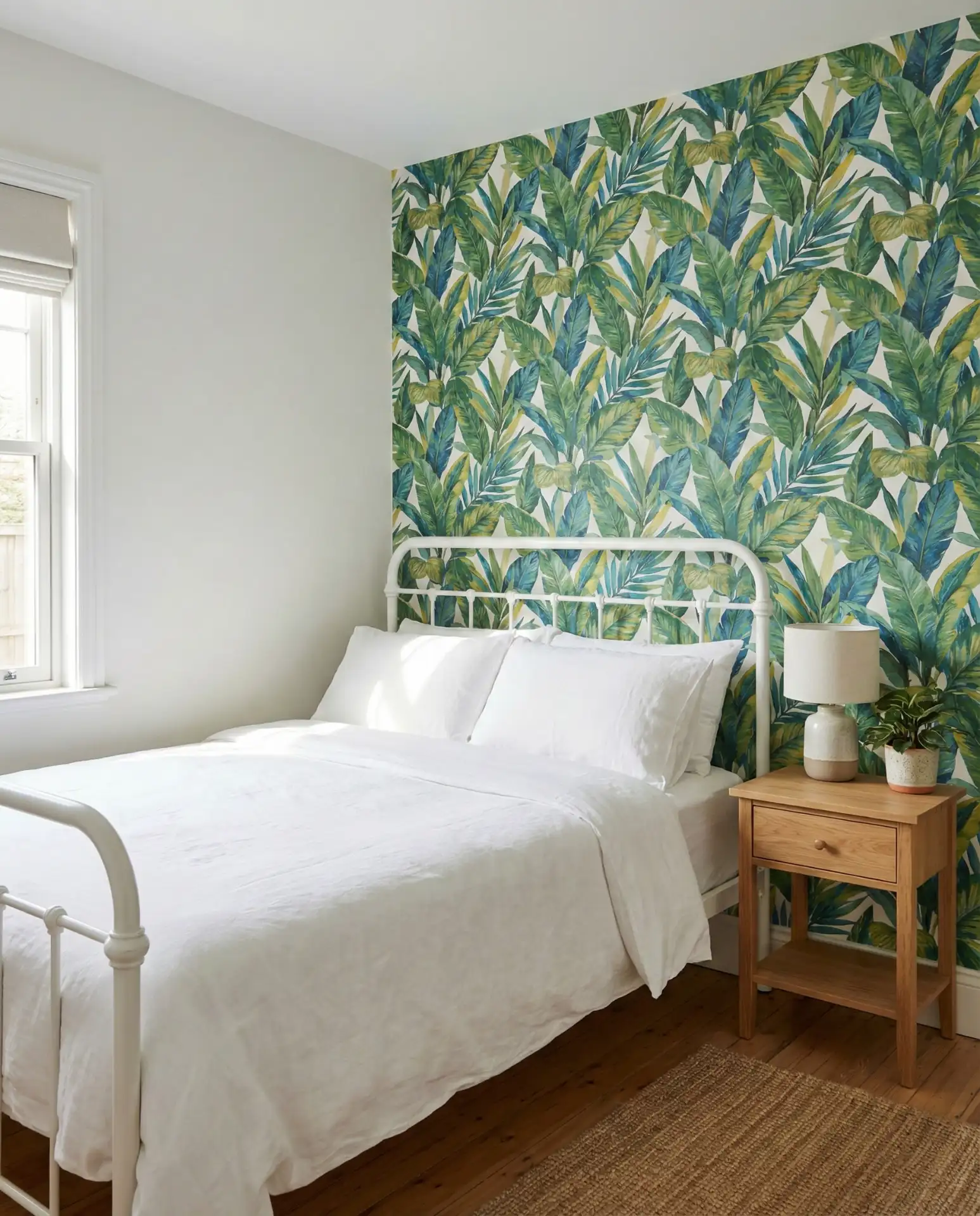
Inject personality into your guest space with a fun accent wall featuring bold wallpaper in a playful print—think oversized florals, tropical leaves, or graphic patterns that make a statement without overwhelming the room. Stick to the wall behind the bed to create a natural focal point, and keep the other three walls neutral to let the pattern breathe. Peel-and-stick options have revolutionized this approach, making it renter-friendly and easy to change when you’re ready for a new look. 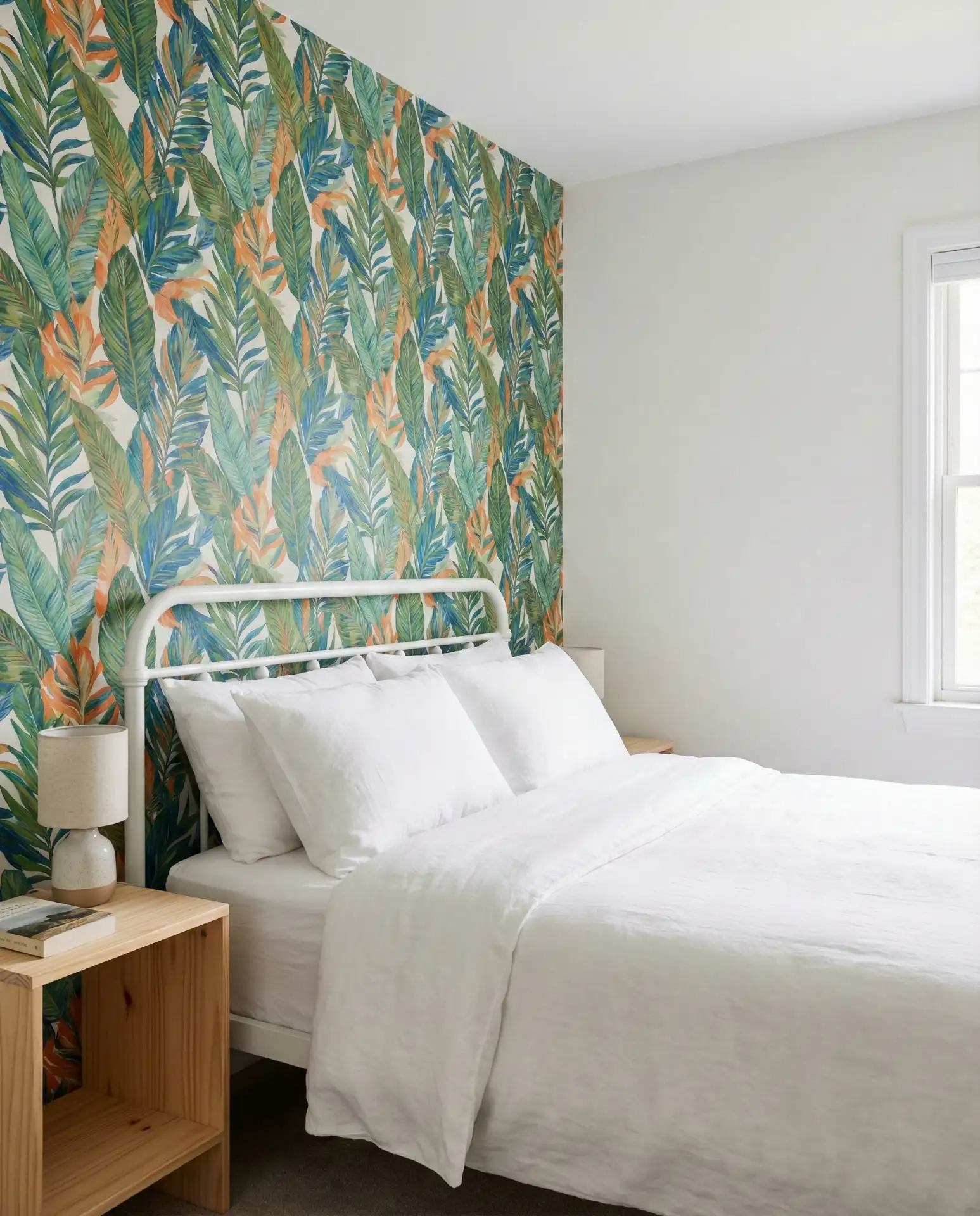
Guest rooms offer the perfect opportunity to experiment with bolder design choices than you might risk in main living areas—visitors appreciate the visual interest, and you’re not looking at it every single day. Expert designers often recommend choosing wallpaper with at least three colors that you can pull into bedding, curtains, or accessories to create a cohesive scheme that feels intentional rather than random.
9. Cozy Modern Elegant with Luxe Bedding
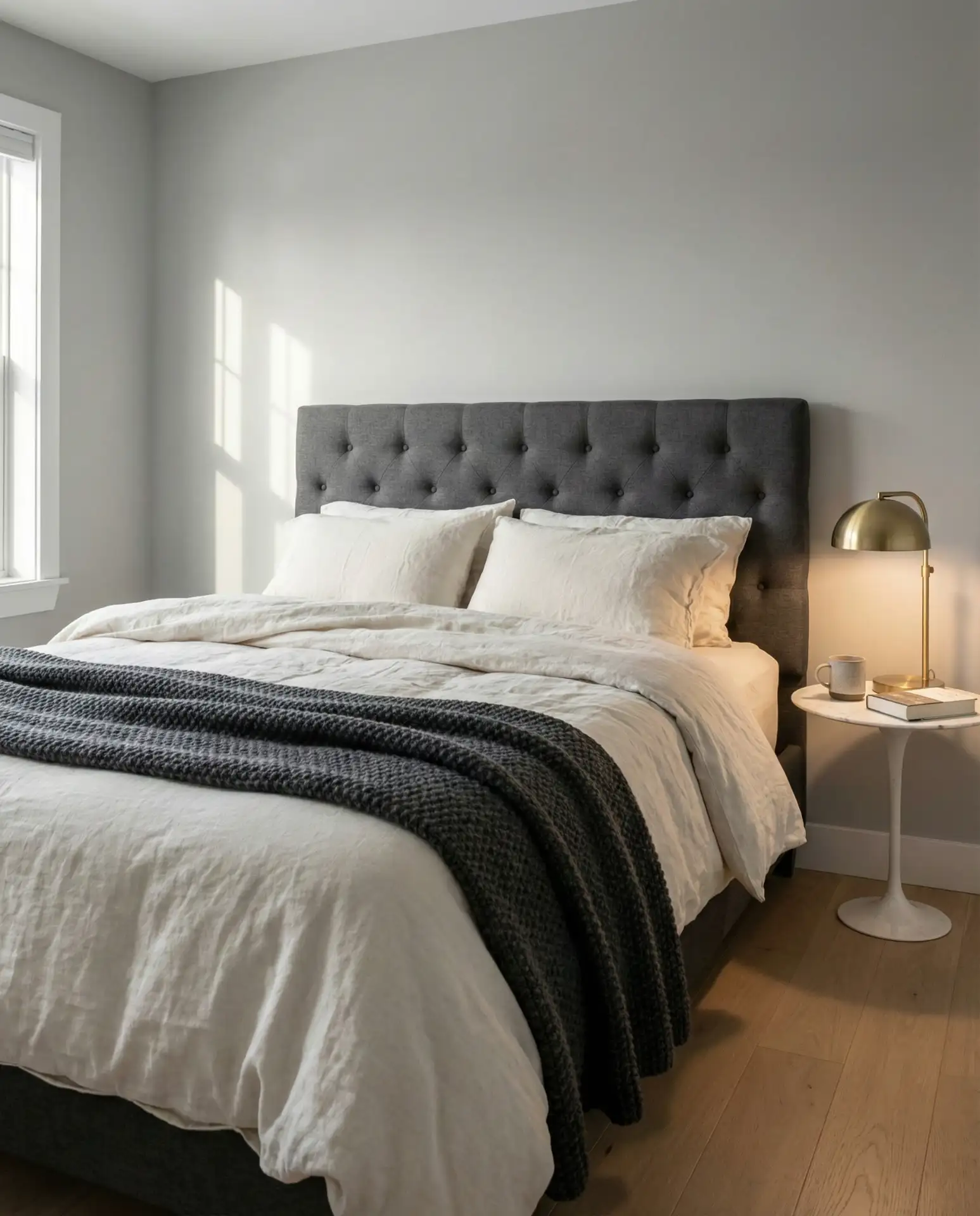
Achieving cozy modern elegant style means investing where it counts—premium bedding in natural fibers like linen or long-staple cotton instantly elevates the guest experience. Pair high-thread-count sheets with a duvet in a sophisticated neutral tone, add a cashmere-blend throw at the foot of the bed, and finish with European square pillows for that designer-approved layered look. Simple furniture with refined details, like a brass table lamp or marble-topped nightstand, completes the understated luxury. 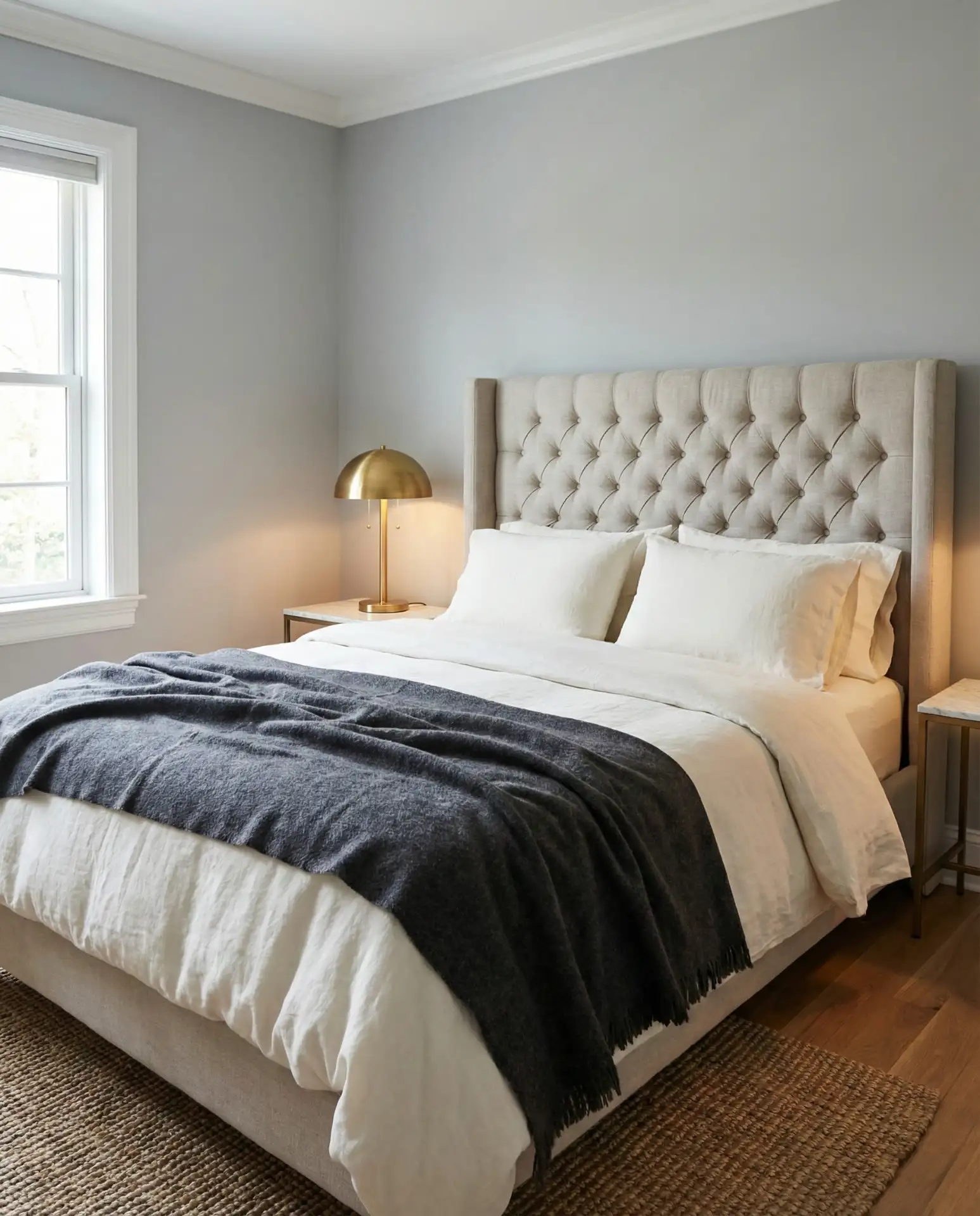
This approach works best in homes where guest rooms regularly host important visitors—aging parents, business colleagues, or close friends you want to truly pamper. While the upfront cost for quality bedding runs higher (expect $200-400 for a good duvet and sheet set), the investment pays dividends in durability and the kind of restful sleep that earns you rave reviews from grateful guests.
10. Blue Serene Palette for Restful Sleep
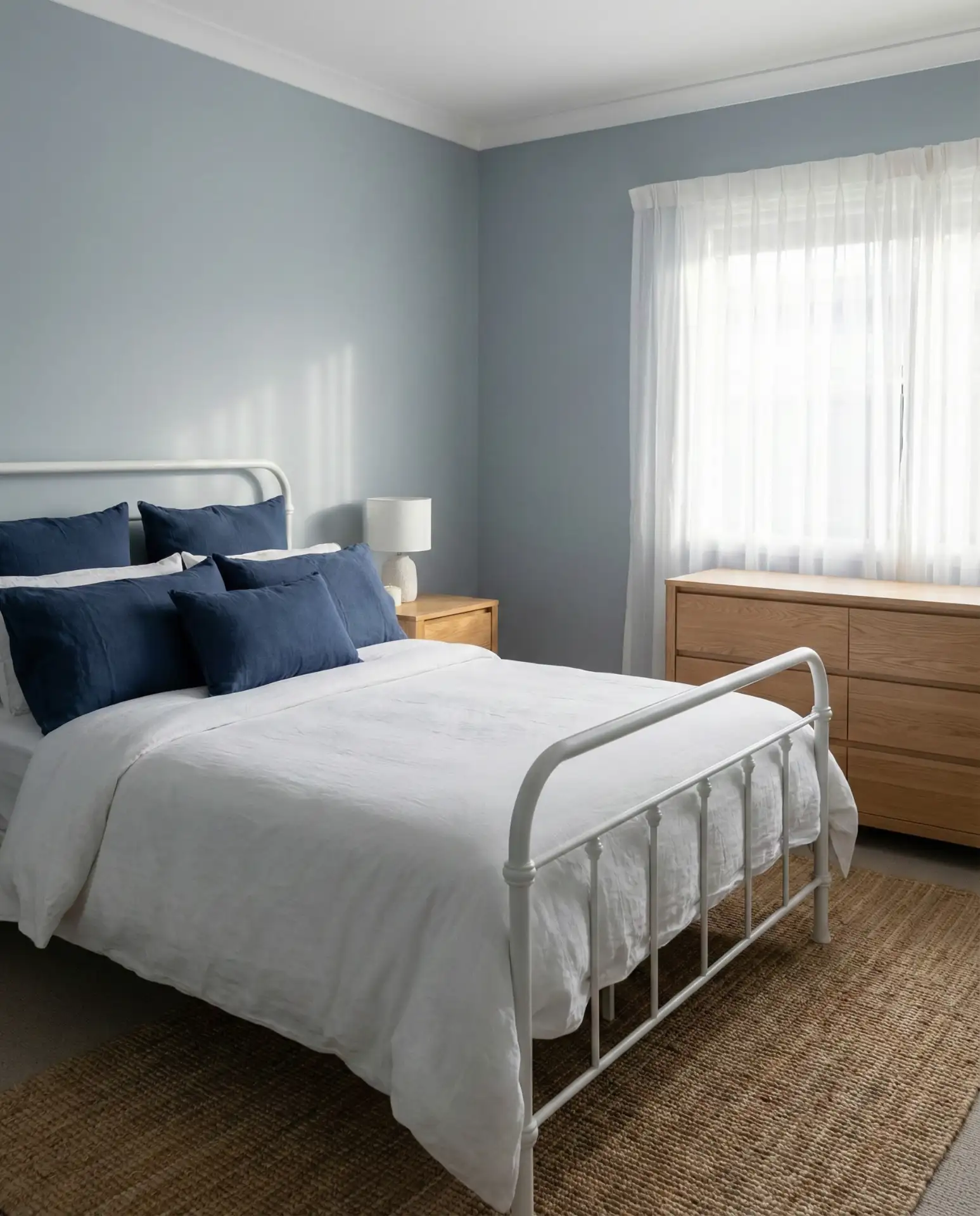
Science backs what designers have known for years—blue tones promote relaxation and better sleep, making them ideal for guest bedrooms. From soft powder blues to deeper navy accents, this color family works across various design styles and pairs beautifully with whites, grays, and natural wood tones. Consider blue on the walls, in bedding, or through artwork and accessories to create that tranquil atmosphere guests need after traveling. 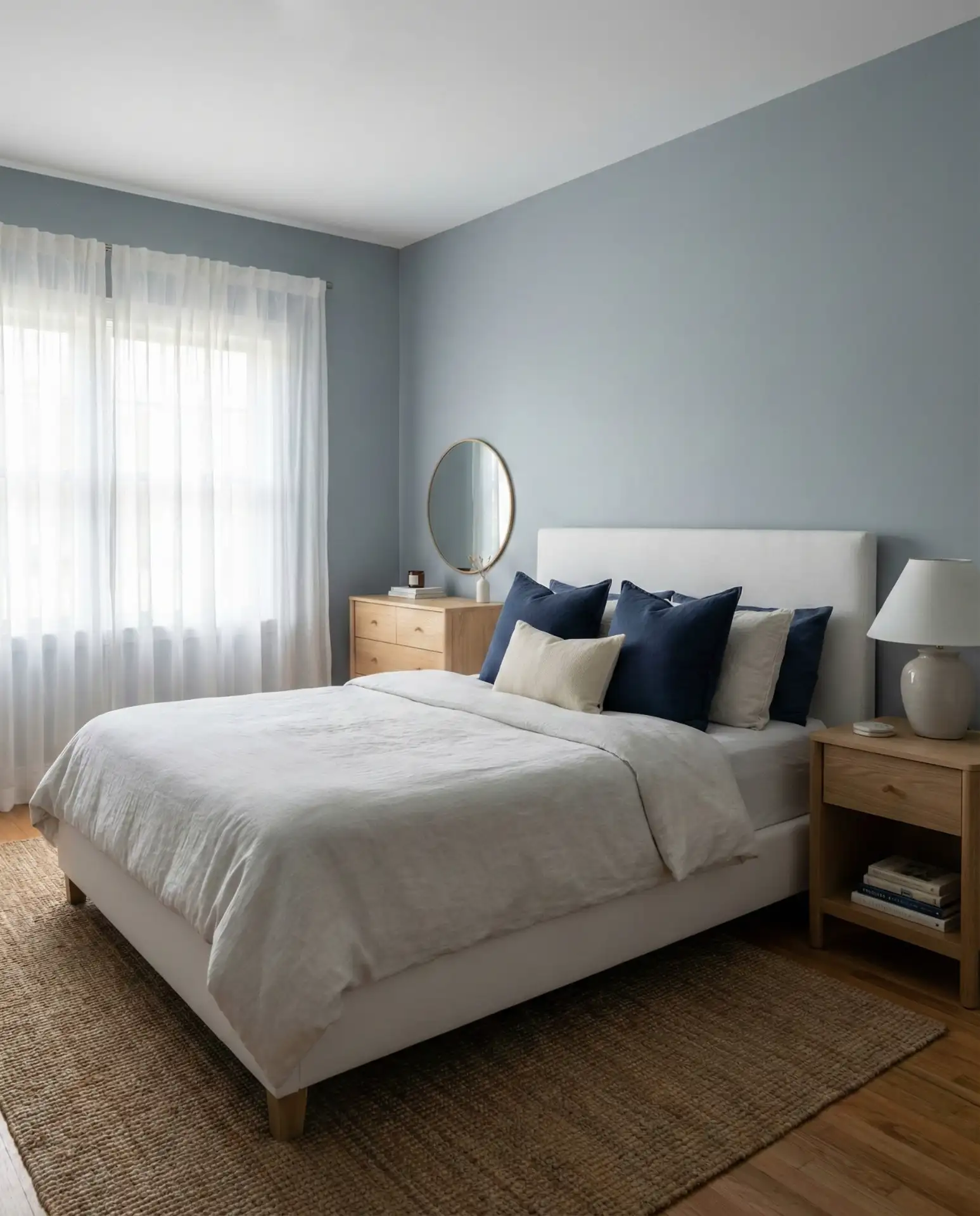
In coastal regions from California to New England, blue guest rooms feel particularly appropriate, echoing the nearby ocean or lakes while maintaining a timeless appeal that won’t look dated in five years. A practical insight: cooler blue tones work better in rooms with southern exposure that get lots of warm sunlight, while warmer blue-grays suit north-facing rooms that need a bit more visual warmth.
11. Cute Vintage Touches and Personal Details
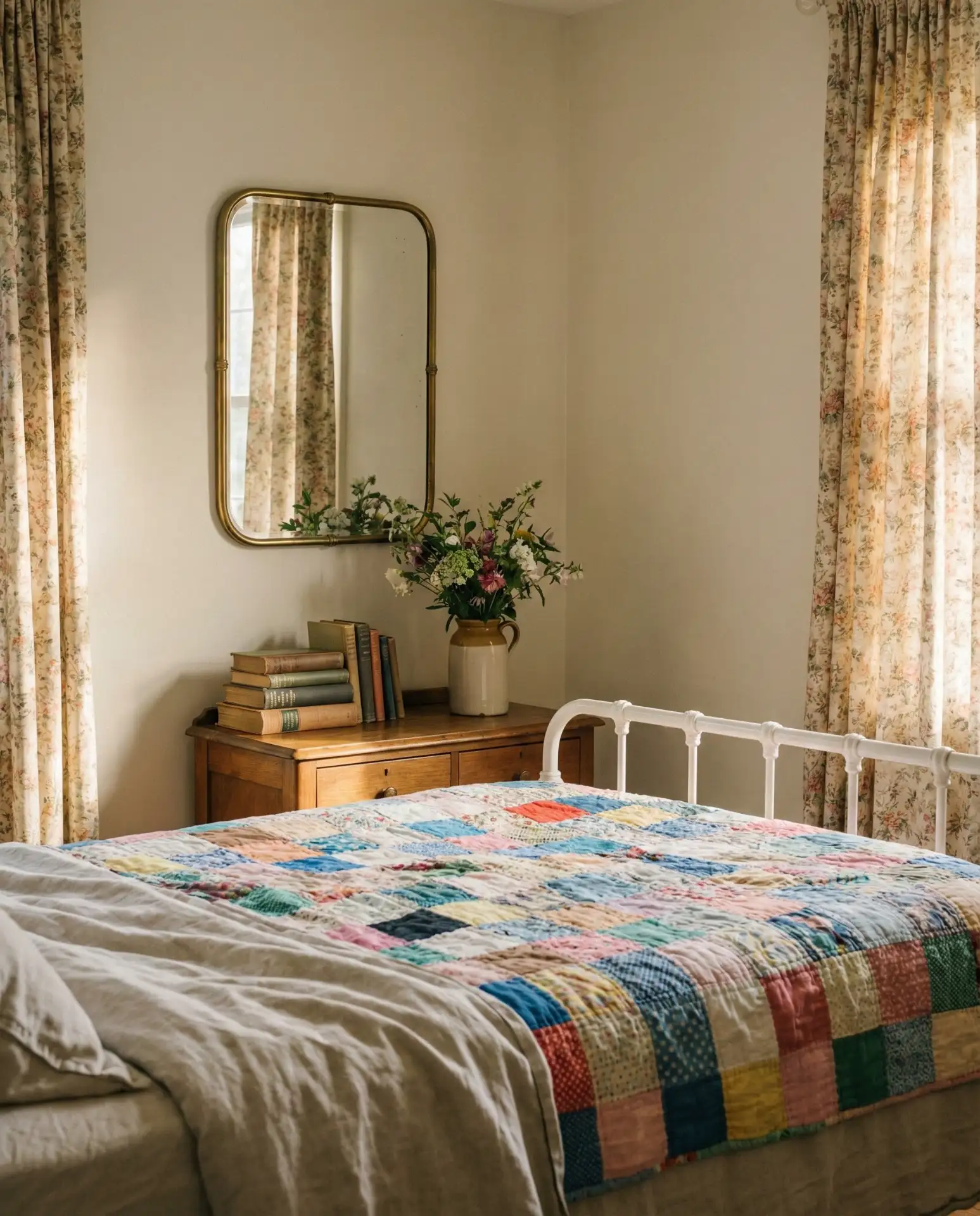
A cute guest bedroom embraces charm over perfection, mixing vintage finds like an antique mirror or retro bedside lamp with fresh, youthful details like patterned curtains or a colorful quilt. Small personal touches—a stack of books, a vase of fresh or dried flowers, a framed local print—make the space feel curated and thoughtful rather than generic. This approach works especially well for hosts who love flea markets and have an eye for pieces with character and history. 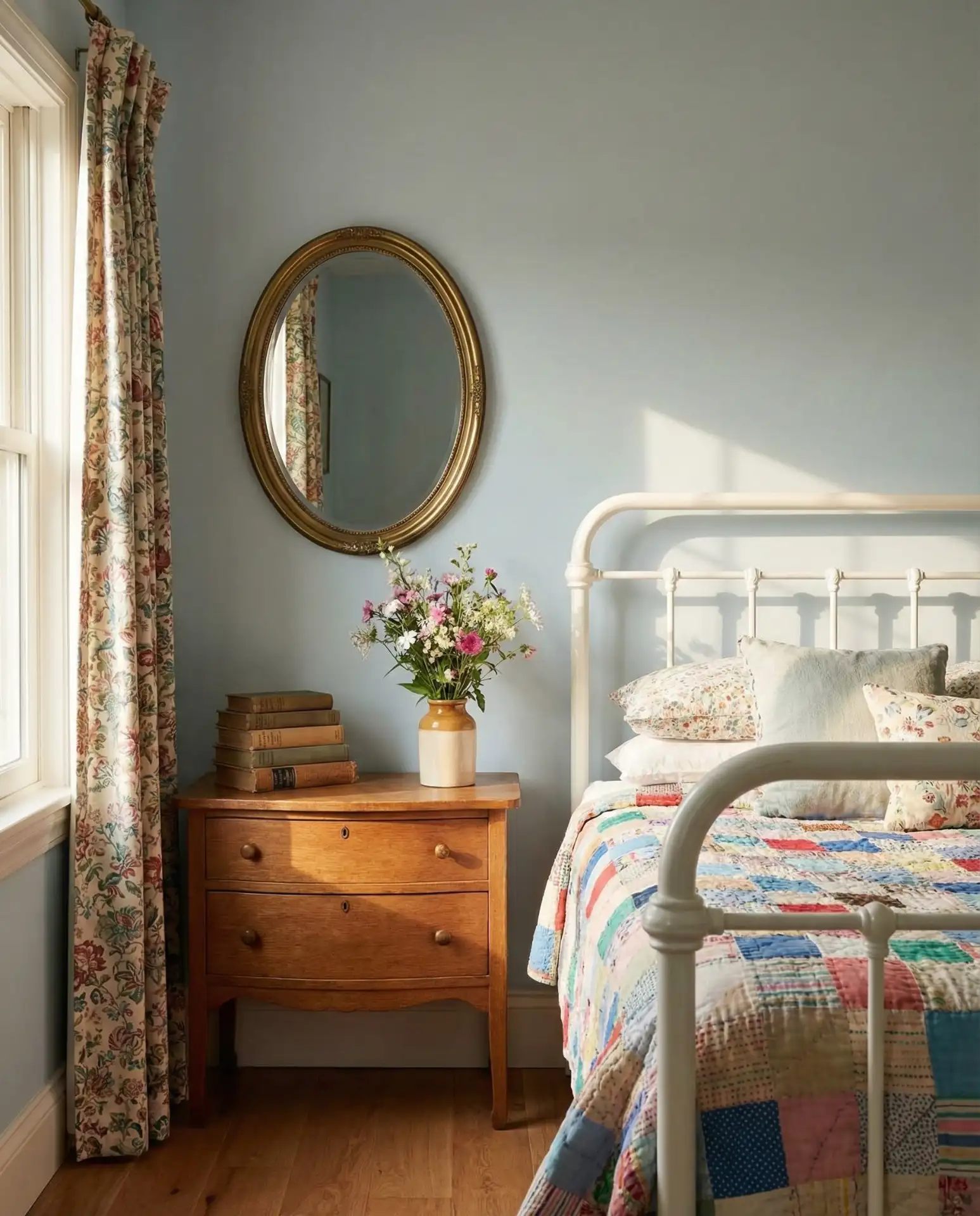
Where this shines is in smaller homes or cottages where a more eclectic, collected-over-time aesthetic feels authentic to the property’s character. One homeowner I know keeps a guest book on the nightstand alongside the reading material—it’s become a cherished record of visits, with guests leaving notes and drawings that add to the room’s personal story with each stay.
12. Relaxing Spa-Inspired Neutrals
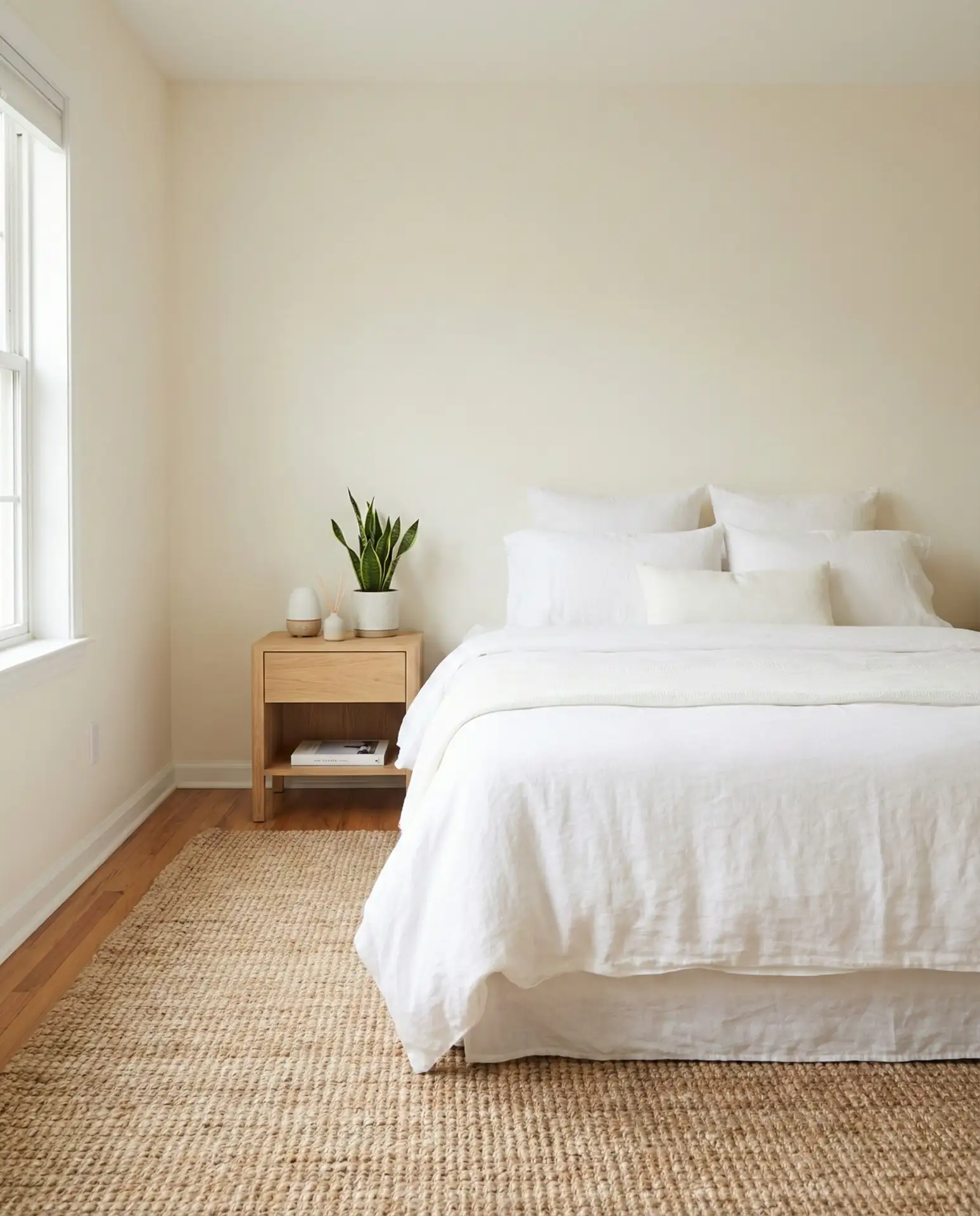
Create a relaxing sanctuary by borrowing elements from high-end spas—think creamy whites, soft taupes, and warm beiges layered with natural textures like linen, cotton, and jute. Keep the room uncluttered with minimal furniture and plenty of open space, add a diffuser with calming essential oils like lavender or eucalyptus, and provide blackout shades or curtains for guests who need complete darkness to sleep well. 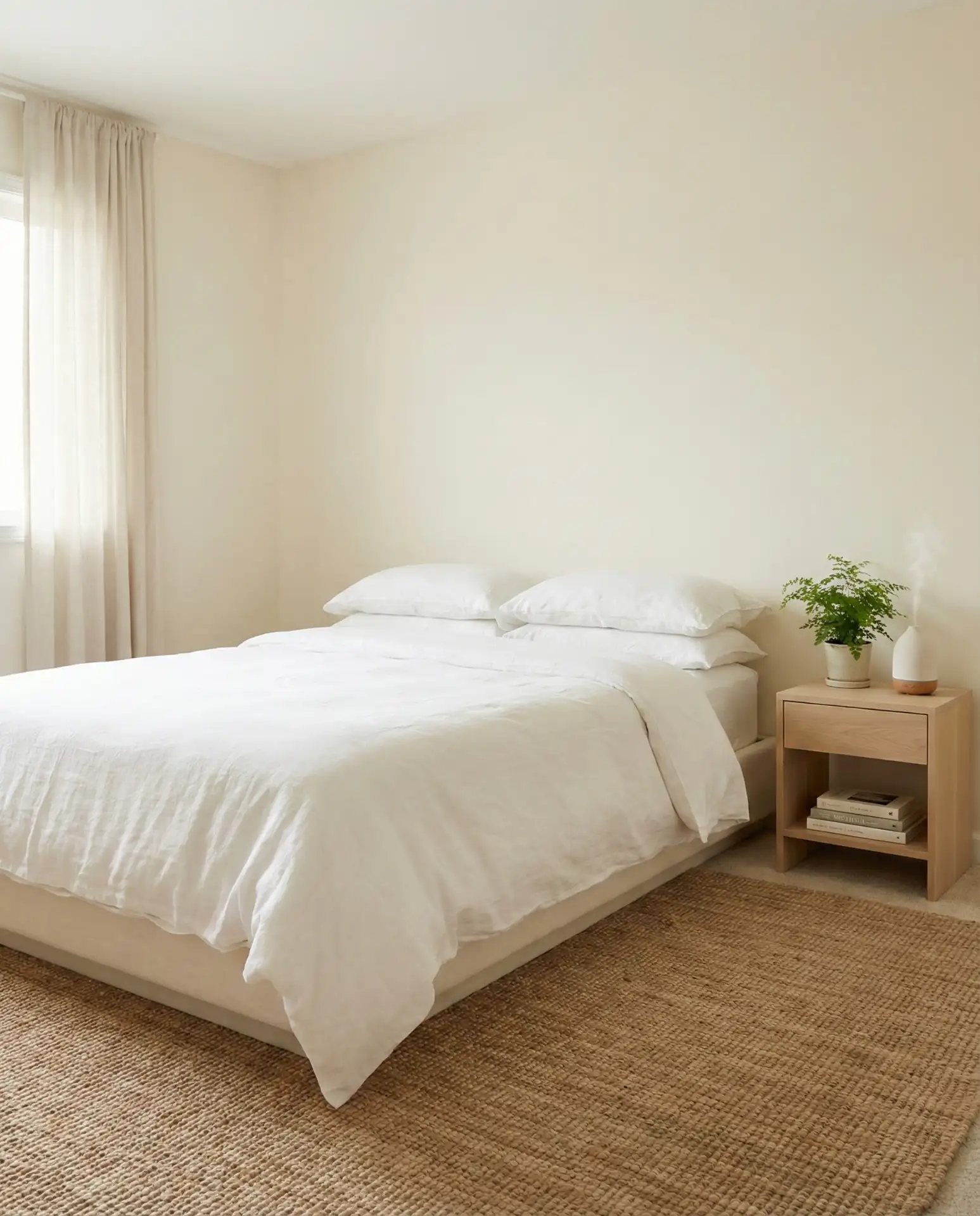
This style particularly appeals to guests visiting from hectic urban environments who crave a genuine break from sensory overload—the pared-back palette and simplified design actively promote decompression. Common mistakes include making the room too stark or cold; avoid this by incorporating warm wood tones, soft textiles, and at least one or two organic elements like a potted plant or natural fiber basket.
13. Cozy Modern Simple Scandinavian Influence
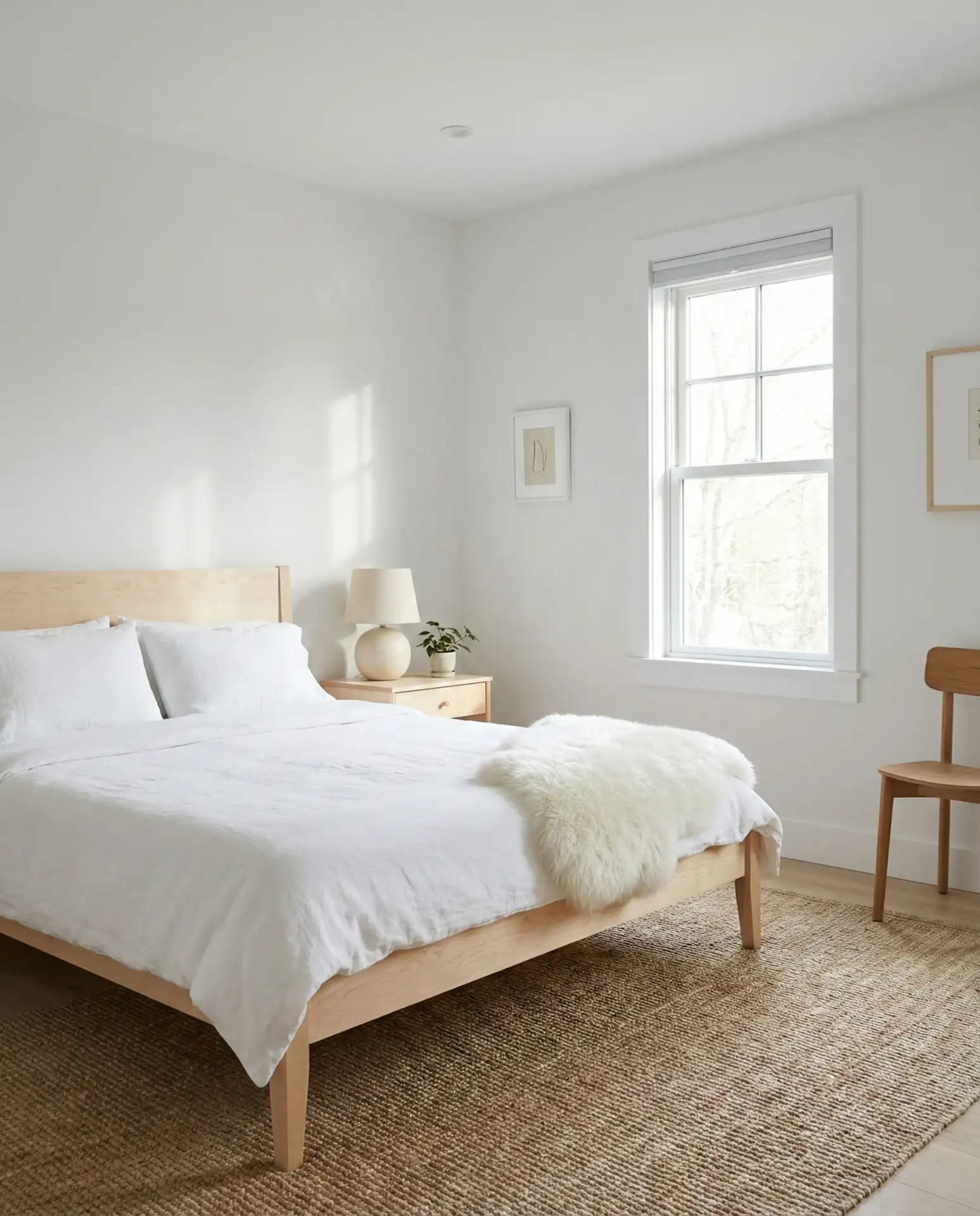
The cozy modern simple aesthetic draws heavily from Scandinavian design principles—functionality, natural materials, and an emphasis on light and airiness. Stick to a palette of whites and light woods, incorporate plenty of textiles for warmth, and choose furniture with clean lines and practical storage. A sheepskin throw, simple ceramic lamp, and a few well-chosen accessories create hygge without excess, perfect for the guest who appreciates thoughtful minimalism. 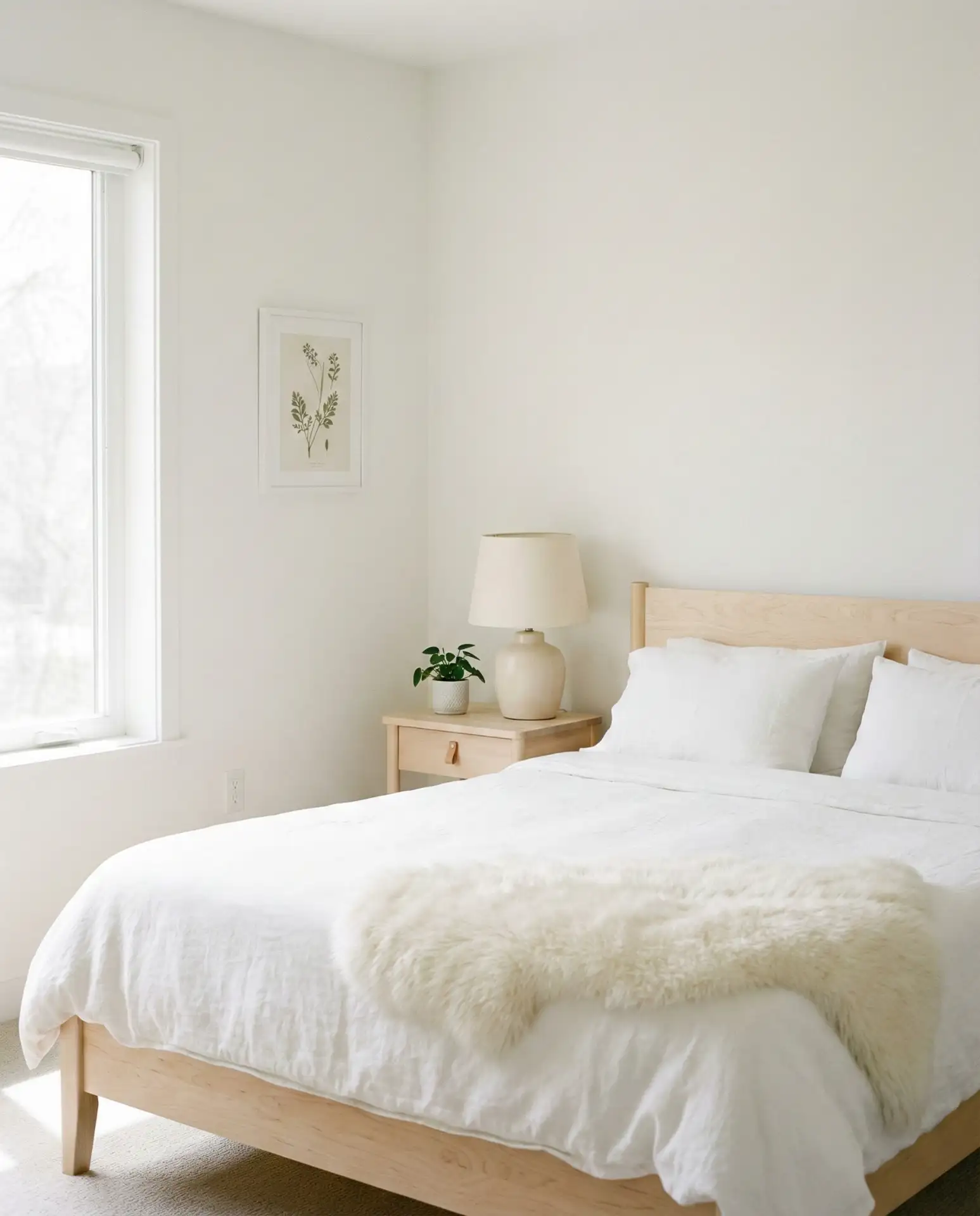
In northern states where winters are long and natural light precious, this approach maximizes brightness while maintaining coziness through layered textiles and warm wood tones. Real homeowner behavior shows that guests gravitate toward rooms that feel both uncluttered and inviting—the Scandinavian balance of simplicity and warmth hits that sweet spot consistently, making it one of the most universally appreciated guest room styles.
14. Rustic Farmhouse with Reclaimed Wood
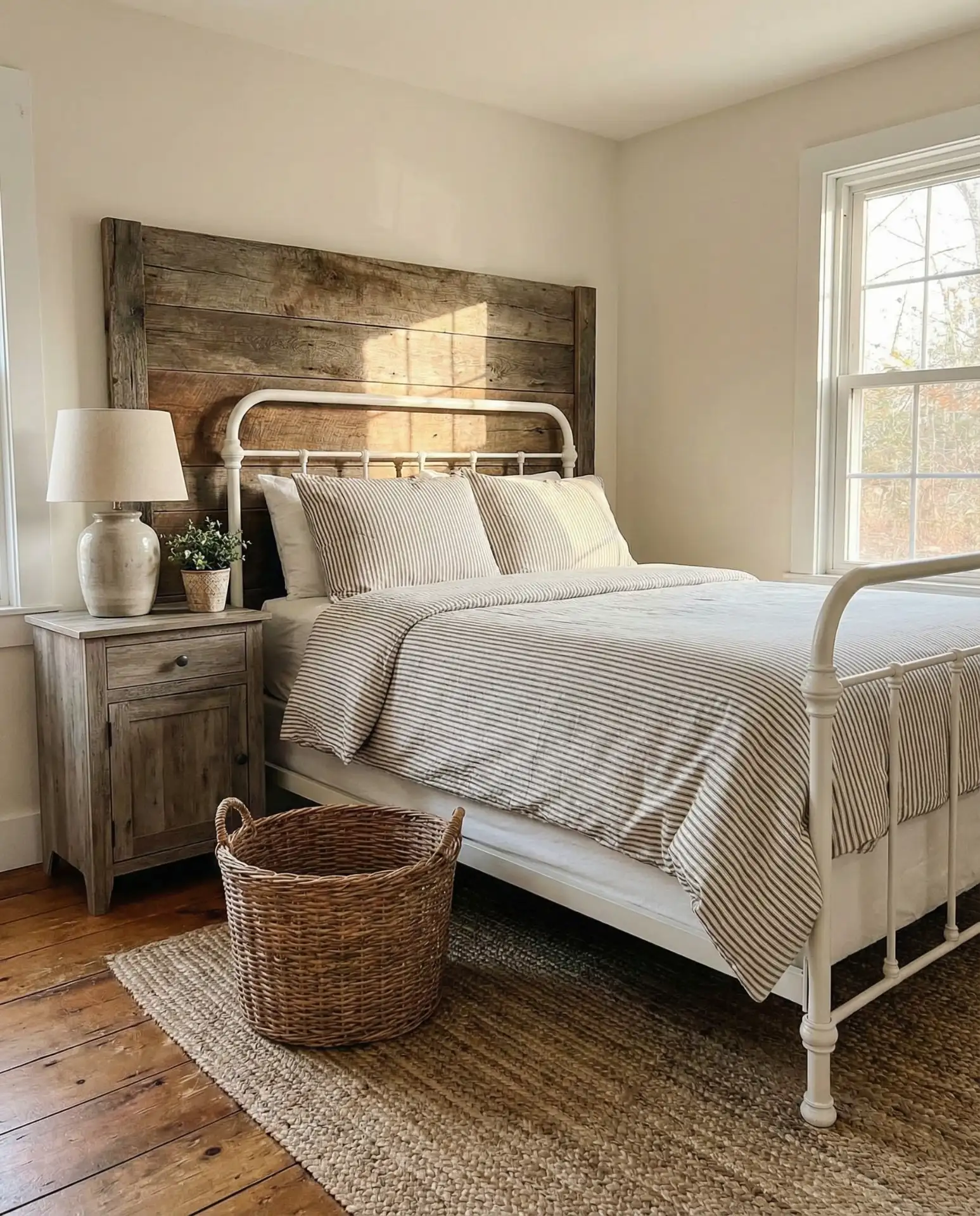
Embrace rustic charm with reclaimed wood furniture, exposed beams if your architecture allows, and vintage-inspired textiles like ticking stripes or grain sack pillows. A weathered wood headboard, wrought iron bed frame, or distressed dresser anchors the look, while softer elements like white linens and woven baskets keep it from feeling too rough or masculine. This style celebrates imperfection and patina, making it ideal for country homes or suburban spaces seeking that authentic farmhouse vibe. 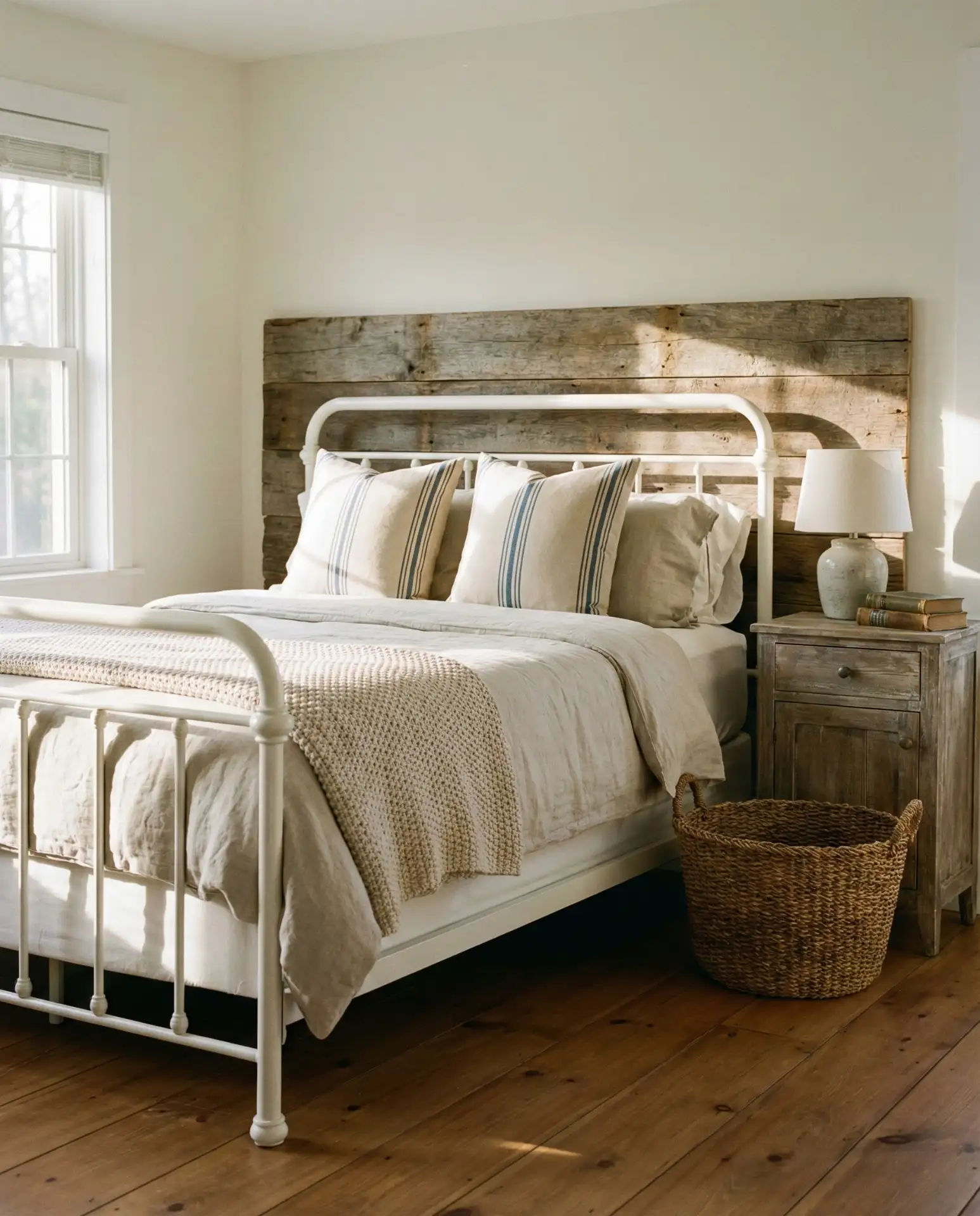
Throughout rural areas and small towns across the Midwest, South, and mountain states, rustic guest rooms feel culturally authentic and connect visitors to regional building traditions and agricultural heritage. The beauty of this style is that “imperfect” pieces—scratched wood, faded fabrics, mismatched hardware—actually enhance rather than detract from the overall aesthetic, making it forgiving and budget-friendly to execute well.
15. Cozy Modern Color with Earthy Terracotta
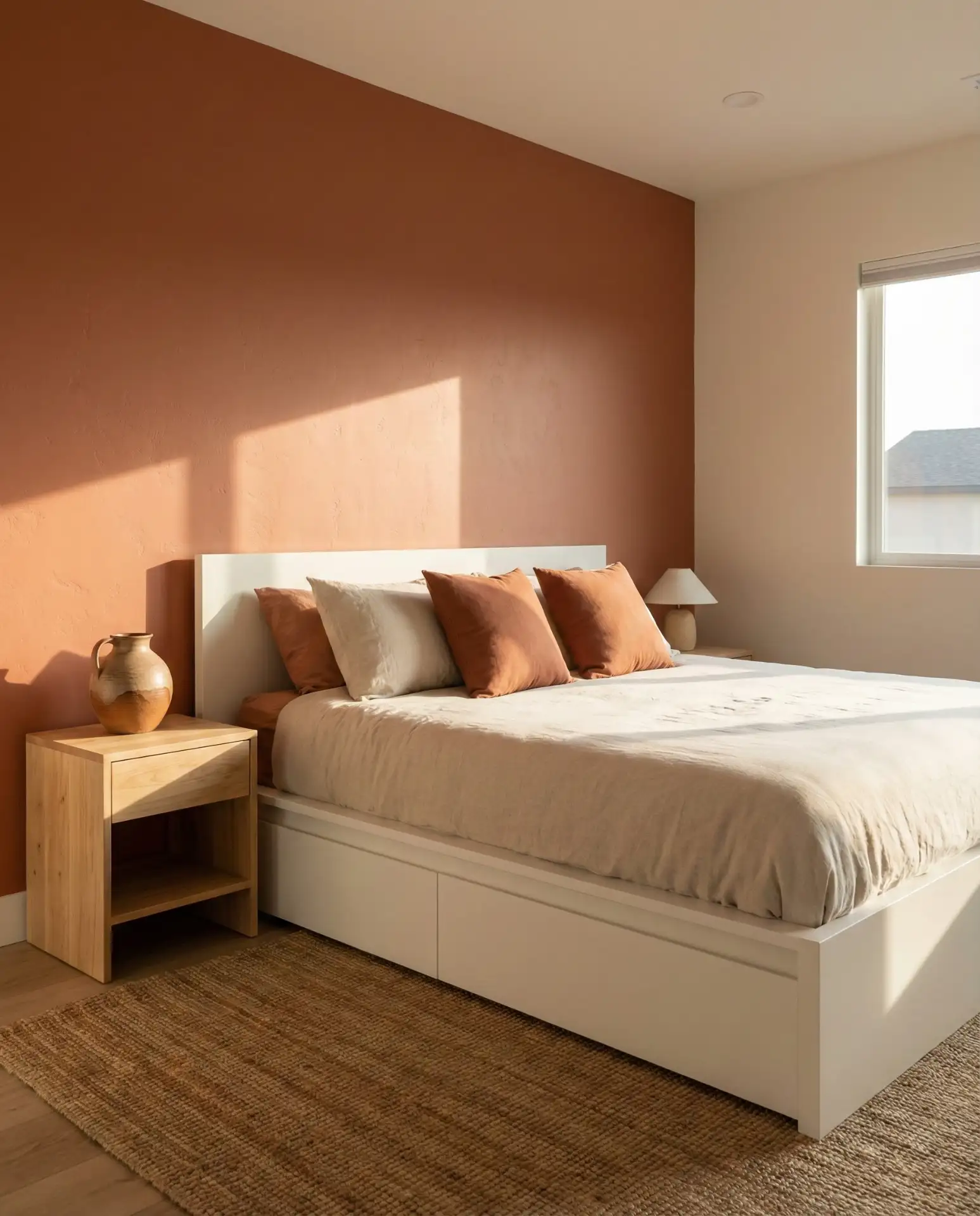
Bring warmth and cozy modern color into your guest space with earthy terracotta tones paired with crisp whites and natural wood. This palette feels both contemporary and timeless, grounding the room with an organic, sun-baked quality that references desert landscapes and Mediterranean villages. Use terracotta in bedding, wall art, ceramic accessories, or even a painted accent wall to infuse the space with welcoming warmth without overwhelming the senses. 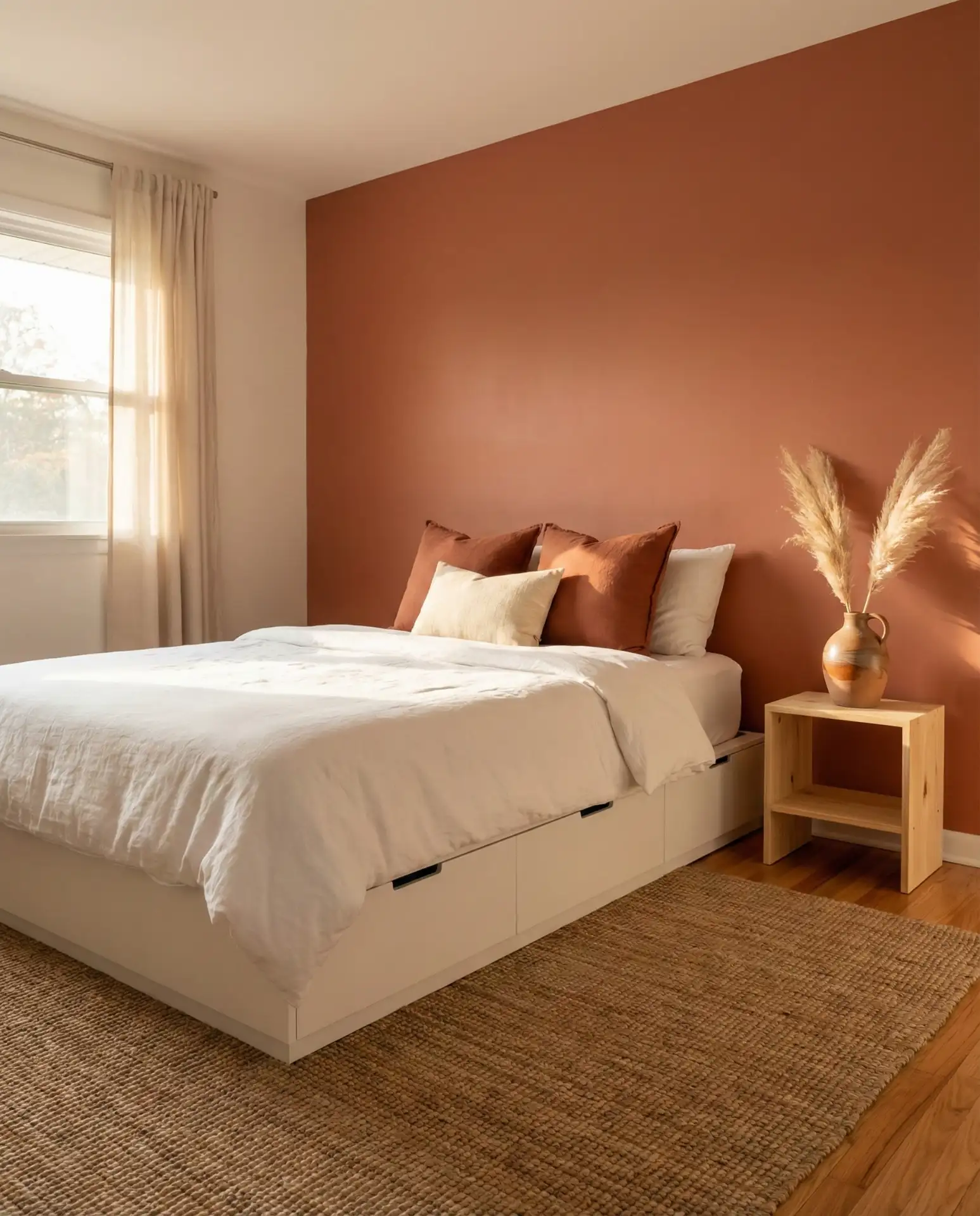
This color scheme particularly resonates in Southwestern states and California, where the desert landscape naturally informs interior color choices, but it’s gaining traction nationwide as homeowners move away from cooler grays toward warmer, more emotionally resonant palettes. Budget-wise, terracotta accessories—pillows, throws, pottery—are widely available at accessible price points, making this an easy update that delivers significant visual impact.
16. Grey Sophisticated Neutrality
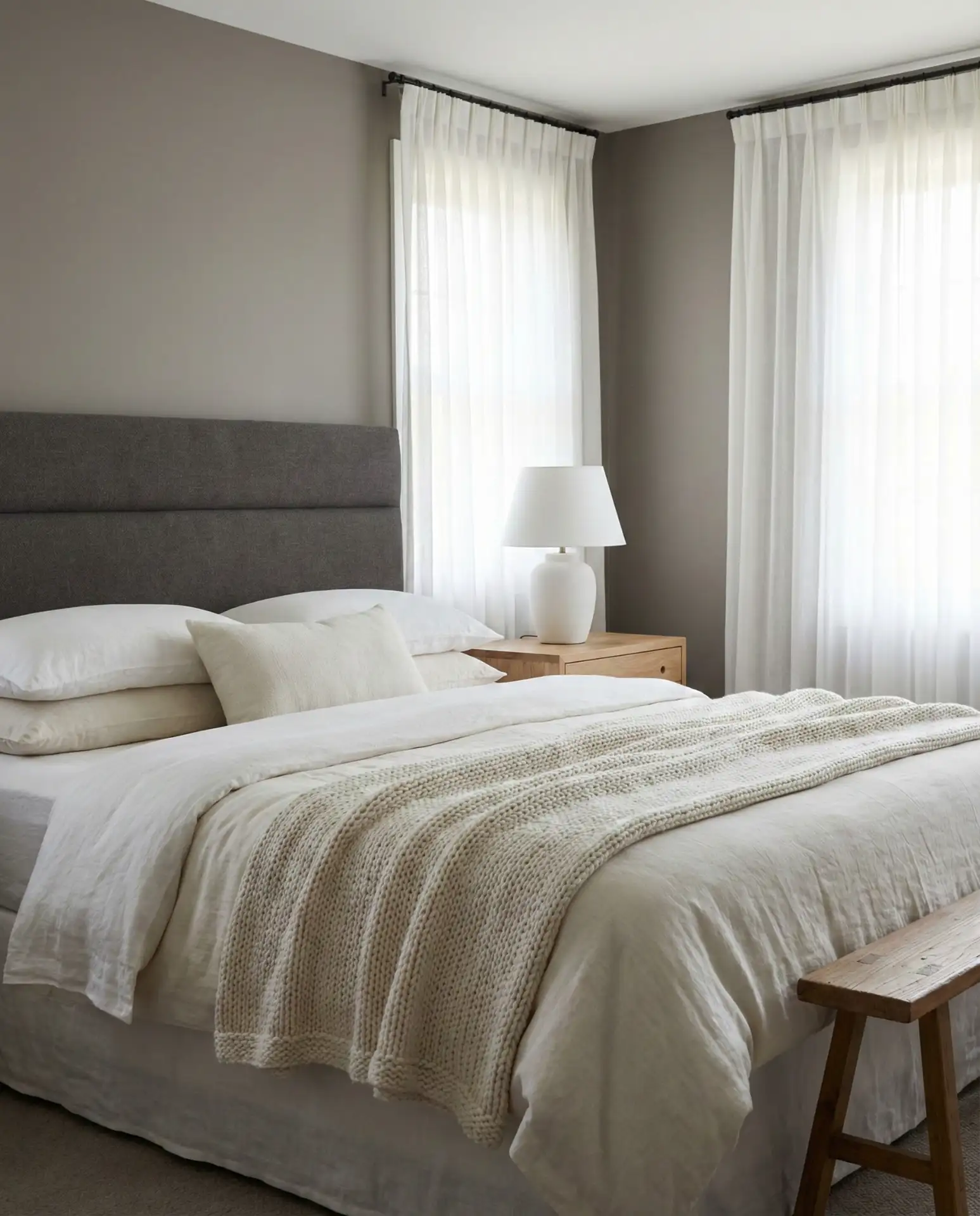
A grey color scheme brings sophisticated neutrality to guest bedrooms, offering a calming backdrop that works with virtually any accent color or design style. Choose warmer grays with beige or taupe undertones to avoid a cold, institutional feeling, and layer in whites, creams, and natural textures to add depth and interest. This palette provides the perfect canvas for seasonal updates—swap in jewel-tone pillows in fall or crisp white linens in summer without needing to repaint or replace major furniture pieces. 
Where this excels is in homes with varied architectural styles or in rental properties where you need a universally appealing look that won’t polarize potential guests or future buyers. One practical insight from professional stagers: gray rooms photograph exceptionally well for online listings and social media, which matters if you rent out your guest space occasionally or simply enjoy sharing your home design journey online.
17. Green Biophilic Retreat
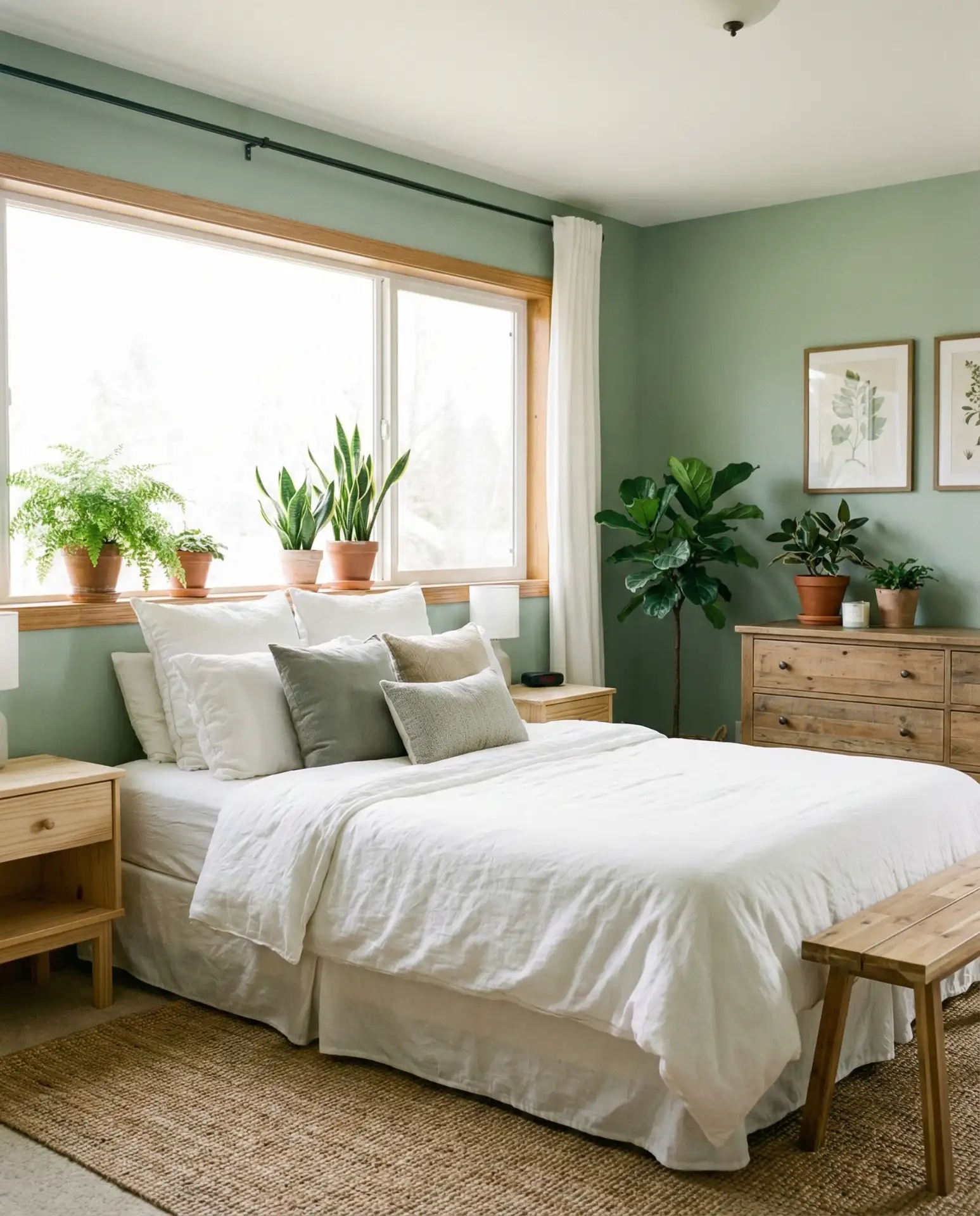
Harness the restorative power of green by creating a plant-filled sanctuary that brings the outdoors in through both color and living elements. Paint walls in soft sage, olive, or eucalyptus tones, add several easy-care houseplants like pothos or snake plants, and incorporate botanical prints or leaf-patterned textiles. This biophilic approach has been shown to reduce stress and improve air quality, making it particularly thoughtful for guests who need genuine restoration during their stay. 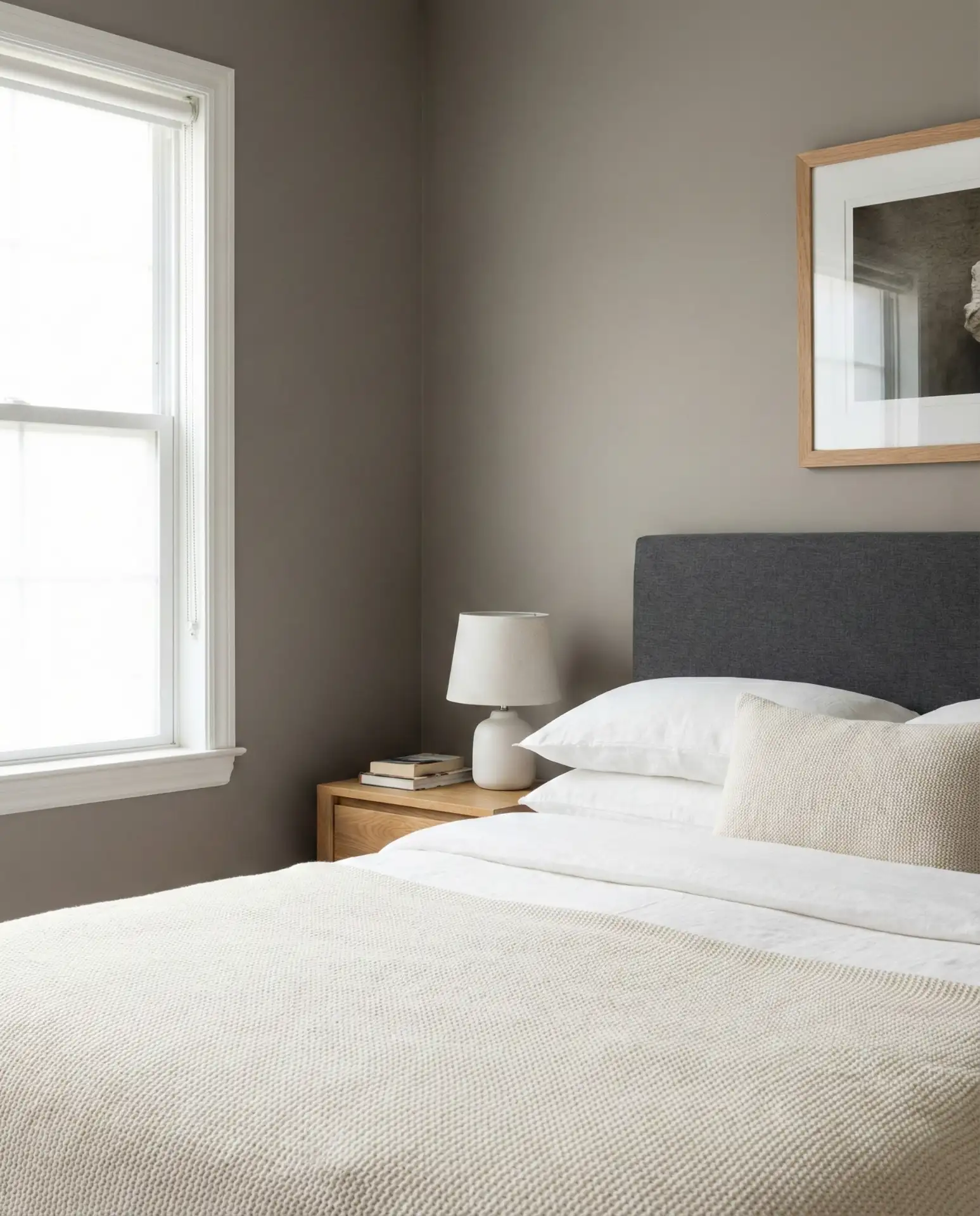
This style works beautifully in urban homes where guests may be starved for nature contact, as well as in suburban or rural settings where it creates continuity with garden or landscape views beyond the windows. Expert designers recommend choosing plants that thrive in the room’s specific light conditions rather than forcing high-maintenance varieties that will look sad between guest visits—healthy, thriving plants contribute far more to the room’s appeal than exotic specimens struggling to survive.
18. Small Room Maximized with Mirrors
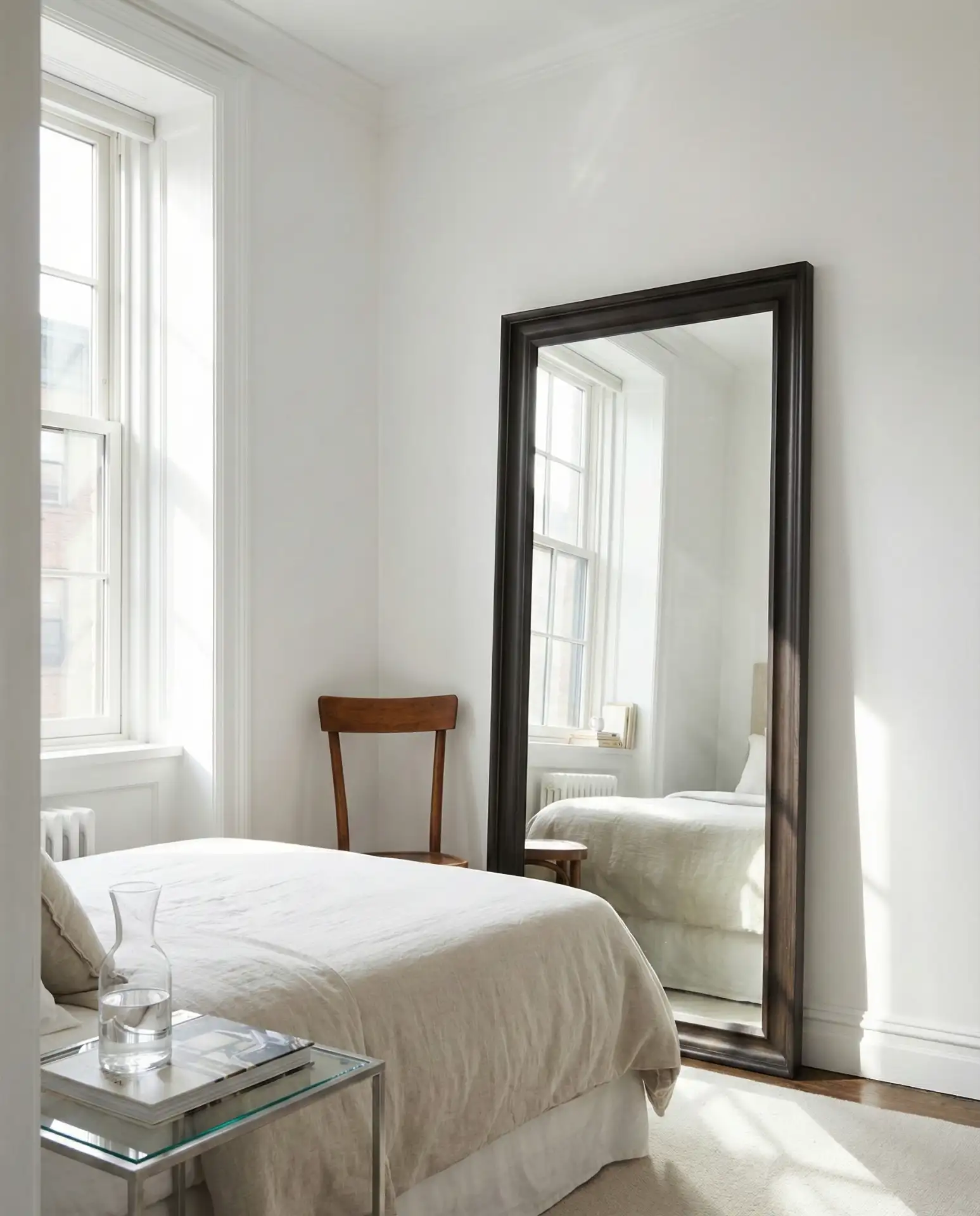
When working with a small room, strategic mirror placement can dramatically expand the perceived space and bounce light throughout the room. Position a large floor mirror opposite a window to double the natural light, hang a mirrored panel above the dresser, or choose furniture with mirrored or glass elements to maintain visual openness. Keep the color palette light and limit furniture to essential pieces—bed, nightstand, and small dresser or luggage rack—to prevent the room from feeling cramped or cluttered. 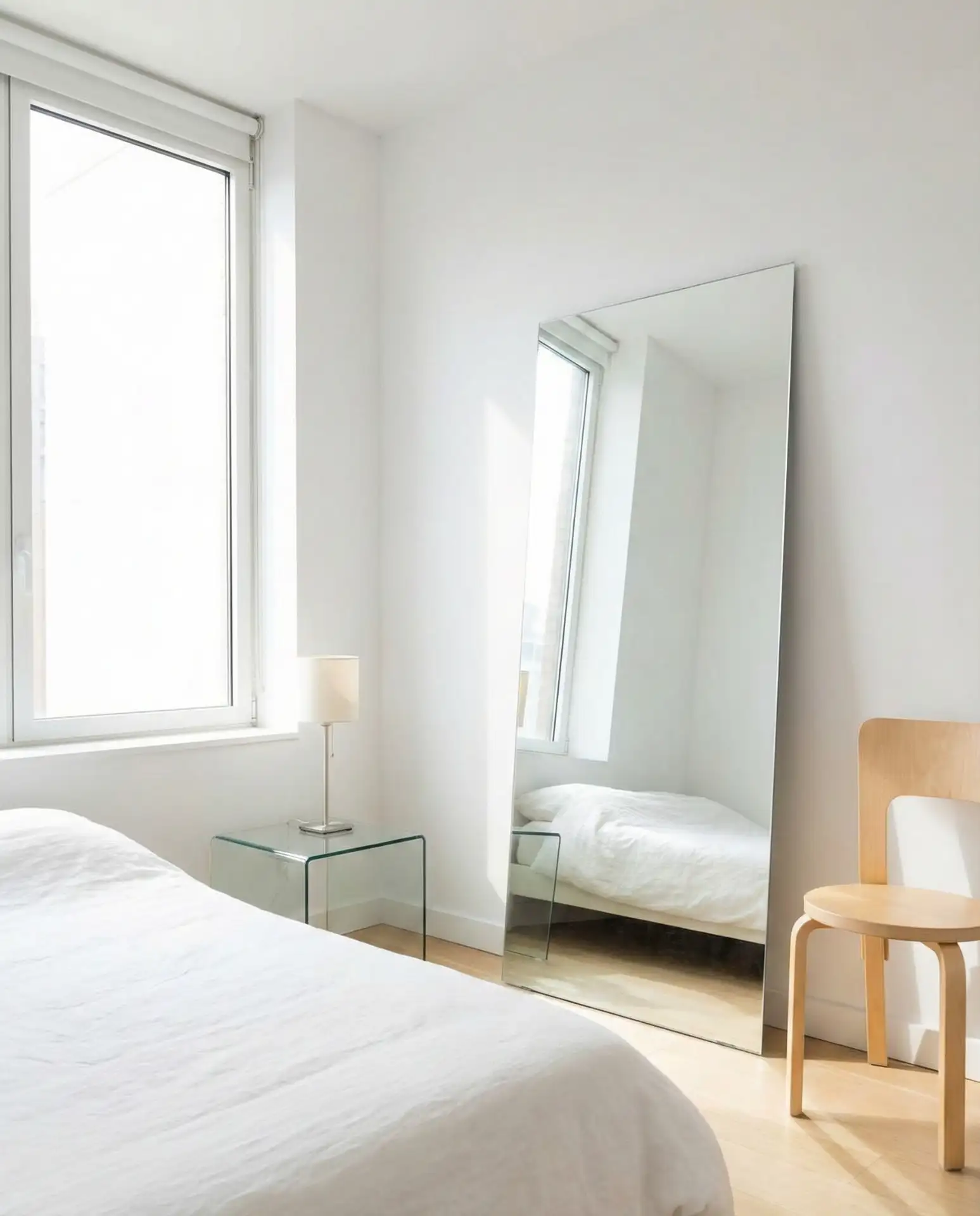
A common mistake in small guest rooms is overfilling them with furniture “because there’s wall space”—this creates a cramped, maze-like feeling that guests find stressful rather than welcoming. Instead, leave intentional open floor space and provide a luggage rack or bench rather than expecting guests to live out of their suitcase on the floor, showing thoughtfulness despite the room’s modest dimensions.
19. Cozy Modern Relaxing with Soft Curves
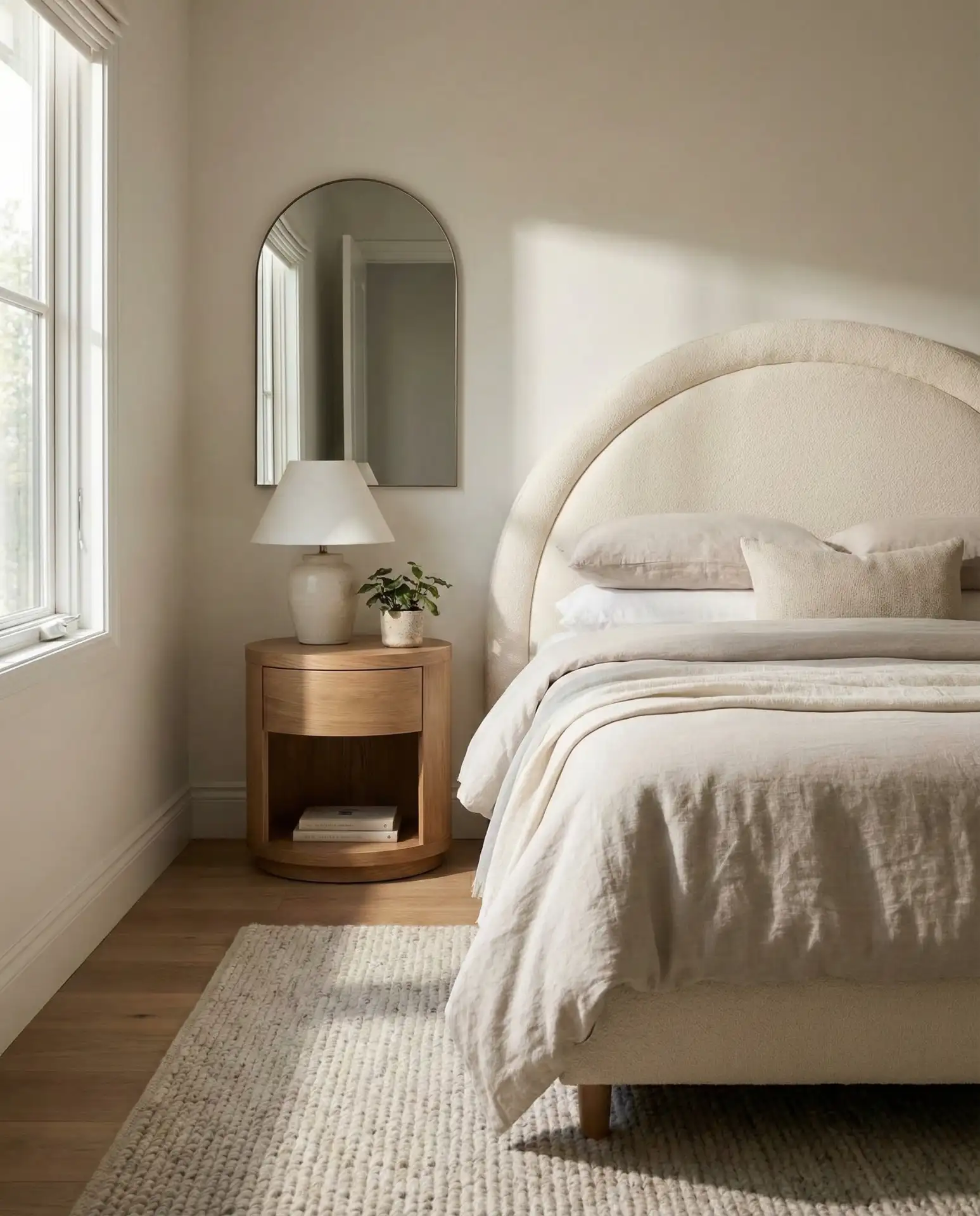
The cozy modern relaxing aesthetic softens contemporary design with curved furniture silhouettes and rounded details that feel more embracing and less angular. Look for upholstered headboards with gentle curves, rounded nightstands, arched mirrors, or even scalloped bedding to bring this welcoming quality into the space. These softer shapes create a more nurturing environment compared to stark right angles, psychologically cueing relaxation and comfort for arriving guests. 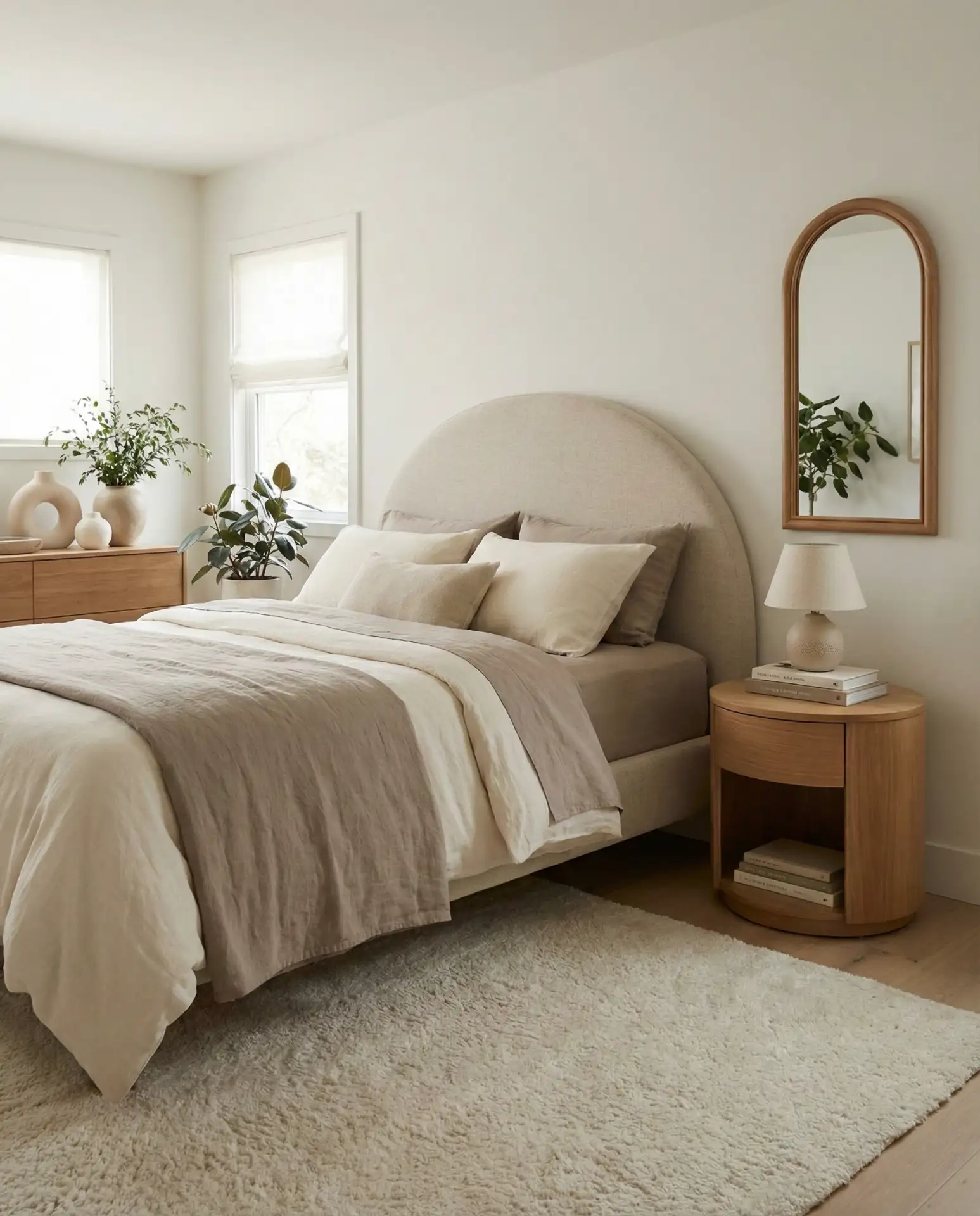
This trend has surged in popularity as a reaction to the very linear, hard-edged minimalism of the 2010s—homeowners are discovering that gentler forms simply feel better to live with and rest in. Where it works best is in bedrooms where you want a contemporary look but need to maintain a warm, approachable feeling that puts guests immediately at ease rather than making them feel like they’re sleeping in a design showroom.
20. Coastal Breeze with Natural Textures
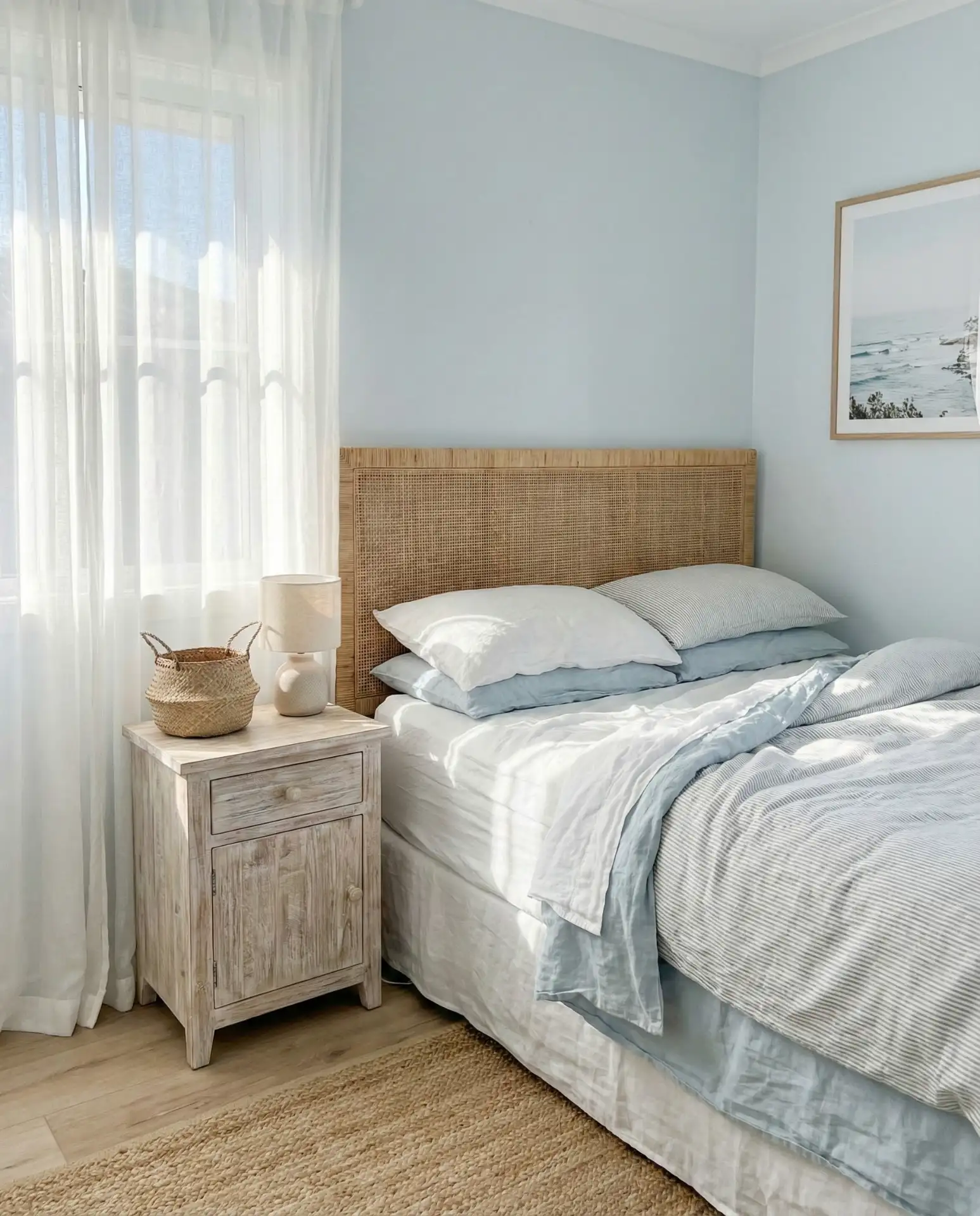
Capture coastal tranquility without resorting to literal seashells and anchors by focusing on the natural textures and breezy palette of seaside living. Think woven rattan furniture, linen bedding in sandy neutrals and soft blues, sheer white curtains that flutter with the breeze, and weathered wood accents that reference driftwood and boardwalks. This approach feels fresh and relaxed, perfect for any guest room but especially appropriate if you’re near water or simply want to evoke vacation vibes year-round. 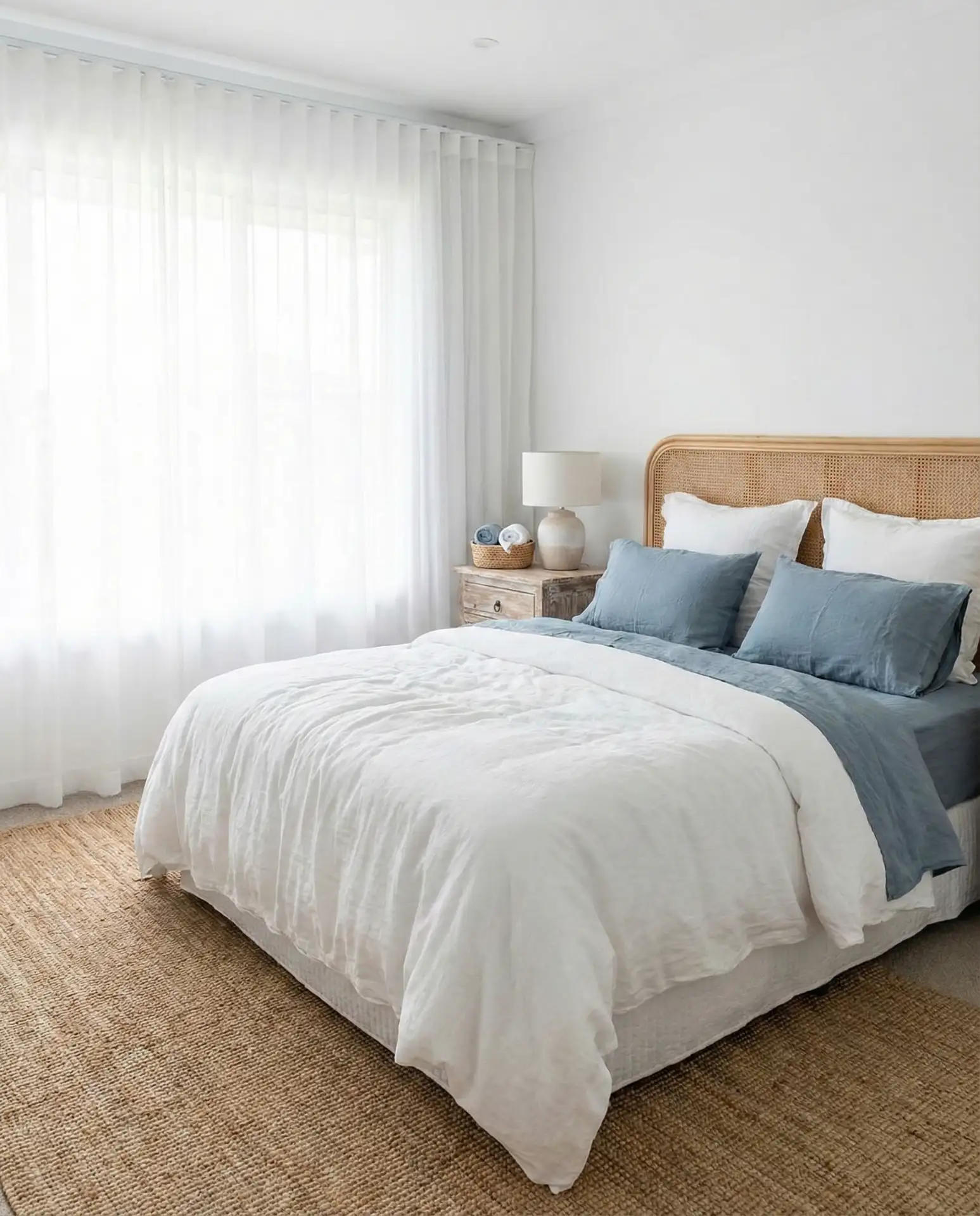
Throughout coastal communities from Maine to Florida to the Pacific Northwest and Southern California, this aesthetic feels culturally embedded and authentic, but it also translates beautifully to landlocked regions where homeowners want that vacation-home feeling. Real homeowner behavior shows coastal guest rooms often become favorite retreats even for the hosts themselves—the calming palette and natural materials create such an appealing environment that families find themselves gravitating there for quiet reading or afternoon naps when guests aren’t visiting.
21. Neutral Foundation with Flexible Accents
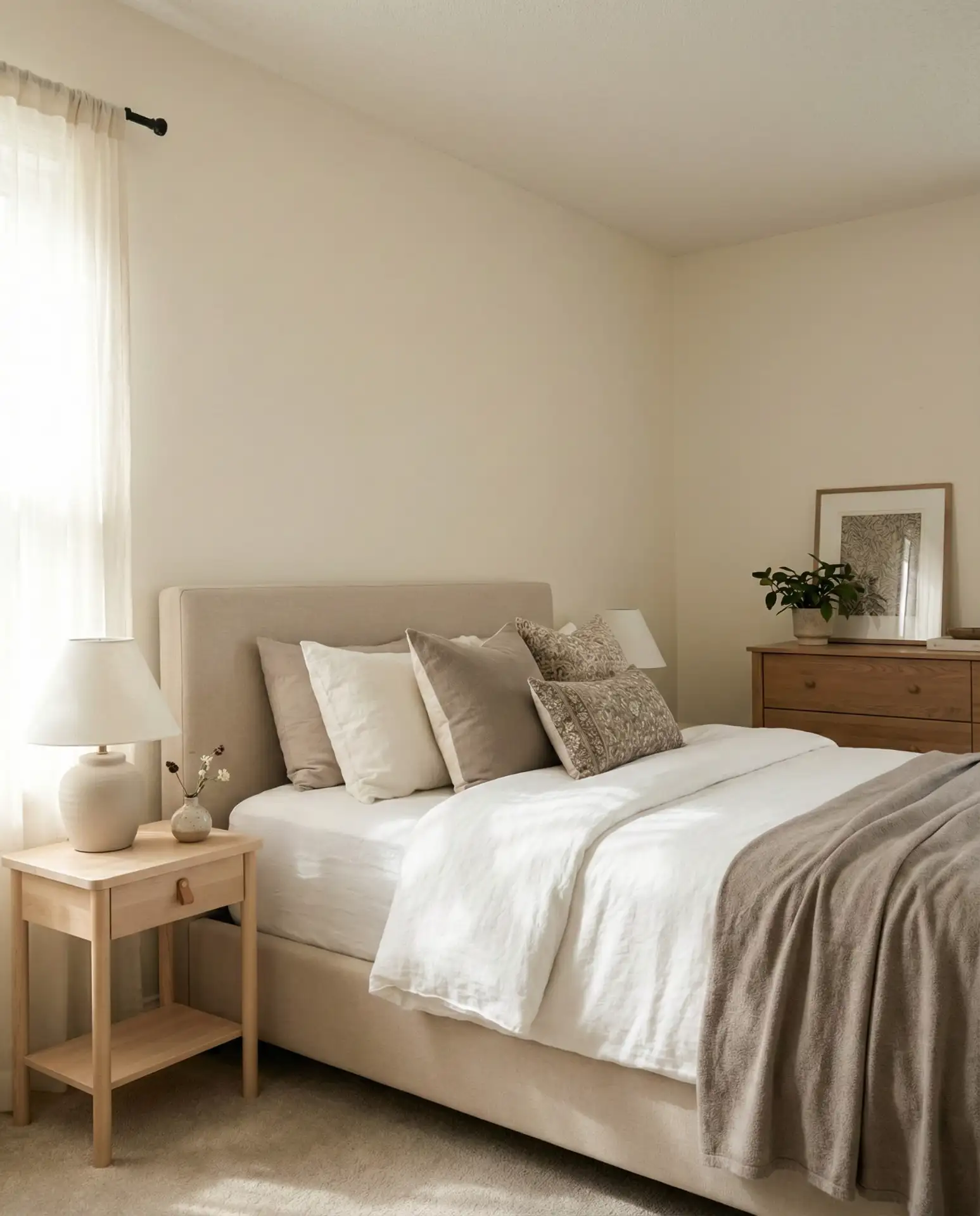
Building your guest room on a neutral foundation—whites, creams, taupes, and soft grays—gives you maximum flexibility to refresh the space seasonally or whenever inspiration strikes with minimal investment. Invest in quality neutral furniture and bedding, then rotate accent pillows, throws, artwork, and accessories to shift the mood from cozy autumn warmth to fresh spring brightness. This practical approach means your base layer works for years while smaller, trendier elements can be swapped affordably as your taste evolves. 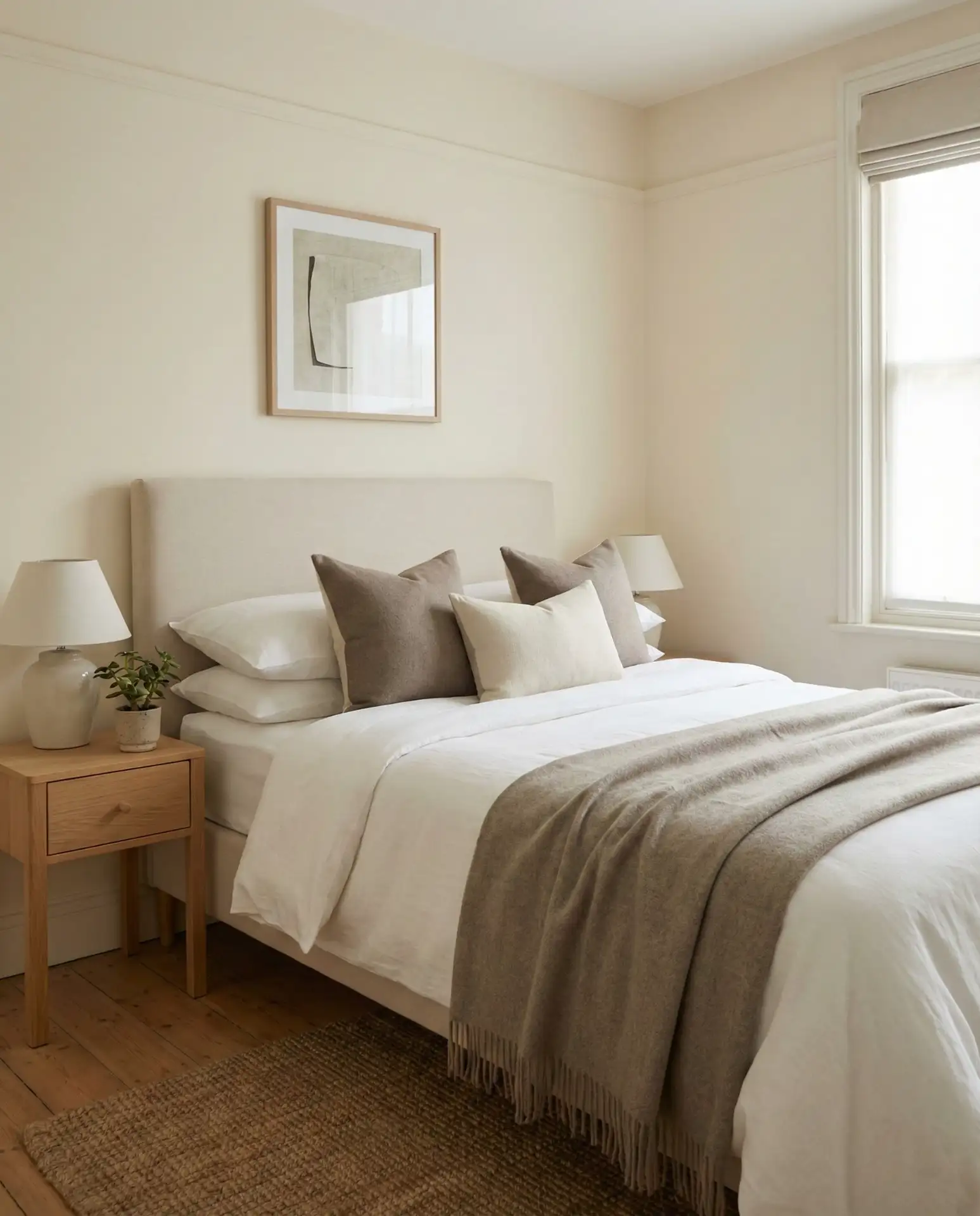
This strategy particularly appeals to homeowners who enjoy updating their spaces but don’t want to commit to expensive overhauls every few years—you’re essentially creating a gallery wall approach for the entire room, where the neutral envelope stays constant but the personality shifts with your curated selections. Budget-wise, spending more upfront on classic neutral pieces and less on trendy colored items actually saves money long-term by avoiding the need to replace major furniture when color trends inevitably shift.
Conclusion
Your guest bedroom should reflect both your personal style and a genuine commitment to your visitors’ comfort—these ideas offer starting points that you can adapt to your specific space, budget, and the types of guests you typically welcome. Whether you’re drawn to the clean simplicity of Scandinavian design, the warmth of rustic farmhouse elements, or the flexibility of neutral foundations, the key is creating a space that feels intentional and welcoming rather than like an afterthought. Share your favorite guest bedroom approach or your biggest hosting challenge in the comments below—we’d love to hear what works in your home!