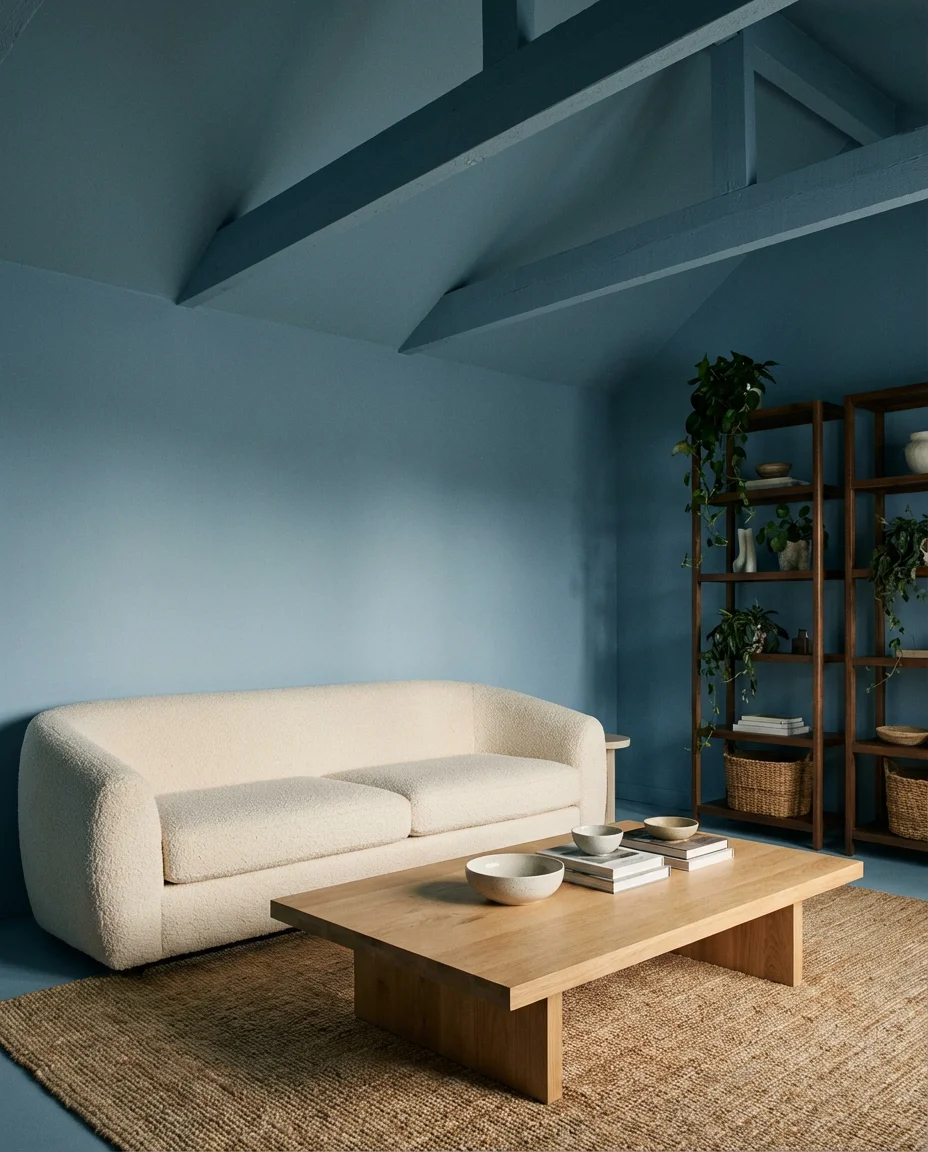
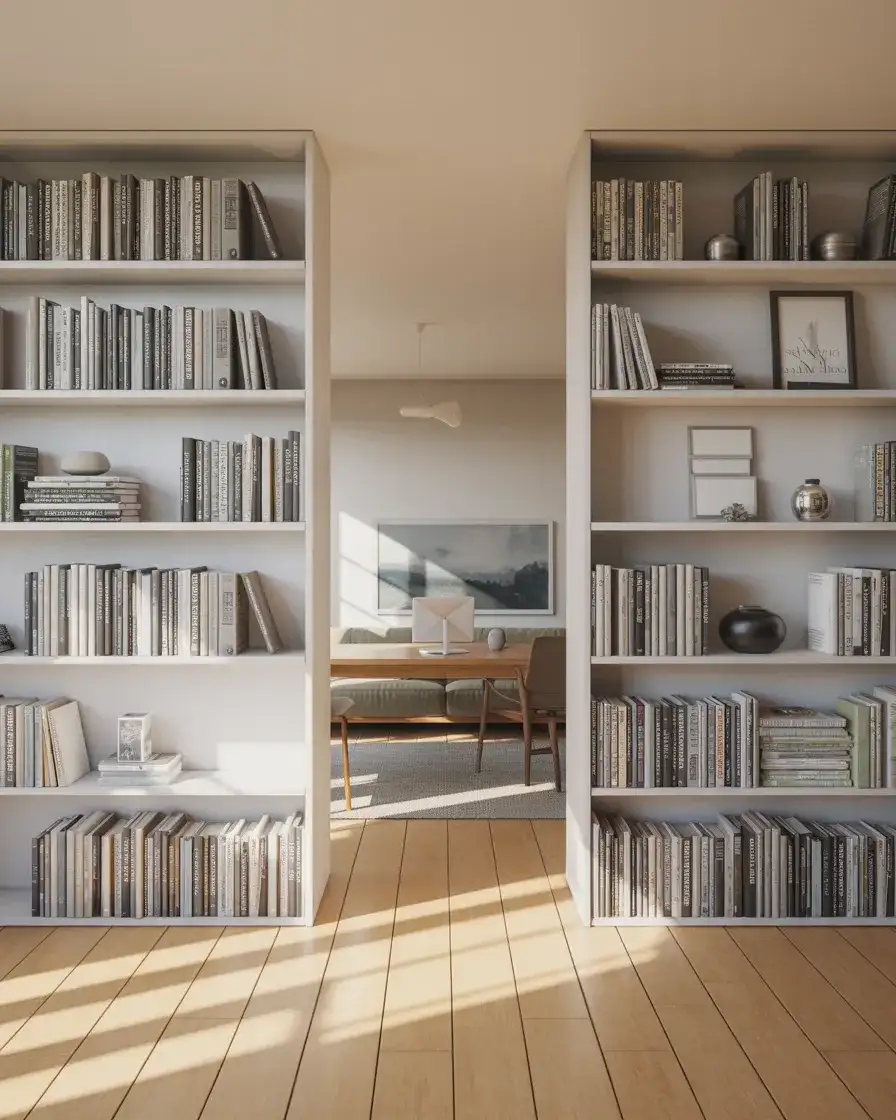
From sun-drenched reading nooks to moody, vintage-filled sanctuaries, the home library has evolved far beyond rows of dusty shelves. In 2026, American homeowners are transforming underused corners, spare bedrooms, and even closets into personalized literary retreats that reflect their unique tastes and lifestyles. Whether you’re drawn to the warmth of dark academia aesthetics, the clean lines of modern design, or the inviting charm of cozy book nooks, there’s a library style that speaks to you. Pinterest searches for home library inspiration have surged as people seek spaces that blend beauty with function—places where they can unplug, dive into a good book, and surround themselves with the stories they love. This guide offers fresh, actionable ideas to help you create your dream library, no matter your budget, square footage, or design preferences.
1. Velvet Armchair Reading Corner
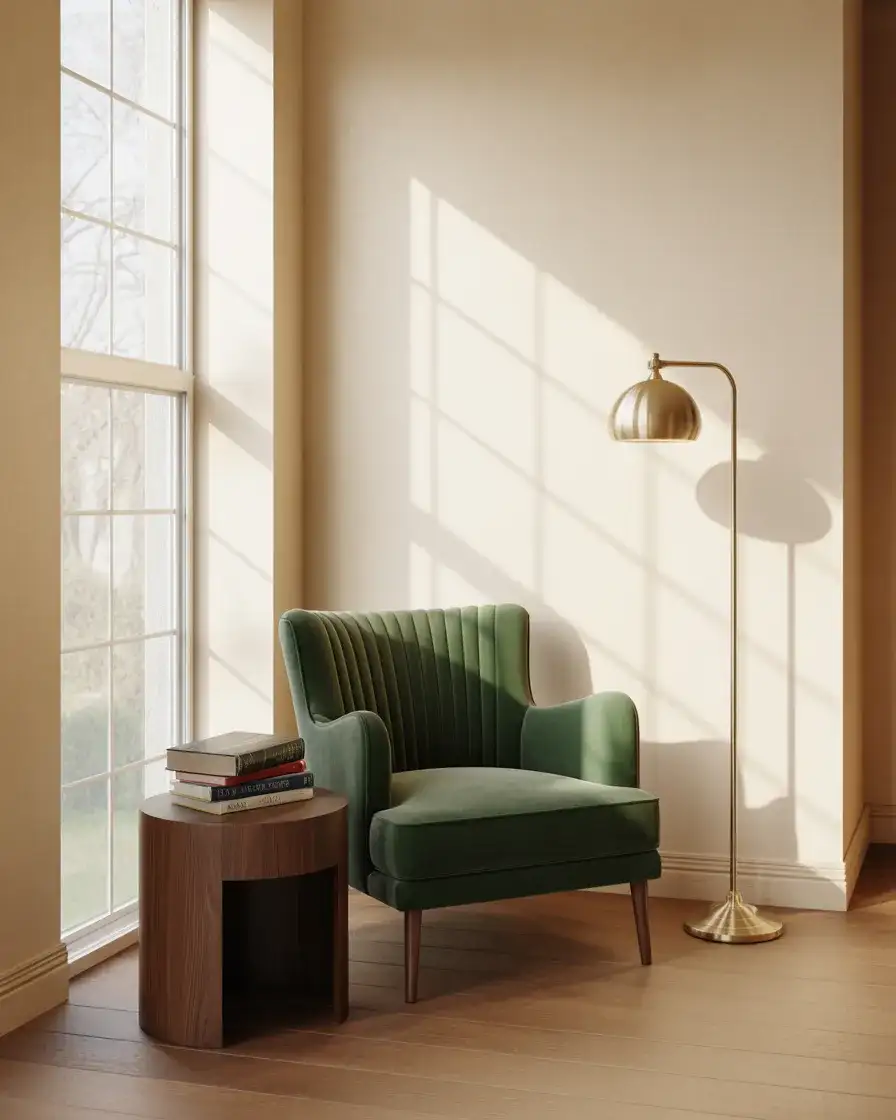
A plush velvet armchair in jewel tones can anchor a cozy reading corner that feels both luxurious and inviting. Pair it with a slim floor lamp and a small side table to create a dedicated spot for afternoon reading sessions. This design works beautifully in living rooms, bedrooms, or even large walk-in closets where you want to carve out a private retreat. The tactile richness of velvet adds warmth and a sense of occasion to any home library setup in 2026 setup.
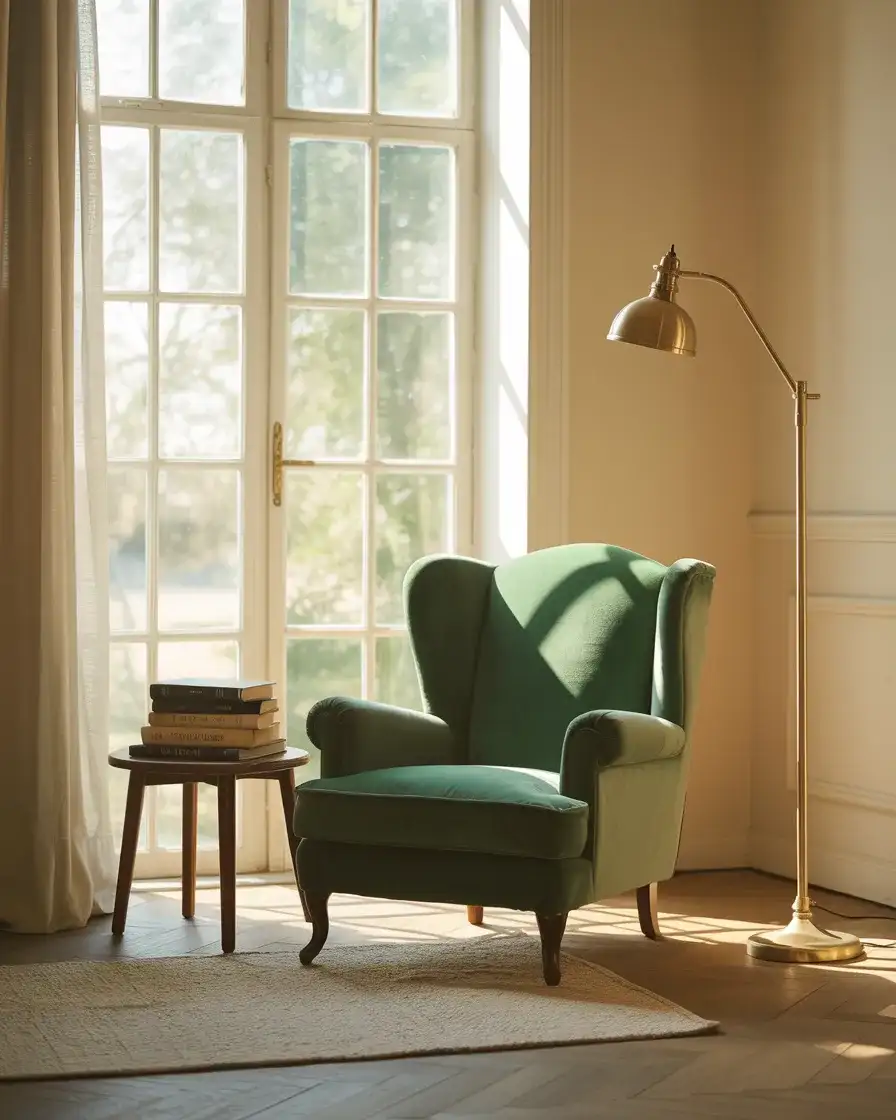
Velvet holds up surprisingly well in high-traffic homes, especially if you choose a tightly woven fabric with a higher durability rating. Many American families have discovered that a quick vacuum with an upholstery attachment keeps the nap looking fresh, and darker jewel tones naturally hide minor spills or pet hair. If you’re worried about maintenance, consider a removable slipcover or treat the fabric with a stain-resistant spray before the first sit-down.
2. Floor-to-Ceiling Built-In Shelves
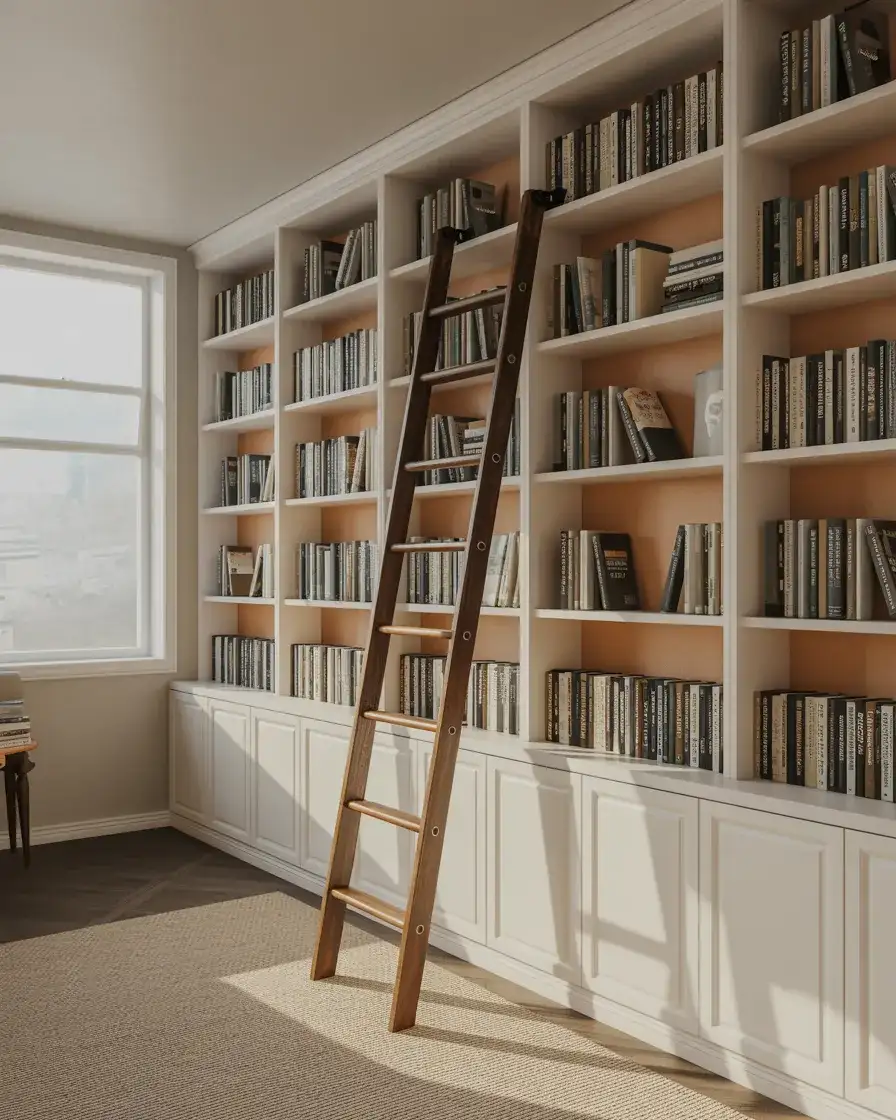
Maximizing vertical space with built-in shelving transforms an entire wall into a statement piece that showcases your collection. This approach is ideal for rooms with high ceilings, where a rolling ladder adds both function and a touch of old-world charm. Paint the shelves in a contrasting color or keep them natural wood to highlight architectural details. It’s a classic design idea that never goes out of style and instantly elevates any home library.
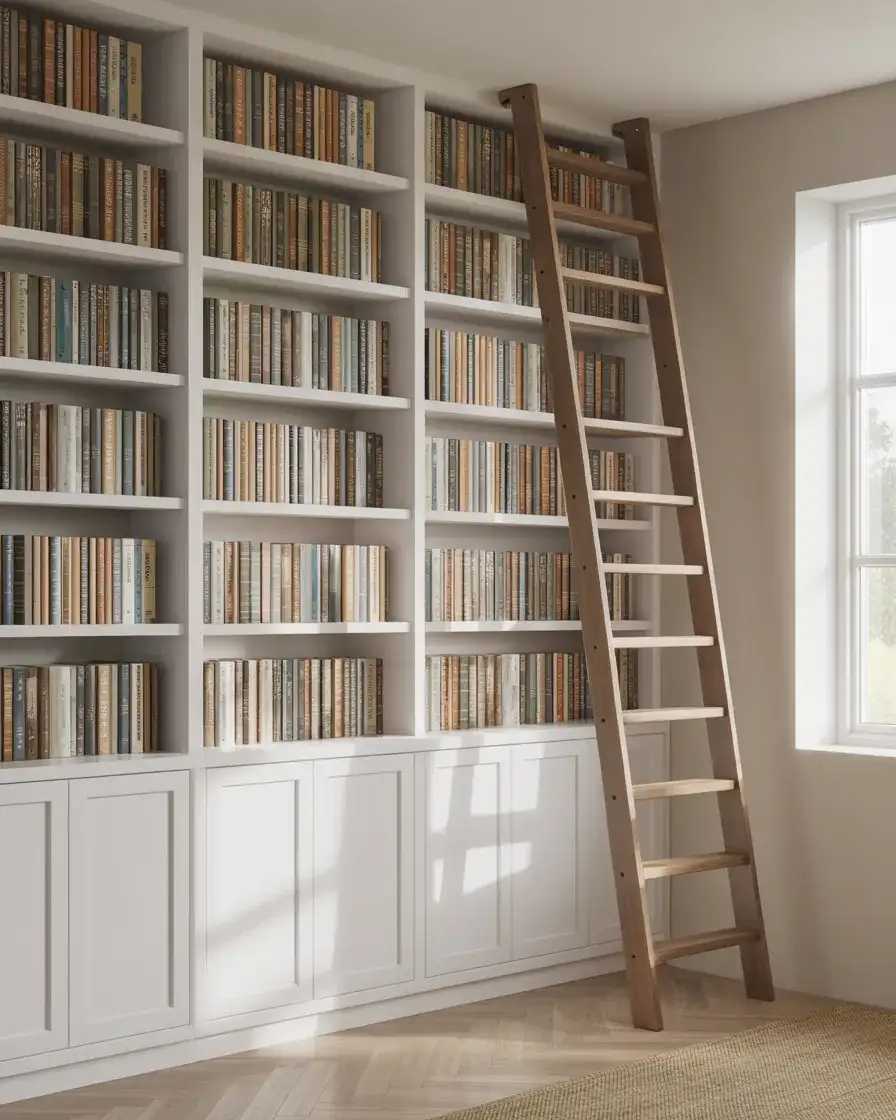
In the Pacific Northwest, where rainy days are plentiful, homeowners often use floor-to-ceiling shelves to create a sense of enclosure and coziness. The verticality draws the eye upward, making even a modest room feel grand, while the abundance of books provides natural insulation and sound dampening—a quiet bonus that renters in older apartment buildings especially appreciate.
3. Moody Dark Walls with Brass Accents
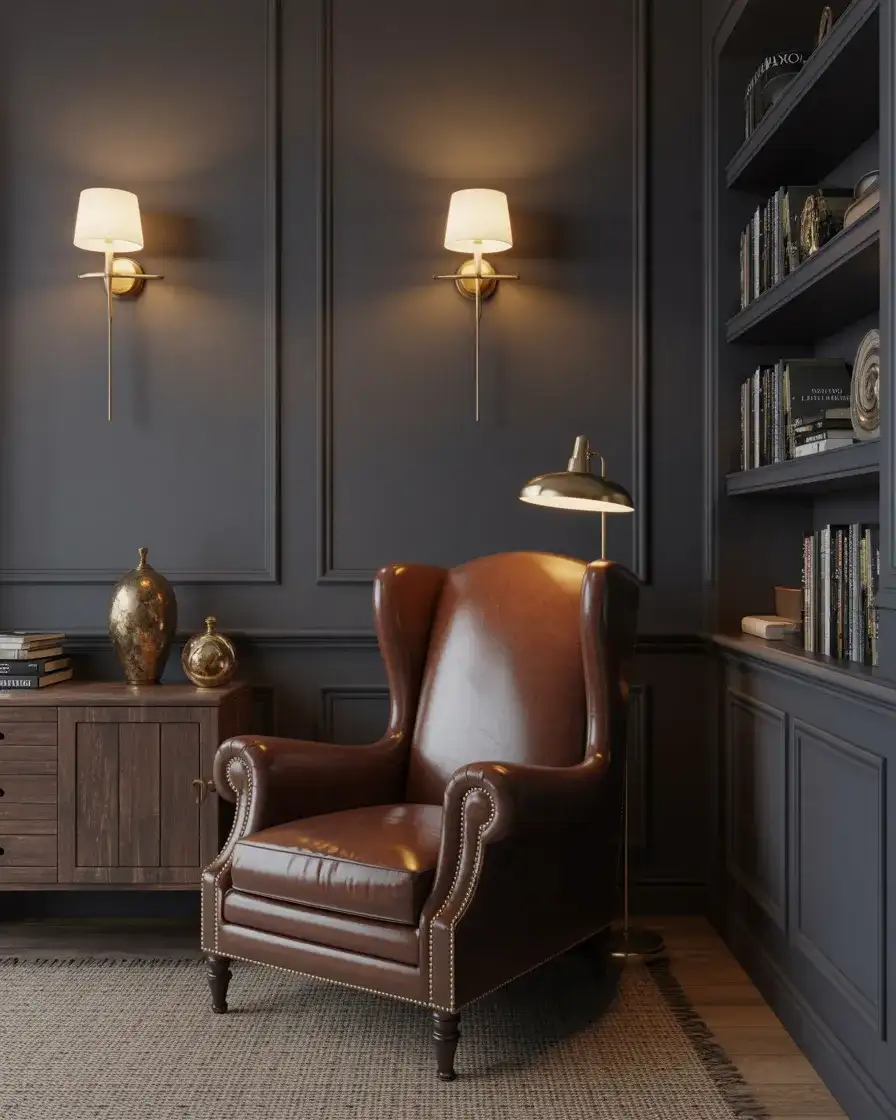
Deep charcoal, navy, or forest green walls create a moody backdrop that makes books and art pop. Add brass sconces, picture lights, or decorative hardware to introduce warmth and a hint of vintage glamour. This aesthetic works especially well in smaller rooms where you want to embrace intimacy rather than fight it. Pair with rich wood tones and leather seating to complete the look.
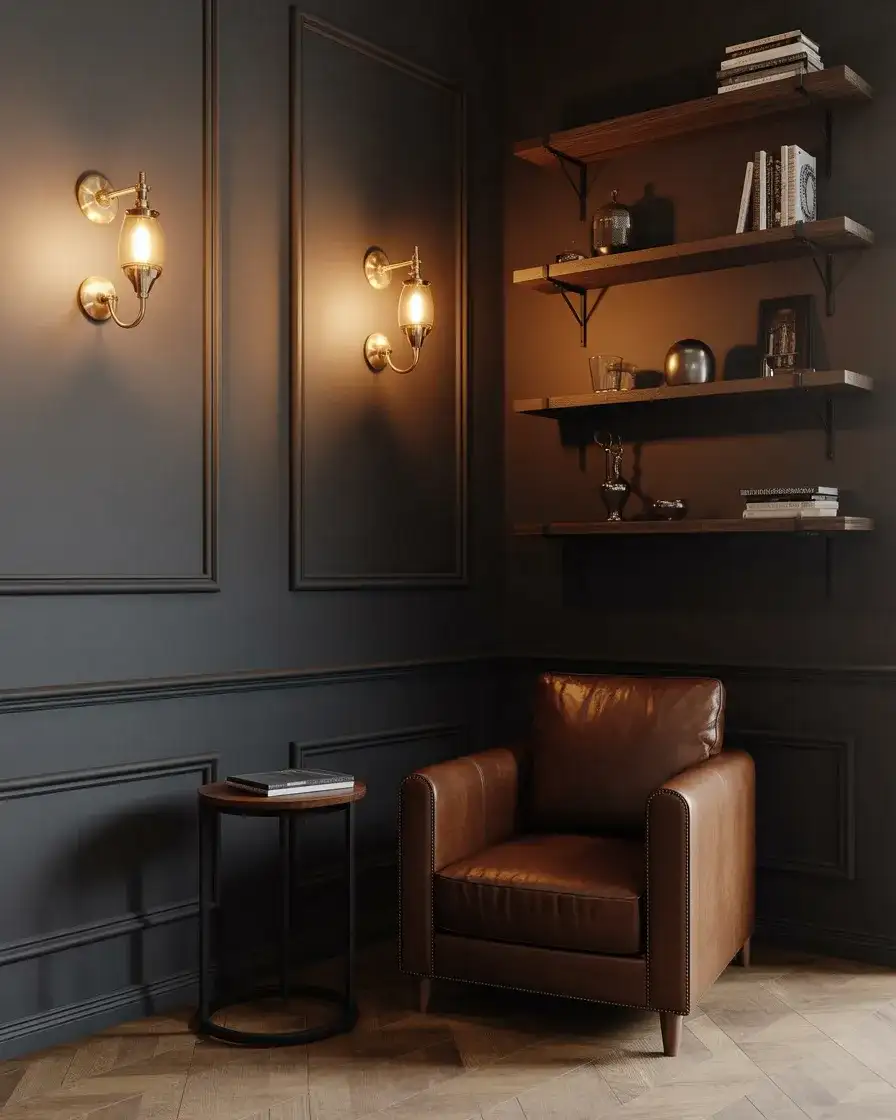
Dark walls can feel surprisingly airy if you balance them with adequate lighting—think layered sources like table lamps, sconces, and overhead fixtures on dimmers. A common mistake is painting a small room dark and then skimping on light, which can make it feel like a cave. Instead, embrace the drama and invest in quality bulbs with a warm color temperature to keep the space inviting and functional after sunset.
4. Window Seat Library Nook
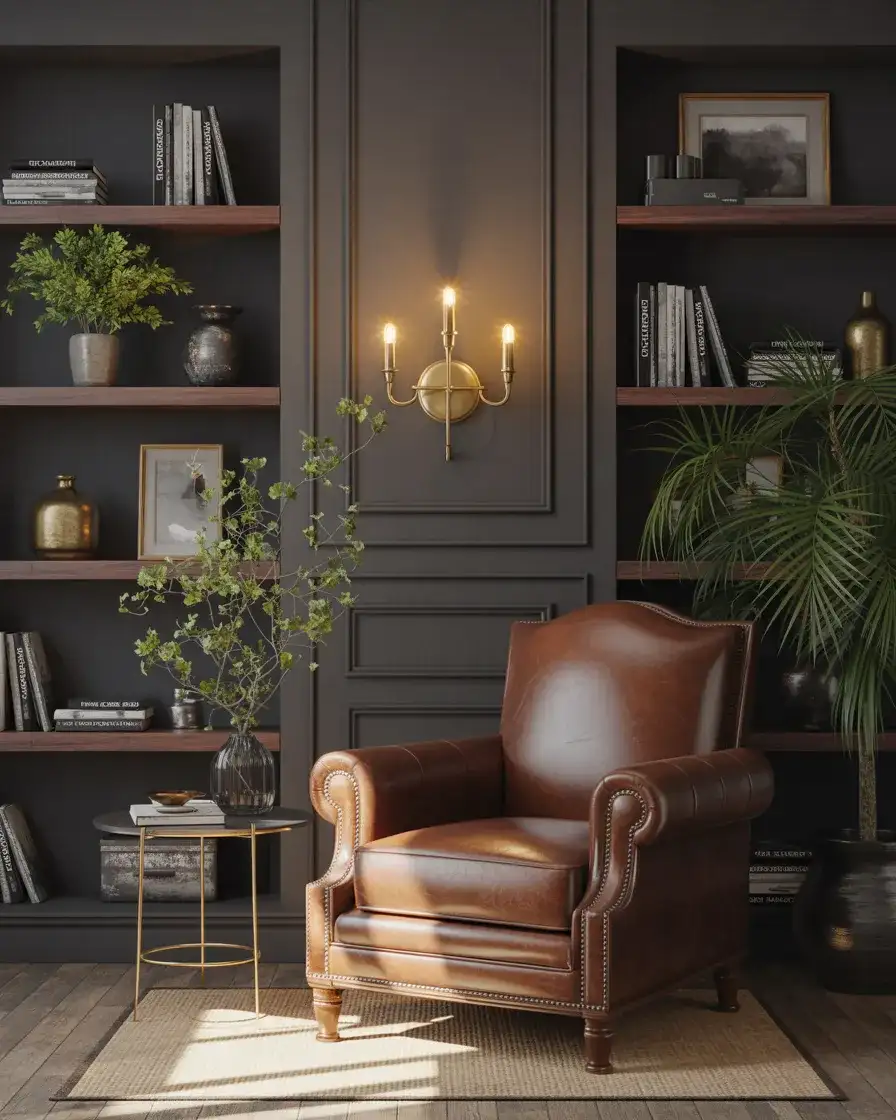
A built-in window seat surrounded by shelving turns an awkward alcove into a cozy retreat where natural light floods in. Add cushions, throw pillows, and a soft blanket to make it irresistible on lazy Sunday afternoons. This setup is perfect for cozy book nook lovers who crave a dedicated spot for uninterrupted reading. It’s also a smart use of space in bedrooms, hallways, or under-stair areas.
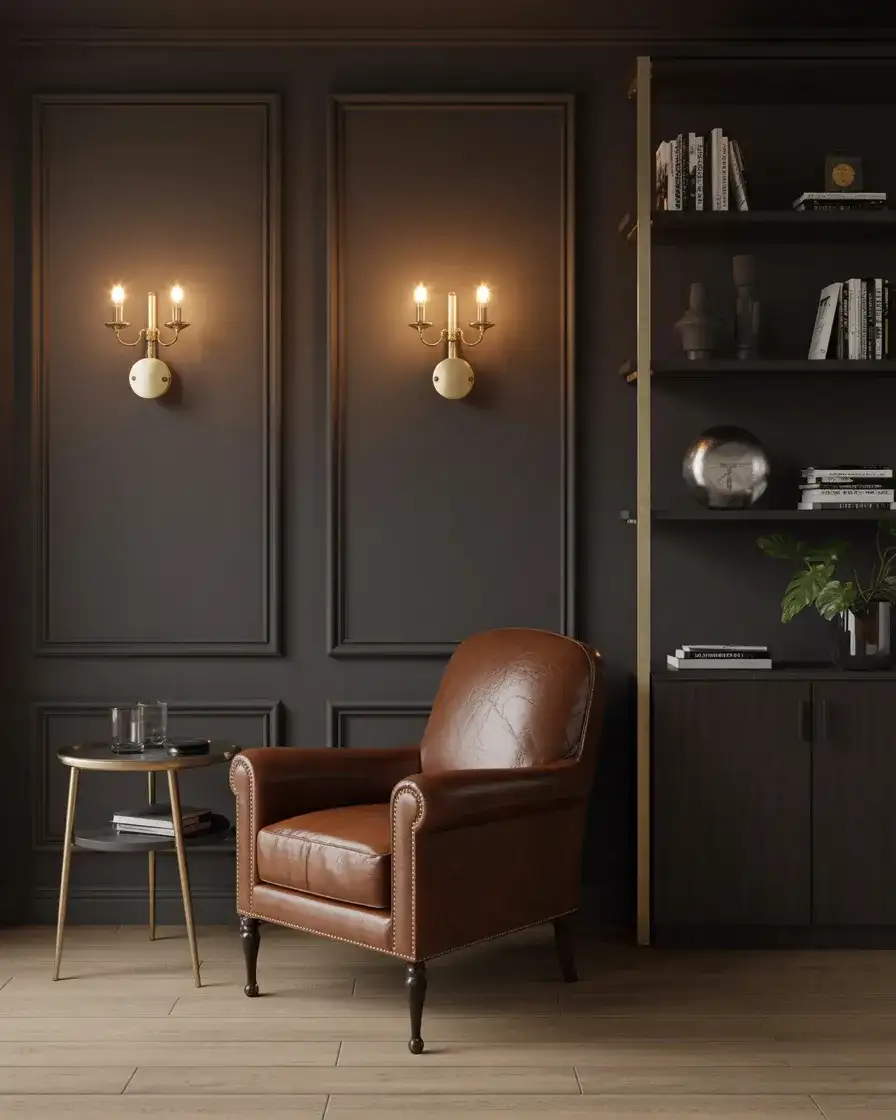
Where it works best: homes with original architectural features like bay windows or dormer nooks, especially in older New England properties or Craftsman-style bungalows. These built-ins add character and can even boost resale value, as buyers increasingly prize custom millwork and functional charm over generic layouts.
5. Minimalist Modern Floating Shelves
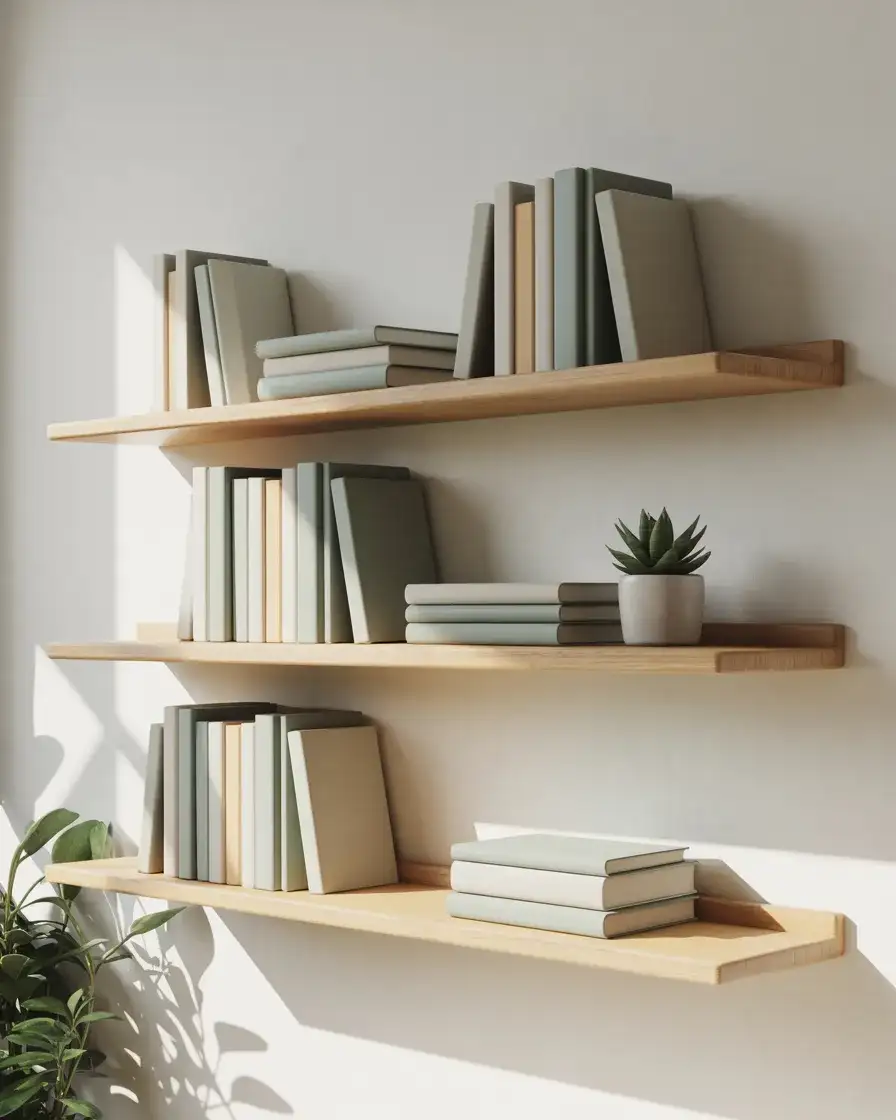
Sleek floating shelves in light wood or matte black offer a clean, contemporary alternative to bulky bookcases. This modern approach emphasizes negative space and allows your book collection to become part of the art. It’s ideal for open-concept living areas or home office spaces where you want storage without visual clutter. Keep styling minimal—group books by color or size for a curated, gallery-like effect.
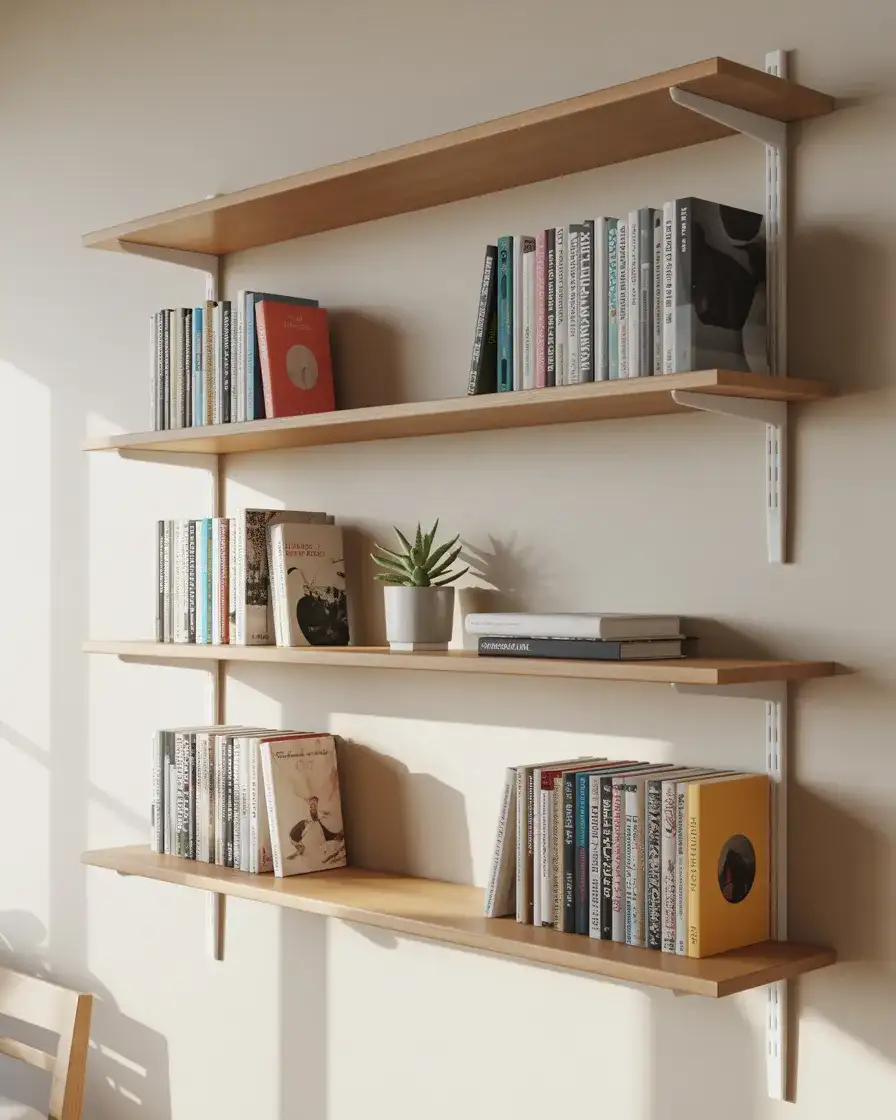
Floating shelves are budget-friendly and renter-approved, requiring only a drill and some wall anchors—most hardware stores will even cut shelves to your exact measurements. They’re particularly popular in urban apartments where square footage is precious and every piece of furniture needs to earn its keep. Just be sure to anchor them properly, especially in earthquake-prone regions like California.
6. Vintage Ladder as Book Display
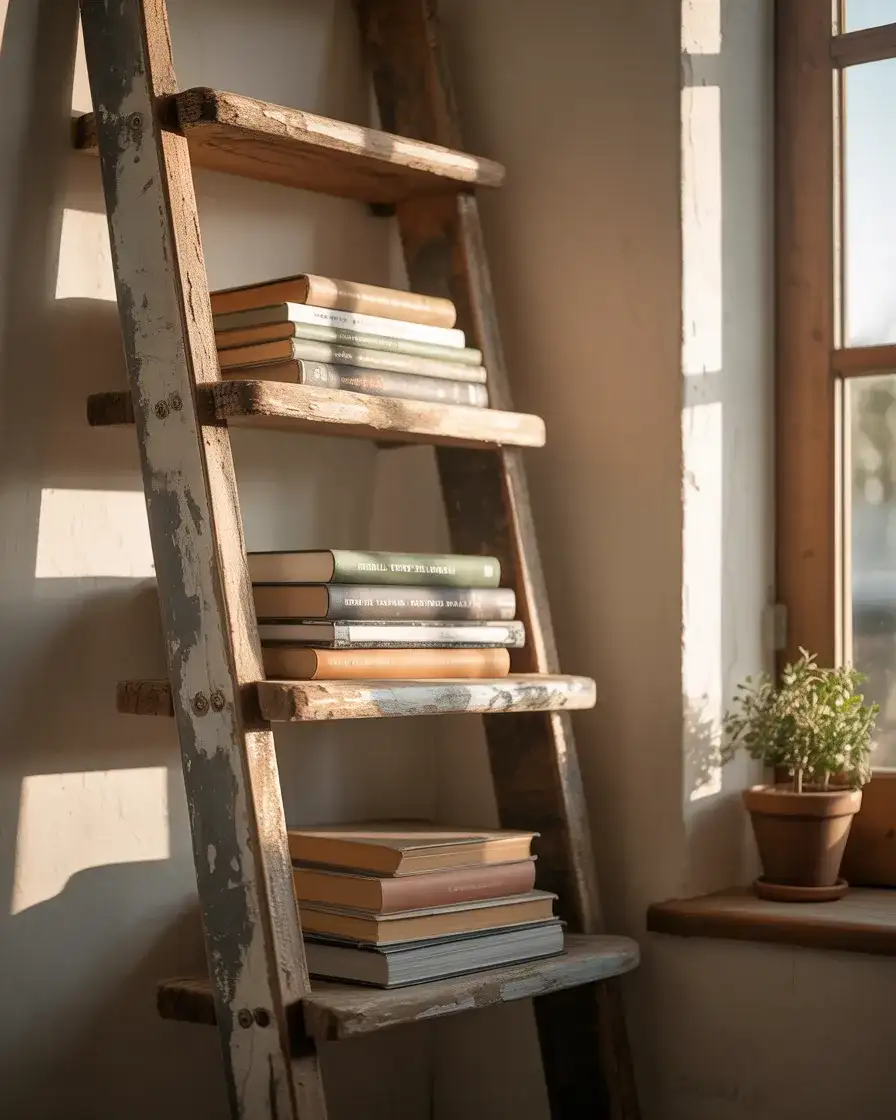
Repurpose an old wooden ladder by leaning it against a wall and using the rungs to showcase favorite reads or decorative objects. This vintage touch brings rustic charm to any space and works beautifully in farmhouse, industrial, or eclectic interiors. It’s also highly portable—move it from room to room as your mood or season changes. Look for ladders at estate sales or salvage yards for authentic patina.
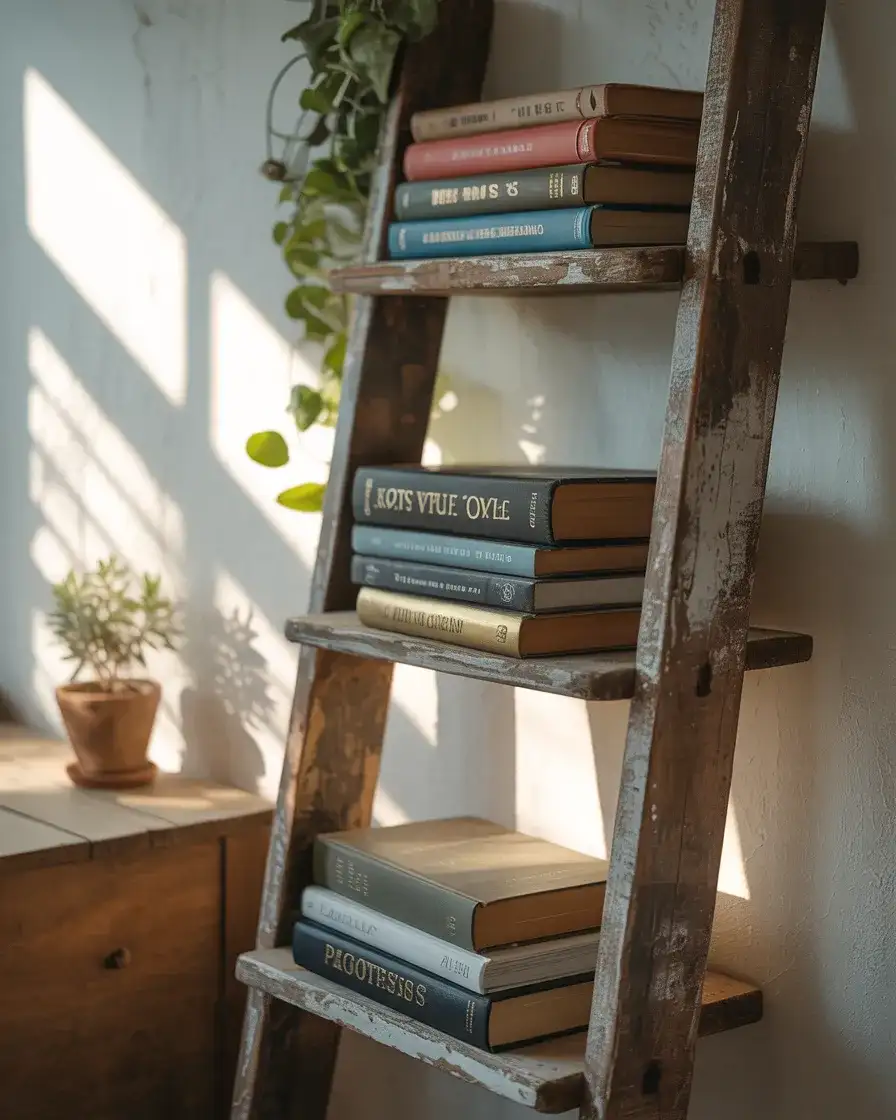
I once visited a friend’s Brooklyn loft where a salvaged orchard ladder held everything from art books to framed family photos. She’d simply wiped it down, given it a light sand, and called it done—no stain, no fuss. The worn paint and wood grain told a story, and guests always asked where she’d found it. Sometimes the best decor is the kind that arrives with history already intact.
7. Library Wall Behind a Desk
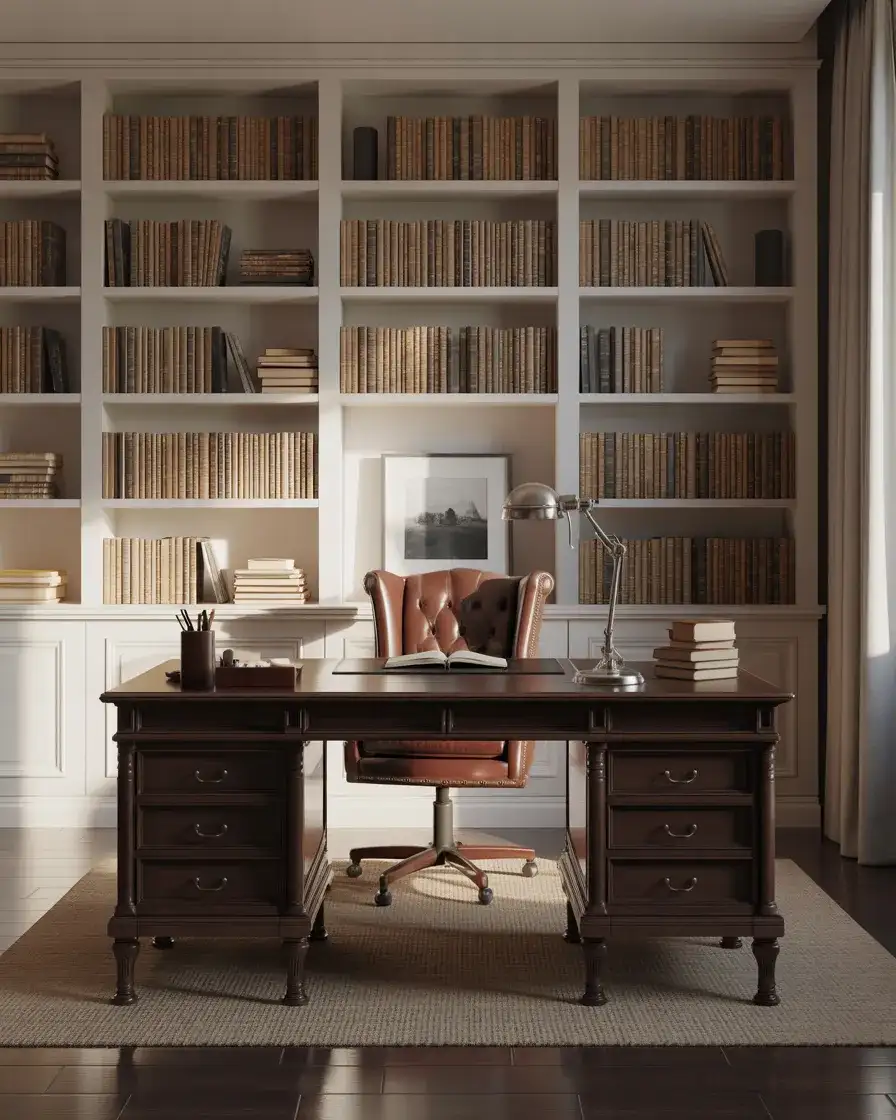
Install floor-to-ceiling shelves behind your workspace to create a stunning backdrop for video calls and a functional reference library within arm’s reach. This office setup is both practical and visually impressive, especially for remote workers who want to project professionalism. Use matching binders, bookends, and storage boxes to keep the look cohesive. It’s a smart way to merge productivity with your love of reading.
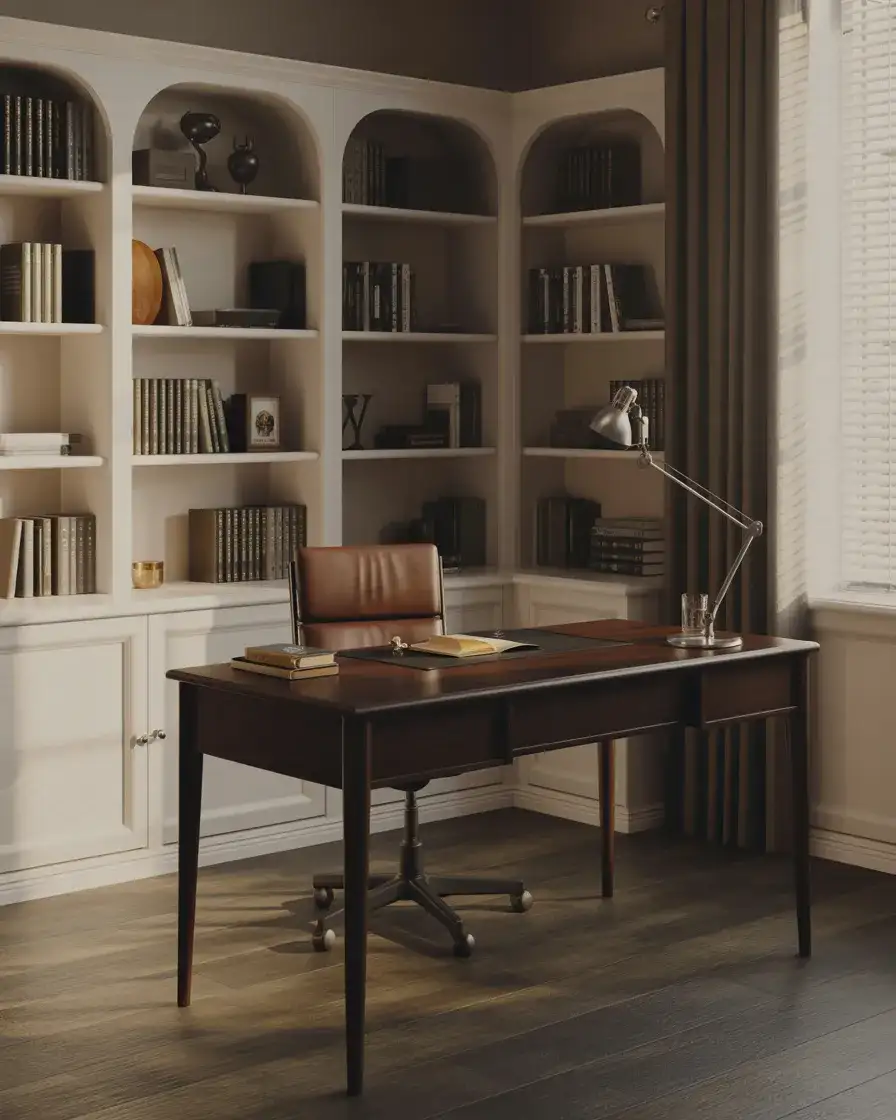
Real homeowners who’ve made this upgrade report that it’s transformed their Zoom presence—clients and colleagues consistently comment on the background, and it lends an air of credibility and thoughtfulness. It’s also a subtle way to signal your interests and expertise without saying a word, especially valuable for consultants, writers, and educators working from home.
8. Fireplace Flanked by Bookshelves
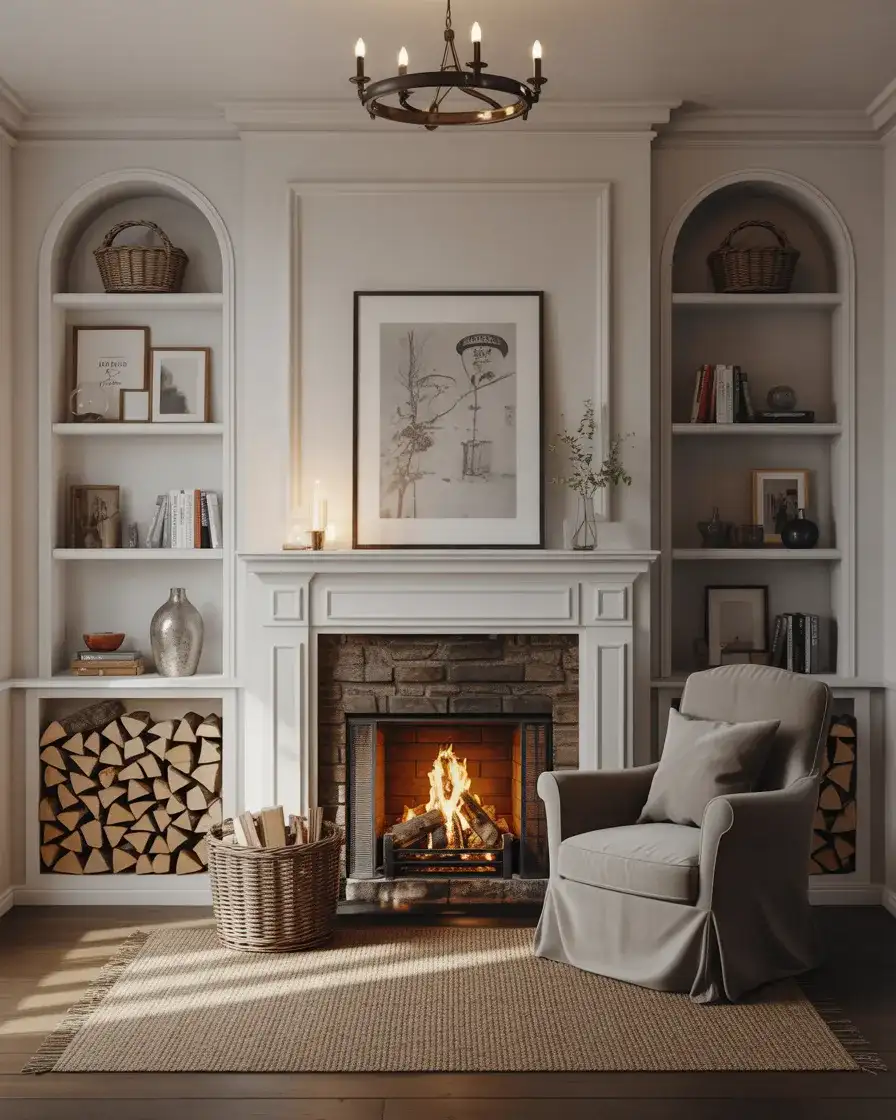
Built-ins on either side of a fireplace create symmetry and turn the hearth into the room’s focal point. This classic design is beloved in traditional and transitional homes, where the combination of fire and books evokes timeless comfort. Use the mantel for art or seasonal decor, and fill the shelves with a mix of books, framed photos, and decorative objects. It’s an arrangement that feels both grand and lived-in.
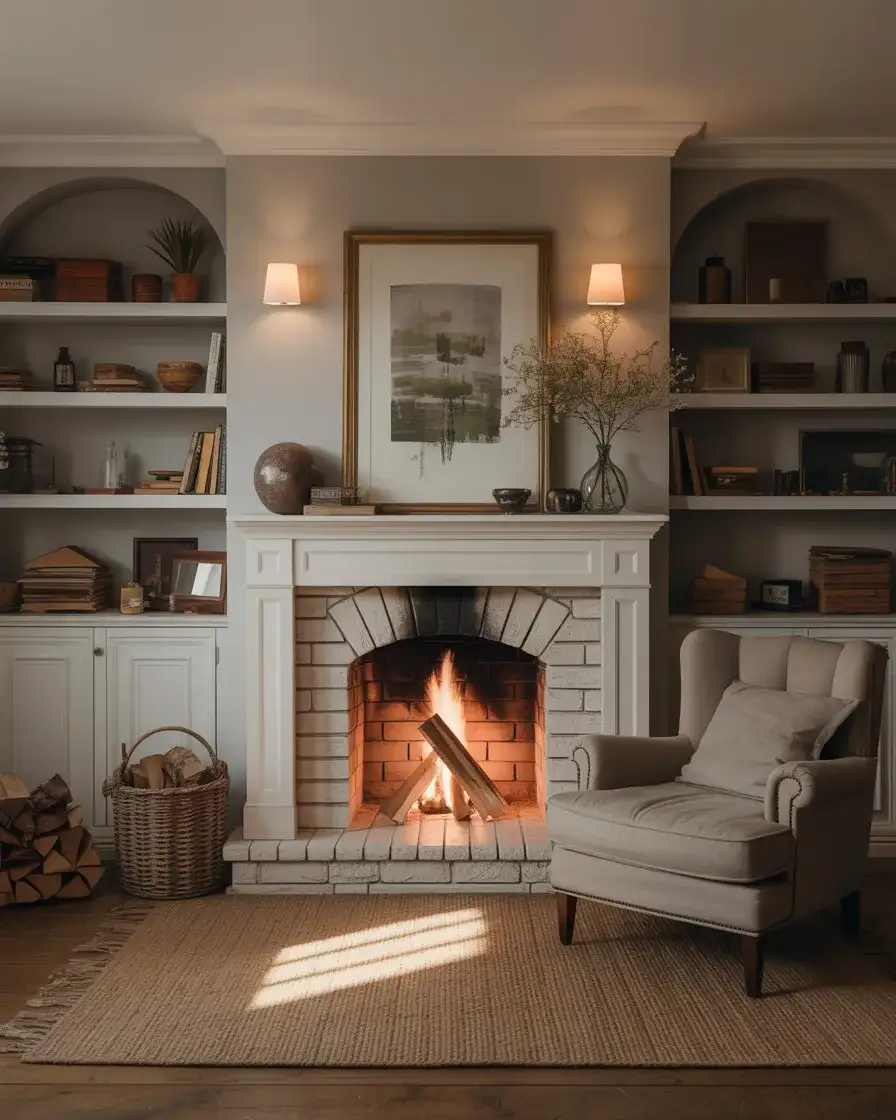
This layout works best in living rooms or dens where the fireplace is already a central feature. In colder climates like the Midwest or Mountain West, it’s a natural pairing—books within reach, warmth at your feet, and nowhere else you’d rather be on a snowy evening. Just be mindful of heat exposure: keep rare or valuable volumes on higher shelves away from direct warmth.
9. DIY Crate Shelving
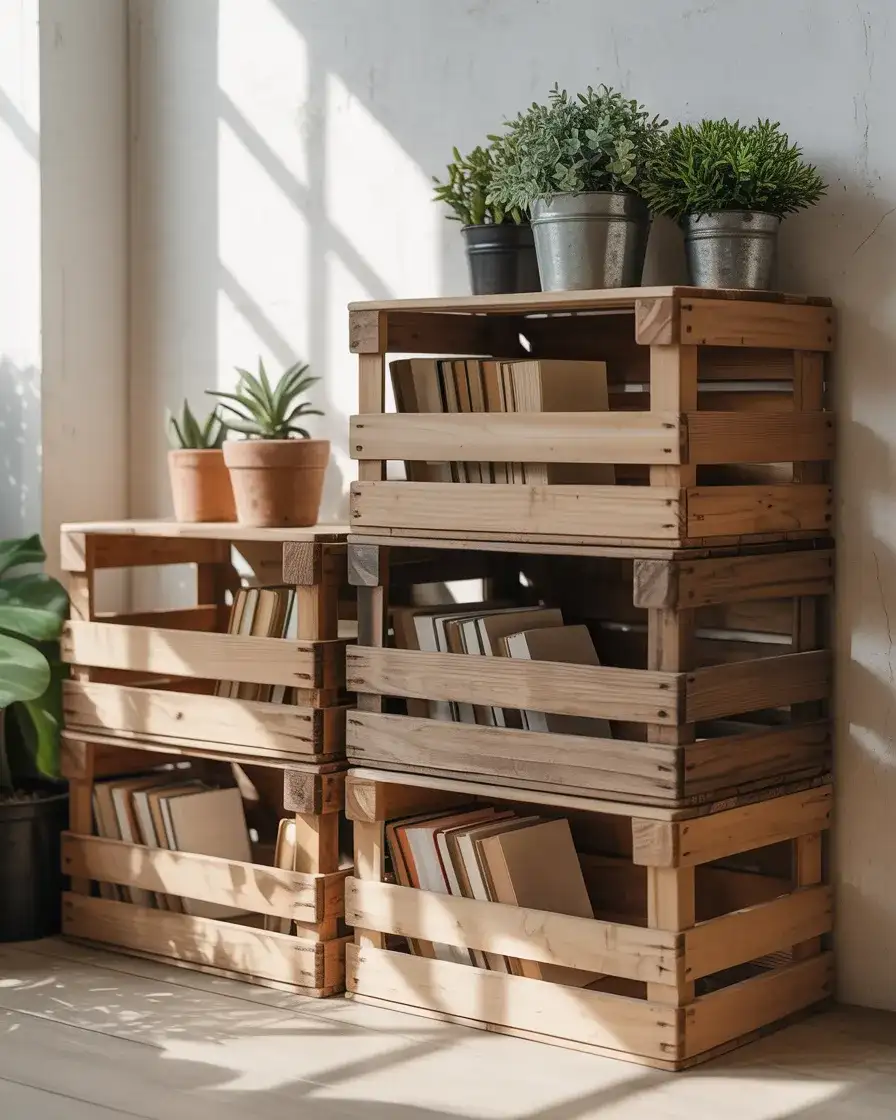
Stack and secure wooden crates in various configurations to build affordable, customizable shelving with serious vintage appeal. This DIY approach is perfect for renters or anyone on a tight budget who still wants a personalized library. Paint or stain the crates to match your space, or leave them raw for a rustic, industrial vibe. It’s a flexible solution that grows with your collection.
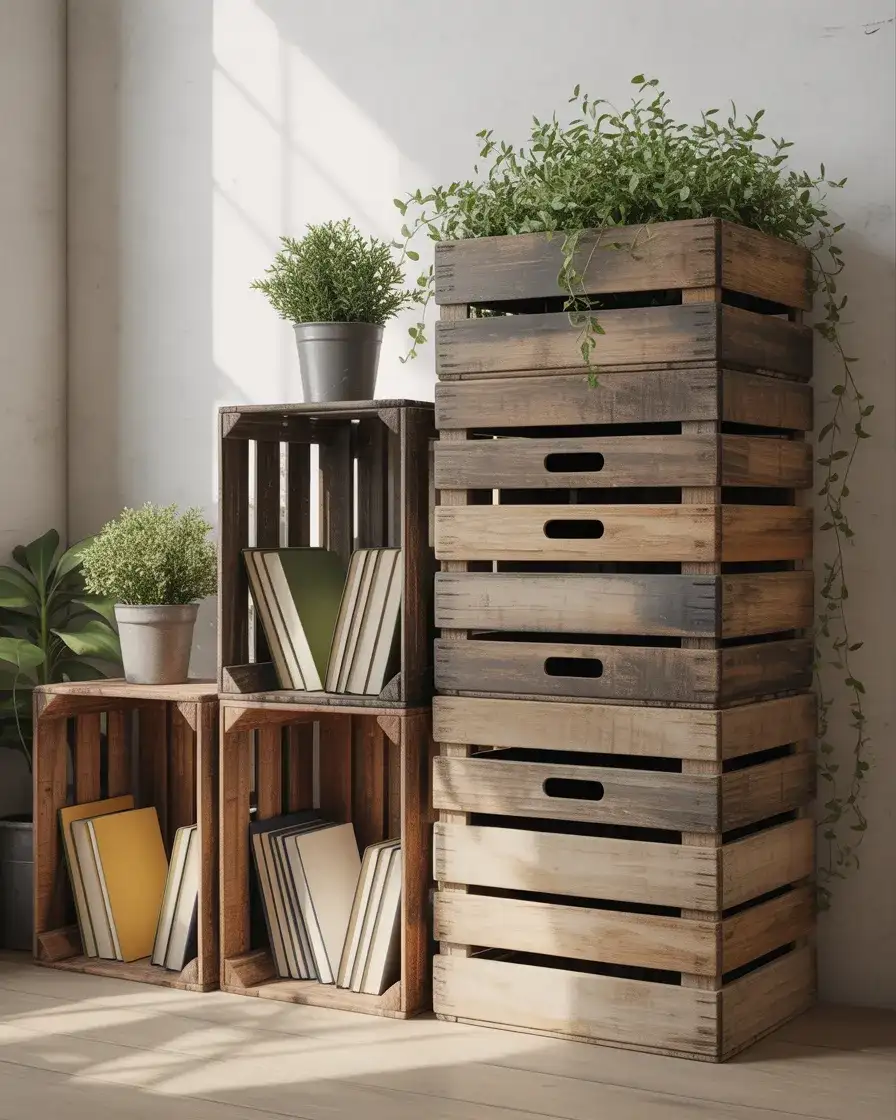
You can find wooden crates at craft stores, farmers’ markets, or online for under twenty dollars each. Secure them to the wall with L-brackets to prevent tipping, especially if you have kids or pets. One homeowner in Austin built an entire bedroom library wall this way for under two hundred dollars—proof that beautiful doesn’t have to mean expensive.
10. Library in a Closet
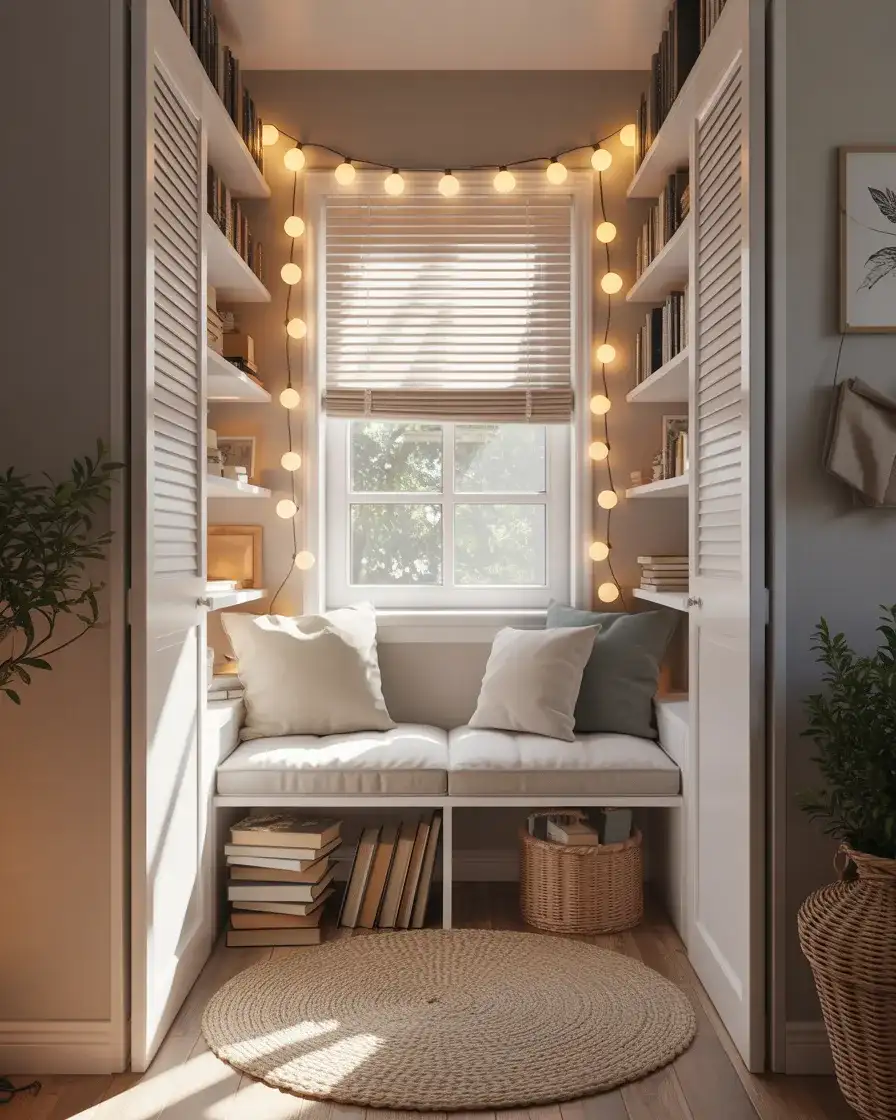
Transform a spare closet into a cozy reading nook by removing the doors, adding shelves, and tucking in a cushion or small chair. This clever use of space is ideal for small room dwellers who crave a private escape. Install a reading light and a few personal touches, and you’ve got a secret library that feels like a literary hideaway. It’s surprisingly easy and wildly charming.
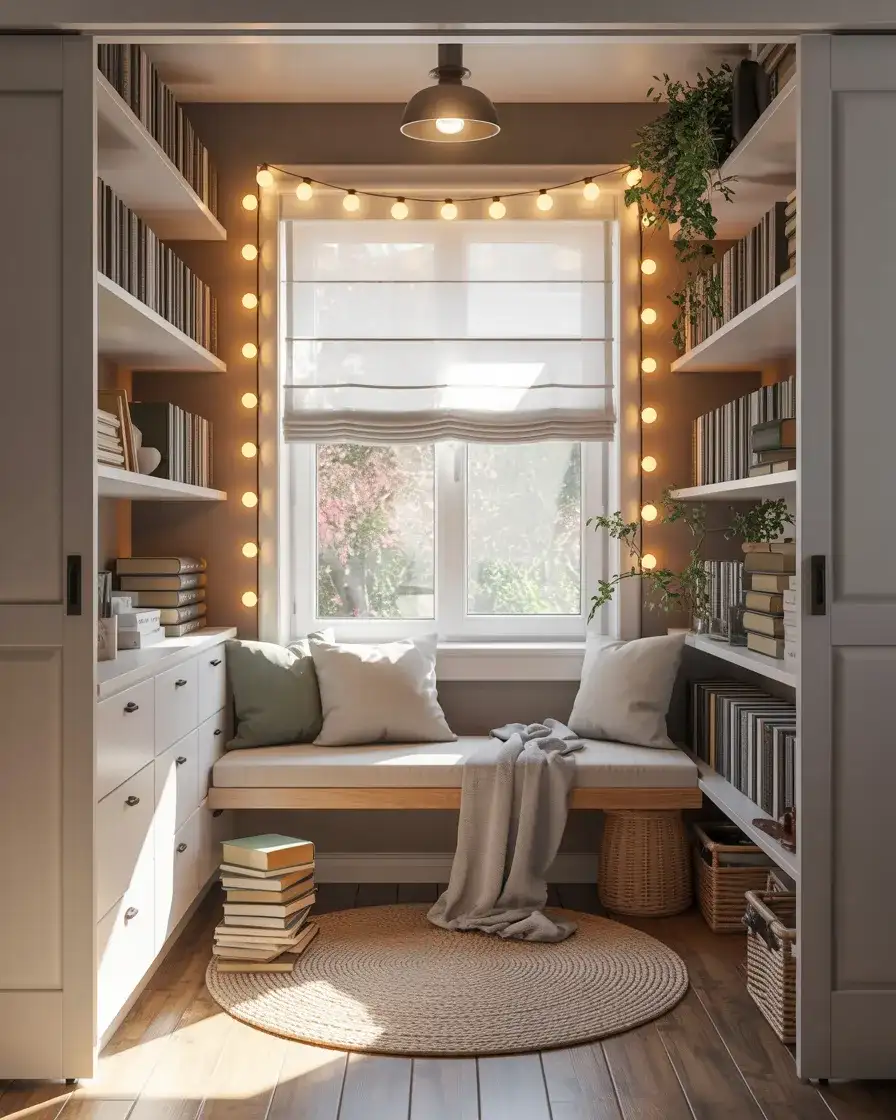
Expert designers often recommend this move for homes with underutilized closets—think guest rooms, hallways, or even large walk-ins. The confined space naturally creates a sense of focus and calm, and the added shelving can actually increase storage capacity compared to hanging clothes. It’s a high-impact project that requires minimal construction and delivers maximum personality.
11. Scandinavian-Style Light Wood Shelves
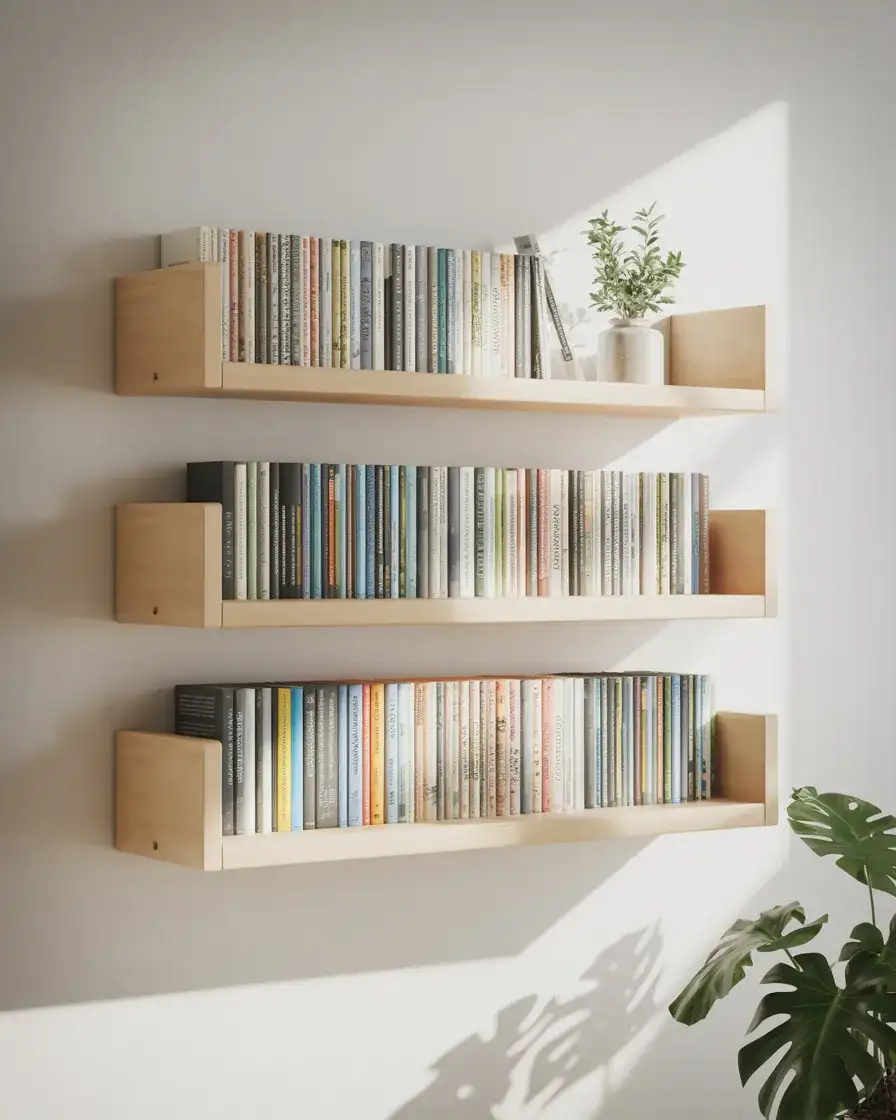
Embrace simplicity with pale birch or ash shelving that brings warmth without overwhelming the room. This modern Scandinavian approach pairs beautifully with white walls, natural textiles, and plenty of daylight. Keep decor minimal—a few plants, a ceramic vase, and your book collection arranged by color. It’s a calming, beautiful aesthetic that appeals to anyone craving simplicity and order.
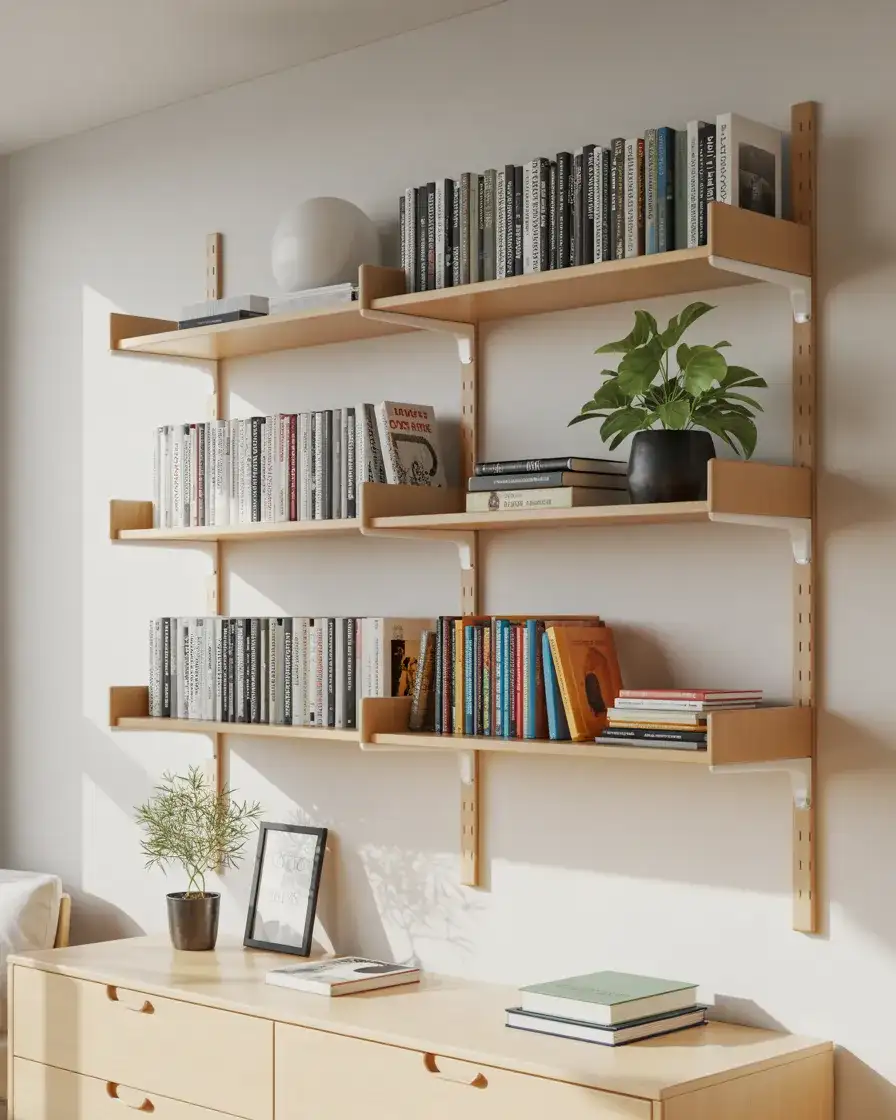
In northern states where winter light is scarce, Scandinavian design principles—light wood, white walls, and uncluttered surfaces—help interiors feel brighter and more expansive. This approach is also surprisingly forgiving: dust and clutter show up less on pale wood than on dark finishes, making it a practical choice for busy households.
12. Dark Academia Study with Leather and Wood
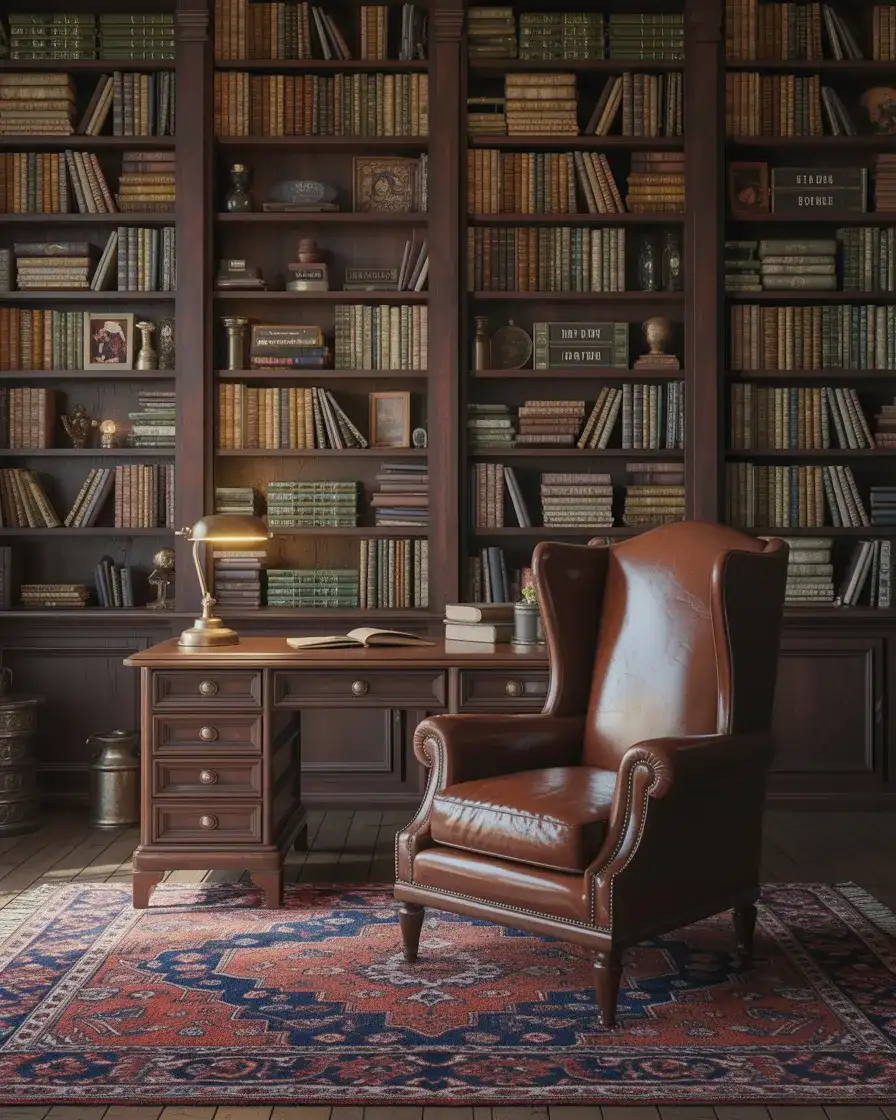
Channel the romance of old university libraries with rich mahogany shelves, a leather club chair, and vintage desk accessories. This dark academia look is perfect for anyone who loves the gravitas of classic literature and scholarly pursuits. Layer in antique globes, brass magnifying glasses, and a Persian rug to complete the vibe. It’s moody, intellectual, and utterly immersive.
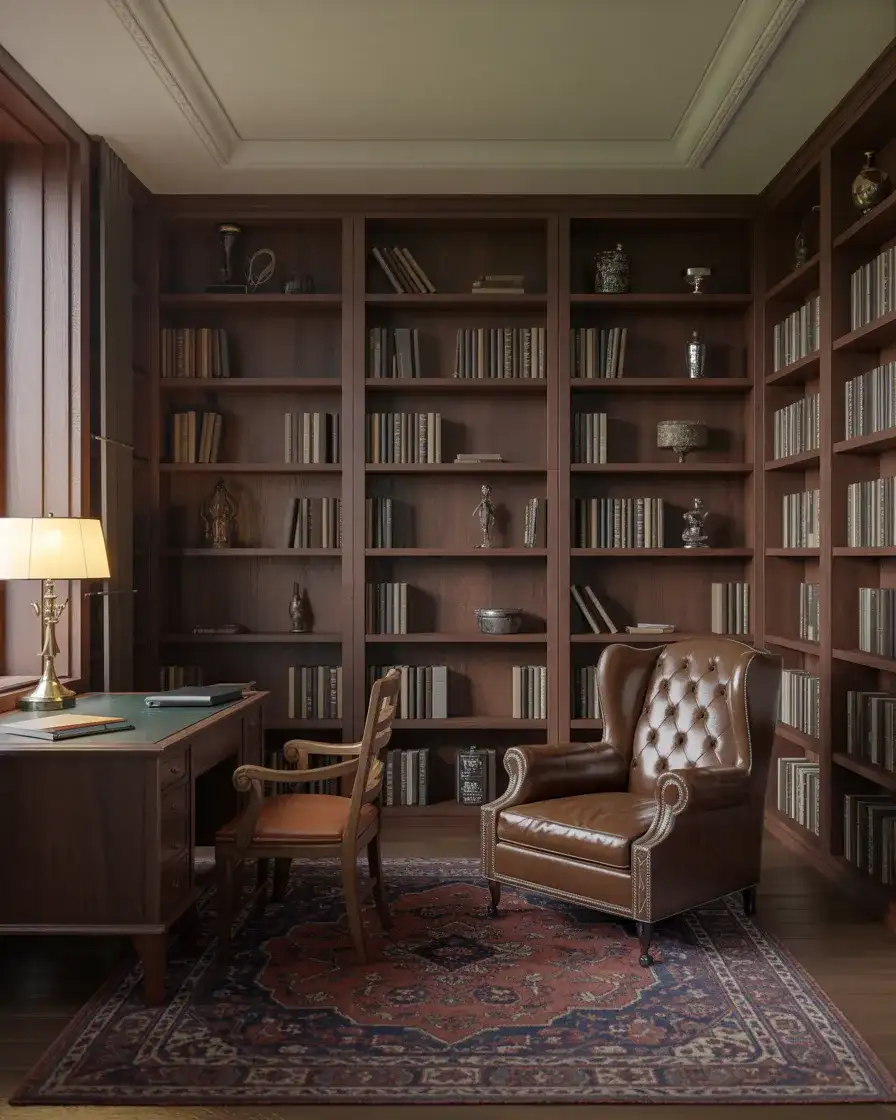
This style has surged in popularity among younger homeowners and grad students who grew up on Harry Potter and cozy mystery novels. It taps into a nostalgia for handwritten letters, fountain pens, and the smell of old books—a romanticized past that feels especially appealing in our digital age. Just be prepared: once you commit to the aesthetic, you’ll find yourself hunting estate sales for the perfect inkwell.
13. Corner Library with Wraparound Shelves
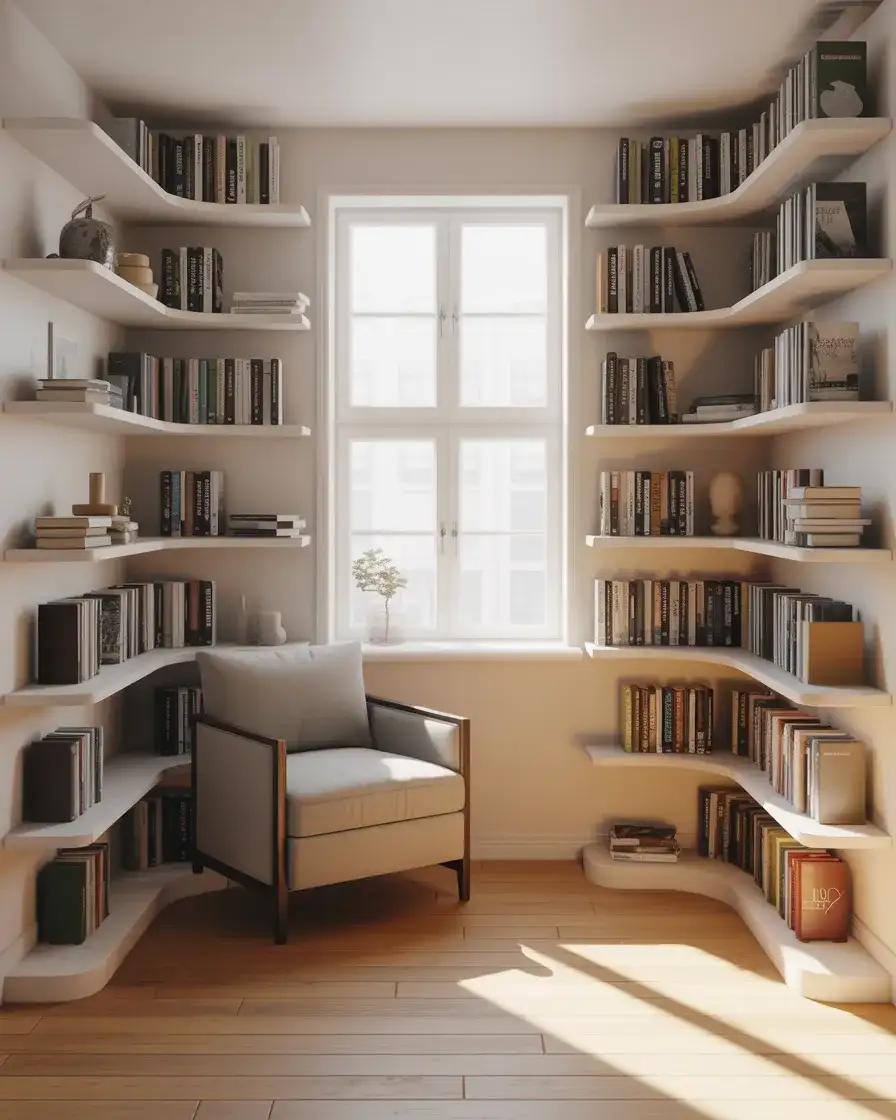
Maximize an awkward corner by installing shelves that wrap around two walls, creating an immersive cozy aesthetic cocoon for reading. Add a small armchair or floor cushions in the center, and you’ve transformed dead space into a dream retreat. This setup works especially well in bedrooms, attics, or any room with an underutilized corner that’s too small for traditional furniture.
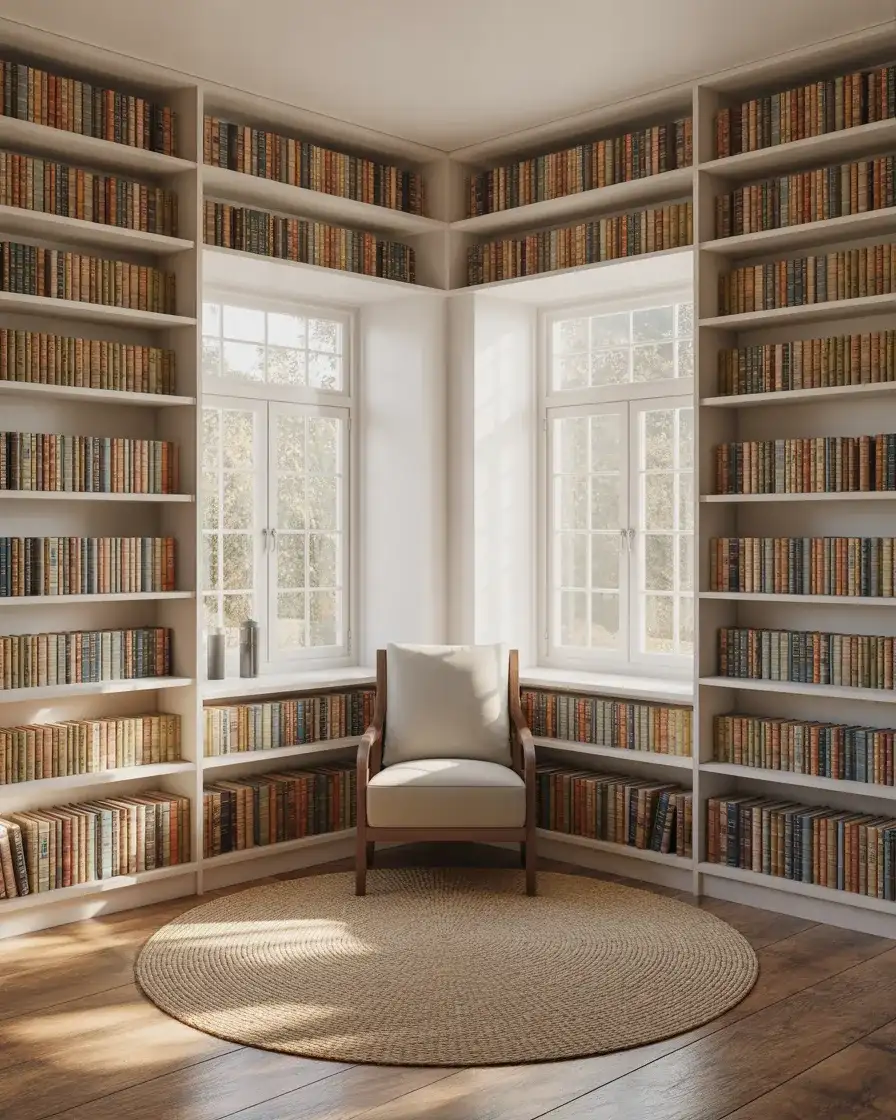
Budget-wise, you can DIY this with IKEA Billy bookcases placed at right angles, or commission a carpenter for a custom build if you have the funds. Prices range from a few hundred dollars for off-the-shelf units to several thousand for built-ins, but either way, the result is a space that feels intentional and deeply personal—a corner of the home that’s truly yours.
14. Industrial Pipe Shelving
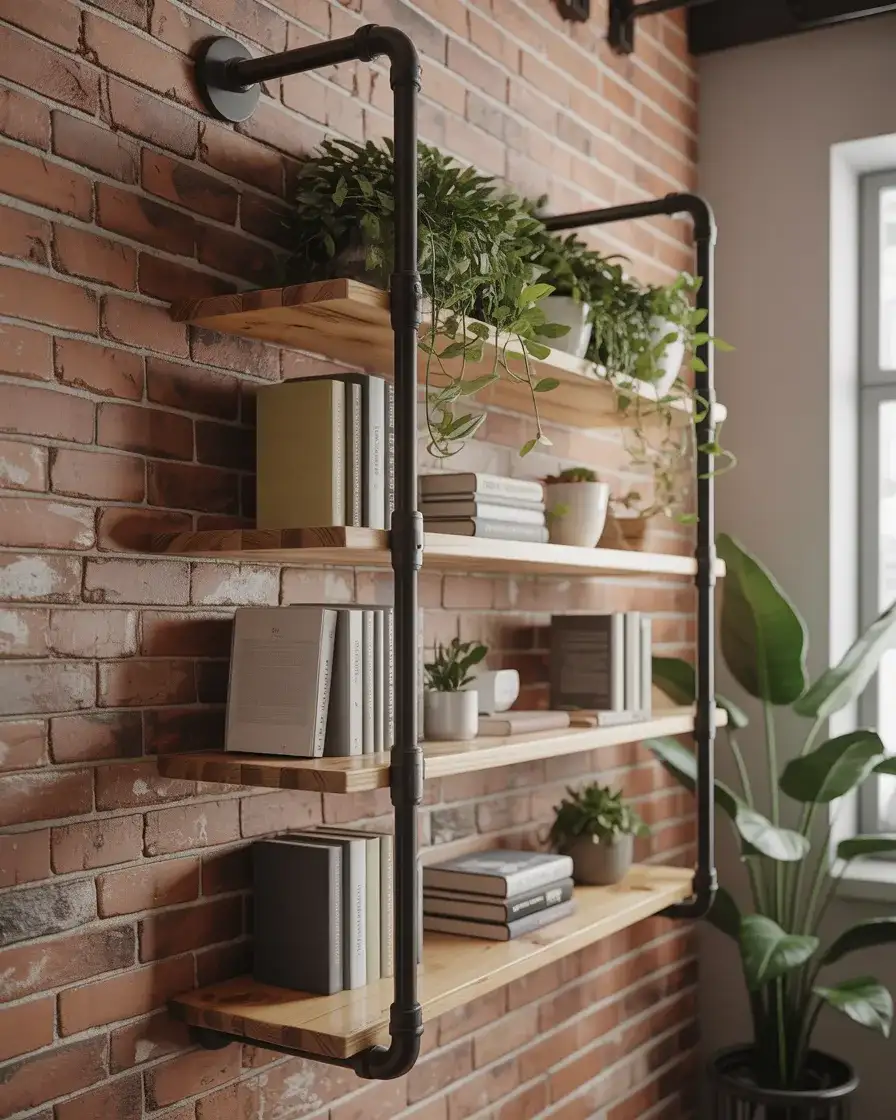
Use black iron pipes and reclaimed wood planks to build rugged, modern shelving with an industrial edge. This DIY option is affordable, highly customizable, and perfect for lofts, garages-turned-studios, or any space with exposed brick and concrete. The raw materials lend a handmade, artisan quality that mass-produced furniture simply can’t match. It’s functional sculpture that celebrates both books and craftsmanship.
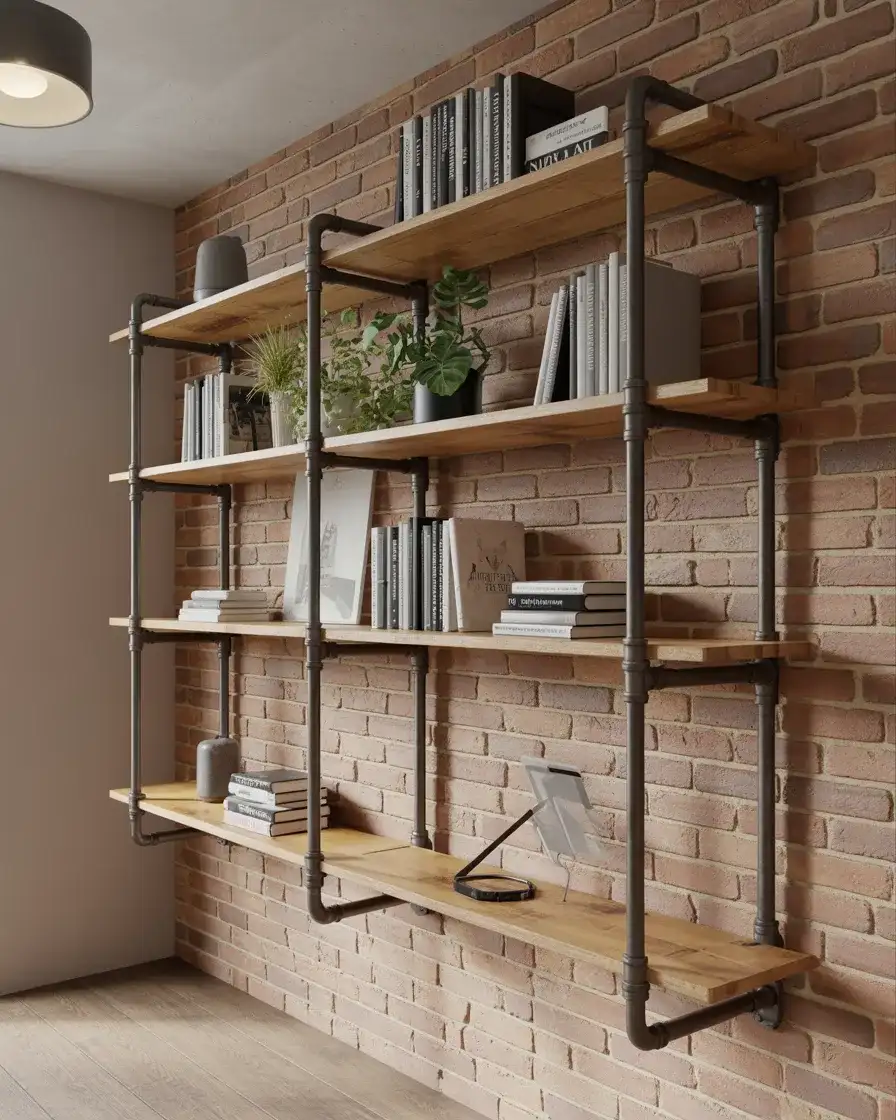
You can pick up iron pipes and fittings at any hardware store—just bring your measurements and ask a staff member to cut the pipes to length. Countless YouTube tutorials walk you through assembly step by step. One common mistake is forgetting to seal the pipes, which can leave rust stains on your books or wall. A quick coat of clear polyurethane prevents this and keeps the look intentionally raw without the mess.
15. Painted Bookcase in a Bold Color
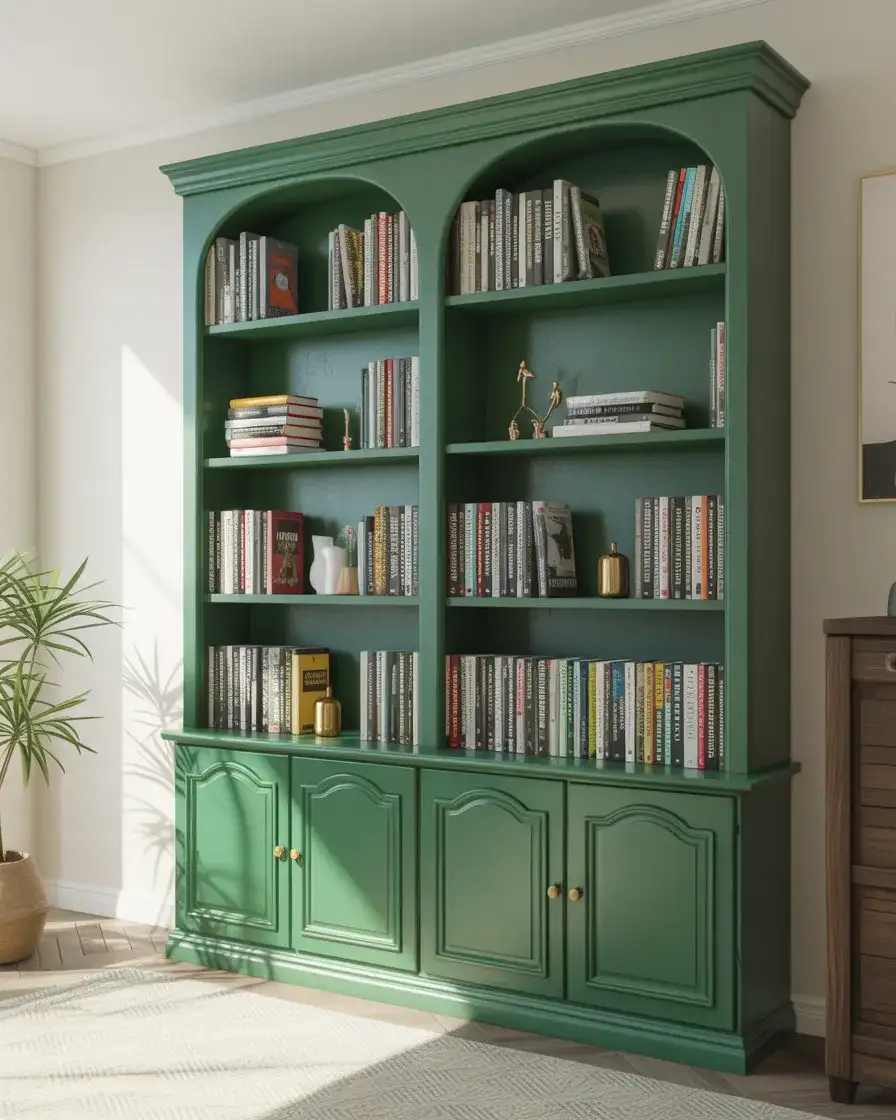
Give a plain bookcase new life with a vibrant coat of paint—think emerald green, deep teal, or burnt orange. This simple refresh adds personality and turns functional storage into a statement piece. It’s an easy weekend project that’s perfect for renters or anyone hesitant to commit to painted walls. Pair with neutral decor to let the color shine, or go maximalist and layer in patterns and textures.
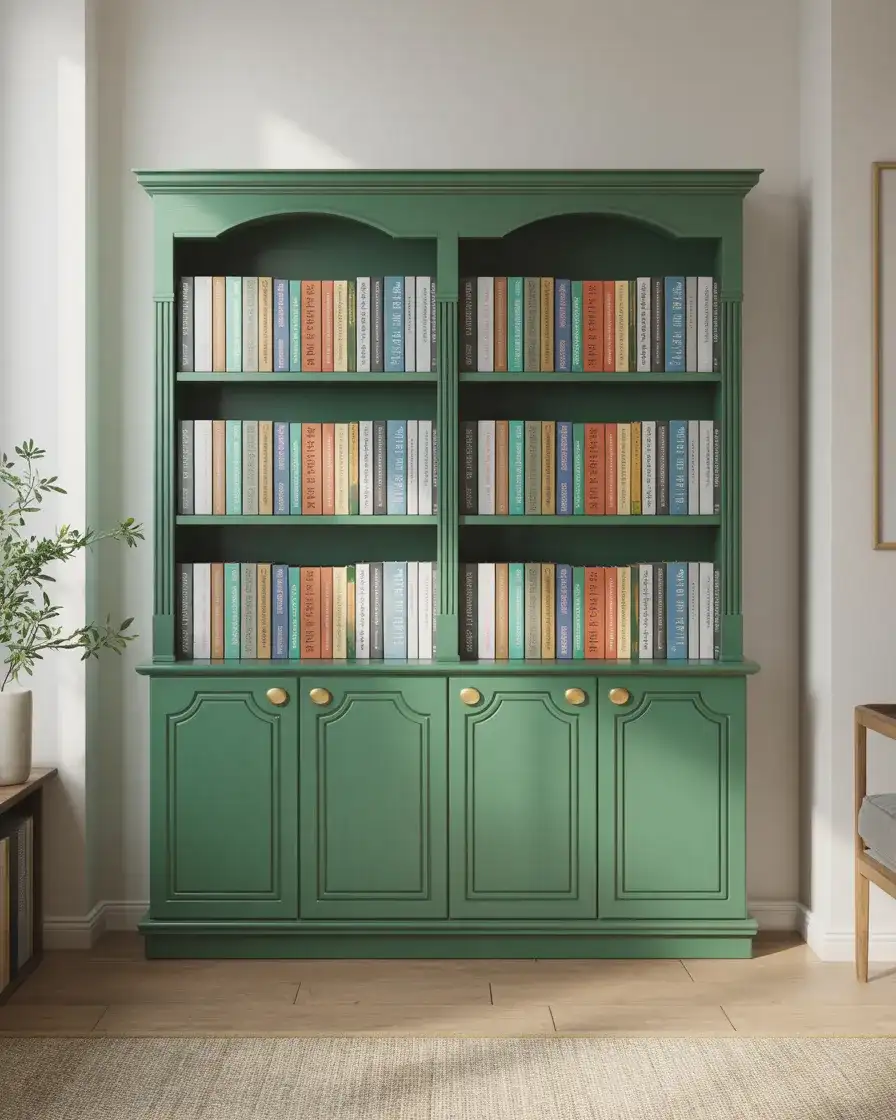
Real homeowners swear by this trick as a low-commitment way to test a bold color before painting an entire room. If you love it, you can expand the palette; if not, it’s just one piece of furniture to repaint. It’s also a smart move for open-plan homes where you want to subtly zone a reading area without adding walls or dividers.
16. Library Loft with Rolling Ladder
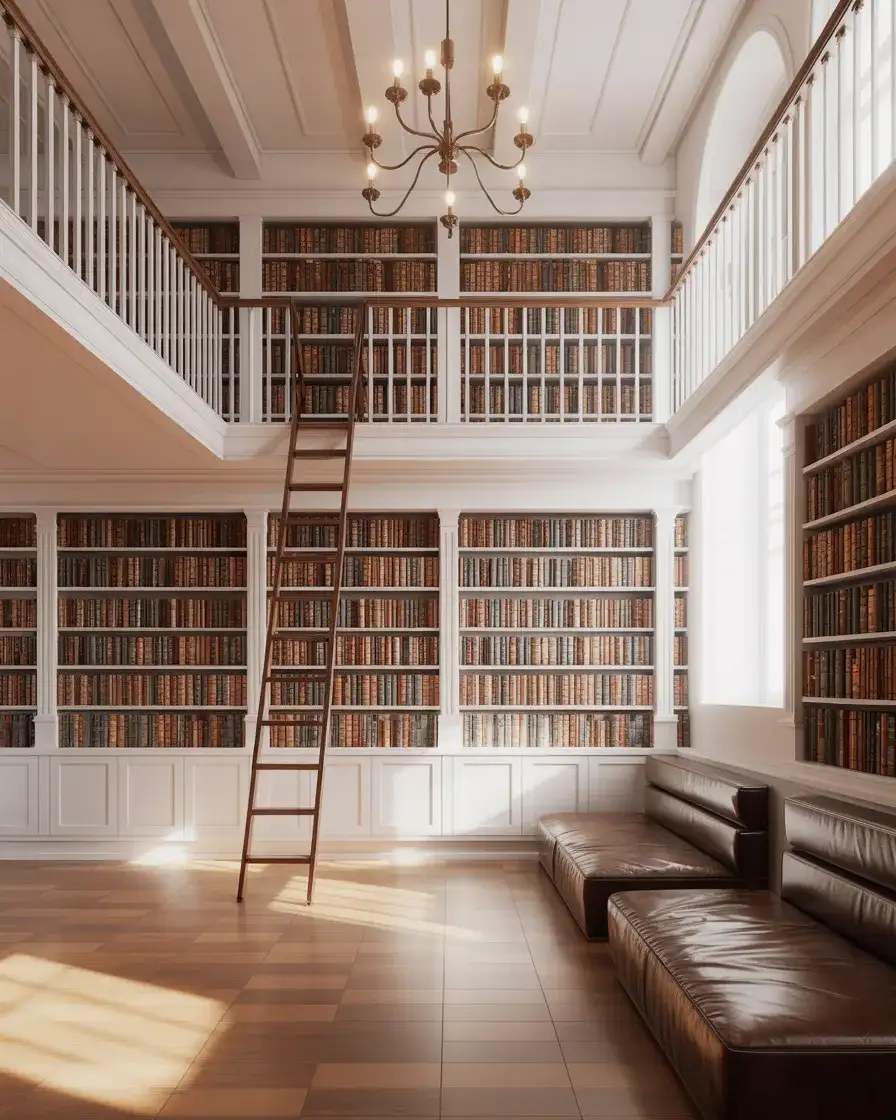
If you’re blessed with a double-height ceiling, install shelves all the way up and add a rolling ladder for access. This luxury detail is straight out of a storybook and makes a dramatic impression in great rooms, home offices, or renovated barns. It’s equal parts practical and theatrical, and it signals a serious commitment to your book collection. The ladder itself becomes a sculptural element that guests will want to try.
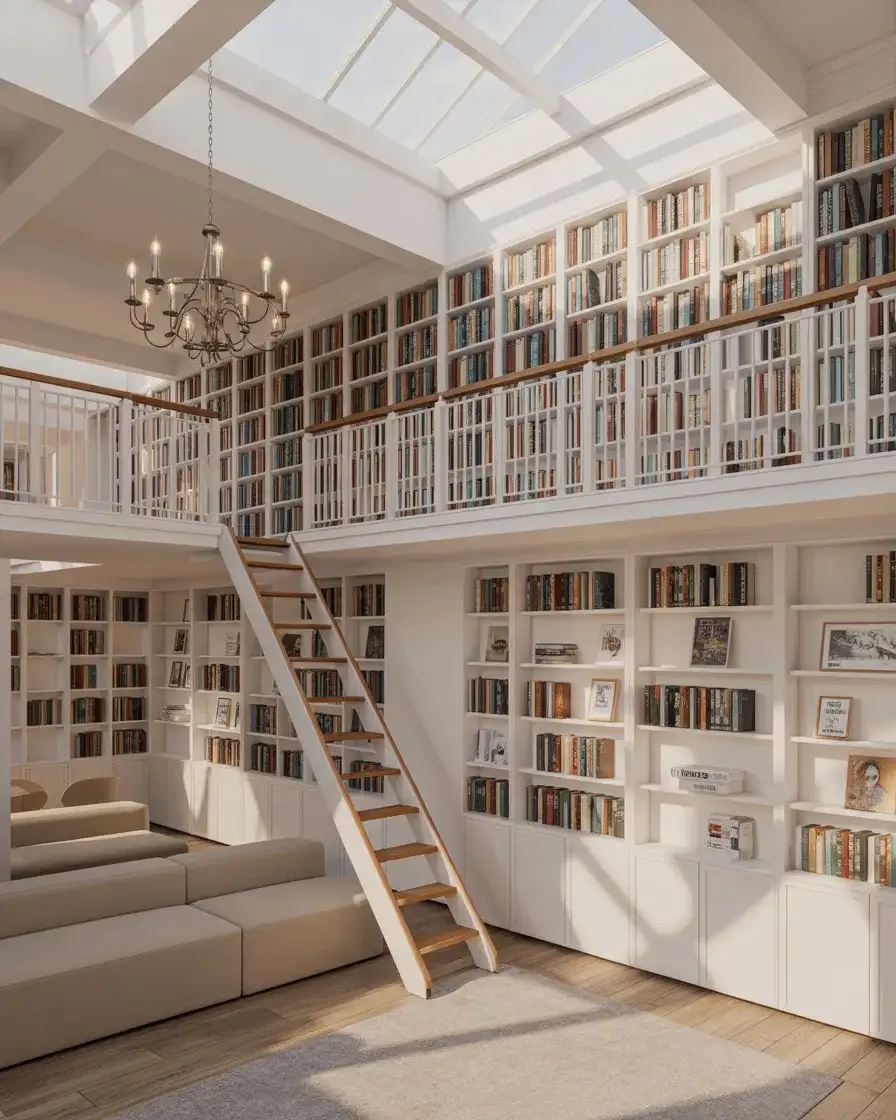
This is where splurging makes sense if you have the budget: a custom ladder rail system can run several thousand dollars, but it’s the kind of feature that defines a home. In historic renovation projects—especially in the South and New England—designers often incorporate salvaged ladders and rails from old libraries or warehouses, adding both function and provenance to the space.
17. Under-Stair Book Nook
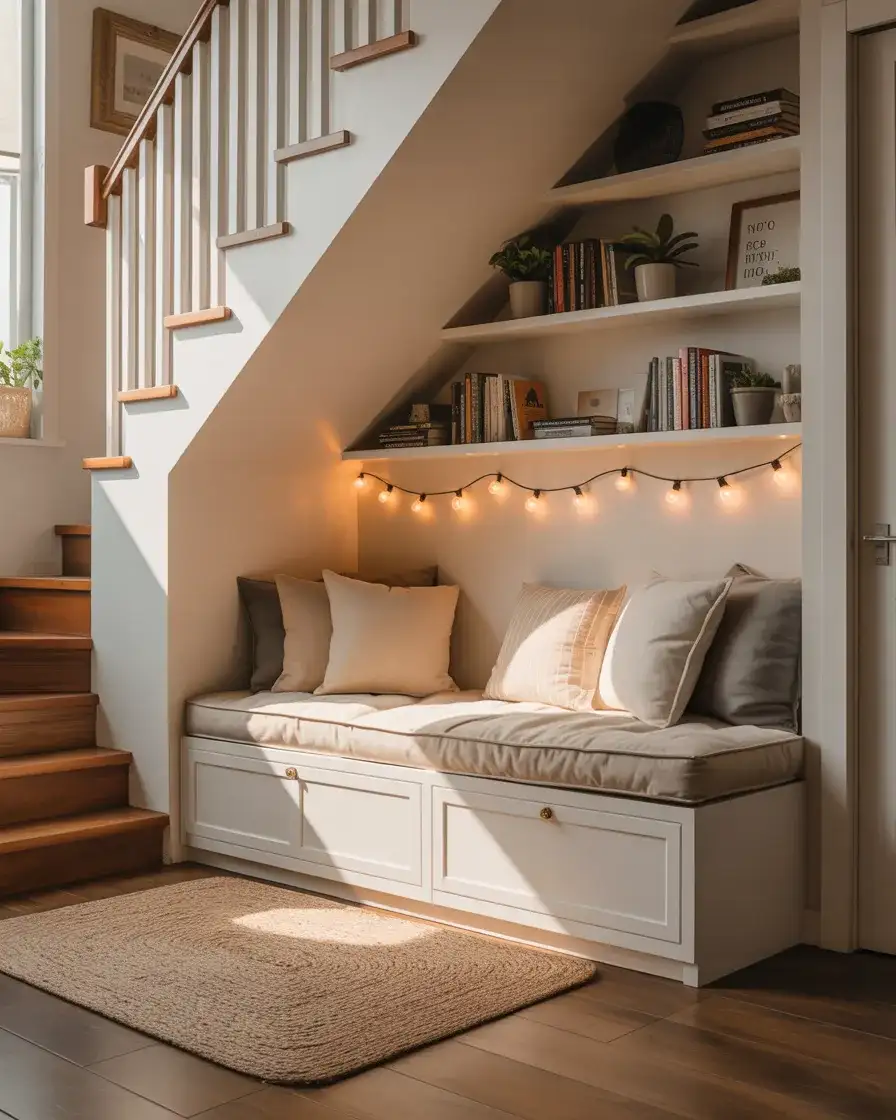
Turn the often-wasted space beneath a staircase into a magical book nook with built-in seating and shelves. This clever move works in homes of all sizes and adds a touch of whimsy that kids and adults alike adore. Install a small light, add cushions, and you’ve got a hideaway that feels like a secret passage in a fairy tale. It’s a charming way to make every square foot count.
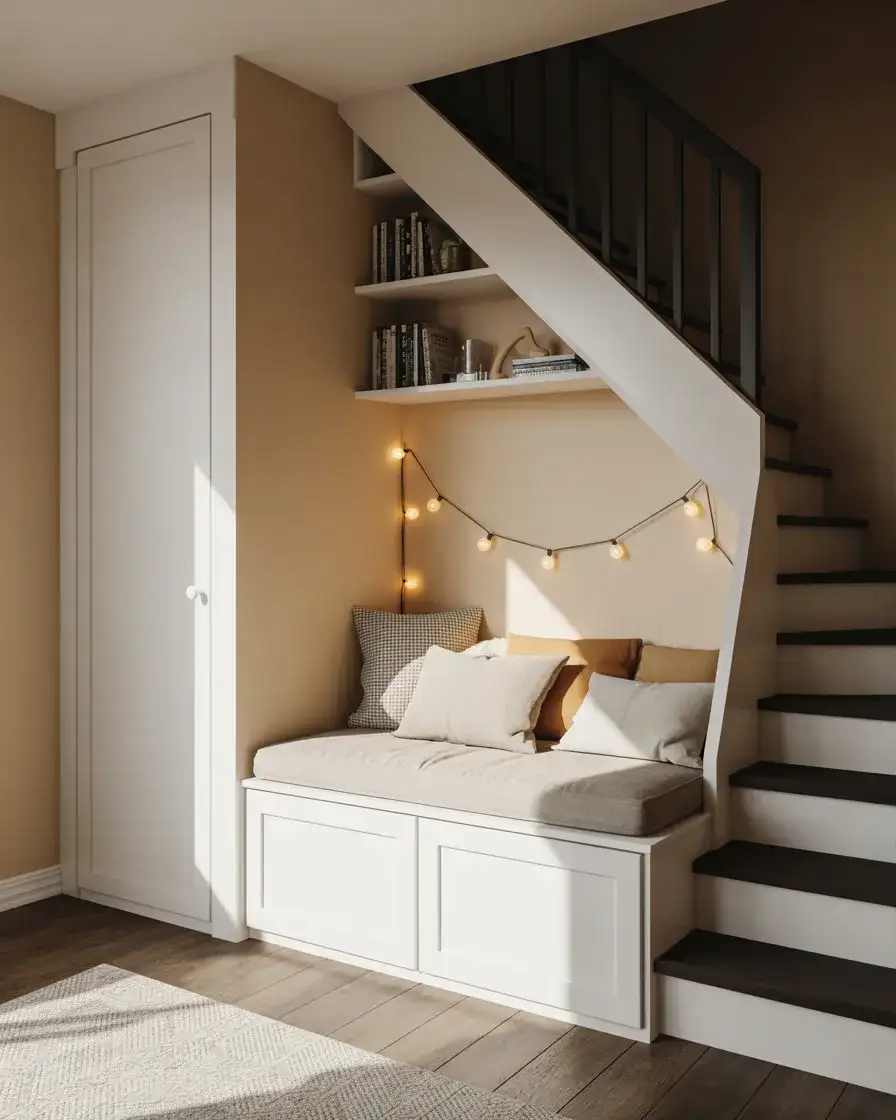
Where it works best: older homes with traditional staircases that have a natural alcove beneath them, particularly Victorian or Colonial builds. Modern open-tread stairs won’t offer the same enclosed feeling, but if you have a solid stair structure, this is one of the most cost-effective ways to add character and function without expanding your footprint.
18. Minimalist Wall-Mounted Book Ledges
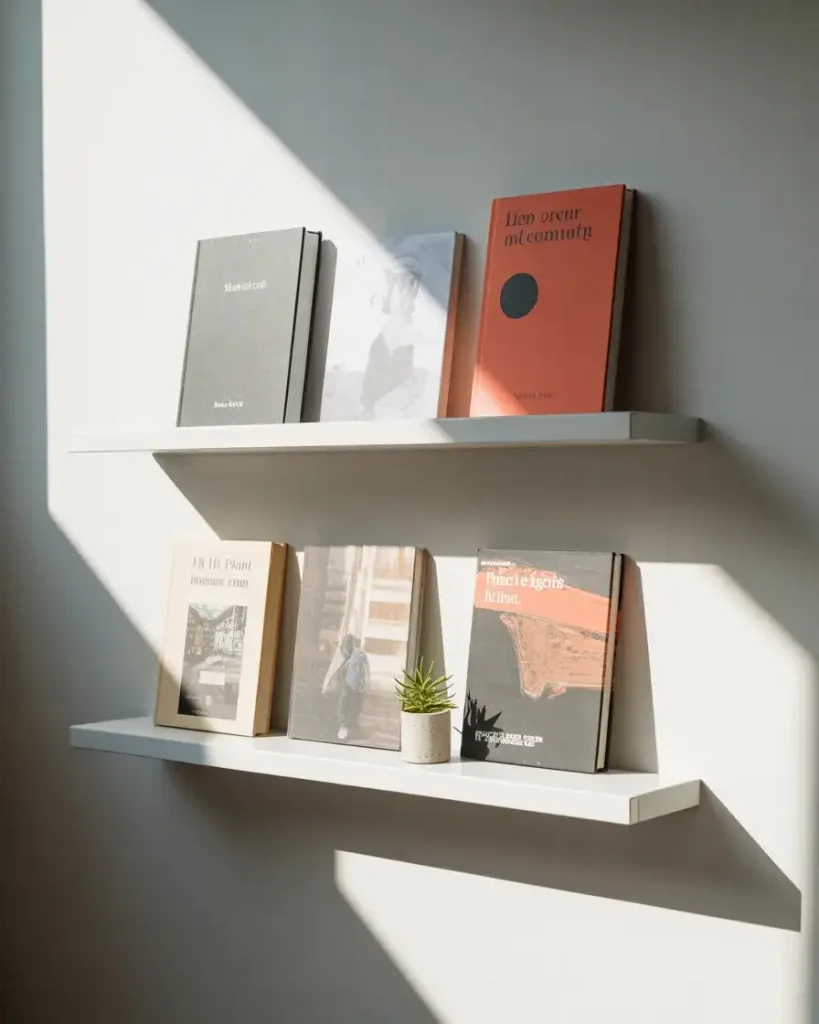
Shallow picture ledges let you display books face-out, turning covers into art. This approach is ideal for small rooms where deep shelves would overwhelm the space. Rotate your display seasonally or whenever you finish a new favorite. It’s a flexible, gallery-style solution that keeps your current reads front and center. Plus, installation is a breeze—just a drill and a level.
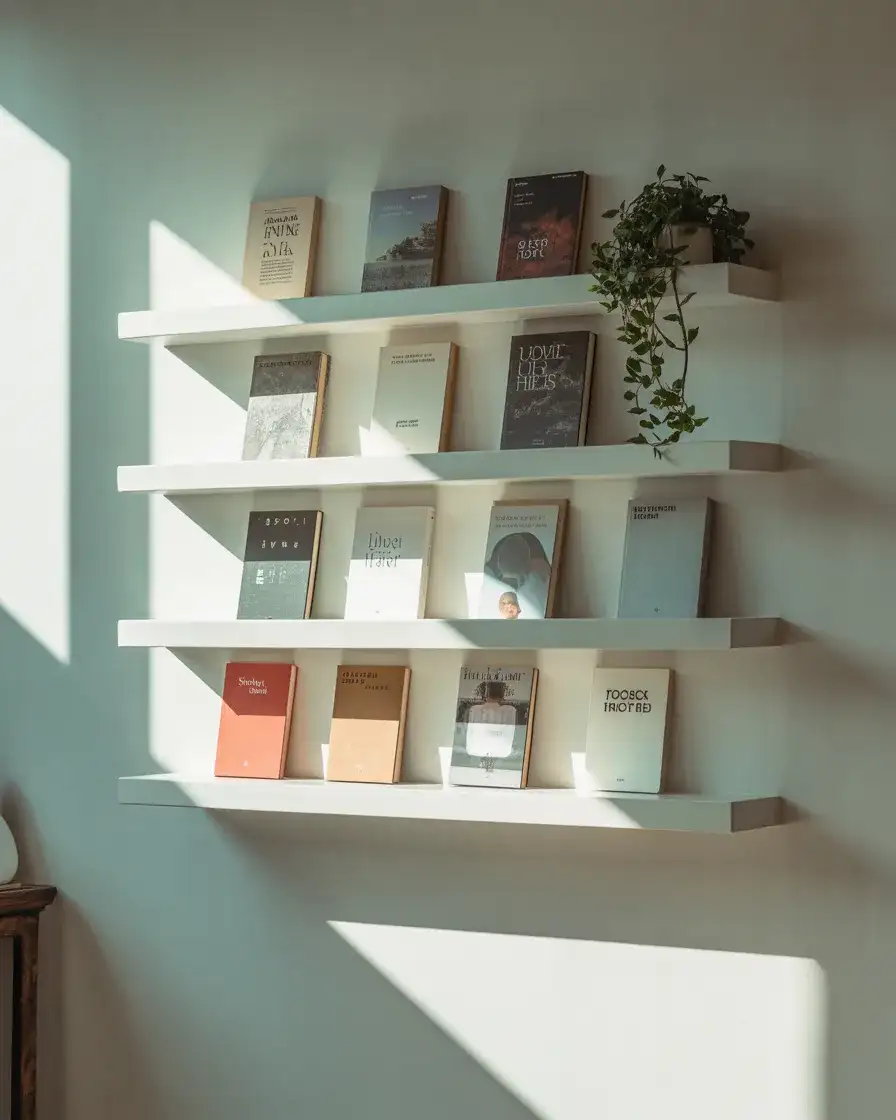
Practical insight: these ledges work especially well in nurseries or kids’ rooms, where changing out books encourages reading habits and keeps favorites accessible. They’re also a favorite among apartment dwellers who want to avoid heavy bookcases that can’t easily move from lease to lease. Just make sure to use drywall anchors rated for the weight you plan to display.
19. Grand Two-Story Library Wall
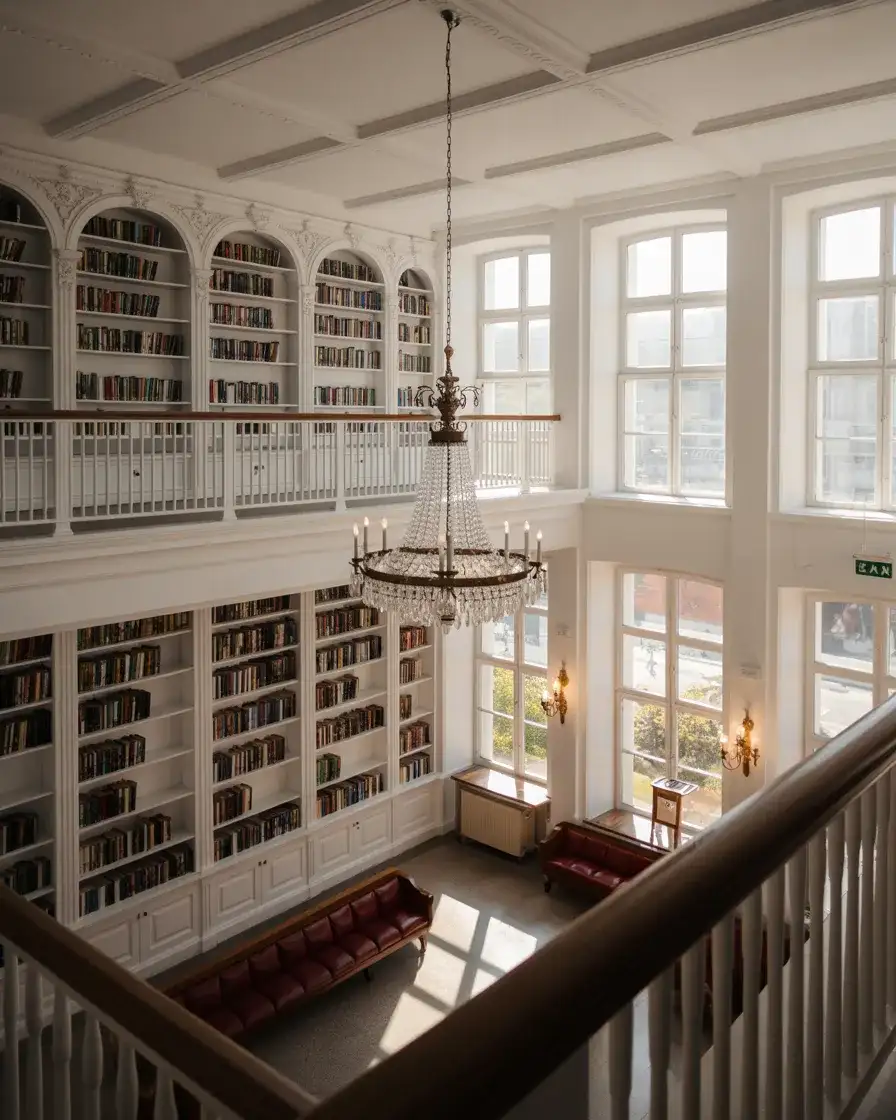
In homes with soaring ceilings, a full two-story wall of books makes an unforgettable statement. This luxury feature requires professional installation and often includes a catwalk or balcony for access to upper shelves. It’s the ultimate dream for bibliophiles with the space and budget to pull it off. Lighting is critical—consider integrated LED strips or picture lights to showcase the collection at night.
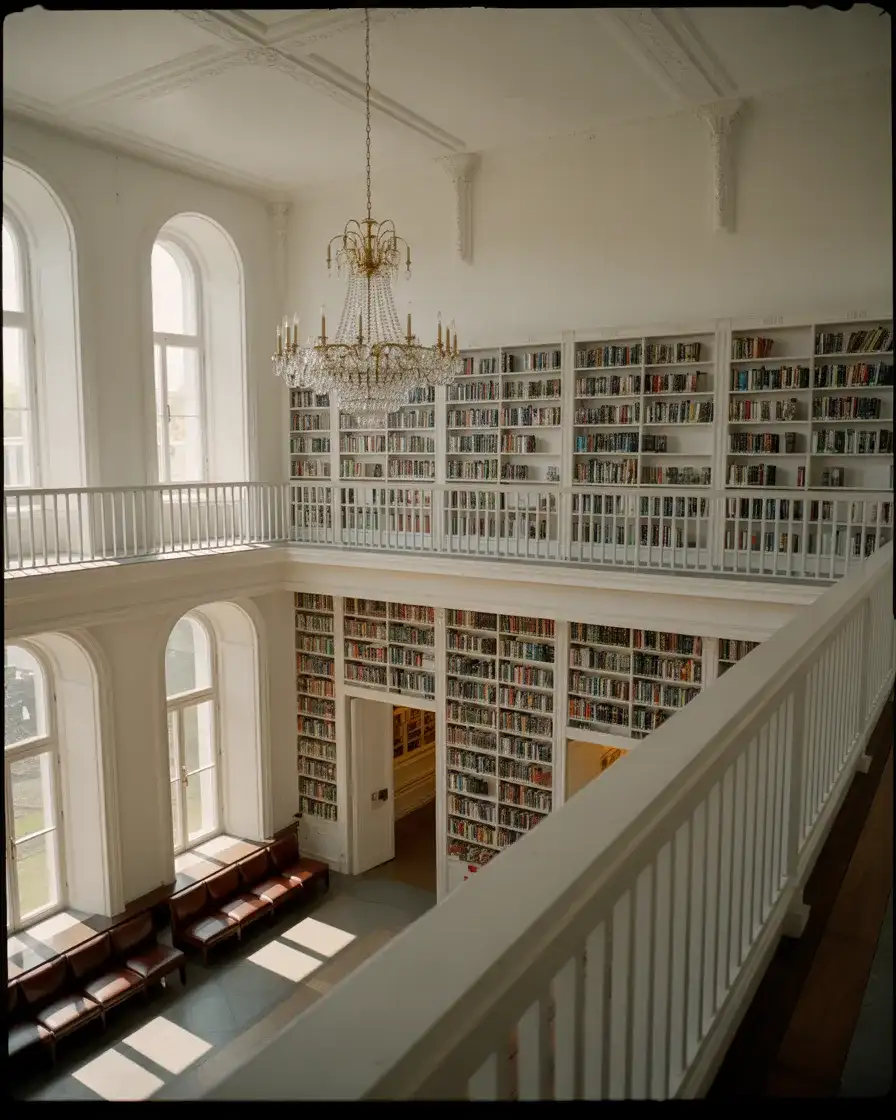
A common mistake is underestimating the cost and complexity of this project—expect to invest tens of thousands of dollars and several weeks of construction. You’ll also need structural support for the weight of thousands of books. That said, if you’re building or renovating and books are central to your life, this is the kind of investment that transforms a house into a personal landmark.
20. Cozy Alcove with Recessed Lighting
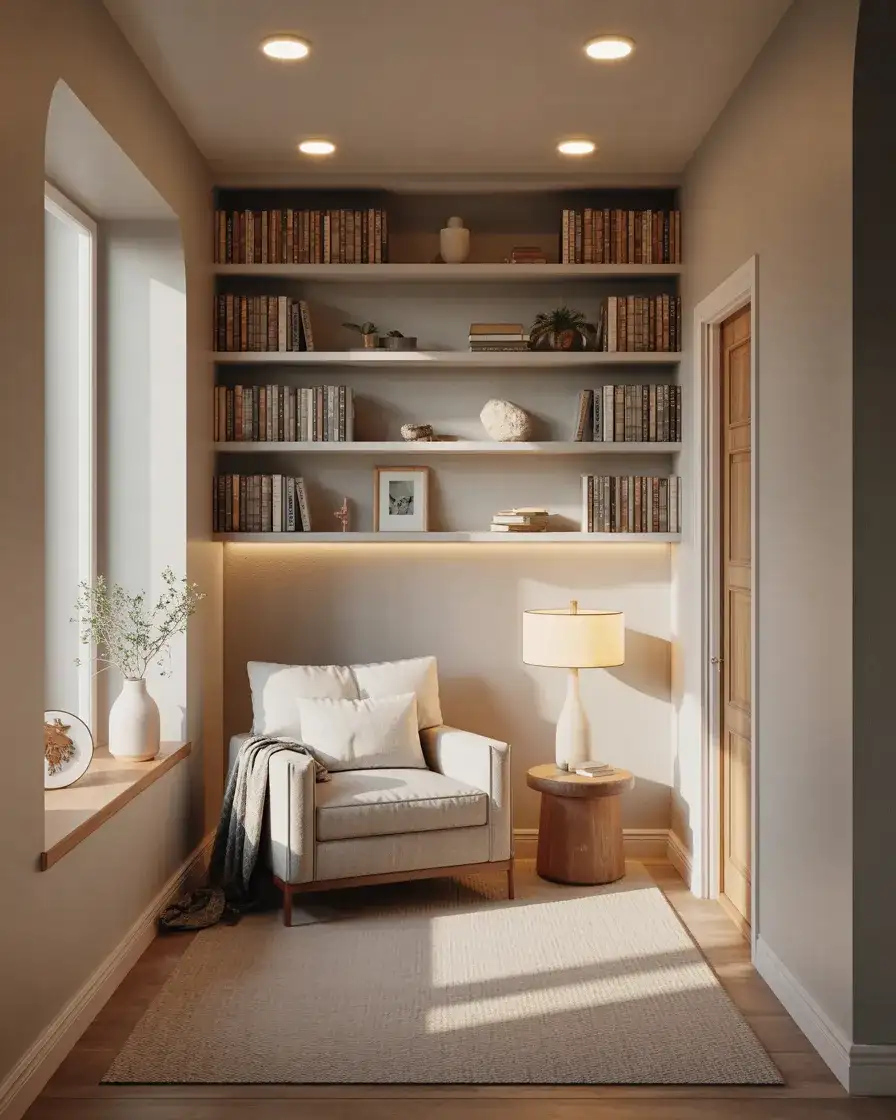
Carve out a cozy alcove by framing a small nook with shelves and adding recessed or cove lighting. This approach creates a defined reading zone without building walls, perfect for open-plan homes. The lighting adds drama and ensures you can read comfortably at any hour. It’s a sophisticated move that feels both intimate and intentional, especially when paired with soft textiles and warm wood tones.
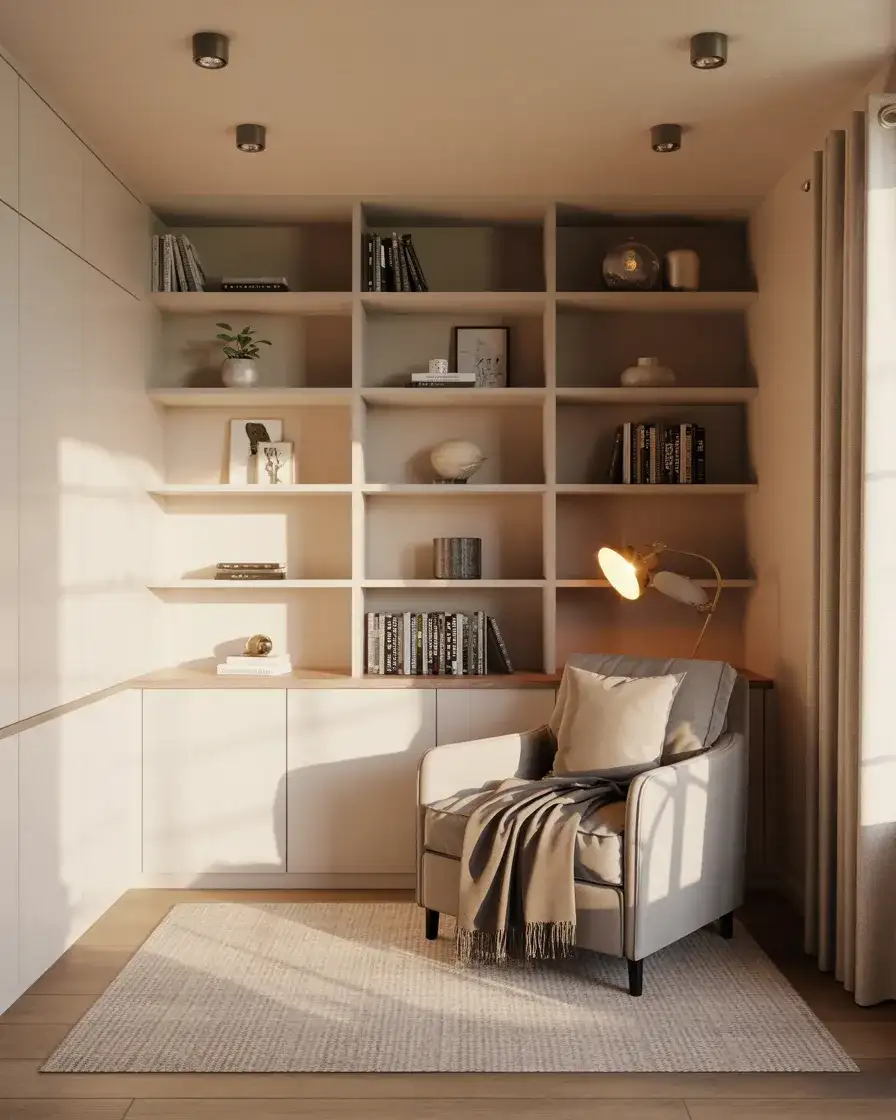
In the Southwest, where harsh sunlight can fade book spines, homeowners often use alcoves positioned away from windows and rely on artificial lighting to protect their collections. This design strategy extends the life of your books while creating a naturally cooler, dimmer space that’s ideal for escaping the midday heat.
21. Bookshelf as Room Divider
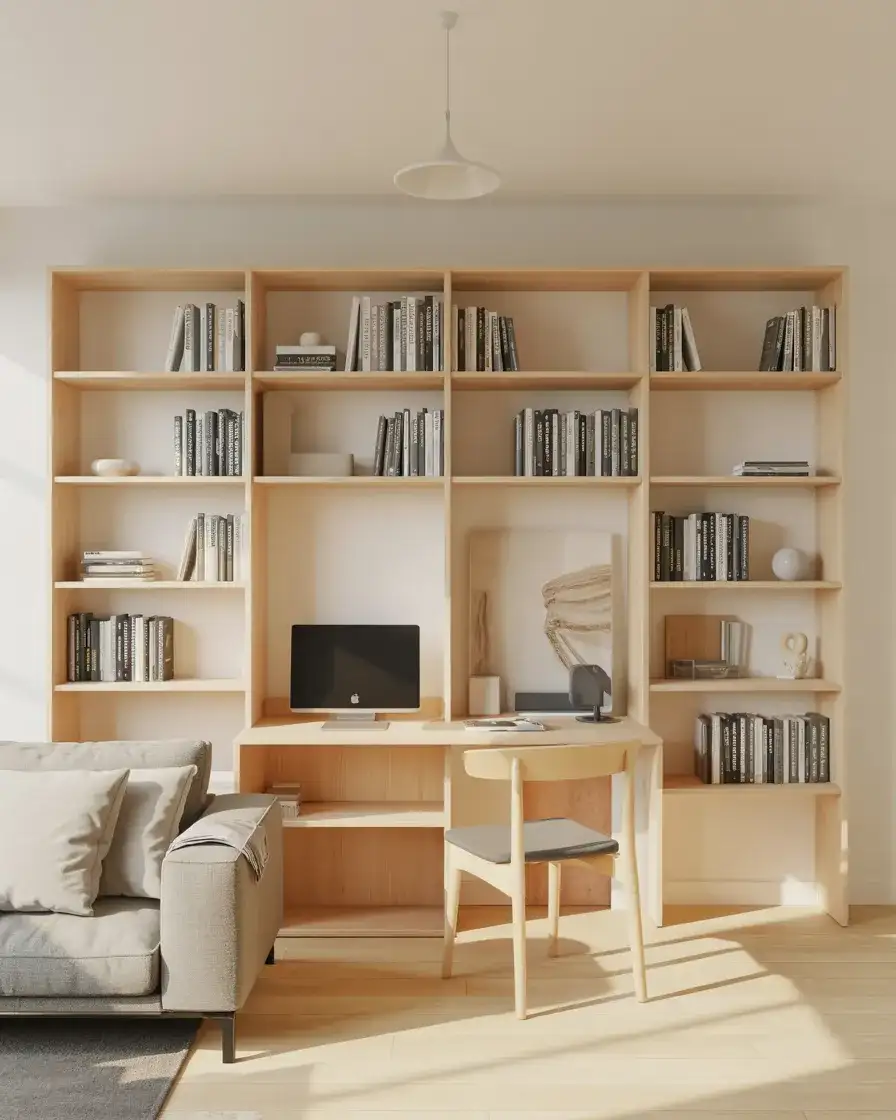
Use a freestanding or built-in bookshelf to separate a living area from a home office or dining space. This dual-purpose solution provides storage and visual privacy without blocking light or airflow. It’s especially useful in studio apartments or open lofts where walls aren’t an option. Choose an open-back design so both sides are accessible and equally attractive.
Expert designers recommend this strategy for homes where a couple shares a single room for work and relaxation. The bookshelf provides a psychological boundary—one side is “work,” the other is “leisure”—without sacrificing the open, airy feel that makes small spaces livable. Just make sure the unit is securely anchored to prevent tipping, especially in earthquake-prone regions.
22. Library with a Daybed
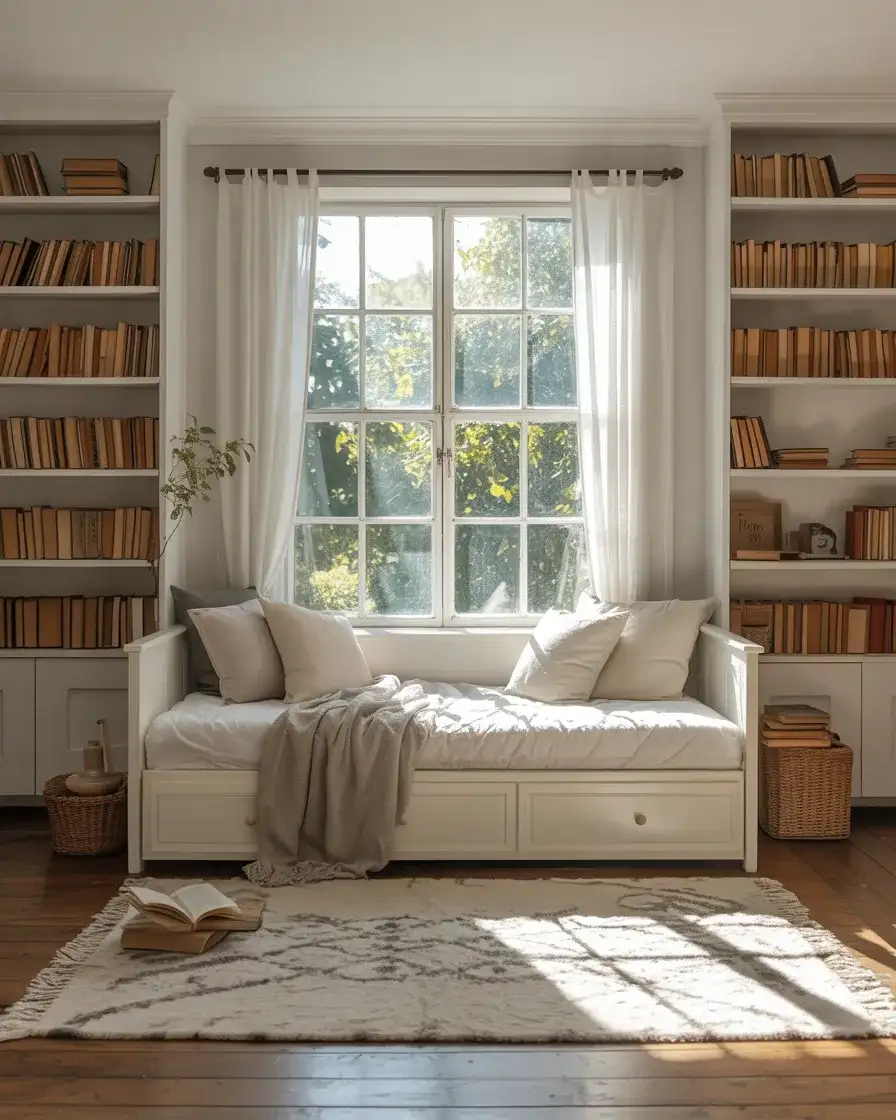
A daybed surrounded by shelves turns a spare room into a multipurpose dream space—part library, part guest room, and part personal sanctuary. Pile on throw pillows and soft blankets to make it as inviting as possible. This setup is ideal for smaller homes where every room needs to work overtime. It’s also perfect for afternoon naps with a book in hand, the ultimate luxury in a busy life.
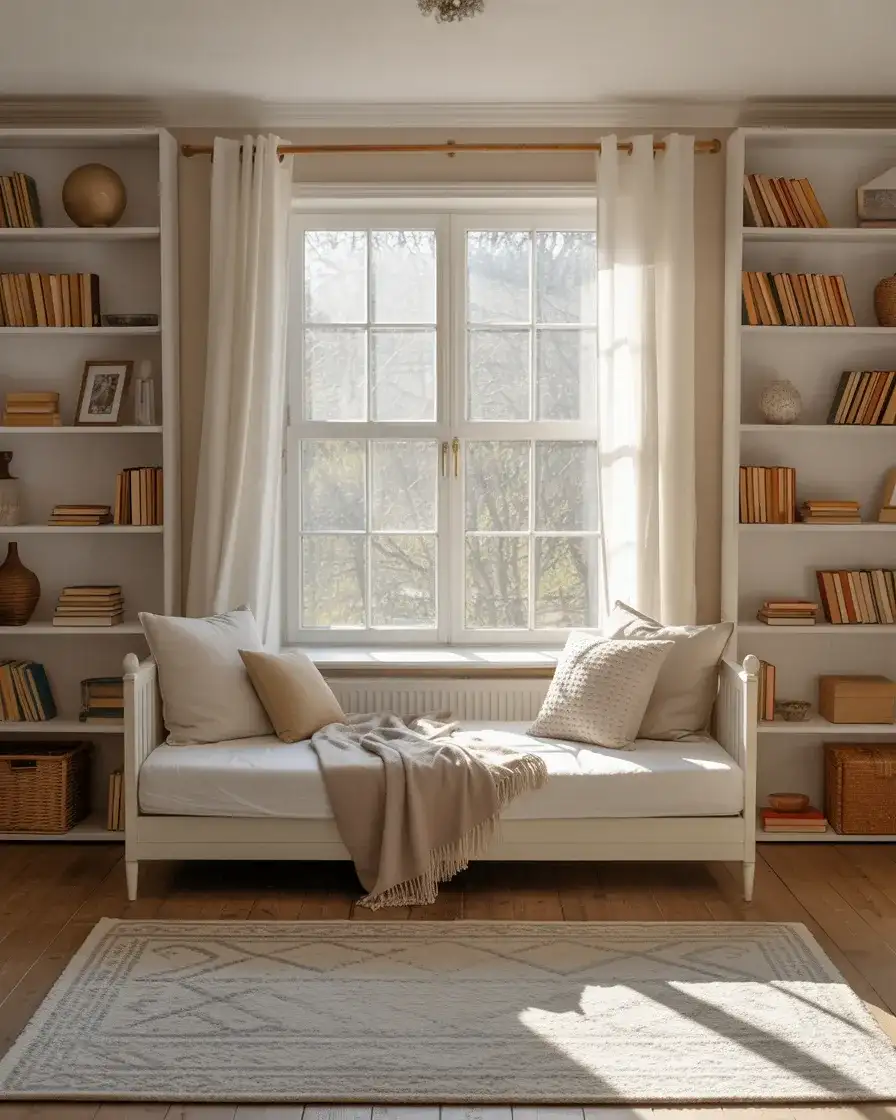
I know a couple in Portland who converted their third bedroom this way when their youngest left for college. They kept the closet for guest use, added floor-to-ceiling shelves, and brought in a vintage daybed from a flea market. Now it’s the most-used room in the house—she reads there every morning, he naps there after weekend bike rides, and visiting friends always ask if they can sleep surrounded by books.
23. Colorful Bookcase with Rainbow Organization
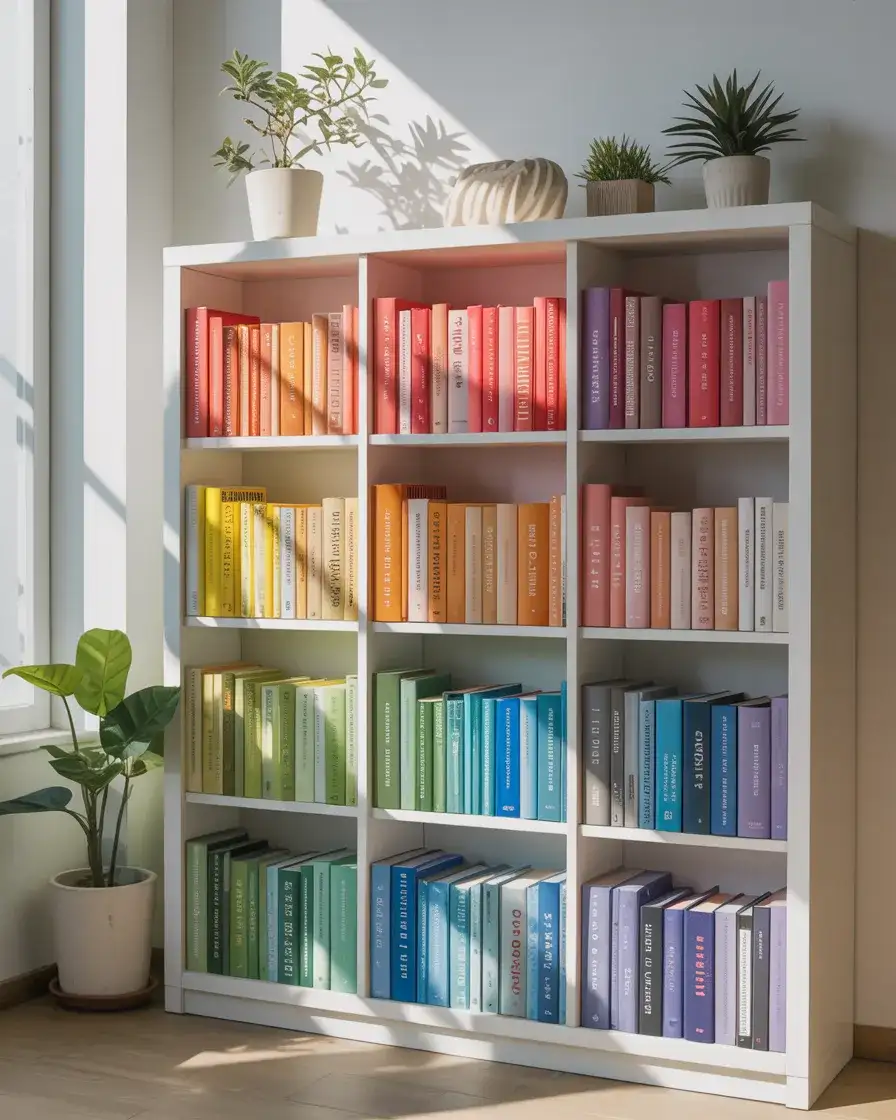
Arrange your books by color to create a striking visual gradient that doubles as wall art. This aesthetic approach is wildly popular on Pinterest and Instagram, and it makes your collection feel curated and intentional. It works best with large collections where you have enough books in each hue to create a smooth transition. Purists may balk at non-alphabetical order, but the payoff is undeniably beautiful.
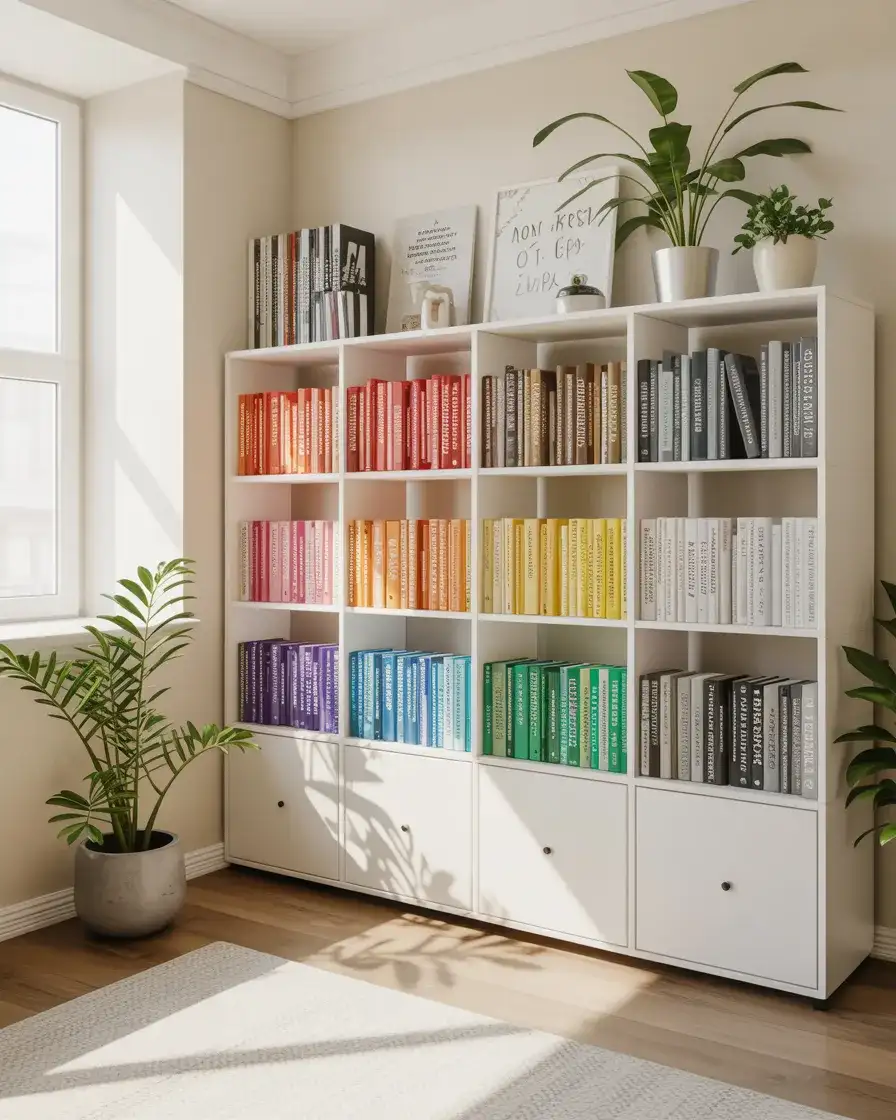
Real homeowners who’ve tried this method report that it’s easier to find books than expected—you remember the color of a cover faster than you think. It’s also a conversation starter: guests always comment, and it gives you an excuse to share recommendations. Just be prepared to rearrange when you add new titles, or accept that a few books will end up slightly out of sequence.
24. Glass-Front Cabinet for Rare Books
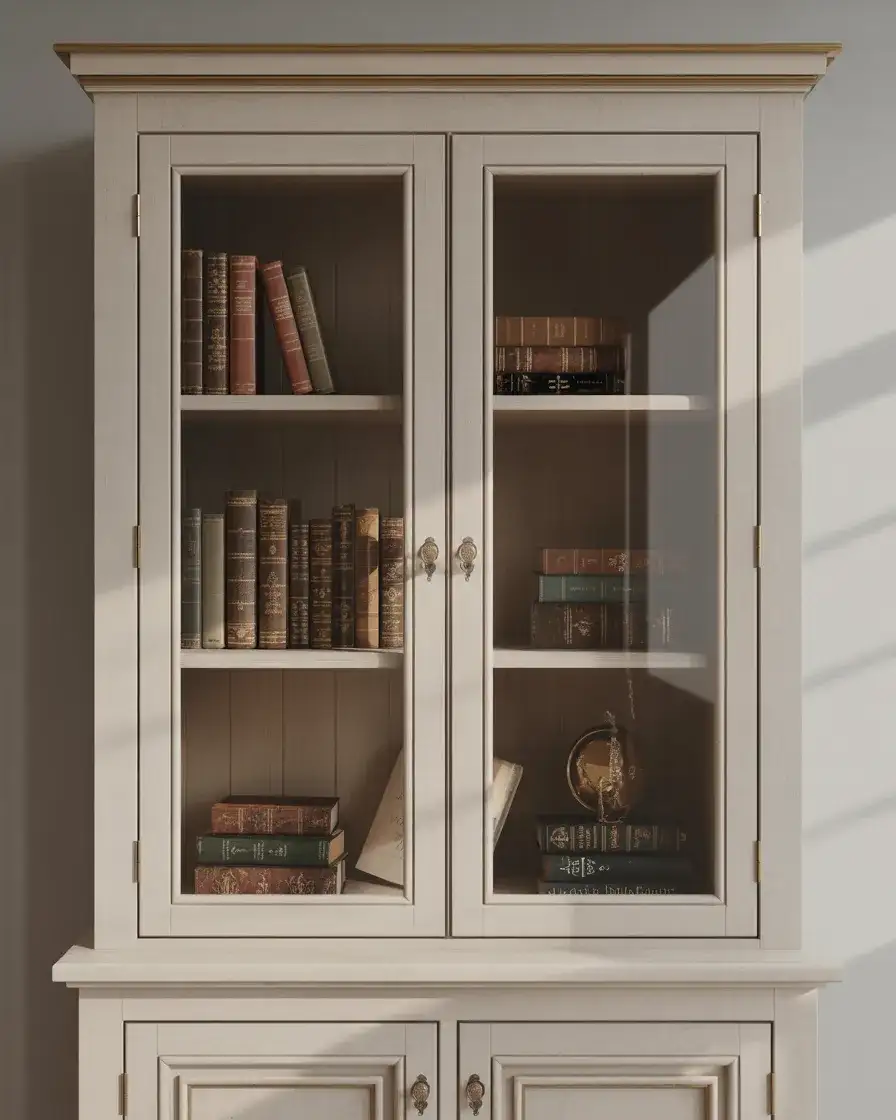
Protect valuable or sentimental volumes in a glass-front cabinet that keeps dust and moisture at bay while showcasing your treasures. This is a smart move for first editions, signed copies, or family heirlooms that deserve special care. It adds a museum-quality touch to any luxury library and signals that your collection is more than just decoration—it’s a curated archive.
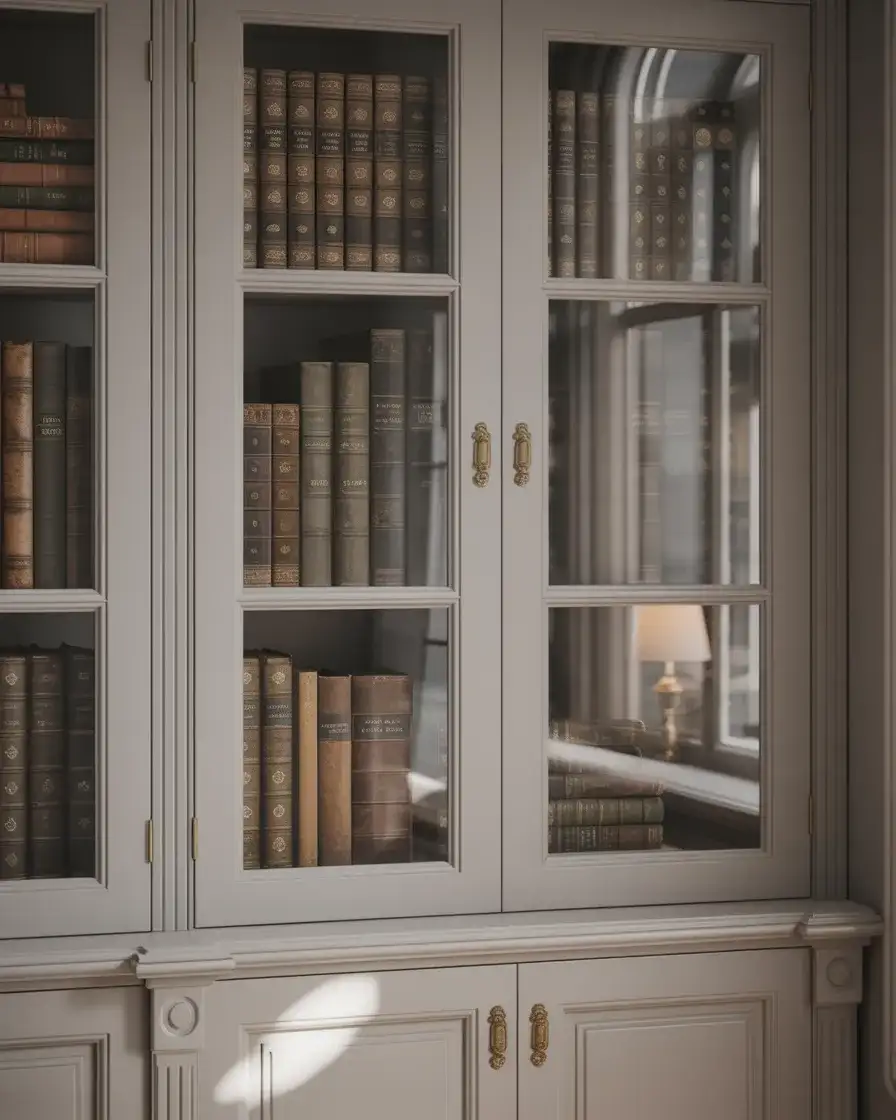
For serious collectors, this is non-negotiable: UV-protective glass, humidity control, and proper ventilation extend the life of rare books by decades. In humid climates like the Southeast, a glass cabinet with a small desiccant pack inside can prevent mold and mildew. It’s a modest investment that pays off in preservation, especially if you’re housing books worth hundreds or thousands of dollars.
Conclusion
Whether you’re working with a walk-in closet, a wall of windows, or a grand double-height space, there’s a library design that fits your life and budget. The beauty of these ideas is their adaptability—mix and match elements, scale them to your square footage, and let your personal style guide the details. A home library isn’t just about storing books; it’s about creating a space where you feel inspired, comfortable, and connected to the stories that matter most. So pick a corner, grab a drill or a paintbrush, and start building the retreat you’ve always imagined. We’d love to hear which idea resonates with you—drop a comment below and share your own library plans or photos.