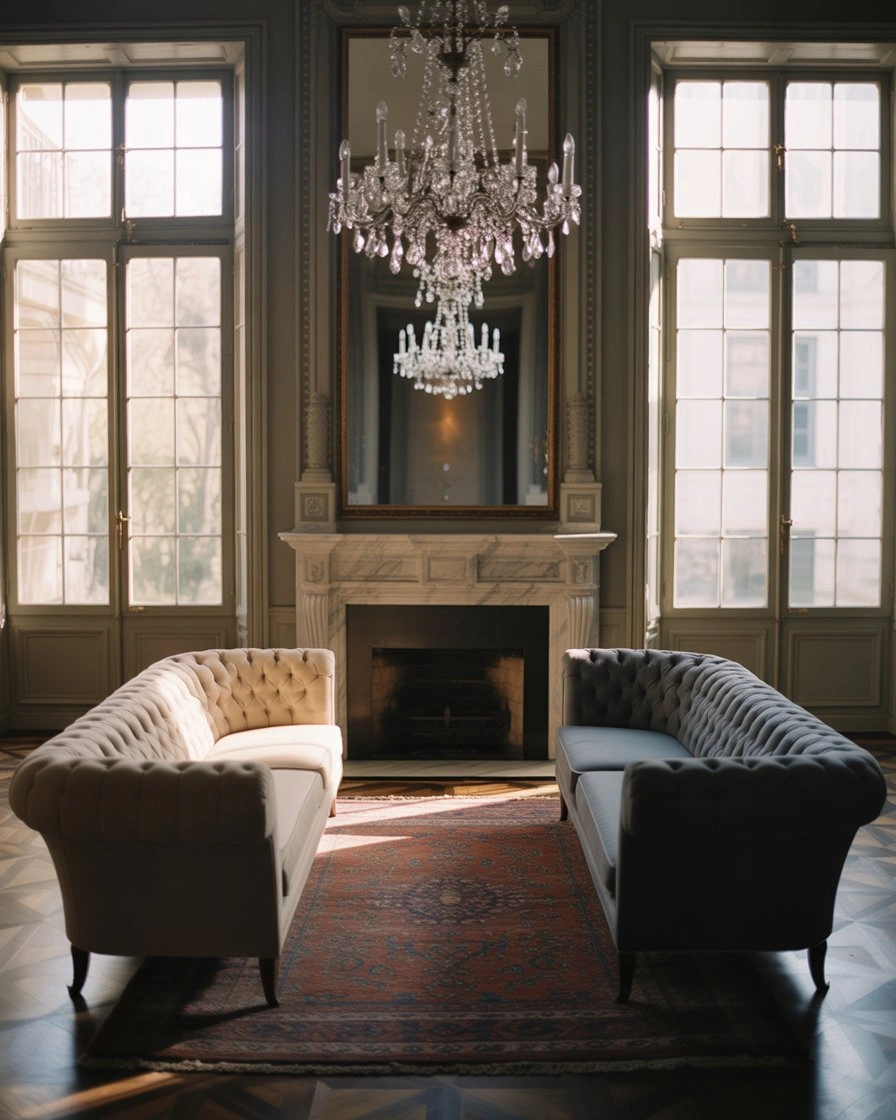
Living rooms for 2026 are eschewing the cookie-cutter approach for what’s comfy, layered, and well-considered—spaces that tell you a little something about how we really live. But, as Americans are now looking to Pinterest not just for pretty pictures but to solve real-life problems—spaces that balance style with function, individuality with community; rooms that feel collected, not curated—it was time to readdress. Whether you crave the clean lines and airy appeal of Scandinavian design, modern classic elegance, or a touch of avant-garde bursting with color from vibrant wood grains, this year’s interior trends are making room for individuality over perfection. In this article, you’ll find inspiration for your living room that speaks to real life in 2026—from color-forward statements to classic arrangements that work for renters and homeowners alike.
1. Curved Furniture Takes Center Stage
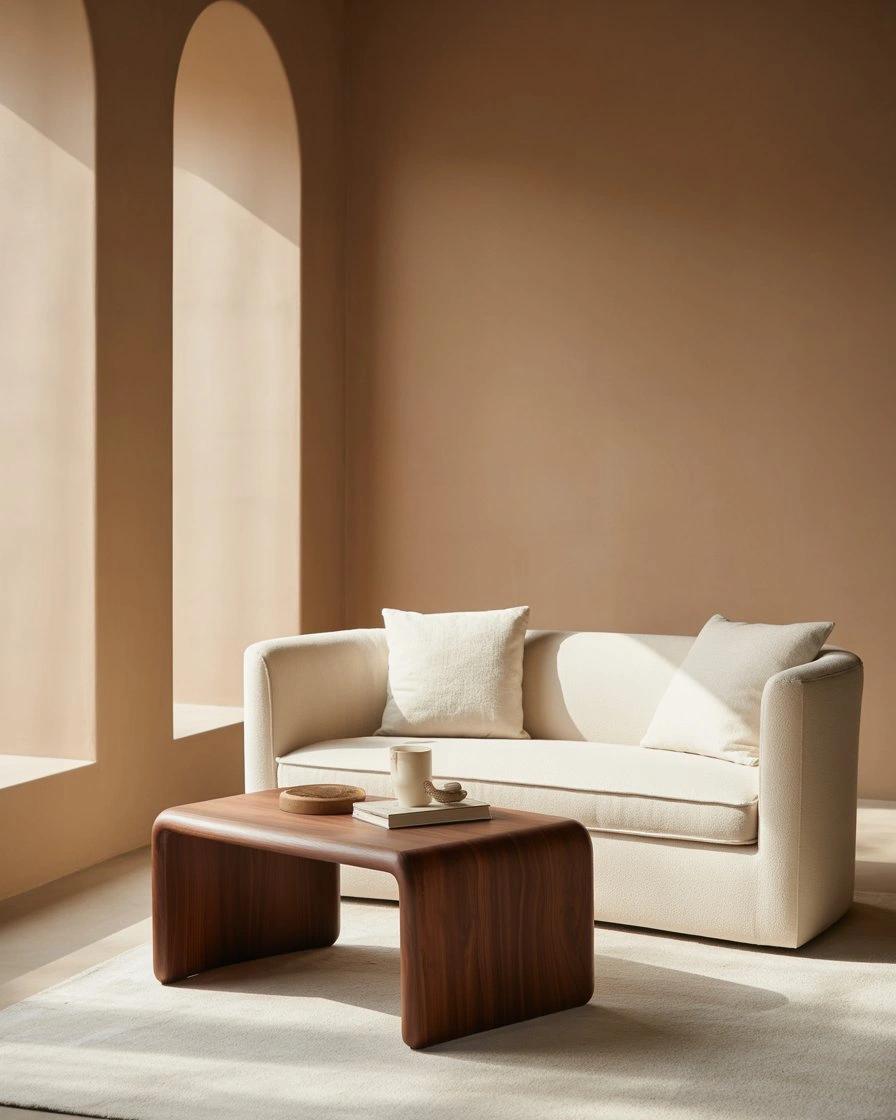
Soft, rounded sofas and chairs are replacing boxy silhouettes across American living rooms, bringing a sense of ease and flow that feels both contemporary and timeless. This shift toward organic shapes works beautifully in home settings where comfort is prioritized, especially in open-plan layouts where furniture needs to invite conversation rather than block pathways. The curves soften hard architectural lines and create a more approachable, lived-in aesthetic that appeals to younger homeowners and families alike. 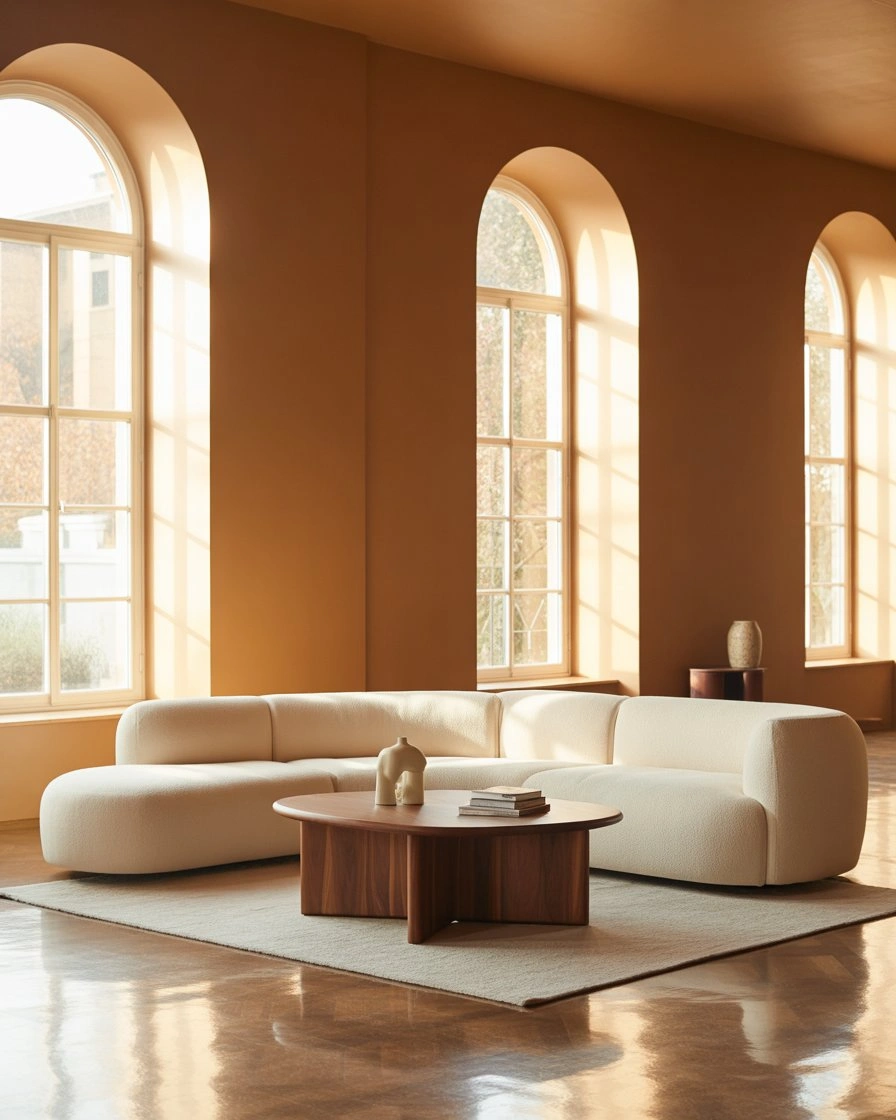
Where this works best: smaller urban apartments and mid-century homes where sharp corners can make spaces feel cramped. Curved pieces visually expand a room and create natural circulation patterns, making them ideal for multifunctional spaces. They also photograph beautifully, which is why they’re dominating Pinterest boards this year. Consider pairing a curved sofa with a low, round coffee table to amplify the effect without overwhelming the room.
2. Deep Green as the New Neutral
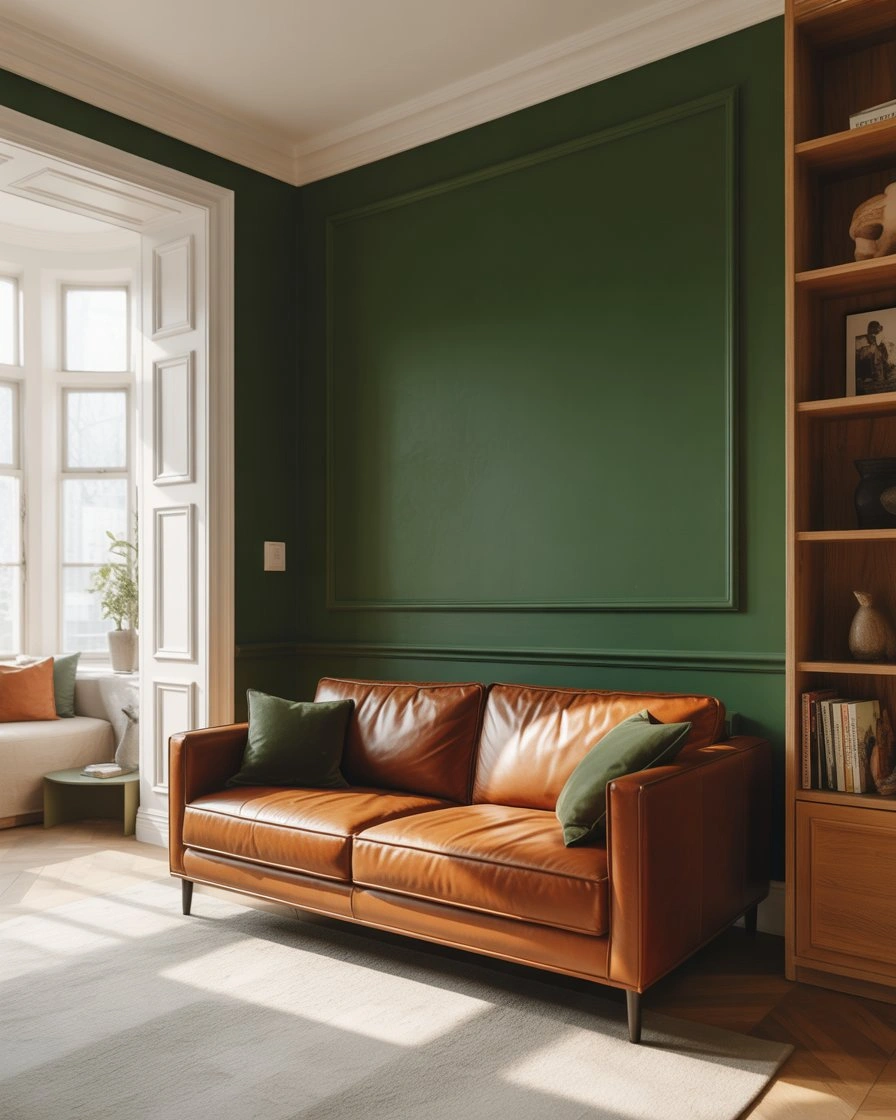
Rich, earthy green tones are replacing gray and beige as the go-to foundation color in living rooms, offering depth and warmth that feels grounded and sophisticated. This color shift reflects a broader return to nature-inspired palettes, especially among millennials and Gen Z homeowners who want spaces that feel calming yet distinctive. Deep green works across styles, from traditional interiors with velvet upholstery to Scandinavian spaces where it adds unexpected richness without breaking the minimalist ethos. 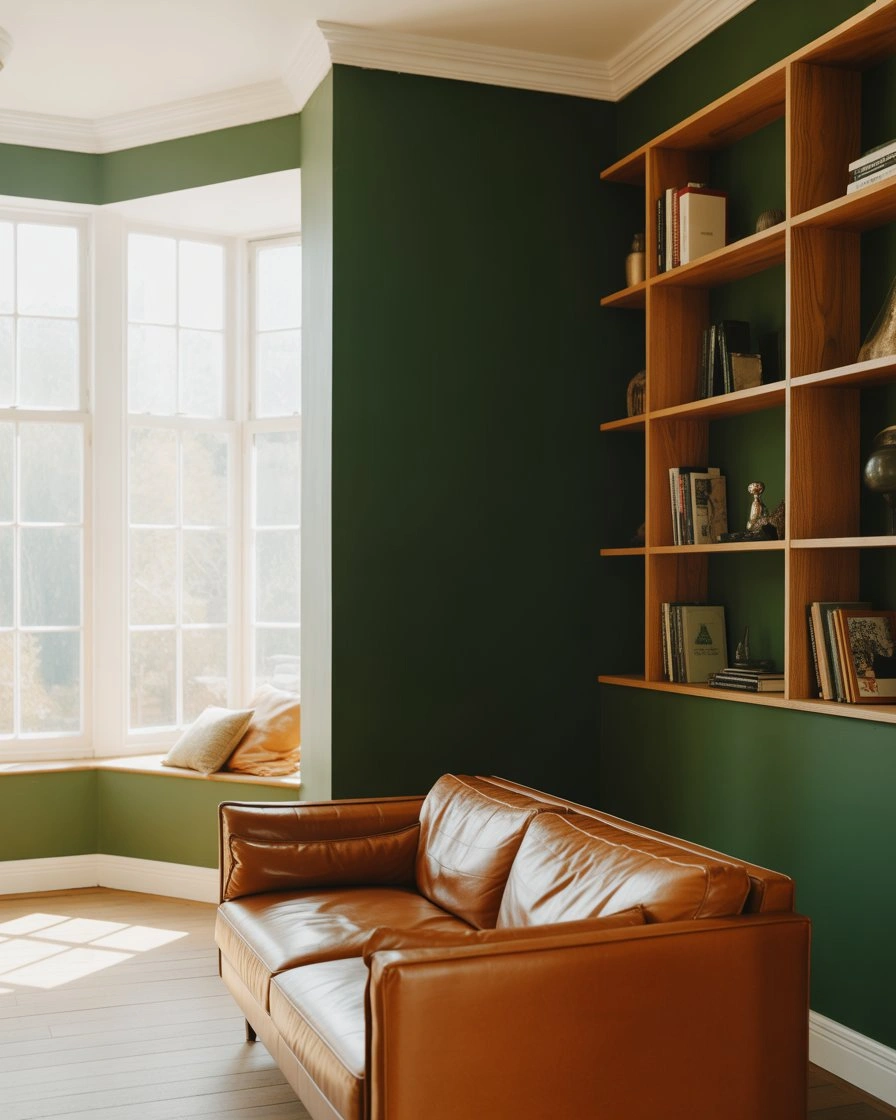
\n One of the most obvious pitfalls is opting for green that is overly saturated or cool and can burden small, natural light-starved spaces. Instead, seek out hues with warm undertones—olive, moss, or sage—that move lovely through the day. In your actual room, test samples and see how they look in morning versus evening light. If a full wall makes you apprehensive, work it in piece by piece: Reupholster the chairs with the color or hang an oversize piece of art.
3. Layered Lighting Becomes Non-Negotiable
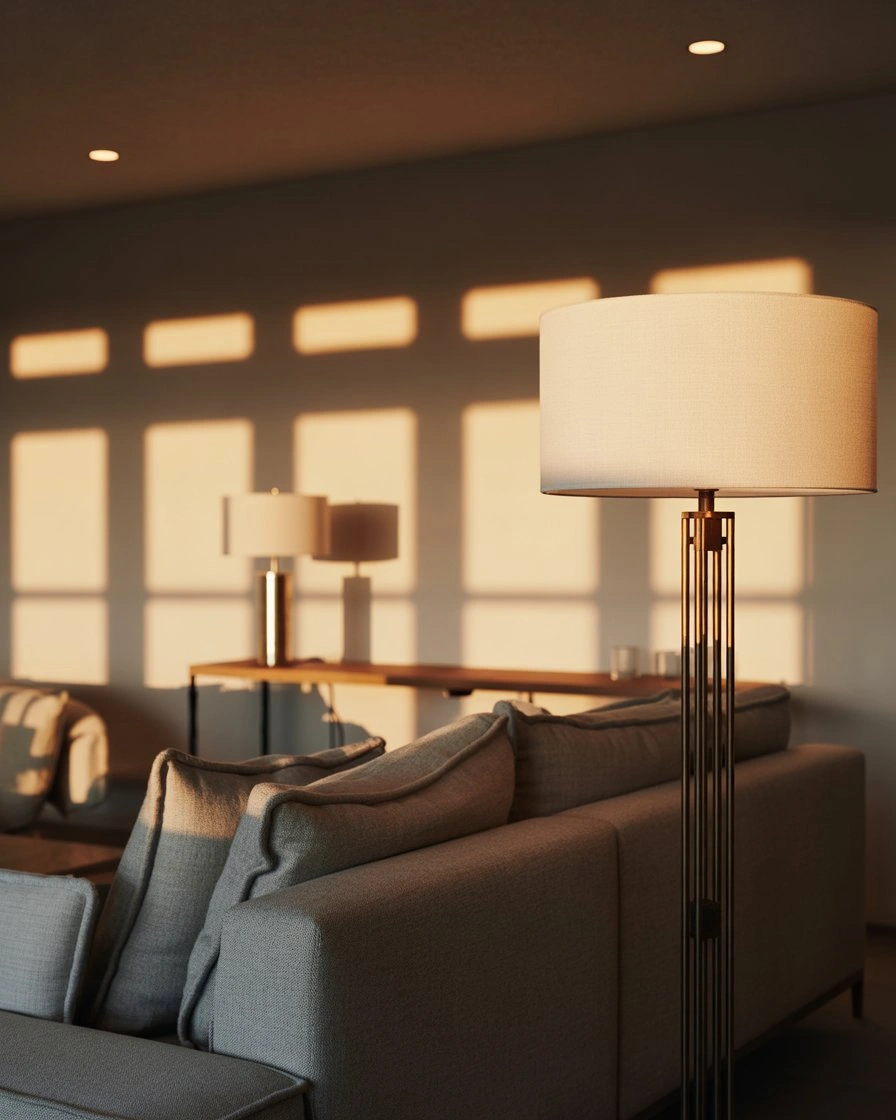
Single overhead fixtures are out; by 2026, luxury living rooms will be defined by multiple light sources, which can affect mood and adapt for different times of day. That means blending ambient lighting (recessed ceiling lights), task lighting (floor lamps near seating), and accent lighting (picture lights or LED strips) for depth, dimension, and a flattering environment. The strategy is particularly effective in newer classic homes that get to showcase architectural detail and in industrial lofts where overhead lighting can feel severe and uninviting. 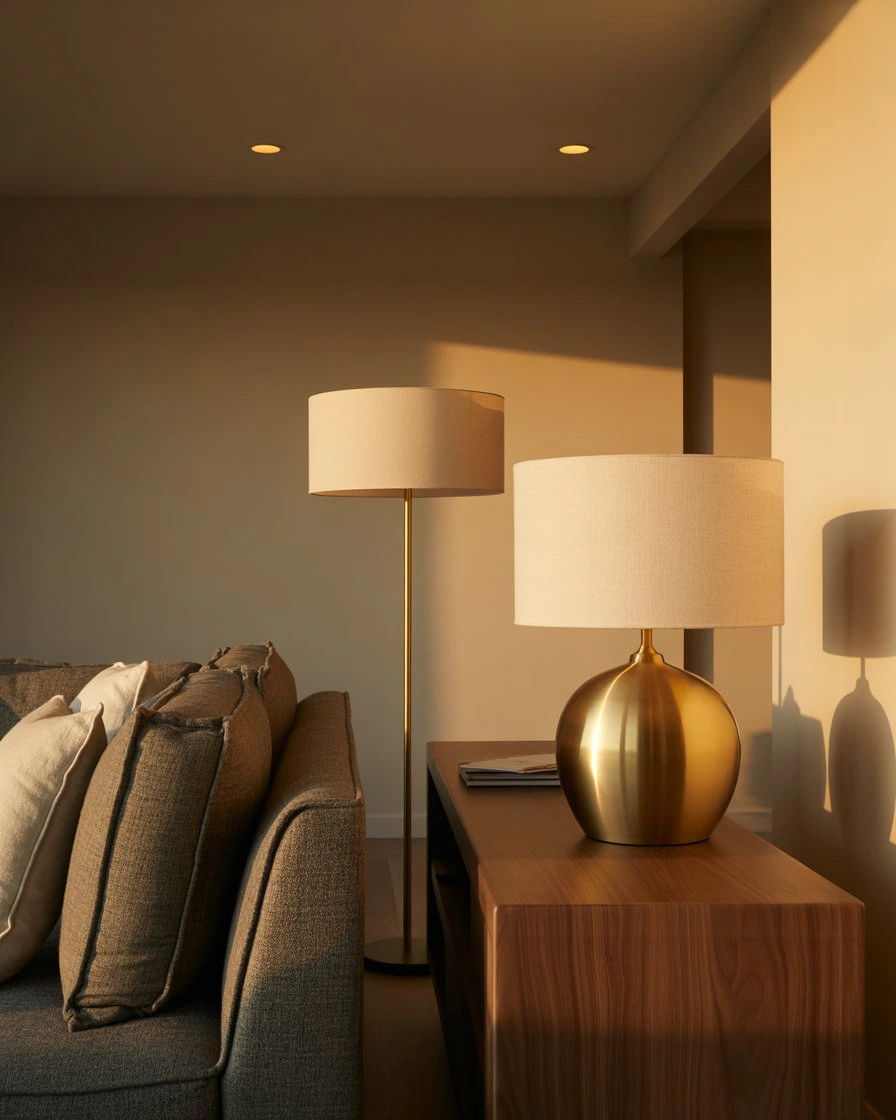
How do real people live in their homes? They don’t nearly use overhead lights at night in living rooms, instead relying on lamps and dimmers that create an appreciable sense of intimacy and warmth. Adding dimmer switches for all circuits allows you control of intensity, while incorporating a mix of warm-toned bulbs (2700K–3000K) will help ensure your space feels like home rather than a hospital. Budget tip: Vintage floor lamps found at estate sales or thrift shops can often have better quality and more character than mass-market options in the same price range.
4. The Return of the Formal Living Room

After years of open-plan everything, Americans are reclaiming dedicated living rooms as intentional, adult spaces separate from family chaos. This revival is especially strong among homeowners in their 30s and 40s who are establishing homes with clear boundaries between entertaining and everyday life. The neoclassical aesthetic is particularly suited to this, with symmetrical layouts, considered furniture placement, and a sense of occasion that makes the room feel special rather than just functional.
This is best in homes with enough square footage to accommodate numerous gathering spaces—usually suburban houses throughout the Midwest, South, and some parts of the Northeast where formal layouts never fully went away. The trick is to strike a balance between formality and ease: pick upholstery fabrics that can take real life, steer clear of overly precious accessories, and make sure your seating arrangements are conducive to conversation. A formal living room should not feel like a museum; it should feel like the best version of your home.
Impactful Color and Pattern
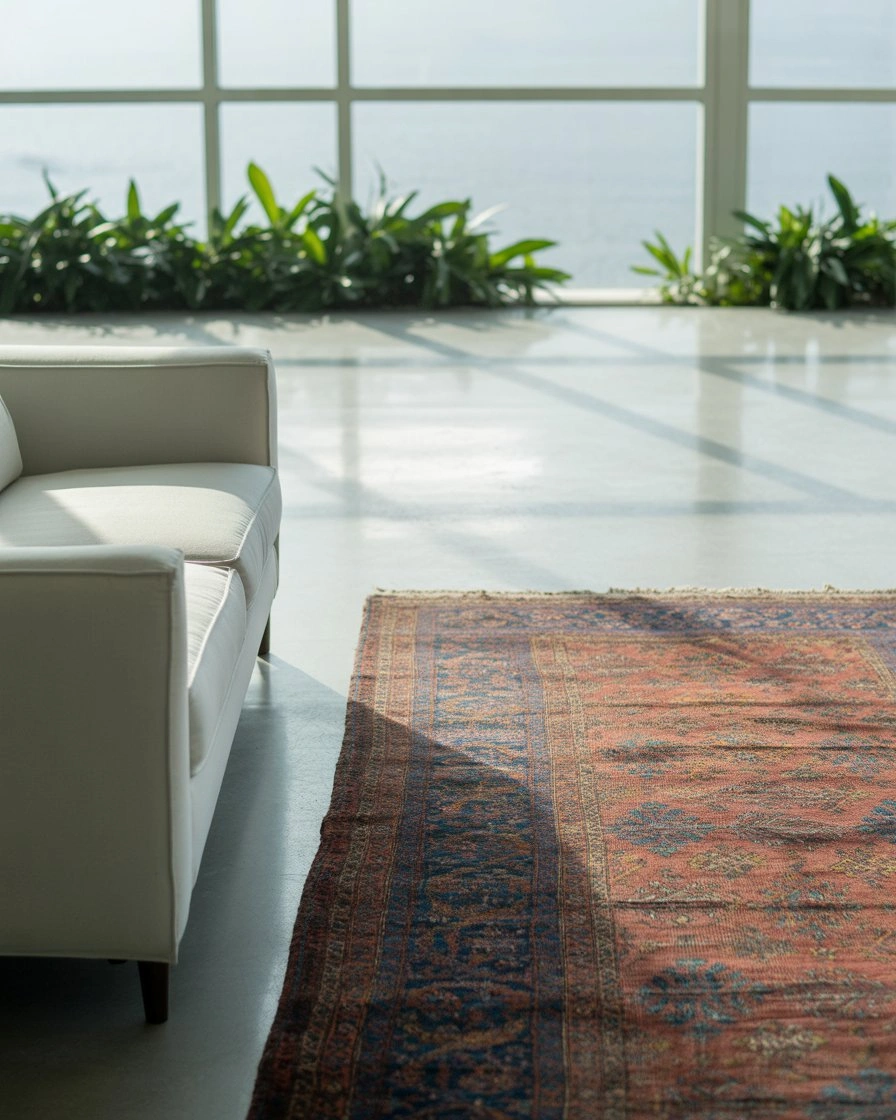
Real vintage and antique rugs are becoming the foundation of modern living rooms, injecting warmth, history, and visual intrigue that new rugs just can’t accomplish. The trend speaks to a broader rejection of fast furniture for pieces with provenance and character, especially among design-savvy Americans who are buying vintage on the internet and at estate sales. Country spaces look better with the layered, collected air these rugs bring; the least decorated Scandinavian room acquires depth and soul from a well-chosen Persian or Turkish kilim. 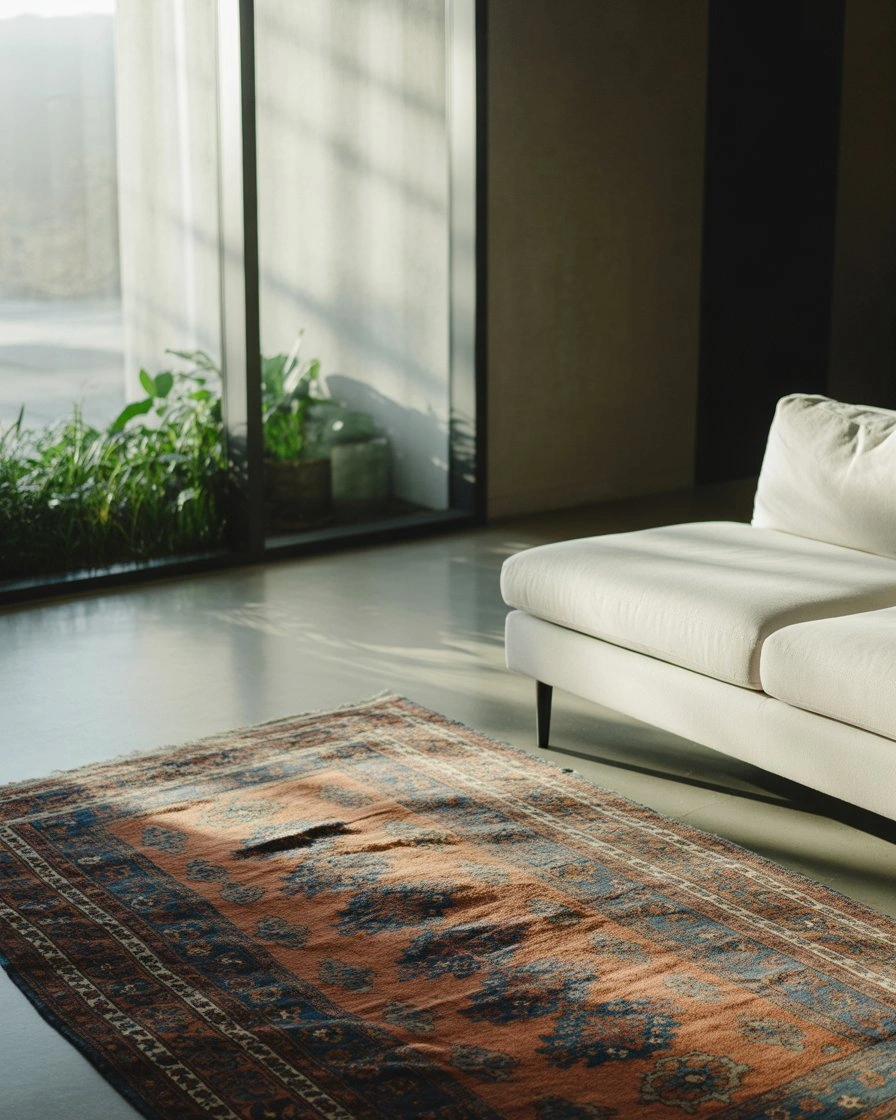
The nitty-gritty: vintage rugs are typically more resistant than new synthetic weaves and often age better in high-traffic spaces, especially wool ones from the mid-20th century. Look for rugs that have consistent wear, as opposed to bald patches, and don’t be afraid of faded colors—they feel sophisticated and lived in. Size matters more than you realize: err on the side of oversize, ideally with all furniture legs on the rug to ground your seating area and prevent it from looking like a floating outpost.
6. Built-In Seating Maximizes Space
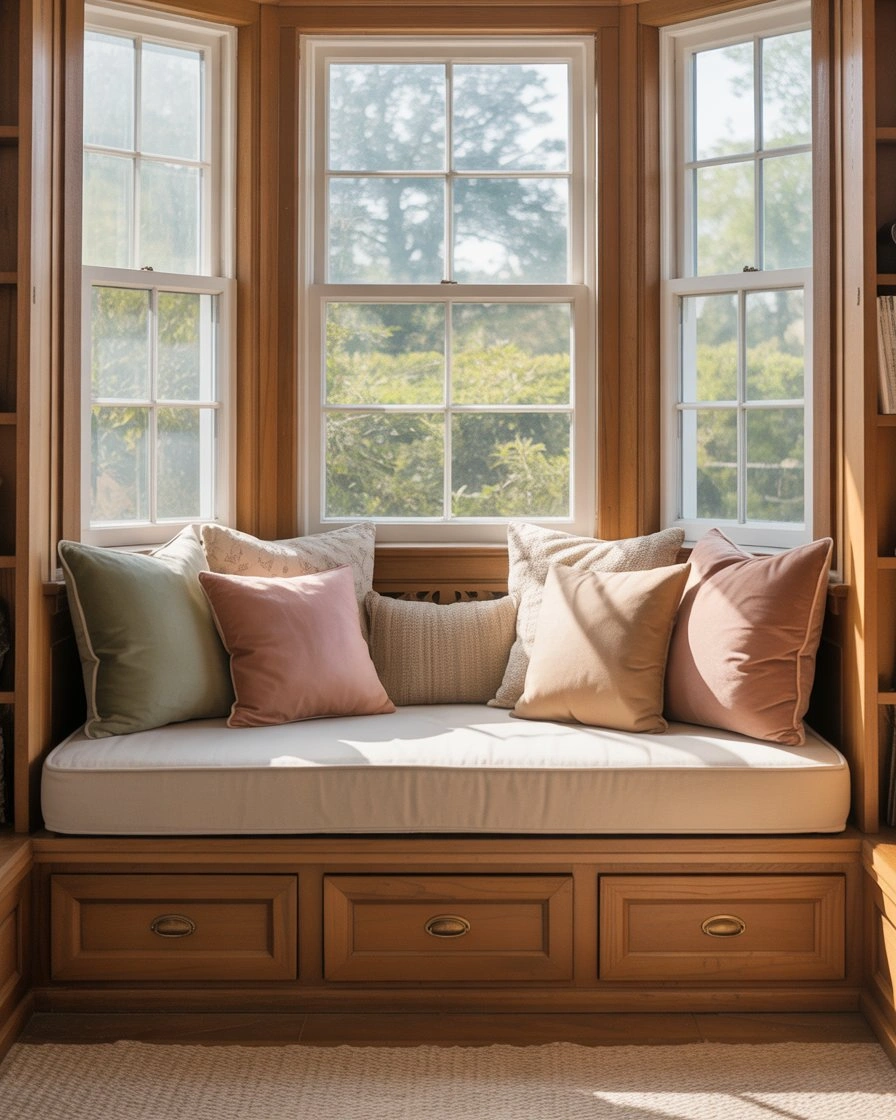
Custom banquettes and window seats are gaining traction in home designs where every square foot counts, particularly in smaller living rooms and multi-use spaces. This solution is practical for American households in urban areas or newer builds where standard furniture layouts feel awkward or wasteful. Built-ins create a sense of permanence and intentionality, and they’re especially effective in Japandi interiors where low, grounded seating aligns with the aesthetic’s emphasis on simplicity and function. 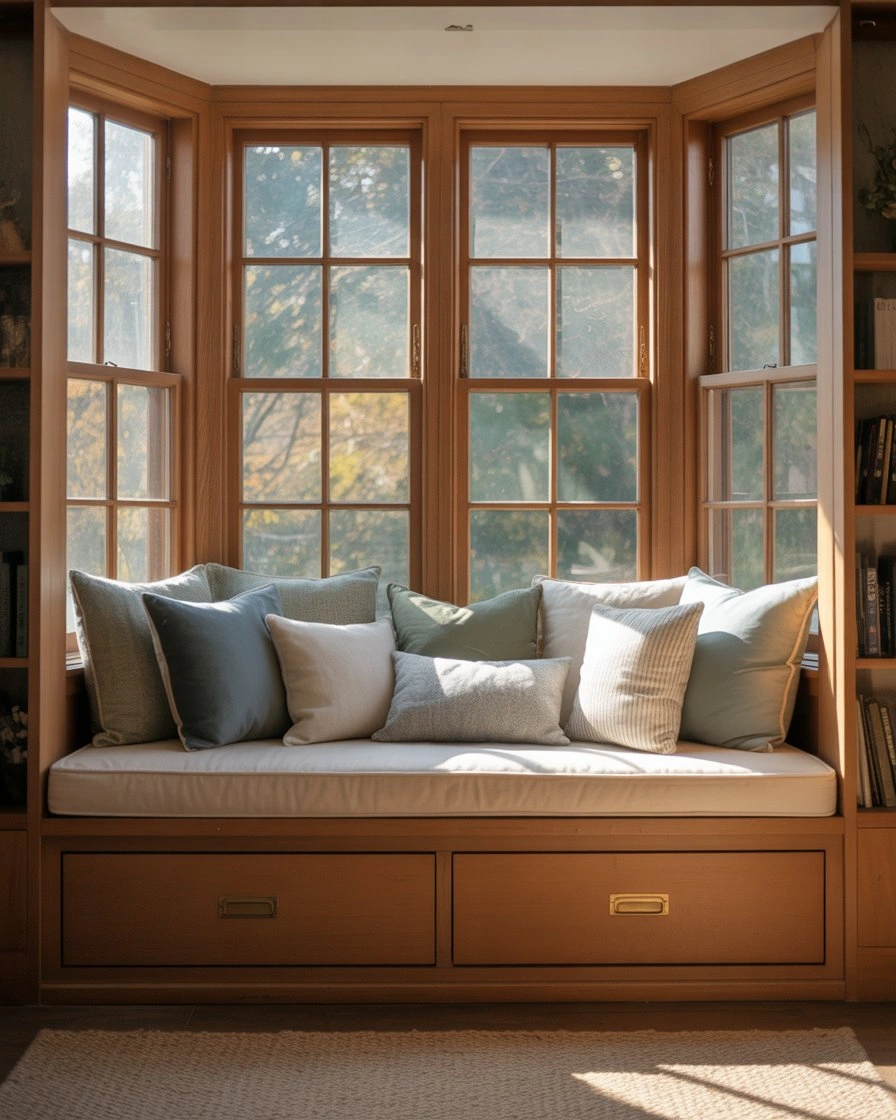
American lifestyle context: families with young children appreciate built-ins because they’re more stable than freestanding furniture and can incorporate hidden storage for toys, books, and blankets. They also work beautifully in homes with architectural quirks—odd alcoves, unused corners, or awkward window placements—turning problem areas into assets. If you’re renting, consider a custom cushion on a low bookshelf or credenza as a temporary alternative that achieves a similar effect without permanent construction.
7. Terracotta and Warm Earth Tones
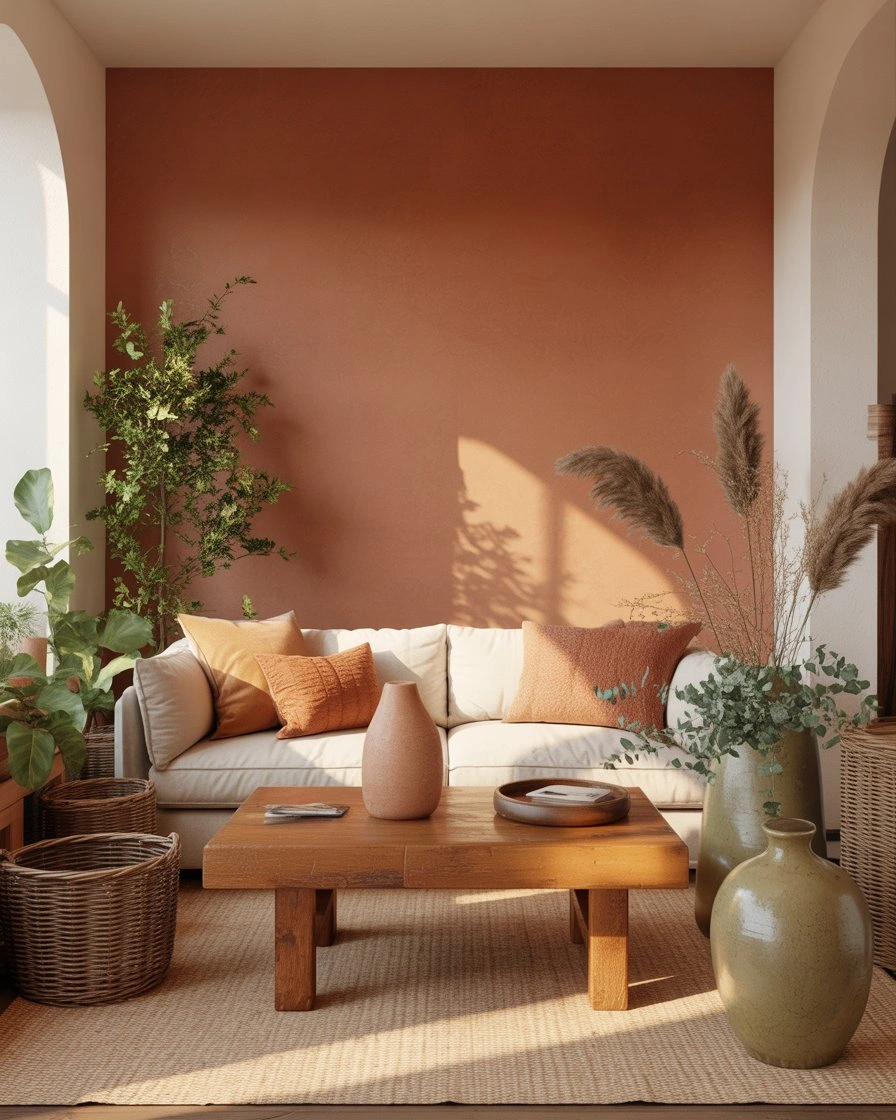
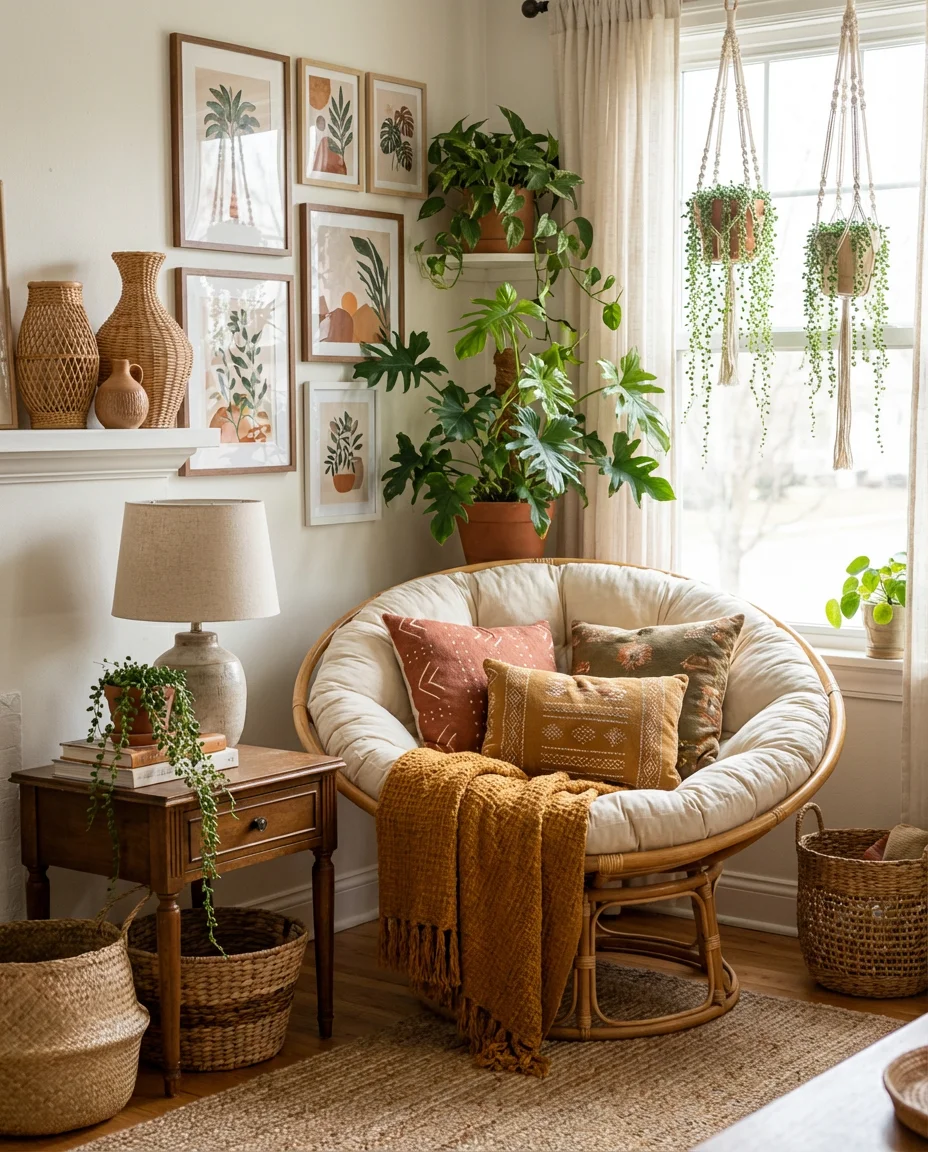
The cool gray era is definitively over, replaced by terracotta, clay, rust, and ochre tones that evoke the American Southwest and Mexican design traditions. These colors feel optimistic and grounding, which explains their popularity on Pinterest among users seeking antidotes to sterile minimalism. The palette works beautifully in rustic homes with exposed wood and stone, but it’s equally effective in modern classic settings where it adds unexpected warmth and breaks up an otherwise neutral scheme. 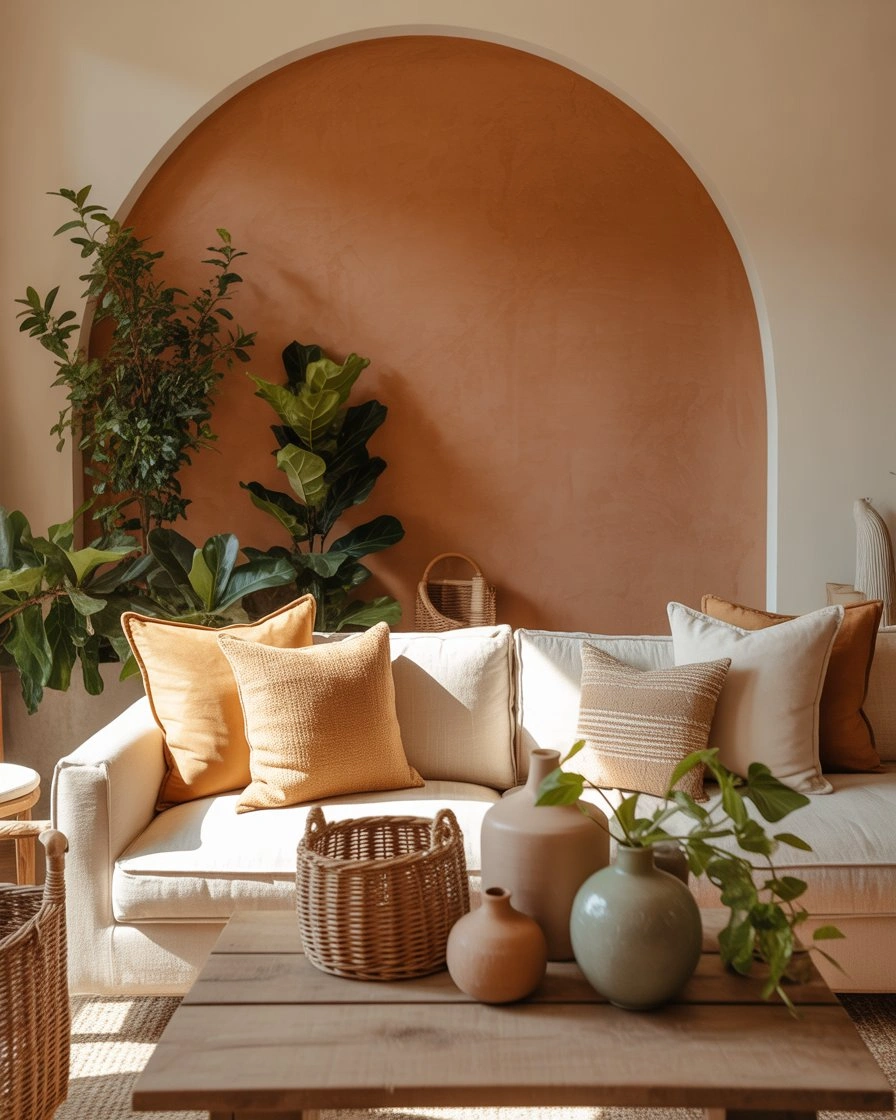
Expert-style commentary\\ terracotta\\ “This color works across an amazing scale of light, very rich and saturated in the sunshine yet warm in a north-facing room. The catch is to pair these colors with lots of texture—linen, jute, raw wood, and unglazed ceramics—so that the effect doesn’t fall flat and feel one-dimensional. If a full wall feels too bold, start with art, textiles, and accessories first, then work your way up to broader application once you’re sure about the direction.
8. Statement Ceilings Demand Attention
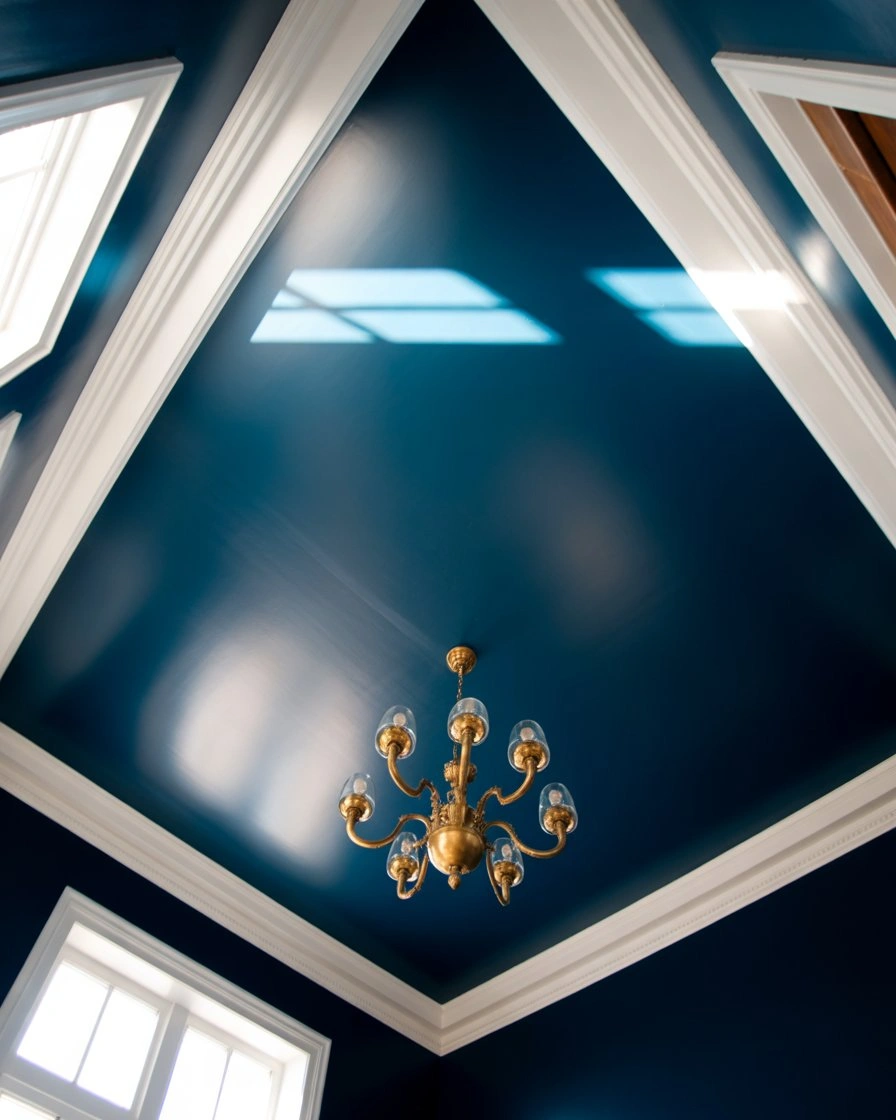
The so-called “fifth wall” is getting serious design attention in 2026, with homeowners painting ceilings in bold colors, adding wallpaper, or installing decorative beams to create visual drama. This approach works especially well in living rooms with high ceilings, where untreated surfaces can feel cold and unfinished. Arch details and coffered treatments are also seeing renewed interest, particularly in traditional homes where they amplify existing architectural character. 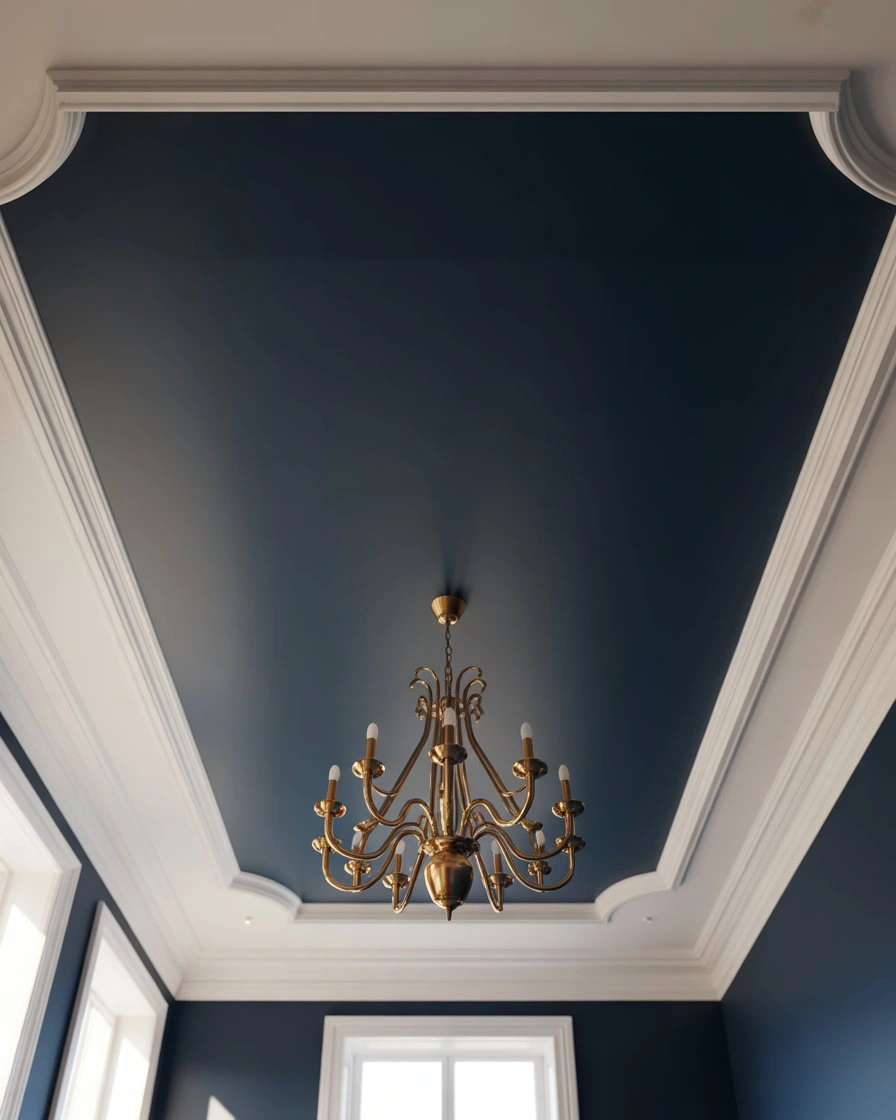
A micro anecdote: one designer in Charleston discovered that clients who painted their ceilings a shade darker than the walls tended to perceive the room as being transformed into an intimate, cozy space (though of course it wasn’t any smaller). The psychological effect is real. Dark ceilings might help anchor a large room; lighter ones with a hint of color—blush, pale blue, or warm cream—provide the slightest frisson in smaller rooms.”
9. Natural Wood in Unexpected Places
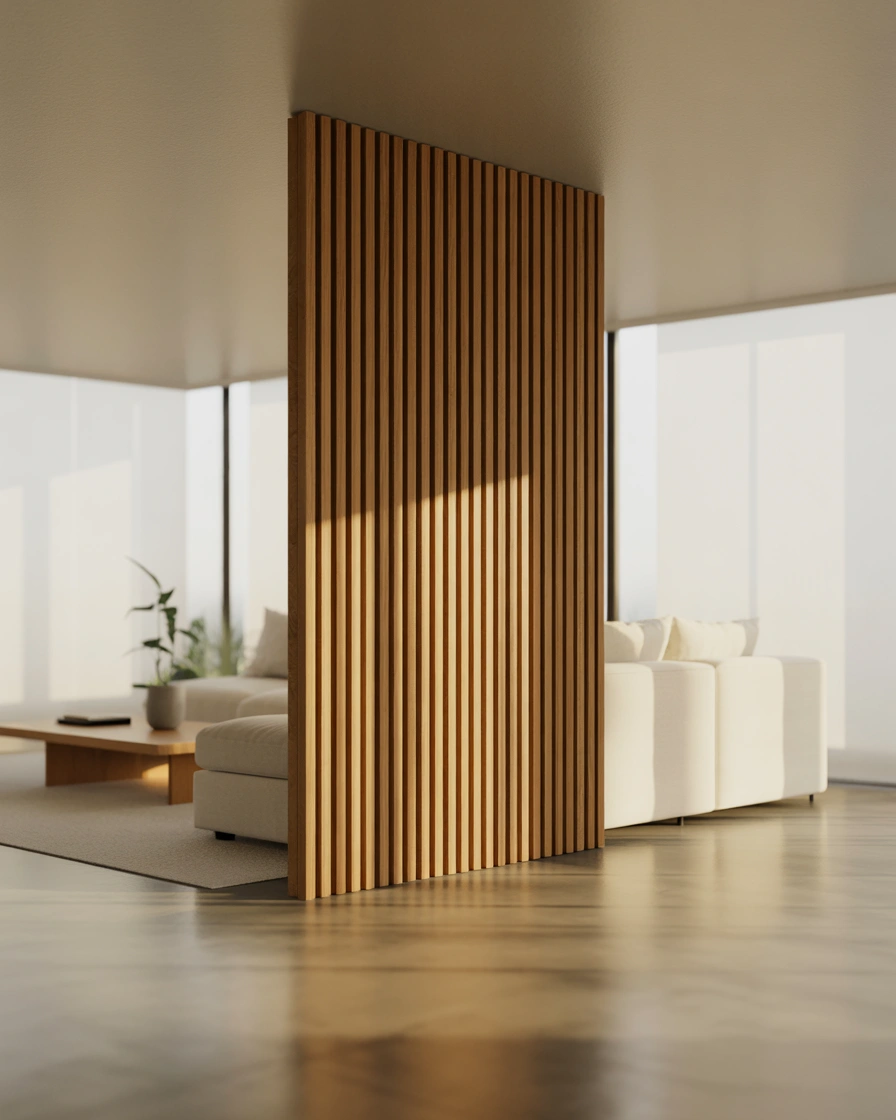
Beyond flooring and furniture, wooden elements are appearing on walls, ceilings, and built-in cabinetry throughout American living rooms, bringing warmth and texture that feels organic rather than rustic. This is particularly evident in Bauhaus-inspired interiors where the honesty of materials is celebrated and in Scandinavian homes where light woods like ash and birch create a connection to nature. The trend also reflects growing interest in biophilic design—the idea that natural materials improve our mental well-being. 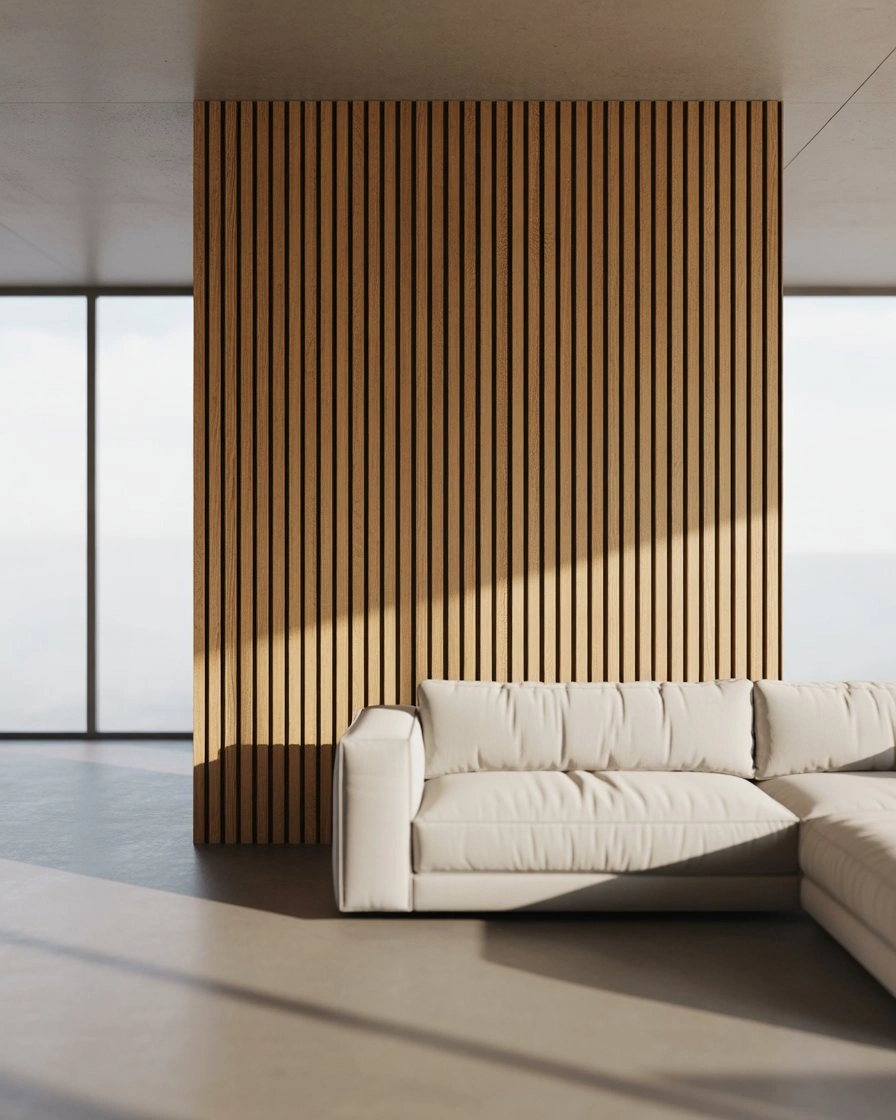
Common mistakes include selecting wood tones that compete with the flooring in a room or trying to incorporate too many species of natural wood into a single space, which can lead to visual chaos. Limit yourself to two, maximum three, wood tones and ensure they both have warm or cool undertones. Light woods also have lovely chemistry with whites and grays; darker woods, such as walnut, pair nicely with earthy and deep shades. Proper sealing or finishing of wood for walls and ceilings will help prevent warping and staining.
10. Oversized Art as Architecture
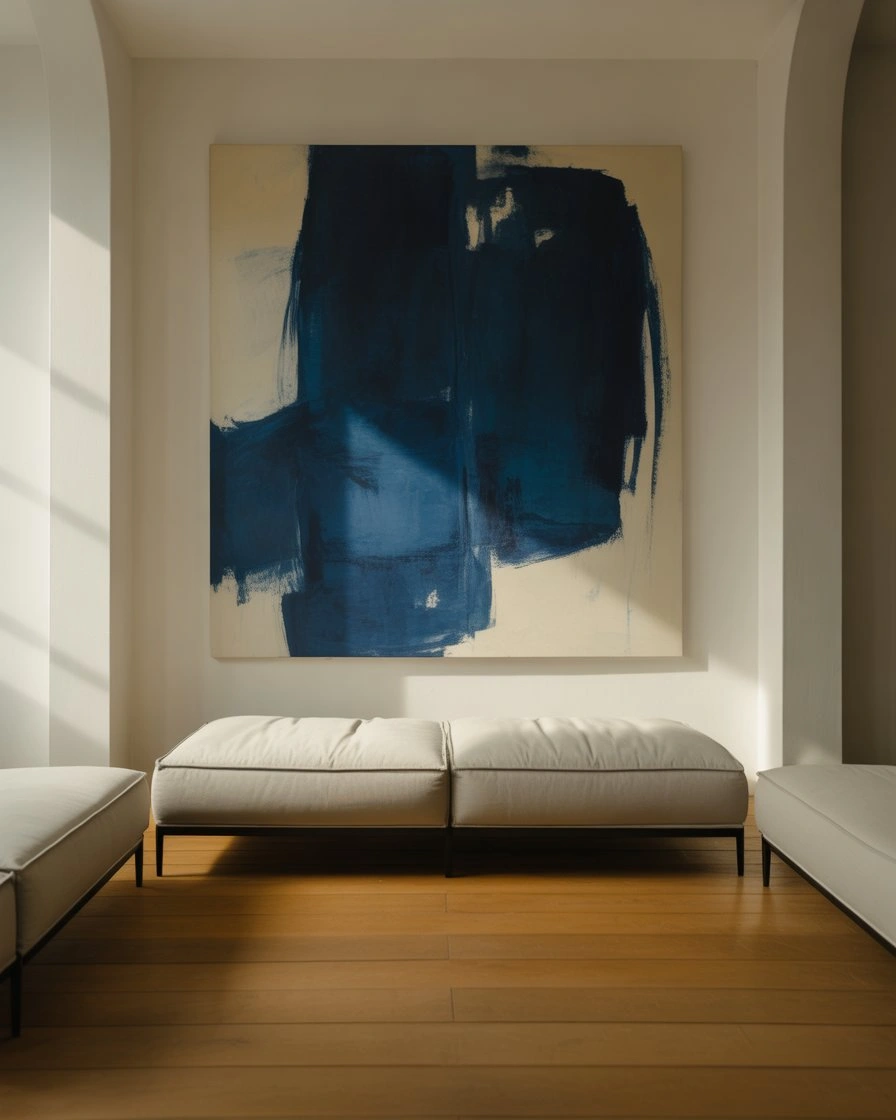
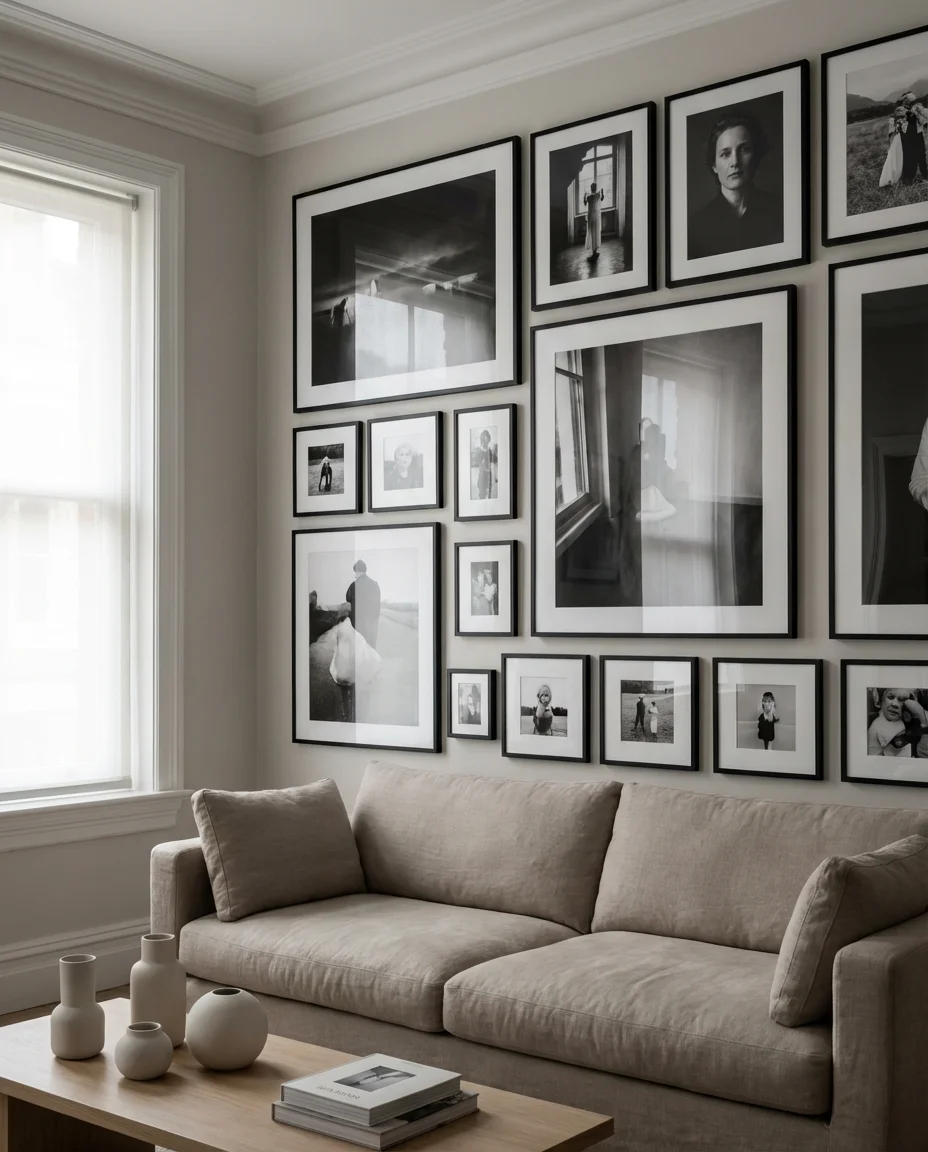
Oversized artworks that define the character and mood of our rooms We’re responding less to artwork as decoration and more like an architecture of our wall spaces—particularly in contemporary and luxury room settings. Instead of photo-filled gallery walls with dozens of small pieces, homeowners are purchasing single statement works—whether paintings or photography or textile art—that catch the eye and set the tone. This method makes it easier to make decisions and leads to a more cohesive, thoughtful look that is confident and collected. 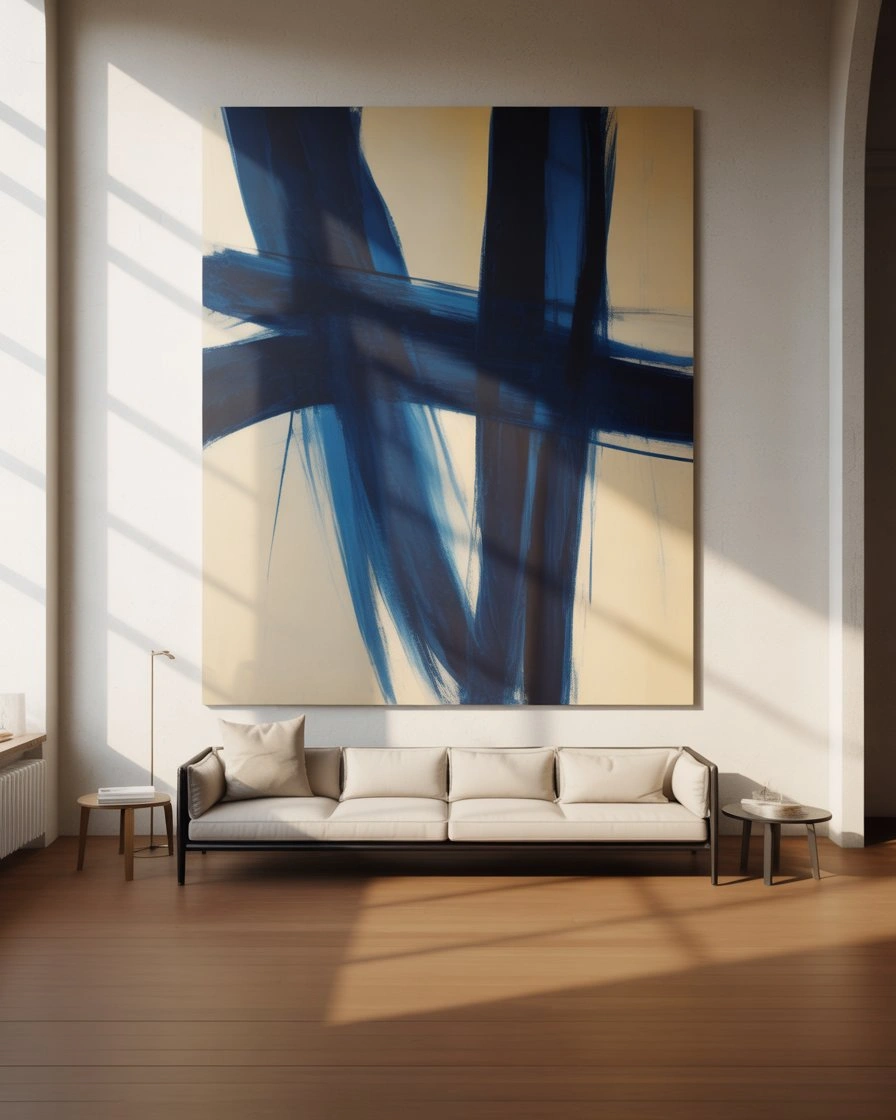
Budget angle: You don’t need expensive original paintings to pull off the oversized art look. Many homeowners are commissioning local artists to create custom art, purchasing large-format prints from online galleries, or even framing vintage textiles and tapestries that cost a mere fraction of fine art. The trick is to go big—bigger, perhaps, than your instincts tell you to—with something that ideally overruns two-thirds or three-quarters of the wall above your sofa or console. Instead of hanging large artworks, it’s become an accepted, casual-cool styling move to lean them against the wall.
11. Multi-Functional Furniture for Real Life
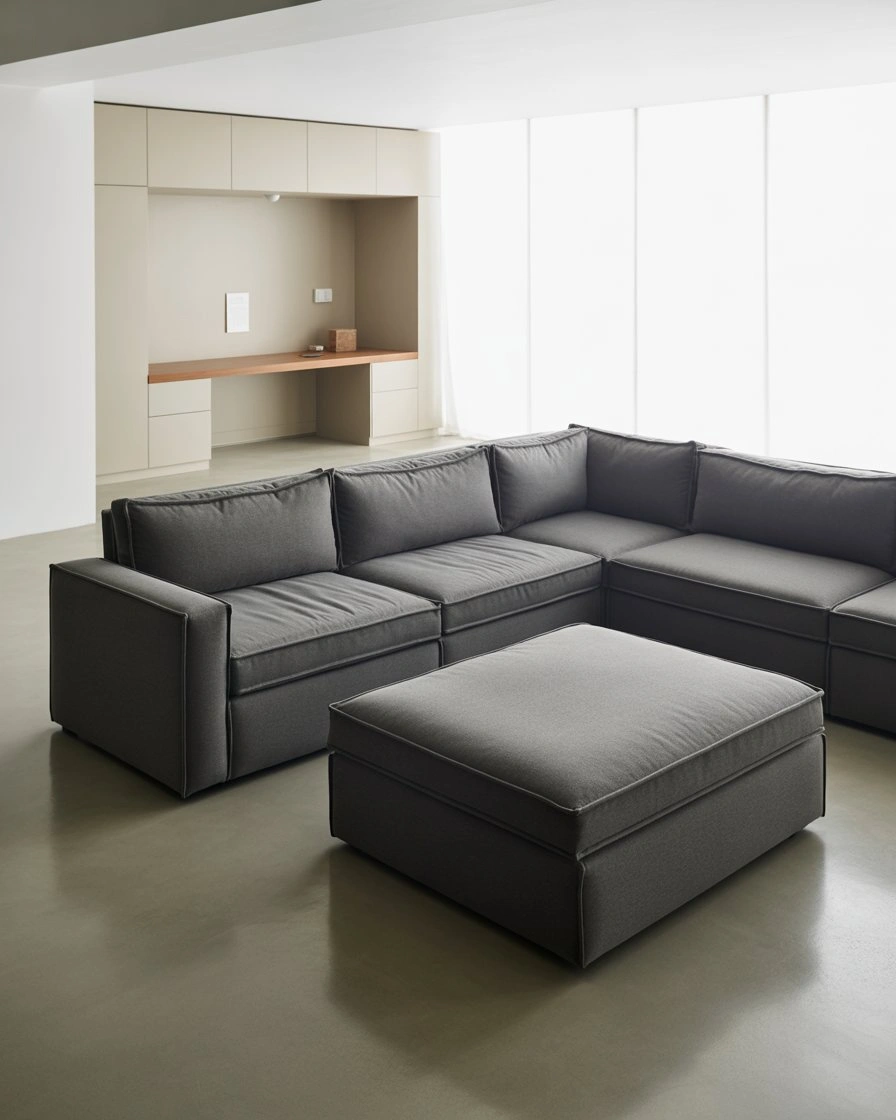
Living rooms are multitasking in 2026, doubling as home offices, guest quarters, and entertainment areas—so furniture must transition easily between uses. Storage ottomans, sleeper sofas that don’t look like sleeper sofas, and modular seating systems are the norm in American households where adaptability trumps formality. This is particularly true when it comes to home floor plans for urban living or suburban homes where space is constrained and lifestyles are demanding. 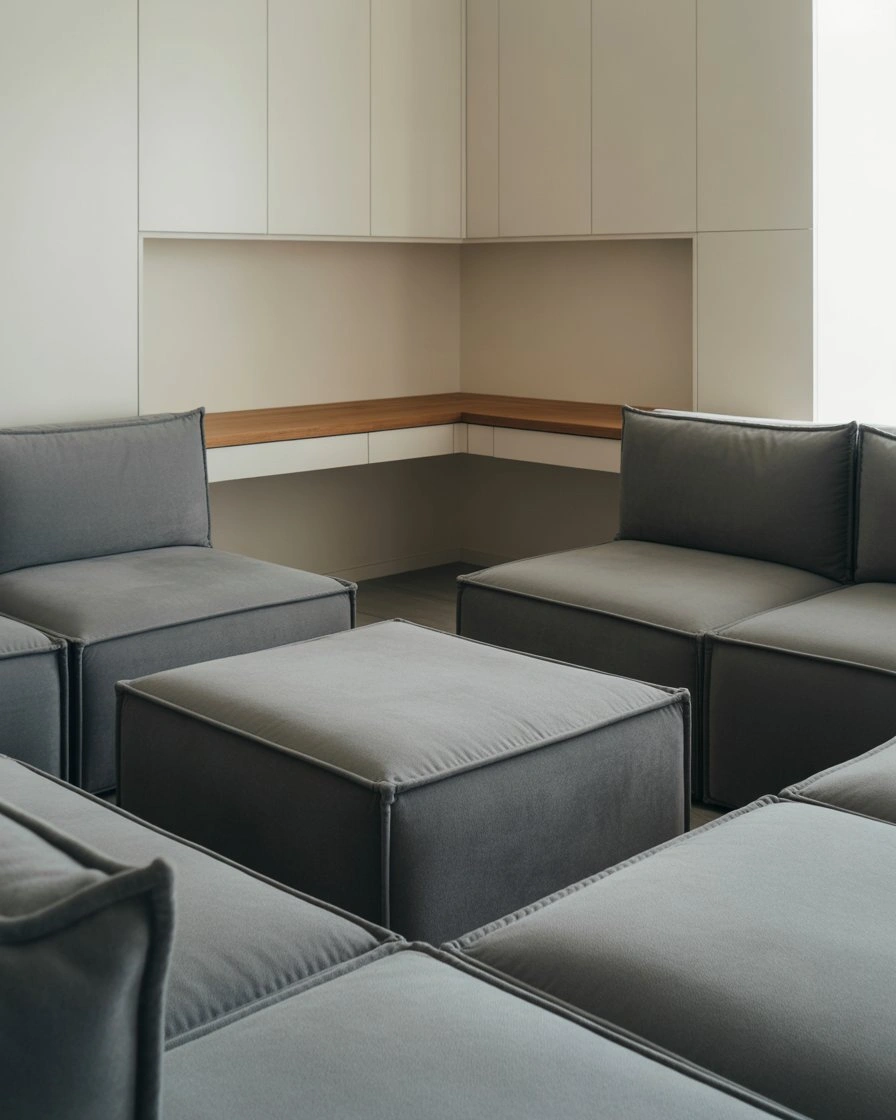
Where it works best: In homes with open floor plans or studio apartments in which the living room doubles as a play space, office, or dining room. The trick is picking pieces that are going to read as a choice, rather than as an afterthought: A nice credenza with hidden storage tells a very different story from an ugly storage bench you obviously purchased in desperation. Opt for quality, not quantity: One good-looking multitasking item is better than three average ones that scream of their function a little too blatantly.
12. Moody Maximalism Replaces Minimalism
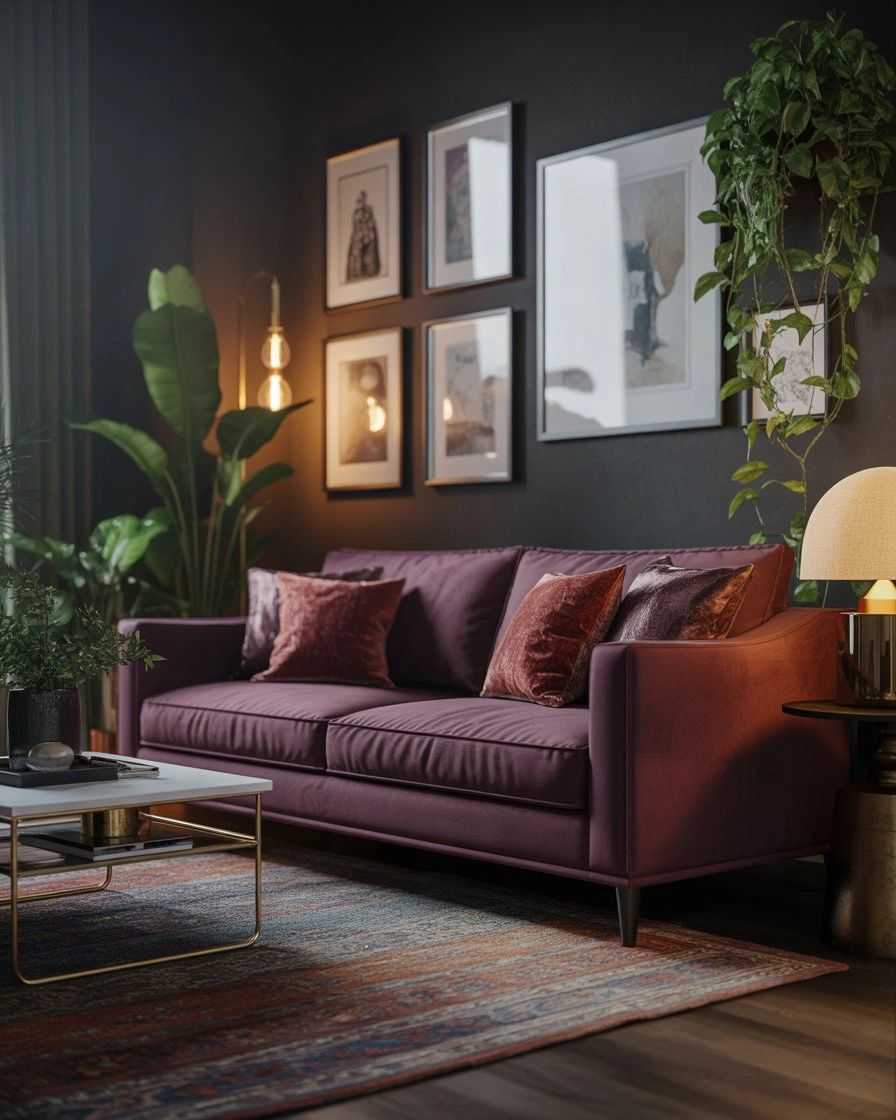
Rich, saturated colors and layered textures are overtaking the sparse, neutral aesthetic that dominated the 2010s, with purple, deep blue, and jewel tones leading the charge. Americans are embracing more expressive interiors that reflect personality and create atmosphere, moving away from the idea that less is always more. This shift is particularly strong among younger homeowners who want their living rooms to feel collected and lived-in rather than staged, with influences from Moroccan and tropical design traditions adding global texture. 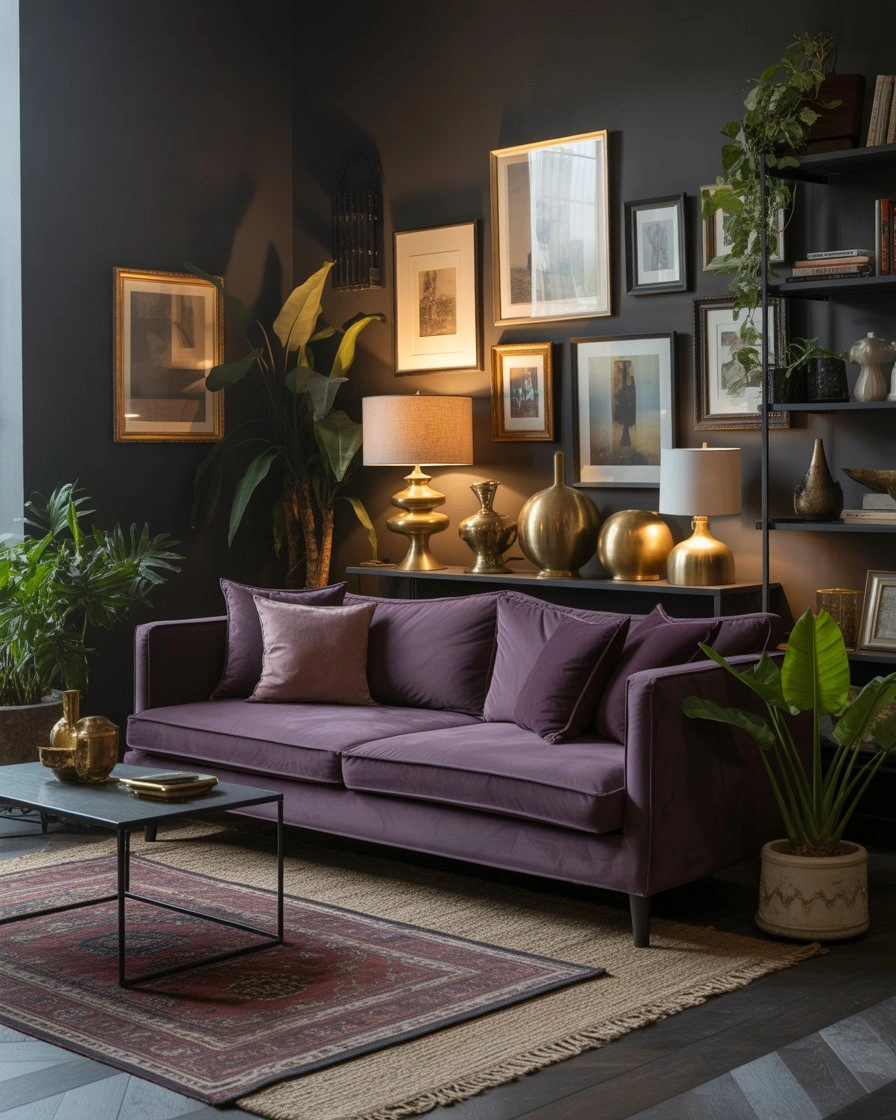
Real homeowner behavior shows that people feel more comfortable and creative in rooms with visual depth and complexity, which is why Pinterest engagement with maximalist interiors has surged. The key is intention: maximalism isn’t about clutter or chaos but about thoughtful layering of color, pattern, and objects that tell a story. Start with a bold wall color or statement piece of furniture, then build around it with complementary textiles, art, and lighting. The goal is abundance that feels curated, not accidental.
13. Arched Doorways and Openings Return
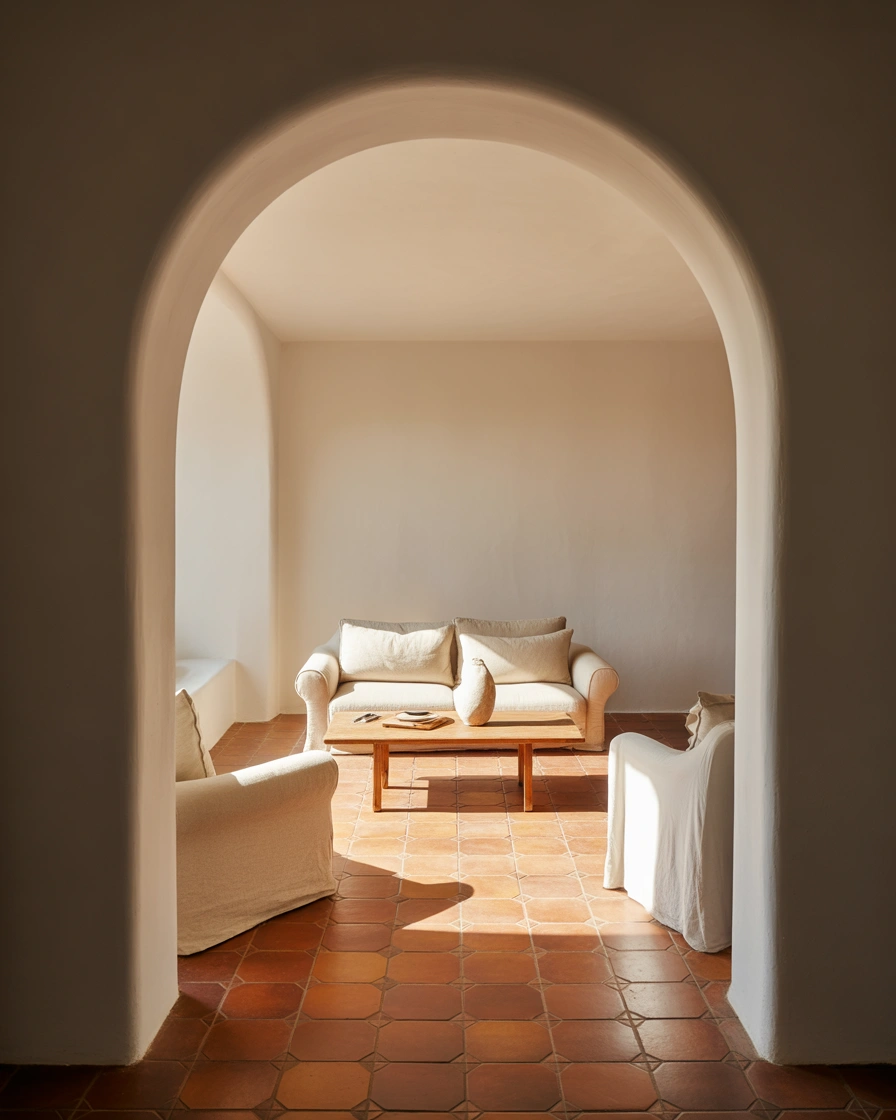
Soft arch details in doorways, windows, and built-in niches are experiencing a major revival, softening the hard edges of modern construction with a nod to Mediterranean and Spanish Colonial architecture. This is especially visible in renovations and new builds across the Southwest, California, and Florida, where these forms feel historically appropriate. The curves add romance and character to otherwise standard builder-grade homes, making them feel more custom and considered. 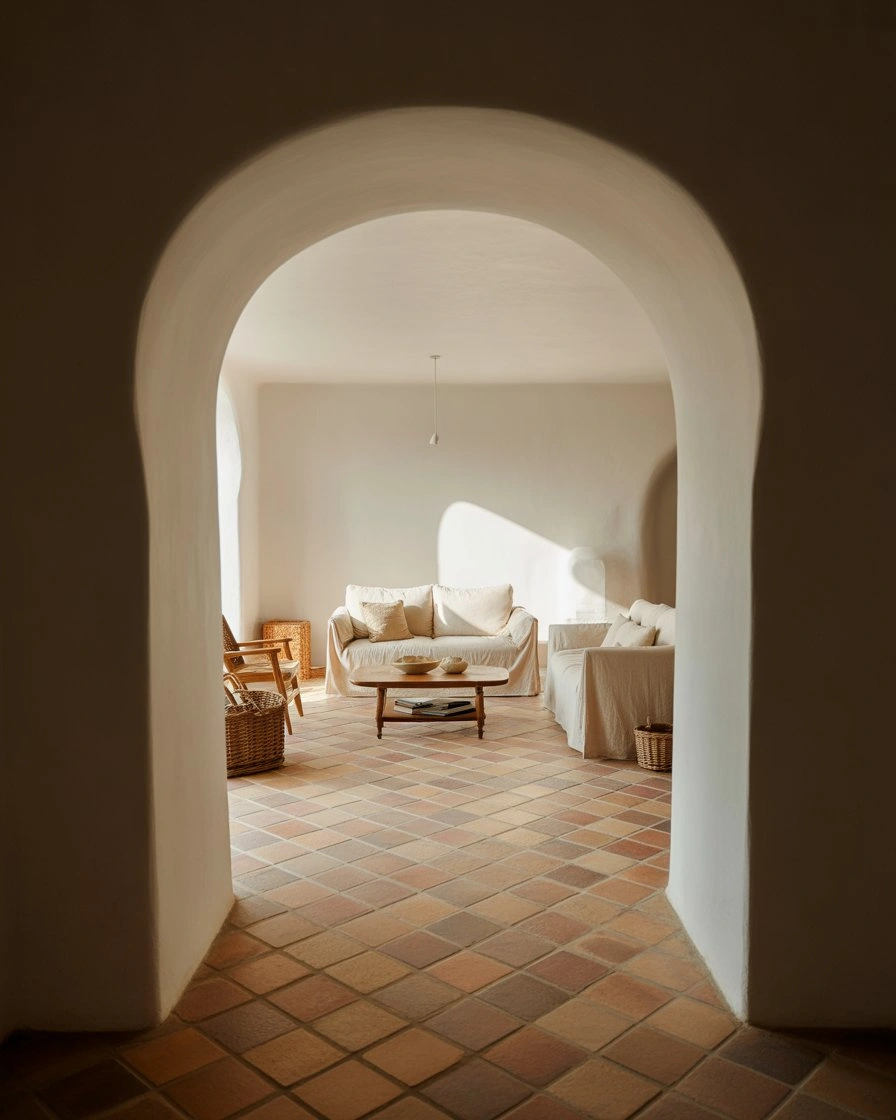
Practical point: It is probably simpler than you think to add arches to existing doorways—often just altering the drywall rather than anything structural. Kits and instructions have made this a popular home improvement among homeowners who are willing to commit a weekend. But proportion counts—curves should relate to the room’s scale and ceiling height. In residences with eight-foot ceilings, milder lines will do the job better than dramatic Roman arches that can make an interior feel too loud and out of step.
14. Concrete Surfaces Soften Modern Spaces
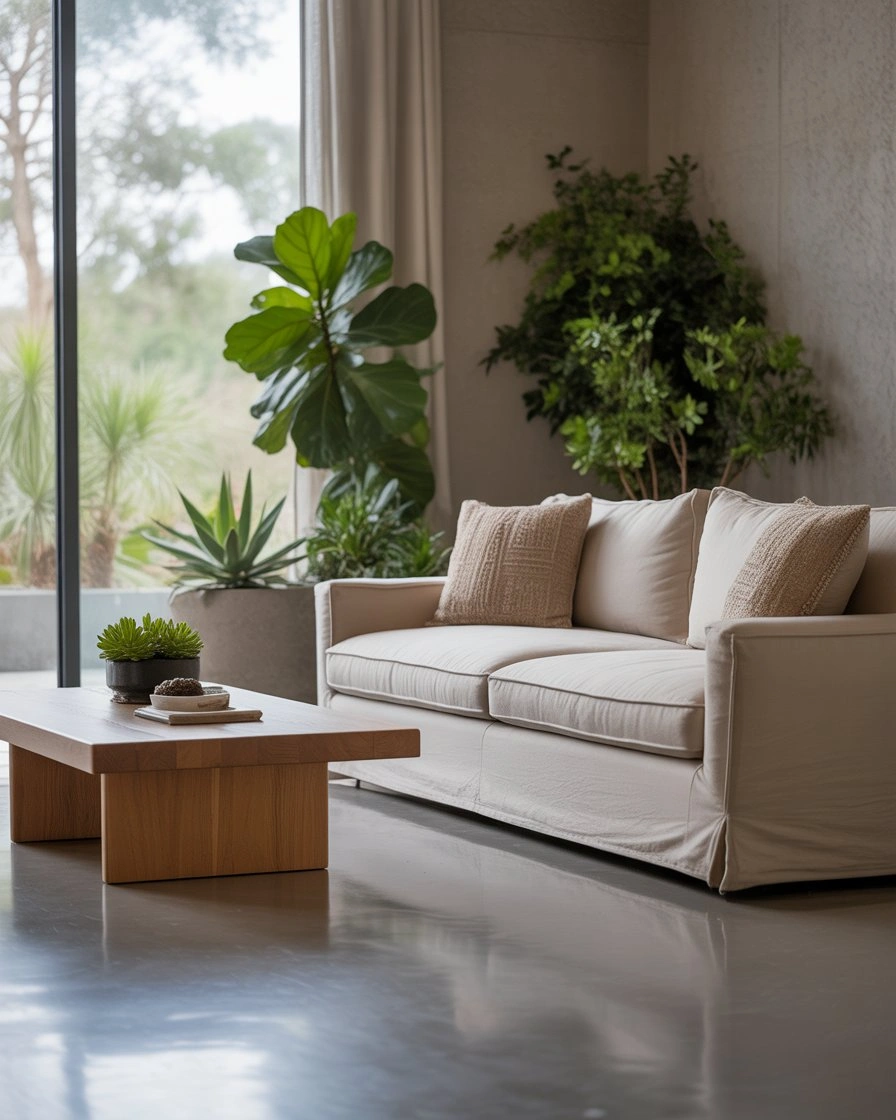
Far from cold and industrial, polished and smooth concrete floors, walls, and even furniture are being embraced in residential living rooms as a neutral, textured backdrop that feels contemporary and earthy. The material works beautifully in industrial lofts and Bauhaus-influenced homes where honesty of materials is celebrated, but it’s also appearing in warmer, more eclectic spaces where its cool tones balance out rich woods and textiles. American homeowners appreciate its durability and low maintenance, especially in households with pets and children. 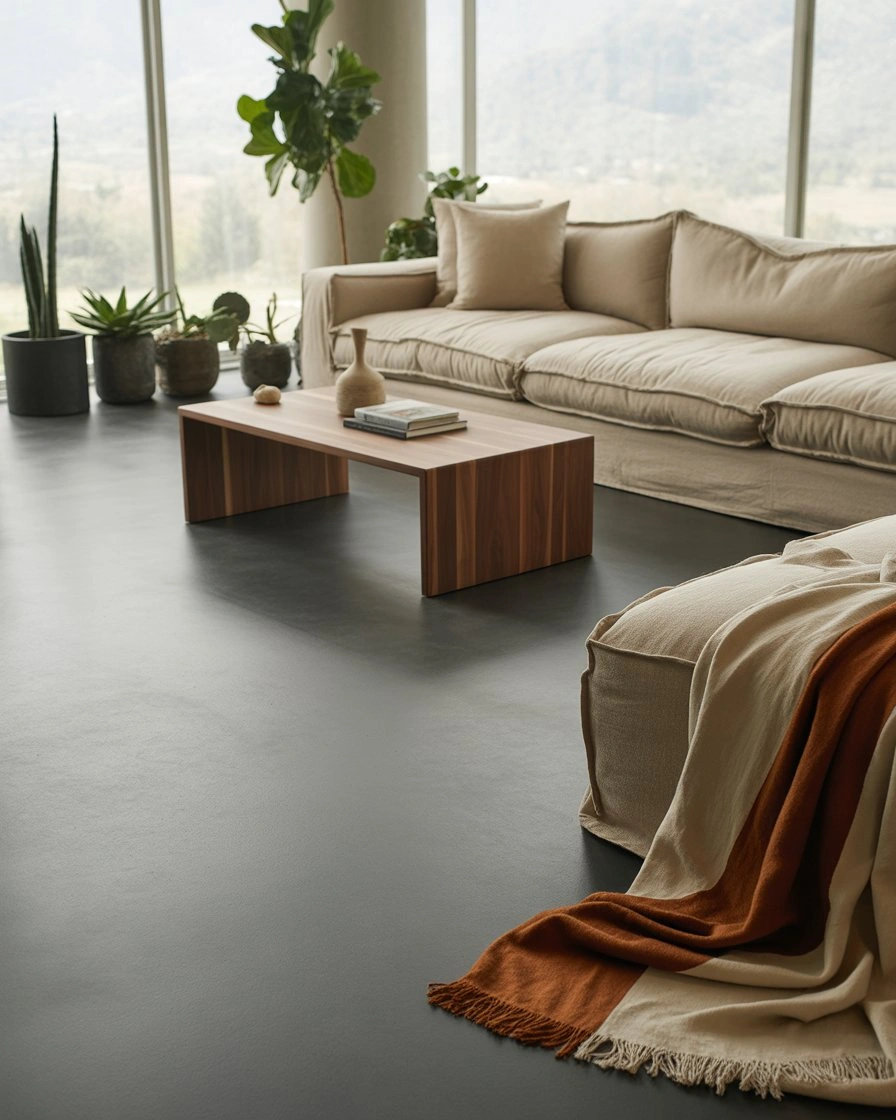
American lifestyle context: in regions with hot climates—Texas, Arizona, Southern California—concrete floors provide passive cooling and reduce energy costs during summer months. They’re also increasingly popular in beach houses and vacation properties where sand and moisture would quickly damage wood or carpet. The key to making concrete feel inviting is layering: add large area rugs, plenty of soft textiles, and warm lighting to offset the material’s inherent coolness. Staining or dyeing concrete can also introduce subtle color variation that feels more residential.
15. Living Rooms Embrace Gallery Lighting
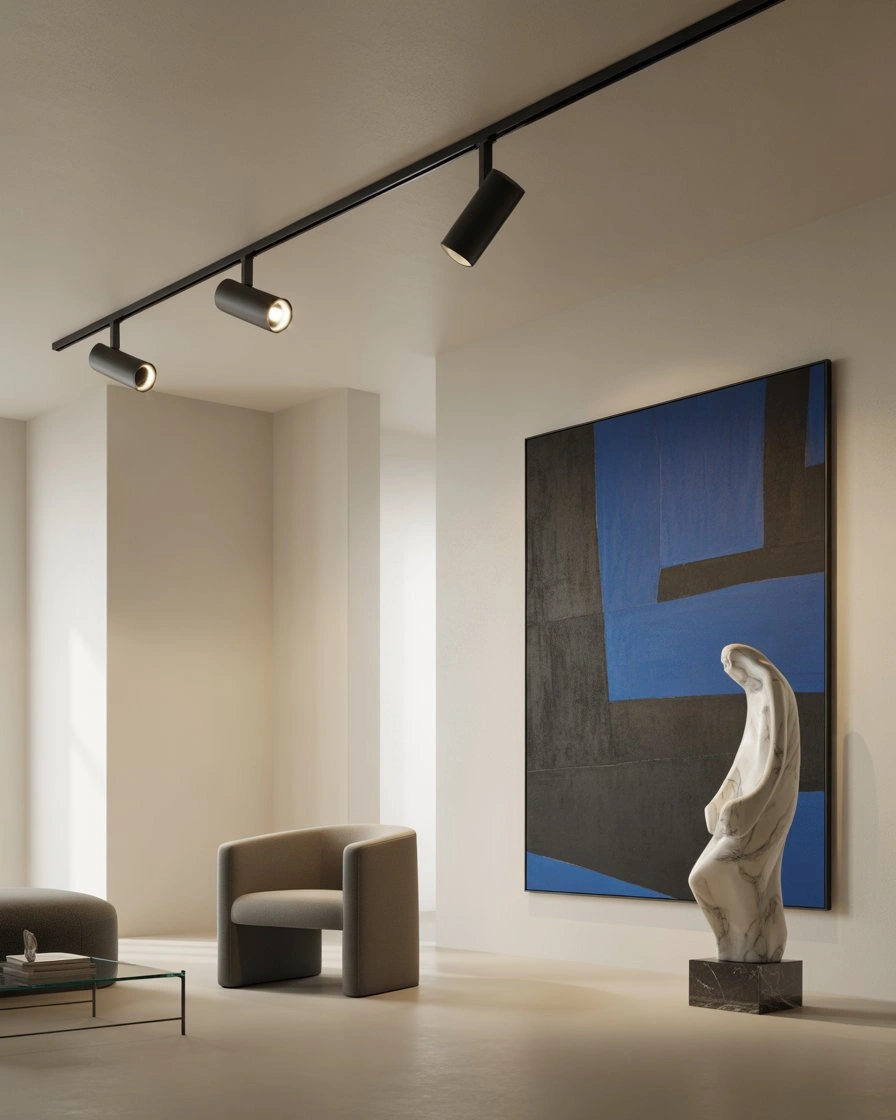
Track lighting and adjustable picture lights are migrating from museums into American homes, allowing homeowners to highlight art, architectural features, and seating areas with precision. This approach creates drama and sophistication in luxury and contemporary spaces while giving flexibility to change focal points as collections and layouts evolve. It’s particularly effective in living rooms with high ceilings or open plans where general lighting alone can feel flat and undifferentiated. 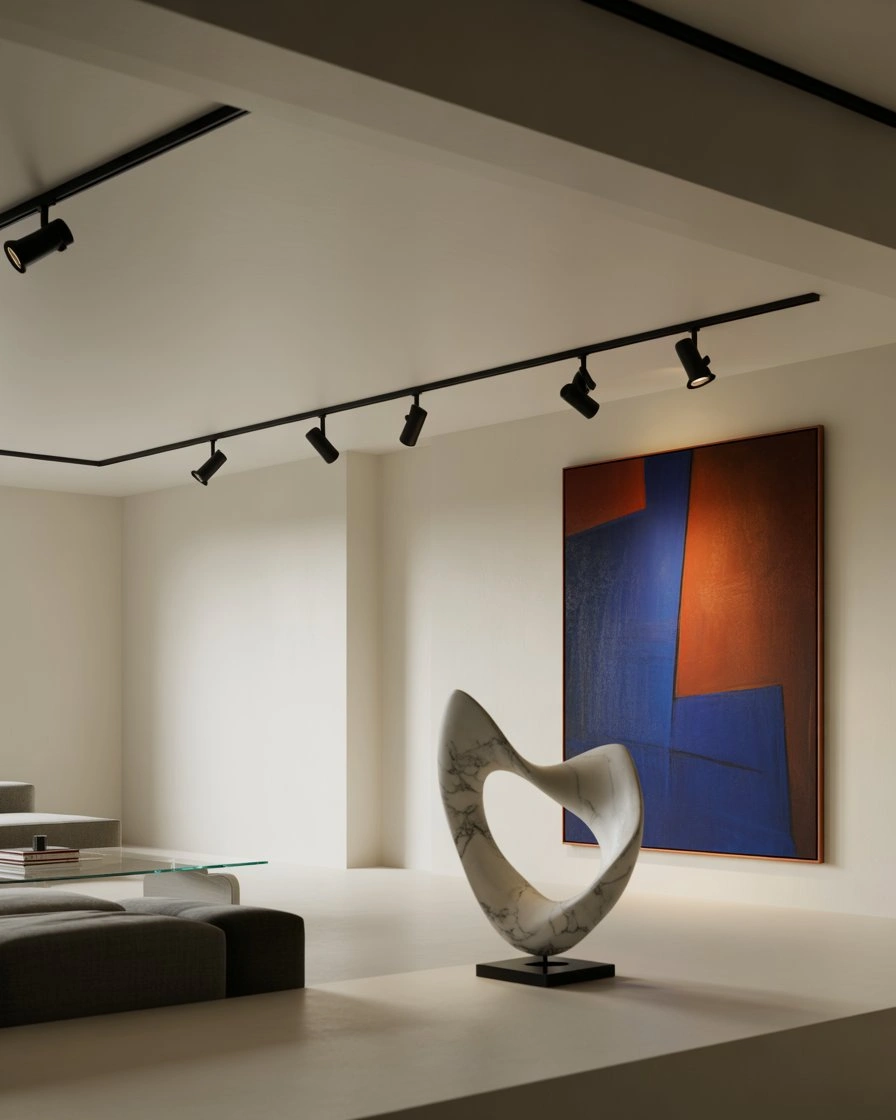
Expert-style commentary: The right gallery lighting changes the way you experience your art and objects, but placement is key. Lights should sit at a 30-degree angle from the wall to avoid glare, and bulbs should be in the 2700K–3000K range so as not to cast ugly cold tones. Price also directs Eads to LED options—energy efficient and budget friendly, they’re doing for track lighting systems what pine flooring did for living rooms everywhere in the 1990s: widening the range of accessible price points. Try some dimmers to change the intensity and mood throughout your day.
16. Grey Done Right: Warm and Layered
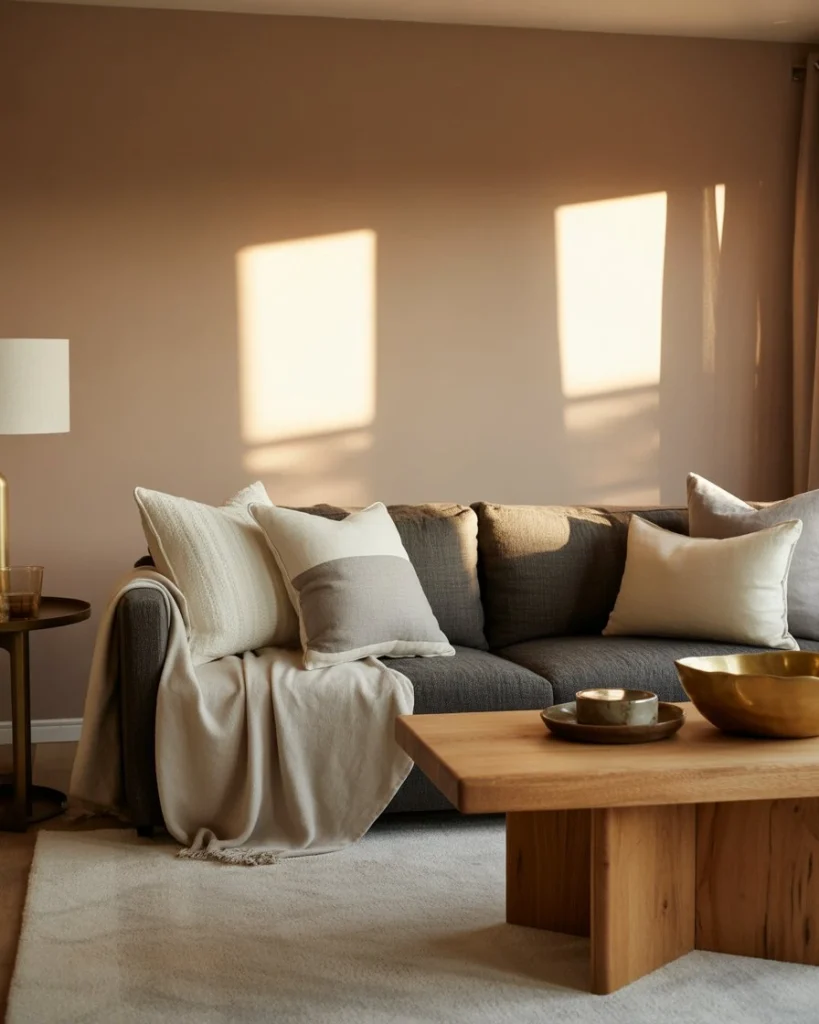
Grey isn’t disappearing in 2026, but it’s evolving toward warmer, more complex tones that avoid the sterile, builder-grade feel of the past decade. Think greige, taupe-grey, and charcoal with brown undertones rather than cool blue-greys. The color still works beautifully in Scandinavian and modern classic interiors, but only when layered with texture, natural materials, and warm lighting that prevents the space from feeling institutional or flat. 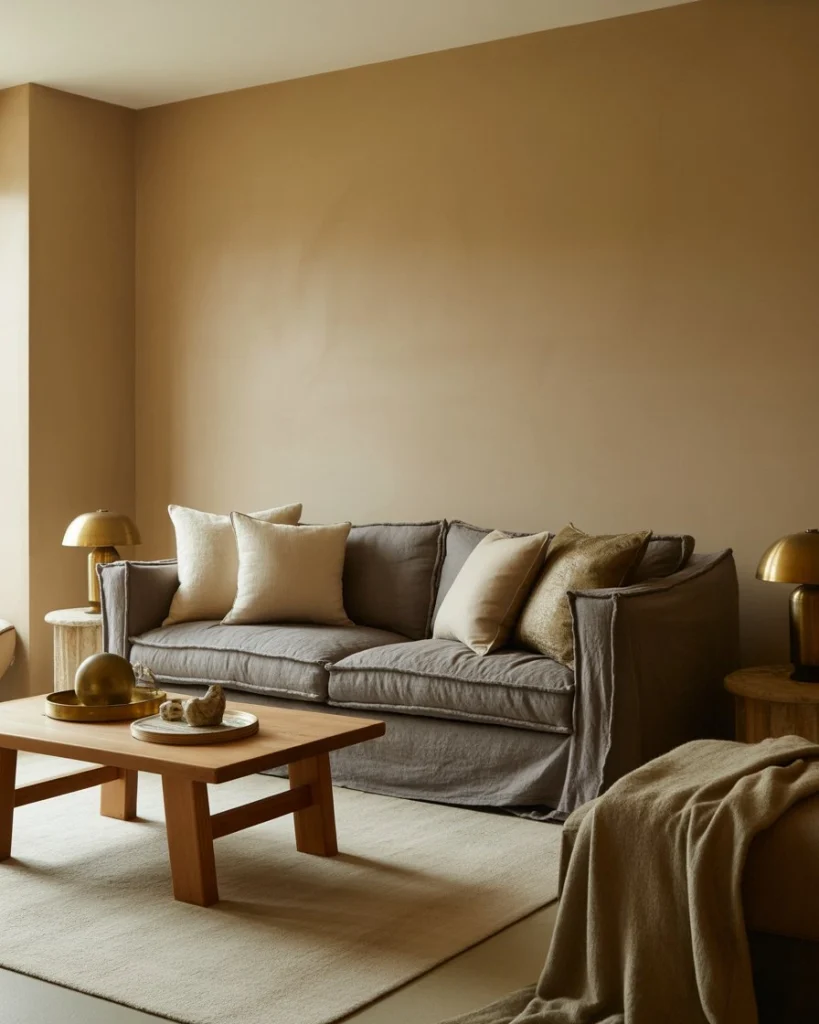
Common mistakes include pairing cool greys with warm woods, which creates visual discord, or using grey on every surface—walls, floors, furniture, textiles—resulting in a monotonous, lifeless space. Instead, limit grey to one or two major elements and introduce warmth through wood tones, natural fibers, and warm metallics like brass or copper. Test grey paint samples extensively; colors that look perfect in the store can read completely differently in your actual space depending on light exposure and surrounding materials.
17. Living Rooms Become Plant Sanctuaries
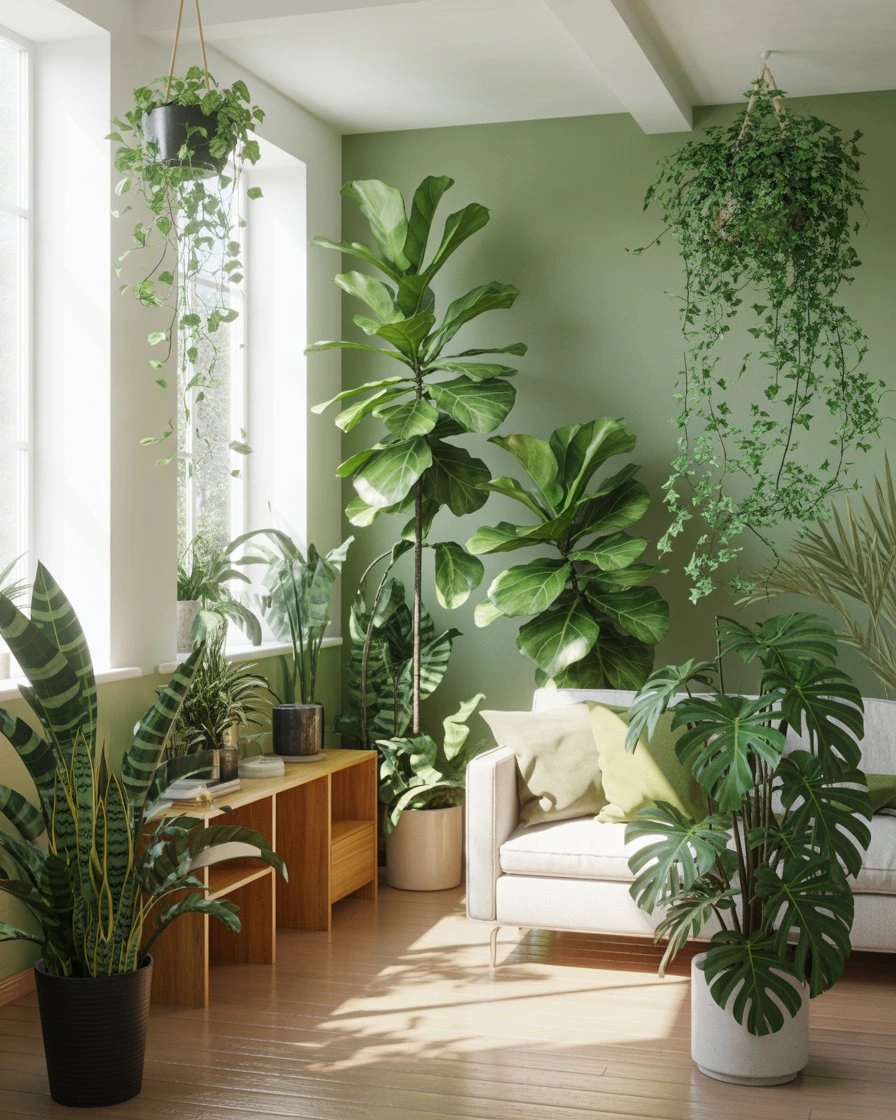
Abundant greenery is no longer an afterthought but a core design element in living rooms, with Americans dedicating significant space and attention to indoor plants of all sizes. This reflects broader interest in biophilic design and the proven wellness benefits of living with plants. Tropical and Japandi aesthetics naturally accommodate lush plant displays, but even modern classic and traditional rooms are incorporating substantial fiddle leaf figs, monstera, and sculptural cacti as architectural elements. 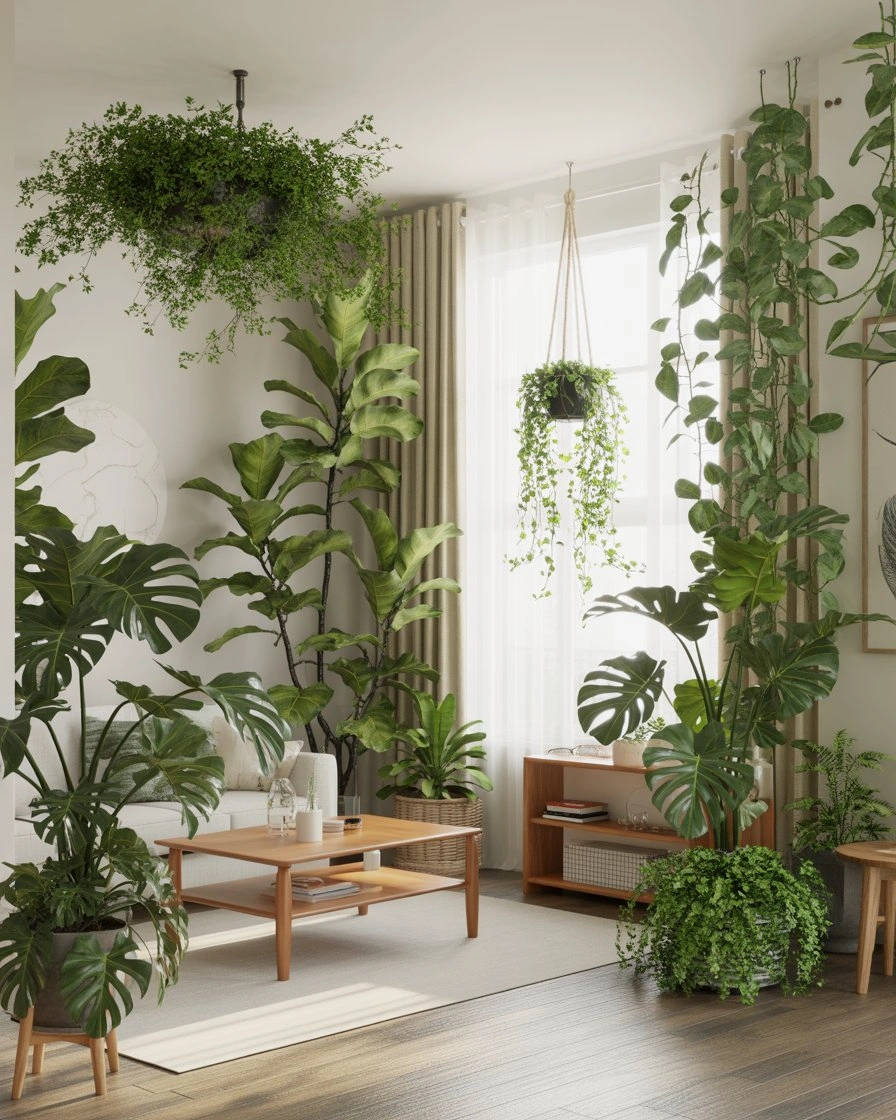
Where this works best: homes with ample natural light from south- or west-facing windows, though grow lights have made it possible to maintain healthy plants even in darker spaces. The trend is strongest in urban areas where access to outdoor green space is limited. Group plants of varying heights and textures rather than scattering them evenly around the room—clusters create visual impact and make care routines more efficient. Choose pots and planters that complement your overall palette rather than competing with it.
18. Wallpaper Makes a Bold Comeback
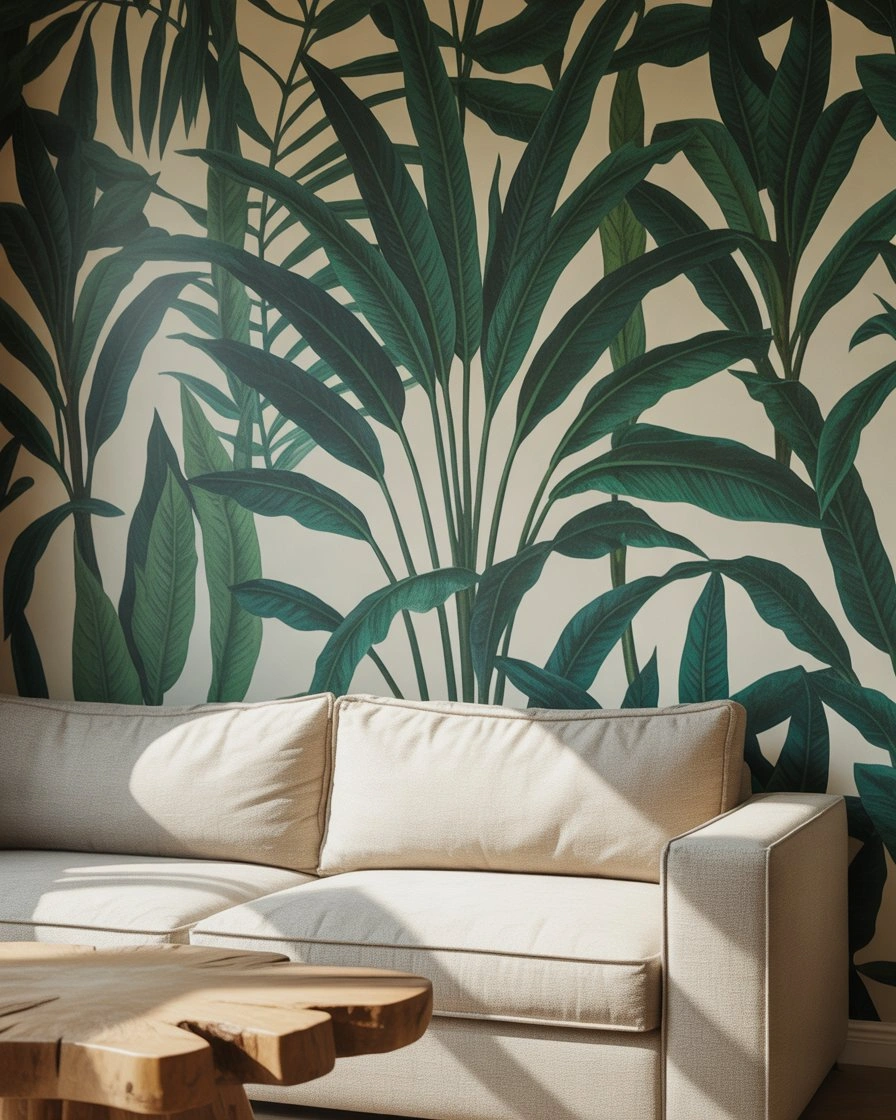
After years of plain white walls and subtle paint colors, wallpaper is on a roll once again, replacing tired old paint with powerful patterns and textures that can transform any room. And the latest batch of removable and peel-and-stick offerings has made experimentation available to both renters and commitment-phobes who want to personalize their space (traditional wallpapers in luxe abodes have even been regarded as investment pieces that define whole rooms). Overscale florals, linear and geometric designs in varying scales, as well as games of chinoiserie that look hand-painted—all marry the different type treatments in styles from traditional to contemporary to a little bit eclectic. 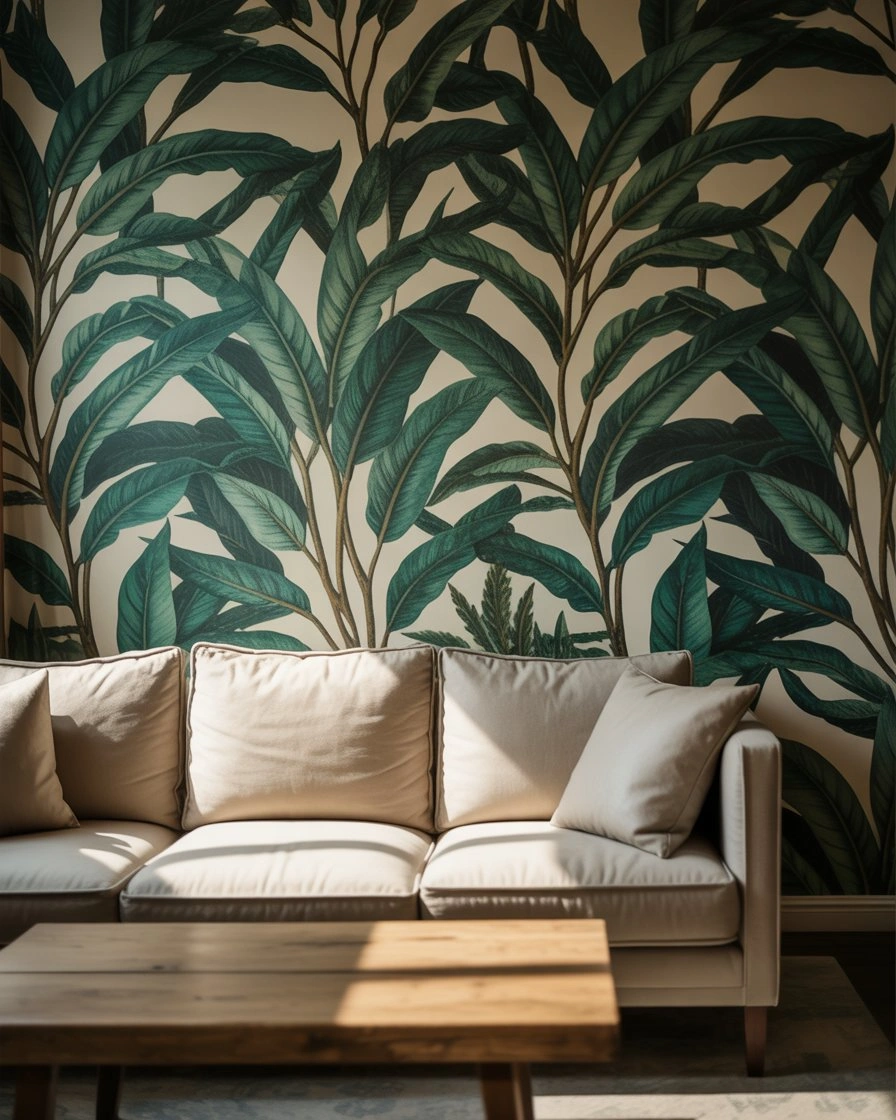
Budget angle: Decent wallpaper used to be expensive; now, there are many stylish options in the $30–$60 per roll range from direct-to-consumer brands and big-box stores. Peel-and-stick varieties are DIY friendly, but traditional wallpaper remains at its best with professional installation, especially when it comes to matching patterns. Begin with just one accent wall to rein in the cost and visual impact—bold wallpaper works best when it has room to breathe, not all-seas battling busy furniture or art on every surface.
19. Four-Seven Seventies Revival: Warm and Groovy
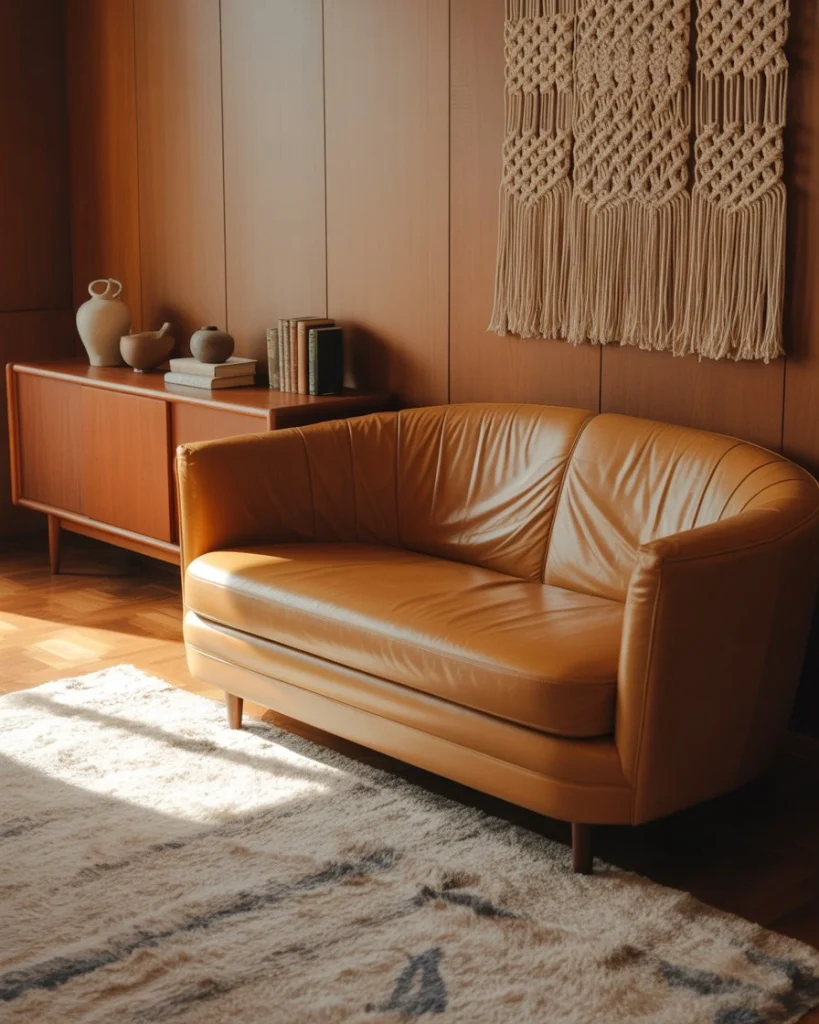
The Seventies aesthetic is back in a major way, bringing warm wood tones, rounded furniture, and shag rugs into the living room. And even while you’re creating that groovy vibe, integrate some of those sensible Seventies trains of thought to prolong the life of each piece. This isn’t literal retro mimicry but a contemporary reimagining of the period’s optimism and its warmth and comfort-first ethos. The trend has struck a chord with millennials and Gen Z specifically, who find the antidote to stark minimalism appealing, as well as the playful quality that defined interiors in this decade. 
Real homeowner behavior shows that people are mixing vintage 70s furniture from estate sales and online marketplaces with new pieces, creating an eclectic, collected look that feels personal rather than themed. The key is restraint: choose two or three signature 70s elements—maybe a curved sofa, a sunburst mirror, and an earth-tone palette—rather than going full-on retro recreation. Modern touches like clean-lined lighting and minimal window treatments keep the look fresh and prevent it from feeling like a period room.
20. Integrated Media Without the Bulk
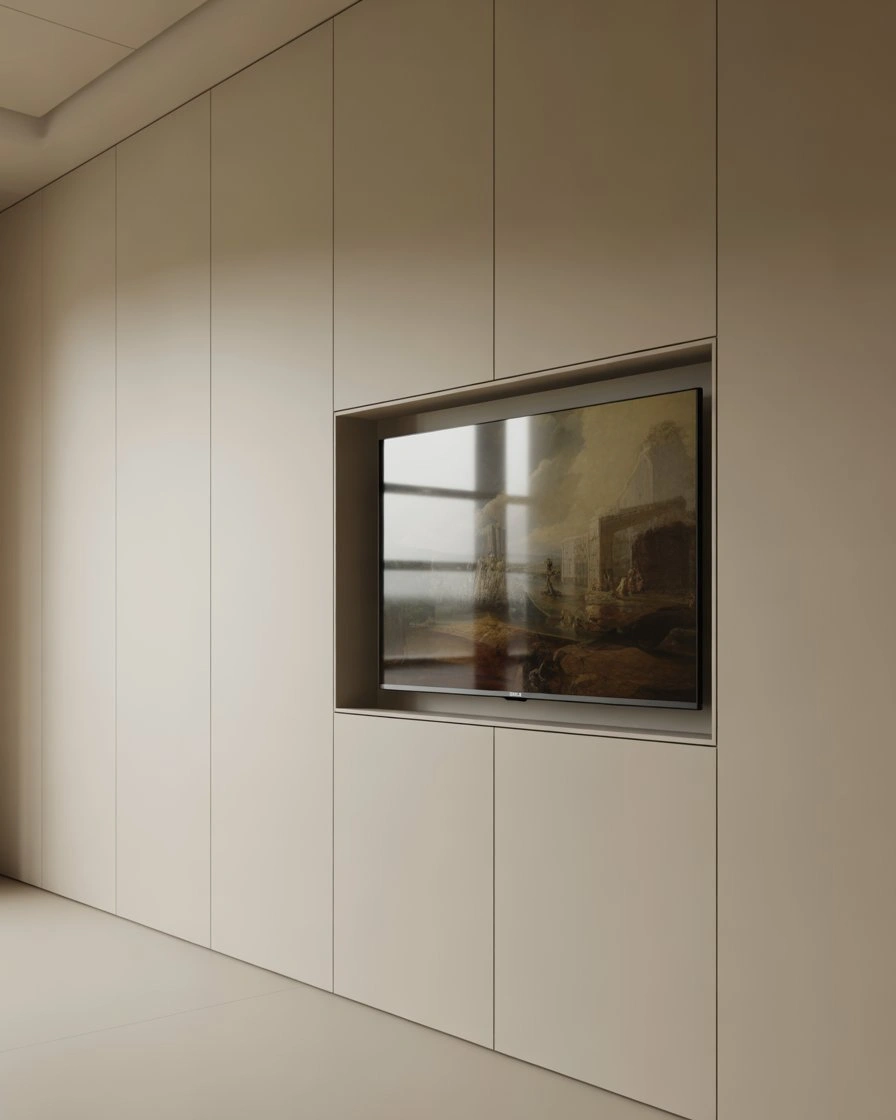
TVs and electronics are being integrated seamlessly into living room design, rather than taking it over completely, with alternatives like frame TVs, concealed media cabinets, or wall-mounted screens that disappear when they’re switched off. This attitude mirrors the American craving for workable spaces with a sense of design and intent. It applies to all styles, whether minimalist Scandi or more traditional English, and lets technology live with beautiful interiors in a manner that does not impose on style. 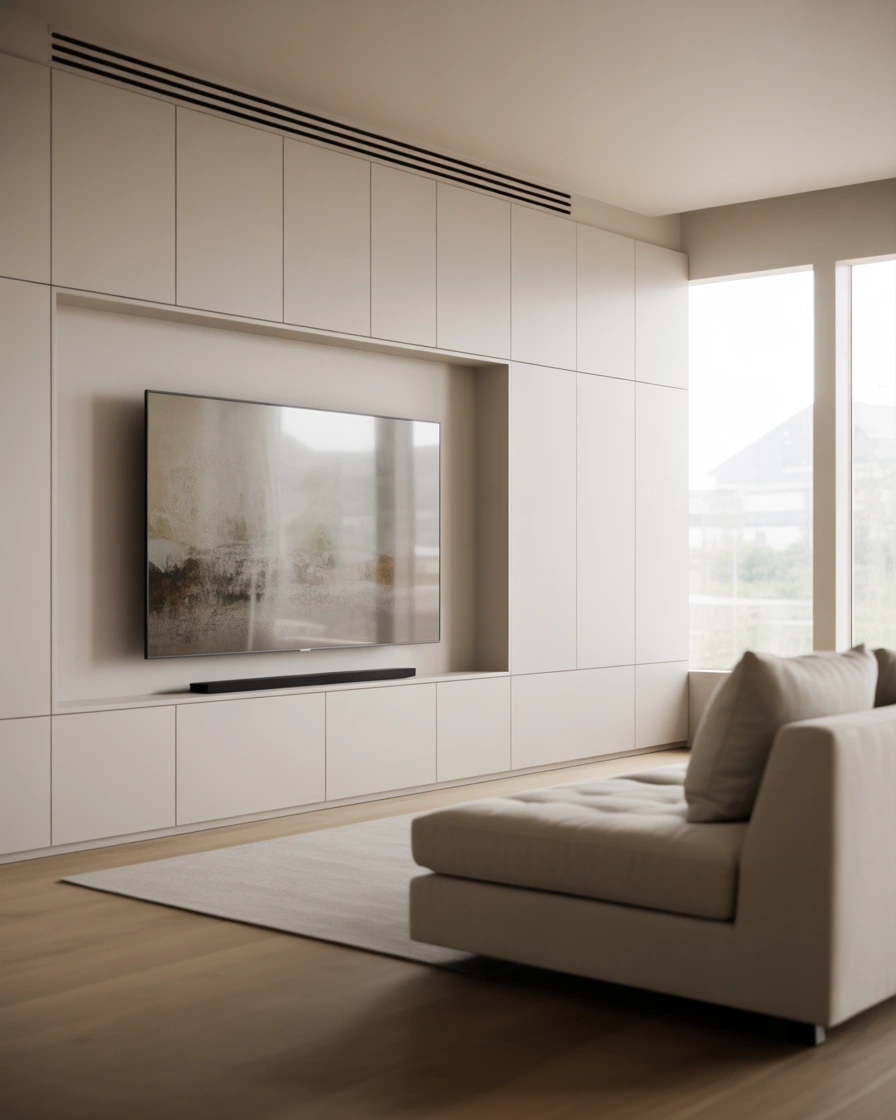
Micro anecdote: a Brooklyn couple who spent on custom millwork to conceal their TV and componentry soon started to like having the screen be dark in the living room, coming to think of it as “reclaiming the space from the screen.” This psychological shift is real. Good cable management, careful juxtaposition of furniture, and handling the TV, among other elements, as opposed to being the deity on high, makes for a better balanced space to actually live in. “Bring in some seating to create social groupings, which can be done by either focusing on conversation or views, not just on the screen,” she says.
21. Textural Contrast Defines Interiors
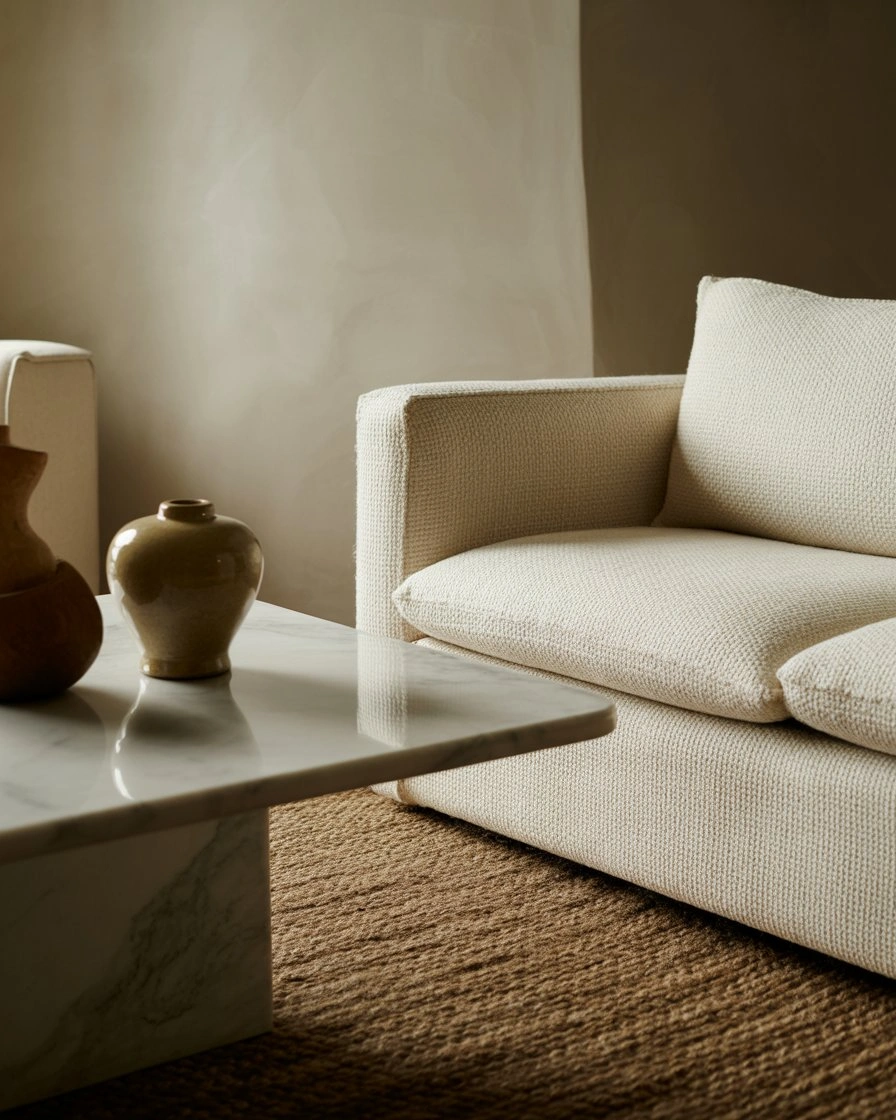
To most any living room in 2026, add things with deliberate texture contrast: smooth and rough; matte and glossy; soft and hard—for visual and tactile interest so that spaces don’t feel flat. This idea applies to all styles, from Japandi interiors that juxtapose raw plaster with silk to industrial lofts that combine steel and velvet. The approach has taken hold as Pinterest users increasingly crave deep, layered spaces that both photograph well and feel wonderful to live in. 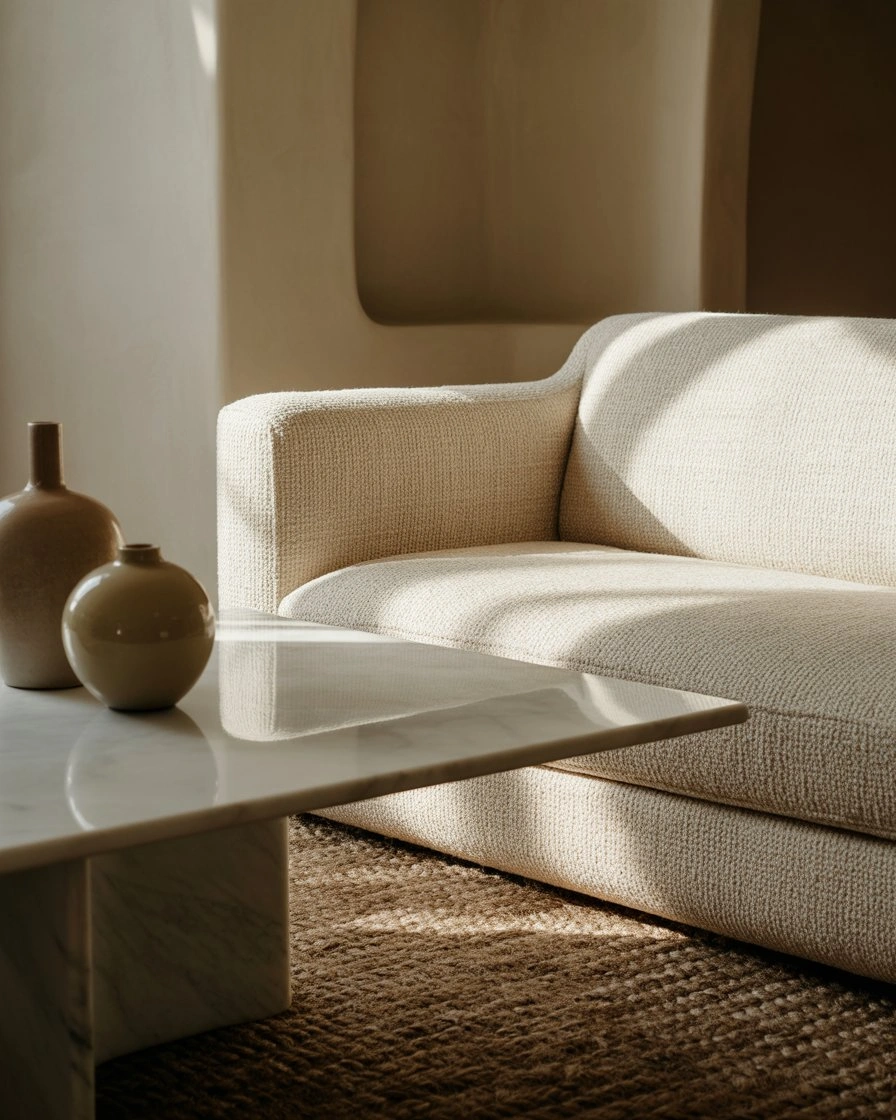
Practical insight: Texture matters more than color when you are trying to create rooms that feel expensive and considered. A monochrome space with differing textures appears infinitely more sophisticated than a multicolored space in which all the surfaces are overlaid with that plasticky, wipe-clean finish. When you’re shopping, don’t absentmindedly scroll through images without getting your paws on the materials before buying—the distinction between true linen and polyester, real leather and bonded, and solid wood versus veneer affects not only durability but also how the piece or component adds (or detracts) from a room’s sensory experience. You have to have at least four or five wildly different textures in every living room just for depth.
22. Open Shelving Displays Personality
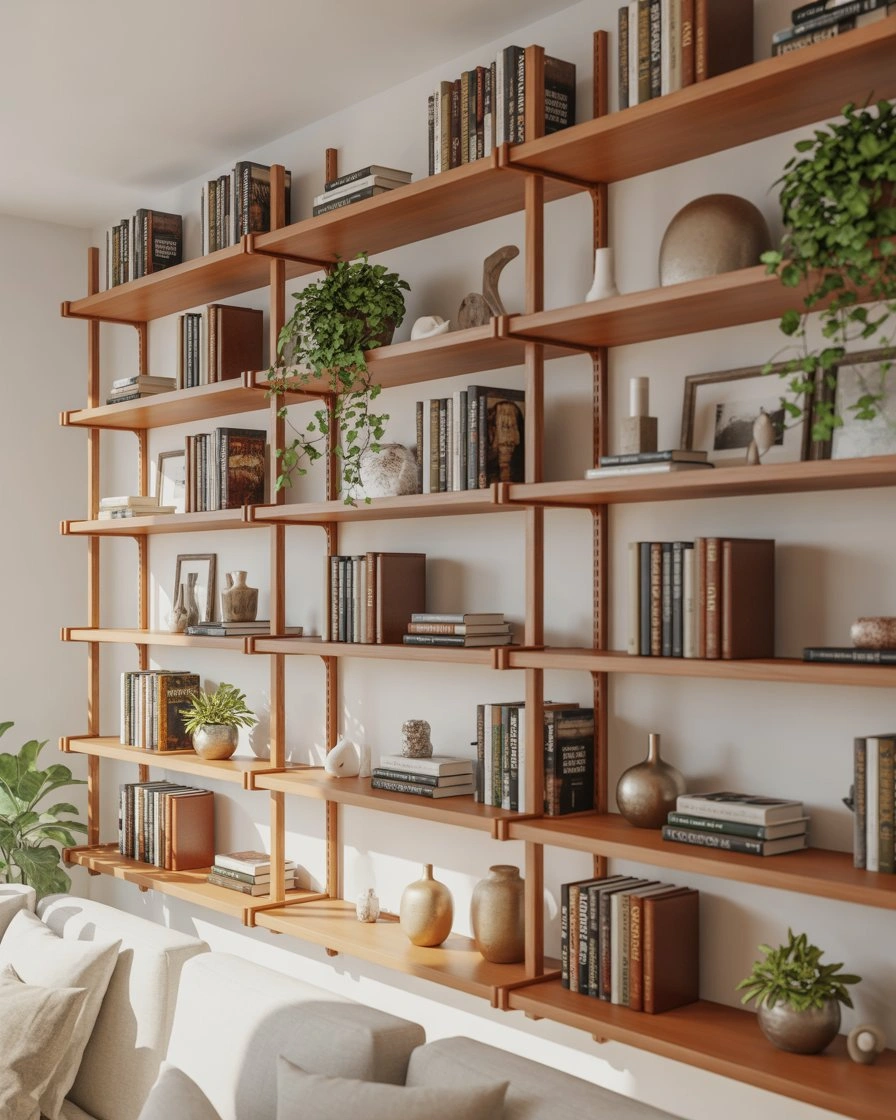
Built-in and freestanding open shelving is fast replacing closed storage that feels too solid or—dare we say it?—clunky, in much the same way that having nothing to hide behind suits us personally. This sensibility is part of a larger cultural movement away from minimalism’s “hide everything” directive and toward embracing the stuff we love and use. It especially makes sense in homes inspired by the Scandinavians, as they’re already full of form and function playing nicely together, or in classic libraries and sitting rooms, where built-ins have always been a part of things. 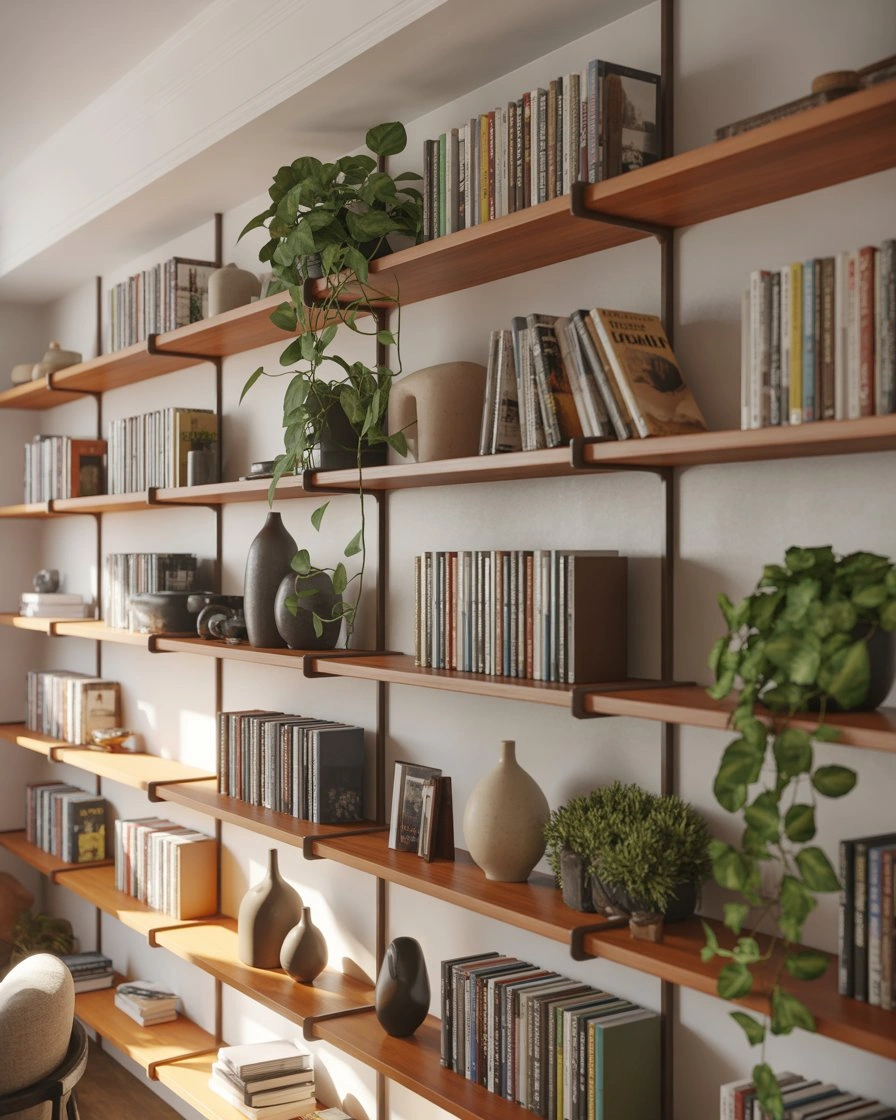
Common mistakes include overcrowding shelves so they look chaotic or styling them so sparsely and symmetrically they feel sterile and staged. The sweet spot is roughly 70% full, with varied heights, negative space to let the eye rest, and a mix of vertical and horizontal arrangements. Group like items—all books together, all objects together—then create visual balance across the unit. Open shelving requires maintenance; dust accumulates and displays need refreshing, but the tradeoff is a room that feels more personal and less generic than one with everything hidden away.
23. The Living Room as Personal Retreat
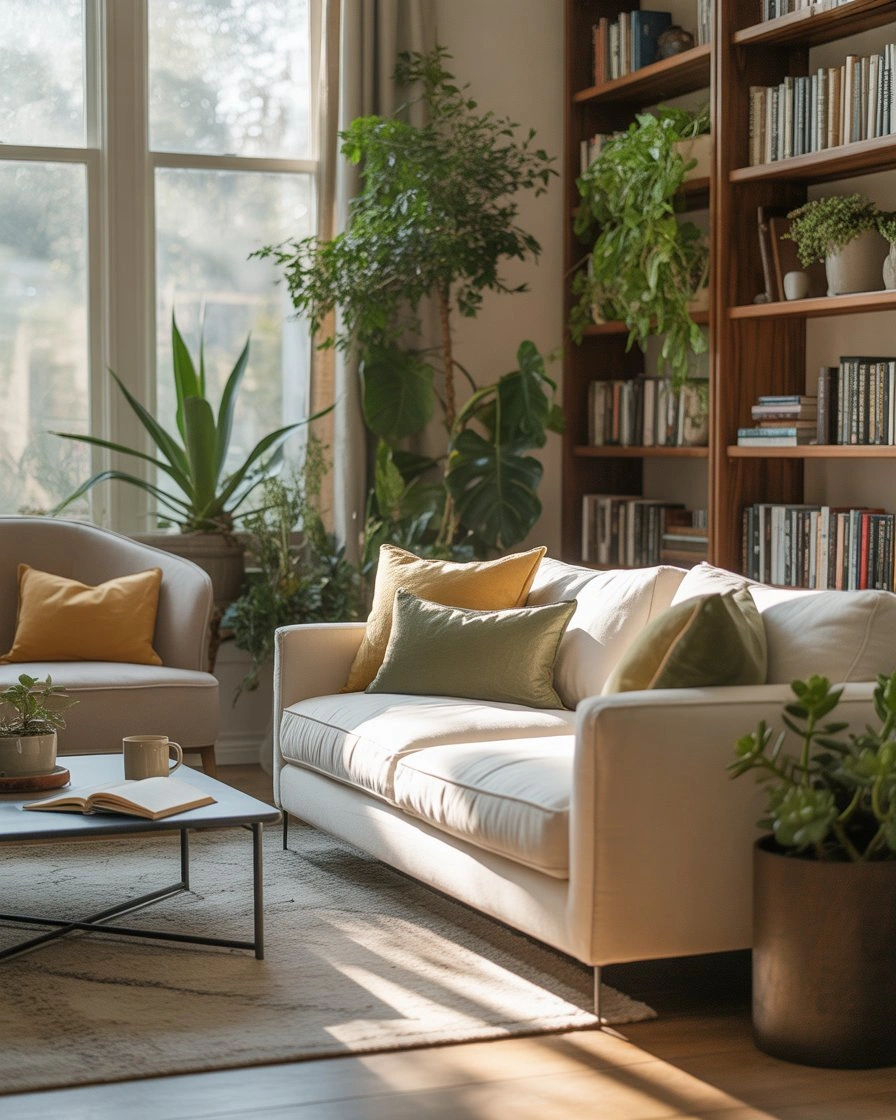
The most significant shift in 2026 is conceptual: living rooms are being designed as sanctuaries and personal retreats rather than performance spaces for entertaining. This means prioritizing comfort, incorporating elements that support well-being like plants and natural light, and choosing pieces that reflect personal taste rather than following trends. The movement encompasses all styles—from Japandi serenity to 70s warmth—and represents a fundamental rethinking of what living rooms are for in American culture. 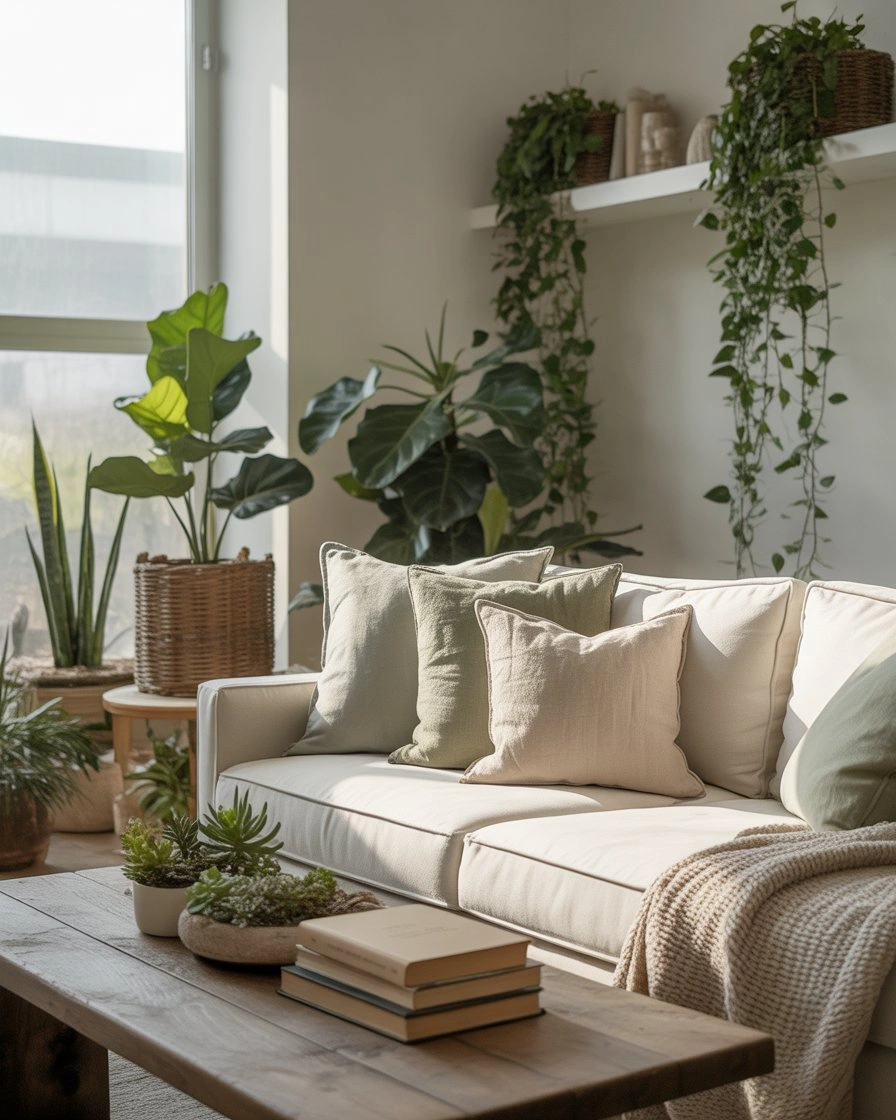
Expert-style commentary: the change is indicative of wider cultural shifts in how Americans think about home post-pandemic (who knew we’d ever stop caring quite as much if things were “Instagrammable”?), with a greater focus on mental health, comfort, and making spaces actually good for you compared to just looking, well, good. The implications are quite practical: lean toward softer and more comfortable seating rather than overly formal pieces; favor layouts that can accommodate a variety of activities (reading, conversation, quiet time) rather than one dominant use; and invest in better quality over an abundance of cheap options. A living room that is a retreat of your own will always feel more rewarding than one designed to impress others.
Conclusion
These are the ideas of where American living room design is going in 2026—toward spaces that are warmer, more personal, more useful, and ultimately more human than the decade before. Whether it’s brash maximalism or restrained simplicity that turns you on, there is a through-line: intention—rooms created with an eye toward how you really live and what matters to you. Take what works for you, and apply it to your own space; don’t be afraid to break the rules in order to create rooms that feel genuinely yours. We are eager to hear which ideas you most want to try out—please share in the comments below.