Kitchen design in 2026 is all about blending function with personality—spaces that feel collected, not decorated. Whether you’re drawn to modern luxury finishes or the warmth of a rustic cabin vibe, this year’s trends celebrate individuality and livability. Americans are turning to Pinterest not just for inspiration, but for real solutions that fit their homes, budgets, and daily routines. From tiny apartment setups to sprawling open layouts, the ideas below reflect what’s actually working in kitchens across the country right now.
1. Modern Luxury Meets Everyday Function
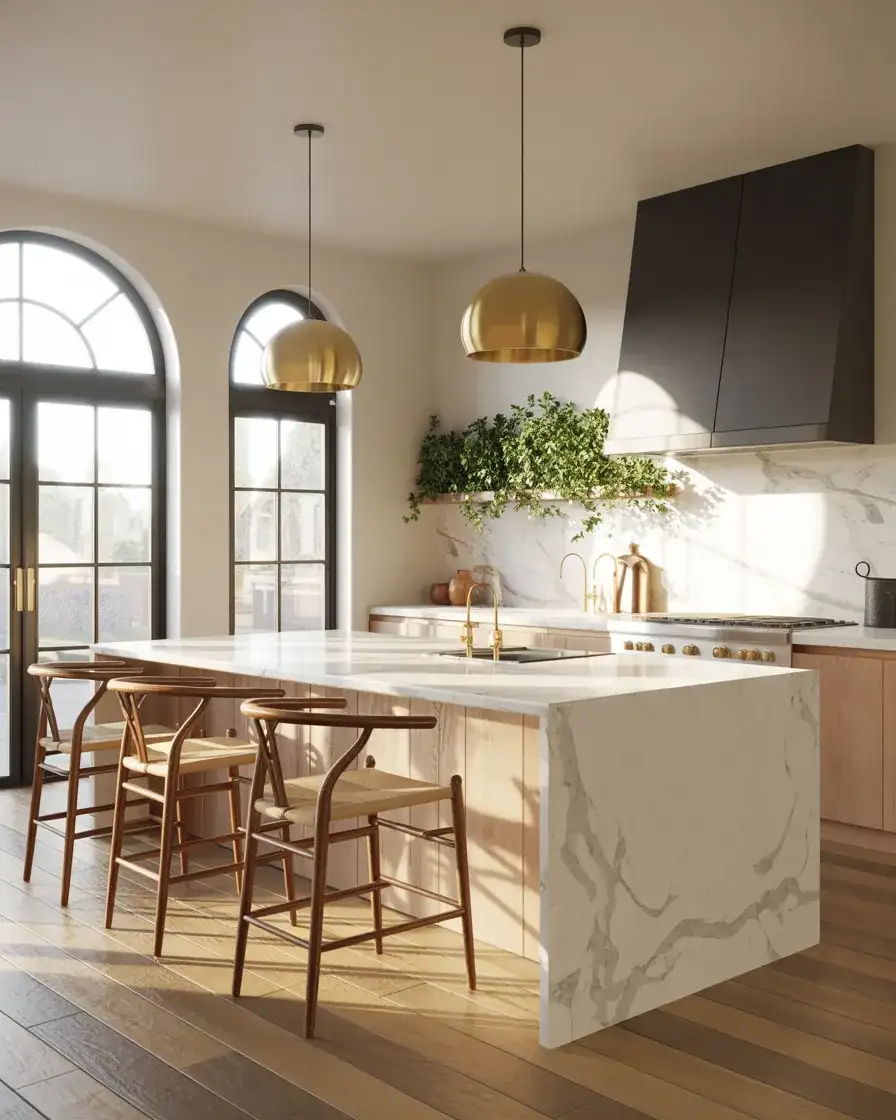
This approach combines modern luxury materials like marble and brass with practical, family-friendly layouts. Think waterfall islands that double as homework stations or sleek contemporary cabinetry that hides messy appliances. It’s designed for people who want their kitchen to look expensive but still handle the chaos of real life—school lunches, dinner prep, and everything in between.
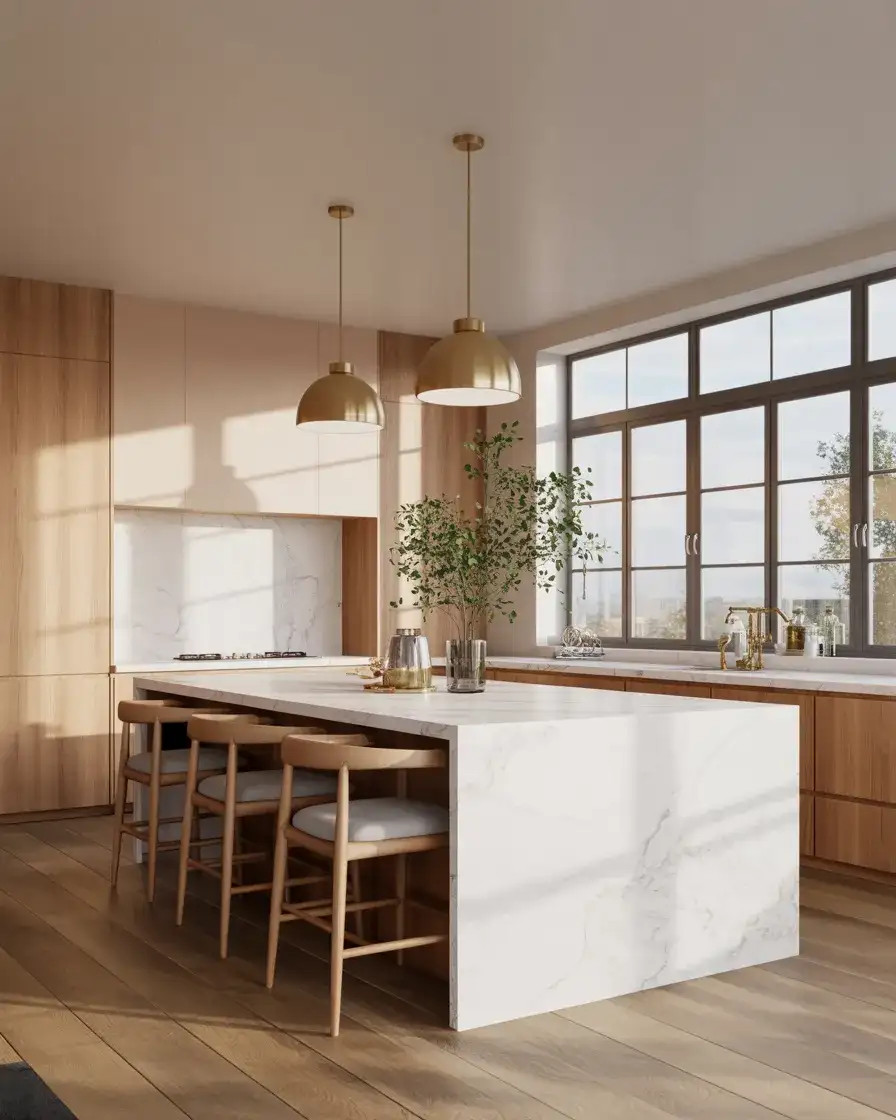
This works best in suburban homes where the kitchen is the center of everything. One designer noted that clients often regret choosing all-white kitchens because they show every fingerprint—layering in warmer tones and durable surfaces solves that. The key is investing in a few statement pieces, like a sculptural range hood or a custom island, while keeping the rest simple and sturdy.
2. Indian Kitchen Warmth with American Practicality
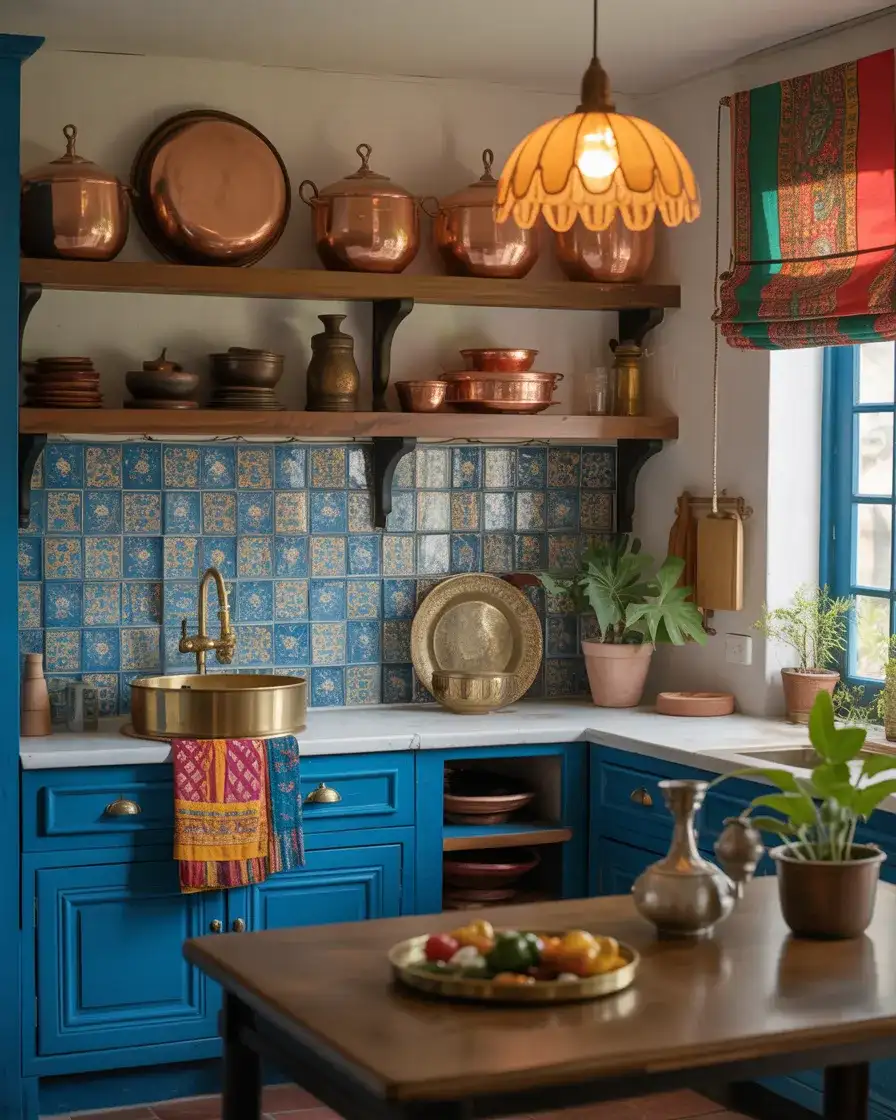
An Indian-inspired kitchen brings bold color, intricate tile work, and serious ventilation to handle spice-heavy cooking. Many Indian-American families are blending traditional elements—like a dedicated spice cabinet or a powerful exhaust system—with modern open layouts that fit American home footprints. The result feels vibrant, personal, and built for the way people actually cook.
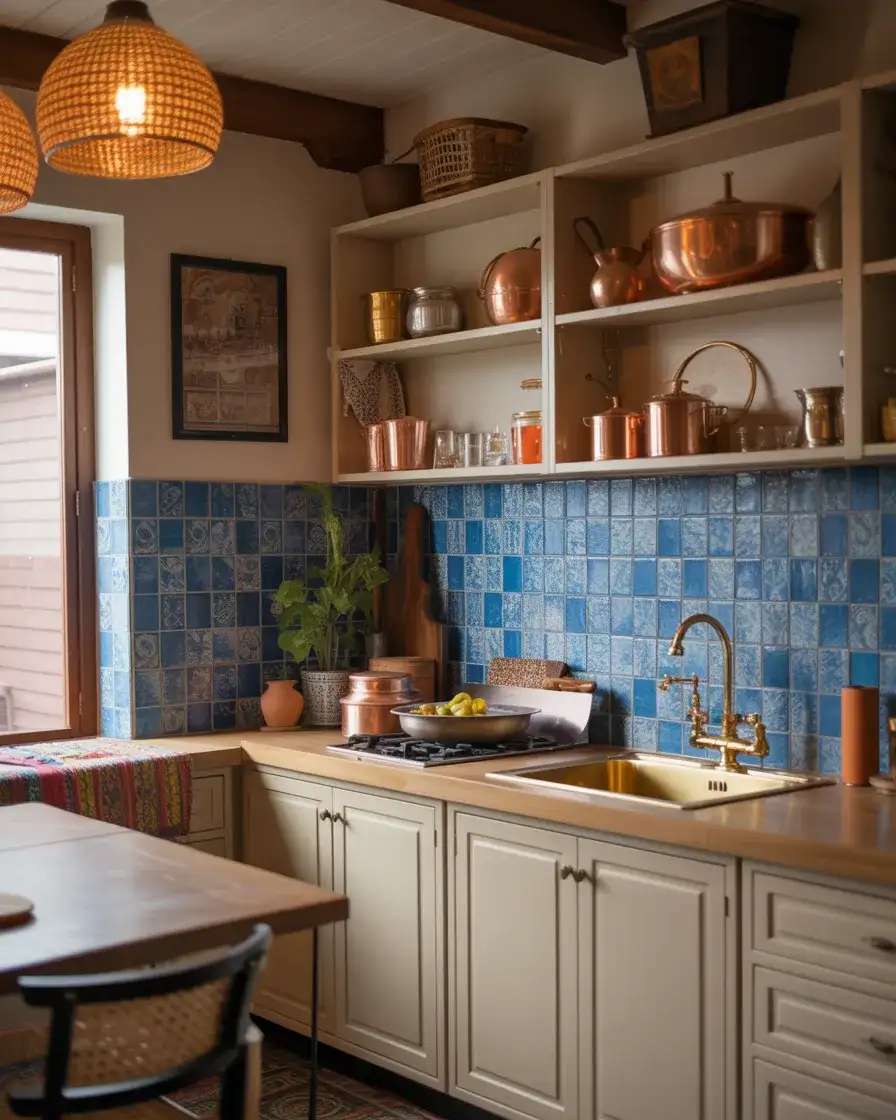
This style works especially well in regions with diverse communities—like the Bay Area, Houston, or New Jersey. A common mistake is underestimating ventilation needs; investing in a commercial-grade hood fan makes a huge difference. Also, consider pull-out drawers for spice storage instead of traditional cabinets—it’s easier to see everything at once and keeps frequently used items within reach.
3. Outdoor Cooking Spaces That Feel Like Home
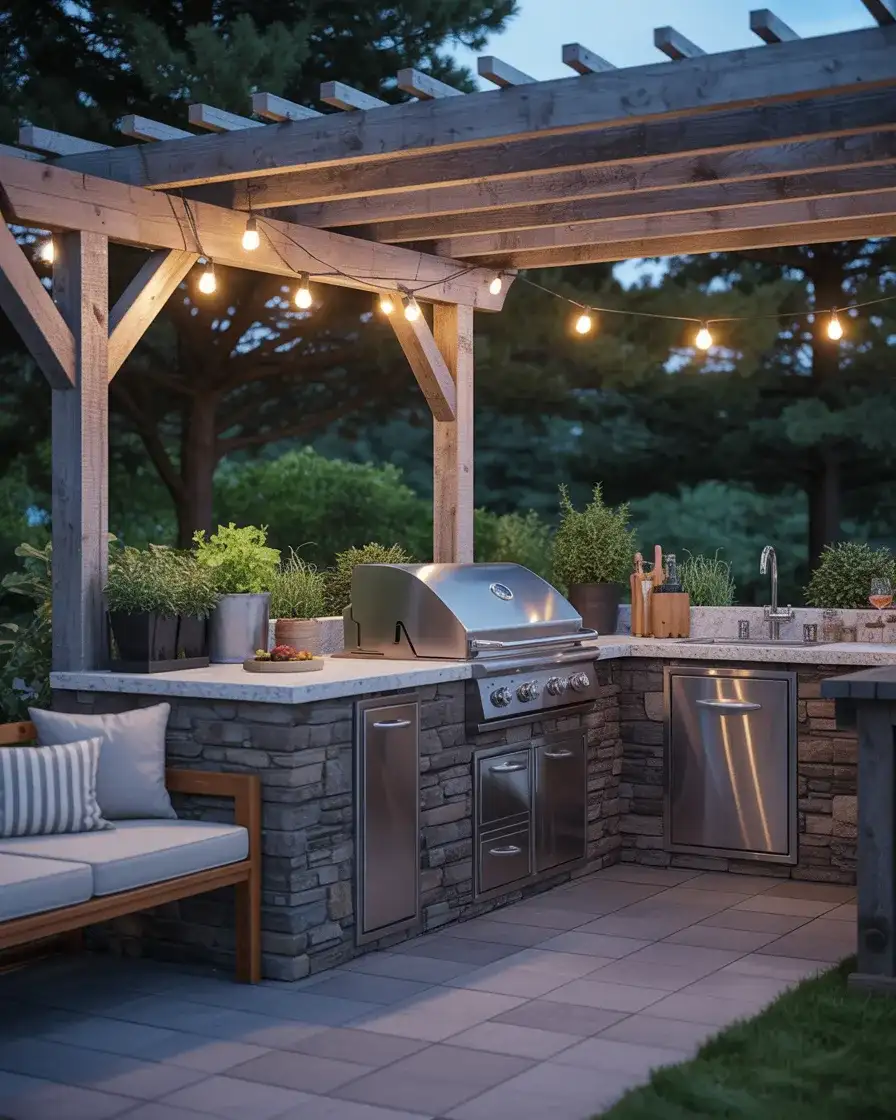
Outdoor kitchens are no longer just about grills—they’re becoming full prep zones with sinks, refrigeration, and covered dining areas. The 2026 shift is toward making these spaces feel like extensions of the indoor kitchen, with matching cabinetry, durable countertops, and thoughtful lighting. It’s about creating a space you’ll actually use beyond the July 4th weekend.
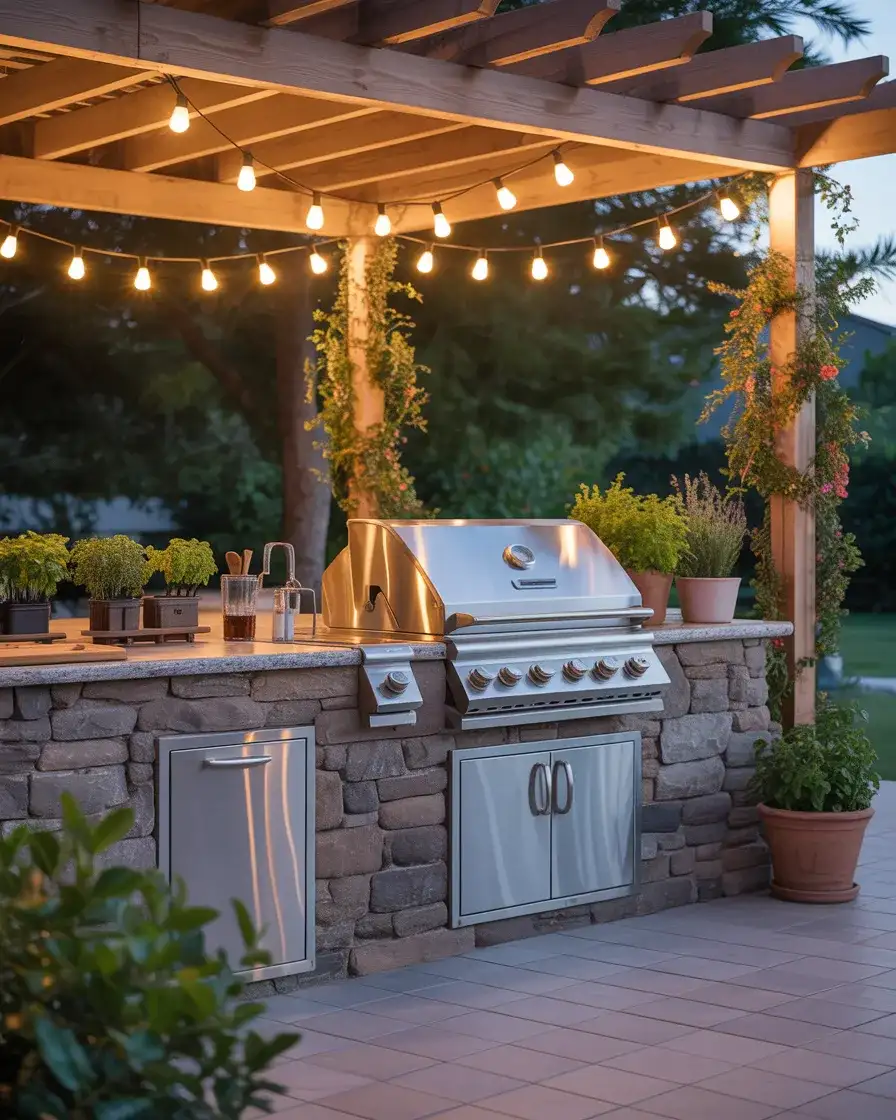
A neighbor in Phoenix shared that adding a retractable awning extended their outdoor kitchen season by months. Without shade, the space was unusable by noon. Think about your climate—Southern kitchens need fans and shade, while Northern setups benefit from fire pits and heaters. Budget $8,000–$20,000 for a solid setup, but you can start smaller with a quality grill and a DIY countertop.
4. Open Floor Plans with Smart Zoning
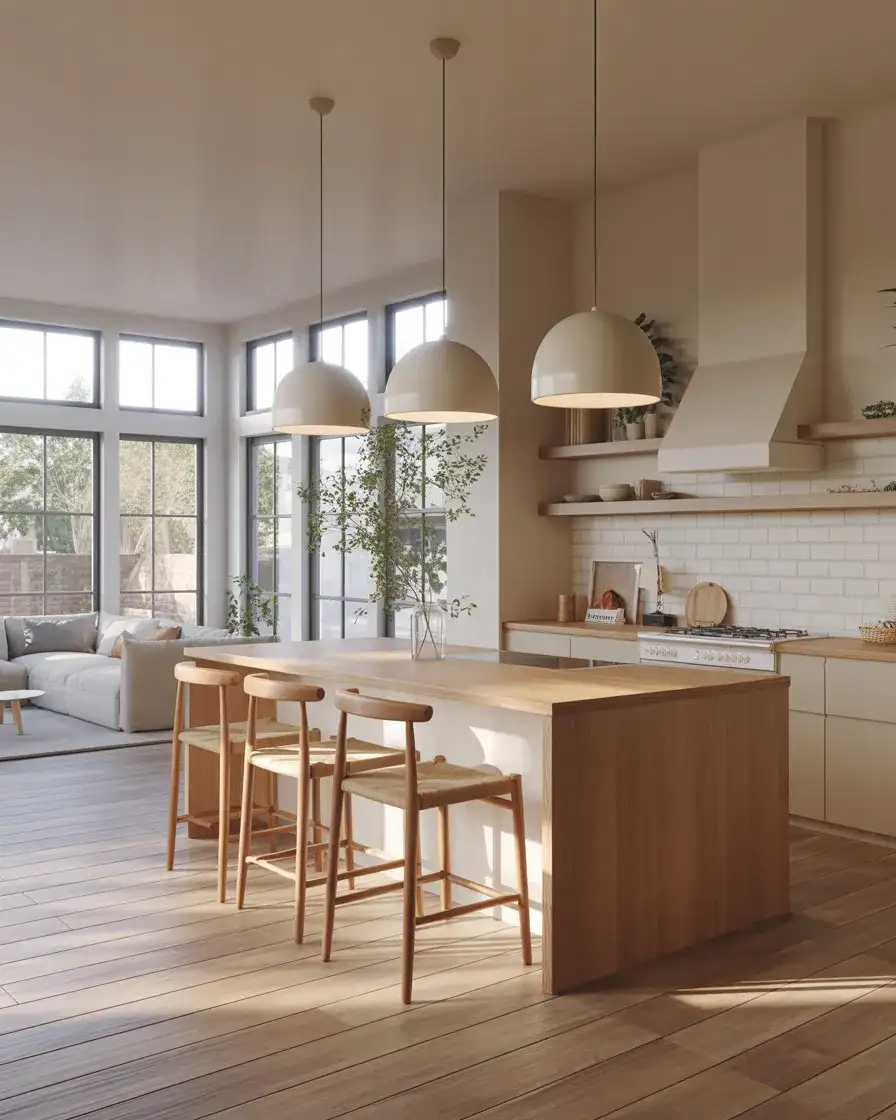
The open kitchen concept is still going strong, but with better zoning. Instead of one giant room, designers are creating distinct areas using lighting, rugs, and strategic furniture placement. A modern open kitchen might use a peninsula to separate cooking from lounging or a lowered ceiling over the dining area to define space without walls.
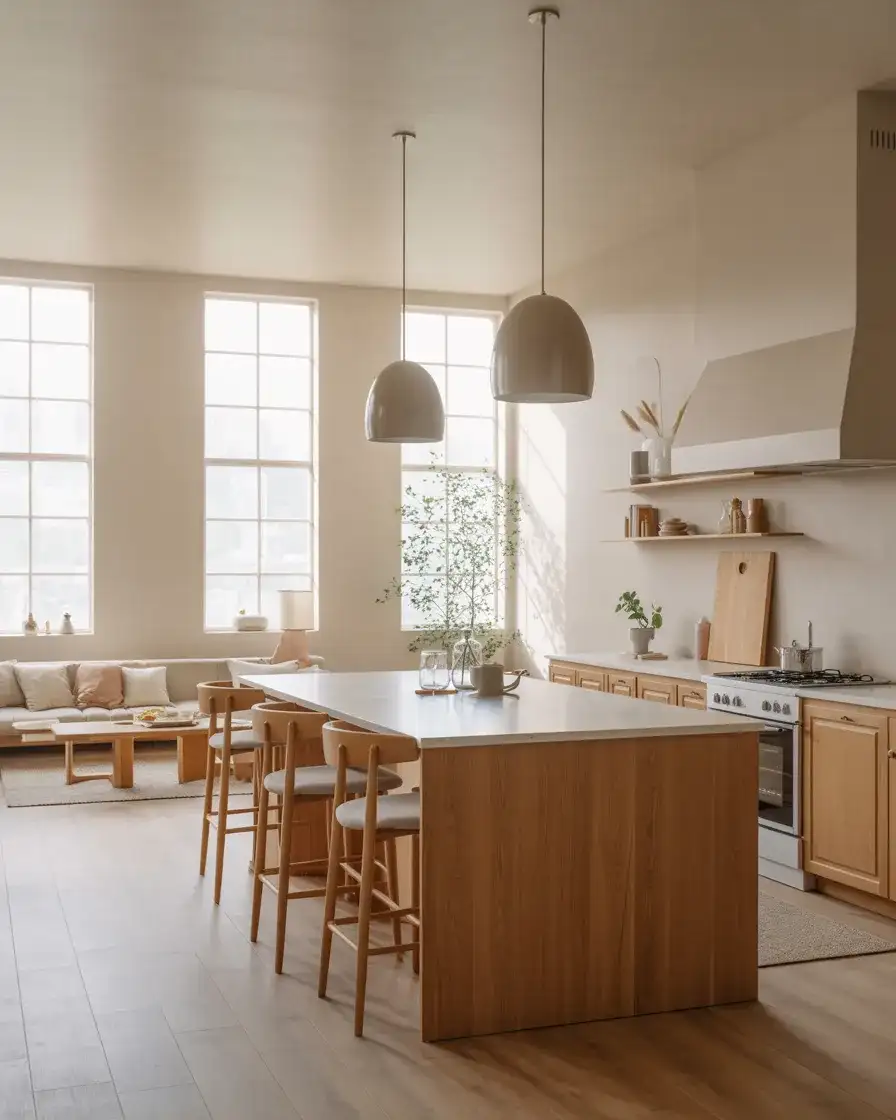
This layout thrives in newer suburban builds and urban lofts where space flows naturally. One real homeowner tip: invest in a quiet range hood and dishwasher—open plans mean kitchen noise travels everywhere. Also, avoid pushing all furniture against walls; floating a sofa or adding a console table behind the couch helps define the living zone without blocking sightlines.
5. Rustic Charm Without the Fuss
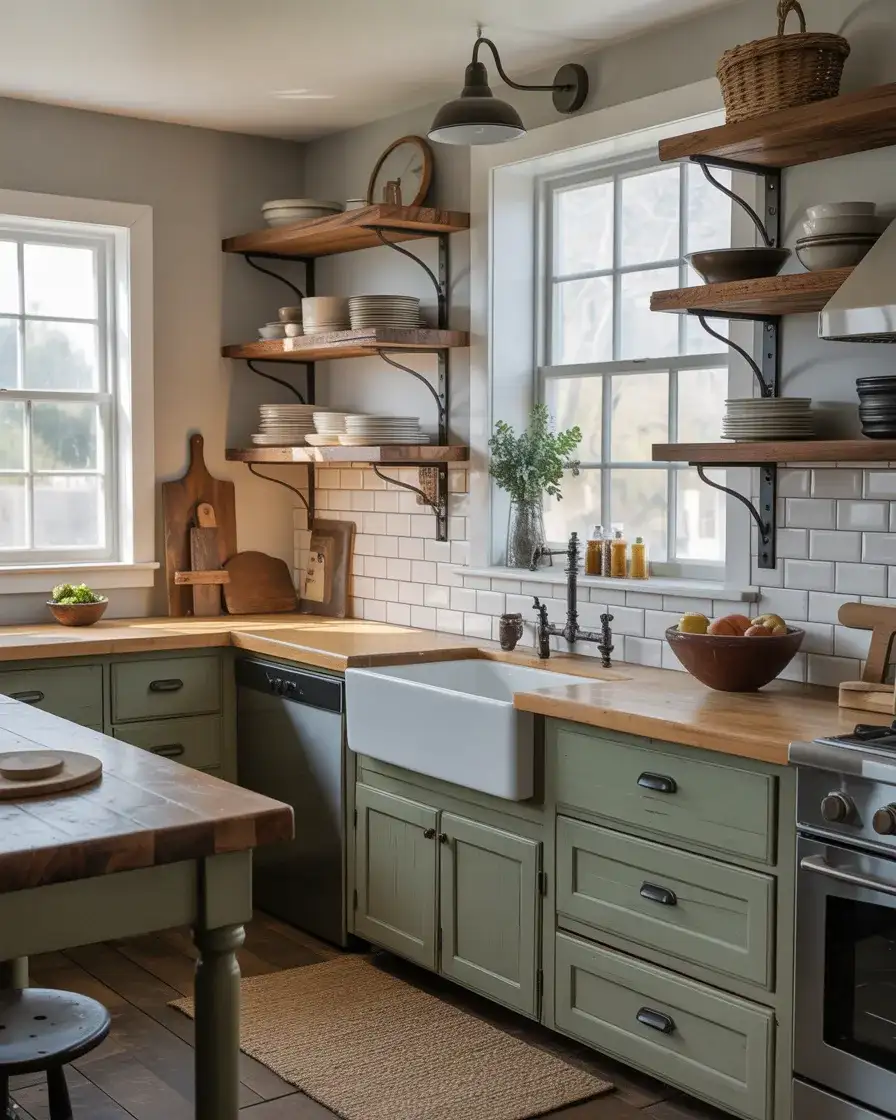
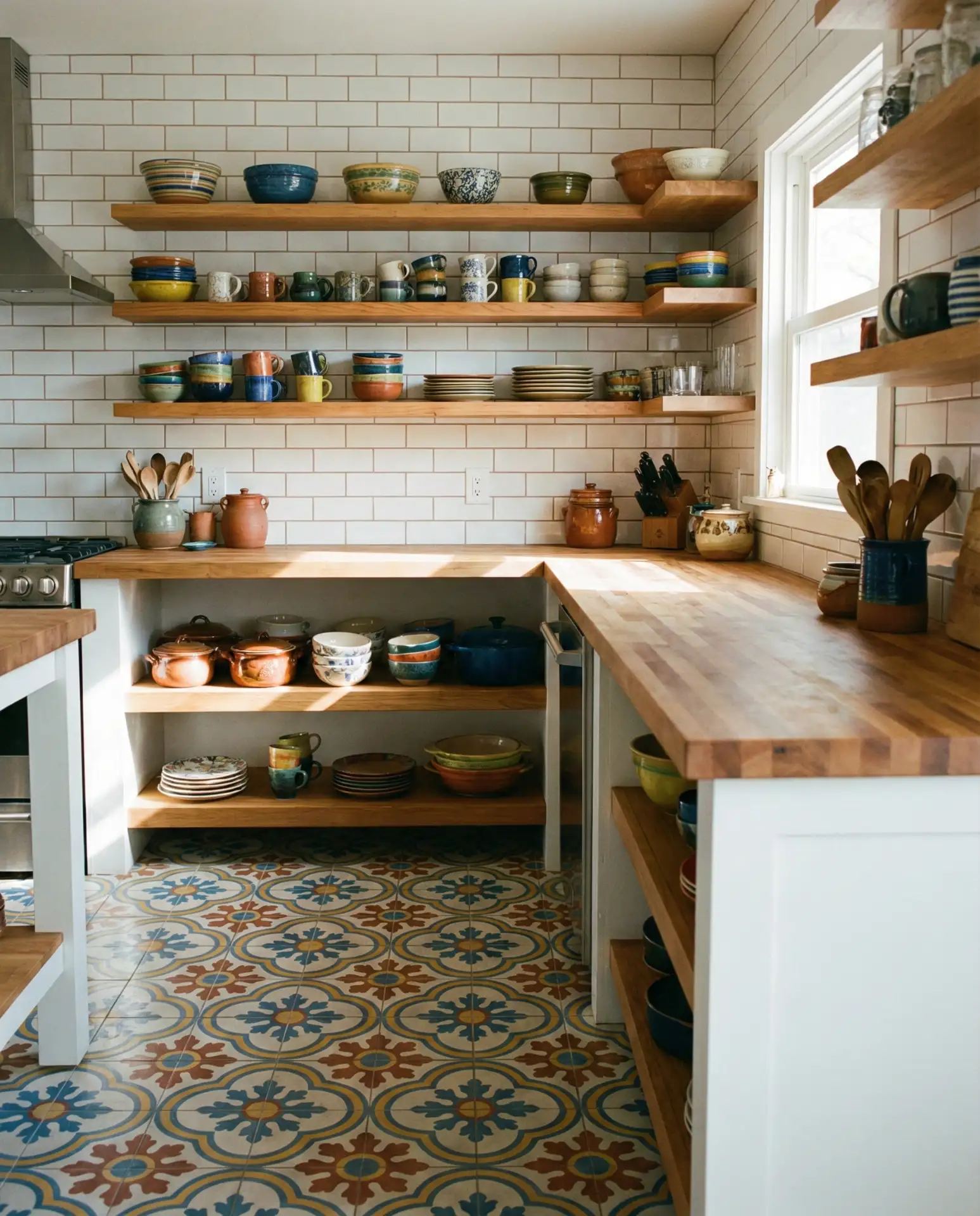
A rustic kitchen doesn’t have to feel like a farmhouse museum. The 2026 version mixes reclaimed wood, matte black hardware, and simple subway tile with modern appliances and clean lines. It’s cozy without being cluttered, and it appeals to anyone craving warmth and texture in their home kitchen.
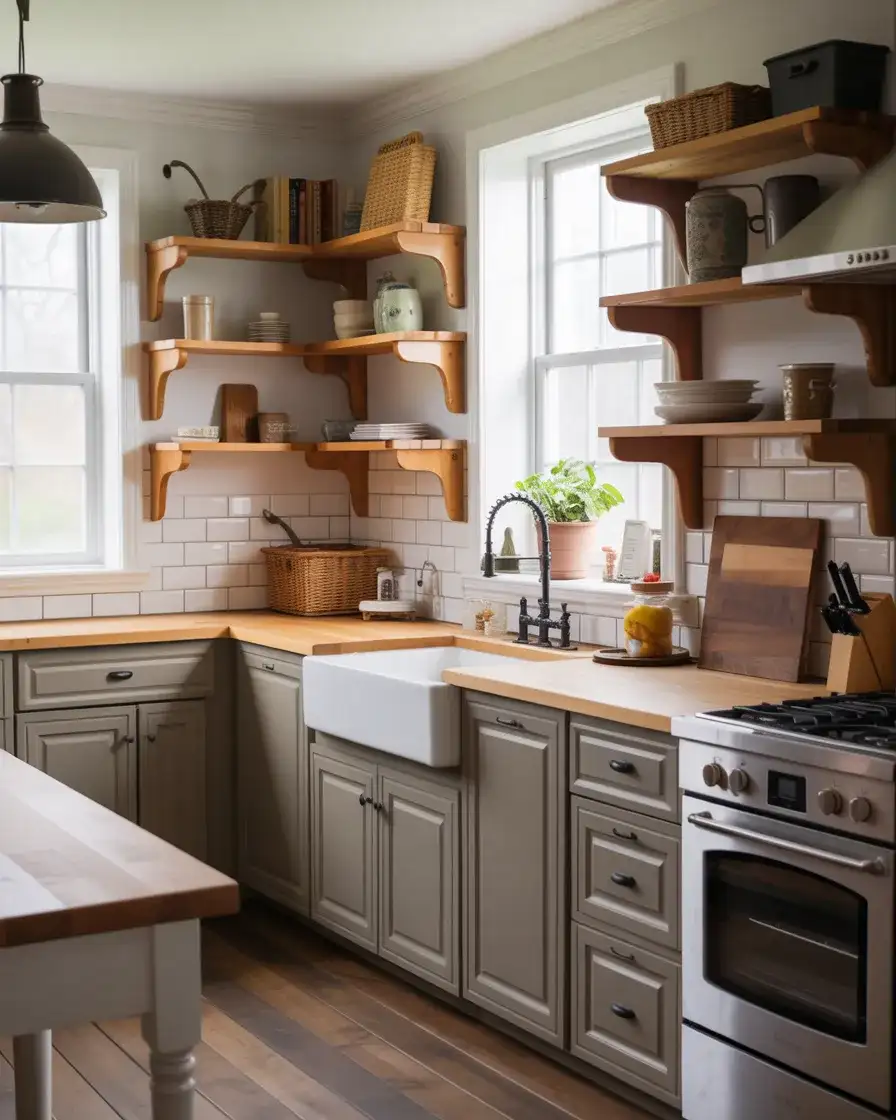
This style works beautifully in mountain towns, rural areas, or older homes with character. Budget-wise, you can achieve the look for less by sourcing reclaimed wood locally or using butcher block instead of stone counters. Expect to spend around $15,000–$35,000 for a full remodel, but smaller updates—like swapping hardware or adding open shelving—can refresh the space for under $2,000.
6. Organic Modern with Natural Materials
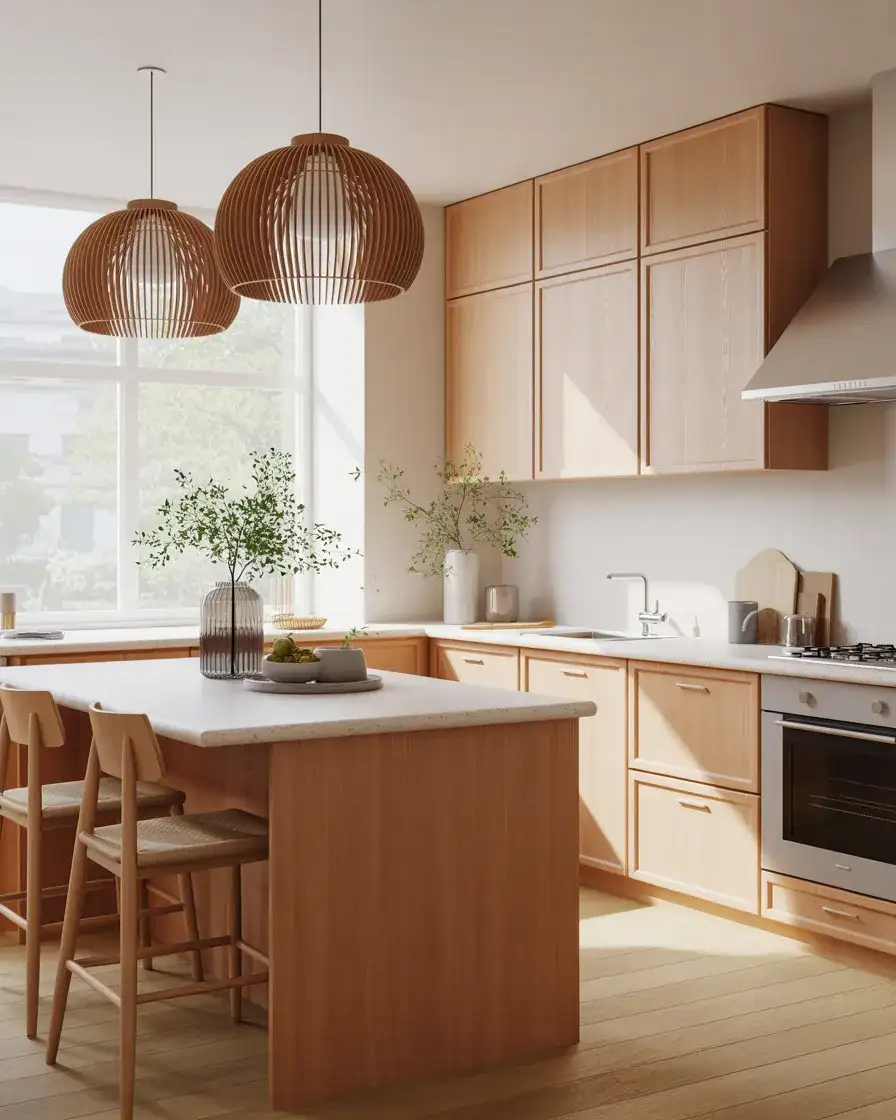
Organic modern kitchens prioritize natural materials, soft edges, and a calming palette. Think light oak cabinets, stone counters, and woven textures—all within a contemporary framework. This style feels approachable and grounded, appealing to anyone tired of cold minimalism but not ready to commit to full-on rustic.
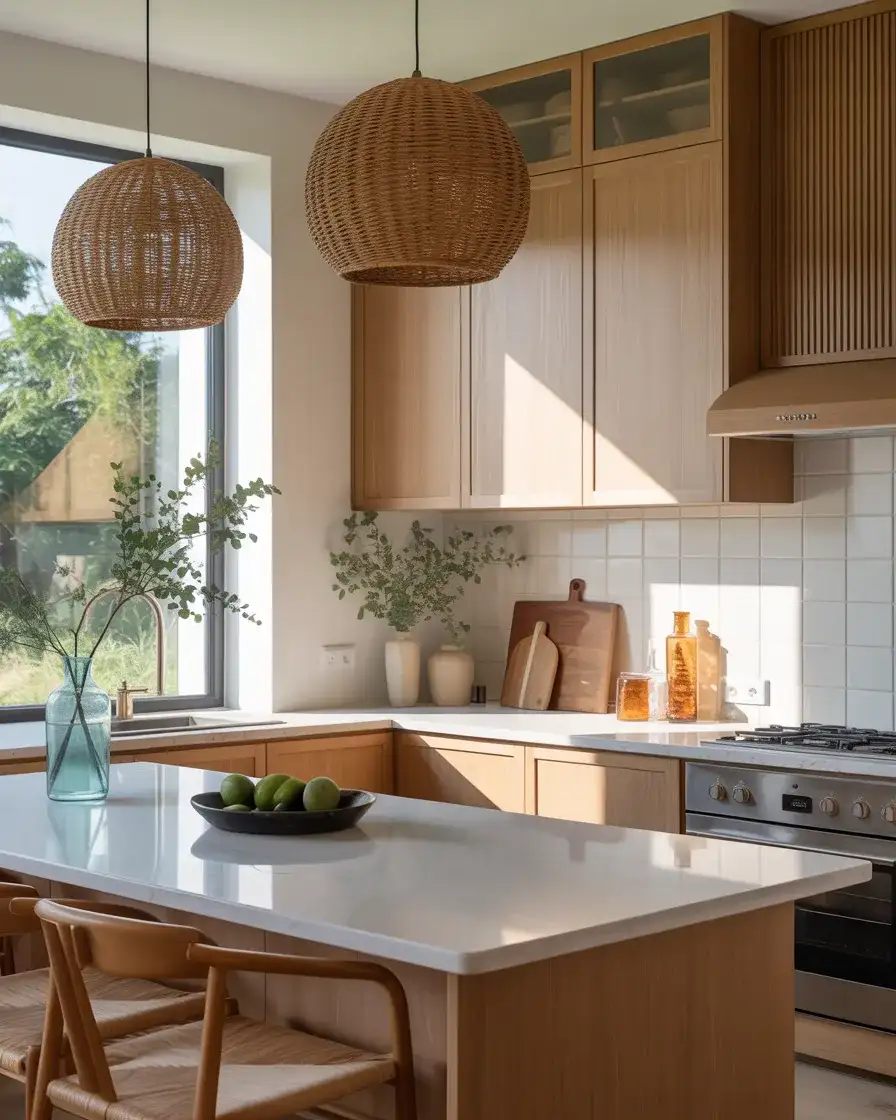
One designer mentioned that clients often overlook tactile details—switching to wood or leather cabinet pulls instead of metal instantly warms the space. This style also ages gracefully; natural materials develop patina rather than looking dated. It’s especially popular in California, the Pacific Northwest, and parts of the Southwest, where indoor-outdoor living is a priority.
7. Industrial Edge with Polished Details
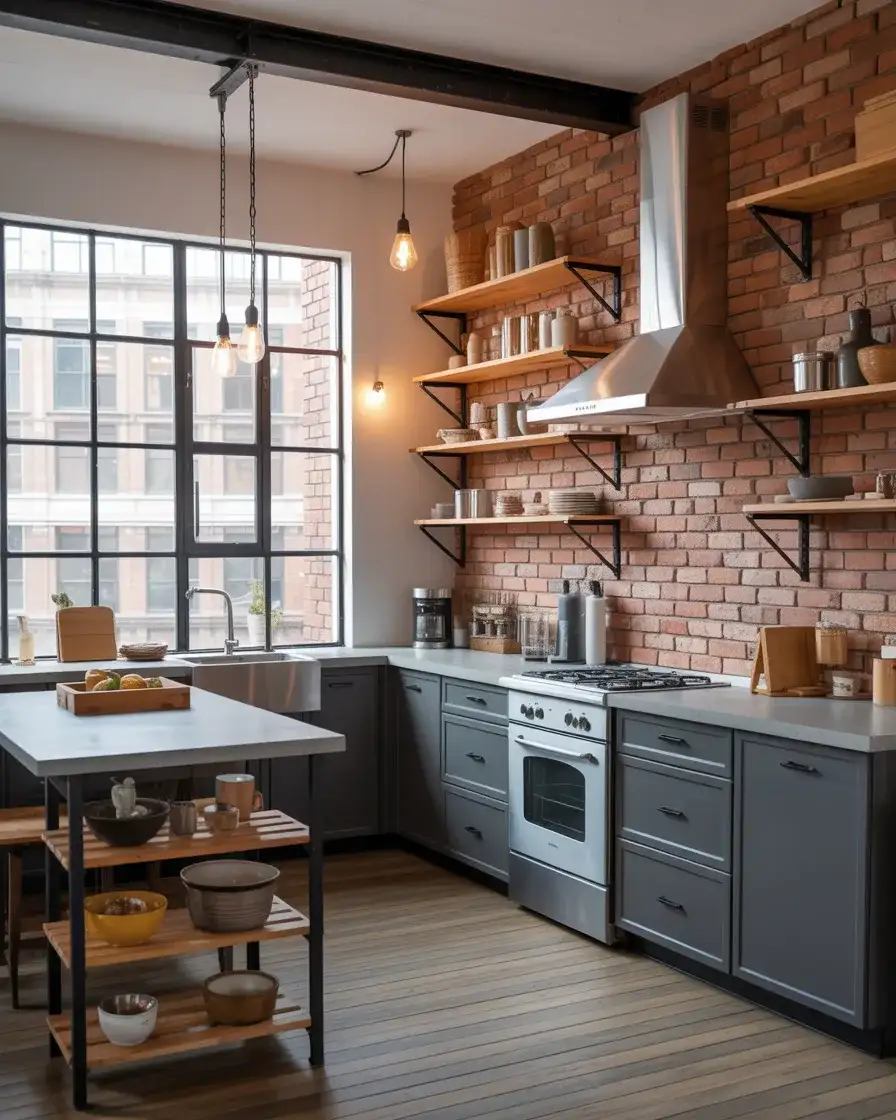
An industrial kitchen leans into exposed brick, metal accents, and concrete surfaces, but the 2026 version adds polish through thoughtful lighting and pops of warmth. Pair steel-framed windows with wood shelving, or balance a concrete island with brass fixtures. It’s raw without feeling cold, and it suits urban lofts and modern 2026 renovations perfectly.
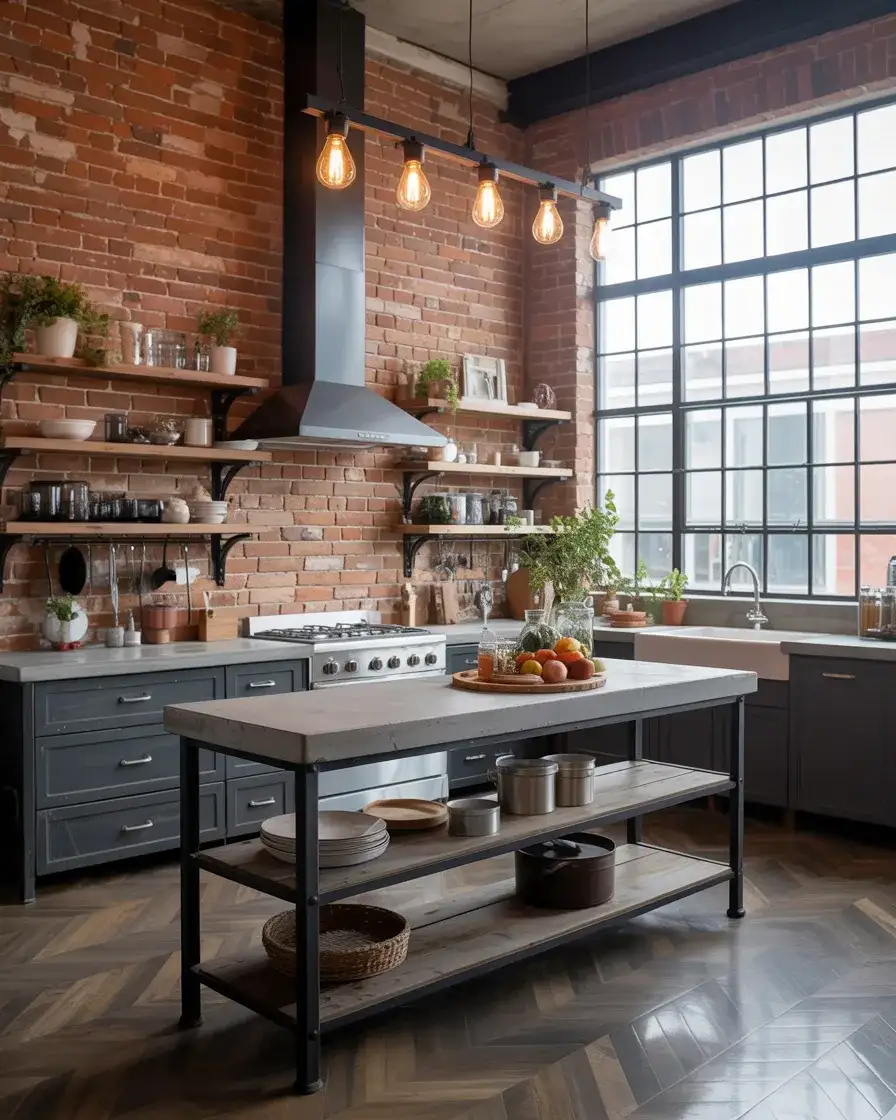
This look thrives in converted warehouse spaces, Brooklyn brownstones, and newer builds aiming for an urban vibe. A common mistake is going too heavy on metal and concrete, which can feel sterile. Layer in textiles—a wool rug, linen dish towels—and consider wood tones to soften the space. Most homeowners report spending around $20,000–$40,000 for a full industrial-style remodel.
8. Tiny Kitchens with Big Impact
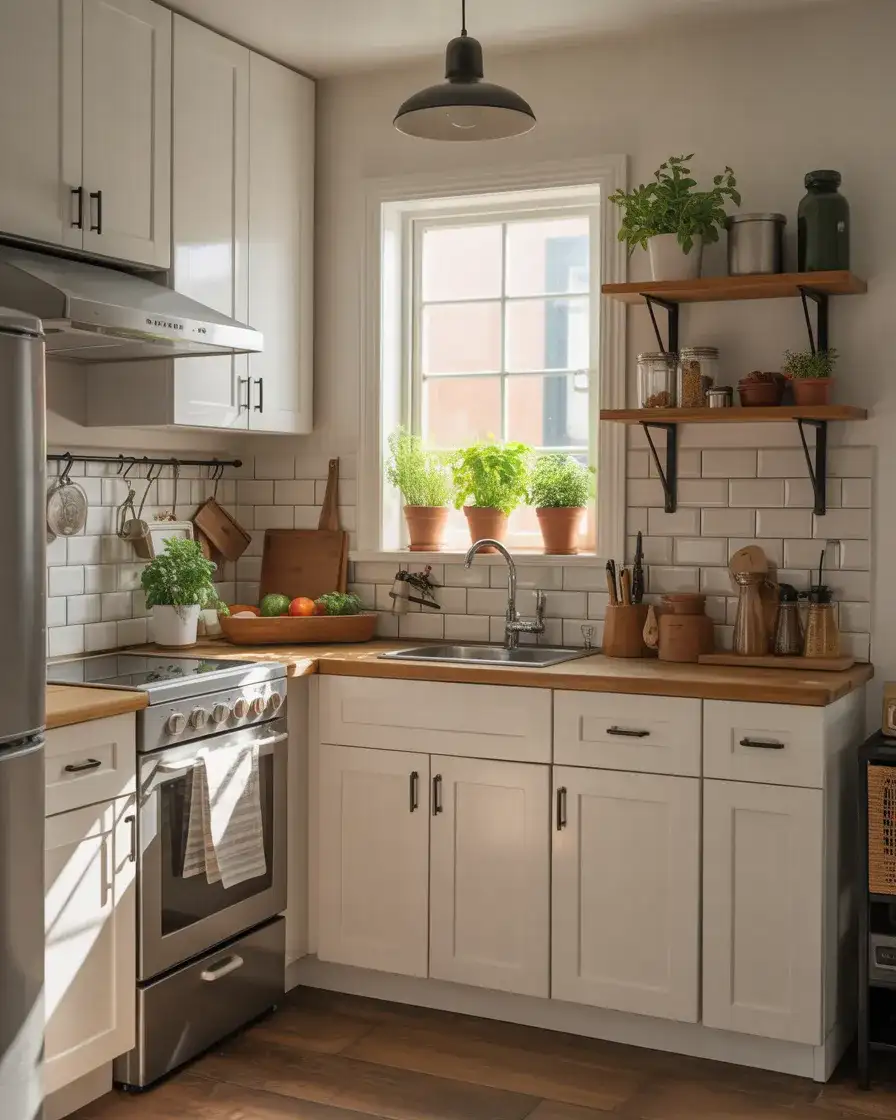
Tiny kitchens demand creativity, and in 2026, they’re proving that small spaces can be just as functional and beautiful as sprawling ones. The trick is maximizing vertical storage, choosing multi-purpose appliances, and using light colors to keep the room from feeling cramped. Even a galley setup can feel open with the right design choices.
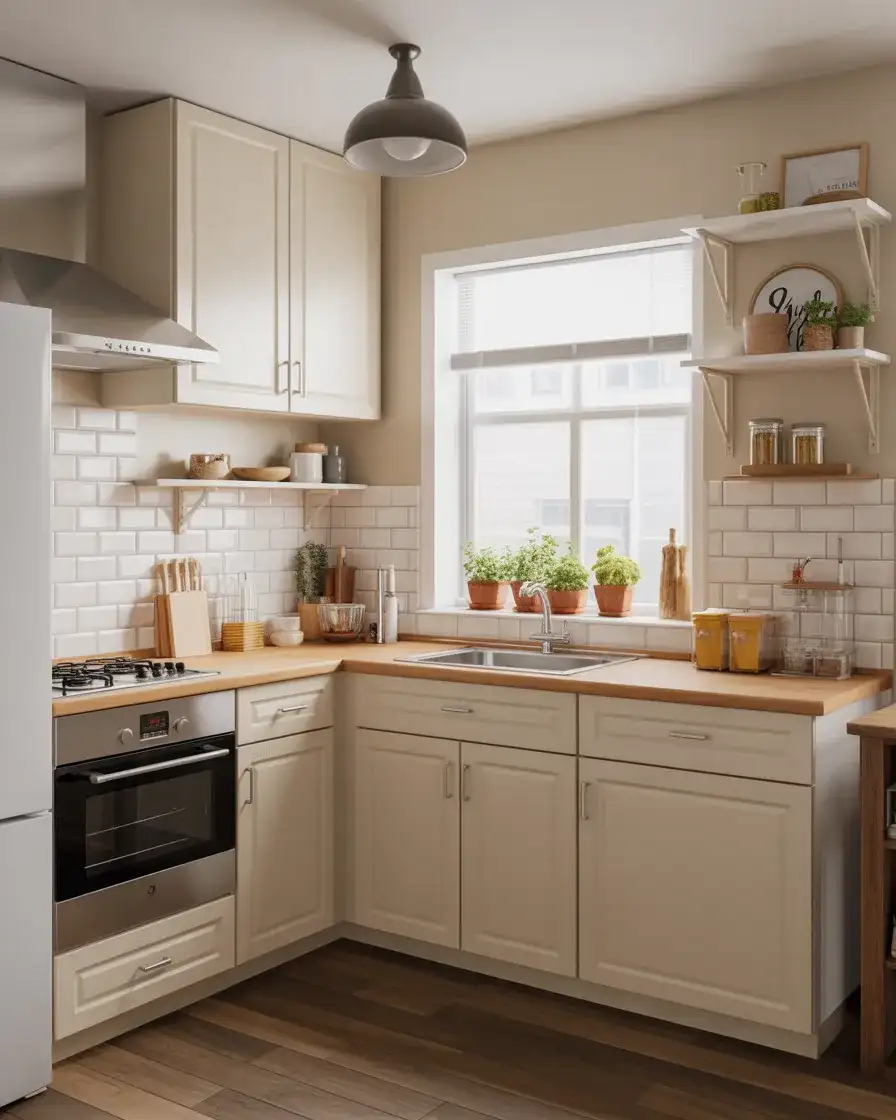
Tiny kitchens are most common in city apartments, studios, and ADUs. One renter in Seattle said switching to a rolling cart for extra prep space changed everything—it tucks away when not in use. Avoid overcrowding counters; keep only daily essentials out. Investing in a slim dishwasher or a two-burner induction cooktop can free up valuable square footage without sacrificing function.
9. Scandinavian Simplicity Meets Warmth
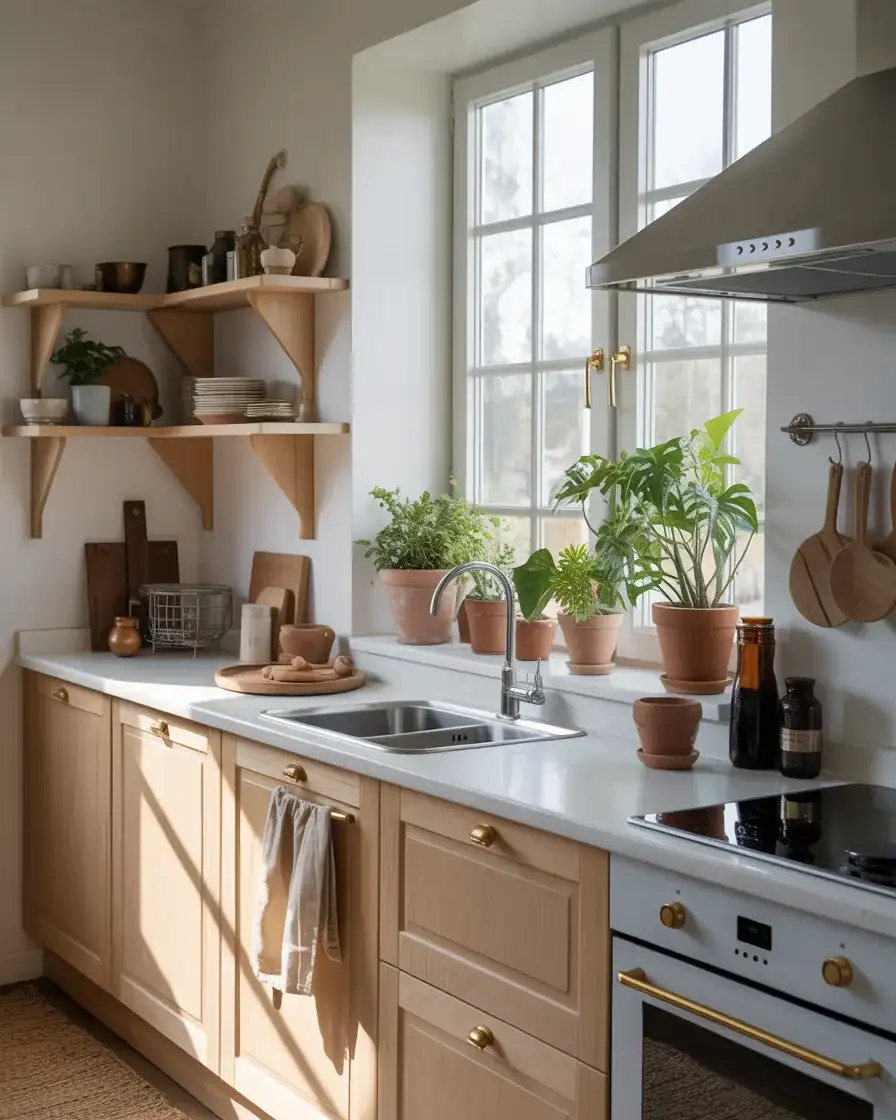
Scandinavian design brings clean lines, pale woods, and a sense of calm to the kitchen. The 2026 take layers in warmer textiles, subtle color, and natural light to keep the space from feeling stark. It’s minimal without being cold, and it appeals to anyone craving order and ease in their daily routine.
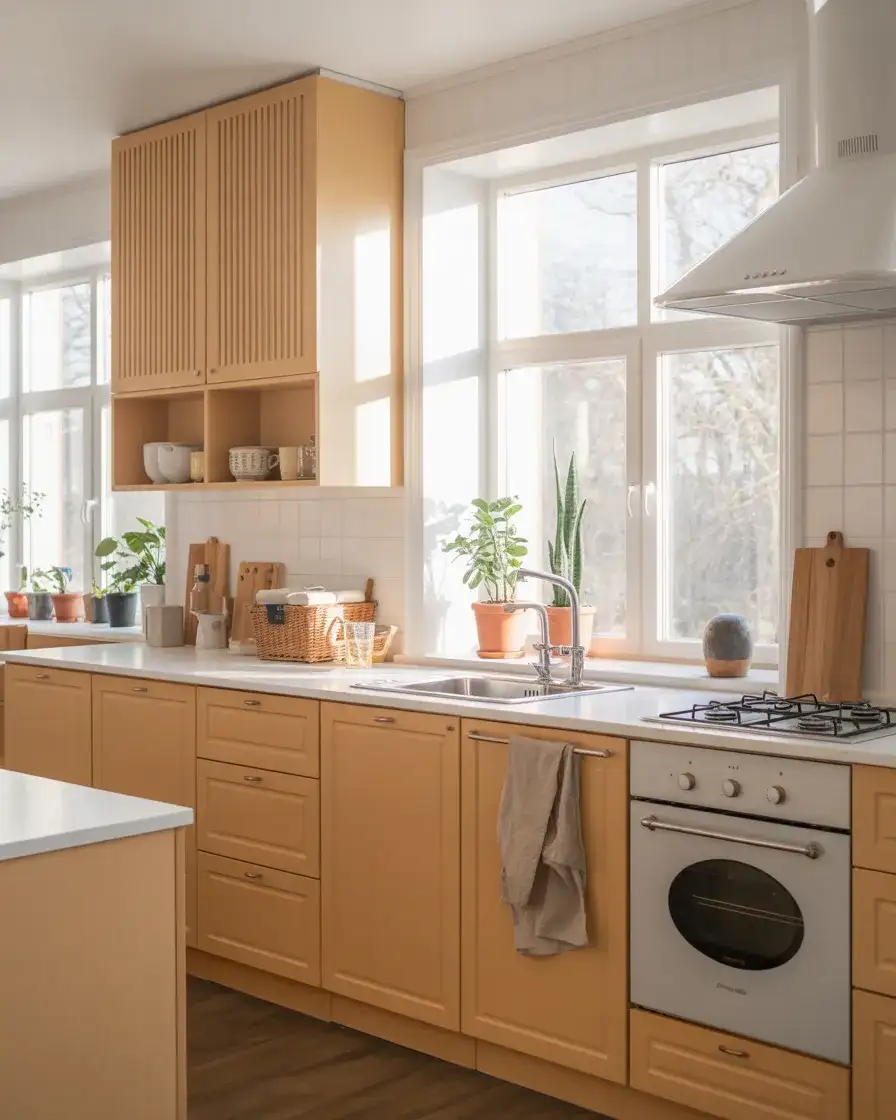
This style works beautifully in Northern climates where maximizing light is key, but it’s also popular in minimalist-leaning homes across the country. One homeowner shared that adding a single terracotta pot or a wool throw brought just enough warmth to balance the white and wood. Keep clutter hidden—closed storage is essential for maintaining the clean, airy feel Scandinavian design is known for.
10. Top Trends Shaping Kitchens in 2026
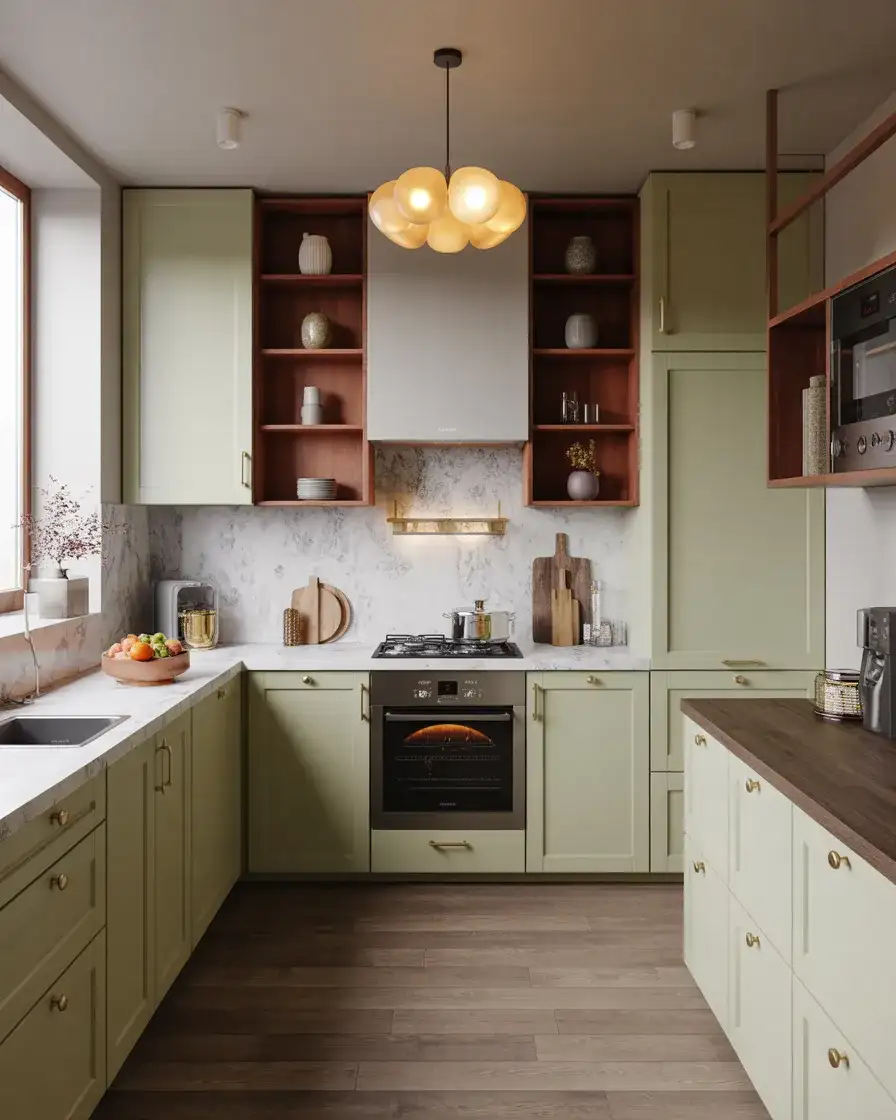
The biggest 2026 trends include warmer color palettes, mixed materials, and integrated technology that doesn’t dominate the design. Homeowners are moving away from all-white everything and embracing soft greens, warm grays, and natural wood tones. Smart appliances are getting quieter and more discreet, blending into the layout rather than shouting for attention.
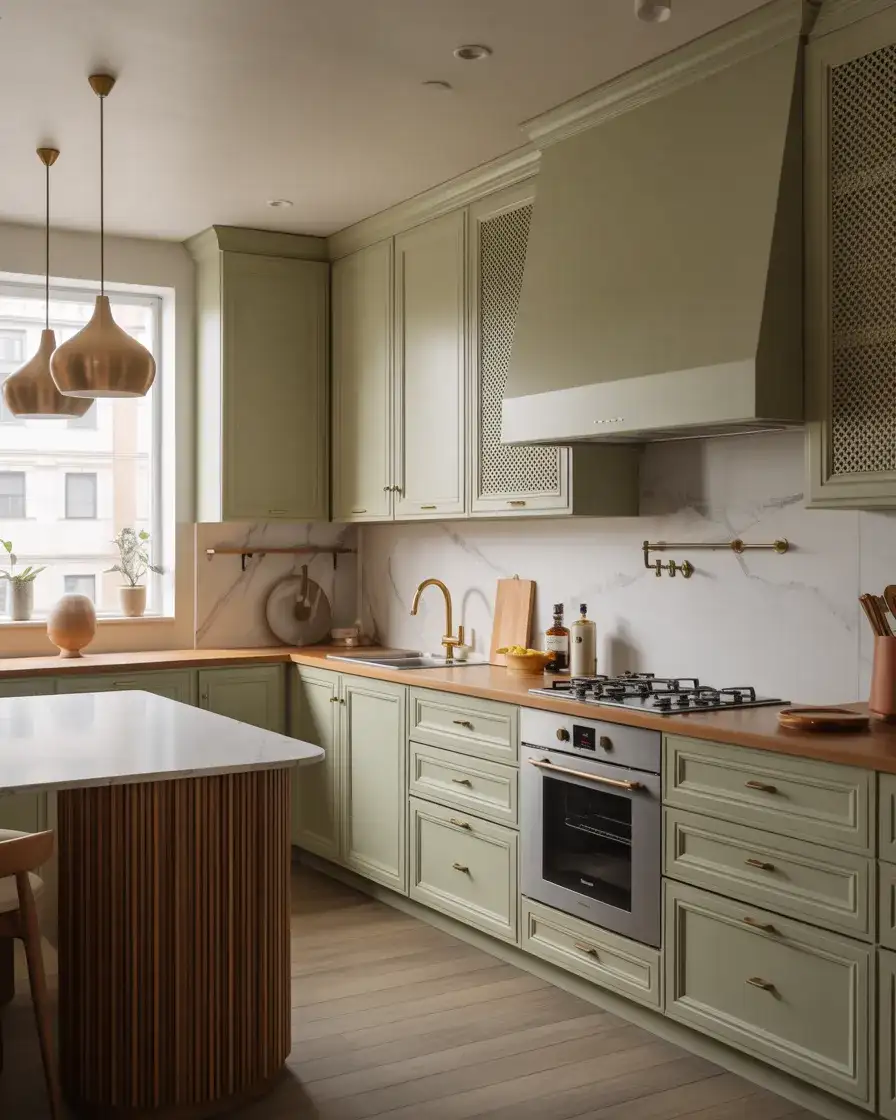
Another trend gaining traction is the coffee and beverage station—a dedicated corner with a sink, small fridge, and storage for mugs and beans. It keeps morning routines organized and frees up the main kitchen during busy times. Whether you’re renovating or just refreshing, these trends reflect a shift toward personalization and comfort over following rigid design rules.
11. Contemporary Style with Timeless Appeal
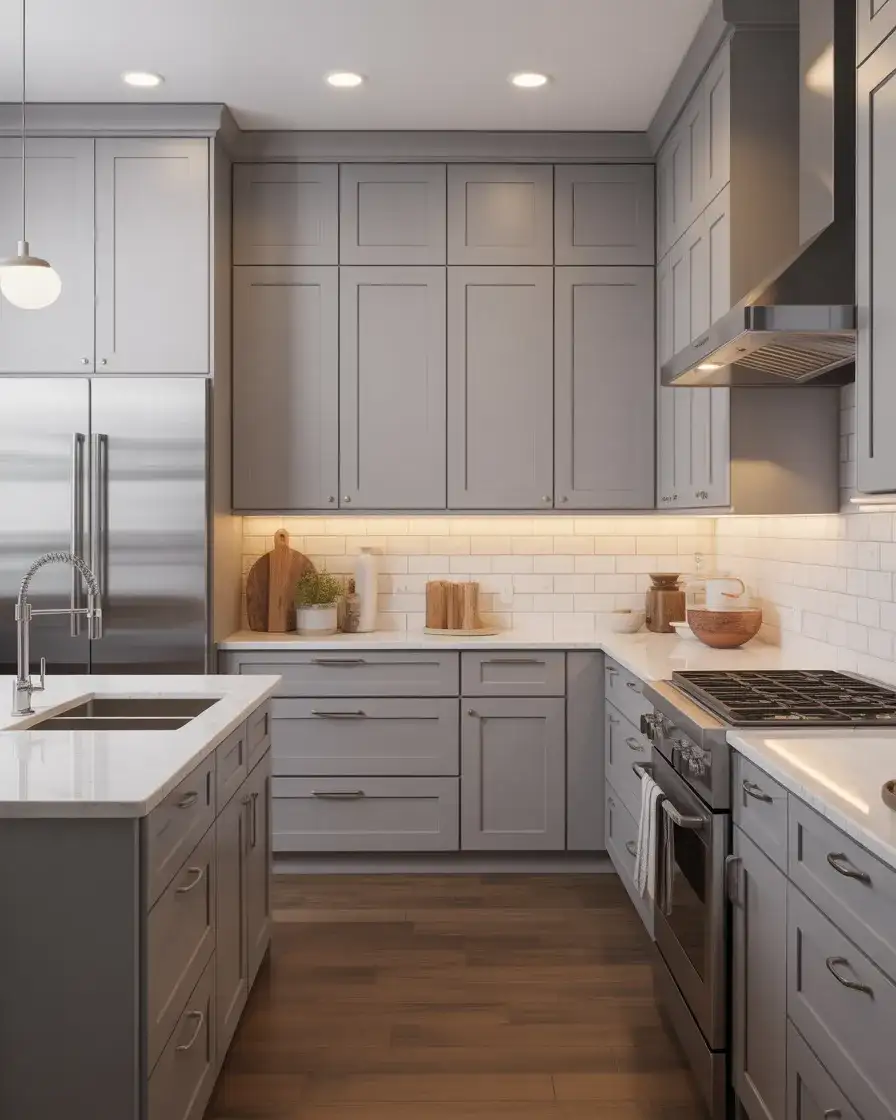
A contemporary kitchen balances current design trends with elements that won’t feel dated in five years. Think flat-panel cabinetry, neutral palettes, and streamlined hardware, all grounded by quality materials. It’s about choosing pieces that feel fresh now but have staying power, so your kitchen doesn’t scream 2026 a decade from now.
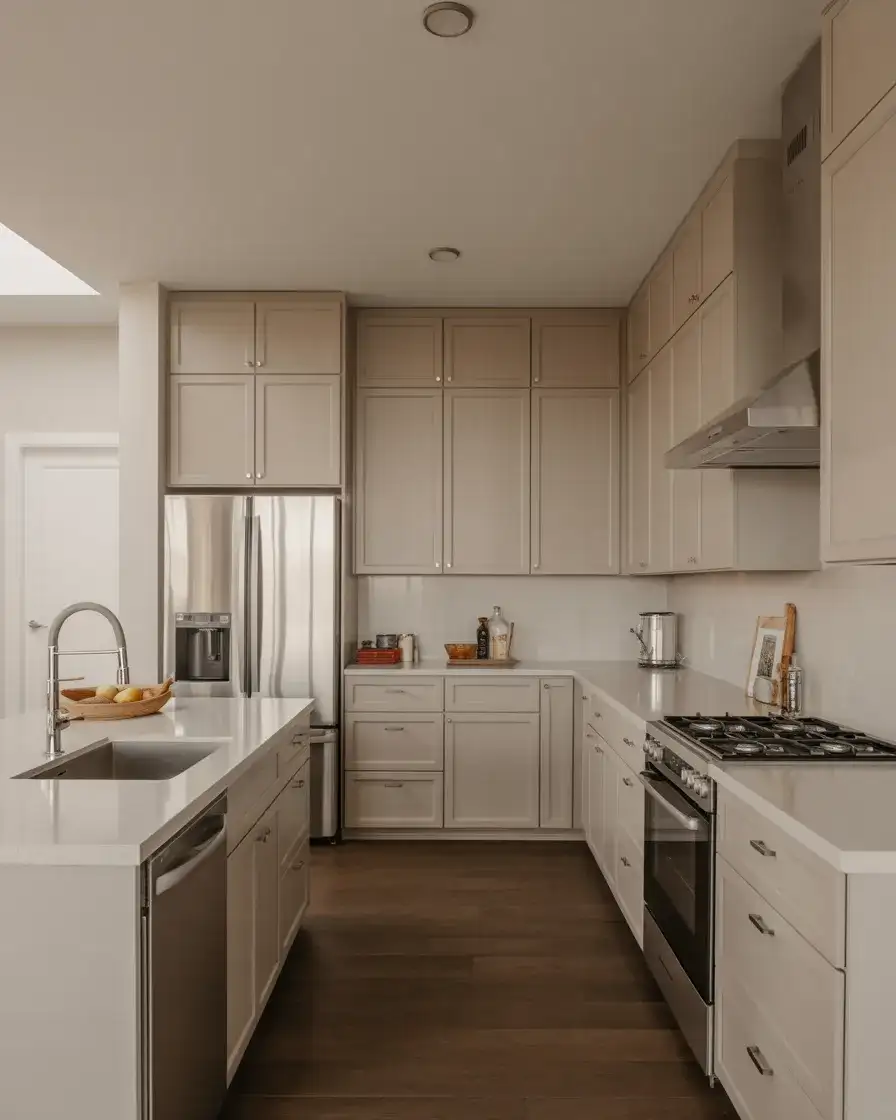
This approach works across the country, from suburban homes to urban condos. The key is resisting overly trendy finishes—skip the ultra-bold backsplash or novelty hardware. Instead, invest in solid cabinetry and classic stone, then add personality through easily swapped elements like stools, rugs, or lighting. Most designers suggest budgeting $25,000–$50,000 for a contemporary remodel that lasts.
12. Small Spaces with Smart Storage
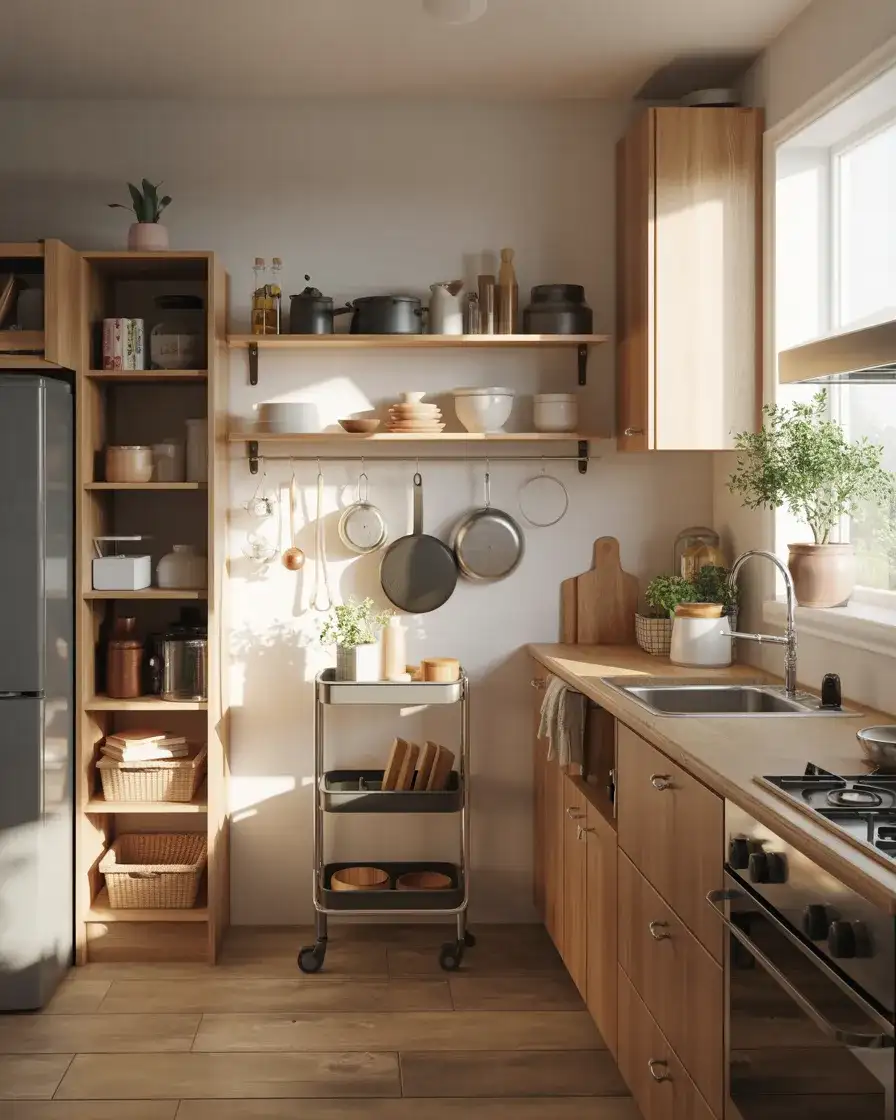
Maximizing small spaces is all about vertical thinking and clever storage solutions. Pull-out pantries, corner drawers, and wall-mounted racks can double your usable space without a major remodel. In a tiny kitchen, every inch counts, so choosing the right organizational tools is as important as the design itself.
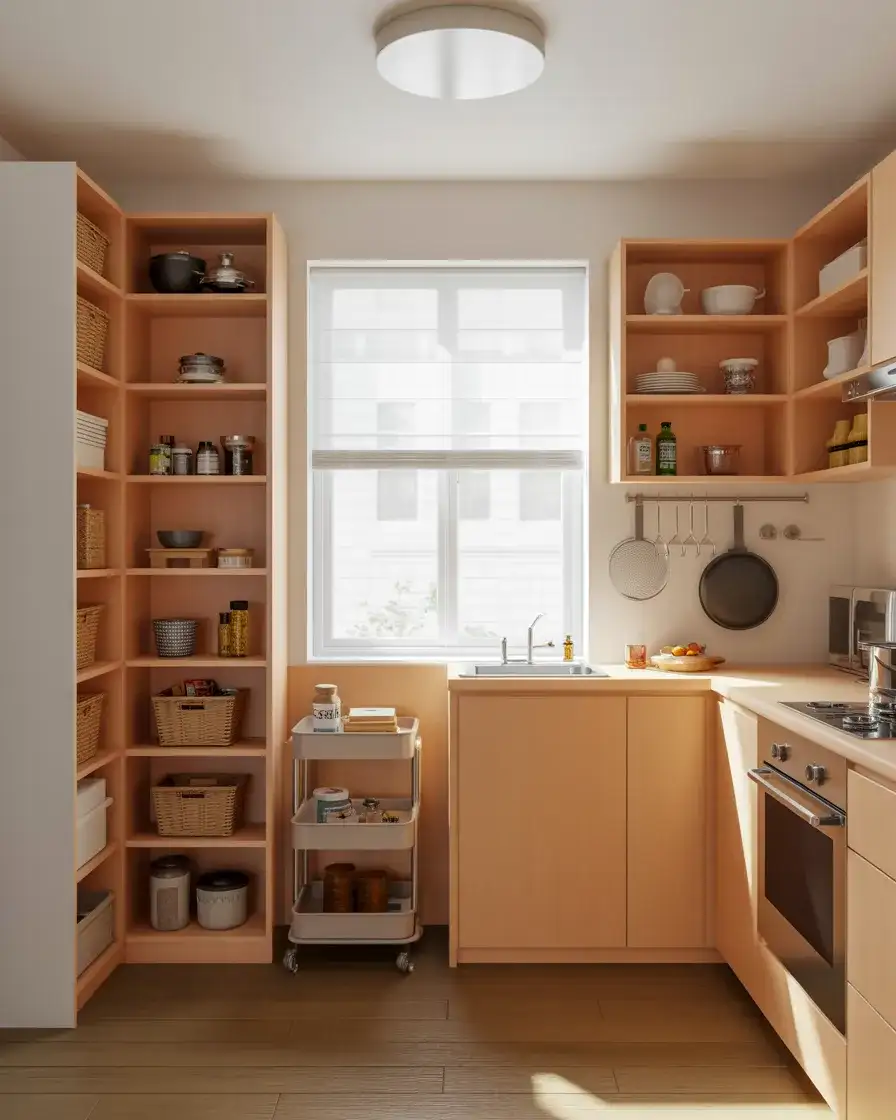
One apartment dweller in Chicago shared that installing a pegboard wall transformed their cooking experience—everything is visible and within reach. The mistake many make is buying too much furniture; instead, focus on built-in solutions and multi-functional pieces. A fold-down table or a cart that doubles as an island can adapt to your needs without eating up permanent floor space.
13. Modular Systems for Flexibility
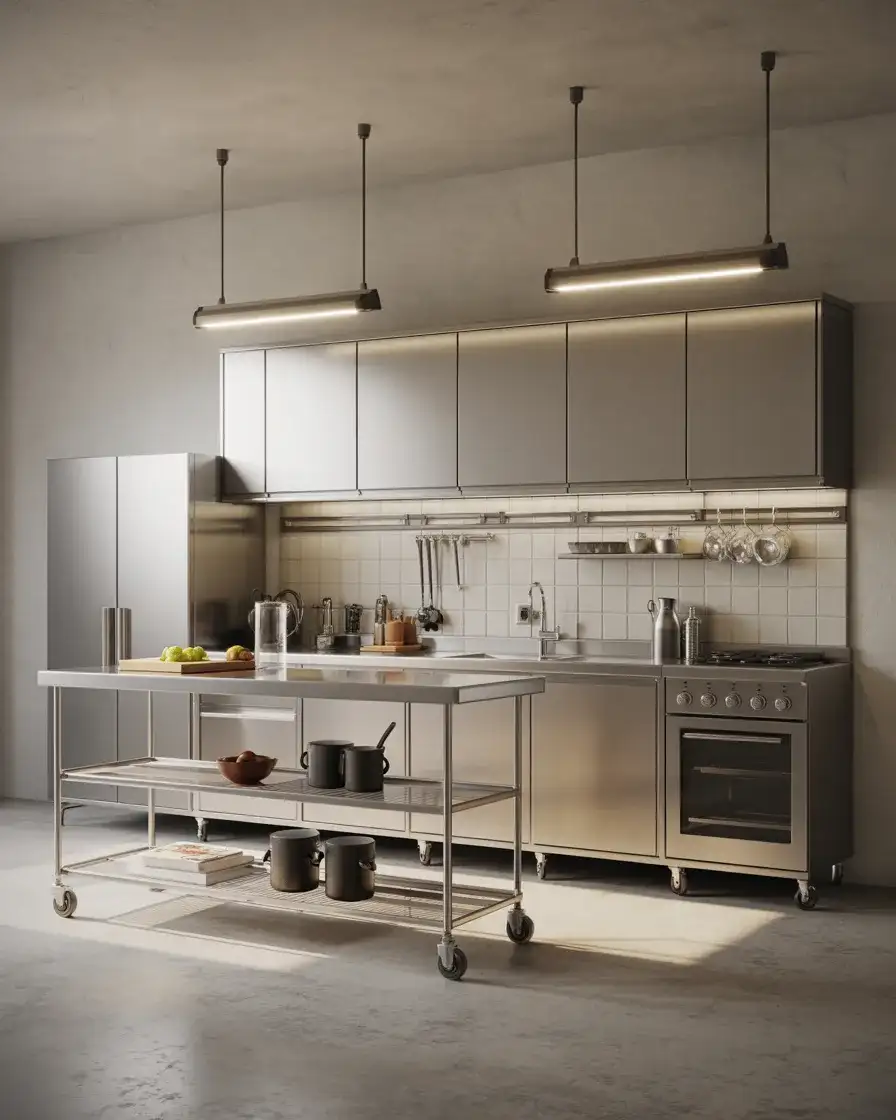
Modular kitchen systems offer flexibility for renters, frequent movers, or anyone who likes to refresh their space. These systems use freestanding units that can be rearranged, added to, or taken with you when you move. They’re especially useful in non-traditional spaces or homes where a full custom build isn’t practical or budget-friendly.
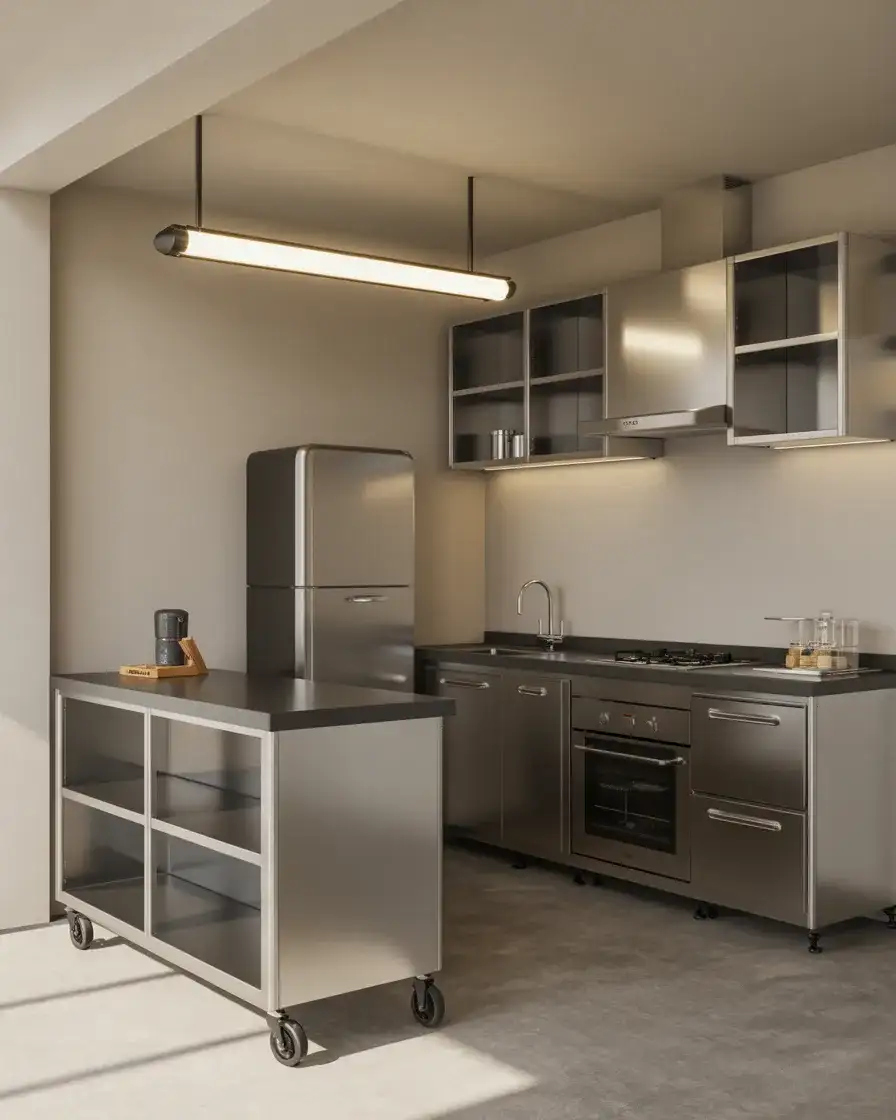
Modular systems are gaining popularity in cities with transient populations—think college towns, tech hubs, and military communities. They’re also great for testing layouts before committing to a permanent remodel. Budget-wise, you can start with a few key pieces for under $3,000 and build from there. Just make sure everything is sturdy and easy to clean—cheaper modular units can feel flimsy over time.
14. Home Kitchens That Double as Offices
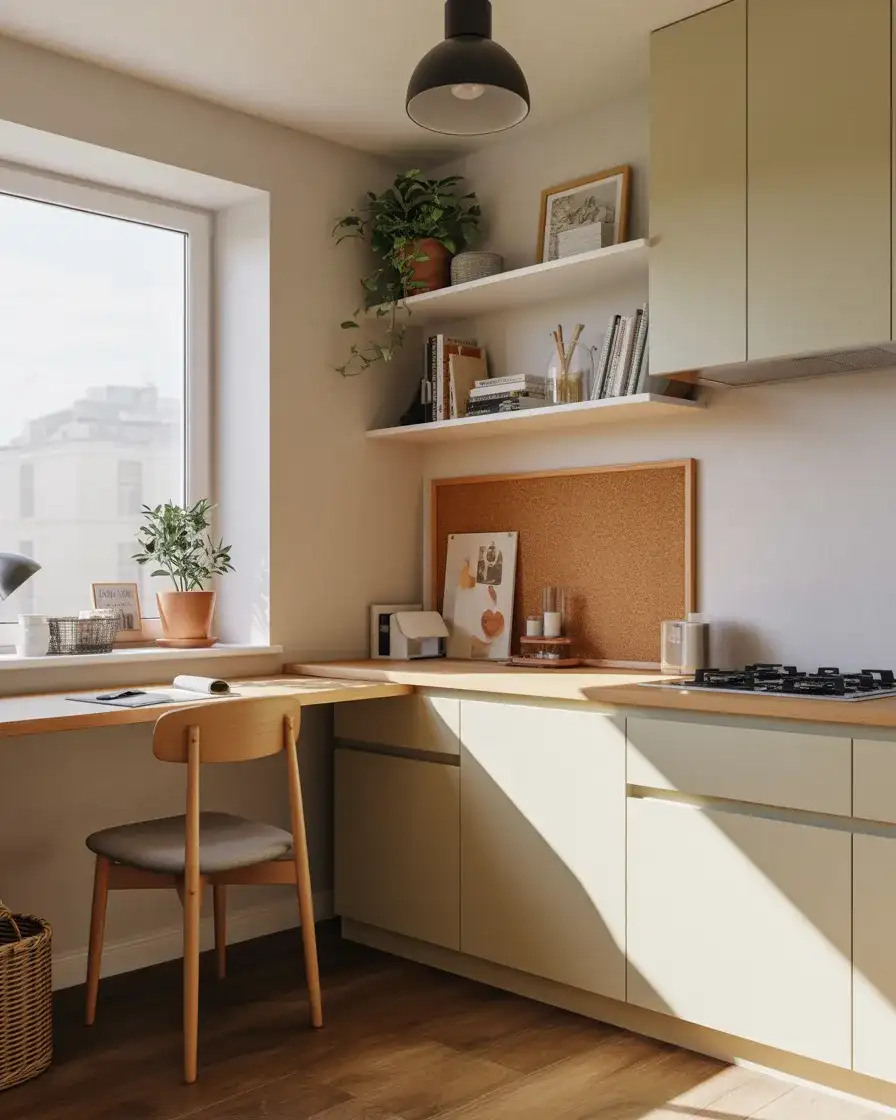
The home kitchen has become a multi-use space, often doubling as a home office or homework station. Integrating a small desk nook, adding extra outlets, and choosing durable surfaces that handle both cooking and laptop work are all part of the 2026 approach. It’s about designing for how people actually live, not just how they cook.
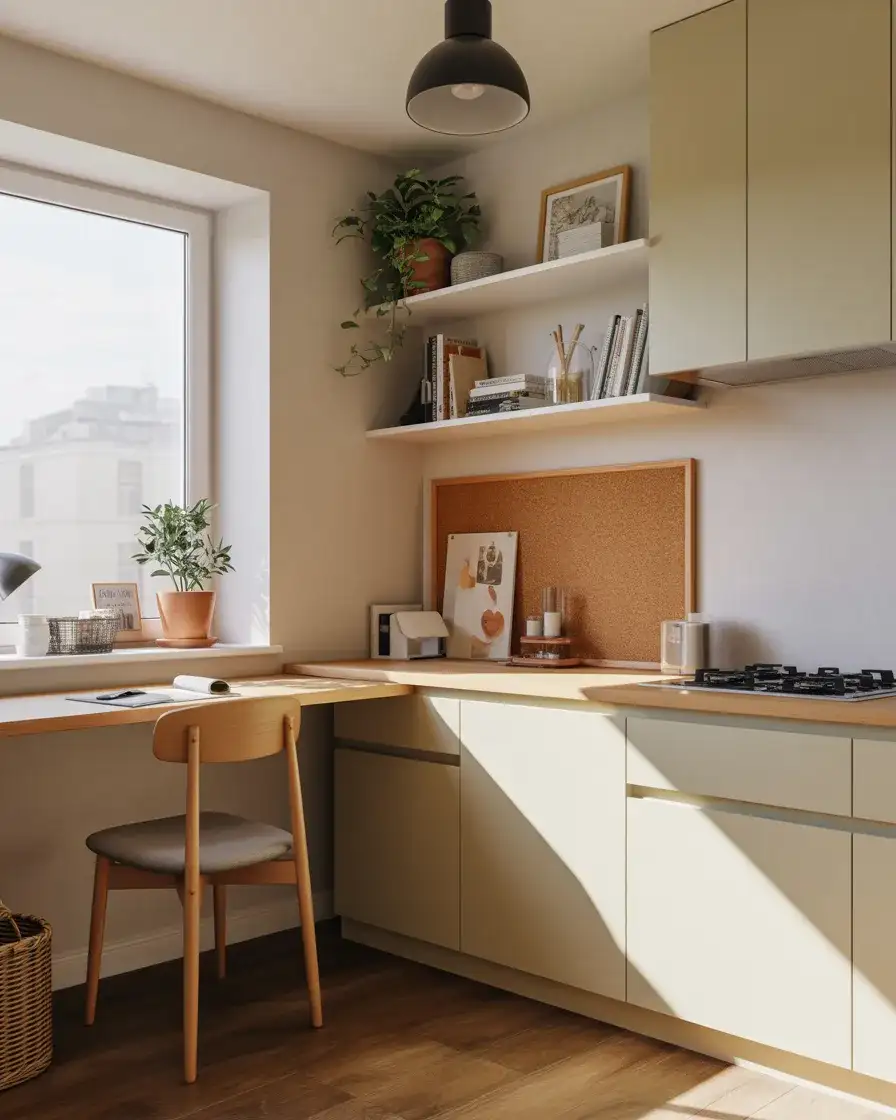
This setup is especially popular in homes where dedicated office space is limited. A friend working remotely mentioned that having a spot for her laptop in the kitchen made it easier to supervise kids while staying productive. Keep the desk area simple and clutter-free—a few organizers and good lighting go a long way. Avoid placing the workspace too close to the stove or sink to minimize distractions and mess.
15. White Kitchens with Warm Undertones
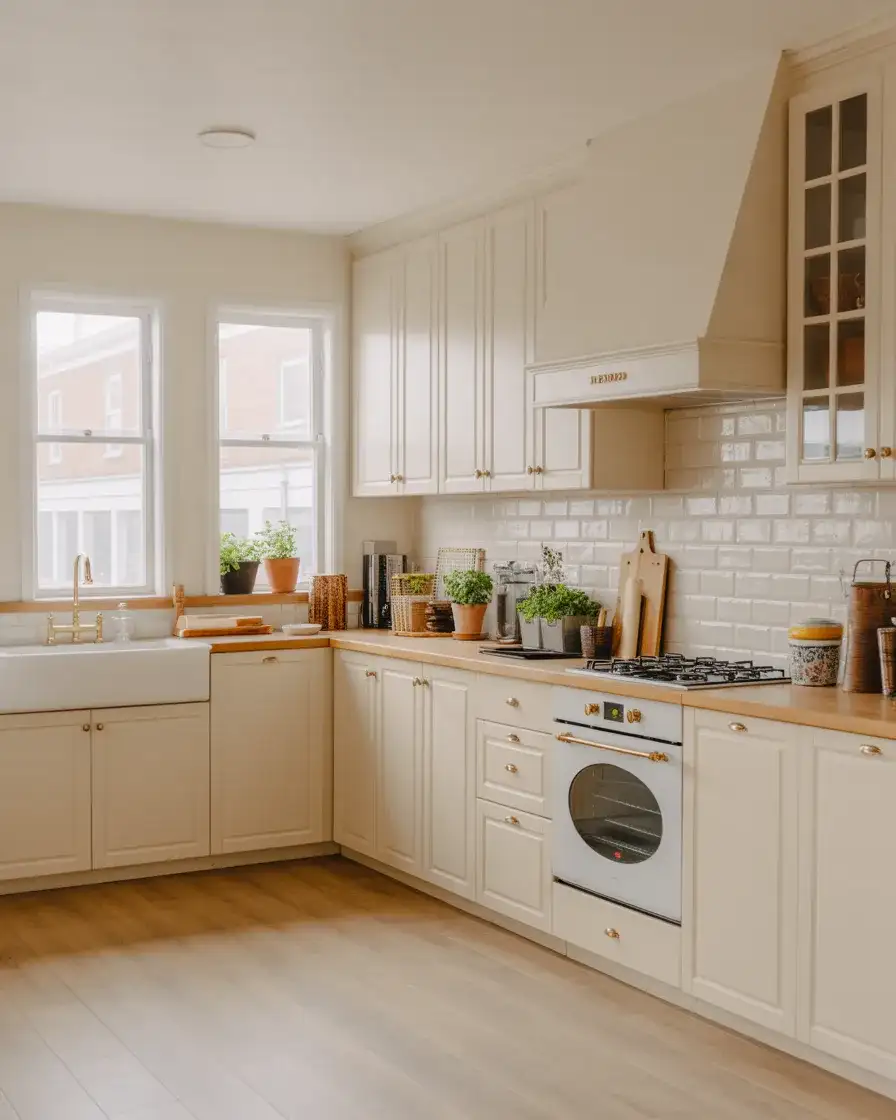
White kitchens remain popular, but the shift is toward warmer whites—creams, ivories, and off-whites—that feel softer and more inviting. Pairing these tones with natural wood, brass, or textured tile keeps the space from feeling sterile. It’s a classic look that’s evolving to feel cozier and more livable.
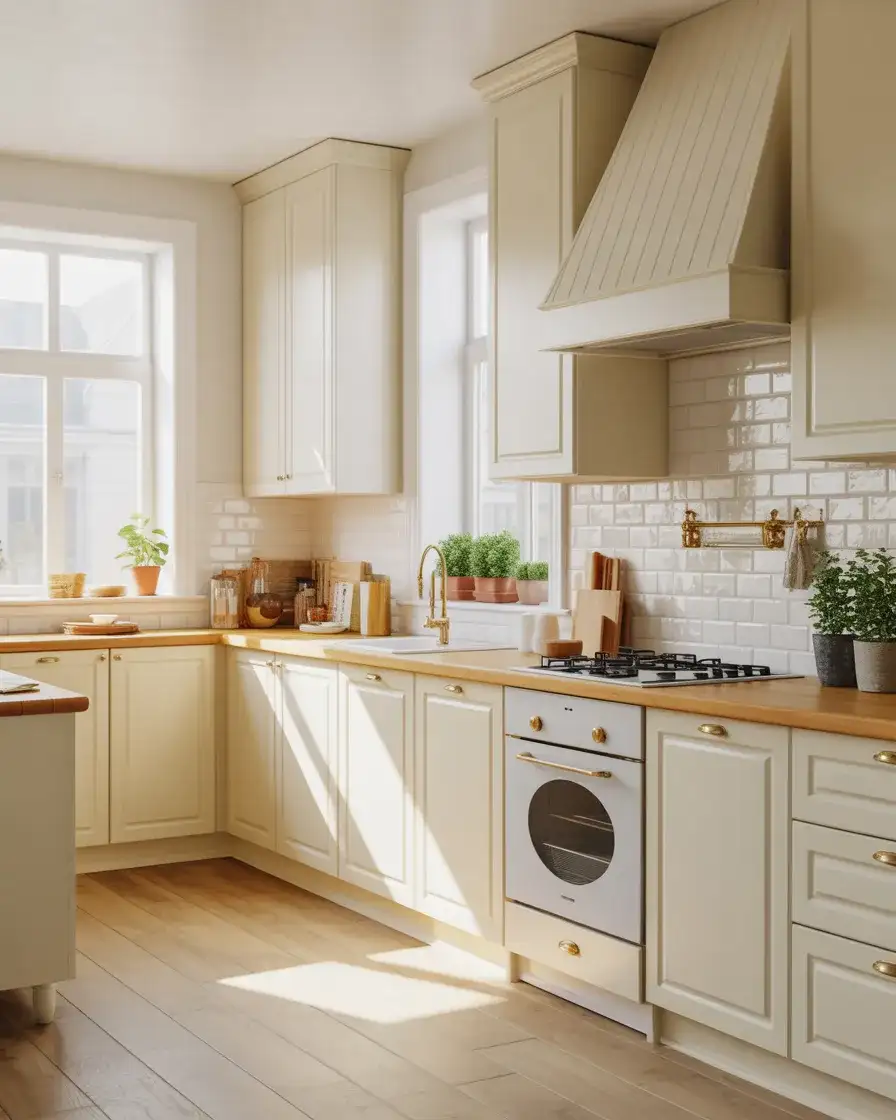
White kitchens work in every region, but the undertone matters—cool whites can feel harsh in spaces with limited natural light. Test paint samples in your actual kitchen throughout the day to see how they change. Many homeowners regret going too stark; layering in wood tones and warm metals immediately makes the space feel more personal. Expect to spend around $18,000–$40,000 for a full white kitchen remodel with quality finishes.
16. Layout Strategies for Better Flow
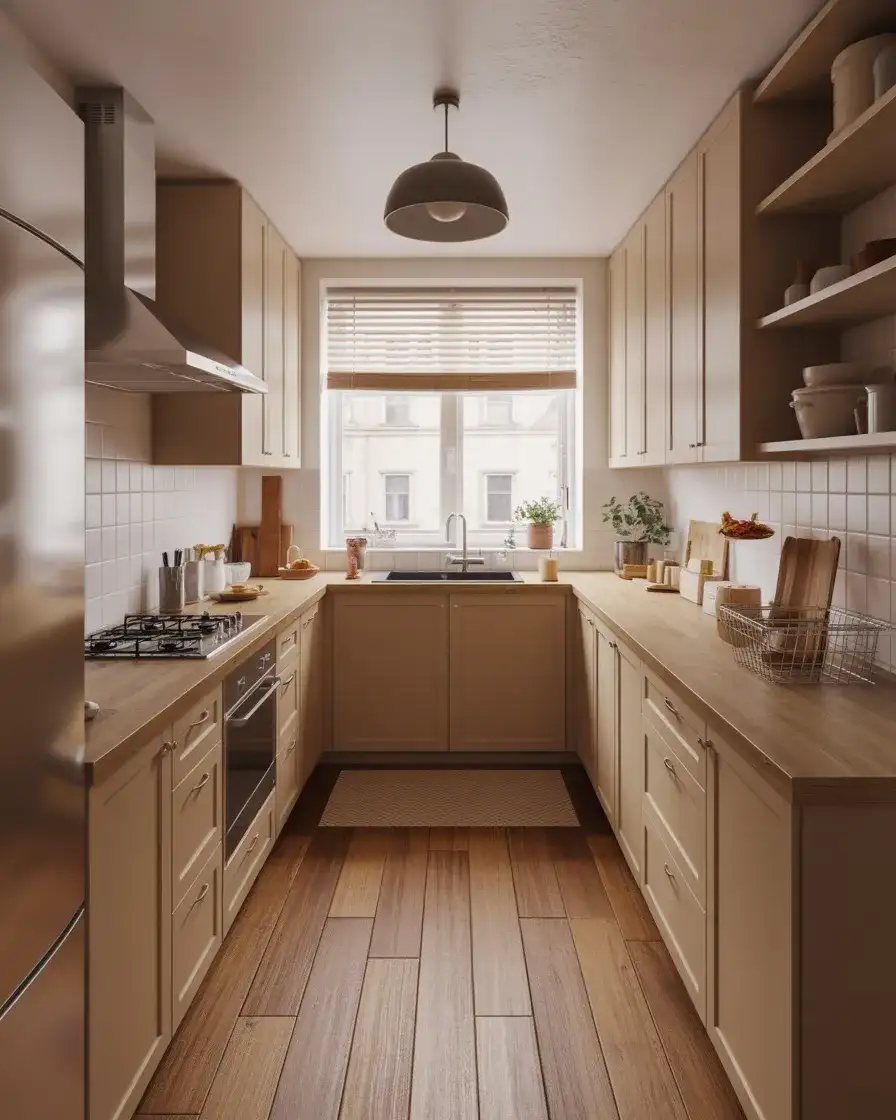
A smart layout prioritizes the kitchen work triangle—sink, stove, and fridge—while also considering traffic patterns and storage access. In 2026, designers are adding landing zones near appliances and creating clear pathways so multiple people can work simultaneously. Even small tweaks to your existing layout can drastically improve functionality.
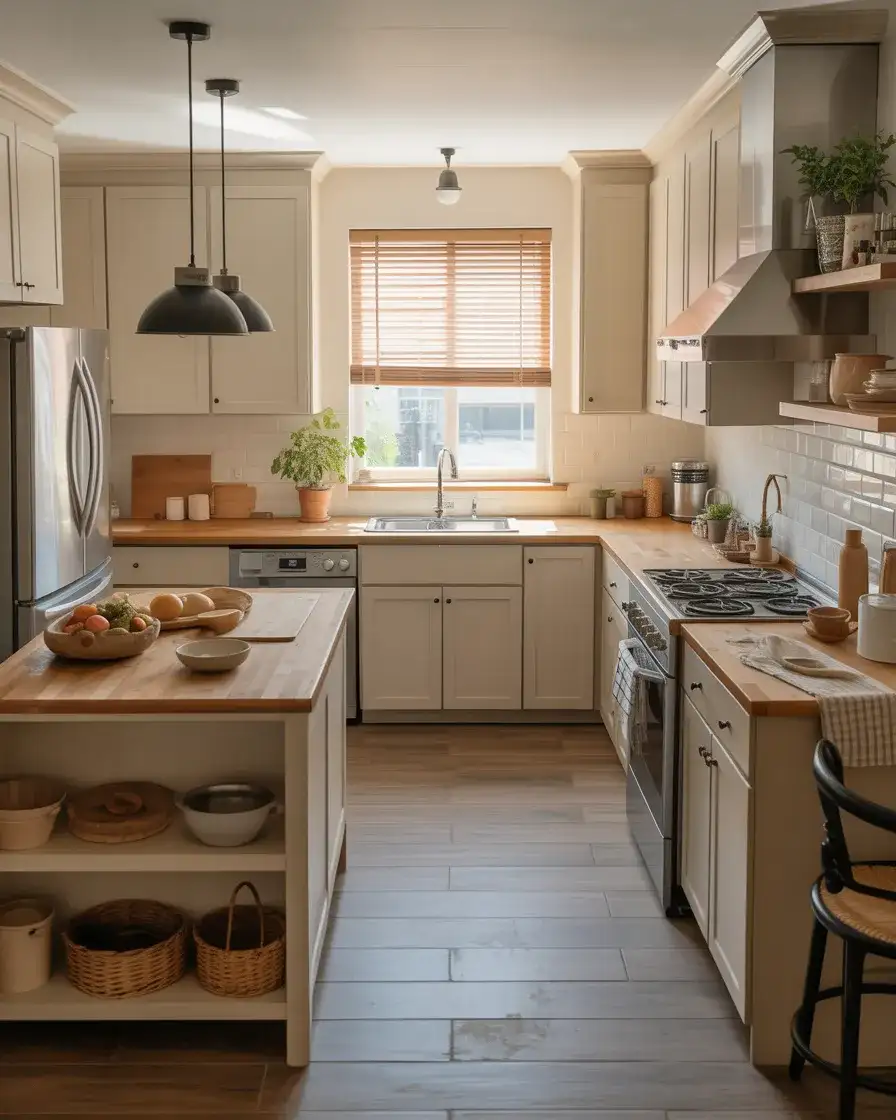
The best layouts adapt to how you cook—if you bake often, a lower counter height for kneading helps; if you prep with a partner, a double sink or extra counter landing space matters. One couple in Denver mentioned they wish they’d widened their aisle by six inches during their remodel—it would’ve made a huge difference when both are cooking. Measure carefully and think about real-life scenarios before finalizing your layout.
17. Restaurant-Inspired Design at Home
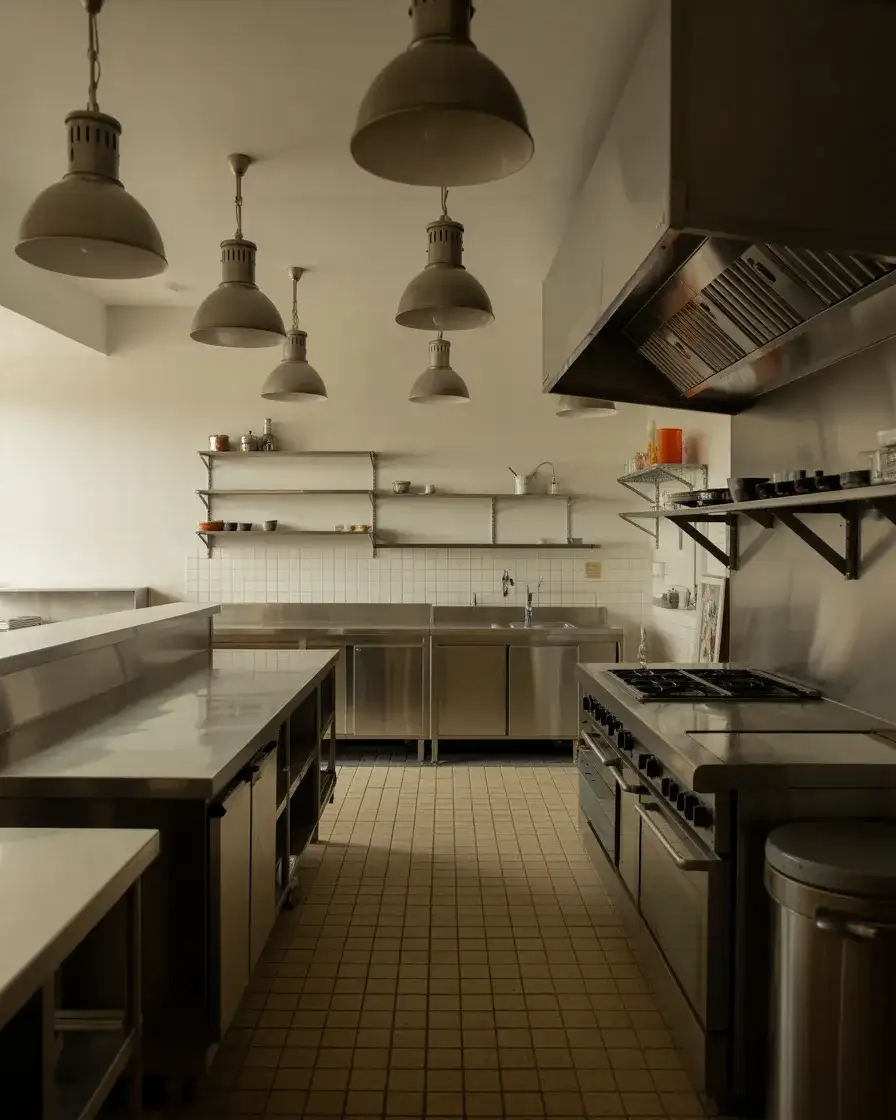
Bringing restaurant-quality features into a home kitchen means prioritizing durability, efficiency, and professional-grade appliances. Stainless steel surfaces, open shelving for easy access, and powerful ventilation are hallmarks of this style. It’s ideal for serious home cooks who want their kitchen to perform like a commercial space without sacrificing residential comfort.
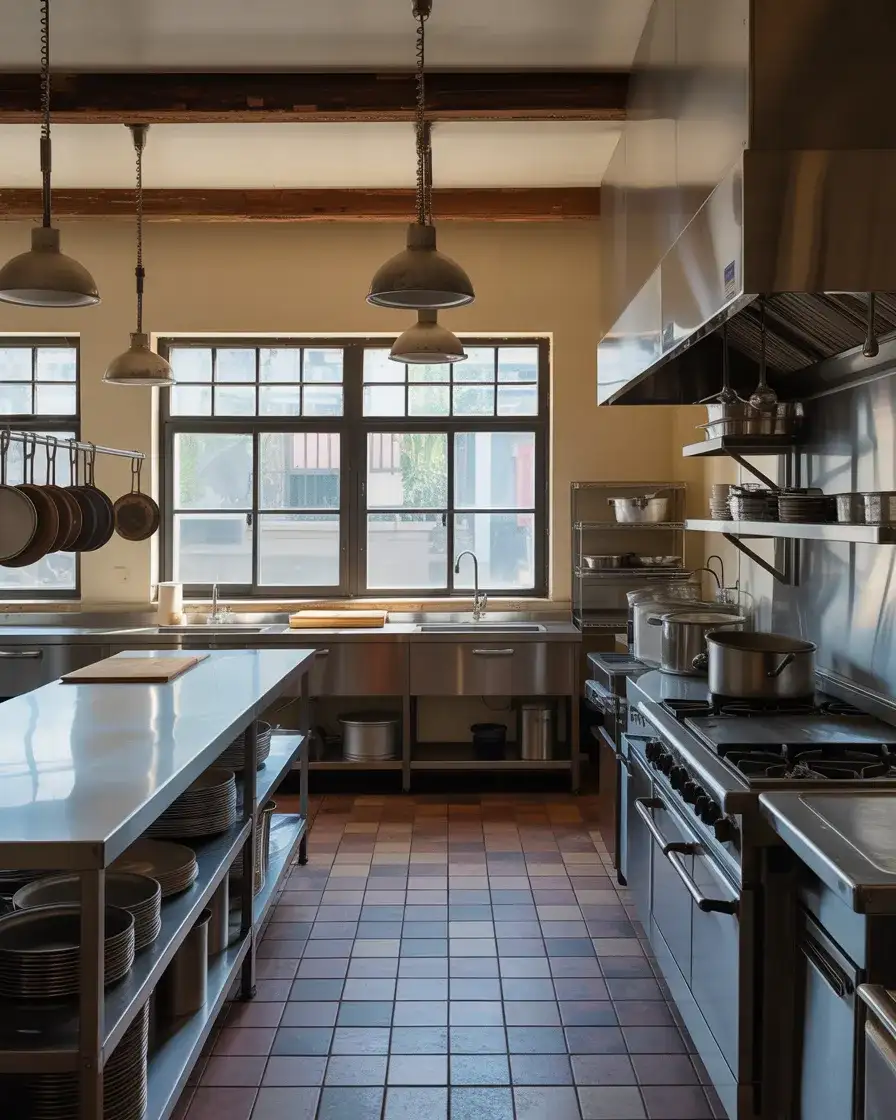
This style is most common among chefs, culinary enthusiasts, and people who entertain frequently. The main challenge is balancing function with warmth—all stainless can feel cold. Add wood accents, a cozy rug, or some greenery to soften the look. Budget-wise, professional appliances are the biggest expense, often running $10,000–$30,000 alone, but they’re built to last and perform under heavy use.
18. Modern Open Kitchens for Entertaining
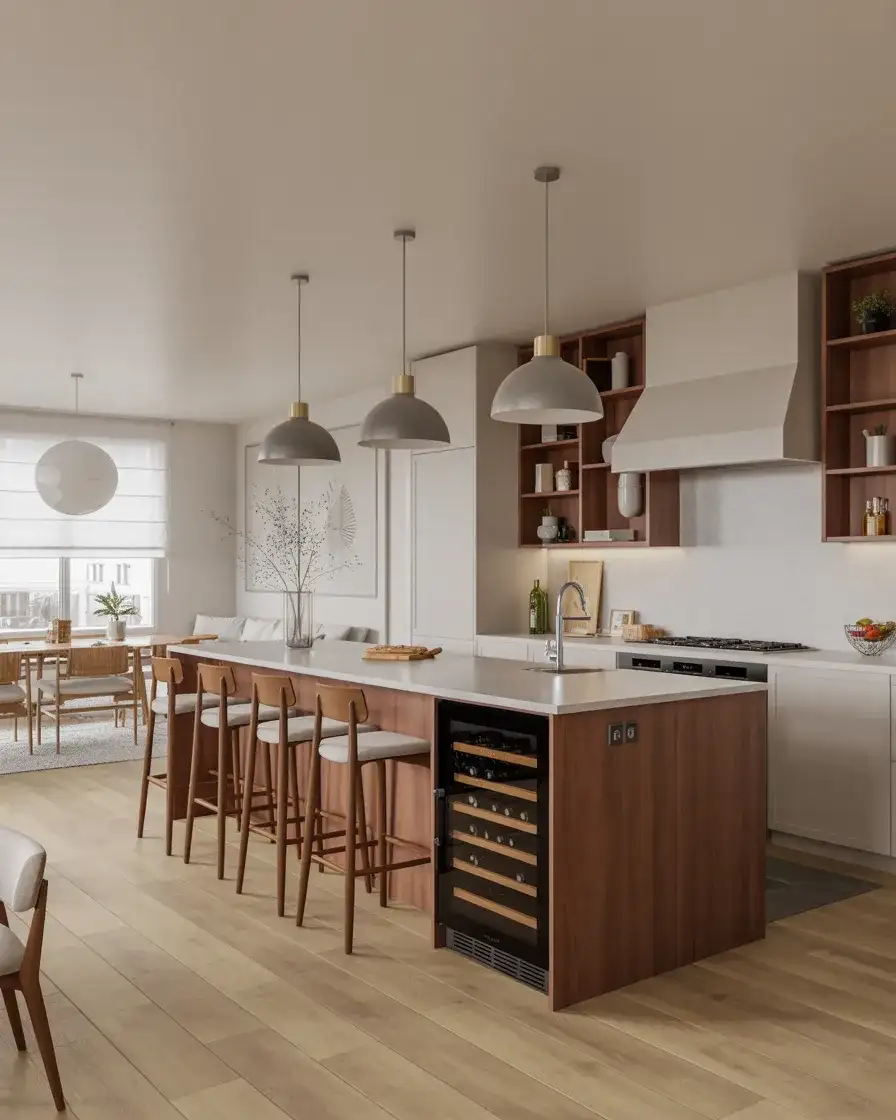
A modern open kitchen designed for entertaining features generous seating, easy access to glassware and drinks, and surfaces that can handle spills and crowds. Islands with wrap-around seating, wine fridges, and open sightlines to living areas make hosting feel effortless. It’s about creating a space where the cook isn’t isolated from guests.
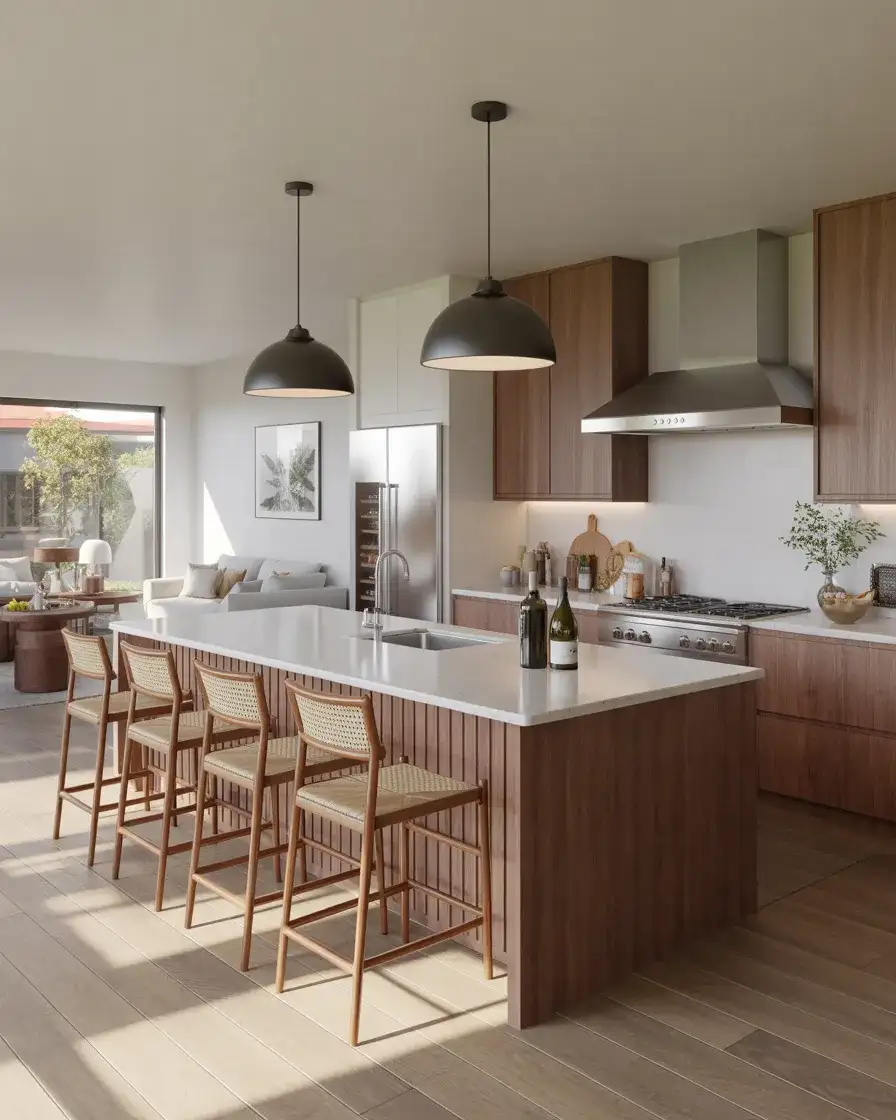
These kitchens shine in homes where gatherings are frequent—think holiday hosts, book club organizers, or families with teens. One homeowner in Austin mentioned that adding a second sink near the island changed her parties; guests could help without crowding the main prep zone. If you entertain often, consider durable, easy-to-clean finishes and ample counter space for laying out food and drinks.
19. Modern Aesthetics Meet 2026 Innovation
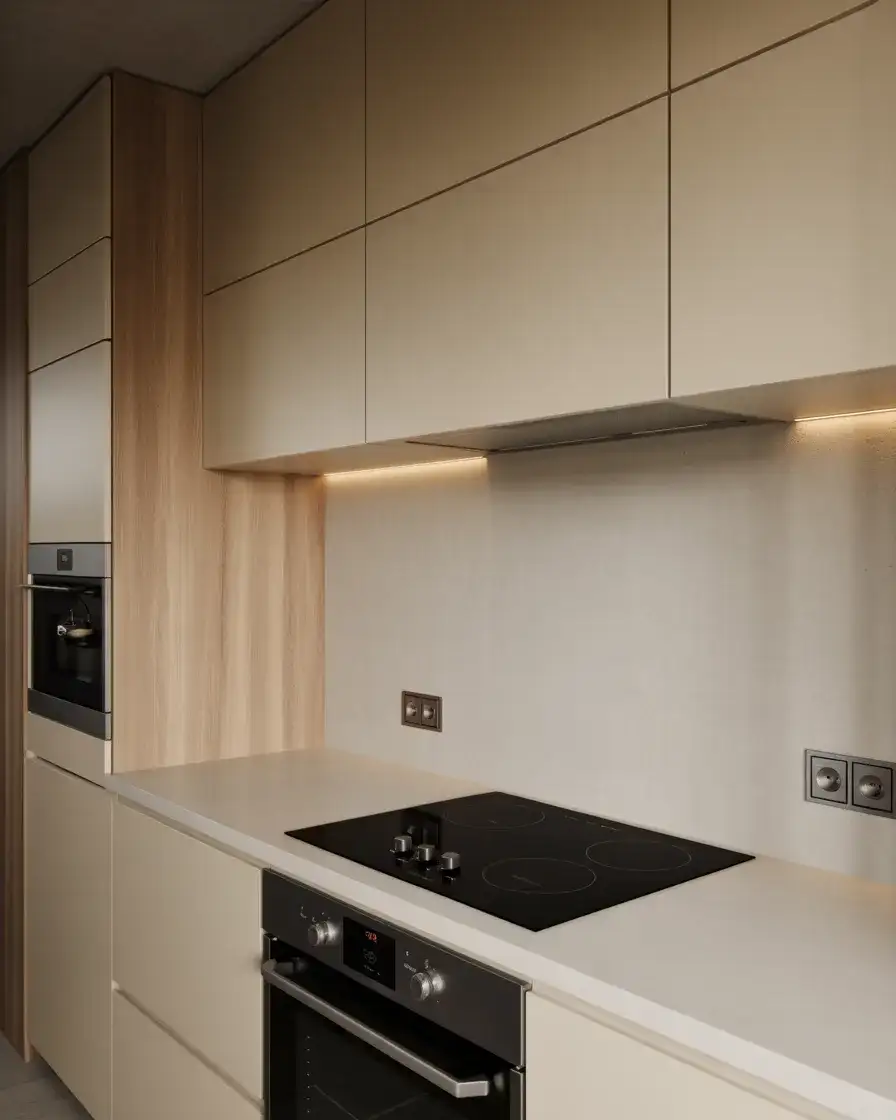
Modern 2026 kitchens blend sleek design with smart technology that enhances daily life. Voice-activated faucets, refrigerators with internal cameras, and induction cooktops that adjust heat automatically are becoming standard. The goal is seamless integration—tech that works quietly in the background without cluttering counters or overwhelming the design.
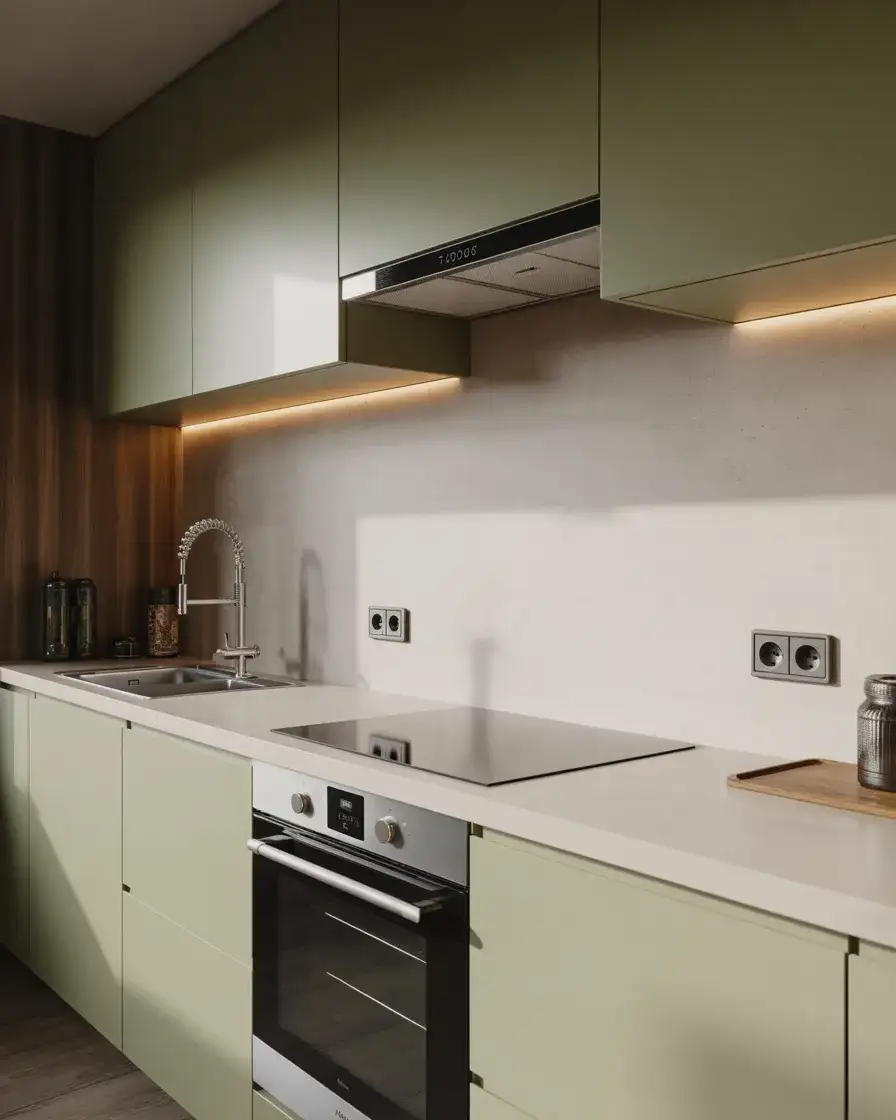
Smart features work best when they solve real problems—a fridge that tells you when milk is low or a faucet that dispenses exact measurements. The key is choosing tech that genuinely improves your routine, not just gadgets for the sake of it. Many homeowners spend $5,000–$15,000 on smart upgrades during a remodel, but you can also retrofit existing kitchens with smart plugs, lights, and appliances over time.
20. Transitional Style Blending Old and New
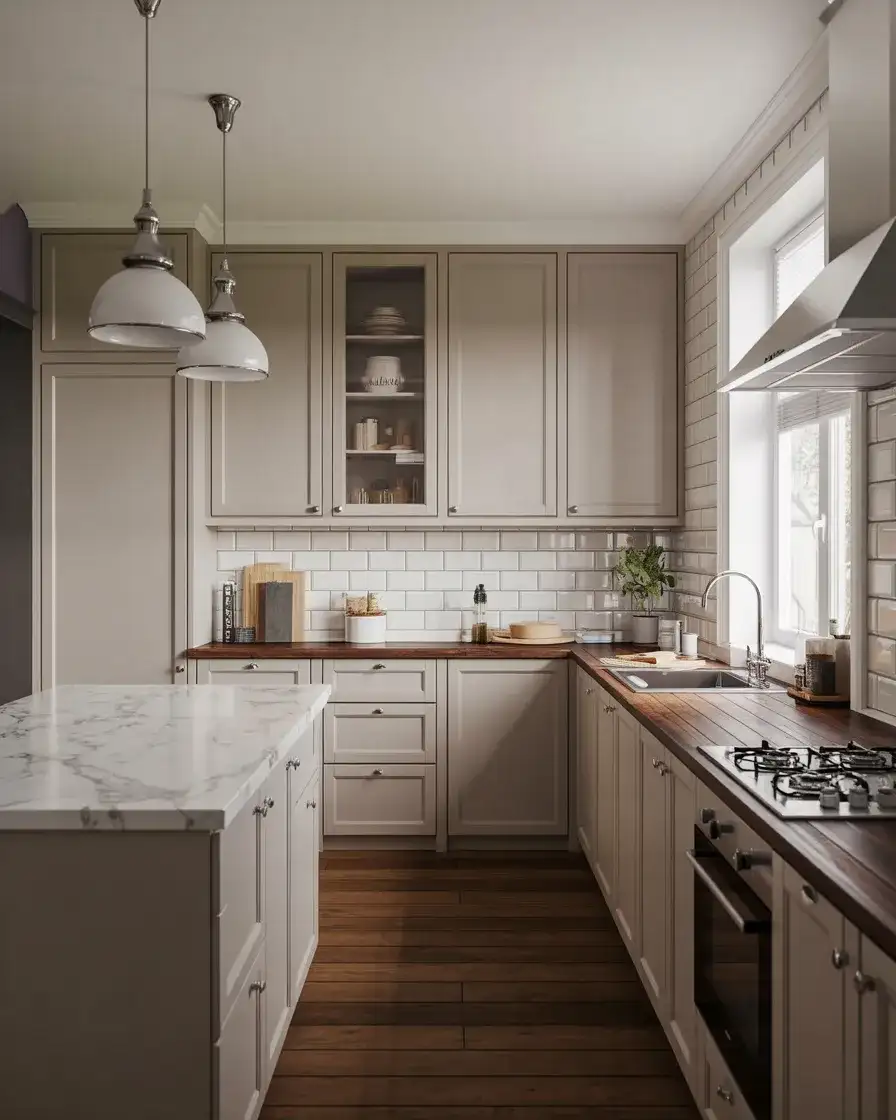
Transitional design bridges traditional warmth with modern simplicity, making it one of the most versatile styles. Think shaker cabinets paired with sleek hardware or a farmhouse sink set into minimalist counters. It appeals to people who want a timeless kitchen that doesn’t lean too heavily in either direction.
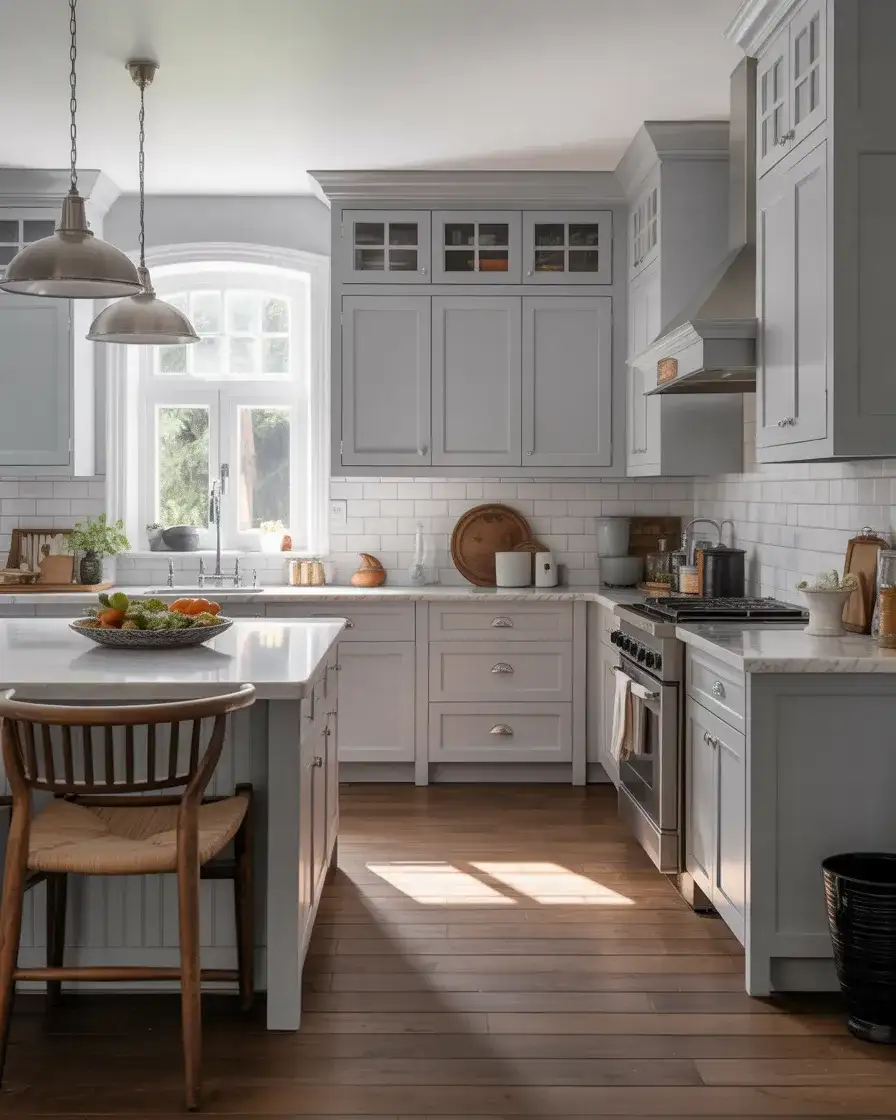
This style works across the country because it’s inherently flexible—you can shift it slightly warmer or cooler depending on personal taste. One homeowner in North Carolina said choosing transitional saved her from decision paralysis; she could mix finishes without worrying about strict style rules. It’s also budget-friendly, with remodels typically ranging from $20,000 to $45,000 depending on size and finishes.
21. Galley Kitchens Maximizing Narrow Spaces
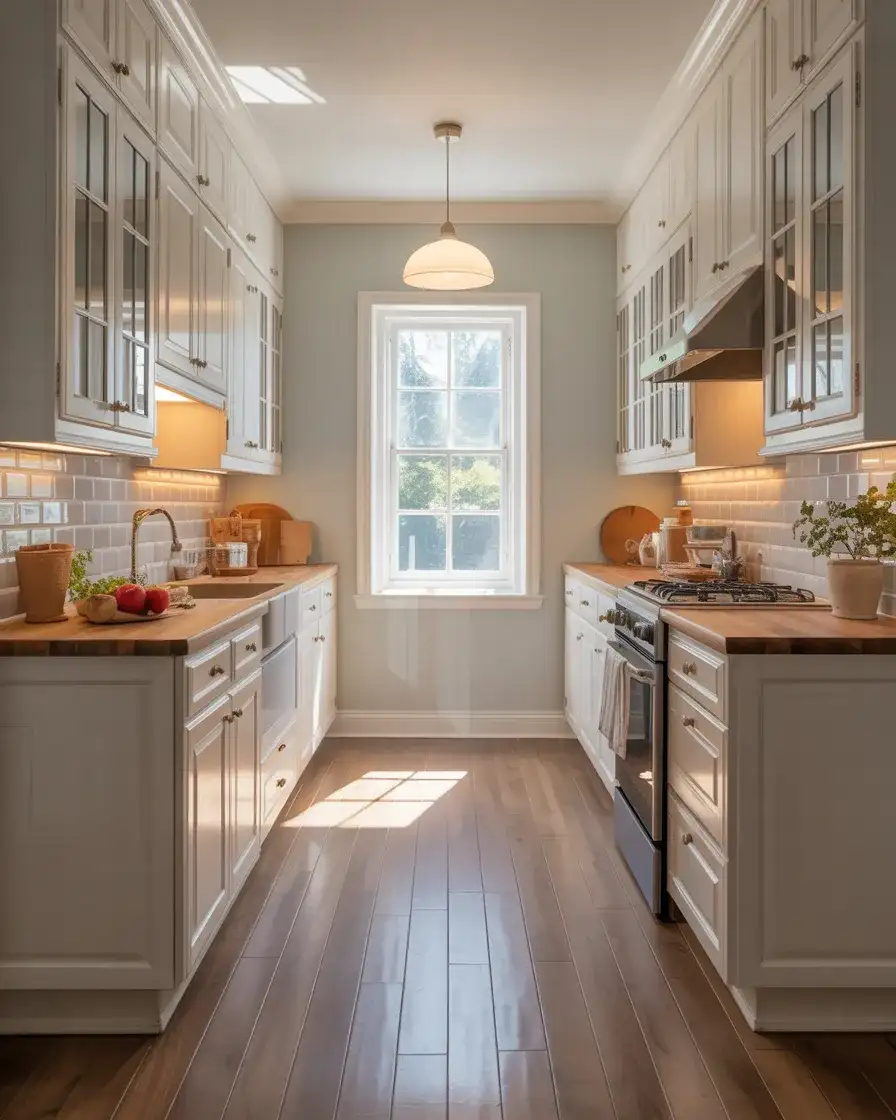
A galley kitchen uses two parallel walls to create an efficient, corridor-style workspace. When done right, this layout offers excellent workflow and plenty of storage despite its narrow footprint. The 2026 approach emphasizes light colors, reflective surfaces, and smart lighting to keep the space from feeling cramped.
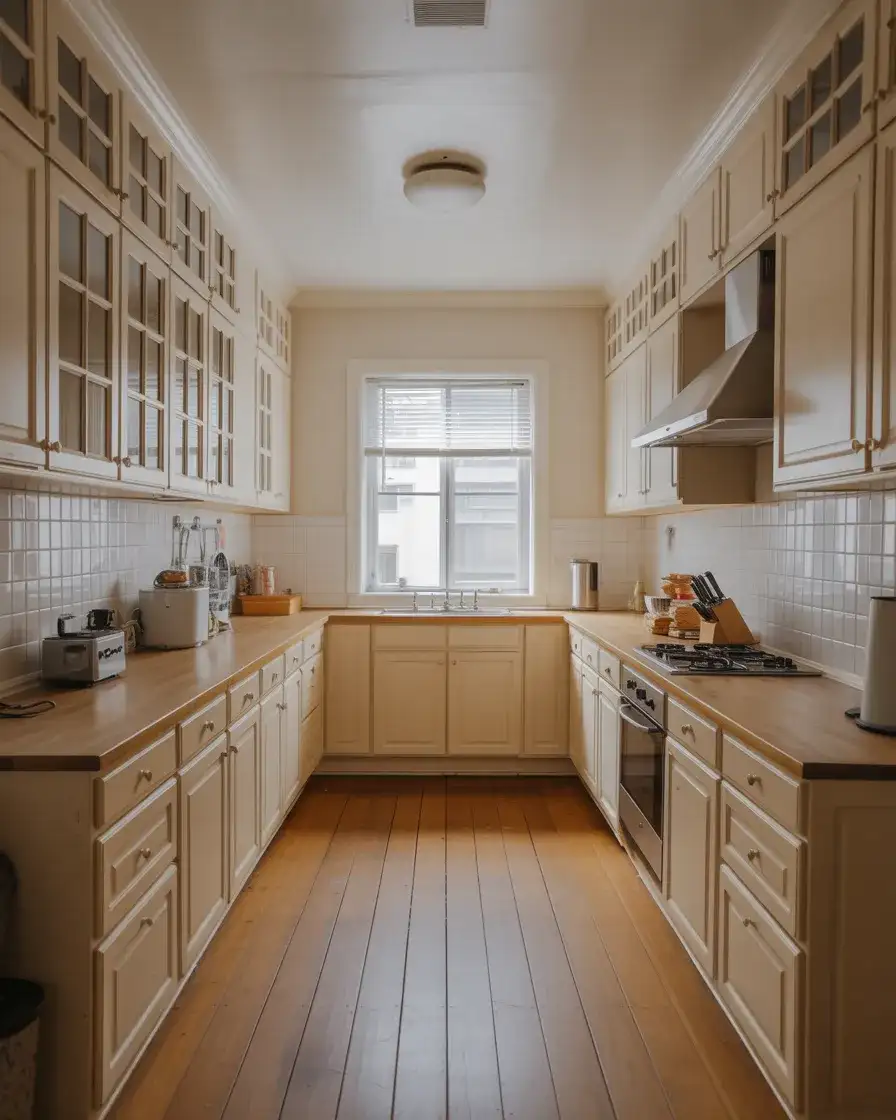
Galley kitchens are common in older homes, city apartments, and condos where square footage is tight. One renter in San Francisco mentioned that removing upper cabinets on one side and adding open shelving made the space feel twice as wide. Avoid dark colors and heavy curtains—stick with light, reflective finishes and keep the pathway clear. A well-designed galley can be just as functional as a U-shaped kitchen with better flow.
22. Cabin Kitchens with Cozy Character
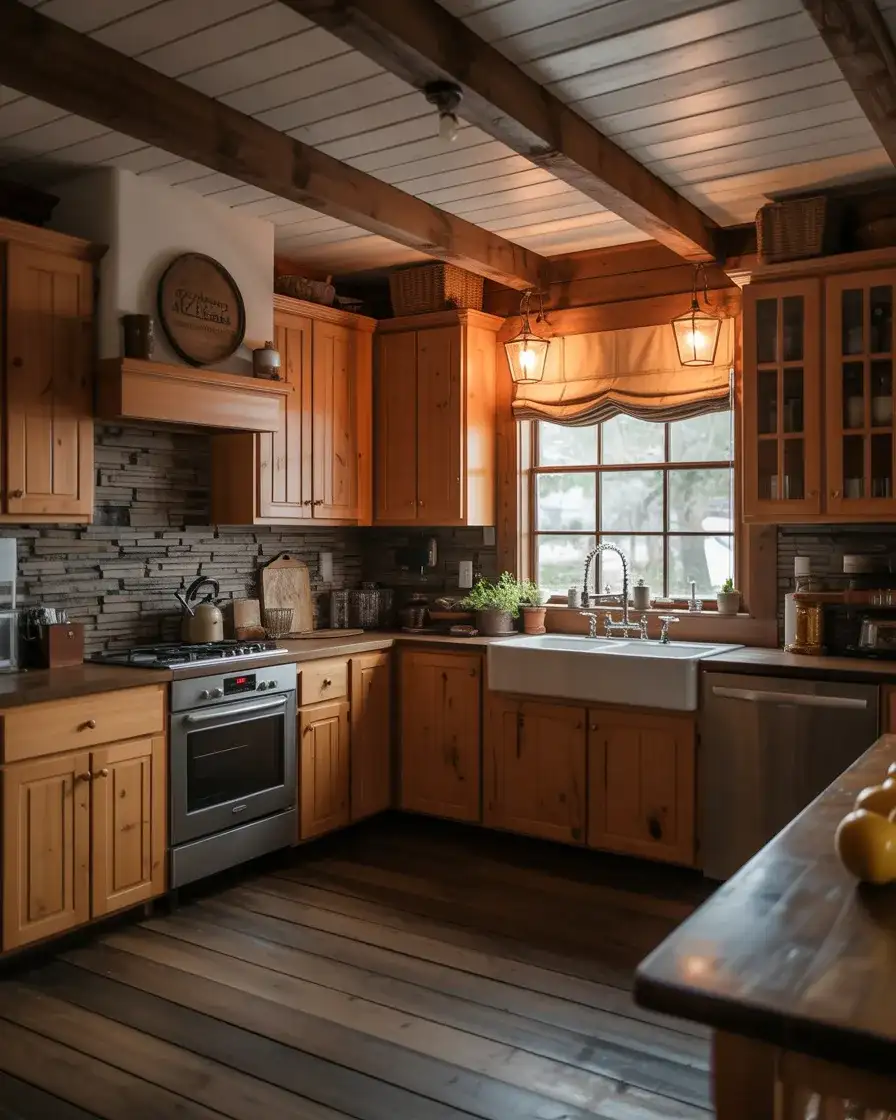
A cabin kitchen leans into natural materials, warm wood tones, and a lived-in feel that suits mountain retreats or lakeside getaways. Exposed beams, stone accents, and vintage-inspired fixtures create a space that feels welcoming and unpretentious. It’s about embracing imperfection and building a kitchen that suits a slower, more relaxed pace of life.
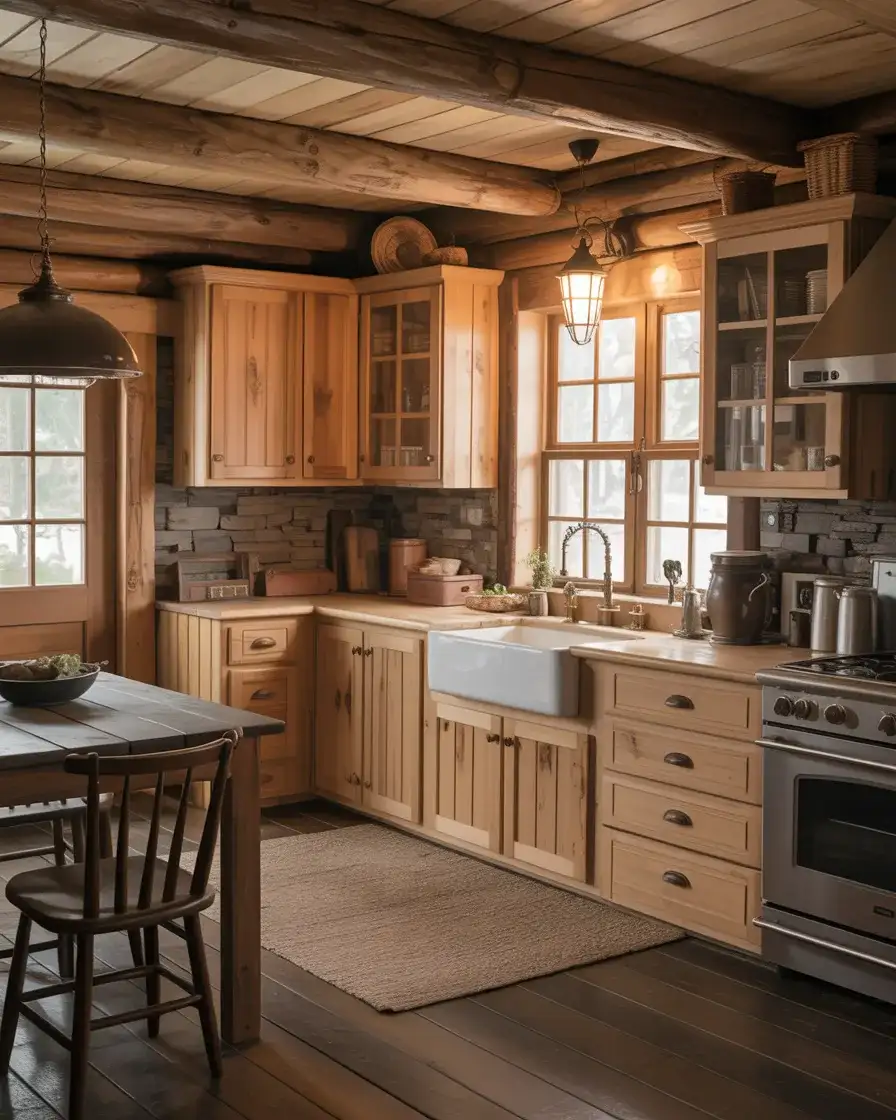
This style thrives in vacation homes, mountain cabins, and rural properties where the surroundings inform the design. One cabin owner in Colorado shared that sourcing materials locally—reclaimed barn wood, regional stone—helped the kitchen feel rooted in place. Don’t overthink it; a cabin kitchen should feel collected and comfortable, not overly designed. Most renovations run $15,000–$30,000, with the charm coming from character pieces rather than high-end finishes.
Conclusion
These kitchen ideas reflect where design is headed—toward spaces that feel personal, functional, and genuinely lived in. Whether you’re drawn to Japandi calm, luxury finishes, or the efficiency of a well-planned galley, the best kitchen is one that works for your life. Share your favorite ideas or your own kitchen projects in the comments below—we’d love to hear what’s inspiring you in 2026.