As we move into 2026, American homeowners are reimagining the heart of the home with fresh eyes. Pinterest boards are flooded with searches for kitchen interior inspiration that blends cutting-edge functionality with timeless warmth. Whether you’re planning a full renovation or simply refreshing your space, this year’s trends celebrate personalization, sustainability, and smart design. From sleek modern luxury statements to clever small space solutions, the kitchens of 2026 reflect how we actually live—cooking, gathering, and creating memories. Here are inspiring ideas to help you craft a kitchen that feels both current and uniquely yours.
1. Sleek Modular Systems for Evolving Needs
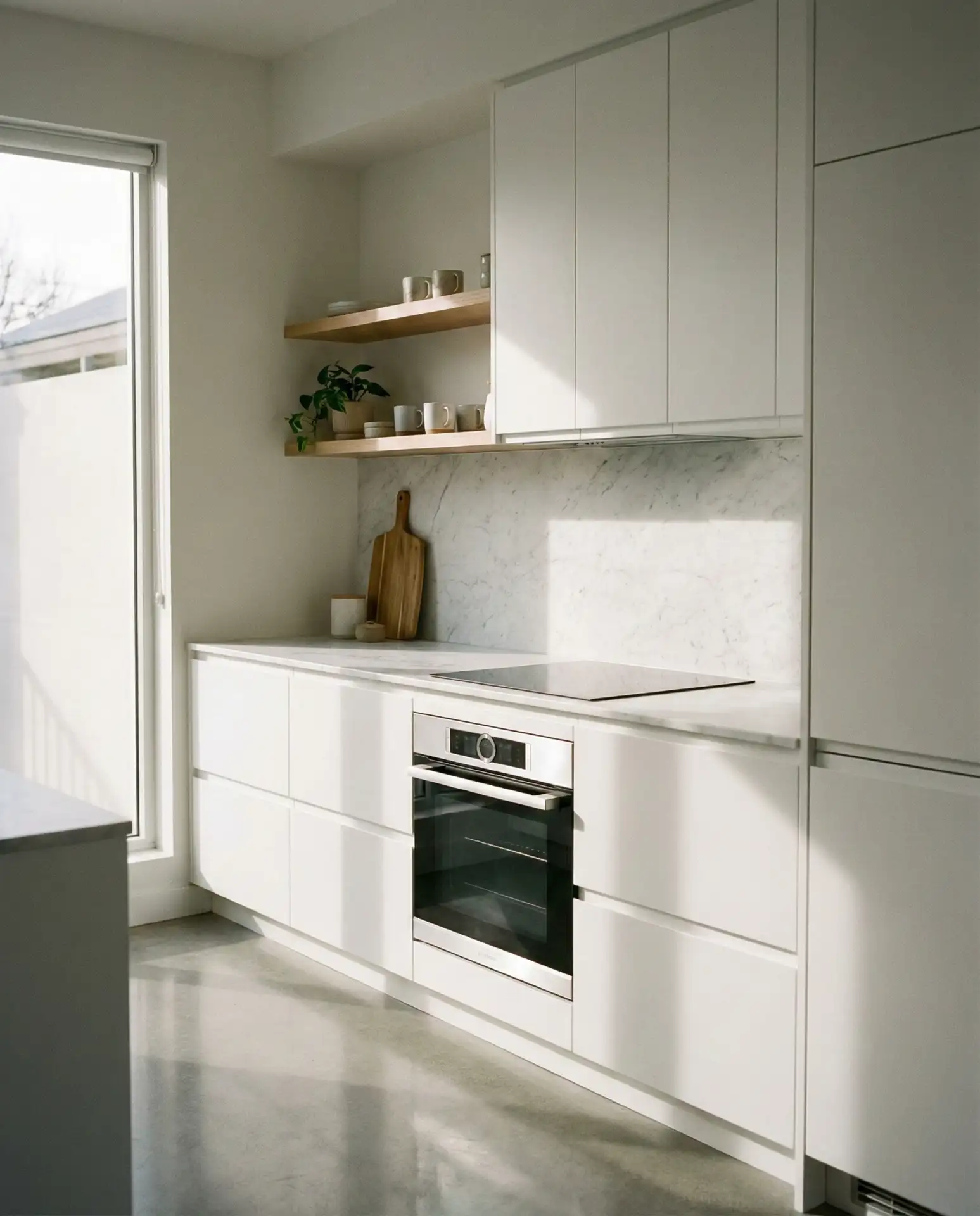
The beauty of a modular kitchen lies in its adaptability. As families grow or lifestyles shift, these configurable units can be rearranged, expanded, or updated without tearing out entire cabinetry systems. Modern design approaches favor clean lines and handleless cabinets that create seamless visual flow while hiding maximum storage. American homeowners particularly appreciate how modular designs accommodate everything from open-plan lofts to traditional galley layouts, making them ideal for urban apartments and suburban homes alike. 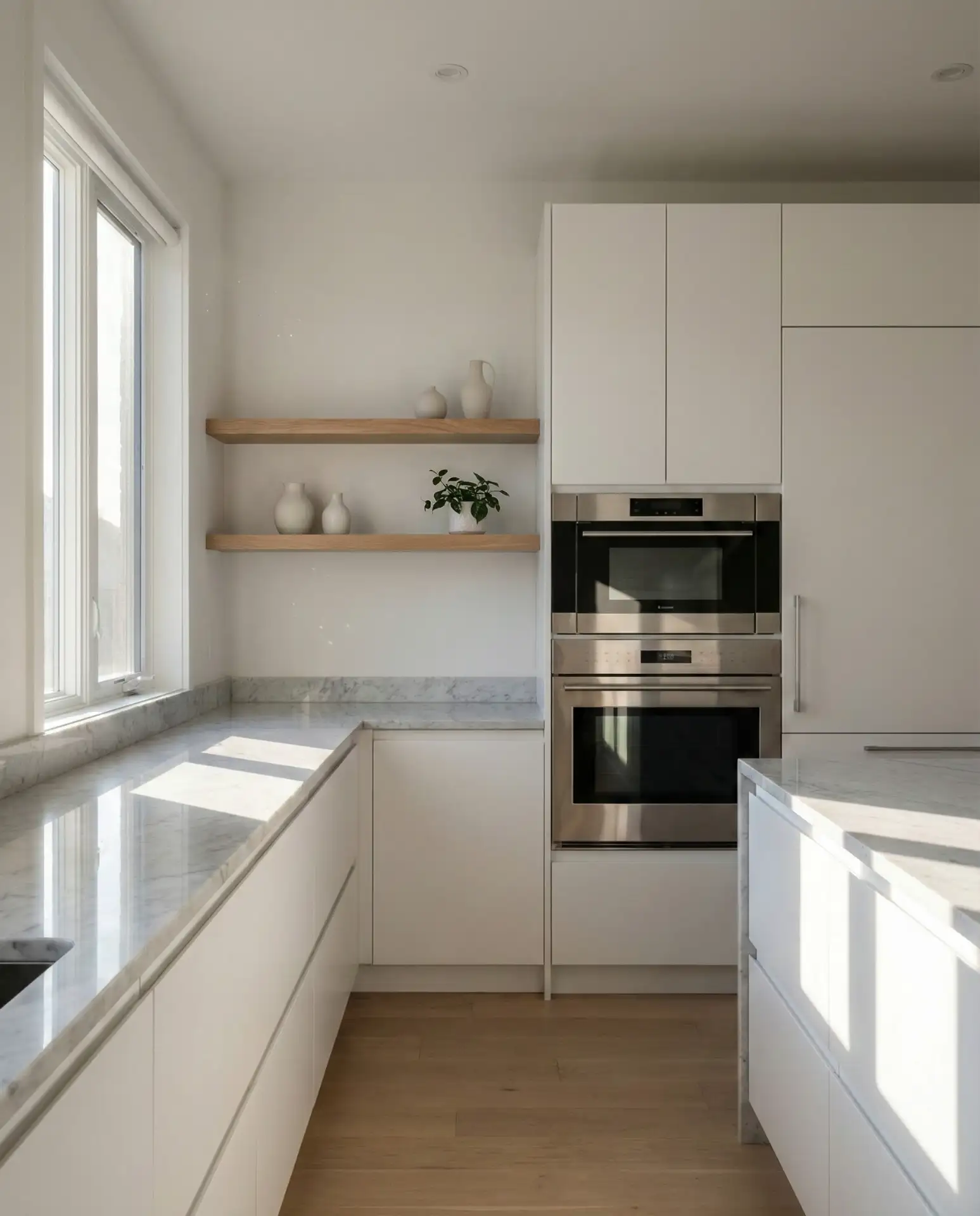
Where this works best: Modular systems shine in homes where future flexibility matters—think young professionals who might expand their families or downsizers who want to bring elements to their next home. The initial investment runs higher than traditional cabinetry, typically $15,000-$40,000 for a medium-sized kitchen, but the long-term versatility and resale appeal often justify the cost. Quality European-style modular brands offer warranties that protect your investment for decades.
2. Two-Tone Colour Combination Drama
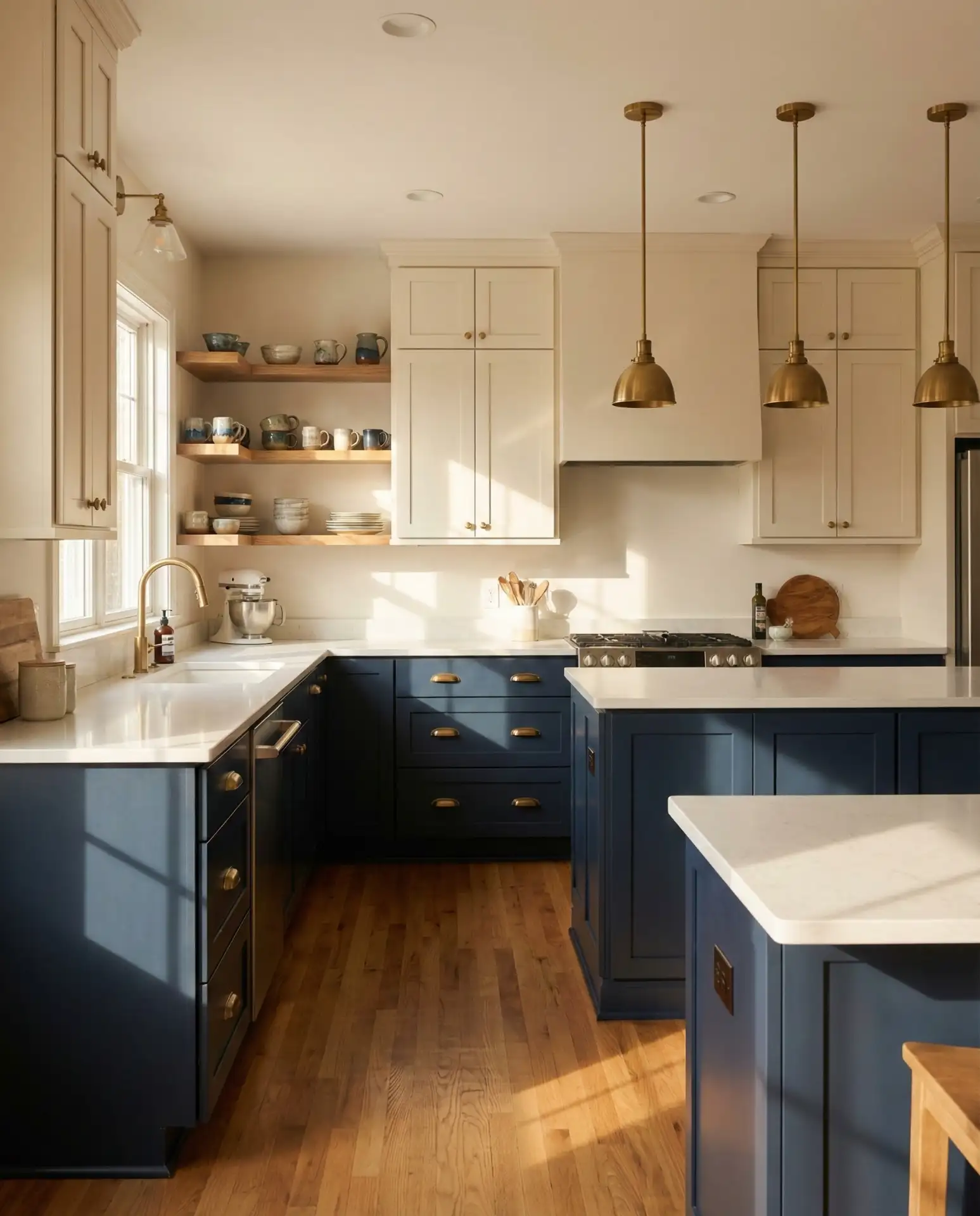
Breaking away from monochrome uniformity, color combination kitchens create visual interest through strategic contrast. Upper cabinets in soft neutrals paired with bold lower cabinets in navy, forest green, or charcoal establish hierarchy and depth. This approach works beautifully in 2026 design trends, where personalization trumps playing it safe. The technique also helps define zones in open-concept spaces, using color to subtly separate cooking areas from dining or living zones without physical barriers. 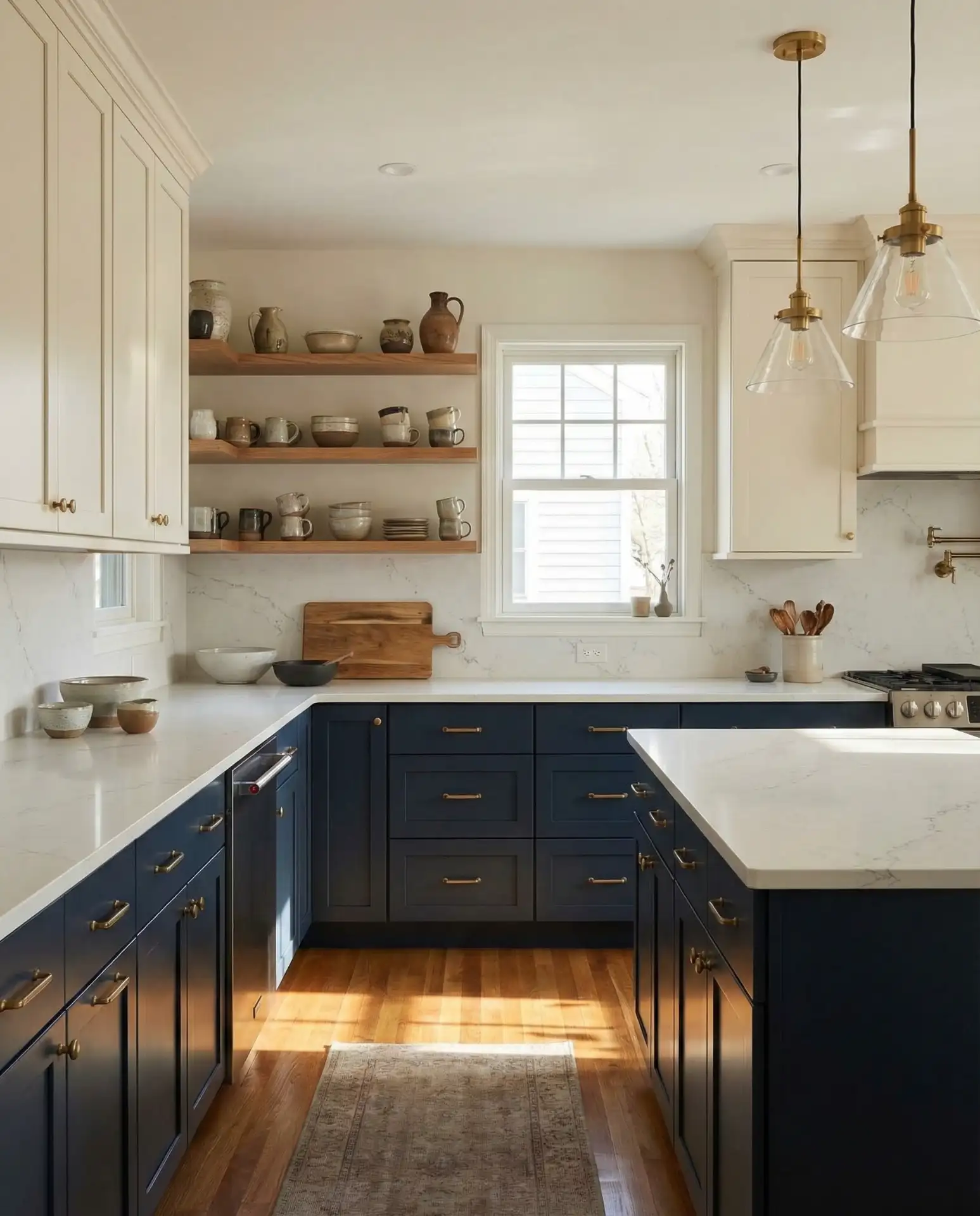
A designer I spoke with recently mentioned that her clients often regret choosing too-safe color schemes, wishing they’d been bolder. Two-tone kitchens offer a middle ground—you get personality and visual impact while maintaining enough neutrality to appeal to future buyers. Start with a dominant neutral (white, cream, or light gray) for 60-70% of surfaces, then introduce your statement color on lower cabinets or an island where it anchors the space without overwhelming it.
3. Indian-Inspired Spice Storage Solutions
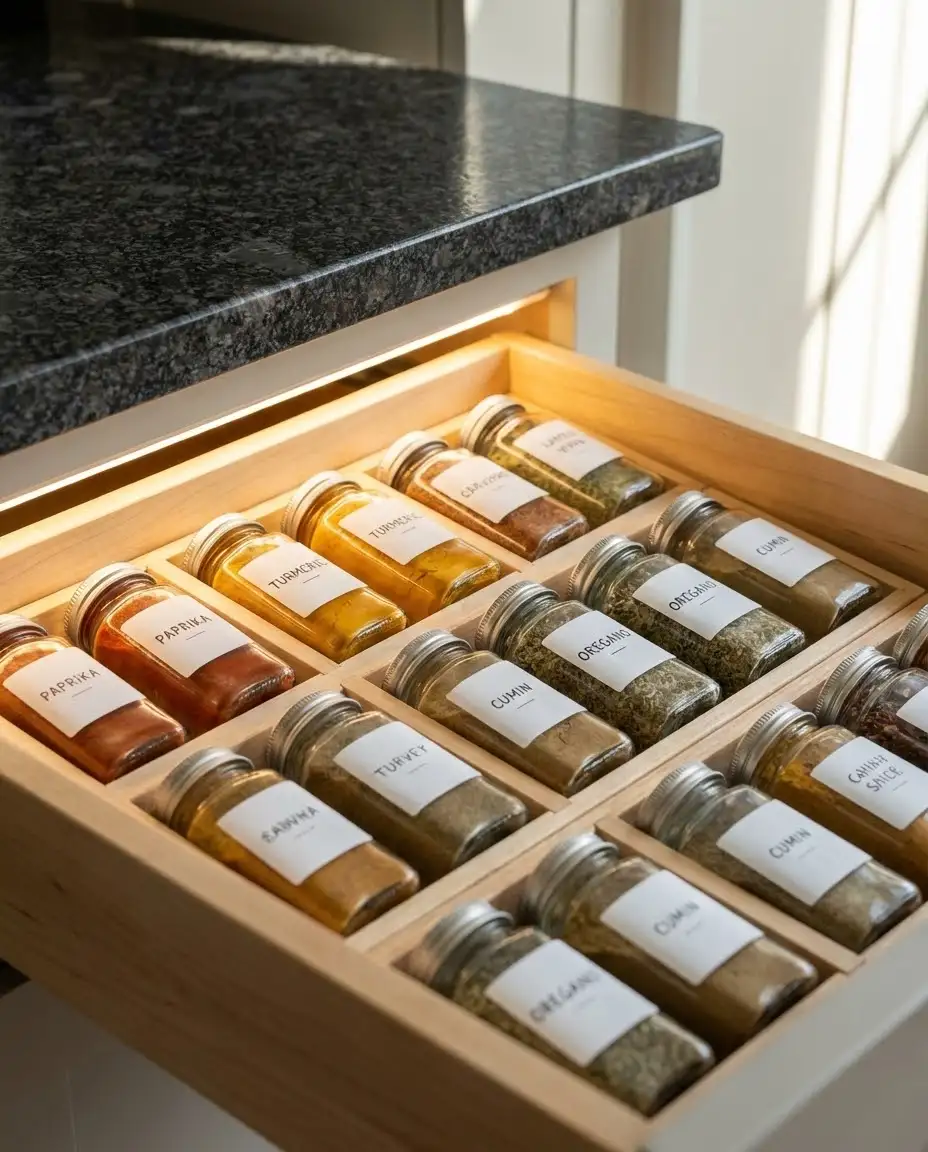
Drawing from Indian kitchen wisdom, dedicated spice organization systems are gaining traction in American homes as cooking becomes more globally adventurous. Pull-out masala drawers with dozens of small compartments, vertical spice racks near the stove, and labeled glass containers bring both functionality and visual beauty. These design ideas recognize that modern cooking requires easy access to a diverse pantry—turmeric, sumac, gochugaru, and za’atar deserve the same thoughtful storage as salt and pepper.
This approach works best in homes where cooking is central to daily life rather than occasional entertainment. Even in compact kitchens, a narrow pull-out rack (6-8 inches wide) can accommodate 40-50 spice jars without sacrificing precious counter space. The investment typically ranges from $200 for DIY drawer inserts to $800 for custom built-ins, but the daily convenience and reduced food waste from visible, organized spices pays ongoing dividends.
4. Open Shelving with Curated Displays
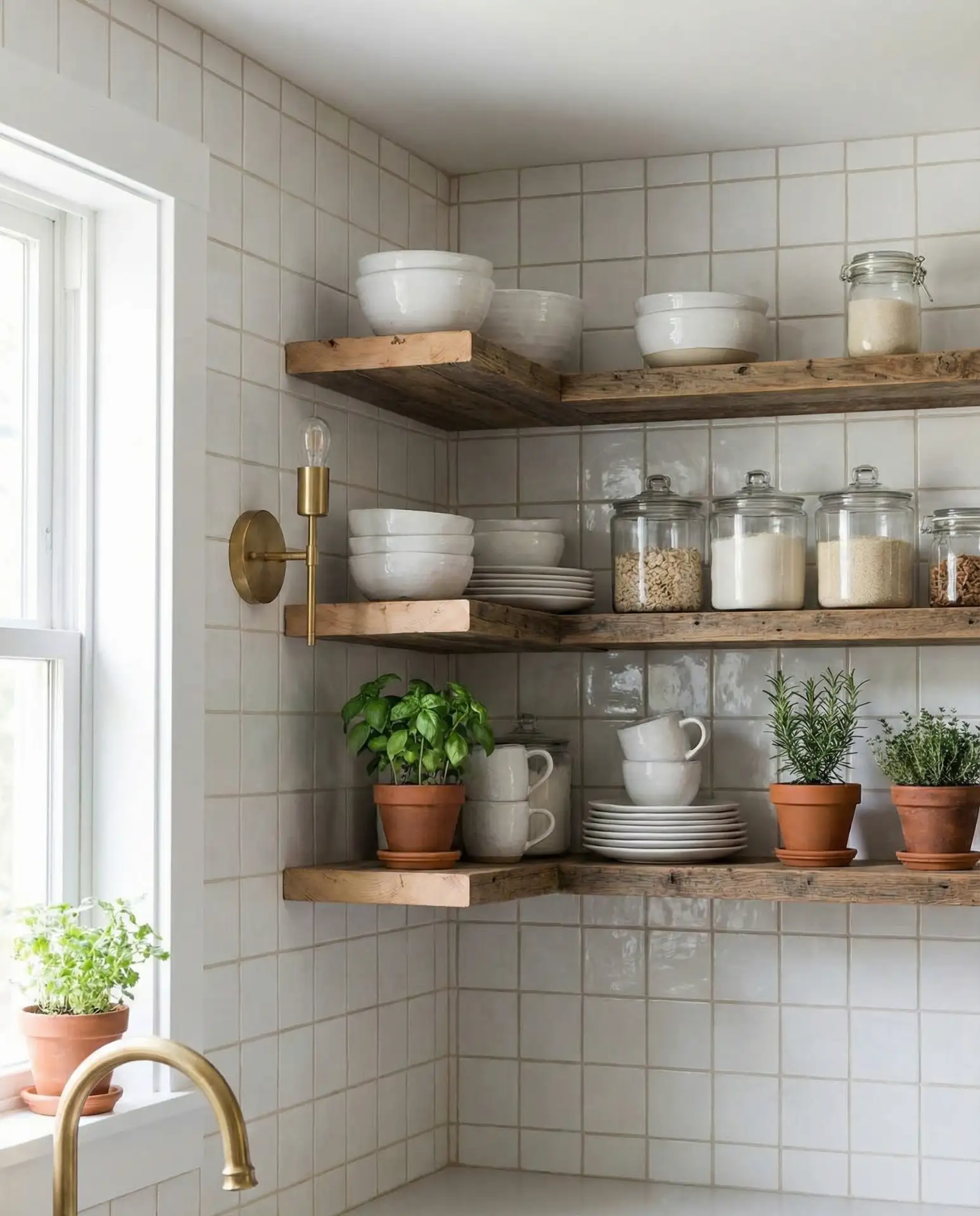
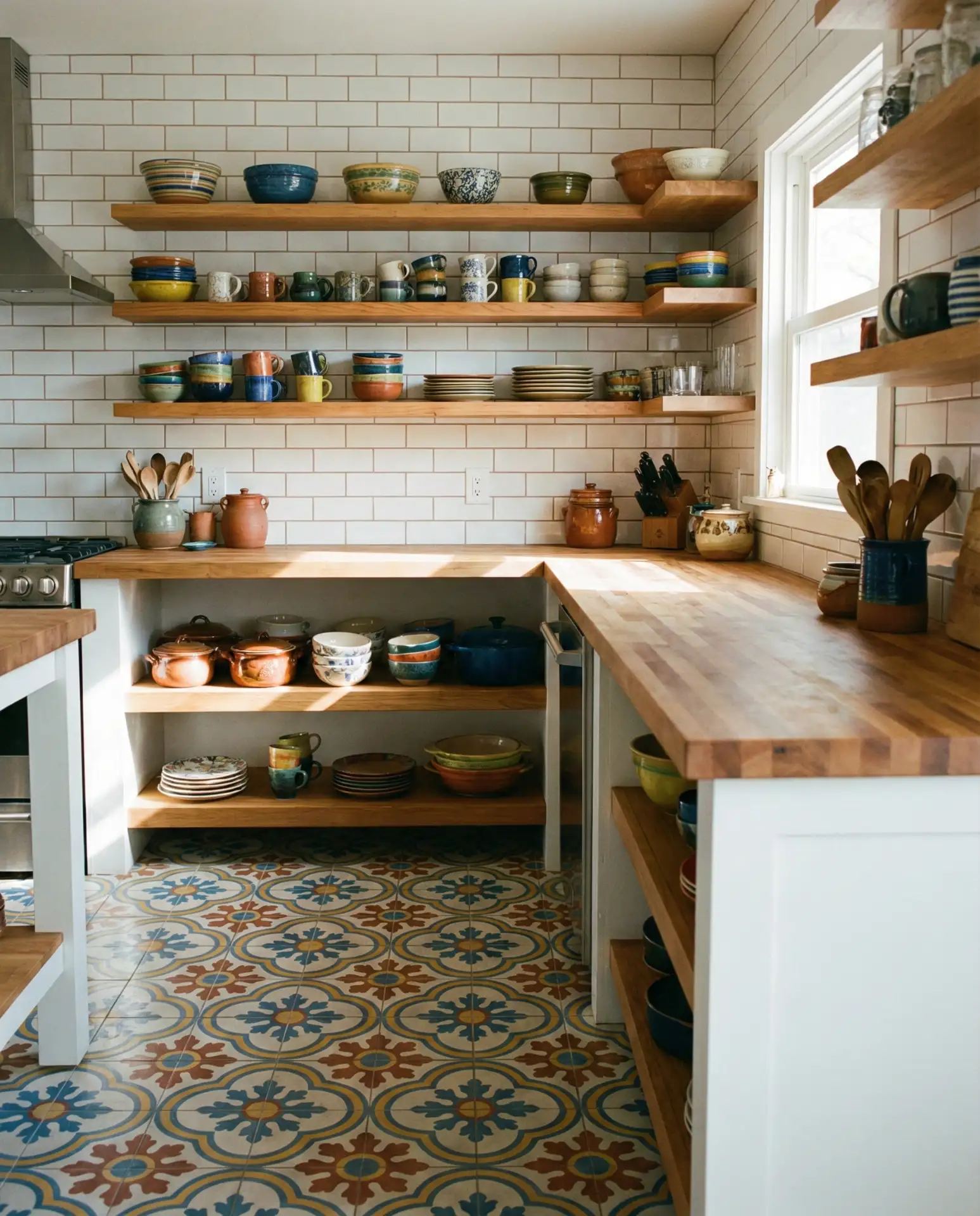
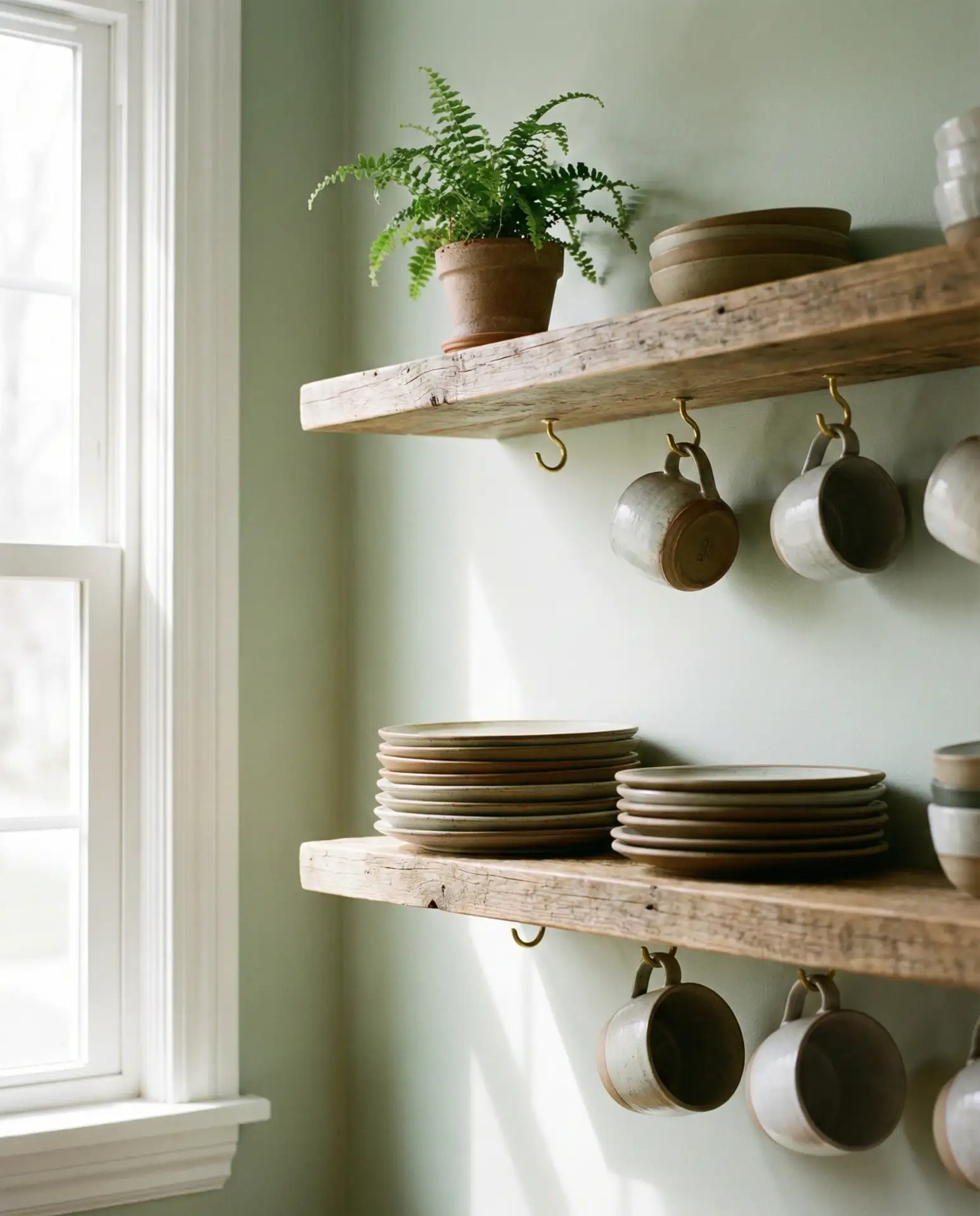
Open shelving continues to evolve beyond the farmhouse trend, now appearing in minimalist, industrial, and eclectic kitchens alike. The key to success in 2026 is intentional curation—these aren’t just storage solutions but display opportunities for beautiful dishware, glassware, and cooking tools you actually use. Wooden floating shelves in warm oak or walnut bring organic texture that softens contemporary spaces, while metal brackets add an industrial edge that complements stainless appliances. 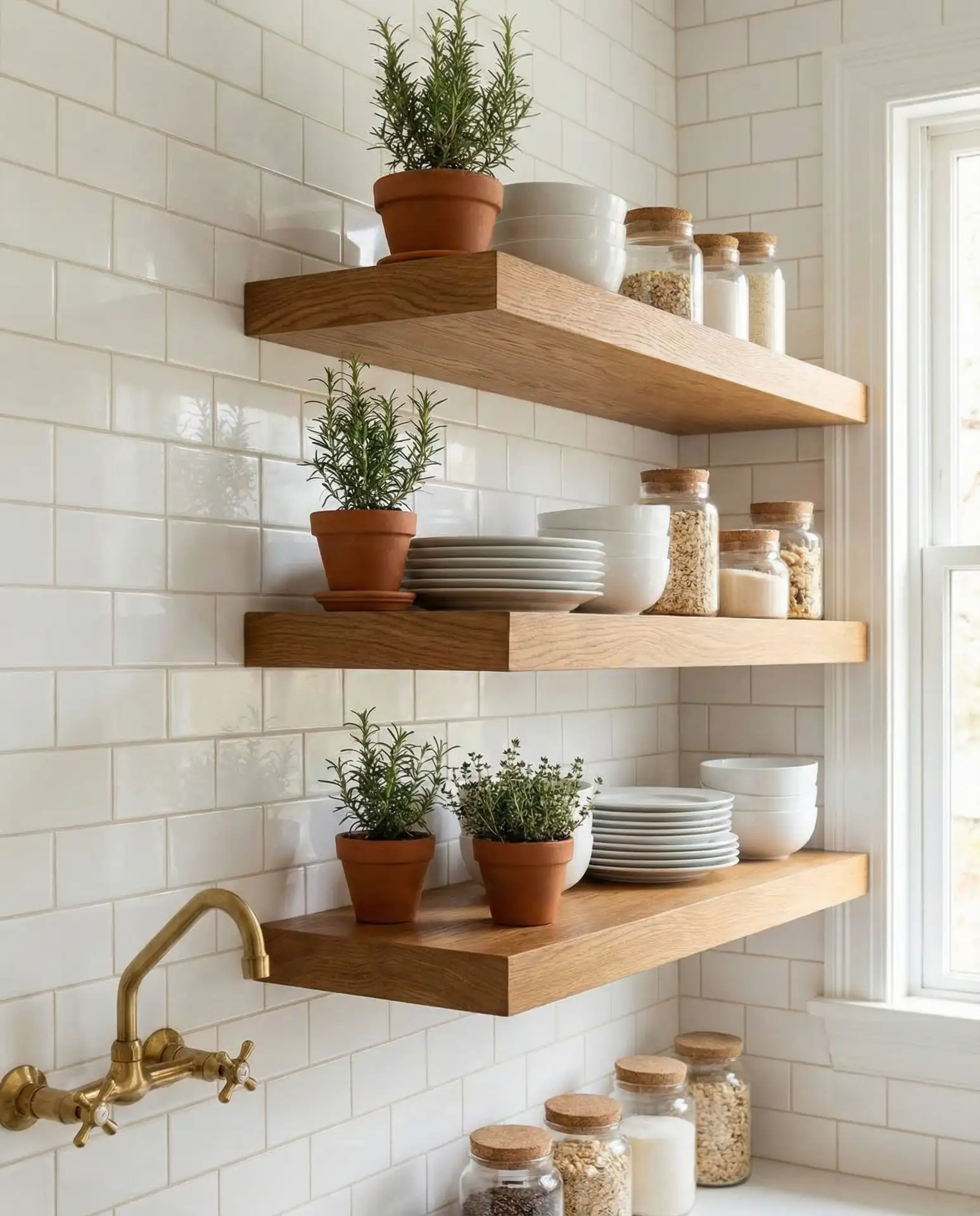
Real homeowner behavior reveals an important truth: open shelving requires maintenance discipline. Dust accumulates, and items need reorganizing weekly to maintain that “styled” look. It works brilliantly for people who naturally keep things tidy and who genuinely use their displayed items daily. For everyone else, consider hybrid approaches—open shelving for one wall or above a coffee station, with closed cabinets handling the visual clutter of mismatched storage containers and bulk items.
5. Compact Luxury in Small Footprints
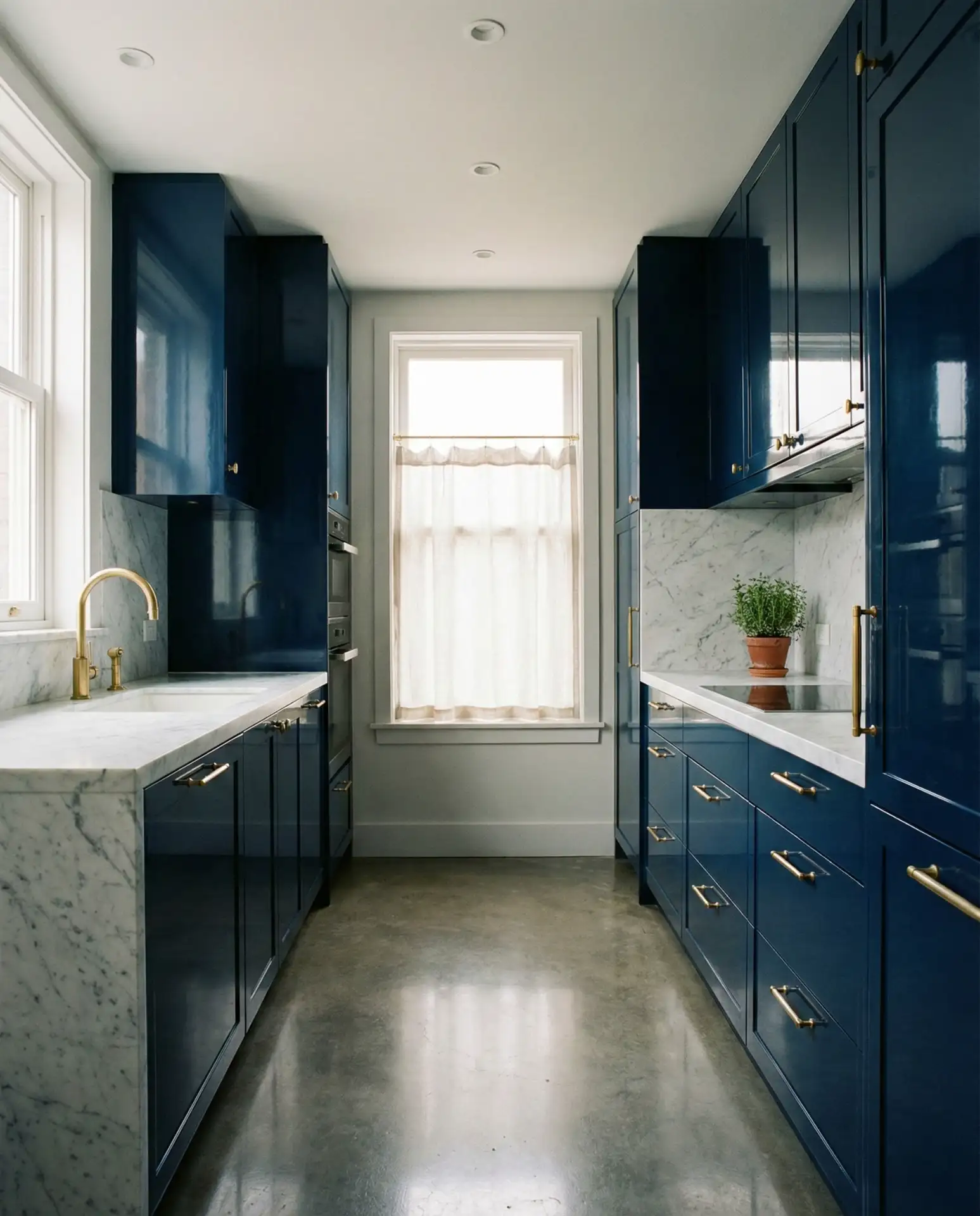
Designing modern luxury small-space kitchens proves that square footage doesn’t dictate sophistication. High-end finishes like marble countertops, professional-grade compact appliances, and custom cabinetry transform even 80-square-foot kitchens into jewel boxes of functionality. The secret lies in prioritization—investing in fewer, higher-quality elements rather than trying to cram every feature into limited space. Luxury here means thoughtful material choices and flawless execution, not sheer size. 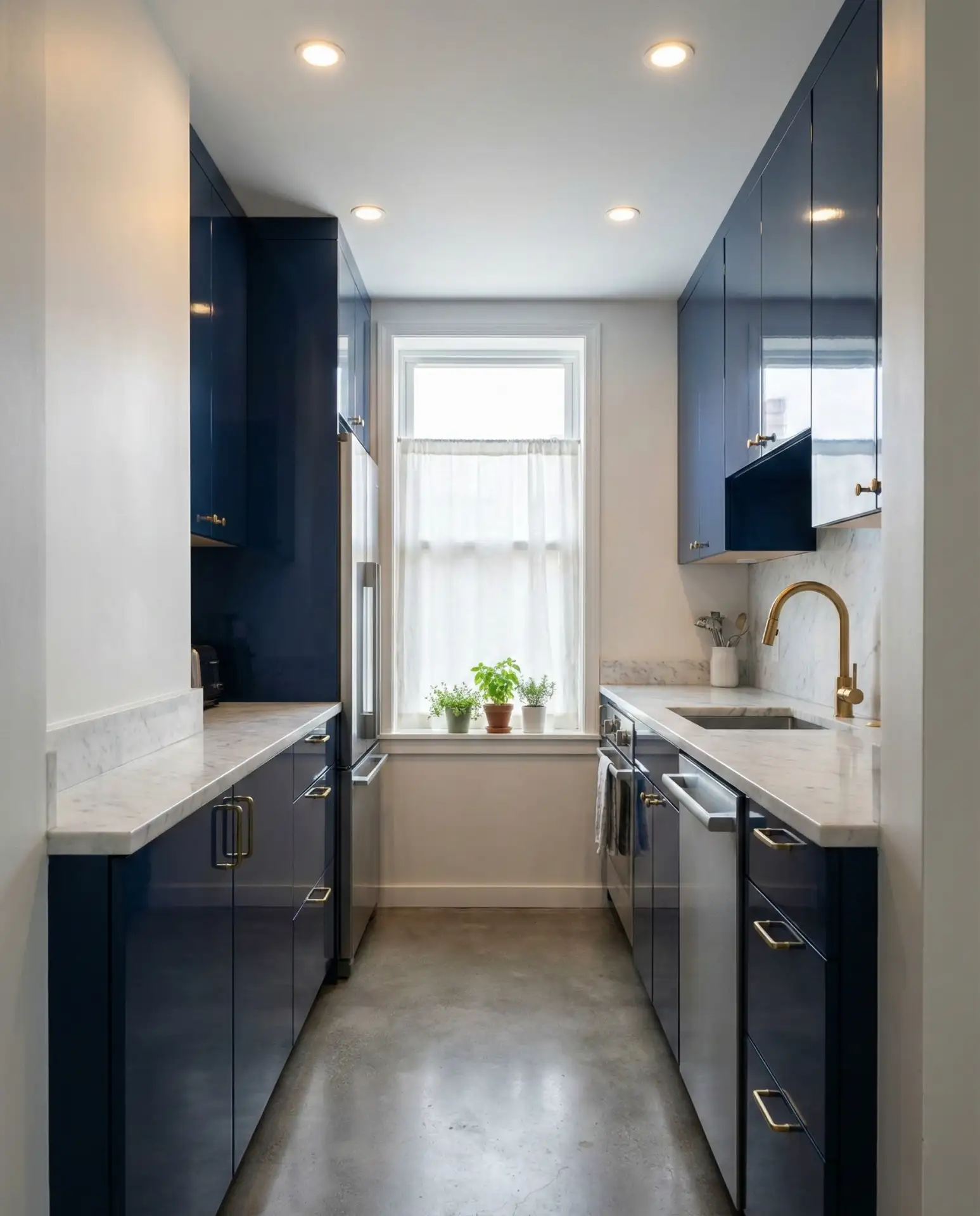
In major American cities where space commands premium prices, compact luxury kitchens have become standard in high-end condos and townhouses. A well-designed 100-square-foot kitchen can feel more spacious and functional than a poorly planned 200-square-foot one. Budget $25,000-$60,000 for a true luxury small kitchen renovation, where every inch is optimized and finishes rival those in much larger homes. The return on investment shows both in daily enjoyment and strong resale appeal to urban buyers.
6. Parallel Layout Efficiency
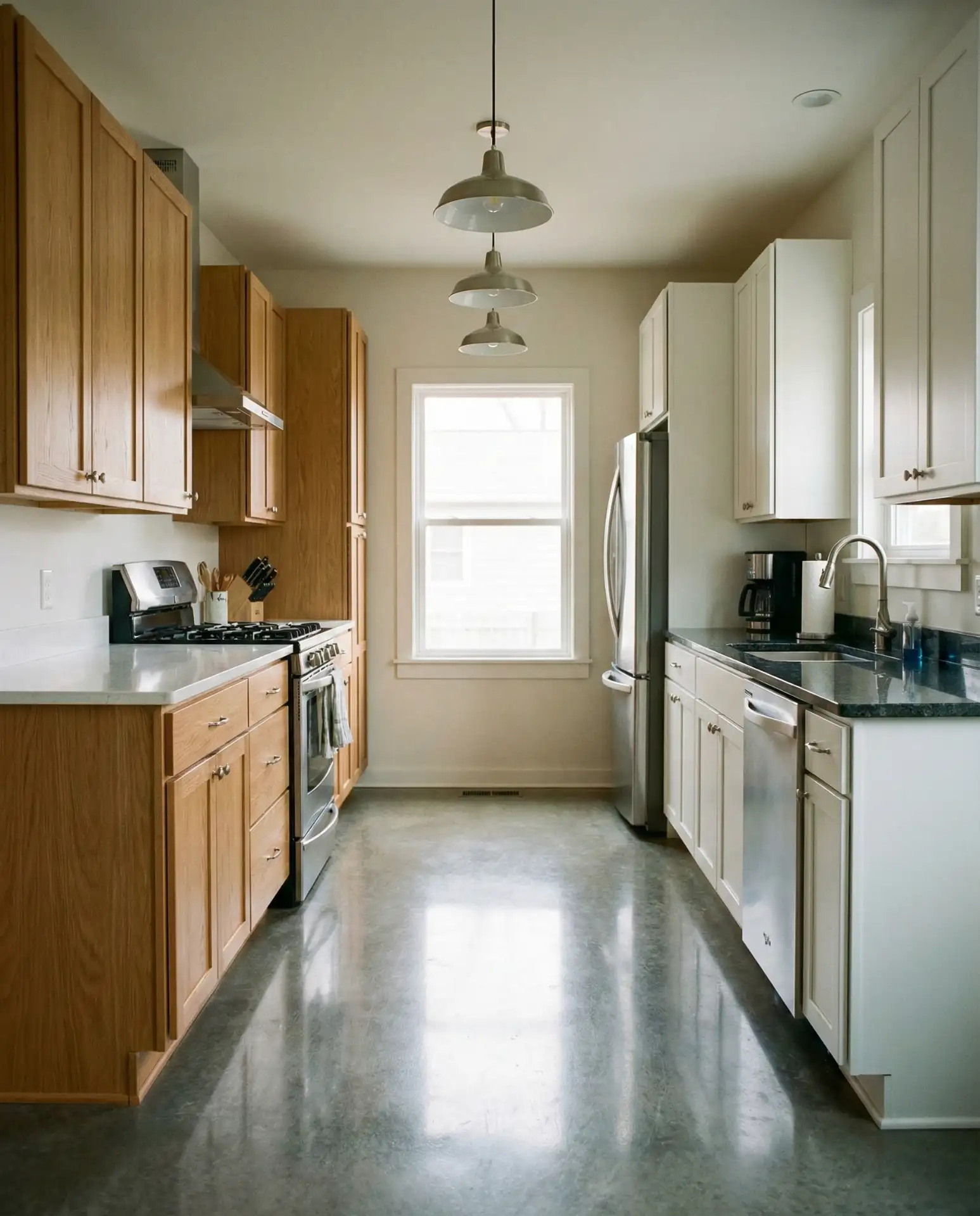
The parallel or galley kitchen layout places two runs of cabinets and counters facing each other, creating an efficient work corridor. This shaped configuration minimizes steps between the sink, stove, and refrigerator—the classic work triangle compressed into a streamlined pathway. Popular in mid-century homes and modern apartments, parallel kitchens work exceptionally well for serious cooks who value efficiency over expansive entertaining space. The corridor width ideally measures 42-48 inches, allowing drawer and appliance doors to open comfortably while maintaining clear passage. 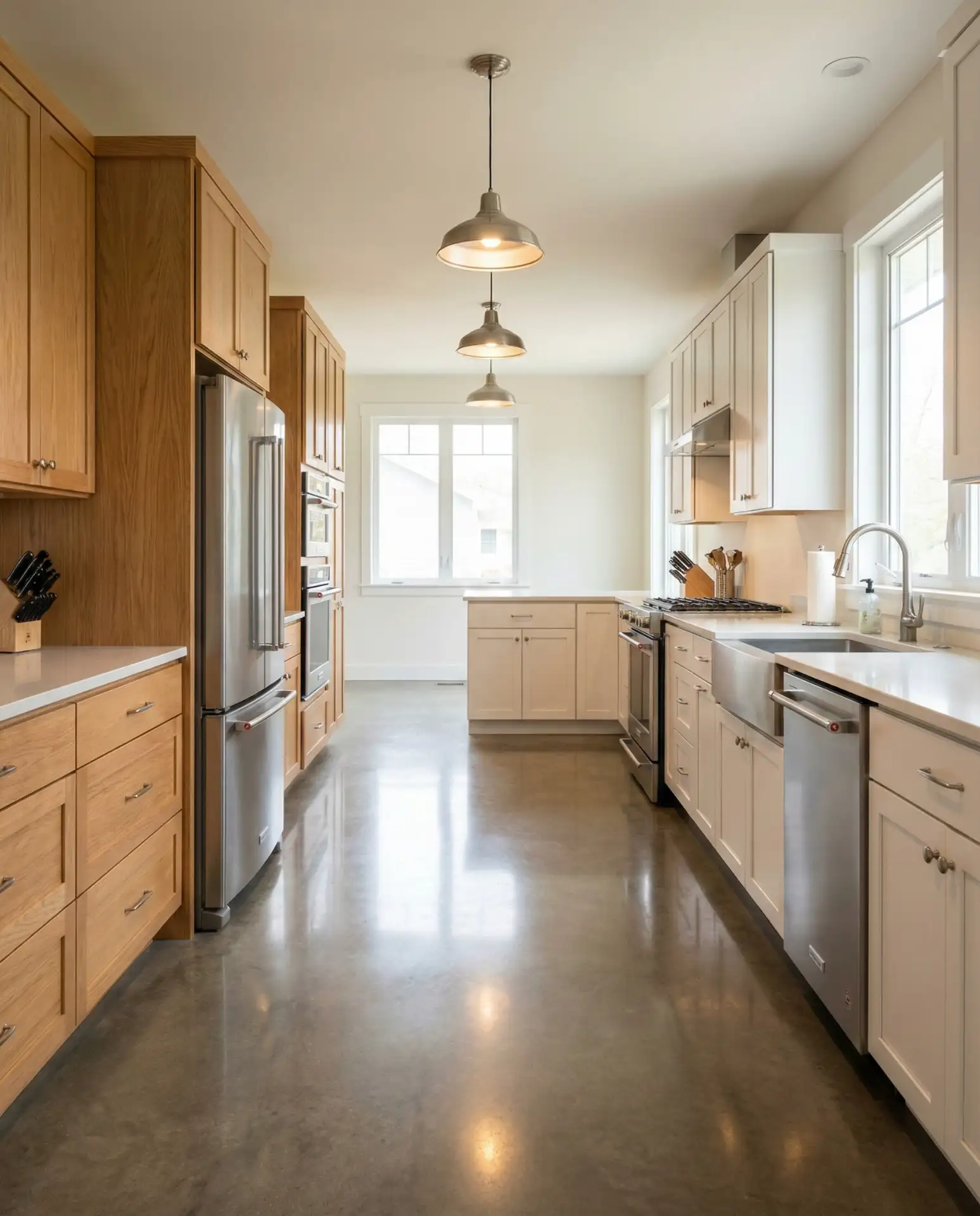
Common mistakes include making the corridor too narrow (under 40 inches) or too wide (over 60 inches). Too narrow creates constant congestion and appliance door collisions; too wide forces unnecessary steps between work zones, defeating the layout’s efficiency advantage. If you’re renovating to create a parallel kitchen, carefully measure your appliances and add 4-6 inches to their depth to determine minimum corridor width. The layout works best when one end opens to dining or living areas, preventing the tunnel effect.
7. Design Decor That Tells Your Story
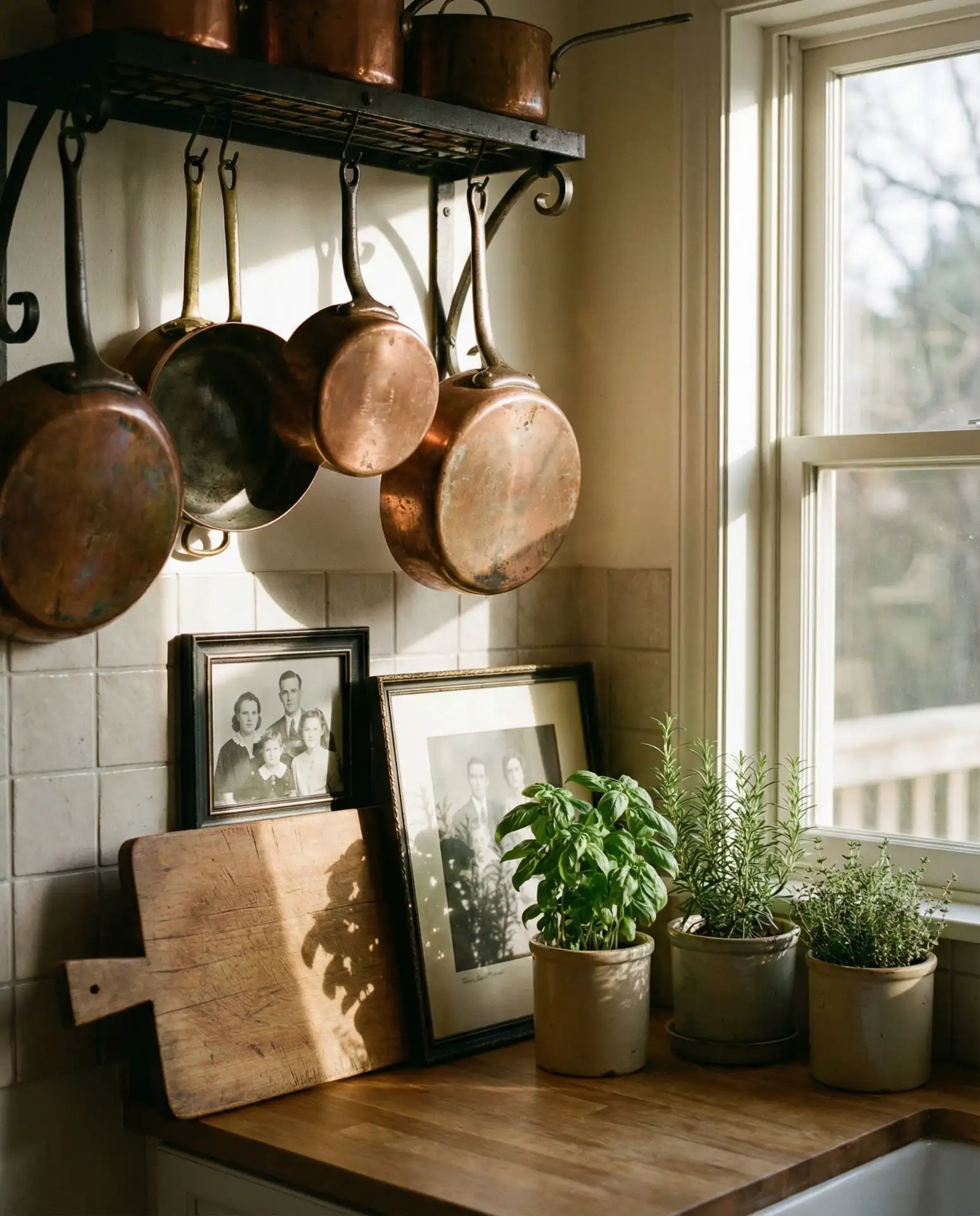
Moving beyond generic styling, design decor in 2026 emphasizes personal narrative. Display your grandmother’s cast iron skillet, frame vintage recipe cards, or showcase pottery from your travels. These meaningful touches transform kitchens from showrooms into lived-in spaces that reflect actual human experiences. The trend acknowledges that Pinterest-perfect styling feels hollow without authentic connection—better one genuinely beloved item than ten curated-but-meaningless accessories purchased solely for aesthetic completion. 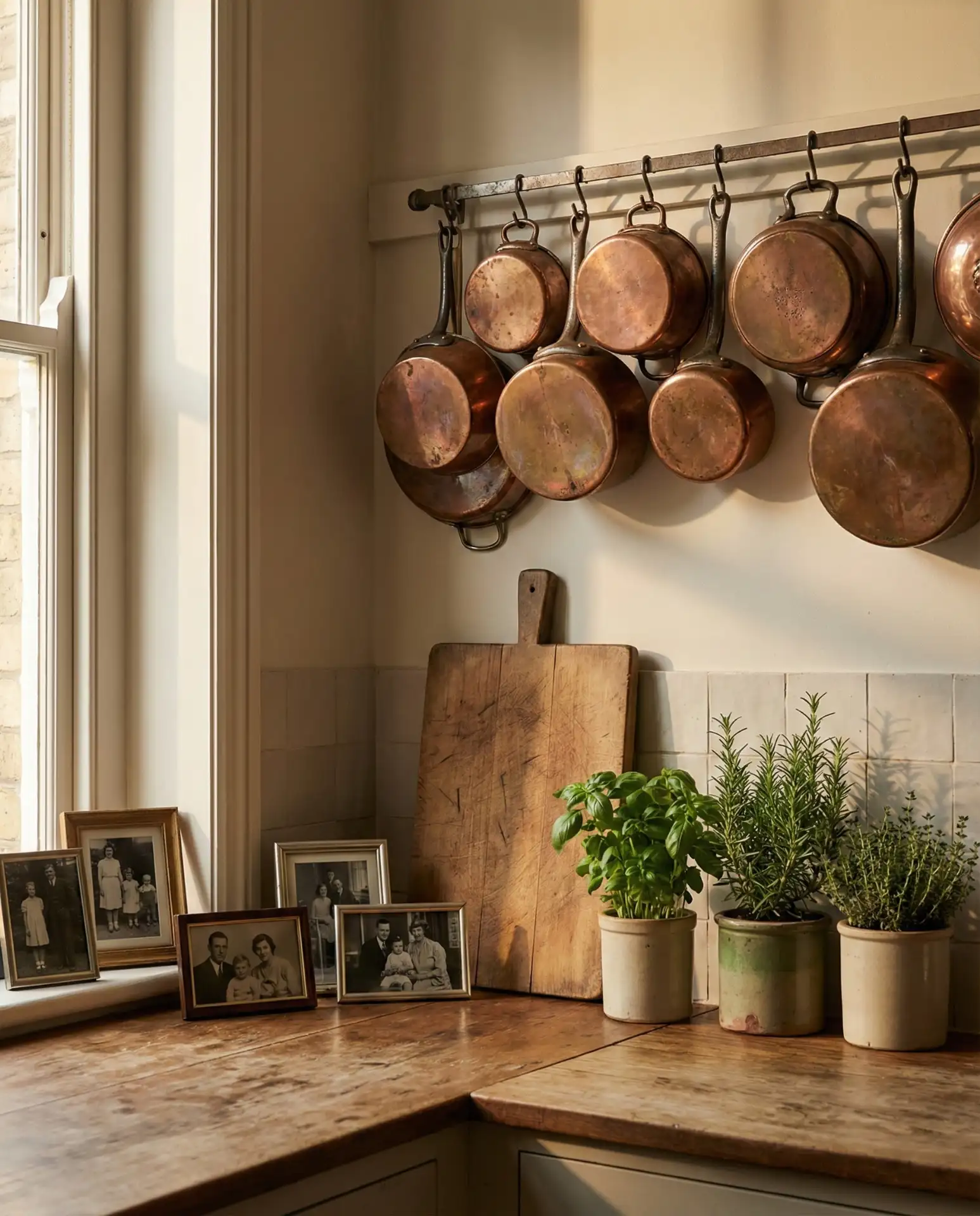
My neighbor recently renovated her kitchen and initially styled it with all-new “farmhouse” accessories from home goods stores. Within months, she replaced them with her actual collection of international teapots and her kids’ artwork in simple frames. The space immediately felt more genuine and welcoming. Personal decor doesn’t mean clutter—it means being selective about what earns display space, choosing items that prompt conversation or happy memories rather than simply filling visual gaps.
8. Window-Framed Natural Light
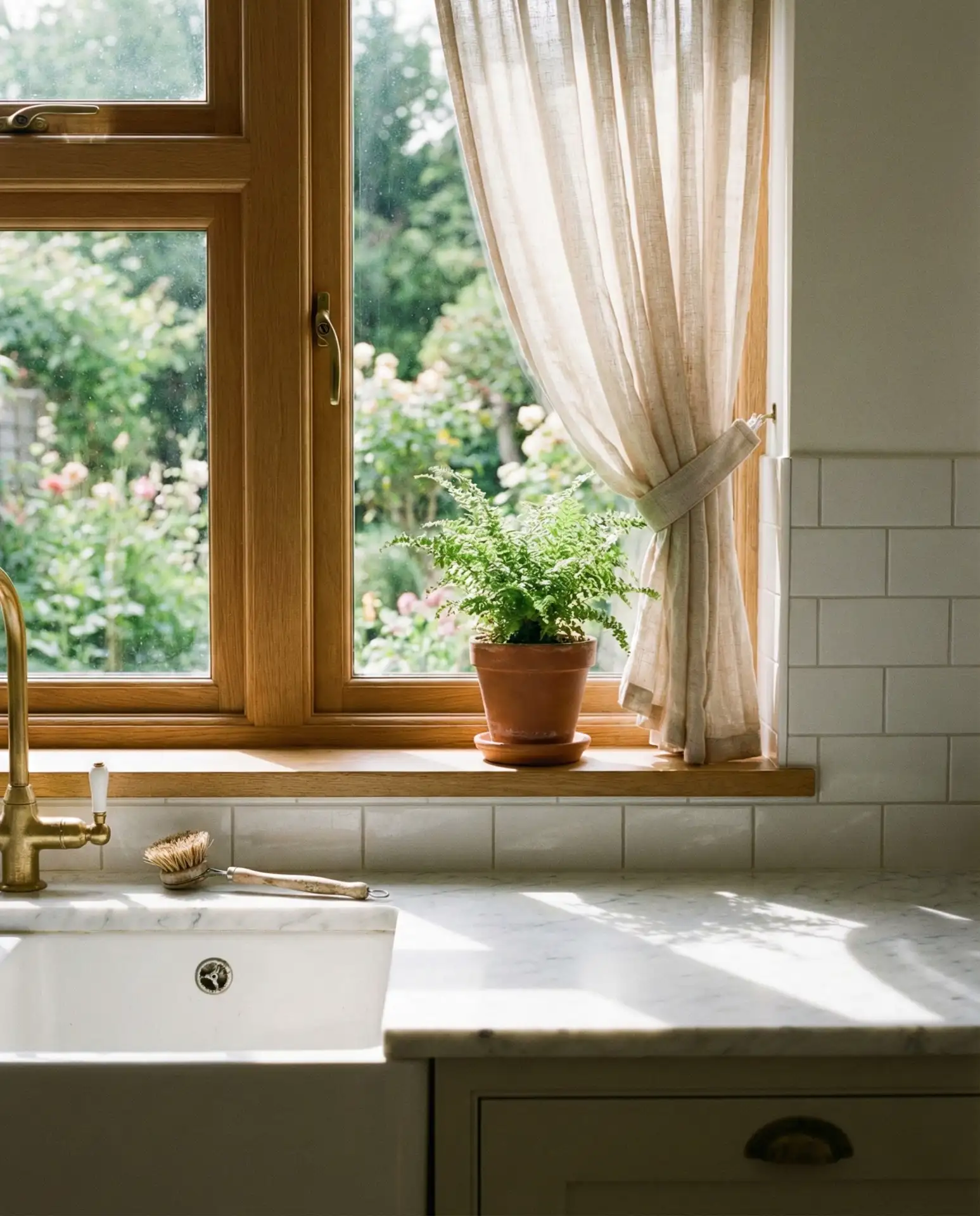
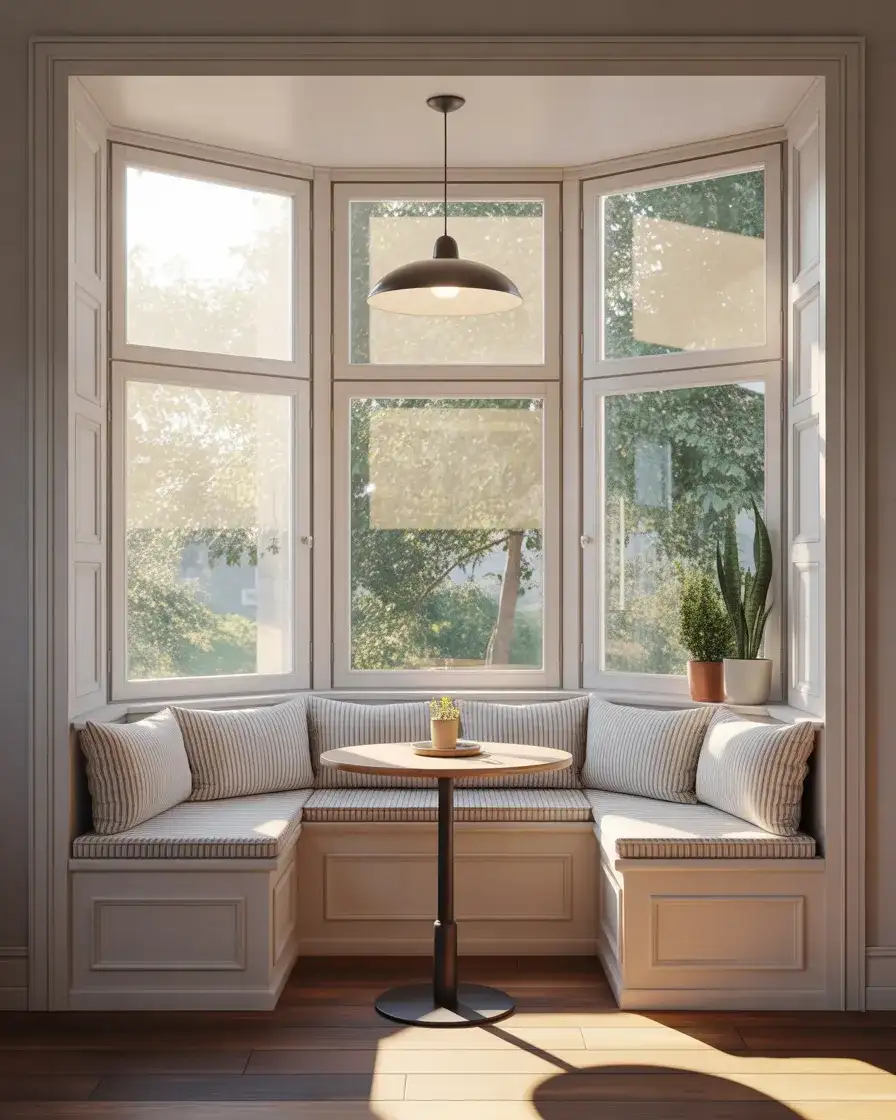
Thoughtful window placement and treatment dramatically affect how kitchens feel throughout the day. Large windows above sinks turn dishwashing into a more pleasant task with garden or street views, while strategically placed skylights flood islands or peninsulas with overhead natural light. In design in India and across South Asia, ventilated windows near cooking zones have long been standard for heat and odor management—a principle that translates beautifully to American homes seeking better air circulation and connection to the outdoors.
Where it works best: South- and west-facing windows provide abundant light but can create heat gain and glare issues. Consider UV-filtering films or cellular shades that diffuse intense afternoon sun while maintaining views. North-facing windows offer consistent, gentle light ideal for food preparation areas. East-facing windows deliver energizing morning light perfect for breakfast nooks or coffee stations. When planning renovations, prioritize window placement early—it’s far easier to adjust cabinet layouts around ideal window locations than to relocate windows after cabinetry is designed.
9. Green Elements and Living Walls
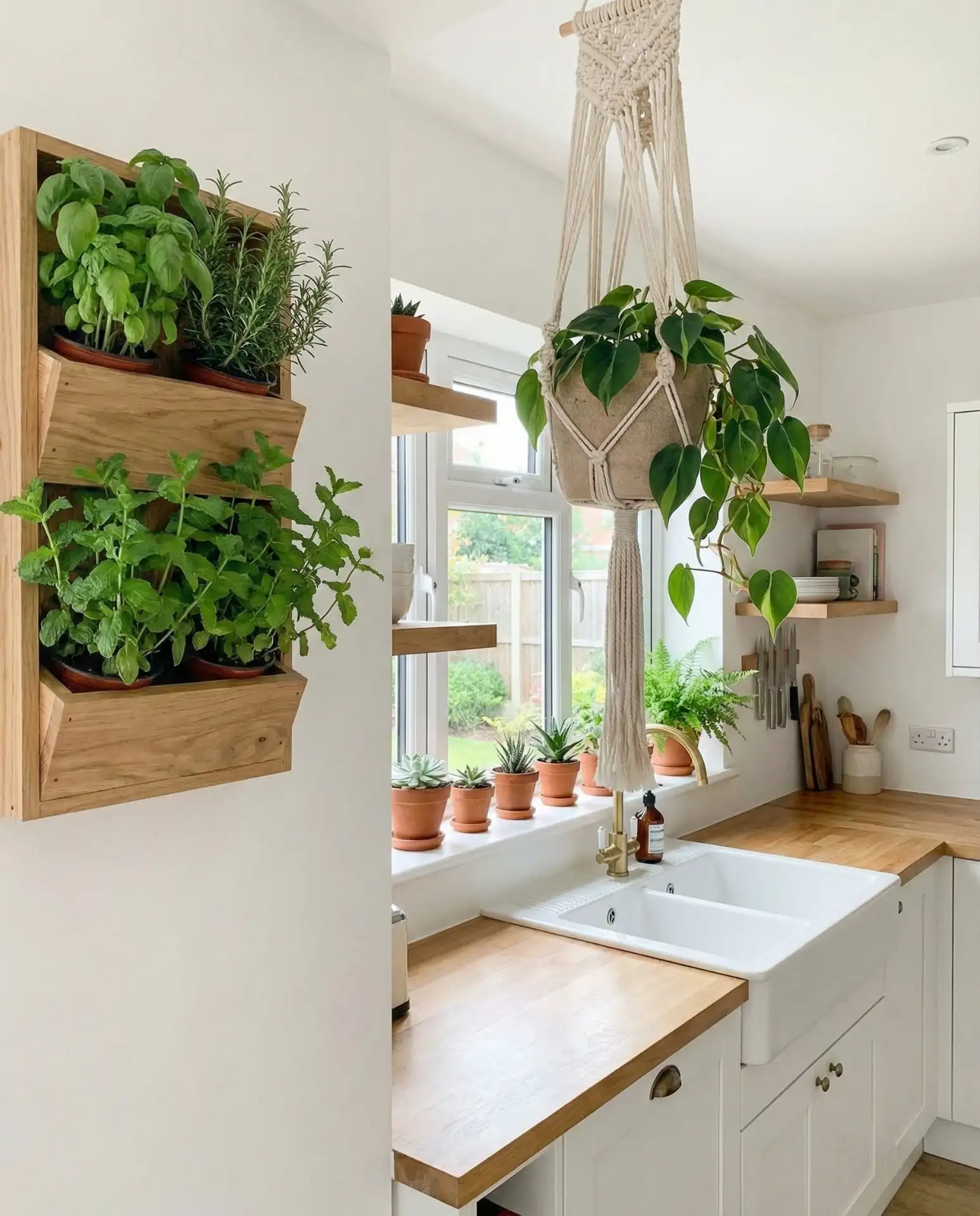
Incorporating green living plants elevates kitchens beyond static design into dynamic, breathing spaces. Vertical herb gardens near windows provide fresh ingredients while improving air quality, and trailing pothos or philodendrons soften hard architectural edges on top of cabinets. Modern kitchens increasingly feature dedicated grow-light zones for year-round herbs, recognizing that fresh basil, cilantro, and mint shouldn’t be seasonal luxuries. The presence of greenery also connects indoor cooking spaces to outdoor gardens, blurring boundaries in a way that feels especially relevant as we seek more nature in daily life. 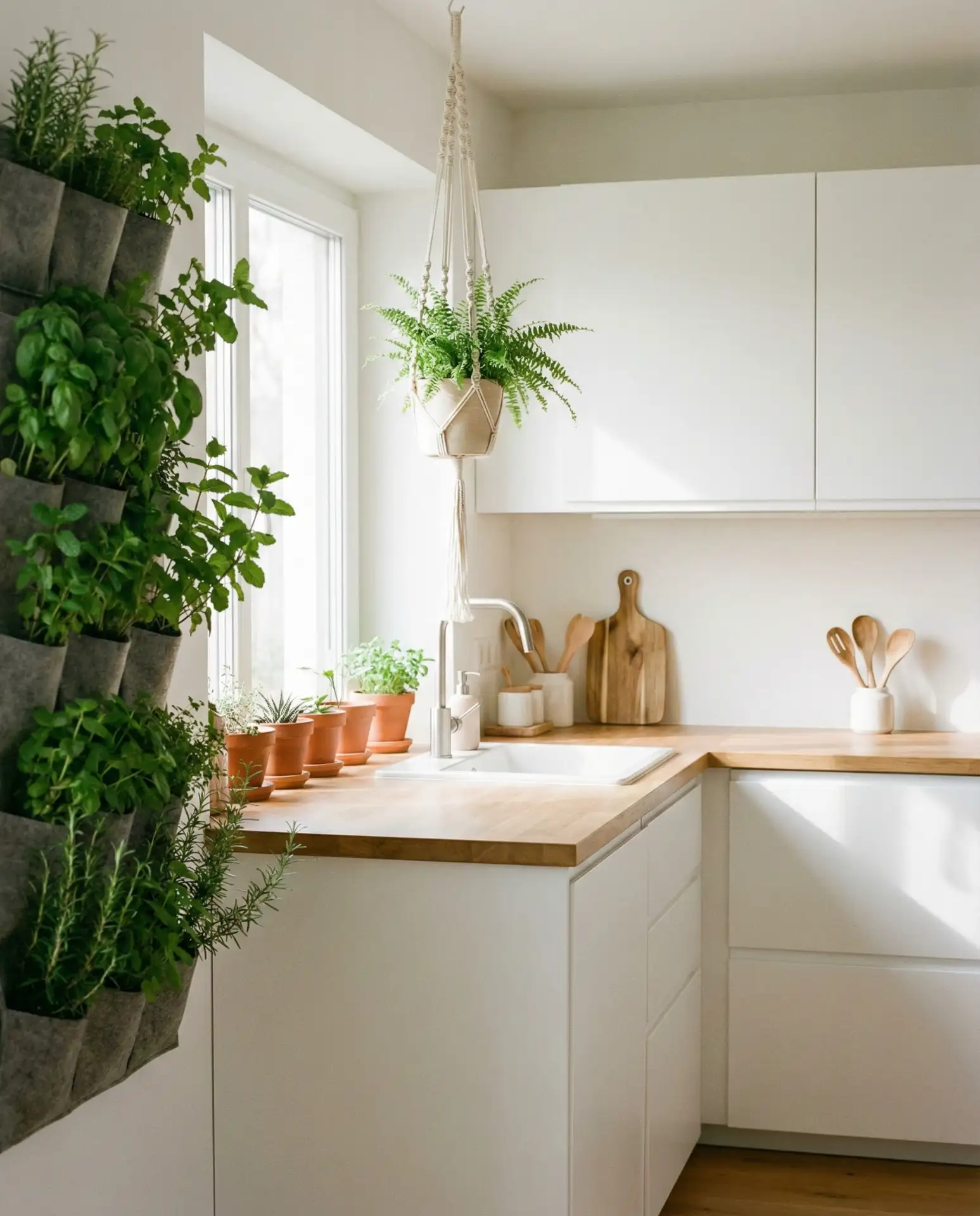
Practical insight: Not all kitchen microclimates suit all plants. High-humidity areas near dishwashers and sinks support ferns and peace lilies, while hot zones near ovens and ranges limit your options to heat-tolerant succulents or cacti. Herbs need 6-8 hours of light daily, so south-facing windows or supplemental grow lights become essential in northern climates or darker kitchens. Start with low-maintenance varieties like pothos, snake plants, or hardy herbs before graduating to fussier specimens. The goal is enjoyment, not obligation.
10. Sophisticated Grey Palettes
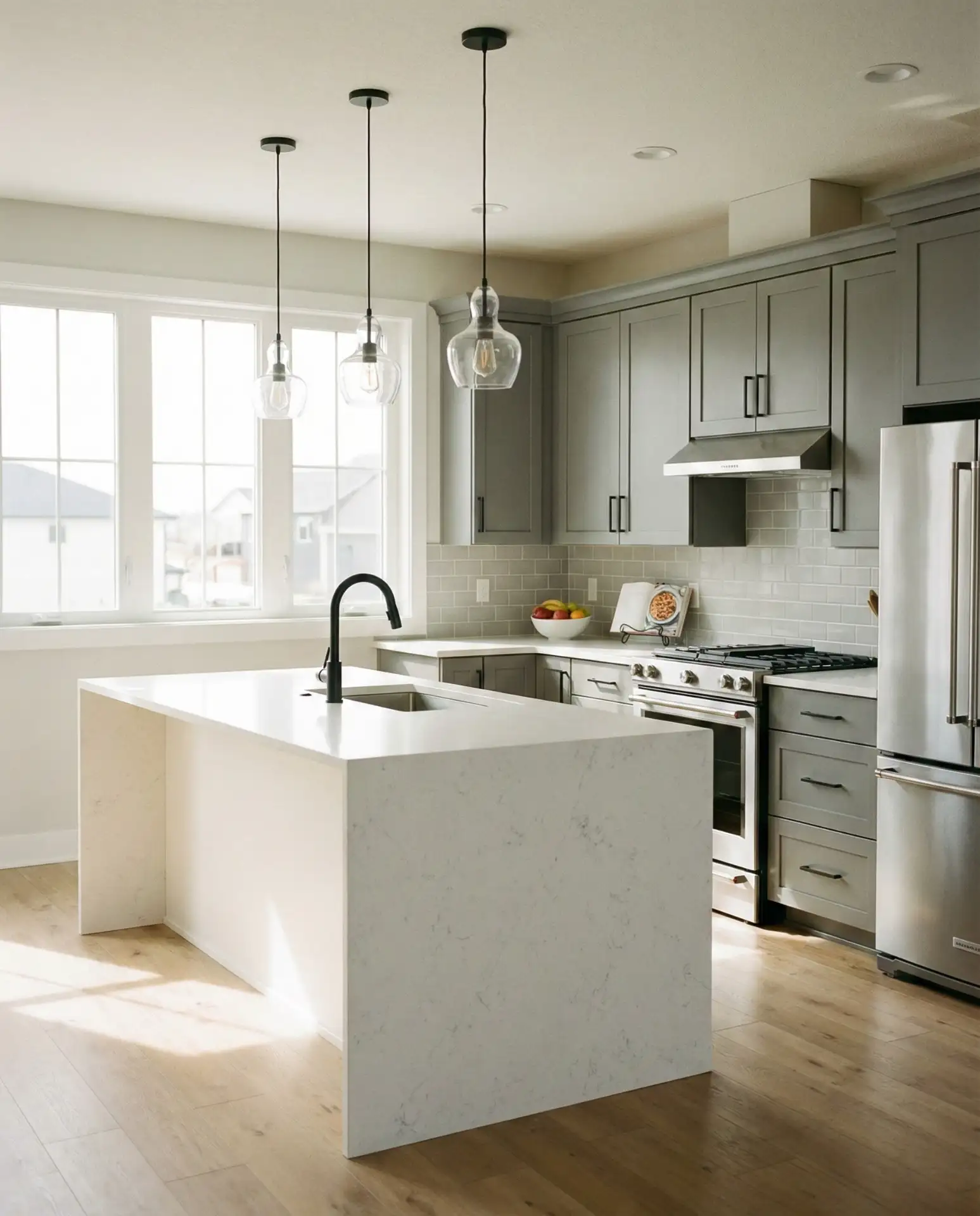
Grey cabinetry has matured beyond the trendy gray-everything moment into a sophisticated neutral that works across design styles. Warm grays with beige undertones (greige) create cozy, approachable kitchens, while cool grays with blue undertones deliver crisp, contemporary elegance. The versatility of gray allows it to serve as either a dominant color or a supporting neutral, pairing beautifully with white countertops, wood tones, brass fixtures, and colorful tile backsplashes. Unlike stark white, gray doesn’t show every fingerprint or splash, making it practical for busy family kitchens. 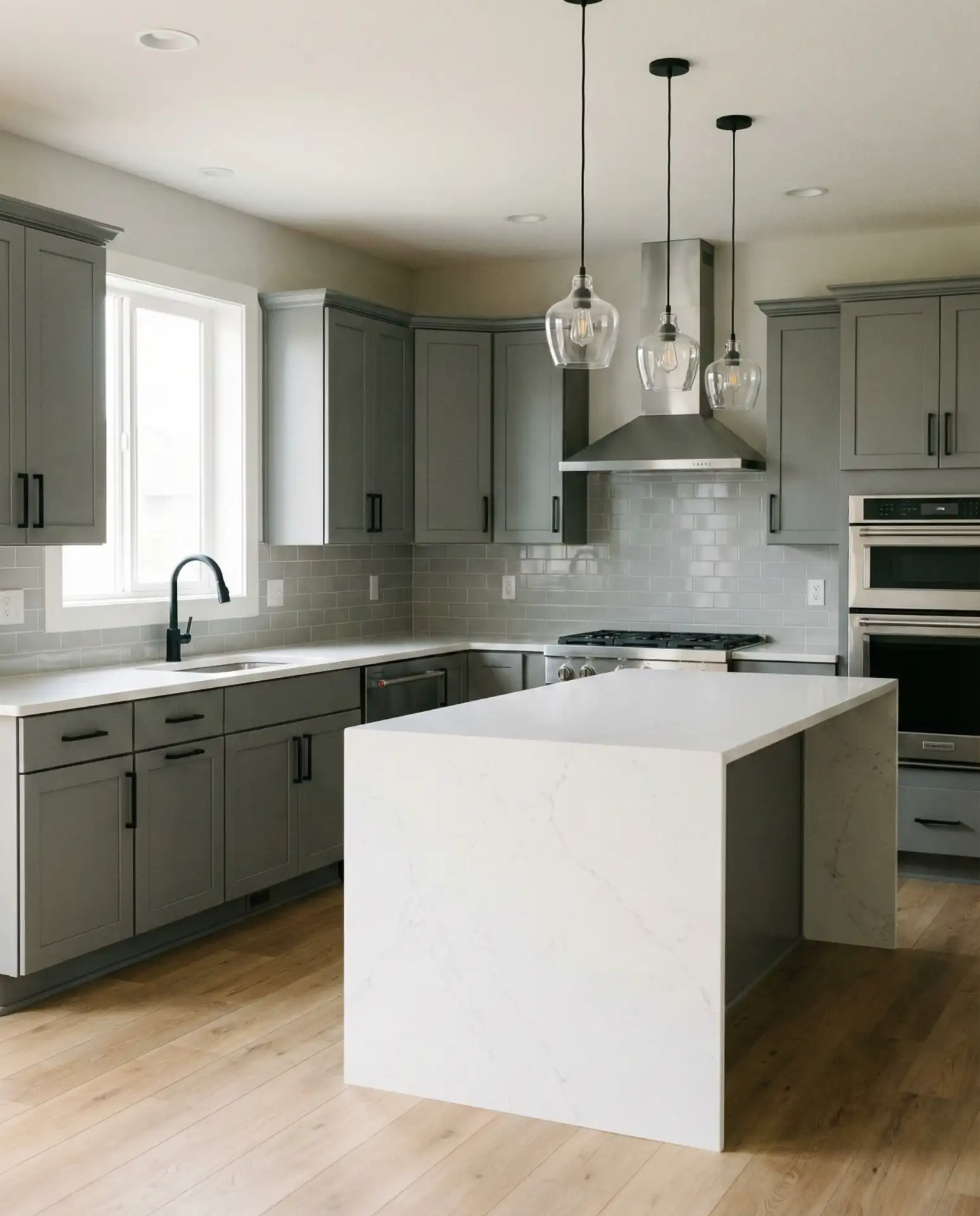
American lifestyle context matters here—gray kitchens particularly resonate in regions with distinct seasons, where the neutral palette provides year-round versatility. They feel cozy with winter’s bare trees visible through windows, yet cool and refreshing against summer’s lush greenery. The color’s neutrality also gives homeowners freedom to rotate seasonal accessories and textiles without clashing, making holiday decorating or style updates far simpler than with more assertive cabinet colors.
11. Classic White Foundations
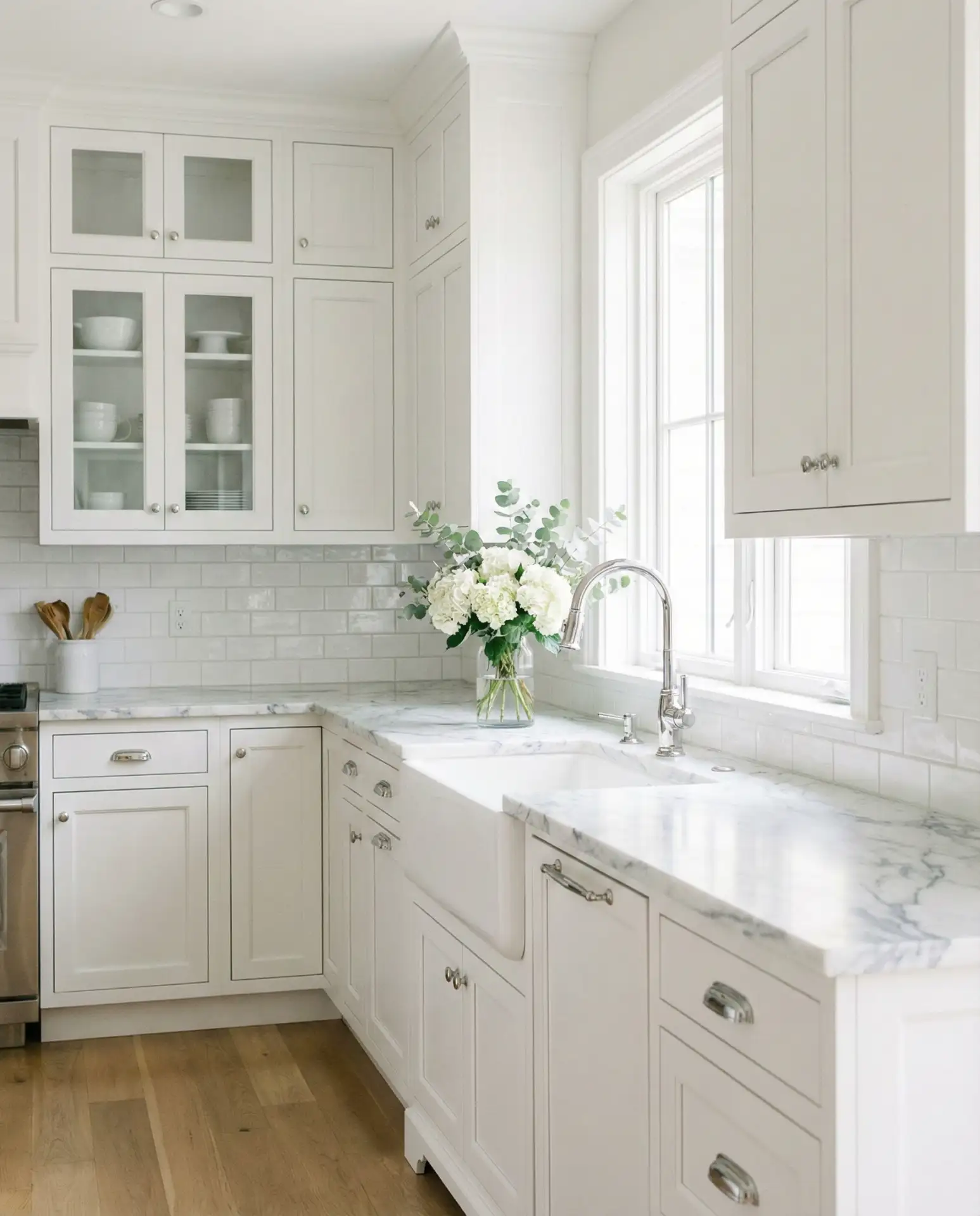
White kitchens endure because they offer a timeless canvas that adapts to changing tastes and lifestyles. All-white schemes create bright, airy spaces that feel larger than their actual dimensions—particularly valuable in homes with limited natural light. The key to avoiding sterile, cold white kitchens lies in layering textures: glossy subway tiles against matte cabinets, honed marble counters beside polished nickel hardware, and linen curtains softening crisp painted walls. These subtle variations create depth and warmth while maintaining the clean, fresh aesthetic that makes white perpetually appealing. 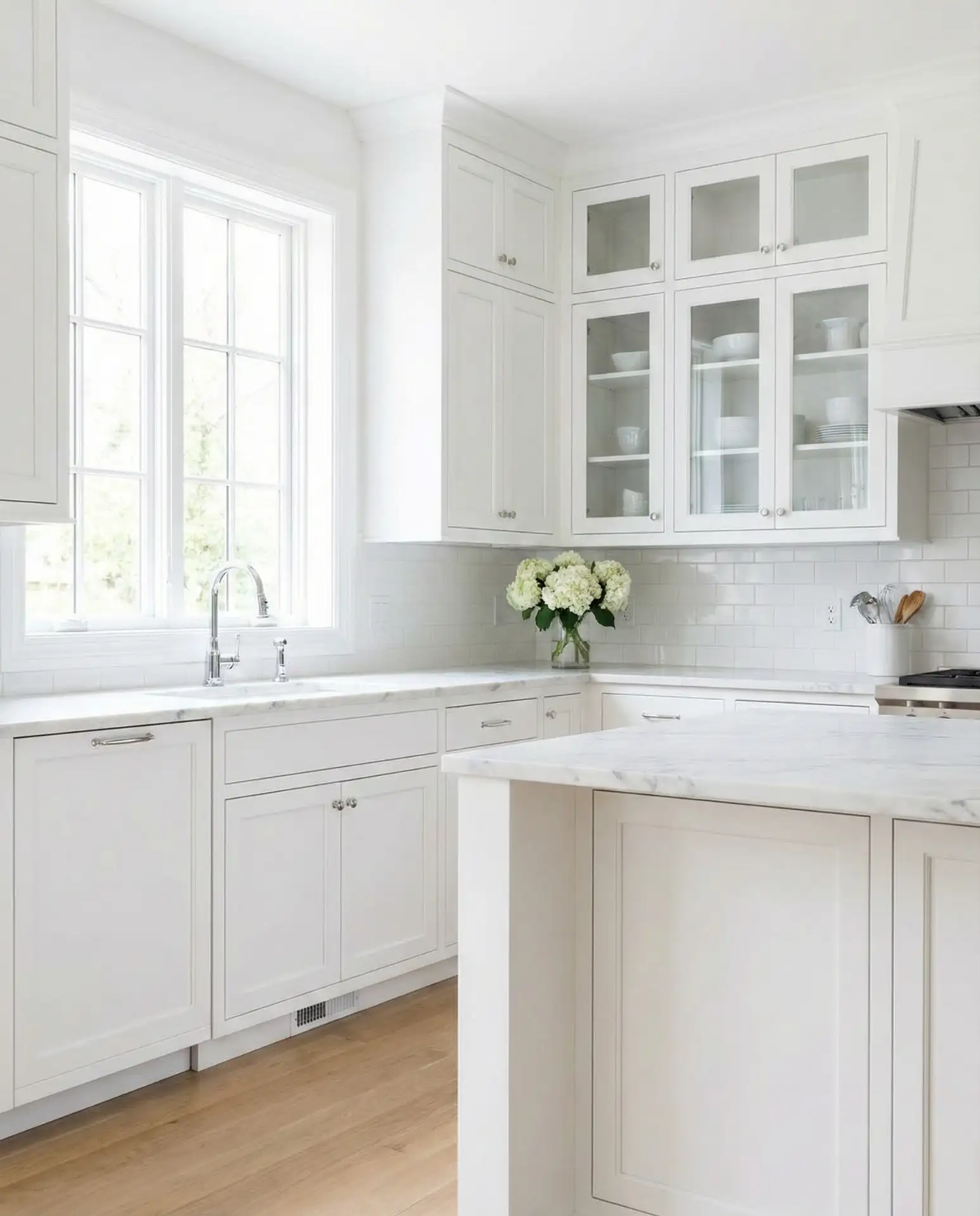
Budget angle: White kitchens offer excellent value retention because they appeal to the broadest buyer pool when selling. Even as design trends shift toward color and pattern, white remains the safe choice for maximum market appeal. You can achieve beautiful white kitchens at virtually any price point—from IKEA cabinets at $5,000-$12,000 to custom cabinetry at $30,000-$80,000. The neutral palette also means you can invest in statement pieces like unique light fixtures or colorful art without worrying about color coordination, knowing these elements can easily change as your taste evolves.
12. Blue Accents and Cabinetry
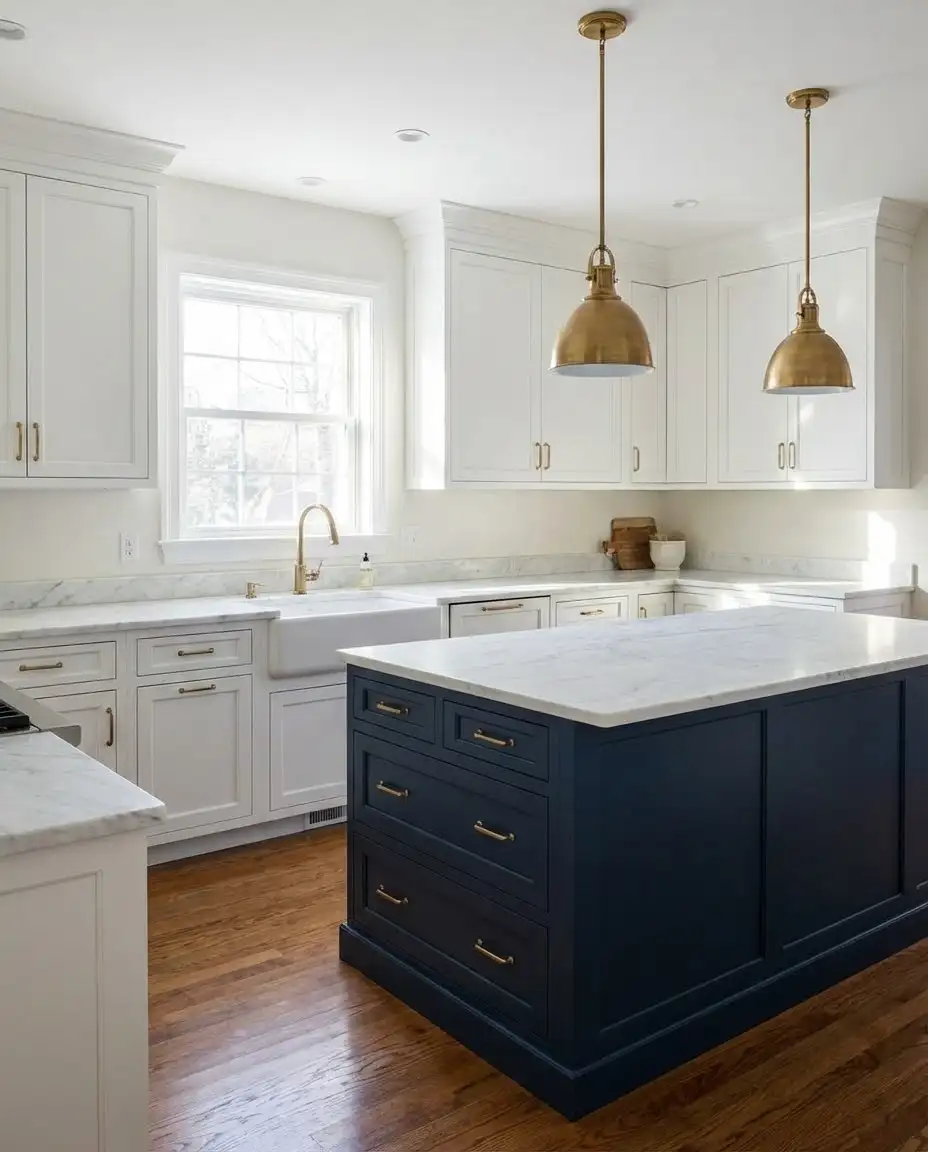
Blue kitchens bring calming, coastal energy inland, working beautifully in homes far from ocean shores. Navy islands anchor white perimeter cabinets with sophisticated contrast, while powder blue uppers create vintage charm in cottage-style spaces. Medium blues—think denim or slate—offer a comfortable middle ground, providing color interest without overwhelming smaller kitchens. Blue’s psychological association with tranquility and trust makes it an intuitive choice for the room where families gather, and its versatility pairs equally well with warm brass hardware or cool chrome fixtures. 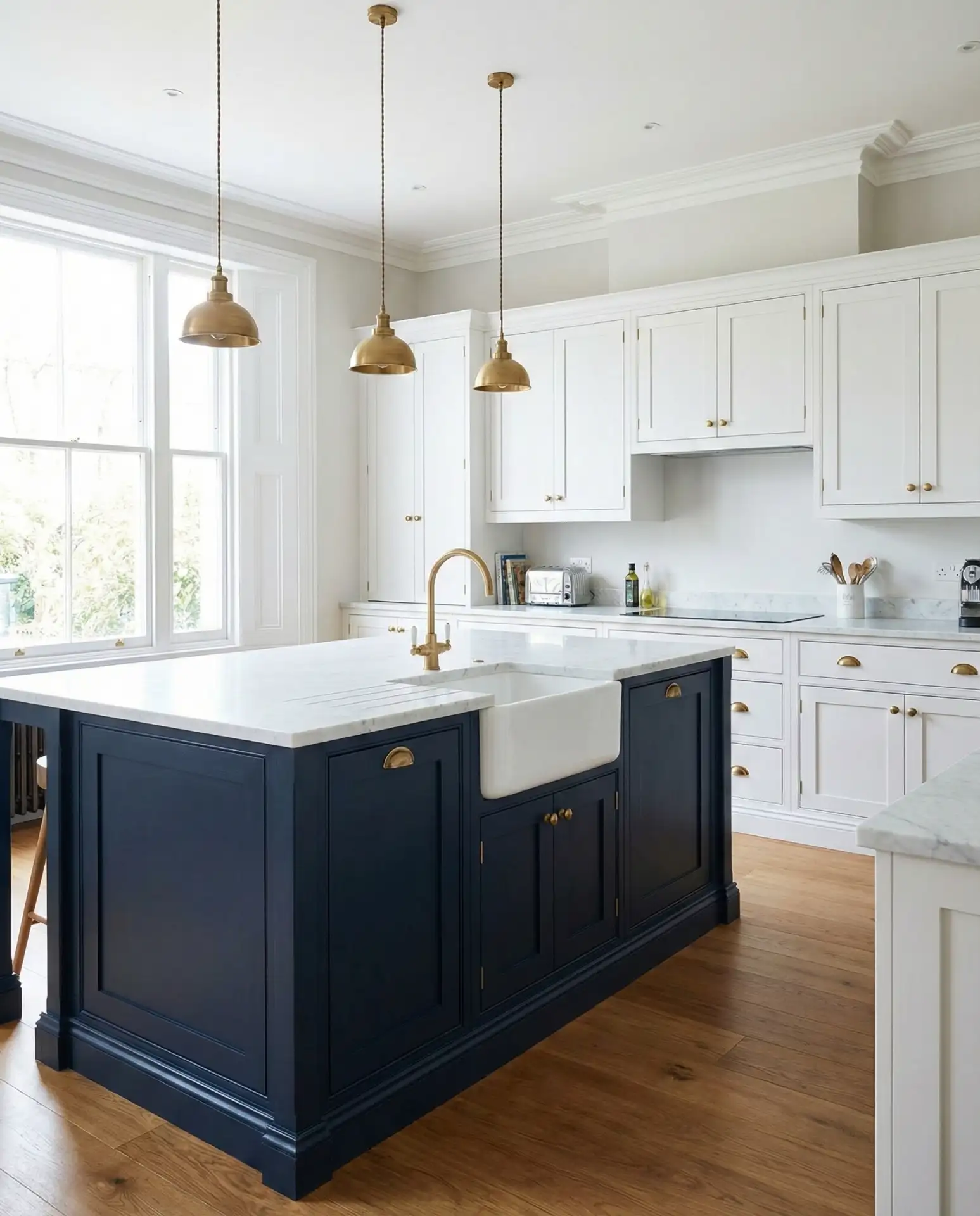
Expert-style commentary: When selecting blue paint for cabinets, test samples in your actual kitchen lighting for at least 48 hours. Blues shift dramatically between north and south light and between morning and evening. What appears as soft periwinkle in the paint store might read as harsh electric blue under your kitchen’s LED recessed lights. Order sample pots and paint large poster boards you can move around the room, observing how the color behaves throughout the day before committing to gallons of cabinet paint.
13. Simple Indian-Inspired Layouts
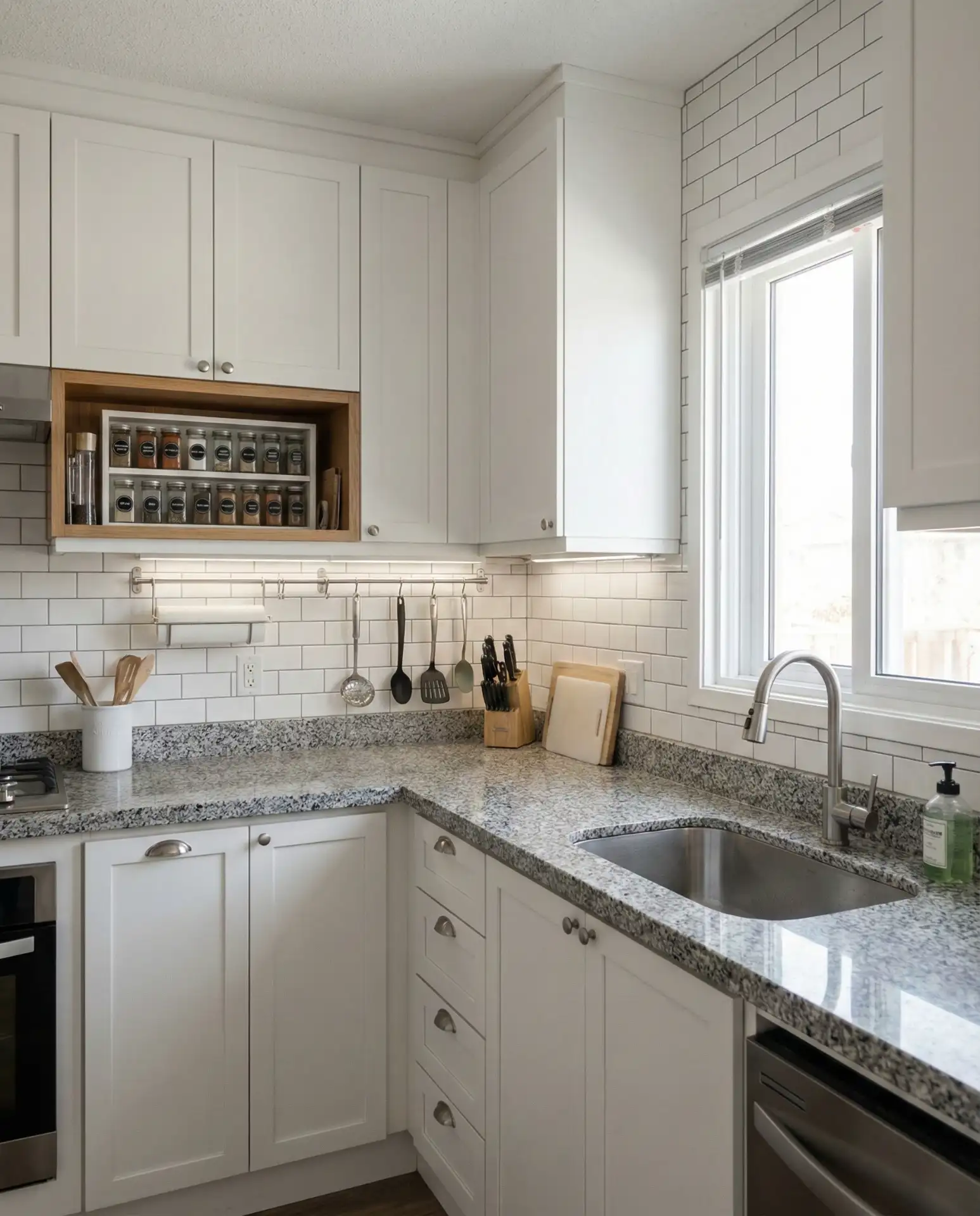
Simple Indian kitchen principles emphasize practical workflow and easy-to-clean surfaces—wisdom that translates beautifully to American homes seeking unpretentious functionality. The focus on durable, wipeable surfaces like glazed tiles and solid countertops makes sense for heavy cooking routines. Separate wet and dry zones, common in South Asian kitchens, help manage different prep tasks efficiently. These layouts prioritize usability over showroom aesthetics, recognizing that kitchens should work seamlessly for daily cooking rather than exist primarily as entertainment backdrops. 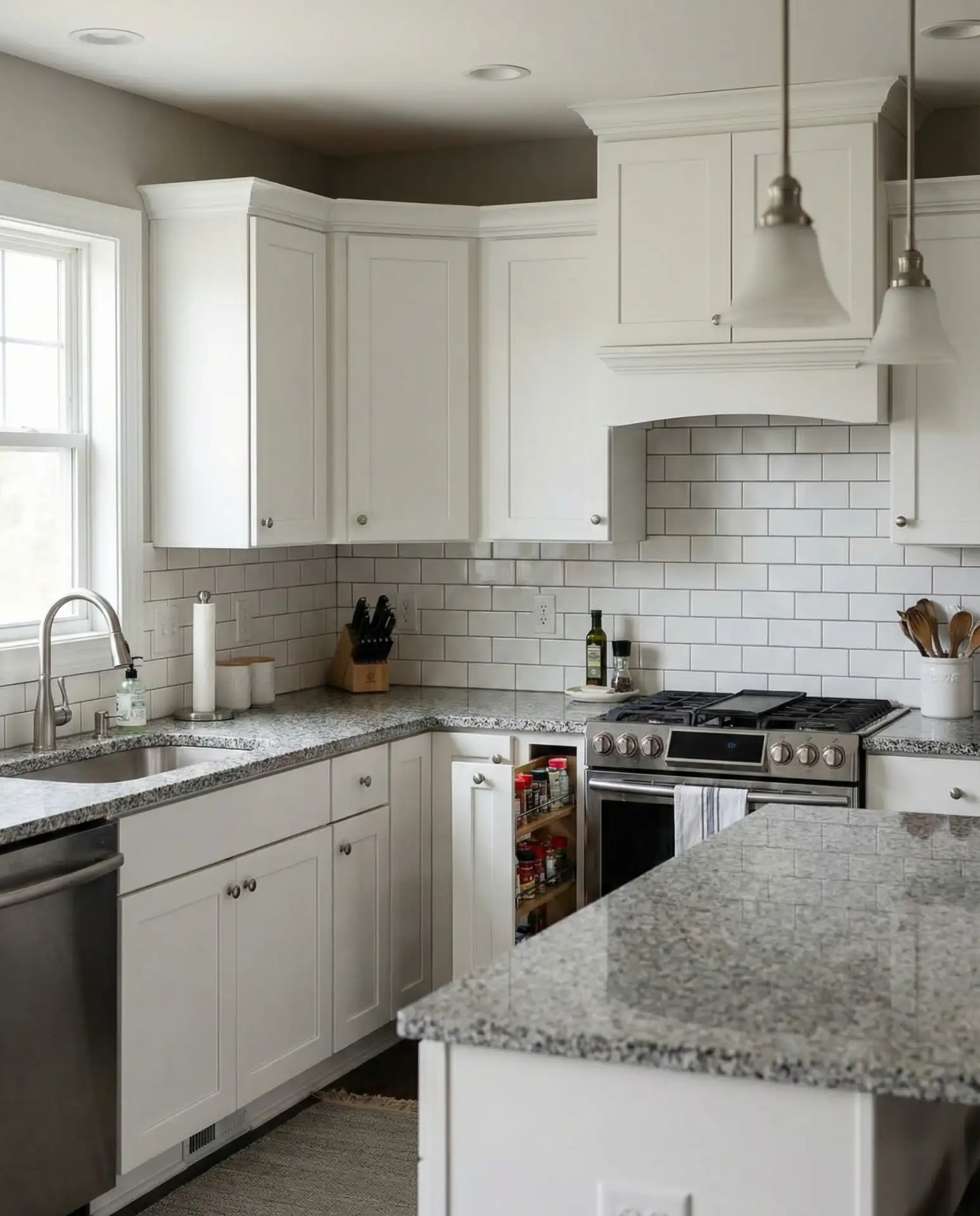
Where it works best: This approach particularly suits households where multiple people cook simultaneously or where heavy-duty meal preparation happens regularly. The easy-clean surfaces and logical organization reduce maintenance friction, making cleanup faster and preventing mess from accumulating. If you cook authentic Indian, Chinese, Thai, or other cuisines involving significant spice use and high-heat techniques, these practical layout principles will serve you far better than trend-driven designs that prioritize appearance over performance.
14. Black Granite Top Durability

Countertops in black granite top finishes deliver unmatched durability and sophisticated drama. The deep, complex surface hides water spots, crumbs, and minor scratches that would show on lighter materials, making it exceptionally practical for high-use kitchens. Polished black granite with silver or gold flecking catches light beautifully, adding visual interest without a pattern or color that might tire over time. While less trendy than lighter neutrals, black granite’s timeless elegance and impressive longevity—it can last 100+ years with basic care—make it a smart investment for homeowners planning to stay put. 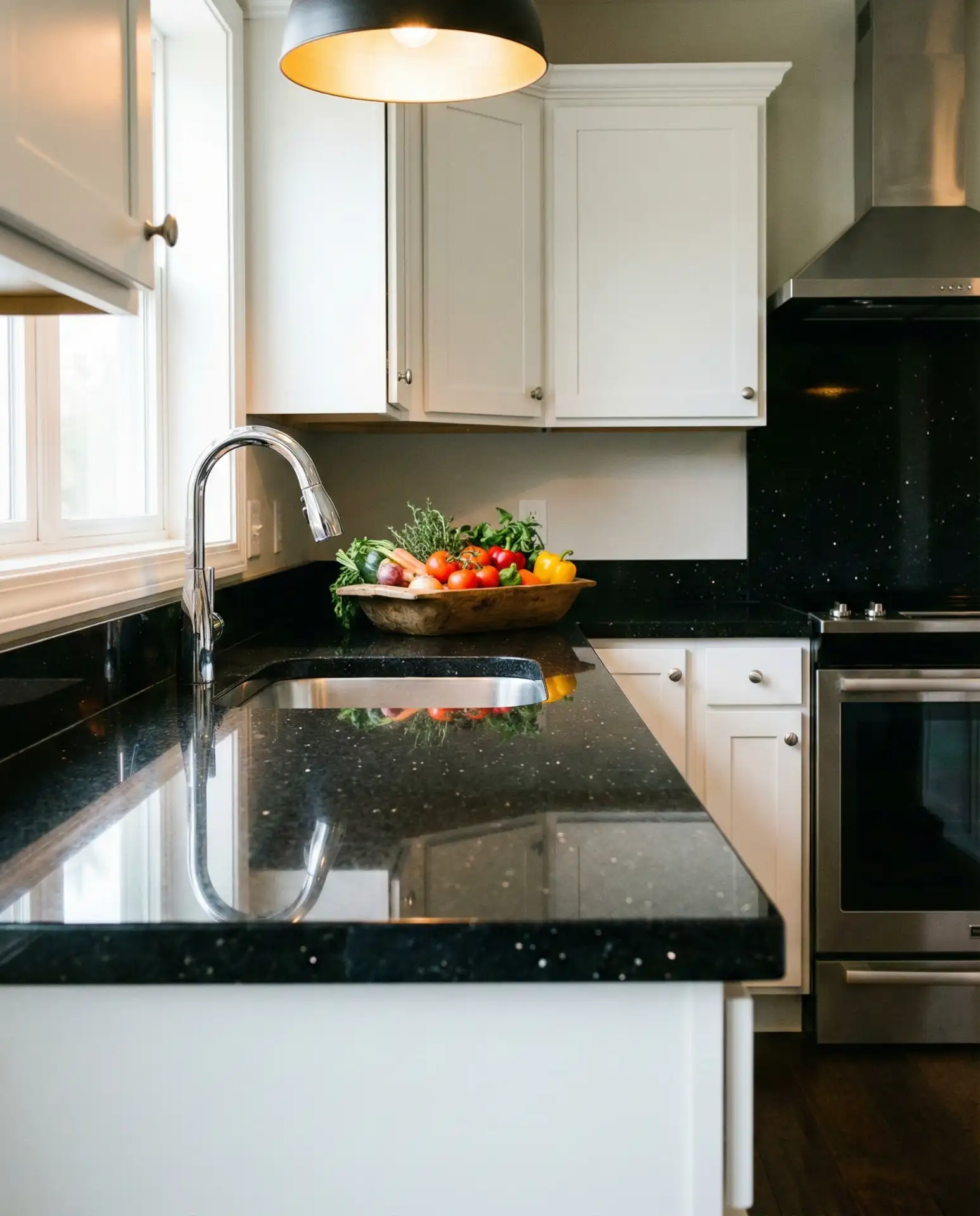
Budget perspective: Black granite typically costs $40-$80 per square foot installed, positioning it in the mid-range—less expensive than exotic marbles or quartzites but pricier than laminate or basic quartz. The investment pays off in longevity and minimal maintenance. Unlike quartz that can discolor with heat or marble that etches with acidic foods, granite handles kitchen abuse with grace. For a typical 40-square-foot kitchen counter installation, expect to invest $1,600-$3,200, with the material lasting potentially longer than your ownership of the home.
15. Streamlined Modern Luxury Aesthetics
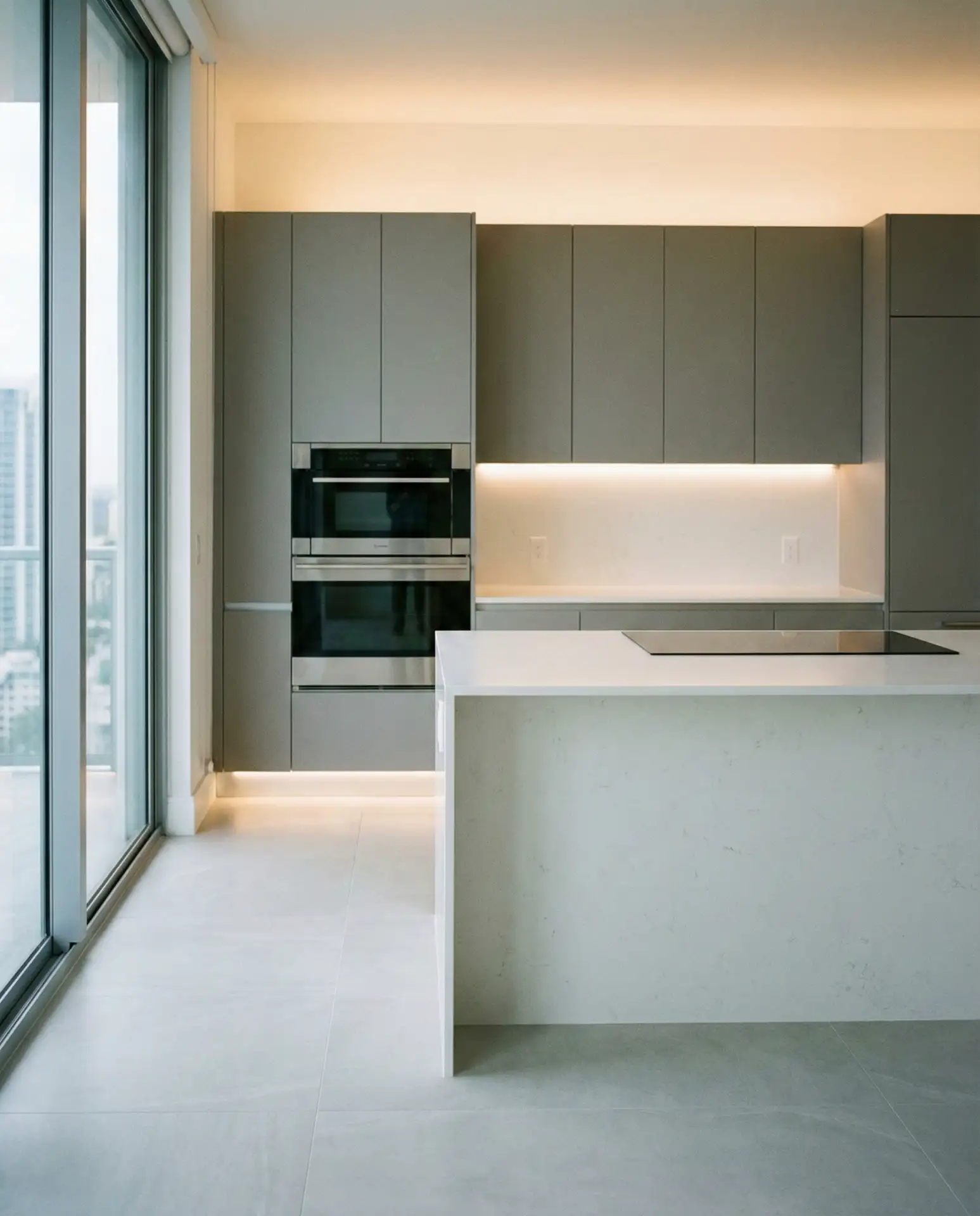
Modern luxury kitchen designs in 2026 emphasize restraint over excess—clean lines, integrated appliances, and minimal visible hardware create serene sophistication. Hidden storage solutions, from floor-to-ceiling pantries to appliance garages, keep counters clear and clutter-free. High-end materials like book-matched marble slabs, custom walnut cabinetry, or Italian porcelain tile make quiet statements through quality rather than ostentation. This approach recognizes that true luxury lies in exceptional craftsmanship, thoughtful details, and spaces that function flawlessly rather than in gilded excess or trendy flourishes. 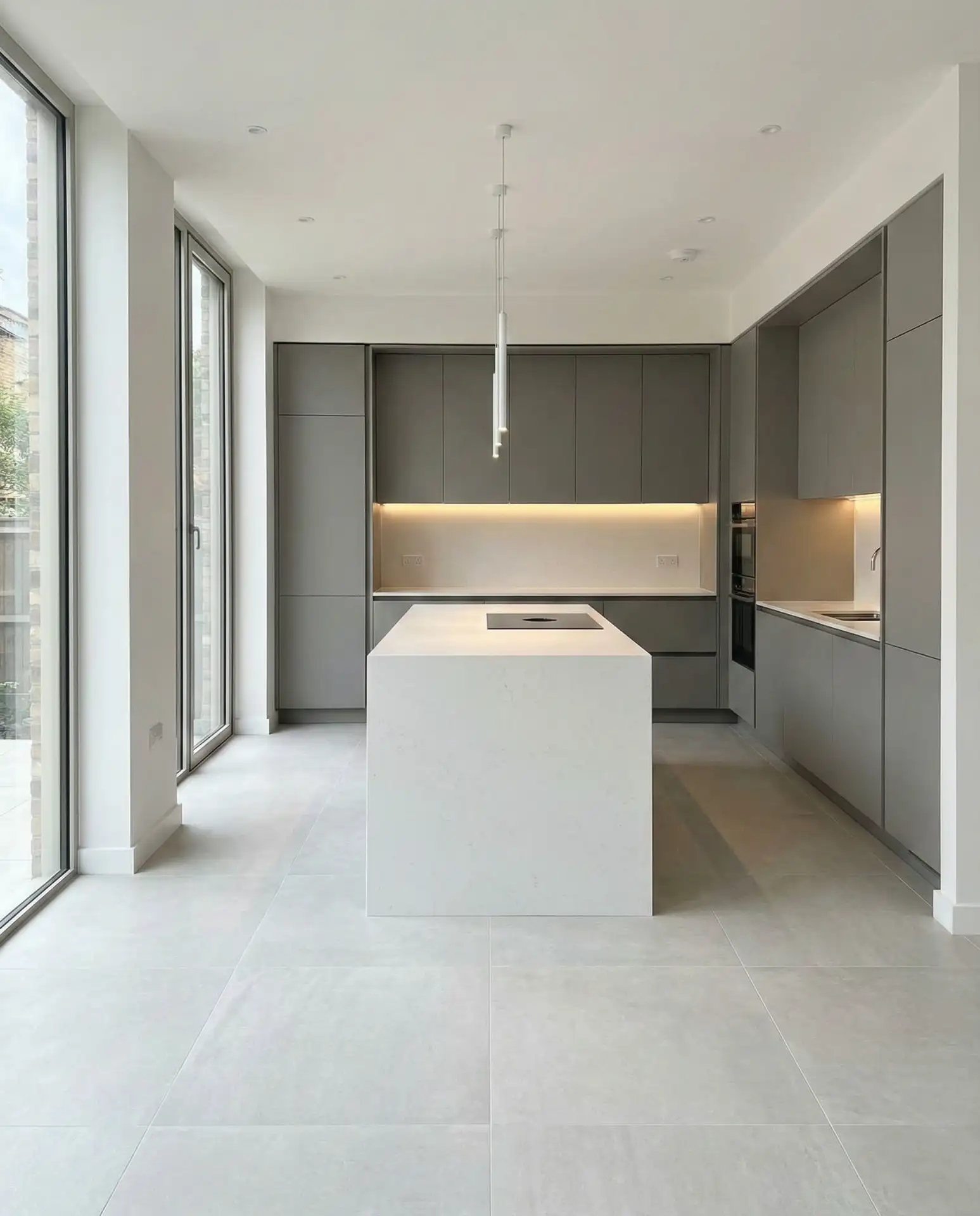
Real homeowner behavior: People who invest in modern luxury kitchens tend to cook regularly and seriously, contradicting the myth that these spaces are just for show. They appreciate professional-grade appliances that perform reliably, soft-close drawer mechanisms that eliminate slams, and lighting systems with dimming capabilities for different tasks and moods. The aesthetic restraint doesn’t mean lack of warmth—it means removing visual noise so attention focuses on food, people, and the cooking process itself. This philosophy particularly appeals to empty nesters and urban professionals who’ve accumulated enough “stuff” to appreciate the peace of edited spaces.
16. Warm Wooden Elements
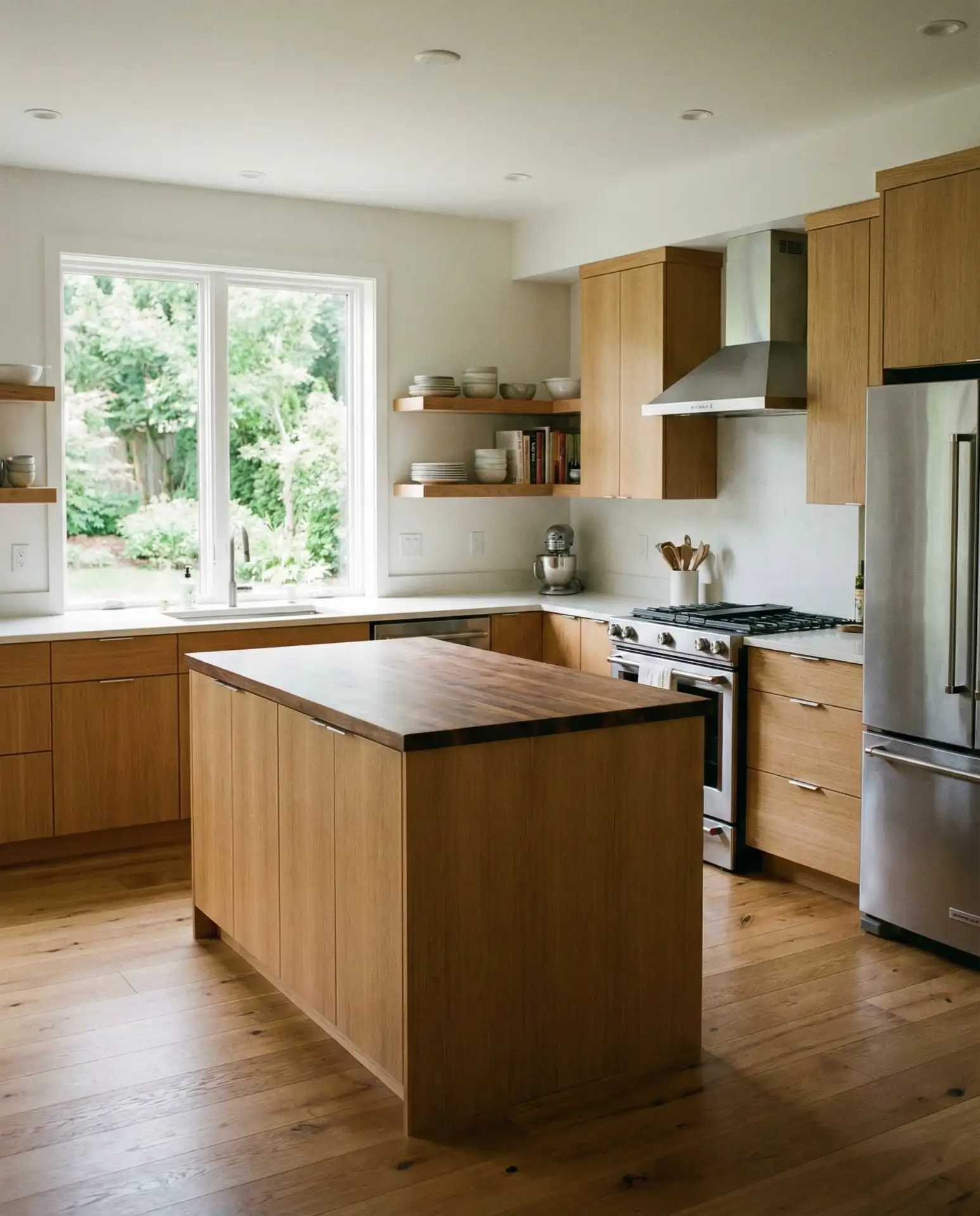
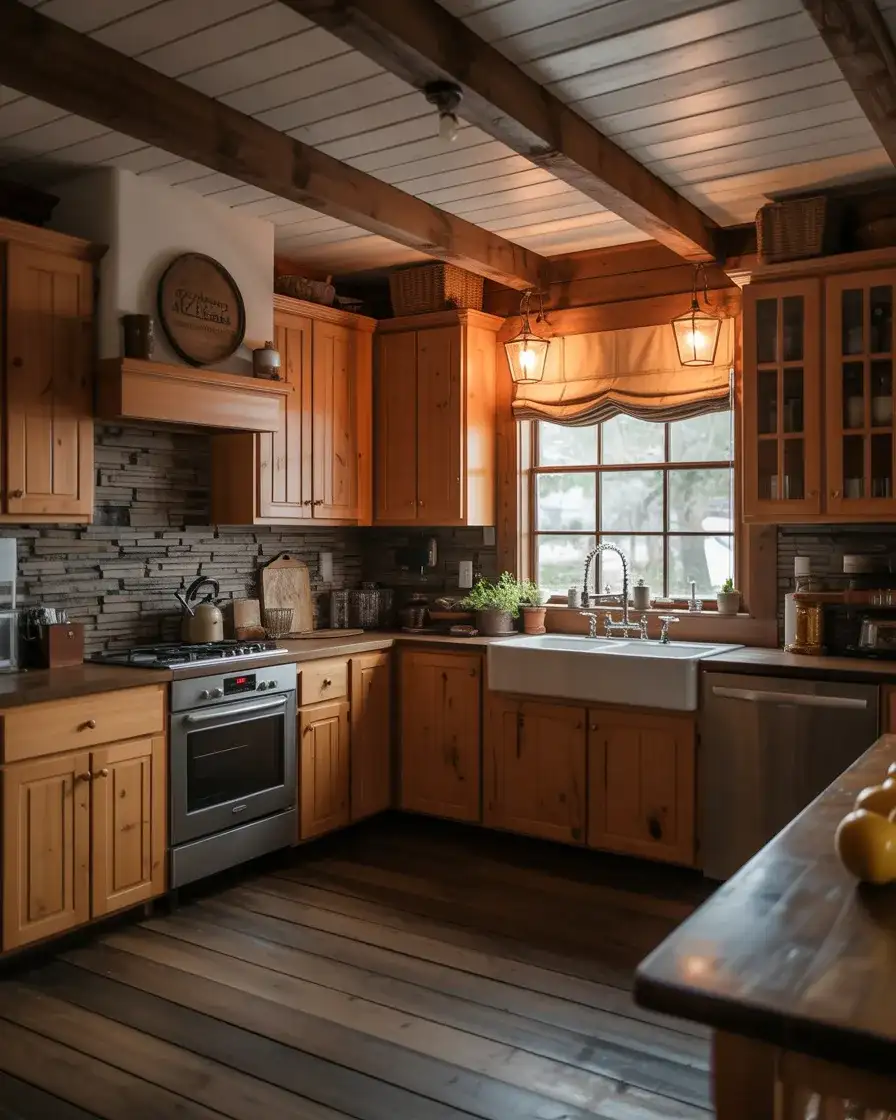
Wooden textures counterbalance the hard, cold surfaces inherent to kitchens—stone counters, tile backsplashes, and stainless steel appliances. Natural wood brings organic warmth through open shelving, butcher block islands, ceiling beams, or full cabinetry in oak, walnut, or maple. The material ages gracefully, developing character through use rather than showing wear. In modern design contexts, wood often appears as a singular statement—perhaps just the island or floating shelves—creating focal points that ground otherwise minimalist spaces in natural beauty. 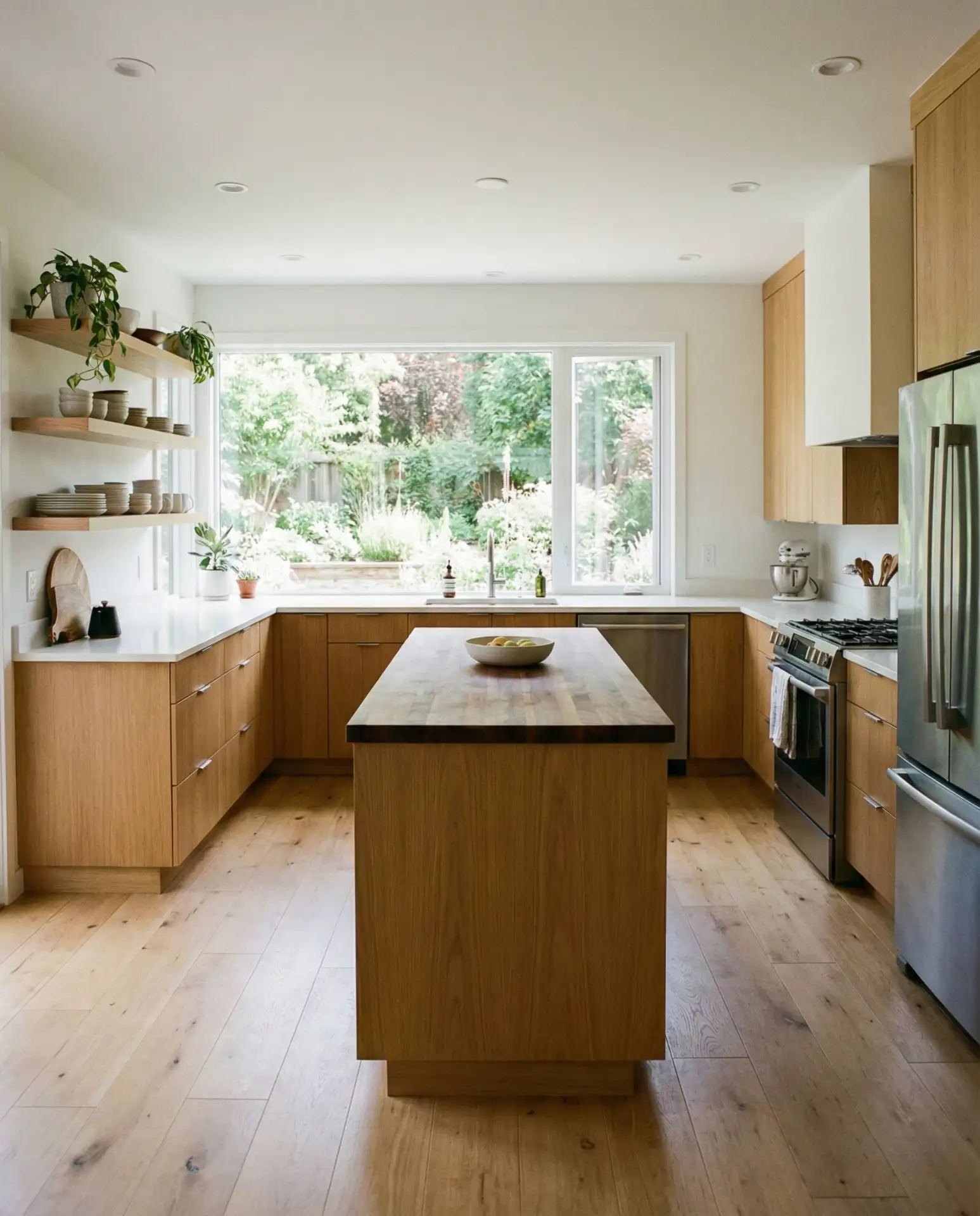
Common mistakes to avoid: Mixing too many wood tones creates visual chaos. Stick to one or two wood species with similar undertones—either all warm (golden oak, cherry) or all cool (grey-washed ash, weathered walnut). Also, cheap wood-look laminates rarely convince—the texture and depth of real wood are difficult to replicate. If budget constraints limit solid wood, consider using it strategically in high-touch, visible areas like an island top or floating shelves, while choosing quality painted cabinets for perimeter storage where wood grain wouldn’t be appreciated anyway.
17. Efficient Small Space Planning
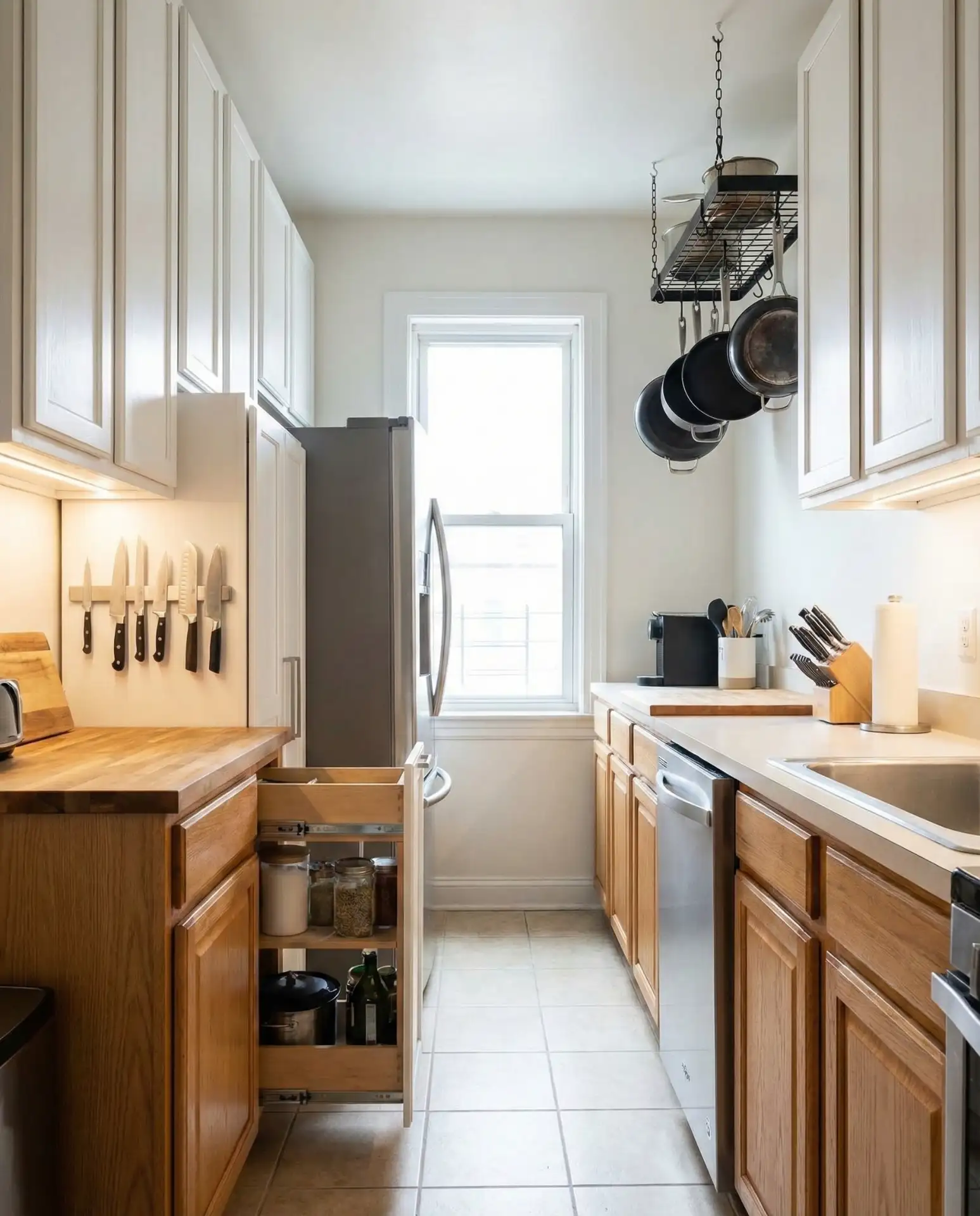
Thoughtful small-space kitchen design maximizes every cubic inch through vertical storage, multi-functional elements, and strategic appliance selection. Wall-mounted magnetic knife strips, hanging pot racks, and ceiling-height cabinets capture overlooked storage zones. Slim 18-24 inch dishwashers and apartment-sized ranges sacrifice some capacity but preserve precious floor space. Pull-out cutting boards over trash bins, corner drawers instead of lazy Susans, and toe-kick drawers for flat items all demonstrate how smart planning creates surprisingly functional kitchens in compact footprints. 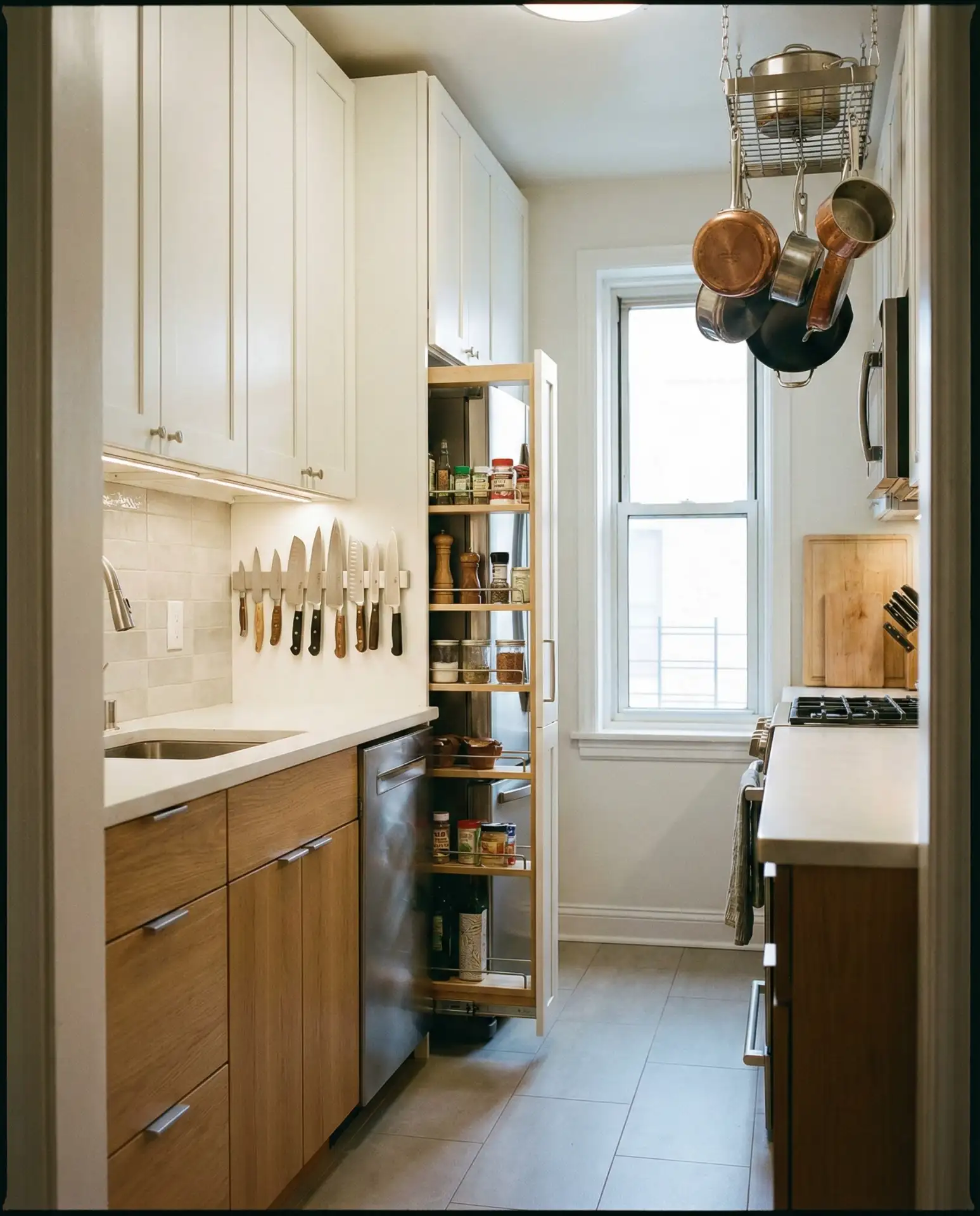
Practical insight: In small kitchens, every appliance decision matters. A microwave drawer beneath the counter recovers valuable counter space. A single-basin deep sink provides more usable washing capacity than a cramped double basin. Counter-depth refrigerators create streamlined profiles even if they sacrifice some interior volume. Before purchasing any appliance, measure your space carefully and consider whether you’ll actually use its full capacity—an oversized range in a tiny kitchen wastes more space than it delivers value if you typically cook for one or two people.
18. 2026 Material Innovations
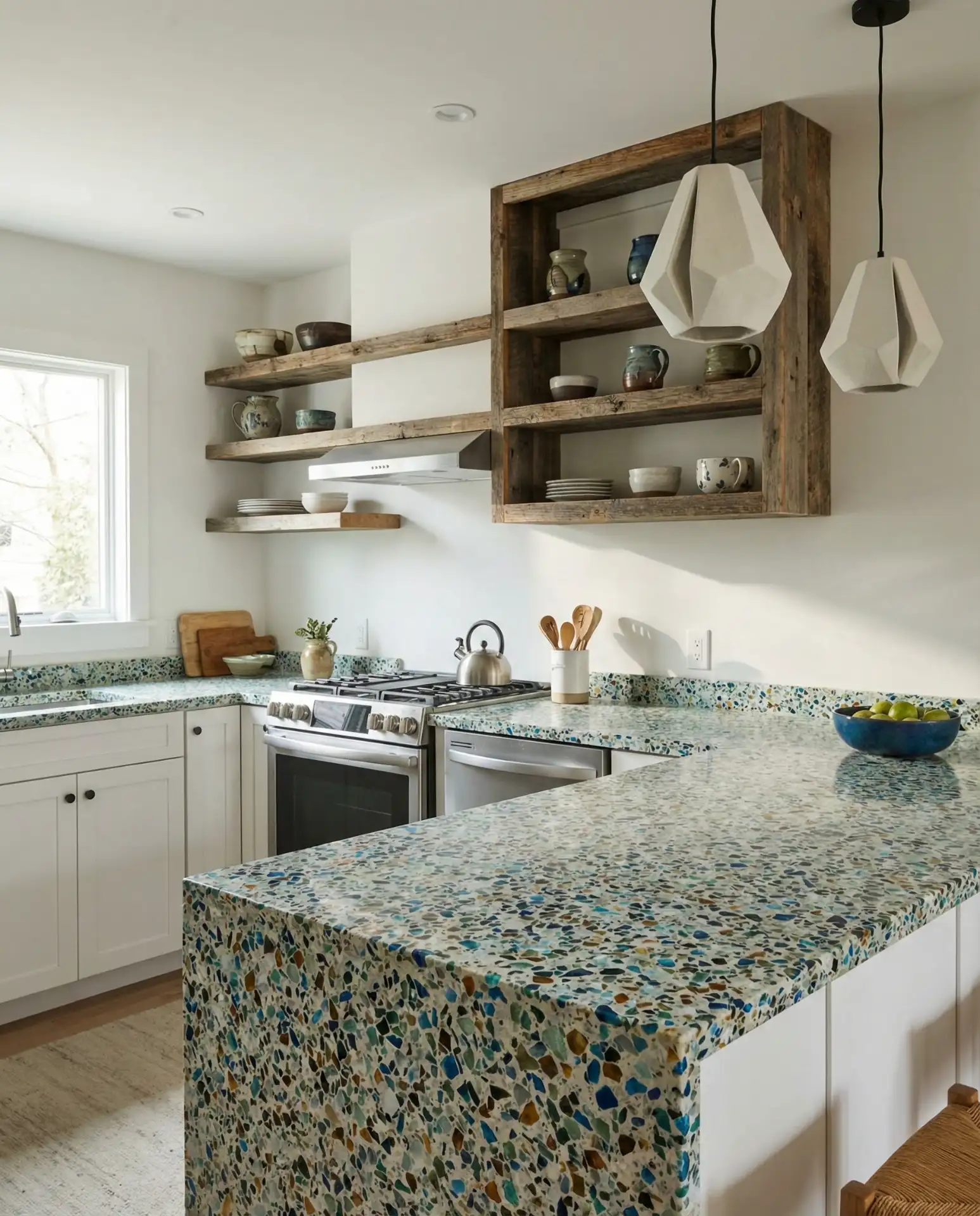
Kitchen materials in 2026 reflect growing environmental consciousness and technological advancement. Recycled glass terrazzo surfaces, reclaimed wood cabinetry, and bio-based composite countertops offer sustainable alternatives to virgin materials without sacrificing beauty or performance. Antimicrobial surfaces using copper or silver ion technology address hygiene concerns that intensified during recent years. Smart surfaces that charge devices wirelessly or change opacity for privacy represent the bleeding edge, though mainstream adoption remains limited by cost. These innovations demonstrate how kitchen design increasingly balances aesthetics, functionality, sustainability, and health. 
American lifestyle connection: Sustainability increasingly influences purchasing decisions, particularly among younger homeowners who view kitchen renovations as opportunities to align their spaces with their values. They’re willing to pay 10-20% premiums for certified sustainable materials that reduce environmental impact. However, performance remains non-negotiable—eco-friendly materials must still resist stains, heat, and scratches while looking beautiful. The most successful sustainable products don’t ask homeowners to compromise; they simply offer guilt-free alternatives to conventional materials.
19. Shaped Islands as Central Hubs
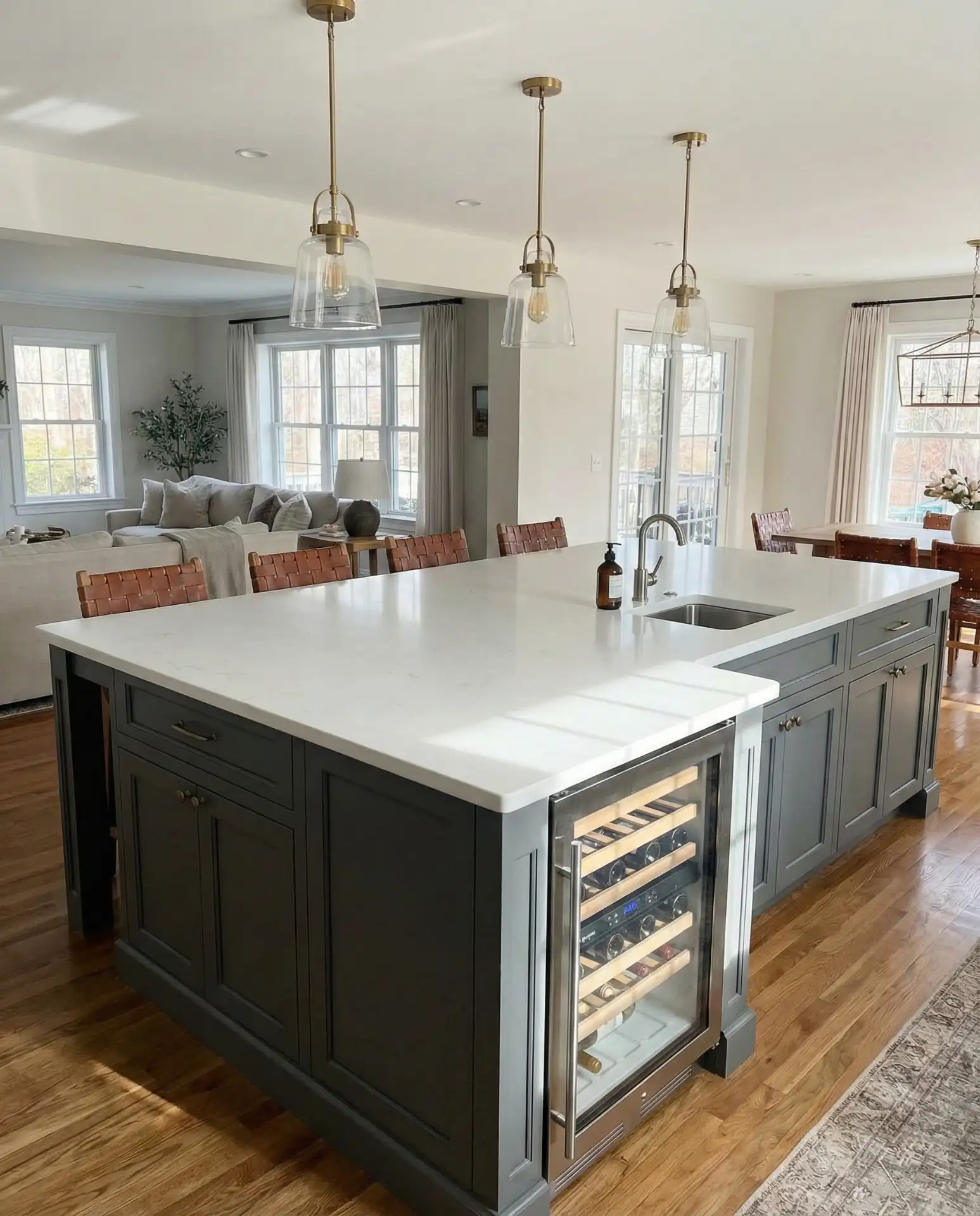
Kitchen islands have evolved beyond rectangular blocks into custom-shaped features that enhance flow and function. L-shaped islands define kitchen boundaries in open plans while providing seated dining areas. Curved islands soften contemporary spaces and improve traffic flow around busy cooking zones. T-shaped and irregular geometric islands create distinct prep, cooking, and eating zones within a single feature. These purposeful shapes transform islands from simple counter extensions into thoughtful spatial dividers that organize open-concept living areas. 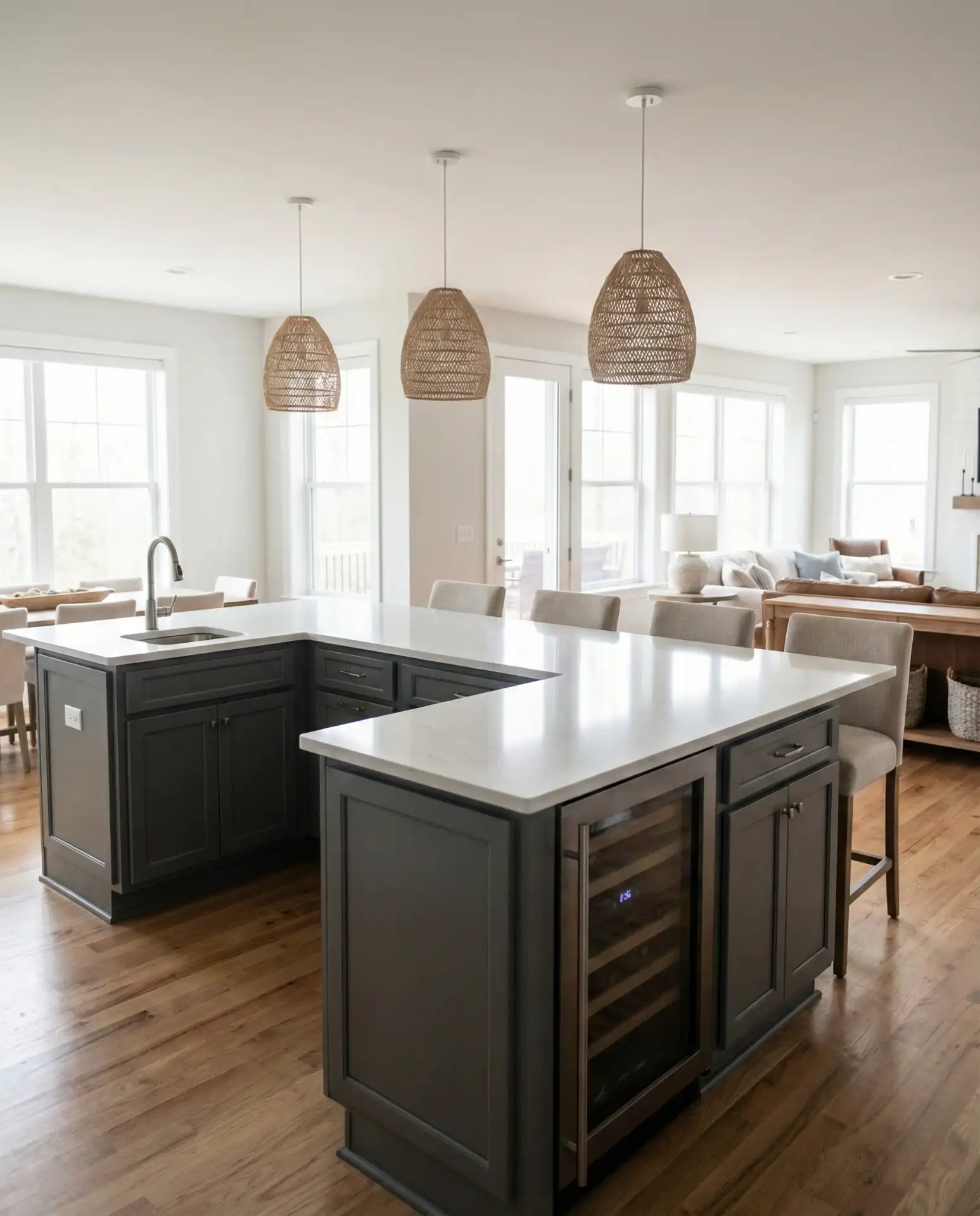
Where this works best: Custom-shaped islands shine in open floor plans where the kitchen flows into living and dining areas. The island’s shape helps define these zones without walls, creating psychological boundaries that organize the space. A curved island softens the transition between kitchen and living room, while an L-shape can partially screen working clutter from dining sight lines. These features require adequate square footage—plan for at least 42 inches of clearance on all sides of the island to prevent traffic bottlenecks and allow cabinet doors to open fully.
20. Layered Lighting Systems
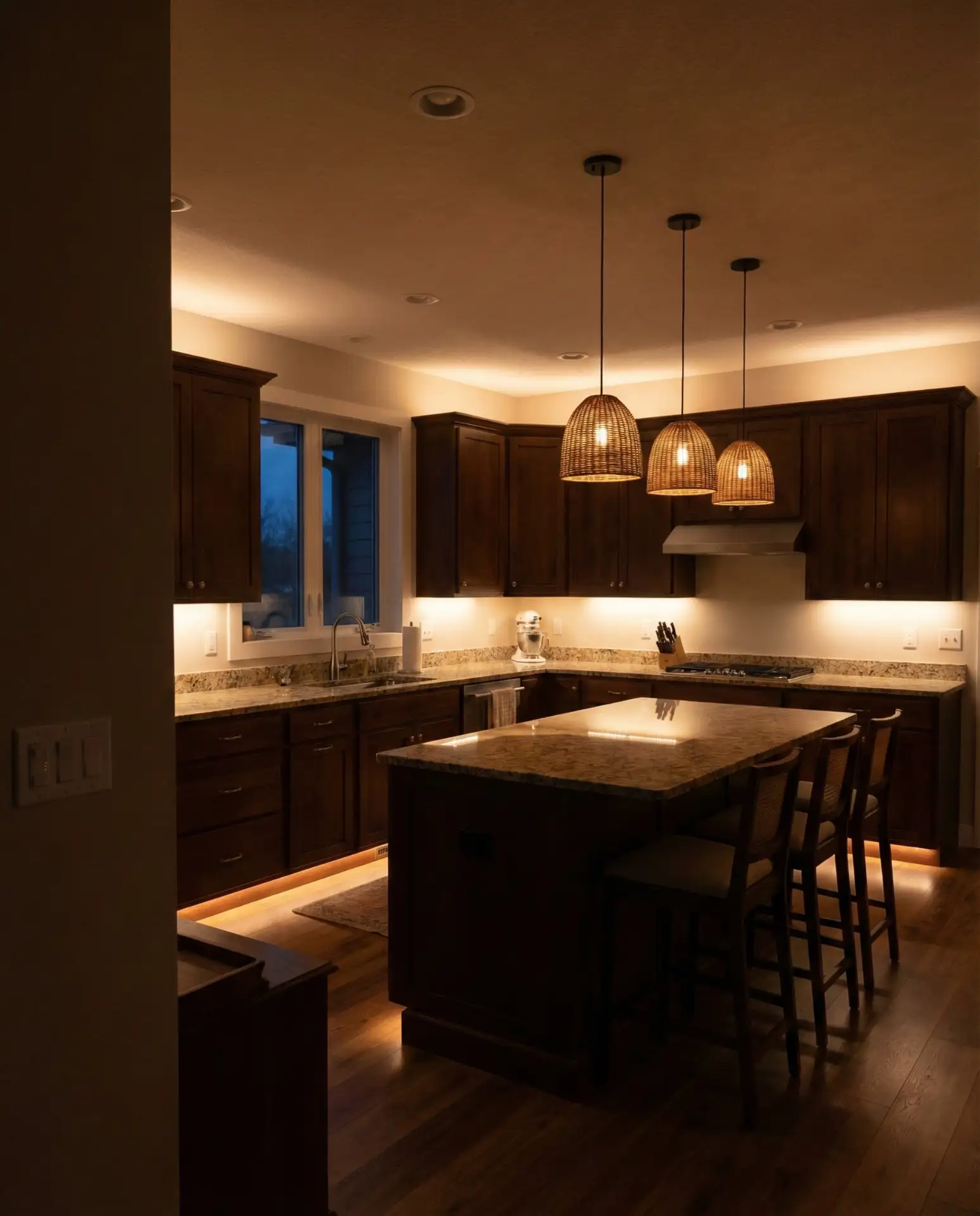
Sophisticated kitchen lighting combines ambient, task, and accent layers to create functional versatility and atmospheric flexibility. Recessed ceiling lights provide overall illumination, under-cabinet LEDs eliminate shadows on work surfaces, pendant fixtures define islands or dining areas, and toe-kick lights add safety and ambiance. Dimmer switches allow adjustment for different activities—bright task lighting for meal prep and softer ambient lighting for dining and entertaining. This layered approach recognizes that kitchens serve multiple purposes throughout the day, each requiring different lighting quality and intensity. 
My friend is an electrician who works on kitchen renovations regularly. He notes that clients consistently underestimate lighting needs initially, then request additional fixtures mid-project. His advice: Plan for more electrical boxes than you think you’ll need during rough-in, as adding them later requires cutting into finished walls and ceilings. Install dimmers on every switch—they cost minimally more but provide enormous flexibility. Consider color temperature carefully; 2700-3000K creates a warm, inviting ambiance, while 3500-4000K provides crisper task lighting for detailed prep work.
21. Personalized Storage Solutions
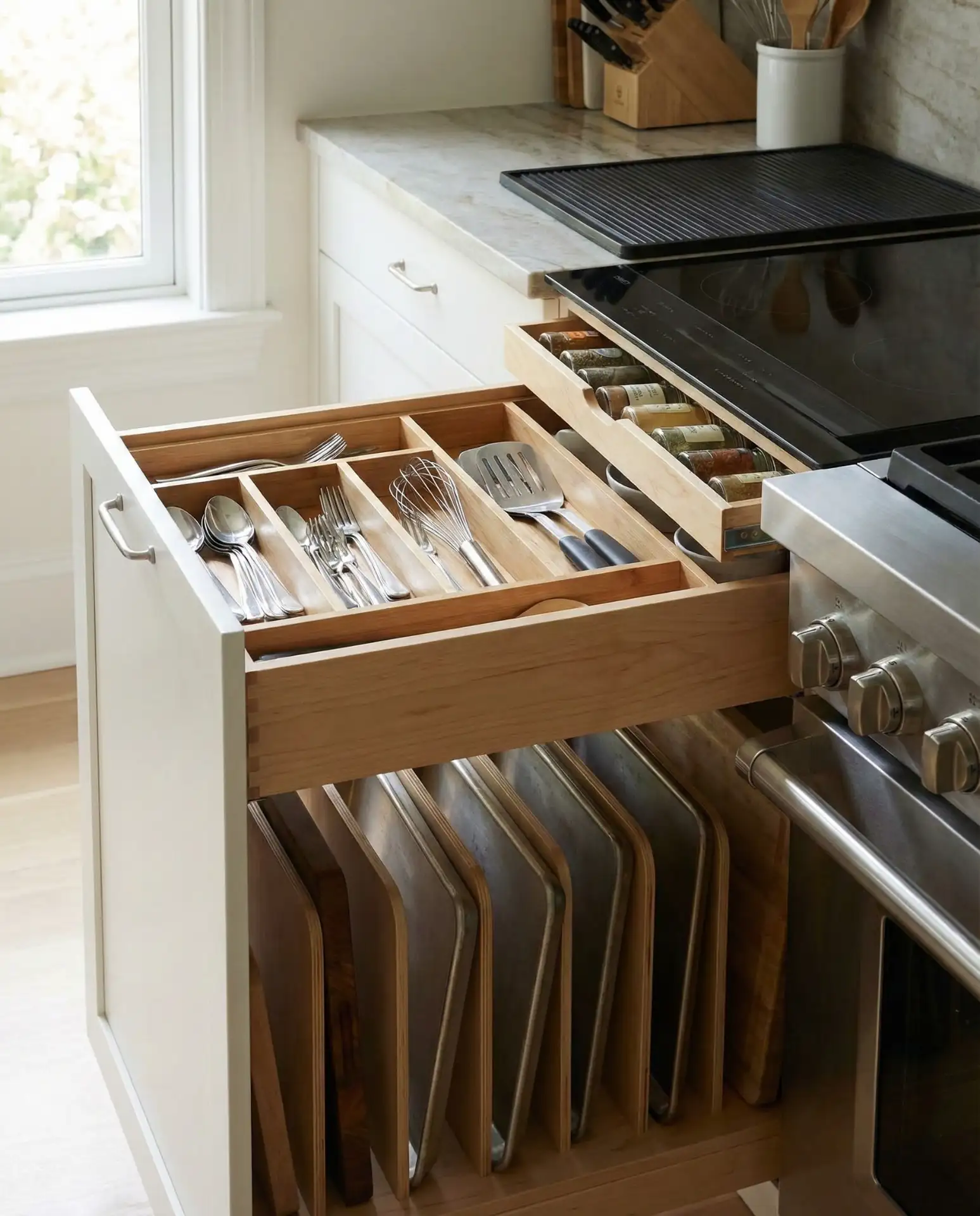
Moving beyond generic cabinet configurations, personalized storage addresses how you actually cook, eat, and live. Custom drawer dividers organize utensils precisely as you use them, pull-out spice racks position frequently used seasonings at arm’s reach, vertical tray dividers prevent avalanches when retrieving baking sheets, and appliance garages hide bulky stand mixers while keeping them accessible. These tailored solutions recognize that everyone’s kitchen habits differ—a baker needs different storage than someone who primarily reheats takeout, and multi-generational households require different accessibility features than young couples.
Budget and price angle: Custom storage inserts add $1,500-$5,000 to kitchen renovation costs depending on complexity and drawer count, but the daily convenience and preserved sanity often justify the expense. Standard cabinet interiors waste 30-40% of available space due to poor organization, so thoughtful customization actually increases functional capacity without expanding physical footprint. Many homeowners discover they can downsize to smaller kitchens when storage is properly optimized, potentially saving money on the overall renovation while gaining better usability.
Conclusion
The kitchens of 2026 reflect how we want to live—authentically, sustainably, and beautifully. Whether you’re drawn to bold color combinations, space-saving innovations, or timeless luxury details, there’s never been a better time to create a kitchen that truly serves your life. Which of these ideas resonates with your vision? Share your thoughts or favorite inspirations in the comments below—we’d love to hear what’s on your dream kitchen Pinterest board.