Kitchen lighting has become one of the most searched home topics on Pinterest as Americans reimagine their cooking spaces for 2026. Whether you’re planning a full renovation or a simple refresh, the right lighting transforms how your kitchen looks and functions throughout the day. From statement fixtures over islands to subtle solutions for low ceilings, this guide covers practical ideas that blend style with real-world usability. You’ll find inspiration for every layout, budget, and design preference—because great lighting isn’t just about brightness; it’s about creating a space that feels like home.
1. Layered Pendants Over Island
Installing multiple pendant lights at varying heights creates visual interest and practical task lighting for kitchen lighting fixtures over island areas. This approach works especially well in kitchens with high ceilings, where a single fixture might feel lost in the vertical space. Choose three pendants in complementary finishes—brushed brass, matte black, or glass—and stagger them six to eight inches apart for balanced coverage. The layered effect draws the eye upward while keeping the overhead design functional for meal prep and casual dining.
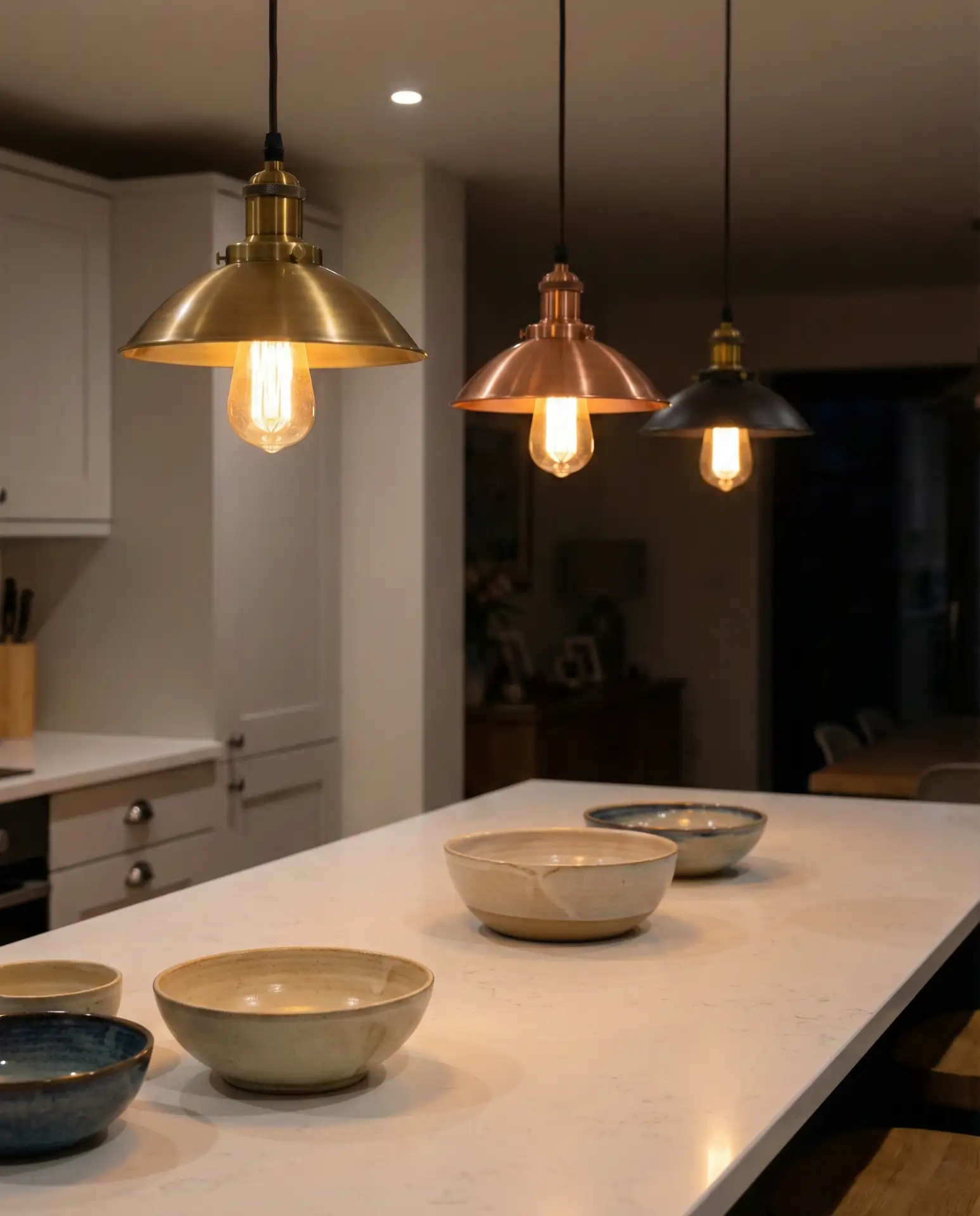
Homeowners often underestimate how much light an island actually needs, especially if it doubles as a homework station or coffee bar. Pendant spacing matters more than most realize—too close together and they compete visually, too far apart and you lose cohesion. Aim for one pendant for every two feet of island length, adjusting based on fixture size and your ceiling height to keep proportions feeling natural.
2. Flush Mount Fixtures for Low Ceilings
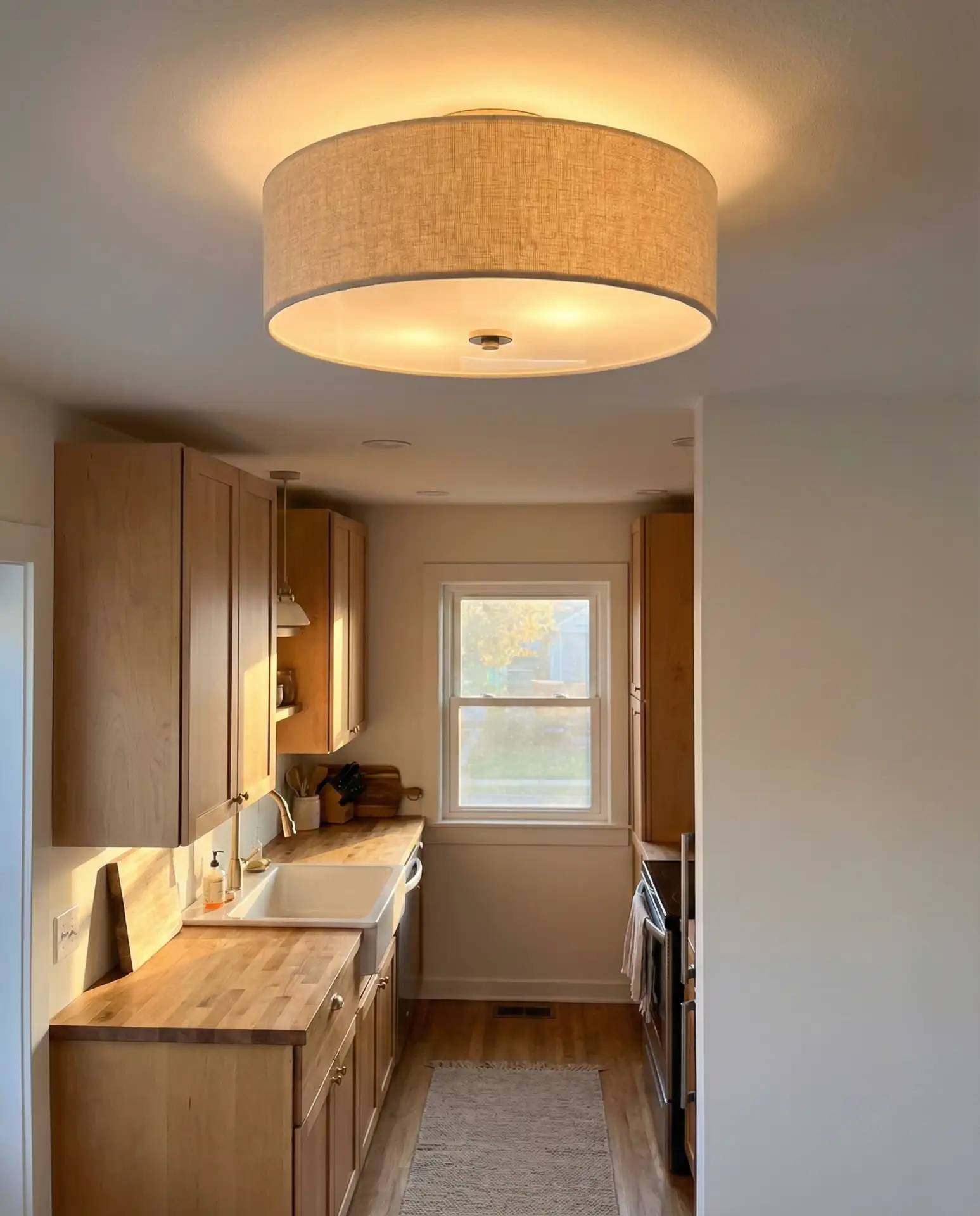
Low ceilings don’t mean sacrificing style when you choose the right flush mount fixtures. These close-to-ceiling designs provide ample illumination without the drop of traditional pendants, making them ideal for kitchen lighting ideas for low ceilings in ranch homes, basements, or older construction. Look for options with frosted glass or drum shades that diffuse light evenly across countertops and dining areas. Modern flush mounts come in every finish imaginable, from oil-rubbed bronze to polished nickel, so you’re never limited to builder-grade basics.
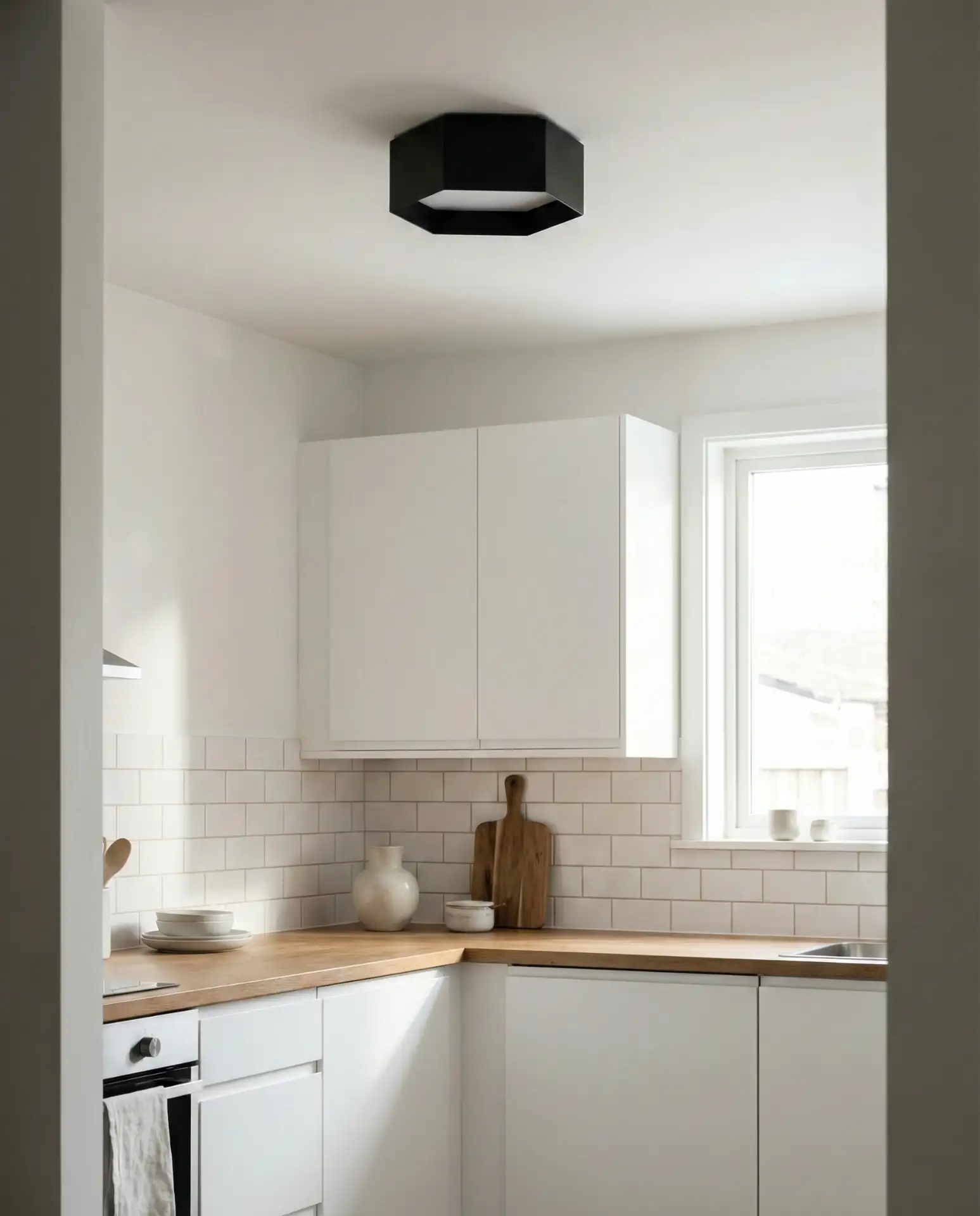
Flush mounts work best in kitchens under eight feet tall, where hanging fixtures would create a cave-like feel or become head-bumpers. In the Midwest and Northeast, where many post-war homes feature seven-foot ceilings, designers often pair flush mounts with under-cabinet LED strips to layer the lighting without eating up precious vertical space.
3. Rustic Wood Beam Chandeliers
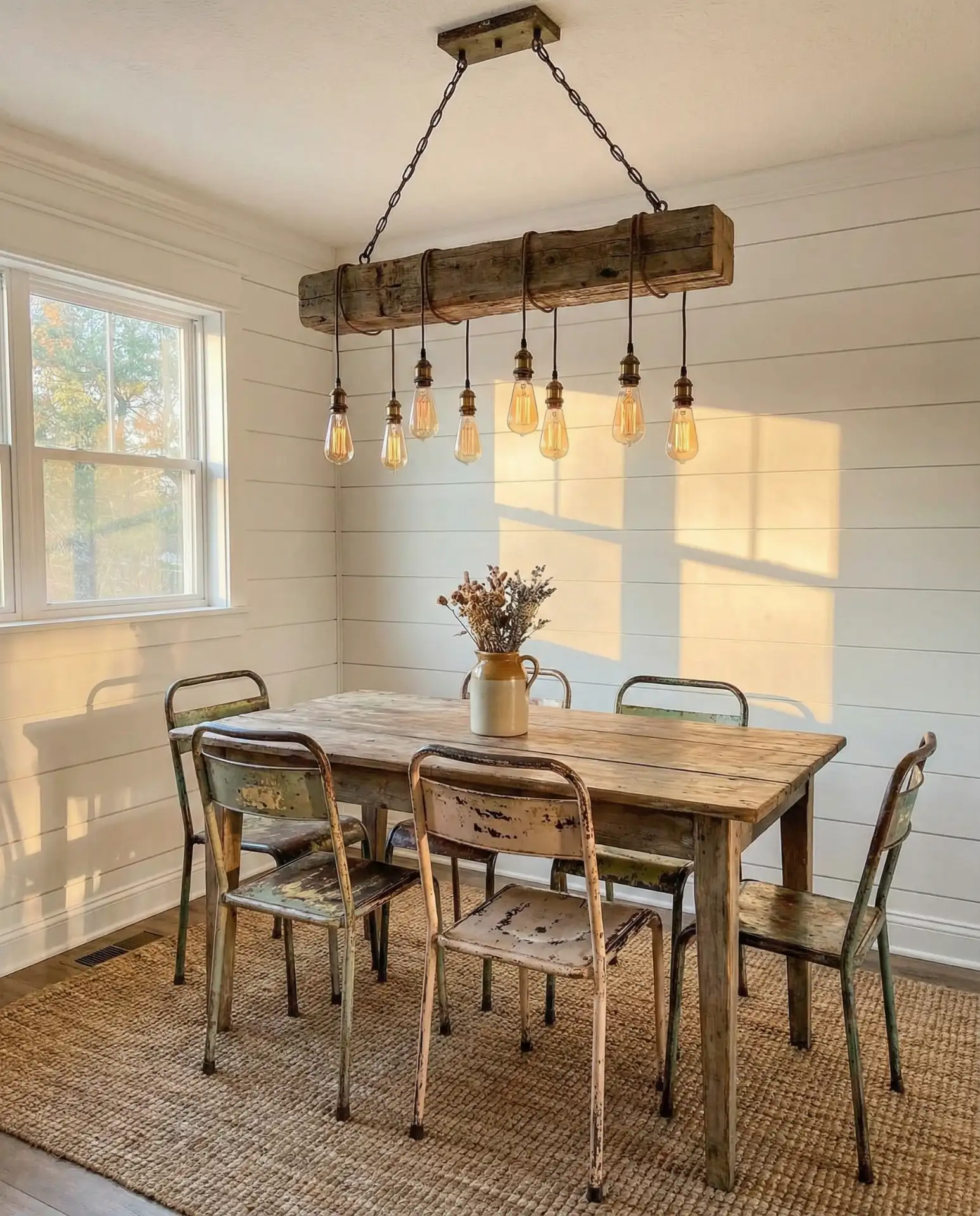
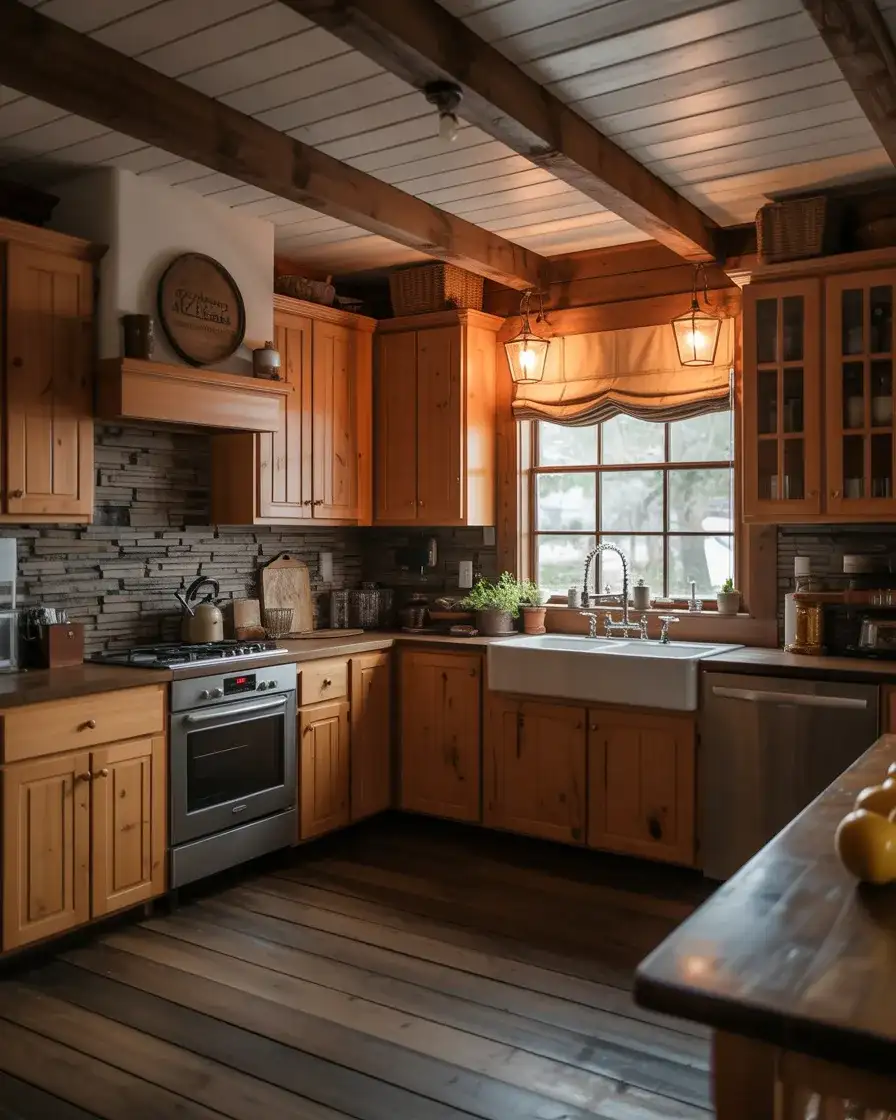
A reclaimed wood beam chandelier brings warmth and character to rustic kitchen lighting schemes, especially in open-concept spaces that blend cooking and dining zones. These fixtures often feature exposed Edison bulbs mounted along a weathered beam, creating a focal point that feels both industrial and organic. Pair them with shiplap walls, butcher-block counters, or farmhouse sinks to reinforce the country aesthetic. The wood cabinets common in rustic designs echo the natural tones of the fixture itself.
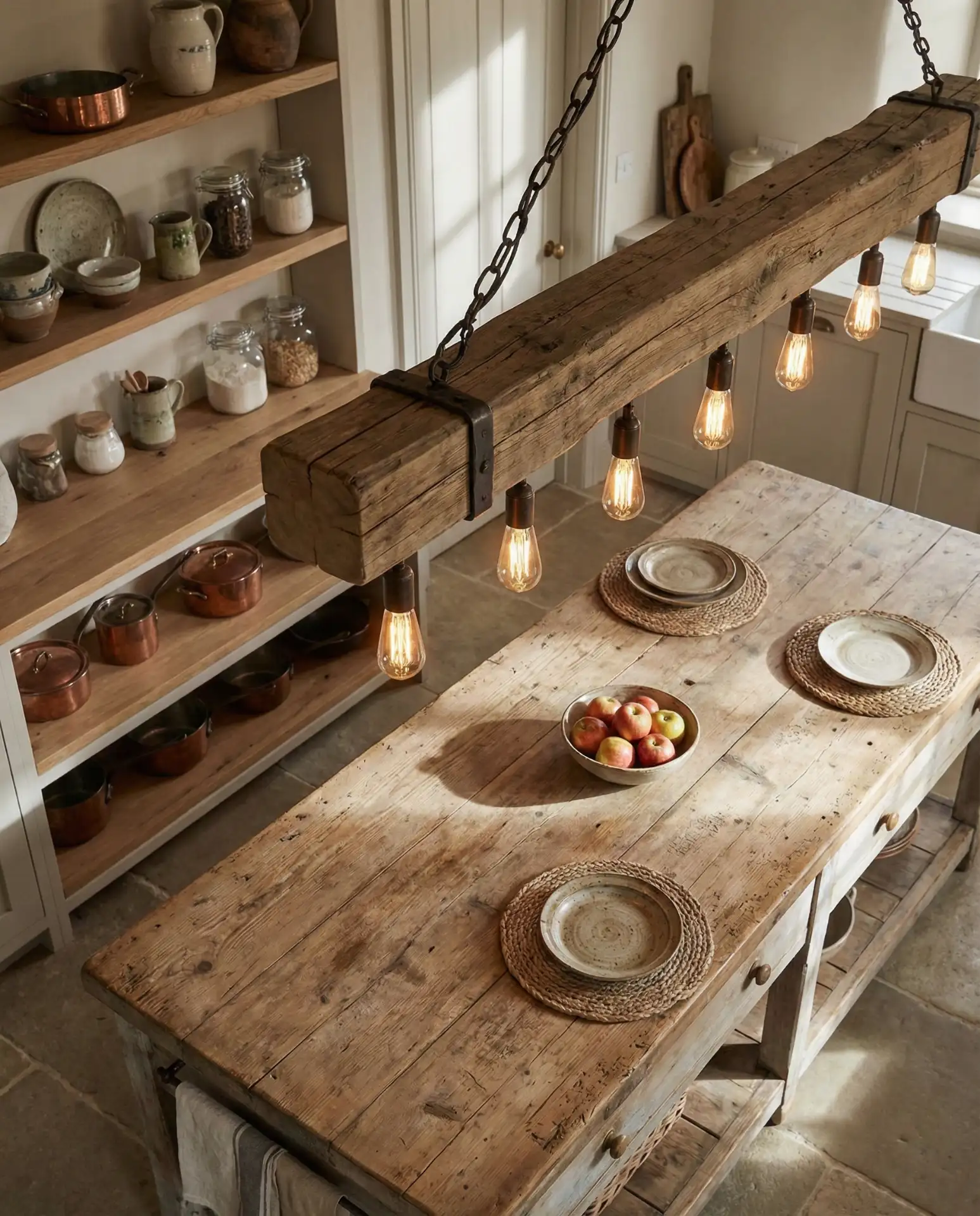
My neighbor installed one of these in her 1920s bungalow kitchen last spring, and it completely changed the room’s personality. She sourced a salvaged barn beam from a local antique shop, had an electrician retrofit it with sockets, and now it’s the first thing guests notice when they walk in—proof that rustic doesn’t have to mean expensive or complicated.
4. Sleek Box Pendants Over Sink
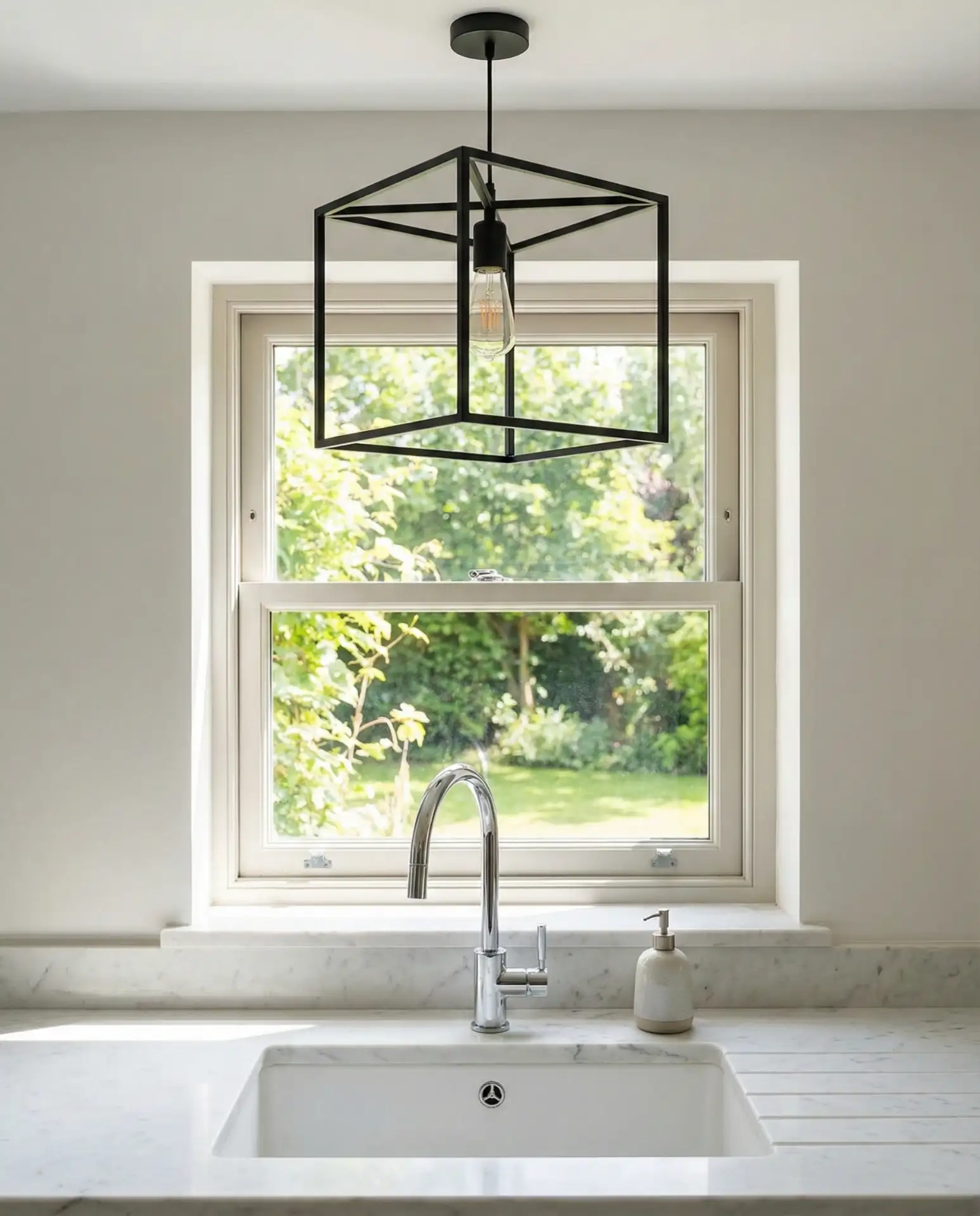
A single geometric box pendant centered above the sink offers a clean, modern solution for kitchen lighting fixtures over sink areas that often get overlooked. These angular designs work beautifully in contemporary and transitional kitchens, especially when you want to highlight a statement faucet or a window view. Choose a finish that complements your cabinet hardware—matte black, brushed gold, or white lacquer—and keep the scale proportional to your sink width. The box shape itself adds architectural interest without overwhelming the space.
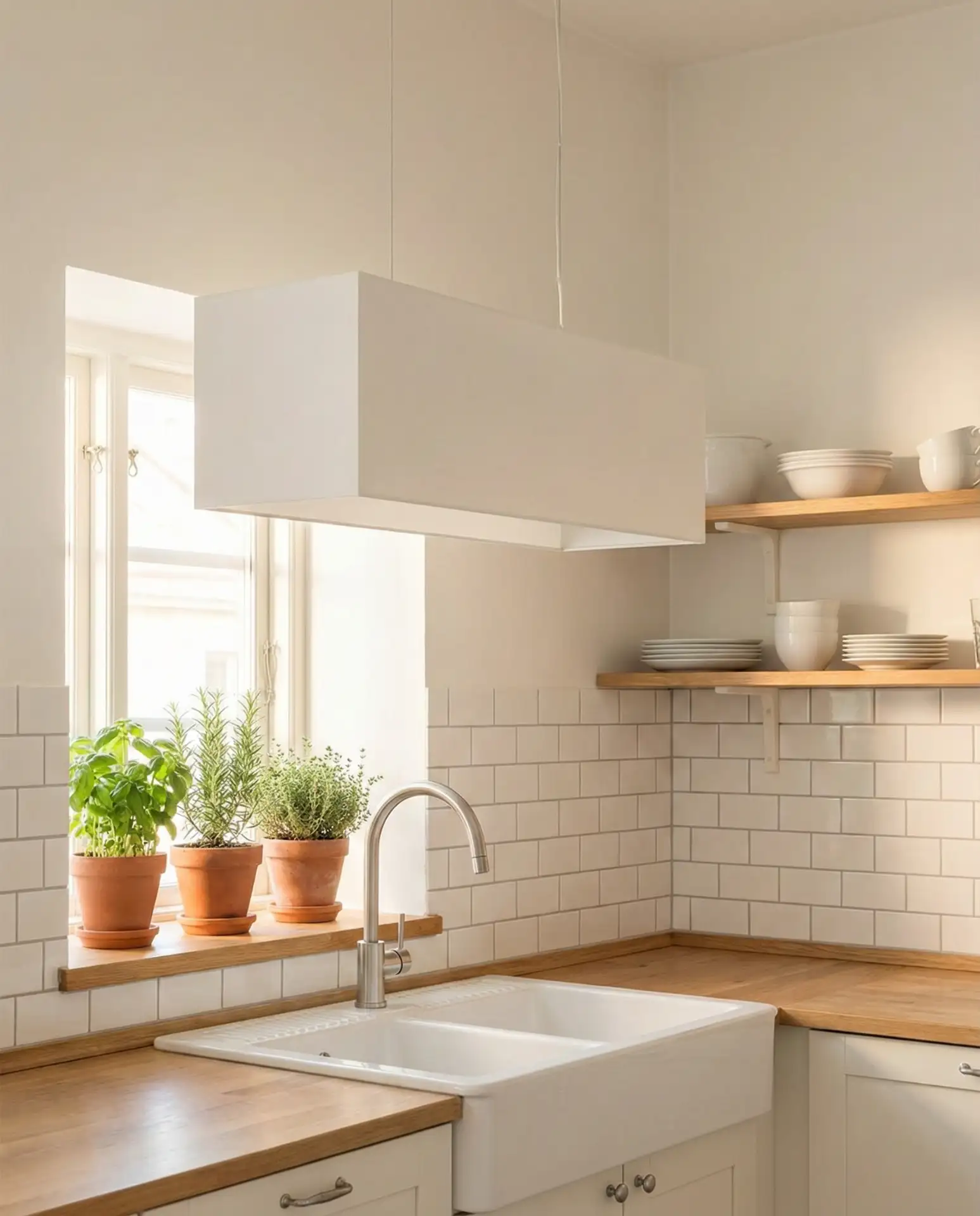
Budget-conscious homeowners can find quality box pendants starting around seventy dollars at big-box retailers, with designer versions running closer to three hundred. The installation is straightforward if you already have ceiling wiring in place—most electricians charge a flat fee under two hundred dollars for a simple swap, making this an accessible update that delivers maximum visual impact.
5. Coastal Rope-Wrapped Chandeliers
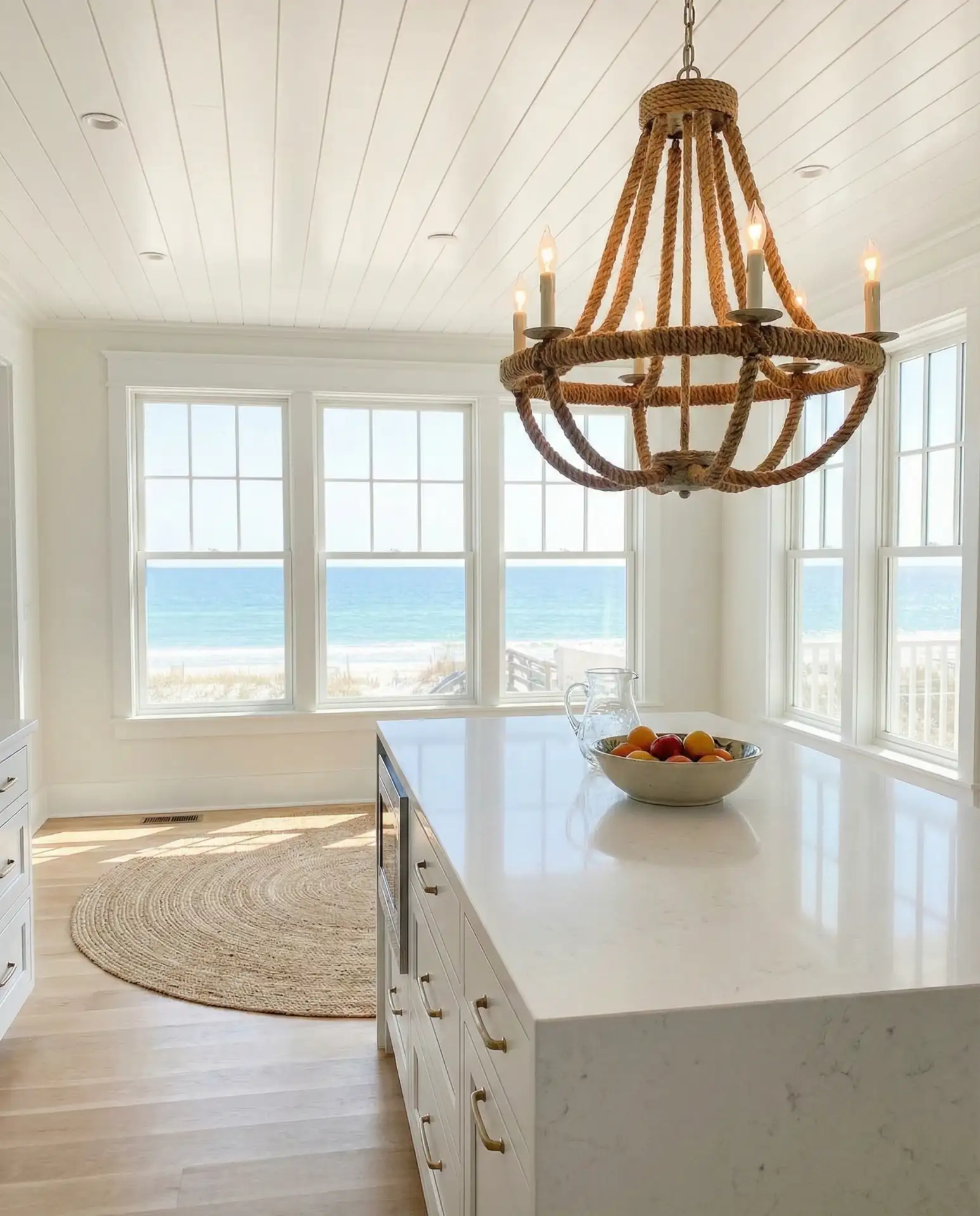
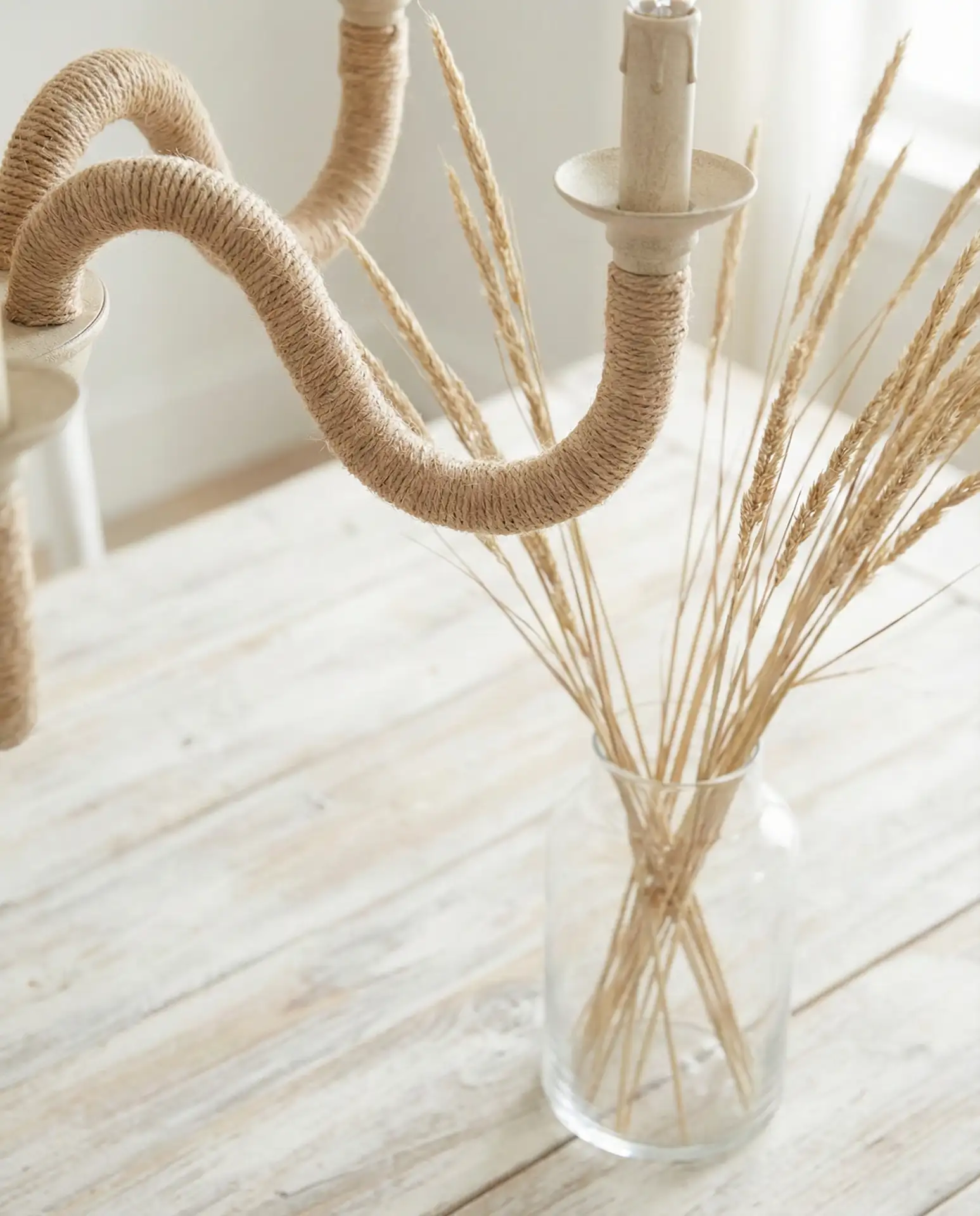
Rope-wrapped chandeliers evoke seaside living and bring a relaxed, vacation-home vibe to coastal kitchen lighting designs. These fixtures typically feature natural jute or manila rope wound around metal frames, softening the industrial bones with organic texture. They’re especially popular in beach towns along the Gulf Coast and Southern California, where homeowners want lighting that feels breezy and casual. Pair them with white or blue kitchen fixtures, wicker barstools, and driftwood accents to complete the nautical theme.
These work best in open kitchens with plenty of natural light, where the rope texture can be appreciated without making the space feel dark. Coastal doesn’t mean kitschy—skip the seashell-encrusted versions and opt for clean-lined frames with subtle nautical nods. In Florida and North Carolina, designers often specify rope fixtures for second homes and rental properties because they’re durable, easy to clean, and universally appealing to vacationers.
6. Industrial Cage Pendants in Galley Kitchens
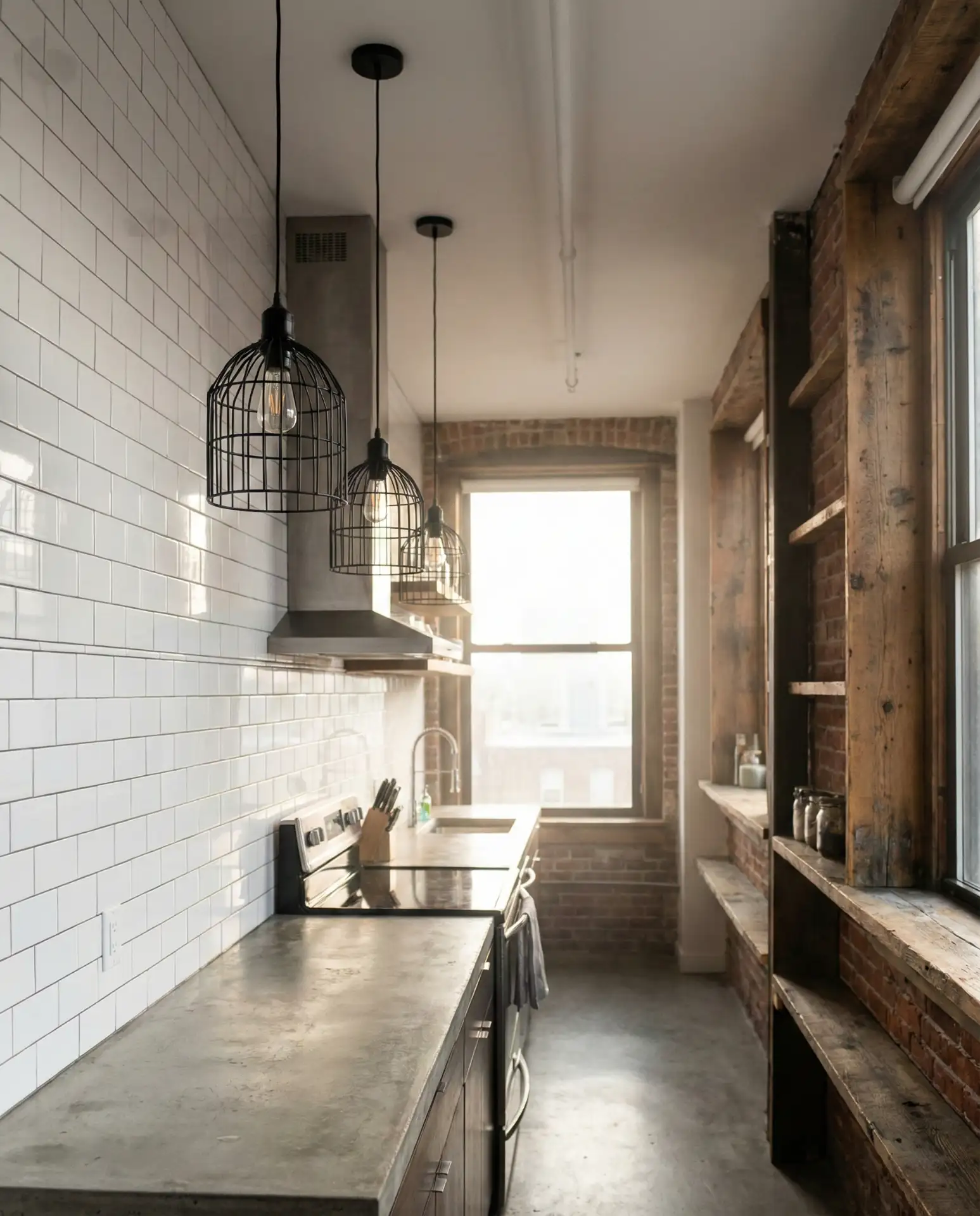
Wire cage pendants offer an industrial edge that’s perfect for narrow galley kitchen lighting layouts where space is at a premium. These fixtures provide focused task lighting without visually cluttering the sightline down the corridor. Install them in a row along the center of the ceiling to illuminate both countertops evenly, or stagger them at different heights for a more dynamic look. The open cage design allows light to spread in all directions, making tight quarters feel less confined and more intentional.
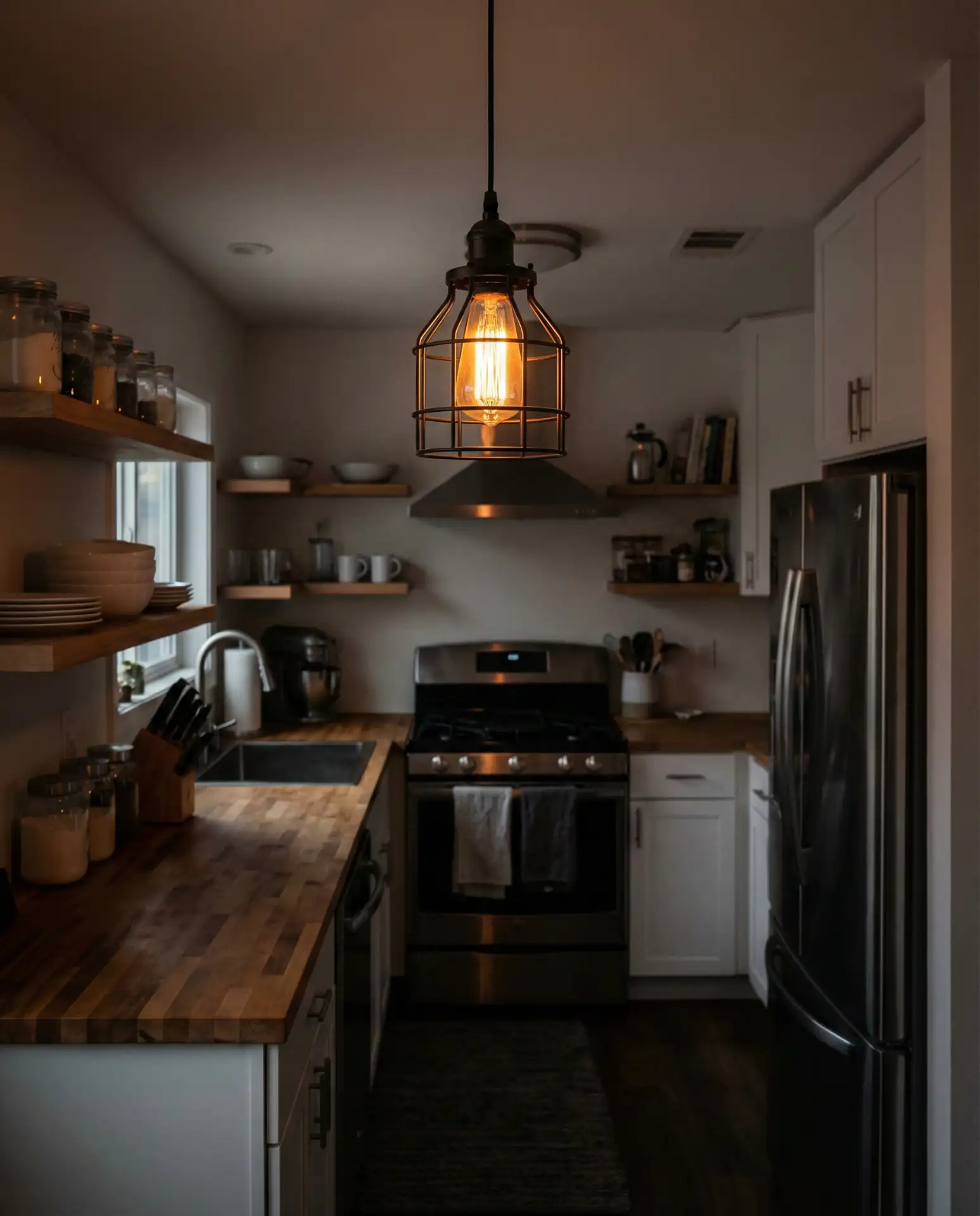
Galley kitchens dominate in older urban apartments and condos, especially in cities like Chicago, Boston, and San Francisco. The industrial aesthetic complements exposed brick, concrete floors, and stainless-steel appliances common in loft conversions. Keep the cages simple—overly ornate versions clash with the streamlined efficiency that makes galley layouts work in the first place.
7. Green Glass Dome Shades Over Table
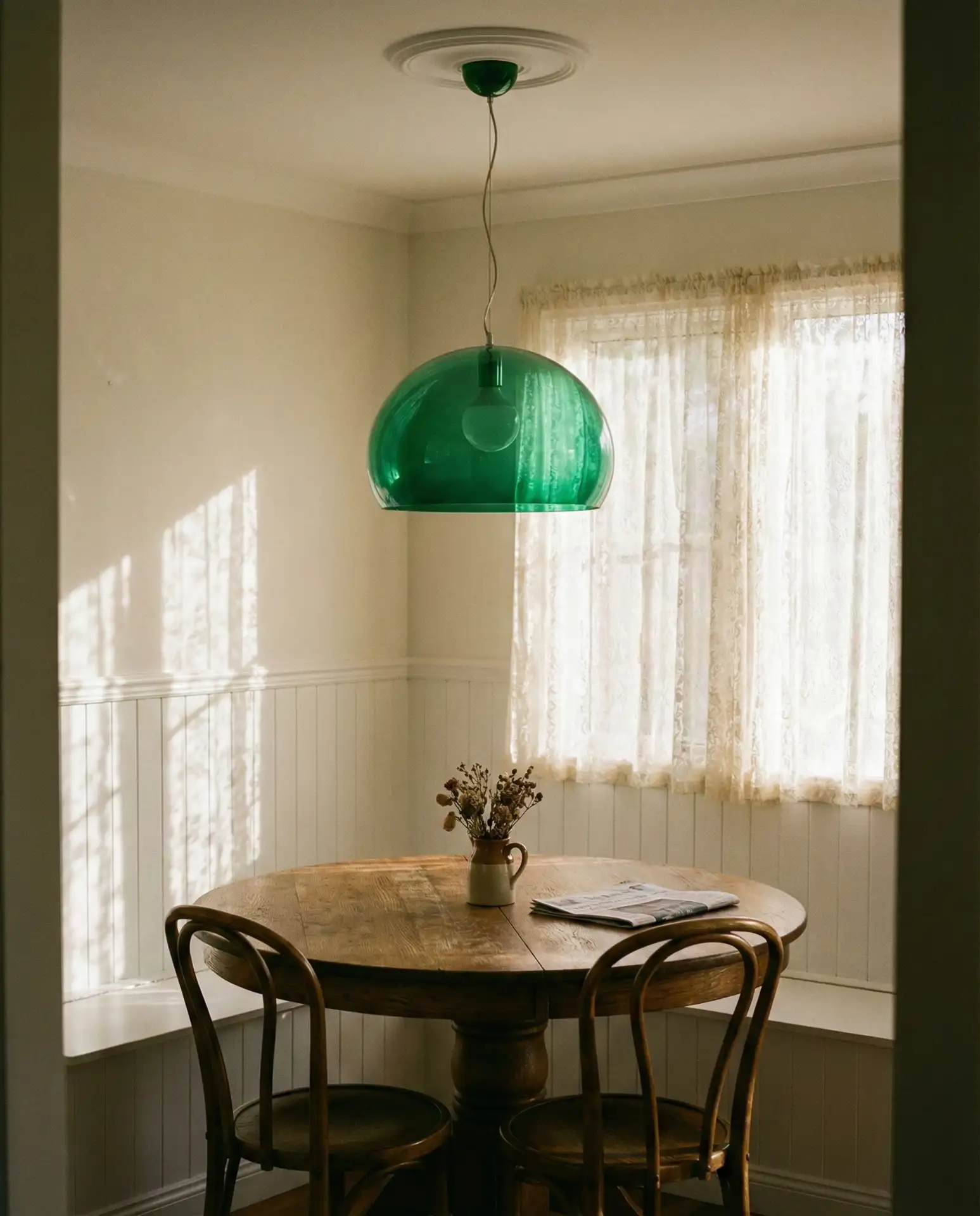
Emerald or mint green glass dome shades bring vintage charm to kitchen lighting fixtures over table setups, especially in eclectic or retro-inspired spaces. These classic library-style shades cast a warm, focused glow that’s ideal for intimate dining or homework sessions. Pair them with brass or bronze hardware for an authentic vintage look, or contrast them with matte black for a modern twist. The green hue softens the light quality, creating a cozy atmosphere that’s less clinical than clear glass.
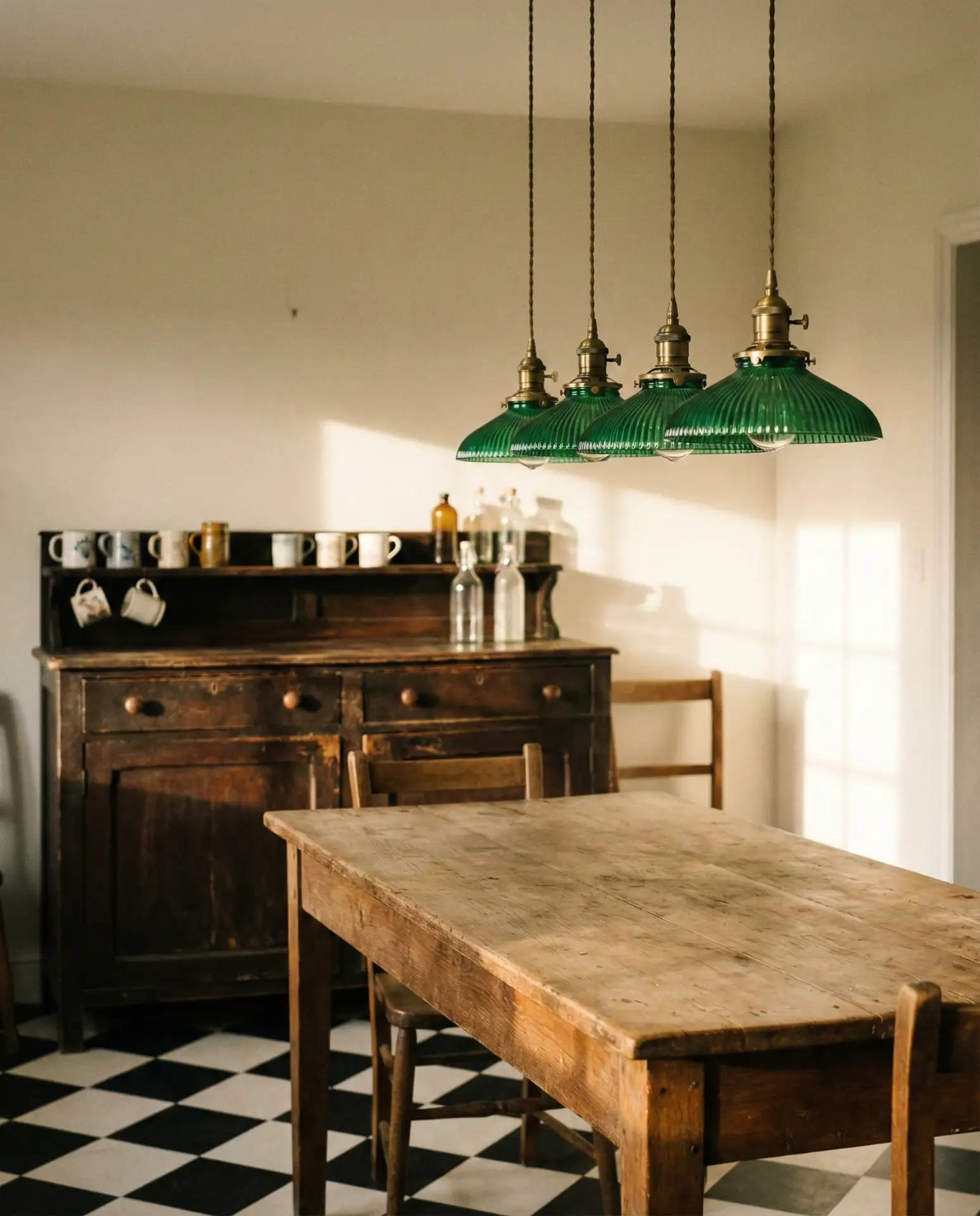
A common mistake is hanging these too high—dome shades should sit about thirty to thirty-six inches above the table surface to avoid glare and maximize the pool of light below. Restaurants figured this out decades ago, which is why you see them in classic diners and bistros. In-home kitchens, especially those with eat-in nooks, they create that same welcoming, come-sit-down feeling.
8. Cottage-Style Lanterns in Breakfast Nooks
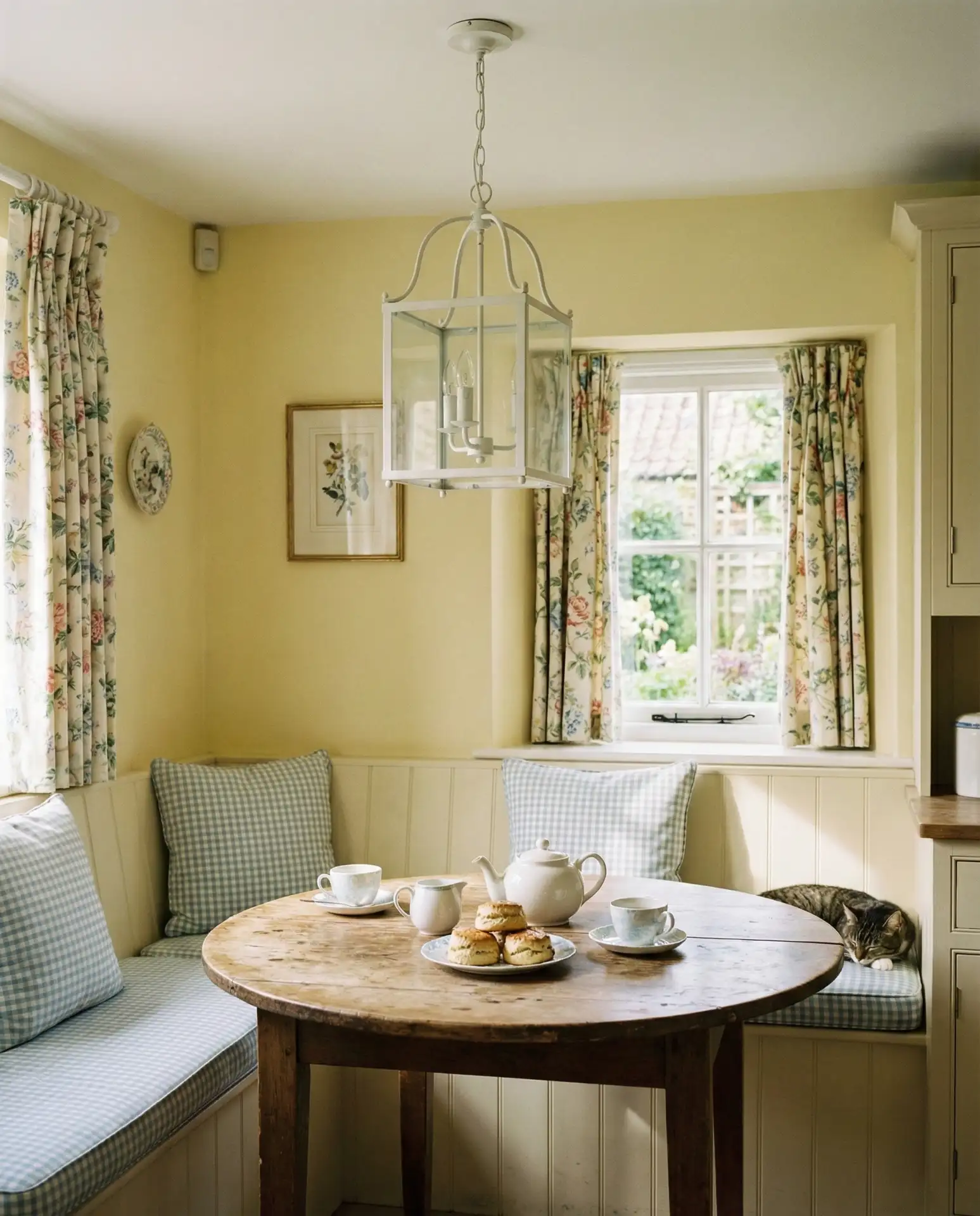
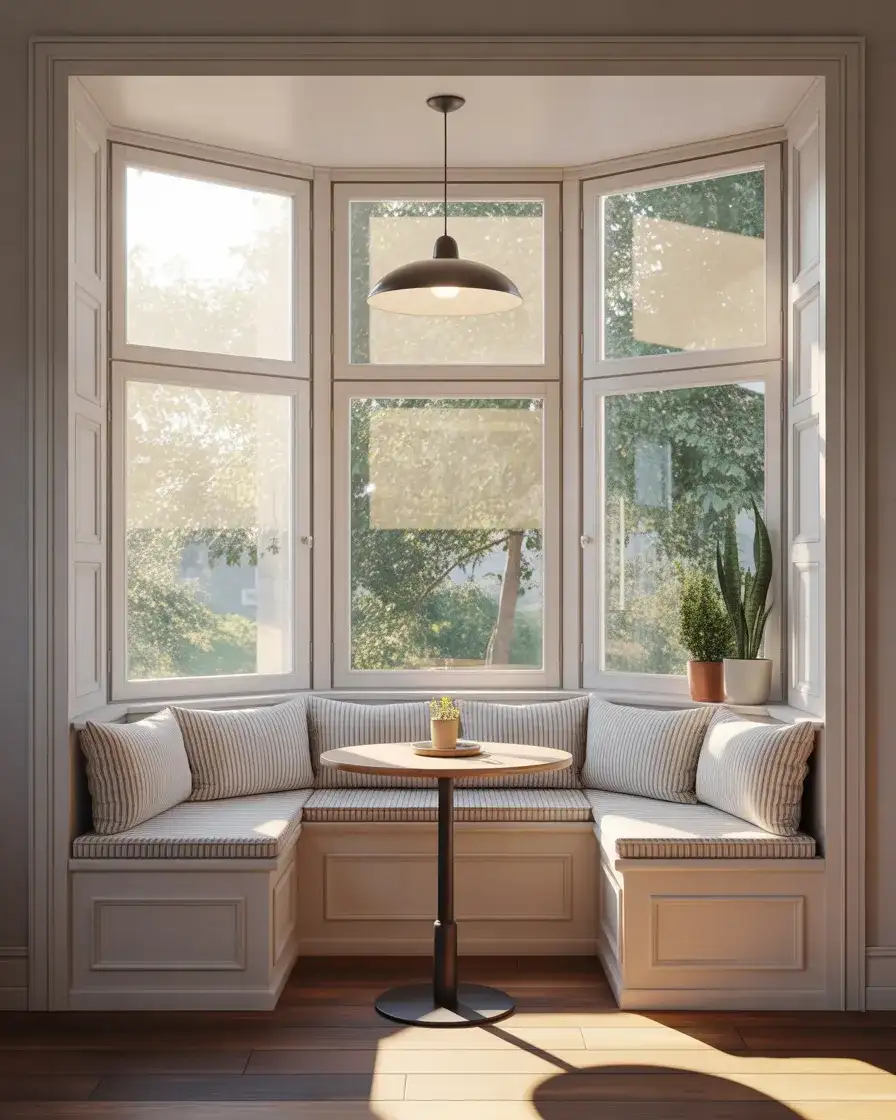
Glass lantern pendants with white or cream frames define cottage kitchen lighting with their cheerful, unpretentious character. These fixtures often feature seeded or clear glass panels that soften the light and add a handcrafted quality to the space. Hang them over breakfast nooks, small tables, or even kitchen islands in cozy traditional homes where comfort trumps minimalism. The lantern shape works beautifully with beadboard ceilings, pastel color palettes, and vintage-inspired hardware.
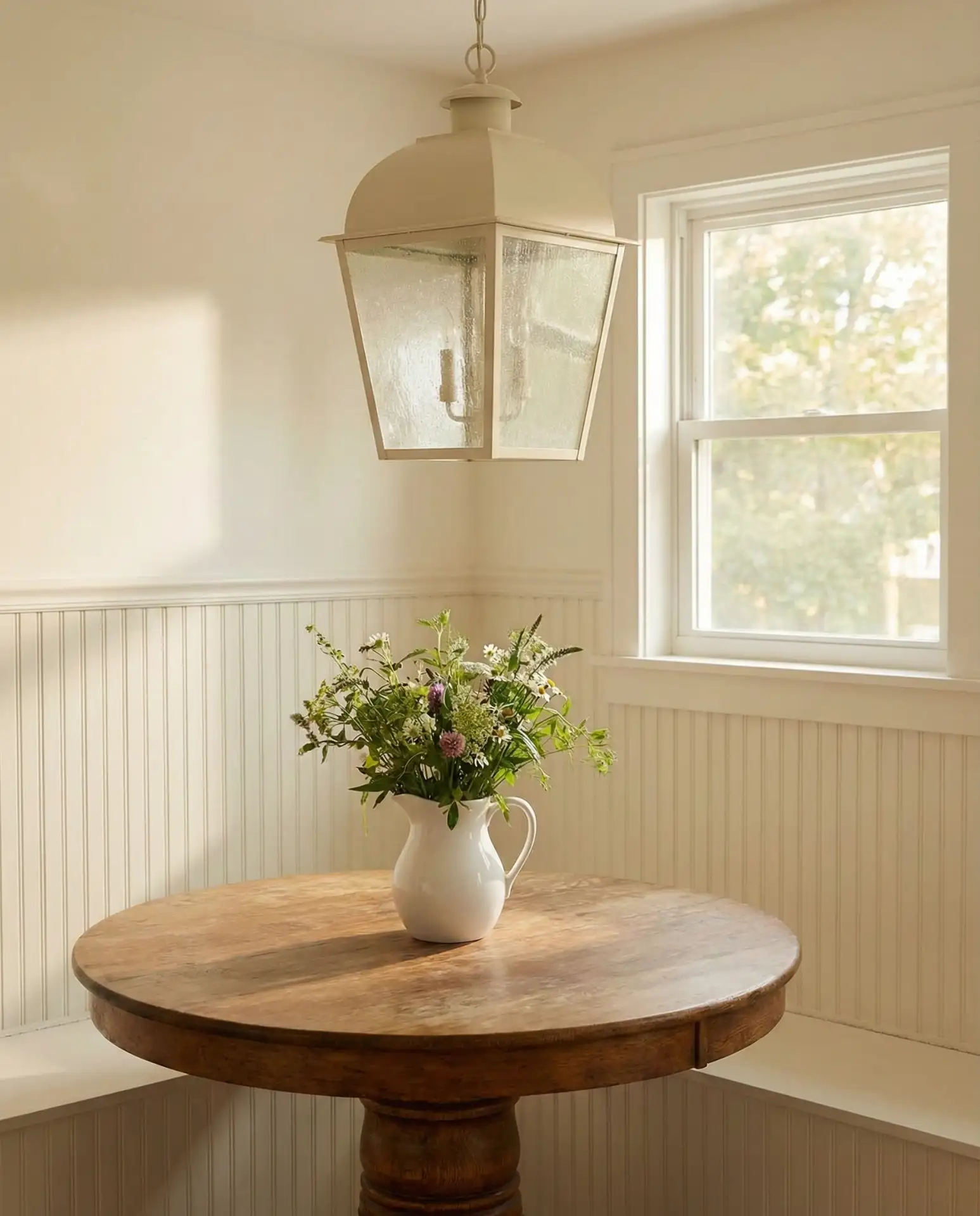
Cottage-style homes across New England and the Pacific Northwest favor these lanterns for their blend of practicality and charm. They’re particularly effective in smaller kitchens where a grand chandelier would overwhelm but a simple flush mount feels too plain. The key is choosing a scale that suits your nook—a six-inch lantern works for tiny spaces, while larger nooks can handle fixtures up to twelve inches wide.
9. Matte Black Linear Fixtures Ceiling Mounted
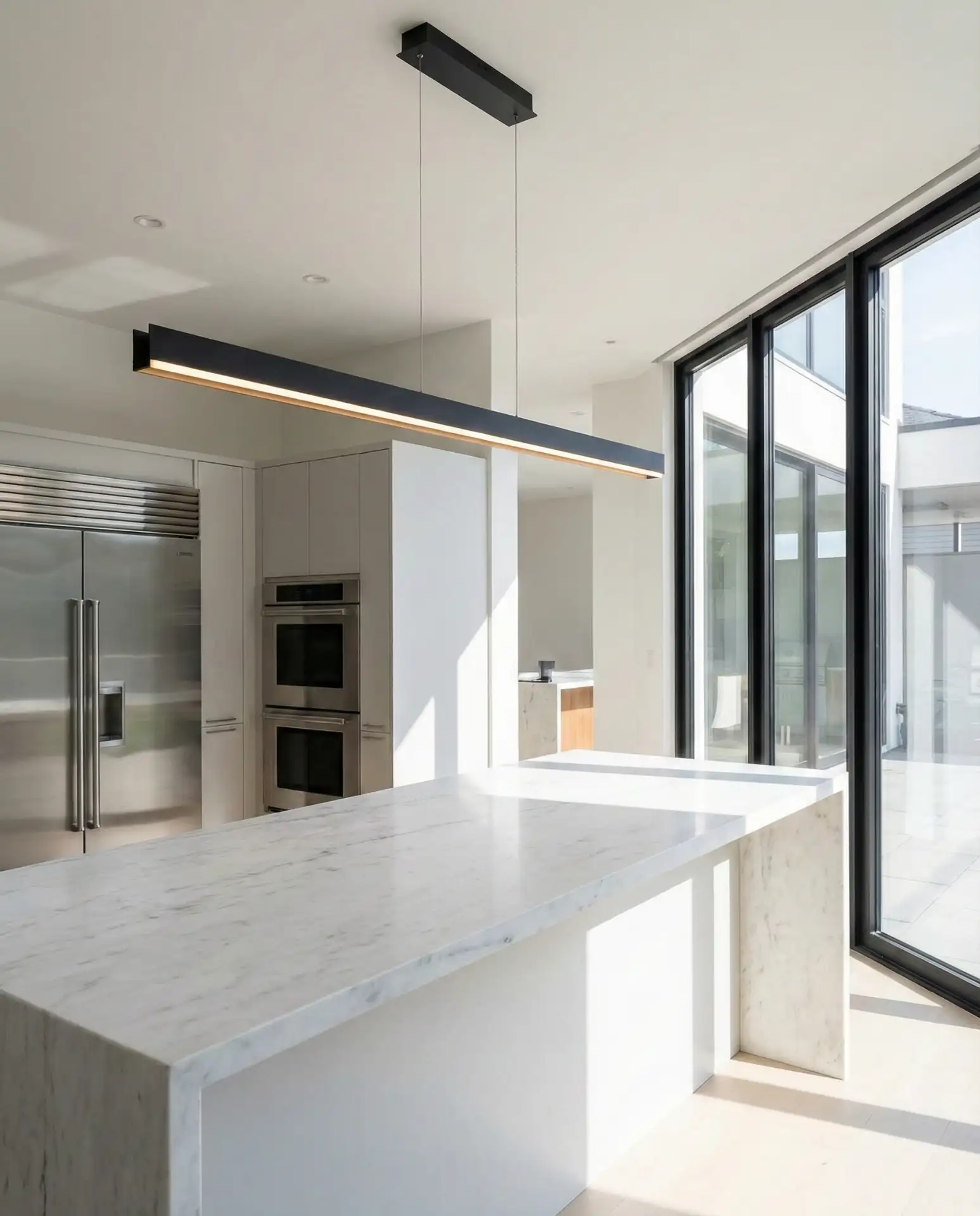
A matte black linear fixture mounted flush to the ceiling delivers bold, graphic impact in modern kitchens with clean lines and minimal ornamentation. These long, horizontal designs work especially well over islands or peninsula counters, providing even task lighting across the full length of the workspace. The fixture’s ceiling placement keeps sightlines open, while the dark finish anchors the design and contrasts beautifully with white or light-toned cabinetry. Choose LED strips or multiple bulb sockets for adjustable brightness.
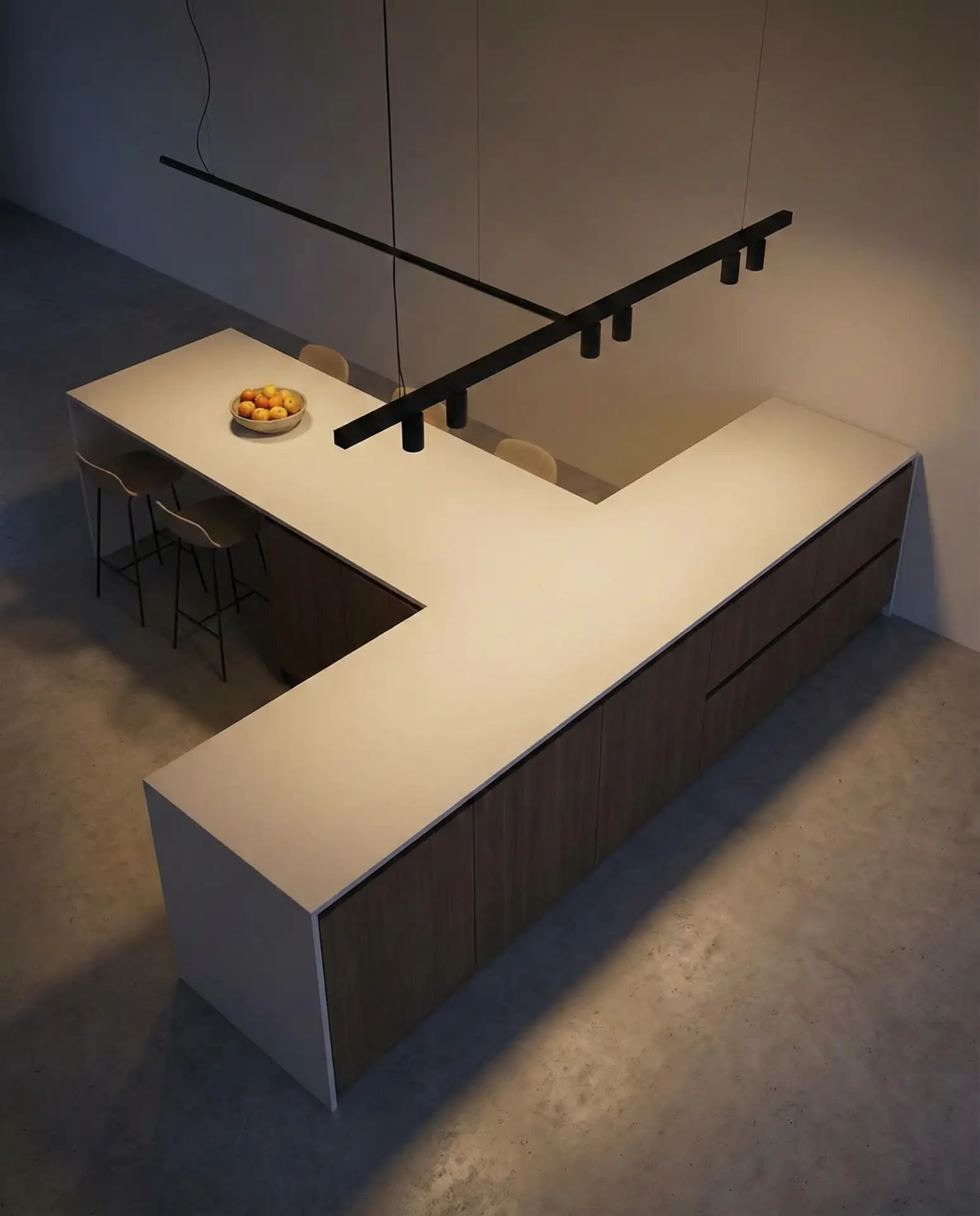
Linear fixtures have become the go-to choice for tech workers renovating mid-century ranch homes in Austin and Denver, where the clean geometry aligns with their preference for uncluttered, functional design. They’re also forgiving in homes with slightly off-center wiring—the length of the fixture often disguises small placement imperfections that would be obvious with a single pendant.
10. Grey Drum Shades for Transitional Spaces
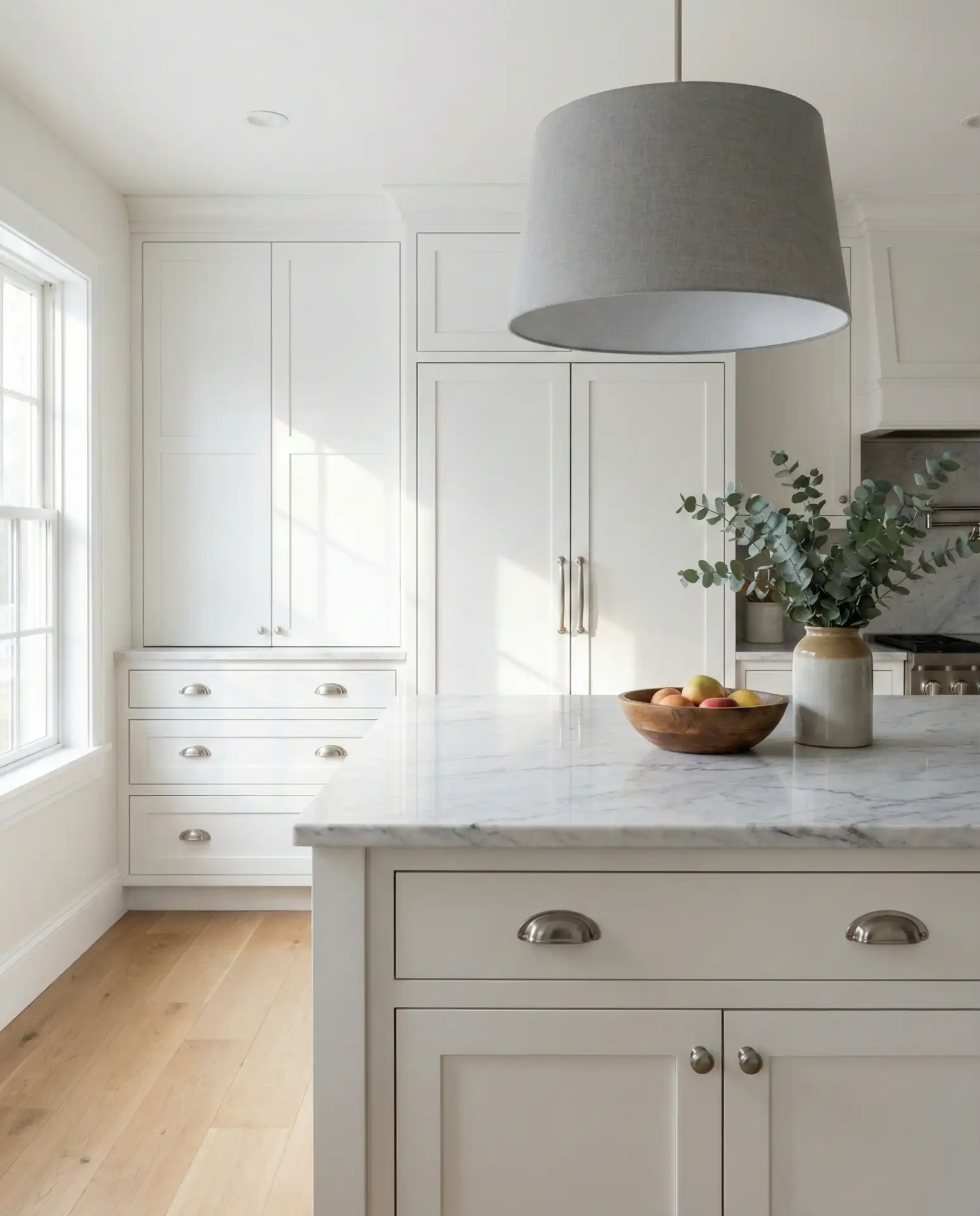
Fabric drum shades in soft grey tones bridge traditional and modern aesthetics, making them ideal for transitional kitchens that borrow from both worlds. These fixtures diffuse light beautifully while adding a layer of texture that hard materials like metal and glass can’t provide. Install them over islands, dining tables, or in breakfast nooks where you want a gentler, more residential feel. The neutral hue complements everything from white Shaker cabinets to dark stained wood and pairs easily with chrome, nickel, or brass hardware.
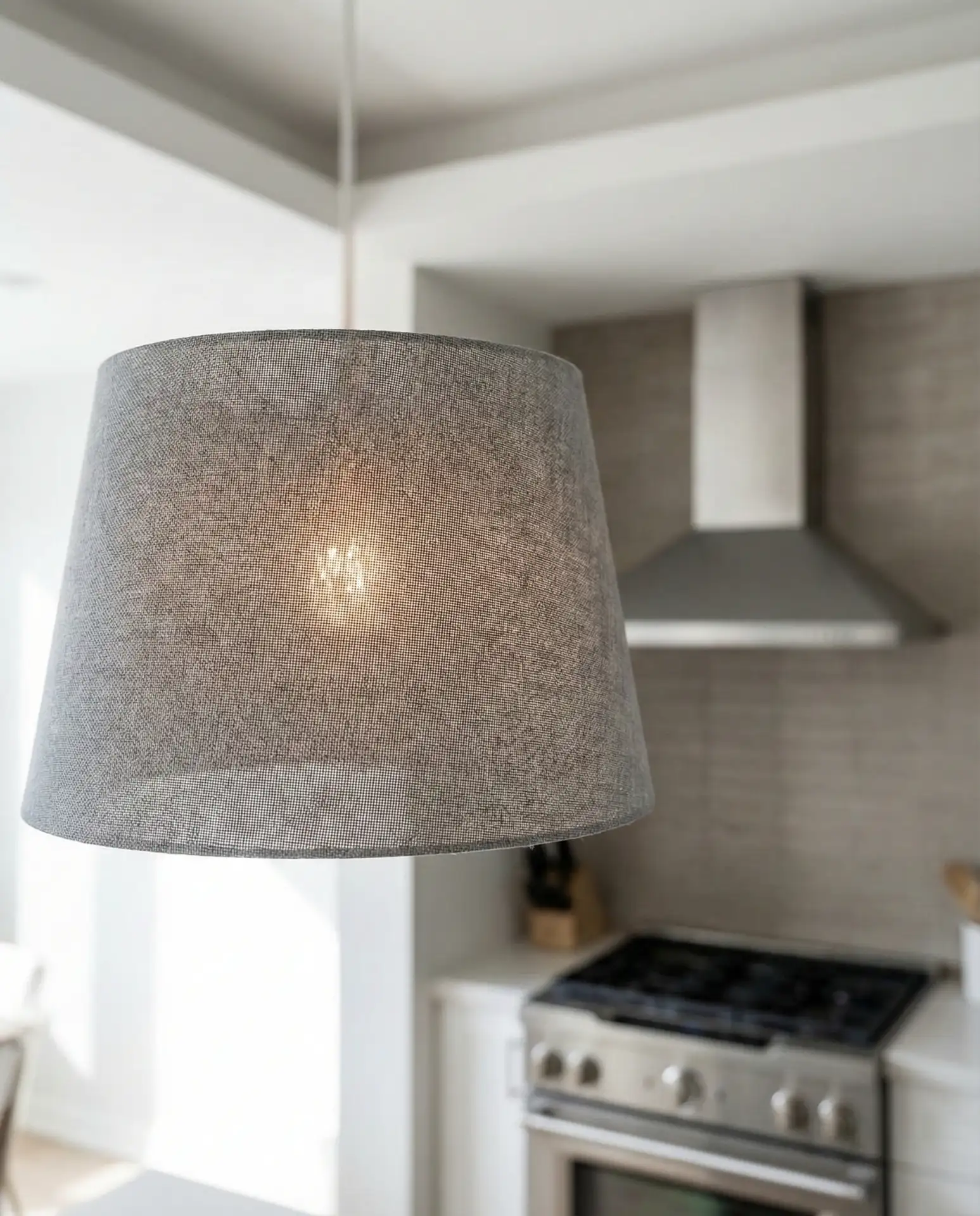
Designers often recommend fabric shades for open-plan homes where the kitchen flows into the living area because they help tie the spaces together visually. The softness of the material echoes upholstered furniture and curtains in the adjacent room, creating continuity without matchy-matchy coordination. Just be mindful of grease and steam—fabric shades should hang at least eighteen inches from the cooktop to avoid staining.
11. Hanging Globe Clusters Over Island
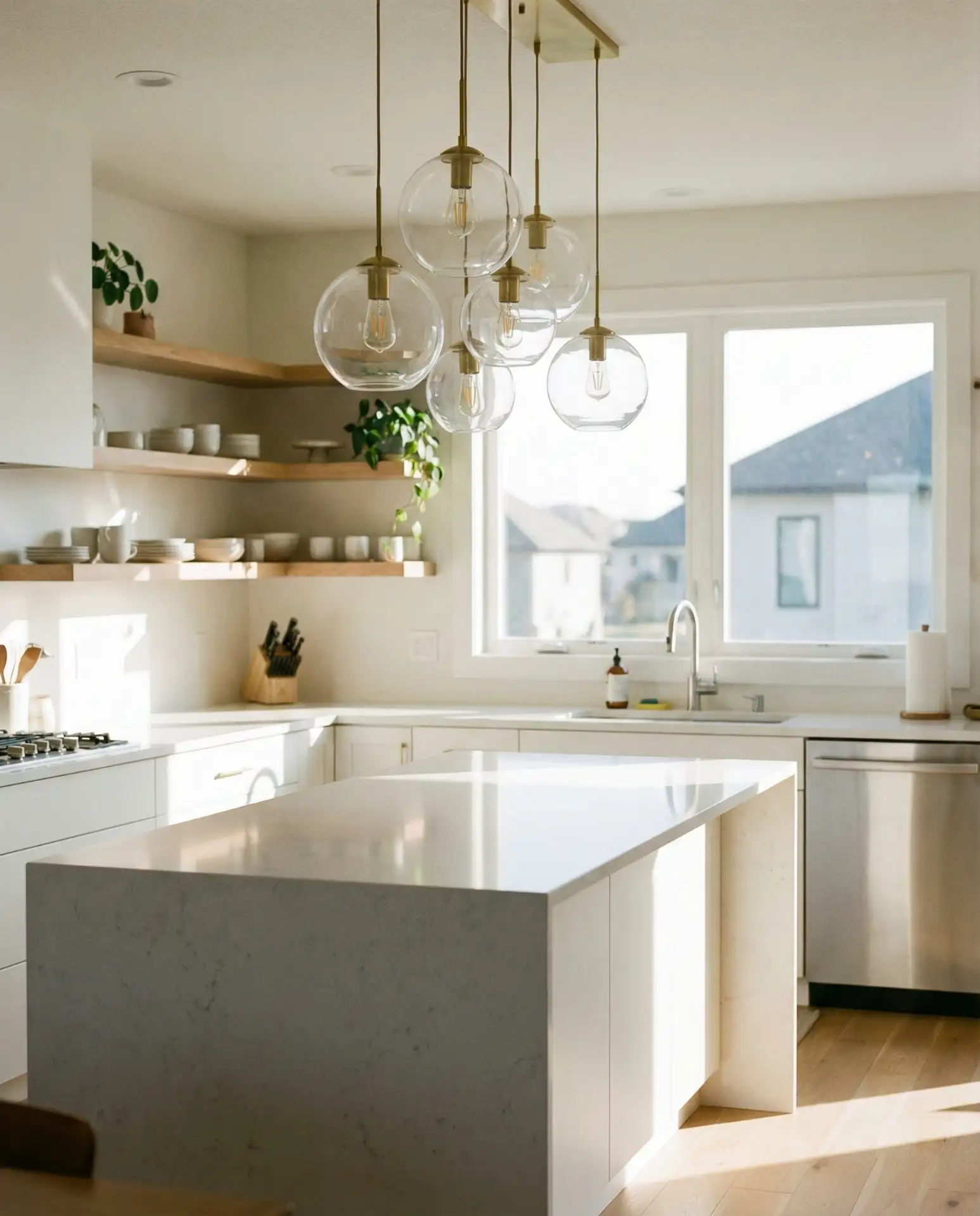
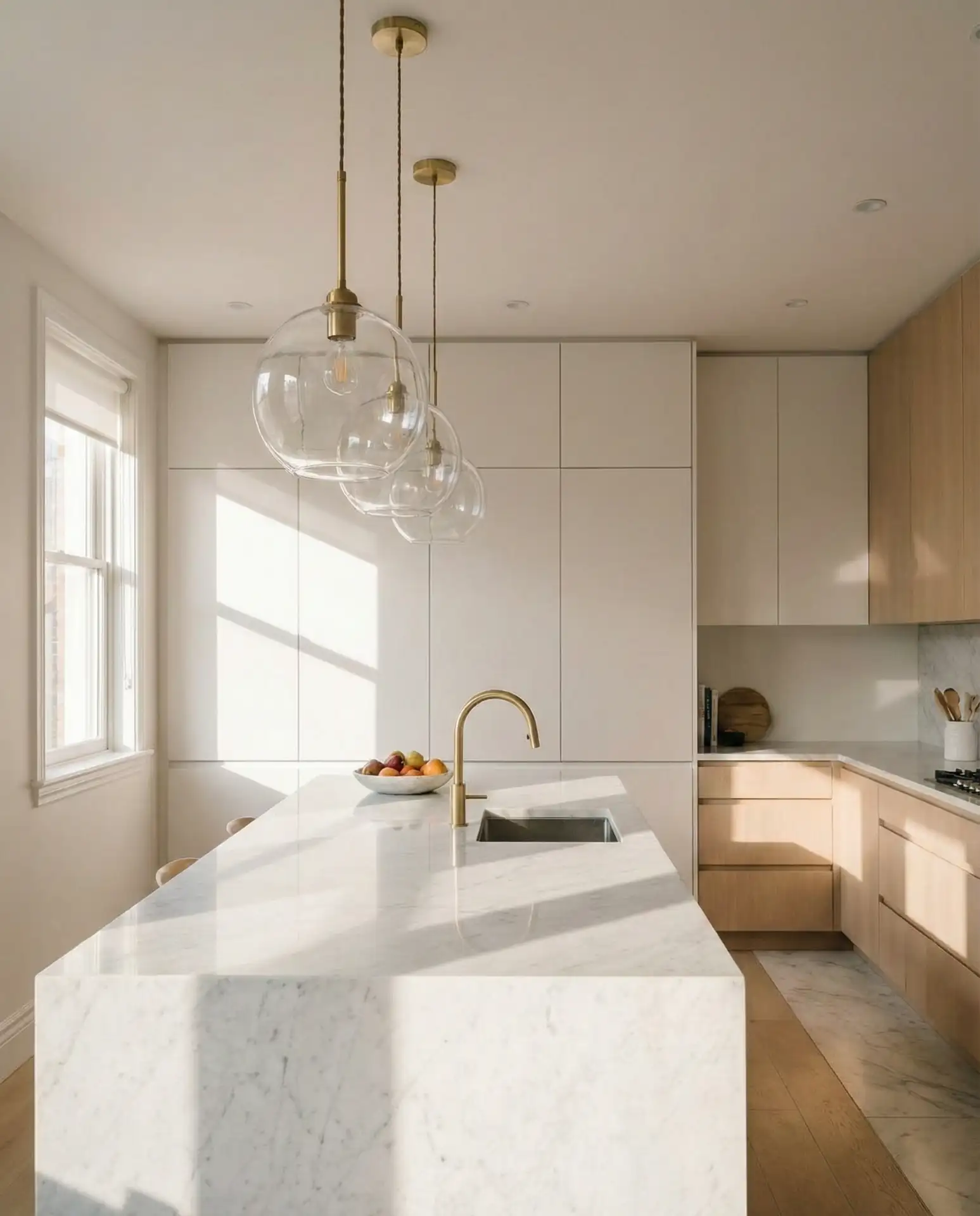
Clustered globe pendants create a sculptural moment in kitchen lighting hanging installations, especially when you mix sizes or finishes for added dimension. Arrange three to five clear or frosted glass globes at staggered heights over your island to achieve a custom, high-end look without the custom price tag. The spherical shape feels timeless and works across design styles—from mid-century modern to contemporary farmhouse. Pair them with dimmers to adjust the mood from bright task lighting to soft ambient glow.
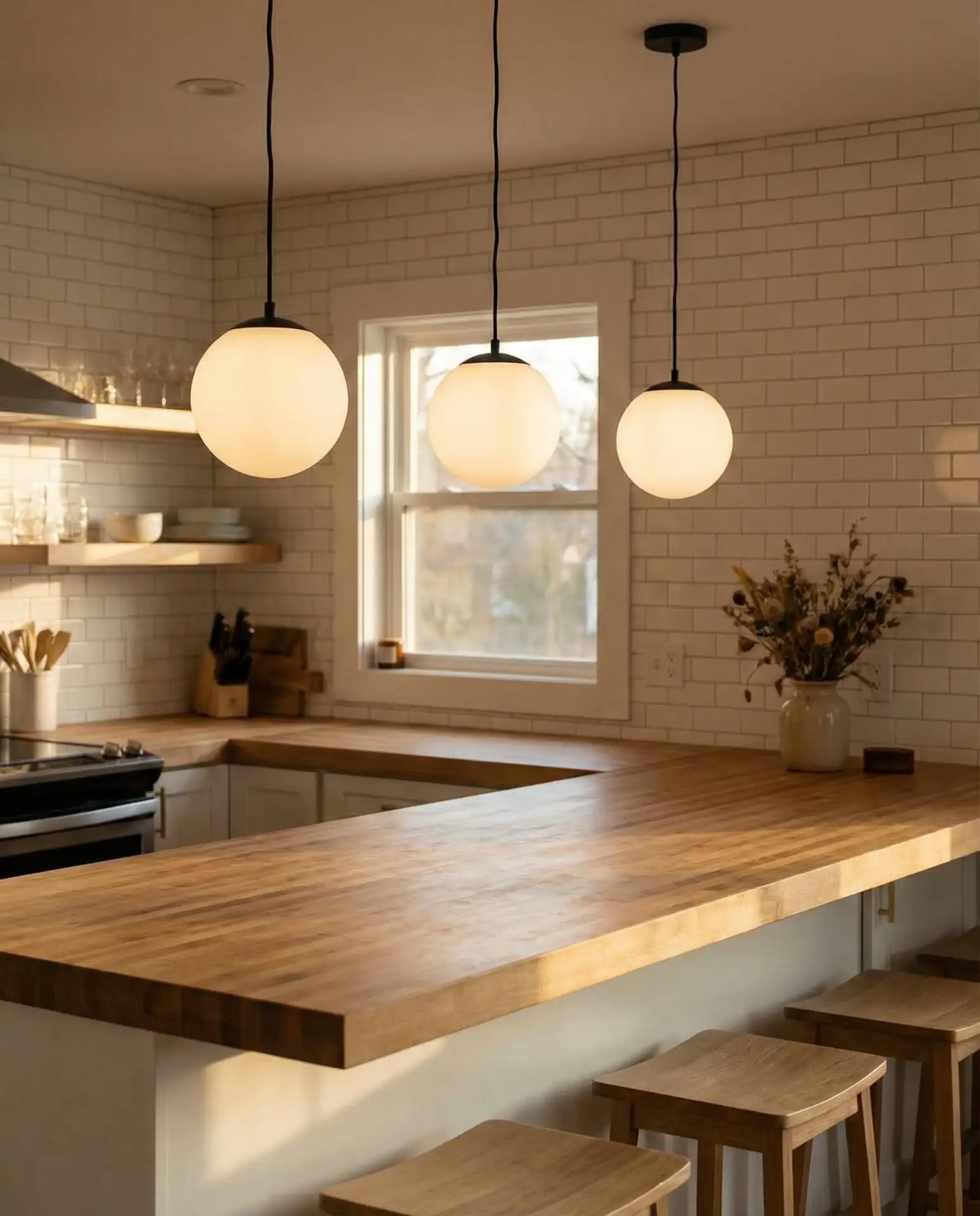
One homeowner I know swapped her single pendant for a globe cluster after seeing a similar setup on Pinterest, and she says it completely transformed how the island functions. The multiple light sources eliminated shadows when she’s chopping vegetables, and the visual interest makes the island feel more intentional—less like an afterthought and more like the kitchen’s centerpiece.
12. Statement Chandelier Over Dining Table
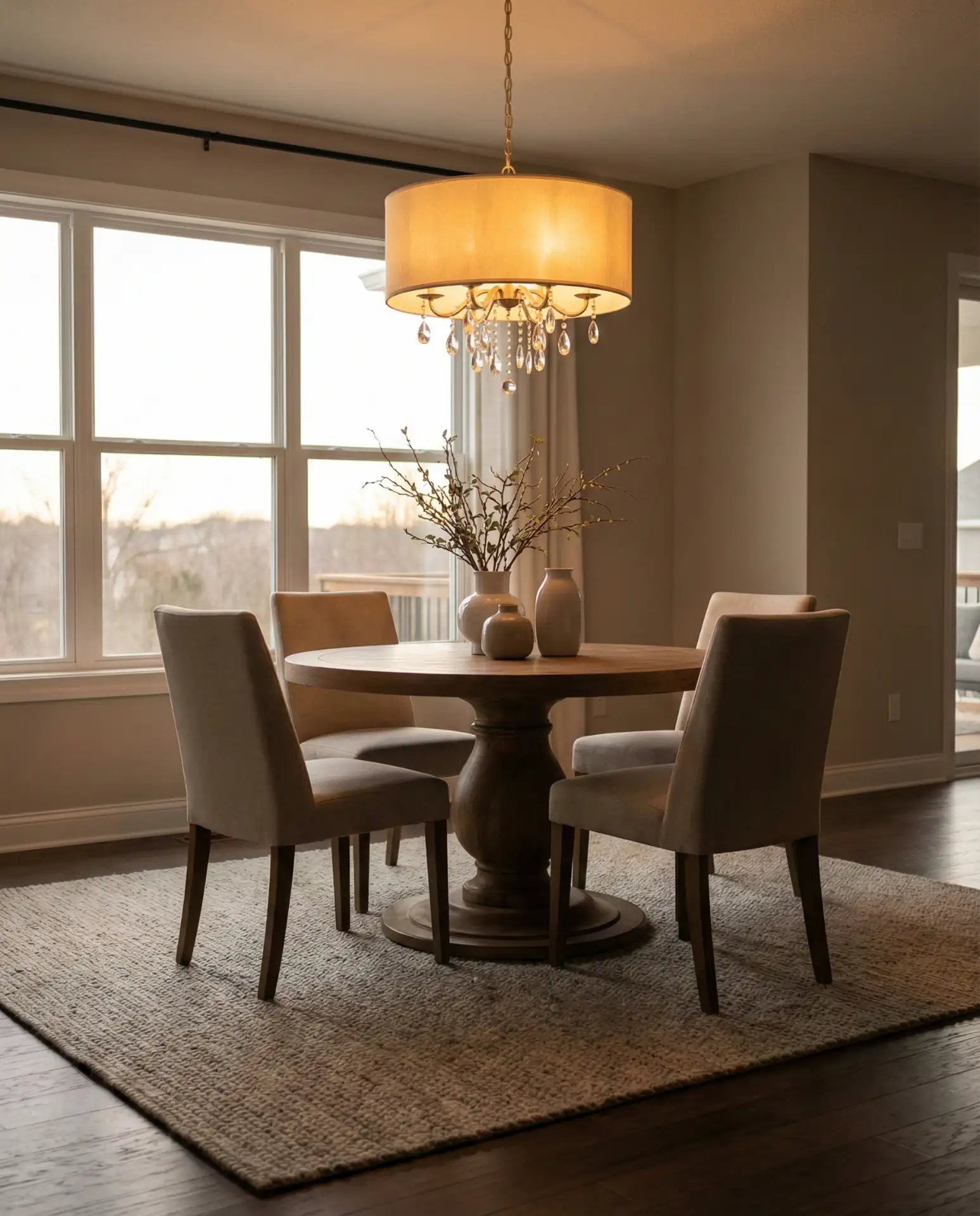
A dramatic chandelier above the kitchen lighting table establishes a formal dining zone within open-plan layouts, especially in homes where the kitchen table does double duty for meals and entertaining. Choose a design that reflects your overall aesthetic—crystal for glam, wagon wheel for rustic, or geometric metal for modern. The scale should be proportional to the table: aim for a fixture that’s about half to two-thirds the width of your table surface. This inspiration piece becomes the room’s focal point and sets the tone for the entire space.
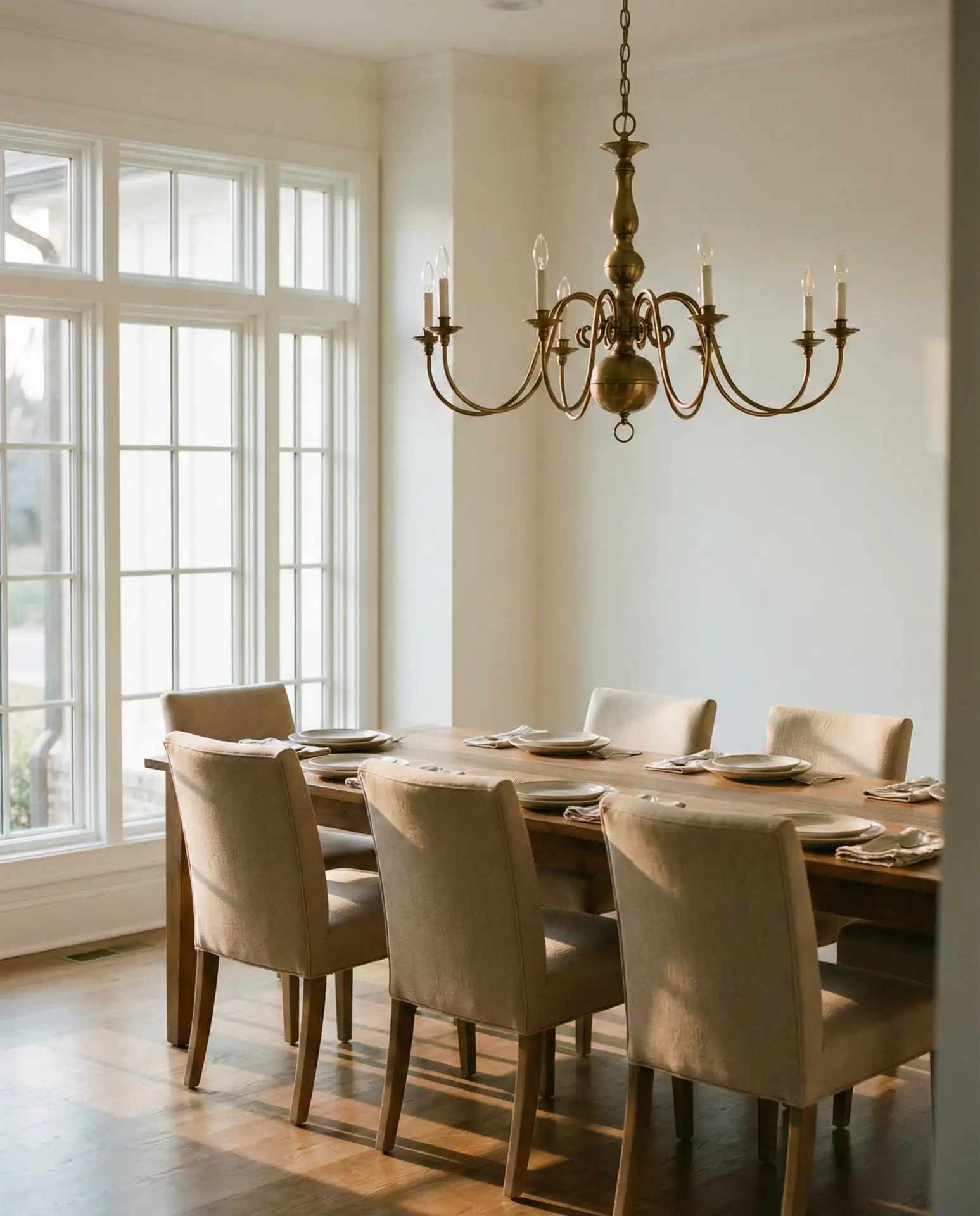
Chandeliers remain the number one choice for formal dining areas in suburban homes across the South and Midwest, where entertaining at home is still a weekly ritual. The fixture should hang about thirty to thirty-four inches above the table to allow for centerpieces and sightlines across the table. In homes with vaulted ceilings, consider a chandelier with adjustable chain length to bring the light down to a functional height.
13. Recessed Lighting for Seamless Ceilings
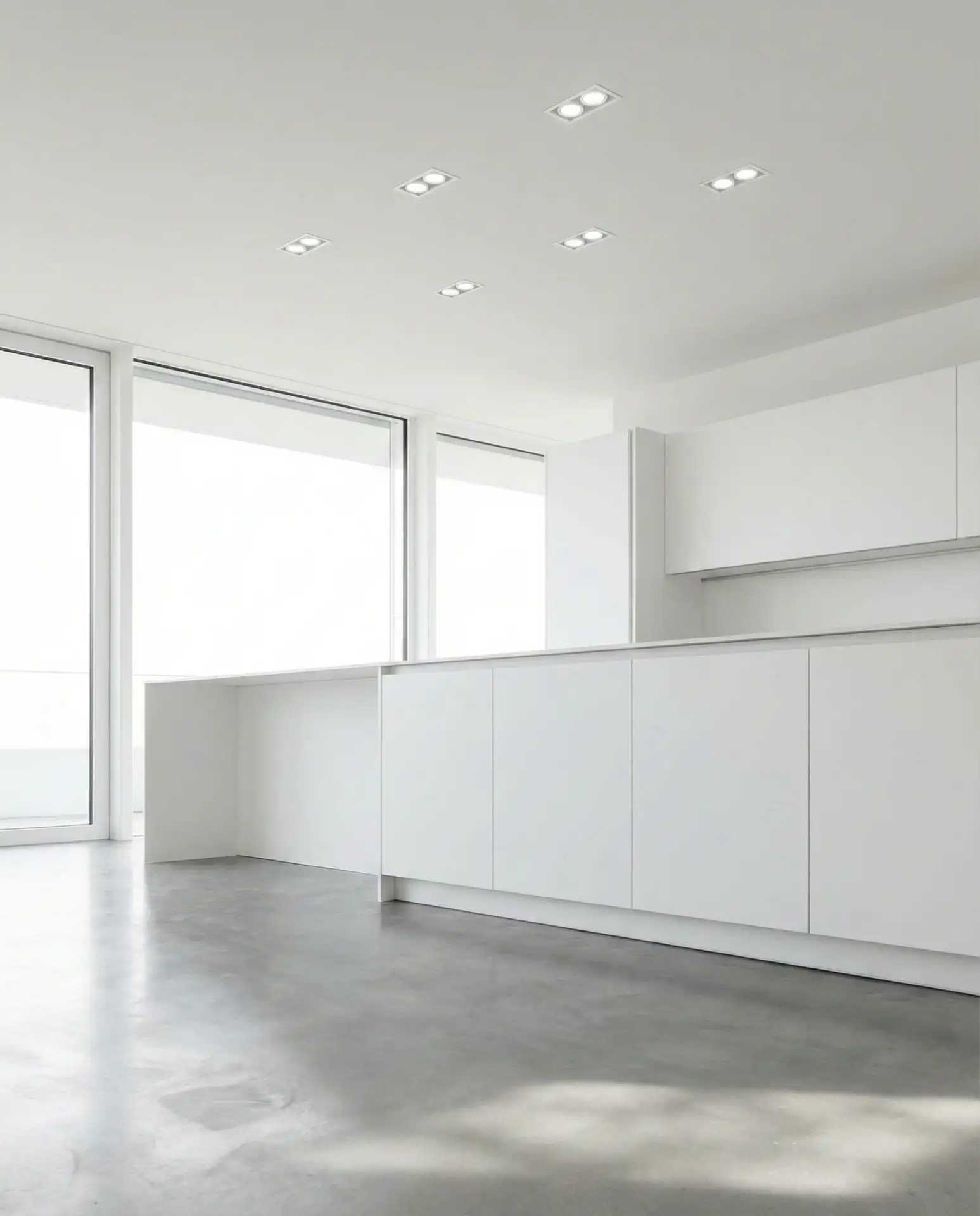
Recessed canister lights deliver clean, unobtrusive illumination that’s ideal for modern kitchens where the architecture should take center stage over the fixtures’ flush-mount style. Install them in a grid pattern for even coverage, or concentrate them over work zones like the sink, stove, and prep areas. LED versions offer energy efficiency and long bulb life, often lasting a decade or more without replacement. The flush installation means zero visual clutter—perfect for minimalist designs or homes with beautiful ceiling details you don’t want to hide.
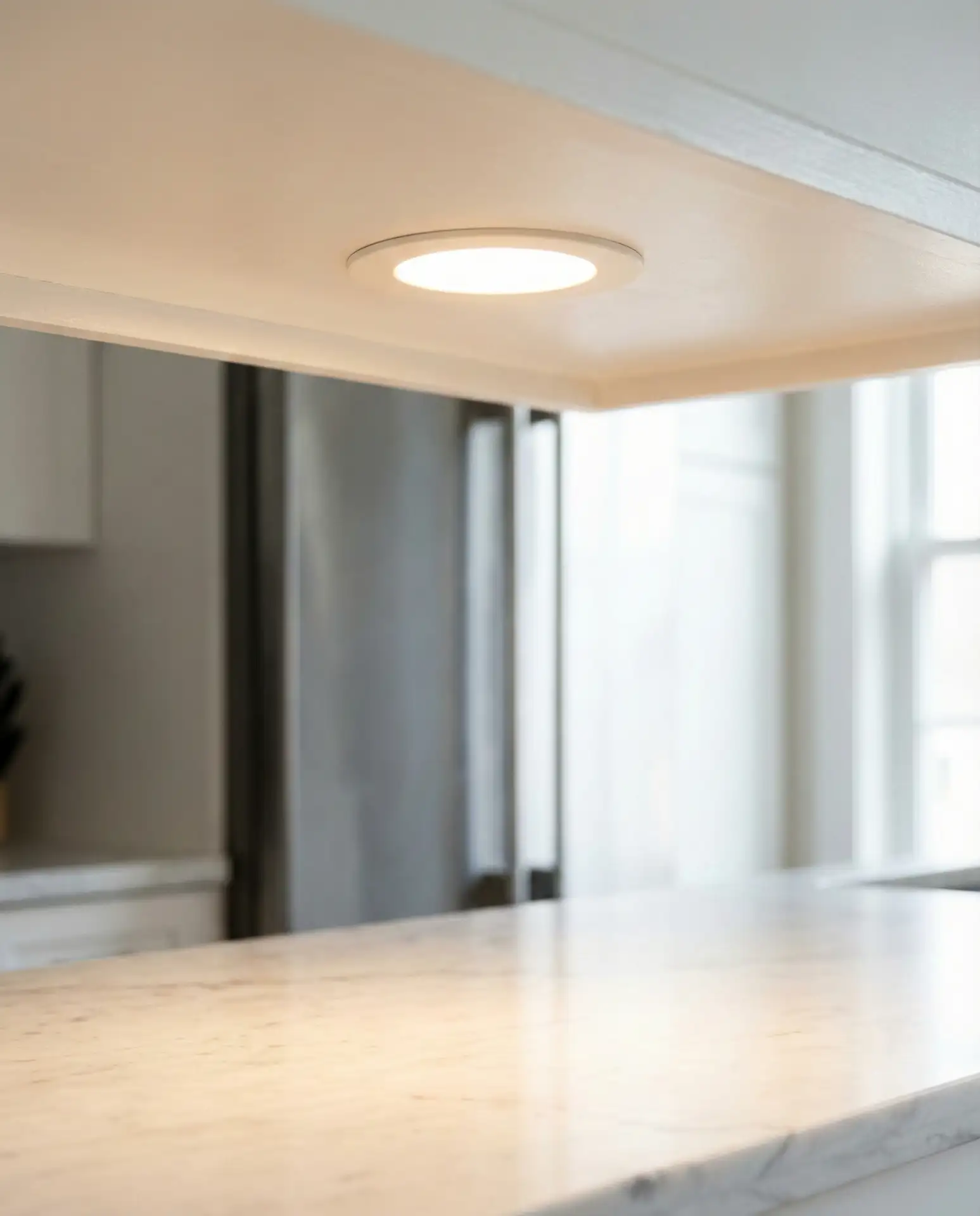
Recessed lighting works best as part of a layered plan—relying solely on cans creates a flat, commercial feel that lacks warmth. Combine them with under-cabinet strips and a statement pendant or two to add depth and personality. In new construction, builders often default to recessed lights because they’re affordable and fast to install, but homeowners can upgrade the look by adding decorative fixtures later without rewiring.
14. Brass Swing-Arm Sconces Over Sink
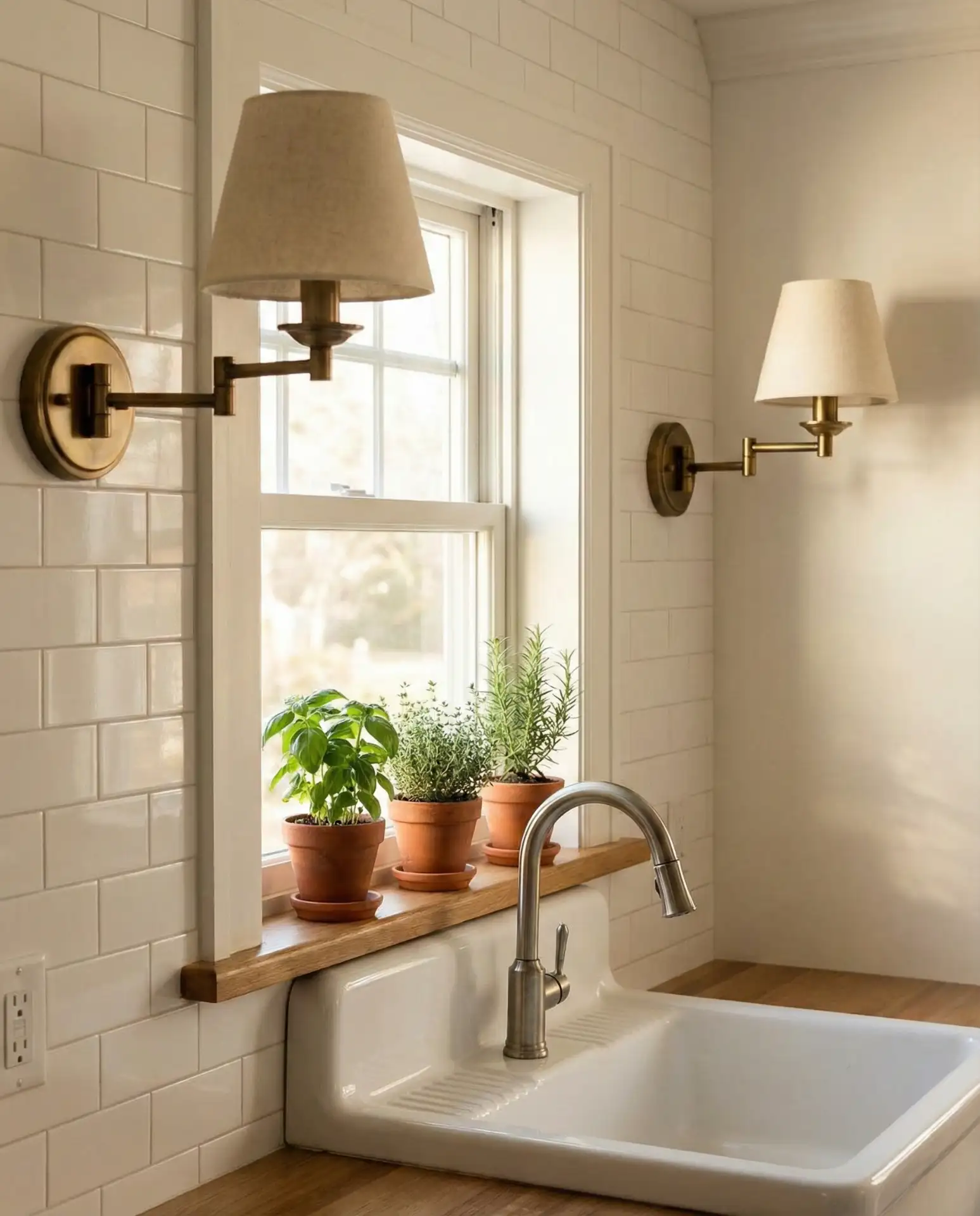
Wall-mounted swing-arm sconces flanking a kitchen window offer flexible task lighting for kitchen lighting ideas over sink areas where ceiling fixtures might cast shadows. The adjustable arms let you direct light exactly where you need it—over the cutting board, into the basin, or aimed at the window for evening dishwashing. Brass finishes add warmth and work beautifully with both traditional and modern cabinetry. These fixtures are especially popular in kitchens with farmhouse sinks and large apron-front designs that benefit from lighting on either side.
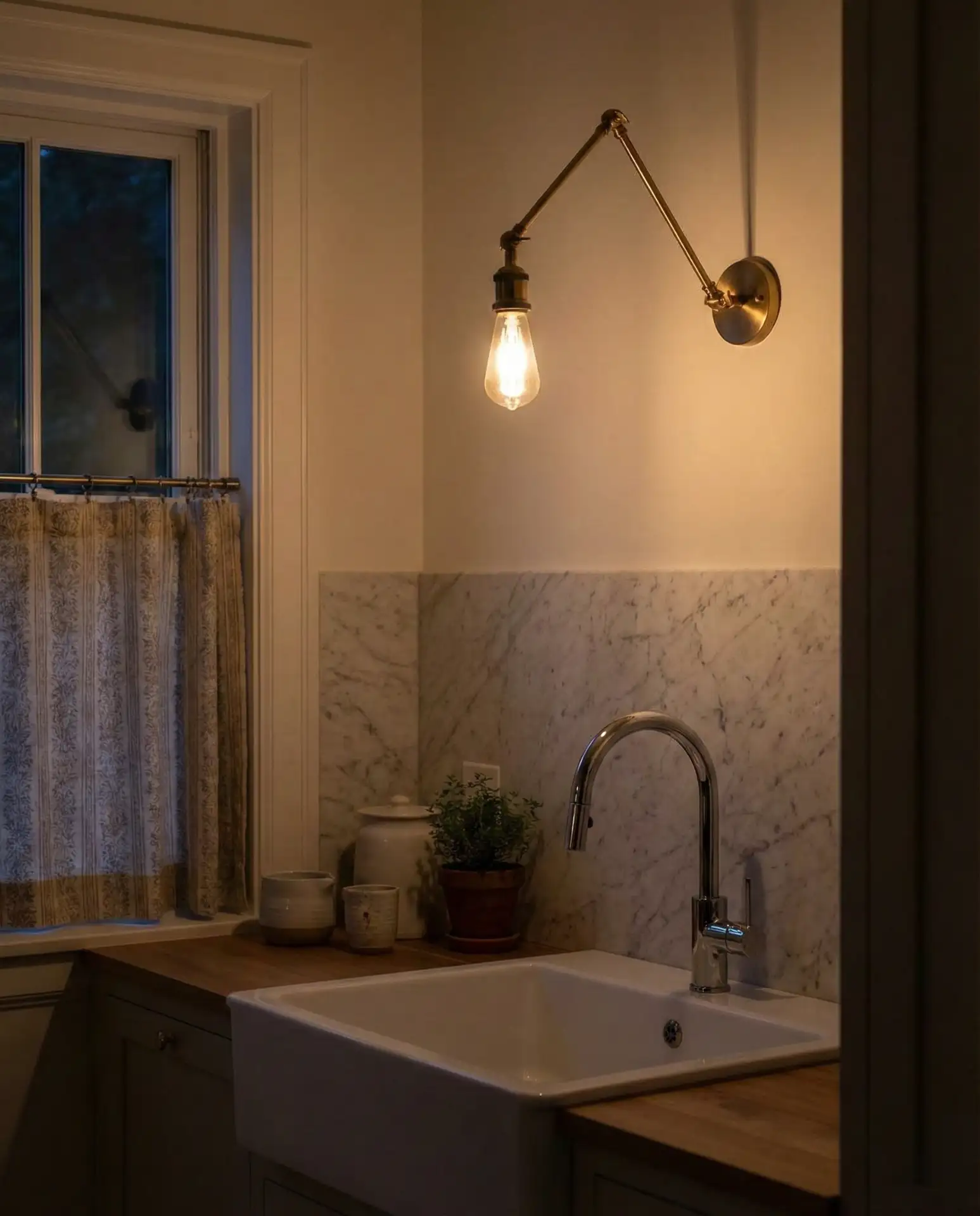
These sconces shine in galley kitchens and narrow spaces where every inch counts and you can’t afford to lose vertical clearance to a pendant. They’re also a smart choice for renters who want better lighting without hardwiring—many swing-arm models come in plug-in versions that simply mount to the wall with screws and draw power from a nearby outlet.
15. Minimalist Track Lighting for Flexibility
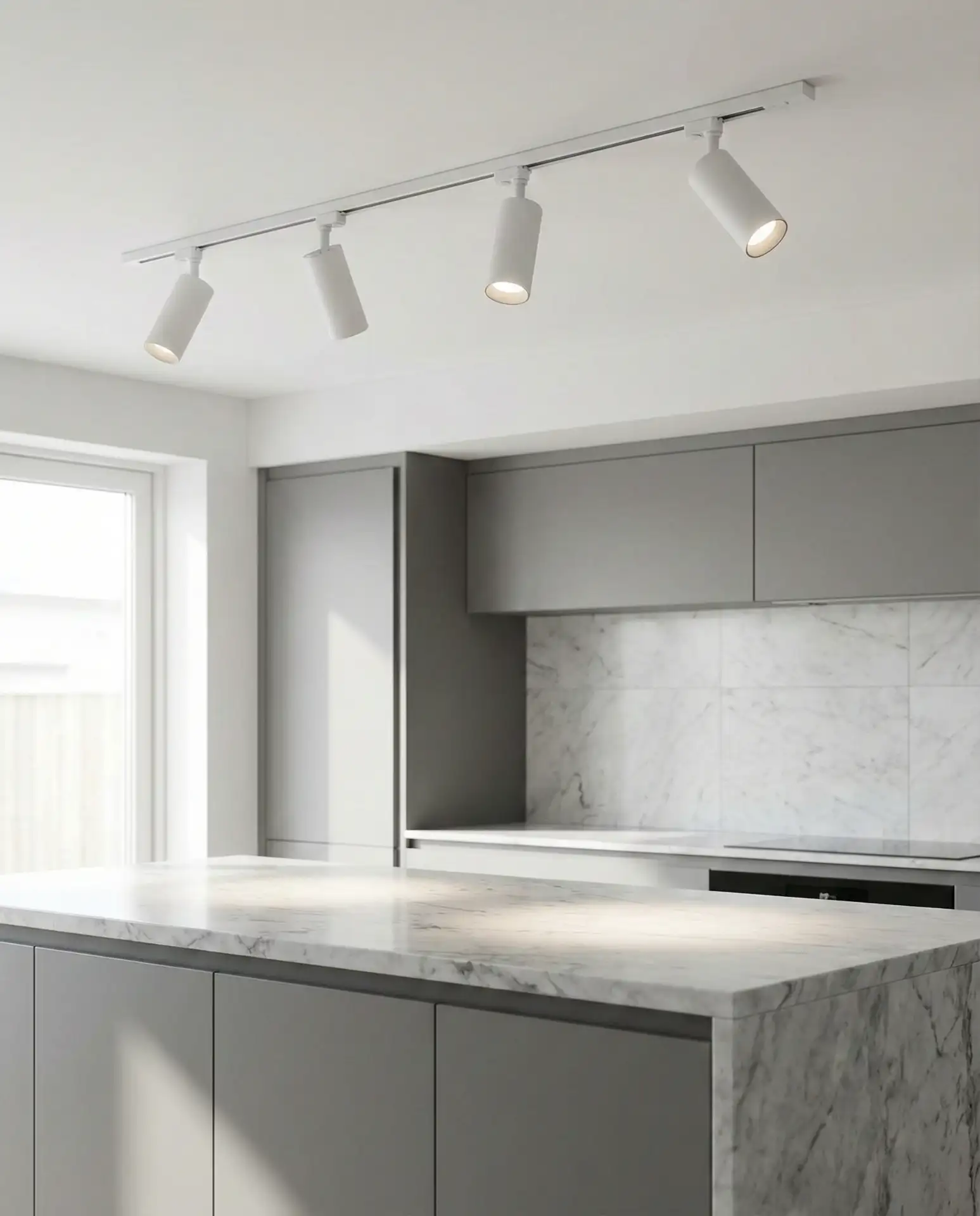
Sleek track lighting systems provide adjustable illumination that adapts as your kitchen needs change over time, making them a practical solution for kitchen lighting fixtures in rental properties or homes you plan to update gradually. Modern tracks are a far cry from the clunky versions of the nineties—today’s options feature slim profiles, integrated LEDs, and finishes from brushed nickel to matte white. Mount them along the ceiling’s center line or perimeter to spotlight specific zones like the island, peninsula, or open shelving.
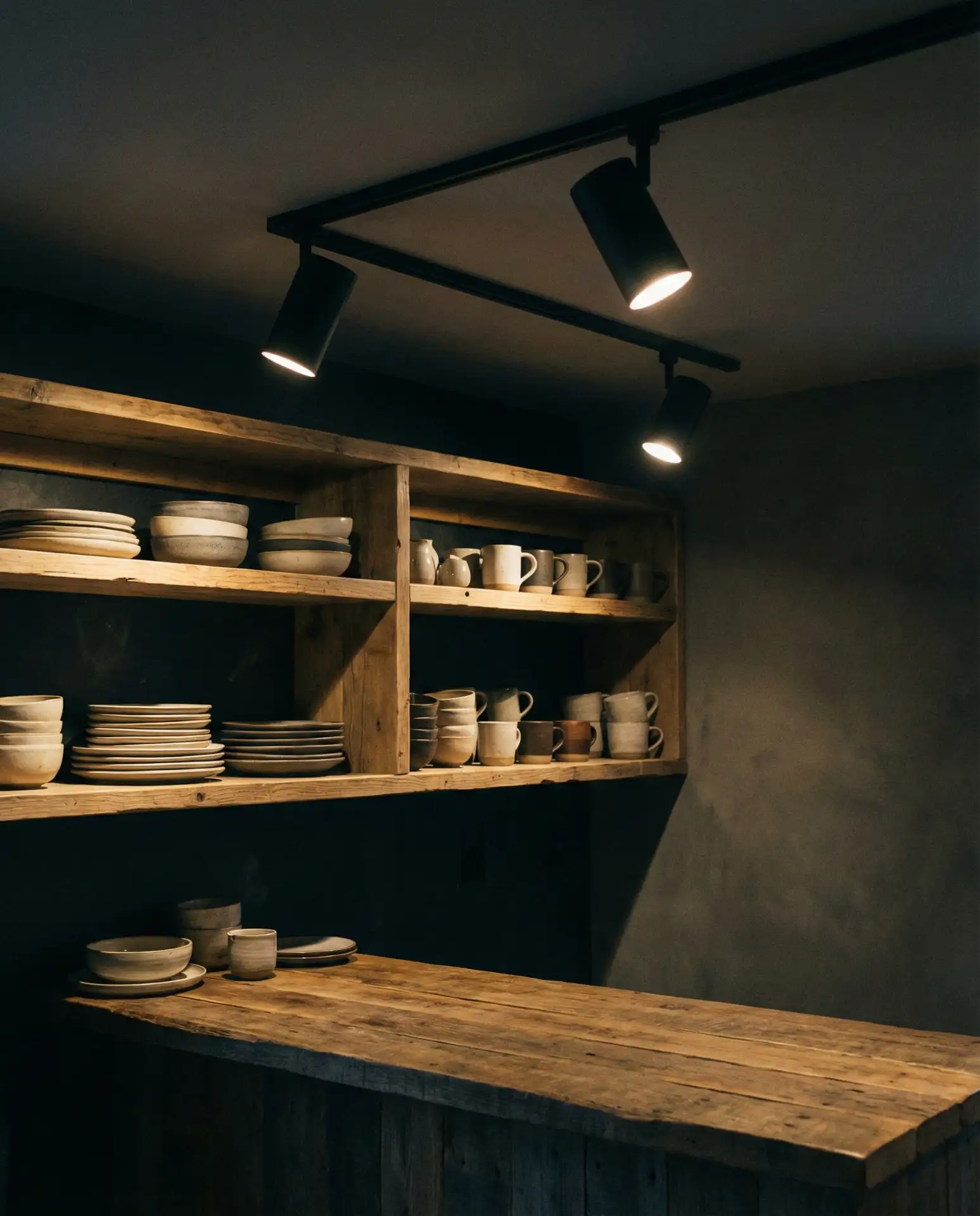
Track lighting gets a bad reputation because of dated installations, but the new generation of systems is genuinely versatile. You can reposition the heads anytime to highlight new artwork, adjust for seasonal light changes, or accommodate a furniture rearrangement. In loft apartments and condos with exposed ductwork or concrete ceilings, minimalist tracks complement the industrial bones without competing visually.
16. Beaded Wood Pendant Over Island
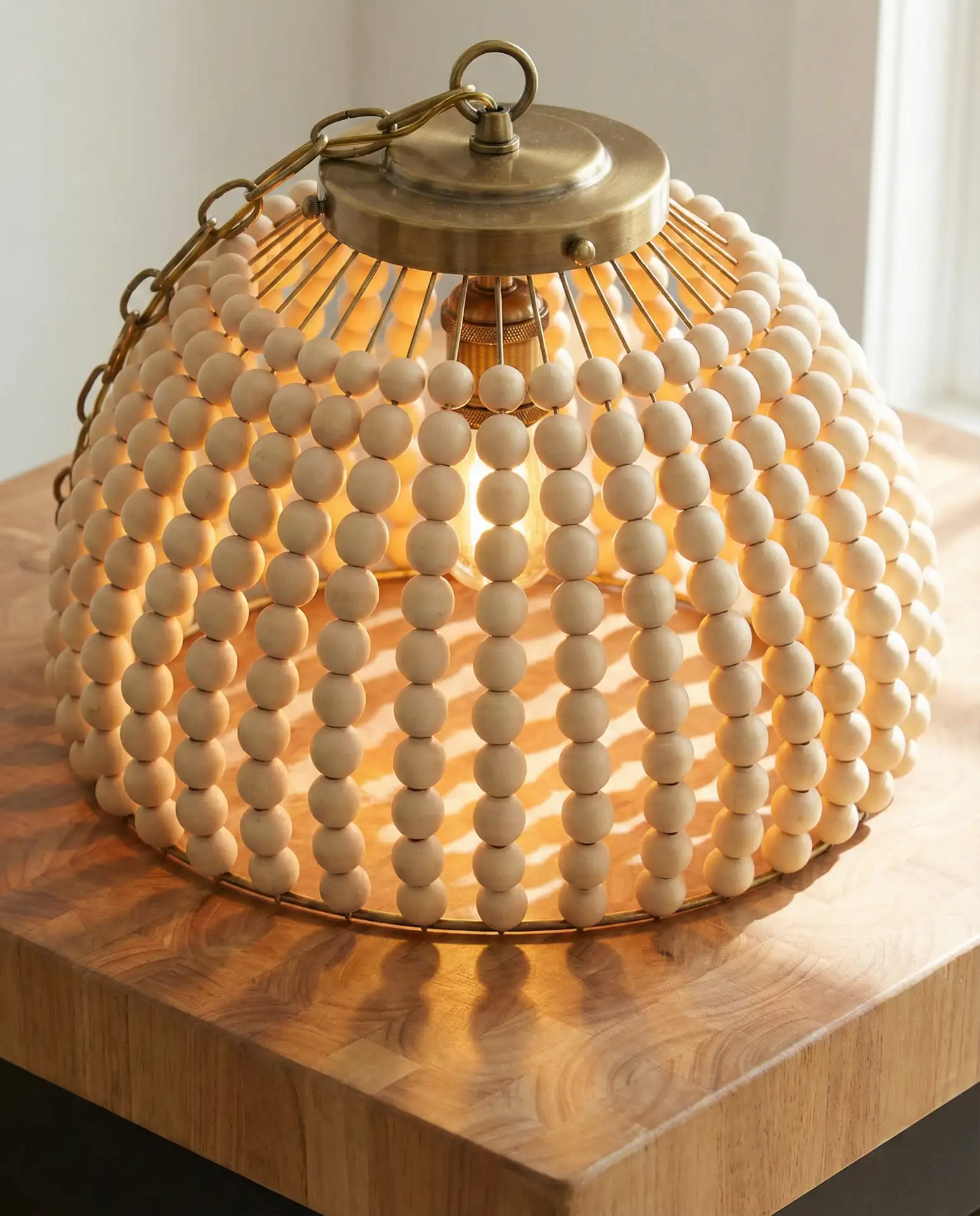
A beaded wood chandelier brings organic texture and bohemian flair to kitchen lighting ideas that embrace natural materials and relaxed elegance. These fixtures feature strands of wooden beads shaped into domes, globes, or cascading forms, creating visual interest without heavy visual weight. They work especially well in coastal, farmhouse, or eclectic kitchens where you want warmth without the formality of crystal or the coolness of metal. Pair them with wood cabinets, rattan barstools, or linen window treatments to reinforce the earthy aesthetic.
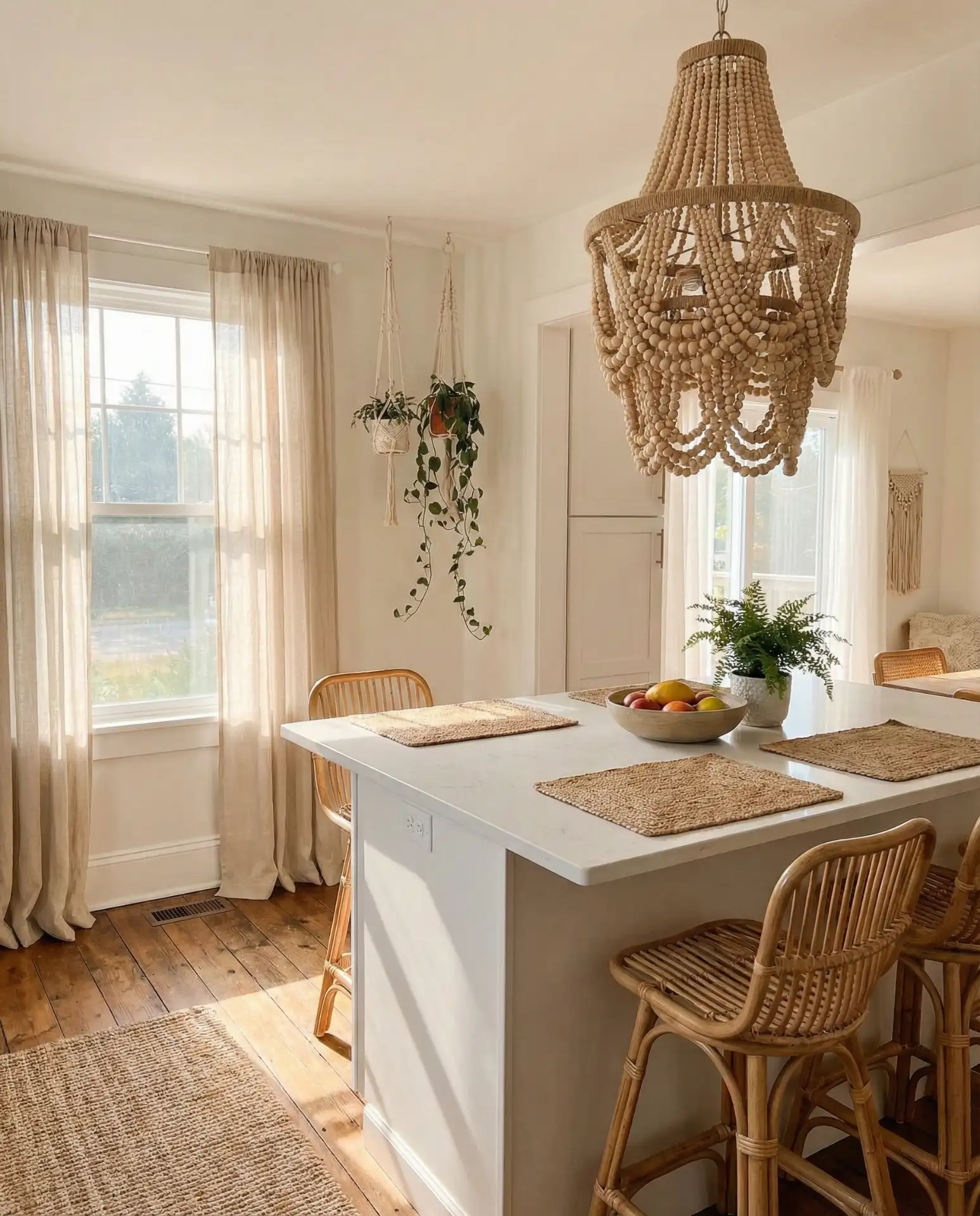
Expert tip: beaded fixtures need space to breathe—they look best in kitchens with at least nine-foot ceilings and open layouts where the intricate detail can be appreciated from multiple angles. In tight spaces or low ceilings, they can feel overwhelming and claustrophobic, so save them for airy rooms where the beads can cast interesting shadows on the walls and ceiling.
17. Crystal Accents for Glam Kitchens
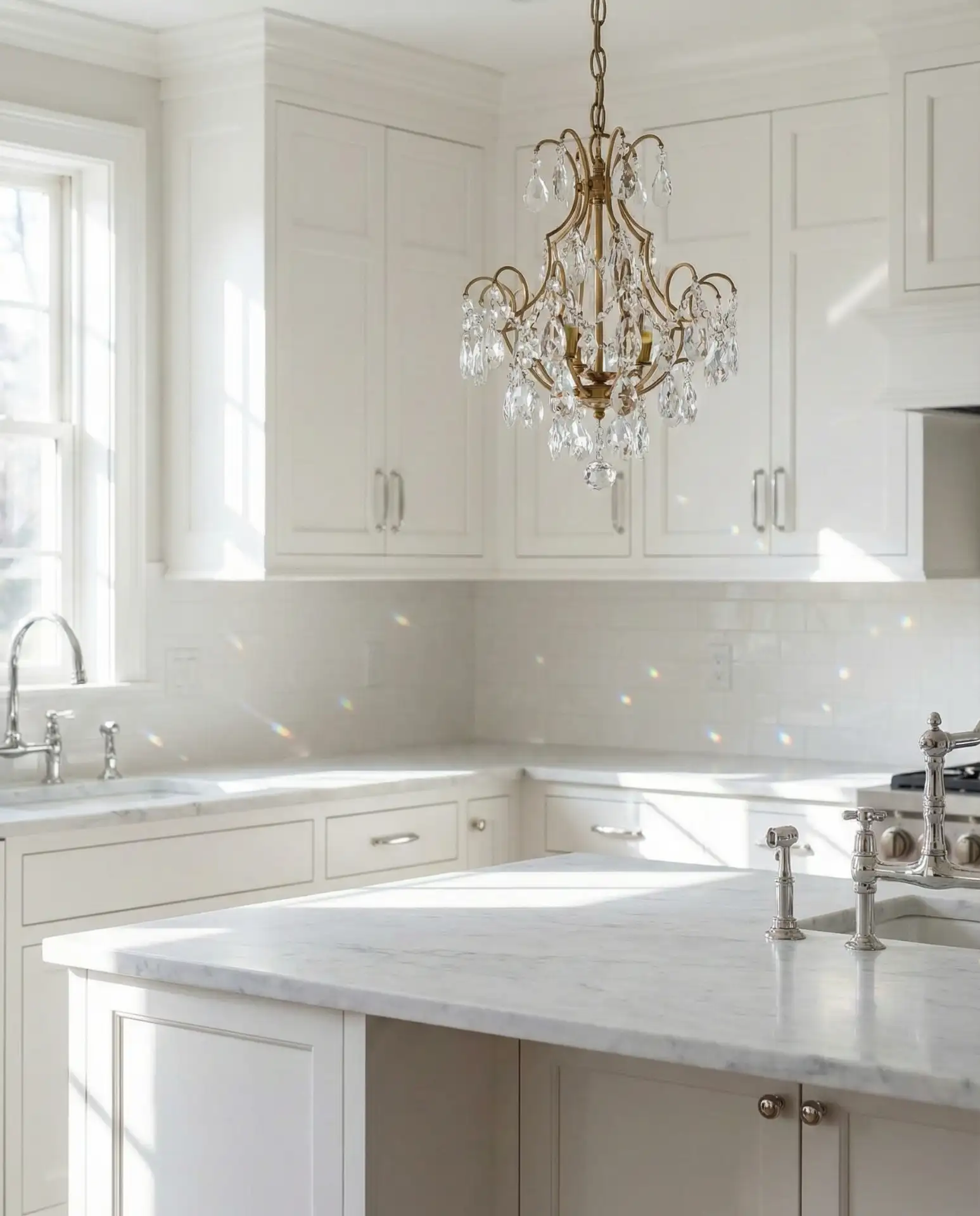
Crystal drops or prisms add sparkle and sophistication to kitchen lighting overhead design in glam or transitional spaces that lean feminine and polished. Whether you choose a full crystal chandelier or a simple pendant with just a few hanging crystals, the effect is immediate and eye-catching. Install these over islands or dining tables where they can become a jewelry-like focal point. The faceted crystals refract light beautifully, creating rainbow prisms on walls and counters when natural sunlight streams through during the day.
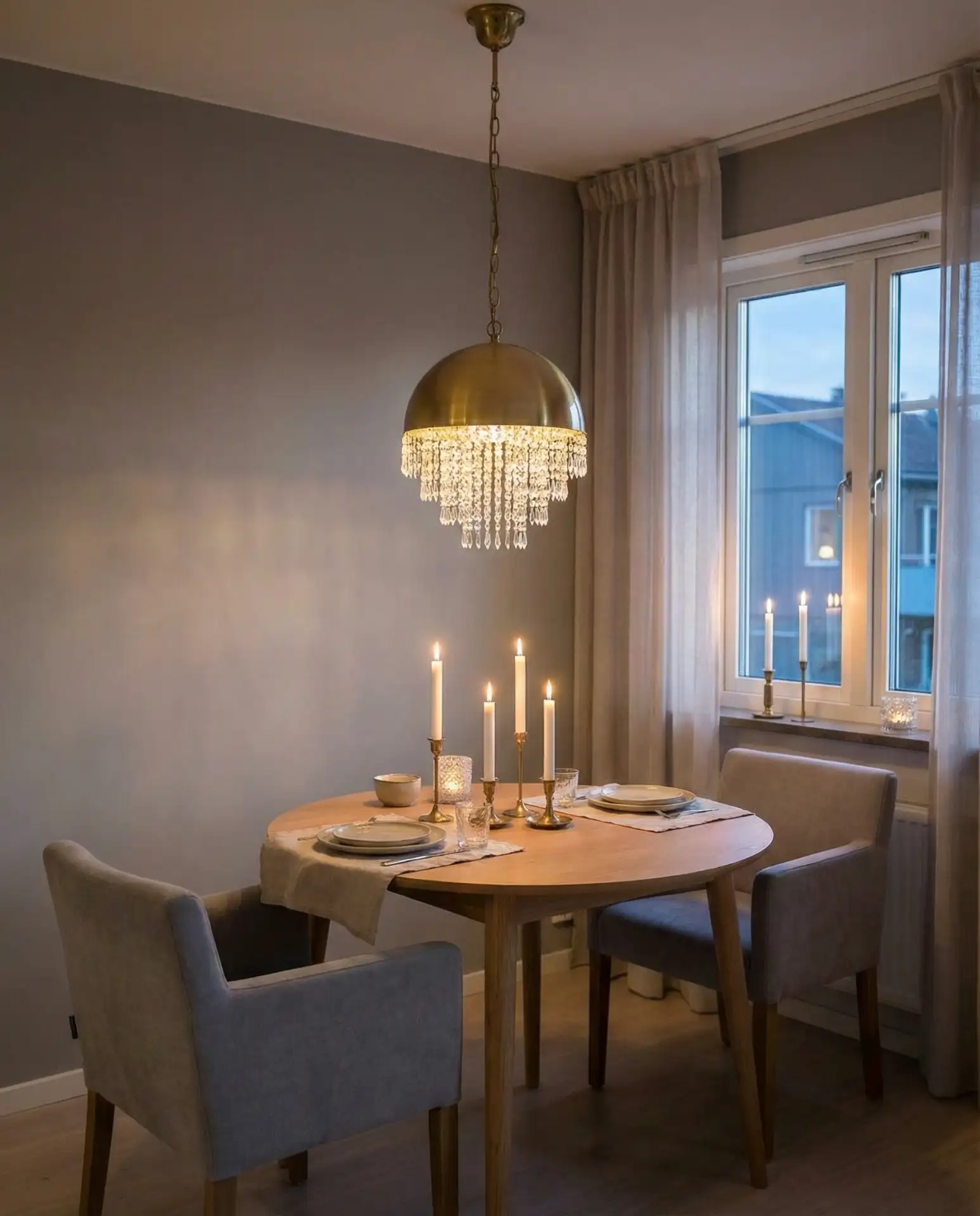
In Southern cities like Atlanta and Nashville, glam kitchens with crystal accents remain wildly popular among homeowners who want their kitchens to feel as dressed-up as their dining rooms. The key is balancing the glitz—keep the rest of the finishes clean and simple so the crystal reads as intentional rather than overdone. White or cream cabinetry, marble surfaces, and minimal clutter let the lighting shine.
18. Edison Bulb Pendants for Industrial Charm
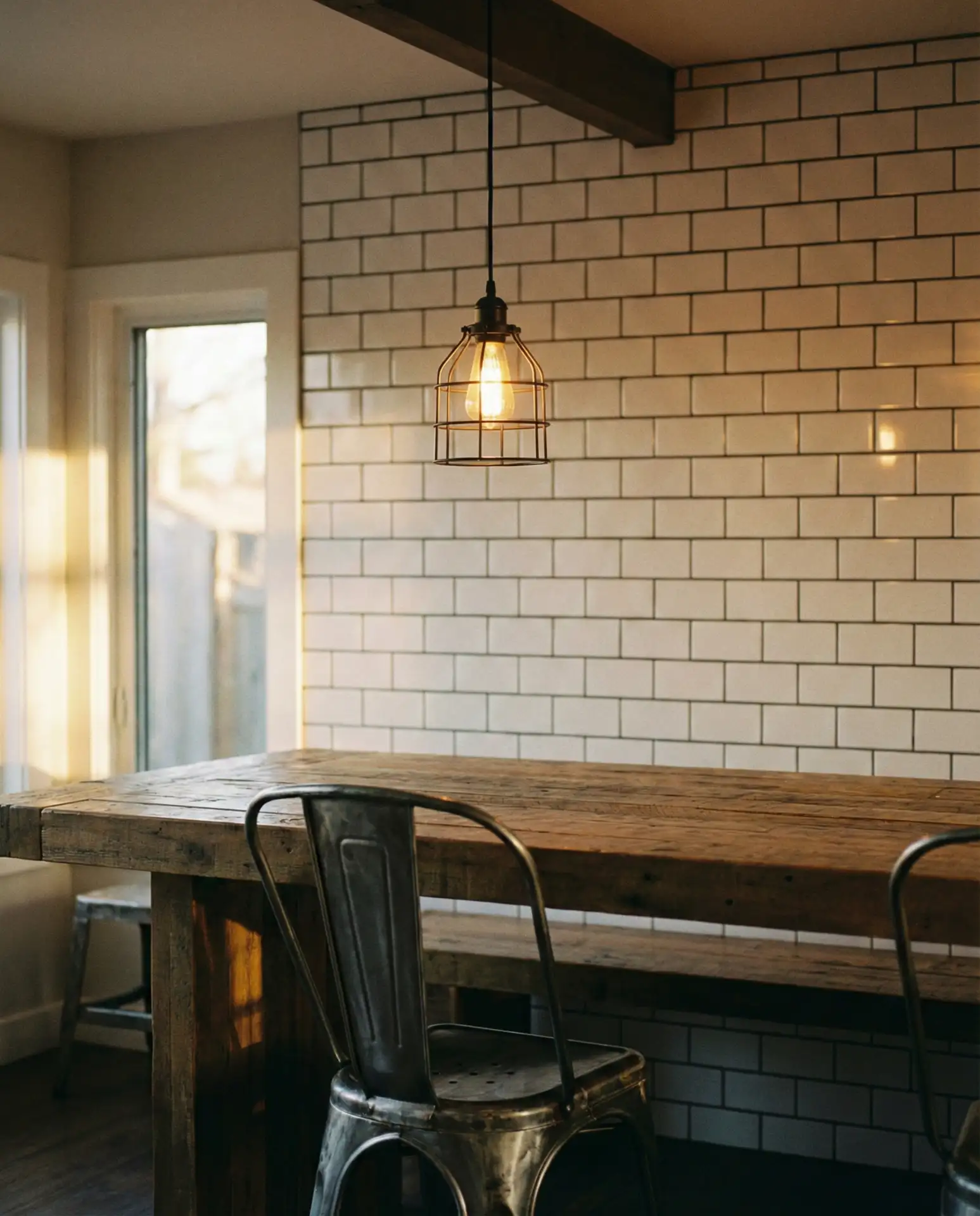
Exposed Edison bulbs in simple wire or metal cages deliver vintage industrial appeal that’s been trending for years and shows no sign of slowing down. These fixtures work beautifully in loft conversions, urban apartments, or any kitchen with rustic or reclaimed elements like brick walls or salvaged wood counters. The warm amber glow of Edison-style filament bulbs creates instant ambiance, and the minimal housing keeps the focus on the bulb itself. Cluster several together or use them individually depending on your space.
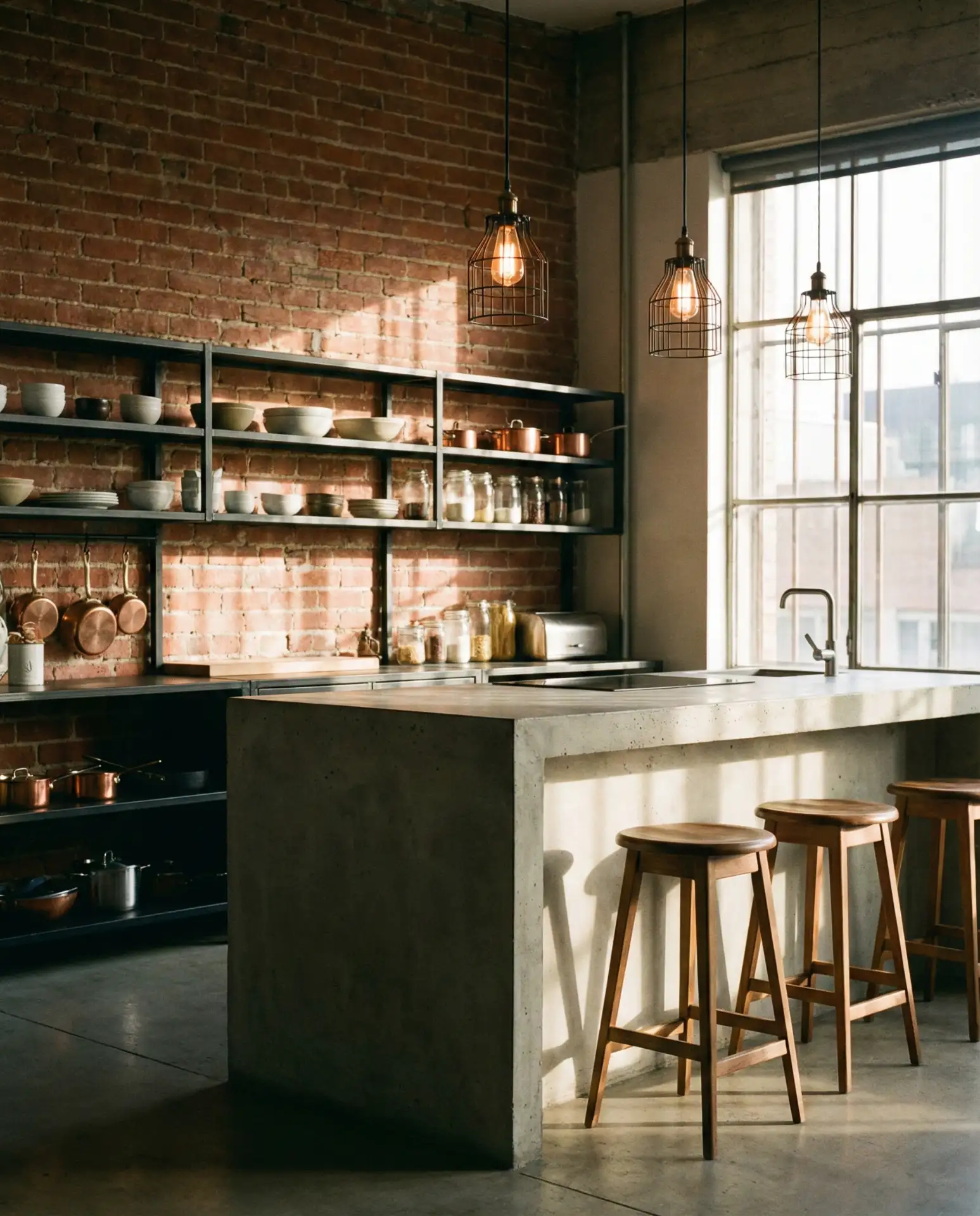
A mistake many make is using Edison bulbs everywhere—the warm amber tone is beautiful for ambiance but terrible for task lighting. Use them over dining areas or as decorative accents, but stick with brighter, cooler LEDs in fixtures over your prep zones and sink. The contrast between warm and cool light zones actually helps define different functional areas within an open kitchen.
19. Colored Enamel Shades for Personality
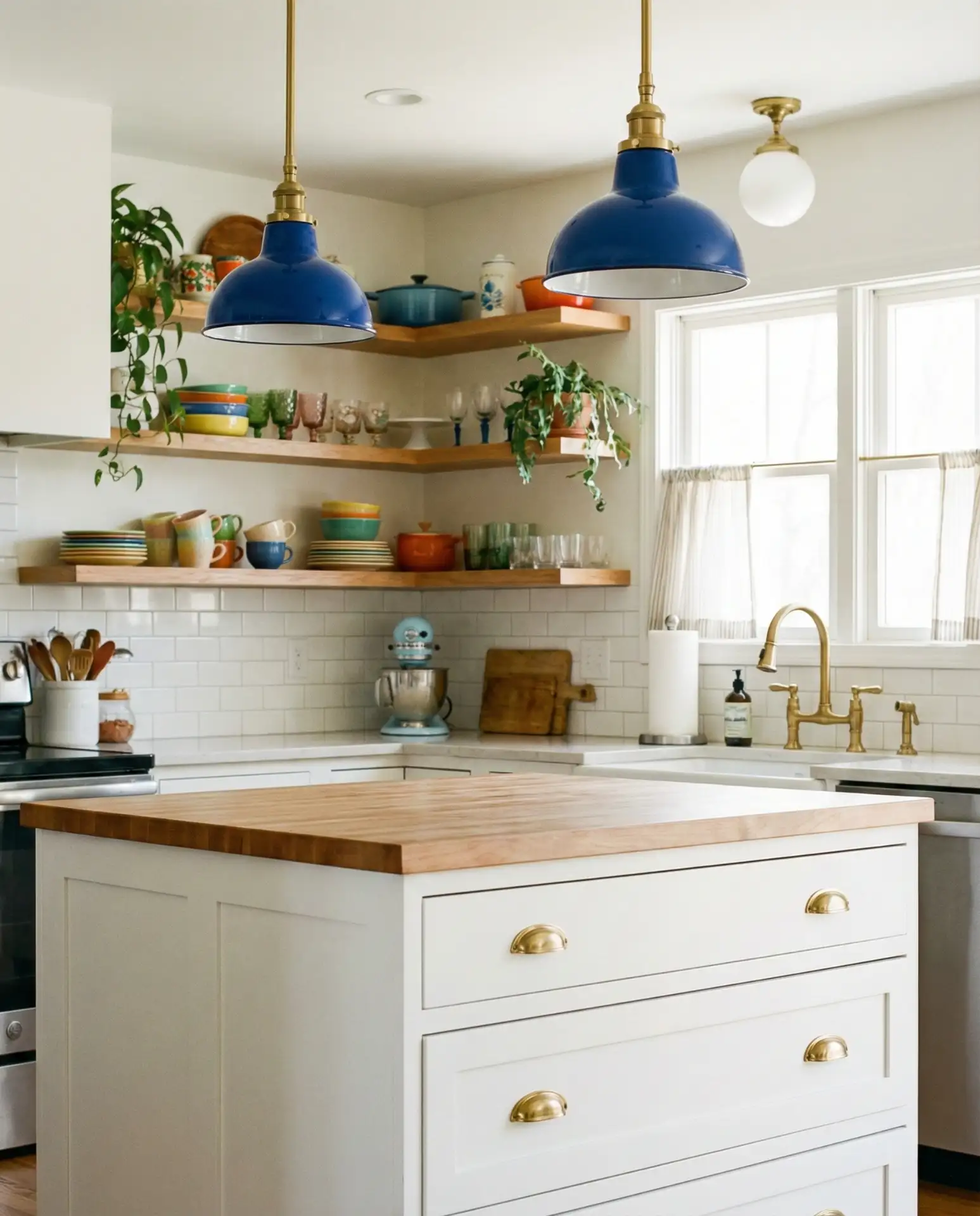
Enameled metal shades in bold hues—cobalt blue, mint green, or sunny yellow—inject personality and vintage charm into kitchen lighting makeover projects. These barn-style or industrial pendants became popular in the early twentieth century and have made a strong comeback in contemporary farmhouse and eclectic kitchens. The powder-coated finish is durable and easy to clean, making them as practical as they are pretty. Use them to add a pop of color against neutral cabinetry or to reinforce an existing accent color elsewhere in the room.
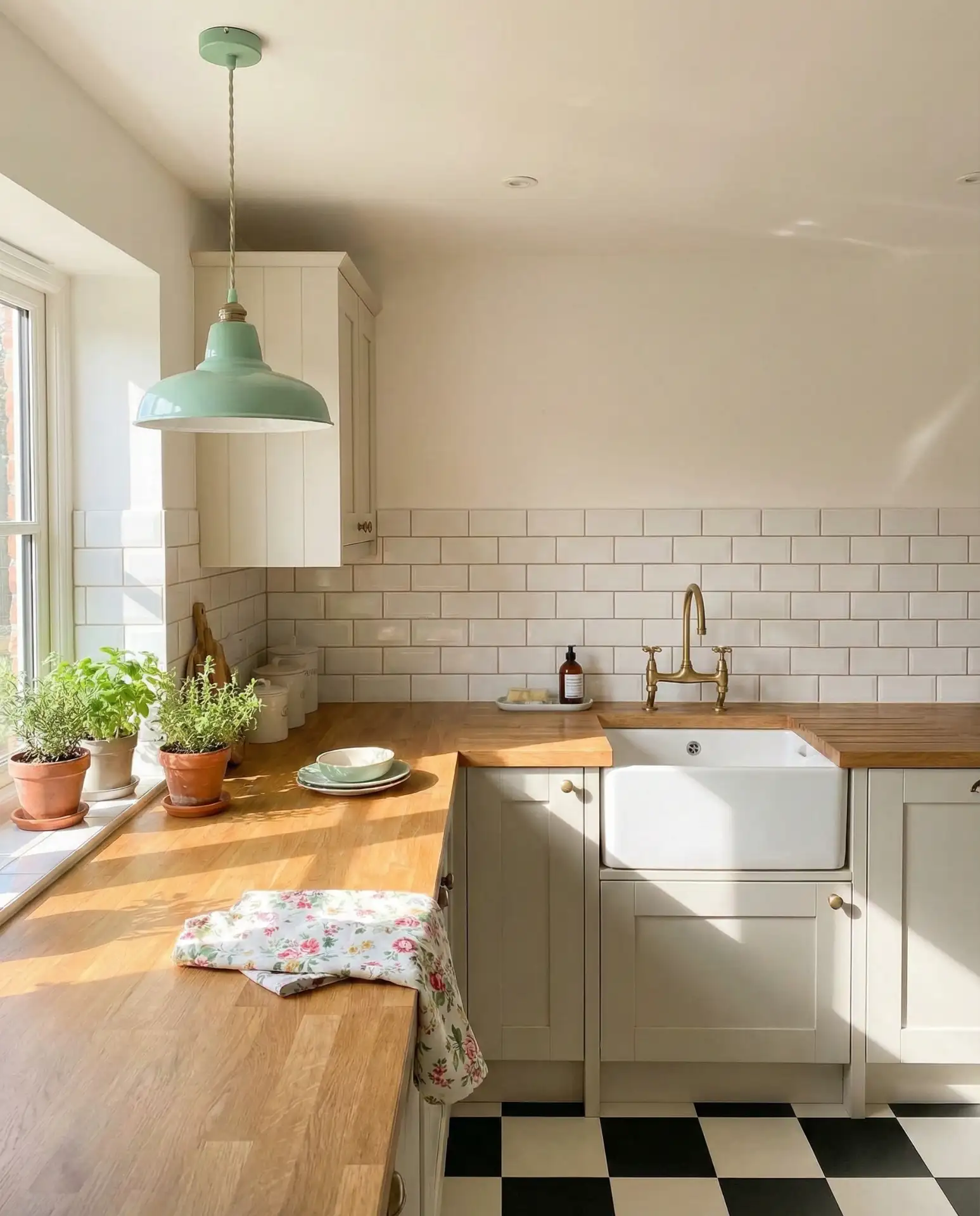
Colored enamel fixtures are surprisingly affordable—many online retailers sell them for under one hundred fifty dollars—making them an easy way to update a builder-grade kitchen on a budget. They’re especially popular in smaller towns across the Midwest and South, where homeowners appreciate the nod to vintage Americana without going full retro diner.
20. Woven Rattan Pendants for Texture
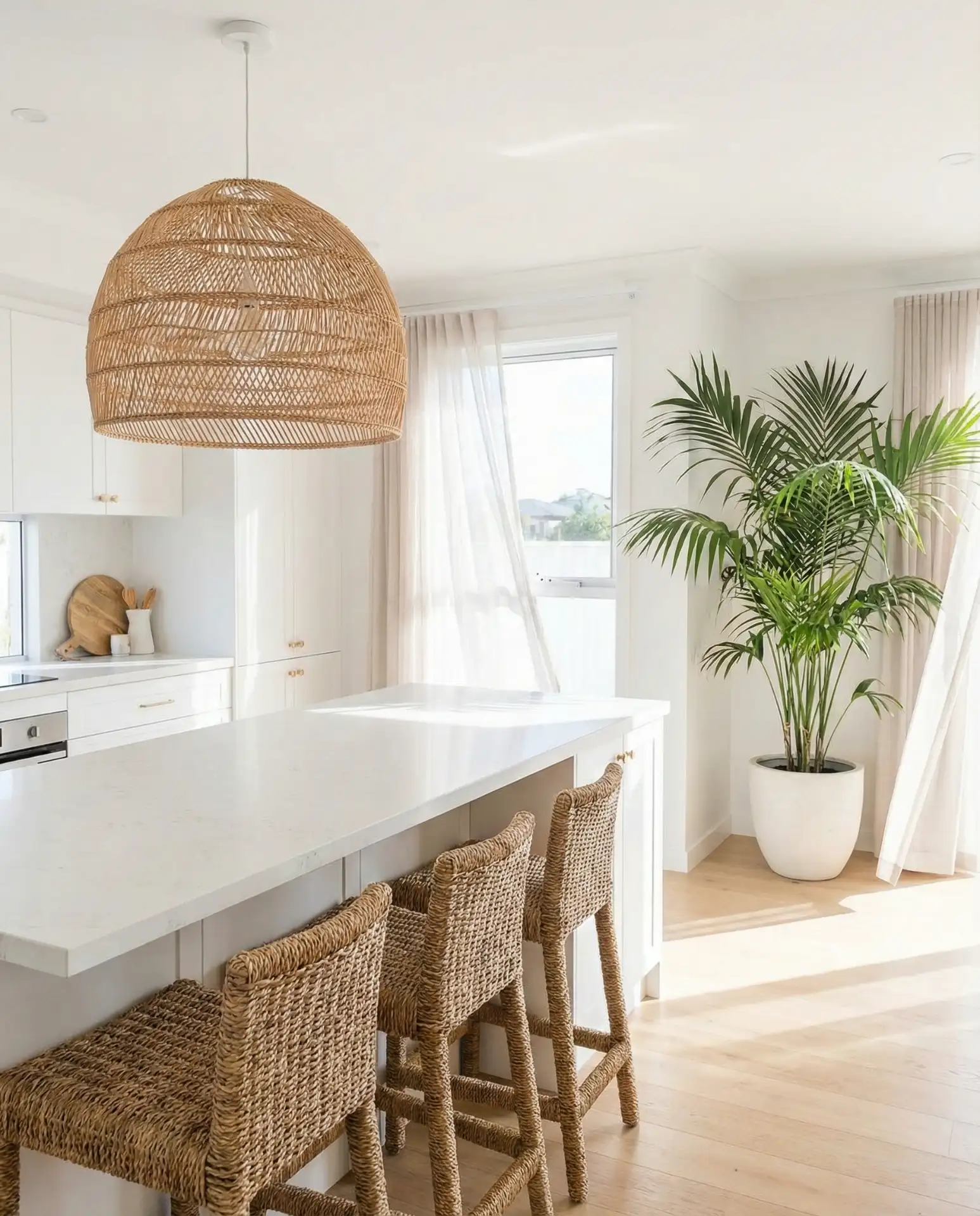
Handwoven rattan or wicker pendants bring organic texture and a laid-back, global aesthetic to kitchen lighting inspiration boards on Pinterest. These fixtures feel vacation-ready and work beautifully in coastal, bohemian, or Scandinavian kitchens where natural materials take center stage. The woven pattern casts interesting shadows when lit, adding depth and movement to the space. Pair them with white walls, light wood floors, and linen textiles for a cohesive, calming palette.
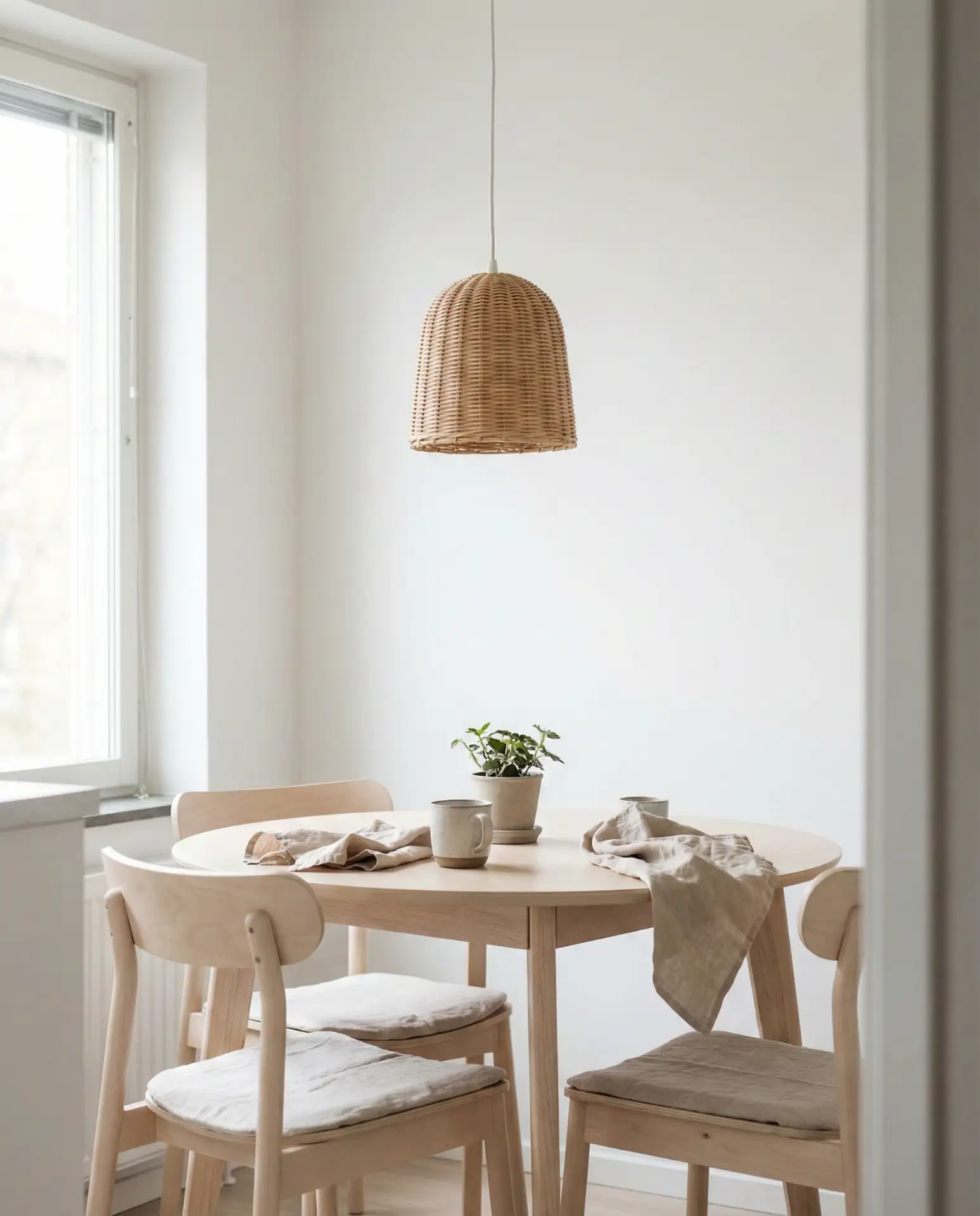
Where it works best: rattan fixtures suit humid climates like Florida and the Gulf Coast, where the natural material fits the environment and lifestyle. They’re less successful in formal or ultramodern kitchens, where the casual vibe clashes with the architecture. Keep the scale in mind—oversized rattan domes make a statement but need at least ten feet of ceiling height to avoid feeling top-heavy.
21. Multi-Arm Sputnik Chandeliers
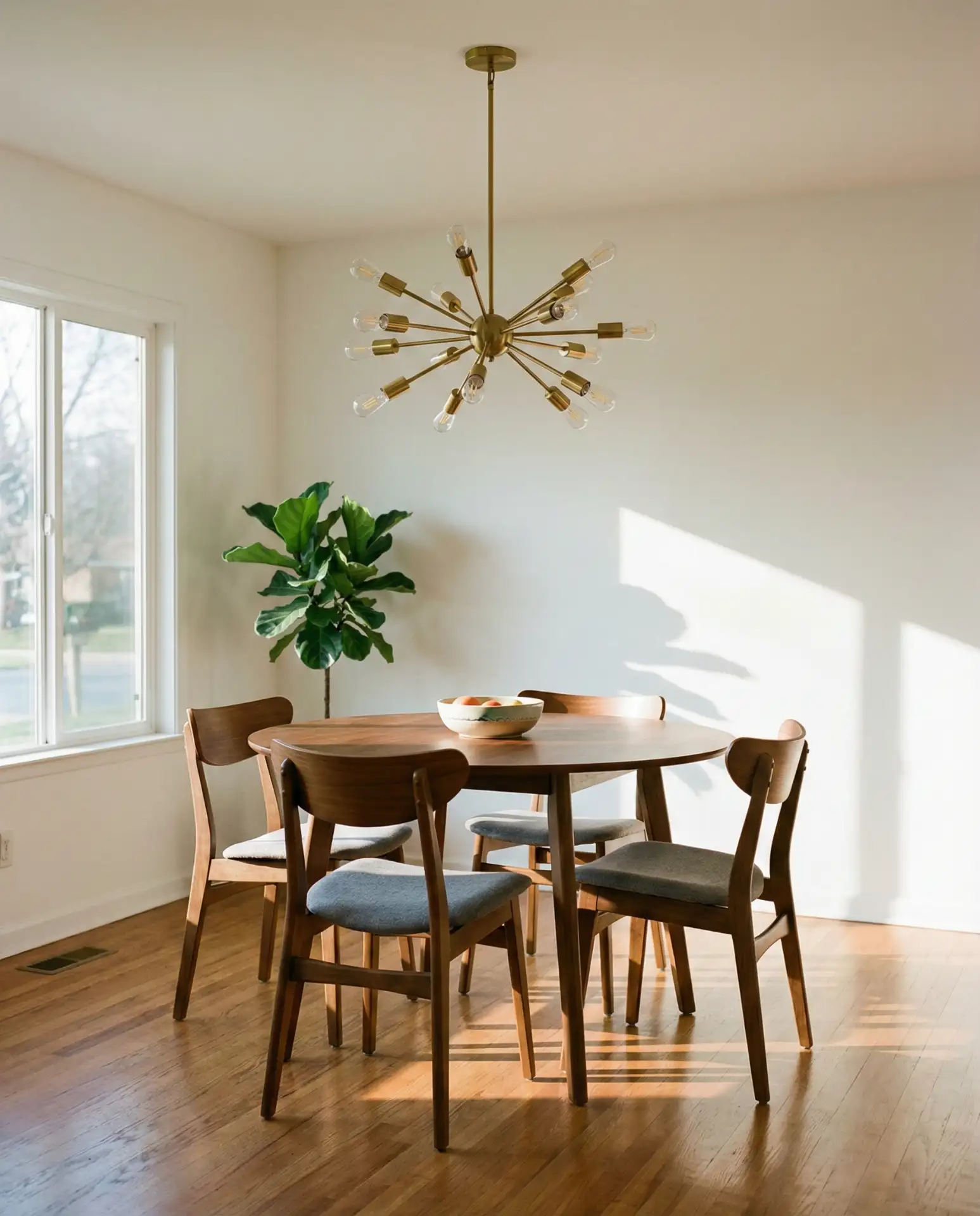
A mid-century modern Sputnik chandelier makes a bold statement in kitchen lighting fixtures over table installations where you want maximum drama and sculptural appeal. These fixtures feature multiple arms radiating from a central sphere, each tipped with a bulb, creating a starburst effect that’s both retro and futuristic. They work best in kitchens with high ceilings and open layouts where the fixture has room to breathe. Pair them with clean-lined furniture, geometric tile, and brass or gold accents for a cohesive mid-century aesthetic.
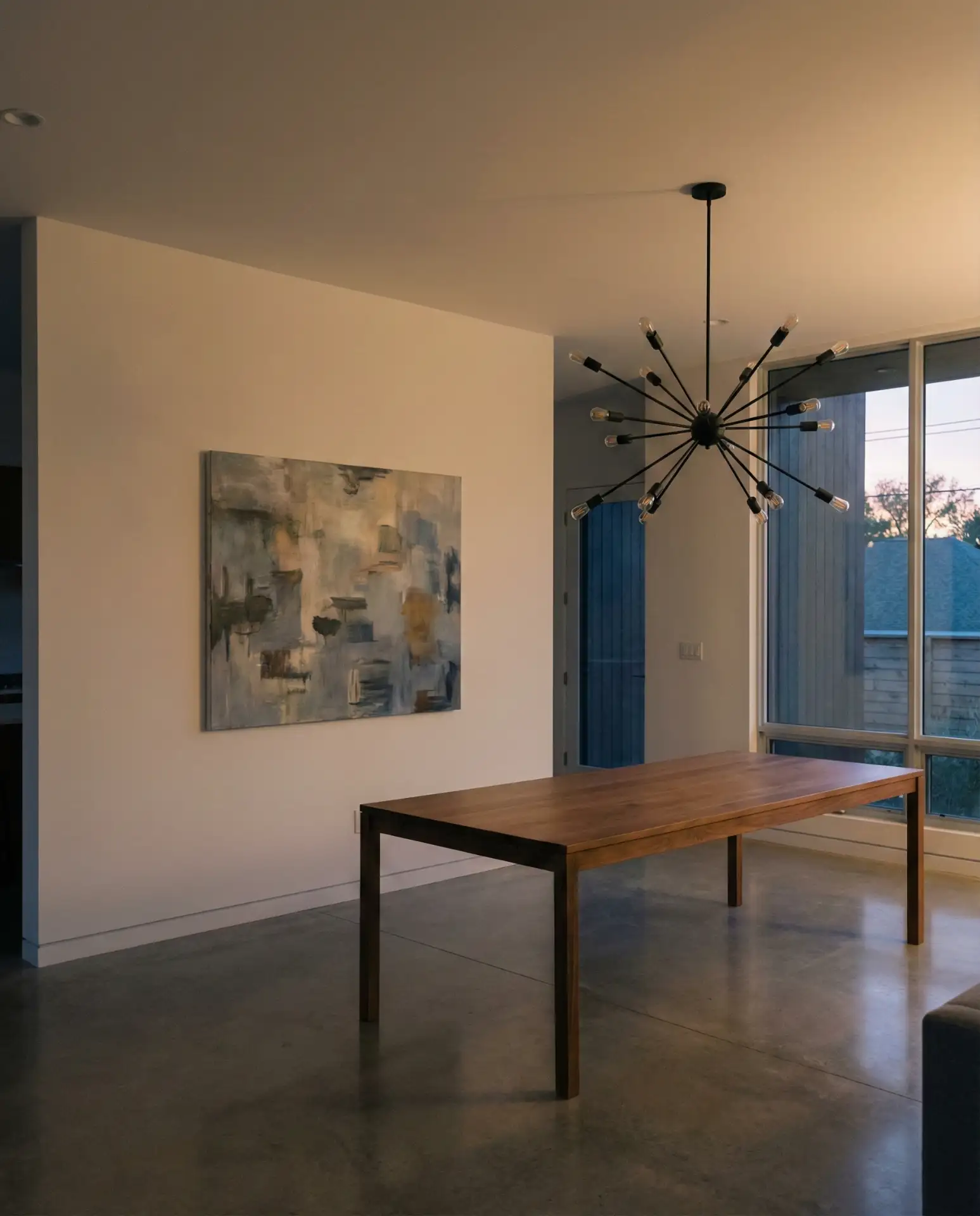
Real homeowners in Palm Springs and Austin gravitate toward Sputnik fixtures because they echo the atomic-age optimism of the mid-century homes common in those areas. These aren’t background fixtures—they demand attention and set the design direction for the entire room. If you choose one, keep the rest of your lighting simple and understated to avoid visual competition.
22. Under-Cabinet LED Strips for Layered Light
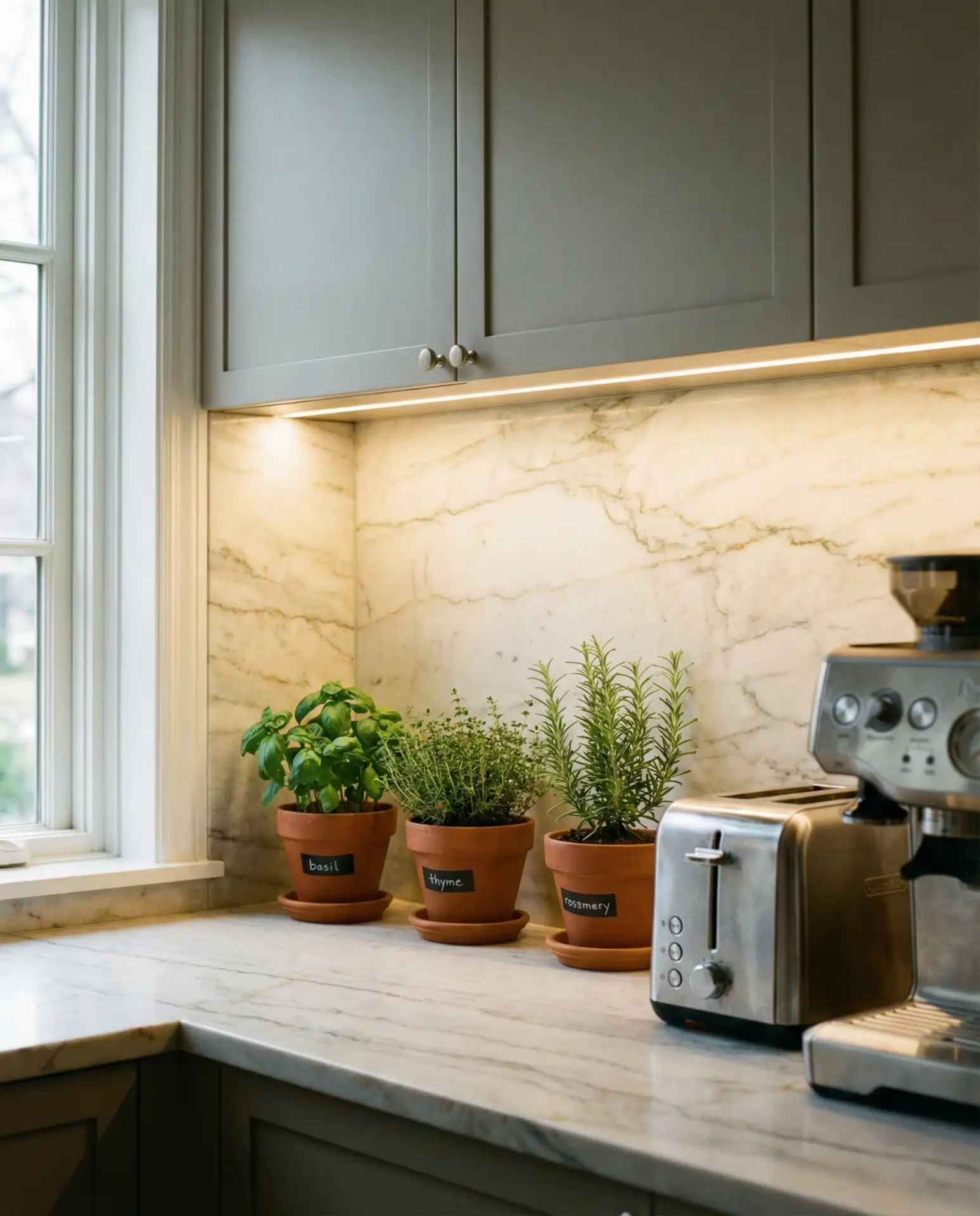
LED strip lighting tucked under wall cabinets provides essential task illumination for kitchen lighting ideas that prioritize function as much as form. These low-profile lights eliminate shadows on countertops, making food prep safer and more efficient. Modern LED strips come in warm, neutral, and cool tones, allowing you to match the color temperature to your other fixtures. They’re also dimmable, energy-efficient, and can last up to fifty thousand hours—essentially a lifetime installation for most homeowners.
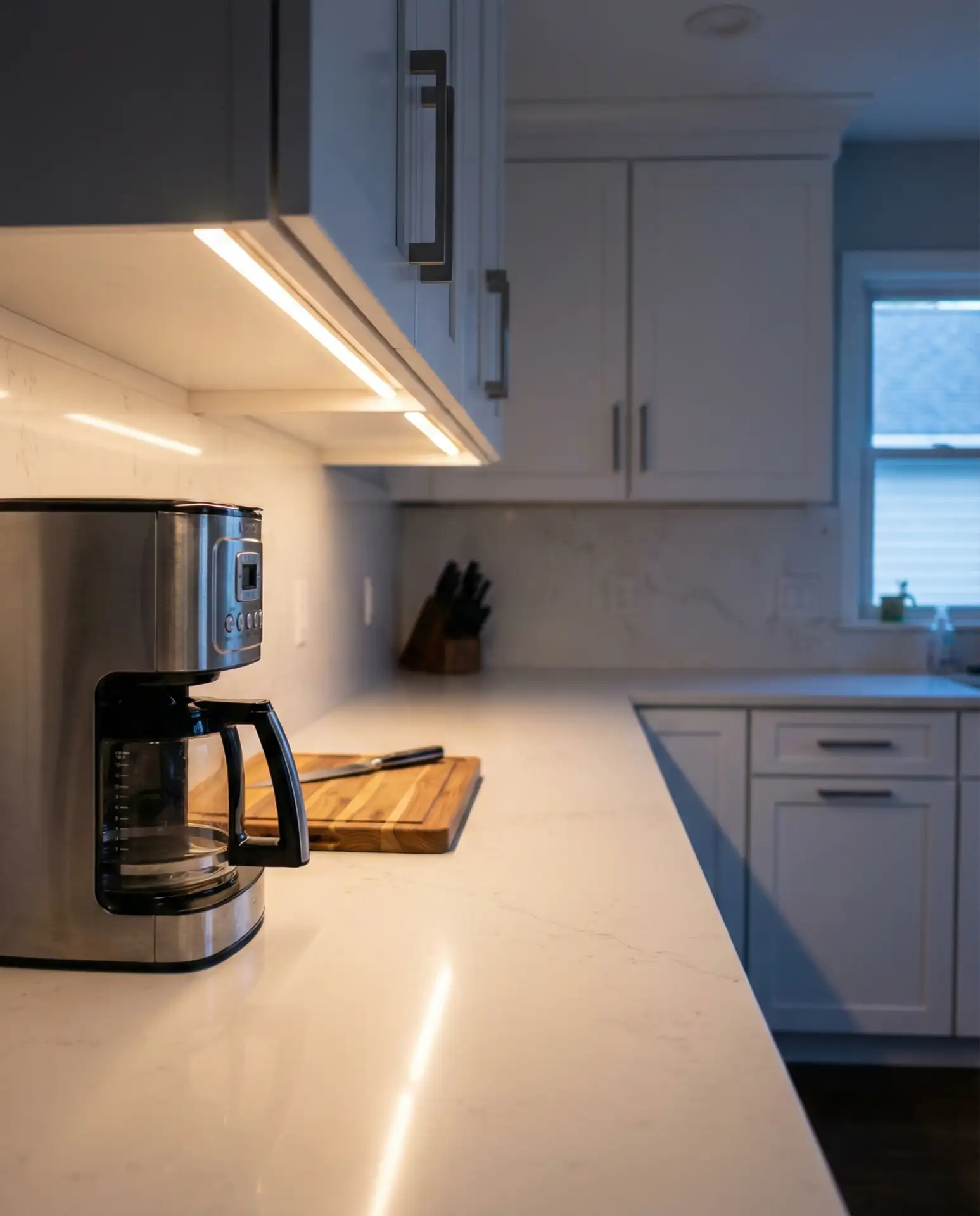
Under-cabinet lighting often gets overlooked during initial renovations, but homeowners who add it later consistently say it’s the upgrade they wish they’d done first. The difference is dramatic—suddenly you can actually see what you’re chopping instead of working in your own shadow. Installation is DIY-friendly with plug-in versions, or you can hardwire them during a remodel for a completely seamless look with no visible cords.
Conclusion
As you plan your kitchen lighting for 2026, remember that the best designs layer multiple sources—overhead fixtures for general illumination, task lights where you work, and ambient options for mood. Start with the pieces that excite you most, whether that’s a statement chandelier or a row of simple pendants, and build from there. Share your favorite ideas or your own kitchen lighting success stories in the comments below—we’d love to hear what’s working in your home.