Loft beds have evolved far beyond dorm room essentials—in 2026, they’re stylish, space-saving solutions for everyone from urban renters to families navigating smaller homes. Americans are turning to Pinterest in droves for loft bed inspiration that balances function with aesthetic appeal, whether they’re furnishing a teen’s bedroom, maximizing a studio apartment, or creating a cozy retreat on a budget. This year’s trending designs embrace everything from sleek metal frames to creative DIY builds that work even in rooms with low ceilings. Below, you’ll find fresh loft bed ideas that prove smart design doesn’t mean sacrificing style.
1. Scandinavian-Inspired Minimalist Loft Bed for Small Rooms
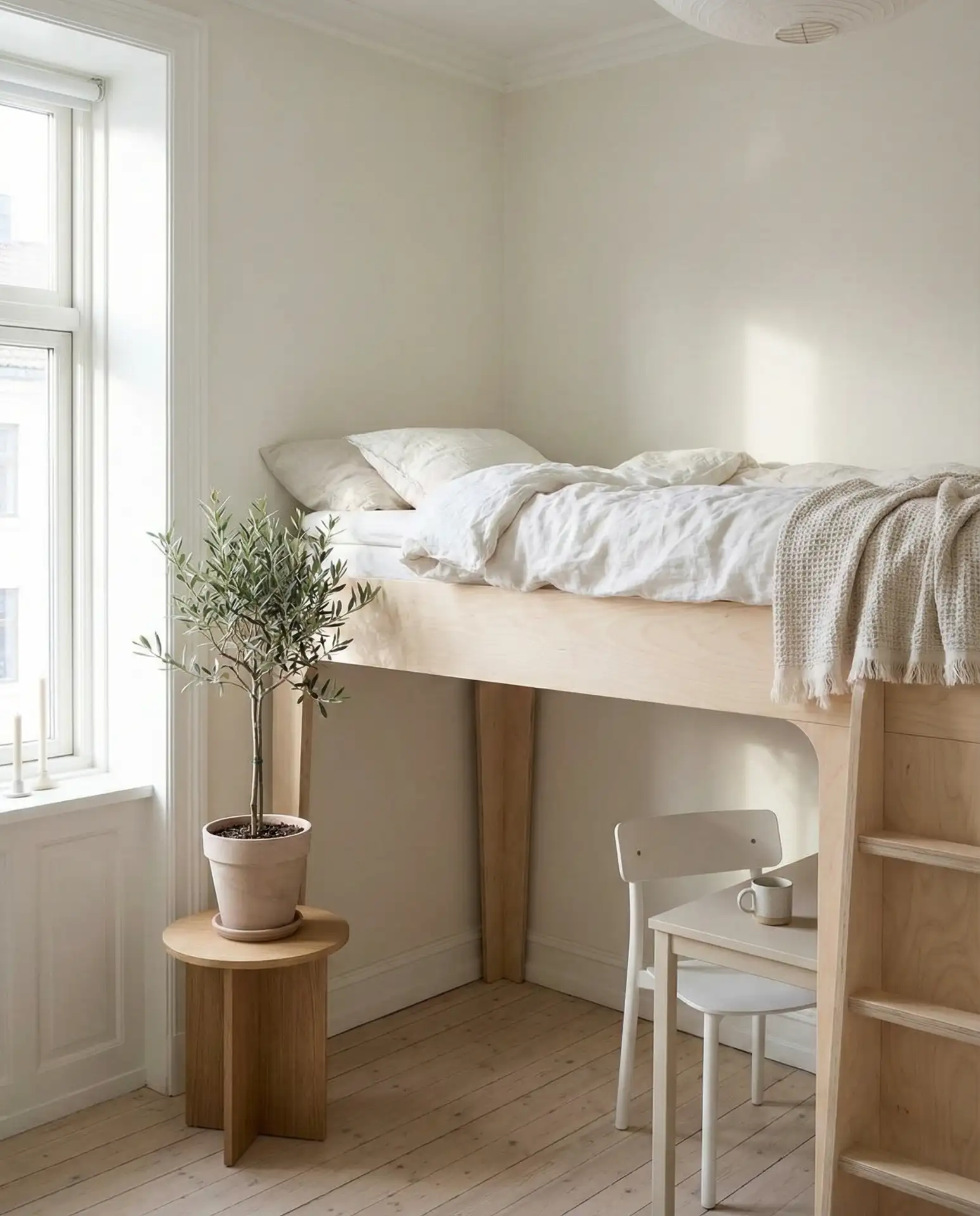
This design brings clean lines and light wood tones into small rooms that need breathing space. Perfect for small rooms and adults who crave simplicity, the Scandinavian aesthetic uses pale birch or ash frames with white bedding and minimal decor. The look works especially well in apartments where natural light is limited, as the pale palette reflects what little sunshine filters through. Underneath, a compact desk or reading nook fits seamlessly without visual clutter.
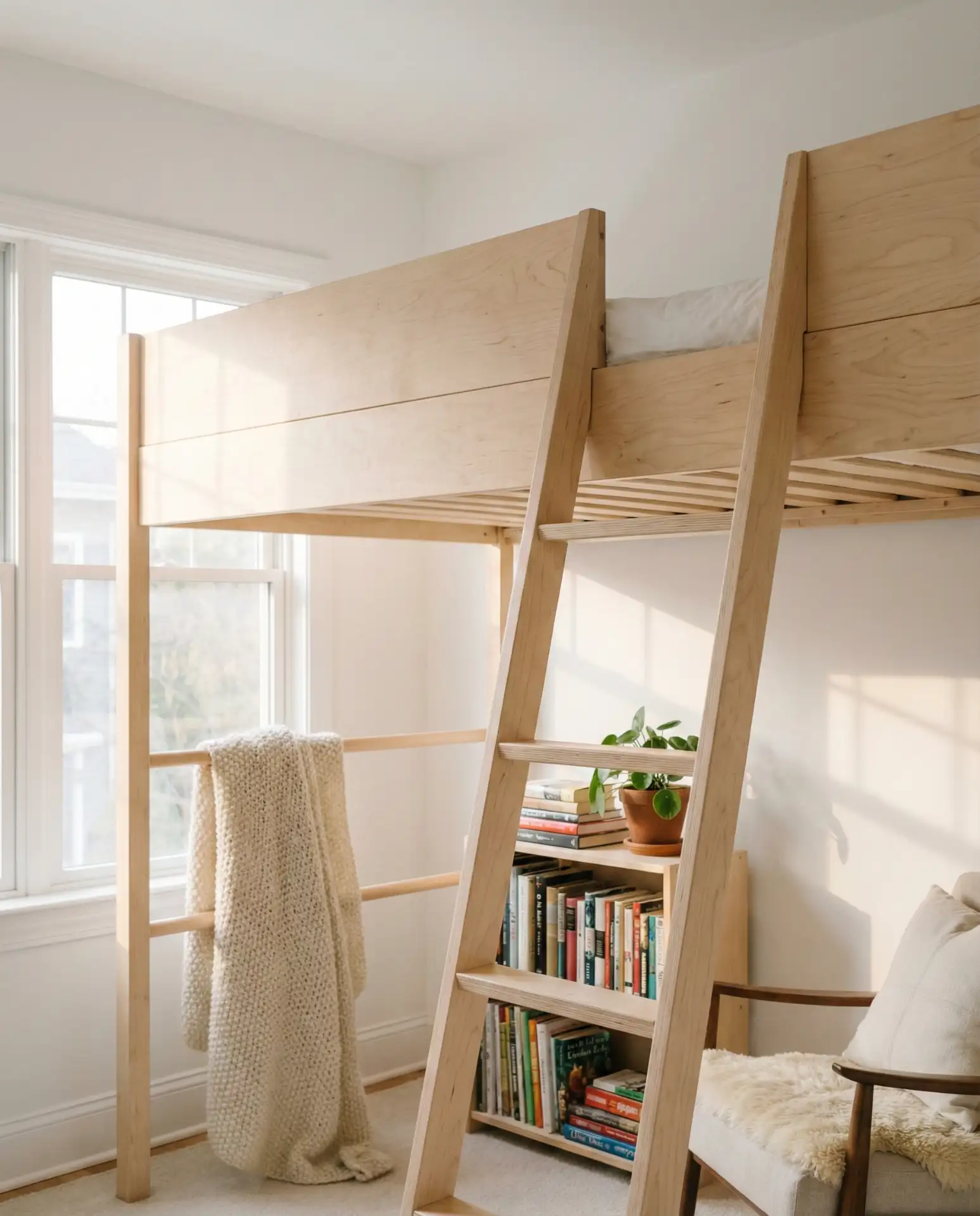
Where it works best: Studio apartments in cities like Seattle or Portland, where renters appreciate understated design that doesn’t overwhelm tight square footage. The elevated sleeping area frees up floor space for a workspace or storage cubes, and the neutral tones make the room feel larger than it is. Pair with linen curtains and a wool area rug to complete the hygge vibe without adding bulk.
2. Industrial Metal Loft Bed for Urban Lofts
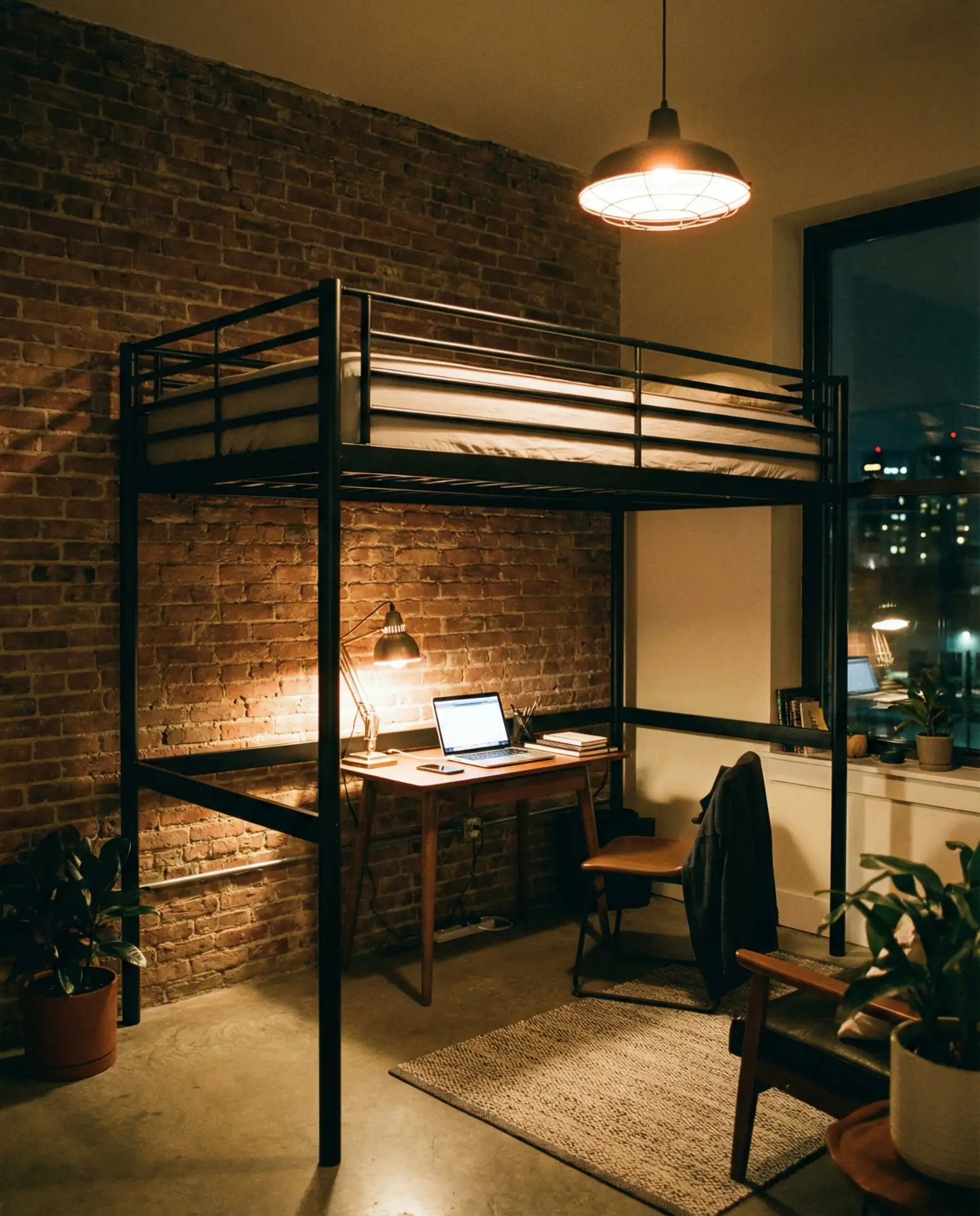
Exposed brick walls meet metal frames in this rugged design that channels Brooklyn loft energy. Ideal for small rooms and space-saving setups, the matte black or gunmetal finish adds an edge that complements concrete floors and open ductwork. These beds often feature built-in shelving on the frame itself, eliminating the need for additional furniture. The industrial look pairs beautifully with vintage Edison bulbs and reclaimed wood accents underneath.
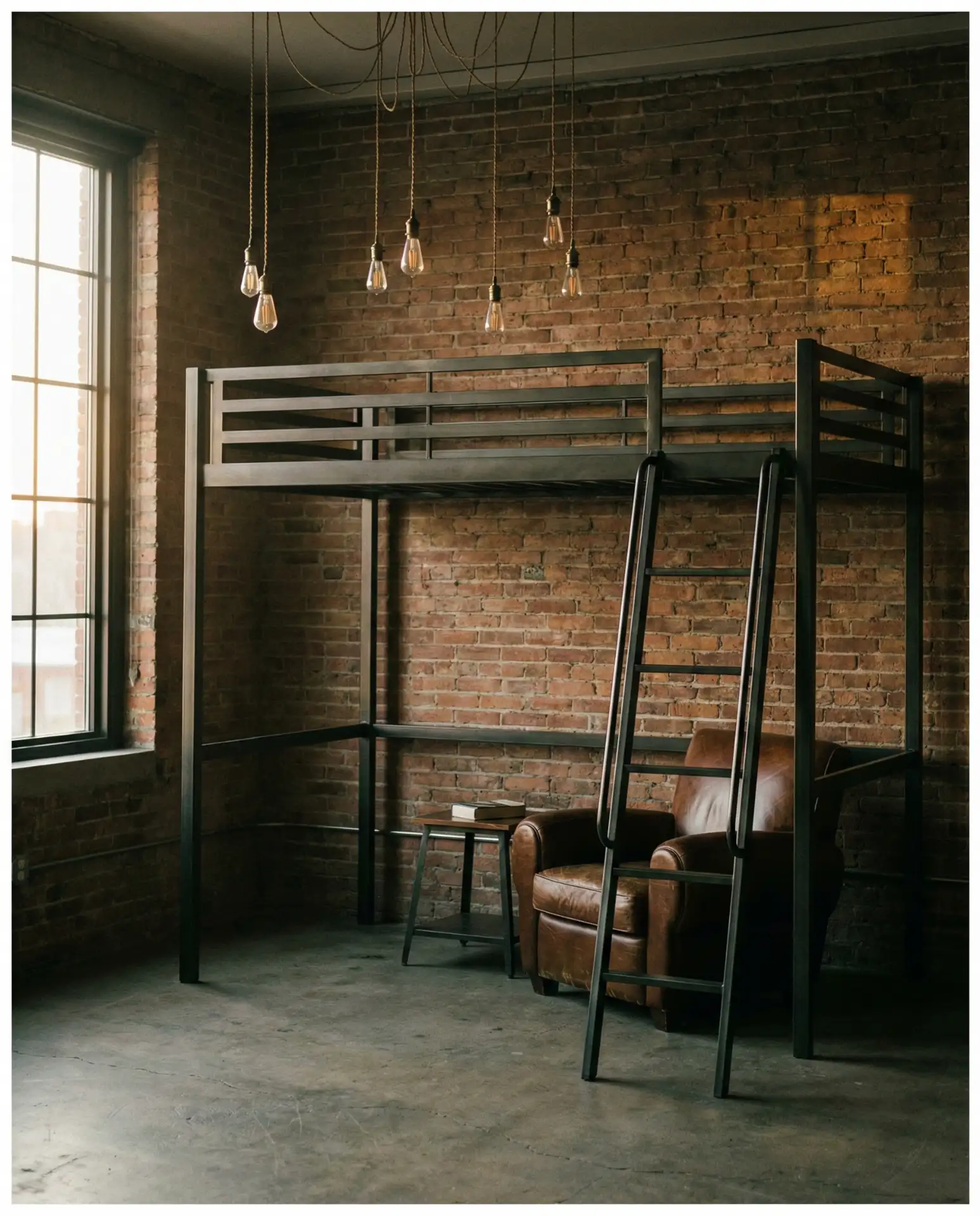
Budget-conscious shoppers can find affordable metal loft frames starting around $250, with sturdy construction that lasts for years. The look appeals to millennials and Gen Z renters who want personality without major investment—just add thrifted decor and string lights to personalize. Avoid overloading the top bunk with heavy items, as metal frames can develop squeaks if stressed beyond their weight limit.
3. Ikea Vitval Hack for Small Rooms Teenagers’ Aesthetic
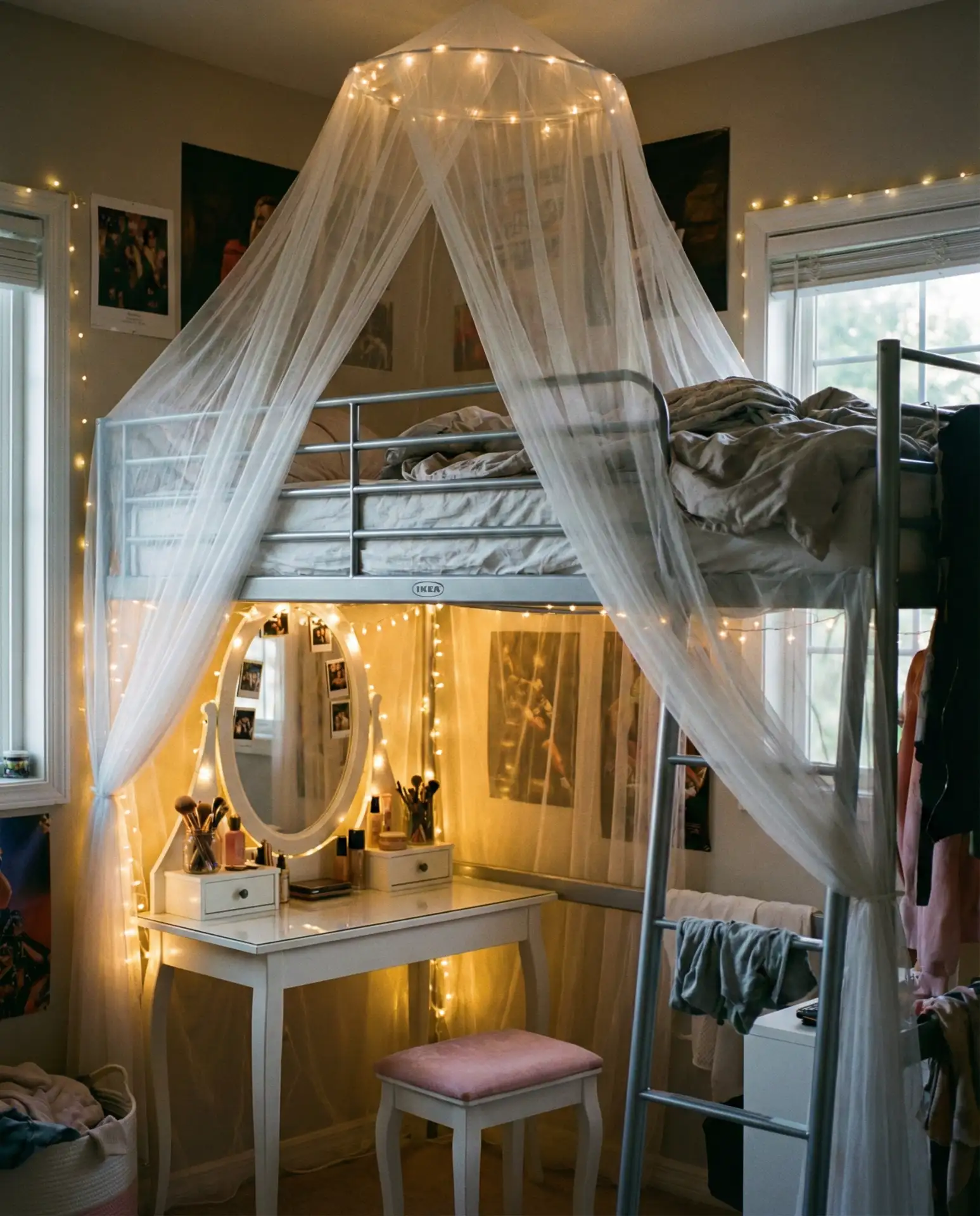
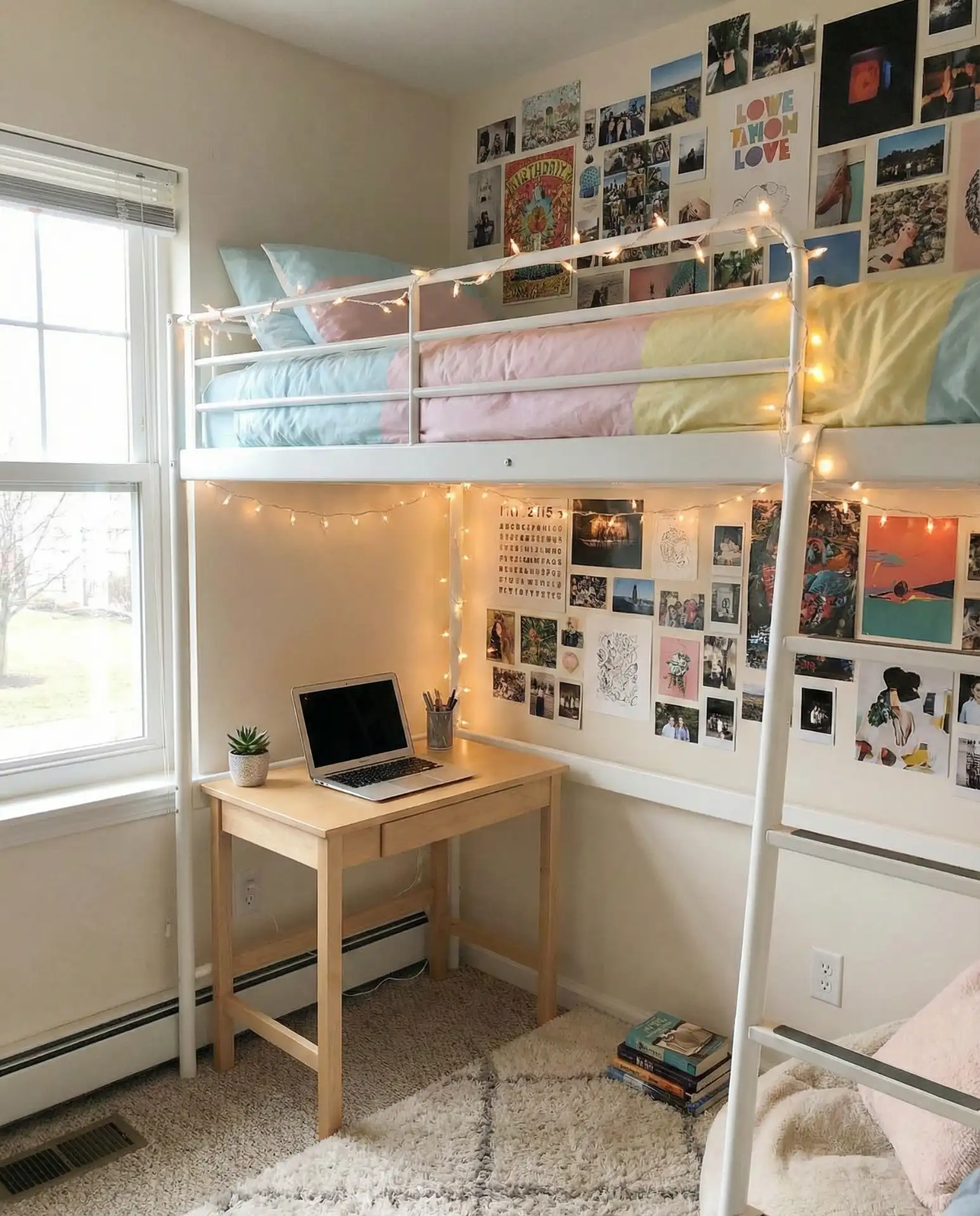
The Ikea Vitval loft bed has become a cult favorite among teens’ aesthetic circles, thanks to its affordability and customization potential. This small room’s teenager aesthetic setup transforms the basic frame with LED strip lights, hanging plants, and a canopy of sheer fabric. Underneath, a vanity or gaming station fits perfectly, and the white or silver finish works with virtually any color scheme. Parents appreciate the price point—under $200—and teens love the Instagram-worthy result.
A quick anecdote: My neighbor’s daughter turned her Vitval into a “cloud bed” by draping white tulle and adding faux ivy vines—it cost less than $30 in supplies and became the backdrop for all her TikTok videos. The key is to anchor decorations securely so they don’t sag or fall overnight. This hack proves that even flat-pack furniture can feel custom with a bit of creativity.
4. Low Loft Bed for Small Rooms with Low Ceiling
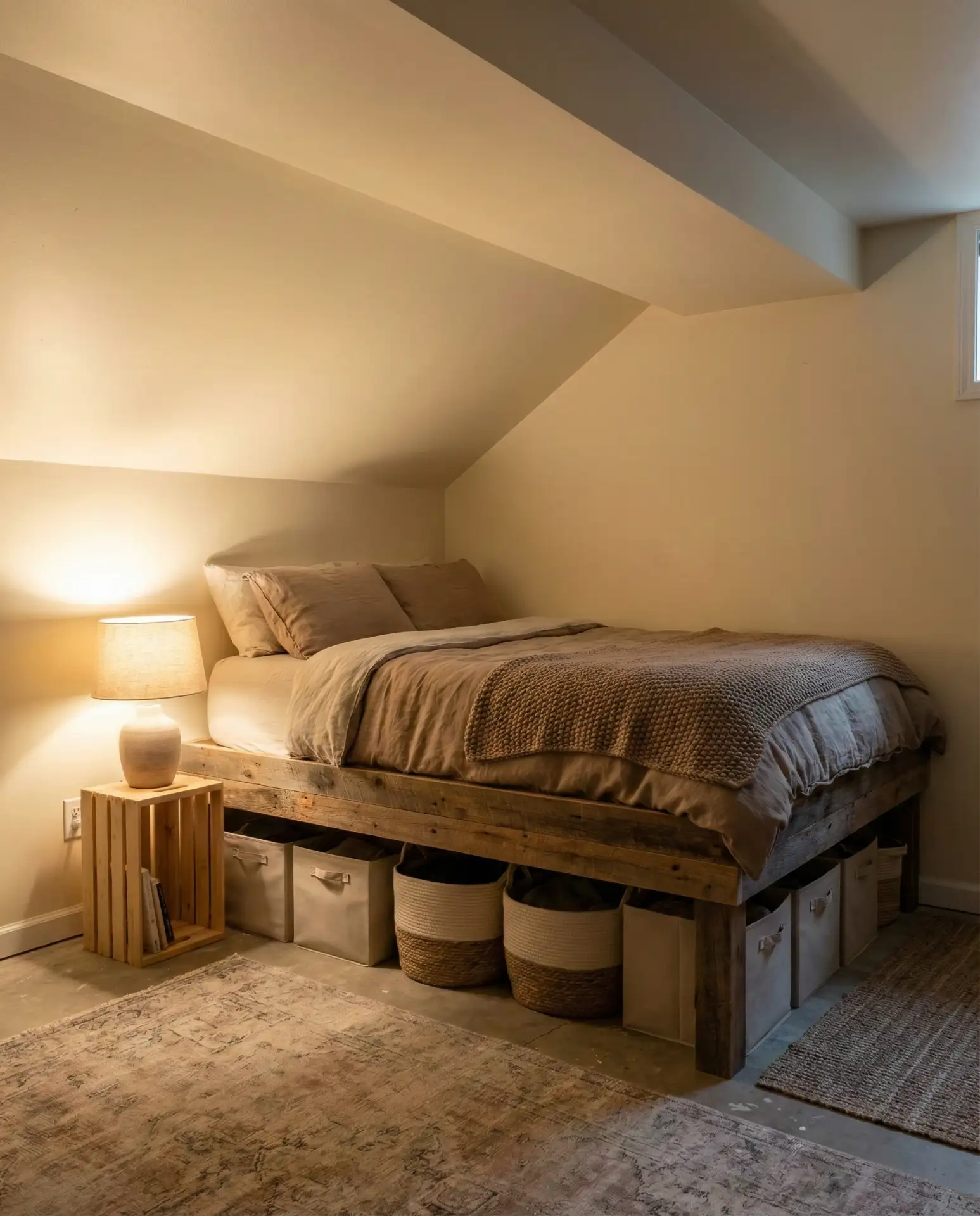
When ceiling height is a challenge, a low loft bed offers the perfect compromise for small rooms with low ceiling constraints. These frames sit just high enough to tuck storage bins or a thin mattress underneath, typically around 40–50 inches tall. They’re ideal for basement bedrooms or older homes with 7-foot ceilings where a full-height loft would feel oppressive. The shorter profile also makes climbing safer for younger kids or anyone with mobility concerns.
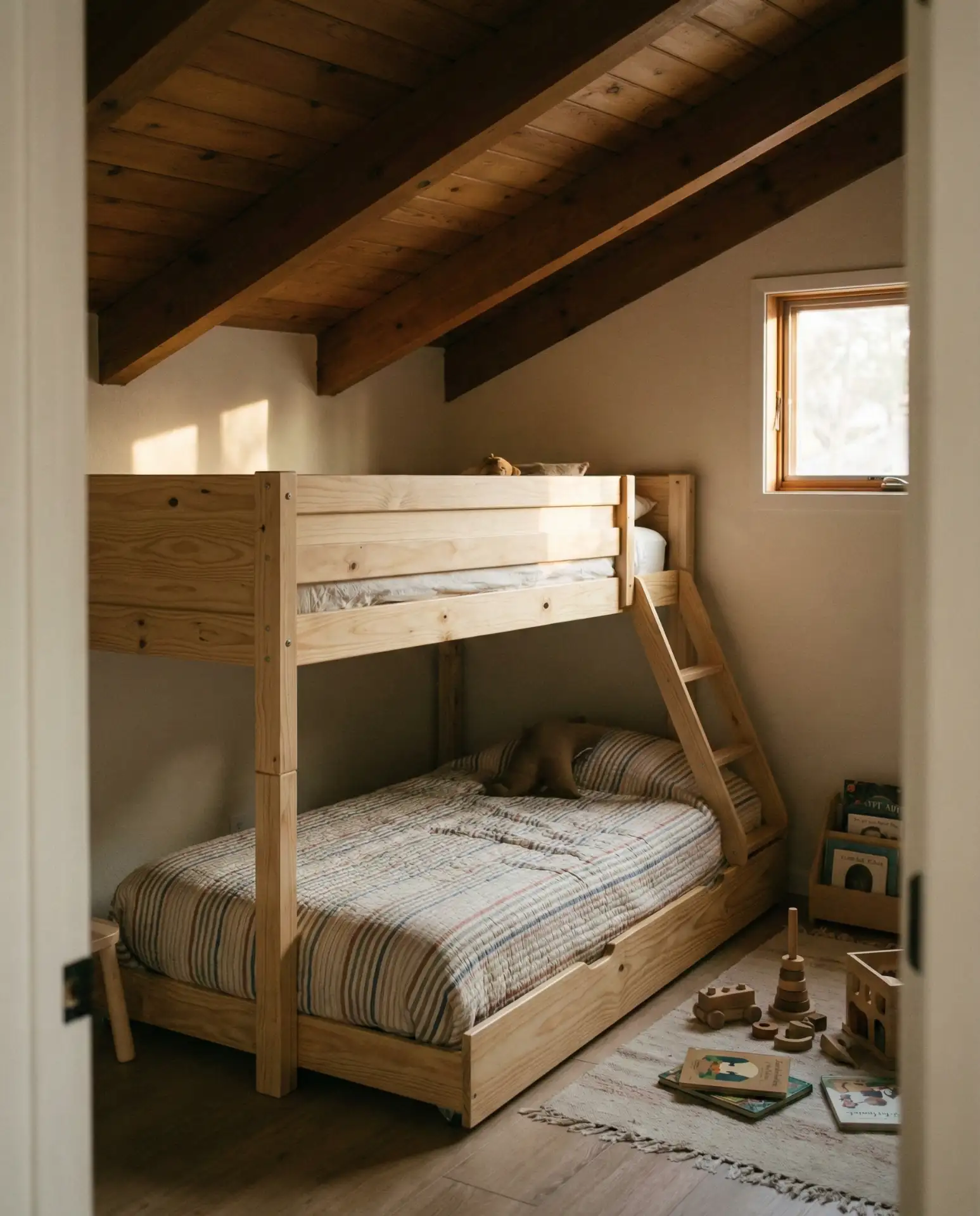
Expert designers recommend leaving at least 30 inches of clearance between the mattress and ceiling for comfortable sitting up in bed. Measure twice before purchasing—many buyers make the mistake of choosing a standard loft only to realize they can’t sit upright. Look for frames labeled “mid-loft” or “junior loft” if your ceiling height falls between 7 and 8 feet.
5. Cozy Canopy Loft Bed for Aesthetic Small Rooms
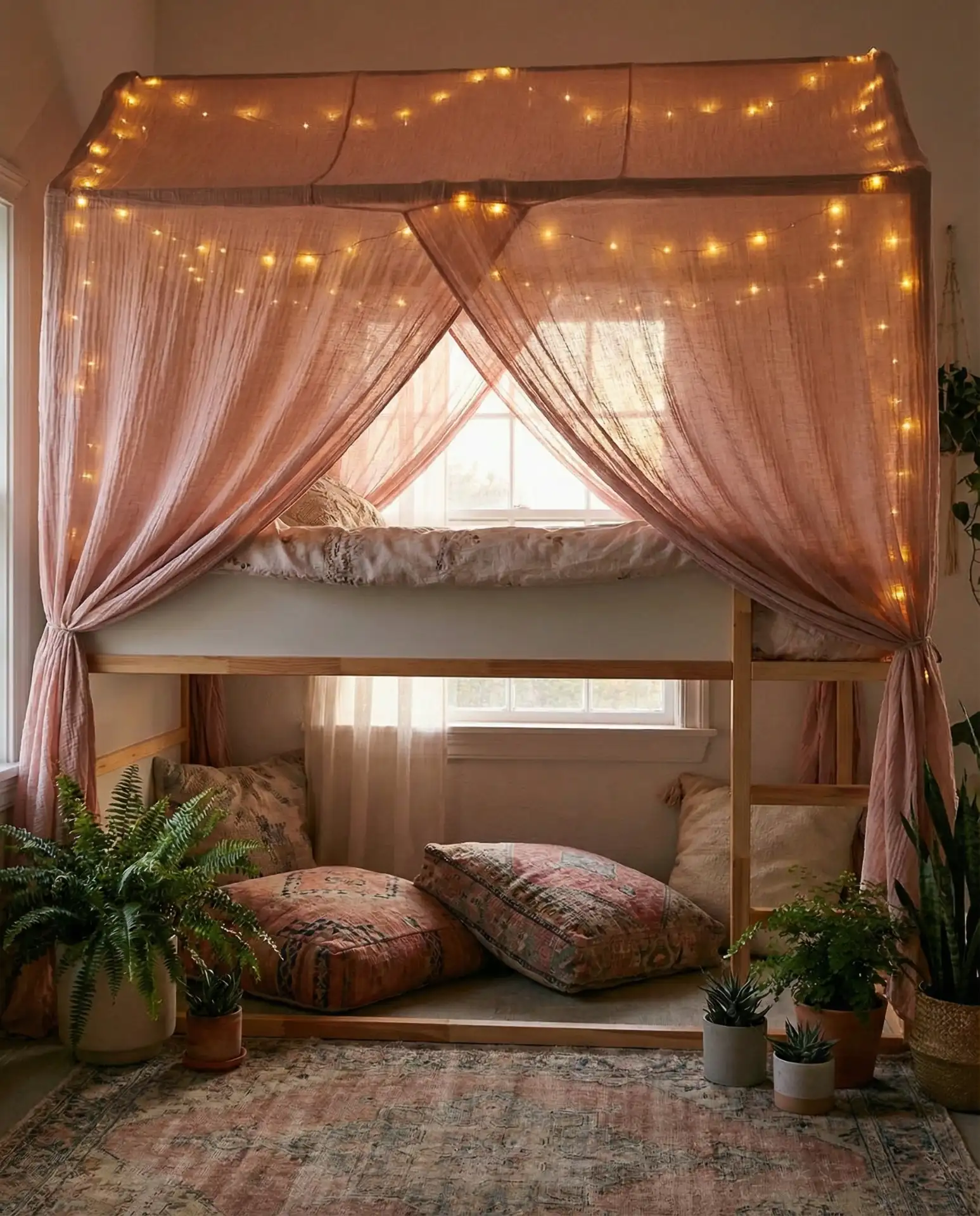
Draping fabric from a loft bed frame creates an instant cozy retreat, perfect for aesthetic Pinterest boards and real-life comfort. This approach works especially well in small rooms and aesthetic spaces where every detail counts—think gauzy linen in ivory or blush pink, secured with clips or Velcro. The canopy softens the utilitarian look of metal or wood beams while adding privacy. Underneath, a cushioned reading nook or meditation corner invites relaxation.
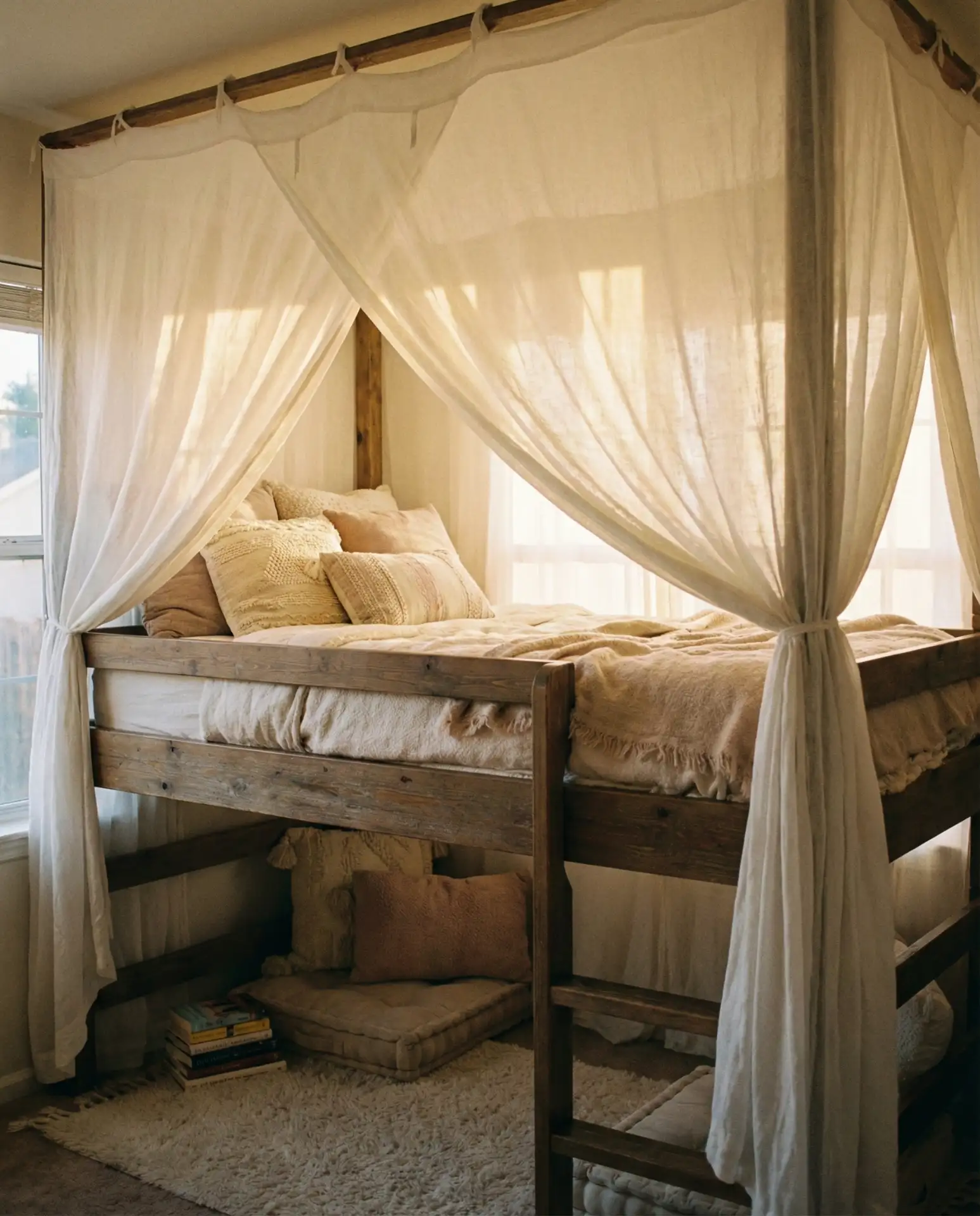
In American homes, particularly in the South and Southwest, lightweight cotton or muslin canopies help beds feel cooler in summer while maintaining that Instagram-worthy look. Choose machine-washable fabrics to avoid dust buildup, and secure the draping at multiple points to prevent sagging. A canopy also muffles sound slightly, which helps light sleepers in shared apartments or near busy streets.
6. Double Loft Bed for Small Rooms Kids
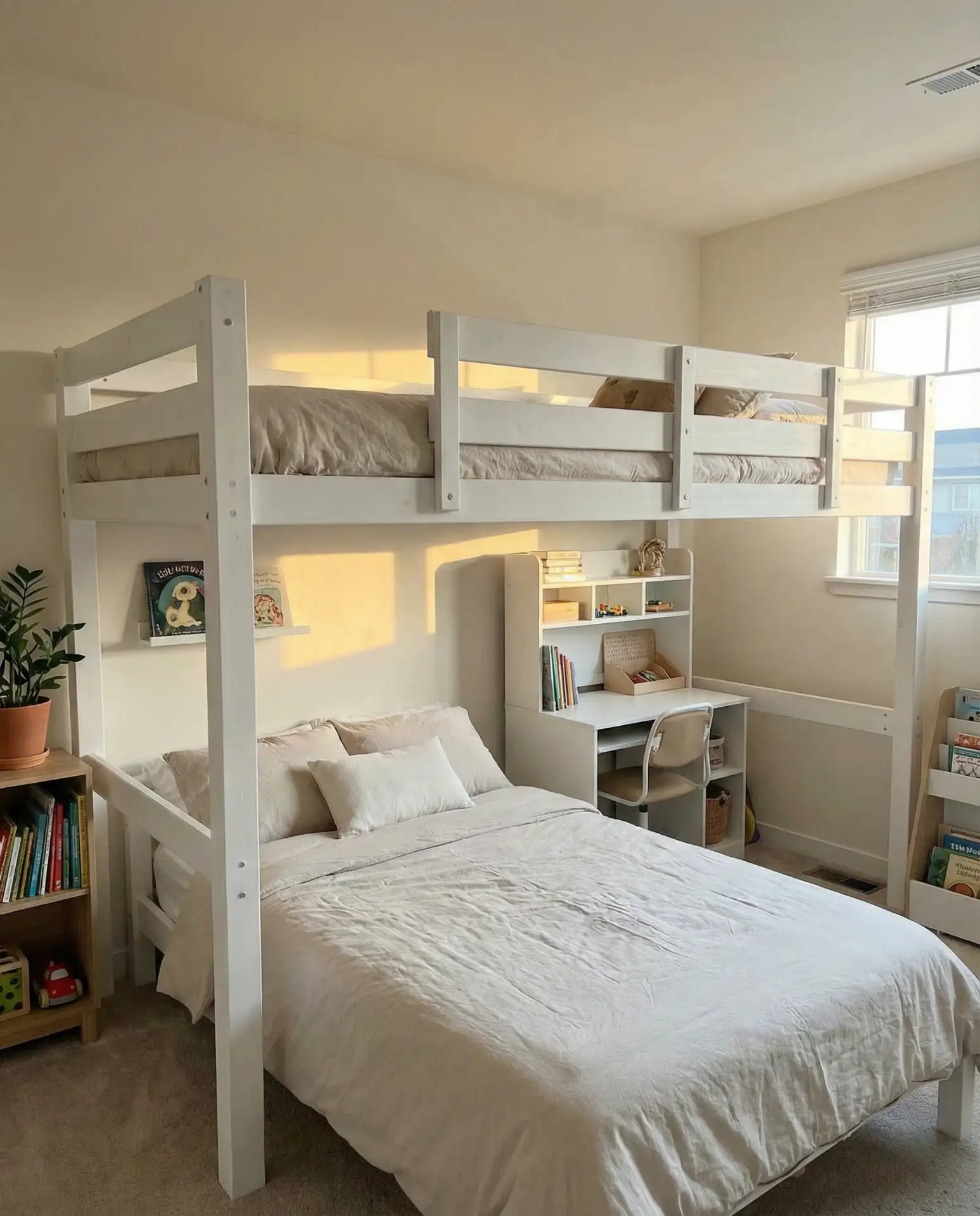
A double loft bed—whether a true queen size or a twin-over-full bunk—maximizes sleeping space in small rooms kids share. These designs stack two mattresses vertically or position a loft above a larger bed below, ideal for siblings or sleepovers. The footprint remains compact while accommodating two people, and many models include built-in ladders with storage steps. Safety rails are essential for the top bunk, especially for children under ten.
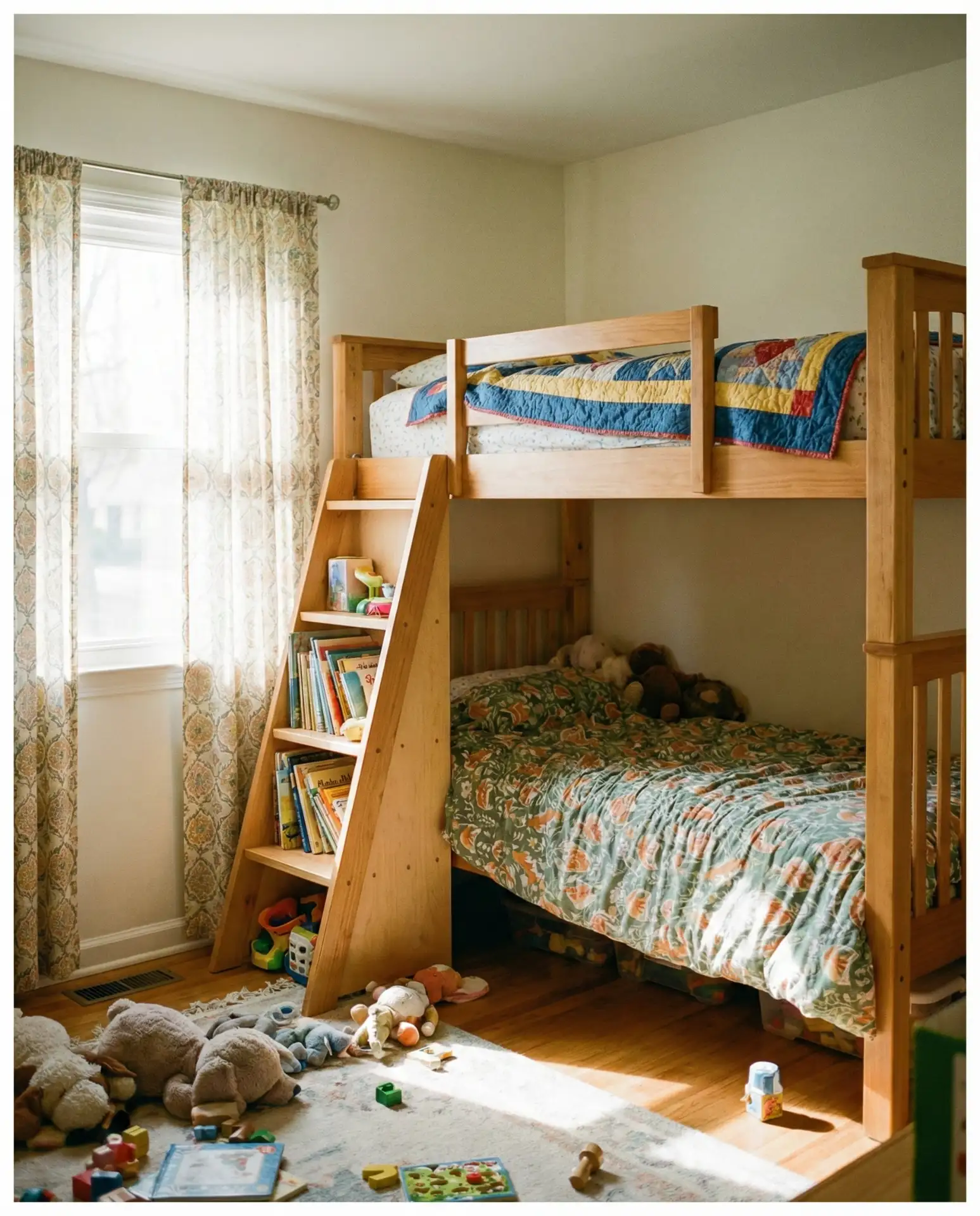
A common mistake is choosing a double loft without considering mattress thickness—if the top mattress is too thick, the safety rail becomes ineffective. Stick to mattresses around 6–8 inches for the upper level, and always check the manufacturer’s weight limits. Many families in suburban homes use these beds in guest rooms too, turning a single space into flexible sleeping quarters for visiting relatives.
7. Cute Pastel Loft Bed for Teens’ Aesthetic
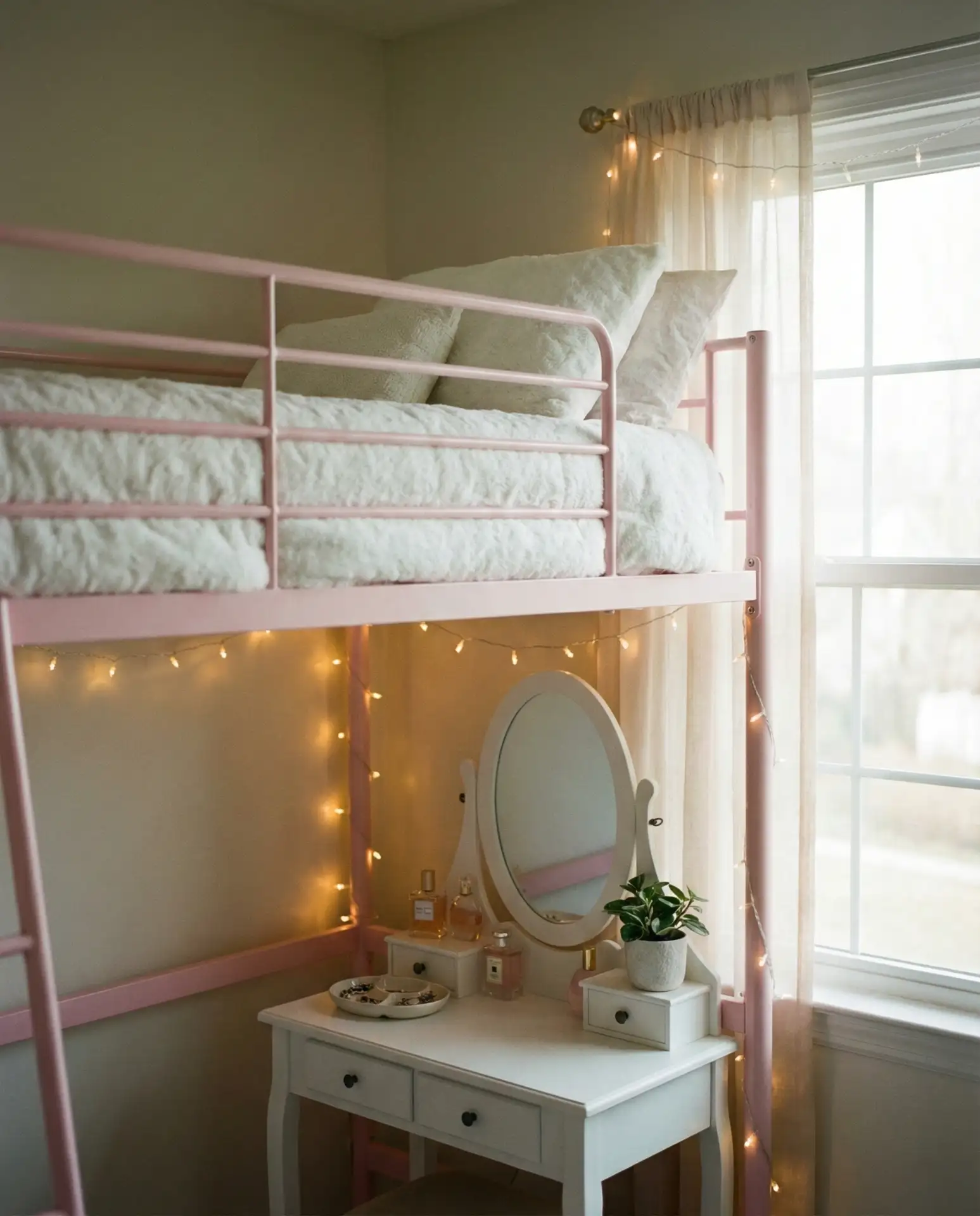
Soft pinks, mint greens, and lavender hues dominate the cute loft bed trend, especially among teens who gravitate toward Kawaii or cottagecore aesthetics. Painted wood frames in these shades pair with matching bedding and plush throw pillows, creating a space that feels more boutique hotel than dormitory. Underneath, a vanity or craft station gets the same color treatment, often accented with gold or rose gold hardware. The look is unapologetically cheerful and personal.
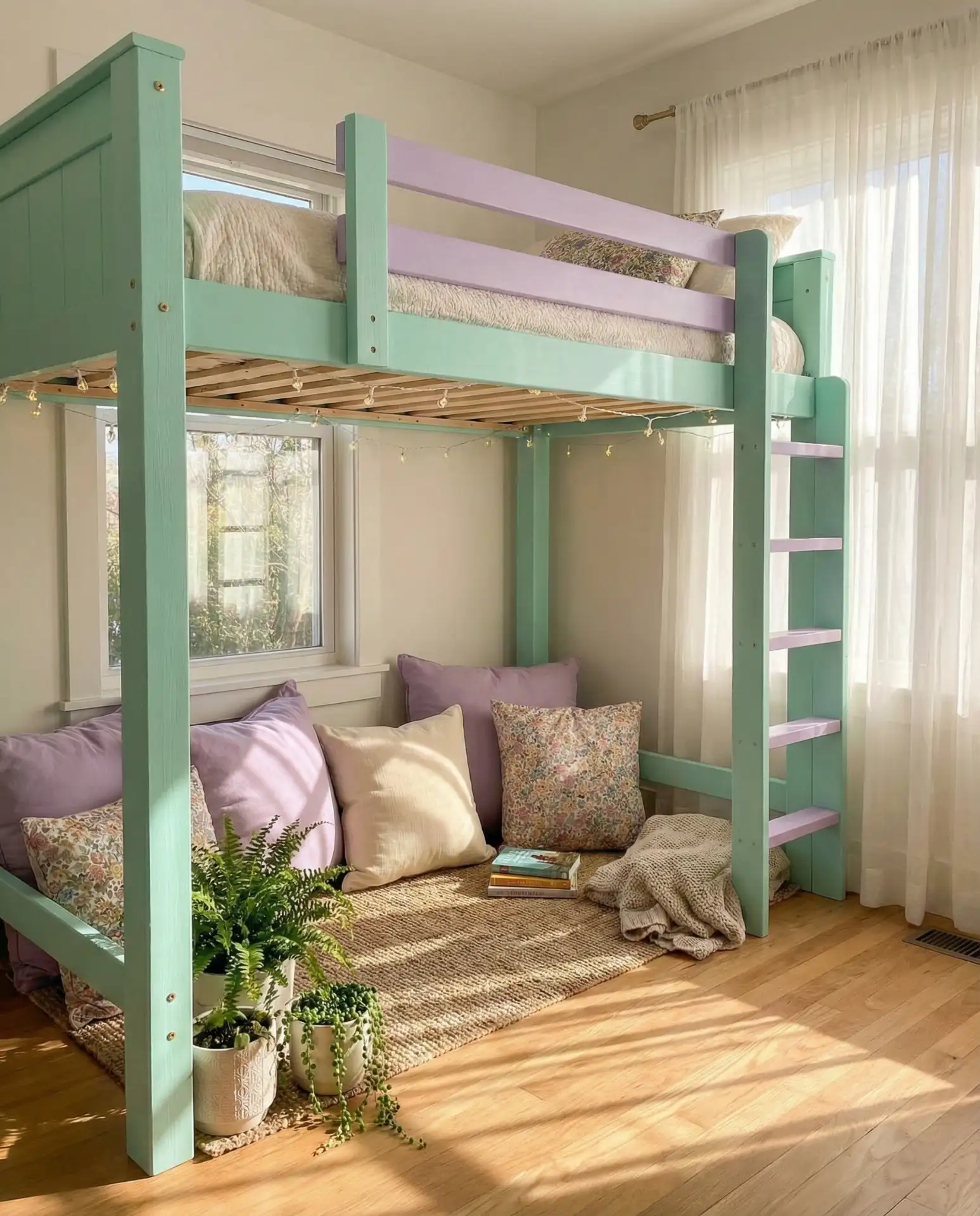
Practical insight: Use chalk paint or spray paint designed for furniture if you’re customizing an existing wood frame—it dries quickly and doesn’t require primer. Add peel-and-stick wallpaper to the wall behind the bed for extra impact. This style thrives on layering textures, so mix faux fur rugs with knit blankets and macramé wall hangings for a cohesive, Pinterest-ready space.
8. Dorm-Friendly Twin Loft Bed with Built-In Desk

College students in cramped dorm rooms rely on twin loft beds with integrated desks to carve out study and sleep zones within 100 square feet. These all-in-one units typically feature a twin mattress on top and a built-in work surface below, often with shelves or a small dresser attached. The design eliminates furniture shopping stress and fits standard dorm dimensions. Neutral finishes like black, white, or espresso blend with any roommate’s decor.
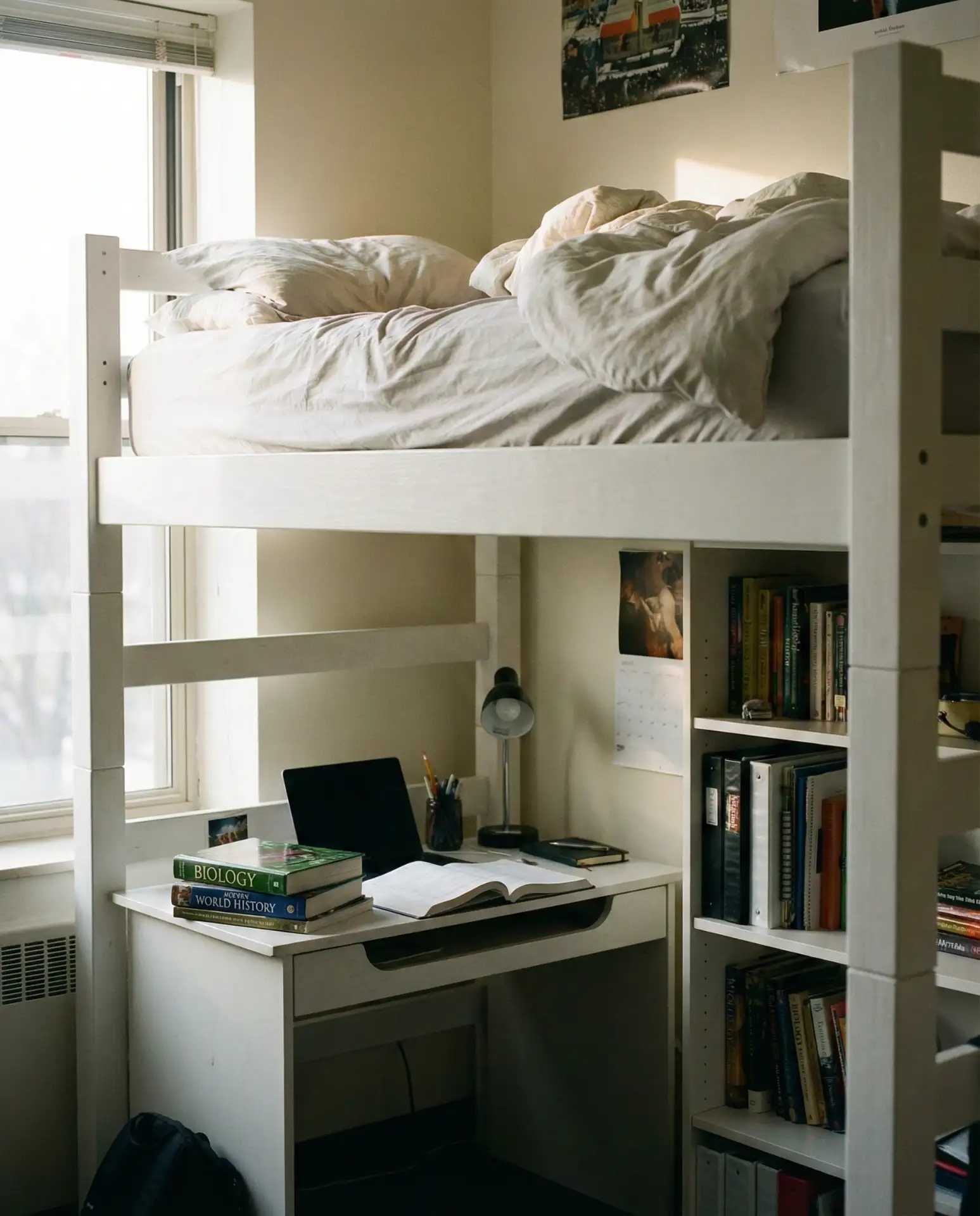
Real homeowner behavior: Most students add a clip-on fan to the top bunk and a desk lamp with USB ports below—these small upgrades make the space far more livable. Measure your dorm room ceiling height before buying, as some older buildings have only 8-foot ceilings that leave little clearance. Look for frames with rounded edges to avoid bumping your head during late-night trips to the bathroom.
9. Rustic Wood Loft Bed for Cozy Small Rooms
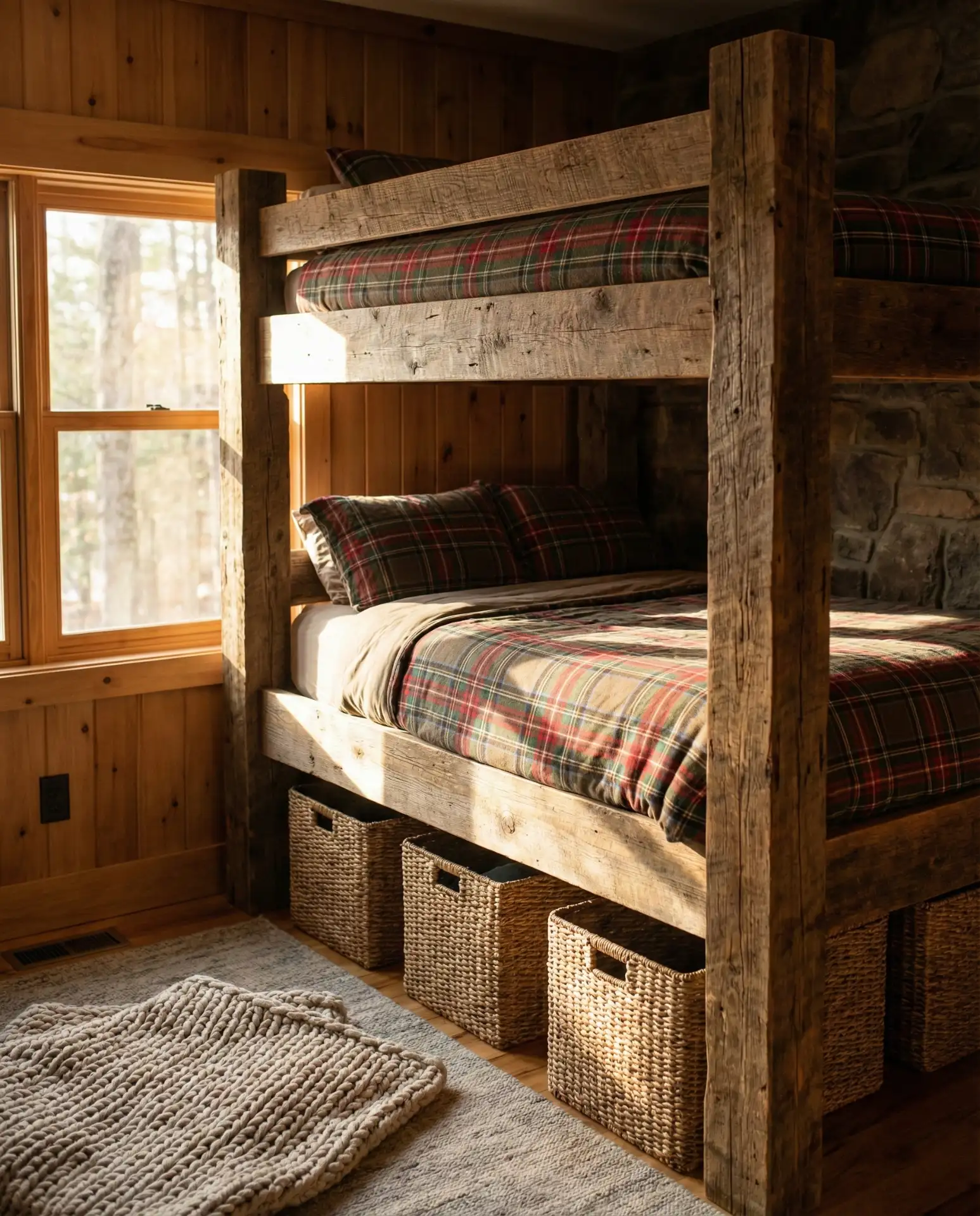
Reclaimed barn wood or knotty pine brings warmth into small rooms with space-saving designs that prioritize a cozy cabin feel. These beds often feature chunky posts and visible wood grain, appealing to homeowners who love farmhouse or mountain lodge aesthetics. The natural material ages beautifully, developing patina over time, and pairs well with flannel bedding and woven baskets underneath. Staining the wood in warm honey or walnut tones enhances the rustic vibe.
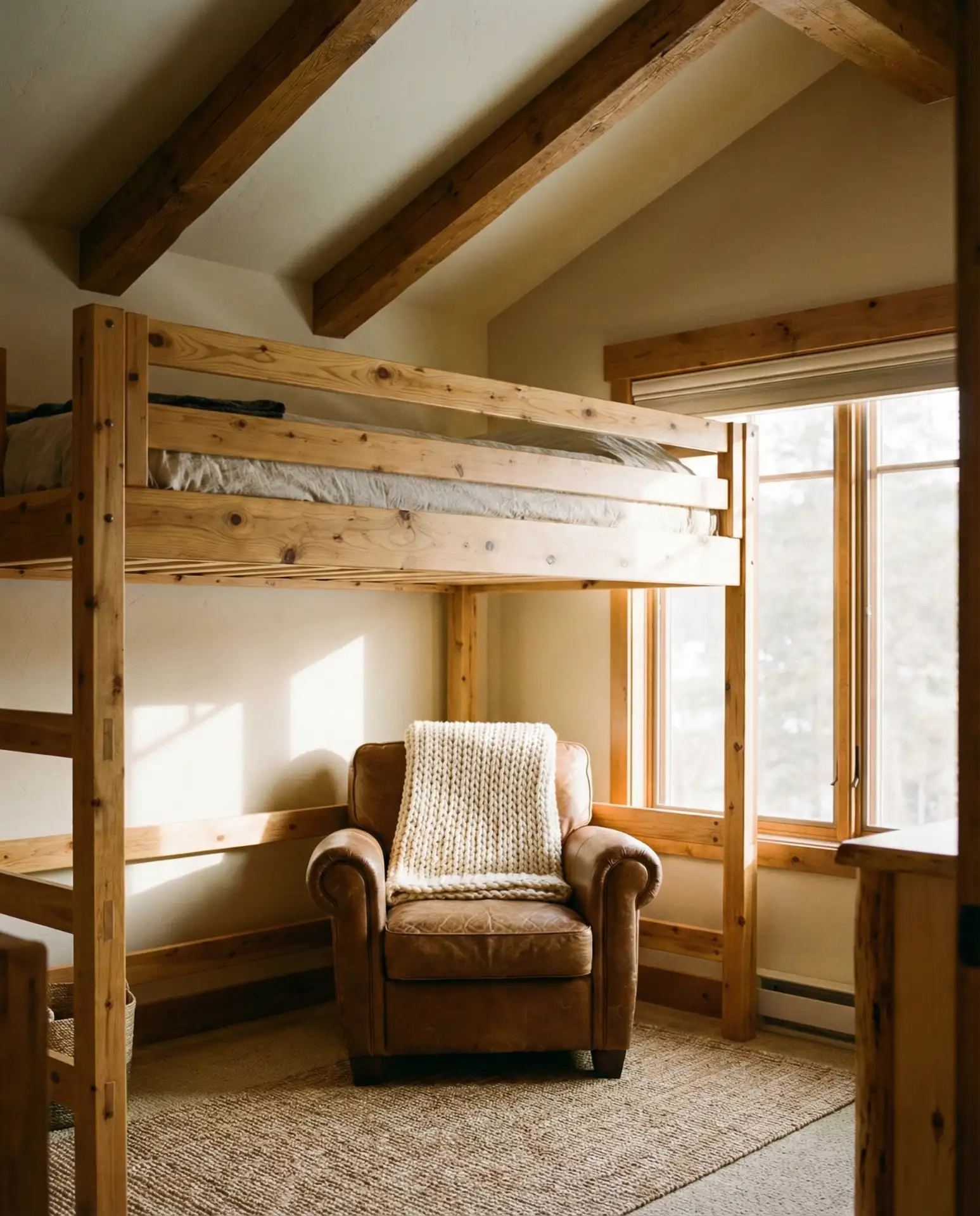
In the Mountain West and parts of New England, this style resonates with families who want their homes to reflect regional character. The sturdy construction supports heavier mattresses and works well for adults—unlike thinner metal frames. Just be mindful that raw or lightly sealed wood can splinter, so sand any rough patches before assembly and reapply finish as needed.
10. Short Loft Bed for Small Rooms Low Budget
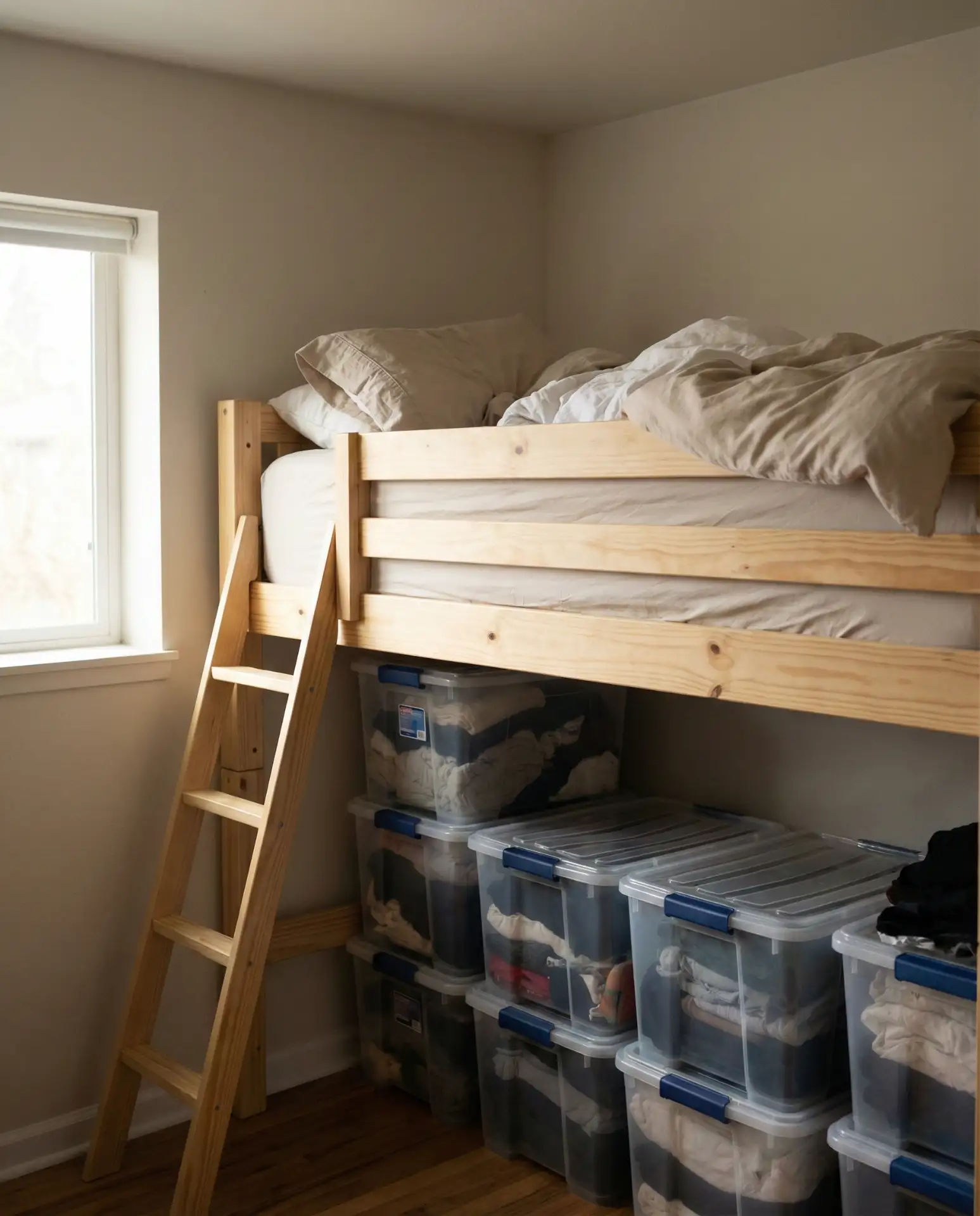
A short loft bed keeps costs down while still delivering small rooms’ low-budget functionality. These frames, often made from basic pine or engineered wood, sit around 50 inches high and skip extras like built-in desks or elaborate ladders. The simplicity means prices hover around $150–$250, making them accessible for renters or families outfitting multiple bedrooms. Underneath, plastic storage bins or a simple futon fit easily without additional expense.
Budget-conscious shoppers should check warehouse stores like Costco or online marketplaces during back-to-school sales, when loft beds drop by 20–30%. Assembly usually takes two people about an hour, and the tools come included. Don’t overlook secondhand options—many families sell barely used loft beds when kids outgrow them, and a quick inspection ensures the frame is still safe and sturdy.
11. Minecraft-Inspired Loft Bed for Kids

The blocky, pixelated world of Minecraft translates surprisingly well into loft bed design, delighting young gamers with a sleep space that feels like part of the game. Painted cube-shaped supports or vinyl decals mimicking grass blocks, stone, and TNT turn a standard frame into an immersive experience. Underneath, a play area with soft foam cubes or a mini crafting station keeps the theme going. This setup works best in small rooms kids occupy, where imagination matters more than square footage.
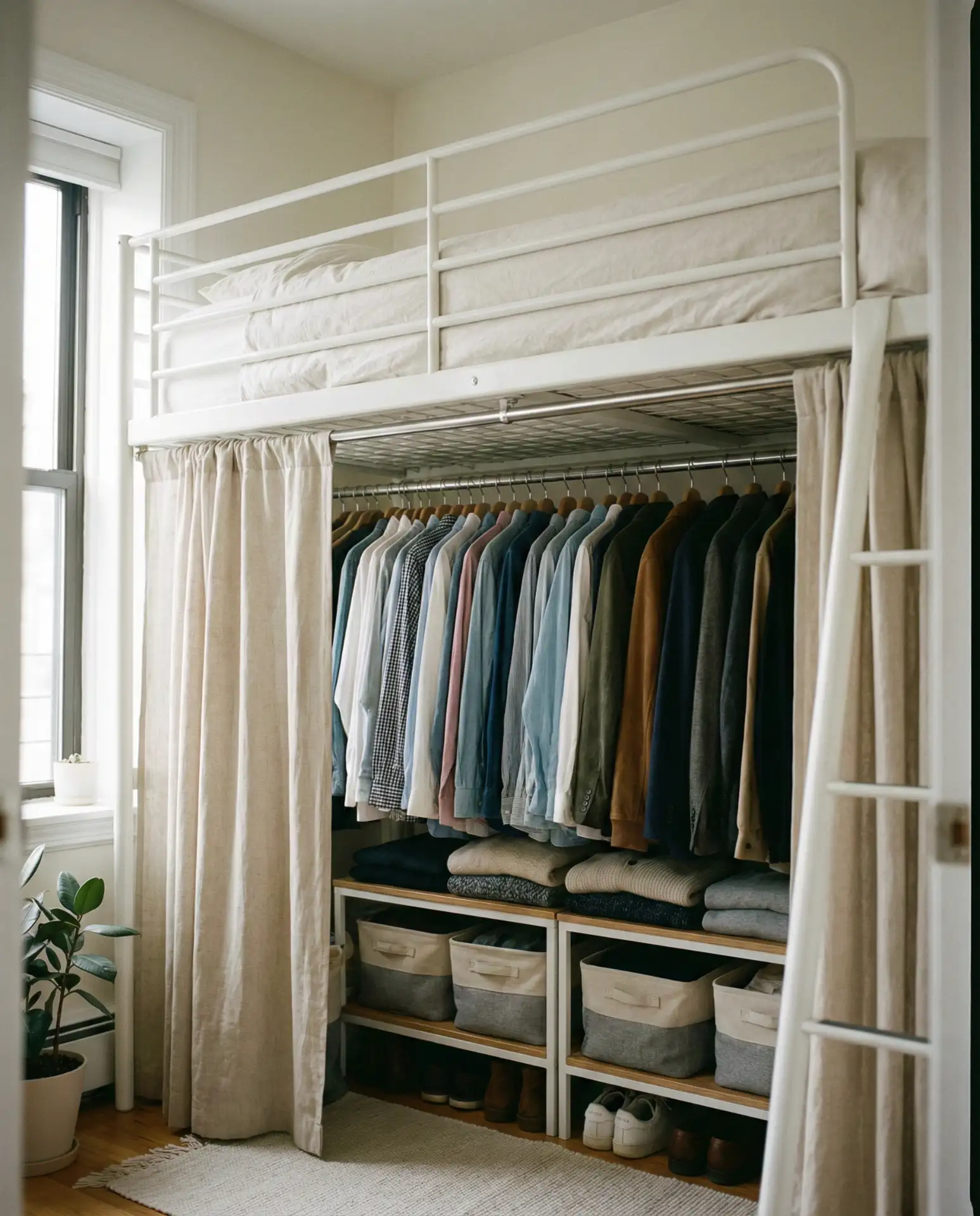
One homeowner shared that her son helped paint his loft bed posts using stencils they printed from free online templates—it became a weekend project that cost under $50 in paint and supplies. The key is to seal painted surfaces with a clear coat so the design lasts through inevitable roughhousing. Add LED strips in blue or green to mimic the game’s glow effects at night.
12. Space-Saving Loft Bed with Closet Underneath
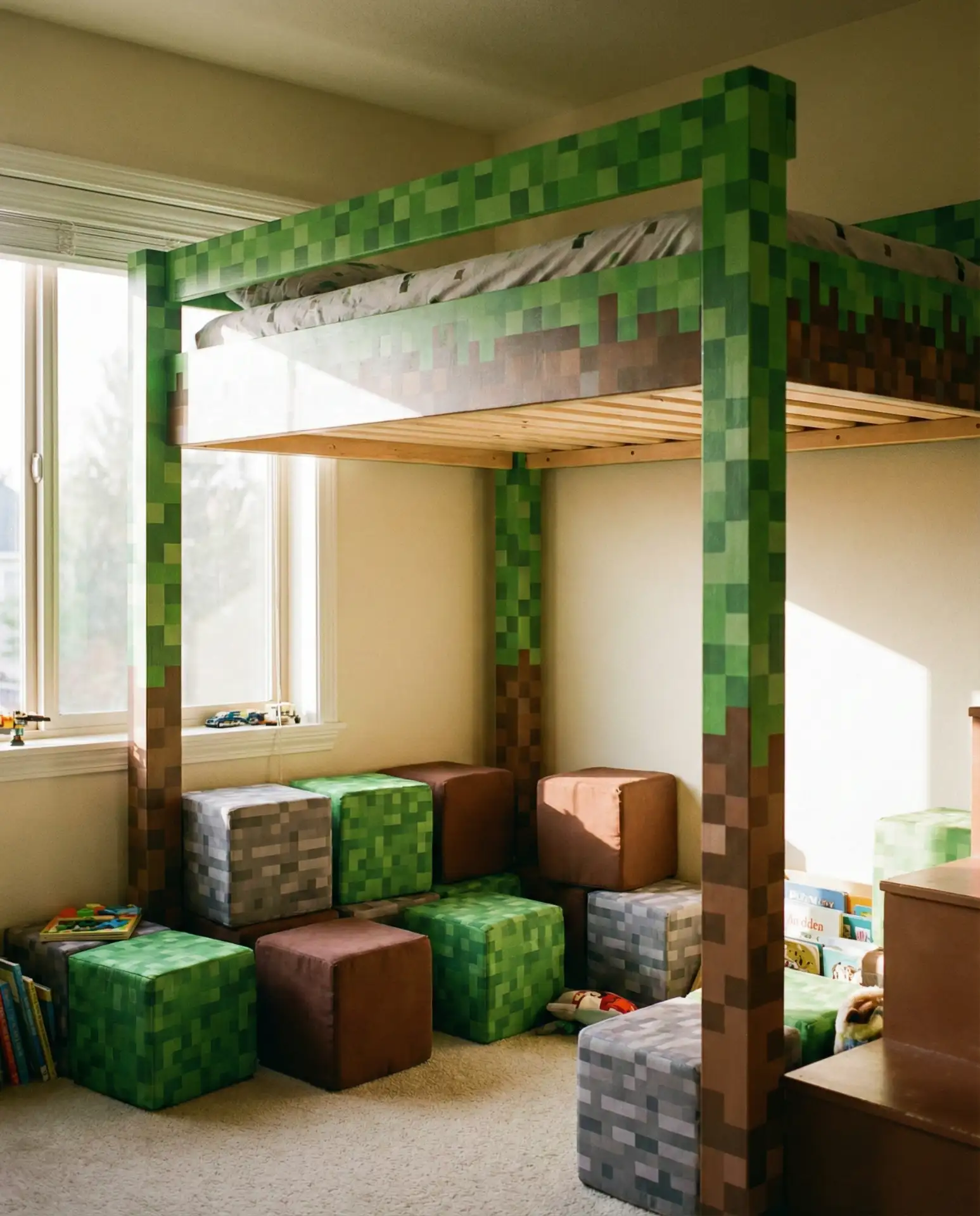
When a bedroom lacks a closet—common in older apartments—a loft bed with an integrated wardrobe underneath solves two problems at once. These small, space-saving room champions feature a hanging rod, shelves, or even small drawers tucked below the sleeping platform. The design is particularly popular in urban markets where every inch counts, allowing renters to eliminate bulky dressers. Choose a frame with curtains or doors to hide clothing from view and maintain a tidy appearance.
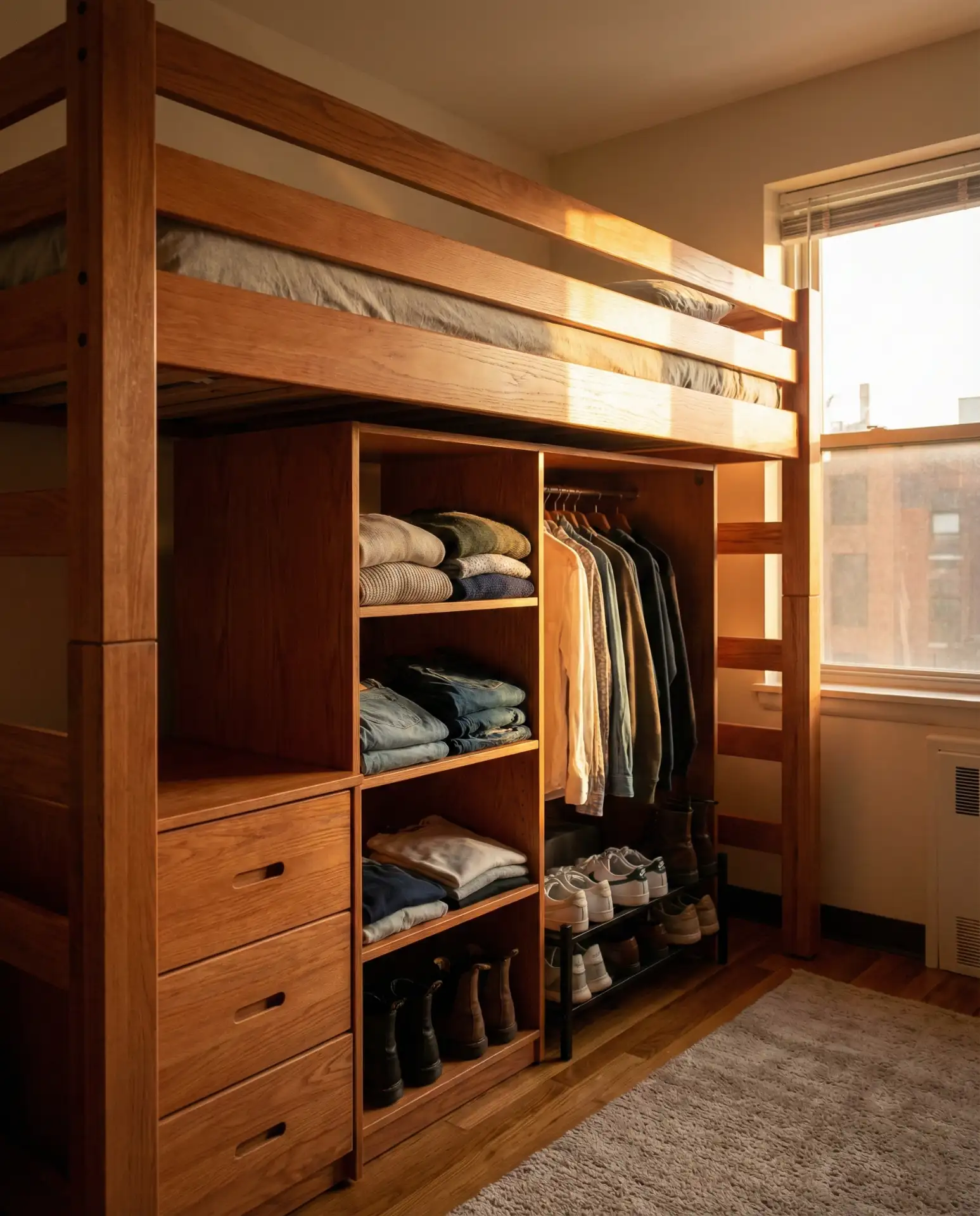
This configuration thrives in cities like San Francisco or New York, where studio apartments demand furniture that multitasks. Measure the width of your longest garments before buying—some loft closets only accommodate 40 inches of hanging space, which won’t fit coats or dresses. Install a small battery-operated closet light for visibility, and use slim velvet hangers to maximize capacity without crowding.
13. Loft Bed with Slide for Small Rooms Kids
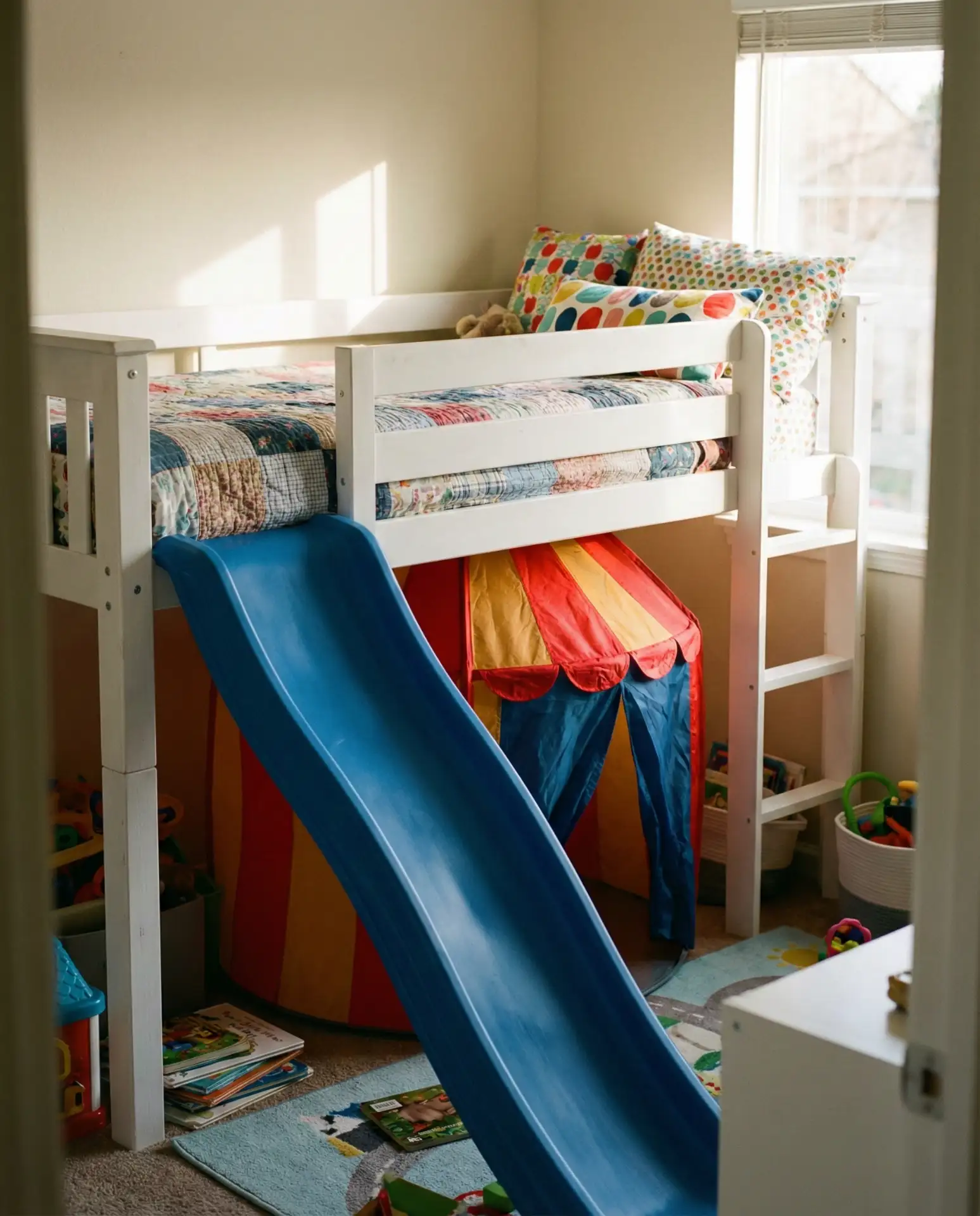
A playful slide attached to a loft bed transforms bedtime into an adventure, perfect for energetic small-room kids who need a bit of encouragement to head upstairs. The slide typically replaces one side of the ladder, and safety features include high rails on the opposite side. This design keeps the footprint compact while adding recreational value—underneath, there’s still room for toy storage or a small play tent. Bright colors like red, blue, or yellow make the bed a room centerpiece.
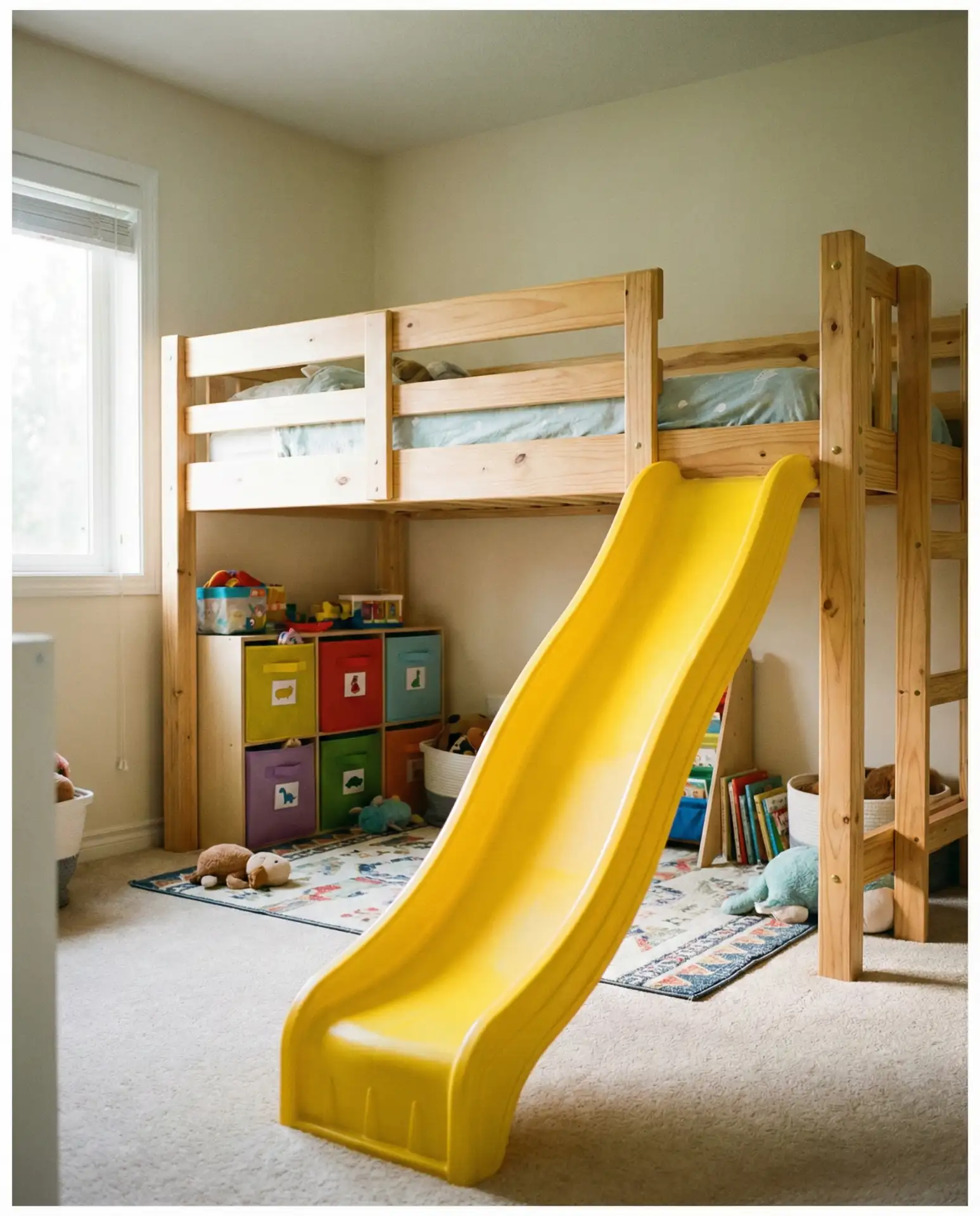
Expert parents recommend placing a soft rug or foam mat at the bottom of the slide to cushion landings—hardwood floors can be slippery and loud. Most slides are rated for children up to age eight or nine, so plan for the bed to transition back to a standard loft as your child grows. The slide usually detaches with basic tools, extending the bed’s lifespan through the teen years.
14. Boho Macramé Loft Bed for Aesthetic Small Rooms
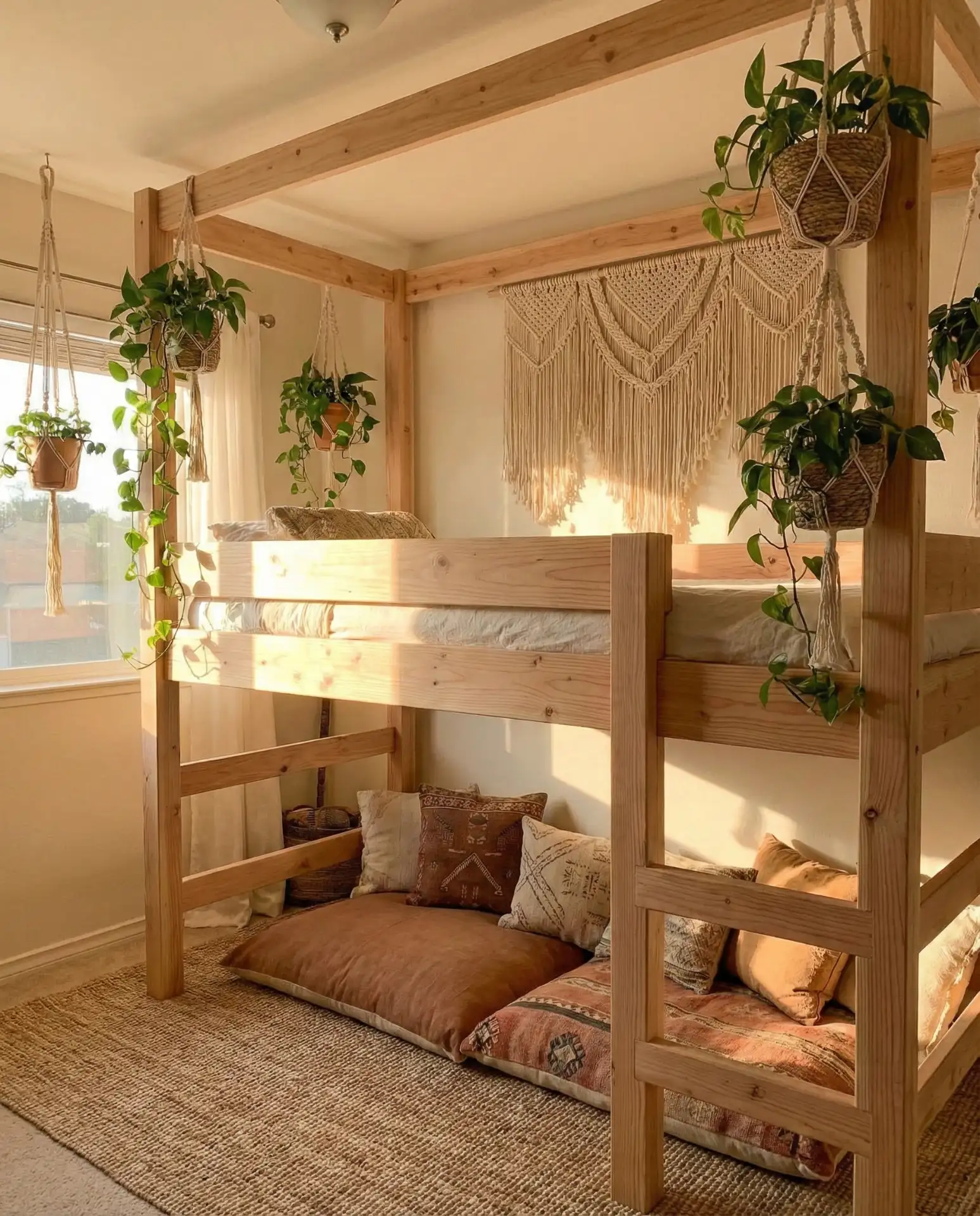
Macramé wall hangings, woven plant holders, and rattan accents give loft beds a bohemian edge that’s wildly popular in small room aesthetic feeds. This style layers textures—think jute rope ladders, fringed throw blankets, and terracotta pots—to create a lived-in, artsy vibe. The bed itself might be simple wood or metal, but the surrounding decor steals the show. Underneath, floor cushions and a low coffee table complete a meditation or creative workspace.
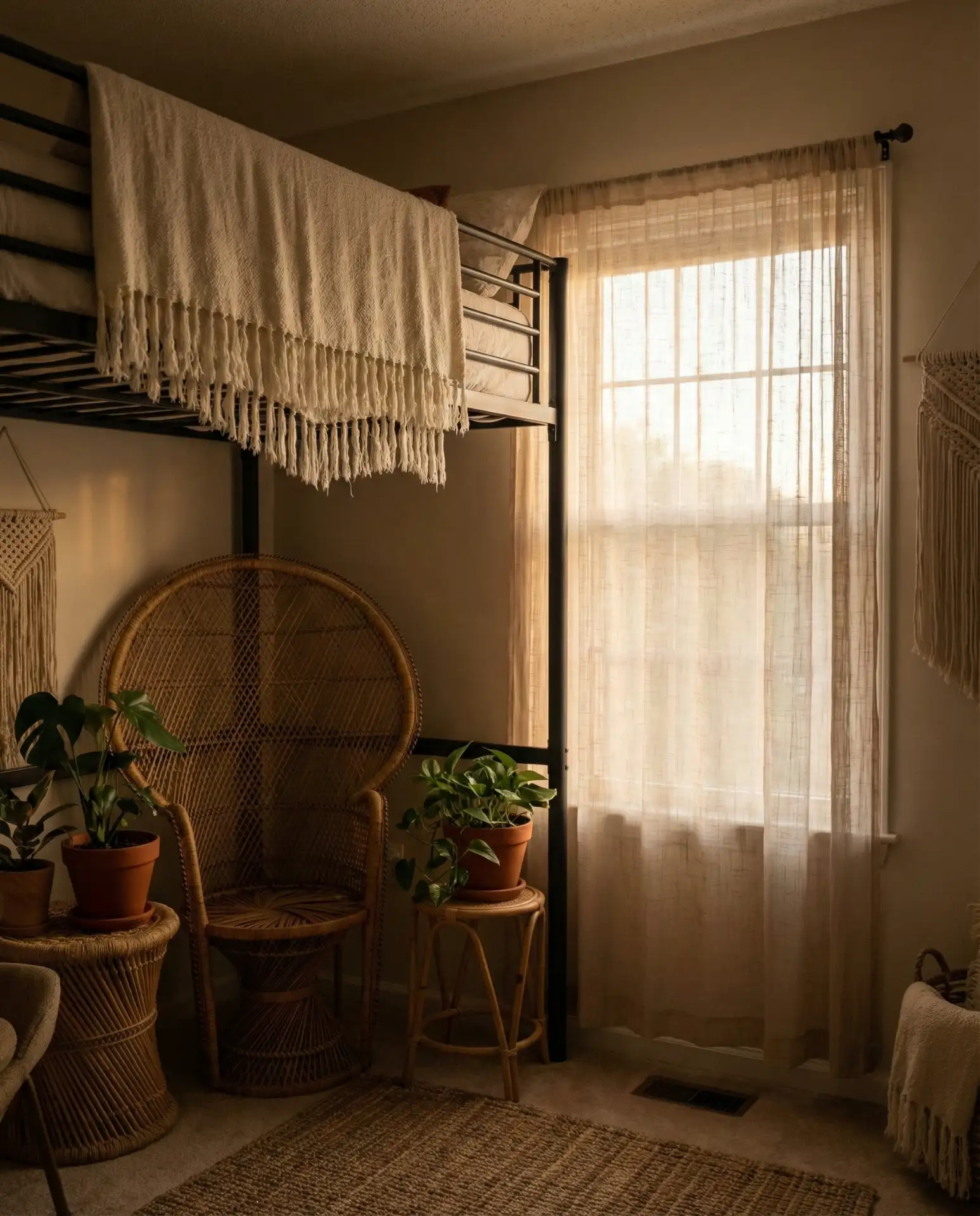
This look thrives in coastal California, the Southwest, and college towns where thrift stores offer abundant vintage textiles. The beauty lies in the mix-and-match approach—nothing has to be precious or expensive. Hang a macramé piece above the bed using removable hooks if you’re renting, and cluster plants at varying heights to soften hard edges. The result feels curated without looking overly planned.
15. Loft Bed with Built-In Bookshelf for Students
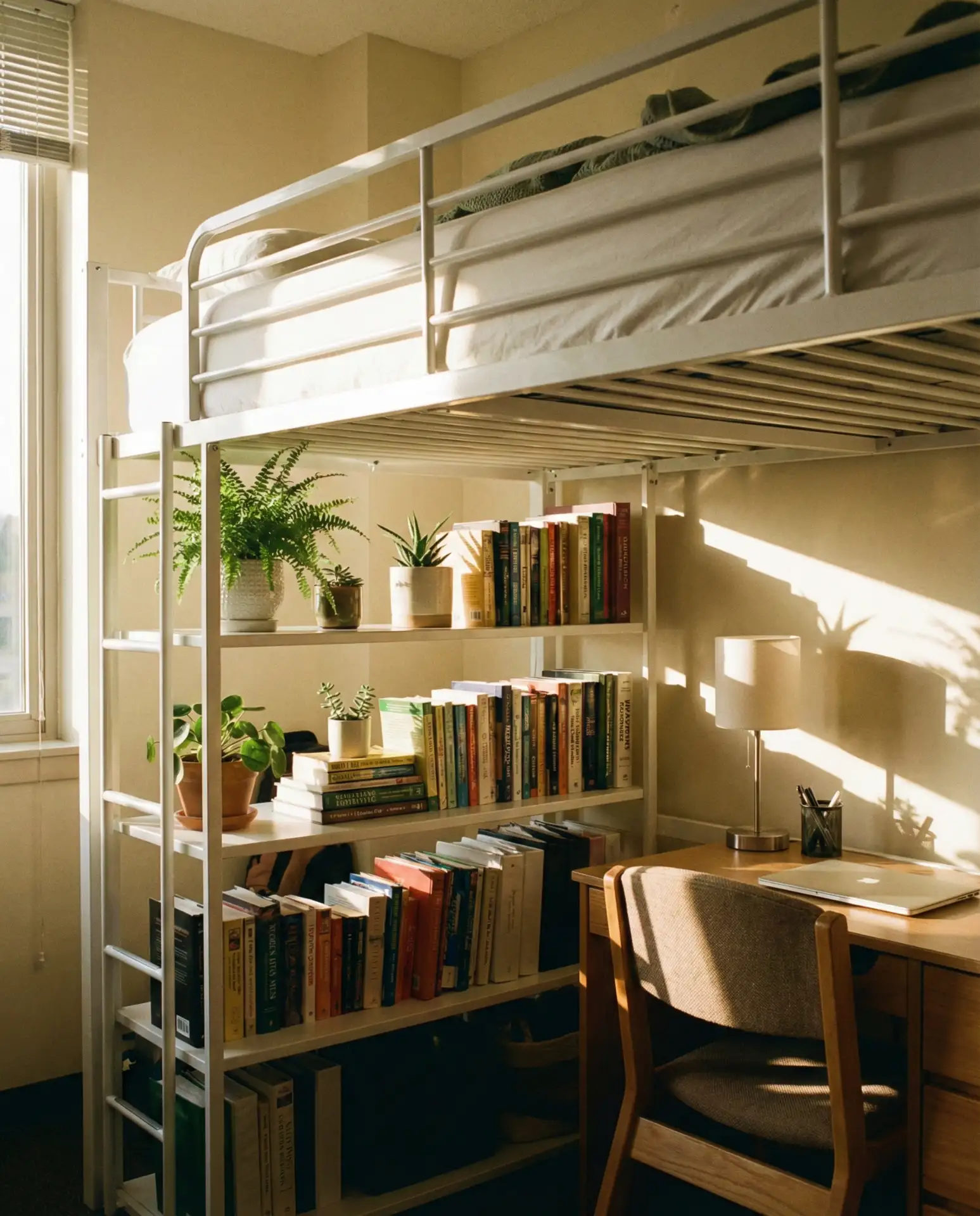
Serious readers and students need accessible storage for textbooks, and a loft bed with an integrated bookshelf delivers without eating up floor space. These frames feature shelves along the side posts or underneath the sleeping platform, holding dozens of volumes within arm’s reach. The design works beautifully in dorm settings or home offices where vertical storage maximizes limited square footage. Adjust shelf heights if the design allows, to accommodate oversized art books or binders.
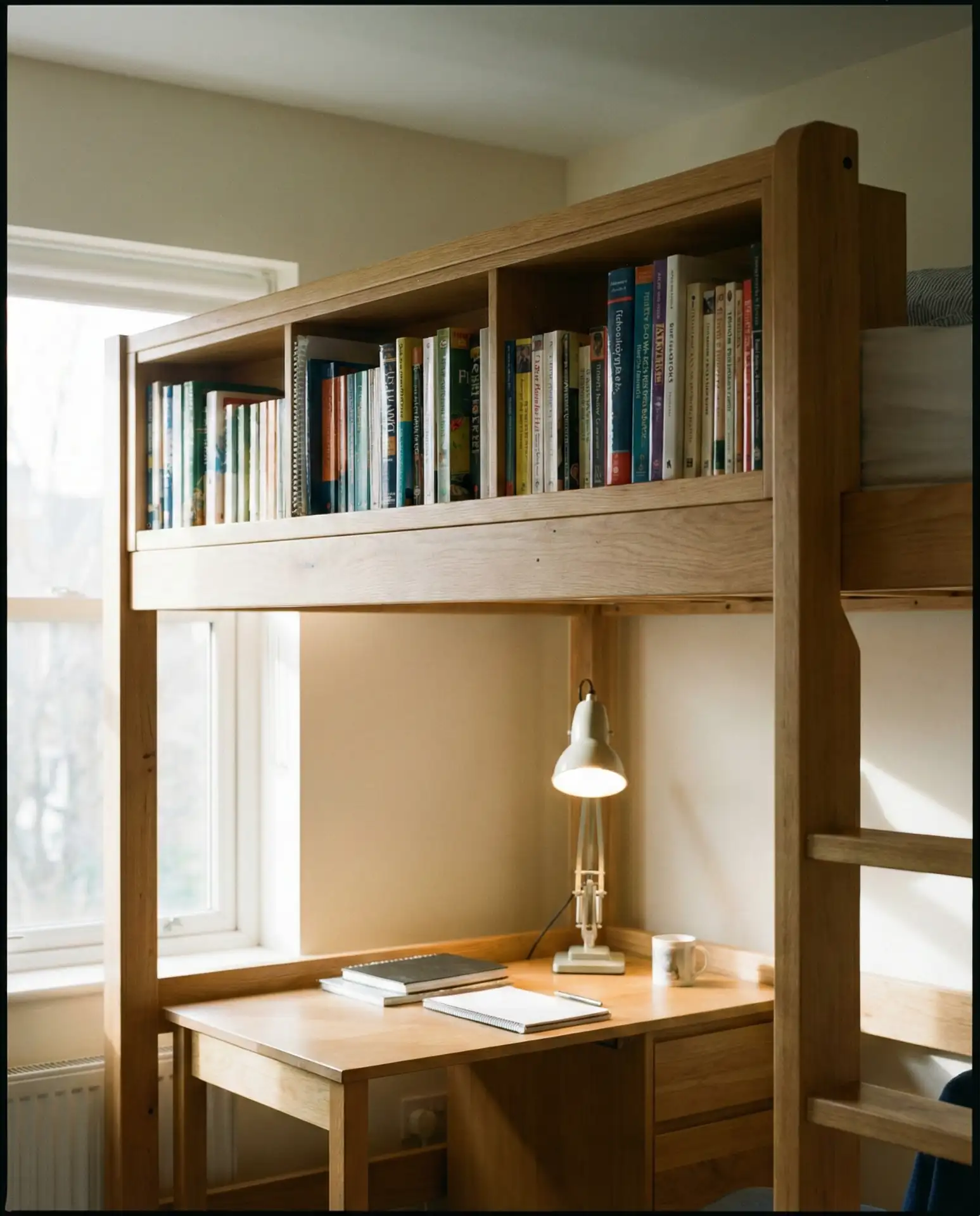
Where it works best: Graduate students in shared housing or remote workers in studio apartments appreciate having reference materials close to their workspace. Use bookends to keep heavier volumes from tipping, and avoid overloading any single shelf beyond its weight capacity—most support around 30 pounds per shelf. Add a reading light clipped to the bed frame so you can browse titles comfortably before sleep.
16. L-Shaped Loft Bed for Corner Optimization
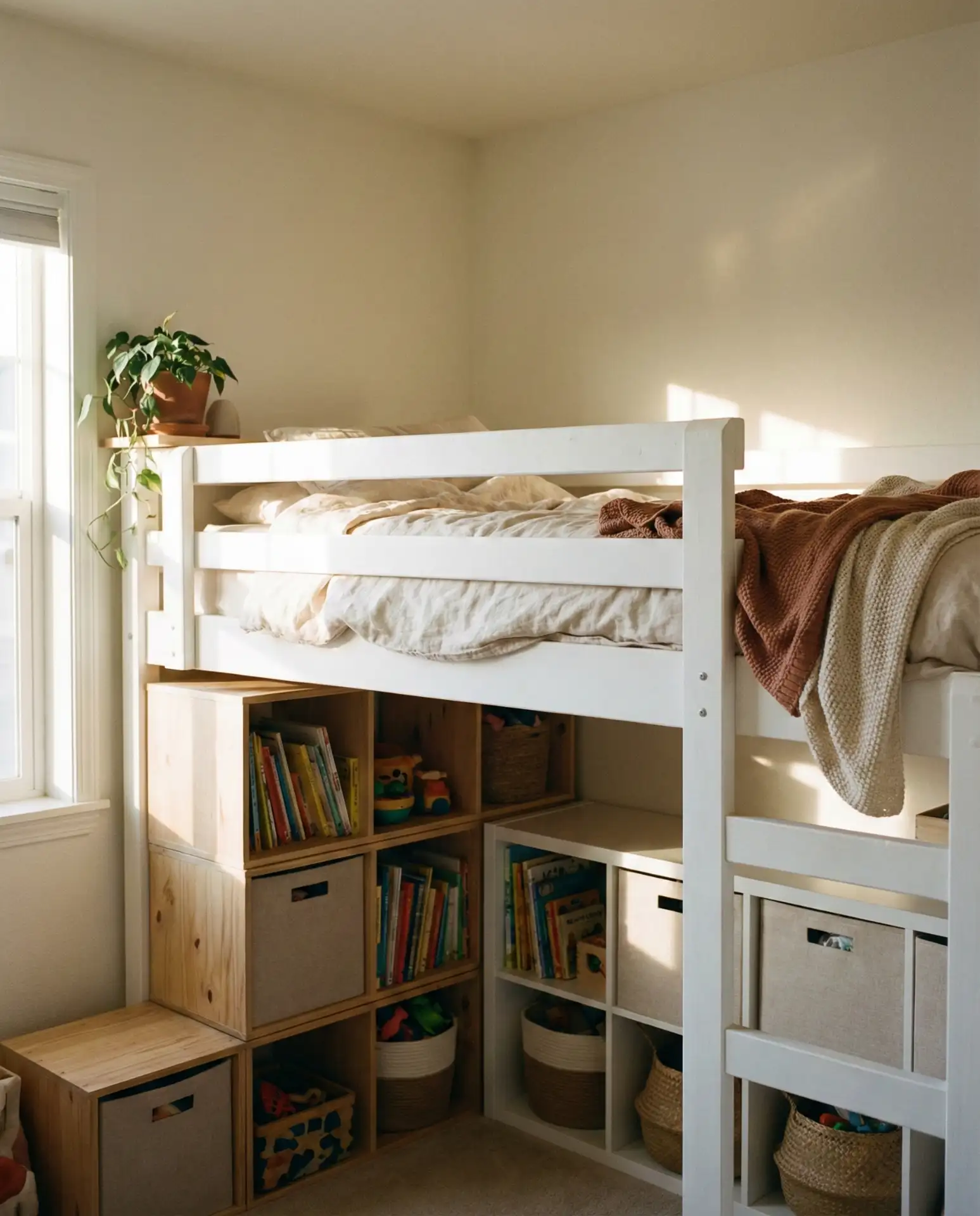
An L-shaped loft bed tucks into a corner, using perpendicular walls to anchor both ends and freeing up the center of the room. This configuration is genius for small rooms and space saving because it turns otherwise wasted corner space into prime sleeping territory. Underneath, the open floor becomes a study nook, dressing area, or storage hub. The design also provides extra stability compared to freestanding lofts, reducing wobble.
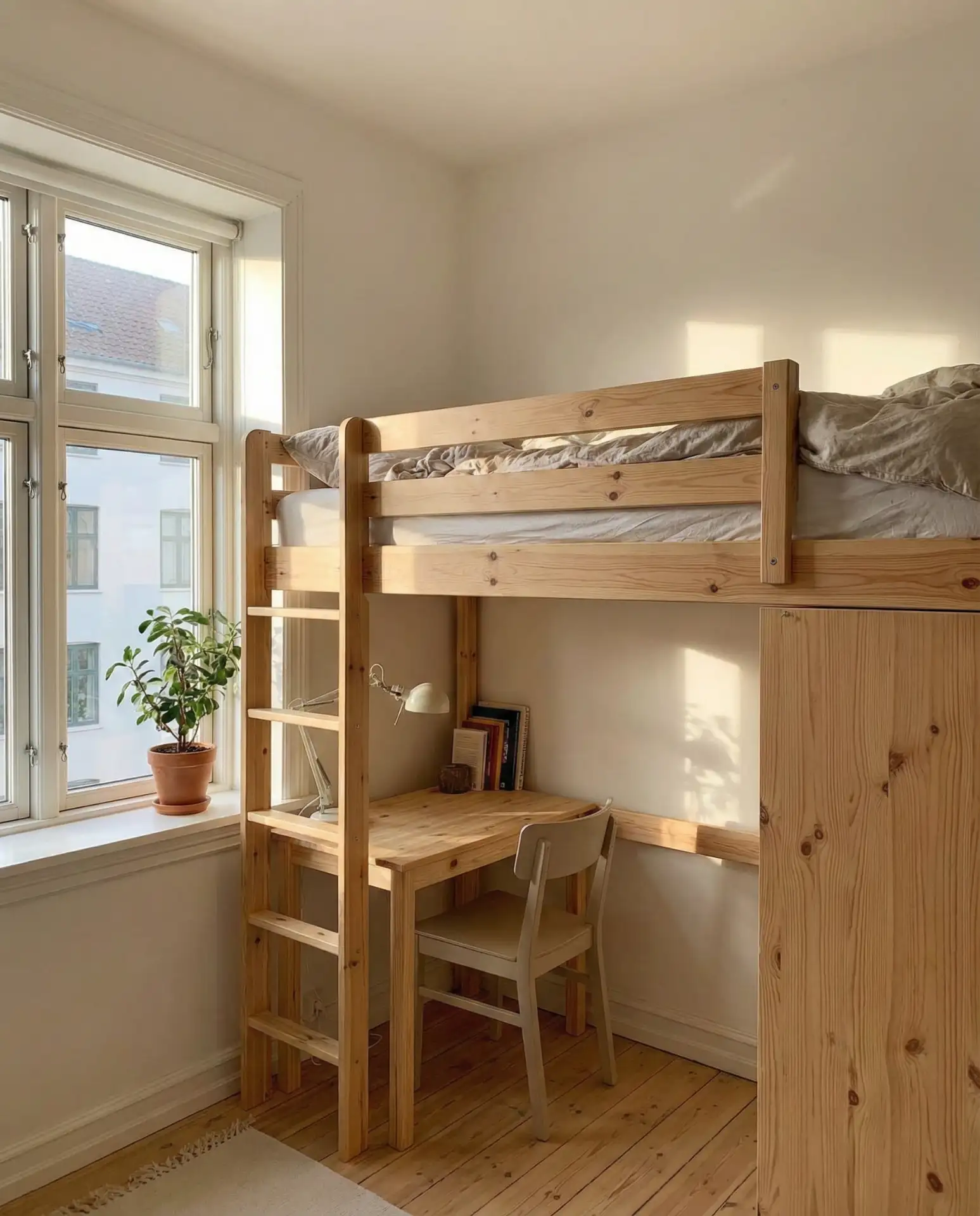
A practical insight from interior designers: L-shaped lofts work especially well in rooms with awkward layouts or built-in features like radiators, since you can position the bed to avoid obstacles. Measure the walls carefully before building or buying—the fit needs to be nearly exact for the bed to feel secure. Many families opt for custom builds here, which can run $400–$800 depending on materials and complexity.
17. Murphy Loft Bed for Ultimate Space Flexibility
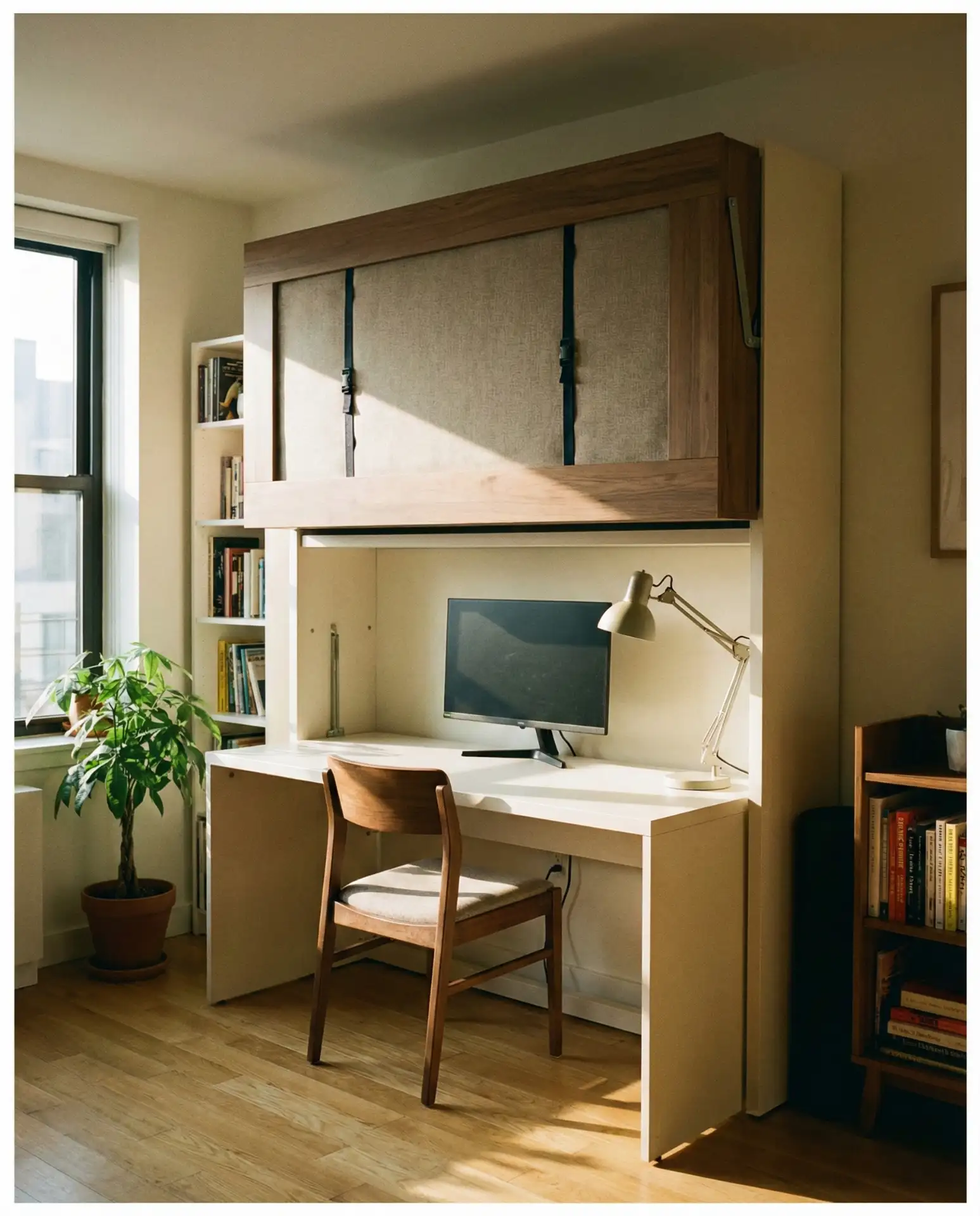
Combining a Murphy bed mechanism with a loft structure creates a convertible system perfect for small rooms and adults who host guests or work from home. The bed folds up against the wall during the day, revealing a desk or seating area underneath. At night, it lowers into place with minimal effort. This design requires professional installation and robust wall anchoring, but the payoff is a room that truly does double duty without feeling cramped.
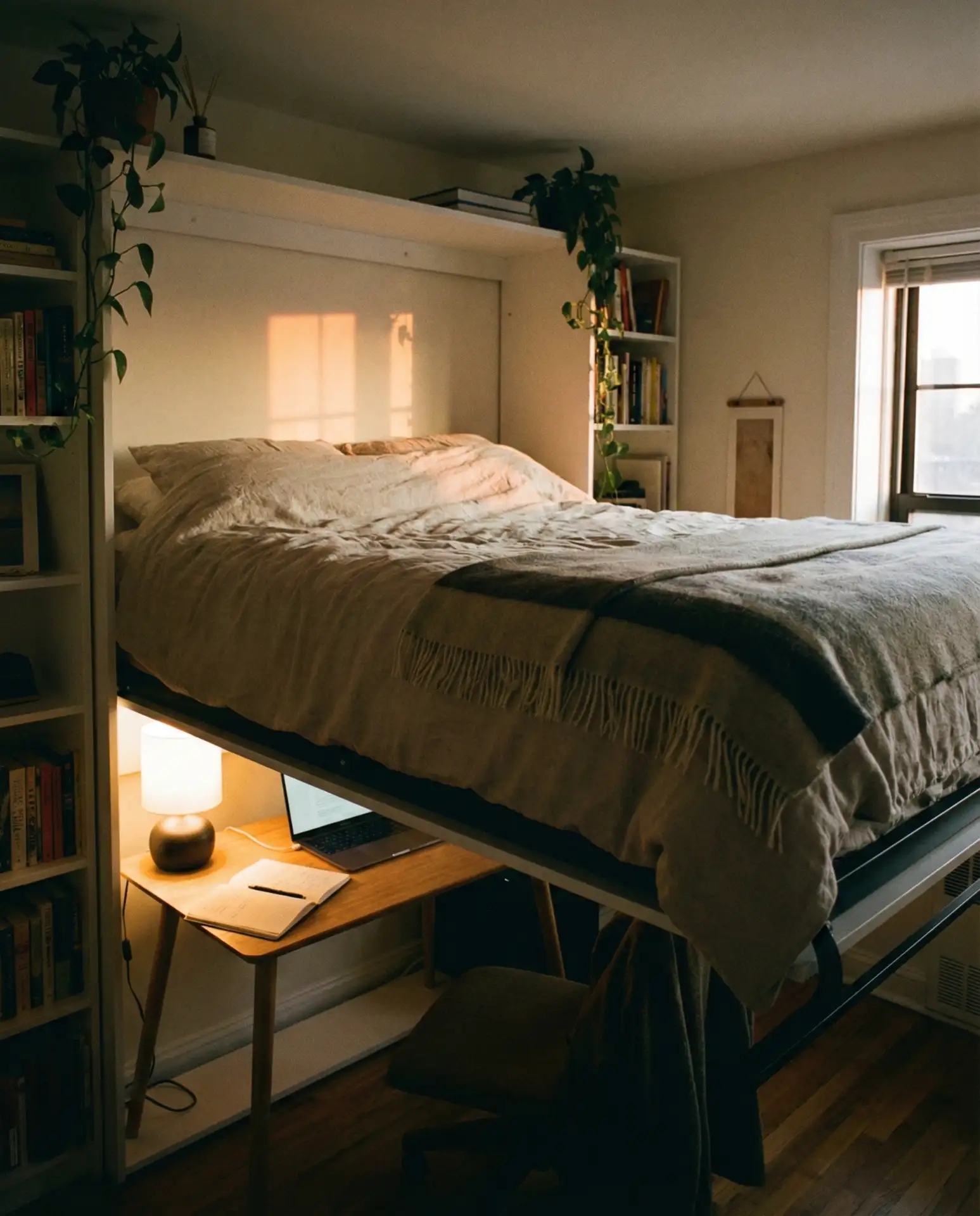
Real homeowner behavior: People who invest in Murphy loft beds typically live in expensive urban markets where they’ve committed to staying long-term—the upfront cost ranges from $2,000 to $5,000 installed. The mechanism requires periodic lubrication to stay smooth, and you’ll need to clear the desk or floor space before lowering the bed each night. Despite the choreography, users rave about reclaiming living space during waking hours.
18. Loft Bed with Futon for Guest-Ready Small Rooms
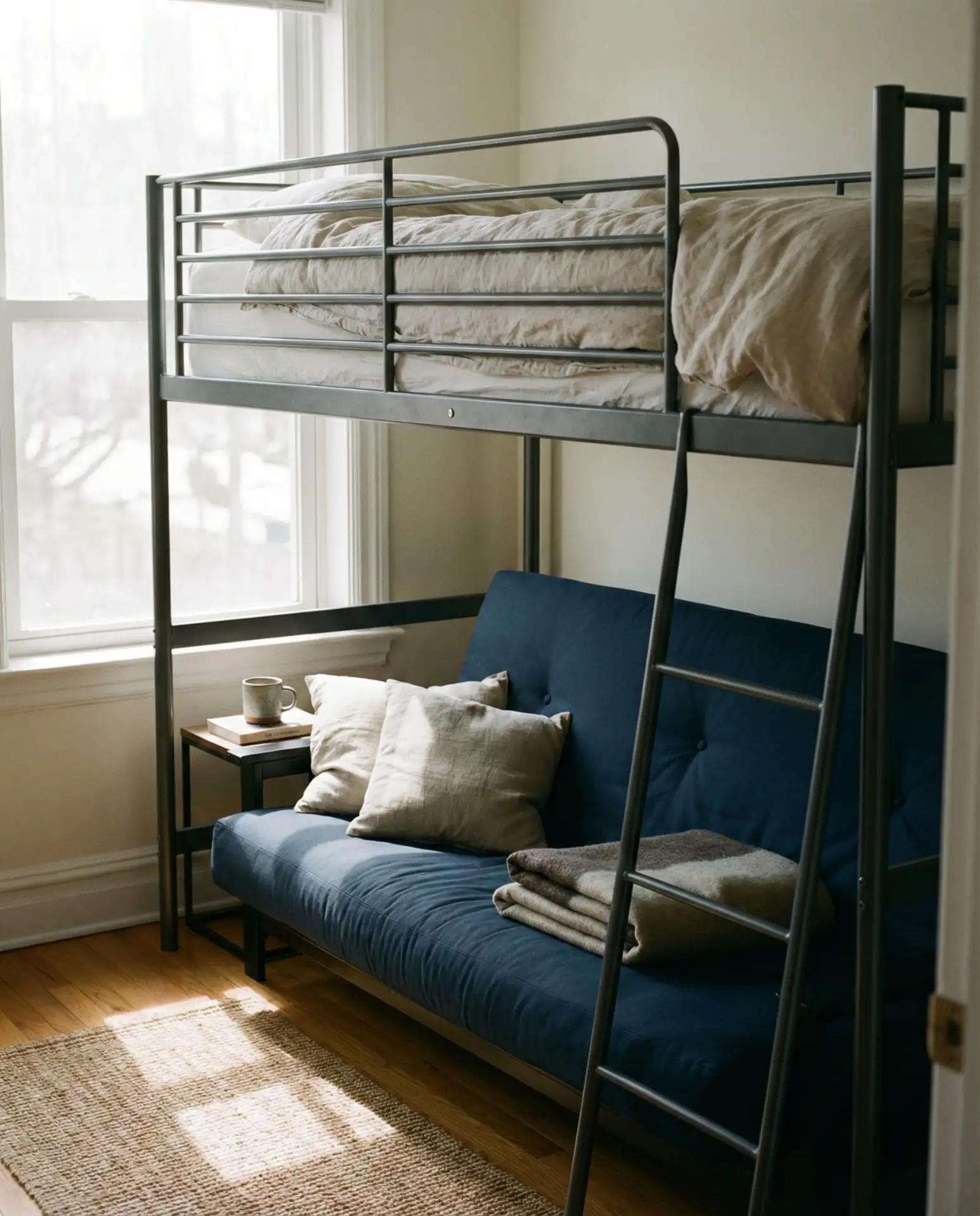
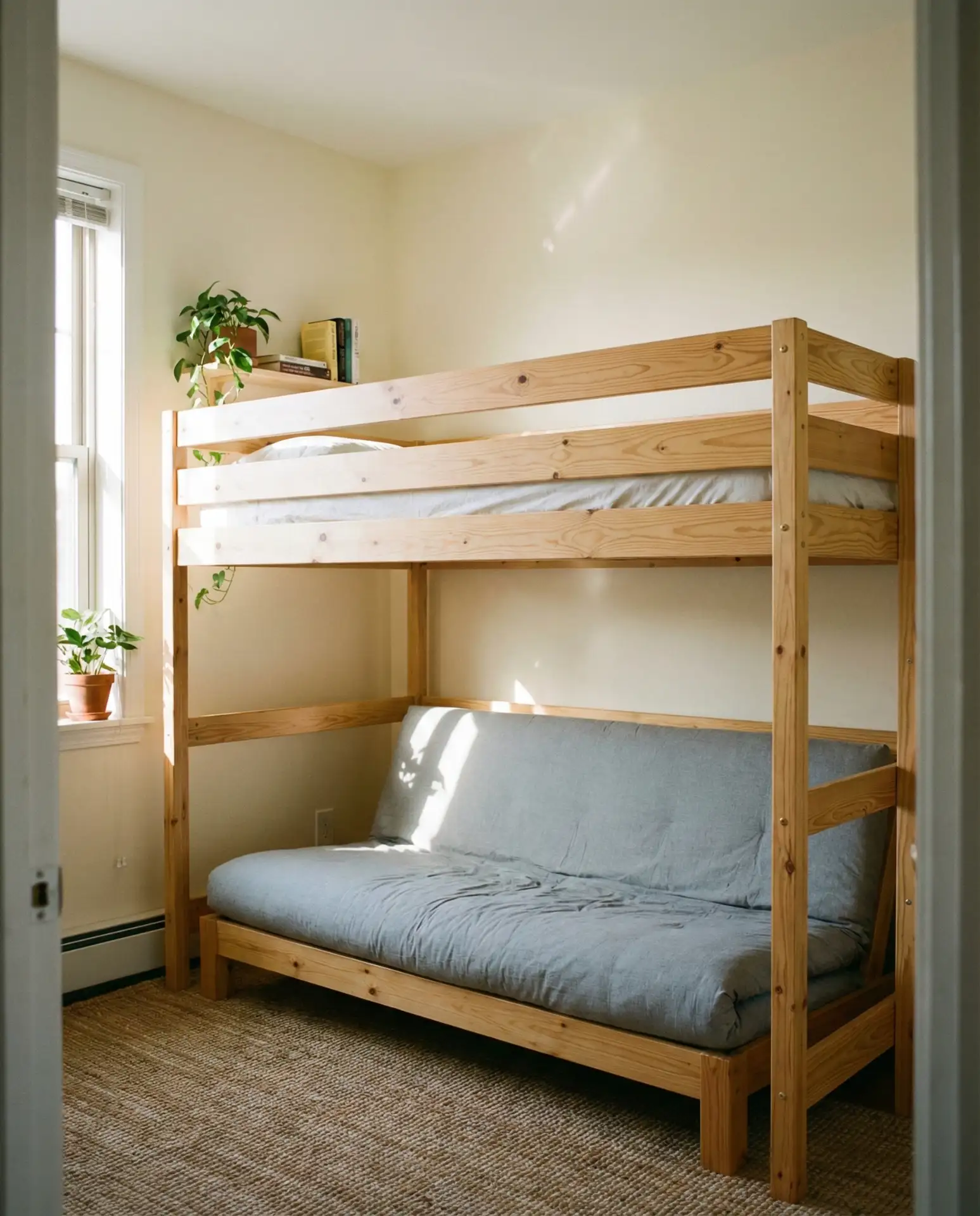
A twin loft bed with a futon underneath provides sleeping space for two without taking up the footprint of a traditional guest room. The futon serves as a sofa during the day and converts to a bed at night, making it ideal for small rooms that need to accommodate occasional visitors. This setup is common in one-bedroom apartments where the living area moonlights as a spare bedroom. Choose a futon with a quality mattress to ensure guests actually get rest.
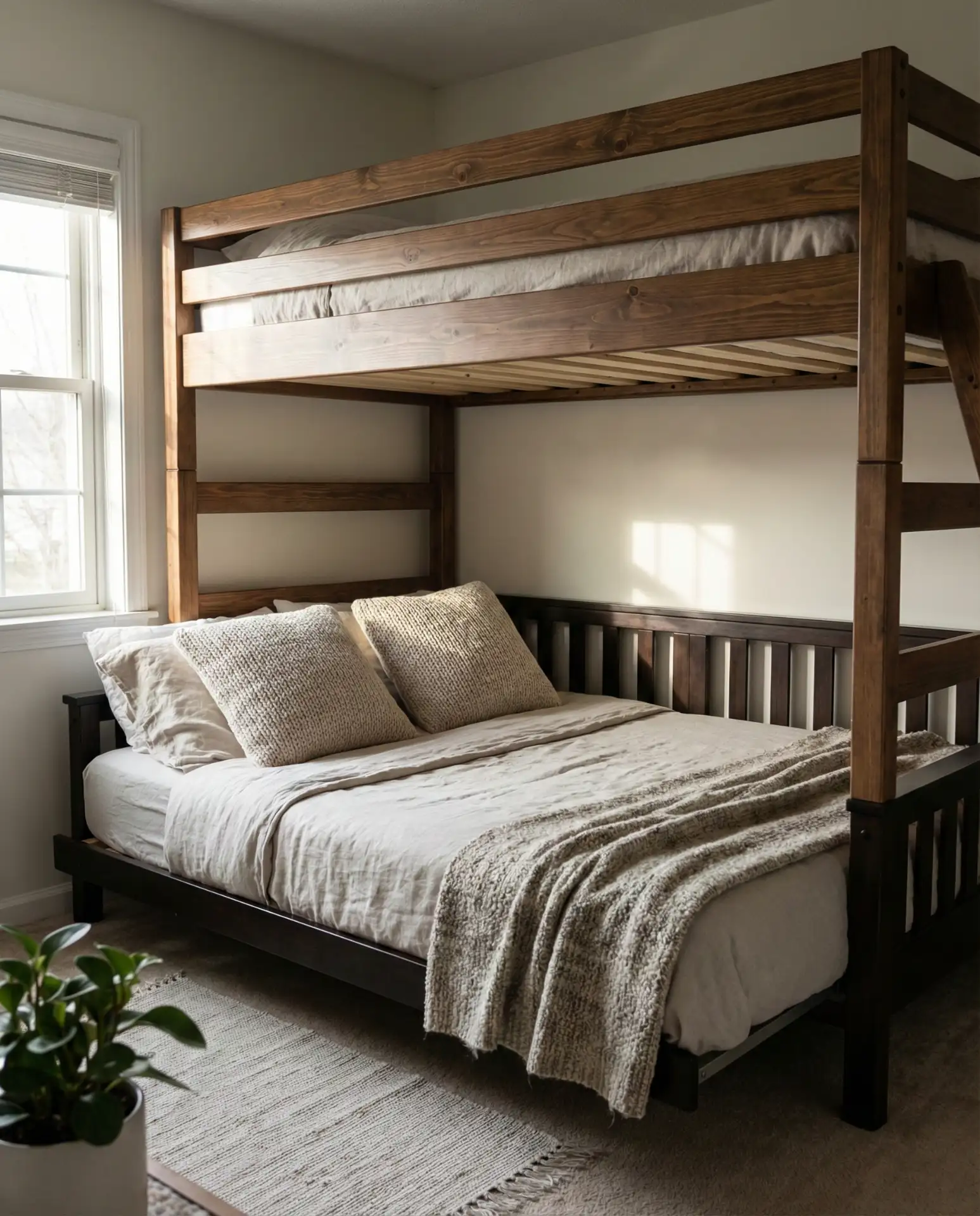
Common mistakes include buying the cheapest futon available, which results in a lumpy, uncomfortable sleep surface that guests endure rather than enjoy. Invest in at least a mid-range futon mattress with memory foam or coil springs—it makes all the difference. Position the loft near an outlet so guests can charge devices, and provide a small side table for water or books.
19. Industrial Pipe Loft Bed for DIY Enthusiasts
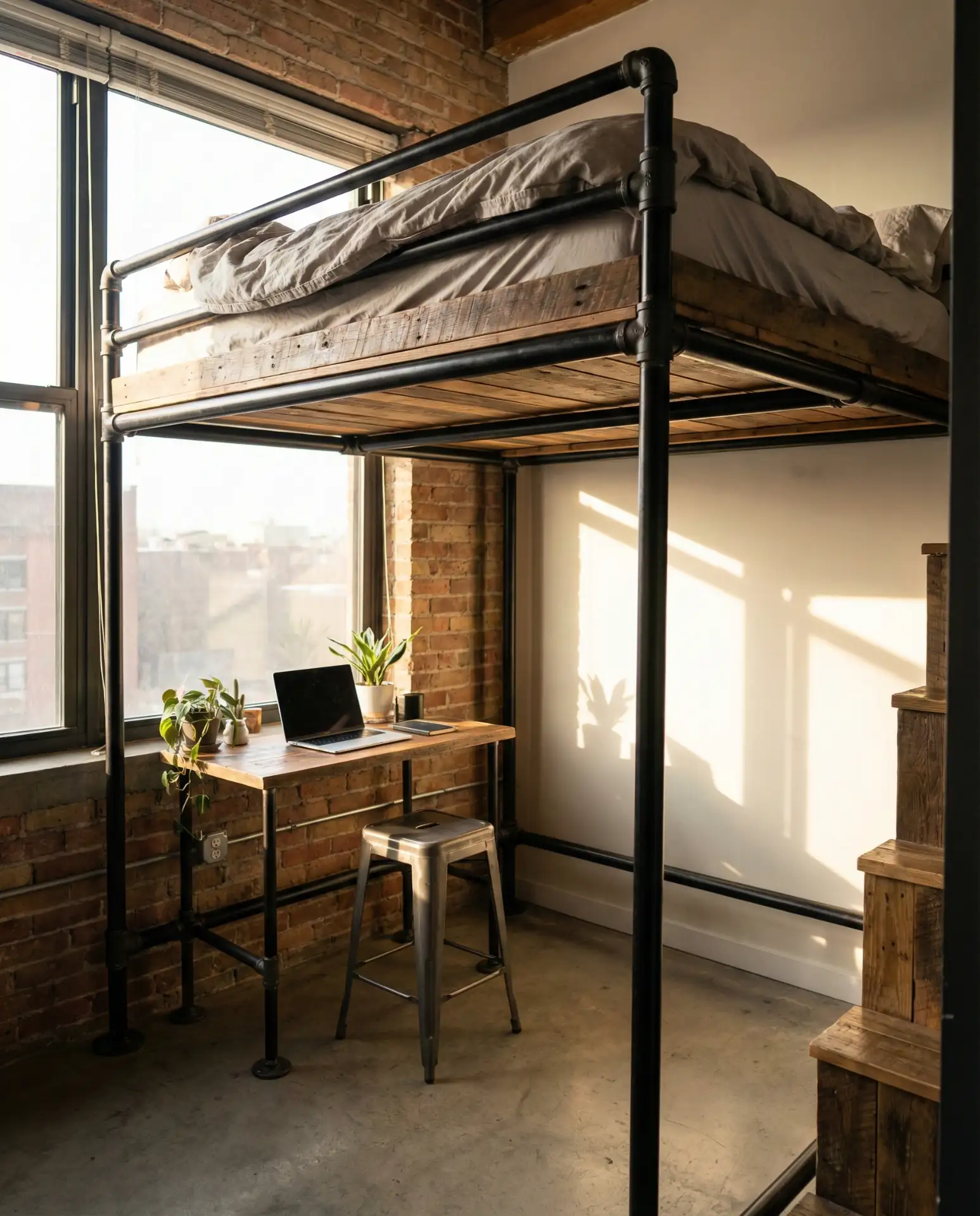
Building a loft bed from black iron pipes and reclaimed wood planks appeals to DIYers who want a custom metal look on a budget. Hardware stores sell pre-threaded pipes and fittings, making assembly straightforward if you can follow a blueprint. The result is a heavy-duty frame that supports substantial weight and looks like it belongs in a Brooklyn studio. Finish the wood with polyurethane or leave it raw for a more rugged appearance.
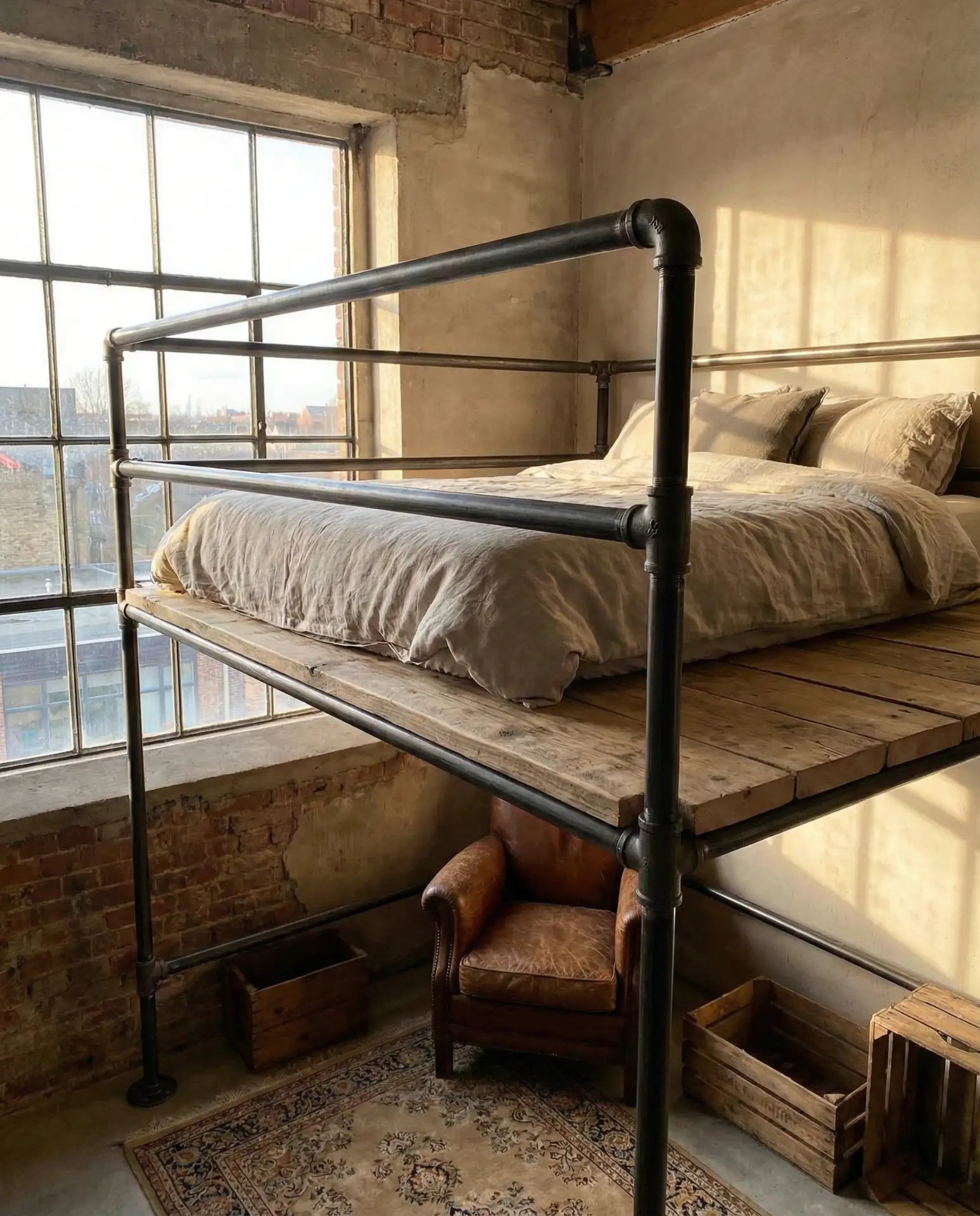
Budget angle: A pipe loft bed can cost as little as $200 in materials if you source lumber from salvage yards and buy pipes during a hardware sale. The trade-off is time—expect to spend a weekend measuring, cutting, and assembling. Secure the frame to wall studs for added stability, and use flanges at the base to prevent wobbling. This project suits renters with landlord approval or homeowners comfortable with minor drilling.
20. Loft Bed with Curtains for Privacy in Shared Spaces
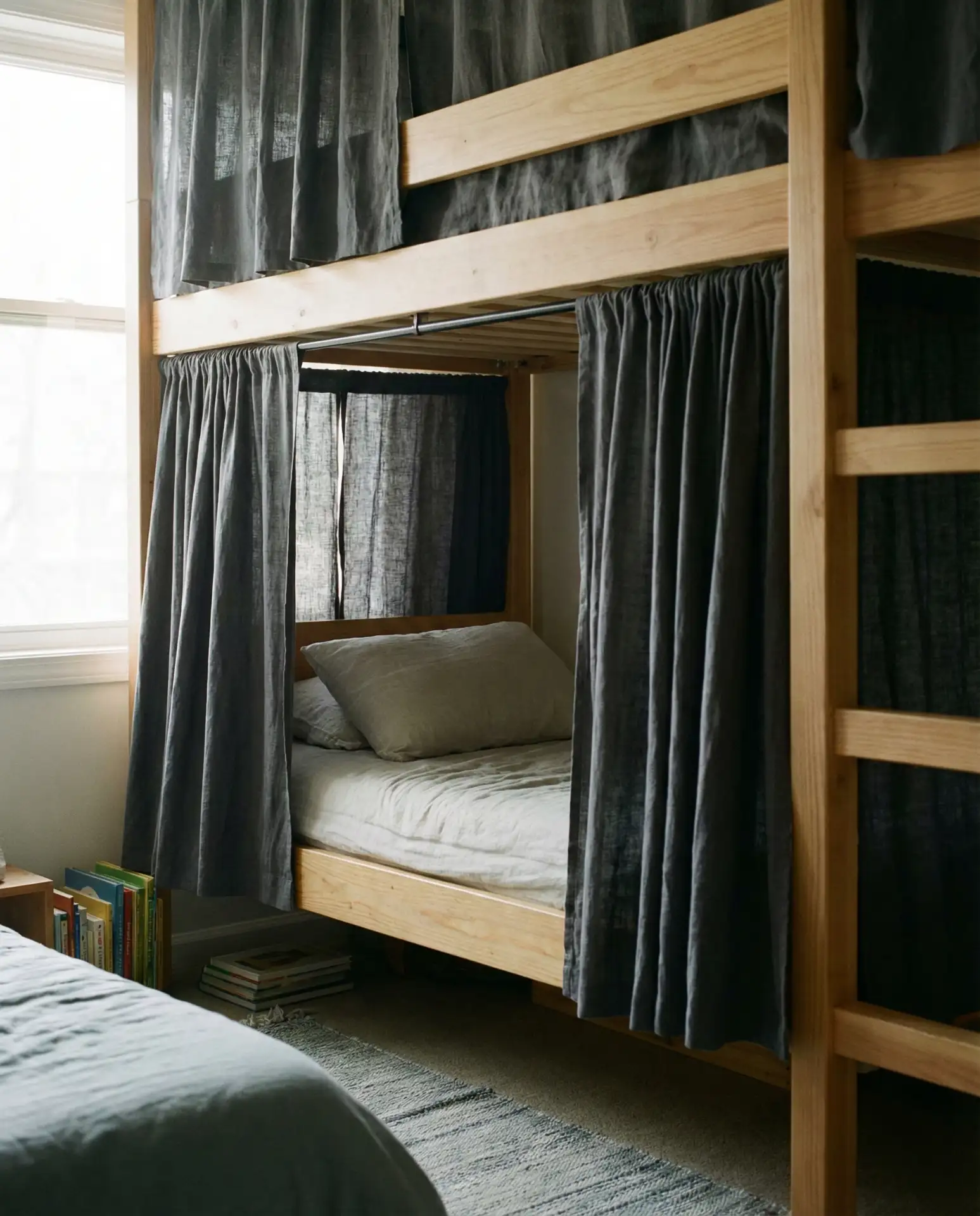
When small rooms are shared by siblings or roommates, curtains around a loft bed create instant privacy without building walls. Hang blackout panels or sheer fabric from a curtain rod attached to the bed frame, and suddenly the top bunk becomes a personal retreat. This approach is popular in small rooms with teenagers’ aesthetics, where everyone wants their own zone. The curtains also block light for better sleep if one person stays up late.
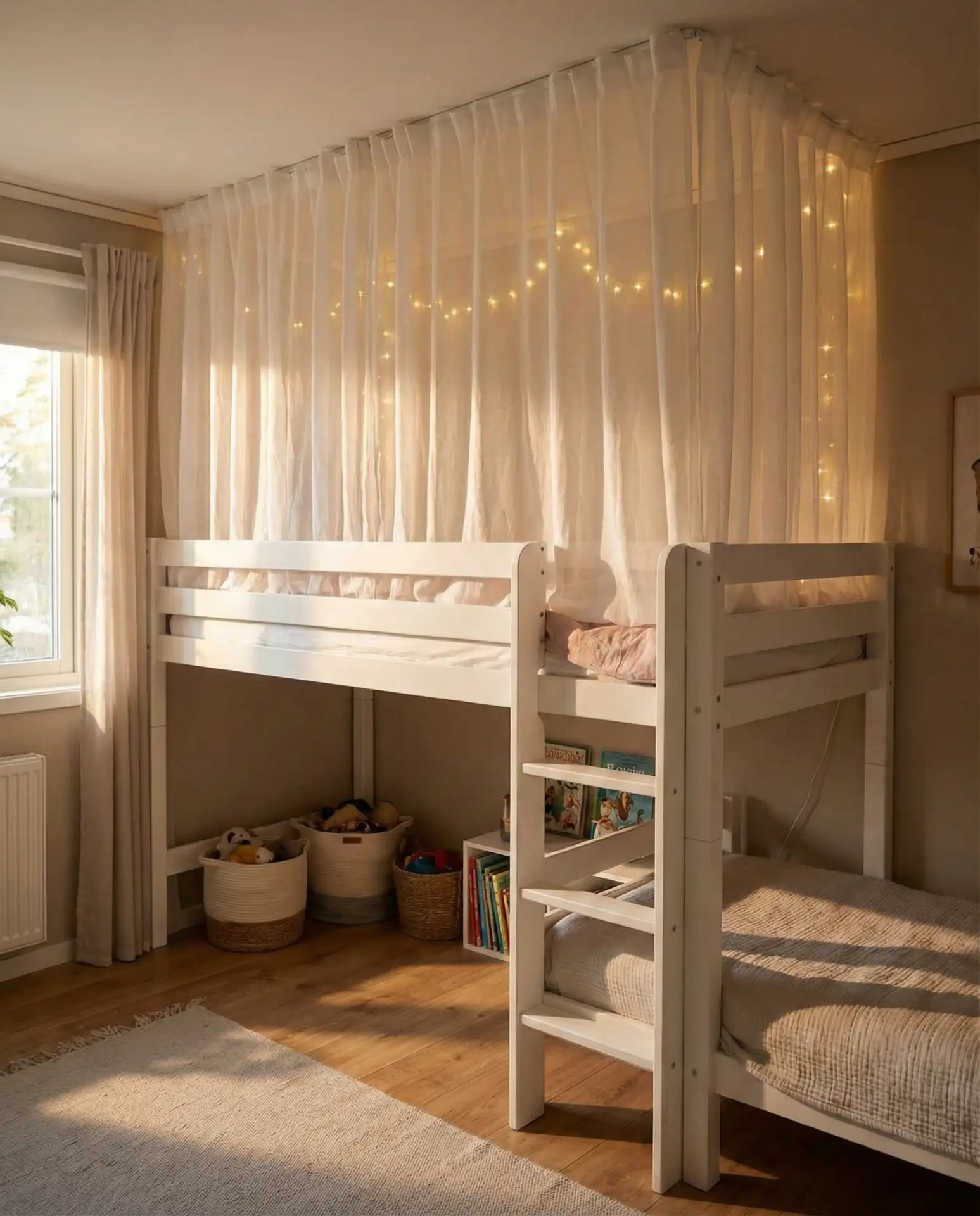
Expert-style commentary: Child psychologists note that having a defined personal space—even within a shared room—helps kids feel more secure and autonomous. Choose curtains that are easy to wash and flame-retardant if possible. Install the rod with heavy-duty brackets so it doesn’t sag under the fabric’s weight, and leave one end open for ventilation to prevent stuffiness.
21. Loft Bed with Hammock Underneath for Relaxation
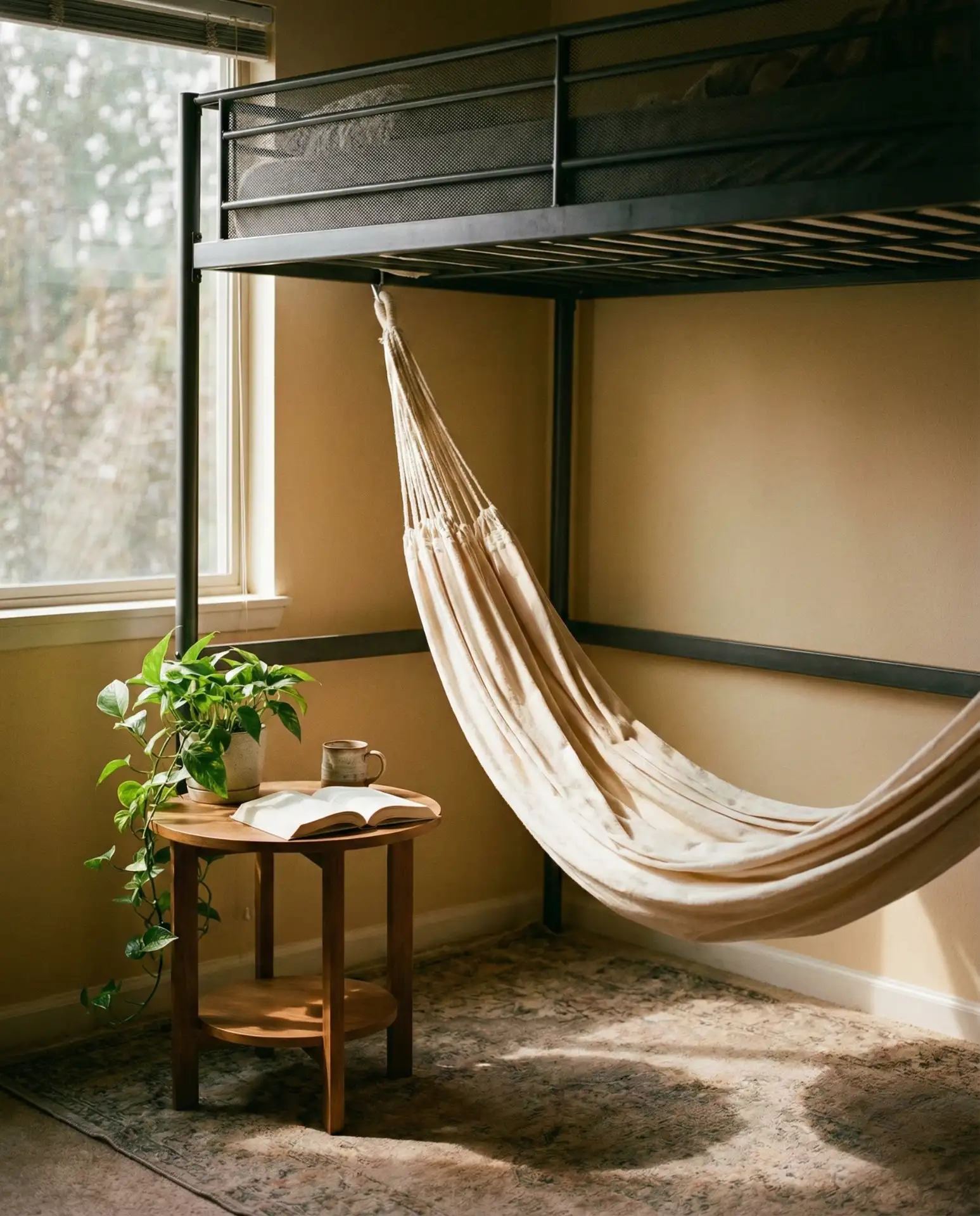
Hanging a hammock beneath a loft bed turns the space into a cozy reading or nap spot, perfect for lazy afternoons in small rooms where floor space is tight. The hammock attaches to the bed frame posts with sturdy carabiners or rope, and it swings gently without interfering with the sleeping area above. This setup appeals to bohemian sensibilities and works especially well in warmer climates where indoor-outdoor living is common.
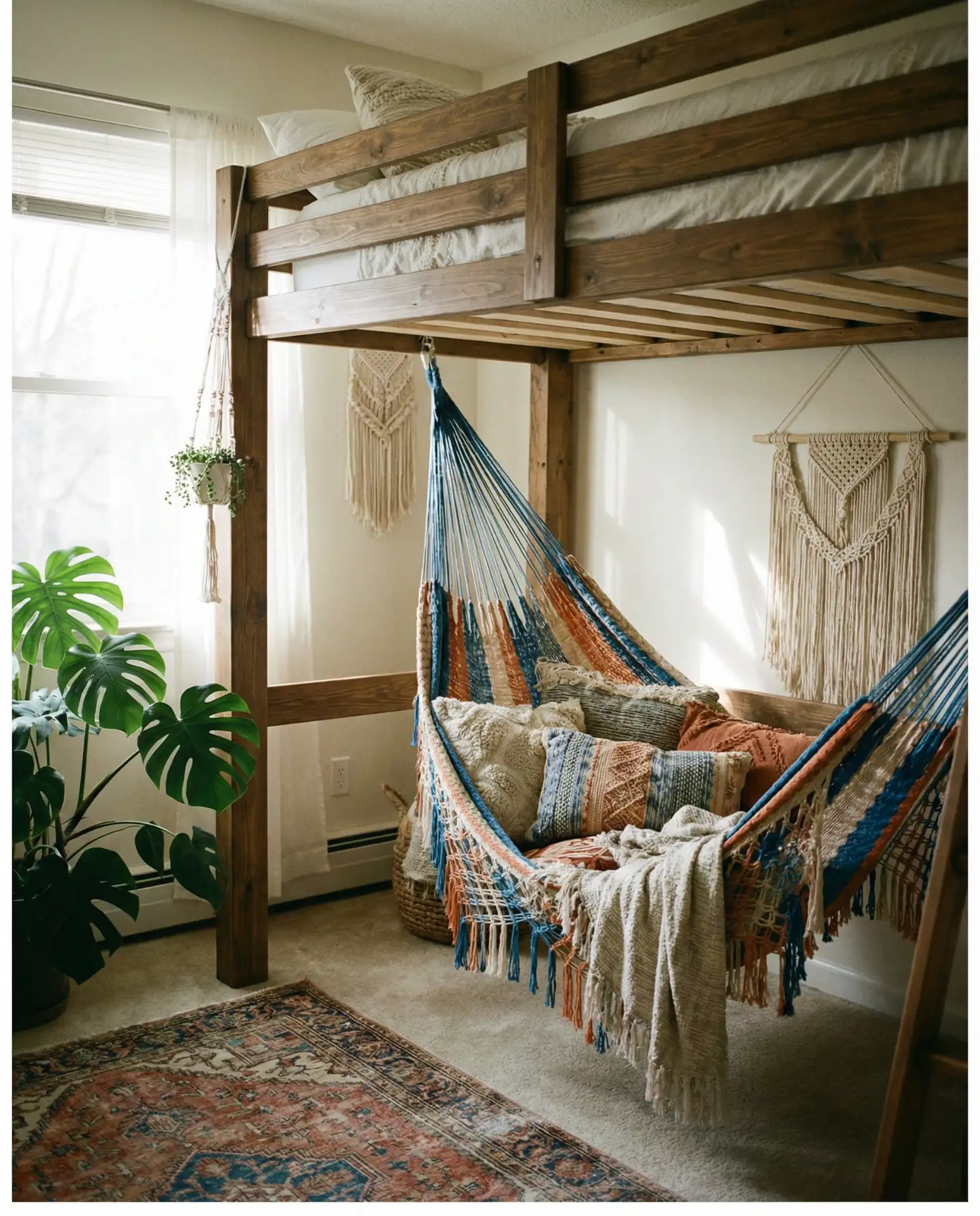
Where it works best: College students love this setup for study breaks, and parents sometimes adopt it in home offices where the loft bed accommodates a teen while the hammock becomes a quiet spot for younger siblings. Test the frame’s weight capacity before installing a hammock—it needs to safely support an adult. Avoid synthetic rope that can fray; cotton or paracord lasts longer and feels better against skin.
22. Loft Bed with LED Lighting for Modern Ambiance
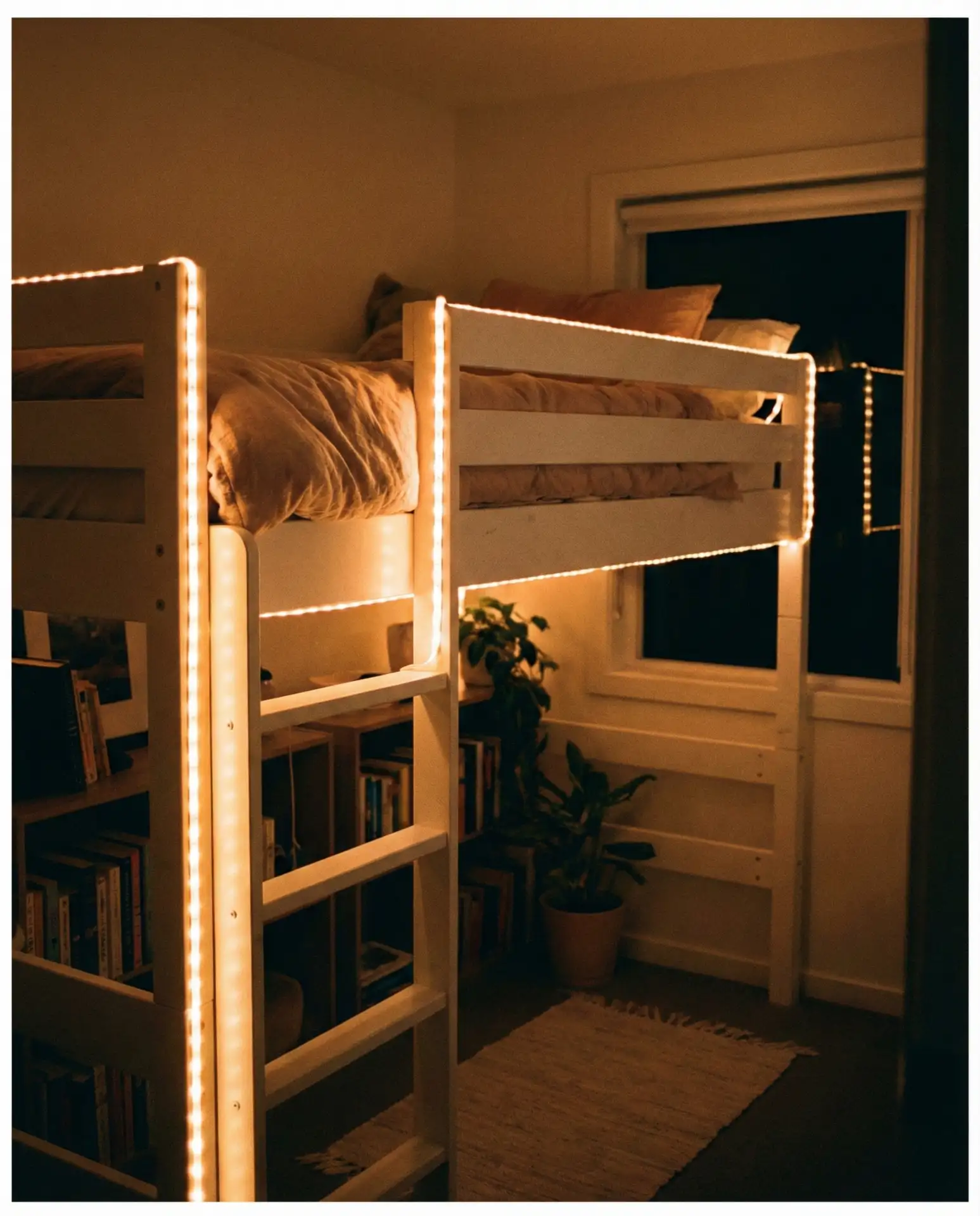
LED strip lights along the bed frame’s underside or posts add a cute glow that transforms a basic loft into an aesthetic centerpiece. The lights come in color-changing options controlled via remote or smartphone, letting users match the mood—cool blue for studying, warm amber for winding down. This tech-forward touch appeals to teens and young adults who treat their room as a social media backdrop. Battery-powered strips work if outlets are limited.
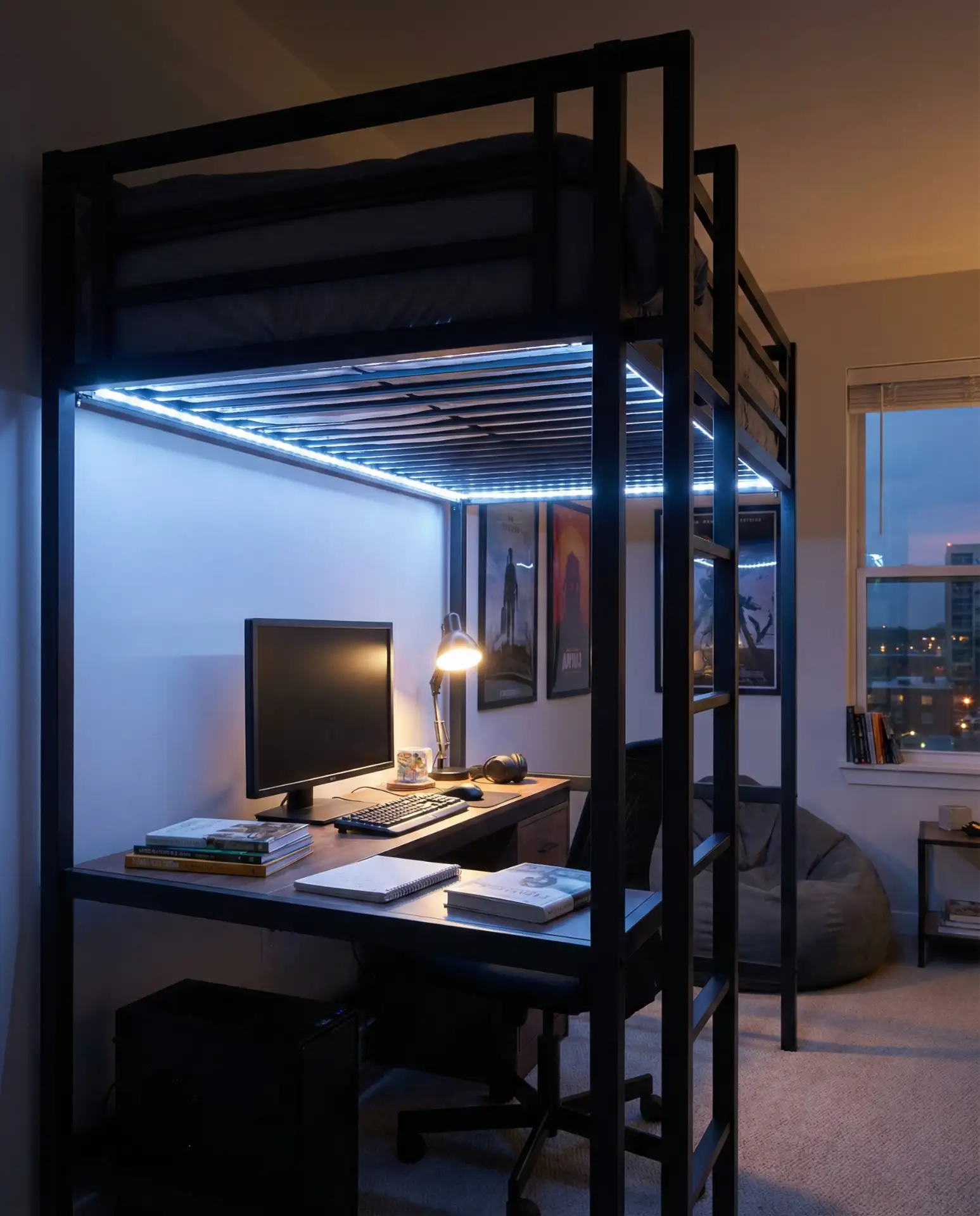
Practical insight: Use adhesive clips designed for LED strips rather than relying on the strips’ sticky backing alone—those adhesives fail after a few months. Run the power cord neatly along the bed frame with cable ties to avoid tripping hazards. If you’re renting, confirm with your landlord that adding lighting won’t violate any clauses, though most see it as harmless temporary decor.
23. Loft Bed with Built-In Stairs for Safety and Storage
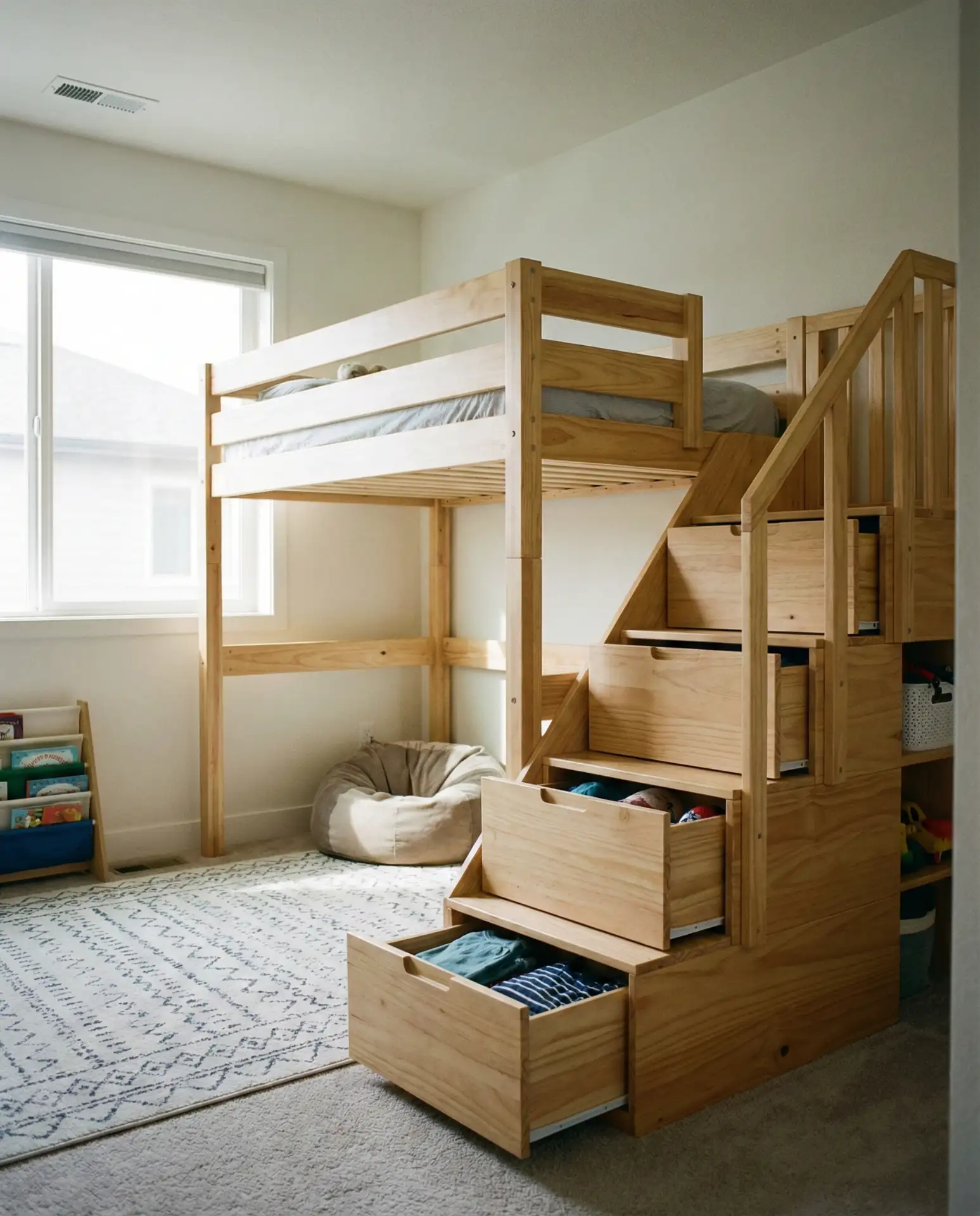
Stairs instead of a ladder make climbing up and down easier, especially for small rooms and kids or adults who prefer a gentler ascent. Each step often doubles as a storage drawer, holding clothes, shoes, or toys without requiring extra furniture. The staircase configuration takes up more floor space than a ladder but adds significant safety and convenience. This design is especially wise in homes with younger children or anyone with mobility concerns.
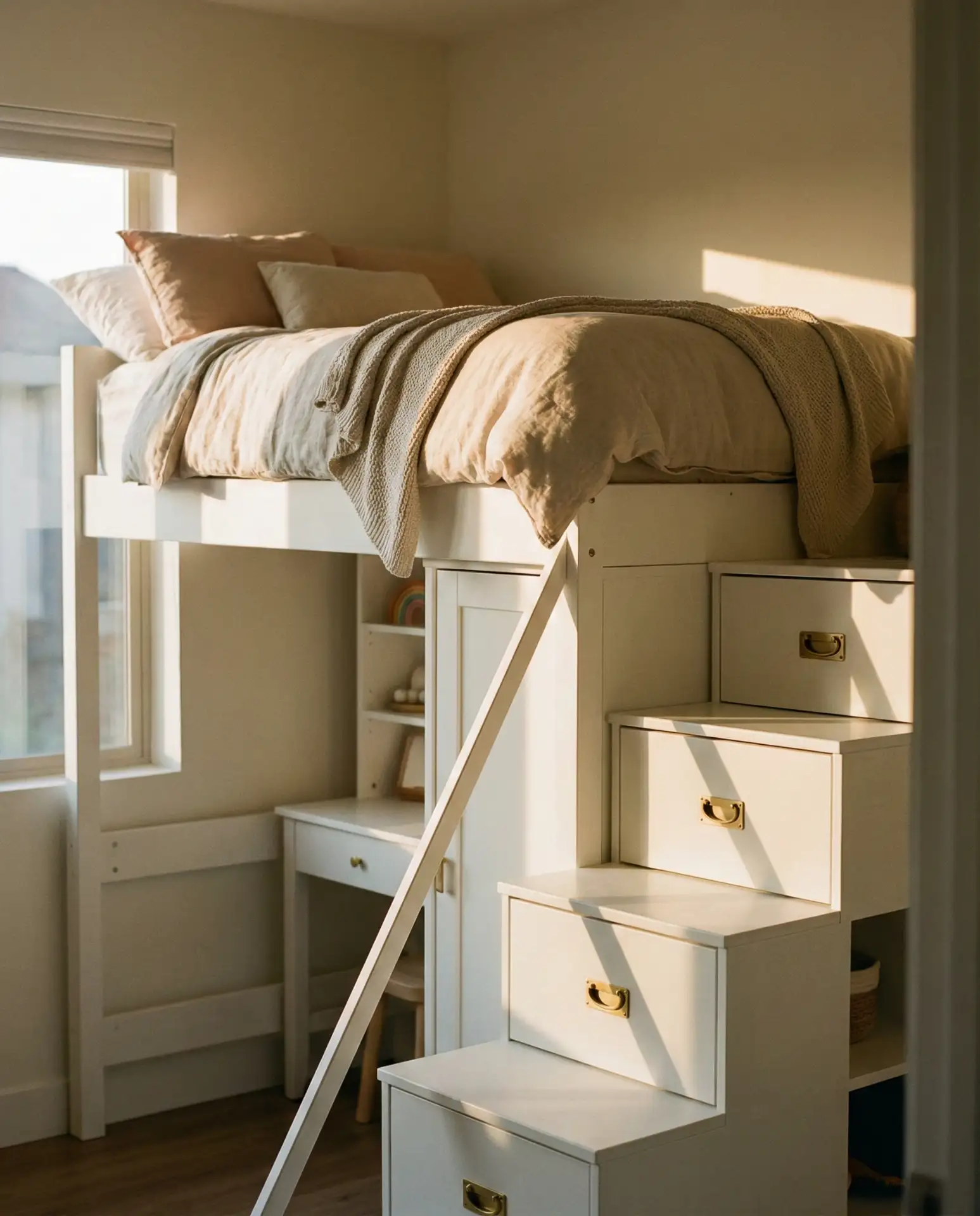
Common mistakes: Buyers sometimes underestimate the footprint of the staircase, which can extend 3–4 feet into the room. Measure carefully and consider whether that space could serve you better in another configuration. The stairs do make nighttime trips to the bathroom safer than a ladder, and the storage drawers often become the go-to spot for everyday items—socks, chargers, school supplies—that need a home. Well worth it for families prioritizing accessibility.
Conclusion
From minimalist Scandinavian frames to playful slides and hammocks, loft beds prove that small spaces don’t require sacrificing personality or comfort. Whether you’re outfitting a teen’s bedroom, a dorm room, or your own apartment, these ideas demonstrate how vertical thinking unlocks new possibilities. Which design speaks to you? Share your favorite loft bed setup in the comments—we’d love to see how you’re making the most of your space in 2026.