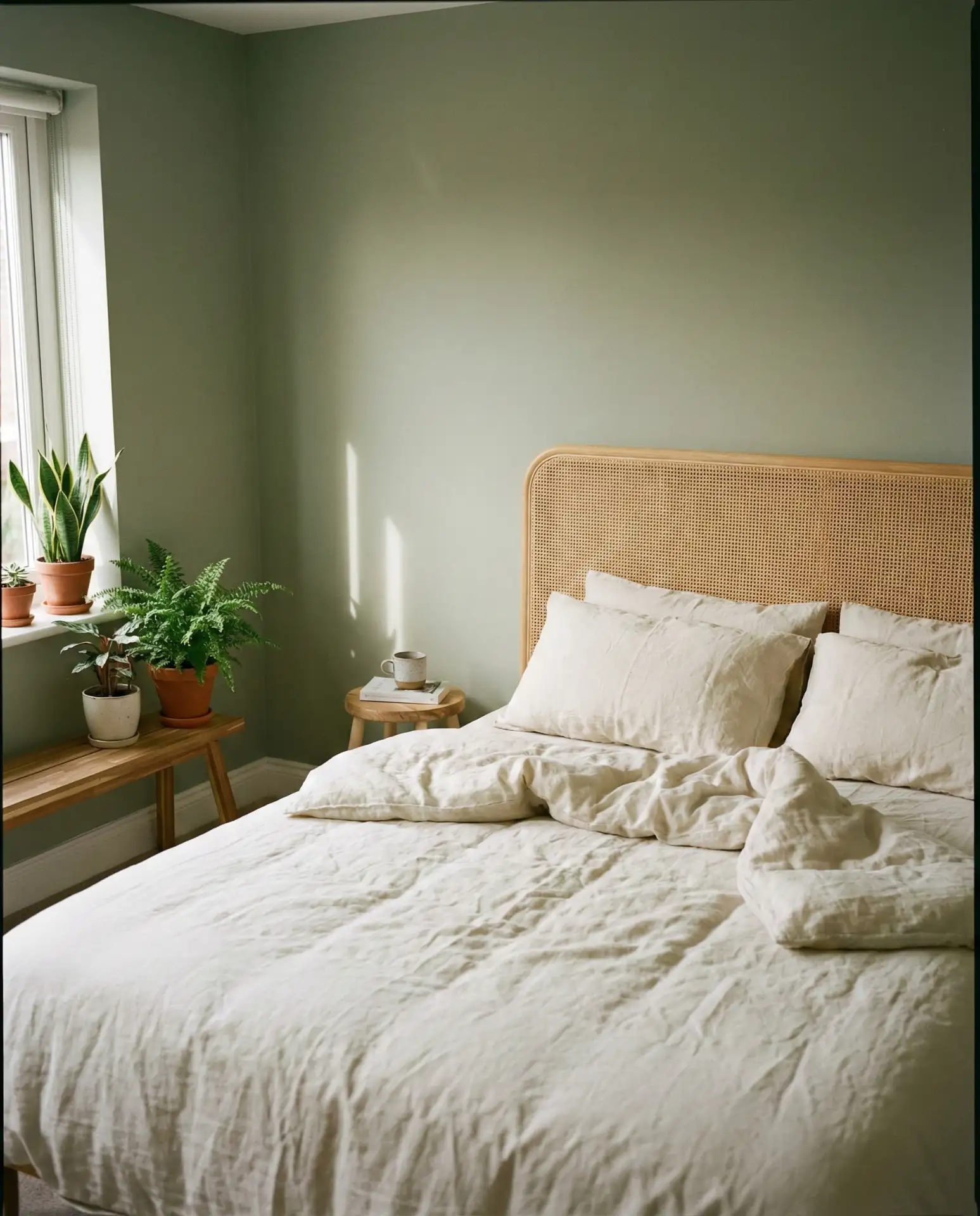
Master bedrooms in 2026 are evolving into personalized sanctuaries that blend comfort with contemporary design sensibilities. American homeowners are increasingly turning to Pinterest for inspiration, seeking spaces that reflect their unique aesthetic while incorporating the latest trends in color, texture, and layout. This year’s most popular searches reveal a fascinating mix of practical solutions for small spaces, bold color statements, and cozy atmospheres that prioritize rest and relaxation. Whether you’re renovating a tiny attic retreat or redesigning a spacious primary suite, the following ideas showcase how modern master bedrooms balance style with functionality. From earthy neutrals to dramatic dark palettes, these twenty-two concepts offer fresh perspectives on creating the bedroom you’ve always wanted.
1. Layered Textiles for Small Cozy Retreats
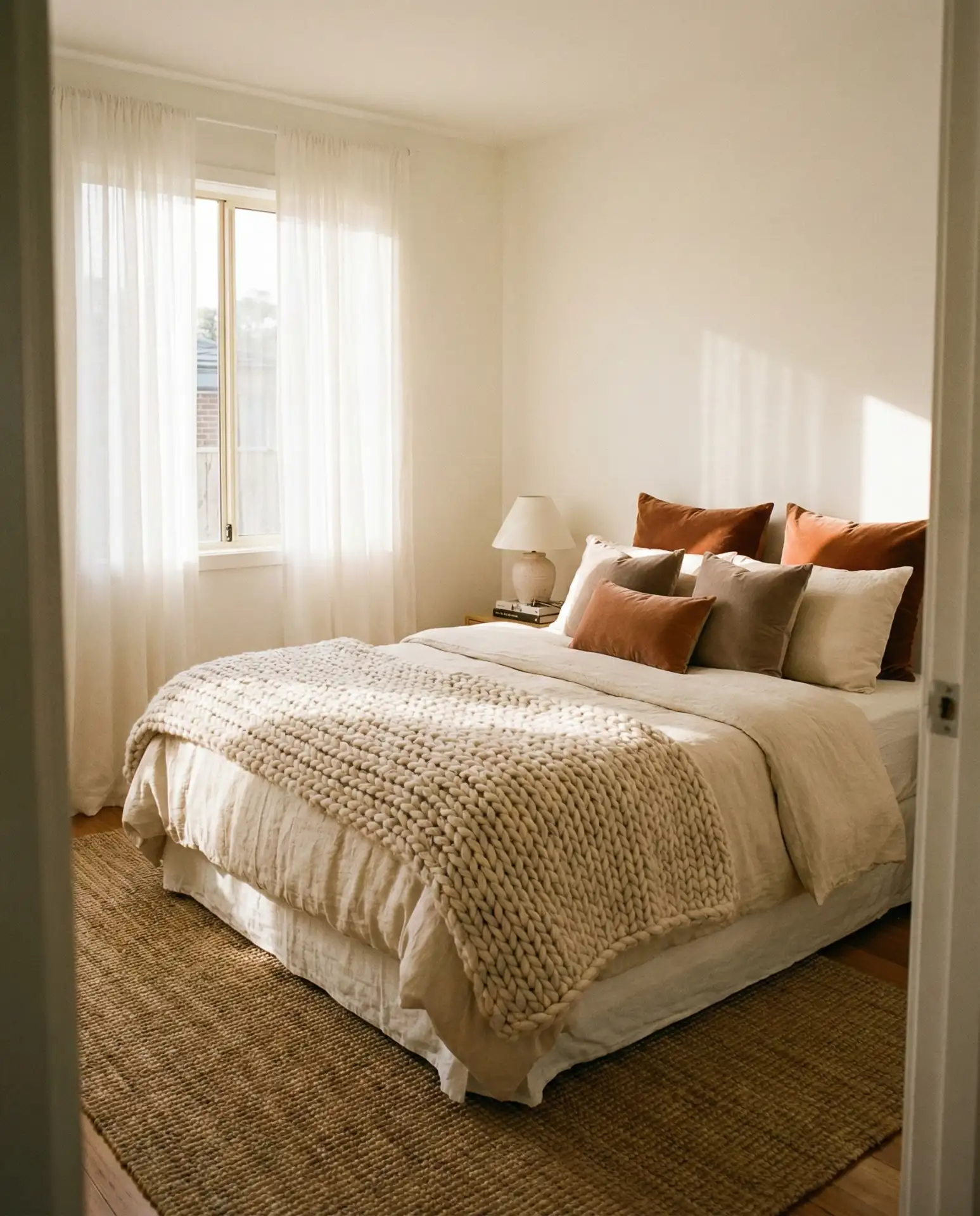
When you’re working with a small master bedroom, the key to achieving a cozy atmosphere lies in thoughtful textile layering. Think chunky knit throws draped over linen duvet covers, velvet accent pillows in complementary tones, and a plush area rug that anchors the bed. These layers create visual depth while making the space feel warm and inviting rather than cramped. The tactile variety also adds sophistication without requiring major renovations or expensive furniture purchases. 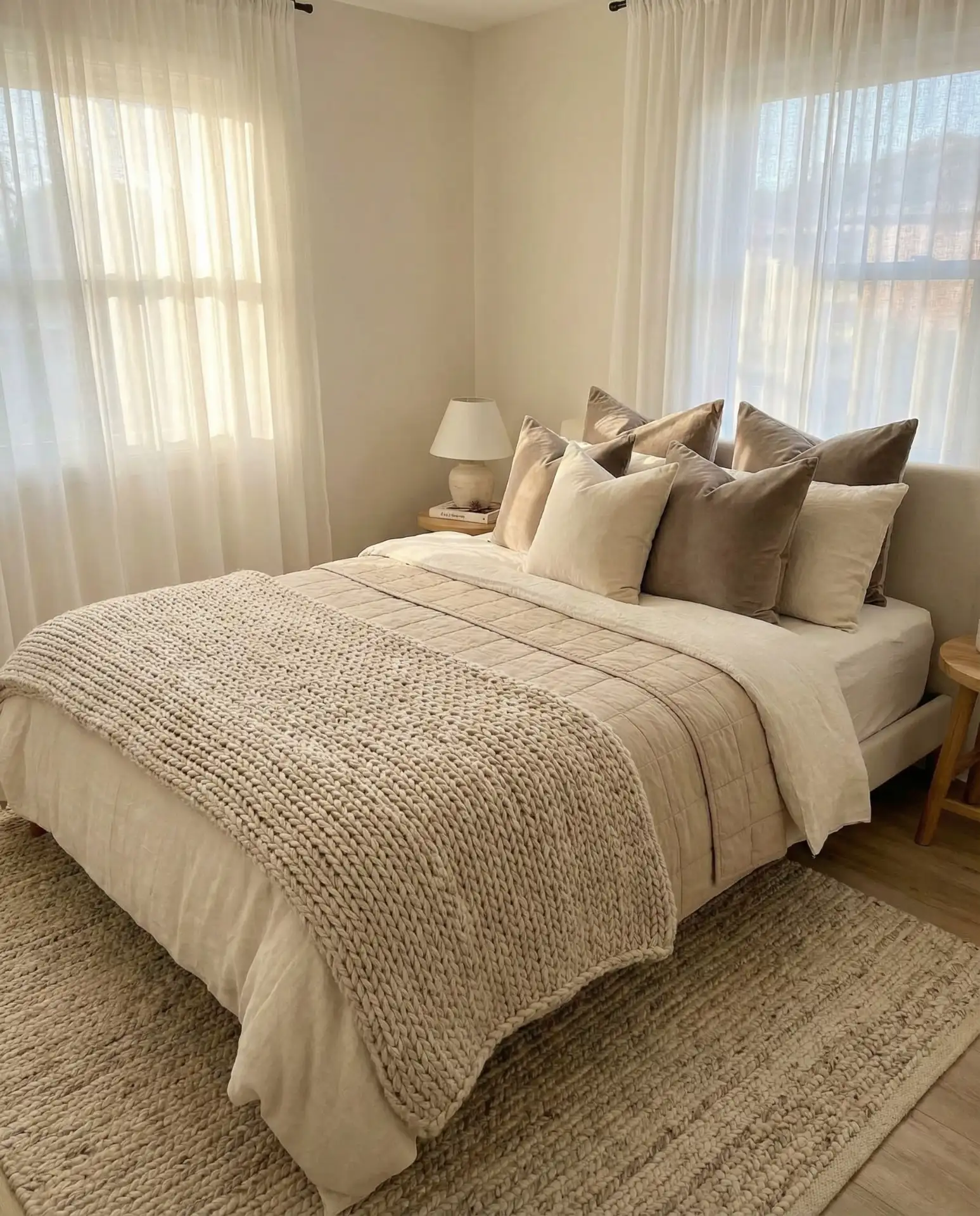
This approach works particularly well in Northeast apartments where winter months demand extra warmth. A common mistake is choosing all lightweight fabrics that look beautiful but don’t deliver on comfort—mixing weights and textures prevents this. Budget-conscious homeowners can start with one quality duvet and gradually add layers from places like HomeGoods or Target, building a curated look over time without the upfront expense of a complete bedroom overhaul.
2. Minimalist Grey Accent Walls
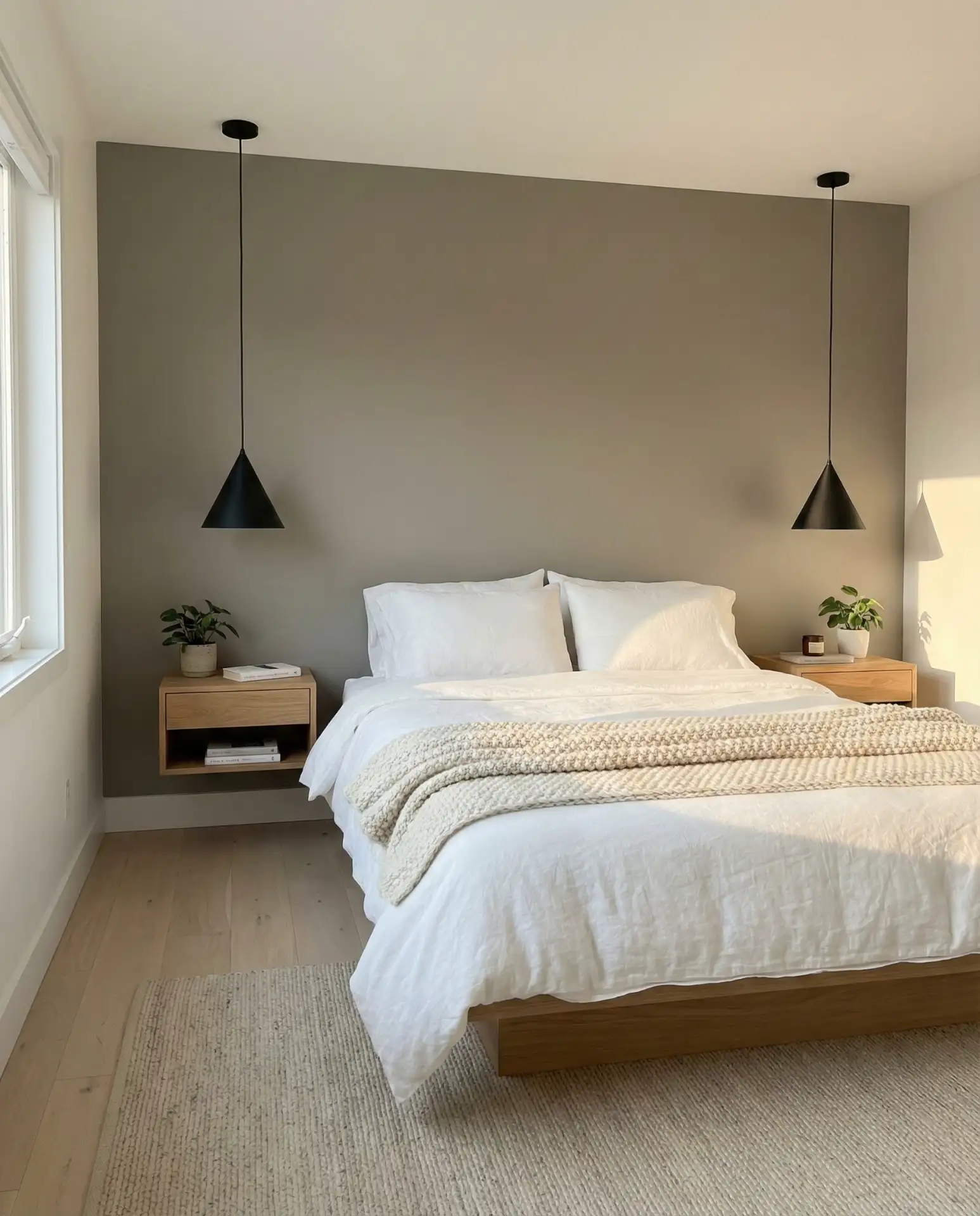
A grey accent wall creates an instant focal point without overwhelming a primary bedroom’s serene atmosphere. Modern homeowners are gravitating toward warm greys with subtle undertones—greige, taupe-grey, or charcoal with hints of brown—that pair beautifully with natural wood furniture and white bedding. The result is a sophisticated backdrop that feels contemporary yet timeless, perfect for the master suite that needs to function as both sleeping quarters and personal retreat. 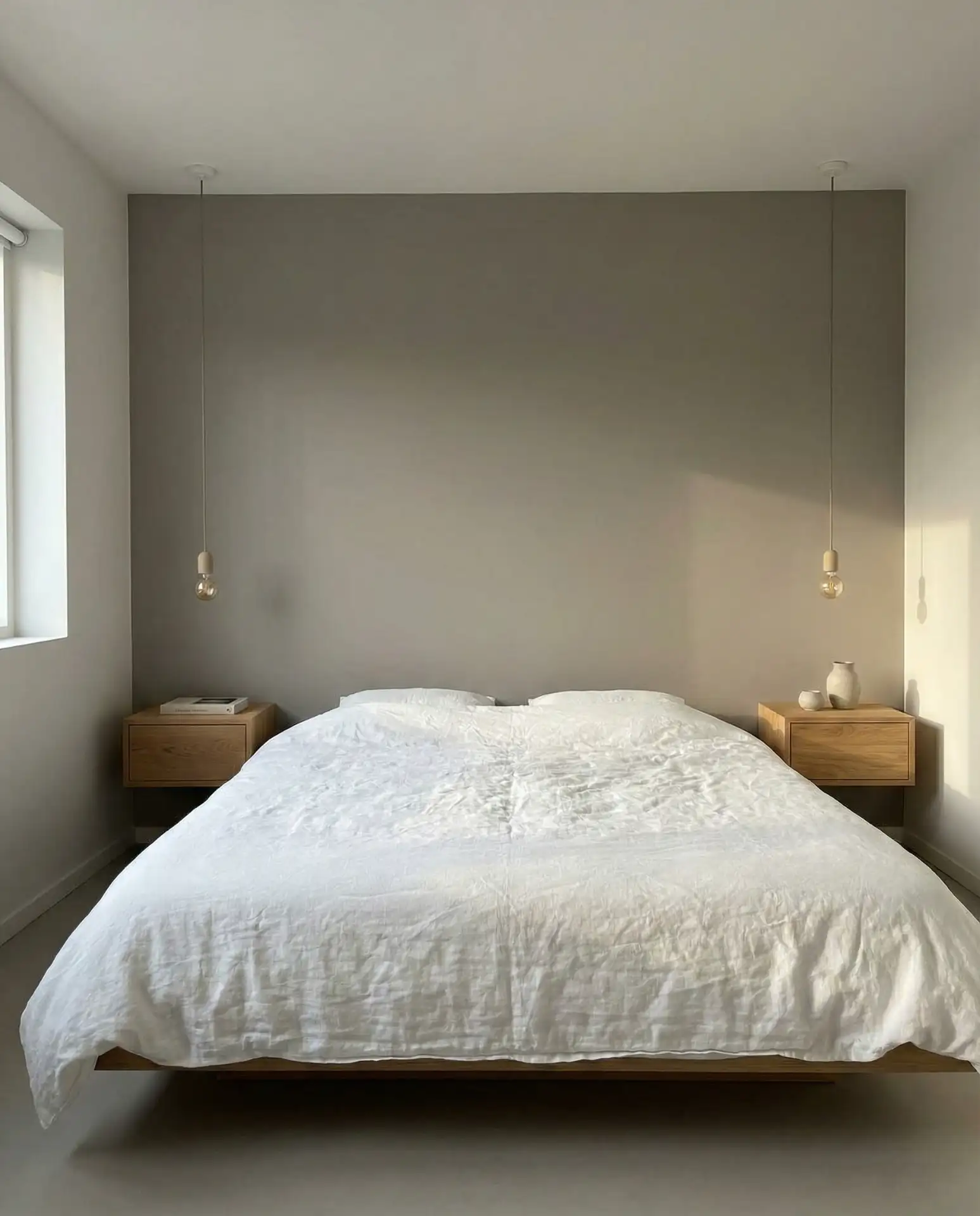
This works best in rooms with ample natural light, as grey can feel cold in north-facing spaces. Consider pairing the accent wall with warm brass or gold fixtures to balance the cool tones. Many designers recommend testing paint samples at different times of day before committing, since artificial lighting can dramatically shift how grey reads in a bedroom setting, especially during evening hours when you’re most likely to be using the space.
3. Attic Bedroom with Exposed Beams
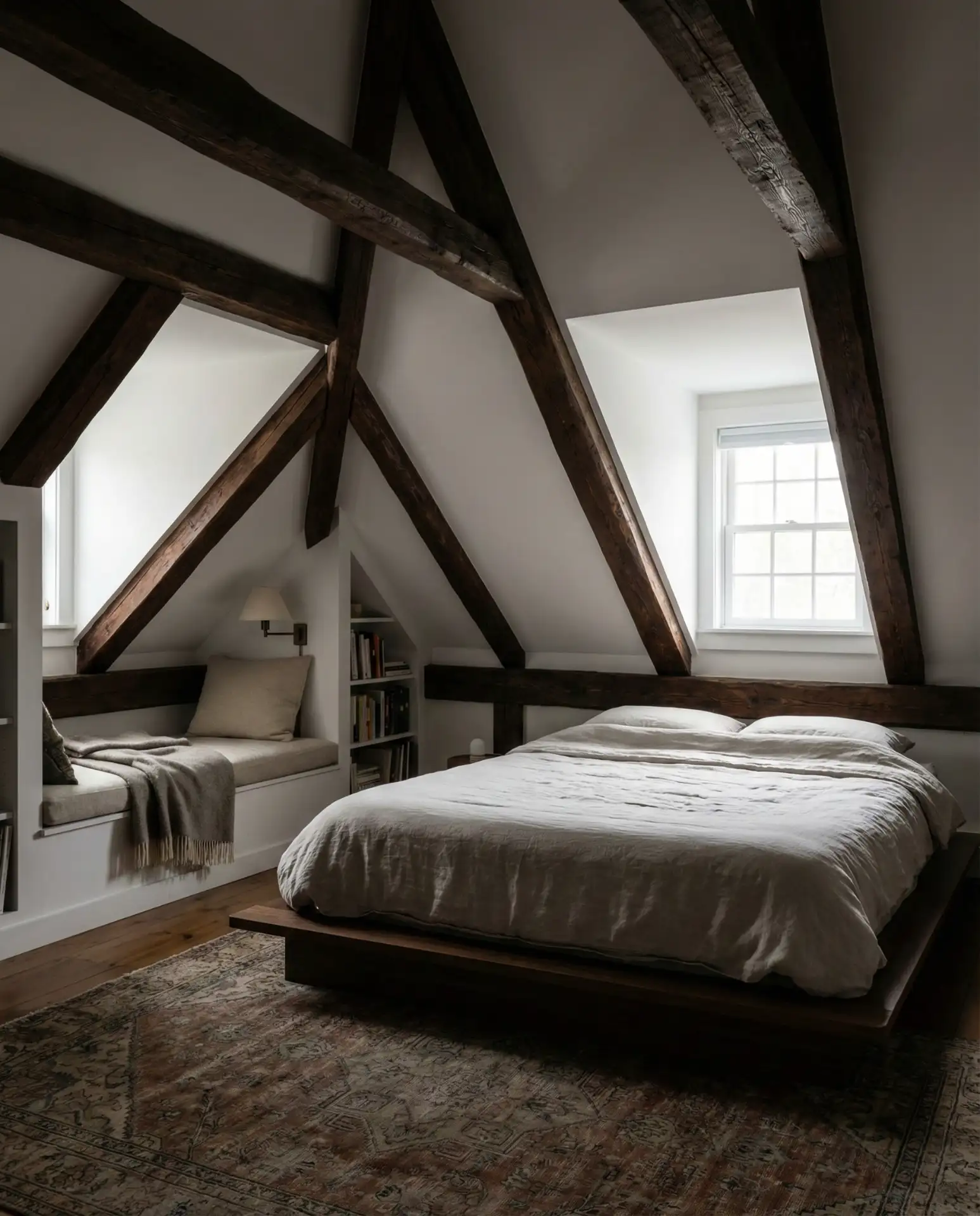
Converting an attic into a master bedroom offers architectural charm that standard rooms simply can’t match. Exposed wooden beams, sloped ceilings, and dormer windows create built-in character that feels both cozy and distinctive. The key is embracing these quirky elements rather than fighting them—low-profile furniture works better under slanted walls, while skylights maximize natural light in spaces where traditional windows might be limited by the roofline. 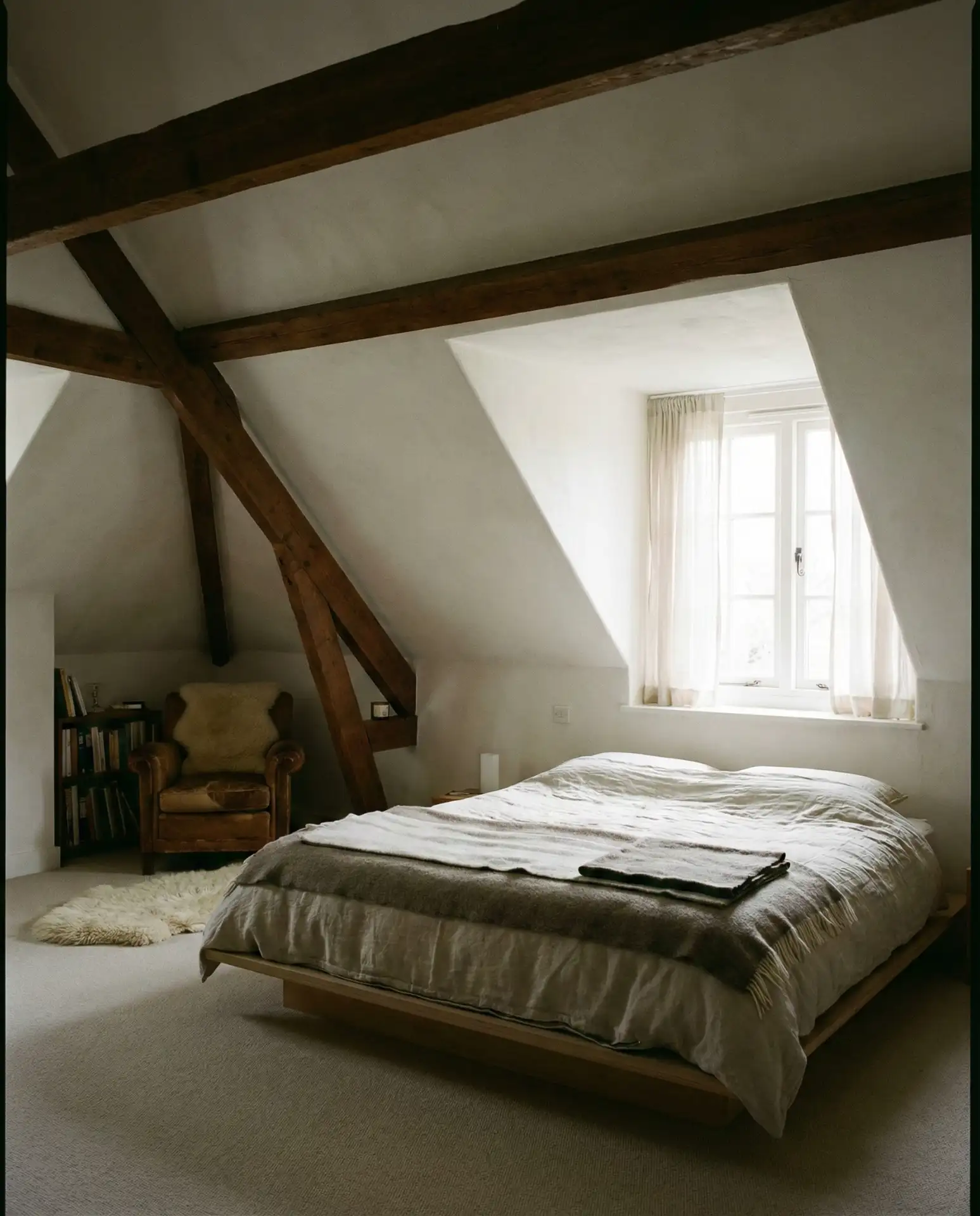
In older American homes, particularly in New England or the Midwest, attic conversions have become popular as families expand but don’t want to move. One practical insight: proper insulation is non-negotiable. Attics can become sweltering in summer and frigid in winter without adequate climate control. Installing a mini-split system and ensuring proper ventilation transforms what might be a seasonal space into a year-round sanctuary worth the investment.
4. Sage Green Serenity
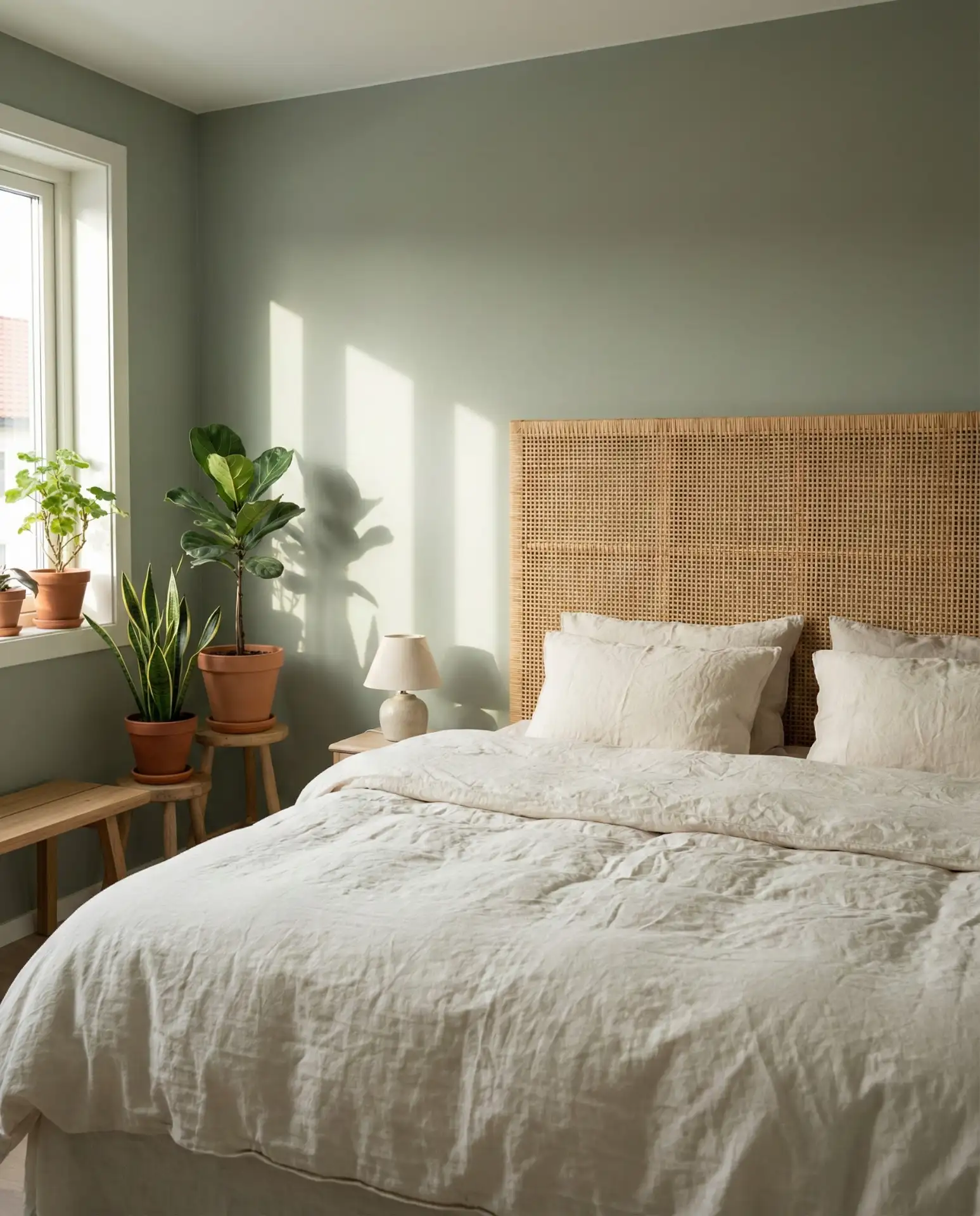
Soft green tones have dominated bedroom design trends, and for good reason—they create a naturally calming environment that promotes better sleep. Sage, olive, and eucalyptus shades work beautifully in guest rooms and master suites alike, offering enough color interest to feel intentional without being overstimulating. Pair these hues with natural materials like rattan, linen, and light wood to reinforce the organic, restorative mood that makes a bedroom feel like a true escape.
Green bedrooms work exceptionally well in urban settings where access to nature is limited. A designer I know once described sage walls as “bringing the park inside,” which resonates with city dwellers craving biophilic design. The beauty of this palette is its versatility—it reads contemporary in a loft apartment, traditional in a colonial home, and cottage-chic in a farmhouse setting, making it one of the safest yet most impactful color choices for a master bedroom refresh.
5. Blush Pink Accents for Grown-Up Charm
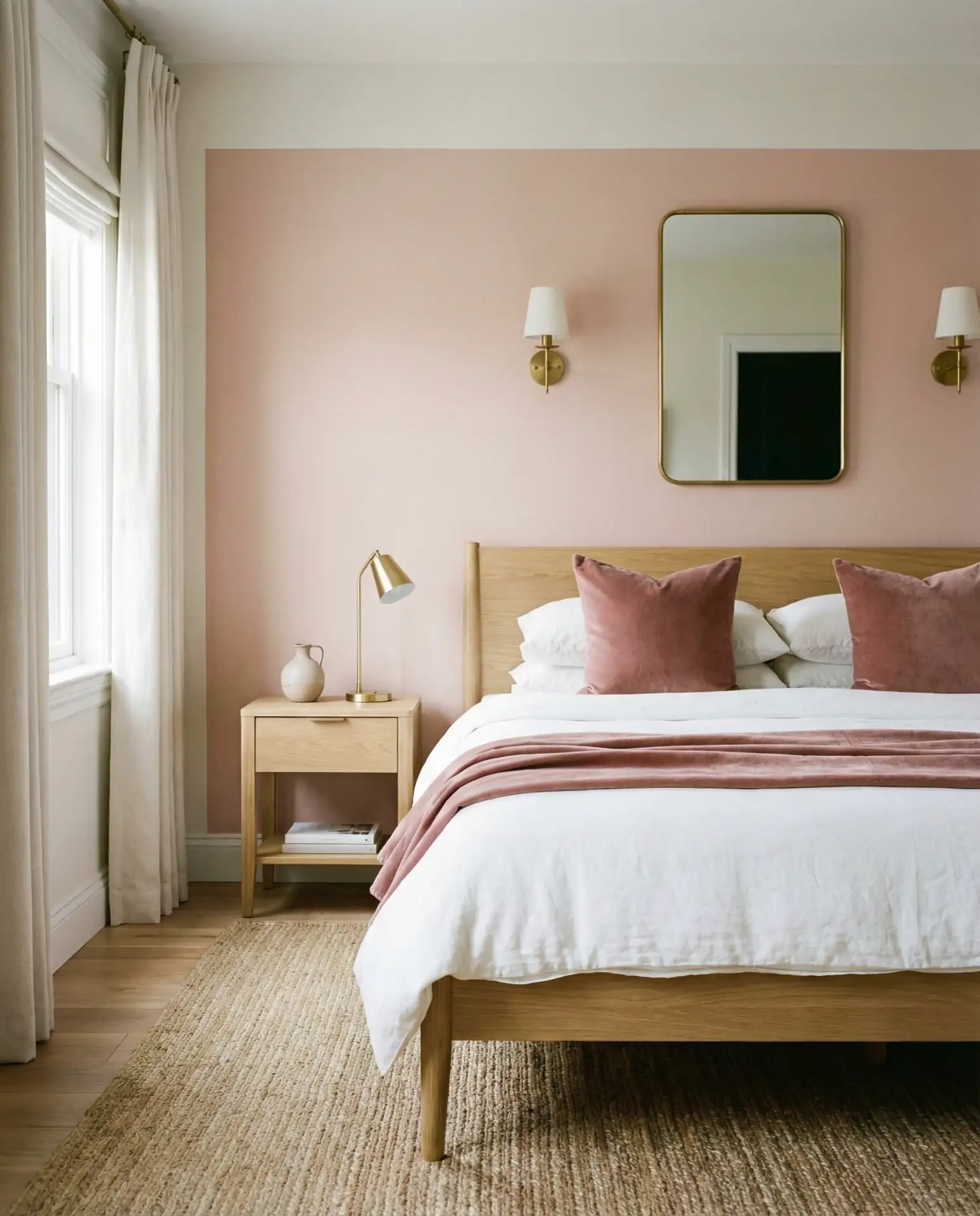
Modern pink bedrooms have evolved far beyond saccharine childhood aesthetics. Today’s approach incorporates muted blush, dusty rose, and terracotta-tinged pinks that feel sophisticated and gender-neutral. These soft hues pair beautifully with white furniture and warm wood tones, creating spaces that feel both aesthetic and livable. The key is keeping the pink subtle—think accent pillows, a single painted wall, or an upholstered headboard rather than saturating every surface. 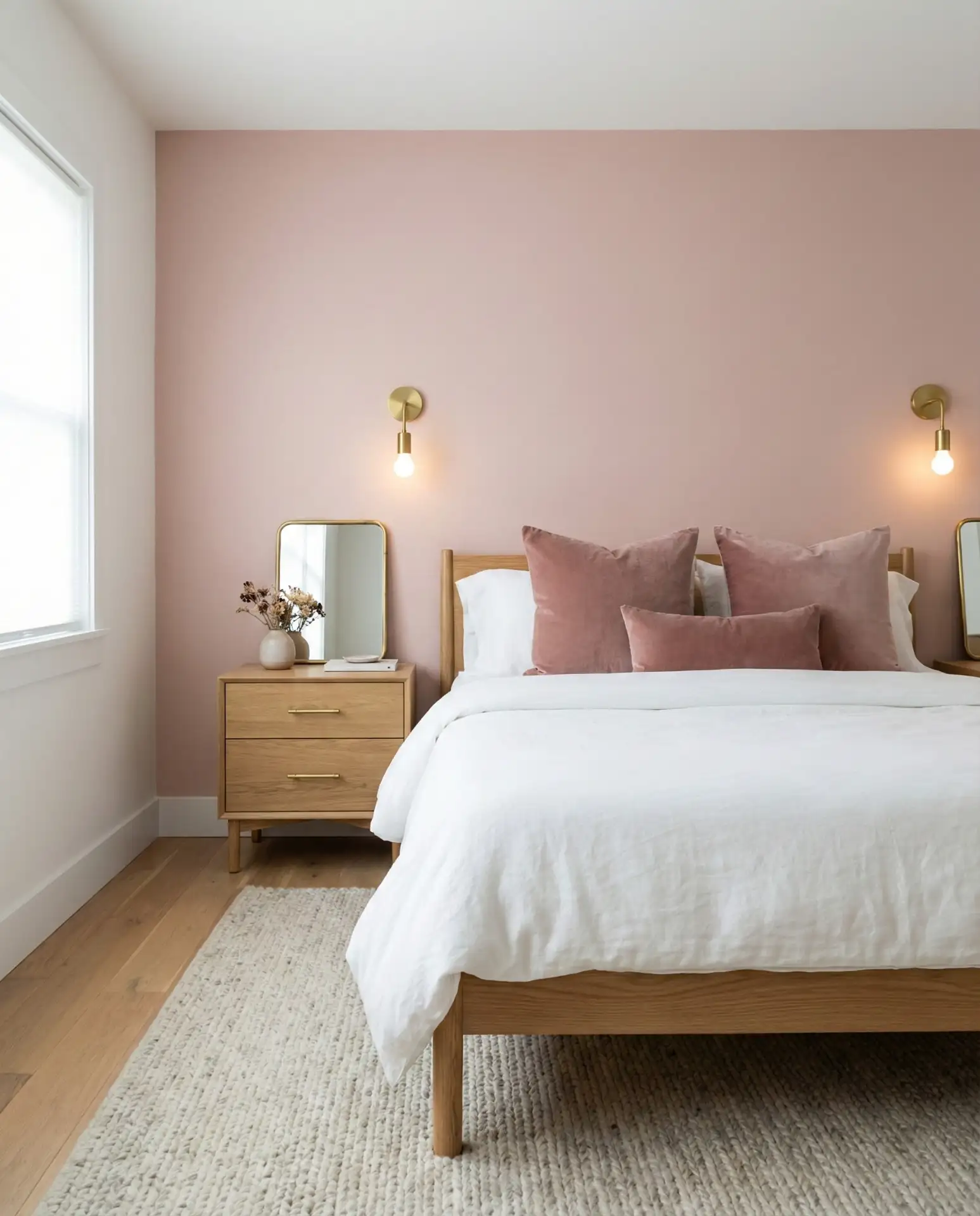
A common mistake is assuming pink won’t work for couples sharing a master bedroom. In reality, when balanced with neutral tones and natural materials, these warm pinks create a universally appealing space that feels romantic without being overtly feminine. Budget tip: if you’re hesitant to commit to pink walls, start with easily changeable elements like bedding, artwork, or a vintage rug—these allow you to test the palette before making permanent decisions.
6. Navy Blue Drama
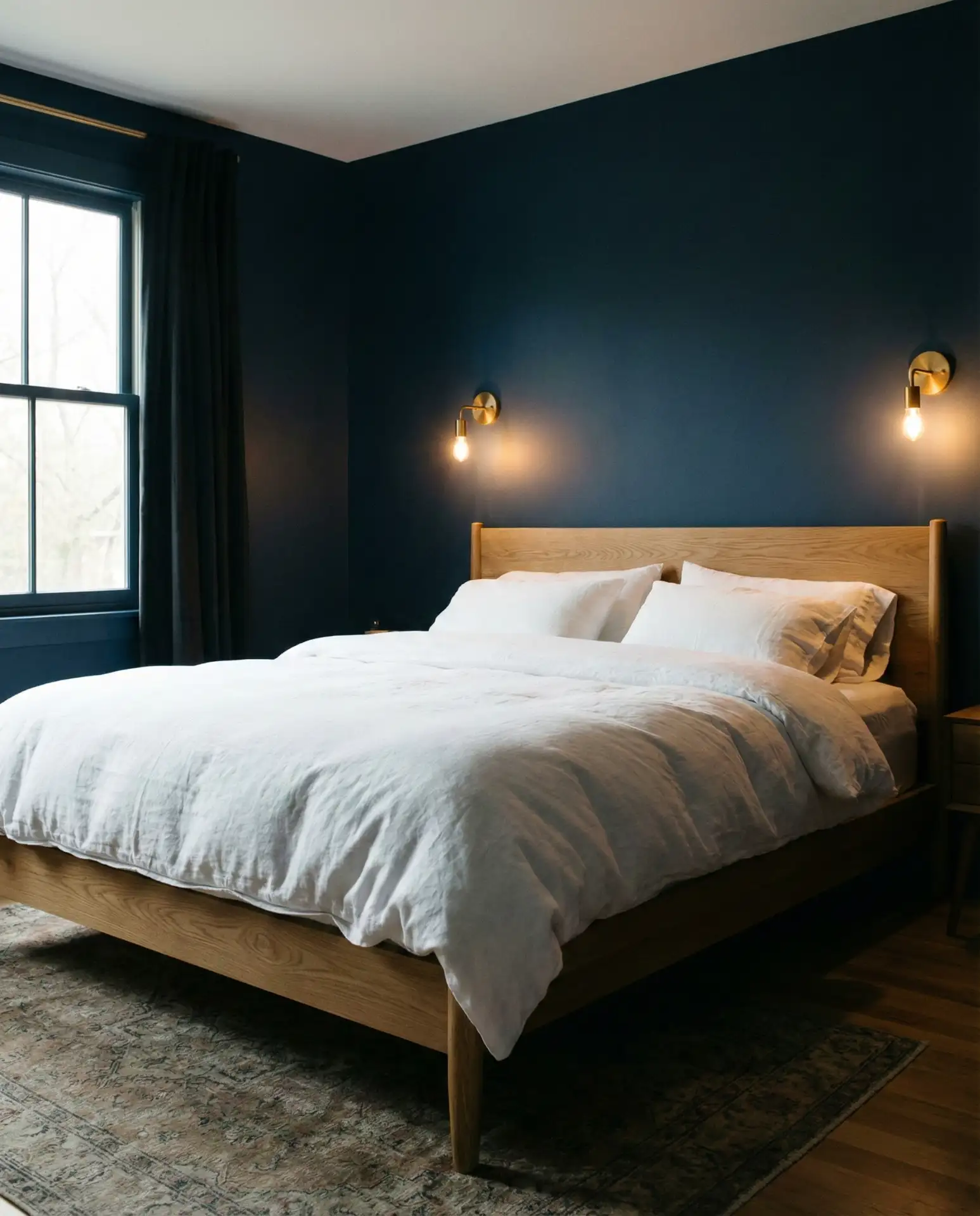
Deep blue walls create an enveloping, cocoon-like atmosphere that’s become increasingly popular for primary bedrooms. Navy, midnight, and indigo shades work particularly well in larger rooms where dark colors won’t feel oppressive. This bold choice pairs beautifully with brass or gold accents, crisp white bedding, and natural wood furniture, creating a sophisticated palette that feels both modern and classic. The darkness also has practical benefits—it naturally encourages better sleep by creating a cave-like environment. 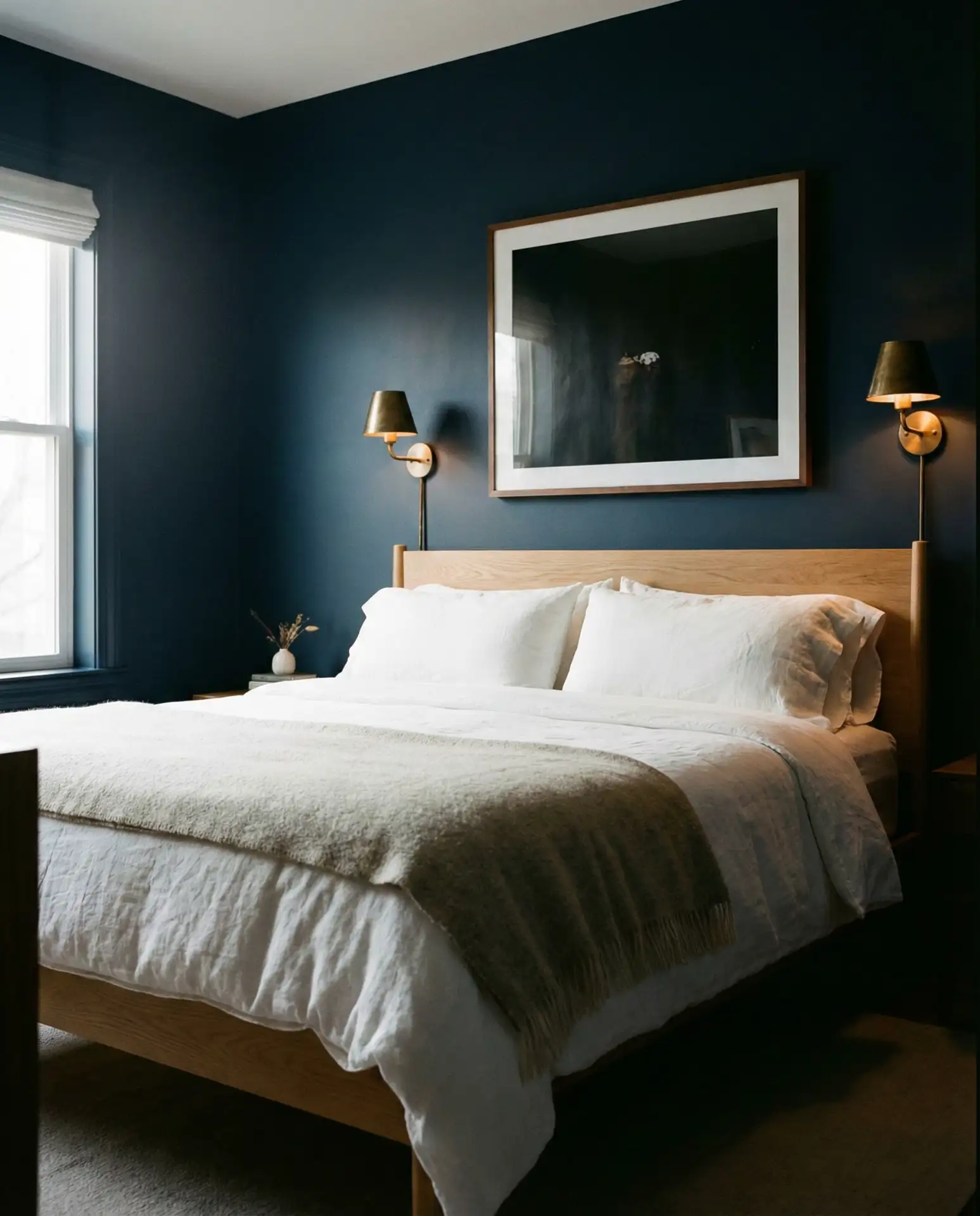
Real homeowner behavior shows that people with navy bedrooms tend to layer in more lighting than they initially planned—table lamps, wall sconces, and even LED strips help combat the darkness during waking hours. This design works best in rooms with good natural light during the day, where the contrast between bright mornings and moody evenings creates interesting visual dynamics throughout the day’s cycle.
7. Monochrome Black and White Elegance
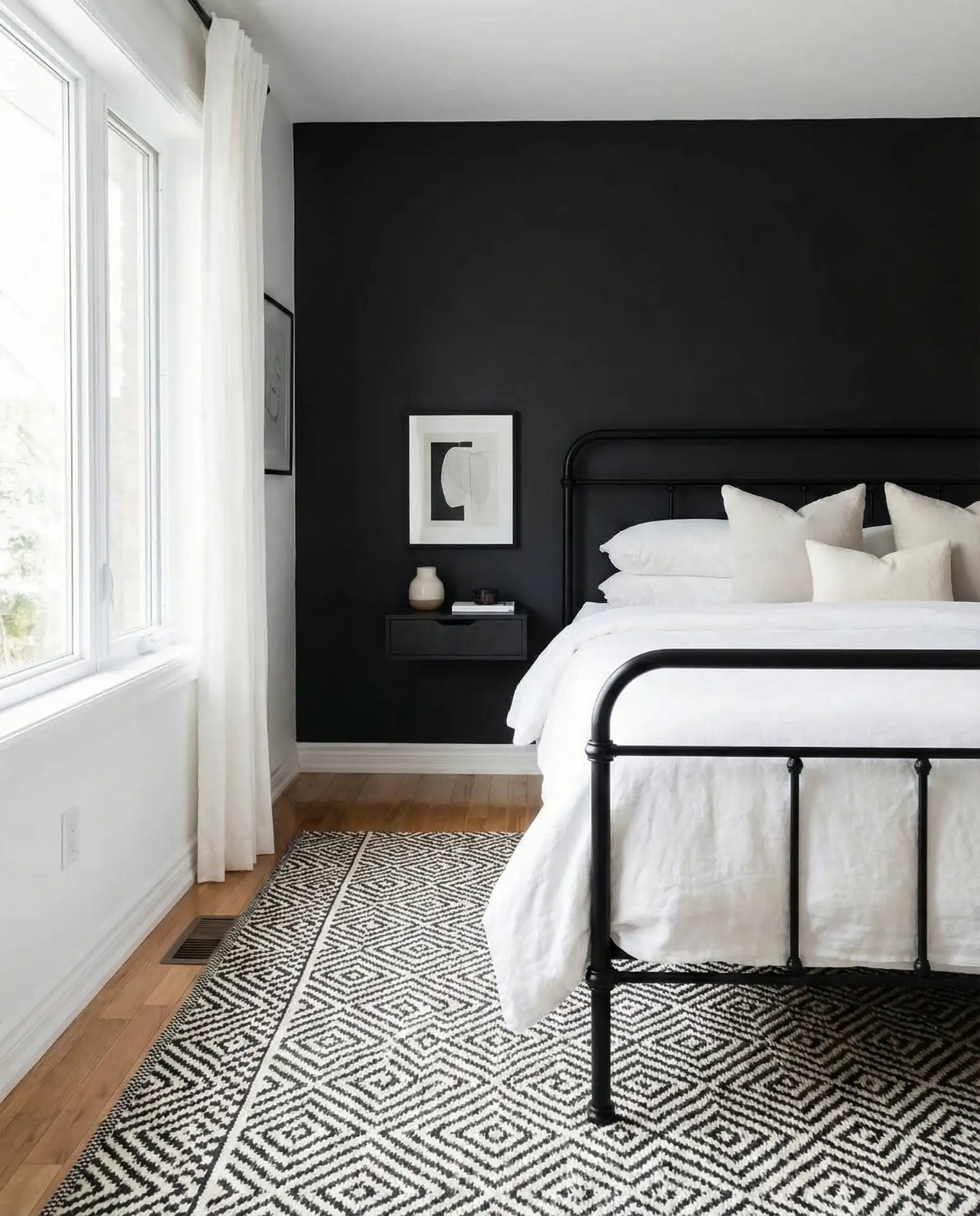
A black and white master bedroom delivers timeless sophistication that never feels dated. This classic combination works across all design styles—modern minimalism, traditional elegance, or eclectic maximalism—depending on how you balance the contrast. The key is incorporating various textures and patterns to prevent the palette from feeling flat: think white linen bedding against black walls, or a black iron bed frame with crisp white sheets and a geometric patterned rug that bridges both tones. 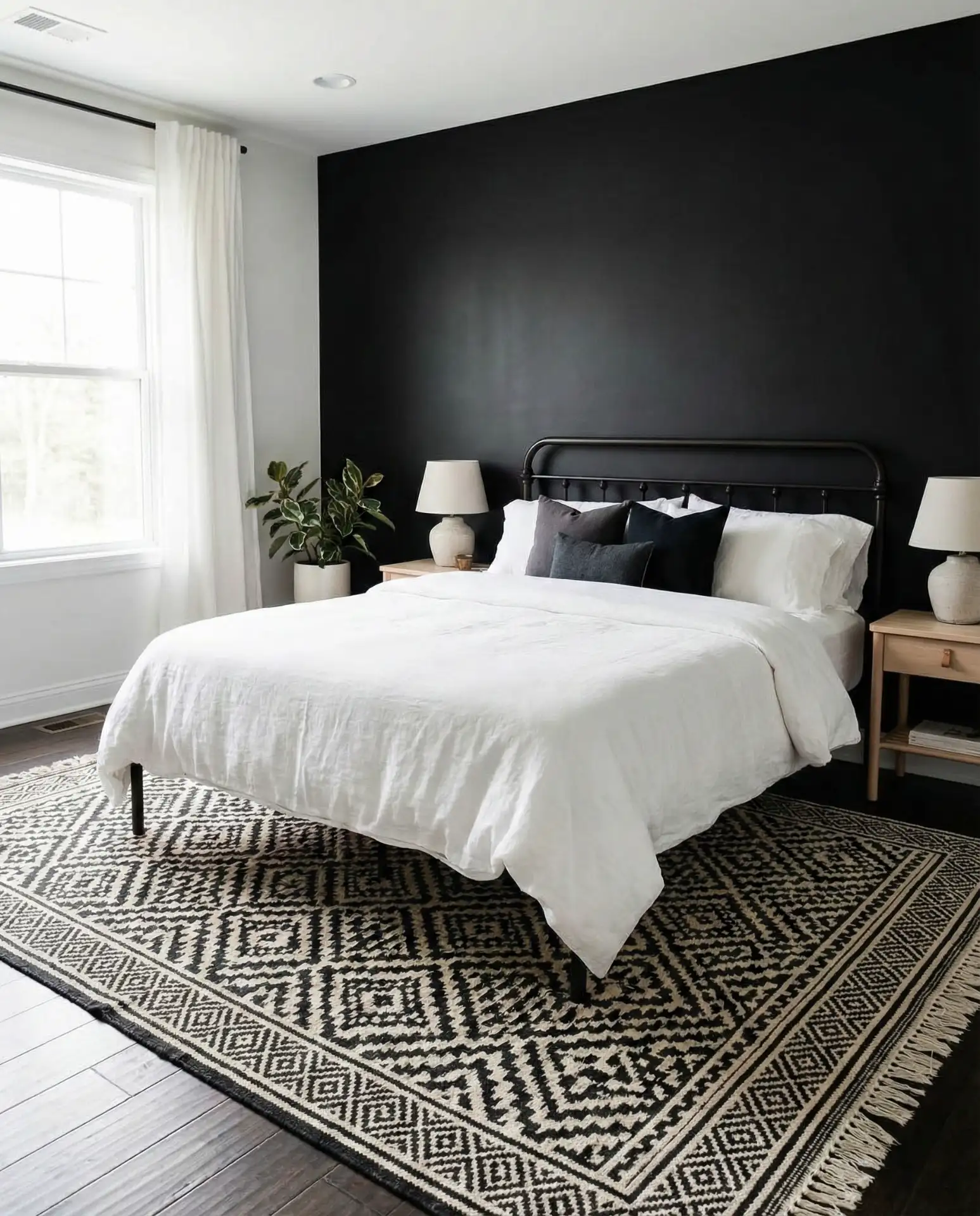
In Southern California homes, where bright sunlight is abundant year-round, black and white bedrooms maintain visual interest without competing with the dramatic outdoor light. The starkness also provides a neutral backdrop for rotating seasonal accessories—adding warm browns and oranges in fall, or fresh greenery in spring, without needing to repaint or replace major furniture pieces. It’s a practical choice for design-conscious homeowners who like to refresh their spaces seasonally.
8. Earth-Toned Brown Comfort
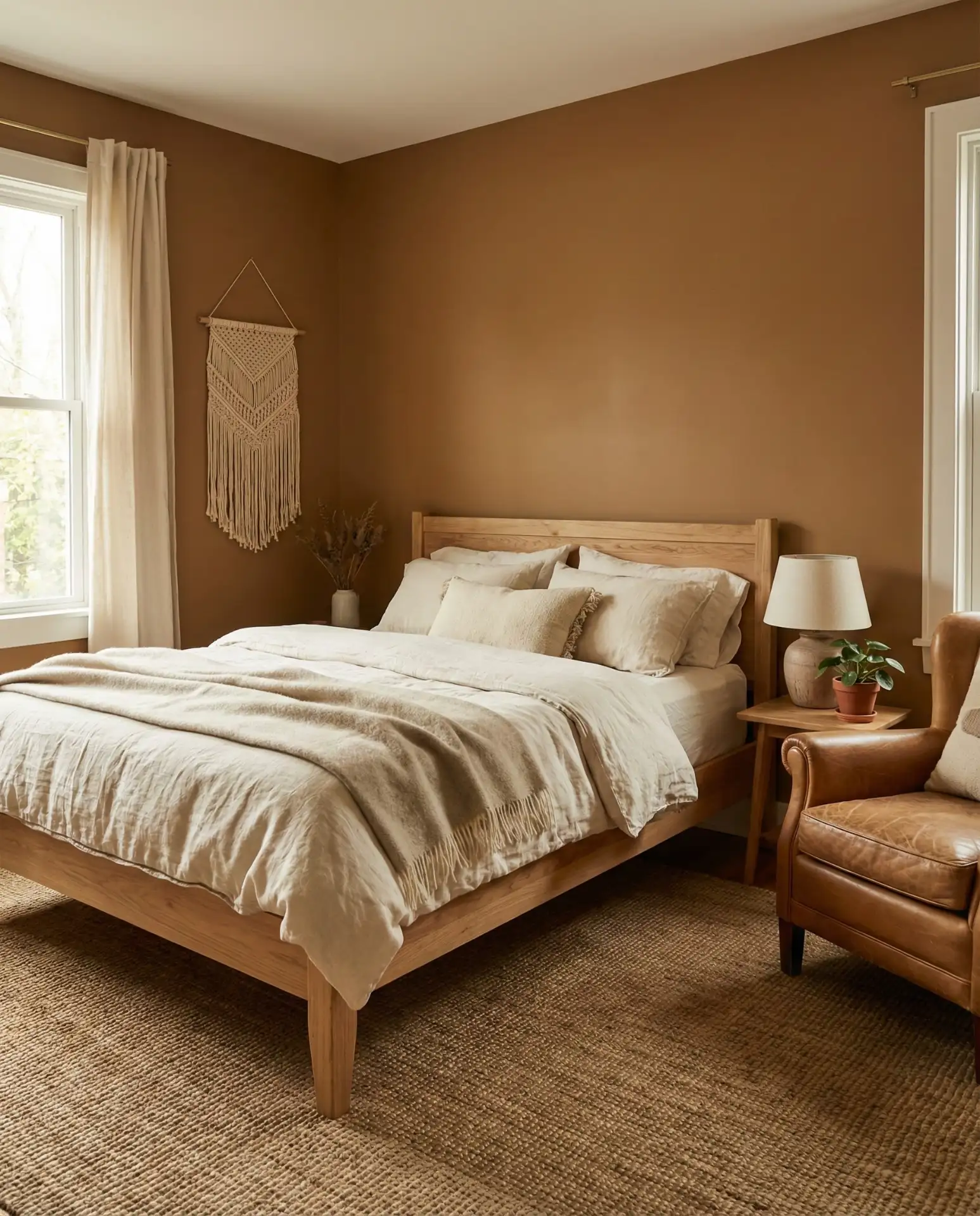
Rich brown tones are experiencing a major renaissance in bedroom design, moving away from the cold greys of the past decade. Chocolate, caramel, terracotta, and warm taupe create inherently cozy spaces that feel grounded and nurturing. These earth tones work beautifully with natural materials—think leather accents, wooden furniture, and woven textiles—creating a layered, organic aesthetic that references both mid-century modern design and contemporary Southwestern style. 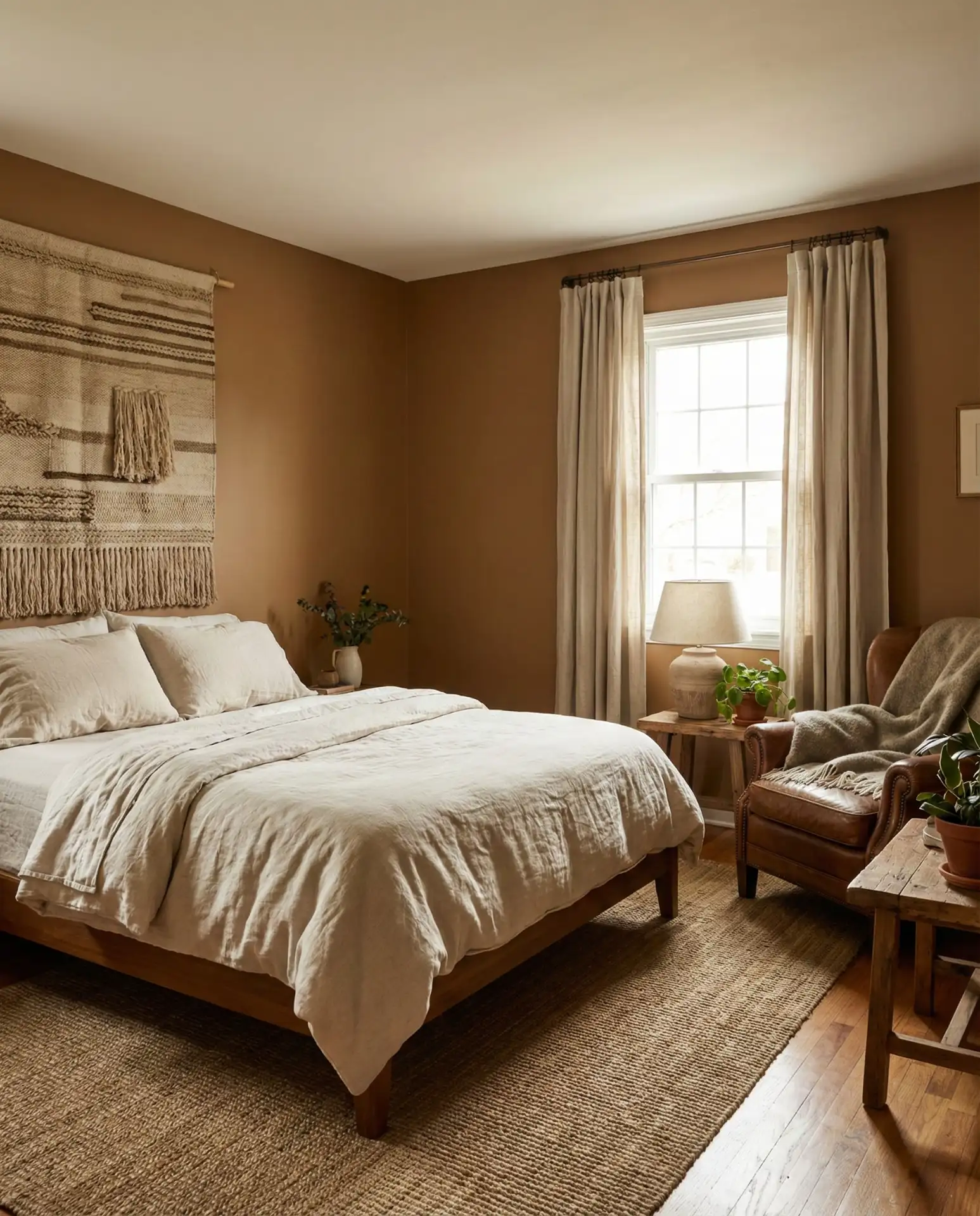
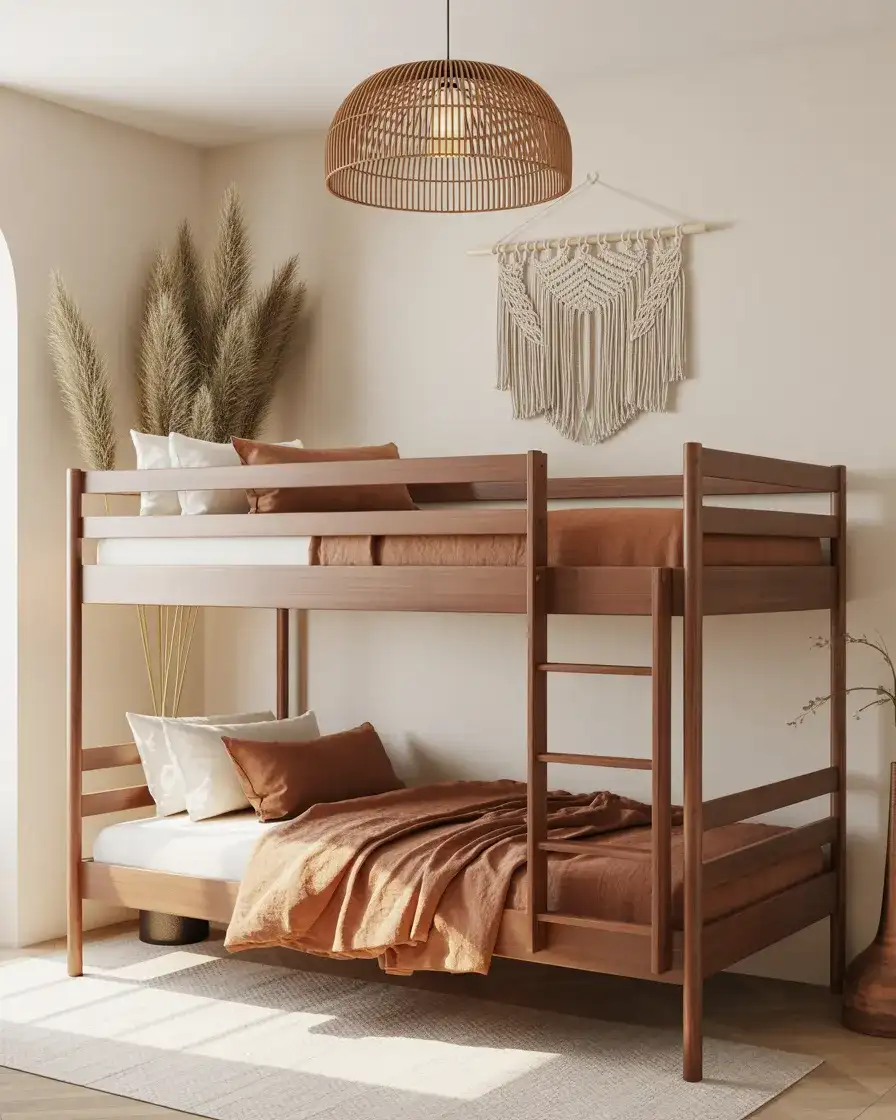
Budget-conscious renovators love brown bedrooms because they’re forgiving—minor scuffs and imperfections blend into the warm palette rather than standing out starkly as they would against white or grey walls. This practical advantage makes brown an excellent choice for high-traffic master bedrooms or spaces shared by couples with different cleanliness standards. Layer in plenty of lighting to prevent darker browns from feeling heavy, especially in rooms with limited natural light.
9. Tiny Space Solutions
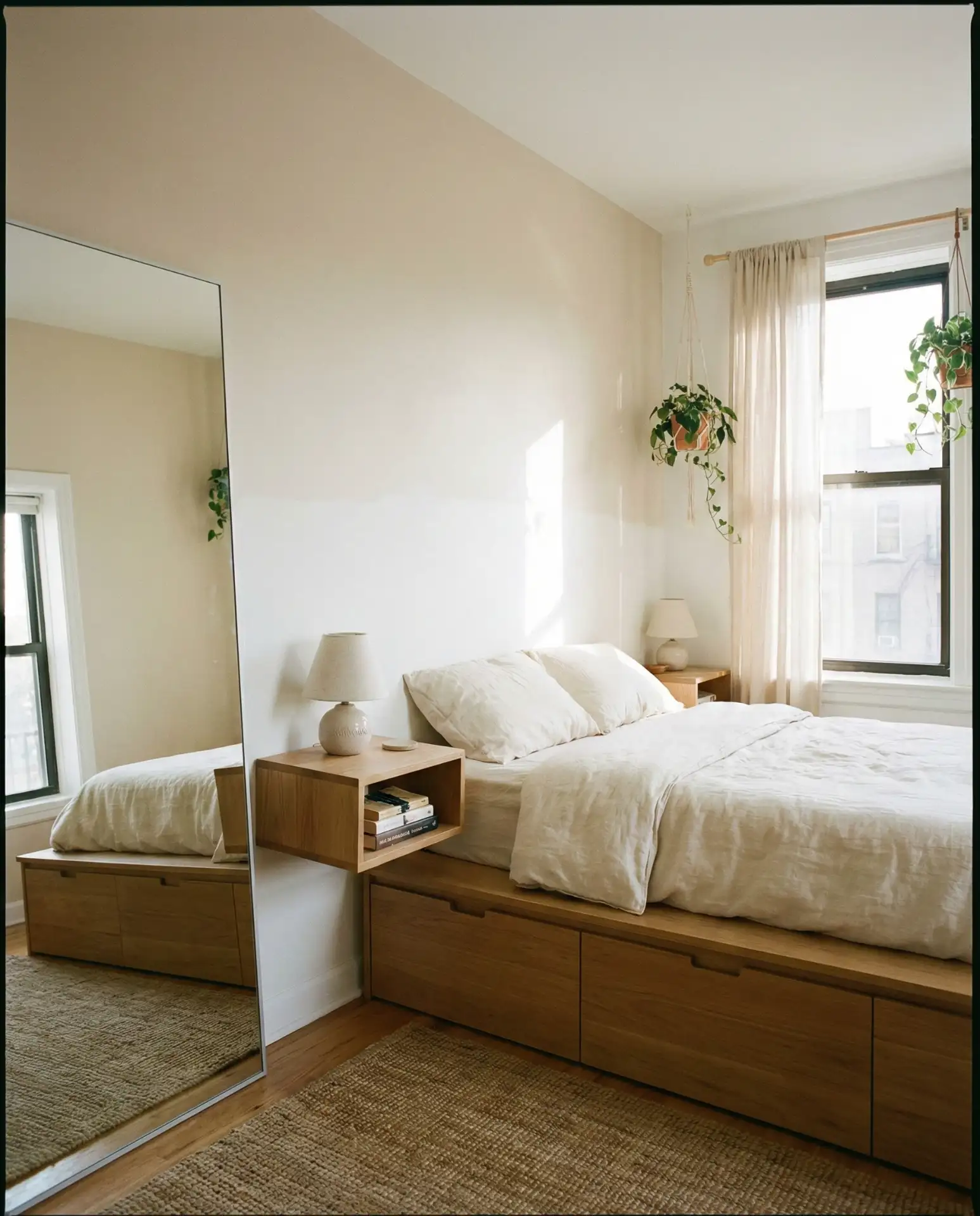
Maximizing a tiny master bedroom requires strategic furniture choices and clever storage solutions. Platform beds with built-in drawers eliminate the need for bulky dressers, while wall-mounted nightstands and floating shelves keep floor space clear. Mirrors strategically placed opposite windows amplify natural light and create the illusion of more square footage. The goal is making every piece serve multiple functions while maintaining enough breathing room to prevent the small space from feeling claustrophobic. 
A friend living in Brooklyn recently converted her 90-square-foot bedroom using this exact approach—she replaced her traditional bed frame with a low platform version that includes six deep drawers, installed wall sconces instead of table lamps, and painted everything a soft white to maximize light reflection. The transformation made the space feel twice as large while actually increasing storage capacity. Sometimes working with constraints forces the most creative solutions.
10. Western-Inspired Rustic Charm
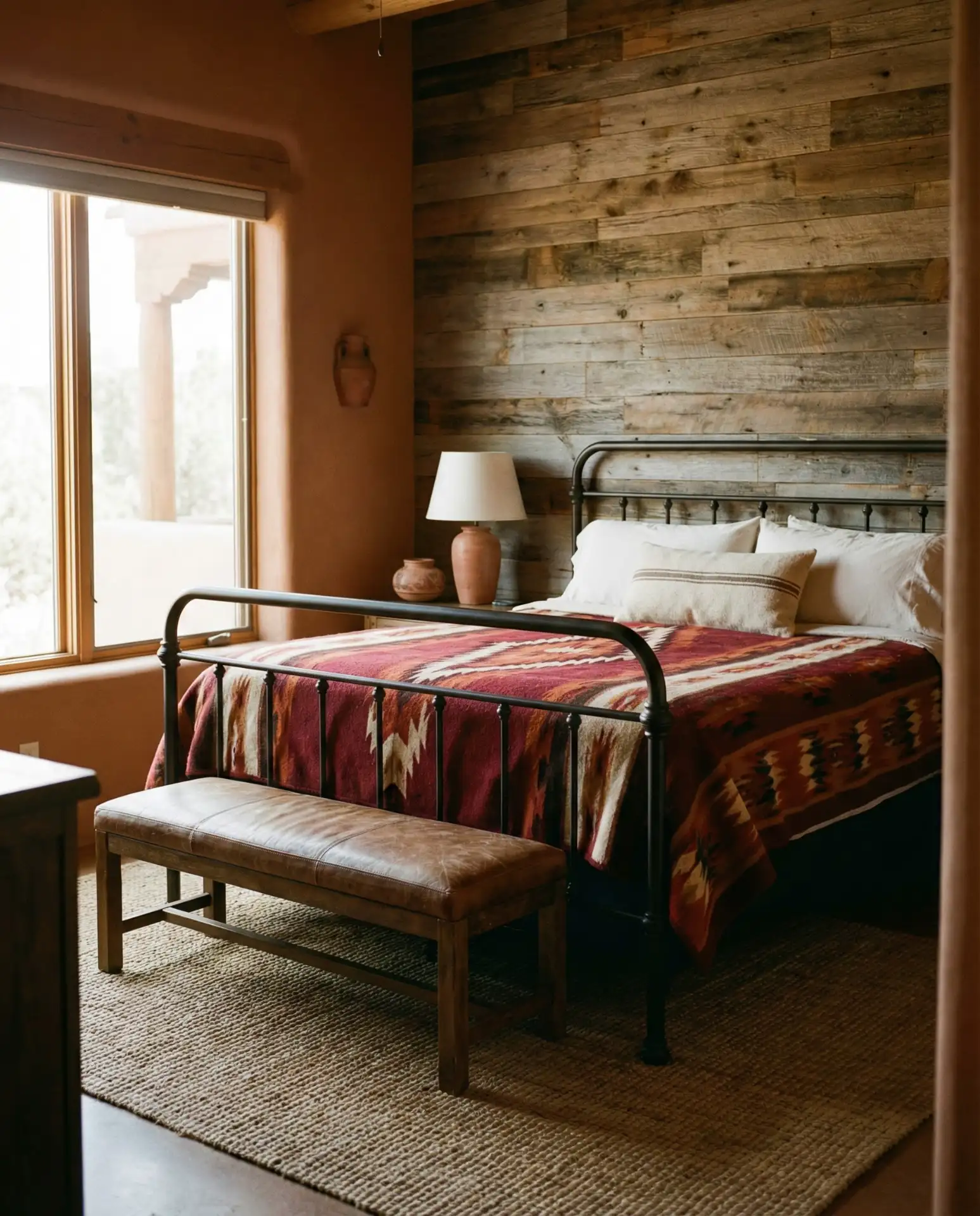
Modern Western bedrooms blend rugged Southwestern elements with contemporary comfort, creating spaces that feel authentically regional without veering into theme-park territory. Think reclaimed wood accent walls, Navajo-inspired textiles, leather details, and warm desert color palettes of terracotta, sand, and sage. Iron bed frames, cowhide rugs, and statement lighting fixtures with wrought iron or aged brass finishes complete the look. This style particularly resonates in Texas, Arizona, and New Mexico, where it reflects genuine local heritage rather than adopted aesthetic. 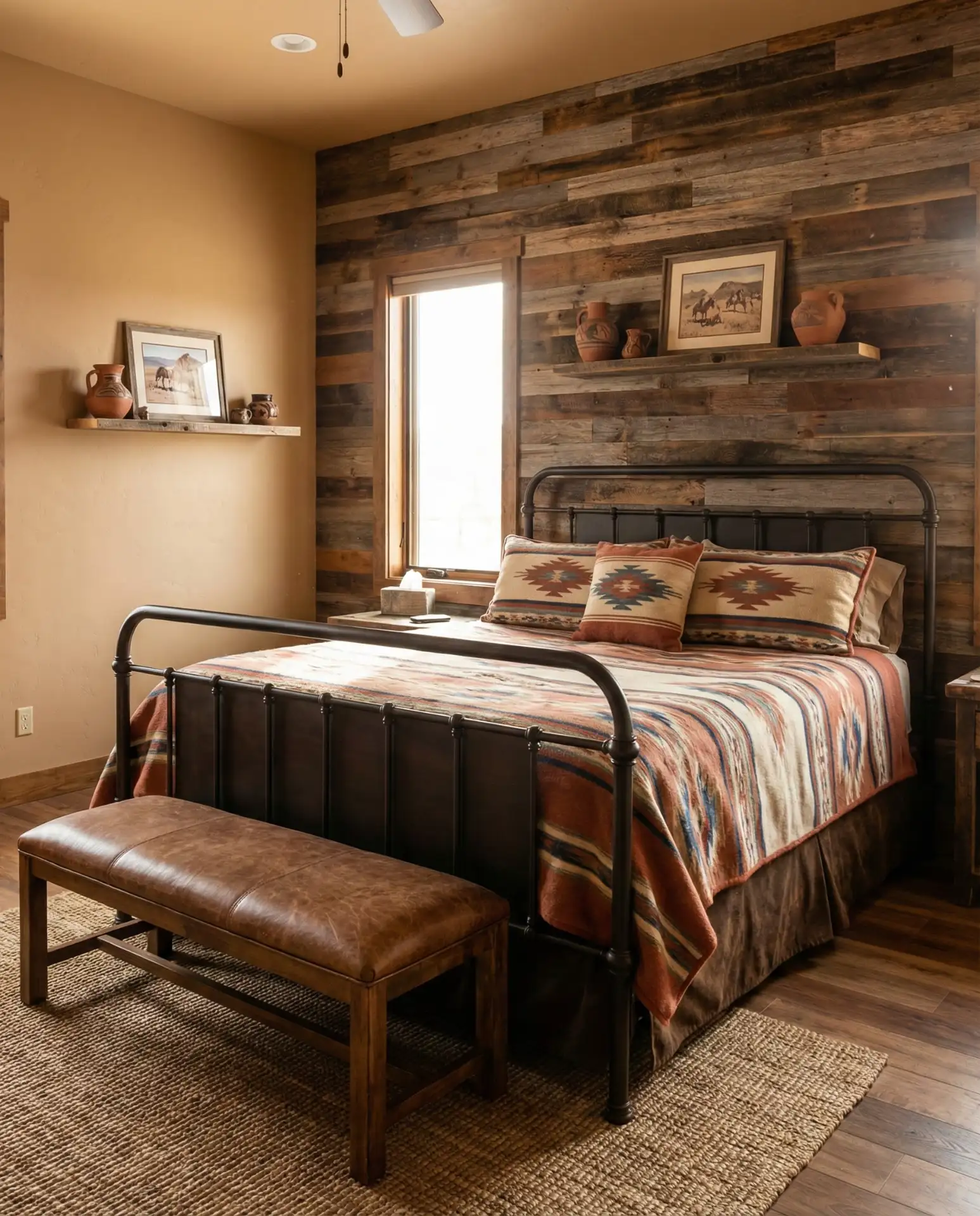
The common mistake is going too literal with Western design—avoid wagon wheels, horseshoes, or anything that feels like set dressing from a saloon. Instead, focus on authentic materials and subtle nods to regional craft traditions. Invest in one or two quality pieces like a handwoven blanket or custom iron light fixture rather than filling the room with mass-produced “Western” decor. The best examples of this style feel collected over time rather than ordered from a single catalog.
11. Multifunctional Guest Room Design
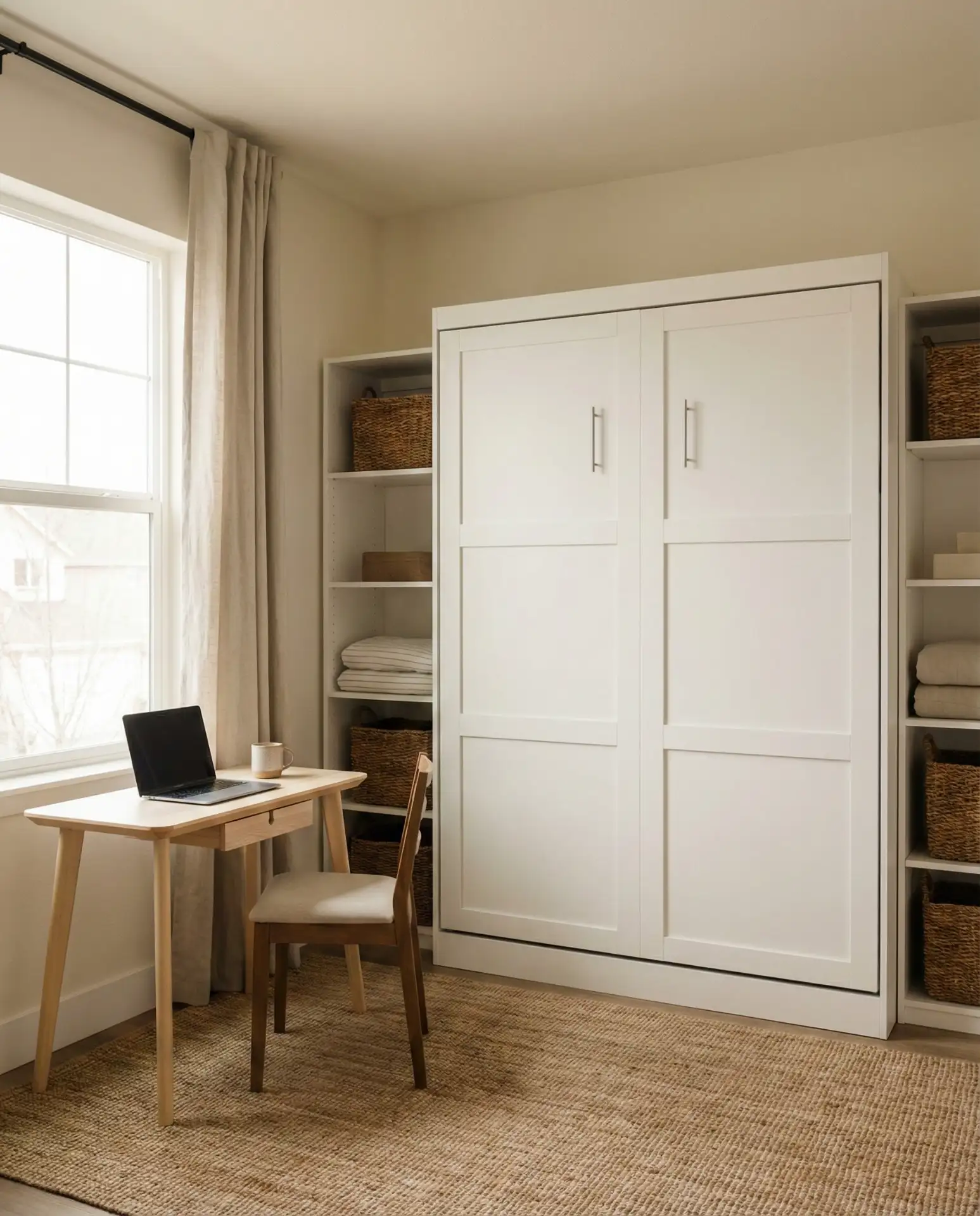
A guest bedroom that doubles as home office or hobby space requires thoughtful planning to serve both functions gracefully. Murphy beds or high-quality sleeper sofas keep the room flexible, while a desk positioned near the window provides natural light for daytime work. Storage solutions that conceal office supplies and work materials help the space transform seamlessly when visitors arrive. The key is creating zones—a sleeping area that feels separate from the workspace, even in a small footprint. 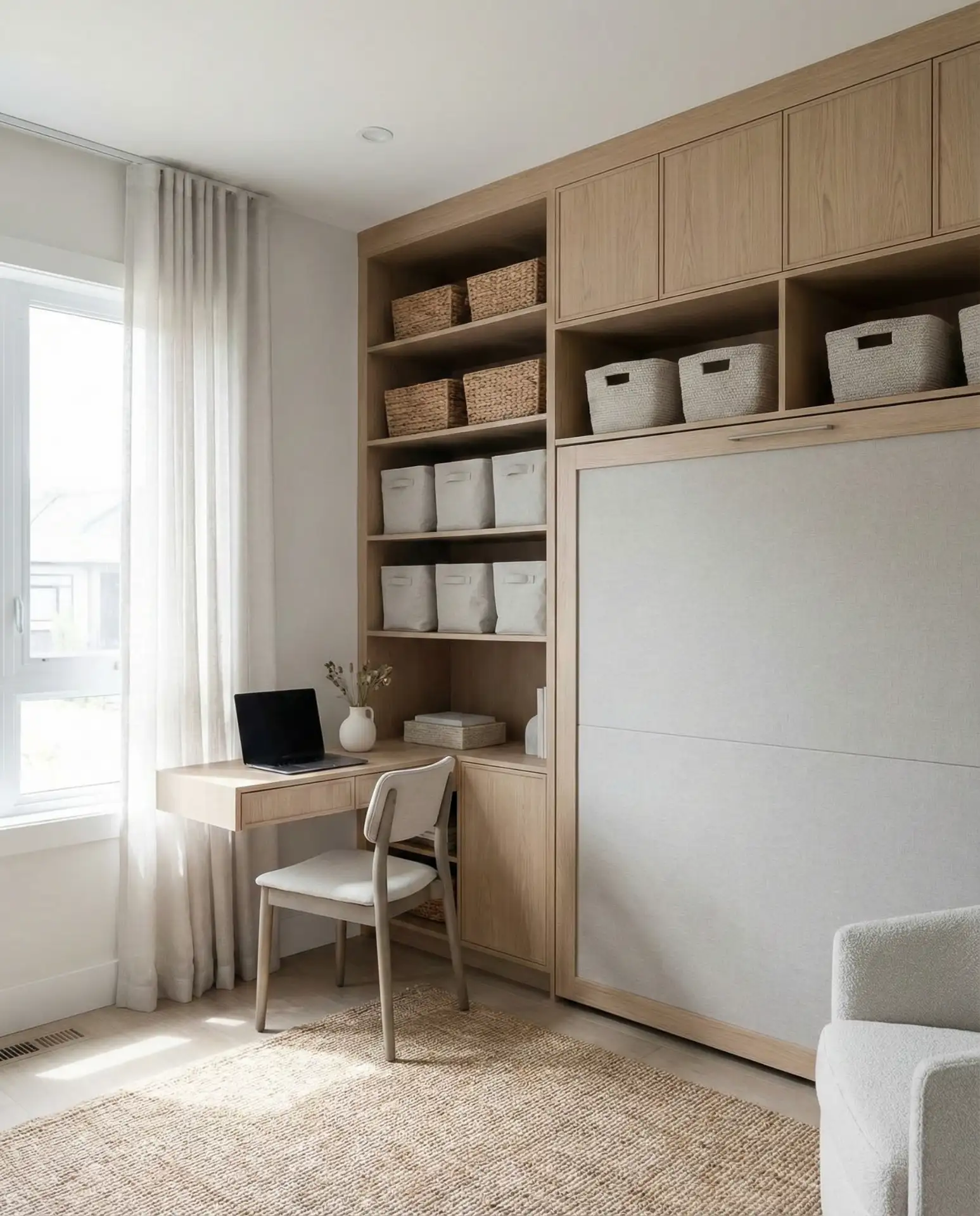
American homeowners working from home have increasingly converted spare bedrooms into dual-purpose spaces. The most successful examples keep the room feeling like a bedroom first—comfortable, inviting, and restful—rather than an office that occasionally accommodates guests. Expert designers recommend investing in quality blackout curtains and soundproofing elements if the room sits near noisy areas, ensuring guests can actually rest even if the space serves multiple daily functions for your household.
12. Charcoal and Brass Sophistication
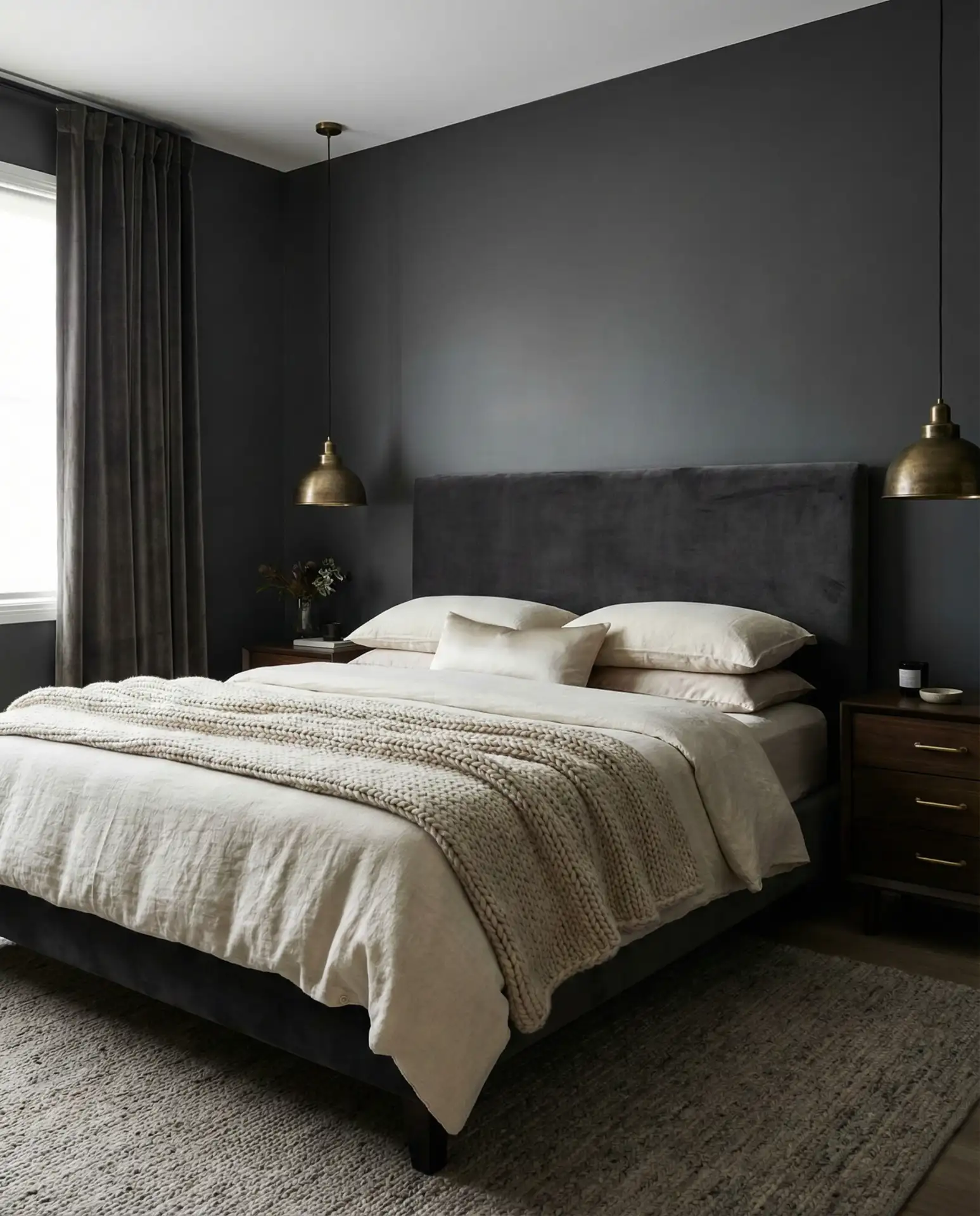
Deep charcoal grey walls paired with warm brass fixtures create an incredibly sophisticated master bedroom that feels both dark and inviting. This combination works particularly well for couples seeking a mature, hotel-inspired aesthetic that encourages relaxation. The cool-toned walls provide a neutral backdrop that makes brass hardware, light fixtures, and decorative accents truly shine. Adding layers of texture through velvet, linen, and wool textiles prevents the space from feeling cold despite its dramatic color palette. 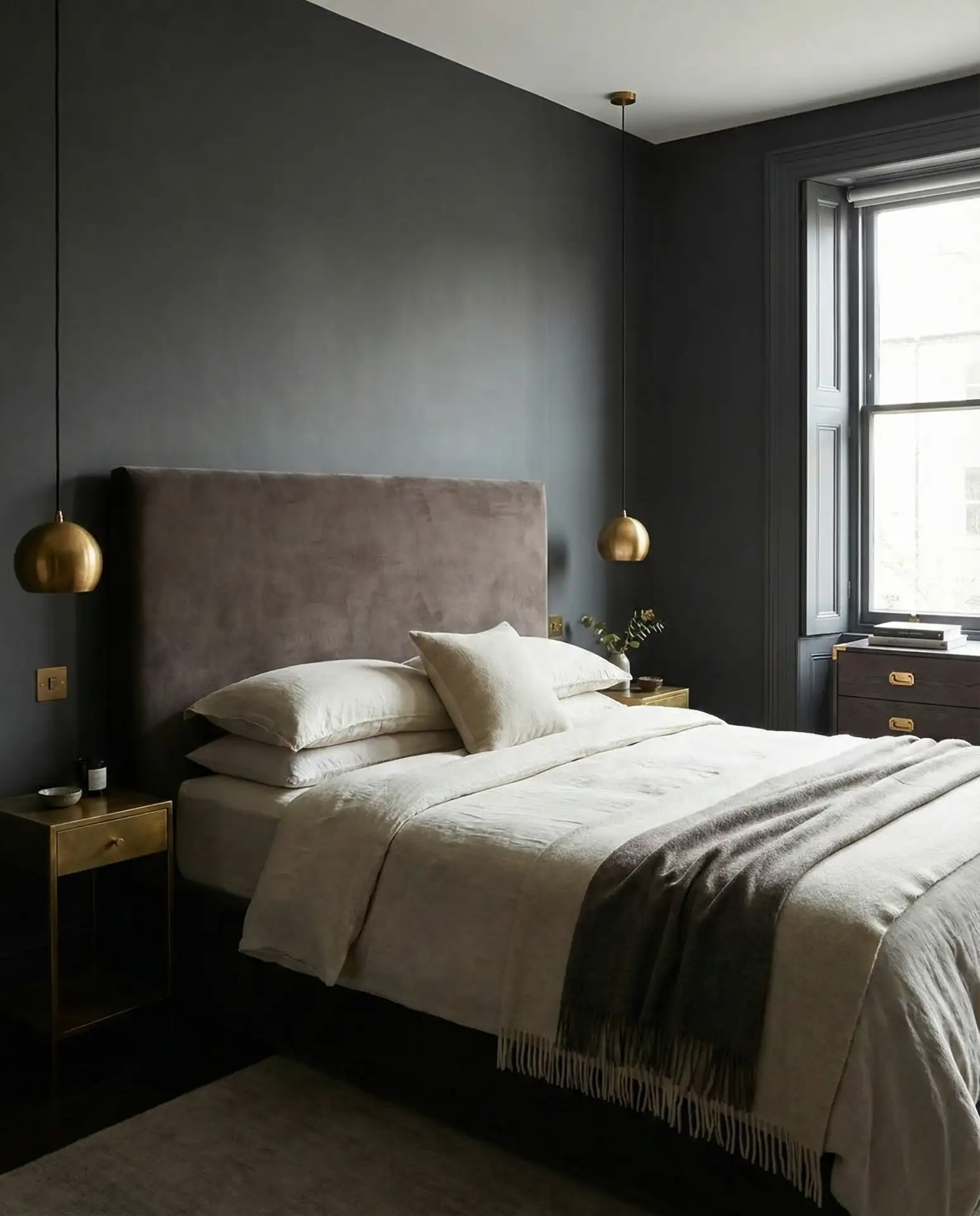
This palette works best in rooms with good window coverage since the dark walls naturally absorb light. Consider installing dimmer switches to adjust lighting levels throughout the day—bright enough for getting dressed in the morning but moodily dim for evening relaxation. Many homeowners report that this darker color scheme actually helps them sleep better by creating a cave-like environment that signals to the brain it’s time to rest, particularly helpful for shift workers or anyone with irregular sleep schedules.
13. Airy White Minimalism
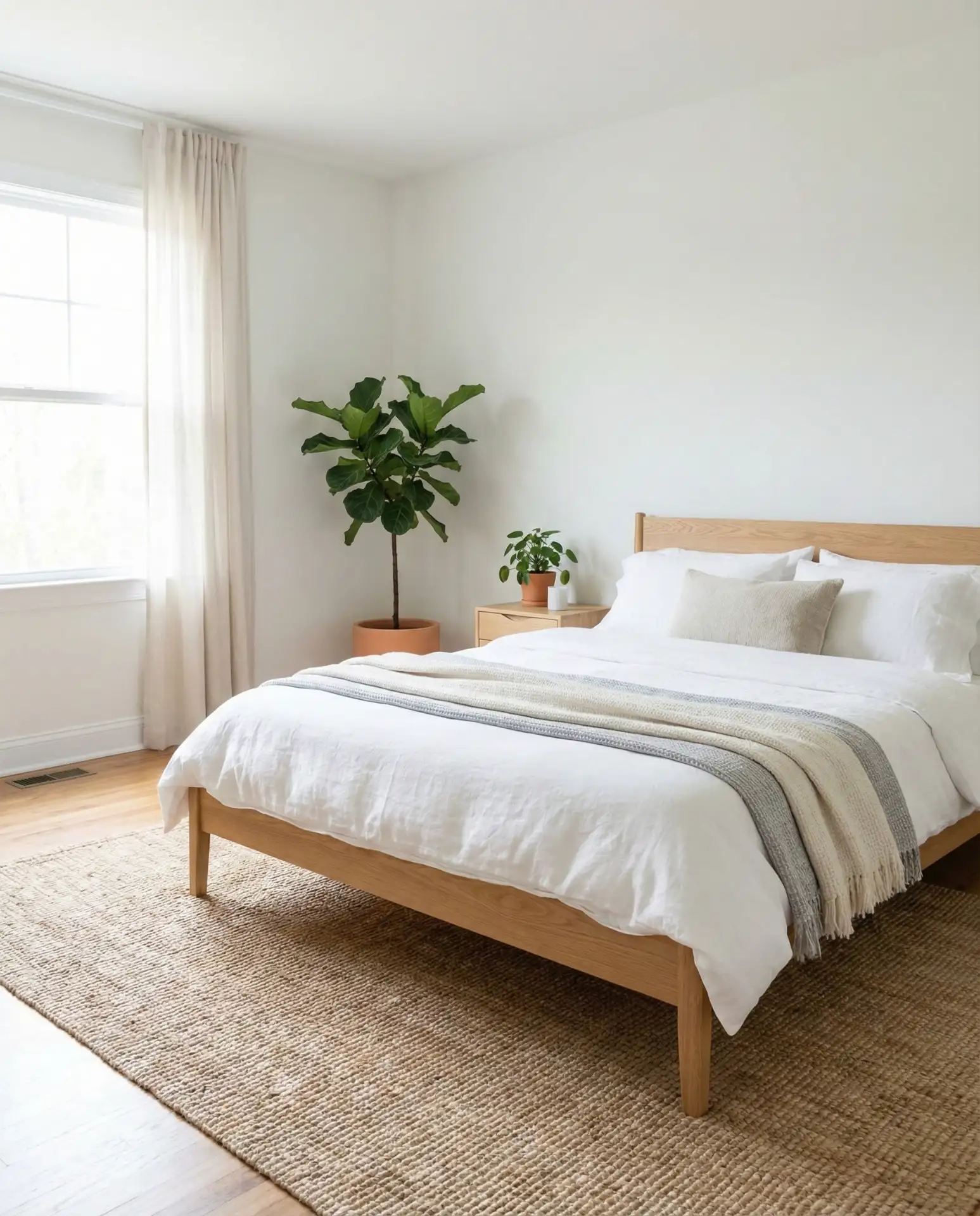
An all- white bedroom delivers serene minimalism that never feels sterile when executed with attention to texture and warmth. Layer various shades of white—ivory, cream, warm white, and pure white—to create subtle depth and interest. Natural materials like linen bedding, a jute rug, and light oak furniture prevent the space from feeling too clinical. This approach works beautifully in small rooms where you want to maximize light and create the illusion of more space through color continuity from walls to ceiling to textiles. 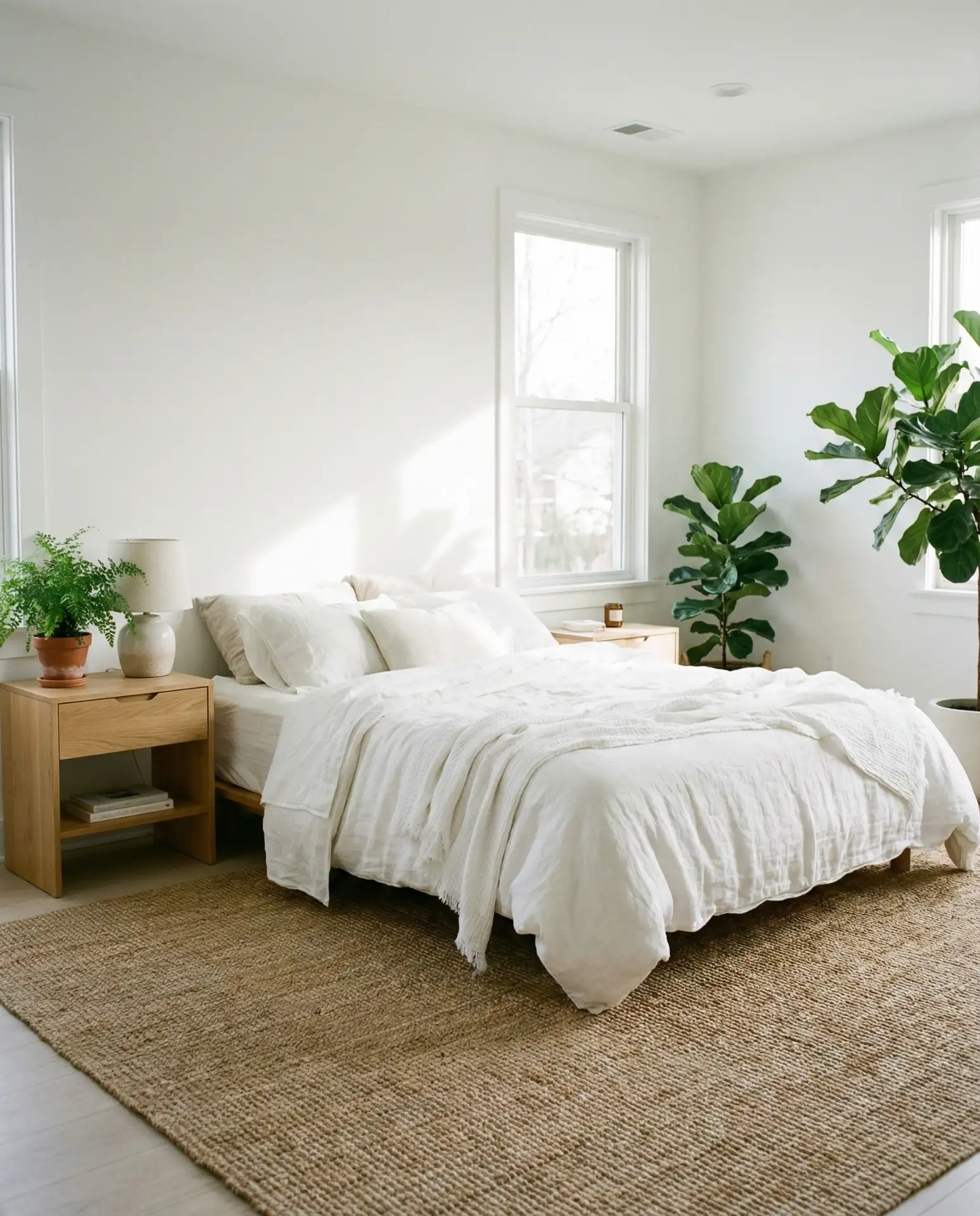
Where it works best: coastal areas where bright sunlight is constant and the white palette reflects the beach-house aesthetic. In Florida, California, and Hawaii, white bedrooms feel naturally aligned with the relaxed, vacation-inspired lifestyle. The practical reality is that white rooms require more frequent cleaning and touch-ups than darker colors, so consider whether your lifestyle can accommodate the maintenance. However, many homeowners find the visual calm worth the extra effort, especially in spaces dedicated to rest and rejuvenation.
14. Maximalist Pattern Play
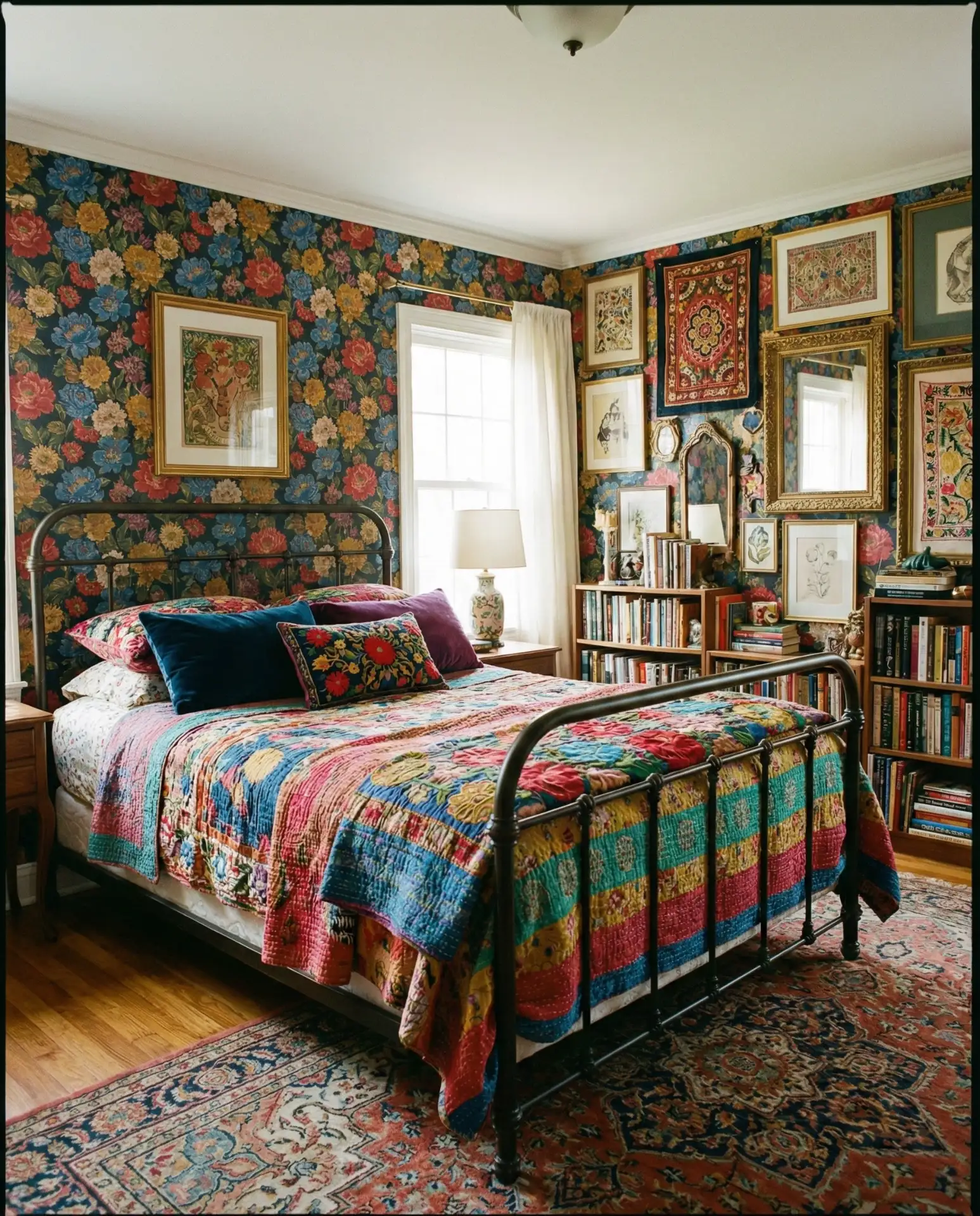
For those who find minimalism cold, a maximalist master bedroom filled with patterns, colors, and collected treasures can feel deeply personal and cozy . The trick is establishing a cohesive color palette—even if you’re mixing florals, geometrics, and stripes—so the various patterns feel intentional rather than chaotic. Start with one statement piece like a bold wallpaper or patterned duvet, then build complementary layers that share similar hues. This approach creates visual richness that tells a story about who lives in the space. 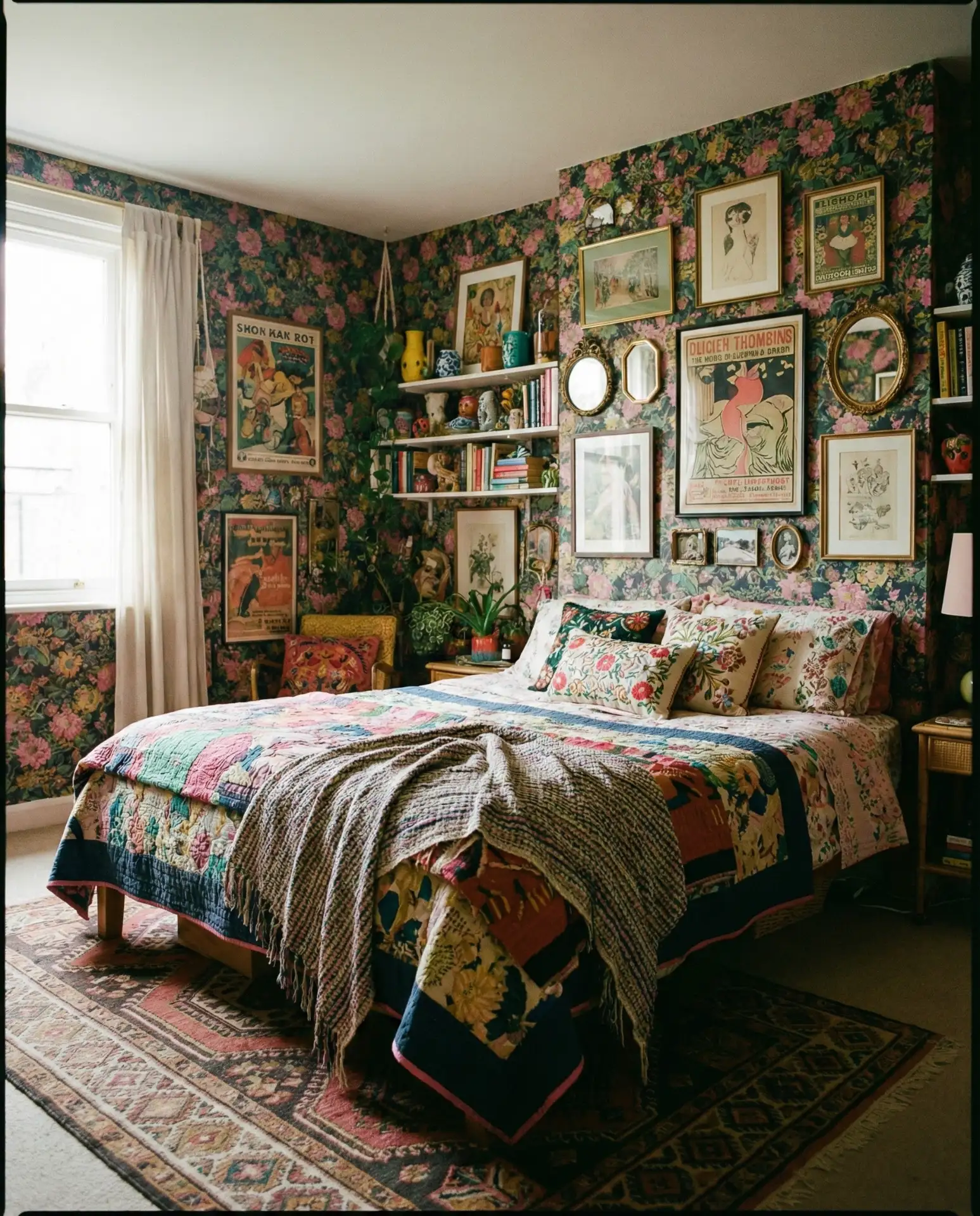
A common mistake is assuming maximalism means chaos—successful pattern mixing requires a unifying thread, whether that’s a consistent color temperature, a repeated shape, or a balanced distribution of visual weight. Budget tip: thrift stores and vintage shops are goldmines for maximalist bedrooms since the goal is creating an eclectic, collected-over-time feel anyway. A $15 vintage scarf can become wall art, and mismatched nightstands often look better than matching sets in this style.
15. Basement Bedroom Brightness
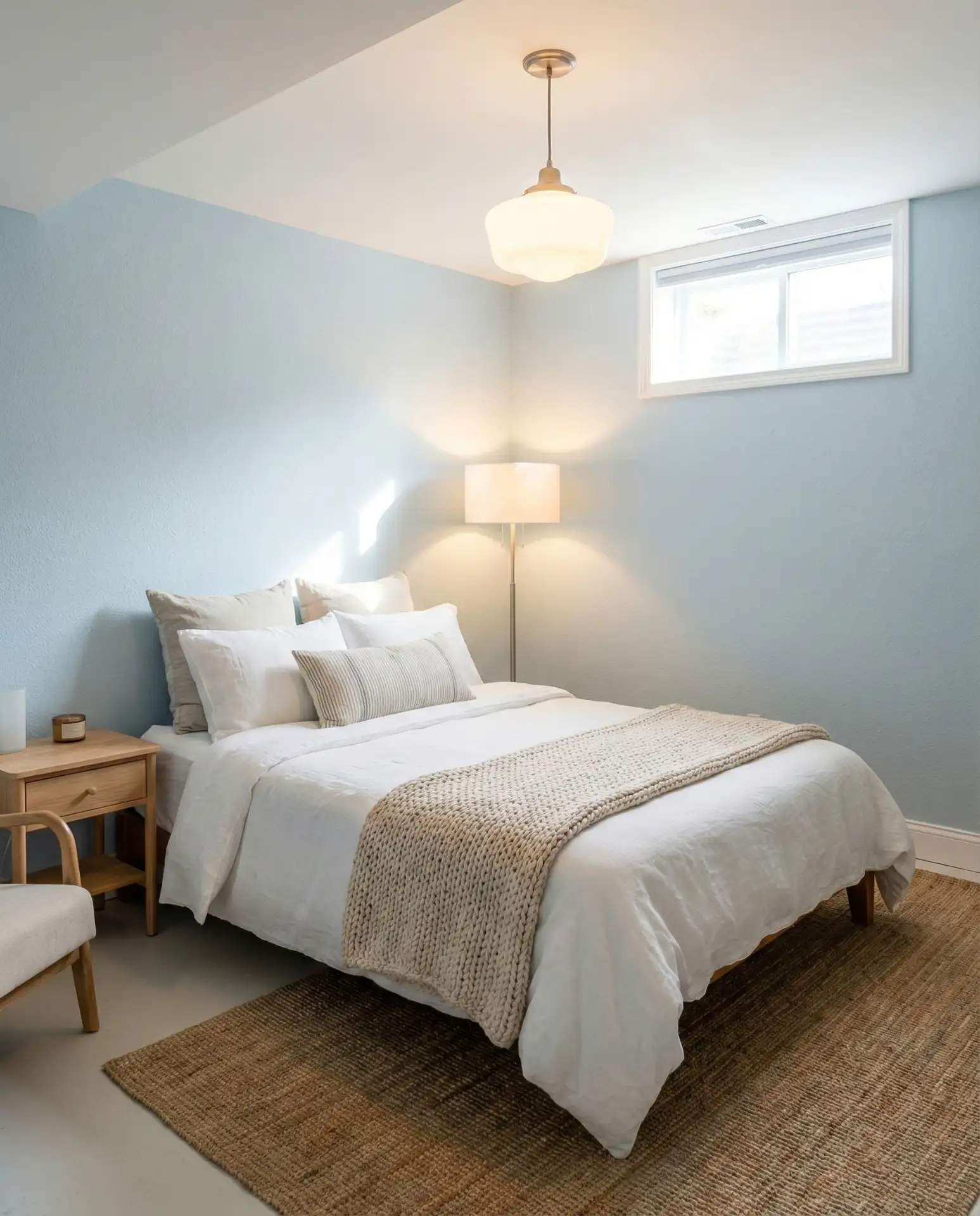
Converting a basement into a master bedroom presents unique challenges, primarily lack of natural light and potential moisture issues. Combat these with a light, bright color palette—think whites, soft greys, or pale blues on walls—and strategic lighting layering including recessed ceiling lights, wall sconces, and plenty of task lighting. If code allows, enlarging or adding egress windows dramatically improves both safety and ambiance. Proper dehumidification and waterproofing are non-negotiable before finishing the space as a bedroom. 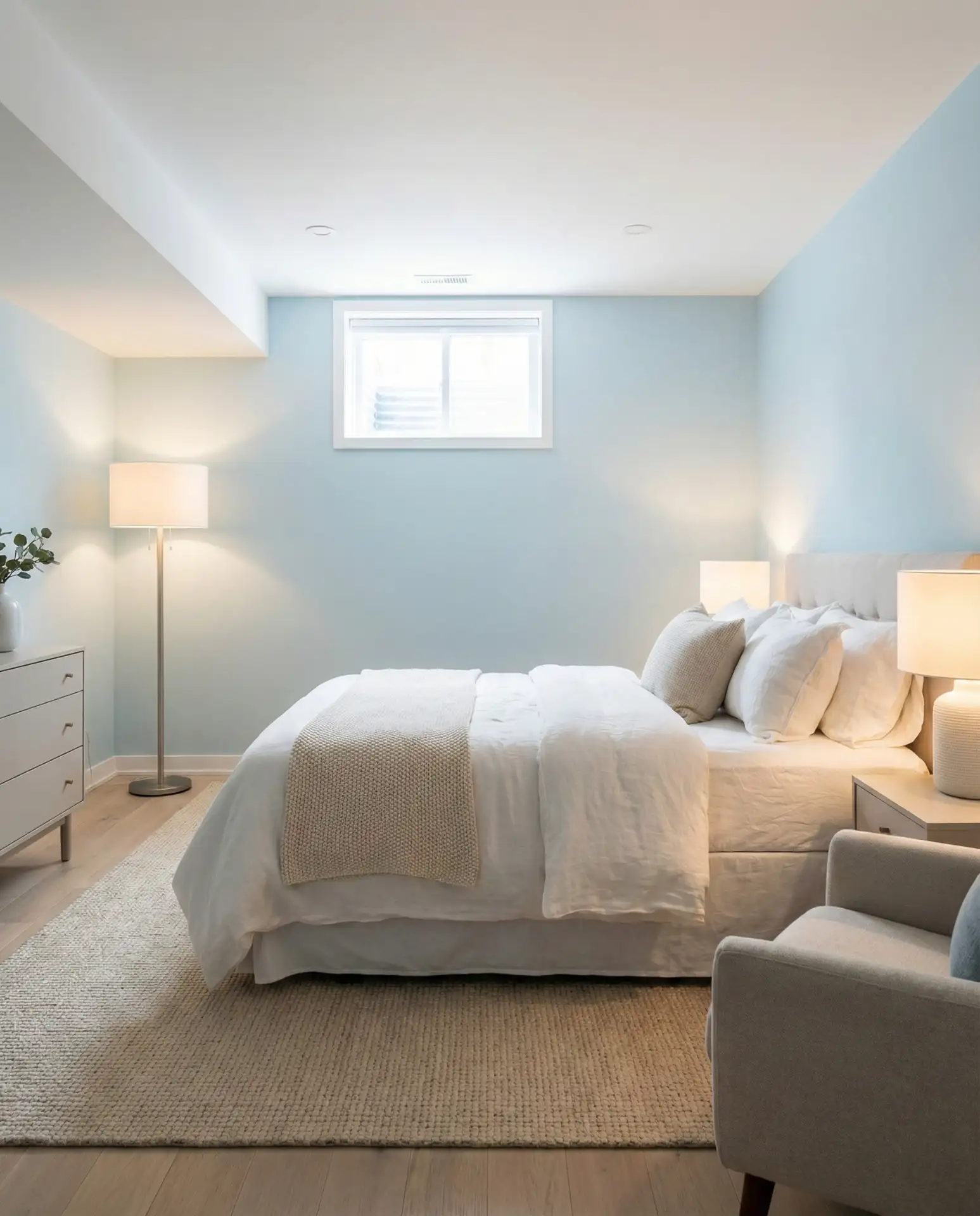
In the Midwest and Northeast, finished basement bedrooms have become common solutions for growing families. Real homeowner behavior shows that people underestimate how much lighting they’ll need—what looks adequate during construction often feels dim once furniture and textiles are added. Plan for at least three different light sources at varying heights, and consider full-spectrum bulbs that mimic natural daylight to combat the cave-like feeling basements can have even when well-designed.
16. Floating Nightstand Innovation
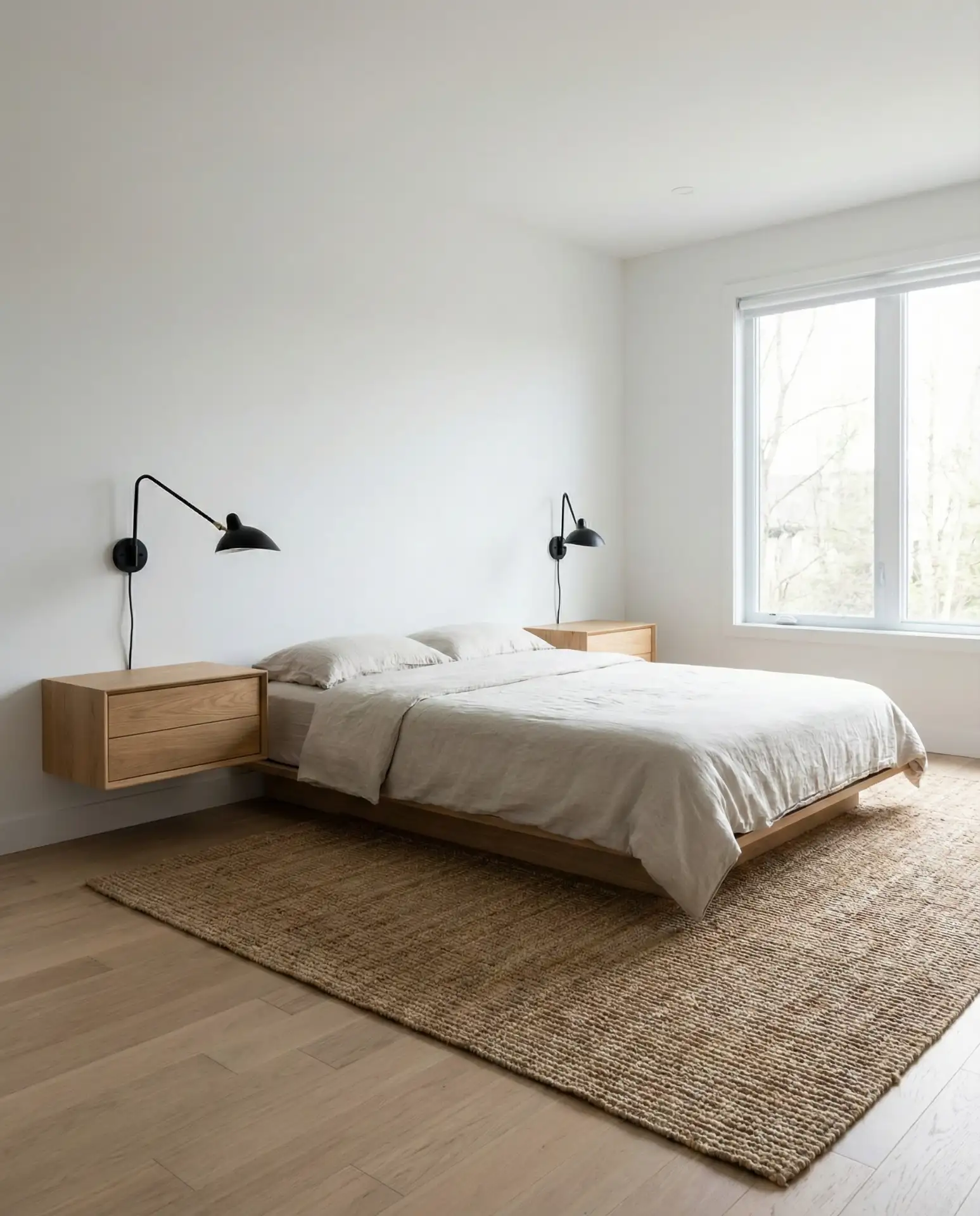
Wall-mounted floating nightstands are game-changers for small bedrooms where floor space is precious. These sleek alternatives to traditional nightstands keep the floor clear for easier cleaning while providing essential bedside storage and surface area for lamps, phones, and books. Modern versions incorporate hidden drawers, built-in charging stations, and soft-close mechanisms. The visual lightness of floating furniture makes rooms feel more spacious, and the contemporary aesthetic works across design styles from minimalist to aesthetic maximalism. 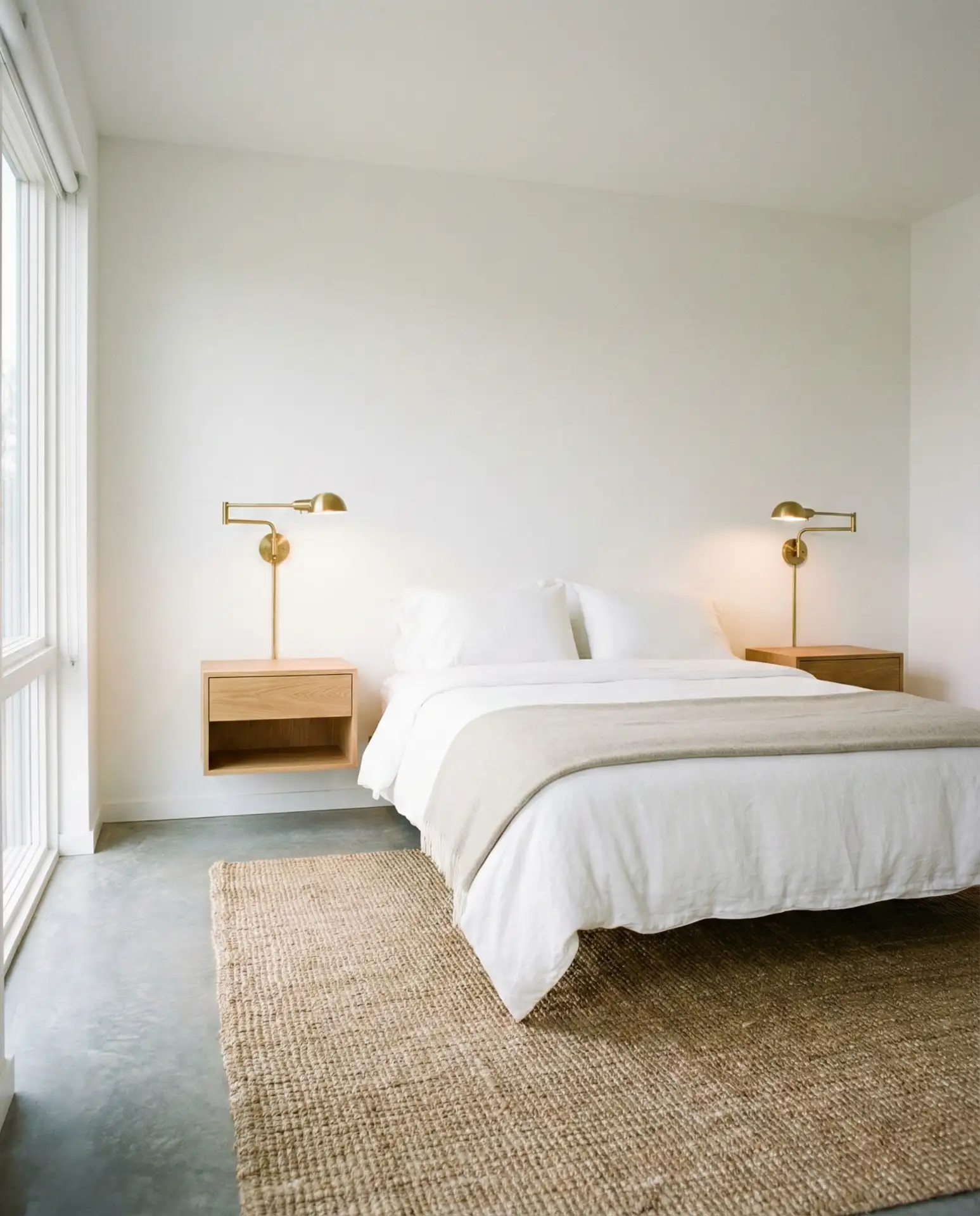
Installation requires finding wall studs or using proper anchoring systems since these pieces need to support weight reliably—a poorly installed floating nightstand is both functionally useless and potentially dangerous. Many furniture companies now offer floating nightstands specifically designed for easy DIY installation, with clear instructions and included hardware. The clean, streamlined look particularly appeals to younger homeowners who prioritize design that photographs well for social media while serving practical daily needs.
17. Luxe Velvet Upholstery
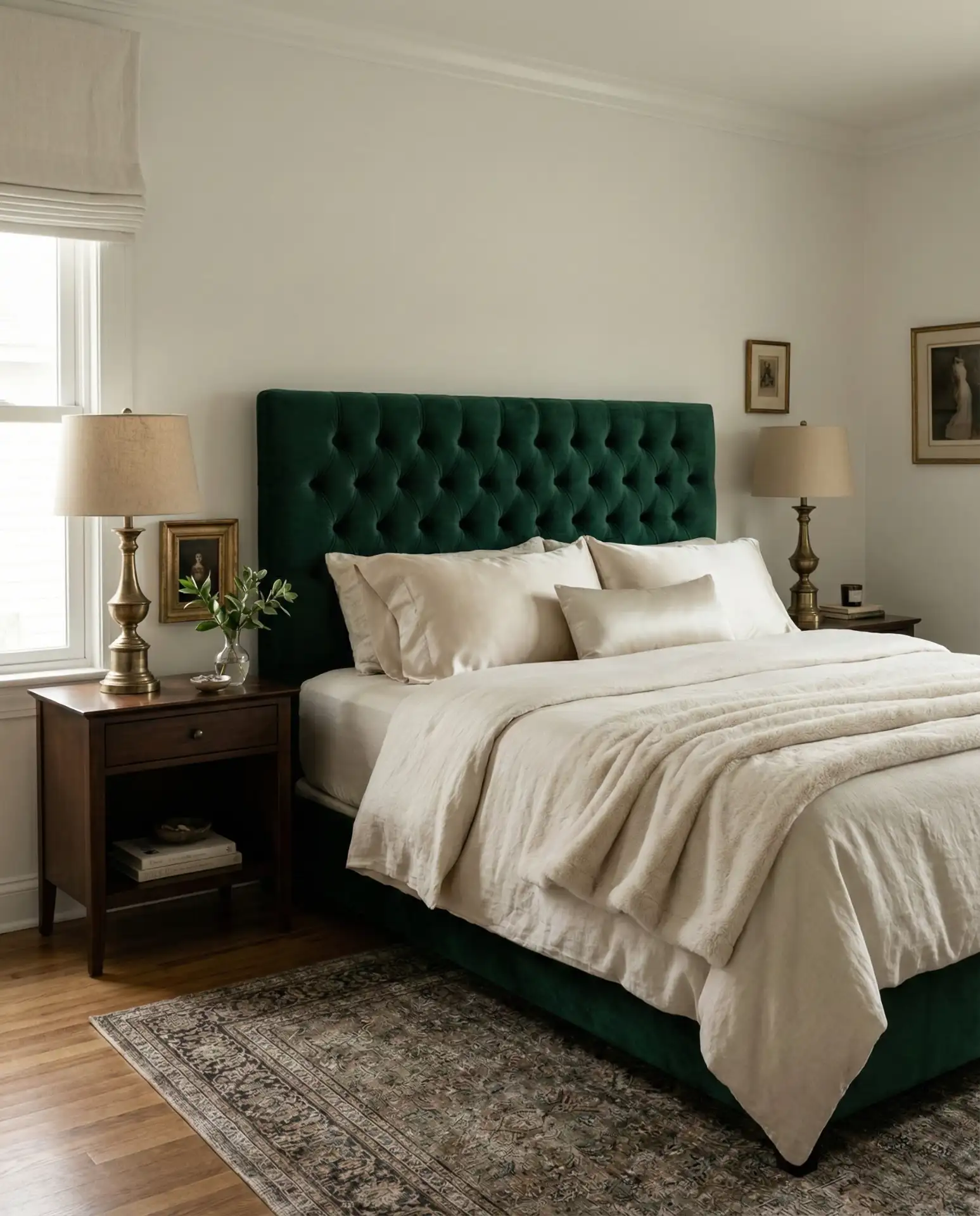
A velvet upholstered headboard instantly elevates a bedroom from basic to luxurious, adding both visual and tactile richness. Deep jewel tones like emerald green , sapphire blue, or rich burgundy create drama, while pink , blush, and champagne velvets deliver softer sophistication. The material’s light-reflecting quality adds depth and dimension that flat paint or wood simply can’t match. Pair with simpler bedding in neutral tones so the headboard remains the focal point without overwhelming the space with competing textures. 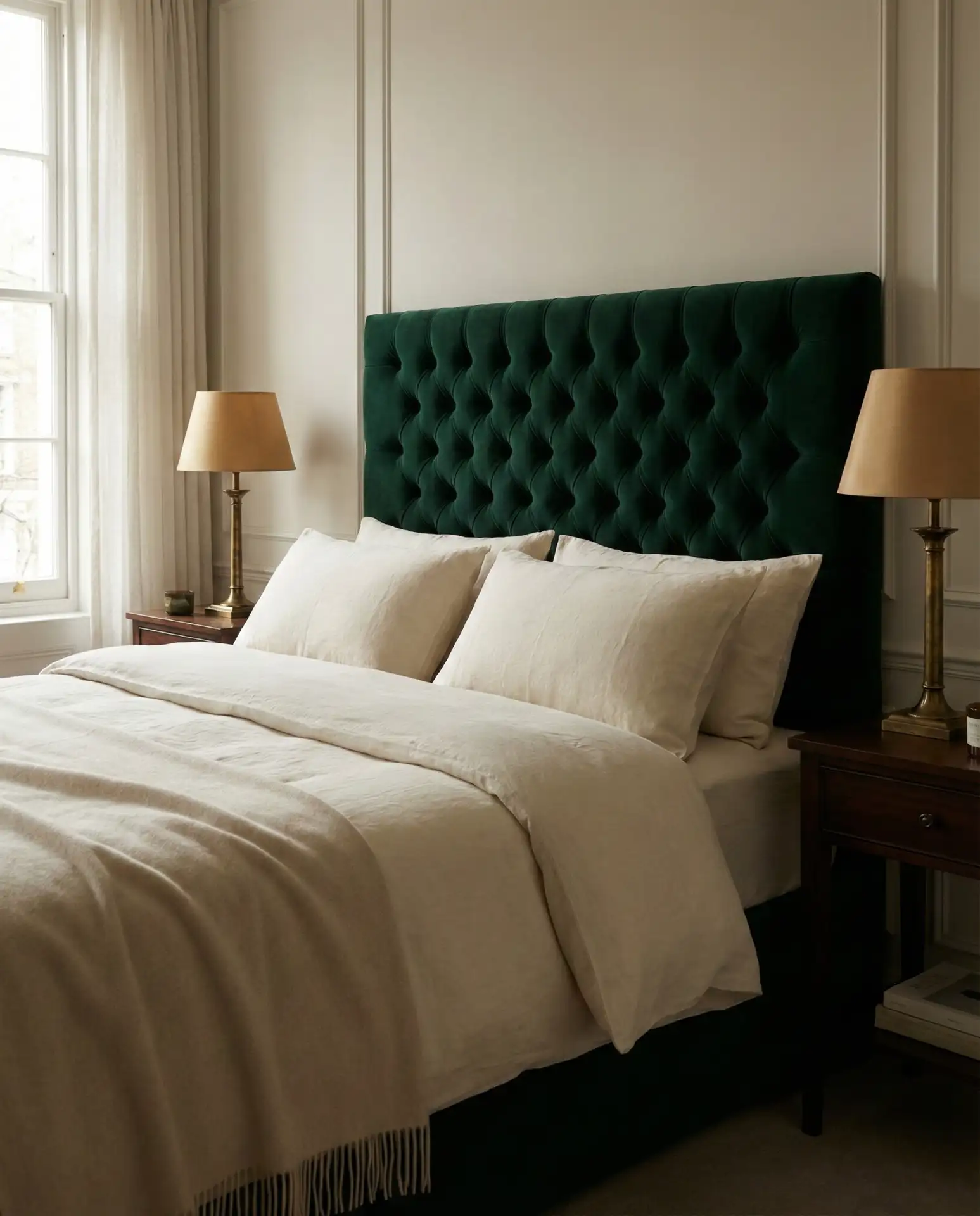
Expert designers recommend performance velvet for bedroom upholstery—it resists staining and wear better than traditional velvet while maintaining the luxurious appearance. For couples sharing a bed, an upholstered headboard also provides comfortable support for reading or watching television in bed, eliminating the need for excessive pillow propping. Budget-conscious shoppers can find affordable upholstered headboards at major retailers, or DIY versions using plywood, foam, batting, and velvet fabric from fabric stores for under $200 in materials.
18. Statement Lighting as Art
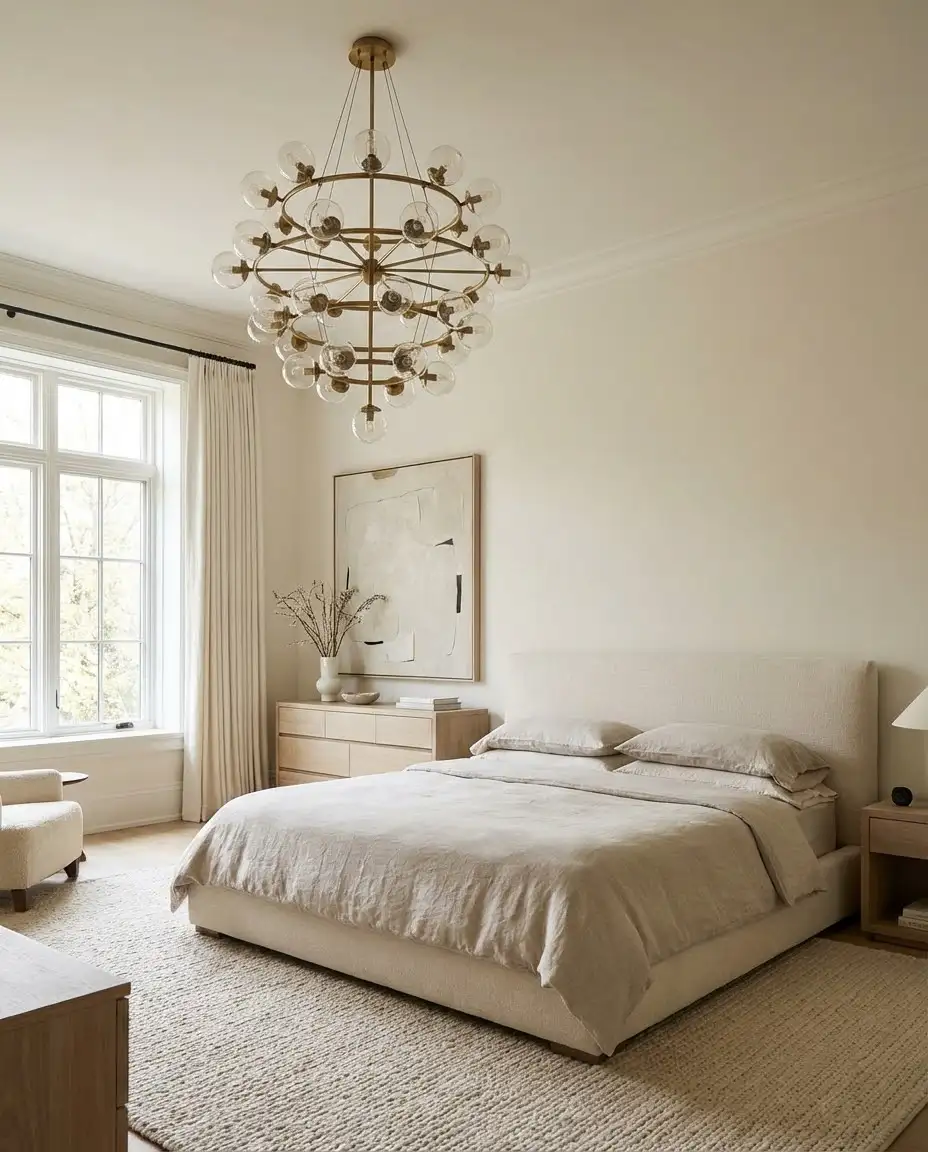
Oversized or sculptural lighting fixtures transform a primary bedroom into a design statement while serving essential functional purposes. Think dramatic chandeliers, modern pendant clusters, or artistic table lamps that command attention. These pieces work best in rooms with higher ceilings where they won’t overwhelm the space, though even small bedrooms can accommodate bold lighting when properly scaled. The fixture becomes jewelry for the room—a finishing touch that pulls the entire design together and adds personality beyond furniture and wall color. 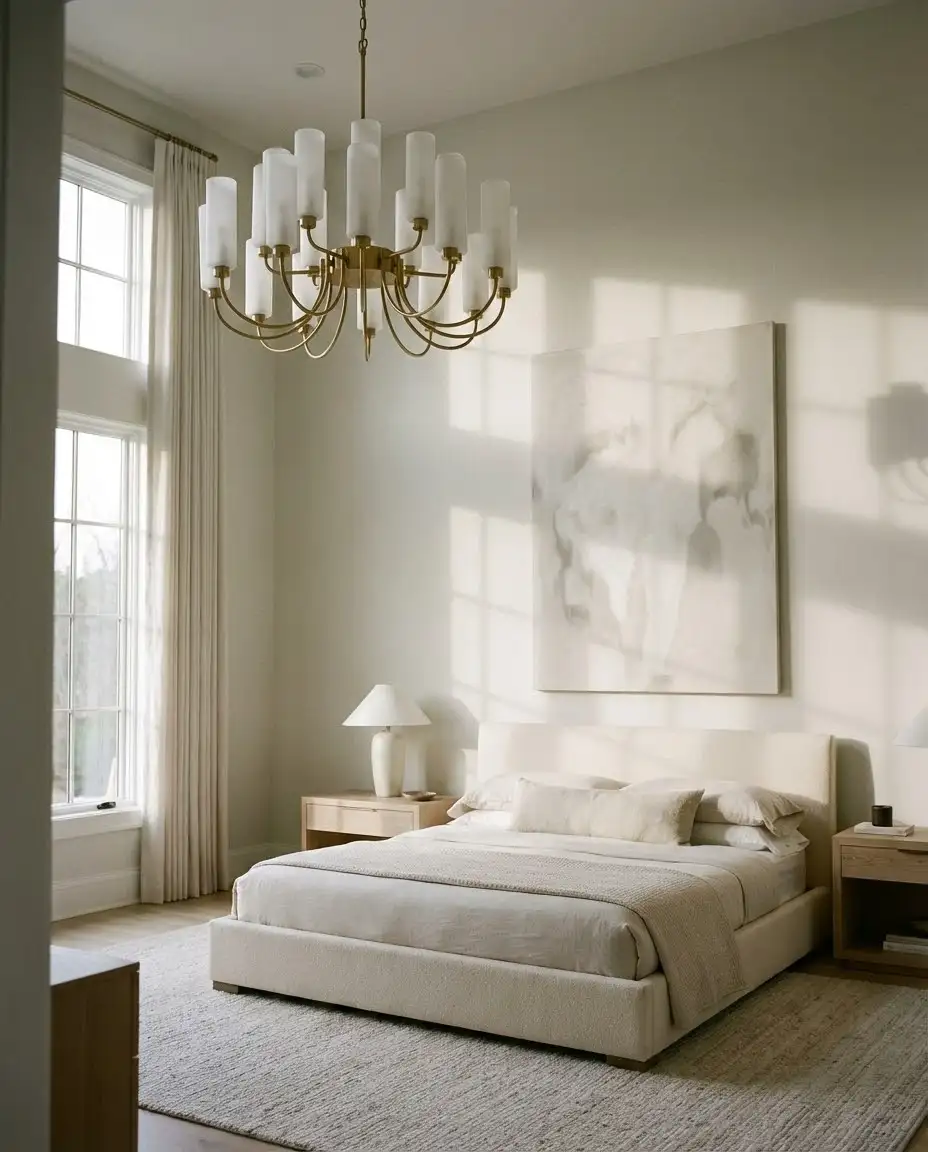
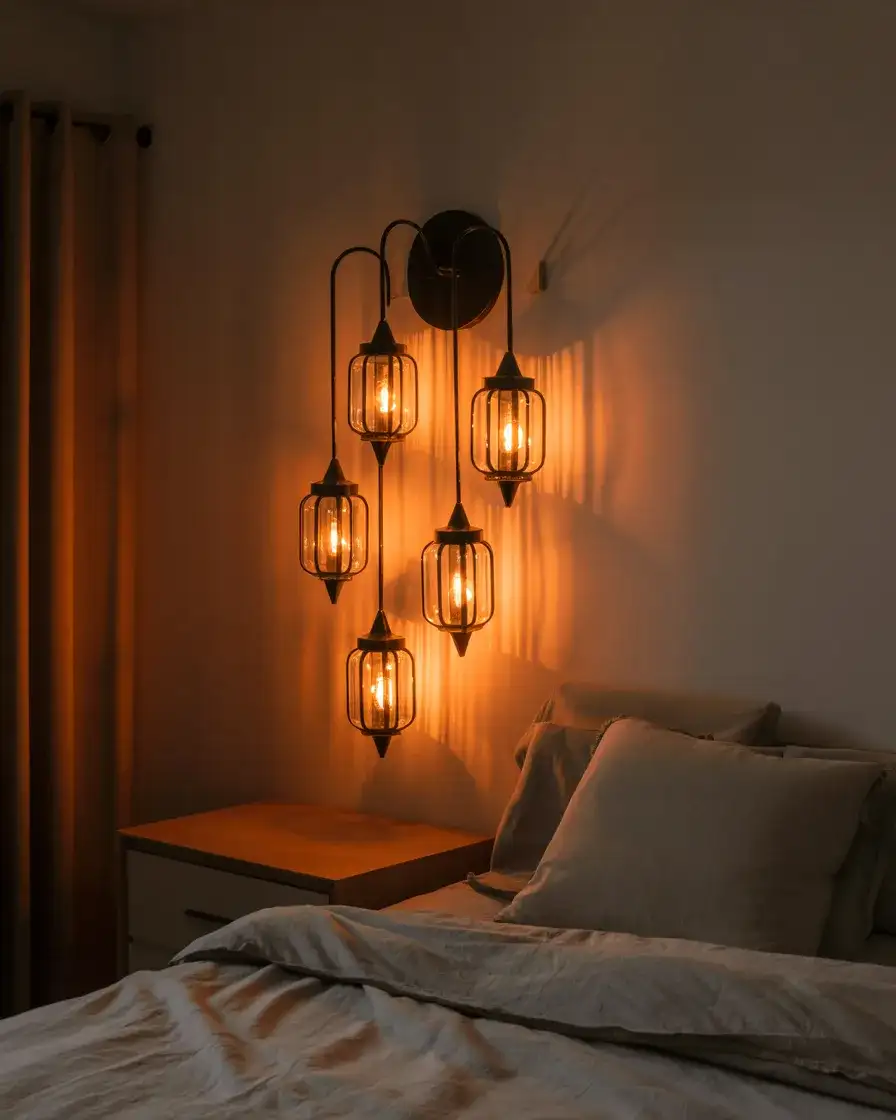
Where it works best: loft apartments and homes with vaulted or cathedral ceilings where vertical space would otherwise go unused. A stunning light fixture draws the eye upward, making the room feel more expansive. One practical consideration often overlooked—make sure your statement fixture is on a dimmer switch. What looks spectacular in the afternoon might be blinding at night when you’re trying to wind down. The ability to adjust brightness levels ensures your dramatic lighting remains functional rather than just decorative.
19. Biophilic Plant Integration
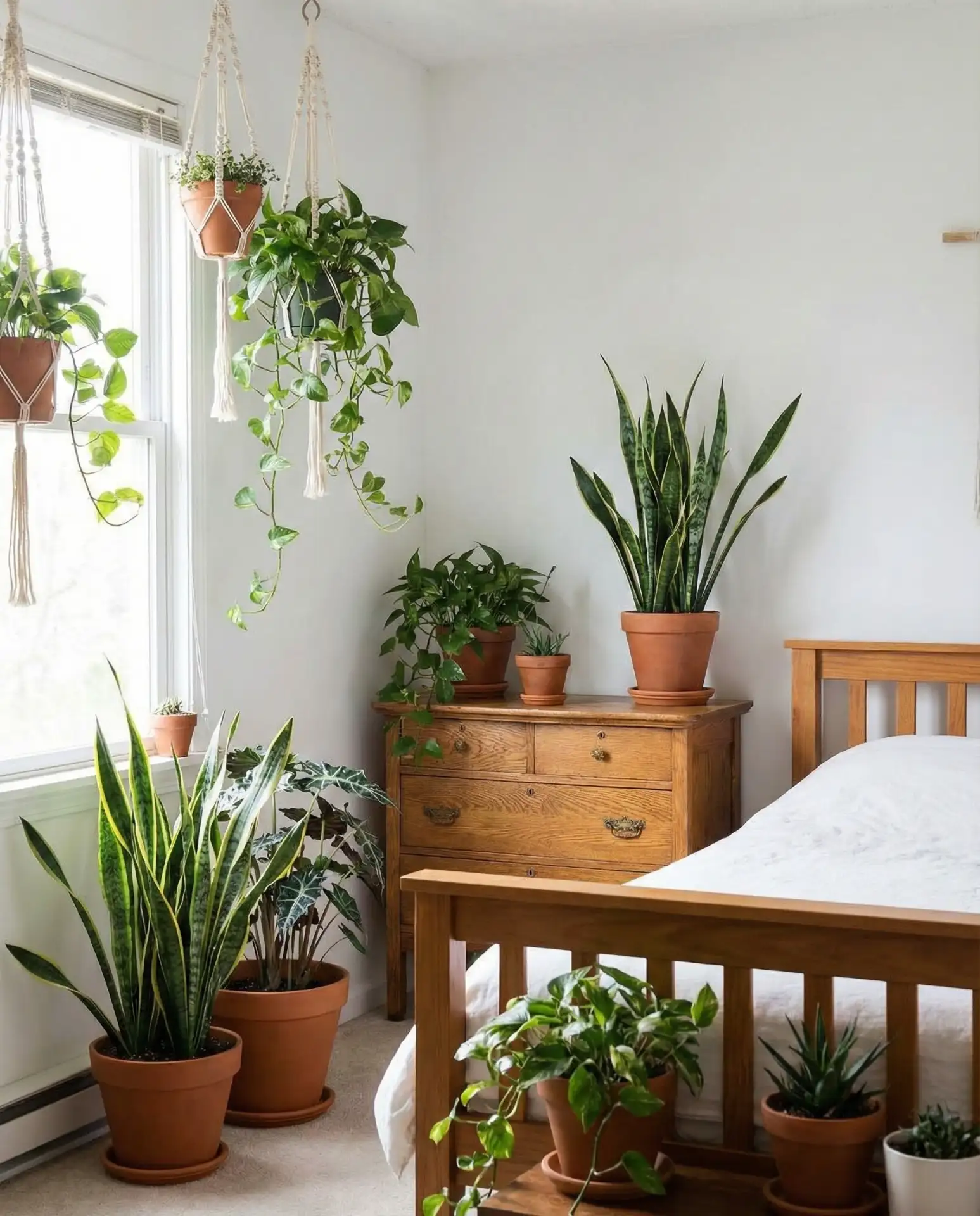
Incorporating living plants into bedroom design improves air quality while adding organic texture and color that no manufactured decor can replicate. Low-maintenance varieties like pothos, snake plants, and ZZ plants thrive in bedroom conditions without requiring constant attention. Hanging planters save floor space in tiny rooms, while larger specimens in corners create focal points that soften hard architectural lines. The presence of greenery has documented benefits for sleep quality and stress reduction, making plants both beautiful and functional bedroom elements. 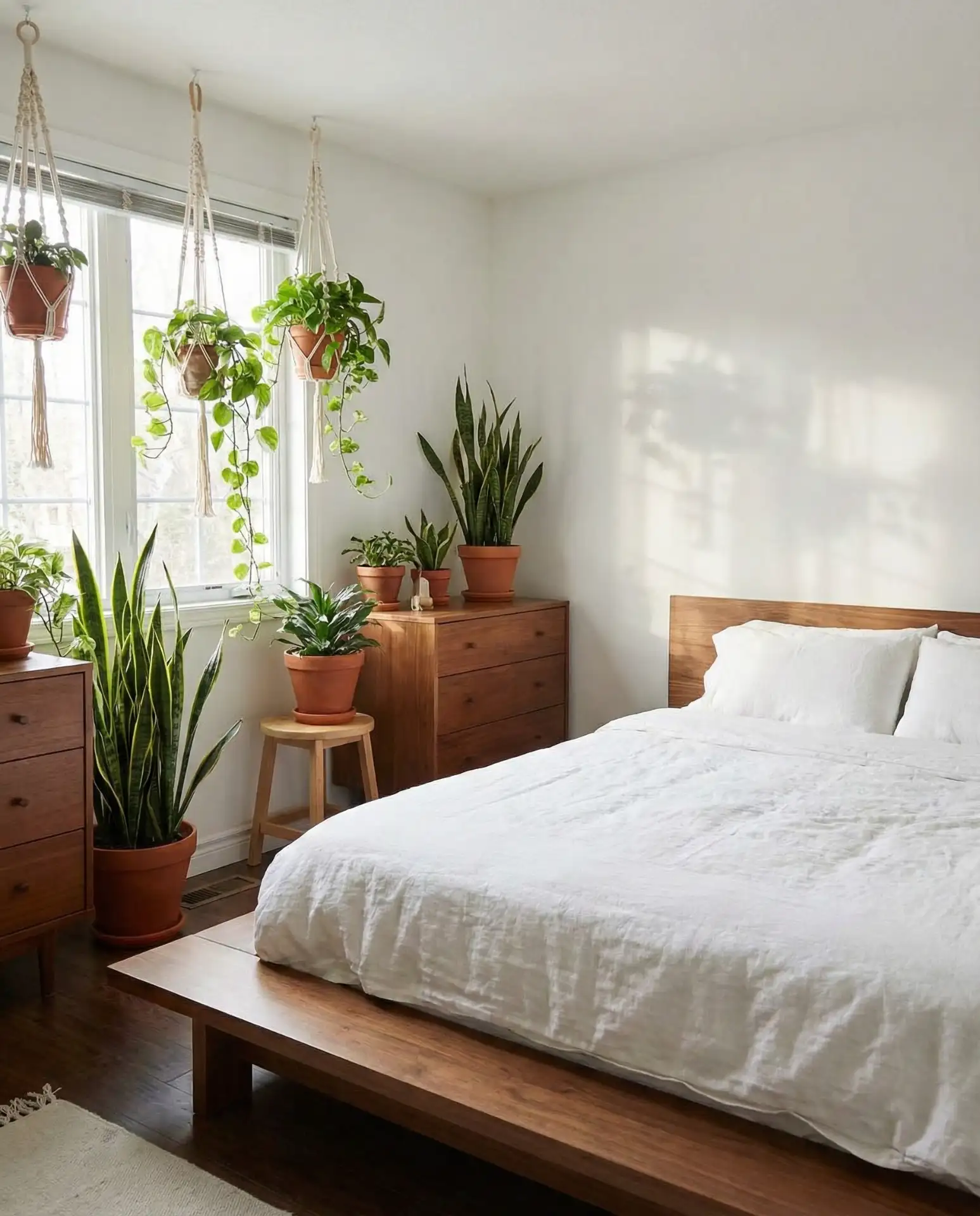
A common mistake is choosing high-maintenance plants that require specific humidity levels or direct sunlight that bedroom conditions can’t provide—stick with proven low-light varieties. Another practical insight: for bedrooms with pets, research plant toxicity since some popular houseplants can be harmful if ingested by cats or dogs. Start with two or three plants rather than overwhelming the space immediately, and remember that even low-maintenance plants need regular watering and occasional fertilizing to remain healthy and attractive.
20. Vintage-Modern Eclectic Mix
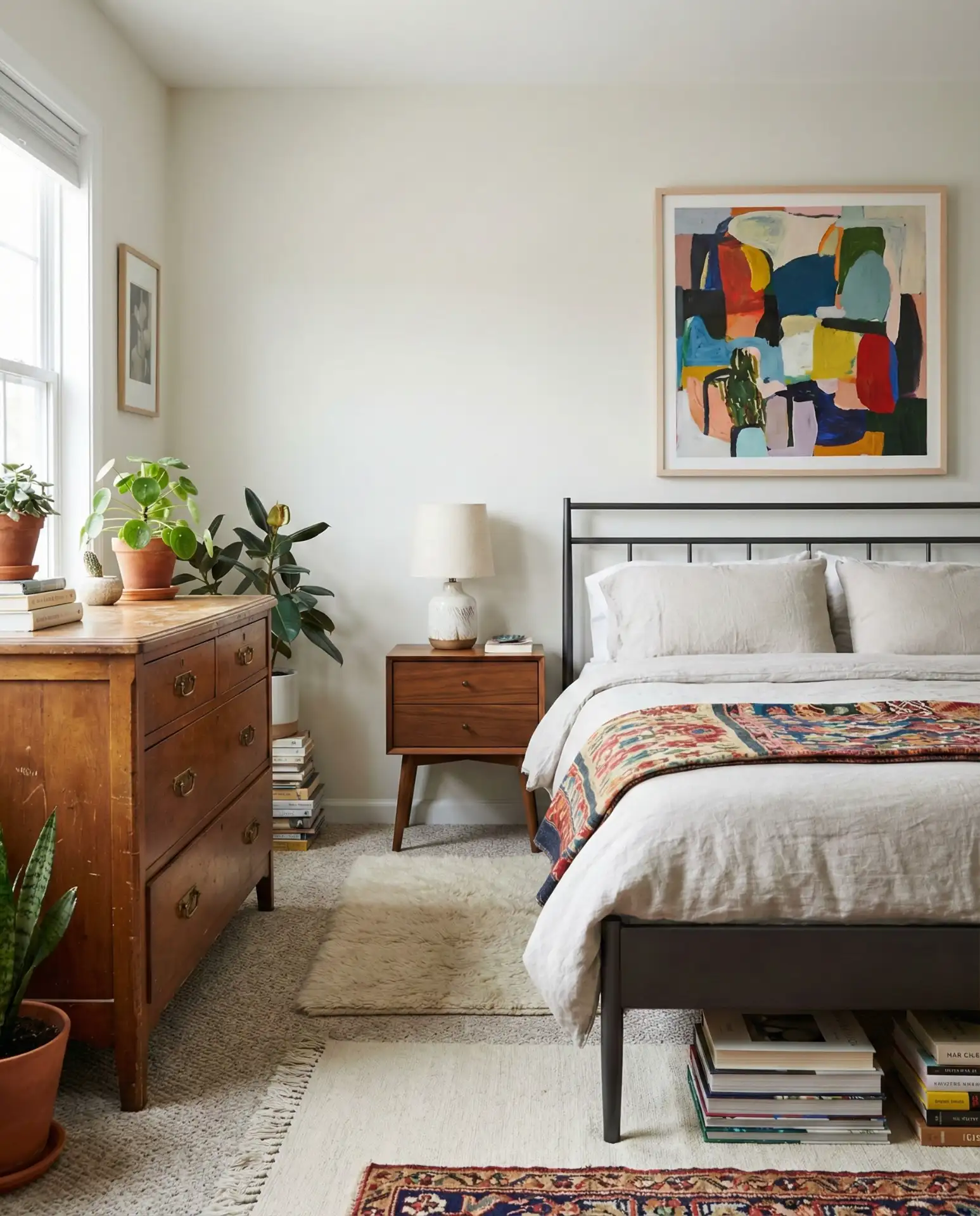
Blending vintage furniture finds with contemporary pieces creates bedrooms with character and story that feel uniquely personal. An antique dresser paired with a modern platform bed, or a mid-century nightstand next to clean-lined contemporary lighting, demonstrates thoughtful curation rather than catalog coordination. This approach allows you to invest in quality vintage pieces from estate sales or antique shops while filling gaps with affordable modern basics. The result is an aesthetic that feels collected over time rather than purchased all at once. 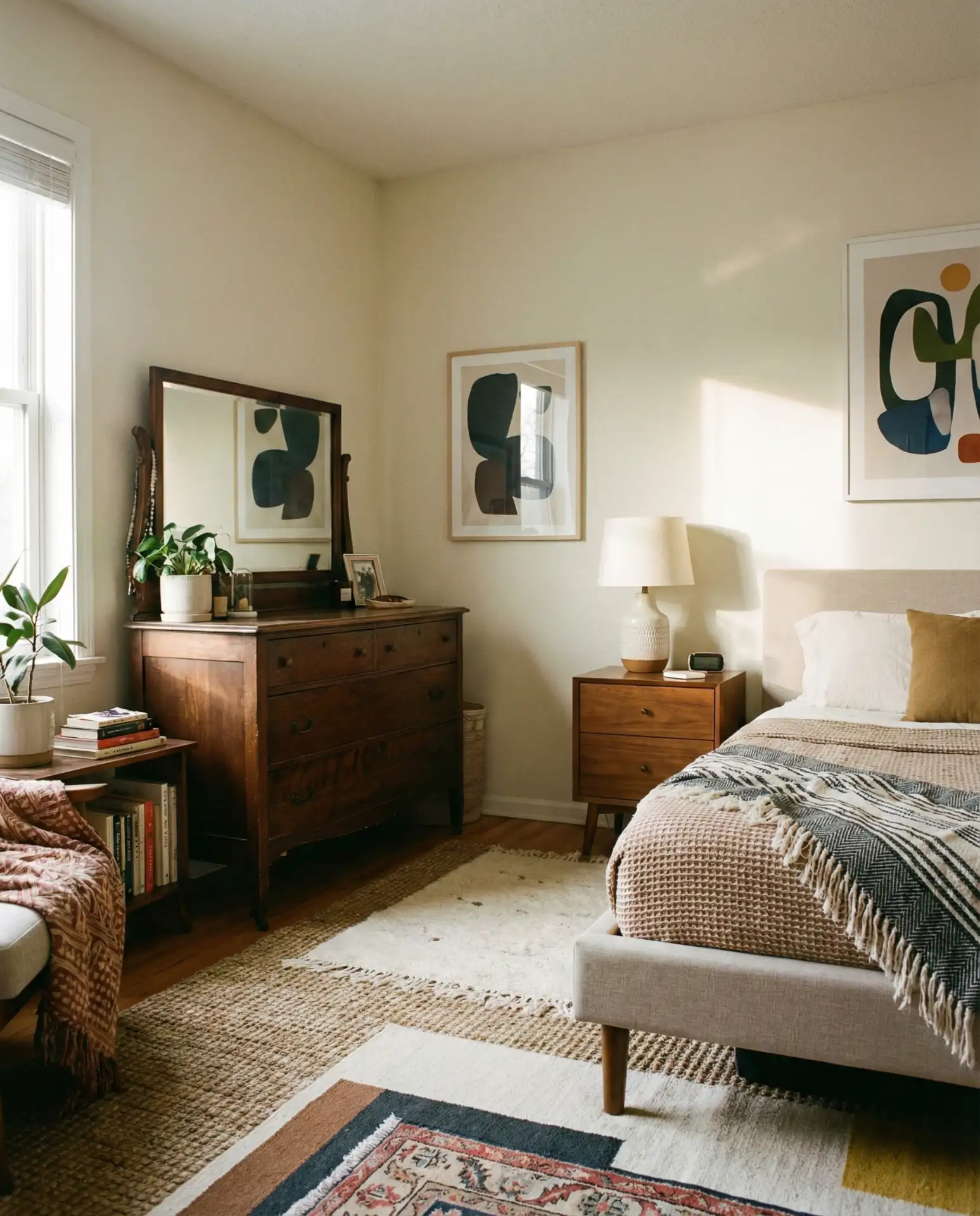
Real homeowner behavior shows that people often inherit furniture pieces from family members and feel obligated to use them even when they don’t match current design trends. The vintage-modern approach solves this gracefully—that traditional dresser from grandma’s house becomes intentional when surrounded by contemporary elements, transforming potential design liability into curated asset. Budget perspective: mixing old and new means you can splurge on one quality vintage piece while saving money on modern basics from big-box stores, balancing investment and affordability.
21. Canopy Bed Romance
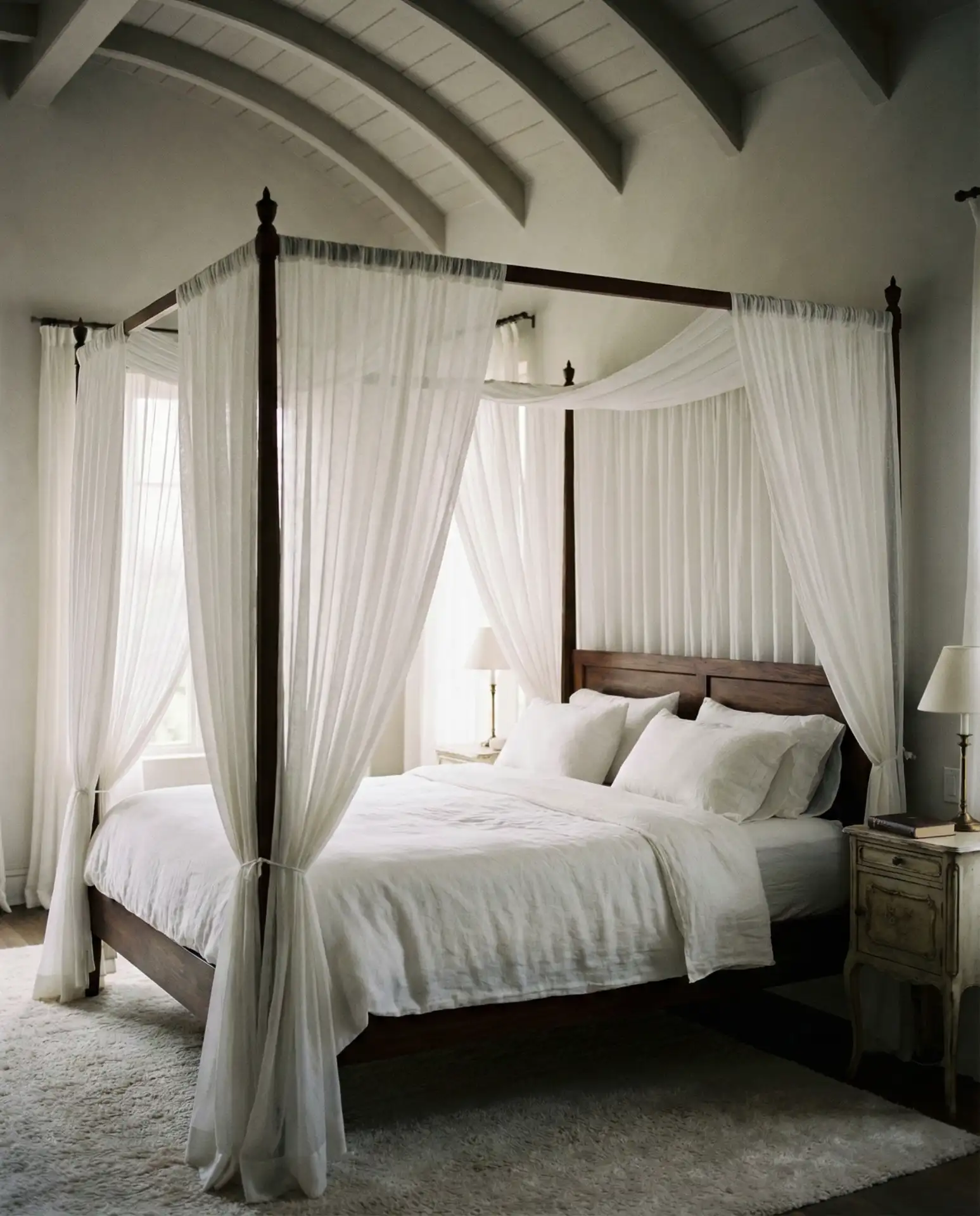
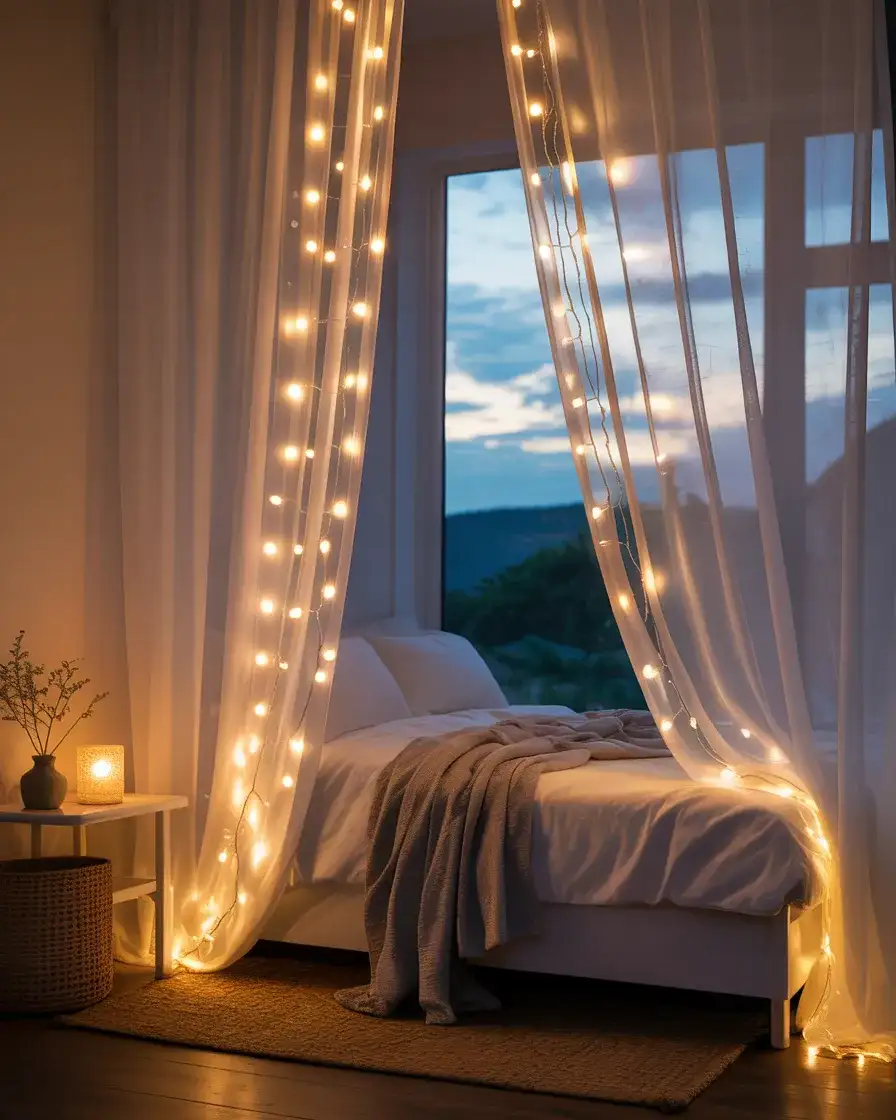
A canopy bed creates instant drama and romance in a master bedroom, defining the sleeping space and adding architectural interest. Modern interpretations range from minimal metal frames to elaborate fabric-draped versions, all creating a focal point that makes the bed feel like a sanctuary within the larger room. This works particularly well in spare rooms with high ceilings where the vertical structure uses otherwise empty space effectively. Choose materials and styles that align with your overall aesthetic—sleek black metal for modern spaces, natural wood for organic design, or painted finishes for traditional elegance. 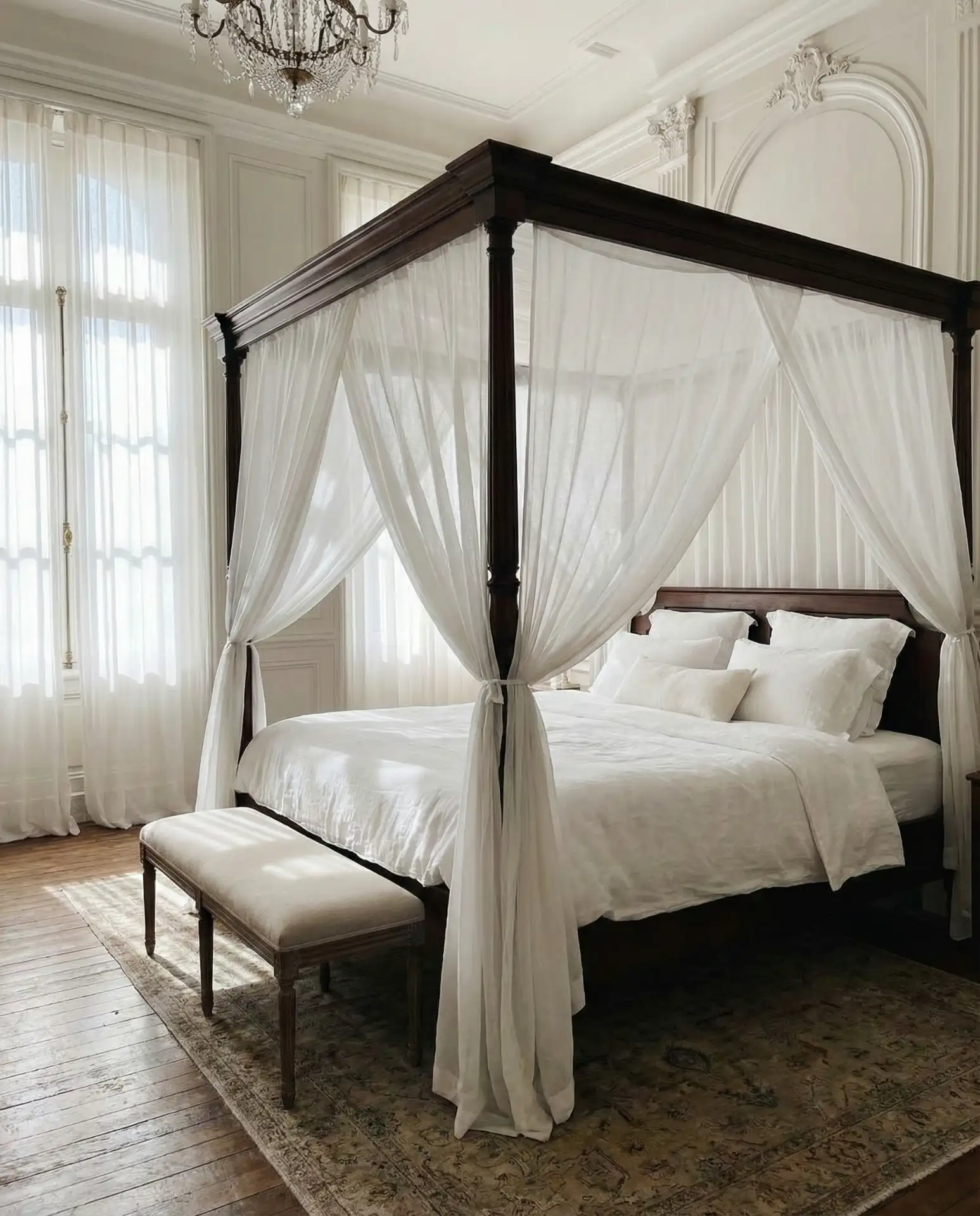
In historic homes throughout the South and New England, canopy beds reference traditional architecture while feeling perfectly contemporary when styled with modern bedding and minimal draping. The practical consideration many overlook: canopy beds require regular dusting of the frame and any fabric elements to prevent them from looking shabby. If you’re drawn to the canopy aesthetic but want lower maintenance, consider a minimalist metal frame version without fabric draping—you get the architectural impact with easier upkeep.
22. Scandinavian Simplicity
Scandinavian-inspired bedrooms emphasize function, natural materials, and cozy minimalism through the concept of hygge—creating warmth and contentment in simple pleasures. Light wood furniture, white or pale grey walls, and abundant natural light form the foundation. Layer in soft textiles like wool throws and linen bedding, keep decorative objects minimal but meaningful, and incorporate warm lighting through table lamps and candles. The result feels simultaneously clean and inviting, modern yet timeless, proving that minimalism doesn’t have to feel cold when executed with attention to comfort and warmth. 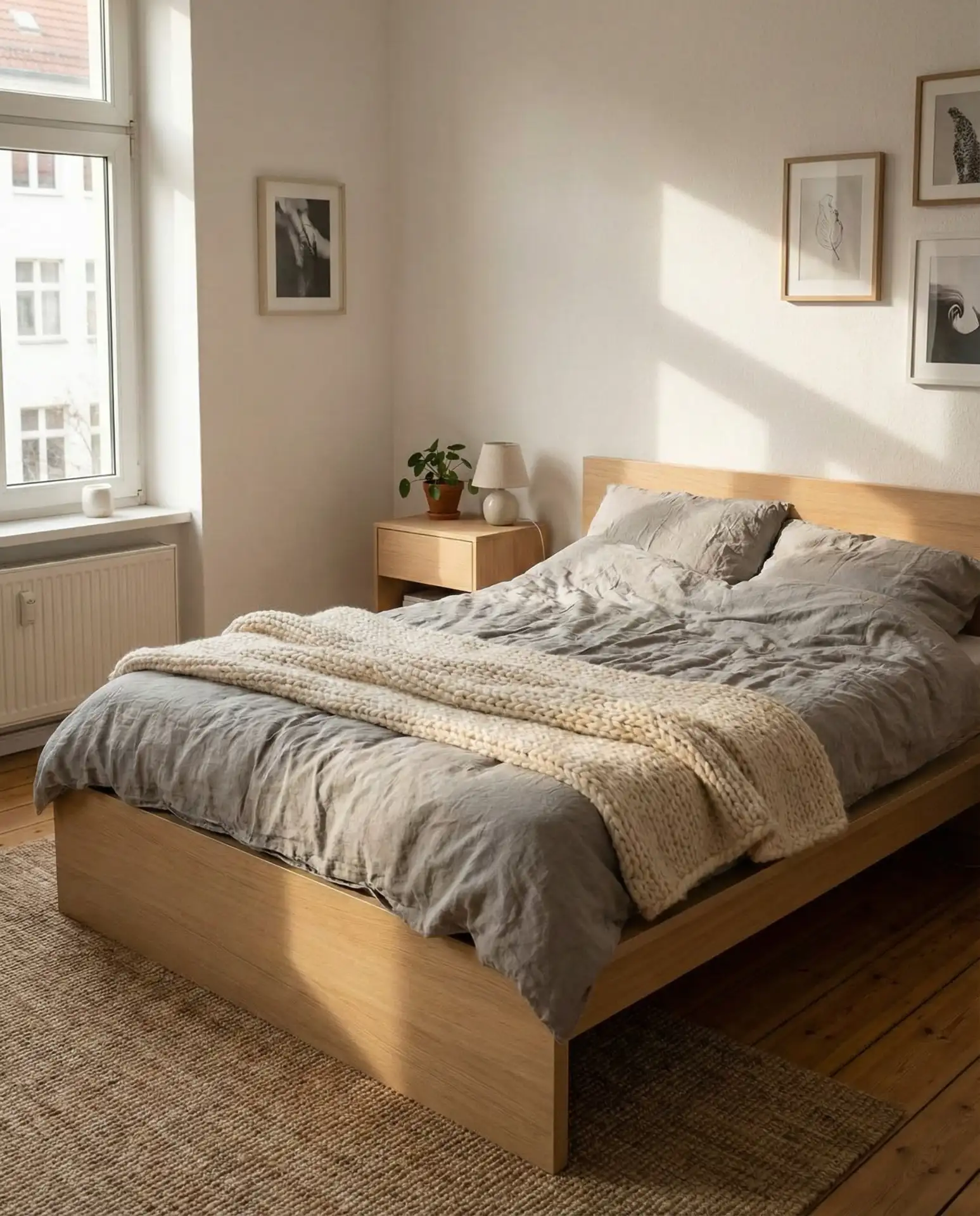
This style works exceptionally well in northern climates where long winters make indoor comfort paramount—the cozy minimalism provides visual calm without sacrificing warmth. American homeowners in states like Minnesota, Wisconsin, and Montana have embraced Scandinavian design principles that originated in similarly harsh climates. The beauty of this approach is its accessibility—you don’t need expensive designer pieces, just thoughtful curation of natural materials, neutral colors, and functional items that serve clear purposes while bringing joy to daily life.
Conclusion
These twenty-two master bedroom ideas for 2026 showcase the incredible range of styles available to American homeowners seeking to refresh their most personal space. Whether you’re drawn to bold color statements, subtle neutral palettes, space-saving solutions for compact rooms, or luxurious touches that create hotel-worthy retreats, there’s an approach here that can work for your budget, lifestyle, and aesthetic preferences. We’d love to hear which ideas resonate with you most—share your thoughts in the comments below and let us know what direction you’re taking your master bedroom this year.