The way we think about workspaces has shifted dramatically, and Americans are searching Pinterest in droves for fresh ideas that make their offices feel intentional, inspiring, and deeply personal. Whether you work from a dedicated home office, a shared corporate floor, or a small cubicle tucked into the corner of a loft, the pressure to create a space that actually motivates you has never been more real. Office decor in 2026 is less about matching furniture sets and more about layering personality with purpose—earthy textures, smart storage, ambient lighting, and the kind of greenery that makes Monday mornings a little more bearable. In this article, we’ve rounded up the most inspiring workplace decor ideas trending right now, curated for every budget, style, and square footage.
1. The Minimalist Desk Setup That Actually Stays Clean
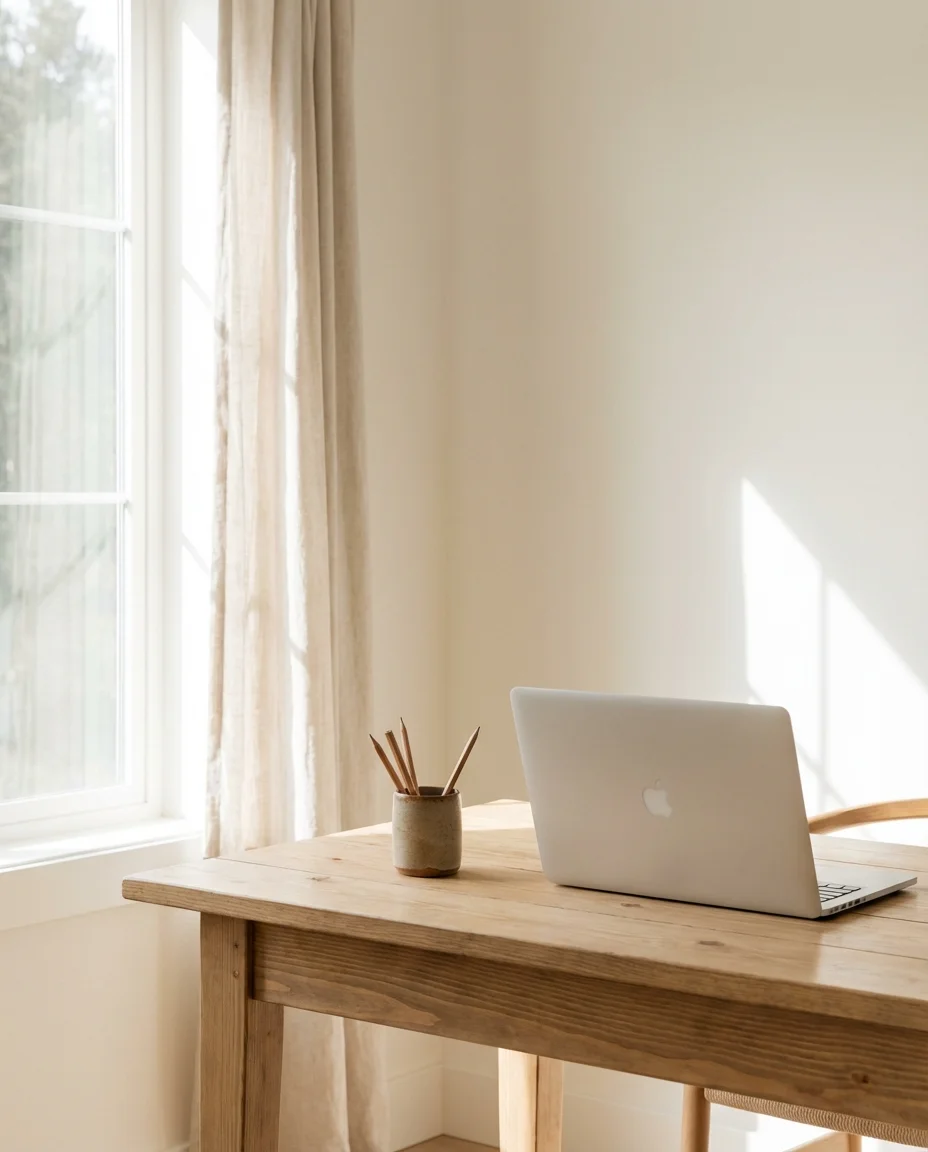
There’s a reason the minimal desk aesthetic keeps dominating inspiration boards on Pinterest—it works. A clean, uncluttered surface changes how you think. We’re talking a single monitor or laptop, one quality pen holder, a small tray for essentials, and nothing else competing for visual attention. The key in 2026 is restraint paired with warmth: warm white walls, natural wood tones, and soft task lighting that doesn’t feel clinical. This professional modern look works especially well in home offices where the bedroom or living room is just steps away.
The biggest mistake people make with minimalist desks is buying minimal furniture but keeping maximal clutter. Interior organizers say the golden rule is if it doesn’t have a home off the desk surface, it shouldn’t be on it. Invest in a small floating shelf or drawer unit below the desk to handle all the extras—chargers, notebooks, sticky notes—and resist the urge to decorate with more than two accent pieces. Less really does feel like more once you commit to the edit.
2. Cubicle Glow-Up: Transforming a Tiny Corporate Space

Let’s be real—cubicle life doesn’t have to feel like serving time. Some of the most creative office personalities in America are working inside a 6×6 partition and making it look genuinely good. The trick is using vertical space: hang a small pegboard, clip up a few prints or photos, add a compact LED strip behind your monitor, and tuck in a tiny plant on the corner of your desk. These are cubicle ideas that cost almost nothing but return major mood dividends every single workday.

One designer who specializes in corporate wellness spaces puts it simply: “People underestimate how much a personal object or two affects cortisol levels during a stressful workday.” She recommends keeping one sentimental item—a framed photo, a mug from a favorite trip—visible at eye level. The emotional anchor has a measurable impact on focus and calm. Budget-wise, the entire cubicle refresh can be done for under $40 with items from Target, Amazon, or even a dollar store with good taste.
3. Biophilic Bliss: Plants That Belong in a Professional Office

Office plants are no longer just an HR department afterthought—they’re a full design strategy. In 2026, the most sophisticated professional office interiors are layering greenery at multiple heights: a large fiddle leaf fig in the corner, trailing pothos on a shelf, and a small snake plant right on the desk. Research consistently shows that access to live greenery reduces workplace stress and improves focus, which is why forward-thinking companies are allocating actual budget to it. For home office users, plants are often the single most cost-effective upgrade you can make.

If you live in a sun-challenged apartment in Seattle or Chicago, don’t panic—there are low-light champions that thrive with minimal effort. ZZ plants, pothos, and peace lilies all survive fluorescent-heavy offices without complaint. A quick tip from real homeowners who’ve tried and failed: don’t overwater. The number one plant killer in office settings isn’t low light—it’s too much love. Stick with weekly watering checks rather than a fixed schedule, and your desk garden will outlast any quarterly review.
4. Gallery Wall Energy for a Professional Workspace
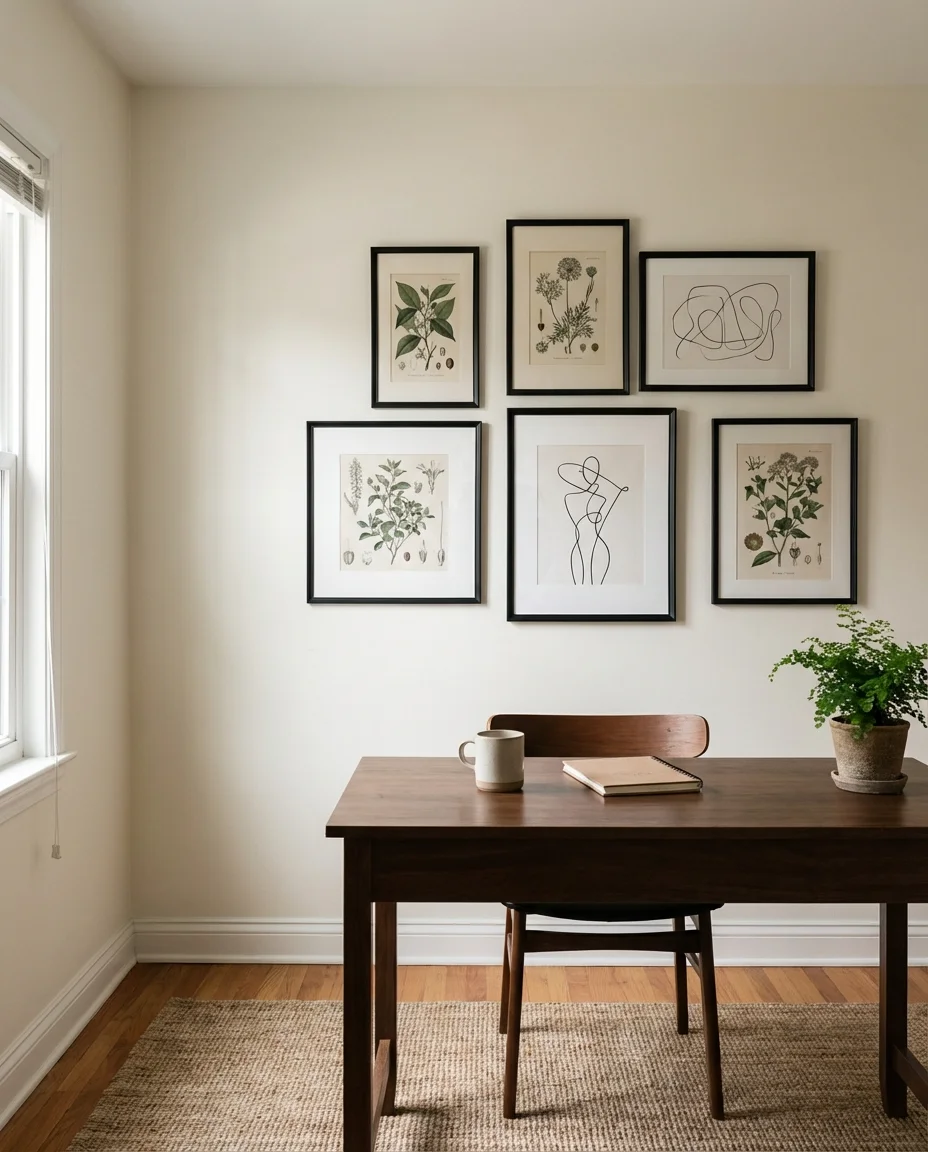
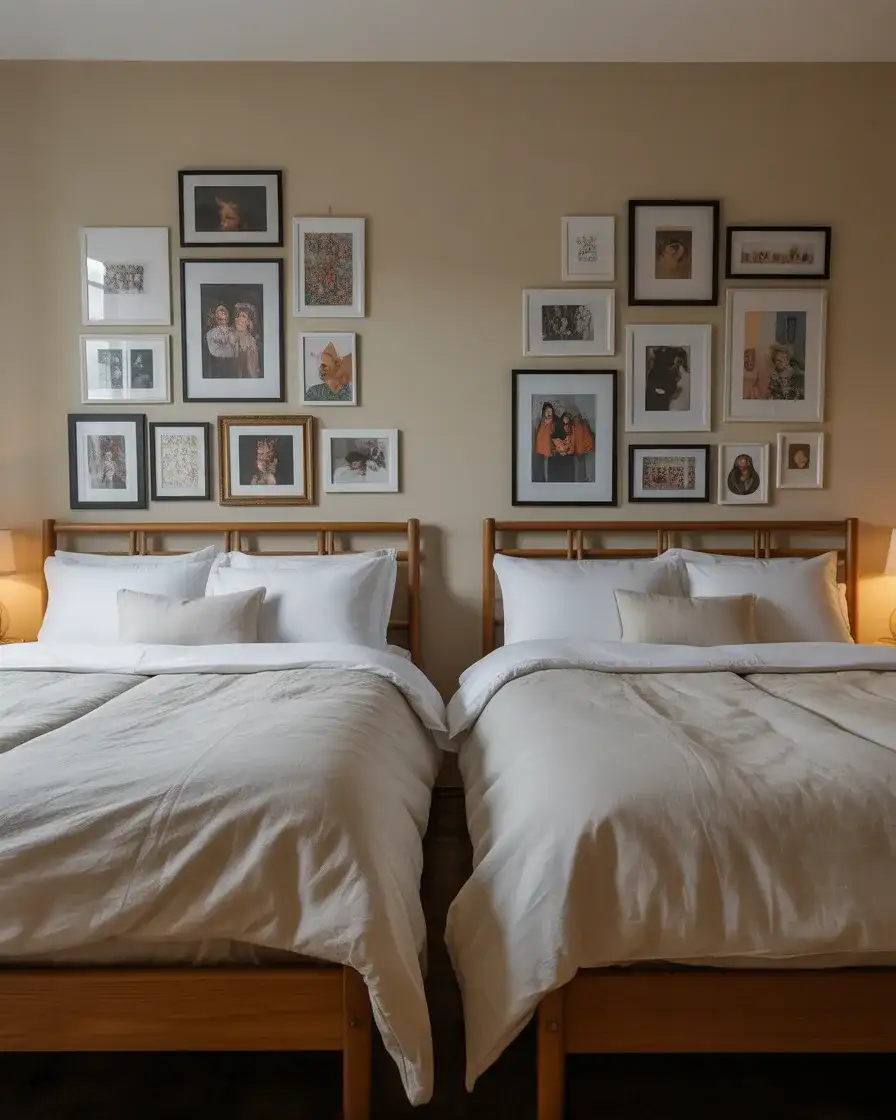
A thoughtfully curated wall can do more for an office than any piece of furniture. In 2026, the gallery wall moment in workspaces has evolved past generic motivational quotes into something more personal and layered: mixed-frame arrangements with abstract art, botanical prints, a framed map of somewhere meaningful, and maybe one or two black-and-white photographs. This is professional decor that signals taste without trying too hard. The key is choosing a cohesive color palette for the frames—all black, all brass, or all natural wood—and letting the art itself vary freely.
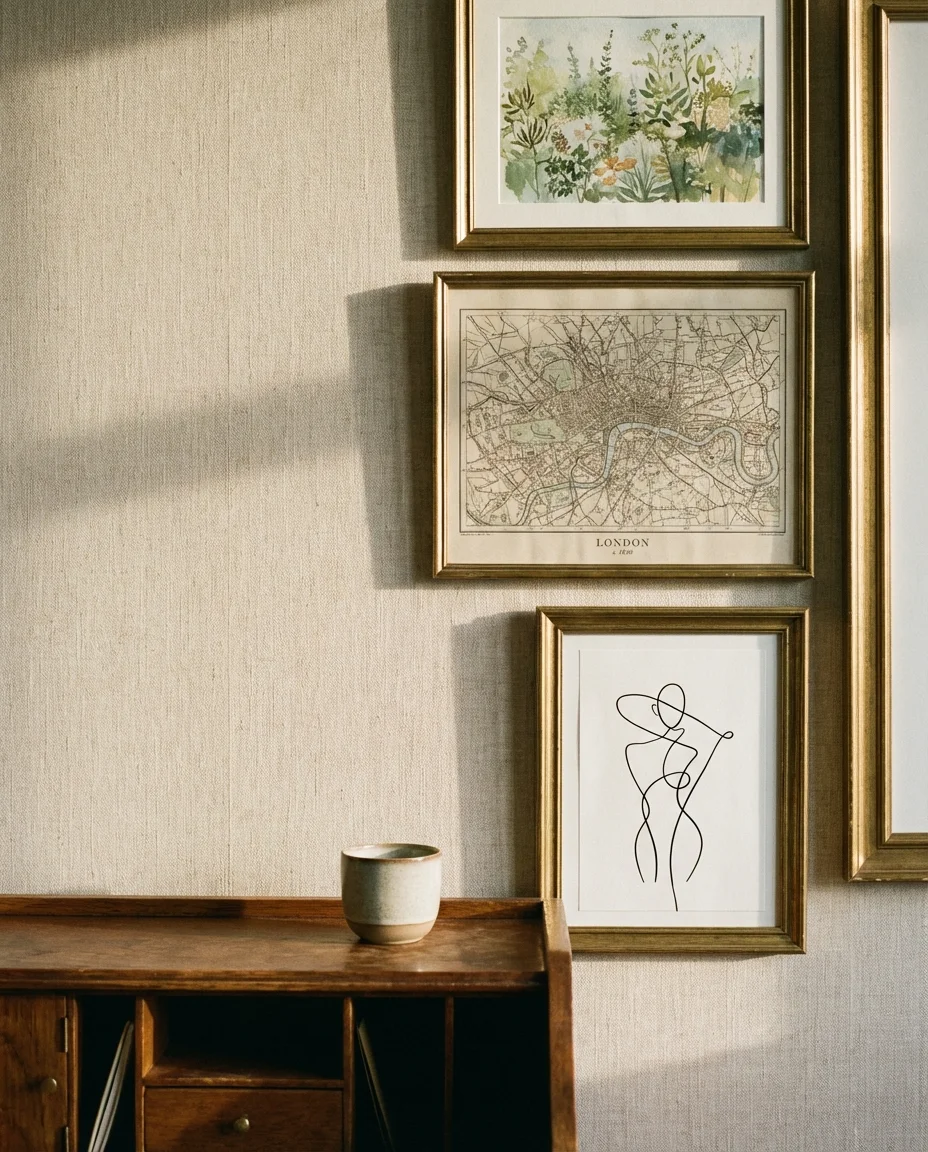
This look works best in dedicated home offices where the wall behind the desk is the visual focal point during video calls—and trust us, your Zoom background will never look more polished. For renters, use Command strips rated for heavier frames; they’ve improved significantly, and most can hold up to 16 pounds without damaging drywall. The sweet spot for a gallery arrangement is an odd number of pieces—five or seven—with the largest piece anchoring the center. Plan it on the floor first before committing a single nail to the wall.
5. The Pink Office Aesthetic That Means Serious Business
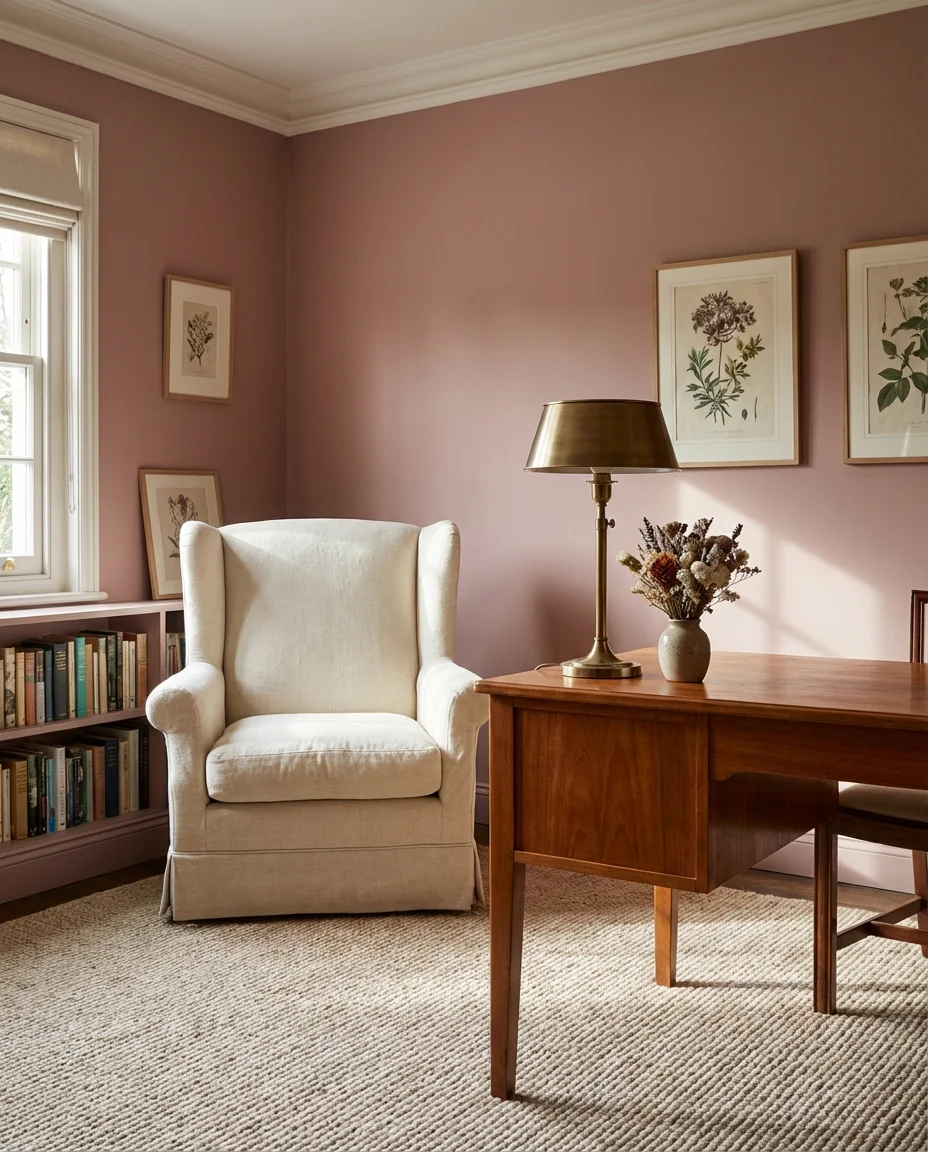
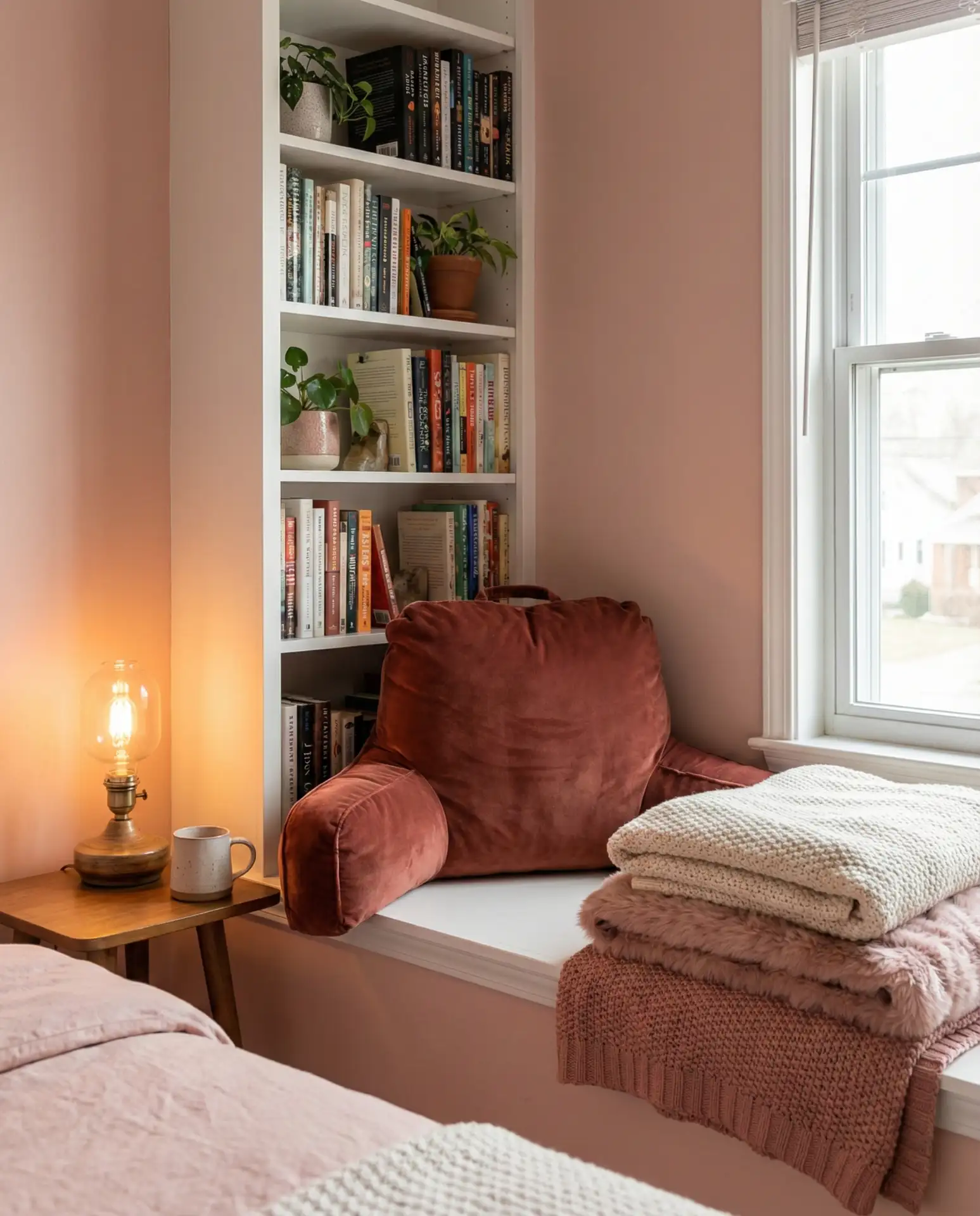
Pink in a workspace isn’t a compromise—it’s a power move. The women’s business community on Pinterest has been leading this charge for years, and in 2026 the rest of the design world has caught up. We’re not talking cotton candy walls; we’re talking dusty rose, deep blush, terracotta-adjacent pinks, and mauve tones that feel sophisticated and grounded. Pair them with creamy whites, warm wood, and brass accents, and you have a workspace that is undeniably feminine without being frivolous. This is a palette that photographs beautifully and motivates just as hard.
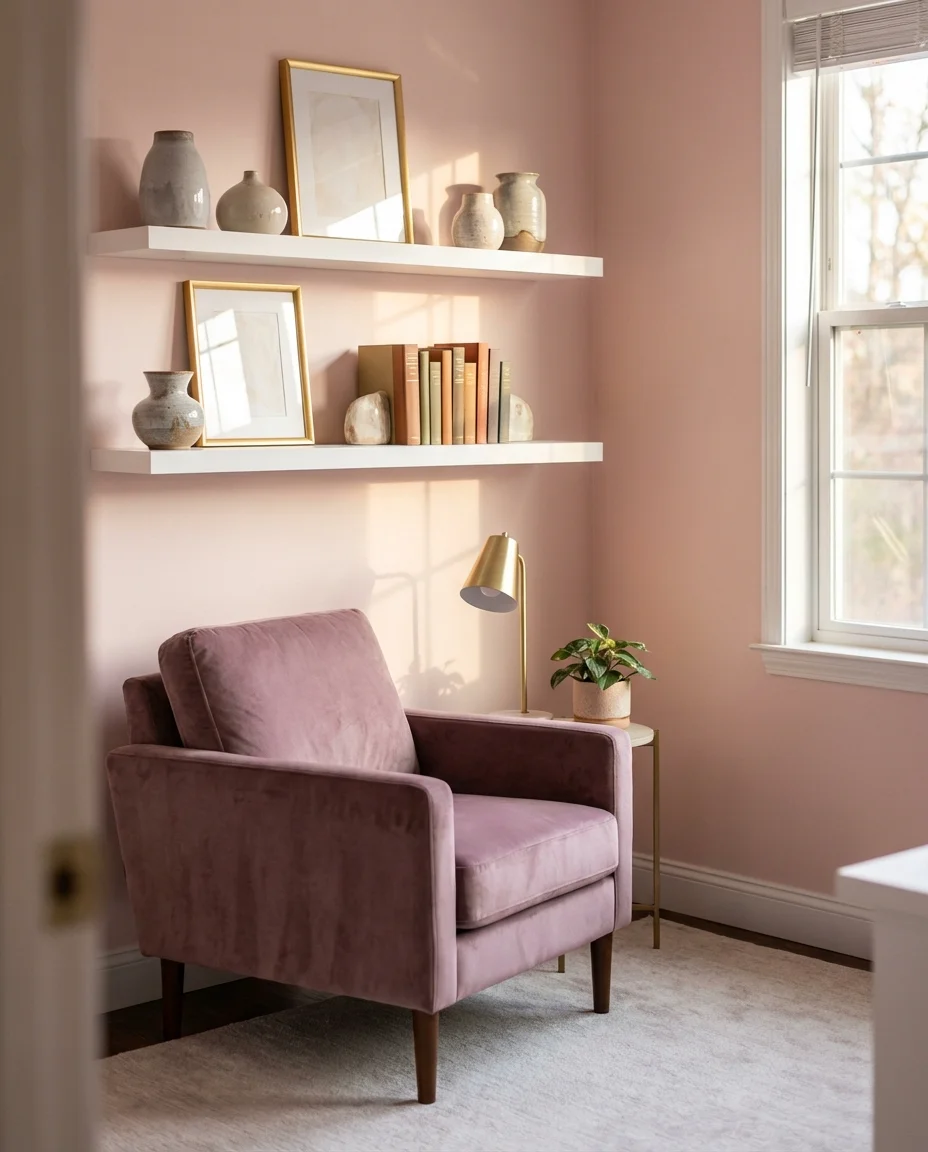
A lifestyle blogger in Austin, Texas, repainted her spare bedroom in Benjamin Moore’s “Pale Blush” two years ago and says it’s the single best decision she made for her productivity. “I used to dread going in there. Now I actually want to sit down and get things done.” The psychology of color in workspaces is real—warm pinks have been shown in occupational studies to reduce feelings of aggression and promote creative thinking. If full pink walls feel like too much, start with a blush desk chair or a mauve curtain panel and let the idea grow from there.
6. DIY Office Upgrades That Look Expensive
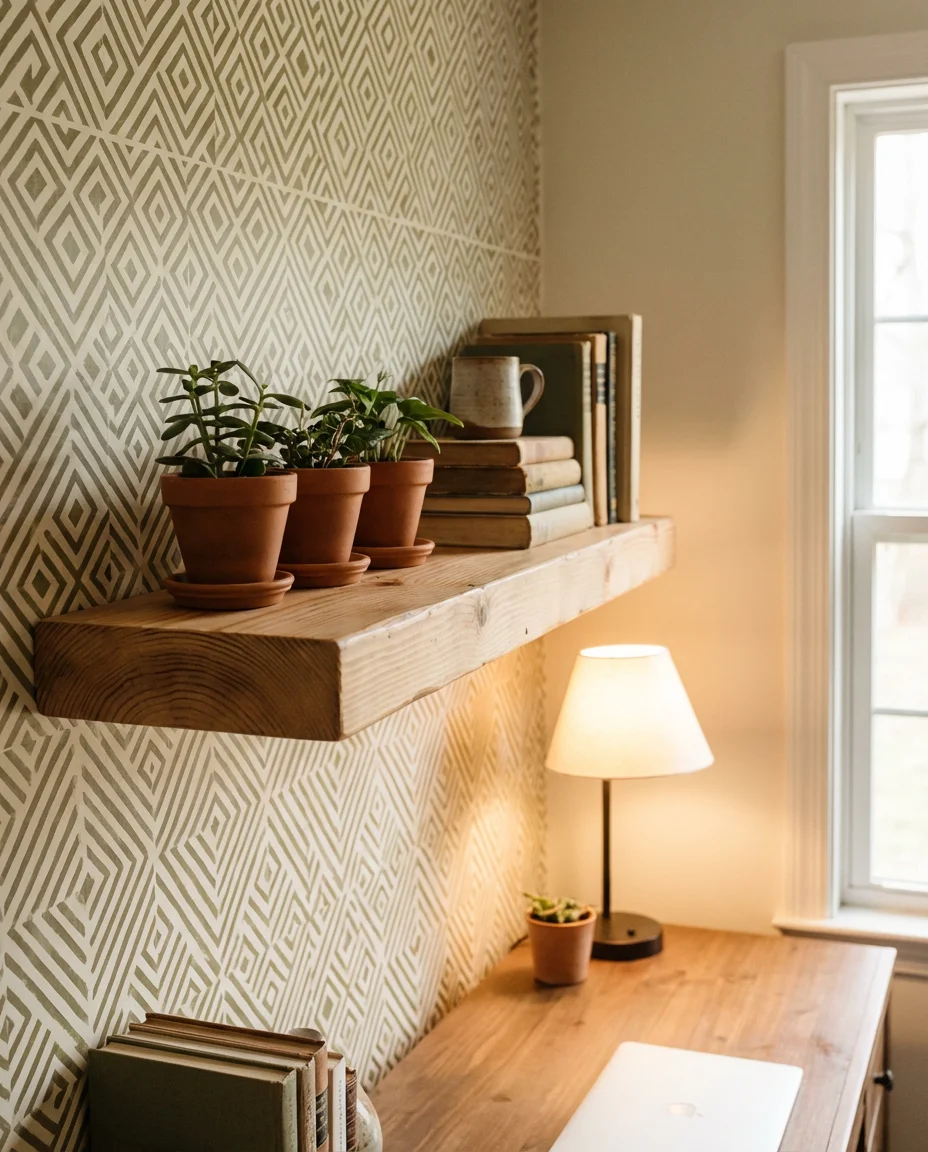
Not every great DIY office project requires a contractor or a weekend of hard labor. Some of the best workspace upgrades in 2026 take under two hours and cost less than $30. Think: painting a single accent wall in a deep, moody tone; adding peel-and-stick wallpaper to the inside of a bookcase; building a floating shelf from a pine board and two L-brackets; or framing a piece of fabric as art. These are ideas that elevate a space without requiring a full renovation—and they’re wildly popular on Pinterest for exactly that reason.
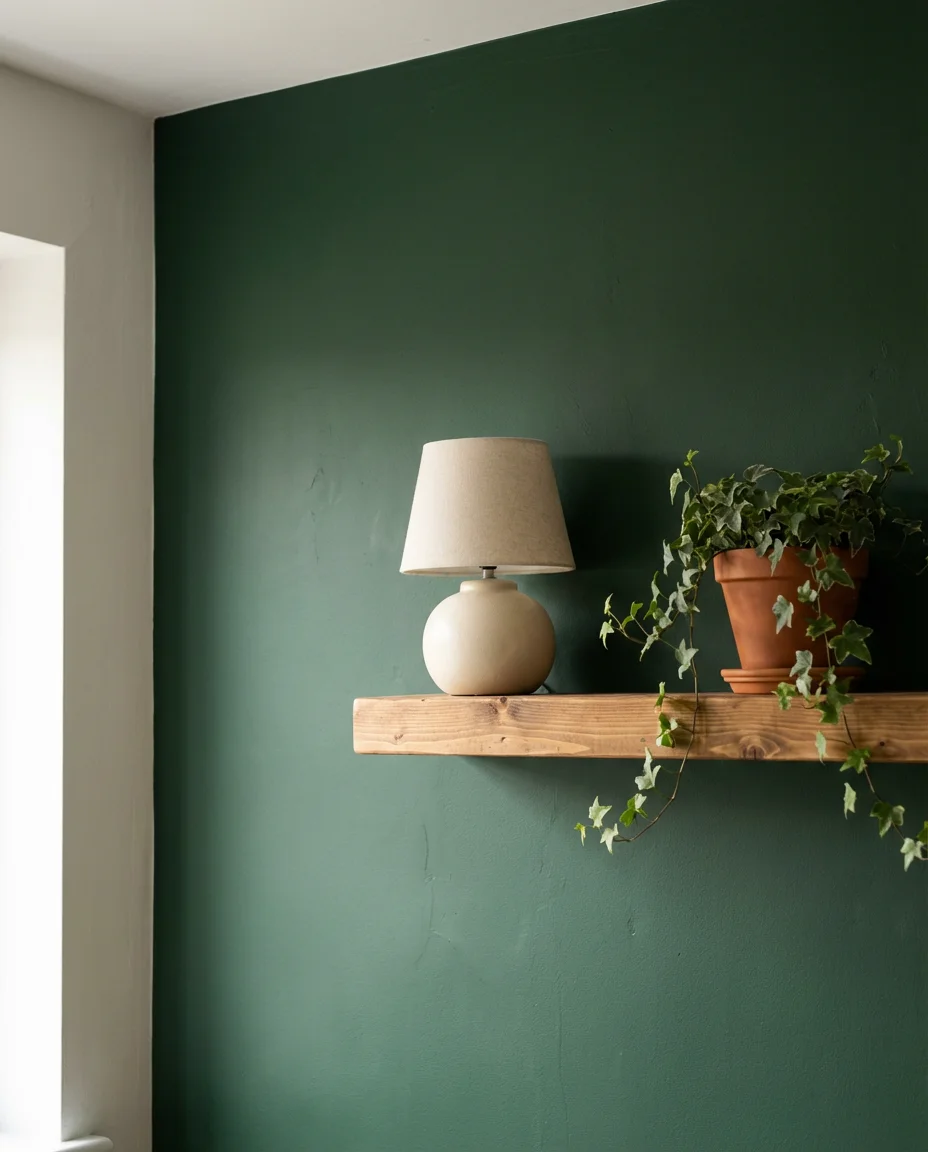
The most common mistake with DIY office decor is trying to do too many projects at once, which results in a space that feels chaotic rather than curated. Pick one statement upgrade—an accent wall, a floating shelf system, or a custom pegboard—and commit fully to it before layering in smaller accessories. Buy paint samples first and live with them on the wall for 48 hours in different lighting conditions before committing. What looks perfect at noon in your living room can read entirely differently under your desk lamp at 8 PM.
7. Professional Women’s Office: Style Meets Substance
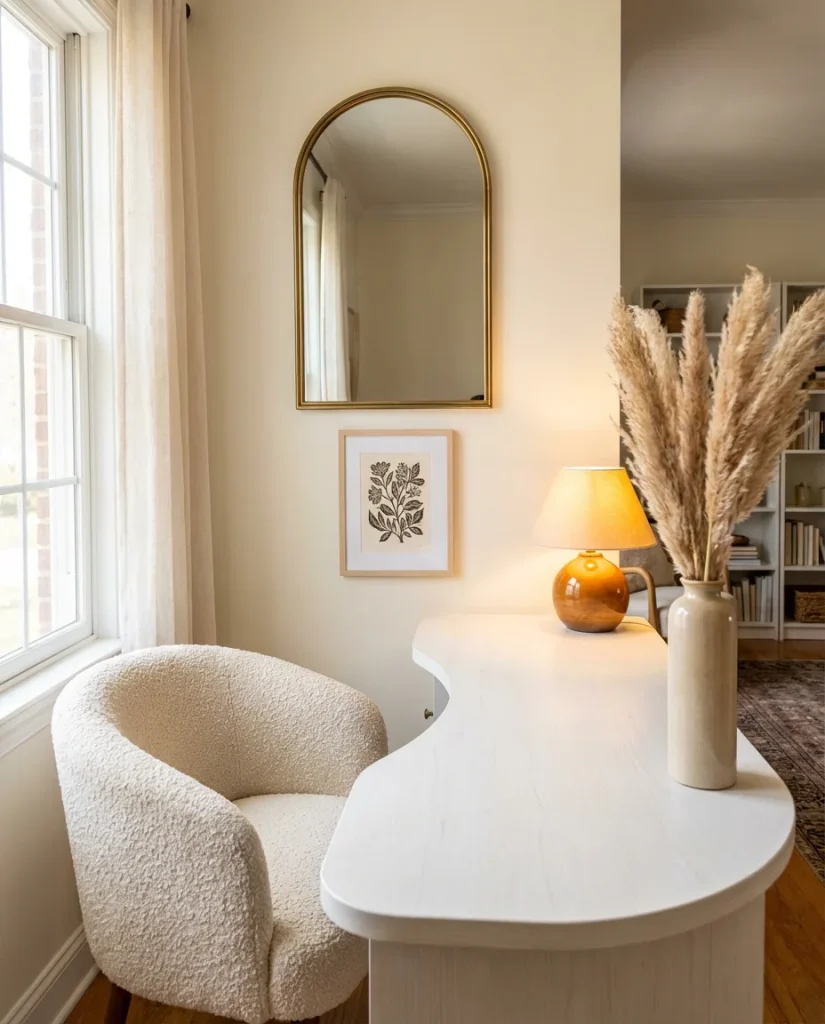
The professional women’s workspace of 2026 is not the sterile, try-hard corner office of decades past. It’s layered, personal, and unapologetically beautiful—while still being wildly functional. We’re seeing a strong move toward curved furniture (rounded desks, arched mirrors, and boucle chairs), warm lighting over fluorescent overheads, and carefully chosen accessories that reflect actual personality. A framed piece of art that means something, a candle that only gets lit on deadline days, a planner that’s as much a design object as a productivity tool. This is aesthetic workspace culture at its most evolved.
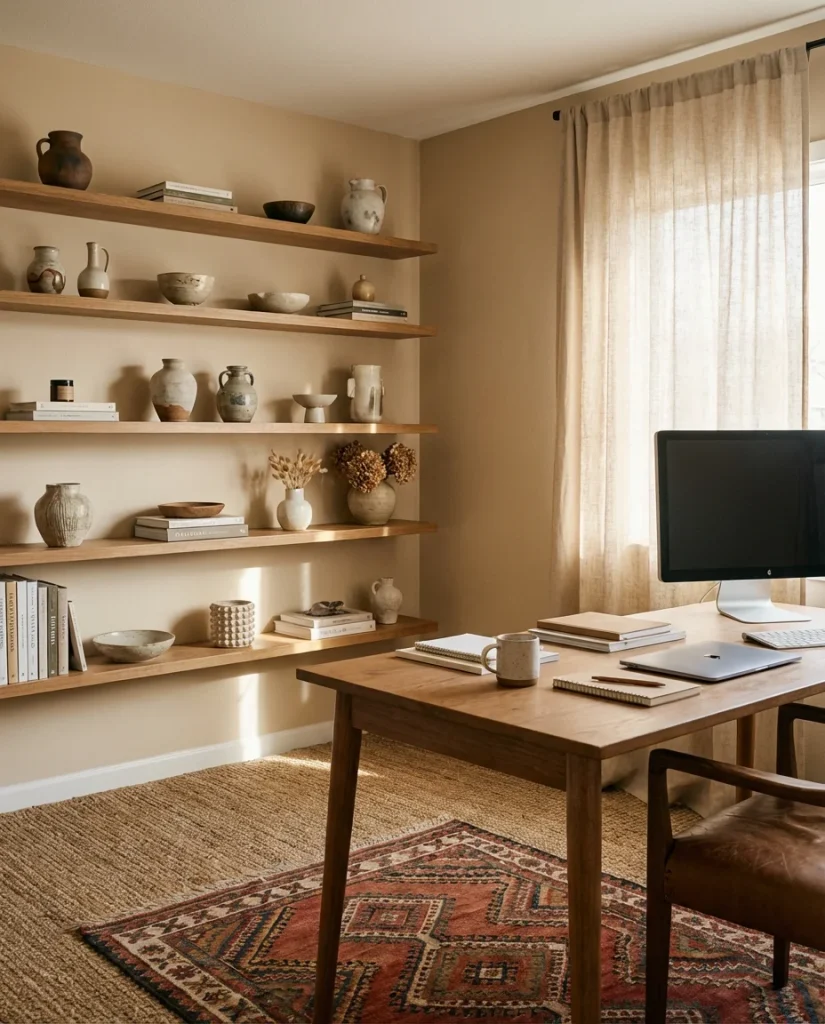
This style works best in dedicated rooms, but it’s absolutely adaptable for a shared space or even a bedroom nook. The real secret is negative space—leaving deliberate gaps on shelves and desk surfaces so the items that are there get to breathe and be noticed. Interior stylists who work with female entrepreneurs say this is a recurring lesson for clients: it’s not about having more beautiful things; it’s about editing down to the few things that genuinely resonate. One beautiful object in an empty space is always more powerful than ten fighting for attention.
8. Men’s Professional Office: Dark, Grounded, and Focused
The professional men’s aesthetic in office decor has grown up significantly. It’s no longer just dark leather and whiskey decanters on a shelf—though those aren’t unwelcome. What’s trending in 2026 is a professional modern approach built around dark walls (navy, charcoal, or deep olive), heavy natural materials like oak and linen, warm Edison-style lighting, and intentional display of books, travel objects, or hobby-adjacent items. The result is a space that feels lived-in and serious at once—the kind of office that communicates both ambition and taste without shouting about either.
This look has strong regional roots in cities like Chicago, Boston, and Portland, where the indoor-outdoor lifestyle and appreciation for craft materials influence how professionals design their personal spaces. If you’re building this aesthetic on a budget, the biggest bang for your buck is paint—a deep, moody wall color costs about the same as a neutral and transforms the entire energy of the room. Pair it with second-hand solid wood furniture from Facebook Marketplace or estate sales, and you’ll have a space that looks like you spent three times what you did.
9. Desk Accessory Styling That Elevates the Whole Room
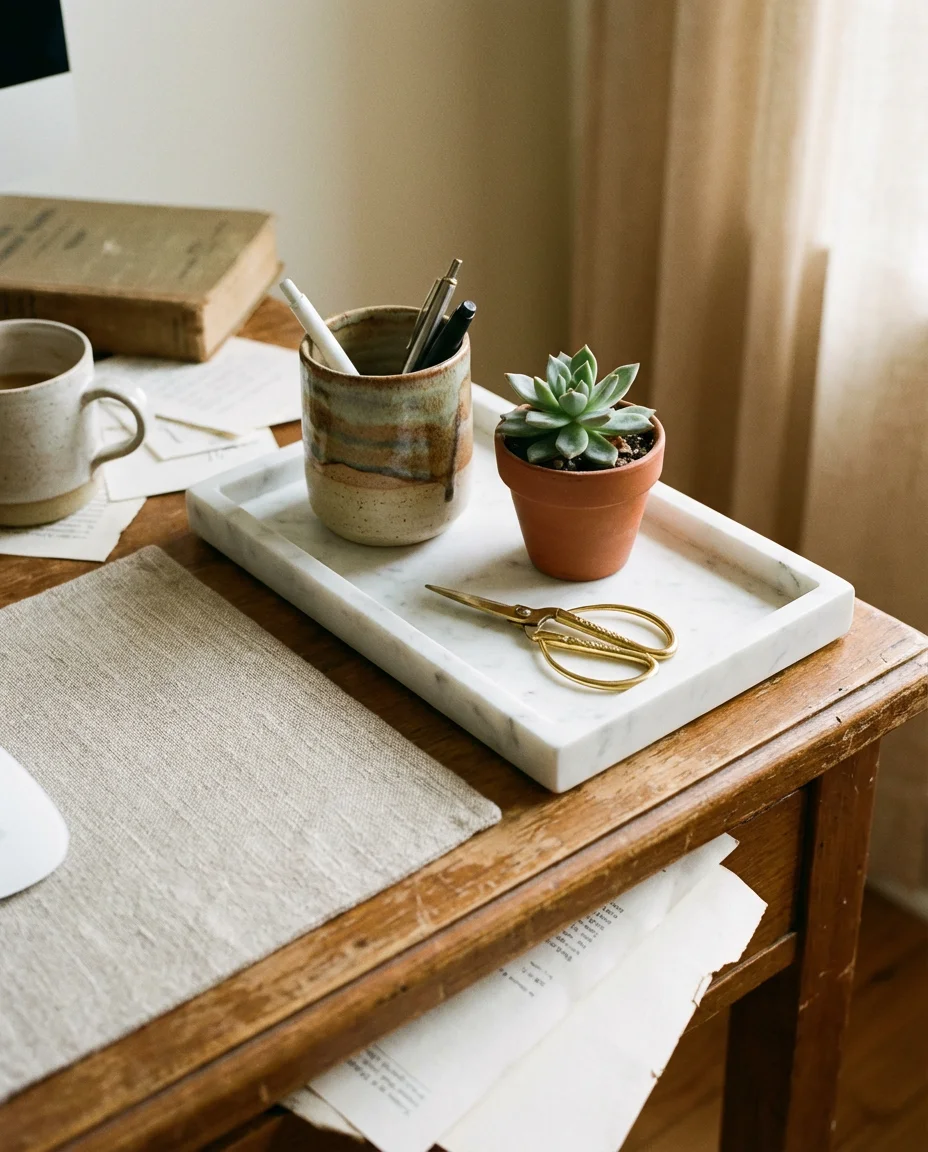
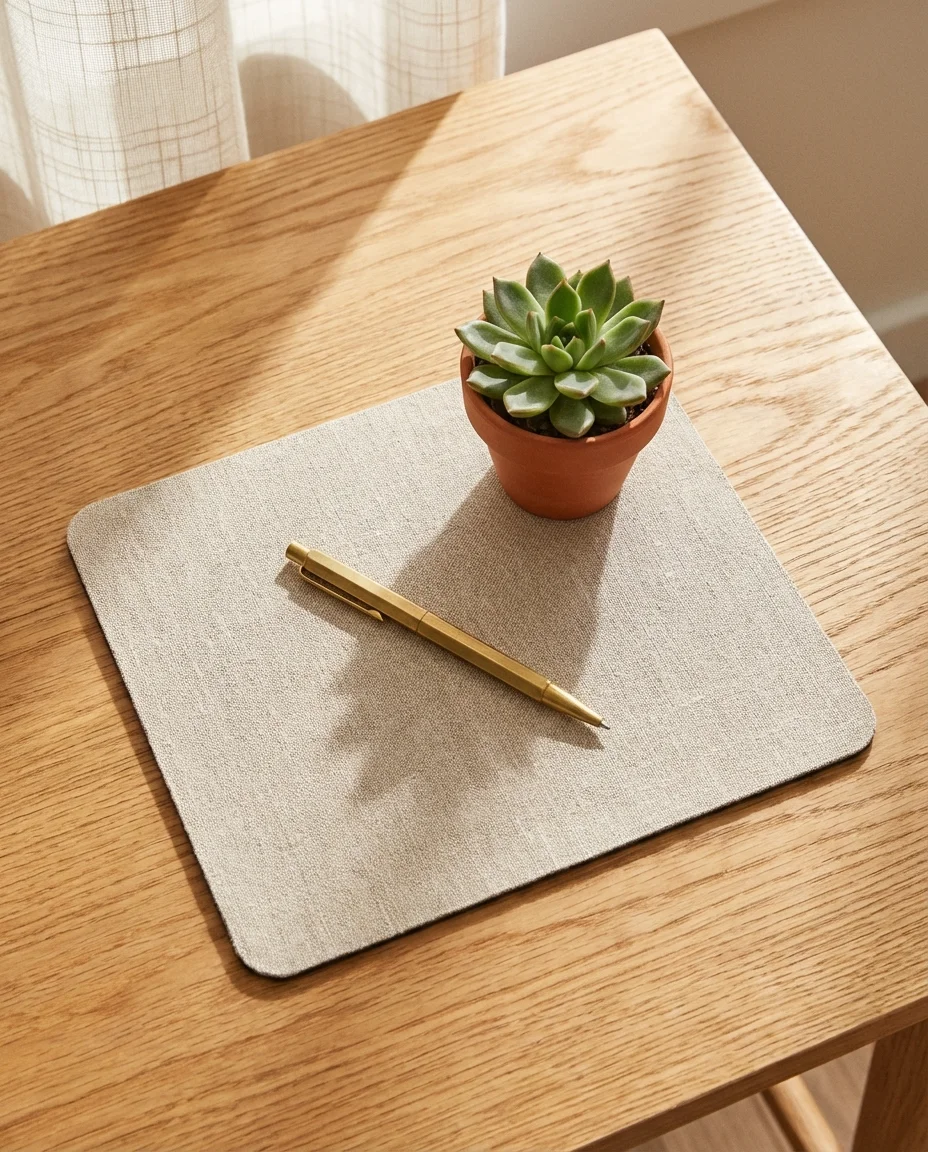
The accessories on your desk are doing more design work than you probably realize. In 2026, the most compelling work setups on Pinterest are the ones where every object has been deliberately chosen—a stone tray, a ceramic mug for pens, a small framed photo, a linen mouse pad, and a single candle. None of these cost much individually, but together they create a sense of cohesion that makes the whole room feel intentional. It’s the difference between a workspace that looks assembled and one that looks curated, and that difference matters enormously for creative motivation.
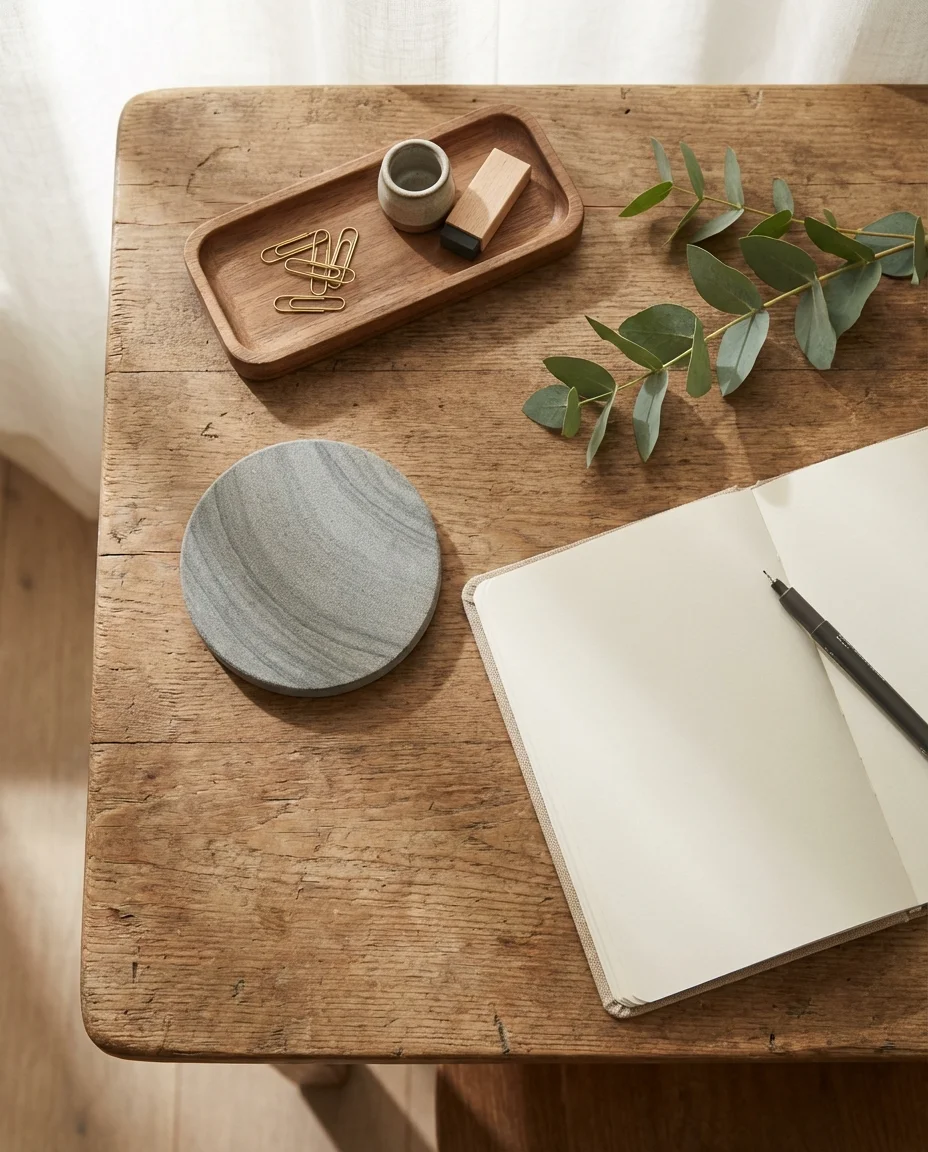
The budget angle here is surprisingly friendly. Most desk styling can be done with items you already own—a pretty bowl repurposed as a catch-all, a mug you love too much to use for coffee but is perfect for brushes and pens, or a small rock or crystal from a nature walk. Shop your own home before buying anything new. The biggest styling mistake is matching everything too perfectly: a little variation in material (ceramic + wood + metal) always looks more sophisticated than a matchy-matchy set from the same collection.
10. Aesthetic Office Nooks in Small Apartments
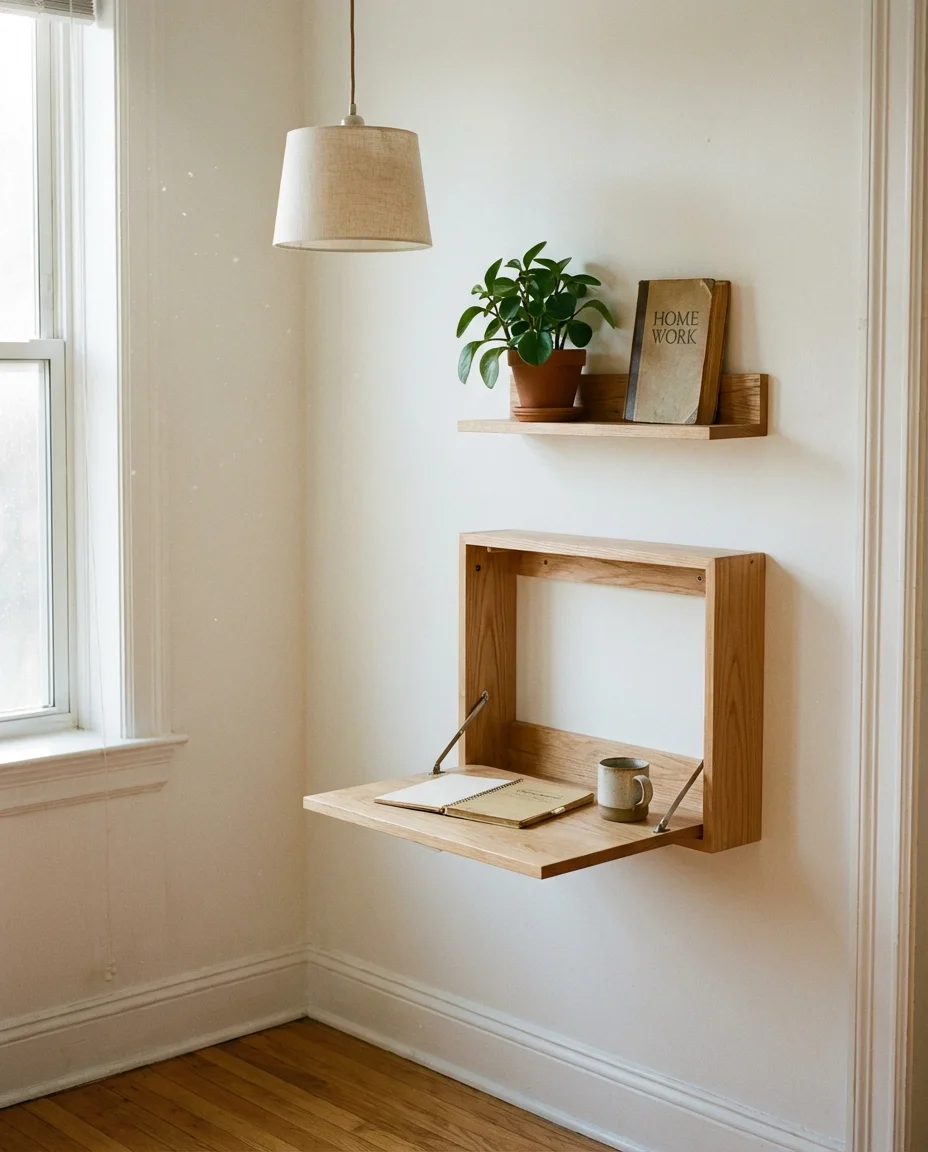
Not everyone has a spare room. In fact, most Americans working from home in cities are doing it from a corner of their living room, the end of a hallway, or a converted closet—and the aesthetic results can be genuinely stunning with the right approach. A wall-mounted fold-down desk, a floating shelf above it, a pendant light overhead, and a small piece of art at eye level: this is a work nook that punches far above its square footage. The trick is treating the nook as its own designed vignette rather than an afterthought squeezed in between the couch and the bookcase.
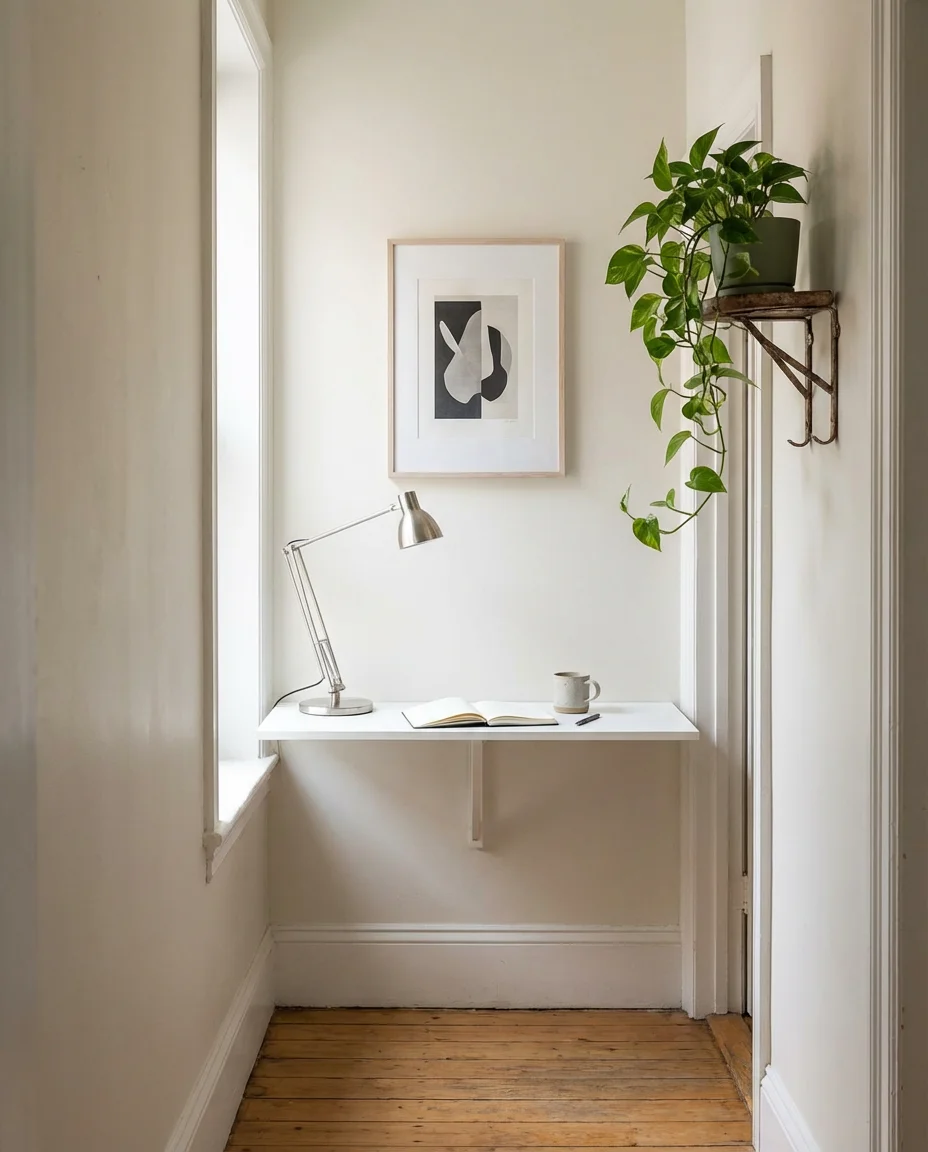
This works best in apartments where the living room gets good natural light and the nook can be positioned near a window. Use a room divider, a bookcase, or even a curtain rod with linen panels to visually separate your work zone from your relaxation zone—the psychological boundary is just as important as the physical one. Real apartment dwellers consistently report that blurring the boundary between workspace and living space leads to longer working hours and difficulty truly disconnecting at the end of the day. Create the separation, even symbolically, and protect it.
11. Business-Forward Shelving and Storage Design
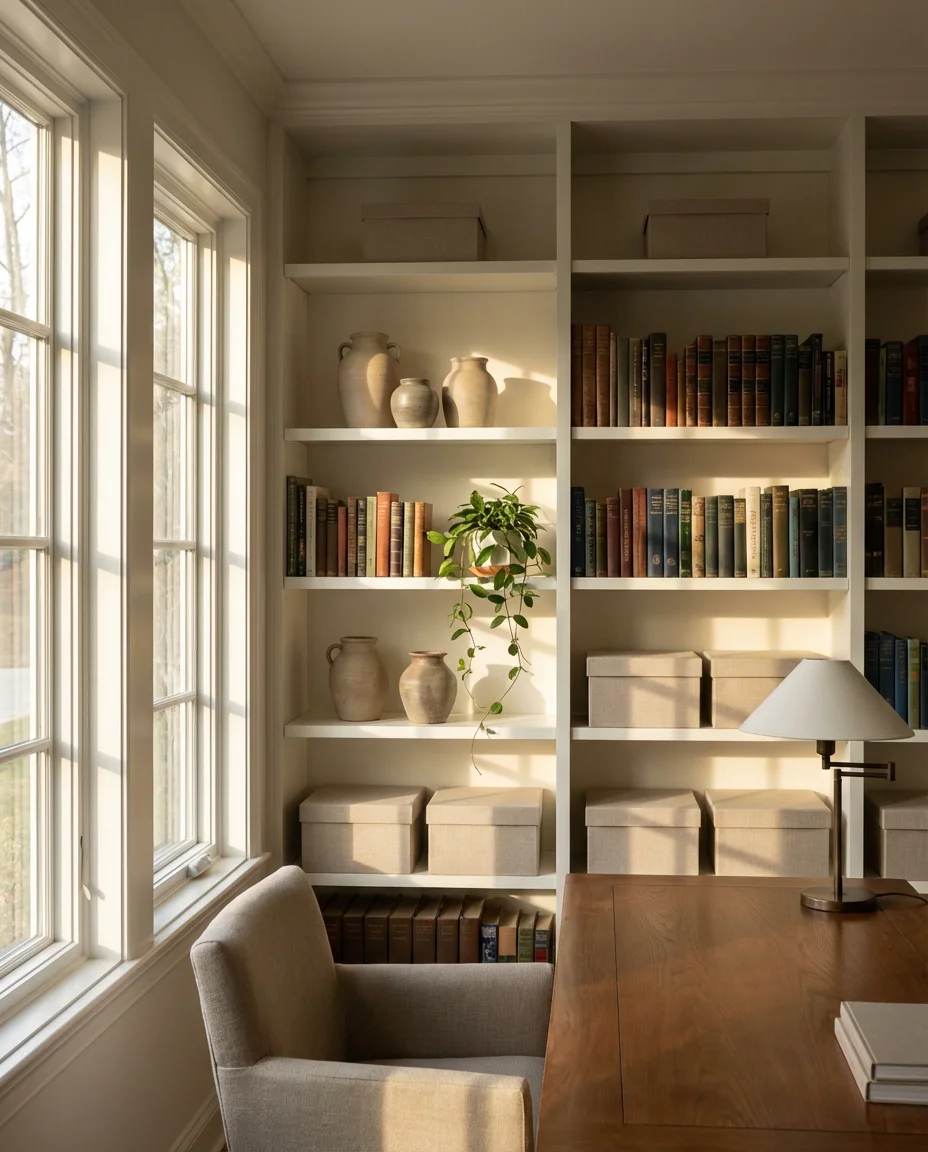
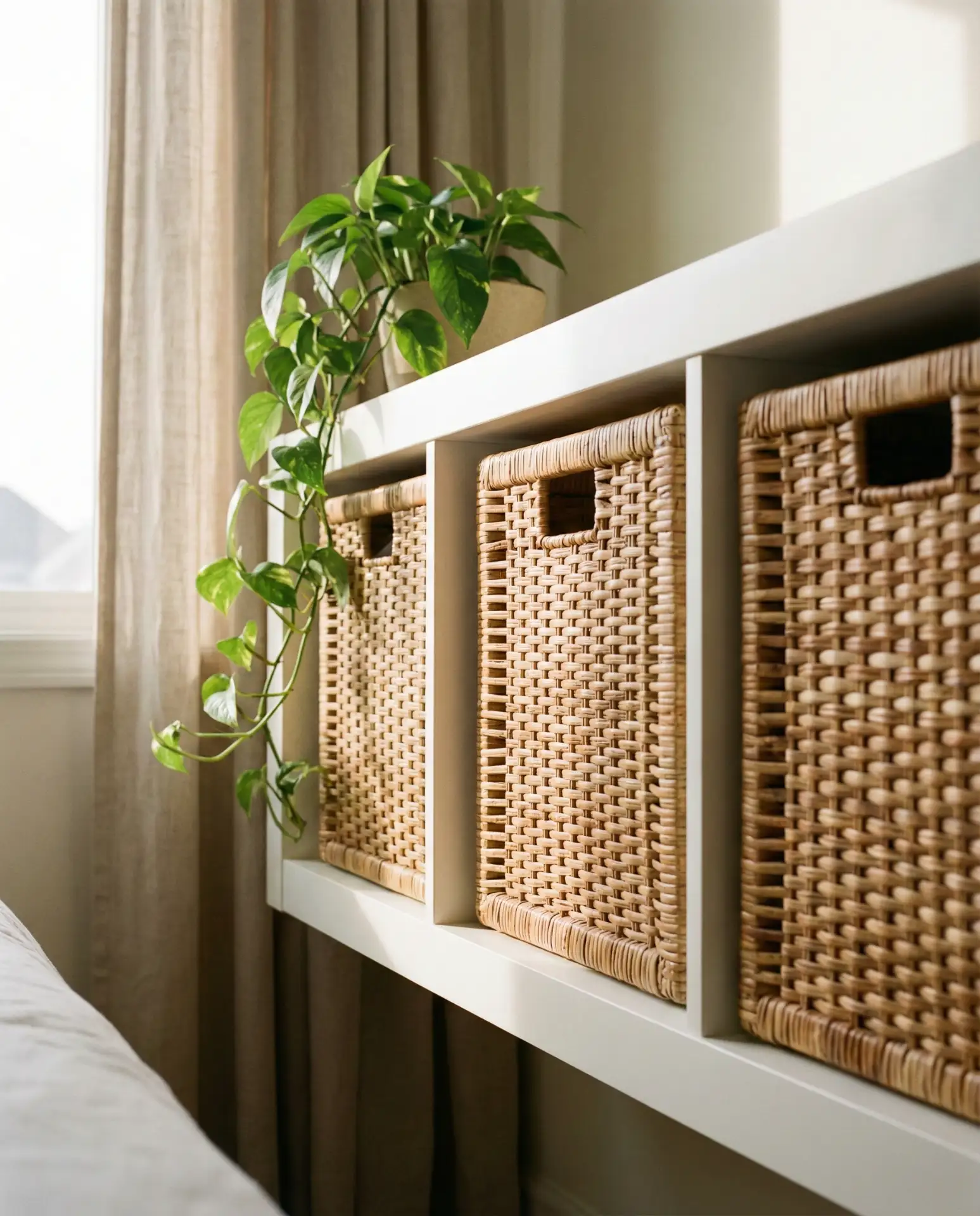
Storage and business functionality don’t have to mean ugly filing cabinets and wire organizers. In 2026, the most admired professional business offices on Pinterest are treating shelving as a display opportunity—balancing real-world utility (binders, reference books, hardware) with carefully spaced decorative objects (plants, art, ceramics) in a way that looks curated without looking staged. The result is a room that tells visitors you’re organized and you have taste, which is a genuinely powerful combination in any professional context.
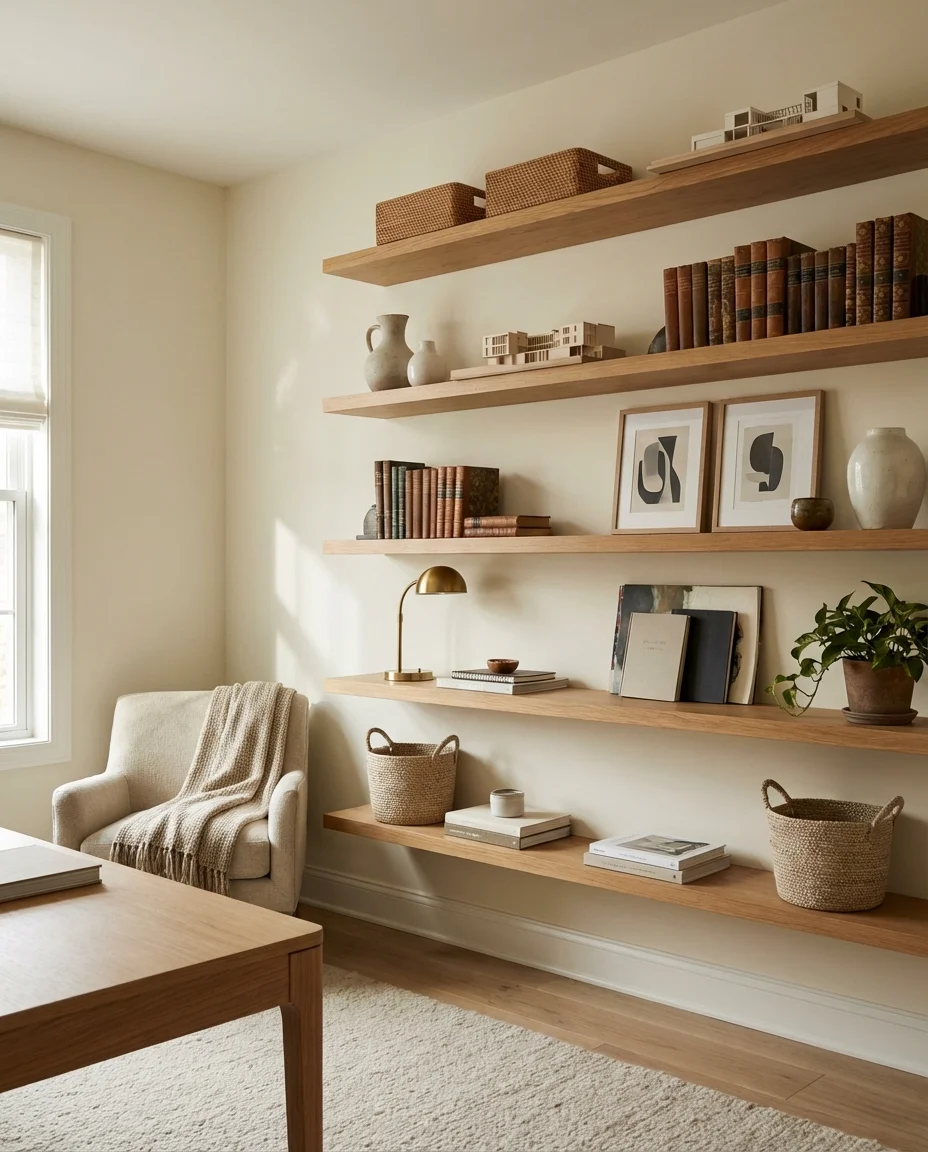
An interior designer who works primarily with small business owners and freelancers recommends the “thirds” rule for shelf styling: one-third books or work materials, one-third decorative objects, and one-third negative space. That final third—the intentional emptiness—is where most people fall short, filling every inch until the shelf looks like a storage unit rather than a design feature. Invest in matching storage boxes for anything that needs to stay accessible but doesn’t need to be visible, and let the beautiful things breathe on their own.
12. Moody Dark Academia Office Vibes
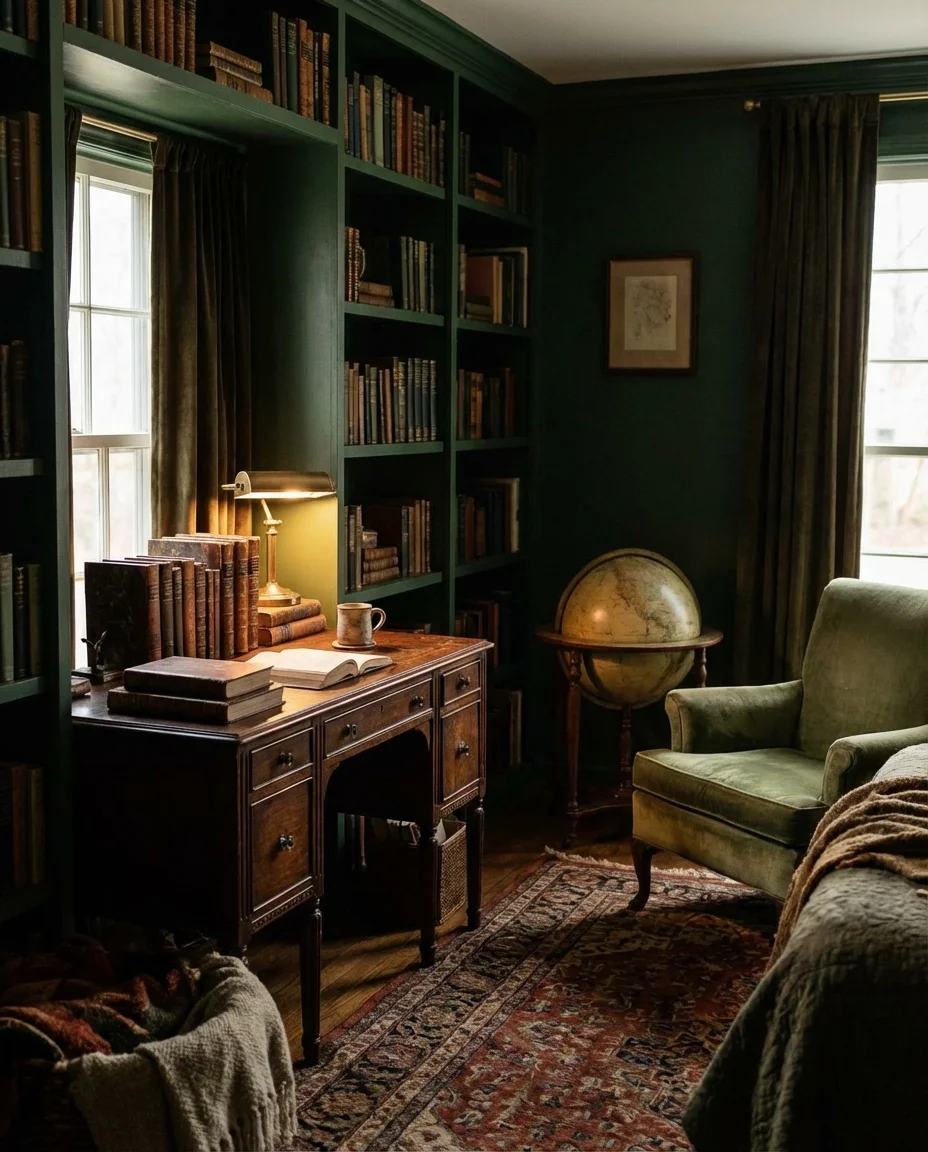
Dark academia has moved from an internet aesthetic into real interior design territory, and it translates beautifully to office spaces. We’re talking deep jewel-toned walls—forest green, burgundy, and midnight blue—layered with warm wood furniture, antique-style desk lamps, stacked books everywhere, and rich textile accents like a wool throw or a velvet chair. For professional ideas that lean into the intellectual and moody side of workspace design, this is the aesthetic that continues to dominate in 2026, especially among writers, academics, and creative professionals.
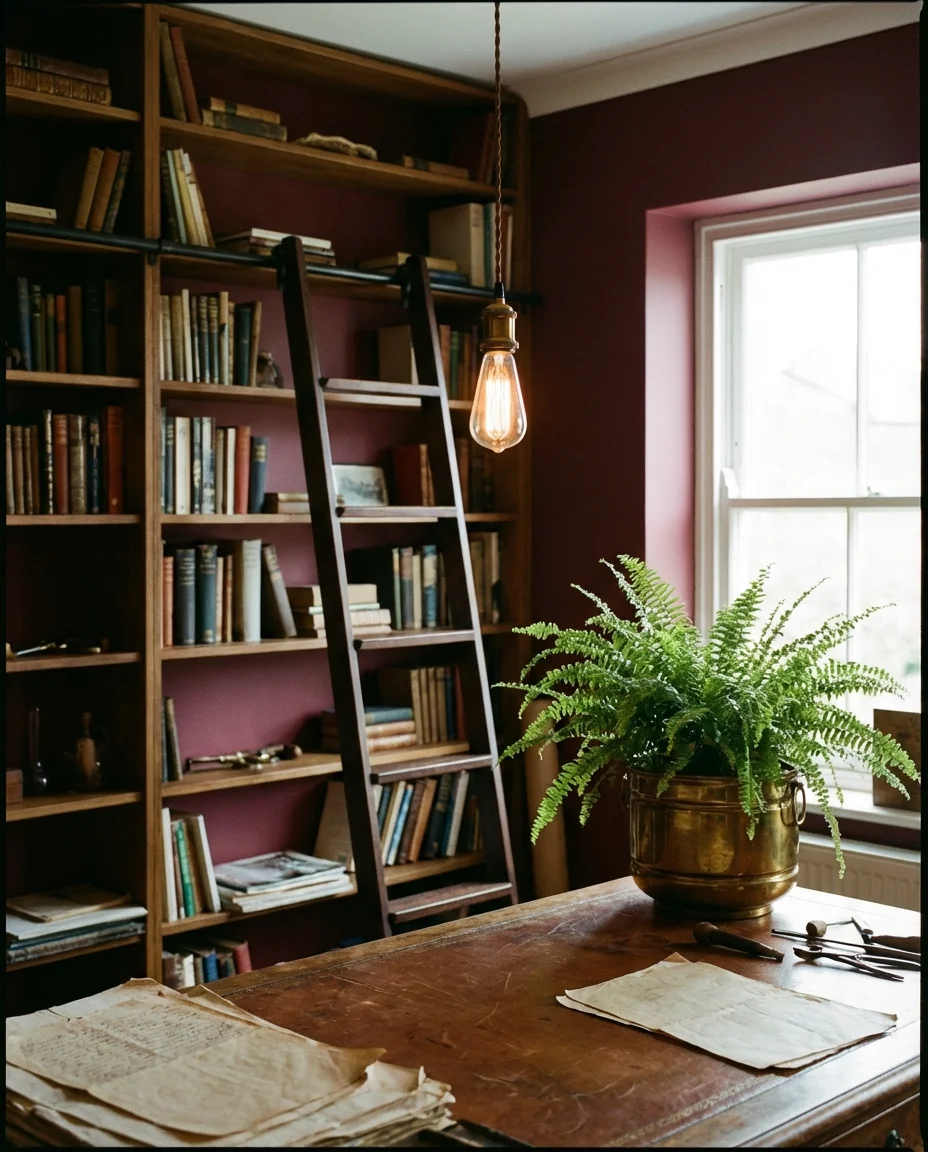
This aesthetic is surprisingly achievable on a moderate budget. The biggest transformation comes from paint and lighting—change those two elements, and you’ve done 80% of the work. Second-hand furniture from antique stores and thrift shops is often ideal here because the slight wear and age of the pieces adds authenticity rather than detracting from it. The micro-detail that pulls the look together is layered lighting: never rely on a single overhead source; instead, stack a desk lamp, a floor lamp, and perhaps a small table lamp in the corner for a warm, enveloping glow that makes long work sessions genuinely enjoyable.
13. Natural Light Office: Designing Around Windows
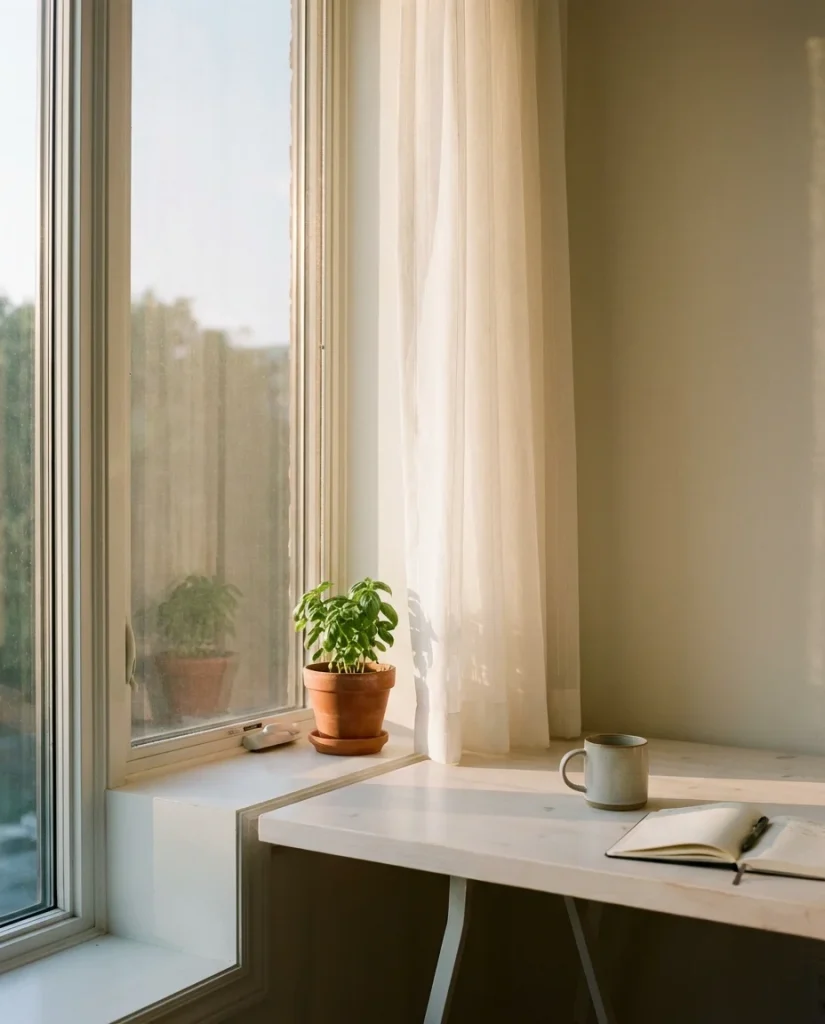
If your office has a good window, everything else should flow from it. Natural light is the most underutilized resource in American home office design, and in 2026 the smartest setups are positioning the desk to face or flank the window—never with the window directly behind the monitor, which creates glare. Pair it with plants that thrive in sunlight, light-filtering linen curtains that diffuse harsh afternoon rays, and a desk surface in a tone that complements the daylight. This is one of those professional ideas that costs nothing to implement but changes everything about how the room feels hour to hour.
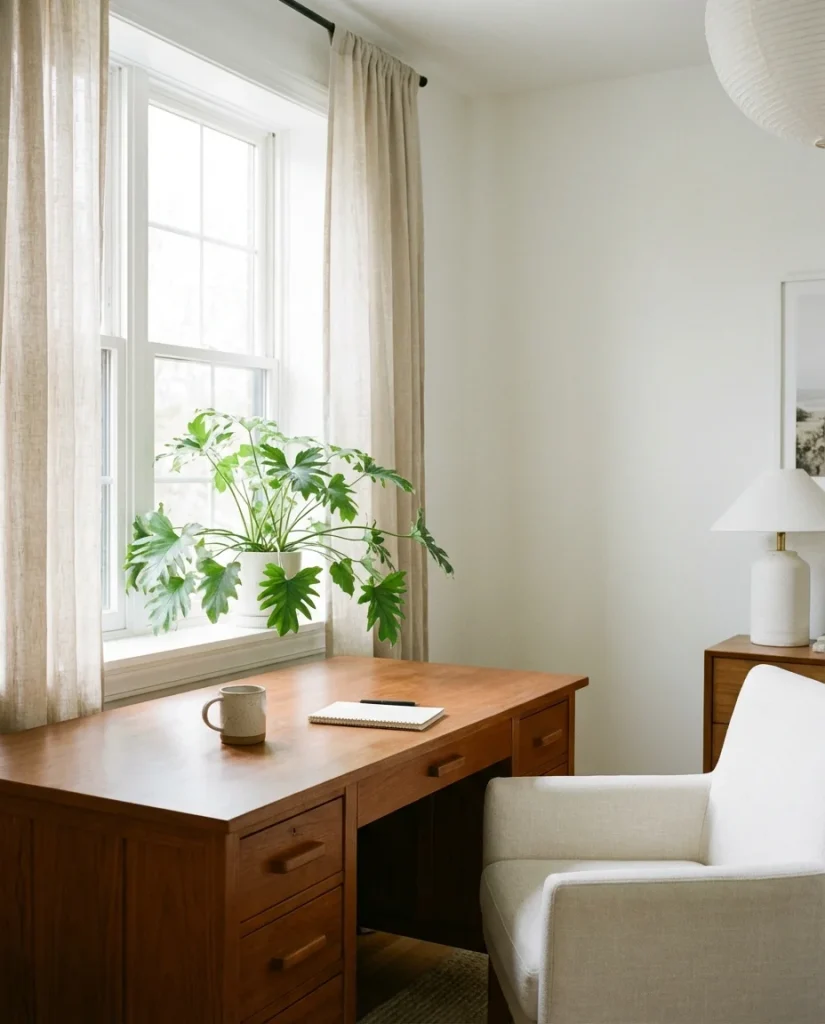
The practical insight that most people miss: north-facing rooms get the most consistent, glare-free light throughout the day and are actually ideal for focused computer work. South-facing rooms get dramatic light but can cause significant monitor glare between 10 AM and 2 PM. If you’re south-facing, invest in a good anti-glare screen filter and position a sheer curtain panel to diffuse the strongest direct rays. Also, mirrors placed opposite a window effectively double the perceived light in a room—a simple trick that makes even a dim office feel significantly more open and energized.
14. The Holiday-Ready Office: Christmas Decor That Stays Professional
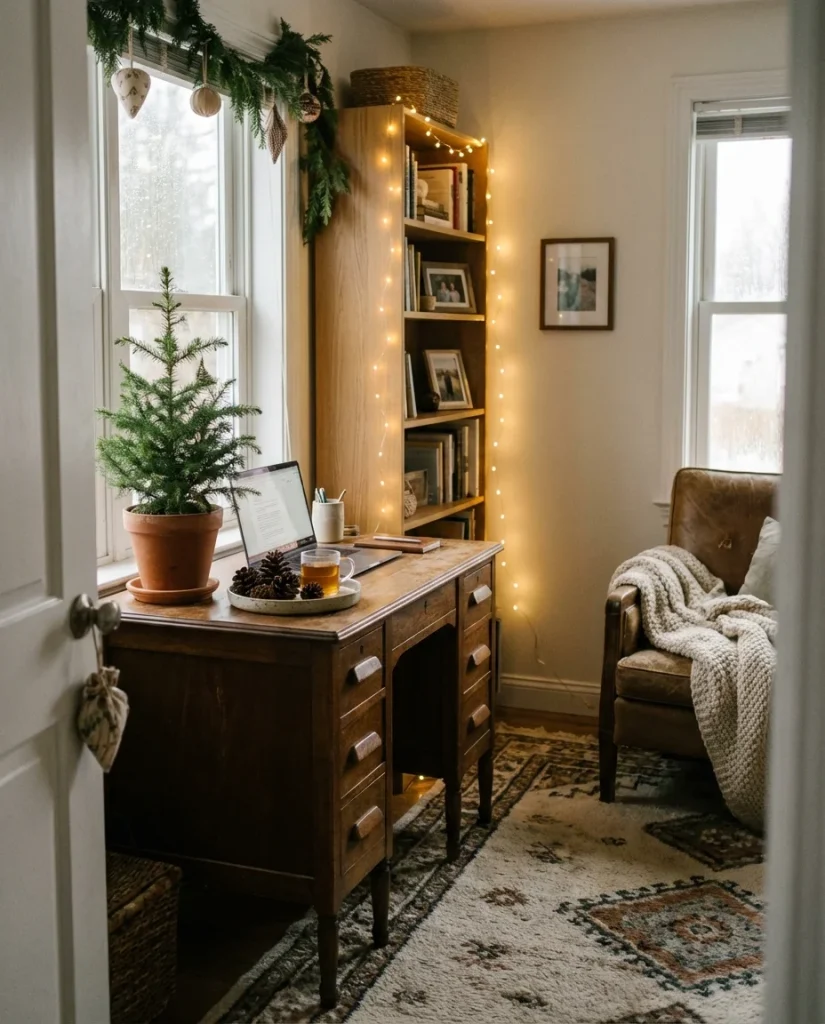
Bringing Christmas cheer into a professional workspace doesn’t mean covering your desk in tinsel and hanging stockings from the monitor. The best holiday office decor in 2026 leans minimal and elegant: a small potted evergreen in a ceramic pot, a string of warm white lights along a shelf, a pinecone or two in a tray, and a sprig of eucalyptus or rosemary. These are touches that signal the season without disrupting the professional energy of the space. For those with a home office, the holidays are actually a perfect opportunity to refresh the space with natural textures that carry through winter beautifully.
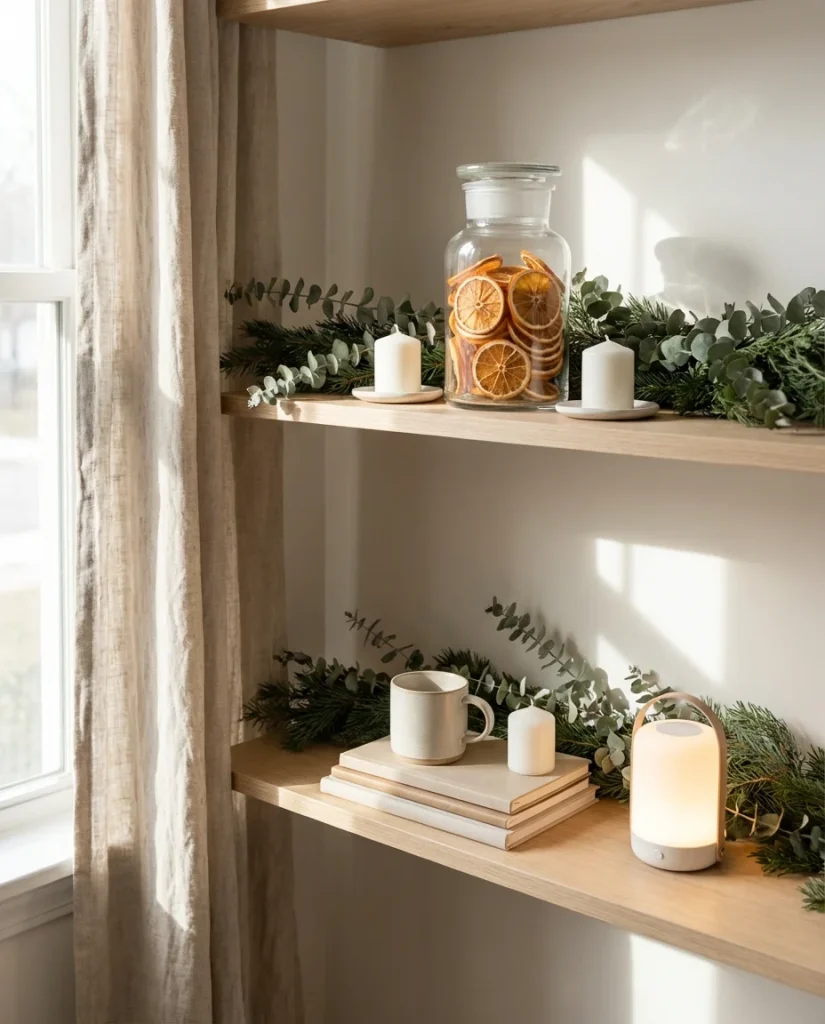
A lifestyle writer based in Vermont once described her approach to office holiday decor this way: she brings in three things—something green, something that glows, and something that smells good. That’s it. The discipline of limiting holiday decor to three intentional elements keeps the space from tipping into chaos and ensures that when January arrives, the cleanup is painless. It also means the season gets represented with genuine warmth rather than visual noise. A small beeswax candle on your desk during the dark mornings of December might be the most underrated workspace upgrade of the entire year.
15. Standing Desk Setups That Look as Good as They Function
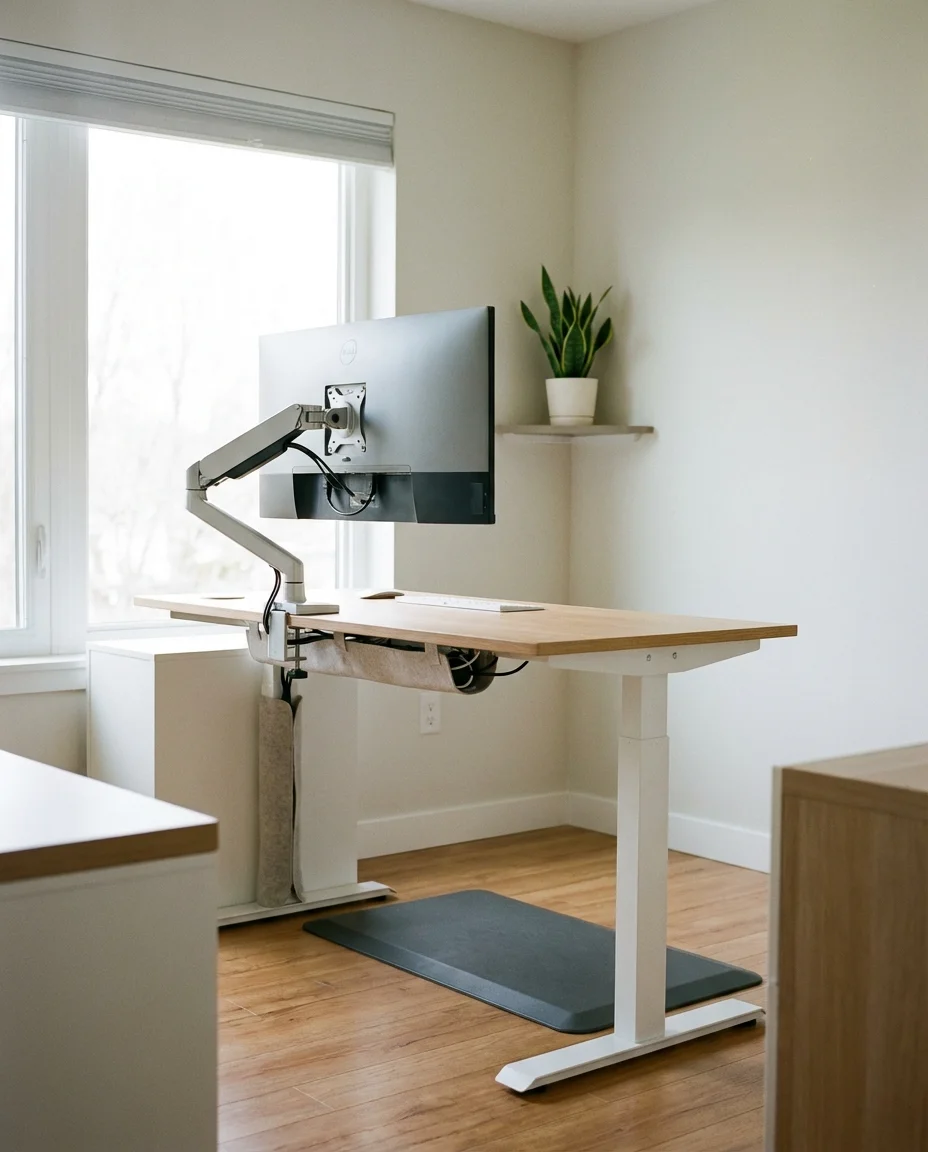
The standing desk has earned its place as a permanent fixture in the modern work landscape, but most of them look terrible. The ones that don’t are the ones where the owner treated the surrounding space with as much intention as the desk itself. In 2026, the best professional modern standing desk setups include a high-quality anti-fatigue mat in a color or material that ties to the room, monitor arms that clear the desk surface of clutter, cable management done neatly and invisibly, and at least one personal object—a plant, a photo, or a small art piece—at eye level for visual comfort during long standing sessions.
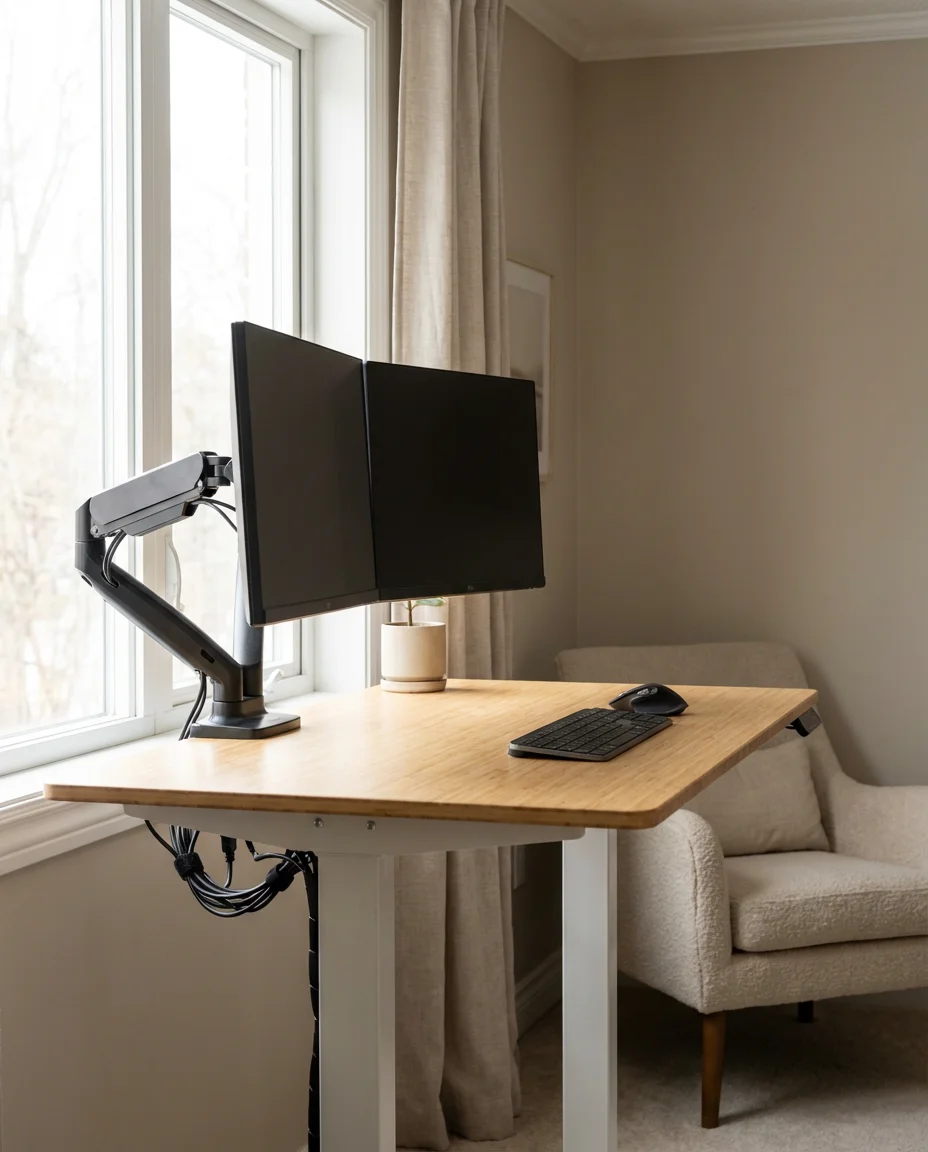
The honest truth about standing desks is that most people bought them with the best intentions and now use them at sitting height approximately 90% of the time. If that’s you, don’t feel guilty—but do make sure your chair and desk height are properly calibrated for sitting ergonomics. The investment is worth it if you set a reminder to switch positions every 45 to 60 minutes rather than trying to stand all day. The real value of a sit-stand desk is movement variety, not standing per se, and that’s a much easier habit to build when it’s framed as a two-minute position change rather than an all-day commitment.
16. The Warm-Toned Office: Earthy Palette for Better Focus
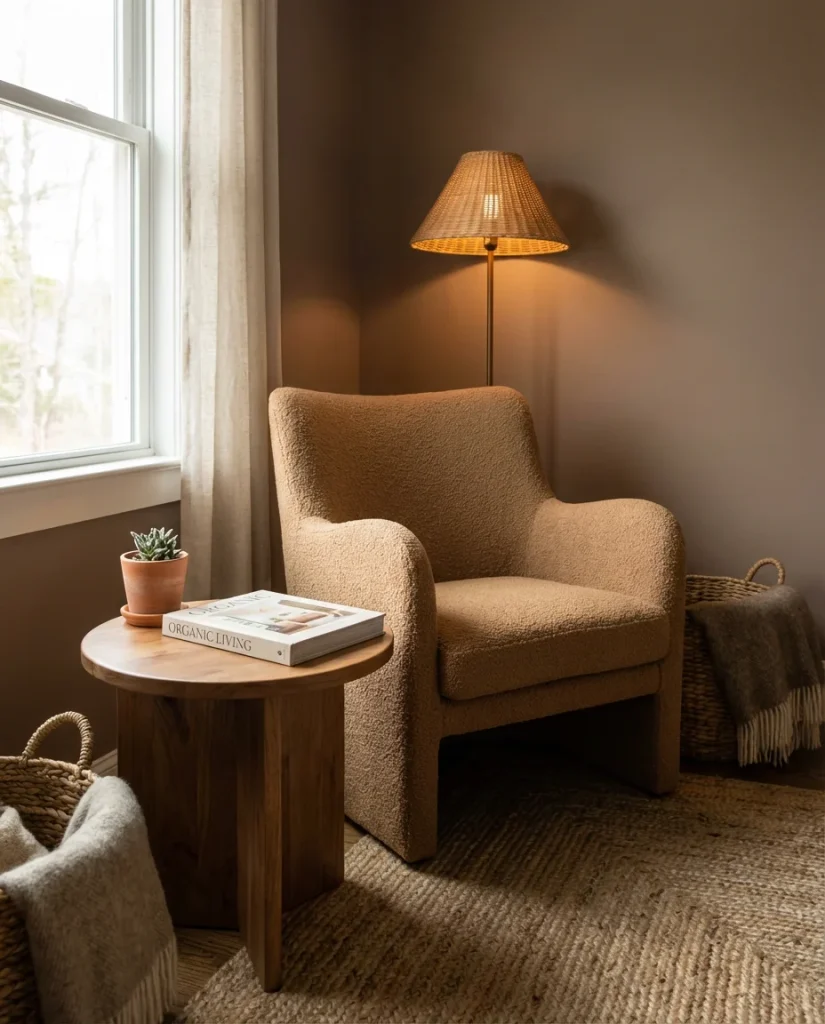
Cool gray and stark white dominated office interiors for too long. In 2026, there’s a real warmth revolution underway in workspace design—terracotta, warm camel, sandy beige, deep rust, and mushroom tones are showing up everywhere, and the effect on how a space feels is remarkable. The aesthetic is grounded and human, less like a corporate showroom and more like a place where real thinking happens. Combine earthy walls with natural linen textiles, rattan accents, ceramic objects, and plants in terracotta pots, and you’ve built a workspace that feels genuinely restorative between focus sessions.
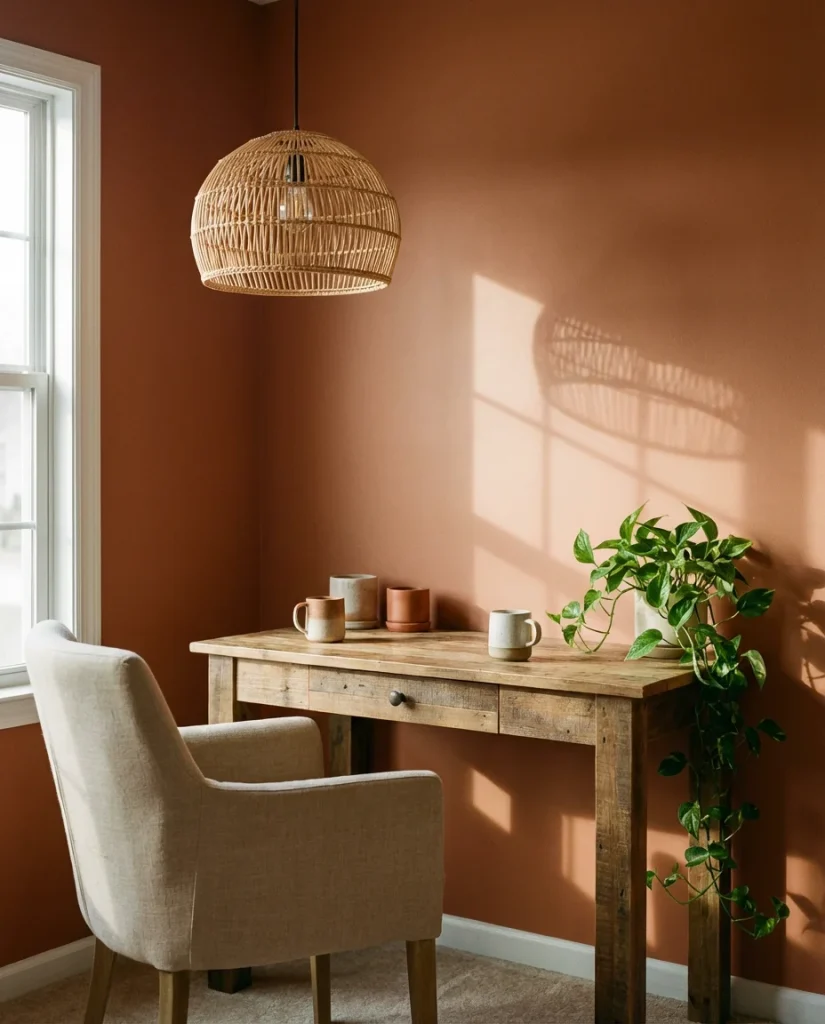
Research into workplace wellness increasingly supports the idea that warm, nature-adjacent color palettes reduce the mental fatigue associated with extended screen time. The theory, supported by multiple occupational health studies, is that the brain processes warm, organic tones as inherently less stimulating than the cool, high-contrast environments typical of traditional offices, allowing the visual cortex to rest while focus is directed to the screen. Whether or not you need the science to convince you, the effect is tangible: spending a workday in a warm-toned room simply feels less exhausting than spending it in a cool gray one.
17. The Open-Plan Corporate Desk: Carving Out Your Space
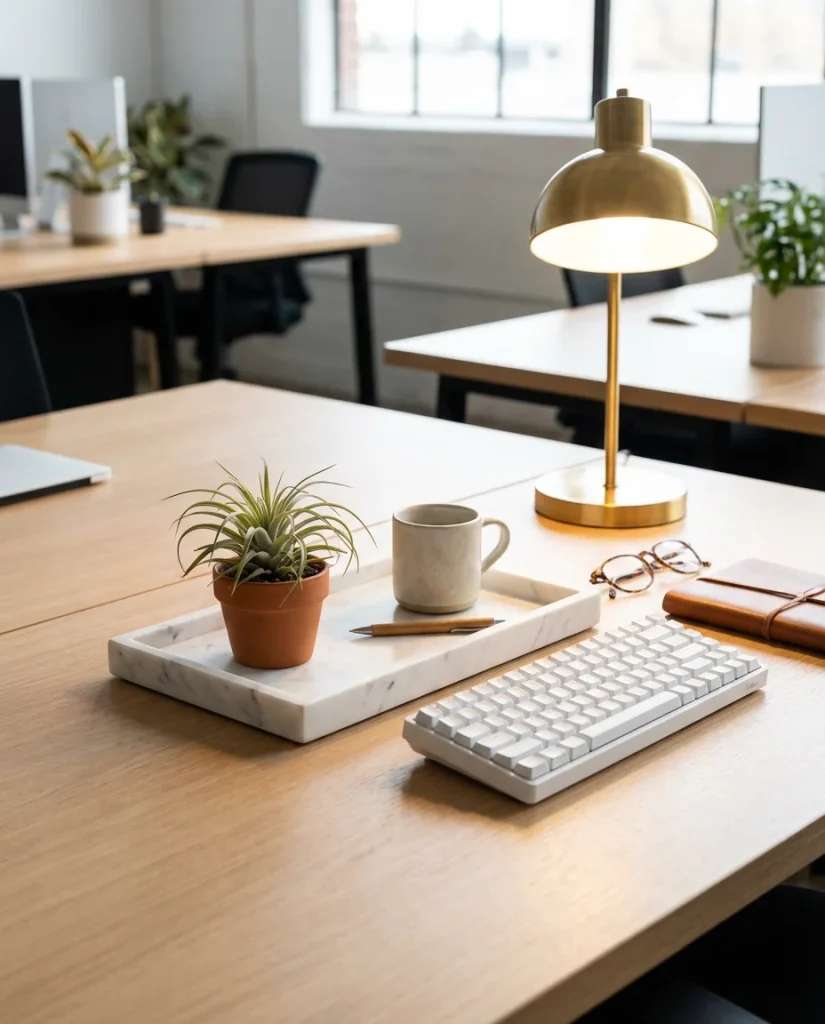
Open-plan offices remain the reality for millions of American workers in 2026, and the challenge of making a hot desk or assigned open desk feel like your space is very real. The most effective strategy is containment—a small tray or mat that defines your zone, a compact plant that signals territorial warmth, noise-canceling headphones as both a tool and a boundary signal, and a single framed photo or art card propped at eye level. These cubicle ideas translate easily to any open-plan professional office environment and can be packed away in a bag each day if hot-desking is the norm.
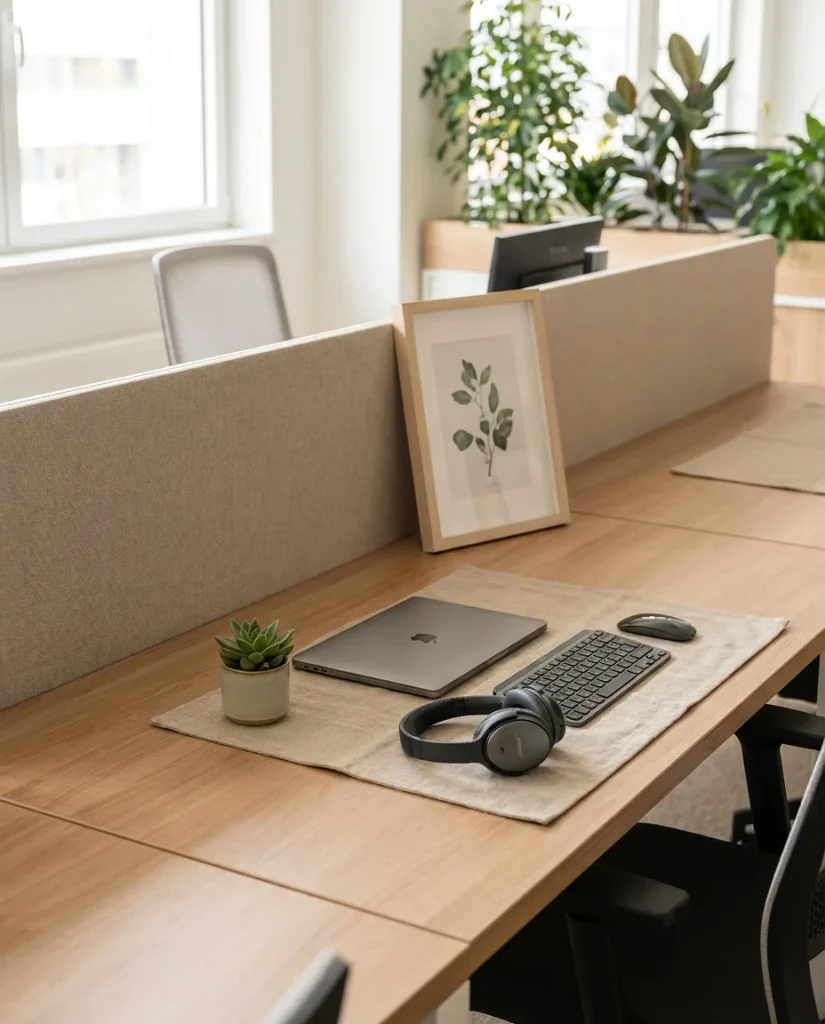
The best advice for open-plan workers comes from behavioral psychologists who study focus in shared environments: use a consistent visual anchor—the same mug, the same small object—at your workspace every day, even if the desk itself changes. The brain begins to associate that object with “work mode” and can enter a focused state more quickly upon seeing it. It functions essentially as a Pavlovian trigger for productivity. The portable nature of this strategy makes it perfectly suited to the modern corporate environment, where flexibility is required but human territoriality is still very much a real and valid thing.
18. The Green and White Office: Fresh, Clean, and Botanical
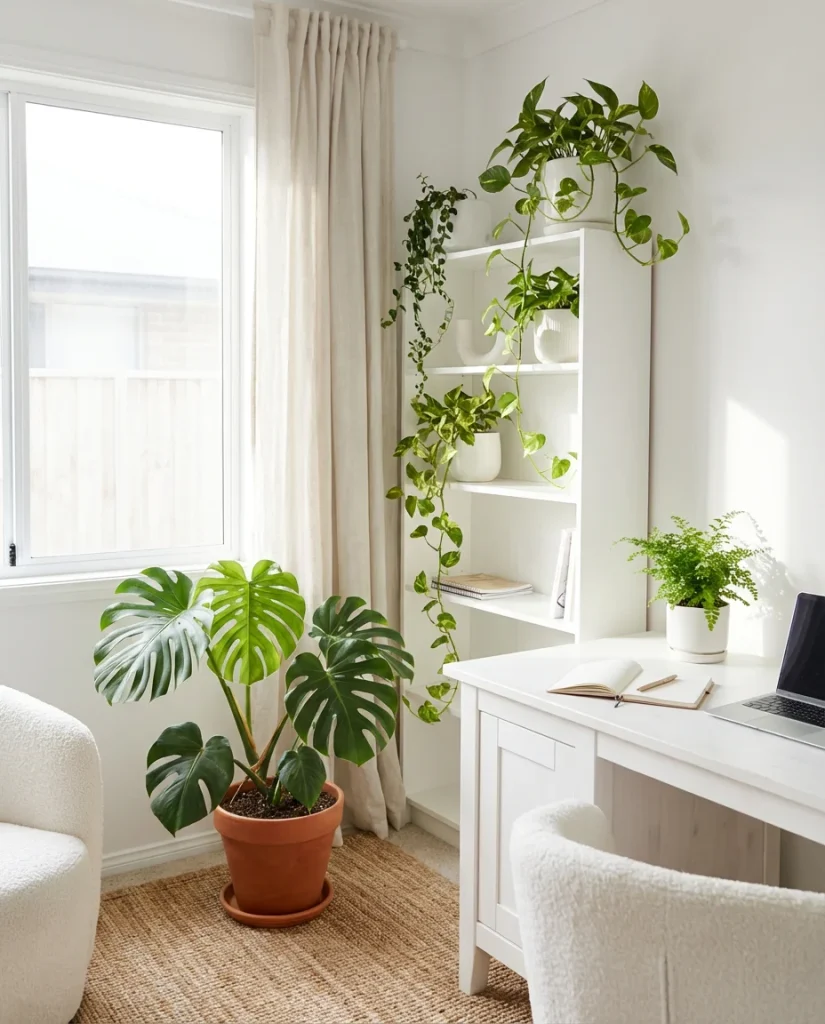
Green and white is one of those office color combinations that never really goes out of style, and in 2026 it’s back with a botanical twist. Think: white walls, white furniture, and white shelving—and then layers of living green through statement plants, trailing vines, framed botanical prints, and even green-painted cabinet interiors. This is the palette most associated with a calm, focused work environment because it combines the mental clarity of white space with the restorative properties of green. It photographs beautifully in natural light and makes every video call background look like it belongs in a design magazine.
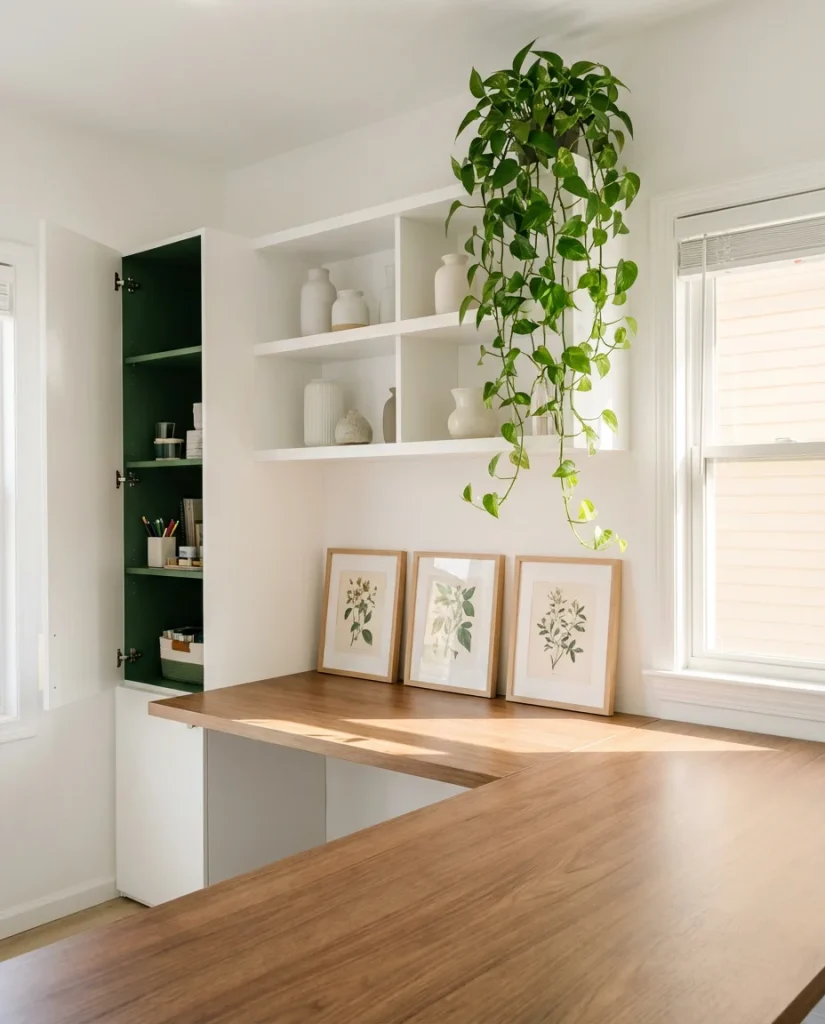
An interior stylist who works with remote workers notes a recurring observation: clients who invest in a proper plant-heavy office setup report that the visual variety of living things—the way light plays through leaves, the subtle daily changes in growth—provides just enough ambient visual stimulation to reduce fatigue without being distracting. It’s the equivalent of having a view of a garden rather than a blank wall, and the psychological benefit is genuinely measurable. If you’re building this palette from scratch, start with the plants and build the room around them rather than adding greenery as an afterthought.
19. The Productive Home Office for Entrepreneurs
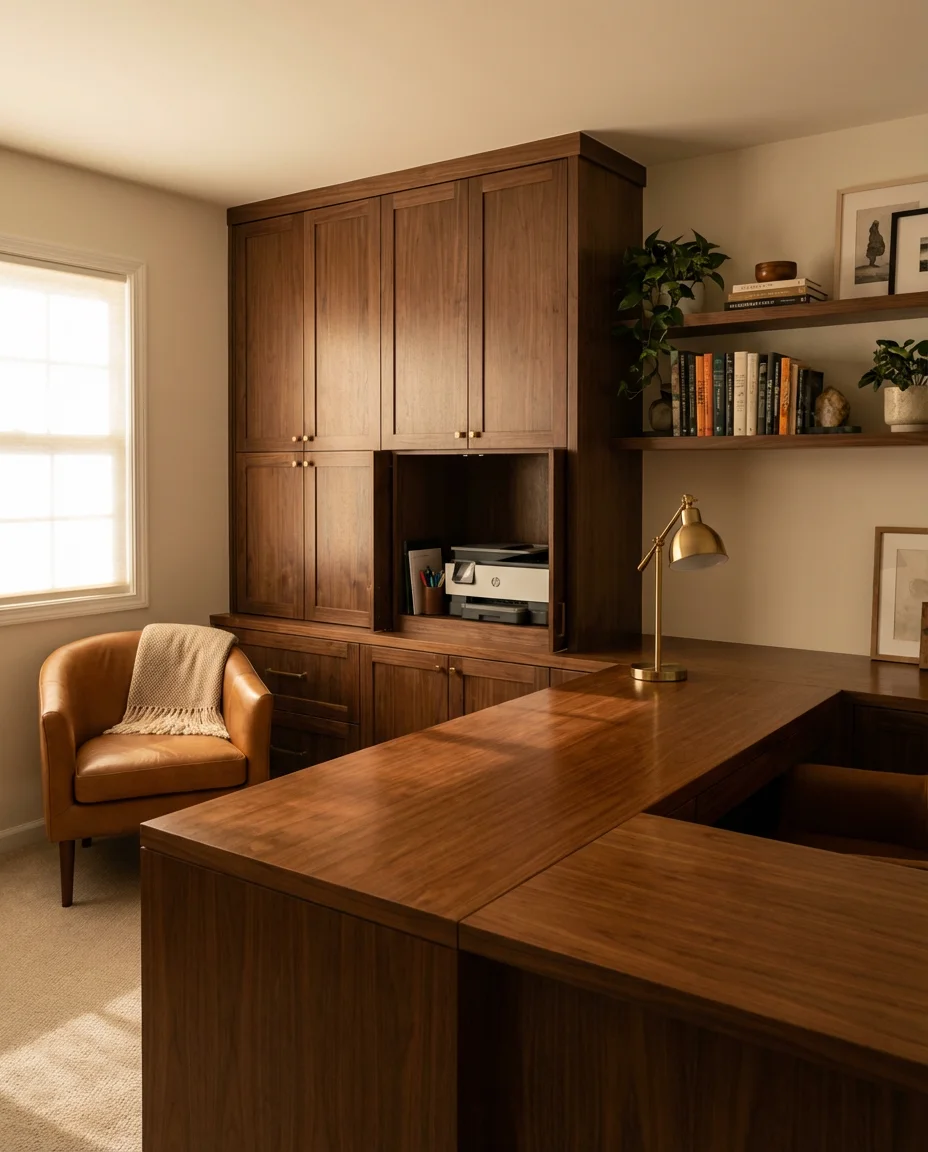
Running a business from home in 2026 means your office has to work harder than ever before—it’s your meeting room, your creative studio, your photo backdrop, and your concentration zone all at once. The most functional entrepreneur offices on Pinterest right now layer serious storage and organization infrastructure with design choices that make long hours genuinely pleasant. Think: a dedicated printer alcove hidden behind cabinetry, a whiteboard system integrated behind a cabinet door, a comfortable reading chair for thinking sessions, and strong, reliable lighting for client video calls. Professional business and beauty aren’t mutually exclusive here.
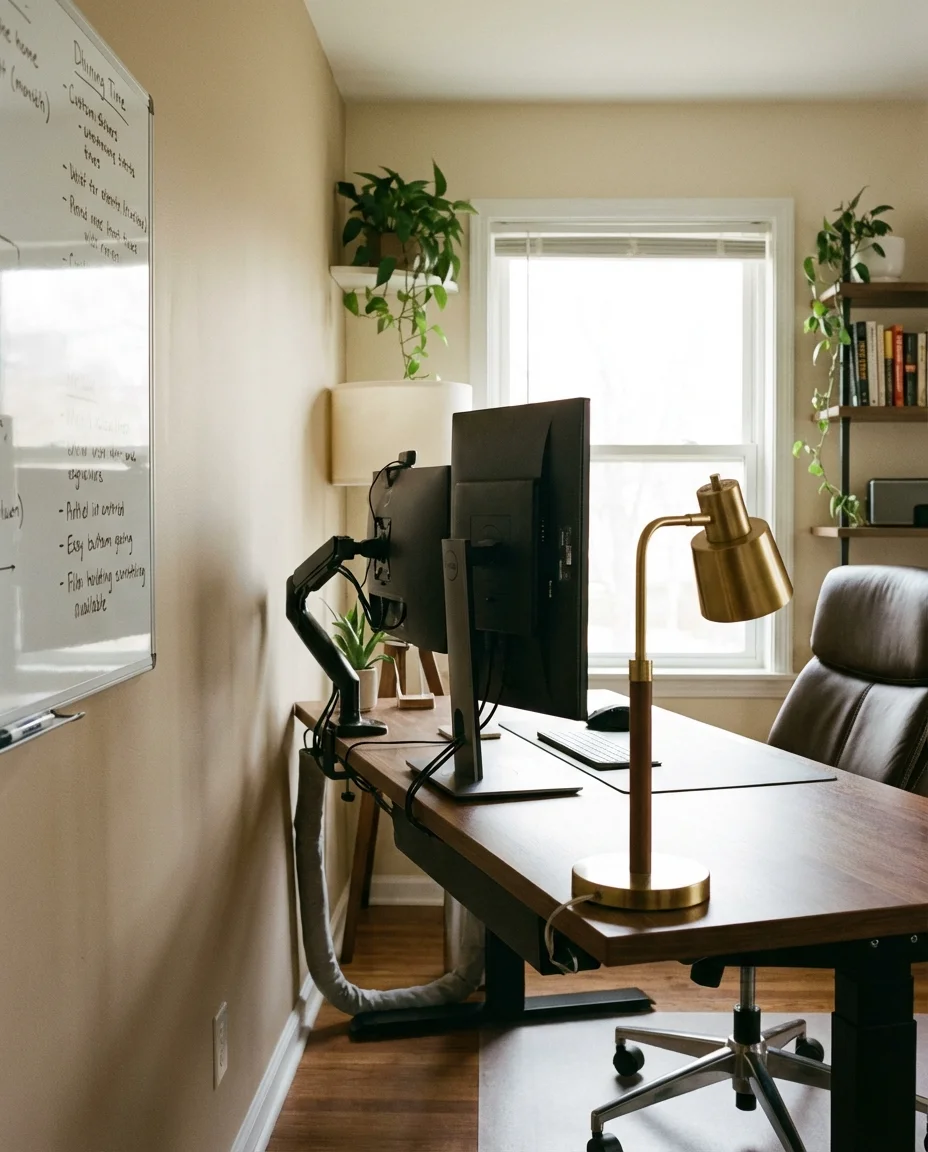
Real entrepreneurs who’ve worked from home for five or more years will all tell you the same thing: the investment you make in your workspace is an investment in your output quality. The business owners who treat their home office as temporary or provisional—planning to upgrade “when things take off”—consistently report lower productivity and higher creative fatigue than those who commit to the space from day one. You don’t need to spend a lot, but you do need to commit. Make the space feel like somewhere you chose to be, not somewhere you ended up.
20 Warm Lighting Strategies That Transform Any Office
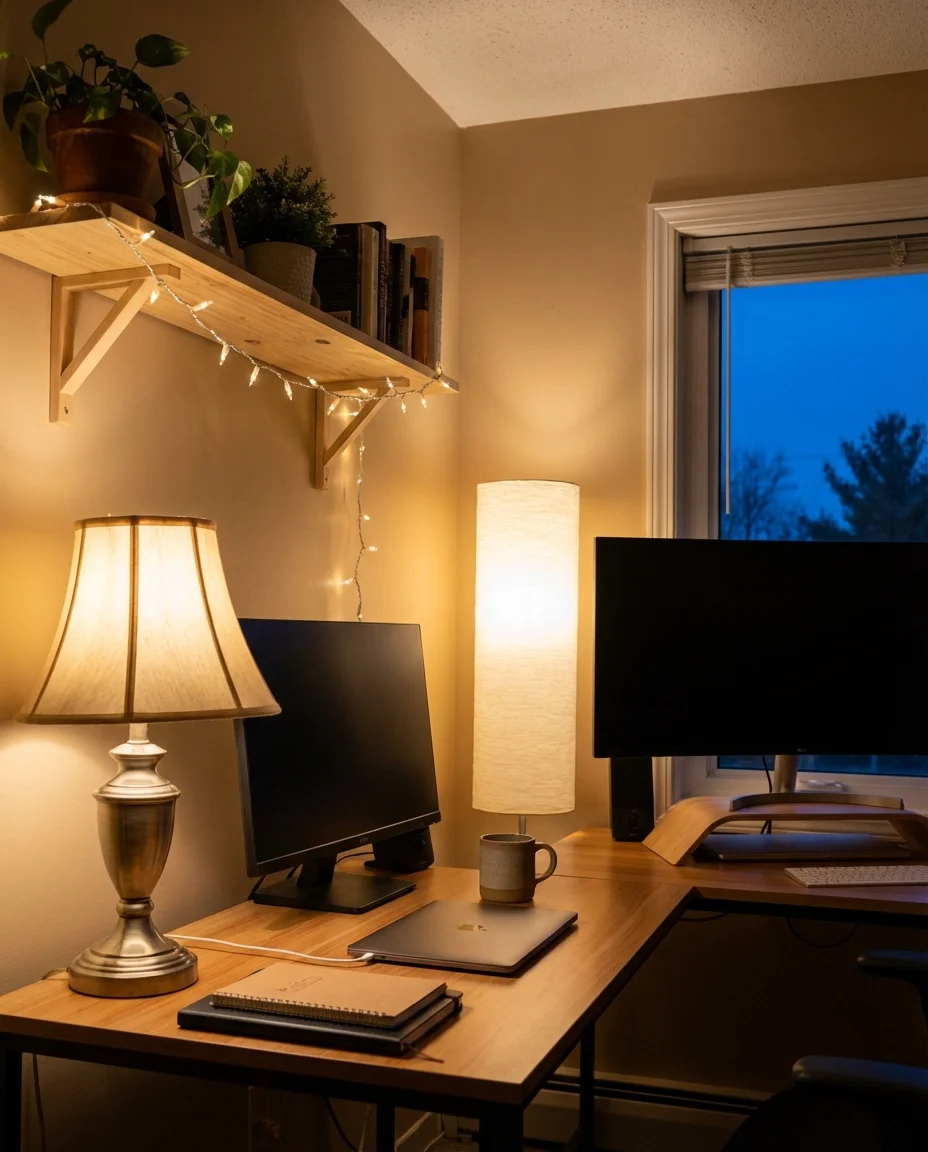
Lighting is the single most impactful design element in any room, and office spaces—where most Americans default to a single bright overhead—are chronically underlighted in the wrong way. The inspiration from the best office setups in 2026 is clear: layer your light sources. A warm desk lamp for focused task work, a floor lamp behind the monitor for ambient fill, and perhaps a string of warm LED lights along a shelf for evening sessions. This combination eliminates harsh shadows, reduces eye strain, and makes your office feel cozy and intentional rather than sterile and fluorescent. It applies equally to a cubicle or a sprawling home studio.
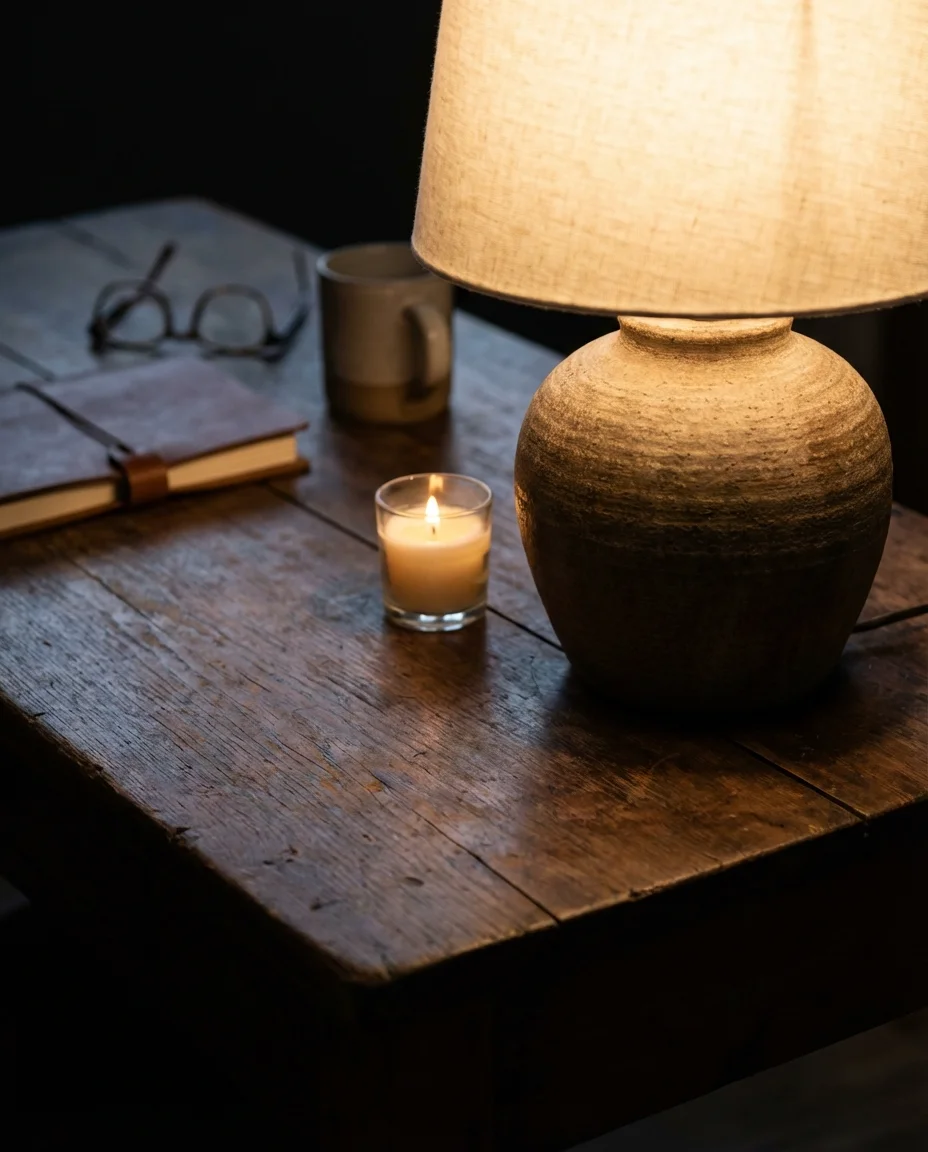
Color temperature is the lighting detail that most people overlook entirely. Bulbs rated at 2700K–3000K emit a warm, amber-adjacent light that makes faces look better on video calls and reduces evening melatonin disruption for those who work late. Bulbs at 5000K–6500K are closer to daylight and better for high-focus daytime work. The smartest setup uses smart bulbs that can shift color temperature throughout the day—warm in the morning, cooler midday for deep focus, and warm again in the afternoon as you wind toward the end of the workday. This simple adjustment alone can meaningfully improve both productivity and sleep quality.
21. The Bookshelf Office Wall: Storage Meets Statement
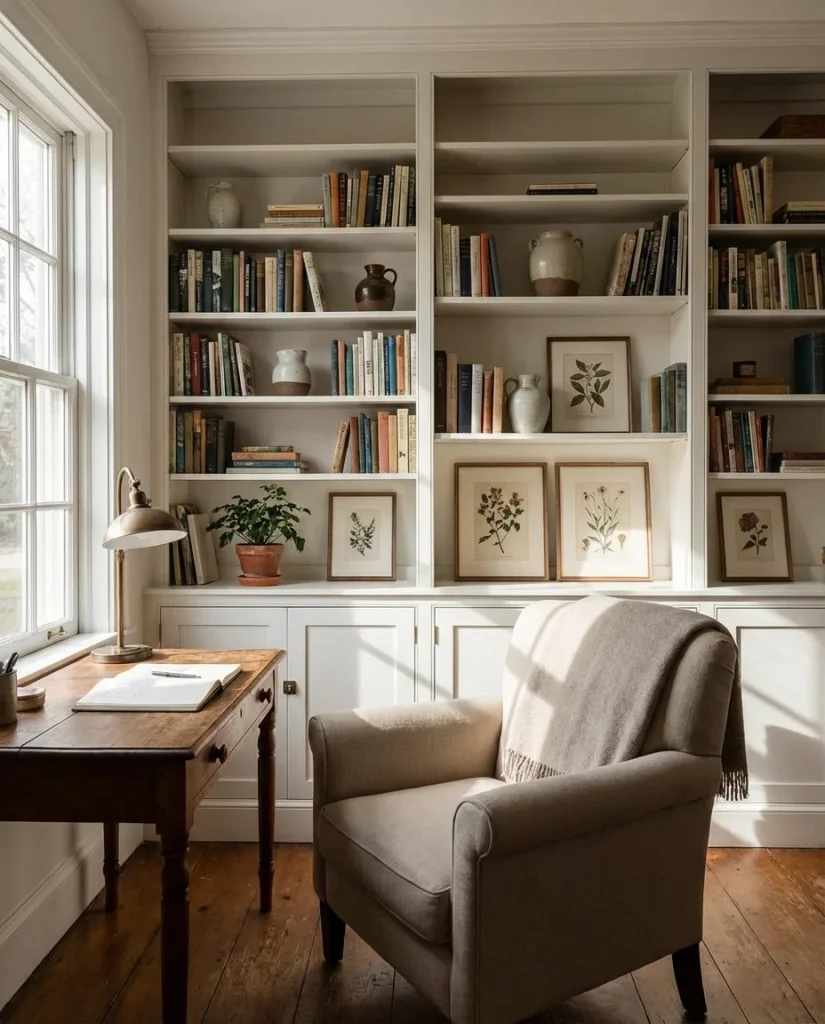
Floor-to-ceiling bookshelves remain one of the most coveted elements in any professional workspace, and for good reason—they do everything at once. They provide serious storage, they communicate intellectual seriousness, they give every video call an impressive backdrop, and when styled thoughtfully, they’re flat-out gorgeous. For professional women and professional men alike, the built-in or Billy-hack bookshelf wall has become the defining statement piece of the home office in 2026. The key is a mix of organized books, art objects, and breathing room—never stuffed to capacity.
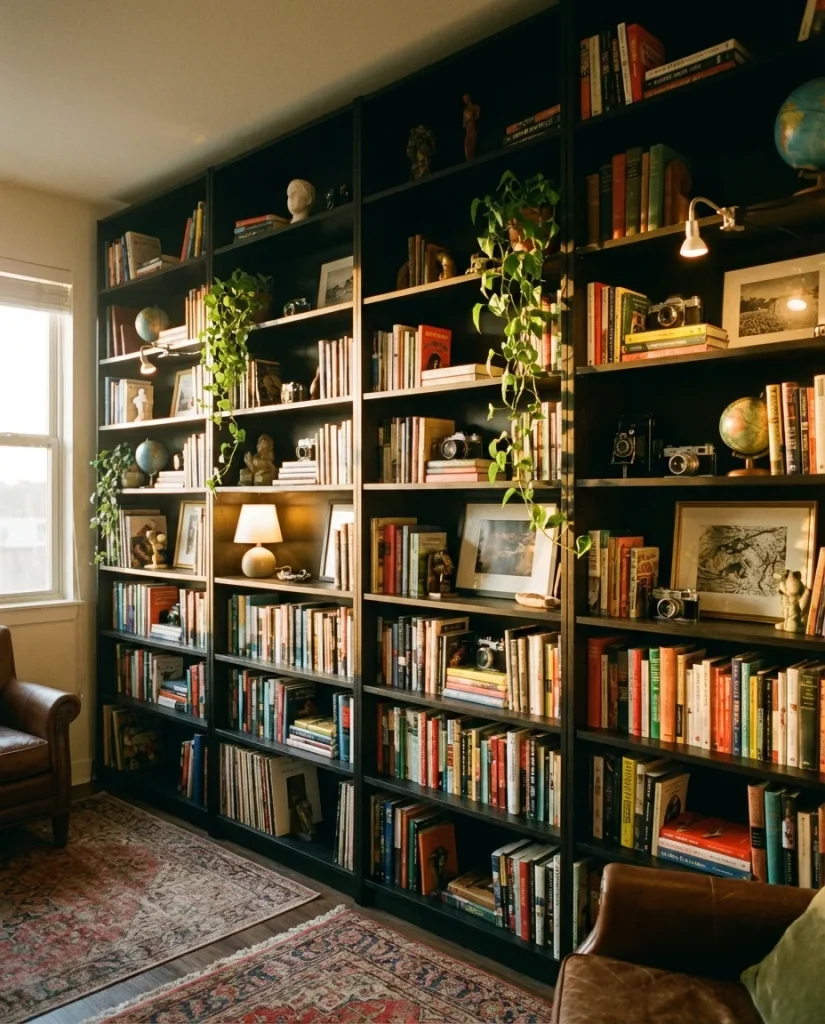
IKEA’s Billy bookcase has become the foundation of some seriously impressive home office transformations across America, particularly when used with trim additions to create a built-in look. The total cost for a floor-to-ceiling wall of modified Billy shelves, including paint and trim, typically runs between $400 and $900 — a fraction of what custom built-ins would cost. The most important step is anchoring them properly to studs, especially in earthquake-prone regions like California or anywhere children or pets are in the home. Done right, this is a project that transforms the room completely and can stay exactly where it is for the next decade.
22. Seasonal Refresh: Keeping Your Office Decor Current All Year
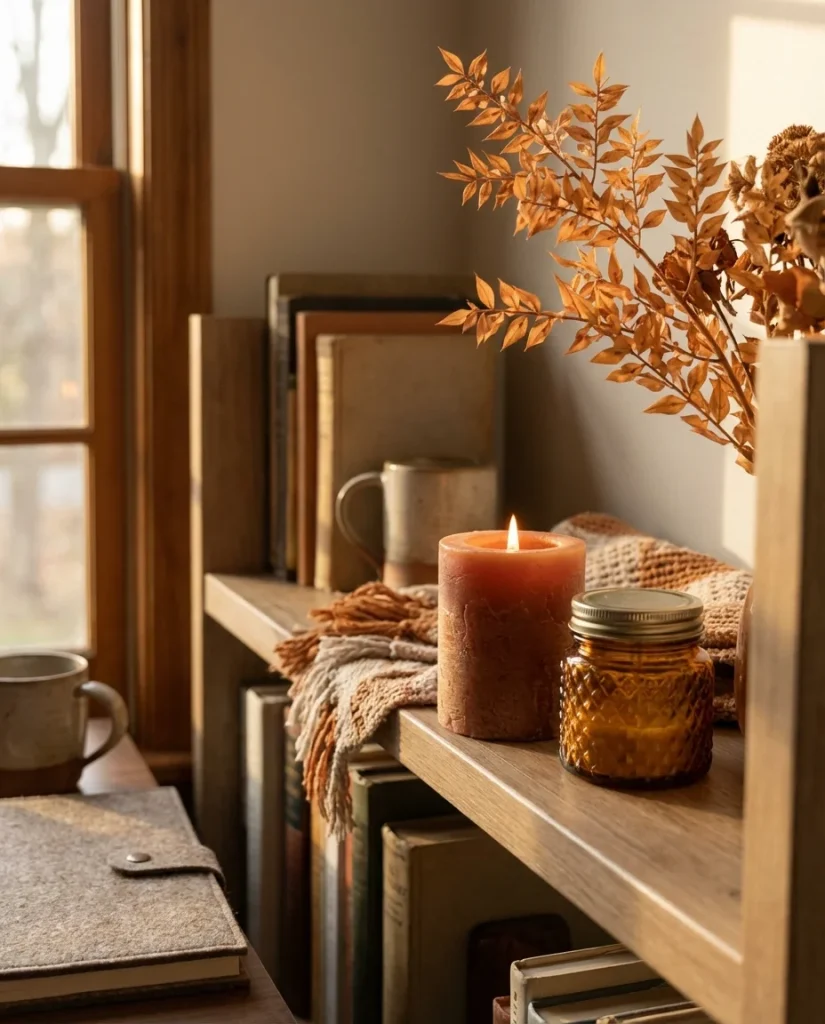
One of the most overlooked aspects of long-term office happiness is treating the space as a living environment that evolves with the seasons rather than a fixed setup you install once and live with forever. The most engaged, motivated remote workers on Pinterest refresh their workspaces with seasonal details: winter brings warm textiles, candles, and evergreen sprigs; spring arrives with fresh flowers and lighter linens; summer means breezy curtains and tropical greenery; and fall is for earthy tones and dried botanicals. These small, inexpensive rotations keep the space feeling fresh and signal to your brain that the environment—like the work inside it—is alive and evolving. Keywords like DIY and inspiration peak on Pinterest in January and September as people look to refresh their spaces for new chapters.
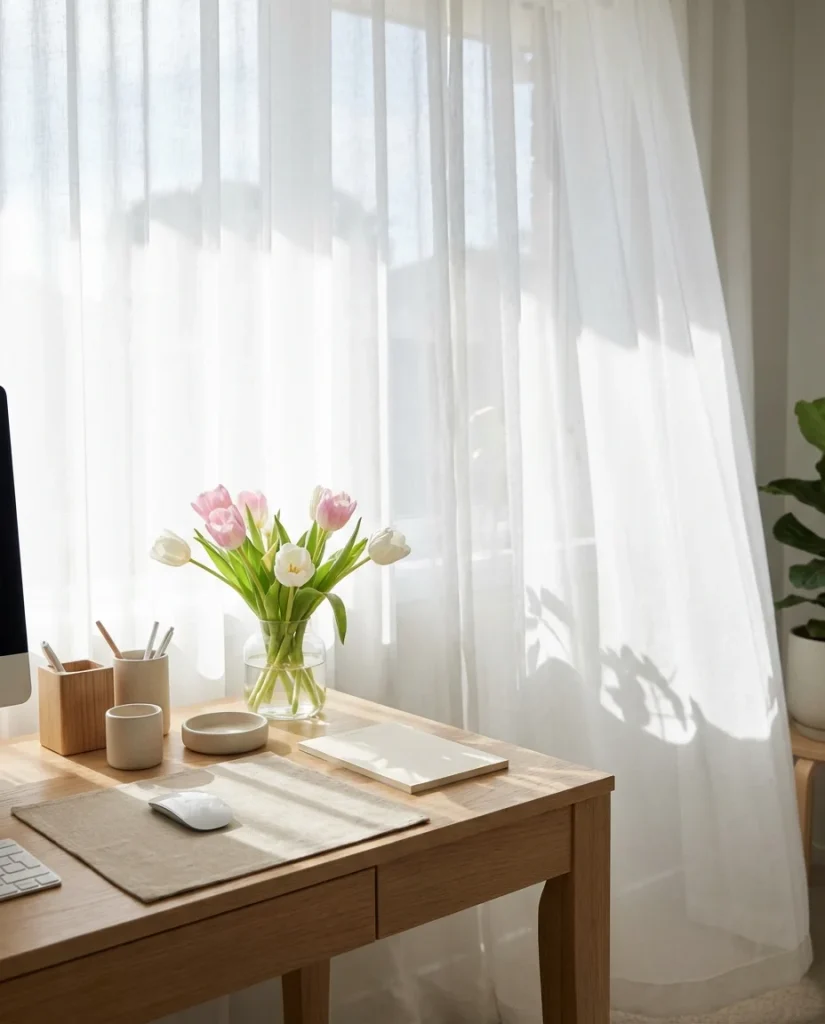
The smartest approach to seasonal refreshing is to build a small “office decor box”—a shoebox or small bin—where you rotate accessories in and out. Keep your core setup consistent (furniture, storage, lighting) and change only the accent layer: a throw blanket, a seasonal plant, a candle scent, a single art print that matches the moment. This discipline keeps the cost minimal—you’re not buying new things, you’re rotating what you already own—and the psychological effect of a slightly changed environment on focus and motivation is genuinely meaningful. Even small novelty cues have been shown to sharpen attention and increase the sense of possibility in the space where you do your work.
Conclusion
There you have it—22 office decor ideas that span every style, budget, and square footage situation for 2026 and beyond. Whether you’re giving a tired cubicle some personality, designing your dream home office from scratch, or just looking for one small thing to shift the energy of your workspace, we hope something here sparked an idea worth trying. Drop your favorite of these in the comments below, share a photo of your own office setup, or tell us what your biggest workspace challenge is right now—we genuinely love hearing how real people make these spaces their own.