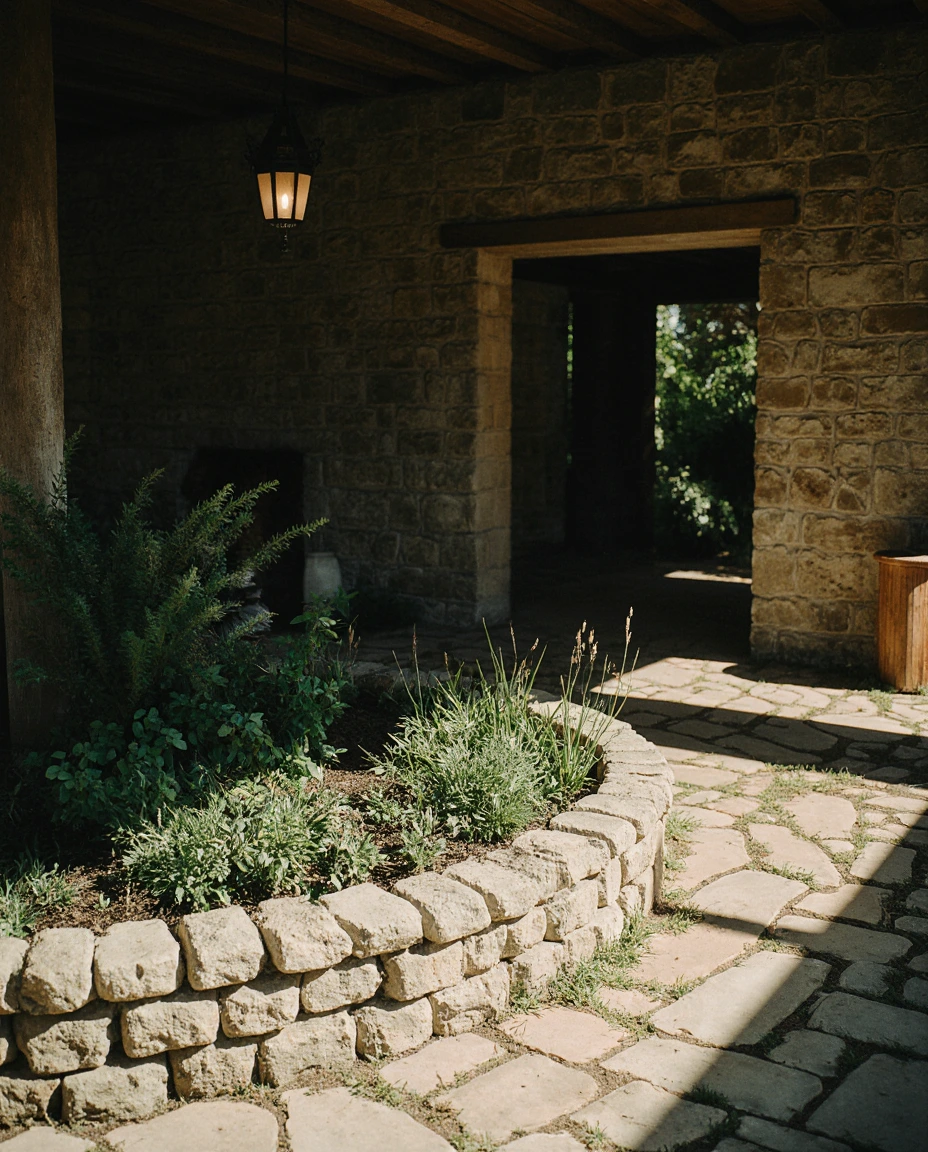
Rock garden landscaping is a phenomenon within 2026, and it’s easy to see why. Rock garden landscapes have charm, flexibility, and creativity. An ideal choice for an abandoned sloping backyard, a sunbaked front yard, or a compact urban plot, rock gardens deliver impactful visuals without a heavy water bill or constant upkeep. In this guide, you’ll see plants, rocks, and designs inspire and, most importantly, impact landscapes. Rock gardens have an endless array of creative opportunities to create stylish, water-conserving landscapes.
1. Succulent-Studded Desert Retreat

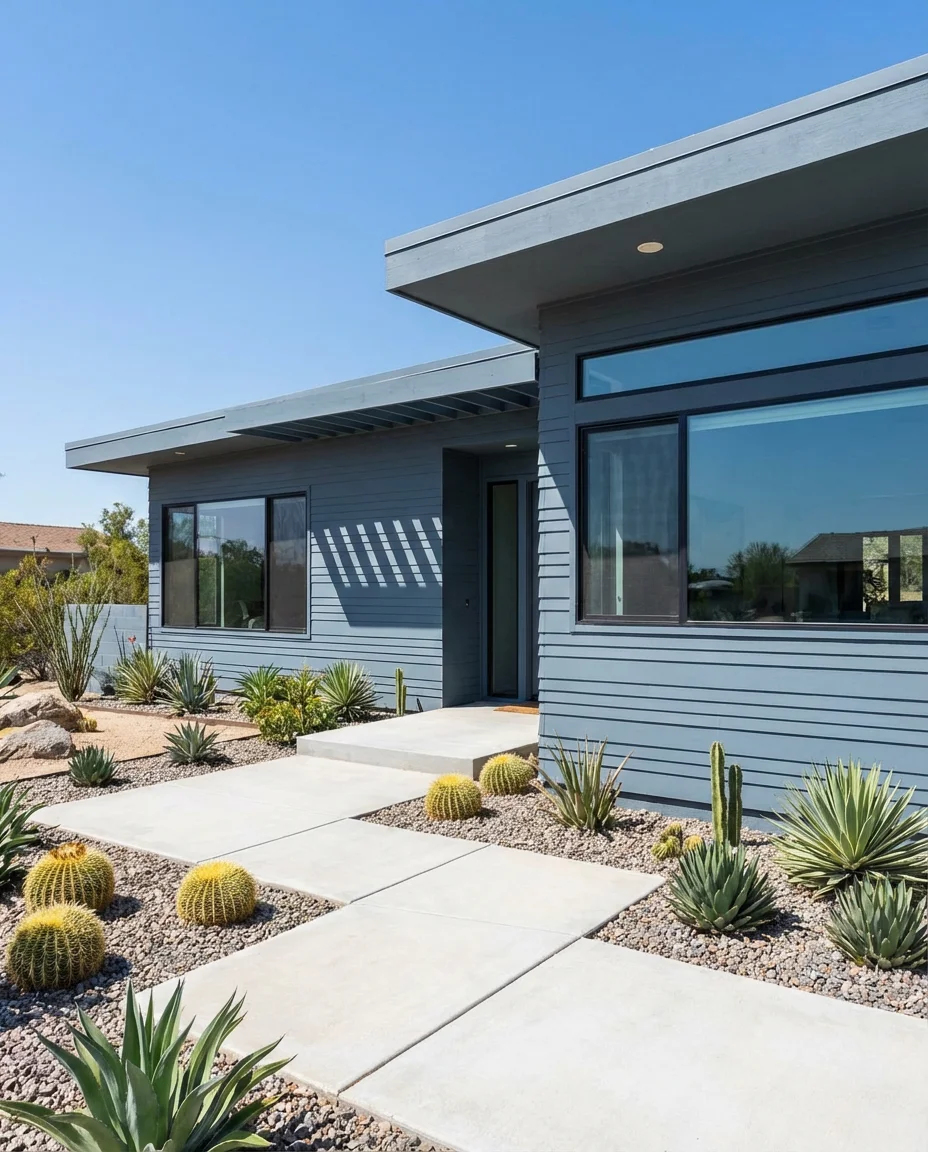
A succulent-focused rock garden brings sculptural beauty to your front yard with minimal effort. Nestle jade plants, echeveria, and agave between smooth river stones or decomposed granite, creating a tapestry of textures that thrives in full sun. The contrast between fleshy green leaves and warm earth-tone rocks delivers year-round interest, even during the driest months. This approach works beautifully in California, Arizona, and Texas, where water conservation is both smart and stylish. 
The smartest homeowners layer stone sizes—large boulders as anchors, medium rocks for structure, and small gravel as mulch—to mimic natural desert washes. This layering prevents soil erosion while creating visual depth that Pinterest users crave. Add a few painted accent rocks in terracotta or dusty blue to echo your home’s exterior, and you’ve got a landscape that looks professionally designed without the price tag.
2. River Rock Pathways with Native Grasses

Meandering pathways made from river rock offer a soft, organic feel that contrasts beautifully with structural plants for your garden beds. Line your path with ornamental grasses like Mexican feather grass or blue fescue, which sway in the breeze and soften the hardscape. The rounded edges of river stones create a forgiving surface underfoot, and their smooth finish reflects light in ways that angular pavers simply can’t match. 
In the Pacific Northwest and Northeast, where rainfall is generous, river rock paths drain beautifully and prevent muddy bottlenecks near entrances. A common mistake is laying river rock too thinly—go at least three inches deep to prevent weed breakthrough and stone migration. Edging with steel or composite borders keeps everything tidy and ensures your path stays defined season after season.
3. Large Boulder Statement Garden

Nothing anchors backyard rock garden ideas quite like a few large statement boulders strategically placed to create focal points. Think of these as natural sculptures—moss-covered granite slabs or weathered limestone chunks that draw the eye and give scale to surrounding plantings. Position them asymmetrically for a more natural look, and nestle smaller stones and ground covers around their bases to soften the transition. 
Budget-conscious homeowners often find local quarries willing to deliver boulders at a fraction of big-box prices—sometimes even for free if you arrange your own pickup. The key is selecting stones with interesting shapes or colors that complement your home’s architecture. In Colorado and Montana, lichen-covered native stone blends seamlessly with mountain views, while in the Midwest, rounded glacial erratics add timeless character.
4. Front Yard Rock Garden with Drought-Tolerant Blooms

A cheap approach to front yard ideas starts with clustering colorful, drought-resistant perennials like lavender, salvia, and yarrow among decorative rocks. This combination delivers curb appeal without the weekly watering regimen of traditional lawns. The rocks act as natural mulch, moderating soil temperature and reducing evaporation, while the blooms attract pollinators and add seasonal color shifts that keep your landscape dynamic. 
I’ve watched neighbors convert traditional lawns to rock gardens over a single weekend, cutting water use by 70 percent while actually increasing their home’s perceived value. The trick is choosing plants that bloom at different times—spring bulbs, summer salvias, and fall sedums—so there’s always something happening. Avoid the Pinterest trap of using too many plant varieties; stick to three to five species repeated in drifts for a cohesive, professional look.
5. Japanese Zen Garden with Raked Gravel

A Japanese rock garden transforms a side yard or meditation corner into a serene escape, using raked gravel, carefully placed stones, and minimal plantings to evoke tranquility. The act of raking the gravel into patterns becomes a mindfulness practice, while the stones represent islands or mountains in a symbolic sea. This style works beautifully in shaded areas where grass struggles, turning a problem spot into your favorite retreat. 
Portland and Seattle homeowners have embraced this approach, often pairing it with bamboo screening or evergreen shrubs for year-round structure. The maintenance is surprisingly low—just re-rake after heavy rains or leaf drop—and the visual reward is immediate. Choose white or light gray gravel for maximum meditative effect, and limit plants to Japanese maples, ferns, or dwarf conifers for authentic simplicity.
6. Slope-Taming Terraced Rock Walls

A challenging slope becomes an asset when you build dry-stacked stone terraces filled with cascading plants and gravel beds. Each level creates a flat planting pocket, preventing erosion while multiplying your usable garden space. The staggered walls add architectural interest, and the gaps between stones allow drainage and habitat for beneficial insects. This technique is especially popular in hilly regions like Appalachia and the Ozarks. 
Experts recommend starting each terrace with larger “anchor” stones at the base, then stacking progressively smaller rocks as you build upward. This creates stability without mortar and allows plants to self-seed in the crevices over time. In the Southeast, homeowners often plant creeping thyme or sedum between stones for living walls that bloom pink, yellow, or white in spring—a detail that stops Pinterest scrollers in their tracks.
7. White Gravel Modern Minimalist Garden

Bright white gravel creates a crisp, contemporary canvas for sculptural plants and bold geometric elements in modern landscapes. Pair it with black mondo grass, architectural agaves, or clipped boxwood spheres to maximize contrast. The reflective quality of white stone brightens shaded corners and makes small spaces feel larger—a trick borrowed from commercial landscape design that works beautifully in residential settings.
This style thrives in urban backyards from Miami to Los Angeles, where homeowners want outdoor spaces that feel like extensions of sleek interiors. White gravel does show leaf debris more readily than darker options, so plan on quick seasonal cleanups—but the visual payoff is worth it. Edge beds with steel or aluminum trim to keep the white stone from migrating into planting areas, maintaining those sharp, Instagram-worthy lines.
8. Backyard Water Fountain with Rock Surround

Integrating backyard ideas like water fountains into your rock garden creates a sensory experience that elevates any outdoor space. A bubbling urn nestled among moss-covered stones or a formal tiered fountain ringed with river rock brings movement and sound, turning a static landscape into something alive. The splash zone naturally attracts birds and beneficial insects, adding wildlife viewing to your garden’s benefits.
Where this works best: courtyards, patio edges, or as a focal point visible from indoor living spaces. The key is matching fountain scale to garden size—a massive three-tier fountain overwhelms a small yard, while a modest bubbler gets lost in a sprawling landscape. Solar-powered pumps have improved dramatically, offering a budget-friendly option that eliminates electrical work and reduces operating costs to nearly zero.
9. Concrete Pavers with Rock Infill

Mixing backyard ideas Concrete pavers with decorative rock infill create functional pathways and patios with organic texture. Lay large-format pavers in a stepping-stone pattern, then fill the gaps with pea gravel, crushed granite, or smooth river stones. This approach combines the structural integrity of concrete with the softness of natural materials, giving you a surface that’s easier on the budget than full stone paving. 
Real homeowners love this design because it allows rainwater to percolate naturally, avoiding puddles and runoff issues common with solid-poured patios. In Texas and Nevada, where flash flooding is a concern, permeable hardscaping isn’t just pretty—it’s practical. Use landscape fabric beneath the rock infill to suppress weeds, and refresh the gravel every few years to keep colors vibrant and surfaces level.
10. Rock Garden Design with Layered Heights

Strategic layering is what separates amateur rock gardens from professional design that looks expensive. Start with tall boulders or vertical accent stones at the back, mid-height perennials and ornamental grasses in the middle, and low-growing ground covers or succulents spilling over rocks in front. This creates depth and ensures every plant gets its moment in the spotlight, rather than a flat, one-dimensional look.
Landscape designers charge premium rates for this kind of spatial planning, but you can achieve it yourself by sketching a rough side-view profile before placing a single stone. The most common mistake is planting everything at the same height, which reads as flat and boring. In New England, homeowners often incorporate native ferns and hostas at mid-level, with creeping phlox cascading over stones up front—a combination that thrives in partial shade and delivers three-season interest.
11. Pots and Planters on Rock Beds

Elevating statement pots and planters on beds of decorative rock creates instant garden structure, especially in rental properties or new builds where in-ground planting isn’t possible. Large ceramic or concrete containers filled with dramatic specimens—Japanese maples, dwarf conifers, or tropical bromeliads—become focal points, while the rock bed unifies the scene and suppresses weeds. This approach works brilliantly on patios, courtyards, and front yard entries. 
I’ve seen renters in Brooklyn and San Francisco create stunning rock gardens using nothing but containers and a few bags of decorative stone from the hardware store. The beauty is flexibility—you can rearrange elements seasonally, swap out plants when they finish blooming, and take everything with you when you move. Choose pots in odd numbers (three or five) and vary heights for maximum visual impact.
12. Zen Garden with Moss and Stone

A Zen-inspired rock garden leans into subtlety, using moss-covered stones, evergreen shrubs, and carefully chosen natural elements to create a space that feels ancient and peaceful. Encourage moss growth by misting stones regularly and choosing shaded, humid spots—within a year or two, your “new” garden will look centuries old. Add a simple stone lantern or water basin for authentic touches that Pinterest audiences adore. 
In the Pacific Northwest, moss grows so readily that homeowners often have to manage its spread rather than encourage it—a luxurious problem for gardeners in drier climates. The maintenance routine is wonderfully simple: remove fallen leaves, trim encroaching plants, and enjoy the slow transformation. Avoid the temptation to add too many decorative elements; in Zen design, restraint is power, and every stone should have a reason for being exactly where it is.
13. Black Rock Mulch for Modern Drama

With high contrast and a black, modern finish, black volcanic rock or polished lava stone (as well as black contrasting mulch) instantly updates the look of a planting bed. The black stone background is particularly stunning against white flowers or silver-leafed plants, such as lamb’s ear and dusty miller. This style is very in across Arizona, Southern California, and Nevada, where the modern architecture gets complimented. 
Rock just keeps radiating and absorbs heat, so in extreme hot climates throughout the summer, placing black rock too close to heat-sensitive plants is a dangerous idea (i.e., the mistake I’ve seen a few homeowners make with prize perennials). In this case, leave a buffer zone of lighter-colored gravel near the stems of plants or choose a plant species that enjoys heat and blooms the whole summer. The rock never needs to be replaced, saves hundreds of dollars in mulch, and saves the hassle of an annual spring mulch refresh.
14. DIY Rock Border Projects

Hand-selecting stones for backyard ideas diy projects Borders give you complete creative control and cost a fraction of pre-made edging systems. Collect flat stones from riverbeds (where legal), salvage yards, or landscape supply centers, then arrange them in naturalistic curves or formal rows depending on your style. The irregular shapes and colors tell a story that manufactured edging never can, and the installation requires nothing more than a shovel and a weekend. 
Expert landscapers recommend burying the first course of stones at least halfway into the soil to prevent shifting and create stability for upper layers. In the Midwest, where freeze-thaw cycles wreak havoc on hardscaping, this technique has proven remarkably durable—far outlasting plastic edging that cracks within a few seasons. Paint a few accent stones in coordinating colors for a personalized touch that makes your garden unmistakably yours.
15. Backyard Ideas with Natural Stone Fire Pit

Building a rock-ringed fire pit transforms your backyard into an entertainment hub where friends and family gather year-round. Use large, heat-resistant stones like granite or sandstone to create a circular seating wall, backfilling with gravel or crushed rock for drainage and safety. The stone absorbs and radiates heat, extending your comfort zone on cool evenings, while the natural materials blend seamlessly with surrounding plantings.
Small-space yards benefit from compact fire bowls set on rock pedestals, which deliver the same ambiance without consuming precious square footage. Check local regulations before building—many municipalities now require spark screens or gas conversions in urban areas. In mountain communities from Colorado to Montana, fire pits extend the outdoor season by months, and the initial investment pays back in reduced entertainment costs and increased home value.
16. Lava Rock Xeriscaping for Extreme Heat

Porous lava rock is the secret weapon of successful xeriscaping in desert climates, offering lightweight, highly draining mulch that withstands intense sun without fading. Its rough texture contrasts beautifully with smooth succulent leaves and spiky cacti, creating visual interest even in monochrome color schemes. The air pockets within lava rock insulate plant roots from temperature extremes, a critical advantage when summer soil temps routinely exceed 120°F.
Phoenix and Las Vegas homeowners appreciate that lava rock stays in place during monsoon storms, unlike lighter mulches that wash away. The downside is weight—a cubic yard of lava rock is surprisingly heavy—so have it delivered close to your work area to save your back. Mix red and black lava rock for a layered, natural look that mimics volcanic landscapes, or stick with a single color for clean, modern simplicity.
17. Small-Space Rock Gardens for Urban Yards

Even tiny backyard ideas for small spaces can accommodate a rock garden when you think vertically and edit ruthlessly. A corner measuring just six by six feet can hold a stunning composition: one statement boulder, a cluster of three mid-sized rocks, ground-hugging plants for crevices, and a top-dressing of decorative gravel. The key is choosing elements that serve multiple purposes—a flat-topped boulder becomes a display surface, while vertical stones add height without consuming floor space. 
City dwellers in Chicago, Boston, and Philadelphia are discovering that rock gardens thrive in the harsh conditions typical of urban lots—poor soil, reflected heat, limited water access—where traditional gardens struggle. The initial setup takes a Saturday afternoon, but ongoing maintenance is virtually nil. A neighbor of mine converted her 4×8 side yard into a rock garden five years ago and hasn’t touched it beyond occasional weeding, yet it looks better every season as plants mature and fill in.
18. Backyard Rock Garden with Ornamental Grasses

Weaving ornamental grasses through your backyard rock garden adds movement, sound, and seasonal drama that static stones can’t provide alone. Varieties like blue fescue, maiden grass, and purple fountain grass create soft clouds of texture that sway in breezes, while their seed heads catch low winter light beautifully. The grasses’ fibrous roots stabilize soil around rocks, preventing erosion and creating habitat for ground-nesting pollinators.
Where this works best: transition zones between formal hardscaping and wild garden areas, or as softening elements around angular modern homes. Cut grasses back in late winter before new growth emerges—this is the only real maintenance they require, and the fresh green shoots that follow are one of spring’s most welcome sights. In prairie states like Kansas and Nebraska, native grasses create instant regional authenticity that feels right at home in rock garden settings.
19. Painted Rock Accents for Personal Style

Adding painted rocks in your signature colors is the fastest, most affordable way to personalize a rock garden and make it unmistakably yours. Use exterior acrylic or spray paint to create ombre effects, geometric patterns, or solid accent pieces that echo your home’s trim colors. Tuck them throughout the garden as surprise elements, or cluster them near entries where guests will notice. This playful approach has gone viral on Pinterest, with homeowners creating everything from rainbow gradients to sophisticated two-tone schemes. 
Real homeowner insight: choose paint colors one shade lighter than you think you need, as they’ll appear more saturated outdoors in direct sun. Seal painted rocks with clear polyurethane to prevent fading and chipping, reapplying every couple of years. Kids love helping with this project, and it’s a smart way to introduce garden design concepts—color theory, repetition, focal points—without the pressure of permanent plantings. Just avoid going overboard; three to five painted rocks per 100 square feet is plenty.
20. Front Yard Rock Garden with Curb Appeal

Converting a tired front lawn to a well-designed rock garden with strategic front yard ideas instantly lifts your home’s curb appeal and property value. The formula: remove turf, install landscape fabric, add a mix of boulder sizes, plant drought-tolerant specimens with staggered bloom times, and top-dress with decorative gravel. The result looks professionally installed but costs 60 percent less than hiring it out, and the water savings pay for materials within two years in most markets.
Practical insight: work with your home’s architectural style rather than against it. Craftsman homes pair beautifully with natural, rounded boulders and cottage perennials; modern builds demand angular stones and architectural plants. Light-colored gravel brightens north-facing facades, while darker stone grounds busy exteriors. In HOA neighborhoods, check covenants before starting—some communities restrict rock coverage or require plant-to-hardscape ratios. A quick conversation with the board can save costly do-overs.
21. Natural Rock Garden with Native Wildflowers

The ultimate low-maintenance, ecologically sound rock garden combines natural stone with regionally native wildflowers that have evolved to thrive in your specific conditions. In Texas, pair limestone boulders with bluebonnets and Indian paintbrush; in California, use decomposed granite and California poppies; in the Rockies, combine angular schist with columbines and penstemon. The plants attract native pollinators, require no supplemental water once established, and look effortlessly right because they belong there.
Expert commentary: This is the most future-proof approach to rock gardening, as native plants become more vigorous and self-sufficient each year while exotics often decline. Contact your county extension office for free native plant lists specific to your zip code, or visit local nature preserves to observe what thrives naturally. The first-year growth may look sparse, but by year three, you’ll have a self-sustaining ecosystem that shrugs off droughts, pests, and temperature extremes that flatten conventional gardens. It’s the rock garden version of setting it and forgetting it—truly the smartest investment of time and money you can make.
Conclusion
Rock garden landscaping in 2026 offers something for every style, budget, and climate, from minimalist Zen retreats to colorful native wildflower displays. The ideas here prove that thoughtful stone placement and plant selection can transform any outdoor space into a low-maintenance, high-impact landscape that only gets better with time. Which of these designs speaks to your space? Share your favorite ideas or your own rock garden successes in the comments below—we’d love to see how you’re bringing these concepts to life in your own backyard.