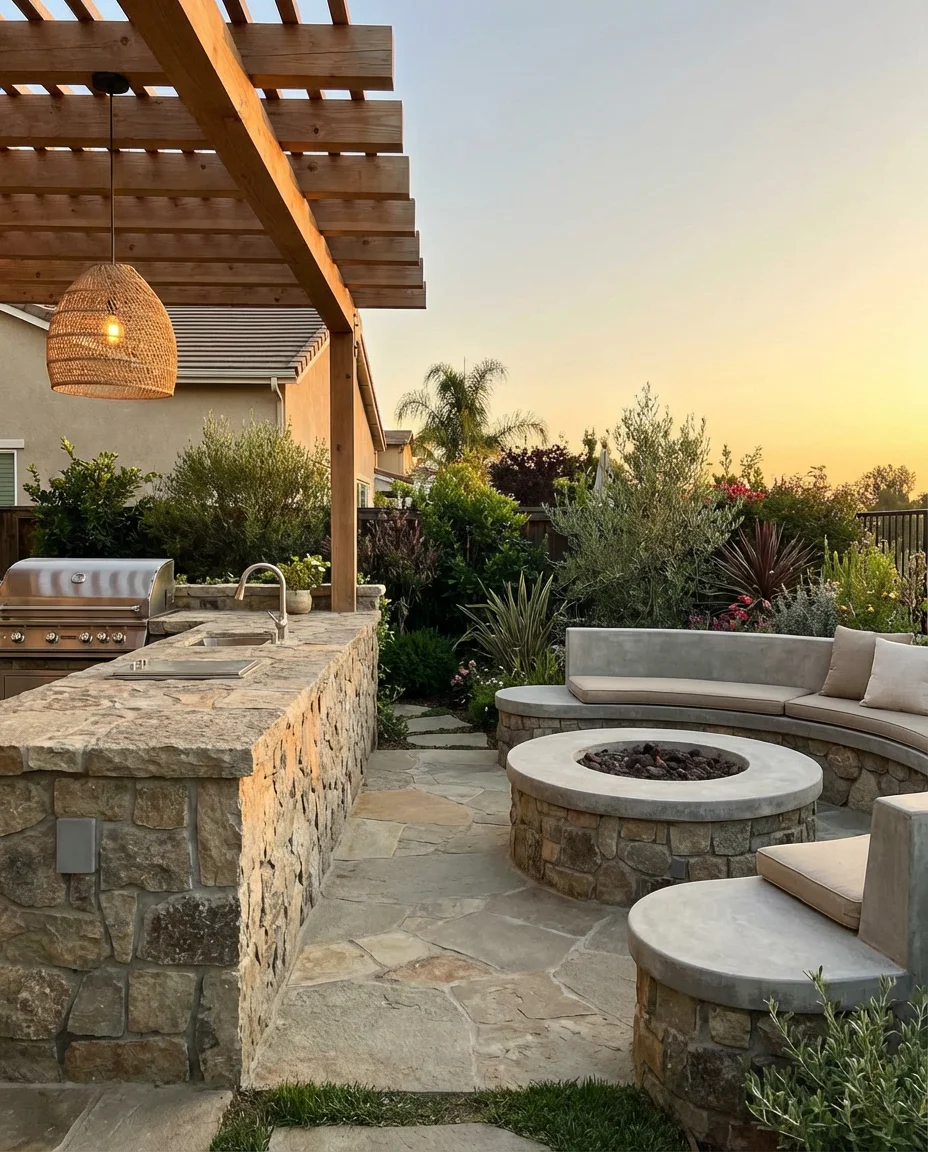
Rock gardens have quietly become one of the most searched landscaping topics on Pinterest—and honestly, it makes complete sense. Whether you’re working with a sun-baked slope, a compact front yard, or a sprawling backyard that needs structure, rocks offer something that plants alone rarely can: permanence, texture, and that satisfying sense of intention. In 2026, homeowners are leaning into low-maintenance outdoor spaces that still feel beautiful and intentional, and rock gardens sit right at the center of that shift. This article walks you through the freshest, most inspiring rock garden ideas—from serene Japanese-style arrangements to bold modern designs with lava rock and painted stones—so you can walk away with a clear vision for your own outdoor space.
1. Succulent Rock Garden for a Sun-Drenched Front Yard
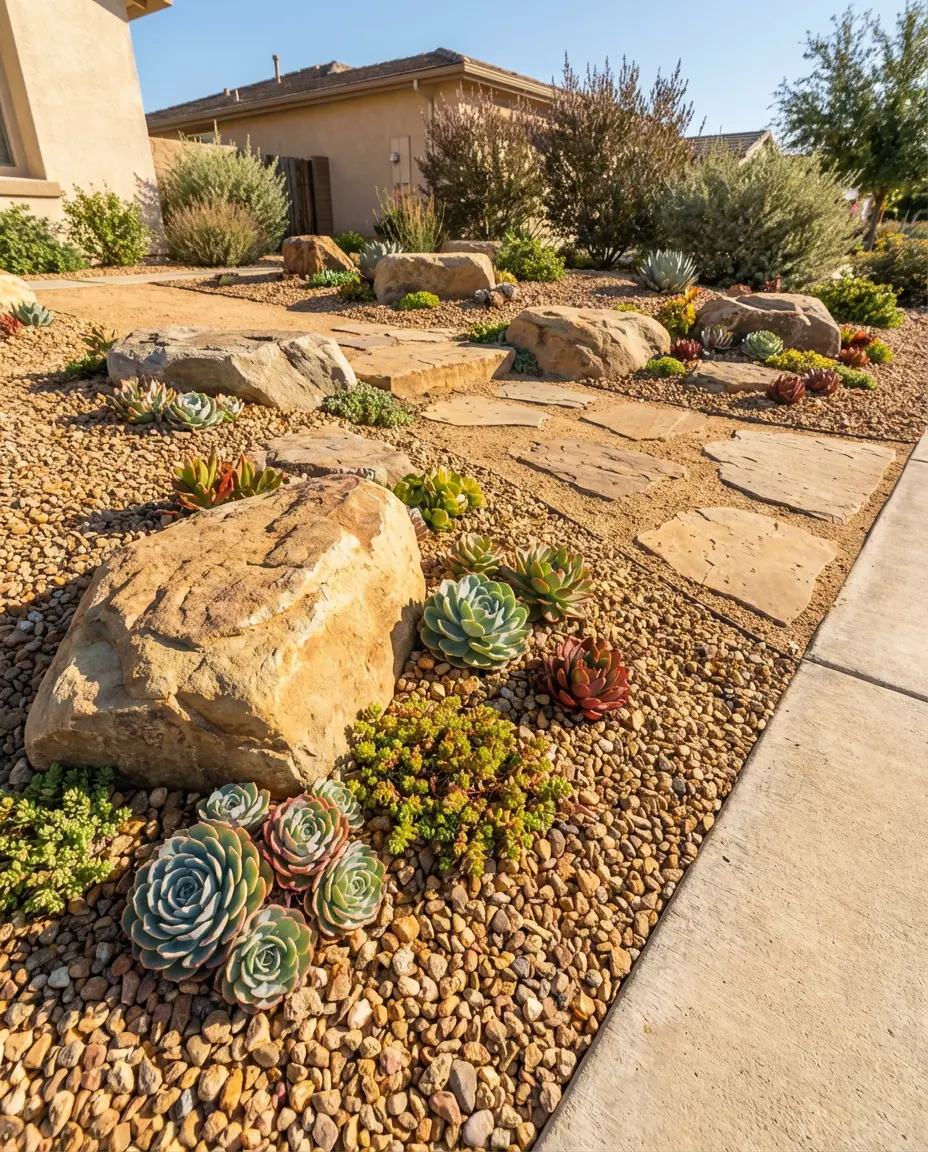
If your front yard gets relentless afternoon sun, a succulent rock garden might be the most practical—and visually striking—thing you can do with it. The idea is simple: layer chunky decorative boulders and flat fieldstones across a gravel bed, then tuck drought-tolerant succulents like echeveria, sedum, and agave into the gaps. The contrast between spiky, fleshy plants and weathered stone creates a naturally dynamic composition that looks curated without feeling fussy. It’s the kind of yard that makes neighbors stop and stare.
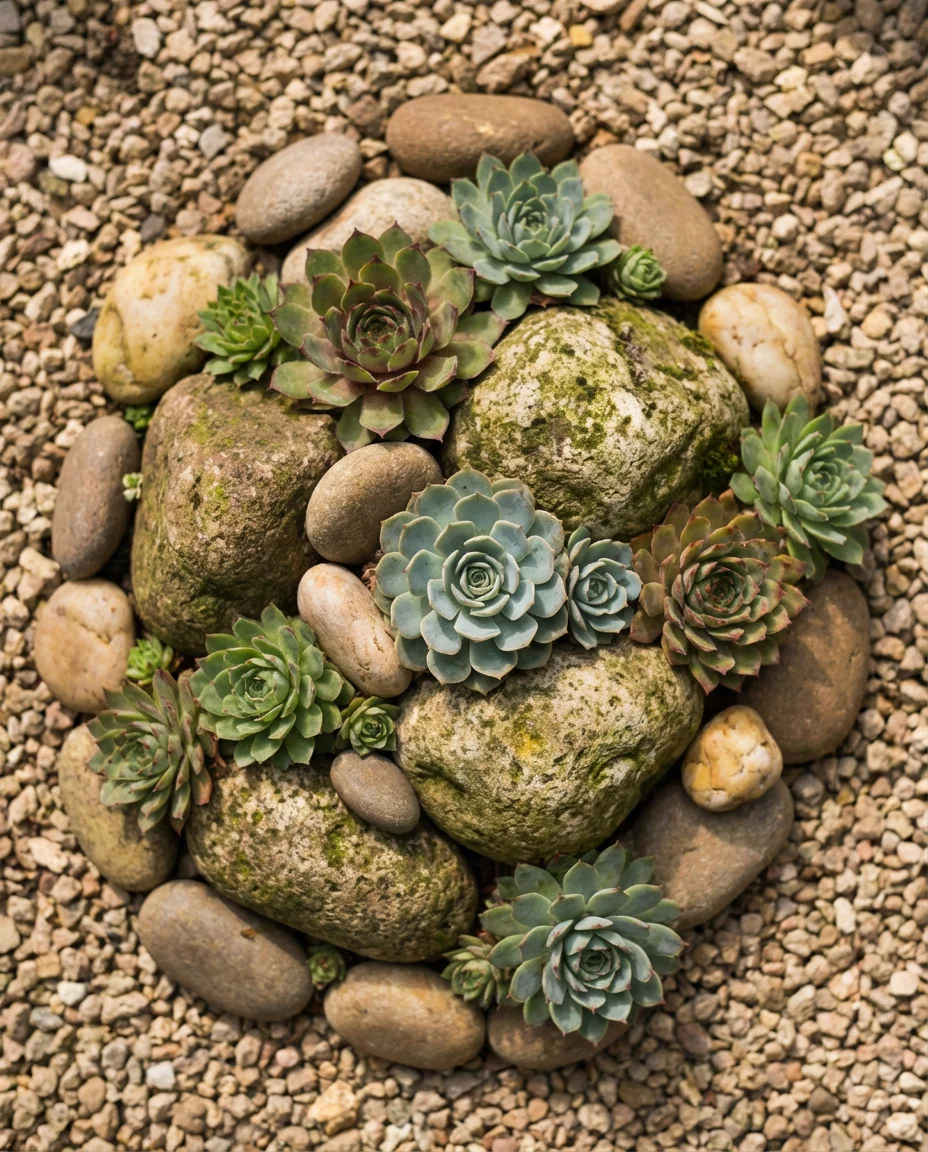
This approach works especially well in the American Southwest and California, where water restrictions make traditional lawns impractical. Homeowners in Phoenix, Tucson, and San Diego have been replacing grass with succulent rock gardens for years—but in 2026, the trend has spread to Southern states and even parts of Texas. Once established, this type of garden needs almost no irrigation. Budget-wise, you can source rocks locally or even repurpose stones already on your property, keeping costs surprisingly manageable.
2. River Rock Backyard Path with Wildflower Borders
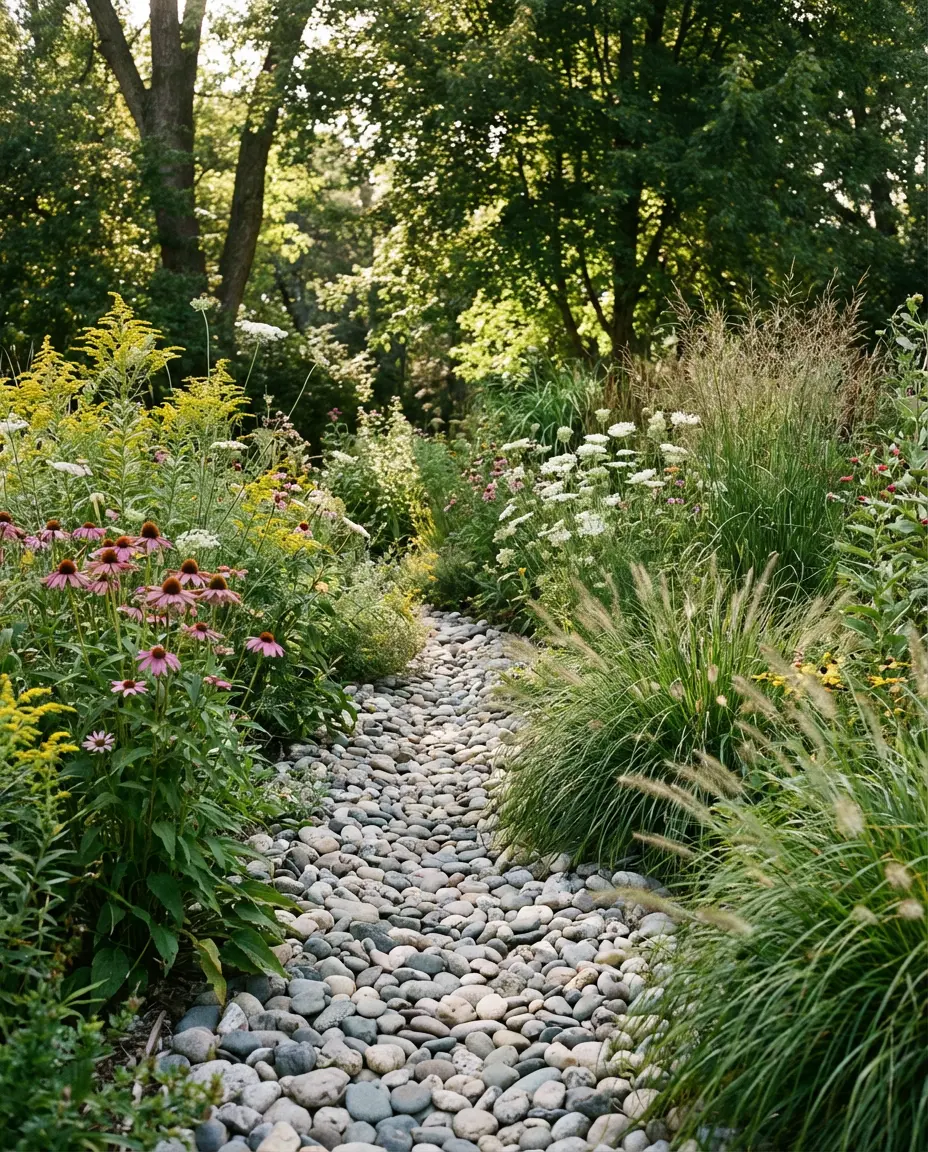
There’s something deeply satisfying about a winding path made from smooth river rocks cutting through a lush backyard. The rounded, polished stones—usually in soft grays, tans, and creamy whites—give the path an organic, almost stream-bed quality that softens even the most structured outdoor layout. Line both sides with native wildflowers or ornamental grasses, and the result is a garden that feels like it grew itself. This style bridges the gap between wild and intentional in the most graceful way.
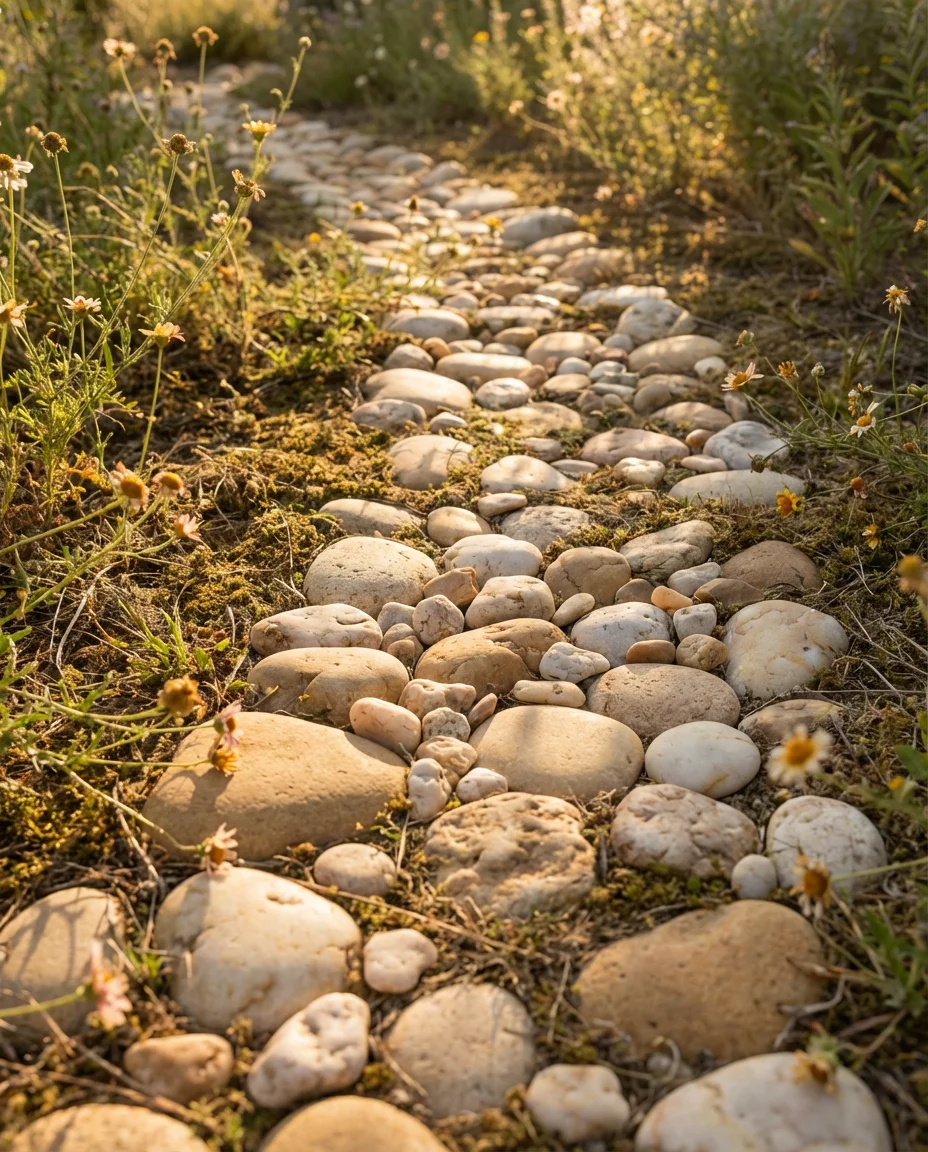
River rock paths work best in yards with gentle slopes or irregular terrain—the stones naturally guide water flow and prevent erosion during heavy rain. One common mistake homeowners make is laying river rocks directly on bare soil without a weed barrier underneath. Within a single growing season, grass and weeds push right through, disrupting the design and making maintenance a headache. Always install landscape fabric first, then add a thin sand base before placing the stones. It takes an extra afternoon but saves years of frustration.
3. Japanese Zen Garden with Raked Gravel and Stone Arrangements
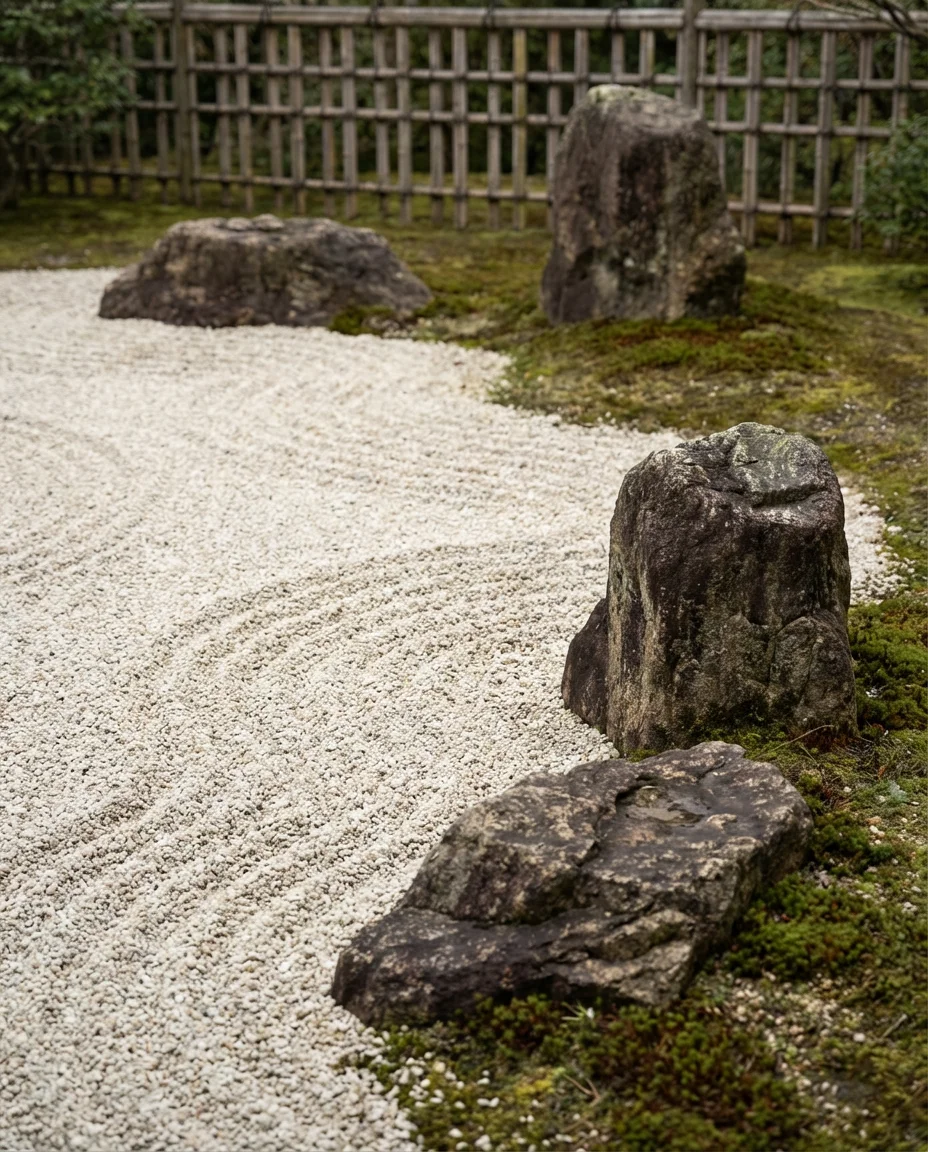
The Japanese zen garden aesthetic has moved well beyond temple courtyards—today it’s showing up in suburban backyards from Oregon to Ohio. The core elements are elegantly simple: a bed of fine white or light gray gravel, carefully raked into wave-like patterns, anchored by a few large statement stones placed with deliberate asymmetry. Low-growing moss, bamboo, or ornamental boulders often complete the scene. The whole composition encourages stillness—which is exactly why people are drawn to it in an era of constant noise.
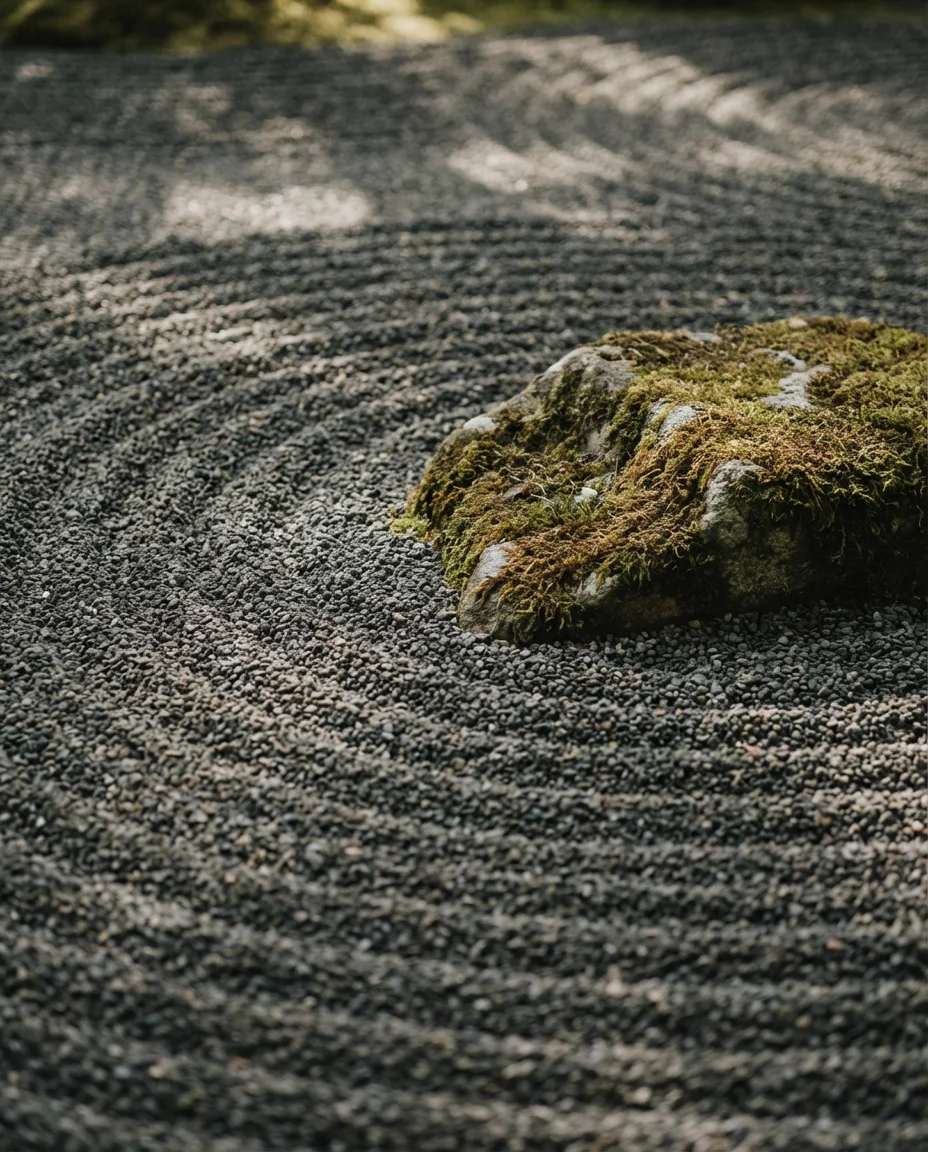
A landscape designer based in Portland once noted that the most common mistake in Western interpretations of zen gardens is overcrowding—adding too many stones, too many plants, and too many “things.” The power of this style comes from restraint. If you’re creating a small zen corner in a larger backyard, consider enclosing it with a simple bamboo fence or low boxwood hedge to define the space. The contained, meditative quality is what makes it feel genuinely peaceful rather than just decorative.
4. Slope Rock Garden with Cascading Ground Cover Plants
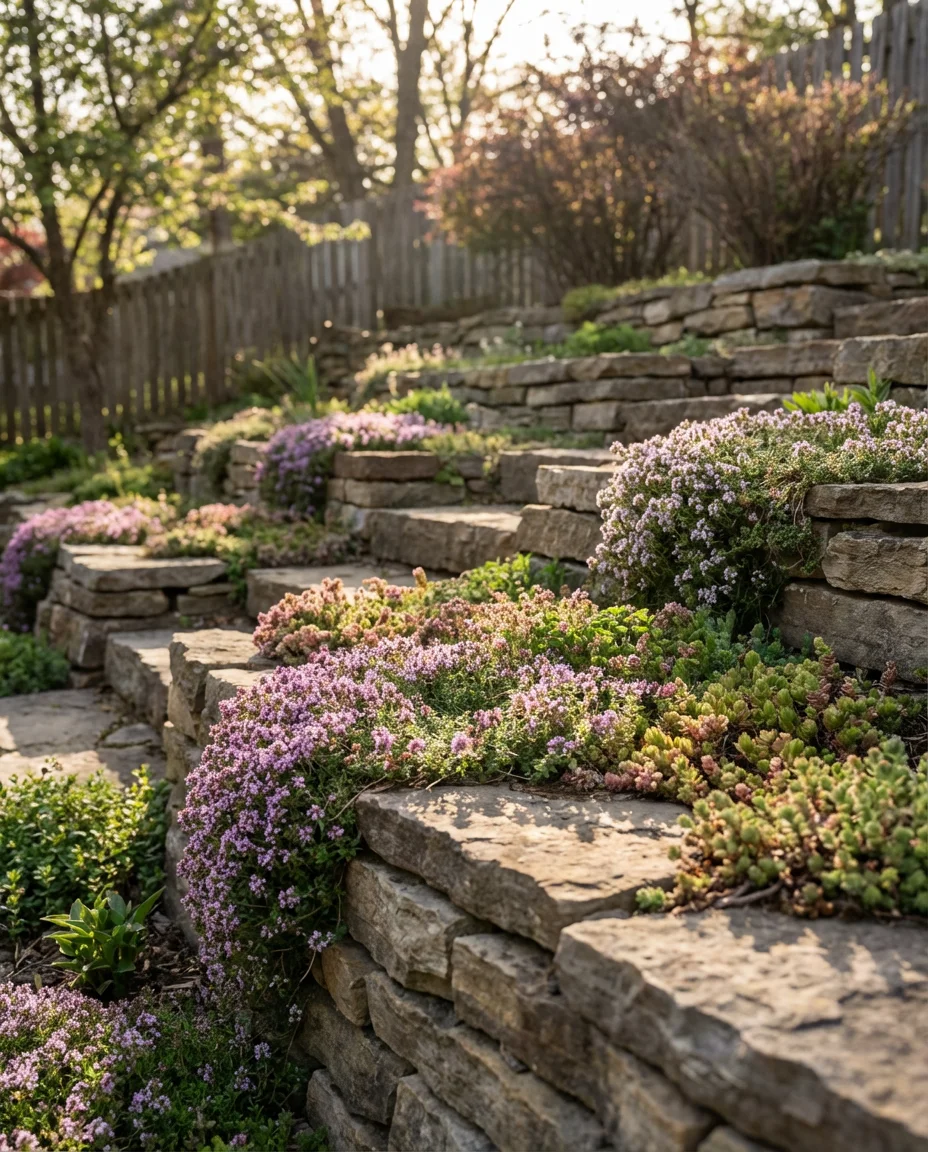
A challenging slope in your yard doesn’t have to be a problem—it can become the focal point. Terracing a hillside with stacked flat stones or boulders, then planting creeping thyme, trailing rosemary, or low sedums between them, transforms an erosion-prone bank into a layered, textural showpiece. The plants for this type of garden do double duty: they’re beautiful, but they also anchor the soil and slow water runoff in a way that grass often can’t match on a steep grade.
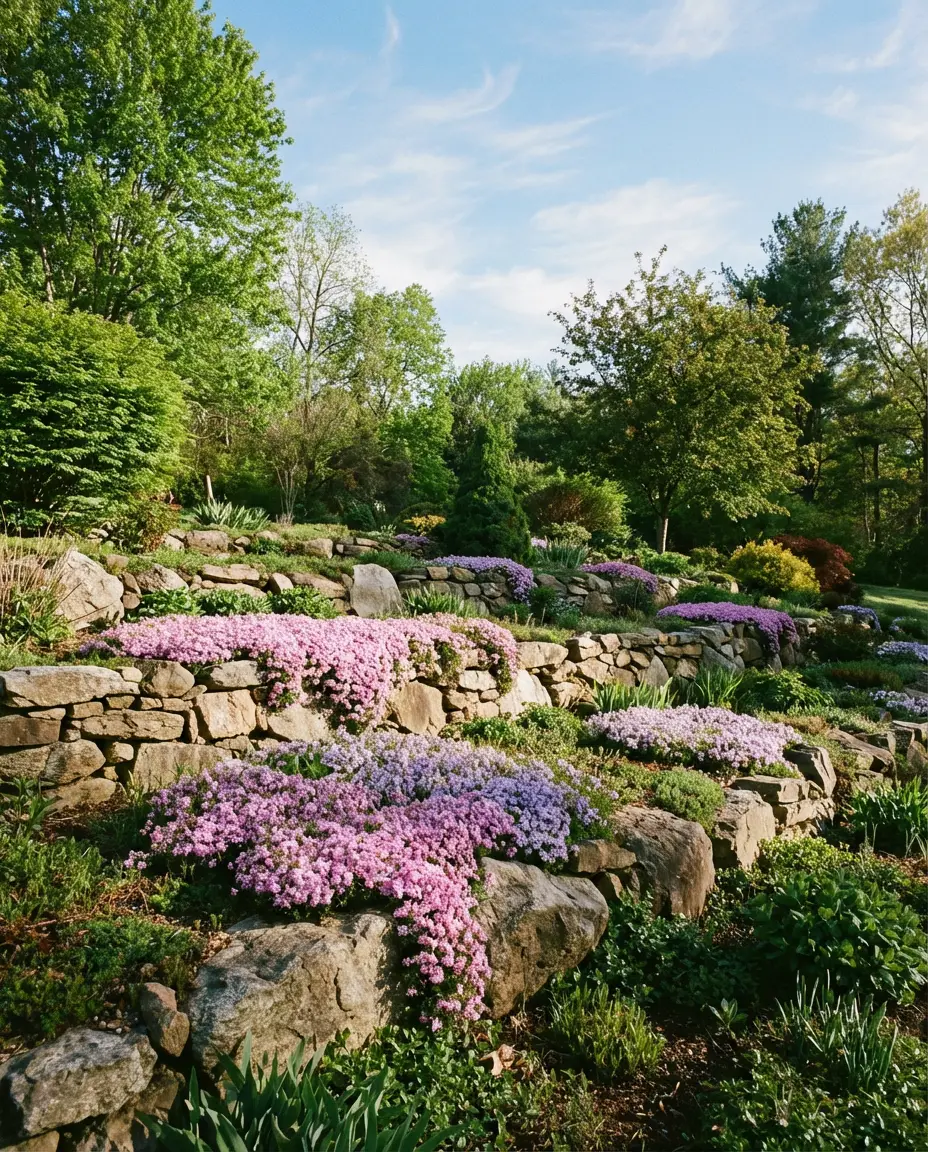
This design works best on slopes that face south or west, where sunlight is generous and the drainage is naturally good. One homeowner in Nashville tackled a steep side yard that had been bare dirt for years—after installing a terraced rock garden with creeping phlox and stonecrop, she mentioned it became the most-photographed spot in her neighborhood every spring when the plants bloomed. The key is choosing stones that are large and heavy enough to stay put through freeze-thaw cycles, particularly if you’re in the Midwest or Northeast.
5. Large Natural Boulder Feature as a Front Yard Focal Point
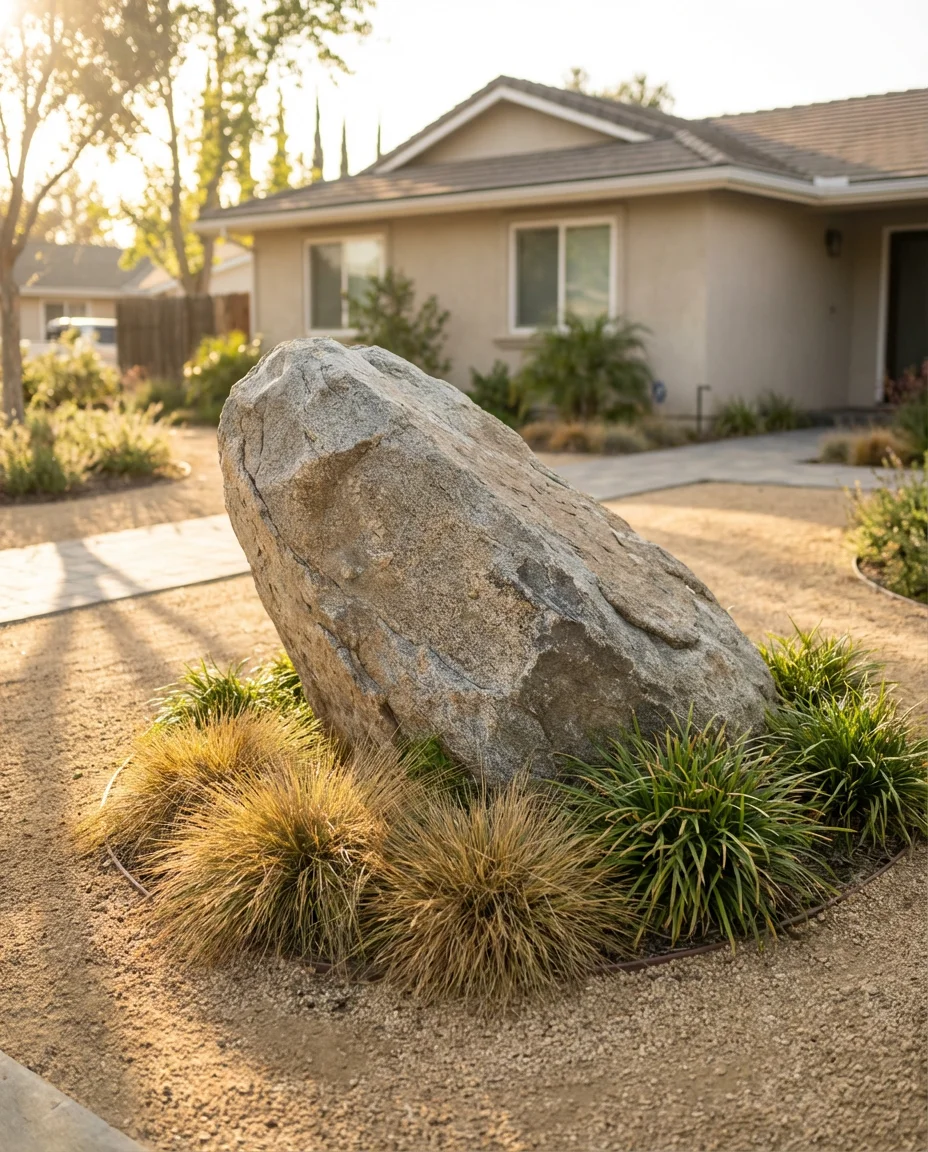
Sometimes one large stone says more than a hundred small ones. A single dramatic boulder—the kind that looks like it was always there—anchors a front yard ideas concept that’s part sculpture, part garden. Positioned off-center in a gravel or mulch bed, surrounded by low ornamental grasses and a few accent plants, a statement boulder creates instant visual weight. It draws the eye from the street, gives the yard a sense of permanence, and requires zero maintenance once it’s set. Few landscaping moves deliver this much impact for the effort involved.
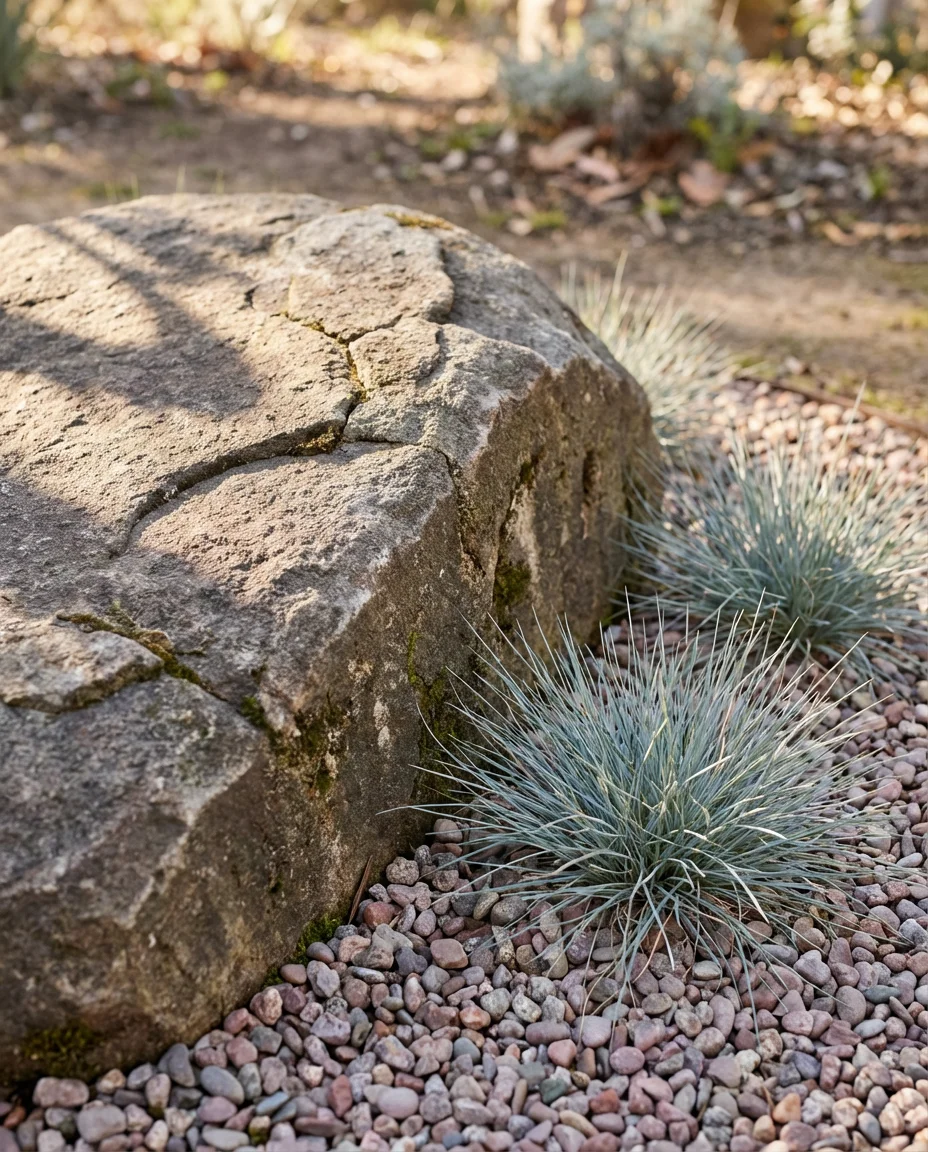
Sourcing a genuinely impressive boulder isn’t as expensive as many homeowners expect. Local quarries and landscape supply yards often sell large fieldstones or granite boulders by weight, and delivery is usually bundled into the quote. Expect to spend anywhere from $150 to $600 depending on size and stone type—a fraction of what a comparable sculptural water feature would run. The placement matters enormously: set the boulder slightly buried into the ground, not just sitting on top of the soil, so it looks like it belongs to the land rather than dropped from above.
6. Modern Rock Garden with Black Lava Stone and Ornamental Grasses
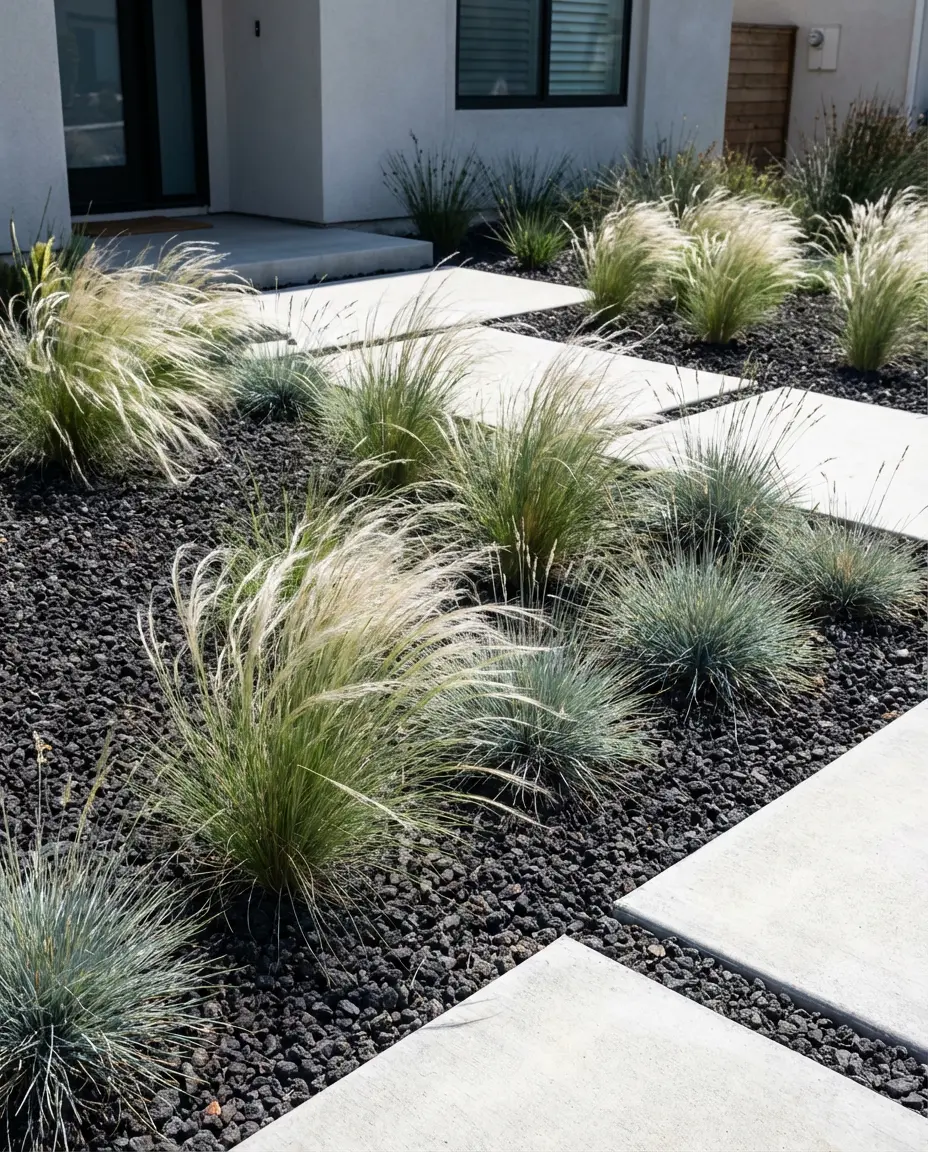
For a truly contemporary outdoor look, black lava rock paired with architectural ornamental grasses is one of the most striking combinations in modern landscaping right now. The porous, volcanic texture of lava stone reads almost matte in sunlight, creating an intensely graphic contrast against silver feather grass or blue oat grass swaying in the breeze. This palette—dark stone, silvery-green plants, clean lines—photographs beautifully and translates well to both small urban plots and larger suburban yards.
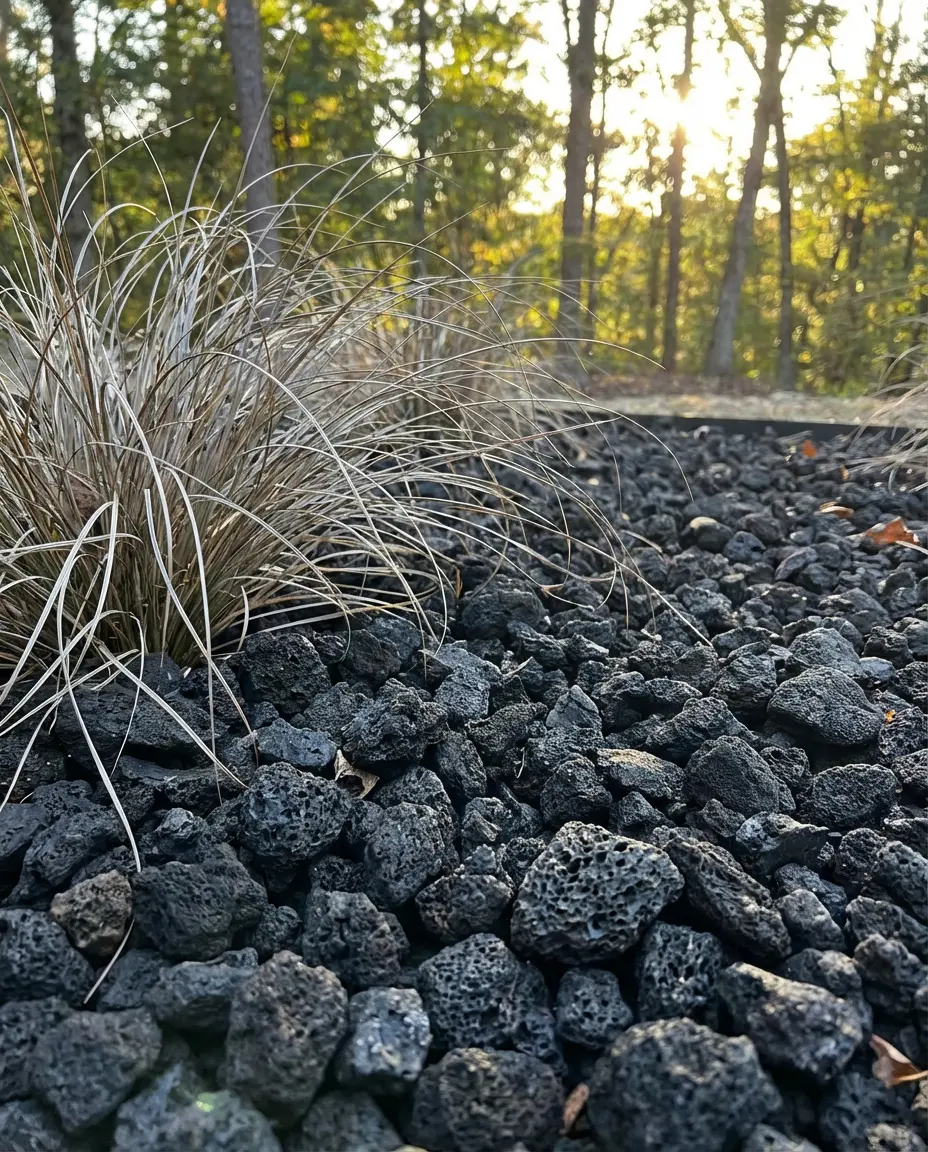
Lava rock has a practical advantage beyond aesthetics: its porous surface retains some moisture while still draining quickly, which creates a microclimate that many drought-adapted plants actually prefer. It also stays cooler than darker, dense stones in direct sun, which matters in warmer climates. Interior designers who’ve crossed over into landscape work often point to this combination as the outdoor equivalent of a black-and-white interior—timeless, high-contrast, and hard to get wrong when the proportions are right.
7. Cheap Front Yard Rock Garden Ideas on a Budget
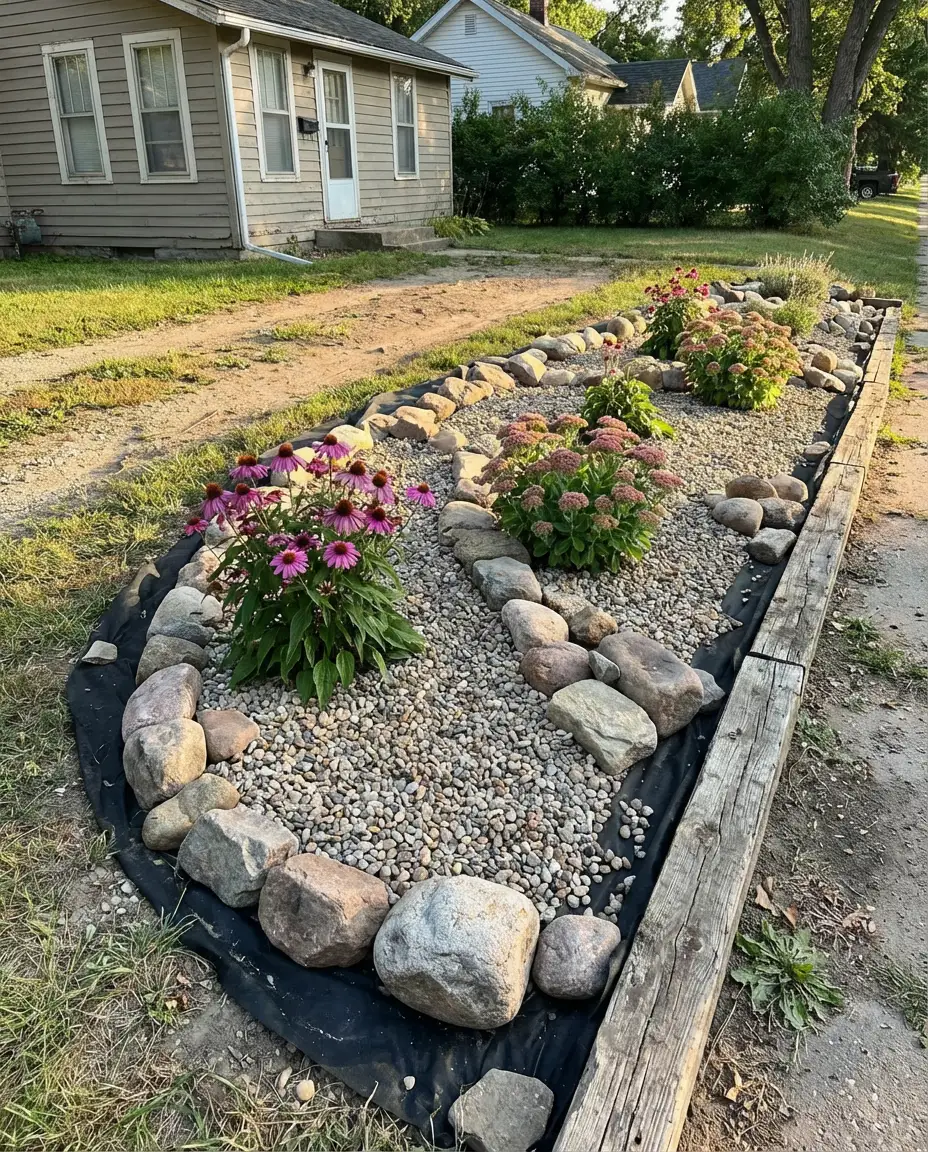
A beautiful rock garden doesn’t have to cost a fortune—and this is one of the most searched truths on Pinterest right now. Front yard ideas like cheap rock gardens lean on resourcefulness: sourcing stones from local creek beds (where legally permitted), repurposing broken concrete as “urbanite” edging, or splitting the cost of bulk gravel with a neighbor. Paired with drought-hardy natural plants like black-eyed Susans, purple coneflowers, or creeping sedum—most of which cost just a few dollars per plant—the result can look genuinely polished for under $300.
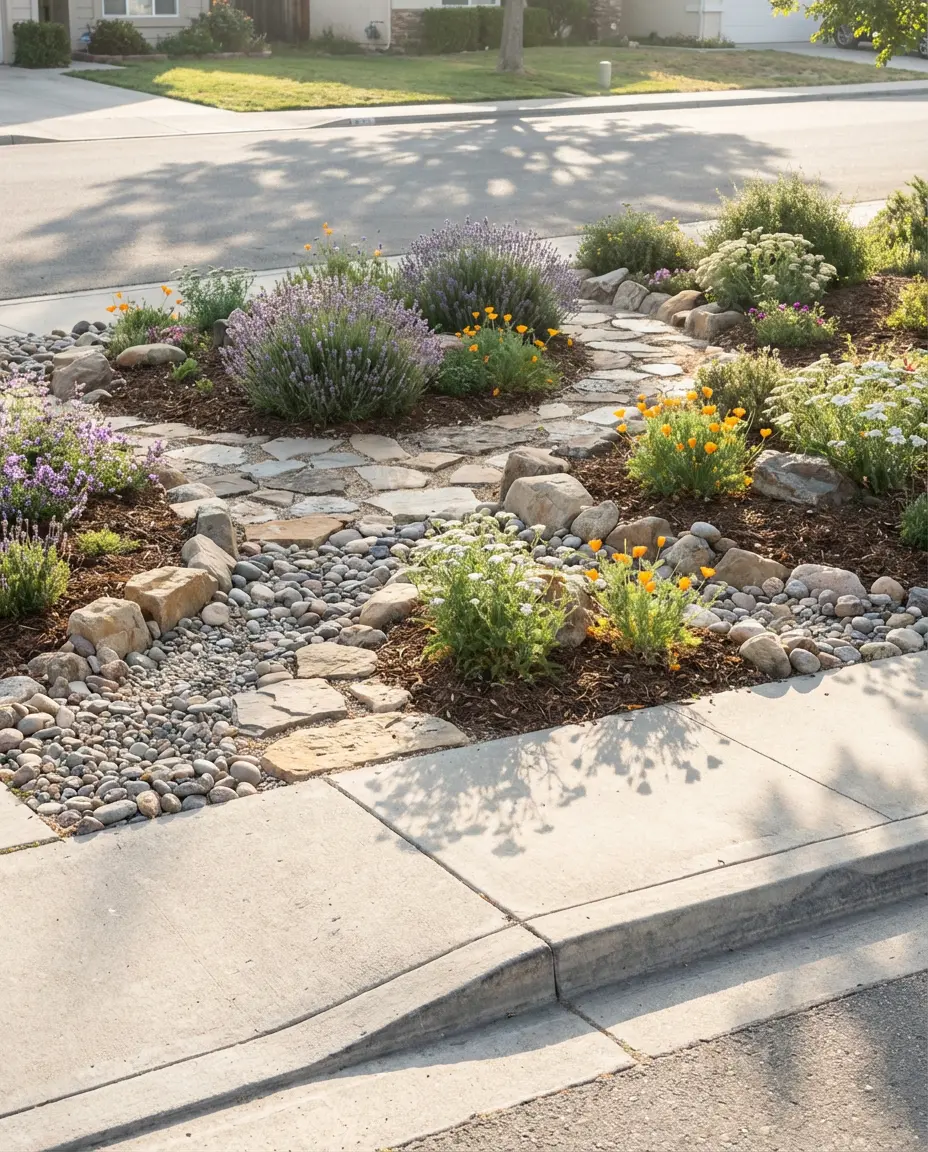
The DIY momentum here is real. Facebook Marketplace and local Buy Neighborhood groups are goldmines for free or near-free landscaping stones—people offload rocks from construction projects, demolished patios, and garden overhauls constantly. One homeowner in Columbus, Ohio, furnished an entire 400-square-foot front yard rock garden using only materials sourced locally for free, investing just $45 in landscape fabric and a bag of pea gravel to fill gaps. Her before-and-after photos went quietly viral in a neighborhood gardening group, which is a good reminder that creativity almost always outperforms budget.
8. Backyard Rock Garden with a DIY Water Fountain Feature
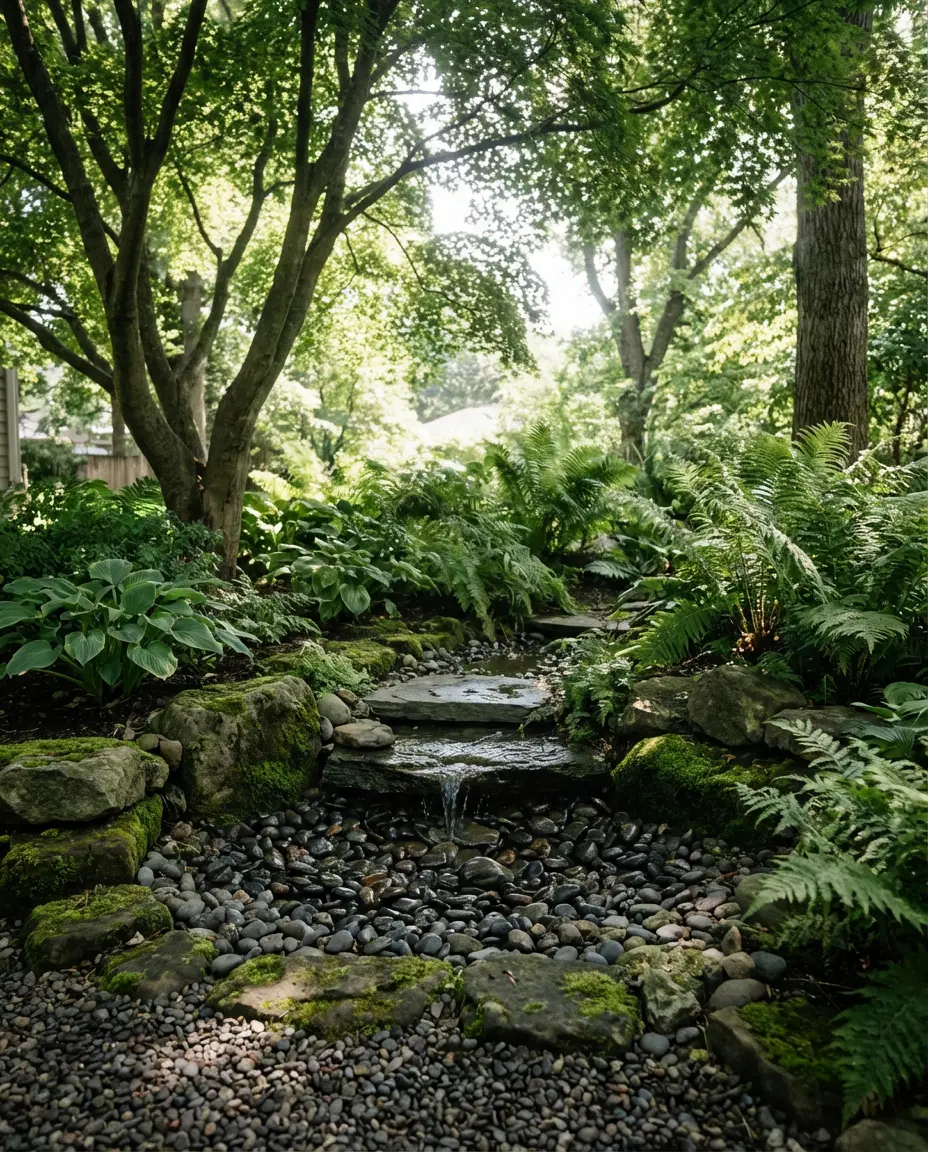
Few things elevate a backyard water fountain setup quite like surrounding the water feature with a thoughtfully arranged rock garden. The sound of trickling water combined with the visual weight of stone creates a sensory experience that feels genuinely restorative. A simple DIY pondless fountain—drilled through a large flat stone or boulder, with a hidden reservoir beneath—nestled among river rocks, ferns, and moss-covered fieldstones can transform an ordinary corner into the most tranquil spot in the yard.
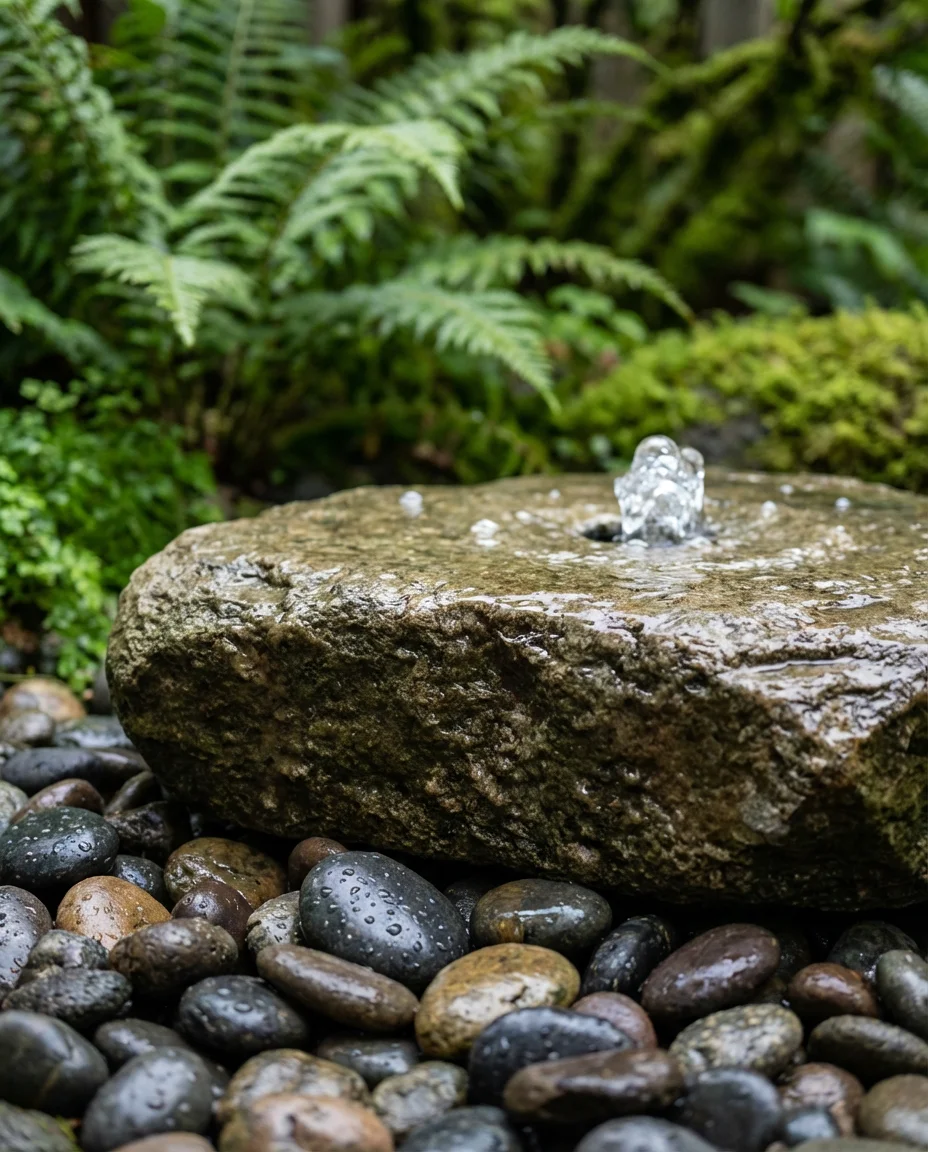
This setup works best tucked into a shaded or partially shaded corner where moisture-loving plants thrive naturally. Ferns, hostas, and creeping Jenny fill in around the rocks beautifully and won’t struggle in lower light. From a budget perspective, a pre-kitted pondless fountain pump runs between $80 and $200 online, and you can often find suitable flat boulders at local landscape yards for $50 to $150. The installation is genuinely manageable as a weekend project for someone comfortable with basic digging and electrical connections.
9. White Rock Garden with Minimalist Desert Design
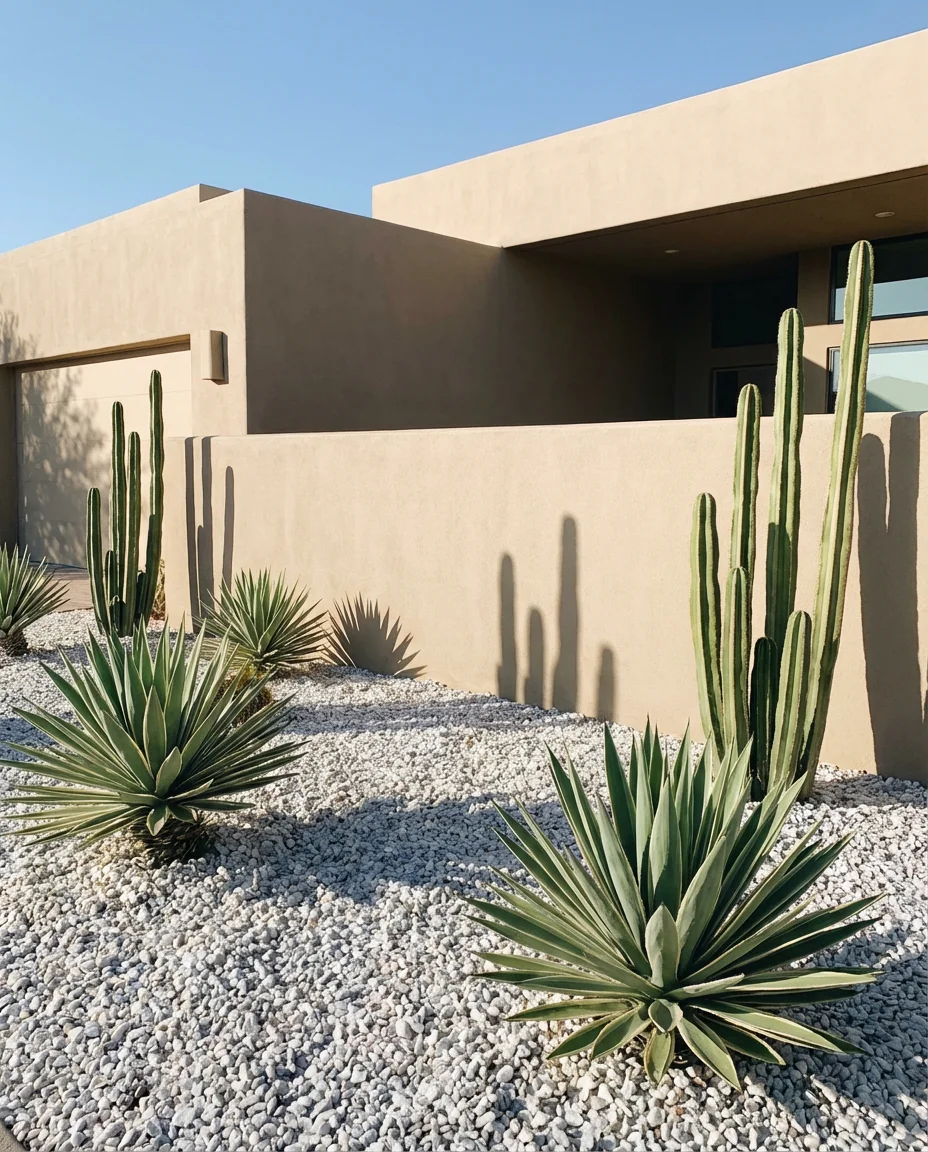
There’s a certain quiet boldness to a white rock garden—the kind that leans fully into minimalism and lets pale stone do all the heavy lifting. Using crushed white marble, white pea gravel, or light limestone chips as the base, this style pairs beautifully with spiky desert design plants: agave, yucca, and columnar cacti. The high contrast between the bright stone and the dark green or blue-green of desert plants reads almost architectural, especially when viewed from the street or a second-story window.
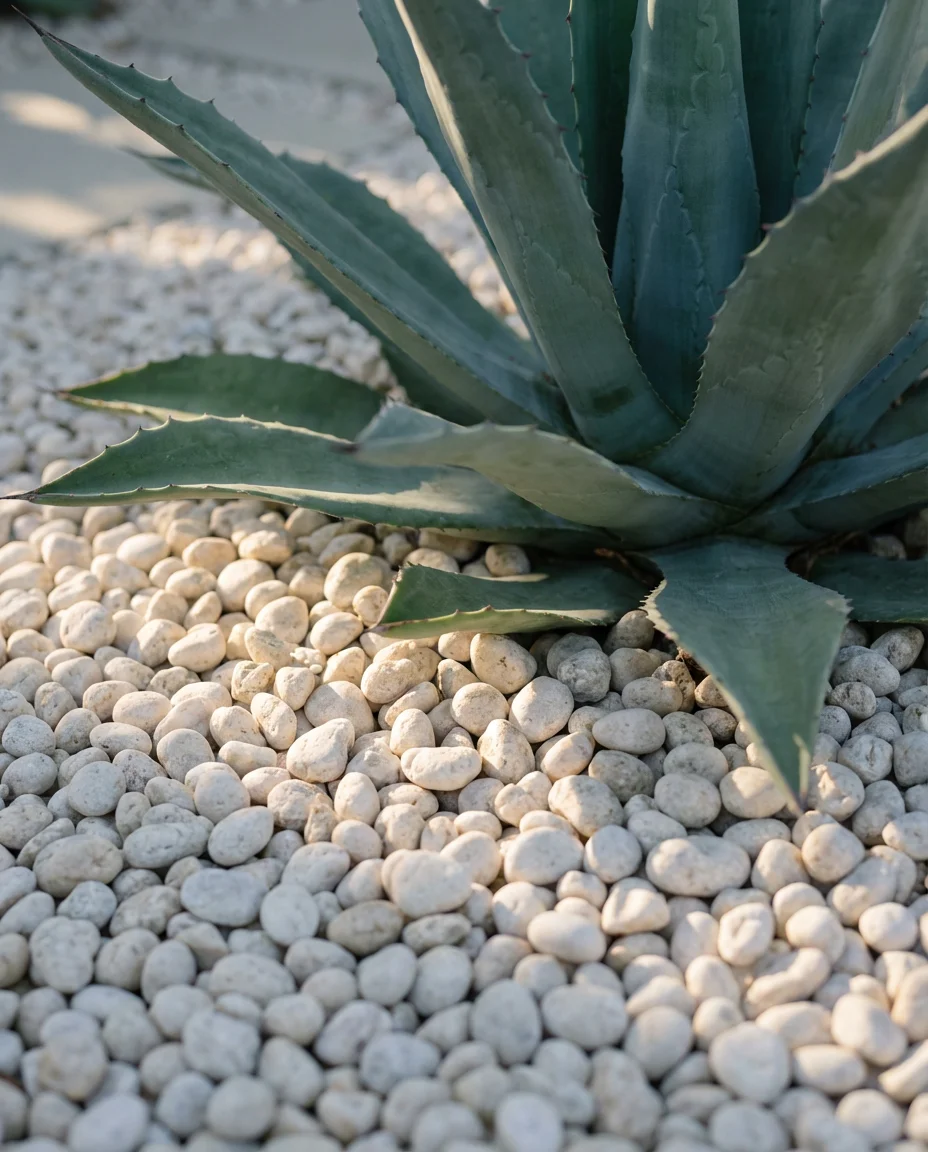
White gravel can get hot in direct sun, which actually benefits most desert-adapted plants that prefer warm root zones. It also brightens shaded areas dramatically, making it useful for north-facing yards that struggle to feel vibrant. One thing to keep in mind: white rock shows organic debris—fallen leaves, dirt—more readily than darker gravel, so it requires occasional blowing or raking to maintain that crisp look. If low maintenance is the top priority, a light gray or silver-toned gravel delivers a similar visual effect with more forgiveness.
10. Painted Rock Garden Accents for a Playful Backyard
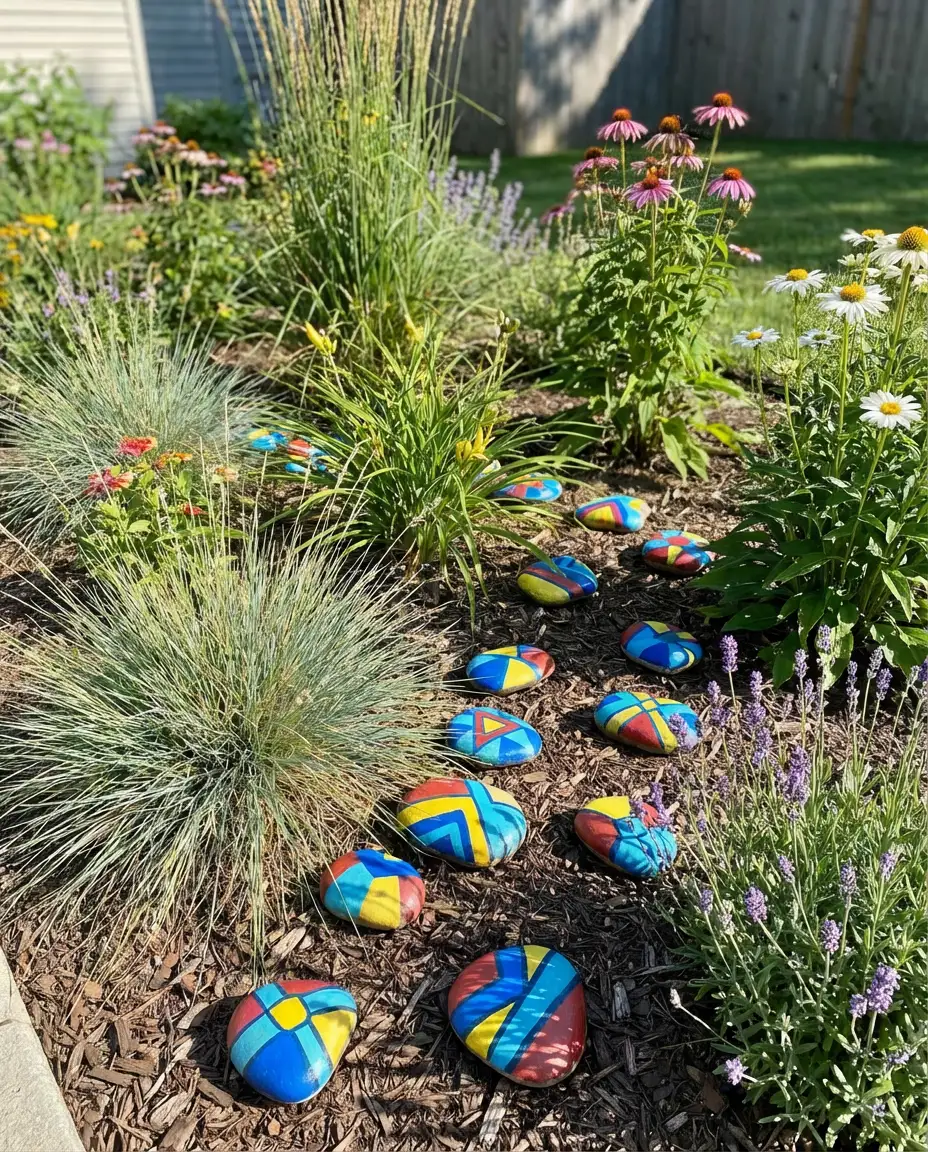
Painted rocks scattered through a garden bed add a layer of whimsy and personality that’s hard to achieve any other way. This trend—which started as a children’s craft and evolved into a legitimate garden aesthetic—now shows up in everything from cottage gardens to modern landscaping. Simple designs work best outdoors: bold color-blocking, geometric patterns, or nature-inspired motifs in weather-resistant acrylic or exterior paint. Mixed into a backyard ideas planting scheme with ornamental grasses and flowering perennials, they function like art installations that cost almost nothing.
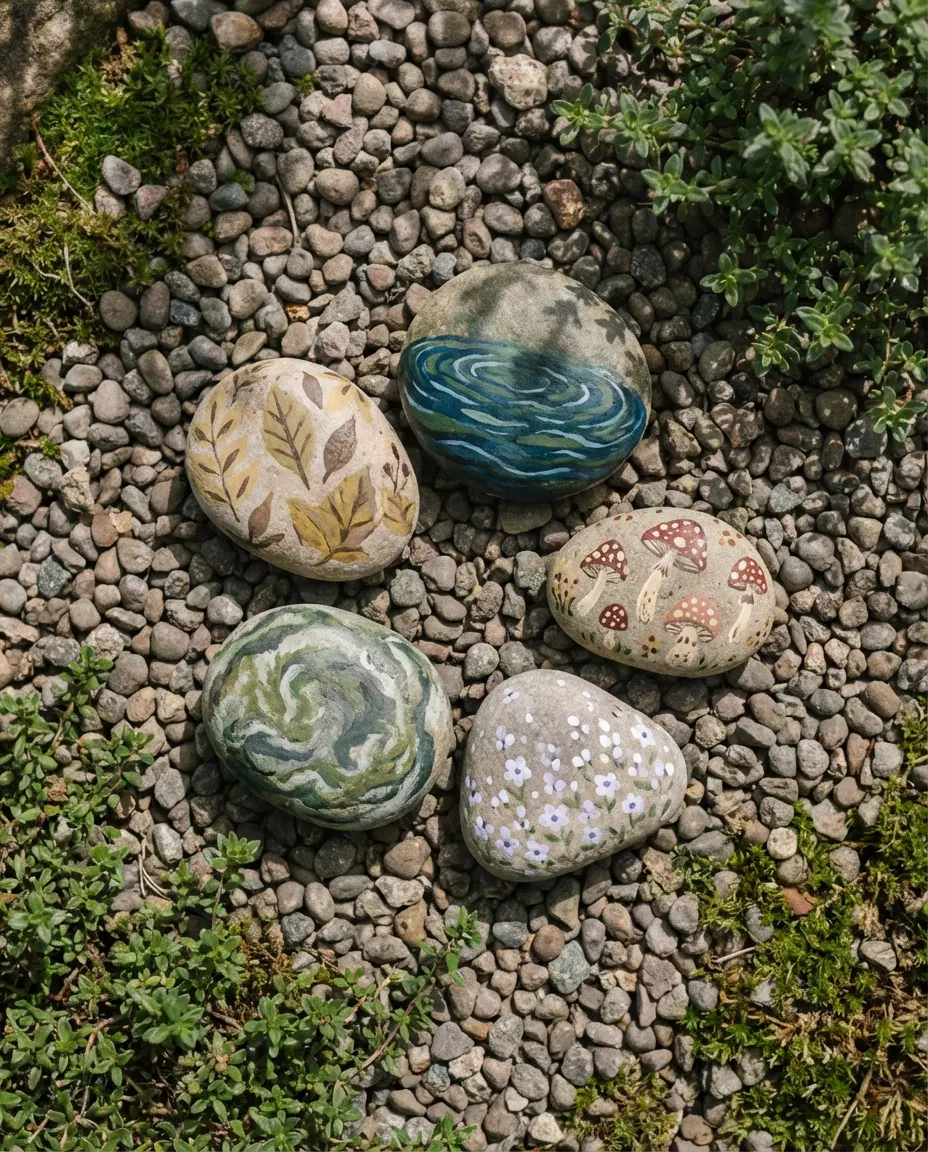
This is a project that genuinely works as a family activity. A rainy Saturday afternoon spent painting a collection of smooth river rocks can yield months of garden decoration—and kids who’ve painted the rocks develop a real investment in the garden. For longevity, seal finished rocks with an outdoor matte polyurethane before placing them outside. Unsealed acrylic will fade within one season, especially in humid climates. Use flat-bottomed rocks so they sit stably in the soil rather than rolling out of place every time someone walks by.
11. Backyard Rock Garden with Concrete Pavers and Native Plants
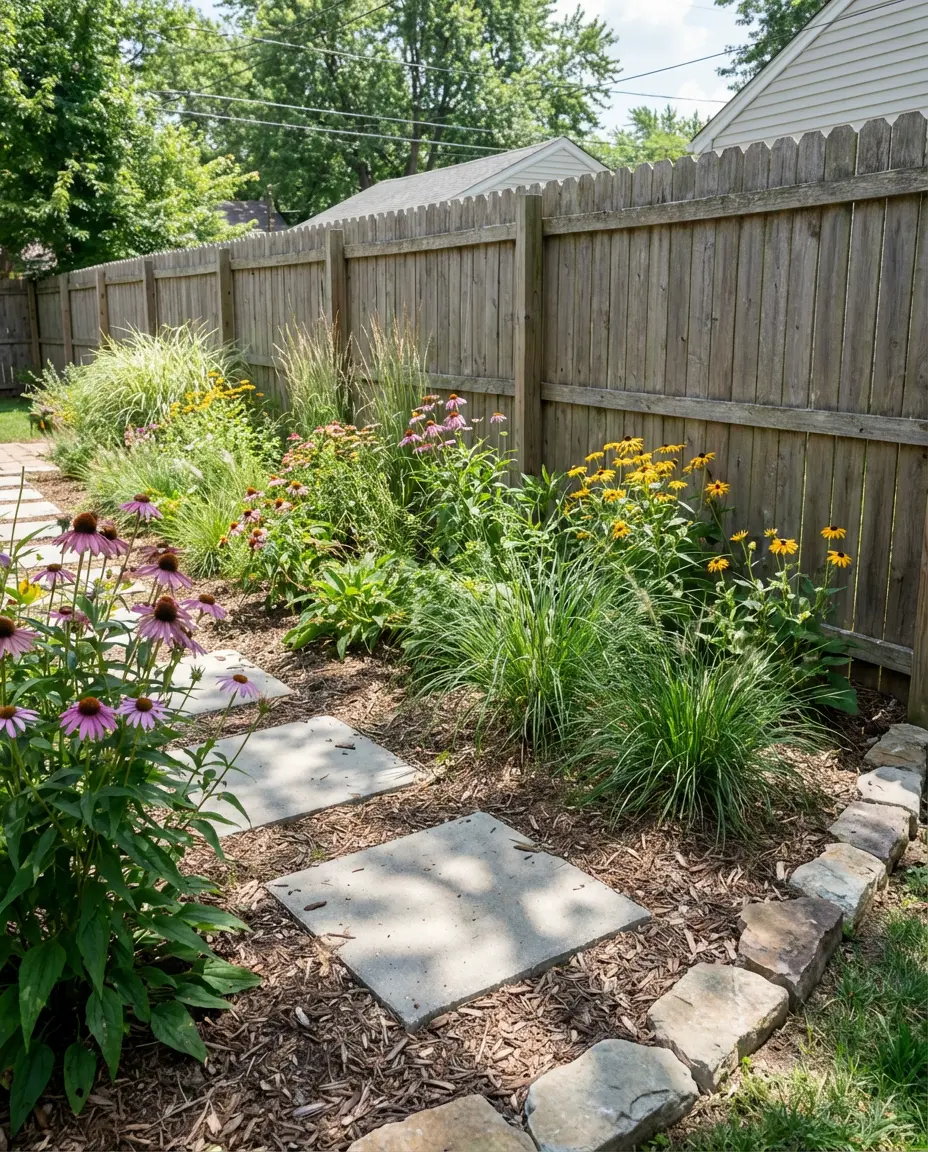
Combining backyard ideas like concrete pavers with a naturalistic rock garden sounds like an unlikely pairing, but when done well, it creates an outdoor space that’s both functional and beautiful. The idea is to use clean-lined concrete pavers as stepping stones or a patio edge, then let a more organic rock garden—planted with native wildflowers, ornamental grasses, and low shrubs—flow around and between them. The structured geometry of the pavers keeps the design from feeling chaotic, while the natural stone and plants soften what might otherwise feel sterile.
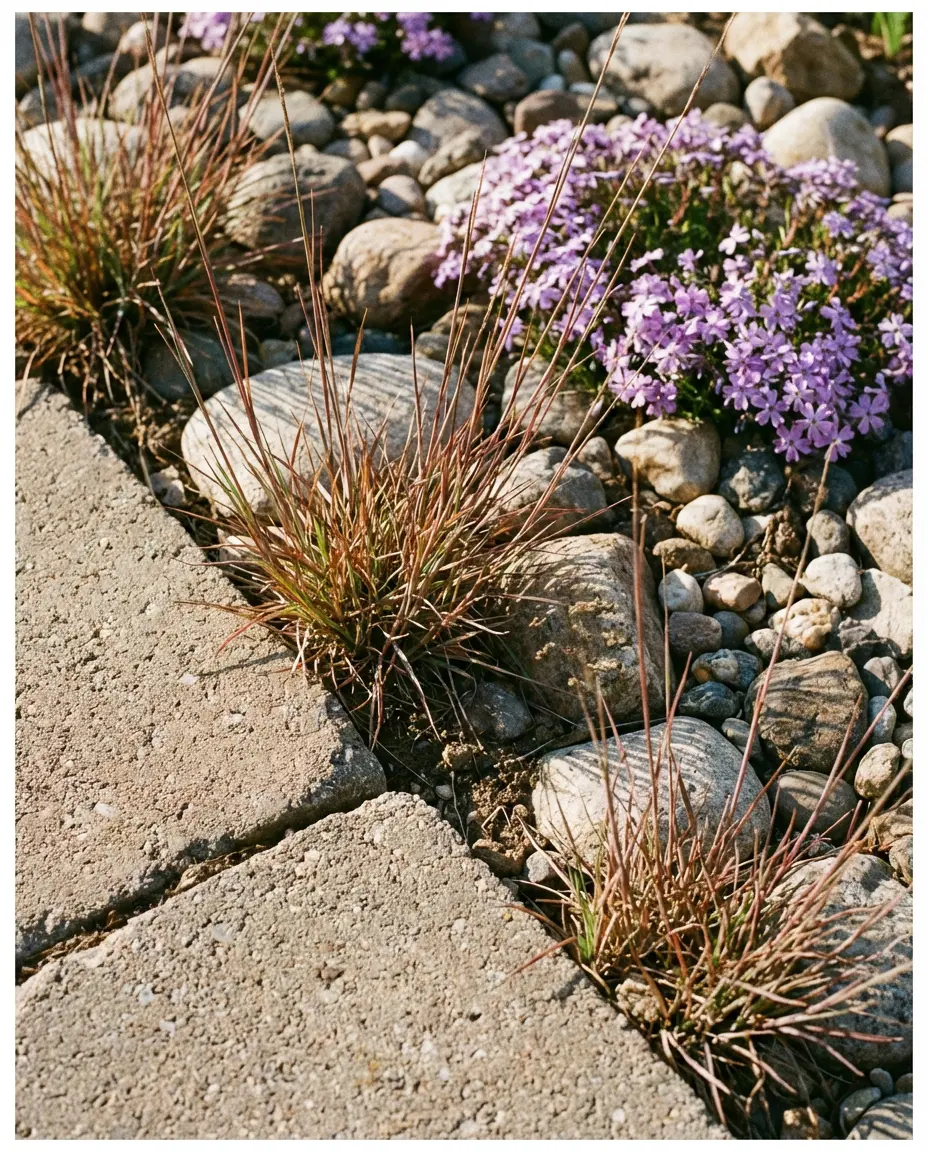
Native plants are the smart choice here for reasons beyond aesthetics. They’ve evolved alongside local insects and birds, which means they actively support biodiversity without demanding extra water or fertilizer. In the Midwest, that might mean planting coneflowers, little bluestem grass, and native sedums alongside the stonework. On the East Coast, Virginia sweetspire, creeping phlox, and wild ginger fill the gaps elegantly. The result is a garden that looks intentional from day one but fills in more richly every year with minimal intervention.
12. Rock Garden Pots and Planters for a Patio or Balcony
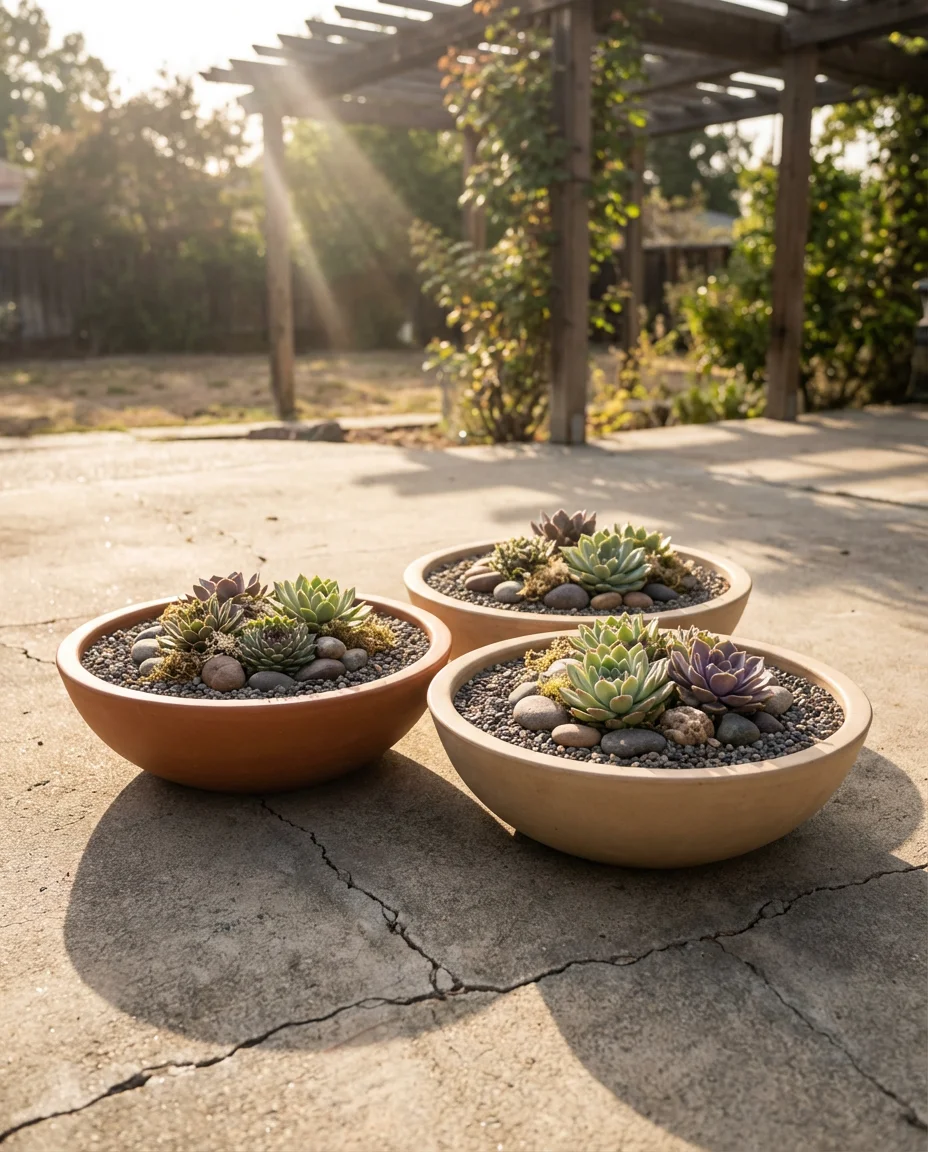
Not everyone has a yard—but that doesn’t mean missing out on the rock garden aesthetic. Pots and planters filled with a layer of gravel, a few statement stones, and drought-tolerant succulents or alpine plants bring the rock garden concept to any outdoor space, including balconies, patios, and rooftop terraces. Wide, shallow ceramic or concrete bowls work especially well for this style—they mimic the low horizontal profile of an in-ground rock garden and show off the stone-plant composition from above. Grouping three or five containers of varying heights creates a collected, intentional look.
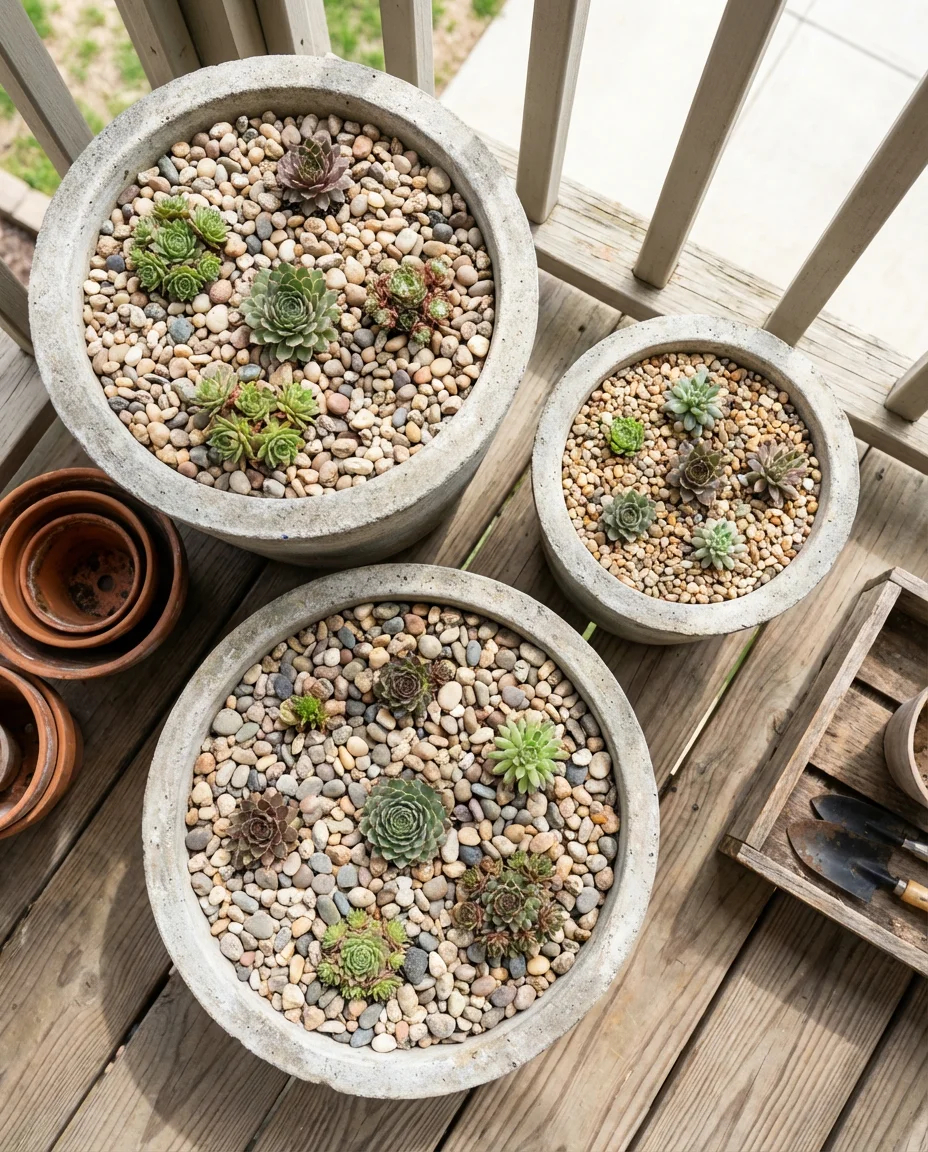
The key to keeping container rock gardens looking sharp is drainage. Gravel-topped soil dries out faster than bare soil, which is fine for most alpine and succulent plants but can stress others. Make sure every container has drainage holes, and use a cactus or well-draining potting mix rather than standard potting soil. A layer of pebbles at the bottom of the pot isn’t actually necessary for drainage (that’s a longtime gardening myth)—but a well-draining soil mix absolutely is. Top-dress with decorative gravel to tie the container display to the overall rock garden look.
13. Front Yard Rock Garden Ideas with Flowering Perennials
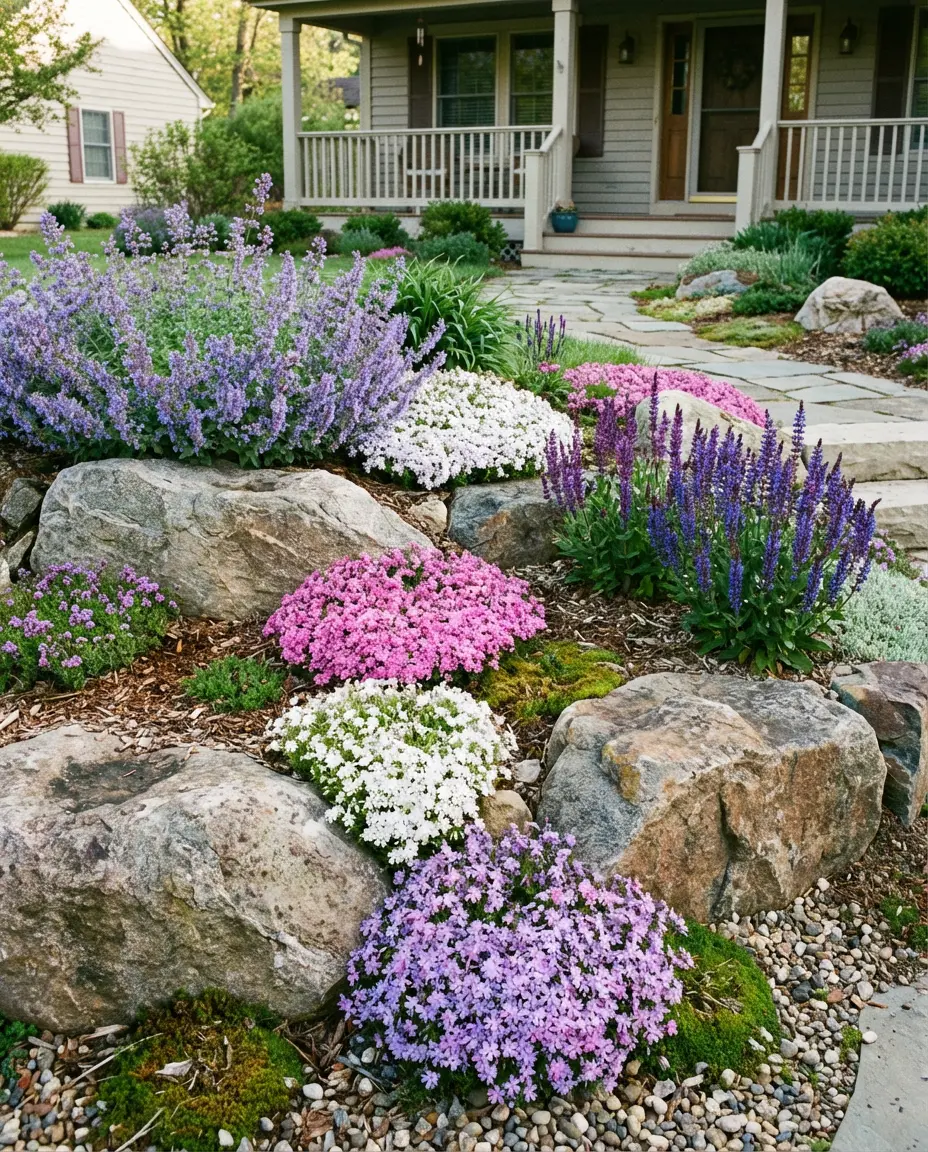
A rock garden doesn’t have to feel sparse or austere—when planted with the right flowering perennials, it can be as colorful and lush as any traditional flower bed. Front yard ideas that incorporate soft boulders and mixed stone with phlox, catmint, salvia, and creeping thyme create a layered, cottage-meets-natural aesthetic that reads warm and welcoming from the street. The rocks act as anchors that keep the design from looking like an ordinary garden bed while adding visual structure throughout the winter months when blooms are gone.
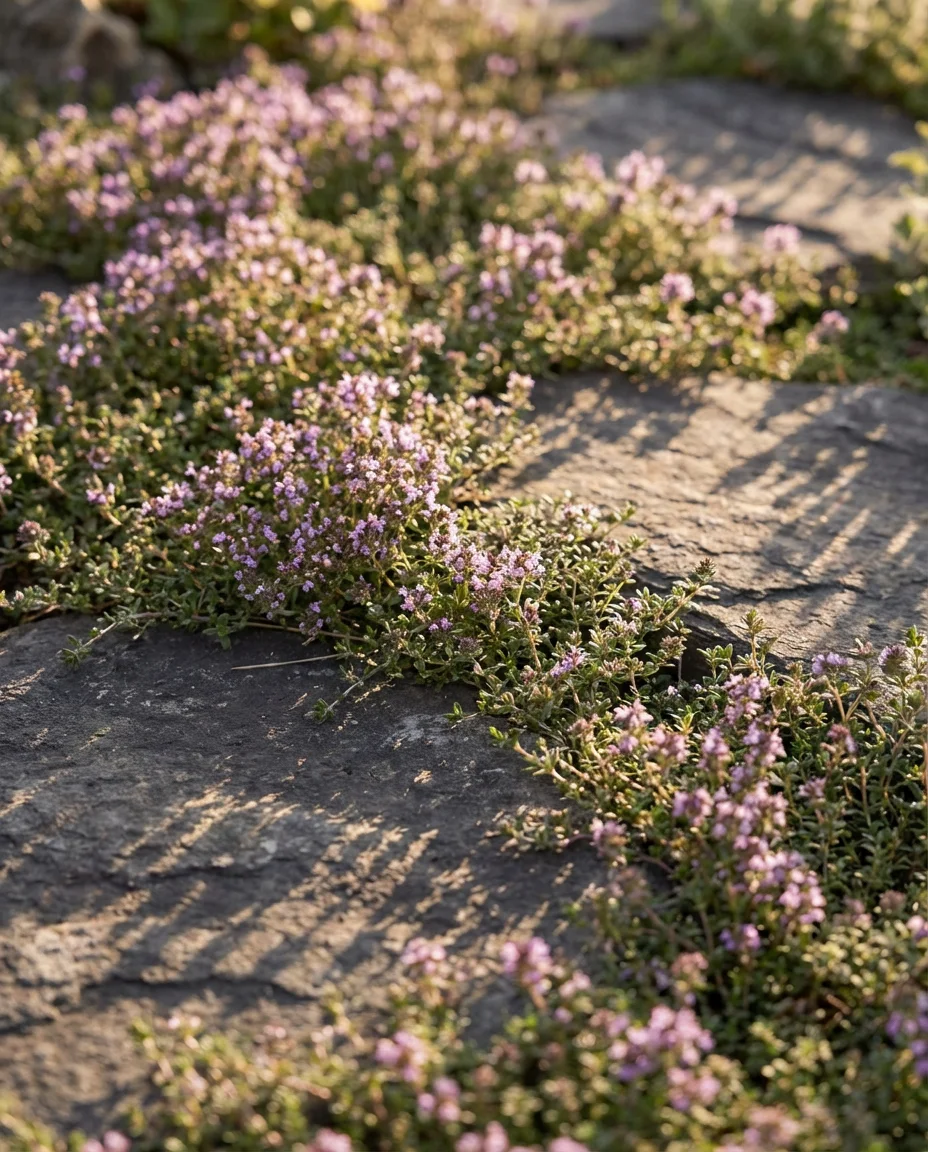
The best flowering perennials for rock gardens are those that naturally grow in rocky, well-drained habitats—plants that evolved in conditions similar to what you’re recreating. Dianthus, aubrieta, creeping phlox, and alpine asters are consistently reliable performers that return and spread slowly each year. Plan for a bloom sequence that carries color from early spring through fall: start with creeping phlox in April, move into catmint through summer, and let black-eyed Susans and sedum carry things through October. A rock garden that blooms in waves feels curated in the best possible way.
14. Natural Rock Garden with Moss and Woodland Ferns
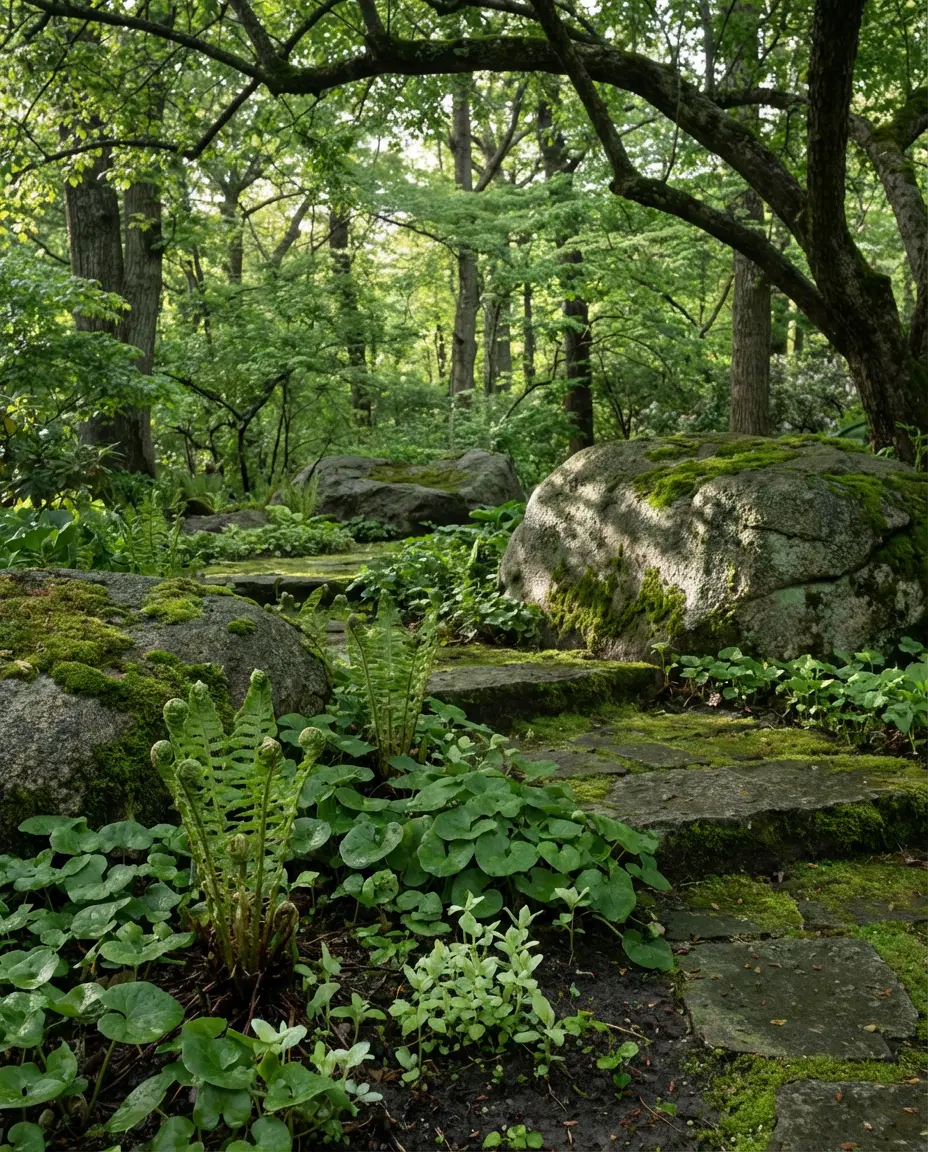
For shaded properties or north-facing yards, a natural rock garden built around moss and woodland ferns is one of the most lush and atmospheric options available. Fieldstones and weathered granite arranged in loose clusters, gradually colonized by moss and surrounded by ostrich ferns, Japanese painted ferns, and wild ginger, create a space that feels genuinely ancient—the kind of garden that looks like it was always there. This style suits properties near woods or streams or with a mature tree canopy overhead.
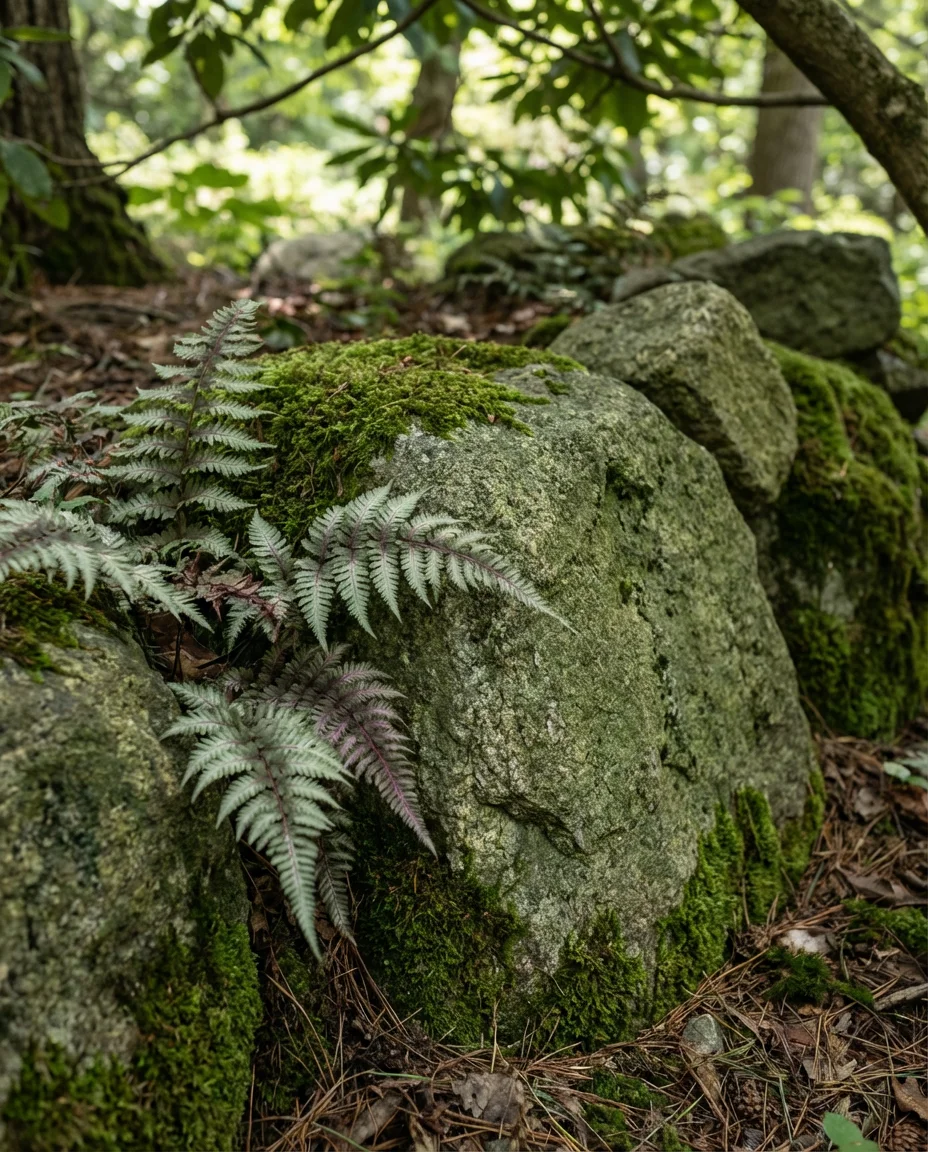
Moss establishment is slower than most gardeners expect—it can take two full seasons before stones become richly colonized in a new installation. To accelerate the process, some gardeners blend live moss with buttermilk and water, then paint the mixture onto stone surfaces. It’s a genuine technique, not just a gardening myth, and it does seem to help in humid climates. Keep the area consistently moist during the first year, and avoid any fertilizer—moss actually thrives in lower-nutrient conditions and struggles when nitrogen levels climb too high from nearby lawn treatments.
15. Rock Garden Flower Beds Along a Backyard Fence Line
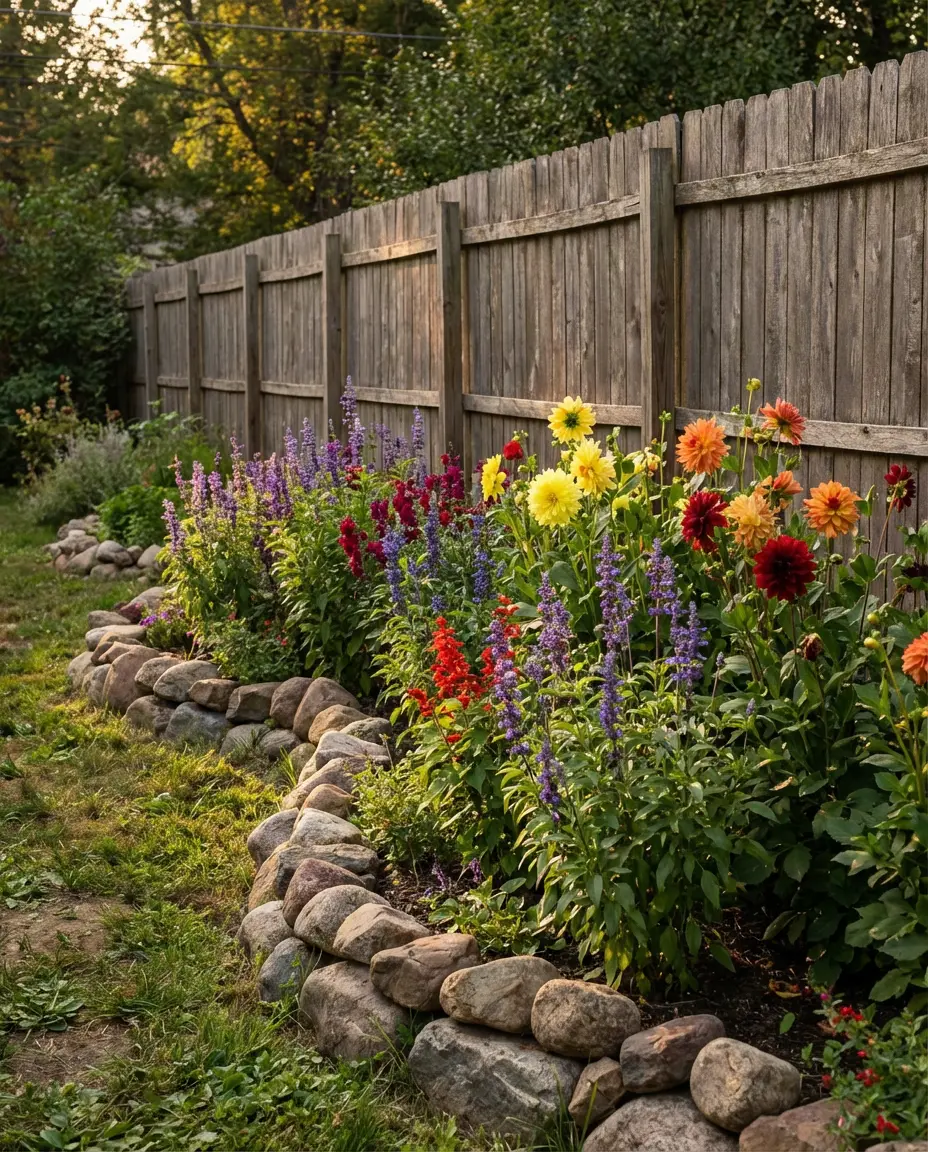
Using rocks to define and anchor backyard ideas for flower beds along a fence line is one of the most practical applications of this landscaping style. A row of medium-sized fieldstones or stacked flagstone creates a defined border that doubles as visual edging—keeping mulch in and lawn out and giving the bed a clean, finished look without the need for plastic or metal edging strips. Plant the bed with a mix of ornamental grasses, tall-growing salvias, and dahlias for summer color that draws the eye along the entire fence.
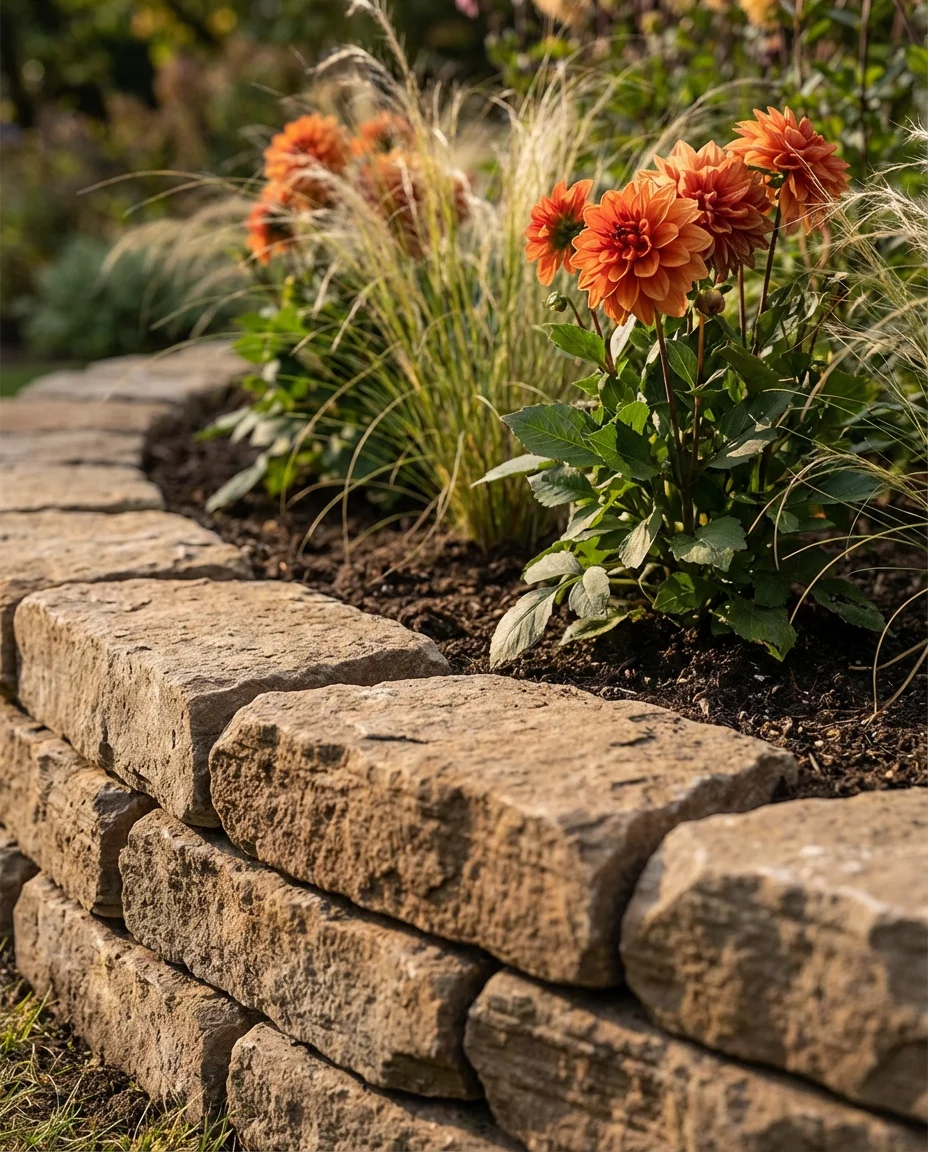
This arrangement is particularly effective for long, narrow fence lines that might otherwise feel like dead space. The continuous rock edging gives the bed a rhythm and visual consistency, even when planting choices vary. From a practical standpoint, rocks also retain warmth during cool evenings, creating a slightly warmer microclimate for plants right along the border—which is why you often see slightly earlier blooming in beds edged with stone compared to those with wood or plastic borders. It’s a small difference but a genuine one.
16. Backyard DIY Rock Garden Project for Beginners
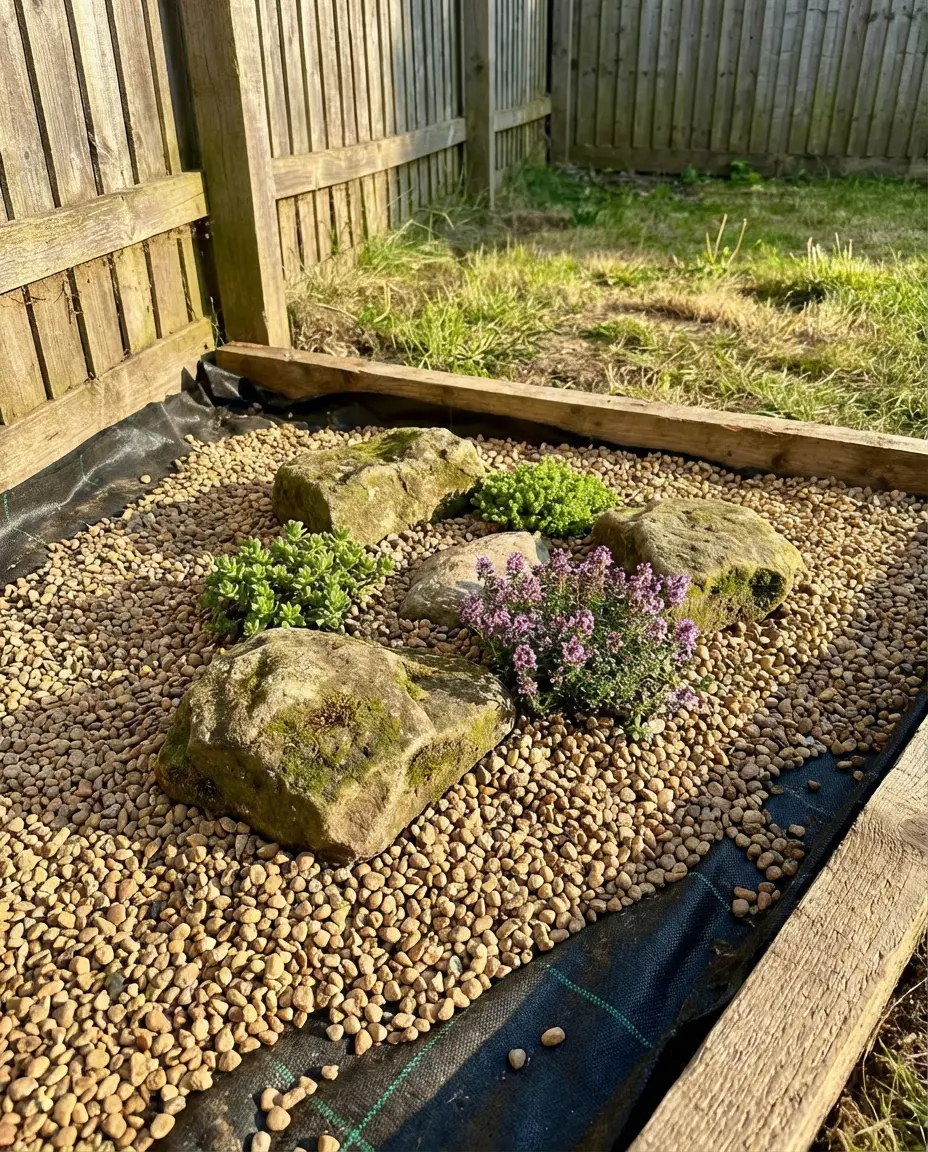
The backyard ideas diy projects corner of Pinterest is full of rock garden tutorials, and for good reason—this is genuinely one of the most accessible landscaping projects a homeowner can tackle without professional help. A basic beginner setup involves clearing a defined area, laying weed barrier fabric, covering it with crushed gravel or pea stone, then placing a handful of larger accent rocks in an asymmetric arrangement. Add a few drought-tolerant plants—sedums, ornamental thyme, and alpine strawberry—and you’re done. Start to finish: one solid weekend.
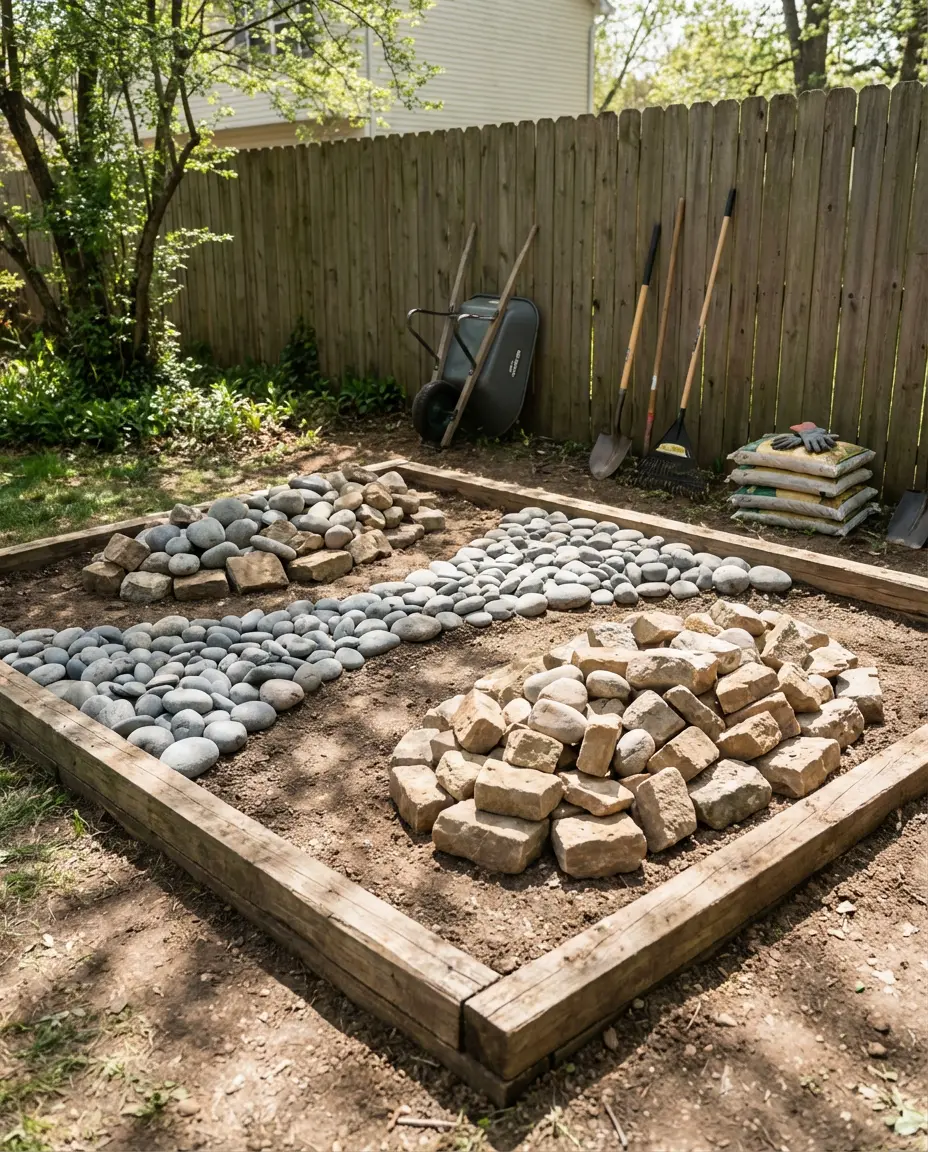
The biggest mistake first-time DIY rock gardeners make is choosing too many different types of stone. When five or six stone varieties compete in the same small space, the result looks cluttered and accidental rather than curated. Stick to one or two complementary stone types—say, a smooth gray river rock for ground cover and a rough tan fieldstone for accent boulders. The restraint in material choices is what gives the design coherence. Everything else—plant selection, spacing, edging—follows more naturally once the stone palette is settled.
17. Rock Garden with a Zen-Inspired Dry Stream Bed
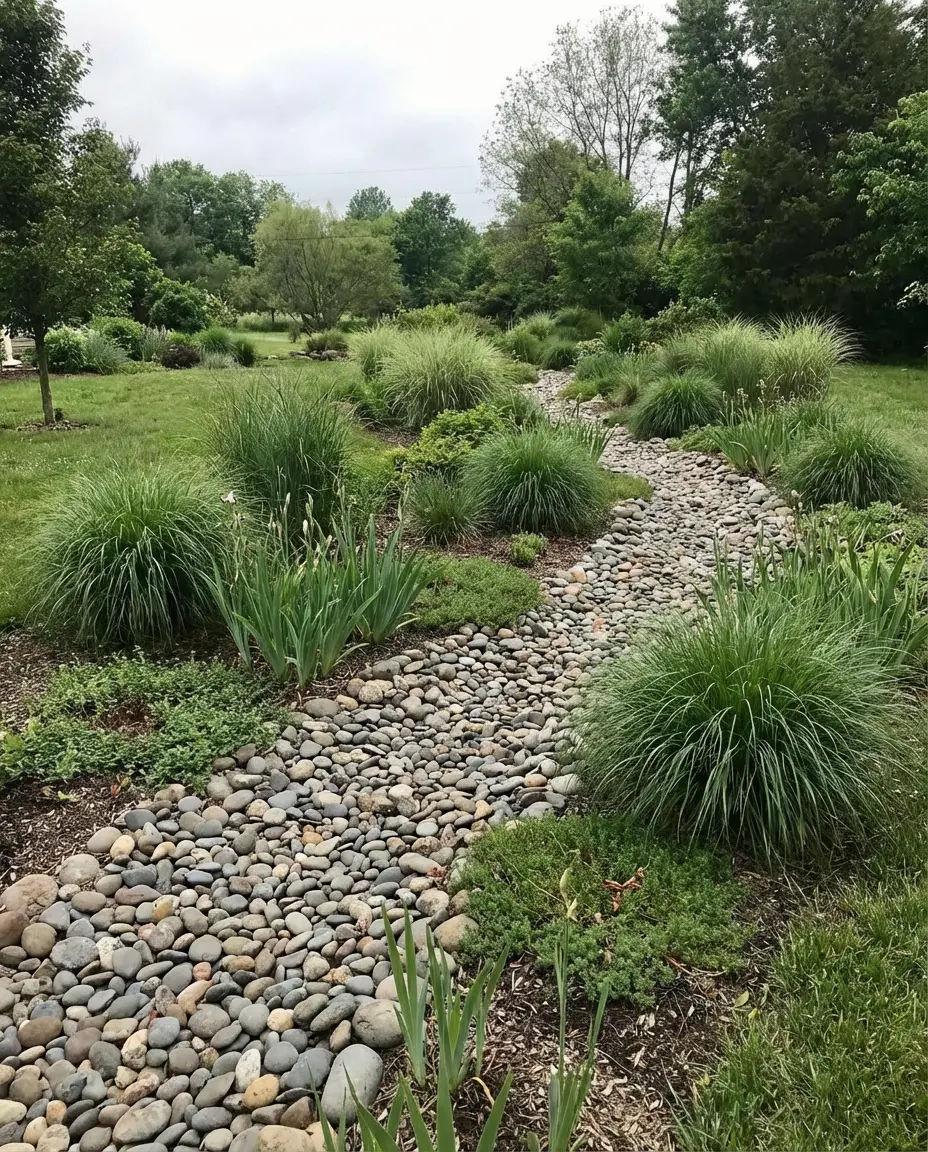
A dry stream bed is one of the most elegant ways to introduce movement and flow into a rock garden without using actual water. Borrowing from both zen garden philosophy and Japanese water garden tradition, this technique uses smooth river pebbles arranged in a sinuous ribbon—wider in some sections, narrower in others—to mimic the natural path of a stream. Flanked by ornamental grasses, iris, and the occasional larger stone, a dry stream bed adds depth and dimension to flat or gently sloping yards.
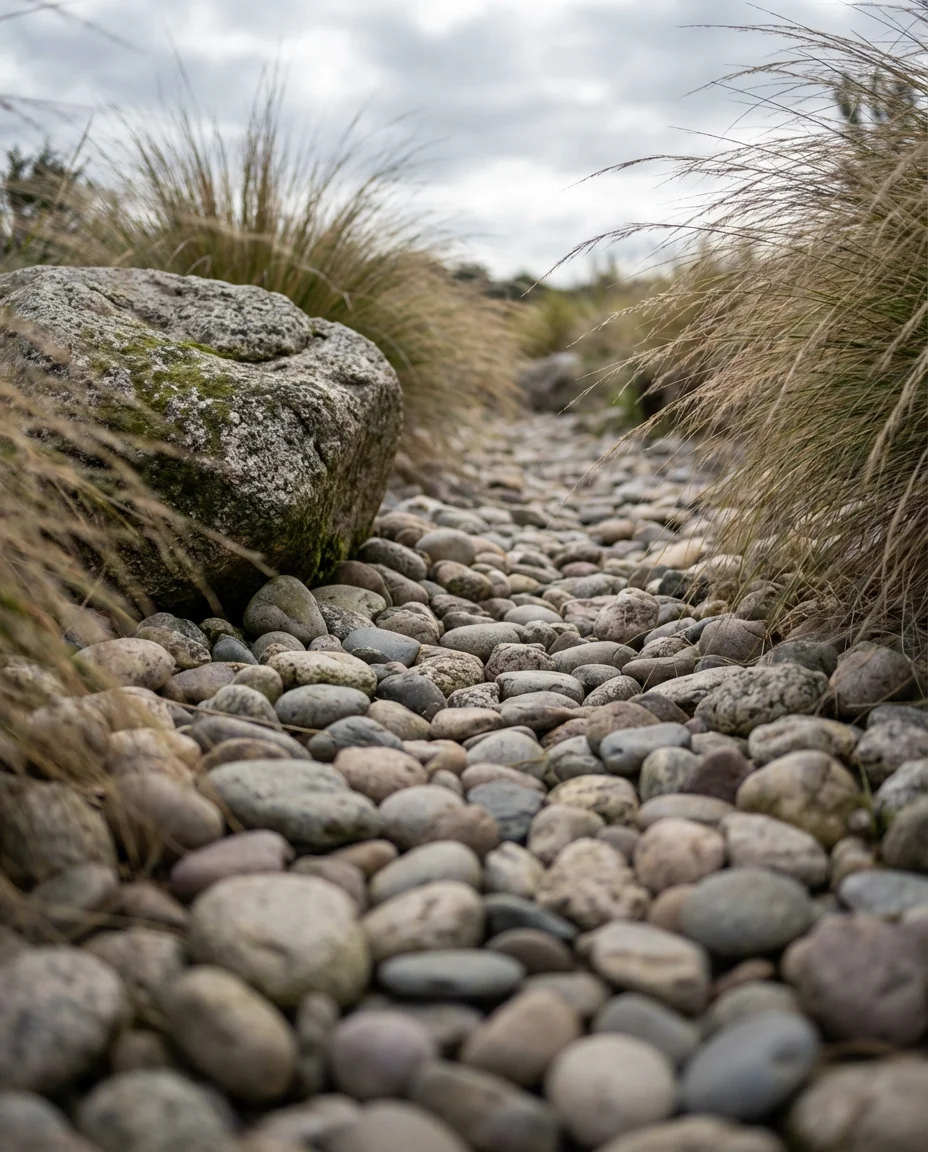
Beyond aesthetics, dry stream beds serve a functional role: they’re one of the most effective ways to direct stormwater runoff across a yard without erosion. In areas that receive heavy rainfall—the Southeast, Pacific Northwest, and Midwest—a well-placed dry stream can channel water away from foundations, driveways, and low-lying planting beds. Landscape architects often recommend this as a beautiful alternative to French drains or concrete swales, especially in front yards where an infrastructure-style solution would look out of place.
18. Lava Rock Mulch Garden Bed with Tropical Plants
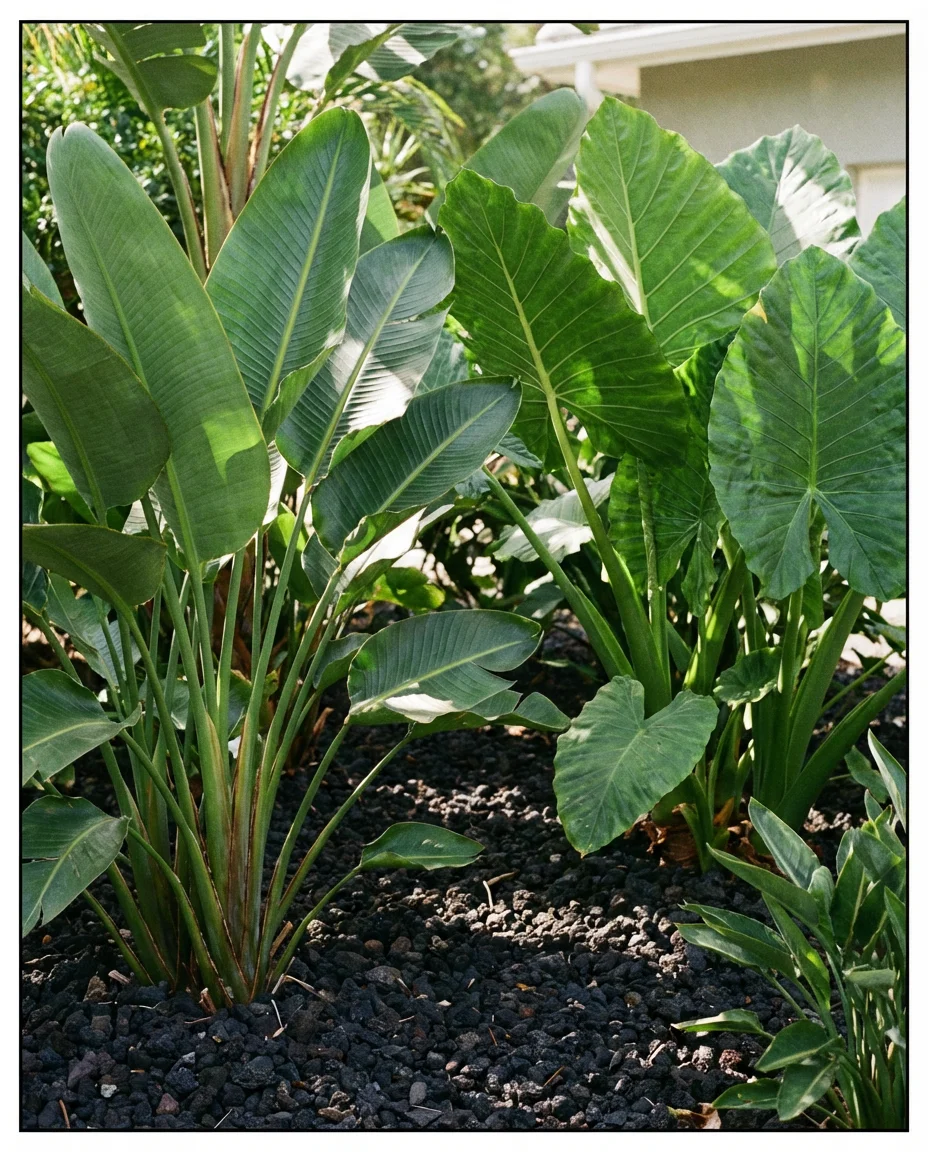
Using lava rock as a mulch alternative in tropical or subtropical garden beds creates one of the most visually intense landscaping looks available—dark, volcanic stone against the oversized glossy leaves of bird of paradise, elephant ear, or ti plant. The contrast in texture and color is almost cinematic. Unlike organic mulch, lava rock won’t break down, float away in heavy rain, or require annual replenishment. It suppresses weeds, retains some moisture, and has a permanent quality that fits the scale and drama of large-leafed tropical plants perfectly.
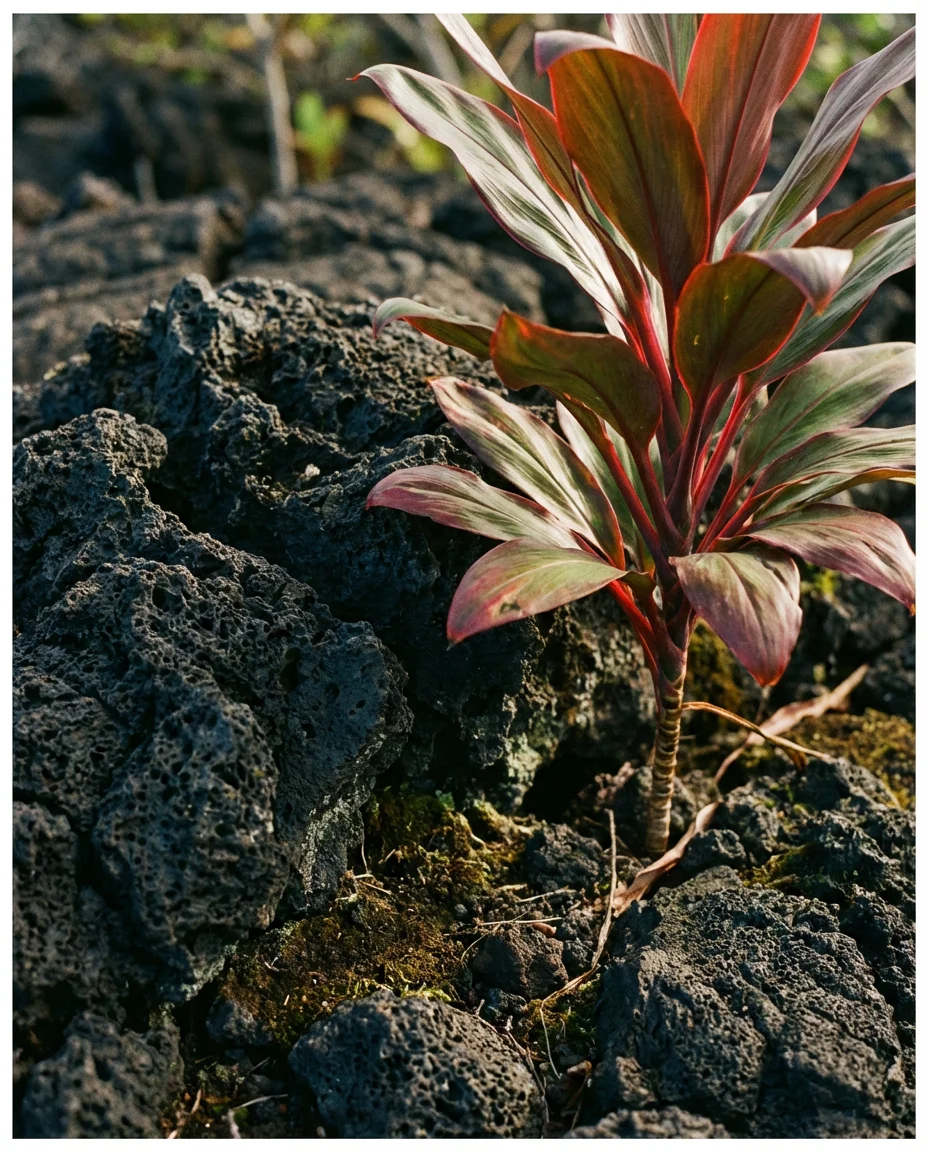
This approach is most at home in Florida, Hawaii, coastal California, and the Gulf Coast states, where tropical plants are reliably hardy year-round. But even in colder climates, homeowners with heated sunrooms, covered porches, or courtyard gardens are using lava rock mulch beds with container-grown tropicals that move indoors for winter. The visual impact during warm months is so strong that it’s worth the seasonal transition. Lava rock is also lighter per cubic yard than most other stones, which makes it easier to handle and install—a meaningful practical benefit for DIY installations.
19. Modern Front Yard Rock Garden with Ornamental Boulders
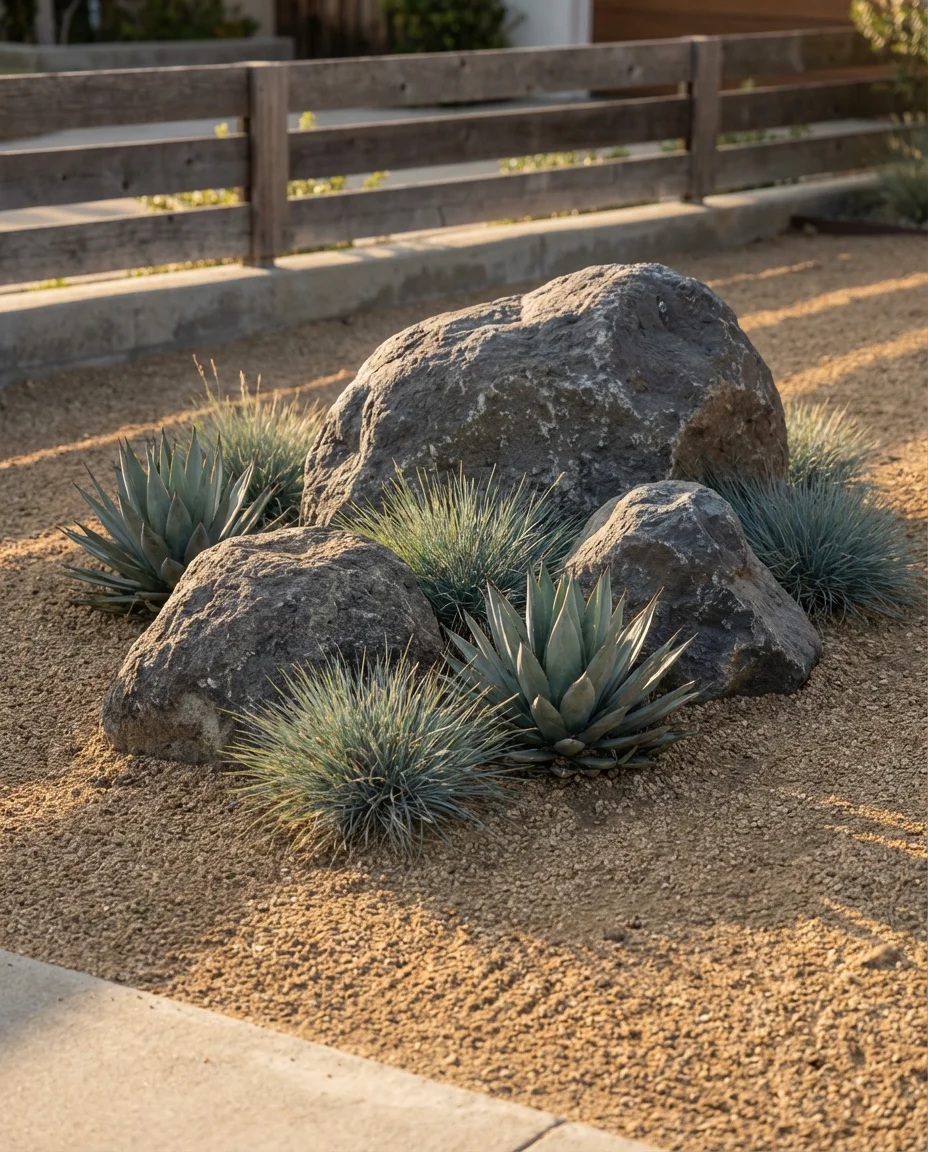
A modern front yard design built around a curated selection of ornamental boulders is one of the most architectural approaches to residential landscaping right now. The concept treats rocks the way a sculptor treats material—each stone placed for its form, color, and weight, not just randomly distributed. Two or three boulders of dramatically different sizes, set asymmetrically in a bed of fine decomposed granite or dark gravel, surrounded by just a few restrained plant choices like blue fescue or dwarf agave, create a front yard that looks genuinely designed.
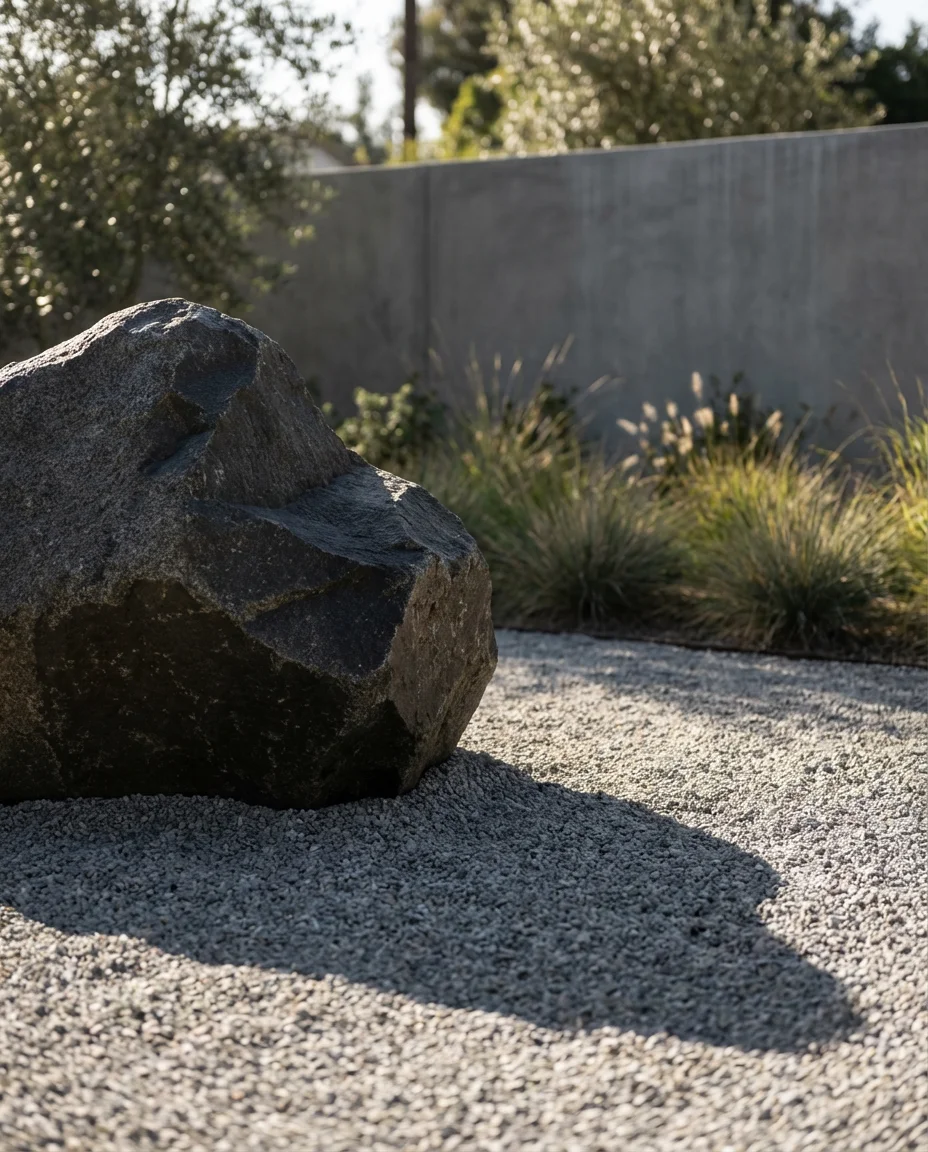
The restraint is the point. Modern rock garden design in 2026 leans heavily on the idea that fewer elements, done precisely, outperform more complex arrangements every time. Real homeowners who’ve transitioned from traditional landscaping to this cleaner approach often report that it takes genuine confidence to commit to the simplicity—there’s an instinct to add more. But the feedback they get from guests and passersby tends to be immediate and enthusiastic. A well-composed boulder garden communicates intention in a way that busy, layered planting schemes rarely do.
20. Rock Garden Ideas for a Shaded Backyard Corner
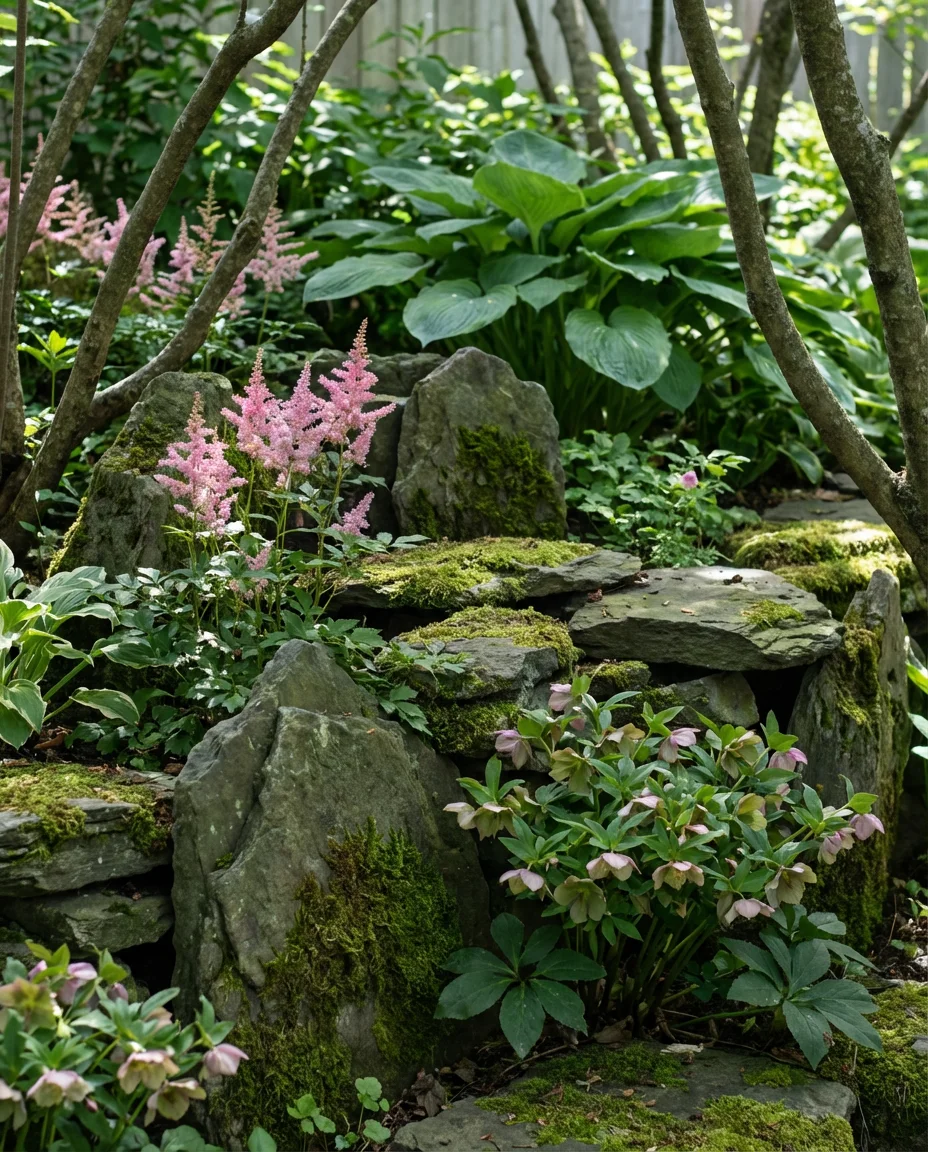
Shaded backyard corners are tricky—they’re too dark for most sun-loving plants and too often end up as bare dirt or a pile of forgotten garden tools. A rock garden designed specifically for shade turns one of the hardest spots in the yard into a quiet, layered composition. Use larger flat stones and mossy boulders as anchors, then fill in with shade-loving plants for rock gardens: astilbe, hellebore, bleeding heart, and low-growing hosta varieties. The stonework gives the planting structure and visual interest year-round.
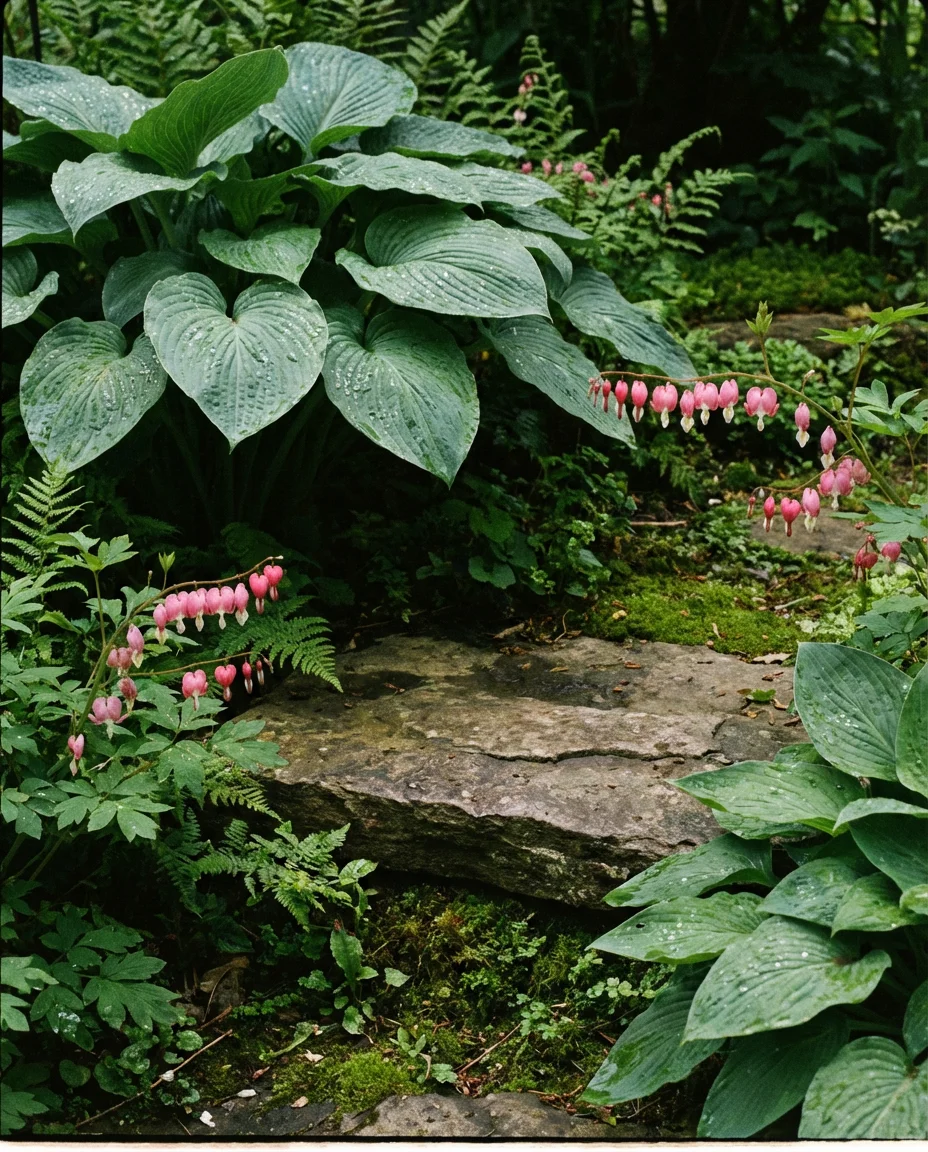
This type of garden rewards patience. Shade plants generally establish more slowly than their sun-loving counterparts, but they tend to be far more long-lived and low-maintenance once settled. Hellebores, for instance, can thrive in the same spot for decades with virtually no attention. The cool, moody atmosphere of a shaded rock garden—where dappled light moves across stone and textured foliage—creates a corner of the yard that feels like a retreat rather than an afterthought. It’s the kind of space people gravitate toward instinctively on a warm afternoon.
21. Rock Garden Design with Evening Landscape Lighting
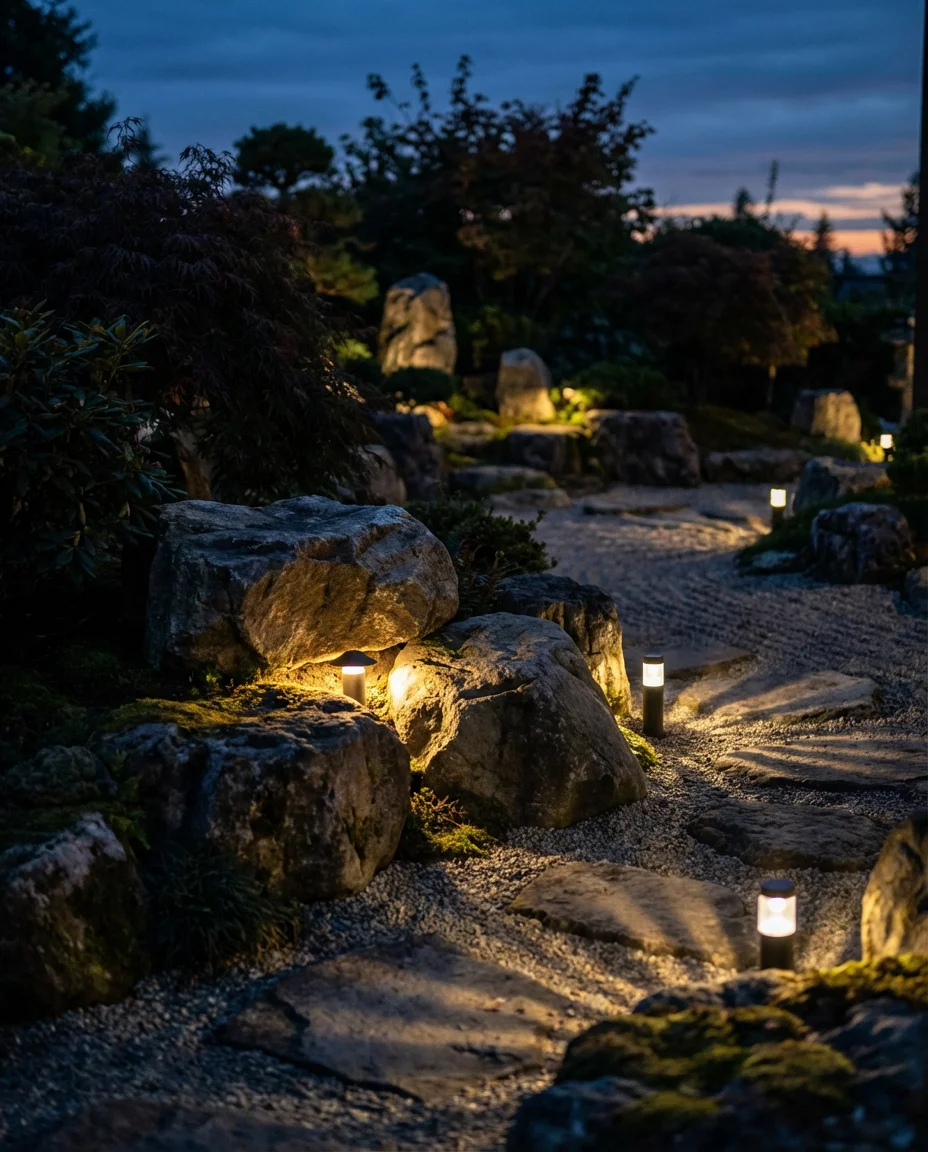
A thoughtfully lit rock garden after dark becomes something entirely different—almost theatrical. Low-voltage LED path lights tucked among the stones, uplights aimed at large boulders, or warm string lights overhead change the character of the design completely. The shadows cast by uplighting on a textured boulder surface create depth and drama that no daytime look can replicate. This is one of those landscaping upgrades that costs relatively little but has an outsized impact on how the whole yard feels during evening hours.
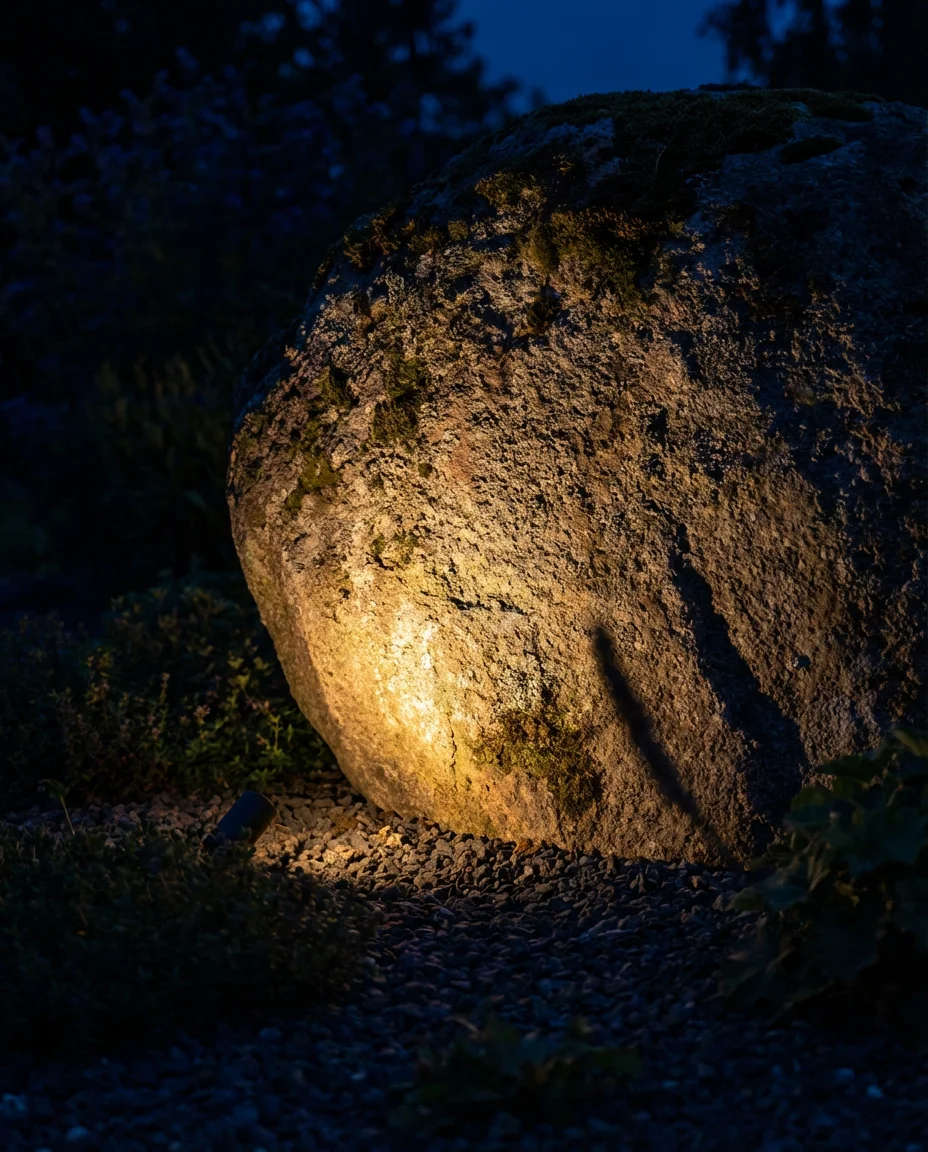
Solar-powered garden lights have improved dramatically in recent years—modern solar LED fixtures hold a charge well enough for most evenings and eliminate the need for wiring entirely. For a more polished, permanent installation, low-voltage landscape lighting on a transformer is still the gold standard, with more consistent output and a wider range of fixture styles. The warmest color temperatures—around 2700K to 3000K—tend to look best on natural stone, echoing firelight rather than the cold blue of higher Kelvin options. Warmer light flatters stone textures and the faces of people gathered nearby.
22. Rock Garden with Drought-Tolerant Herbs and Edible Plants
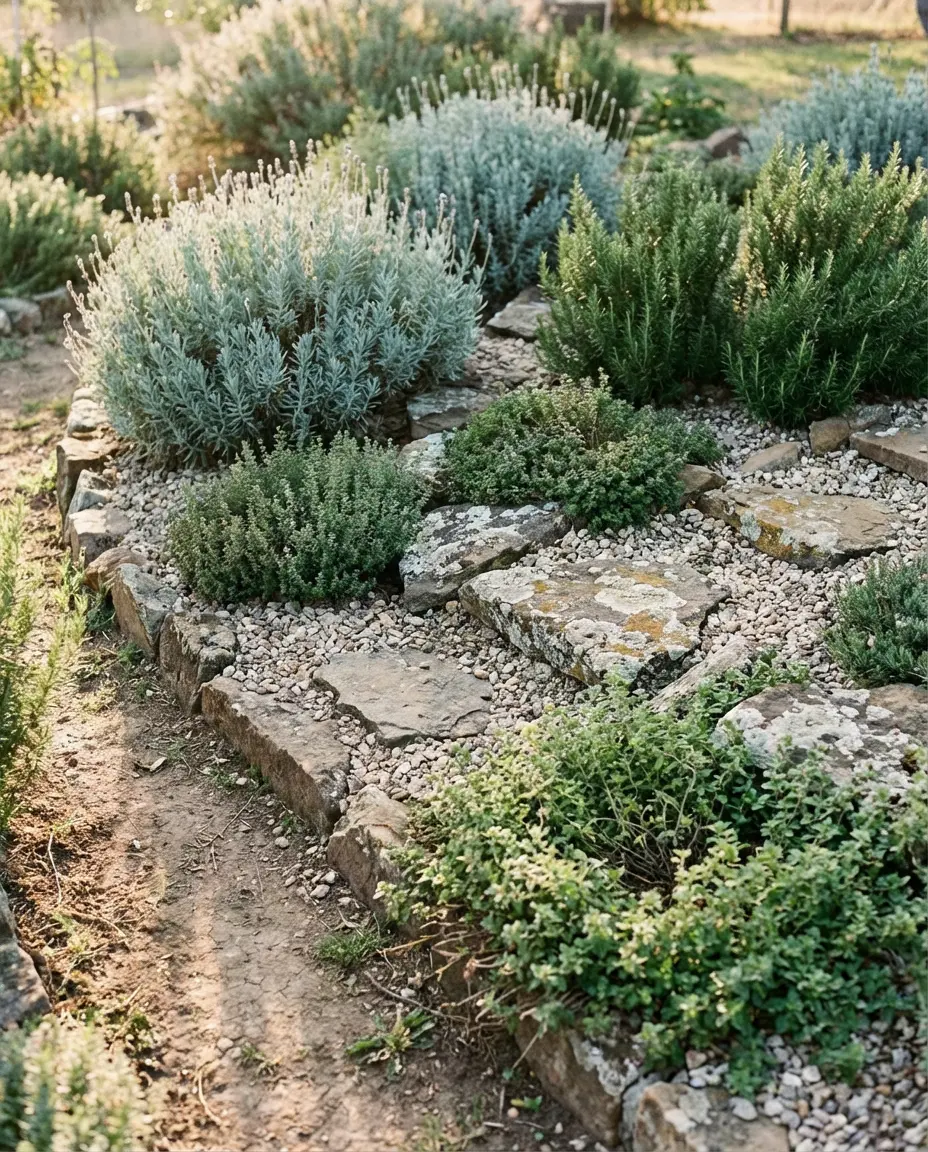
There’s no rule that says a rock garden has to be purely ornamental. A garden bed of fieldstones and gravel, planted with drought-tolerant herbs—rosemary, thyme, oregano, lavender, and sage—is both beautiful and genuinely useful. The natural rocky, well-drained environment is exactly what Mediterranean herbs evolved for, which means they thrive with minimal fuss. A rock herb garden can live in a sunny backyard corner, along a path, or right outside the kitchen door where the herbs are most useful. The gray-green foliage and small blooms read as soft and organic even against hard stone.
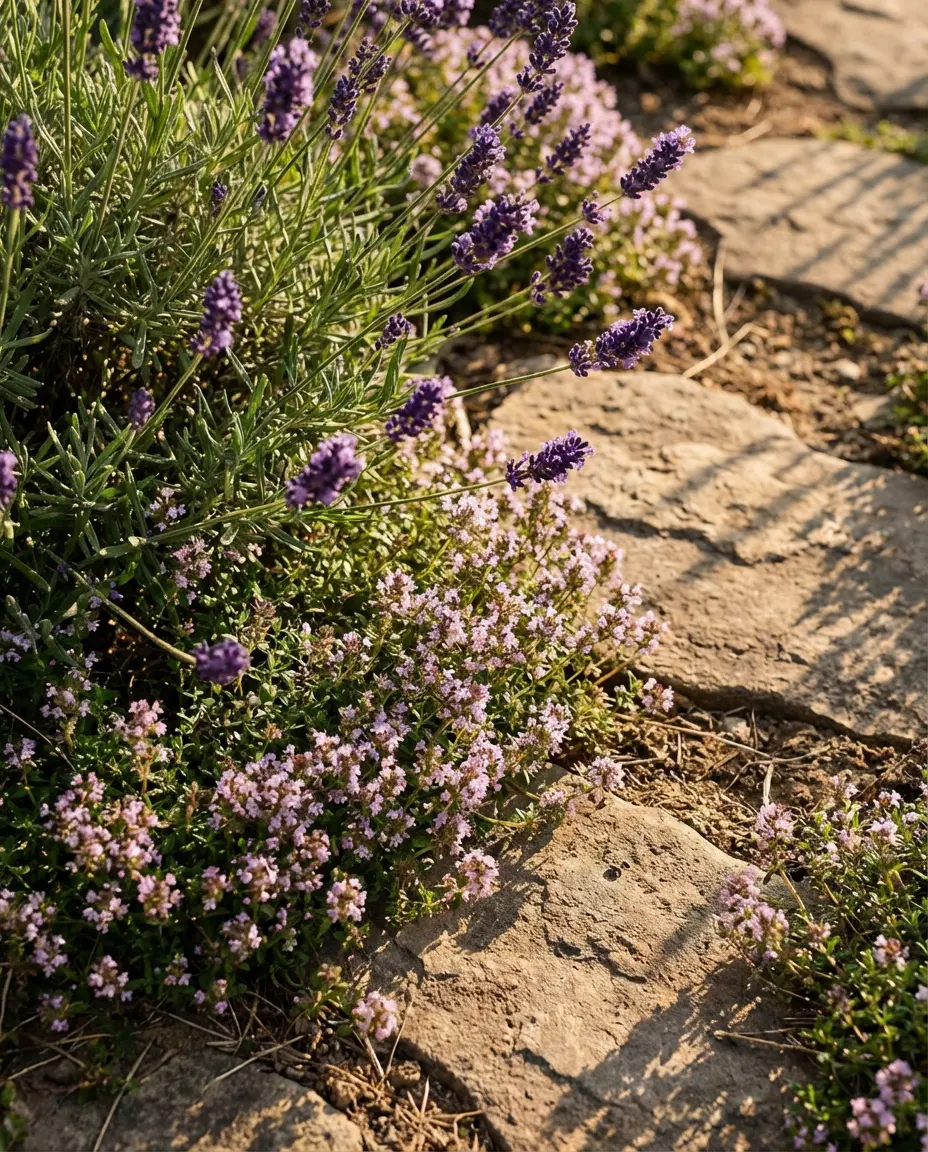
This combination of beauty and practicality resonates strongly with today’s homeowners, who are increasingly interested in growing at least some of their own food. A rock herb garden is the lowest-commitment entry point into edible landscaping—there’s no intensive soil amendment, no irrigation infrastructure, and no seasonal replanting. Once established, a well-placed rosemary bush or a spreading mat of thyme will return faithfully every year, sometimes for a decade or more. It’s the kind of gardening that delivers quietly and consistently, asking almost nothing in return.
Conclusion
Rock garden landscaping in 2026 is as versatile, accessible, and genuinely beautiful as it’s ever been—whether you’re drawn to the meditative calm of a Japanese gravel garden, the bold geometry of modern black lava stone, or the simple satisfaction of a DIY slope covered in creeping thyme and fieldstones. The ideas here are starting points, not blueprints. Every yard is different, and the best rock garden is the one that fits your space, your climate, and your sense of what “beautiful outdoors” actually means to you. Have a favorite idea from this list? Found a creative combination that worked in your own yard? Drop it in the comments—this is exactly the kind of thing the community here loves to see and discuss.