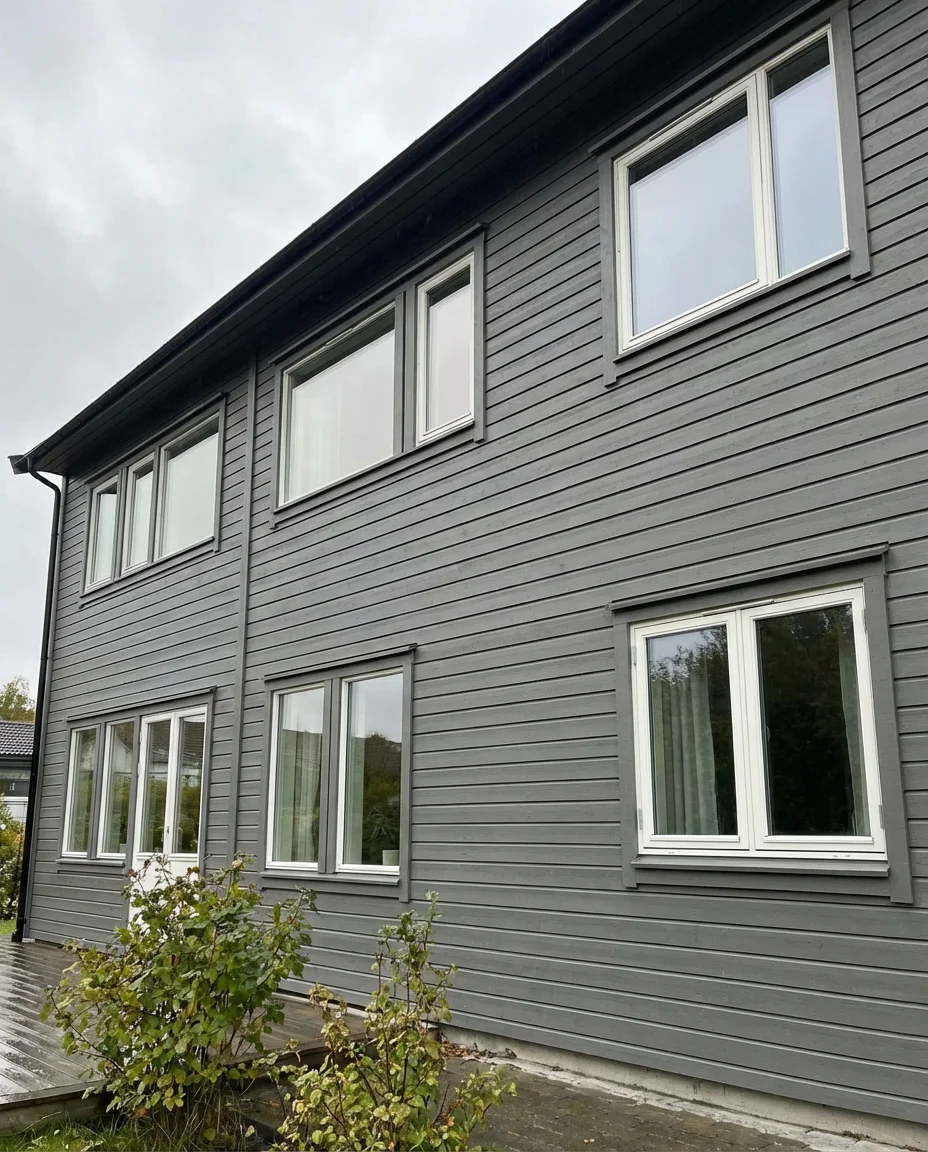
If you’ve been quietly bookmarking exterior home photos on Pinterest and thinking, why can’t my house look like that? “— you’re not alone. Siding is one of the biggest visual decisions a homeowner makes, and in 2026, the options are more exciting (and more affordable) than ever. From rich dark tones on modern farmhouses to budget-friendly vinyl that actually looks high-end, this year’s trends are reshaping curb appeal across every neighborhood in America. Whether you’re refreshing a bungalow, updating a ranch, or building from scratch, this roundup of fresh siding ideas will give you the inspiration and practical direction you need to make it happen.
1. Deep Charcoal Vinyl Siding on a Modern Home
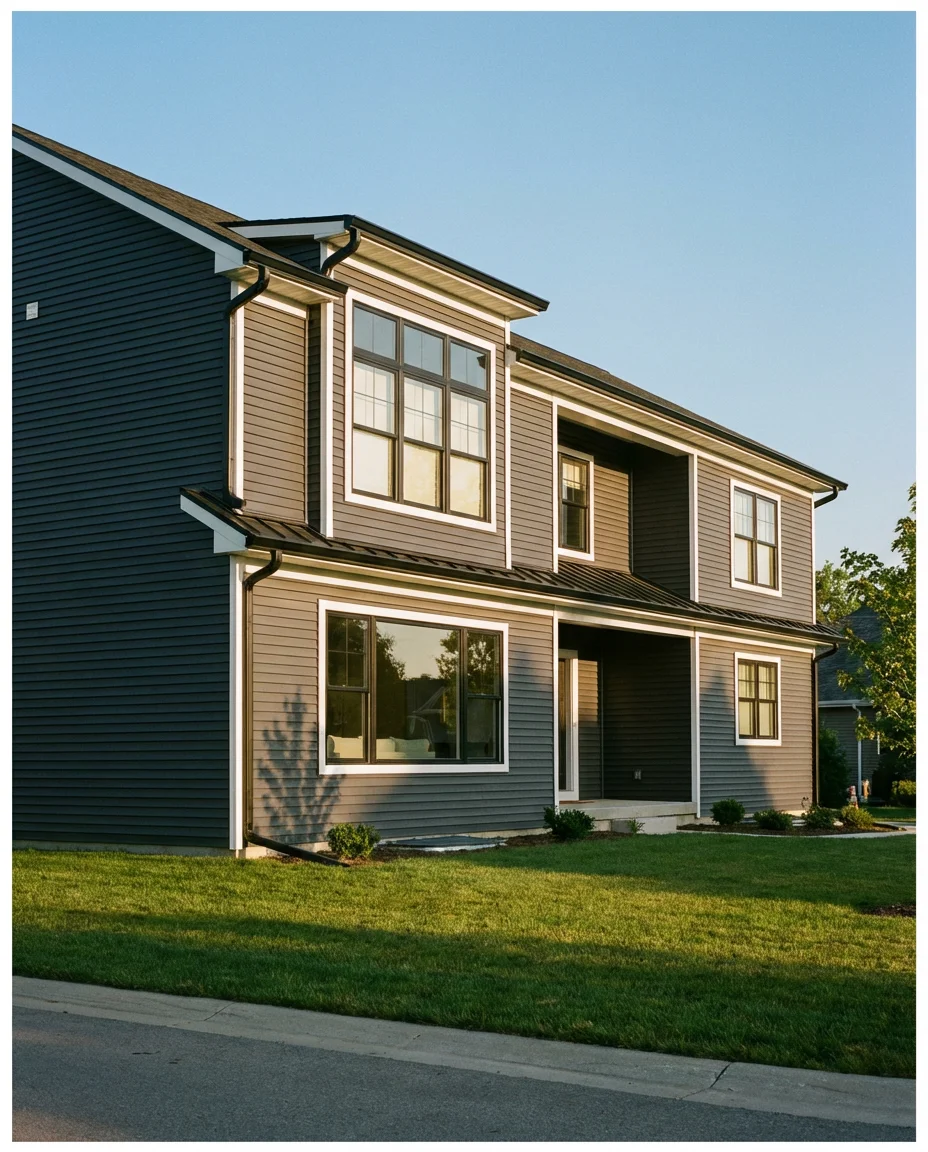
There’s something undeniably striking about a dark house wrapped in deep charcoal vinyl siding. On a modern home, this color choice reads as intentional and sophisticated—a far cry from the dated beige that dominated suburbs for decades. Charcoal vinyl has become one of the most-pinned siding choices on Pinterest precisely because it photographs beautifully against greenery, white trim, and black window frames. It works across climates and architectural styles, making it a genuinely versatile pick for homeowners who want drama without the permanence of paint.
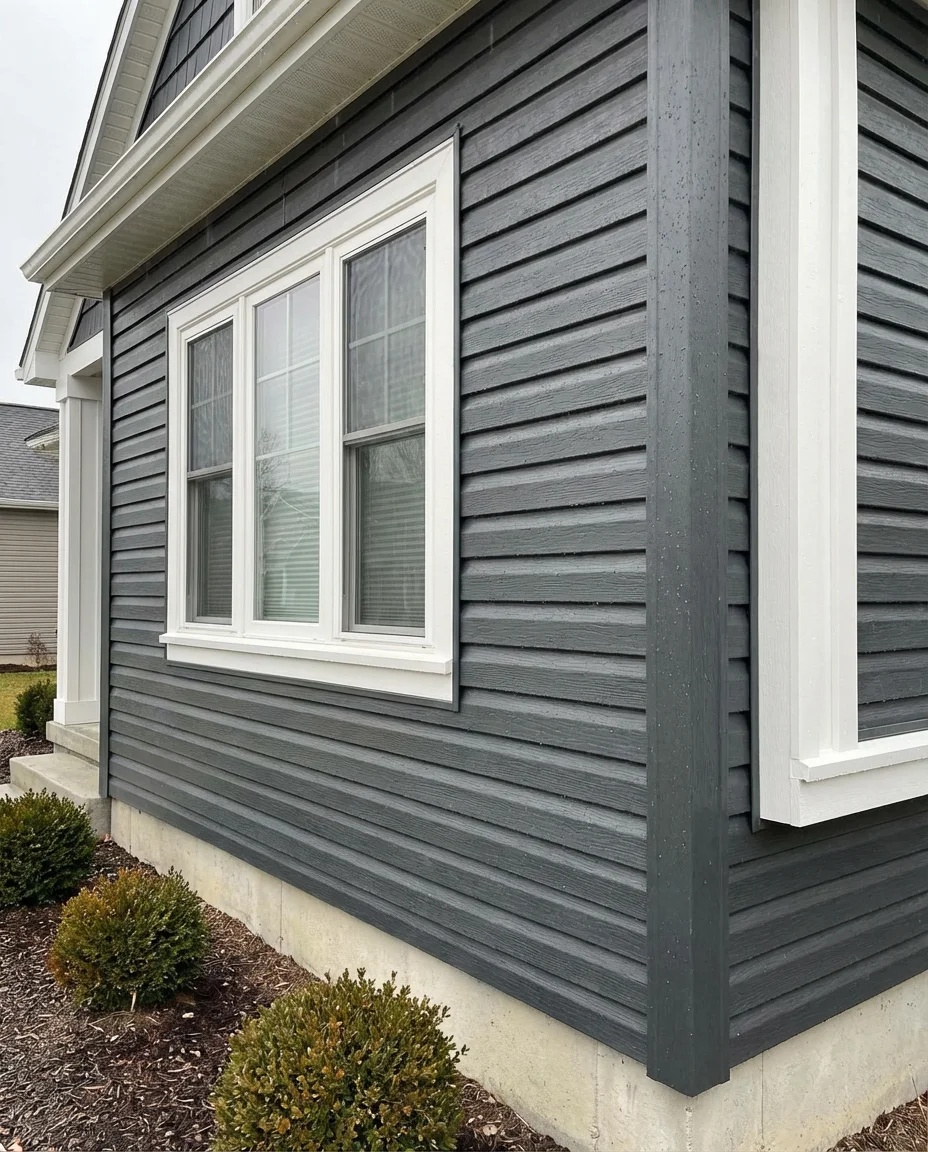
What makes charcoal vinyl especially smart for 2026 is its surprisingly low maintenance compared to painted wood. Premium vinyl holds color without fading for 20–30 years and requires nothing more than an occasional rinse. Pair it with matte black gutters and simple landscaping, and you’ve got a look that rivals homes costing twice as much. For homeowners nervous about going dark, consider starting with the garage door or a single accent wall—it’s a low-risk way to test the waters before committing to the full facade.
2. Warm White Farmhouse Siding with Black Trim
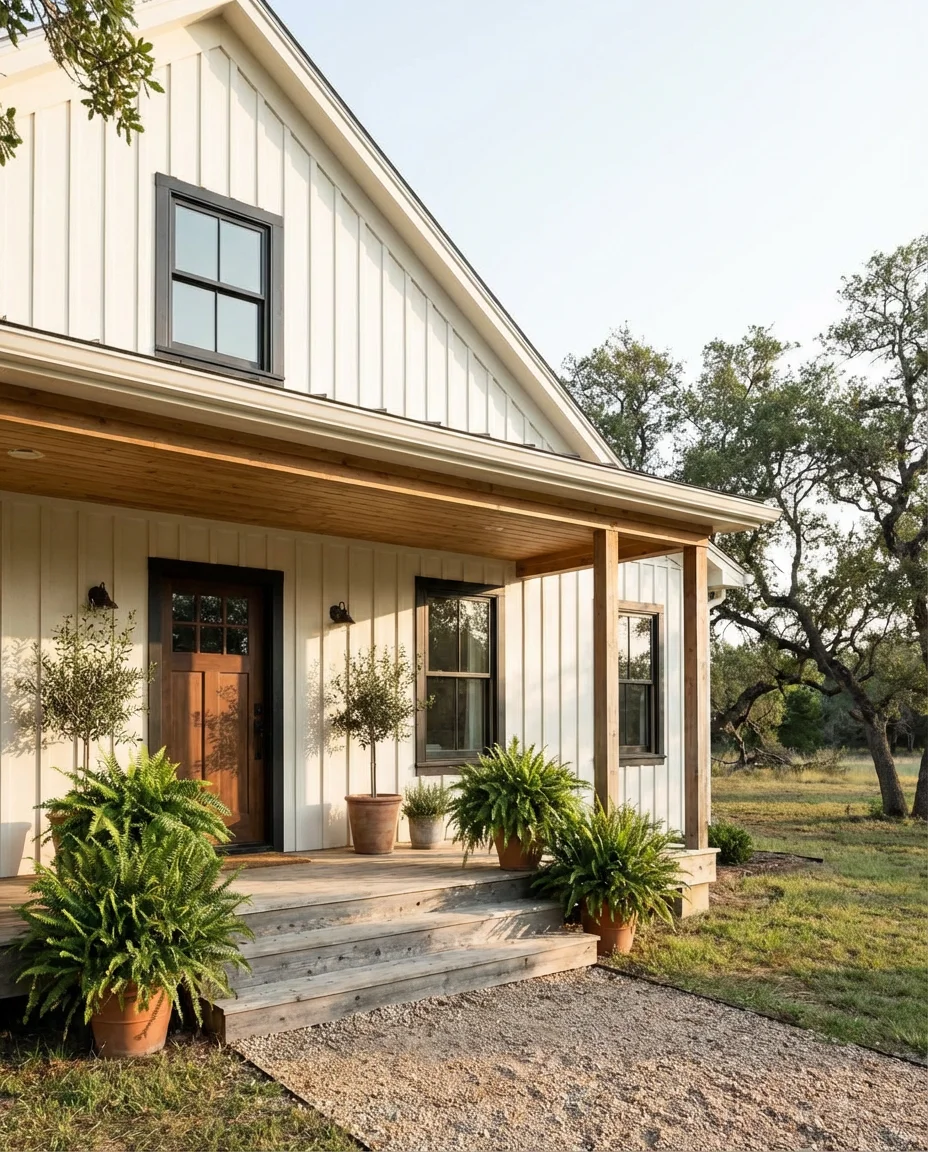
The farmhouse aesthetic isn’t going anywhere—and the white board-and-batten siding with a bold black trim combination is the reason why. This pairing is as close to a timeless formula as exterior design gets. It works especially well on homes with a simple roofline and a welcoming porch, where the contrast creates visual clarity without feeling cold or corporate. Whether your home is in rural Tennessee or a suburban neighborhood in Ohio, this look manages to feel both at home and elevated at the same time.
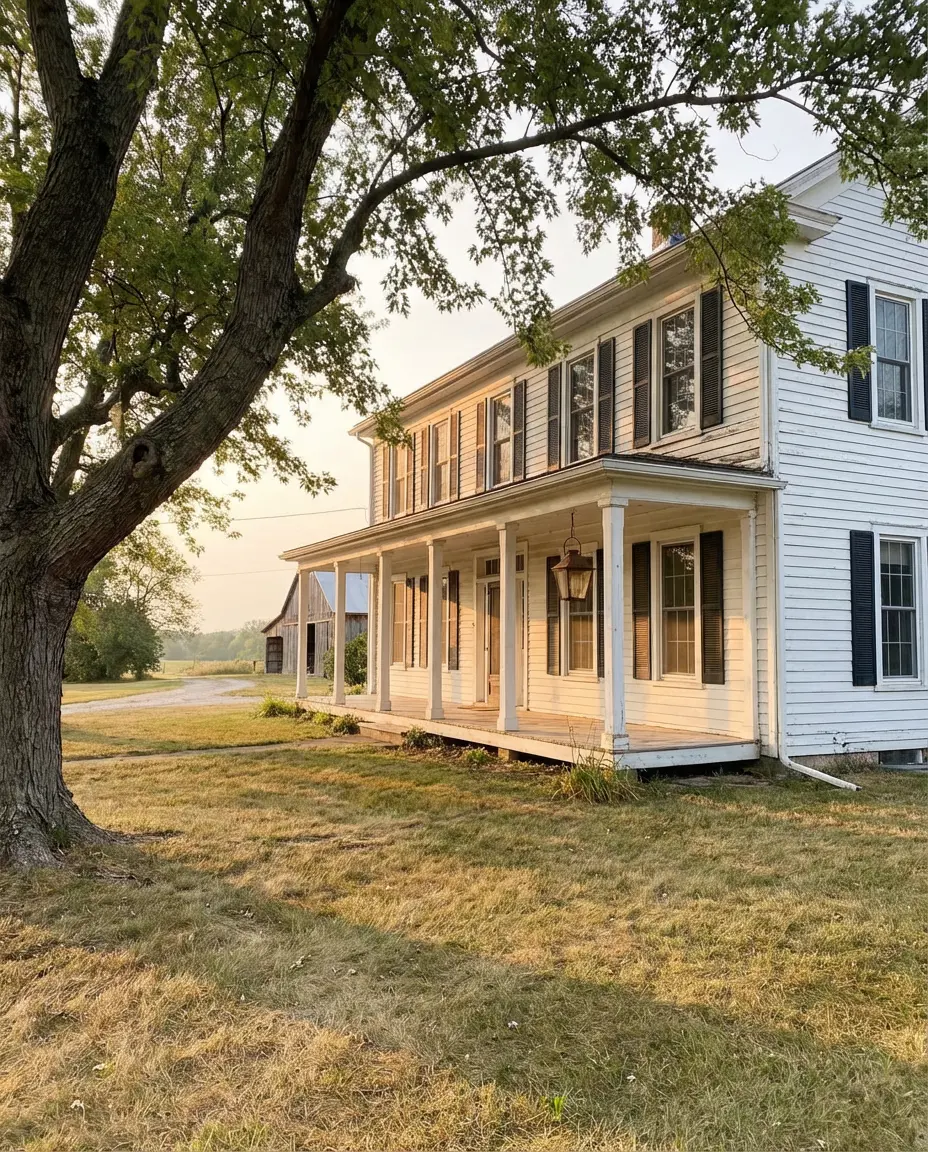
One thing real homeowners often overlook: not all whites are created equal outdoors. A warm white—think Benjamin Moore’s White Dove or Sherwin-Williams Alabaster—reads much softer and more welcoming than a bright, cool white, which can look stark under direct sunlight. The warm undertone keeps the exterior feeling livable and approachable. Add a few potted plants near the front door and natural wood accents on the porch ceiling, and the whole facade comes together with an effortless, editorial quality.
3. Two-Tone Siding on a Small House for Big Impact
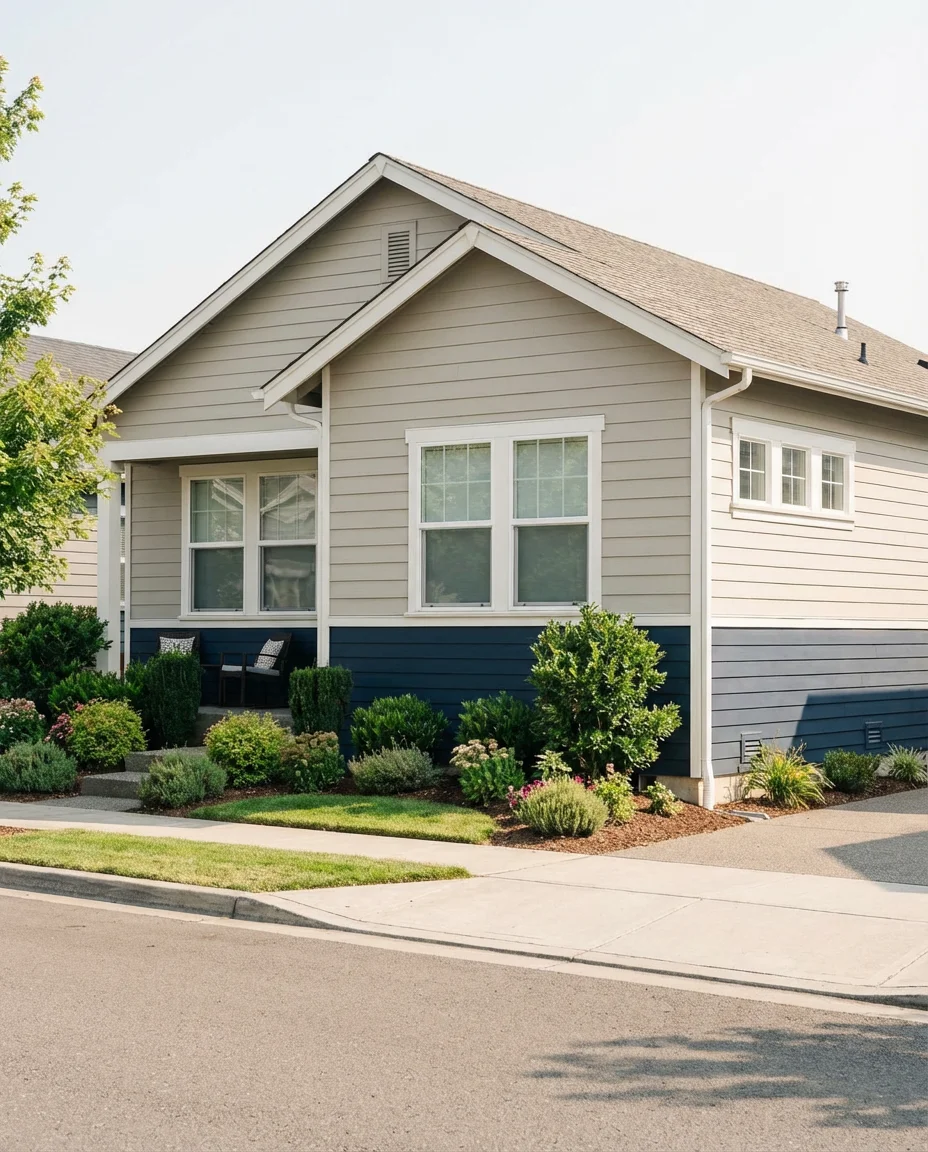
A two-tone siding approach is one of the smartest moves a small house owner can make. By using a lighter color on the upper portion and a deeper shade below—or vice versa—you trick the eye into perceiving more height and dimension than the structure actually has. Popular combinations in 2026 include warm greige paired with crisp white or navy blue below with soft sage green above. The result is a house that looks custom-designed rather than like a basic box on a lot.
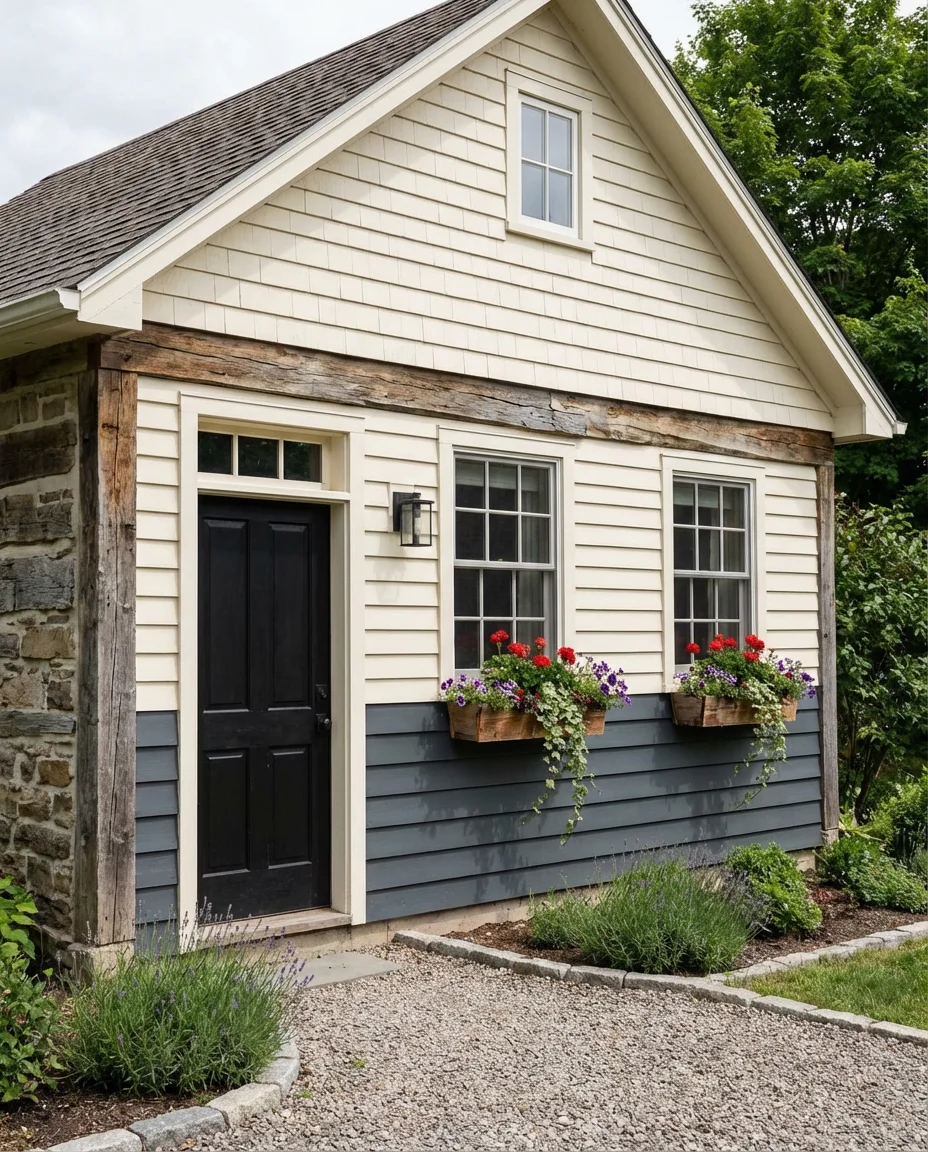
This technique works best when you honor the natural break lines of the house—the point where cladding materials change or where a band of trim creates a natural horizontal division. Forcing the color break in an arbitrary location can feel awkward and draw attention to structural limitations rather than hiding them. If you’re unsure where the natural break falls on your home, a quick conversation with a siding contractor or even a design-savvy neighbor can save you from a costly mistake. The right line placement makes all the difference between charming and choppy.
4. Red Brick Exterior with Modern Metal Accents
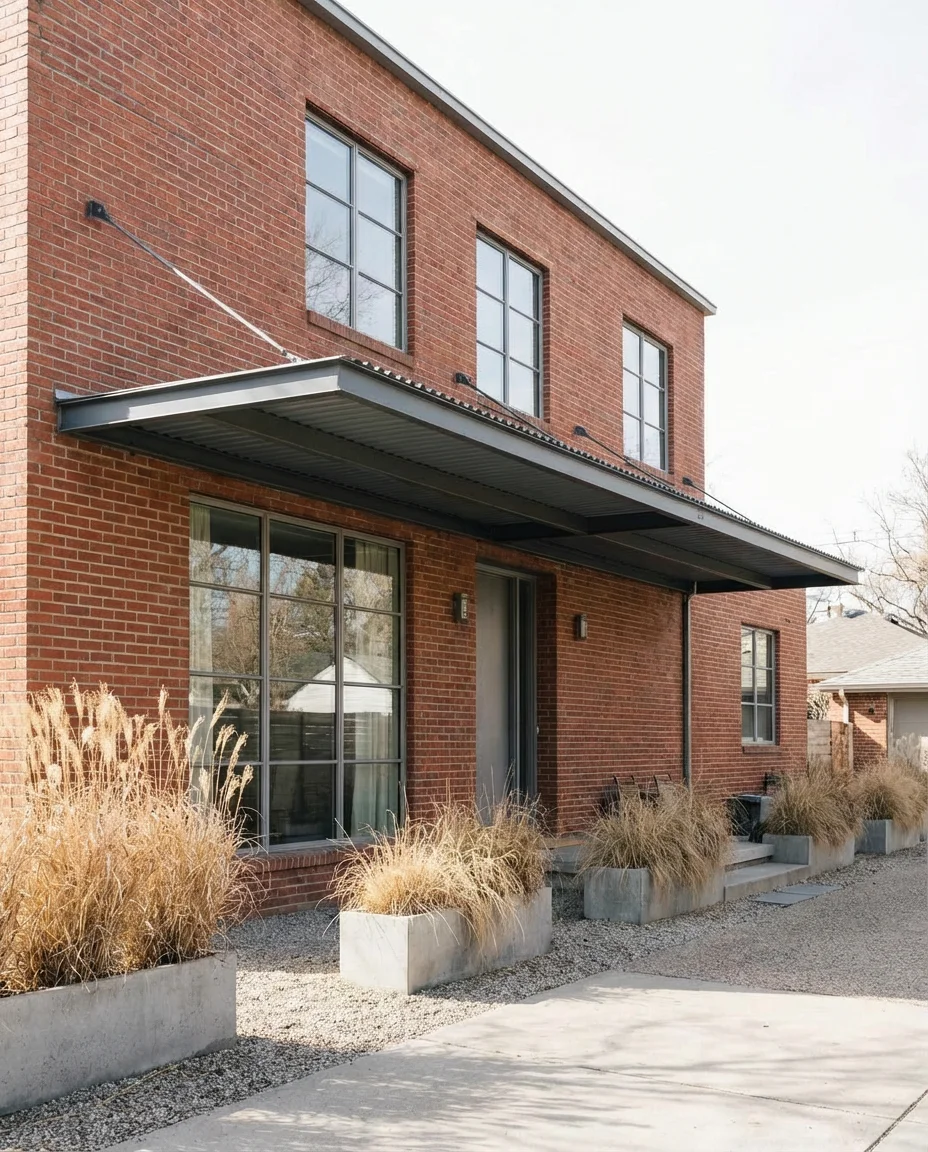
There’s a reason red brick has been a staple of American residential architecture for over a century—it simply endures. But what’s making it feel fresh again in 2026 is the pairing with metal accents: steel window frames, corrugated metal porch roofs, and brushed aluminum gutters that bring the warmth of brick into a decidedly contemporary conversation. This combination works especially beautifully on ranch homes, where the horizontal sprawl of brick benefits from the clean geometry metal introduces.
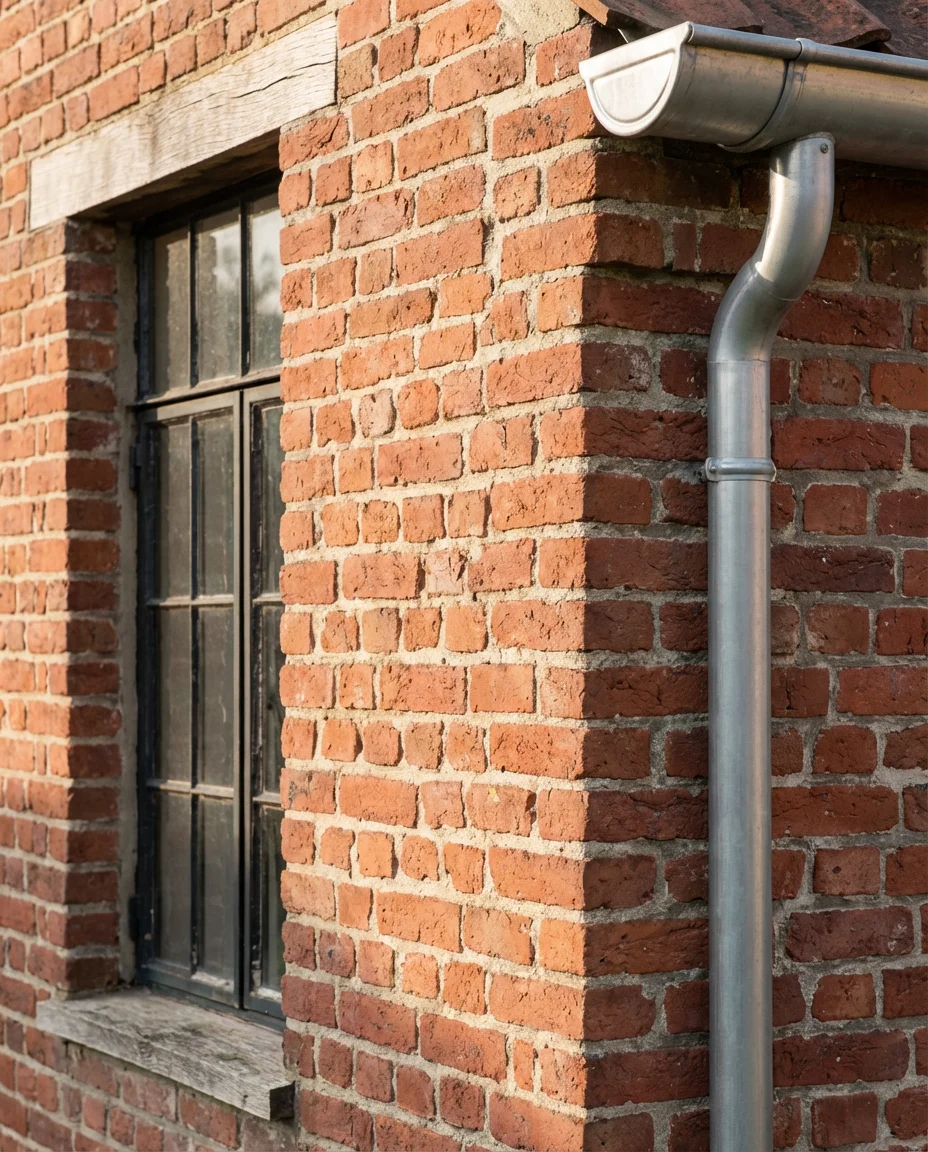
From an investment standpoint, brick is one of the most durable siding materials available. It requires virtually no maintenance, resists fire, and can last the lifetime of a home. The upfront cost is higher than vinyl or fiber cement, but many homeowners in the Midwest and South consider it a one-time investment that never needs revisiting. If your home already has existing brick, adding updated metal details—even something as simple as a steel front door—can completely transform the curb appeal without touching the siding itself.
5. Rustic Wood-Look Siding on a Bungalow
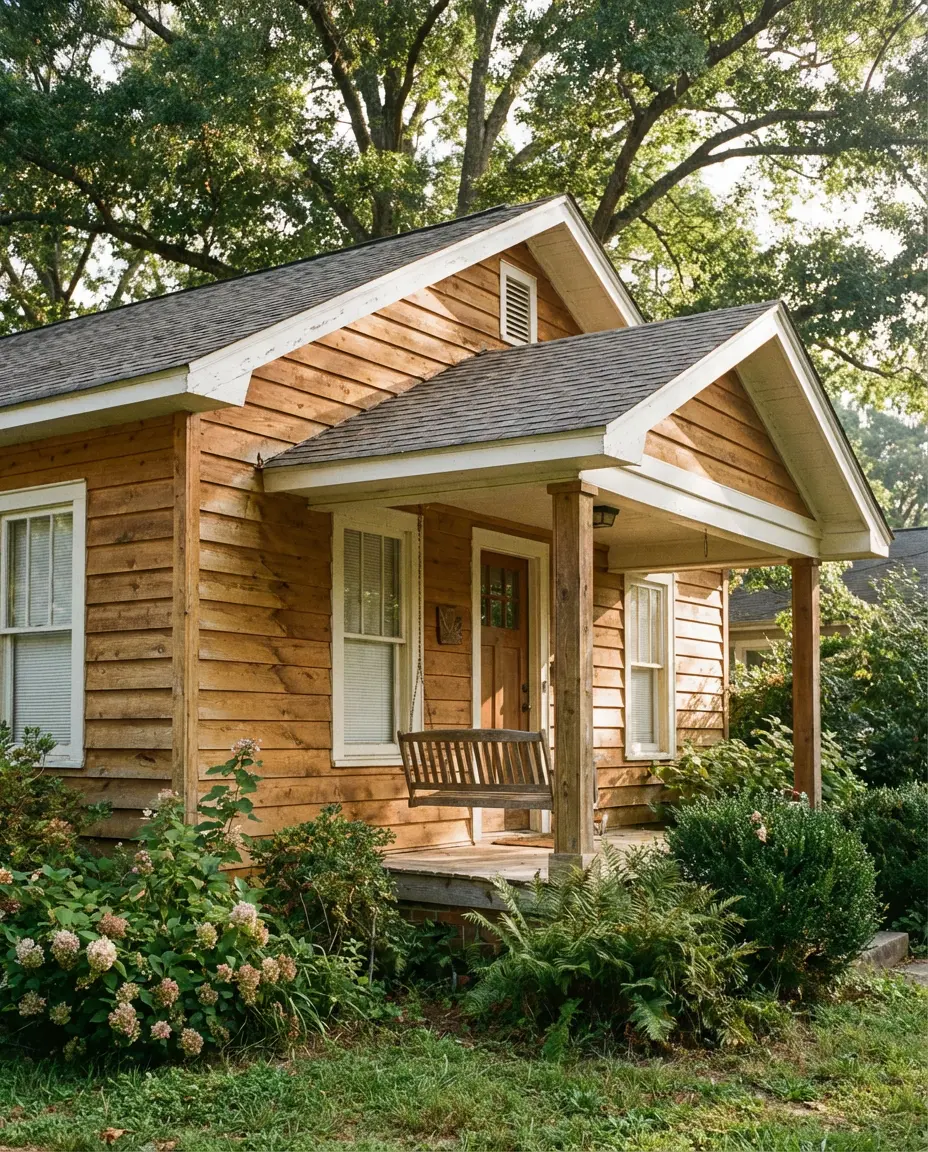
A bungalow clad in rustic wood-look siding is the kind of home that makes people slow their car down to get a second look. The warmth and texture of natural cedar or engineered wood siding gives these compact homes the character and depth that paint alone can never achieve. In 2026, more homeowners are opting for wide-plank horizontal or vertical shiplap-style boards in natural stain tones—honey, cedar, and driftwood gray—to honor the architectural heritage of the bungalow while keeping things from feeling dated.
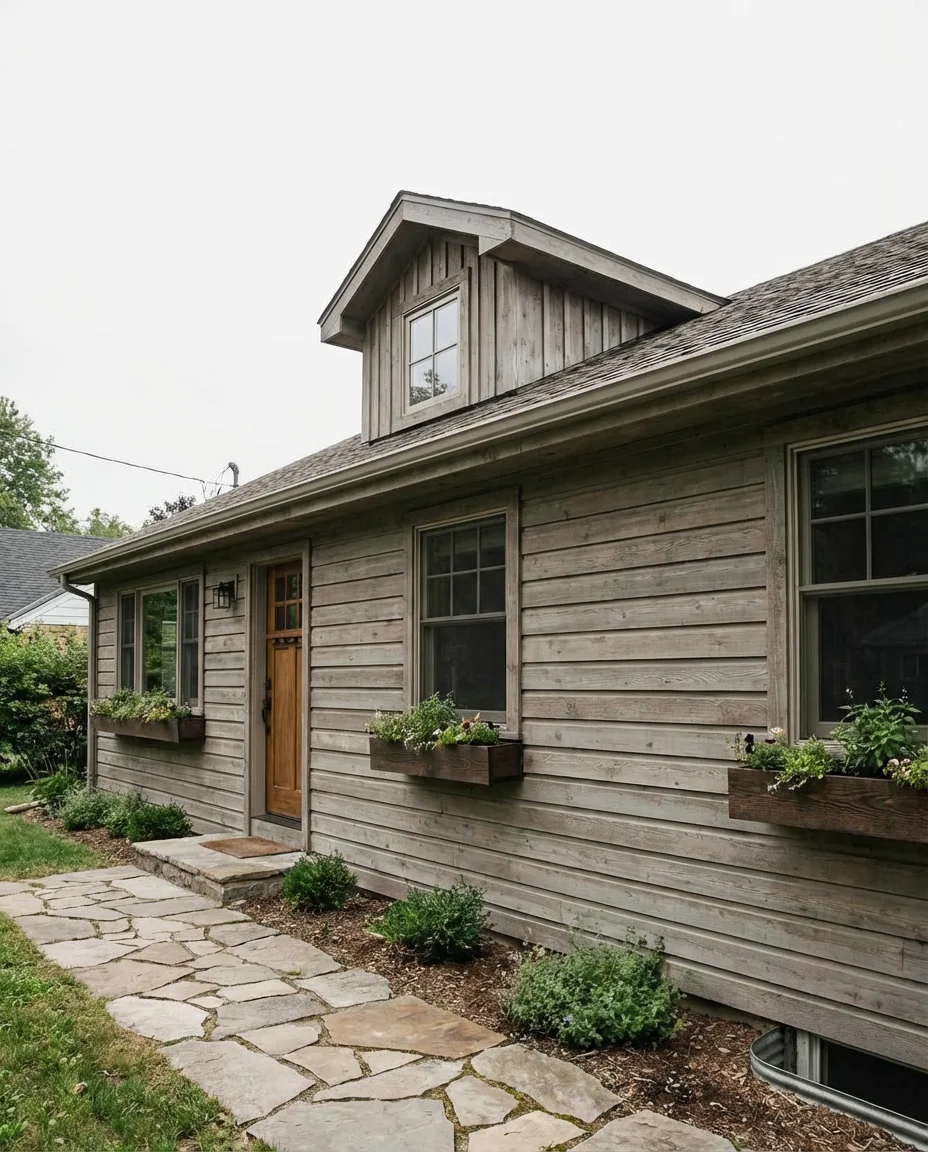
One real homeowner in Portland, Oregon, shared that she chose LP SmartSide engineered wood for her 1940s bungalow because she wanted the authentic look of cedar without the maintenance anxiety. “I was worried about rot and repainting every few years,” she said. “The engineered wood gave me everything I loved about the look with a fraction of the upkeep.” It’s a sentiment echoed by many buyers across the Pacific Northwest and New England, where wood aesthetics feel especially at home in wooded, rain-heavy environments. The key is using a quality sealant and ensuring proper ventilation behind the cladding.
6. Budget-Friendly Vinyl Siding That Looks Expensive
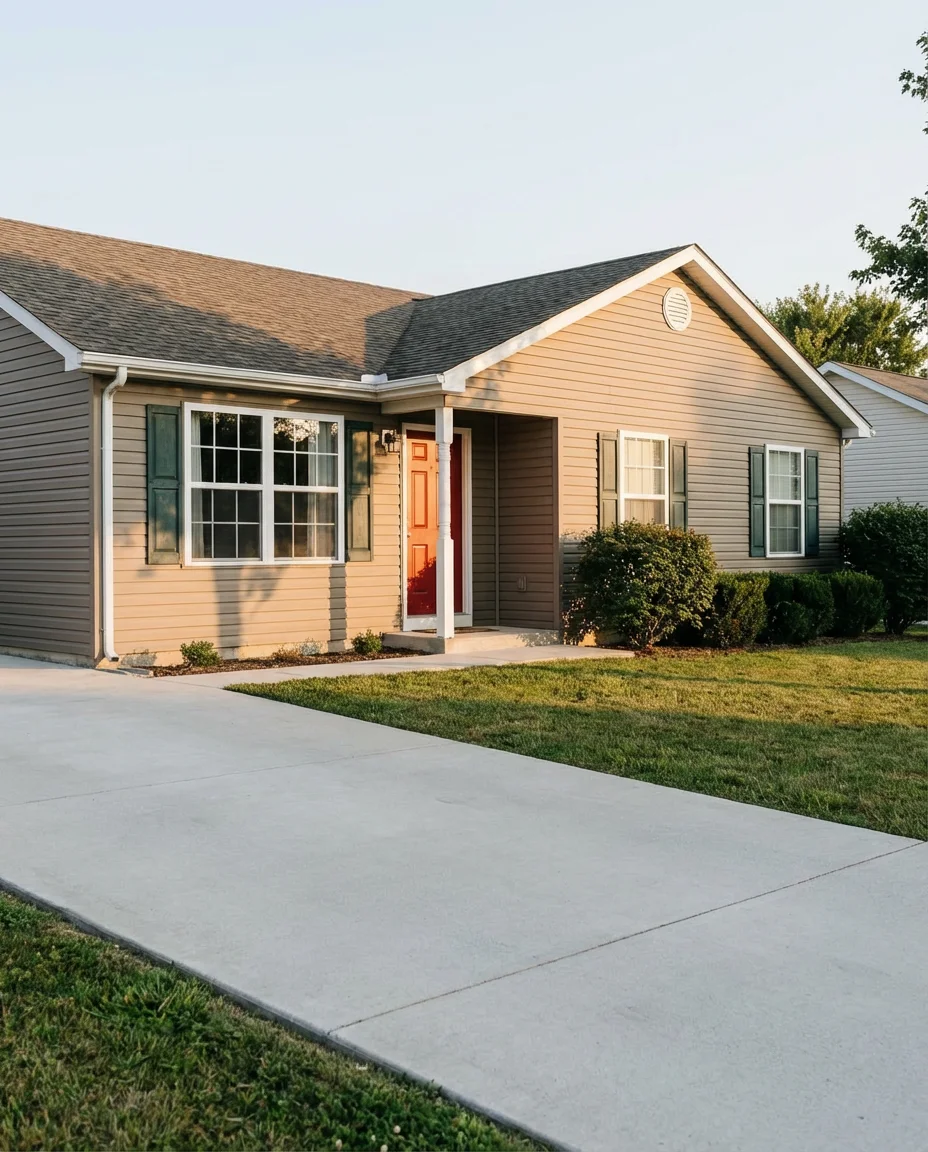
Let’s be real: most American homeowners aren’t working with an unlimited renovation budget. That’s exactly why cheap—or more precisely, budget-friendly—vinyl siding continues to dominate the market. But “budget” doesn’t have to mean boring. Today’s vinyl comes in a staggering range of textures, profiles, and colors that convincingly mimic wood, stone, and even fiber cement. The trick is in the details: choosing a thicker gauge, adding real wood shutters, and pairing it with quality trim can make vinyl look like it cost three times as much.
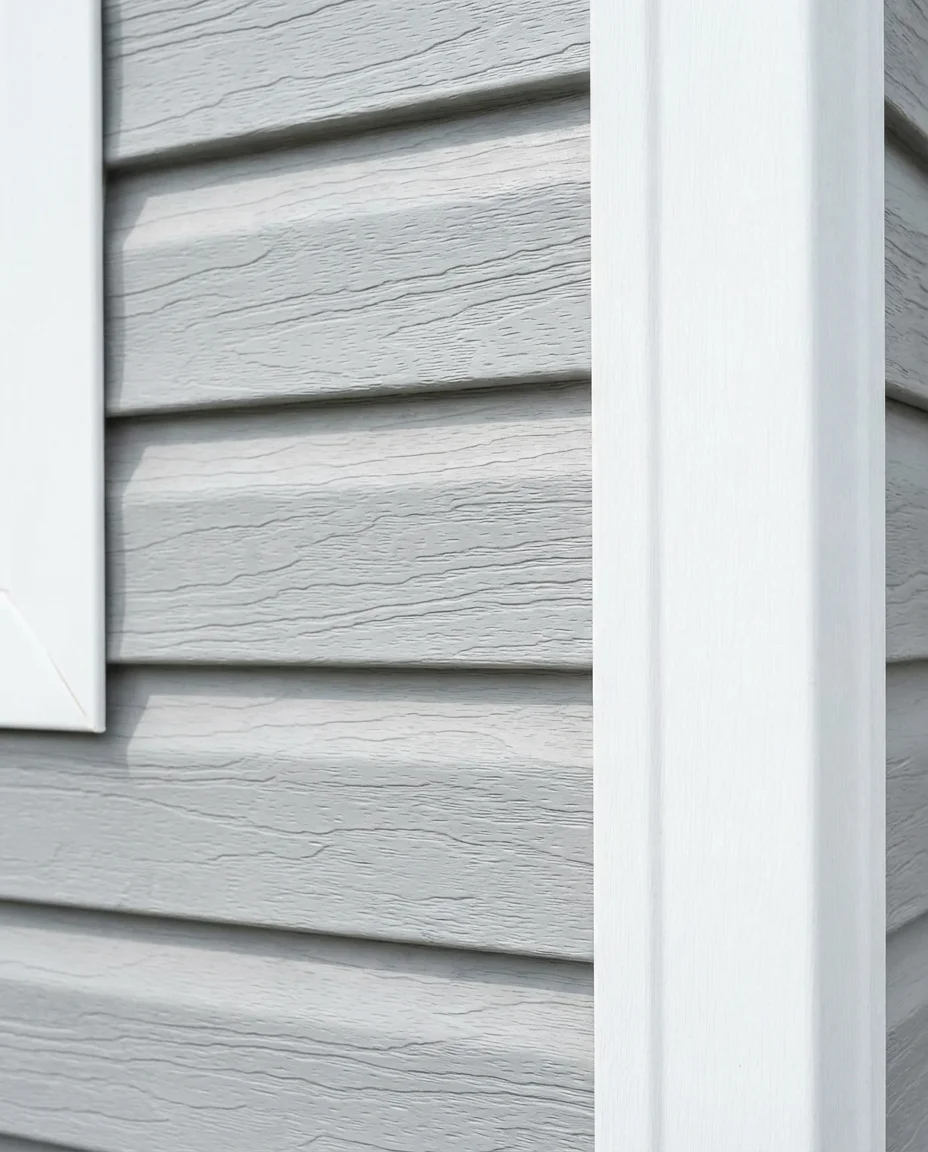
On average, vinyl siding installation runs between $3 and $8 per square foot installed—a fraction of fiber cement ($6–$12) or brick ($10–$20+). For a 1,500-square-foot home exterior, that can mean a difference of $10,000 to $20,000. Homeowners in the Southeast and Midwest especially love vinyl for its resistance to humidity, insects, and temperature fluctuations. The real budget pitfall? Going with the thinnest, cheapest grade available. Investing an extra dollar per square foot in a higher-gauge product pays dividends in longevity, noise reduction, and overall appearance.
7. Modern White Windows Against Dark Siding
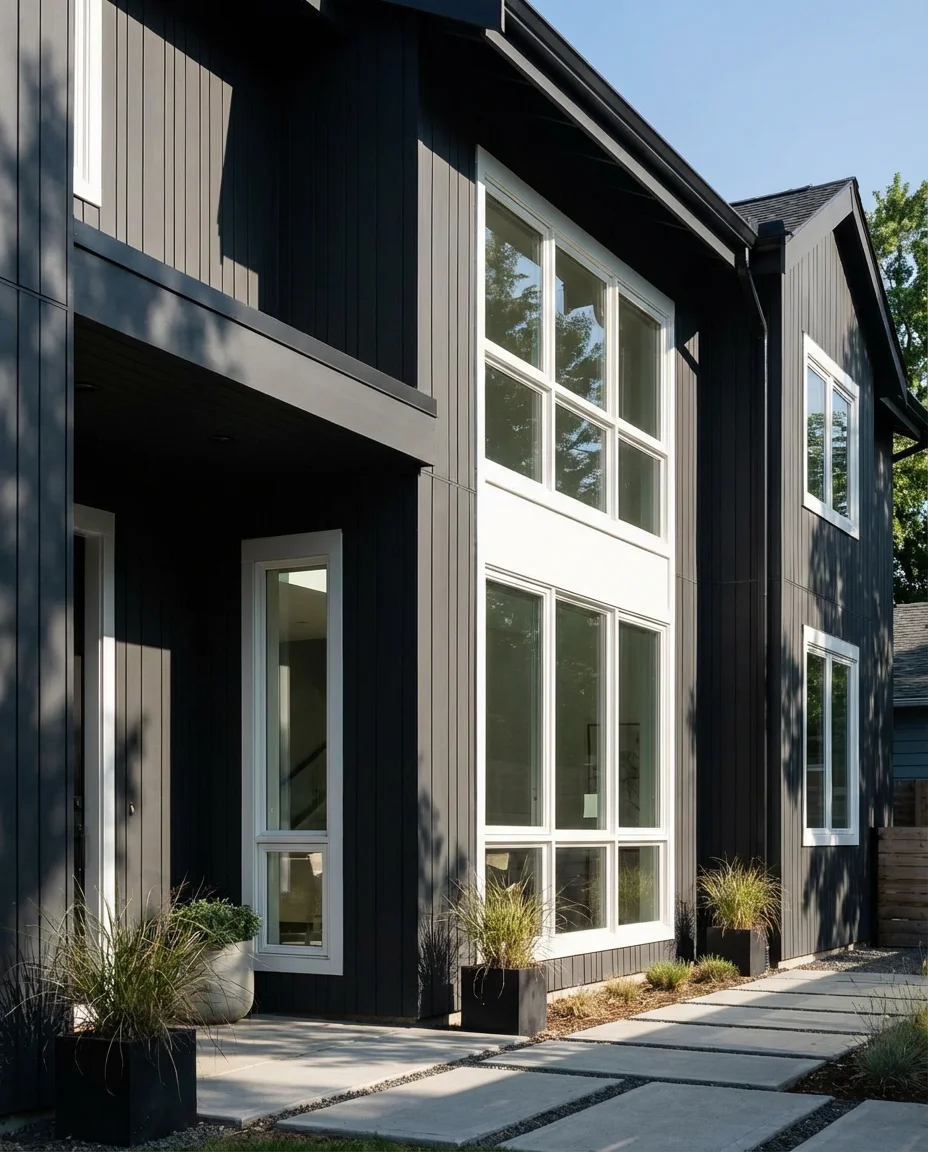
If there’s one exterior detail that design-forward homeowners are obsessing over in 2026, it’s the interplay between white windows and dark siding on a modern exterior. The contrast is graphic and intentional—almost architectural in the way it frames the facade. It works particularly well on homes with larger window openings, where the white frames act like drawn lines against a moody backdrop of charcoal, navy, or deep forest green siding. The combination feels both fresh and considered, never accidentally arrived at.
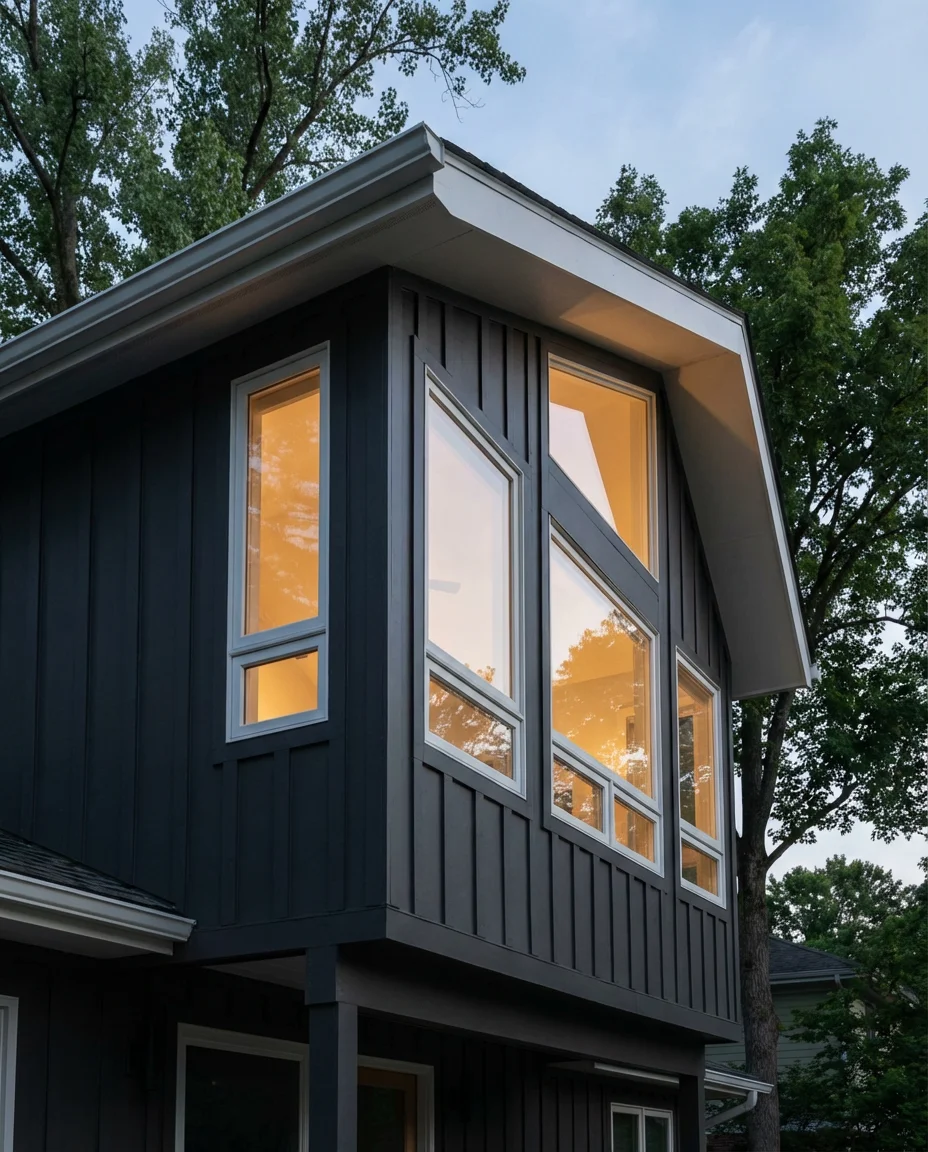
The common mistake homeowners make here is choosing window frames that are too bright or too glossy, which can feel cheap against a sophisticated dark siding. Opt for a matte or satin white finish, and make sure the casing trim around each window is thick enough to register as a deliberate design choice rather than a builder-grade afterthought. Three to four inches of trim width tends to look best. This approach works beautifully on everything from a compact craftsman to a sprawling modern farmhouse, and it photographs strikingly well—a bonus for anyone who’s going to want to post it on Pinterest.
8. Metal Siding on a Modern House for an Industrial Edge
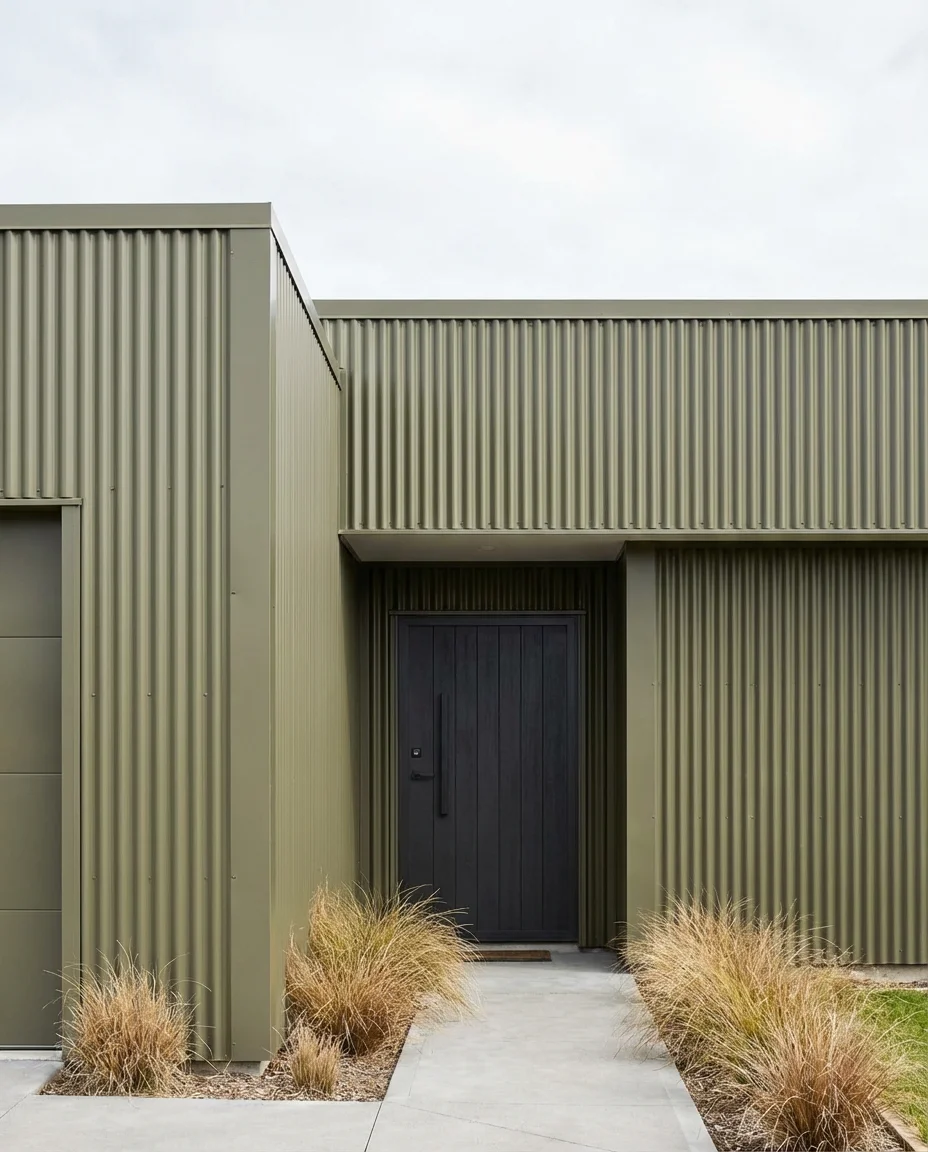
Steel and aluminum siding have long been associated with commercial buildings, but 2026 is the year they’ve fully arrived in residential design. On a modern house, metal siding—whether corrugated panels, standing seam, or flat steel planks—introduces an industrial edge that feels simultaneously cutting-edge and deeply rooted in American manufacturing tradition. The material reads differently depending on the finish: a raw Corten steel develops a rich amber patina, while painted steel in matte olive or slate blue leans decidedly contemporary.
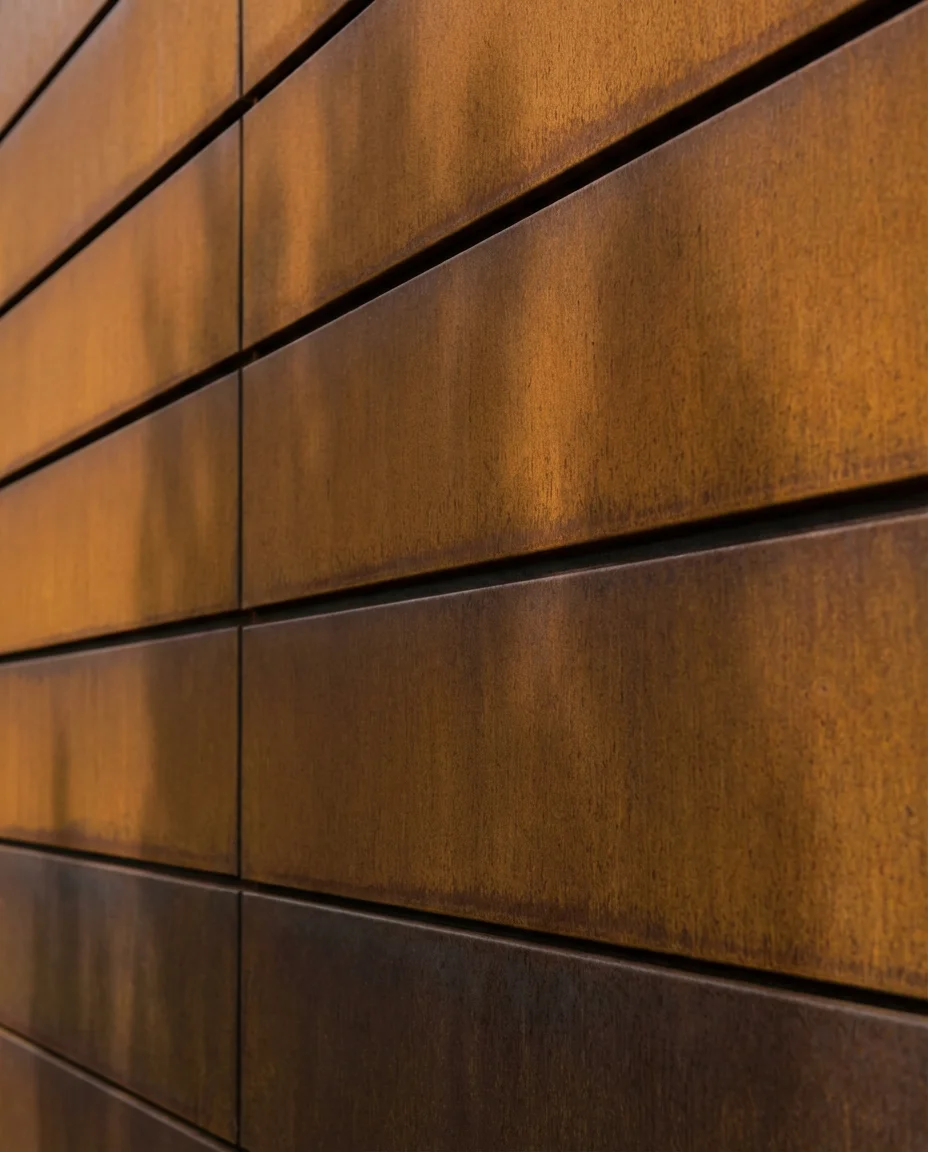
Where metal siding truly shines is in fire-prone regions of the American West, where its non-combustible nature is a genuine safety advantage, not just a design statement. In California, Colorado, and parts of the Pacific Northwest, metal cladding is being adopted both for its aesthetics and its resilience. From a maintenance standpoint, quality metal siding can last 40–70 years with minimal intervention. The main thing to watch out for is to ensure proper installation with thermal breaks to prevent condensation issues, and always work with a contractor who has specific experience with metal residential cladding.
9. Color Schemes for Small Houses That Feel Bigger
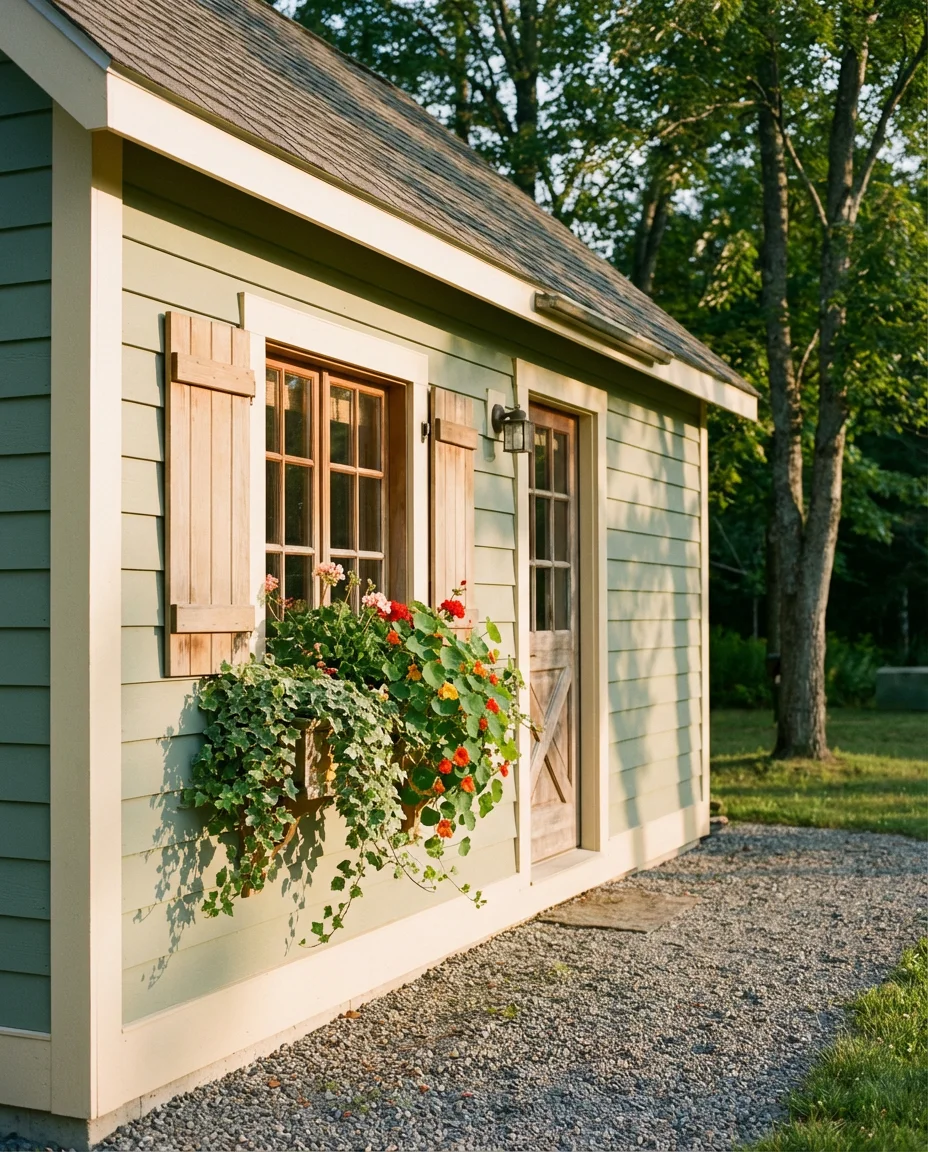
Choosing the right color schemes for a small house exterior is genuinely one of the highest-leverage design decisions you can make. The wrong palette can make a 900-square-foot home look cramped and forgotten; the right one can make it feel like a magazine cover. In 2026, the most effective approach for small homes involves using a single field color for the body of the house (avoiding stark contrasts that chop the facade into even smaller pieces) and reserving the accent color for shutters, the front door, or window boxes.
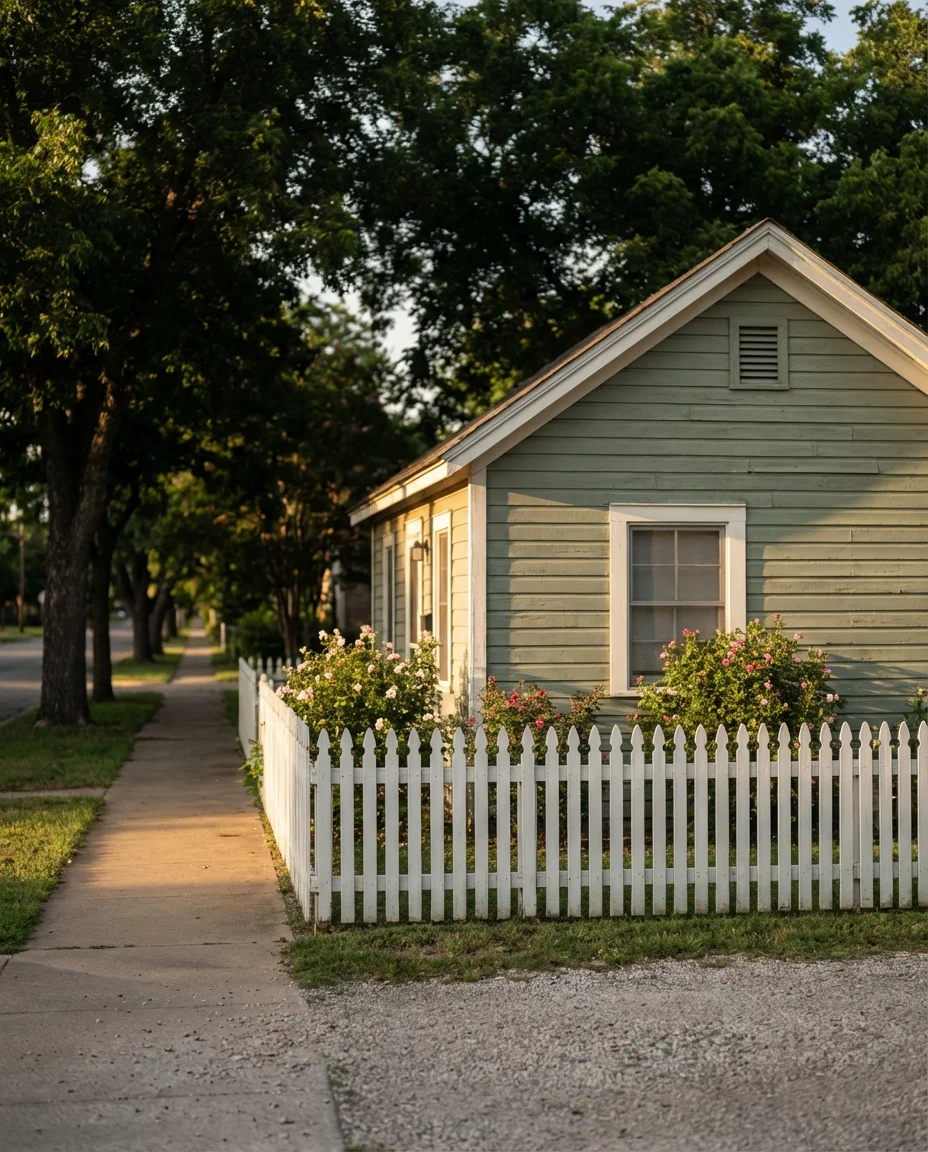
Design experts consistently point to light, warm neutrals—soft sage, pale terracotta, and warm taupe—as the most flattering choices for compact homes because they reflect light rather than absorb it. Deep colors can work beautifully on small homes, but they require careful pairing with lighter architectural details to prevent the structure from visually receding into the lot. If you’re stuck between two options, always test large paint swatches (at least 12 inches square) on the actual exterior surface and observe them at different times of day. Morning light and late afternoon sun can make the same color look wildly different.
10. Unique Siding Combinations with Stone and Wood
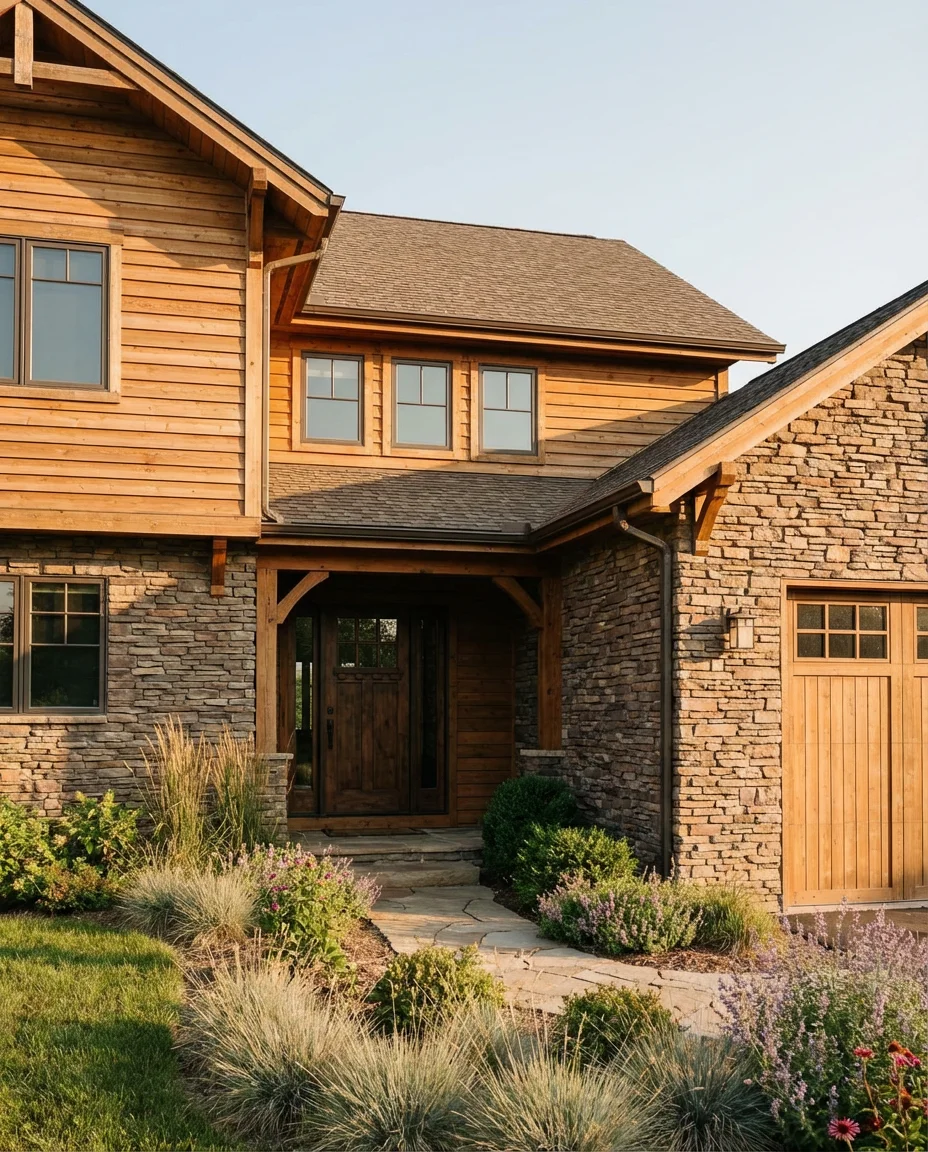
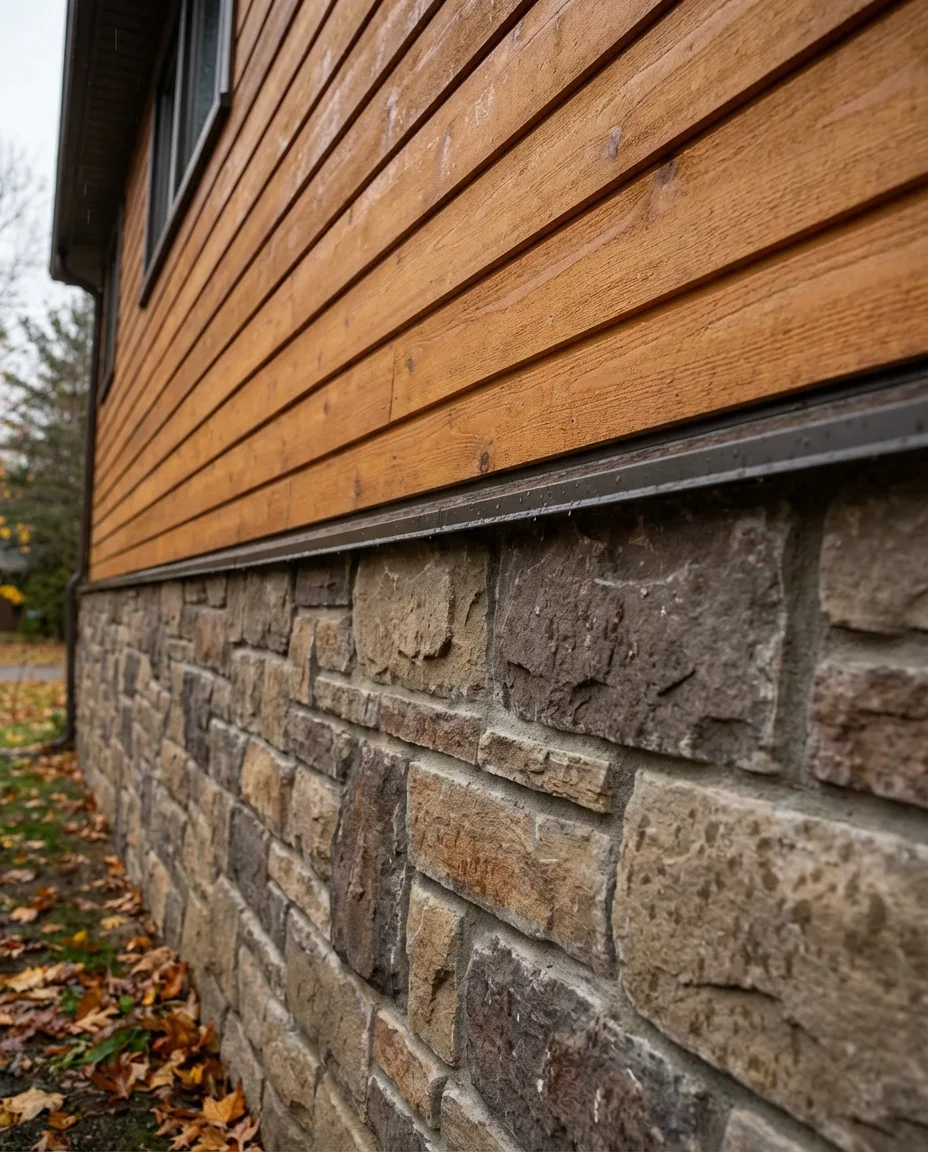
For homeowners who want something genuinely unique, mixing materials—specifically stone veneer and natural or engineered wood siding—creates a facade that feels one-of-a-kind without veering into chaos. The key is treating each material as a deliberate zone: stone for the foundation or lower third of the exterior, wood for the upper portions and gable ends. This layering gives a home the kind of texture and depth that single-material exteriors simply can’t replicate, and it photographs beautifully from every angle.
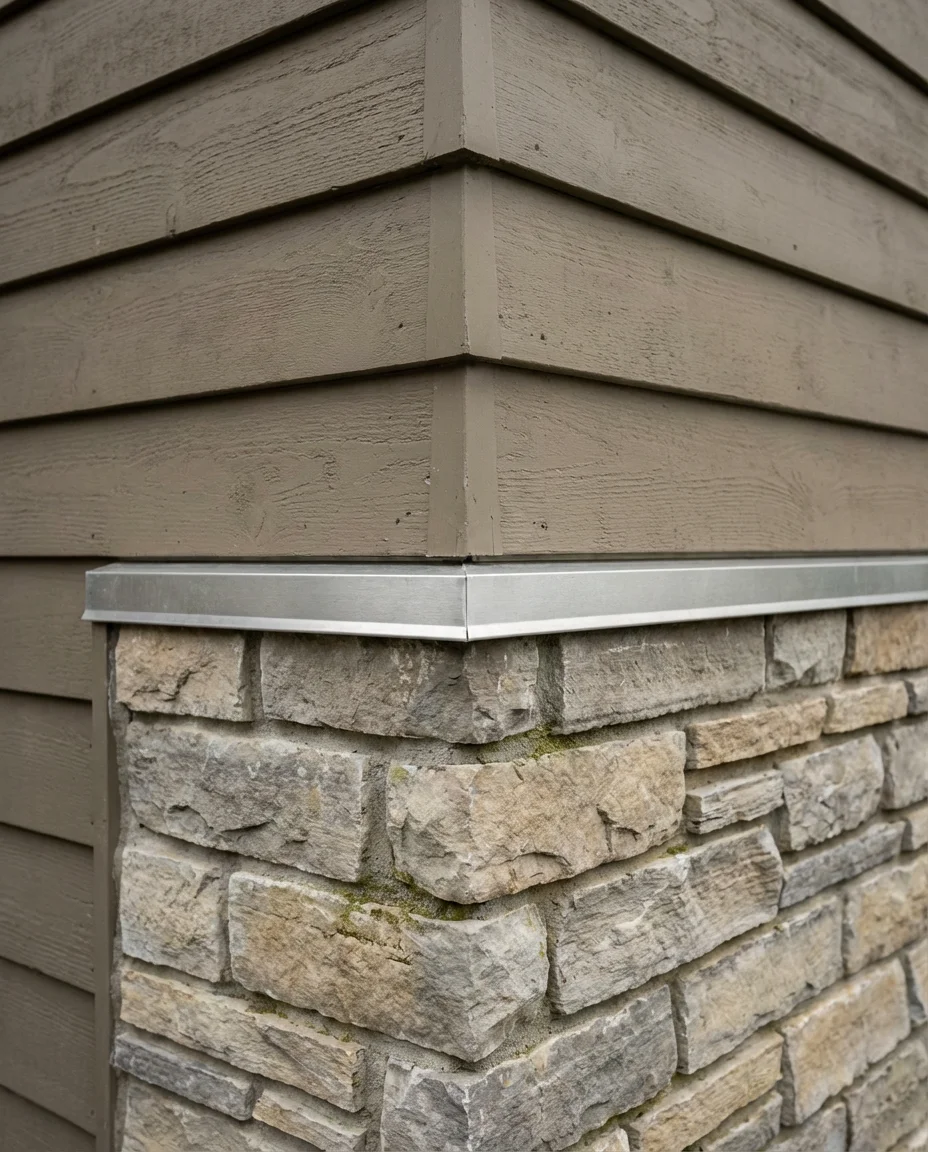
The Pacific Northwest and mountain states of Colorado and Utah have been perfecting this look for decades, drawing on a tradition of integrating homes into wooded and rocky landscapes. In 2026, the trend is spreading to the Midwest and Mid-Atlantic, where homeowners are incorporating ledger stone at the base of suburban homes as a relatively affordable upgrade—stone veneer panels run $6–$15 per square foot installed. The result is an exterior that looks like it cost significantly more than it did and one that tends to hold its value exceptionally well in the resale market.
11. Modern Vinyl Siding in Sage Green
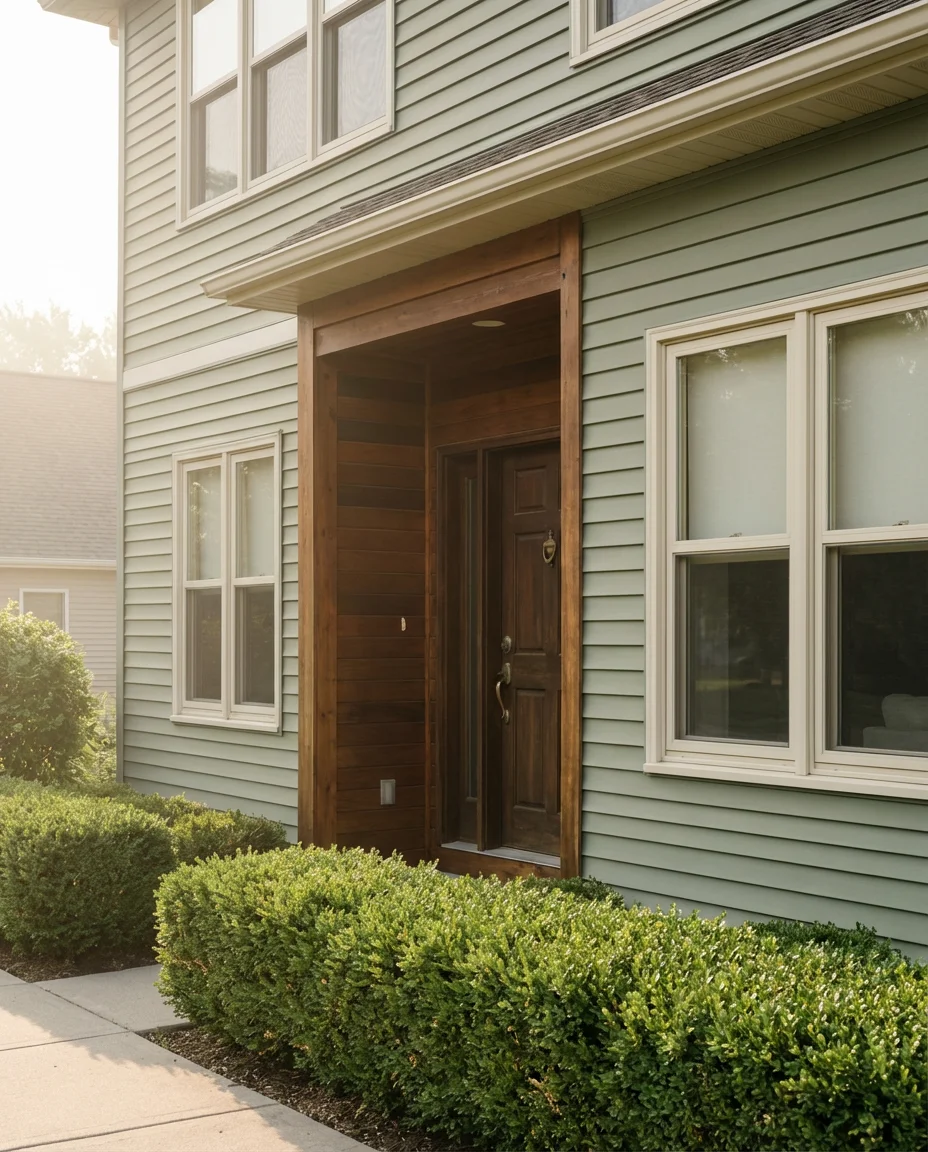
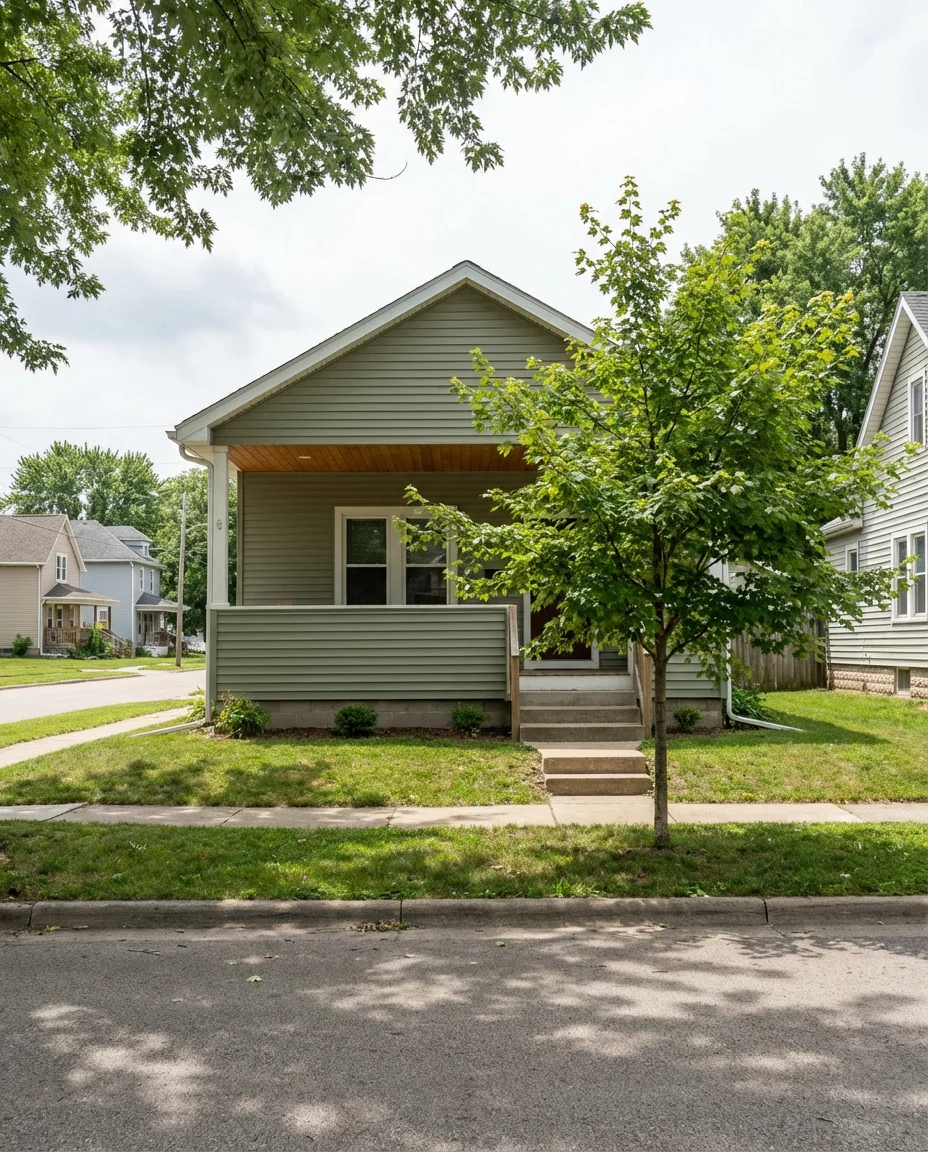
Sage green is having its extended moment in exterior design, and for good reason. On a modern vinyl exterior, this muted, earthy green reads as both fresh and timeless—it sits comfortably between the cool gray palette of the last decade and the warmer, more organic tones that are defining 2026’s design direction. House vinyl in this shade pairs especially well with warm wood details, aged brass hardware, and cream or warm white trim, creating a facade that feels like it belongs to the landscape rather than imposing on it.
This is where knowing your regional context matters. In New England, sage green fits naturally into wooded, historic neighborhoods; in the Southwest, it can feel slightly at odds with the terracotta and desert landscape that defines the regional palette. Before committing, pull up Google Street View and look at neighboring homes—not to copy them, but to ensure the color won’t clash with the surrounding environment. Sage green vinyl is widely available from major manufacturers, including James Hardie (in fiber cement) and CertainTeed, and most offer free color sample chips so you can evaluate the shade against your specific foundation and roofline.
12. Ranch House Siding with Horizontal Lap and Stone Base
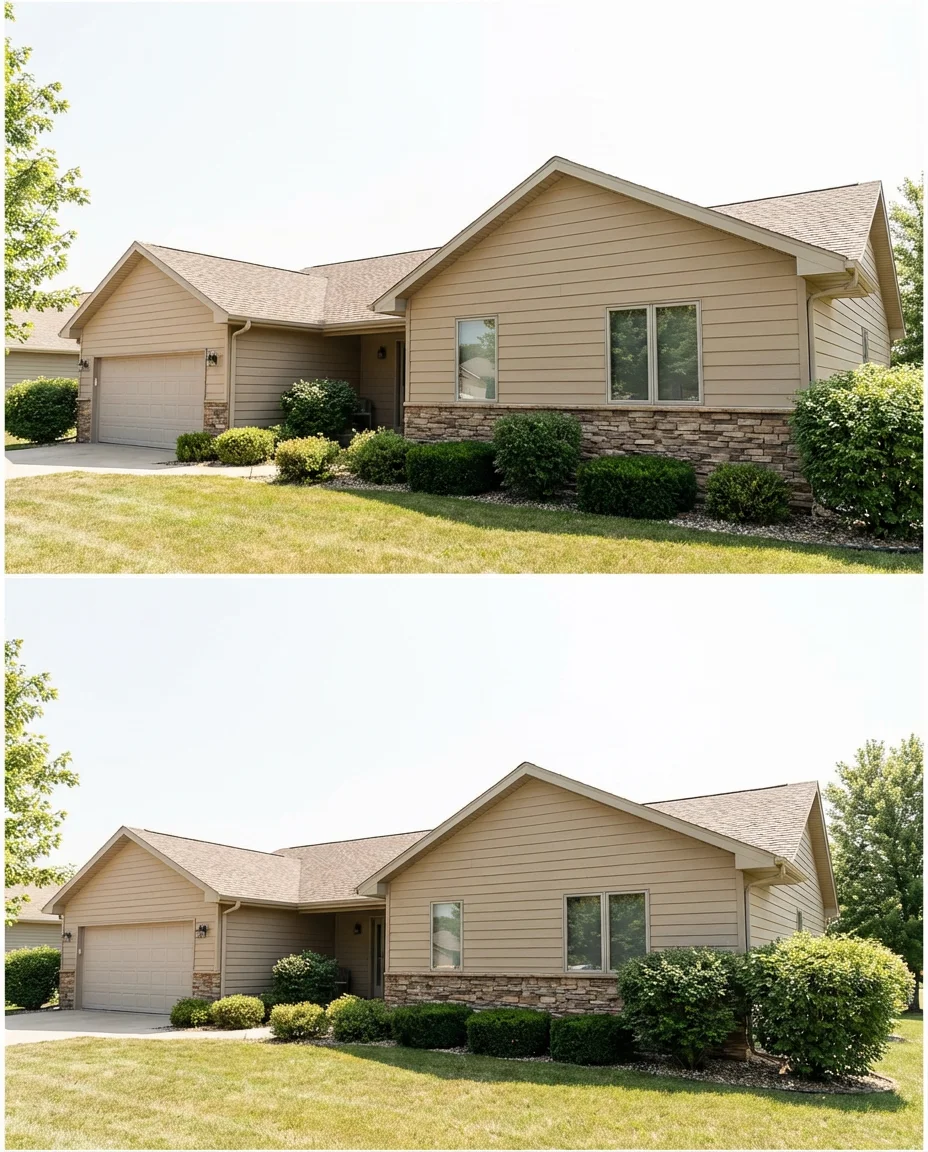
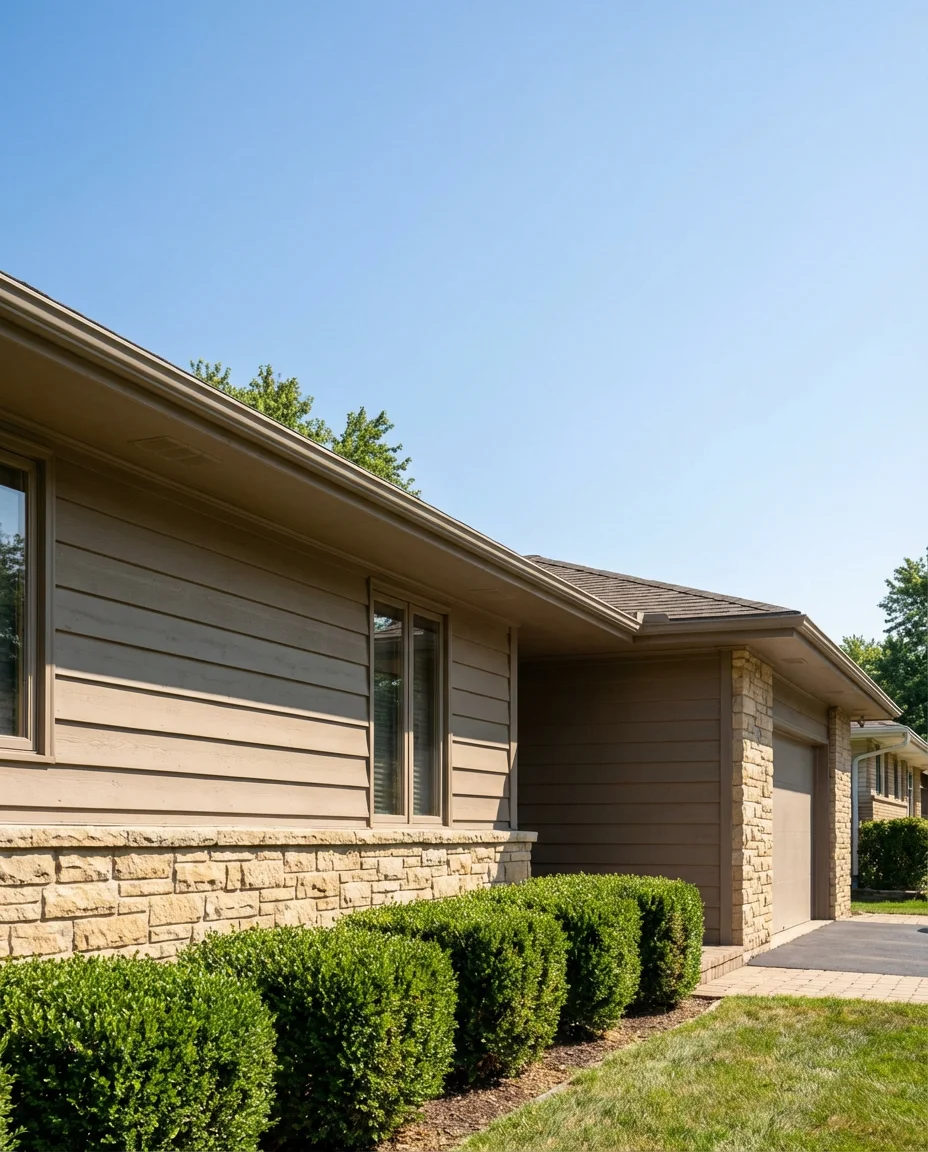
The ranch home is one of the most quintessentially American housing forms—low, wide, and utterly practical. And in 2026, it’s getting a serious design upgrade. The most compelling approach: horizontal lap siding in a warm neutral or earthy tone, anchored by a stone veneer base that adds visual weight and texture at ground level. This combination honors the home’s inherently horizontal proportions rather than fighting them, and it introduces enough material contrast to keep the facade from feeling monotonous across a long, uninterrupted expanse of wall.
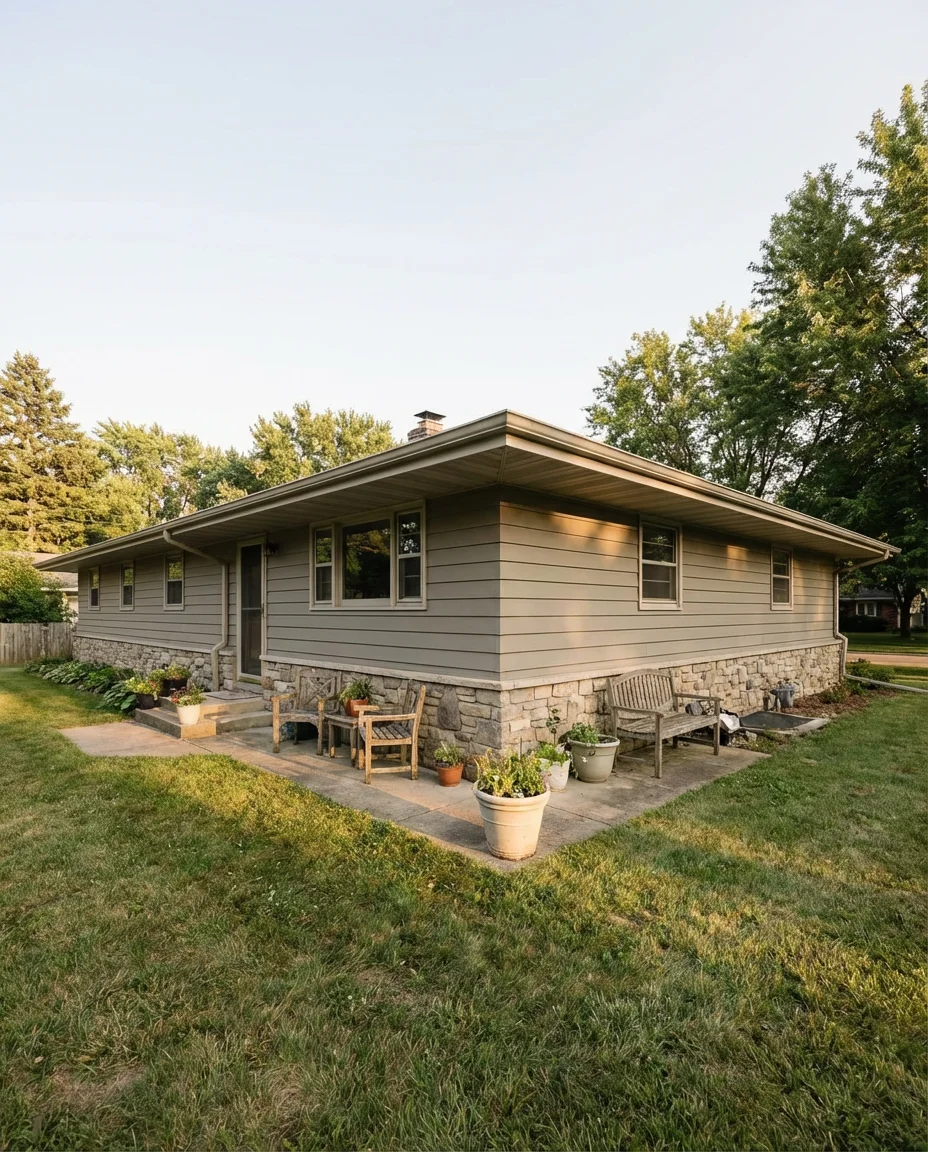
Ranch homes in the Sun Belt—Texas, Arizona, and Florida—particularly benefit from this treatment because the stone base helps visually ground the structure on flat lots where landscaping alone can’t provide enough anchoring. It’s also a practical choice: stone veneer at the base protects the most vulnerable section of the exterior from lawnmower nicks, soil splash, and moisture infiltration. A key tip from contractors: always ensure there’s a proper moisture barrier and drainage plane behind any stone veneer application, especially in regions with significant rainfall or freeze-thaw cycles.
13. Dark Siding on a Bungalow with Warm Porch Details
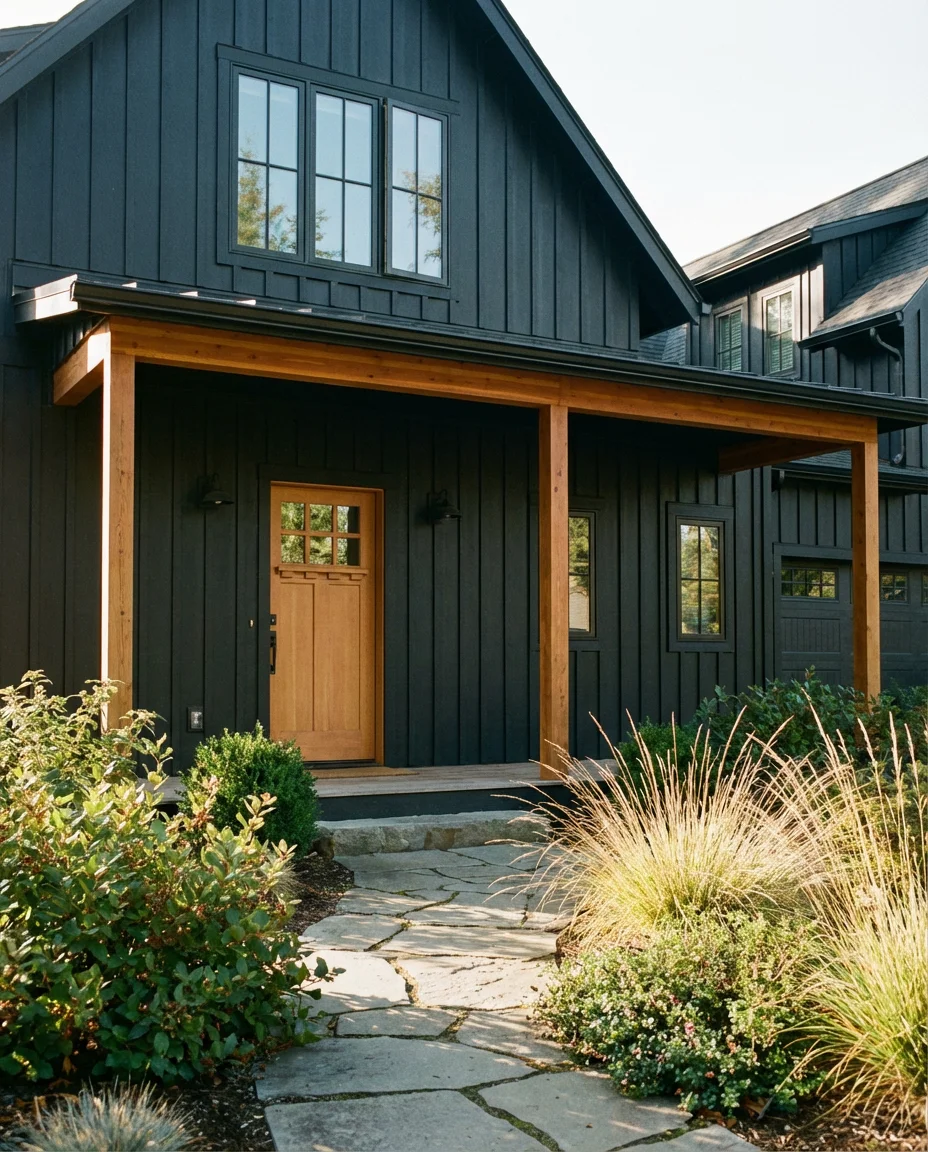
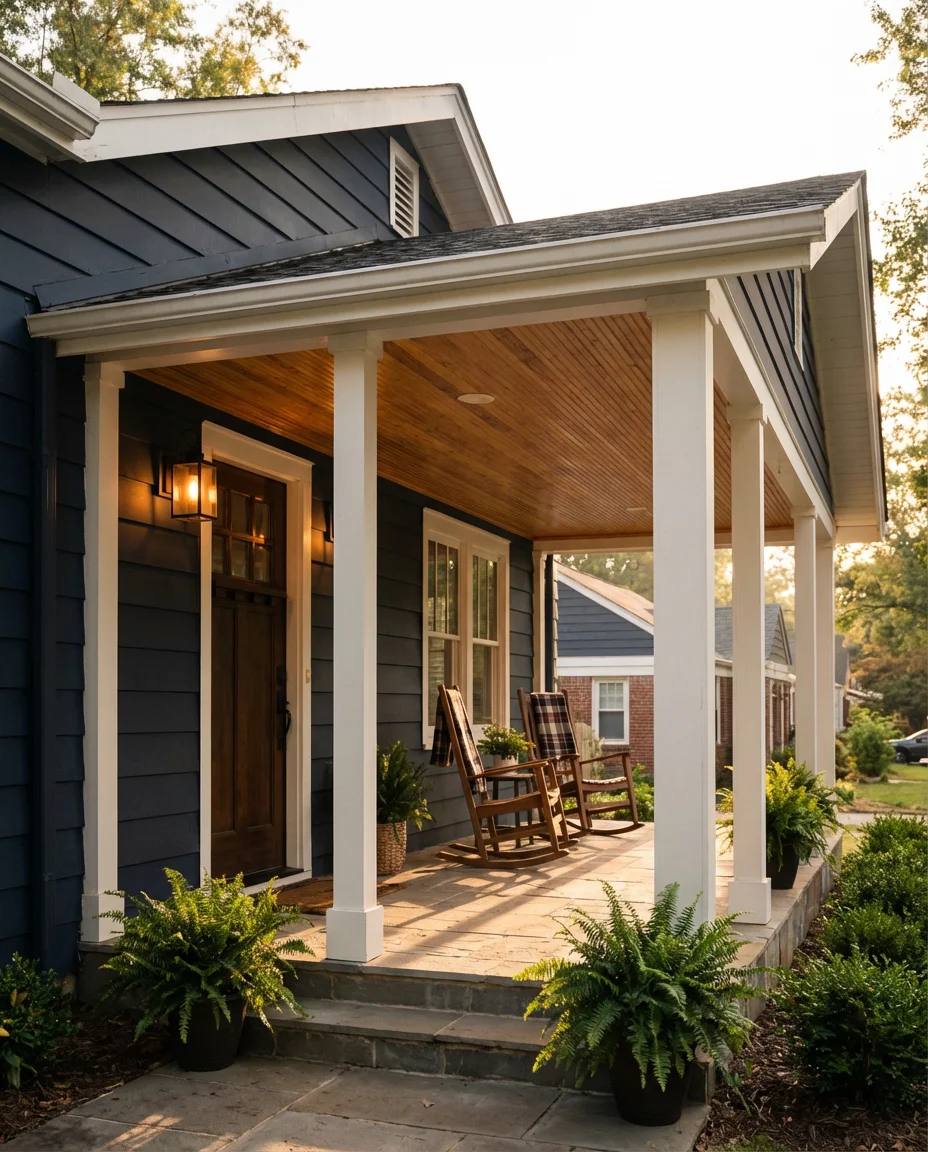
Painting or cladding a bungalow in deep, dark house tones—inky blue, near-black green, or espresso brown—and then warming the whole exterior up with natural wood porch details is one of 2026’s most photographed curb appeal combinations. The porch becomes the welcoming counterpoint to the drama of the dark siding: cedar ceiling boards in a honey tone, natural wood columns, and warm Edison-style lighting all work together to prevent the exterior from feeling severe or uninviting.
This look works especially well in older neighborhoods where bungalows were originally built—places like the Craftsman districts of Pasadena, the historic neighborhoods of Savannah, and the mature tree-lined streets of Chicago’s North Shore. The dark exterior makes the homes stand out without feeling out of place in a neighborhood with strong architectural character. One thing to keep in mind: dark exteriors absorb significantly more heat than light ones, which can be a consideration in hot climates. In those regions, pairing dark siding with proper attic ventilation and reflective roof shingles can offset the additional heat load.
14. Unique House Exterior with Mixed Vertical and Horizontal Siding
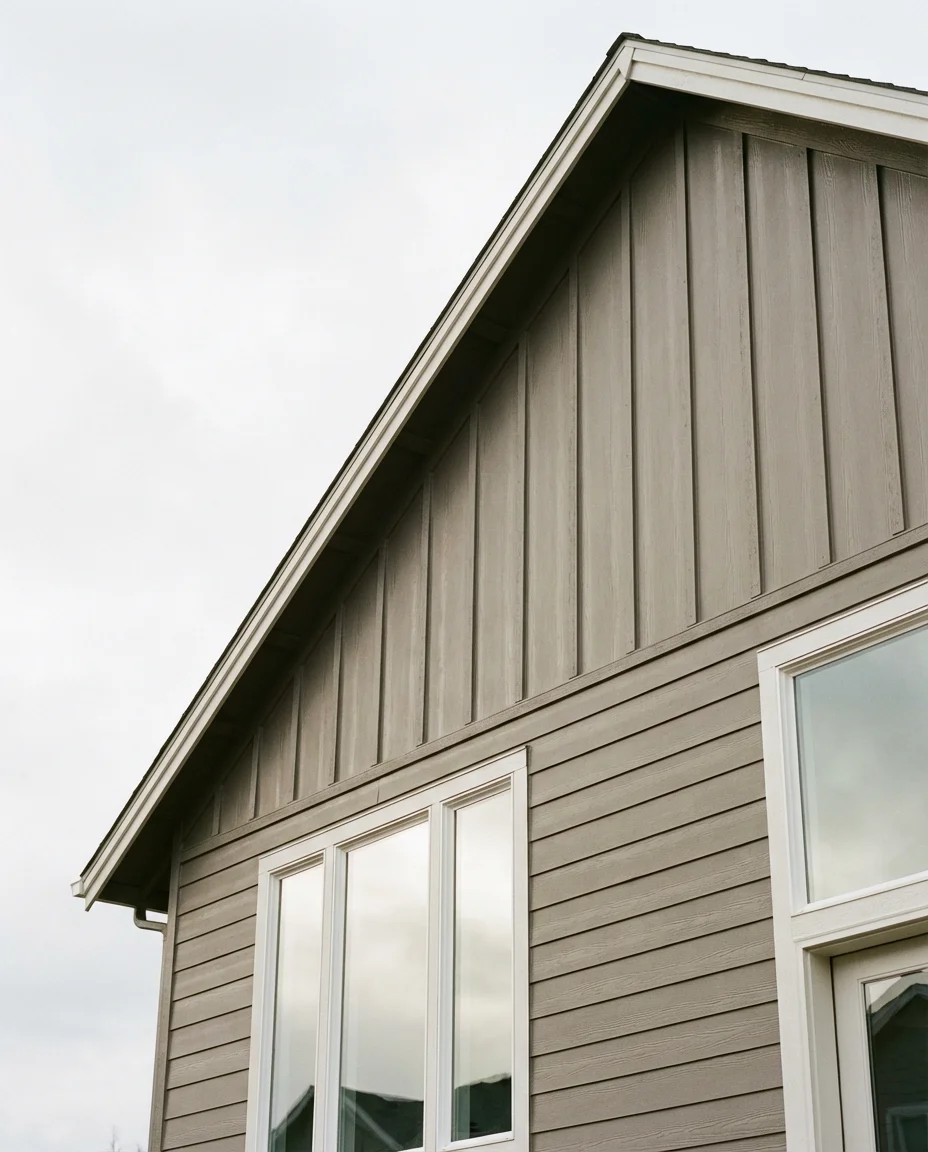
One of the most architecturally interesting approaches to unique house exteriors in 2026 is mixing the direction of siding panels on a single facade. Vertical board-and-batten on the upper gable ends combined with horizontal lap siding on the body of the home creates a rhythm and visual hierarchy that instantly elevates a simple structure. It’s a technique architects have used for decades, but it’s finally filtering down into mainstream residential renovation through Pinterest and design-forward homebuilders.
What makes this approach so effective is that it draws the eye upward on the vertical sections, making the home feel taller, while the horizontal elements reinforce a sense of groundedness and solidity. The key is maintaining a cohesive color palette across both orientations—the contrast should come entirely from texture and direction, not color shifts, which can easily become overwhelming. A single neutral tone applied to both siding types, with a contrasting trim color on windows and corners, tends to produce the cleanest and most intentional result. This is a genuinely DIY-friendly upgrade if you’re working with fiber cement or vinyl panels.
15. Fiber Cement Siding on a Modern Farmhouse
Fiber cement has become the material of choice for the modern farmhouse exterior—and in 2026, it’s not hard to see why. It offers the clean lines and crisp paint adhesion that the aesthetic demands, without the maintenance concerns of real wood. On a farmhouse with a covered porch, board-and-batten fiber cement siding in a warm white or soft gray creates that iconic, almost theatrical simplicity that makes modern farmhouse homes so enduringly popular on social media and in real estate listings alike.
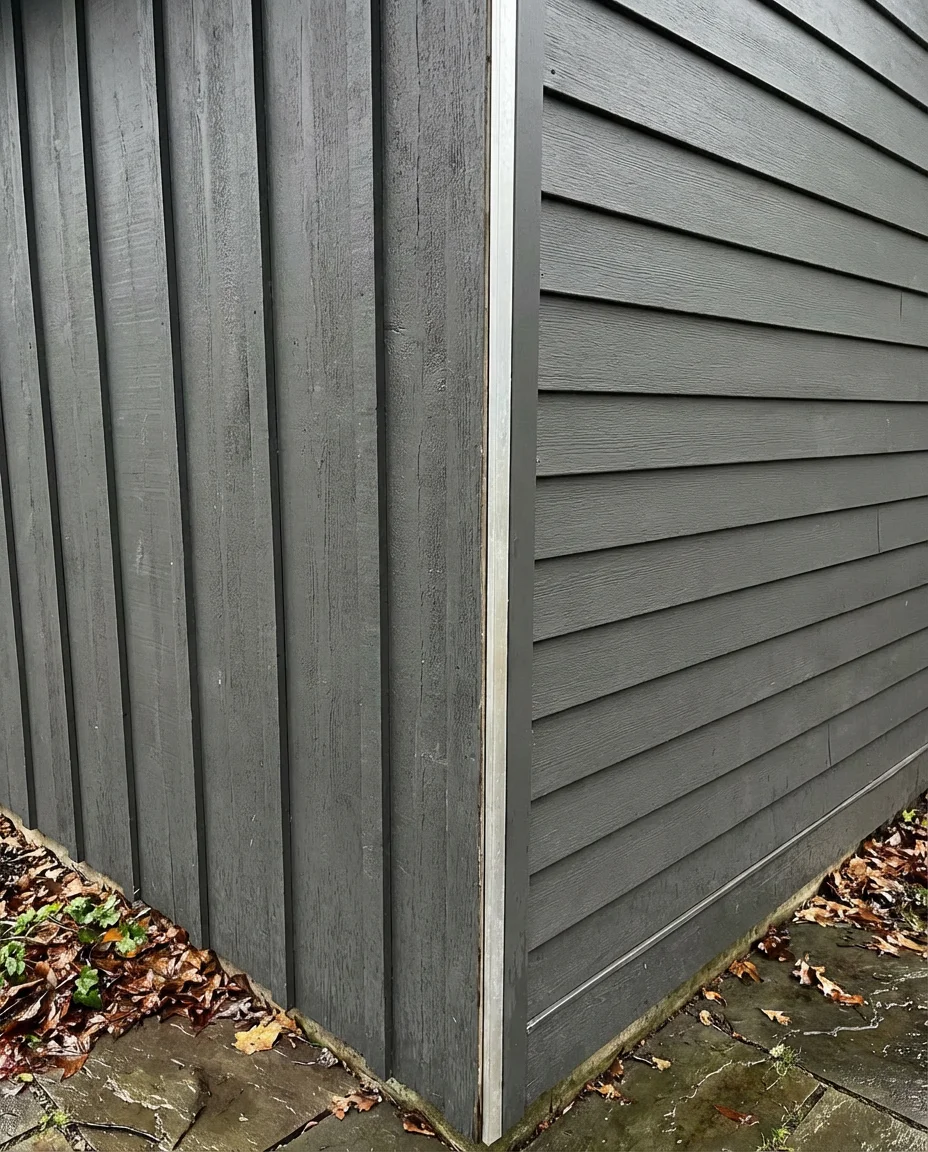
James Hardie is the dominant brand in this space, and their HardiePlank and HardiePanel lines are available pre-primed and even pre-painted in a curated range of colors through their ColorPlus Technology. For homeowners who want the look but are watching costs, fiber cement sits in the mid-range: less than masonry, more than vinyl, but considerably more durable than either over a 20-year horizon. The real value proposition is paint retention—fiber cement holds paint significantly longer than wood, meaning repaints are needed every 15–20 years rather than every 5–7.
16. White Brick Exterior with Black Steel Windows
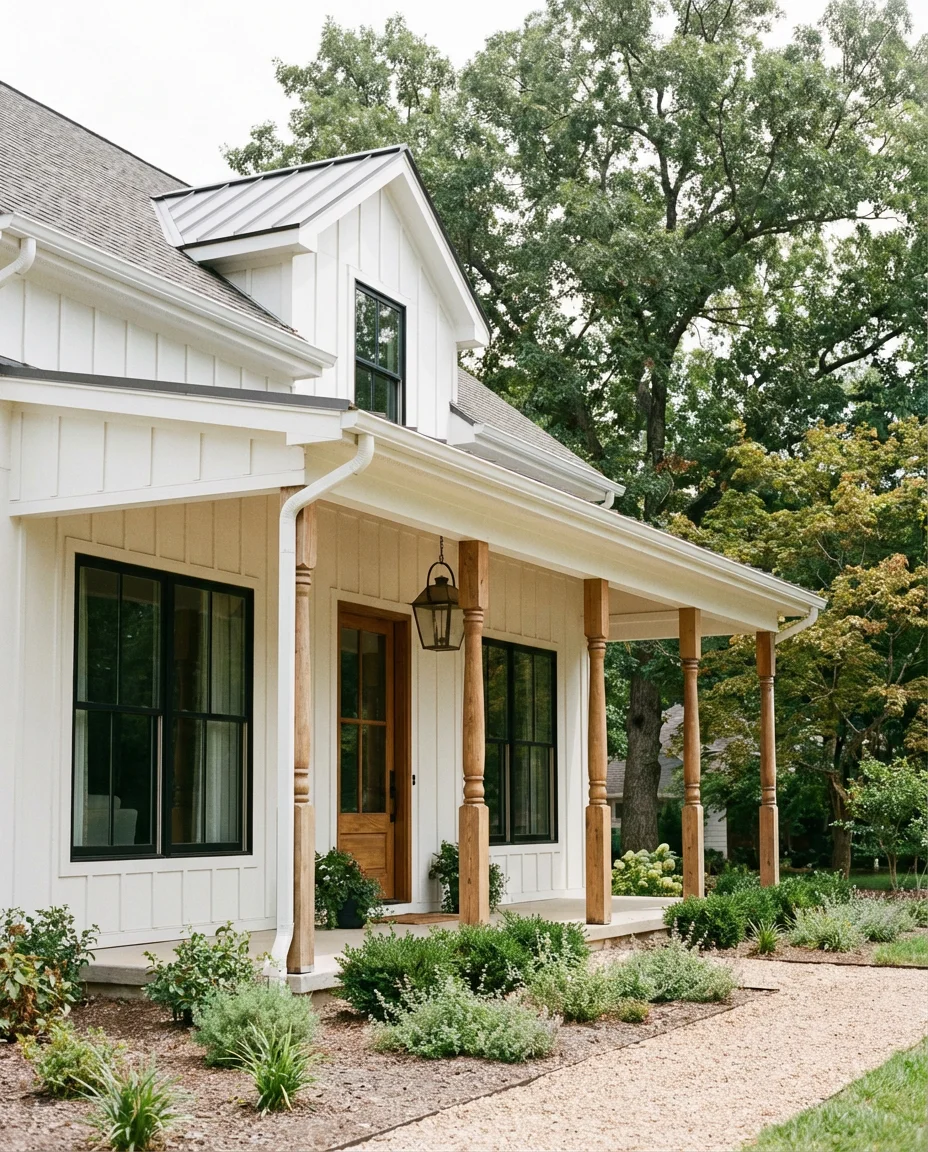
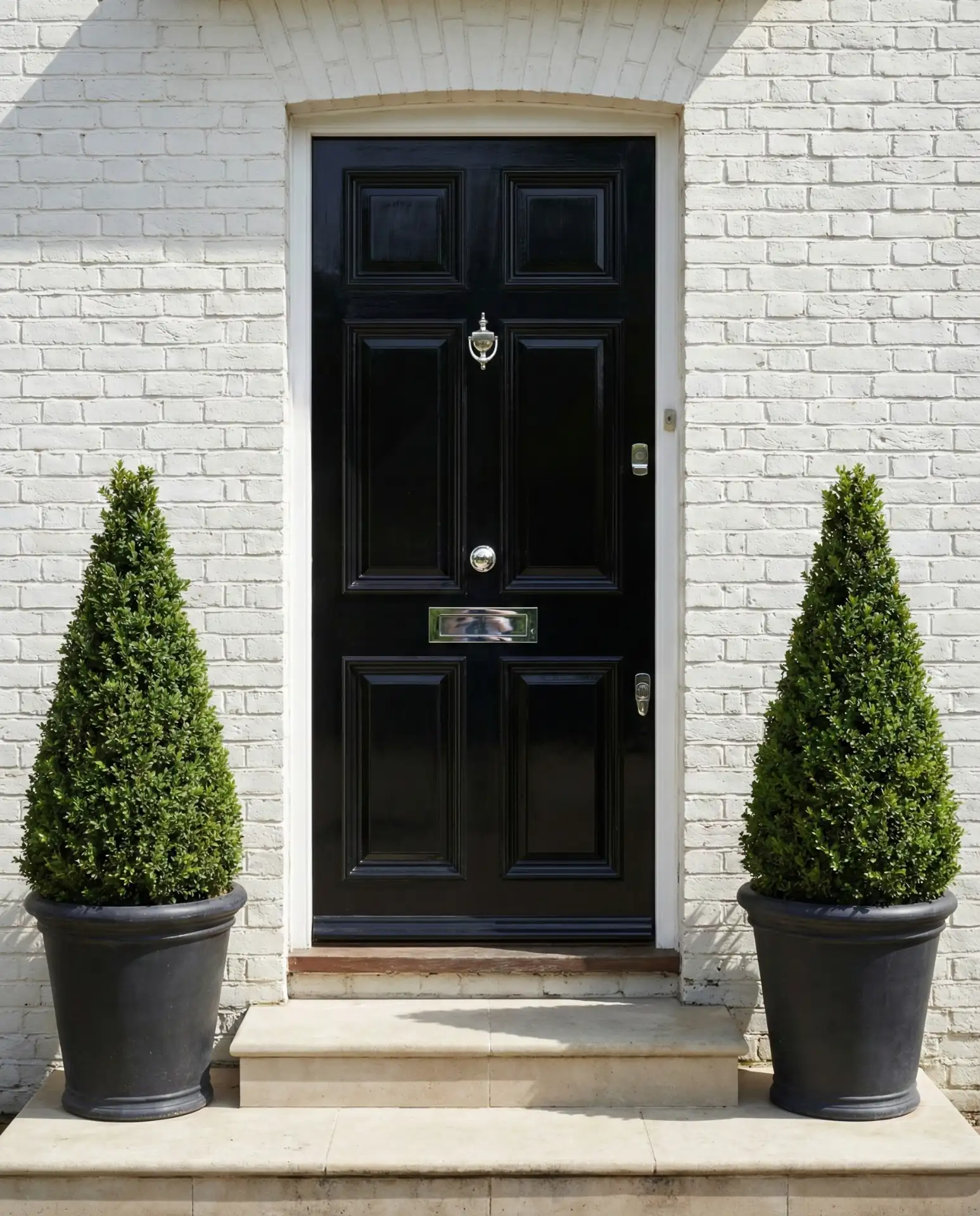
Limewashed or painted white brick combined with black steel-framed windows has become one of the defining exterior aesthetics of the mid-2020s—and it shows no sign of fading. Unlike the bright, glossy painted brick of previous eras, today’s white brick treatments favor a matte, chalky finish that lets the texture of the masonry breathe through. On a modern exterior, this creates a beautifully layered surface that manages to feel simultaneously ancient and current, rustic and refined.
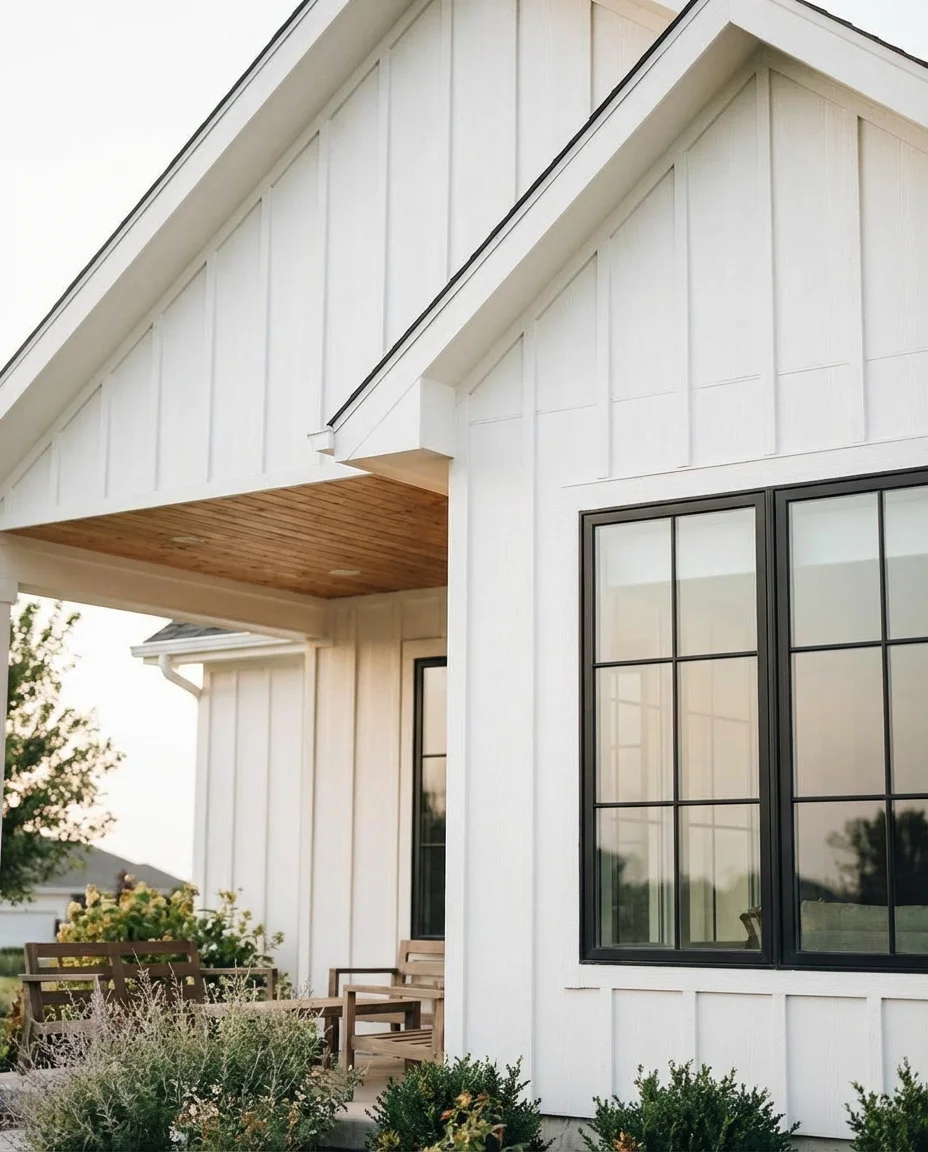
The limewash process involves applying a diluted mixture of lime and water directly to bare or previously painted brick, allowing it to settle into the mortar joints and surface irregularities in a way that no regular paint can replicate. It’s a technique with centuries of European history, and American homeowners are now applying it to everything from 1960s ranch homes to new construction brick fronts. From a cost standpoint, limewashing is one of the most affordable exterior transformations available—materials run as little as $50–$100 for an average front elevation, with labor adding $500–$1,500 depending on complexity and square footage.
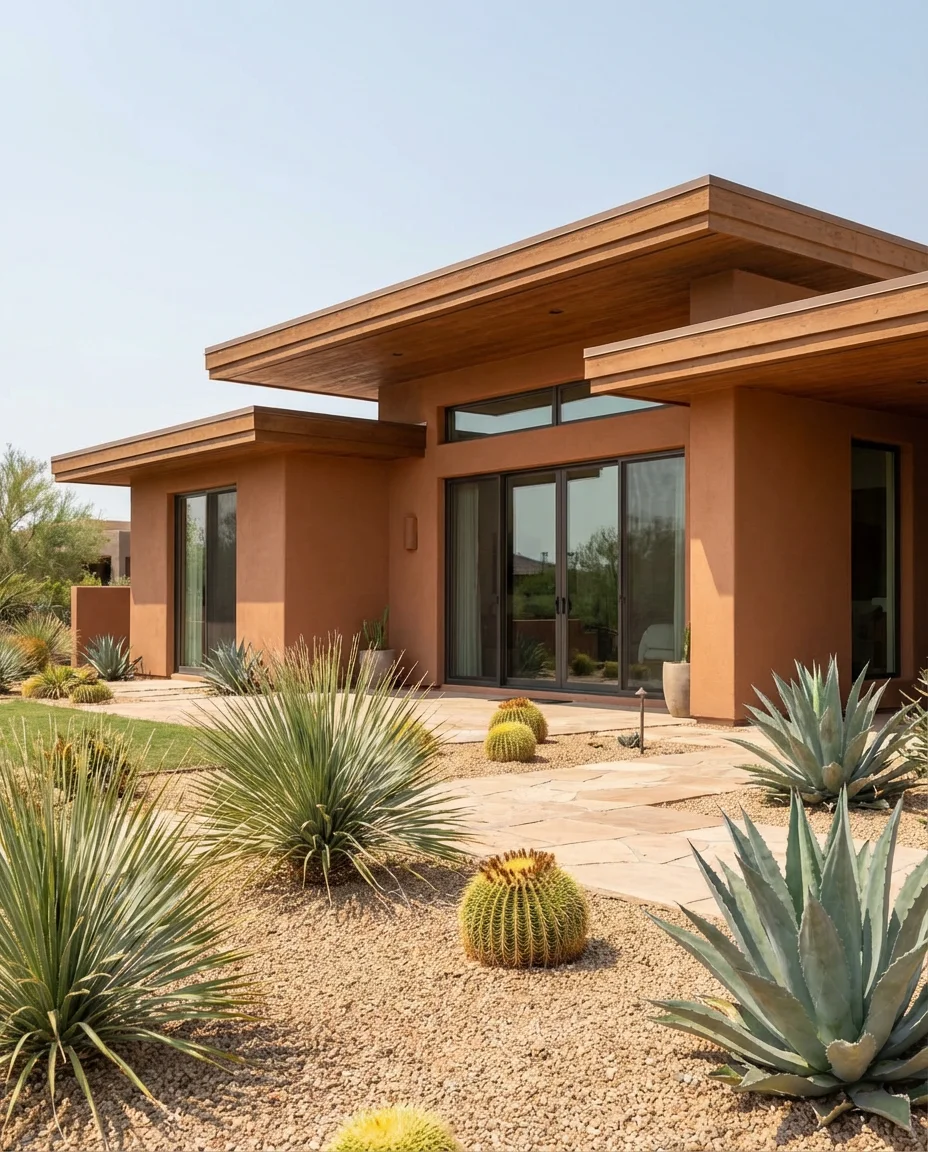
17. Modern Ranch Exterior with Flat Roof and Stucco Panels
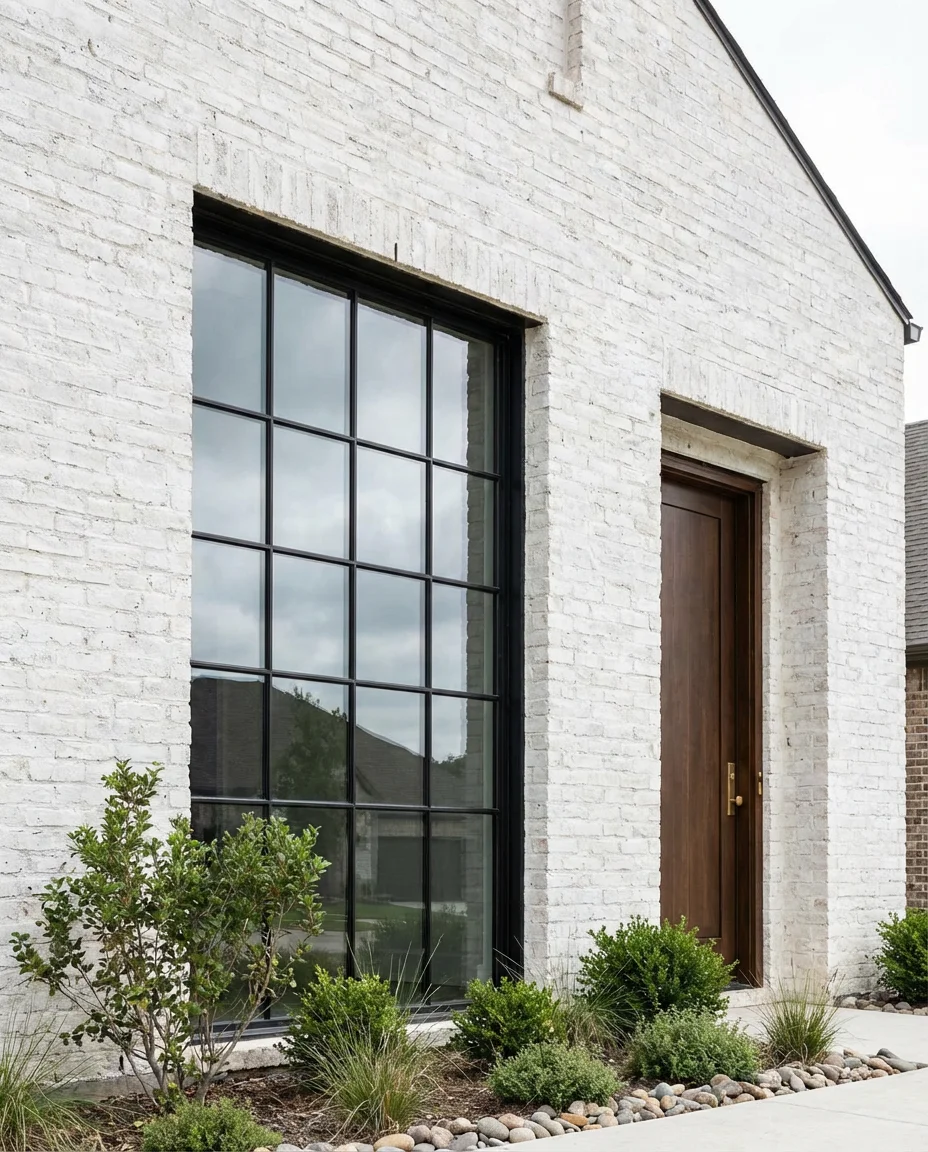
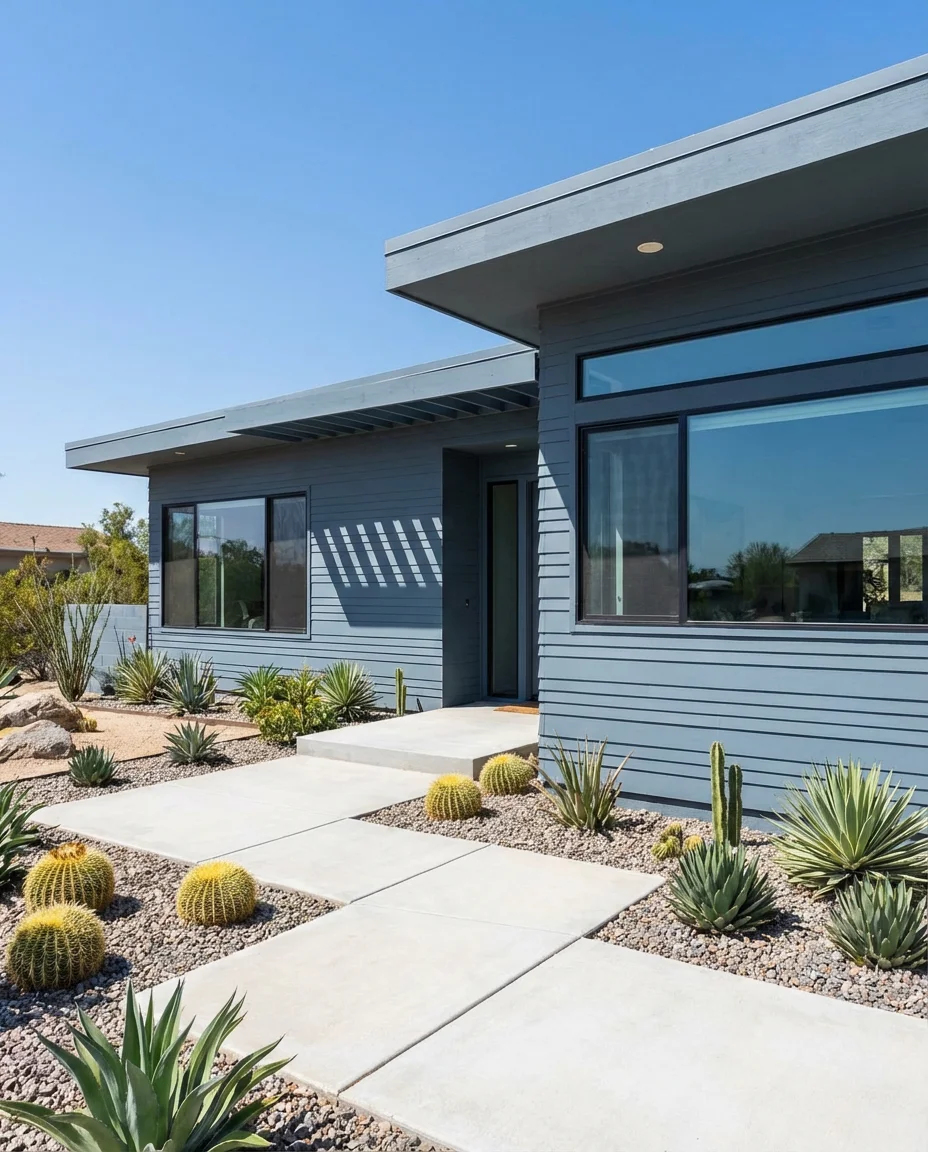
In the Southwest and California, the ranch home is being reimagined for a modern era with flat or low-pitched roofs and smooth stucco siding in warm desert tones. Terracotta, clay white, and warm beige stucco finishes feel deeply rooted in regional tradition while reading as genuinely contemporary when paired with clean architectural lines, deep roof overhangs, and considered landscaping using drought-tolerant plants. This is exterior design that works with the climate rather than against it.
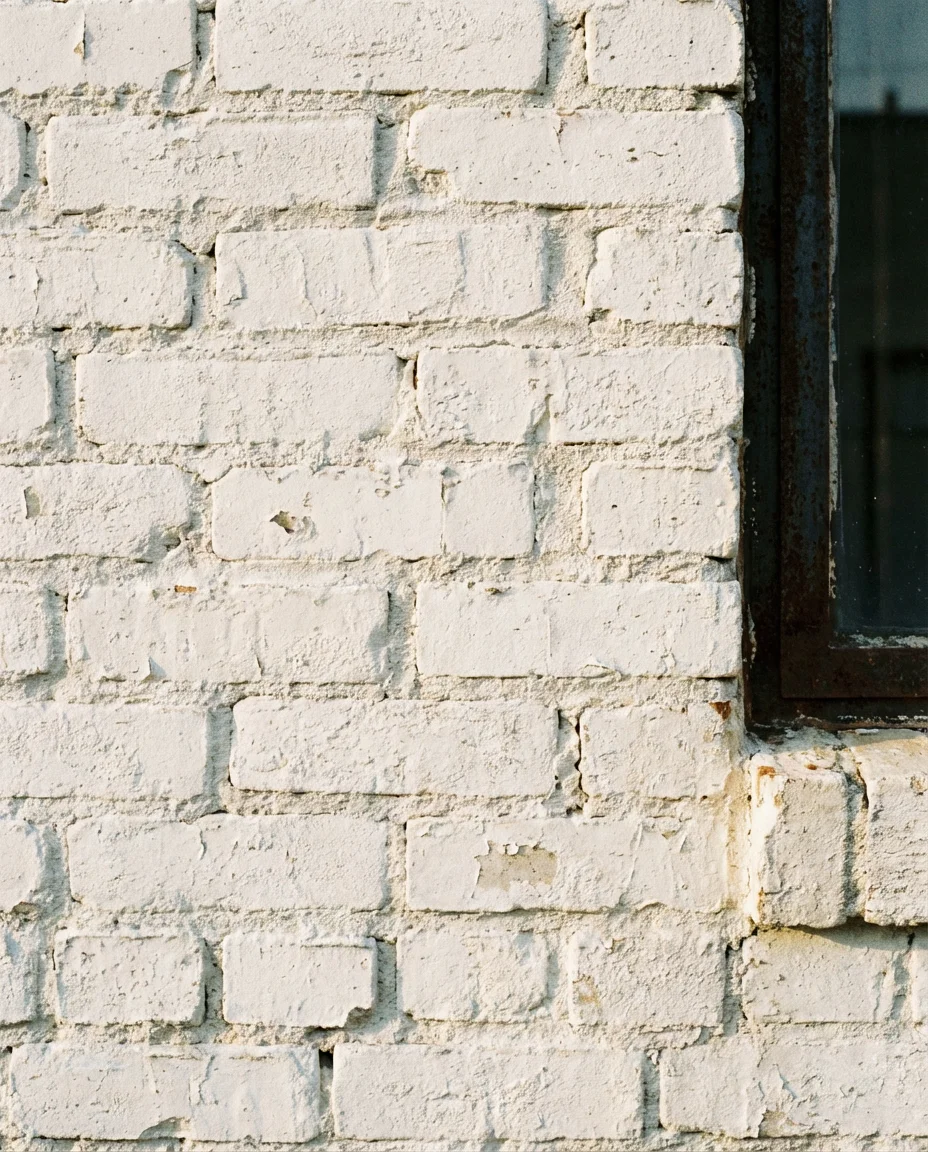
Stucco’s thermal mass properties make it particularly well-suited to climates with hot days and cool nights—it absorbs heat during the day and releases it slowly in the evening, helping to regulate interior temperatures. In Arizona, New Mexico, and parts of Southern California, a properly installed three-coat stucco system can last 50+ years with minimal maintenance beyond periodic repainting. The most common mistake homeowners make with stucco is skipping proper drainage detailing at windows, doors, and roof transitions, which leads to moisture infiltration and eventual cracking. Always work with a stucco contractor who understands local weather conditions.
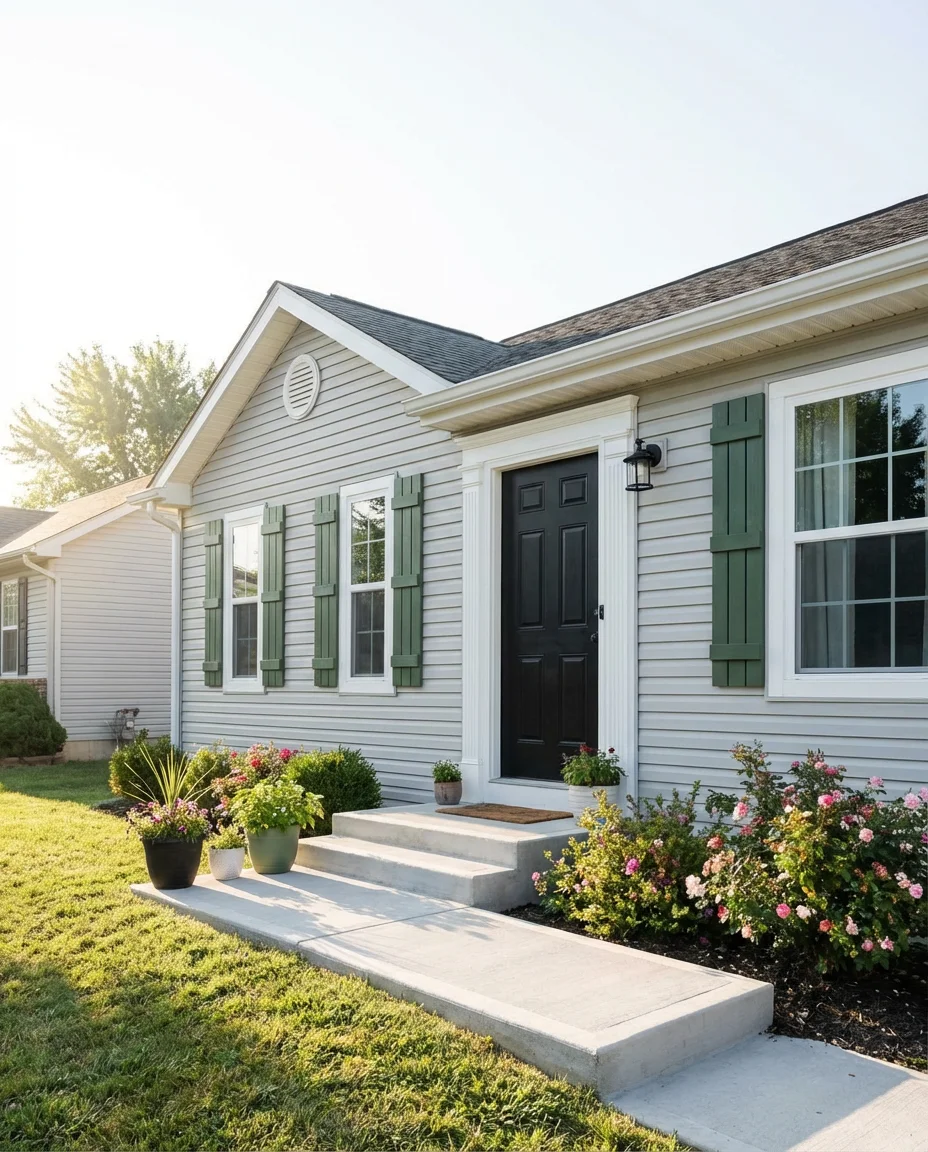
18. Budget House Makeover with Painted Vinyl and New Shutters
Not every exterior upgrade requires tearing off existing siding and starting fresh. For a truly budget-friendly house transformation, painting existing vinyl siding—yes, it can be done correctly—combined with replacing outdated shutters and updating trim details can dramatically shift a home’s personality for under $2,000. The key word there is “correctly”: vinyl must be thoroughly cleaned, primed with a bonding primer formulated for plastics, and painted with a product specifically rated for vinyl application.
Homeowners who’ve gone this route consistently report that the front door, shutters, and trim make up about 80% of the perceived visual change—meaning even a modest investment in these elements, without touching the field color of the siding, can meaningfully upgrade curb appeal. Replacing hollow plastic shutters with real wood board-and-batten shutters (even if non-functional) adds an authenticity that reads immediately. Add a new door in a bold color—dusty red, deep teal, or warm black—and the whole exterior composition snaps into focus. This is one of the highest-return-on-investment exterior upgrades available to budget-conscious homeowners.
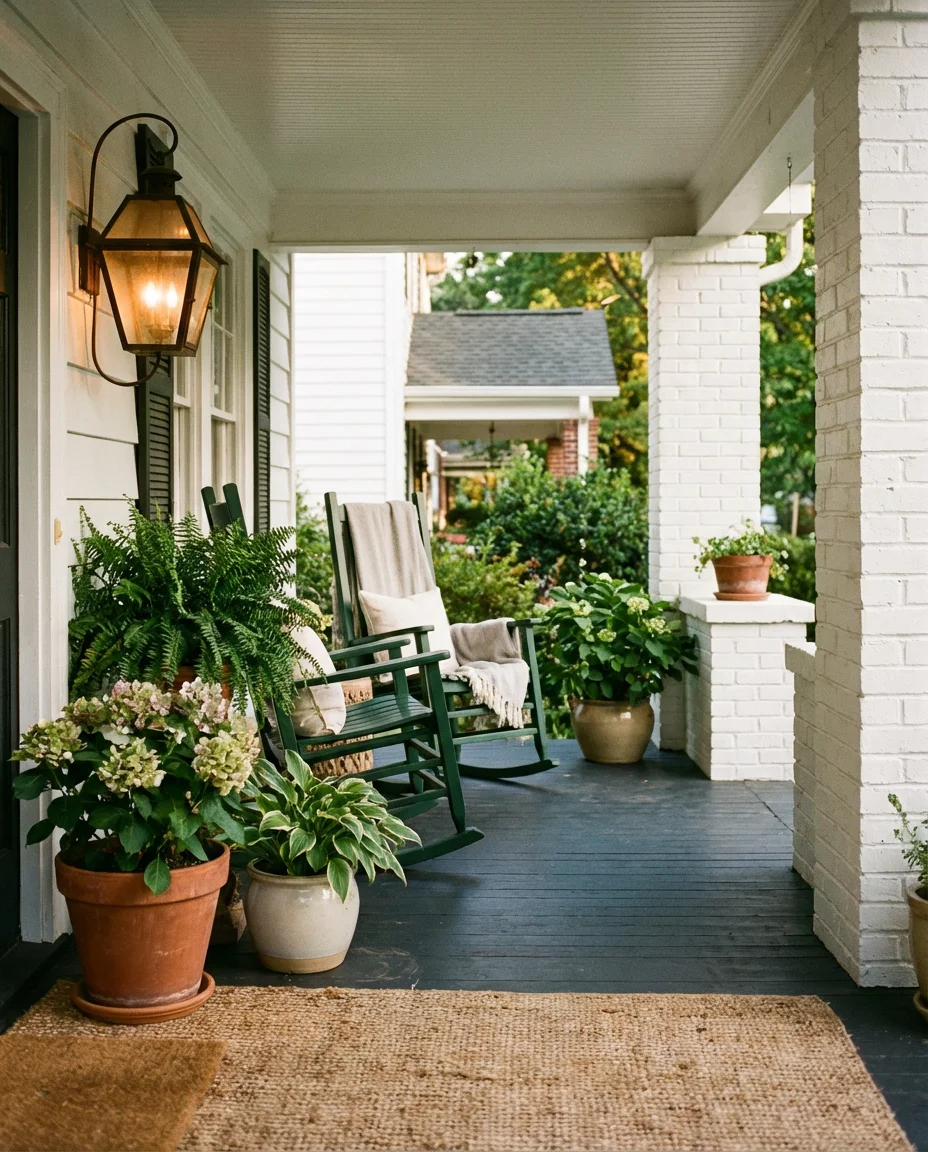
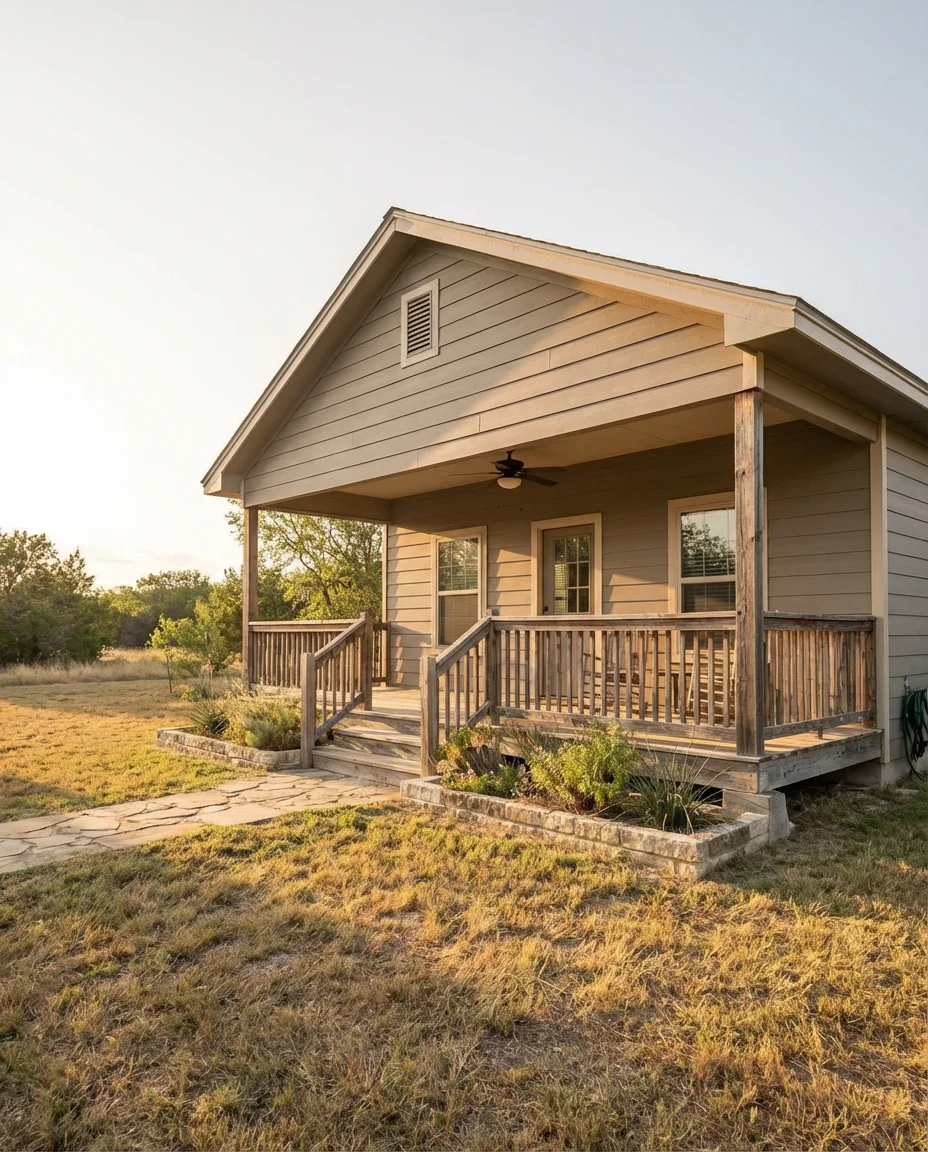
19. Porch-Focused Exterior Design on a Small Home
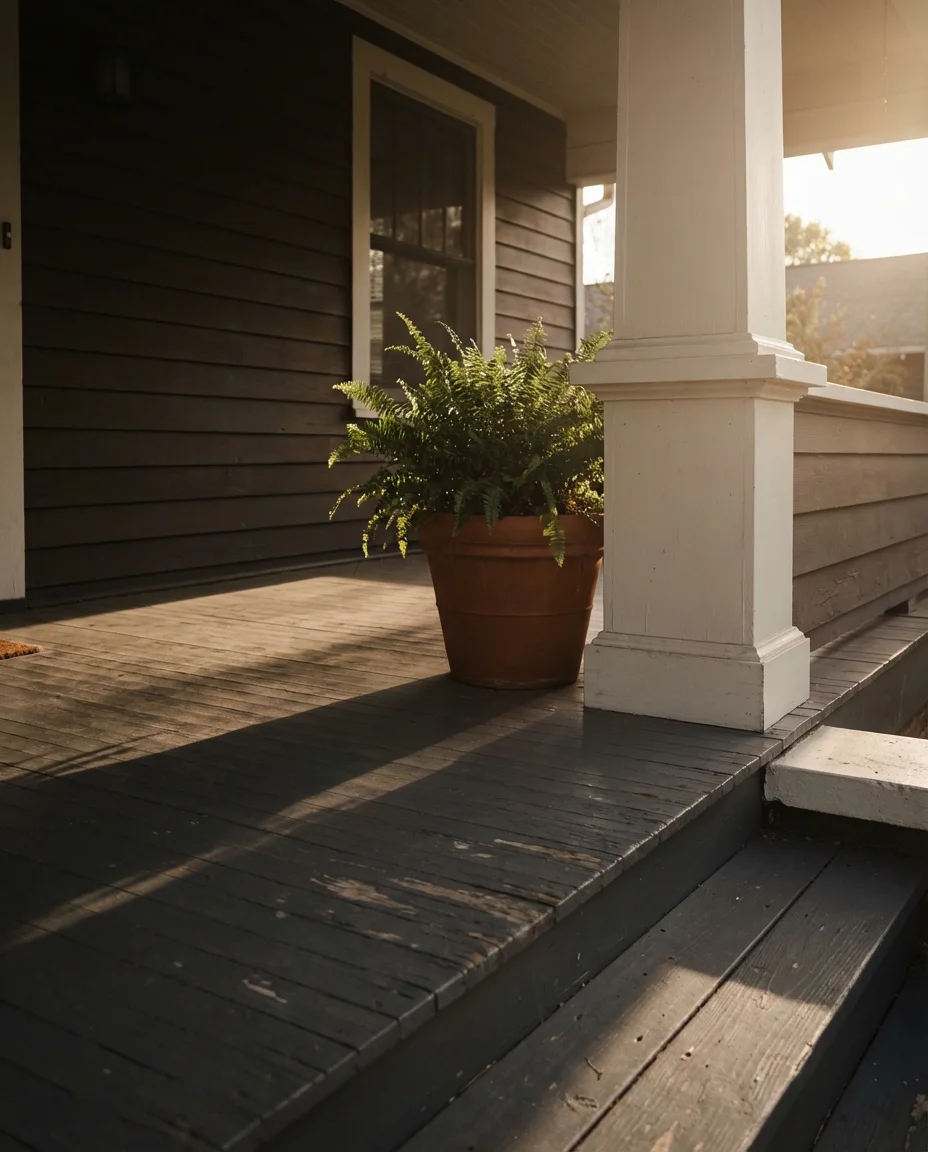
When a small home has a generous front porch, the smart design move is to lean into it—to make the porch the undeniable focal point rather than treating it as an afterthought. In 2026, the most-loved small home exteriors on Pinterest are those where the porch practically invites you in: wide plank floors painted a deep charcoal gray, white-painted brick columns, rocking chairs in deep forest green, and a warm lantern casting a golden glow. The siding almost becomes secondary to the stage the porch creates.
This is a regional aesthetic with deep roots in the American South, where front porch culture has always been central to neighborhood life—neighbors stopping to chat, kids playing in the yard, and slow Sunday mornings with coffee and a book. In 2026, that tradition is being embraced far beyond its geographic origins, as homeowners from Seattle to Philadelphia recognize the lifestyle value a well-designed front porch adds. From a siding perspective, keeping the main exterior relatively simple—a clean horizontal lap in a warm neutral—lets the porch do its expressive work without visual competition.
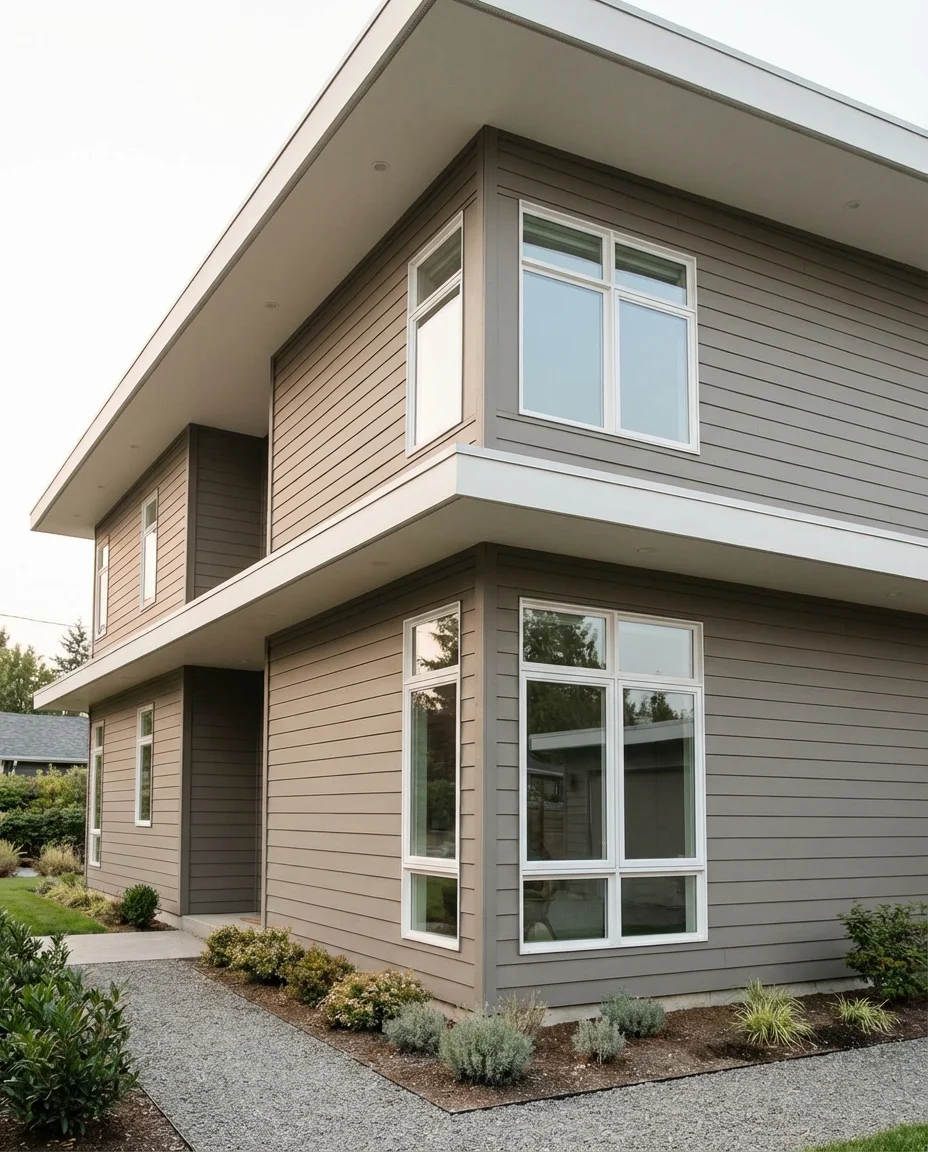
20. Sleek Gray Siding on a Two-Story Modern Home
Gray is often called the neutral of the decade, but on a two-story modern home, a well-chosen gray isn’t neutral at all—it’s a statement. The spectrum runs from cool blue-gray (which reads almost coastal) to warm greige (which feels rooted and substantial) to deep charcoal (which borders on dramatic). In 2026, the most compelling gray siding applications pair the color with large-format white windows, minimal landscaping, and clean lines that keep the exterior from feeling heavy or institutional—the main risk with gray at scale.
The vertical proportion of a two-story home benefits enormously from horizontal siding lines that create a sense of calm and continuity across the facade. Long, uninterrupted horizontal courses of fiber cement or premium vinyl—with no misaligned joints or visible seams—give the exterior a quality that’s immediately perceptible, even if most people couldn’t articulate exactly why it looks so good. If the budget allows, mixing in a contrasting material—a section of vertical cedar planks around the entryway, for instance—adds architectural punctuation without disrupting the overall sleekness of the composition.
21. Rustic Exterior with Cedar Shake Accents
There is something deeply elemental about a rustic home exterior that incorporates cedar shake shingles—whether on the full body of the house or as accent material on gable ends, dormers, and bump-outs. The irregular texture of split cedar shakes catches light in a way no manufactured panel can replicate, creating a surface that seems to change character throughout the day. In 2026, cedar shake is being used less as a full-facade material and more as a curated accent that adds warmth and handcrafted quality to otherwise contemporary exteriors.
Real cedar shake requires more maintenance than most modern siding alternatives—it needs to be treated every 3–5 years to resist moisture, mildew, and UV degradation—but many homeowners consider the upkeep a reasonable trade-off for the material’s irreplaceable beauty. Engineered alternatives, including LP SmartSide shakes and composite cedar-look panels, have improved dramatically and now offer a convincing approximation with significantly less maintenance. For the gable accent approach, even real cedar makes financial sense because the surface area involved is relatively small—you might only need 200–400 square feet of shake to make a meaningful impact on the overall exterior composition.
22. Two-Tone Brick and Dark Siding on a Modern Exterior
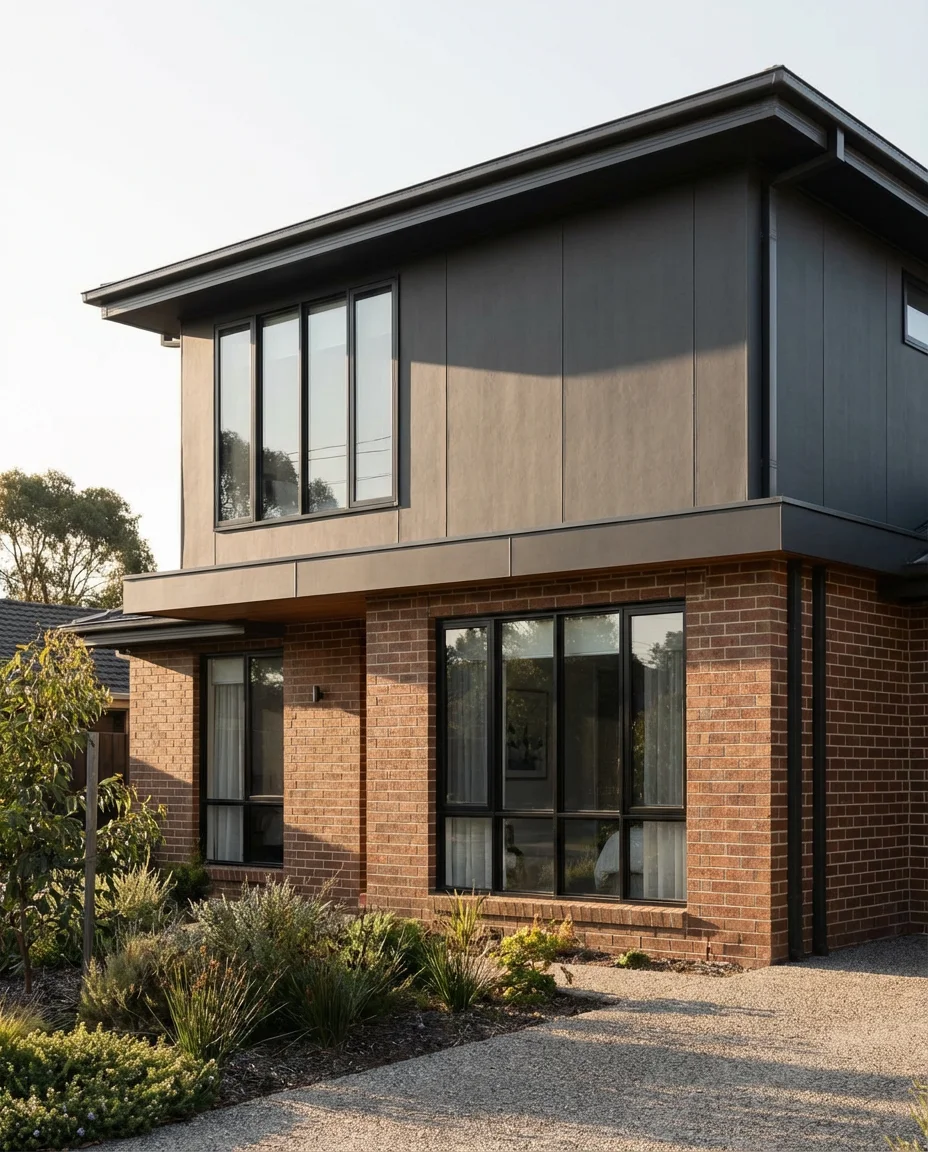
Combining natural brick with dark panel siding creates one of the most compelling two-tone exterior looks available in 2026. The warmth and familiarity of brick grounds the facade in tradition, while the dark siding—whether fiber cement, metal, or vinyl—introduces a contemporary edge that keeps the exterior from feeling too conventional. This pairing works especially well on modern homes that have brick detailing only on the lower portion, with the upper story or rear addition clad in the contrasting dark panel material.
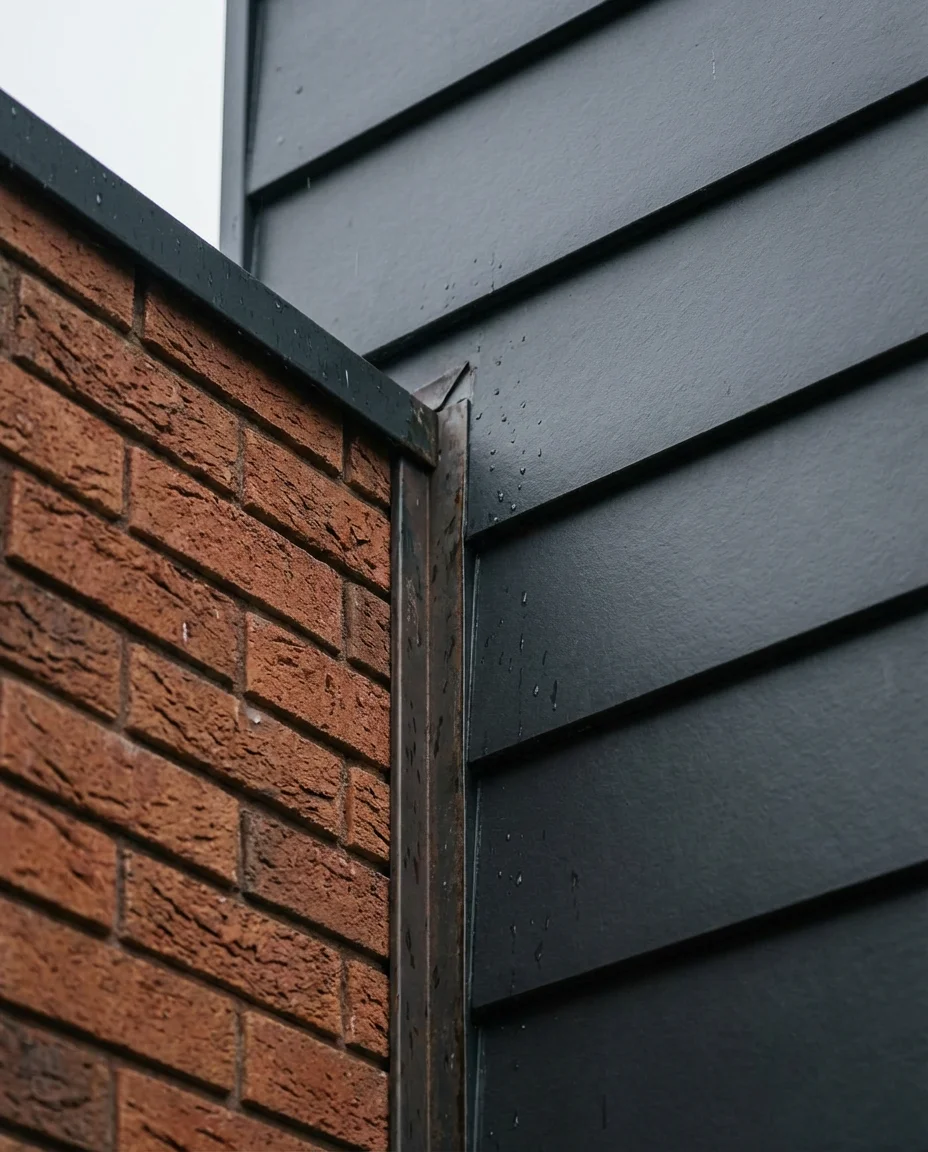
This approach is particularly popular in new construction in the Nashville, Austin, and Charlotte markets, where builders have figured out that mixing brick and dark siding creates a finished product that appeals to buyers who want something that reads as upscale without being ostentatious. If you’re adding dark siding to an existing brick home, the transition detail—where the two materials meet—is critical. A clean metal flashing or recessed transition channel keeps the junction looking intentional. Avoid simply butting the two materials together with caulk; that approach never ages well and almost always ends up looking like a budget shortcut rather than a design decision.
Conclusion
Whether you’re starting from scratch or refreshing a home that’s been in the family for years, siding is one of the most powerful tools in your exterior design arsenal. The 22 ideas here represent just a starting point—the real magic happens when you take one of these directions and adapt it to your specific home, your neighborhood, and your personal sense of style. Have a favorite from this list? Drop it in the comments below—we’d love to hear which ideas are speaking to you and what you’re planning for your own exterior this year.