Small backyards are having a major moment in 2025 and heading into 2026, especially as more Americans embrace outdoor living despite limited square footage. Whether you’re working with a compact urban lot or a cozy suburban space, the right landscaping choices can completely transform how you use and enjoy your yard. From modern retreats to budget-friendly makeovers, these ideas prove that size doesn’t limit style or function. We’ve gathered 21 creative approaches that work beautifully in real homes across the country, each designed to help you make the most of every inch.
1. Layered Garden Beds with Vertical Greenery
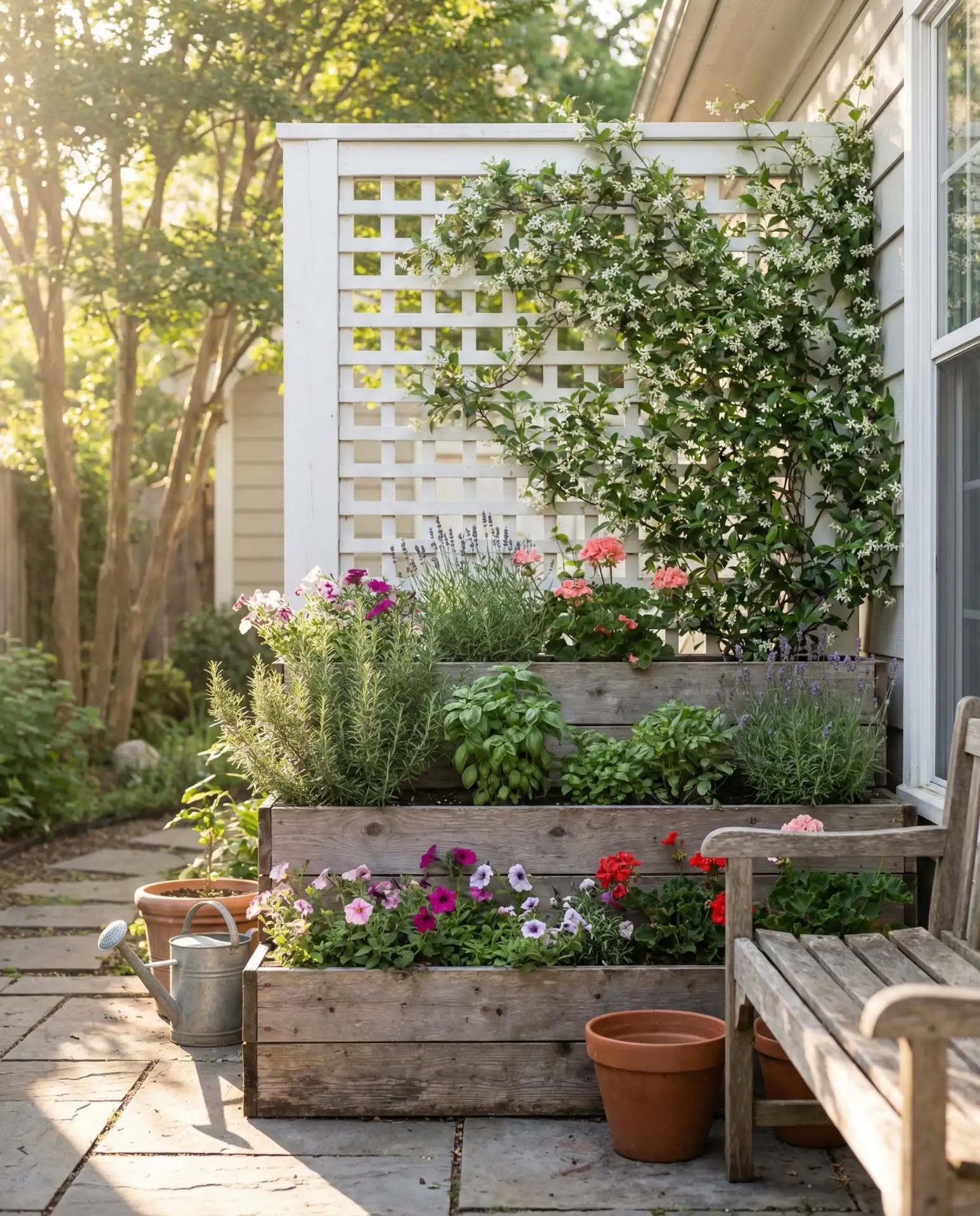
Transform a narrow side yard or small plot into a lush retreat by stacking garden beds at different heights and adding climbing plants on trellises. This approach works especially well for small backyard landscaping where ground space is tight but you want maximum visual impact. Use a mix of perennials, herbs, and trailing flowers to create texture and color that changes through the seasons. 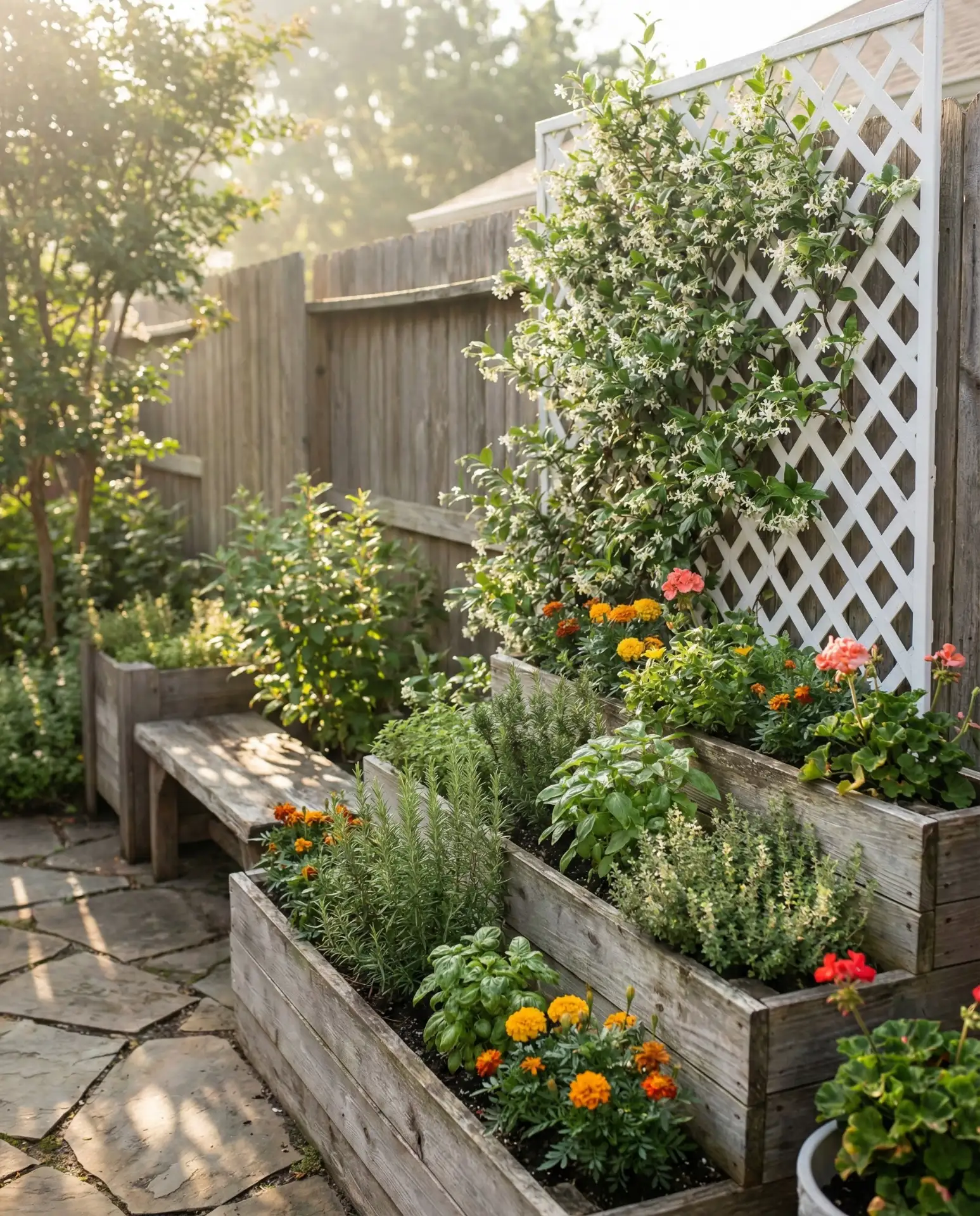
In the Pacific Northwest, homeowners often use this method to manage rainfall runoff while creating privacy screens. The vertical element draws the eye upward, making the space feel larger than it actually is. Cedar or composite materials hold up best in wet climates, while metal planters work beautifully in desert regions where heat resistance matters more than moisture protection.
2. Gravel Patio with Sunken Fire Pit
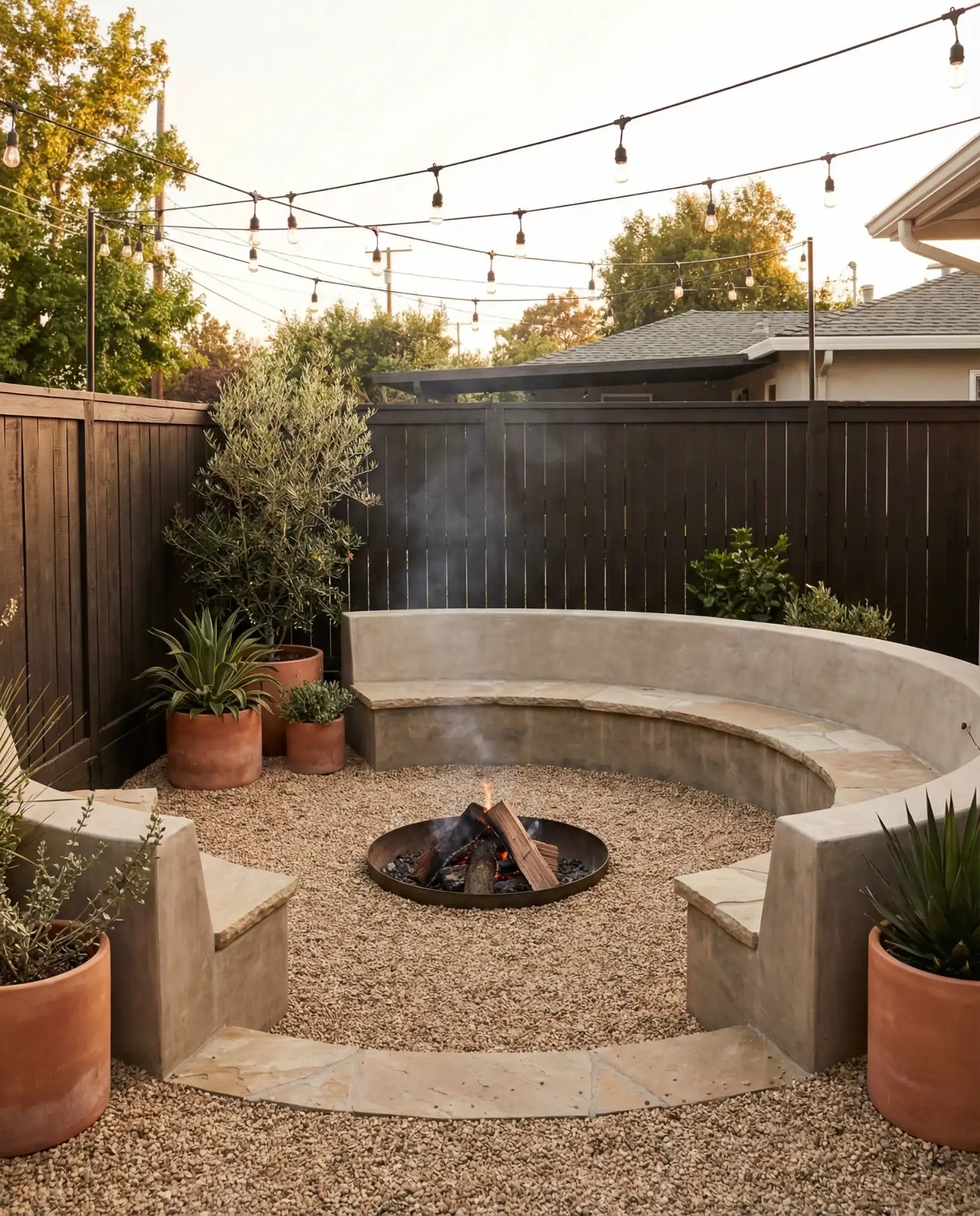
A sunken fire pit surrounded by decomposed granite or pea gravel creates an intimate gathering spot that doesn’t overwhelm a small footprint. This design keeps flames lower to the ground, which feels safer in tight quarters and reduces smoke drift toward neighboring homes. Add built-in stone seating around the perimeter to maximize seating without bulky furniture taking up precious space. 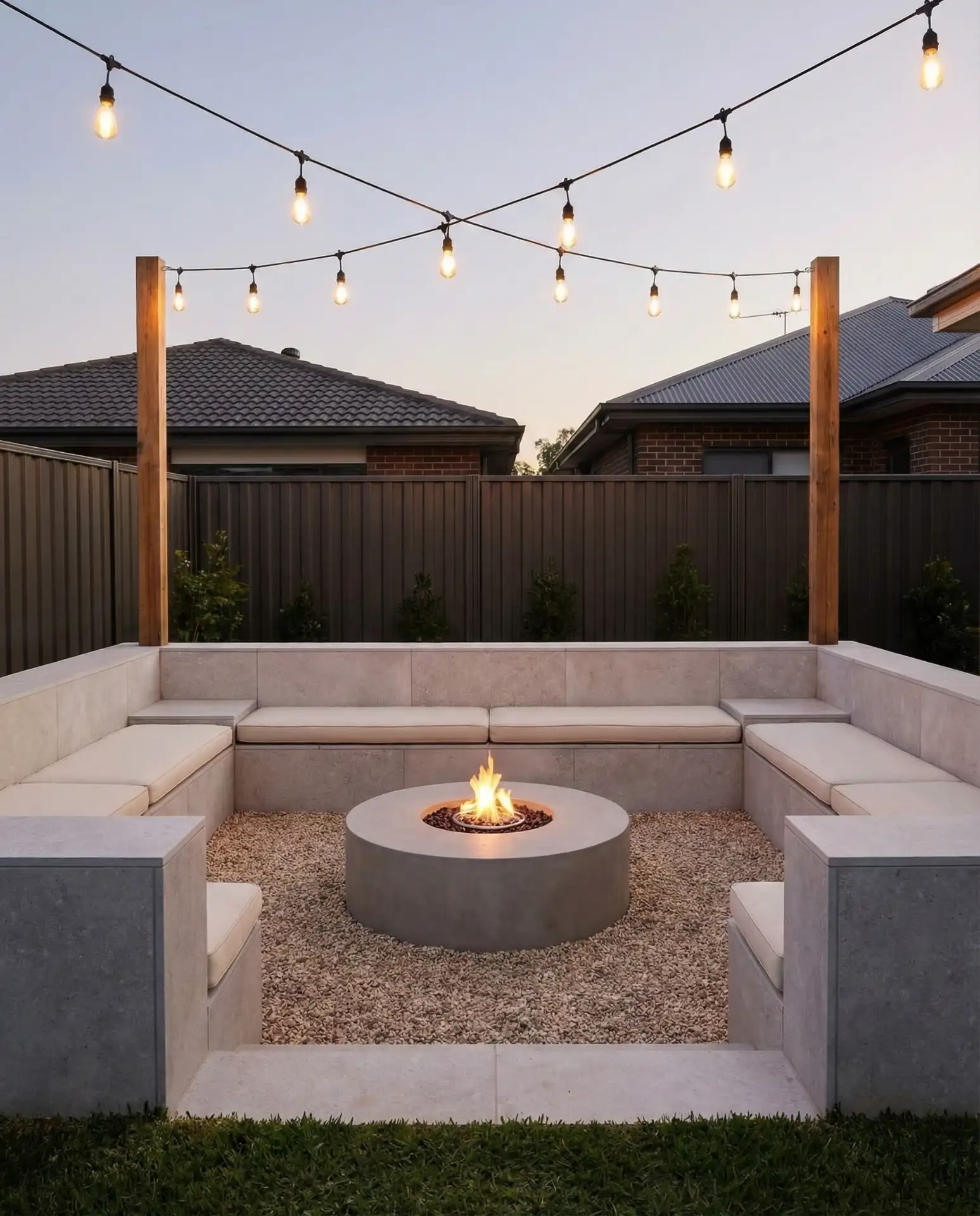
Most homeowners spend between $1,500 and $3,000 on this type of setup when they handle the excavation themselves and source materials locally. Prefab fire pit rings from landscape supply stores cut costs significantly compared to custom masonry work, and gravel is far cheaper than pavers or stamped concrete while still looking polished and intentional.
3. Narrow Lap Pool Along the Fence Line
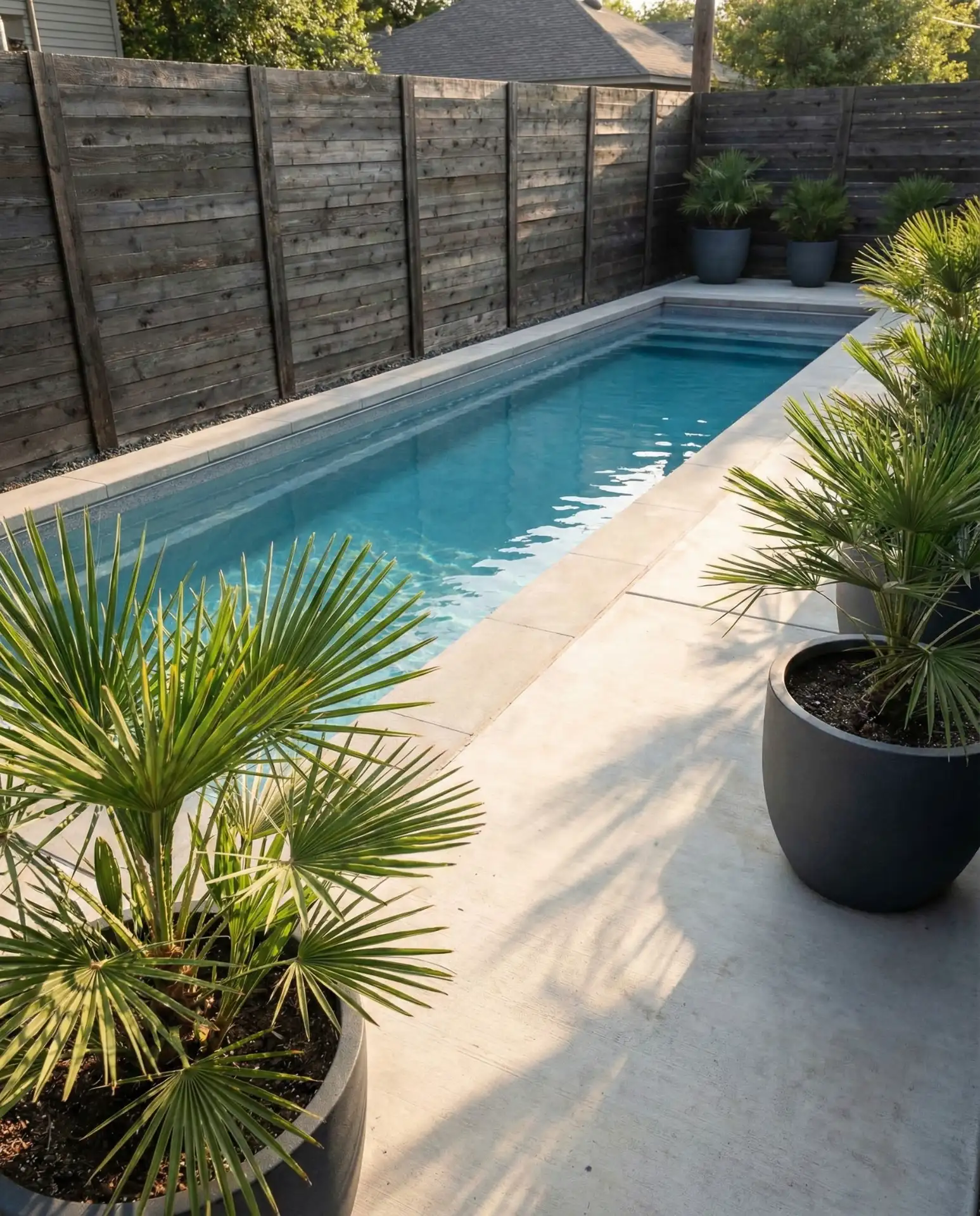
When you want a pool but don’t have room for a shape cut out of a border, think of a lap pool running parallel to your back fence. These sleek installations measure between 8 and 10 feet wide and fit yards as small as 15 feet deep, leaving room for a patio and landscaping on the opposite side. The linear shape resorts to a sophisticated, resort-style feel that works especially well in modern homes with clean architectural lines. 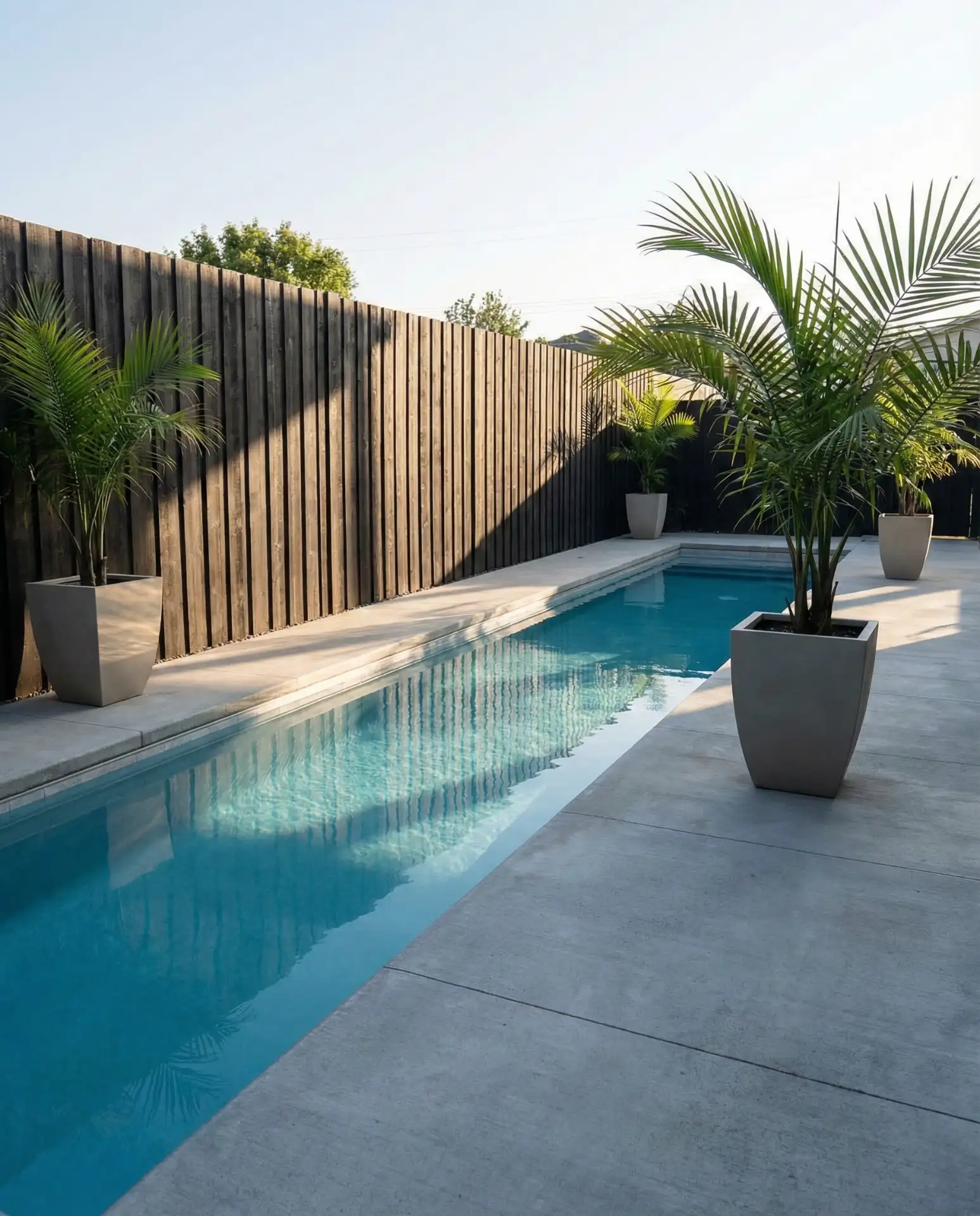
This works best in warm climates like Southern California, Arizona, and Florida where there is year round swimming and makes the investment worthwhile. Concrete decking on one side and a raised planter bed on the other evens out the proportions and prevent the feeling of a narrow corridor. Many families use these pools for exercise, changing how one thinks about patio furniture and shade structures.
4. Multi-Level Deck with Built-in Planters
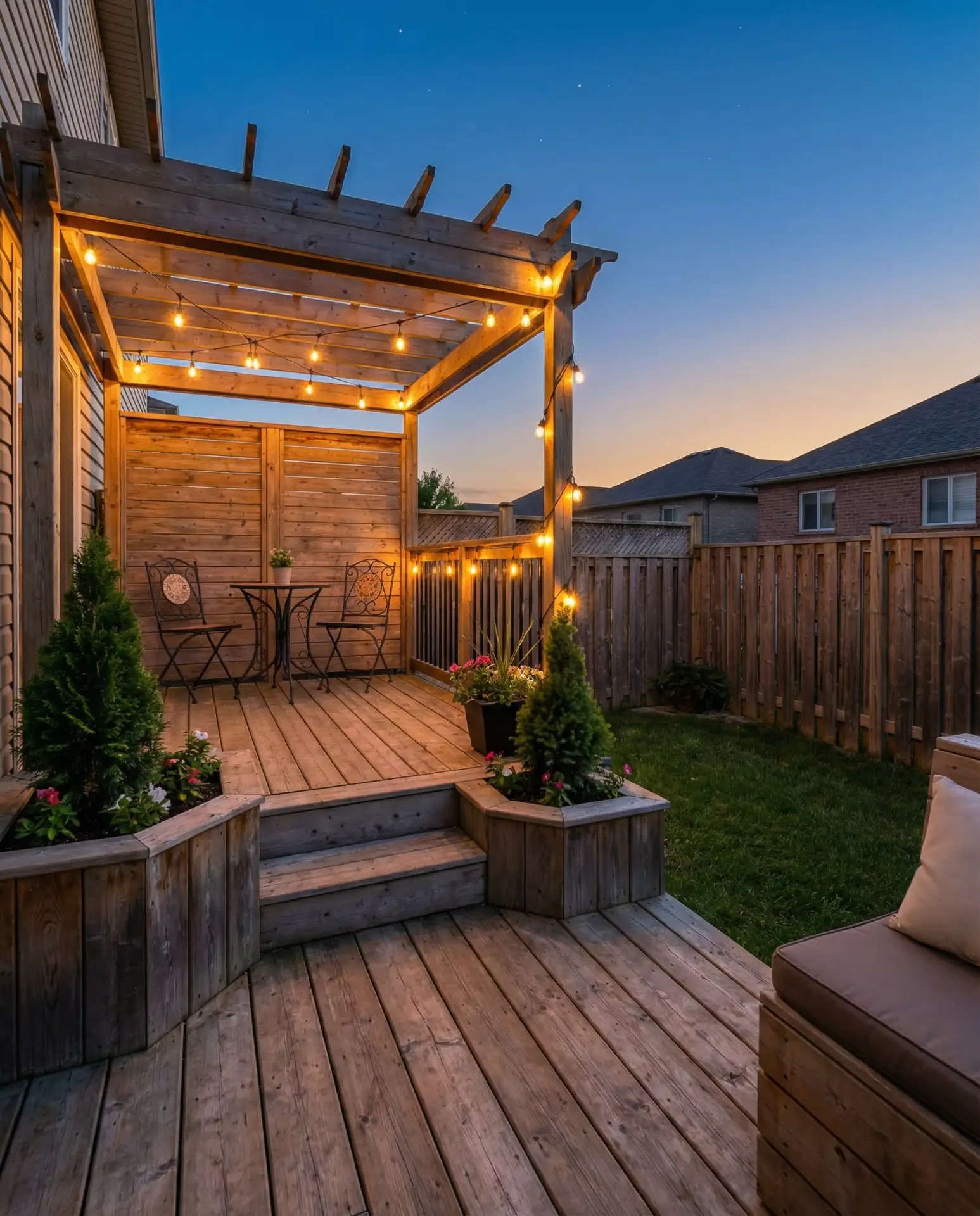
Breaking up a small backyard deck into two or three distinct levels creates visual interest and defines separate zones for dining, lounging, and gardening without walls or dividers. Built-in planters at the corners or along railings soften the wood or composite materials and bring greenery up to eye level. This approach is particularly effective on sloped lots where you’d otherwise need extensive grading work. 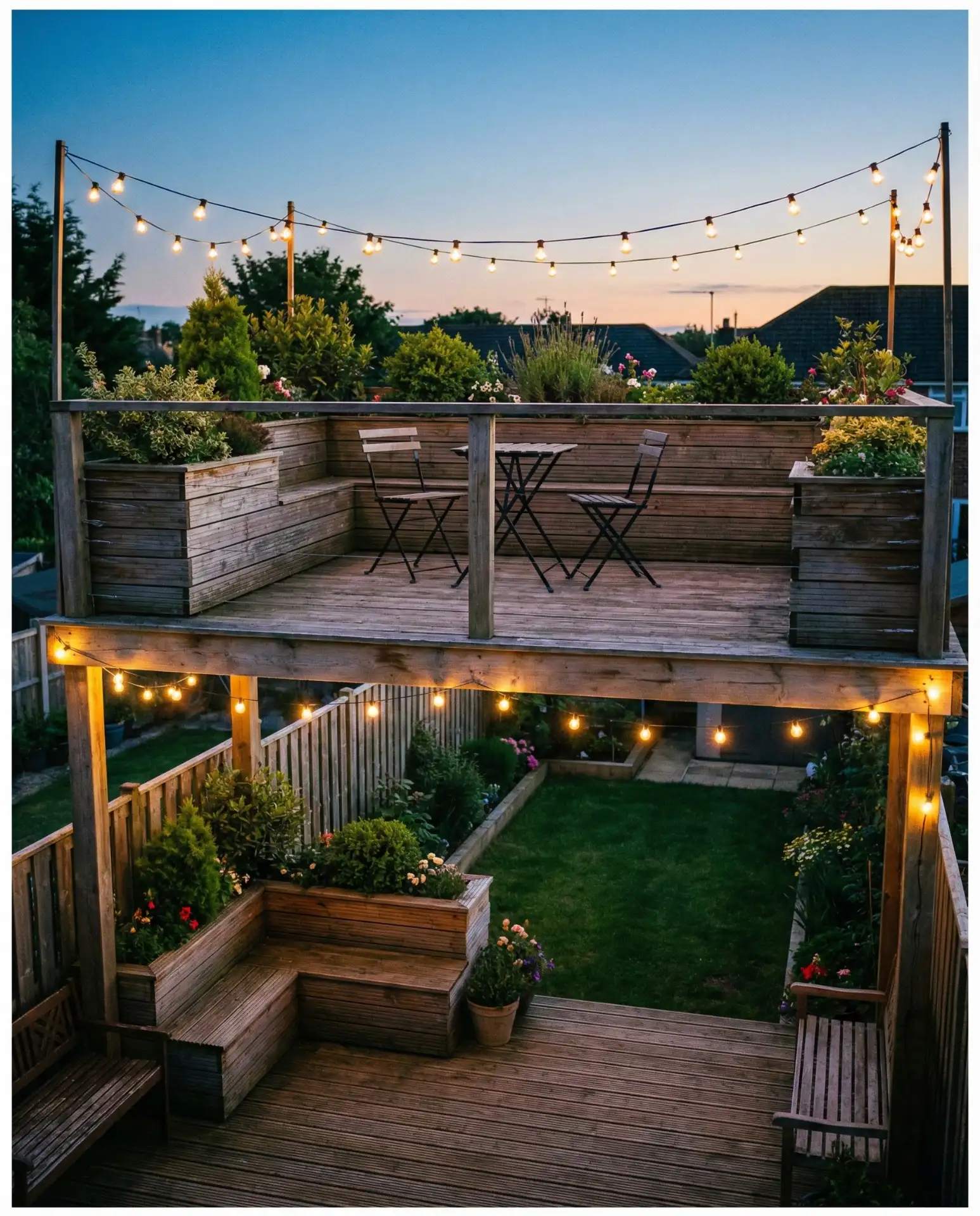
One homeowner in Denver mentioned that her two-level deck made her 18-by-20-foot yard feel twice as large because guests naturally spread out across both platforms. The step down between levels is subtle—usually just 8 to 12 inches—but it’s enough to create psychological separation between activities while keeping sightlines open across the whole space.
5. Artificial Turf Play Zone for Kids
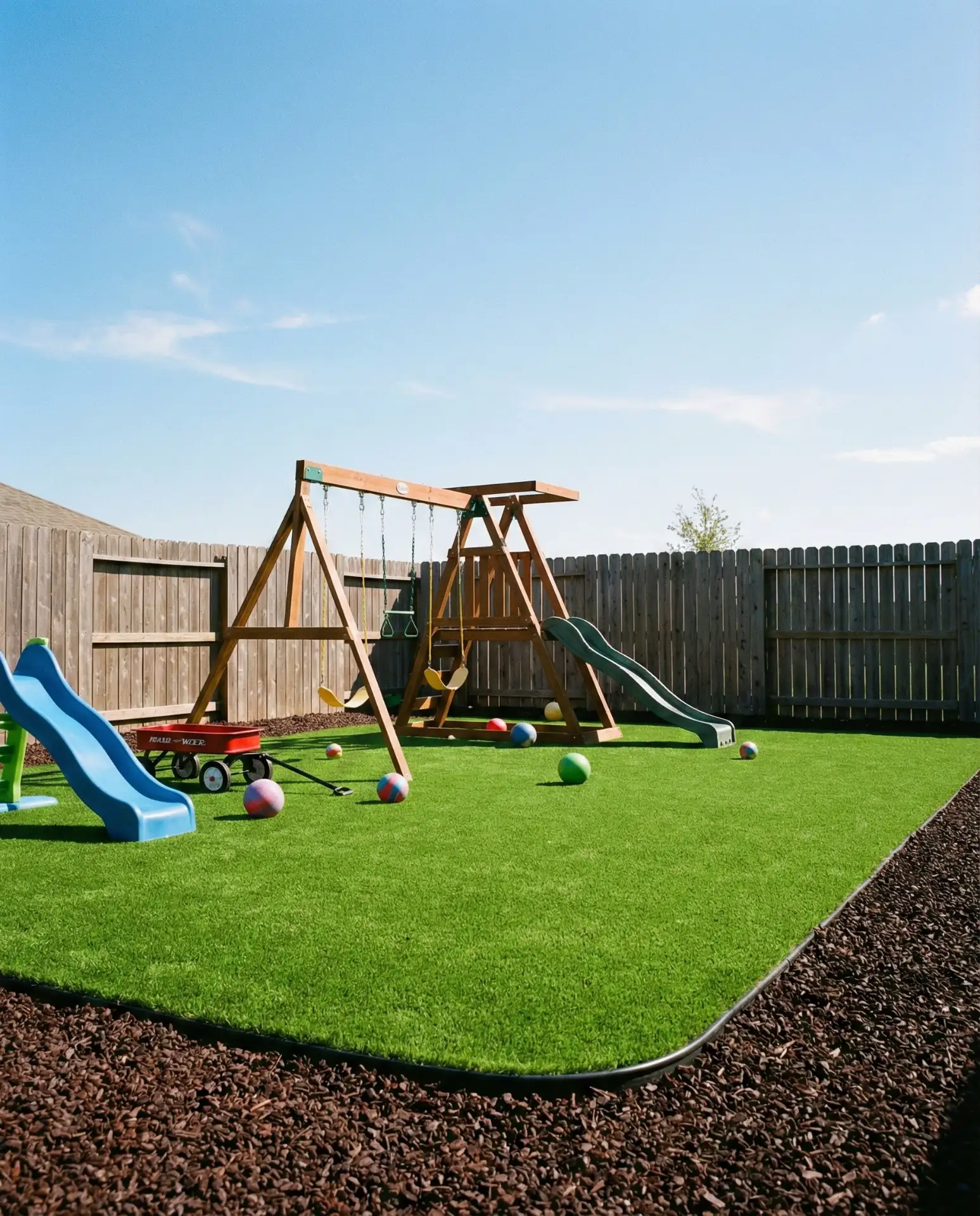
If you have kids who need room to run but don’t want to deal with mud, bare patches, or constant mowing, high-quality artificial turf offers a low-maintenance solution that stays green year-round. Modern products feel softer underfoot than older versions and include drainage systems that handle rain and sprinklers without creating puddles. Pair it with a simple swing set or sandbox to create a dedicated play area that doesn’t take over the entire yard. 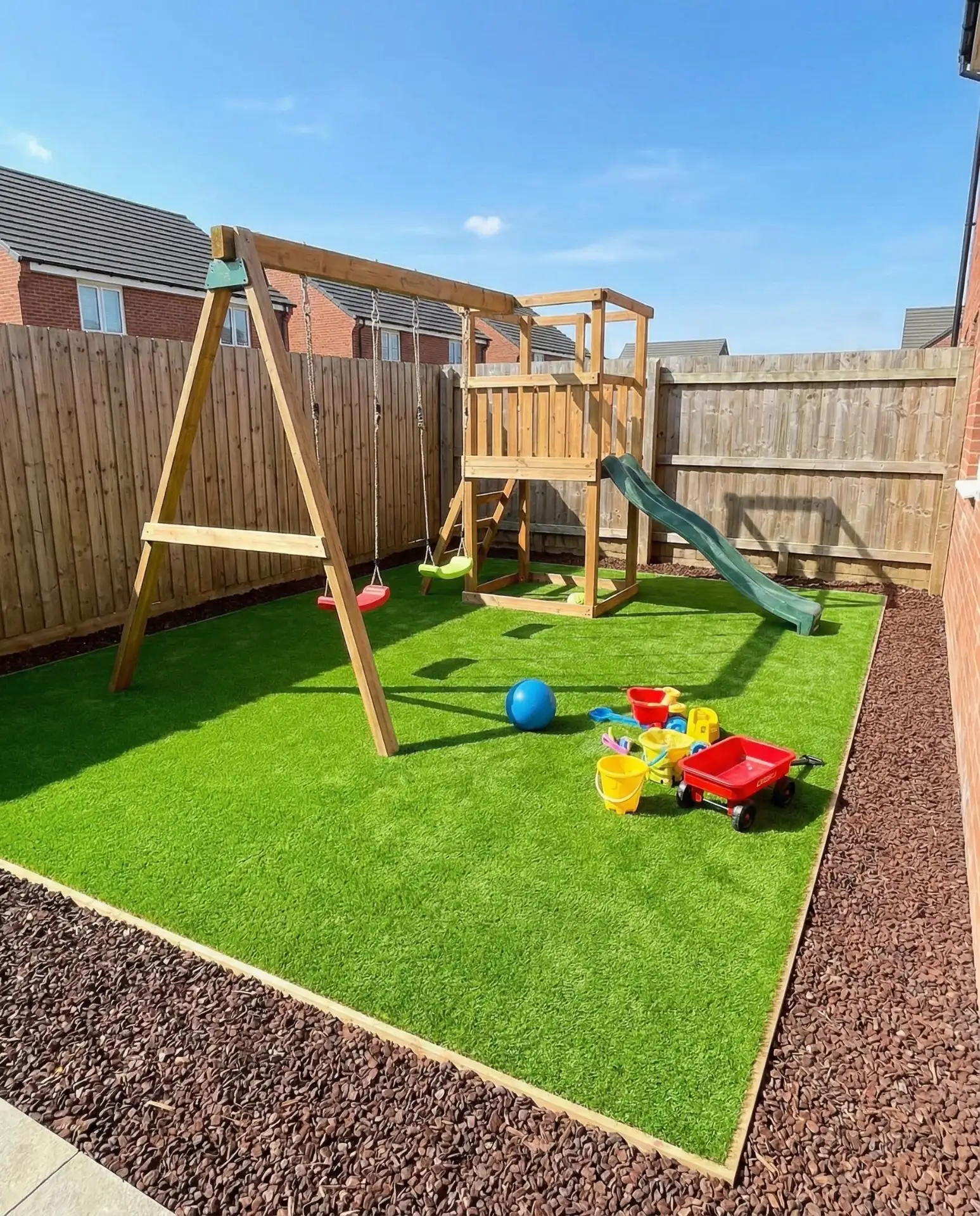
The biggest mistake families make is choosing the cheapest turf available, which can look plasticky and wear out quickly under heavy use. Invest in products rated for playgrounds or sports fields—they cost more upfront but hold up to rough play and direct sun without fading or matting down. In Texas and other hot states, lighter-colored turf reduces surface heat, which matters when kids are running around barefoot all summer.
6. Corner Hot Tub with Privacy Screens
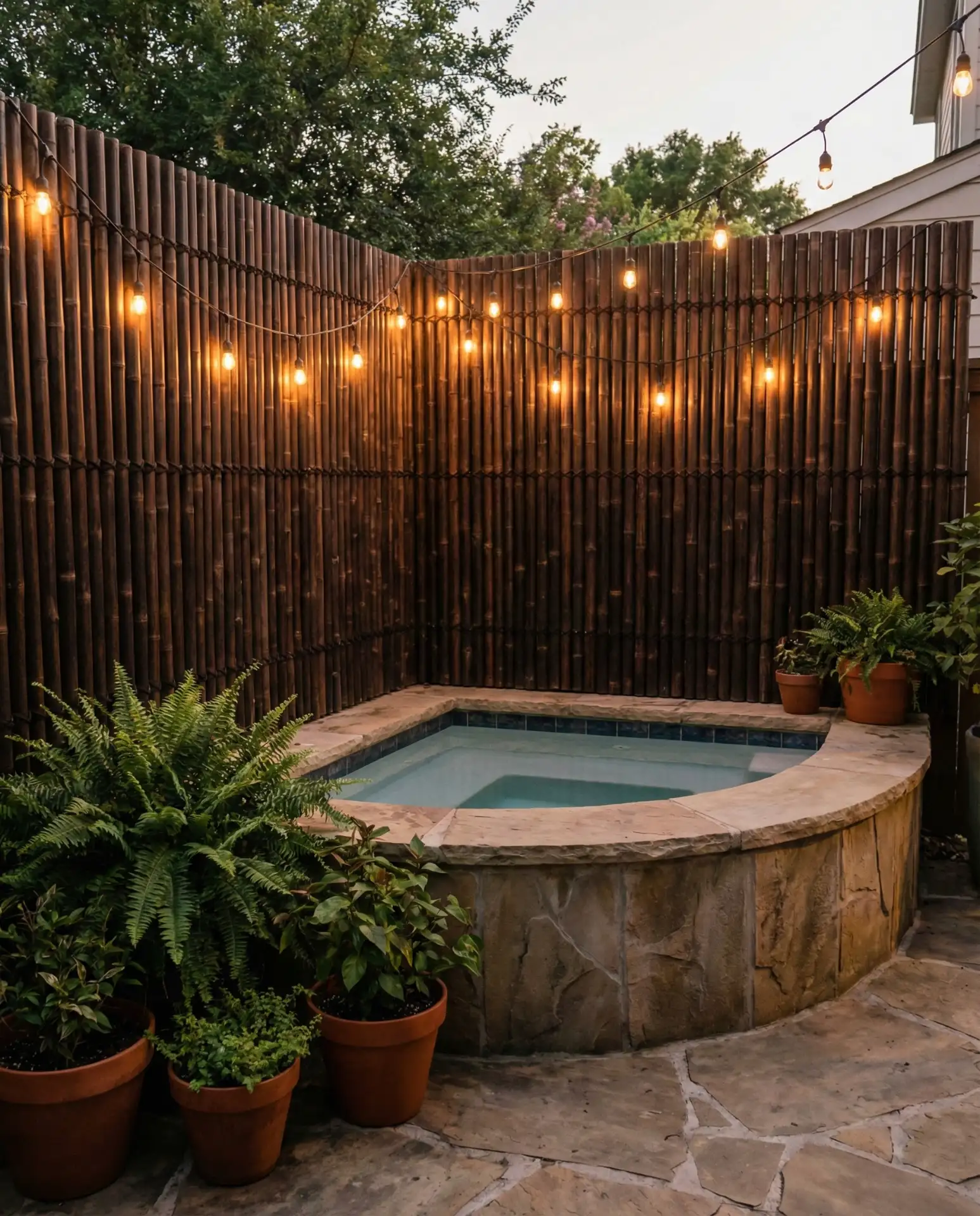
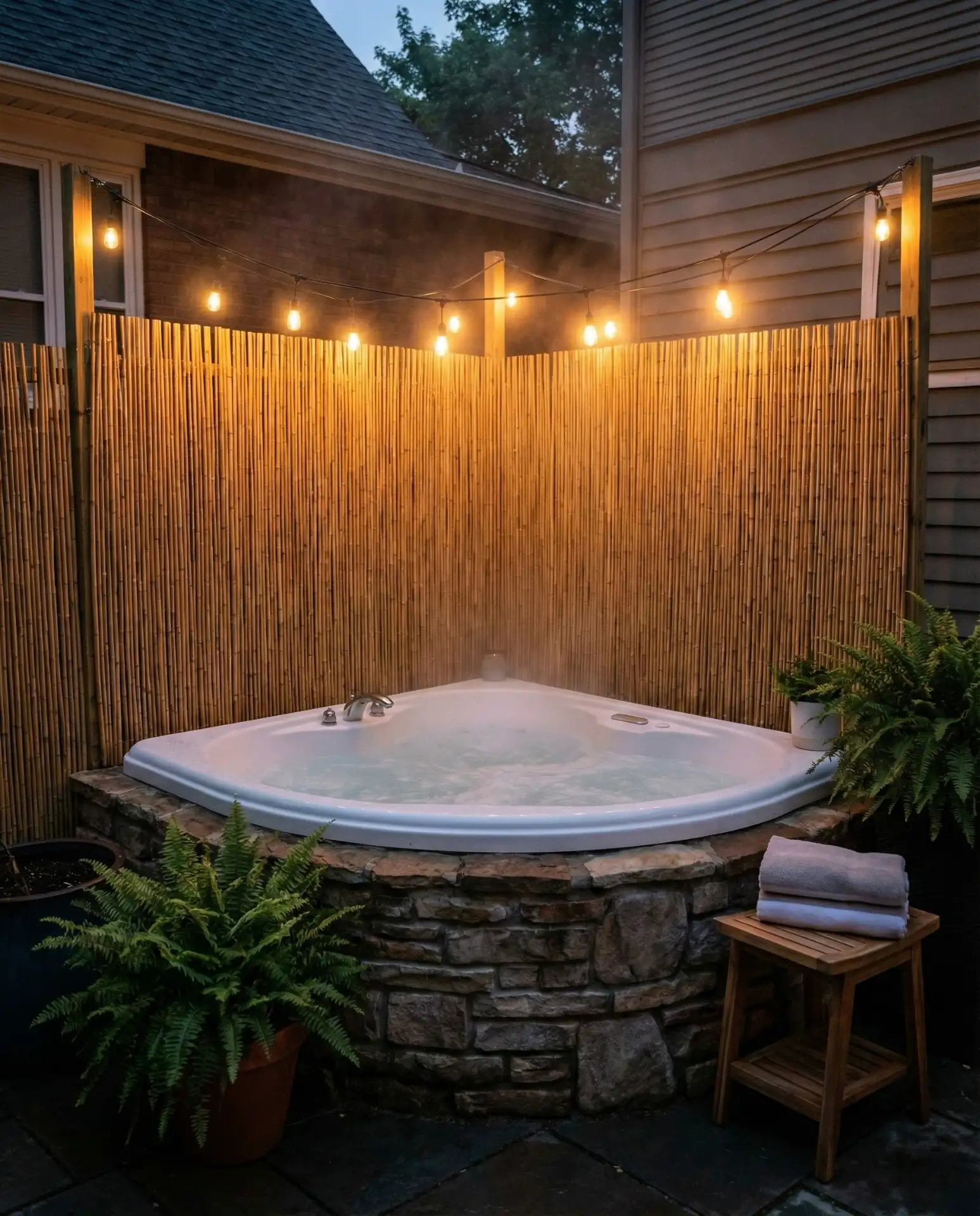
Tucking a hot tub into a back corner and surrounding it with tall lattice panels or bamboo screens creates a private spa retreat that doesn’t dominate your entire layout. This placement leaves the center of the yard open for other activities while giving you a secluded spot to unwind. Use climbing vines on the screens to blend the structure into the landscape and add seasonal color. 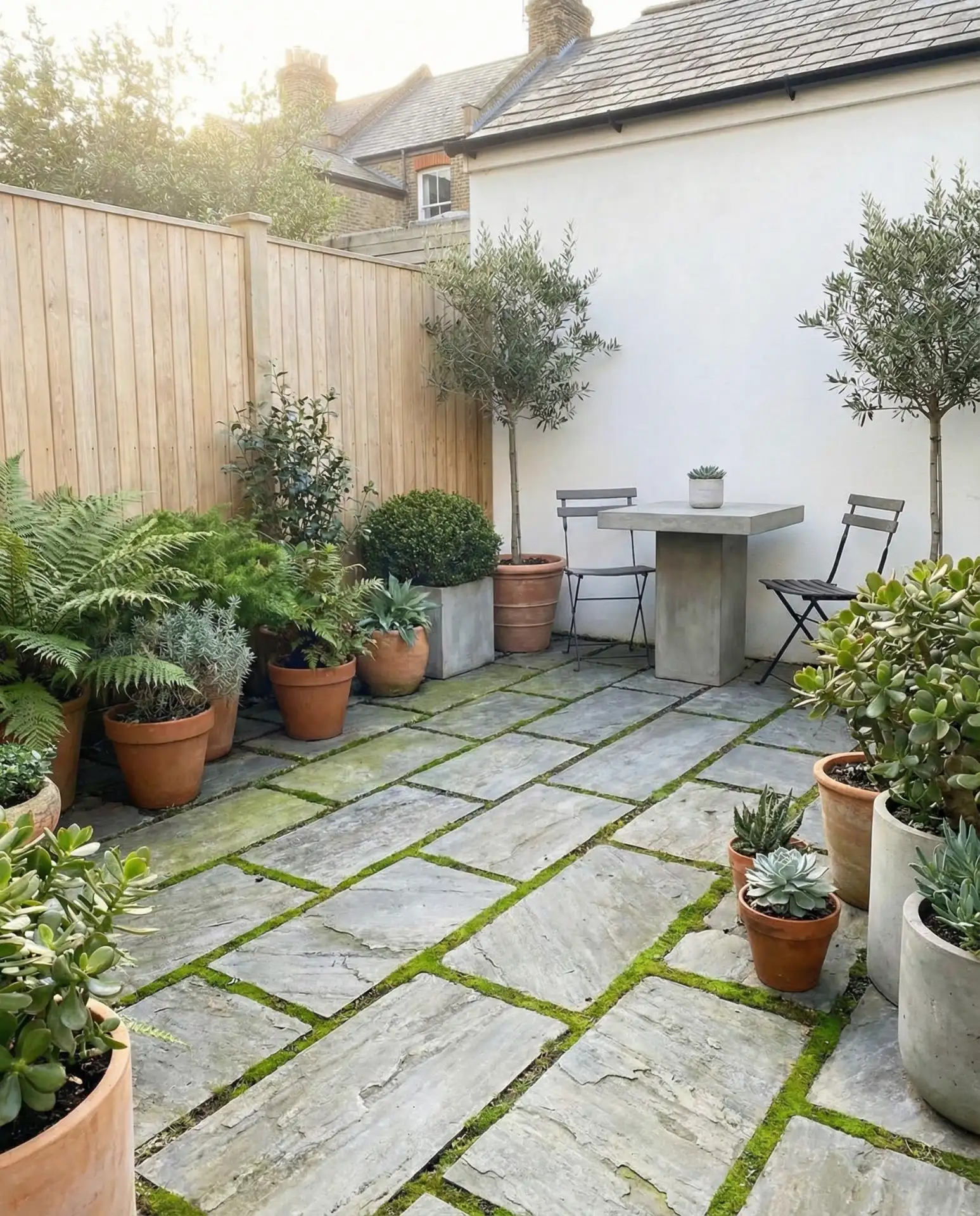
In colder climates like Colorado or Minnesota, positioning the hot tub close to the house shortens the path from your back door and makes winter use more practical. You’ll also want to budget for electrical work if you don’t already have a 240-volt outlet nearby—this can add $500 to $1,500 to your project depending on the distance from your breaker panel and local code requirements.
7. Diagonal Paver Pattern to Widen Visual Space
Running pavers or decking boards at a 45-degree angle instead of straight across creates the illusion of more width in a narrow small backyard. This simple trick draws the eye diagonally across the space, which makes boundaries feel less obvious and the overall area seem more generous. It works with any material—concrete pavers, natural stone, or composite deck boards—and adds architectural interest without extra cost. 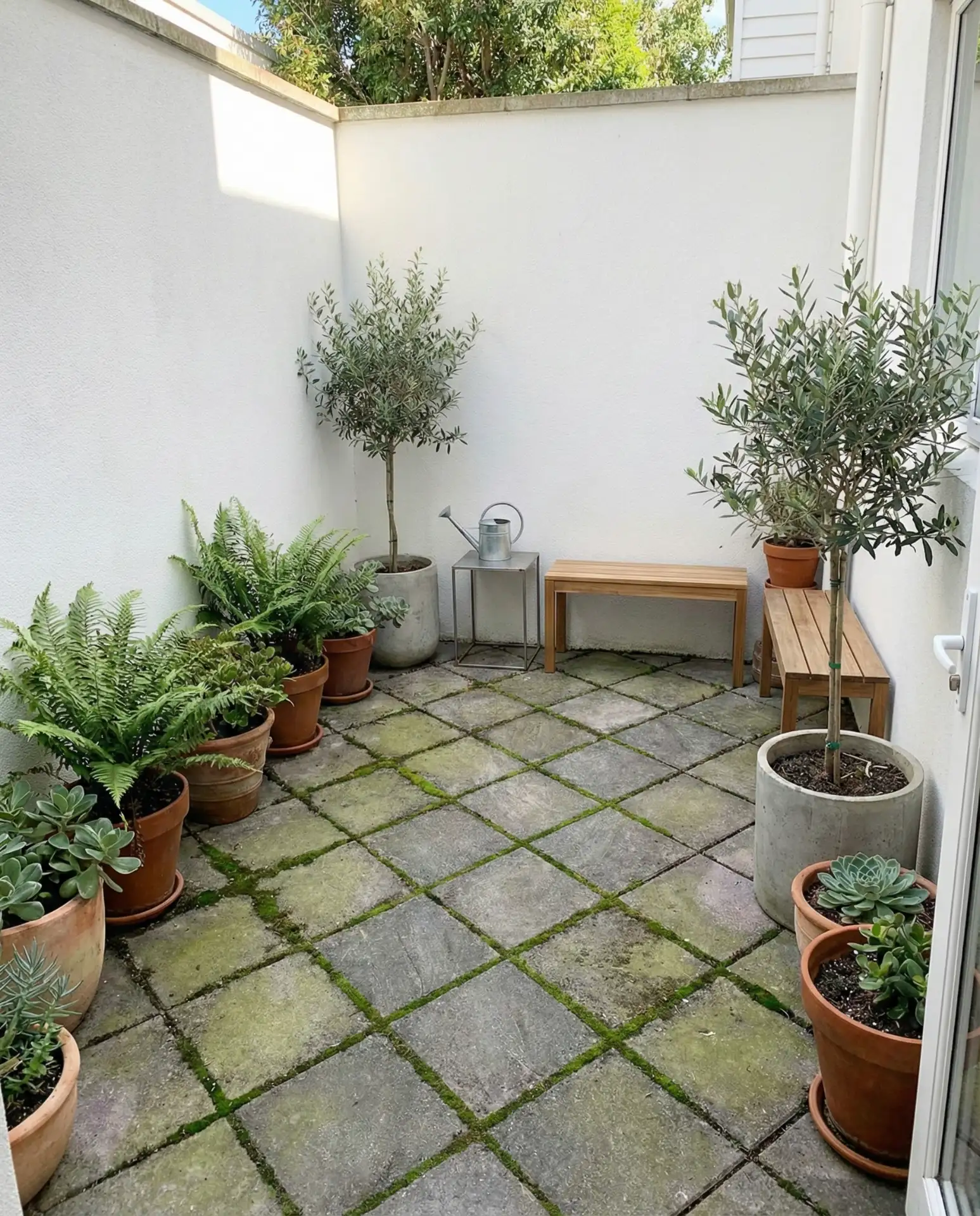
Landscape designers frequently use this technique in urban townhouse yards where the lot might only be 12 to 15 feet wide but runs deep. The diagonal lines counteract the tunnel effect and give you more flexibility in furniture placement since you’re not locked into parallel arrangements. It’s one of those professional touches that makes a big difference but doesn’t require specialized skills to install.
8. Raised Garden Beds with Bench Seating
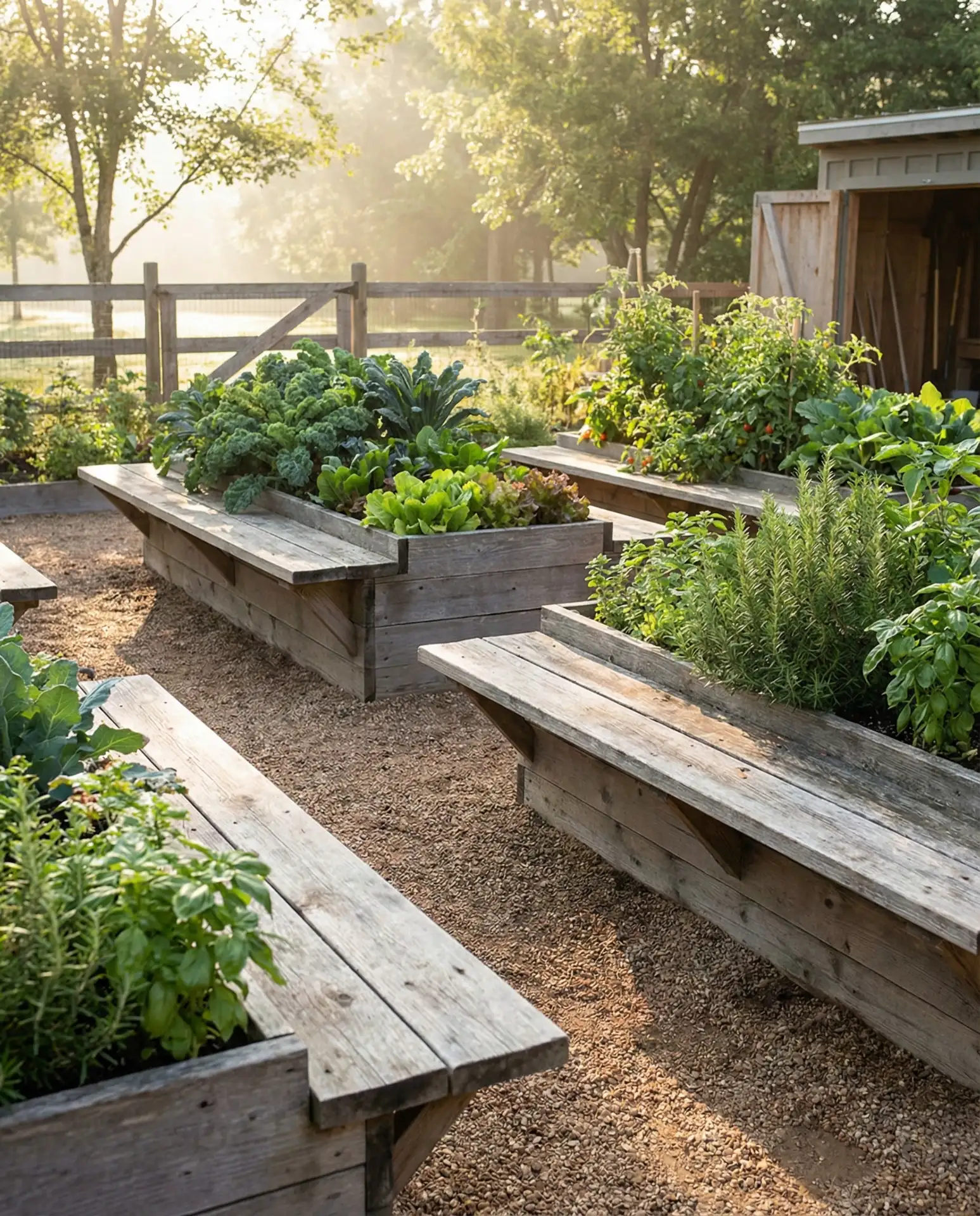
Build raised beds at a comfortable sitting height—around 18 inches—and cap them with wide wooden or composite planks that double as benches. This dual-purpose approach saves space in small backyard landscaping while providing built-in seating for gatherings. Fill the beds with herbs, vegetables, or flowers depending on your sunlight and maintenance preferences. 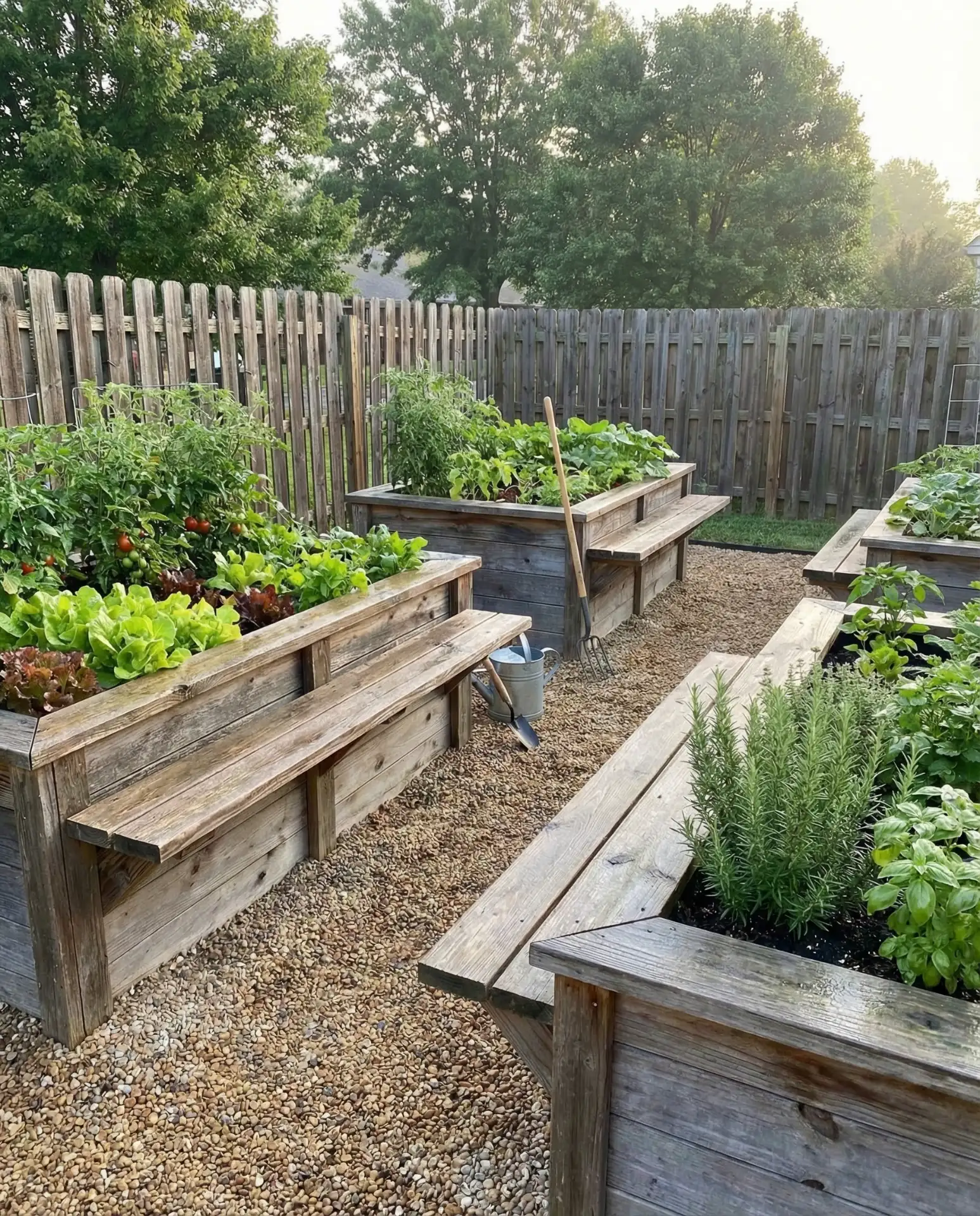
This setup is especially practical for older adults or anyone with mobility challenges, since you can tend plants without bending over or kneeling. The bench caps need to be wide enough to sit comfortably—at least 10 inches—and should be sanded smooth to avoid splinters. Treating the wood with a food-safe sealant protects the material without introducing chemicals near edible plants.
9. Pergola with Retractable Shade Canopy
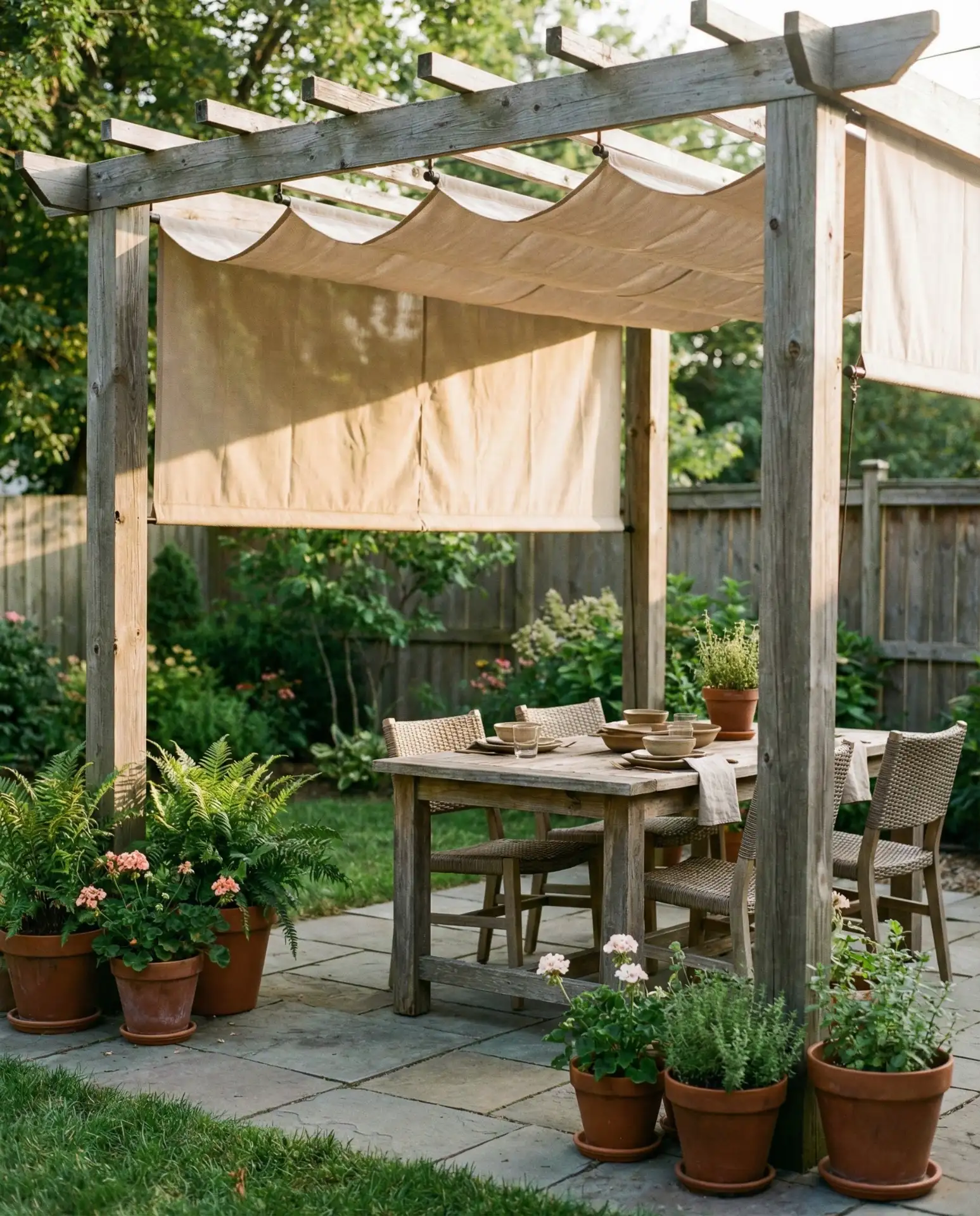
A compact pergola with a retractable fabric canopy gives you flexible sun control without the permanent commitment of a solid roof. This structure works beautifully over a small dining area or lounge space, providing just enough definition to make the zone feel intentional. Choose neutral fabric colors that coordinate with your home’s exterior and surrounding landscaping for a cohesive look. 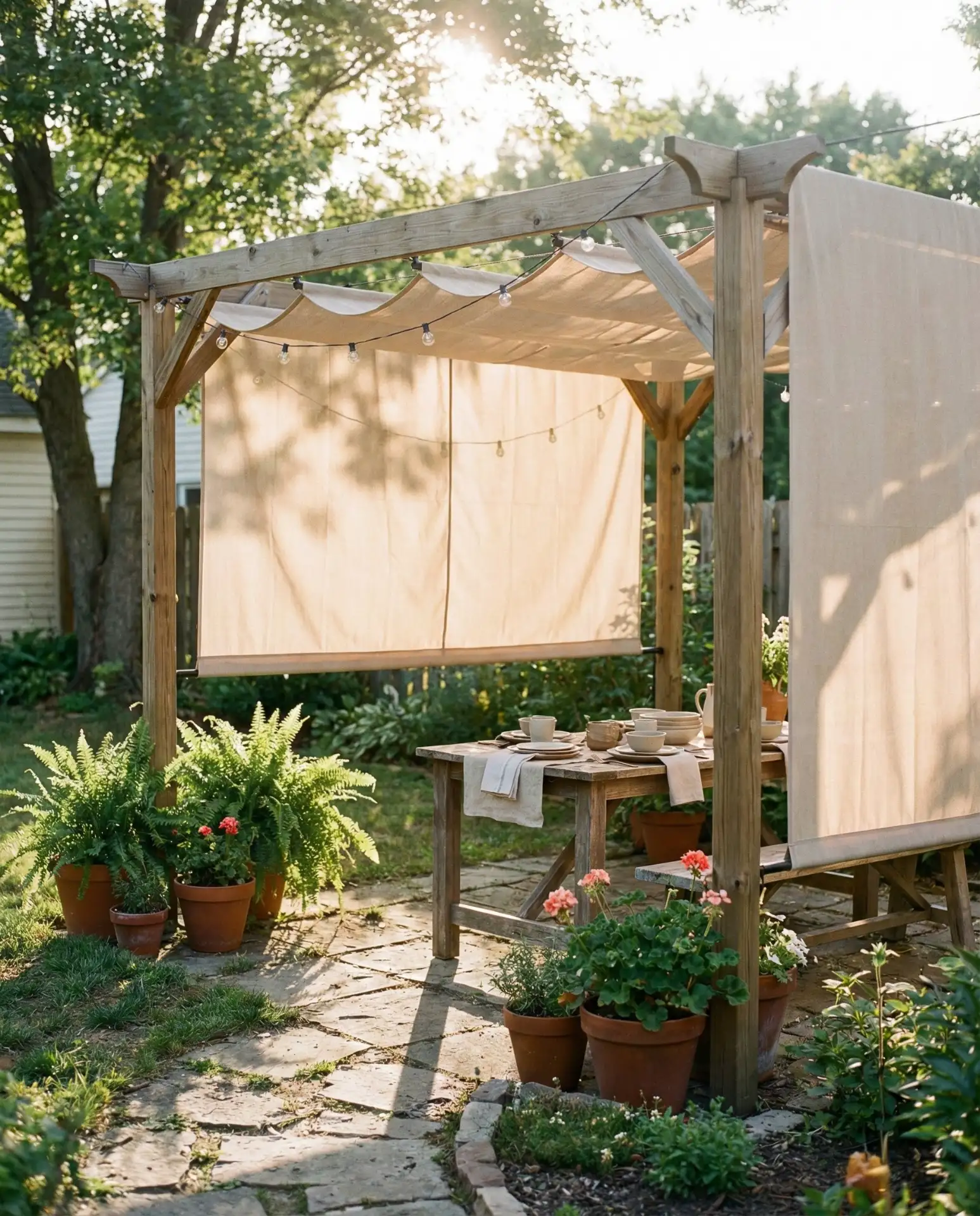
Where this works best is in regions with variable weather—places like the Mid-Atlantic or Pacific Northwest,, where you want shade on sunny days but also the option to retract the canopy when clouds roll in or you want to stargaze at night. Motorized systems cost more but make adjusting the shade effortless, which means you’ll actually use it rather than leaving it in one position all season.
10. Compact Vegetable Garden with Drip Irrigation
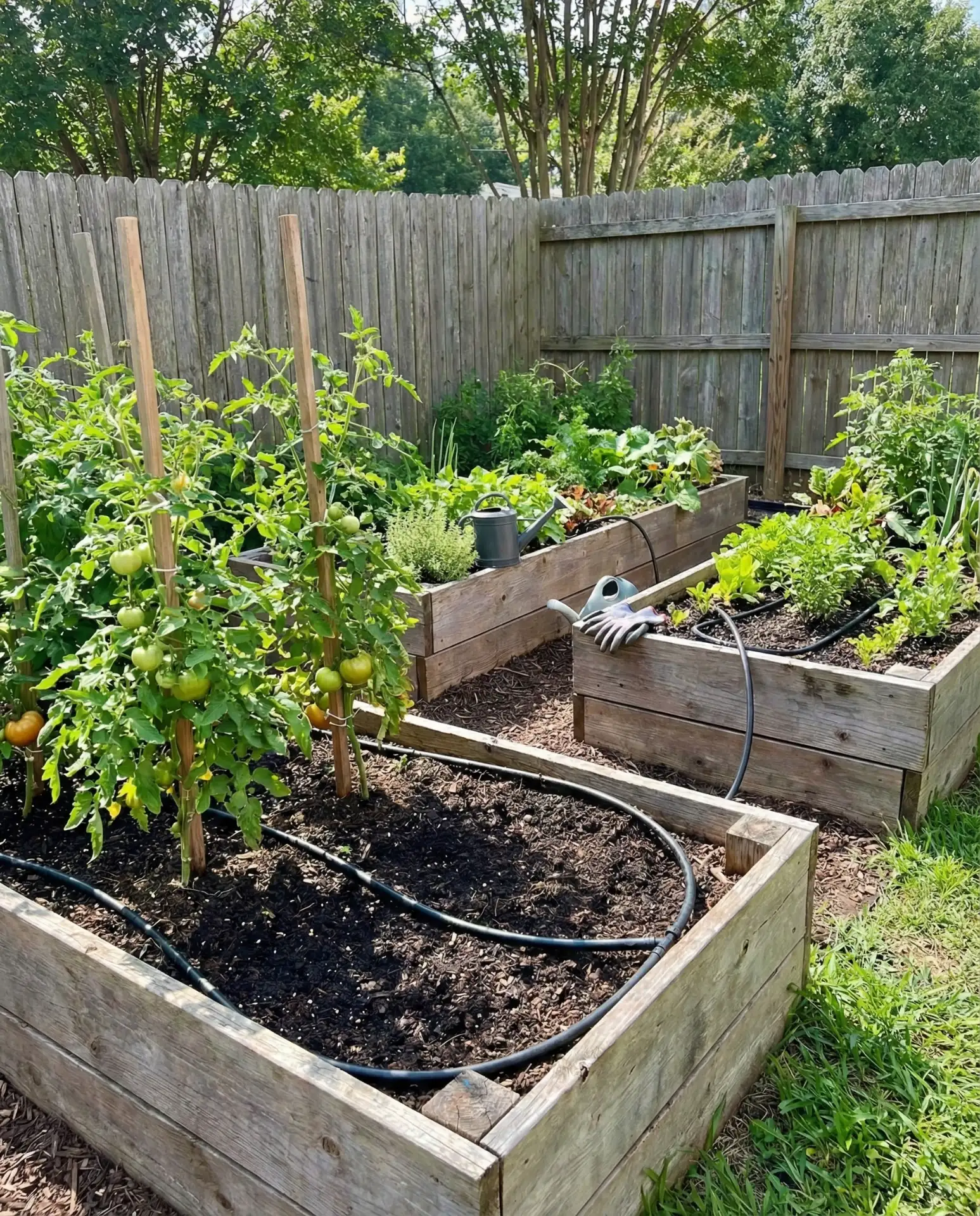
Even in a very small yard, you can grow a surprising amount of produce by using raised beds or containers paired with a simple drip irrigation system. This method delivers water directly to plant roots, reducing waste and making it easy to maintain consistent moisture levels. Focus on high-yield crops like tomatoes, peppers, and leafy greens that offer the best return on limited space. 
A common mistake is overplanting in the first year and ending up overwhelmed by maintenance and harvest. Start with four to six varieties you know your family will eat, then expand in subsequent seasons as you learn what grows well in your specific conditions. Drip irrigation kits are surprisingly affordable—basic setups run $50 to $150—and connect easily to standard outdoor faucets with timers that automate watering completely.
11. Natural Stone Pathway Through Native Plants
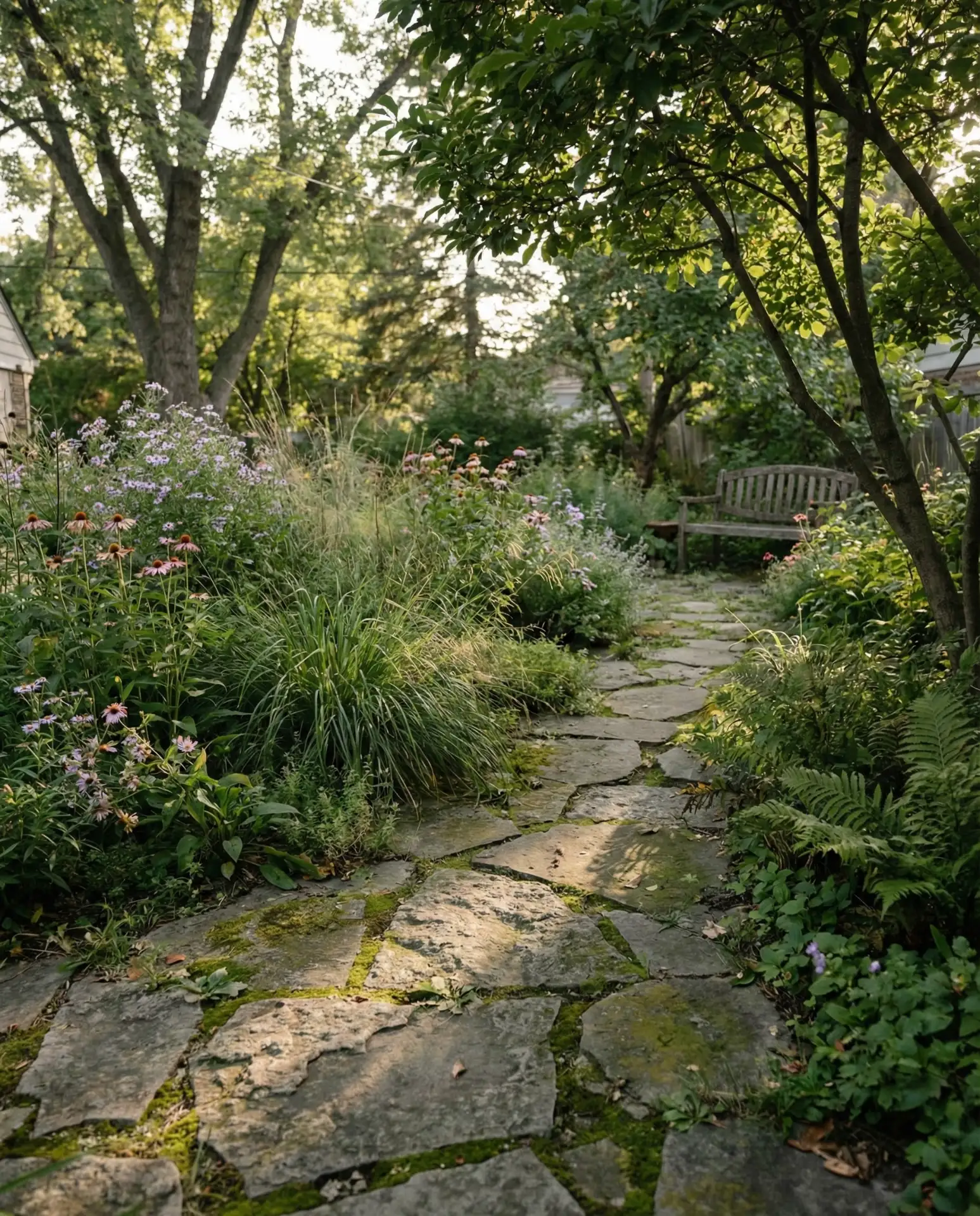
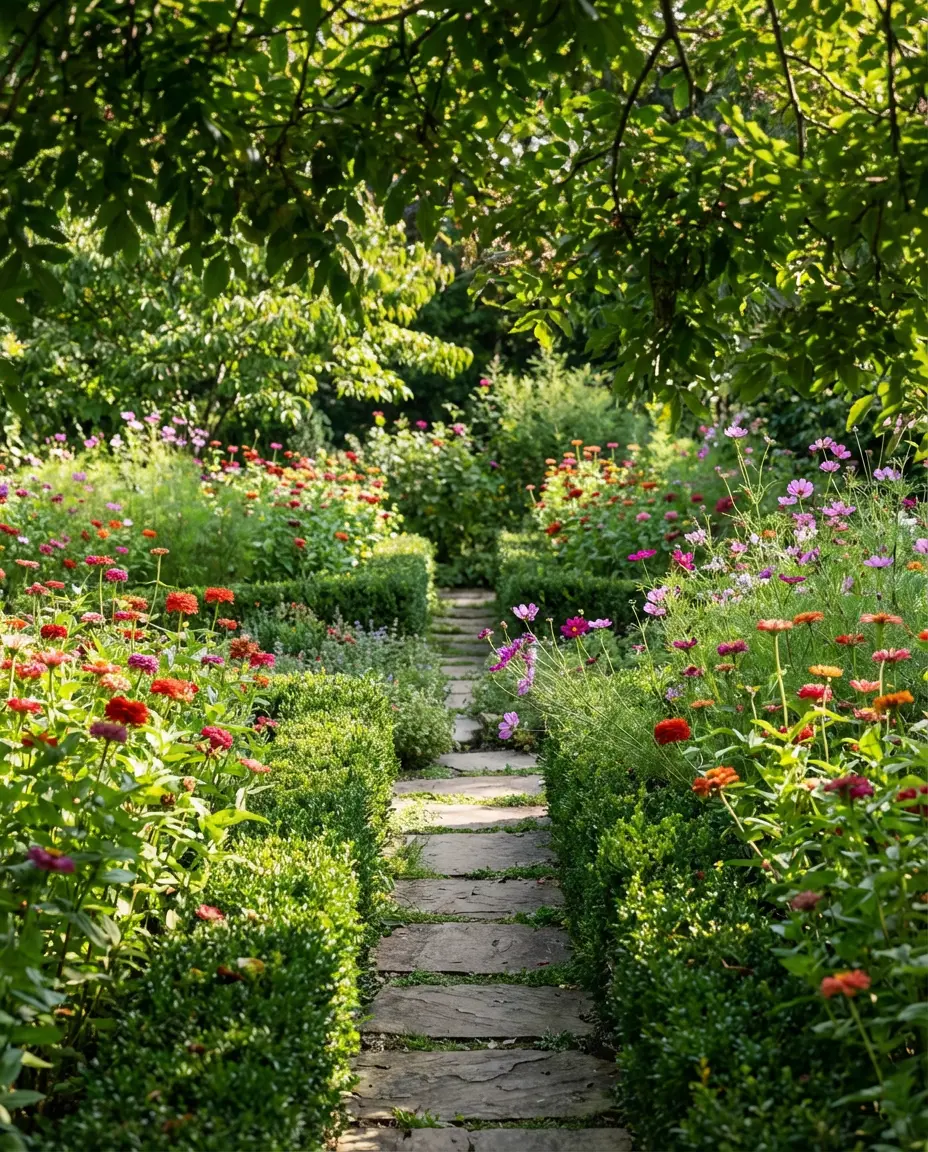
Create a meandering flagstone path that winds through drought-tolerant native plants to add depth and movement to a simple backyard design. Irregular spacing and organic stone shapes feel more natural than uniform pavers and encourage a slower pace as you move through the space. This approach works particularly well on a budget since you can source local stone,, and native plants are typically less expensive than exotic varieties. 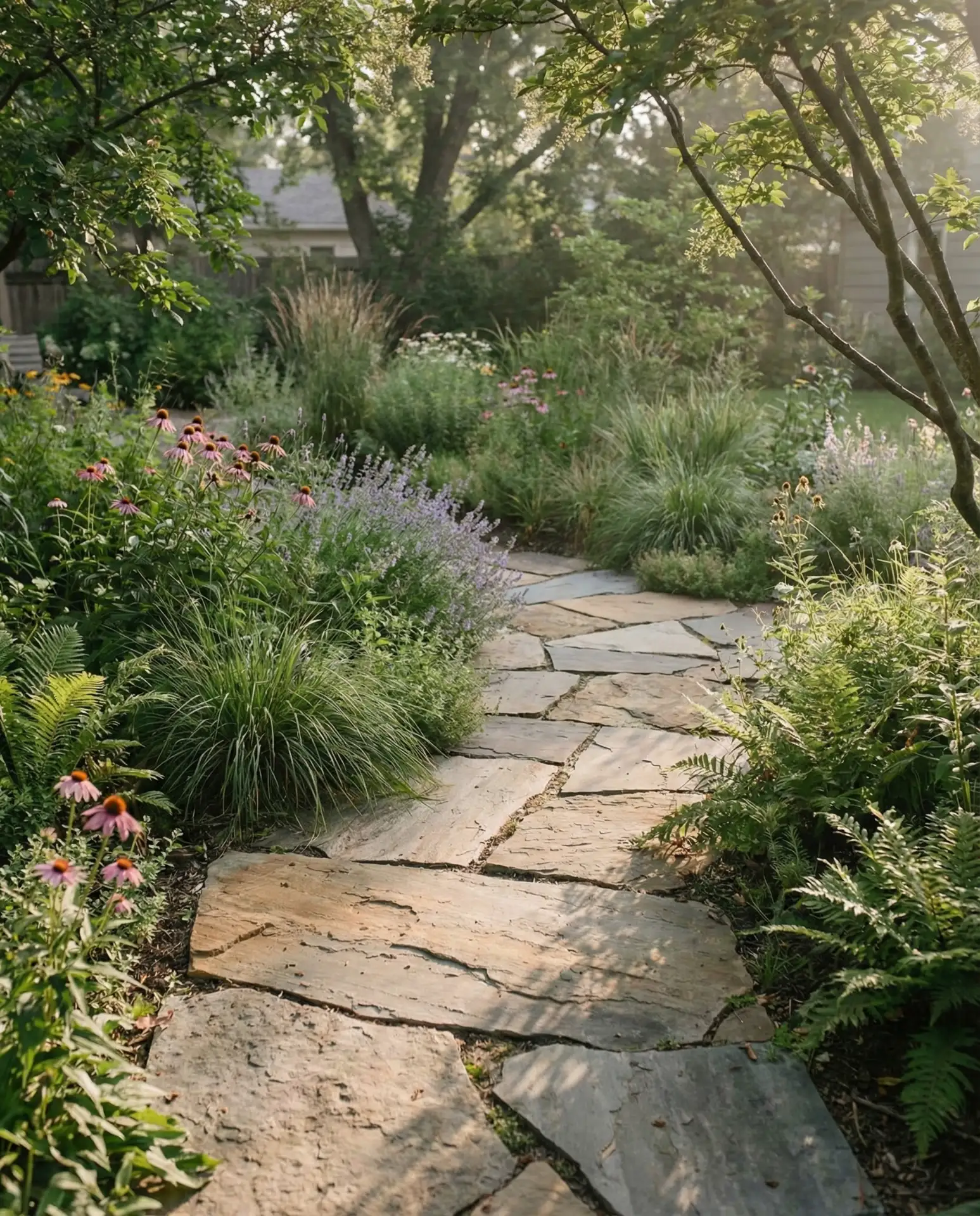
In the Southwest, this style of landscaping is both beautiful and practical, using plants like agave, penstemon, and desert marigold that thrive without supplemental watering once established. The key is spacing stones 18 to 24 inches apart—close enough for comfortable walking but far enough that plants can fill in between. Decomposed granite or small pebbles between stones help with drainage and reduce weed growth.
12. Vertical Herb Wall Near the Kitchen Door
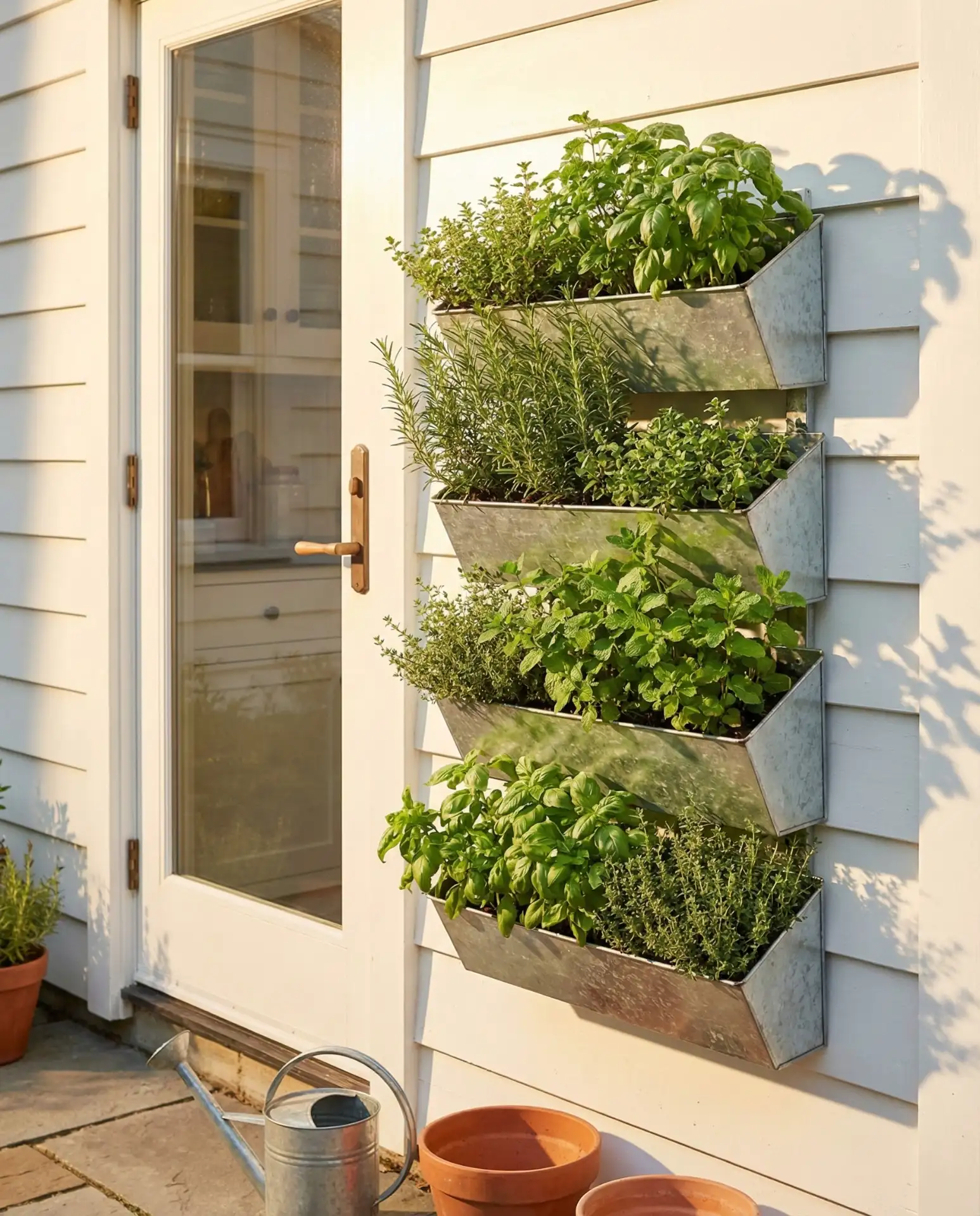
Mount a vertical planter system or build a simple trellis wall right outside your kitchen door to keep fresh herbs within arm’s reach while cooking. This setup is perfect for small backyard spaces where ground-level garden beds aren’t an option, and it turns an often-unused wall into productive space. Basil, mint, thyme, and rosemary all thrive in vertical containers with proper drainage. 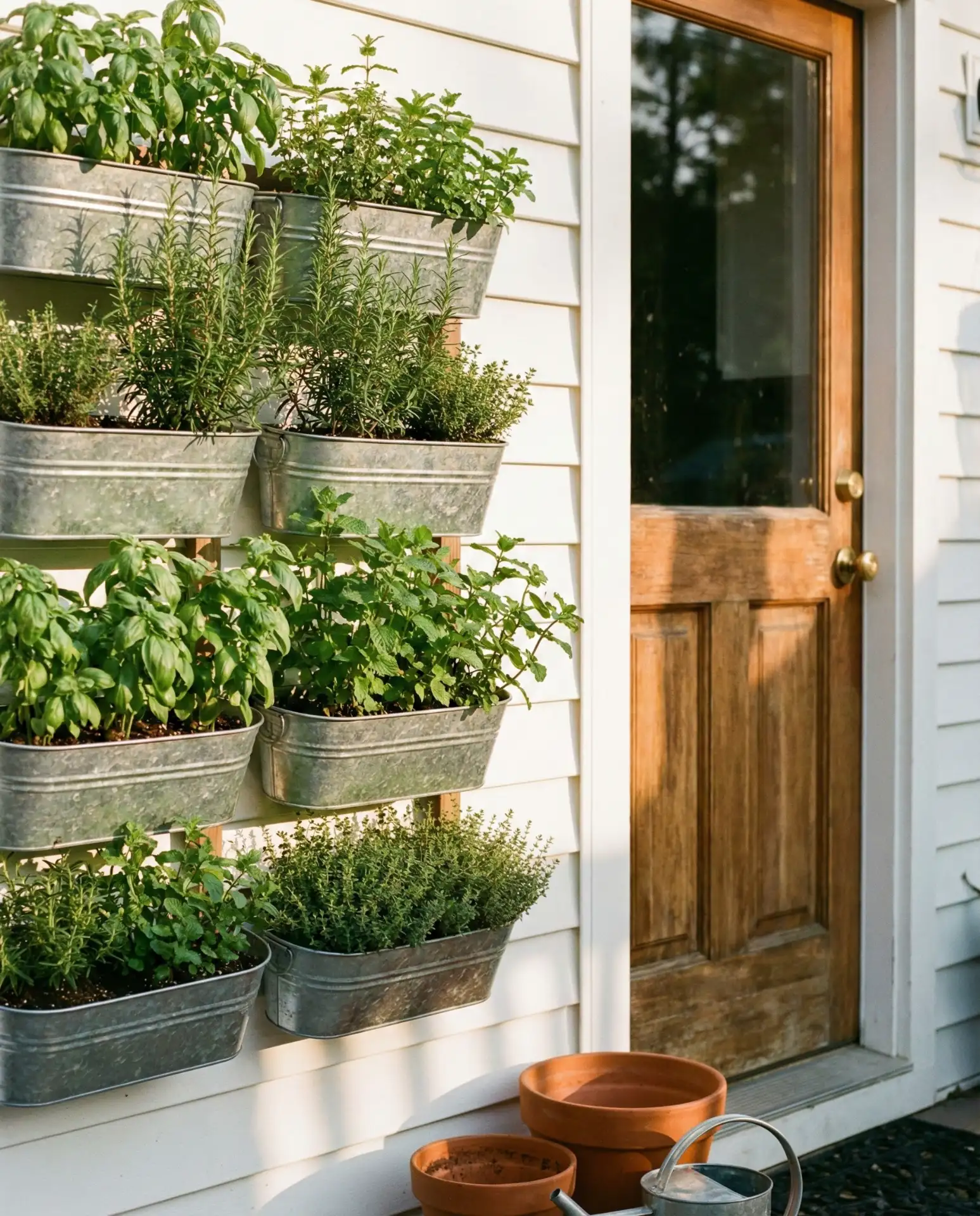
Real homeowner behavior shows that herbs planted more than 20 feet from the kitchen rarely get used consistently—the extra steps mean you grab dried herbs from the pantry instead of walking outside. Positioning your herb wall on a south– or west-facing wall maximizes sun exposure while keeping the trip short enough that you’ll actually snip fresh leaves for every meal. Self-watering planters make maintenance nearly hands-off.
13. Gravel Yard with Specimen Trees
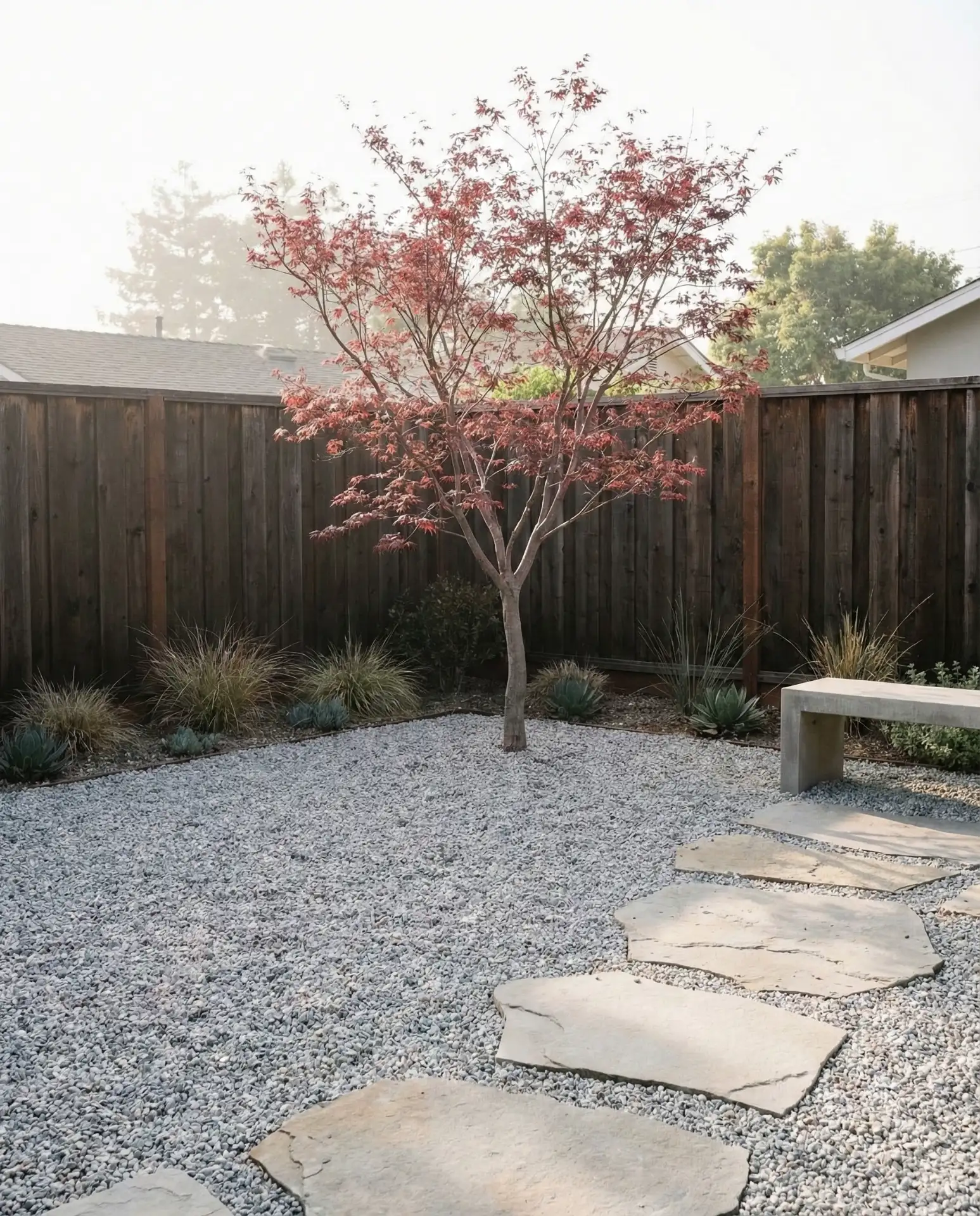
Replace traditional grass entirely with decomposed granite or river rock, then anchor the space with two or three carefully chosen specimen trees that provide shade and seasonal interest. This minimalist approach dramatically reduces water usage and maintenance while creating a sophisticated, gallery-like backdrop for outdoor living. Japanese maples, crepe myrtles, or ornamental olives work beautifully depending on your climate. 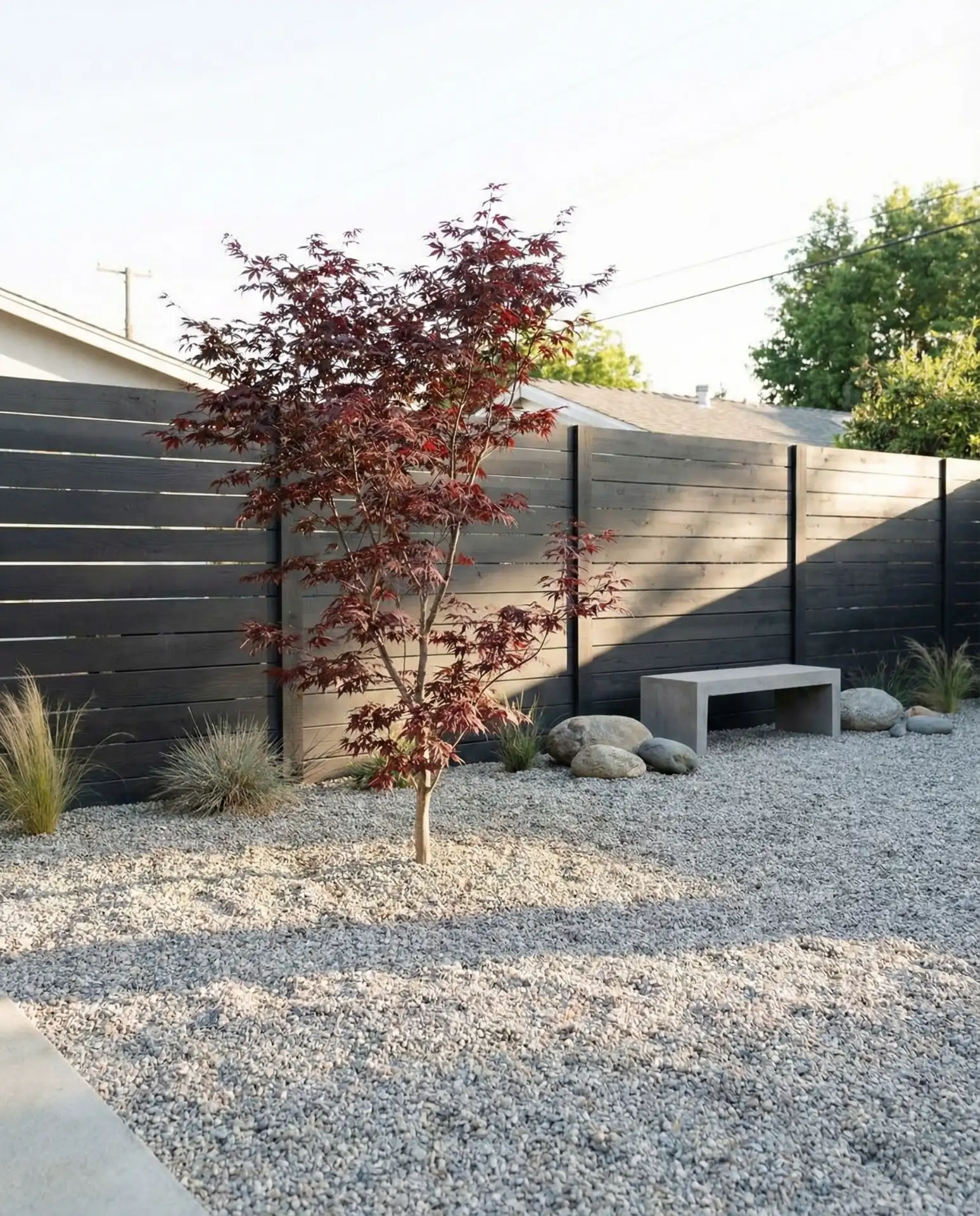
This design philosophy aligns perfectly with California’s ongoing water restrictions and works equally well in other arid regions where lawn irrigation feels wasteful. The initial investment runs higher than sod—you’ll spend $3 to $6 per square foot for quality gravel and professional installation—but the long-term savings on water bills and lawn care equipment quickly offset the upfront cost. Fabric weed barrier underneath the gravel is essential to prevent maintenance headaches down the road.
14. Built-In Bench with Hidden Storage
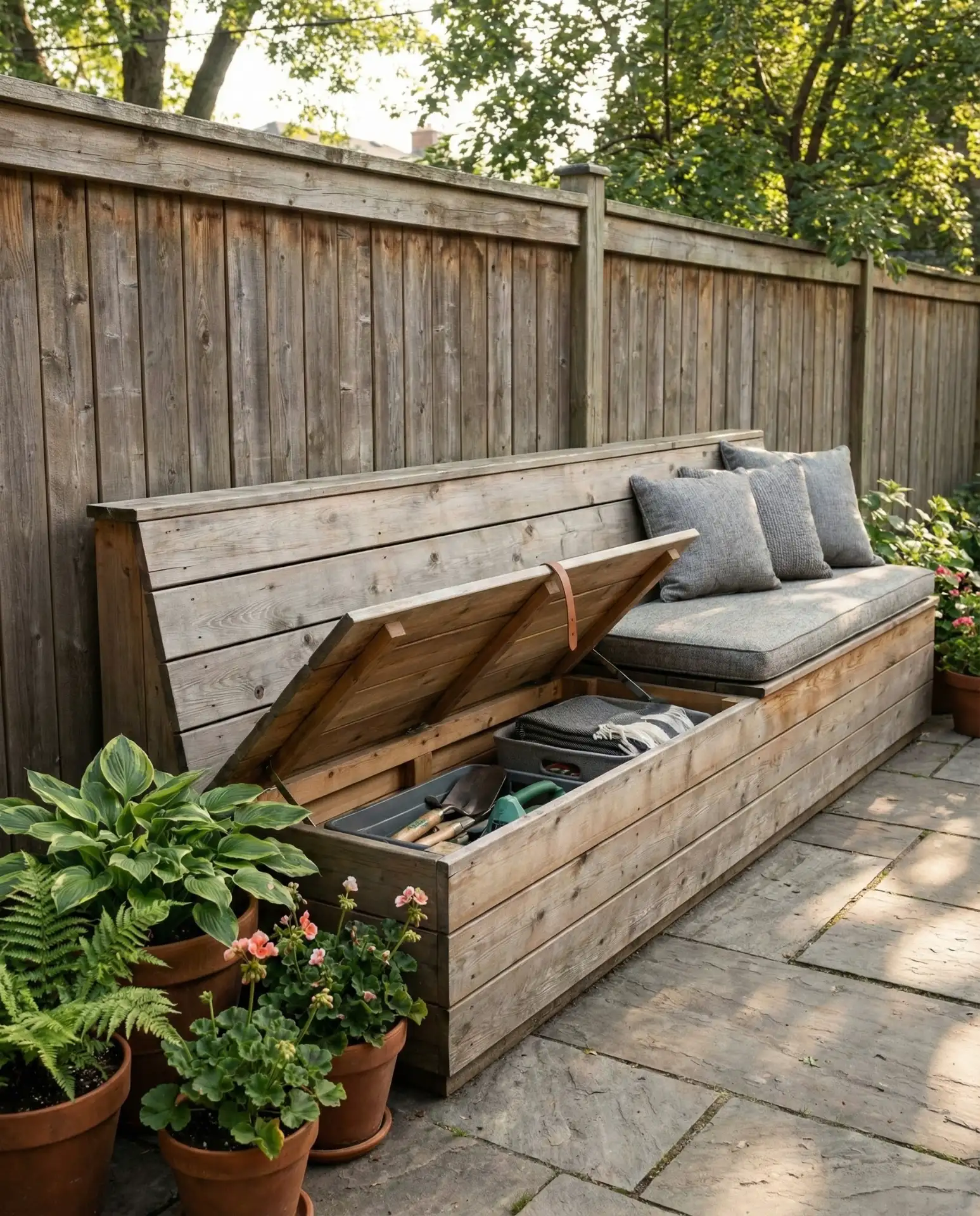
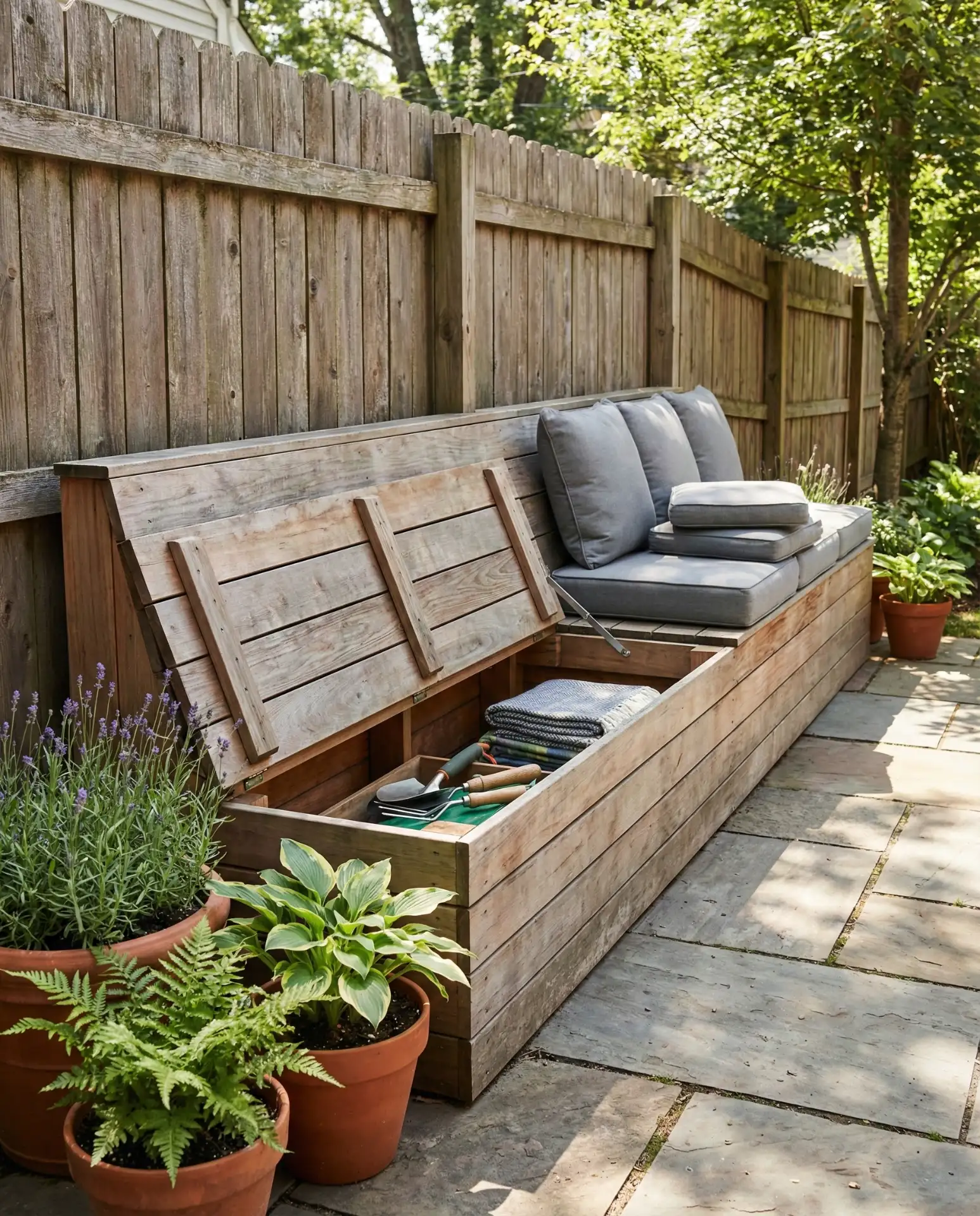
Construct a long bench along one fence line or deck edge with hinged seats that lift to reveal storage for cushions, toys, gardening tools, or pool supplies. This clever solution keeps clutter out of sight while providing ample seating for gatherings without bulky furniture eating up floor space. Add weather-resistant cushions on top to make the bench comfortable for extended sitting. 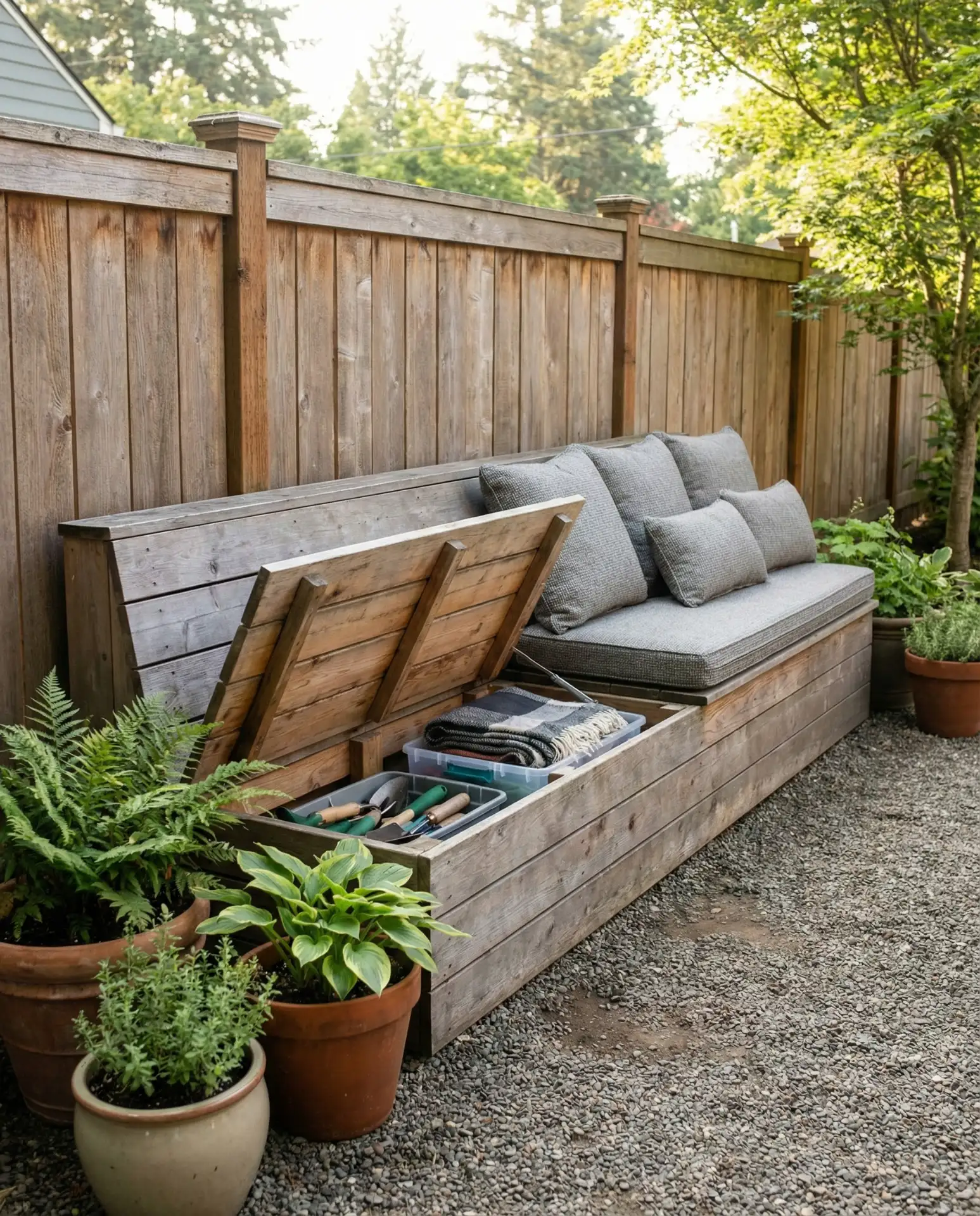
From a practical standpoint, benches with storage work beautifully in homes with kids or dogs where outdoor gear accumulates quickly and dedicated shed space isn’t available. Build the bench at a standard seat height of 18 inches, which doubles as a comfortable surface for setting drinks or plates during parties. Marine-grade plywood or cedar resists moisture better than standard lumber, which matters if you’re storing items that can’t get damp.
15. Container Garden on Rolling Casters
Mount large planters on heavy-duty casters so you can easily reposition them to follow the sun, create temporary privacy screens, or clear space for gatherings. This flexible approach is ideal for renters or anyone who likes to change their layout seasonally without committing to permanent installations. Group three to five containers of varying heights for visual impact and to support a mix of plant types. 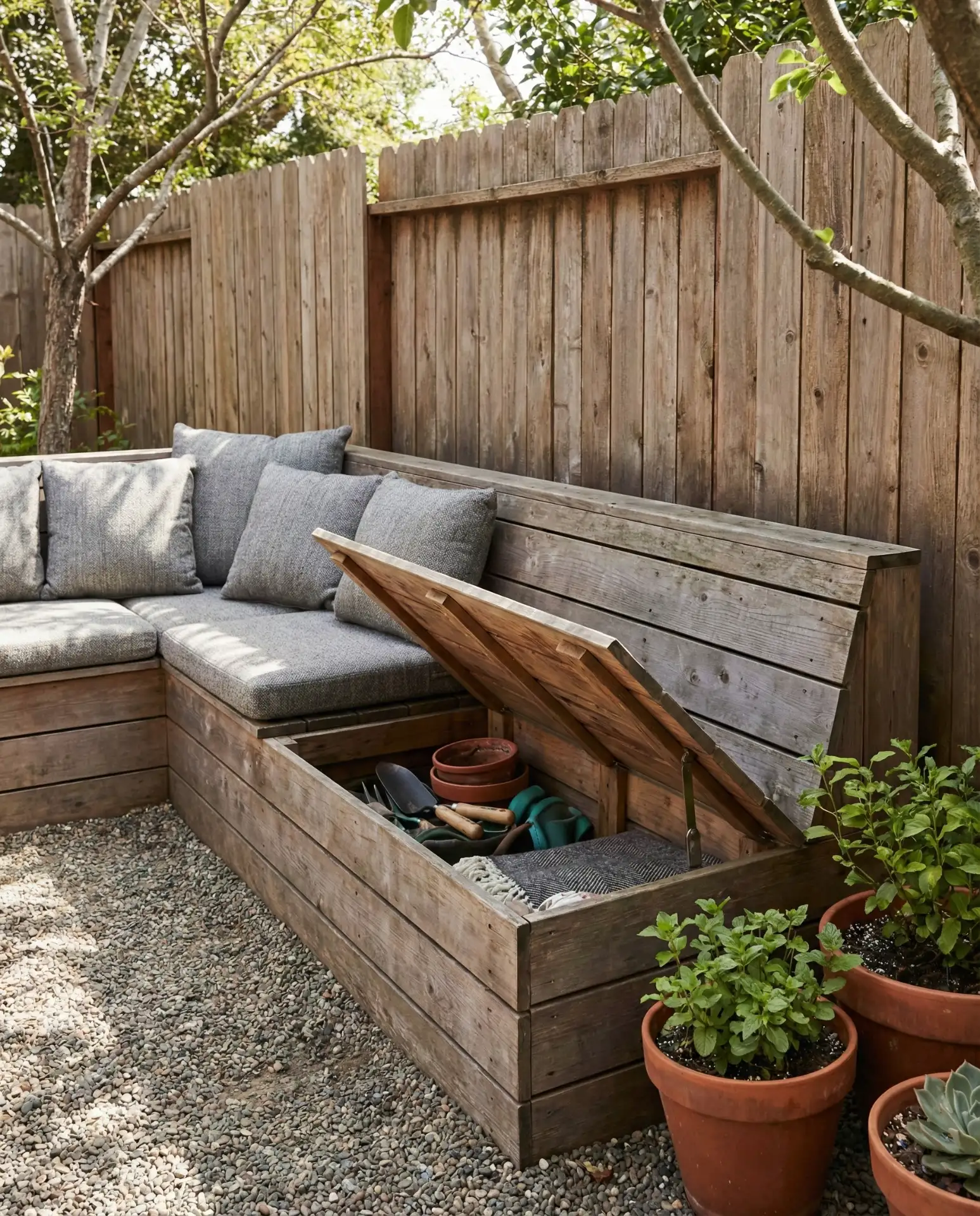
One designer noted that mobile planters are particularly useful in homes where the backyard serves multiple functions—you can roll them aside to set up a kiddie pool on hot weekends, then reposition them to create an intimate dining alcove for evening meals. Look for locking casters to prevent unwanted movement, and choose containers with adequate drainage since waterlogged soil becomes extremely heavy and harder to move safely.
16. Minimalist Water Feature with Gravel Surround
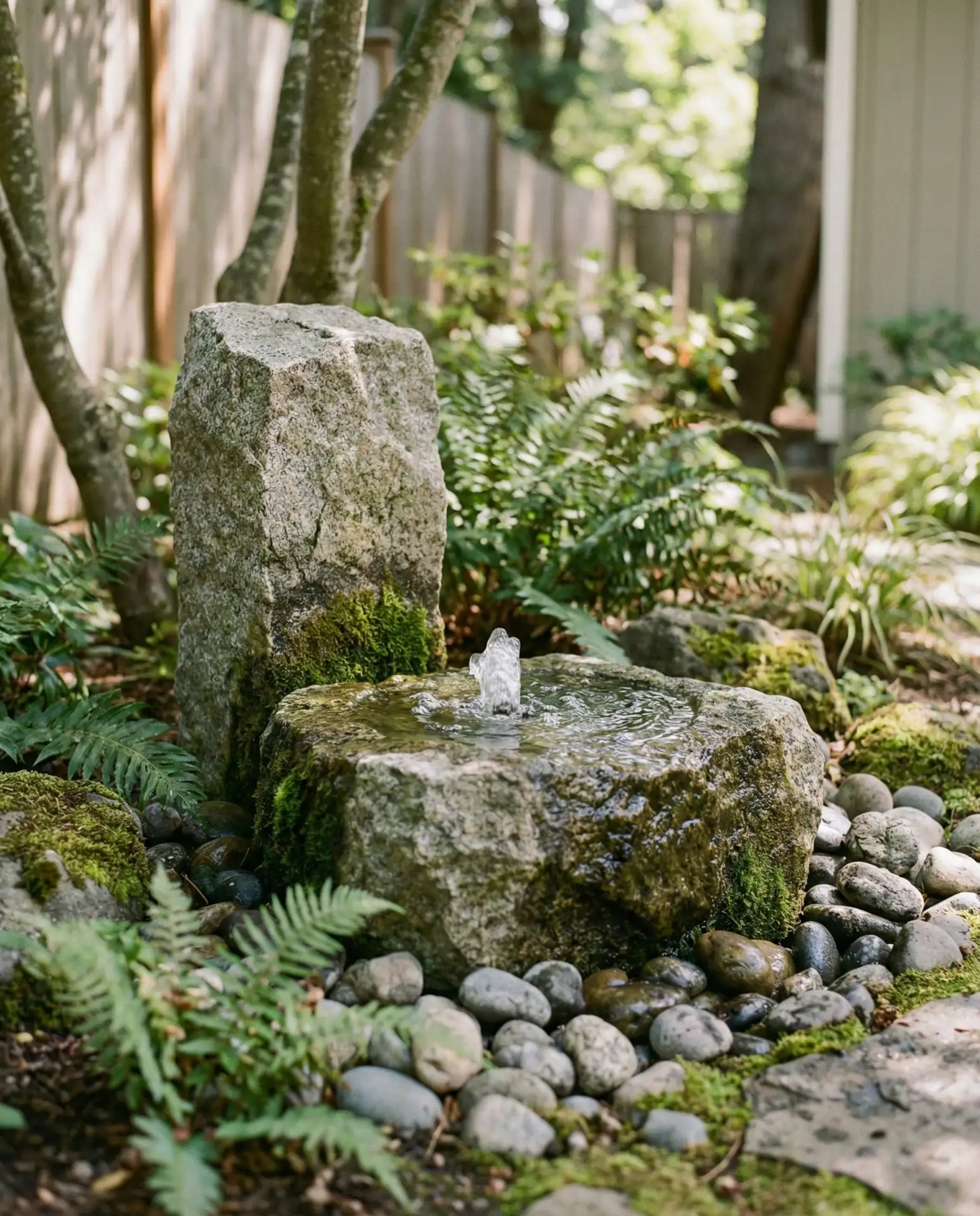
A simple bubbling rock or small recirculating fountain surrounded by smooth river stones adds the soothing sound of water without taking up much space or requiring pond maintenance. This design element brings calm energy to the yard and attracts birds while maintaining a clean, modern aesthetic that doesn’t compete with other landscape features. Position it away from seating areas if the sound might interfere with conversation. 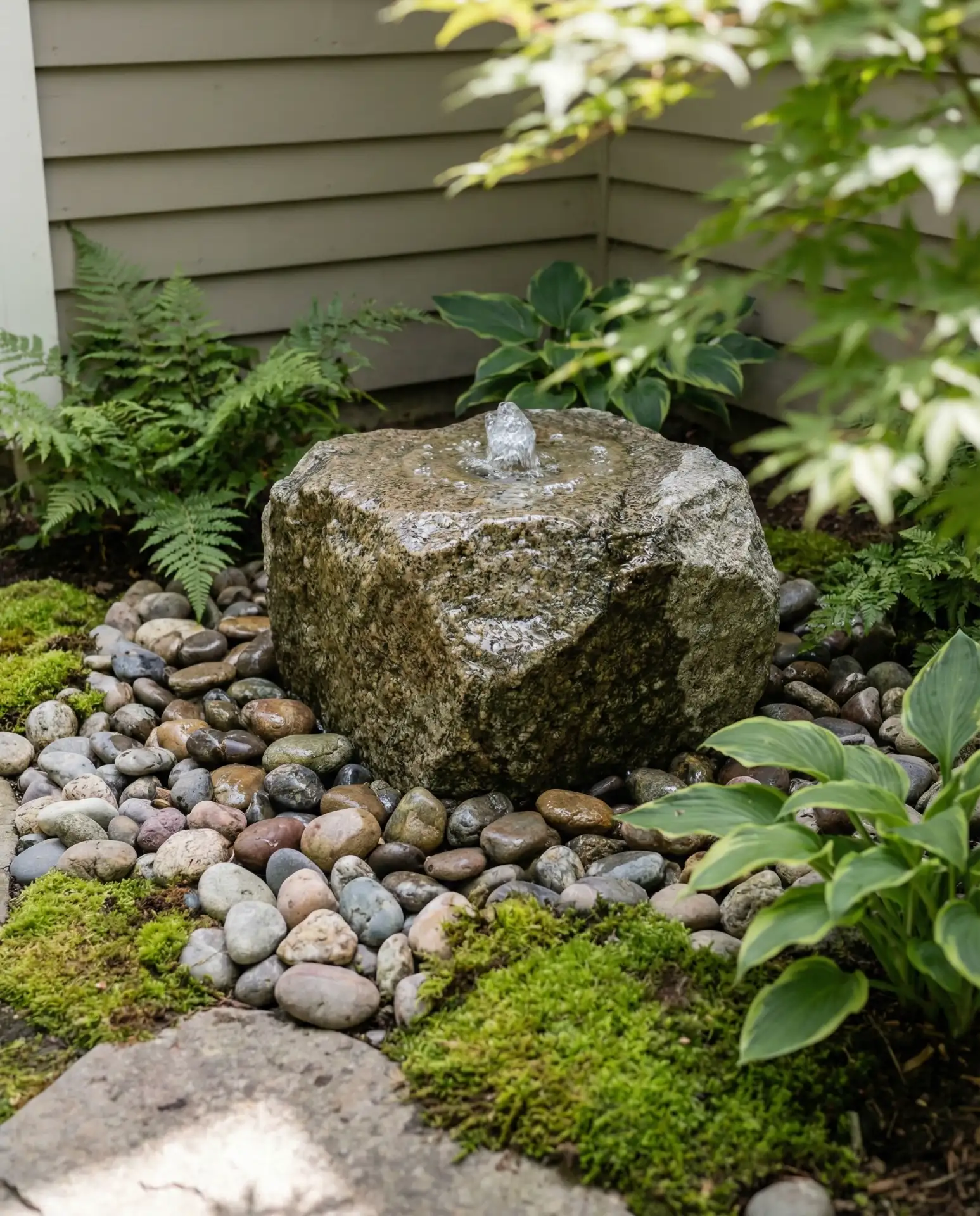
Budget-conscious installations start around $200 for a basic bubbler kit with a small pump and reservoir, though custom stonework can push costs higher. The pump runs on standard household current and uses about as much electricity as a lightbulb, making it affordable to operate continuously during warmer months. In freezing climates, you’ll need to drain and winterize the system each fall to prevent damage from ice expansion.
17. Outdoor Movie Screen on Fence
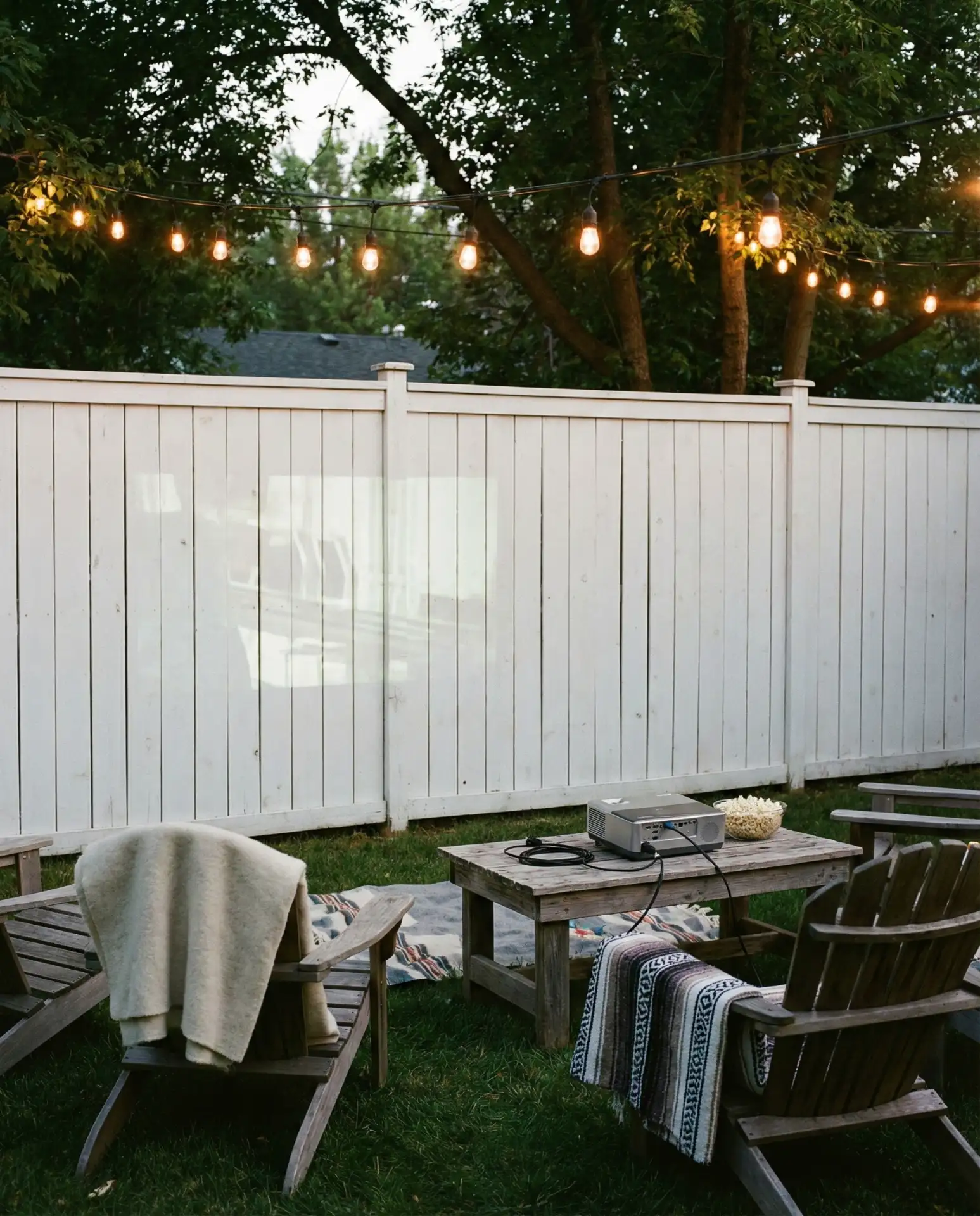
Install retractable patio projection screens, mountable edited oval screens, or custom paint fence sections as white to make instant outdoor movie theater rooms. Complement the setup with portable projectors and speakers to convert small backyards into common warm-day entertainment areas. Custom add-ons may include floor cushions, oversized bean bags, or low-profile lounge chairs for the movie theater experience. 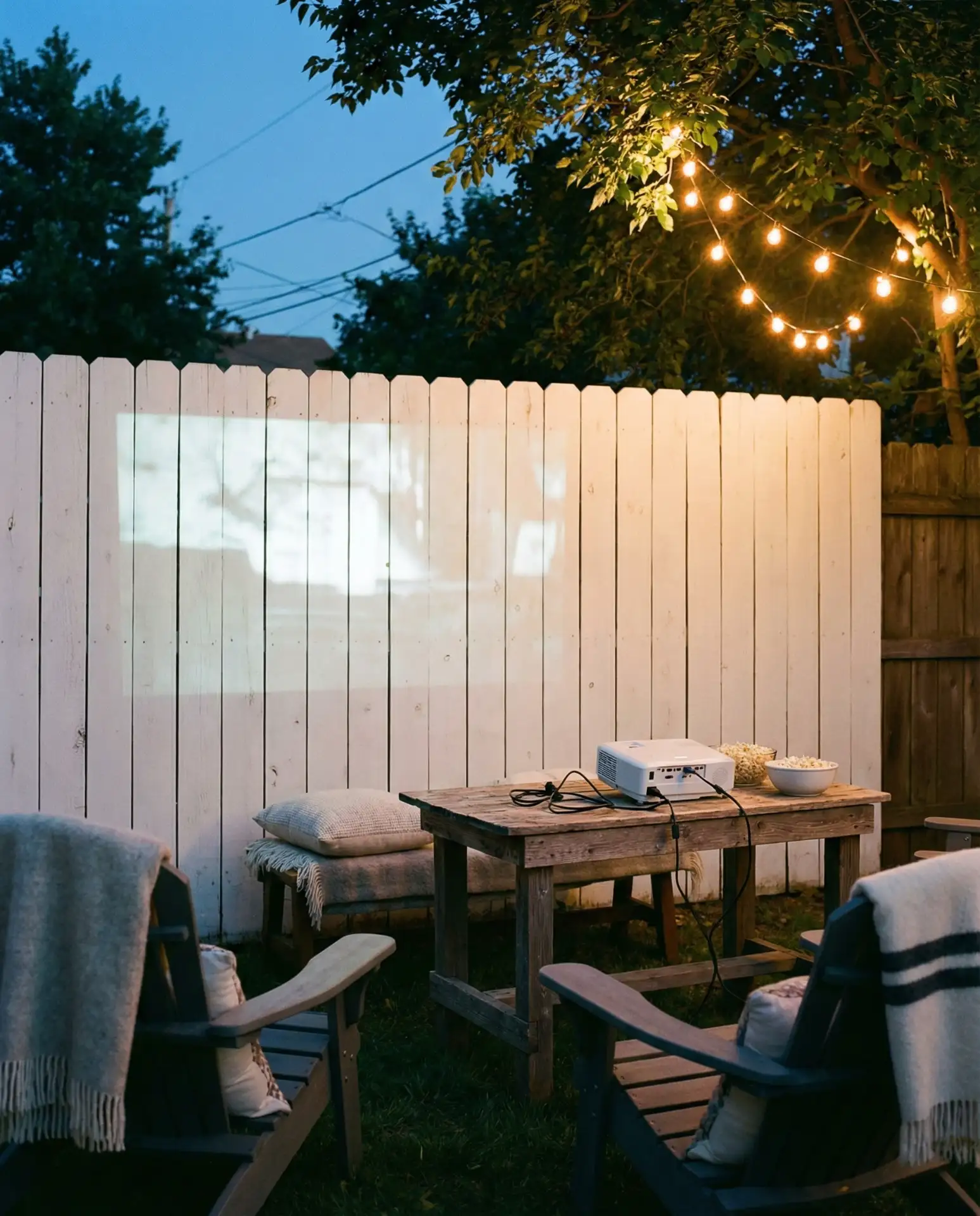
This configuration is very common today, especially among young parents eager to consolidate entertainment with an outdoor experience. The entire configuration is designed for minimal footprint, releasing yard space for other activities. Newer battery-powered projectors reduce yard clutter by accommodating portable installations. Summer evening entertainment is possible, as bright projectors can screen content before full darkness, while other projectors may only function once it is dark.
18. Tiered Rock Garden for Slopes
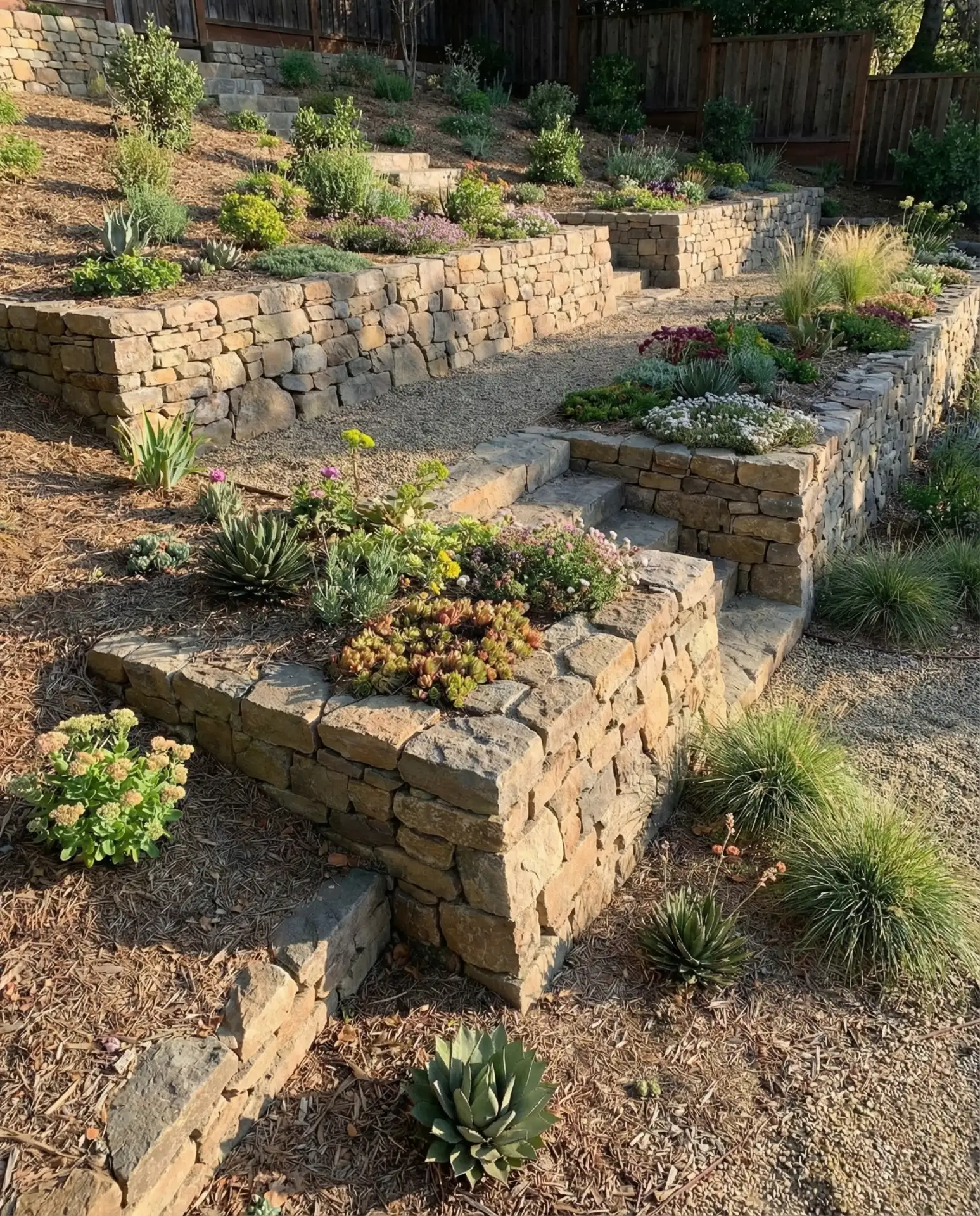
If your small backyard has a slope, work with the grade instead of against it by building terraced rock gardens that prevent erosion while creating visual drama. Stack flat stones to form low retaining walls, then fill each level with drought-tolerant succulents, ornamental grasses, or alpine plants that thrive in well-drained conditions. This approach turns a challenging site into a standout feature. 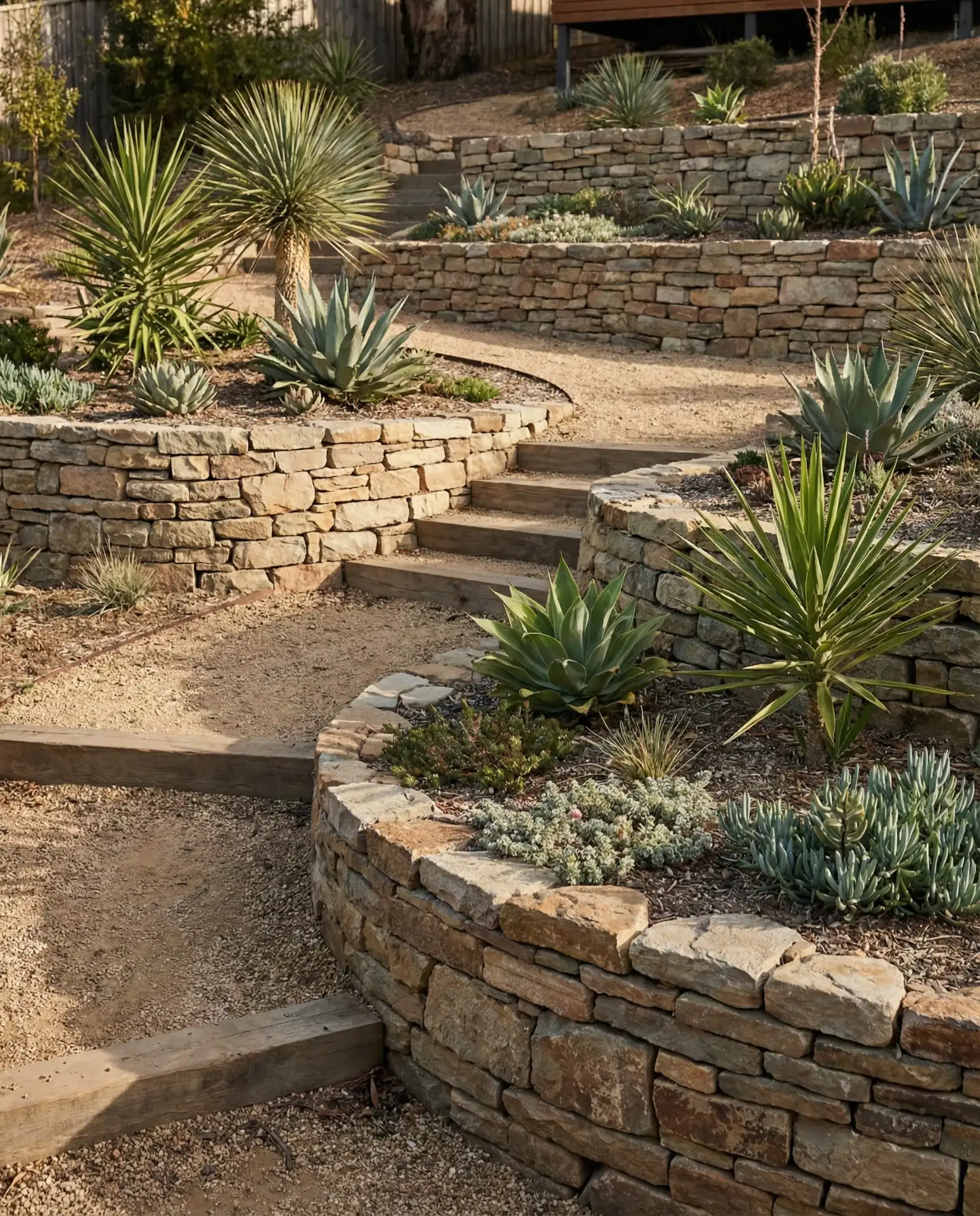
Where it works best is in regions with steep lots that would otherwise require extensive and expensive grading to create usable flat space. The tiered approach preserves the natural topography while giving you planting pockets at different elevations that catch the eye and guide movement through the space. Using stone sourced from your area keeps costs down and ensures the materials look authentic to your region’s natural landscape.
19. Shade Sail Over Dining Area
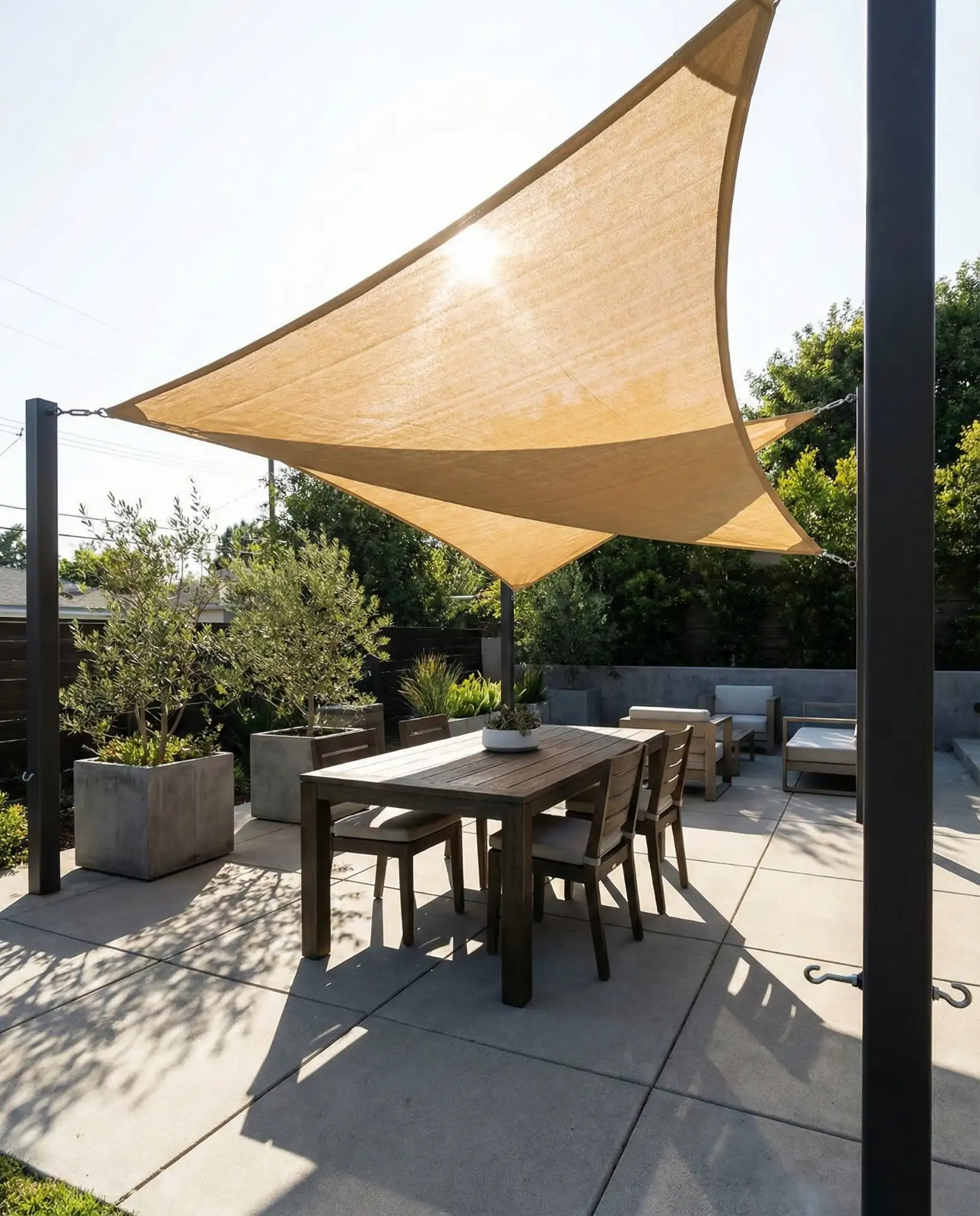
Install a triangular or rectangular shade sail over your outdoor dining table to block harsh sun while maintaining an open, airy feel that solid roofs can’t match. These tensioned fabric structures come in colors ranging from neutral sand to deep charcoal and create dramatic angular shadows that change throughout the day. They’re also significantly less expensive than building a pergola or pavilion. 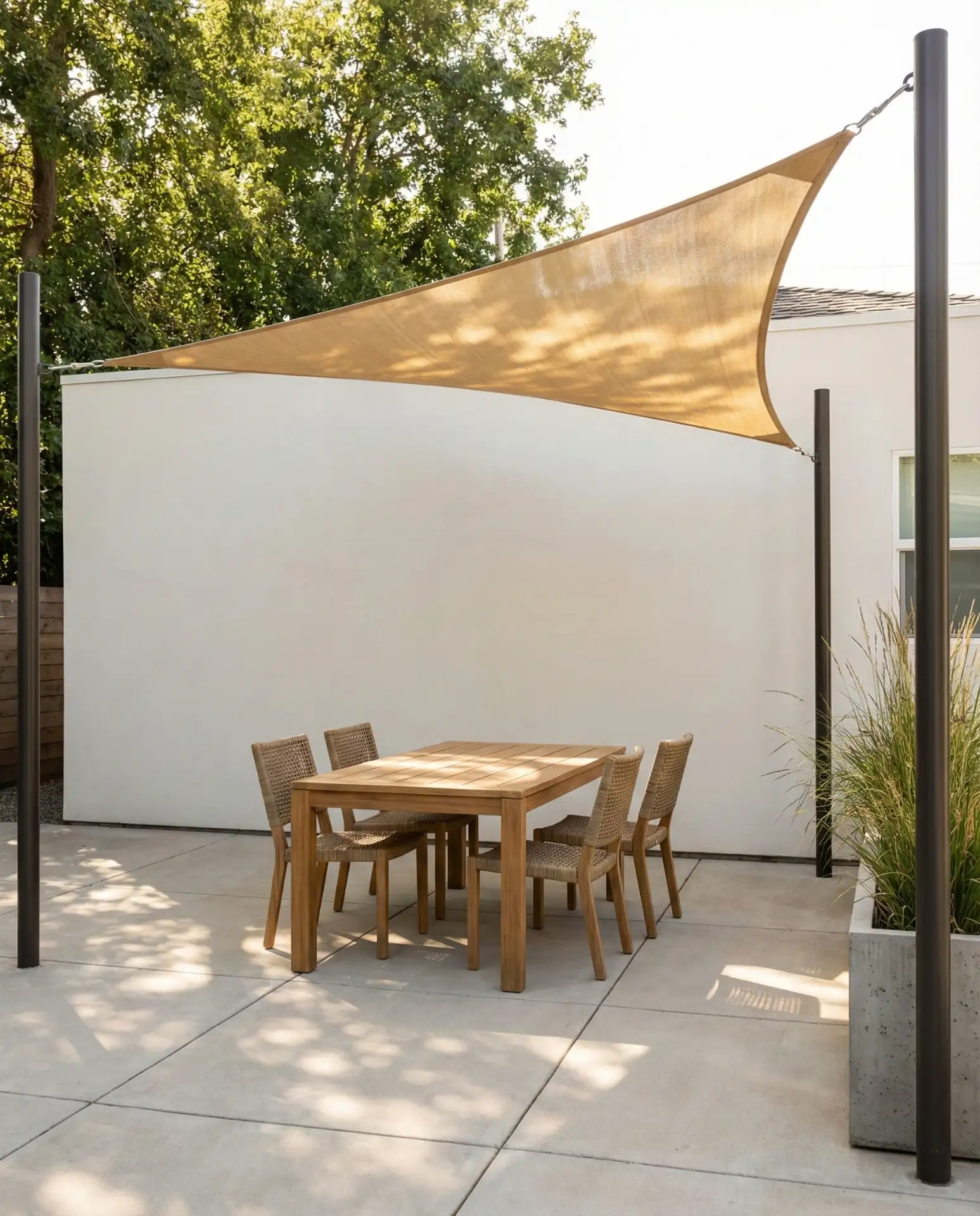
Expert commentary suggests positioning shade sails at a 20- to 40-degree angle rather than completely flat, which helps rainwater run off and prevents the fabric from sagging or pooling. Most homeowners can install the mounting hardware themselves if they’re comfortable drilling into concrete or securing posts, though proper tensioning makes a big difference in both appearance and longevity. Quality UV-resistant fabric lasts five to ten years before needing replacement.
20. Compact Outdoor Kitchen with Bar Seating
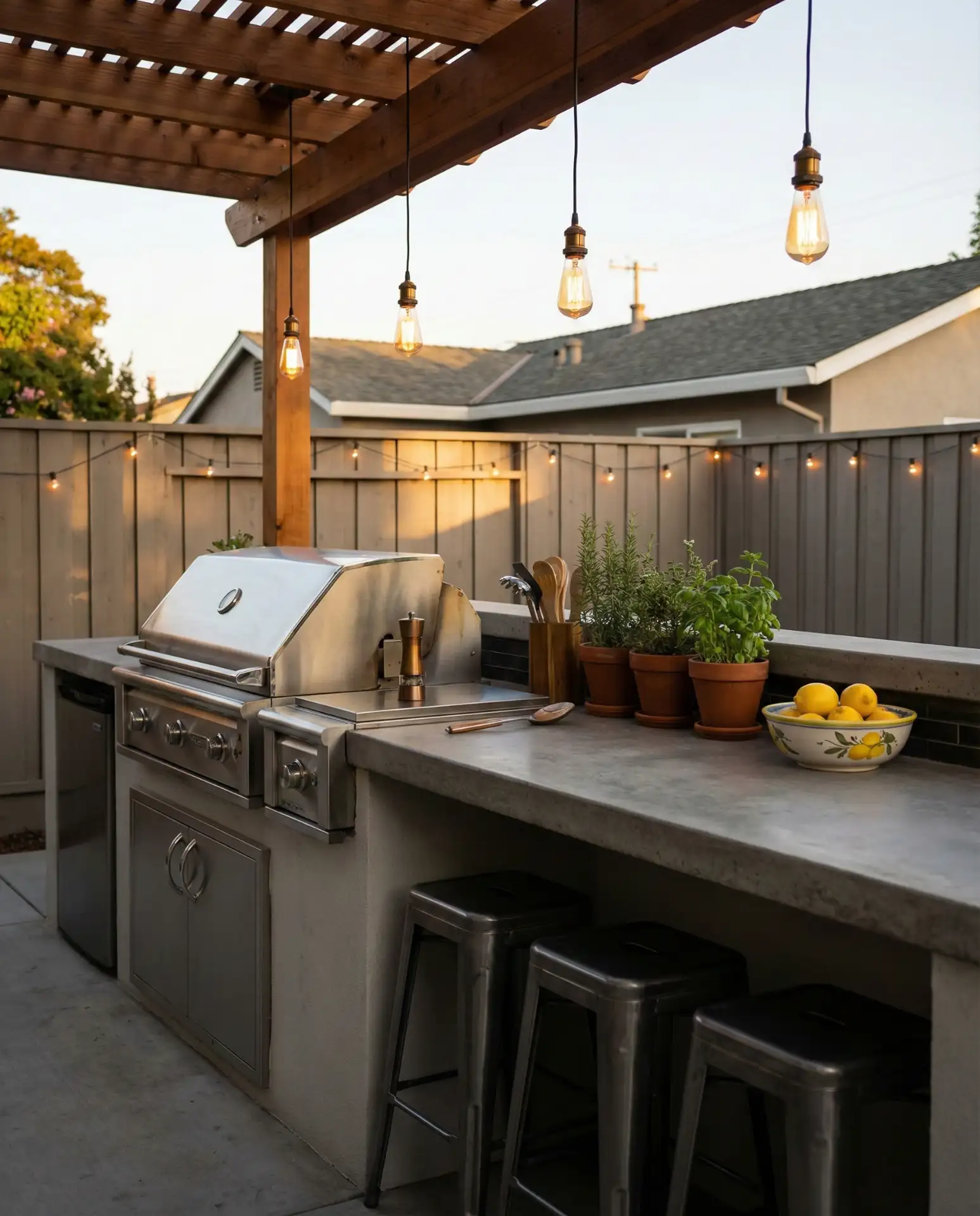
Build a narrow outdoor kitchen along one edge of your patio with a built-in grill, small prep counter, and mini fridge, then add bar-height seating facing out into the yard. This linear layout maximizes function without eating up central floor space, and the bar seating creates a natural gathering spot where guests can chat with the cook. Use durable materials like stainless steel, concrete, or weather-resistant tile that can handle exposure. 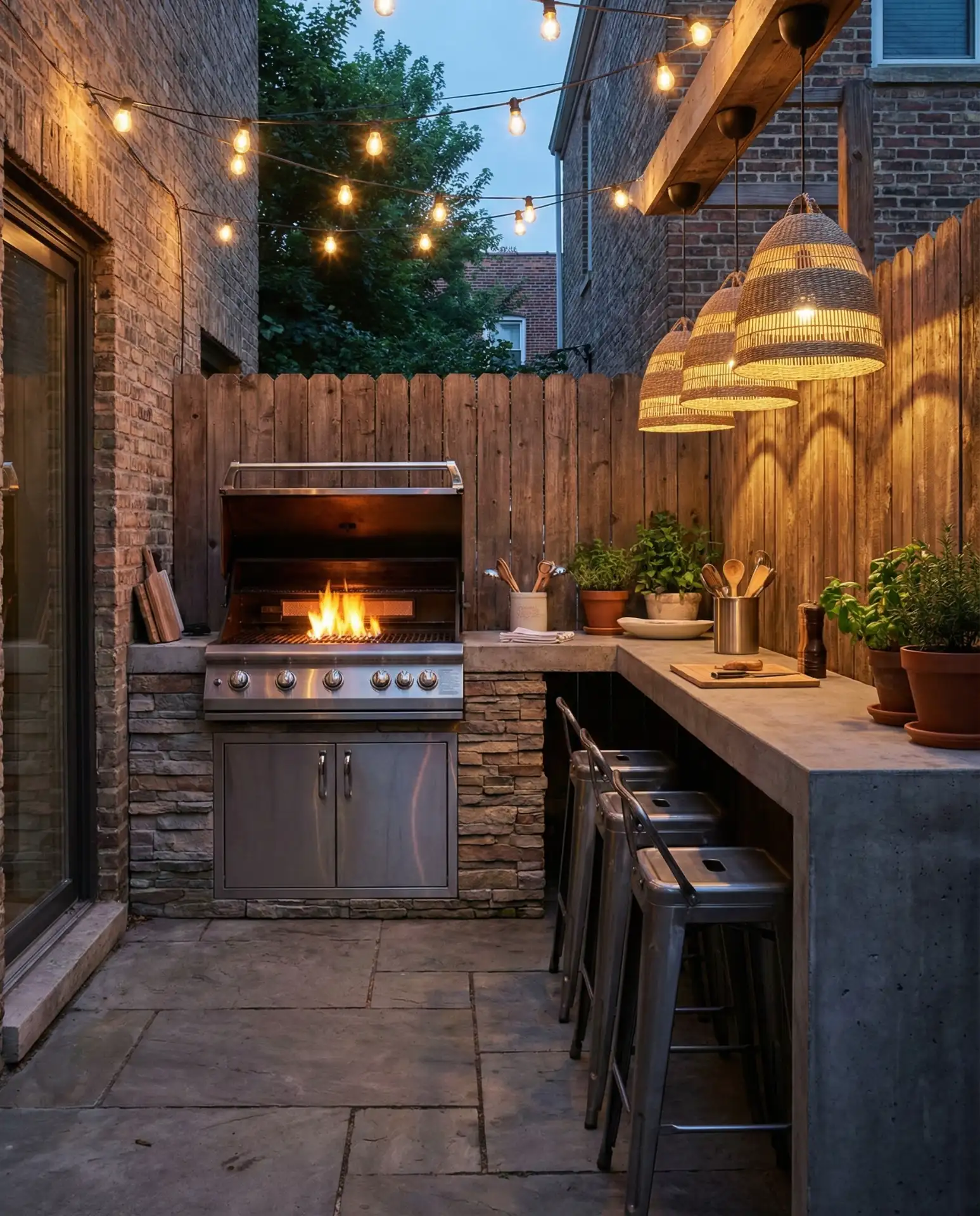
This configuration works beautifully in townhouse yards where width is limited but you still want full cooking capabilities outdoors. Gas lines for the grill need to be professionally installed and permitted, which typically adds $500 to $1,000 to the project, but it’s worth it for the convenience of not managing propane tanks in a tight space. Undercounter lighting makes evening cooking safer and extends usability after sunset.
21. Mixed Material Patio with Contrasting Zones
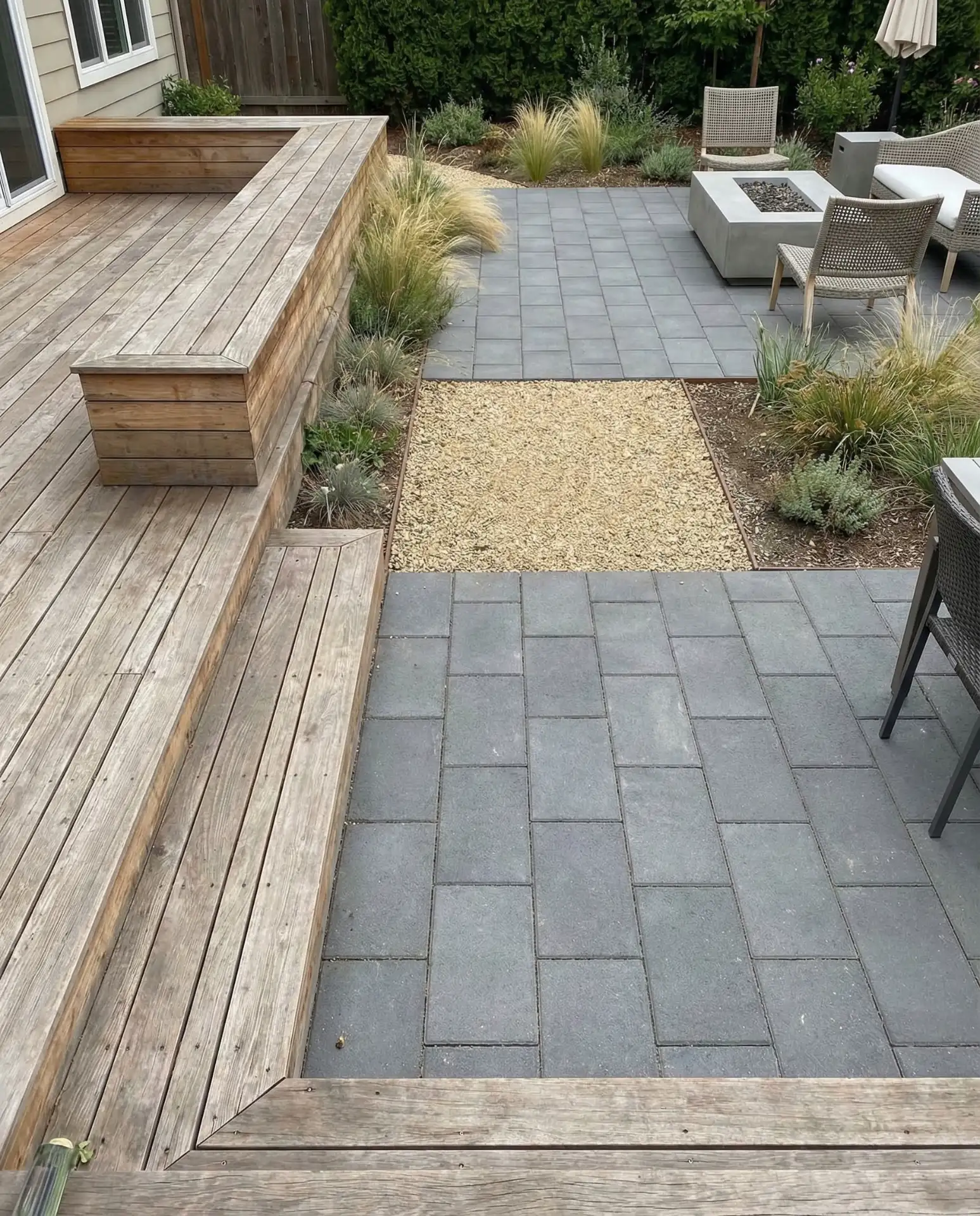
Combine two or three different materials—such as wood decking, concrete pavers, and gravel—to define distinct functional zones within your small backyard without building walls or barriers. The material transitions signal changes in use while creating visual texture that makes the space feel curated and intentional. This approach works especially well when you want separate areas for cooking, dining, and lounging but need everything to flow together. 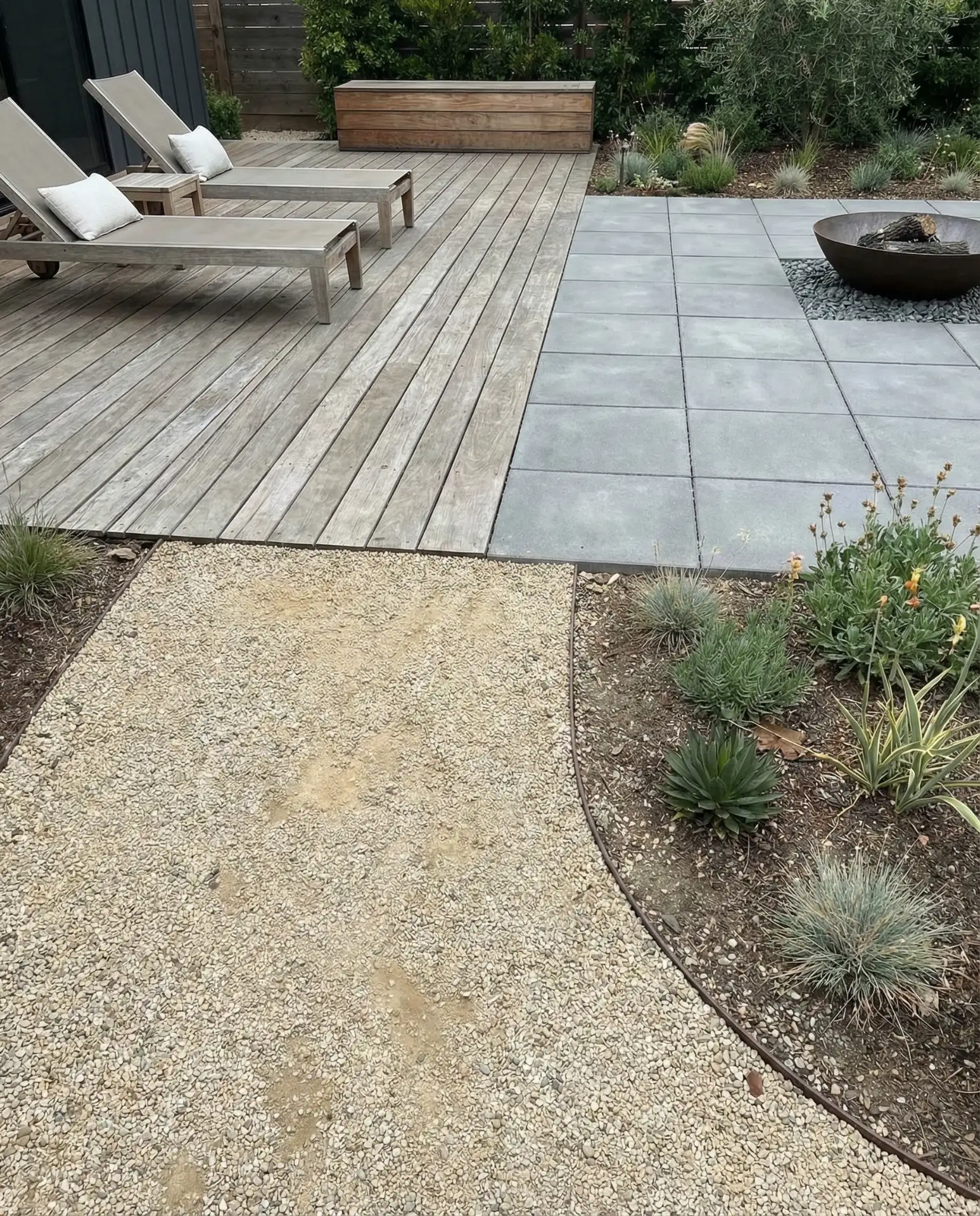
A common mistake is using too many materials or patterns, which can make a small space feel chaotic rather than designed. Stick to two or three finishes max, and let one material dominate while the others serve as accents. For instance, you might use concrete pavers for 60% of the patio, wood decking for 30%, and gravel for the remaining 10% as a transition to planted areas. This ratio keeps things interesting without overwhelming the eye.
Conclusion
These ideas show just how much potential lives in compact outdoor spaces when you approach them with creativity and intention. Whether you’re working with a tight budget, accommodating kids or pets, or simply want a more polished look, there’s a solution here that can work for your specific situation. We’d love to hear which ideas you’re planning to try—share your thoughts and your own small backyard wins in the comments below.