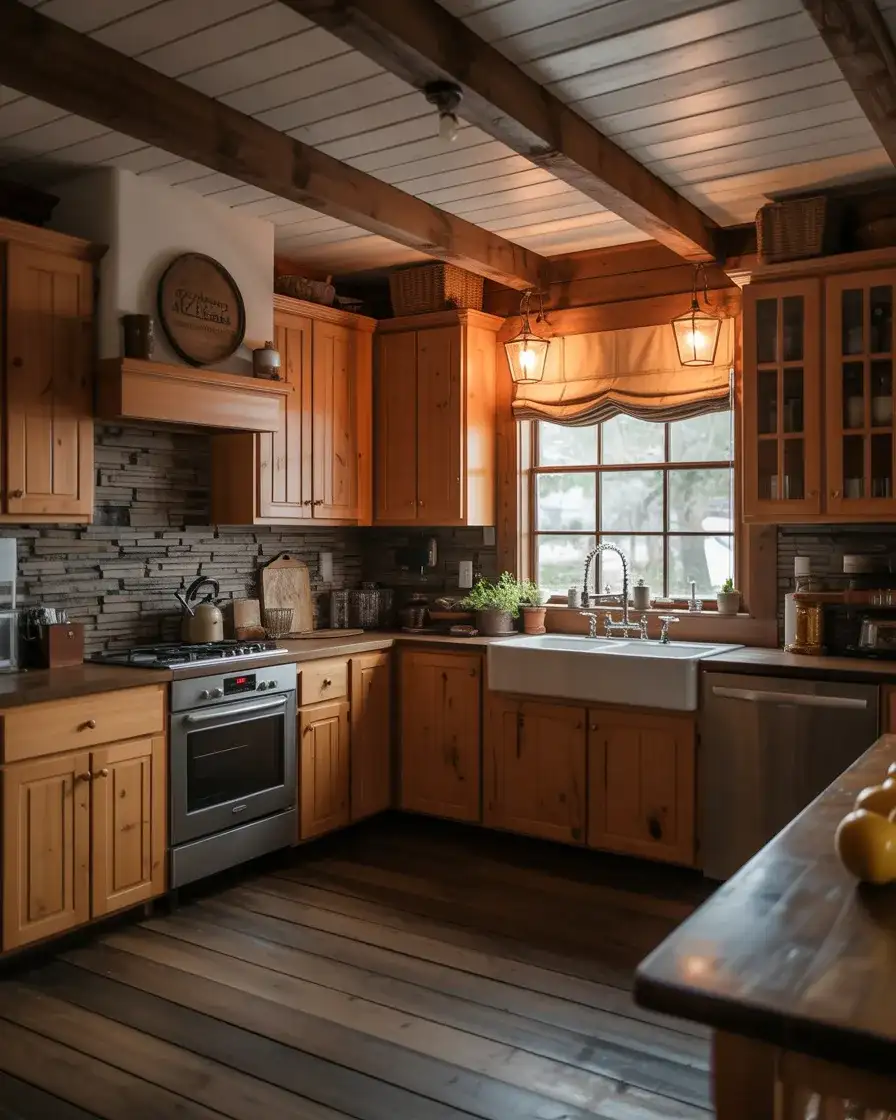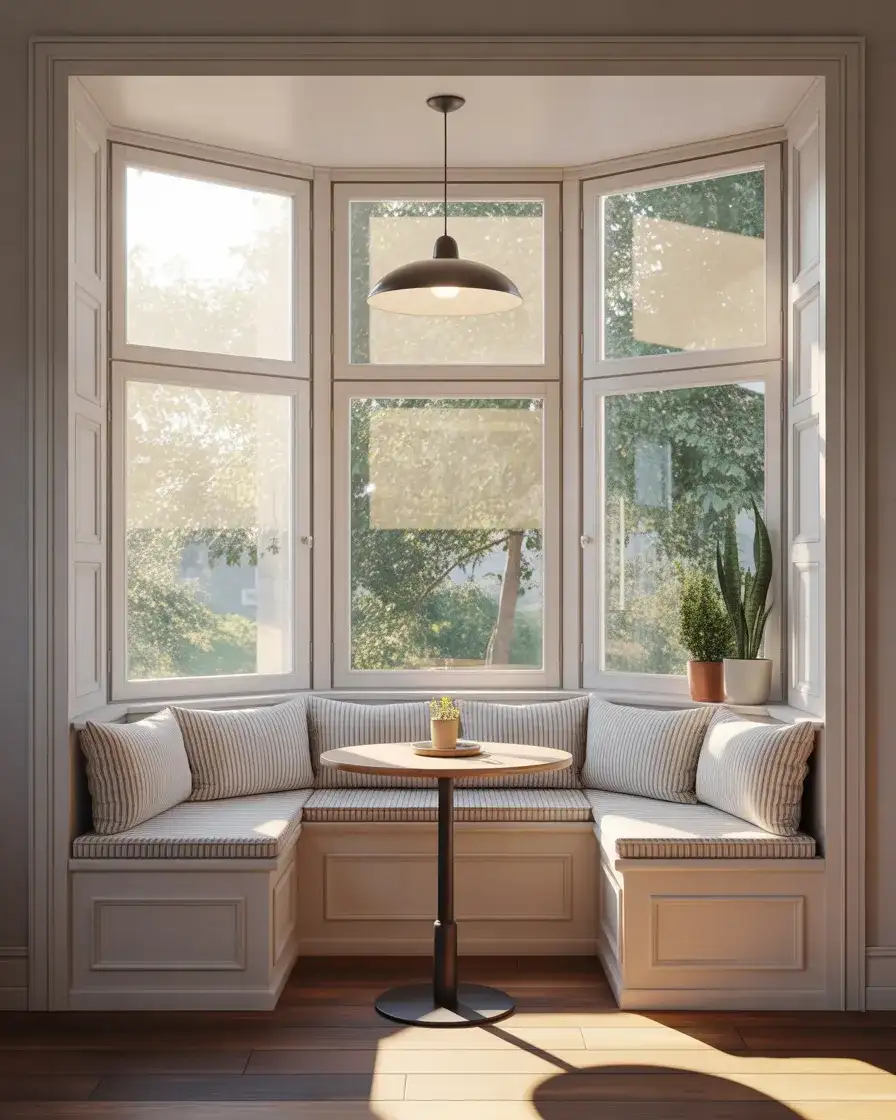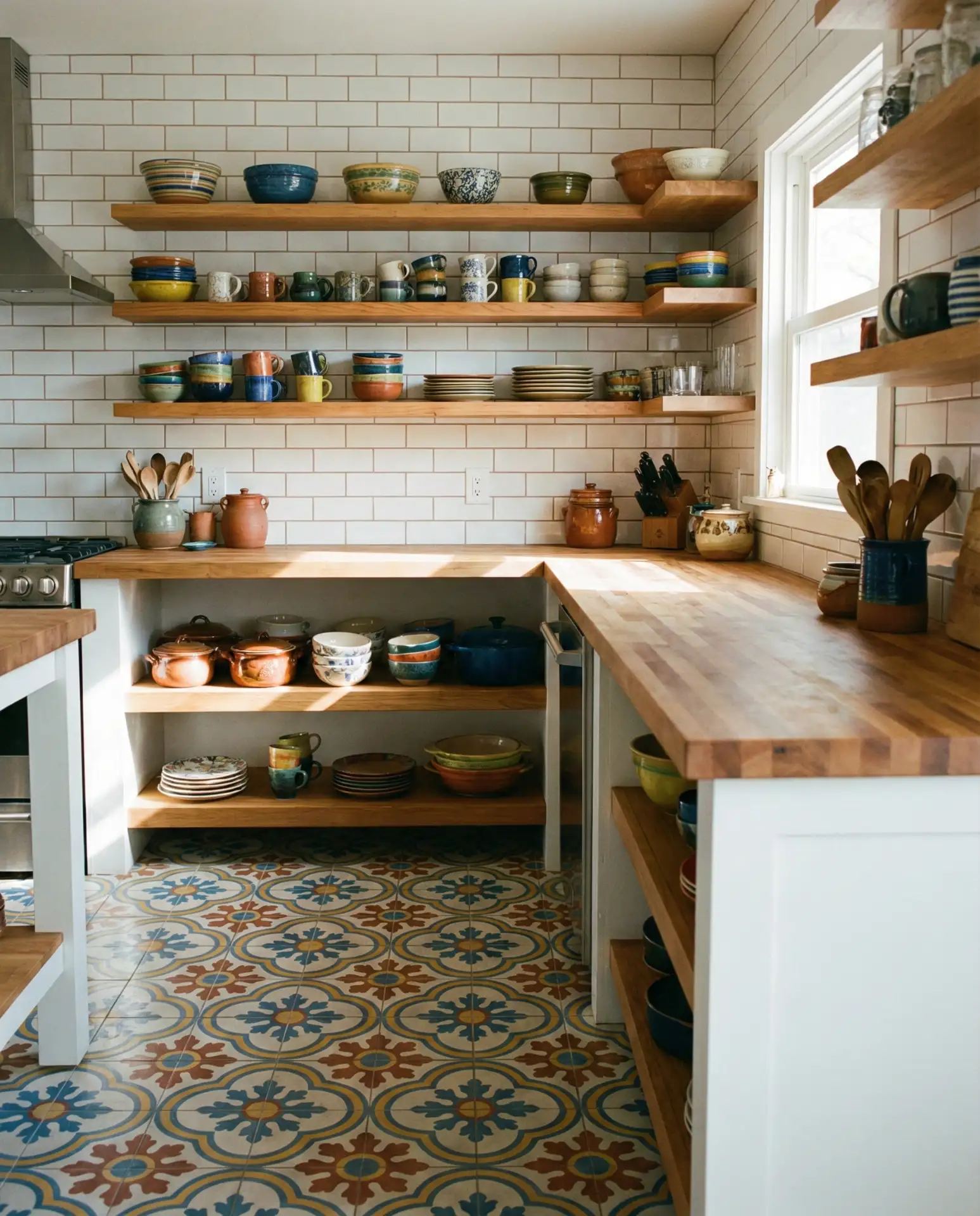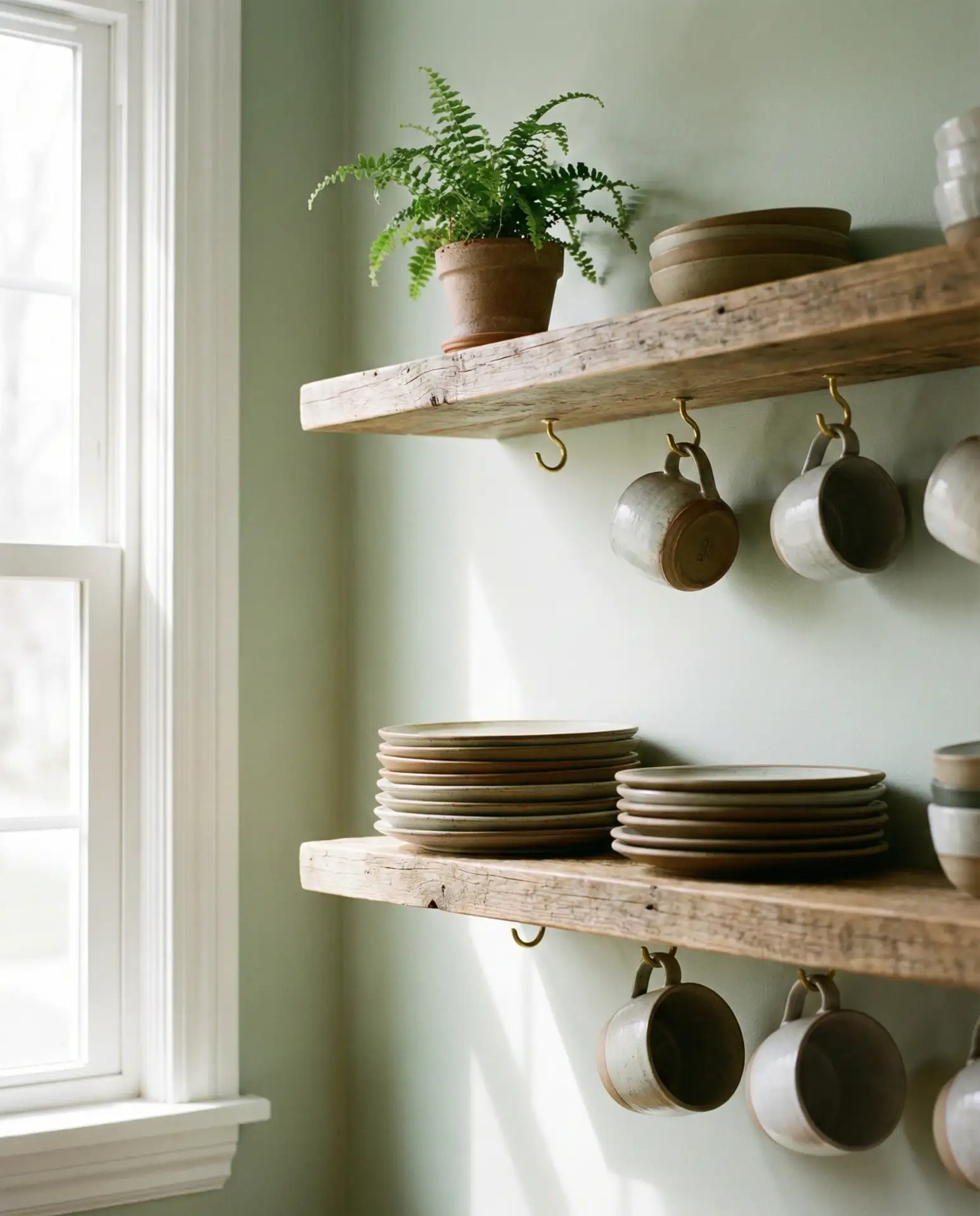
White kitchens have long been a mainstay of American home design, but in 2026, they’re evolving in fresh, unexpected ways. Whether you’re drawn to the timeless appeal of classic all-white spaces or curious about how white pairs with wood and natural textures, this year brings a wealth of creative possibilities. Pinterest users are searching for white kitchens that feel both curated and lived-in—spaces that balance brightness with warmth and simplicity with character. From cabinets that anchor the room to backsplash ideas that add subtle dimension, the white kitchen remains endlessly adaptable. In this guide, we’re exploring inspiring takes on the white kitchen for 2026, each offering a unique twist on this beloved design foundation.
1. White Cabinets with Dark Wood Island
One of the most enduring combinations in kitchen design pairs bright white cabinets with a contrasting wood island. The island becomes a visual anchor, grounding the airy expanse of white cabinetry with rich, natural grain. This approach works beautifully in open-concept homes where the kitchen flows into living spaces, offering warmth without sacrificing the clean, reflective quality that makes white kitchens feel spacious. The wood tone you choose—whether it’s walnut and dark chocolate or lighter oak—sets the mood for the entire room.
This design thrives in suburban homes and renovated farmhouses across the Midwest and South, where homeowners appreciate the balance between contemporary style and rustic comfort. The wood island often doubles as a gathering spot for morning coffee or homework sessions, making it as functional as it is beautiful. A common mistake is choosing an island that’s too dark or too light relative to your white cabinets—aim for enough contrast to create definition, but not so much that the island feels disconnected from the rest of the space.
2. White Kitchen with Blue and Brass Accents
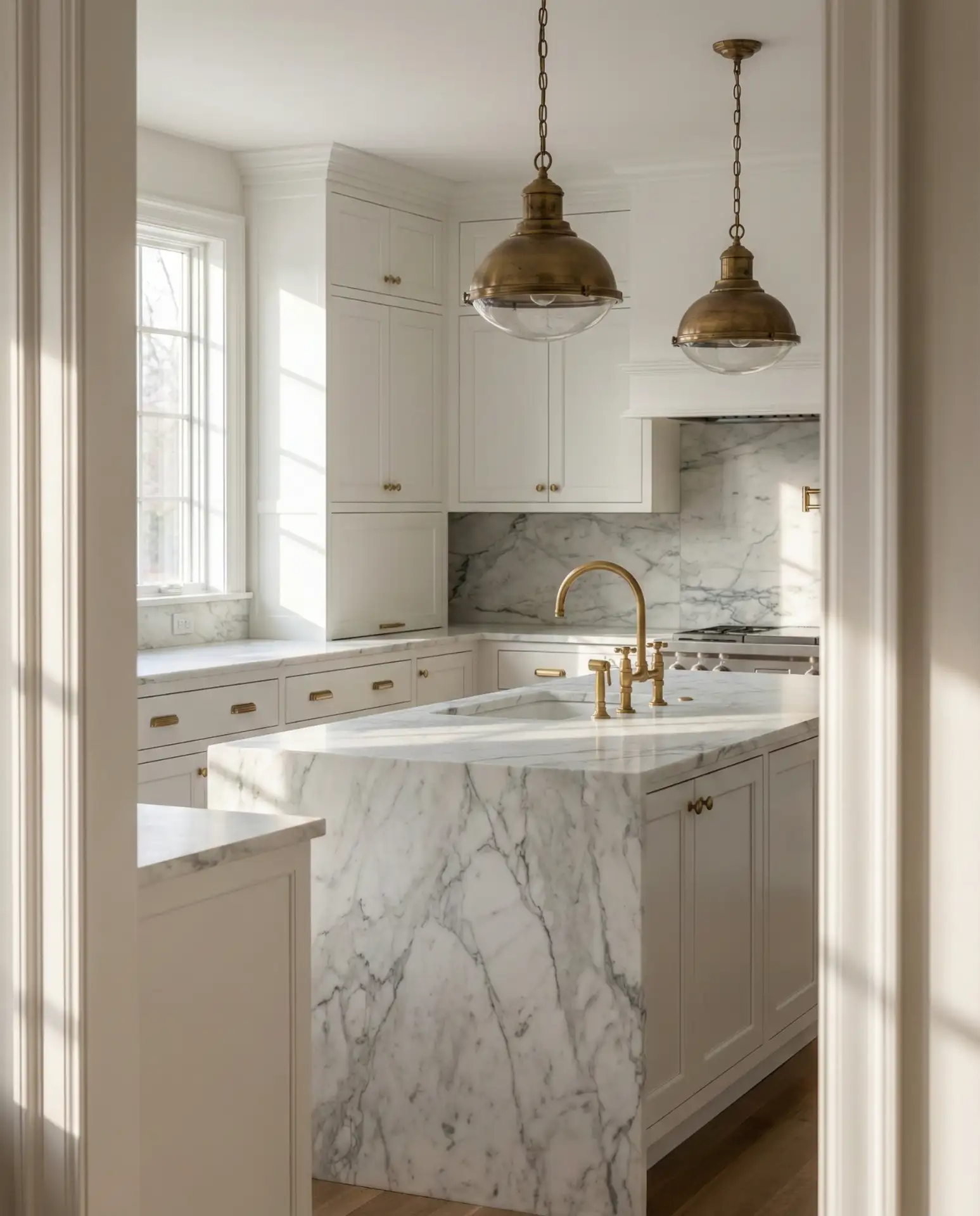
Layering blue and white creates a coastal-inspired palette that feels fresh without being overly nautical. Think soft powder blue lower cabinets paired with crisp white uppers or a subtle blue-gray backsplash that catches the light. The addition of gold hardware—cabinet pulls, faucet fixtures, or even a statement range hood—introduces warmth and a touch of elegance. This combination has gained traction on Pinterest among homeowners seeking a kitchen that feels serene yet elevated, especially in beach towns and waterfront properties.
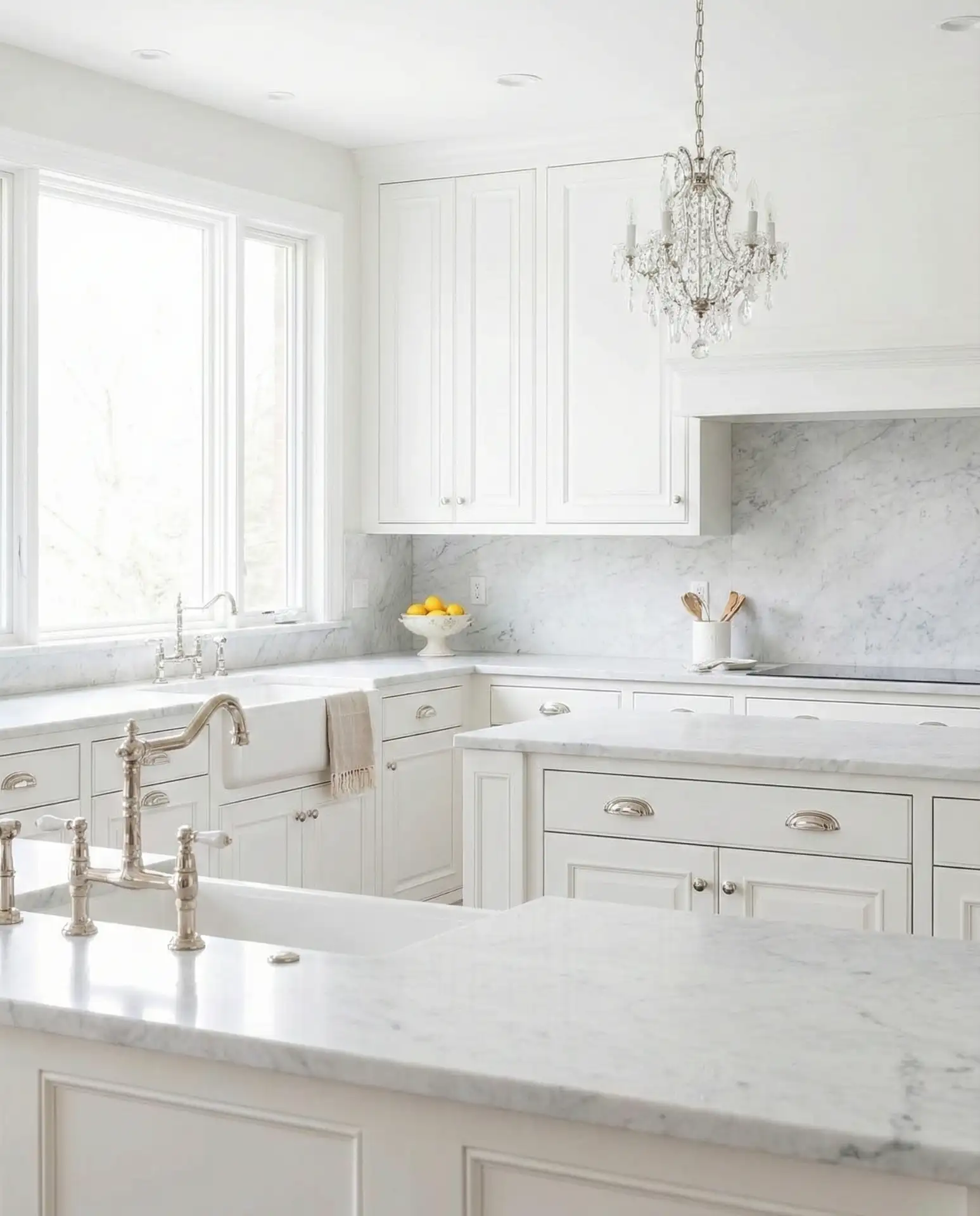
Where it works best: in homes with good natural light, where the blue tones can shift throughout the day from cool morning hues to warmer evening shades. The brass develops a patina over time, adding character and a sense of history that many homeowners find appealing. If you’re installing this look yourself, consider using peel-and-stick backsplash tiles in soft blue tones for a budget-friendly update that still delivers visual impact.
3. White Kitchen with Green Backsplash
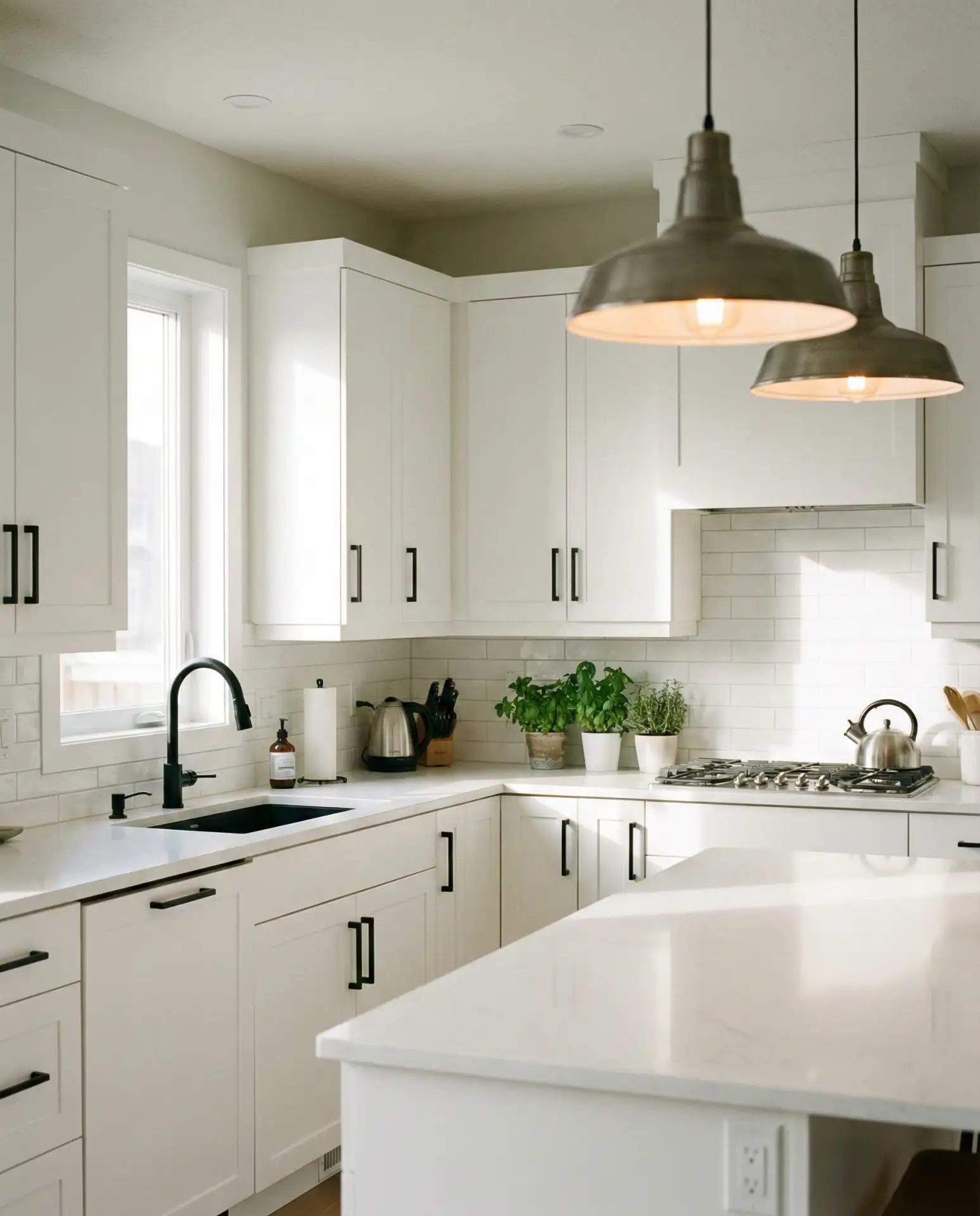
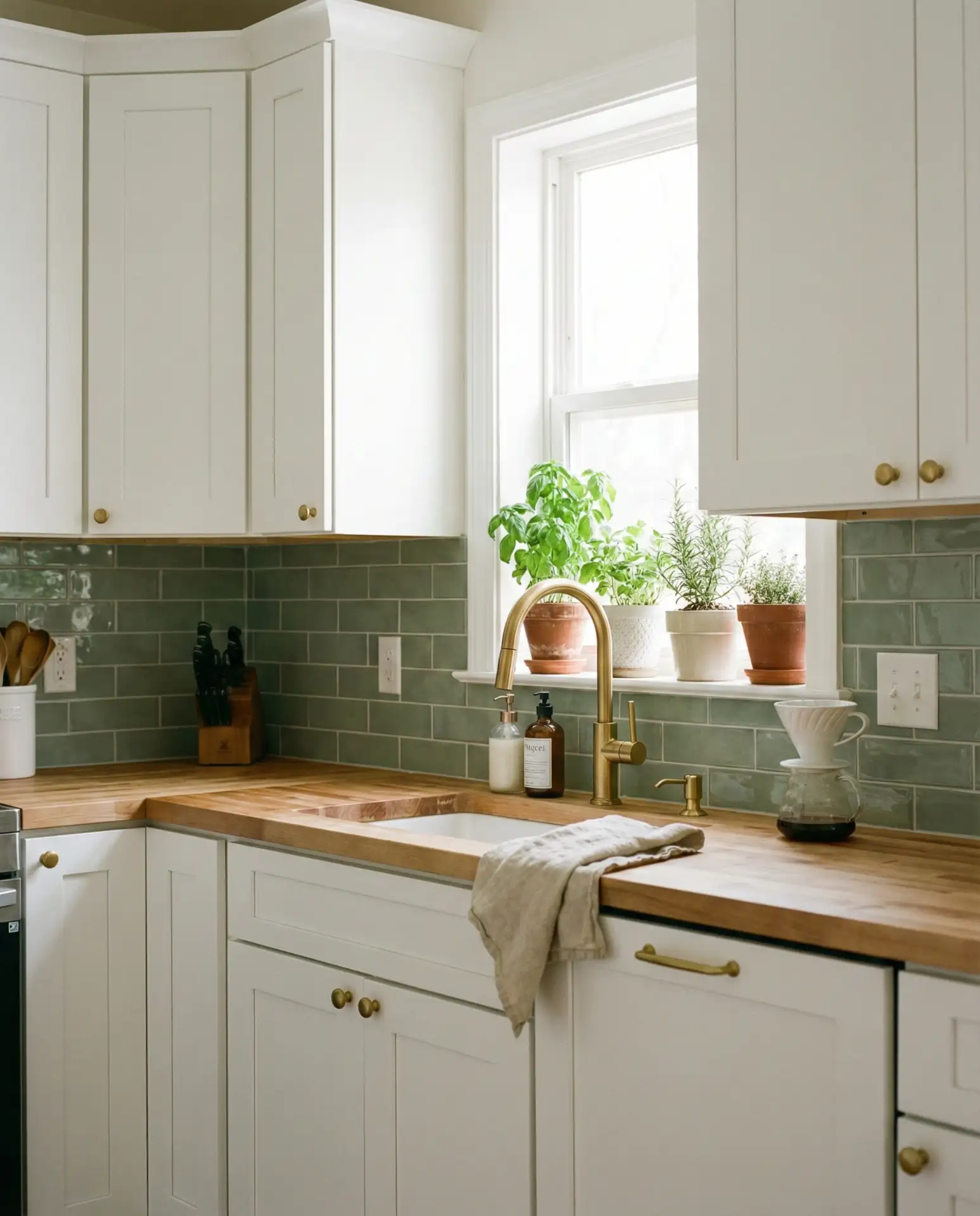
A green backsplash brings unexpected life to an all-white kitchen, introducing a botanical quality that feels both modern and timeless. Whether you choose glossy emerald subway tiles, sage green zellige, or a softer mint ceramic, the green acts as a grounding element that connects the kitchen to the outdoors. This trend has taken off in urban environments where homeowners crave a touch of nature, and it pairs beautifully with white cabinets and natural wood and stone accents. The key is selecting a green that complements your home’s natural light—cooler greens in south-facing kitchens, warmer tones in spaces with indirect light.
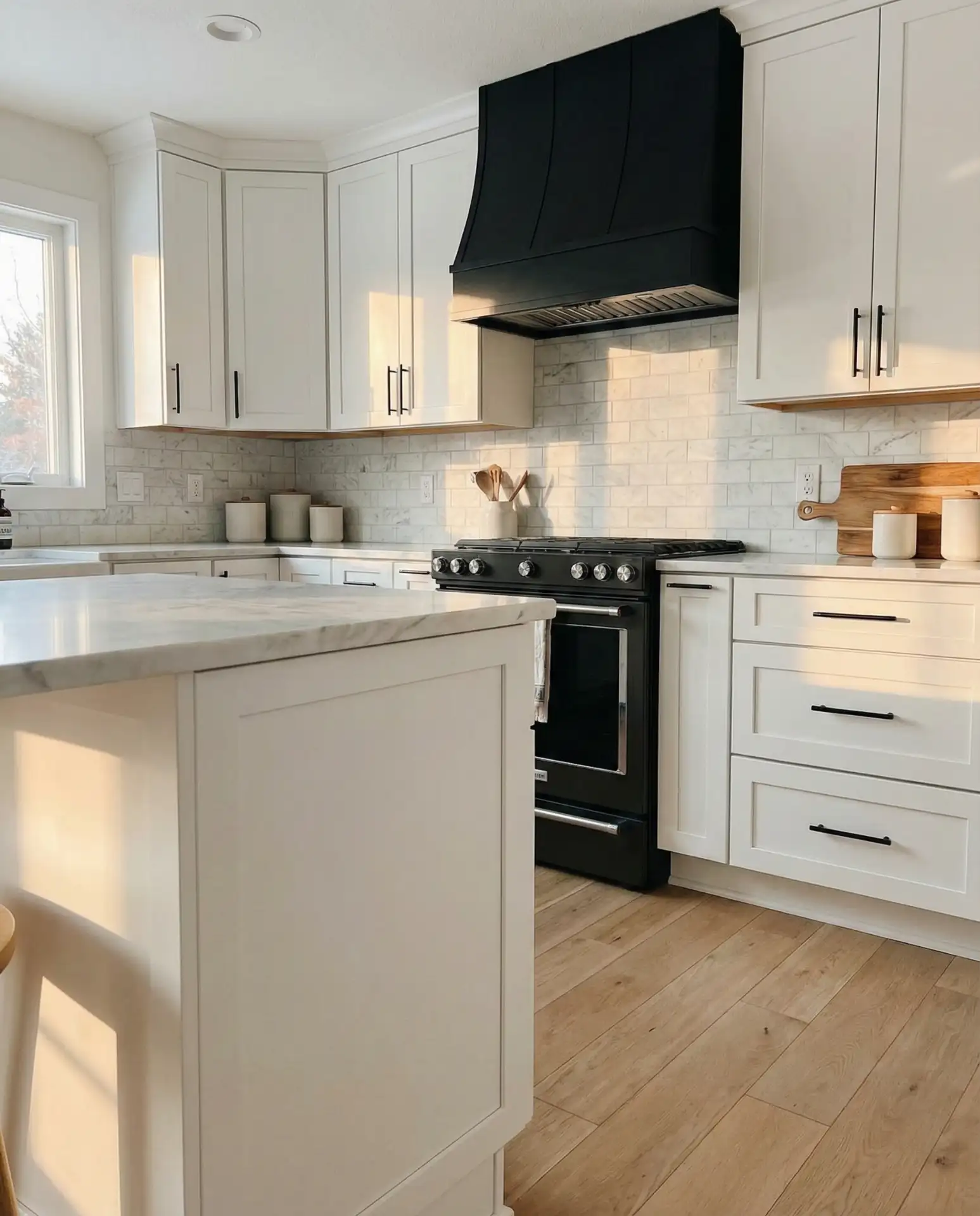
A designer I spoke with recently mentioned that her clients in Portland and Seattle are particularly drawn to this palette, as it mirrors the lush, evergreen landscape outside their windows. The green backsplash adds depth without overwhelming the space, and it’s forgiving when it comes to splatters and stains. For those on a tighter budget, peel-and-stick green tiles run about $3–$5 per square foot and can be installed in an afternoon, making this one of the more accessible ways to refresh a white kitchen.
4. Classic White Kitchen with Marble Everything
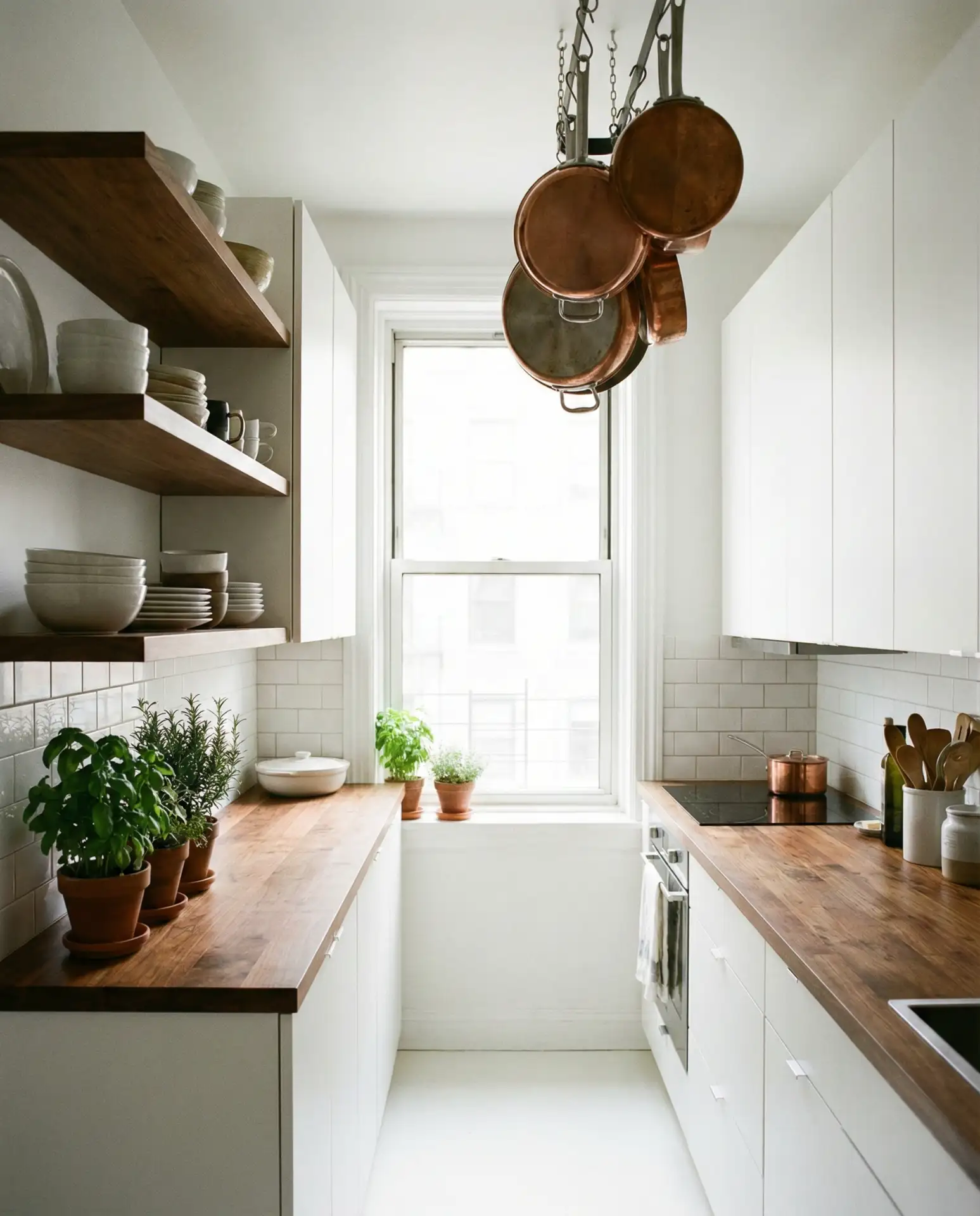
The classic white kitchen reaches its most luxurious expression when marble takes center stage—on countertops, backsplashes, and even as a full-height accent wall. White marble with soft gray veining creates a sense of continuity and calm, while the natural variation in the stone ensures no two kitchens look exactly alike. This approach remains popular in historic homes and high-end renovations, where the goal is to honor traditional design while incorporating modern conveniences. Pair marble with white cabinets in a simple shaker or raised-panel style, and let the stone do the talking.
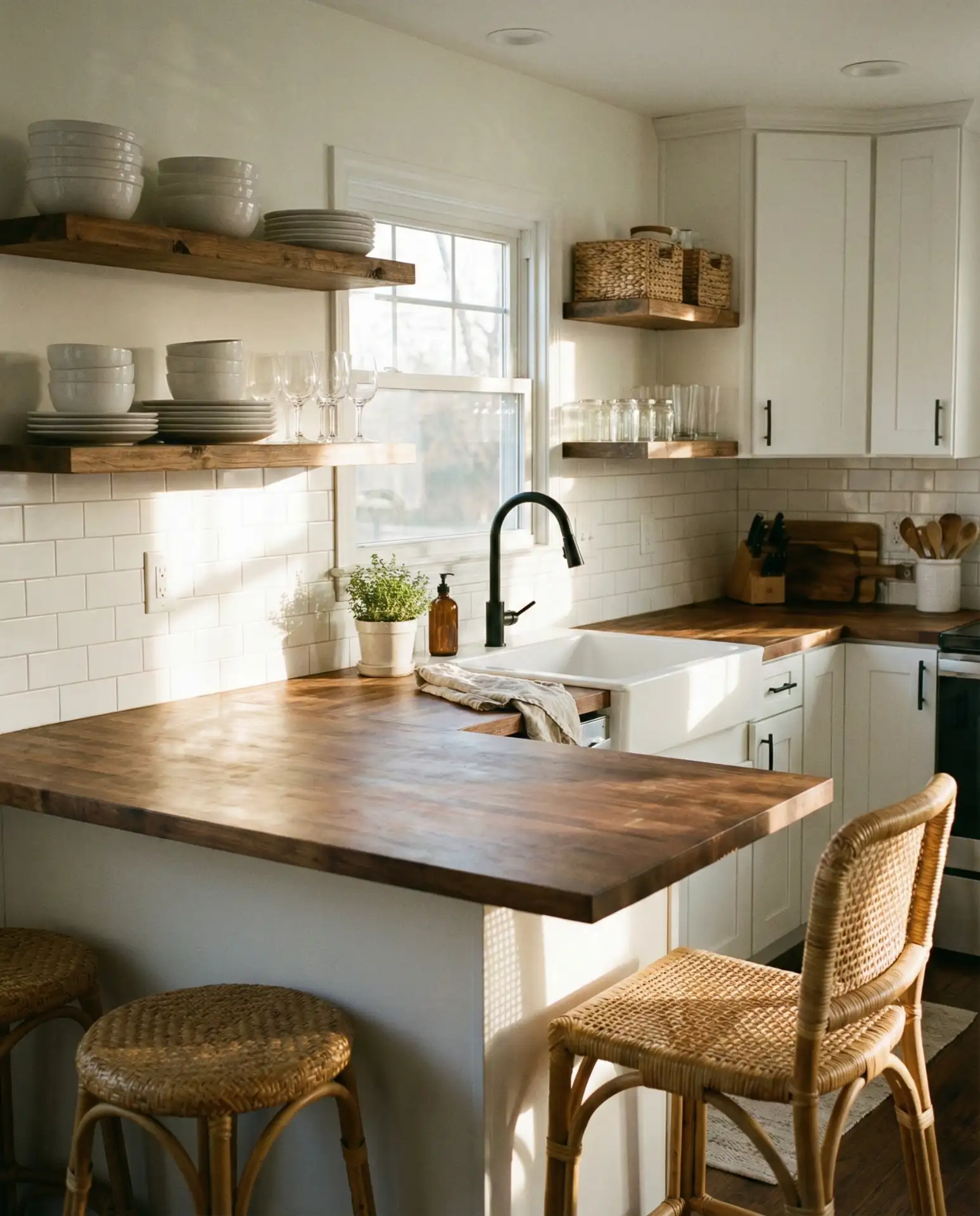
Real homeowner behavior reveals that many people initially worry about marble’s reputation for staining and etching, but those who commit to it rarely regret the decision. They learn to embrace the patina that develops over time, viewing it as part of the kitchen’s story. Sealing marble every six months and wiping up acidic spills immediately can extend its pristine appearance, but even imperfections tend to add character rather than detract from the overall beauty.
5. White Kitchen with Black Hardware and Fixtures
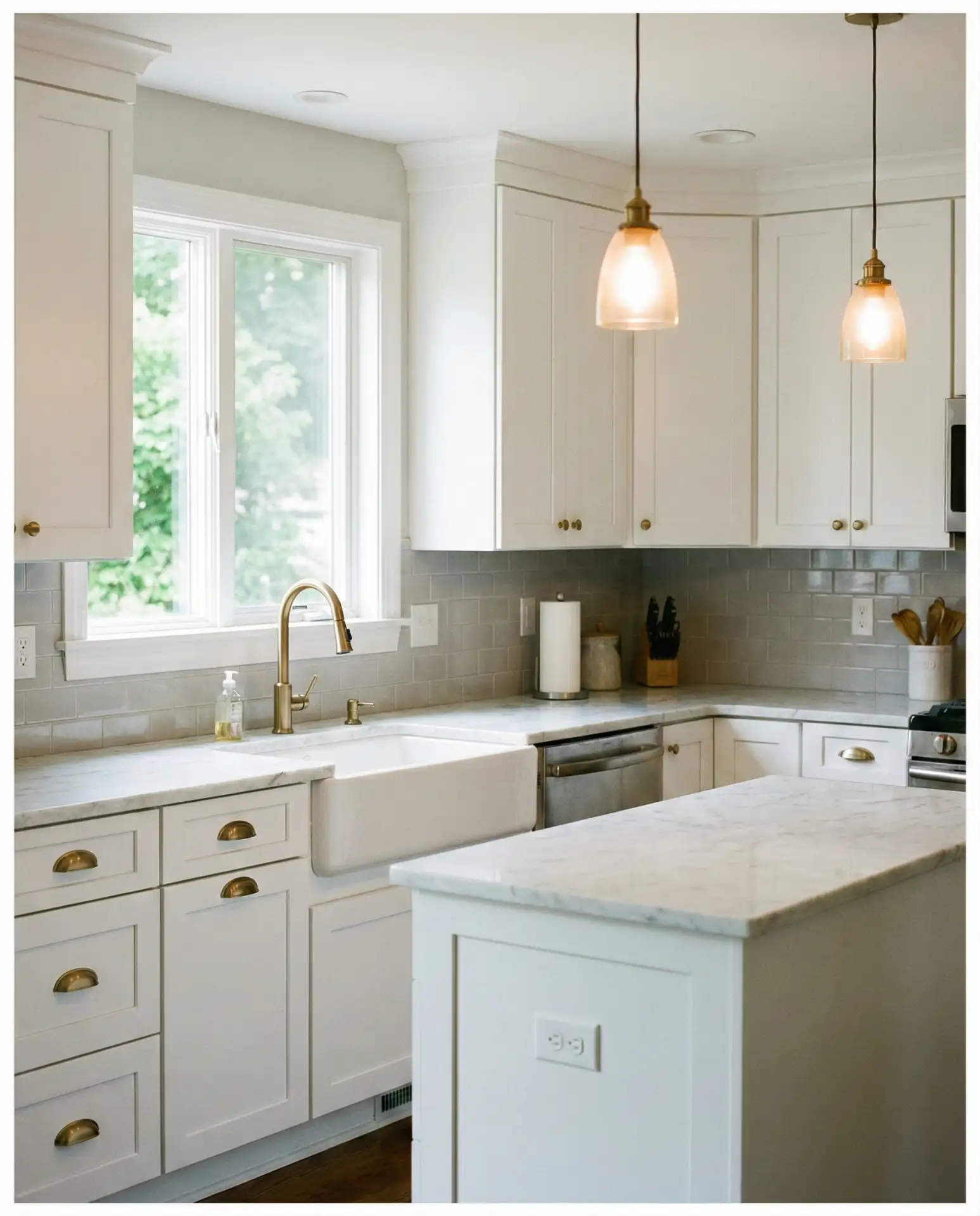
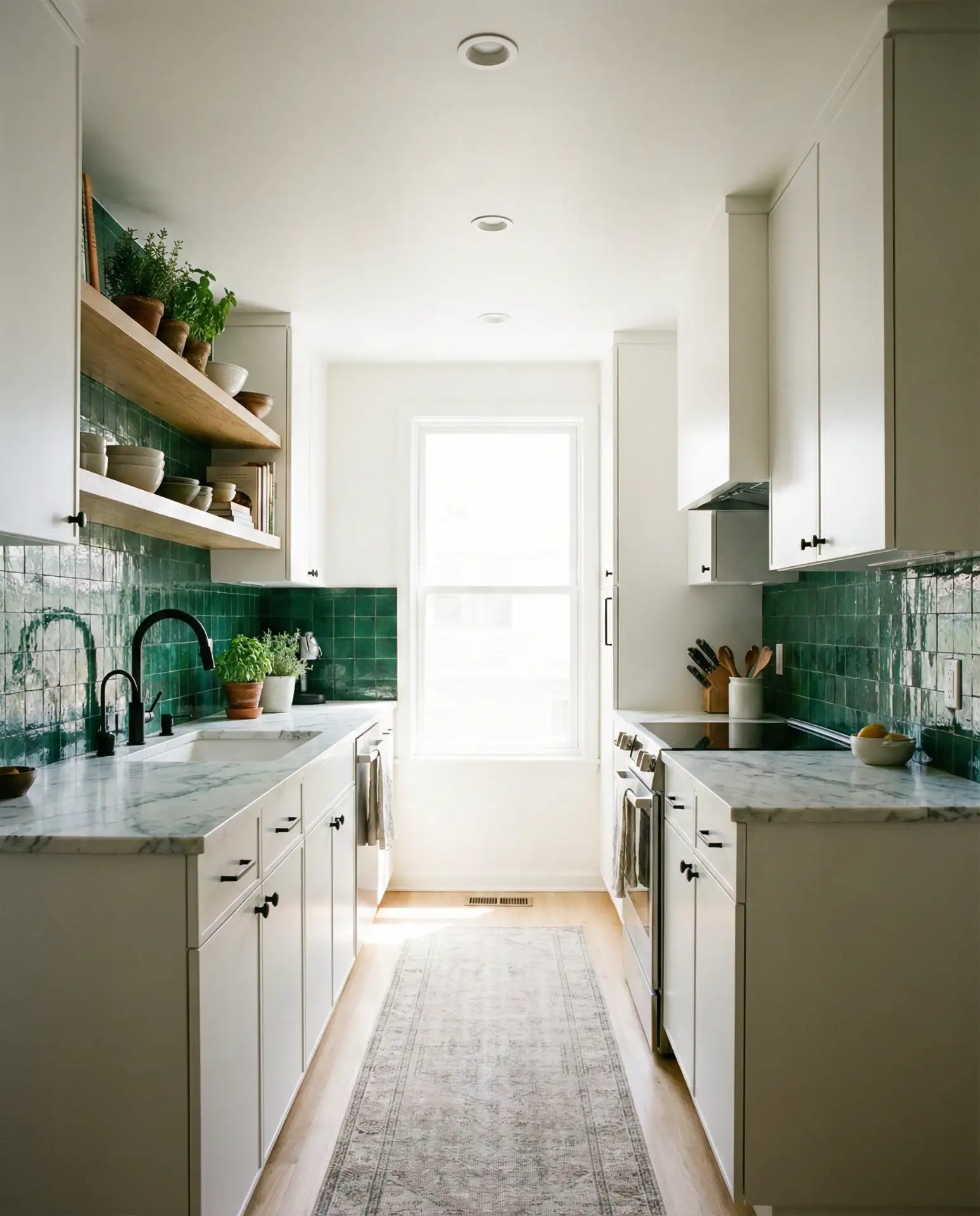
When you introduce black hardware to a white kitchen, you instantly create contrast and definition. Matte black cabinet pulls, knobs, and hinges act like jewelry for your cabinetry, drawing the eye and adding a contemporary edge. This trend gained momentum in the past few years and shows no signs of slowing down in 2026. The look works equally well in minimalist lofts and traditional suburban homes, proving its versatility. Pair black hardware with a black faucet, range, or even a black counter on the island for a cohesive, intentional design.
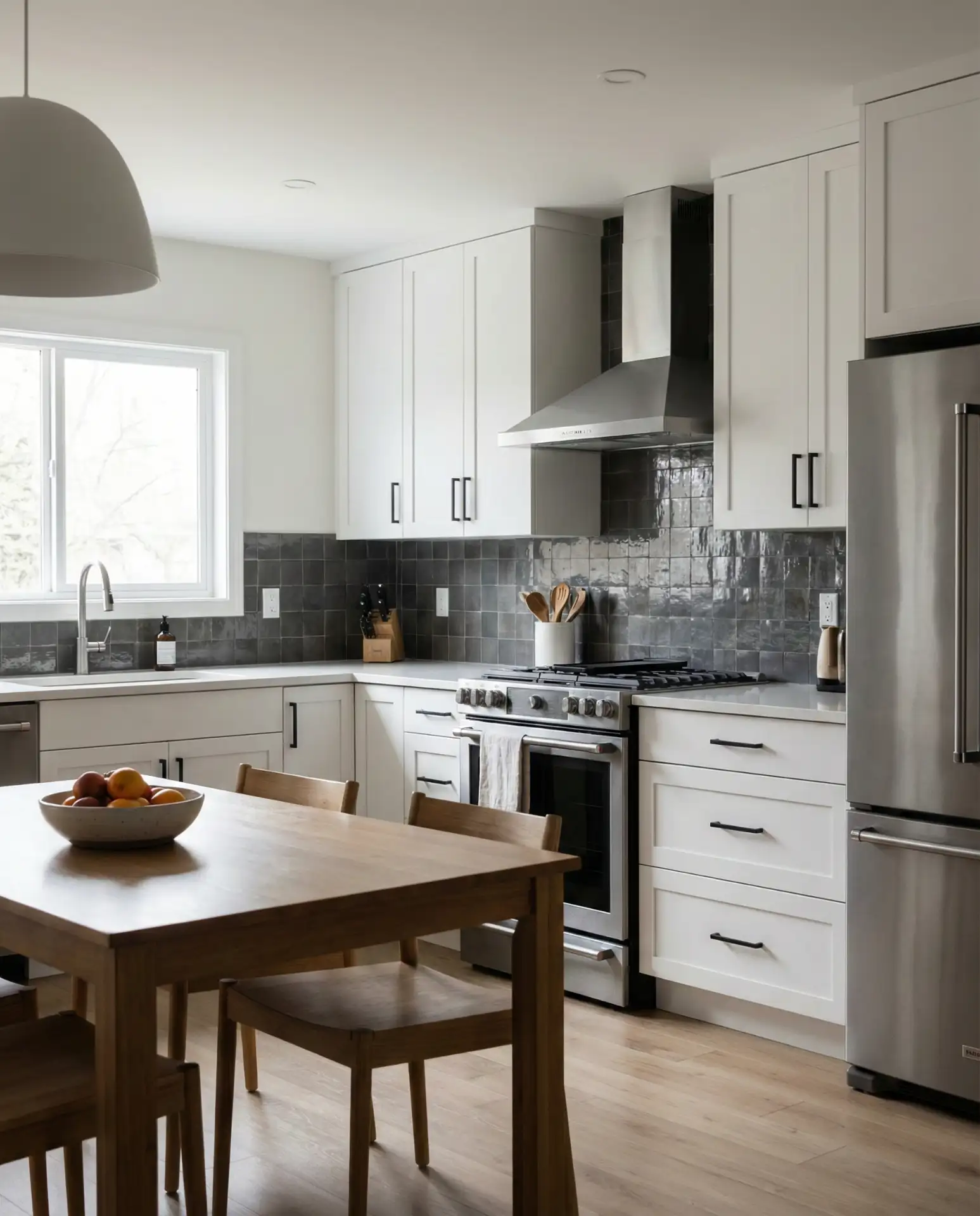
This is one of the most practical updates you can make to a white kitchen, especially if you’re working within a modest budget. Swapping out existing hardware typically costs between $3 and $15 per pull or knob, and the transformation is immediate. Homeowners in cities like Austin, Nashville, and Denver have embraced this look as a way to refresh builder-grade white kitchens without undertaking a full renovation, and the results are consistently striking.
6. White Kitchen with Wood Countertops
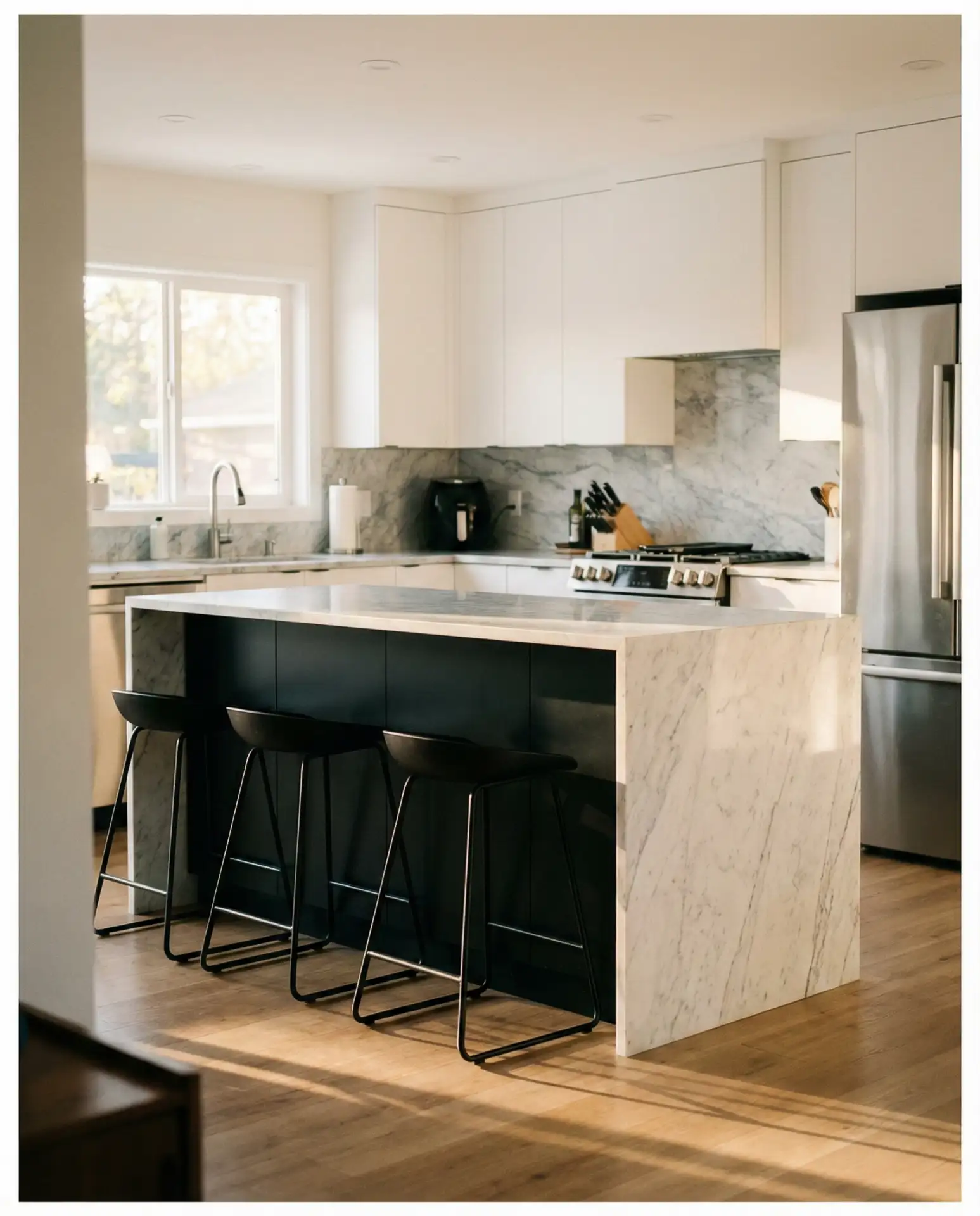
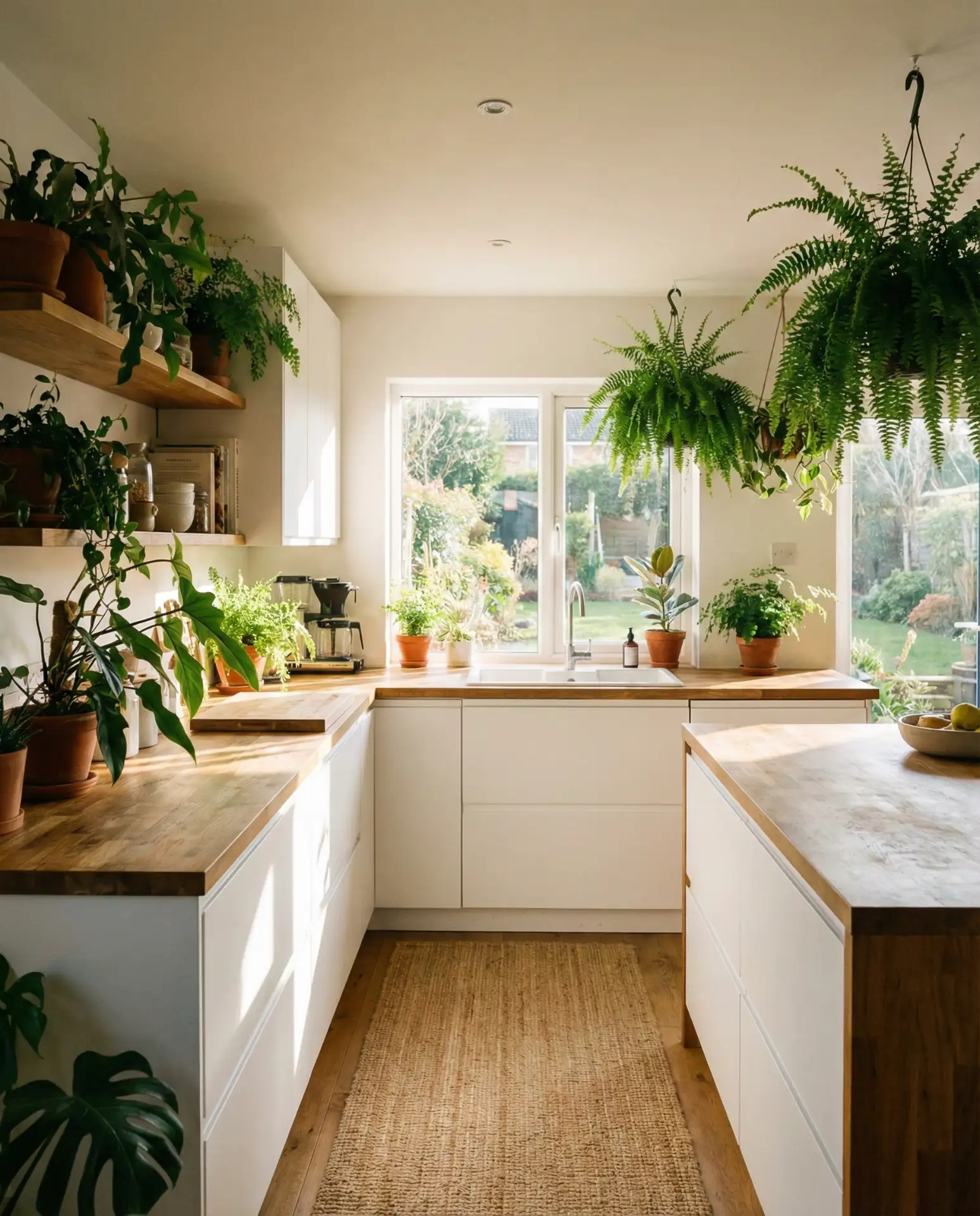
Swapping stone for wood countertops brings warmth and texture to a white kitchen in a way few other materials can match. Butcher block is the most popular choice, offering a workable surface that develops character with every chop and slice. Walnut and maple are common species, each bringing its own color and grain pattern. This combination appeals to home cooks who value function as much as form, and it’s particularly beloved in farmhouse-style and Scandinavian-inspired kitchens. The white cabinets provide a clean backdrop, while the wood counters invite you to actually use the space.
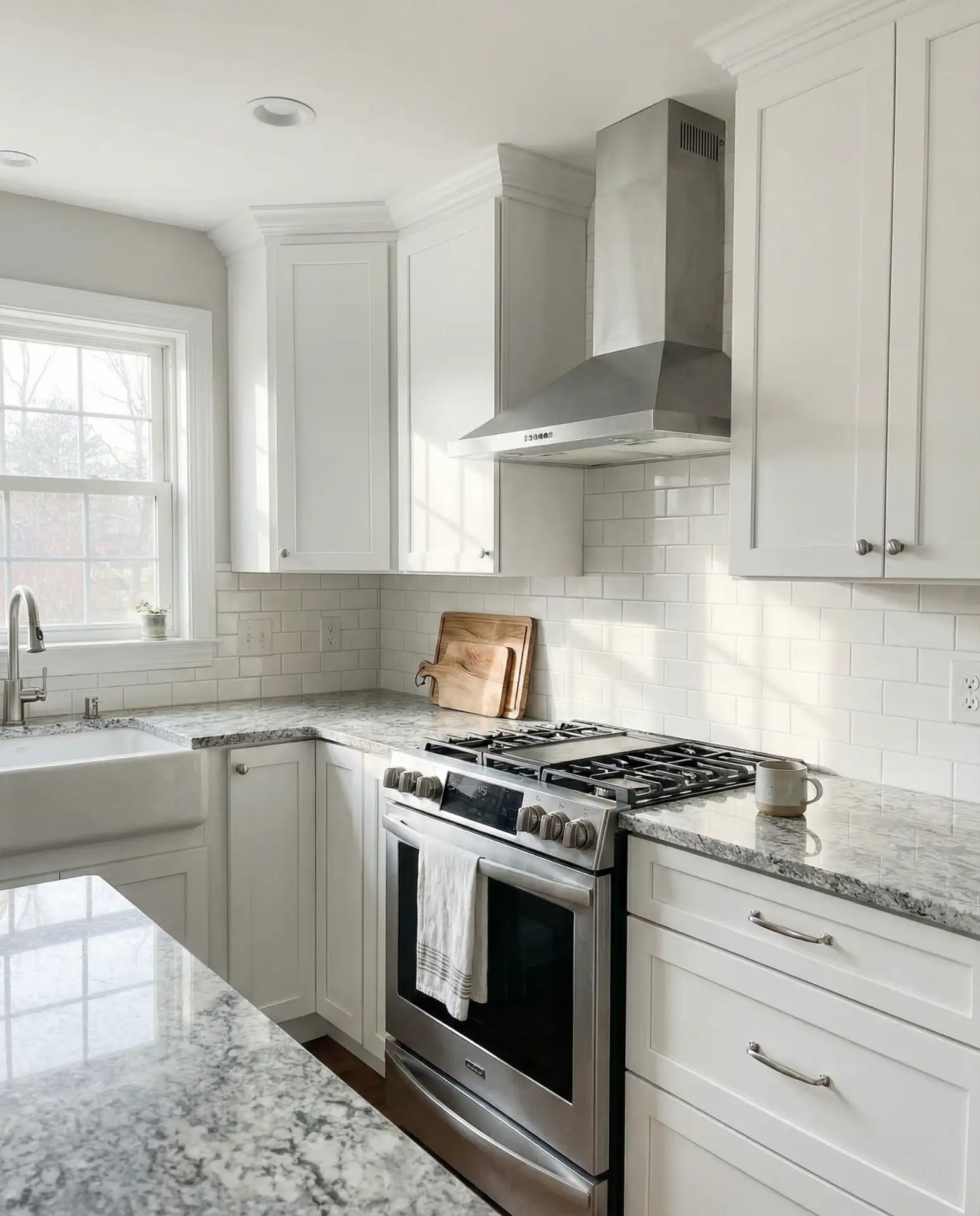
A colleague who recently installed walnut countertops in her Brooklyn kitchen told me she oils them monthly with food-safe mineral oil, a ritual that takes about fifteen minutes and keeps the wood looking rich and protected. She also noted that minor scratches and stains are easy to sand out, making wood more forgiving than she initially expected. It’s a maintenance commitment, but one that many homeowners find deeply satisfying.
7. White Kitchen with Grey Backsplash
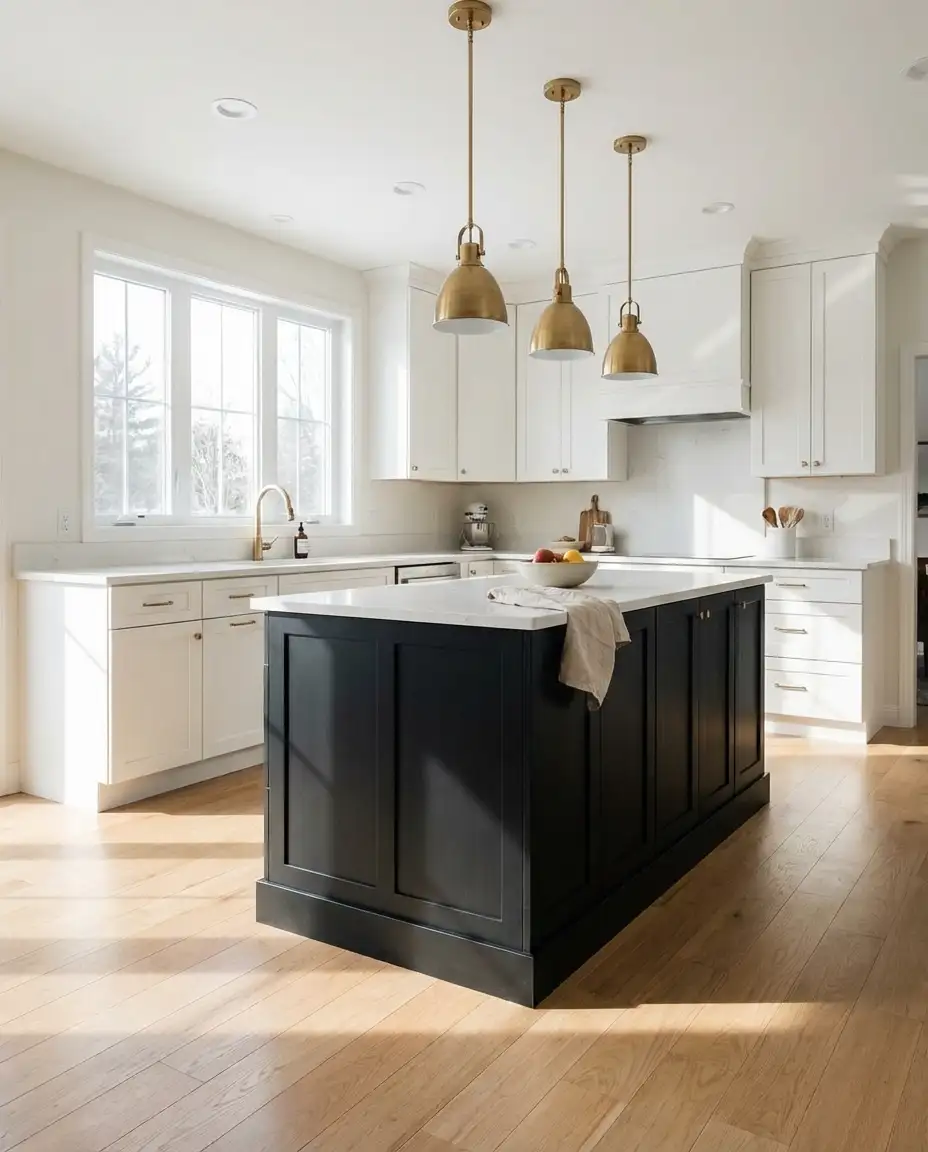
A gray backsplash offers a sophisticated middle ground between stark white and darker accent colors. Shades like dove gray, charcoal, or soft greige add depth without competing with white cabinets. This palette is especially effective in kitchens with limited natural light, where pure white can feel flat and a grey backsplash introduces subtle dimension. It’s also a safe choice for resale, as it appeals to a wide range of tastes. Consider pairing the gray tile with gold hardware or warm wood accents to prevent the space from feeling too cool.
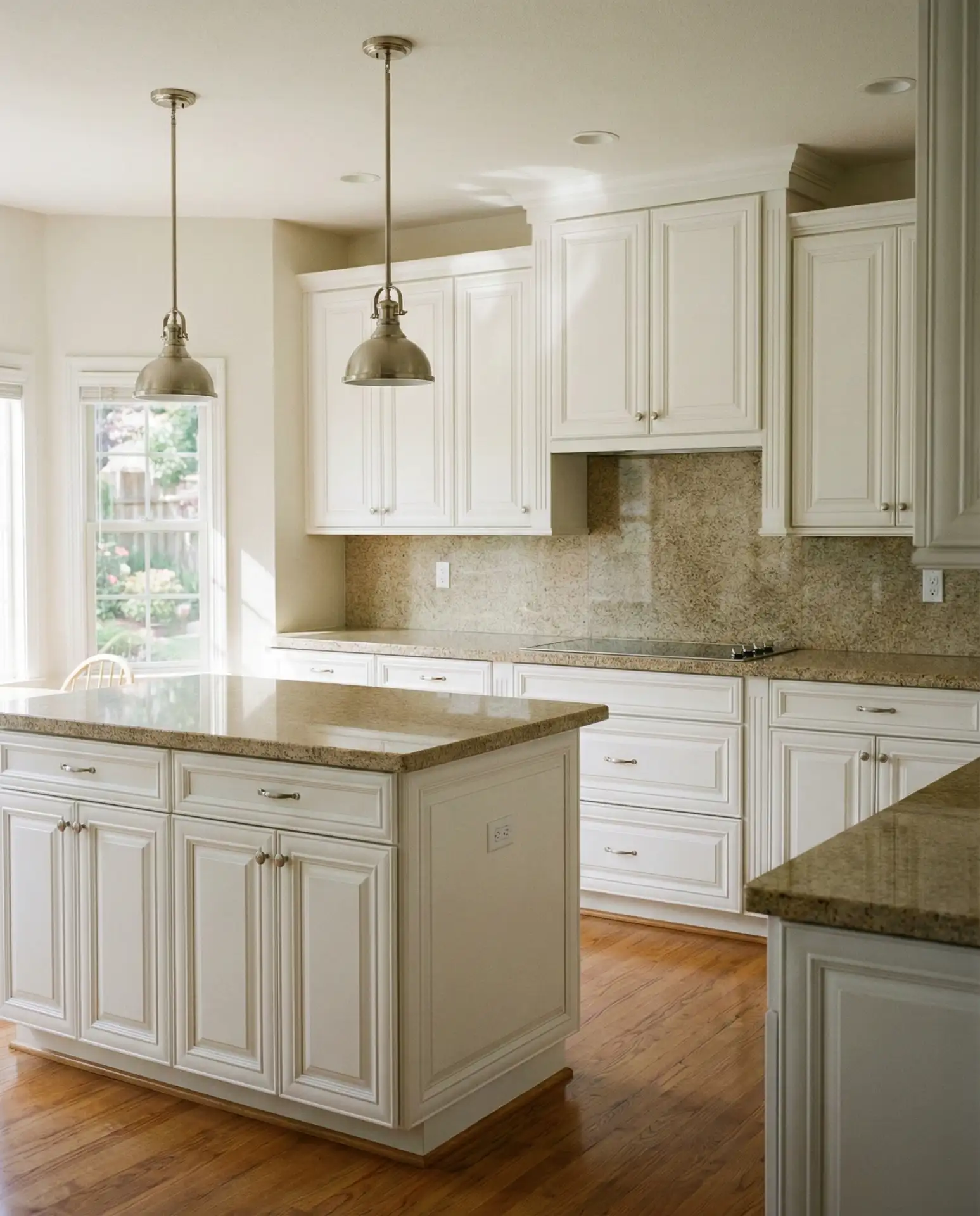
Expert-style commentary: designers often recommend using a gray backsplash to bridge the gap between white cabinetry and darker flooring, creating visual flow throughout the space. The gray acts as a transitional tone that ties disparate elements together, making the kitchen feel cohesive rather than disjointed. This is particularly useful in open-plan homes where the kitchen needs to harmonize with adjacent living areas.
8. White Kitchen with Black Island
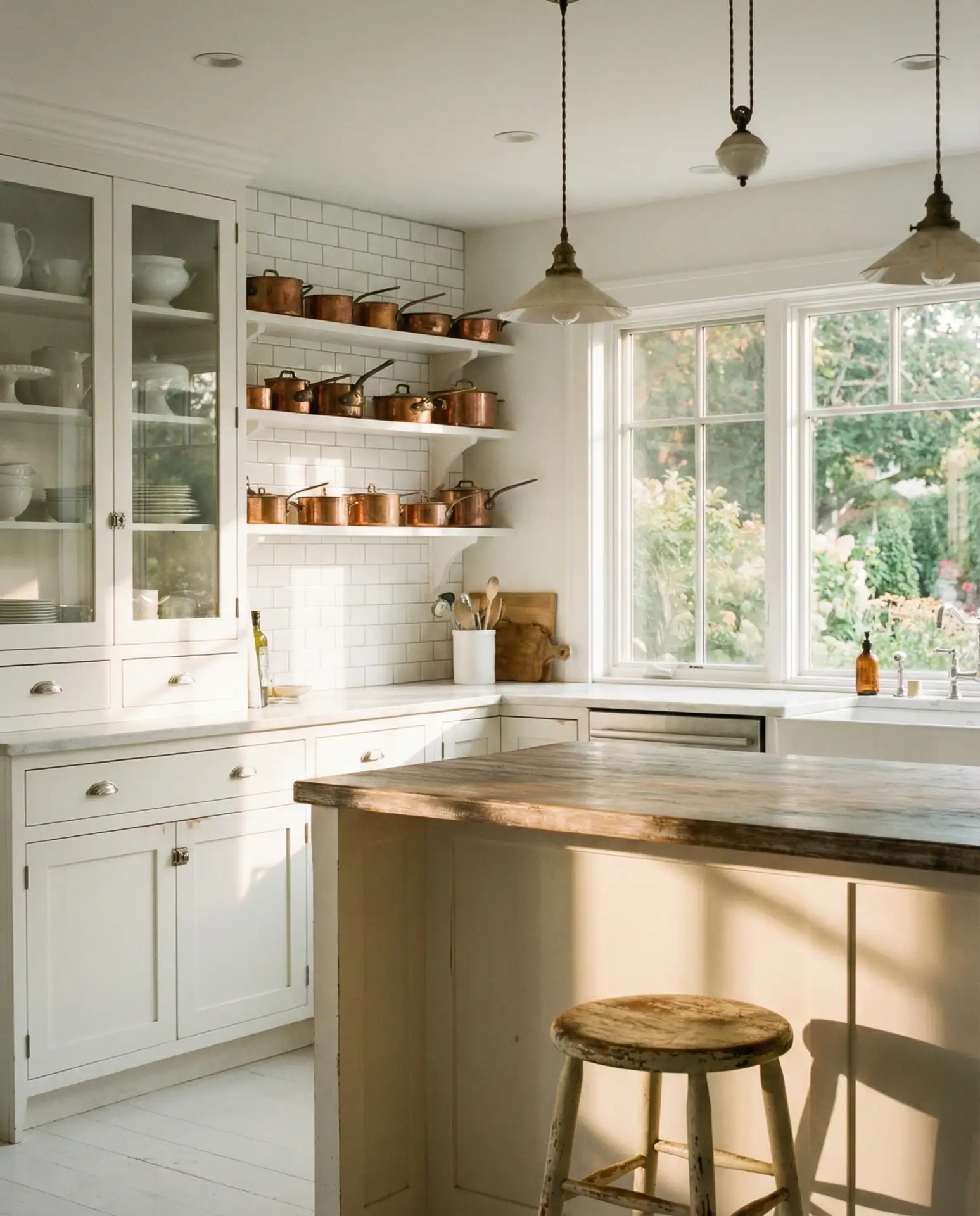
A black island anchors a white kitchen with bold, graphic impact. This high-contrast pairing has become a signature move in contemporary American design, offering the visual weight of a dark focal point while maintaining the brightness of white cabinets along the perimeter. The black island often houses the sink or cooktop, making it both a functional workhorse and a design statement. It’s a look that translates beautifully across various styles, from sleek modern to transitional farmhouse, and it’s particularly effective in large, open kitchens where the island serves as a natural room divider.
Where it works best: in homes with high ceilings and ample square footage, where the black island won’t overwhelm the space. Smaller kitchens can still pull off this look by choosing a black island with open shelving or glass-front cabinets on one side, which reduces visual weight. Many homeowners also add gold accents via hardware or light fixtures to warm up the black-and-white contrast.
9. White Cabinets with Granite Countertops
Granite remains a workhorse material in American kitchens, and when paired with white cabinets, it offers both durability and natural beauty. Cabinets with granite countertops create a balanced composition—the white cabinetry keeps things light and airy, while the granite introduces color, pattern, and a sense of permanence. Popular granite choices include soft grays, warm browns, and even black flecked with gold or silver. This combination is especially common in suburban homes and builder-grade renovations, where granite’s reputation for longevity makes it a practical choice for busy families.
A common mistake when working with granite is choosing a slab that’s too busy or heavily veined, which can compete with other design elements and make the kitchen feel chaotic. Instead, opt for granite with a more subtle pattern that complements your white cabinets without demanding all the attention. Leathered or honed finishes are also worth considering, as they offer a softer, more contemporary look than the traditional polished surface.
10. White Kitchen with Antique Touches
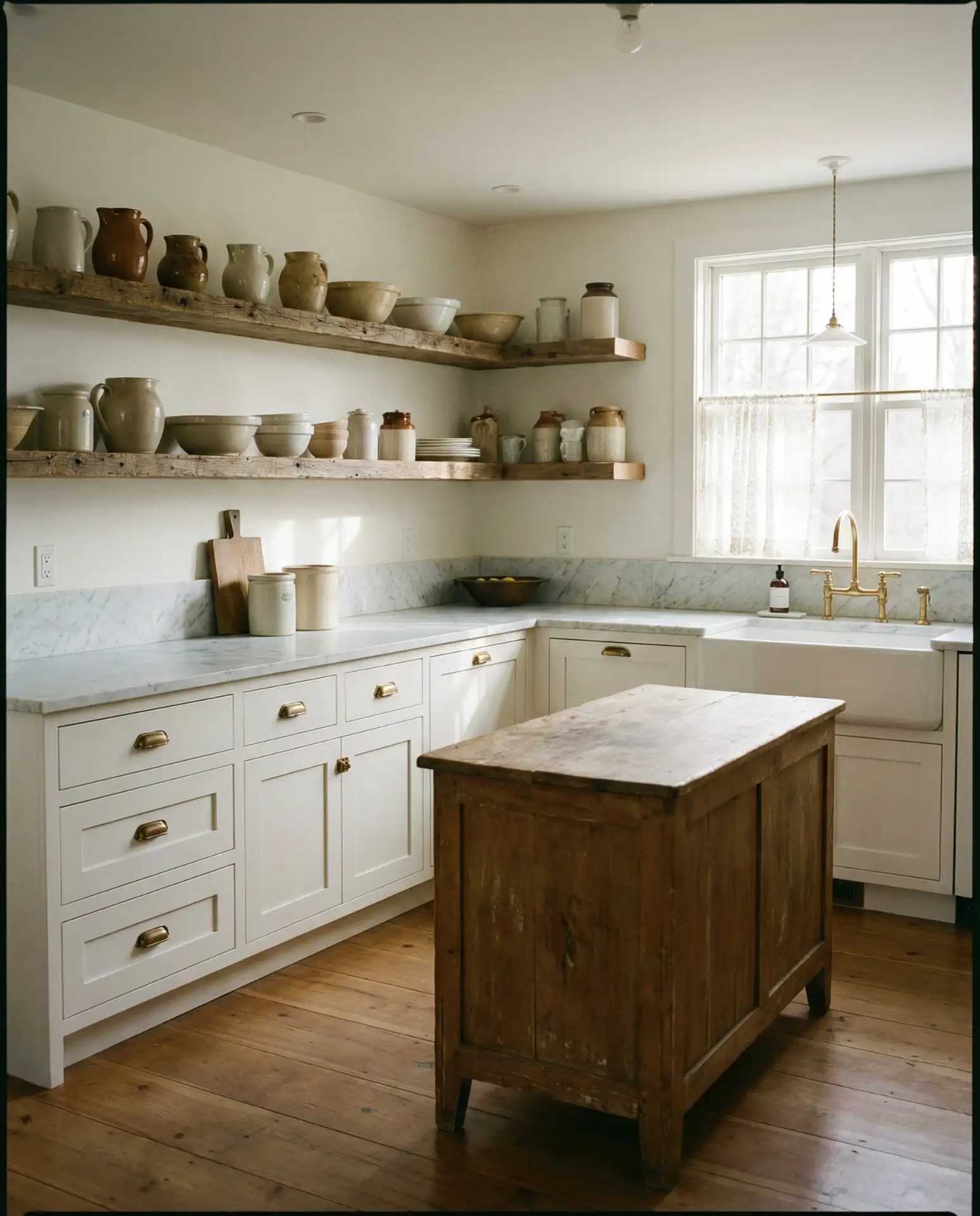
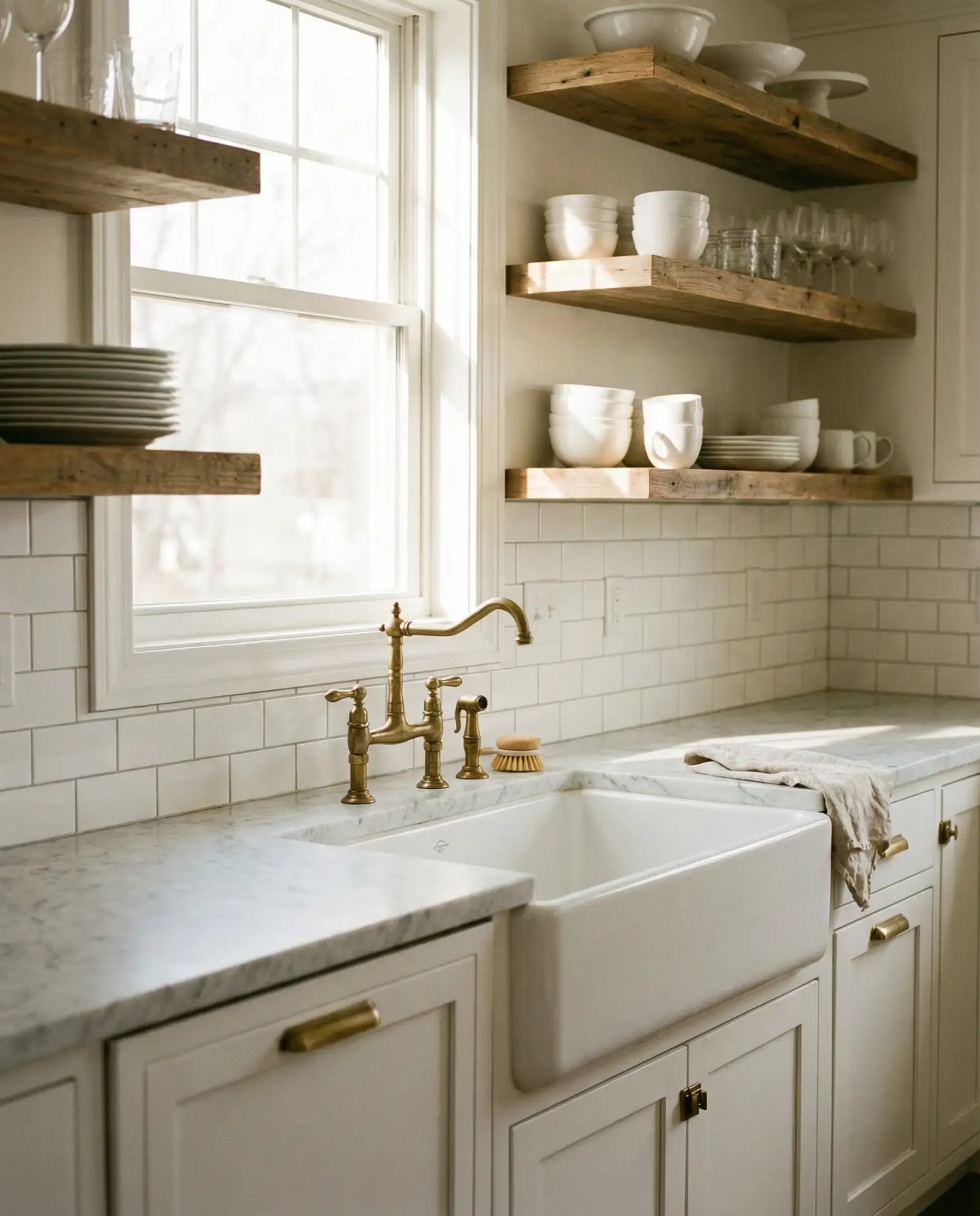
Layering antique elements into a white kitchen adds soul and history, transforming what could be a sterile space into something with genuine character. Think vintage brass faucets, reclaimed wood open shelving, or a weathered farmhouse table serving as an island. The white cabinets provide a neutral canvas that allows these older pieces to shine without overwhelming the room. This approach has become increasingly popular among homeowners who appreciate the sustainability of repurposing materials and the unique patina that only time can create.
A homeowner in Savannah recently told me she sourced her kitchen’s vintage lighting from estate sales and online marketplaces, spending about $200 total for pieces that would have cost thousands new. She said the hunt was half the fun, and the fixtures now serve as conversation starters whenever guests visit. This kind of resourcefulness not only saves money but also ensures your kitchen has details you won’t find anywhere else.
11. White Kitchen with Pink and Brass Details
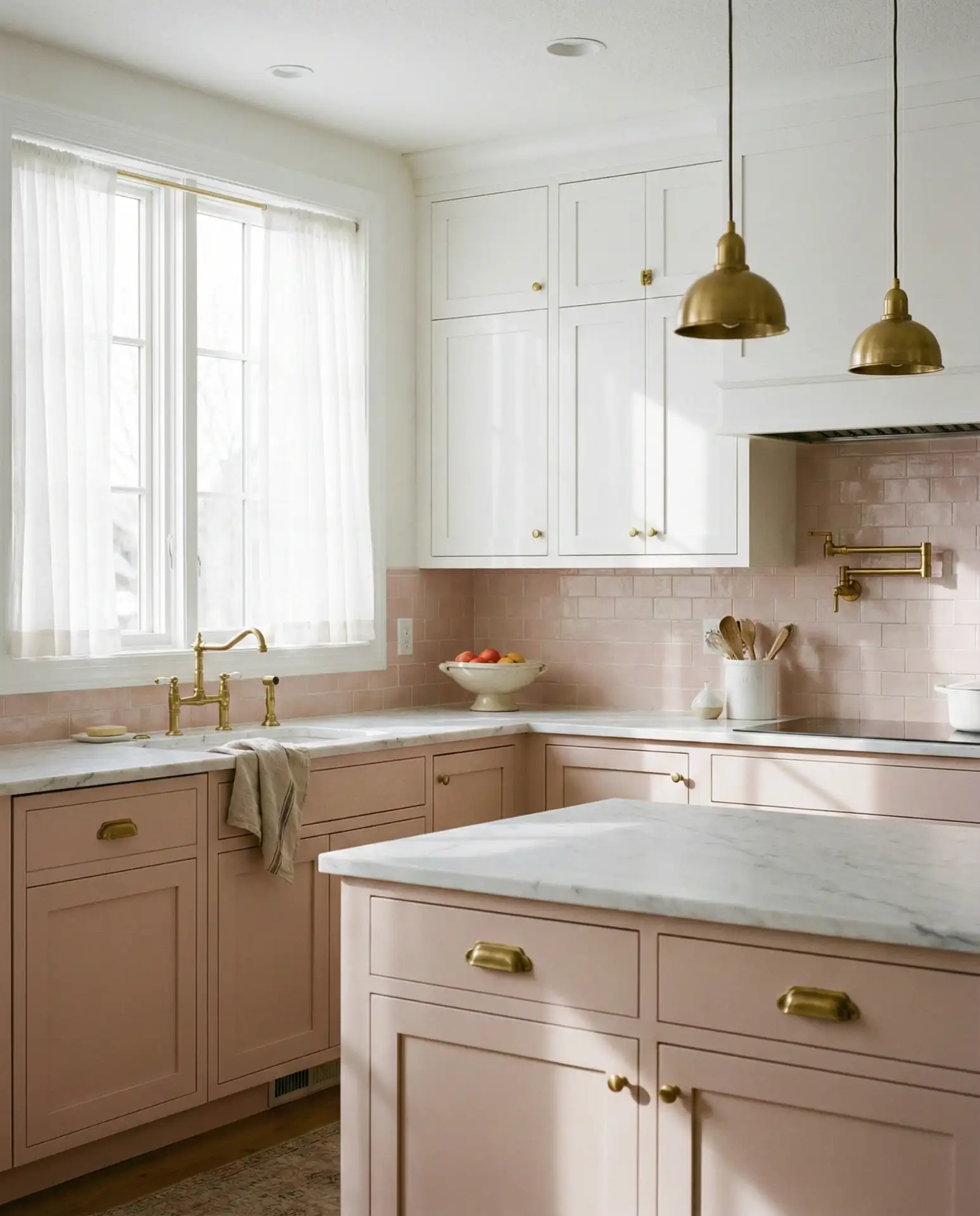
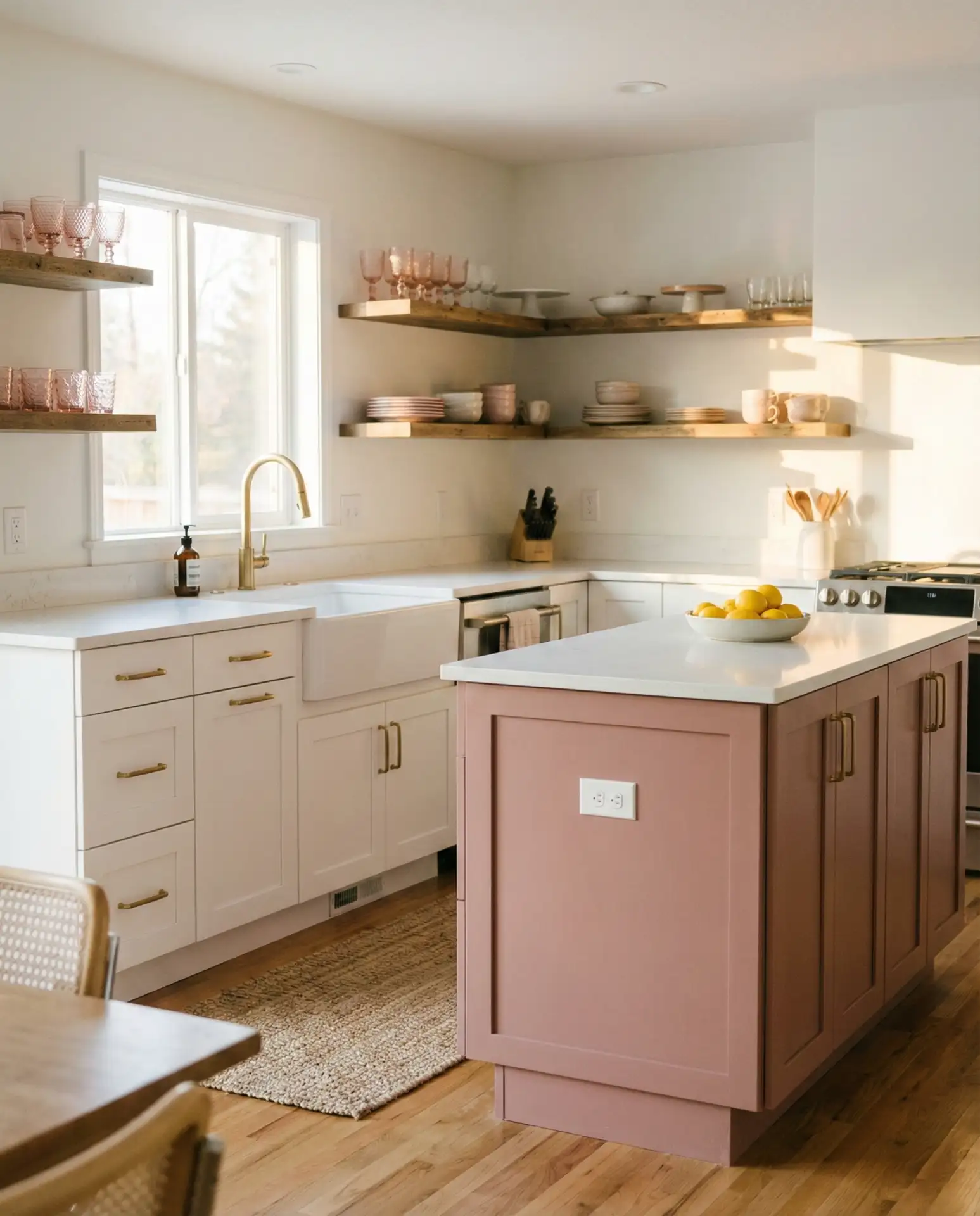
Introducing pink and brass into a white kitchen creates a soft, romantic aesthetic that feels both modern and timeless. Blush pink lower cabinets or a dusty rose tile backsplash paired with gold hardware brings warmth and a subtle sense of playfulness. This palette works beautifully in homes with feminine styling or in spaces where the homeowner wants to break away from predictable neutrals. The white keeps the overall look from veering too sweet, grounding the pink tones with crisp, clean contrast.
Where it works best: in kitchens with good natural light, where the pink tones can shift beautifully throughout the day. This look has gained traction in cities like Charleston, Portland, and Los Angeles, where homeowners embrace color in unexpected ways. If you’re hesitant to commit to pink cabinetry, start with accessories—pink dish towels, a vintage pink mixer, or blush-toned bar stools—to test the waters before making a permanent change.
12. White Kitchen with Beige and Warm Tones
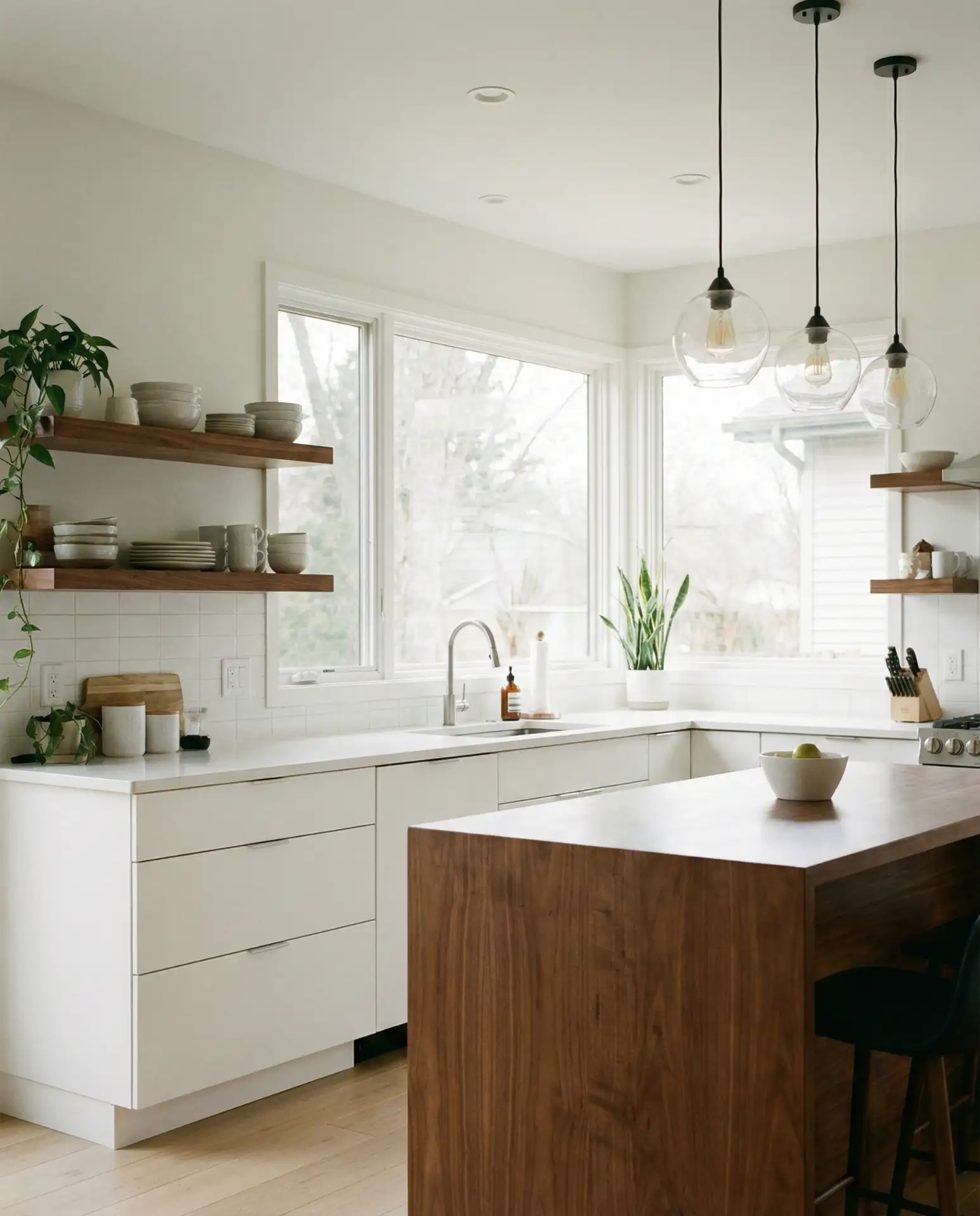
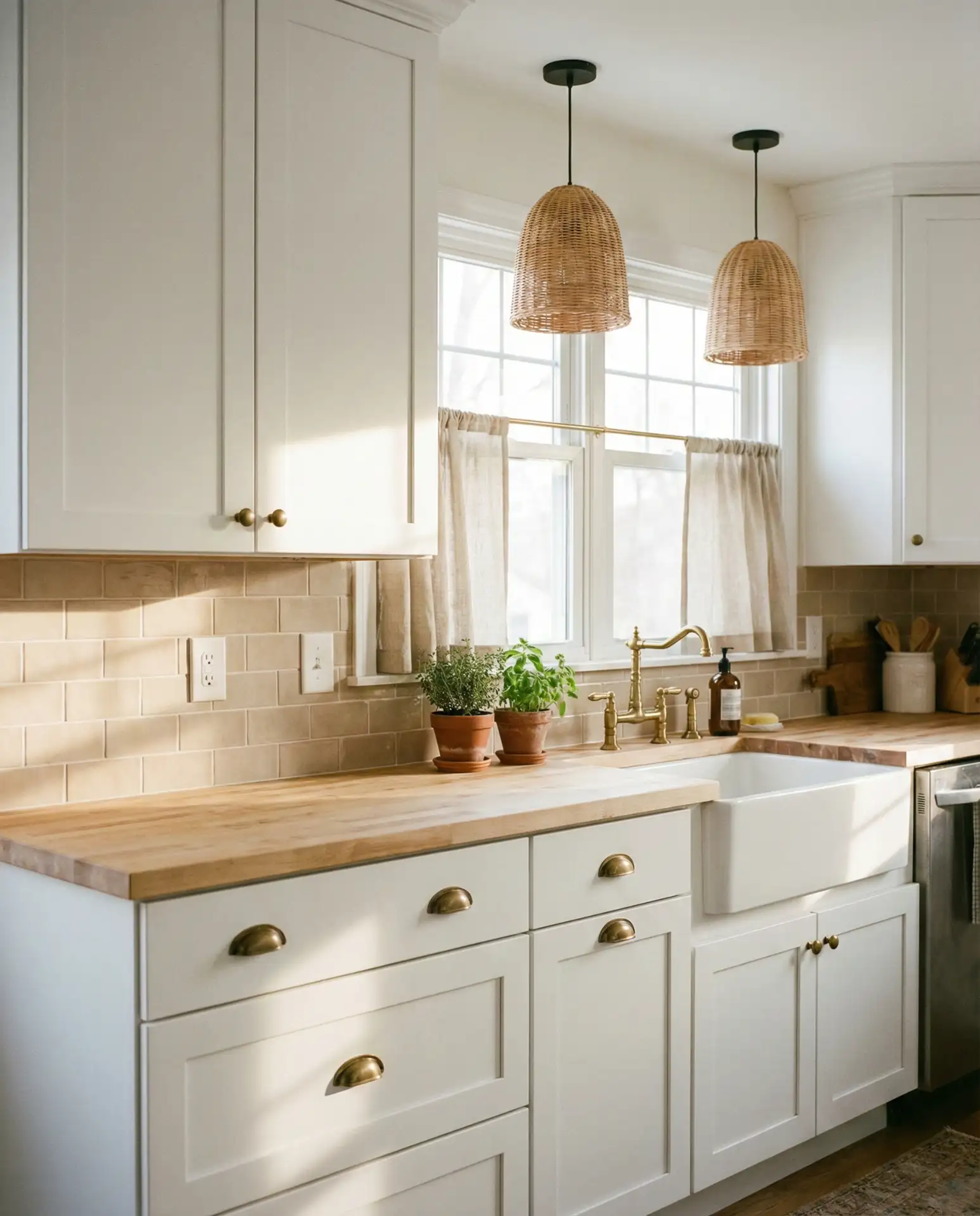
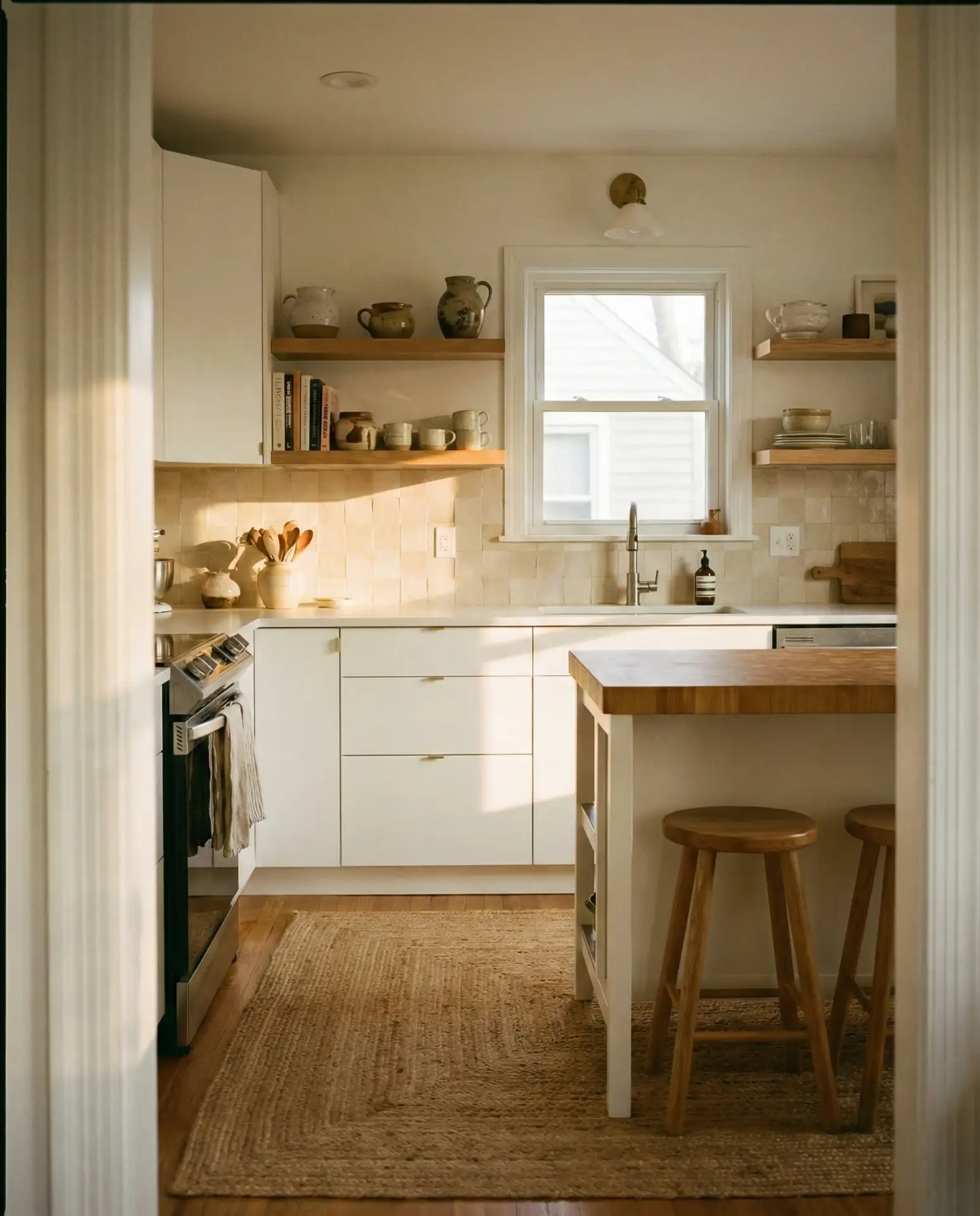
The combination of white and beige and warm earth tones creates a kitchen that feels cozy and inviting rather than stark or clinical. Creamy beige backsplashes, light wood floors, and natural linen textiles soften the brightness of white cabinets, resulting in a space that’s easy on the eyes and calming to inhabit. This palette has become a favorite among homeowners seeking a more organic, lived-in aesthetic, and it pairs beautifully with gold accents and natural materials like rattan or jute.
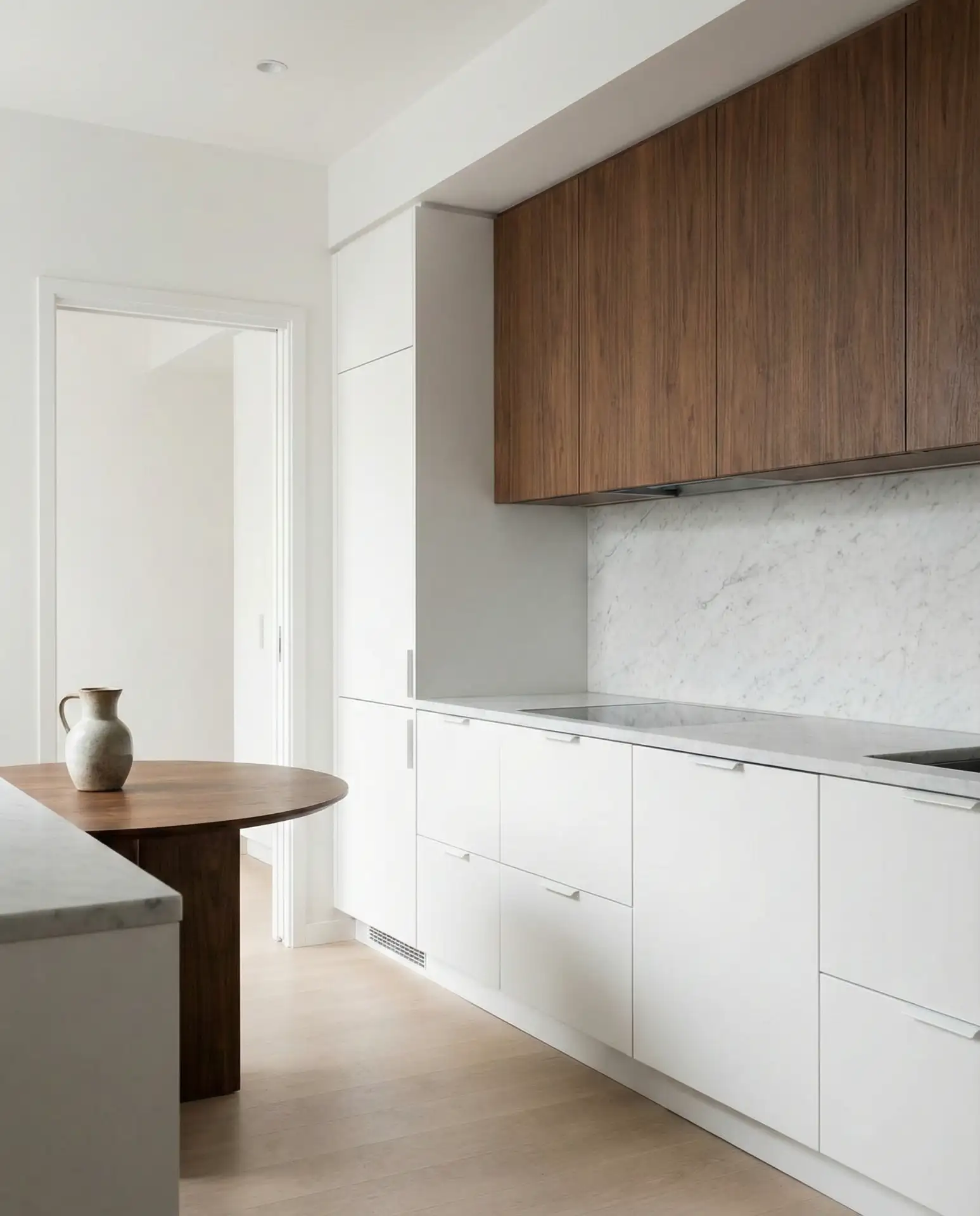
Practical insight: this color scheme is particularly forgiving when it comes to showing dirt and wear, making it ideal for families with young children or for anyone who uses their kitchen heavily. The warm tones camouflage minor stains and scuffs better than stark white or high-contrast palettes, which means less constant maintenance and more time actually enjoying your space.
13. White Kitchen with Red Accents
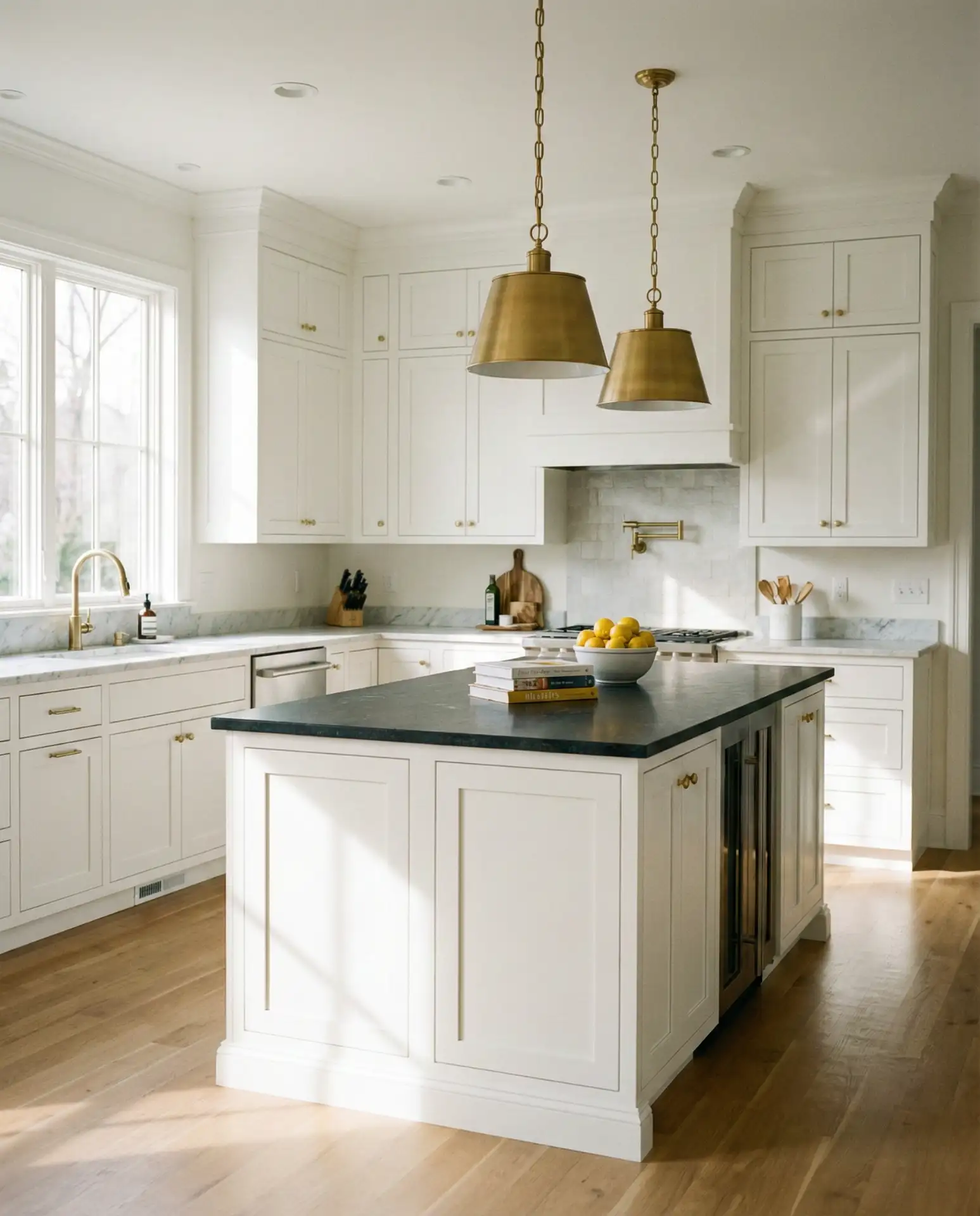
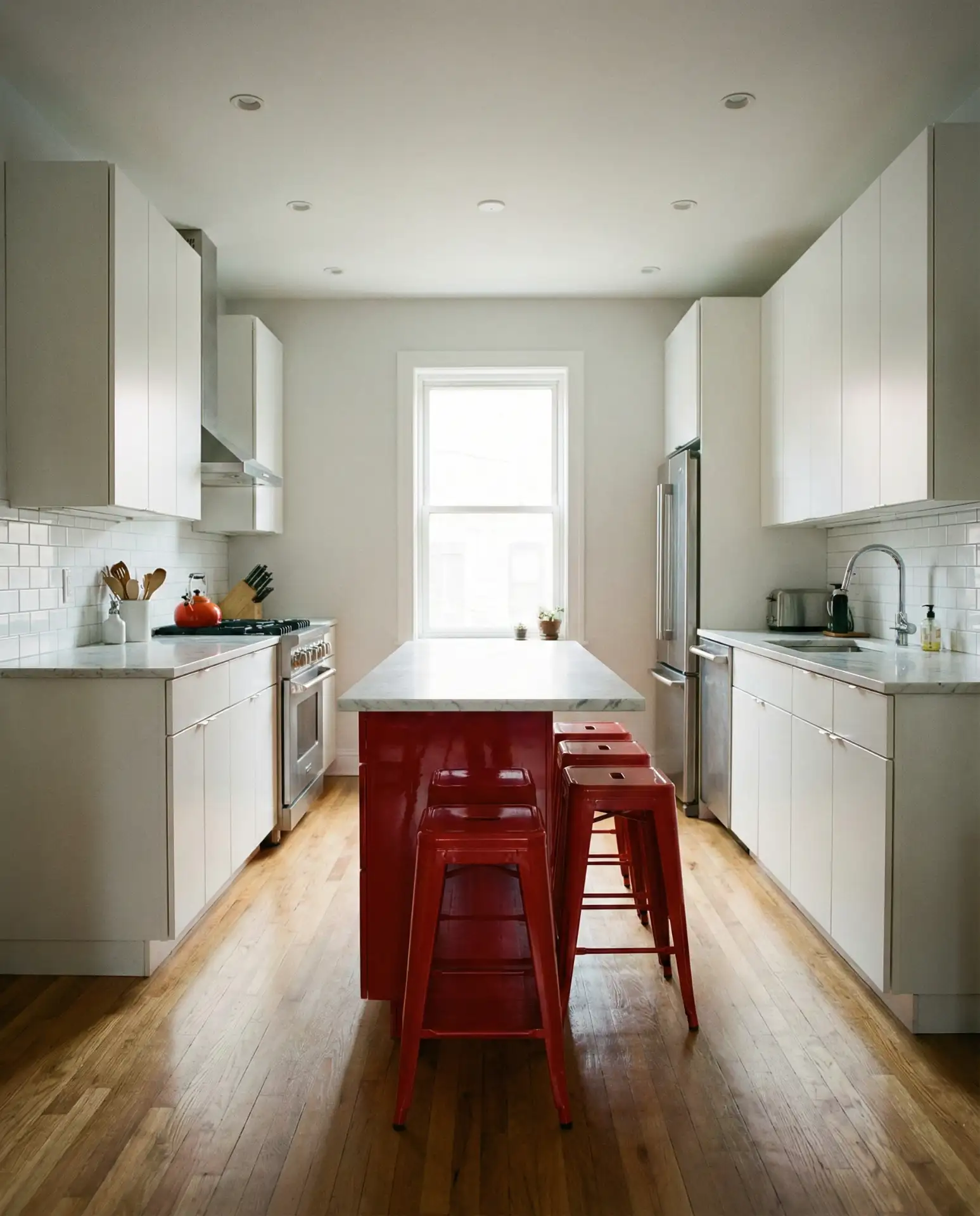
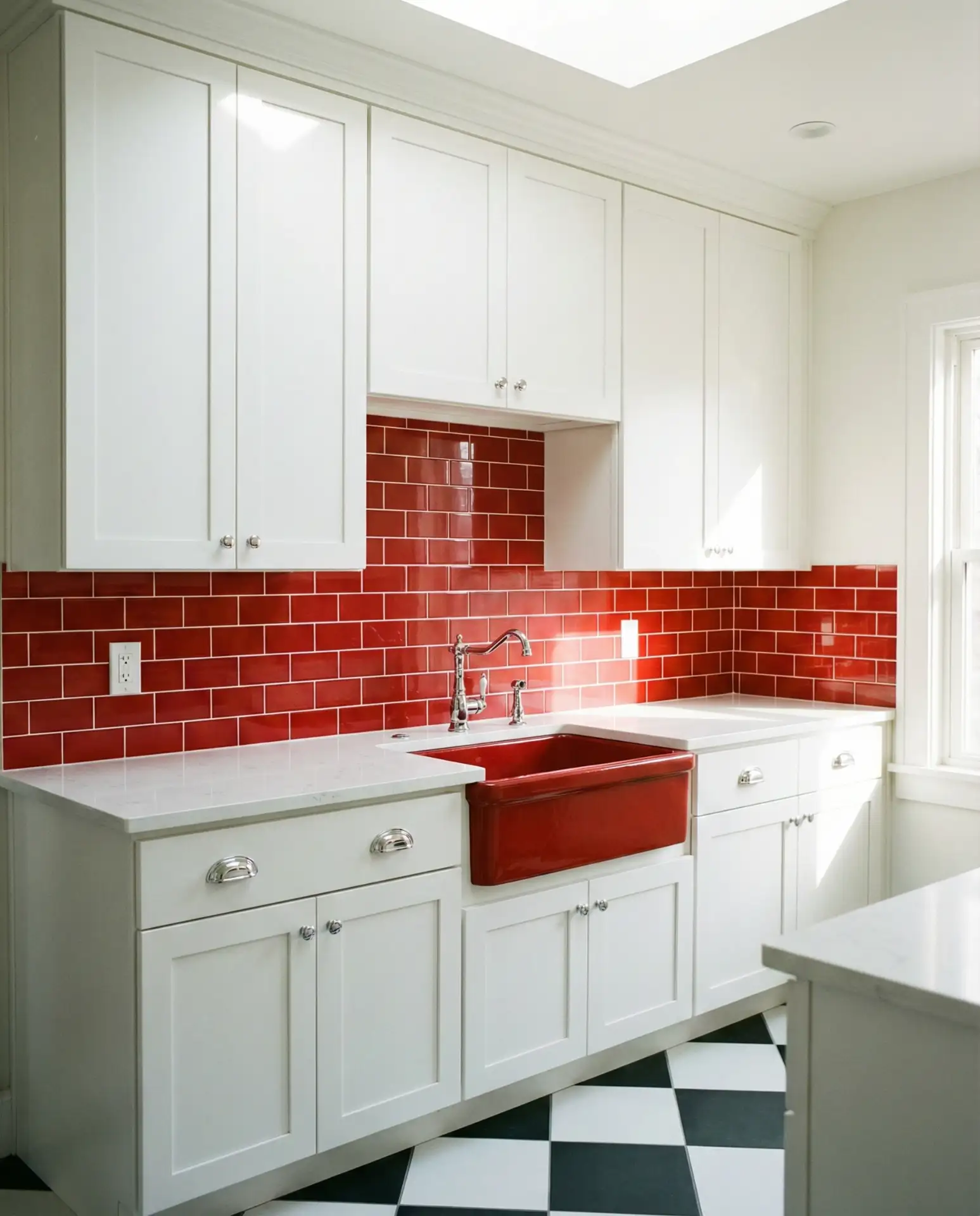
Bold red and white kitchens evoke a retro diner aesthetic, but when executed with restraint, the combination feels fresh and energetic rather than kitschy. A red sink, red bar stools, or even a red vintage range can serve as the kitchen’s hero piece, drawing the eye and injecting personality. The white cabinets keep the overall look clean and allow the red elements to pop without overwhelming the senses. This approach works particularly well in small urban kitchens or in homes where the owners want to make a spirited design statement.
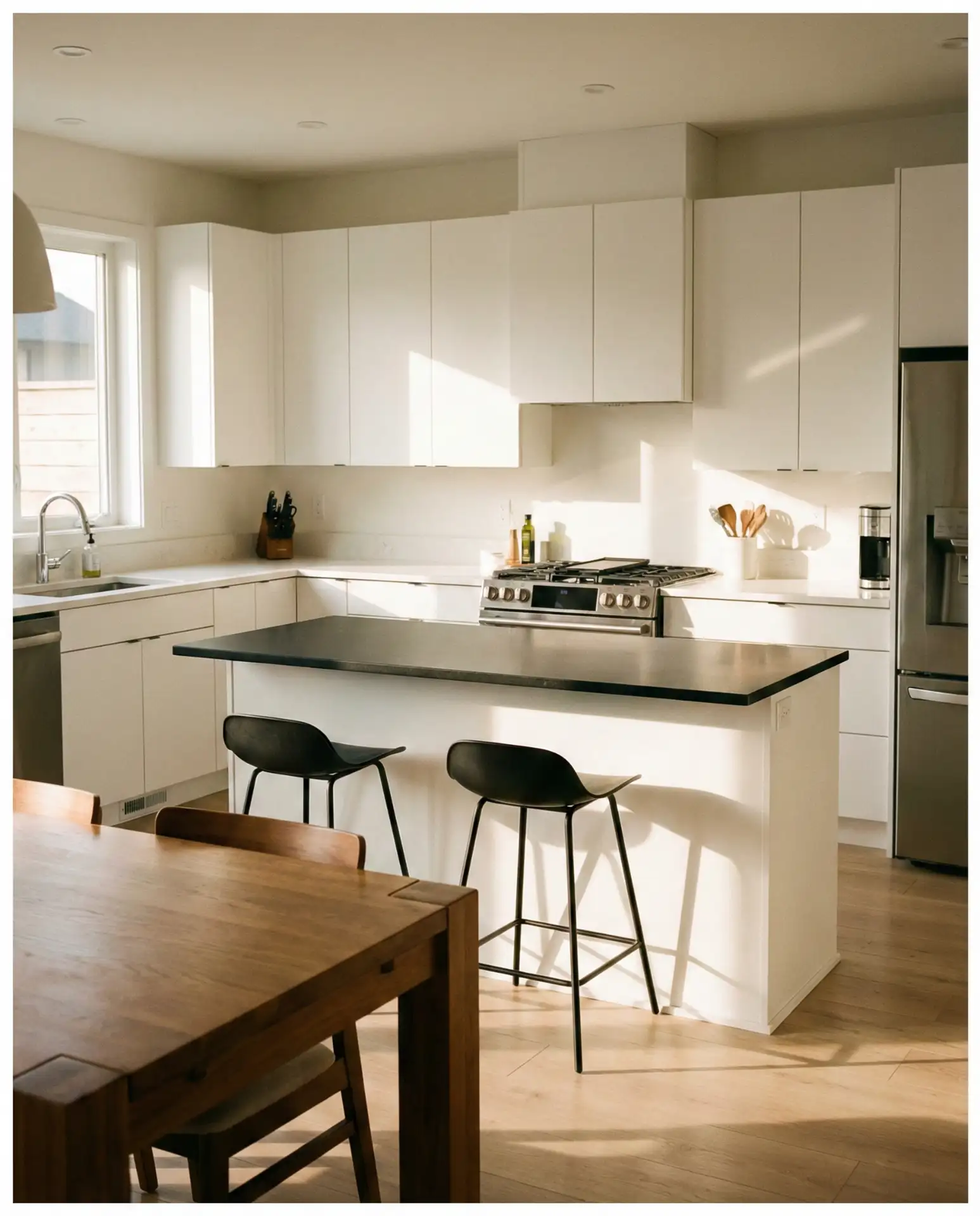
American lifestyle context: red kitchens harken back to mid-century American design, when Formica countertops and cherry-red appliances were all the rage. Today’s interpretations honor that history while feeling decidedly current, often incorporating modern materials and streamlined silhouettes. It’s a nostalgic nod that resonates particularly well in cities with strong vintage cultures, like San Francisco, Chicago, and Brooklyn.
14. White Kitchen with Walnut and Natural Wood
Pairing white cabinets with walnut and other natural woods creates a sophisticated, organic kitchen that balances cool and warm tones. Walnut’s rich, chocolate-brown hue offers striking contrast against white, whether it appears as open shelving, a floating countertop, or a full wood island. This combination has become a hallmark of modern Scandinavian and Japanese-inspired design, where natural materials are celebrated for their inherent beauty. The result is a kitchen that feels grounded, serene, and effortlessly stylish.
Expert-style commentary: designers often recommend choosing book-matched walnut slabs for islands or countertops, as the symmetrical grain pattern creates a stunning focal point. The investment is higher than a standard butcher block, but the visual payoff is significant. Walnut darkens and deepens over time when exposed to light, so what starts as a warm brown gradually becomes richer and more lustrous—a natural aging process that many homeowners find deeply appealing.
15. White Kitchen with Black Counter on Island
Installing a black counter on the island while maintaining white or lighter countertops on the perimeter creates intentional contrast and visual hierarchy. The black surface—often soapstone, honed granite, or matte quartz—becomes a dramatic focal point that anchors the room. This design move works beautifully in open-concept homes where the island serves as a natural divider between kitchen and living spaces. It also offers practical benefits, as darker counters tend to hide stains and scratches better than lighter materials, making the high-traffic island more forgiving.
A colleague who installed soapstone on her kitchen island in Vermont loves how the material develops a natural patina over time, with subtle scratches and mineral oil treatments creating a one-of-a-kind surface. She also appreciates that soapstone is naturally heat-resistant, allowing her to place hot pots directly on the island without worry. This practical durability, combined with the striking visual contrast, makes a black counter a smart choice for active cooking households.
16. White Kitchen with Gold Accents Throughout
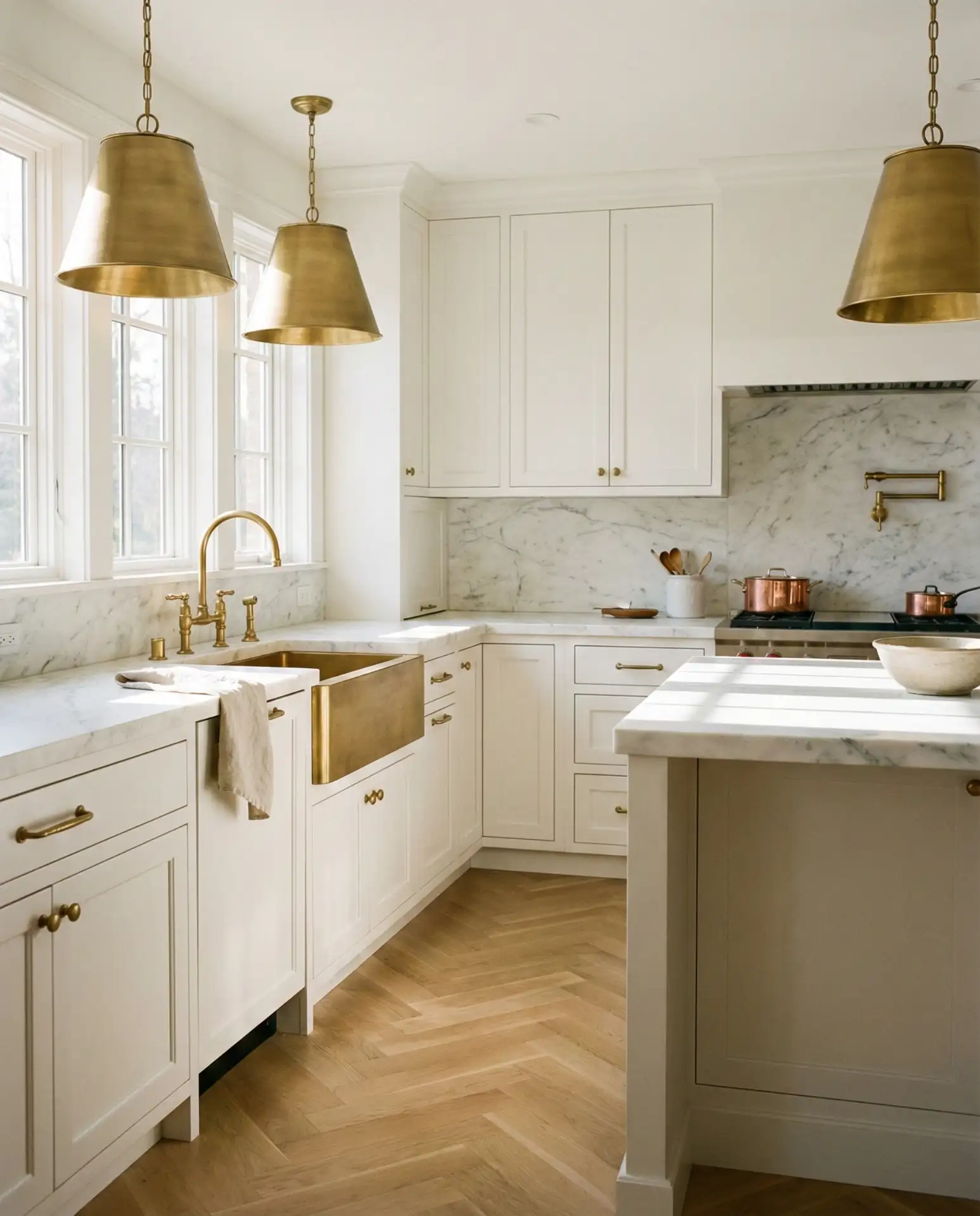
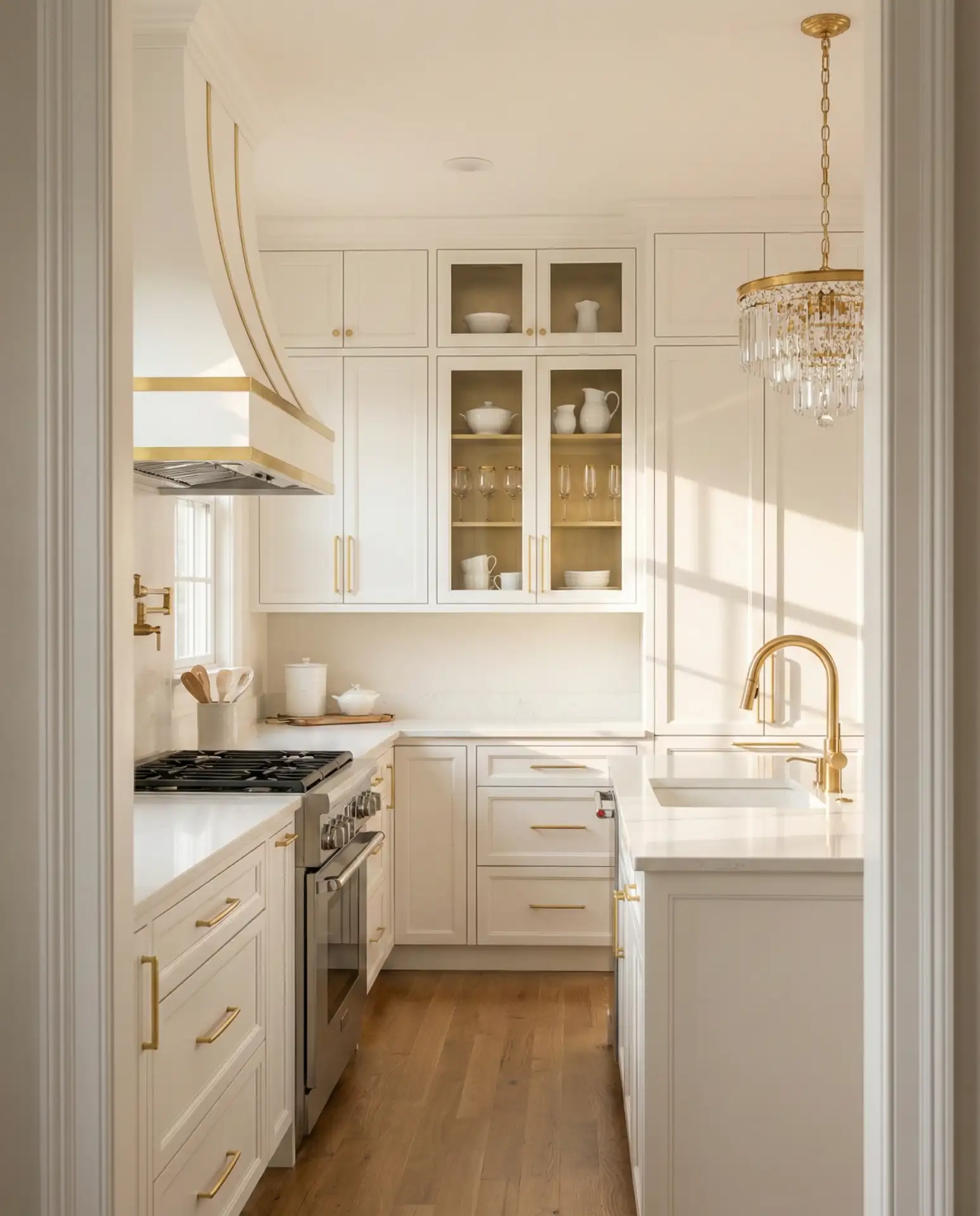
When gold accents appear consistently throughout a white kitchen—on cabinet hardware, faucets, lighting fixtures, and even appliance details—the space takes on a cohesive, elevated quality. The key is choosing the right shade of gold: warm brass for a vintage vibe, polished gold for traditional elegance, or brushed champagne for something more contemporary. These metallic touches catch and reflect light beautifully, adding sparkle without feeling gaudy. Paired with white cabinets and neutral countertops, gold brings warmth and a sense of luxury to even the most straightforward kitchen layouts.
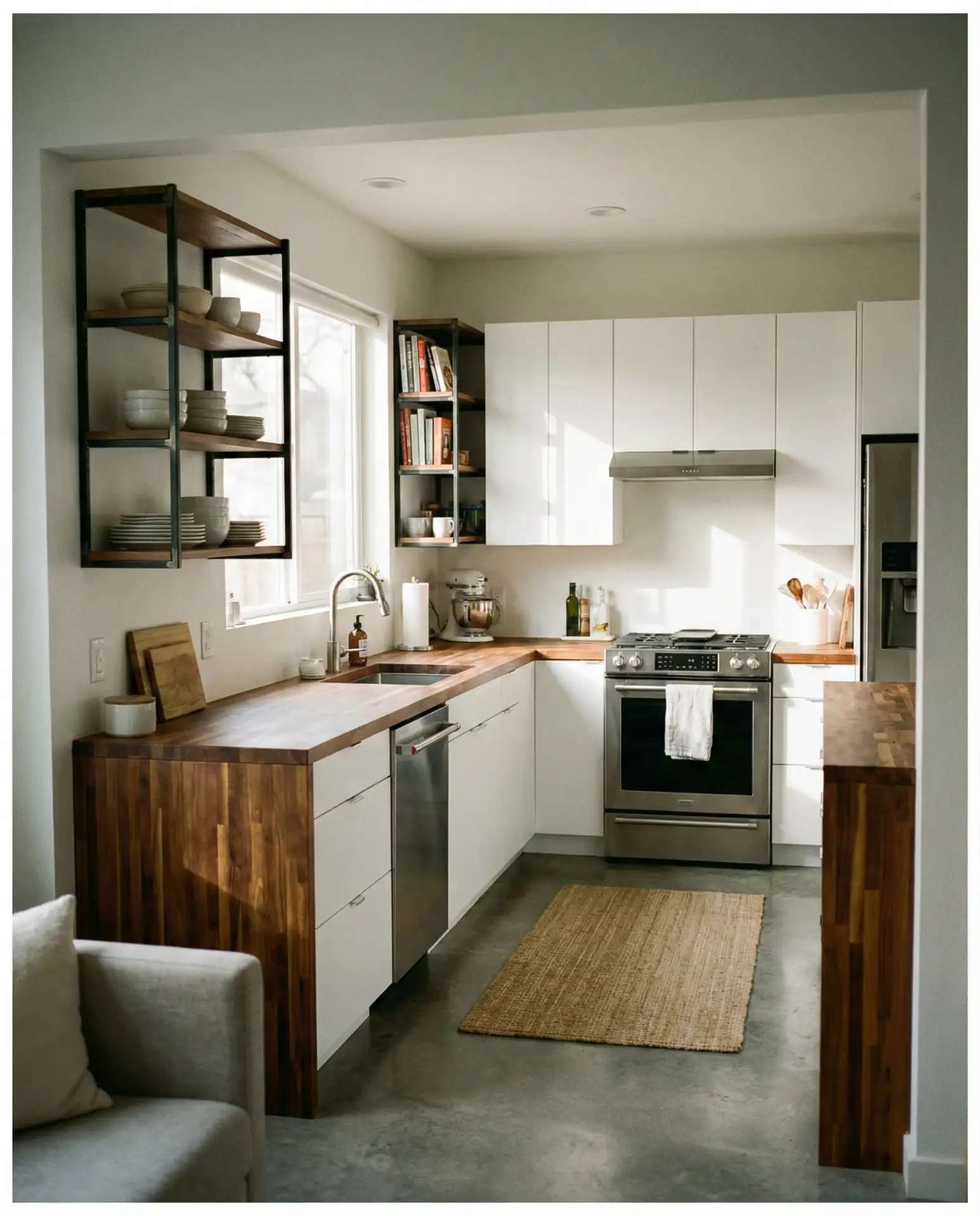
Where it works best: in kitchens with good natural light, where the gold can shift from warm honey tones in the morning to cooler champagne hues in the afternoon. This look has become especially popular in Southern states and in urban lofts, where homeowners appreciate the way gold adds personality without requiring bold color commitments. For budget-conscious renovators, swapping out standard chrome or nickel hardware for gold versions is one of the most cost-effective ways to transform a builder-grade white kitchen.
17. White Kitchen with Green and Natural Elements
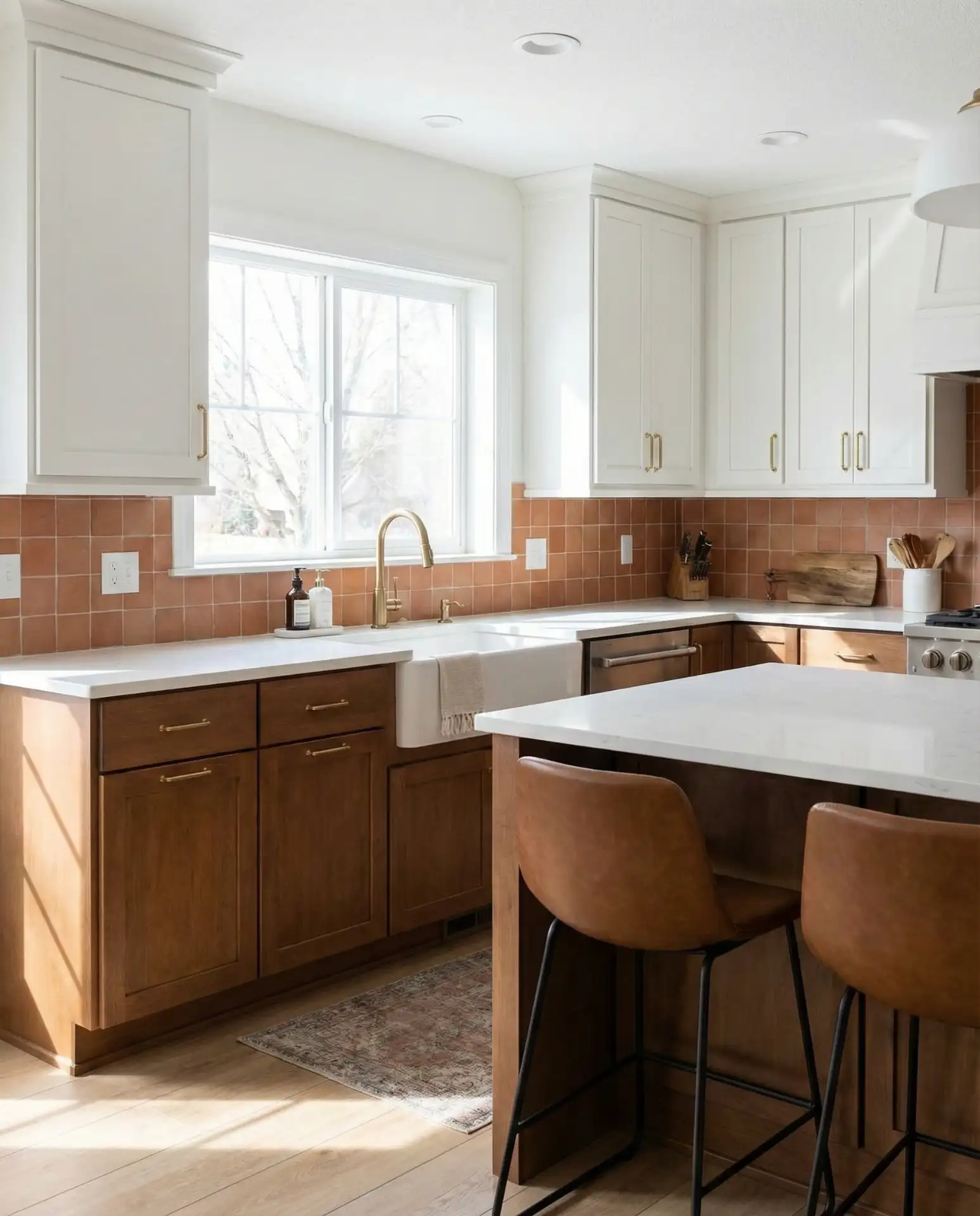
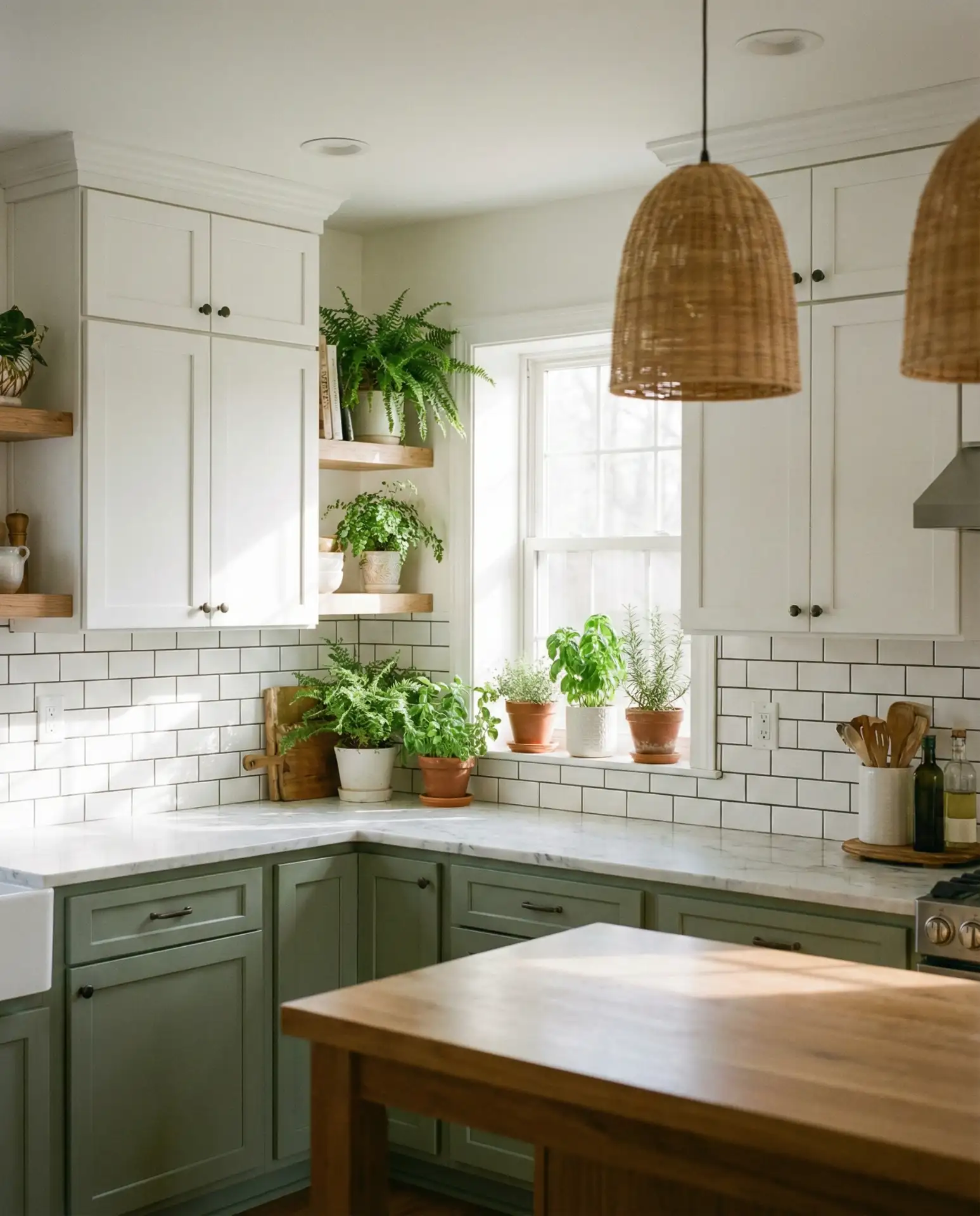
Layering green and natural elements into a white kitchen creates a space that feels connected to the outdoors. This might mean sage green lower cabinets paired with white uppers or simply abundant greenery displayed on open shelves and windowsills. The inclusion of plants, woven baskets, and natural textiles reinforces the organic aesthetic, while white cabinets and countertops keep the overall look clean and uncluttered. This approach has gained momentum in regions with strong environmental values, where homeowners seek to bring nature indoors.
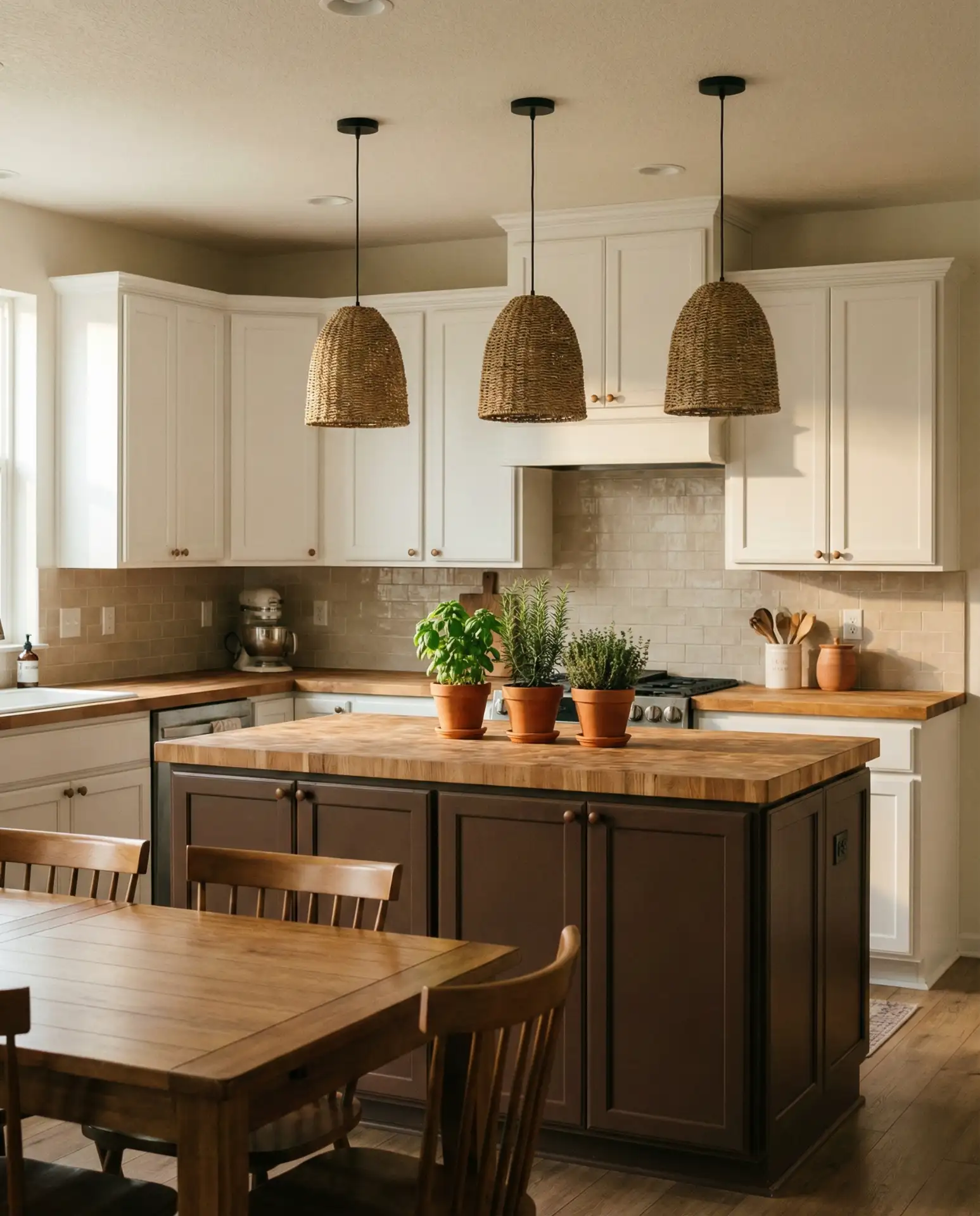
Real homeowner behavior reveals that people who incorporate plants into their kitchens often start with easy-care varieties like pothos, spider plants, or herbs, which thrive in typical kitchen conditions. They report that tending to these plants becomes a meditative daily ritual, and the living greenery improves air quality while making the kitchen feel more vibrant and alive. It’s a low-cost, high-impact way to personalize a white kitchen and make it feel truly yours.
18. White Kitchen with Wood and Metal Mix
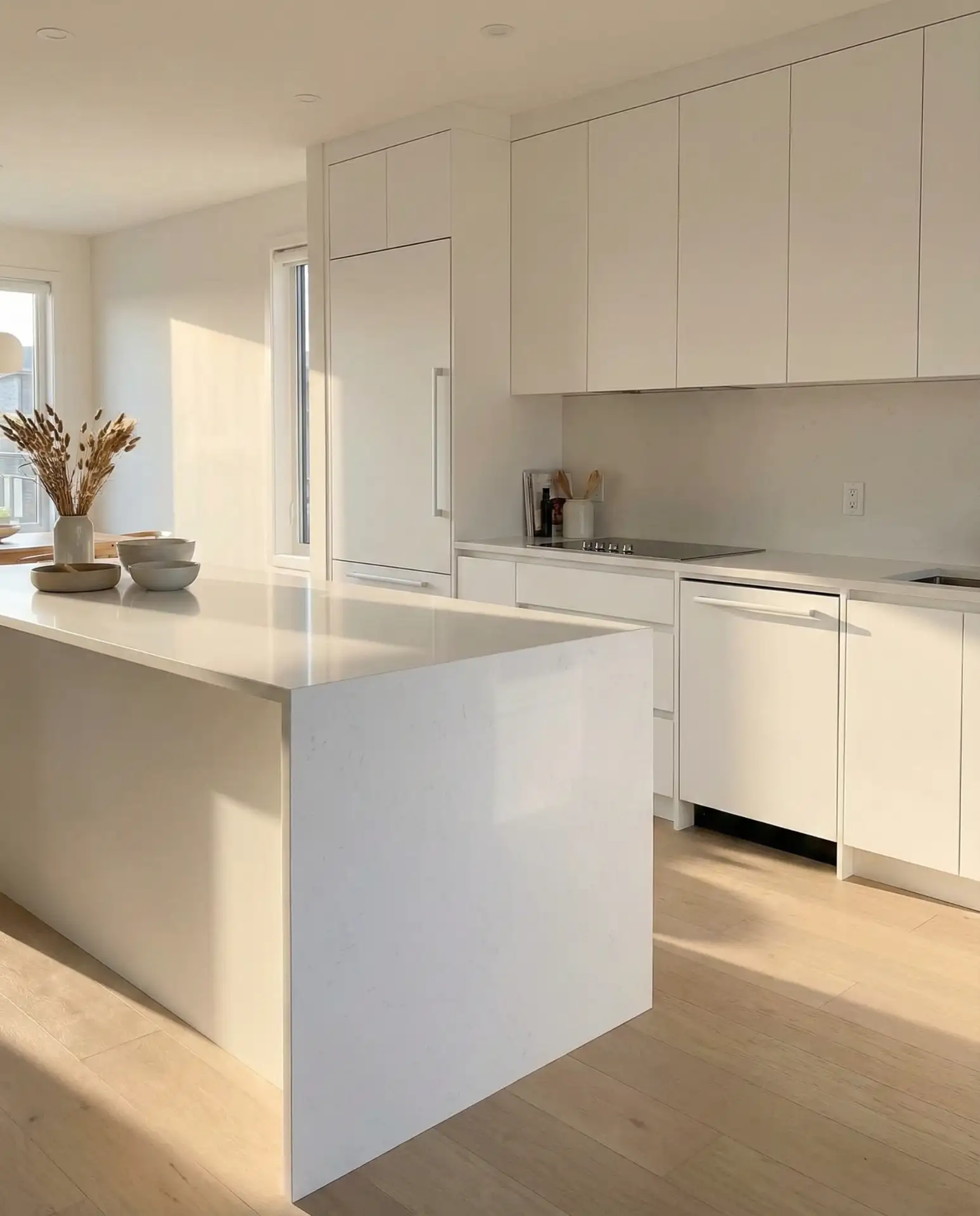
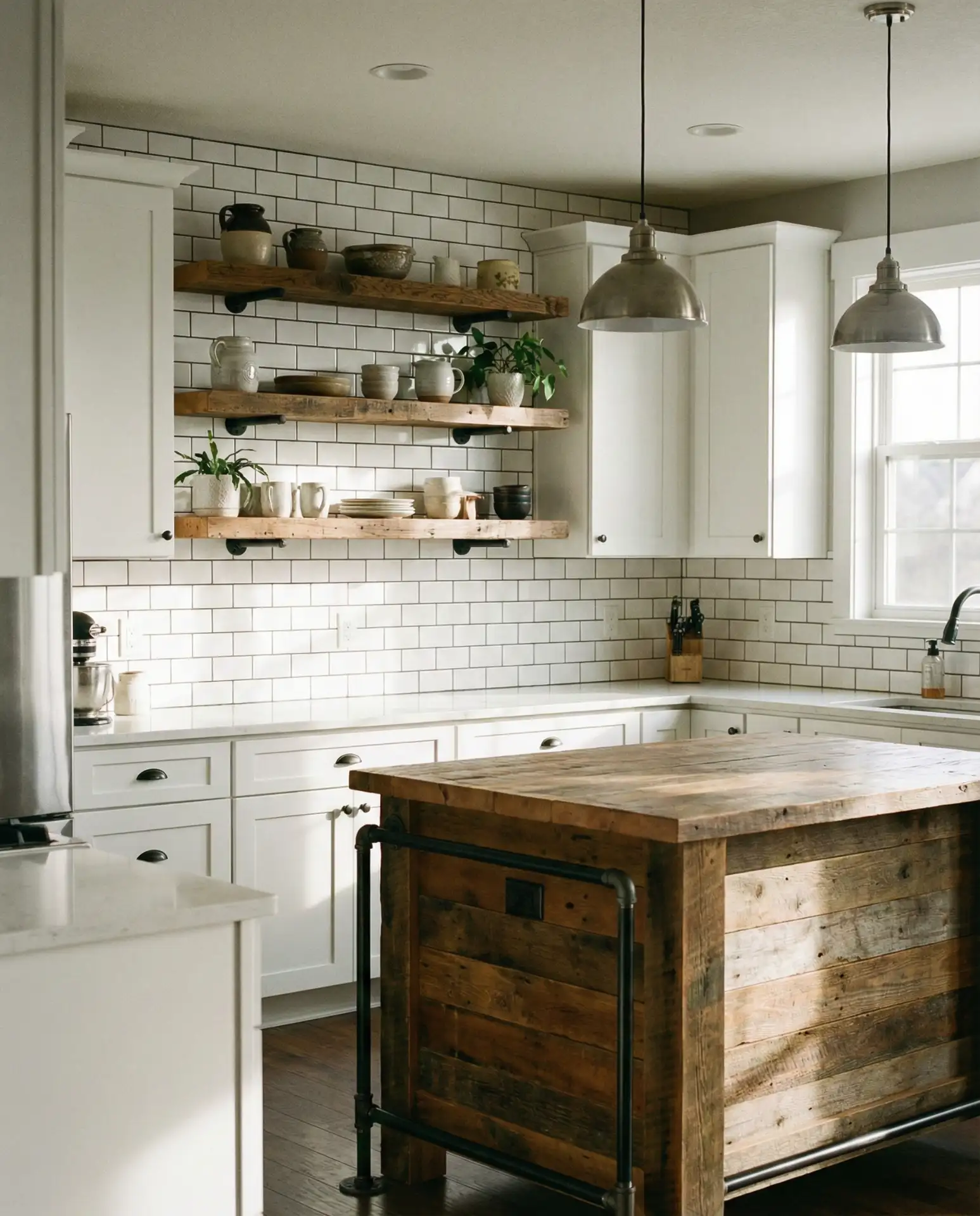
Combining wood and metal finishes in a white kitchen adds textural interest and prevents the space from feeling one-note. Think wood open shelving paired with matte black metal brackets, or a wood island topped with stainless steel. The white cabinets serve as a neutral backdrop that allows these contrasting materials to shine. This industrial-meets-organic aesthetic has become popular in loft conversions and modern farmhouse renovations, where the mix of finishes creates depth and character.
Practical insight: when mixing metals in your kitchen, most designers recommend sticking to two or three finishes max to avoid visual chaos. For example, you might pair matte black metal with warm brass and natural wood, but adding chrome or copper into the mix could make things feel scattered. The wood element helps soften the harder metal surfaces, creating a balanced composition that feels intentional rather than haphazard.
19. White Kitchen with Brown and Earth Tones
Introducing brown and earth tones to a white kitchen creates a grounded, organic aesthetic that feels both timeless and current. Chocolate brown lower cabinets, tan leather bar stools, or terra-cotta tile backsplashes all work beautifully alongside white cabinets and countertops. This palette evokes the American Southwest and Mediterranean design traditions, where natural materials and warm colors dominate. The white keeps things from feeling too heavy, while the brown tones add richness and depth.
Where it works best: in homes with abundant natural light, where the warm brown tones can truly glow. This palette is especially popular in Arizona, New Mexico, and Southern California, where the colors echo the surrounding desert landscape. Homeowners often pair this look with natural stone or ceramic tile floors, reinforcing the connection to earth and place.
20. White Kitchen with Modern Appliances
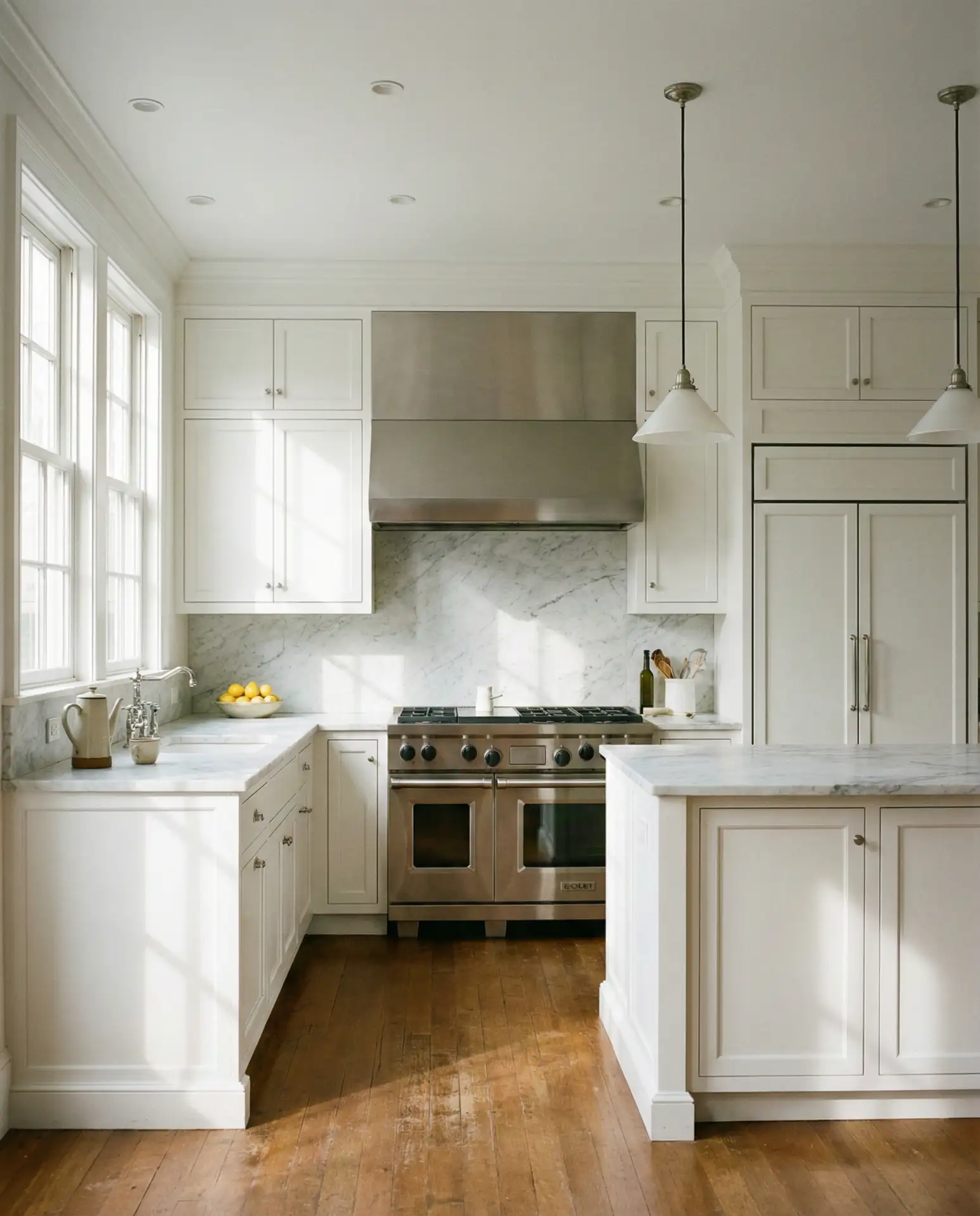
Integrating high-end, modern appliances into a white kitchen elevates the space from everyday to extraordinary. Think professional-grade ranges, oversized refrigerators with sleek paneling, or innovative cooking tech like induction cooktops. When these statement appliances are set against white cabinets, they become sculptural focal points rather than afterthoughts. This approach appeals to serious home cooks and design enthusiasts who view their kitchen as both a functional workspace and a showcase for cutting-edge technology.
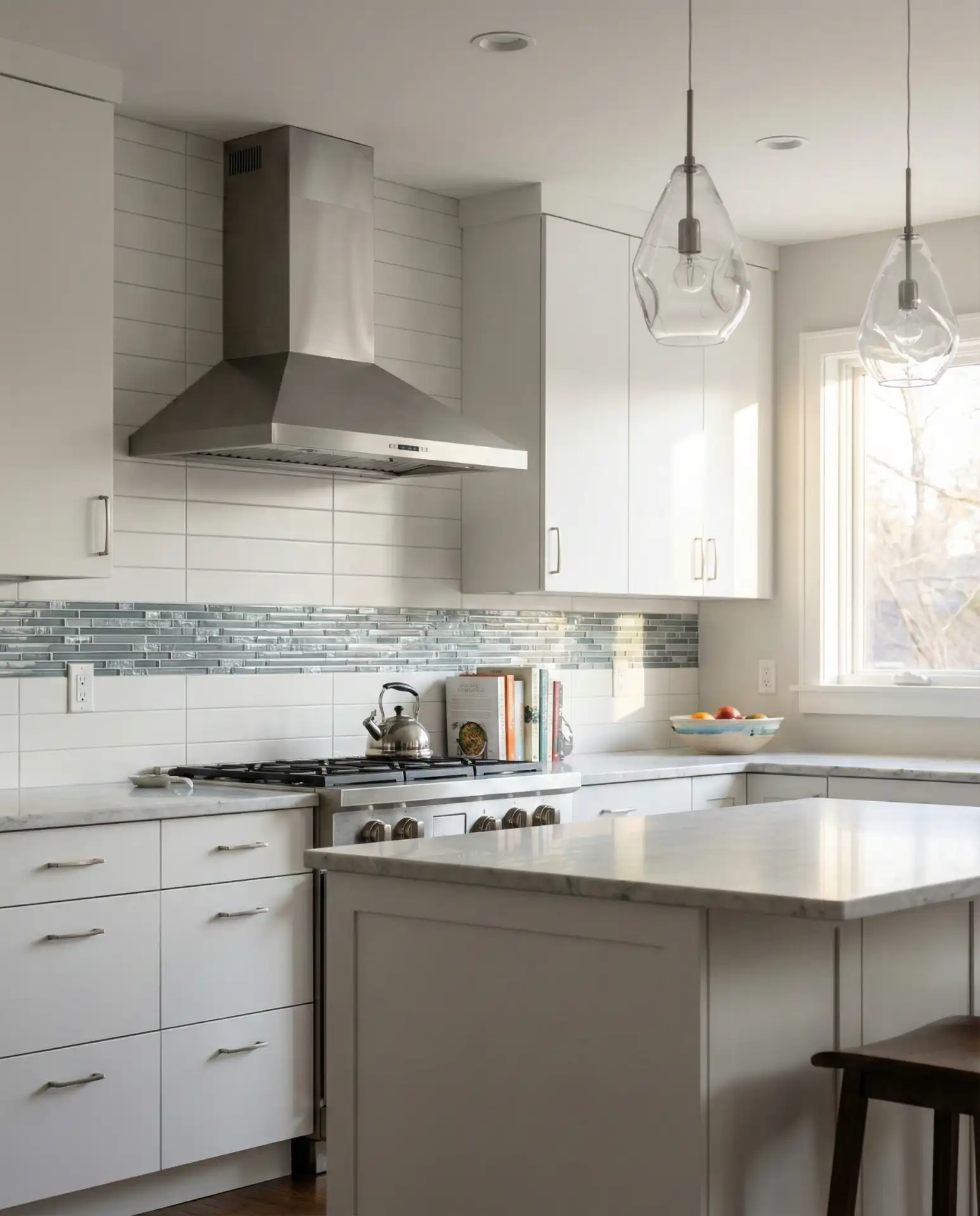
Budget and price angle: high-end appliances represent a significant investment, with professional ranges starting around $5,000 and climbing into five figures for top brands. However, many homeowners justify the cost by considering how much time they spend cooking and the long-term reliability of quality appliances. Some also note that integrated, panel-ready appliances help maintain the clean lines of a white kitchen, making the entire space feel more cohesive and expensive than it actually is.
21. White Kitchen with Statement Sink
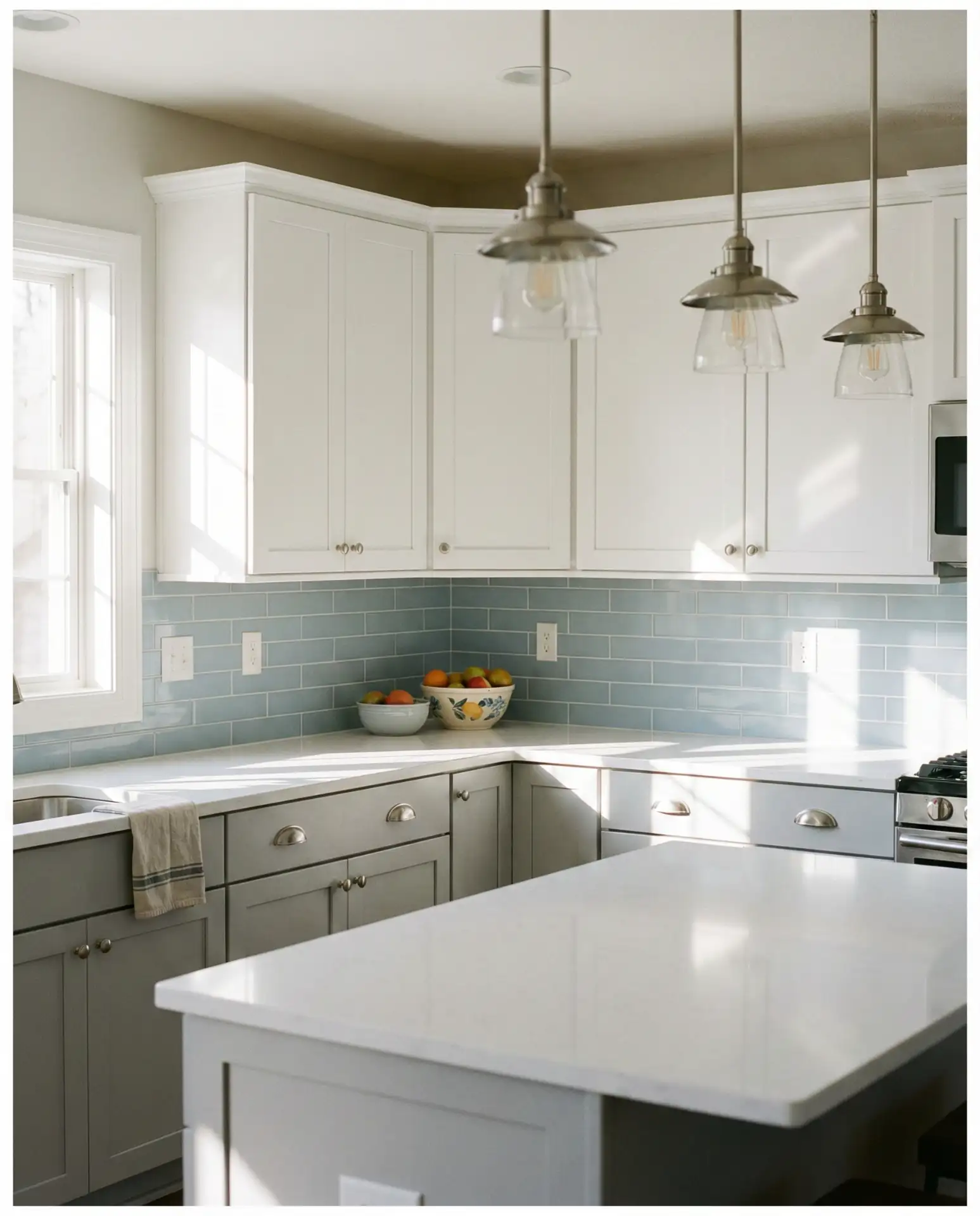
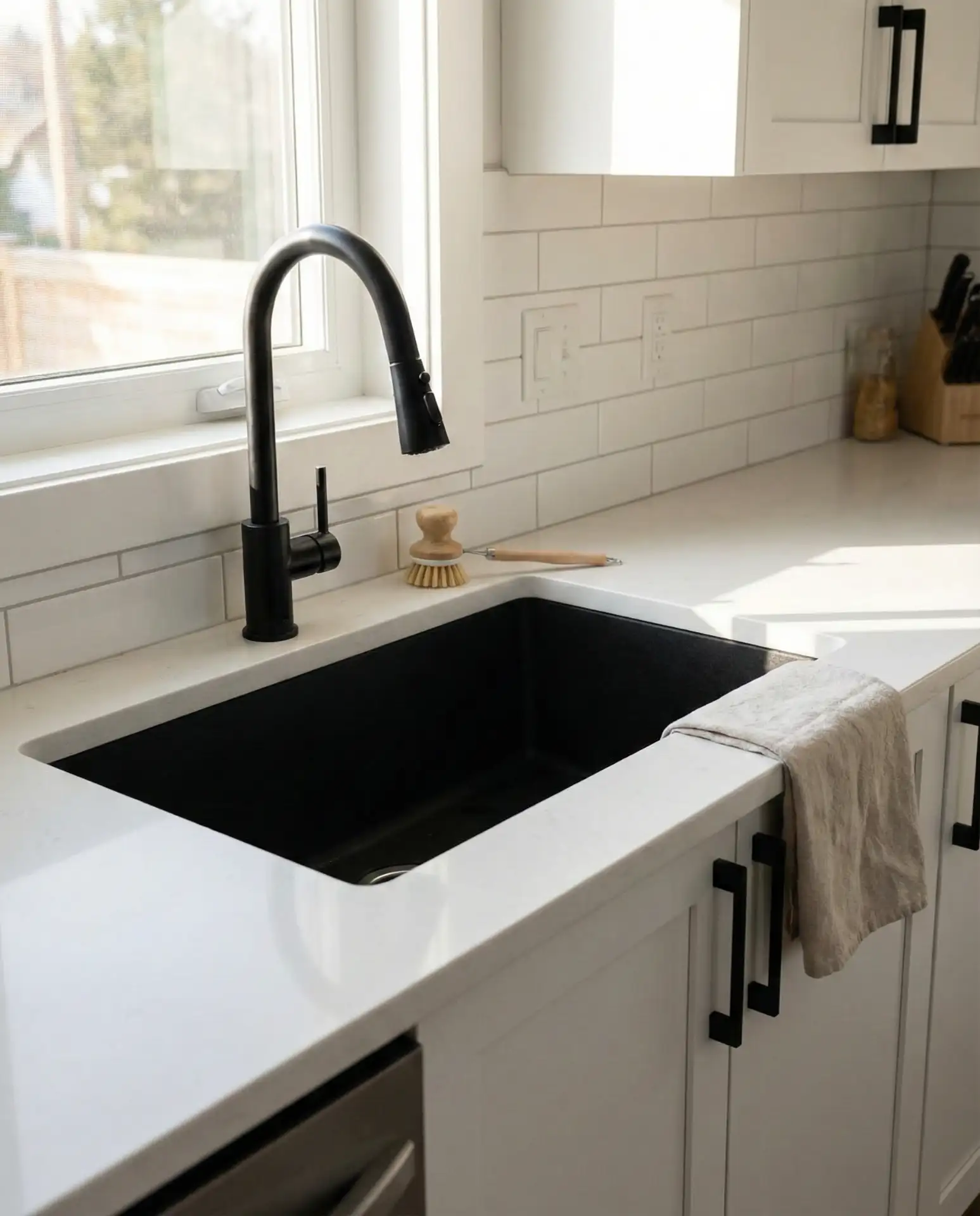
A striking sink can anchor a white kitchen and serve as an unexpected design focal point. Farmhouse apron-front sinks remain wildly popular, but colored or textured sinks are also gaining traction—think hammered copper, matte black composite, or even vibrant ceramic. When paired with white cabinets and simple countertops, a statement sink becomes jewelry for the kitchen, drawing the eye and adding personality. This is an especially effective strategy for homeowners working with limited square footage, as it allows you to make a big impact in a small space.
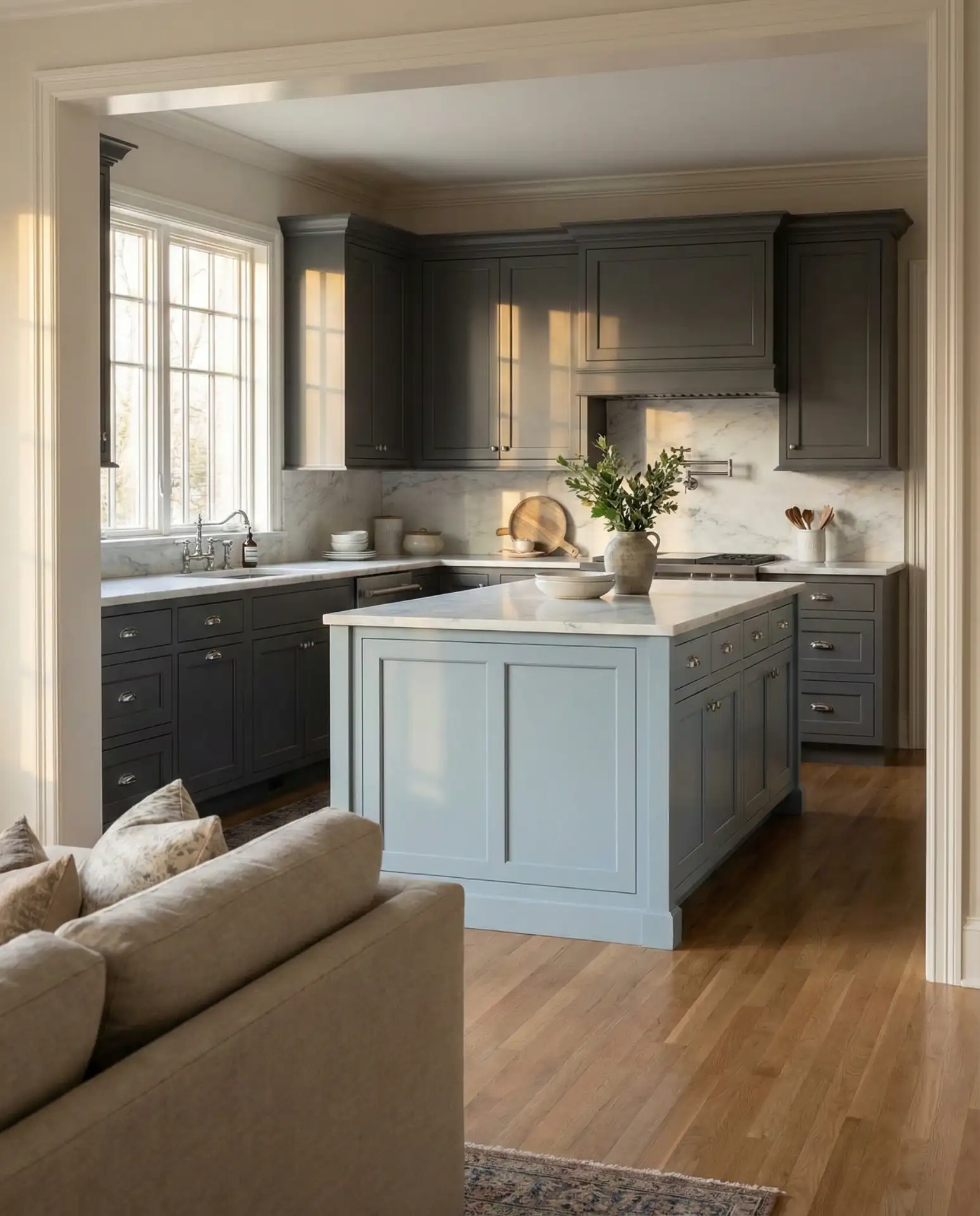
A homeowner in Nashville recently installed a cobalt blue fireclay sink in her white kitchen and told me it was the single element guests comment on most often. She said the sink cost about $800, which felt significant at the time, but the joy it brings her every day—coupled with its durability—makes it worth every penny. This kind of thoughtful splurge can transform an ordinary kitchen into something that feels custom and considered.
22. White Kitchen with Backsplash Ideas in Mixed Materials
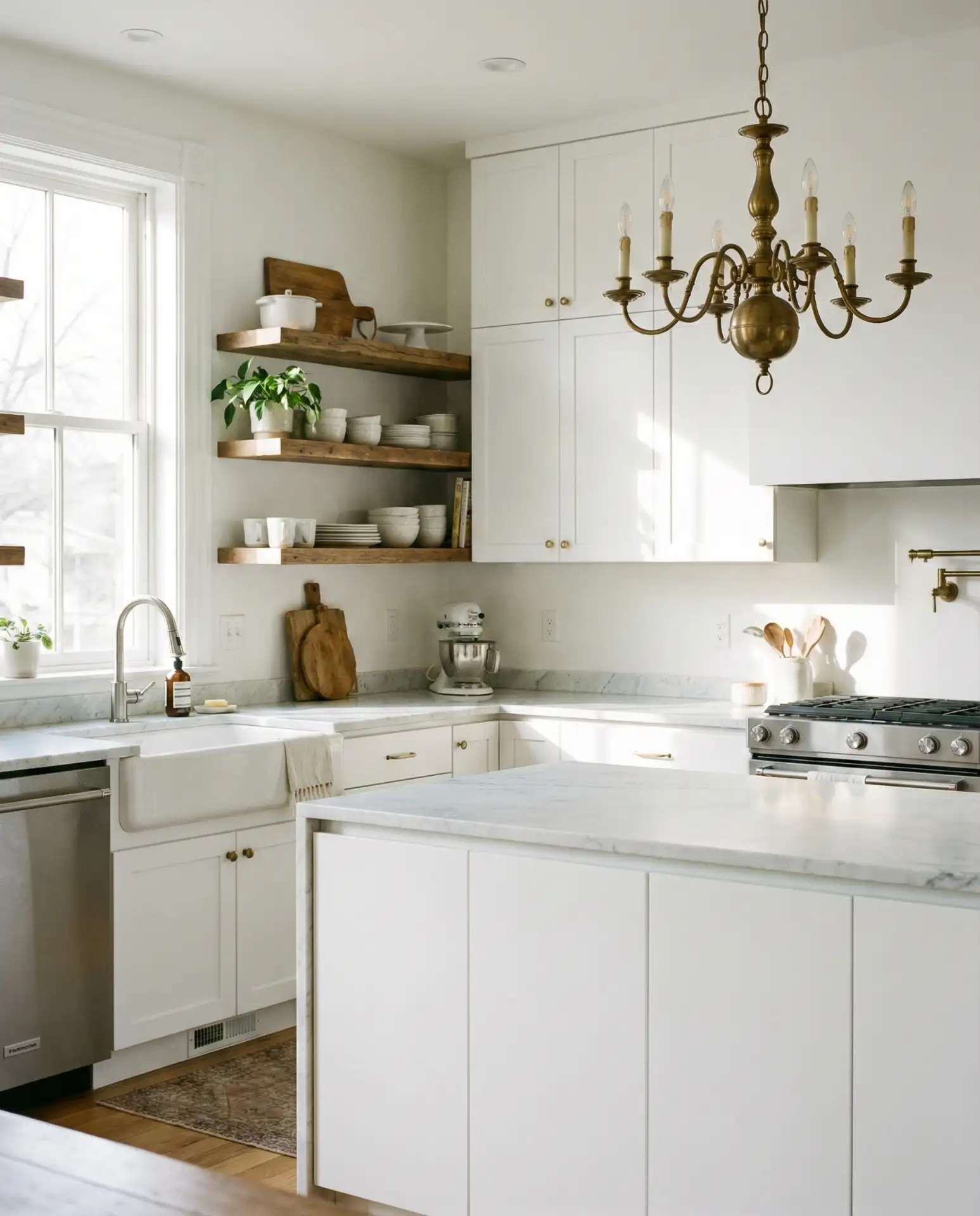
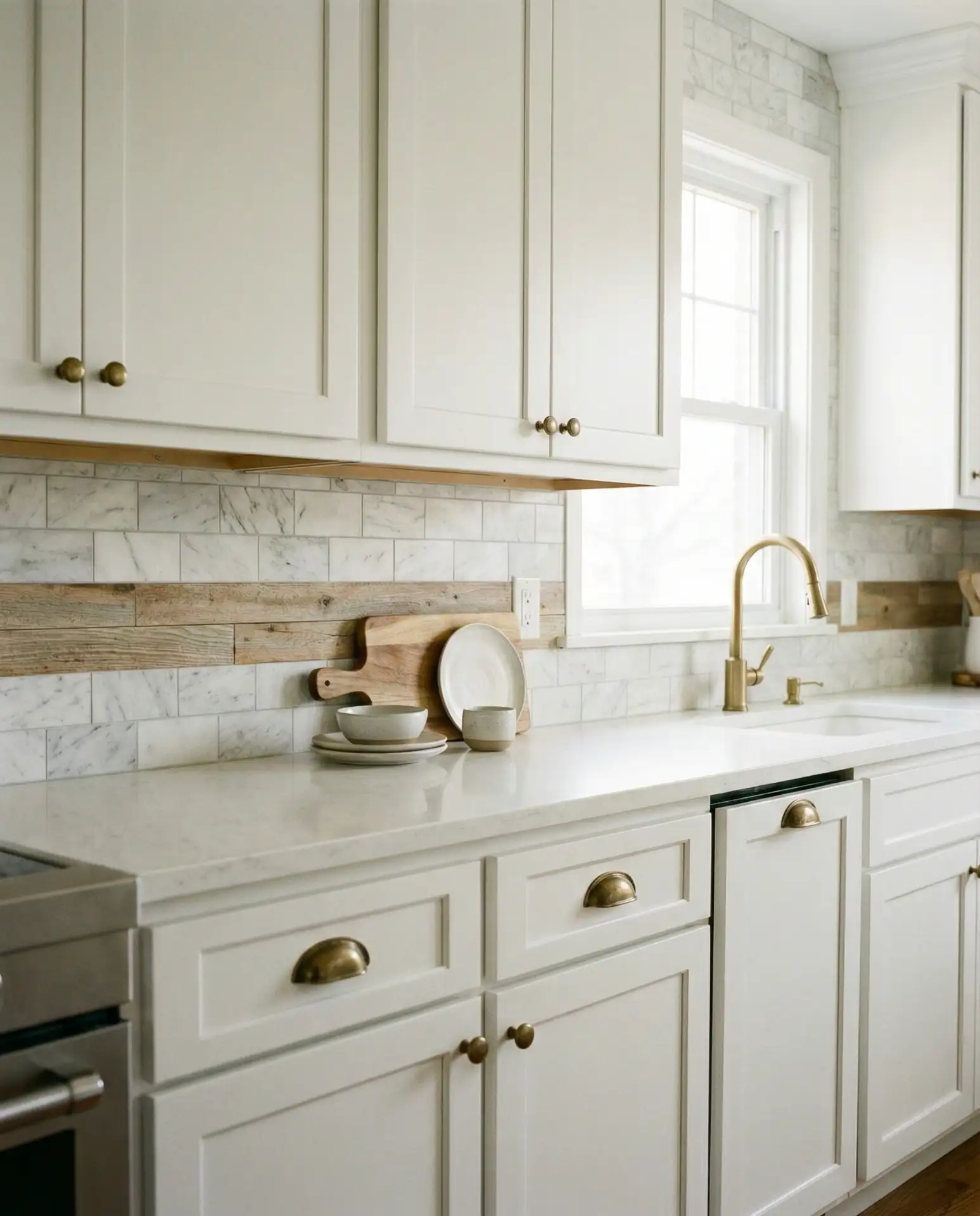
Exploring creative backsplash ideas in a white kitchen opens up endless possibilities for personalization and texture. Mixing materials—like pairing marble subway tiles with a wood accent strip or combining matte ceramic with glossy glass—adds visual interest without overwhelming the clean backdrop of white cabinets. This approach allows homeowners to experiment with trends in a relatively low-commitment way, as backsplashes are easier and less expensive to change than cabinetry or countertops. The key is choosing materials that complement each other in tone and scale.
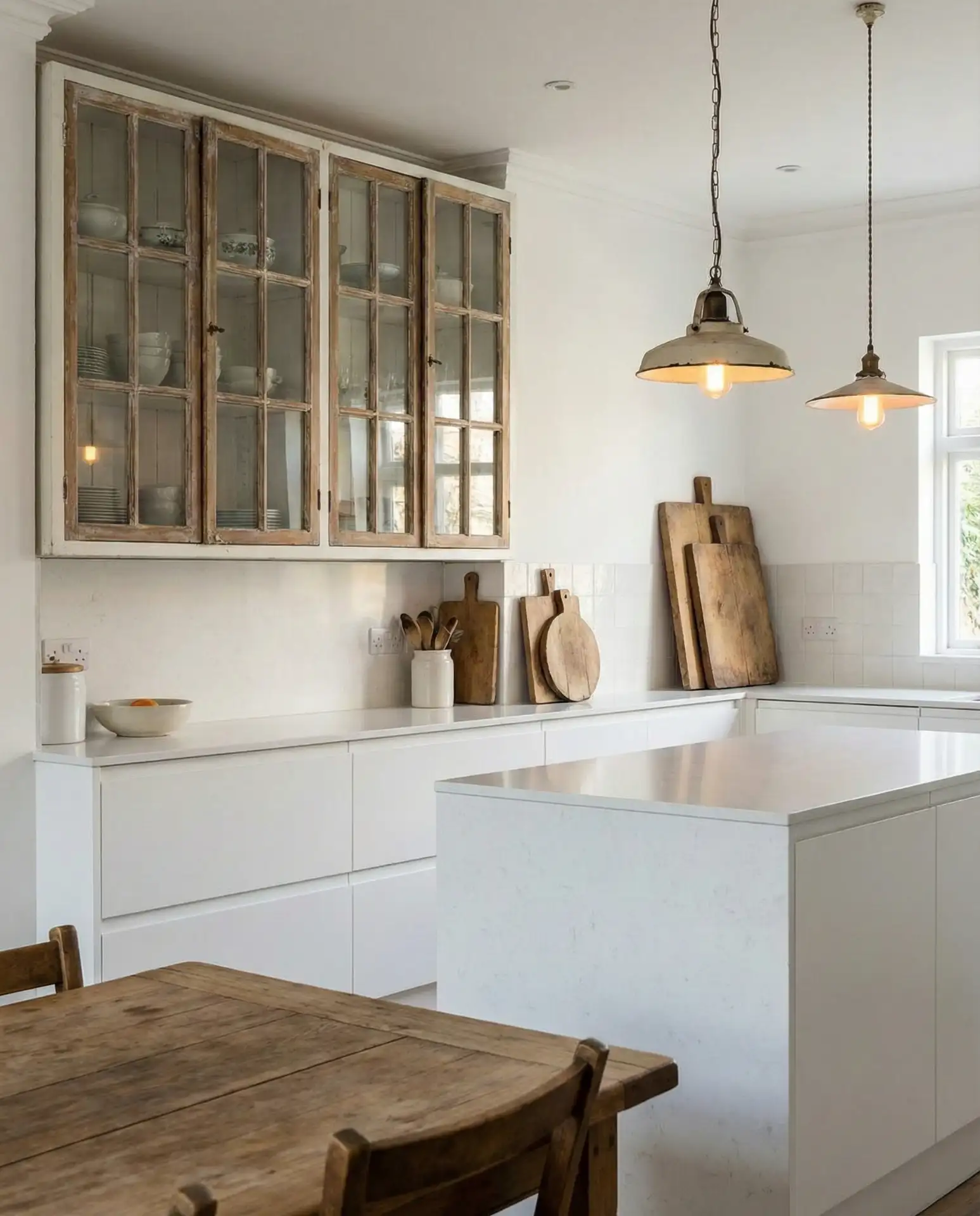
Expert-style commentary: designers often recommend using a mixed-material backsplash to create a subtle focal point behind the range or sink, areas where you naturally spend time and want visual interest. The trick is ensuring the different materials share a common color family or finish quality—for instance, all matte surfaces or all within a neutral palette—so the mix feels intentional rather than chaotic.
Conclusion
These white kitchen ideas for 2026 demonstrate that “white kitchen” is far from a limiting concept—it’s a versatile foundation that invites endless creative interpretation. Whether you’re drawn to bold contrasts, soft natural materials, or unexpected pops of color, there’s a white kitchen approach that will feel authentically yours. We’d love to hear which ideas resonated most with you and how you’re planning to incorporate them into your own space. Share your thoughts and inspirations in the comments below.