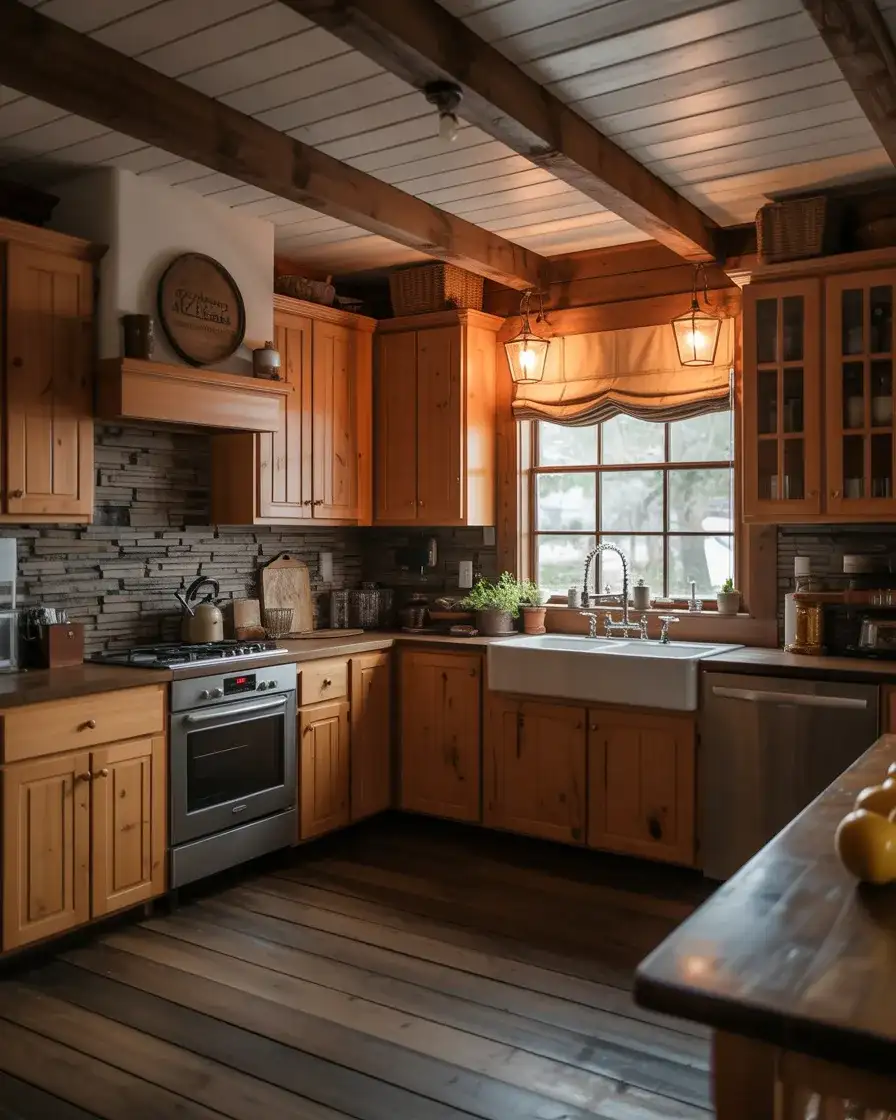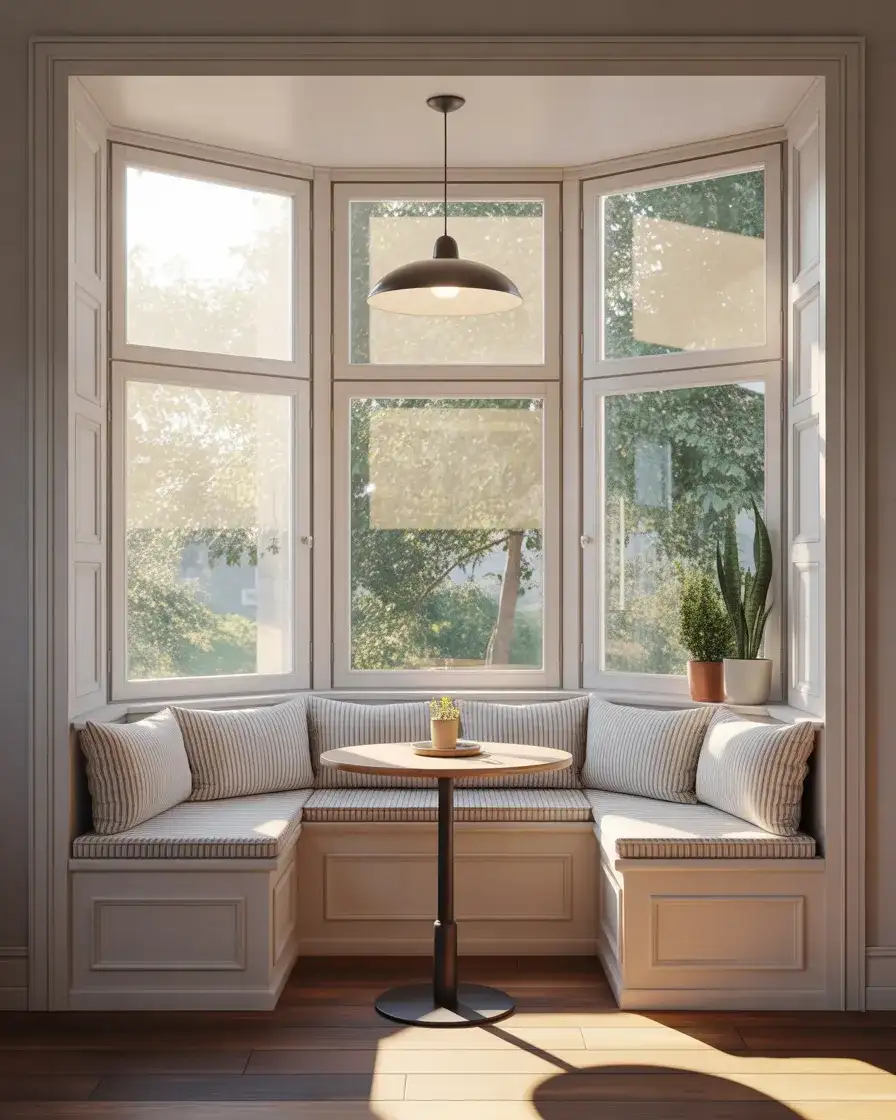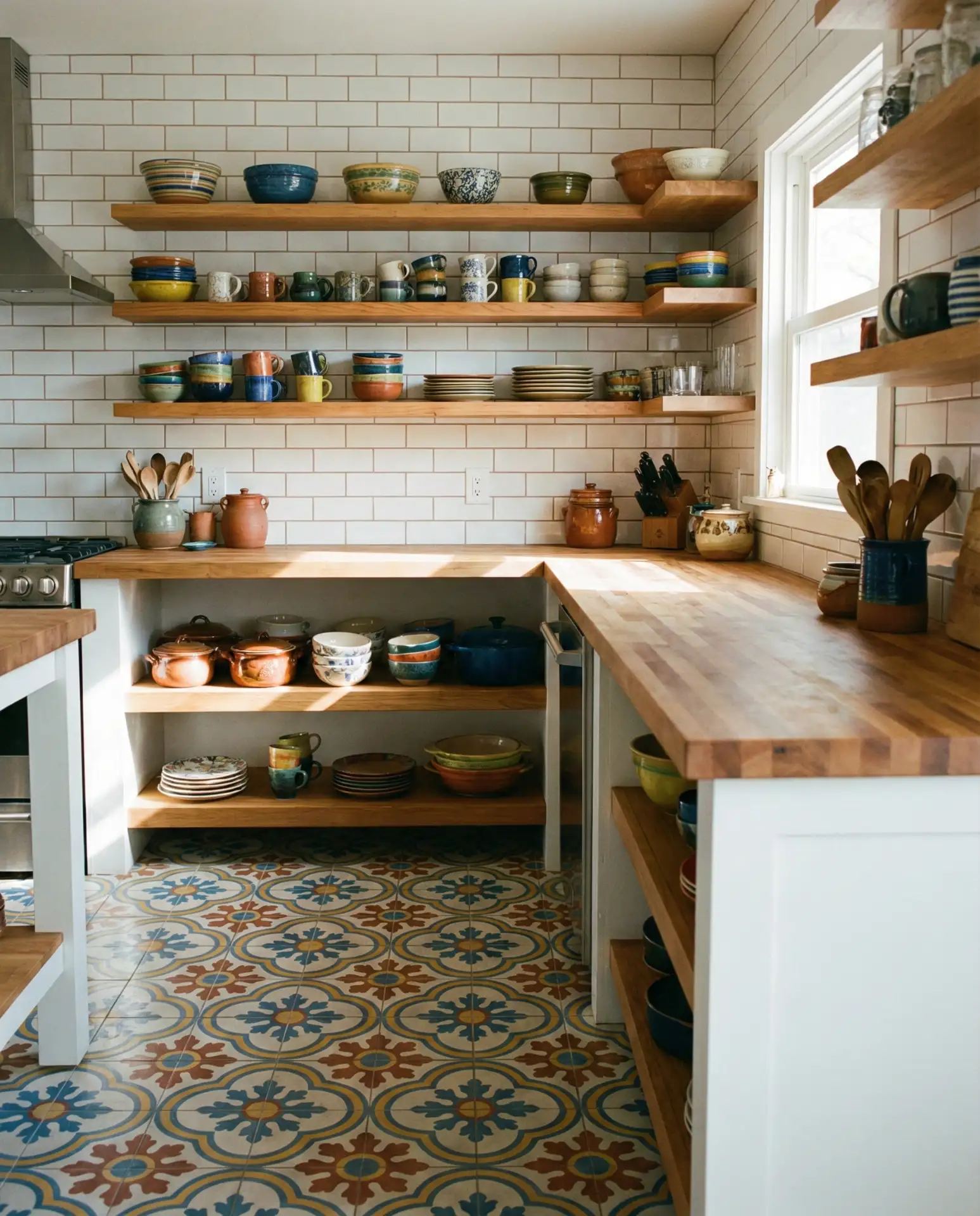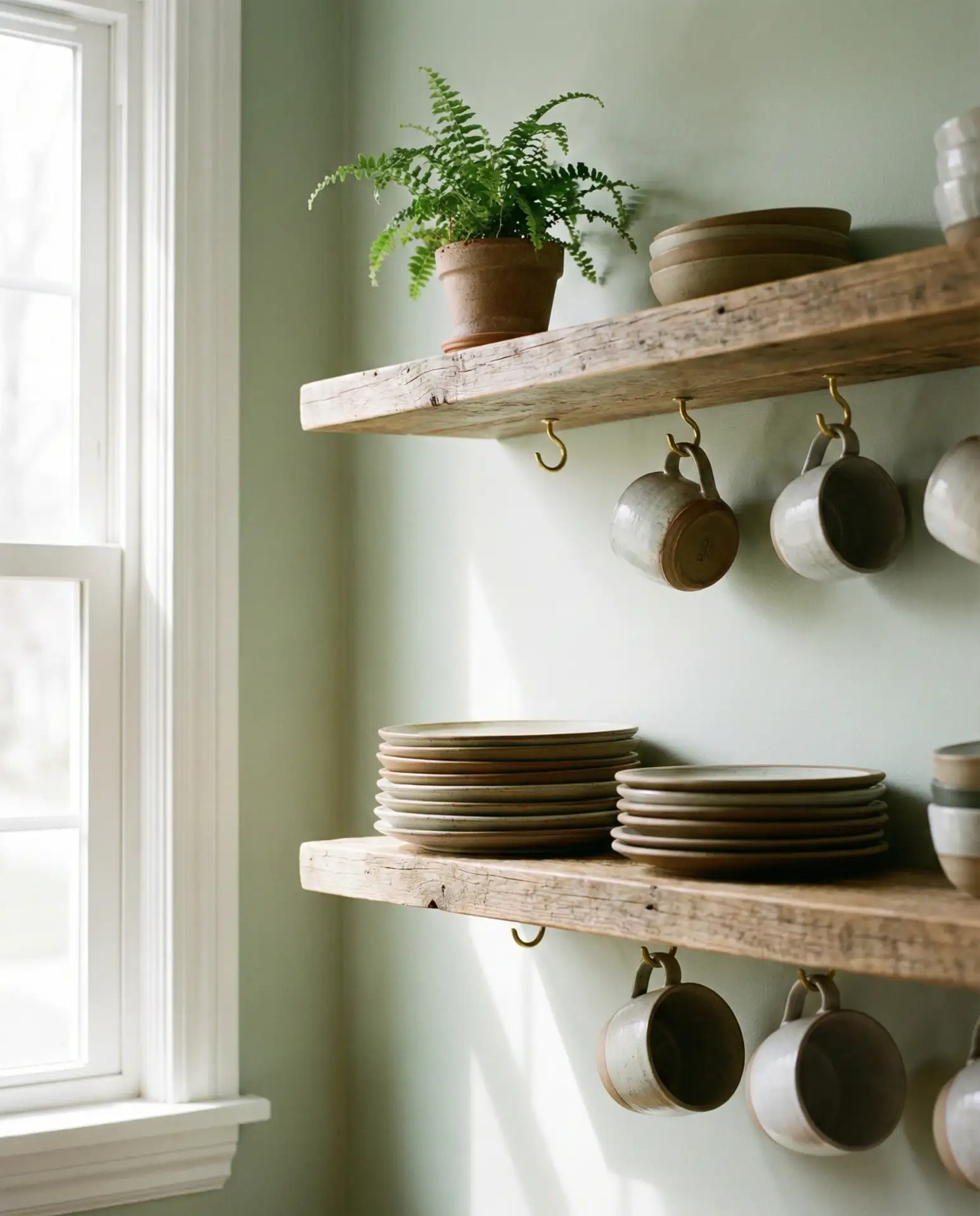
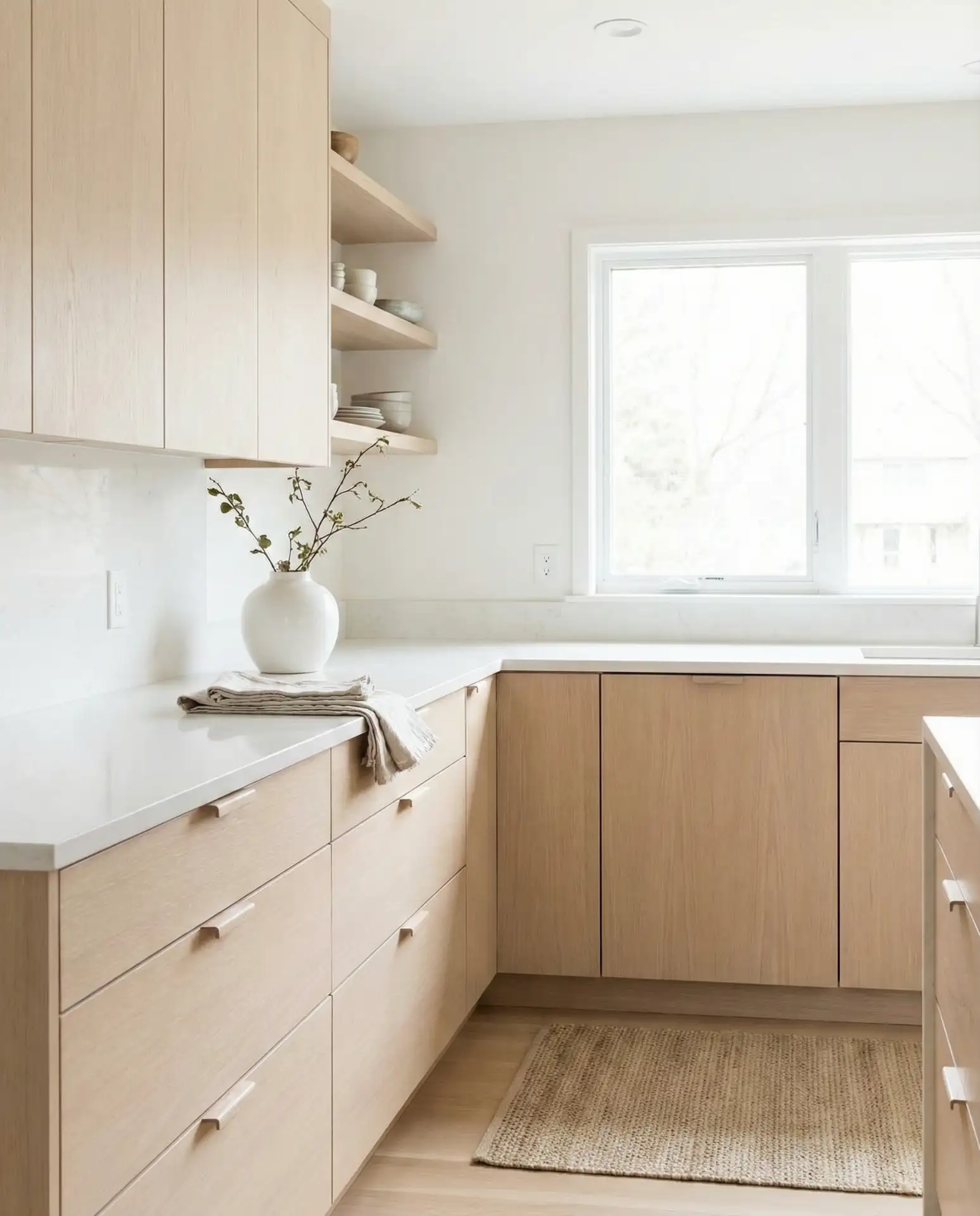
White oak kitchen cabinets have become one of the most sought-after choices for American homeowners in 2026, blending timeless elegance with contemporary versatility. Whether you’re drawn to the warm, honey-toned grain of natural white oak or the sleek minimalism of a light stain, this wood species offers unmatched durability and visual appeal. Pinterest boards are overflowing with inspiration featuring white oak paired with everything from bold green islands to striking black countertops, proving its adaptability across design styles. In this article, we’ll explore twenty-two distinct ways to incorporate white oak cabinetry into your kitchen, offering fresh ideas for hardware, finishes, color schemes, and styling that reflect the best of modern American design. Get ready to discover combinations that range from rustic farmhouse charm to ultra-modern sophistication.
1. White Oak Cabinets with Gold Hardware Accents
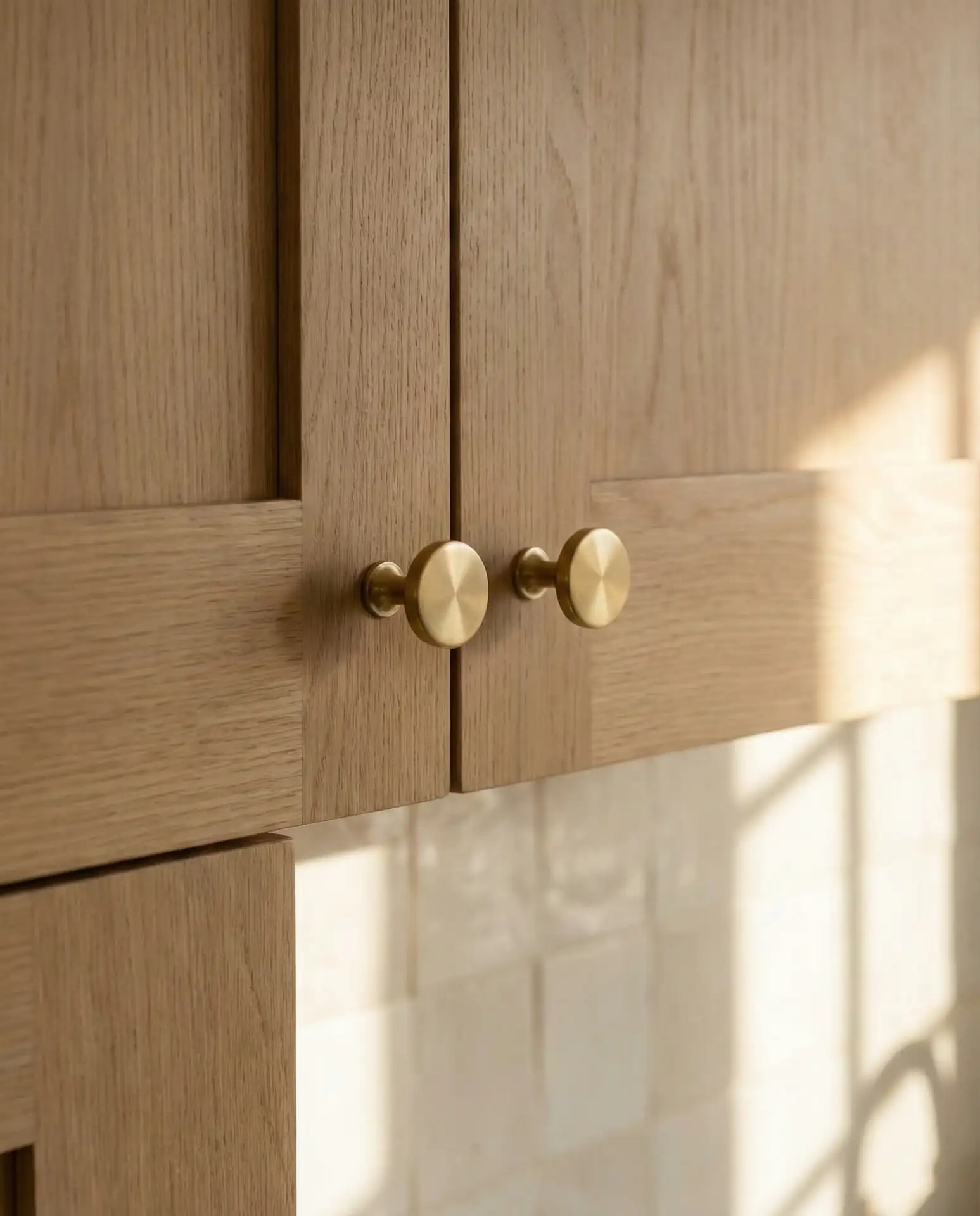
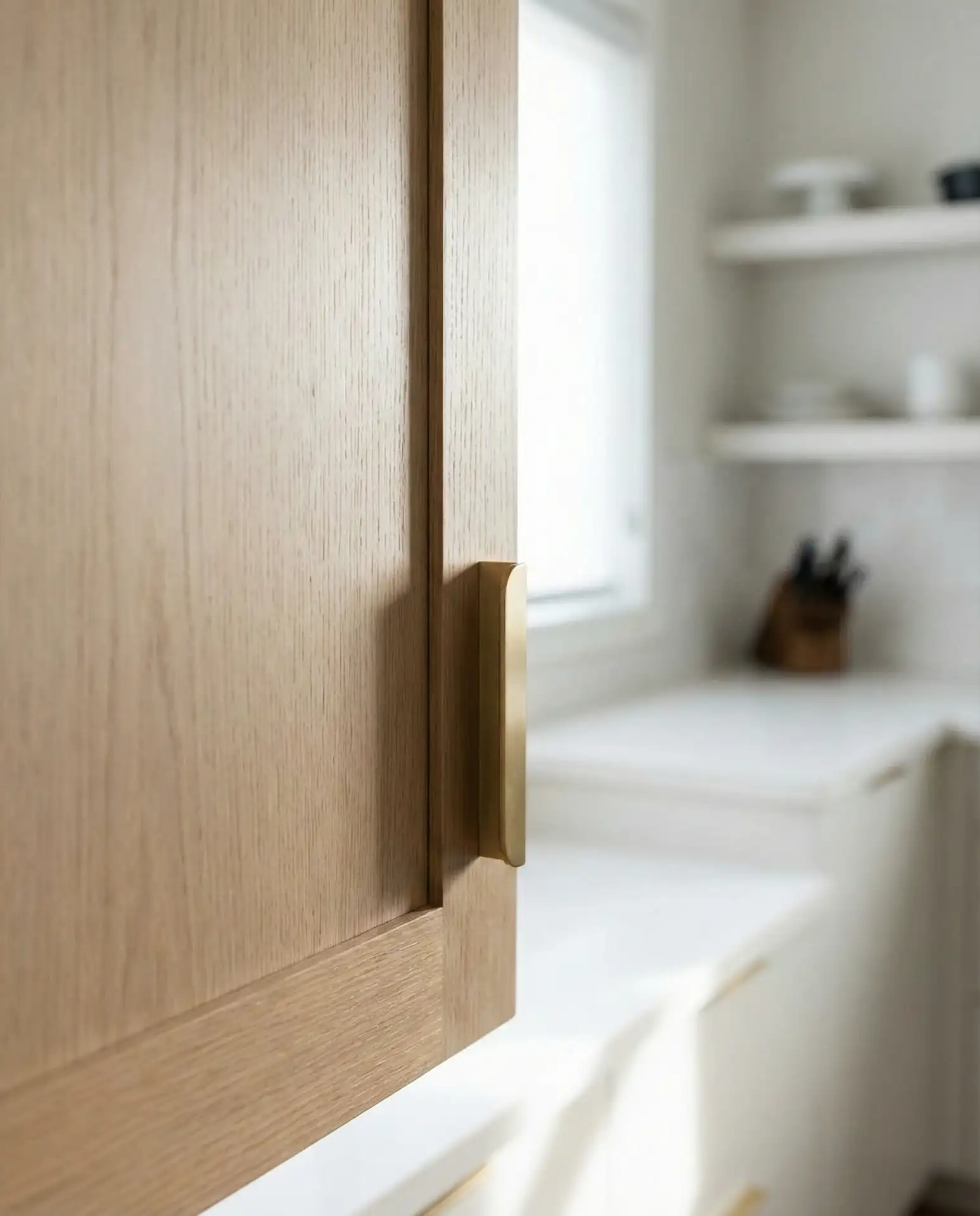
Pairing white oak kitchen cabinets with gold hardware creates an instant sense of refined luxury without feeling overly formal. The warm undertones of white oak complement the rich glow of brushed or polished gold pulls and knobs, adding depth and elegance to both modern and transitional kitchen designs. This combination works beautifully in open-concept homes where the kitchen flows into living spaces, as the golden accents catch natural light and create visual continuity. Whether you choose slim bar pulls or classic round knobs, gold hardware elevates the organic beauty of the wood grain.
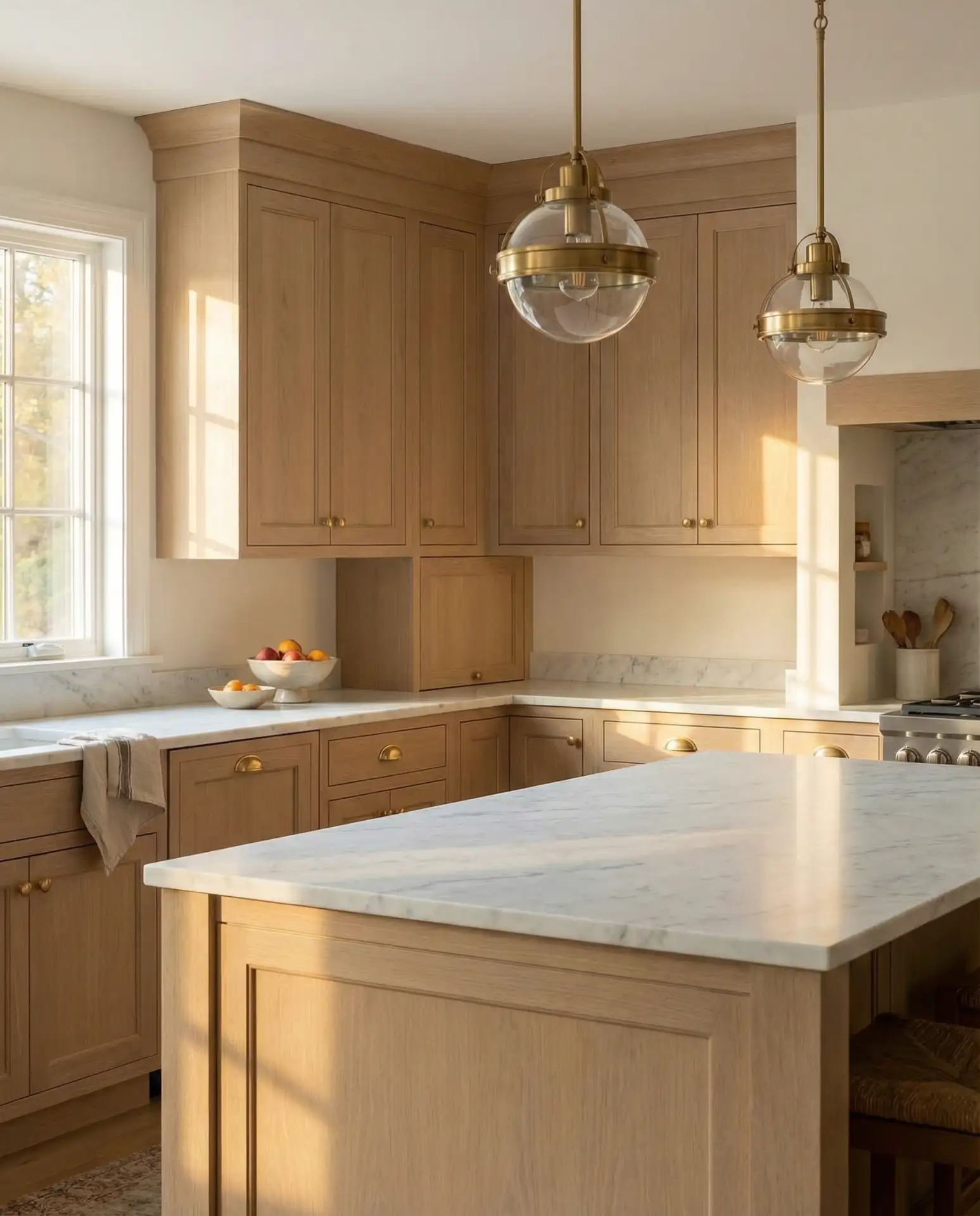
One practical insight: gold hardware shows fingerprints less than chrome or stainless steel, making it a smart choice for busy kitchens. In American homes, especially in humid climates like the Southeast, this finish also resists tarnishing better than unlacquered brass. The warm metallic tone bridges the gap between traditional and contemporary aesthetics, allowing homeowners to experiment with bold backsplash choices or dramatic lighting fixtures while keeping the cabinetry grounded and timeless.
2. Quarter Sawn White Oak for Classic Texture
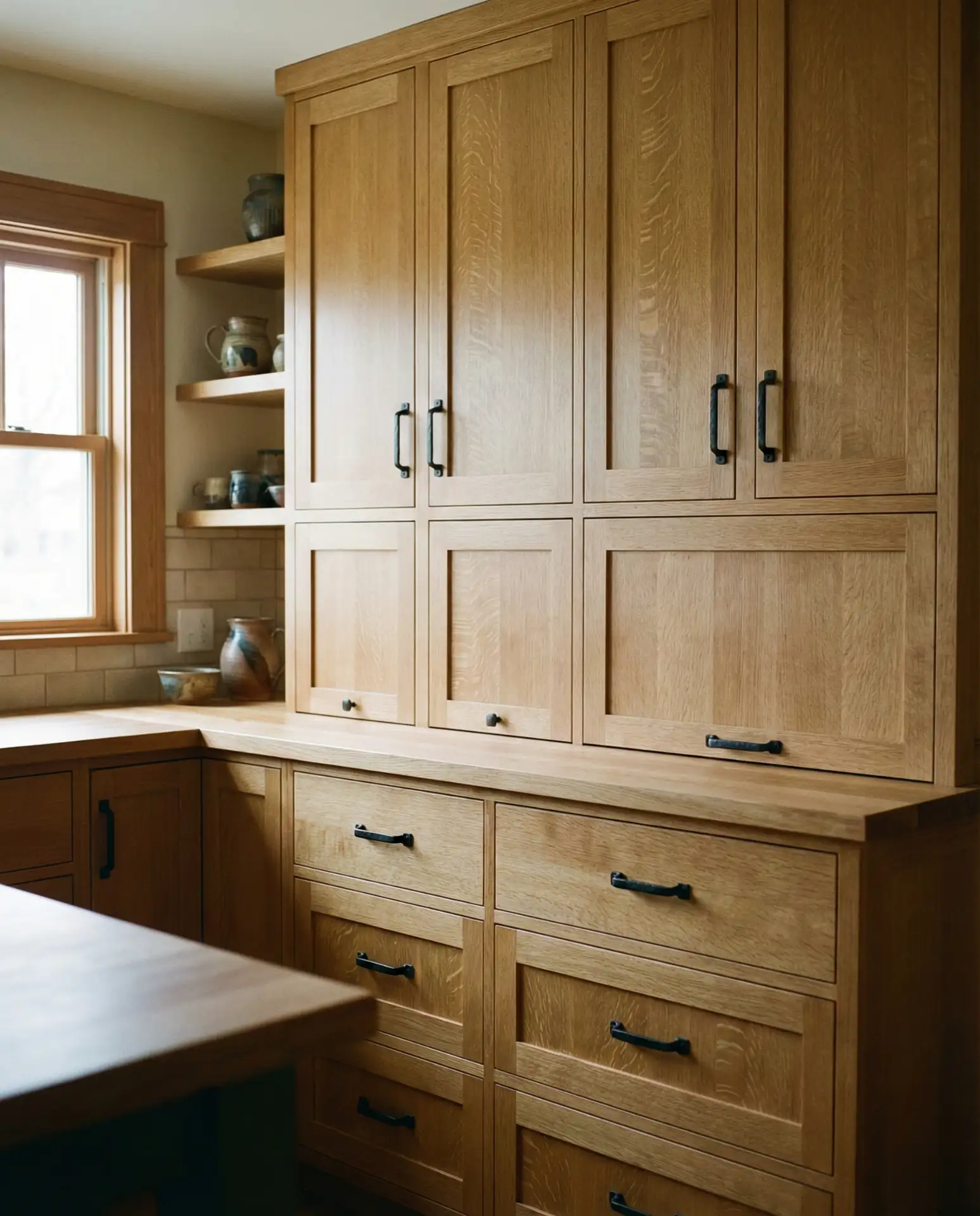
When you choose quarter-sawn white oak, you’re opting for a distinctive grain pattern that showcases vertical lines and characteristic “ray fleck” figuring. This milling technique produces cabinets with exceptional stability and a refined, uniform appearance that appeals to lovers of Craftsman and Arts and Crafts design. Quarter-sawn white oak has been a favorite in American architecture for over a century, particularly in Midwest bungalows and historic homes, and it’s experiencing a strong resurgence in 2026. The visual consistency makes it ideal for larger kitchens where you want a cohesive, sophisticated look.
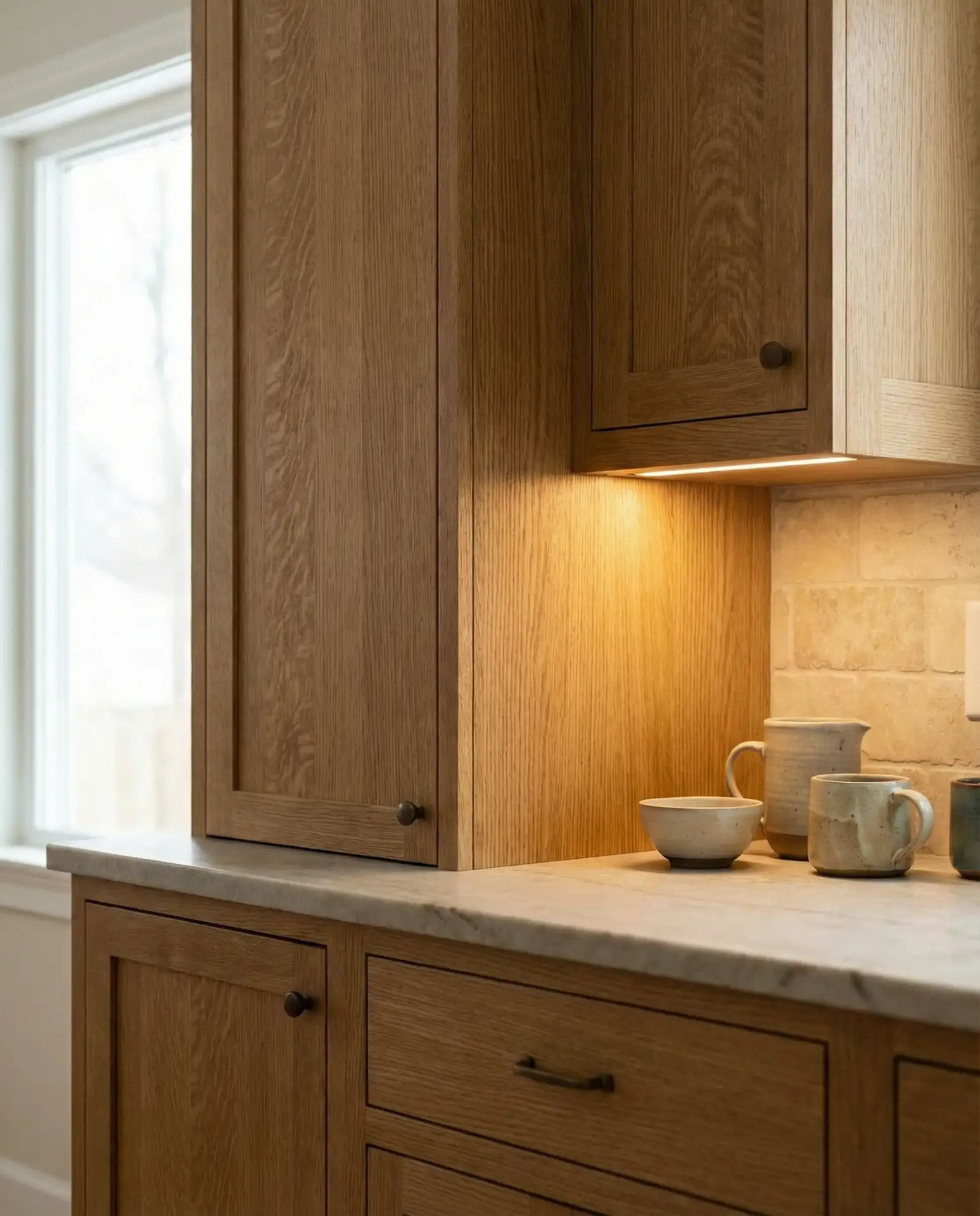
This cut works best in homes with period architecture or where homeowners want to honor historical details. In regions like New England and the Pacific Northwest, quarter-sawn oak feels particularly authentic and grounded. Because the grain is so tight and consistent, it takes stain beautifully and evenly, making it a reliable choice for those considering a custom stain color down the line. It’s also less prone to warping over time compared to plain-sawn lumber.
3. Rift Sawn White Oak for Minimalist Kitchens
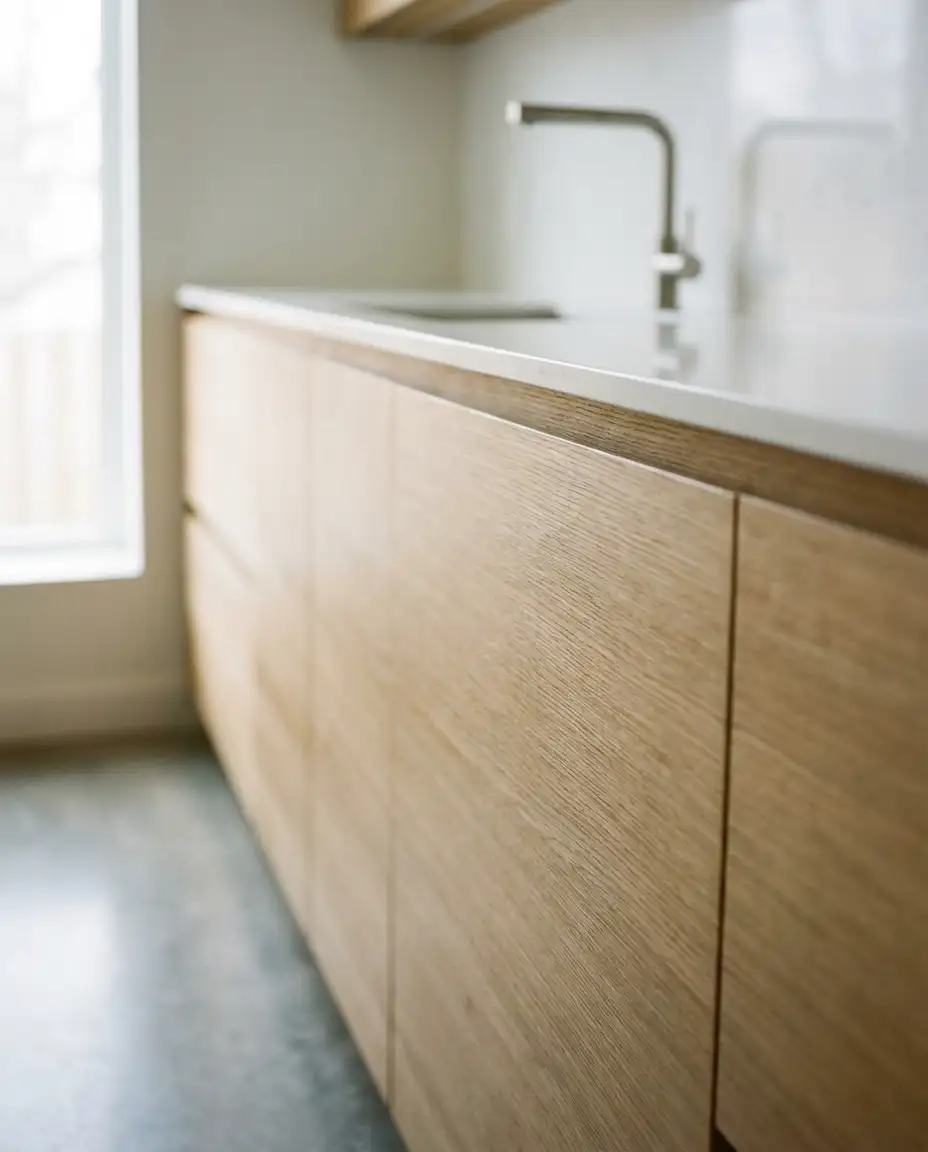
For homeowners drawn to clean lines and understated elegance, rift-sawn white oak is the ultimate choice. This cut produces an almost straight, linear grain with minimal figure, offering a sleek and modern aesthetic that pairs beautifully with minimalist hardware and integrated appliances. Rift-sawn oak is popular in contemporary urban kitchens, particularly in loft-style apartments and new construction homes where simplicity and quality materials take center stage. The subtle grain allows other design elements—like a bold backsplash or statement lighting—to shine without visual competition.
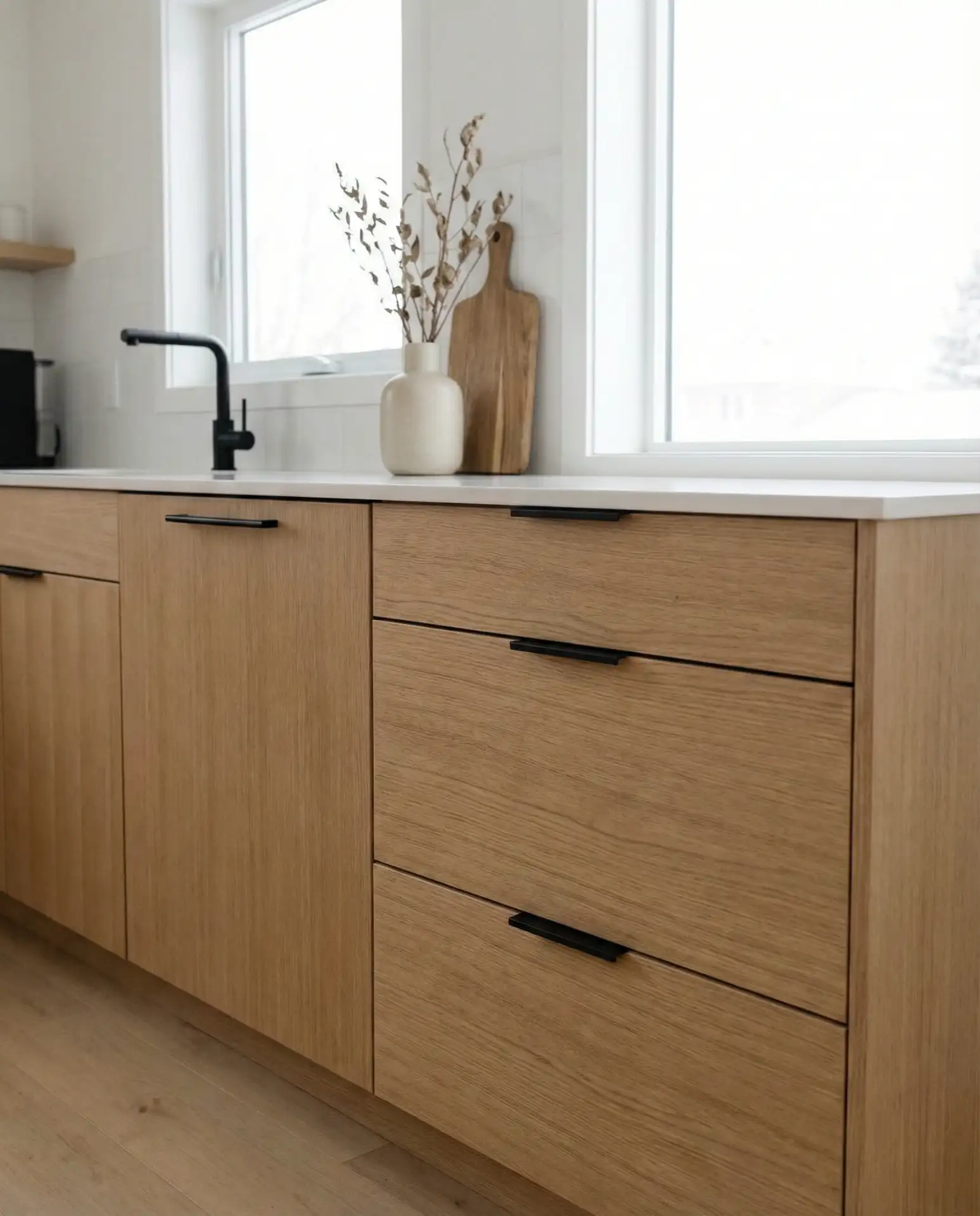
A common mistake homeowners make is assuming all white oak looks the same. Rift sawn is actually the most expensive cut due to the amount of waste during milling, but the investment pays off in a streamlined, high-end appearance. In American coastal cities like San Francisco and Miami, where modern design sensibilities dominate, rift-sawn oak has become the go-to for designers seeking a Zen-like calm. It also photographs exceptionally well, making it a favorite for Pinterest-worthy kitchen reveals.
4. Natural White Oak Finish for Warmth
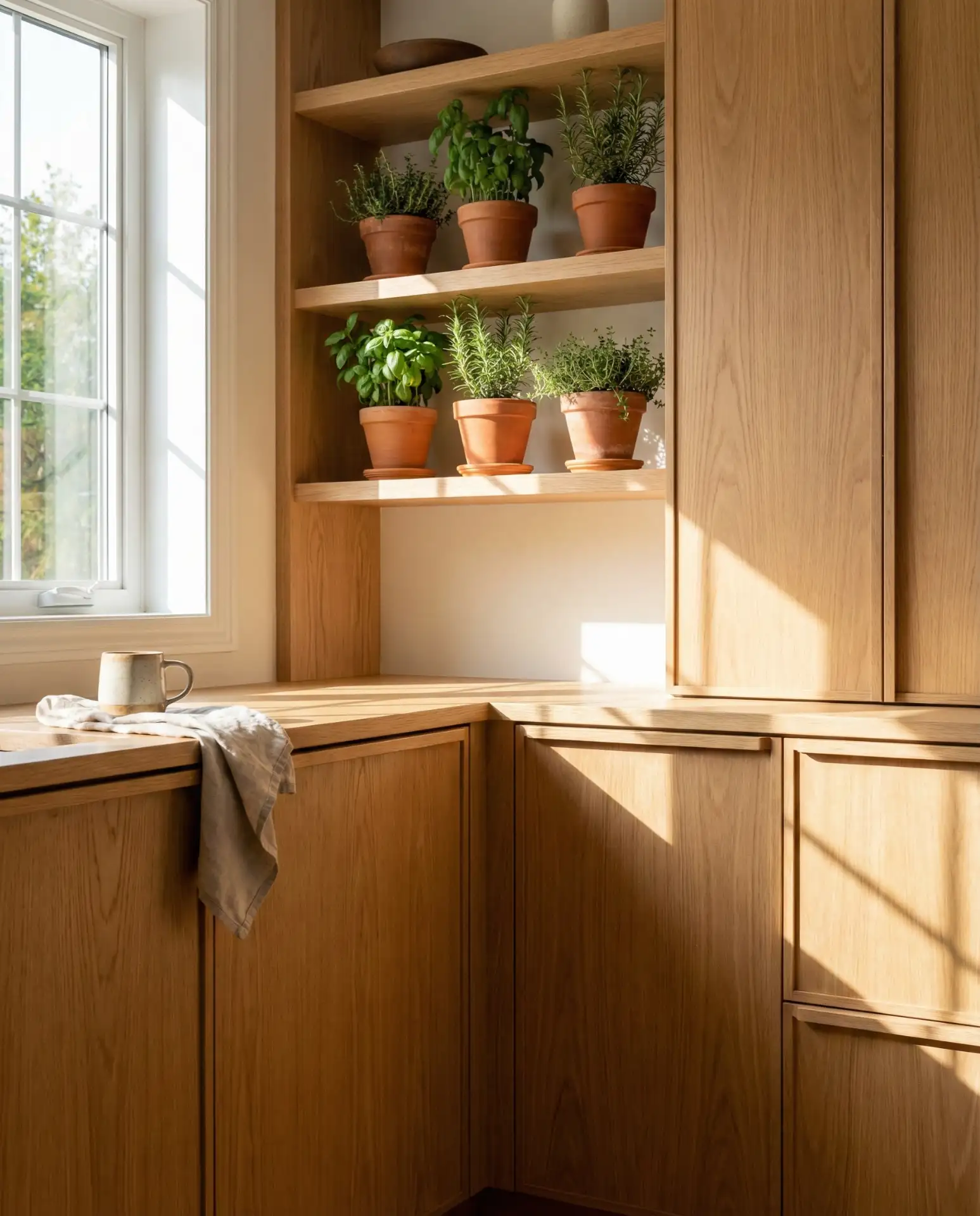
A natural white oak finish celebrates the wood’s inherent beauty, showcasing its honey and amber tones without heavy staining or alteration. This approach has become a cornerstone of the modern organic movement in American kitchen design, where authenticity and connection to natural materials matter most. Natural finishes work especially well in homes with abundant sunlight, as the wood’s color subtly shifts throughout the day. Paired with light countertops and soft textiles, natural white oak creates a welcoming, lived-in feel that appeals to families and entertainers alike.
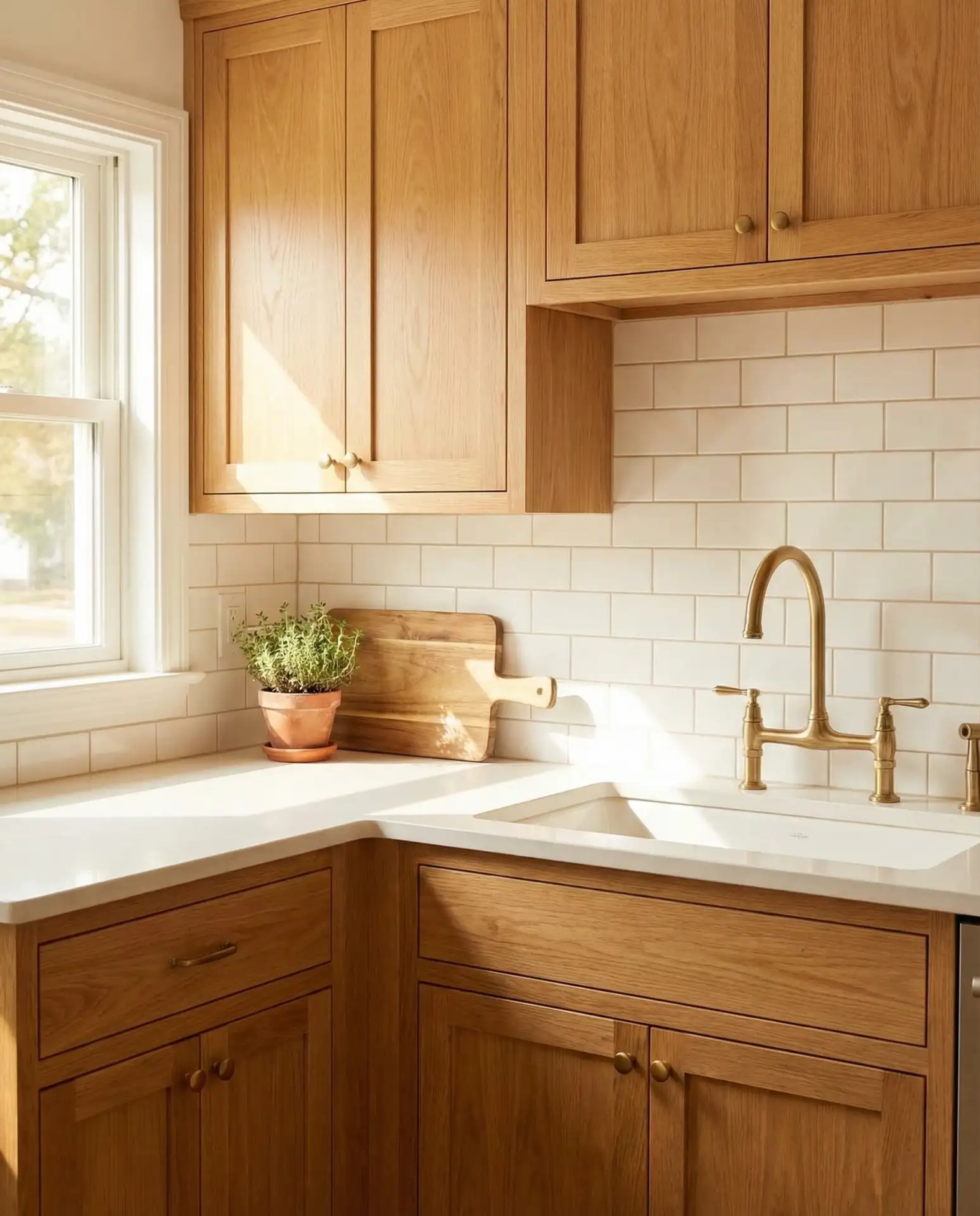
In the American South and Southwest, where warm climates and indoor-outdoor living are prevalent, a natural finish on white oak feels right at home. One homeowner in Austin told her designer she wanted her kitchen to feel like “a hug,” and natural oak delivered exactly that. The finish is also forgiving—minor scratches and dings blend into the wood’s character rather than standing out as flaws. For budget-conscious renovators, skipping dark stains can save on labor costs while still delivering a high-end look.
5. Rustic White Oak with Visible Knots
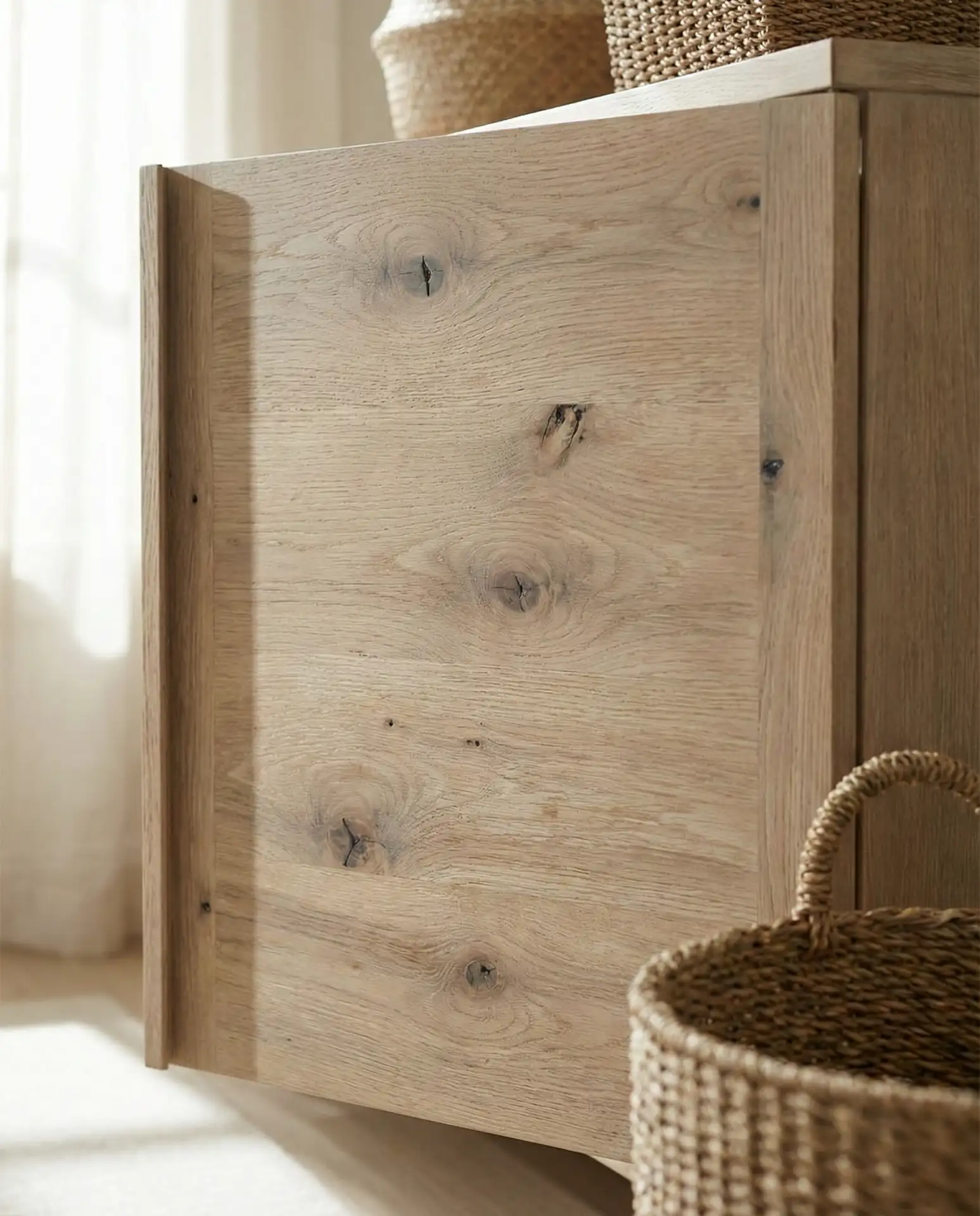
Embracing the rustic side of white oak means celebrating imperfections—knots, mineral streaks, and natural variations that give each cabinet door a unique personality. This style resonates deeply with farmhouse and cottage aesthetics, where lived-in charm trumps sterile perfection. Rustic white oak cabinets are particularly popular in rural settings and suburban homes influenced by modern farmhouse trends. The irregular grain and character marks pair beautifully with reclaimed wood accents, vintage hardware, and terracotta floor tiles for an earthy, grounded vibe.
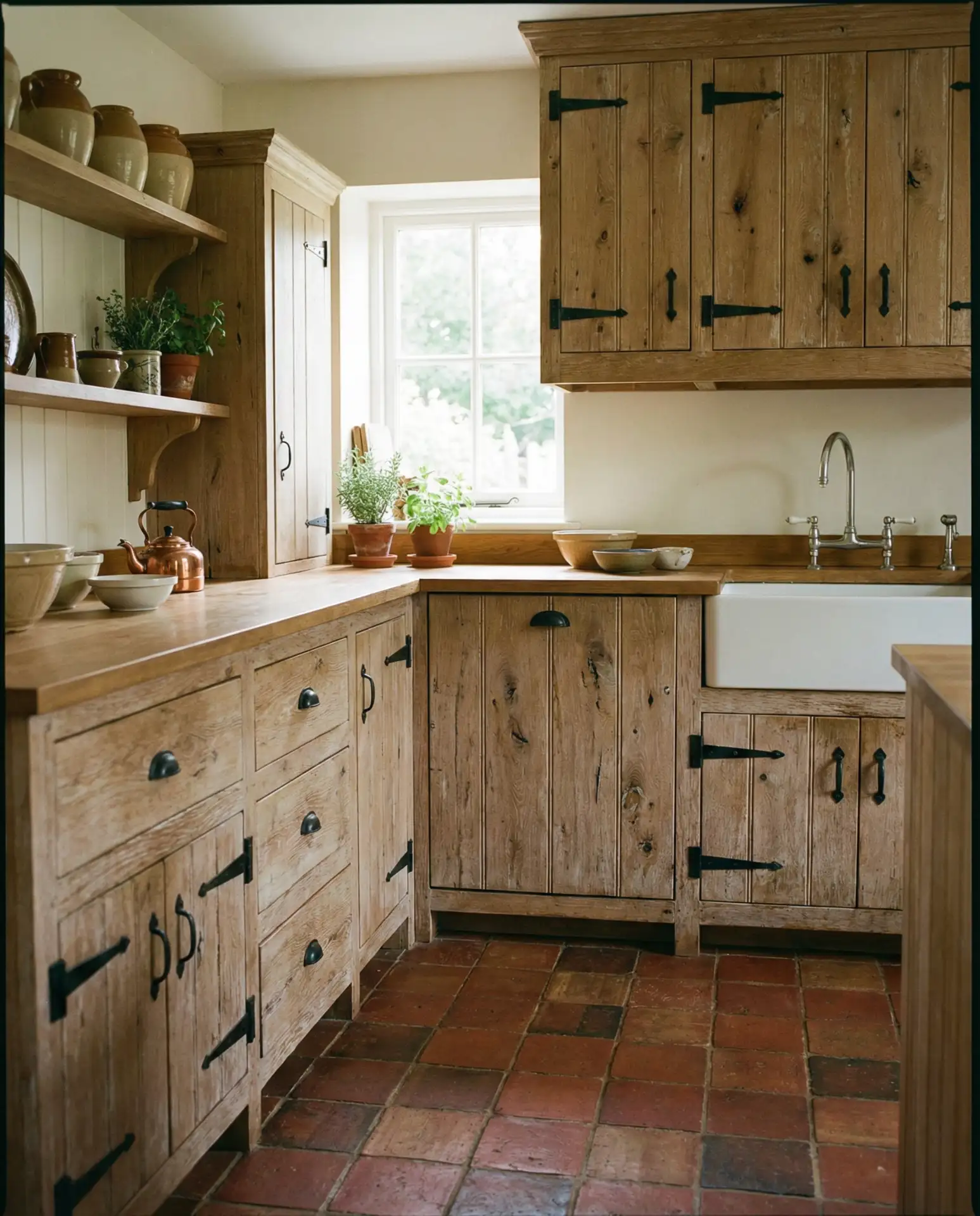
Expert designers often specify rustic oak for kitchens where the homeowner wants a story told through materials. In Appalachian regions and the mountain West, this style feels authentic and rooted in local building traditions. It’s worth noting that rustic-grade oak is typically more affordable than clear-grade wood, making it an excellent choice for larger projects or whole-home renovations. The key is balancing the rough texture with polished elements like sleek countertops or modern lighting to avoid an overly “theme park” feel.
6. White Oak Cabinets with Black Countertops
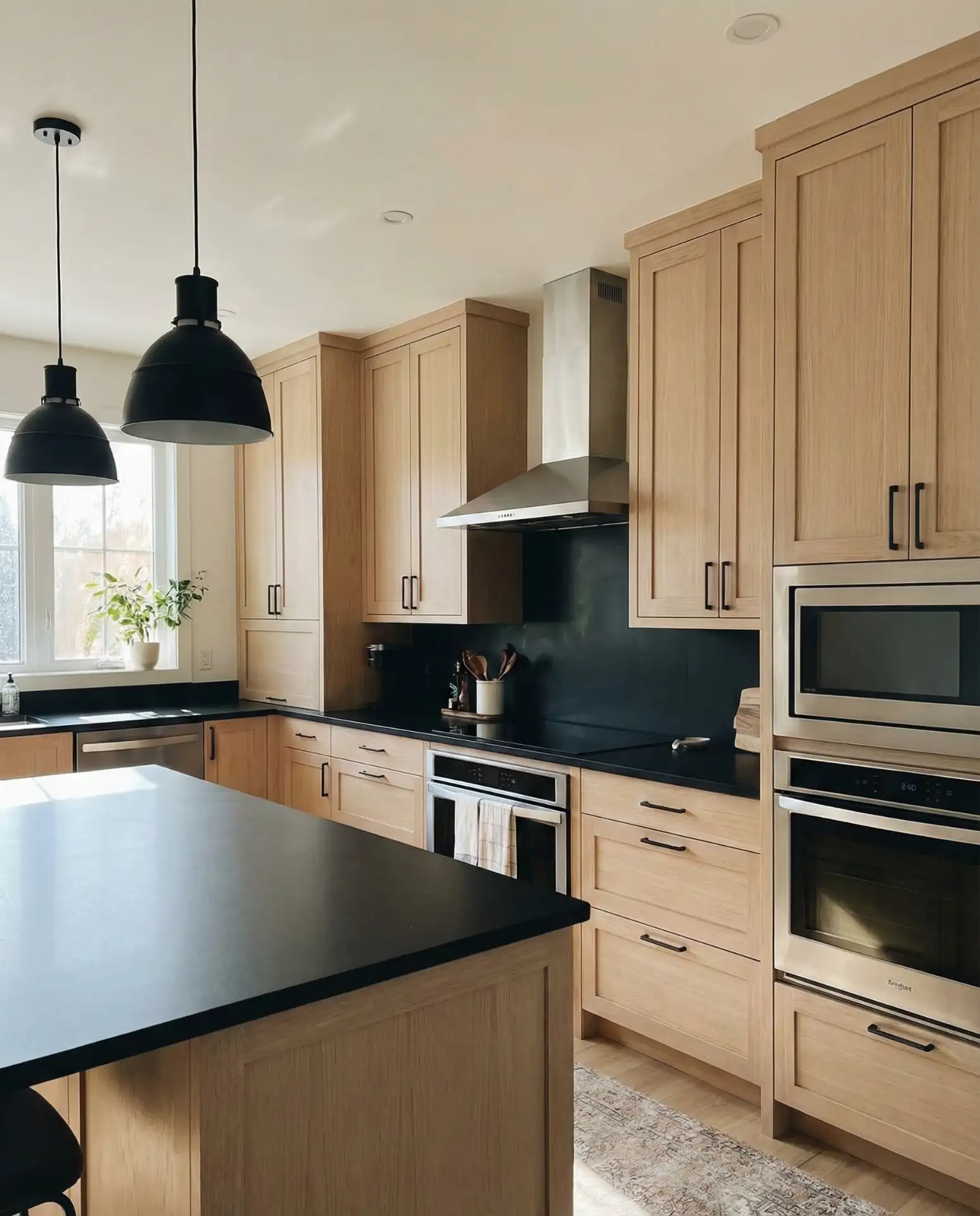
The pairing of white oak cabinets and black countertops delivers high contrast and undeniable drama, making it one of the most striking combinations in contemporary kitchen design. Whether you choose honed granite, matte soapstone, or leathered black quartz, the dark surface creates a bold horizontal line that grounds the warmth of the wood. This look has gained traction in urban markets and modern suburban builds where homeowners aren’t afraid to make a statement. Black counter surfaces also hide stains and wear better than lighter materials, a practical consideration for busy households.
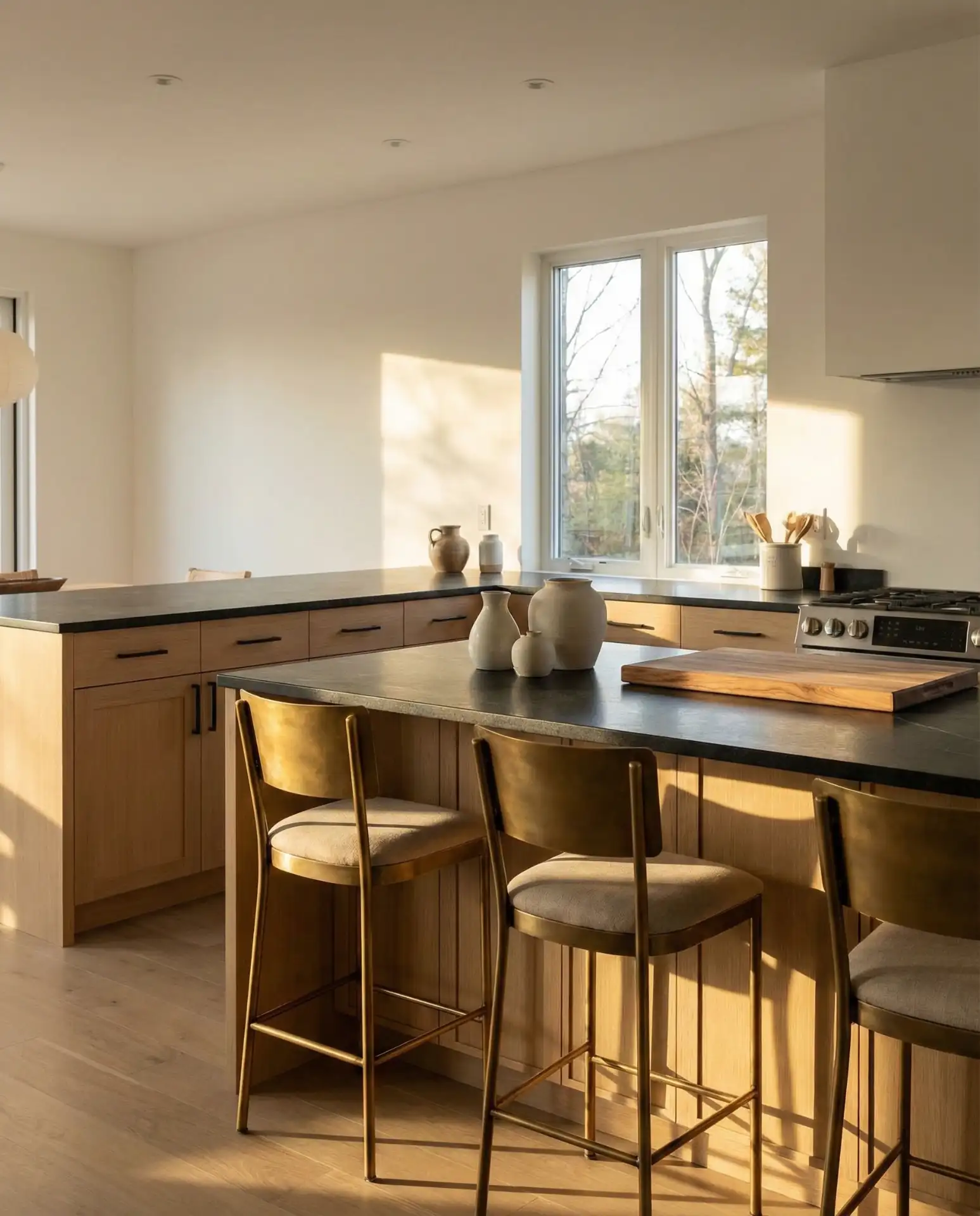
This combination works best in kitchens with ample natural light or strong artificial lighting, as the black surface can absorb light and make smaller spaces feel closed in. In loft apartments in cities like Chicago and Brooklyn, the white oak and black pairing fits seamlessly into industrial-chic interiors. One real homeowner in Portland mentioned that switching from white marble to black granite countertops transformed her kitchen from “safe and boring” to “bold and confident.” Just be sure to balance the darkness with lighter walls or open shelving.
7. White Oak with Dark Wood Floors
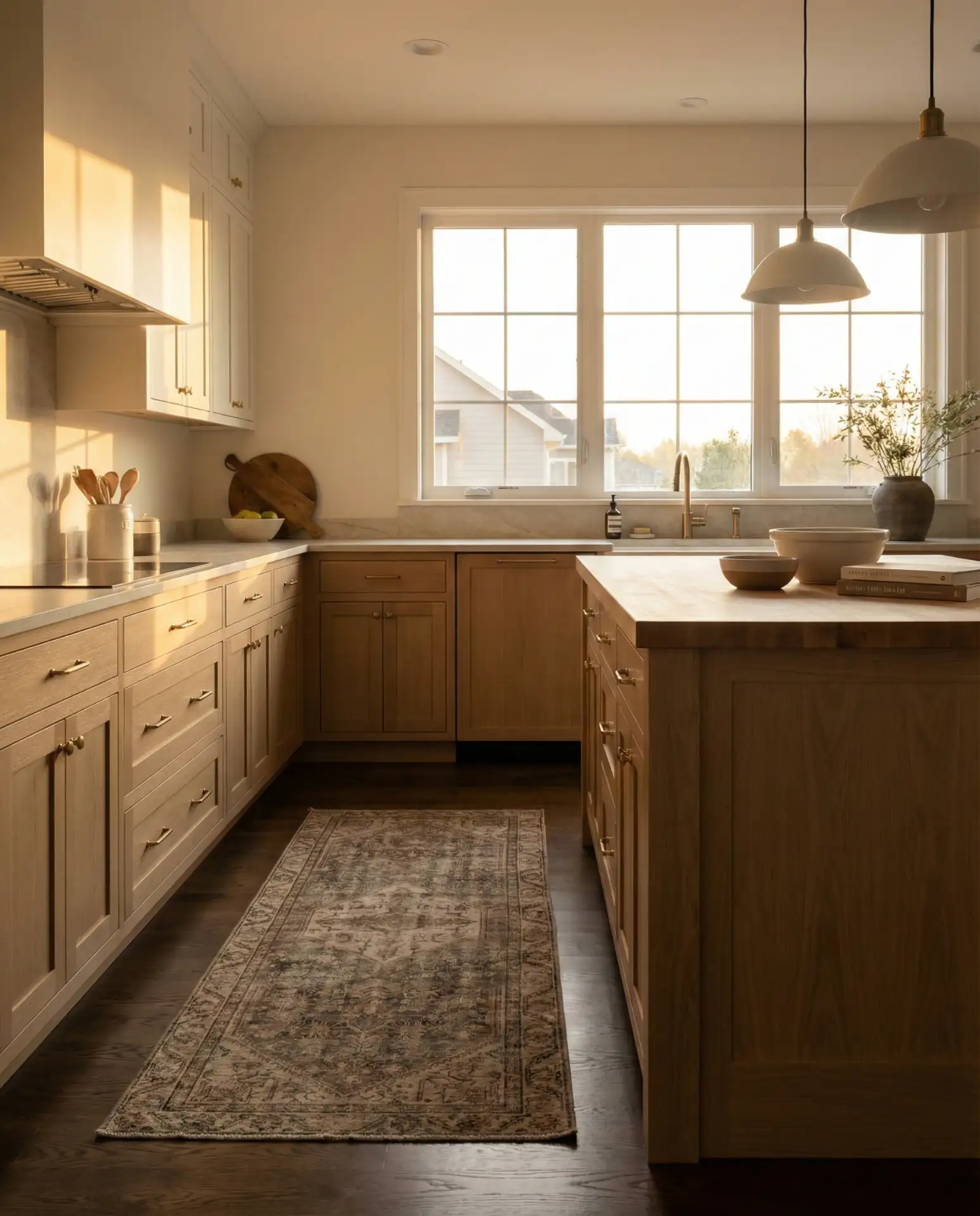
Combining white oak cabinets with dark wood floors creates a layered, sophisticated aesthetic that grounds the kitchen in rich, natural tones. The contrast between the lighter cabinetry and deeper flooring adds visual interest without overwhelming the space. This pairing is especially popular in traditional and transitional homes where wood-on-wood combinations feel cohesive and intentional. Dark floors in walnut, espresso-stained oak, or even engineered hickory provide a strong foundation that allows the white oak to stand out as the focal point. The look is both timeless and forgiving, as darker floors camouflage dirt and wear.
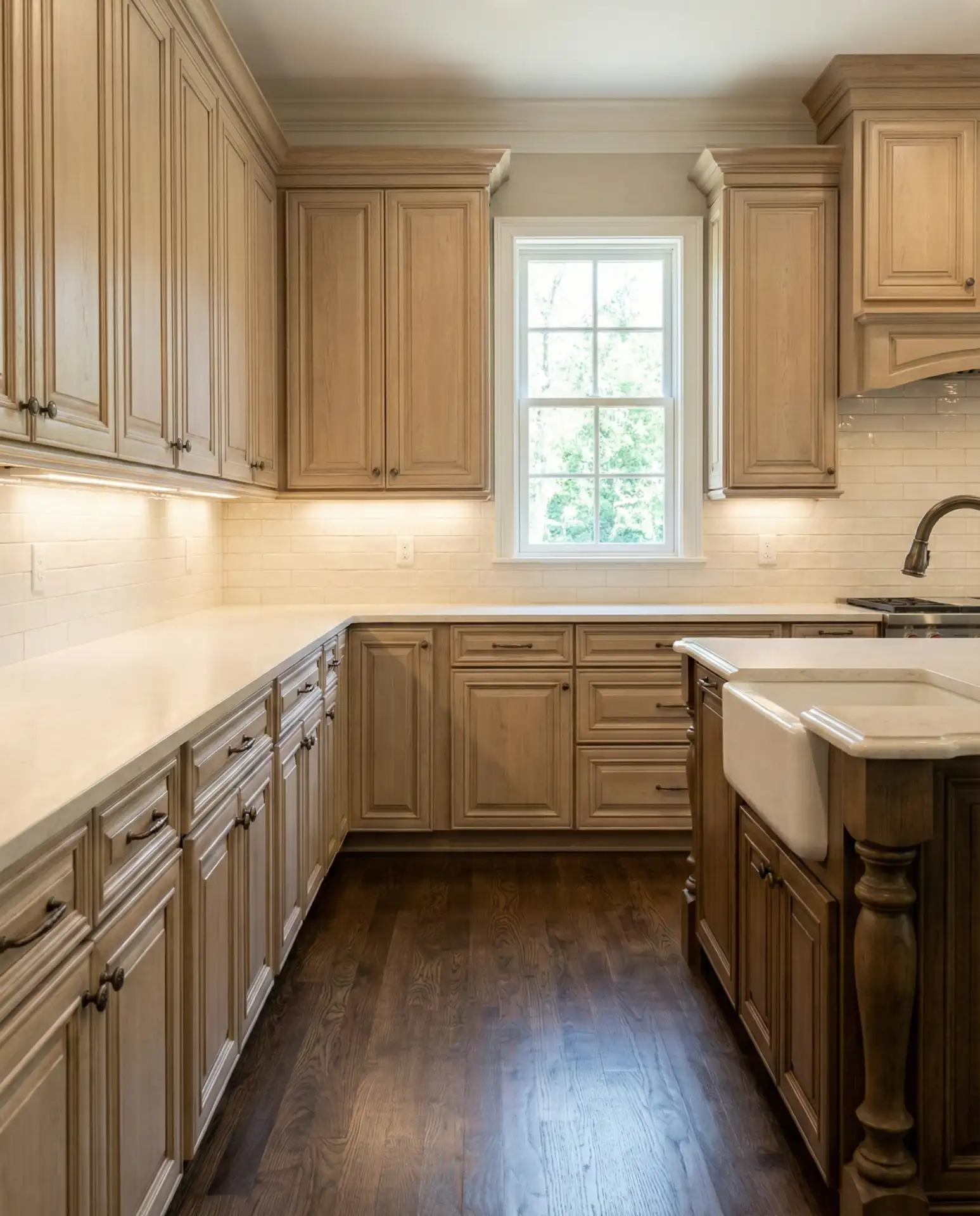
A common mistake is assuming dark floors will make a space feel smaller. In reality, they often add depth and richness, especially in open-plan homes where the kitchen flows into dining and living areas. Across the American Midwest and Northeast, where hardwood floors are a prized feature, pairing them with white oak cabinetry honors regional building traditions. To avoid a heavy look, consider lighter wall colors, glass-front upper cabinets, or open shelving to maintain airiness and balance.
8. Slim Shaker White Oak Cabinets
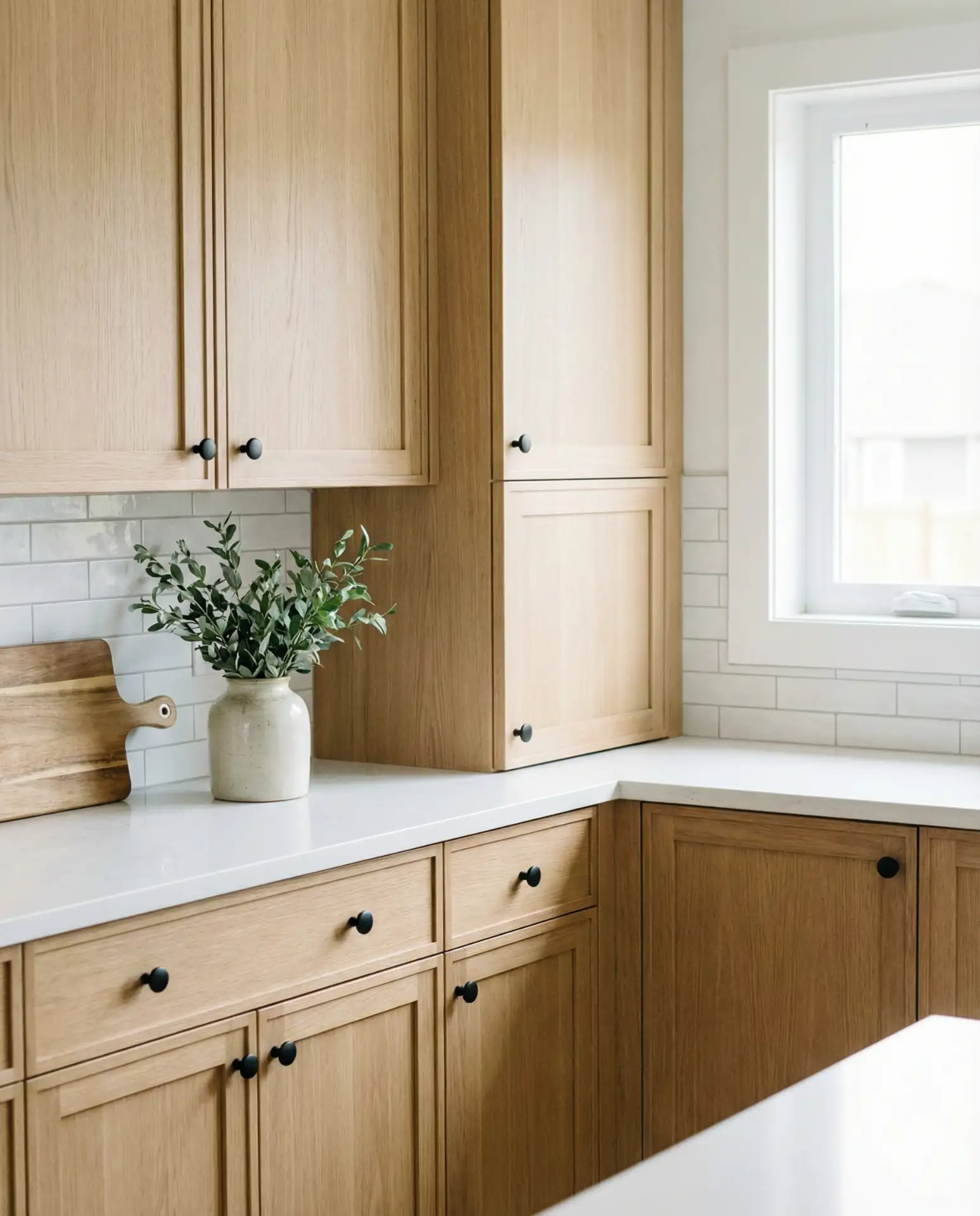
The slim shaker profile takes the classic five-piece shaker door and refines it with narrower frame rails and a more delicate proportion, resulting in a sleeker, more contemporary appearance. This updated version of a timeless design bridges the gap between traditional and modern, making it a versatile choice for kitchens of all sizes. Slim shaker white oak cabinets offer the warmth and texture of natural wood while maintaining clean lines that appeal to minimalist sensibilities. The style works particularly well in smaller kitchens and galley layouts where visual lightness is key.
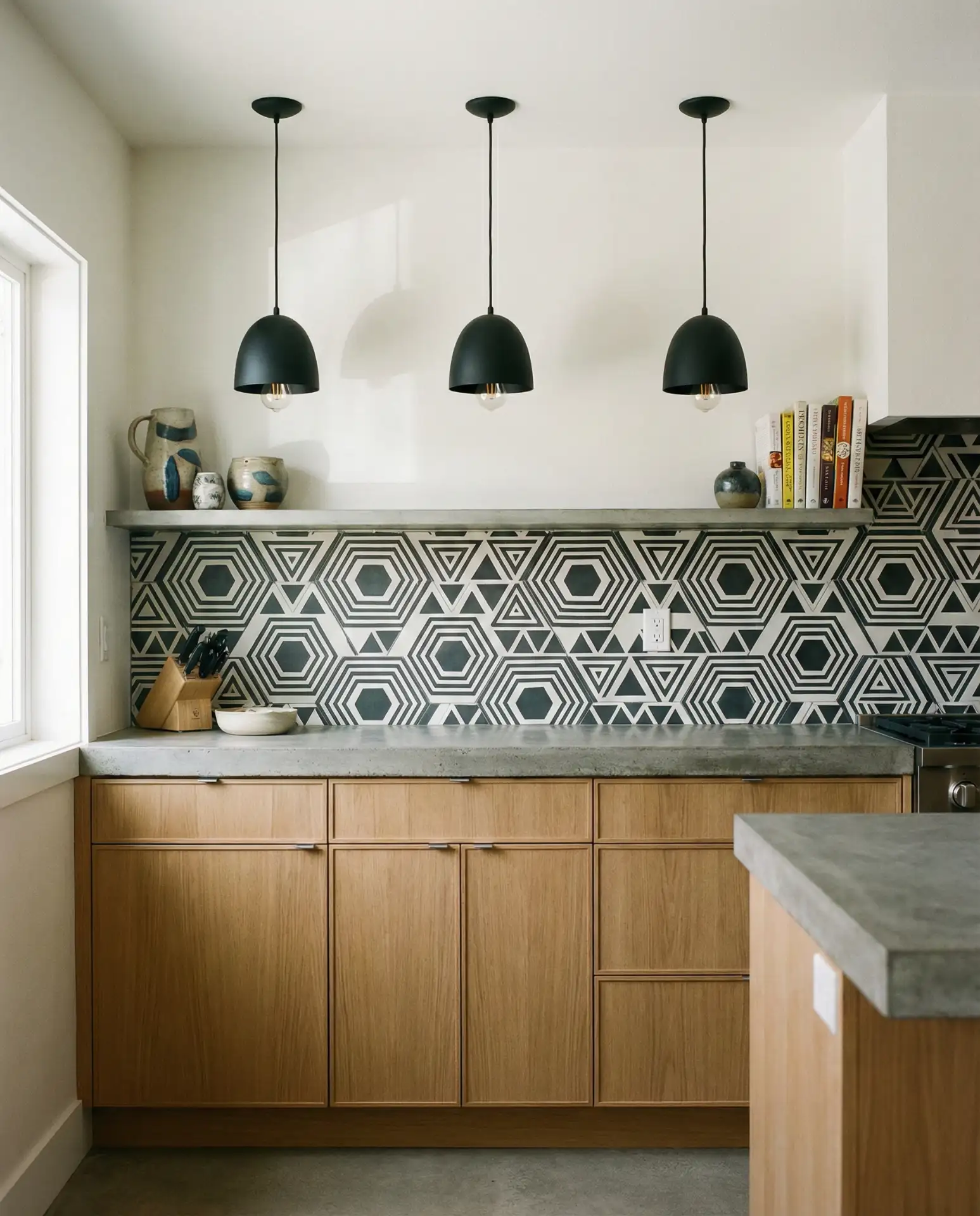
In American coastal cities and newer suburban developments, slim shaker designs are replacing bulkier traditional cabinetry. The streamlined proportions photograph beautifully and work well with integrated appliances and handleless designs. One designer in Seattle noted that clients often request slim shakers because they feel “fresh without being trendy.” Budget-wise, the cost is comparable to a standard shaker, making it an accessible upgrade that delivers significant visual impact. Pair with brass hardware for a warm, elevated finish.
9. White Oak Cabinets with Bold Backsplash Ideas
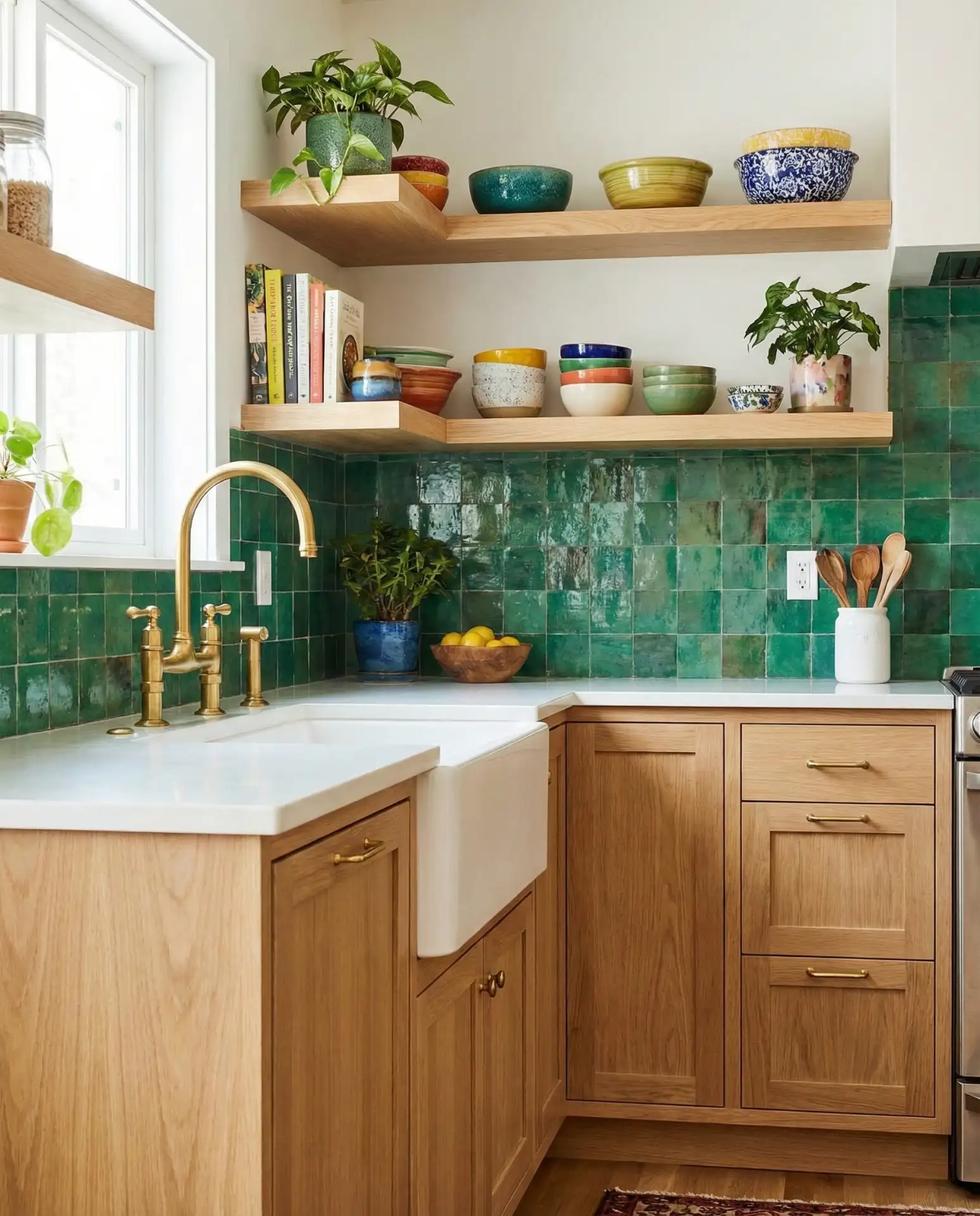
White oak’s neutral, warm tones make it the perfect backdrop for adventurous backsplash ideas that add personality and color to the kitchen. From Moroccan zellige tiles in saturated blues and greens to geometric cement tiles in black and white, the wood’s natural beauty anchors bold patterns without competing visually. This approach is especially popular among younger homeowners who want their kitchens to reflect their personal style and creativity. Backsplash choices can range from glossy subway tile in unexpected colors to textured stone or even mirrored glass for a touch of glamour.
In regions like Southern California and the Southwest, homeowners often draw on Spanish and Mediterranean influences, choosing terracotta, hand-painted tiles, or vibrant mosaics. On the East Coast, classic subway tile gets a twist with jewel tones or metallic glazes. The key is choosing a backsplash that complements the undertones of your white oak—cooler tiles can balance warmer wood, while warm tiles enhance its honey glow. This is also an area where you can express regional identity or cultural heritage through tile patterns and colors.
10. White Oak Cabinets and Grey Floors
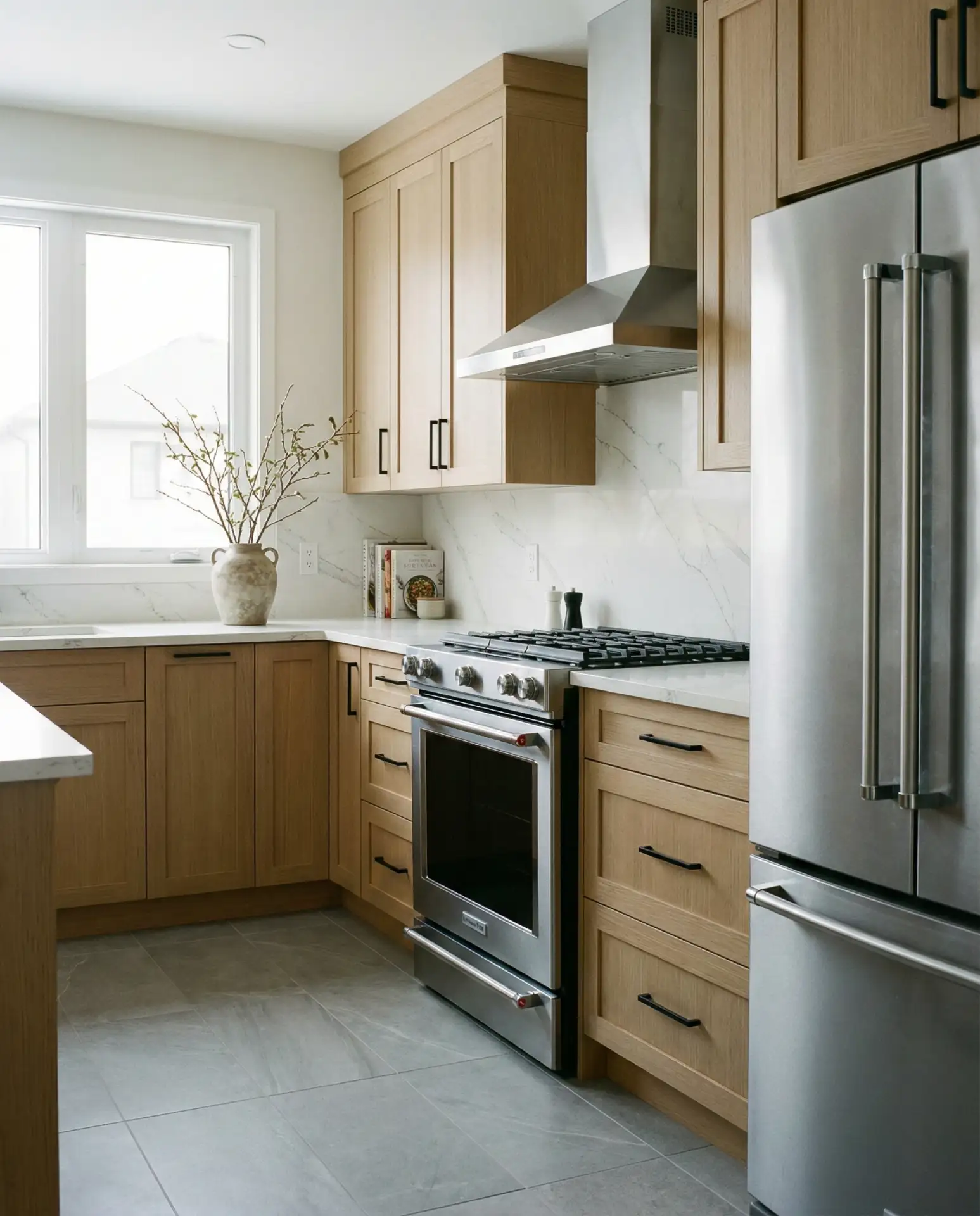
Pairing white oak cabinets with grey floor tiles or hardwood creates a sophisticated, balanced palette that feels both modern and timeless. The cool neutrality of grey flooring tempers the warmth of white oak, resulting in a kitchen that’s neither too rustic nor overly minimalist. Grey floors in materials like limestone, concrete-look porcelain, or grey-washed oak have become a staple in new construction and remodels across the U.S. This combination is versatile enough to work with a wide range of color schemes, from crisp whites to deep charcoals.
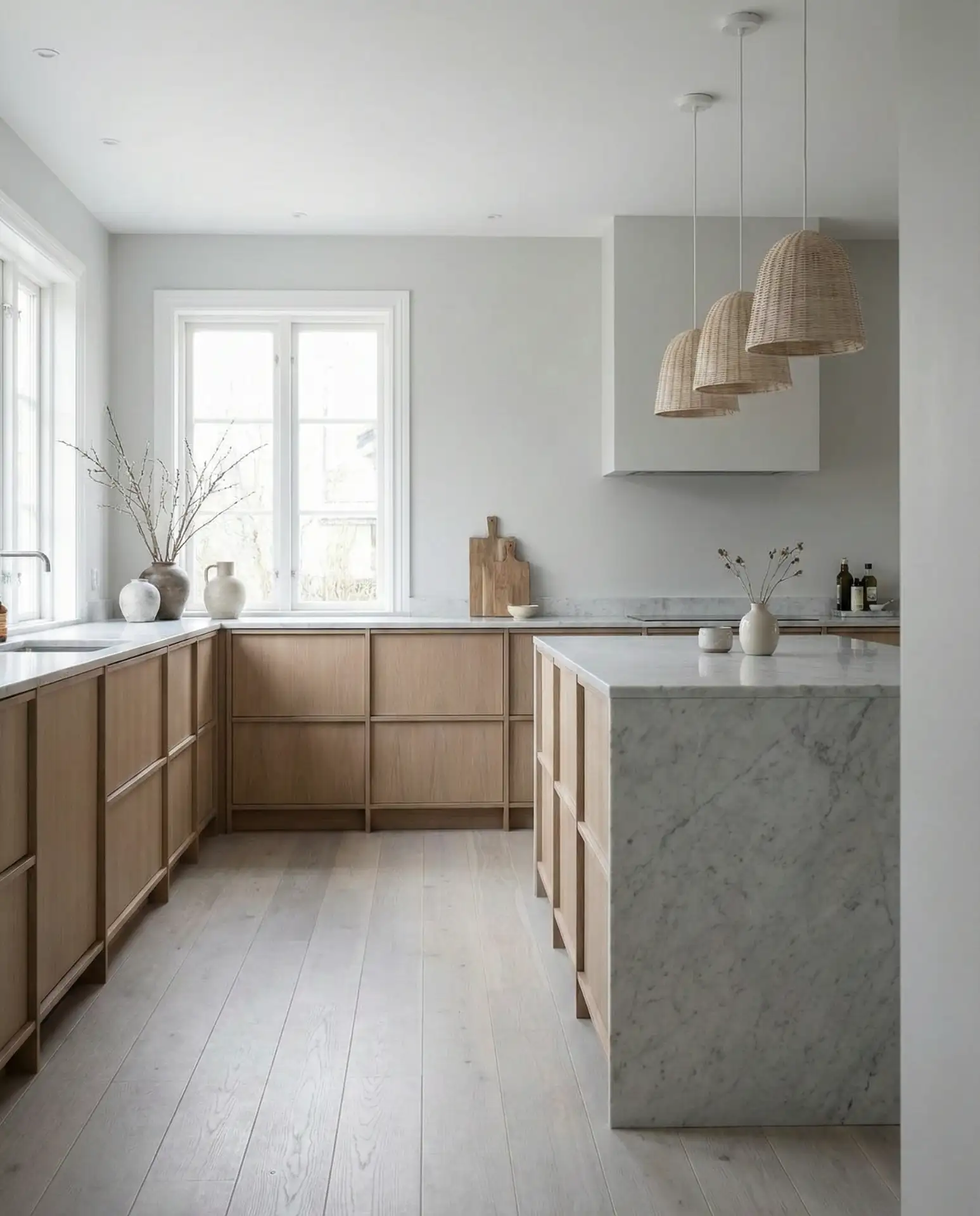
This pairing works best in homes with good natural light, as grey can read as cold in darker spaces. In suburban homes from Texas to New Jersey, grey flooring has replaced beige as the go-to neutral, offering a cleaner, more contemporary feel. One practical insight: grey floors show dust and pet hair less than white or black surfaces, making them ideal for households with kids and pets. The wood’s warmth ensures the kitchen still feels inviting and livable, even with the cooler floor tone.
11. White Oak Cabinets with Brass Hardware
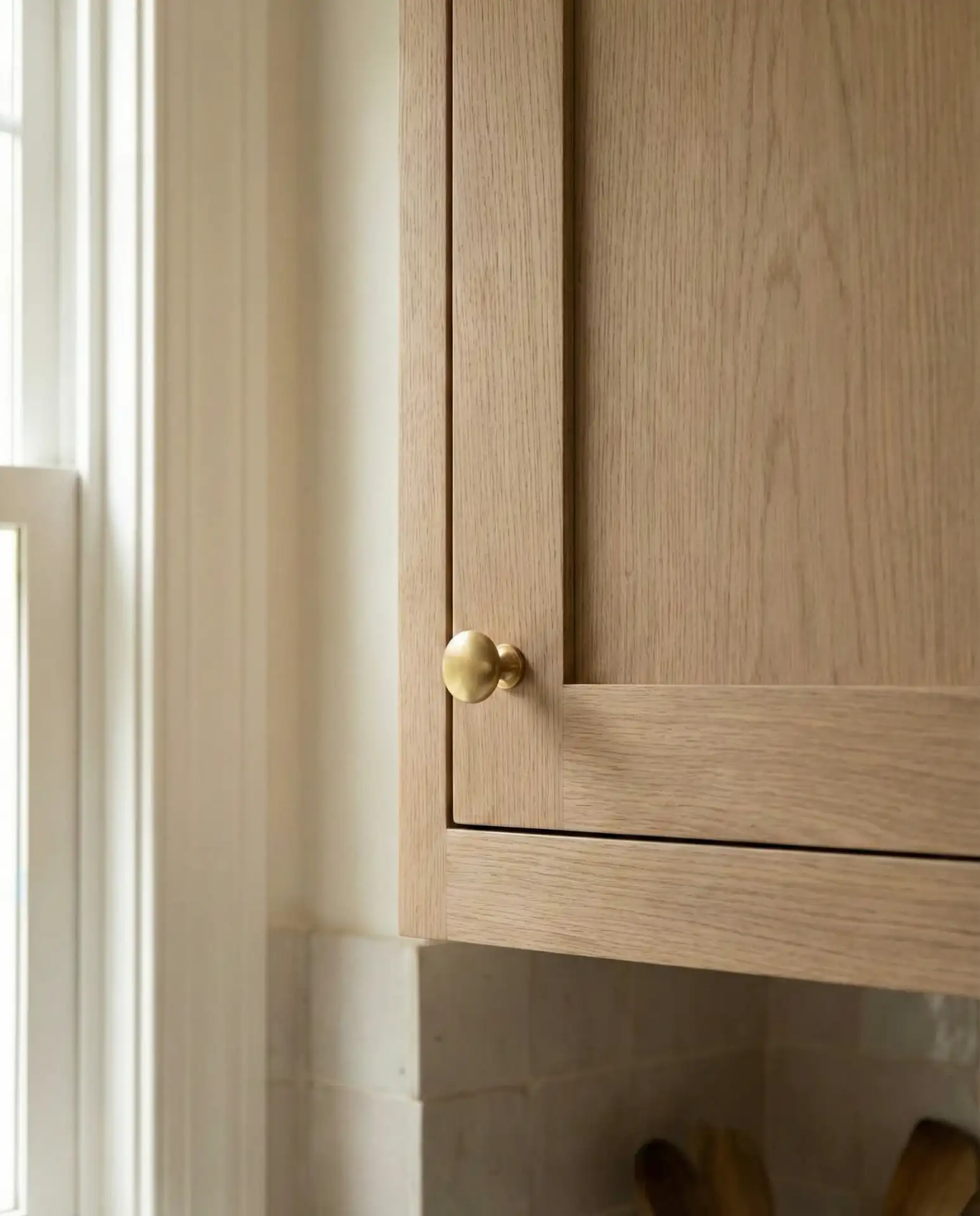
Unlacquered or aged brass hardware paired with white oak cabinets delivers a warm, lived-in elegance that feels both timeless and distinctly American. Unlike polished gold, brass develops a patina over time, adding character and a sense of history to the kitchen. This combination is a favorite among designers working on historic renovations and new builds that nod to traditional craftsmanship. Brass hardware comes in various finishes—from satin to antique—and each brings a slightly different mood, from understated to richly decorative. The metal’s golden tones enhance the honey hues in white oak, creating a cohesive, harmonious look.
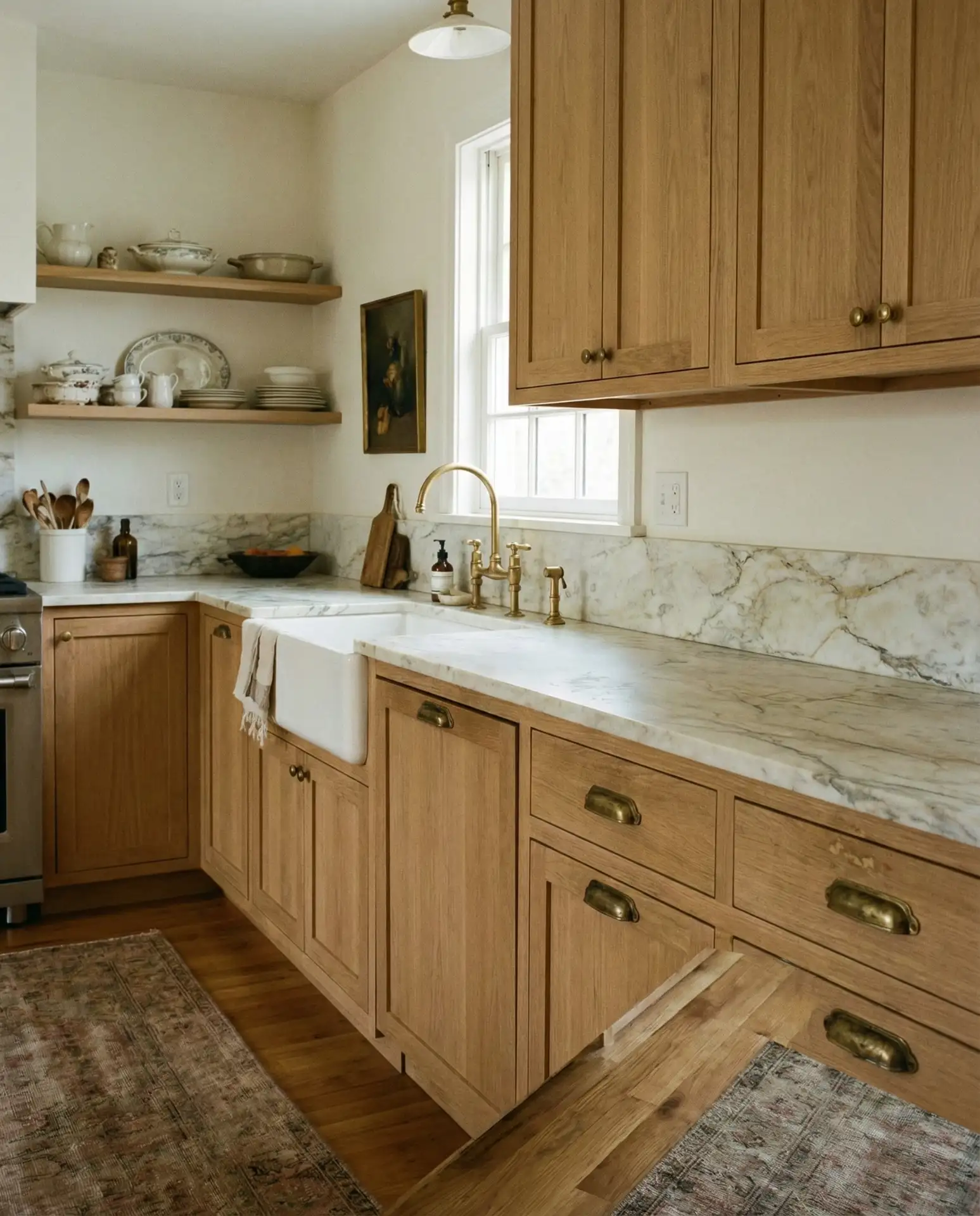
In the American South, brass hardware on oak cabinetry is practically a design staple, reflecting regional preferences for warmth and hospitality. One Atlanta homeowner swapped chrome pulls for aged brass and said it “instantly made the kitchen feel more personal.” The beauty of unlacquered brass is that it evolves with use, making each kitchen truly one of a kind. For those hesitant about the patina process, sealed brass options offer a similar look with less maintenance. Pair with dark counters for a striking contrast.
12. White Oak Cabinets with Terracotta Floors
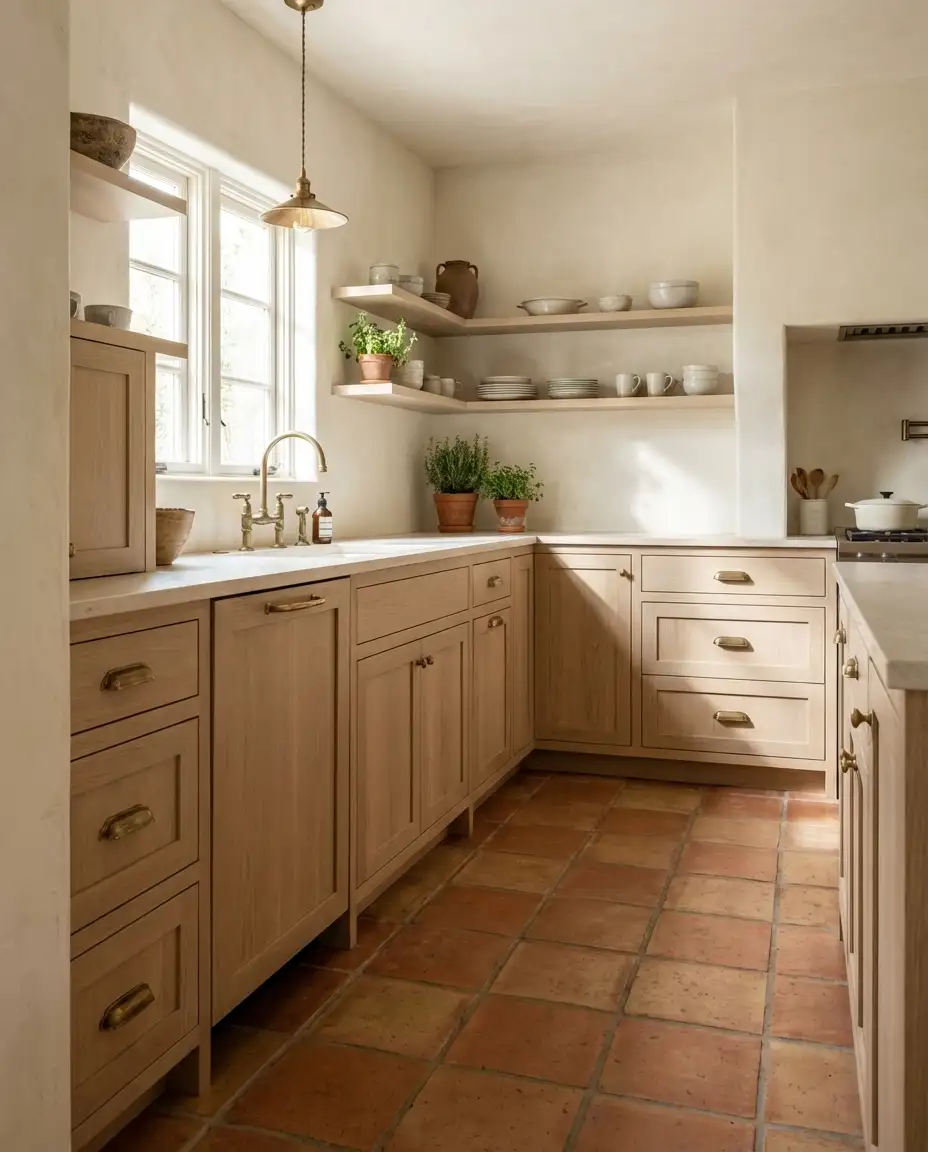
The warm, earthy tones of terracotta floor tiles paired with white oak cabinets create a kitchen that feels grounded, inviting, and rich with texture. This combination has deep roots in Spanish Colonial and Mediterranean design, making it especially popular in the Southwest, California, and Florida. Terracotta brings an artisanal, handcrafted quality to the space, while white oak provides clean lines and natural warmth. The pairing works beautifully in homes with stucco walls, arched doorways, and abundant natural light, evoking a sense of timeless comfort and effortless style.
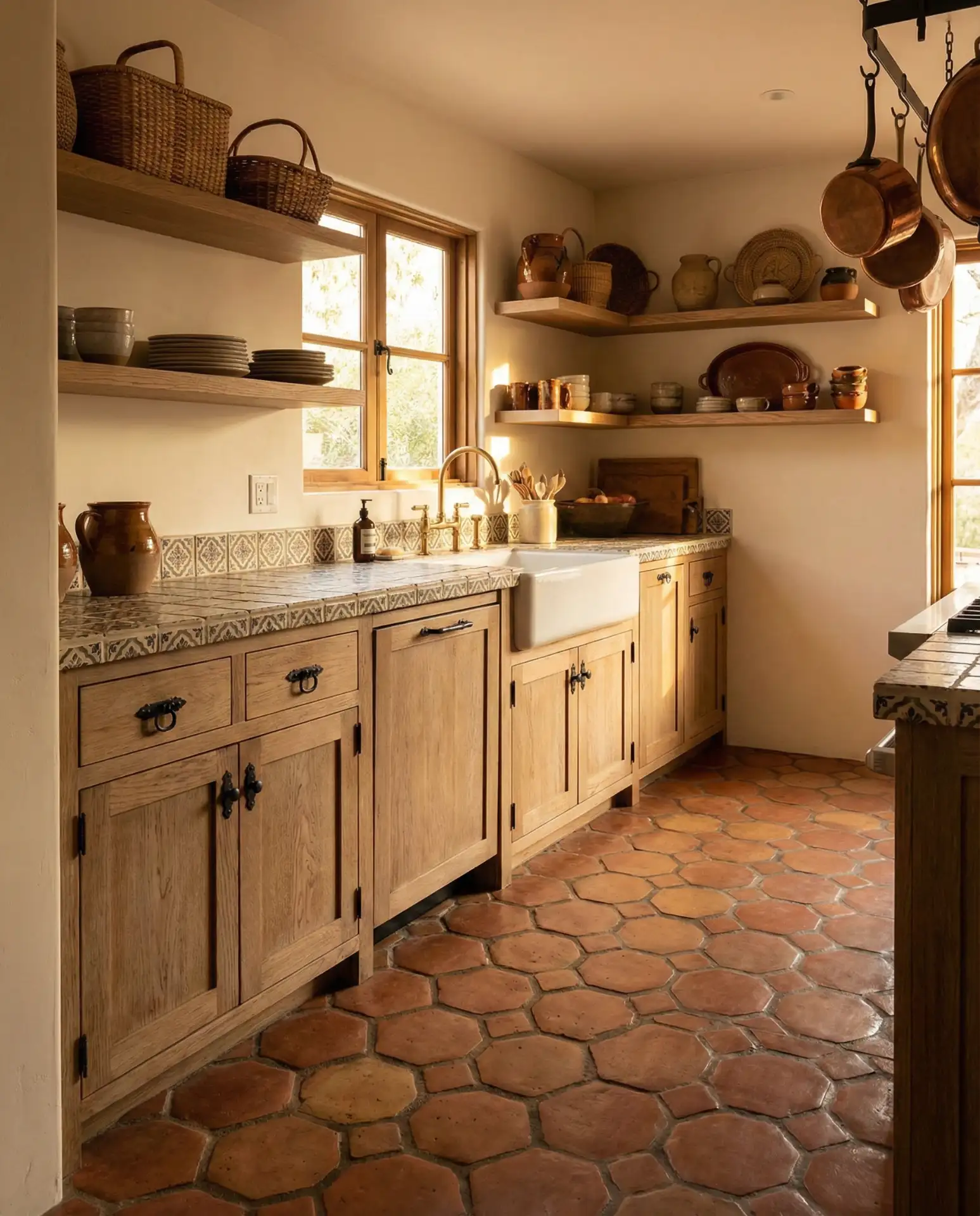
This aesthetic works best in homes where indoor-outdoor living is central to the lifestyle. In Arizona and Southern California, terracotta floors help keep spaces cool while maintaining visual warmth. One designer in Santa Fe noted that clients love how the combination feels “both rustic and refined.” The porous nature of terracotta requires sealing, but the maintenance is worth the authentic, Old World charm. Pair with natural or lightly stained white oak for a cohesive, earthy palette that never goes out of style.
13. Choosing the Right Stain Color for White Oak
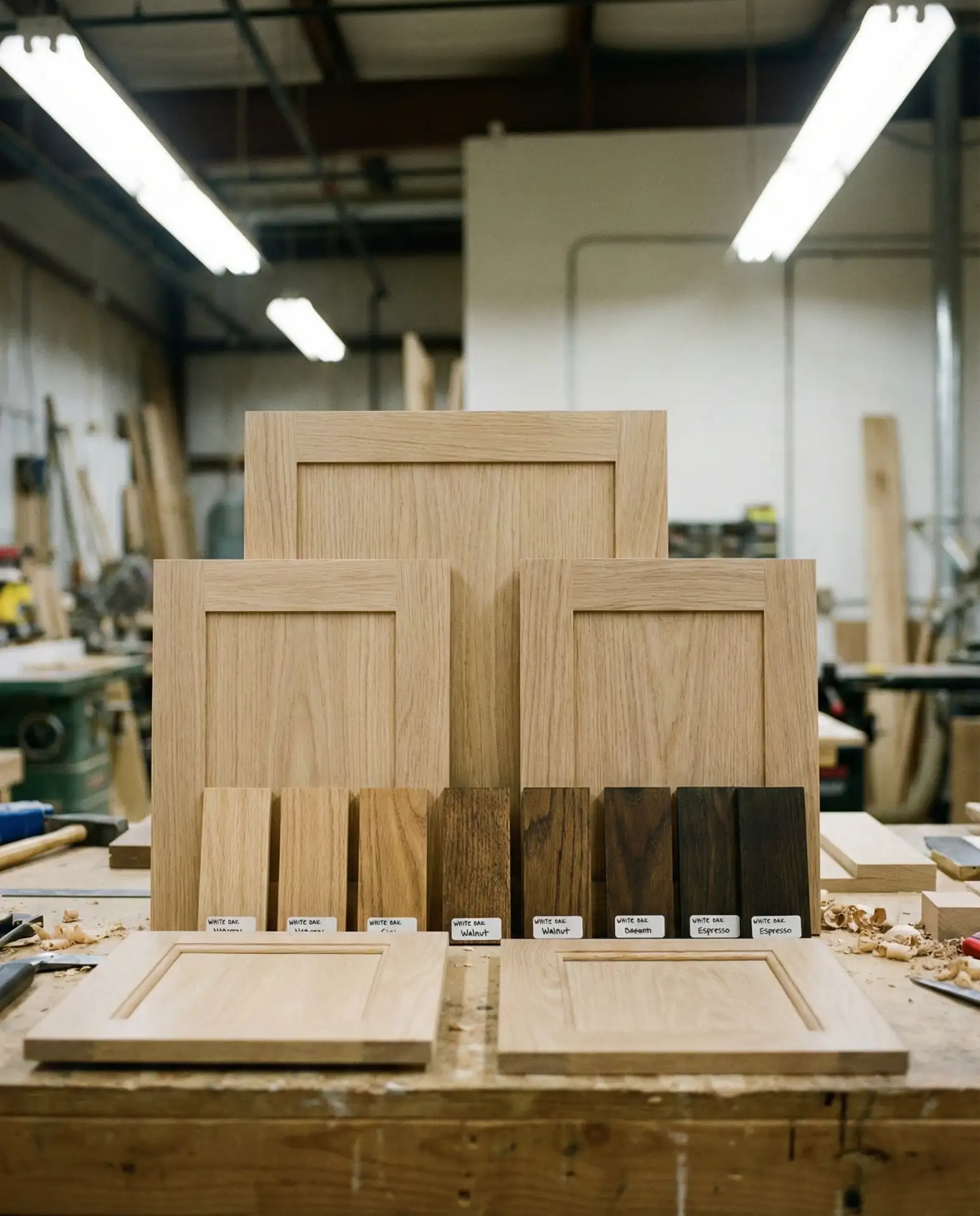
Selecting the right stain color for white oak cabinets can dramatically alter the look and feel of your kitchen, from light and airy to moody and dramatic. White oak accepts stain beautifully thanks to its open grain, but it’s important to test samples in your actual space, as lighting and surrounding materials will affect how the color reads. Popular options include warm honey tones that enhance the wood’s natural character, cool grays that modernize the grain, and deep espressos that add richness and sophistication. Stain color choices should align with your overall design vision and the existing palette of your home.
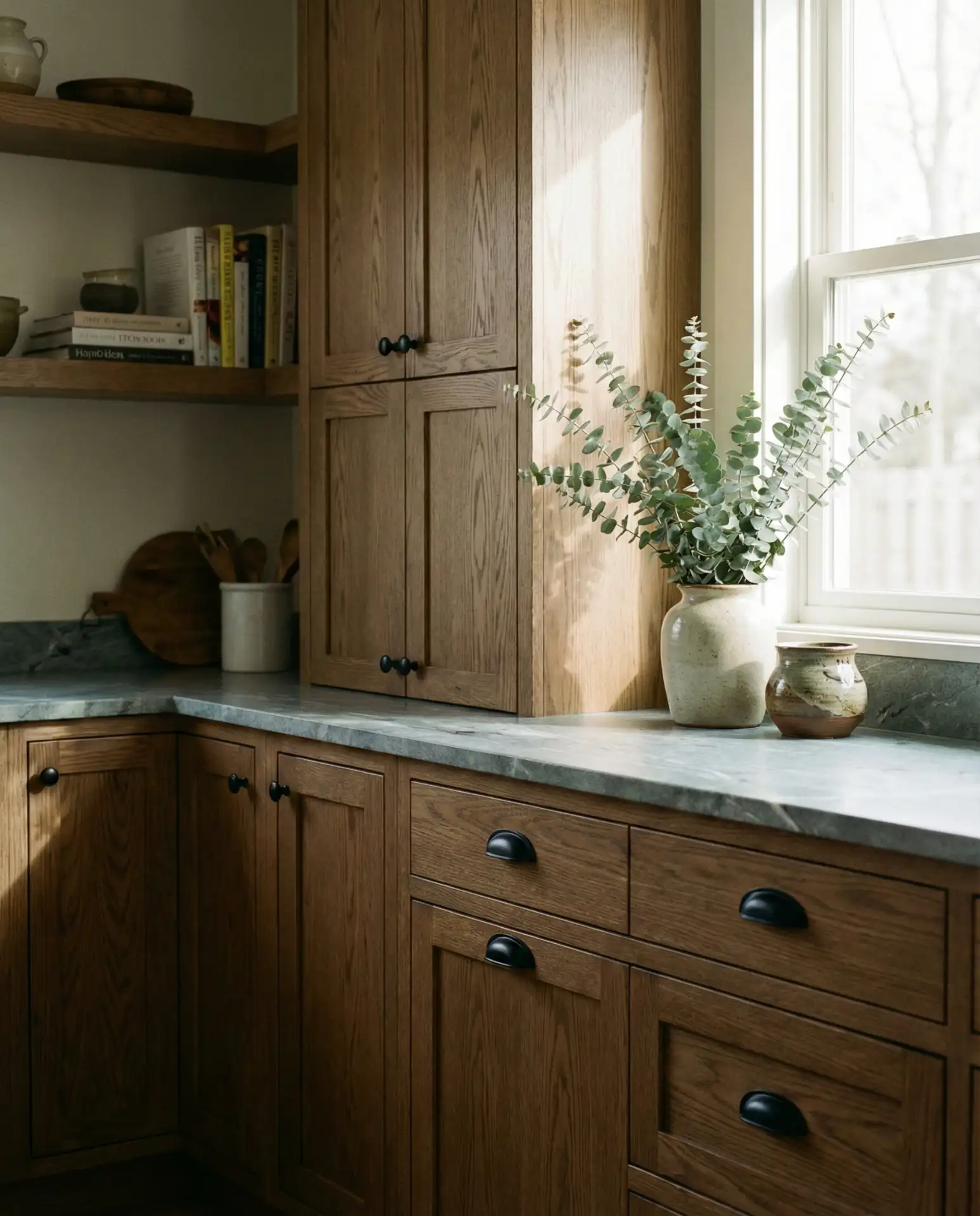
A common mistake is choosing a stain based solely on a small chip without considering how it interacts with your floors, countertops, and wall color. Real homeowners often report that stains look darker or warmer than expected once applied to full cabinet doors. In American homes, regional trends vary—West Coast kitchens lean toward lighter, natural stains, while Midwest and Southern homes often embrace richer, darker tones. Always request large samples and view them in morning, afternoon, and evening light before making a final decision. Consider finish options as well, since matte and satin finishes affect color perception.
14. Exploring Finish Options for White Oak Cabinets
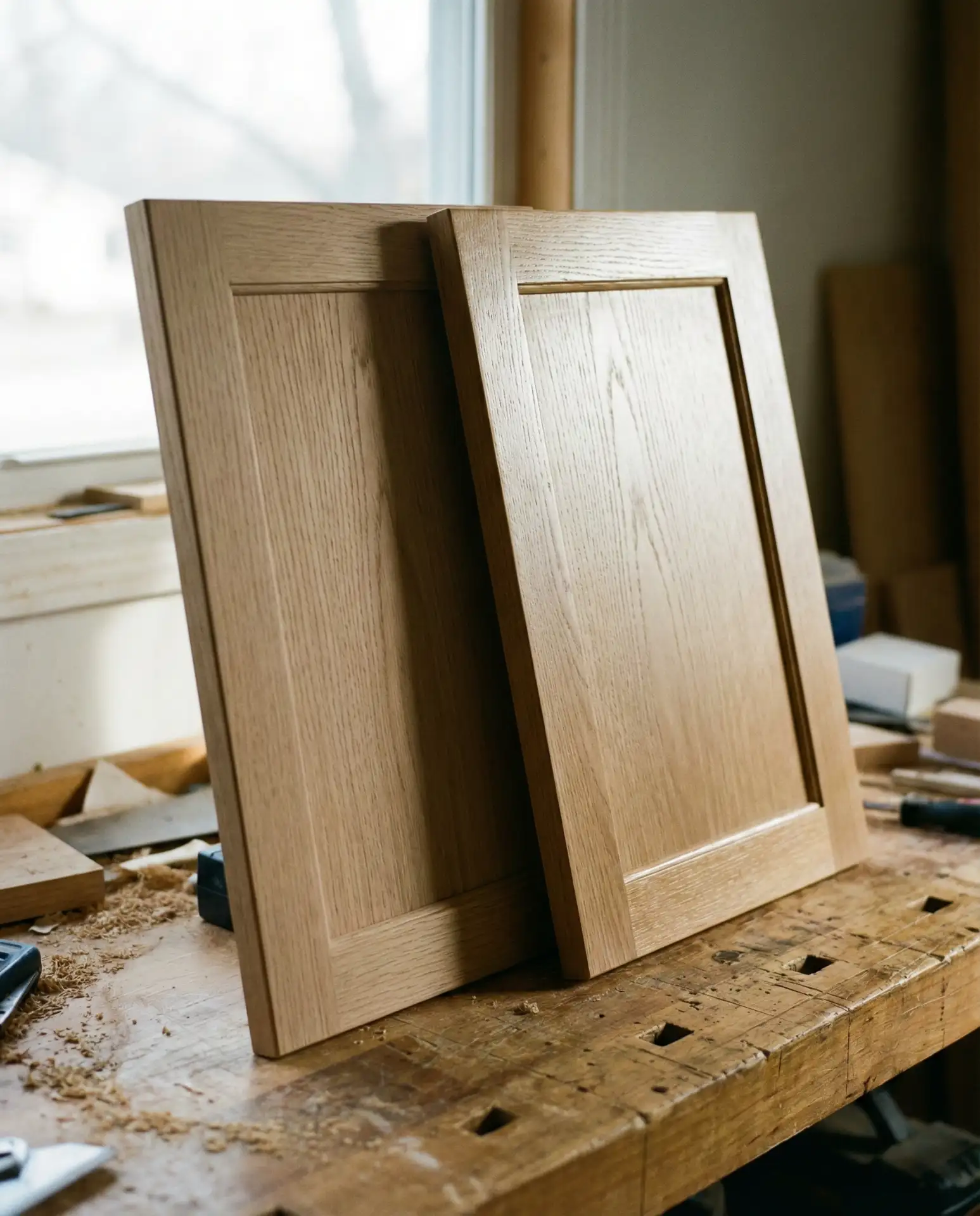
The finish options you choose for white oak cabinets impact not only appearance but also durability and maintenance. Matte finishes offer a modern, understated look that hides fingerprints and feels soft to the touch, while satin finishes provide subtle sheen and easier cleanability. Gloss finishes are less common on wood cabinetry but can add drama and reflectivity in contemporary spaces. Many homeowners opt for conversion varnish or water-based polyurethane for their durability and low VOC emissions. Finish options also affect how the wood’s grain reads—matte finishes emphasize texture, while shinier finishes highlight color and figure.
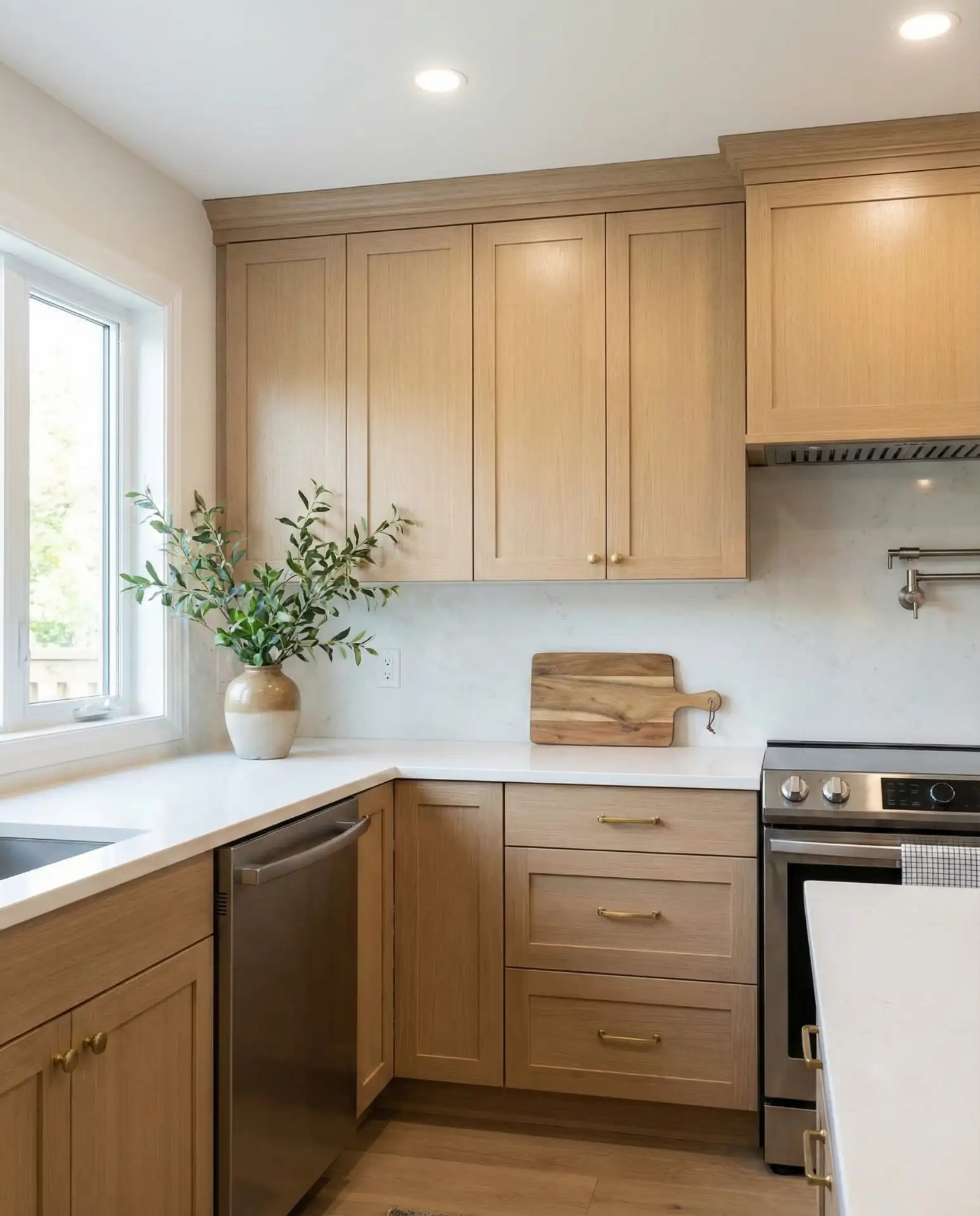
In practical terms, satin and semi-gloss finishes are the most popular in American kitchens because they balance beauty with functionality. Matte finishes have surged in popularity in urban and design-forward markets, where homeowners prioritize a soft, tactile experience. One cabinetmaker in North Carolina shared that clients increasingly ask for hand-rubbed oil finishes, which require more maintenance but offer unmatched warmth and authenticity. Budget considerations matter too—higher-end finishes with UV protection or conversion varnish add cost but extend the life of the cabinetry significantly. Discuss finish options early in the design process to align expectations and budget.
15. White Oak Cabinets with Green Island
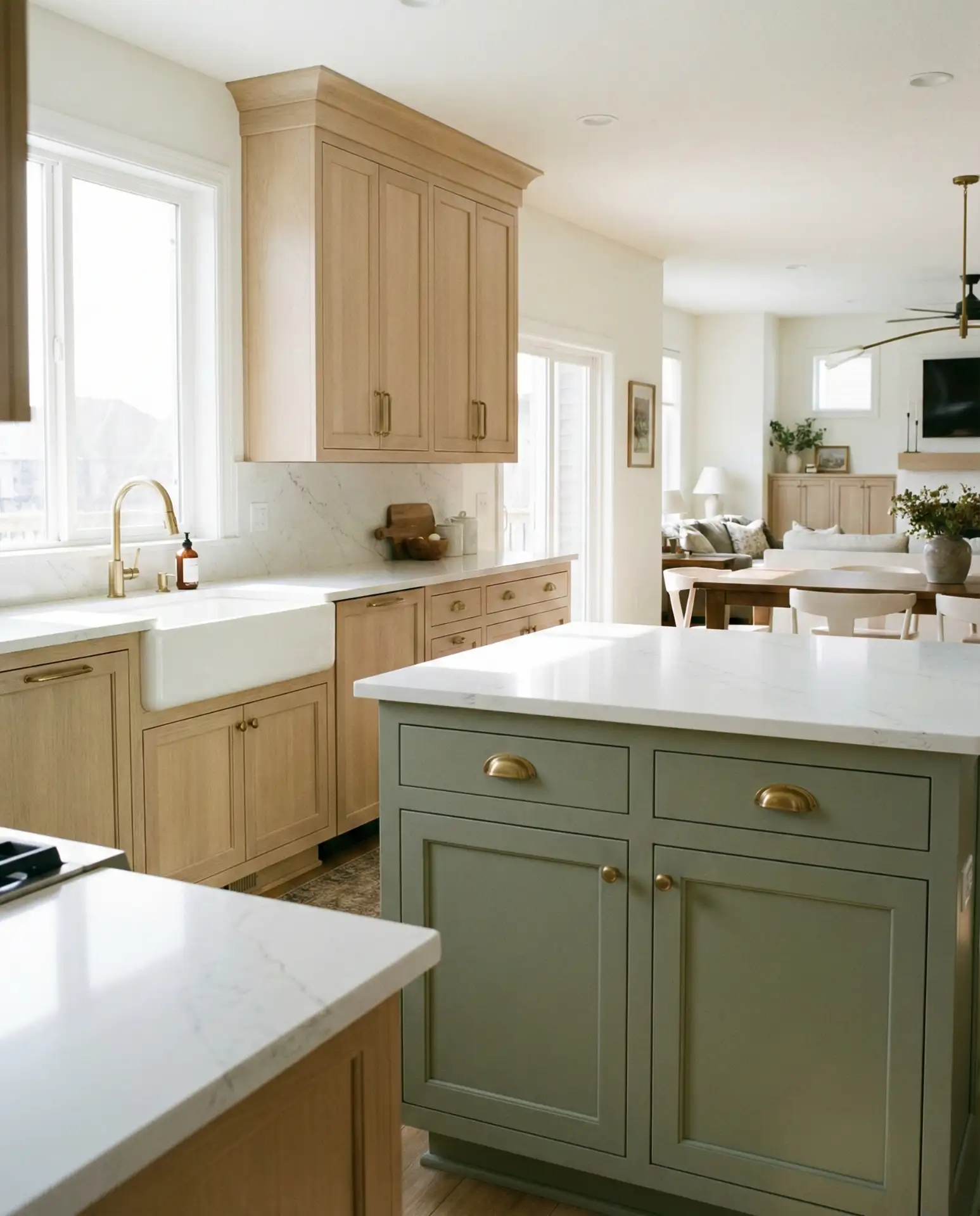
Introducing a green island into a kitchen with white oak cabinets is a bold, on-trend move that brings nature-inspired color and personality to the heart of the home. Deep forest greens, soft sages, and even olive tones pair beautifully with the warm, neutral grain of white oak, creating a balanced and inviting palette. Green and white oak combinations have become a Pinterest favorite, especially among homeowners looking to move away from all-white kitchens without committing to dramatic dark tones. The island becomes a functional and visual centerpiece, anchoring the space with color while the perimeter cabinetry maintains a light, open feel.
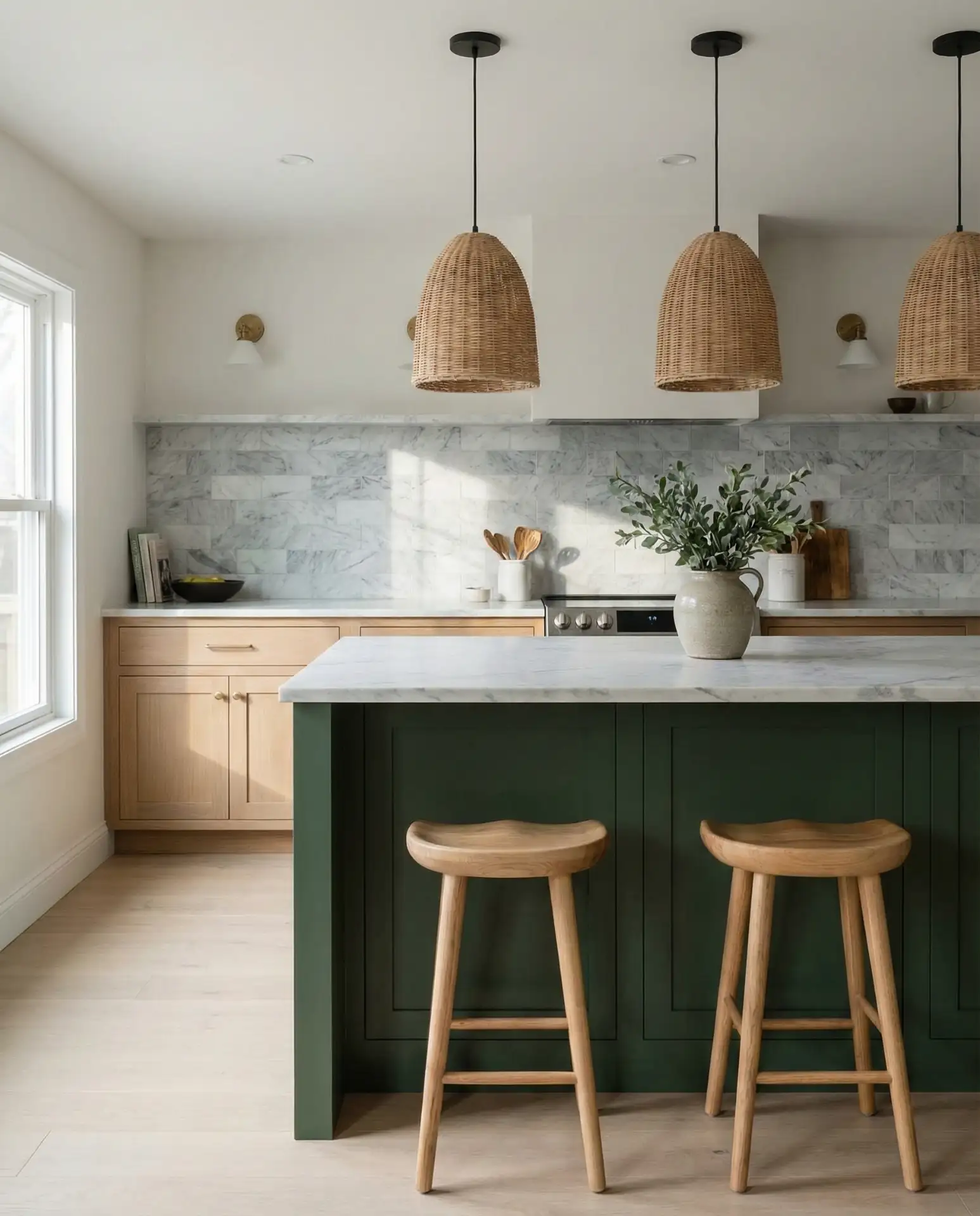
This look works best in homes with ample natural light or large windows that allow the green to shift and breathe throughout the day. In the Pacific Northwest and New England, where green landscapes dominate, the color feels like a natural extension of the outdoors. A homeowner in Vermont shared that her hunter green island “grounds the kitchen and makes it feel less sterile. ” When choosing your green, consider whether your white oak leans warm or cool, and pick a shade that complements rather than clashes. Pair with brass hardware and natural stone for a cohesive, organic vibe.
16. Light White Oak for Bright, Airy Kitchens
Opting for light white oak finishes or bleached treatments creates an open, Scandinavian-inspired kitchen that feels serene and spacious. These lighter tones work especially well in smaller kitchens, urban apartments, and homes where natural light is abundant. Light white oak cabinets pair beautifully with white or pale gray walls, crisp countertops, and minimal hardware, resulting in a cohesive, calming environment. This aesthetic has become increasingly popular among millennials and Gen Z homeowners who favor simplicity, functionality, and a connection to natural materials without heavy visual weight.
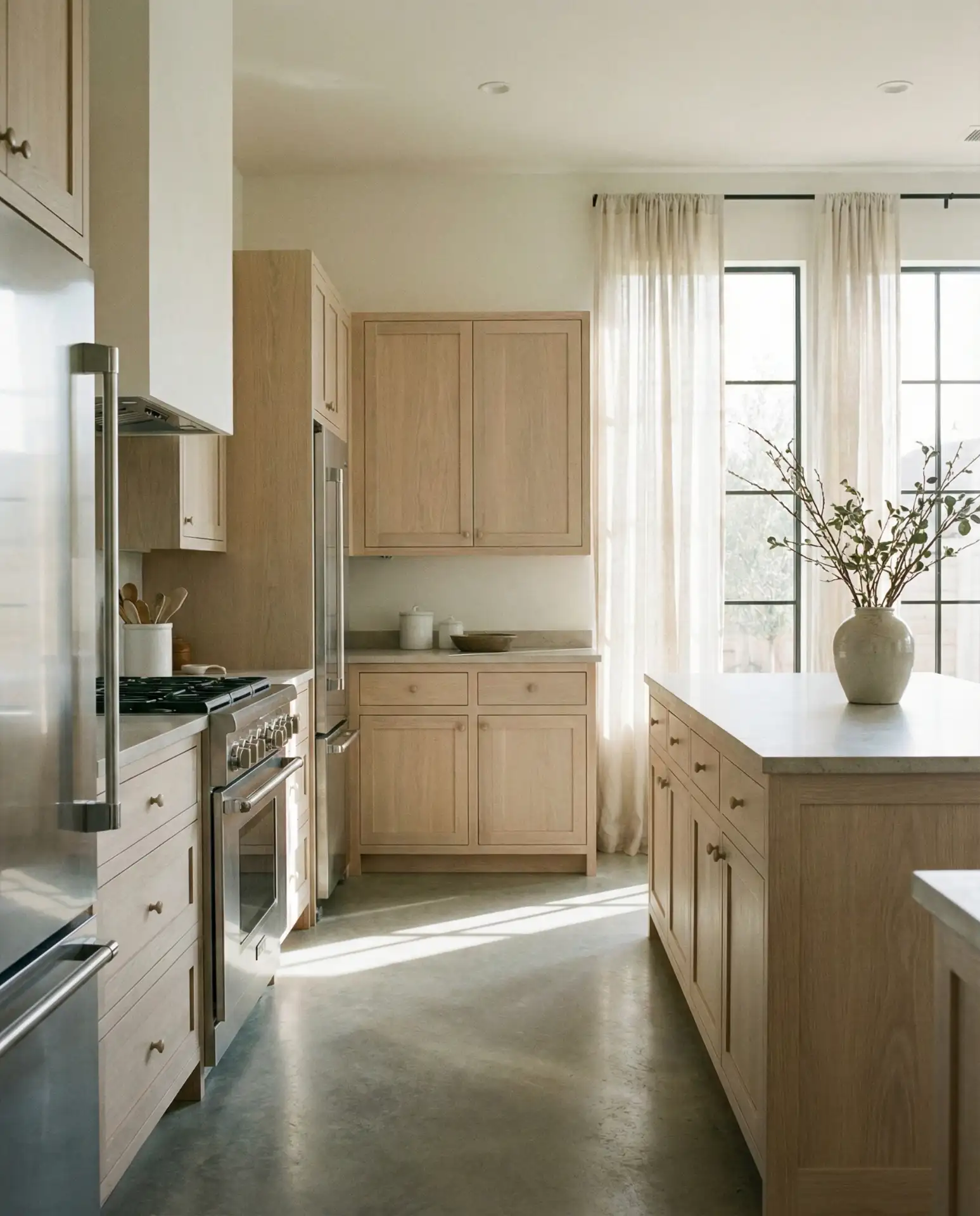
In coastal markets like San Diego and Charleston, light white oak aligns with the relaxed, beachy lifestyle that prioritizes brightness and ease. One designer in Miami noted that her clients love how light oak “feels clean but still warm.” The finish also ages gracefully, developing a subtle patina without darkening dramatically. For budget-conscious renovators, light finishes can sometimes be less expensive because they require less pigment and fewer coats. Pair with open shelving, glass-front uppers, and natural textiles to complete the look. Consider light countertops and backsplashes to maintain the ethereal, uncluttered vibe.
17. Stained White Oak for Depth and Richness
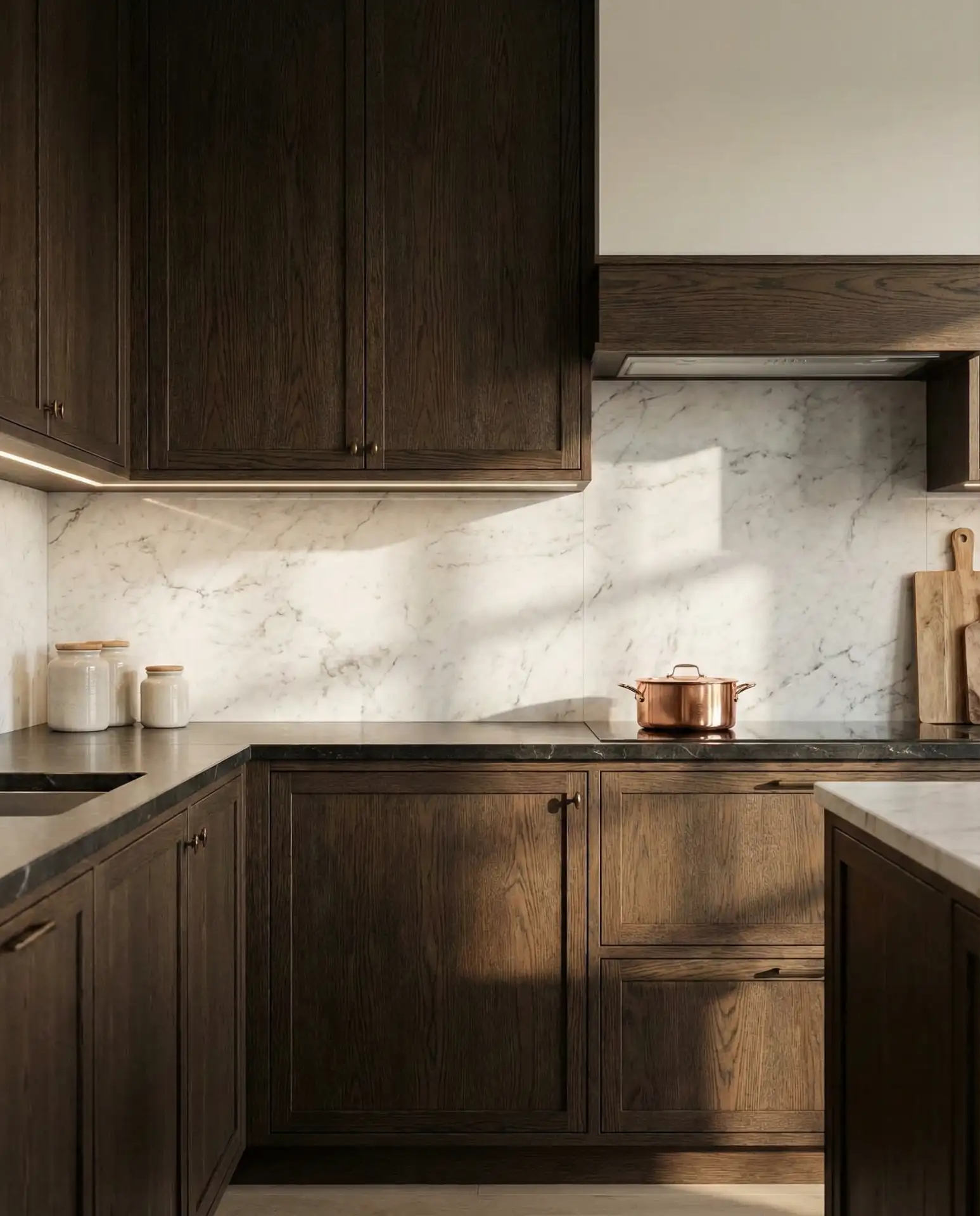
Applying a medium to dark stain to white oak cabinets introduces depth, warmth, and a sense of gravitas that works beautifully in traditional, transitional, and even modern kitchens. Stained white oak showcases the wood’s distinctive grain while adding layers of color that can range from warm walnut to cool espresso. This approach is ideal for homeowners who want the character of natural wood with the richness of a more dramatic palette. Stained finishes also pair well with a variety of countertop materials, from light marble to dark granite, offering flexibility in overall design direction.
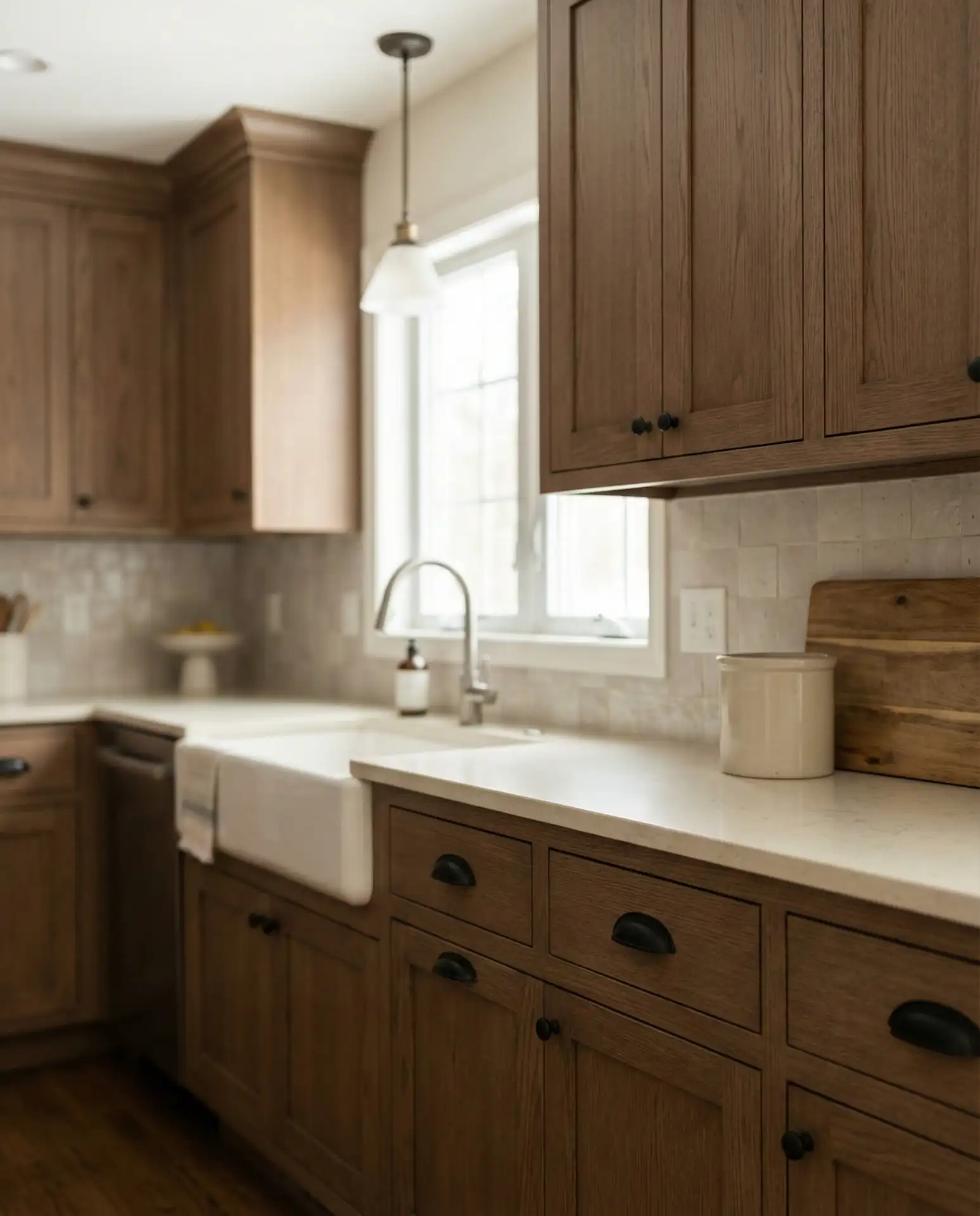
Across the American Midwest and South, stained oak has a long history and continues to be favored for its warmth and timeless appeal. One homeowner in Nashville chose a medium brown stain to match her home’s original hardwood floors, creating a sense of continuity and respect for the house’s heritage. Keep in mind that darker stains can make scratches and wear more visible, so consider lifestyle and maintenance when choosing your stain color. Pair with lighter walls, ample lighting, and reflective surfaces to prevent the space from feeling too enclosed or heavy.
18. White Oak Cabinet Style Inspiration
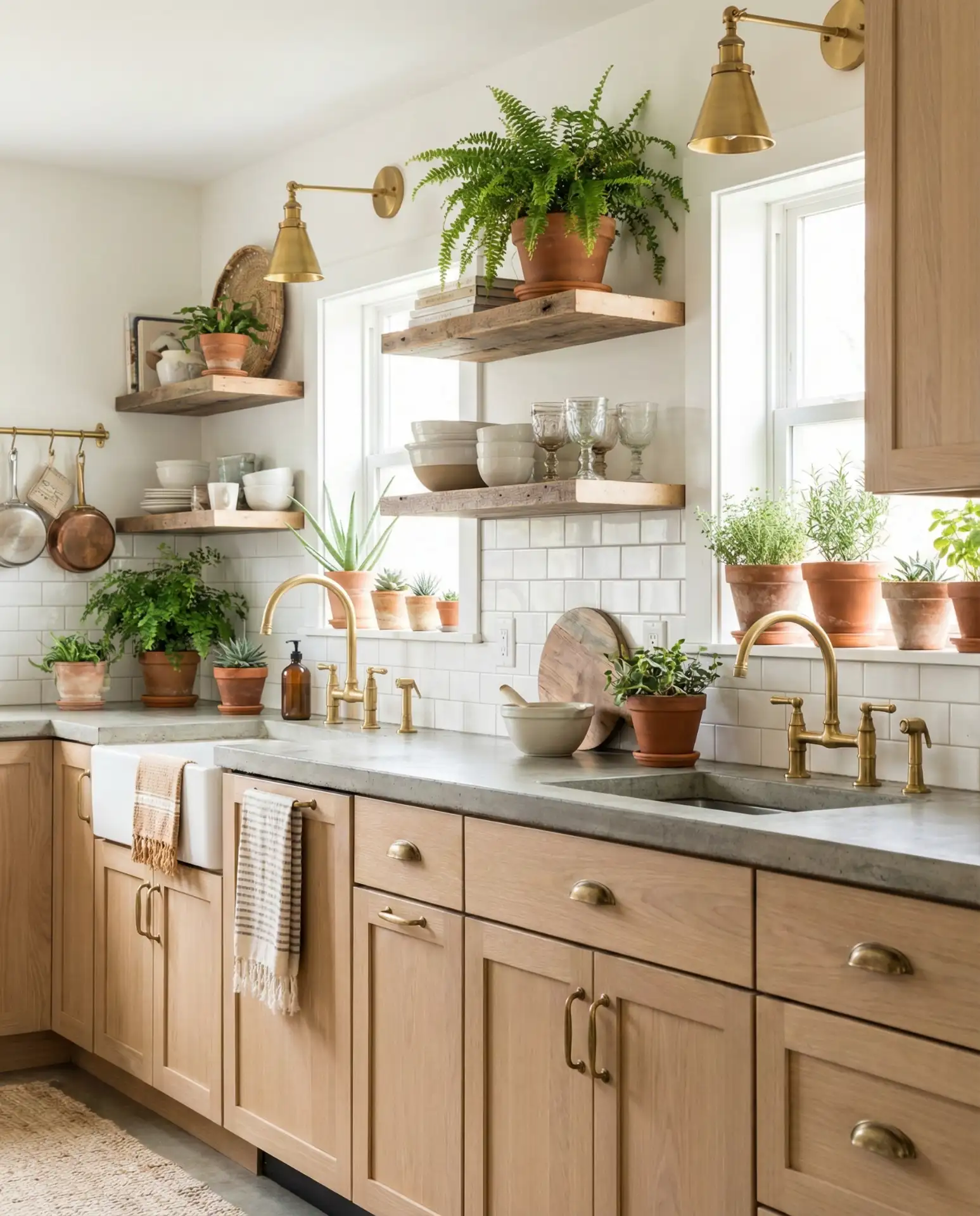
White oak cabinets serve as a versatile foundation for countless style inspiration directions, from cozy farmhouse to sleek contemporary and everything in between. The wood’s natural warmth and adaptability mean it can anchor a rustic kitchen with open shelving and vintage accents or support a minimalist aesthetic with integrated appliances and handleless doors. Style inspiration for white oak kitchens is abundant on Pinterest and design blogs, where homeowners share their unique takes on this classic material. The key is identifying which elements—hardware, finishes, countertops, and color accents—align with your personal vision and lifestyle.
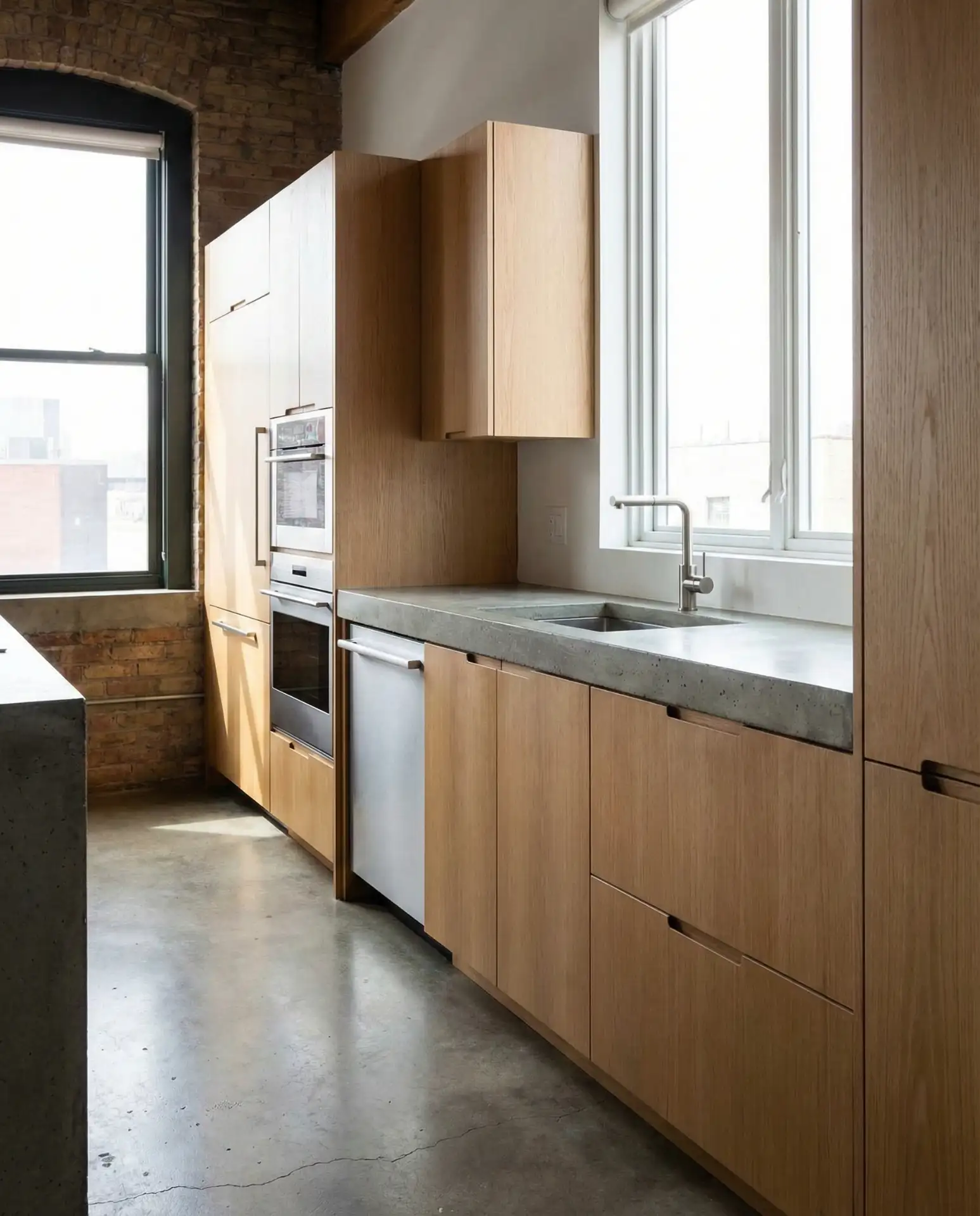
In American homes, regional influences play a significant role in shaping cabinet style. West Coast kitchens often lean minimal and organic, while Southern homes embrace warmth and tradition. One designer in Denver mentioned that her clients frequently bring inspiration images featuring white oak but want to adapt them to mountain living with rugged materials and hearty finishes. The beauty of white oak is that it doesn’t dictate a single style—it enhances whatever direction you choose. Start by collecting images that resonate with you, then identify common threads in color schemes, textures, and finishes to guide your decisions.
19. White Oak Cabinets and Taj Mahal Quartzite
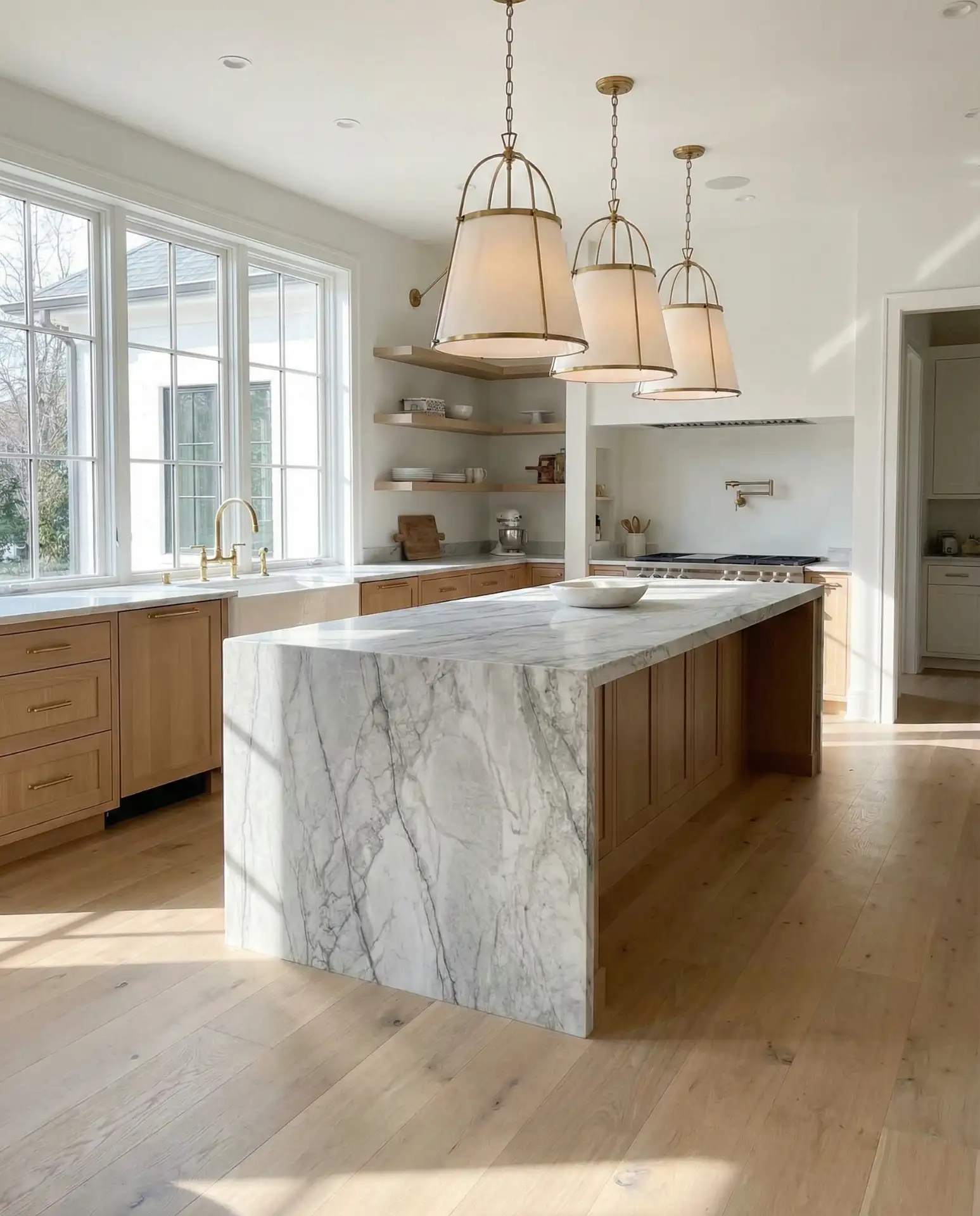
Pairing white oak cabinets with Taj Mahal quartzite countertops is a luxurious, high-end combination that balances warmth with elegance. The soft white and gray veining of Taj Mahal complements the honey tones of white oak beautifully, creating a kitchen that feels both timeless and refined. This natural stone brings subtle movement and visual interest without overwhelming the space, making it a favorite among designers and homeowners who appreciate understated sophistication. Taj Mahal is durable, heat-resistant, and forgiving, making it as practical as it is beautiful for busy American kitchens.
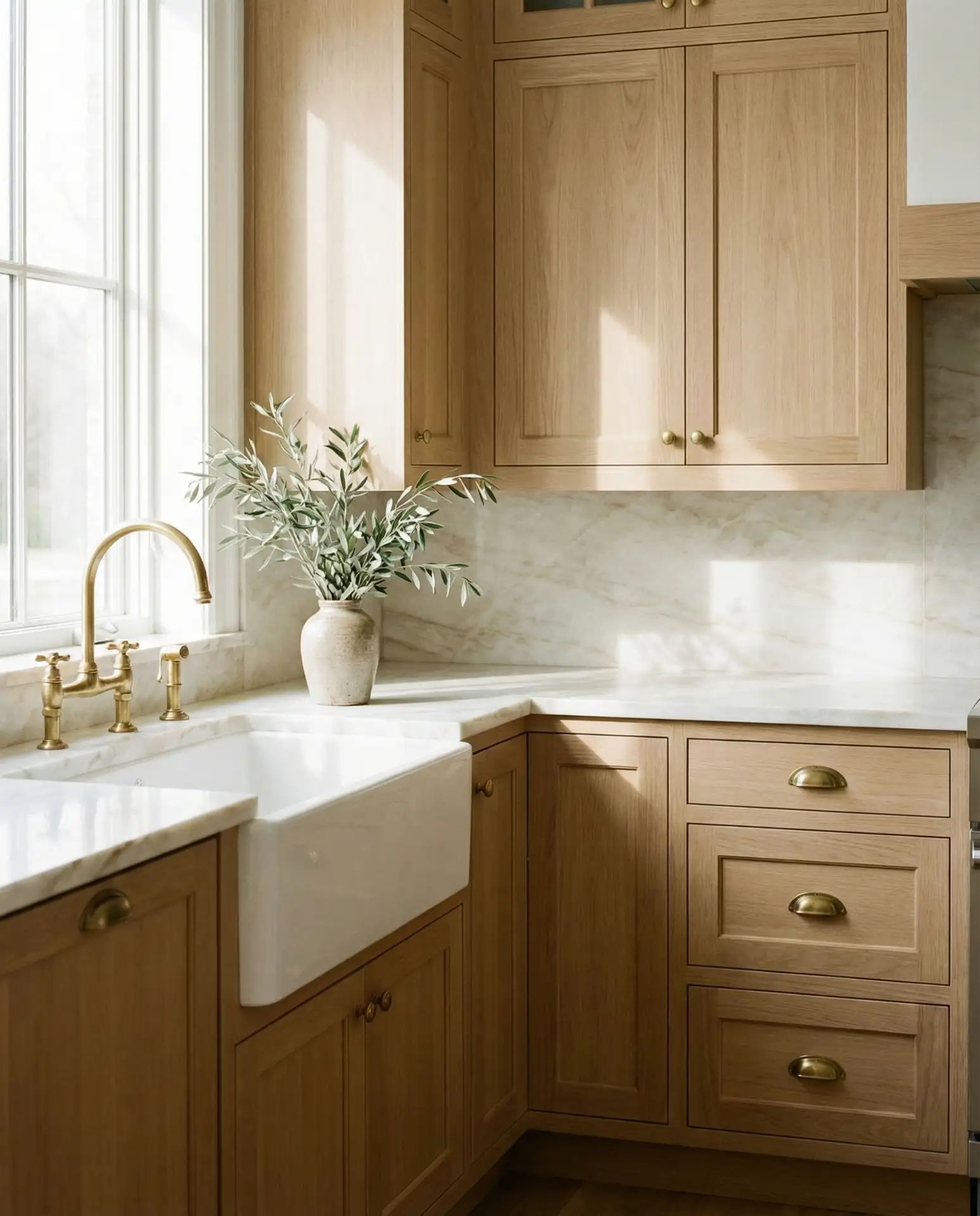
This pairing works best in well-lit kitchens where the stone’s subtle veining can be appreciated. In upscale markets like Dallas, Atlanta, and suburban New Jersey, Taj Mahal has become a go-to choice for new construction and high-end remodels. One homeowner in Charlotte said the combination “feels expensive without being flashy.” Because Taj Mahal is a natural stone, each slab is unique, so it’s important to select your specific piece in person. Budget-wise, quartzite sits between quartz and marble in cost, offering natural beauty with impressive durability. Pair with gold hardware for a cohesive, warm aesthetic.
20. Rift Sawn White Oak for Uniform Grain
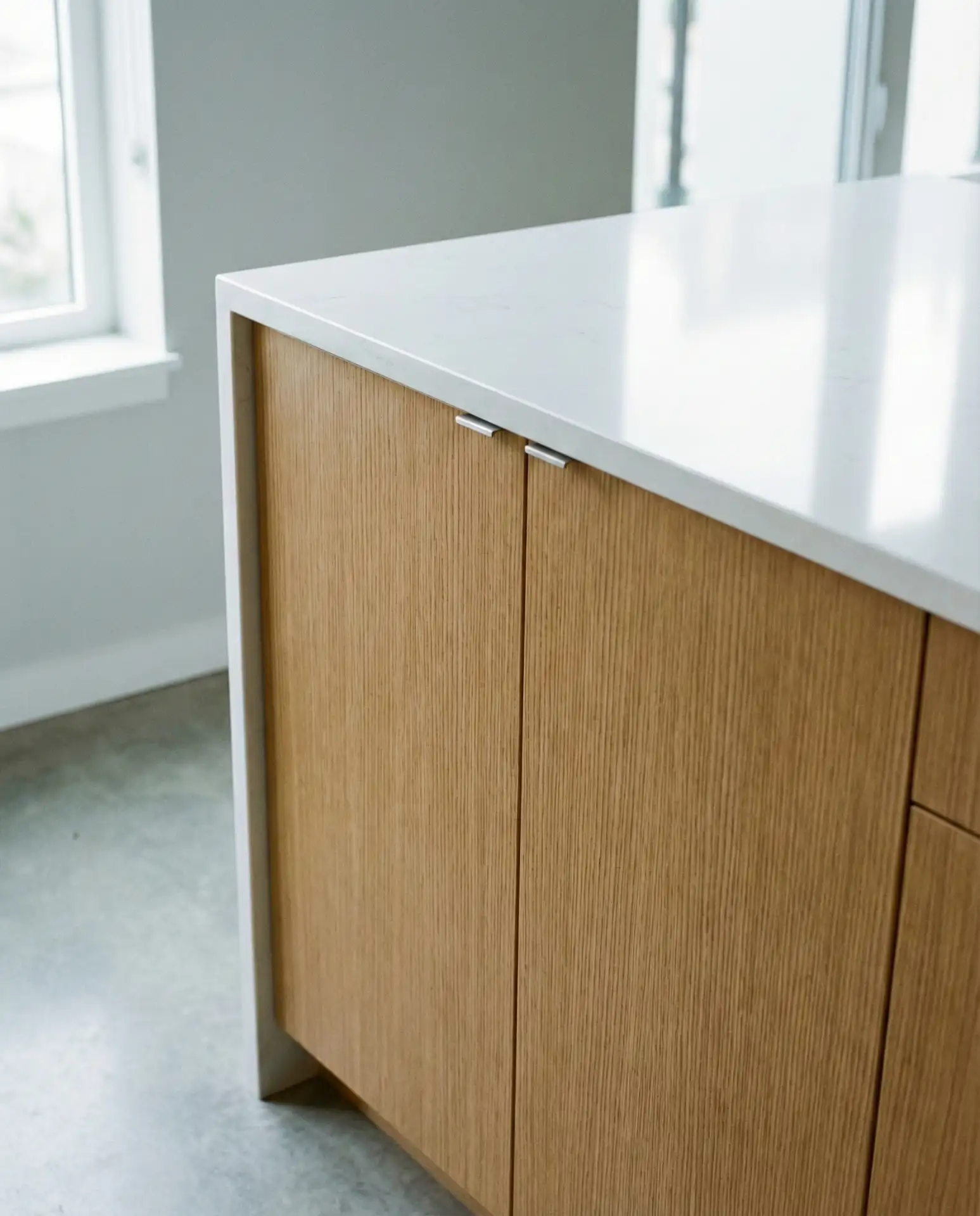
Rift-sawn white oak delivers the most consistent, linear grain pattern available, making it the premier choice for contemporary and minimalist kitchens where visual harmony is paramount. Unlike plain-sawn or quarter-sawn cuts, rift-sawn lumber is milled at a precise angle that eliminates the cathedral patterns and flecking, resulting in straight, parallel lines across every cabinet door. This uniformity creates a sense of calm and order, perfect for modern aesthetics that prioritize clean lines and uncluttered surfaces. Rift-sawn white oak is often specified in high-end custom builds where consistency and quality are non-negotiable.
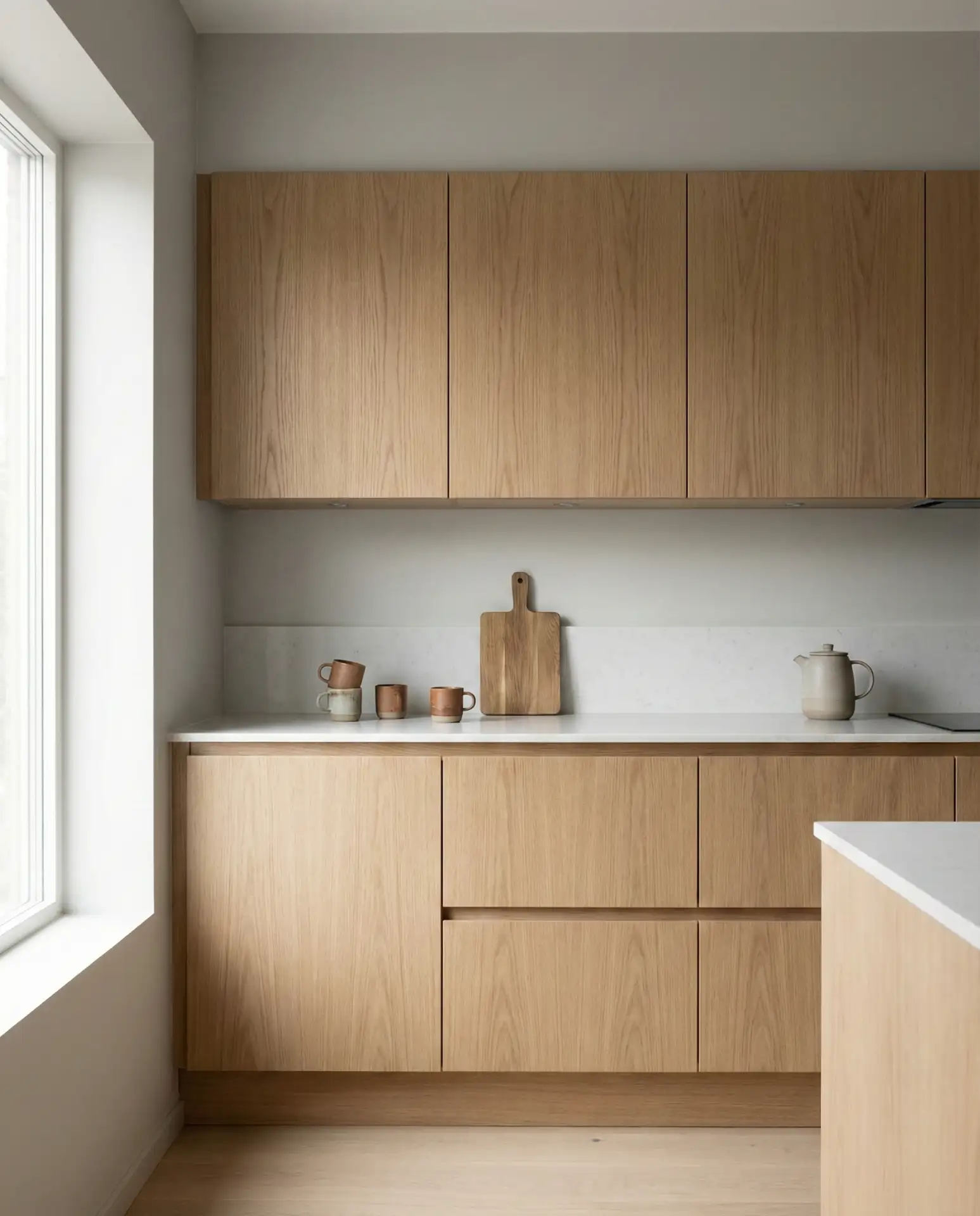
Rift-sawn oak is popular in urban markets where modern design dominates, including Los Angeles, San Francisco, and New York. One architect in Seattle described it as “the Ferrari of oak cuts—expensive, but worth every penny for the right project.” The uniformity means fewer visual distractions, allowing architectural elements like dramatic lighting or bold backsplashes to take center stage. Because of the milling process, rift-sawn lumber is the most expensive option, but for homeowners who value precision and subtlety, it’s an investment in long-term design integrity. Consider slim shaker or slab-front door styles to maximize the clean, streamlined aesthetic.
21. White Oak Cabinets with Black Hardware
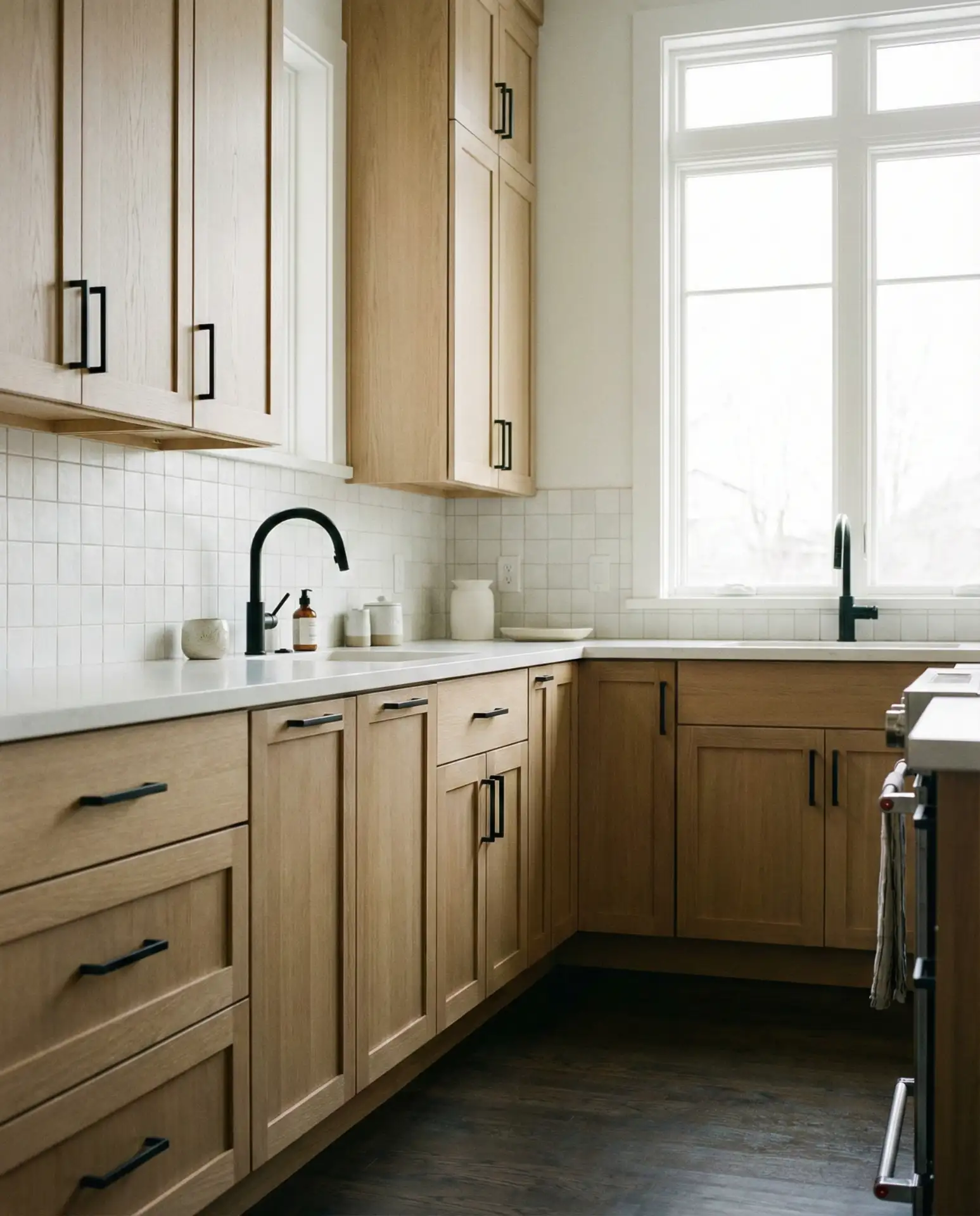
Black hardware on white oak cabinets creates a modern, high-contrast look that’s both bold and versatile. Matte black pulls and knobs add graphic punch while grounding the warmth of the wood, making the combination feel intentional and curated. This pairing has become a staple in contemporary American kitchens, especially in urban and suburban spaces where homeowners want a clean, unfussy aesthetic with just enough edge. Black and white oak work together to balance softness and strength, tradition and modernity, making it a smart choice for those who want a kitchen that feels current without being trendy.
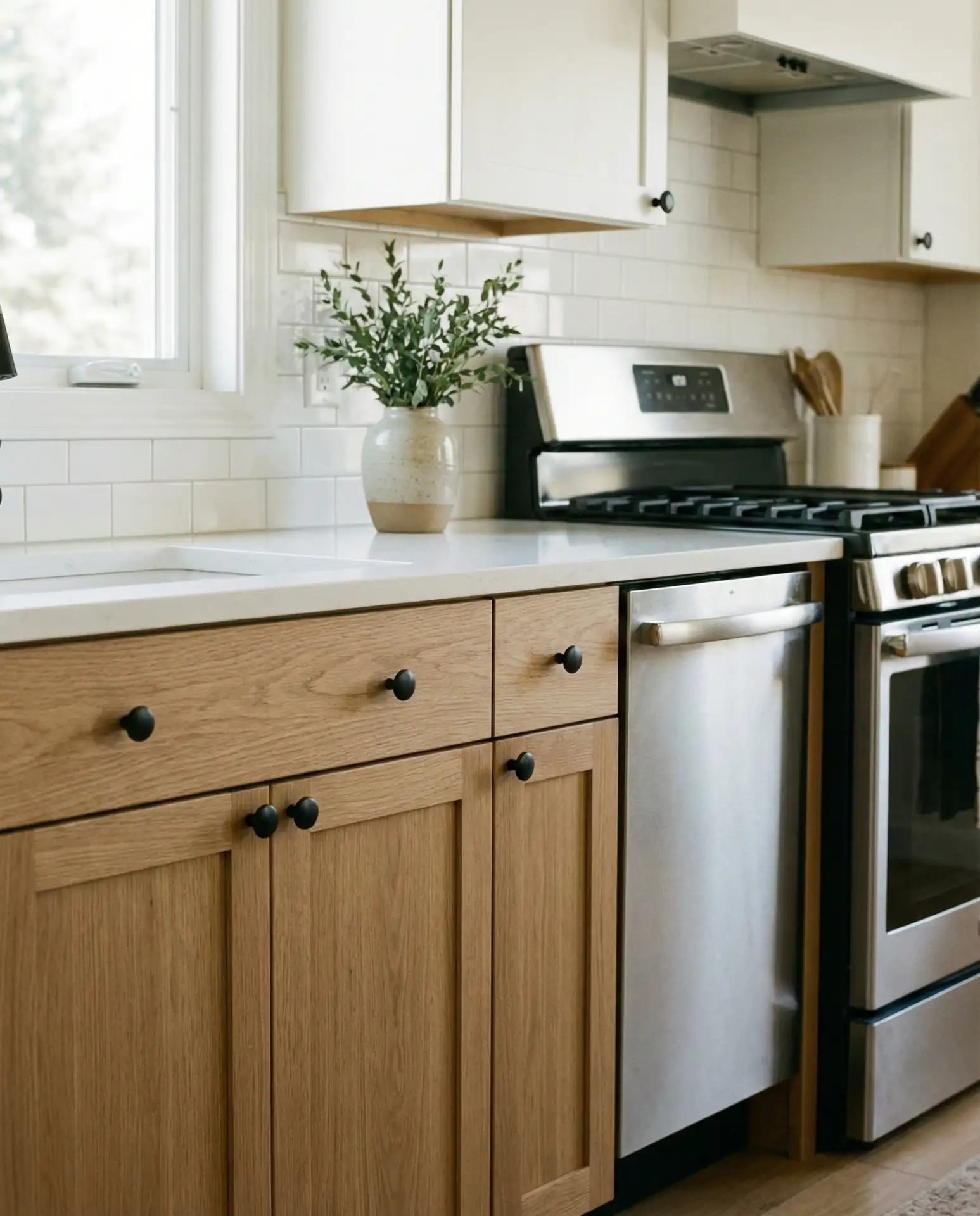
This hardware choice works best when repeated throughout the kitchen—on cabinets, drawers, and even appliance pulls—to create visual cohesion. In markets like Austin, Portland, and Chicago, black hardware has overtaken stainless steel as the preferred finish. One homeowner in Denver noted that switching to black hardware made her kitchen feel “ten years younger instantly.” The matte finish is forgiving and doesn’t show fingerprints as readily as polished metals. Pair with dark counters or a black counter for a dramatic, layered effect, or keep countertops light for a fresher, more open feel.
Conclusion
White oak kitchen cabinets offer an incredible range of design possibilities, from the refined elegance of rift-sawn grain to the cozy charm of rustic finishes and bold pairings with green islands or black countertops. Whether you’re drawn to the warmth of brass hardware, the drama of dark floors, or the serenity of light finishes, white oak adapts to your vision while bringing timeless beauty and durability to your kitchen. We’d love to hear which of these ideas resonates most with you—share your thoughts, questions, or your own white oak kitchen stories in the comments below.