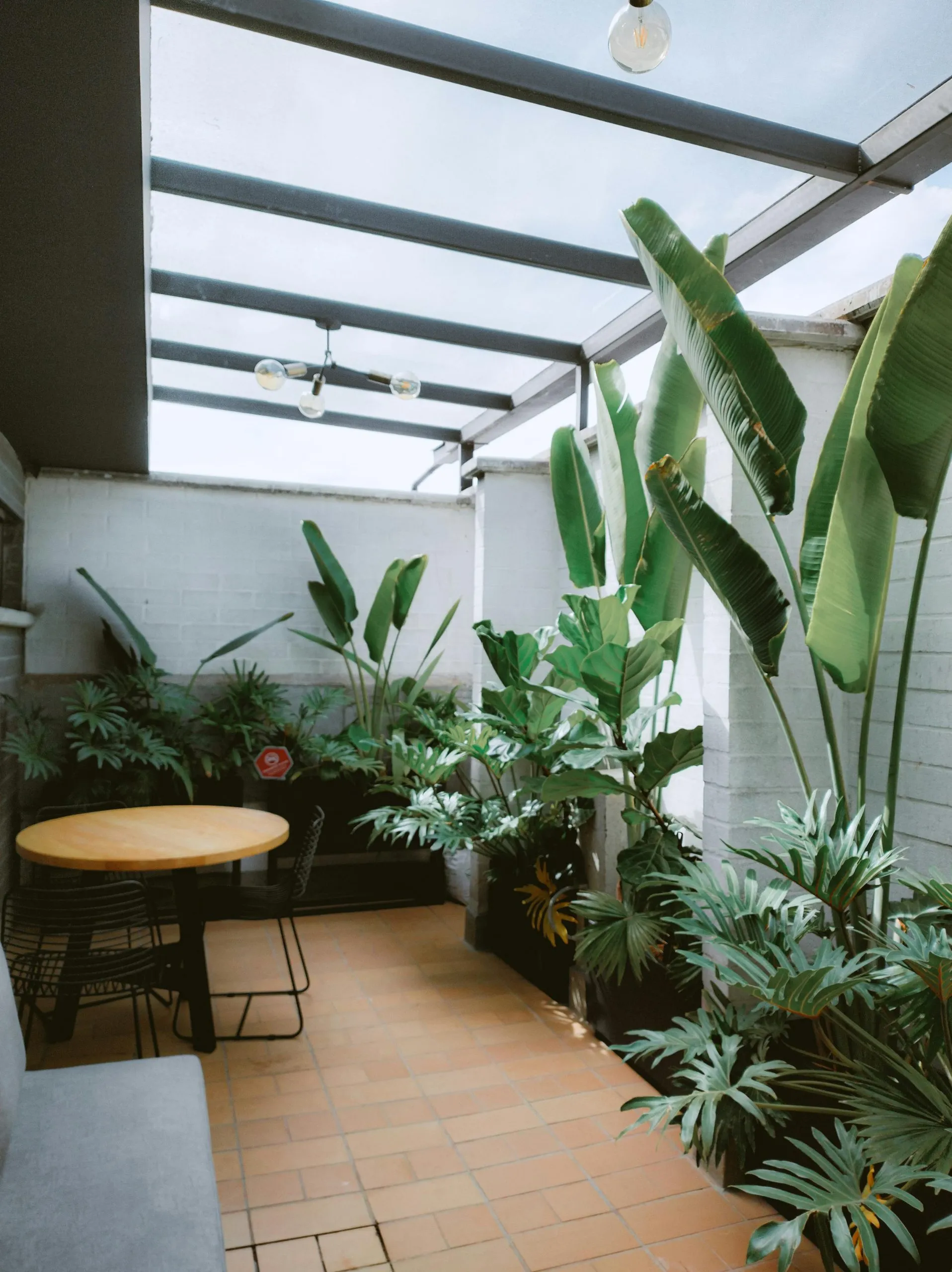
You know that feeling when you finally find the secret garden ideas 2026 that looks exactly right for your space? Finding inspiration can be a rabbit hole, but we’re here to help you skip the endless scrolling.
This post may contain affiliate links. As an Amazon Associate, we earn from qualifying purchases at no extra cost to you.
After filtering through hundreds of options across IKEA, Target, and Walmart, we narrowed it down to 30 ideas that actually deliver. We’ve got ideas ranging from a cozy $25 accessory to a full garden setup costing up to $5,000, covering styles from rustic to modern to bohemian. You’ll find 30 curated secret garden ideas, with options for every aesthetic.
Secret gardens are having a major moment in 2026 as we collectively seek more private, nature-infused escapes at home. It’s all about creating those hidden havens away from the noise of the world. Go ahead and save this — you’re going to want to reference it.
1. Lush Hillside Garden with Terraced Pool
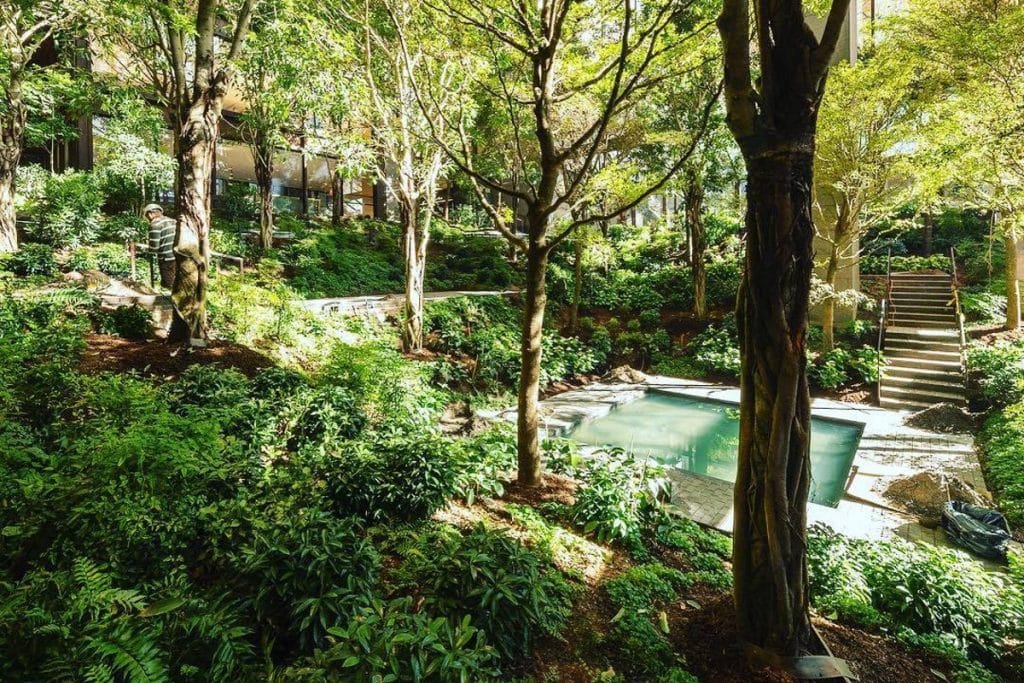
This hillside escape is pure serene bliss, proving that multi-level landscaping can create incredible depth and visual interest. The way the dense green foliage cascades down the slopes, punctuated by the clean lines of the rectangular swimming pool and stone steps, just makes you want to grab a cool drink and settle in. It’s masterclass in blending natural wildness with refined design, giving you both seclusion and sophistication.
|
$352.95
|
$29.99
|
$59.99
|
$2.99
|



“Everything feels intentional, from the placement of the tall trees to the choice of grey paving that quietly recedes, letting the vibrant greens and the light blue of the water truly pop.”
It works because it takes advantage of the natural topography rather than fighting against it. See how the different shades of green create a luxurious tapestry, making the pool feel less like an addition and more like a shimmering natural oasis.
2. Grand Atrium with Arched Skylights and Fountain
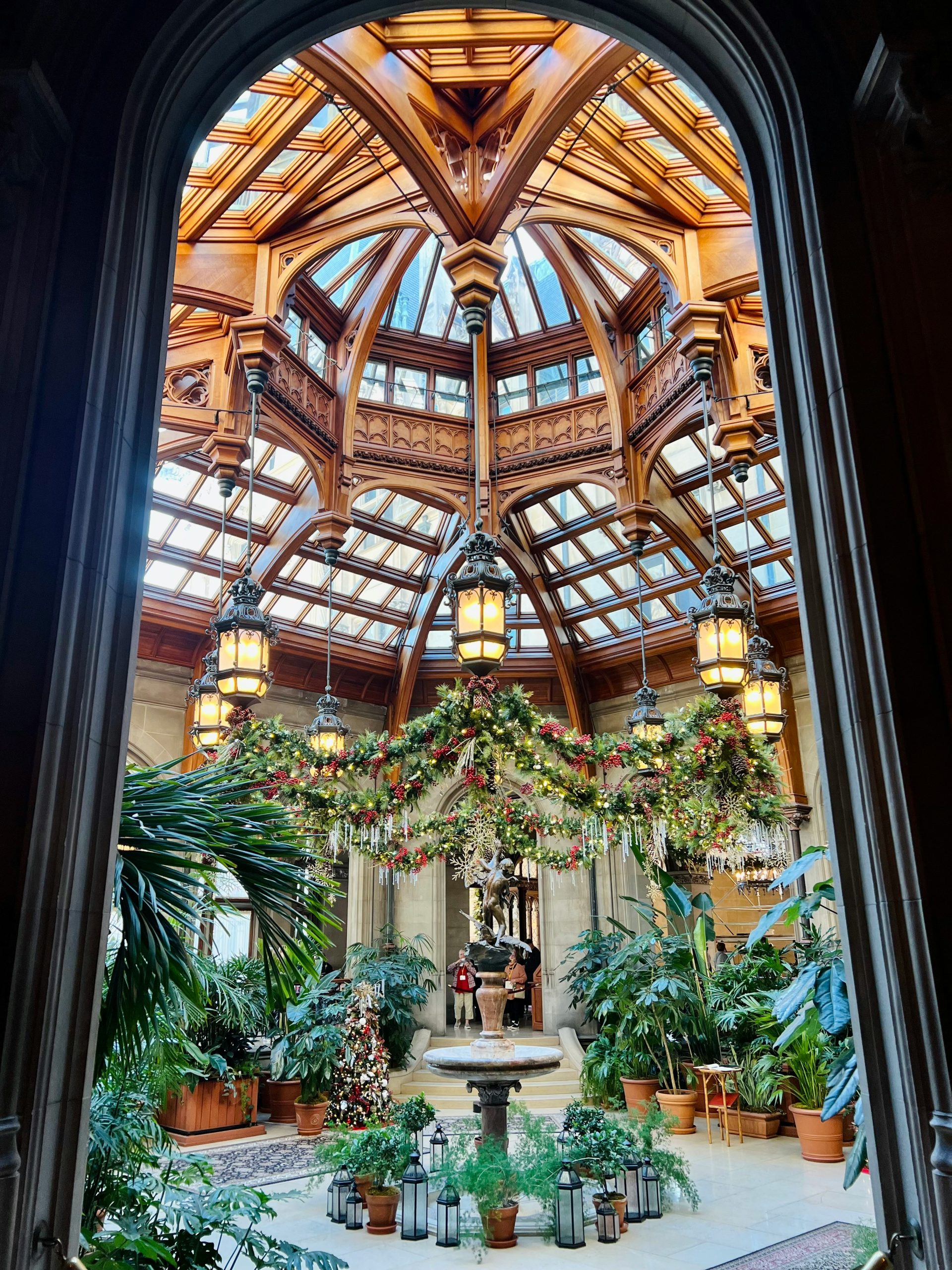
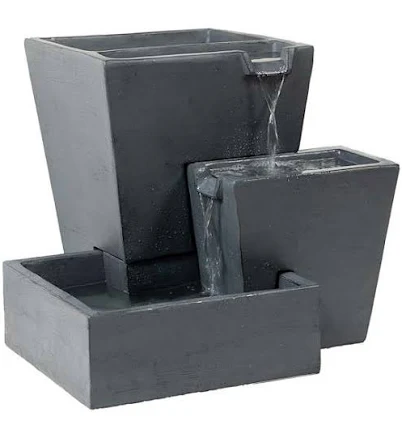
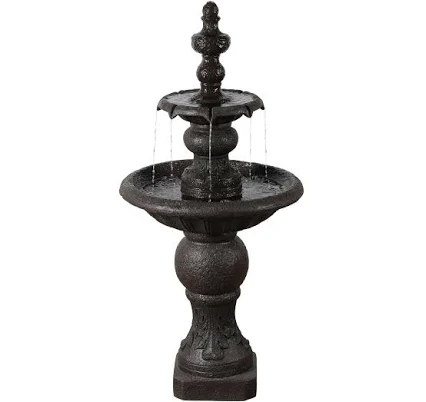
Indoor-outdoor living has been a buzzword for years, but this atrium takes it to an entirely new level, giving us a vision of ‘secret garden’ that’s protected from the elements. The trend towards biophilic design — bringing nature indoors — is stronger than ever in 2026, driven by a desire for wellness and connection to the natural world. This setup taps into that perfectly, offering a verdant retreat that feels both grand and inviting.
|
$219.99
|
$237.99
|
$45.00
|
$13.99
|

“The use of a high, arched wooden skylight ceiling isn’t just about letting light in; it’s about creating an expansive, airy feel that mimics being outdoors.”
Combined with the abundance of potted plants and the soothing sound of the tiered stone fountain, it literally transforms an interior space into a year-round garden sanctuary. This isn’t just a room; it’s an experience, a commitment to bringing the outside in, no matter the weather.
3. Mossy Stone Path Winding Through Verdant Foliage
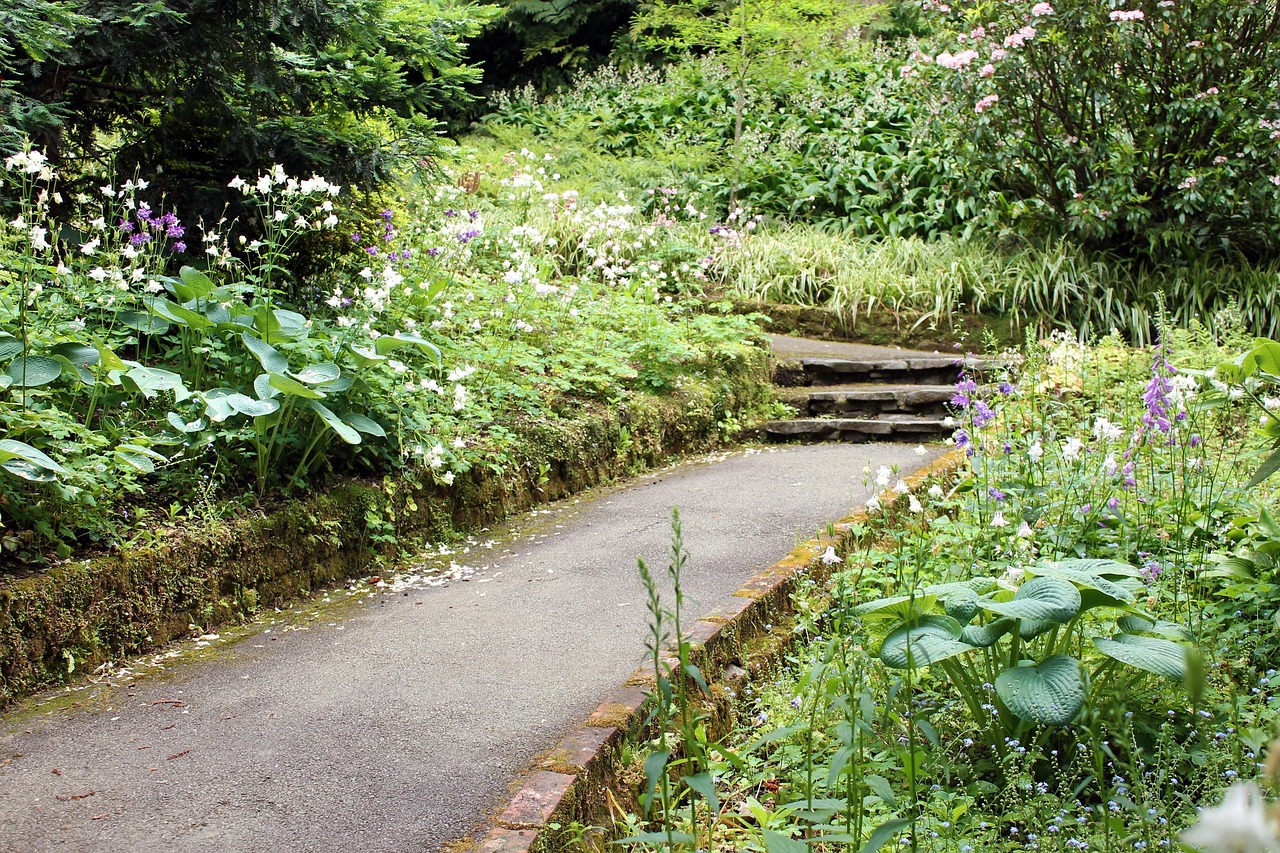
A mossy path winding through lush greenery sounds idyllic, and it absolutely can be – but let’s have some real talk. Moss thrives in damp, shaded conditions, which means this look requires consistent moisture. If you live in a drier climate or get intense summer sun, you’ll need a dedicated irrigation system or be prepared for frequent watering to keep that moss vibrant and verdant. Also, consider the upkeep: moss can get slippery, especially on steps, so regular sweeping and treatment might be needed to minimize slips while preserving the aesthetic. It’s high reward, but it asks for a little help back!
|
$313.50
|
$33.00
|
$25.50
|
$480.00
|
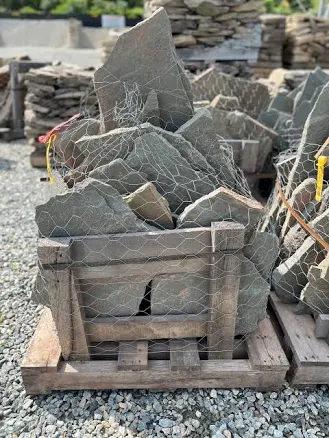

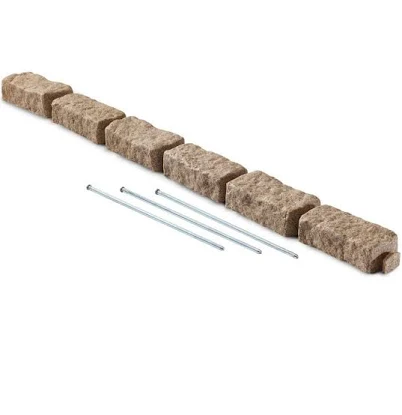
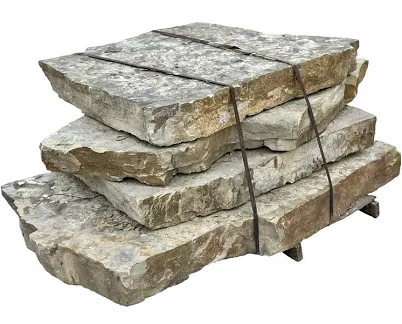
“You don’t need a massive budget to get this kind of enchanted path.”
Start by exploring local nurseries for inexpensive starter plants like hostas and ferns, which will fill out quickly. For the path itself, scour Facebook Marketplace or local landscaping material suppliers for reclaimed brick or irregular stone pavers. You can create similar moss accents by applying a buttermilk and moss slurry to brick edges and shaded areas. With some patience and DIY effort, you can create a winding, verdant path for under $500, especially if you source plants from big box stores like Walmart.
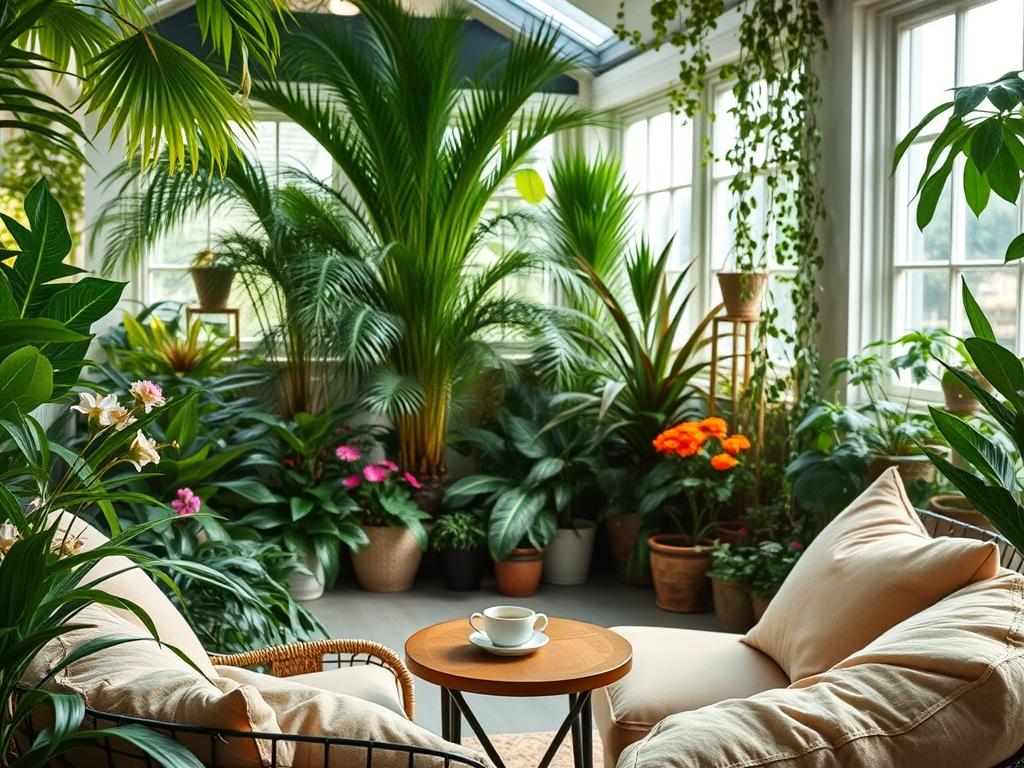
4. Sun-Drenched Conservatory with Wicker Seating
If you have the space and light, dedicate a corner of your sunroom or enclosed patio to becoming a full-fledged conservatory. The trick to making it feel abundant, not cluttered, is to vary plant heights dramatically. Aim for at least three distinct tiers: tall palm trees reaching for the ceiling, mid-height flowering plants like the pink and orange varieties here, and lower hanging vines or ground cover. This creates a visually rich, layered look, making the space feel like a natural ecosystem.
|
$398.00
|
$69.99
|
$129.99
|
$89.99
|

“The style math for this sunroom is about 70% lush greenery + 20% natural textures (wicker, wood, terracotta) + 10% pops of warm color.”
To adapt this formula, you can swap out the flowering plants for other vibrant hues like deep reds or bright purples. For those who prefer a cooler palette, use blue-toned succulents and incorporate grey washed wood furniture. The key is to keep the majority green and natural, letting those accent colors softly emerge from the foliage.
5. Modern Interior Opening to a Lush Courtyard
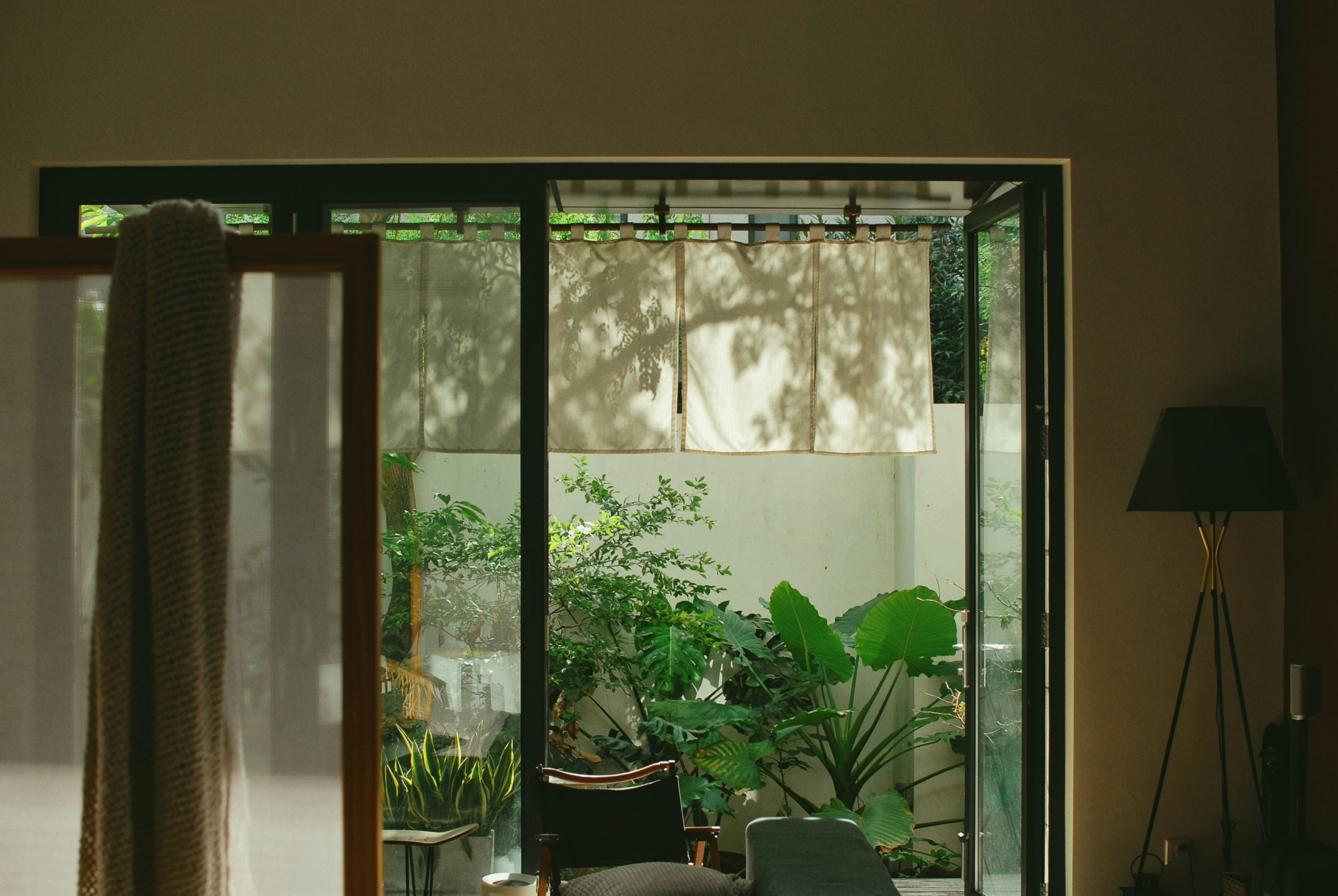
What truly makes this design sing is the seamless connection between the interior and the exterior. The large glass doors aren’t just a barrier; they’re a visual frame, turning the lush green courtyard into living art. Notice how the neutral wall color and the subtle fabric valances in the interior act as a quiet backdrop, allowing the vibrancy of the outdoor space to be the star. The floor lamp with its black shade and gold accents adds a touch of modern elegance without competing with the natural beauty outside.
|
$149.99
|
$30.79
|
$166.99
|
$1,499.00
|
“The single most powerful element here is the unapologetically generous glass opening.”
This isn’t a small window; it’s a commitment to dissolving the wall between inside and out. Without these expansive glass doors, this would be just another room with a garden view. Instead, it becomes an extension of the garden, maximizing natural light and bringing the calming energy of nature right into your living space. It’s what transforms a nice room into a serene sanctuary.
This idea works best for homes with a dedicated courtyard or a side of the house that can be fully opened up to a private garden area. You’ll want at least 100 square feet for the garden itself to create that sense of lush immersion without feeling cramped. Ceiling height isn’t as critical inside, but having at least 8-foot-tall doors will enhance the visual flow. If you have a smaller space, consider Idea #13 with its strategic window views for a similar, though more contained, connection to nature.
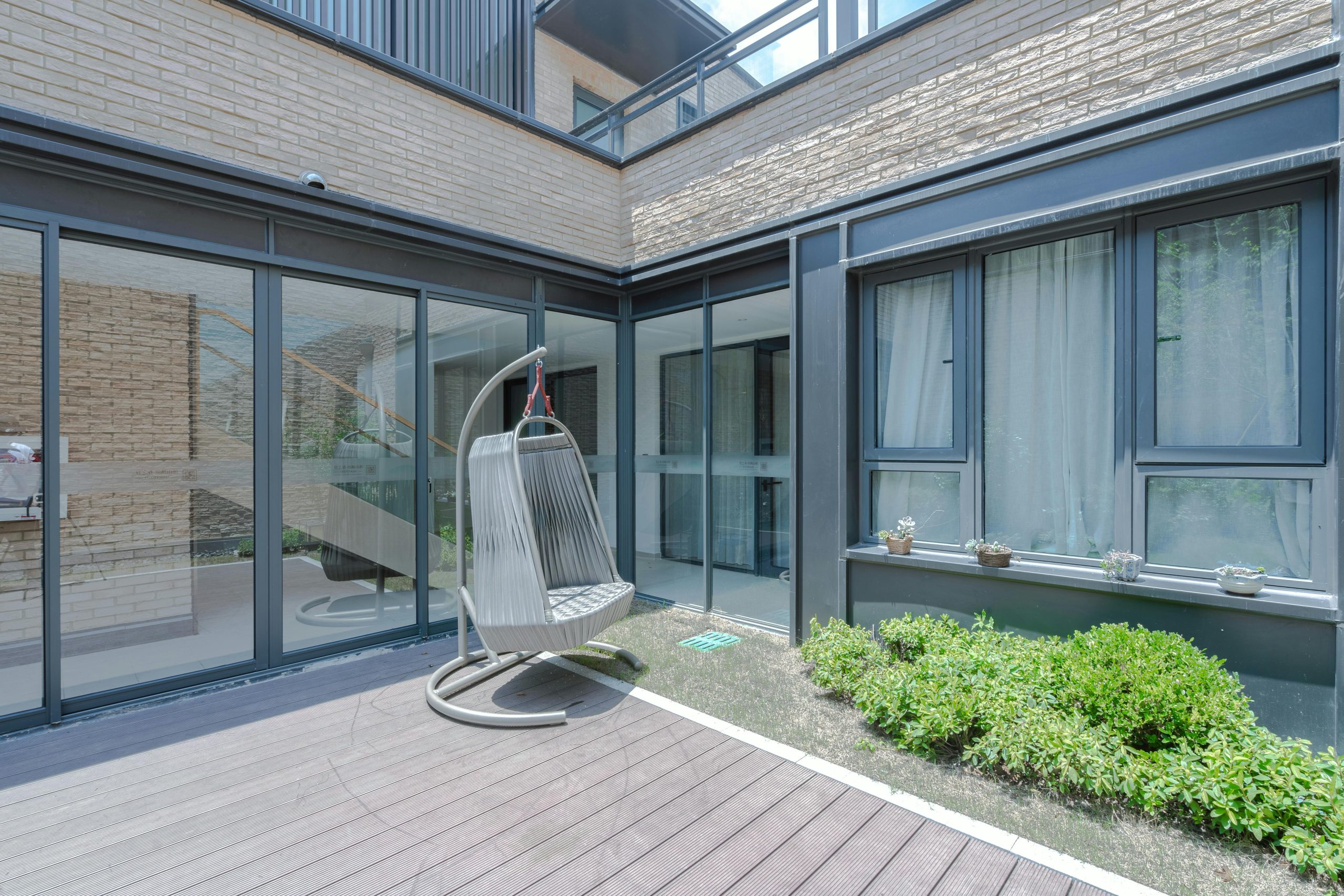
6. Modern Courtyard with Grey Hanging Chair
- Main furniture (hanging chair, small side table): $300 – $800
- Decking (materials for wood planks): $500 – $1,500
- Wall treatment (paint/render for brick): $100 – $300
- Shrubbery & Planters: $200 – $600
- Decor & Accessories (pebbles, small pots): $50 – $150
- Total: $1,150 – $3,350
- Budget alternative: Look for hanging chairs at Target ($150-$250), use outdoor rugs instead of decking, and opt for large, inexpensive planters filled with hardy, fast-growing shrubs. You could get a similar vibe for $400 – $900.
|
$11.26
|
$29.36
|
$8.99
|
$149.67
|
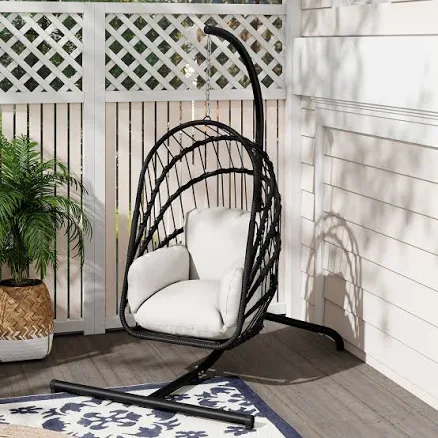
“This sleek courtyard, with its dark wood deck and neat shrubbery, needs a bit of love to stay pristine.”
The dark wood decking, while beautiful, will require annual cleaning and staining to protect it from weather and fading, especially if it gets direct sun; figure on $50-$100 for materials each year. The white pebbles, while striking against the green, will need periodic weeding and topping up to maintain their crisp appearance. And those beige brick walls, if painted or rendered, will show dirt and grime fairly quickly in an outdoor setting, potentially needing a power wash every 1-2 years.
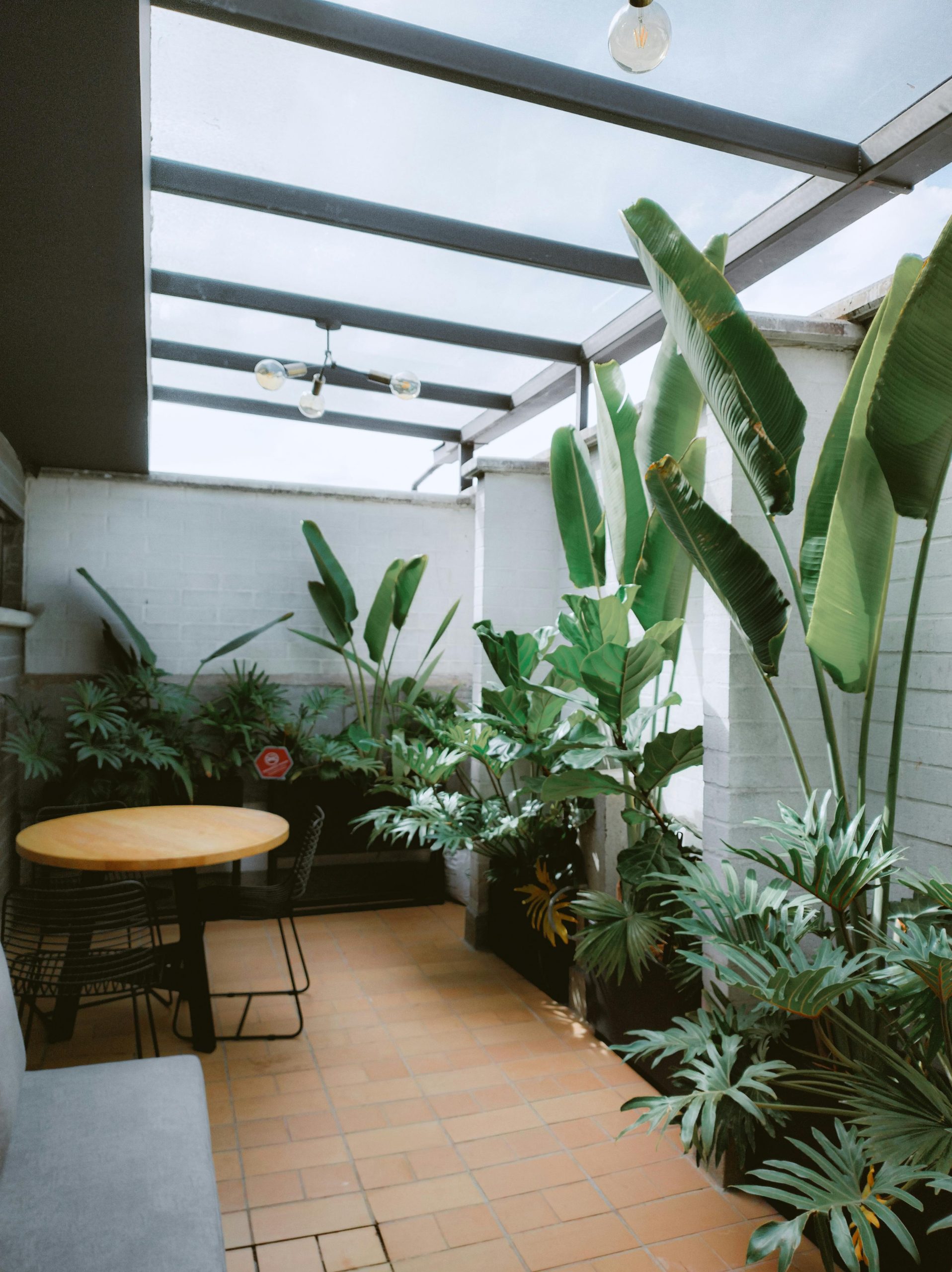
7. Modern Outdoor Cafe with Terracotta Flooring
Creating an outdoor dining spot like this, that truly feels like a hidden cafe, is all about the flooring and the foliage. The terracotta tiles are key to setting that warm, inviting atmosphere. Here’s a quick guide to getting that look:
|
$4.80
|
$64.67
|
$79.99
|
$65.34
|
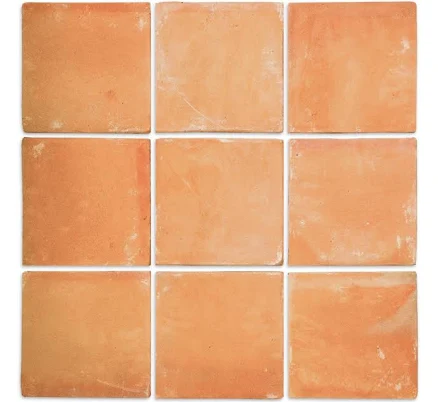
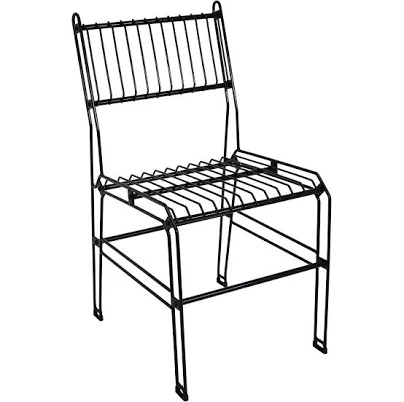
“Prep the surface: Ensure your base is level and well-drained.”
This might involve laying down gravel and sand. (1 day, $50-$150)
Lay the tiles: Apply outdoor tile adhesive and carefully place your terracotta tiles, allowing for grout lines. (1-2 days, $200-$500 depending on area)
Grout and Seal: Grout the tiles, then apply a weather-resistant sealer to protect against stains and moisture. (1 day, $50-$100)
Plant generously: Fill your space with large, tropical plants in dark planters to create that lush feel. (Half day, $150-$400)
This ‘secret cafe’ aesthetic is absolutely soaring in 2026, driven by a post-pandemic desire for cozy, stylish outdoor entertaining spaces at home. It’s part of a broader trend celebrating personal oases and the joy of al fresco living. We’re all looking for ways to make our homes work harder for us, and turning a patio into a charming, verdant dining spot fits that bill perfectly. Plus, the terracotta grounds it in a warm, earthy vibe that feels both classic and current.
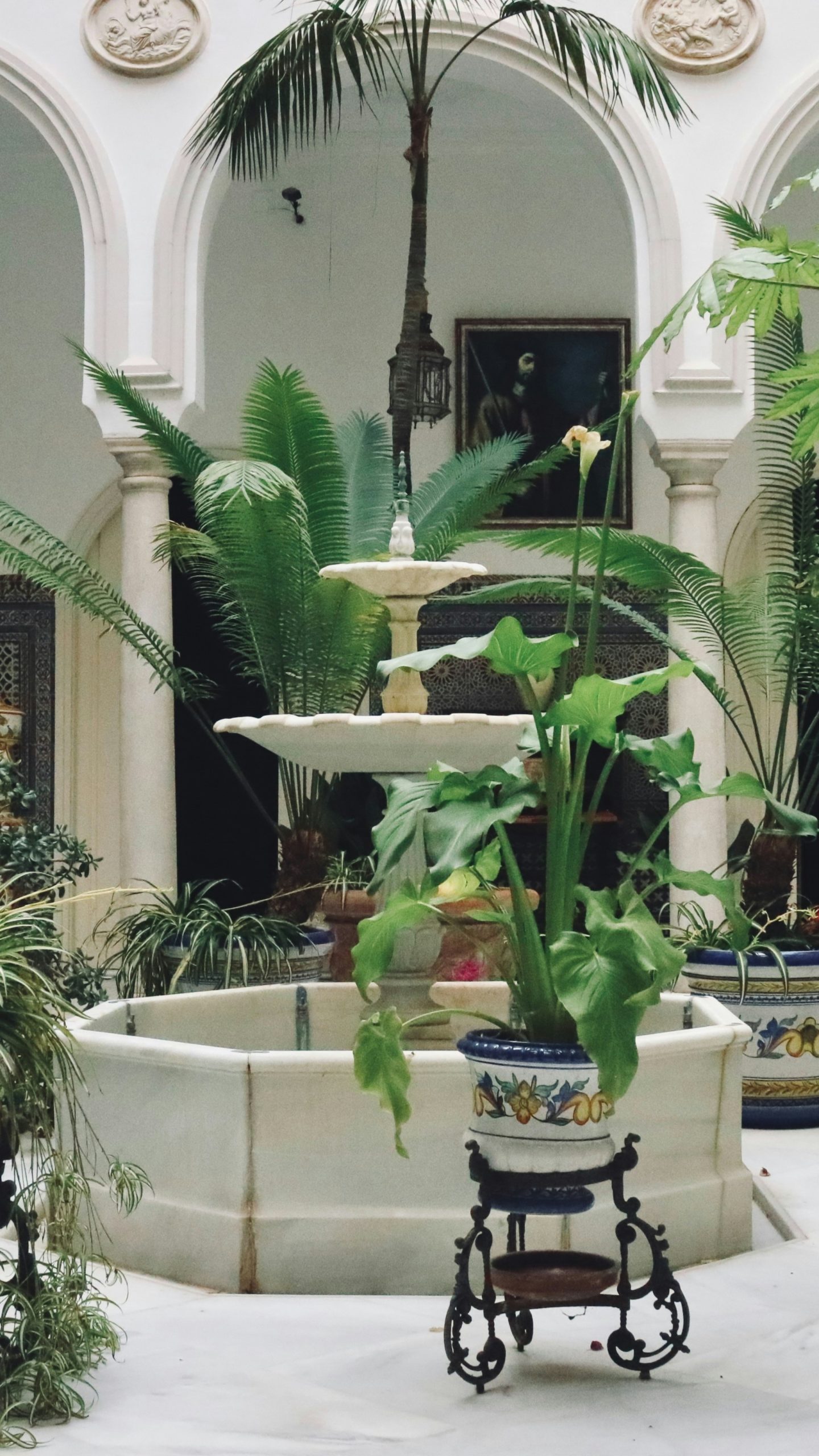
8. Lush Courtyard with Tiered Fountain and Arches
The style math for this lush courtyard is 70% abundant green foliage + 20% white architectural elements + 10% dark accents. The white stone fountain, arches, and columns create a bright, airy structure, while the dark framed painting and plant stand add depth and sophistication. This formula is flexible: you could swap the dark accents for splashes of bright color using decorative ceramics or flowering plants. The key is to let the greenery dominate, with the architectural elements providing definition and the darker tones adding visual anchors.
|
$125.00
|
$69.99
|
$3.99
|
$12,995.00
|

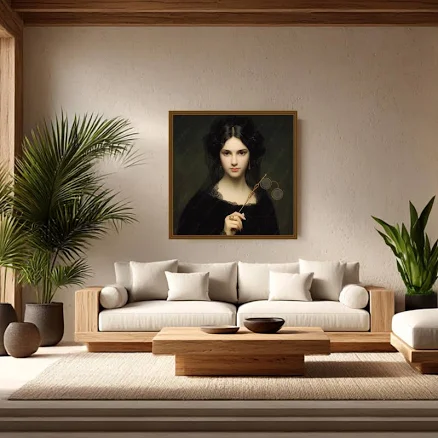
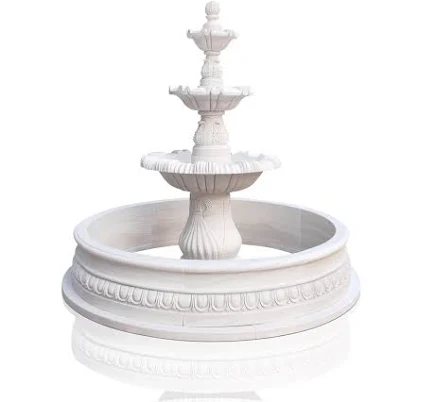
“The white tiered stone fountain is absolutely the one thing that makes this idea special.”
Without its calming presence and elegant structure, this would simply be a very green courtyard. The fountain provides a focal point, the soothing sound of water, and a classic, timeless aesthetic that grounds the entire space. It’s what elevates the abundant greenery from just a garden to a serene, enclosed sanctuary, drawing the eye and inviting relaxation.
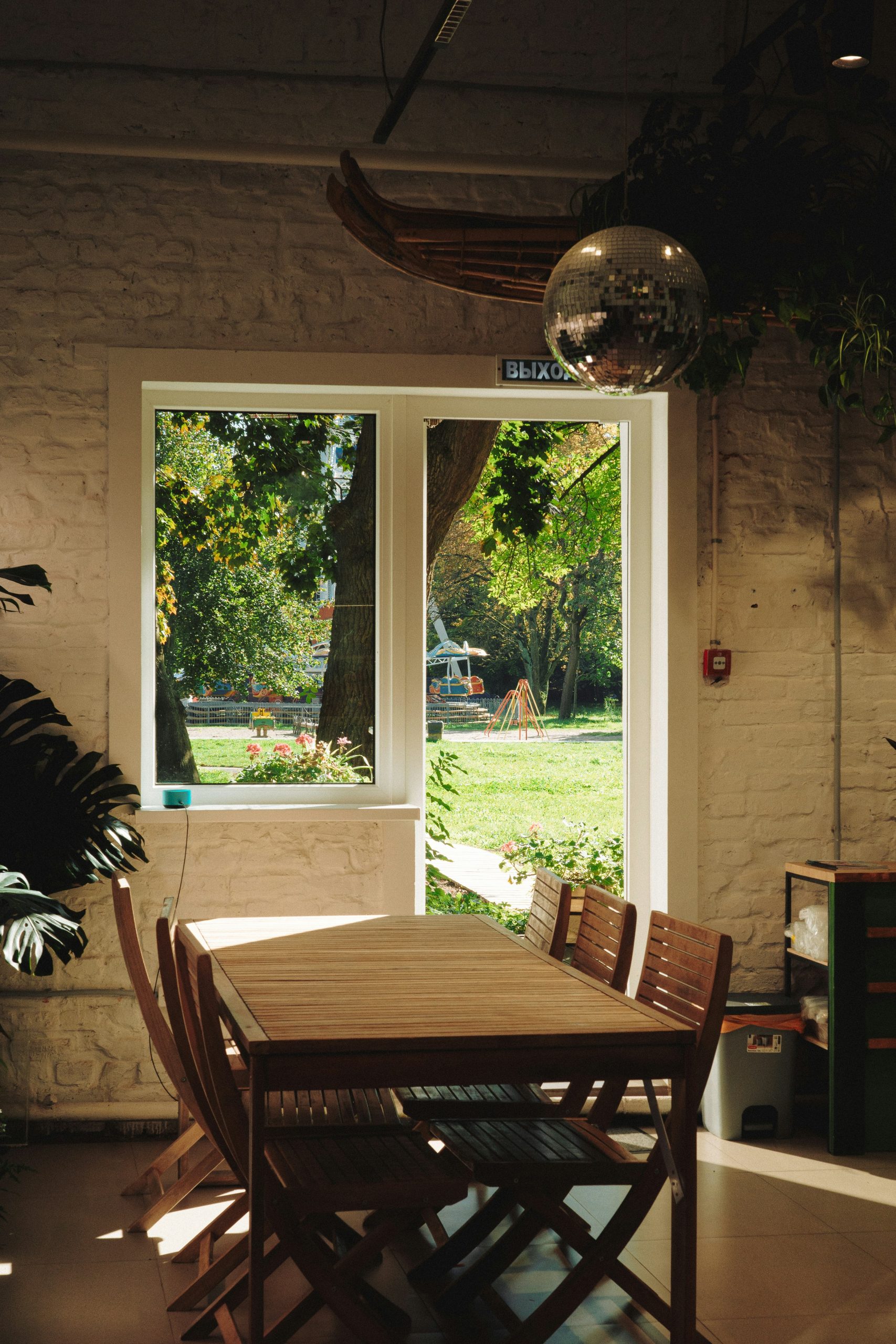
9. Cozy Dining Area with Garden View and Disco Ball
- Measure available dining area and ensure there’s enough room for both table/chairs AND ample walk-around space.
- Assess window size and view: Is the garden outside lush enough to be a focal point?
- Consider ceiling material: Can it support a disco ball? (A crucial check!)
- Check wall finish: Whitewashed brick adds character, but plain walls can also work if you add texture elsewhere.
|
$207.36
|
$467.21
|
$24.11
|
$74.85
|
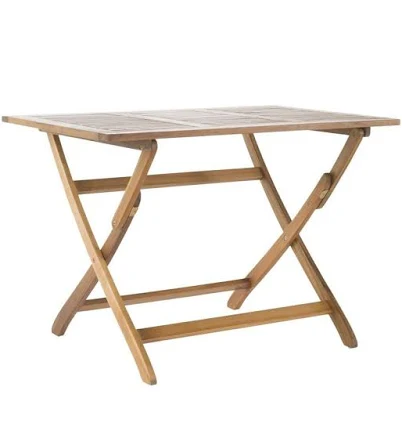


“This room works because it perfectly balances raw, industrial elements with natural warmth and a touch of playful whimsy.”
The whitewashed brick and concrete ceiling provide a cool, minimalist envelope, letting the warm wooden dining set and the vibrant green garden view take center stage. The contrast is brilliant. But let’s be honest, the real genius is that unexpected disco ball! It shatters any potential formality, injecting a joyful, unexpected spark that makes the whole space feel fresh and unpretentious. It’s chic without being stuffy, and it reminds you not to take design too seriously.
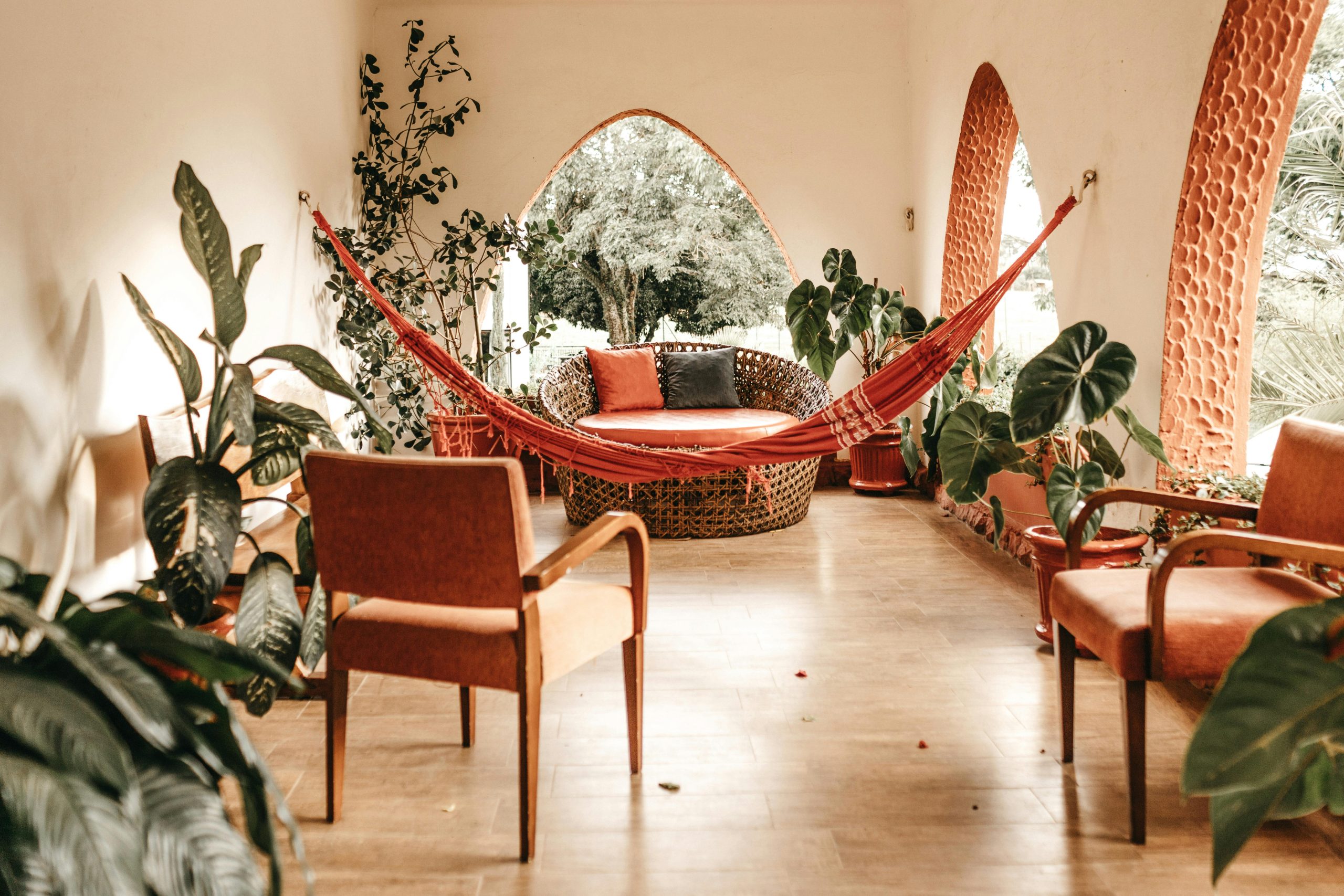
10. Serene Covered Patio with Hammock and Ornate Archways
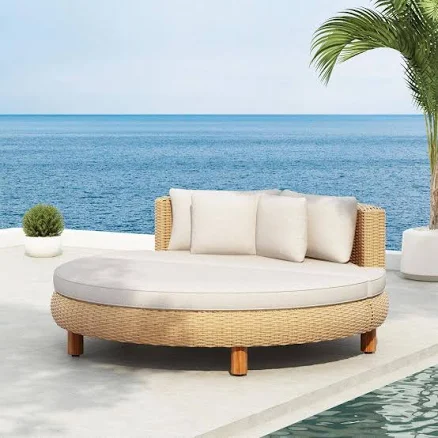
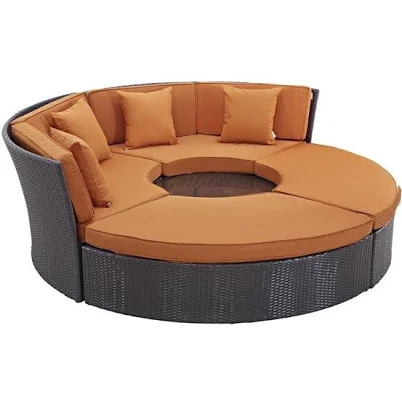
This inviting patio layout works wonderfully for spaces that are at least 150-200 square feet, allowing enough room for a hammock, a daybed, and proper circulation without feeling crammed. A minimum ceiling height of 8 feet is ideal to accommodate the hammock comfortably without it feeling too low. If your space is smaller, you might want to choose between the hammock or the daybed, or opt for a smaller, compact bistro set. For truly tiny patios, consider Idea #6‘s hanging egg chair, which offers a similar relaxed vibe with a smaller footprint.
|
$850.97
|
$1,914.91
|
$59.99
|
$5.97
|
“Main furniture (hammock, daybed, cushions): $500 – $1,500
Potted plants (various”
- Main furniture (hammock, daybed, cushions): $500 – $1,500
- Potted plants (various sizes): $150 – $400
- Flooring (light wood-look tiles): $300 – $800
- Ornate archway trim (custom/pre-fab): $200 – $700
- Decor & Accessories: $50 – $150
- Total: $1,200 – $3,550
- Budget alternative: Find a pre-loved hammock on Facebook Marketplace ($50-$100), use large outdoor rugs to define areas instead of tiling, and opt for inexpensive plastic planters from Walmart. You could achieve a similar relaxed vibe for $300 – $700.
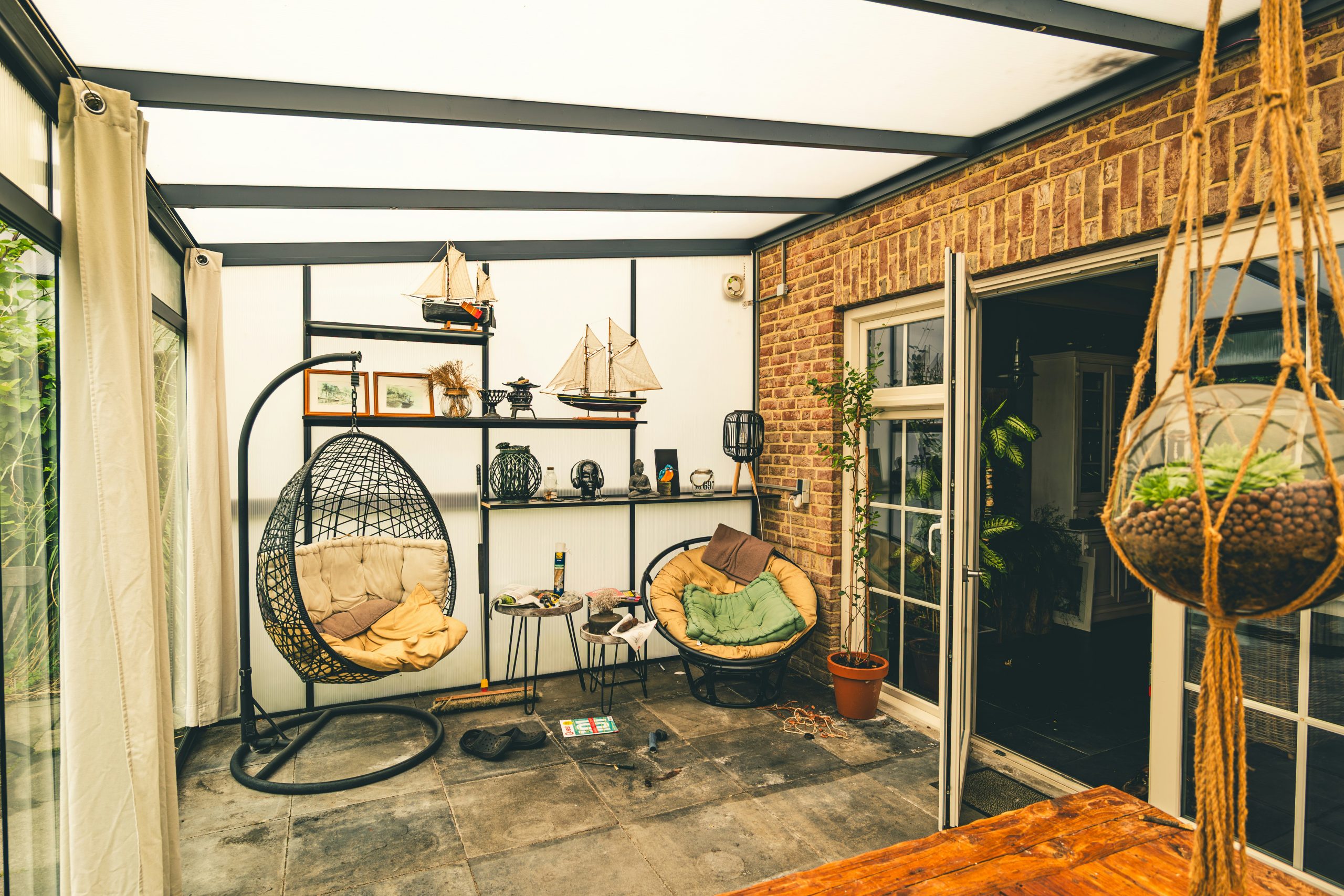
11. Sunroom with Brick Wall, Hanging Chair, and Nautical Decor
While this sunroom looks incredibly bright and inviting, the transparent roof and walls can be a double-edged sword. In peak summer, it can become a real greenhouse, trapping heat and making the space uncomfortable unless you have excellent ventilation, shading solutions, or even air conditioning. Conversely, in colder months, it can get quite chilly. Additionally, translucent corrugated materials can show dirt and water spots easily, requiring more frequent cleaning to maintain clarity. Plan for potential temperature control and regular maintenance to avoid a lovely idea turning into a functional headache.
|
$212.99
|
$247.59
|
$59.49
|
$17.99
|
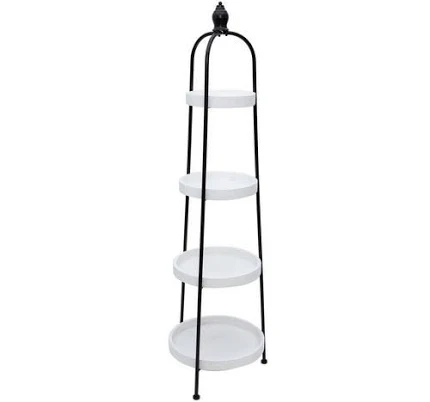
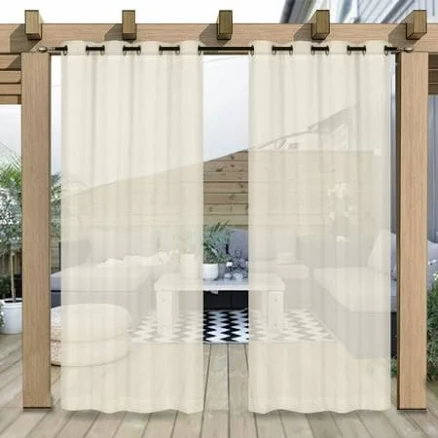
“To really nail that collected, not cluttered, aesthetic with shelves like these, think in odd numbers and varying heights.”
For every three items on a shelf, aim for one to be tall, one medium, and one shorter. Also, leave at least one-third of the shelf space visually empty. This allows each decorative item, like those charming ship models, to breathe and stand out, rather than getting lost in a jumble. It creates a curated feel that’s both interesting and calming.
12. Cozy Rustic Garden Sunroom with Reclaimed Brick and Aged Wood
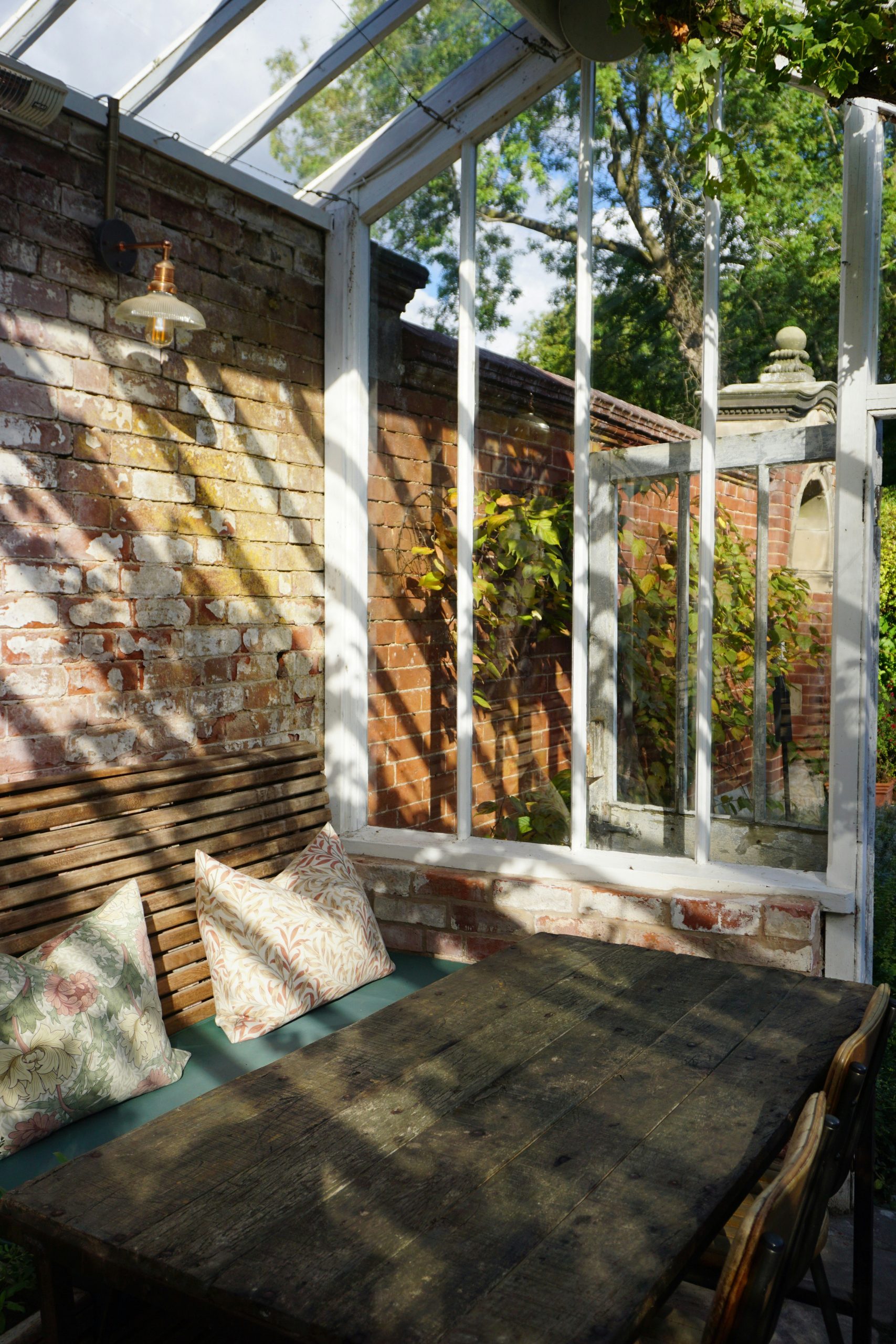
This space feels instantly cozy because it expertly layers raw, organic textures with soft, inviting elements. The exposed aged brick wall and rough wooden table provide that beautiful, weathered character that automatically makes a room feel lived-in and loved. Then, the dark green cushions and floral throw pillows soften those hard edges, adding comfort and a touch of gentle color. The glass greenhouse-style structure floods the space with light, literally creating a connection to the garden and making everything feel fresh and airy. It’s a masterclass in rustic charm meeting garden-fresh vitality.
|
$14.87
|
$196.00
|
$34.66
|
$35.58
|
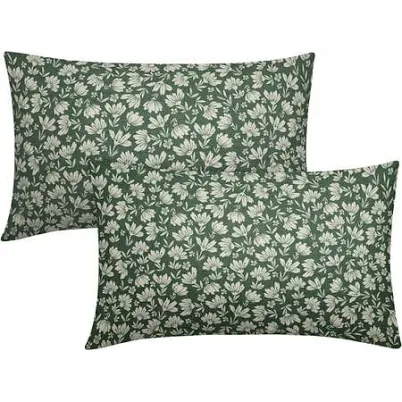
“While the rustic charm of aged brick and rough wood is undeniable, it does come with specific maintenance considerations.”
Exposed brick, especially if reclaimed, can be prone to crumbling or shedding dust over time, and might require sealing every few years to protect it. The rough wooden table, if seeing regular use, will show spills and scratches readily – which can add to its character, but might not be for everyone. If you want to keep it pristine, coasters and placemats are your friends, and a periodic oiling will keep the wood nourished.
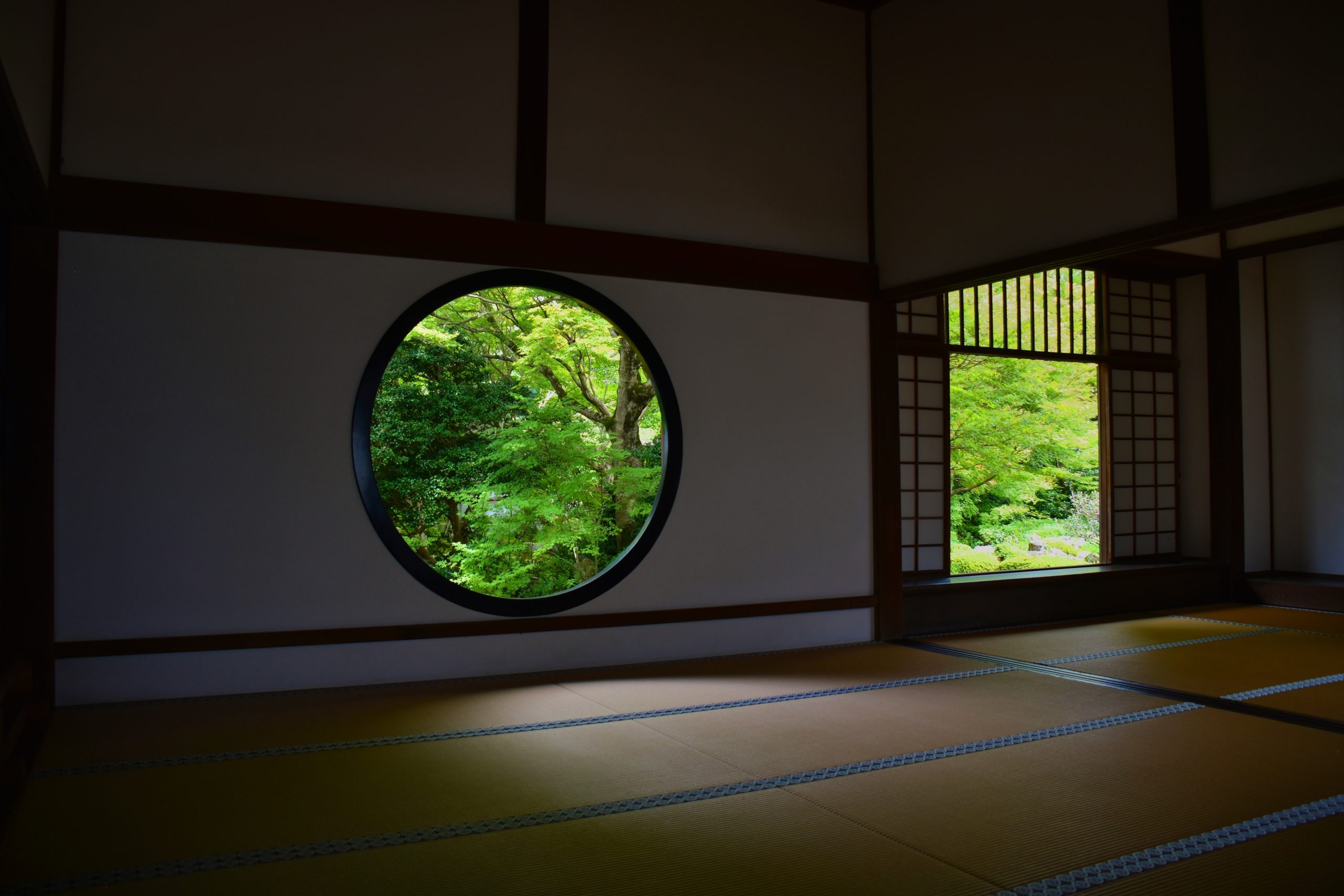
13. Japanese Interior with Garden Views Through Circular and Rectangular Windows
When incorporating a garden view into your interior design, treat the window as a frame for living art. Take a cue from this Japanese interior: instead of just a single pane, consider how multiple, carefully shaped windows—like the circular ‘moon’ window paired with the multi-paned rectangular one—can offer different perspectives and create focal points. Plan your exterior planting to align with these frames, ensuring that specific, beautiful elements (a flowering branch, a serene rock) are visible from key vantage points within the room.
|
$384.87
|
$1,458.00
|
$75.21
|
$58.84
|
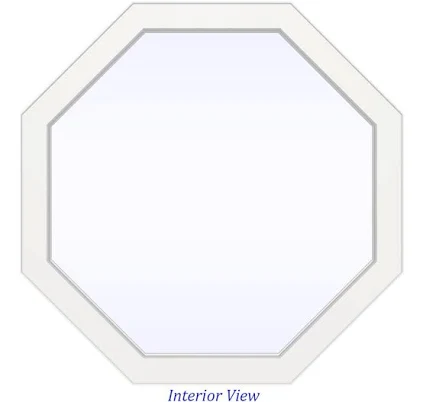

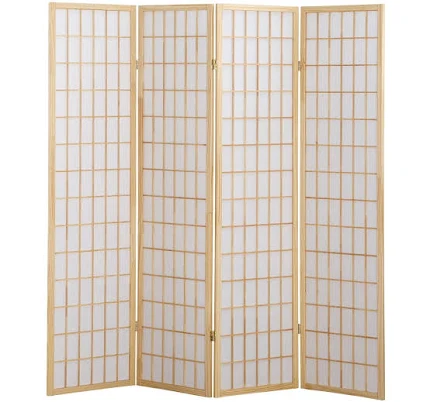

“That circular ‘moon’ window is the absolute star of this show.”
It’s not just a window; it’s a portal, a deliberate design choice that evokes contemplation and serenity. Without its unique shape and the focused view it provides of the lush garden, the room would lose its most enchanting feature. It transforms the garden from a mere backdrop into an intentional philosophical statement, perfectly balancing traditional Japanese aesthetics with a deep connection to nature. It’s a moment of pure magic and tranquility.
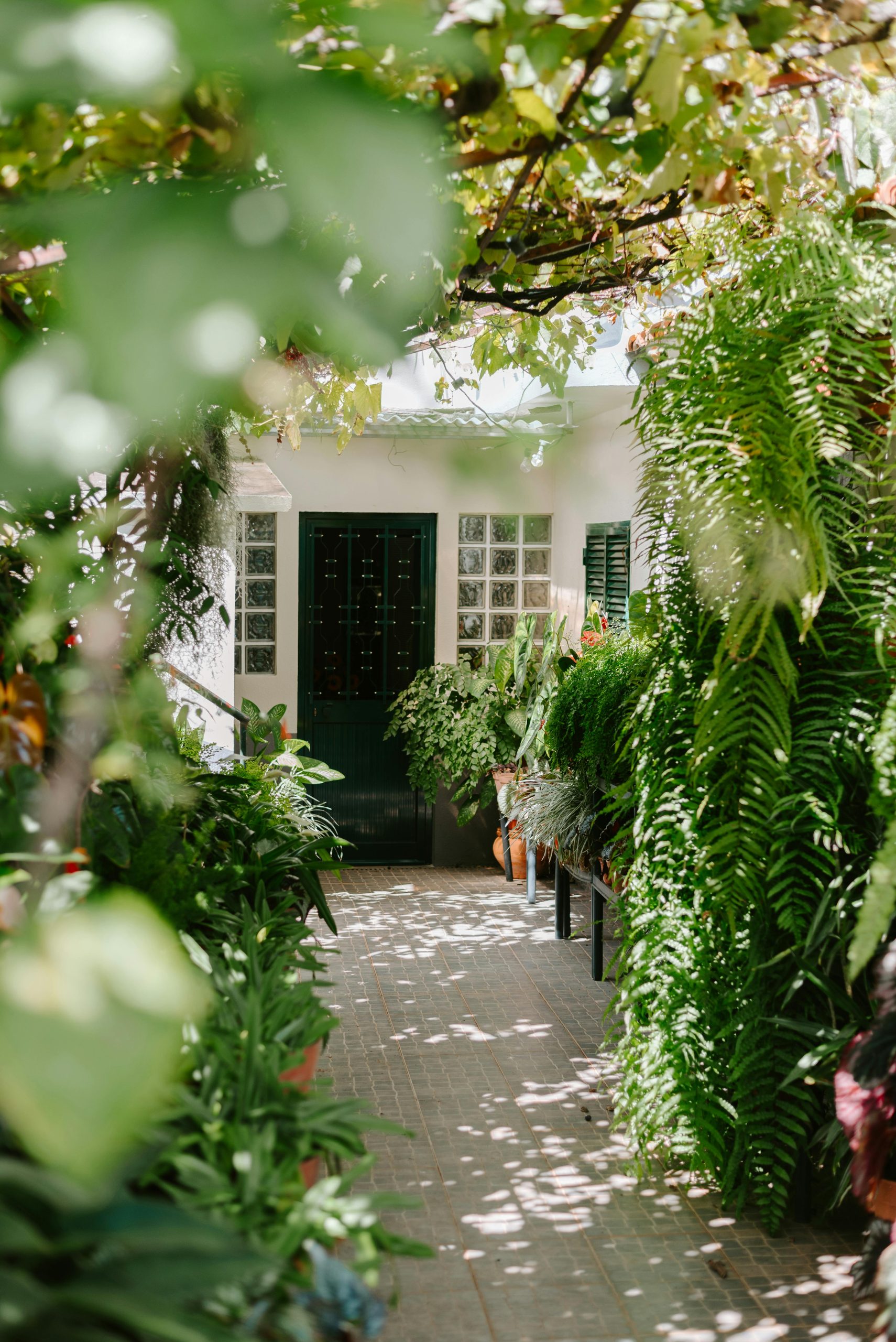
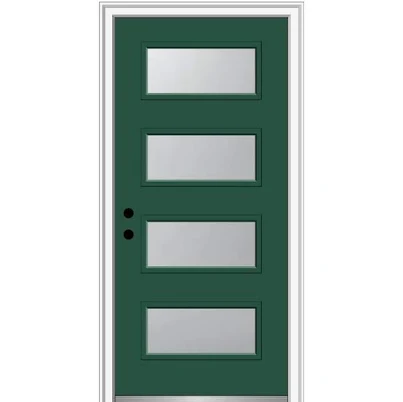
14. Lush Green Pathway to a White House with Dark Green Door
Want this lush, inviting pathway without breaking the bank? Head to your local IKEA or Target for an array of affordable ceramic or terracotta pots. Fill them with fast-growing, low-maintenance greens like ferns, hostas, or even various types of ivy, which you can often find at Walmart for just a few dollars a plant. For the overhead vine structure, a simple trellis kit and some climbing vines (like jasmine or clematis) will give you a similar effect over time. You’re looking at around $200-$500 to create a vibrant, welcoming entryway that feels much more expensive than it is.
|
$64.80
|
$179.99
|
$569.00
|
$1,738.00
|


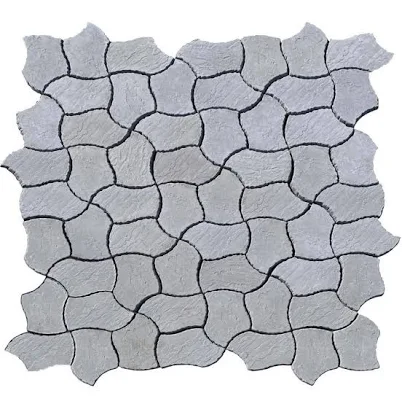
“This design is fantastic for narrower side yards or entryways that lead to a slightly set-back door.”
It works well within a width of 4-6 feet for the pathway itself, allowing for ample planting on both sides without feeling cramped. The overhead vine structure benefits from at least 8-10 feet in length to create that shaded, enveloping tunnel effect. If you have a wider entrance, you might duplicate some of the plant groupings or add a small bench along the path. This scale works whether your building is a grand estate or a charming cottage, as long as you have that natural progression.
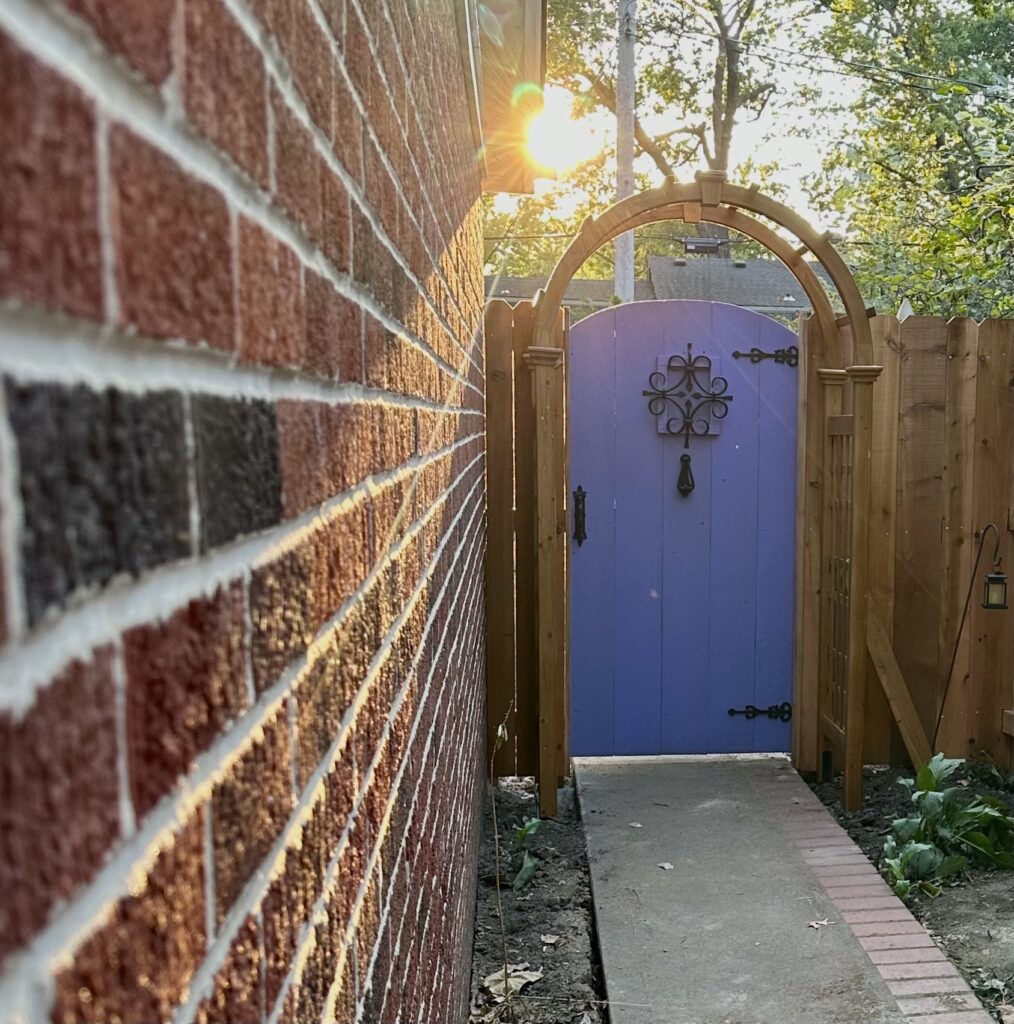
15. Hidden Garden Gate with Arched Wooden Arbor
Creating a charming entry like this is easier than you think. Here’s how to build a simple arched wooden arbor for your garden gate:
|
$3,900.00
|
$99.95
|
$110.00
|
$799.00
|
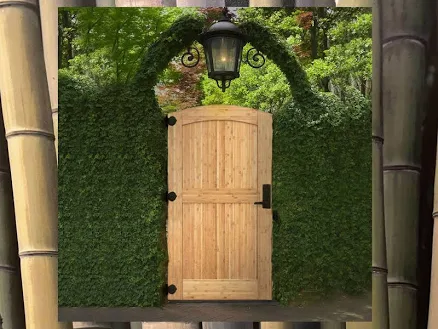
“Choose your wood: Select weather-resistant wood like cedar or pressure-treated pine.”
(Estimate: $50-$150)
Build the uprights: Install two sturdy posts on either side of your pathway, ensuring they are plumb and secure in concrete. (Time: 1 day)
Form the arch: Create the curved top using flexible wood strips or pre-fab arch kits, securing them to your uprights. (Time: Half day, $30-$80)
Add cross slats: Attach horizontal slats for climbing plants to grip, spacing them evenly. (Time: Few hours, $20-$50)
Paint or stain: Finish with a weather-resistant paint or stain to protect the wood and add color. (Time: Few hours)
The rise of cottagecore and ‘grandmillennial’ aesthetics has made designs like this wooden arbor and bright blue gate incredibly popular in 2026. People are gravitating towards spaces that feel whimsical, nostalgic, and deeply personal. This isn’t just a gate; it’s an invitation to a secret world, and that sense of enchantment resonates deeply with current desires for escape and joy in our home environments. It’s about creating moments of unexpected beauty right in your own backyard.
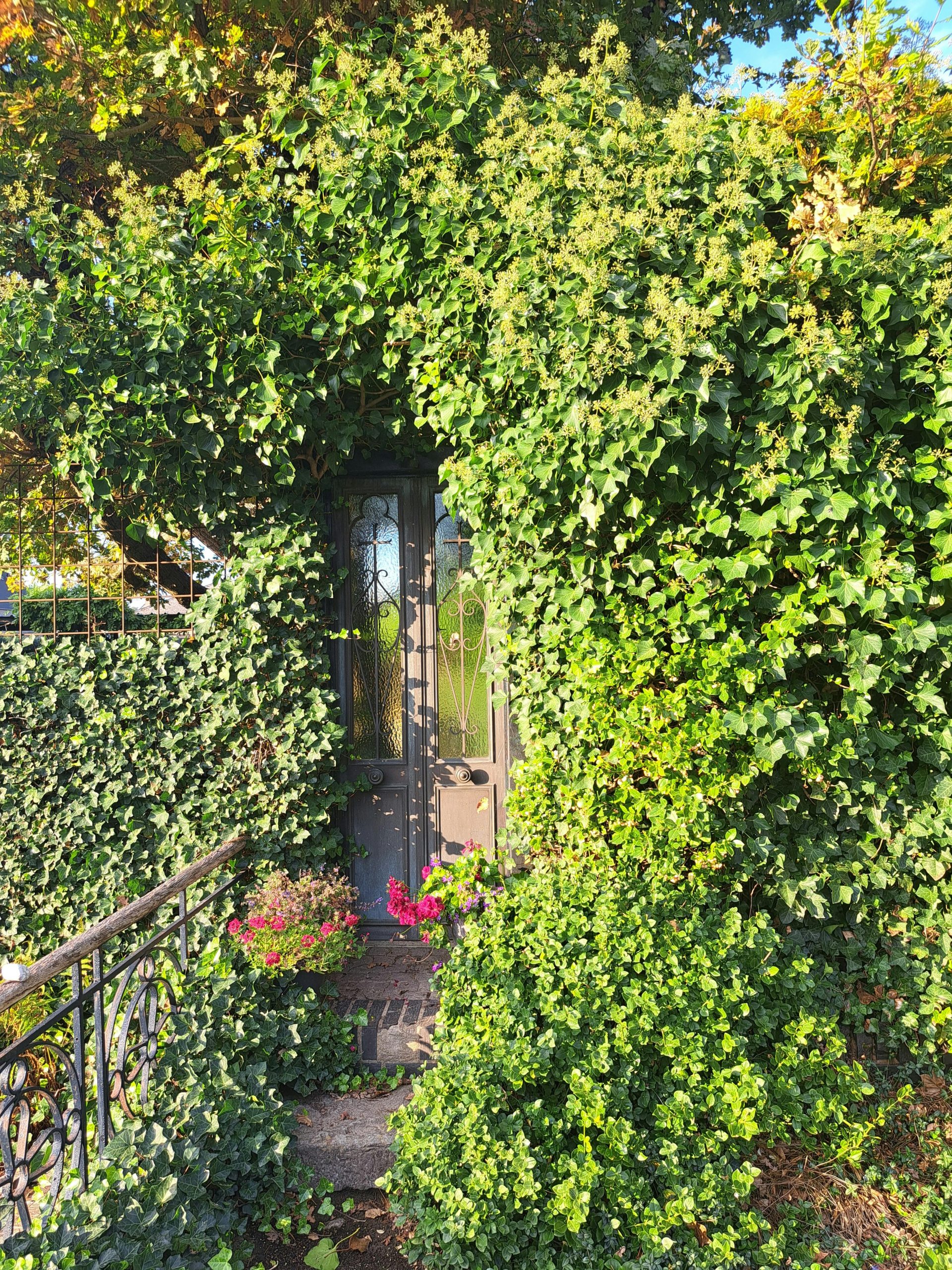
16. Hidden Doorway with Abundant Ivy and Flowering Plants
The absolute star here is the sheer, unbridled abundance of natural growth. The dense ivy isn’t just a backdrop; it’s an active participant, almost swallowing the dark door whole and creating an incredible sense of mystery and seclusion. Without such generous, sprawling greenery, this would just be a door – perhaps a pretty one, but not a hidden gem. The ivy transforms it into an enchanted threshold, hinting at secrets beyond and inviting you to step into another world. The pink flowering plants add just the right touch of softness and romance to this verdant embrace.
|
$3,000.00
|
$5,440.00
|
$44.98
|
$69.00
|
“While undeniably enchanting, a dense ivy cover like this comes with a few practical considerations.”
Ivy can be quite aggressive; left unchecked, it can damage brickwork or woodwork by growing into cracks, dislodging mortar, or trapping moisture. Regular pruning (at least once or twice a year) is essential to keep it under control and prevent it from overwhelming your home’s structure. Also, think about pests: dense foliage can become a haven for insects. Be prepared for a bit of extra maintenance to keep your secret doorway beautiful without causing structural issues.
17. Weathered Brick Wall with Moss and White Picket Gate
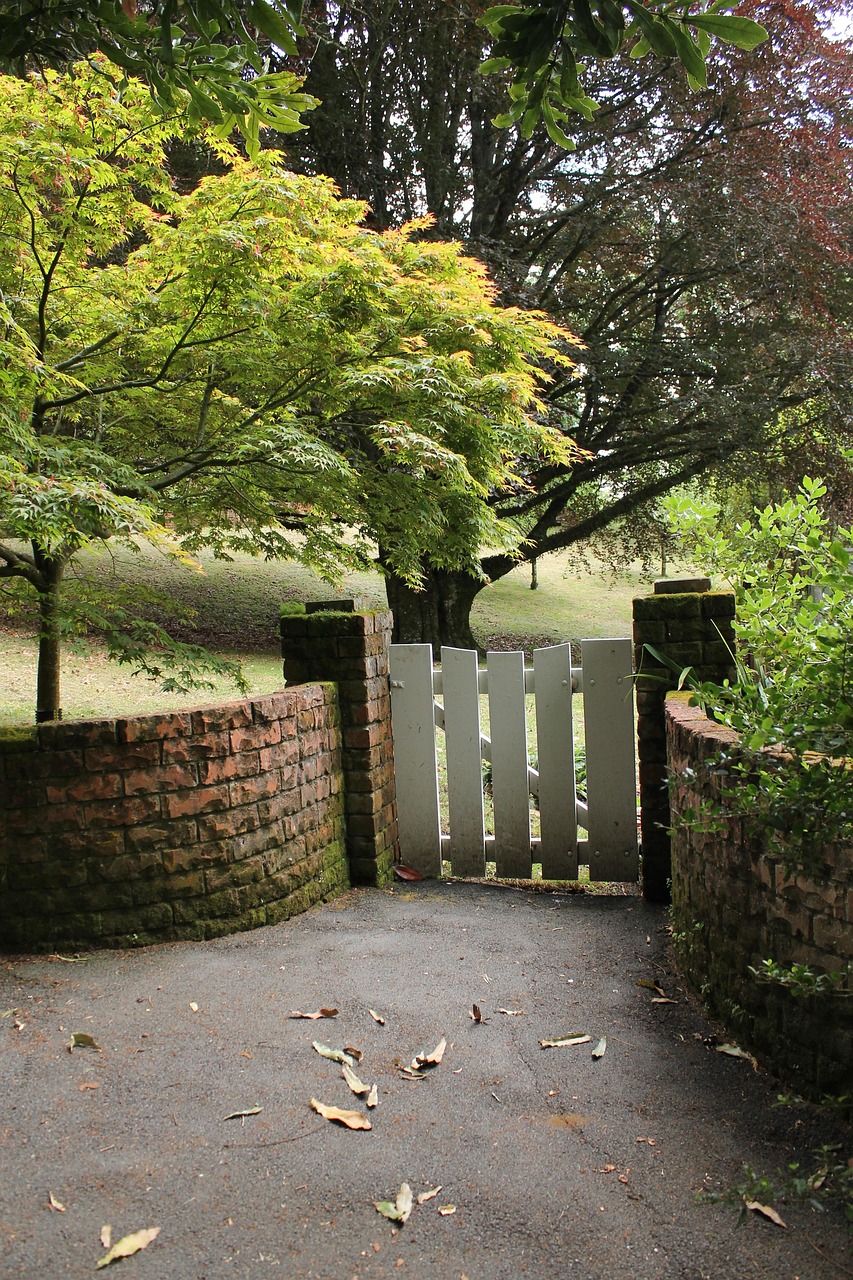
This scene exudes rustic charm through a masterful use of texture and contrast. The weathered brick walls, softened by patches of moss, speak of history and natural age, providing a beautiful foundation. The crisp white picket gate then offers a charming contrast, drawing the eye and signaling an entrance. The path with fallen leaves adds to the natural, slightly wild feel, while the varying shades of green from the trees in the background create depth. It works because it embraces imperfection and the quiet beauty of a garden allowed to grow a little freely, feeling entirely authentic and inviting.
|
$169.99
|
$199.95
|
$229.99
|
$223.96
|
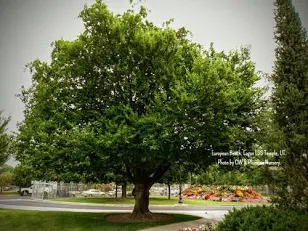
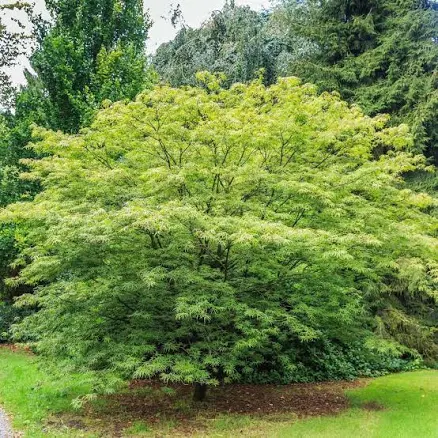
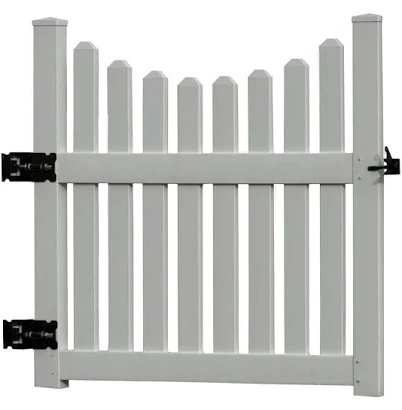
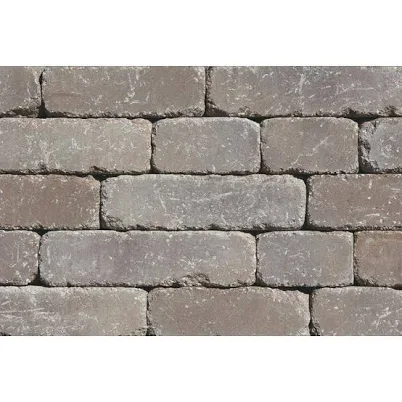
“Picket gate (pre-made/custom): $100 – $300
Brick (reclaimed/new for wall section”
- Picket gate (pre-made/custom): $100 – $300
- Brick (reclaimed/new for wall sections): $200 – $600
- Path materials (asphalt/gravel base): $50 – $200
- Trees & Shrubs (starter plants): $100 – $400
- Moss treatment (spores/slurry): $20 – $50
- Total: $470 – $1,550
- Budget alternative: Find a used picket gate on Facebook Marketplace ($20-$50), use bricks from local free listings, and create a gravel path ($50-$100). For plants, look for saplings or cuttings from friends/neighbors. You can achieve this for $150 – $400.
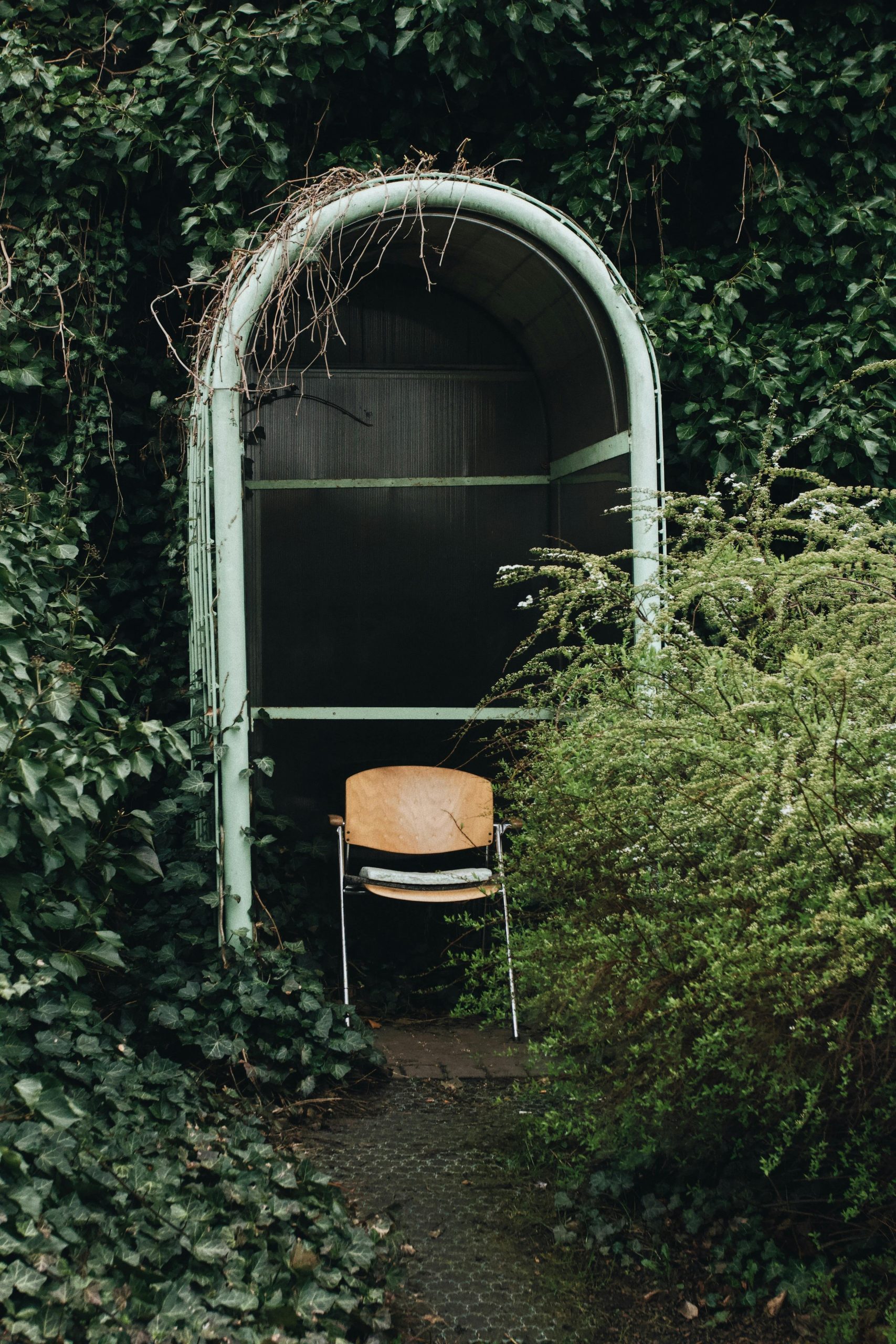
18. Hidden Alcove with Vintage Chair and Dense Greenery
The allure of creating cozy, hidden nooks within larger spaces is a huge trend right now, aligning with a desire for mindfulness and digital detox. People are craving spaces in their homes and gardens where they can truly unplug and find a moment of peace. This little alcove captures that perfectly – it’s an invitation to pause, read, or simply be. It speaks to the idea of a garden not just as something to look at, but as a space to inhabit, to lose yourself in, even for a few quiet moments.
|
$2.99
|
$62.17
|
$35.99
|
$32.42
|
“This idea is perfect for those awkward, small, or underutilized corners of your garden that you never knew what to do with.”
It shines in compact spaces, needing only a few square feet to create that secluded feel. Think about the neglected space behind a shed, or a narrow strip between your house and a fence. The key is to have dense planting around it to truly make it feel like an ‘alcove.’ It needs approximately 50-75 square feet of surrounding dense greenery for the full effect. This is a brilliant solution for adding purpose to tight spots that might otherwise be overlooked.
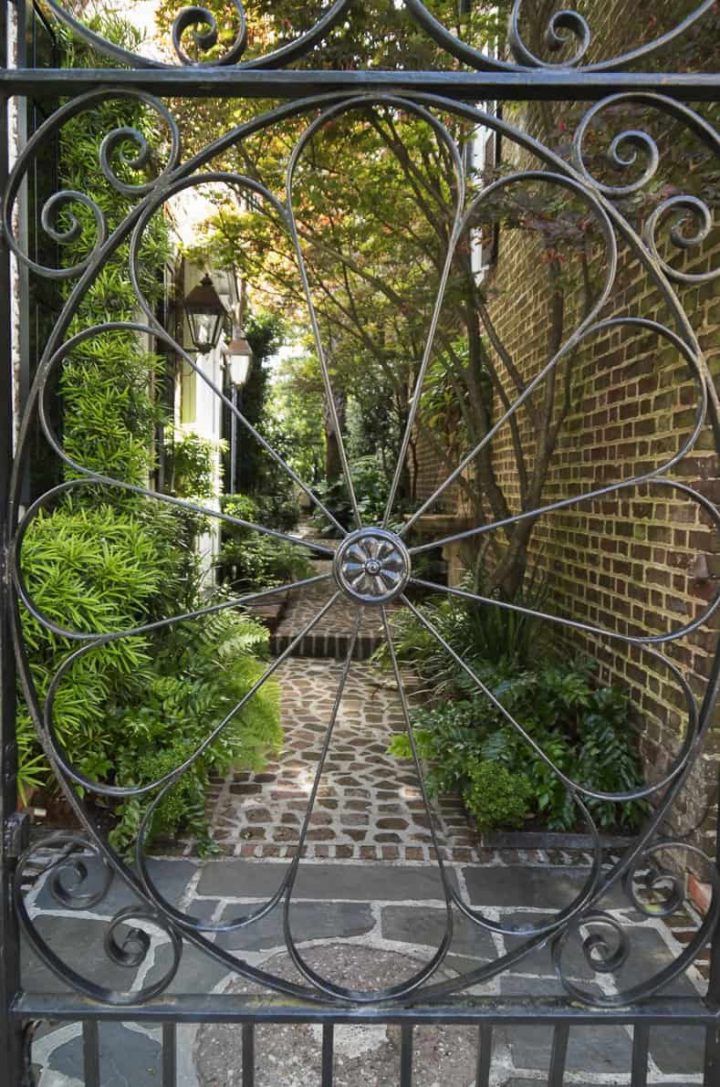
19. Ornate Wrought Iron Gate to Brick-Lined Garden Path
When choosing an ornate gate like this, don’t forget the importance of what lies beyond. The path itself should guide the eye and invite discovery. Here, the irregularly shaped pavers and the brick walls, softened by lush foliage, create a sense of history and organic growth. The path isn’t just functional; it’s part of the narrative. Consider how materials, texture, and light will interact as someone moves through your entryway. It’s about setting the stage for what’s to come, hinting at the magic you’ve cultivated inside your garden.
|
$2.43
|
$599.95
|
$1,099.00
|
$828.95
|
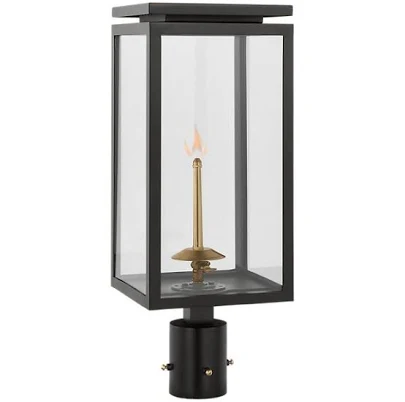
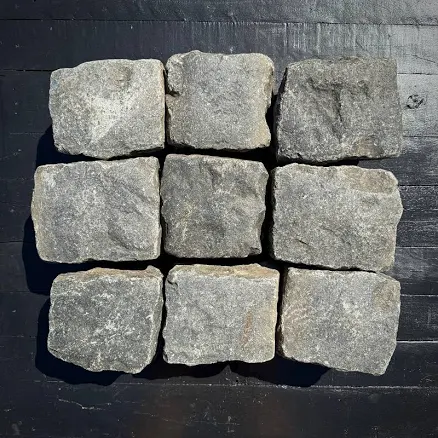
“The style math for this enchanting entry is 40% traditional wrought iron + 30% rustic brick & stone + 30% abundant green foliage.”
To switch up the look while maintaining the charm, you could vary the color of the iron from black to a deep bronze for a softer feel. The brick could be whitewashed for a more cottage-garden aesthetic, or you could swap the irregular pavers for flagstone to lean into a more formal, old-world vibe. The key is to keep a balance of strong architectural elements and soft natural forms.
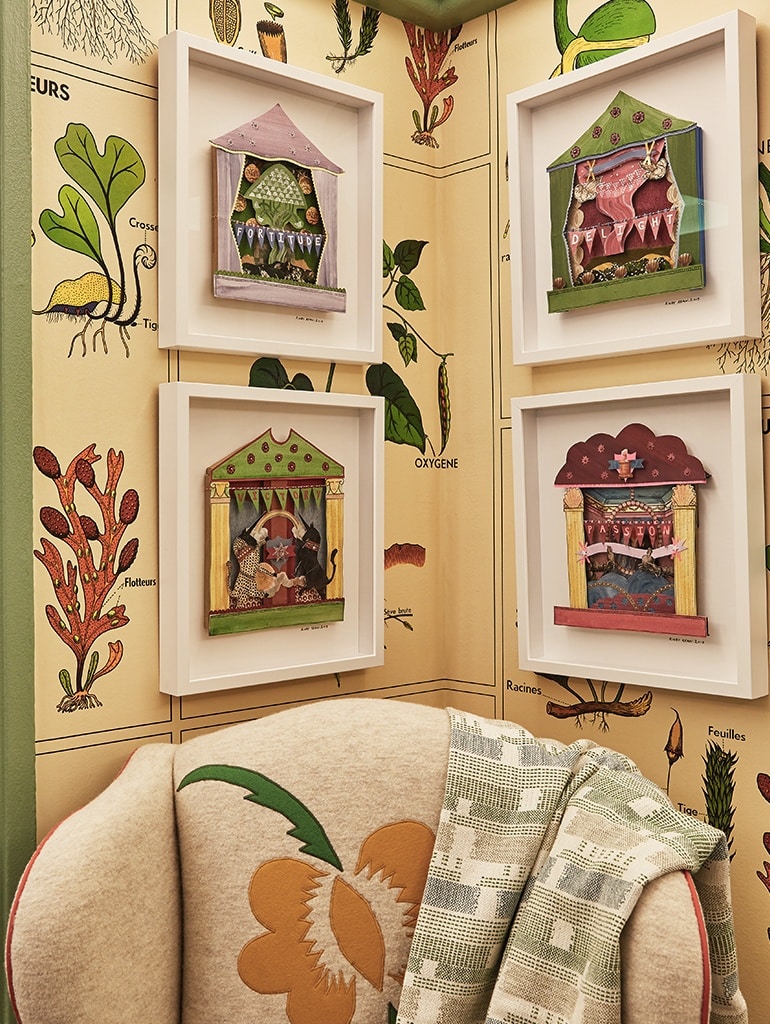
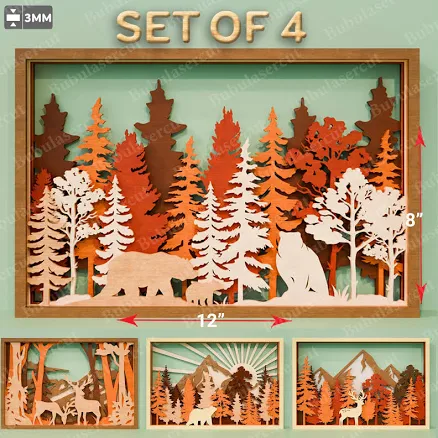
20. Botanical Chart Wallpaper with Framed Dioramas
With a renewed interest in natural sciences and a craving for personalized, curated spaces, botanical charts and natural history motifs are big for 2026. This idea perfectly blends that academic aesthetic with a whimsical, homey feel. It’s part of a larger movement towards bringing the calm and order of nature indoors through less literal means than just houseplants. It allows you to appreciate the intricate beauty of the botanical world in a highly stylized and collected way, merging art with a touch of scientific curiosity.
|
$20.99
|
$4.19
|
$136.64
|
$40.35
|

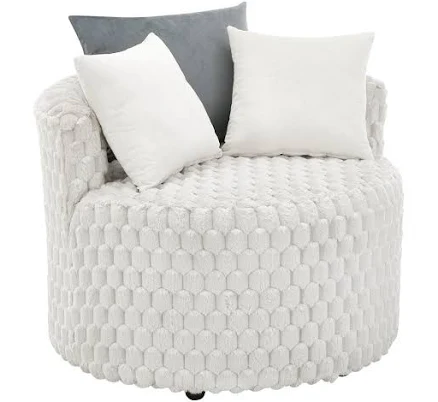
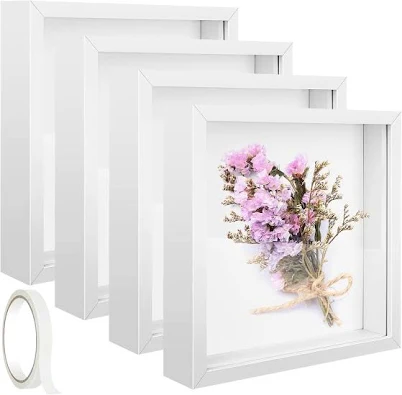
“The botanical chart wallpaper, with its detailed illustrations and vintage feel, is definitely the one thing that sets this room apart.”
It creates an instant atmosphere of curiosity and old-world charm, acting as a rich, thematic backdrop that immediately immerses you. Without it, the framed dioramas and embroidered chair, while lovely, would feel a bit disconnected. It’s the wallpaper that ties everything together, transforming a simple corner into a whimsical, educational, and deeply personal secret garden retreat indoors.
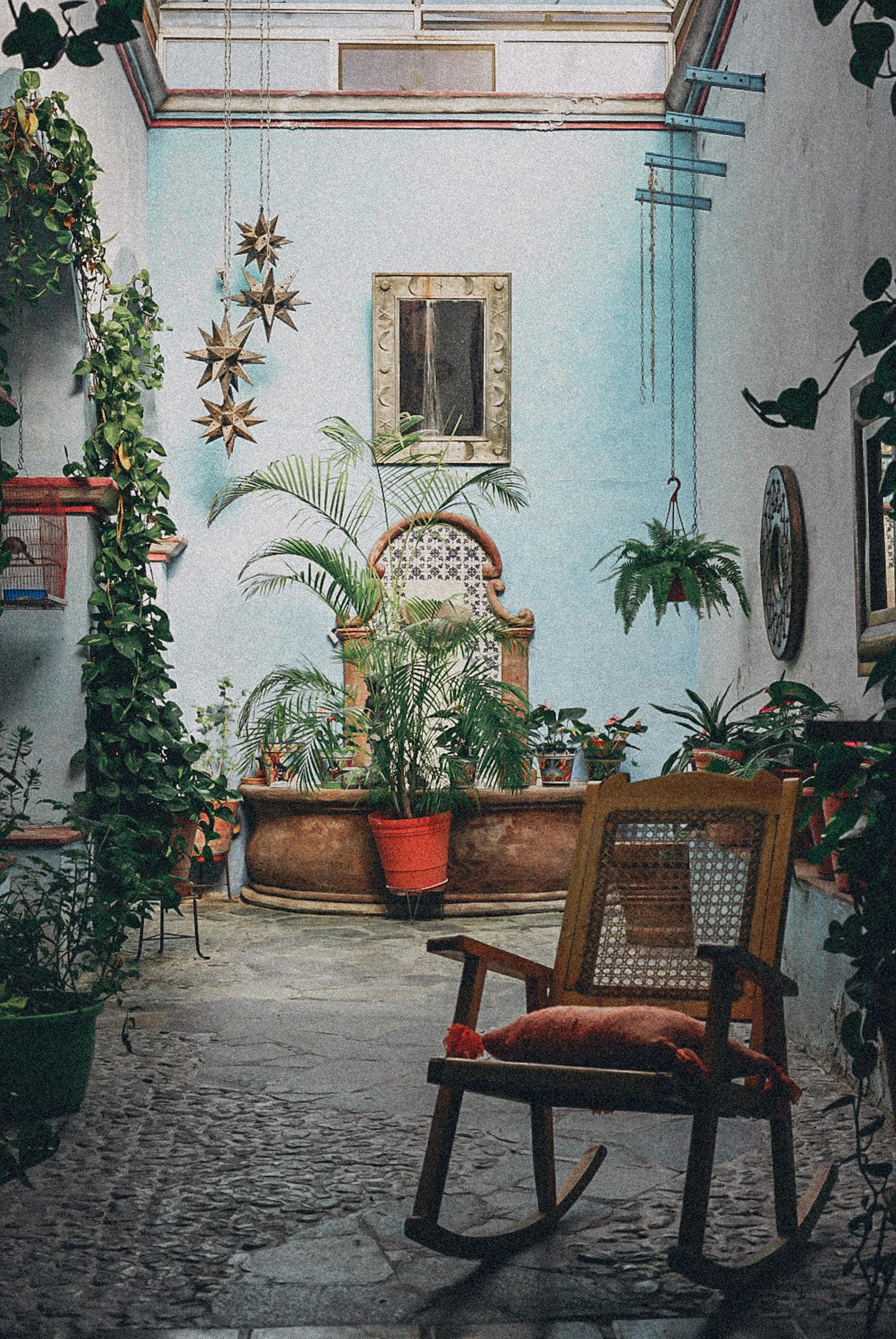
21. Cozy Courtyard with Rustic Terracotta Fountain and Pale Blue Walls
This courtyard sings because it brings together unexpected textures and colors in a harmonious way. The pale blue textured walls provide a serene, almost Mediterranean backdrop, allowing the rich terracotta fountain to pop beautifully. The trailing greenery and potted plants add organic softness, while the metallic star decorations bring a touch of playful sparkle. The rough cobblestone and stone floor grounds the entire space, giving it an authentic, lived-in feel. It works because it’s a delightful blend of rustic charm, cool tranquility, and whimsical accents, all wrapped up in a cozy, inviting embrace.
|
$2,000.00
|
$449.00
|
$1,061.57
|
$125.00
|
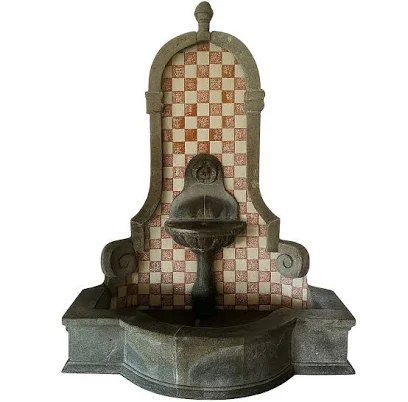


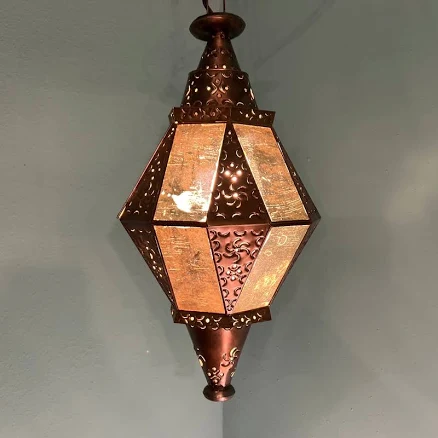
“To get this rustic courtyard vibe without the designer price tag, hit up your local garden center for a basic terracotta pot fountain (often under $100).”
For the walls, a simple coat of pale blue outdoor paint on existing walls or even a fence can work wonders. Look for inexpensive trailing plants like ivy or jasmine at Target and fill pots with colorful annuals. A pre-loved wooden rocking chair from Facebook Marketplace and some string lights (instead of metallic stars) will finish the look for a charming retreat around $300-$700.
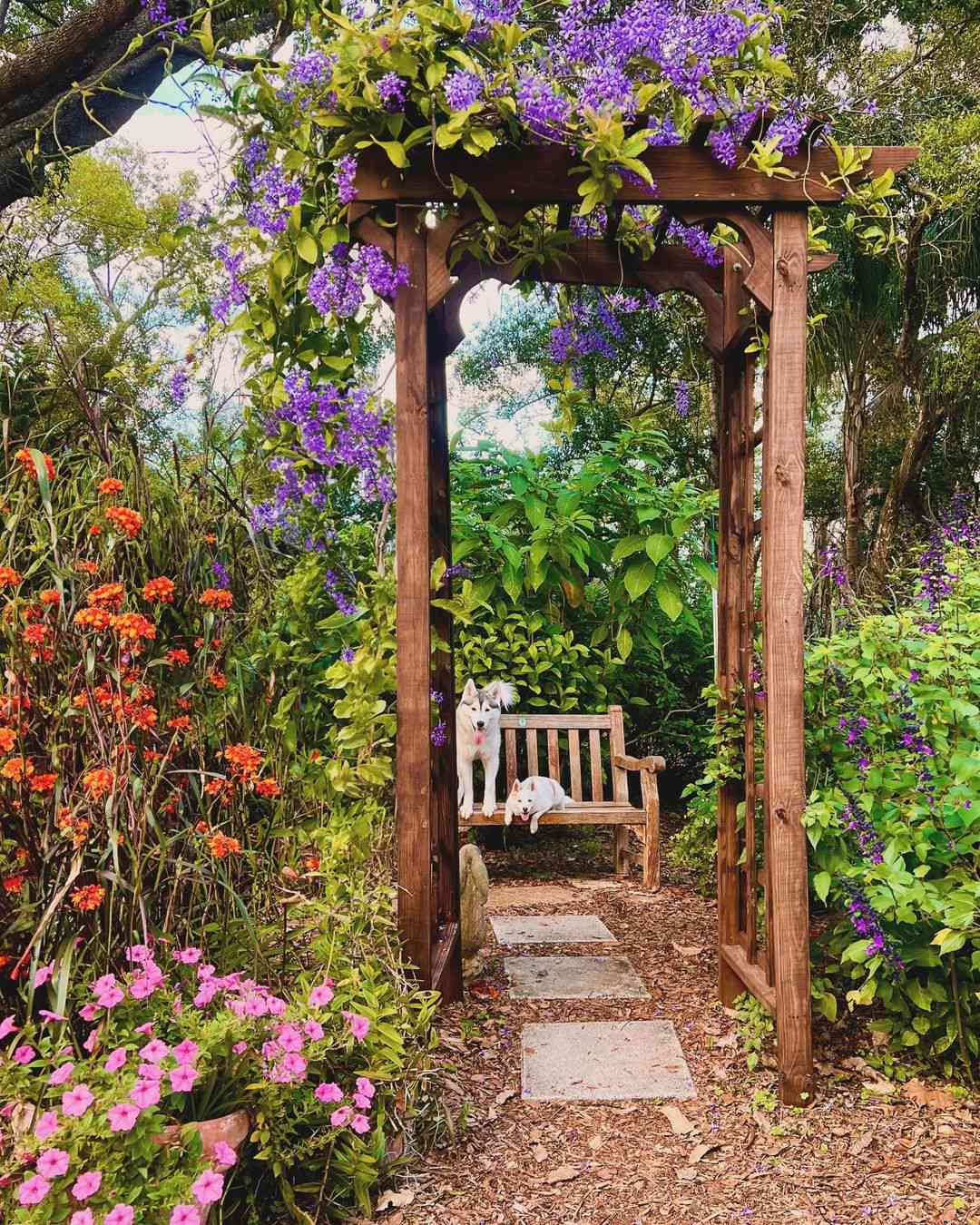
22. Wooden Garden Arbor with Purple Flowering Vines and Path
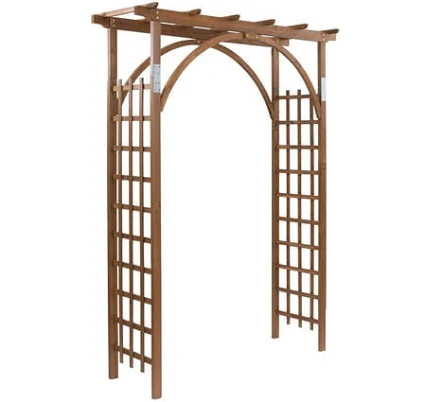
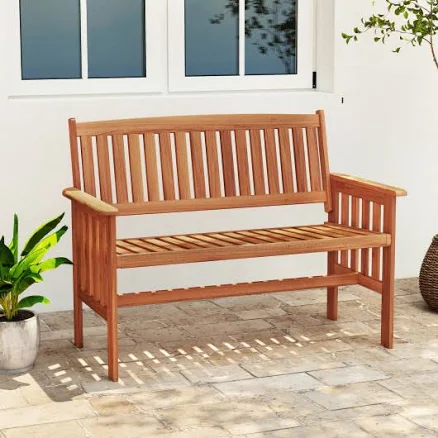
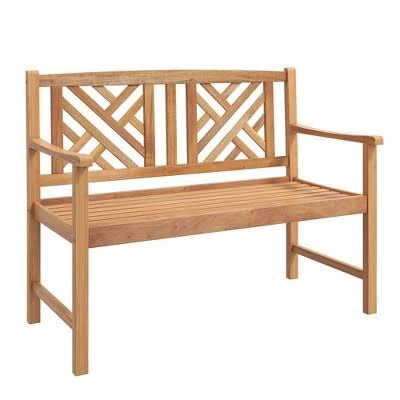
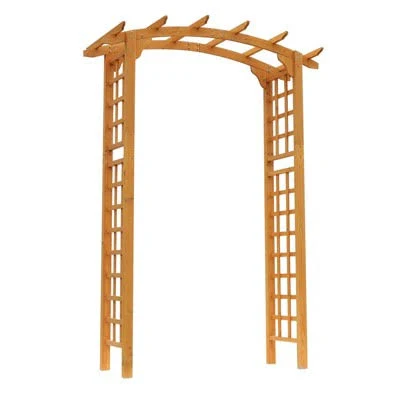
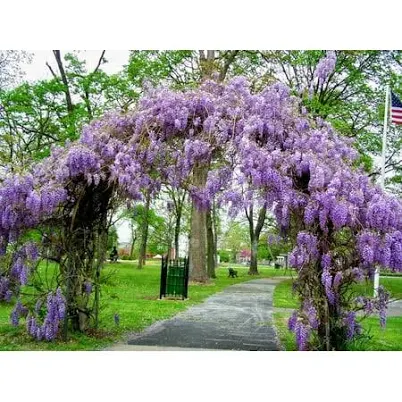
When designing an arbor for climbing plants, always consider the mature size and weight of your chosen vine. Many beautiful flowering vines, like wisteria or even some types of climbing roses, can become quite heavy and robust. Ensure your wooden arbor posts are securely sunk into the ground (preferably with concrete) and the crossbeams are strong enough to support the decades of growth. Underestimating the plant’s power can lead to a sagging or collapsing structure, so overbuild rather than underbuild for longevity.
|
$11.99
|
$95.99
|
$84.00
|
$109.99
|
“A densely vine-covered arbor like this, while stunning, can attract more than just admiration.”
Bees and other pollinators will flock to those fragrant purple flowers, which is wonderful for your garden’s ecosystem, but something to be aware of if you have allergies or prefer a minimal insect presence. Also, falling petals and leaves will require regular sweeping of your stepping stone path, especially after rain or wind. It’s a trade-off for such beauty, but worth considering before you commit to this level of lushness right over a main pathway.
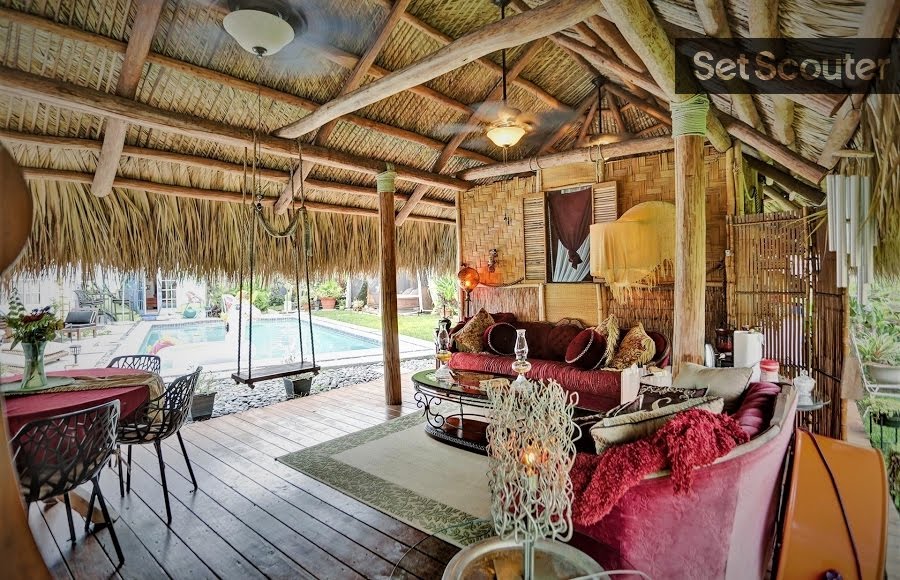
23. Tropical Thatch Roof Patio with Eclectic Bohemian Furnishings
Want to create your own tropical thatch roof patio? Here’s a brief guide:
|
$1,189.00
|
$549.00
|
$154.97
|
$1,799.99
|

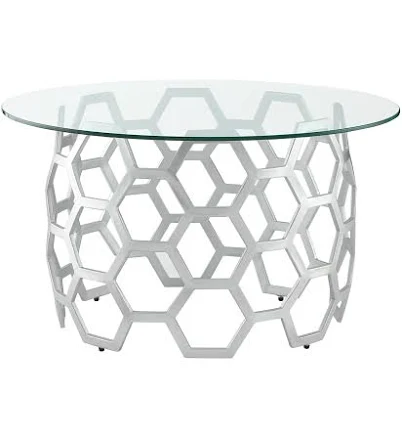

“Assess existing structure: Determine if your patio has an existing frame or if you’ll need to build one.”
(Consider a pergola kit for ease.) (Time: 1-2 days)
Source thatch material: Purchase rolls or bundles of natural thatch from a specialty supplier. (Material: $200-$800+)
Attach thatch: Layer the thatch material onto your roof frame, securing it tightly with staples or wire. Work from bottom to top. (Time: 2-3 days)
Seal (optional): Apply a fire retardant and water repellent sealant for longevity and safety. (Time: 1 day, $50-$150)
Decorate: Add your bohemian furnishings, textiles, and plants to complete the look.
The style math for this vibrant patio is 50% natural tropical textures (thatch, bamboo, wood) + 30% bold, rich colors (red, orange, deep greens) + 20% eclectic patterns and decor. To adapt this, you could swap the deep red velvet for a vibrant teal or emerald green for a cooler tropical vibe. If you prefer a more subdued bohemian look, focus on muted earth tones in your textiles and let the natural textures of the thatch and wood be the primary stars. The key is that strong base of natural materials supporting the color and pattern.
24. Wooden Swing Bench Nestled in a Blossoming Garden
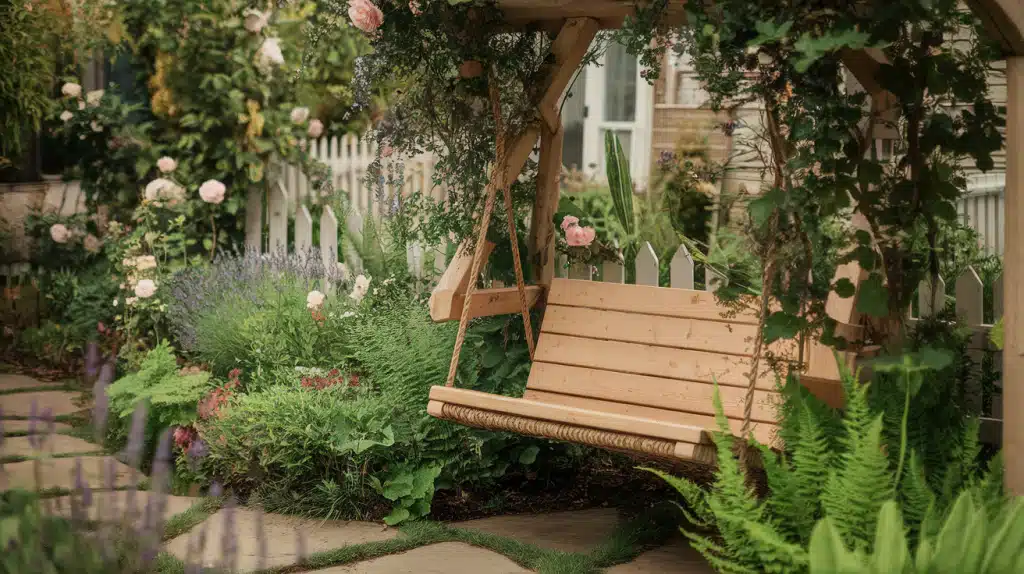
The ultimate magic here is how effortlessly the natural wood swing bench is integrated into the overgrown, blossoming garden. It doesn’t feel like an addition but rather a natural extension of the landscape, almost as if it grew there. The presence of pink roses, lavender, and ferns directly around and even climbing on the support structure makes it an utterly charming and romantic focal point. It’s not just a place to sit; it’s an invitation to become part of the garden’s enchantment, to literally immerse yourself in its beauty and fragrance.
|
$135.99
|
$2.56
|
$0.23
|
$179.00
|

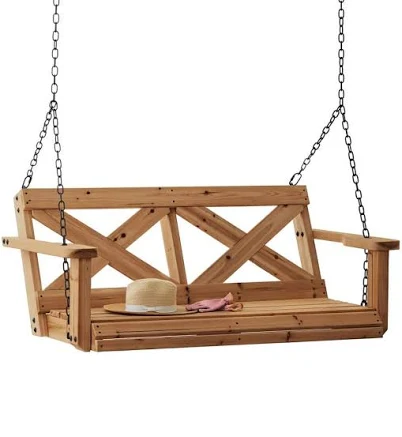
“Identify a strong, level area for swing placement (consider support beams for stability).”
Check sun exposure: Will the area get enough sun for the blossoming plants you envision?
Assess existing plants: Can they be pruned or added to create that ‘overgrown’ feel around the swing?
Budget for quality wood and support structure – safety first!
25. Hidden Garden with Gravel Patio and Flowering Archway
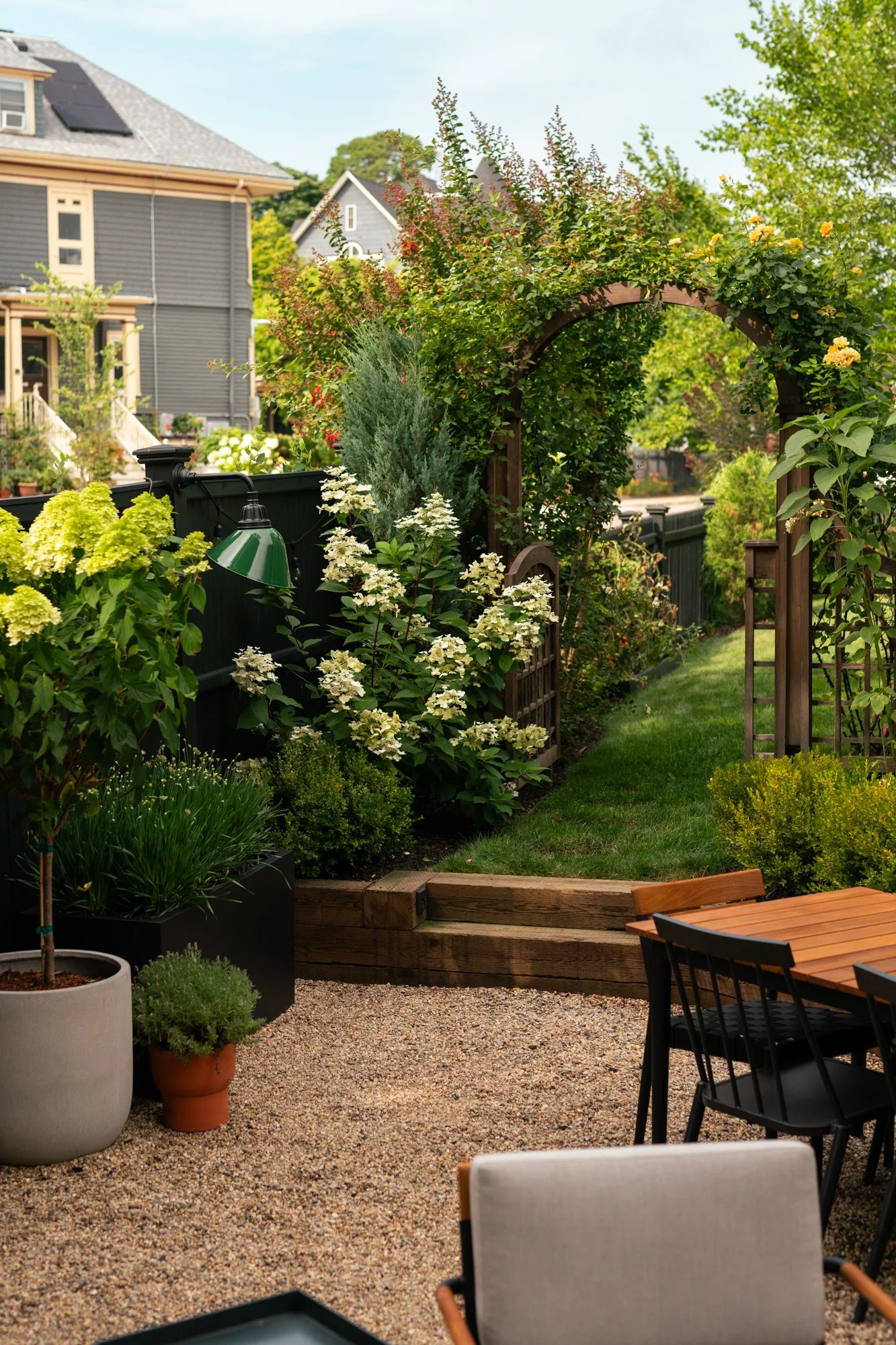
While a gravel patio offers a charming, rustic aesthetic, it’s not for everyone. Be prepared for some maintenance: regular raking to keep it level and free of debris, as well as weeding, as ambitious plants love to sprout up through gravel. Over time, gravel can also migrate, so you might need to top it up periodically. And for those who prefer dining barefoot, consider the texture – not quite as friendly as a smooth paved surface! Just know what you’re getting into before you commit to this charming, yet slightly demanding, surface choice.
|
$333.99
|
$1,199.00
|
$90.95
|
$39.00
|
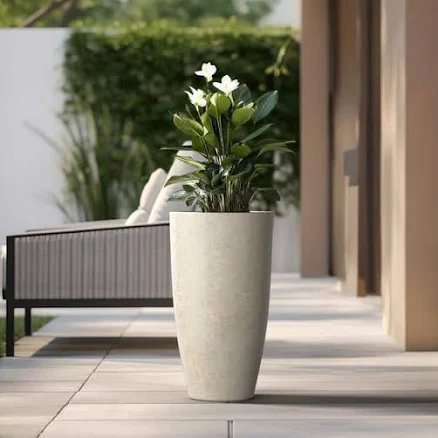

“This design leans into the ‘garden room’ trend that’s gaining serious traction in 2026.”
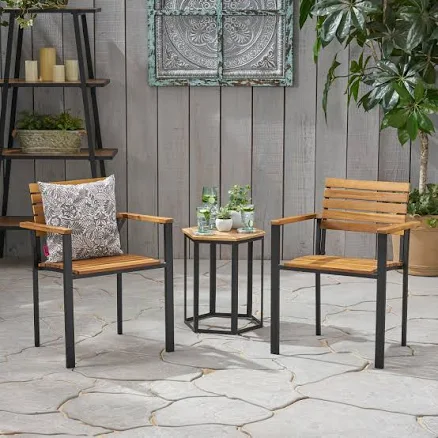
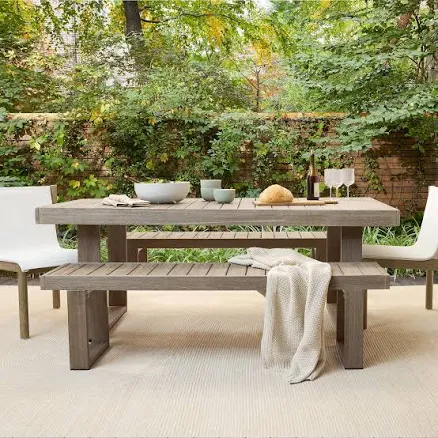
Rather than just a scattering of furniture on a lawn, people are creating defined, intentional outdoor spaces that feel like an extension of their homes. This gravel patio with its dining furniture and the deliberate archway entryway creates an actual ‘room’ feel, a hidden destination within the larger garden. It speaks to a desire for multifunctional outdoor areas that are designed for living, not just looking.
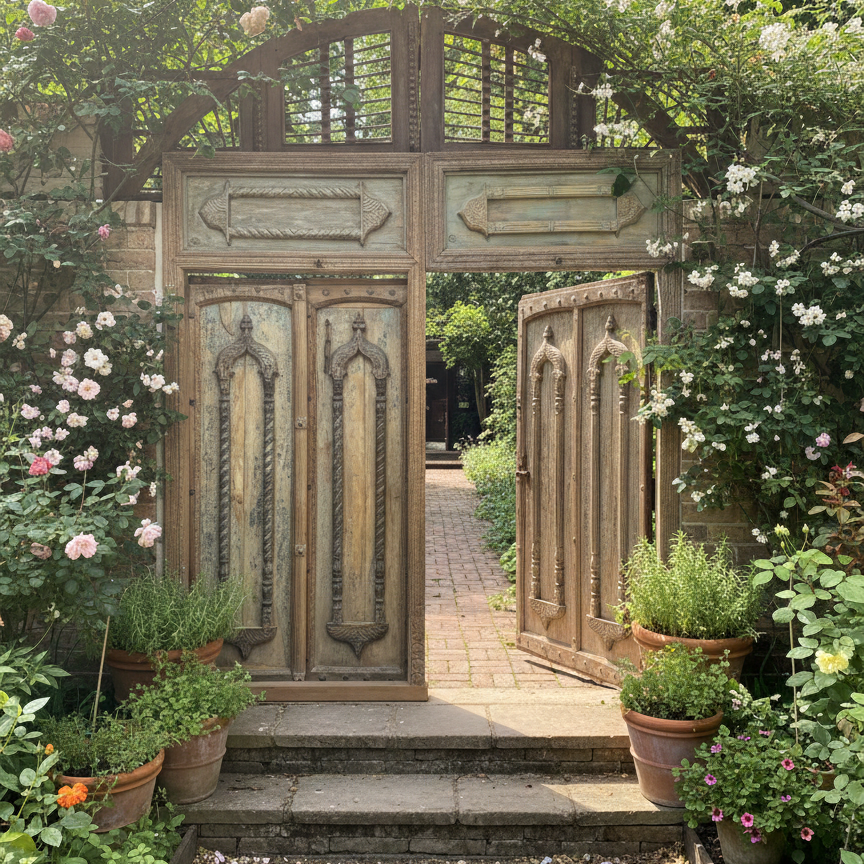
26. Carved Wooden Gateway with Climbing Roses and Potted Herbs
When selecting climbing plants for an ornate gateway, aim for multi-season interest. Here, we see beautiful climbing roses bringing color and fragrance. Consider adding an evergreen vine like a clematis or ivy as a base layer so your gateway remains lush even when the roses aren’t in bloom. This ensures your entrance always feels inviting and abundant, no matter the time of year, transforming it into a year-round statement rather than a seasonal one.
|
$22.00
|
$2,889.00
|
$5,662.00
|
$0.67
|

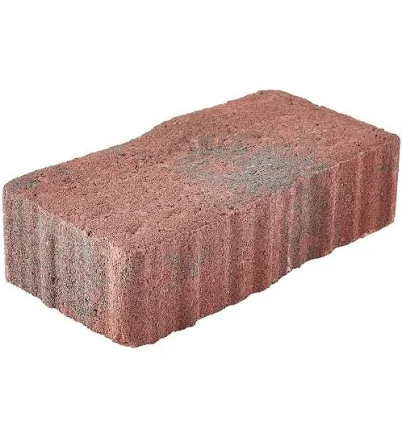
“Adding those charming potted herbs and flowers to frame your steps is easy.”
Here’s how:
- Choose pots: Select terracotta pots in varying sizes for visual interest. (Cost: $20-$80)
- Select plants: Pick a mix of fragrant herbs (rosemary, lavender) and colorful flowers (petunias, marigolds) that suit your sun exposure. (Cost: $30-$100)
- Potting: Use good quality potting mix and ensure each pot has drainage holes. (Cost: $10-$20)
- Placement: Arrange pots on steps in an asymmetrical but balanced way, allowing for safe passage. (Time: 1 hour)
- Watering: Water regularly, especially in warmer weather, as potted plants dry out faster.
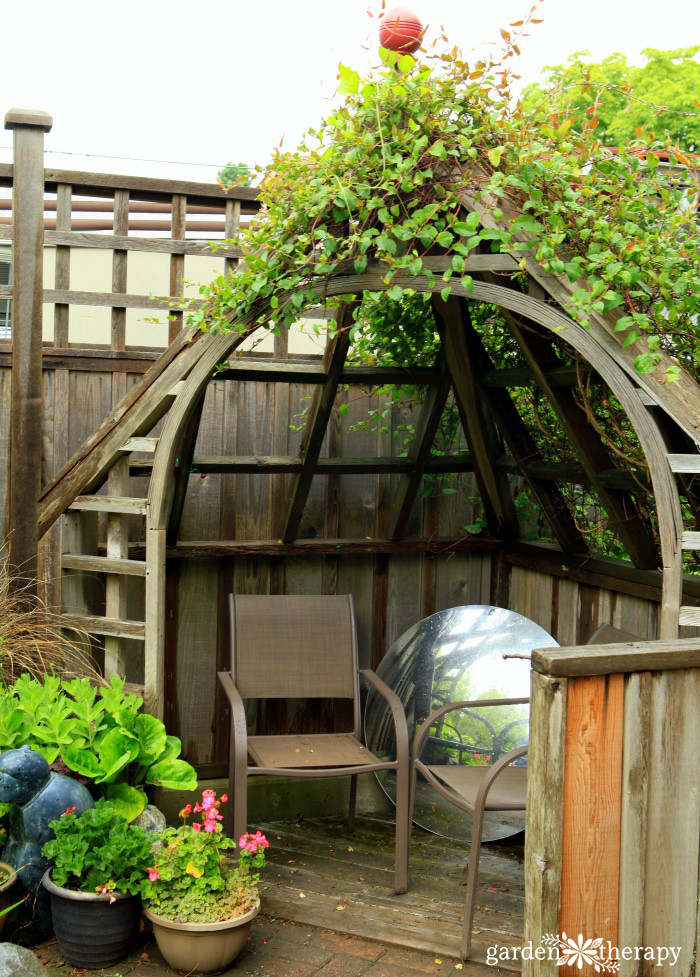
27. Weathered Wooden Arbor with Vine Covered Archway
- Arbor (pre-made kit or custom wood): $200 – $800
- Vines & Potted Plants: $50 – $200
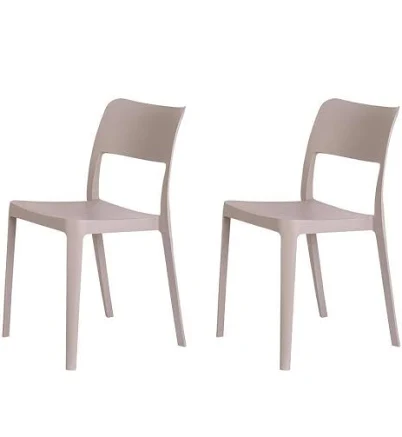
- Patio Chairs (metal): $100 – $300 (for 2)
- Decking (small section): $150 – $400
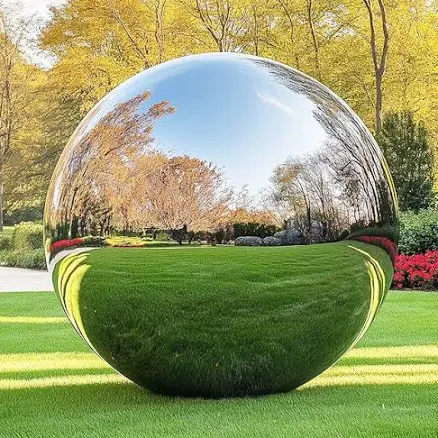
- Reflective Ornament / Decor: $30 – $100
- Total: $530 – $1,800
- Budget alternative: Build a simple arbor from salvaged wood ($50-$150), grow fast-spreading annual vines from seed packets ($10-$20), and find second-hand metal chairs on Facebook Marketplace ($50-$100). You could get this look for $150 – $300.
|
$22.00
|
$2,881.80
|
$139.00
|
$279.00
|


“Embracing a weathered wood look means accepting the natural aging process, but you’ll still have some upkeep.”
The wooden arbor will benefit from an annual inspection for rot or loose joints, and a clear sealant every 2-3 years can extend its life while maintaining the rustic aesthetic. The vine-covered archway, while beautiful, will require regular pruning to prevent it from getting too heavy or invasive, and to keep the archway open and accessible. Expect to dedicate a few hours each season to trimming and training the vines.
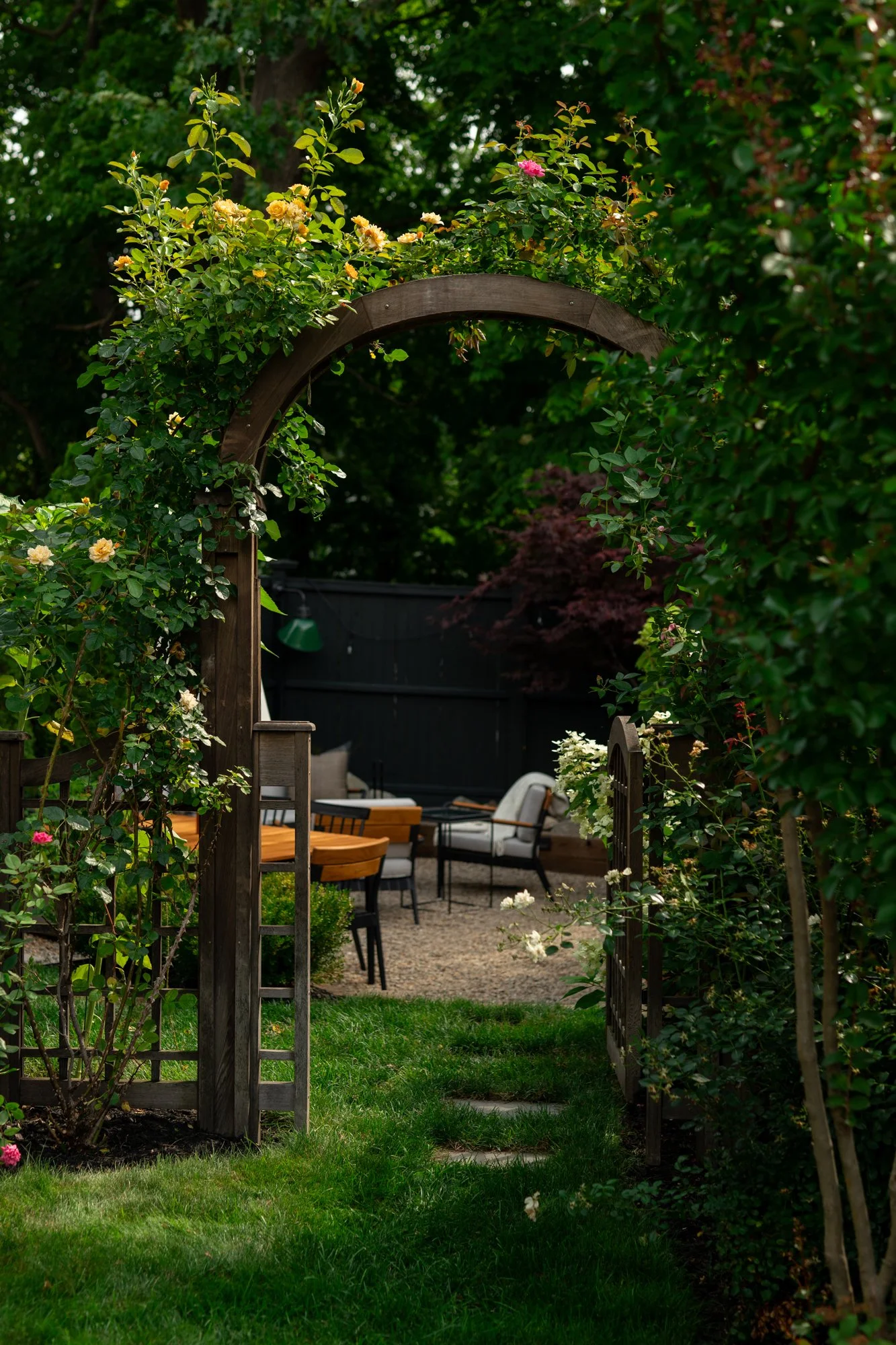
28. Wooden Rose Archway Leading to a Hidden Gravel Patio
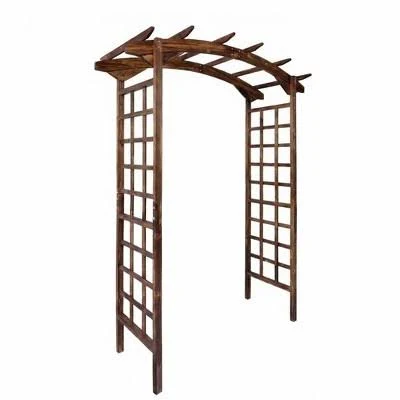
The defining element in this utterly charming scene is the wooden archway absolutely dripping with climbing roses. It’s not just an entrance; it’s a romantic, fragrant portal that immediately transports you to a more contemplative space. Without the lush, vibrant roses, the archway would merely be a structure. With them, it becomes a living, breathing piece of art that promises beauty and tranquility beyond, setting the tone for the secluded gravel patio that lies just beyond its embrace.
|
$139.58
|
$455.34
|
$26.94
|
$358.00
|
“When creating a hidden pathway like this, consider the journey as much as the destination.”
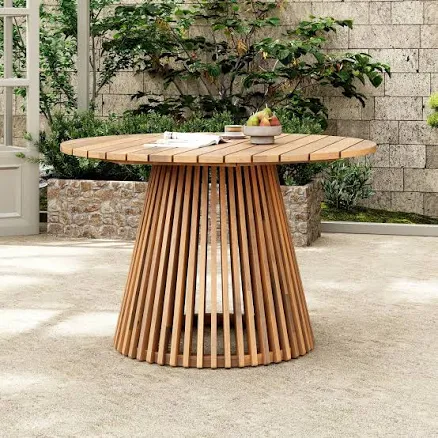
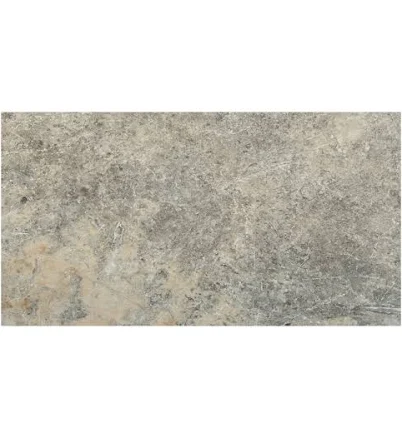
The grass path with stone steps leading up to the archway slows the pace and encourages appreciation of the surrounding garden. Don’t rush the transition. Design the approach to build anticipation, teasing glimpses of what’s to come, rather than revealing everything at once. This makes the eventual discovery of the gravel patio and seating area all the more rewarding and impactful.
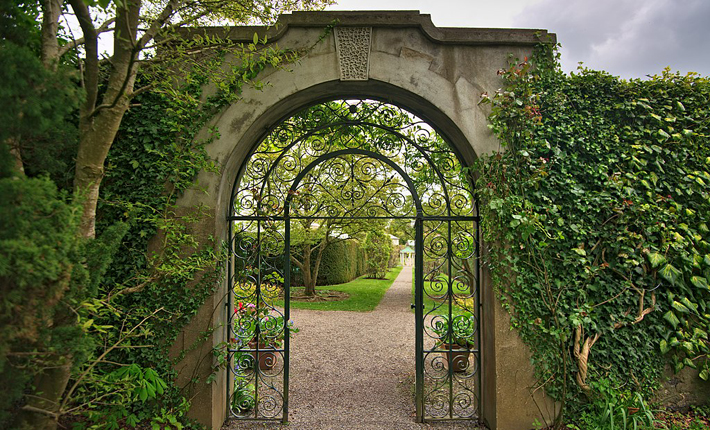
29. Stone Archway with Ornate Wrought Iron Gate to Garden
This stone archway works so effectively because it combines permanence with organic beauty. The solid, ivy-covered stone wall gives a sense of ancient mystery and seclusion, while the ornate wrought iron gate adds a touch of classic elegance and hints at the treasures within. The dark green ivy softening the grey stone creates a beautiful contrast, making the gate feel even more inviting. Everything about it says:
|
$5,064.00
|
$6,800.00
|
$48.00
|
$68.07
|

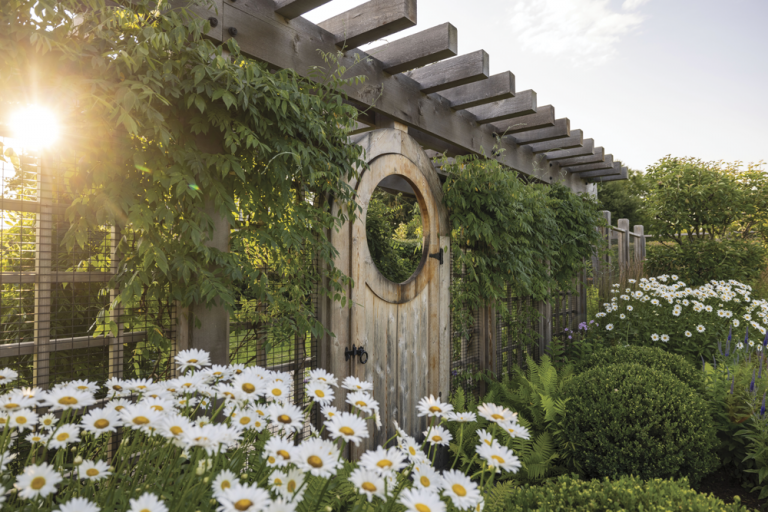
30. Weathered Wooden Pergola and Garden Gate with Circular Cut-out
Want to create a rustic, vine-draped pergola with a charming garden gate like this? It’s a fantastic DIY project!
|
$4.49
|
$133.95
|
$261.99
|
$9.97
|
“Source weathered wood: Look for reclaimed wood or new lumber you can distress and stain for an aged look.”
(Cost: $100-$300)
Build the frame: Construct a simple square or rectangular pergola frame with sturdy posts and cross beams. (Time: 1-2 days)
Integrate the gate: Build a simple gate, adding a circular cut-out detail with a jigsaw before assembly. (Time: Half day, $30-$80)
Add wire mesh: Attach wire mesh panels to the sides for climbing plants. (Cost: $20-$50)
Plant climbing vines: Choose fast-growing vines like wisteria, trumpet vine, or climbing roses. (Cost: $40-$100)
You can capture this enchanting, rustic vibe on a shoestring budget. Instead of buying new lumber, scour local architectural salvage yards or even Facebook Marketplace for weathered fence panels or old barn wood for your pergola and gate. For the daisies and other greenery, check out local plant sales or ask friends for cuttings. A simple wire mesh from a hardware store for the climbing vines is very affordable. With a bit of creativity, you could craft a similar entry for under $150, focusing on upcycling and natural foraging for materials.
Creating your own secret garden is about more than just plants; it’s about crafting an experience, a personal sanctuary that invites tranquility and wonder. We hope these 30 ideas have sparked your imagination and given you the confidence to start building your own hidden oasis.
Don’t forget to bookmark this guide, or better yet, pin your favorite ideas to Pinterest. Happy gardening!
Photo credits: jjekafluf / Pixabay, Stephanie Klepacki, Sunao Noguchi, Sarah, 强 任, Alexander Lunyov, Aleksandra, Hakim Menikh / Unsplash, Lander Donvil, Anastasiia Lopushynska, Harriet B., deno wang, Jonathan Borba, Sebastián Mera Jaramillo, Kevin Villavicencio Hernandez / Pexels, The Spruce, From House To Home, Kat Stano -, Mogul Interior, Renovation Husbands, Garden Therapy, Love Happens Mag, Set Scouter, Detroit Design, Kit Kemp Design Studio, Mistral & Sage -, HelpWithDIY, Secret NYC / Web
Photo credits: jjekafluf / Pixabay, Stephanie Klepacki, Sunao Noguchi, Sarah, 强 任, Alexander Lunyov, Aleksandra, Hakim Menikh / Unsplash, Lander Donvil, Anastasiia Lopushynska, Harriet B., deno wang, Jonathan Borba, Sebastián Mera Jaramillo, Kevin Villavicencio Hernandez / Pexels, The Spruce, From House To Home, Kat Stano -, Mogul Interior, Renovation Husbands, Garden Therapy, Love Happens Mag, Set Scouter, Detroit Design, Kit Kemp Design Studio, Mistral & Sage -, HelpWithDIY, Secret NYC / Web
Photo credits: jjekafluf / Pixabay, Stephanie Klepacki, Sunao Noguchi, Sarah, 强 任, Alexander Lunyov, Aleksandra, Hakim Menikh / Unsplash, Lander Donvil, Anastasiia Lopushynska, Harriet B., deno wang, Jonathan Borba, Sebastián Mera Jaramillo, Kevin Villavicencio Hernandez / Pexels, The Spruce, From House To Home, Kat Stano -, Mogul Interior, Renovation Husbands, Garden Therapy, Love Happens Mag, Set Scouter, Detroit Design, Kit Kemp Design Studio, Mistral & Sage -, HelpWithDIY, Secret NYC / Web
Photo credits: jjekafluf / Pixabay, Stephanie Klepacki, Sunao Noguchi, Sarah, 强 任, Alexander Lunyov, Aleksandra, Hakim Menikh / Unsplash, Lander Donvil, Anastasiia Lopushynska, Harriet B., deno wang, Jonathan Borba, Sebastián Mera Jaramillo, Kevin Villavicencio Hernandez / Pexels, The Spruce, From House To Home, Kat Stano -, Mogul Interior, Renovation Husbands, Garden Therapy, Love Happens Mag, Set Scouter, Detroit Design, Kit Kemp Design Studio, Mistral & Sage -, HelpWithDIY, Secret NYC / Web