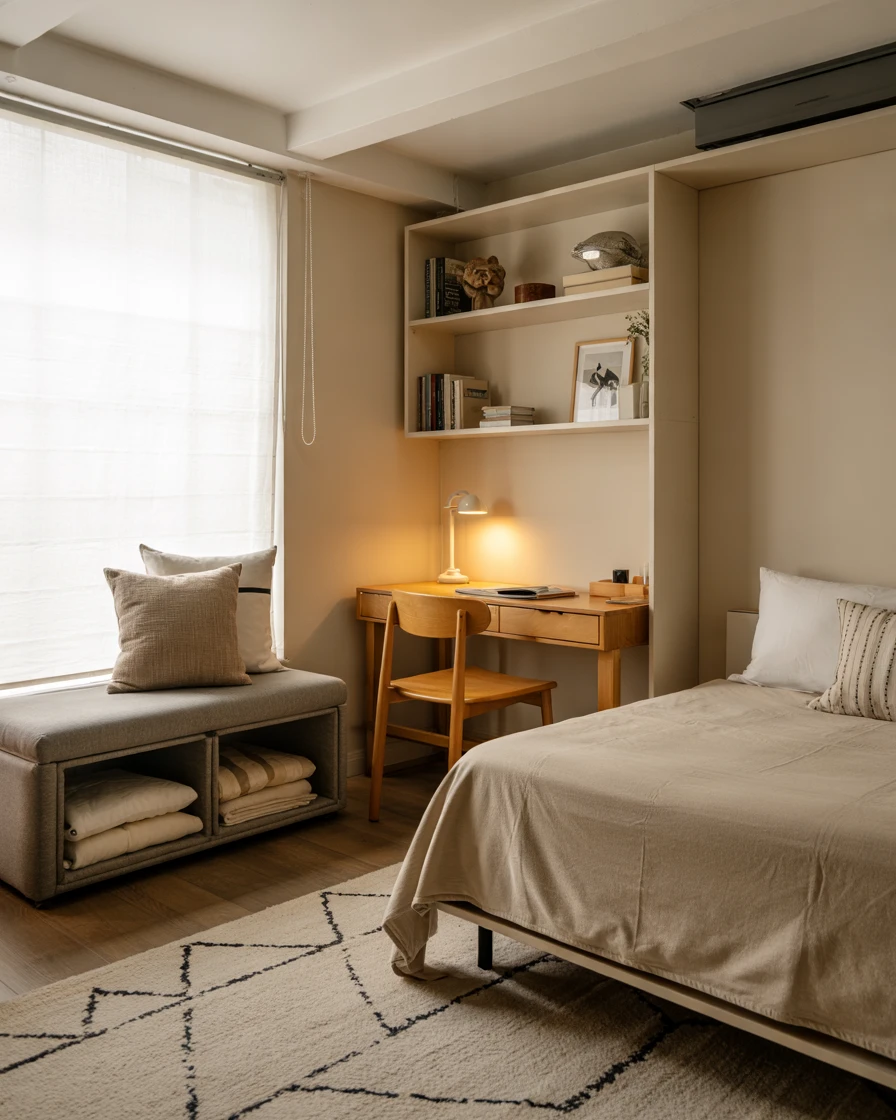
As we step into 2026, American homes are embracing a refreshing blend of personal expression, sustainability, and functional beauty. From Pinterest boards to real living spaces, homeowners across the country are searching for decor ideas that reflect both timeless comfort and modern innovation. Whether you’re furnishing a tiny apartment in Brooklyn or reimagining your living room and kitchen flow in a suburban home, this year’s trends celebrate creativity without breaking the bank. In this guide, you’ll discover inspiring ideas that blend aesthetic appeal with everyday practicality, featuring everything from cozy corners to budget-friendly transformations. Get ready to turn your space into something uniquely yours.
1. Layered Textiles for a Living Room Cozy Retreat
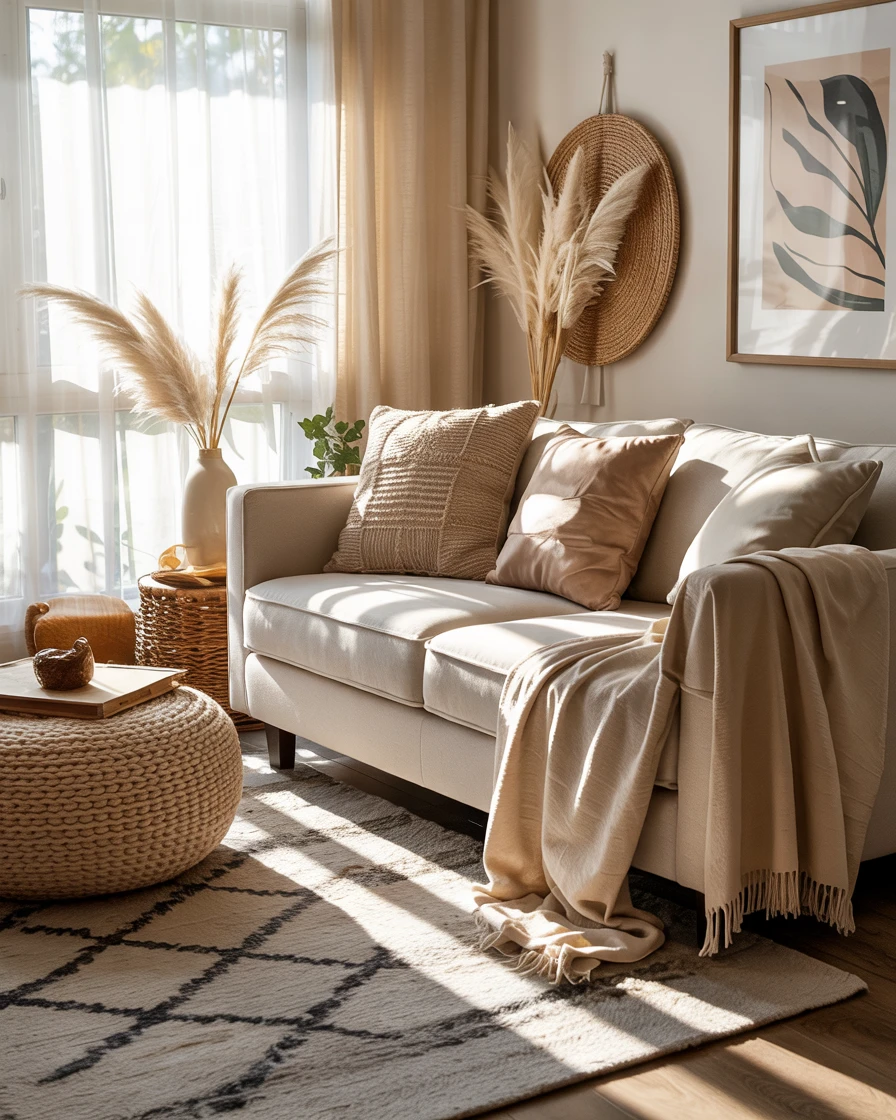
Transform your main gathering space into a warm sanctuary by layering different textures and fabrics throughout the room. Think chunky knit throws draped over linen sofas, velvet pillows mixed with crochet accents, and a plush area rug anchoring the seating area. This cozy living room approach works especially well in open-concept homes where you want to define the relaxation zone. The key is mixing materials that invite touch—soft cottons, warm wools, and natural fibers that create depth without visual clutter. Cozy doesn’t mean cramped; it means intentionally comfortable. 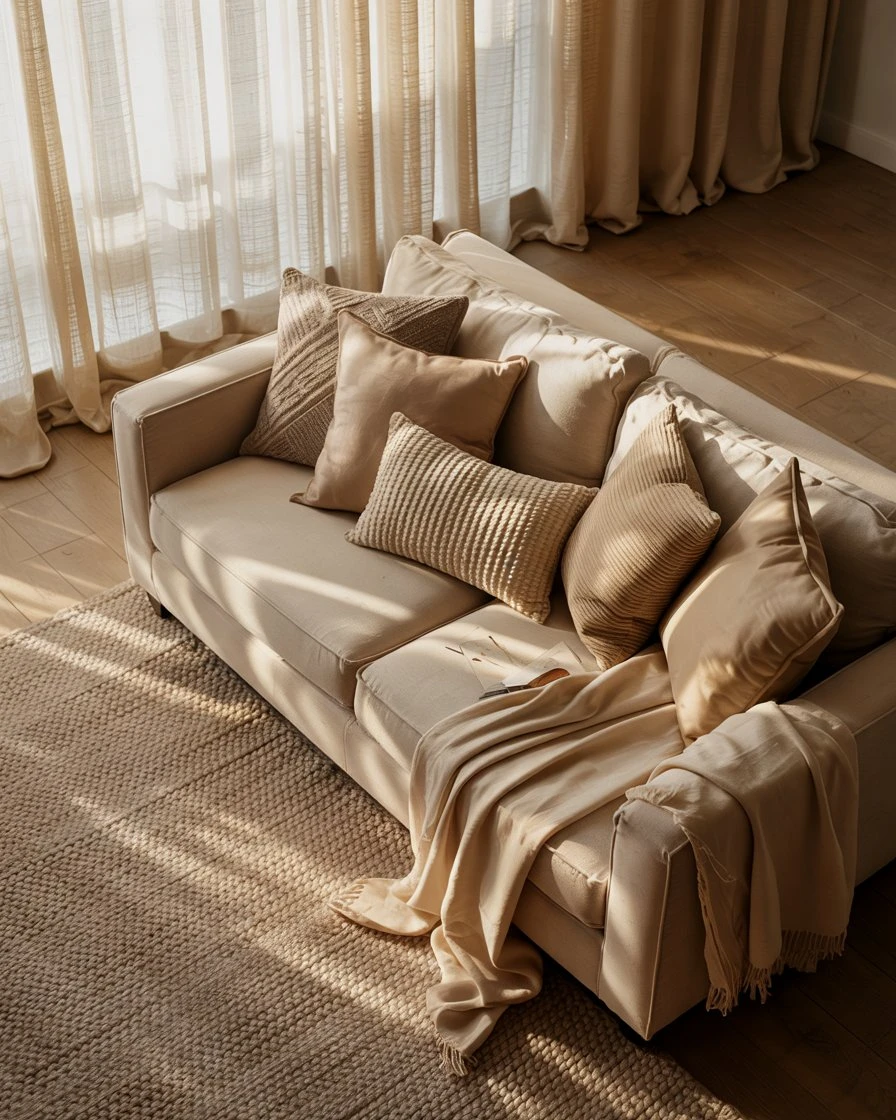
This works best in homes where the living room serves multiple purposes—movie nights, reading sessions, and casual entertaining. In colder climates like the Midwest or Northeast, these layers become functional as well as beautiful, adding actual warmth during long winters. Start with a neutral base and add seasonal textures; swap lightweight linens in summer for heavier knits when temperatures drop. The investment is minimal, but the transformation in how a room feels is remarkable.
2. DIY Floating Shelves with Personal Collections
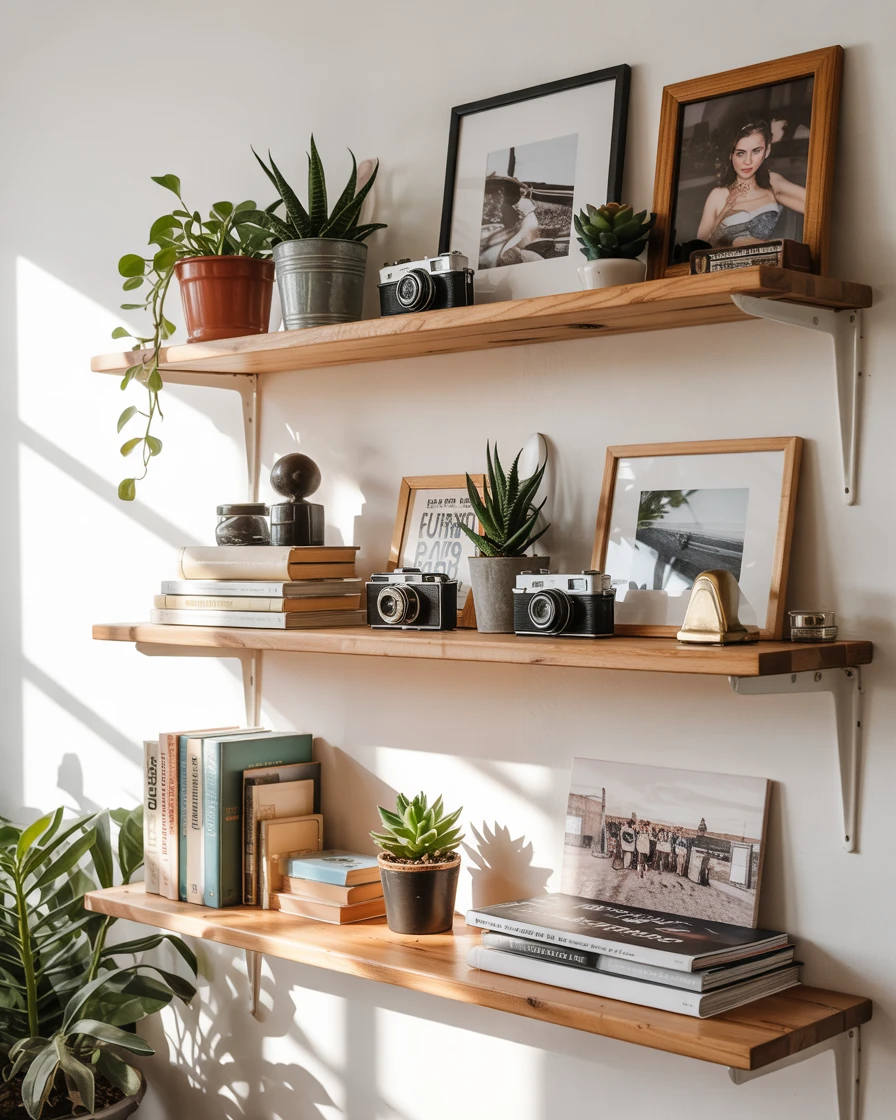
Open shelving continues to dominate in 2026, but the focus has shifted toward showcasing personal stories rather than perfectly styled vignettes. Install simple floating shelves in reclaimed wood or sleek metal, then fill them with items that actually matter to you—antique finds from flea markets, travel souvenirs, beloved books, and family photos in mismatched frames. This DIY approach costs a fraction of custom built-ins while offering complete flexibility. The shelves become a rotating gallery of your life, easily updated as your interests evolve. Unique arrangements beat catalog-perfect styling every time.
A common mistake here is overloading shelves until they look chaotic rather than collected. The rule of thirds works well—leave about one-third of the shelf space open to let each item breathe. Group objects in odd numbers, vary heights, and don’t be afraid of empty space. In smaller homes, these shelves replace bulky furniture while adding personality. Hardware stores sell basic brackets for under twenty dollars, and the installation takes less than an hour even for beginners.
3. Apartment-Friendly Removable Wallpaper Accent Walls
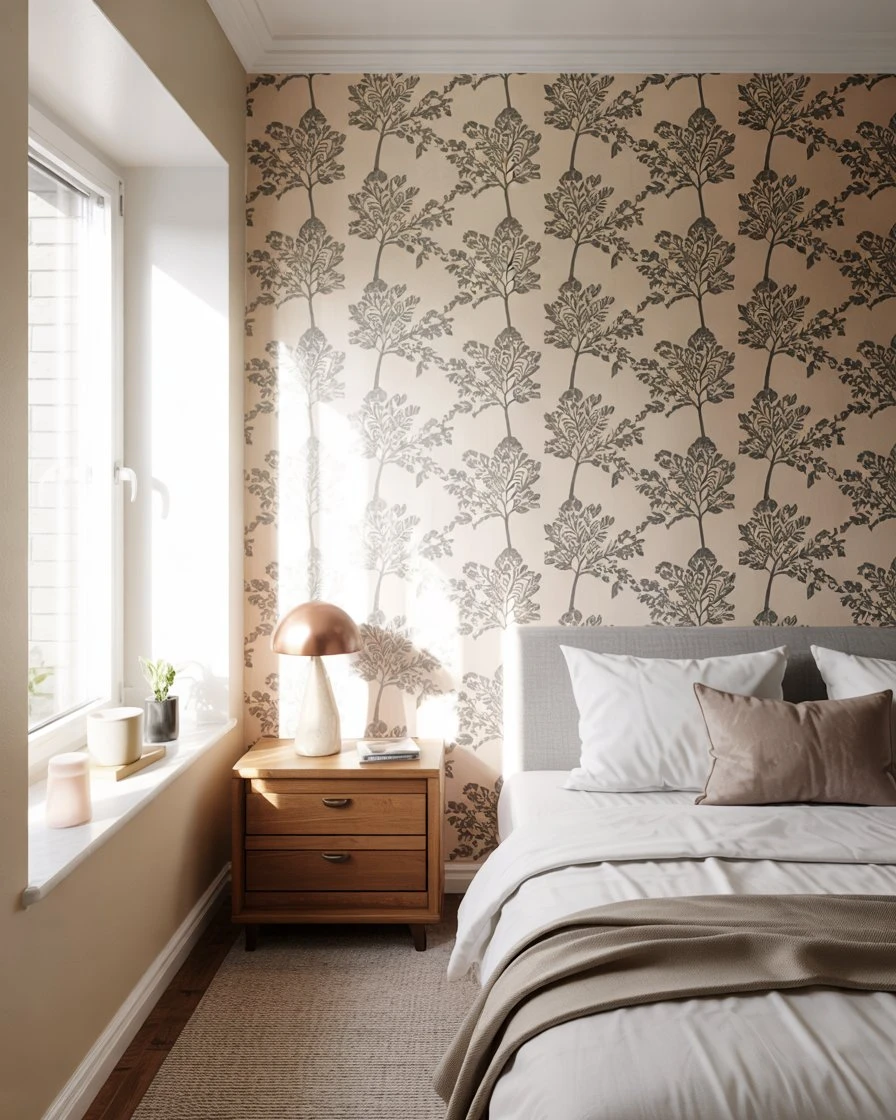
Renters no longer have to settle for bland beige walls thanks to the explosion of peel-and-stick wallpaper options. Create a stunning focal point in your apartment bedroom, dining nook, or entryway without risking your security deposit. Modern removable papers come in everything from bold geometric patterns to subtle textures that mimic real plaster or linen. The installation is genuinely simple—most people complete a single wall in an afternoon. This solution brings the drama of permanent wallpaper with none of the commitment, perfect for apartment dwellers who want to experiment with colorful or daring designs. 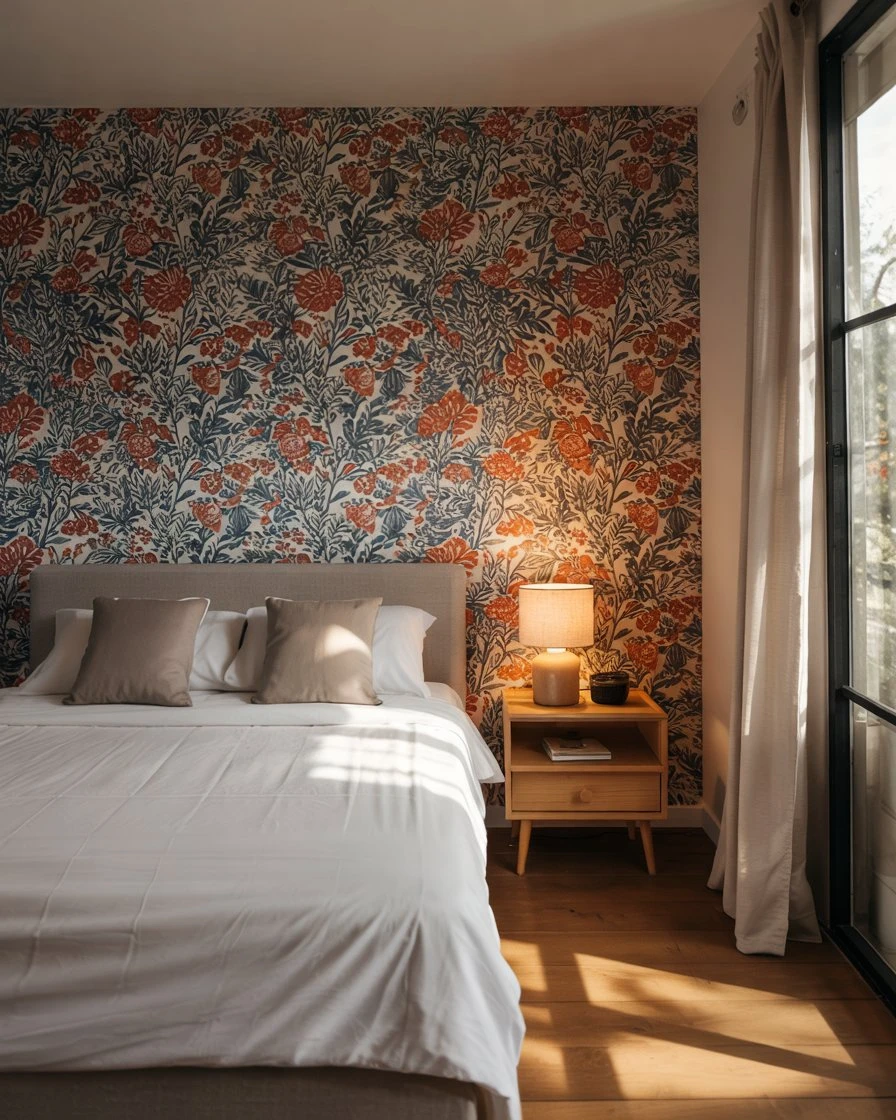
Jessica, one of my neighbors, had her rental dining room updated with bold floral wallpaper, and, to her great delight, her landlord said it looked great at the next inspection! The important thing to keep in mind is to purchase brands that are good quality and actually do what they say—remove without damaging! Look for reviews before you buy. Rather than doing the whole room, start with just one wall; in fact, accent walls tend to have more of a visual impact. Just depending on how complicated the design is, prices are anywhere from $40 to $80 a roll, which makes this one of the least expensive options for really transforming a room.
4. Rustic Open Kitchen Shelving with Everyday Dishes
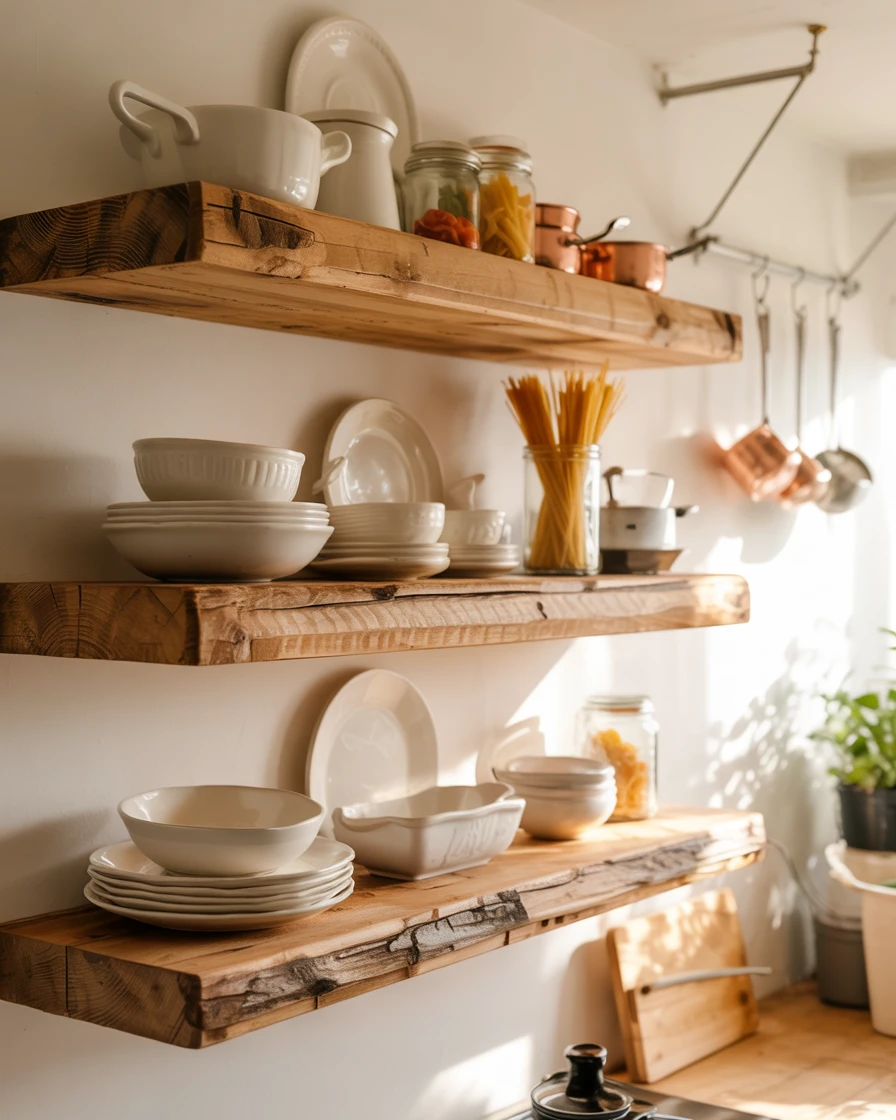
This one here is to remove the upper kitchen cabinets and instead install rustic wooden shelves, and on those shelves you can display all of your everyday dishes and lovely glassware; design your shelf to make any cooking accessory you use frequently visible. This living room and kitchen trend is especially good in open floor plans where the kitchen needs to feel less utilitarian and more part of the living area. The rustic wood adds warmth and texture while forcing you to keep only what you actually use and love. Reach for your morning coffee mug without opening a single door, and enjoy how the visual openness makes even small kitchens feel larger. Functionality meets farmhouse charm in the most practical way. 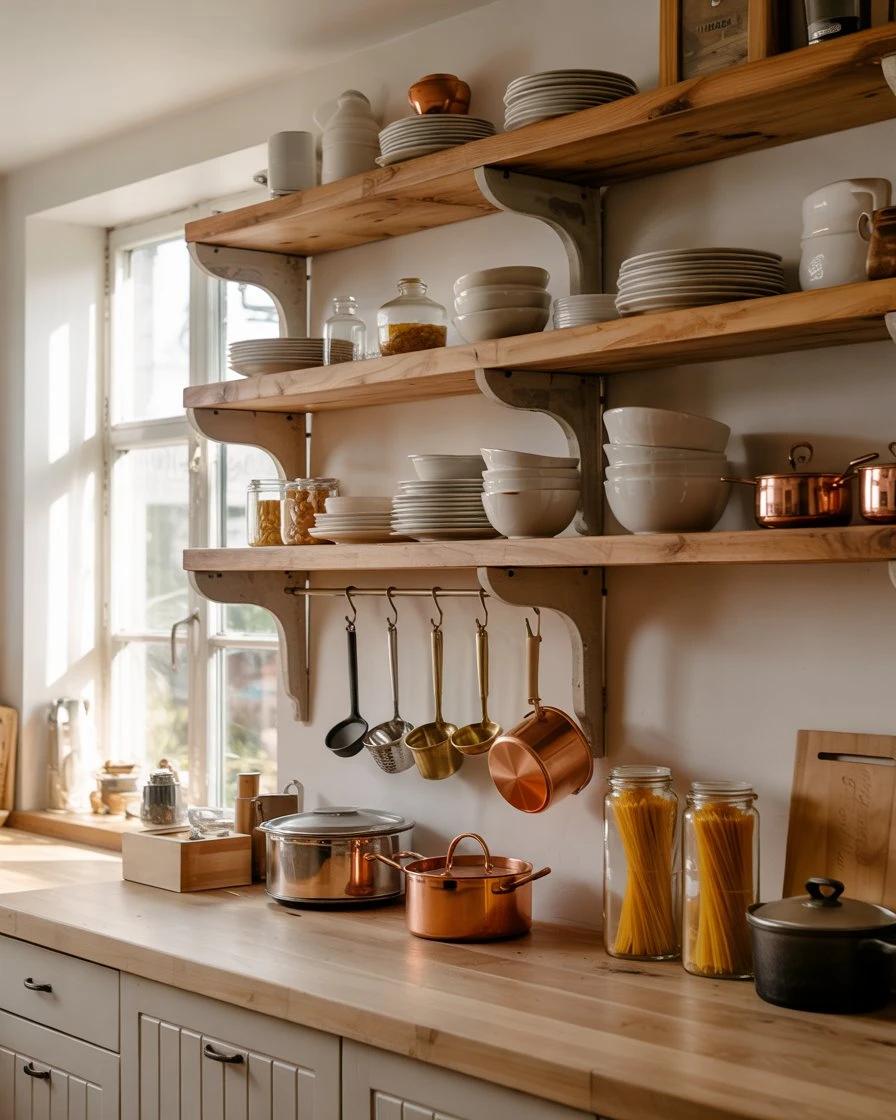
This approach thrives in West Coast bungalows and modern farmhouses across the South, where casual living is the norm. The maintenance reality: you’ll dust more often, and you need discipline to keep things organized. But the trade-off is worth it—your kitchen becomes a living display rather than hidden storage. A local carpenter can install custom shelves for a few hundred dollars, or determined DIYers can tackle it with basic tools and reclaimed lumber from salvage yards.
5. Gothic Drama with Deep Jewel Tones
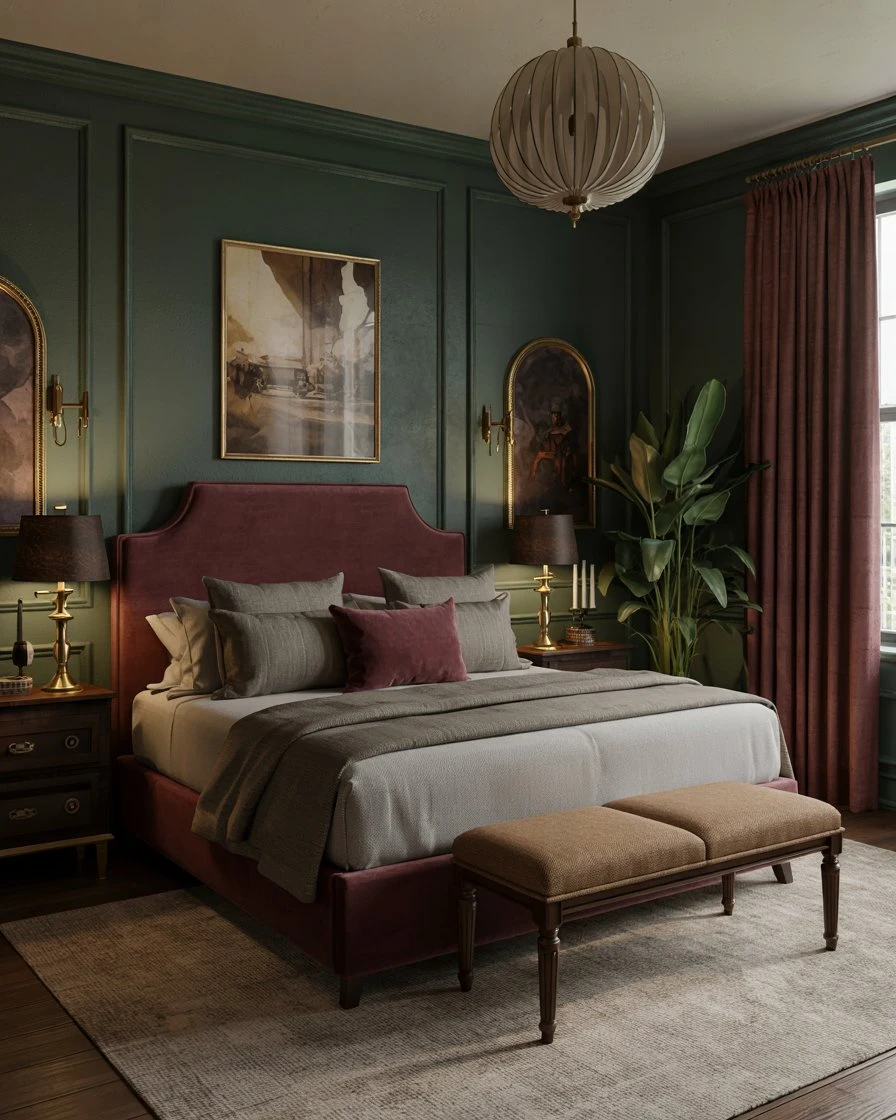
Embrace the darker side of design with a gothic-inspired room that uses rich emerald greens, deep burgundies, and midnight blues instead of black. This sophisticated take on gothic aesthetics feels moody without being heavy, especially when balanced with metallic accents in brass or aged gold. Think velvet furniture, ornate mirrors, and dramatic curtains that pool on the floor. The look works surprisingly well in modern homes, adding an element of romance and mystery that stands apart from the stark minimalism that’s dominated the past decade. Edgy but livable—that’s the goal. 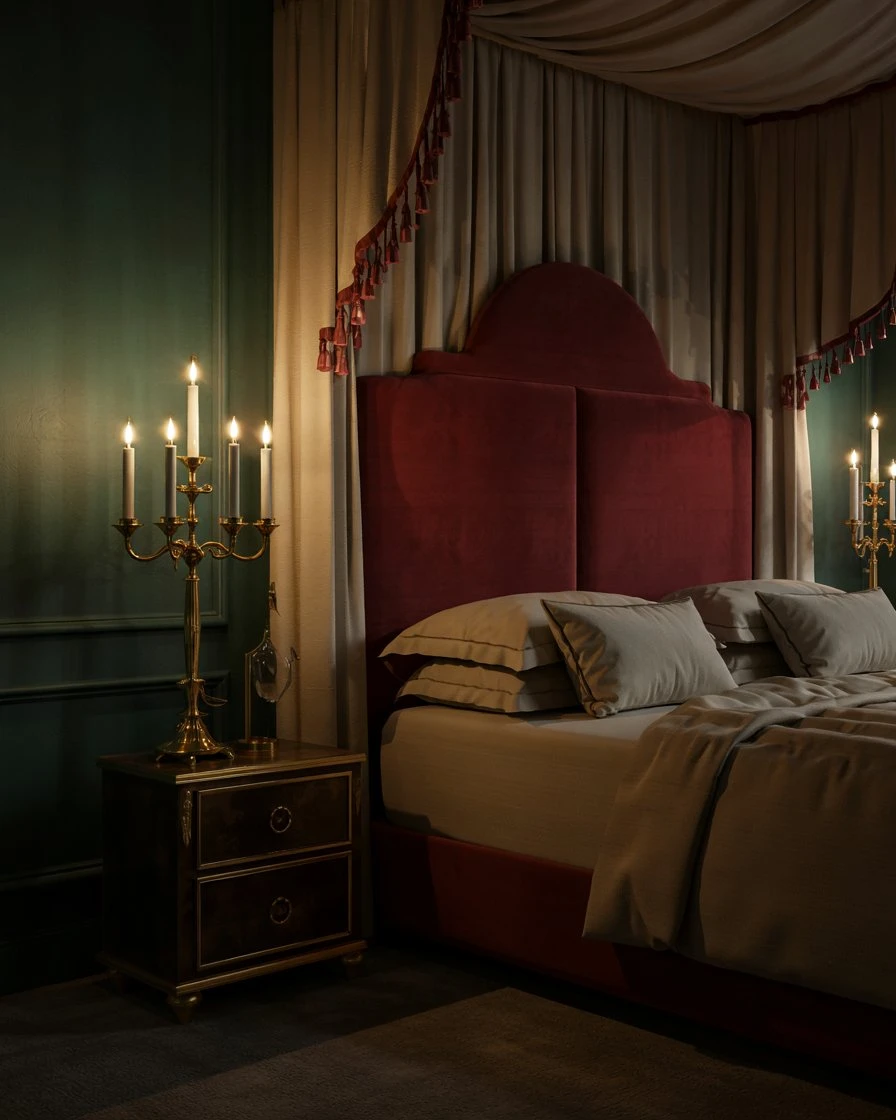
The expert design team explains that jewel-toned gothic spaces work best with good natural light during the day, creating a beautiful interplay between brightness and shadow. These colors work best with adequate lighting, as they can make a room feel like a cave. Light the space with table lamps, sconces, candles, and other lighting sources. Paint companies like Benjamin Moore and Sherwin-Williams have expanded their deep color ranges specifically for this trend.
6. Dollar Tree Budget Gallery Wall
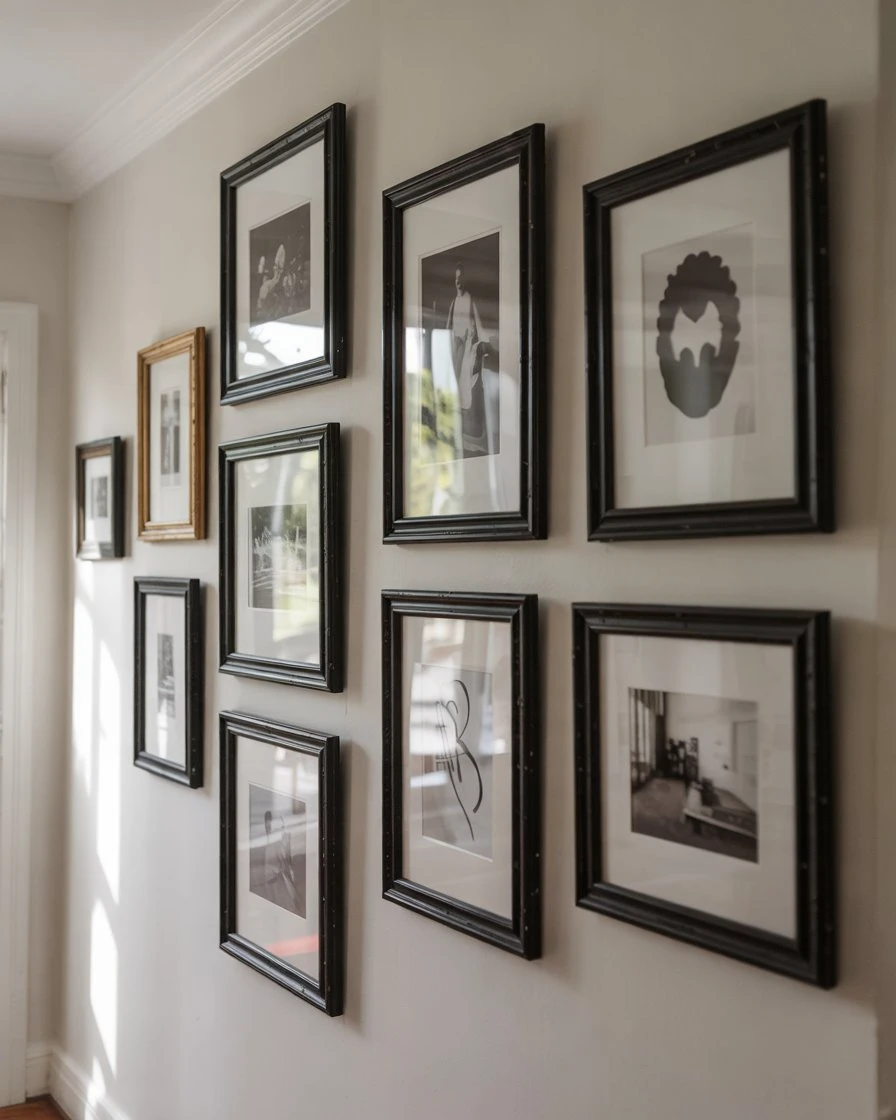
Create an impressive gallery wall using frames and supplies from Dollar Tree and other budget retailers, proving that impactful wall art doesn’t require hundreds of dollars. Buy matching or intentionally mismatched frames, remove any cheesy stock photos, and fill them with your own printed photos, abstract art you create yourself, or even interesting pages from old books. This budget-friendly approach lets you experiment with large-scale wall arrangements without financial stress. The result looks curated and personal, telling your story in a way that mass-produced art never could. Dollar Tree frames have improved dramatically in recent years, often indistinguishable from pricier versions once hung. 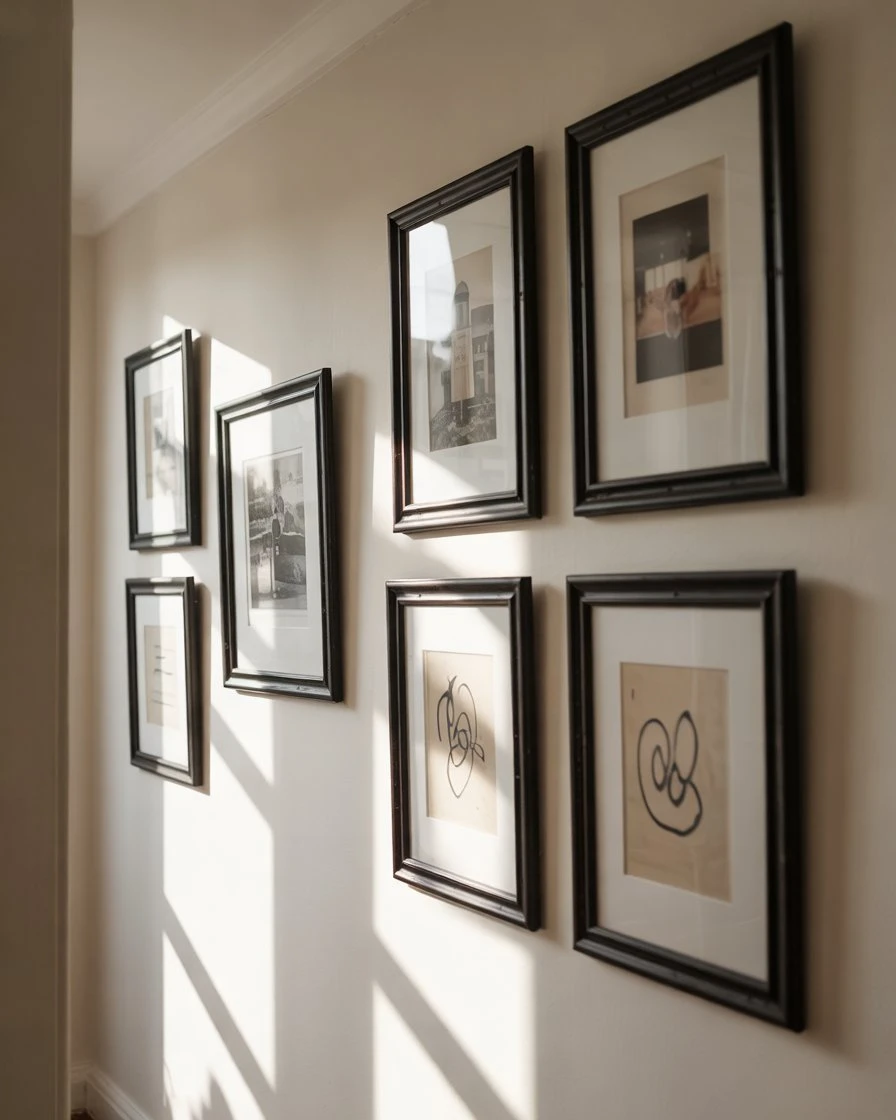
In apartments across urban areas, young professionals are discovering that a well-executed gallery wall becomes the focal point that makes rental spaces feel like home. Start by laying out your arrangement on the floor before hammering a single nail—take a photo for reference. Use painter’s tape to mark positions on the wall, ensuring proper spacing. The total cost for a twelve-frame gallery wall runs about thirty to forty dollars, plus the cost of printing your own images at home or through affordable online services.
7. Living Room and Kitchen White Continuity
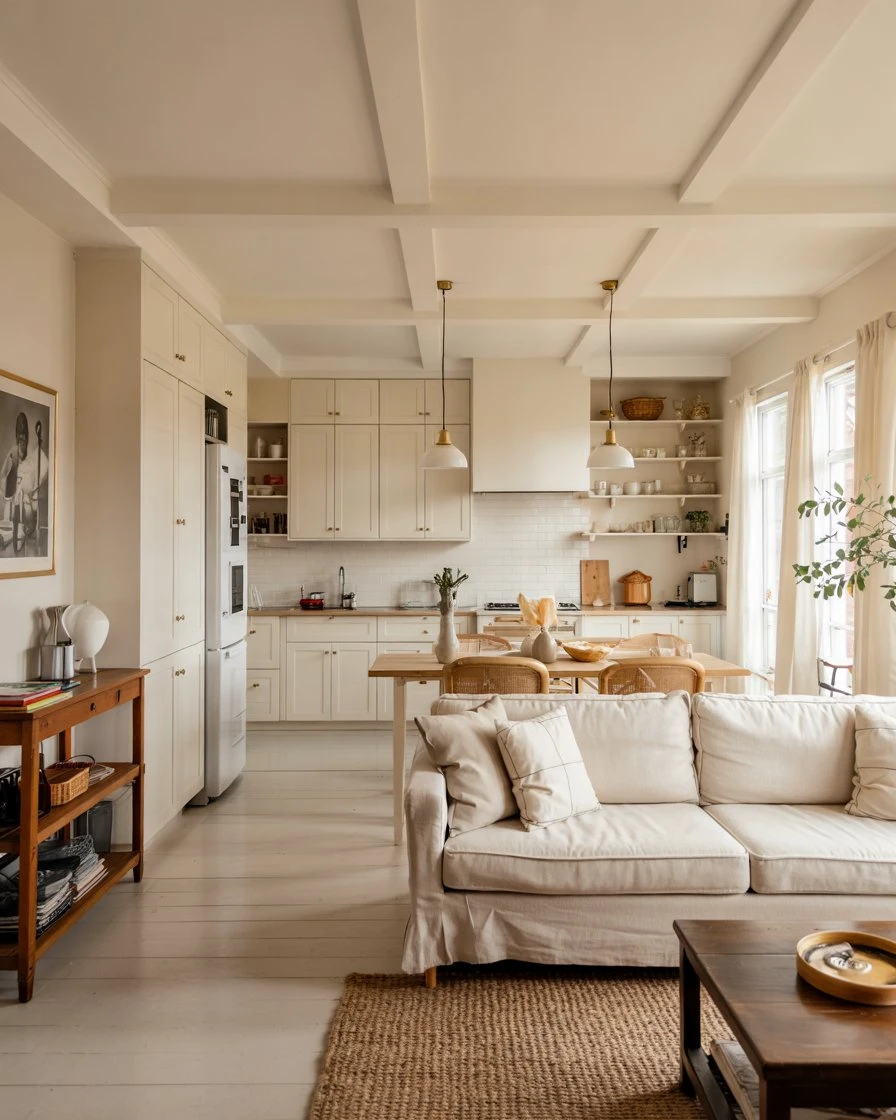
Design your living room and kitchen white spaces as one cohesive environment by using consistent white or cream tones throughout both areas, creating a seamless flow that makes your home feel larger and more expensive. This doesn’t mean sterile or cold—layer in warm whites, off-whites, and creams with varied textures like linen, painted wood, and matte ceramics. The unified color palette lets you play with shapes, materials, and accent colors without the space feeling chaotic. In open-plan homes, this approach eliminates the awkward transition where the kitchen ends and the living room begins. Living room and kitchen white schemes reflect more light, an advantage in homes with limited windows. 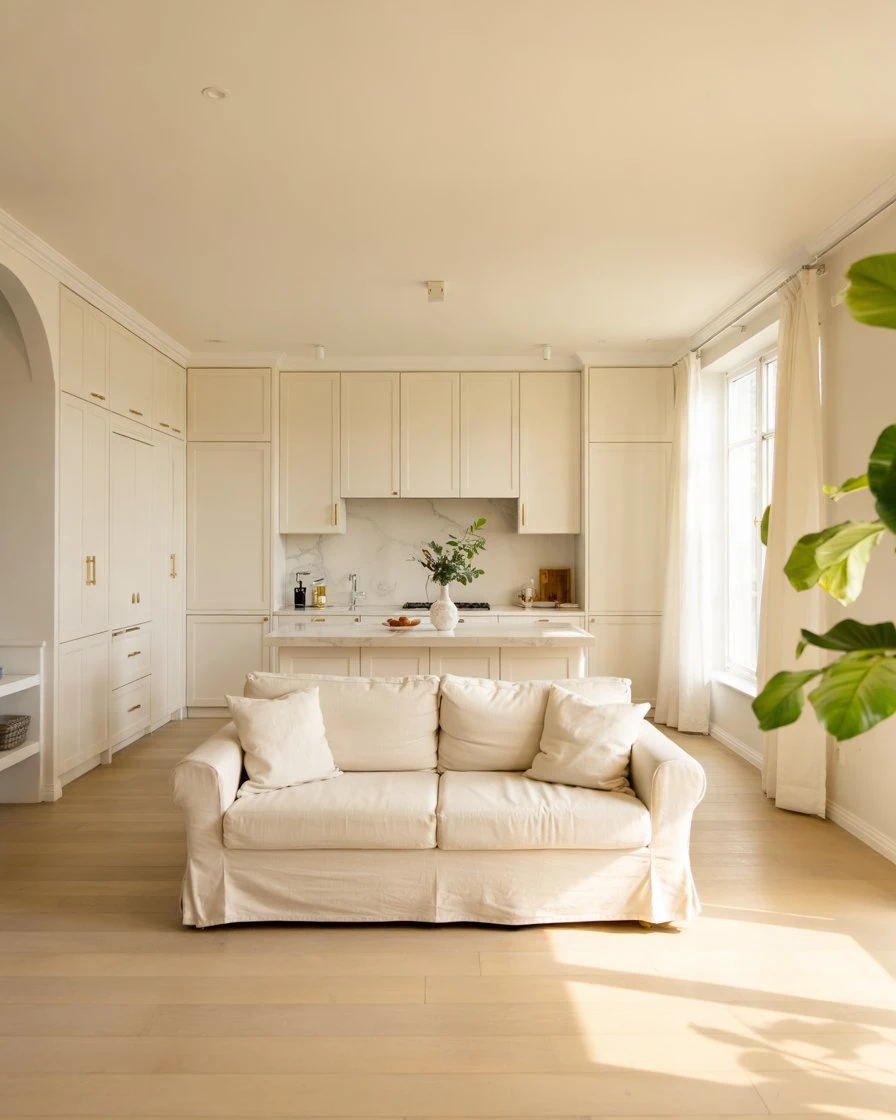
Where this works best is in smaller homes or condos where creating visual boundaries between spaces actually makes everything feel more cramped. The continuous white backdrop lets your furniture, artwork, and plants become the stars. Maintenance concerns are real—white shows dirt—but modern paint finishes are far more washable than previous generations. Choose eggshell or satin finishes in high-traffic areas rather than flat paint, and you’ll spend less time touching up scuffs and marks.
8. Bathroom Spa Minimalism
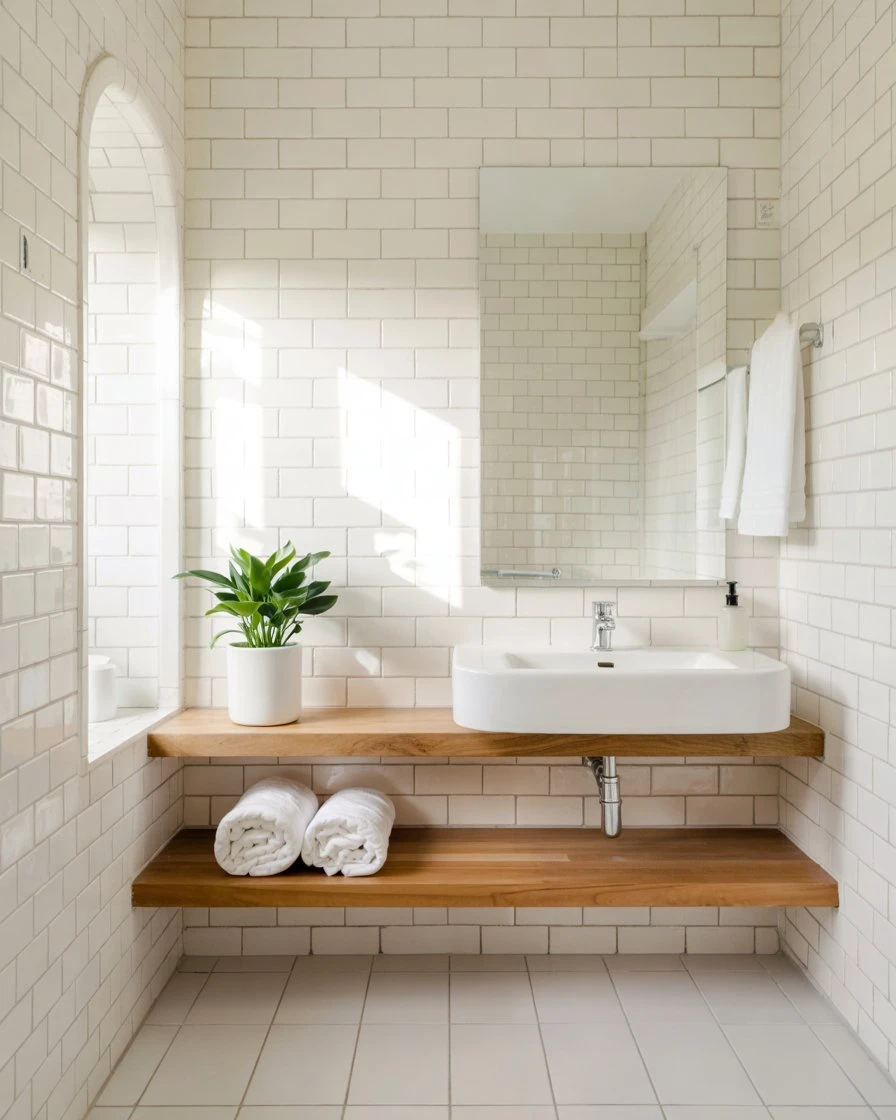
Turn your bathroom into a serene retreat by stripping away clutter and embracing minimalist spa aesthetics. Store toiletries in matching containers or hidden cabinets, display only a few carefully chosen items like a beautiful soap dispenser or a single plant, and invest in plush towels in neutral tones. The bathroom becomes a place for actual relaxation rather than just functional necessity. Add elements like a wooden bath tray, a diffuser with calming scents, and perhaps a small stool or bench. This pared-down approach works in bathrooms of any size, from powder rooms to primary suites. Clean lines and uncluttered surfaces make daily routines feel more luxurious. 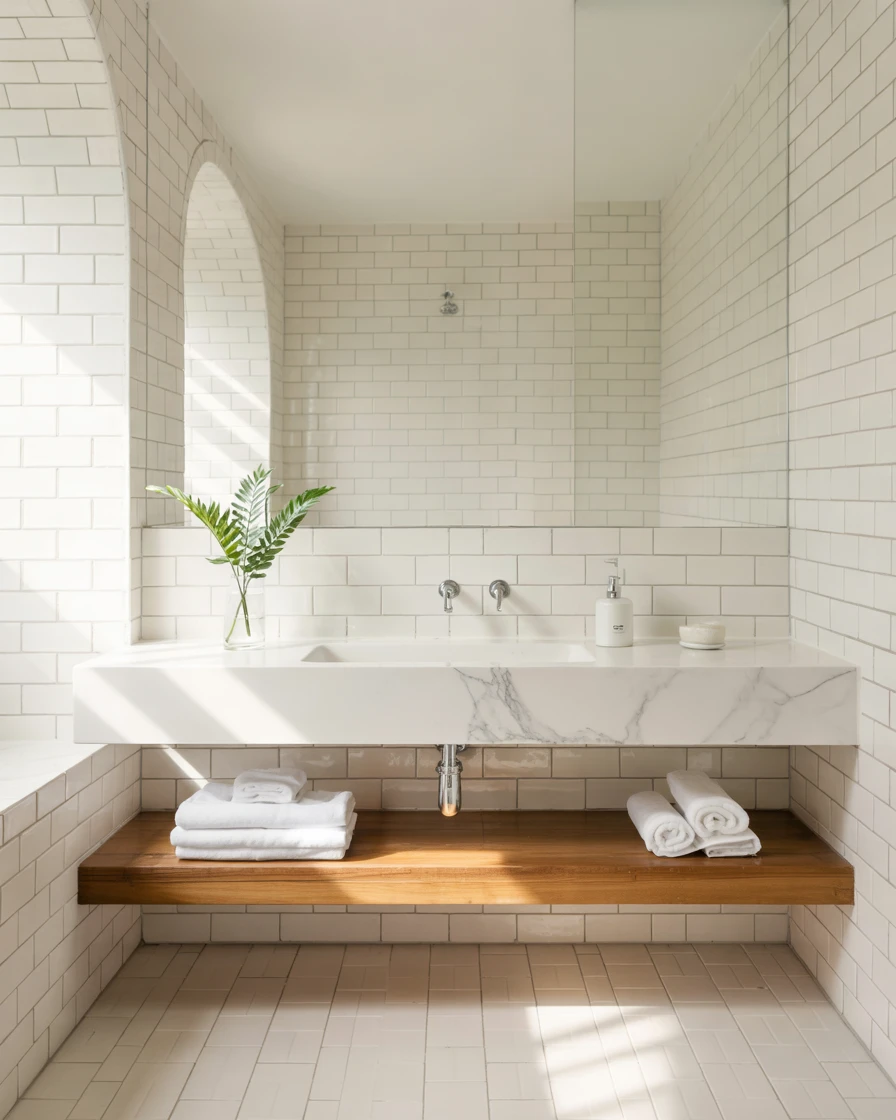
Real homeowner behavior reveals that maintaining this look requires daily discipline—putting things away immediately rather than letting them accumulate on counters. The payoff is walking into your bathroom each morning and feeling calm instead of overwhelmed. Budget-wise, this transformation doesn’t require a renovation. Simple upgrades like matching storage baskets from Target, a new shower curtain, and decluttering what you already own can completely change the space for under a hundred dollars.
9. January Fresh Start with Greenery
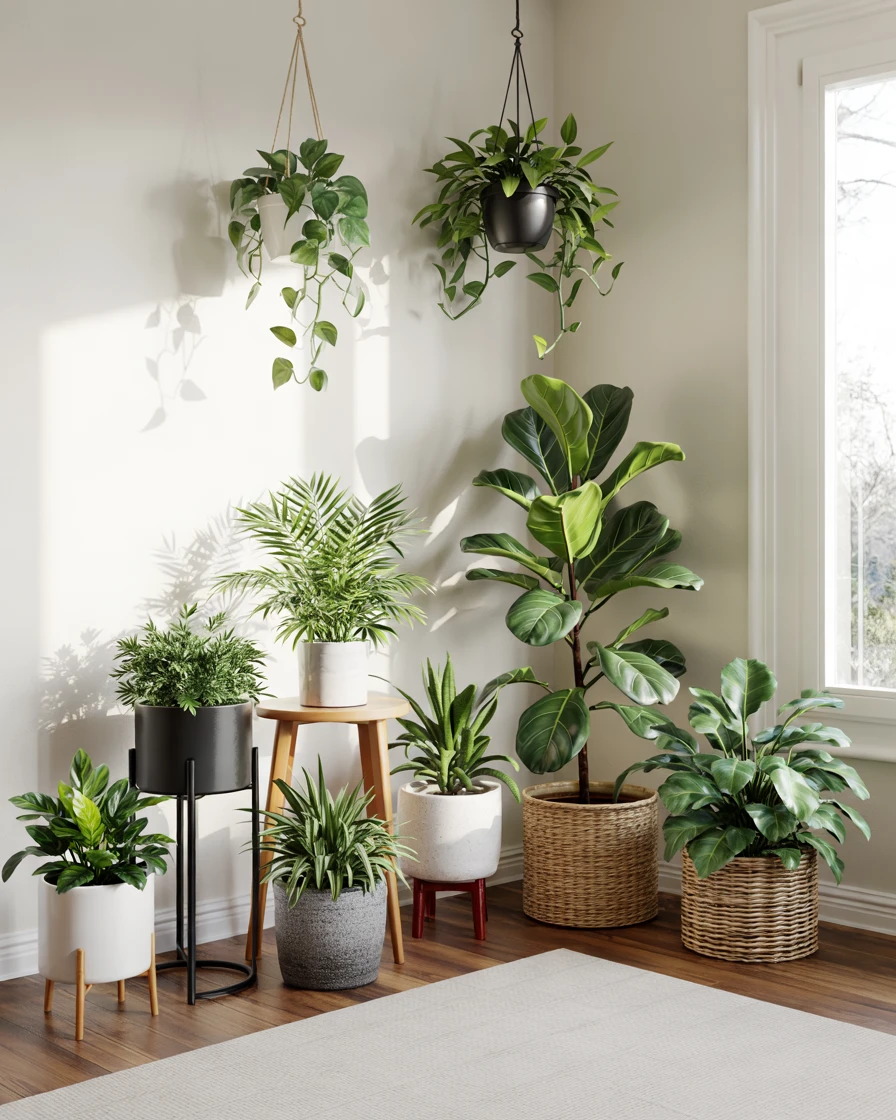
After the holiday decorations come down in January, resist the urge to leave your home feeling bare and embrace the opportunity for a fresh beginning with abundant greenery. Fill empty corners and surfaces with potted plants, hanging planters, and even small indoor trees that bring life and oxygen into winter-weary spaces. This January refresh costs relatively little but dramatically improves air quality and mood during the darkest months. Choose easy-care varieties like pothos, snake plants, and philodendrons if you’re not confident in your green thumb. The new year symbolism of growth and renewal translates literally when you fill your home with living things. 2026 trends heavily favor biophilic design—bringing nature indoors. 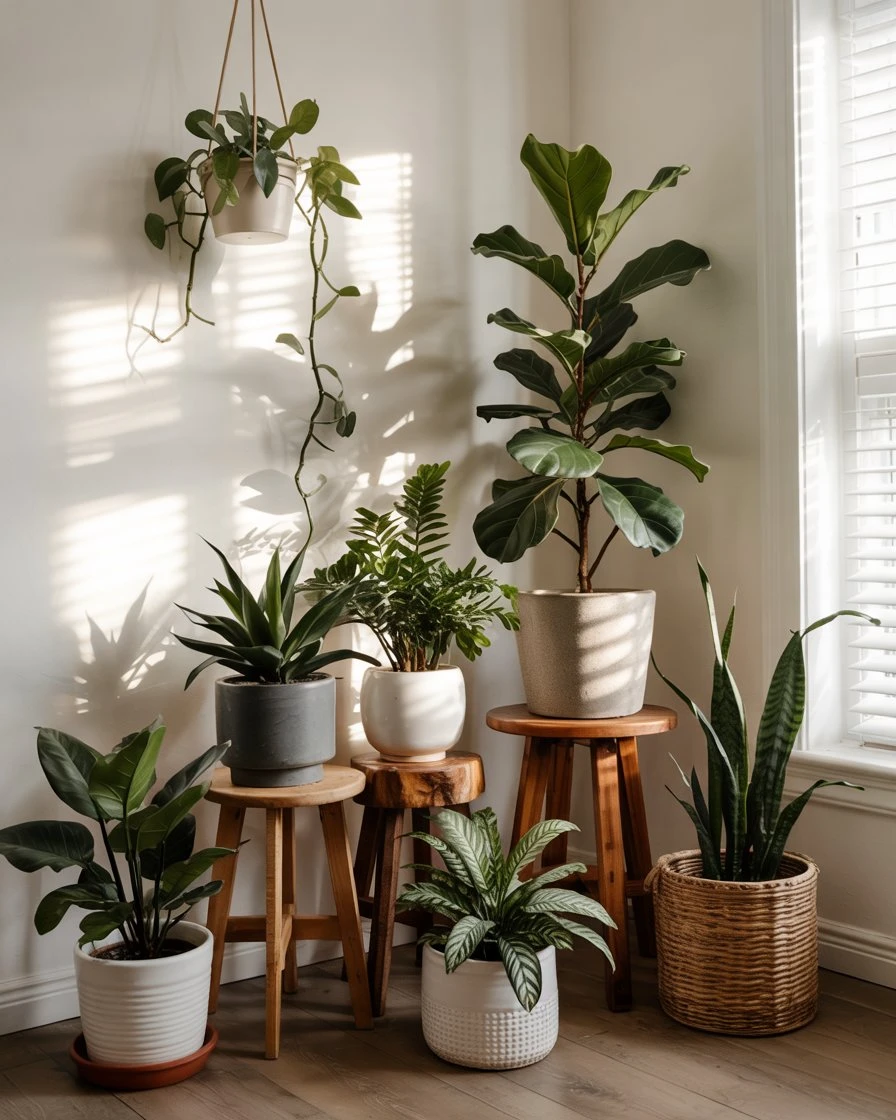
Across the Pacific Northwest and other regions with long gray winters, residents have discovered that January plant investments pay emotional dividends through March and April, when cabin fever peaks. Start small—three to five plants—rather than overwhelming yourself with care requirements. Local nurseries often have winter sales on houseplants as demand drops after the holidays. Group plants with similar water needs together to simplify maintenance, and remember that most houseplants die from overwatering rather than neglect.
10. Colorful Maximalist Accent Furniture
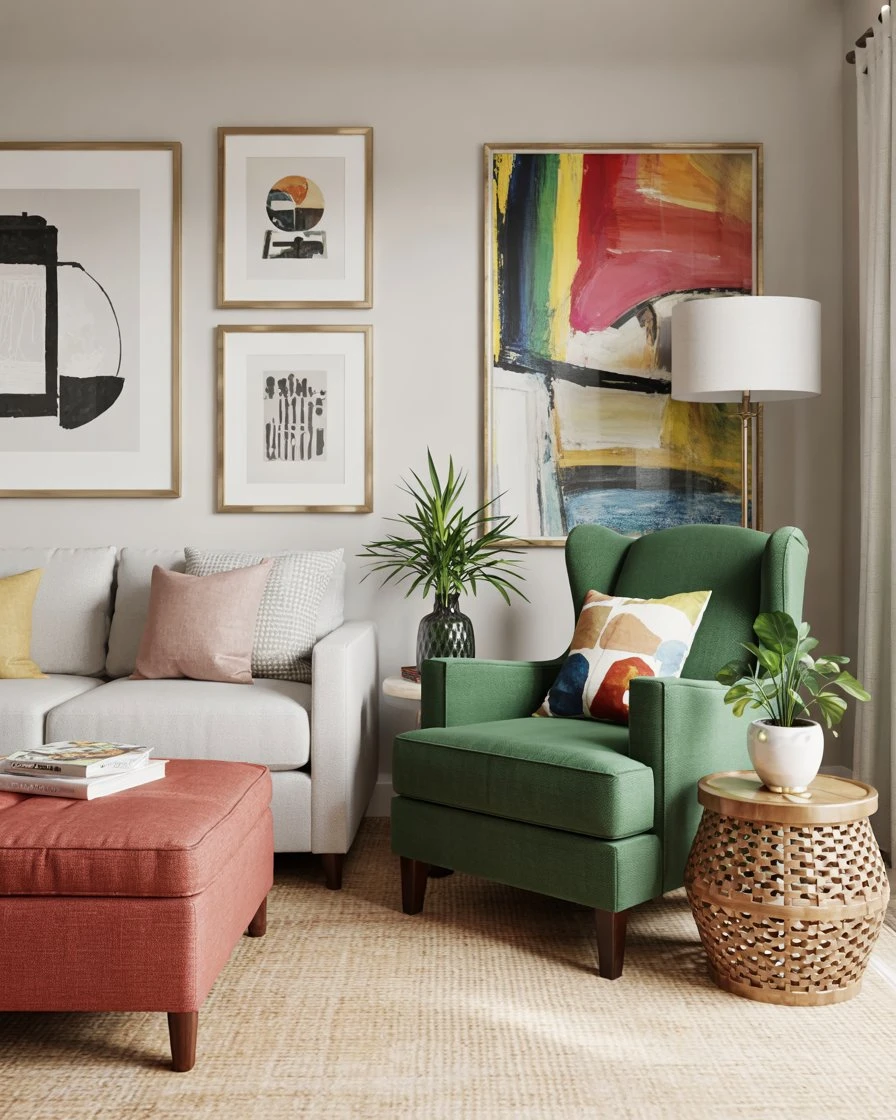
Break free from neutral everything by introducing boldly colorful accent furniture pieces that inject personality and joy into your rooms. A cobalt blue velvet chair, a cherry-red side table, or a mustard yellow ottoman can transform a bland space into something memorable and uniquely yours. This approach lets you keep walls and larger pieces neutral while experimenting with colorful pops that are easier to change if your tastes evolve. The maximalist movement embraces more-is-more aesthetics, celebrating individual expression over magazine-perfect coordination. Mix patterns and hues that make you happy rather than following rigid design rules. Aesthetic trends in 2026 lean toward personal authenticity over Instagram-ready perfection. 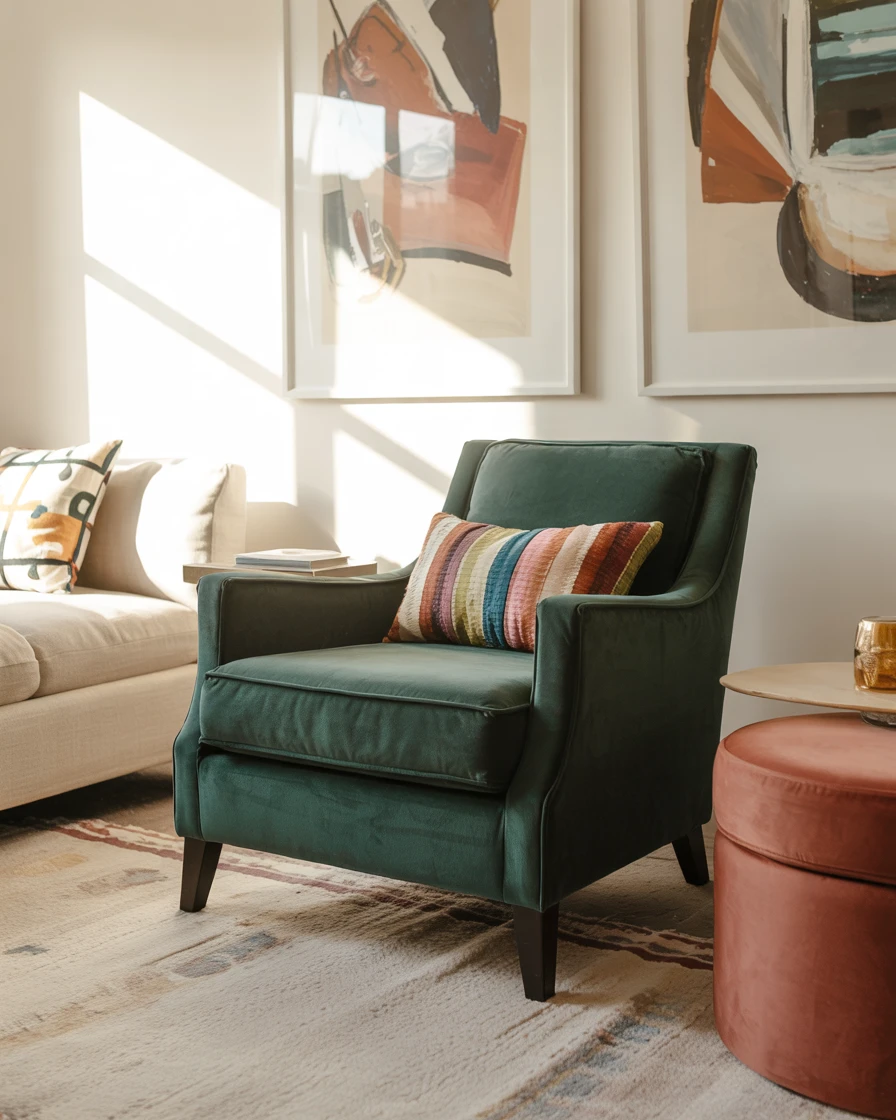
Where this works best is in homes where residents want to signal warmth and welcome rather than design-magazine coolness. The color psychology is real—surrounding yourself with hues you love genuinely improves daily mood. Start with one statement piece from stores like West Elm, CB2, or even Facebook Marketplace, where vintage gems appear regularly. The mistake beginners make is buying too many competing bold pieces at once. Add one colorful item, live with it for a few weeks, then decide what comes next.
11. Tiny Space Multifunctional Furniture
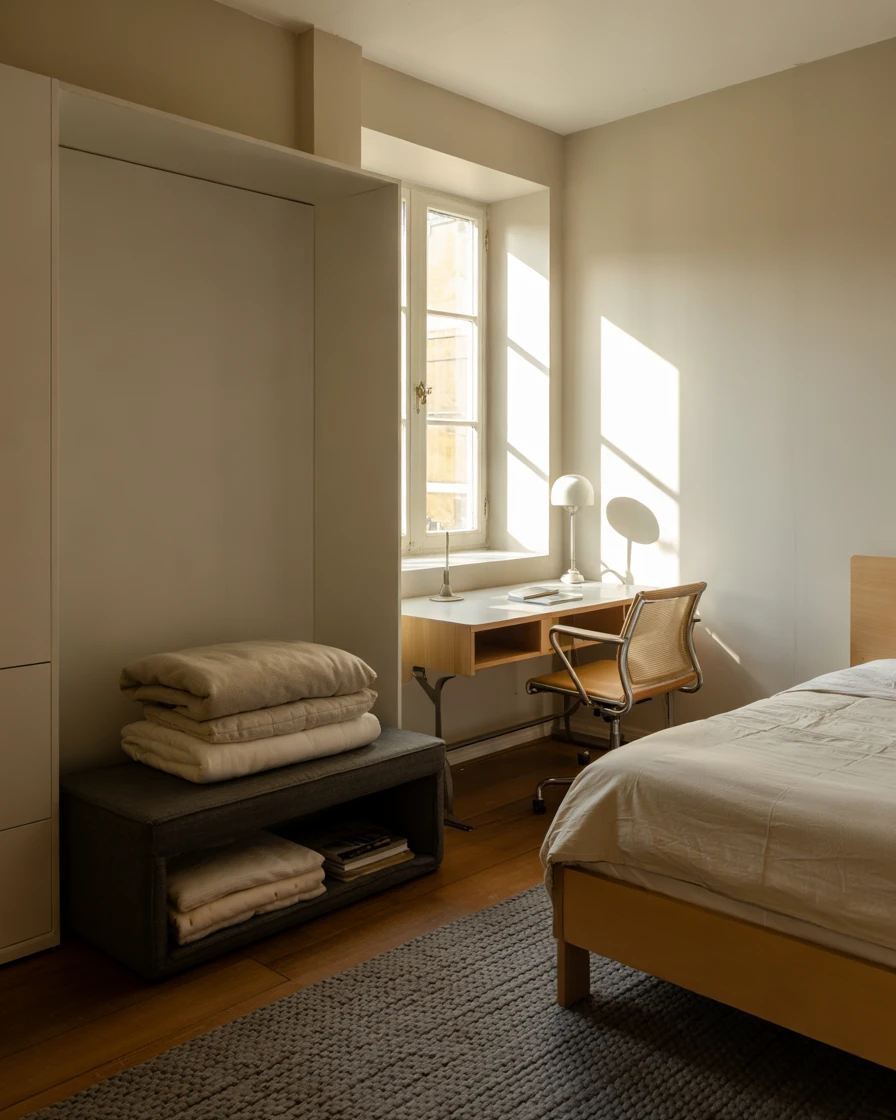
Master tiny apartment living with furniture that serves multiple purposes—think ottomans with hidden storage, Murphy beds that fold into desks, and dining tables that expand when needed but tuck away when not in use. This isn’t about deprivation; it’s about intelligent design that maximizes every square foot. Tiny homes and studios in cities like San Francisco, New York, and Seattle require creative solutions, and 2026 brings more options than ever. Coffee tables that lift to dining height, beds with built-in drawers underneath, and wall-mounted drop-leaf desks let you maintain full functionality without sacrificing living space. Budget-friendly versions exist at IKEA and Target alongside pricier custom options.
A practical insight that most furniture stores won’t mention: measure your space meticulously before buying anything. That sleeper sofa might technically fit, but can you fully extend it with your coffee table in place? Account for clearance and movement space, not just furniture footprints. Many multifunctional pieces cost more upfront but replace two or three traditional items, ultimately saving money and space. Reviews are essential—mechanisms need to work smoothly thousands of times, not just in the showroom.
12. Autumn Earth Tones Year-Round
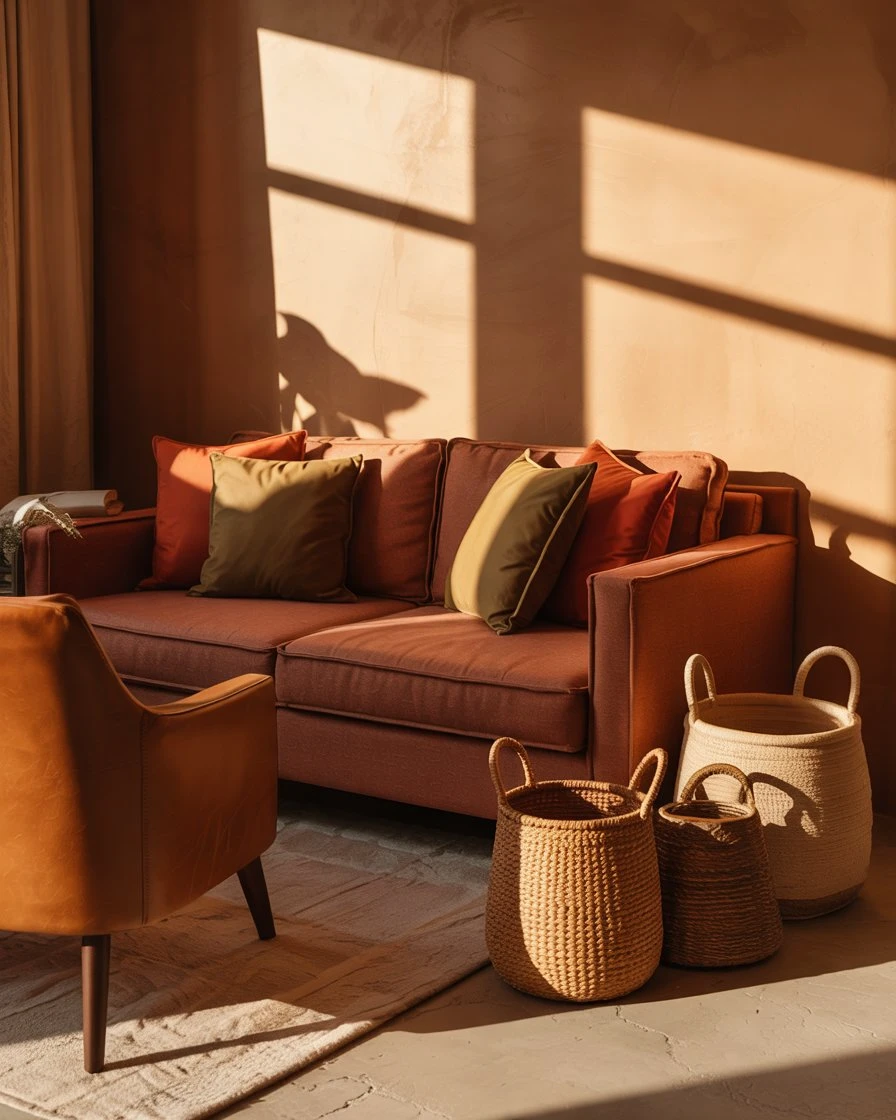
Bring the warmth of autumn into your home permanently by building a color scheme around terracotta, rust orange, warm browns, olive greens, and burnt sienna. These earth tones create inherently cozy spaces that feel grounded and natural regardless of the season outside your window. The palette works beautifully with natural materials like wood, leather, and woven textiles, creating layered, textural rooms that appeal to multiple senses. Unlike trendy colors that quickly feel dated, these autumn shades have timeless appeal rooted in nature itself. Layer different intensities—pale clay walls with deeper rust accents, or chocolate brown furniture against cream backgrounds. Rustic and modern aesthetics both embrace these colors. 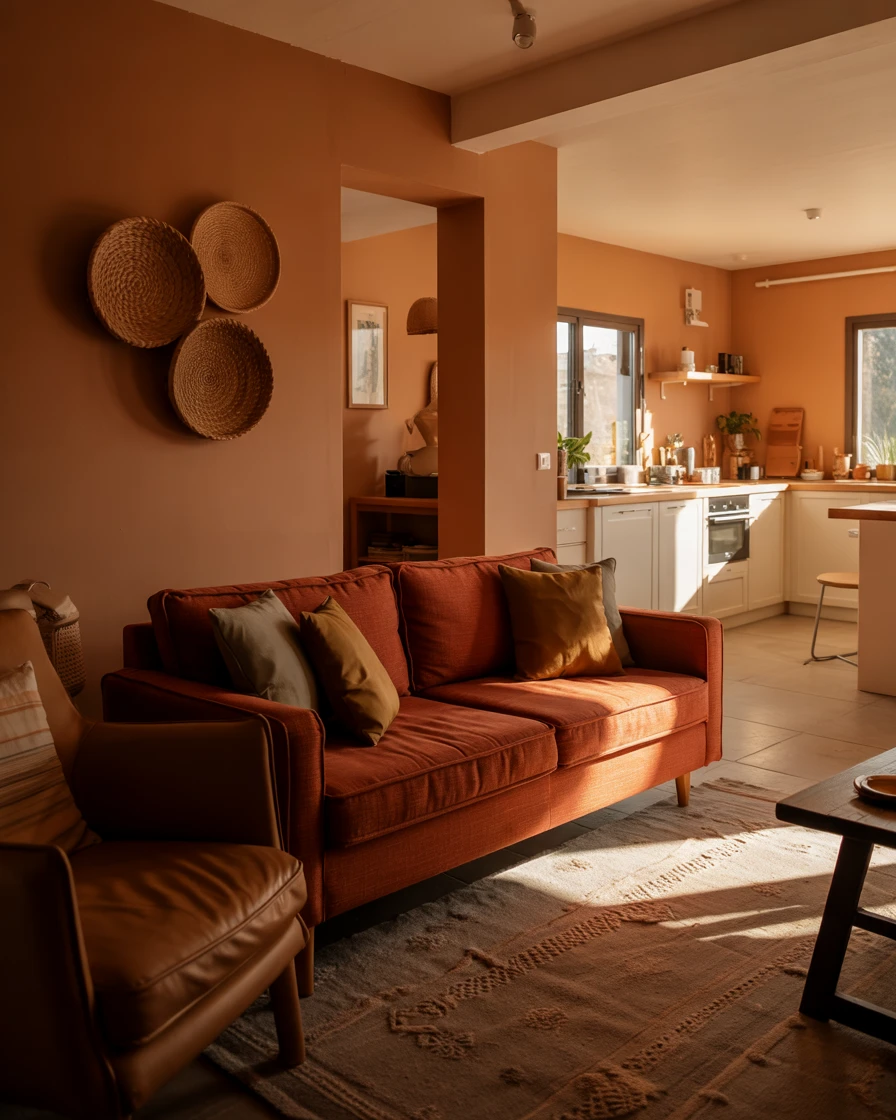
Across the Southwest—Arizona, New Mexico, and parts of Texas—these colors connect interior spaces to the surrounding desert landscape, creating harmony between inside and outside. The same palette feels equally at home in a New England farmhouse or Pacific Northwest cabin, proving its versatility. Paint is the easiest starting point; one accent wall in terracotta can anchor an entire room’s color story. Then add accessories, textiles, and art that pull from the same warm spectrum without being matchy-matchy.
13. Birthday-Ready Celebration Corners
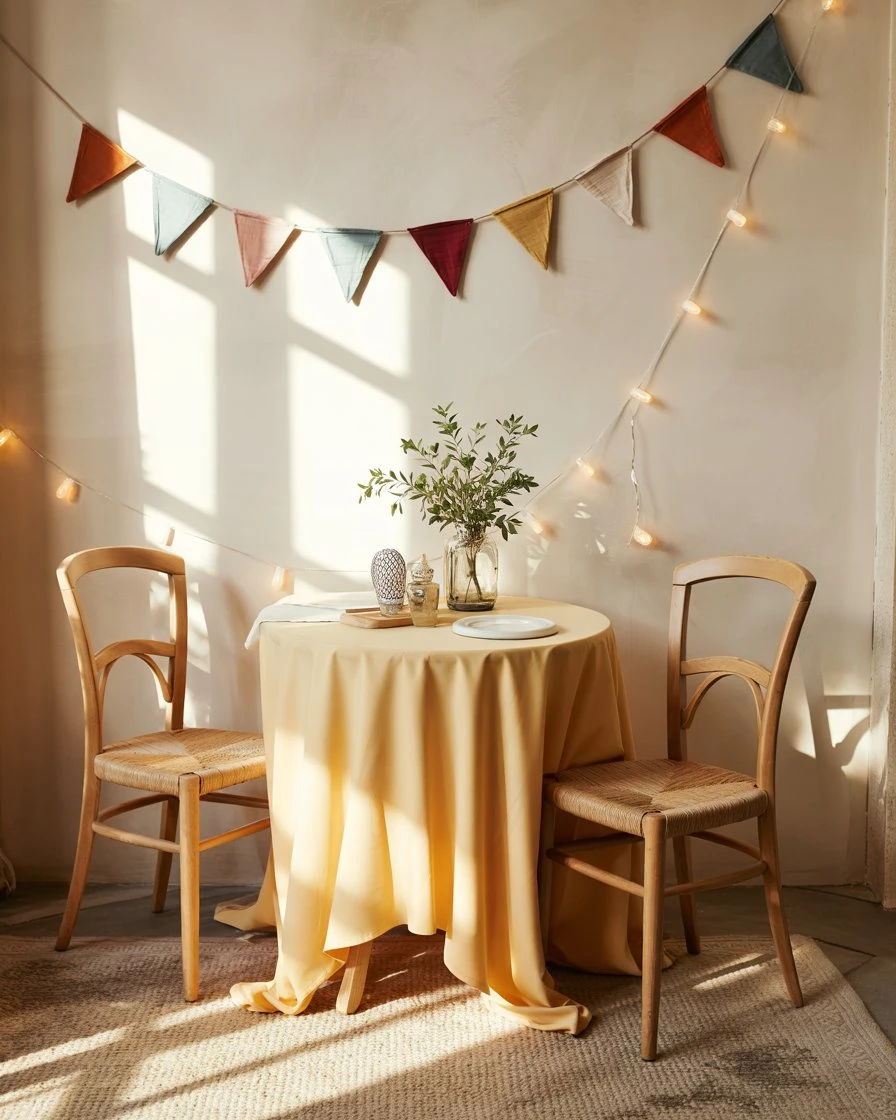
Design a flexible corner or wall in your home that’s always ready for birthday celebrations and other special occasions without requiring complete room transformations. Install a simple picture rail or gallery wall with clips where you can easily hang banners, photos, or seasonal decorations. Keep a dedicated storage bin with reusable party supplies like string lights, fabric bunting, and colorful tablecloths. This birthday zone becomes your go-to spot for cake photos and gift opening, creating consistent memories against the same cheerful backdrop. The setup takes minutes instead of hours, and everything stores compactly between events. DIY party pros know that having a designated celebration space makes hosting feel manageable rather than overwhelming. 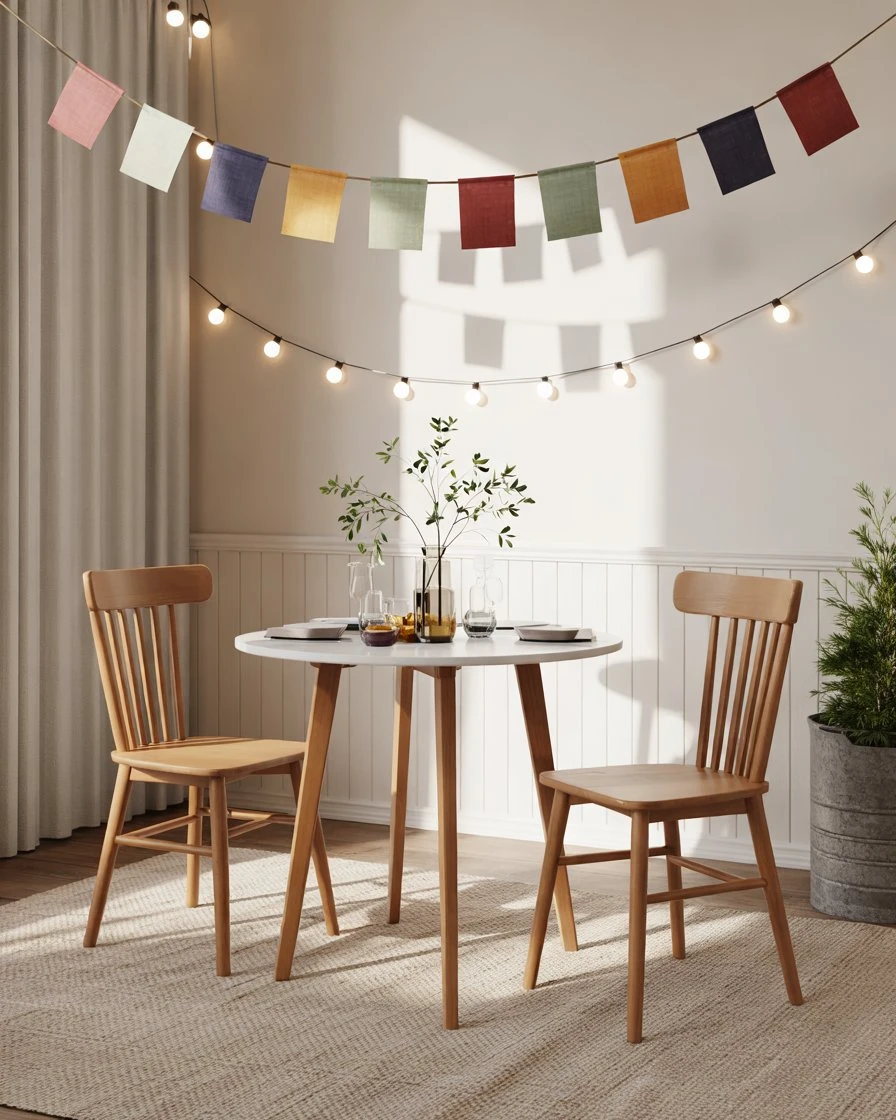
In homes with young children, this dedicated space eliminates the stress of last-minute decorating scrambles. But the concept works for adult celebrations too—birthdays, promotions, anniversaries—any occasion worth marking. The psychological benefit of having a “celebration spot” shouldn’t be underestimated; it signals that joy and special moments have a permanent place in your home rather than being afterthoughts squeezed into already-full spaces. Total investment runs under fifty dollars for basic supplies that last years.
14. Diwali-Inspired Lighting Layers
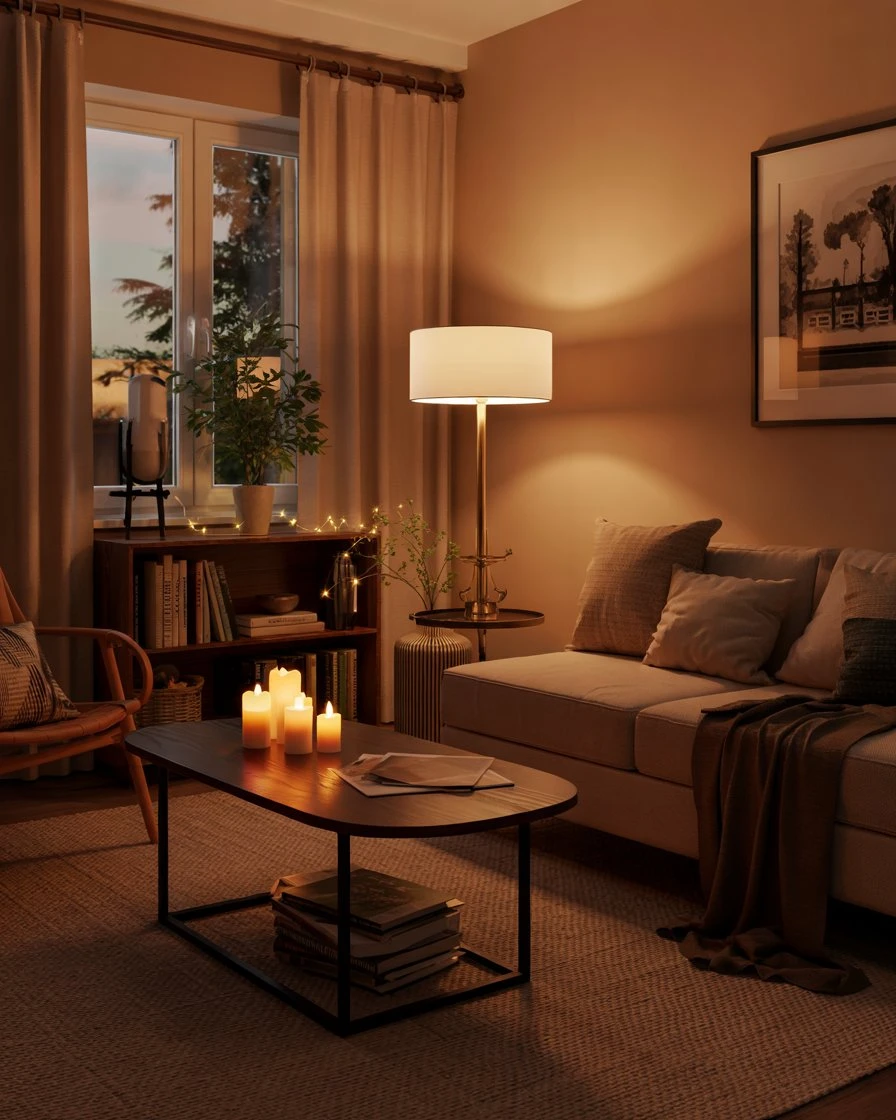
Borrow the beautiful lighting traditions of Diwali to create a permanently welcoming, warmly lit home through layers of light at multiple heights and intensities. Combine overhead fixtures with floor lamps, table lamps, string lights, and candles or LED candles to create a warm glow that’s far more inviting than harsh ceiling lights alone. This Diwali-inspired approach to illumination makes evening spaces feel magical and intentional, perfect for dinner parties or quiet nights at home. The festival of lights teaches us that abundant, gentle illumination creates joy and beauty in everyday life. Position lights in corners and at varying heights to eliminate harsh shadows and create depth. Cozy homes always feature excellent layered lighting. 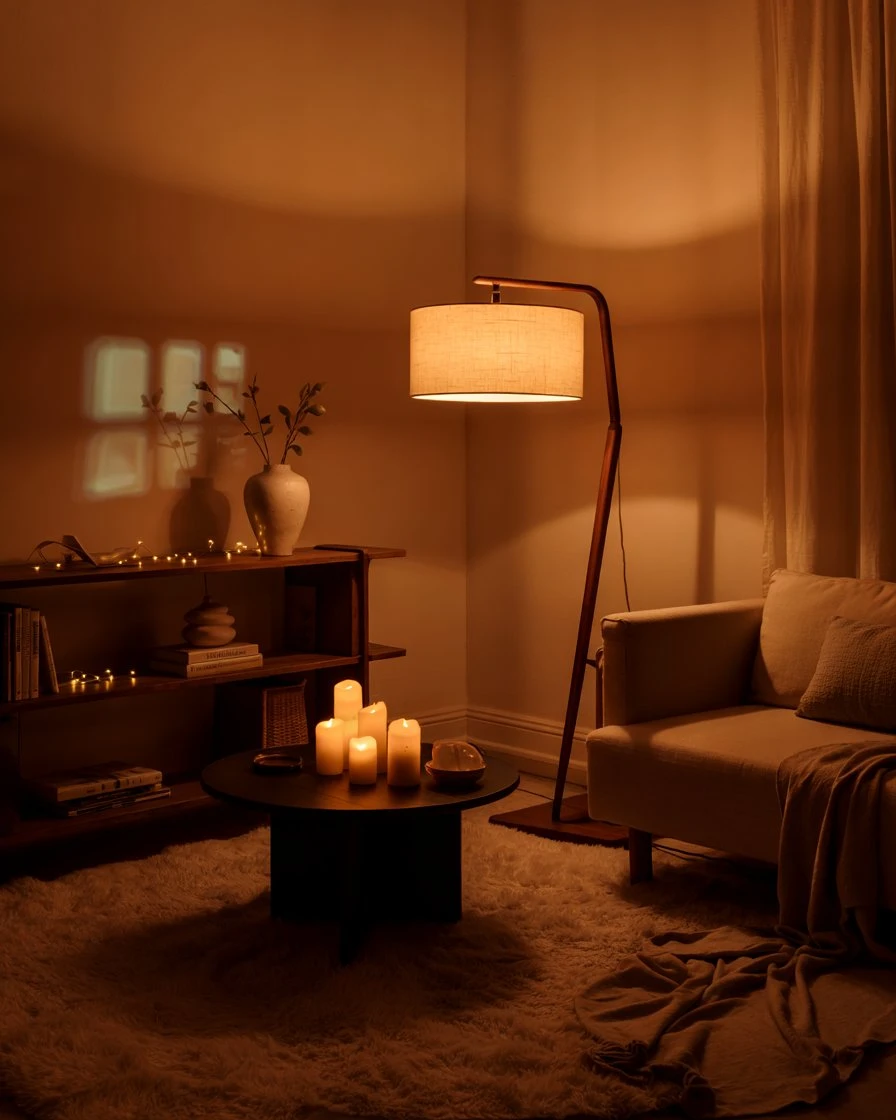
The common mistake Americans make is relying solely on overhead lighting, which creates unflattering shadows and a sterile hospital-like feel. Even inexpensive adjustments make huge differences—swap bright white bulbs for warm white (2700K-3000K), add a couple of thrift store lamps, and suddenly your home feels entirely different. Dimmer switches on overhead lights give you control over ambiance for under twenty dollars per switch. The goal is lighting that’s functional when needed but adjustable for different moods and activities throughout the day.
15. Christmas Decor Storage That Works
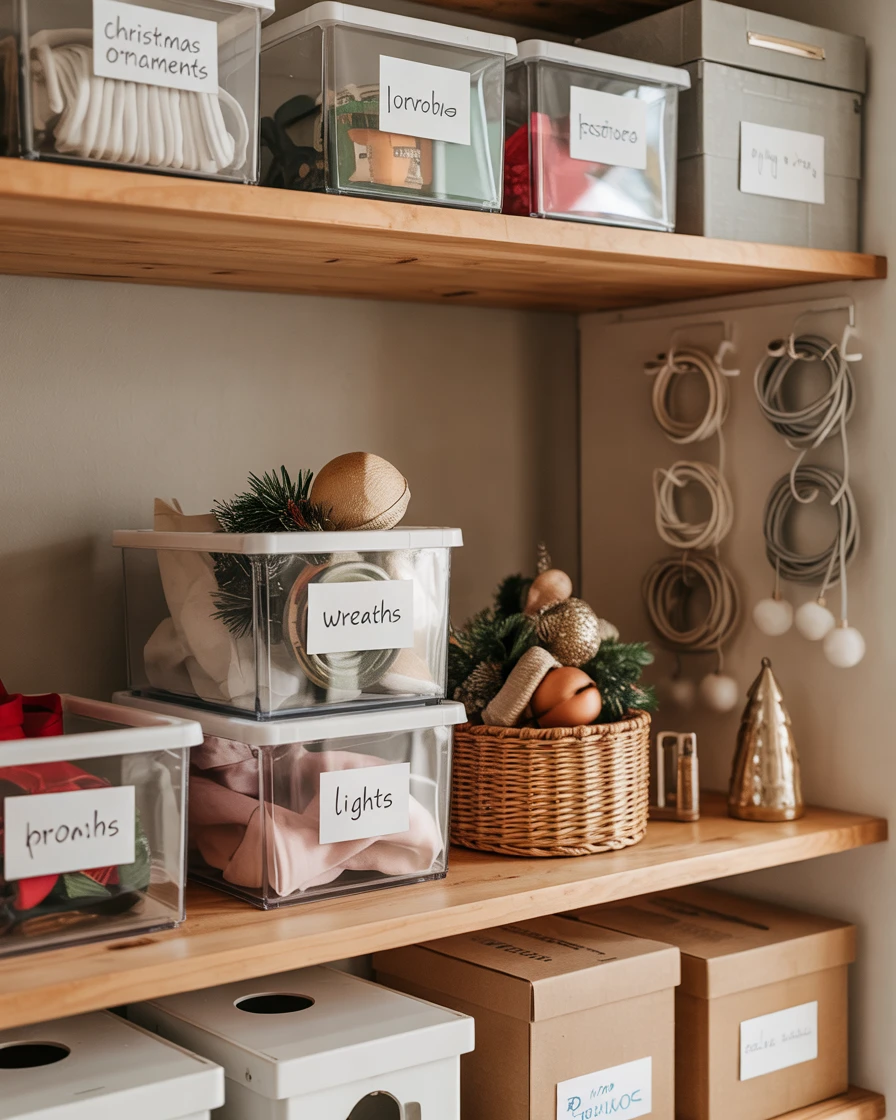
Finally solve the annual Christmas decoration chaos by implementing a smart storage system that makes both setup and takedown dramatically easier. Invest in clearly labeled bins with dividers for ornaments, dedicated wreath storage containers, and cord organizers for lights. Store everything in one designated closet or garage area so nothing gets scattered across multiple locations. This systematic approach transforms Christmas decorating from a dreaded all-day ordeal into a manageable few-hour project. Take photos of your favorite arrangements before taking them down—next year’s setup becomes infinitely faster when you’re not reinventing everything from scratch. Budget-friendly storage solutions from The Container Store or Amazon prevent broken ornaments and tangled lights. 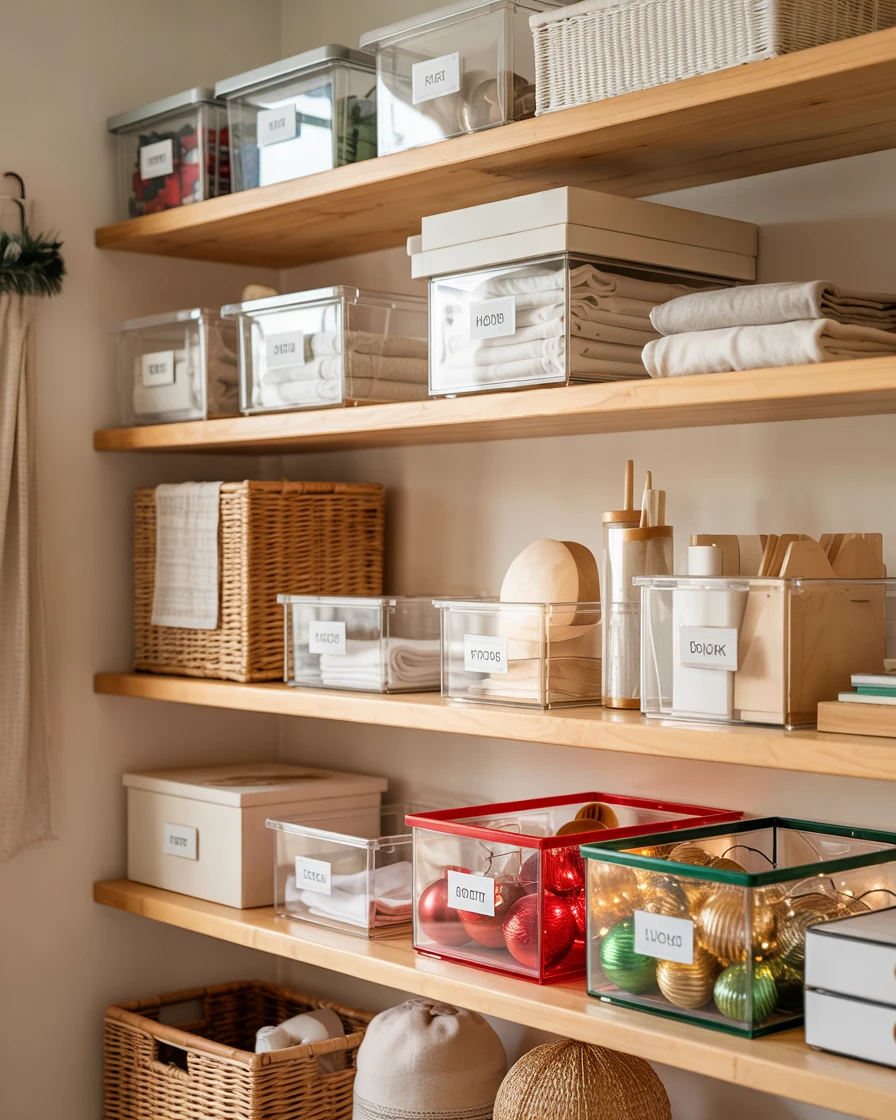
Expert organizers suggest color-coding bins by room or decoration type—red bins for the living room, green for outdoor, and white for kitchen seasonal items. This eliminates the exhausting search through every container to find one missing item. Replace worn cardboard boxes with proper storage containers gradually; buy a few new bins each year after the holiday sales when prices drop thirty to fifty percent. The initial investment saves money long-term by protecting decorations from damage, meaning you replace items less frequently.
16. Antique Focal Points in Modern Spaces
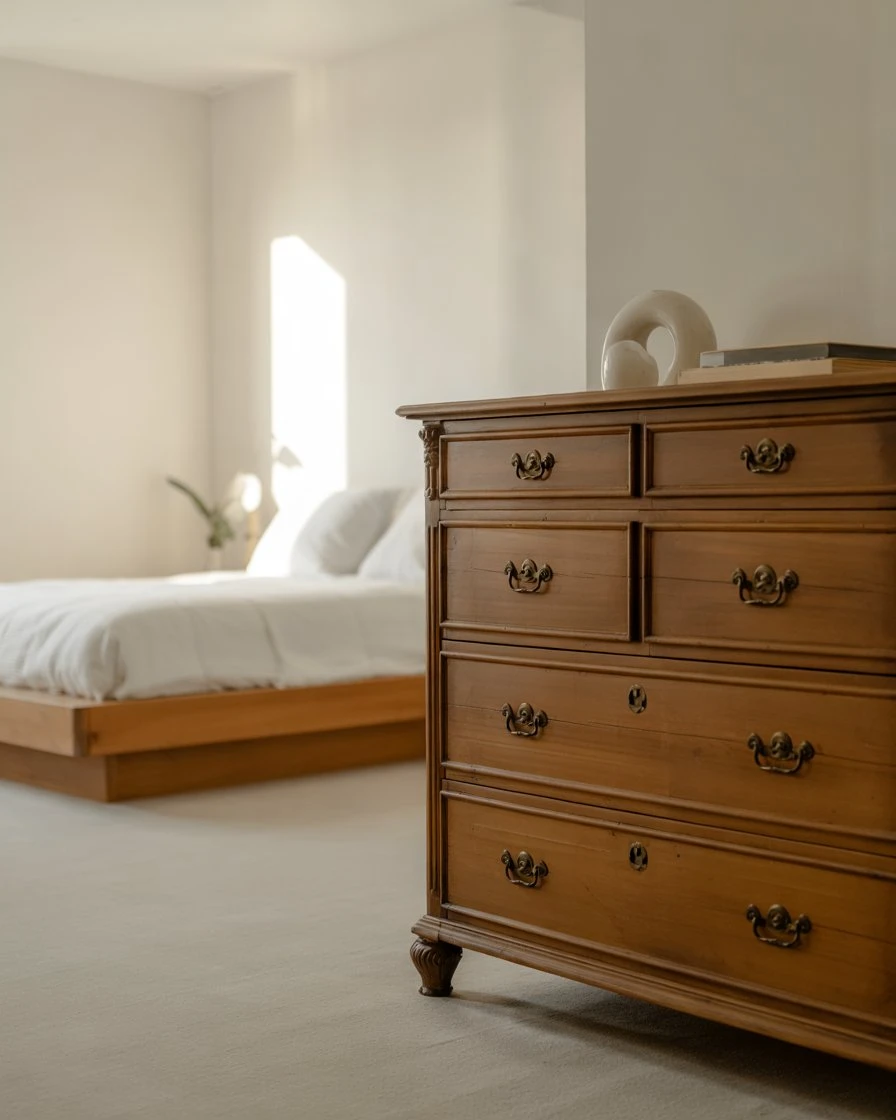
Create striking contrast by featuring one or two antique pieces as focal points within otherwise modern, minimalist spaces. A vintage wooden dresser against white walls, an ornate gilded mirror above a sleek console, or a weathered farm table surrounded by contemporary chairs—these juxtapositions add depth, history, and conversation-starting character. The antique items ground the space and prevent modern design from feeling cold or impersonal. This approach works because it tells a story about valuing craftsmanship and history while still living in the present. Hunt for these pieces at estate sales, flea markets, or antique stores, where prices vary wildly but genuine treasures still exist. Unique vintage finds beat mass-produced furniture every time for visual interest. 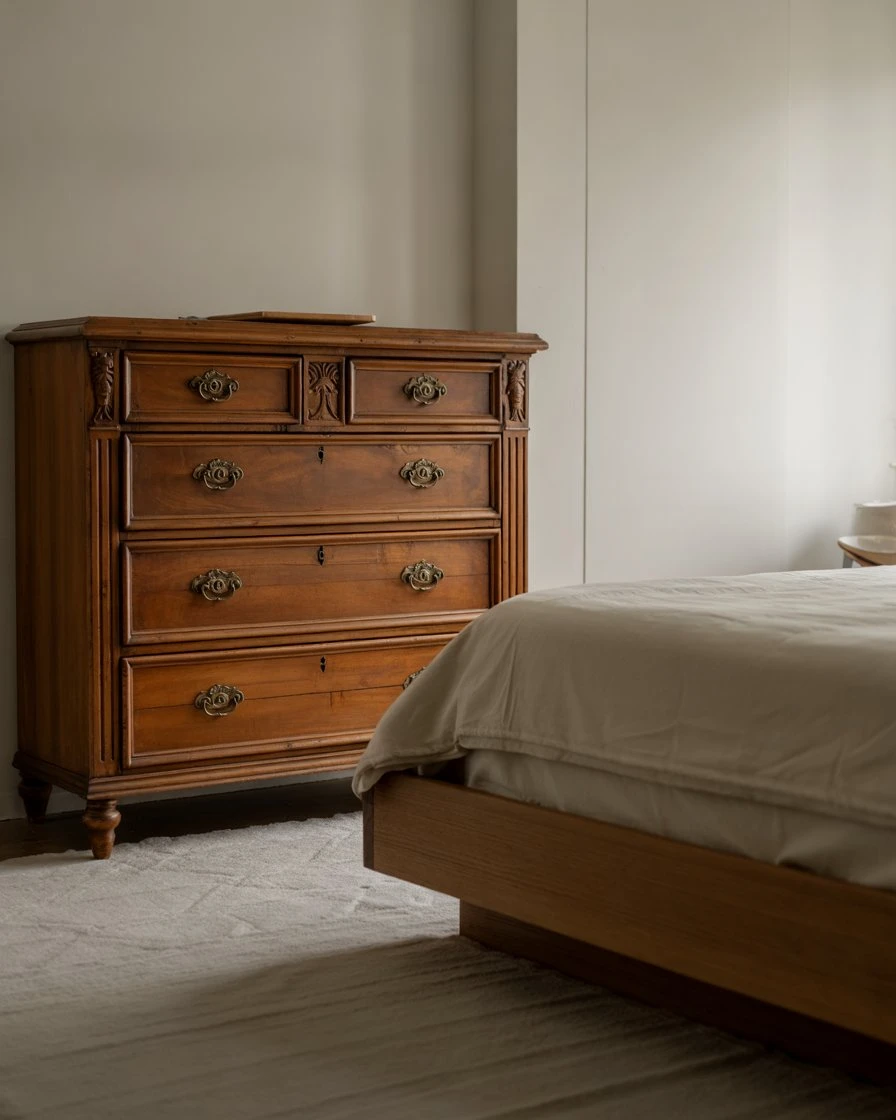
In cities across America, younger generations are rejecting the IKEA-everything aesthetic by incorporating inherited or thrifted antique pieces that add authenticity to their homes. The environmental angle matters too—buying vintage is the ultimate in sustainable decorating. Don’t worry about perfect condition; minor wear and patina add character rather than detracting from value. Refinishing can happen over time or not at all, depending on your preference. Start with one statement antique piece and build around it rather than trying to create a fully coordinated antique room.
17. Wedding-Worthy Everyday Elegance
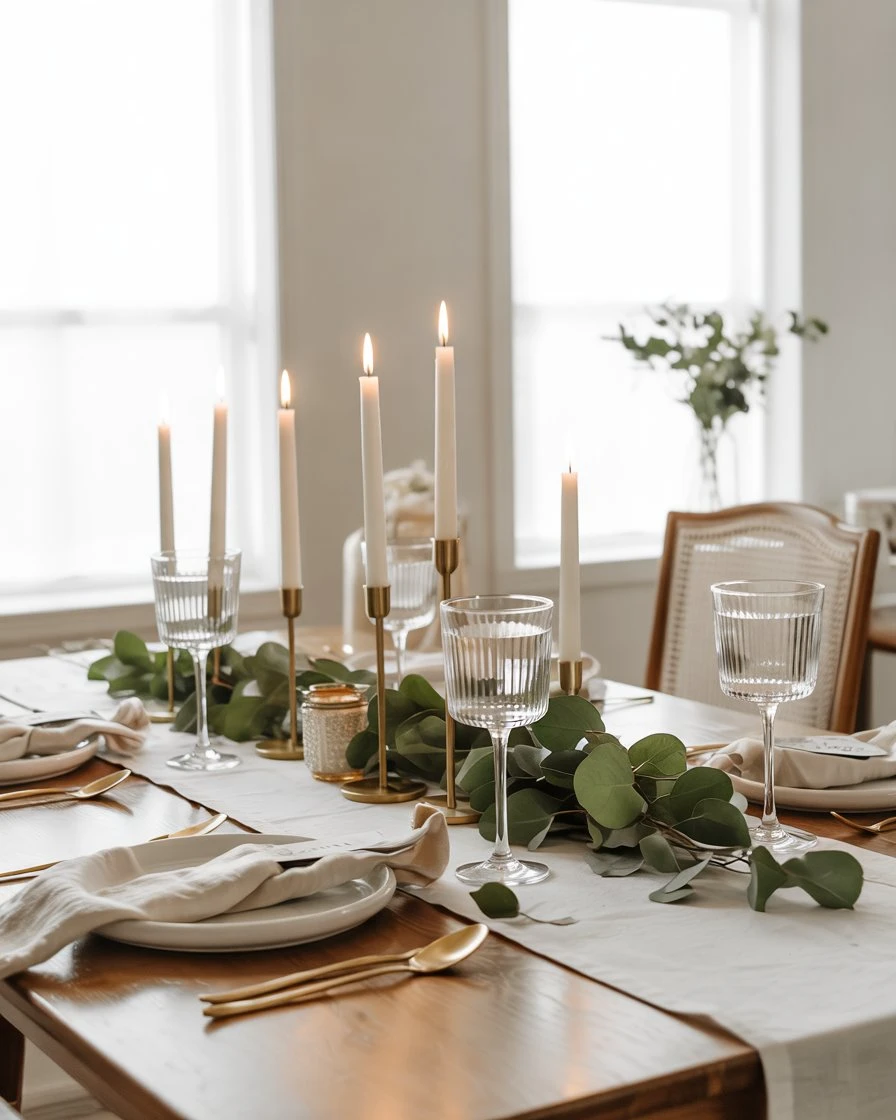
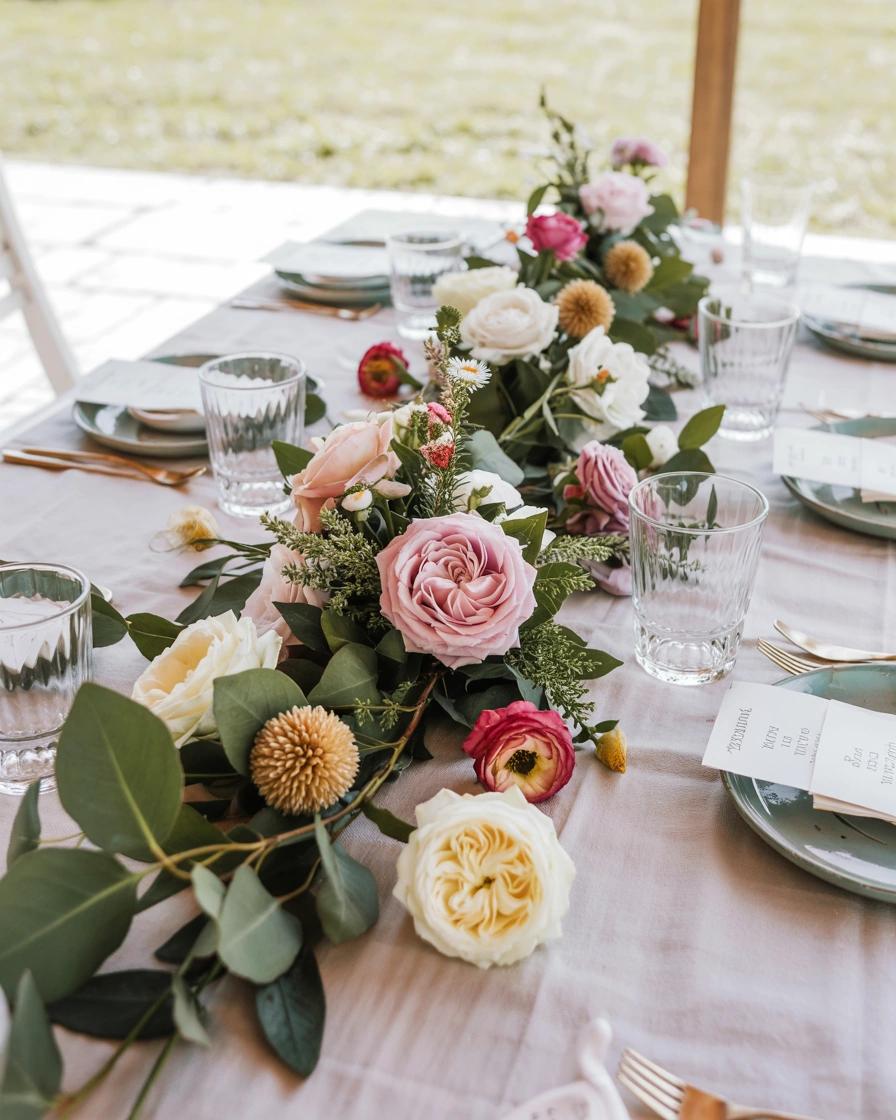
Design your dining room or entertaining space with the kind of understated elegance that would photograph beautifully for a wedding or special event but that works perfectly for regular family dinners too. Think crisp white linens or quality placemats, fresh flowers or greenery as centerpieces, and simple but beautiful dishware that you use daily rather than reserving for special occasions. This wedding-worthy approach elevates ordinary moments without requiring constant effort. The key is choosing quality over quantity—fewer pieces that you genuinely love and use rather than cabinets full of things collecting dust. Cloth napkins, real candles, and fresh flowers cost little but transform mealtimes into something special. Aesthetic beauty shouldn’t be reserved only for guests. 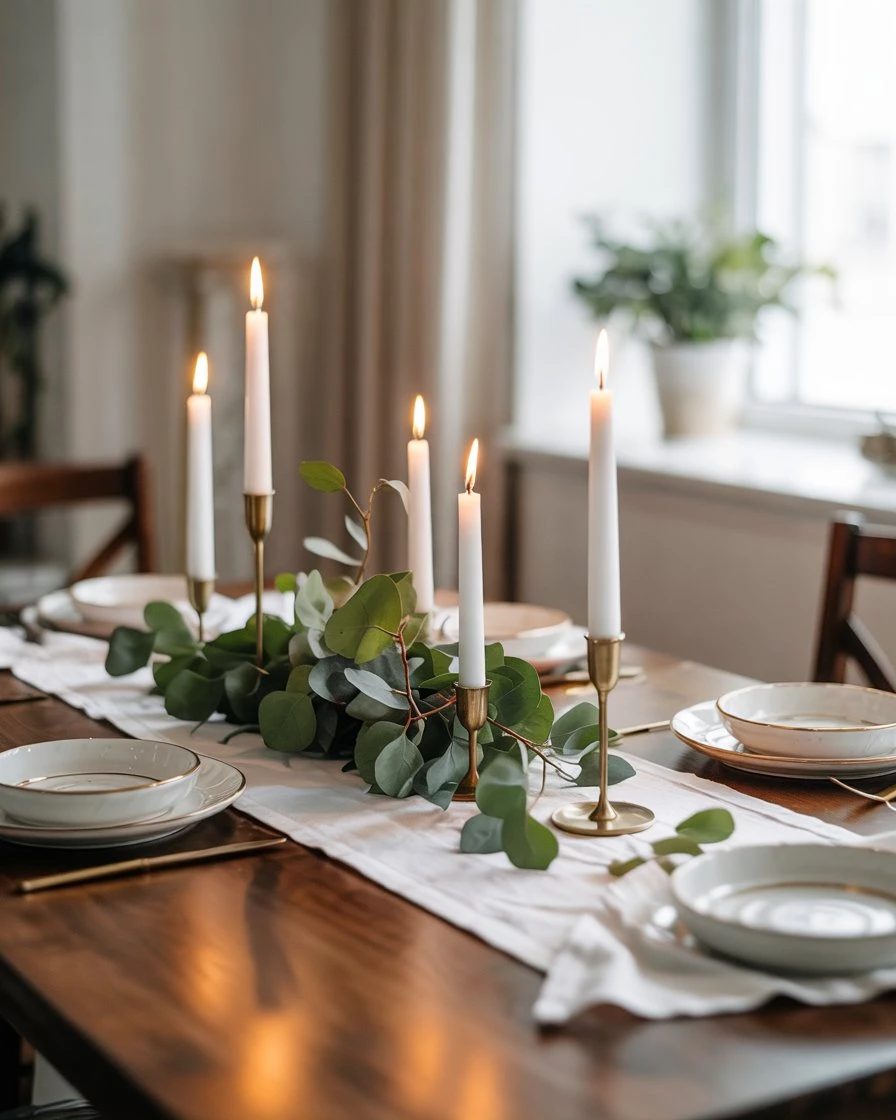
Real homeowner behavior shows that when we set beautiful tables for ourselves rather than saving them for company, we naturally linger longer over meals and conversation. The psychological shift matters—your daily life deserves the same care you’d give guests. Start with one upgrade, perhaps linen napkins from Target (under twenty-five dollars for a set) or a weekly grocery store flower habit. These small investments in daily beauty compound into an overall sense that your home and life are valued and cared for.
18. Crochet Textiles as Art
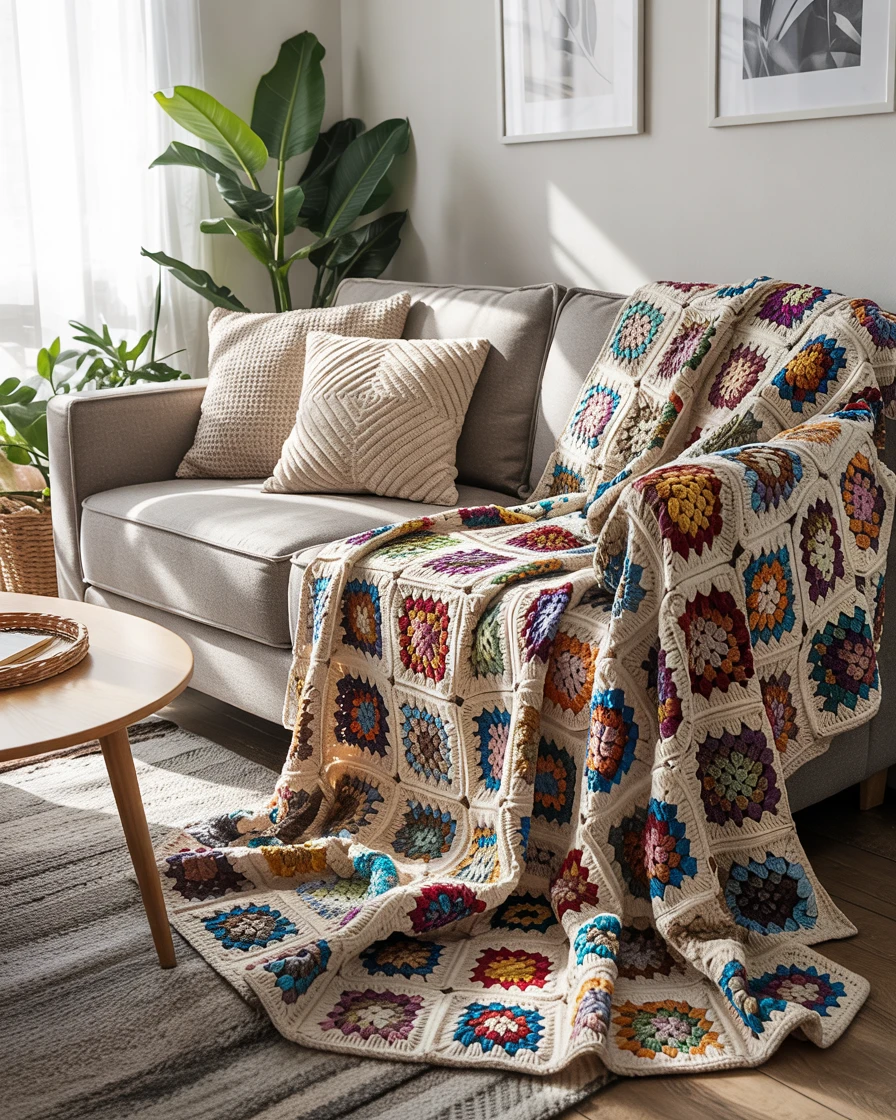
Showcase handmade crochet pieces as legitimate artwork by displaying beautiful blankets, wall hangings, or textured pillows as focal points rather than hiding them away. The resurgence of fiber arts means that both vintage crochet items and contemporary pieces deserve prime placement in modern homes. Drape a colorful granny square blanket over a neutral sofa, hang a macramé-style crochet wall hanging above a bed, or pile artisan-made crochet pillows on chairs and benches. This trend celebrates handcraft and the hours of skilled labor that go into each piece. The texture and visual interest that crochet provides cannot be replicated by mass-produced textiles. Unique handmade items give rooms personality and warmth impossible to achieve otherwise. 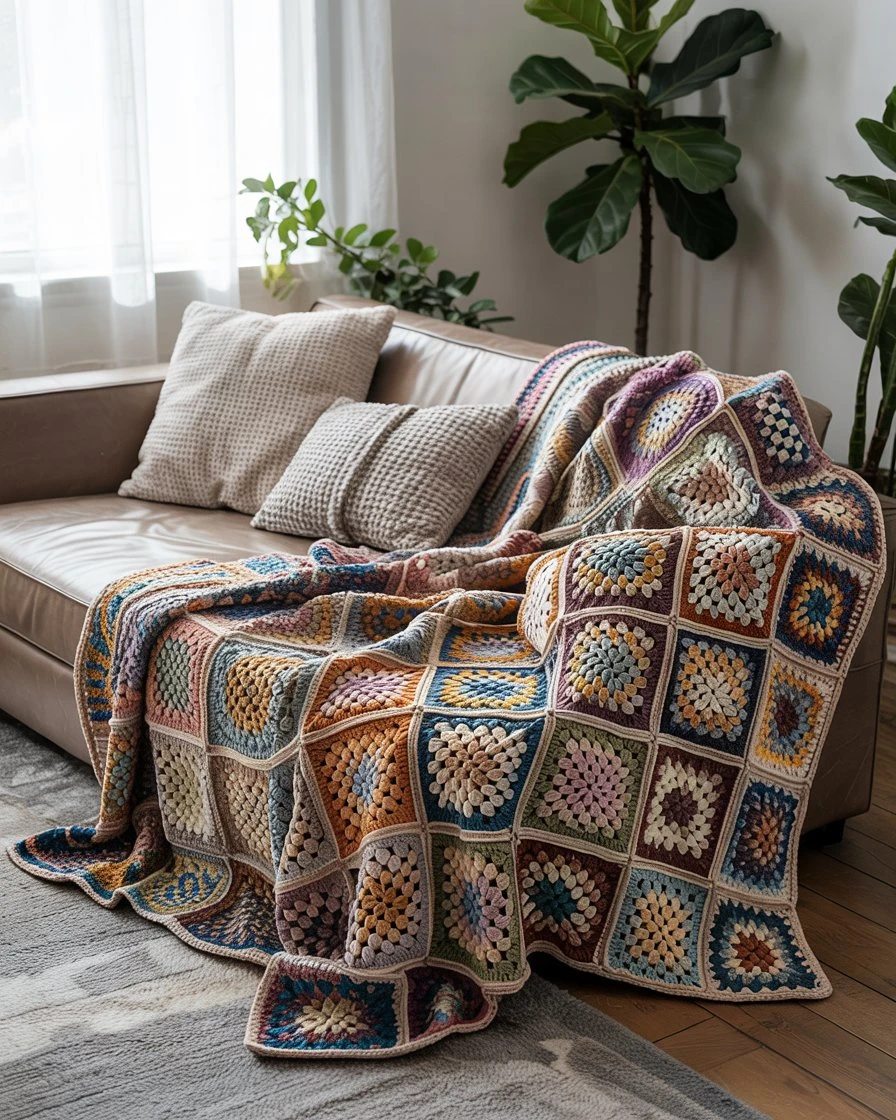
Where this works best is in homes that embrace eclectic, collected aesthetics rather than catalog-perfect matching. Etsy hosts thousands of talented crochet artists selling everything from simple dishcloths to elaborate bedspreads. Prices vary based on size and complexity, but supporting individual makers means owning something genuinely one-of-a-kind. If you’re crafty yourself, learning basic crochet opens up endless customization possibilities—make pieces in exactly the colors and patterns that complement your existing decor. Tutorial videos make learning accessible even for complete beginners.
19. Edgy Industrial Accents
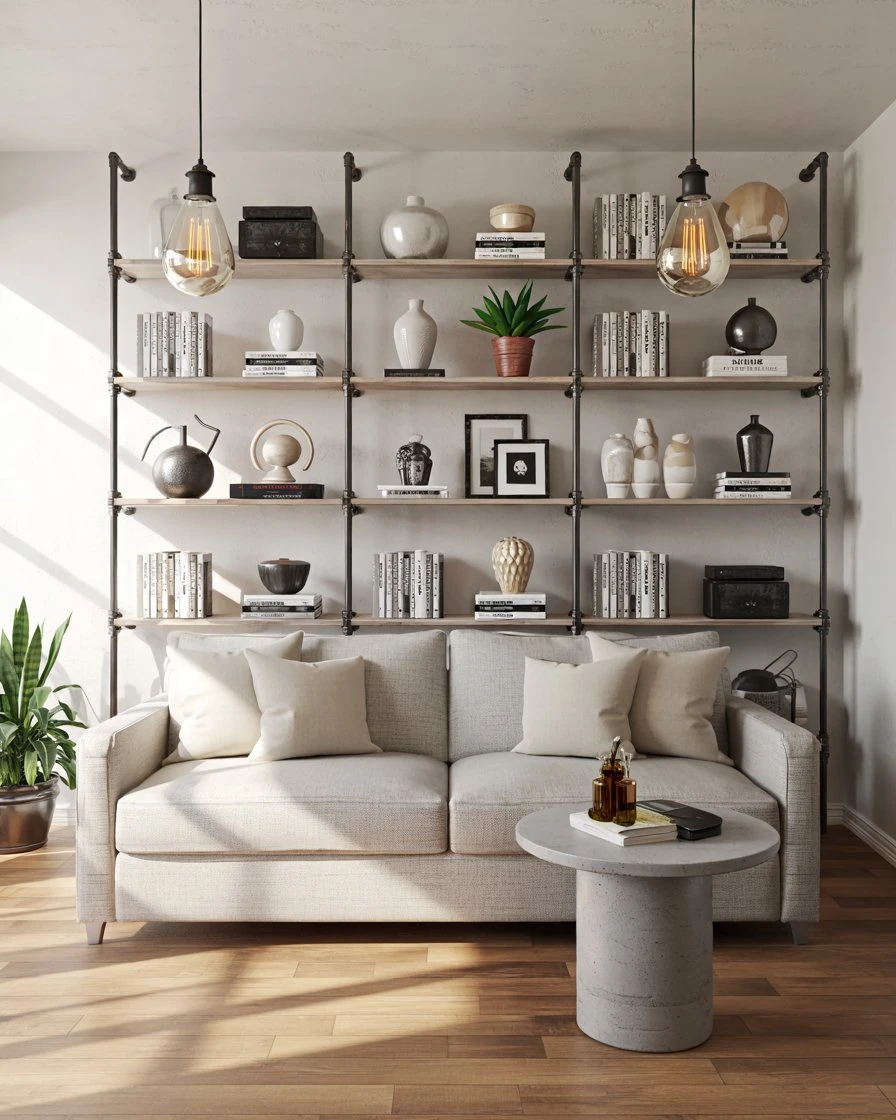
Use edgy industrial design touches such as exposed metal piping, Edison bulb light fixtures, raw concrete, and raw steel furniture to give your space an urban and contemporary feel. This style is great in lofts, modern apartments, and renovated warehouses, but may also be adapted to classic homes with care in where you place the accents. Things like black metal shelving, iron pendant lamps, concrete coffee tables, and other soft touches like cushy upholstery and warm wooden accents are great to use to get that feel you want. The edgy industrial feel is very urban and contemporary and is not too harsh or unwelcoming when balanced properly. 2026 trends Combine industrial and natural materials to avoid the space from feeling too cold or masculine. Both are very common and fitting materials to use in designs. 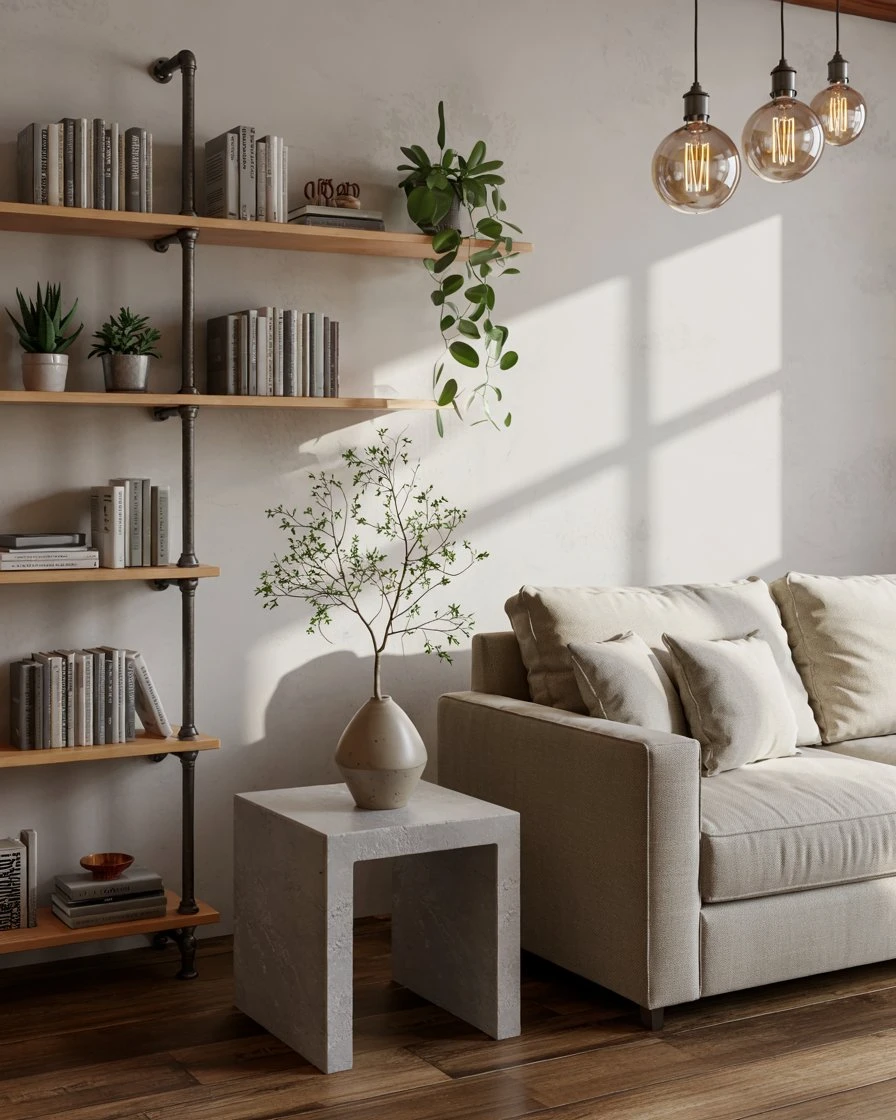
A common mistake is going too heavy on industrial elements, creating spaces that feel more like workshops than homes. The solution is the rule of thirds—about one-third industrial elements mixed with two-thirds softer, warmer materials. In converted warehouse spaces or modern city lofts with exposed brick and ductwork, industrial pieces feel natural. In suburban homes, use them more sparingly as accent pieces. Hardware stores like Home Depot sell industrial-style materials at builder-grade prices, letting DIY enthusiasts create custom shelving and lighting for far less than retail furniture costs.
20. Unique Thrift Store Gallery
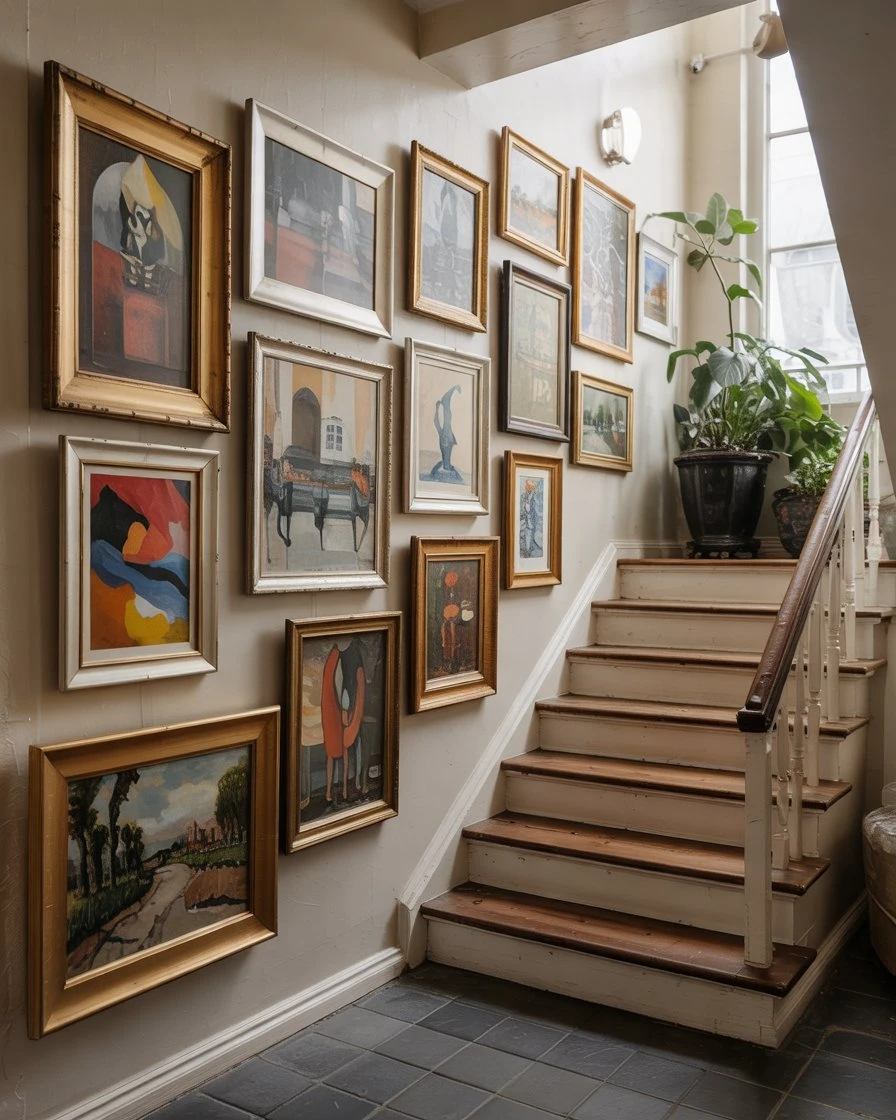
Build an eclectic art collection by regularly visiting thrift stores, estate sales, and secondhand shops for unique paintings, prints, and frames that cost dollars instead of hundreds. Mix amateur paintings with vintage prints, abstract pieces with landscapes, and various frame styles to create a collected-over-time gallery wall that tells a story. This approach celebrates the joy of the hunt and values interesting over expensive. The result is infinitely more personal than buying a matched set from HomeGoods. Unique finds become conversation starters—”Where did you get that?” opens stories about Saturday morning estate sales and lucky thrift store discoveries. Budget-friendly art collection becomes an ongoing hobby rather than a one-time shopping trip. 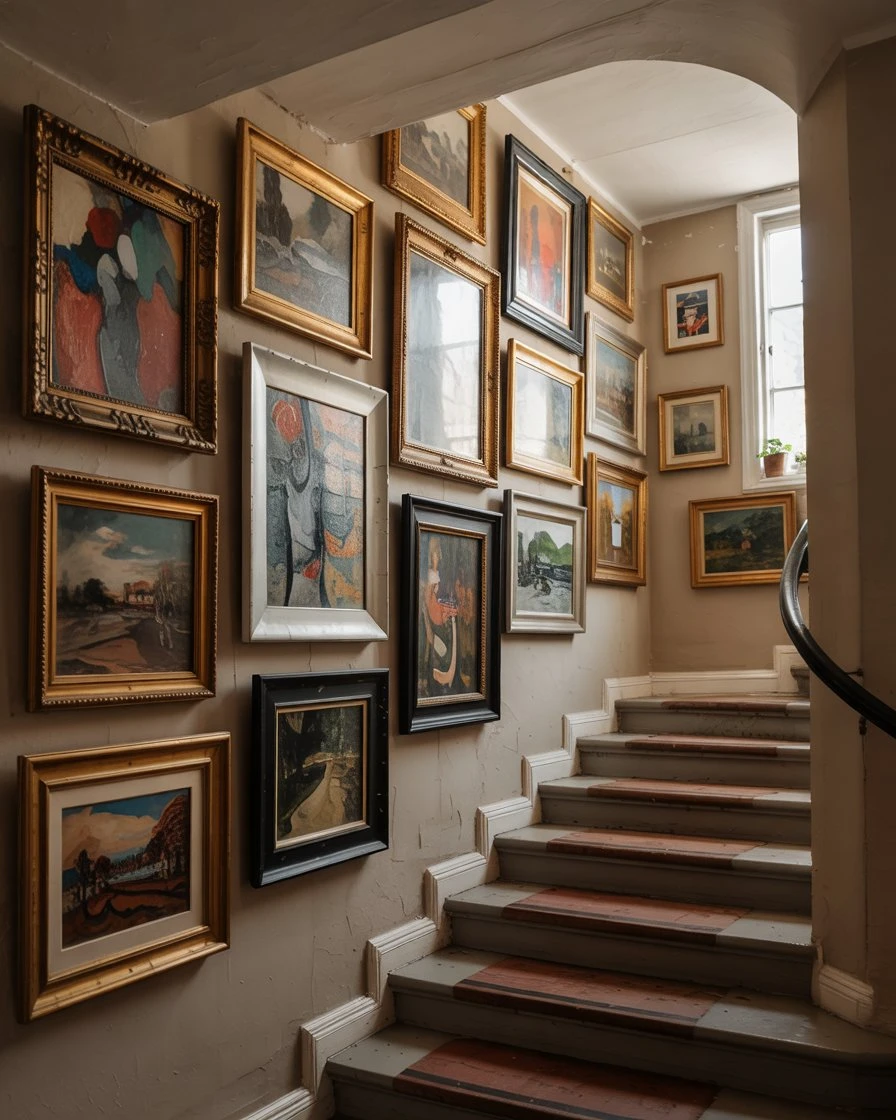
My friend Sarah has spent two years building her thrift store art collection, spending no more than fifteen dollars per piece, and her walls now rival galleries I’ve seen in design magazines. The secret is patience and frequency—stop by thrift stores regularly, not just once or twice a year, and you’ll catch the good pieces. Don’t be afraid of “bad” art either; sometimes kitsch vintage pieces or amateur paintings have more personality than serious art. Frame quality matters more than the art itself in many cases, so look for solid vintage frames even if you replace the artwork inside.
21. Cozy Reading Nook Essentials
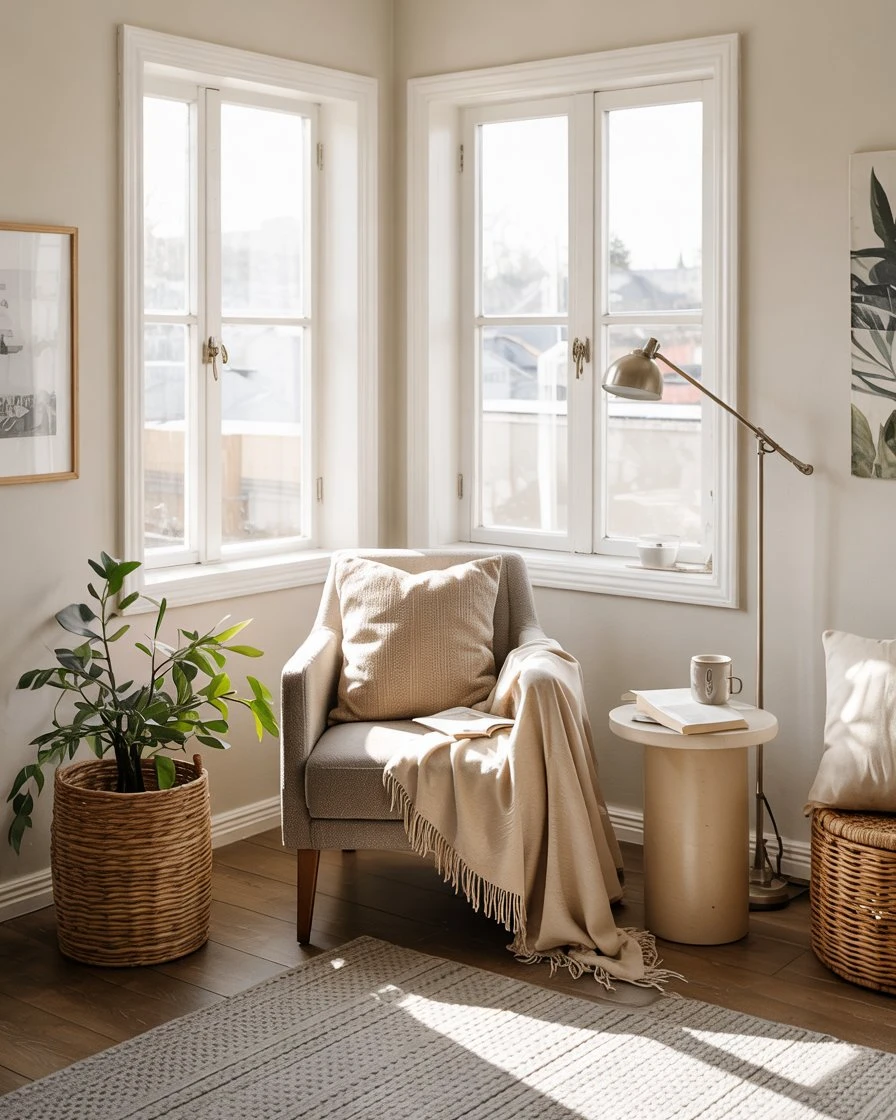
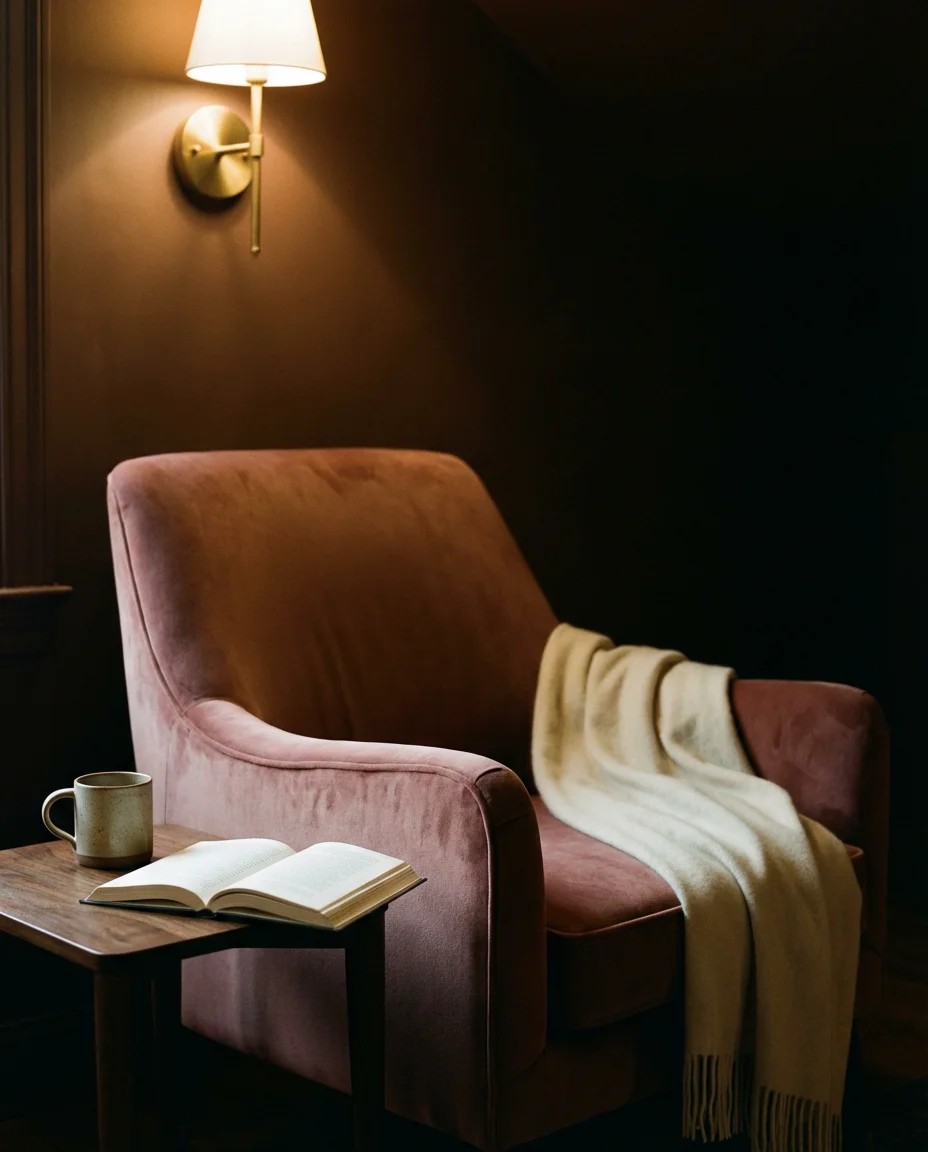
Carve out a dedicated cozy reading corner with the essential elements that make settling in with a book irresistible: a comfortable chair or window seat, excellent lighting from both natural sources and a reading lamp, a small side table for your coffee or tea, and layers of soft textiles like throw blankets and pillows. This cozy retreat doesn’t require a separate room—a corner of your bedroom, a window alcove, or even a section of your living room can be transformed into a personal sanctuary. The key is creating a spot that’s specifically yours, claimed for quiet time and escape. Even tiny apartments can accommodate a reading nook when you think vertically and use corners effectively. Good lighting is non-negotiable for both ambiance and eye comfort during long reading sessions. 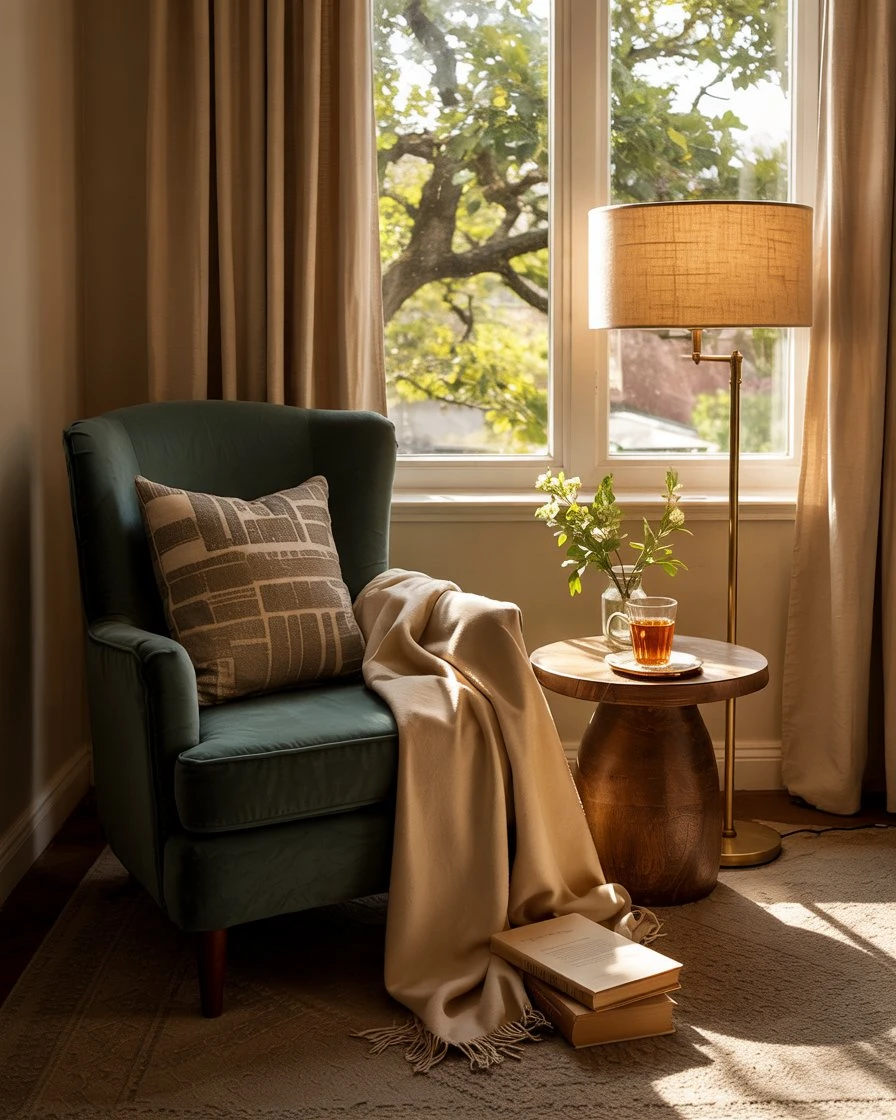
Practical insight from avid readers: the chair matters more than anything else—test seating before buying because what looks comfortable may not support your back for hours-long reading sessions. The perfect reading chair supports your lower back, allows you to curl your legs up if desired, and has arms at the right height to rest your elbows while holding a book. Budget about two hundred to four hundred dollars for a quality chair that will last years, or hunt secondhand stores for vintage reading chairs that just need new cushions. Add your lamp, table, and textiles gradually, creating a space that evolves into exactly what you need.
Conclusion
These ideas are only the start. It offers a glimpse of the things that can be done with your home when you use a bit of creativity and focus and are willing to go off the beaten path. The most extraordinary spaces are filled with the quirks and imperfections of the people who call them home, and they are continuously changing, crafting an intimate story that is all past and present for the collection of lives that inhabit them. Whether you lean into the ideas listed or you use them to spark creativity for an entire home refresh, remember that it is a process. It is ever evolving, just like you. You can comment your ideas and experiences. You can also share your photos with us. We can’t wait to see what you will come up with.