Elementary classrooms in 2026 are stepping into a bold new era where function meets inspiration in ways we haven’t seen before. Teachers across America are turning to Pinterest not just for bulletin board ideas, but for complete design philosophies that support how kids actually learn today. From colorful reading corners that feel like home to calm sensory zones that help students reset, the classroom has become a carefully curated space that balances stimulation with serenity. This shift reflects what educators have learned over the past few years: that environment shapes behavior, focus, and joy. Whether you’re setting up a brand new room or refreshing one that’s been the same for a decade, these ideas will help you create a classroom that feels both current and timeless.
1. Soft Neutral Foundations with Pops of Pastel
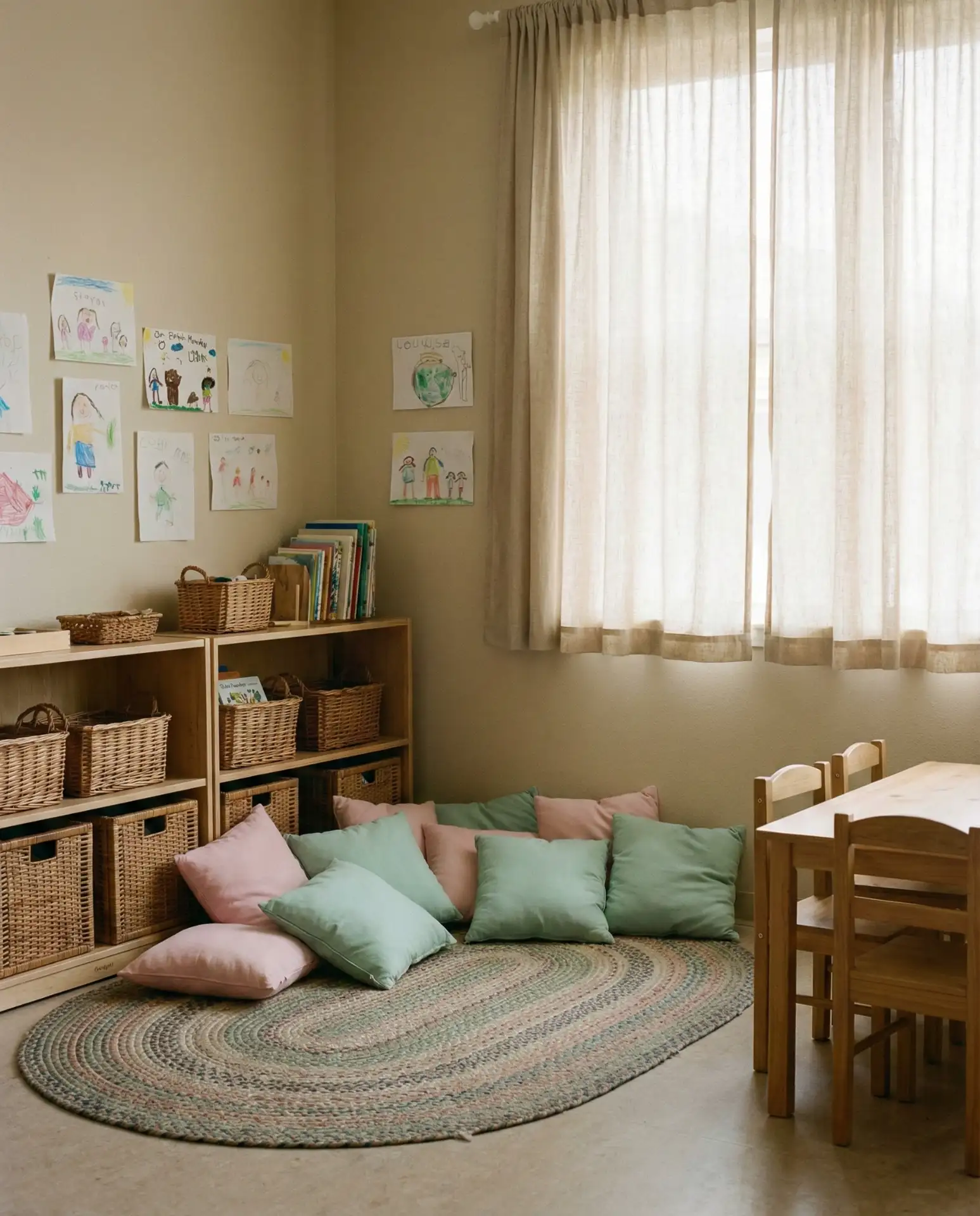
This approach starts with warm beige or soft gray walls, then layers in pastel accents through cushions, bins, and border trim. It’s become especially popular in 2nd grade classrooms where students are old enough to appreciate a sophisticated palette but still benefit from gentle color cues. The aesthetic leans modern farmhouse, which translates surprisingly well to learning spaces. Teachers are using wicker baskets, linen curtains, and wooden furniture to create a base that won’t feel dated in two years.
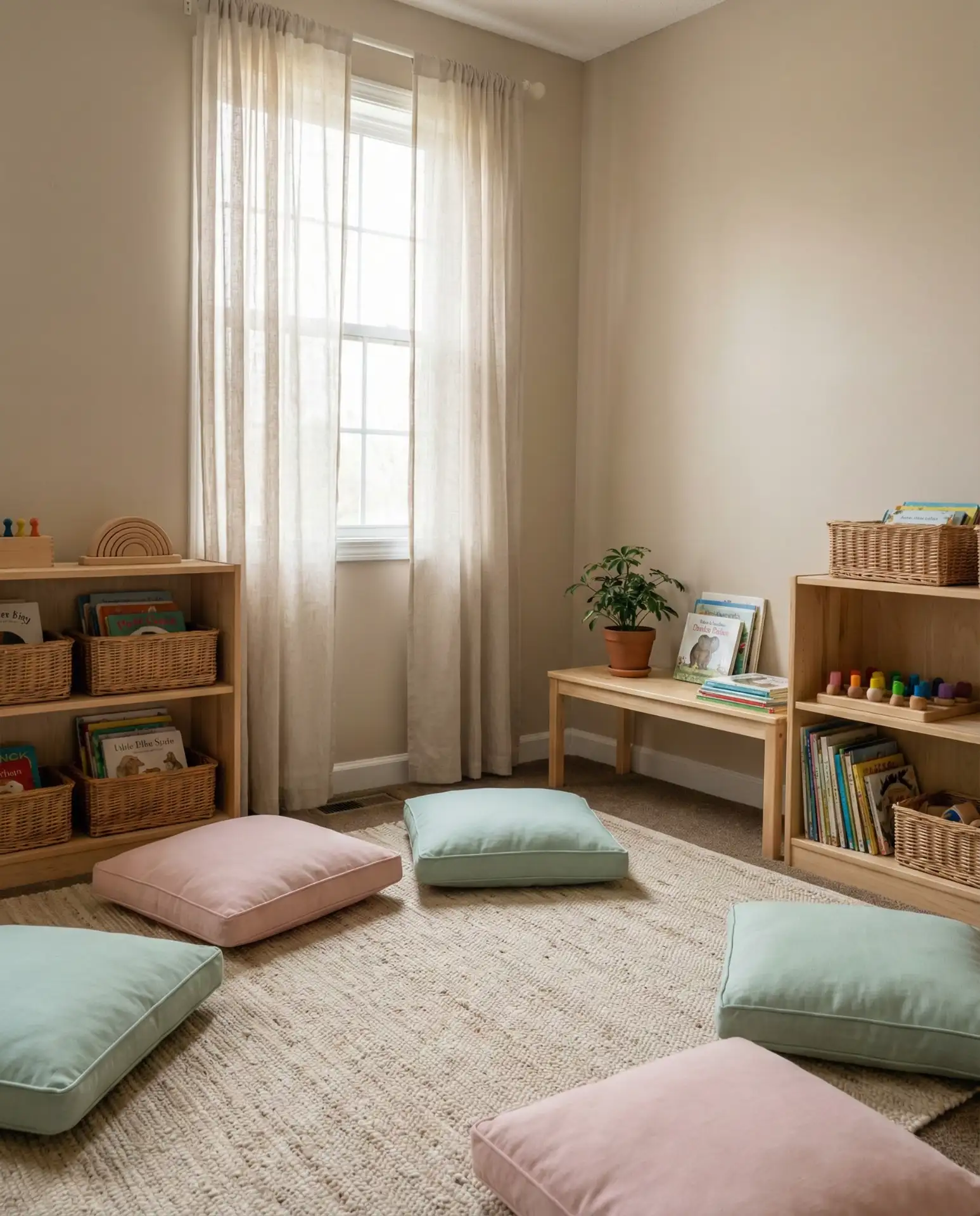
This works best in rooms with good natural light, where the neutrals won’t read as drab. One teacher in suburban Ohio mentioned that switching from primary colors to this palette cut down on visual overstimulation complaints from students with sensory sensitivities. The key is keeping the pastels to about 20% of the visual field—enough to add warmth without overwhelming. It’s also budget-friendly since you can repurpose existing furniture and just swap out fabric elements over summer break.
2. Vintage Library Card Catalog as Storage
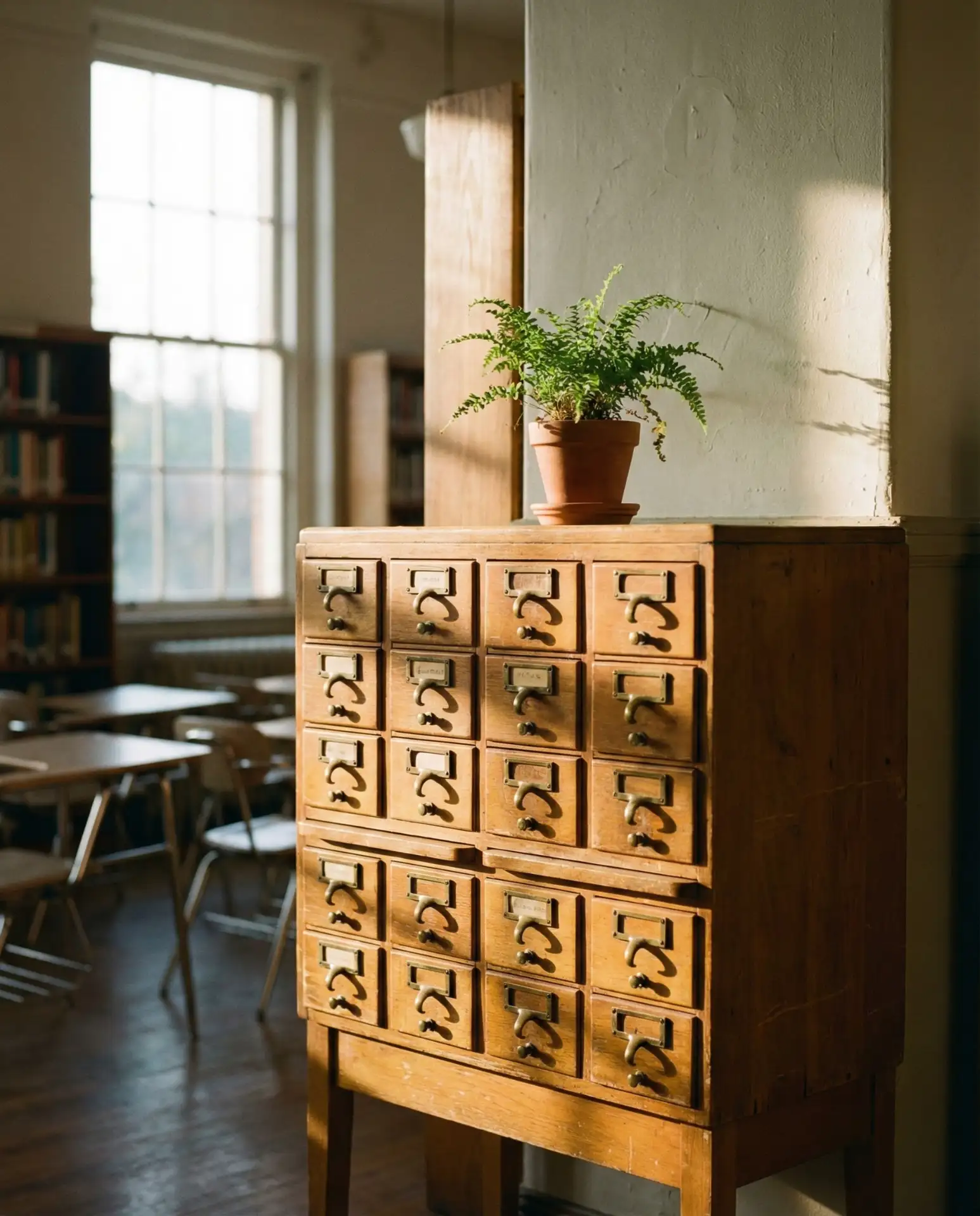
Old library card catalogs are showing up in classrooms as multi-drawer storage for art supplies, math manipulatives, and small toys. The vintage appeal is part of a broader nostalgia trend that teachers are embracing, especially those who want their rooms to feel less like a chain store and more like a collected space. These pieces are surprisingly affordable at estate sales and online marketplaces, and they bring an analog warmth that plastic bins simply can’t match. Each drawer can be labeled with a different student job or material type.
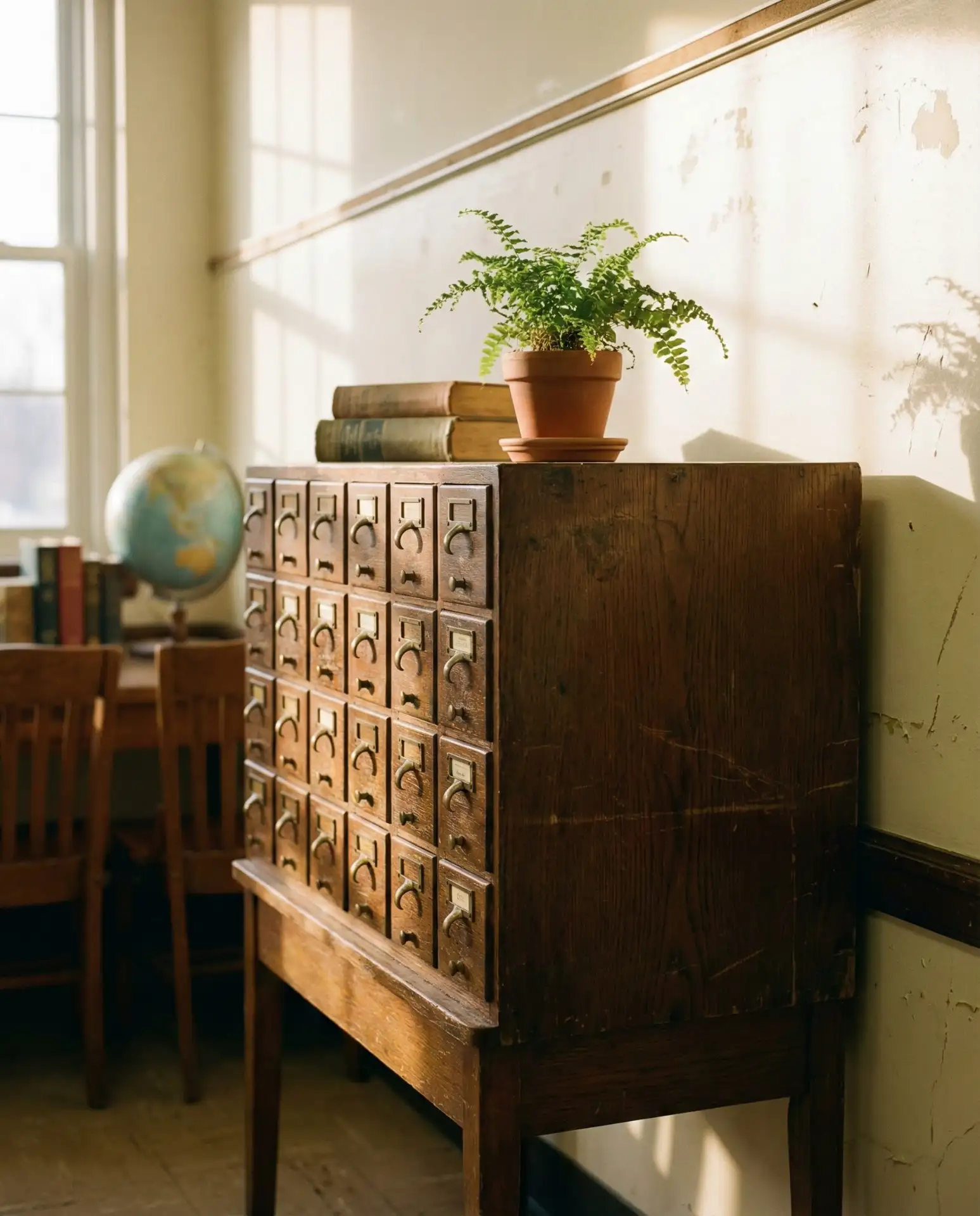
Teachers in Portland and Brooklyn have been leading this trend, often pairing the catalog with other reclaimed wood furniture. The practical benefit is real: dozens of small drawers mean students can access materials independently without digging through large bins. A common mistake is overloading the drawers—these pieces weren’t built for heavy items, so stick to lightweight supplies. The wood also requires occasional conditioning to prevent drying out in climate-controlled classrooms.
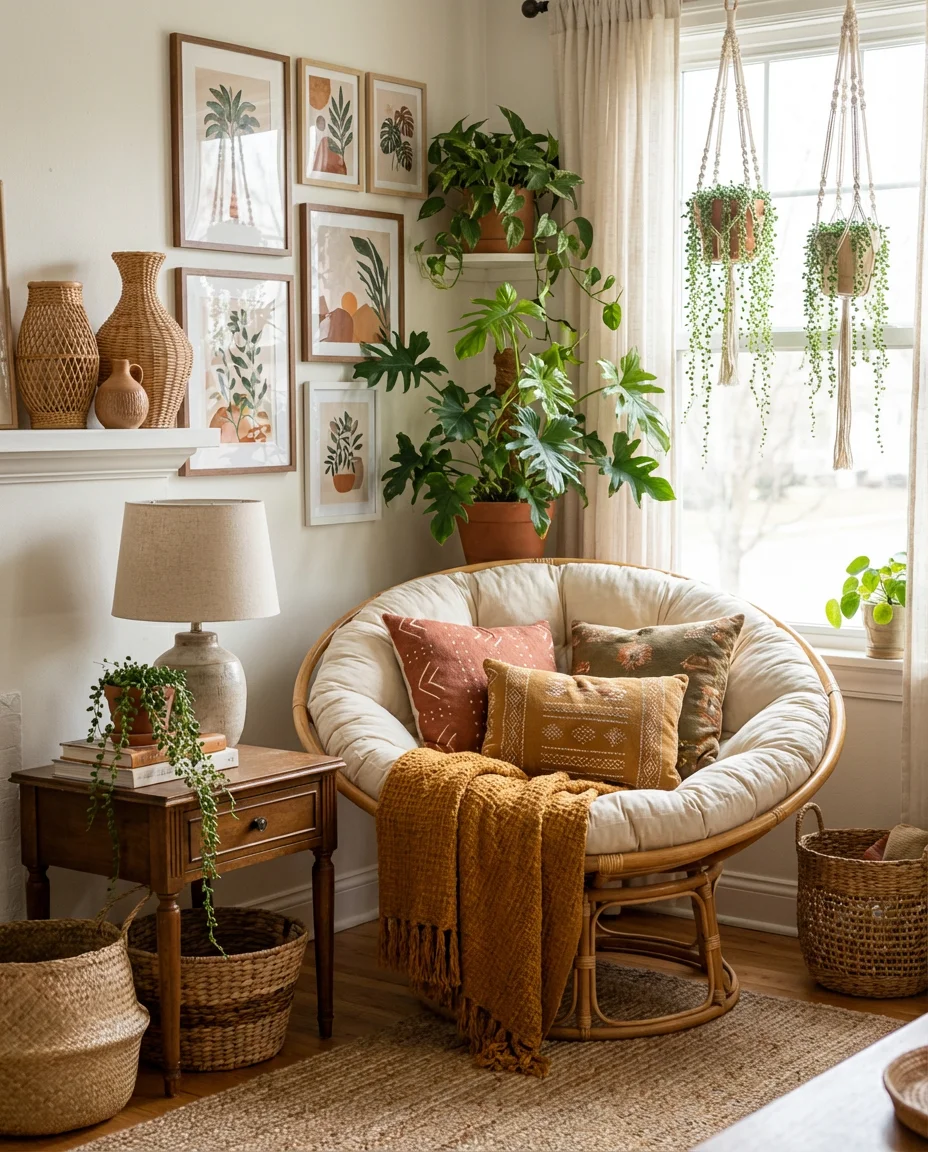
3. Boho Reading Nook with Floor Cushions
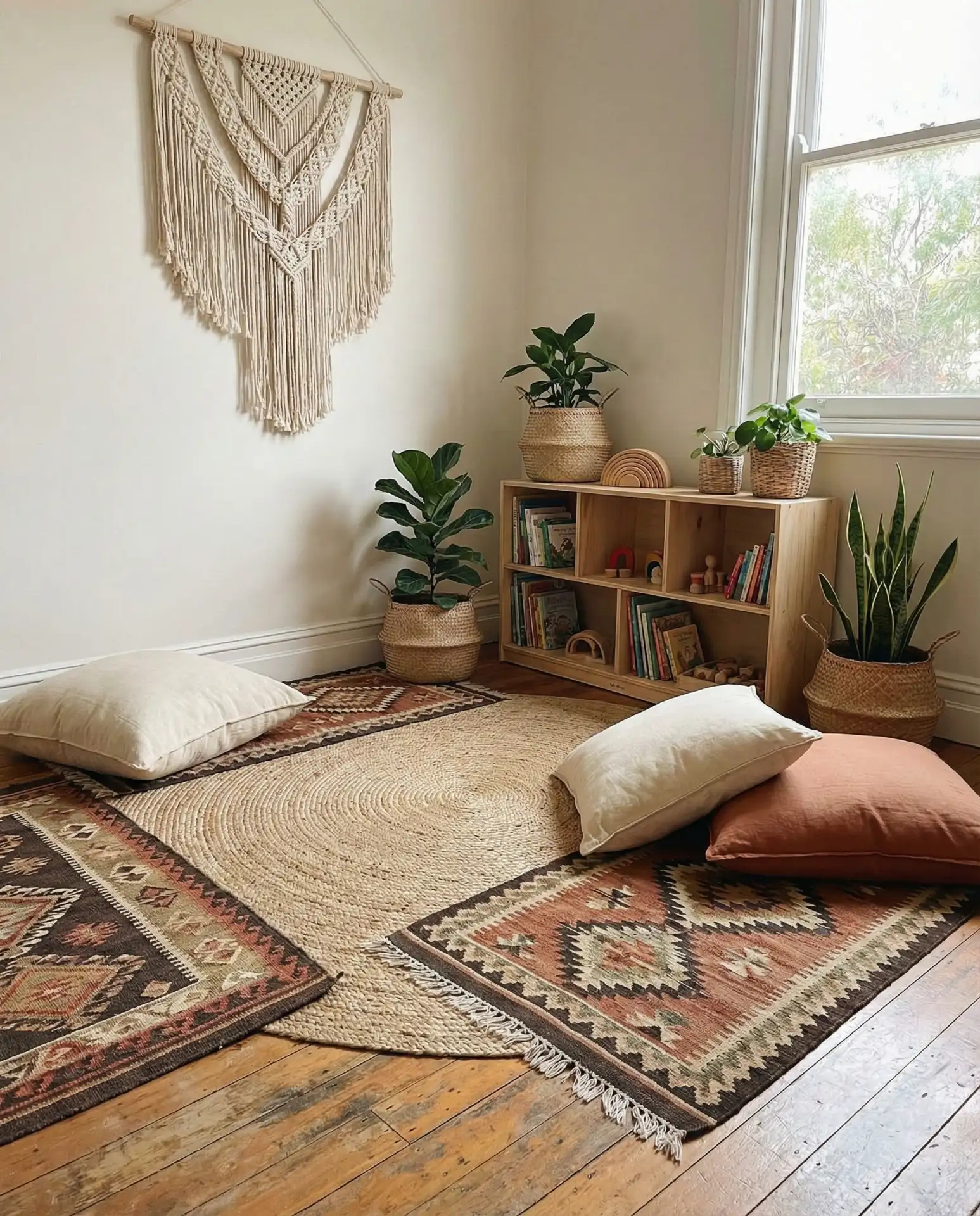
The boho classroom corner has become a Pinterest favorite for good reason: it signals comfort and choice. Think layered rugs, oversized floor pillows in earth tones, and a low bookshelf within arm’s reach. This setup works particularly well in 1st grade rooms where kids are transitioning from sitting on the floor constantly to using chairs more often. The mix of textures—macramé, woven baskets, soft cottons—creates a tactile inspiration that encourages lingering with a book.

This style thrives in classrooms with a dedicated corner that doesn’t see heavy foot traffic. Teachers report that students are more likely to choose independent reading time when the space feels genuinely inviting rather than utilitarian. Budget-wise, thrift stores and discount home goods chains have made boho textiles accessible—you can outfit a nook for under $150 if you’re strategic. Just make sure all fabrics are washable, because spills happen weekly in elementary settings.
4. Growth Mindset Affirmation Wall in Warm Tones
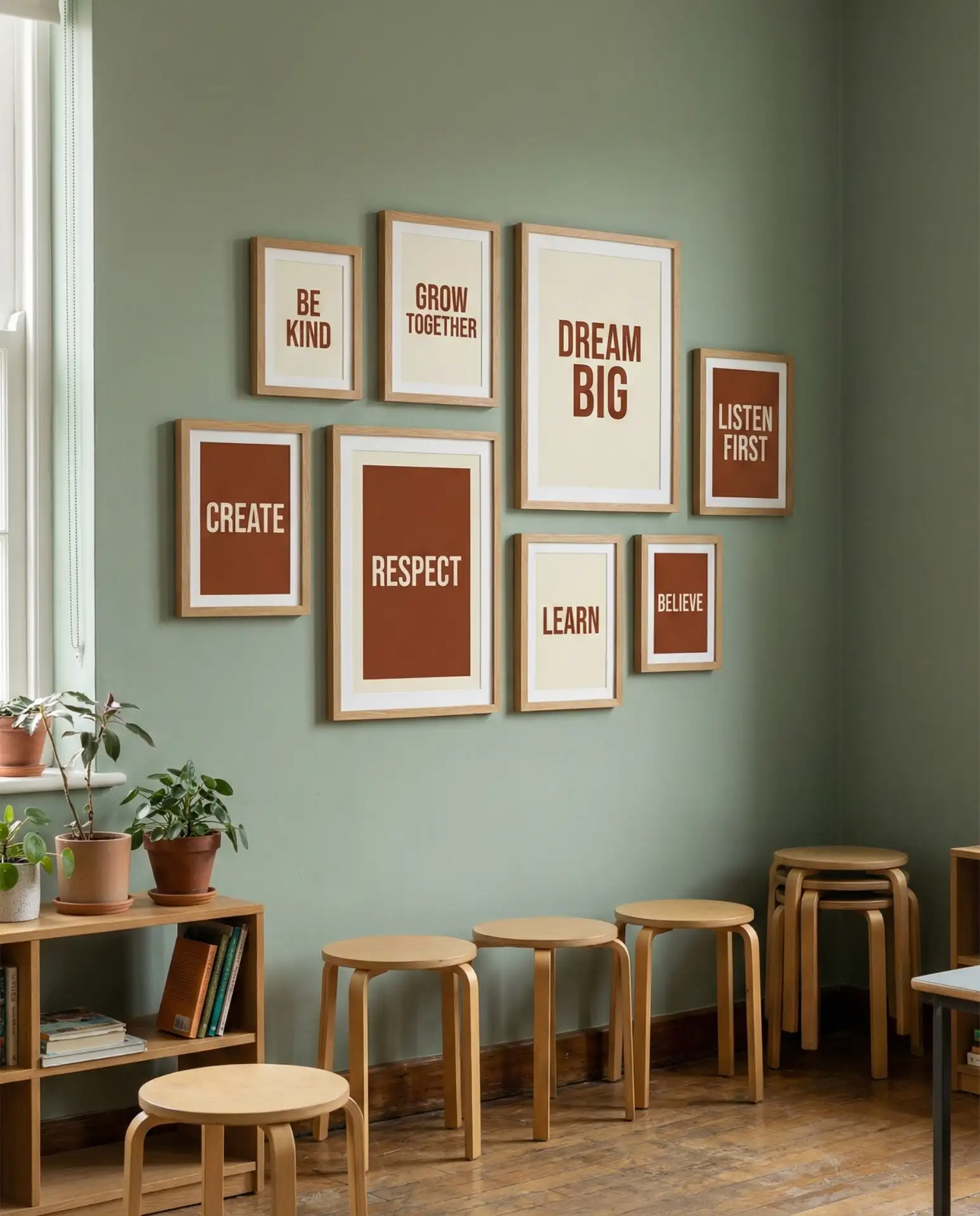
Instead of the bright poster-board look, 2026 classrooms are featuring affirmations in muted colorful frames against warm ochre or sage green accent walls. The shift is toward simple typography and fewer words per poster—”I can learn hard things” instead of a paragraph. This approach feels more grown-up, which resonates especially in upper elementary where students are starting to resist anything that feels babyish. The frames themselves become part of the decor rather than afterthoughts.
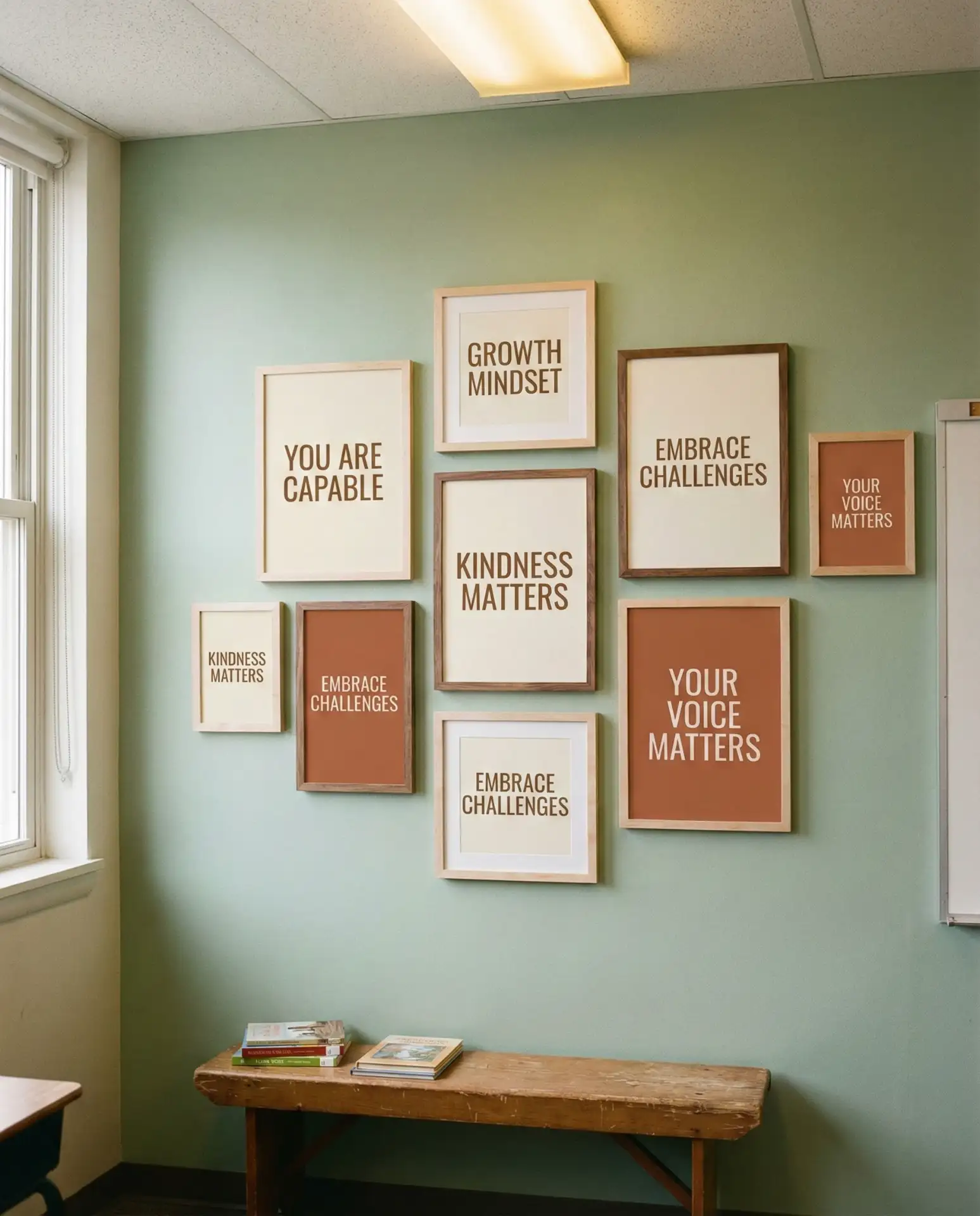
Many teachers in the Midwest and South have adopted this because it feels less coastal-trendy and more universally appealing. The expert move is to involve students in choosing which affirmations to display, rotating them seasonally. This keeps the wall from becoming visual wallpaper that kids stop noticing. Printing at home on cardstock and using budget frames from discount stores keeps costs under $50 for a wall of eight to ten pieces.
5. Western-Inspired Classroom Library

The western trend in home decor has crossed over into classrooms, particularly in states like Texas, Arizona, and Montana where the style feels locally rooted. Picture a reading area with a cowhide rug, rope accents, leather poufs, and book bins made from reclaimed barn wood. The palette sticks to tan, cream, and deep brown with occasional pops of rust. It’s a masculine-leaning aesthetic that appeals to students who might otherwise avoid the reading corner if it skews too soft or pastel.
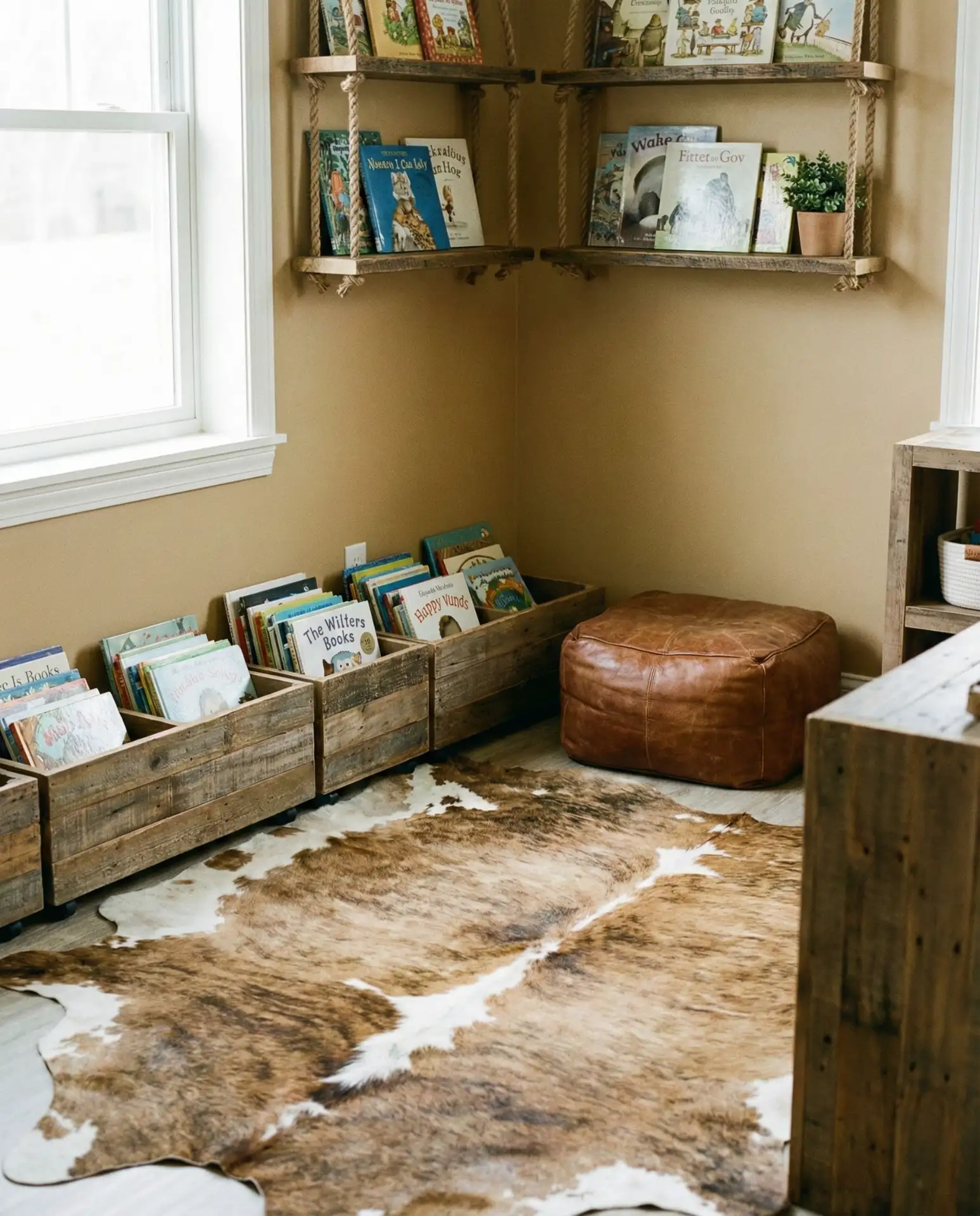
Where this works best is in classrooms that already have wood or neutral-toned furniture, making the western elements feel integrated rather than costume-like. A teacher in rural Texas shared that parents donated old horseshoes and rope for decorative touches, which added authenticity without cost. The main pitfall is overdoing the theme to the point it feels like a movie set—subtlety keeps it sophisticated.
6. Rainbow Organization System That Stays Tidy
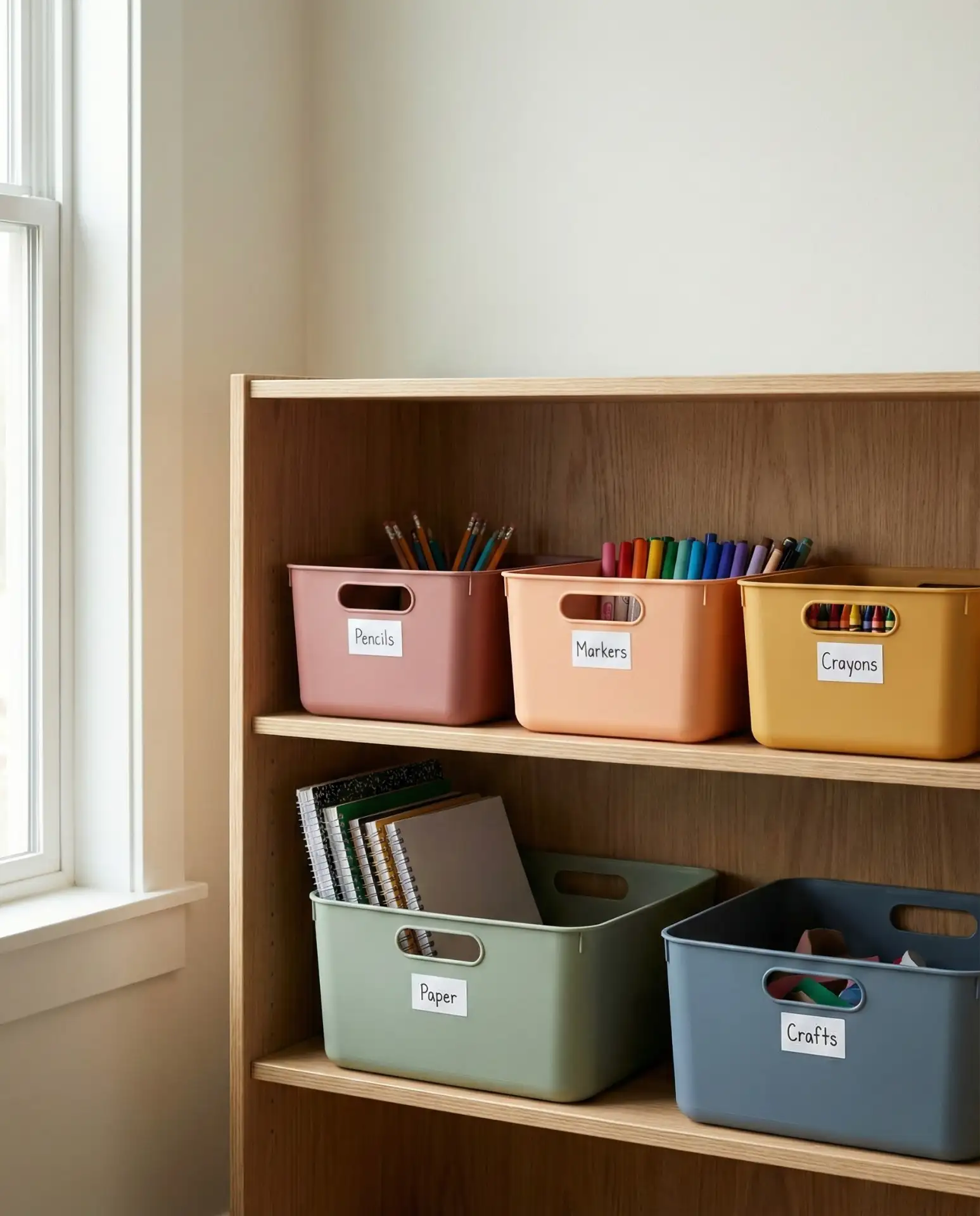
The rainbow system isn’t new, but the 2026 version is more refined. Instead of chaotic primary brights, teachers are using graduated shades—dusty rose to peach to goldenrod to sage to slate blue—for bins, folders, and student cubbies. This keeps the colorful coding that helps kids navigate the room while avoiding the carnival atmosphere. Each color represents a subject or station, and the consistency helps students internalize routines faster.
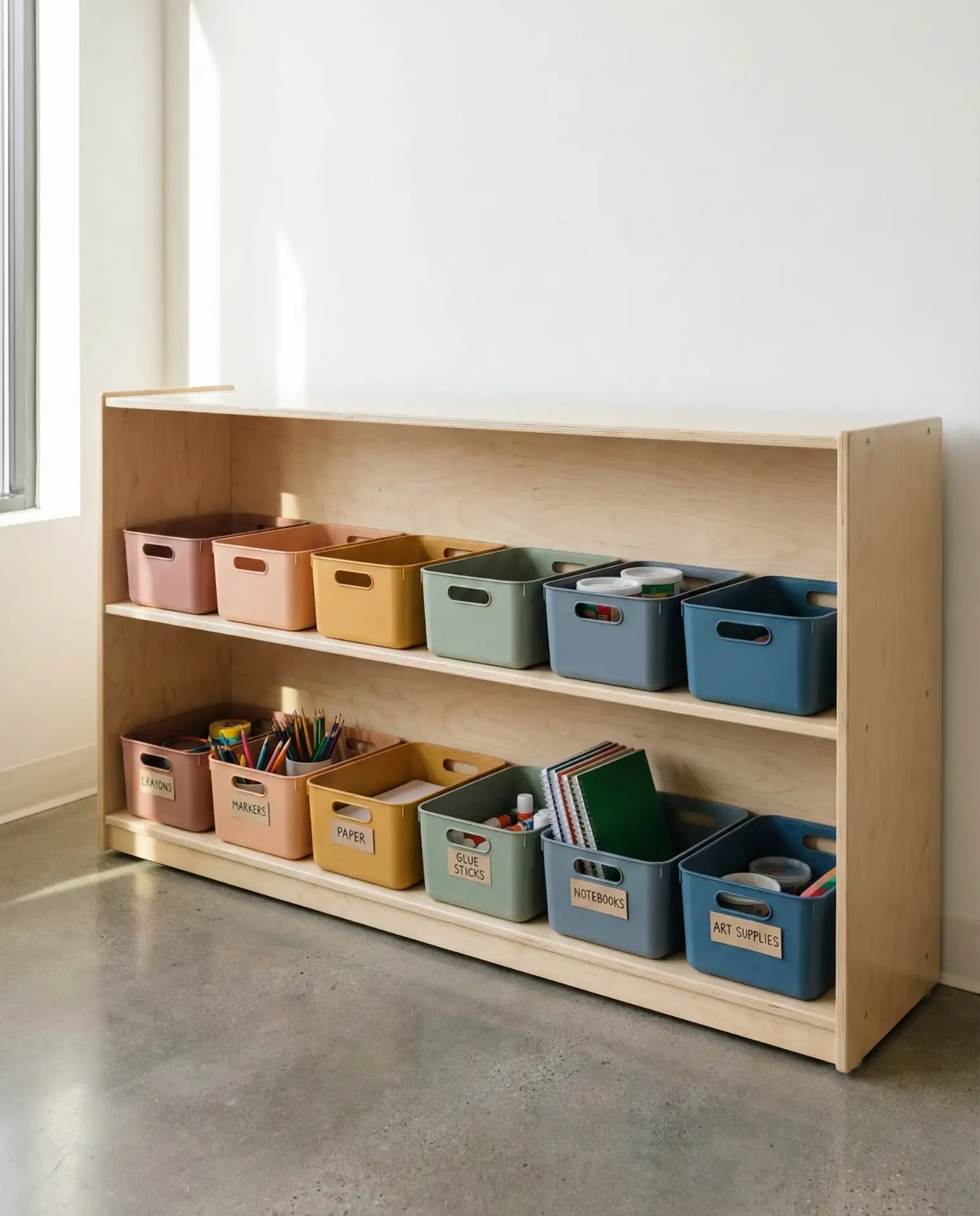
This organizational method is most effective in classrooms with at least five distinct learning stations or subject areas. Teachers report that the muted rainbow actually reduces behavioral issues compared to bright primaries, likely because it’s easier on the eyes during long days. The price point varies—Target and Dollar Tree both carry suitable bins, but investing in sturdy options from education supply companies pays off if you plan to use them for multiple years. Labeling is crucial: combine the color with a word or symbol so colorblind students aren’t excluded.
7. Early 2000s Tech Corner with Y2K Accents
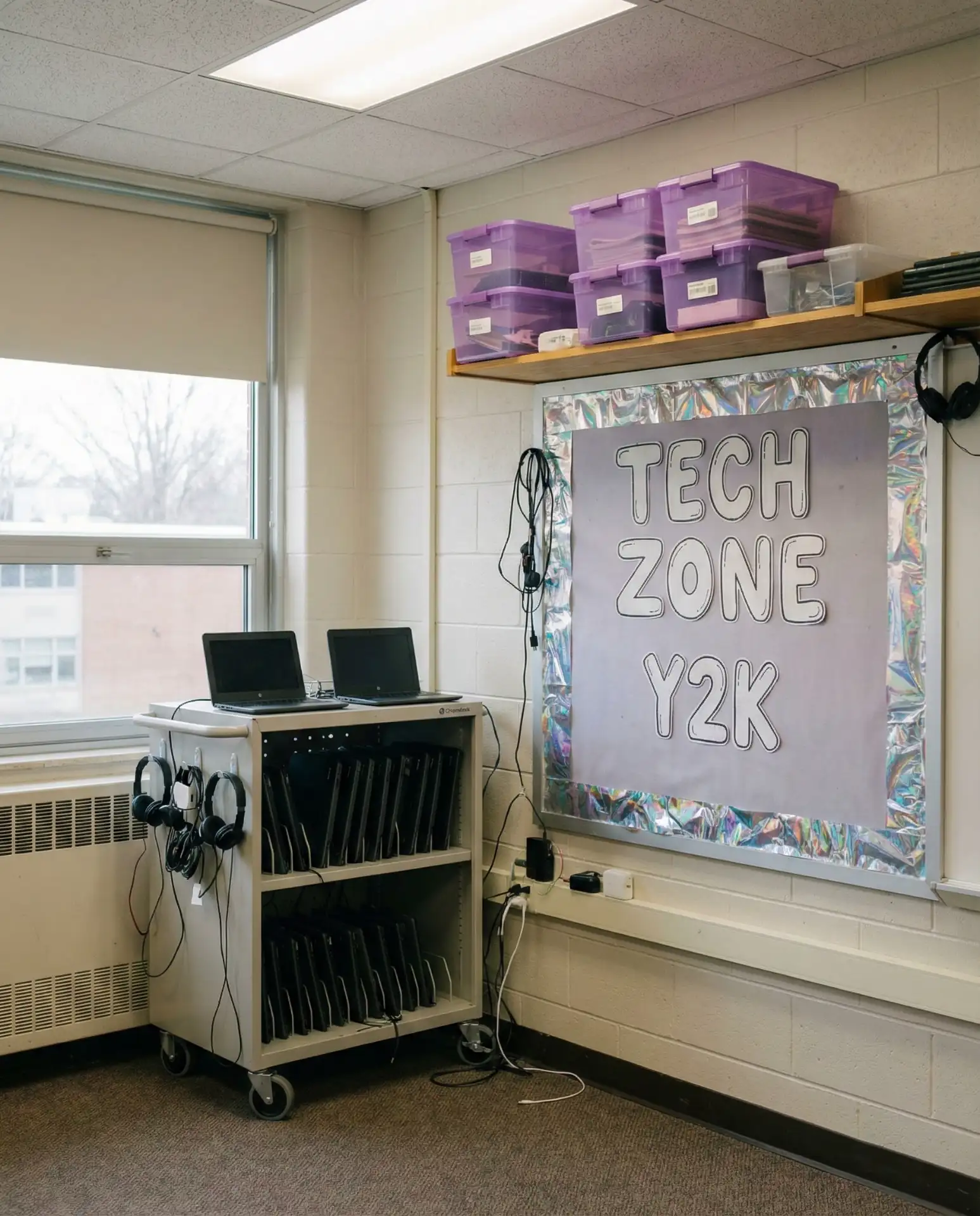
There’s a playful early 2000s revival happening in elementary classrooms, especially around technology stations. Think iridescent finishes, translucent purple organizers, and bubble-letter fonts on the computer sign-in sheet. It’s nostalgia for millennial teachers who grew up in that era and a fresh, retro-fun look for students who’ve never seen it. The key is restraint—one accent wall or corner, not an entire room, keeps it from feeling gimmicky.
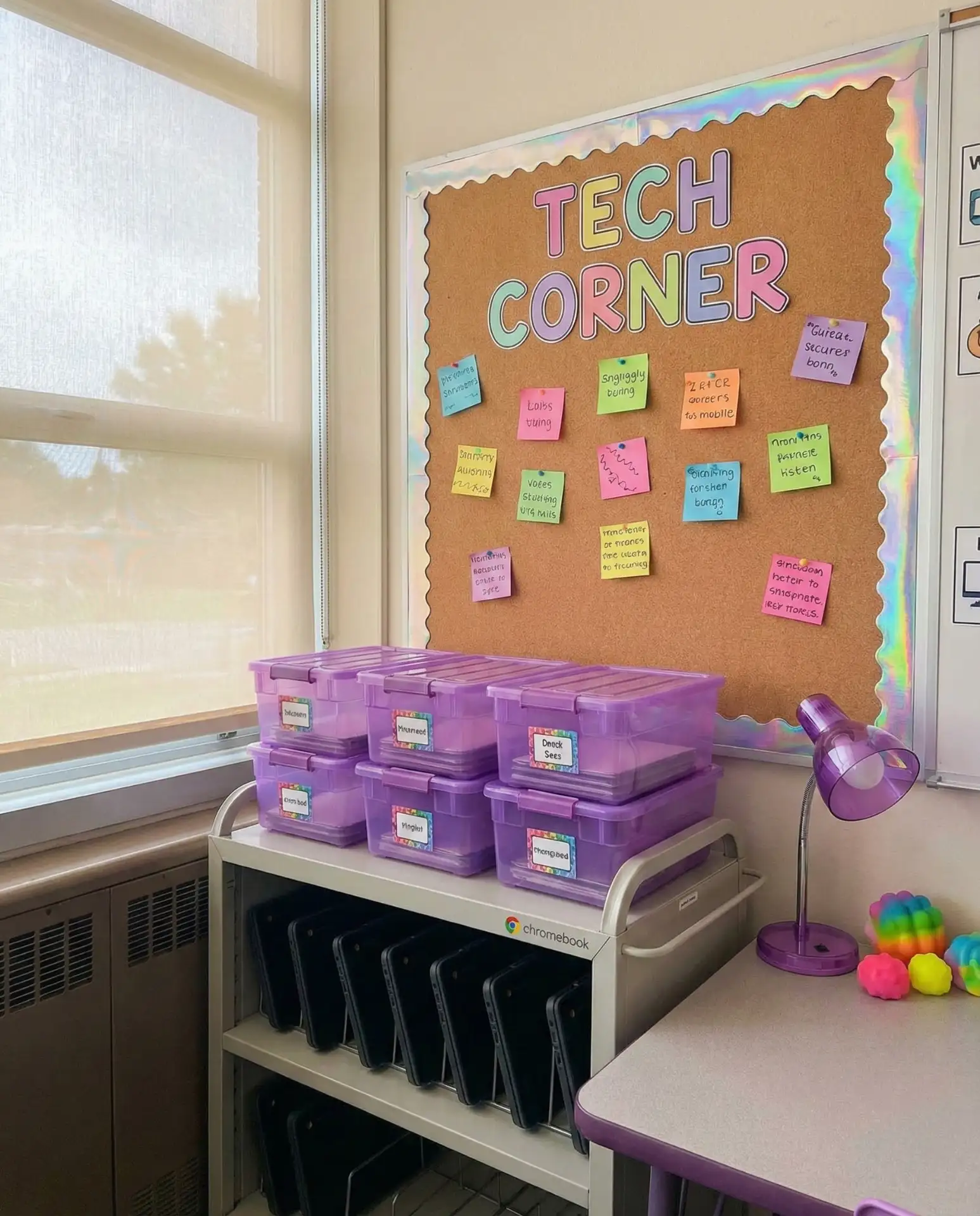
This trend is most popular in urban and suburban districts where teachers have flexibility in decor choices. One California teacher mentioned that students asked to help design the space after seeing the iridescent paper, which became a mini art project. Common mistake: going too literal with old technology imagery—actual flip phones and boxy monitors confuse kids rather than delight them. Stick to color palette and shape language instead.
8. Christian-Themed Prayer Corner with Gentle Design
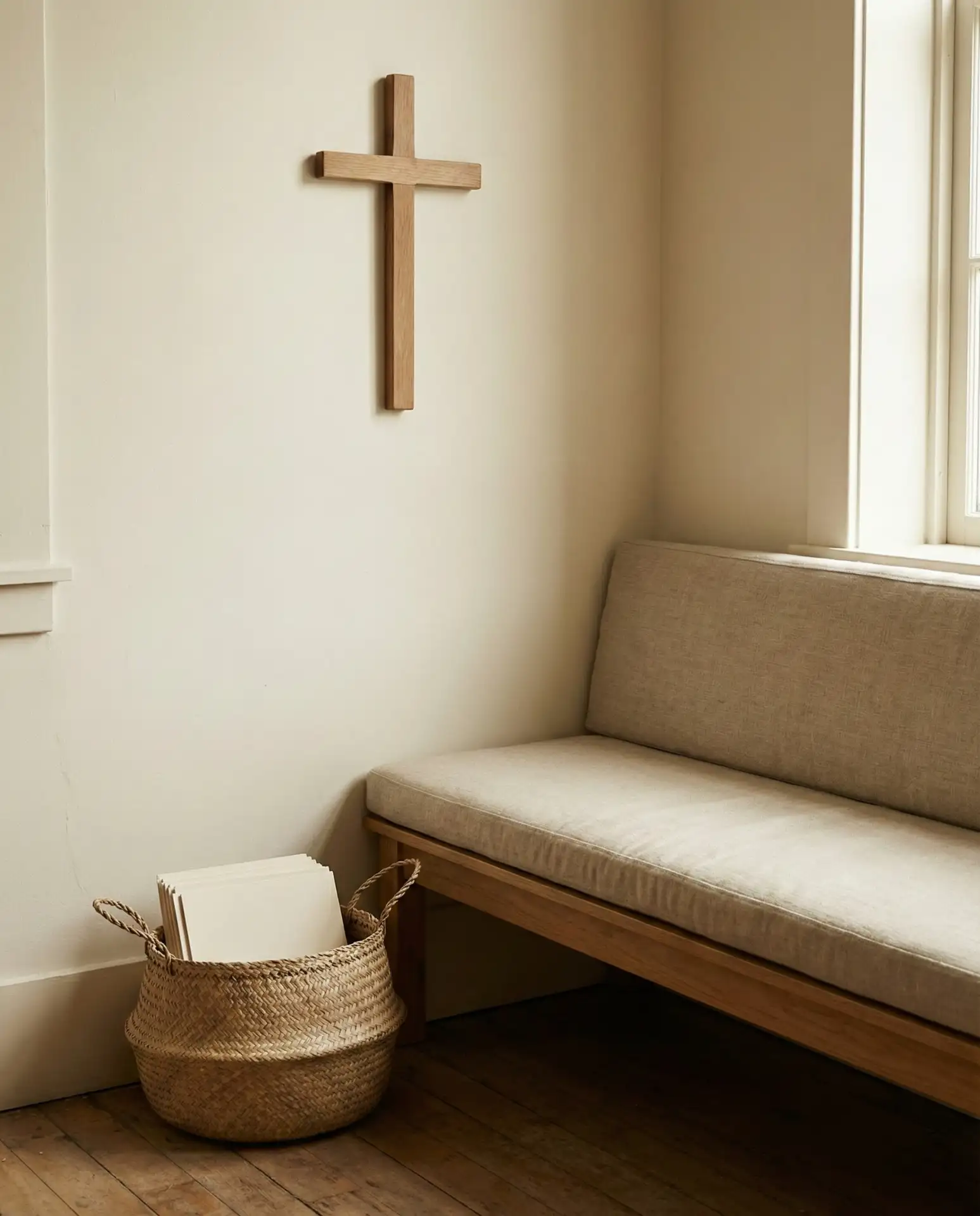
In private Christian schools, there’s been a move toward prayer corners that feel less overtly religious in imagery and more meditative in tone. Soft lighting, a simple wooden cross, a cushioned bench, and a basket of prayer cards create a space that invites reflection without overwhelming younger students. The design often incorporates calm neutrals—cream, soft gray, natural wood—so the corner blends with the rest of the room rather than standing apart.
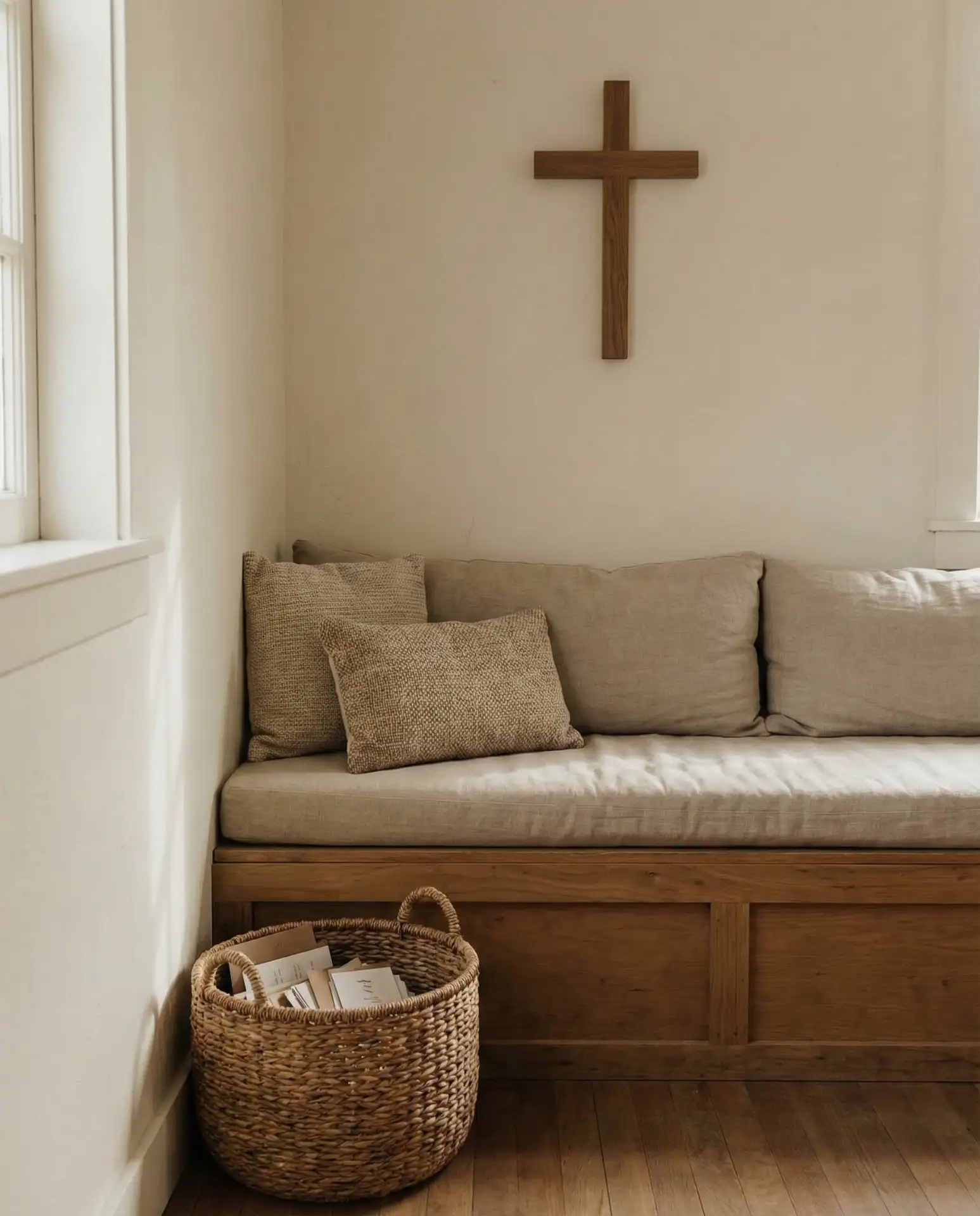
Teachers in faith-based schools across the South and Midwest have shared that this understated approach helps students of varying familiarity with Christianity feel comfortable using the space. It works best when positioned away from high-traffic areas, near a window if possible. The design avoids common pitfalls like overly ornate religious imagery that can feel intimidating to young children or visually chaotic in a small room.
9. Catholic Classroom with Saint Corner Display
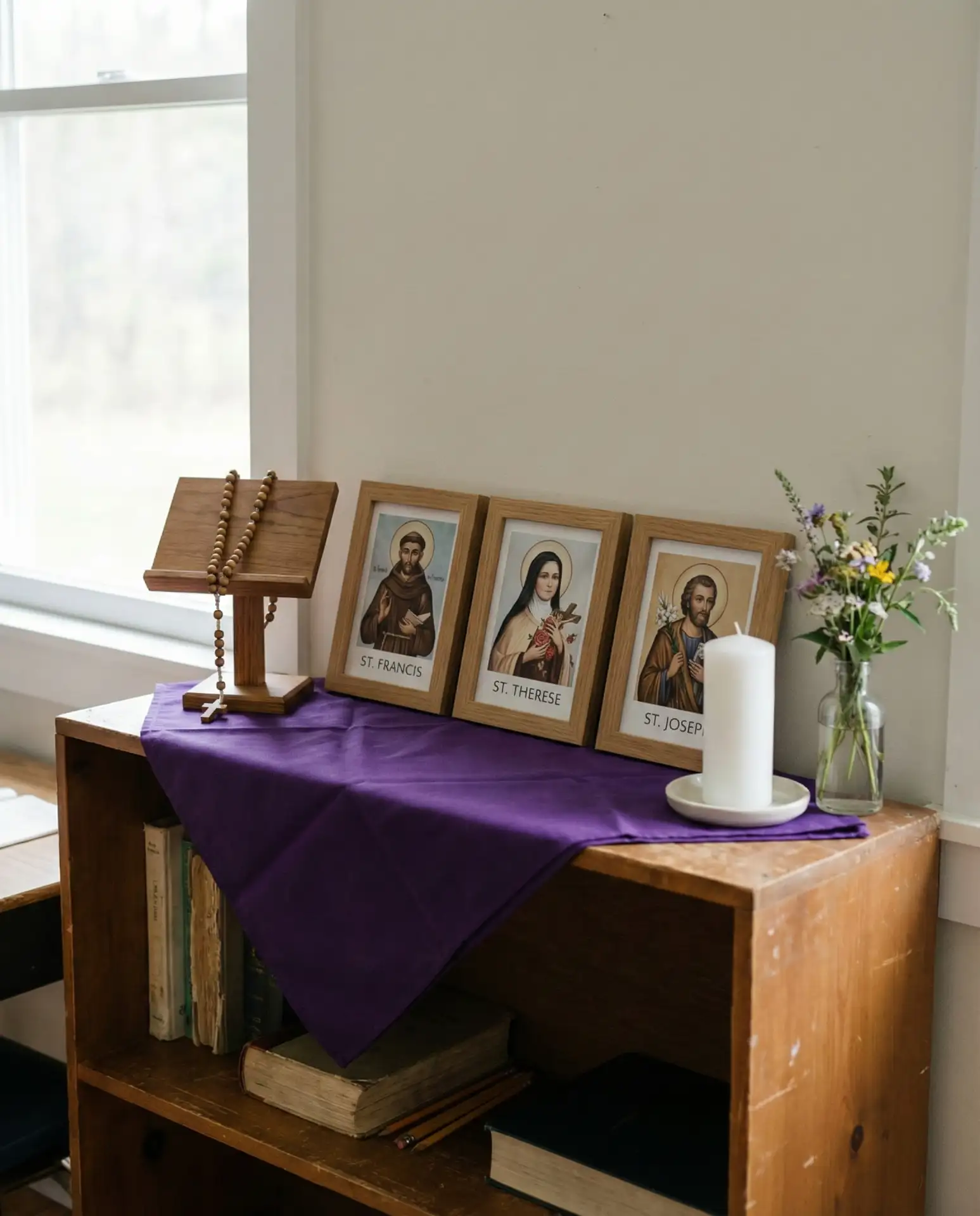
In Catholic elementary schools, the saint corner has evolved from a bulletin board collage to a curated shelf display. Small framed prints of saints, a rosary draped over a wooden stand, a battery-operated candle, and fresh flowers in a simple vase create a living shrine that changes with the liturgical calendar. The aesthetic borrows from modern home altars—less is more, and quality materials matter.
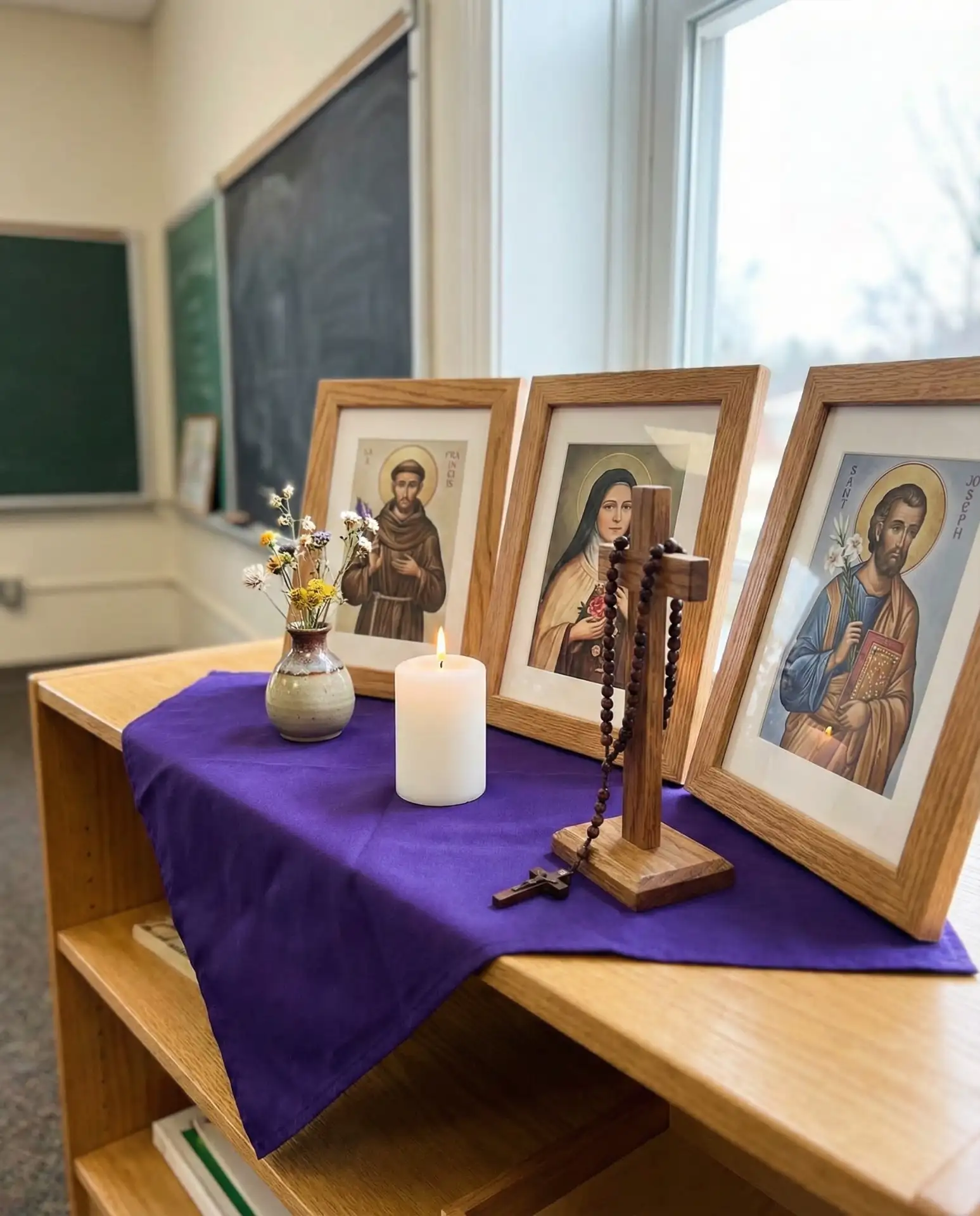
This setup is particularly effective in schools where faith formation is woven into daily routine rather than isolated to religion class. Teachers rotate the featured saint monthly, often tying it to classroom values or current events. One Massachusetts teacher noted that students began asking to add their own prayer intentions on small cards near the display, which fostered ownership. Keep it accessible but slightly elevated so it maintains a sense of reverence.
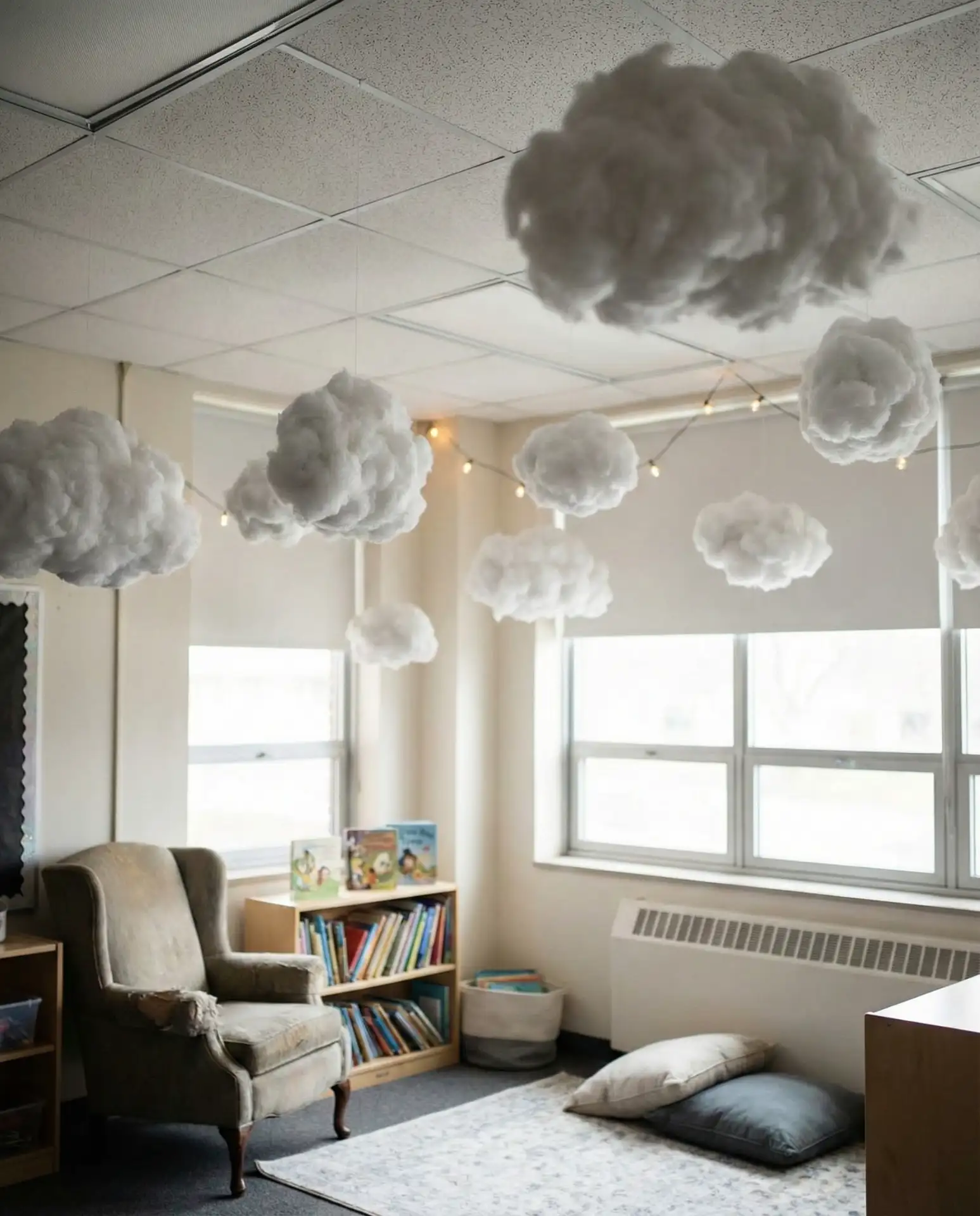
10. DIY Cloud Ceiling Installation
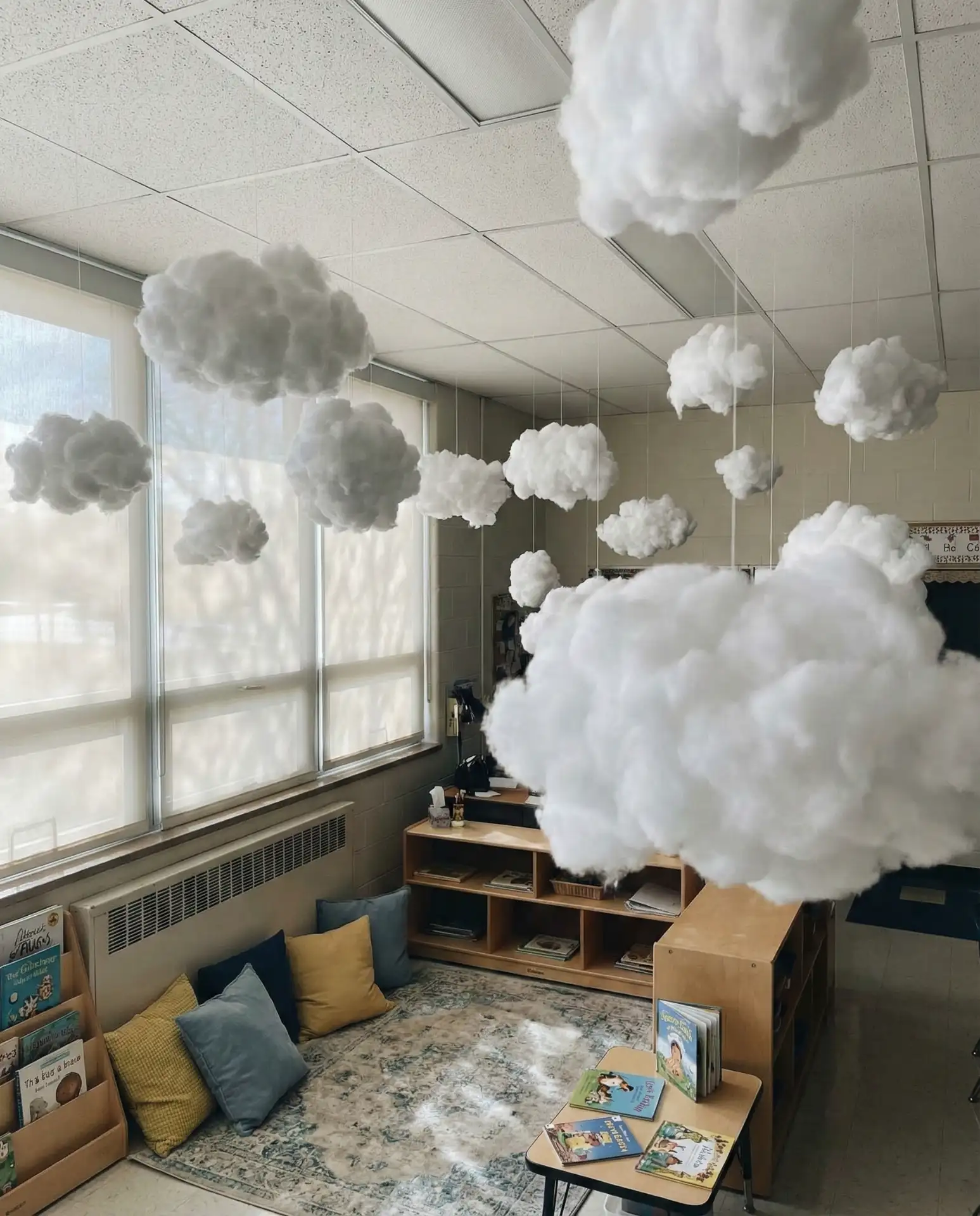
Suspended DIY clouds made from polyester batting or paper lanterns have become the ceiling treatment of choice for teachers wanting to add visual interest without permanent changes. They soften harsh fluorescent lighting and give the room an airy, imaginative quality. This works across grade levels but is especially charming in 1st grade where kids still love a bit of whimsy. The clouds are lightweight and attach with clear fishing line and small ceiling hooks.
Teachers across the country have reported this as a surprisingly low-cost project—materials run about $30 for a full classroom. The clouds also serve a functional purpose in rooms with harsh acoustics, absorbing some sound and making the space feel cozier. One common error is hanging them too low, which creates a claustrophobic effect; aim for at least six feet of clearance. They’re also removable, which matters in schools with strict decorating policies.
11. Themes for 3rd Grade That Feel Age-Appropriate
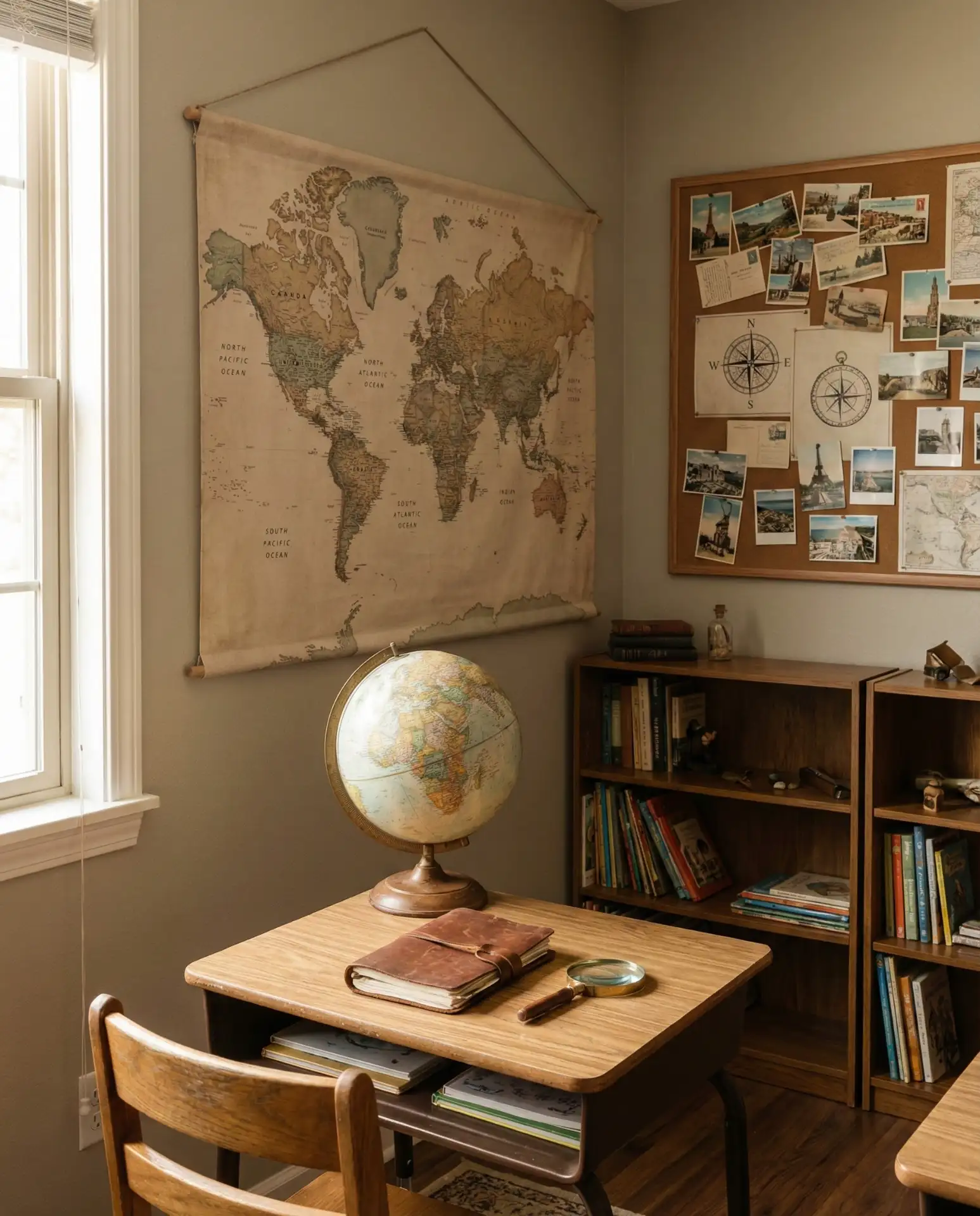
When designing themes 3rd grade students will respect, the sweet spot is adventure and exploration without cartoons. Think “Around the World” with vintage maps and passport stamps, or “Inventor’s Lab” with Edison bulbs and blueprint-style posters. These themes ideas offer visual cohesion without talking down to students who are beginning to see themselves as capable and independent. The decor leans toward real-world inspiration rather than fantasy.
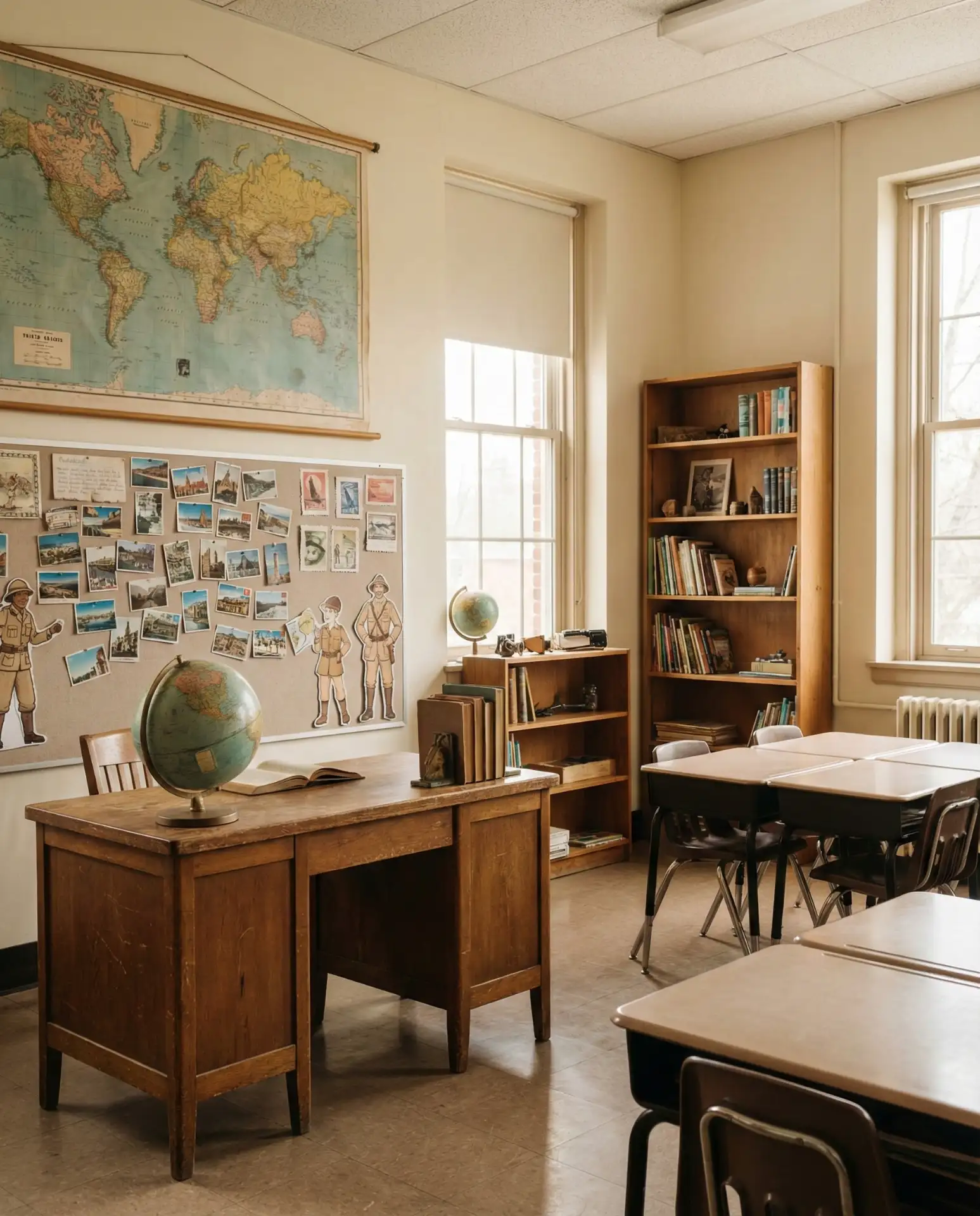
This approach resonates especially in suburban districts where parents and students expect a more polished classroom environment. Teachers find that third graders engage more deeply when the theme connects to curriculum—maps support geography, lab themes tie to science units. Budget considerations: most effective themes can be built with printables, thrift store finds, and donated items. Avoid the mistake of choosing themes that require expensive branded materials to pull off convincingly.
12. Calm Sensory Corner with Weighted Lap Pads
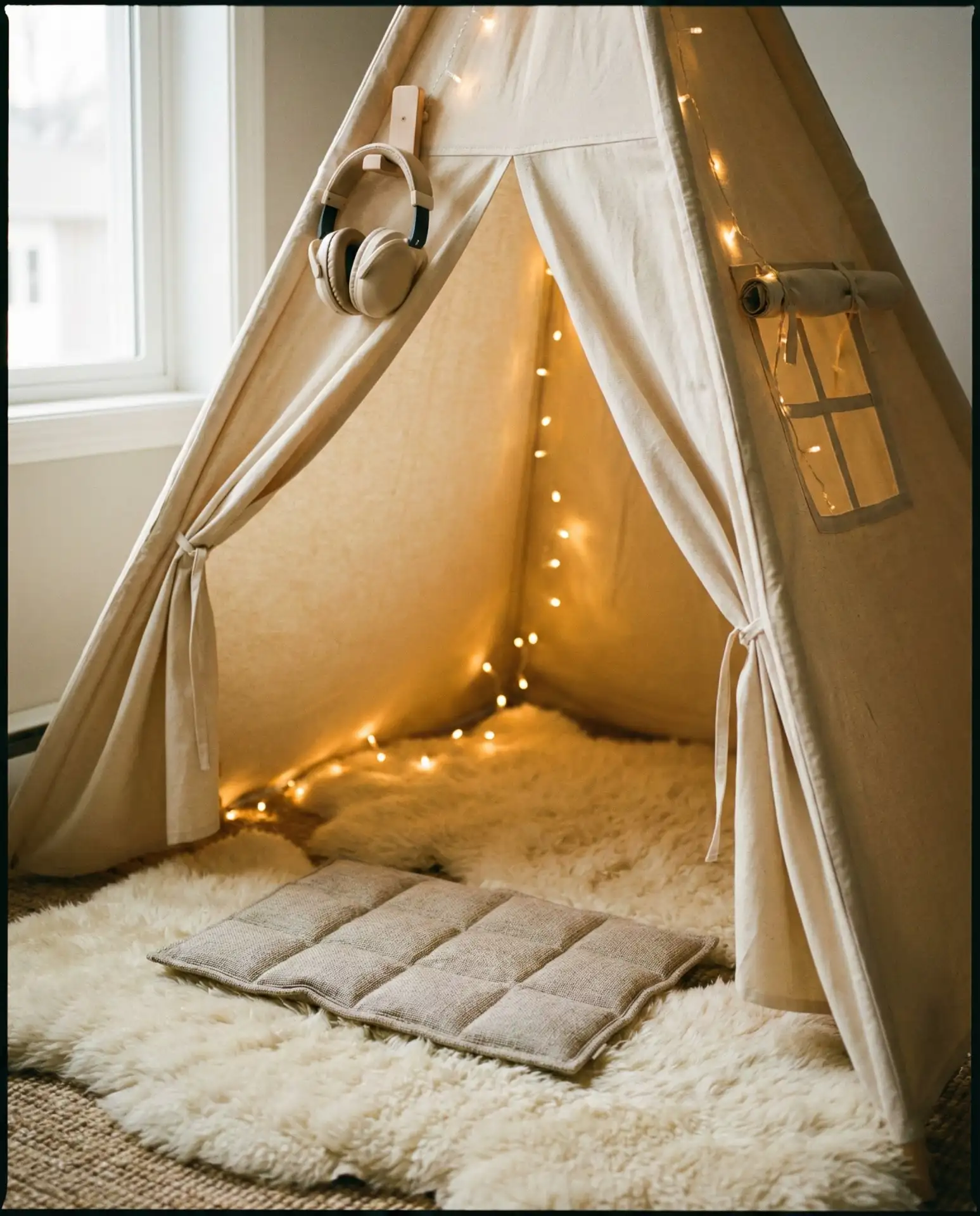
The calm corner is no longer an afterthought but a designed element in forward-thinking classrooms. A low tent or canopy, soft lighting, noise-canceling headphones, and weighted lap pads give students a place to regulate emotions. The 2026 version uses natural materials—cotton canvas, wooden frame, sheepskin rug—to create a retreat that feels intentional rather than punitive. This setup acknowledges that all students, not just those with diagnosed needs, benefit from sensory breaks.
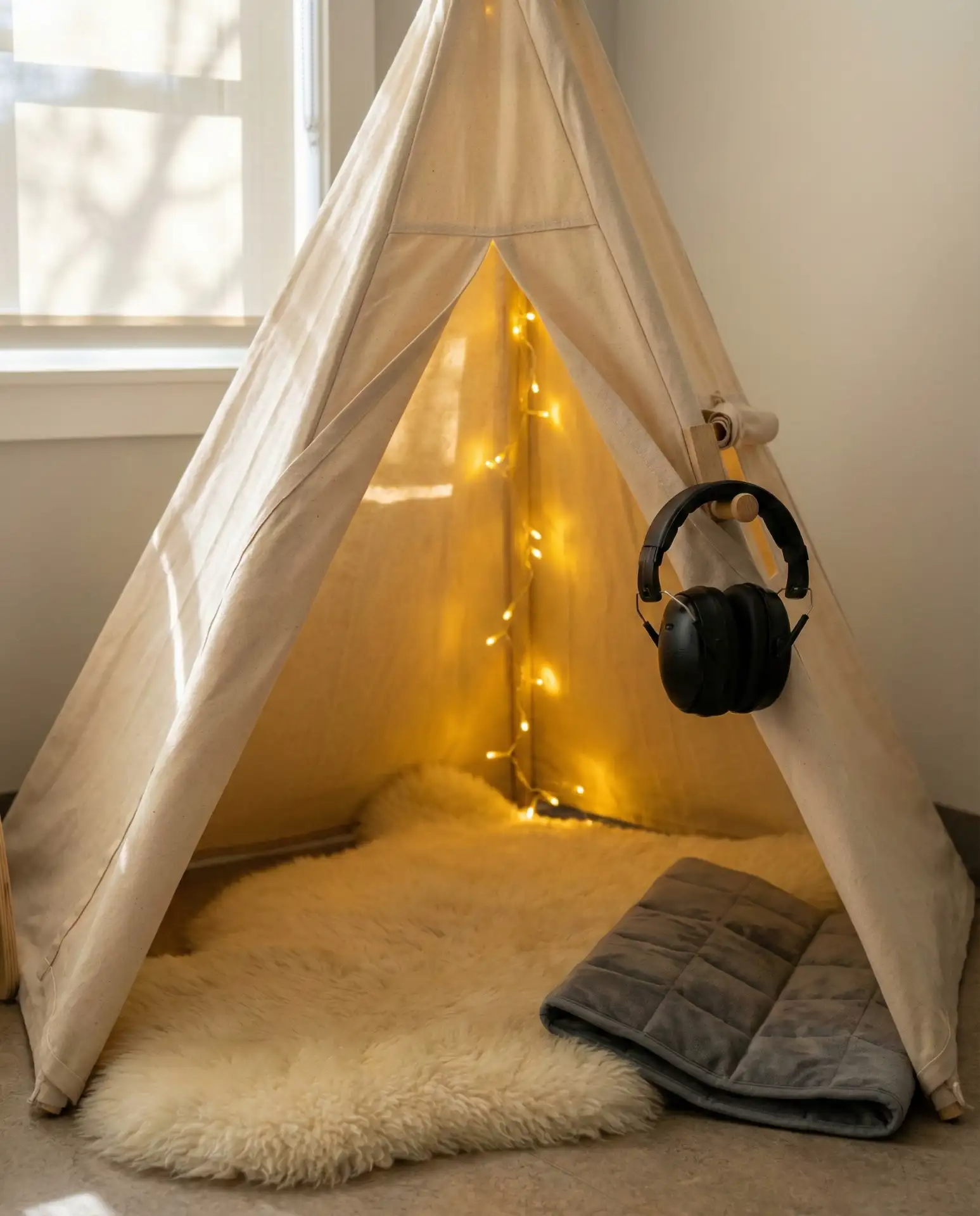
Occupational therapists have noted that classrooms with designated calm spaces see fewer escalations, particularly in the hour before lunch and after recess. Where it works best is in a corner that’s visible to the teacher but slightly removed from group areas. The weighted pads can be made affordably—tutorials online show how to sew them for under $15 each. Avoid turning this into a punishment zone by establishing it early in the year as a positive choice available to everyone.
13. Upper Elementary Lounge-Style Seating
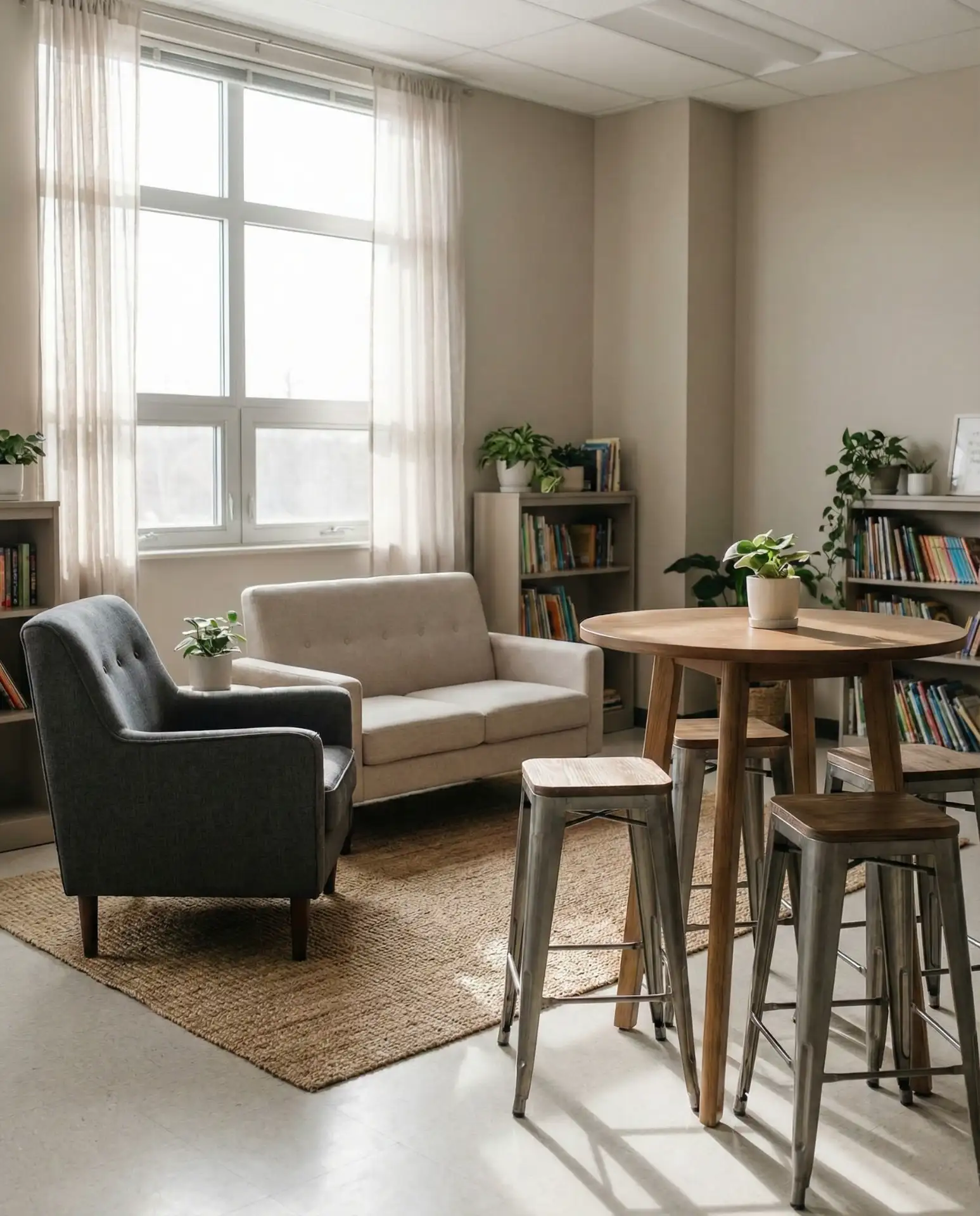
For older students in fourth and fifth grade, traditional desk rows are giving way to lounge-inspired setups with armchairs, small sofas, and café tables. This mirrors the flexible seating movement but with a more mature design vocabulary. The furniture often comes from office liquidation sales or home goods stores, chosen for durability and a cohesive neutral palette. Students appreciate being treated like emerging adolescents rather than little kids.
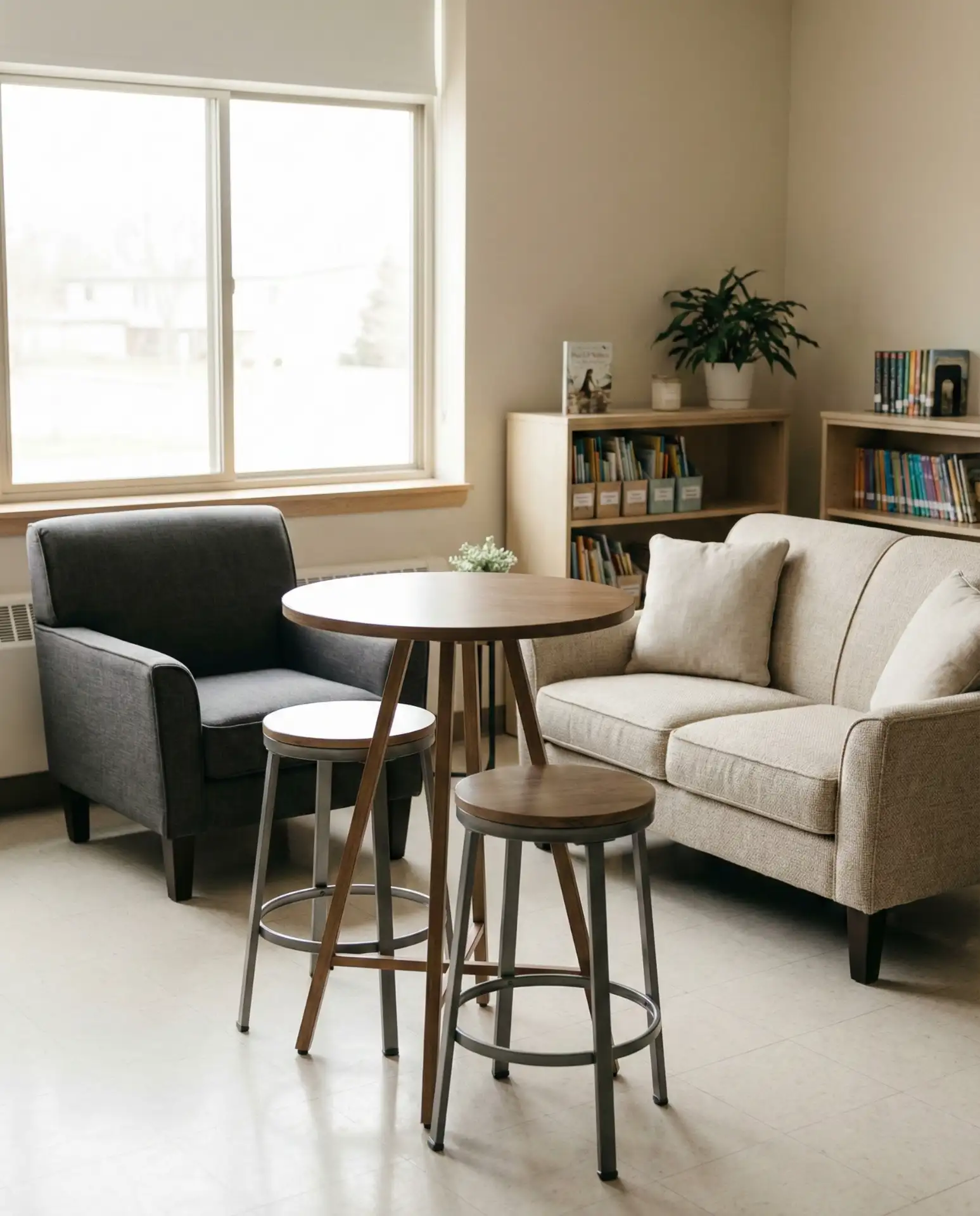
Teachers in progressive districts have been early adopters, finding that behavior improves when students feel respected through their environment. The furniture costs vary widely—some teachers spend $500, others score everything used for under $150. Real homeowner behavior applies here: students will gravitate toward the comfiest spots, so rotate assigned seating or create a fair sign-up system. Make sure all pieces are cleanable and avoid anything too plush that won’t hold up to daily use.
14. Christmas Decor That Stays Classy
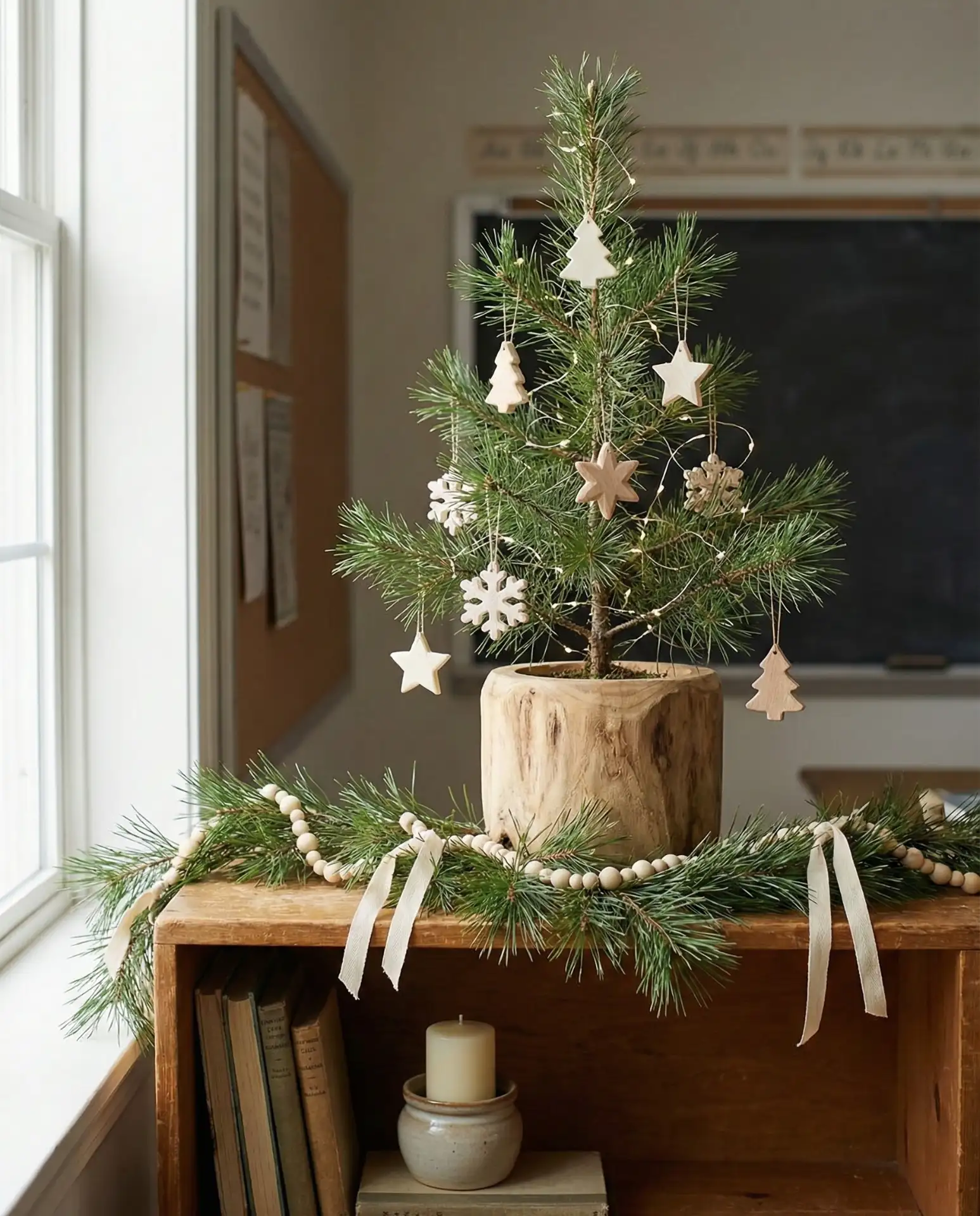
When December arrives, classrooms are moving away from Santa cutouts toward Christmas decor that feels elegant. Think a small tabletop tree with white lights and simple wooden ornaments, garland made from fresh greenery and pinecones, and a color scheme of forest green, cream, and natural wood. This approach respects the season without overwhelming the learning environment or alienating families who don’t celebrate. It’s festive but not frenetic.
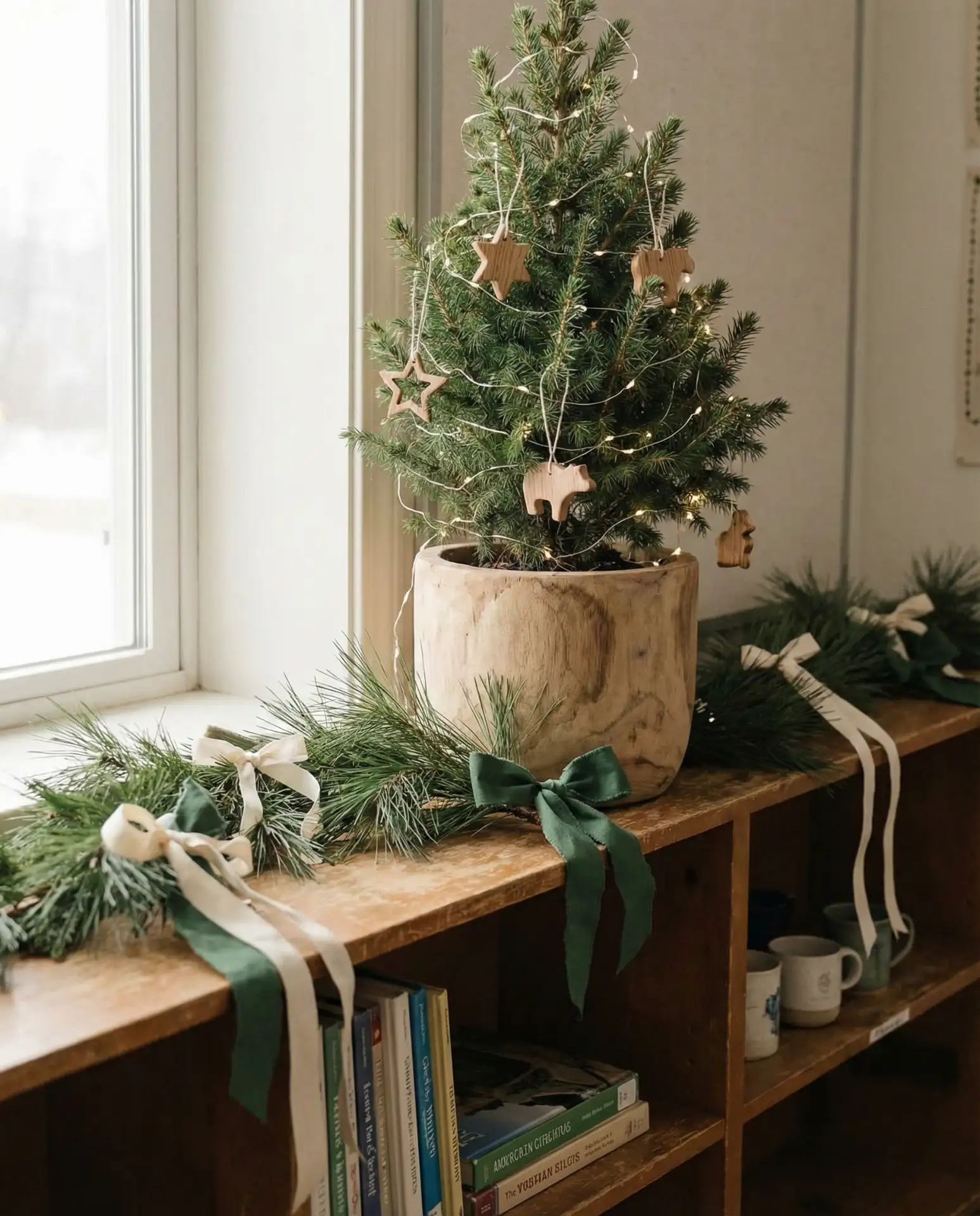
This refined take works well in schools with diverse populations where inclusive celebrations are important. Teachers often pair the visual decor with literature and activities that explore various winter traditions. Practical insight: investing in quality faux greenery pays off over multiple years, while DIY wooden ornaments can be a student art project. The common mistake is adding too much—resist the urge to cover every surface, and the impact will be stronger.
15. Themes Ideas Centered on Nature Exploration
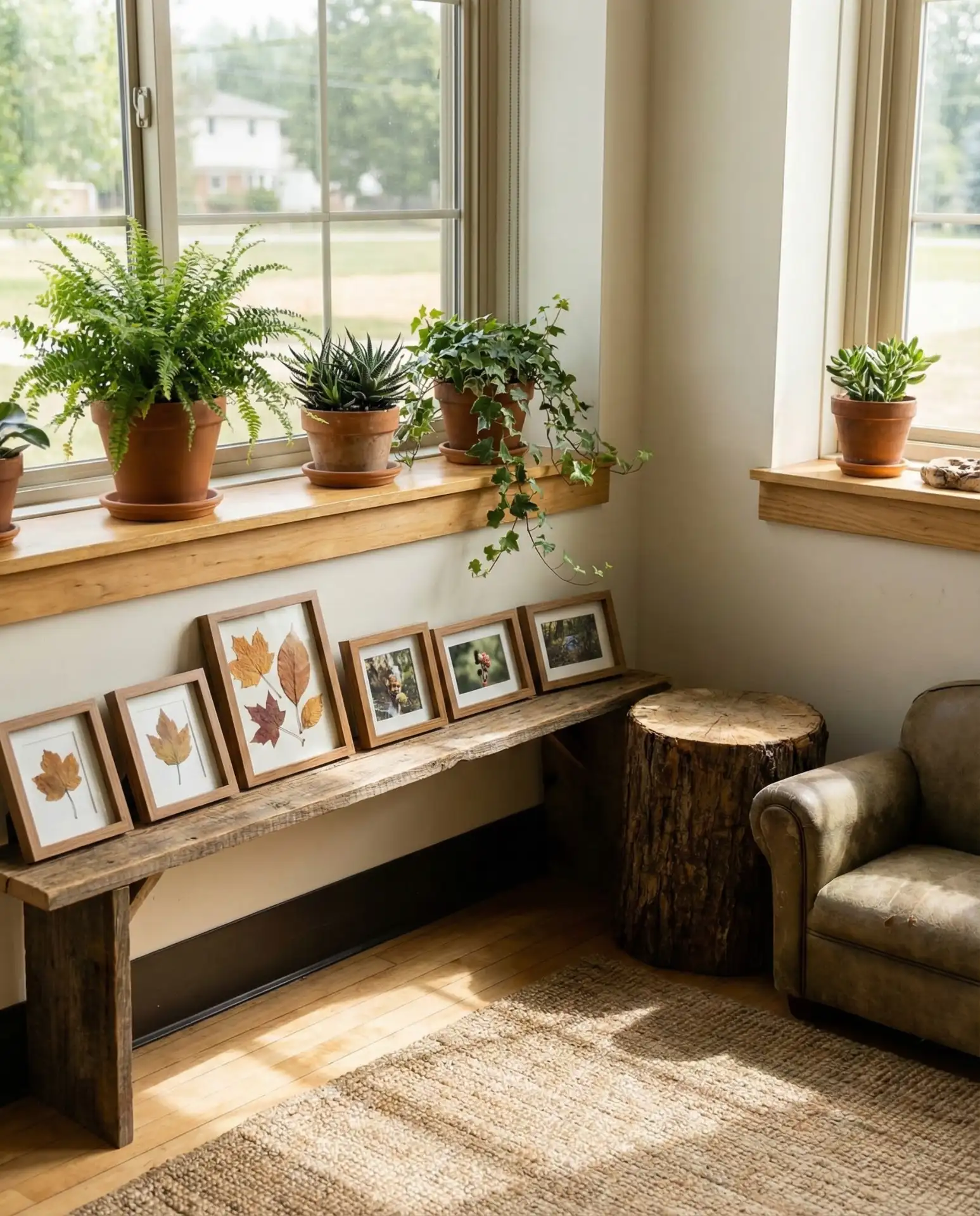
Nature-based themes are thriving in 2026 classrooms, with teachers bringing the outdoors inside through pressed leaves, rock collections, nature photography, and live plants. This isn’t about cartoon animals but about real biological science and environmental awareness. The ideas extend beyond wall decor to functional elements: shelves made from reclaimed wood, seating with tree-stump stools, and reading corners with botanical prints. It connects to curriculum naturally across science, art, and even literacy when you add nature poetry.
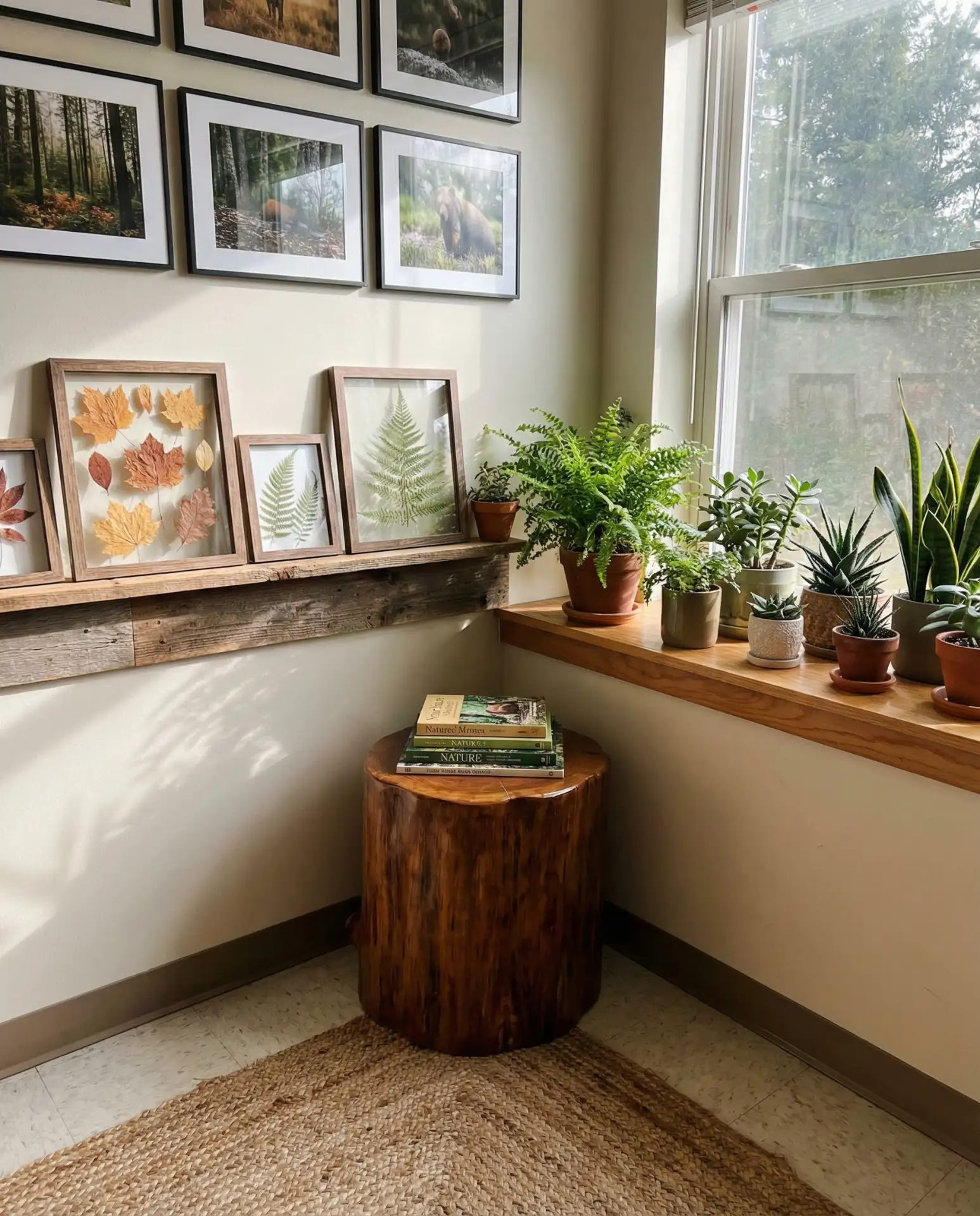
Teachers in the Pacific Northwest and New England have been early adopters, often incorporating specimens from local hikes. One Vermont teacher takes students on a fall walk to collect leaves for pressing, which become the classroom’s art for the year. This is one of the more budget-friendly themes since nature provides most materials free. Where it works best is in rooms with at least some natural light to keep plants alive and showcase the organic materials properly.
16. Inspiration Boards That Actually Inspire
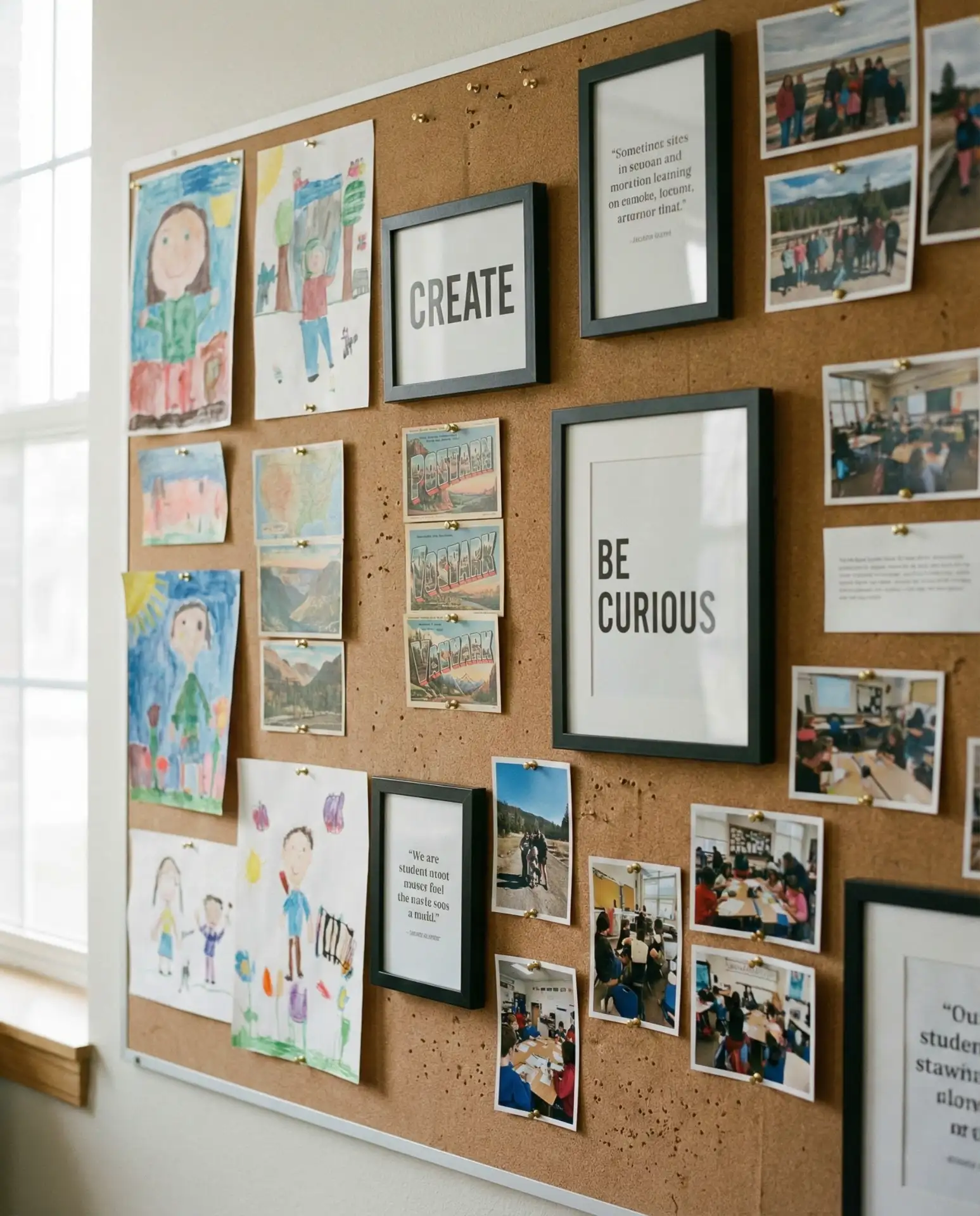
The inspiration board has evolved from a chaotic collage to a curated gallery. Teachers are using large cork or fabric boards to pin student work, motivational quotes, photos from field trips, and postcards from around the world. The key is curation—swapping items monthly keeps it fresh and relevant. The visual impact comes from grouping related items and leaving white space, much like a magazine layout. This teaches students about thoughtful presentation while celebrating their efforts.
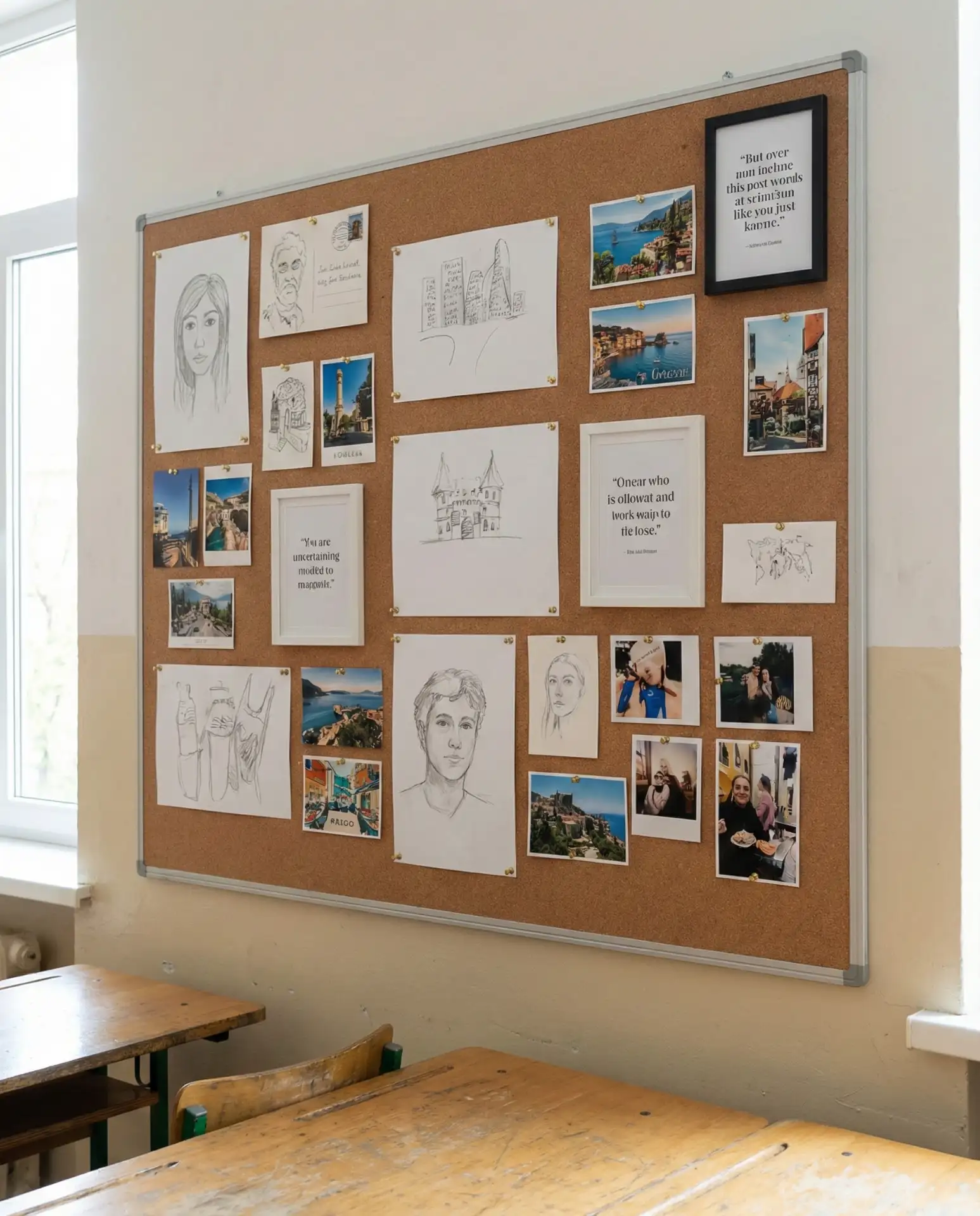
This method is most effective when students have input on what gets featured. A teacher in Illinois runs a “curator of the week” system where one student selects items to add or remove. Common mistakes include overcrowding the board or never updating it, which makes it fade into the background. Expert commentary suggests rotating content every two to three weeks to maintain visual interest and keep students checking back.
17. Simple Modern Desk Organization
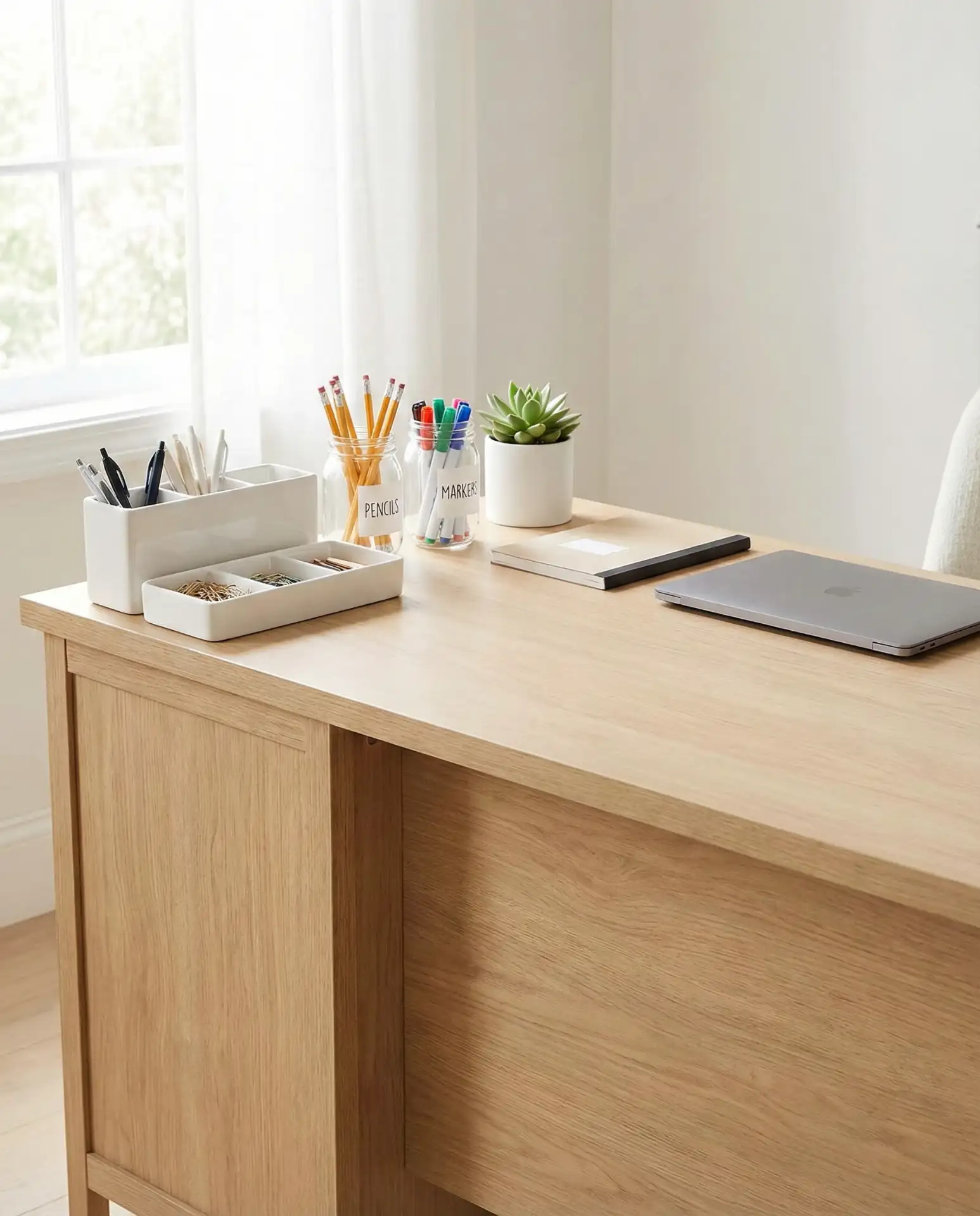
The simple desk approach strips away clutter in favor of streamlined caddies, labeled trays, and matching containers. Everything has a designated spot, and the color palette stays neutral with maybe one accent shade. This resonates particularly with teachers who find that visual chaos contributes to classroom management struggles. Student desks might have a single pencil box and book basket, while the teacher’s desk features minimal decorative items and maximum function.
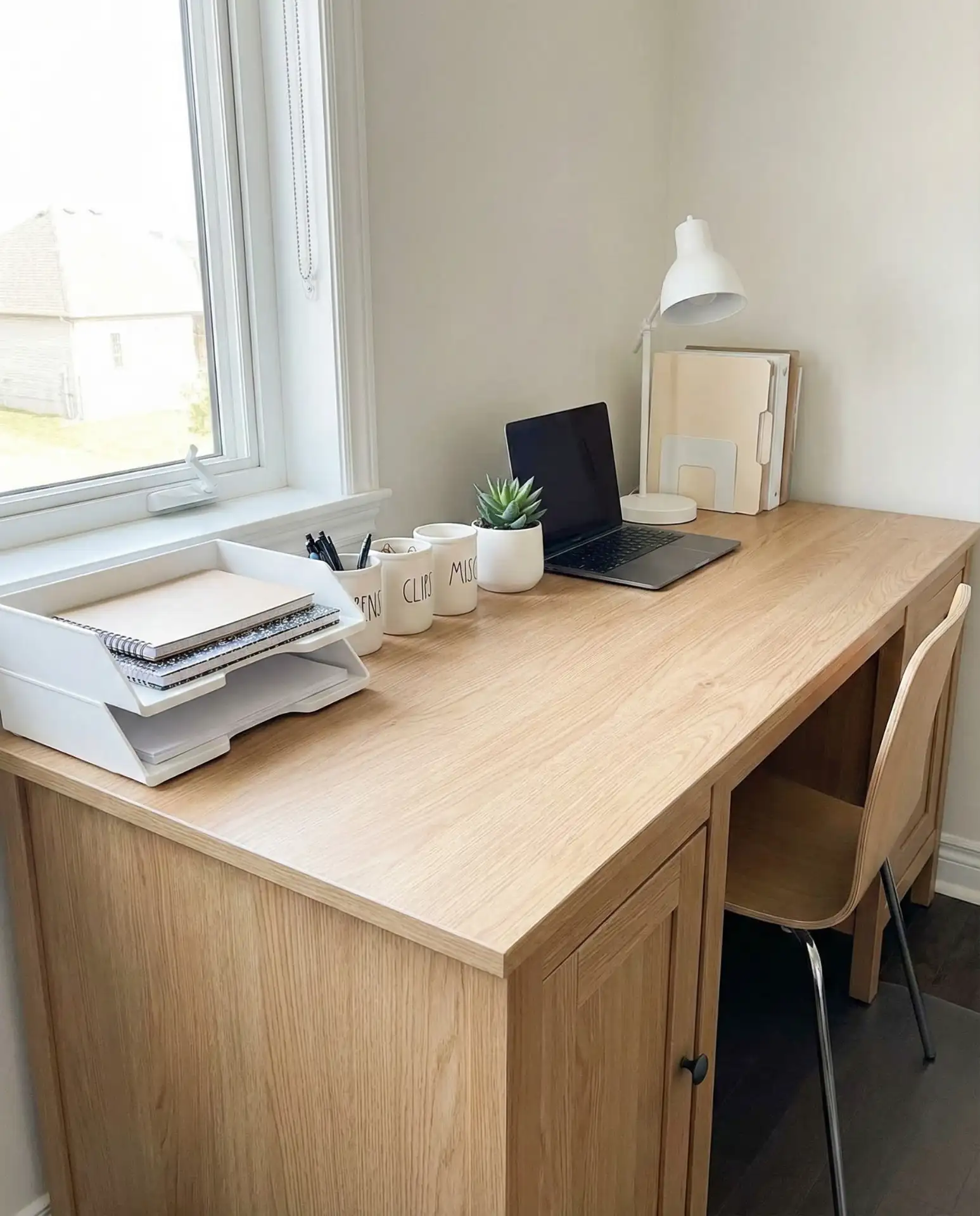
Teachers who’ve adopted this report spending less time hunting for supplies and more time teaching. It’s particularly popular in high-poverty schools where donated materials come in mismatched containers—intentionally standardizing creates visual calm. Budget angle: dollar stores carry surprisingly good organizers; investing $50 can transform an entire desk area. The mistake to avoid is being so minimal that frequently-used items become inaccessible; keep daily essentials within arm’s reach even if they’re not perfectly aesthetic.
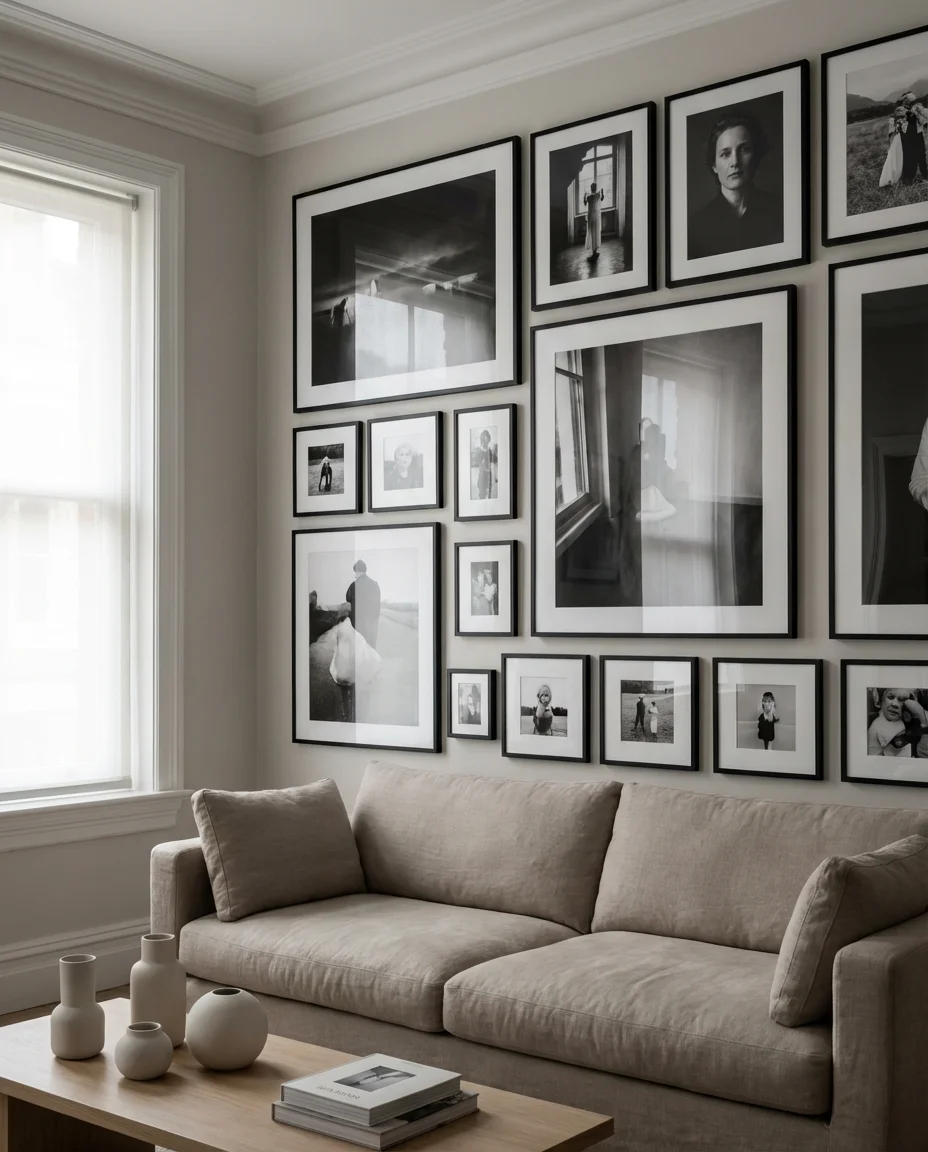
18. Vintage School Posters as Art
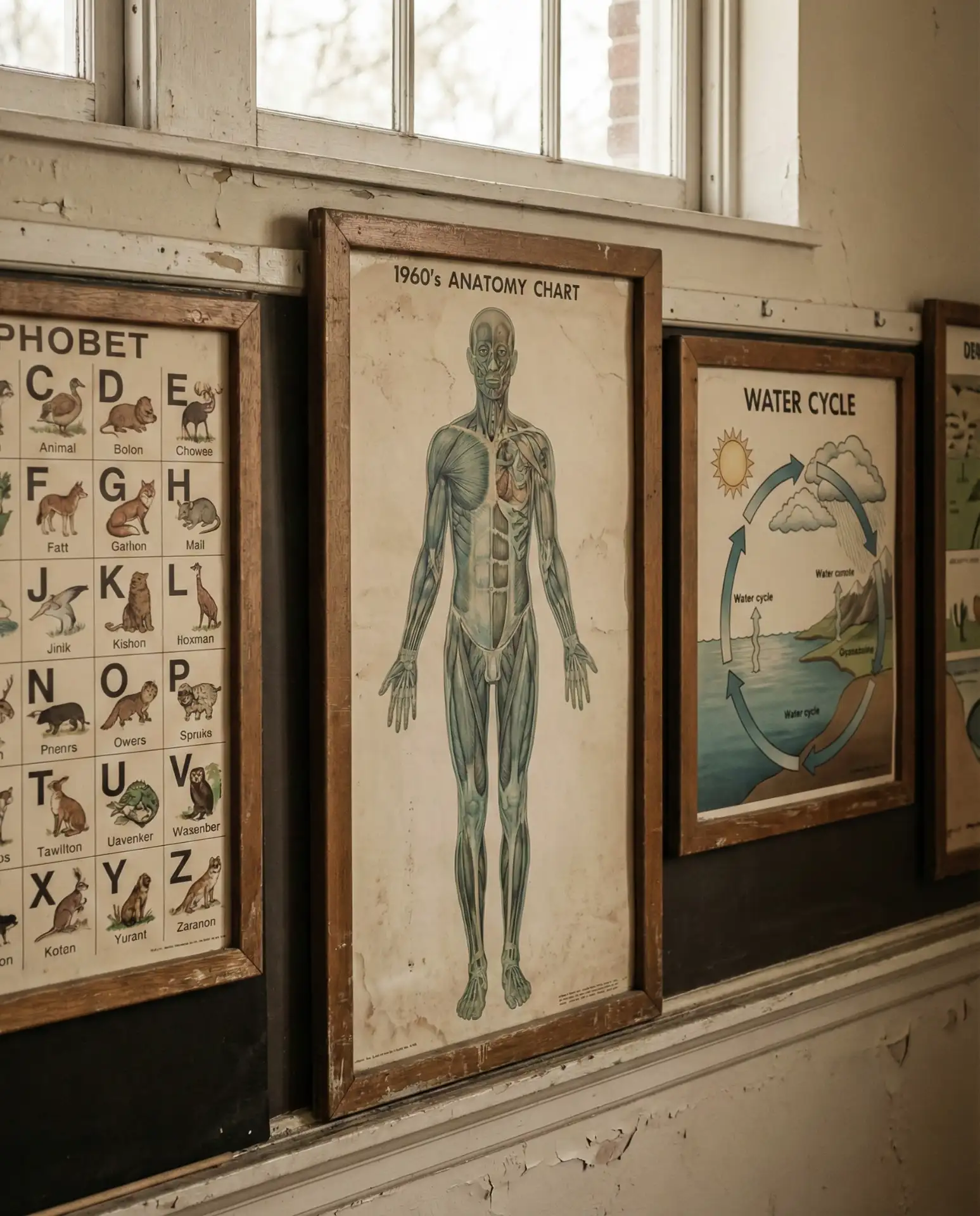
Reproduction vintage educational posters—think 1960s anatomy charts, mid-century alphabet designs, or retro science diagrams—are being framed and hung as legitimate art pieces. This taps into the nostalgia trend while serving educational purposes. The muted colors and graphic design of these posters add sophistication that contemporary clipart can’t match. They’re conversation starters and learning tools simultaneously.
Teachers in urban areas with access to print shops have been able to source high-quality reproductions affordably. One Brooklyn teacher found that students were genuinely curious about the old-fashioned diagrams, leading to discussions about how science illustration has changed. These work best grouped together rather than scattered, creating a mini-gallery wall effect. The regional context matters less here than in some trends—vintage educational materials feel universal rather than location-specific.
19. Colorful Accent Wall Behind Teacher Desk
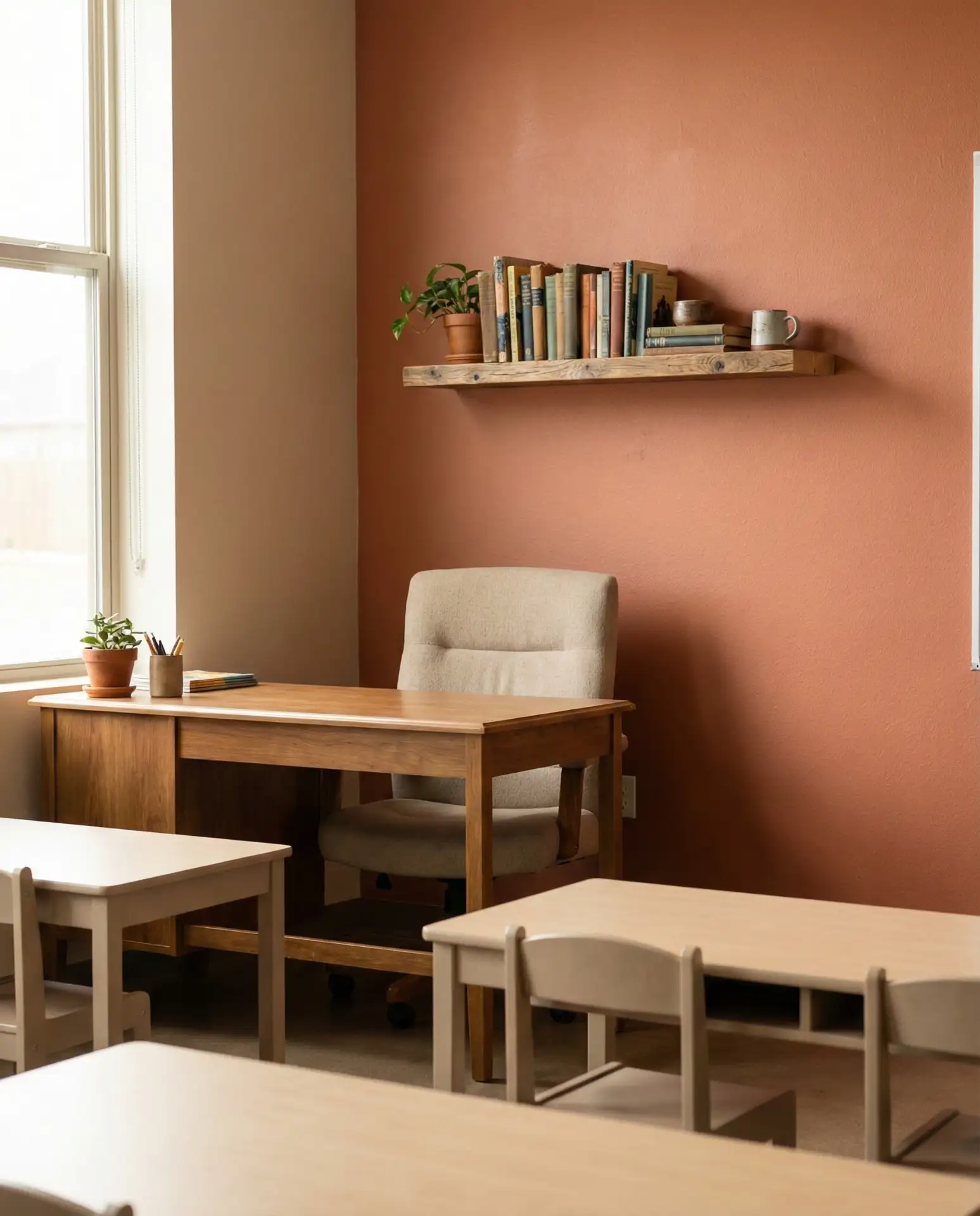
A single colorful painted accent wall—often in terracotta, sage, or dusty blue—anchors the teacher area without overwhelming the entire room. This provides a visual focal point and helps define zones within an open classroom. The paint choice matters: matte finish in a quality brand looks professional and hides imperfections. Many teachers are getting permission to paint during summer break, transforming the space for minimal cost and effort.
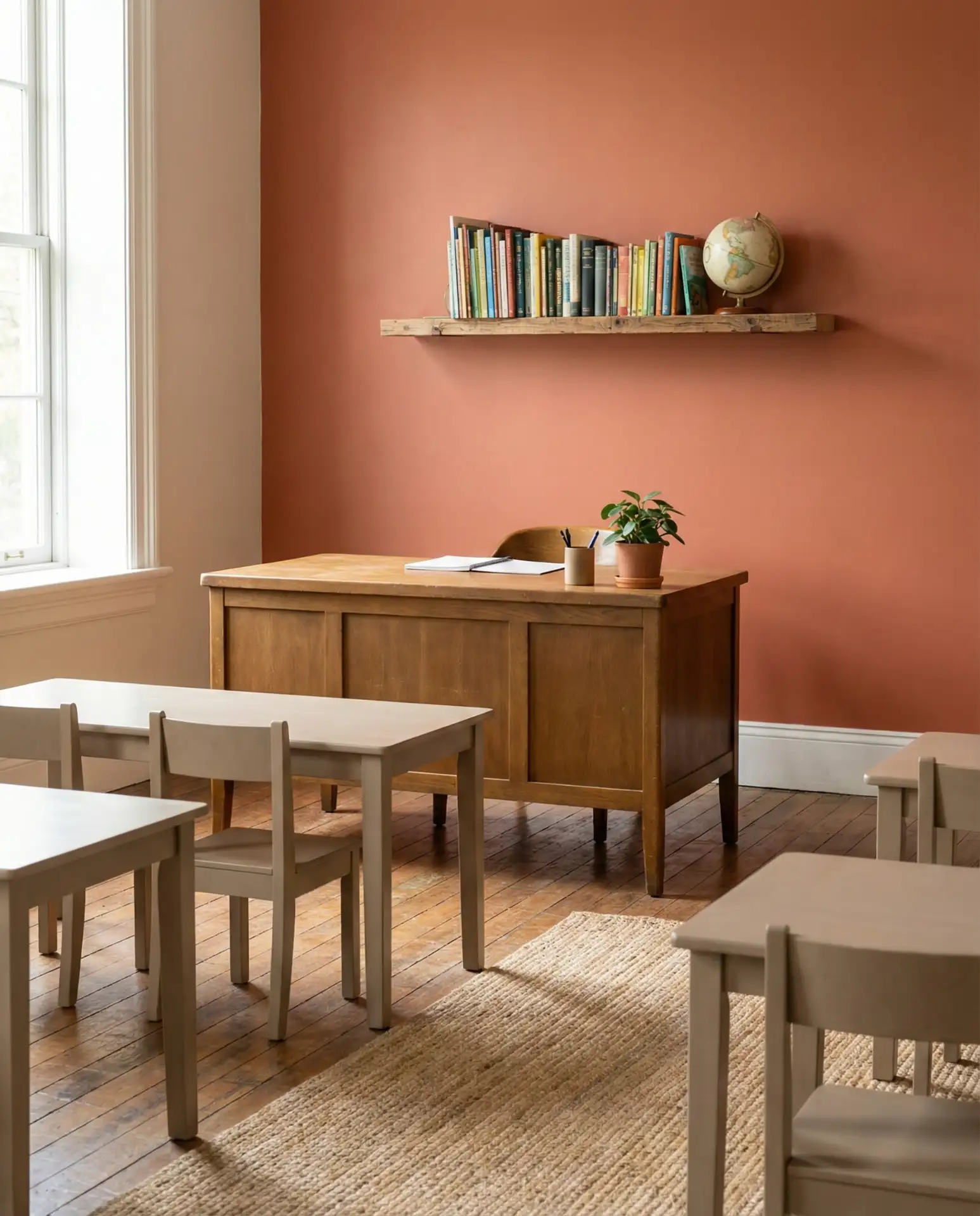
This works particularly well in older buildings with institutional beige walls that can’t be repainted everywhere. The accent wall gives one zone personality while respecting budget and policy constraints. American lifestyle context: teachers often coordinate with school colors or choose shades that complement existing furniture rather than requiring new purchases. Common mistakes include choosing too bright a shade or painting a wall with poor lighting—test samples first and pick walls that get natural light when possible.
20. 2000s Tech Aesthetic with Translucent Storage
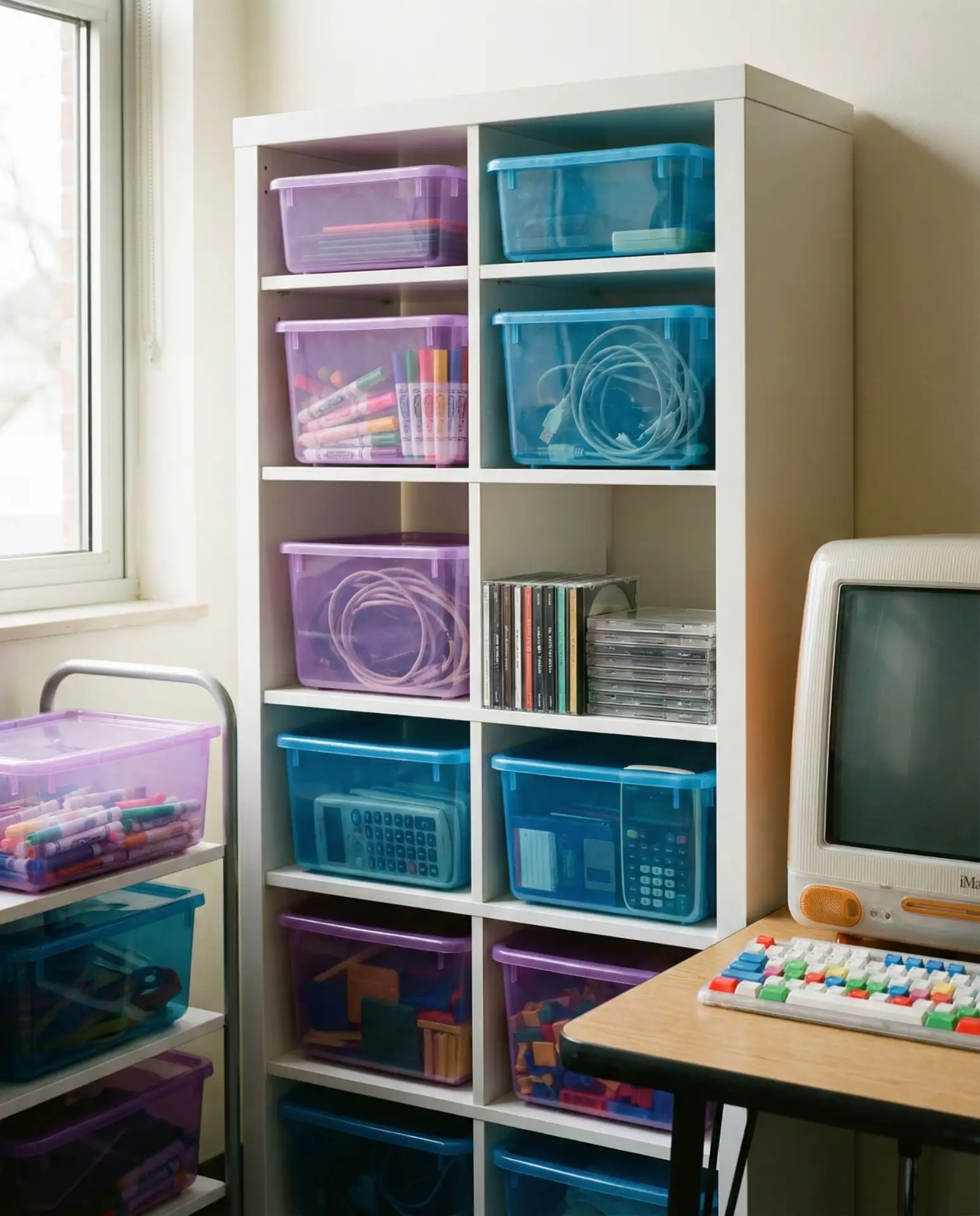
The 2000s revival continues with translucent colored storage bins and organizers in purple, blue, and green. This isn’t about being literal with old technology but about capturing that era’s optimistic, playful energy through materials and color. The translucent effect makes finding supplies easy while adding a pop of fun. It pairs surprisingly well with modern furniture—the key is using it as an accent rather than the entire storage system.

Teachers report that students find these bins inherently more appealing than opaque ones, possibly because seeing contents reduces anxiety about what’s inside. Where this aesthetic works best is in rooms that already lean modern—it clashes with heavy wood or traditional decor. Price-wise, these bins are widely available and inexpensive, often under $3 each at chain stores. Avoid mixing too many colors; stick to a two or three-shade gradient for cohesion.
21. Pastel Classroom Labels with Modern Fonts
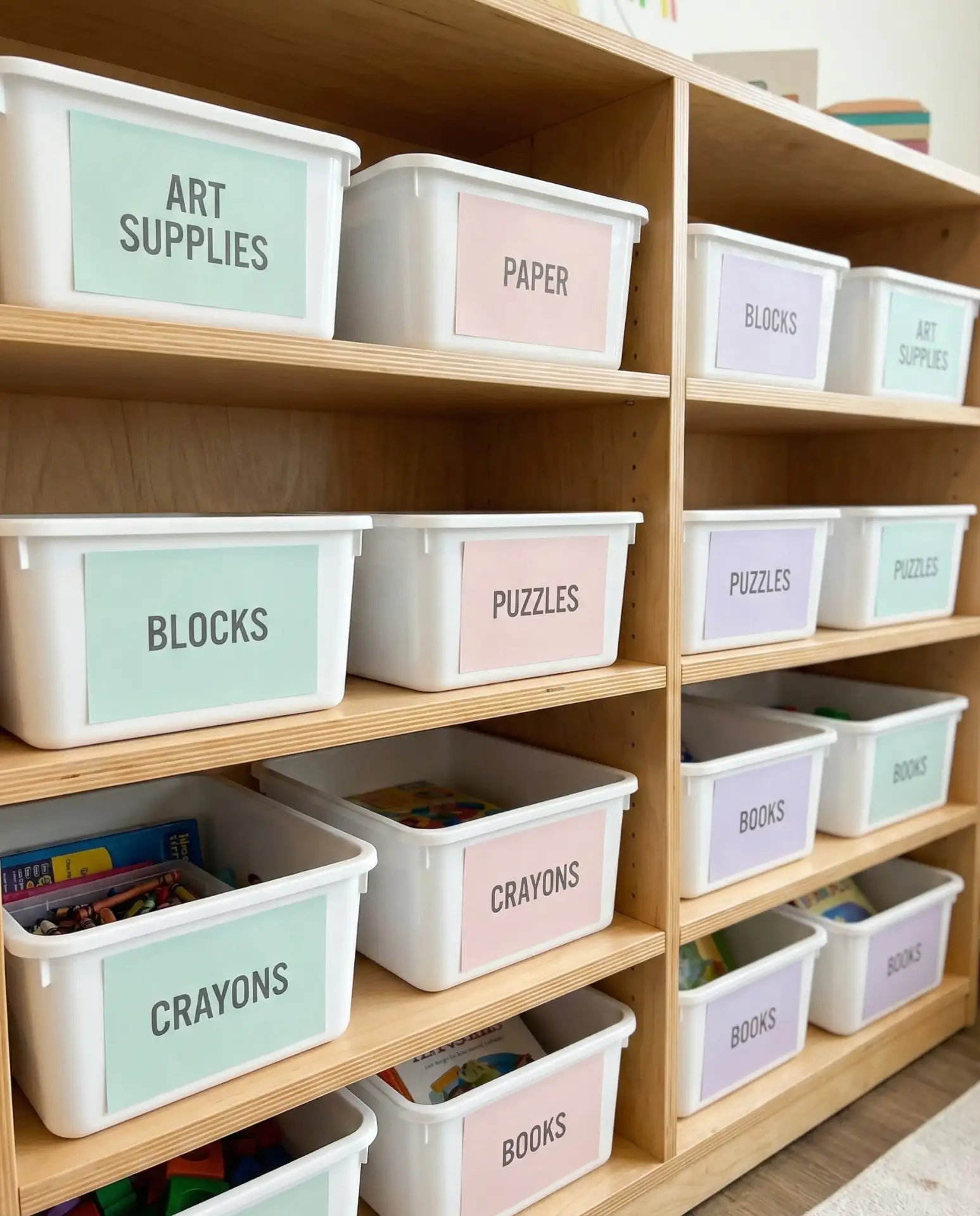
Labeling has become a design opportunity rather than an afterthought. Pastel cardstock in blush, mint, and lavender paired with clean sans-serif fonts creates a cohesive look across bins, shelves, and student cubbies. The labels are practical and pretty—students can navigate the room independently while teachers maintain an aesthetic that feels current. A label maker or printable templates keep this affordable and customizable.
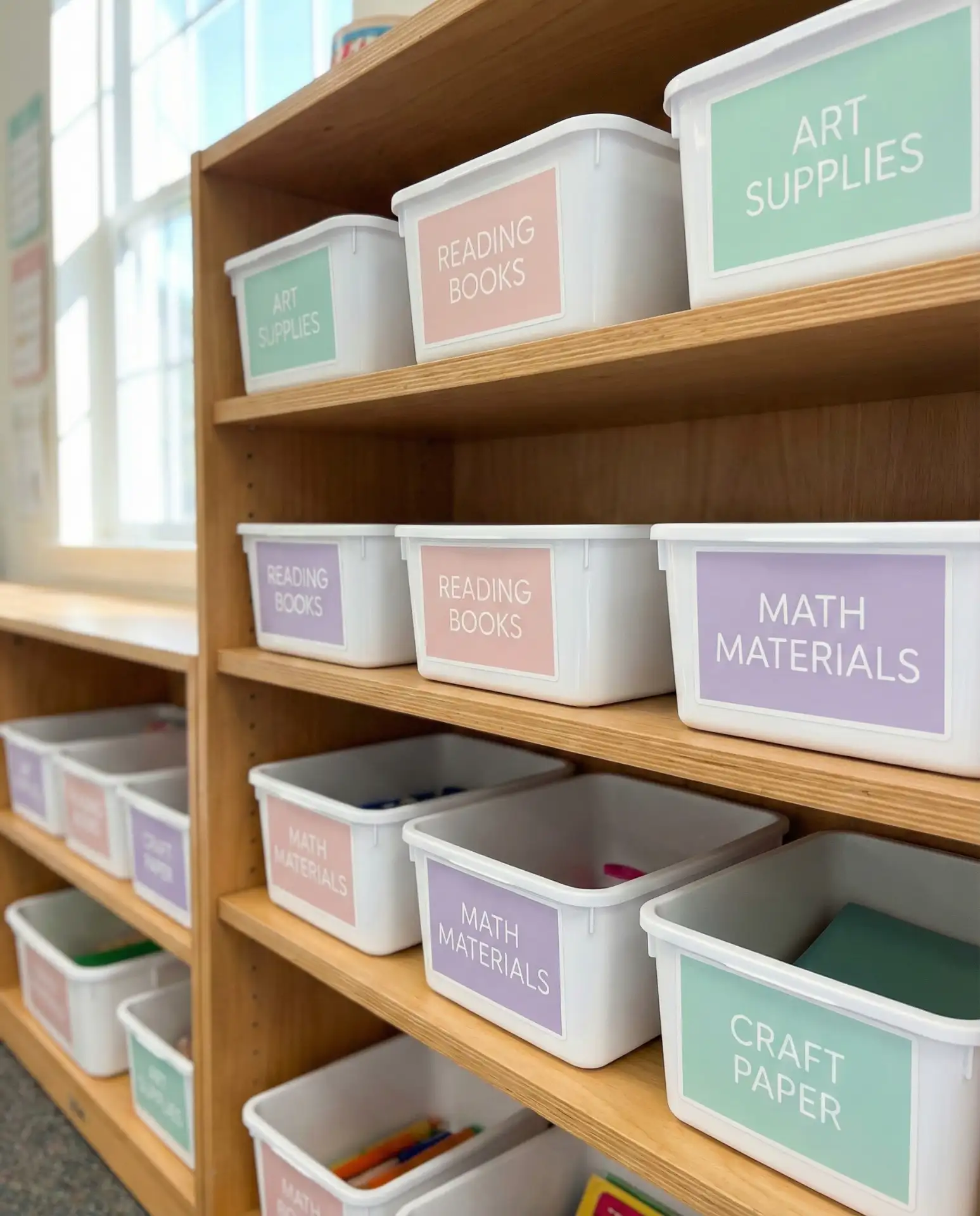
One practical insight: laminating labels extends their life significantly in classrooms where bins get handled constantly. Teachers in all regions have adopted this since it’s a low-cost, high-impact change—templates online are often free, and printing at home costs just ink and paper. Expert-style commentary suggests that consistency matters more than perfection; even if your cutting isn’t perfectly straight, uniform colors and fonts create visual harmony. Add symbols or small icons for pre-readers to make labels accessible across literacy levels.
22. Older Elementary Study Carrels with Privacy
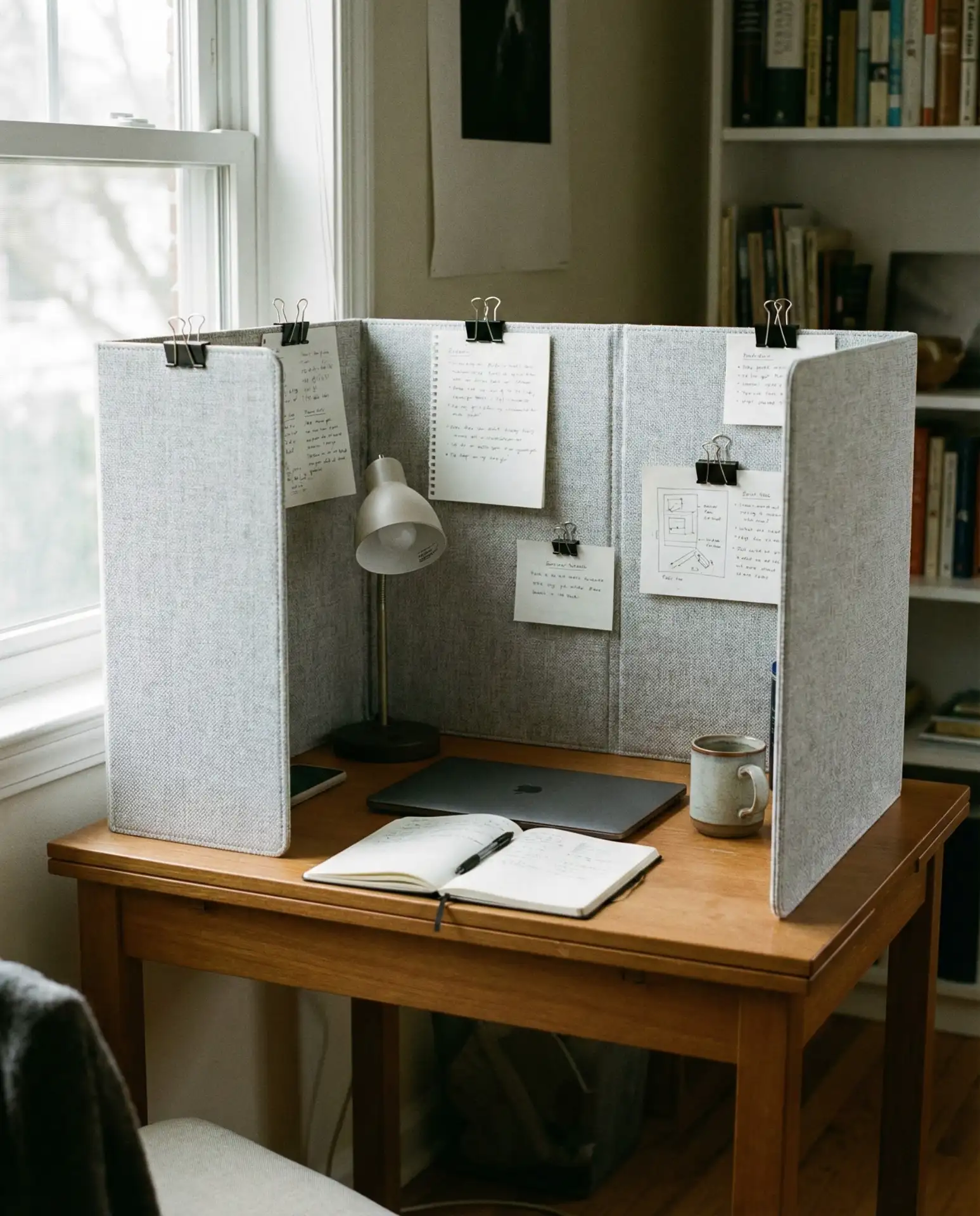
For older students who need focus during testing or independent work, modern study carrels made from trifold foam boards or wooden dividers provide privacy without feeling institutional. The 2026 version is lightweight, portable, and aesthetically integrated—covered in neutral fabric or painted to match room colors. These acknowledge that upper elementary students benefit from the same focused work environments adults appreciate.
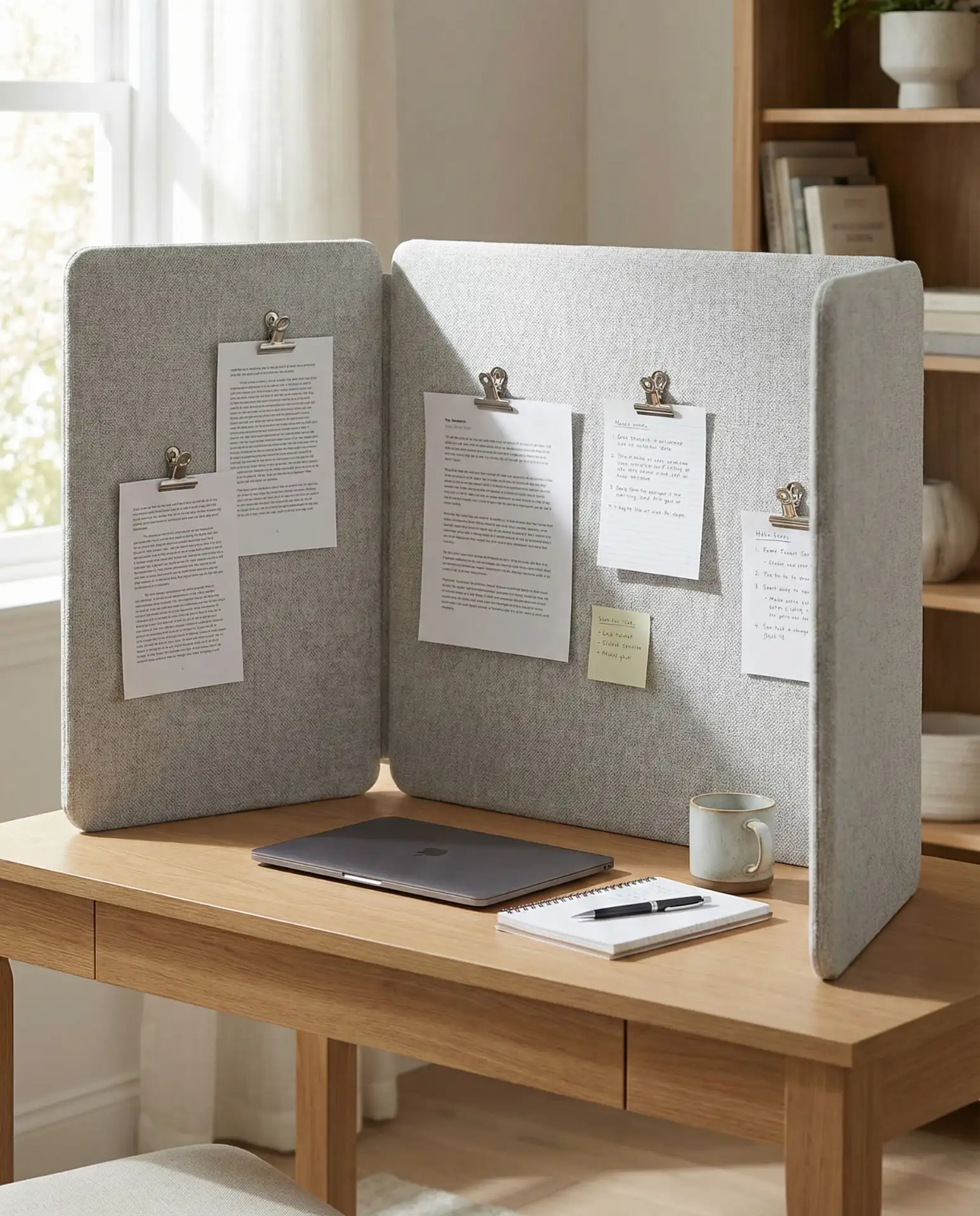
Teachers note that offering these as a choice rather than a requirement makes them more effective—students self-select when they need quiet rather than feeling isolated. The DIY route costs about $5 per carrel using foam board and fabric, while purchased options run $20-30. Real homeowner behavior mirrors this: adults use headphones and quiet spaces to concentrate, and students are no different. The mistake is making carrels mandatory or using them punitively, which creates negative associations. Position them where students can opt in freely during work time.
Conclusion
These ideas represent where elementary classroom design is heading in 2026—toward spaces that respect students’ developmental needs while acknowledging that teachers and kids spend countless hours in these rooms. The shift toward natural materials, thoughtful color palettes, and purposeful organization isn’t about following trends for their own sake but about creating environments where learning feels possible and joyful. Whether you implement one idea or reimagine your entire space, your students will notice and respond. Drop a comment sharing which of these you’re most excited to try, or tell us what’s working in your classroom right now—we’d love to hear what’s happening in classrooms across the country.