As we step into 2026, American homeowners are reimagining their outdoor spaces with more creativity and personal flair than ever before. Pinterest searches for garden decor continue to surge as people seek inspiration that blends aesthetics with functionality—from vintage finds repurposed into planters to whimsical fairy garden corners that spark joy. Whether you’re working with a sprawling backyard or a modest urban patio, this year’s trends celebrate individuality, sustainability, and that unmistakable feeling of home. Here are 21 garden decor ideas that capture the spirit of 2026, each designed to help you create an outdoor retreat that’s uniquely yours.
1. Rustic Reclaimed Wood Planter Wall
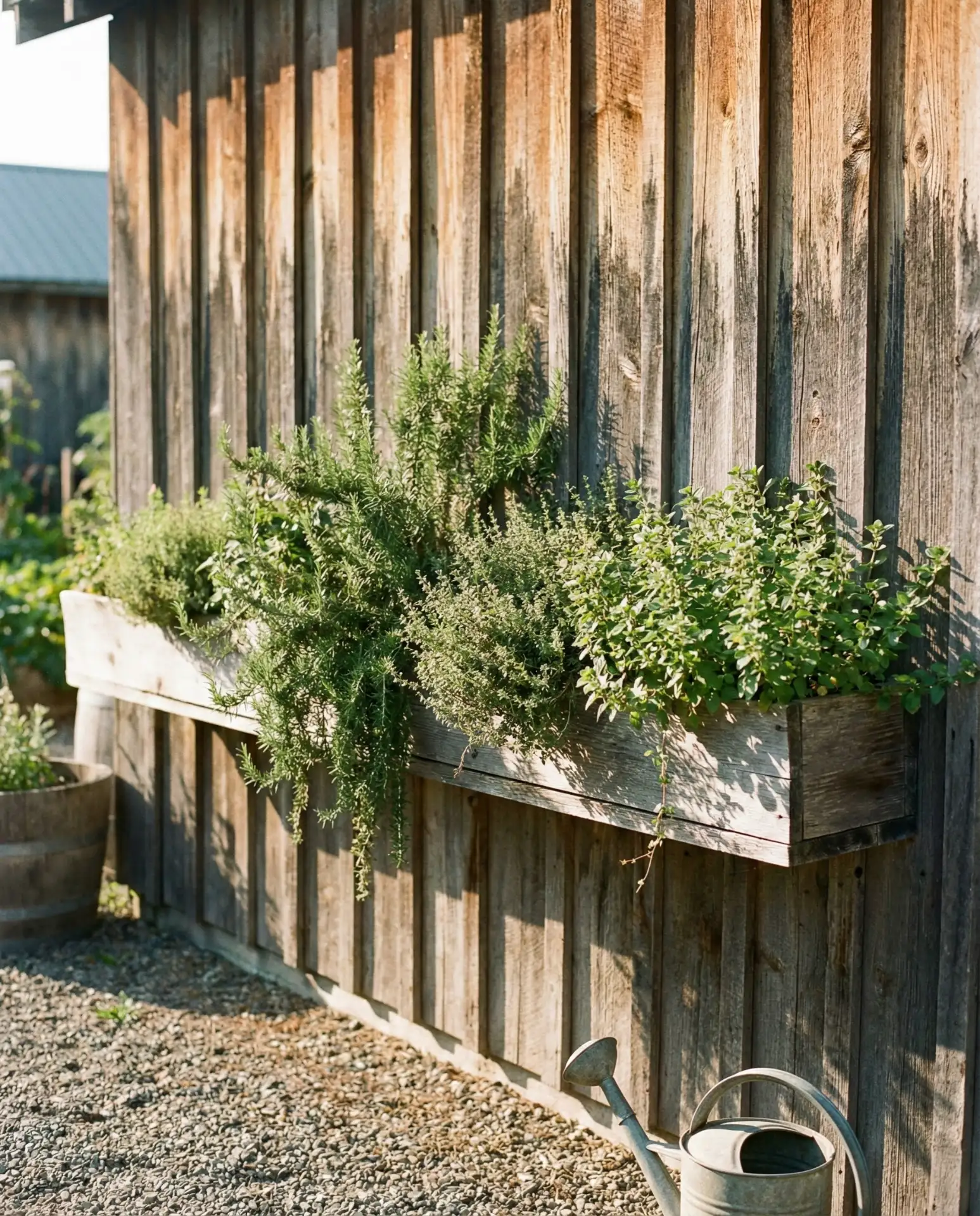
Transform a bare fence or exterior wall into a living masterpiece with rustic reclaimed boards arranged as tiered planters. This DIY approach brings warmth and texture while showcasing cascading herbs, succulents, or seasonal blooms. The weathered wood patina pairs beautifully with greenery, creating that coveted farmhouse-meets-modern aesthetic. Mounting is straightforward—use galvanized brackets, and consider adding drip irrigation for effortless maintenance throughout the growing season. 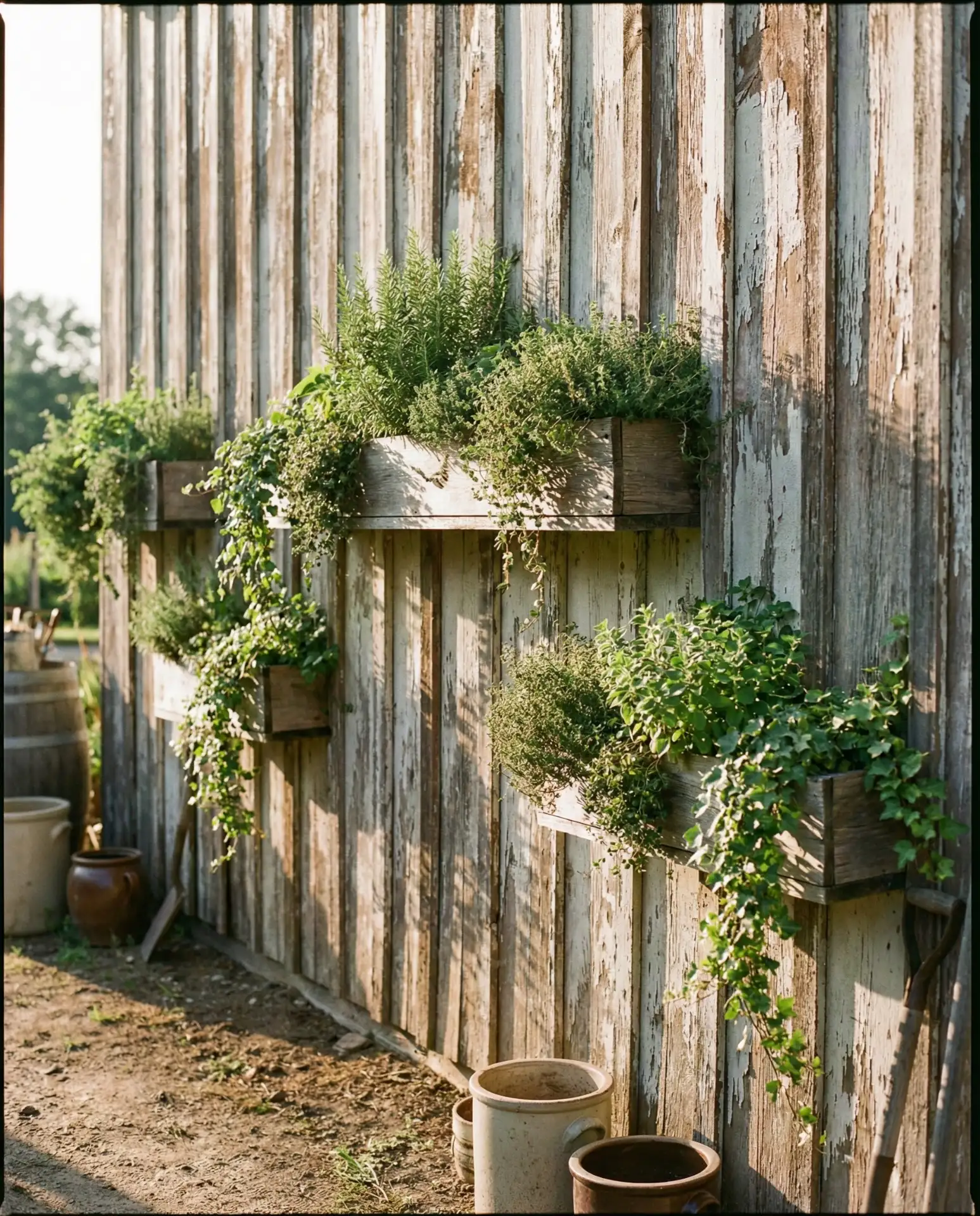
This works exceptionally well in California and Pacific Northwest gardens, where outdoor living extends year-round. The natural aging process actually enhances the look—what starts as raw lumber develops character with each season. Many homeowners report that guests consistently ask where they purchased the wall unit and are surprised to learn it’s a weekend project. Seal the wood annually to prevent rot, and choose plants with similar water needs to simplify care routines.
2. Vintage Wheelbarrow Flower Display
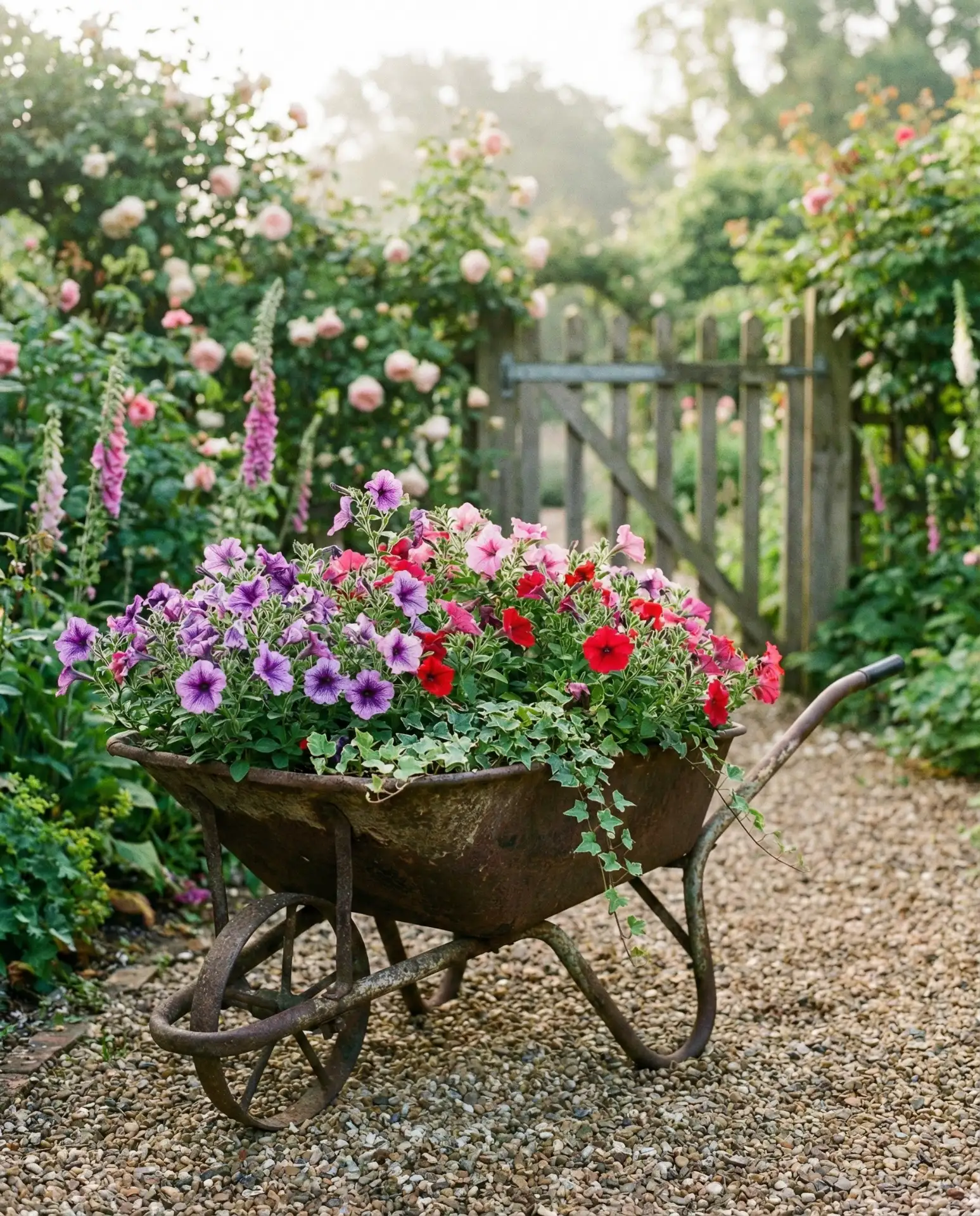
A weathered vintage wheelbarrow becomes a charming focal point when filled with layers of colorful annuals and trailing vines. This outdoor display solution offers mobility—roll it to catch the best light or reposition for gatherings. The aged metal or wood construction adds instant character that new containers simply can’t replicate. Layer soil depths to accommodate different root systems, and don’t worry about perfect drainage since the original bed design naturally prevents waterlogging. 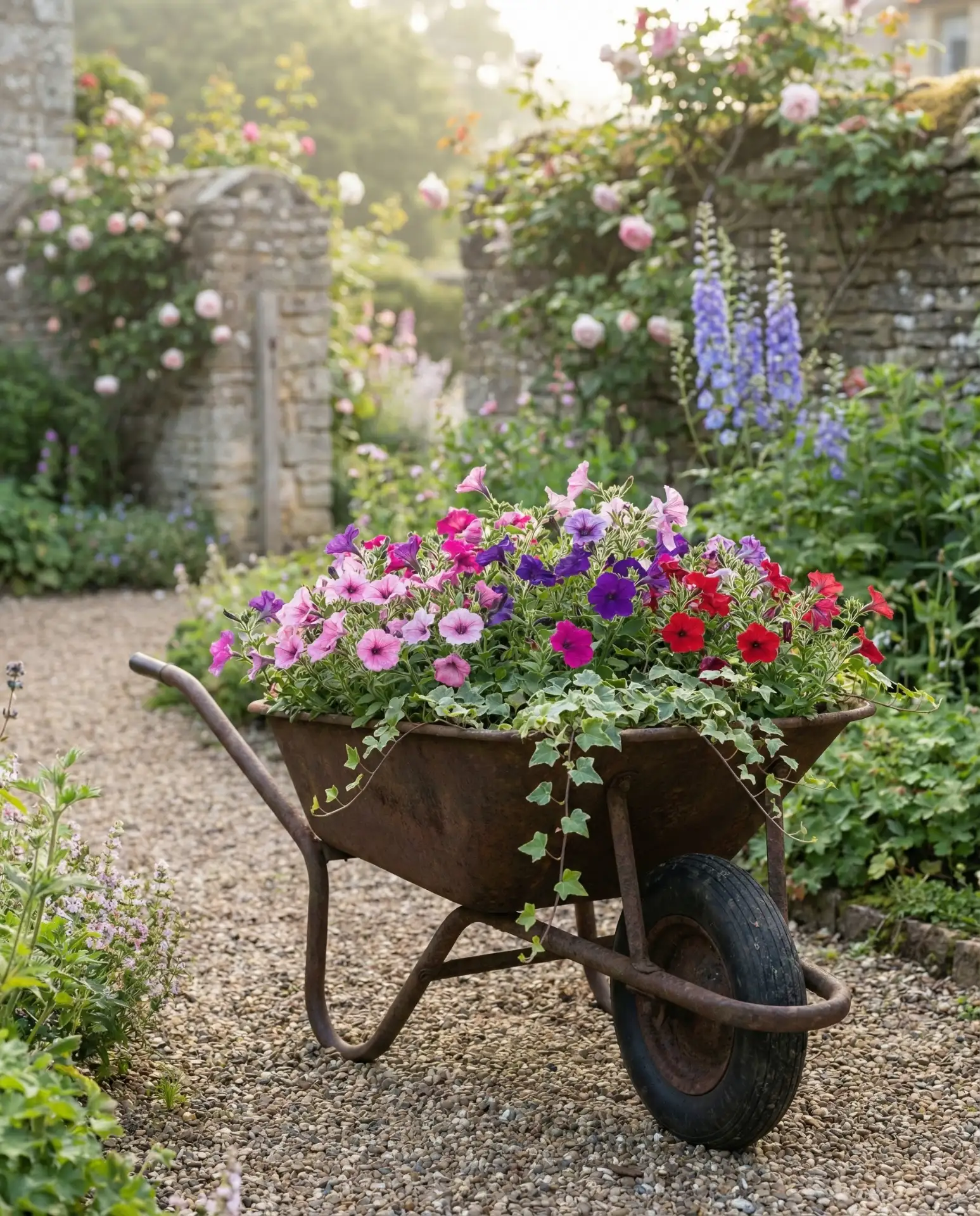
This approach is popular among budget-conscious gardeners—the Midwest has estate sales and flea markets that frequently offer wheelbarrows for $20-$50, and that’s far less than designer planters. The rust that develops over the years is natural and adds to the overall look. The investment is worth it because the wheelbarrow will be useful for years to come.
3. Whimsical Mushroom Garden Cluster
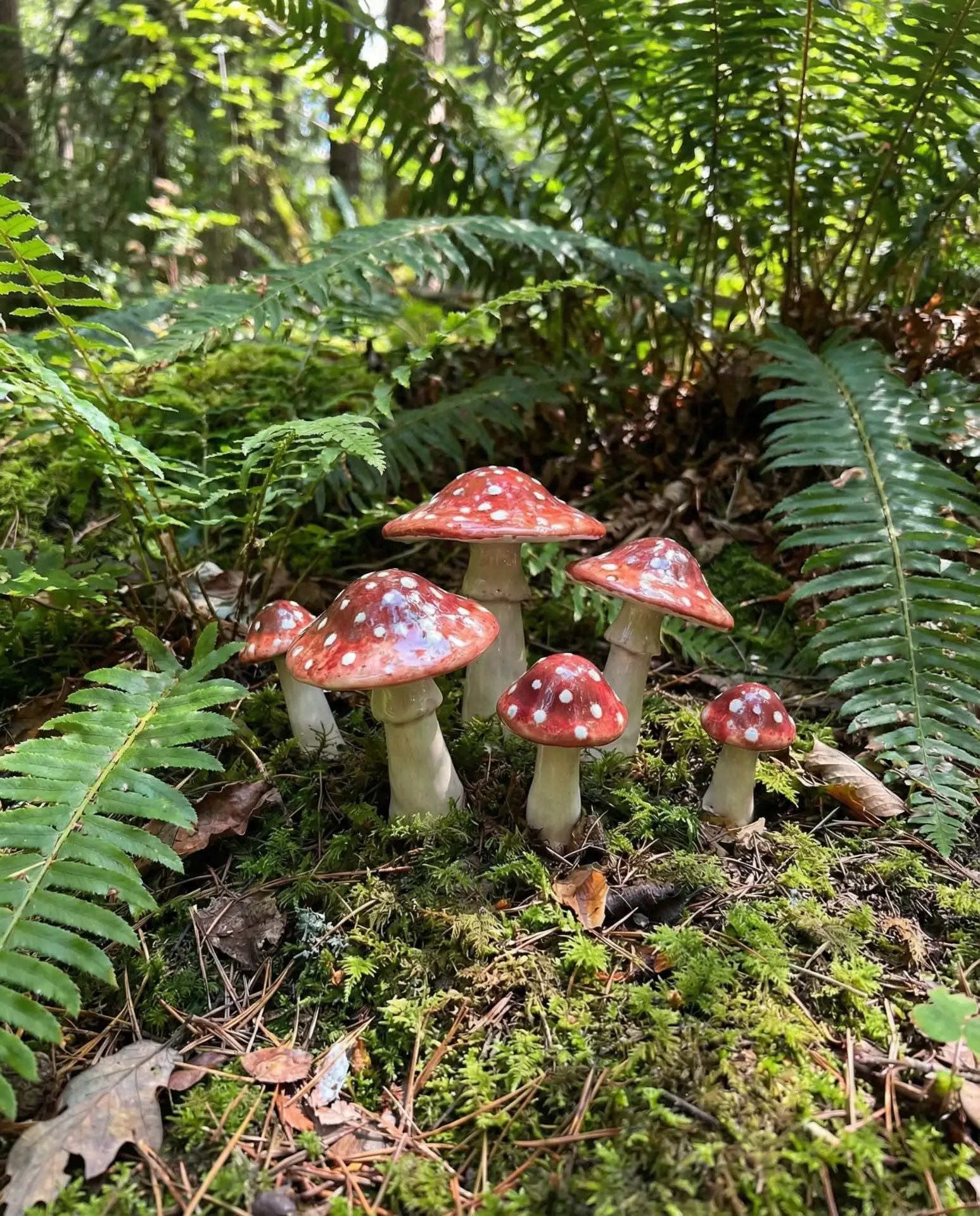
Create a lovely area with colorful, differing-height, whimsical mushroom sculptures and locate it around hostas and ferns. These lovely accents, made from clay, concrete, or resin, can add a touch of playfulness to shaded garden beds that offer little visual interest. Odd-themed groupings tend to work best, and a naturalistic composition can result from putting them close together. Using larger mushrooms to hold solar light stakes makes for a watch that can glow magically in the night.
Discovery moments are the main attraction of this design for many families. One homeowner from Colorado noted that her grandchildren now love to go “mushroom hunting” to find the cute hidden toadstools. They can be positioned to have spring flowering bulbs peek through them for a stunning seasonal display. Their watch-like quality is especially sought after by Pinterest users and is best when positioned to have morning light break through the trees.
4. Japanese-Inspired Bamboo Water Feature
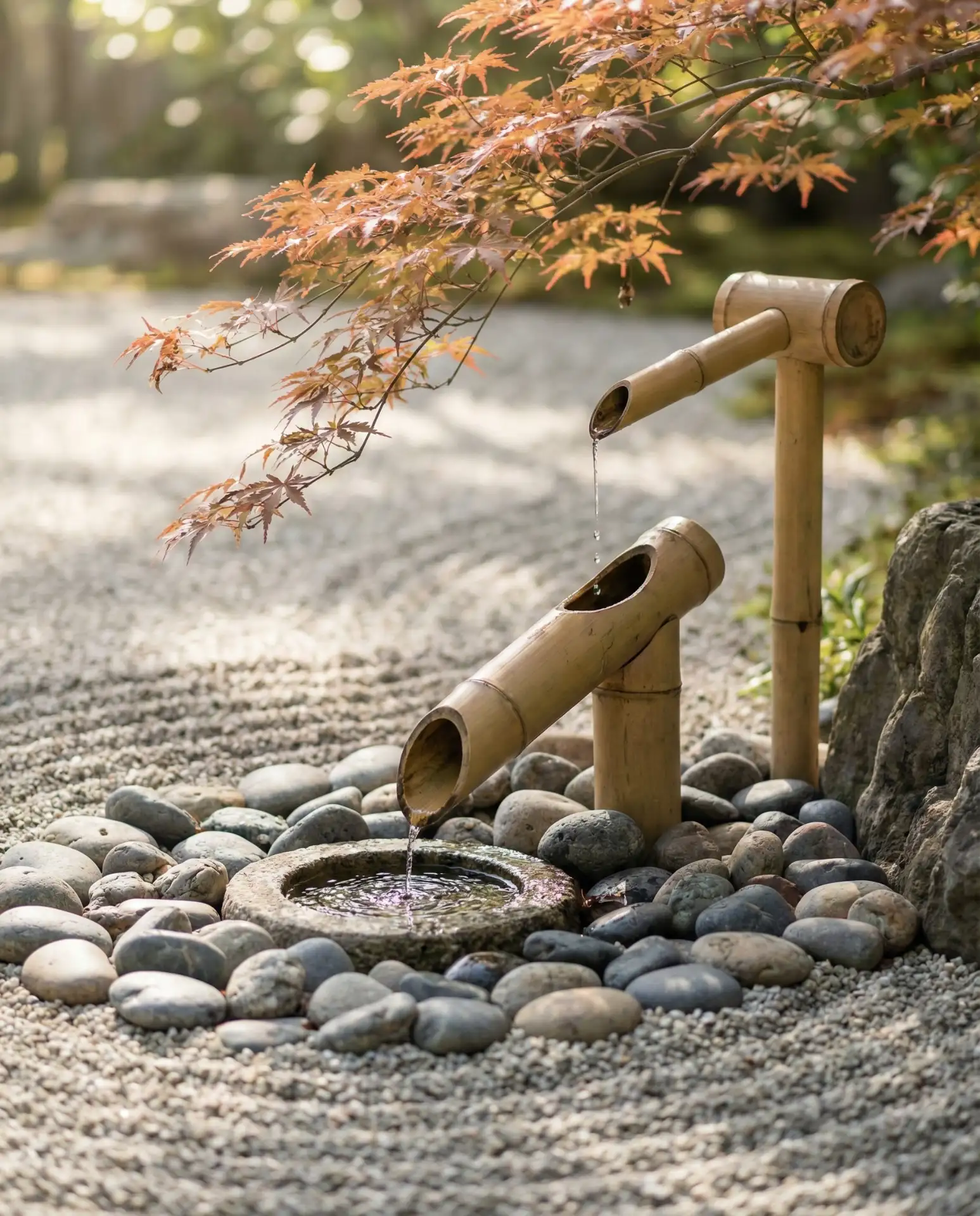
A Japanese shishi-odoshi fountain brings tranquil sound and movement to meditation spaces or zen garden corners. The bamboo spout fills, tips, and strikes a stone with a distinctive clack that marks time naturally. Modern versions run on small recirculating pumps that consume minimal electricity while delivering maximum ambiance. This outdoor element works equally well in contemporary settings or traditional Asian-inspired landscapes, proving that cultural design principles transcend rigid style categories. 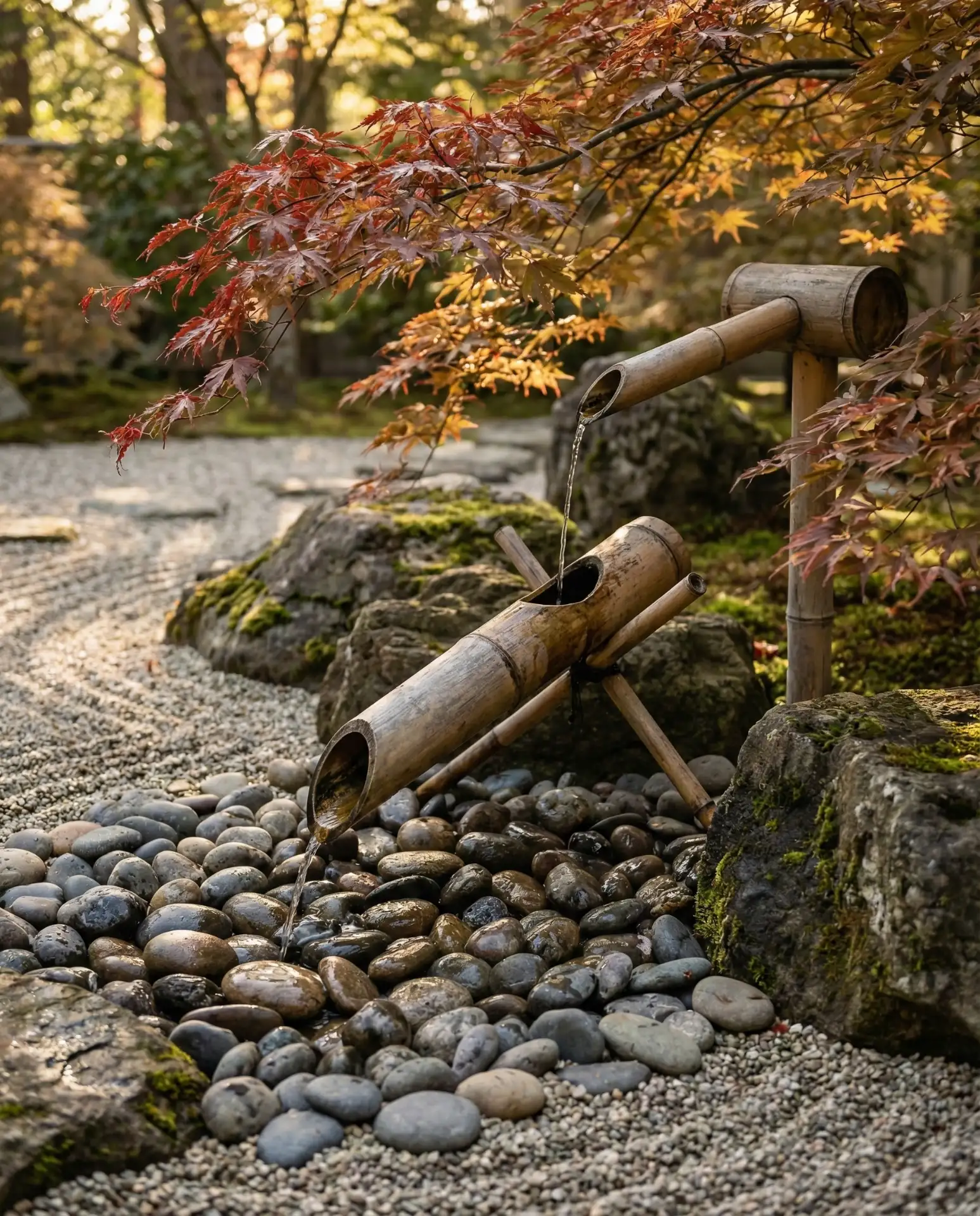
Where this works best: partially shaded areas where the sound won’t compete with street noise. Urban dwellers in dense neighborhoods especially appreciate how the rhythmic water sounds create privacy through audio masking. Installation requires a small reservoir basin—often disguised beneath decorative rocks—and basic electrical access. The maintenance commitment is minimal: refill water weekly during hot months and clean the pump quarterly to prevent mineral buildup.
5. Miniature Fairy Garden Landscape
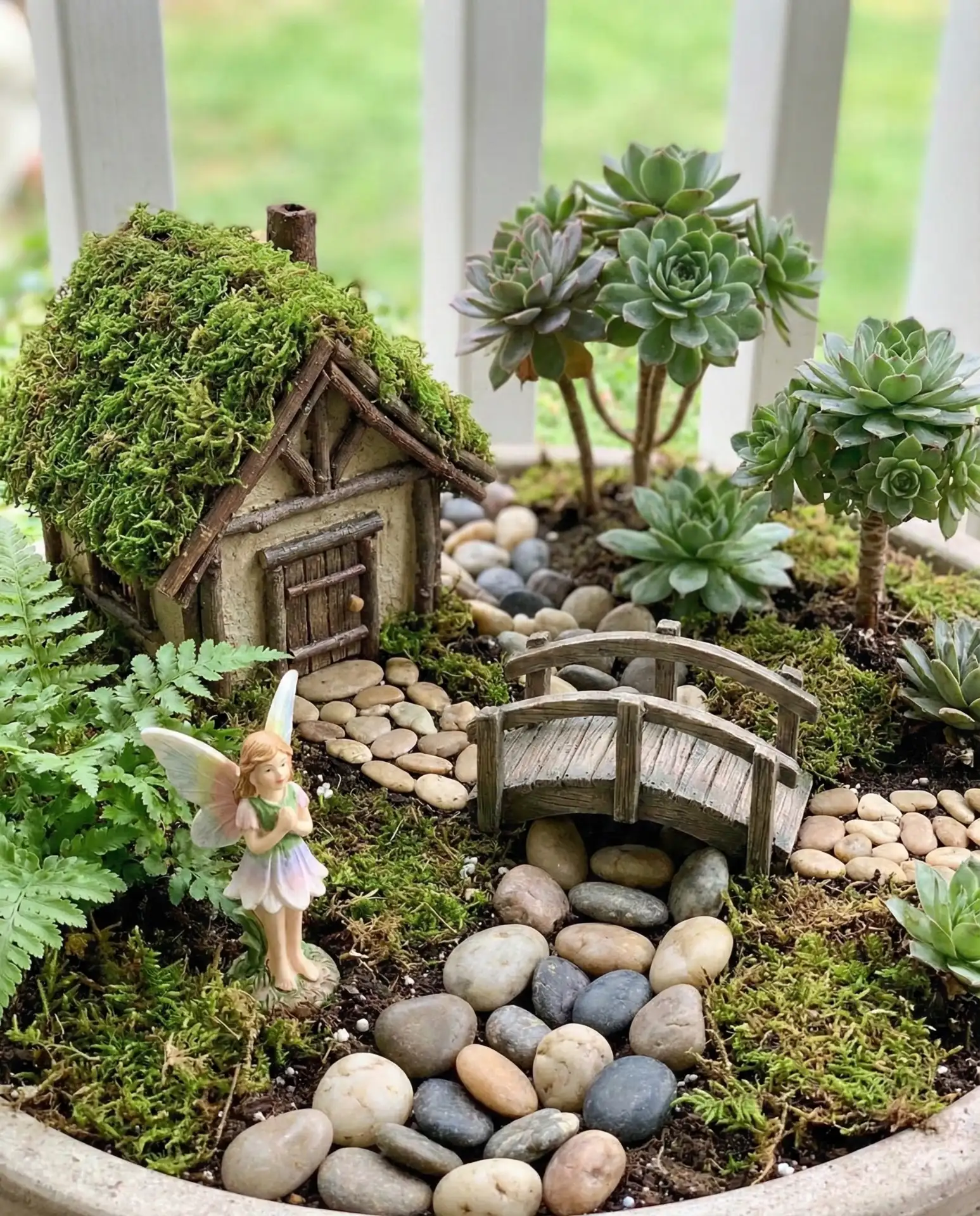
Design a miniature world within a shallow container or dedicated garden bed using tiny houses, bridges, and fairy figurines positioned among diminutive plants like baby tears and dwarf conifers. This creative project invites storytelling and personal expression—no two fairy gardens ever look alike. Scale matters enormously here; choose accessories proportional to your plants so the illusion of a complete tiny village holds up. Ground covers that spread slowly work better than aggressive varieties that overwhelm structures within weeks. 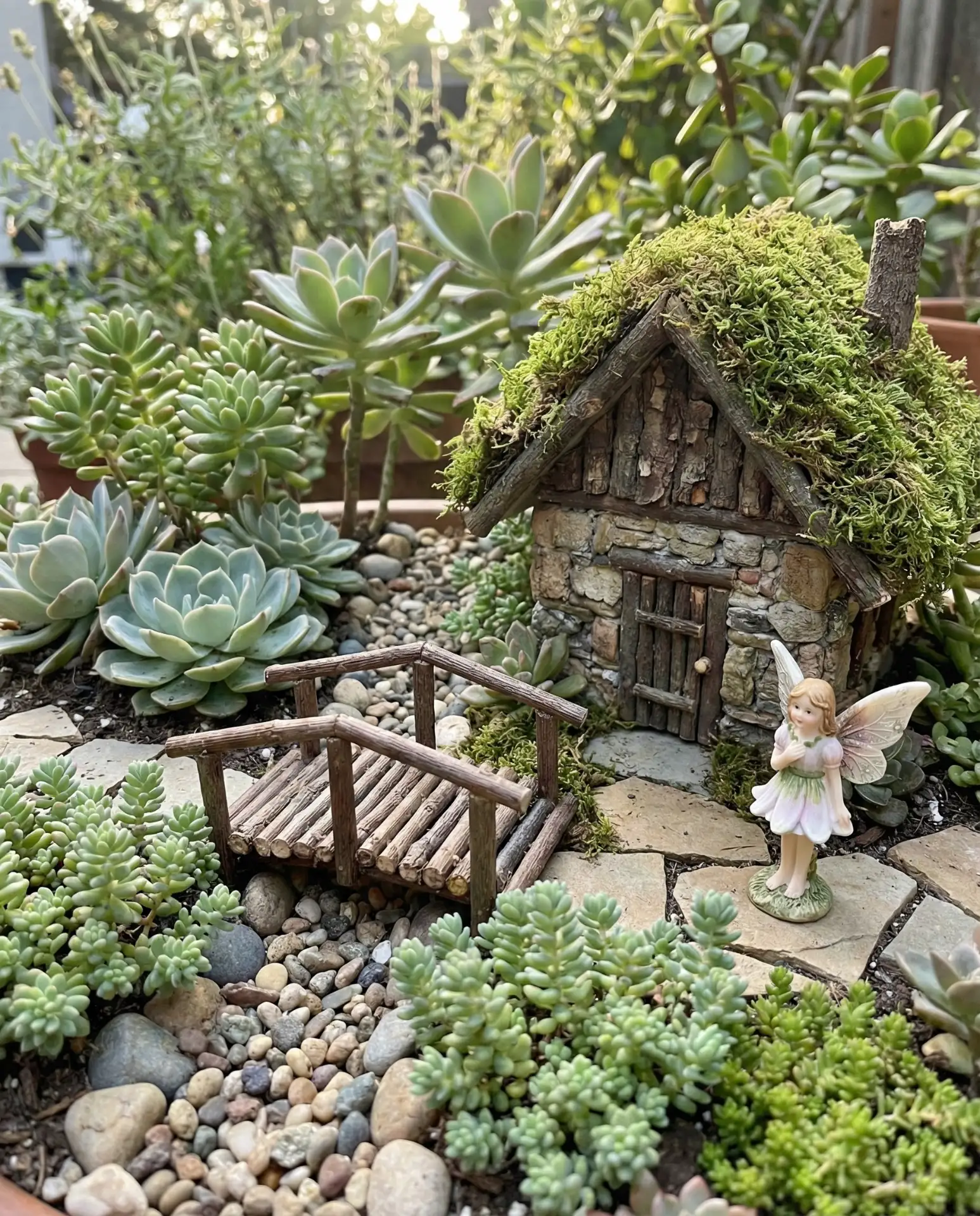
A practical insight: use a large, shallow ceramic bowl with drainage holes as your foundation for portability and controlled growth. This allows you to refresh soil annually and relocate the garden to follow seasonal light patterns. Southeastern gardeners often bring their fairy gardens to covered porches during intense summer heat. The key mistake beginners make is planting everything at once—start with hardscape elements, add plants gradually, and leave open space for natural settling and growth.
6. Antique Ladder Plant Stand
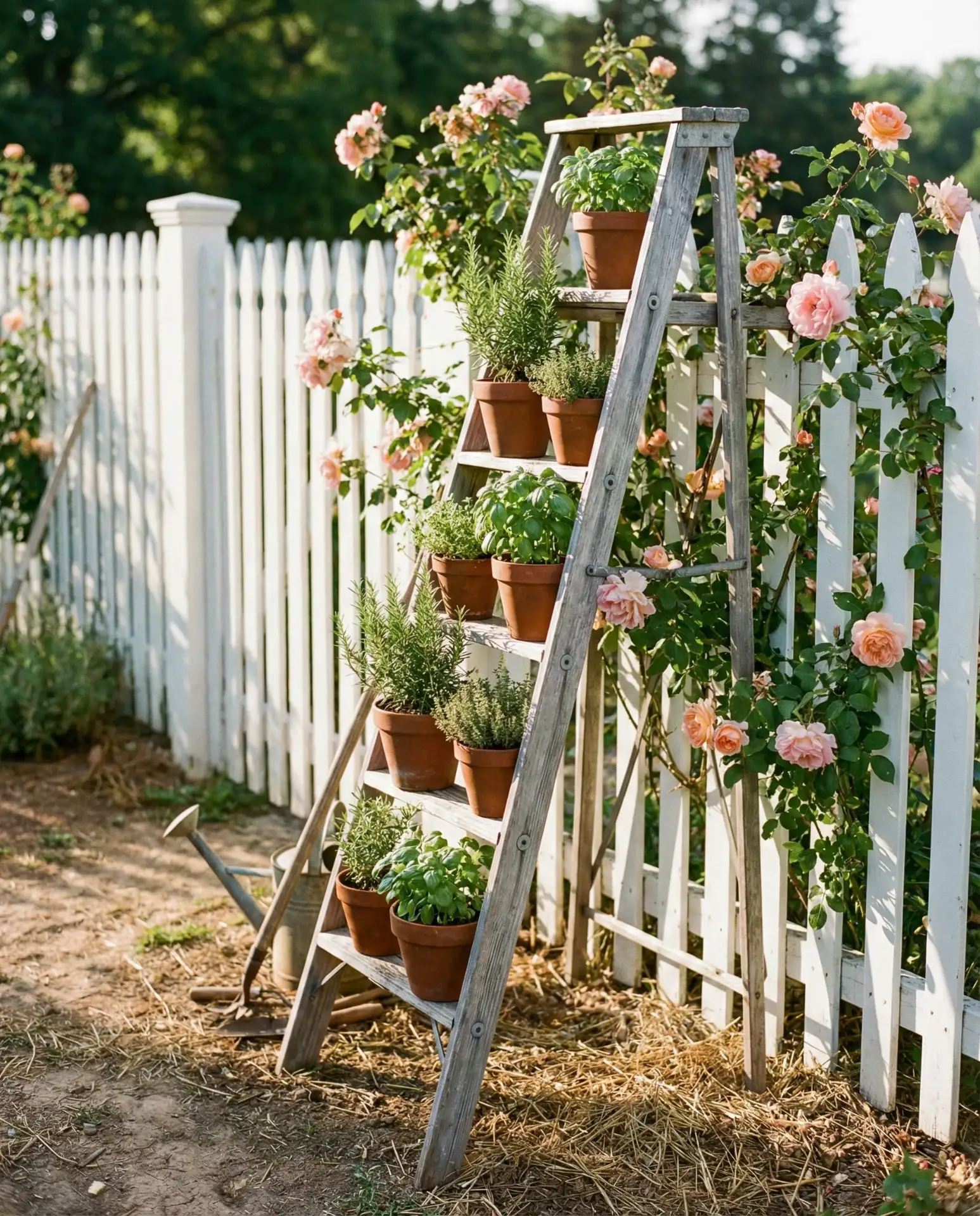
Lean an antique wooden ladder against a fence or house exterior and transform each rung into a display shelf for potted herbs, flowering plants, or trailing ivy. This vertical rustic solution maximizes space in narrow side yards or balconies while adding architectural interest. The aged wood patina and worn paint chips contribute authenticity that new replicas struggle to achieve. Secure the top firmly to prevent tipping, and consider adding small S-hooks for hanging additional containers or garden tools. 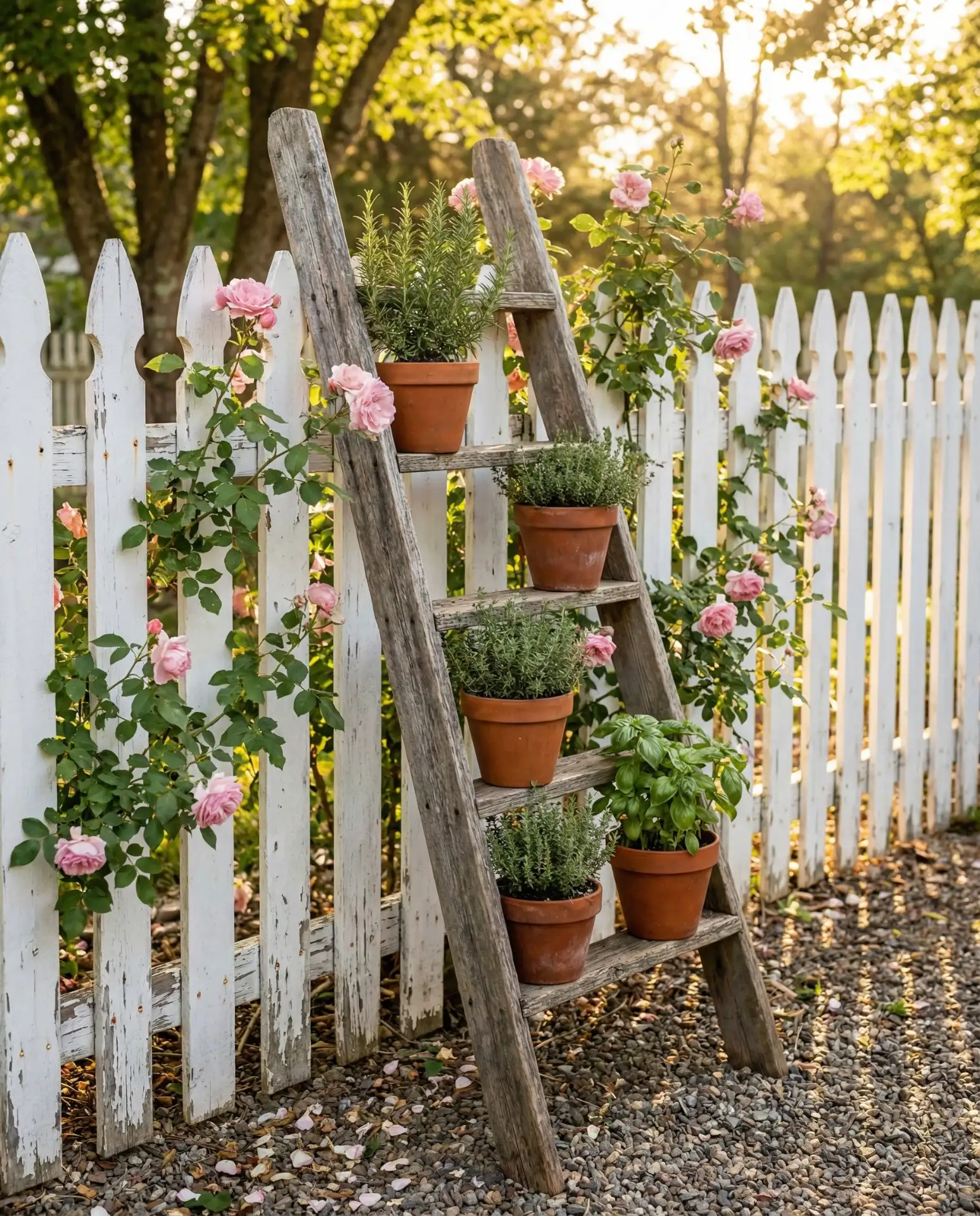
A neighbor of mine in Vermont found a ladder in a barn. It took less than 2 hours to set up and to clean and arrange the ladder. It made a wall screen into a vertical garden display. During the garden season, real homeowners use the display to showcase a variety of plants for every season. Pot and plant have to go in equal areas. Make sure the pots are not. During heavy windy storms, the display has to go in pots and plants equal to the weather.
7 French Country Lavender Borders
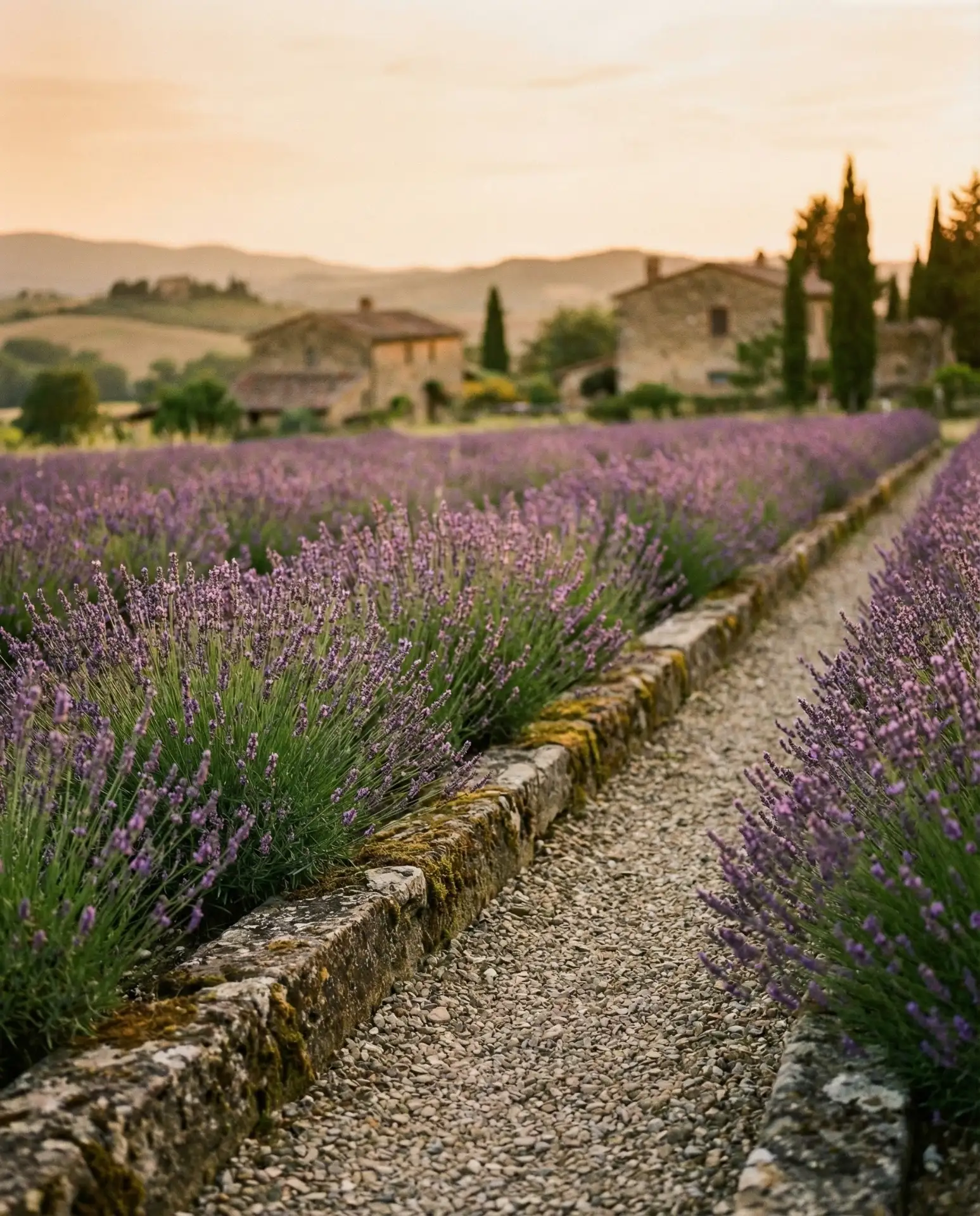
Line pathways or property edges with French country lavender plantings that deliver fragrance, pollinator support, and soft purple-grey visual texture. This Mediterranean approach thrives in well-drained soil and full sun, making it ideal for drier Western states. The silvery foliage provides year-round interest even when not blooming, while the architectural mounding form creates natural definition without formal hedging. Prune after flowering to maintain a compact shape and encourage bushier growth the following season. 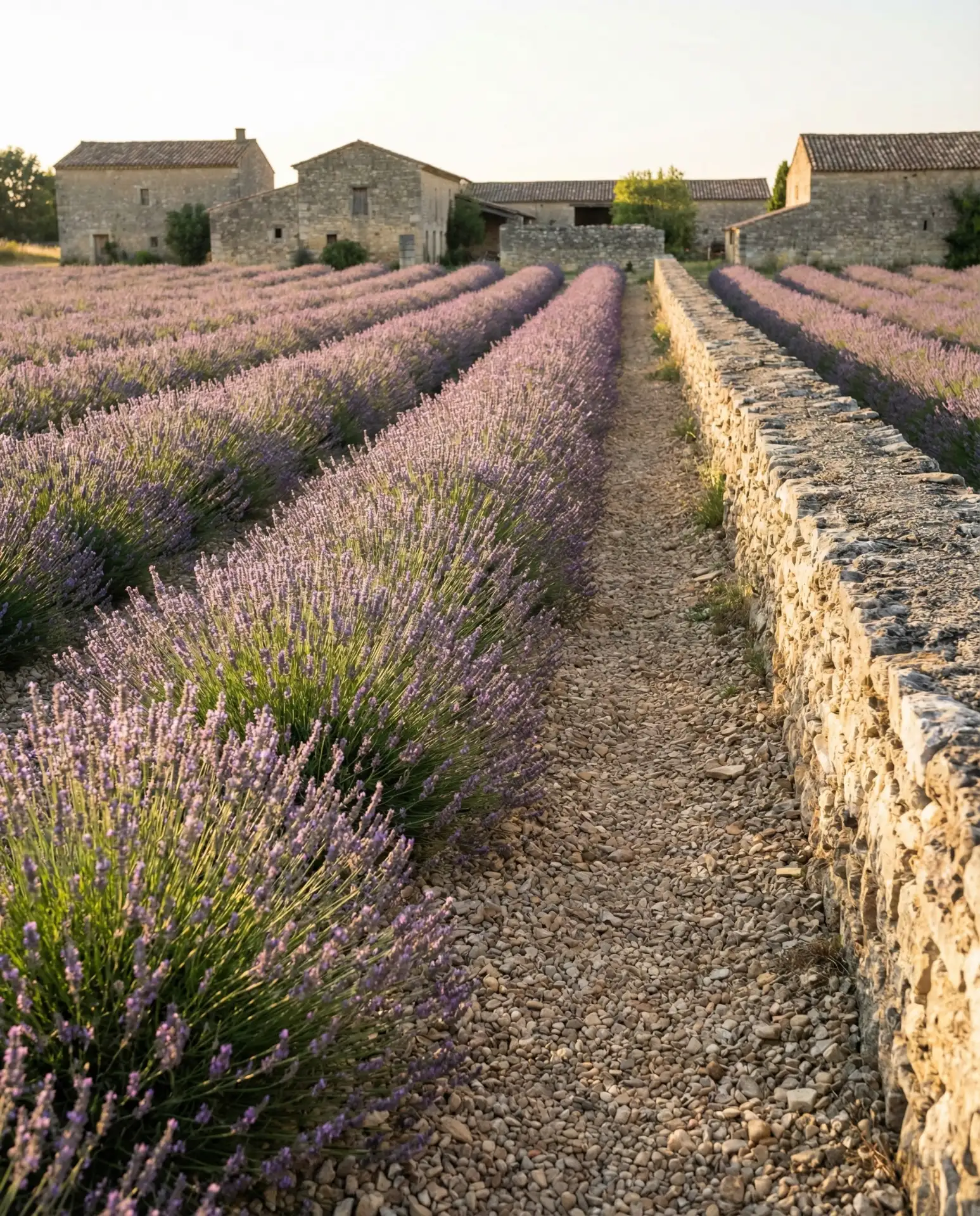
Budget-conscious gardeners appreciate that mature lavender plants typically cost $8-15 each but spread reliably over 2-3 years, reducing long-term expenses. The investment proves worthwhile across California’s Central Coast and throughout the Southwest, where water conservation remains critical. Common mistakes include overwatering—lavender actually prefers neglect—and planting in heavy clay soil. Amend with sand or gravel, and resist the urge to fertilize; these plants evolved in poor soils and perform better lean.
8. Minecraft-Inspired Block Garden Edging
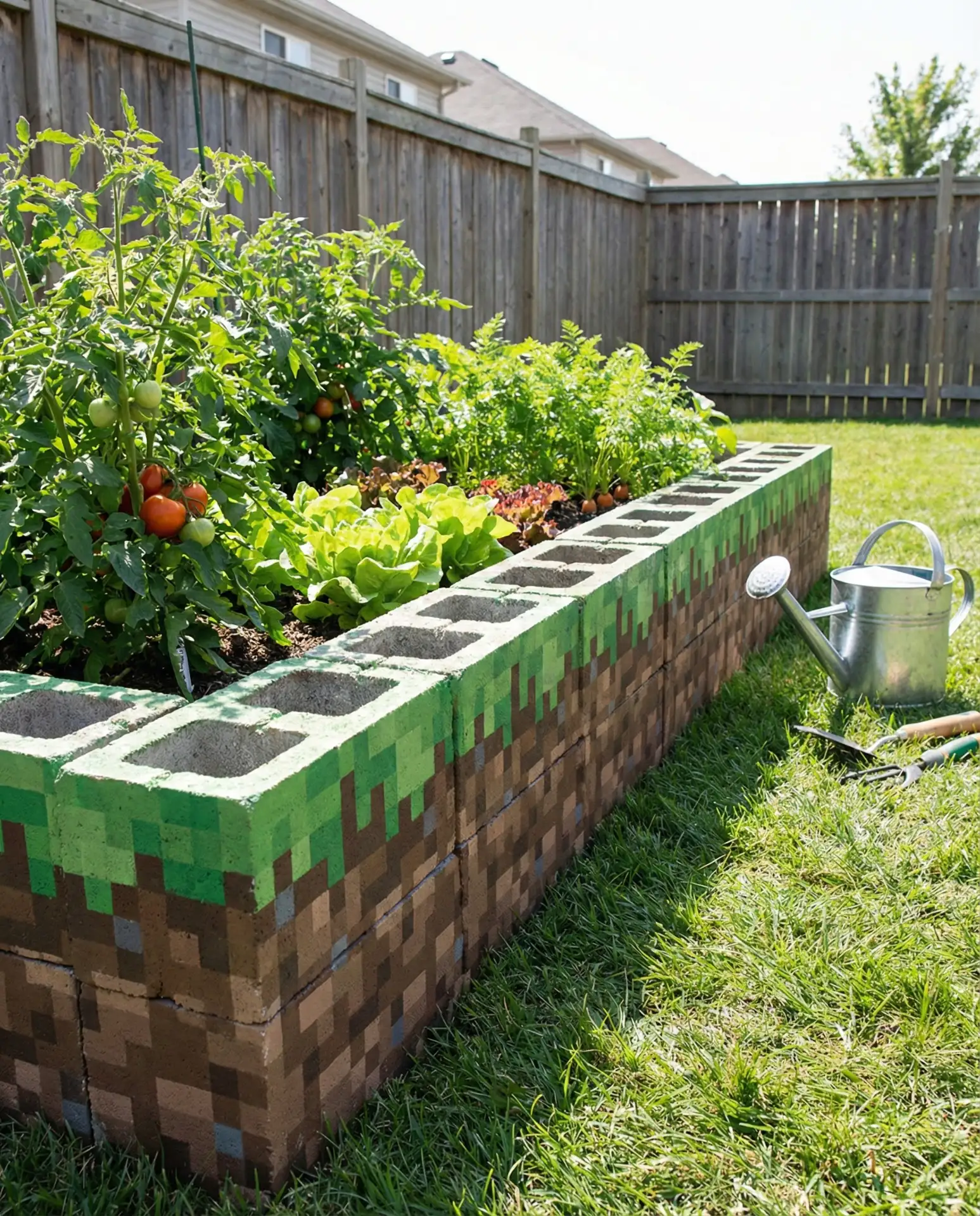
Embrace Minecraft aesthetics with painted concrete blocks arranged as pixelated garden borders that resonate with younger family members. This DIY approach uses standard cinder blocks painted in grass green, stone grey, or dirt brown to mimic the game’s iconic visual style. Stack them two or three high for raised bed walls, or line them singly along paths for a playful boundary. The blocky geometry actually simplifies installation since pieces naturally align without complex measuring. 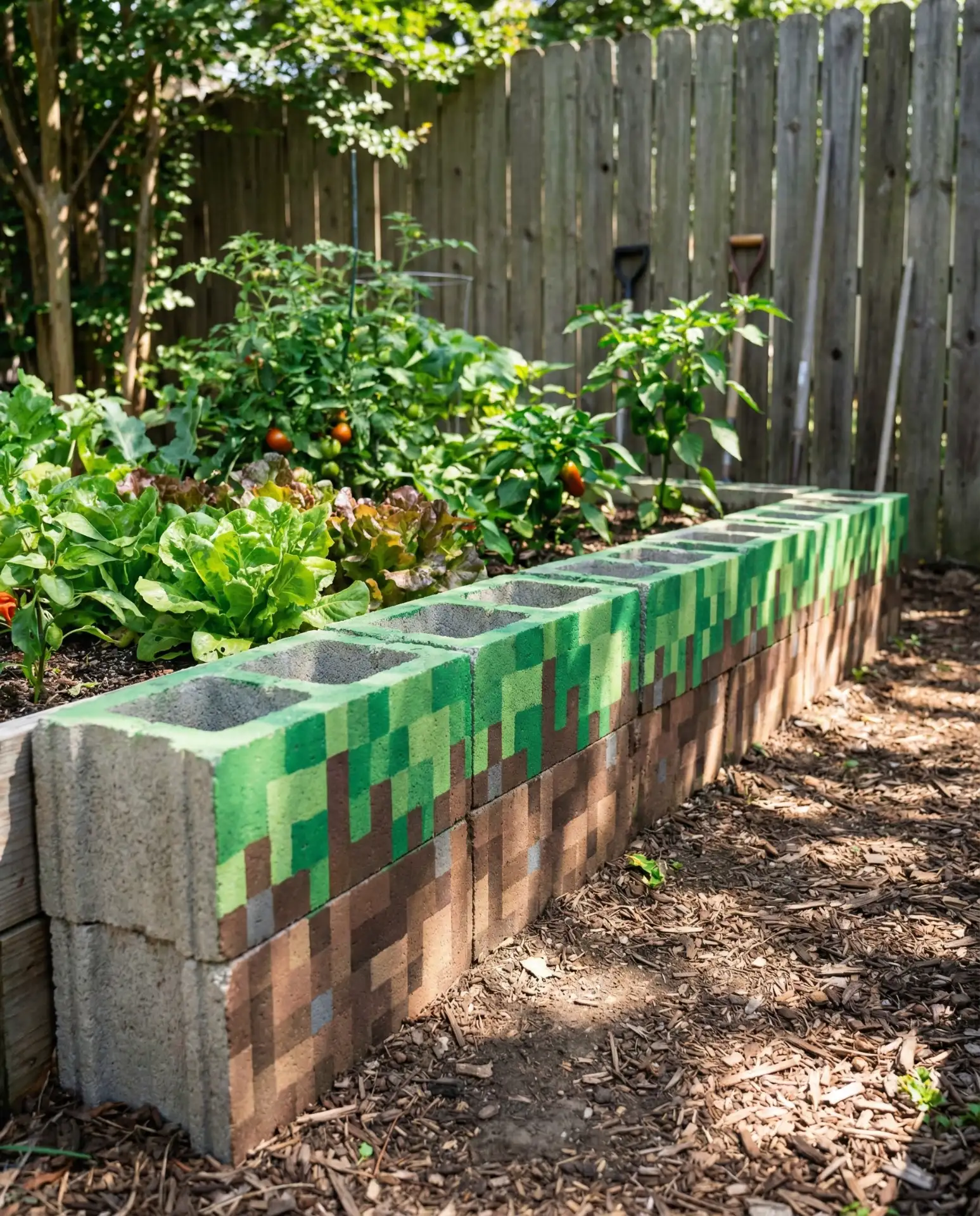
Where this works best is in family gardens where children participate in planting and maintenance—the familiar visual language creates instant buy-in from kids who might otherwise show little interest in outdoor chores. An Arizona dad reported his teenage son volunteered to help after seeing the blocks go up, later suggesting additional “biome” sections with different color schemes. Use exterior-grade masonry paint for durability, and consider filling hollow blocks with soil to grow additional herbs or flowers directly within the structure.
9. Country Galvanized Tub Planters
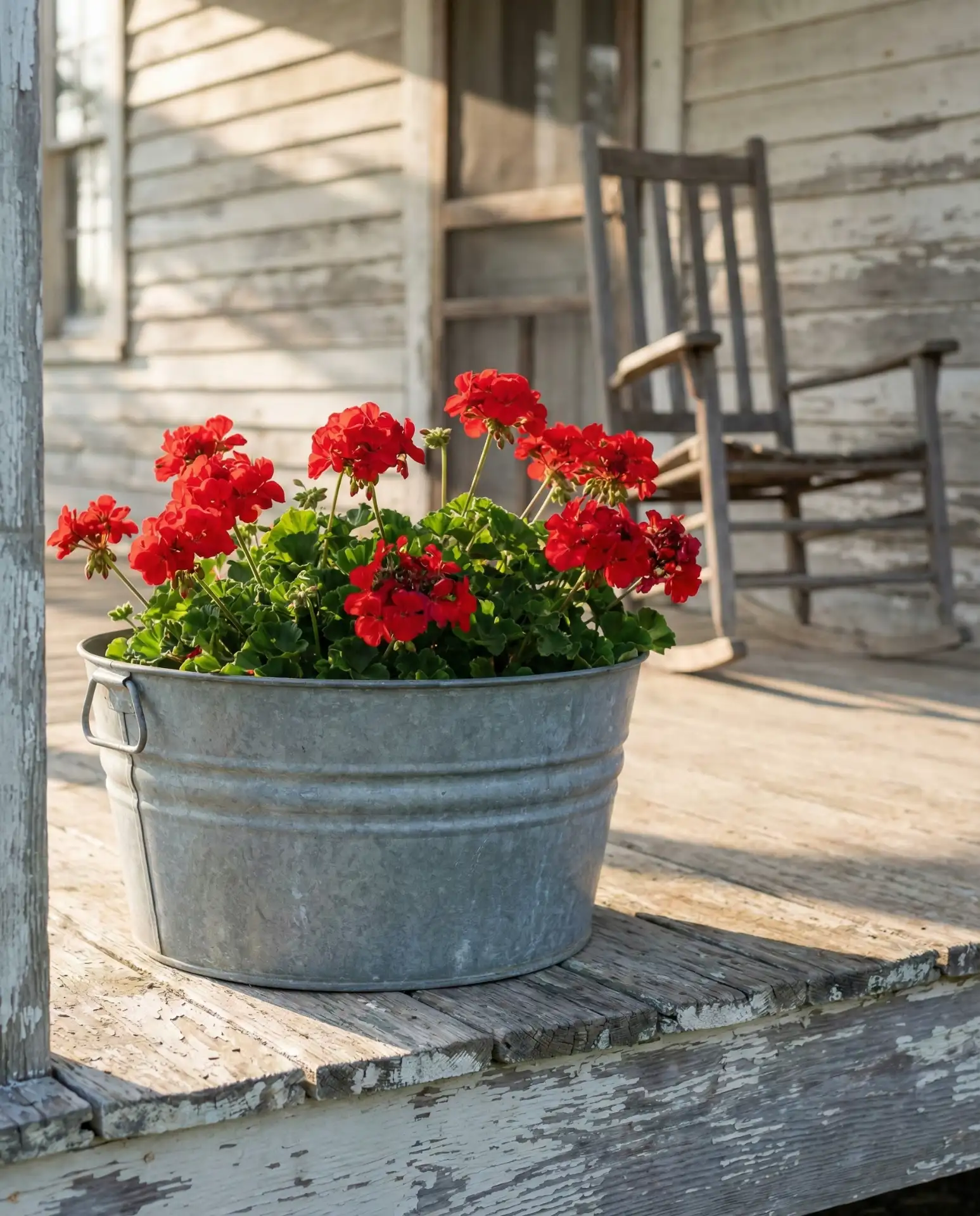
Repurpose vintage galvanized wash tubs and buckets into country-style planters that bring farmhouse charm to porches and patio corners. The silvery metal develops a beautiful patina over time while providing excellent durability against weather extremes. Drill drainage holes in the bottom, add a layer of gravel, then fill with quality potting soil. These work brilliantly for heat-loving vegetables like tomatoes or peppers since the metal absorbs and radiates warmth that extends the growing season. 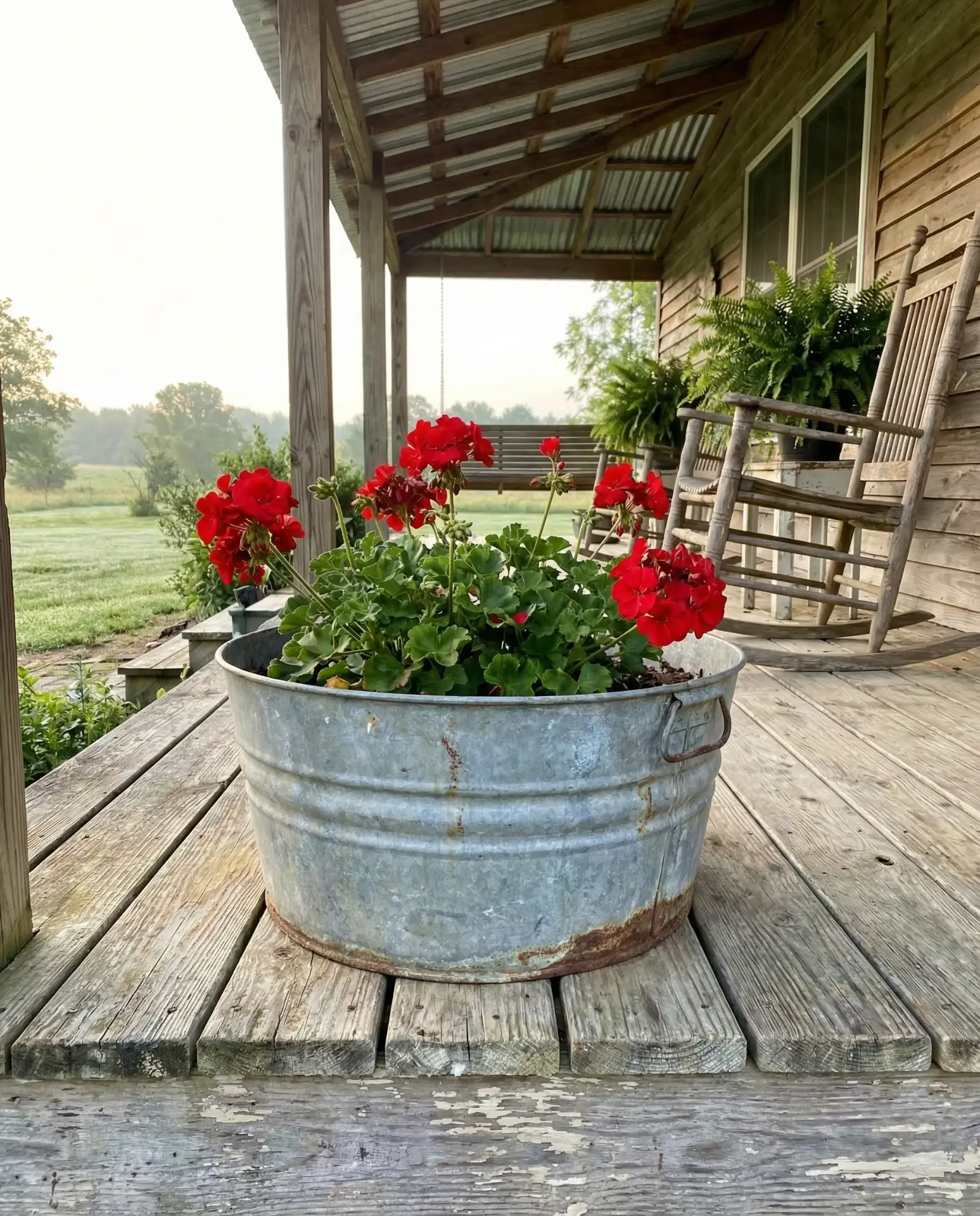
Expert gardeners note that metal containers heat up more than ceramic or plastic, which benefits warmth-loving plants but requires more frequent watering during summer peaks. This trade-off is easily managed with drip irrigation or self-watering inserts. Across Texas and the South, these tubs have become go-to solutions for moving gardens to follow shade patterns. A common mistake is using tubs without drainage—standing water quickly leads to root rot regardless of how charming the container looks.
10. Winter Evergreen Container Garden
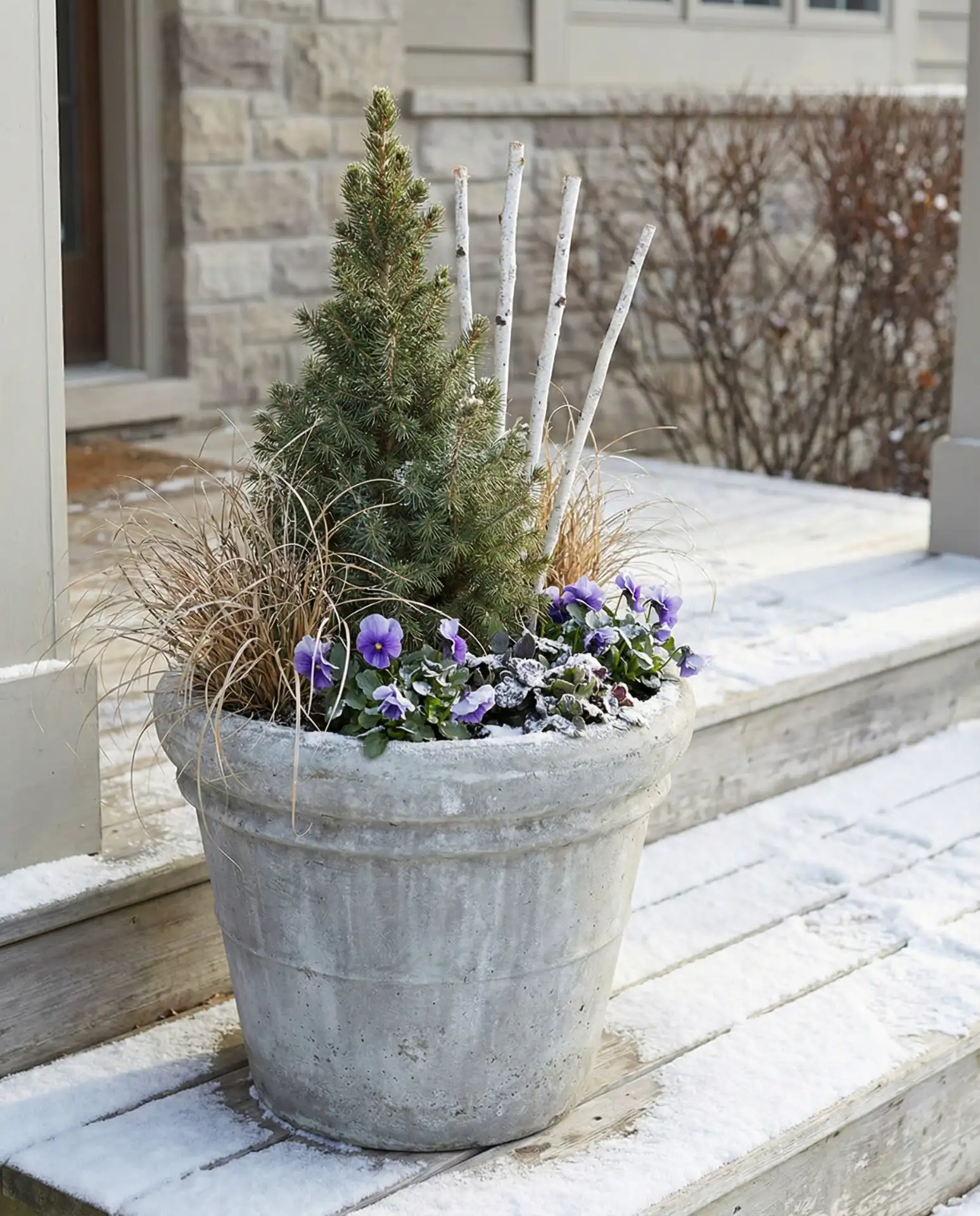
Design winter containers using dwarf evergreens, ornamental grasses, and winter-blooming pansies for color that persists through cold months. This outdoor strategy prevents the barren look that plagues many gardens from November through March. Combine textures—spiky grasses against soft conifer needles—and add birch branches or red twig dogwood cuttings for vertical interest. Choose frost-resistant pots since terra cotta and ceramic often crack when temperatures plunge below freezing repeatedly. 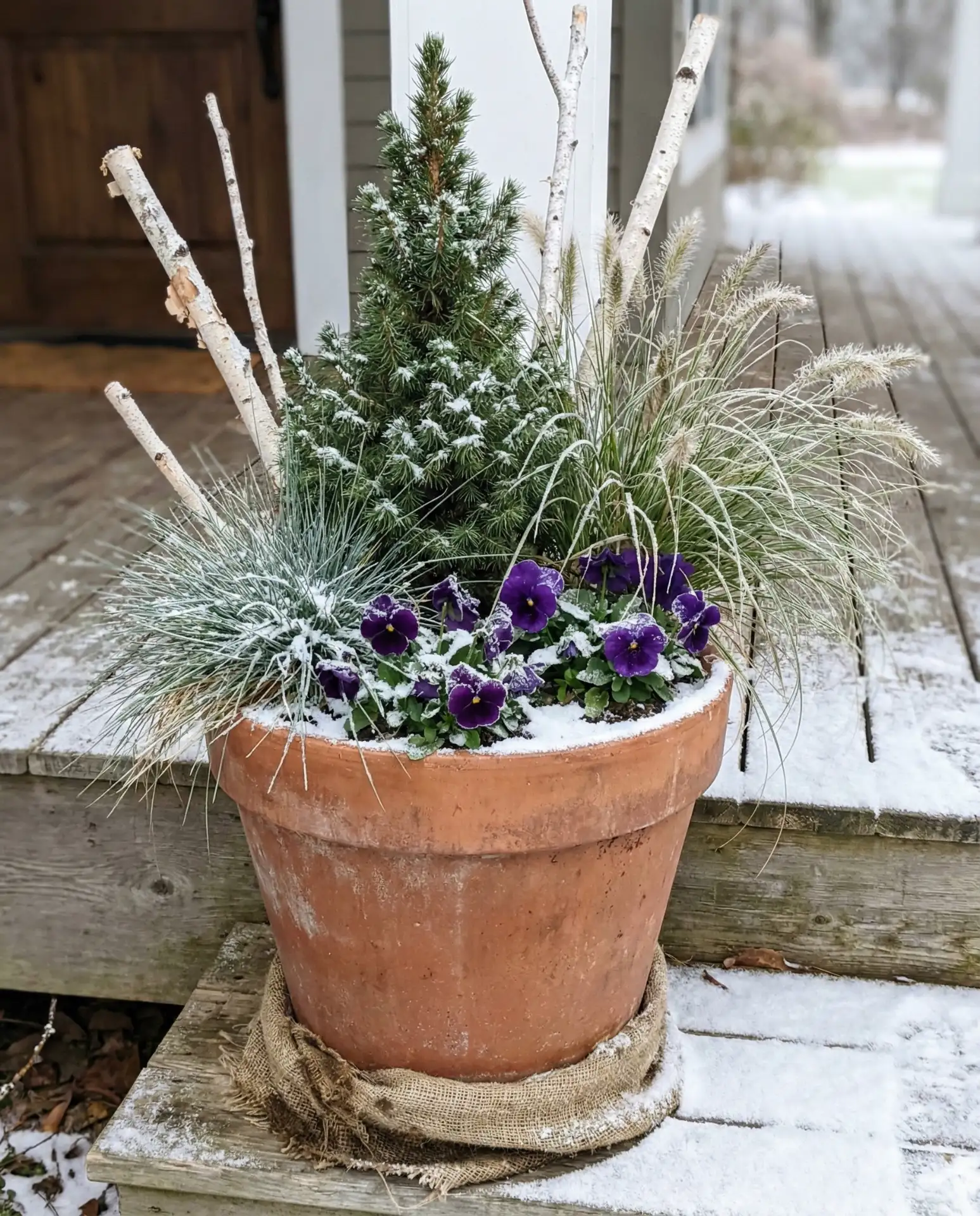
This approach particularly resonates with gardeners in Minnesota, Wisconsin, and throughout New England, where outdoor spaces see little attention between Halloween and Easter. The initial investment in quality evergreens pays off through multiple seasons—they can be transplanted to landscape beds in spring or maintained in containers year after year. Water thoroughly before the ground freezes solid, as winter desiccation causes more evergreen death than actual cold temperatures. Position containers near entryways where you’ll appreciate them daily through windows.
11. Halloween Haunted Garden Pathway

Transform your garden walkway into a spooky Halloween experience using solar-powered tombstones, skeletal hands emerging from mulch, and purple uplighting among existing shrubs. This seasonal outdoor transformation requires minimal permanent installation—most elements stake into the ground and store easily for next year. String orange and purple lights through tree branches, position fog machines near the entrance, and use sound effects hidden in bushes for multi-sensory impact that neighborhood kids will talk about for months. 
One Massachusetts family spends about $150 annually adding to their collection, which has grown into a destination that draws visitors from across town. They’ve learned that motion-activated elements deliver the biggest reactions—a suddenly illuminated figure or triggered sound effect creates genuine startle moments. The key is layering effects at different heights and distances to build anticipation as visitors progress through the space. Start decorating in early October to maximize enjoyment, and remember to turn effects off by 9 PM to respect neighbors.
12. Wedding Ceremony Arch Garden Feature
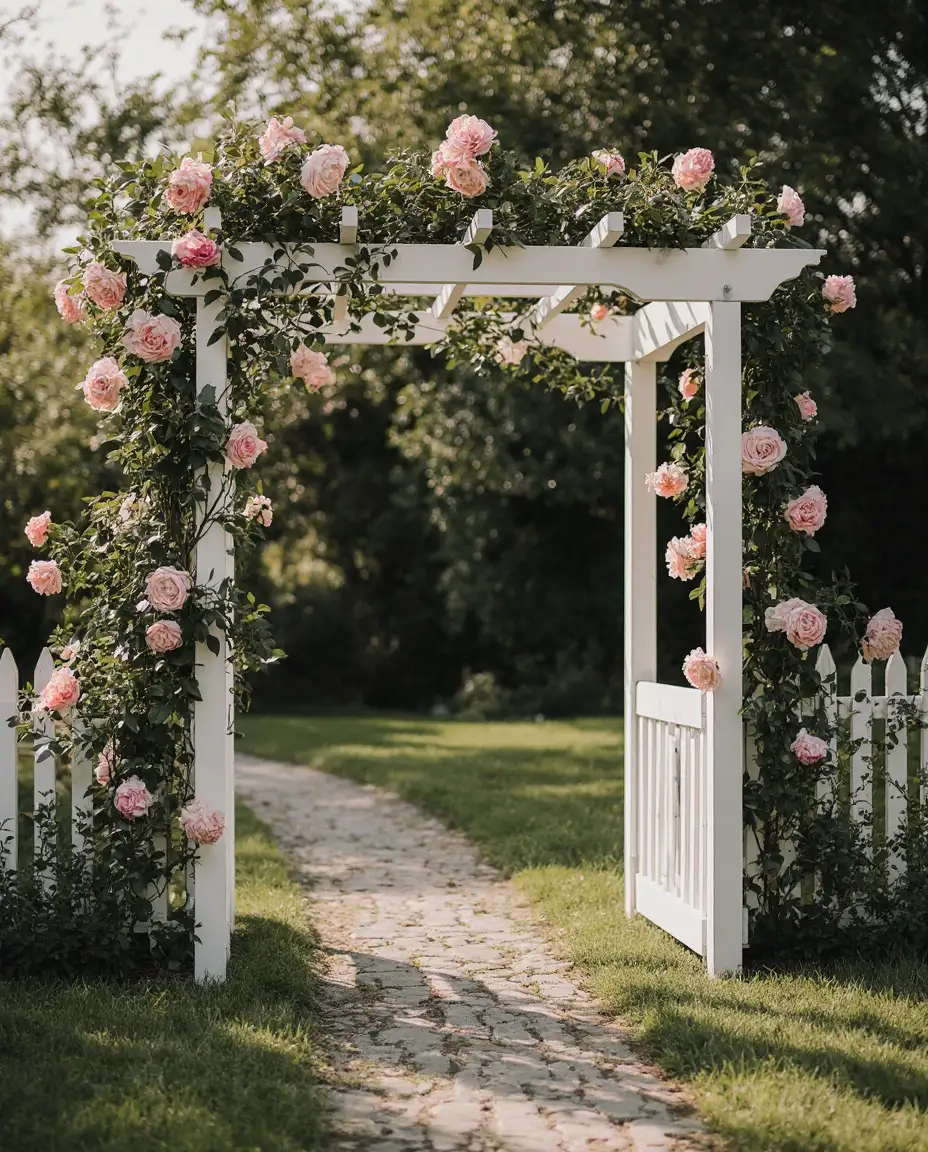
Install a permanent wedding-style arbor that becomes a romantic garden focal point year-round, not just during special events. Train climbing roses, clematis, or wisteria over the structure to create a living frame for garden views or seating areas. The architectural element anchors landscape design while providing necessary vertical interest that flat plantings can’t achieve. Choose rot-resistant cedar or metal construction that withstands years of plant weight and weather exposure without constant maintenance. 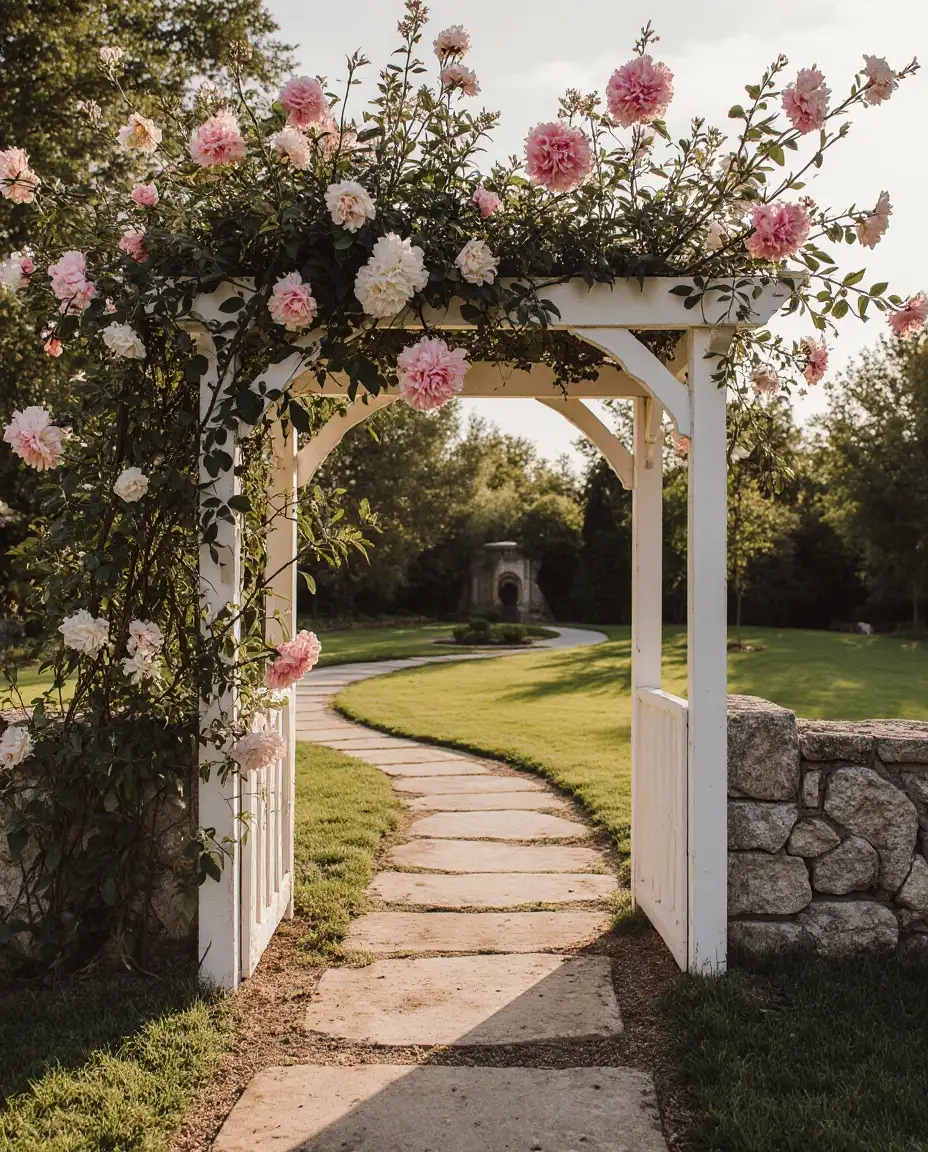
Beyond aesthetics, arbors serve practical purposes—they define transitions between garden rooms, frame views of prized plantings, and provide shade for shade-loving perennials beneath. A Missouri gardener noted that her arch became the default backdrop for family photos, effectively serving as permanent holiday card scenery. The budget for this feature ranges from $200 for basic kits to $800+ for custom carpentry, but the investment creates structure that elevates the entire landscape immediately rather than waiting years for trees to mature.
13. Unique Repurposed Bathtub Pond
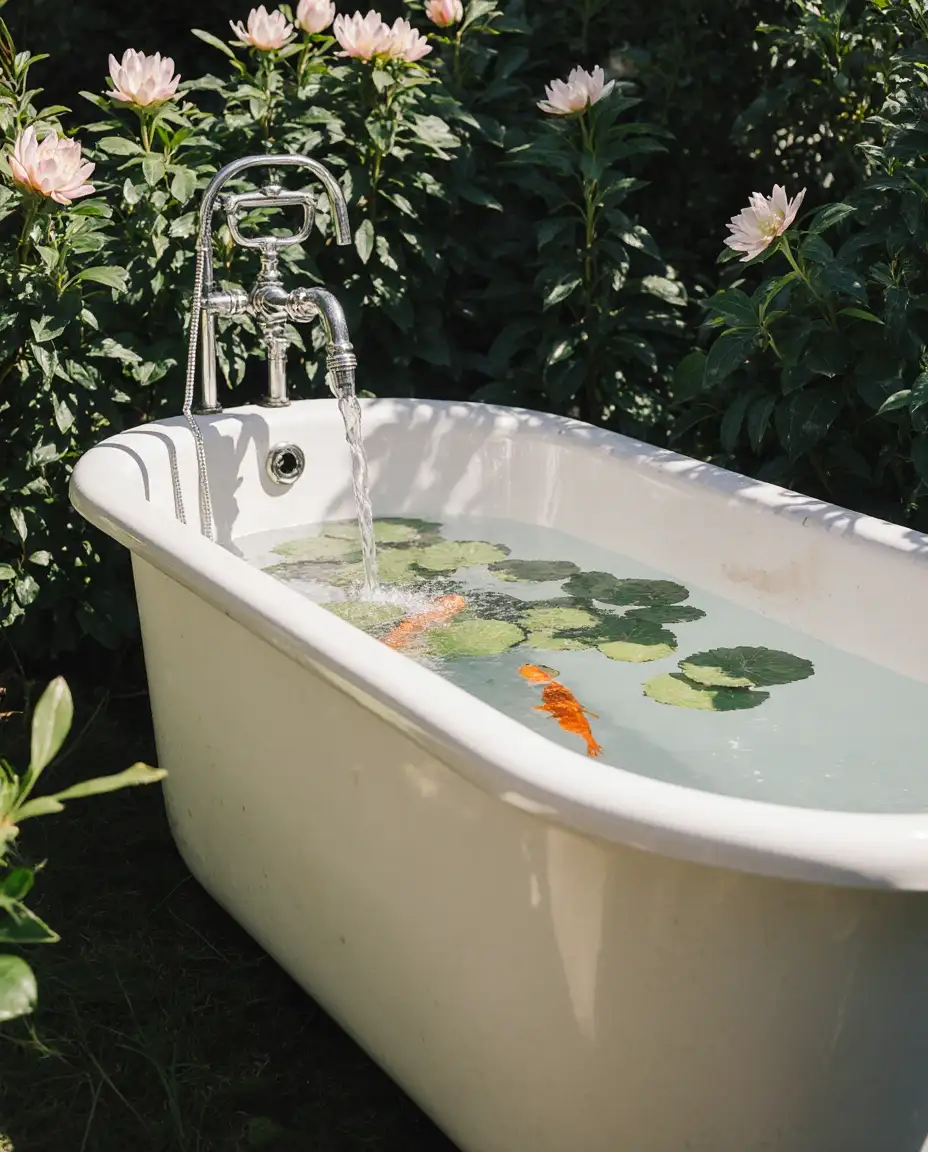
A vintage tub or salvaged clawfoot tub can be converted into a unique water garden that houses a small fountain pump, goldfish, and other aquatic plants. This creative approach provides the ambiance of a pond without the need for extensive excavation or installation of a liner. The contained system is easy to maintain and can be repositioned if your landscape needs change. The exterior can be painted in colors of weathered patina or naturalistic fully buried, or it can just be a found-object statement that sparks conversation. 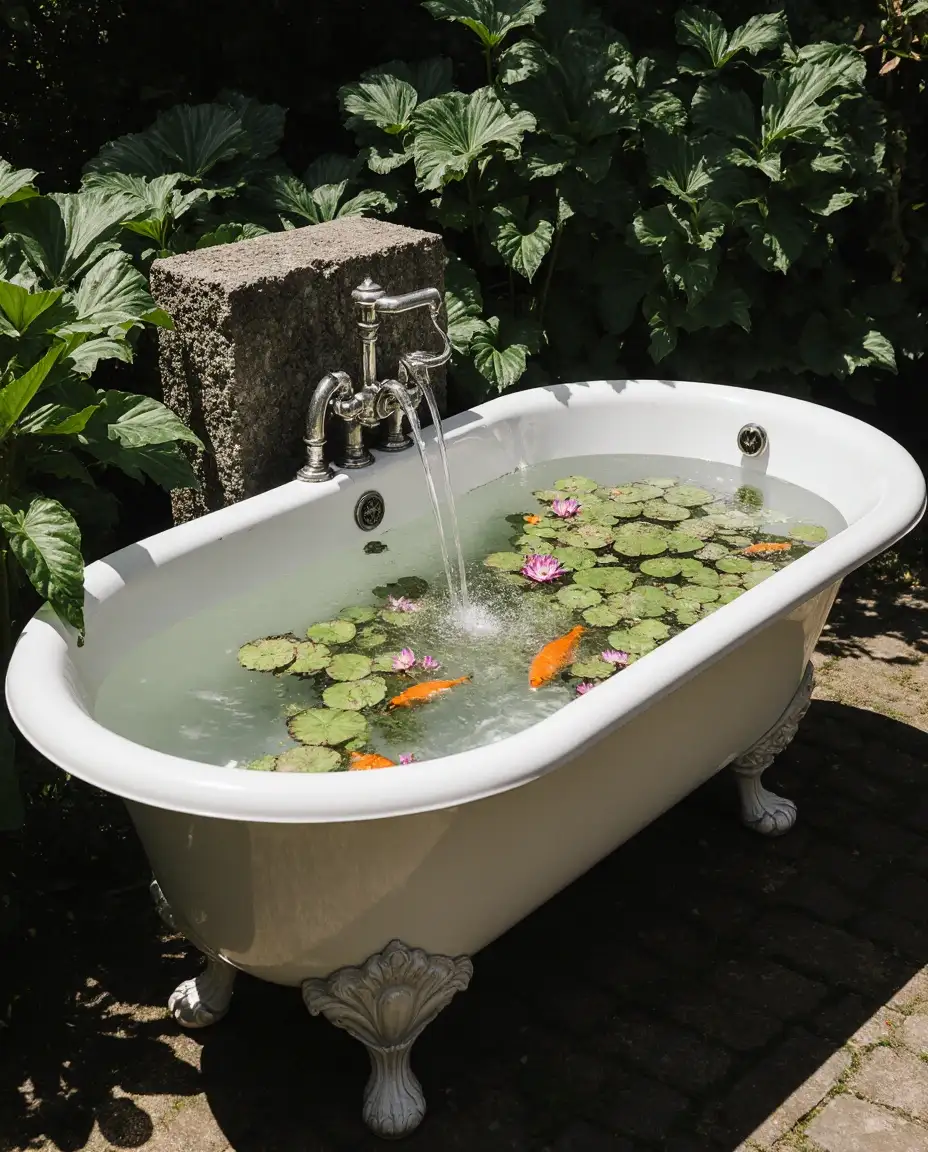
Real homeowner behavior shows that tub ponds work exceptionally well in eclectic or cottage-style gardens where quirky elements feel at home. A Portland gardener sources vintage tubs from architectural salvage yards for $75-150 and reports the setup takes a single weekend, including leveling, planting, and stocking with fish. The biggest mistake is neglecting to plug the drain permanently with marine epoxy—standard plugs fail eventually, and draining your pond unexpectedly stresses fish and plants. Include a mix of submerged oxygenating plants, floating species, and marginal plants for balanced ecosystem health.
14. Clay Pot Tower Vertical Garden
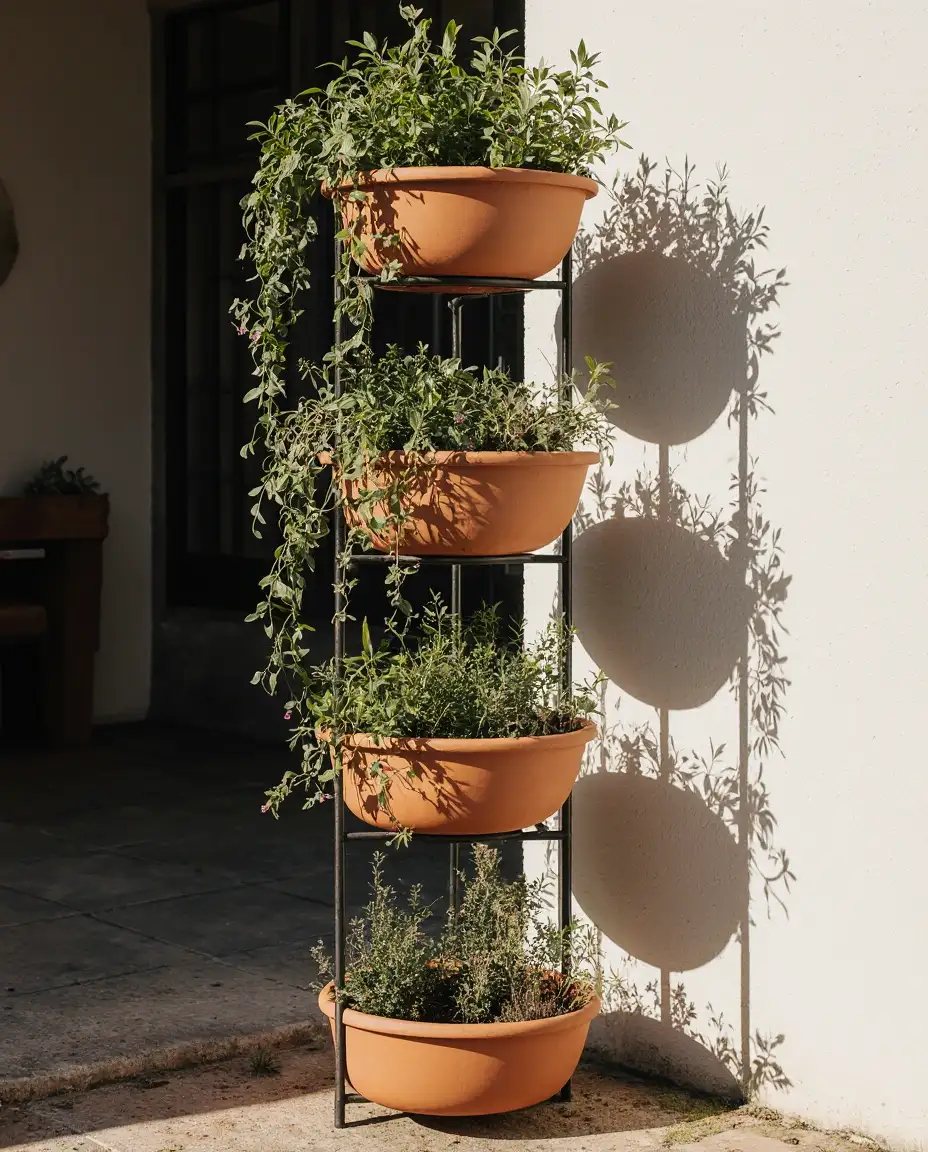
Stack graduated clay terracotta pots on a central rod or rebar to create a cascading planter tower that maximizes growing space in compact areas. This DIY technique works brilliantly for herbs, strawberries, or annual flowers, where each tier receives adequate light and air circulation. Thread pots at angles so each rim nests slightly beyond the one below, creating planting pockets on multiple levels. The natural terracotta breathes better than plastic, promoting healthier root systems and reducing overwatering risks. 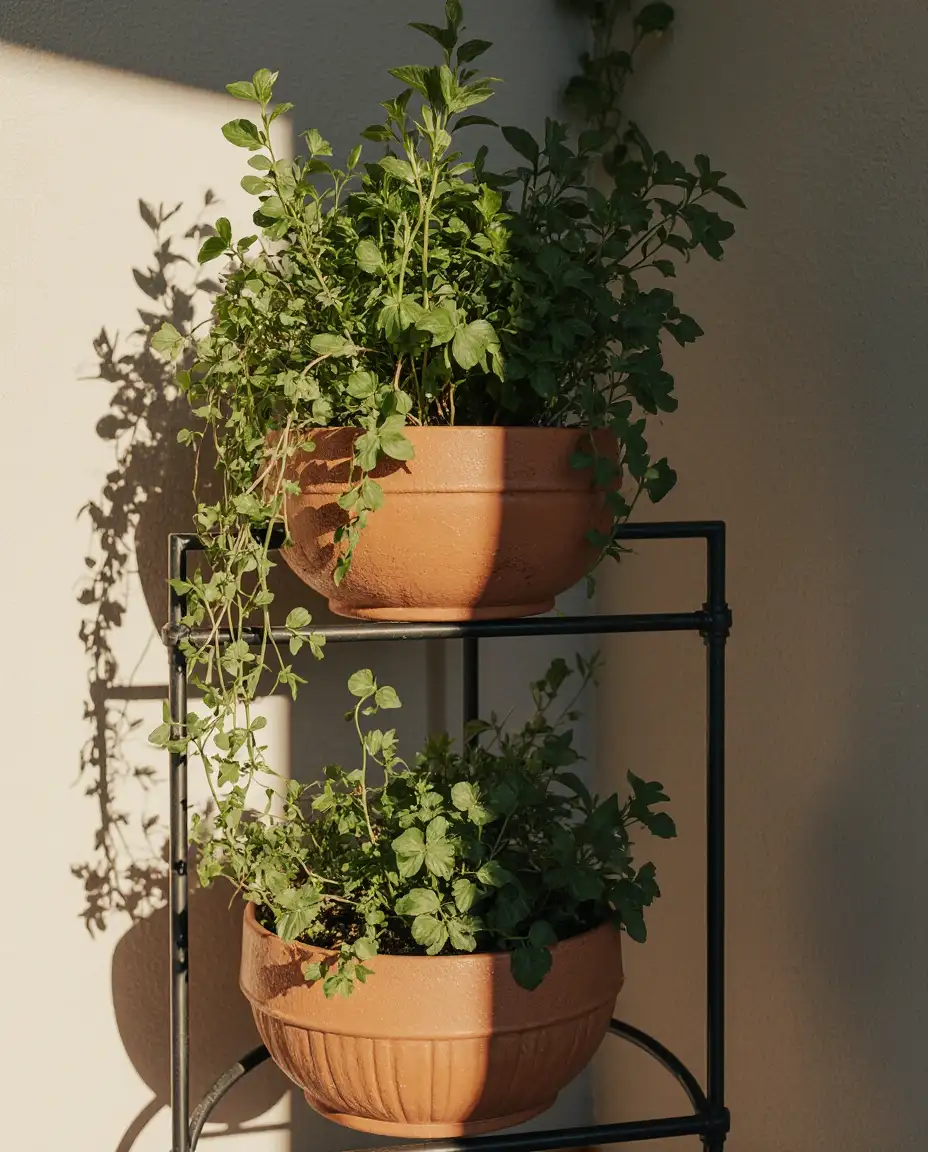
Where this works best: sunny patios and balconies where ground space is limited but vertical areas go unused. Urban gardeners across New York City and Chicago have embraced these towers for growing kitchen herbs within arm’s reach of apartment doors. The structure remains stable in wind when properly secured and weighted with soil. Common mistakes include using pots that are too large at the top—maintain a 2-inch diameter decrease between each level for proper proportion and stability, starting around 12 inches at the base and ending with 4-6 inch pots at the top.
15. Christmas Outdoor Light Display Garden
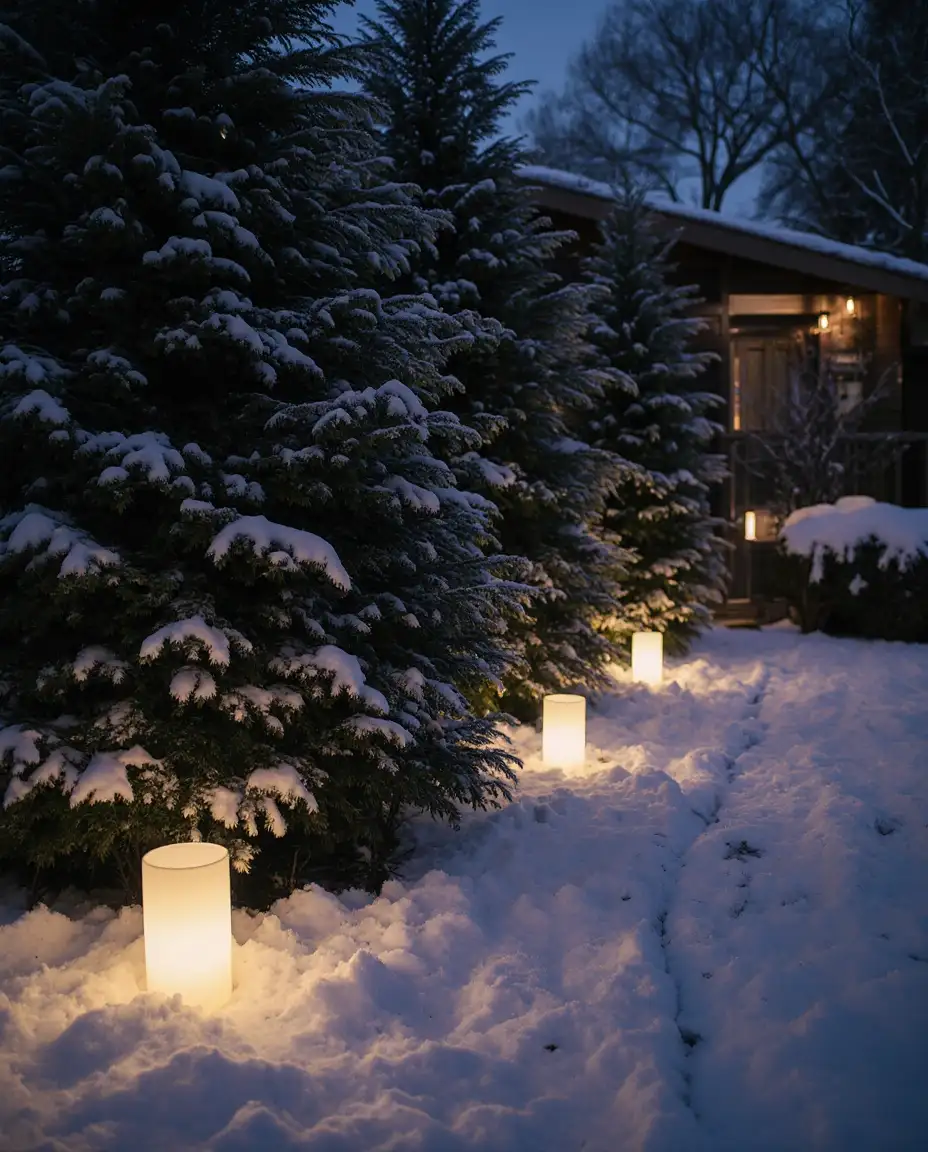
Design your Christmas outdoor lighting as an extension of garden architecture by wrapping evergreens, outlining arbors, and highlighting specimen plants with LED strands. This approach integrates holiday decor with existing landscape features rather than appearing as random decoration. Modern LED options consume minimal electricity and last for years, making extensive displays practical. Focus lights where you’ll view them from inside through windows, and vary colors—warm white for sophisticated elegance and multicolor for playful family energy. 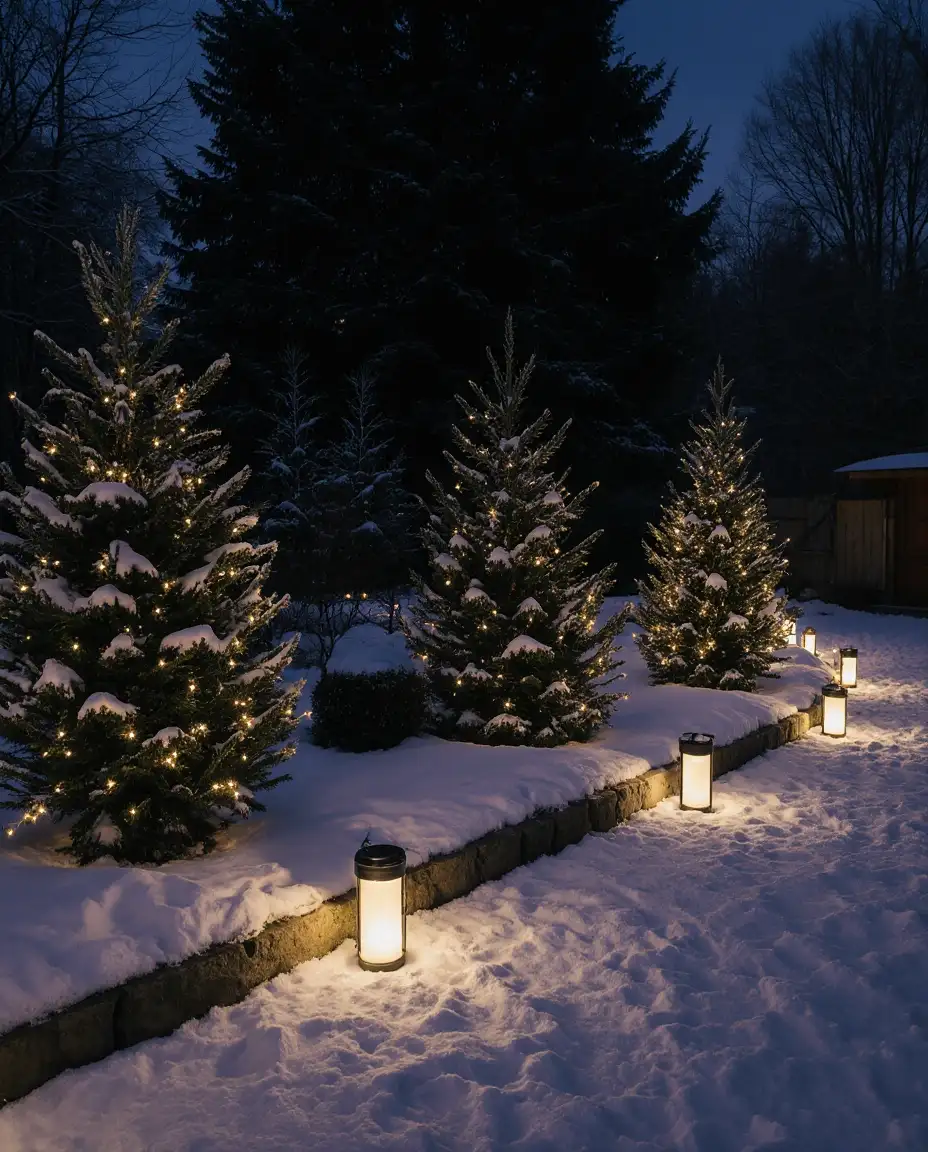
Expert installers recommend starting with a lighting plan sketch that maps electrical outlet locations and measures distances to avoid buying insufficient strand lengths. Timer controls eliminate the daily task of switching on and off while ensuring lights never run all night unnecessarily. One Michigan family invests in quality commercial-grade strands that survive harsh winters for 5+ years, calculating that the per-season cost actually beats cheap annual replacements. Avoid the common mistake of overloading circuits—calculate total wattage and never exceed 80% of breaker capacity for safety.
16. Homemade Stone Mosaic Stepping Path
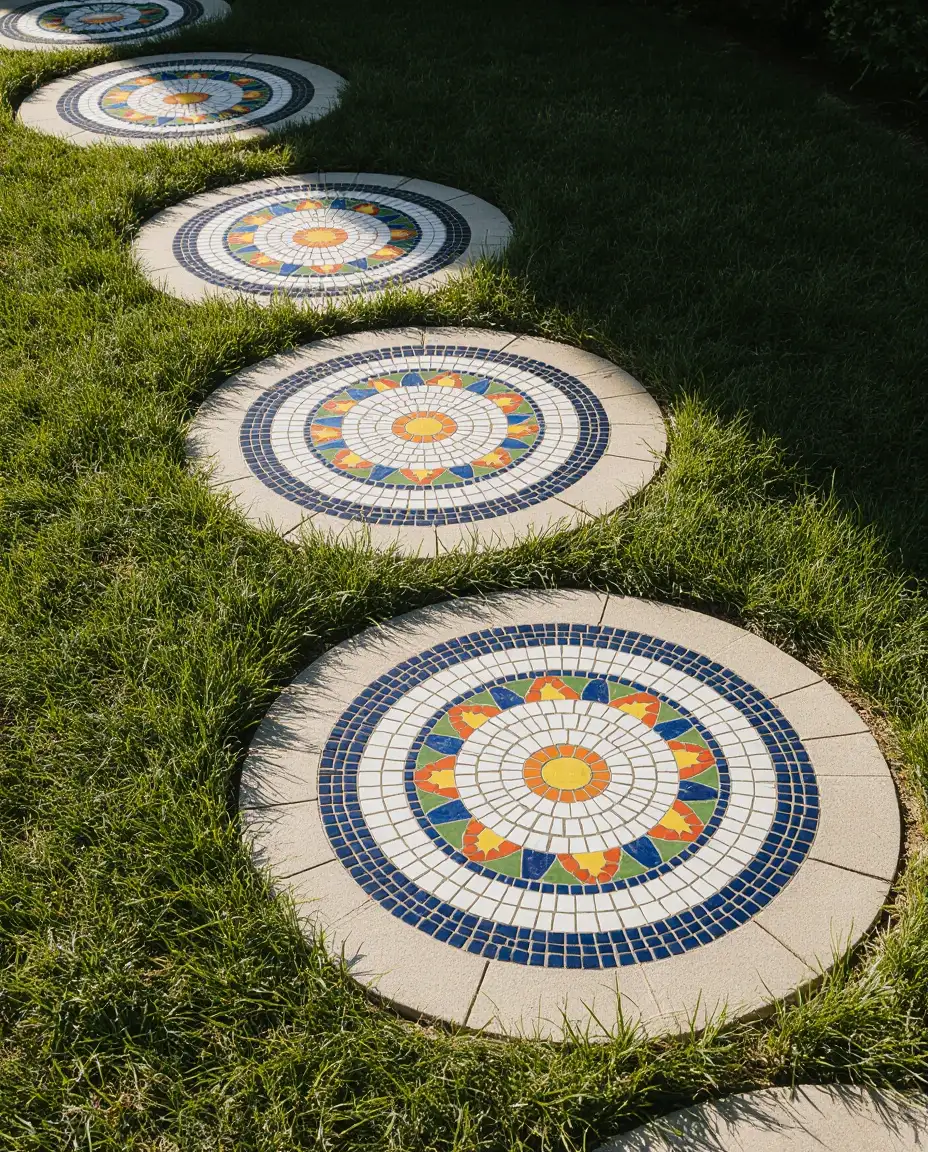
Craft homemade stepping stones by pressing colorful broken tiles, beach glass, or river rocks into wet concrete forms for custom garden pathway art. This creative weekend project costs $30-50 per stone and delivers one-of-a-kind results impossible to purchase retail. Use premixed concrete in round or square molds; arrange your mosaic design face-down in the mold first, then pour concrete over top. When unmolded and flipped, the polished surface appears on top while concrete forms a stable base below. 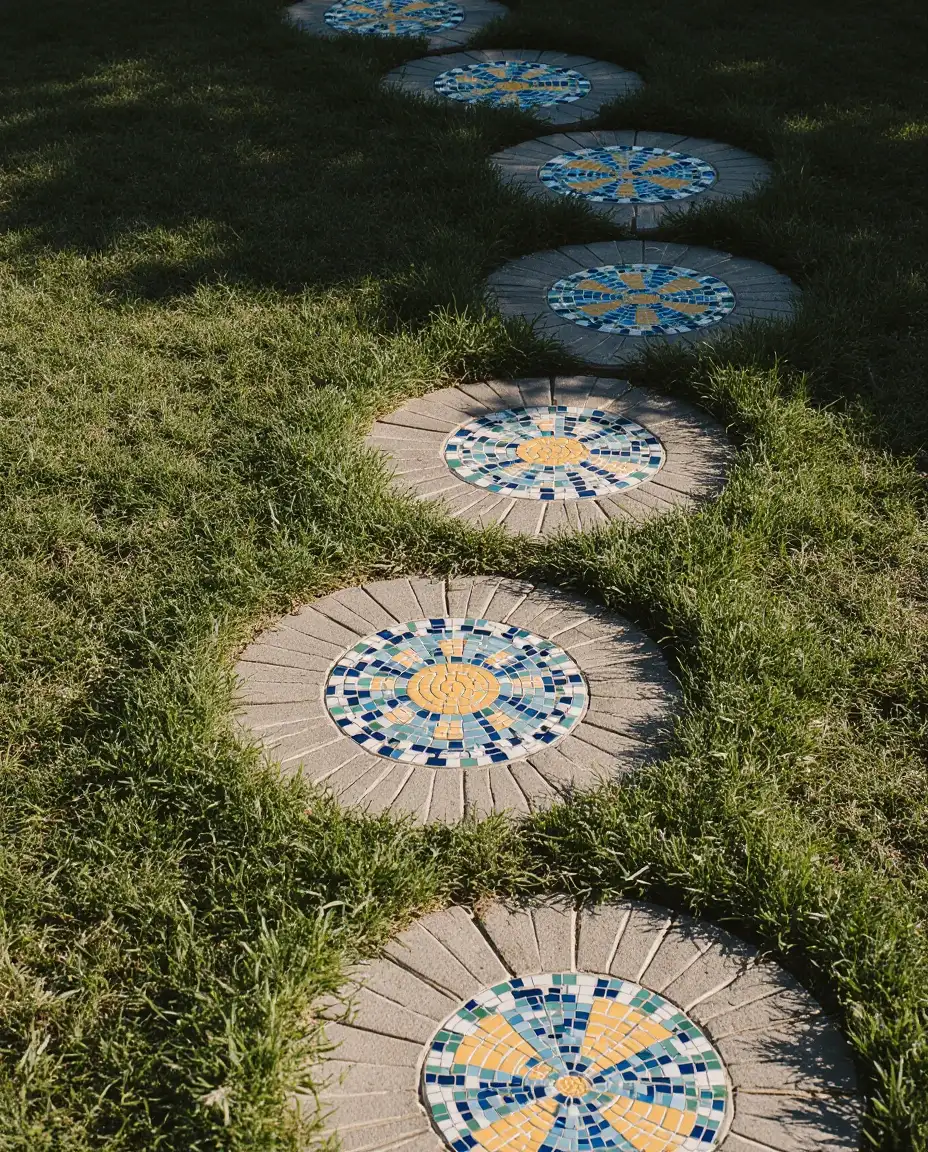
This technique particularly appeals to families looking for collaborative projects—children enjoy selecting and arranging decorative elements, creating stones they’ll point out proudly for years. An Oregon couple hosts annual “stepping stone parties” where friends bring wine and create custom stones together, building both pathways and memories simultaneously. The key is working in manageable batches since concrete sets within 20-30 minutes. Seal finished stones with concrete sealer after a week of curing to protect the surface and enhance color vibrancy through rain and foot traffic.
17. Wood Pallet Vertical Herb Garden
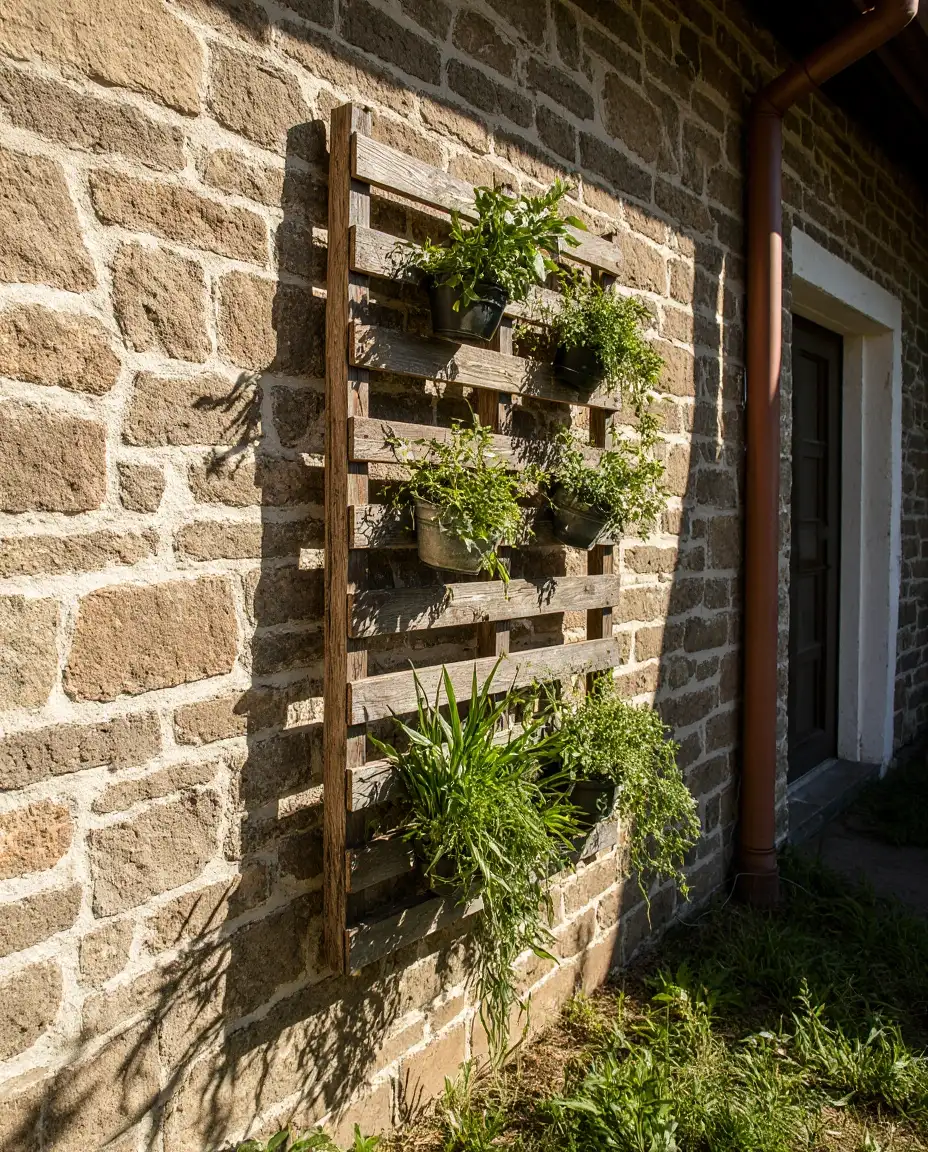
Stand a heat-treated wood shipping pallet upright and convert the slat spaces into planting pockets for a vertical kitchen garden. This rustic DIY solution costs nearly nothing if you source pallets free from businesses and delivers convenient access to fresh herbs just steps from your kitchen door. Line the back with landscape fabric to hold soil while allowing drainage, fill each level with potting mix, and plant basil, parsley, cilantro, or thyme in the front-facing pockets. 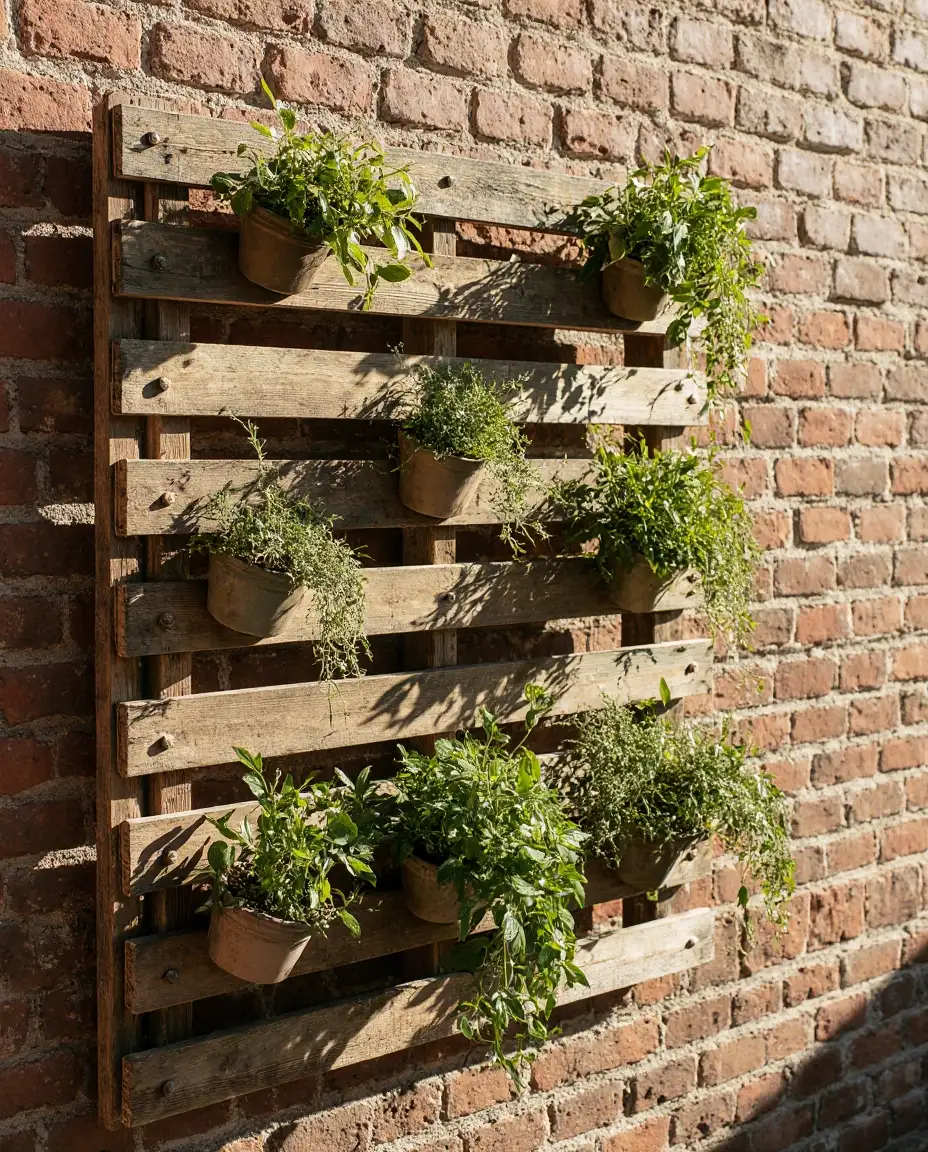
Practical insight: choose pallets stamped “HT” (heat treated) rather than “MB” (methyl bromide) to avoid chemical contamination near edibles. The vertical orientation solves drainage naturally while keeping herbs at a comfortable picking height without bending. This setup thrives in full-sun locations—lean it against a south-facing wall where heat-loving Mediterranean herbs flourish. Many gardeners report that the rustic aesthetic improves with age as wood weathers to silvery grey, though you can stain or paint for a more polished look initially if preferred.
18. Antique Bicycle Planter Display
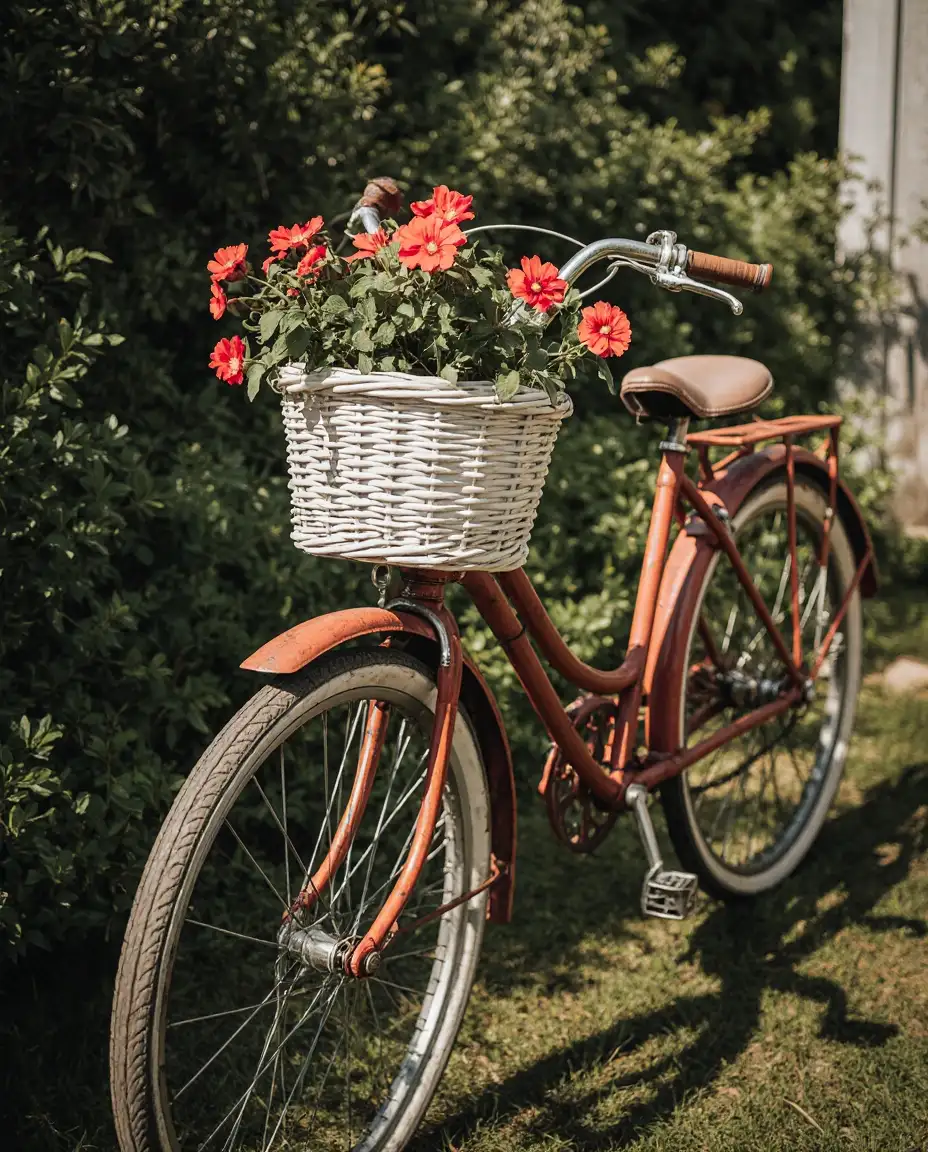
Placing an old bicycle filled with hanging baskets and planter boxes strapped to the rear rack and handlebars makes a delightful garden sculpture & focal point. This works well within cottage gardens, farmhouse landscapes, or urban settings (the more eclectic, the better!), where design rules can be tossed and personality & style can shine! The bike can be a nonfunctioning & weathered collectable piece, with old chains and flat tires adding to the desired look. Be sure to anchor it well, since breezy days can catch the frame. Choose soft, cascading flowers to drape over the bicycle and bush out the metal to better highlight the bicycle. \ 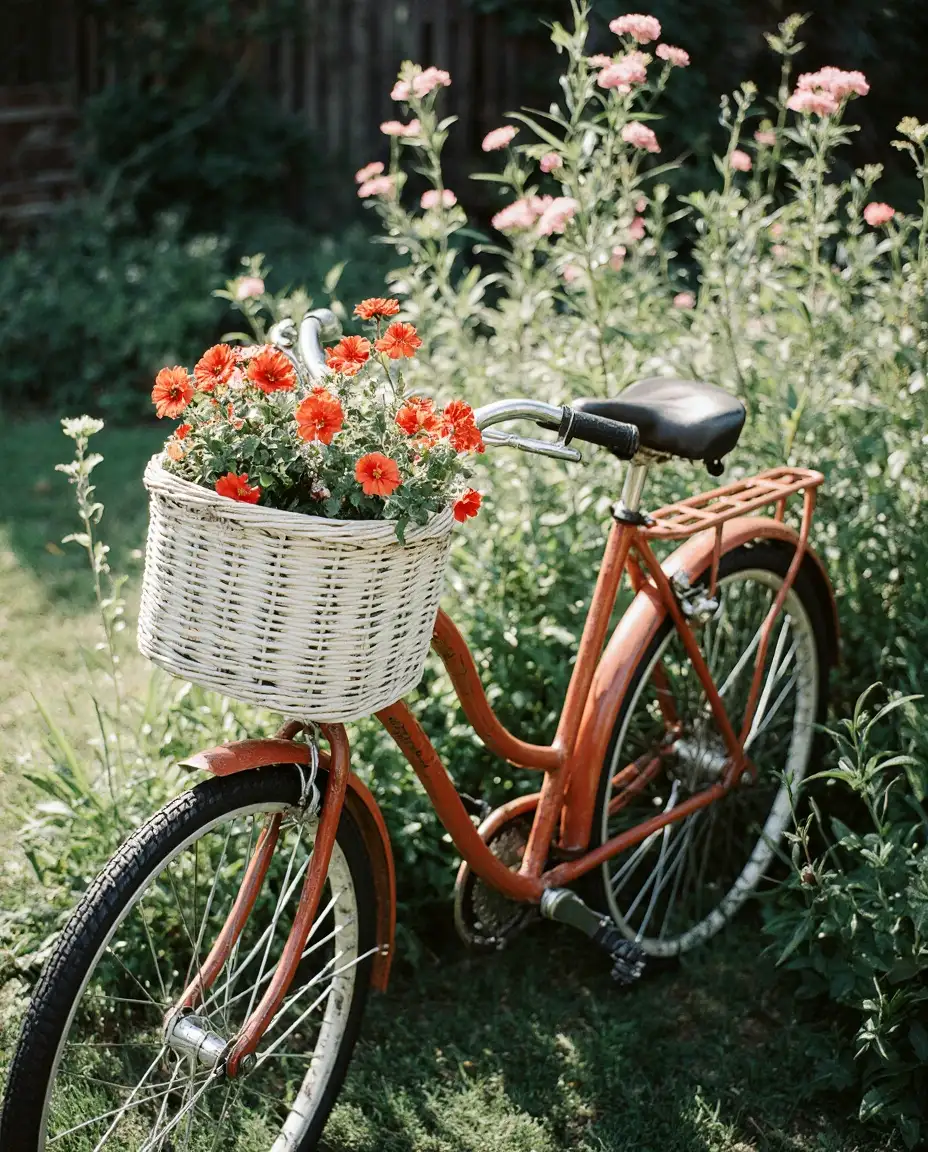
A Nashville homeowner picked up a 1960s Schwinn at an estate sale for $40 and created an instant Instagram-worthy feature that generates consistent comments from visitors. The investment required minimal effort beyond positioning and planting, yet it transformed a previously empty garden corner into a destination within the landscape. Rotate seasonal plantings—spring tulips and daffodils give way to summer petunias, then autumn mums. Avoid the mistake of choosing a bicycle with sentimental value; weather exposure will accelerate rust and deterioration as part of the intended aesthetic.
19. Ideas for Outdoor String Light Canopy
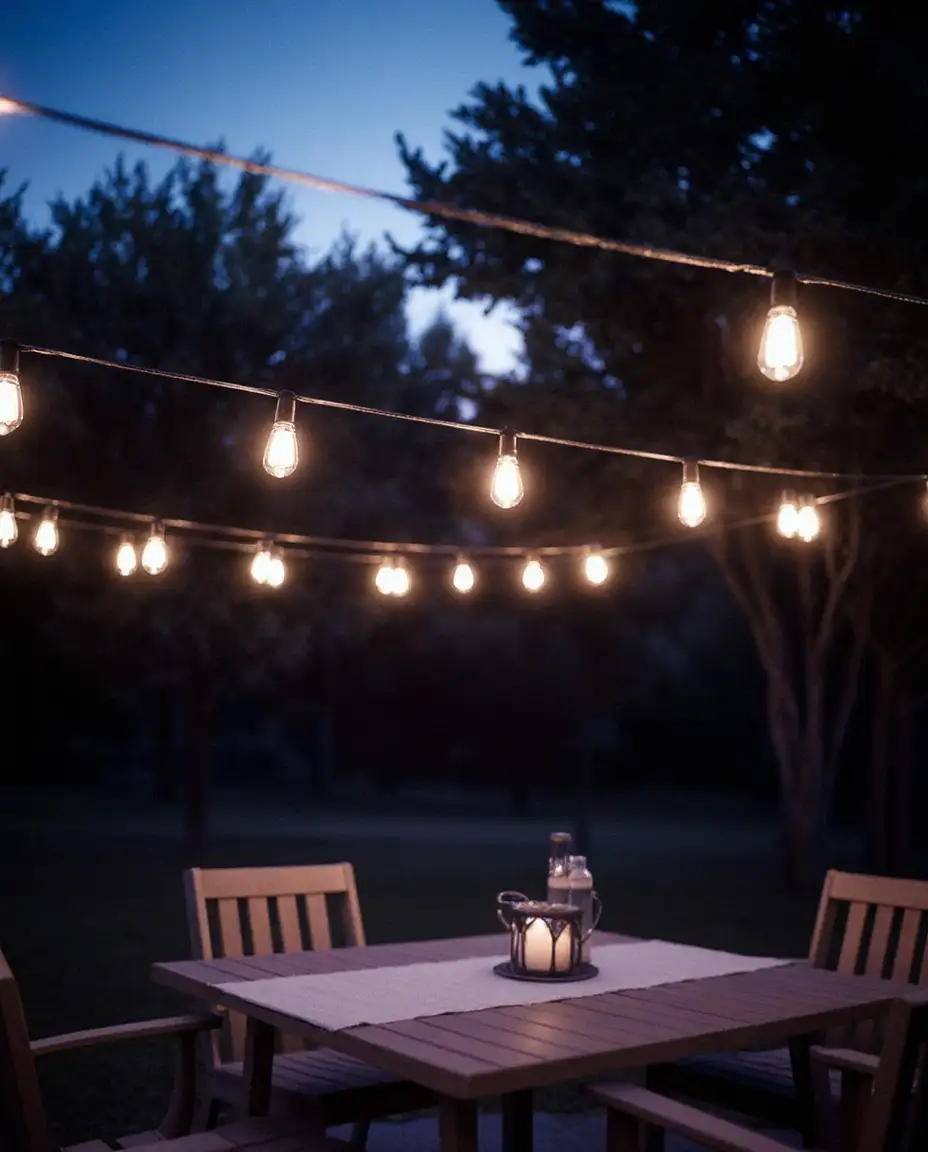
Suspend café-style string lights overhead between posts or trees to create an illuminated outdoor room perfect for evening entertaining. This restaurant-inspired approach extends usable hours into twilight while establishing clear boundaries for dining or conversation zones. Use commercial-grade strands with Edison bulbs for warm, flattering light that feels intimate rather than harsh. Plan the layout carefully—crossing strands in multiple directions at varying heights adds visual interest and ensures even illumination without dark corners. 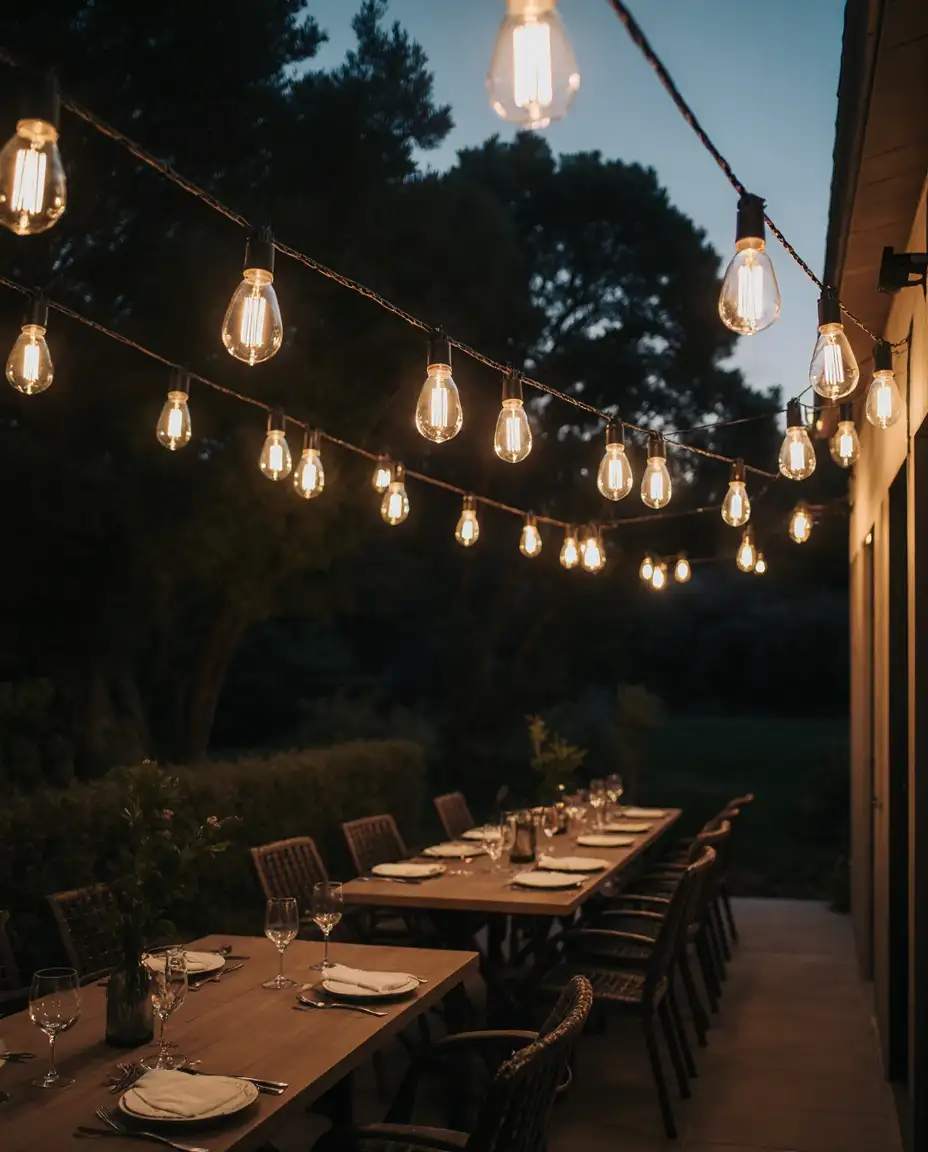
This investment typically runs $200-500 depending on area size and strand quality but transforms outdoor spaces into destinations that see regular use rather than occasional visits. Southern California residents often cite their light canopies as the single upgrade that changed how they live—dinner parties now default to outside, and families naturally gravitate to the backyard rather than front rooms. The common mistake is hanging strands too high; aim for 8-9 feet overhead for intimate scale while maintaining clearance for taller guests.
20. Japanese Zen Rock Garden Meditation Space
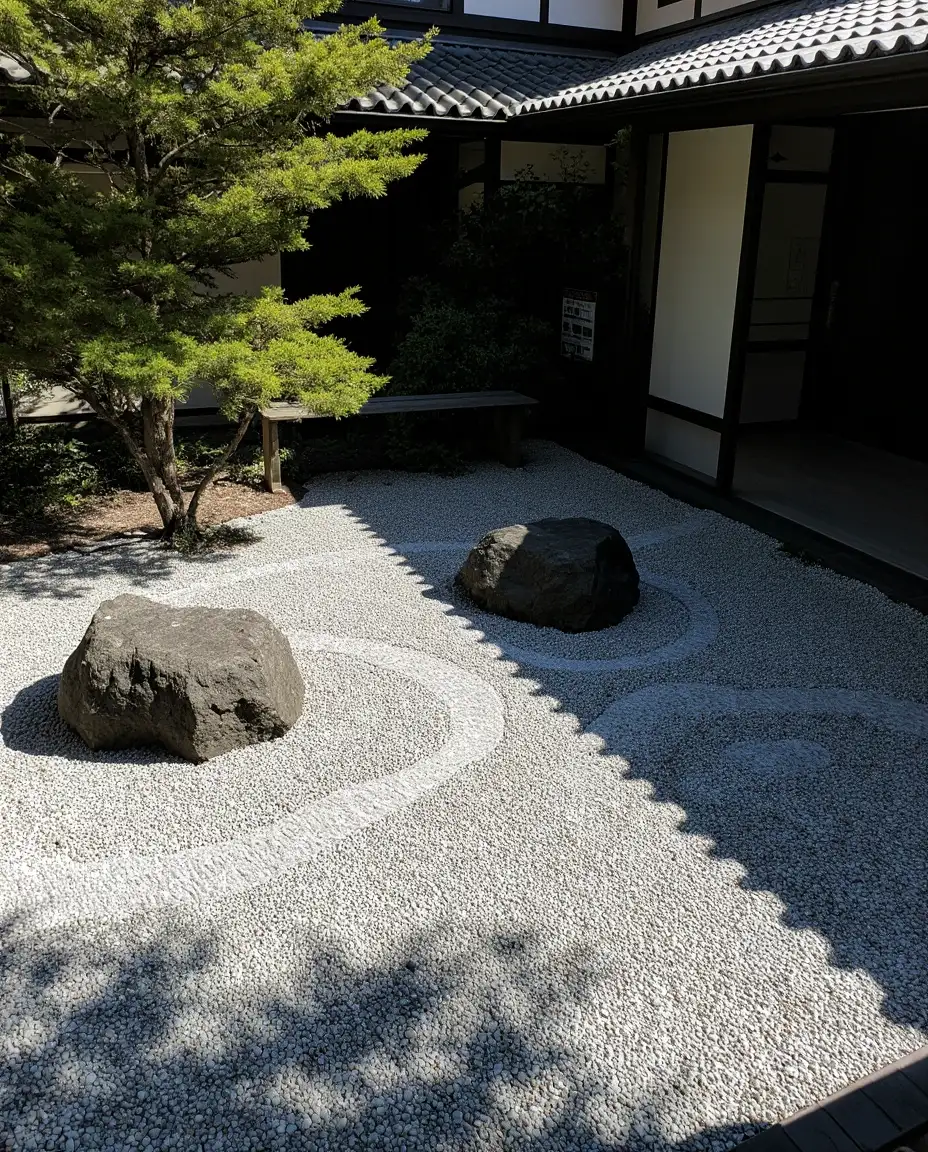
Create a Japanese karesansui (dry landscape) using carefully positioned boulders, raked gravel, and minimal plantings for a contemplative outdoor retreat. This ancient design philosophy emphasizes simplicity, asymmetry, and natural materials arranged to suggest larger landscapes in miniature form. The raked patterns represent water or waves, while rocks symbolize islands or mountains. Maintenance involves periodic raking to refresh patterns—a meditative practice itself that many find as valuable as simply viewing the completed garden. 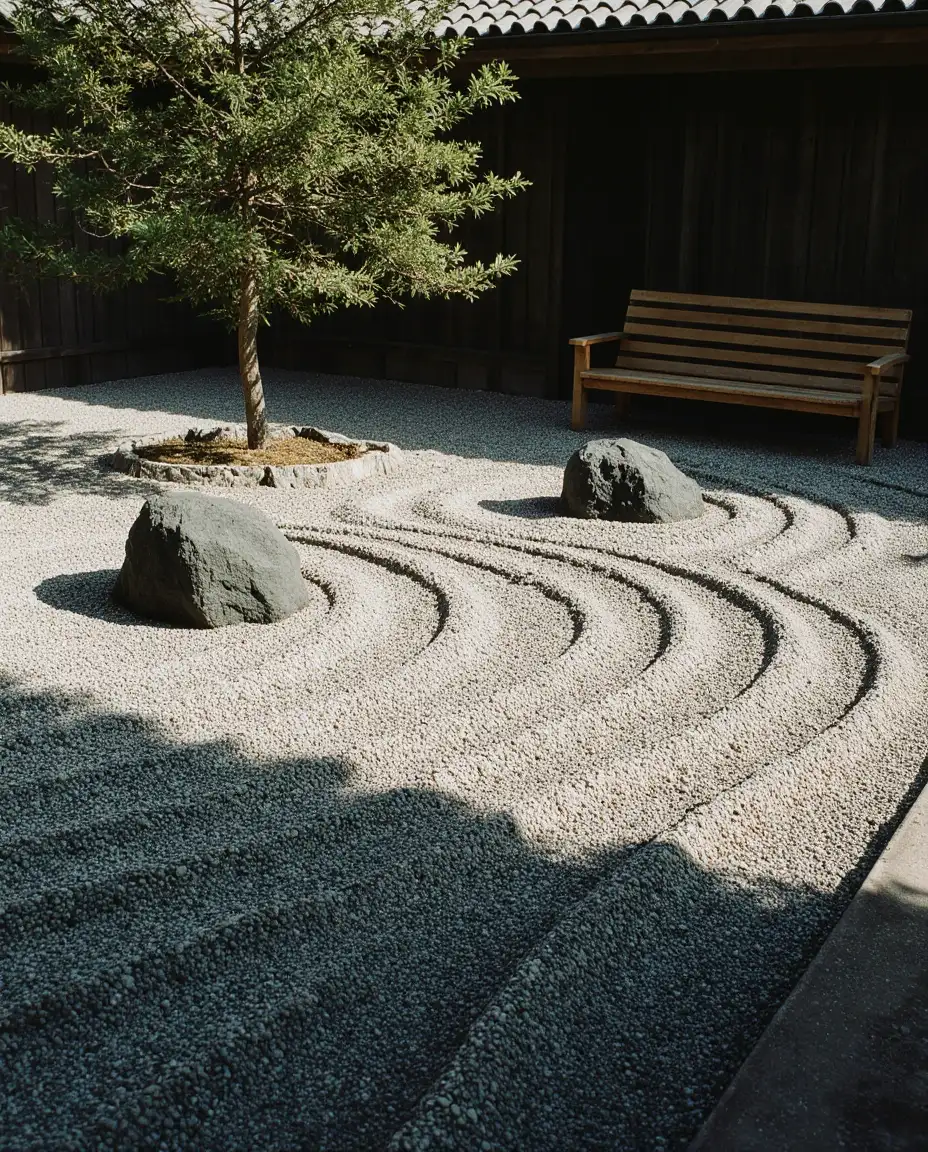
Where this works best is in enclosed spaces where the controlled environment feels separated from busy surroundings—a corner of a larger yard, a side garden, or even a courtyard entry. Urban professionals especially value these low-maintenance landscapes that require no mowing, watering, or seasonal cleanup yet provide year-round visual interest. Budget for quality crushed granite or pea gravel ($50-75 per cubic yard), select 3-5 significant stones rather than many small ones, and invest in a proper bamboo rake designed for pattern creation. The initial setup takes a weekend but delivers decades of peaceful presence.
21. Miniature Succulent Garden in Vintage Container
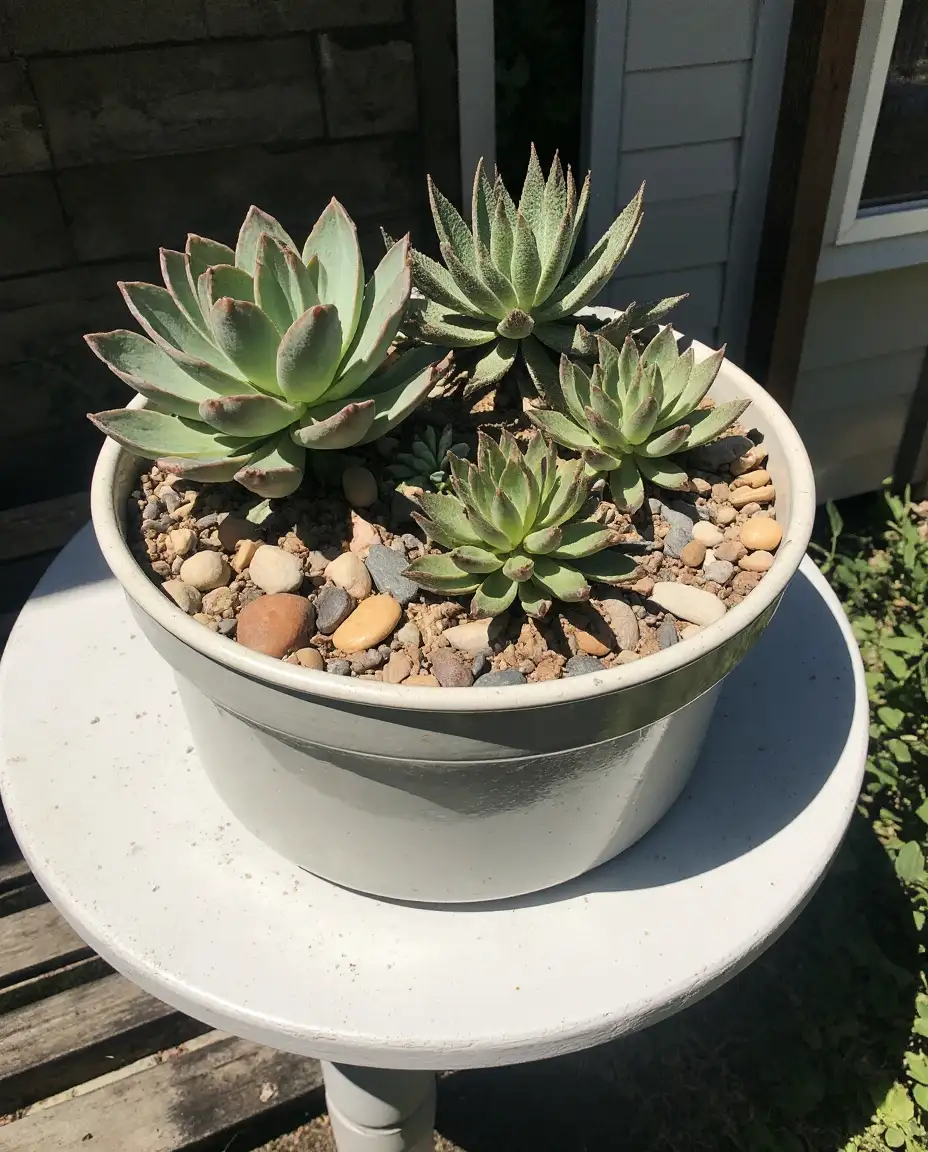
Design a compact miniature desert landscape using diverse succulents planted in a vintage enamelware bowl, wooden crate, or rusty toolbox. This low-maintenance arrangement thrives with minimal water and survives neglect better than most plants, making it perfect for busy households or beginning gardeners. Layer colors, textures, and growth habits—spiky agave contrasts with trailing sedum, while rosette-forming echeveria provides focal points. Add small decorative rocks or driftwood pieces to complete the scene and cover exposed soil. 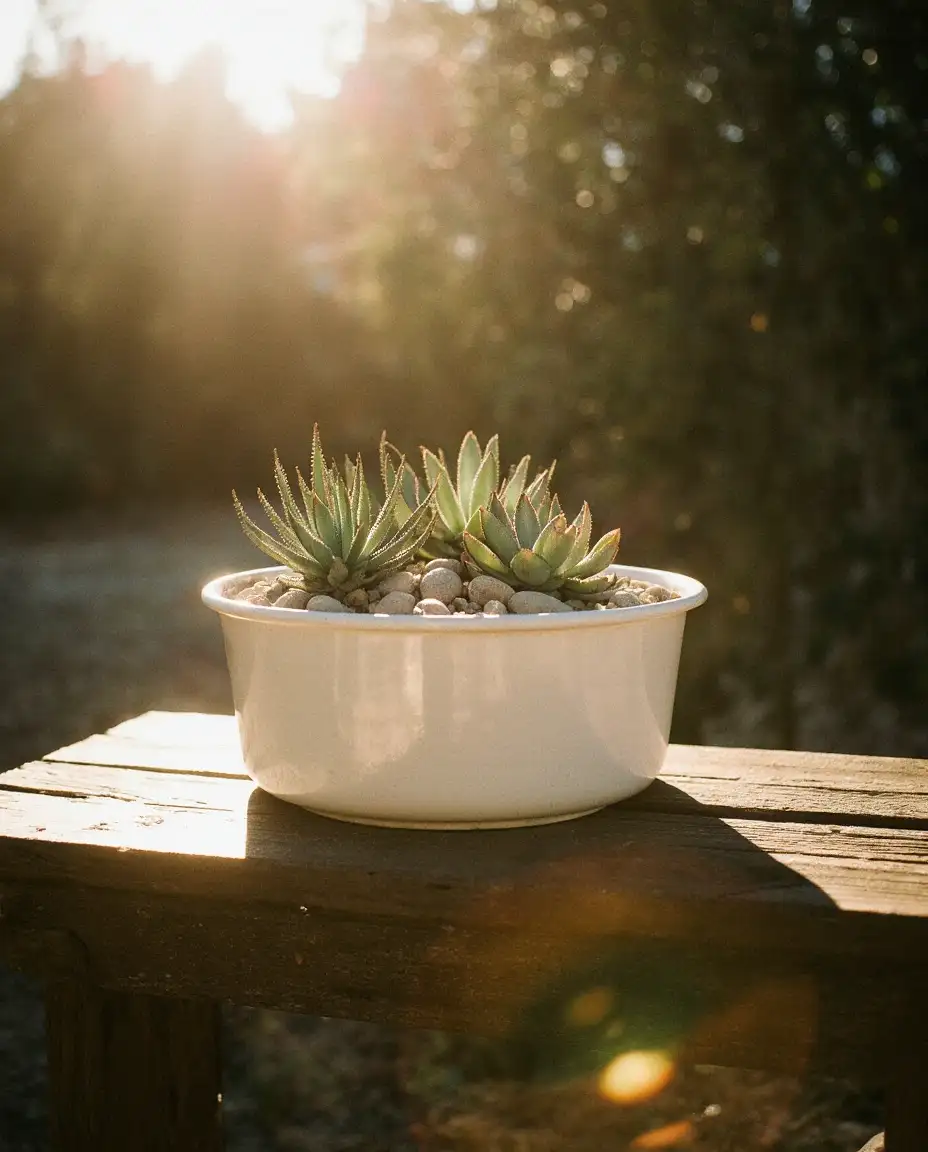
Common mistakes include using containers without drainage holes—succulents absolutely require drainage since they’re adapted to arid conditions where standing water never occurs naturally. Drill holes if necessary, or create a false bottom with a gravel layer if drilling isn’t possible, though this is less reliable. An Arizona gardener noted that her succulent arrangements actually look better in year two than year one as plants mature and fill out naturally. These containers work indoors during winter in cold climates, then transition outside for summer, providing flexibility that few other plant combinations offer.
Conclusion
Your outdoor space deserves the same attention and creativity you bring to interior rooms. Whether you’re drawn to the rustic charm of repurposed vintage finds, the tranquility of Japanese-inspired elements, or the playful energy of whimsical accents, these 21 ideas offer starting points for expressing your personal style. The best garden decor reflects who you are and how you want to live outdoors—so grab that old wheelbarrow, those spare clay pots, or finally tackle that empty corner you’ve been wondering about. We’d love to hear which ideas resonate with you or see photos of your own outdoor transformations in the comments below.