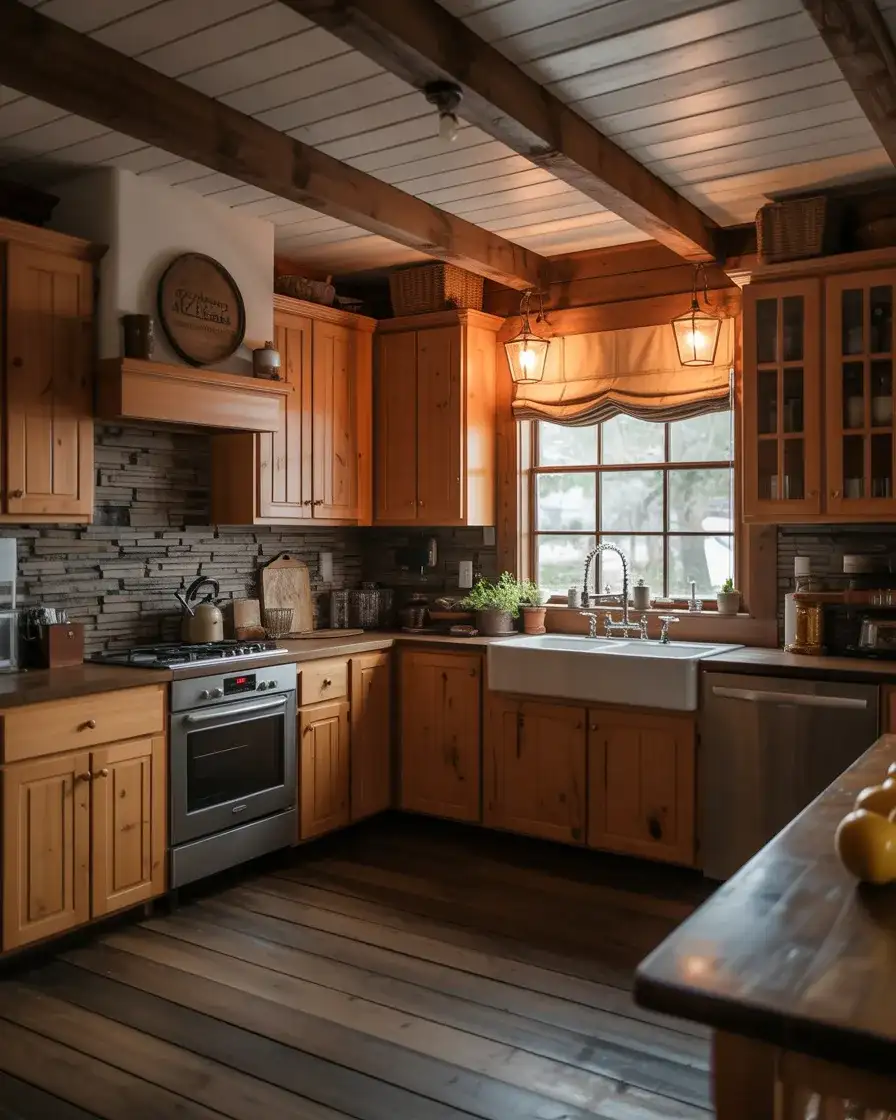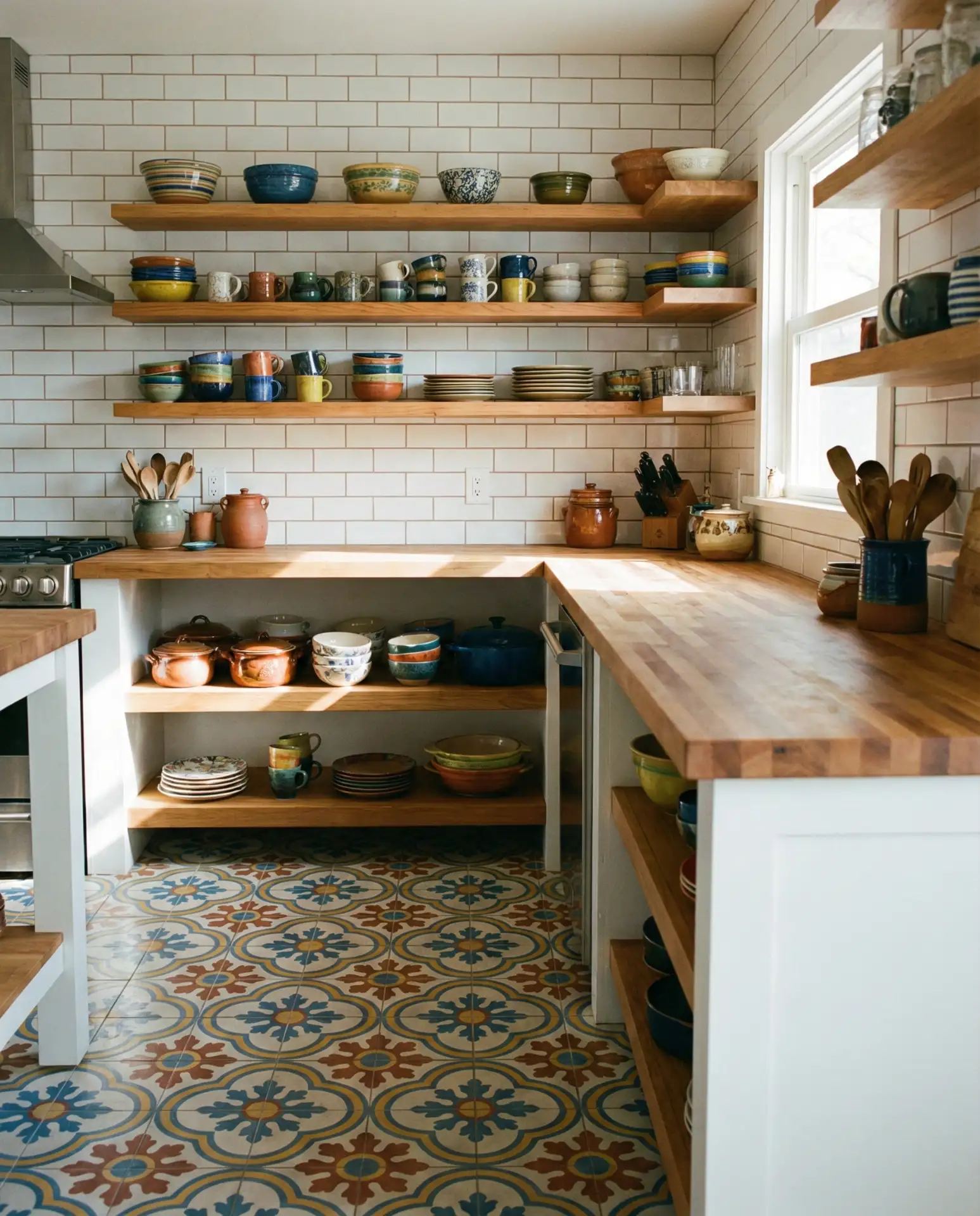
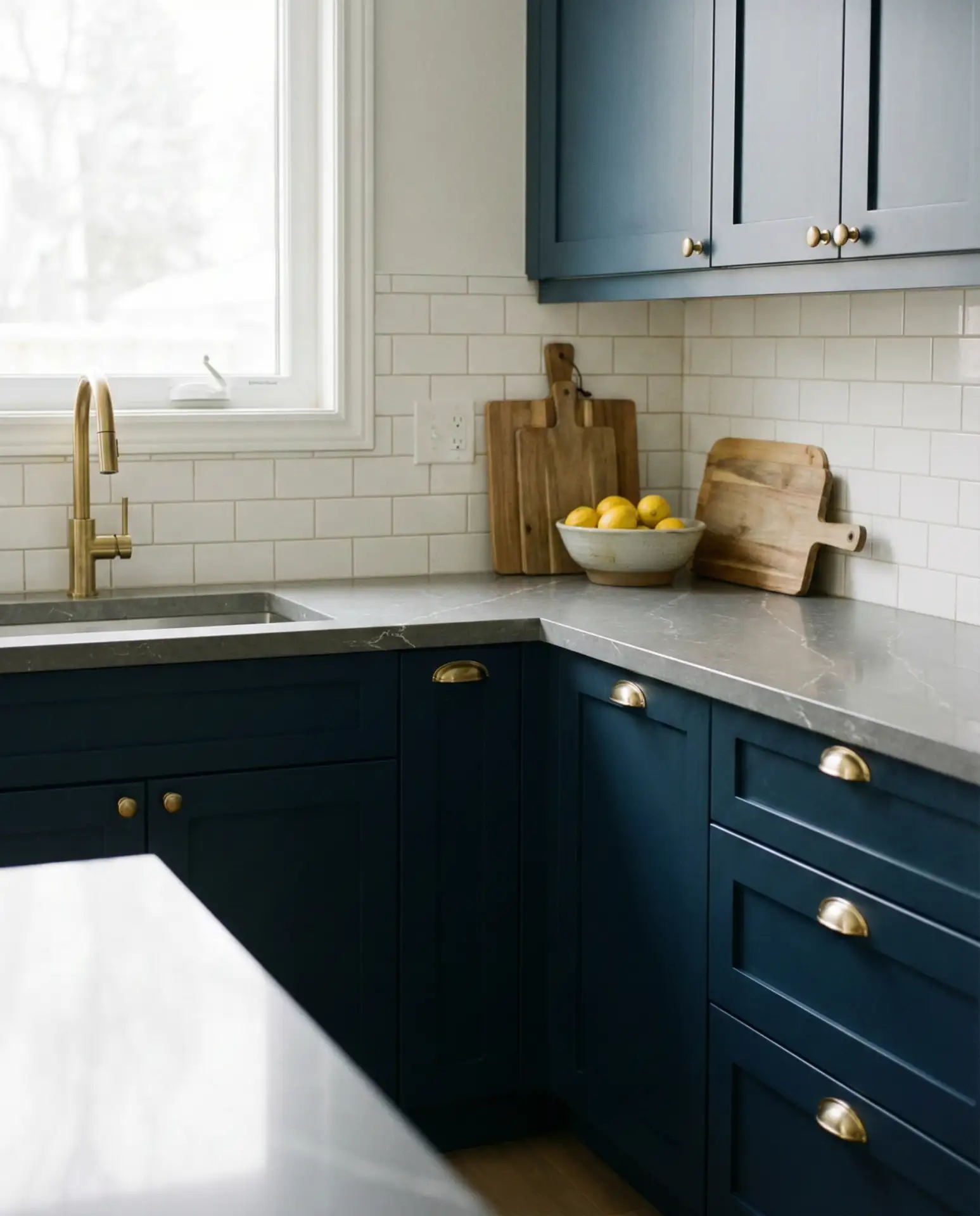
Kitchen countertops remain one of the most impactful design decisions homeowners make, and in 2026, the options have never been more exciting or diverse. Americans are turning to Pinterest in droves to explore materials that balance beauty, durability, and personal style—whether that means embracing bold statement surfaces or finding sustainable alternatives that don’t compromise on function. From timeless natural stone to modern engineered solutions, the countertop landscape reflects a broader shift toward kitchens that feel both lived-in and thoughtfully designed. This guide walks you through inspiring ideas that capture what’s resonating right now, offering practical insight into materials, aesthetics, and how to make each choice work for your space.
1. Midnight Drama with Black Quartz
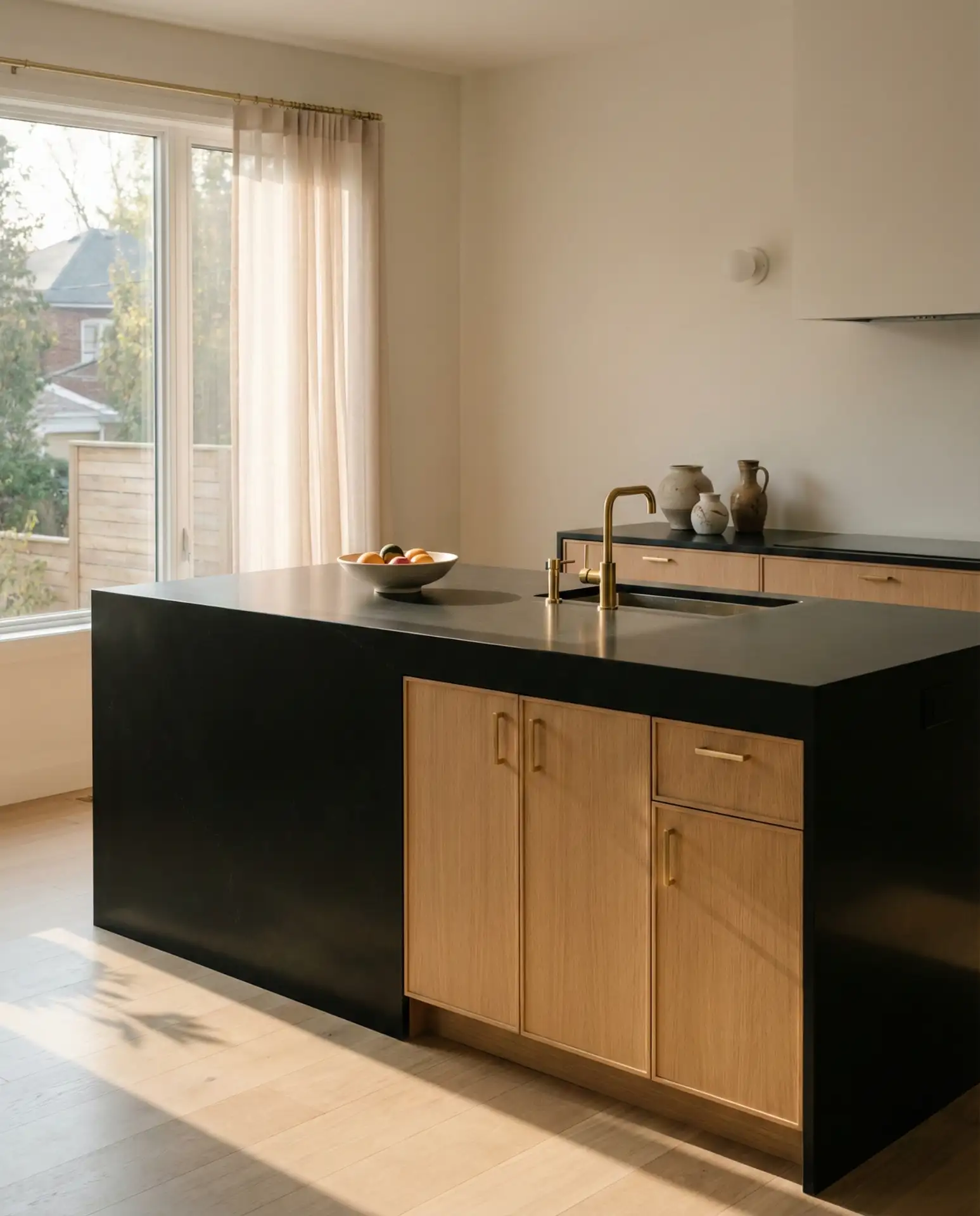
There’s something undeniably sophisticated about black quartz countertops that commands attention without shouting. This engineered stone brings a sleek, modern edge to kitchens, especially when paired with lighter cabinetry or warm wood accents that prevent the space from feeling too stark. The non-porous surface resists staining better than natural stone, making it ideal for busy households where spills are inevitable. In open-concept homes, black quartz acts as a visual anchor, grounding the kitchen while allowing other design elements to shine.
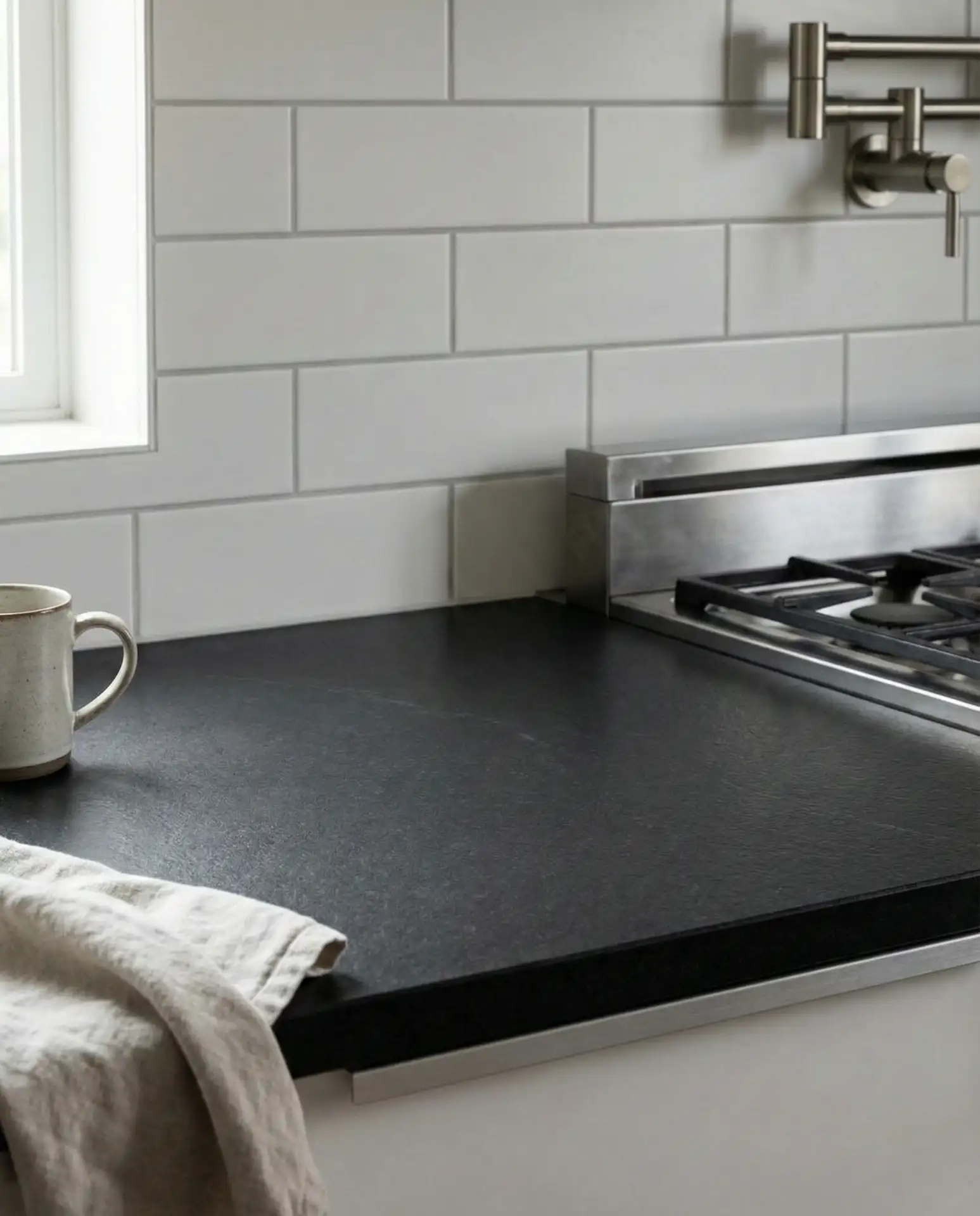
One common mistake is pairing black quartz with too many dark elements, which can make the kitchen feel cave-like rather than cozy. Balance is key—introduce reflective surfaces like glass pendant lights or polished chrome hardware to bounce light around the room. Consider using black quartz on the island while opting for a lighter material on perimeter counters, creating visual interest without overwhelming the space. This approach works especially well in kitchens with limited natural light, where strategic contrast keeps things feeling airy.
2. Honey-Toned Comfort in Warm Quartz
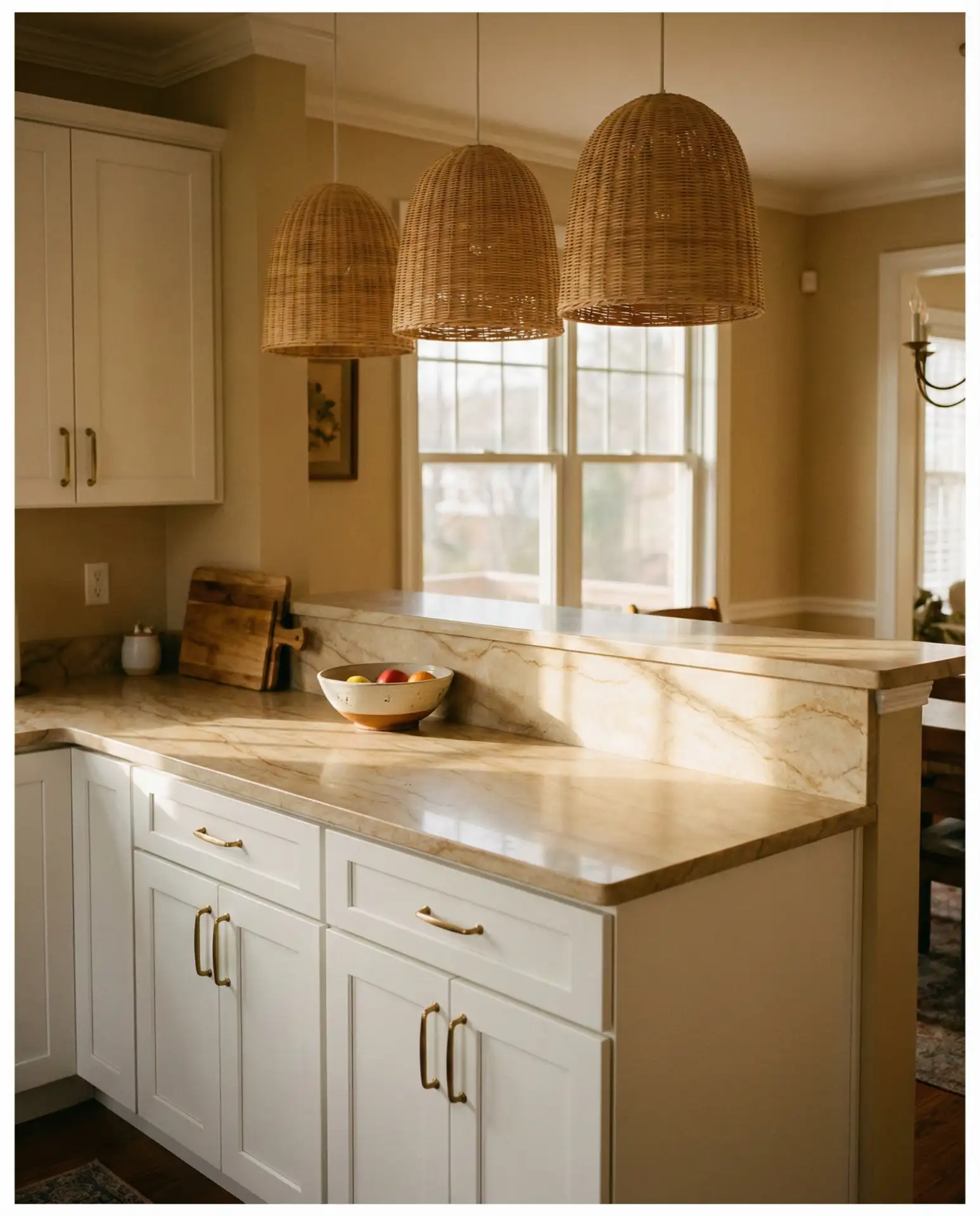
The rise of warm quartz reflects a collective desire to move away from the cool grays that dominated the past decade. These countertops feature creamy beiges, soft taupes, and subtle gold veining that bring an inviting, lived-in quality to kitchens. They pair beautifully with natural wood tones and aged brass fixtures, creating spaces that feel both current and timeless. In Southern and Southwestern homes, warm quartz complements the region’s earthy color palettes and abundant natural light.
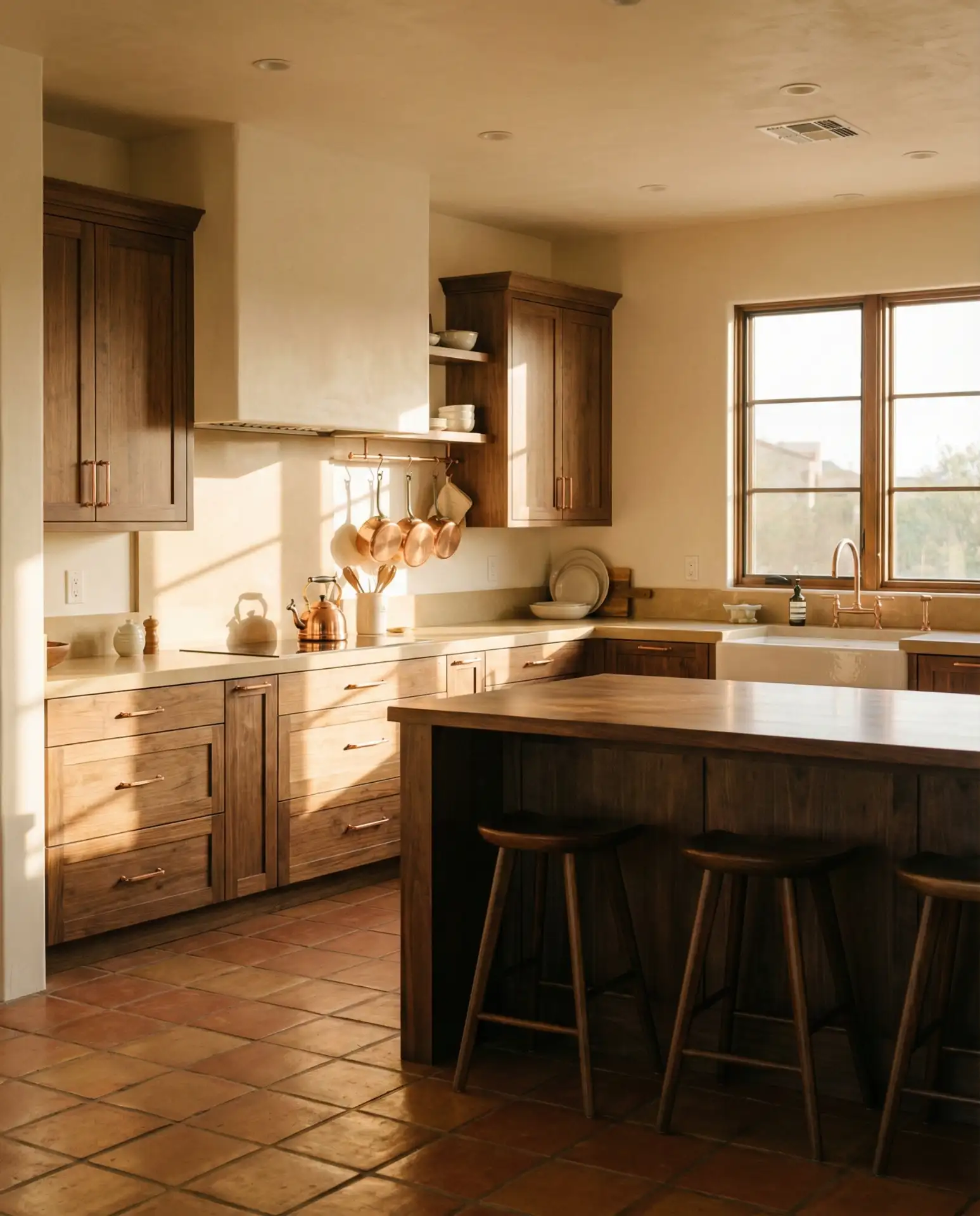
Warm quartz typically sits in the mid-range price bracket, generally running between $60 and $100 per square foot installed, depending on thickness and edge detail. This makes it an accessible option for homeowners who want a high-end look without the maintenance demands of marble or the expense of premium exotic stones. The investment pays off in durability—engineered quartz maintains its appearance for years with minimal upkeep, resisting scratches and heat better than many natural alternatives.
3. Living Edge Character with Wooden Countertops
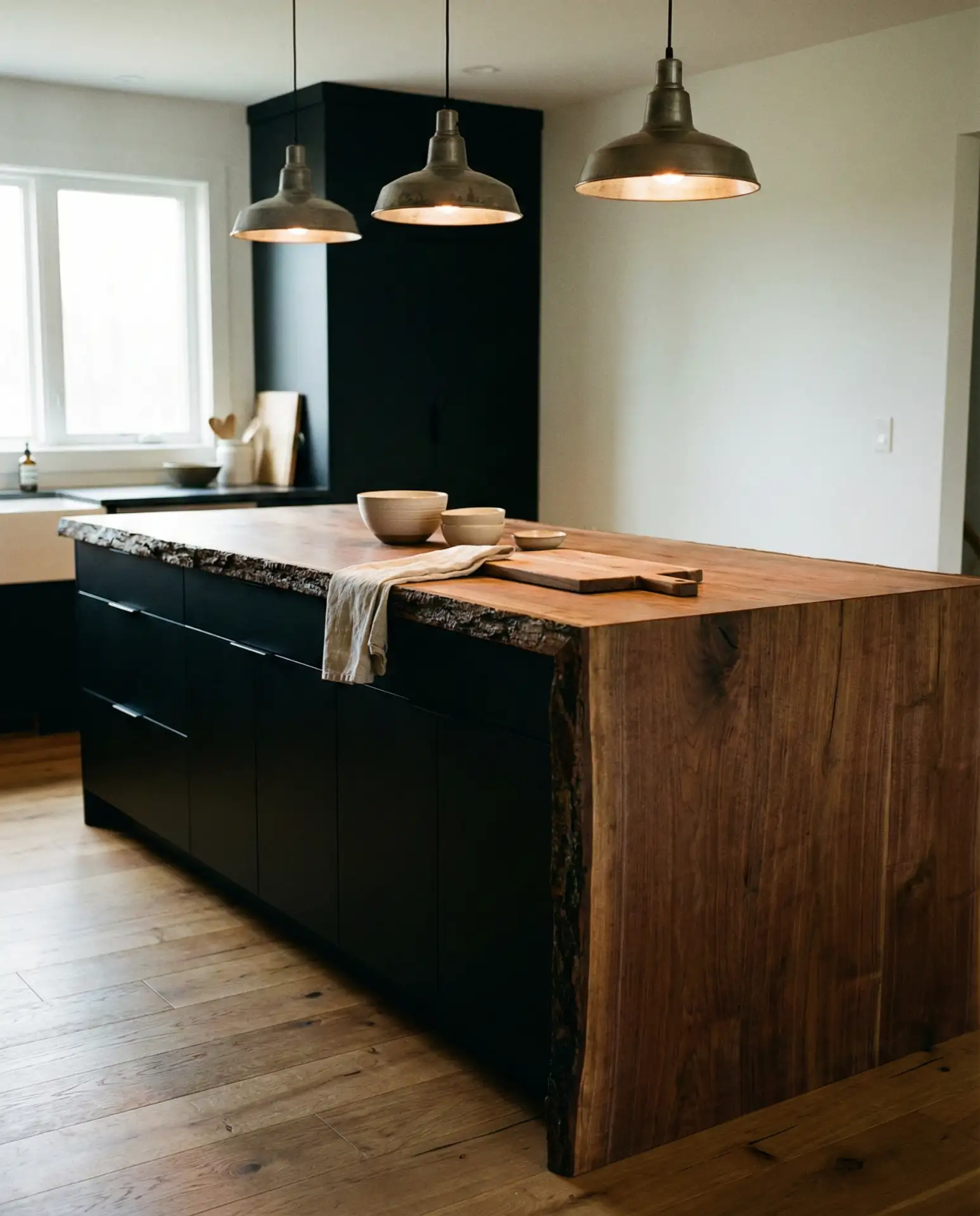
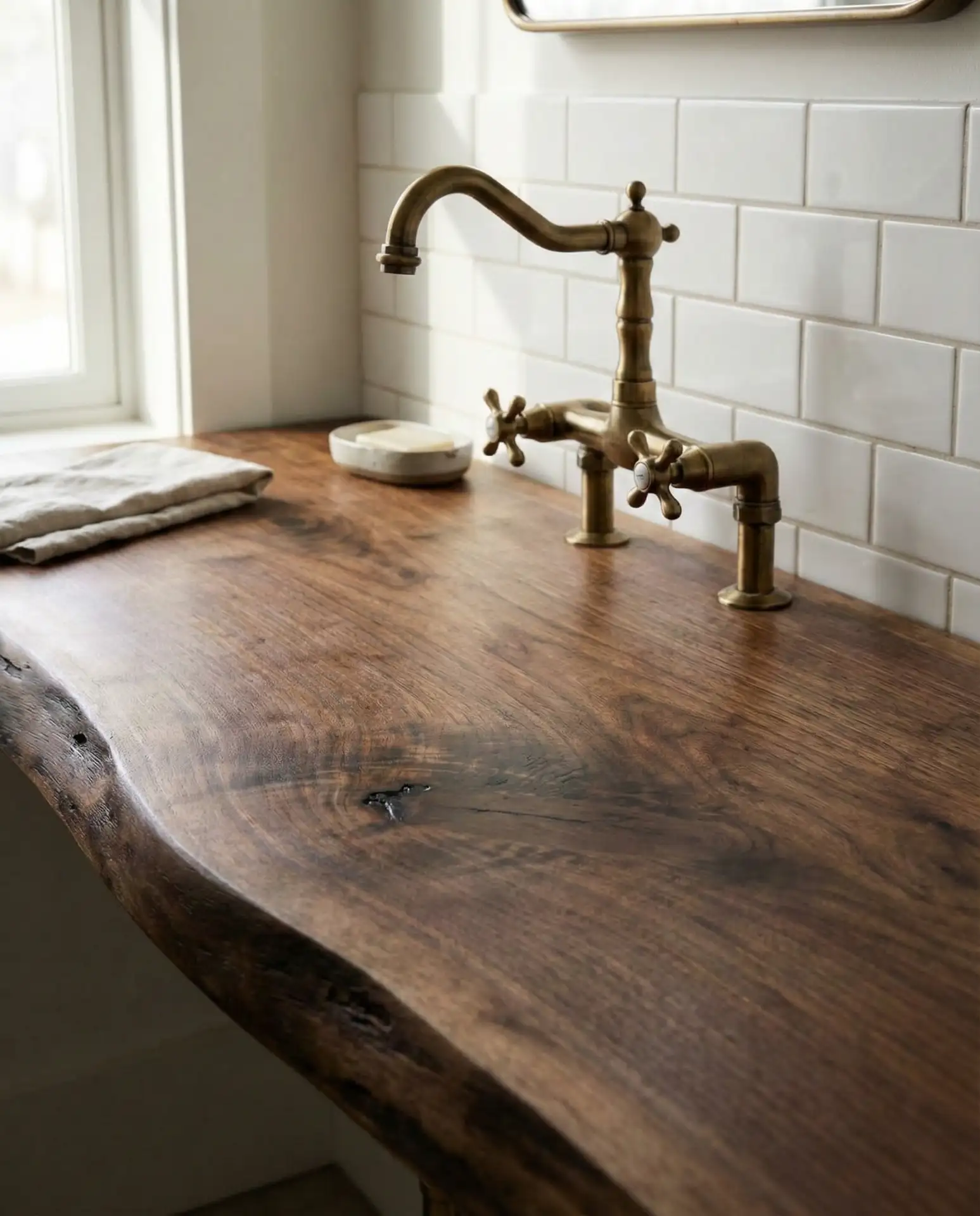
Nothing brings warmth and organic texture to a kitchen quite like wooden countertops, especially those featuring a live edge that preserves the tree’s natural contour. These surfaces have become favorites in mountain homes, converted barns, and urban lofts, where the raw, unfinished aesthetic adds instant character. Walnut, maple, and cherry remain popular choices, each offering distinct grain patterns and color tones that deepen beautifully over time. Properly sealed wood stands up to daily use while developing a rich patina that tells the story of countless family meals.
A neighbor recently installed a live-edge walnut island in her 1920s bungalow, and the transformation was immediate—the kitchen went from feeling sterile to soulful overnight. The key was positioning the wood where it could be appreciated but not abused; she kept standard quartz on the main prep area and reserved the live edge for the breakfast bar. This hybrid approach is surprisingly common among savvy renovators who want wood’s aesthetic impact without the stress of maintaining it in high-traffic zones.
4. Industrial Cool with Concrete Surfaces
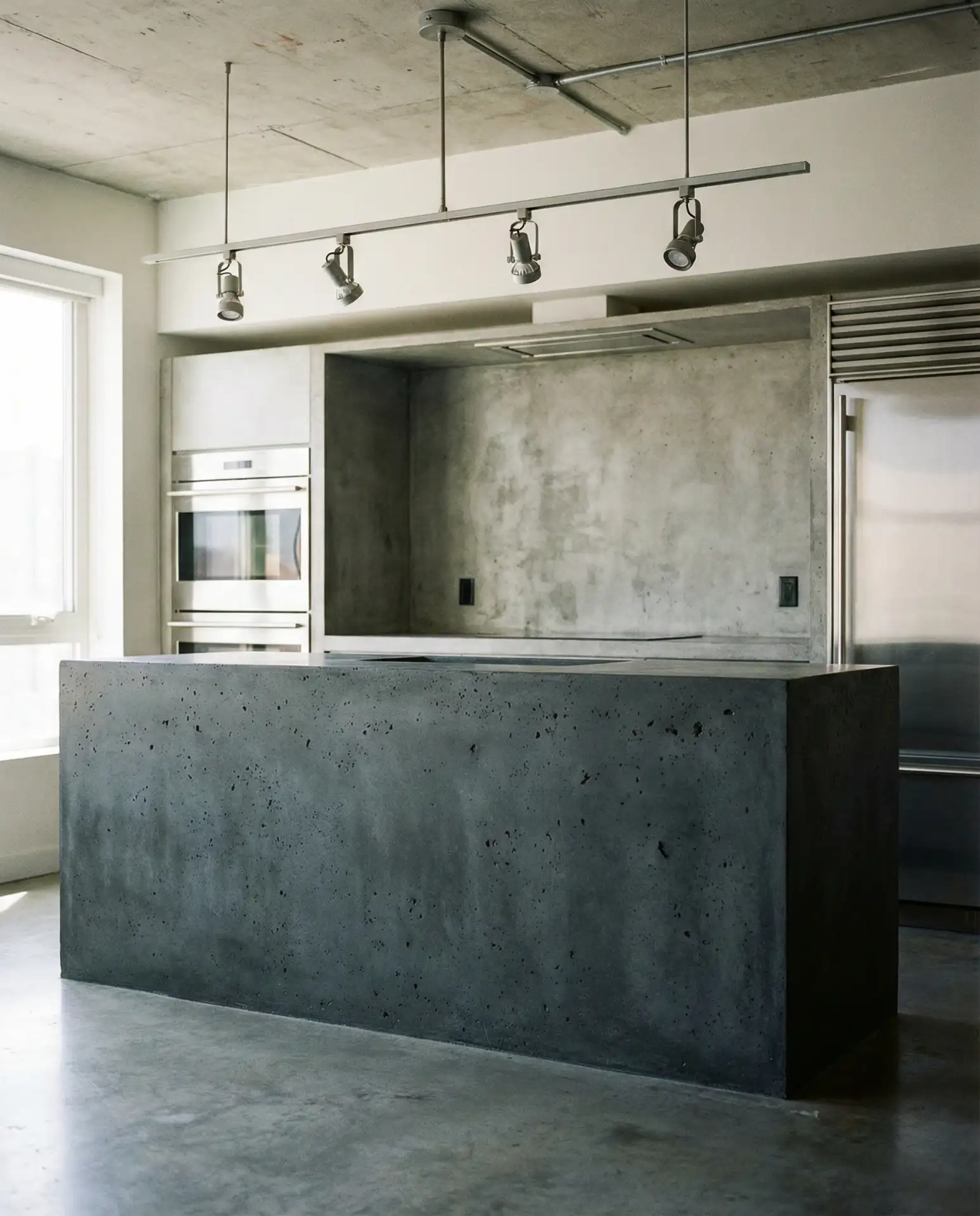
Concrete countertops deliver an urban, industrial vibe that appeals to homeowners drawn to loft-style living and minimalist design. These surfaces can be poured on-site for a truly custom fit or purchased as precast slabs, with options for integral color, aggregates, and edge profiles that range from sleek and modern to rough and artisanal. The material’s thermal mass helps regulate kitchen temperatures, a subtle benefit that’s appreciated in warmer climates. While concrete requires periodic sealing to prevent staining, its matte finish and unique texture create a look that’s impossible to replicate with other materials.
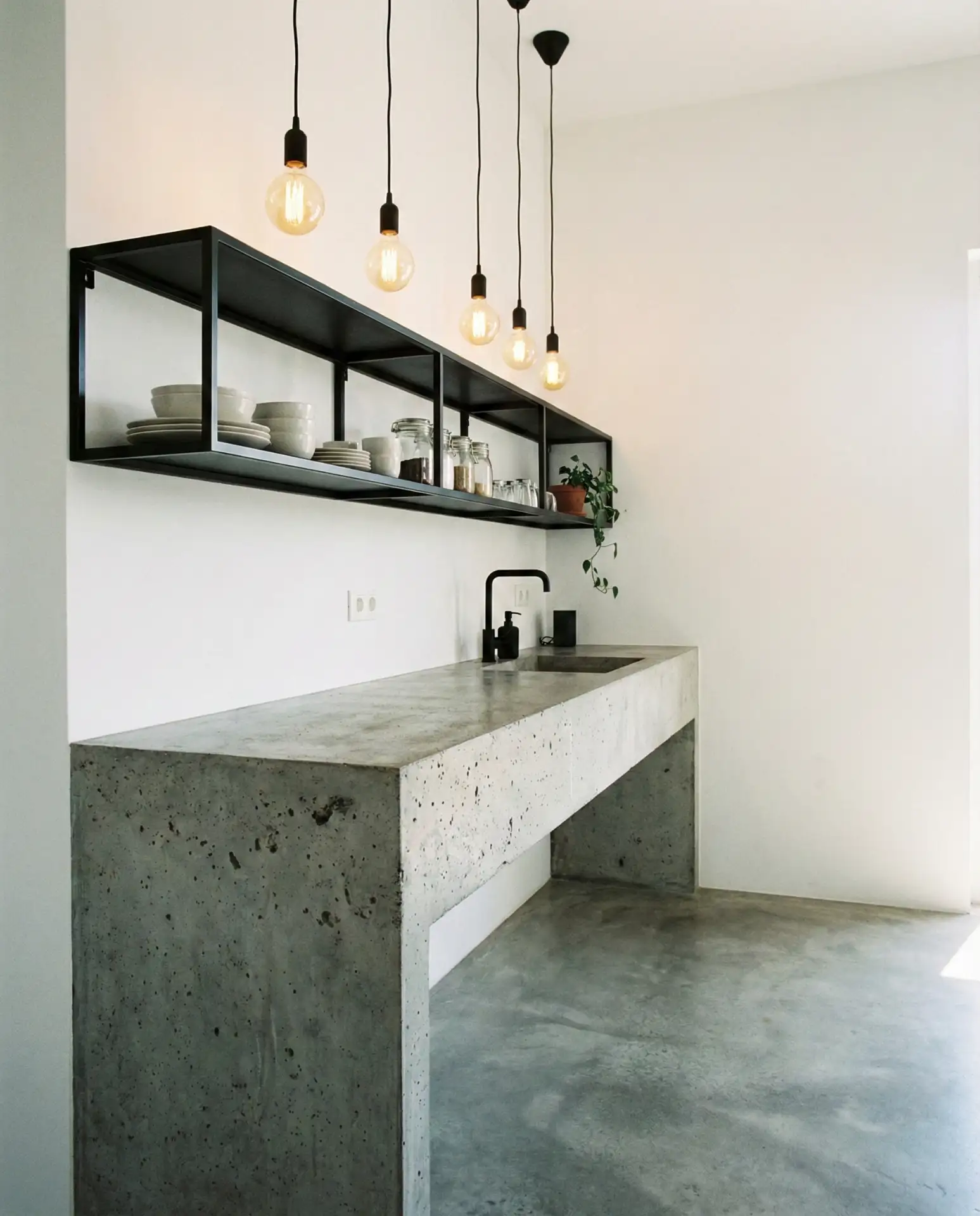
Concrete works best in open, airy kitchens where its substantial presence doesn’t overwhelm the space. It’s particularly popular in renovated warehouses and modern farmhouses, where exposed beams and brick walls complement the material’s raw aesthetic. Avoid installing concrete in small galley kitchens or dark spaces—the matte gray surface can feel heavy and oppressive without adequate natural light and breathing room to balance its visual weight.
5. Playful Patterns in Terrazzo
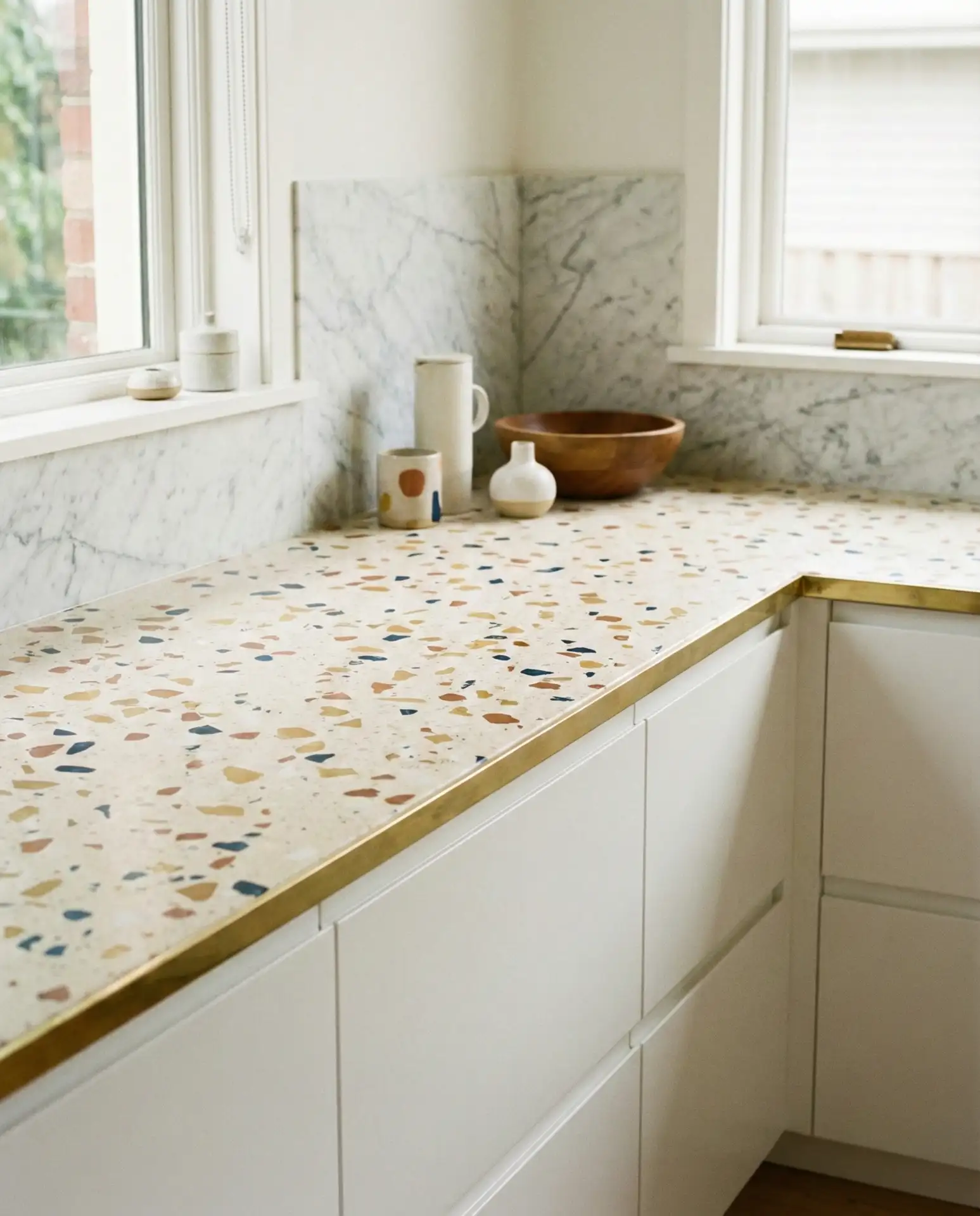
Terrazzo has experienced a major renaissance, moving beyond commercial spaces into residential kitchens, where its speckled pattern and retro charm feel fresh again. The composite material blends marble, quartz, granite, or glass chips into a cement or resin base, creating surfaces that can be subtle or bold depending on chip size and color selection. Modern terrazzo comes in endless custom combinations, allowing homeowners to incorporate unexpected hues—sage green, dusty pink, or deep navy—that add personality without pattern overload. The surface is remarkably forgiving of minor scratches and stains, which simply blend into the existing pattern.
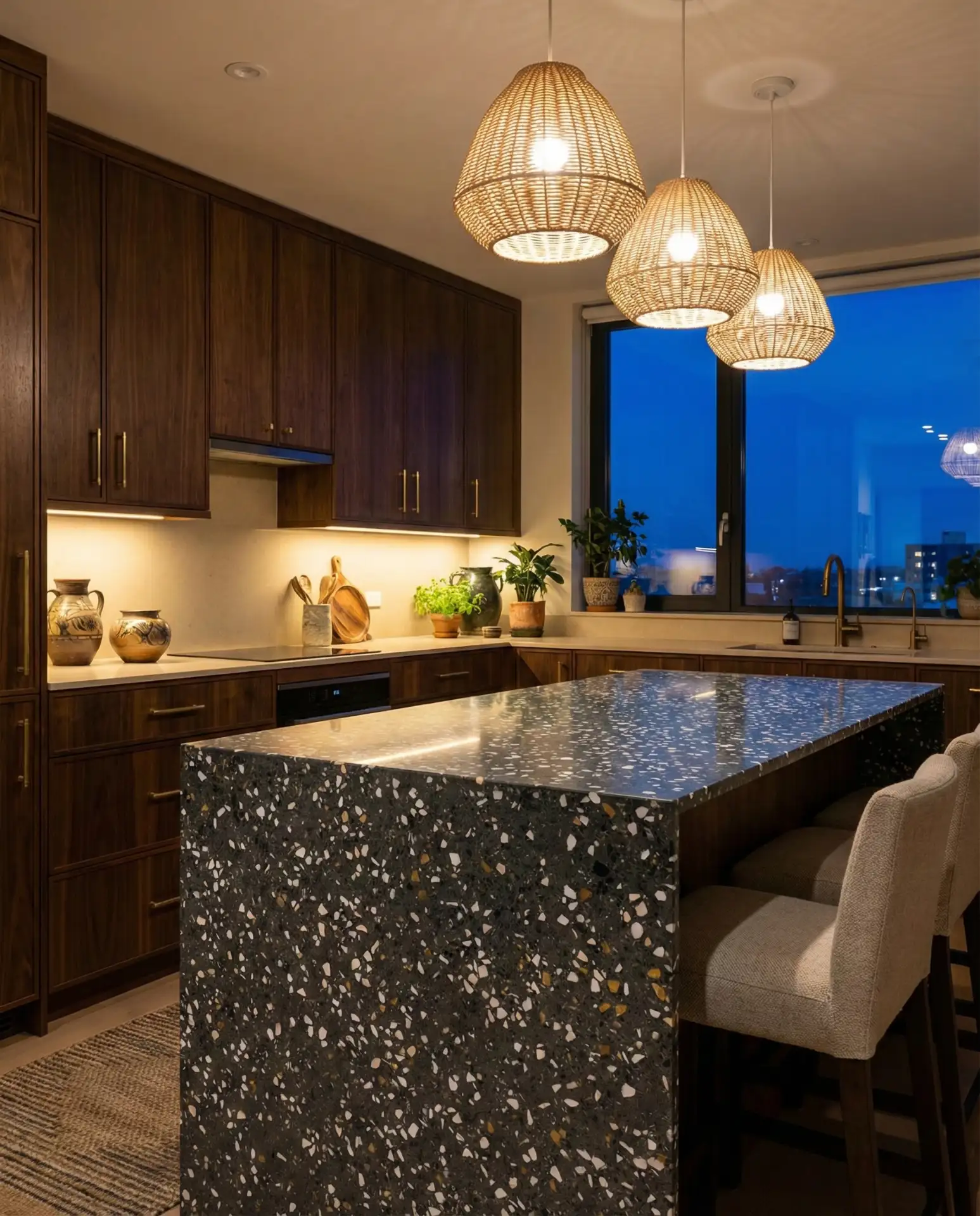
Real homeowners increasingly treat terrazzo as a statement piece rather than covering every surface—an island in bold terrazzo paired with simpler perimeter counters creates focal-point interest without visual chaos. This selective approach also manages costs, since custom terrazzo can run steep. Many opt for prefabricated terrazzo slabs in standard colors, which offer the look at a fraction of the price while maintaining the material’s distinctive character and durability.
6. Professional Polish with Stainless Steel
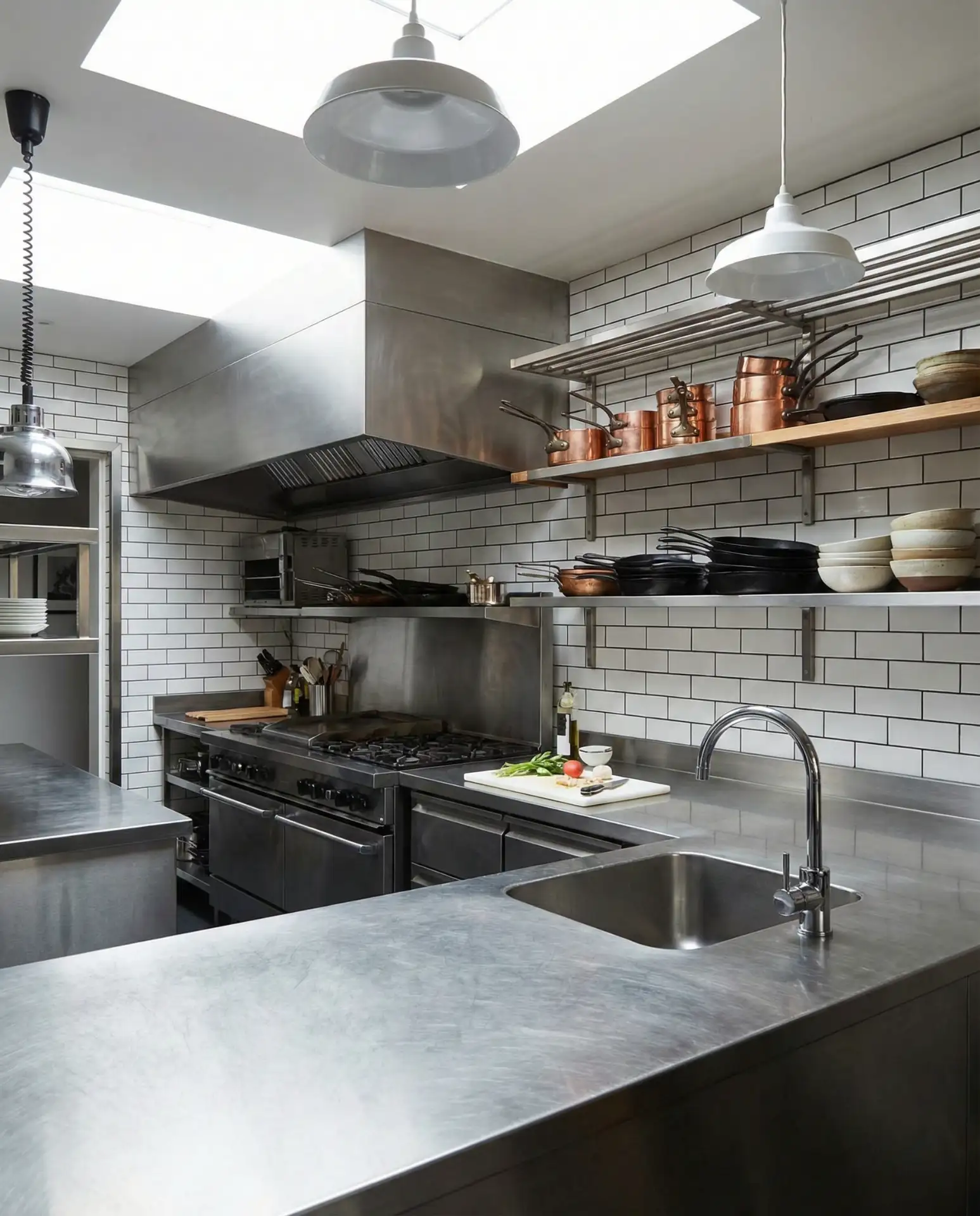
Stainless steel countertops remain the gold standard in professional kitchens, and that restaurant-grade durability is exactly why serious home cooks are bringing them into residential spaces. The non-porous surface resists bacteria, heat, and moisture with zero maintenance beyond daily wiping, making it ideal for avid bakers and meal preppers who need surfaces that can handle anything. While stainless shows fingerprints and water spots, many homeowners embrace the patina as proof of a well-used kitchen. The material pairs surprisingly well with warm wood cabinetry, softening its industrial edge.

According to fabricators who work with stainless regularly, most residential installations use 16-gauge steel with a brushed or matte finish rather than the mirror polish common in commercial settings. This heavier gauge resists denting from dropped pots, while the brushed finish camouflages minor scratches that inevitably occur with daily use. Expect to pay between $80 and $150 per square foot installed, positioning stainless as a premium choice that rewards those who prioritize function alongside form.
7. Morning Ritual Hub with a Coffee Station
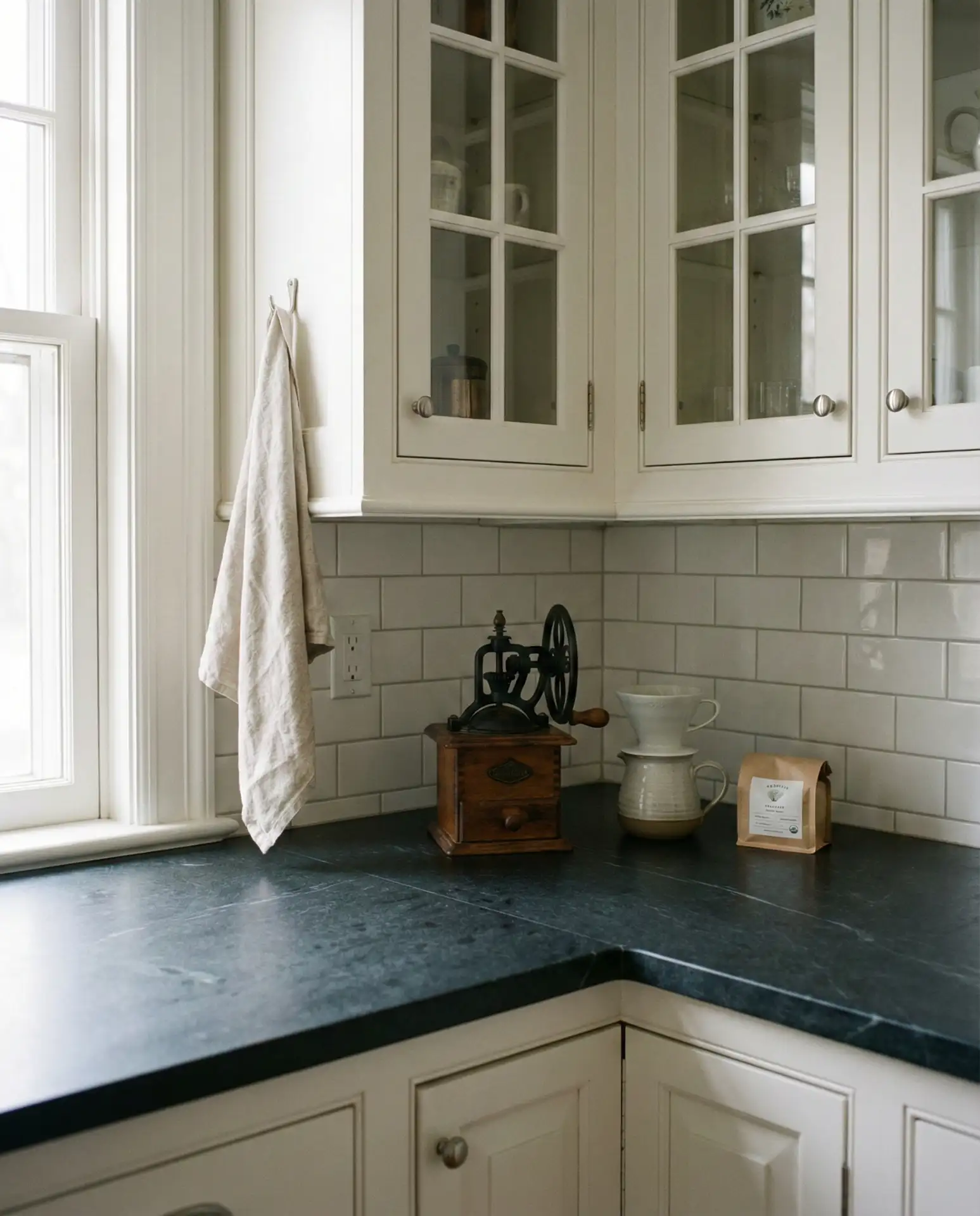
Dedicated coffee station counters have evolved from luxury add-ons to essential kitchen zones, especially in homes where remote work blurs the line between weekday and weekend routines. These compact areas typically feature a lower-height counter or tucked-away nook with just enough space for an espresso machine, grinder, and mug storage. The key is selecting a countertop material that’s easy to wipe down—dark quartz or soapstone both hide coffee stains beautifully while maintaining a polished look. Positioning the station near a window or under open shelving creates a café-like atmosphere that makes the morning rush feel less rushed.
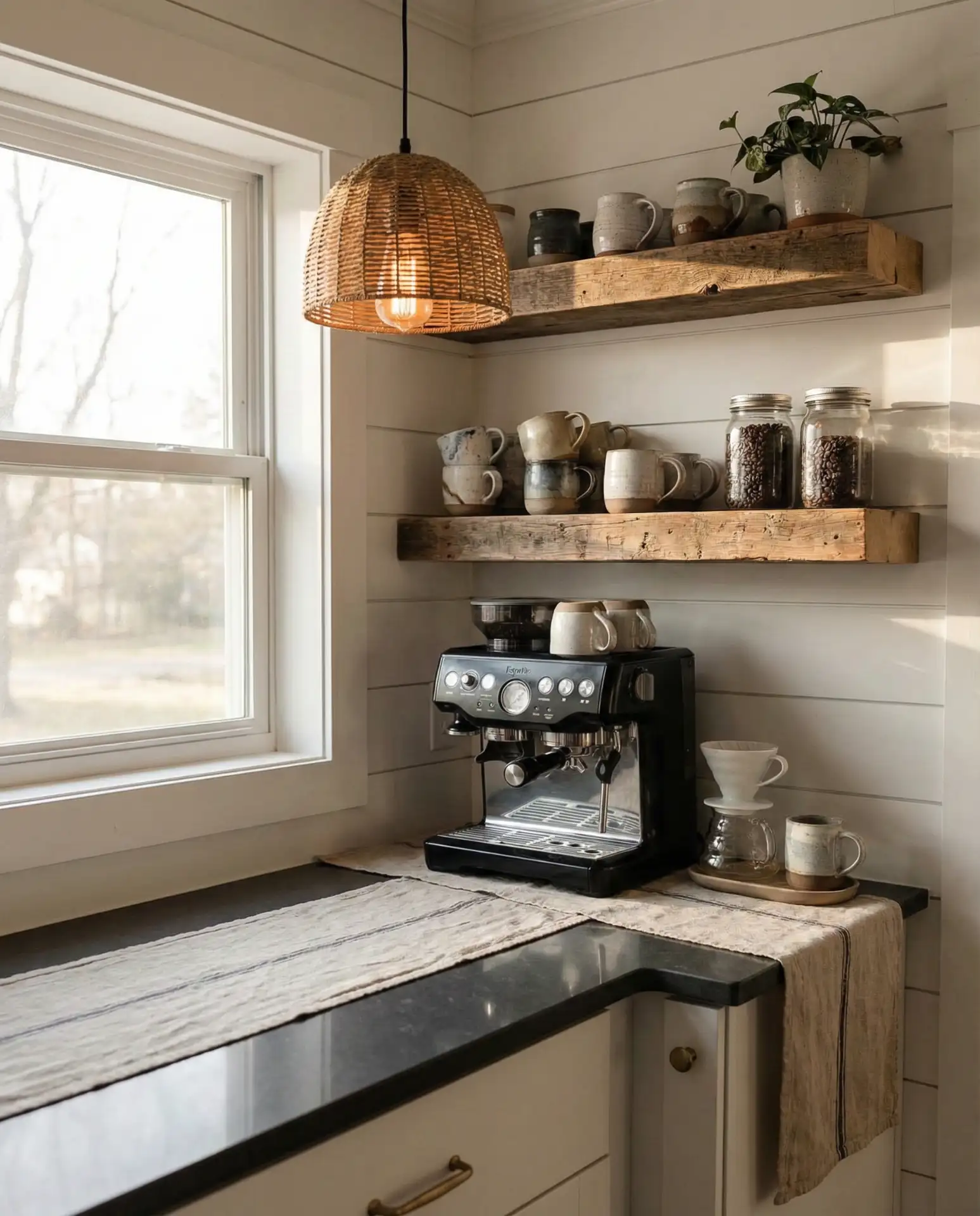
Coffee stations work best when positioned away from the main prep zone but still within easy reach of the refrigerator—nobody wants to navigate a crowded kitchen for milk during the morning scramble. In galley kitchens, consider converting a section of existing counter rather than adding square footage. A simple change in countertop height or material can delineate the space without requiring structural modifications, keeping costs reasonable while dramatically improving daily function.
8. Nature’s Calm with Green Countertops
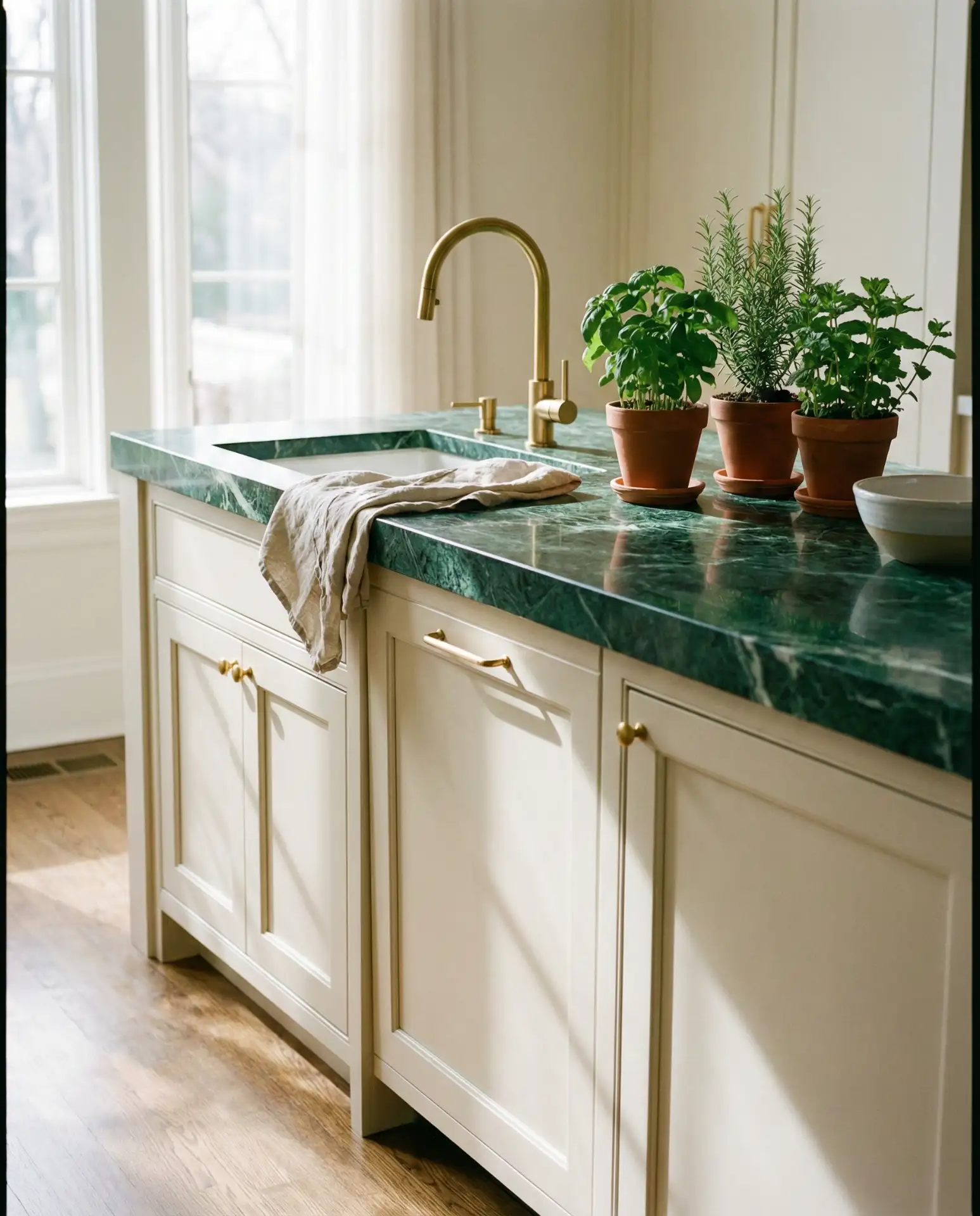
Green countertops—whether in green marble like Verde Guatemala or modern engineered surfaces with sage and emerald tones—bring an unexpected organic quality that pairs beautifully with both traditional and contemporary kitchens. The color family ranges from subtle gray-greens to bold forest hues, offering options for homeowners who want to test the trend without committing to something too adventurous. Green marble varieties often feature dramatic white or gold veining that adds movement and visual interest, while solid green quartz delivers a cleaner, more modern aesthetic. These surfaces feel especially at home in kitchens with lots of plants, natural wood, and large windows that frame outdoor views.
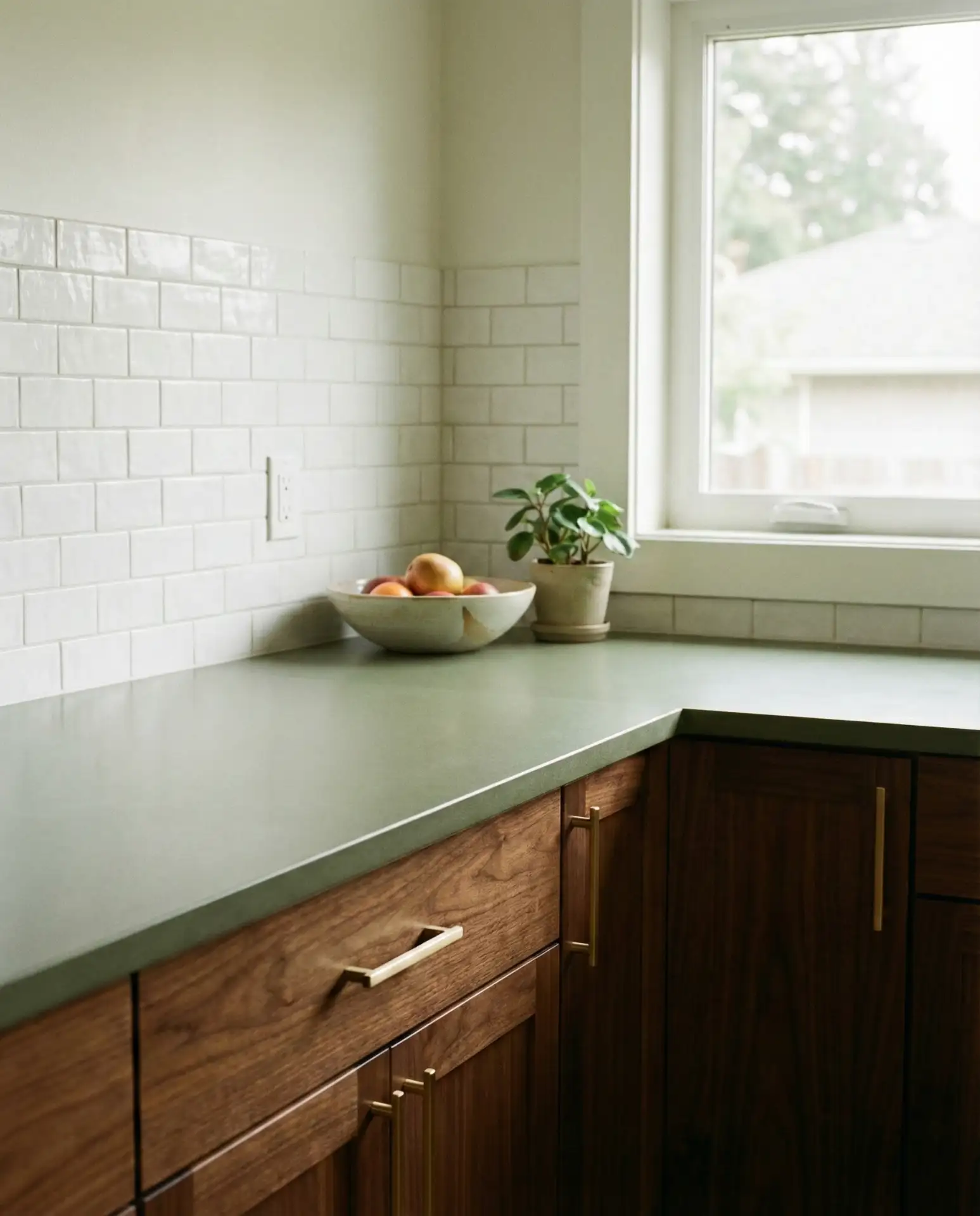
One practical insight: green marble requires more maintenance than engineered alternatives, needing regular sealing to prevent staining and etching from acidic foods. However, many homeowners who choose natural stone embrace its living quality—the slight imperfections and patina that develop over time add character rather than detracting from the surface. If low maintenance is a priority, consider green quartz or porcelain that mimics marble’s appearance without the upkeep demands, delivering the same visual impact with modern resilience.
9. Subtle Luxury with Taj Mahal Quartzite
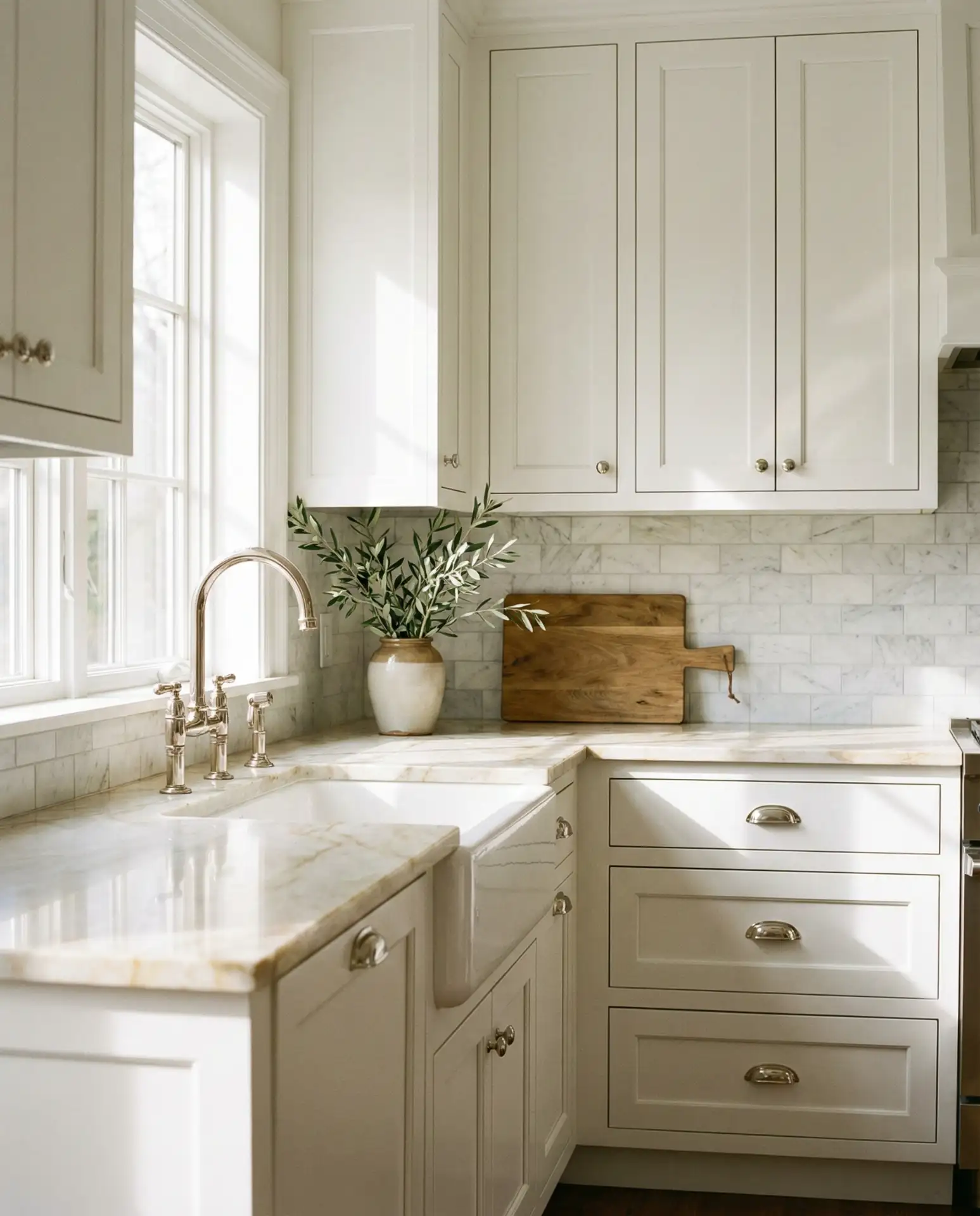
Taj Mahal quartzite has earned cult status among designers and homeowners who want the look of Carrara marble without its maintenance headaches. This natural stone features soft ivory backgrounds with delicate gray and gold veining that catches light beautifully, creating depth and movement that feels both luxurious and understated. Unlike marble, quartzite is significantly harder and more resistant to etching, making it practical for everyday kitchen use. The material pairs effortlessly with white cabinets, creating a bright, airy aesthetic that never feels stark or cold thanks to the stone’s warm undertones.
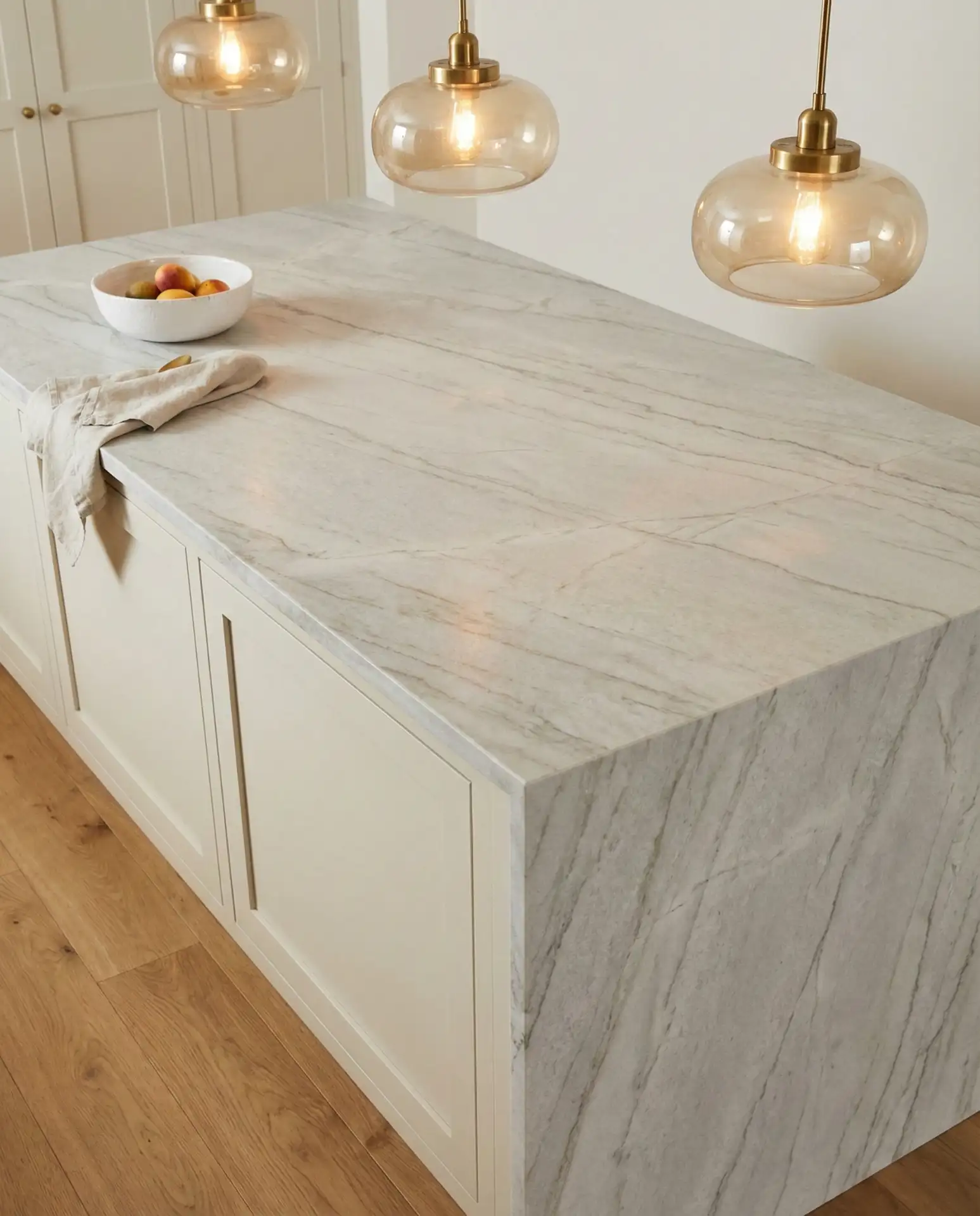
In coastal New England homes, Taj Mahal quartzite has become the go-to choice for kitchens that balance beach-house ease with upscale polish. The stone’s neutral palette complements the region’s love of white and navy color schemes, while its durability stands up to vacation home use where multiple guests cycle through. This regional preference highlights how certain materials resonate in specific American markets—what works in a breezy Cape Cod cottage might feel out of place in a desert Southwest adobe.
10. Timeless Neutrals in Grey Quartz
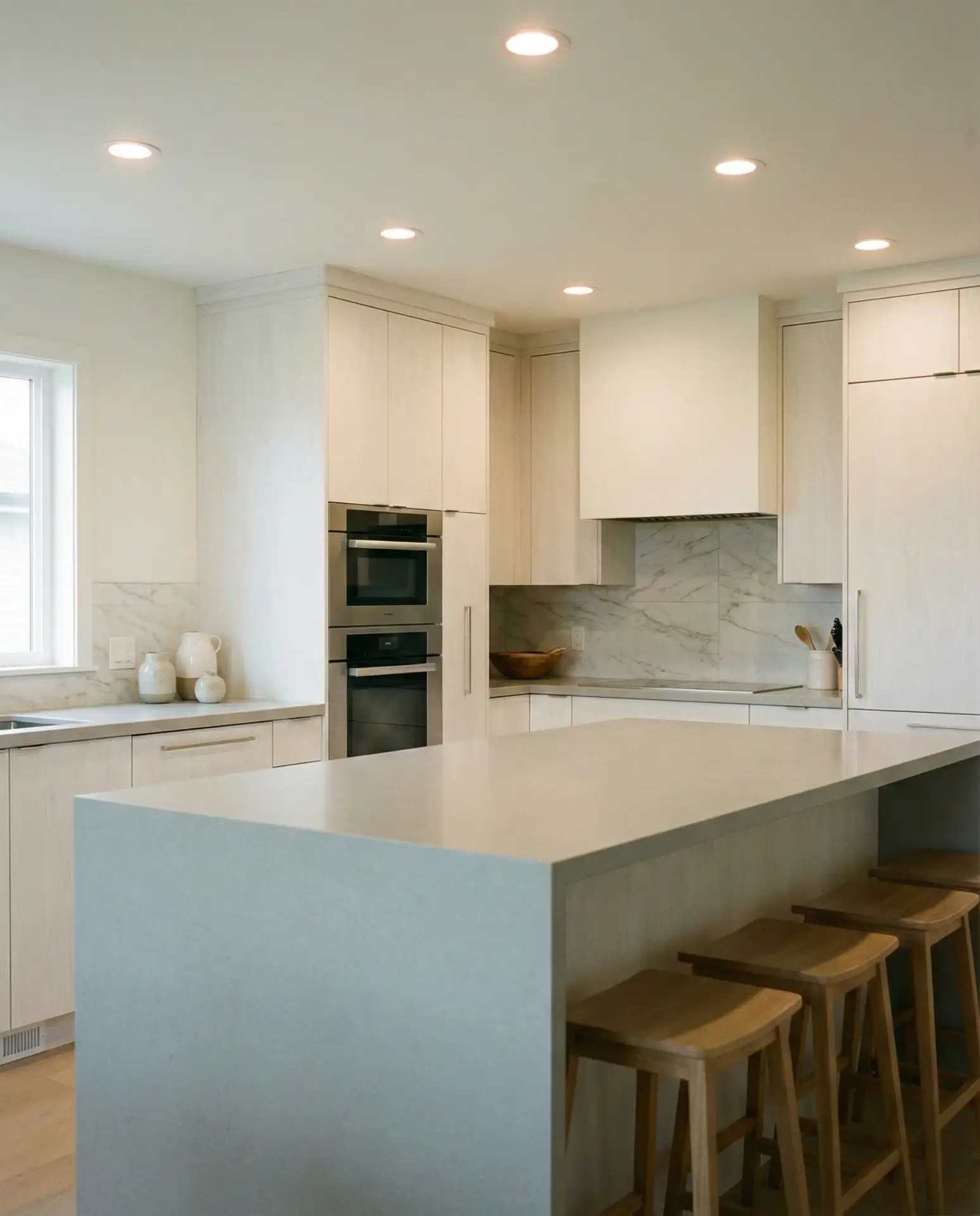
Grey quartz remains a perennial favorite for homeowners who want a versatile, low-maintenance surface that won’t clash with future design changes. The color spectrum ranges from pale dove gray to deep charcoal, with options for subtle veining, solid color, or flecked patterns that add texture without business. Grey’s neutrality makes it the ultimate chameleon—it grounds bold cabinet colors, complements natural wood, and provides a sophisticated backdrop for colorful accessories. In open-concept spaces, grey quartz creates visual continuity between kitchen and living areas without demanding attention.
Real estate agents consistently note that grey quartz appeals to the broadest range of buyers, making it a smart choice for homeowners considering future resale. The engineered surface requires virtually no maintenance—no sealing, no special cleaners, just soap and water—which resonates with busy families and working professionals who want their kitchens to look good without constant upkeep. While some trendier materials come and go, grey quartz’s staying power comes from its ability to adapt to changing styles while remaining fundamentally practical.
11. Personal Expression in How to Style Countertops
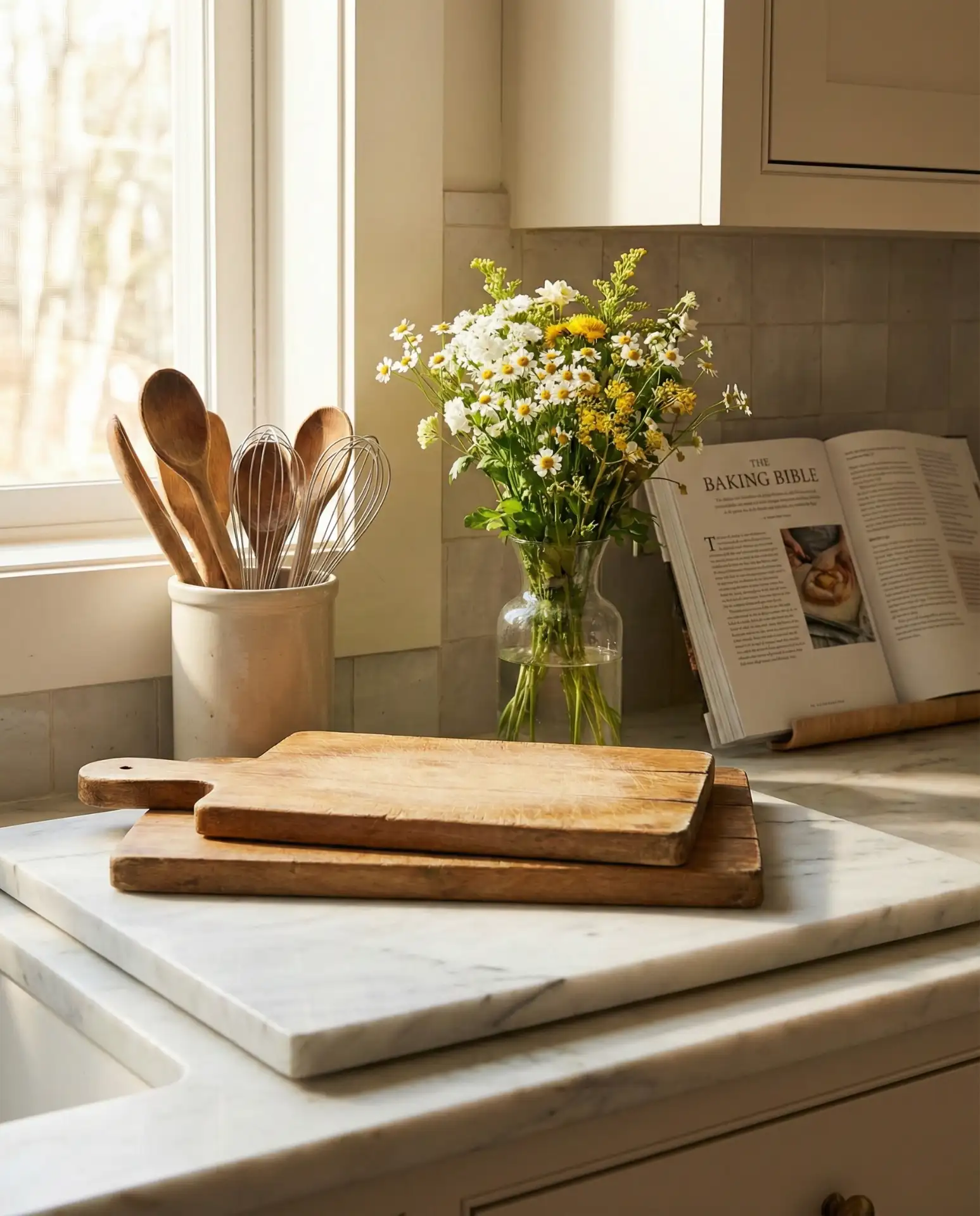
Knowing how to style countertops transforms them from functional surfaces into integral parts of your kitchen’s personality. The key is balance—counters need to work hard, so styling should be intentional rather than cluttered. A few well-chosen items like a wooden cutting board, a ceramic crock holding utensils, and a small plant or herb garden create visual interest without sacrificing workspace. In kitchens with butcher block or wooden counters, letting the natural material shine with minimal accessories often works best, while darker surfaces like black stone benefit from lighter objects that create contrast.
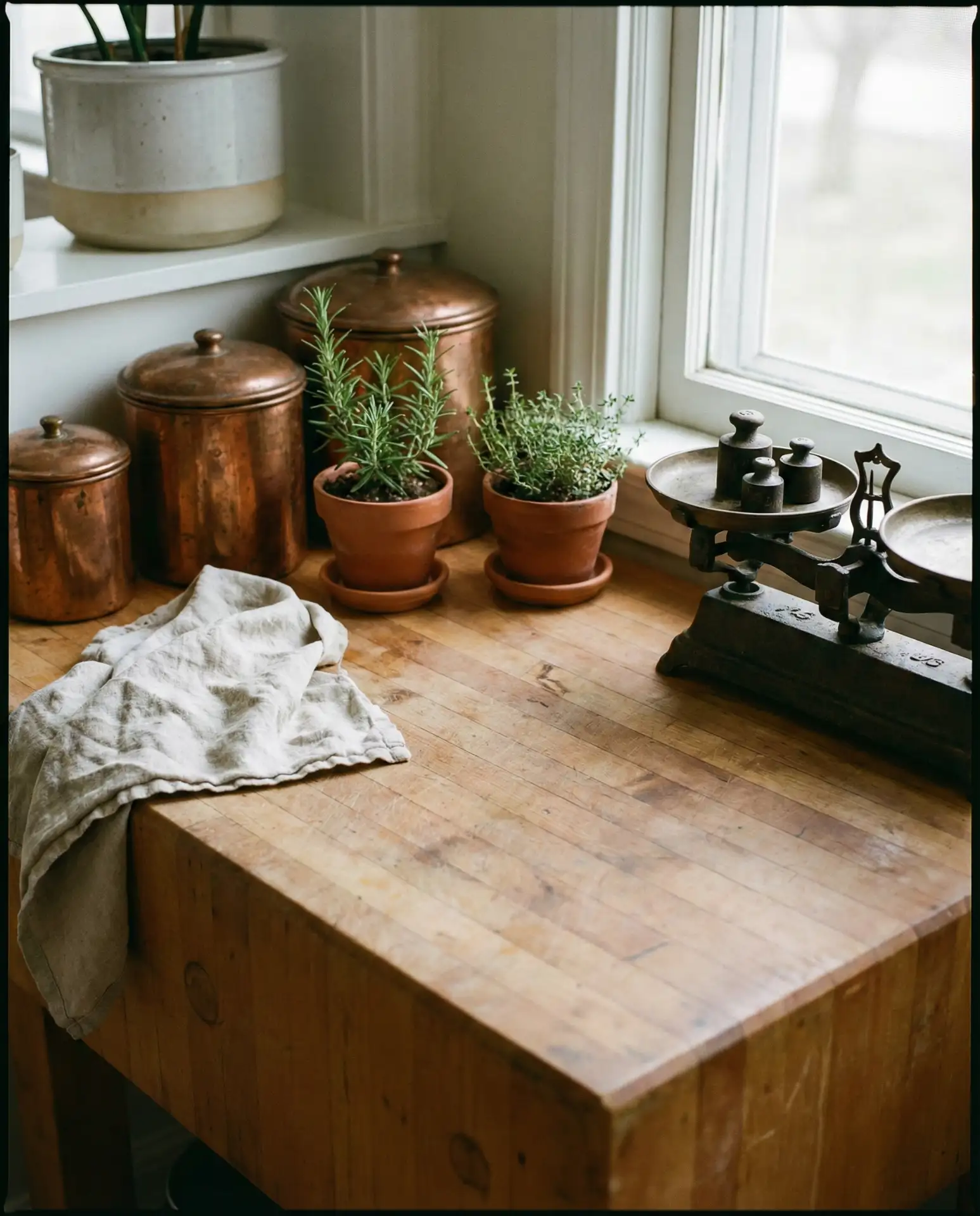
Common mistakes include over-styling to the point where counters become unusable workspaces or leaving surfaces completely bare in an attempt at minimalism that reads as cold rather than clean. The sweet spot involves keeping frequently used items like olive oil, salt, and pepper within reach but housed in attractive containers, while stowing away single-use gadgets and small appliances. Styling should reflect how you actually cook—a baker might display mixing bowls and a stand mixer, while someone who rarely cooks might opt for purely decorative elements that add warmth without pretense.
12. Budget-Friendly Innovation in Formica
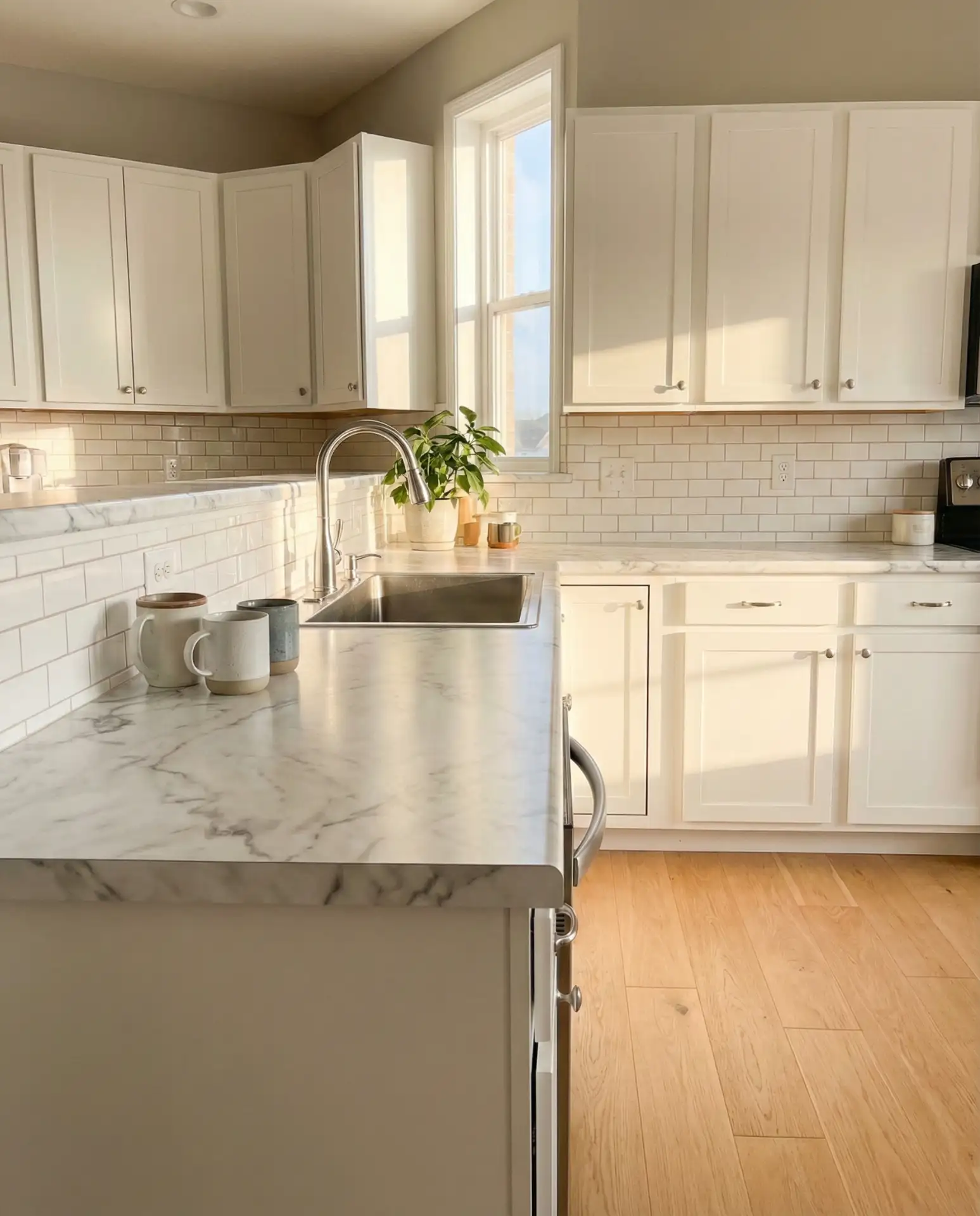
Formica has shed its dated reputation and reemerged as a smart, stylish option for budget-conscious renovators who refuse to compromise on aesthetics. Today’s laminate countertops feature incredibly realistic stone and wood patterns, including convincing marble looks that cost a fraction of the real thing. The material installs easily, resists stains and water, and comes in hundreds of colors and finishes. While it won’t add resale value like natural stone, Formica makes sense for starter homes, rental properties, or homeowners planning to renovate again in five to ten years. The low entry cost allows for bolder design choices—if you tire of the pattern, replacement is affordable.
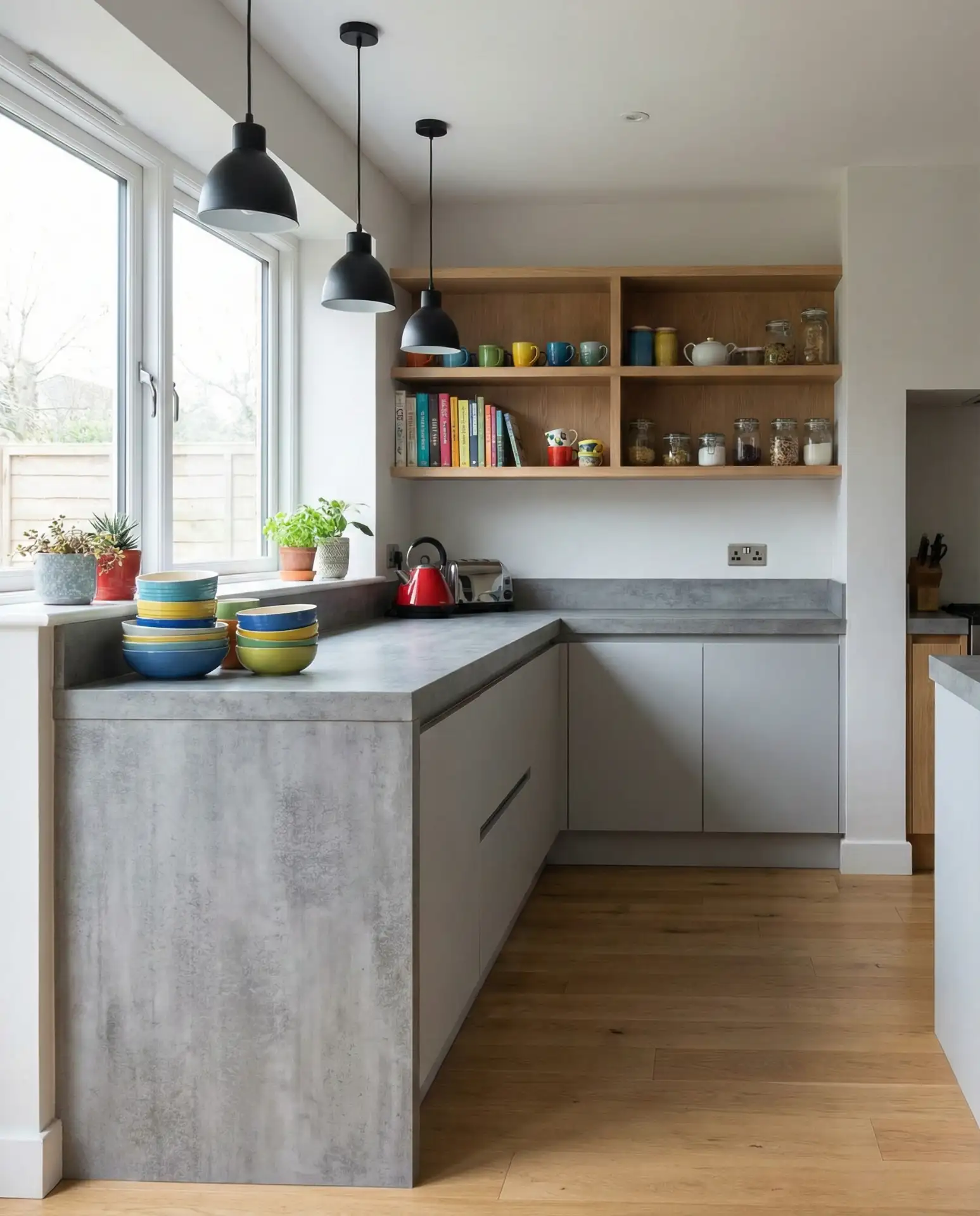
Prices for Formica installations typically range from $20 to $50 per square foot, making it accessible for complete kitchen overhauls on tight budgets. This cost advantage allows homeowners to allocate more funds toward quality appliances, lighting, or cabinetry—elements that might have more impact on daily function and satisfaction. Many contractors note that clients initially hesitant about laminate become converts once they see modern options that bear little resemblance to the outdated patterns from decades past.
13. Moody Sophistication with Dark Quartz
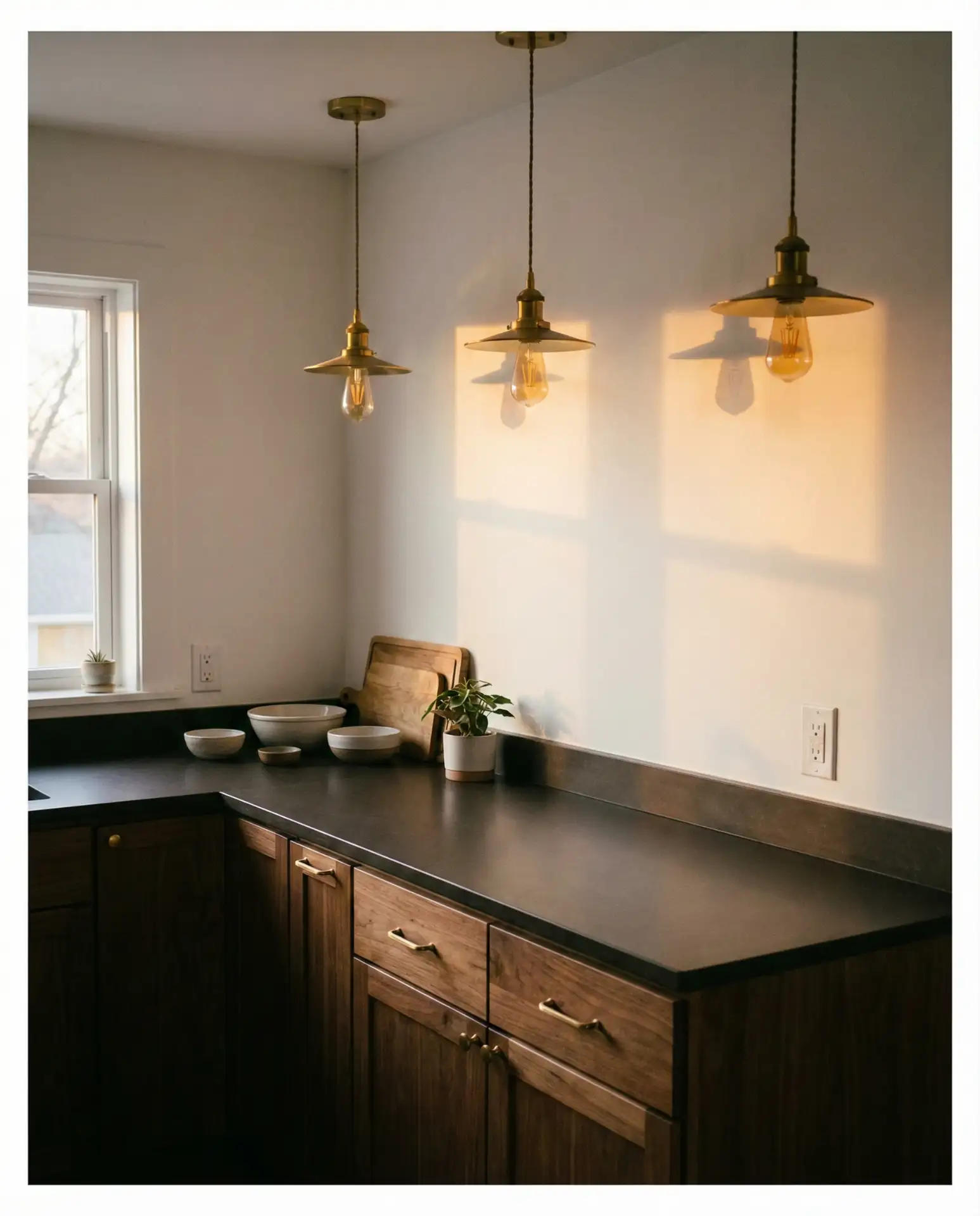
Dark quartz delivers drama and depth, particularly in kitchens with ample natural light that prevents the space from feeling too enclosed. Charcoal, espresso, and midnight blue quartz varieties create striking contrast against lighter cabinetry while hiding everyday wear better than paler surfaces. The engineered stone’s durability means these bold statements won’t require the careful maintenance that natural dark stones demand. In modern farmhouse kitchens, dark quartz on the island paired with butcher block perimeter counters creates an appealing tension between industrial and organic elements.
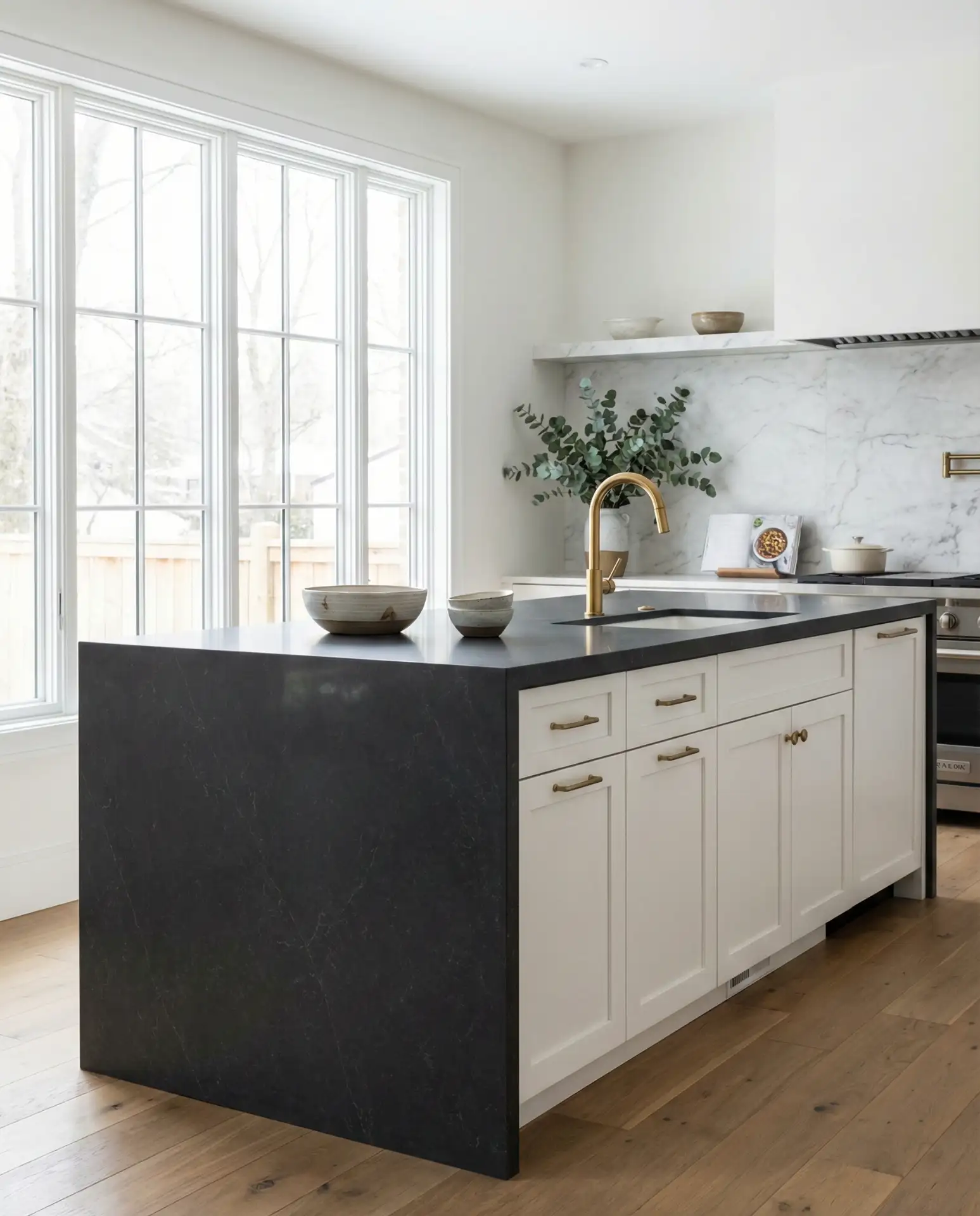
Expert fabricators recommend pairing dark quartz with statement lighting that highlights the surface rather than letting it recede into shadows. Under-cabinet lighting is particularly effective, creating pools of light that emphasize the stone’s depth while improving task lighting for food prep. This approach transforms dark counters from potentially heavy elements into sophisticated focal points that ground the entire kitchen design without overwhelming it.
14. Verdant Elegance in Green Marble
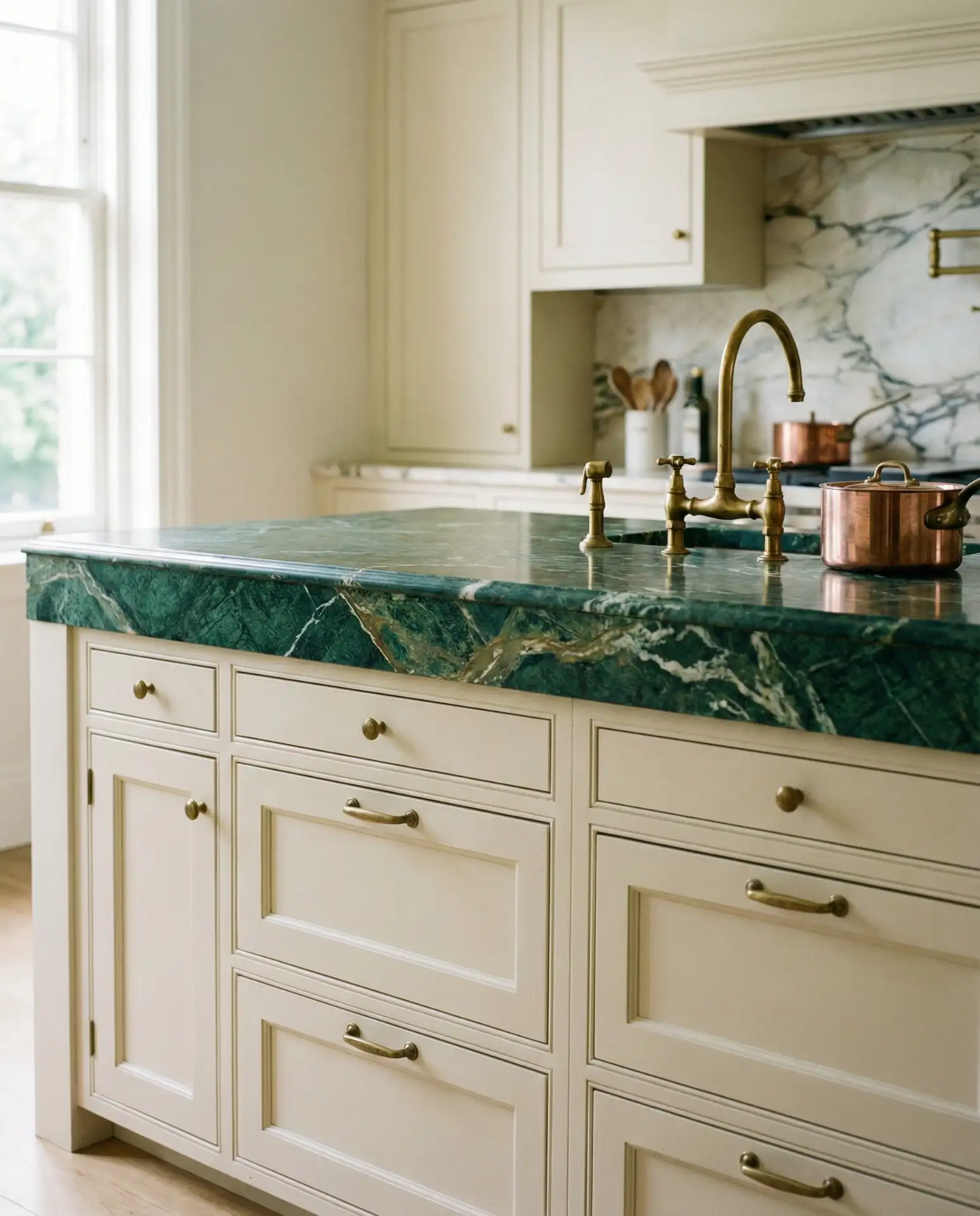
Green marble varieties like Verde Guatemala, Oasis Green, and Alpi Verdi offer distinct personalities that range from dark forest tones to bright jade hues. These natural stones feature veining in white, gold, or black that creates one-of-a-kind patterns—no two slabs are identical. The material’s boldness makes it ideal for statement islands or smaller accent areas where it can command attention without overwhelming the space. Maintenance requires commitment, as marble etches and stains more readily than engineered alternatives, but for homeowners who appreciate natural stone’s living quality, this is part of its appeal rather than a drawback.
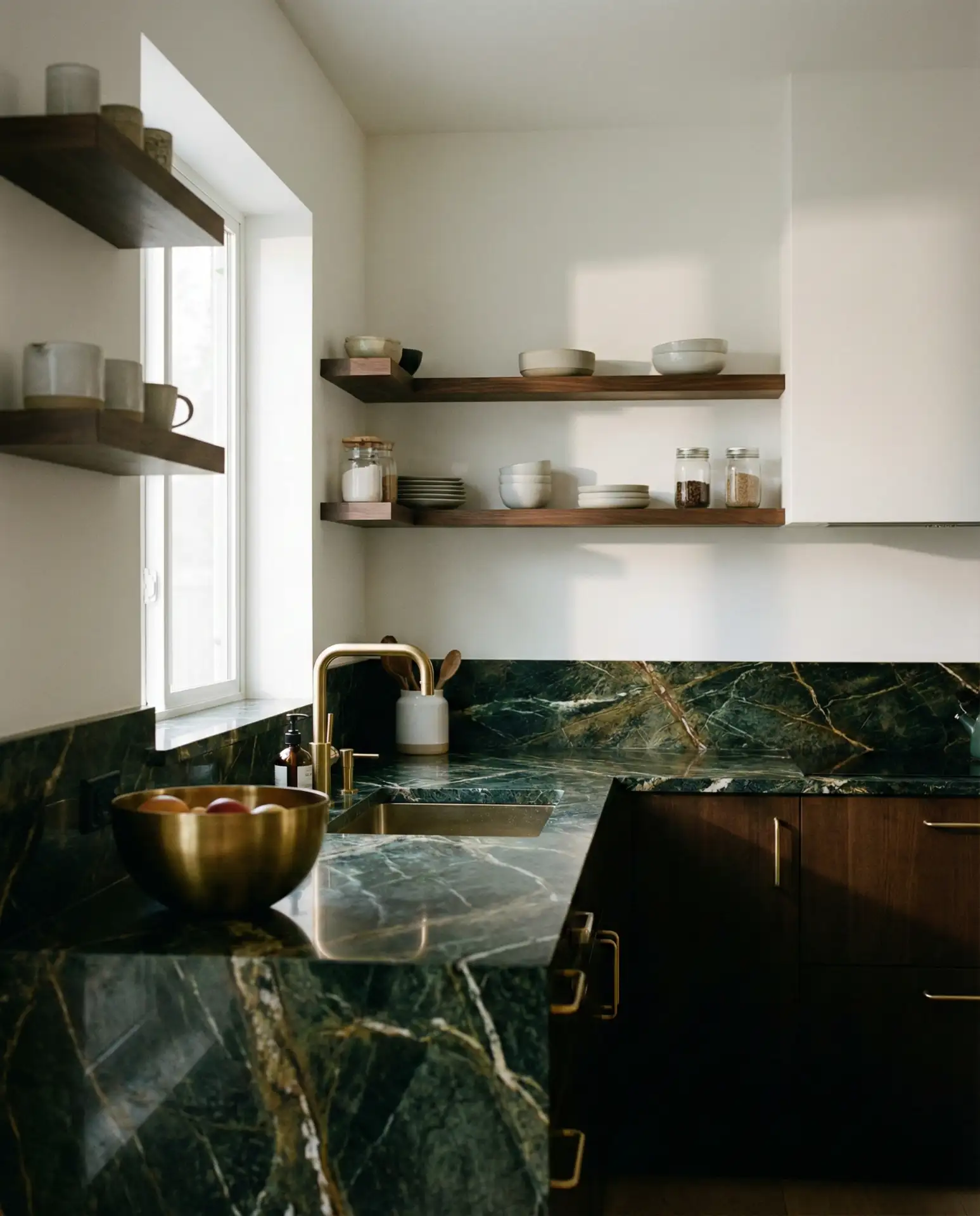
Where green marble works best is in kitchens that embrace color and pattern throughout—trying to anchor an otherwise neutral space with a bold green island can feel disjointed. Instead, echo the green in smaller elements like bar stools, cabinet hardware, or artwork to create cohesion. This approach lets the marble be a statement without feeling like an afterthought or a disconnected trend piece that clashes with the overall design direction.
15. Classic Contrast with Black Marble
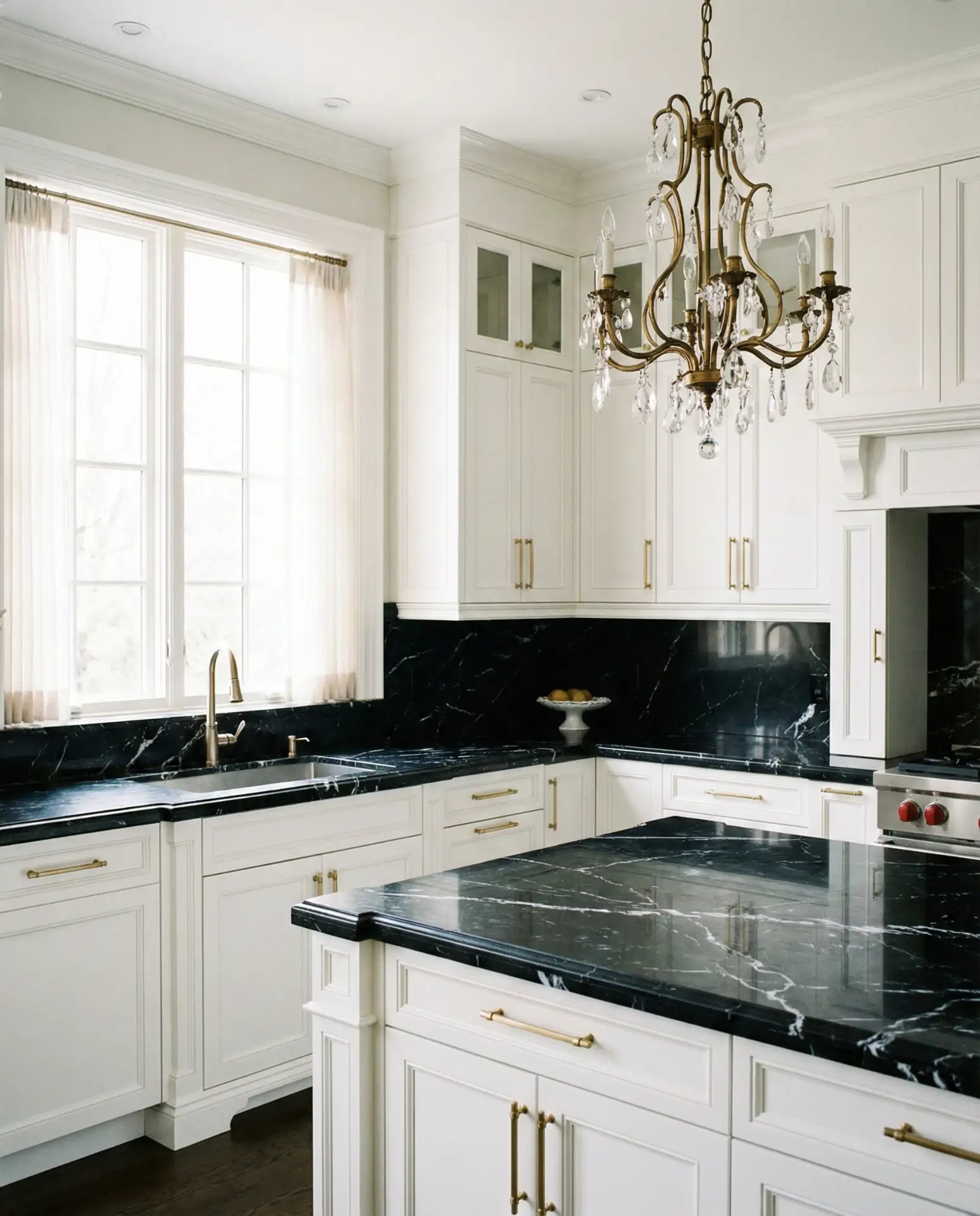
Black marble countertops, particularly varieties like Nero Marquina with distinctive white veining, bring a level of sophistication that few materials can match. The natural stone’s depth and movement catch light beautifully, creating surfaces that feel dynamic rather than flat. Black marble pairs especially well with white cabinets, brass or gold fixtures, and natural wood accents that warm up the palette. In Art Deco-inspired kitchens or spaces with clean, geometric lines, black marble provides the perfect foundation for a design that feels both timeless and boldly contemporary.
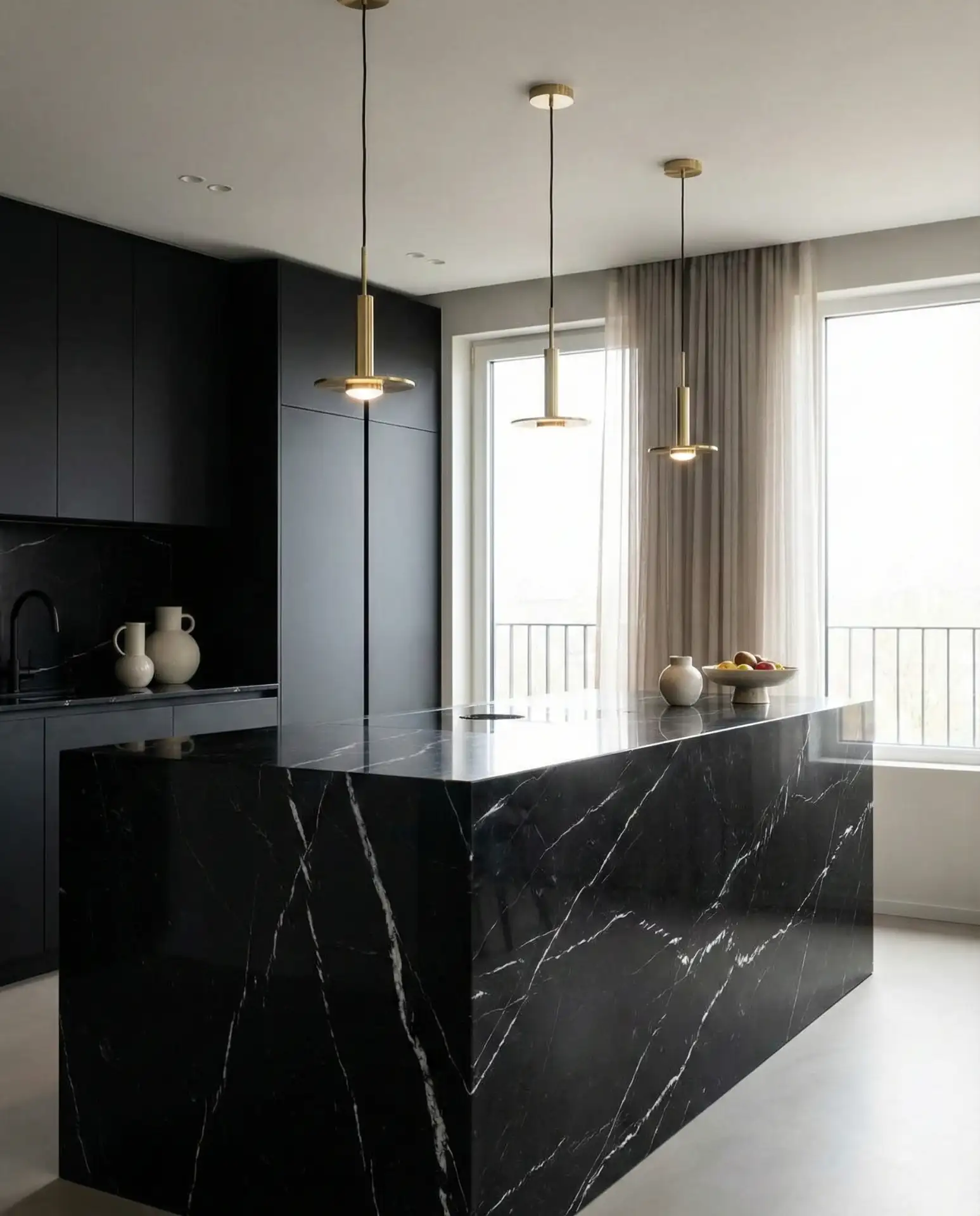
Homeowners who choose black marble need to embrace its reactive nature—acidic foods and drinks will etch the surface, creating dull spots in the polished finish. Some view this as character development, evidence of a kitchen that’s truly lived in. For those less comfortable with visible wear, honed or leather-finished black marble camouflages etching better than high-polish surfaces, maintaining the stone’s dramatic appearance while being more forgiving of everyday use.
16. Organic Flow with Live Edge Wood
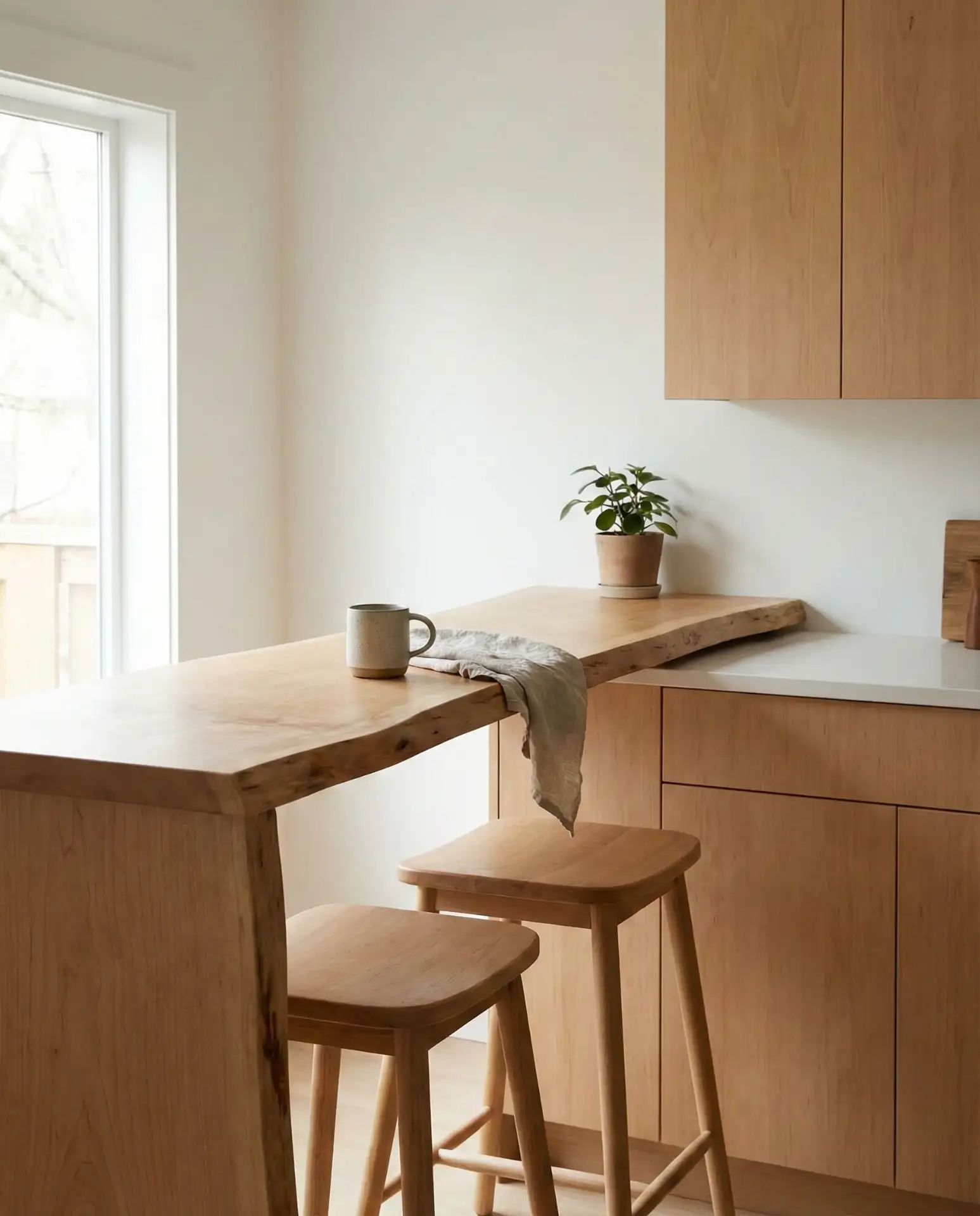
Choosing live-edge wooden countertops means bringing a piece of natural history into your kitchen, complete with the tree’s original bark edge and organic curves. These surfaces work beautifully in mountain retreats, converted barns, and modern cabins where the connection to nature is a design priority. Black walnut, cherry, and maple are popular species choices, each offering distinct color tones and grain patterns. The irregular edge creates visual interest that’s impossible to achieve with straight-line materials, making even simple kitchen layouts feel custom and considered.

Live-edge counters require more hands-on maintenance than stone or engineered surfaces—regular oiling keeps the wood from drying out, and any spills need immediate attention to prevent water rings or stains. This commitment isn’t for everyone, but for those who enjoy the ritual of caring for natural materials, the ongoing relationship with the wood becomes part of the kitchen’s story. The surface develops character over time, deepening in color and acquiring marks that document years of family meals and gatherings.
17. Honey Warmth in Travertine
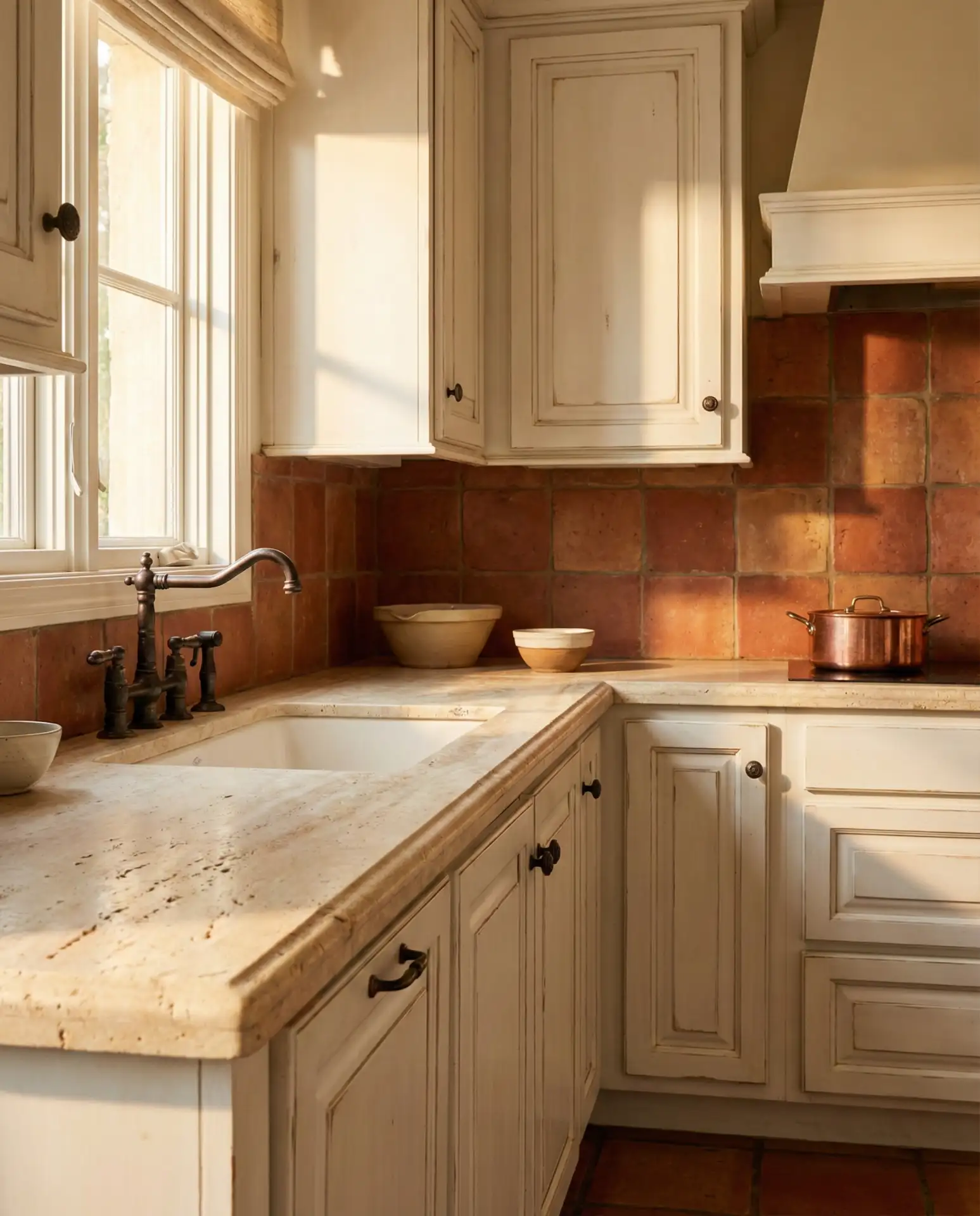
Travertine countertops bring a Mediterranean warmth that pairs beautifully with farmhouse aesthetics and homes that emphasize natural, earthy materials. The porous stone features subtle pitting and color variation in tones ranging from cream to gold to walnut, creating texture and depth that feels both ancient and inviting. Travertine works particularly well in Southwestern and Spanish Colonial homes, where its warm palette complements adobe walls, terra cotta tile, and wrought iron fixtures. The material does require sealing to protect against stains, but its honed finish hides wear gracefully.
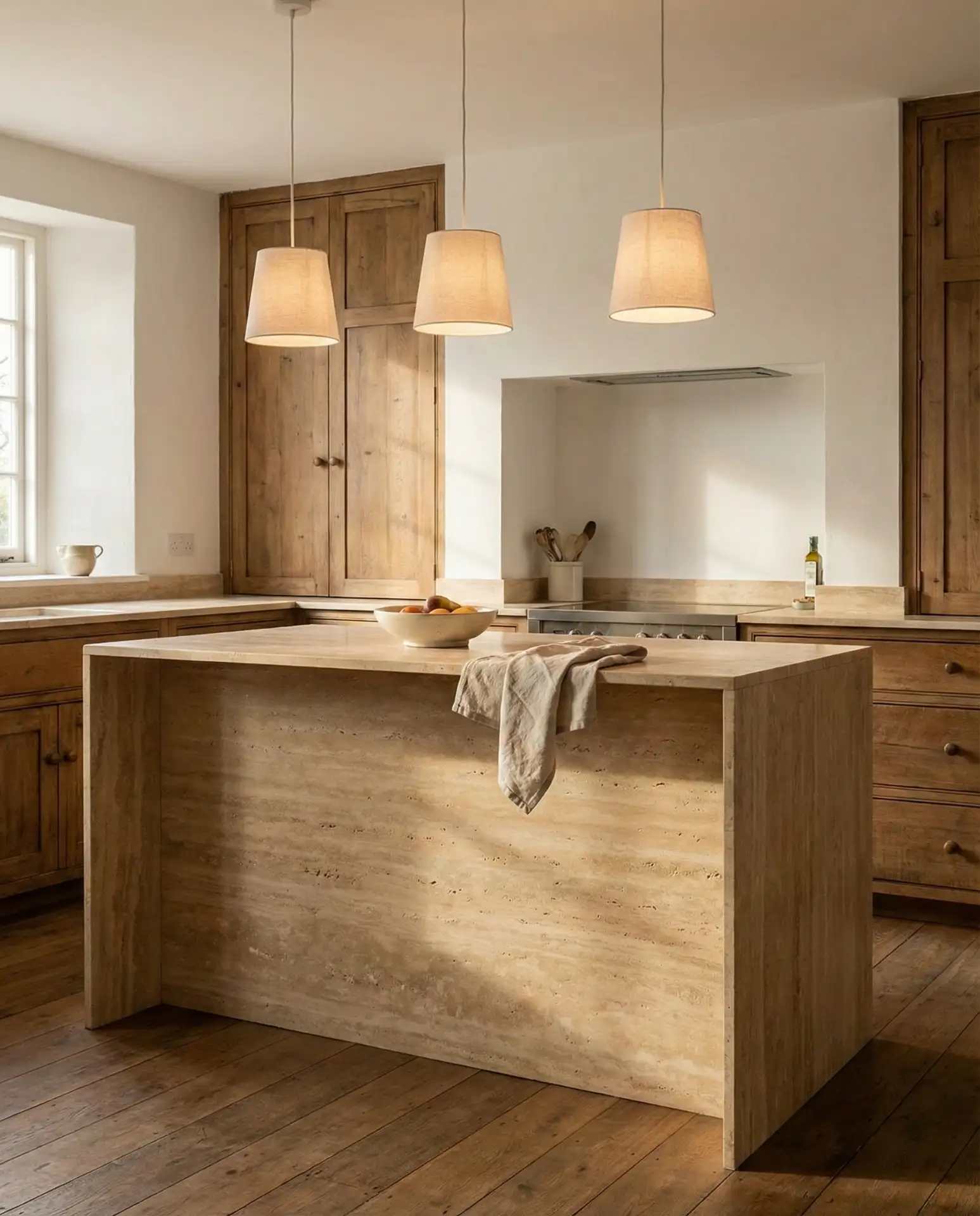
In regions with hard water, travertine can develop mineral deposits that are challenging to remove, making it less ideal for areas with known water quality issues. Before committing, homeowners should test their water and consider whether the ongoing maintenance aligns with their lifestyle. For those in incompatible regions who appreciate natural stone’s organic qualities, travertine offers warmth and character that synthetic materials can’t replicate, with price points generally lower than marble or quartzite.
18. Soft Touch in Soapstone

Soapstone countertops offer a matte, velvety surface that ages beautifully, developing a rich patina that many homeowners treasure. The non-porous stone resists bacteria and staining naturally, requiring no sealing despite being softer than granite or quartz. Soapstone comes in shades of grey ranging from pale dove to deep charcoal, often with white veining that adds subtle visual interest. Its heat resistance makes it a favorite among bakers who can place hot pans directly on the surface without worry. The material’s softness means it scratches relatively easily, but these marks can be sanded out or embraced as part of the stone’s evolving character.
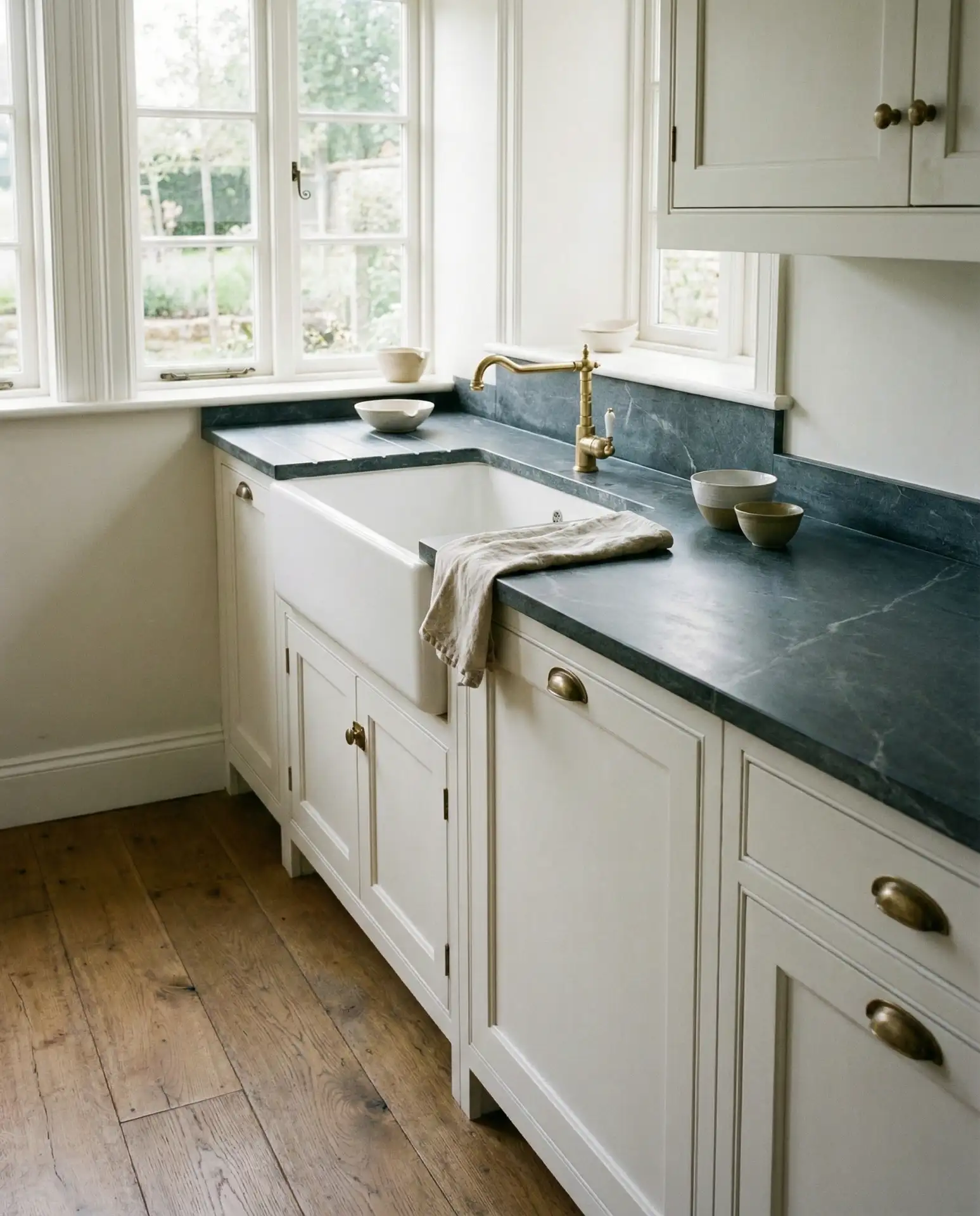
A friend who installed soapstone five years ago treats the monthly mineral oil application as a meditative ritual rather than a chore. She loves how the surface darkens with each treatment, gradually transforming from medium gray to deep charcoal. This relationship with the material—the way it responds to use and care—creates an emotional connection that homeowners with engineered surfaces might miss. Soapstone asks you to participate in its aging process, and for the right person, that involvement becomes part of the kitchen’s story.
19. Rustic Heart of Farmhouse Kitchens
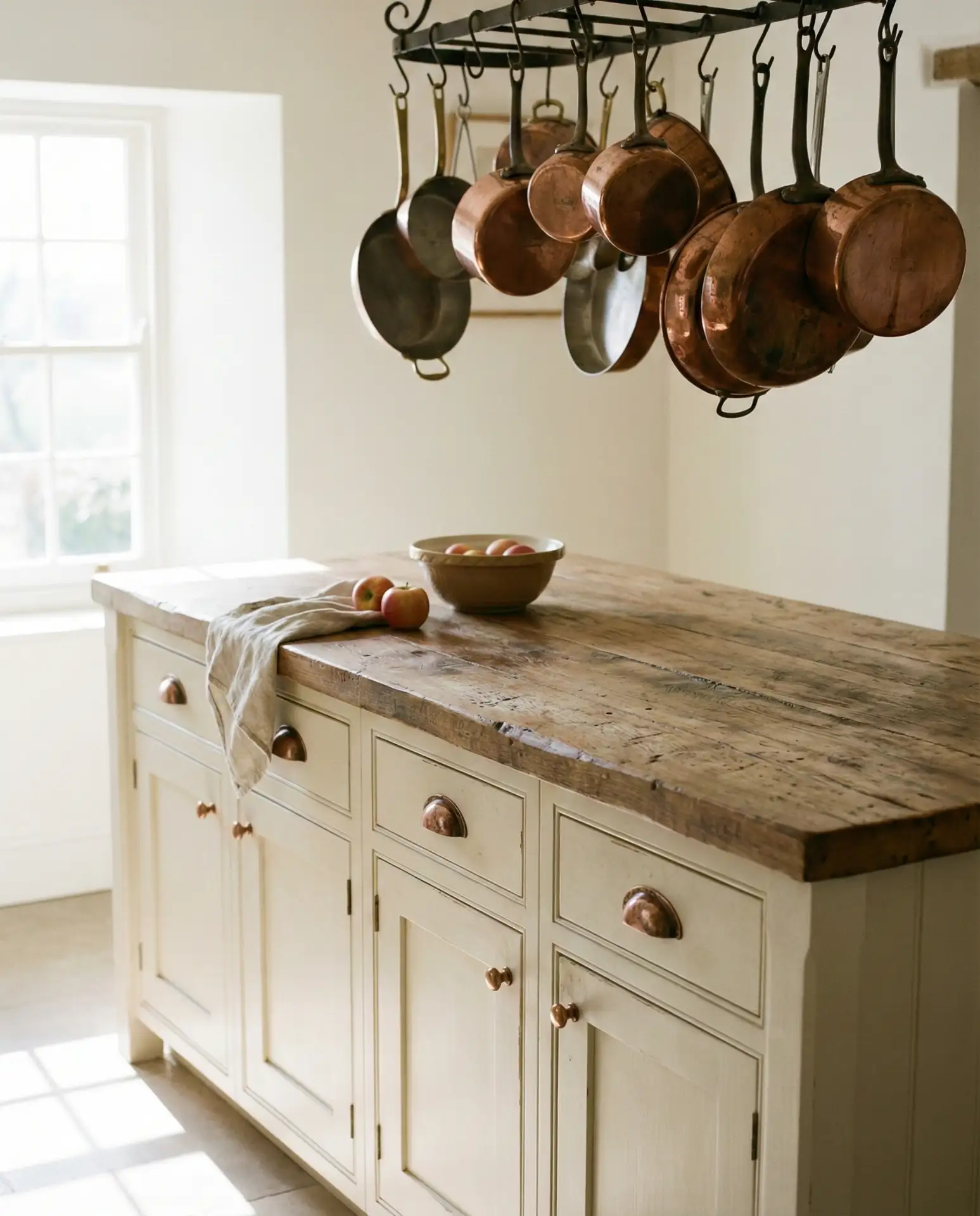
The farmhouse kitchen aesthetic thrives on countertops that balance function with nostalgic charm, typically featuring butcher block, soapstone, or white marble that reference historical rural kitchens. These materials pair with apron-front sinks, open shelving, and cabinetry in soft whites or natural wood tones to create spaces that feel collected over time rather than designed all at once. The key is avoiding anything too polished or modern—honed finishes and natural patinas trump high-gloss surfaces. Regional variations exist: New England farmhouse kitchens lean toward soapstone and painted cabinets, while Southern interpretations often incorporate more wood tones and marble.
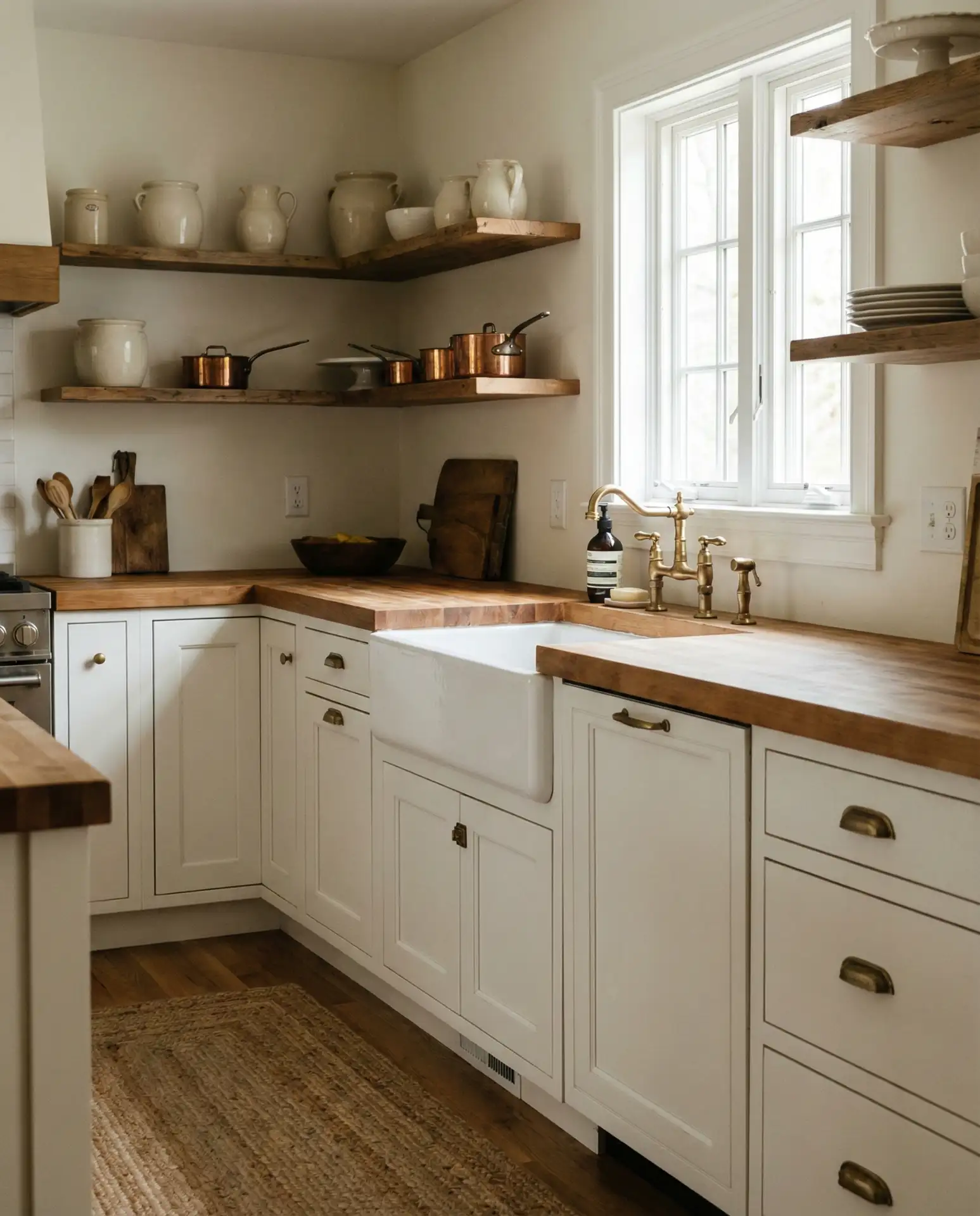
Farmhouse counters work best when they show honest wear—a butcher block with knife marks, soapstone with a naturally developed patina, or marble with gentle etching all contribute to the authentic, lived-in quality that defines the style. Trying to maintain these materials in pristine condition undermines the aesthetic’s entire premise. The goal is a kitchen that looks like it’s been loved and used by multiple generations, where imperfections tell stories rather than diminish value.
20. Smooth Sophistication with Corian

Corian solid surface countertops offer seamless installation possibilities that stone can’t match, with invisible seams that create one continuous surface across multiple slabs. The non-porous material resists bacteria and stains while allowing for integrated sinks that eliminate the crevice where countertop meets basin—a significant hygiene advantage. Modern Corian comes in an expanded range of colors and patterns, including convincing stone looks that cost significantly less than natural materials. While it scratches more easily than quartz, minor damage can be buffed out, essentially allowing the surface to be renewed rather than replaced.
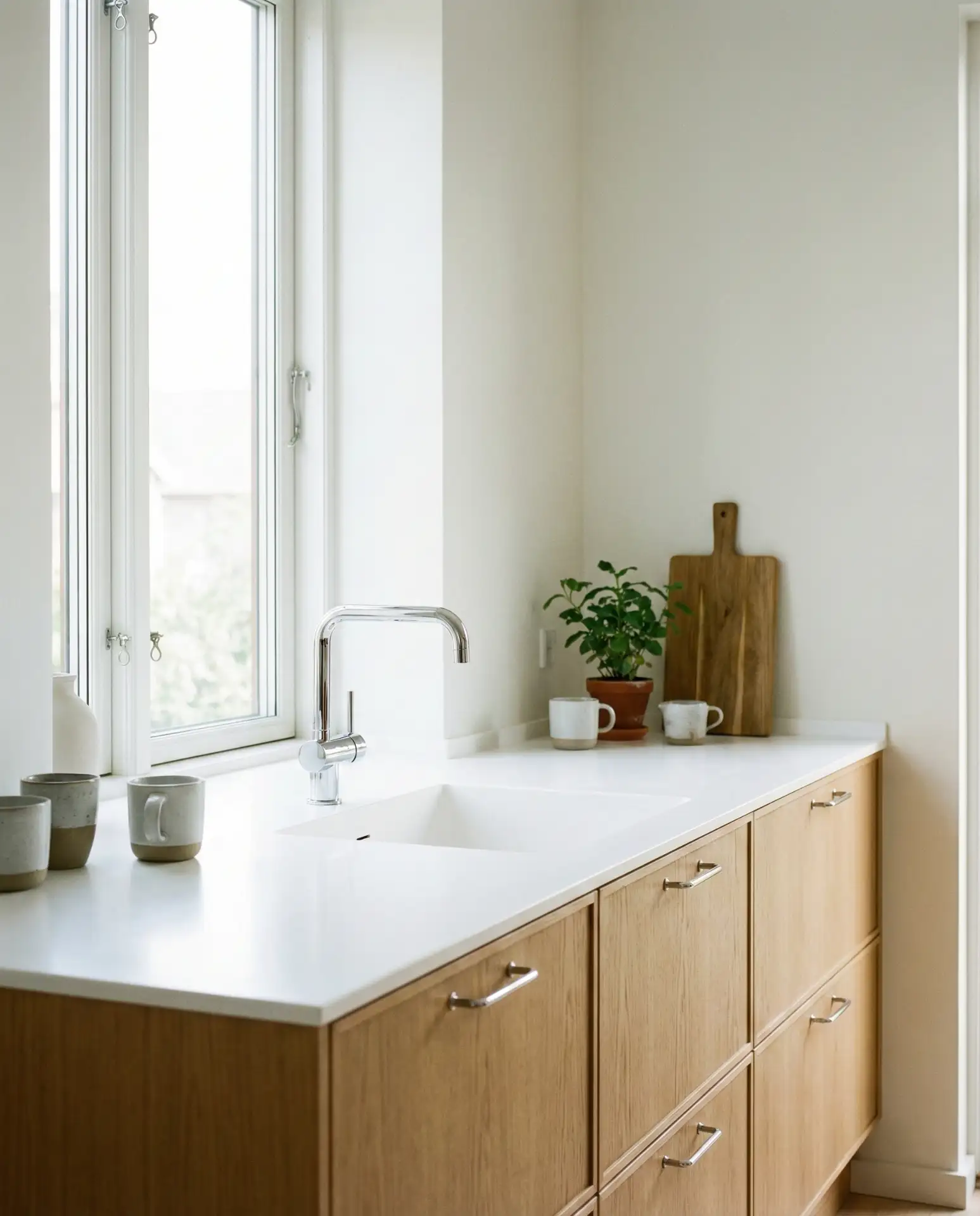
Installation costs for Corian typically fall between $40 and $80 per square foot, positioning it as a middle-ground option between laminate and natural stone. This price point appeals to practical homeowners who want durable, attractive surfaces without the premium expense of granite or quartz. The material’s repairability adds long-term value—unlike stone that requires professional repair or replacement when damaged, Corian allows for on-site fixes that restore the surface to like-new condition.
21. Weatherproof Beauty in Outdoor Countertops
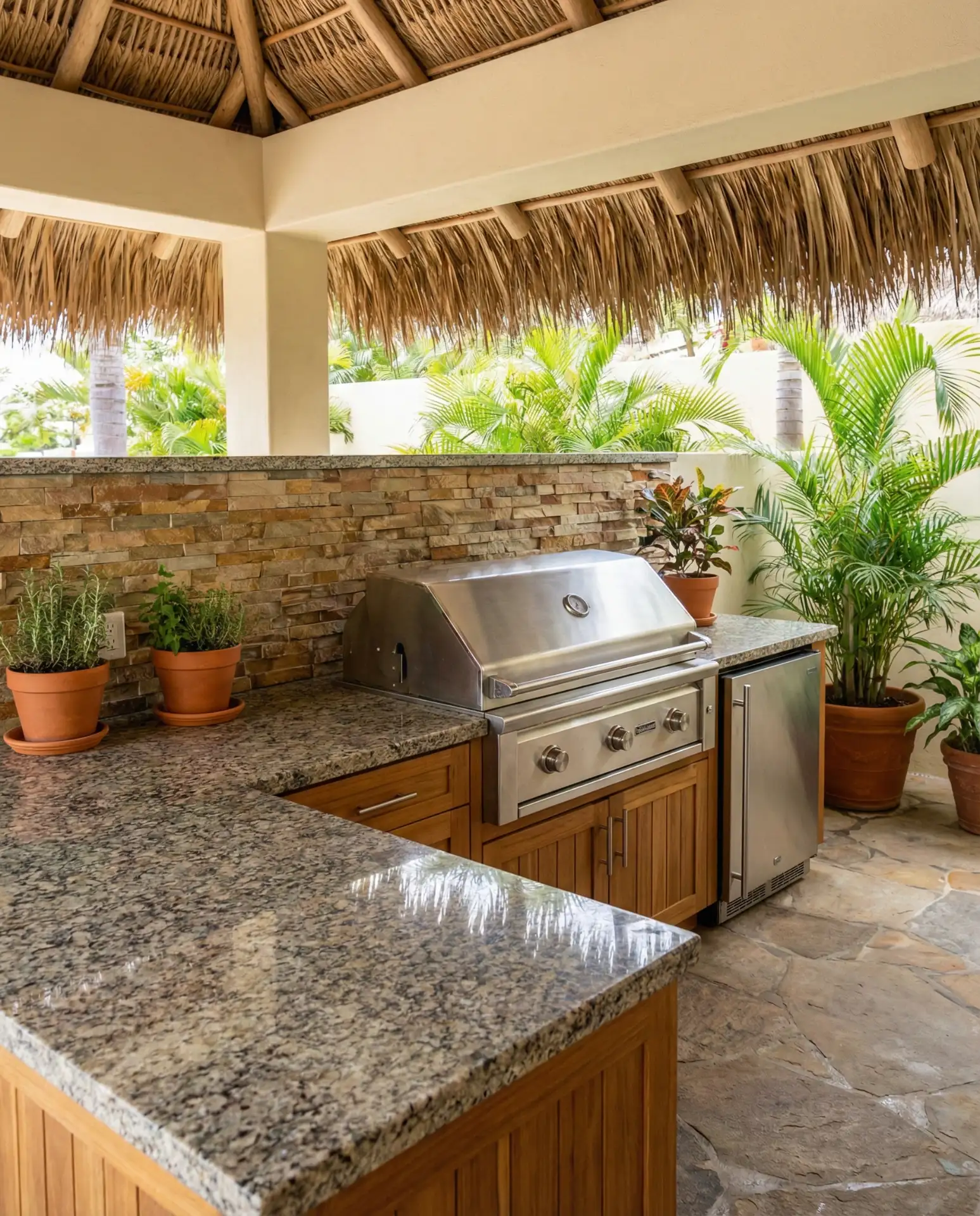
Outdoor kitchen countertops must withstand temperature extremes, moisture, and UV exposure while maintaining their appearance season after season. Granite, concrete, and stainless steel are popular choices, each offering different aesthetic and functional benefits. Granite provides natural beauty and heat resistance, concrete allows for custom shapes and integral features, while stainless steel delivers a professional-grade surface that’s virtually indestructible. The key is selecting materials that won’t fade, crack, or require constant resealing in your climate—what works in dry Arizona might fail in humid Florida or freeze-prone Minnesota.
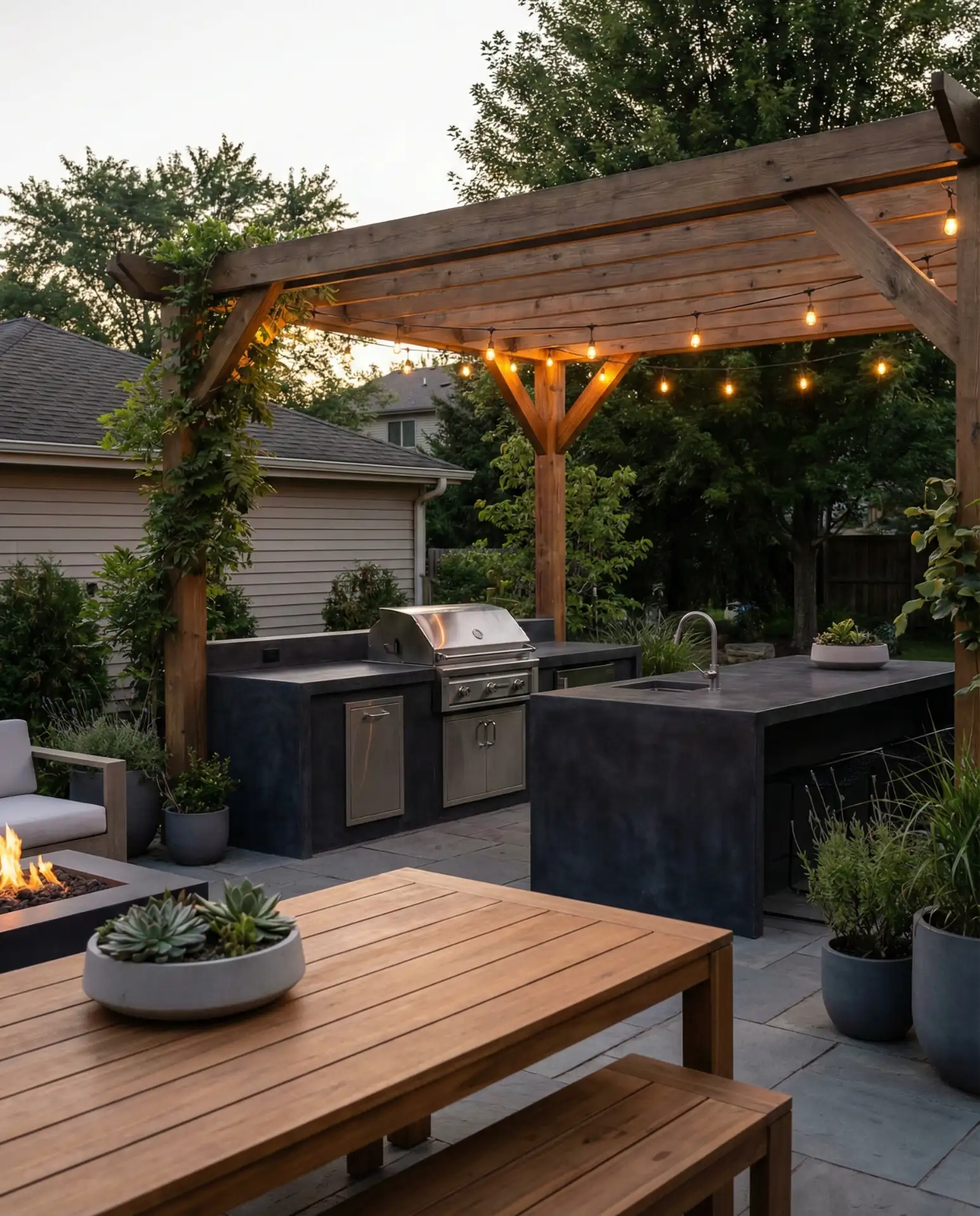
Real homeowners who’ve installed outdoor kitchens consistently emphasize the importance of proper drainage and adequate coverage. Even weather-resistant materials benefit from protection—a roof or pergola overhead extends the life of counters and keeps the space usable in light rain. Consider how you’ll use the space: serious grillers need heat-resistant zones for resting hot pans, while entertainers might prioritize surface area for serving and staging. Matching your counter material to actual use patterns ensures the outdoor kitchen enhances your lifestyle rather than becoming an expensive, underutilized feature.
Conclusion
These countertop ideas showcase the remarkable range of options available to homeowners in 2026, from time-tested natural stones to innovative engineered surfaces and budget-friendly alternatives that don’t sacrifice style. Whether you’re drawn to the drama of black marble, the practicality of grey quartz, or the organic warmth of live-edge wood, the right countertop can transform your kitchen into a space that truly reflects your lifestyle and aesthetic preferences. Share which ideas resonate with your renovation plans in the comments below—we’d love to hear about your countertop journey and any questions you might have about making these materials work in your home.