You know that feeling when you finally find the bedroom storage idea that looks exactly right for your space, but you have no idea how to make it happen? We’ve all been there, endlessly scrolling Pinterest for inspiration. We did the hard work for you, filtering through hundreds of options to find what truly works in 2026. Inside, you’ll find 31 curated ideas that master the art of storage, focusing on serene, minimalist, and functional built-in solutions. In 2026, it’s all about ‘integrated living’—making our storage a seamless, beautiful part of the room’s design, not just a box in the corner. And stay until the end — we break down the most common mistakes that can ruin these looks. 📌 Save this to Pinterest for later — you’ll want to revisit these ideas.
This post may contain affiliate links. As an Amazon Associate, we earn from qualifying purchases at no extra cost to you.
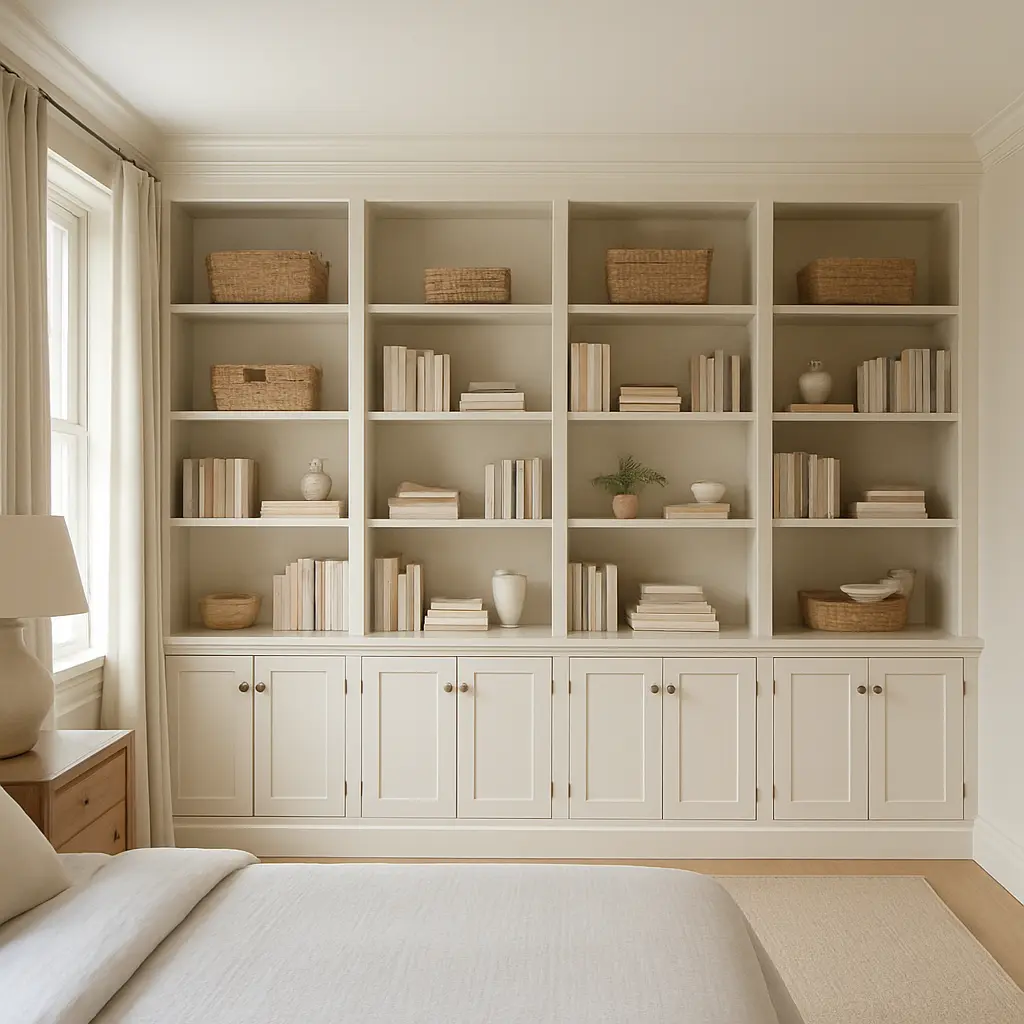
1. Embrace Calm with Floor-to-Ceiling Bookcases
This design is so successful because it commits to a single wall, creating a powerful focal point without overwhelming the room. The combination of open shelves for display and closed cabinets below is a classic design trick. It allows for personalization (vases, books) while hiding the less-attractive necessities. The strict neutral palette of creams and beiges, punctuated by the texture of woven baskets, creates a cohesive and incredibly serene atmosphere that feels both organized and personal.
|
$114.99
|
$521.99
|
$82.79
|
$50.00
|

“Recreating a custom built-in like this is an investment in carpentry, but it pays dividends in property value and daily calm.”
Here’s a rough idea of the cost:
- Custom Cabinetry & Shelving: $4,500 – $9,000
- Lighting (if adding sconces/downlights): $400 – $1,000
- Textiles (drapes, bedding): $500 – $1,500
- Decor (baskets, vases, accessories): $300 – $800
- TOTAL: $5,700 – $12,300
- Budget alternative: Use multiple IKEA BILLY bookcases with OXBERG doors for a similar look, costing around $1,500 – $2,500.
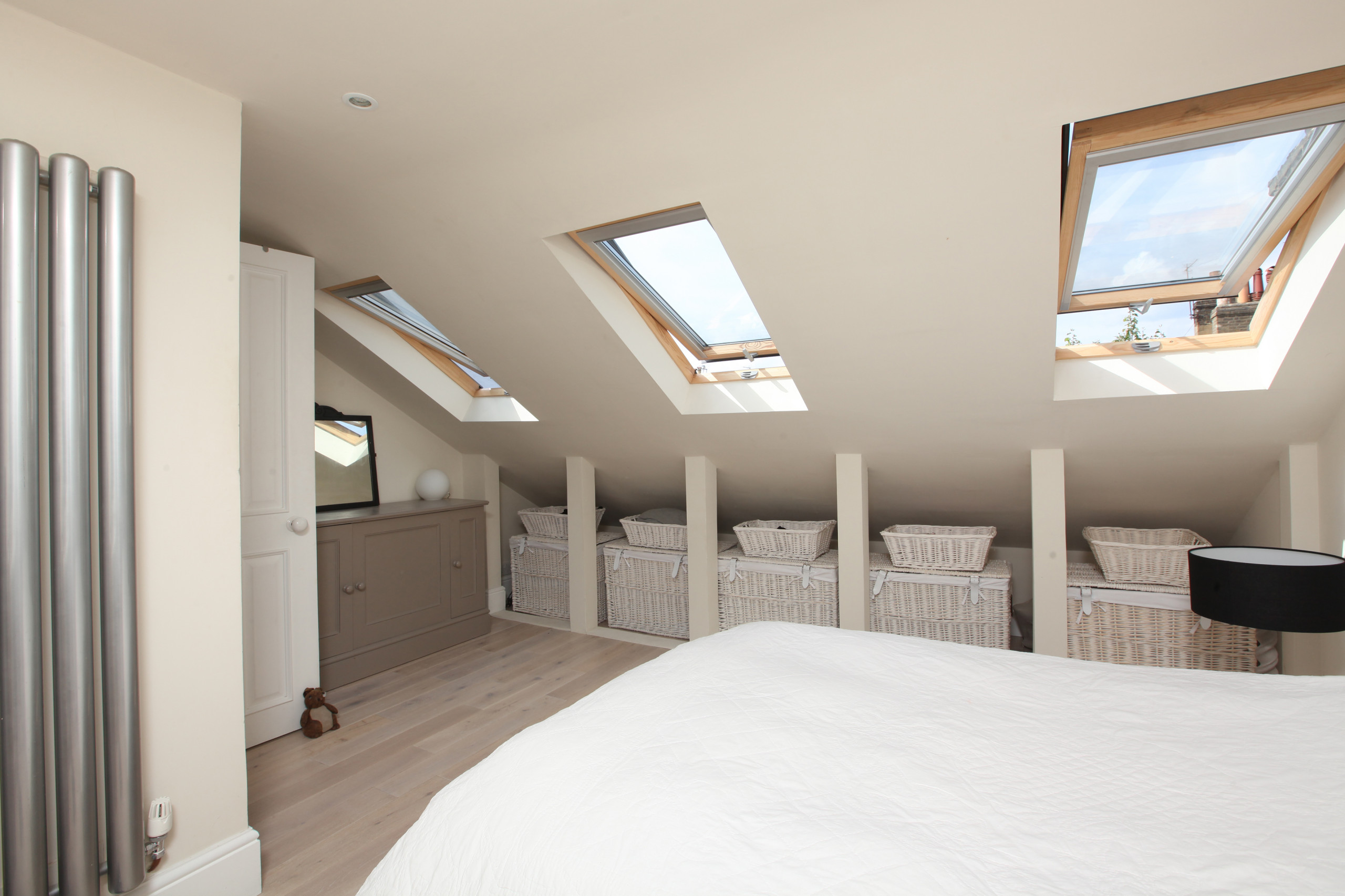
2. Utilize Attic Slopes with Woven Basket Inserts
When dealing with sloped ceilings, don’t fight the architecture—use it. The voids between structural posts are prime real estate for storage. Instead of trying to fit awkward freestanding furniture, have a carpenter build simple recessed frames. For a perfect fit, measure the depth and width of your chosen storage baskets *before* building the shelves. Aim for 1/2 inch of clearance on all sides for easy access. This makes the storage feel intentional and high-end, rather than like an afterthought.
|
$521.44
|
$69.99
|
$27.99
|


“This idea is tailor-made for attic rooms or spaces with sloped ceilings where vertical wall space is limited.”
It works best in rooms with a minimum knee wall height of 36 inches, which is just enough to accommodate sizable baskets without them feeling too close to the ground. This strategy is a game-changer for rooms between 100-200 square feet, where every inch counts and traditional wardrobes would feel bulky and out of place.
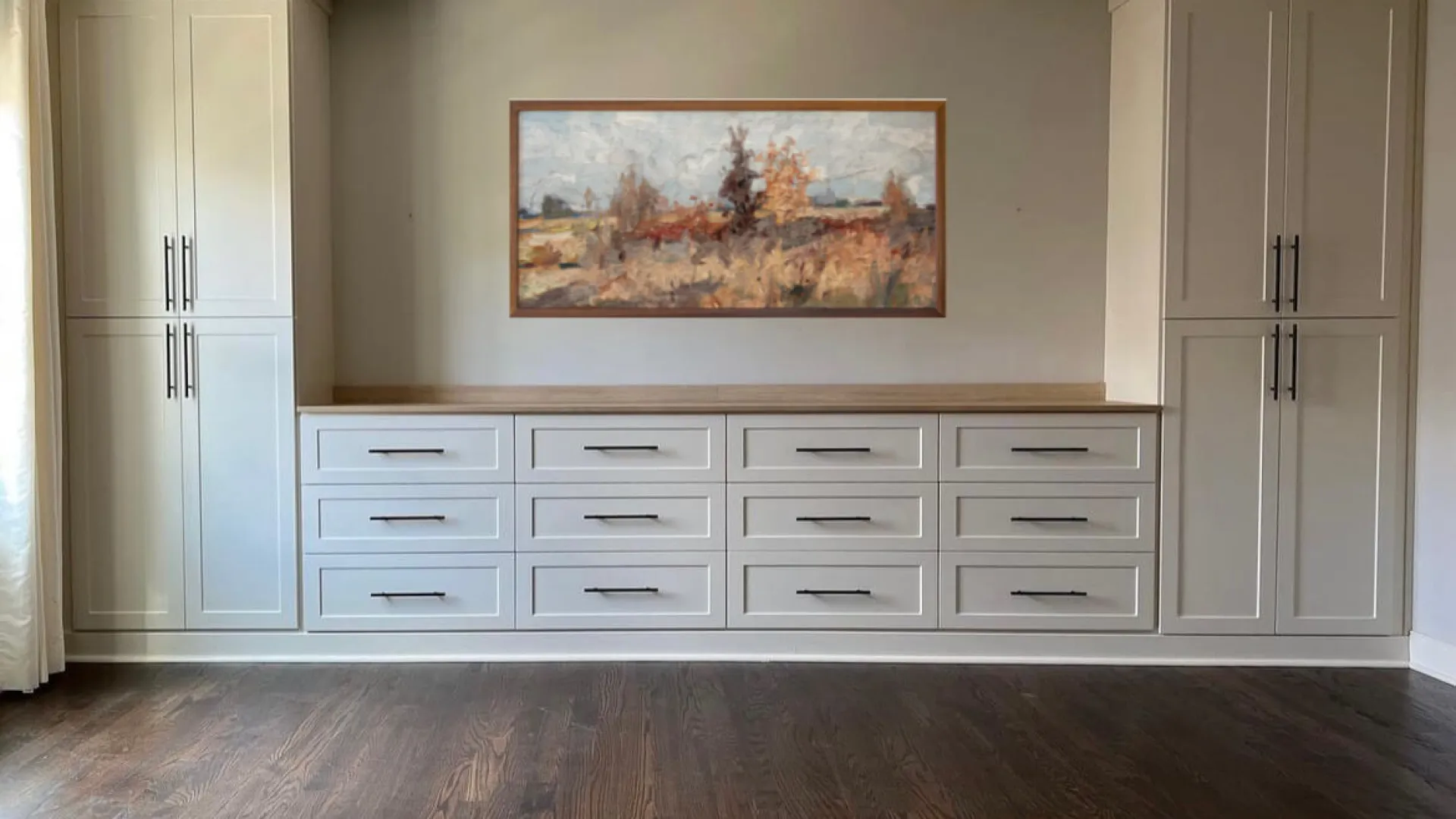
3. Anchor a Room with Light Gray Built-in Cabinetry
The visual formula here is a study in quiet sophistication: 70% soft, calming color (the light gray cabinets and walls) + 20% natural warmth (the wood countertop) + 10% sharp contrast (the matte black handles). This balance is key. If you swapped the black handles for nickel, the look would be softer but less defined. If the countertop were white, it would feel more sterile. Stick to this ratio to maintain that perfect blend of modern and approachable.
|
$12.29
|
$399.00
|
$389.00
|
$355.00
|
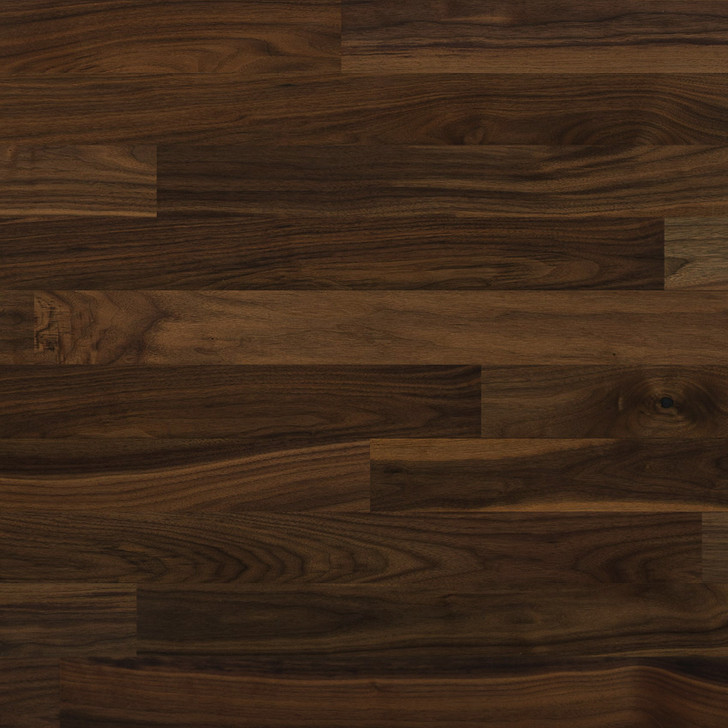

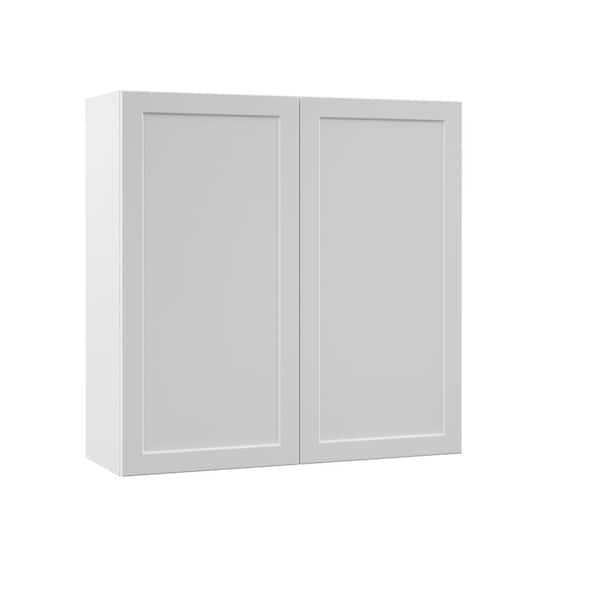
“While that dark wood flooring is absolutely stunning and provides a gorgeous anchor for the light gray cabinetry, be prepared for a dose of reality: dark floors are notorious for showing every speck of dust, lint, and pet hair.”
If you have a fluffy friend or aren’t a fan of daily sweeping, you might consider a medium-toned wood or a low-pile patterned rug to camouflage the daily detritus. It’s a small trade-off for such a dramatic and grounding look.
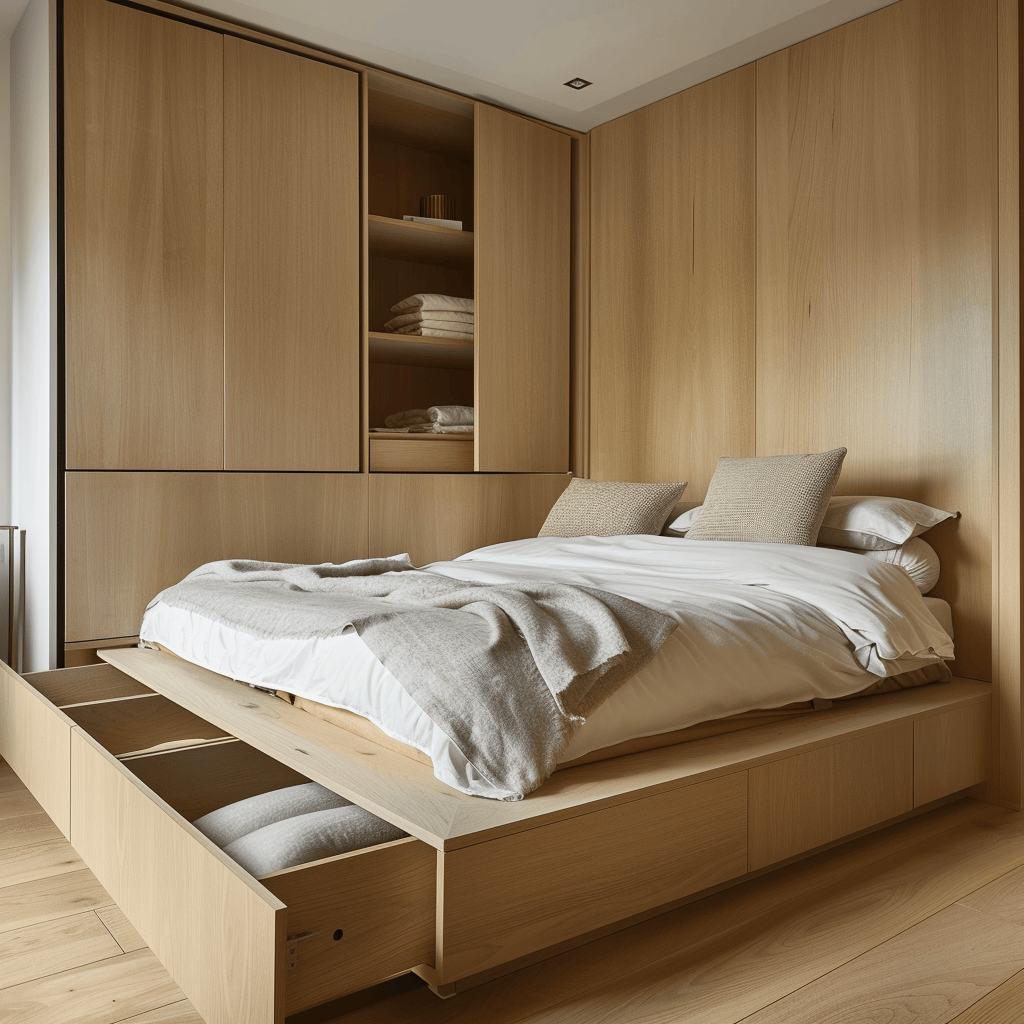
4. Unify Your Space with an Integrated Bed and Cabinetry Wall
The single most impactful element here is the seamless integration. It’s not just a bed and some cabinets; it’s a single, cohesive piece of furniture that defines the entire room. By using the same light wood throughout, the design creates an unbroken visual line that tricks the eye into seeing a larger, more organized space. Removing the integration would leave you with just a bed and a wardrobe, losing the custom, high-design feel that makes this room so serene and impressive.
|
$475.85
|
$44.99
|
$1,299.00
|
$120.00
|

“A full wall of light, natural wood is stunning, but it requires a bit of care to keep it looking pristine.”
Dusting is your new best friend—at least once a week, especially on any open shelving. Be mindful of placing drinks directly on the wood; use coasters to prevent water rings. Fingerprints can also be more visible on light wood with a matte finish, so a quick wipe-down with a slightly damp microfiber cloth will be a regular part of your cleaning routine.
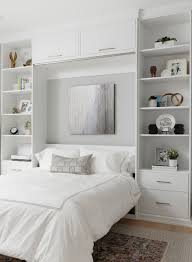
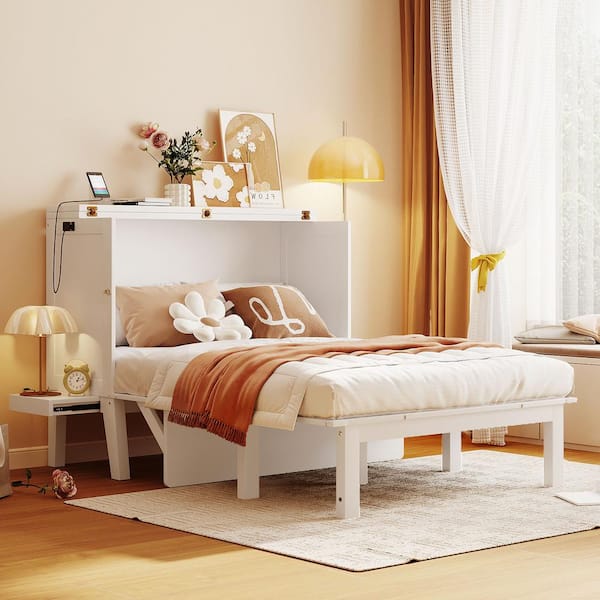
5. Maximize Small Spaces with a Murphy Bed and Wall Unit
As homes get smaller and rooms become multi-functional (hello, home office/guest room), Murphy beds are shedding their clunky past and having a major renaissance. The 2026 take on the trend, as seen here, is all about sophisticated integration. It’s no longer just a bed that folds into a box; it’s part of a complete system with shelving and desks. This shift reflects a cultural move towards smarter, more flexible living spaces that don’t sacrifice style for practicality.
|
$505.38
|
$97.00
|
$84.25
|
$12.99
|
“A wall bed system is a major commitment.”
Before you fall in love with the idea, make sure you’ve covered these bases:
- Can your wall support the load? The mechanism and bed are heavy; check for studs or reinforce the wall.
- Measure not just the wall space, but the floor space the bed needs when it’s down. Account for walking room around it.
- Do you have a plan for the bedding? Some systems have straps, but you’ll still need a spot to store decorative pillows.
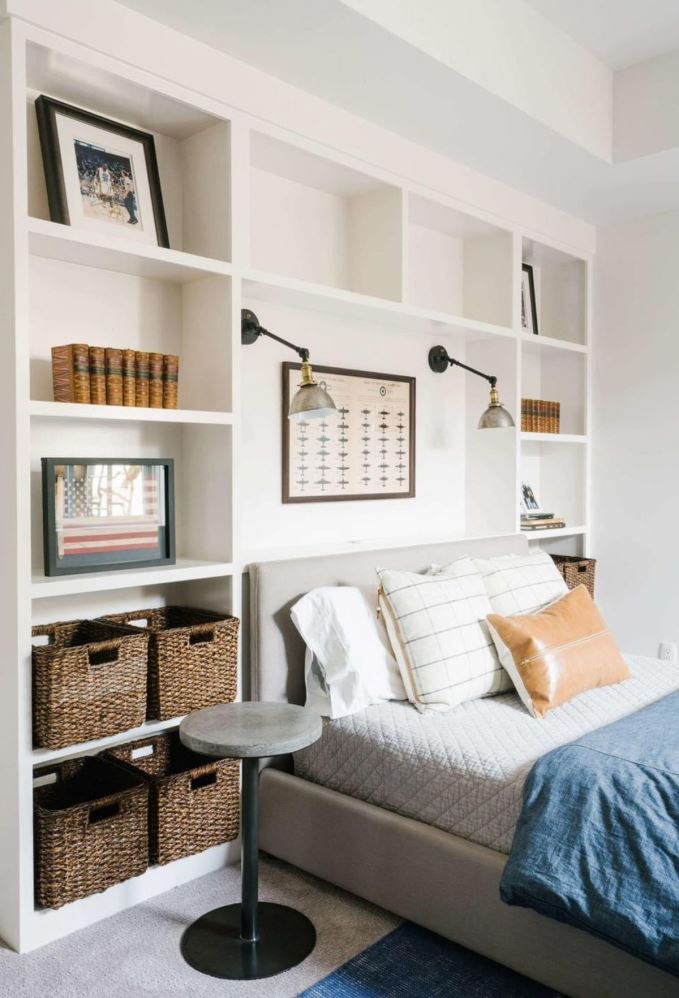
6. Frame a Bed with Built-in Shelving and Cozy Sconces
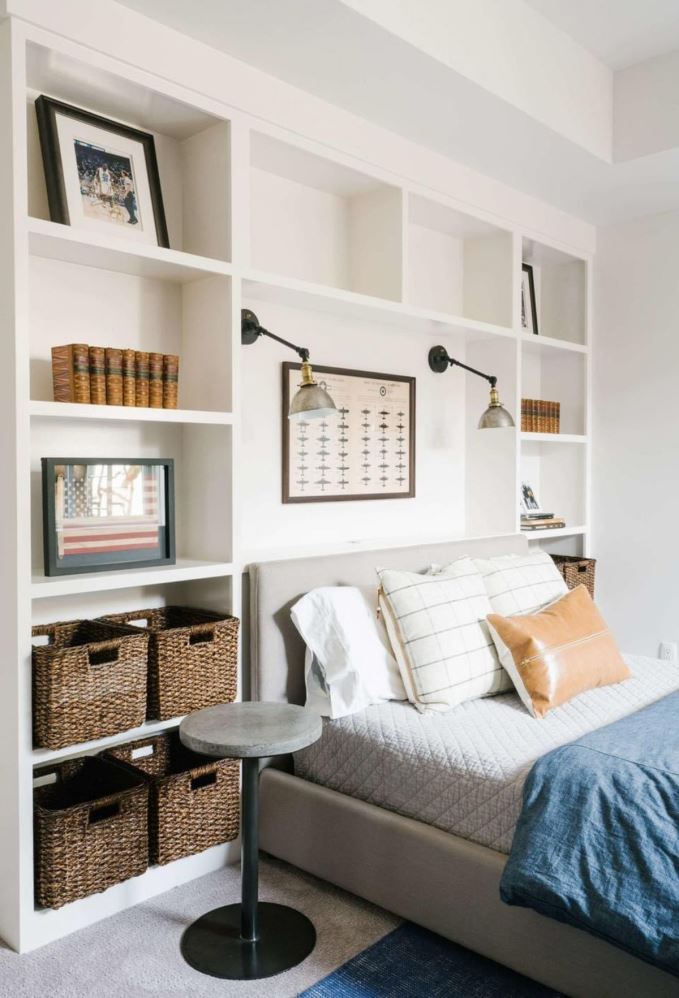
This design brilliantly solves the ‘what to do with the wall behind the bed’ dilemma. The symmetry of the shelving unit flanking the bed creates a sense of order and calm, while the gray upholstered headboard adds a soft, central anchor. The mix of materials—the smooth white shelves, the textural woven baskets, and the industrial black sconces—adds depth and interest without creating clutter. It’s a perfect example of form and function in harmony.
|
$75.04
|
$1.00
|
$350.00
|
$229.99
|
“You don’t need custom carpentry to get this look.”
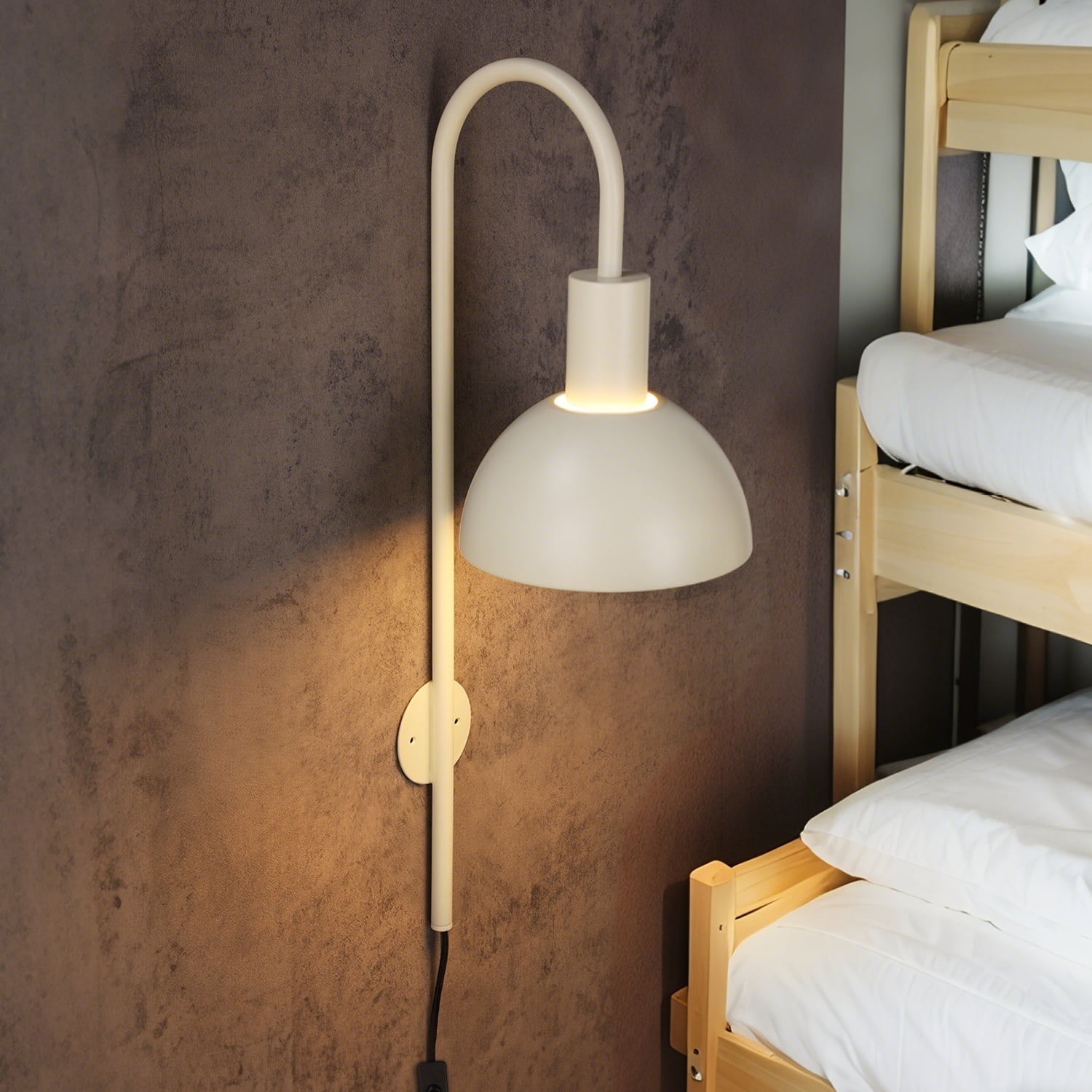
You can achieve a very similar vibe for a fraction of the cost. Place two tall, white bookcases from IKEA (like the BILLY or a wider KALLAX) on either side of your bed. For the lighting, look for plug-in wall sconces on Amazon or at Target for under $100 a pair. Fill the shelves with affordable woven baskets from Walmart or a thrift store. You get 90% of the style for about 20% of the custom price.
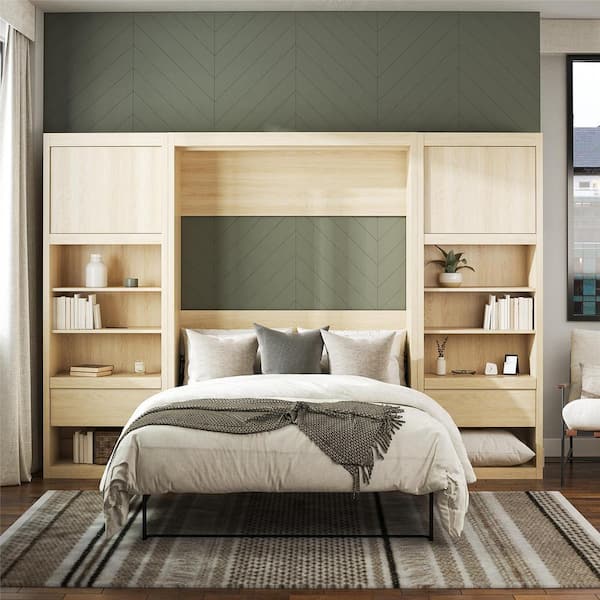
7. Add Character with a Green Herringbone Wall and Integrated Shelving
When you have a strong feature wall like this sage green herringbone pattern, let it be the star. The key is to keep the surrounding storage functional but visually quiet. The integrated light wood shelving works because it doesn’t compete for attention. The open-back design allows the green wall to show through, making the storage feel lighter and part of the overall architectural design. Always choose simple, clean-lined furniture to complement a bold wall pattern.
|
$5,858.00
|
$14.98
|
$138.99
|
$88.99
|
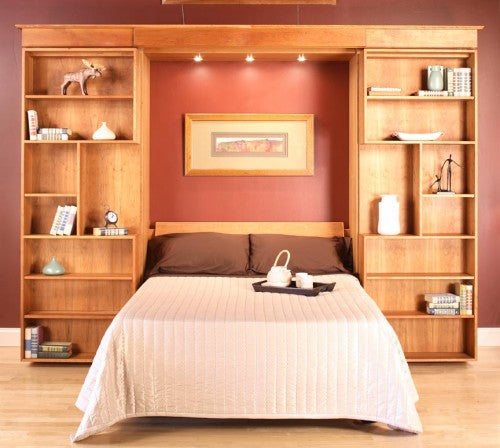
“Let’s break down the formula for this calm yet character-filled room.”
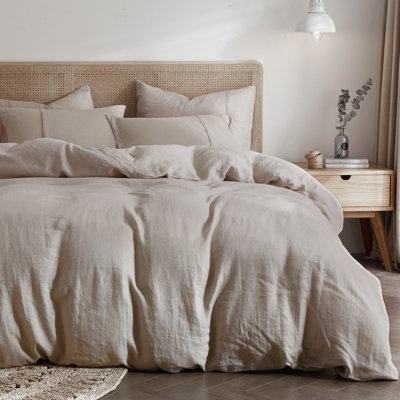
It’s 50% Natural Texture (the light wood bed frame and shelving) + 40% Understated Color (the sage green herringbone wall) + 10% Neutral Softness (the cream and gray bedding). You could easily swap the sage green for a calming navy blue or a warm terracotta, and the formula would still hold. The key is the dominance of the natural wood tone against a single, confident color statement.
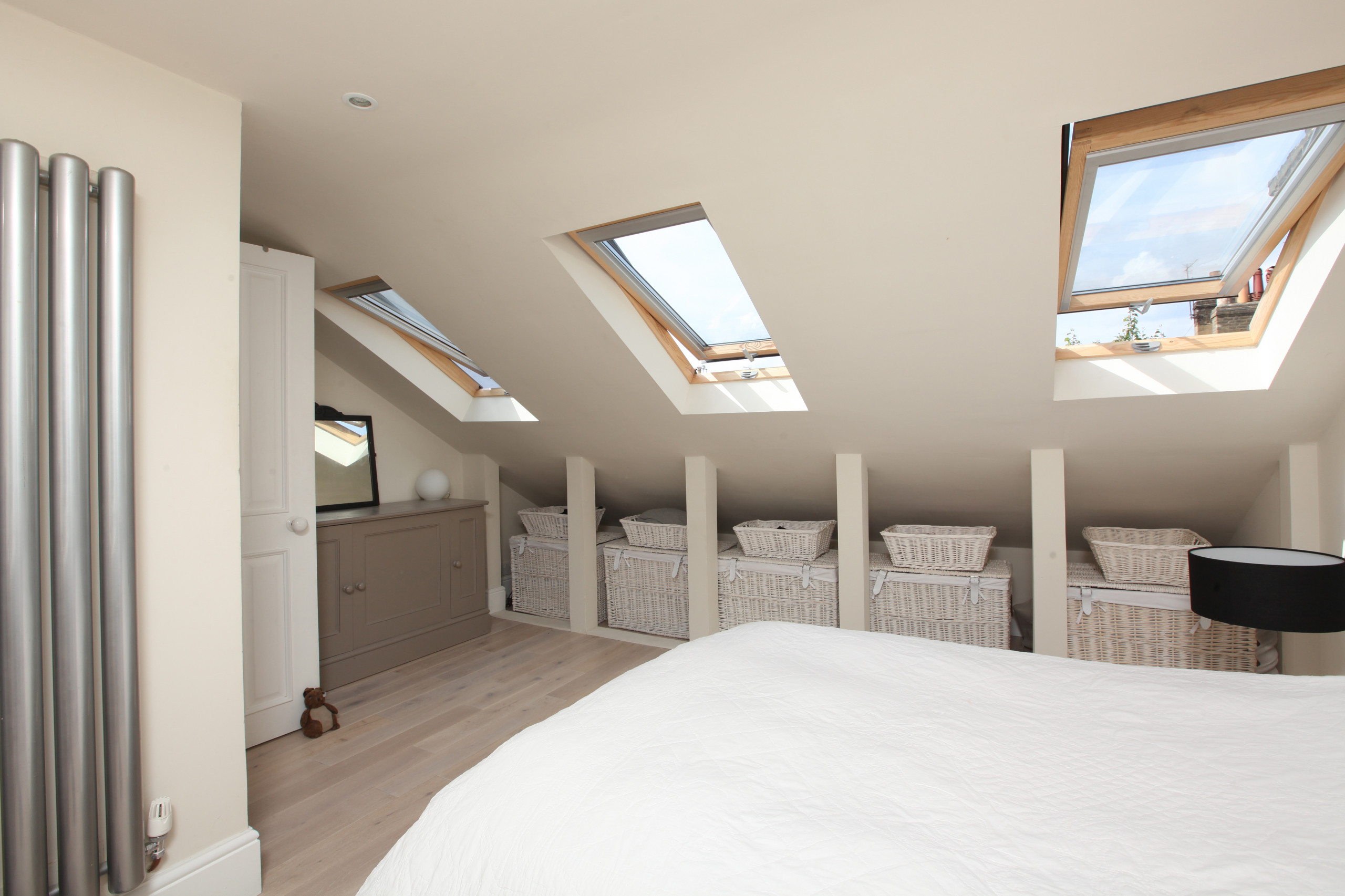
8. Tuck Wicker Baskets into Attic Eaves for Seamless Storage
The magic of this room lies in the uniform row of white woven baskets. If you were to replace them with mismatched plastic bins or just stacks of items, the entire look would collapse into clutter. The baskets provide a clean, repetitive visual rhythm that turns a potentially awkward, low-ceilinged space into a highly organized and intentional design feature. They are the single element that elevates the storage from purely functional to beautifully decorative. Compare this with the similar approach in Idea #2.
|
$90.89
|
$9.99
|

“This solution is specifically designed for rooms with sloped ceilings and low knee walls, typically found in converted attics or rooms on the top floor of a house.”
The success of this idea depends on the height of the eaves; you need at least 24-30 inches of vertical height to fit reasonably sized storage baskets. It’s an ideal strategy for long, narrow rooms where a traditional wardrobe along the main wall would make the space feel even more cramped.
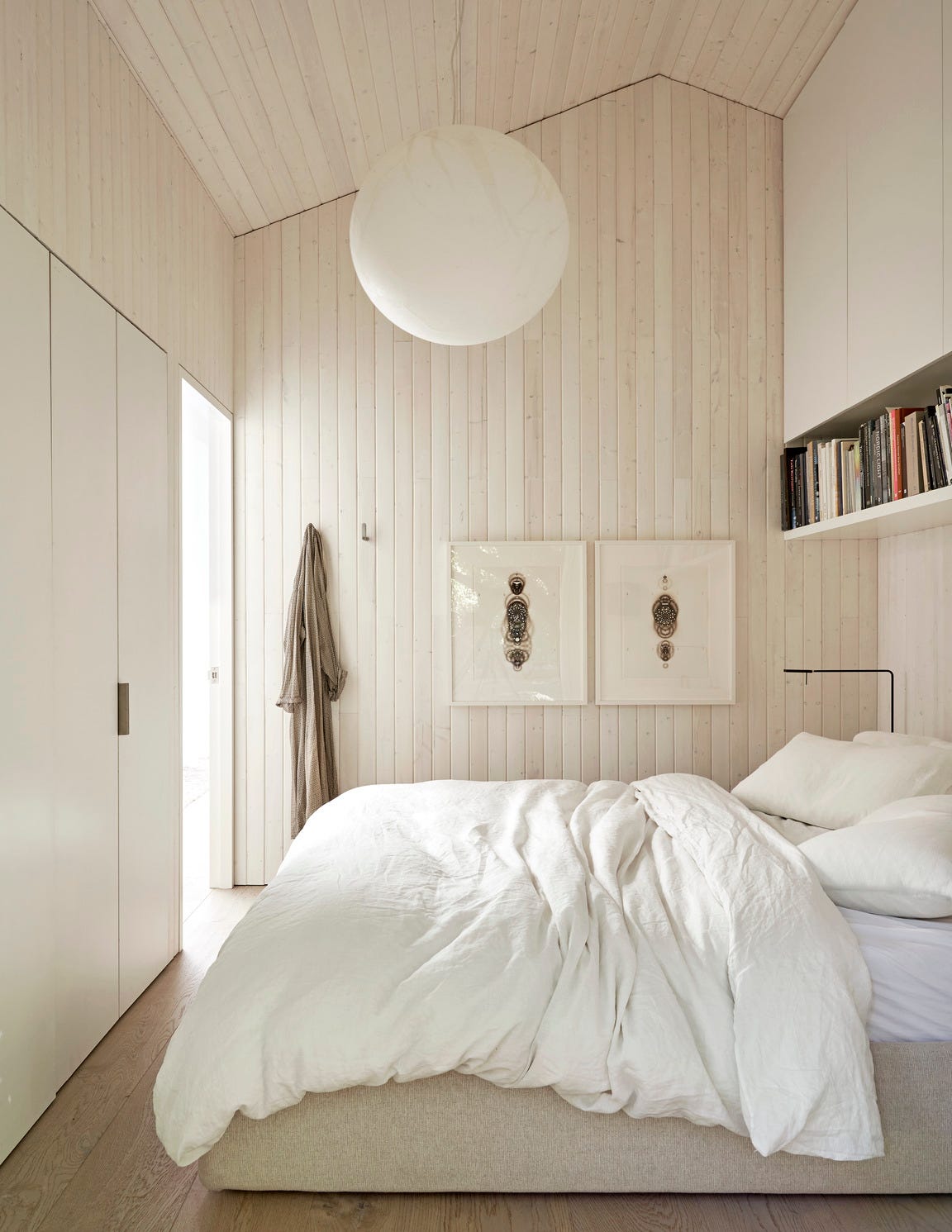
9. Create a Minimalist Retreat with Light Wood Walls and Hidden Wardrobes
This space feels incredibly serene because of the concept of continuation. The light wood planks flow from the walls up to the vaulted ceiling without a break, creating a seamless, cocoon-like effect. The storage follows this rule, with the white wardrobe and shelving designed to be flush and integrated, almost disappearing into the architecture. This lack of visual interruption is what makes the room feel so much larger and calmer than its actual footprint might suggest.
|
$126.09
|
$49.35
|
$65.99
|
$151.83
|
“A full wood-paneled room is a major aesthetic commitment.”
While it looks stunningly serene, remember that wood is a ‘living’ material. Light-colored wood, in particular, can be prone to yellowing or changing tone over time, especially in areas that get a lot of direct sunlight. Also, the clean, minimalist look depends on keeping surfaces clear. If you’re someone who tends to accumulate clutter, you might find this style challenging to maintain without disturbing the peaceful vibe.
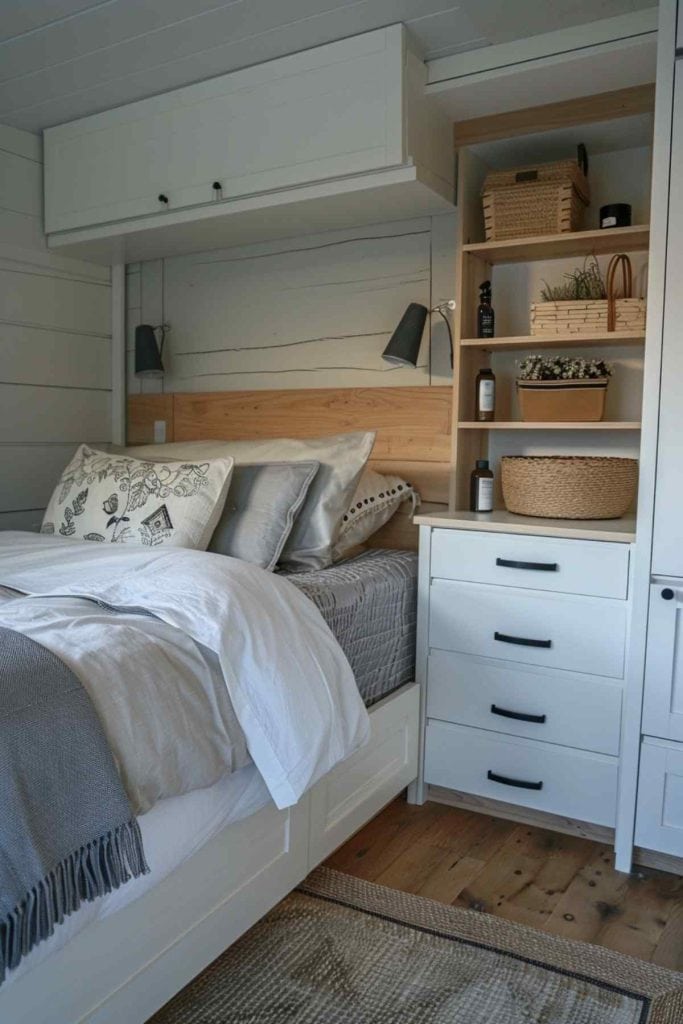
10. Combine Overhead Cabinets and a Bedside Drawer Unit
To prevent an overhead storage unit from feeling heavy or claustrophobic, use this pro trick: create a visual break. Here, the open wooden shelf between the upper cabinets and the lower drawers is crucial. It provides a space for light (from the task lamp), decor, and personal items, which keeps the whole setup from feeling like a solid, intimidating block. Always include a section of open shelving in a large built-in to add breathing room and personality.
|
$119.55
|
$406.94
|
$229.00
|
$109.99
|


“You can get this functional, cozy look by cleverly combining stock items.”
Start with an IKEA KALLAX unit laid horizontally for the base with drawers. For the overhead storage, use two EKET wall-mounted cabinets. Mount them high enough to leave at least 20-24 inches of space above your headboard. Find a simple pine board from a hardware store for the open shelf in between. Add some simple black knobs and you’ve recreated the look for under $400.
11. Mix Sleek Gray Cabinets with a Distressed Brick Accent
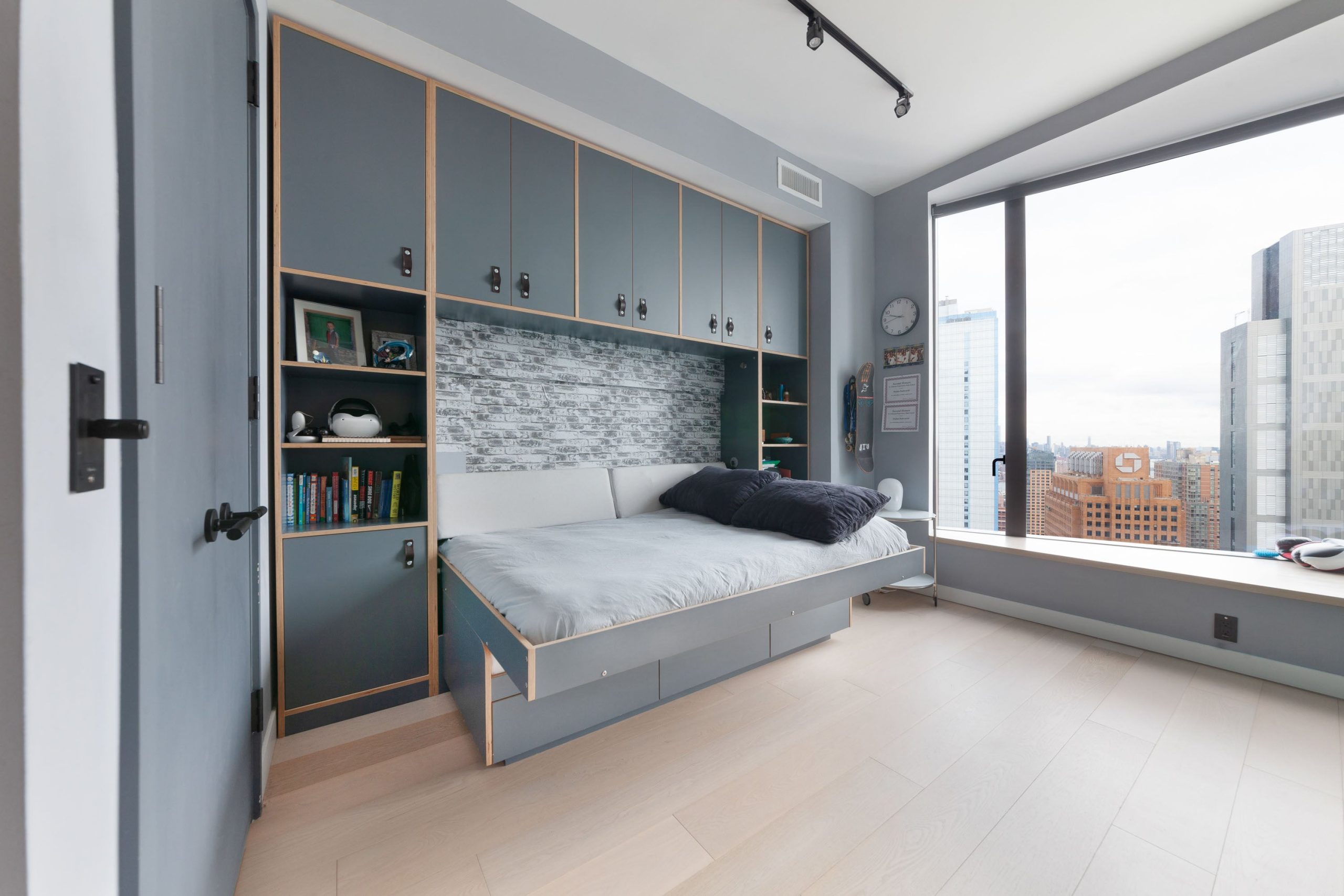
This look taps right into the ‘soft industrial’ trend that’s huge right now. It’s the perfect marriage of sleek, modern functionality (the gray floor-to-ceiling cabinets) and rustic, textural warmth (the whitewashed brick). This blend is popular because it feels both clean and lived-in; it’s practical for small, urban spaces but also has a lot of character and soul. The light wood framing is the key element that ties the rustic and modern themes together. This is a very different vibe from the pure functionality of Idea #12.
|
$599.99
|
$75.00
|
$59.63
|
$49.98
|


“This dense, floor-to-ceiling storage concept is a lifesaver for small bedrooms, studios, or efficiency apartments, roughly in the 90-150 square foot range.”
It requires a ceiling height of at least 8 feet to avoid feeling cramped. The key is to dedicate one entire wall to the unit. Trying to do a partial version of this on a larger wall will look unfinished and disconnected. It’s an all-or-nothing approach that works best by creating a single, powerful storage wall.
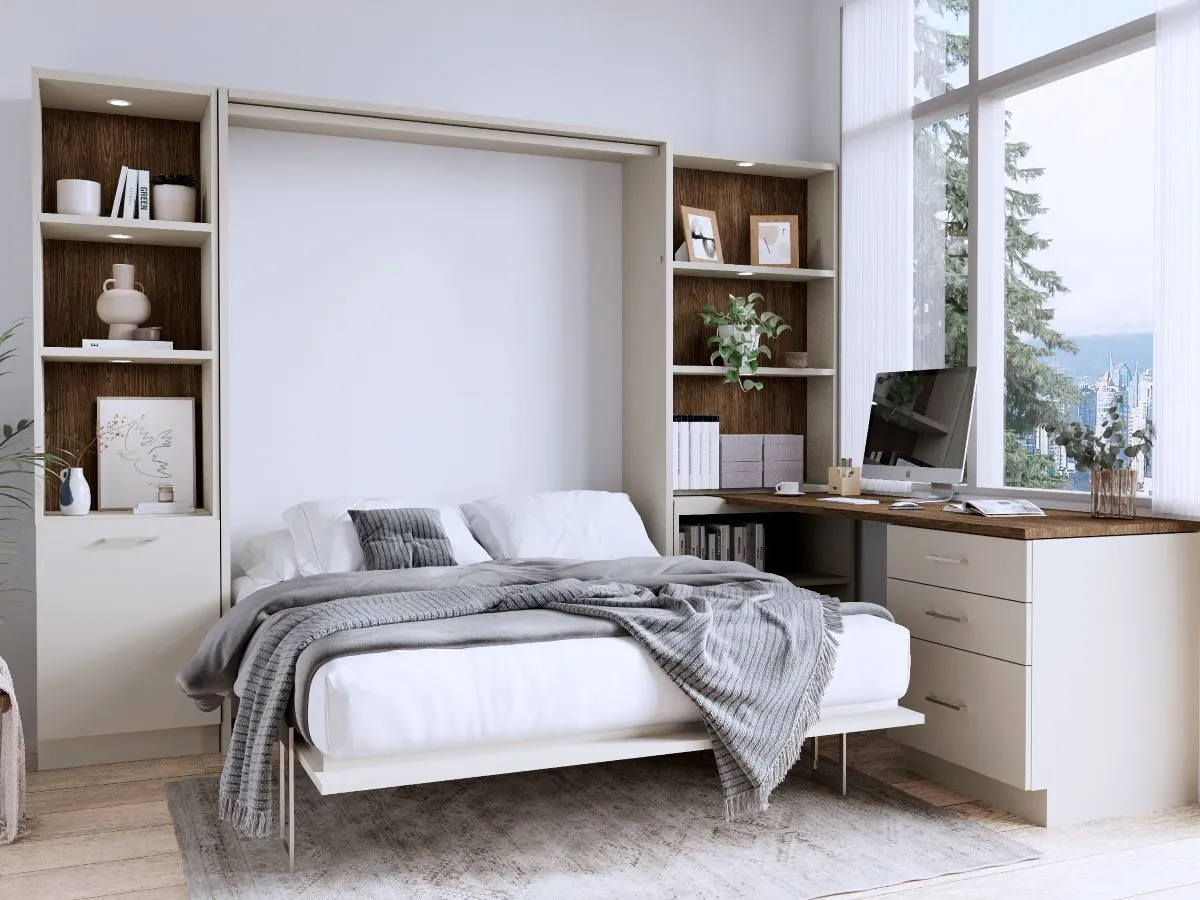
12. Integrate a Murphy Bed with a Built-in Desk and Shelving
This Murphy bed setup isn’t just about hiding a bed; it’s about creating a fully functional dual-purpose room. The integrated desk is the hero here, making the space a productive office by day. The key is ensuring the desk items can stay put when the bed comes down. Most modern systems are designed with enough clearance for a laptop and other essentials.
|
$1,899.00
|
$97.33
|
$192.19
|
$100.00
|

“A Murphy bed with an integrated desk can be a fantastic space-saver, but be honest about your lifestyle.”
If you’re not diligent about making the bed and putting it away every single morning, your ‘office’ will quickly become a permanent ‘bedroom.’ The convenience only works if you commit to the 60-second routine of transforming the space. If you’re likely to leave the bed down ‘just for now,’ you might be better off with a traditional bed and a separate, smaller desk.
Want to recreate that styled-shelf look? Here’s a quick guide:
- Estimate time & cost: 1 hour, $50-$200 for decor.
- Start with an anchor: Place your largest items first, like a stack of books or a decorative box.
- Add height: Use a small plant or a tall vase to draw the eye upward.
- Layer in personal items: Add a framed photo or a small, meaningful object.
- Create depth: Lean a small piece of art against the back of the shelf.
- Step back & edit: Remove one item. Shelves always look better with a little breathing room.
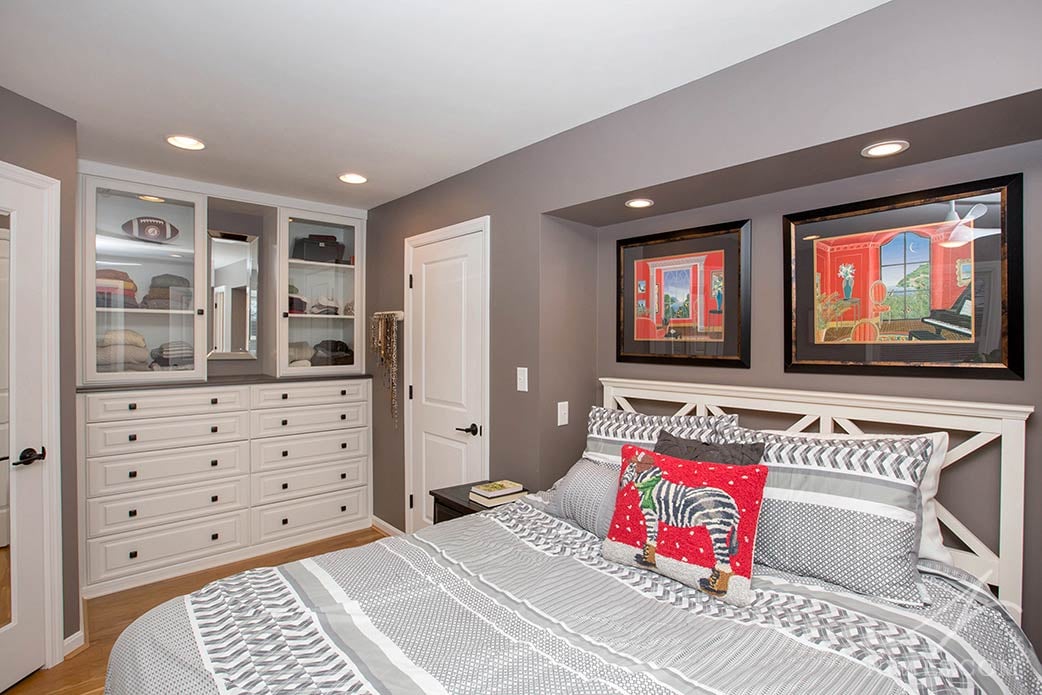
13. Design a Classic Vanity with a Built-in Dresser and Glass Cabinets
The formula for this timeless look is all about balance: 60% concealed storage (the white drawers) + 30% display space (the glass-front cabinets) + 10% reflective surface (the central mirror). The gray countertop acts as a grounding element that unifies the composition. This ratio ensures maximum functionality for hiding clutter while still providing an opportunity to display beautiful items like perfume bottles or glassware, keeping it from looking like a monolithic block of cabinetry.
|
$78.04
|
$399.00
|
$56.99
|
$391.26
|


“The single element holding this entire design together is the central mirror.”
Without it, you’d just have a long dresser with two separate cabinets on top. The mirror connects the upper and lower portions into one grand, intentional gesture. It transforms the unit from simple storage into a dedicated vanity and dressing area, instantly making the room feel more luxurious and functional for a daily routine. It’s the piece that gives the whole setup its purpose.
14. Carve Out a Cozy Reading Nook with Wall-to-Wall Bookshelves
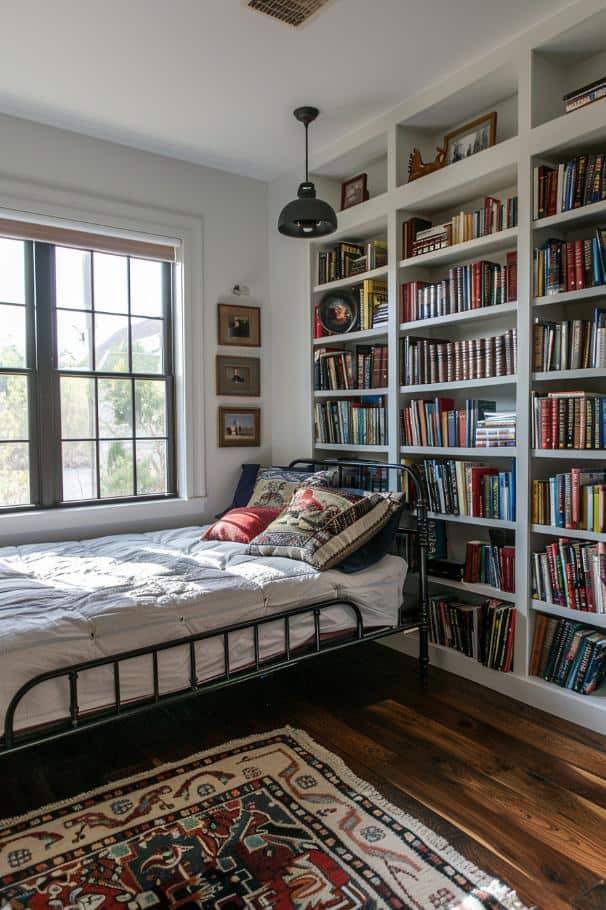
Let’s talk dust. A full wall of books is a dream for any reader, but it’s also a magnet for dust. To keep this space feeling cozy and not grimy, you’ll need a good dusting routine. A microfiber duster with an extension handle is essential for reaching the top shelves. Plan on a thorough dusting every 2-3 weeks. For the books themselves, a quick vacuum with a soft brush attachment once or twice a year will keep them in good shape. It’s a labor of love, but worth it.
|
$112.50
|
$258.43
|
$60.00
|
$292.00
|
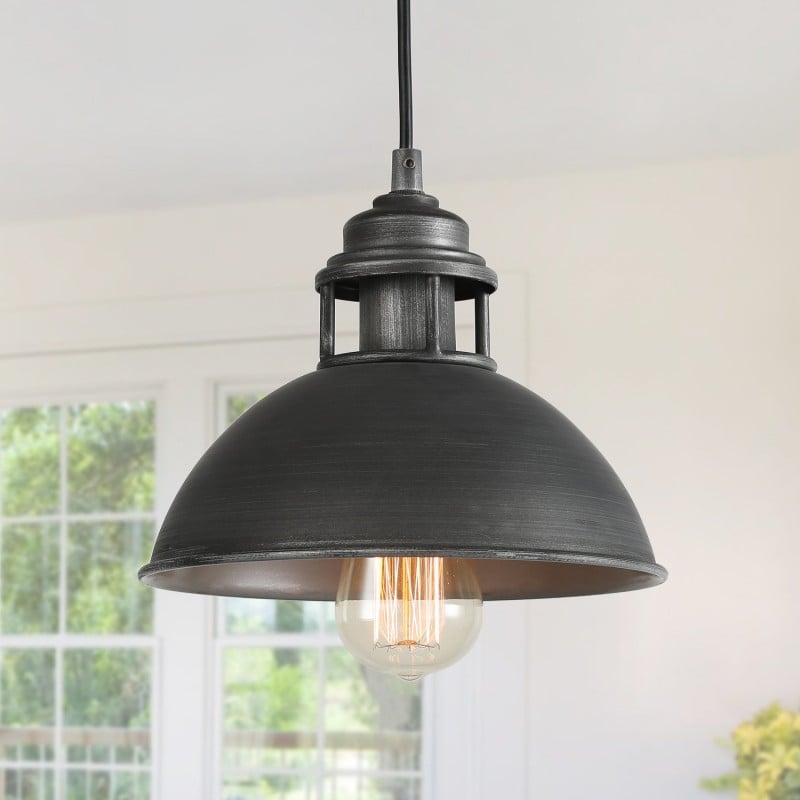
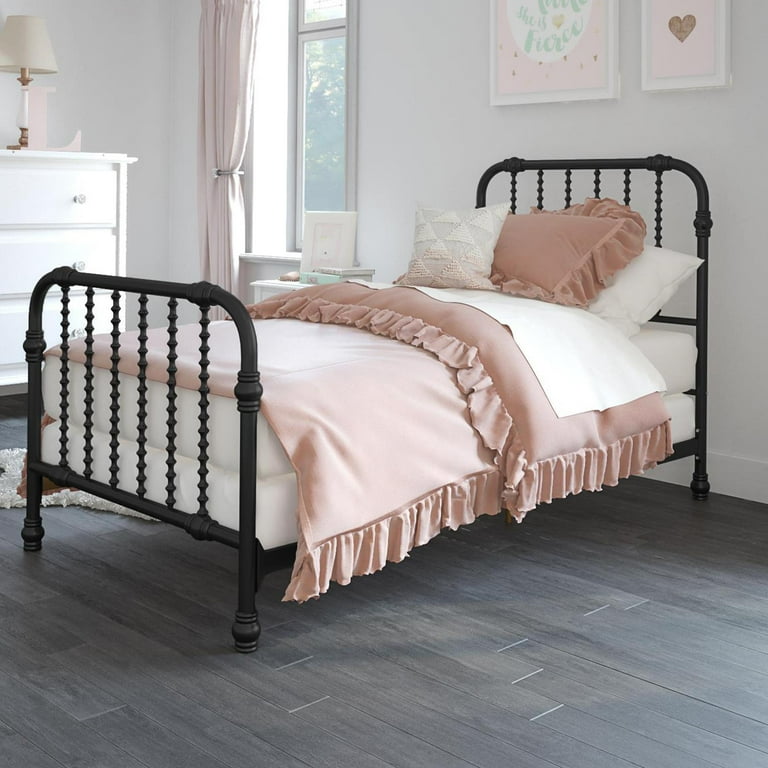
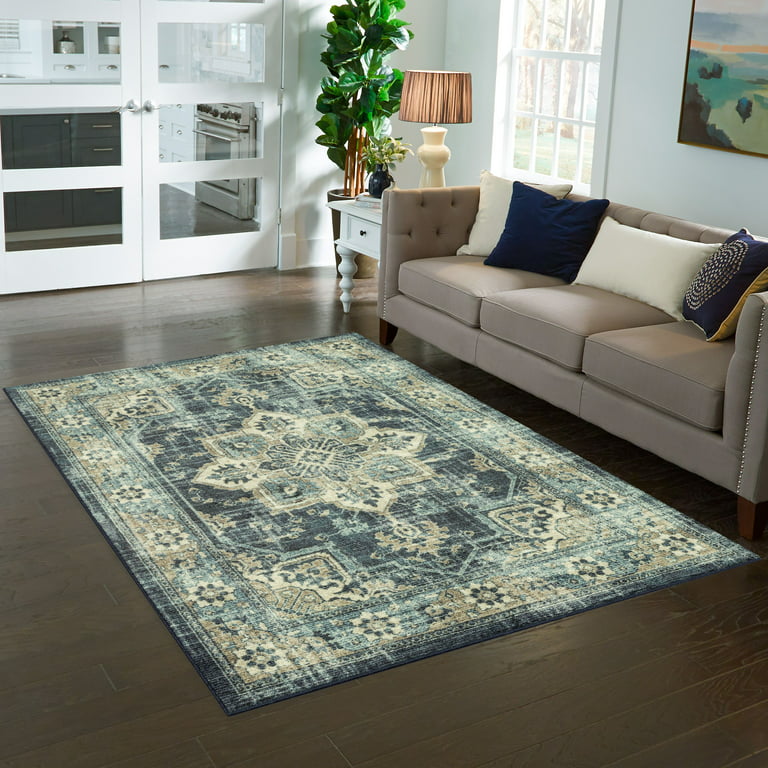

“This nook works because it fully embraces its purpose.”
Instead of trying to be a multi-functional space, it unapologetically dedicates itself to coziness and reading. The floor-to-ceiling bookshelves create an immersive, library-like feel, while the plush daybed invites you to settle in. The large, dark-framed window provides ample reading light and a connection to the outdoors, preventing the book-lined space from feeling too enclosed. The bold choice to fill an entire wall makes the small space feel grand.
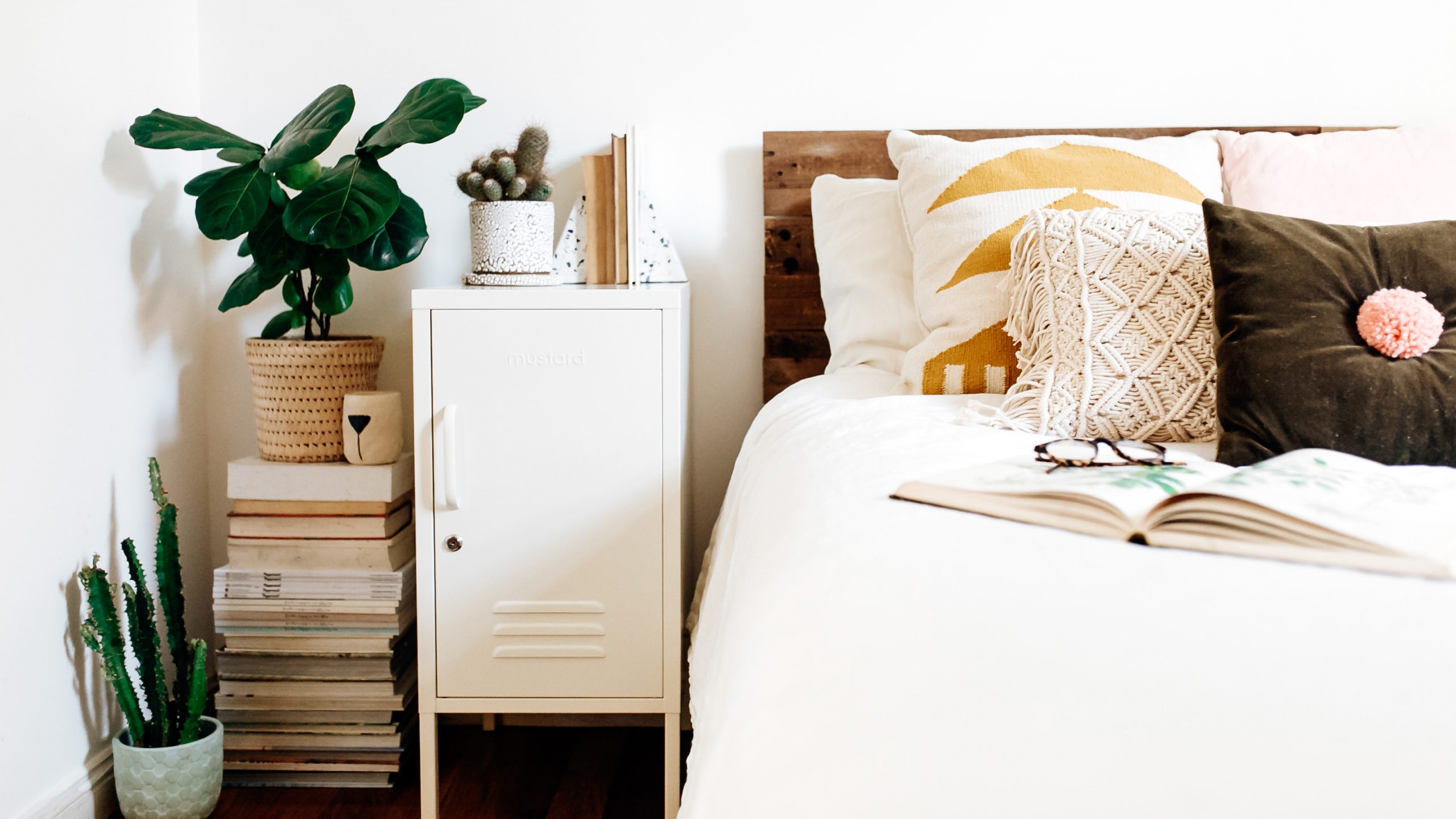
15. Style a White Metal Locker as an Eclectic Nightstand
To pull off an eclectic look like this, the secret is layering with intention. Notice how the designer used a ‘triangle’ of interest: the tall fiddle-leaf fig for height, the low stacks of books for a horizontal anchor, and the textured macrame pillow on the bed as a focal point. The locker isn’t just plopped down; it’s curated. When mixing styles, create these small visual groupings to make the collection of items feel cohesive rather than chaotic.
|
$54.99
|
$99.00
|
$25.20
|
$679.00
|
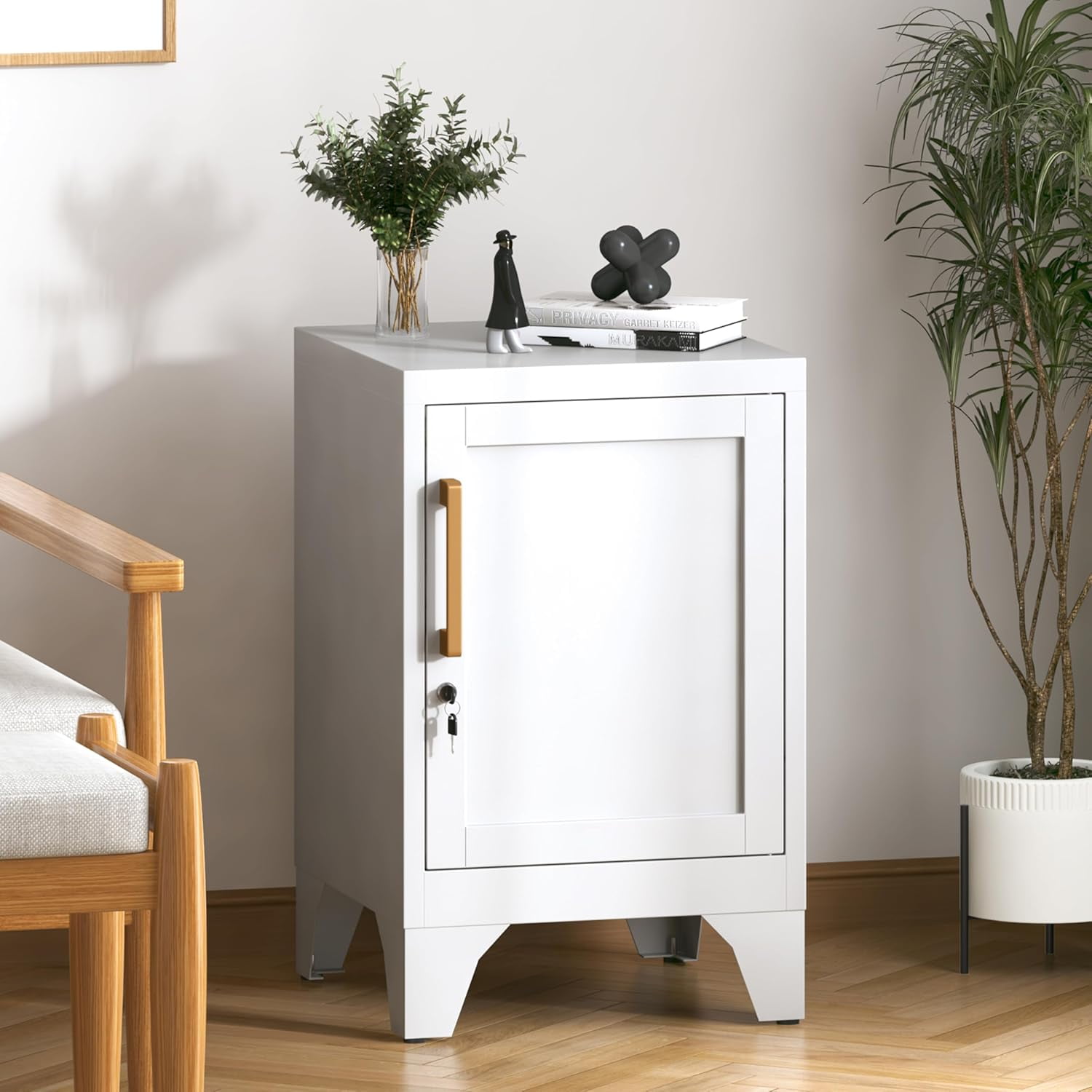


“That white locker nightstand gives off a cool, industrial-lite vibe, and you don’t need to spend a lot to get it.”
IKEA’s PS Cabinet is a dead ringer and is very affordable. You can also find vintage school or gym lockers on Facebook Marketplace for next to nothing—a can of white spray paint is all you need to freshen one up. Pair it with inexpensive plants from a local nursery and thrifted books for a personalized look that costs less than a typical nightstand.
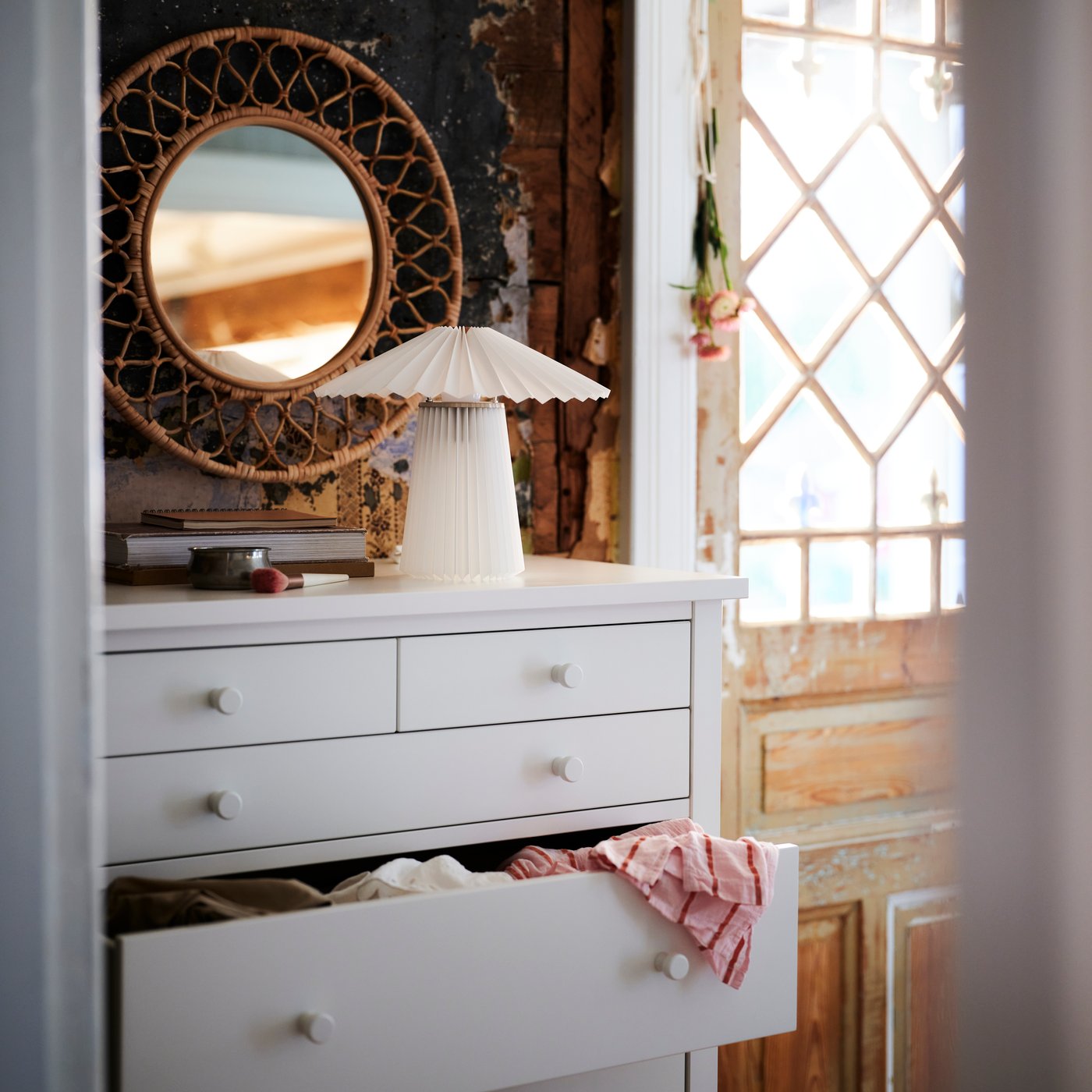
16. Achieve a Rustic-Chic Vibe with a Rattan Mirror and Pleated Lamp
What makes this vignette sing is the texture. If you take away the rattan frame of the mirror, the pleats of the lamp, and the roughness of the exposed wall, you’re left with a simple white dresser. It’s the interplay of these different surfaces that creates all the visual interest and personality. Texture is what elevates a simple corner from blah to beautiful, adding warmth and a handcrafted feel that is instantly inviting.
|
$49.00
|
$25.00
|
$29.99
|
$133.99
|

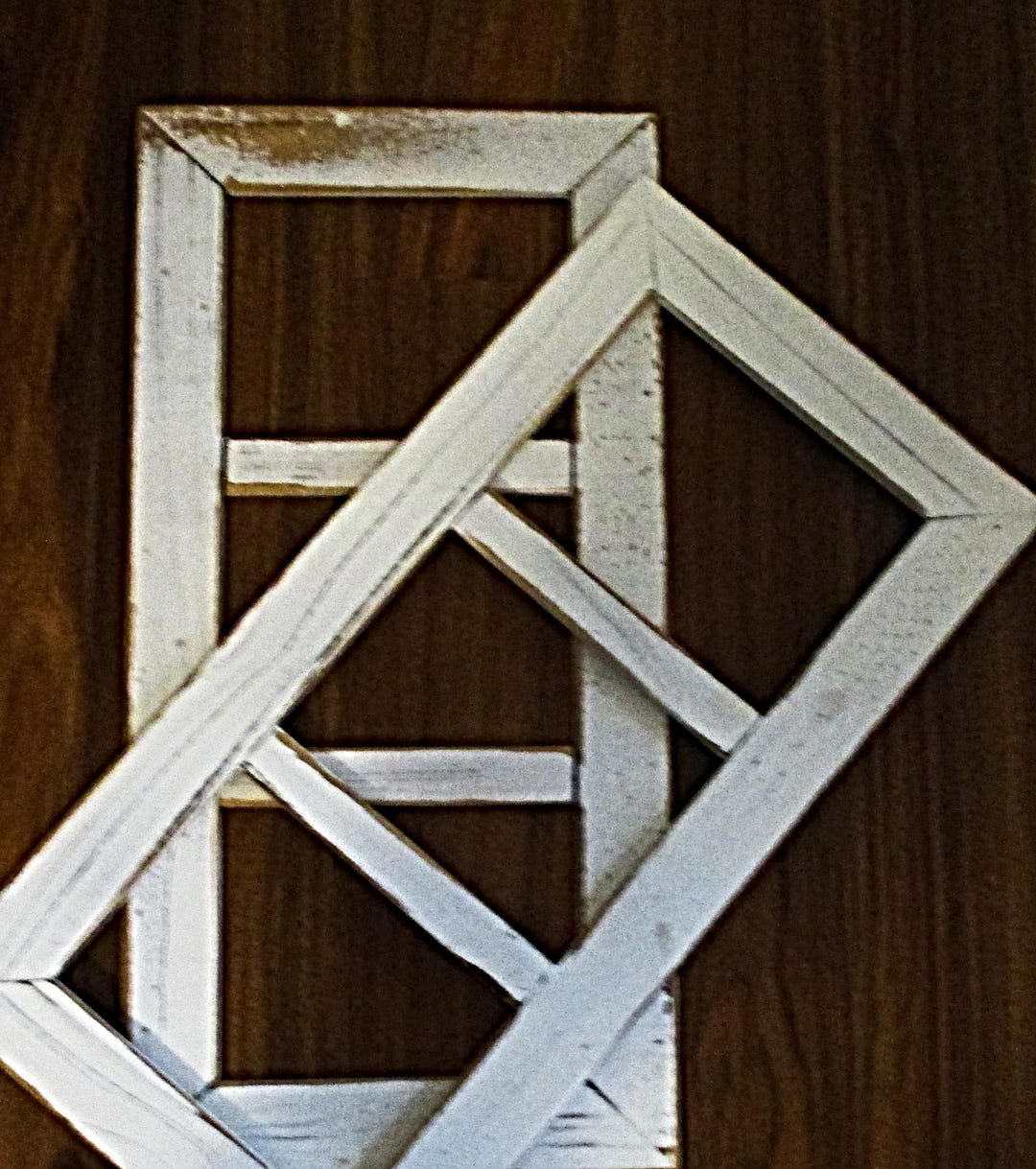

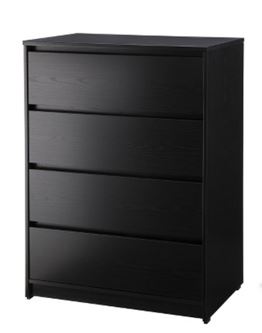
“This look is beautifully ‘undone’ and romantic, but the very things that give it character—the peeling paint on the door and the textured wall—might not be for everyone.”
This aesthetic embraces imperfection and age. If you’re a perfectionist who cringes at a chip or a crack, this rustic style might subtly stress you out. It requires a mindset that sees beauty in the patina of time rather than a flaw to be fixed. It’s more ‘character-filled cottage’ than ‘pristine modern home.’
17. Gain Space with a Sleek Overhead Storage Unit Above the Bed
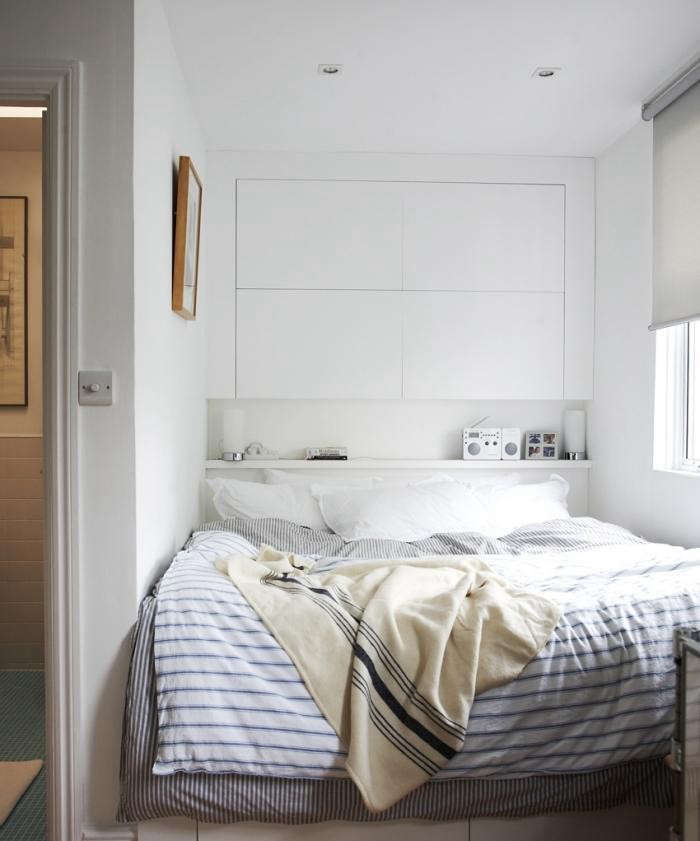
This idea is a superstar for tiny bedrooms, guest rooms, or any space under 120 square feet. It works best with standard 8-foot ceilings. If your ceilings are much higher, the cabinets can look oddly suspended. The key is that the storage occupies ‘dead space’ that is almost never used, freeing up valuable floor area that would otherwise be taken by a dresser or wardrobe. It’s perfect for rooms where the bed must be placed against the only available long wall.
|
$74.99
|
$71.99
|
$20.00
|
$499.00
|

“The success of this minimalist design lies in its seamless, integrated appearance.”
By painting the cabinets, the integrated headboard shelf, and the walls the exact same shade of white, the entire unit merges into the architecture of the room. This prevents the overhead storage from feeling like a bulky addition and instead makes it look like a clever, built-in feature. The clean lines and lack of visible hardware are essential to maintaining this light, unobtrusive feel.
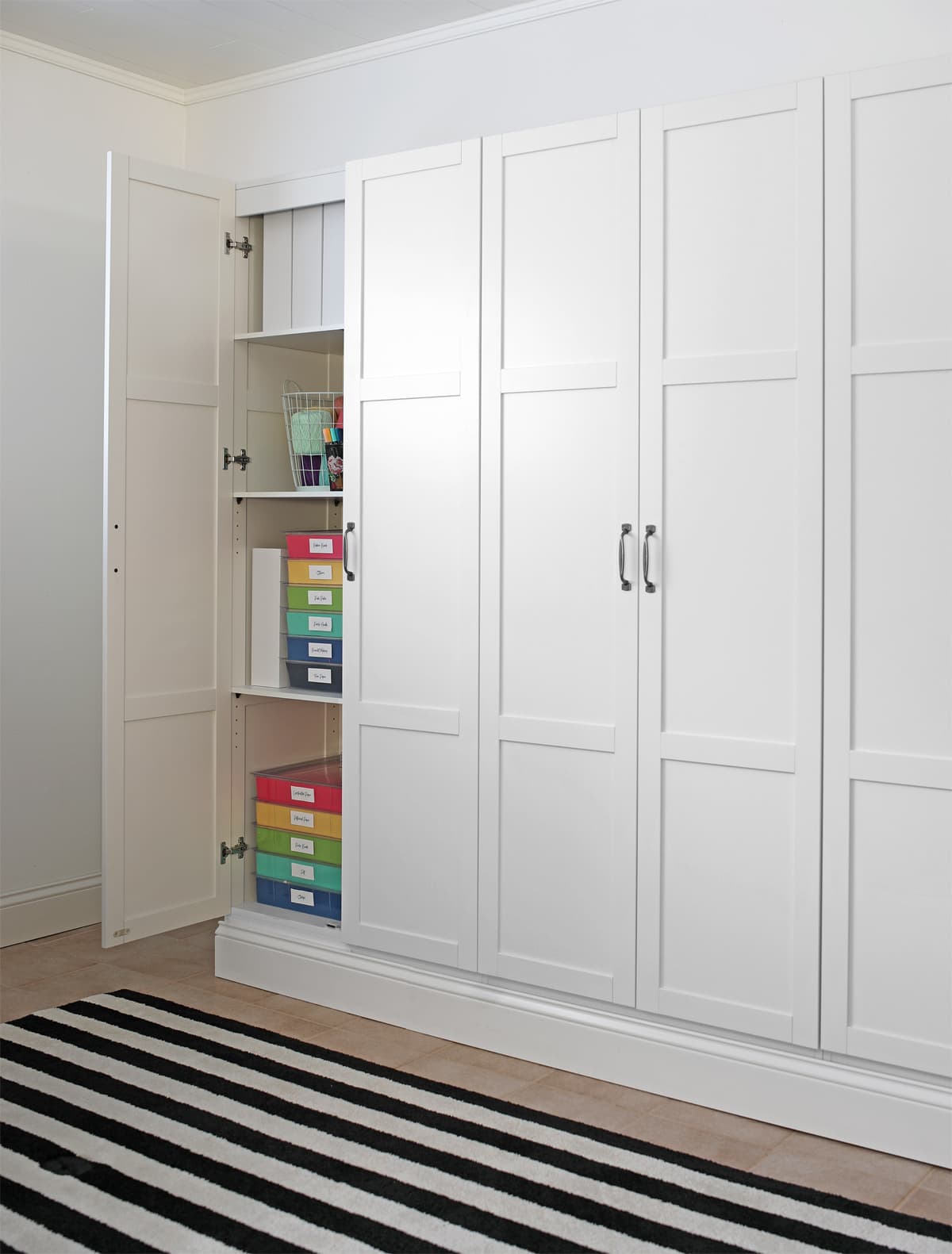
18. Organize with Shaker-Style Wardrobes and Colorful Boxes
Bringing order to a deep wardrobe can be a challenge. A system of labeled boxes is the answer. It’s a simple DIY that makes a huge difference. Here’s how:
|
$3.98
|
$5.07
|
$287.00
|
$175.00
|

“Estimate time & cost: 2 hours, $50-$100 for boxes and labels.”
Take inventory: Empty your shelves and group similar items (e.g., winter scarves, travel items, old photos).
Choose your boxes: Buy uniform boxes that fit your shelf depth. Colorful ones add energy!
Label clearly: Use a label maker or neat handwriting. Be specific! ‘Gloves & Scarves’ is better than ‘Accessories.’
Arrange by use: Put frequently used items at eye level and seasonal items up high.
Enjoy the calm! No more digging through piles to find what you need. A similar system is shown in Idea #21.
Those timeless Shaker-style built-ins look expensive, but you can get the look with IKEA’s PAX wardrobe system and GRIMO or BERGSBO doors, which have a similar paneled detail. The key to making it look custom is to add a baseboard molding along the bottom and a filler strip of wood between the wardrobe and the ceiling, painted to match. This closes the gaps and creates that high-end, built-in look for a quarter of the price.
19. Create a Smart Desk Nook within a Built-in Storage Unit
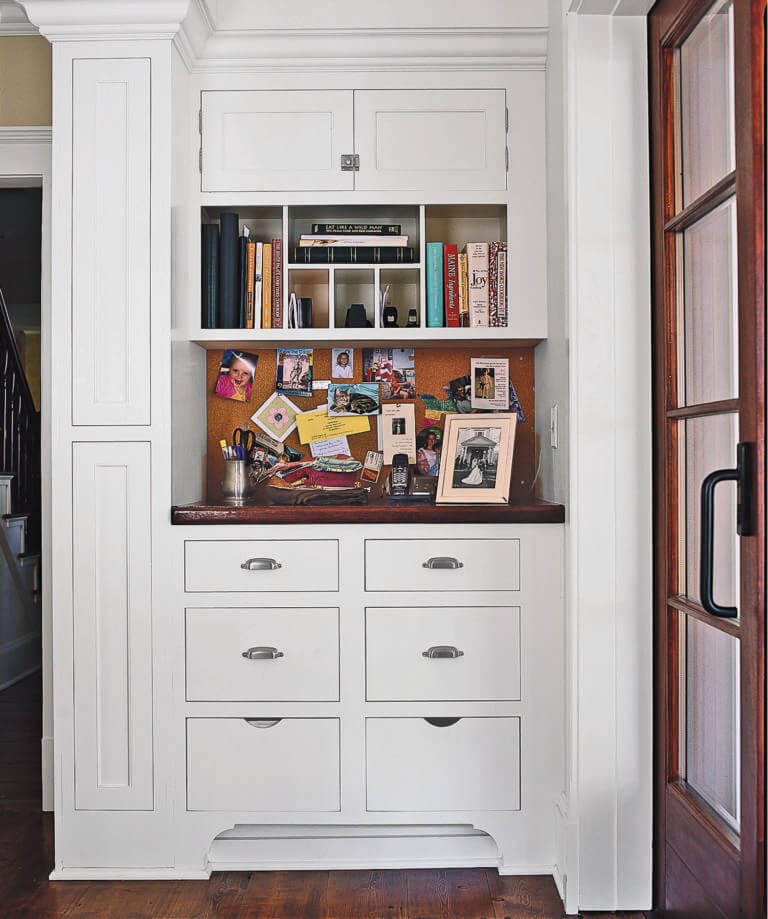
When integrating a desk into a storage unit, lighting is everything. Tucking a workspace into a cabinet alcove can create a dark spot. The professional solution is to install an under-cabinet LED strip light. It illuminates the entire work surface without creating glare or taking up desk space with a lamp. Route the wire behind the unit or through a small drilled hole for a clean, seamless look. This small detail makes the desk nook infinitely more functional and inviting.
|
$28.70
|
$4.79
|
$1,348.00
|
“A built-in desk nook is a brilliant use of space, but plan it out meticulously before you start building.”
Check these items off your list first:
- Ergonomics Matter: Is the countertop at a comfortable desk height (typically 29-30 inches)? Is there enough legroom underneath?
- Power Source: Where will you plug in your laptop and other devices? Plan for an outlet to be installed within the nook itself if possible.
- Material Durability: A desk surface takes more wear than a shelf. Choose a durable material like a laminate or a sealed hardwood to prevent scratches and stains.
20. Maximize an Attic with Wood Paneling and Varied Drawer Units
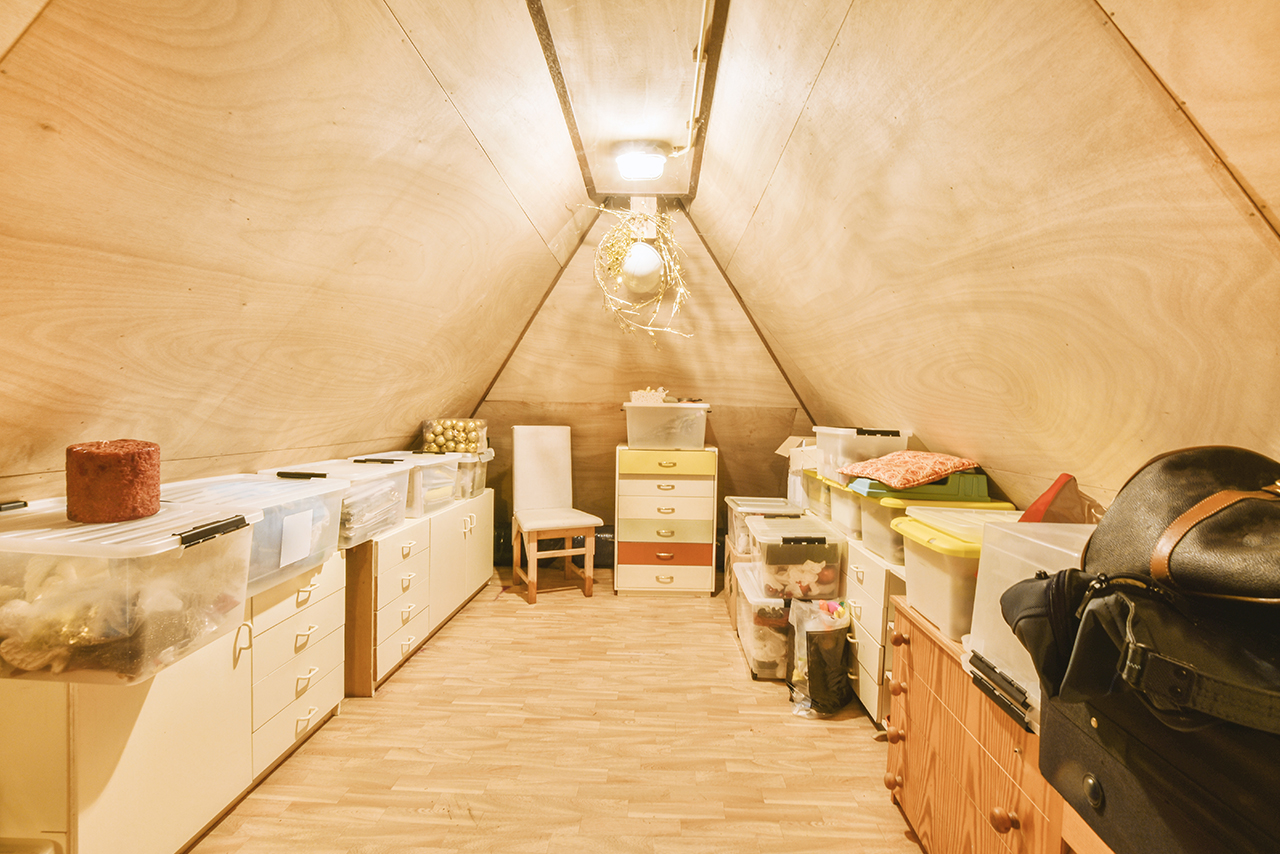
This image showcases an incredibly practical and organized attic space, but let’s be real: this is a storage *zone*, not a designed bedroom. While the wood paneling is beautiful, the mix of different drawer units (long white ones and a colorful chest) and clear plastic bins is purely utilitarian. It’s a fantastic solution for deep storage, but don’t mistake it for a finished, aesthetic bedroom design. It’s honest, hardworking storage at its best.
|
$49.99
|
$119.00
|
$22.98
|
$131.63
|


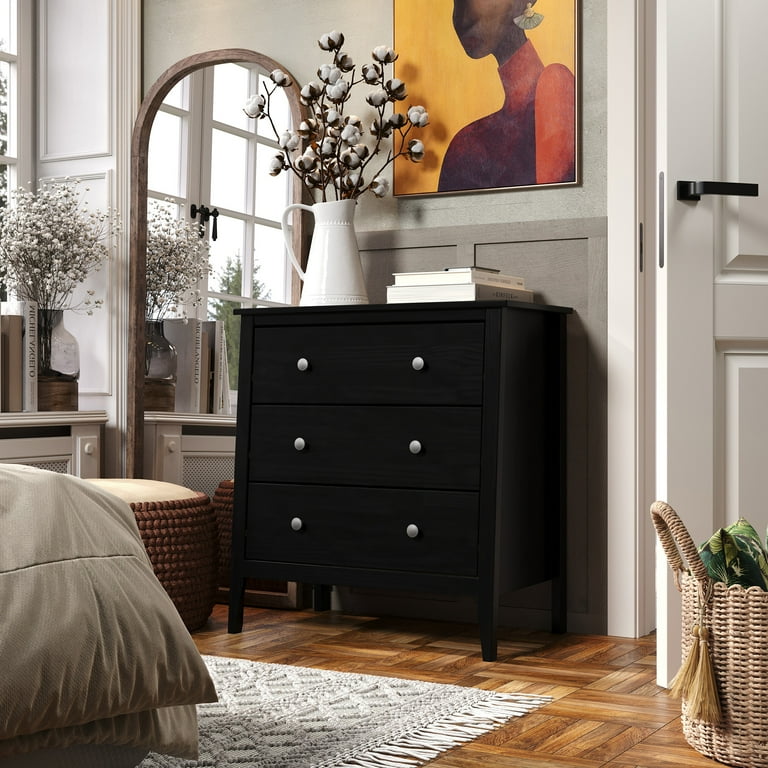
“The beauty of this space is its utility, but keeping a multi-purpose attic organized requires discipline.”
The clear plastic bins are a great idea, but they can look messy if not neatly stacked. The variety of drawer units means you’ll need a good memory or a labeling system to know what’s where. The biggest maintenance task here isn’t dusting—it’s entropy. Plan to re-organize the space once a year to keep it from descending into a jumble of ‘stuff.’
21. Perfect a Small Closet with White Louvered Doors
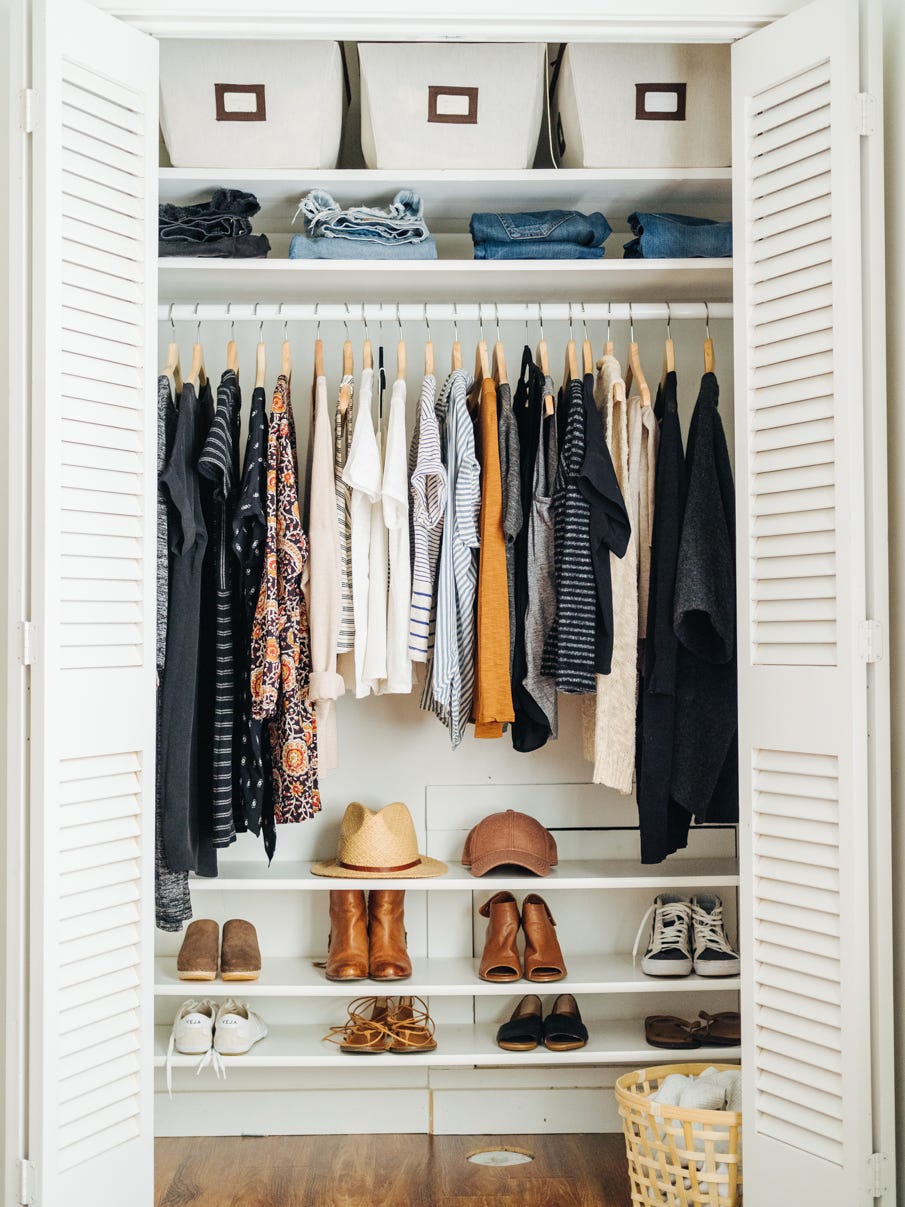
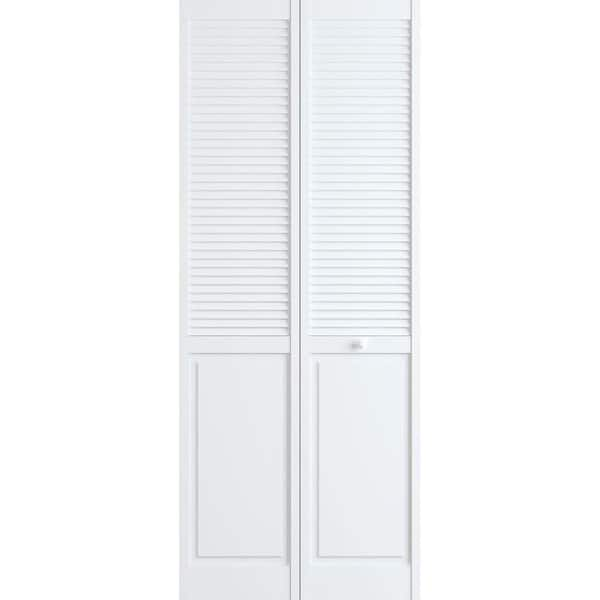
This small closet feels so bright and functional due to a few smart choices. The white louvered doors are key, as their slatted design allows for air circulation, preventing mustiness. Inside, sticking to an all-white shelving system reflects light and makes the small space feel bigger. Finally, the use of uniform wooden hangers creates a sense of order and sophistication that plastic hangers just can’t match. It’s these small details that elevate a simple closet. The internal organization here is a great budget version of what you see in Idea #18.
|
$8.00
|
$89.99
|
$17.86
|
$119.00
|

“The single element that makes this closet feel so satisfyingly organized is the discipline of folding.”
Notice the neatly folded sweaters and shirts on the top shelf. If these were just shoved up there, the entire closet would feel chaotic. Taking the extra minute to fold items properly before putting them away is the free, high-impact ‘thing’ that maintains the calm, orderly appearance day after day. It costs nothing but a little bit of mindfulness.
22. Design a Classic Walk-in Closet with Cherry Wood and a Center Bench
A full walk-in closet is a dream, but it’s a major project. Before you commit to a system, go through this checklist:
|
$150.00
|
$29.99
|
$423.50
|


“Inventory Your Wardrobe: Do you need more hanging space or more shelves?”
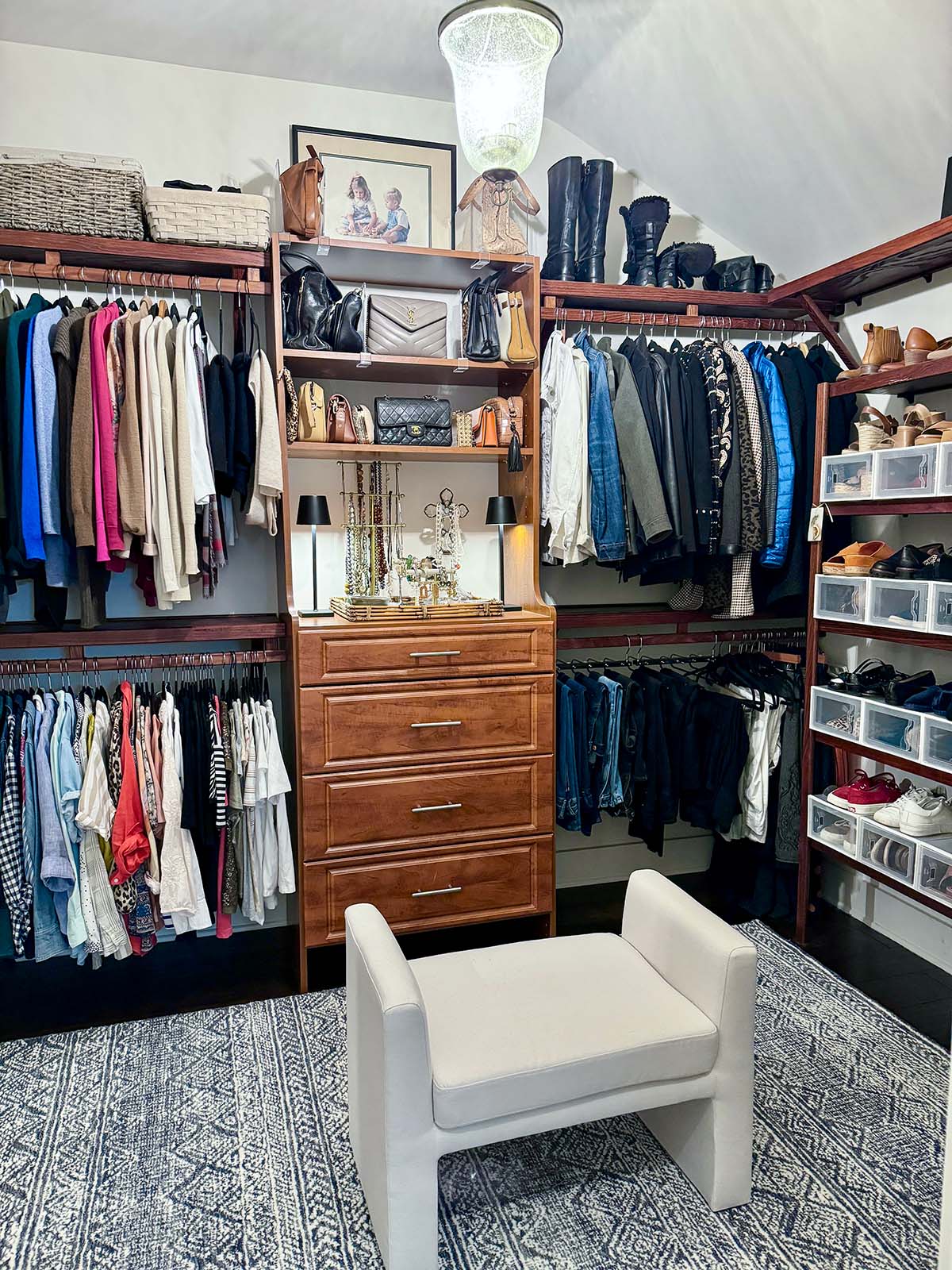
Count your shoes. Measure your longest dress. Design the closet for the clothes you *actually own*, not an imaginary wardrobe. Consider Your Workflow: Where will you put your jewelry? Where will you sit to put on shoes? The bench here isn’t just for looks; it’s a functional part of the dressing process. Budget for the Details: The cost isn’t just the wood system. Factor in lighting, a rug, a bench, and quality hangers. These are the elements that make it feel luxurious. Similar considerations apply to the open system in Idea #27.
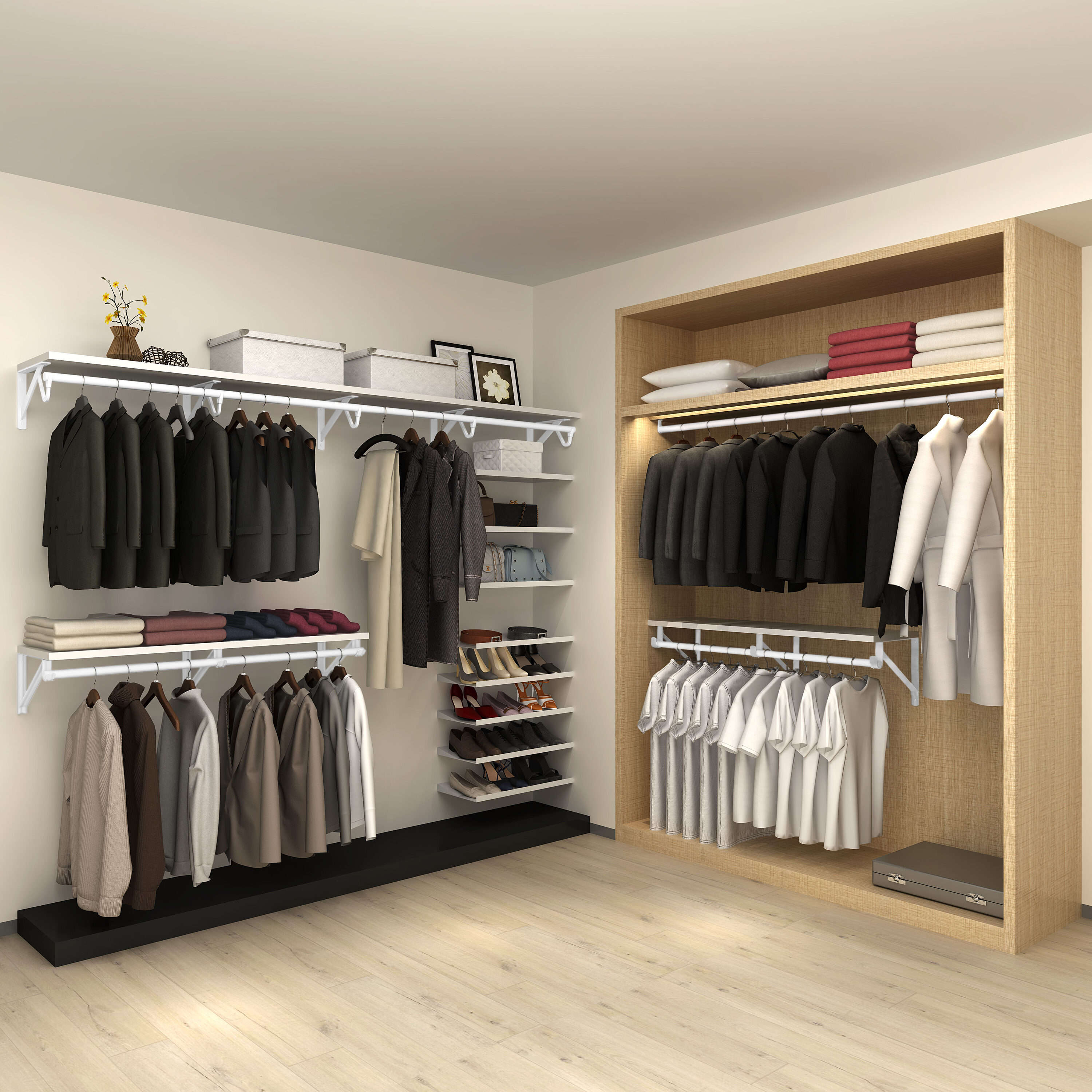
This closet’s rich, classic formula breaks down like this: 60% warm, traditional material (the cherry wood system) + 30% bright, neutral canvas (the white walls and bench) + 10% pattern and color (the blue and white rug and select clothing items). The clear shoe boxes and glass light fixture add a touch of modern utility without disrupting the classic feel. This balance keeps the dark wood from feeling too heavy or dated.
23. Maximize Closet Space with Clear Drawers and a Door Organizer
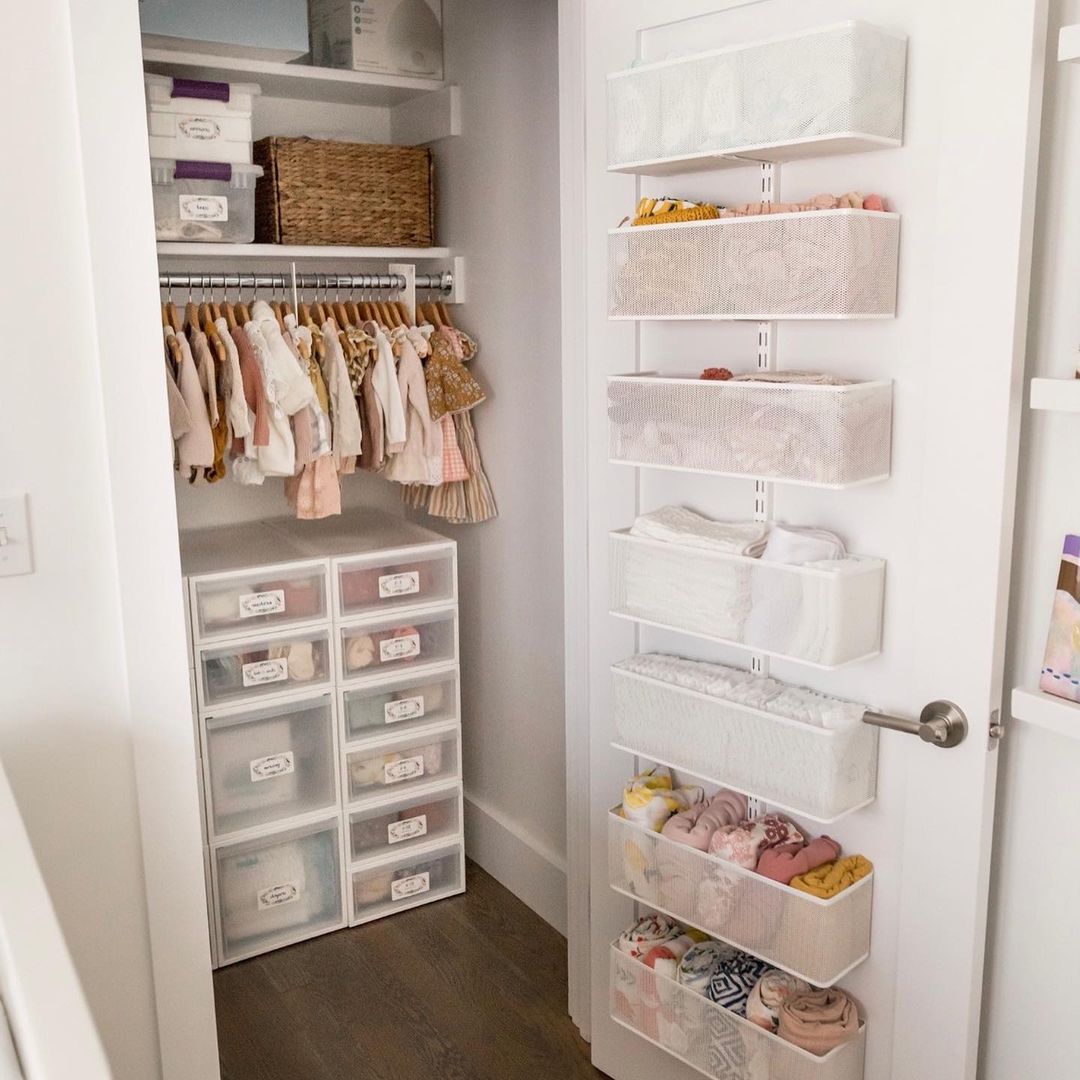
In a small closet, every single surface is an opportunity. Most people forget about the back of the door, but it’s prime real estate for storing small, grab-and-go items. A hanging organizer with mesh or clear pockets is perfect for socks, belts, scarves, or rolled-up t-shirts. This frees up valuable shelf or drawer space for bulkier items. To make it feel cohesive, choose a door organizer in the same color as the door itself (white on white, in this case).
|
$32.51
|
$19.98
|
$19.97
|
$20.99
|

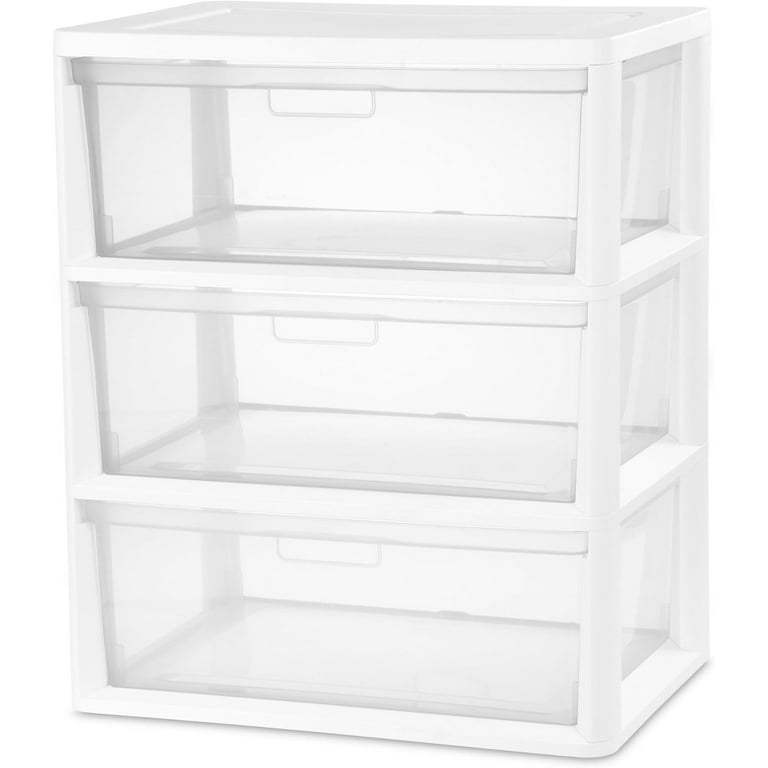
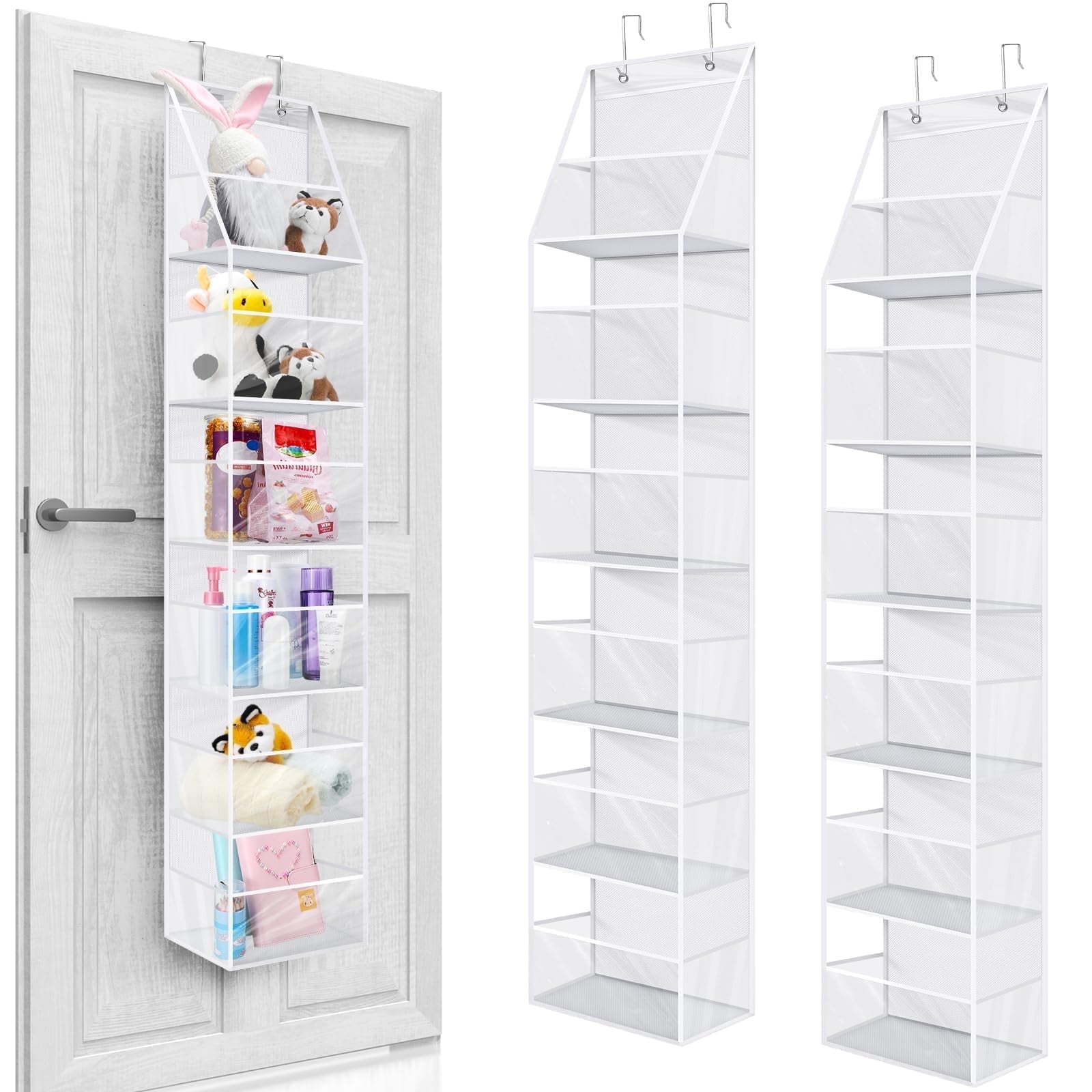
“This entire setup is a masterclass in budget organization.”
You don’t need a custom closet system to be organized. Clear plastic drawer units from Target or The Container Store are inexpensive and let you see what’s inside, which is a huge time-saver. Combine that with a simple over-the-door organizer from Amazon. You can achieve this level of supreme order in a standard closet for under $150. The key is to measure your space and buy components that fit perfectly.
24. Opt for a Sliding Mirror Wardrobe in Neutral Wood
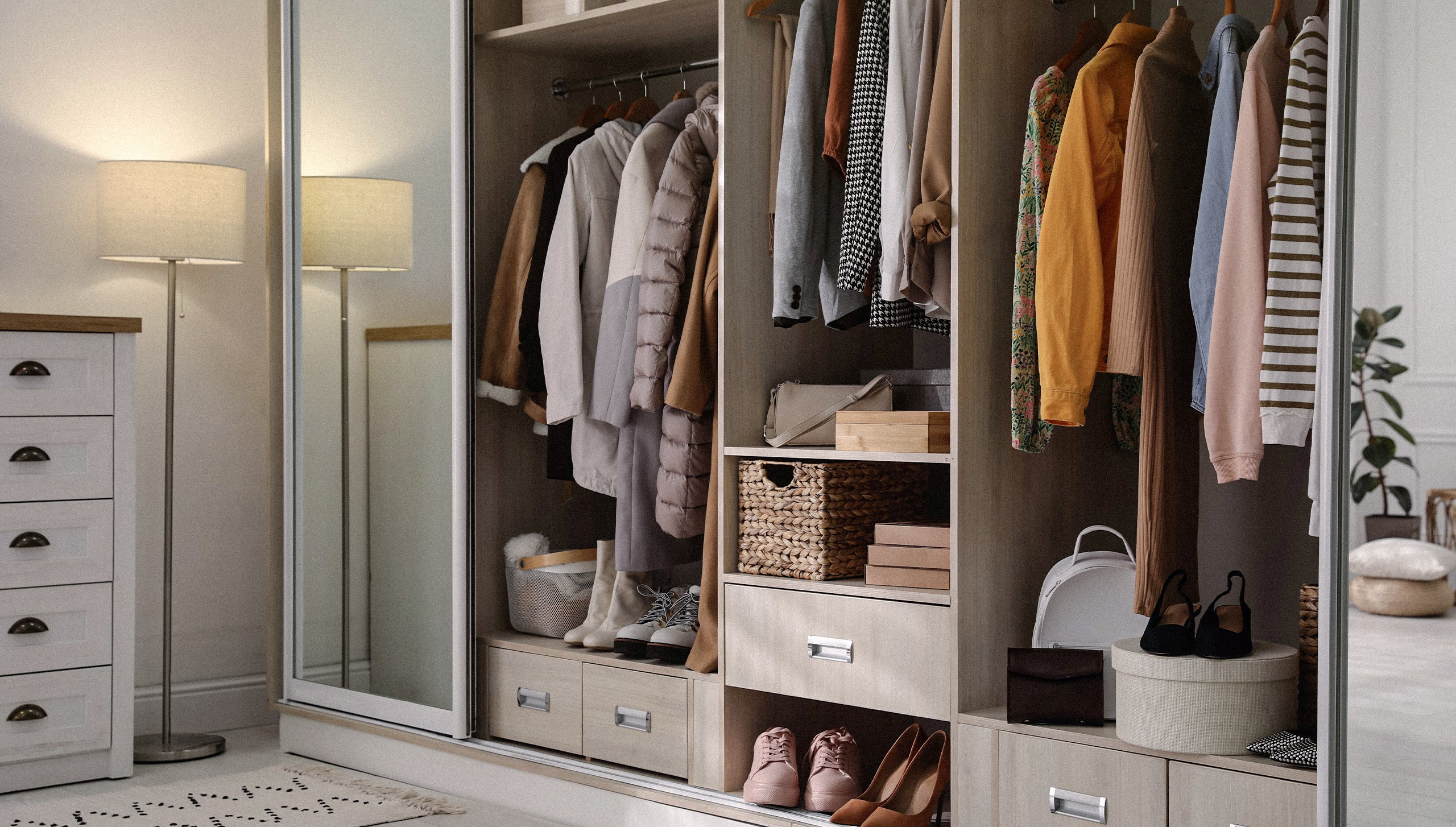
This wardrobe is a brilliant solution for a medium-sized bedroom for two main reasons. First, the sliding doors require zero outward swing space, making it perfect for tighter quarters where a traditional hinged door would bang into the bed or other furniture. Second, the massive mirrored panel doubles the perceived size of the room and reflects light, making the entire space feel brighter and more open. It’s a closet, a full-length mirror, and a space expander all in one.
|
$379.00
|
$149.00
|
$79.98
|
$377.40
|

“A large mirrored surface is a fantastic design trick, but it comes with one major caveat: it needs to be kept spotlessly clean.”
Fingerprints, smudges, and dust will be very visible and can quickly make a room feel messy. If you have kids or pets, or you simply hate cleaning glass, you might want to consider a wardrobe with wood or frosted glass doors instead. The visual benefit of the mirror is only as good as its cleanliness.
25. Get Tidy with Mesh Drawers and Woven Baskets
Mesh pull-out drawers are fantastic for folded clothes, but they can become a jumble. Here’s how to file-fold your t-shirts to keep them perfectly organized:
|
$7.56
|
$7.48
|
$16.00
|
$140.79
|
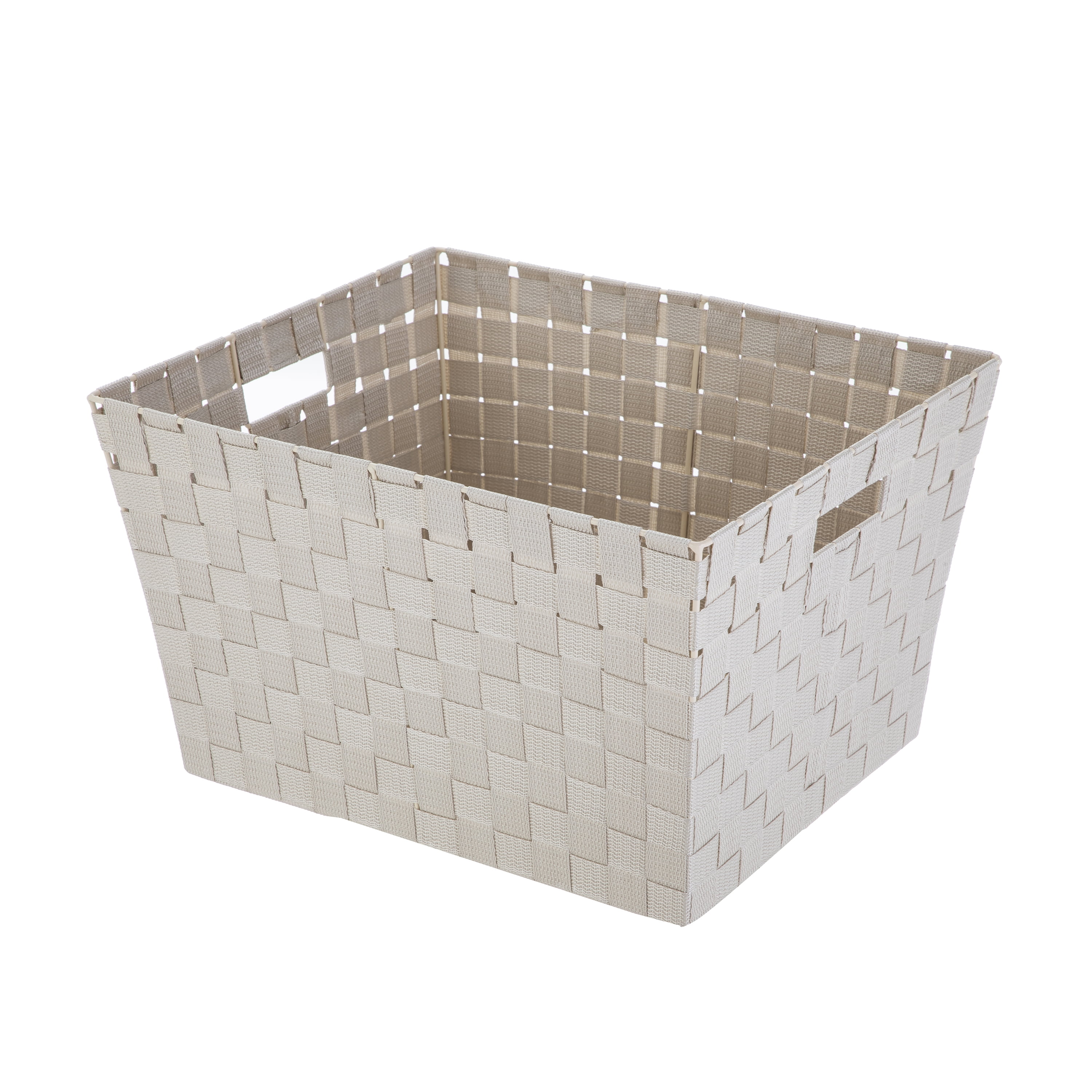
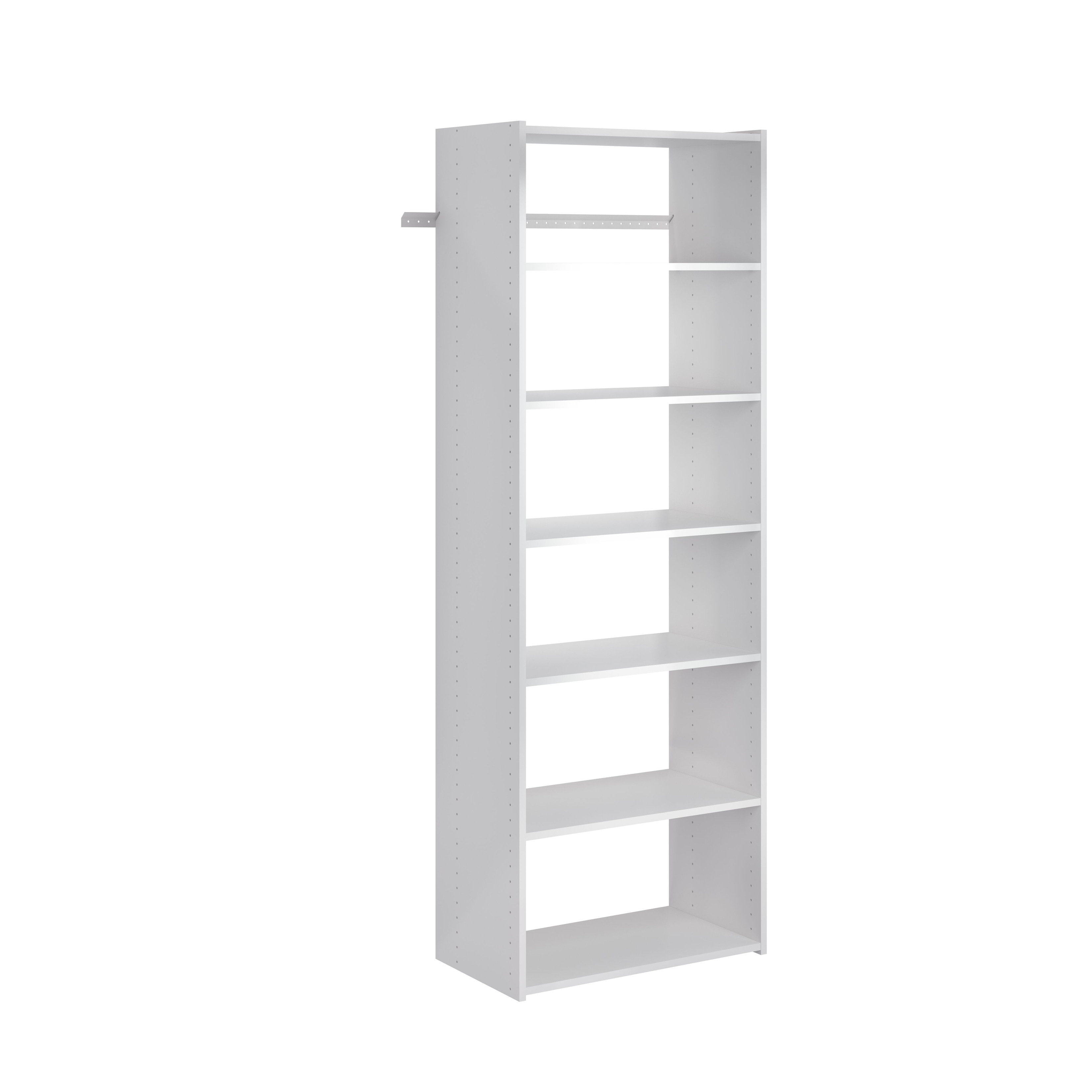
“Time & Cost: 30 minutes to learn, free!”
The First Fold: Lay the shirt flat, face down. Fold the right third of the shirt towards the center, and fold the sleeve back on itself.
The Second Fold: Repeat with the left third of the shirt, creating a long rectangle.
The Final Fold: Fold the rectangle in half or in thirds, depending on the height of your drawer.
File It: Place the folded shirt in the drawer with the folded edge facing up. Now you can see every shirt at a glance!
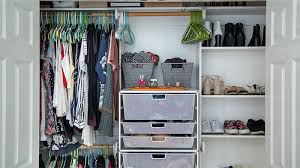
The single most important element in this hyper-organized closet is the use of containers. Take away the mesh drawers, the woven baskets, and the shelf dividers, and you’re left with a chaotic pile of clothes and shoes. By giving every single category of item a designated ‘home’—a specific drawer, basket, or cubby—the system becomes self-maintaining. It’s the structure provided by the containers that creates the lasting order.
26. Add Hidden Storage with a Tufted Bed and Under-Bed Drawer
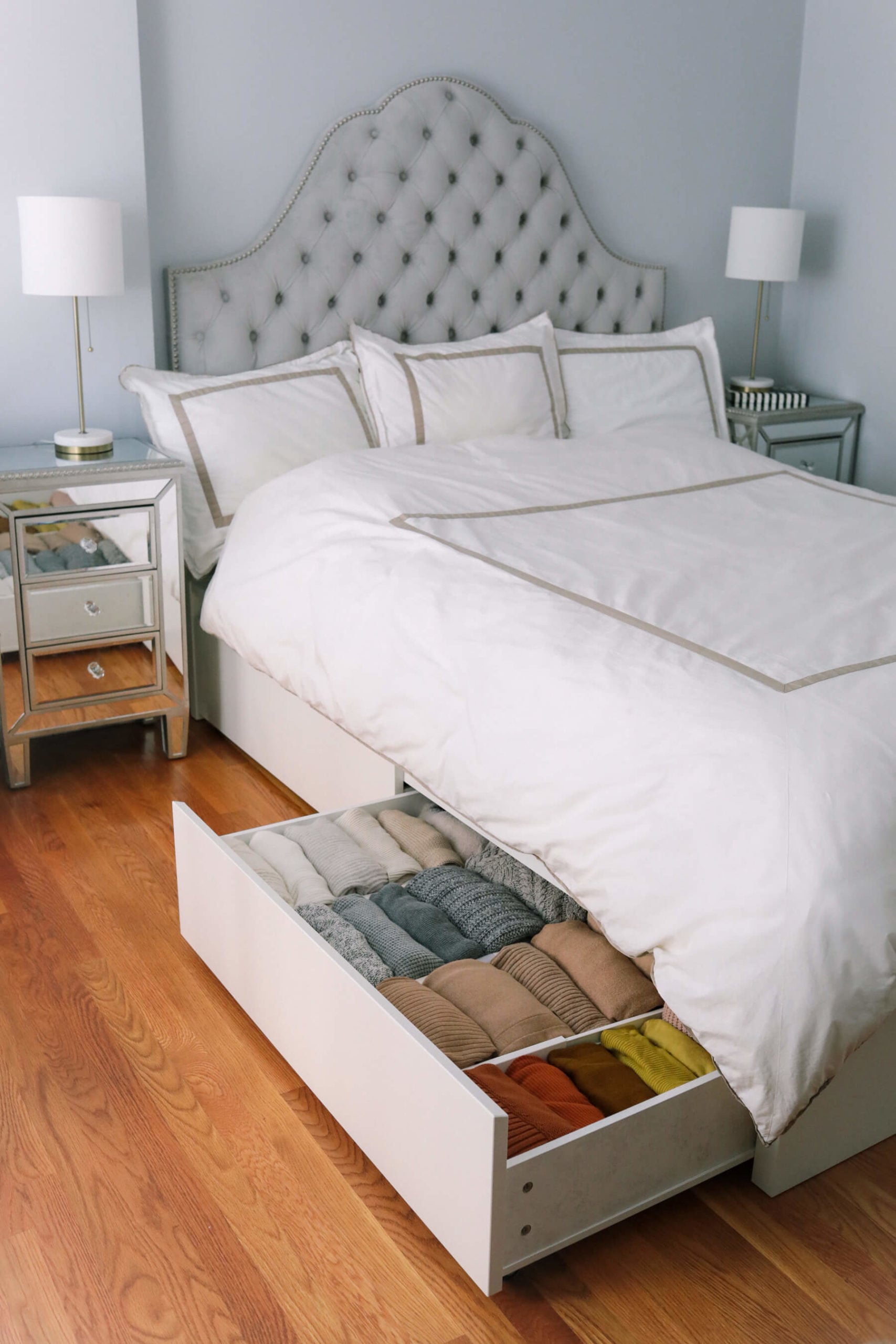
This bedroom achieves its polished, hotel-like feel with a simple formula: 70% soft, neutral textiles (the grey tufted headboard and white and tan bedding) + 20% reflective glamour (the mirrored nightstands) + 10% warm metallic accents (the brass on the lamps). This combination feels luxurious and serene. The under-bed storage is purely functional, hidden away so it doesn’t interrupt the chic aesthetic. Compare this to the more rustic, integrated drawers in Idea #4.
|
$99.99
|
$330.39
|
$208.53
|
$44.99
|


“Under-bed storage is incredibly useful, but it can easily become a mess.”
The key to keeping it functional is to use drawer dividers. You can buy adjustable dividers or simple spring-loaded tension rods. Create dedicated channels for different items: one for t-shirts, one for sweaters, and one for workout gear. This prevents everything from sliding into a big pile at the back of the drawer every time you open and close it. It’s a 10-minute fix that saves a daily headache.
27. Frame an Open Wardrobe with Painted Brick and Light Wood
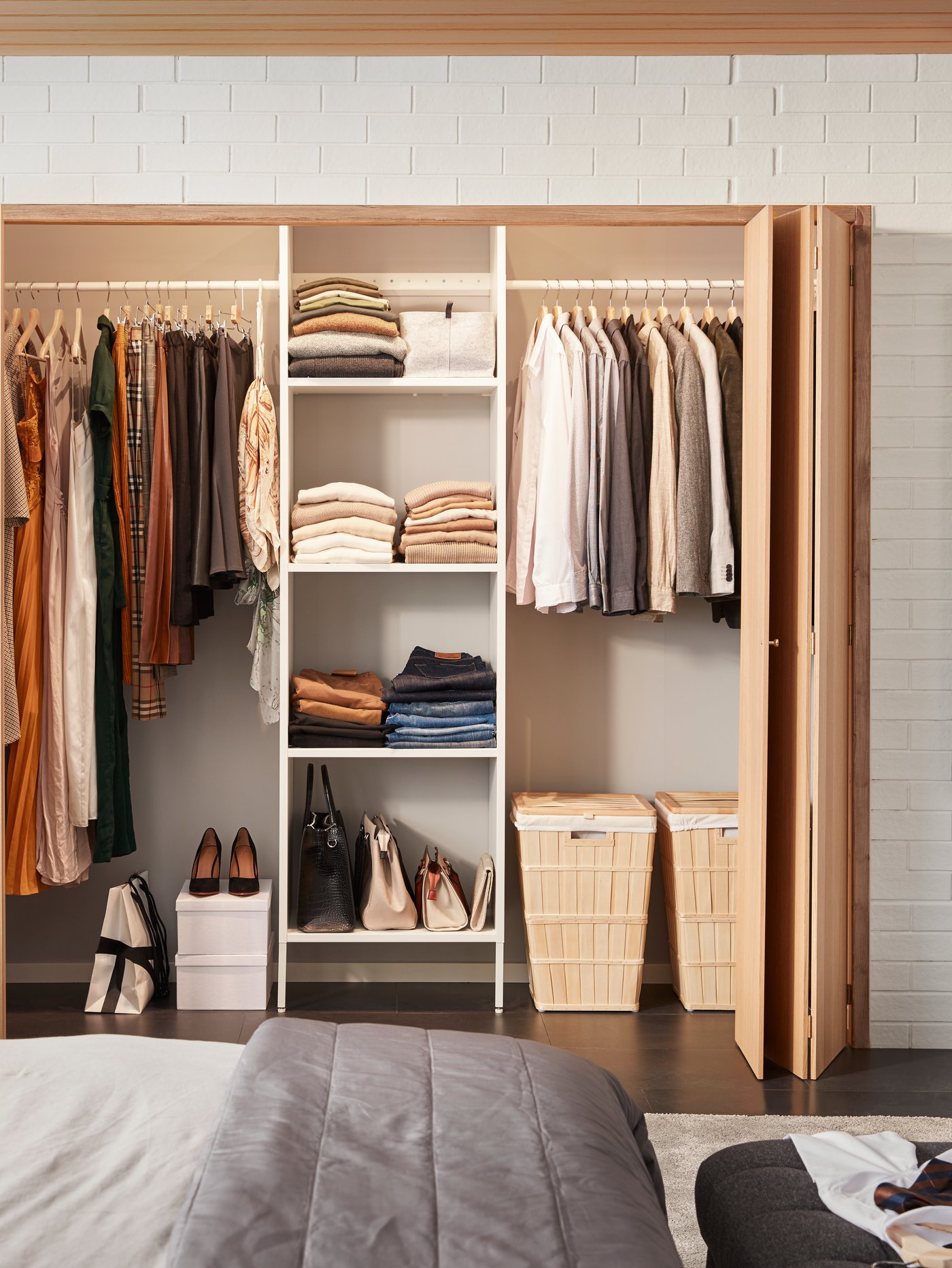
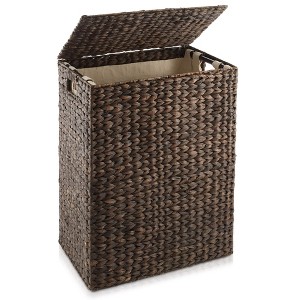
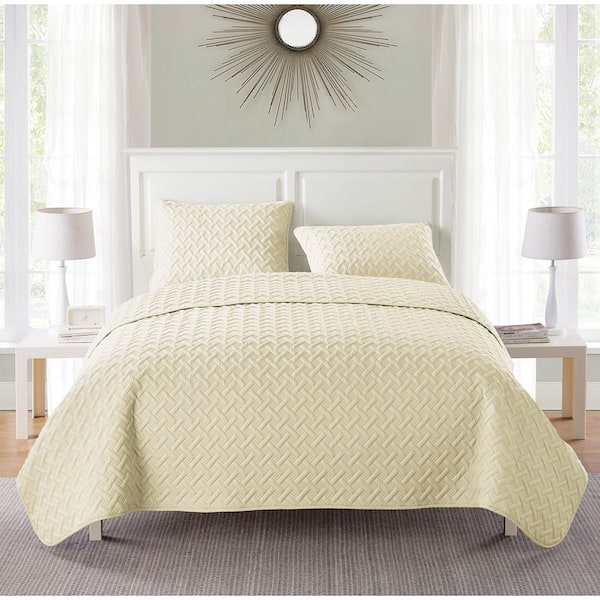
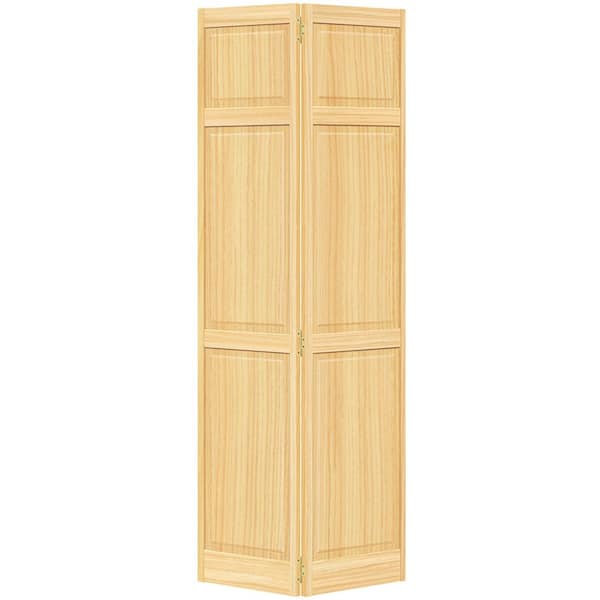
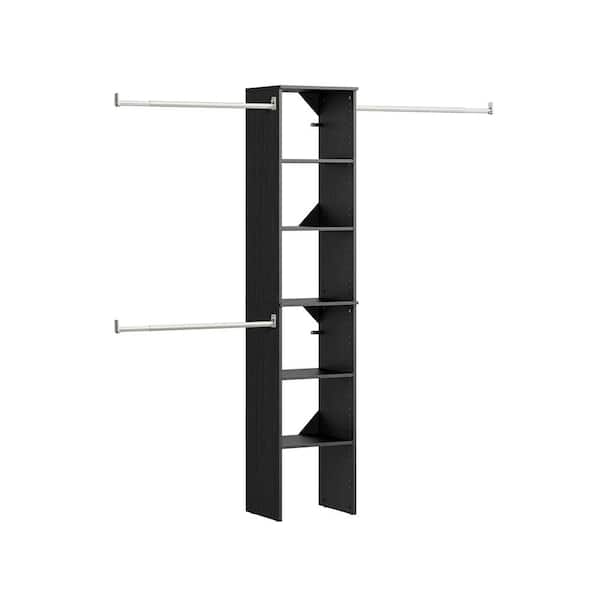
This concept works so well because it feels both rustic and modern. The exposed white brick wall provides a textural, slightly industrial backdrop, while the clean lines of the white shelving system keep it feeling fresh and contemporary. The light wood trim and bifold doors act as a frame, defining the closet area as a distinct ‘zone.’ This framing makes the open storage look intentional and designed, rather than just like a set of shelves pushed against a wall. This is a great alternative to a full walk-in closet like Idea #22.
|
$69.99
|
$29.99
|
$126.99
|
$149.00
|
“You don’t need a built-in system to get this airy, open-closet feel.”
You can create this look using affordable components. Start with one or two IKEA JONAXEL or BOAXEL open storage systems. Frame the area with simple pine boards from a hardware store for that custom-built look. For the brick, you can get the effect with peel-and-stick wallpaper or thin brick veneer, which is much easier and cheaper to install than real brick. The final look is chic and costs a fraction of a custom job.
28. Keep a Small Built-in Closet Bright and Functional
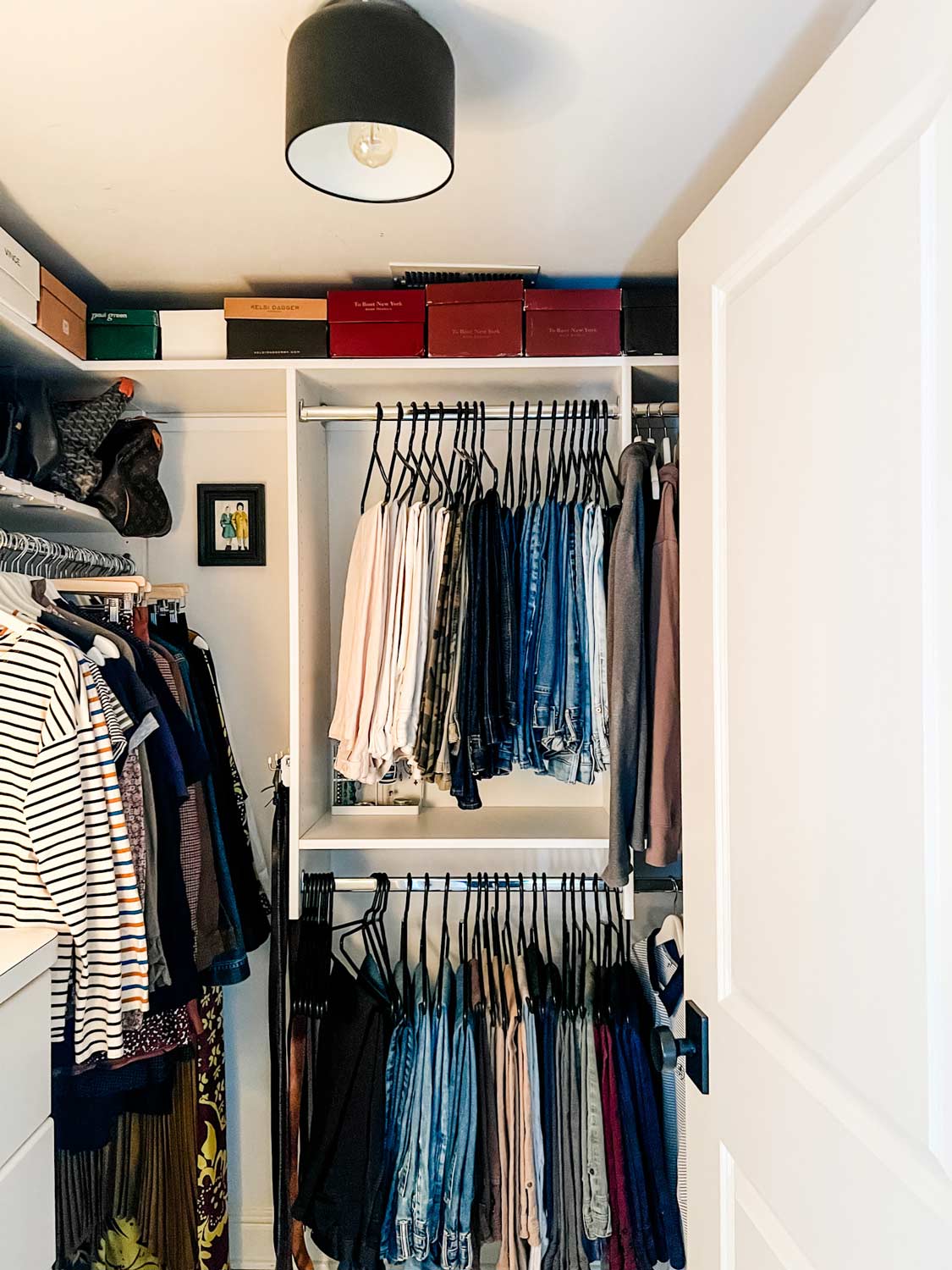
This type of simple, built-in closet is a workhorse for standard bedrooms, especially those in newer homes or apartments. It’s typically around 24 inches deep and 4 to 6 feet wide. The design here is perfect for that footprint. A top shelf for out-of-season items or boxes, a main hanging rod, and perhaps a lower rod or shelf for shoes is a classic, effective layout. The key is not to overcomplicate it. In a small space, simplicity is your best friend for functionality.
|
$51.19
|
$41.47
|
$26.99
|
$43.46
|
“An open door on a closet can make a room feel cluttered, even if the inside is neat.”
While this photo shows the closet beautifully organized and open, the reality of daily life often includes a bit of chaos. If you’re not committed to keeping your closet picture-perfect at all times, make sure you have a door you can close on it. A simple, clean white door will blend into the wall and hide any visual noise, which can be crucial for maintaining a sense of calm in a bedroom.
29. Integrate Dark Wood Closet Cabinetry for a Classic Look
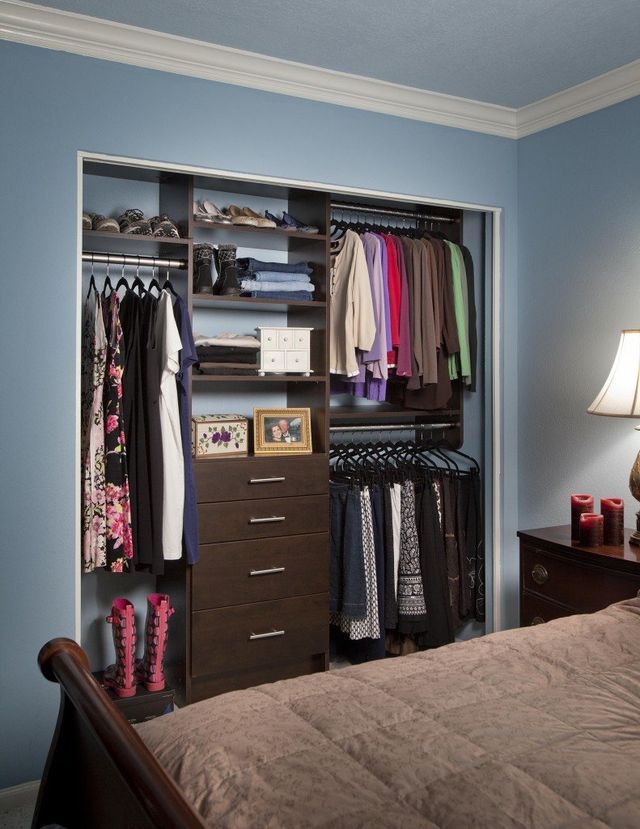
Dark wood brings a sense of richness and tradition to a room, but it requires a specific kind of care. Dust is more visible on dark surfaces, so a weekly wipe-down with a soft, dry cloth is a must. To maintain the luster, use a quality wood polish or conditioner every few months. Be careful with scratches, which can be more noticeable on dark finishes. Keep a touch-up marker in the same wood stain on hand to quickly camouflage any small nicks or dings.
|
$49.99
|
$299.99
|
$199.99
|
$335.61
|
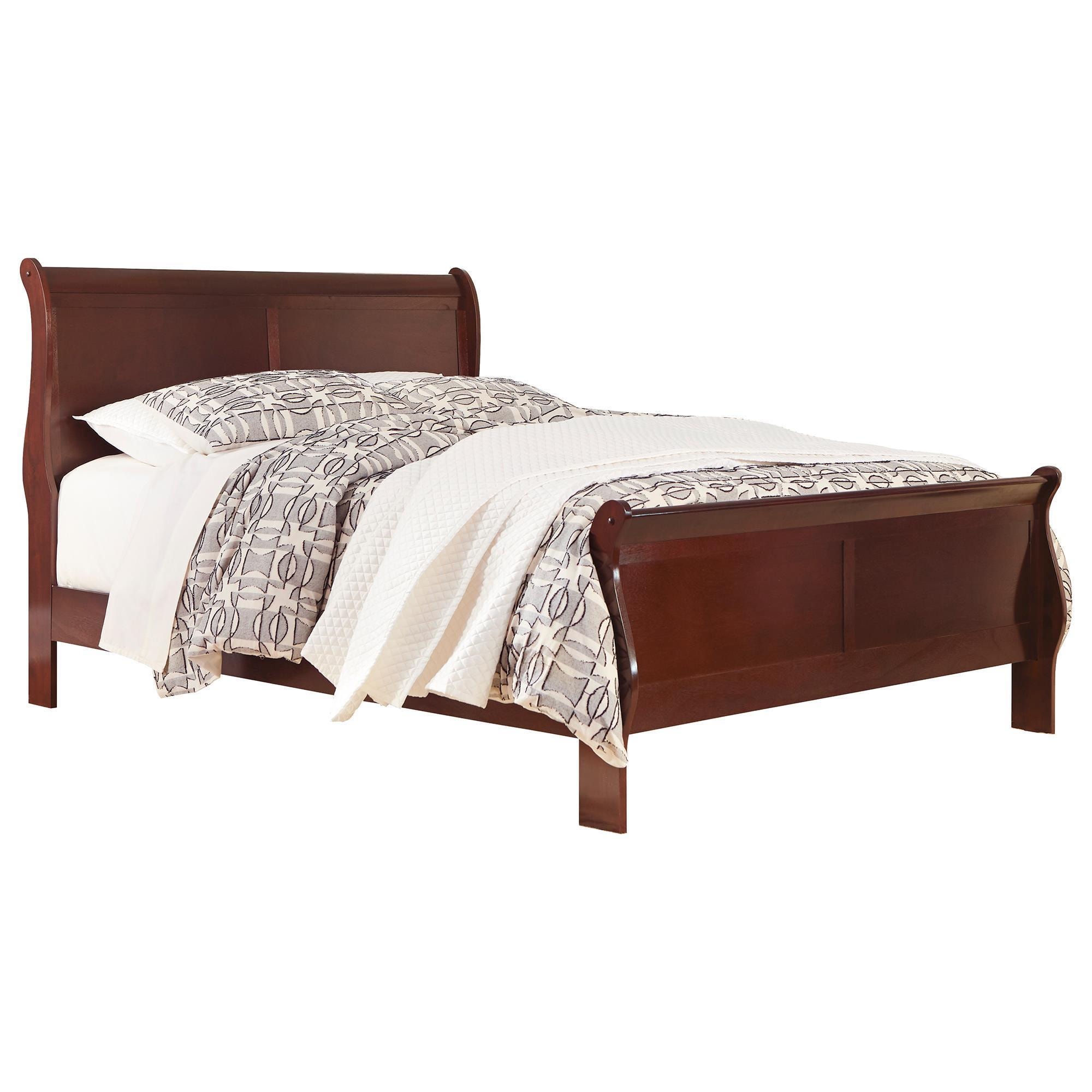

“When you have a dark, heavy piece of storage like this built-in closet system, you need to balance it with a light, airy wall color.”
The light blue paint used here is a perfect choice. It provides a cool contrast to the warm brown of the wood, and its lightness prevents the dark furniture from making the room feel gloomy or small. If the walls were a dark color, the space would feel heavy and oppressive. Always pair dark, bulky storage with light, reflective wall colors.
30. Organize a Neutral Wardrobe with Integrated Drawers and Shelves
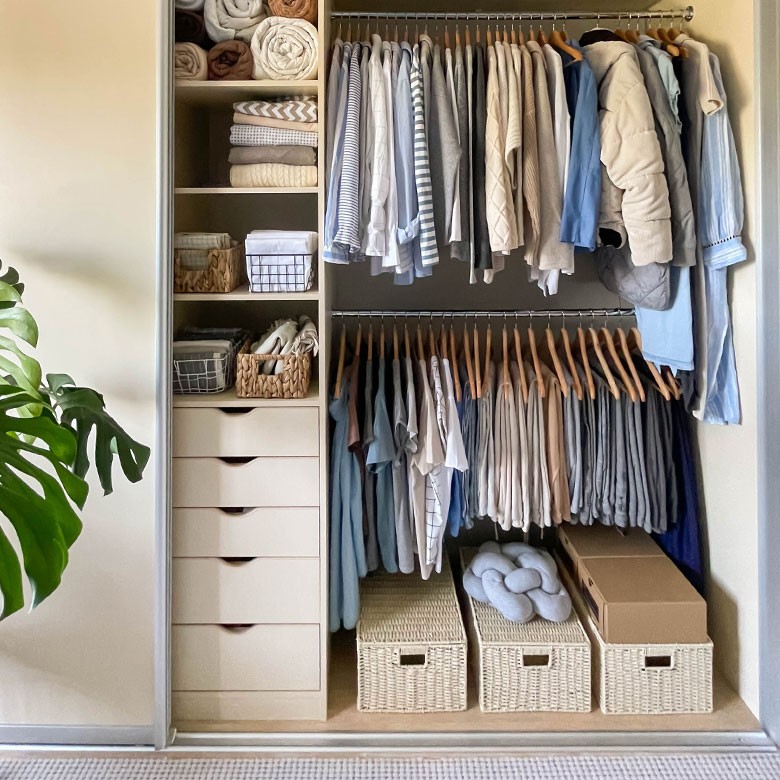
The single most effective element in this closet is the stack of integrated drawers. While hanging space and open shelves are standard, the drawers provide crucial concealed storage for smaller items that would look messy out in the open—socks, undergarments, workout clothes. By containing the clutter, the drawers allow the rest of the closet, with its neatly hung shirts and organized baskets, to feel serene and visually pleasing. They are the unsung heroes of a truly organized closet.
|
$20.50
|
$29.90
|
$278.09
|


“This supremely calm closet follows a strict visual recipe: 80% Neutral Base (the cream drawers, light wood hangers, and beige baskets) + 15% Cool Accent (the rolled denim and gray sweaters) + 5% Metallic Shine (the chrome hanging rods).”
This tight color palette is the reason it looks so high-end and cohesive. If you introduced a riot of different colors, you would lose that peaceful, boutique-like feeling. For serene storage, stick to a limited palette.
31. Dedicate an Attic Wall to Built-in Shoe Shelving
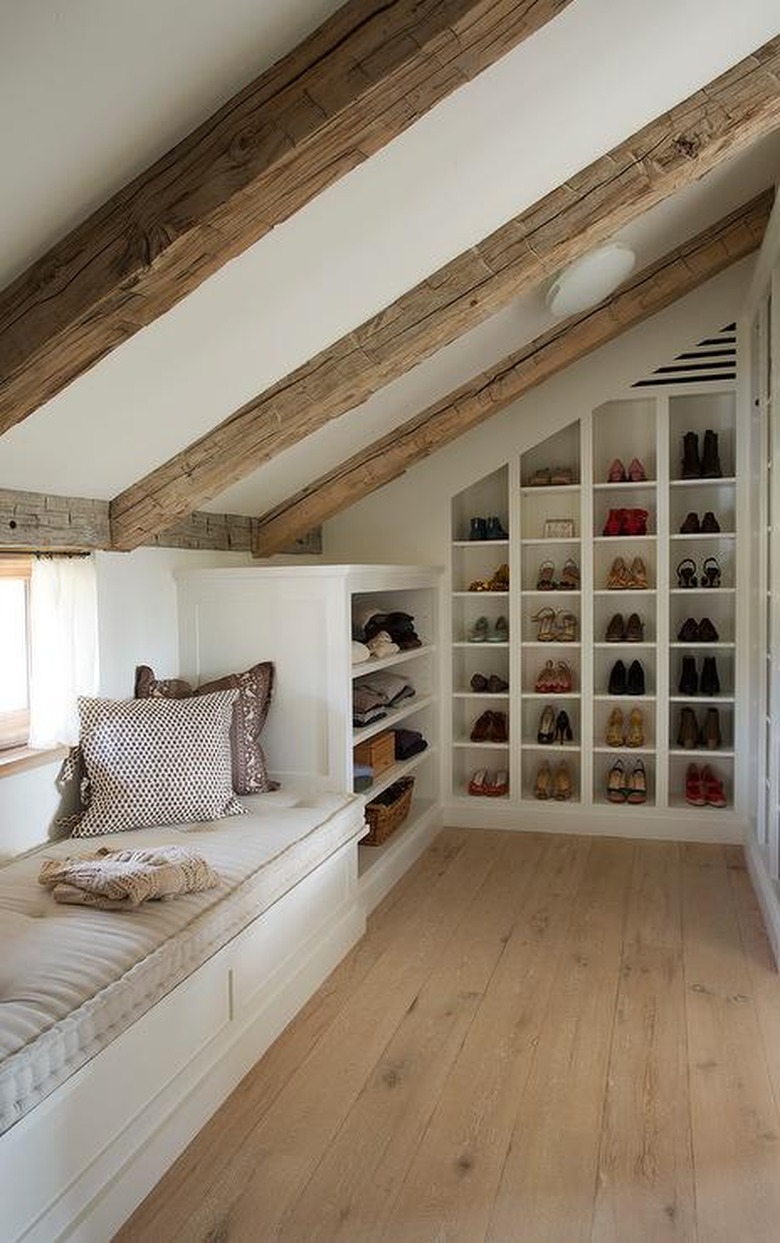
This design is genius because it transforms an architecturally awkward space—a low, sloped attic wall—into a highly functional and visually stunning feature. Shoes don’t require much depth, making them perfect for slim shelving built into the eaves. By painting the shelves the same white as the walls, the unit feels integrated and light. The repetition of the shoe cubbies creates a pleasing rhythm that turns everyday objects into a decorative display. The dark beams provide a beautiful rustic contrast.
|
$44.99
|
$14.99
|
$69.95
|
$13.97
|


“Creating a custom wall of shoe shelving is a dream project for a collector.”
The cost can vary widely based on whether you DIY or hire a pro.
- Lumber & Materials (if DIY): $400 – $900
- Professional Carpentry Labor: $1,500 – $3,500
- Paint & Finishing Supplies: $100 – $250
- Daybed & Mattress: $500 – $1,200
- TOTAL: $2,500 – $5,850
- Budget alternative: Use multiple IKEA BILLY bookcases (with extra shelves) or KALLAX units laid on their side to create a similar effect for under $800.
Your Calm, Organized Bedroom Awaits
Now that you’re armed with all these ideas, the next step is choosing the one that speaks to you. Don’t be afraid to mix and match concepts to create a solution that’s uniquely yours. Happy organizing, and don’t forget to share your beautifully organized space on Pinterest!
Photo credits: Remodelista, Clever Quarters, Toledo • Foam • Mold, IKEA, The Craft Patch, Artisan Custom Closets, The Home Depot, Hello Hayley, Country Living Magazine, The Spruce, Moving Help, Most Lovely Things, Drew & Jonathan, Marry Home Decor, Houzz, Real Homes, Casa Kids, Classic Casual Home, Edward George, DigsDigs, This Old House, Home Zone Furniture, California Closets, House Beautiful, Neal’s Design Remodel Blog, Extra Petite, Hunker, www.sandscabinets.com / Web