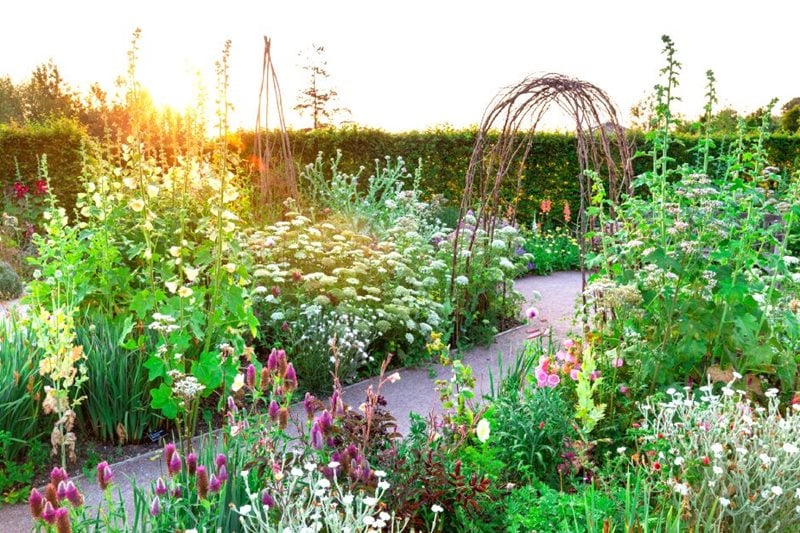
You know that feeling. You’ve pinned a hundred “English cottage garden” photos, but your own backyard still feels miles away from those lush, romantic escapes. It feels overwhelming, right? Like a beautiful, chaotic secret you’re not quite in on. We’ve been there, and we’ve done the work to demystify it for you.
This post may contain affiliate links. As an Amazon Associate, we earn from qualifying purchases at no extra cost to you.
After filtering through hundreds of designs and ideas, we’ve narrowed it down to the 32 best examples that are actually achievable for 2026. This isn’t just another photo dump; it’s a curated guide with real advice, pulling inspiration from rustic hideaways, modern interpretations, and grand traditional layouts. And stay until the end—we break down the most common mistakes that can ruin these looks.
📌 Save this to Pinterest for later — you’ll want to revisit these ideas.
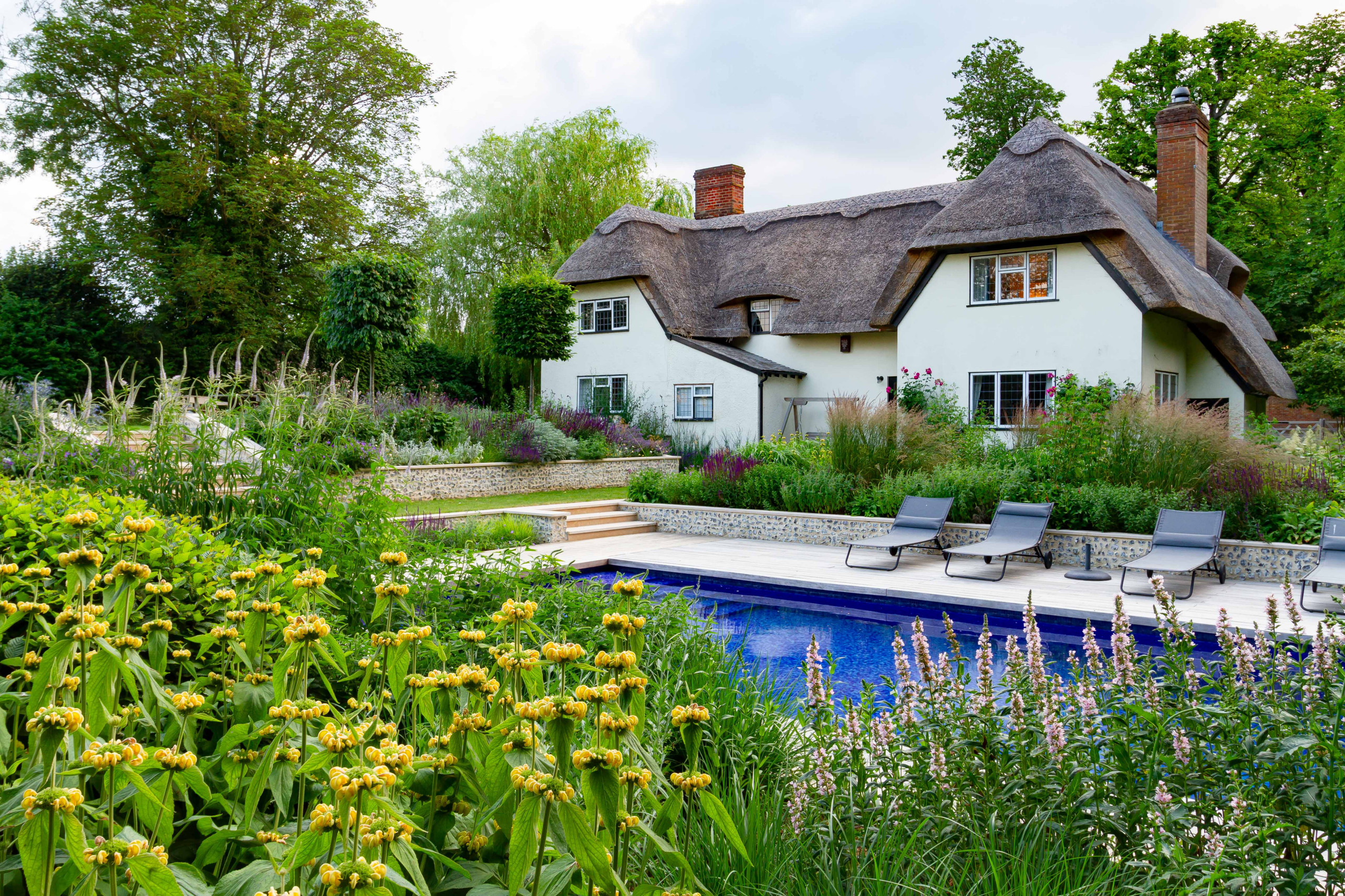
1. A Thatch-Roof Cottage with a Terraced Garden Pool
What makes this work is the brilliant juxtaposition of old and new. The classic, storybook thatched cottage provides a rustic, historical anchor, while the sleek, modern swimming pool adds a touch of the unexpected. The design succeeds by using natural stone in the retaining walls to bridge the gap between the traditional architecture and the contemporary leisure area. It feels like a secret world, where history and modern luxury meet.
|
$125.03
|
$1,725.00
|
$33.95
|
$299.00
|


“Let’s have some real talk about that beautiful pool.”
Integrating a modern pool with a traditional cottage landscape is a major project, both financially and structurally. You’ll need to consider extensive excavation for the terracing, proper drainage, and ensuring the pool’s modern finish doesn’t clash with the rustic setting. This isn’t a weekend DIY; it requires professional landscape architects and builders to get right.
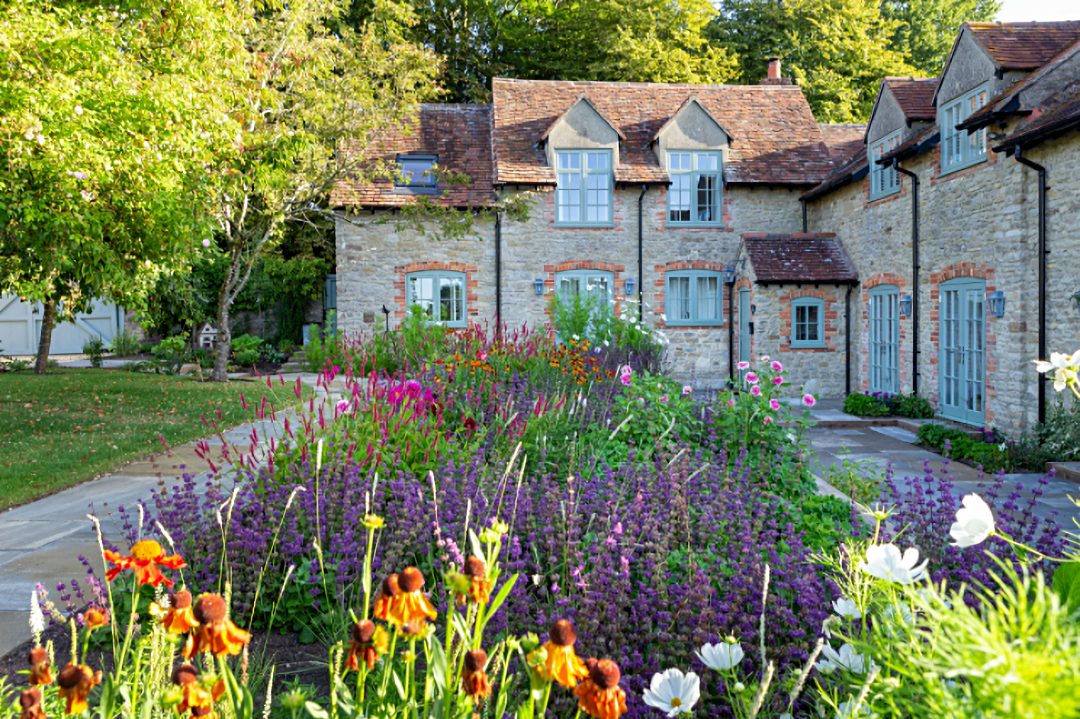
2. Stone Cottage Charm with Light Blue Trim
A great designer trick on display here is the use of a single, unifying accent color. The light blue on the window frames and door is a masterstroke. It’s a soft, welcoming color that pops against the cool grey stone and terracotta roof without being jarring. To replicate this, pick a color from your flowering plants (like the pale purples here) and use a slightly desaturated version of it on your trim for a cohesive, intentional look.
|
$930.75
|
$2.00
|
$18.99
|


“What makes this entire scene sing is the layered planting.”
Without the sheer variety in height, color, and texture—from the low-growing border plants to the medium-sized shrubs and taller blooms in the back—the garden would just be a flat, uninteresting patch. It’s this controlled chaos and expert layering that creates that sought-after, overflowing cottage feel against the sturdy stone house.
3. A Grand Lawn Pathway Framed by Abundant Blooms
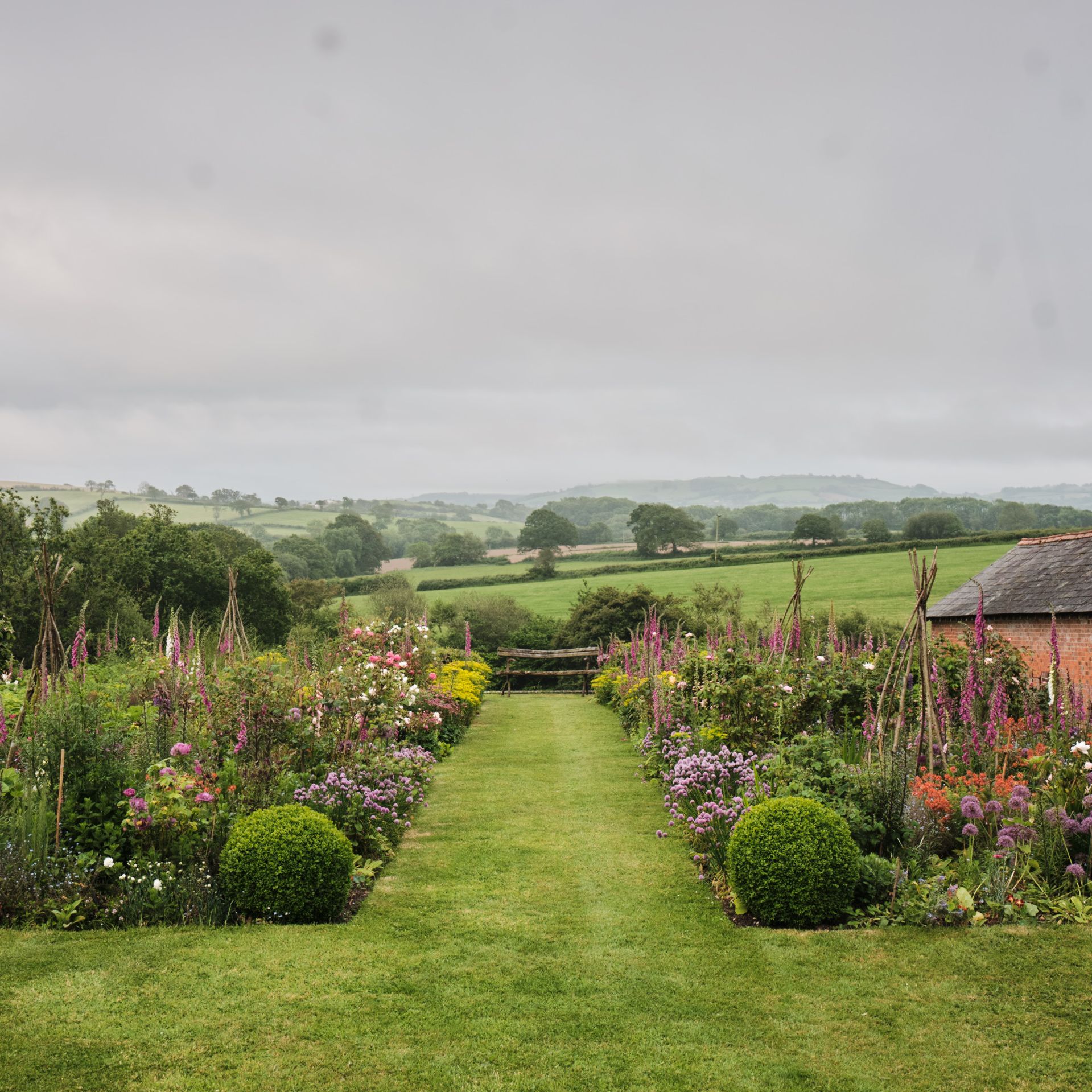
This look is all about the luxury of space. A long, straight lawn pathway like this requires a significant backyard, ideally at least 75-100 feet in length to achieve that dramatic perspective. The path itself should be a minimum of 4-5 feet wide to feel generous and allow for two people to walk side-by-side. The key is that the flower beds on either side need to be deep—at least 6-8 feet each—to hold the volume of plants needed to create that sense of enclosure.
|
$28.95
|
$9.07
|
$19.95
|
$128.00
|


“is the powerful use of a leading line.”
The straight grass path acts as a strong visual arrow, drawing your eye directly through the garden towards the bench and the rolling hills beyond. This creates a sense of journey and destination. The composition is softened by the wild, billowing forms of the flowers, creating a perfect balance between formal structure (the path) and natural chaos (the plantings).
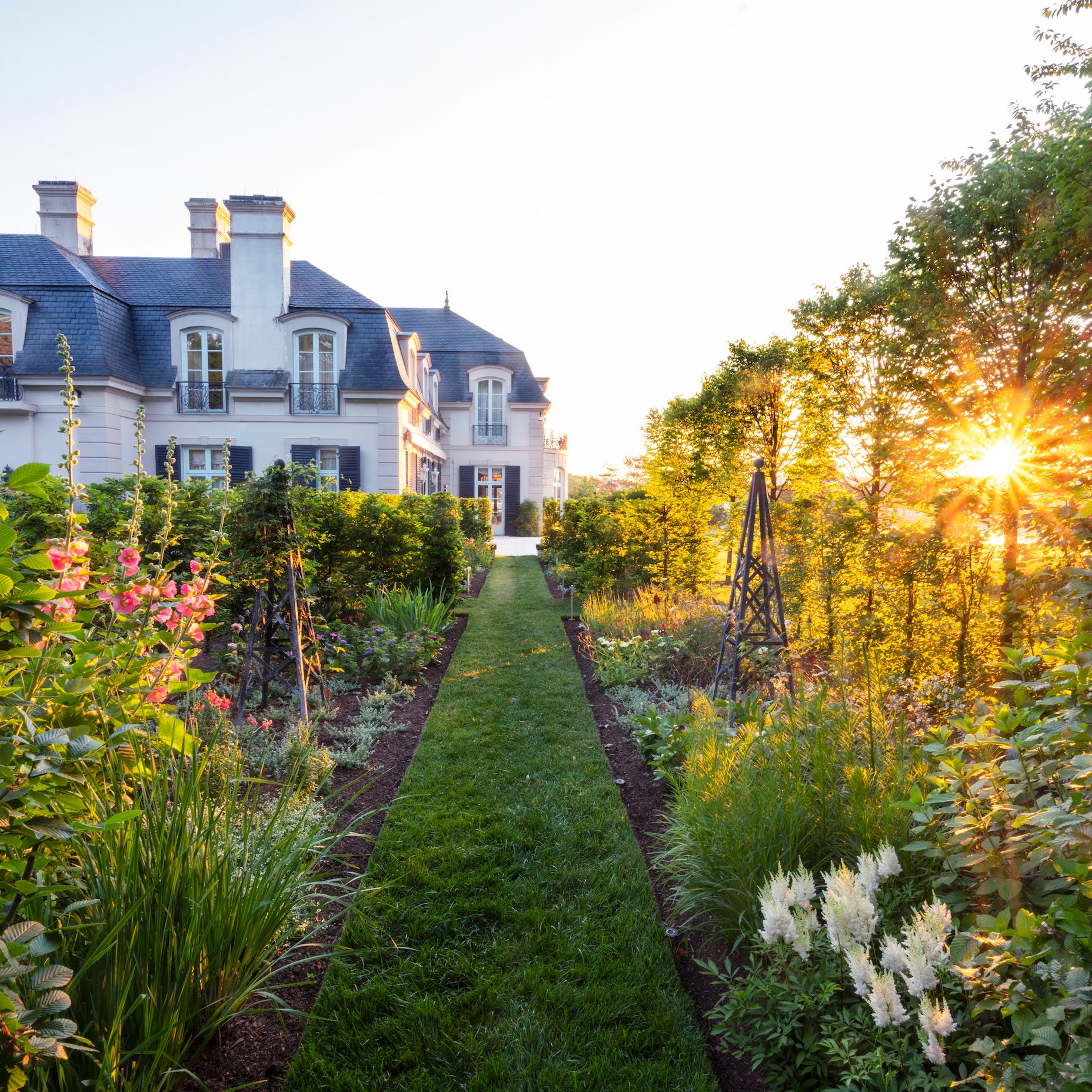
4. Manicured Grass Path Leading to a Grand Manor
So, you don’t have a manor house. Who does? You can capture this same feeling for a fraction of the cost. The key is the formal, straight path. Instead of perfectly manicured turf, use affordable gravel or mulch for your path (around $100-200 for a 50-foot path). Frame it with simple, high-impact perennials from a big-box garden center like Home Depot, such as salvia and daisies. Finally, instead of a manor, place a simple, classic wooden bench ($150-300) or a single, large ornamental planter at the end as your focal point.
|
$12.99
|
$19.00
|
$19.99
|
$119.95
|


“What elevates this view from a simple garden to something truly special is the sense of arrival.”
All the elements—the long path, the framing hedges, the abundant flower beds—are working together to create a formal procession towards the house. Removing any piece would weaken the experience. It’s the combination of formal structure and lush planting that gives this garden its grand, stately, and welcoming character.
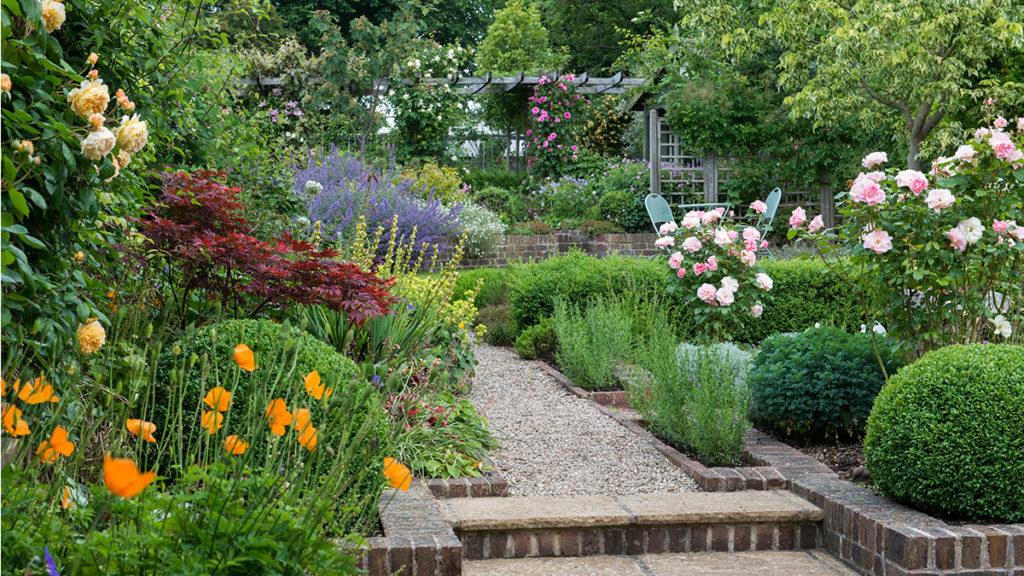
5. A Multi-Level Garden with Gravel Paths and a Pergola
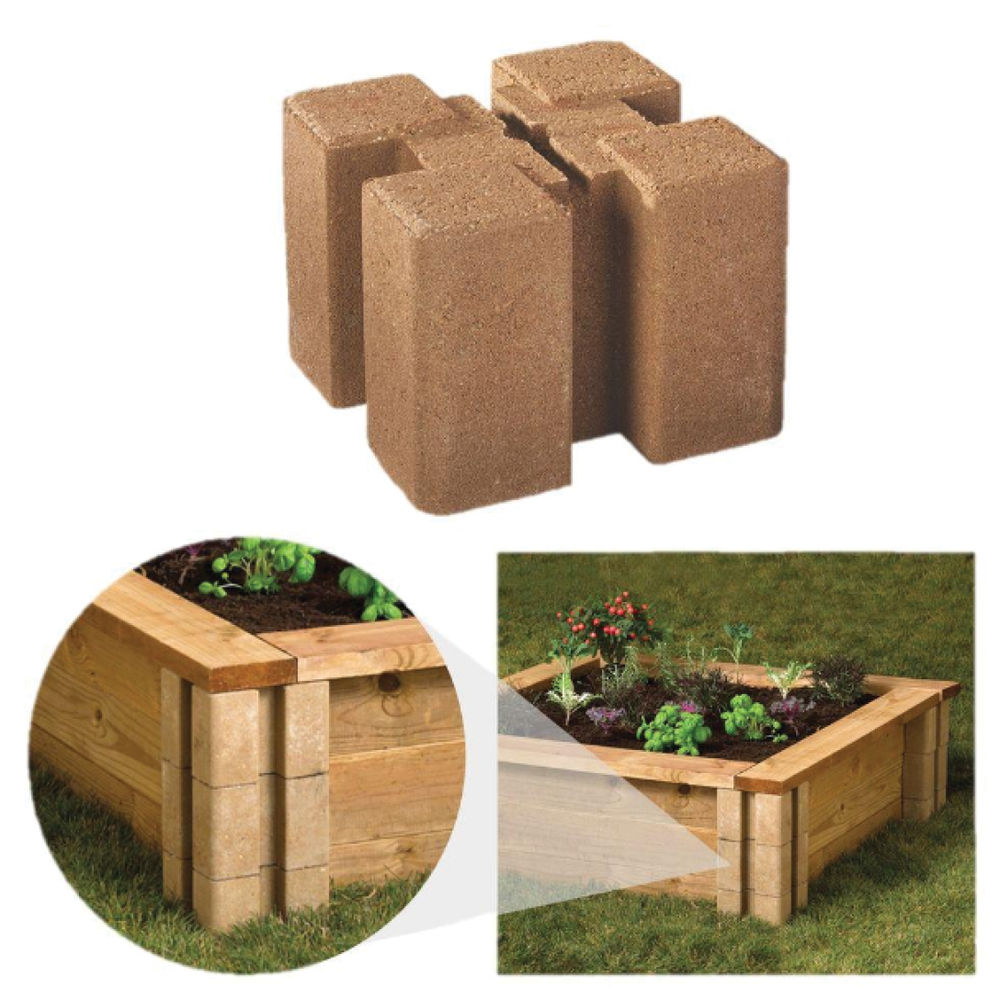
To create a simple layered garden bed as seen here, you can do it in a weekend. Here’s a mini guide for a 4×8 foot section: (1) Mark out your bed shape and clear all grass and weeds. (2) Use a flat spade to dig a 4-inch deep trench around the perimeter. (3) Lay your first course of bricks in the trench, using a level to keep them even. (4) Backfill the bed with a 50/50 mix of topsoil and compost. (5) Plant your tallest plants in the back and shortest ones near the front. Time: 4-6 hours. Cost: $80-$150 for bricks and soil.
|
$22.00
|
$6.95
|
$3.98
|
$527.25
|


“Gravel paths have a wonderfully romantic, crunchy sound, but they do require some upkeep.”
Be prepared for weeds to pop through, especially after a rainy season. You’ll want to lay down a high-quality landscape fabric underneath before you pour the gravel. Every year or two, you’ll likely need to top it off with a fresh bag of gravel ($5-10 per bag) in high-traffic areas and rake it to keep it level and free of debris.
6. Sun-Drenched Garden Path with a Natural Twig Arch
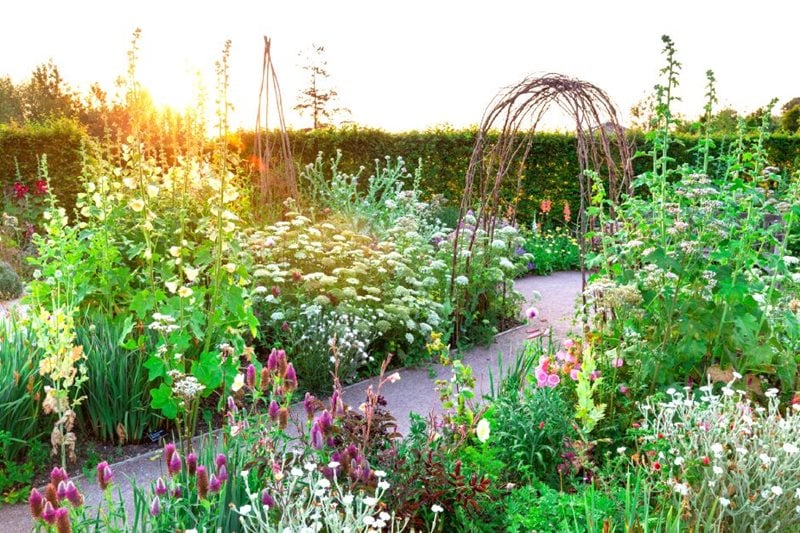
The single most important element here is the twig archway. It’s the piece that adds a touch of rustic magic and transforms a simple path into an enchanting journey. Without it, this would just be a pretty collection of plants. The archway creates a doorway, a sense of passage from one part of the garden to another. It’s a focal point that suggests there’s more to discover, inviting you to keep exploring. This is much more charming than a more formal arch, as we see in Idea #25.
|
$1,246.00
|
$22.99
|
$32.69
|
$133.95
|



“When creating a path through a dense garden bed, the biggest mistake is making it too narrow.”
Aim for a minimum width of 24 inches, but 30-36 inches is far more comfortable. This allows enough space to walk without brushing against thorny roses or damp foliage after a rain. It also ensures your plants have enough room to grow and spill over the edges slightly without completely swallowing the path, maintaining that charming, abundant look.
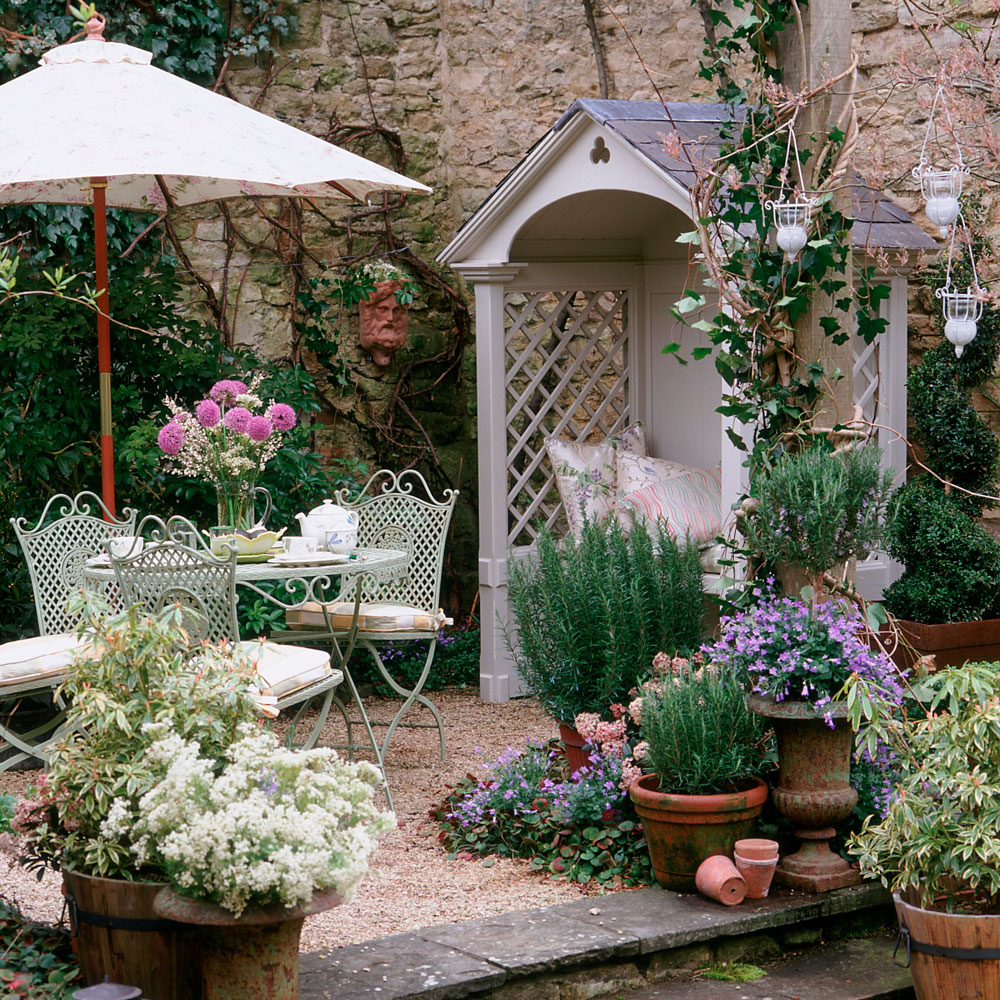
7. A Romantic Nook with Ornate Iron Furniture
Creating this intimate corner has a very manageable cost if you focus on the key pieces. It’s about creating a mood, not a massive overhaul.
|
$448.00
|
$16.88
|
$130.89
|
$88.00
|


“Main Furniture: Ornate iron bistro set & wooden bench—$400 – $900
Textiles: Cu”
- Main Furniture: Ornate iron bistro set & wooden bench—$400 – $900
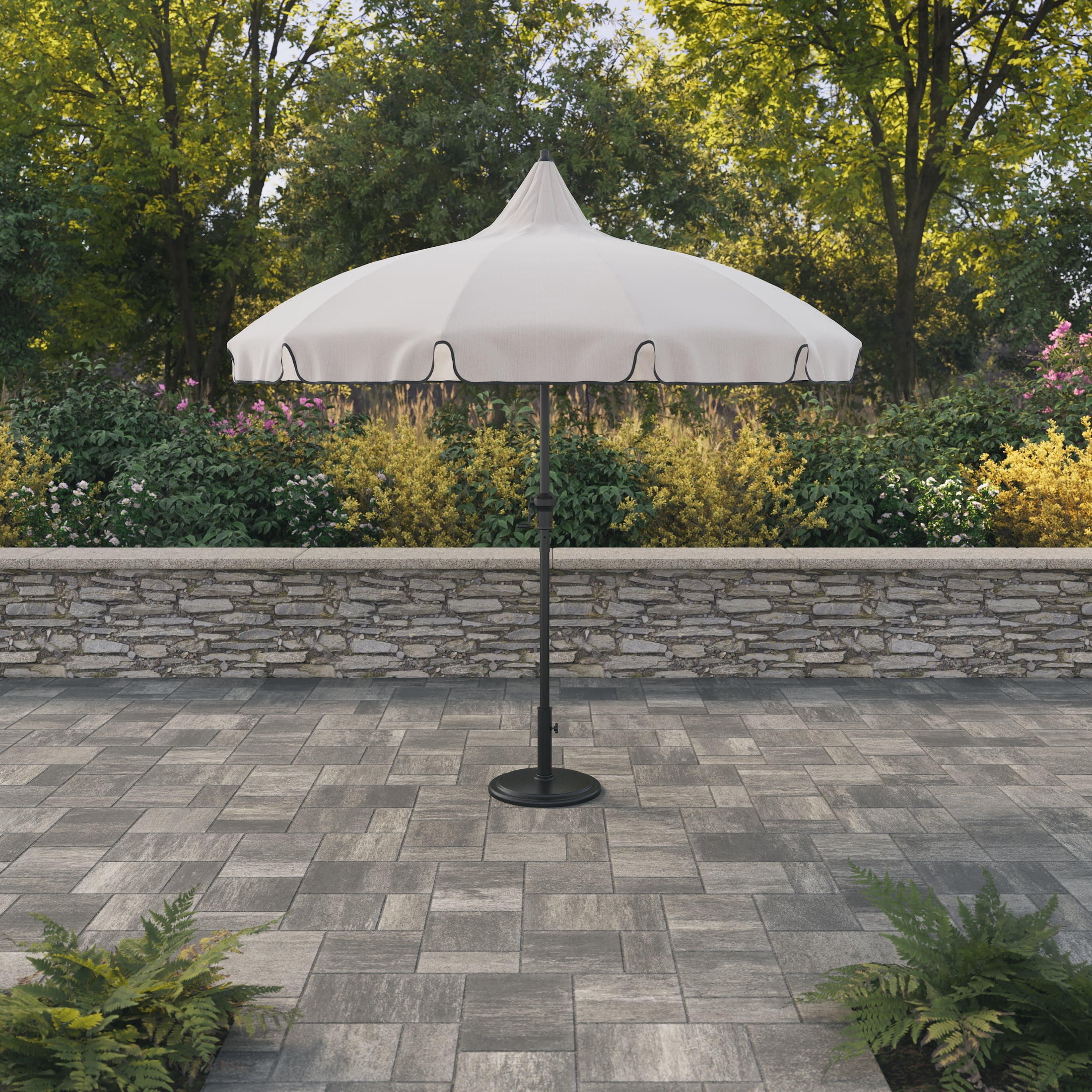
- Textiles: Cushions & patio umbrella – $150 – $300
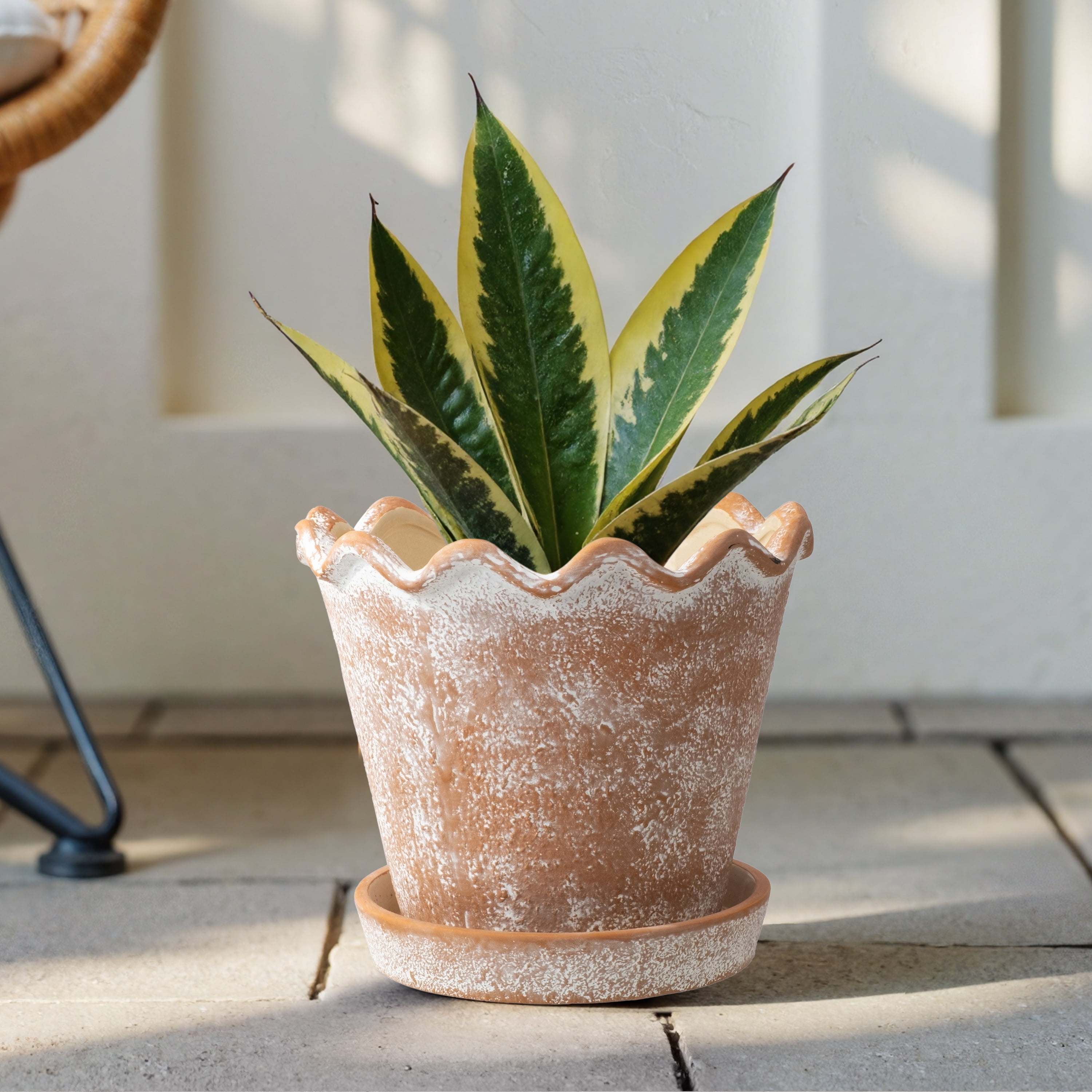
- Decor/Accessories: Assorted terracotta pots – $100 – $250
- Ground Cover: Gravel for a 10’x10’ area – $150 – $300
- TOTAL: $800 – $1,750
Budget alternative: Source a used bistro set from Facebook Marketplace ($100-200) and give it a fresh coat of spray paint in a soft green. You can achieve this whole vibe for under $500.
The visual formula here is simple but effective: 50% Hardscape + 50% Lush Planting. The hardscape (gravel floor, iron furniture, and stone wall) provides a solid, textured base. The other half is all about that overflowing, slightly wild planting in pots and along the wall. You can swap the furniture style—say, to modern wood—but you must keep that 50/50 balance. Too much hardscape feels sterile; too much planting feels chaotic.
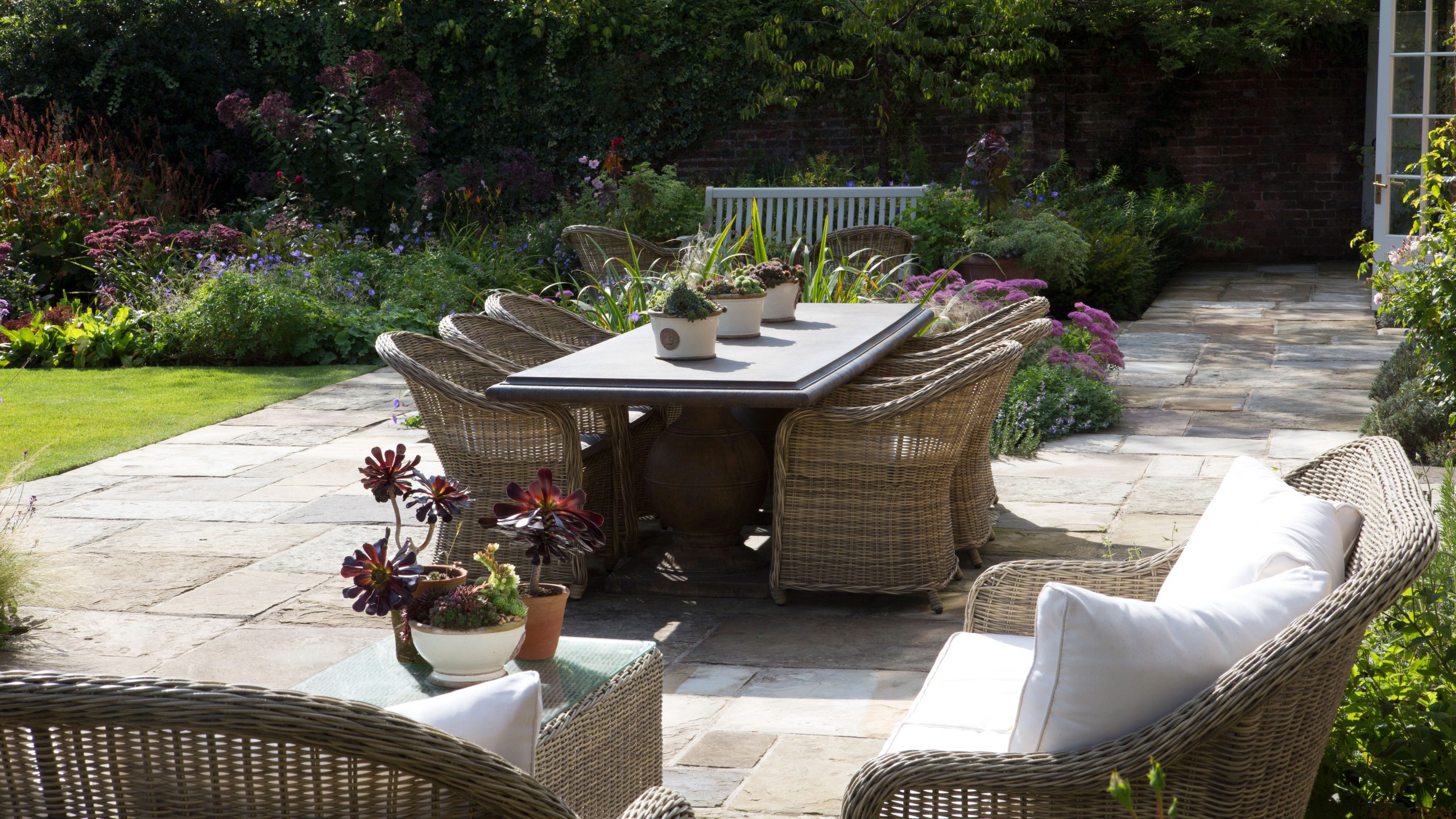
8. Patio Dining and Lounging with Woven Wicker Furniture
A beautiful flagstone patio like this is a dream, but it’s not without its realities. The uneven surface that gives it so much character can make chairs and tables wobbly. Look for furniture with adjustable feet, or be prepared to use shims. Also, weeds will inevitably try to grow in the gaps between stones. A polymeric sand brushed into the joints can help, but plan on some dedicated weeding time a few times a year to keep it looking sharp.
|
$1,861.02
|
$115.99
|
$26.94
|
$297.00
|


“This idea, with two distinct zones for dining and lounging, needs a generous footprint.”
You’re looking at a minimum patio size of 15×25 feet to comfortably fit both a six-person dining set and a separate seating area without feeling cramped. Anything smaller and you should choose one function—either dining or lounging—to avoid a cluttered space where neither zone feels relaxing. Compare this to the much smaller nook in Idea #7.
9. Modern Pergola with an Outdoor Grill Station
There’s a huge trend right now towards creating true “outdoor rooms,” and this is a perfect example. Driven by a desire to expand living space without costly home additions, these pergola-covered zones are becoming the new must-have. The inclusion of a full grill station and dining area reflects a cultural shift towards more casual, at-home entertaining. This isn’t just a patio; it’s a functional, stylish extension of the kitchen and dining room.
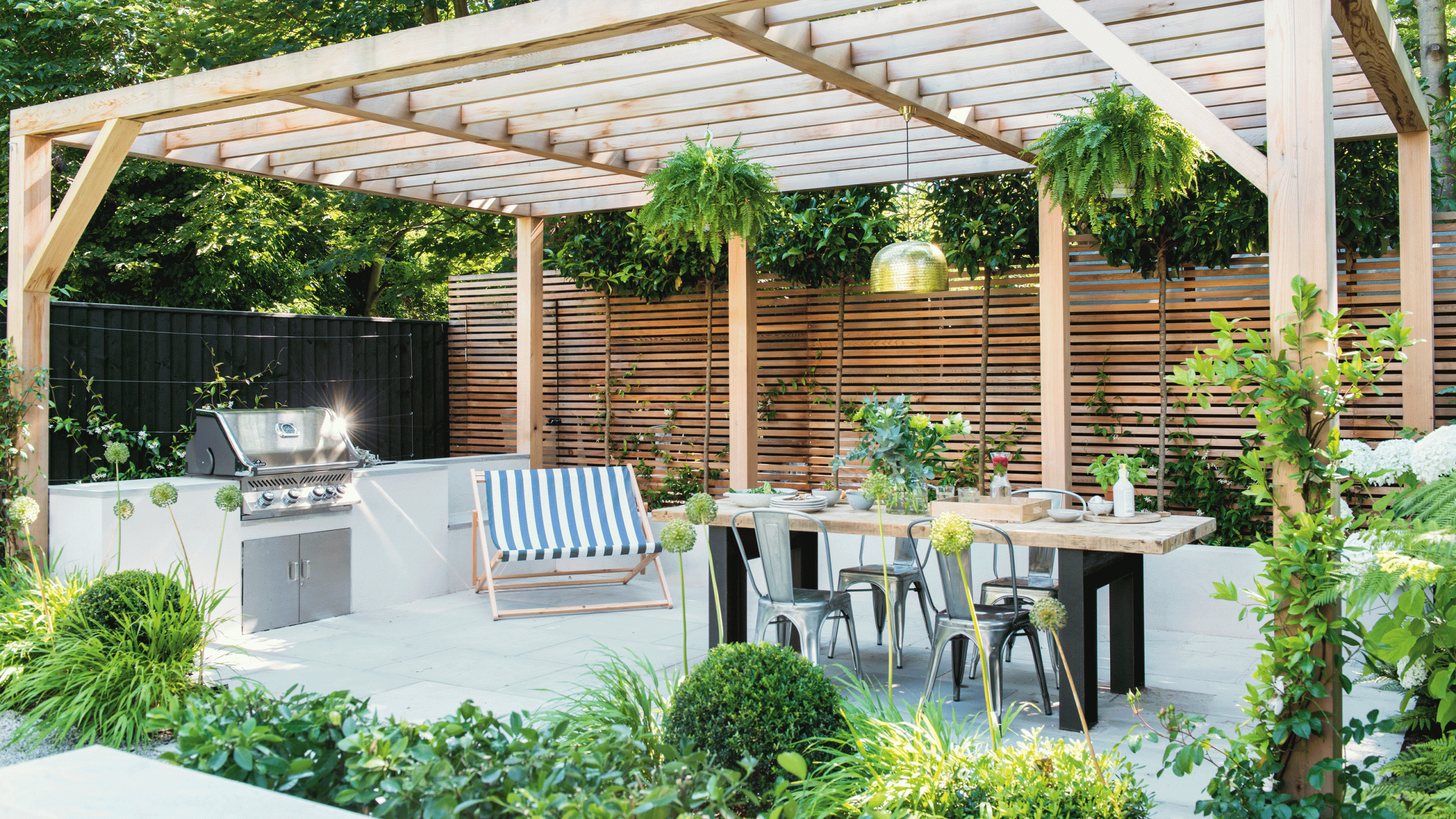
“Before you commit to a built-in outdoor kitchen and pergola, run through this checklist.”
Before you commit to a built-in outdoor kitchen and pergola, run through this checklist:
- Confirm utility lines: Do you have safe, accessible routes for gas or electricity if your grill station requires them?
- Measure for flow: Is there at least 36 inches of clearance around the dining table and grill for comfortable movement?
- Check sun patterns: Will the pergola’s slats actually provide shade during the hottest parts of the day in your specific yard?
10. A Classic Vine-Covered Pergola on a Flagstone Patio
The style math for this classic look is roughly 40% hardscape (flagstone and brick), 40% structure (pergola and hedges), and 20% wild nature (vines and plantings). The hardscape and structure provide the formal bones of the space, giving it a timeless, established feel. The final 20% is what brings it to life, softening all the straight lines with organic green shapes. You could change the patio material to bluestone or the pergola to metal, but keep that ratio for a balanced result.
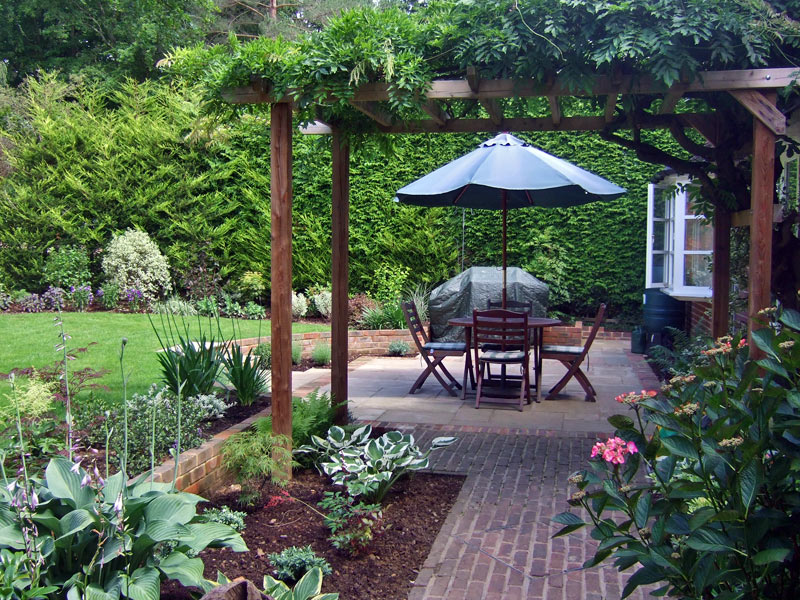
“This design works so well because of the fantastic use of framing.”
The dark wood of the pergola and the tall green hedge create a series of natural frames that draw your attention inward. It makes the space feel more intimate and secluded, like a private room within the larger garden. The dappled light filtering through the vines overhead adds a layer of texture and movement, preventing the space from feeling too static or formal. This is a much more traditional take than the modern pergola in Idea #9.
11. Modern Poolside Pergola with Rattan and Wood
Notice how the designer used the same light-toned wood for the pergola, the dining table, and the lounge chairs. This is a pro move called material repetition. It creates a cohesive, calming visual flow and makes the entire space feel like a single, intentionally designed “room.” To do this yourself, decide on one dominant wood tone and stick to it for at least three major elements in your space. The rattan chairs add texture without breaking the color story.
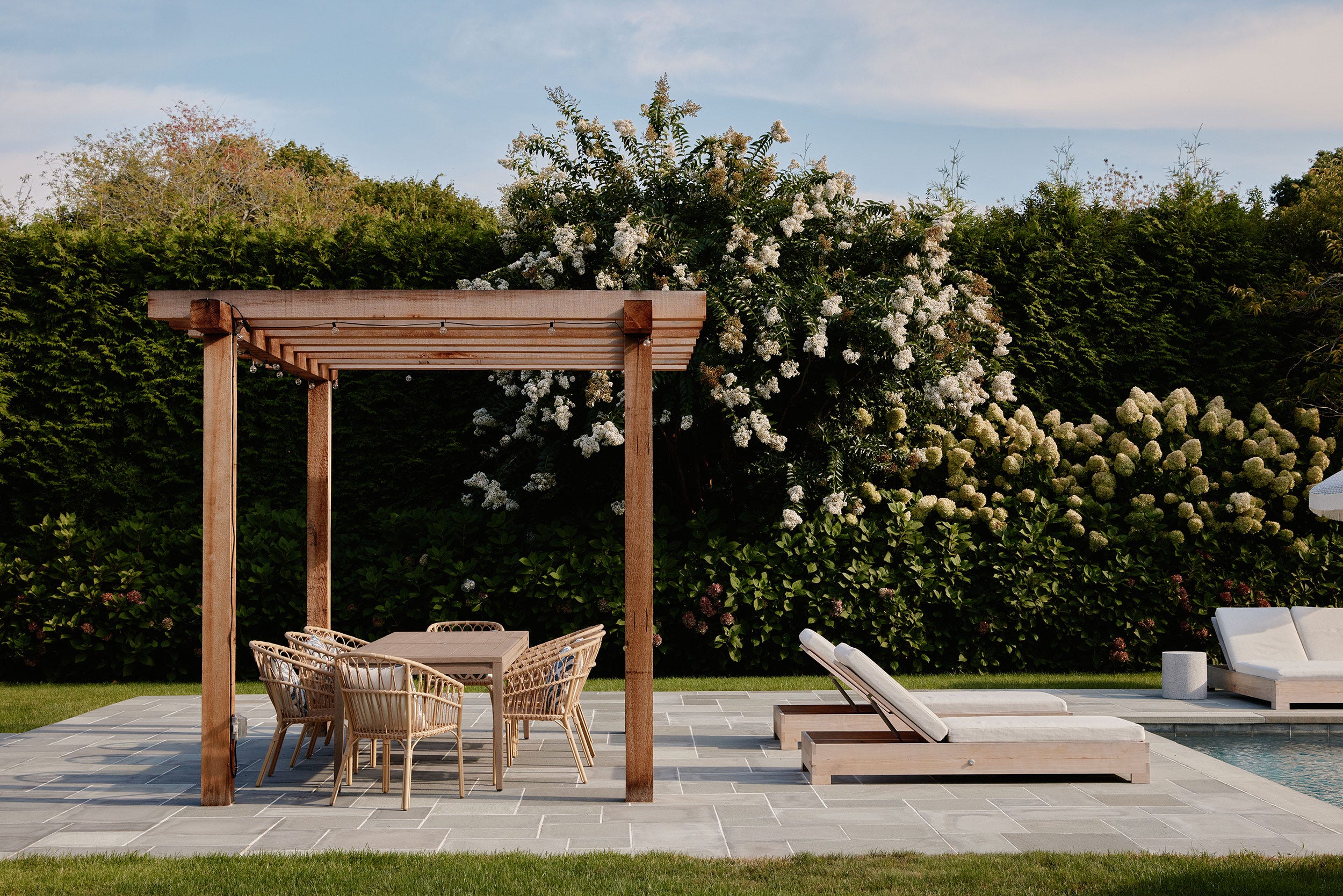
“A setup this beautiful and exposed to the elements requires some thought about maintenance.”
Natural rattan and light wood are gorgeous, but they will weather, gray, and potentially splinter if left unprotected. You’ll need to commit to applying a UV-blocking sealant every 1-2 years. And those lovely white cushions? They are magnets for dirt, pollen, and bird droppings. Invest in high-quality outdoor fabric (like Sunbrella) and be prepared to bring it inside or use furniture covers regularly.
12. Organized and Rustic Raised Garden Beds
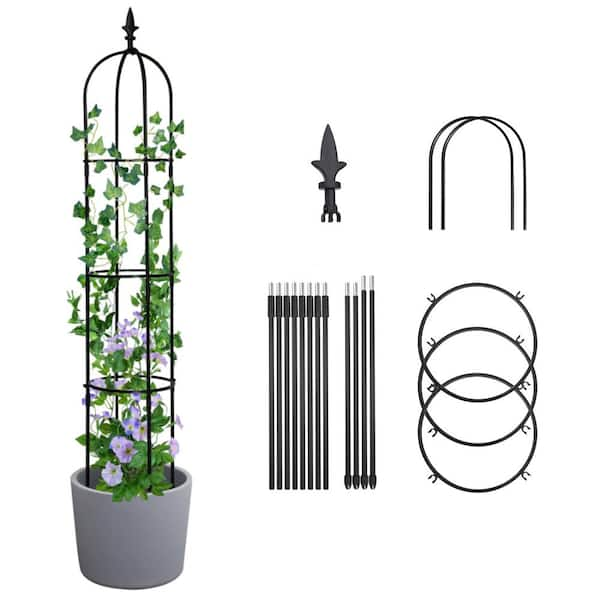
Building a simple pyramidal trellis like the ones shown is a perfect beginner woodworking project. Here’s how: (1) Get four 8-foot-long 2×2 wood strips. (2) On a flat surface, lay two strips down to form a tall, narrow triangle, overlapping them at the top. (3) Secure the top with a 3-inch exterior screw. (4) Repeat with the other two strips. (5) Stand your two triangles up and join them at the top with a partner’s help to form the pyramid, adding more screws to connect all four strips. Time: 1 hour. Cost: $20-$30 in lumber.
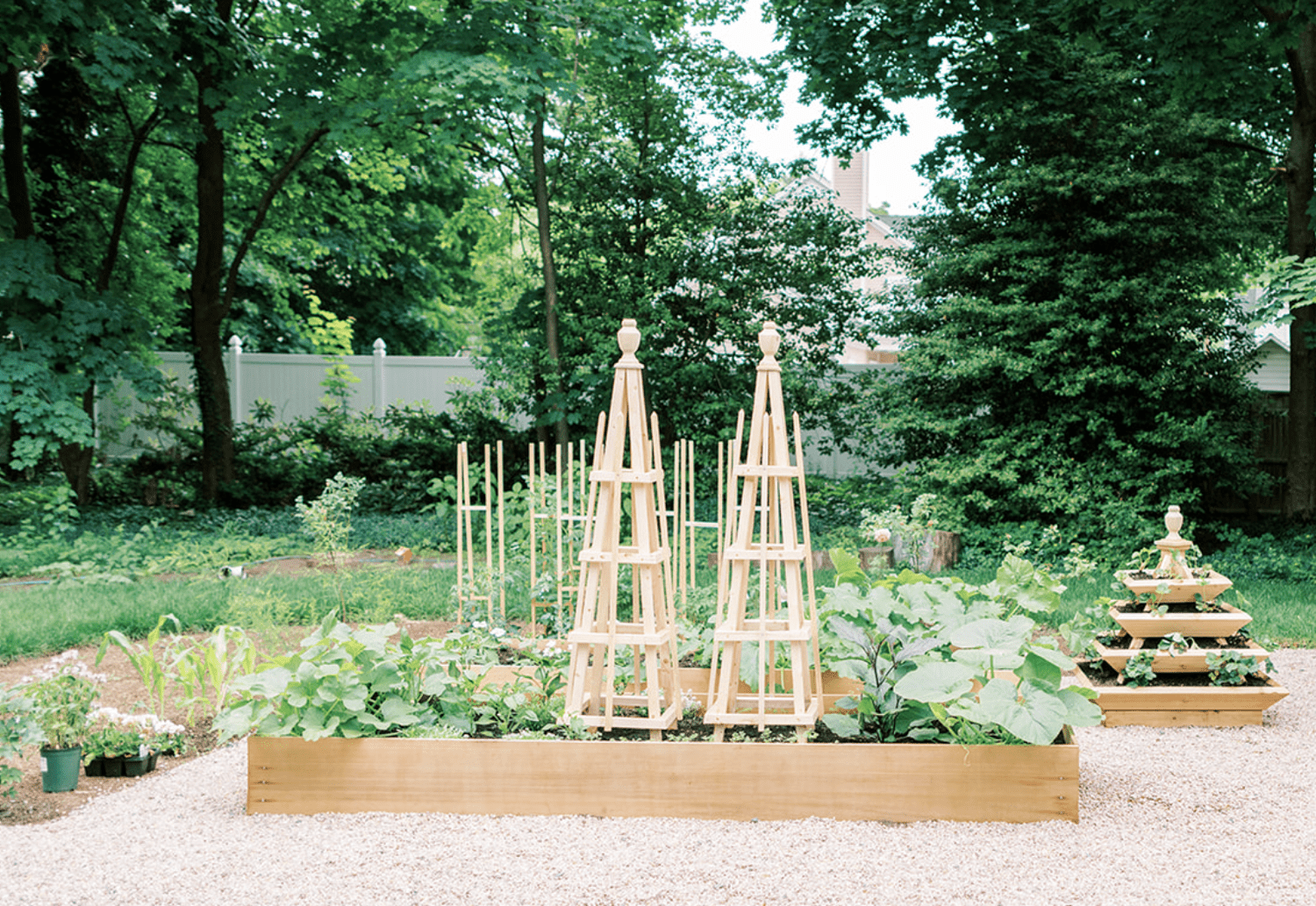
“Raised beds are fantastic, but kits can be pricey.”
For a super budget-friendly alternative, look into galvanized steel stock tanks (often found at farm supply stores for $100-$150). They offer a cool, modern-rustic vibe and are incredibly durable. Another option is to build your beds from composite deck boards instead of cedar or redwood; they won’t be as rustic, but they will last forever with zero maintenance and can often be found for less.
13. A Natural Stone Path with Diverse, Lush Plantings
The success of this path lies in its rich textural variety. You have multiple layers of texture working together: the fine, dark crushed stone of the path itself, the smooth, cool surface of the irregular flagstones, the rough, organic shapes of the large rocks, and the soft, feathery foliage of the plants. This multi-sensory experience is what makes a naturalistic garden feel so immersive and authentic. It’s a masterclass in combining different materials and forms.
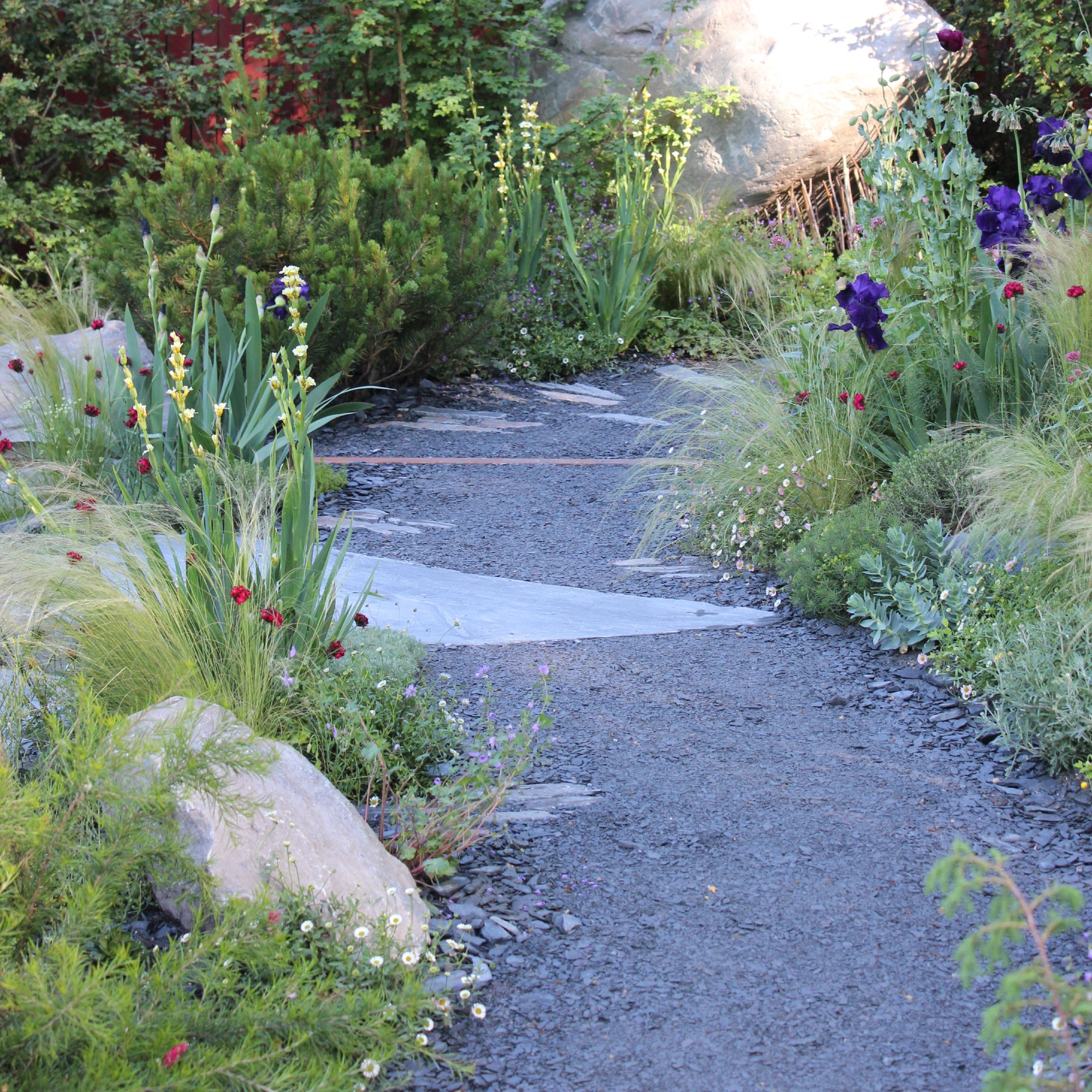
“While this style is stunning, it’s not a “plant it and forget it” situation.”
The crushed stone and flagstone combination requires regular upkeep. Small bits of gravel will get kicked into the garden beds, and soil will wash onto the path. Most importantly, tenacious weeds love to sprout in the gaps. Using a handheld weeding tool or a vinegar-based spray weekly during peak season is the best way to keep it looking clean and intentional, rather than just neglected.
14. A Curved Gravel Path with Soft, Billowing Flowers
A genius detail here is the rusted metal garden edging. It serves two purposes. Functionally, it keeps the gravel path from migrating into the soil of the flower beds. Aesthetically, its warm, rusty orange color is the perfect complement to the cool purples and greens of the plants. It’s a subtle touch of texture and color that adds a layer of polish and intention, and it’s a trick you can easily replicate with affordable steel edging (which will rust naturally over a season).
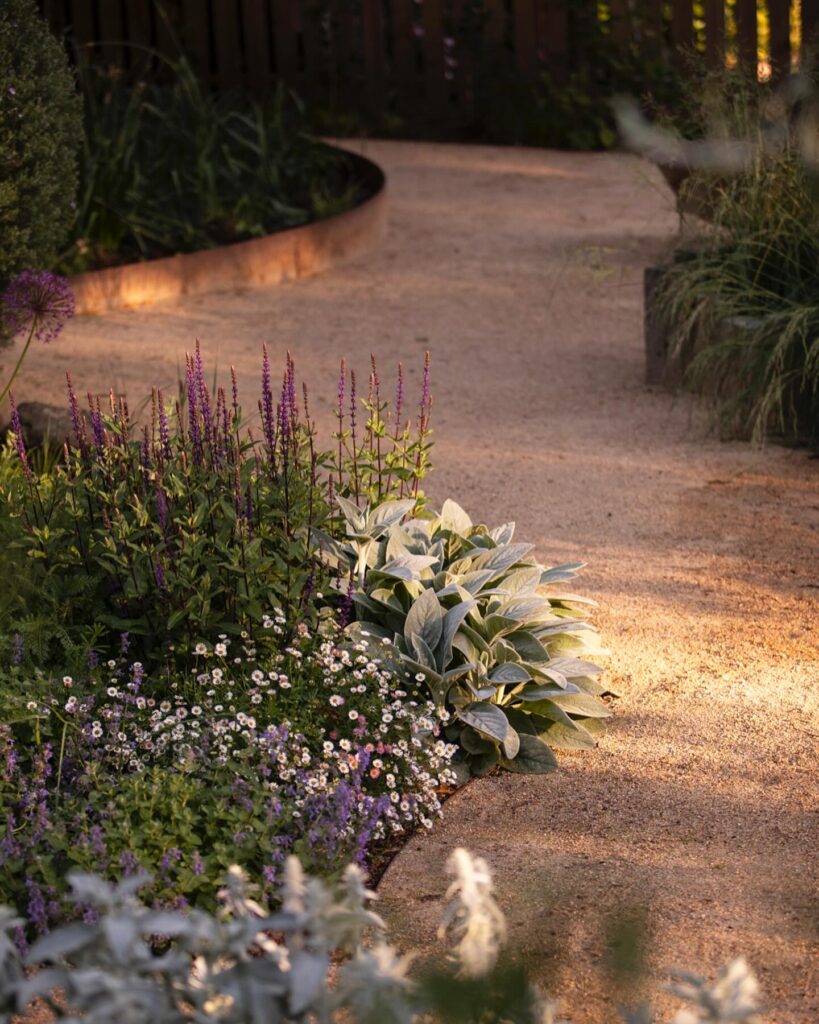
“What truly defines this garden’s character is the soft color palette.”
Dominated by shades of lavender, purple, white, and silvery-green, the entire scene feels calming and serene. Even with the wild, untamed shapes of the plants, the disciplined color story keeps it from feeling messy. It’s a reminder that a limited palette can often have a much stronger impact than a riot of every color in the rainbow.
15. A Rustic Stone Cottage with Native Grasses
This look follows a beautifully simple formula: 80% Natural Materials + 20% Man-Made Structure. The overwhelming majority of the visual is stone, gravel, wood, and native grasses—all things that feel like they belong. The small cottage and the hint of a water tank are the only clear signs of human intervention. To get this vibe, focus on materials that are local to your area and let the landscape, not the architecture, be the star of the show.
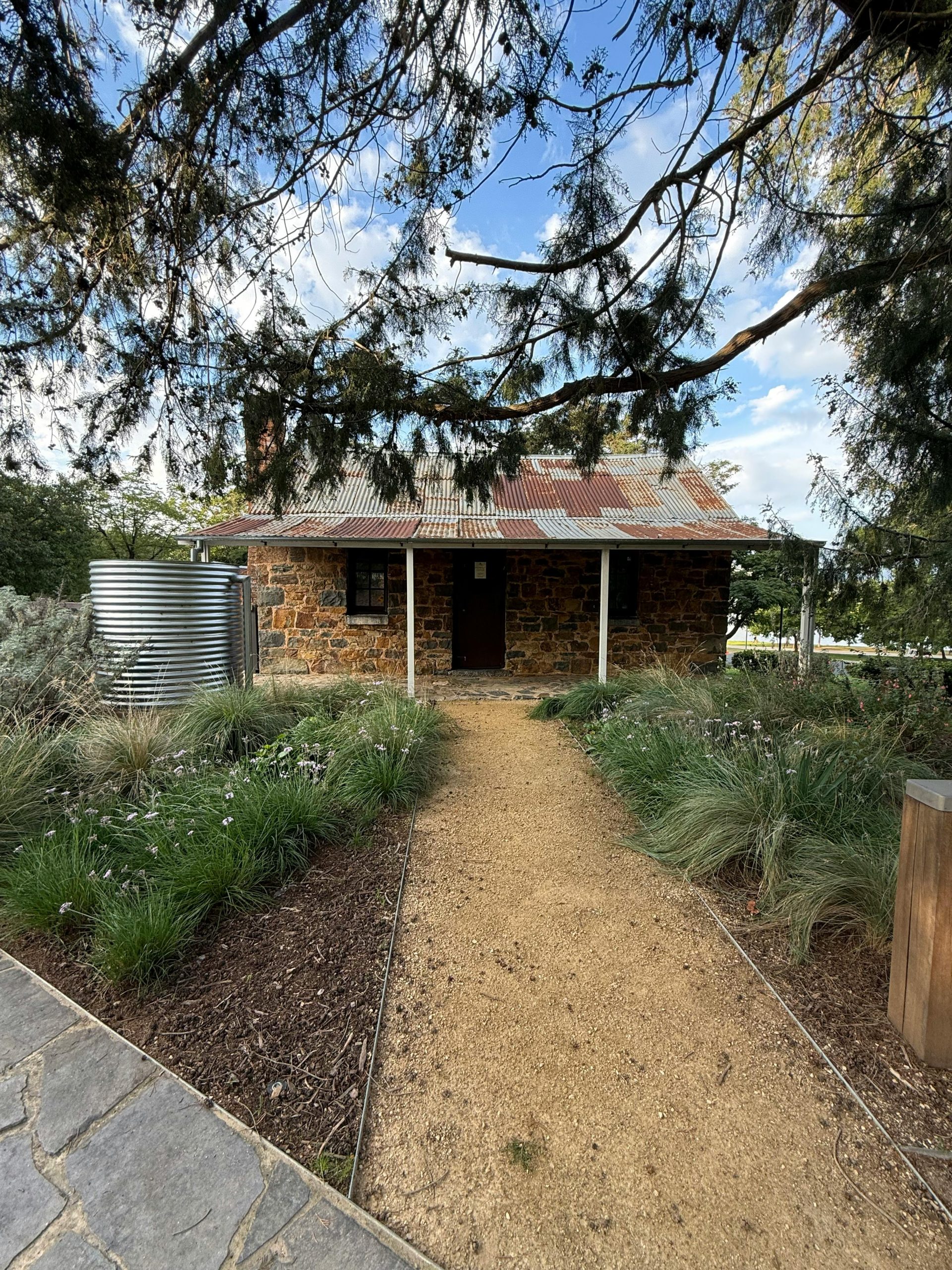
“While using native grasses is fantastic for drought tolerance and low maintenance, achieving this “artfully unkempt” look takes work.”
In the first year or two, you’ll be fighting a constant battle with non-native weeds that try to invade the space. You have to be diligent about pulling them before they go to seed. Also, many ornamental grasses need to be cut back hard once a year (usually in late winter or early spring) to regenerate beautifully, which can be a significant afternoon of labor.
16. A Lush Bamboo Fence with a Flagstone and Pebble Path
What makes this entrance so inviting is the brilliant mix of textures. The smooth, linear pattern of the bamboo fence contrasts beautifully with the rough, organic shapes of the flagstones. The tiny, dark pebbles in between the stones add another layer of fine texture. Finally, the soft, leafy foliage overhead completes the picture. This constant interplay between smooth and rough, linear and organic, is what gives the scene its rich, tactile quality.
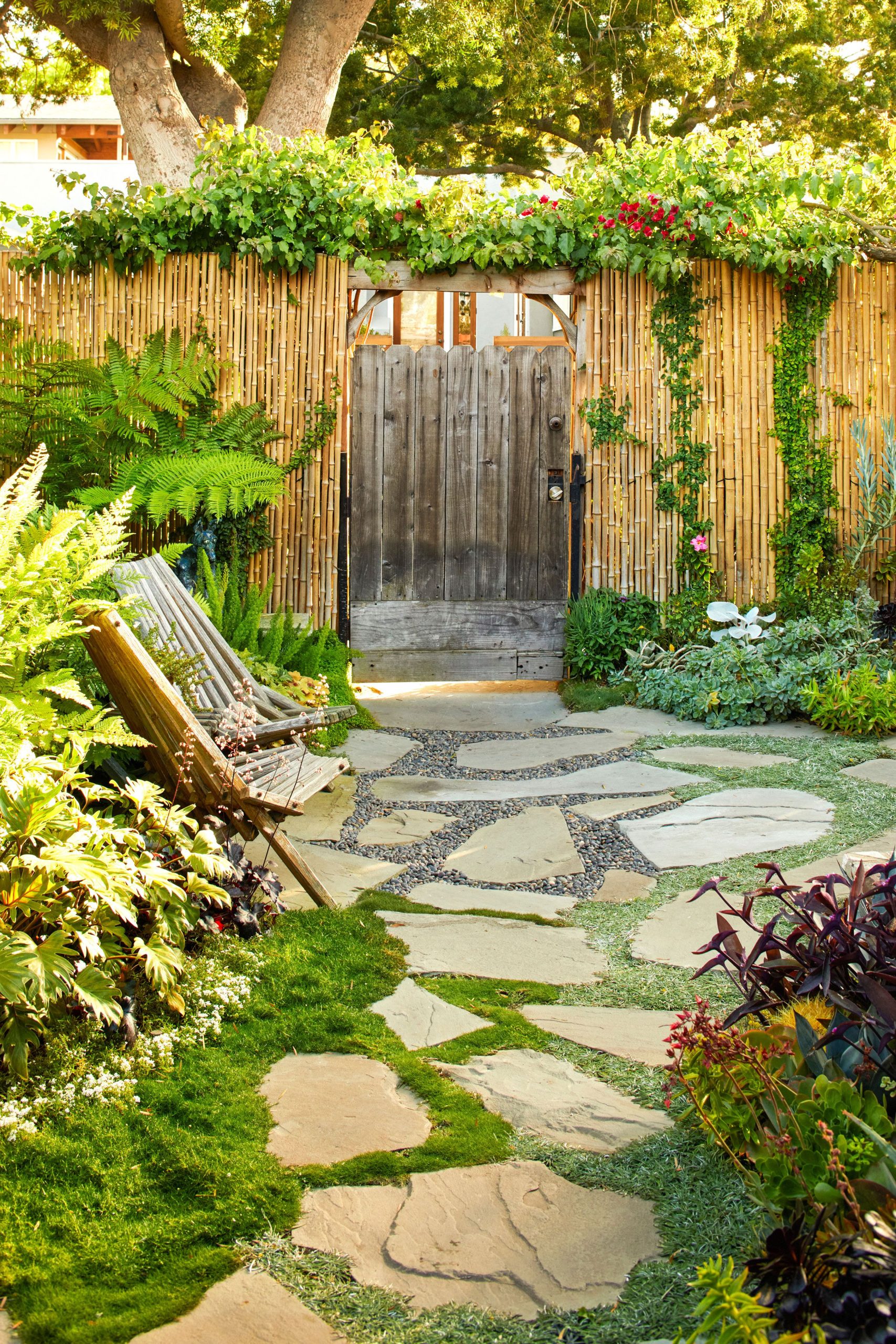
“A full bamboo fence can be a bit of an investment.”
For a look that’s easier on the wallet, you can buy rolled bamboo fencing for a fraction of the price ($50-80 for an 8-foot panel) and attach it directly to an existing, less-than-beautiful chain-link or wooden fence. This gives you the same tropical, secluded vibe instantly. You get all the textural benefits by covering up an eyesore you already have.
17. Al Fresco Dining Under a Green Canopy
The single most magical element here is the canopy of green leaves overhead. It’s what transforms a simple dining spot into an idyllic escape. It provides shade and creates a sense of enclosure, and the dappled light filtering through the leaves creates a beautiful, ever-changing atmosphere. Without this living ceiling, the white trellis and table would feel exposed and much less romantic. The greenery is everything.
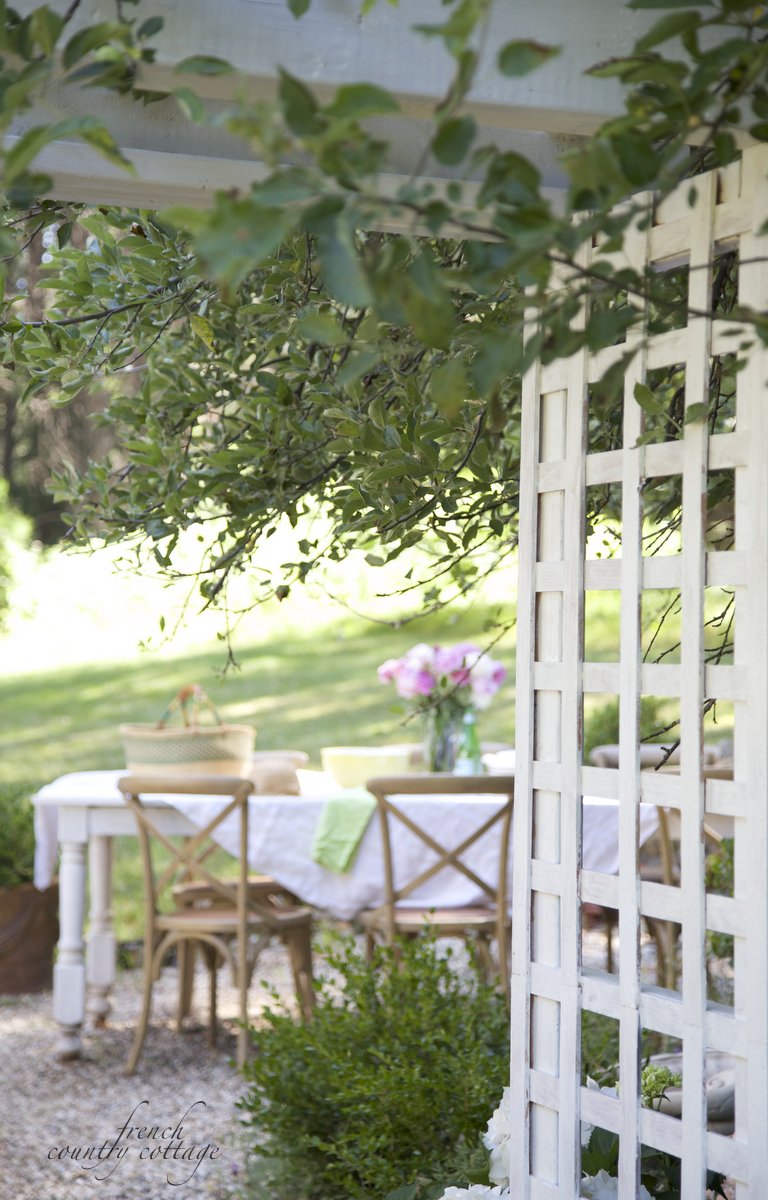
“When creating a dining area on a pebbled or gravel surface, choose your chairs wisely.”
The light, cross-back wooden chairs seen here are a great choice because their legs are sturdy enough not to sink too much. Avoid chairs with very thin, spindly legs, as they will dig into the gravel, making them unstable and difficult to move. Wider legs or feet are always a better bet for this kind of rustic, uneven flooring.
18. Vibrant Red Poppies Against a Yellow House Façade
This is a masterclass in using complementary colors. The vibrant, fiery red-orange of the poppies and other blossoms is positioned directly against the warm yellow of the house siding. On the color wheel, red and yellow are neighbors, creating a feeling of harmony and intense warmth. The dark frames of the window and door act like eyeliner, providing a point of contrast that makes the bright colors pop even more. It’s a bold, confident color combination that just radiates joy.
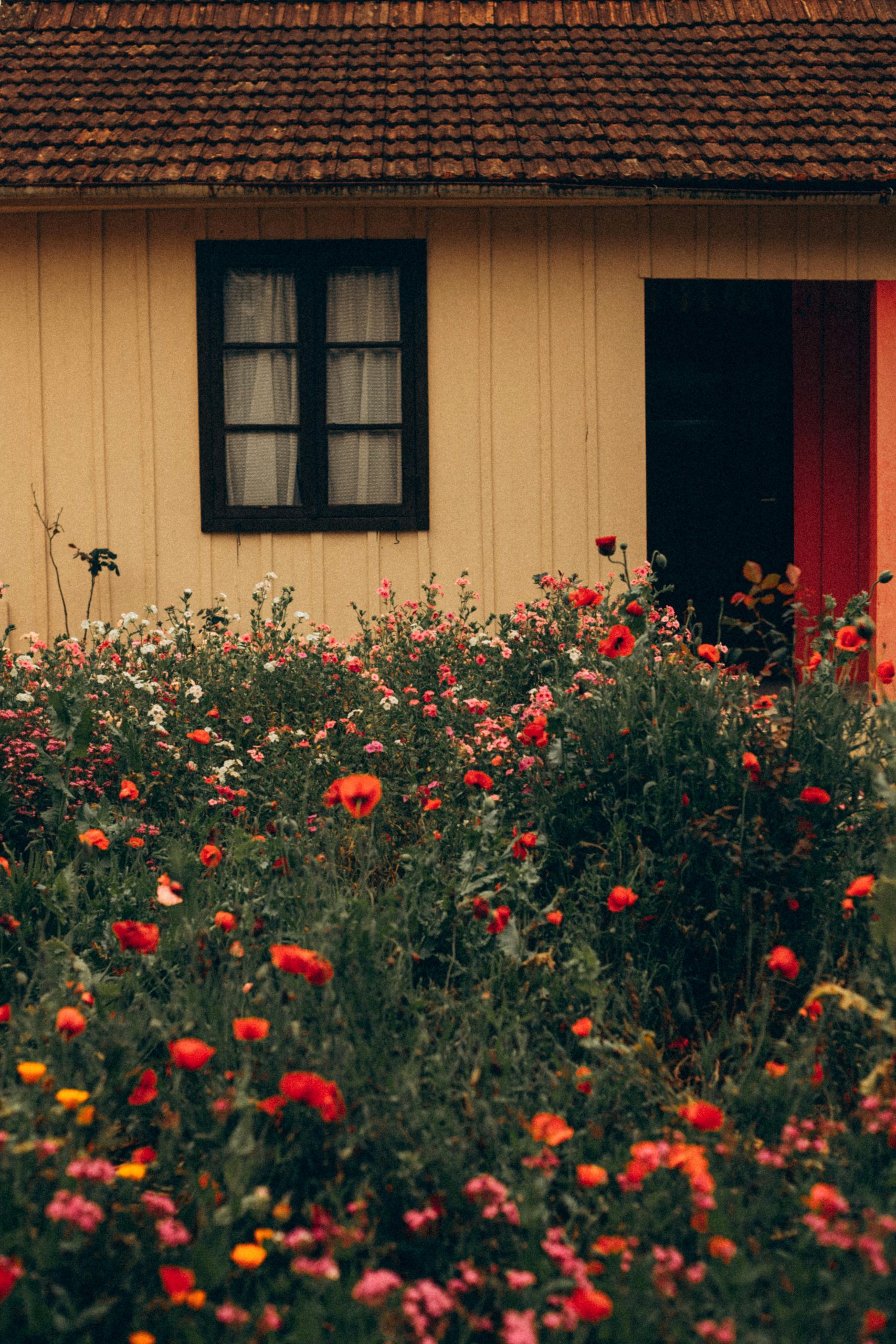
“Poppies are stunning, but they are notoriously fleeting.”
They have a very specific, and often short, bloom time in late spring or early summer. After they flower, the foliage can start to look a bit scraggly. A smart cottage gardener plants them amongst other perennials with staggered bloom times—like peonies for spring and coneflowers for later in the summer—to ensure the garden bed looks full and interesting all season long, not just for two glorious weeks in June.
19. A Winding Stone Path to a Charming Garden Shed
What gives this scene its fairytale quality is the winding path. A straight path to the shed would have felt purely functional and boring. By making the stone path meander, the designer creates a sense of mystery and discovery. It slows down the journey and makes the small shed feel like a special destination hidden away in the woods. It’s a simple trick that adds a huge amount of narrative and charm to the space.
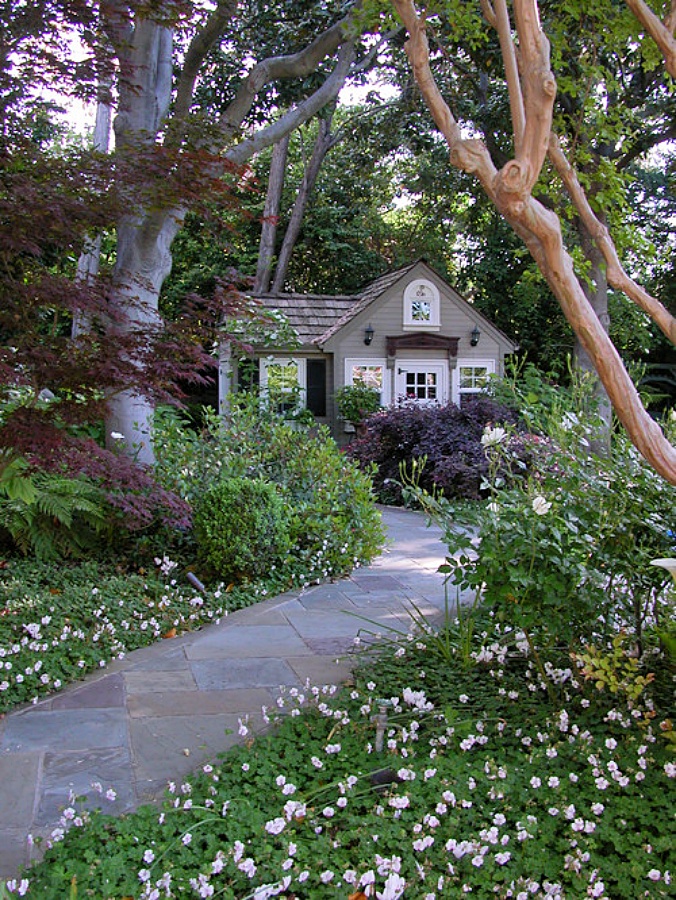
“This idea is perfect for smaller, more awkward garden spaces.”
You don’t need a huge expanse of lawn. A winding path and a destination shed can be tucked into a corner of a yard, perhaps in an area that’s too shady for a vegetable garden. The key is to have at least 15-20 feet of length to give the path a couple of gentle curves. The shed itself can be tiny; even a 6×8 foot model is enough to create that enchanting focal point.
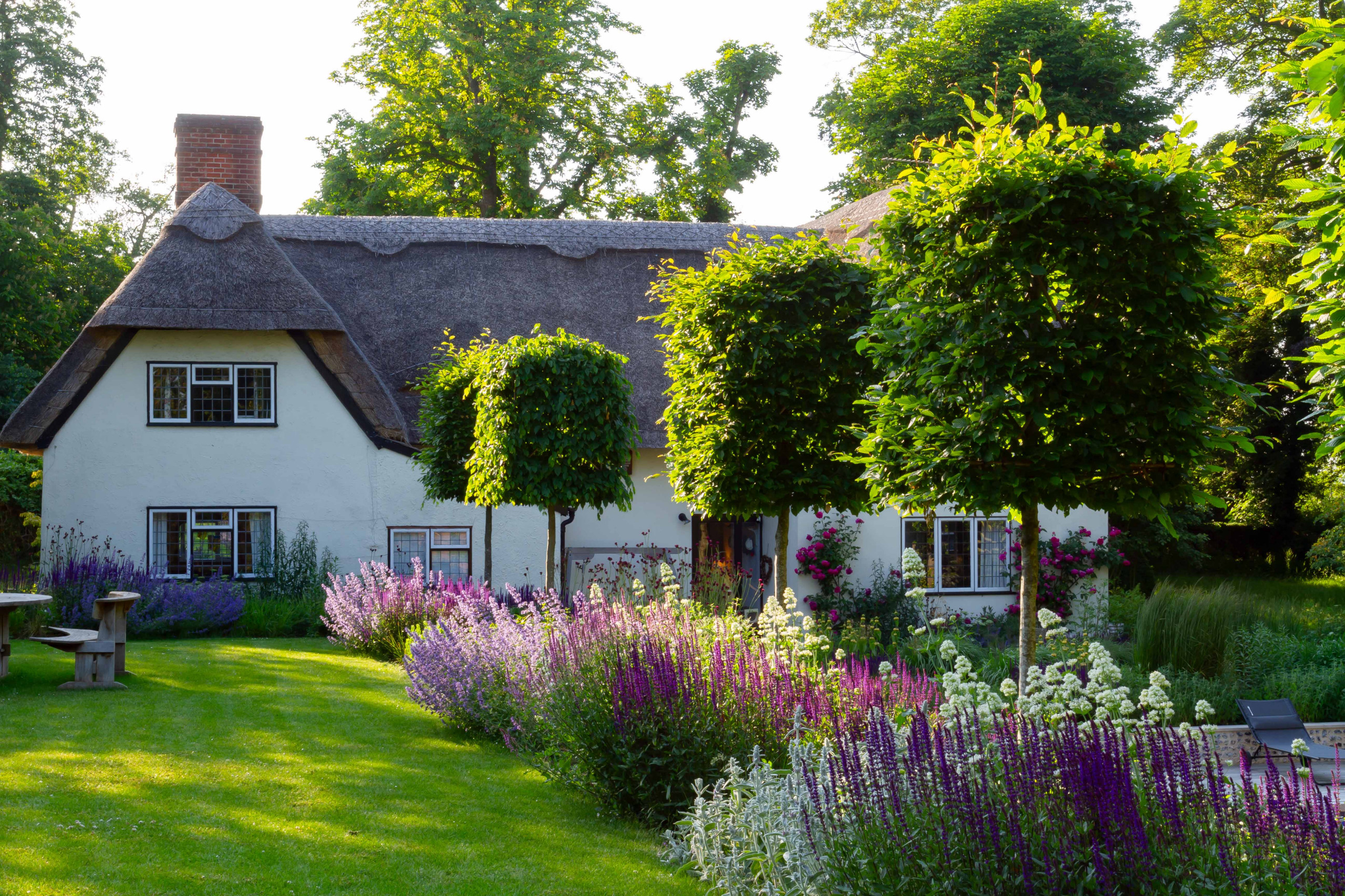
20. Thatched Cottage with Purple and White Flower Beds
This picturesque look relies on a strict but beautiful formula: 60% Green + 30% White + 10% Purple Accent. The dominant color is the rich green of the manicured lawn and the foliage of the trees and shrubs. The crisp white of the cottage walls and the abundant flowers provide a bright, clean canvas. The final pop of purple is used sparingly but effectively to draw the eye and add a touch of royal elegance. The discipline in this color ratio is what creates the serene, polished feel.
“A genuine thatched roof is the heart of this look, but it’s a serious commitment.”
They are incredibly beautiful and insulating, but they are also expensive to install and require specialized craftsmen. Depending on the material and climate, a thatched roof may need significant repairs or complete replacement every 15-30 years. It’s also a haven for birds and insects. This is a choice you make for pure, unadulterated historic charm, not for low-maintenance living.
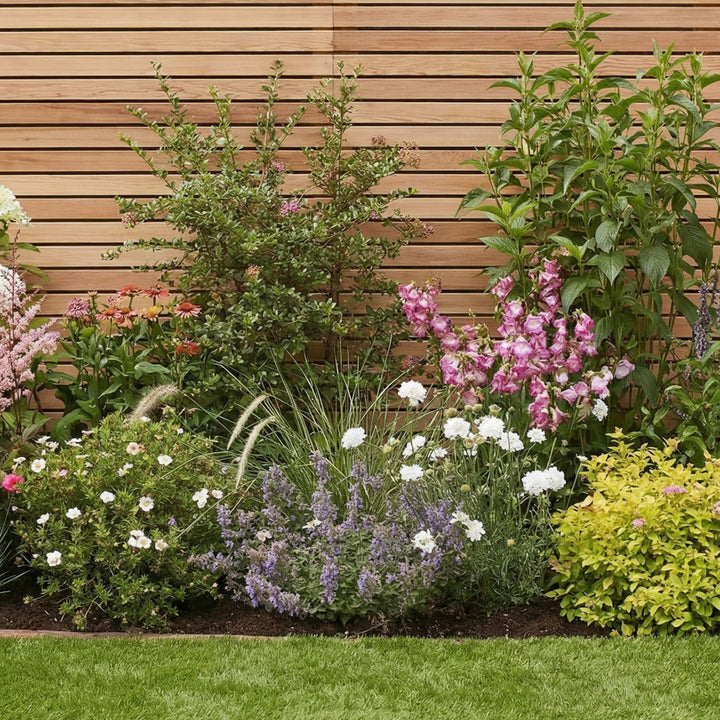
21. A Modern Fence with Layered, Colorful Plantings
This garden bed works so well because of the clever use of repetition and variation. Notice the repeating vertical forms of the pink and purple spiky flowers—they create a rhythm that guides your eye across the bed. This structure is then broken up by the soft, rounded forms of the white flowers and the free-form shapes of the green shrubs. This balance between repeating elements and varied forms is the secret to a planting that feels both cohesive and naturally dynamic.
“When planting in front of a beautiful fence, think like a painter.”
Your fence is the canvas. Use a mix of plant heights to create a dynamic composition. Place your tallest, most architectural plants (like the snapdragons here) in the back to create a strong silhouette against the wood. Then, layer in your mid-height plants, and finally, add your lowest-growing plants at the very front to soften the edge. This creates depth and makes the garden feel much more lush and full.
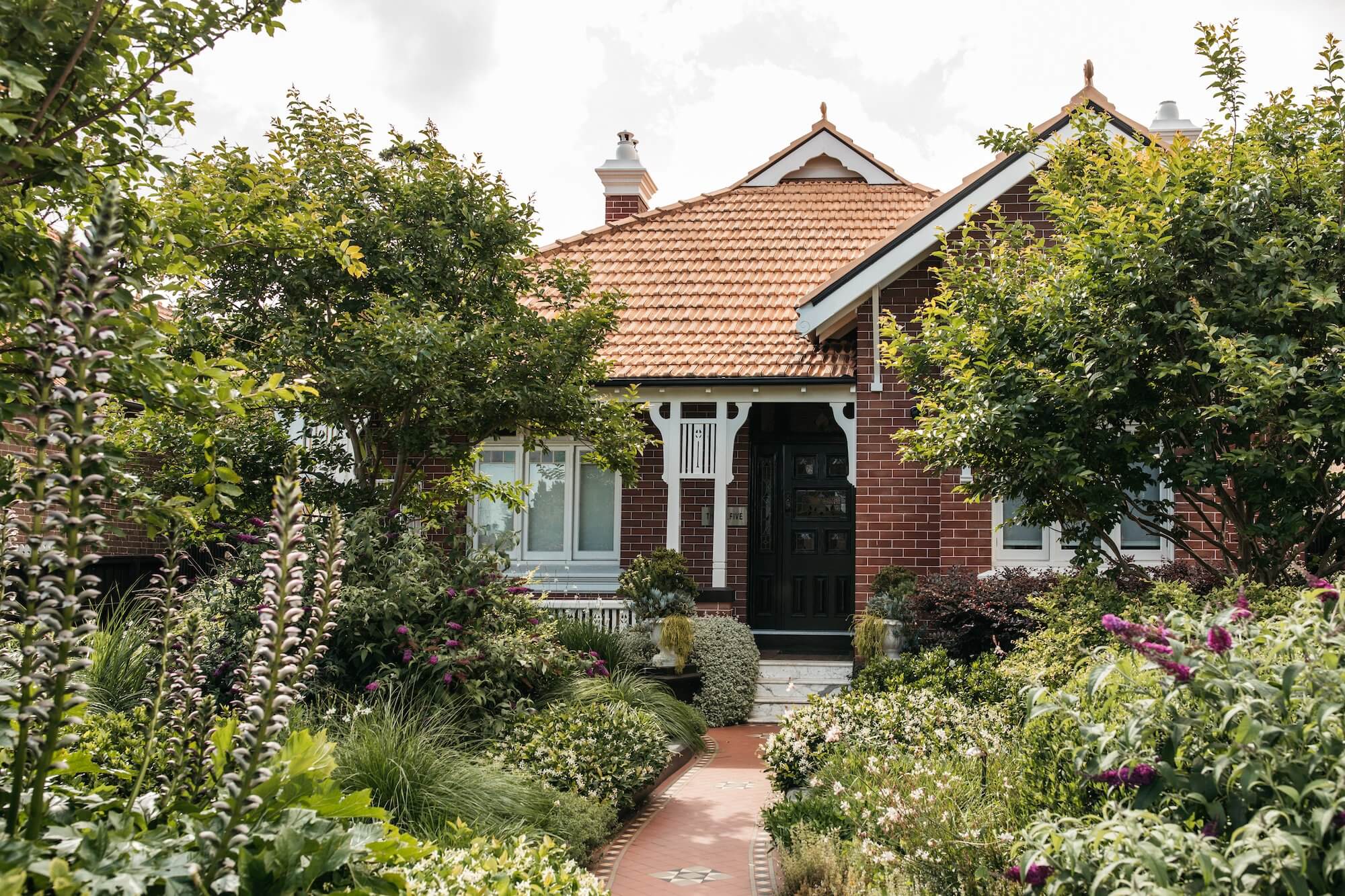
22. Red Brick House with an Overflowing Cottage Garden
The single element that makes this design a success is the sheer, unapologetic abundance of the plantings. The homeowners have allowed the greenery to spill over the path, climb the walls, and completely envelop the entrance. It’s this barely contained chaos that gives the home its deeply romantic and established feel. If the plants were neatly trimmed back, the entire cottage spirit would be lost. You have to be willing to embrace the jungle, just a little bit.
“A garden this dense and lush right up against the house requires some vigilance.”
You need to ensure plants aren’t blocking airflow to vents or growing into your gutters. Constant moisture from foliage against the brick can encourage moss or mildew, and it can also provide a convenient highway for insects to find their way into your home. A little bit of strategic pruning once or twice a year to create a small air gap against the foundation is a practical necessity.
23. A Rustic Woven Fence with Vibrant Garden Blooms
Woven fences, also known as wattle fences, are seeing a huge resurgence. This trend is part of a larger movement towards natural, sustainable, and handcrafted elements in garden design. People are tired of mass-produced plastic and metal and are craving materials that have texture, age gracefully, and feel connected to historical craftsmanship. A wattle fence is the perfect antidote to a boring, modern boundary, adding instant history and charm.
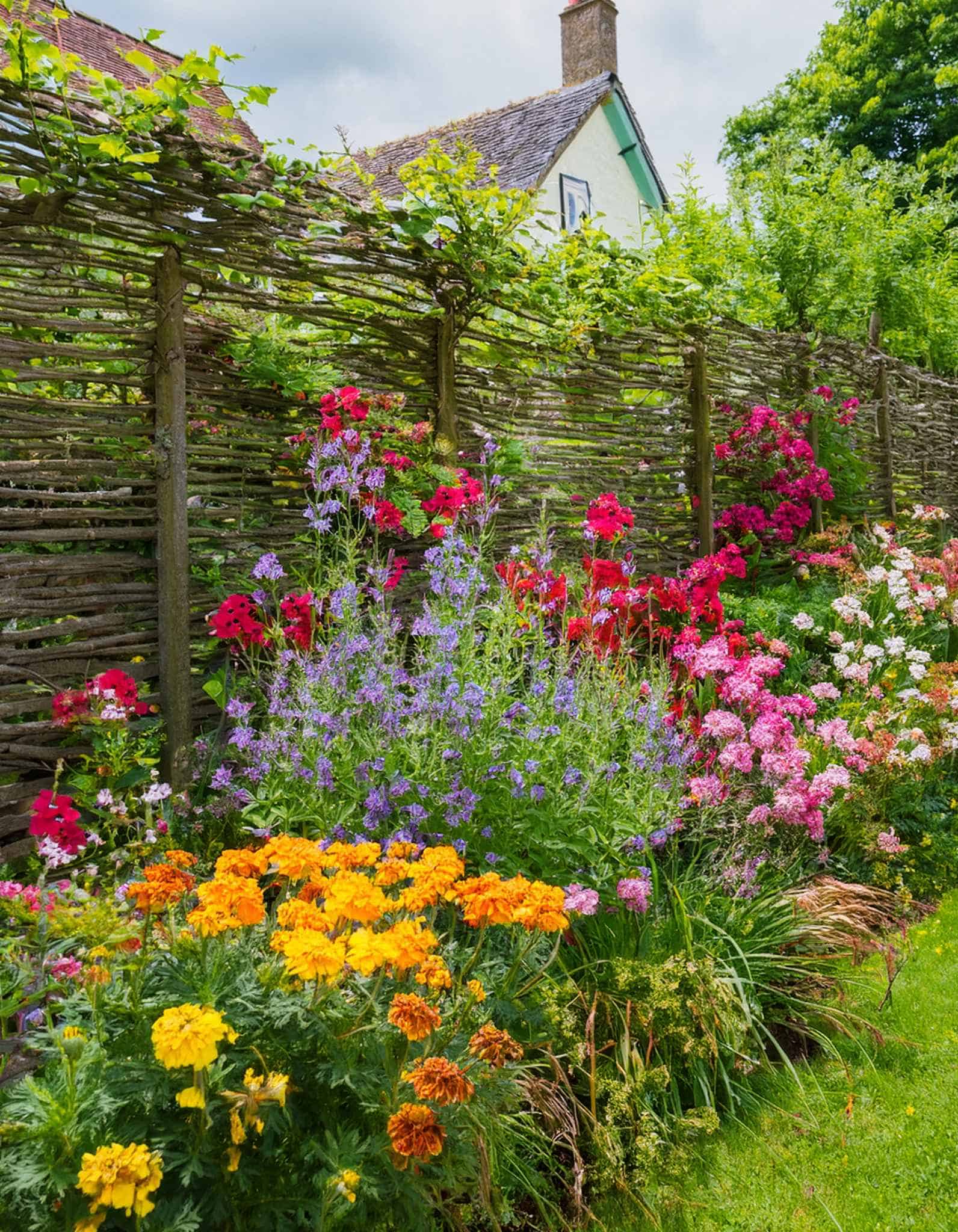
“is the delightful contrast in texture and form.”
The rough, rustic weave of the dark brown fence provides the perfect backdrop for the delicate, colorful petals of the flowers. It’s a classic pairing of rugged and refined. The solid, man-made structure of the fence also helps to contain and highlight the wild, organic chaos of the flower beds, making them look intentional rather than just messy.
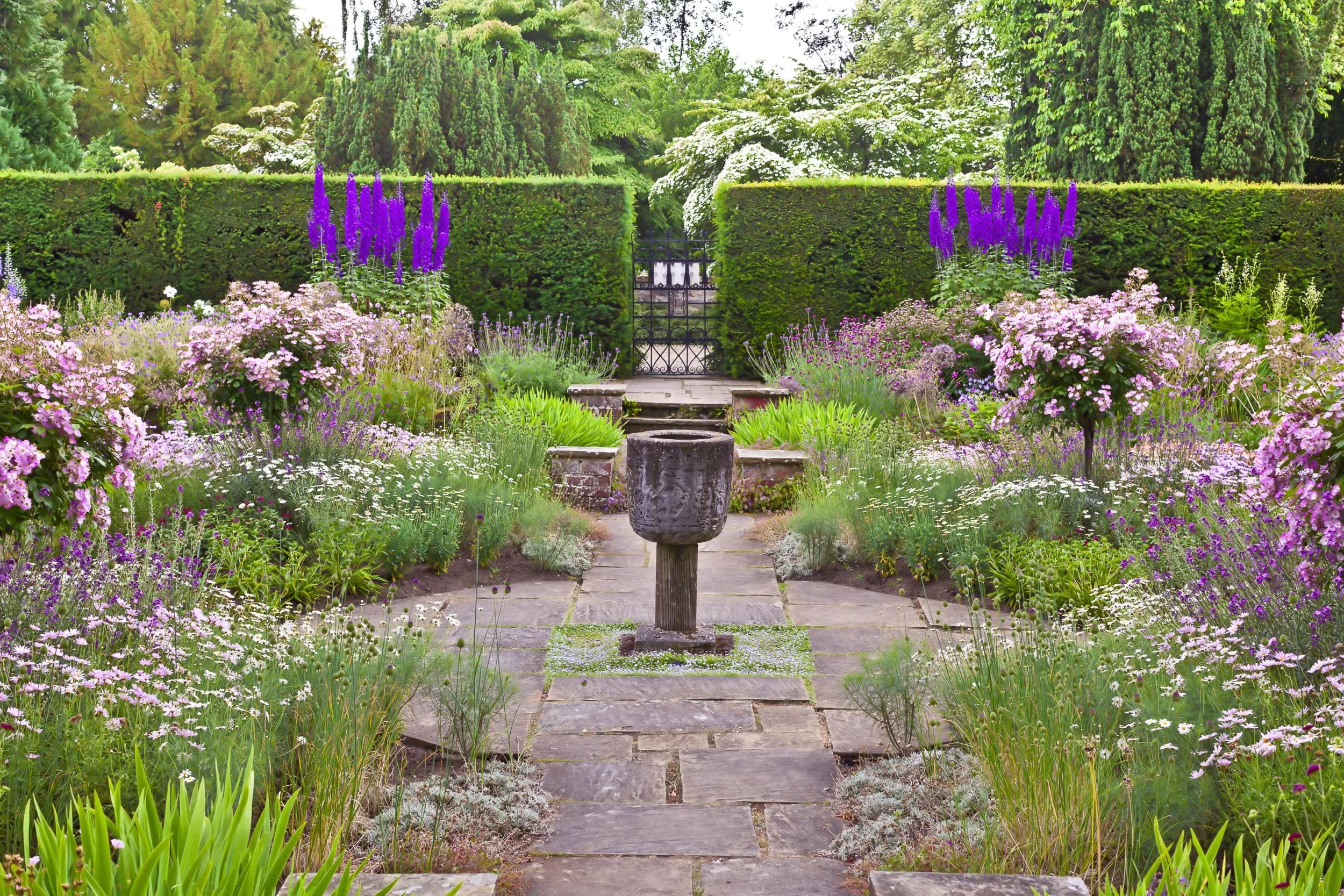
24. Symmetrical Garden Path with a Central Bird Bath
this entire design hinges on symmetry. The stone path creates a perfect central axis, and the plantings on the left are a near mirror-image of the plantings on the right. This formal, balanced structure is what gives the garden its sense of calm, order, and grandeur. The bird bath is placed precisely on the centerline to act as a powerful focal point, reinforcing the symmetrical layout. This is a very different vibe from the more natural, asymmetrical path in Idea #13.
“While a perfectly symmetrical garden is beautiful, it requires a disciplined hand.”
This is not a low-maintenance style. Any plant that underperforms, dies, or gets overgrown on one side will immediately throw the entire design off-balance and look like a glaring mistake. You have to be committed to regular pruning, shaping, and replacing plants as needed to maintain that perfect, mirrored effect. It’s a high-reward, high-effort style of gardening.
25. A Weathered Cottage with a Lush, Overgrown Garden
The formula for this fanciful look is all about texture and age: 50% Weathered Man-Made Elements + 50% Wild Plantings. The distressed white walls, rusted red roof, and aged stone path tell a story of time and use. This is perfectly balanced by the riot of lush, seemingly untamed greenery and flowers that seem to be reclaiming the space. To get this look, you have to embrace imperfection—chipped paint, rust, and moss are features, not flaws.
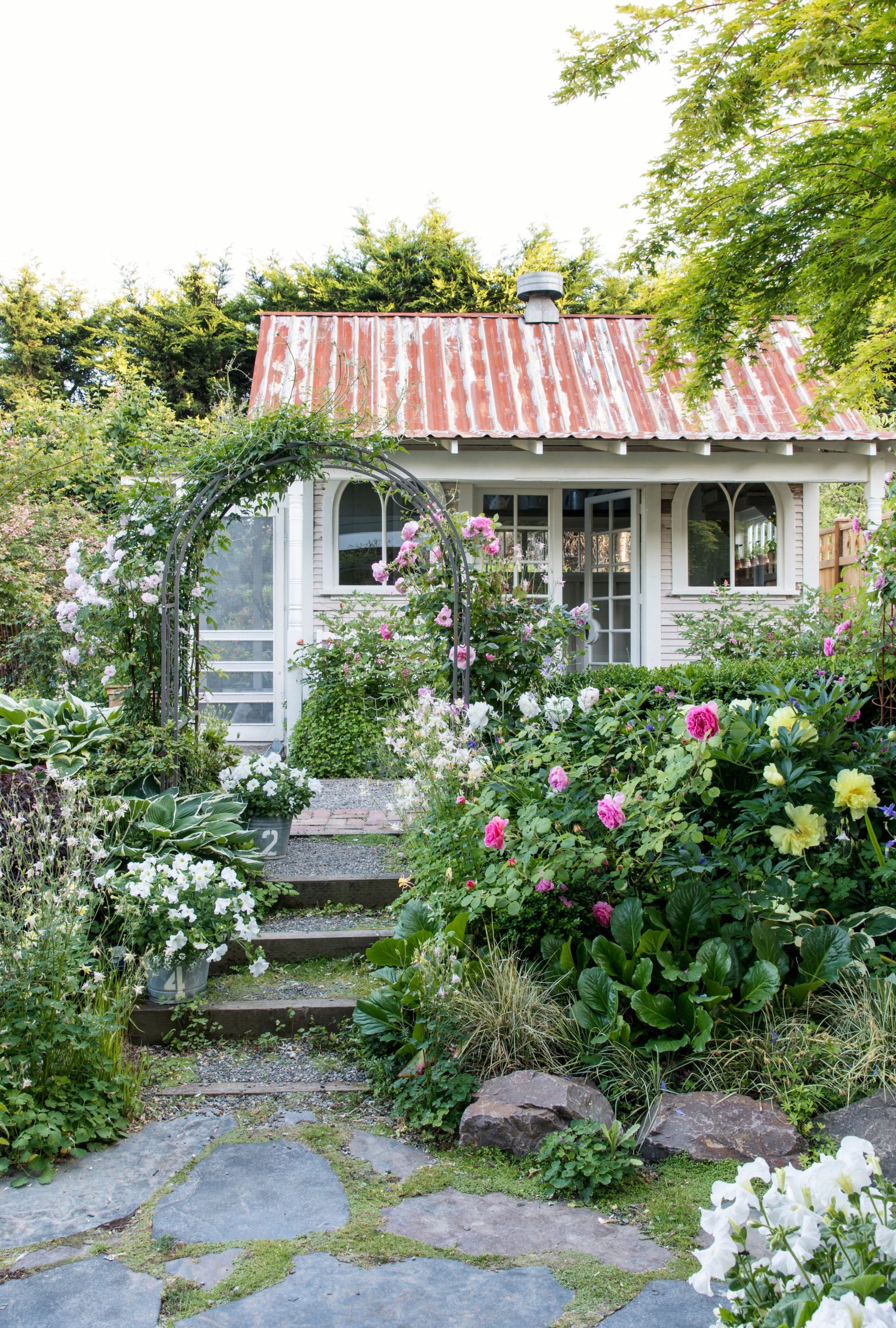
“It is the feeling of enchantment, as if you’ve stumbled upon a secret place.”
The metal archway covered in climbing roses acts as a perfect fairytale entrance, framing the view of the little cottage. The use of simple, rustic planters like galvanized buckets adds to the unpretentious, found-object charm. It feels authentic and lived-in, not sterile or over-designed.
26. A Rustic Stone and Wood Garden Gate with Pergola
What truly sets this entrance apart is the mix of high-quality, natural materials. The combination of hefty, dry-stacked stone columns, the rich dark wood of the gate, and the overhead wooden pergola creates a symphony of rustic textures. This isn’t a flimsy gate from a big-box store; it’s a piece of architecture. The choice to use real stone and solid wood gives the entrance a sense of permanence, history, and craftsmanship that makes it feel special.
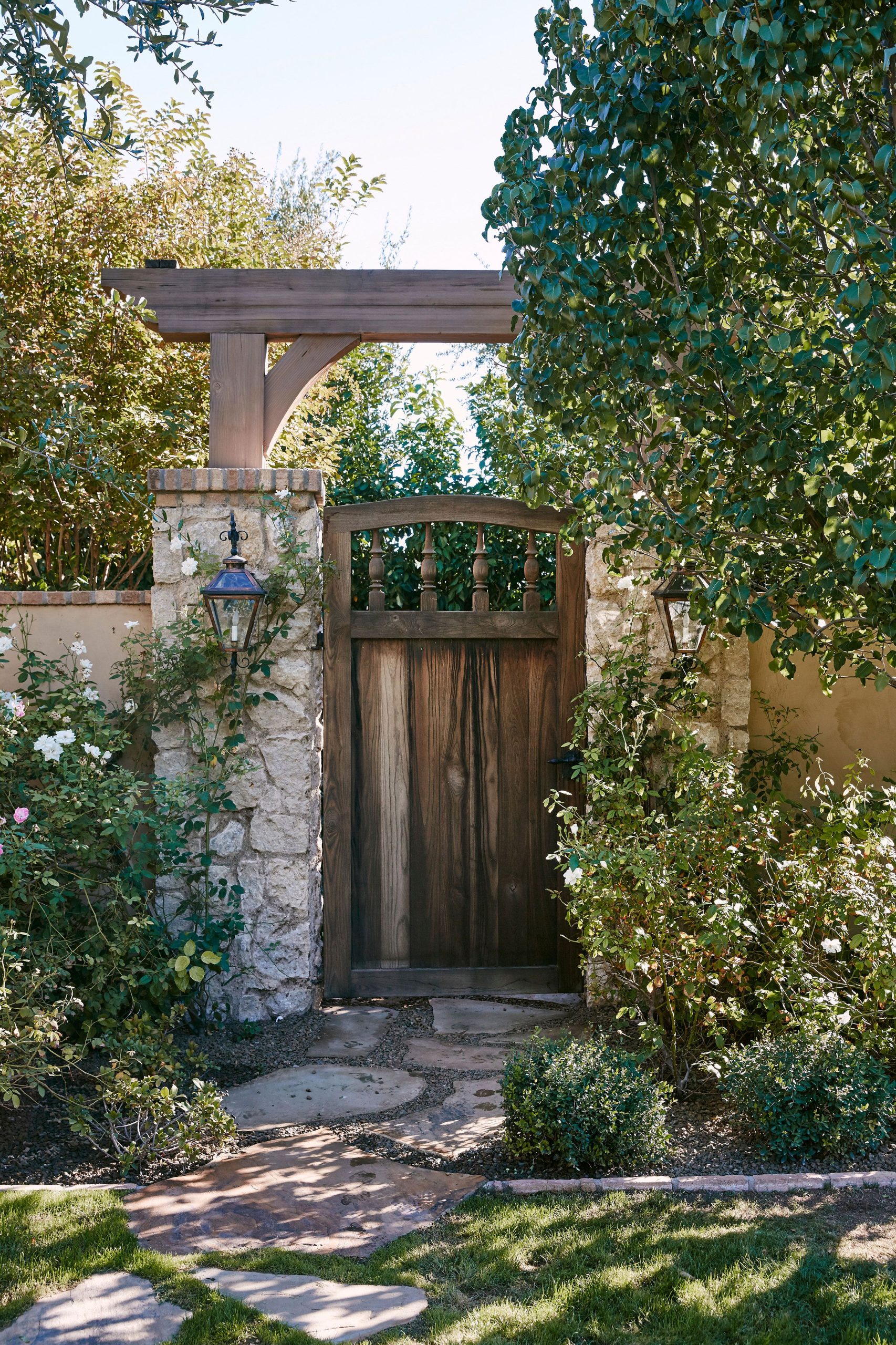
“When designing a garden gate, don’t forget about lighting.”
The single bronze lantern here is a critical detail. It not only provides practical light for finding the latch in the dark, but it also adds a warm, welcoming glow in the evenings. It transforms the gate from a simple barrier into a true feature of the house, day and night. Always plan for at least one sconce or overhead light at a main garden entrance.
27. A Sunny Nook with White Furniture and Roses
This scene is a masterclass in creating a happy, inviting mood through color. The crisp white of the furniture acts as a bright, clean anchor. This is set against the cheerful, golden yellow of the house siding. The final touch is the classic romance of red roses and purple lavender. The whole palette feels like a perfect summer afternoon. There are no moody, dark colors here; everything is bright, light, and designed to make you smile.
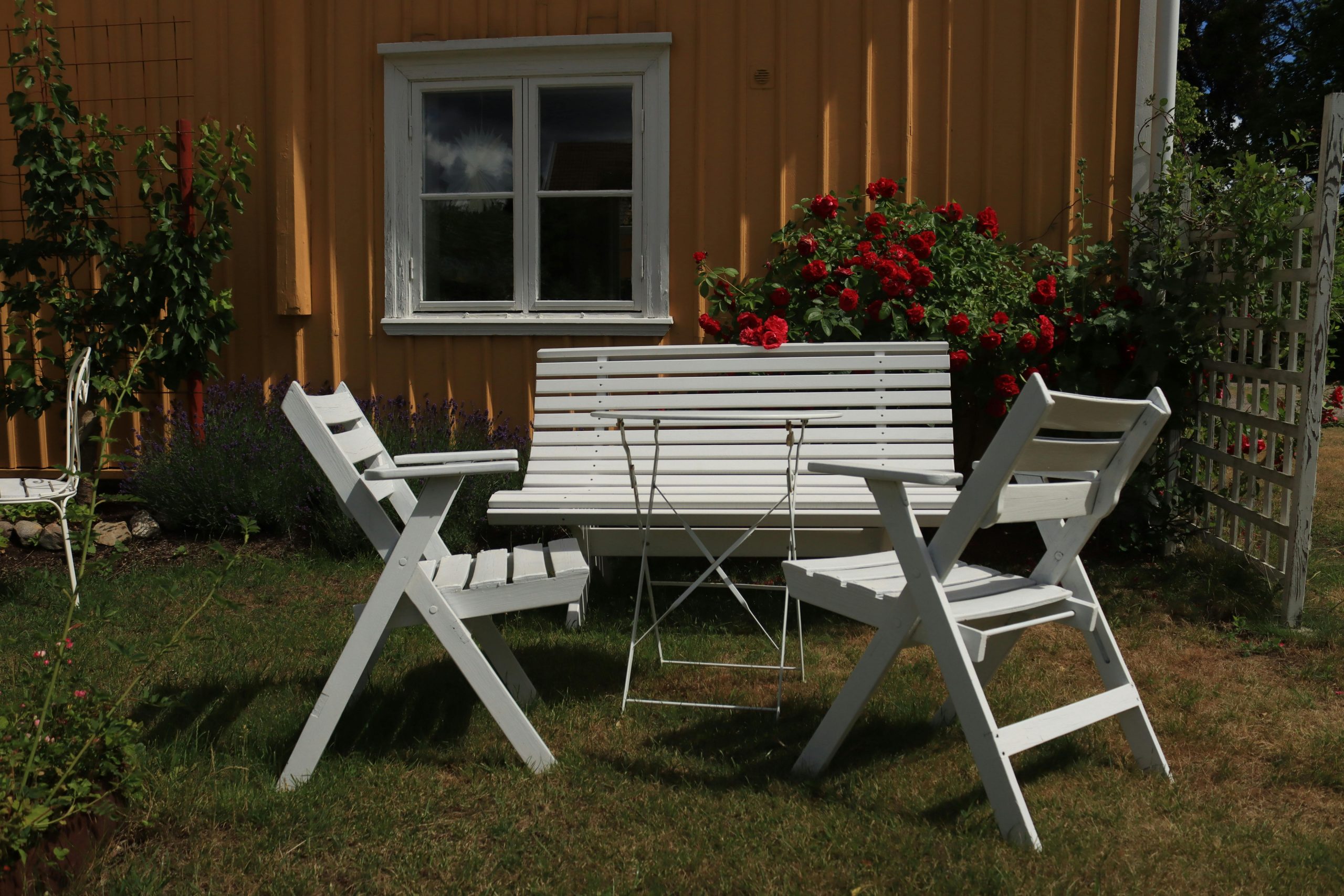
“You don’t need a perfectly matched set of furniture to get this look.”
In fact, it can be even more charming with a collected-over-time feel. Hunt for individual wooden chairs and a small bench at thrift stores or on Facebook Marketplace. Don’t worry if they don’t match. A couple of coats of the same crisp white exterior paint will unify them instantly for a fraction of the cost of a new set. The key is the single, unifying color.
28. White Clapboard Cottage with a Riot of Color
What makes this classic cottage look work is the high-contrast color scheme. The crisp, clean white of the clapboard siding and the dark, almost-black shutters create a bold, graphic backdrop. This strong neutral canvas is what allows the wild, multi-colored chaos of the flowers to truly shine without overwhelming the senses. If the house were a neutral beige or gray, the effect would be much less dramatic and impactful.
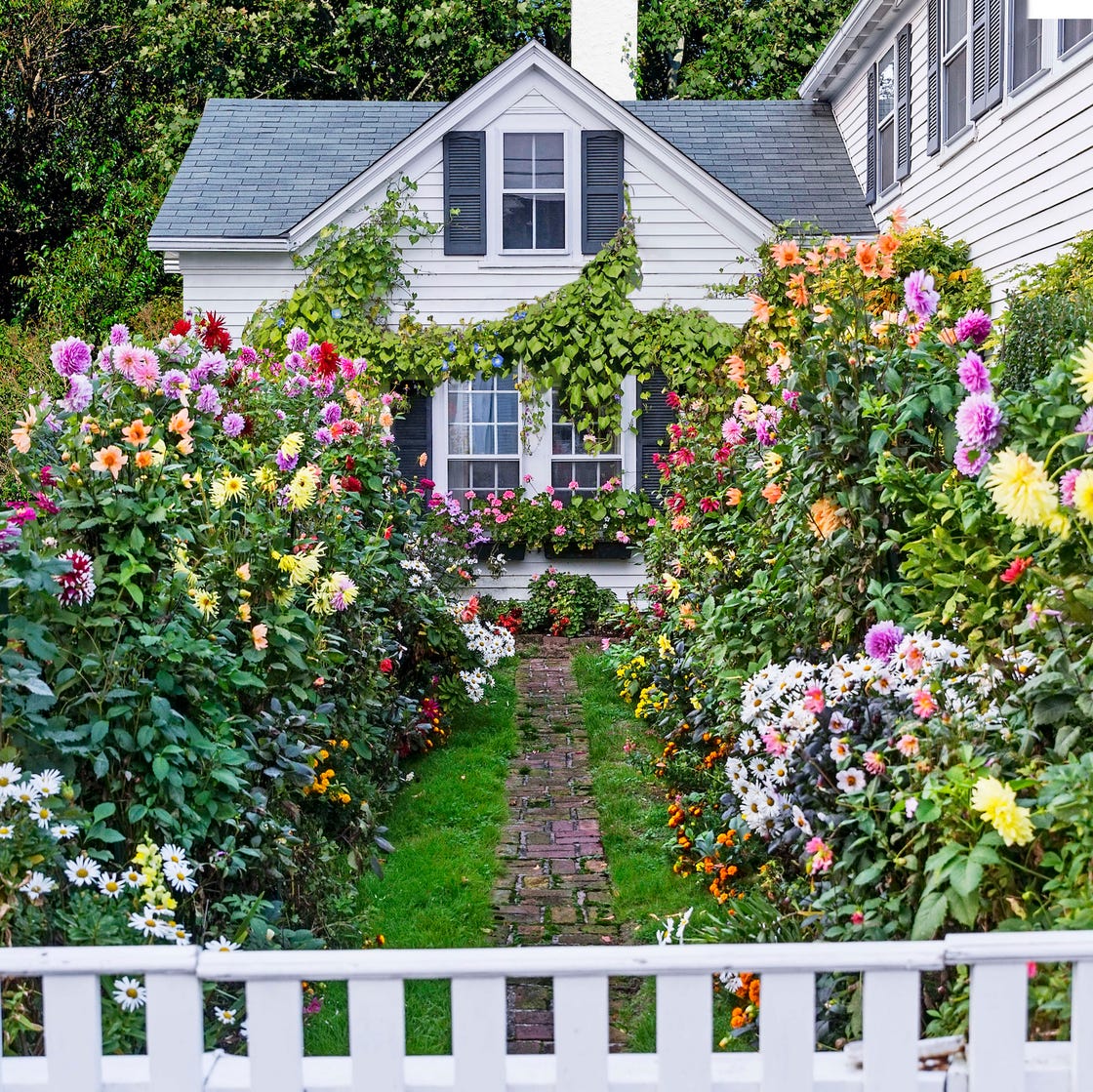
“A garden this lush and close to a wood-sided house requires some practical considerations.”
You’ll need to leave a small, clear gap (at least 12-18 inches) between the soil of the garden bed and the bottom of your siding. This prevents moisture from the soil from wicking up into the wood, which can lead to rot, peeling paint, and termite infestations. It might not be visible from a distance, but that little air gap is crucial for the health of your home.
29. Vibrant Multi-Level Garden and Stone Cottage
What makes this garden so breathtaking is its use of mass planting. The designer didn’t just put one or two of each plant; they planted huge drifts and blocks of the same flower. This creates massive waves of color—a river of purple here, a swath of yellow there. This technique gives the landscape a powerful visual impact that you can’t achieve with polka-dot planting. It looks more natural and makes a much bolder statement.
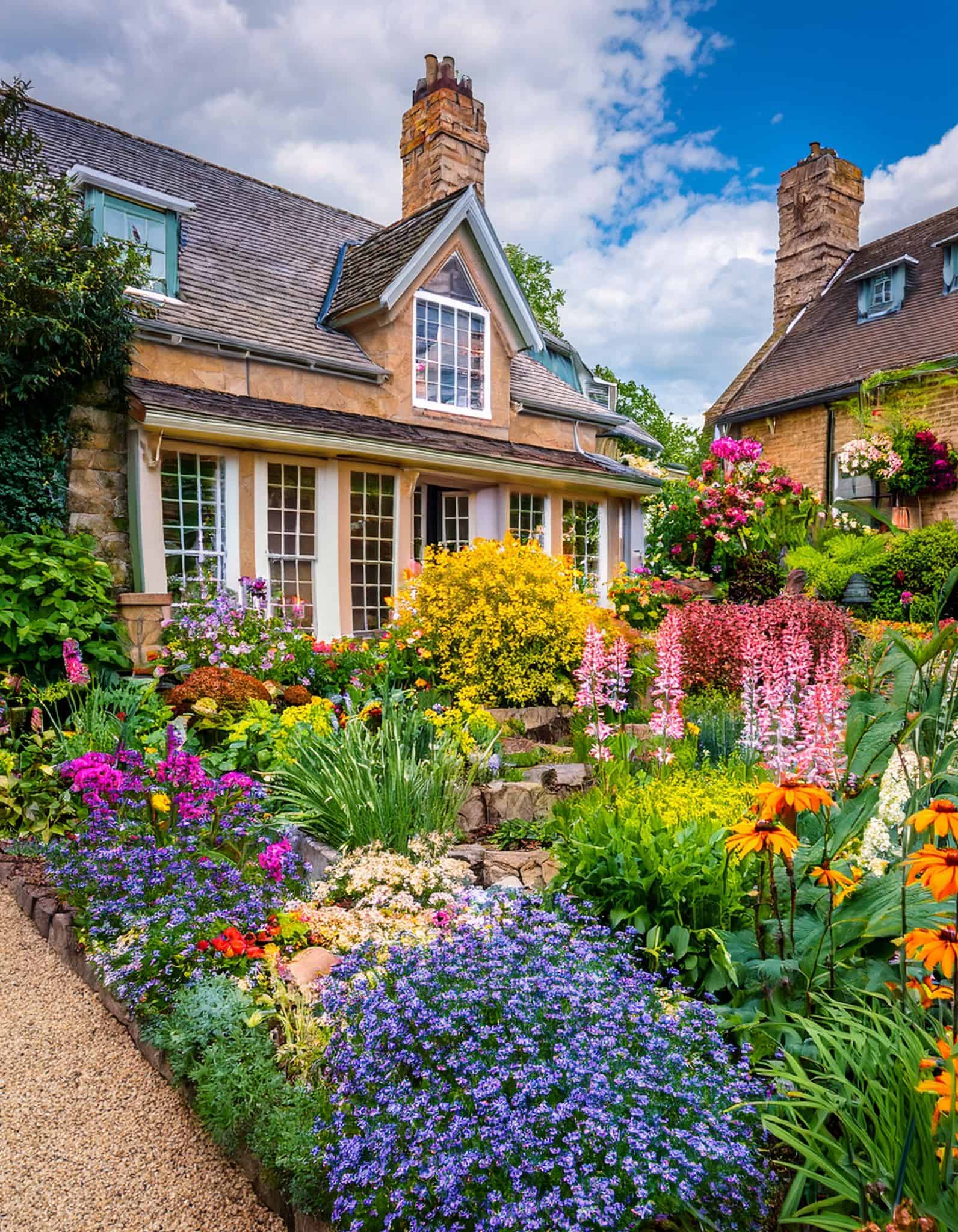
“A multi-tiered garden like this is a fantastic solution for a sloped yard, but it does require a certain amount of space to be effective.”
To get this look, your slope should ideally have a run of at least 20-30 feet. This allows for terraces that are deep enough (at least 4-5 feet) to hold a good volume of soil and plants, creating that lush, overflowing effect. On a very short, steep slope, the terraces would look too small and stunted.
30. A Cozy Garden Path with an Antique Lantern
that adds a deep layer of story and character to this spot: the antique black wall lantern. It’s more than just a light fixture; it’s a piece of history. Its classic, old-world shape suggests that this garden has been here for a long time. It transforms a simple brick wall into a feature and, paired with the climbing roses and distressed bench, completes the romantic, secret-garden atmosphere. A modern fixture just wouldn’t have the same magic.
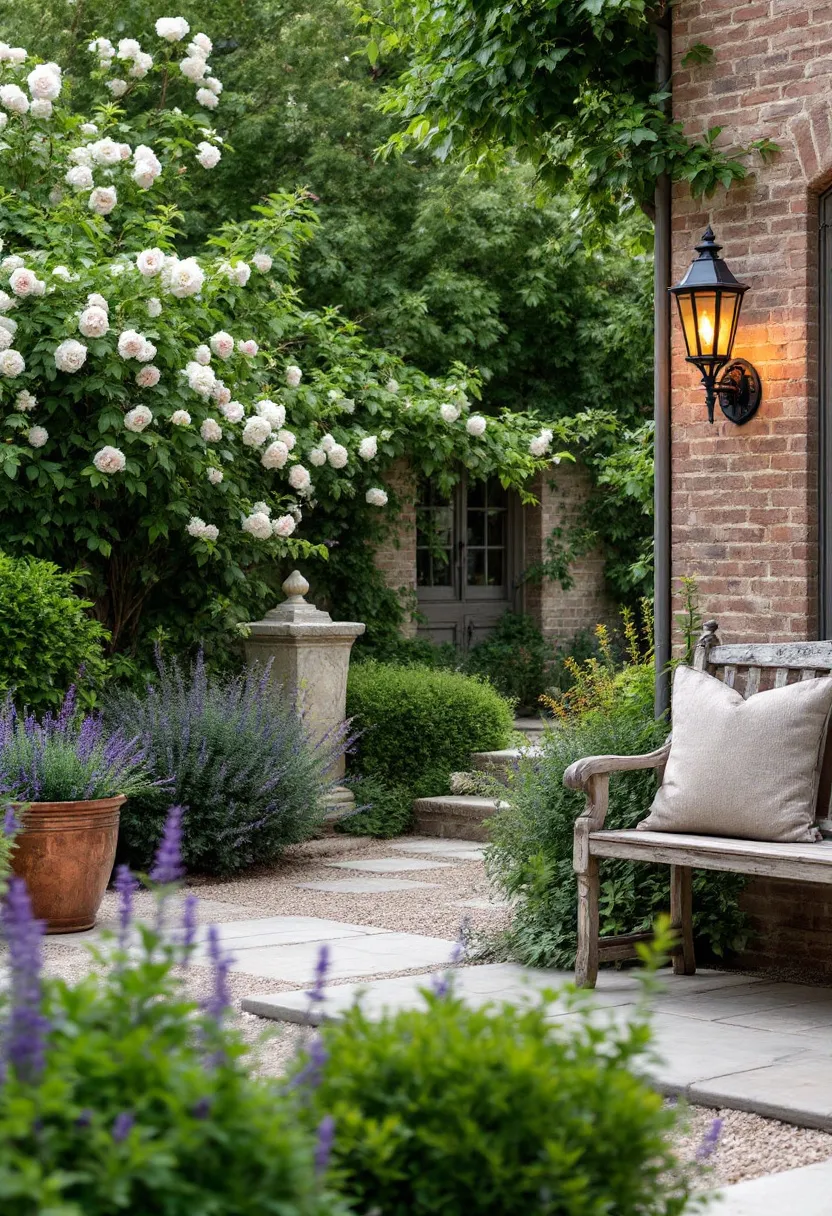
“When you have a beautiful feature like climbing roses on a wall, don’t hide it!”
Notice how the bench is placed next to the roses, not in front of them. This allows the roses to be the star of the show. The bench becomes a place from which to admire the flowers. Always position furniture to enhance your best features, not obstruct them. It’s a simple rule, but one that makes a huge difference in how a space feels.
31. Stone Cottage with Lush Greenery and Varied Rooflines
This home is visually captivating due to its complex, varied roofline. The multiple gables, pitches, and chimney stacks create a dynamic, almost village-like silhouette against the sky. This architectural complexity adds a huge amount of character and makes the house feel as if it has grown and evolved over time. The climbing plants that soften the edges and tie the stone structure to the lush green landscape further enhance this organic, established feeling.

“Terracotta roof tiles and climbing plants are a classic, beautiful combination, but they require a symbiotic maintenance plan.”
The tiles themselves are very durable, but you must inspect them annually for any cracked or slipped pieces, especially after heavy storms. As for the climbing vines (like the ivy seen here), they need to be judiciously pruned away from the edges of the roof and out of gutters at least once a year to prevent damage and water backup. It’s a partnership between structure and nature.
32. Winding Flagstone Path Through a Vibrant Garden
A fantastic tip for making a flagstone path feel more natural is to vary the spacing between the stones. Notice how in some areas the stones are close together, and in others, they are farther apart, with more gravel showing. This irregularity mimics a path that has formed naturally over time. A path where all the stones are perfectly and evenly spaced can feel too rigid and formal for a loose, cottage-style garden. Embrace the imperfection!
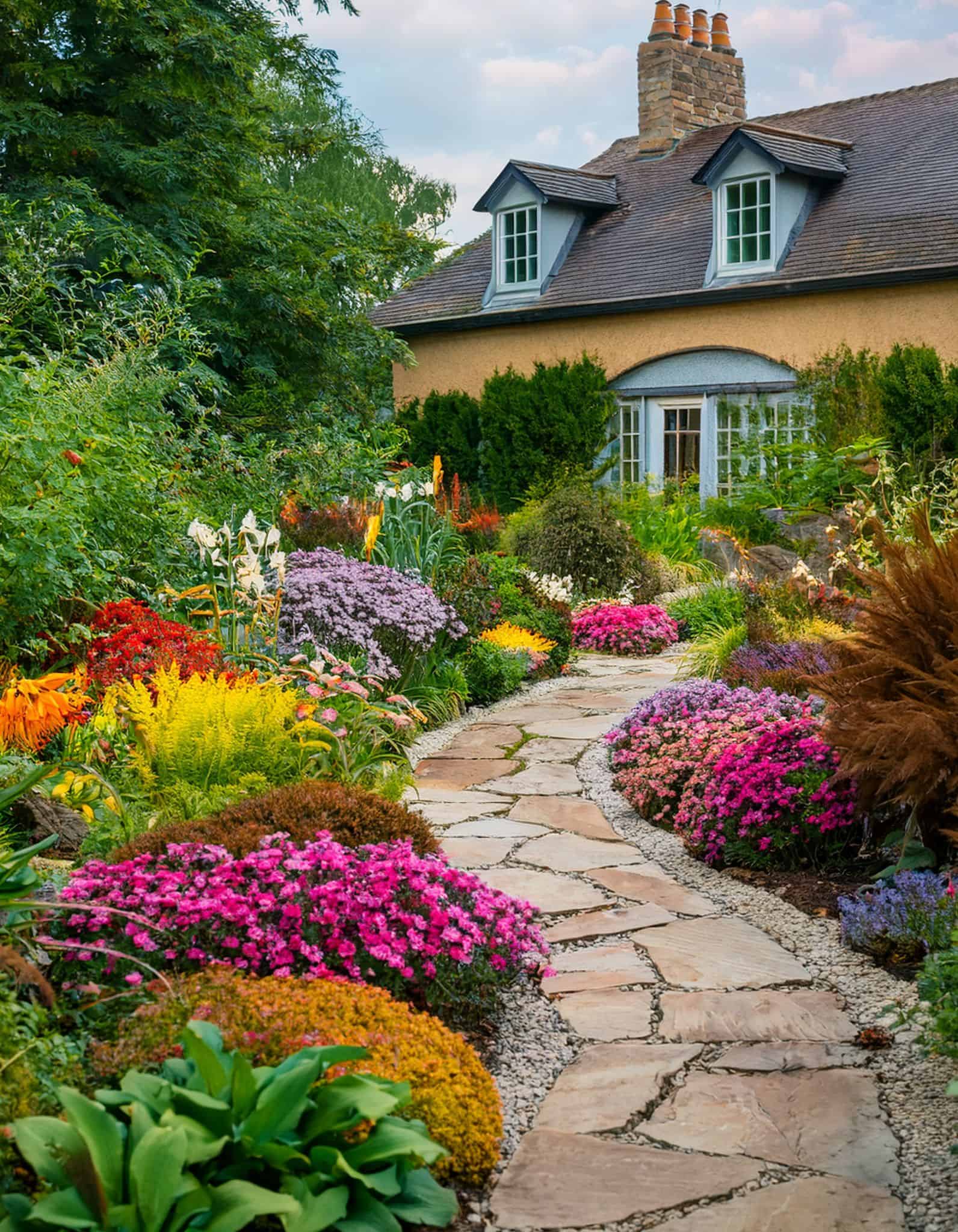
“What makes this garden feel so alive and dynamic is the winding path.”
A straight path would have cut the space in half and felt too formal. The gentle curves of the flagstone path force you to slow down and change your perspective as you walk. It creates a sense of journey and discovery, revealing new plant combinations and views with every turn. The path isn’t just for walking; it’s choreographing the whole experience of the garden.
Ready to Plant Your Own Story?
Remember, the most beautiful English gardens are not about perfection; they are about personality. They are a joyful, living extension of a home, filled with plants you love. Take these ideas, mix them with your own style, and don’t be afraid to let things get a little wild. The best gardens, like the best stories, have a few delightful unexpected turns.
Start your own cottage garden board on Pinterest and save your favorite ideas from this list. Happy planting!
Photo credits: House & Garden, Ideal Home, Town & Country Living, The Grass Girl, Better Homes & Gardens, Edward George, The Spruce, alcovemagazine.com, Pam’s English Cottage Garden, Michael Glassman & Associates, – Newbury Home, Pond and Garden Ideas, Sage Journal, Country Living Magazine, RHS, Veranda, French Country Cottage, Bigger Garden, Monrovia, Agriframes USA, Hey Honeysuckle, Garden Design, Pine and Prospect Home, Homes and Gardens, Longacres Landscape, ELLE Decor, Houzz, Real Homes, Garden on a Roll, Martha Stewart / Web, acedev / Pixabay, Bruna Fossile, Nicole King, Efrem Efre / Pexels