33 Jaw-Dropping Minimalist Living Room Ideas You Need to Try in 2026 for a Stunning Home Makeover

You know that feeling when you finally find the minimalist living room that looks *exactly* right for your space? That perfect blend of calm, clean, and cozy you’ve been saving to your Pinterest boards for months. We curated this collection of 33 minimalist living rooms—from earthy and modern to surprisingly colorful—to help you stop scrolling and start creating. After filtering through hundreds of options, we narrowed it down to the looks that truly work for 2026. This isn’t just about white walls and less stuff; it’s about creating a home that feels intentional and peaceful. And stay until the end—we break down the most common mistakes that can ruin these looks. 📌 Save this to Pinterest for later—you’ll want to revisit these ideas.
This post may contain affiliate links. As an Amazon Associate, we earn from qualifying purchases at no extra cost to you.
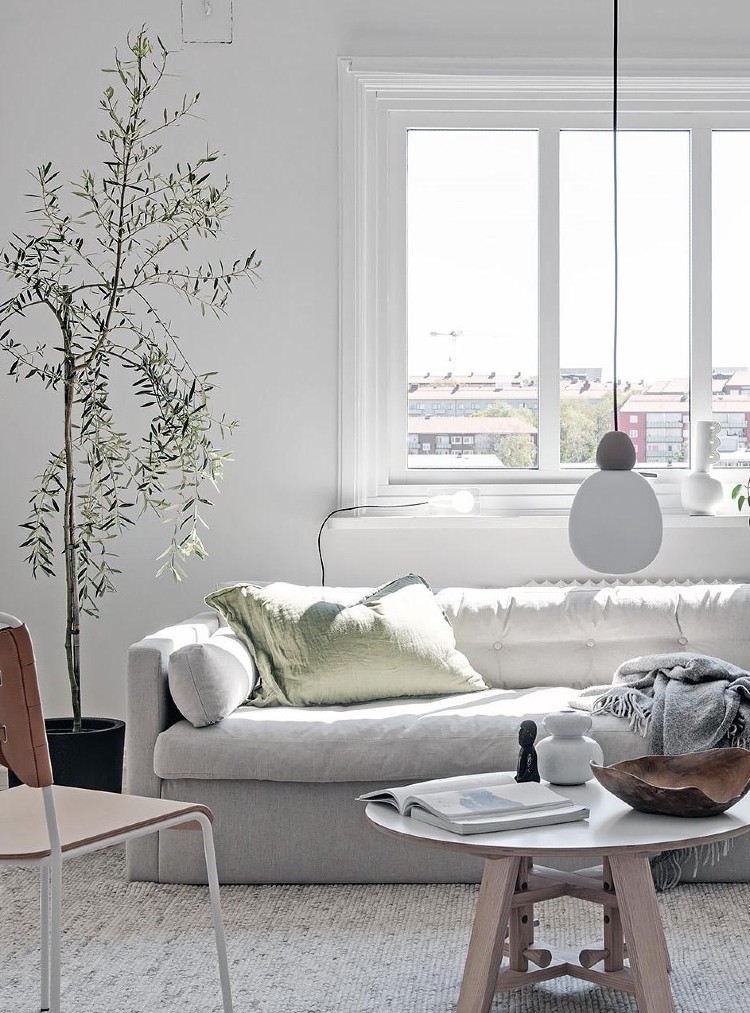
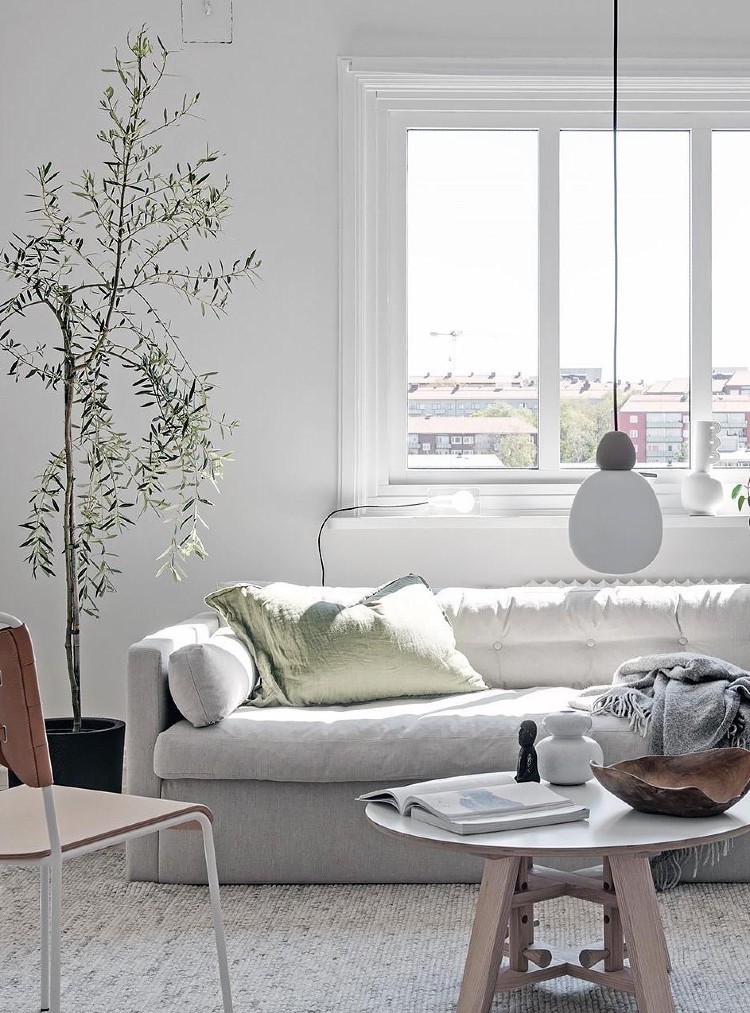
1. Embrace Natural Light with a Tufted Grey Sofa and Potted Olive Tree
What makes this space feel so refreshing is the smart use of a limited color palette. The light grey of the sofa, the crisp white of the window frame, and the pale green of the olive tree create a serene trio. The design works because it leans on texture instead of color for interest—the tufted back of the sofa, the delicate leaves of the tree, and the weave of the off-white rug all add depth without adding clutter. It’s a masterclass in making minimalism feel warm, not empty.
|
$476.25
|
$60.25
|
$69.99
|
$259.00
|

“To keep a tall indoor tree like this olive tree healthy, placement is everything.”
It needs at least six hours of bright, indirect sunlight daily. Don’t place it directly in a south-facing window where the intense sun can scorch its leaves. Instead, position it a few feet away from the window or use a sheer curtain to diffuse the light. Also, ensure your pot has excellent drainage to prevent root rot—a common issue with larger indoor plants.
2. Achieve Openness with a Vaulted Ceiling and Modern Accents
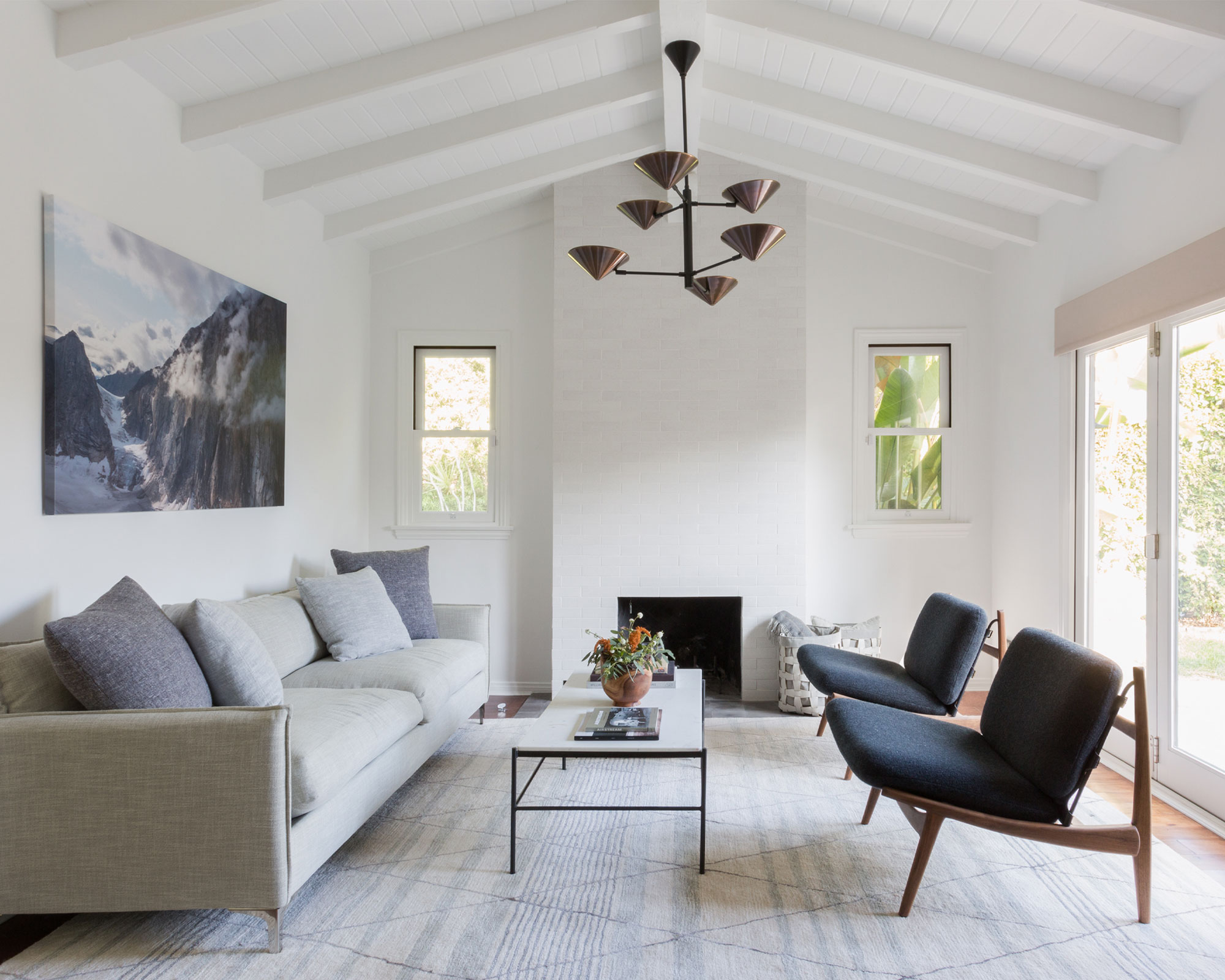
This look thrives in rooms with high or vaulted ceilings, ideally 10 feet or taller. The vertical space allows the exposed white beams and tiled fireplace to become architectural features without overwhelming the room. For a standard 8-foot ceiling, you could create a similar sense of height by painting the ceiling a shade lighter than the walls and using vertical lines in decor, like tall, slender floor lamps or vertically striped curtains.
|
$400.94
|
$1,899.00
|
“The formula here is simple but effective: 70% structural white + 20% varied grey tones + 10% natural wood.”
The aall-white shell (walls, ceiling, fireplace) acts as a massive canvas. The furniture introduces shades of grey—from the light sofa to the dark lounge chairs—to create depth. Finally, the wooden frames on the chairs add just enough warmth to keep the monochrome palette from feeling too clinical. You could swap the greys for beiges and still achieve the same balanced effect.
3. Frame a Nature View with Olive Green Armchairs
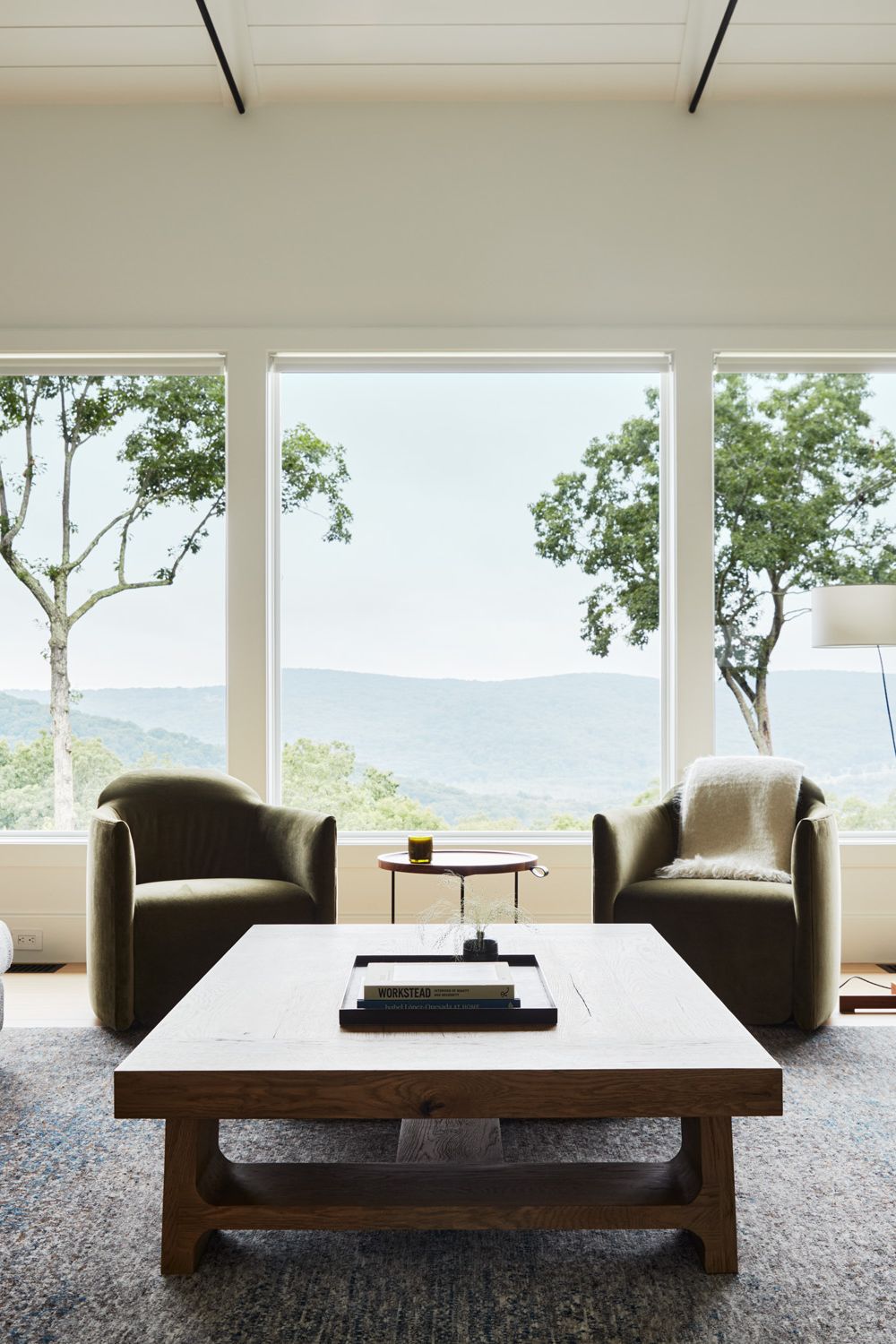
The single element that makes this room breathtaking is its restraint in the face of a stunning view. Instead of competing with the panoramic green hills, the design defers to them. The olive green armchairs are a genius move, pulling the color of the landscape directly into the room and blurring the line between indoors and out. Without that color echo, the chairs would just be furniture; with it, they become part of a larger, serene composition. The floor-to-ceiling windows are the canvas, but the chairs are the art.
|
$178.50
|
$142.99
|
$350.00
|
$302.00
|
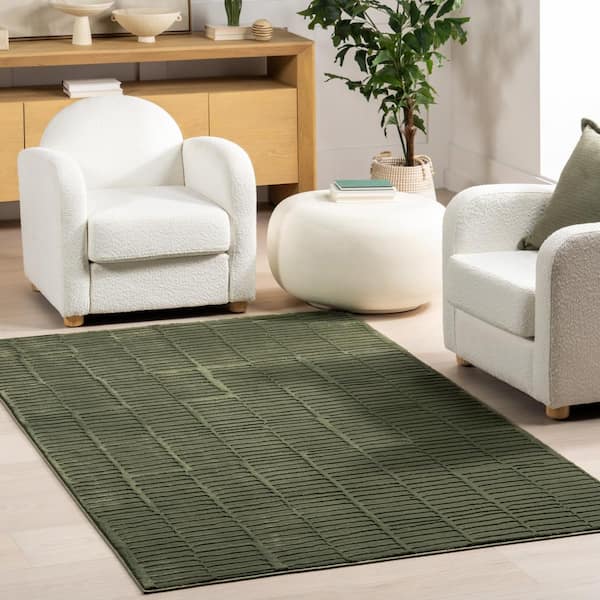
“Recreating this high-end serene look involves investing in key pieces that connect with the view.”
Main Furniture (2 Armchairs, Coffee Table): $3,500 – $7,000
Textiles (Rug): $1,000 – $3,000
Decor/Accessories: $300 – $800
TOTAL: $4,800 – $10,800
Budget alternative: Find similar olive green armchairs on Wayfair or Article and a solid wood coffee table from a mid-range brand for about 40-50% less.
4. Create Contrast in an Open-Plan Space with a Dark Kitchen Island
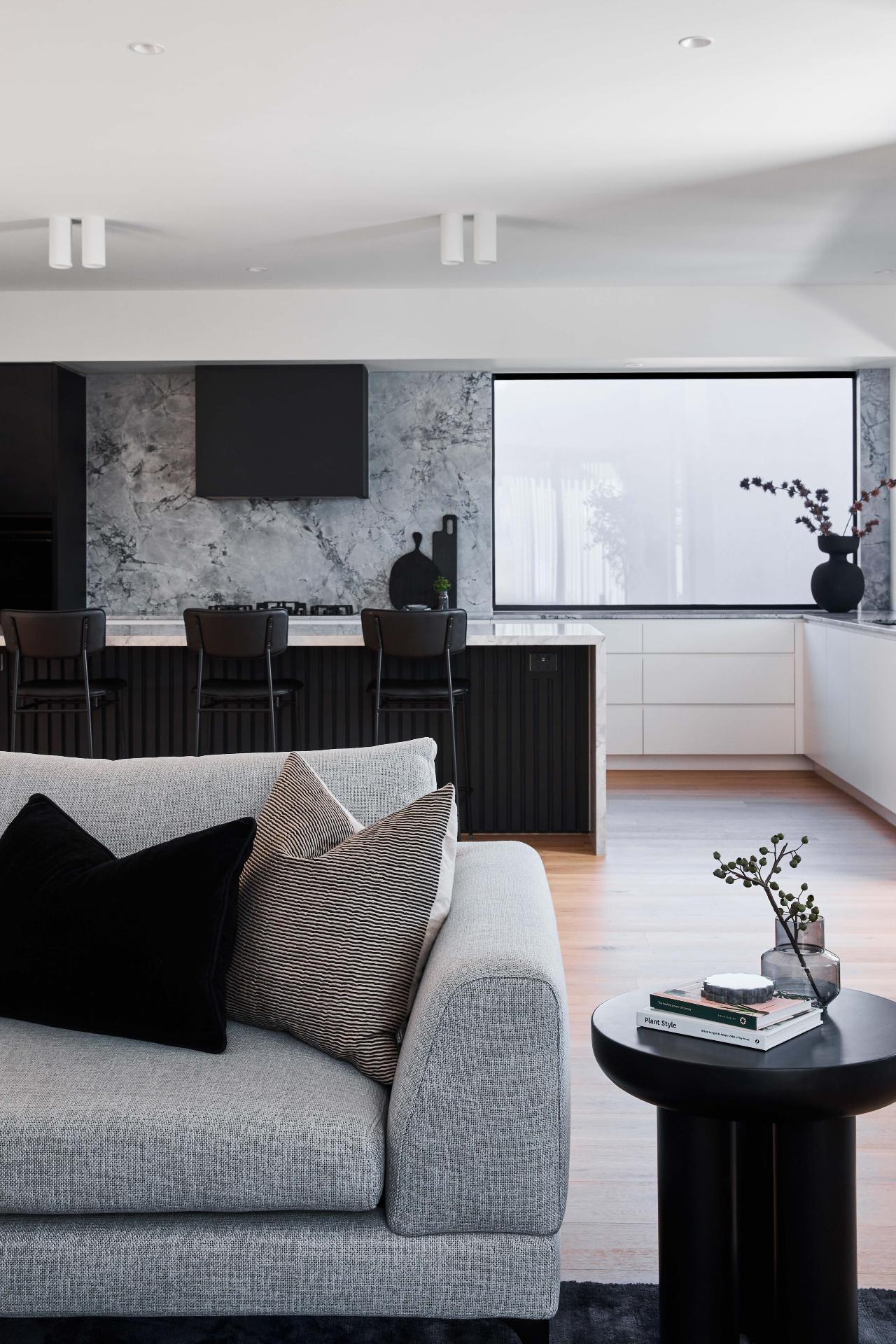
This design cleverly uses contrast to define zones in an open-plan area. The living space is kept light and airy with a pale grey sofa and light wood floors. The kitchen, however, introduces a block of dramatic, dark color through the ribbed island. This visual anchor clearly separates the cooking zone from the relaxation zone without needing a physical wall. The mottled grey backsplash then acts as a bridge, tying the light and dark elements together. If you like this concept, you could also check out the darker palette in Idea #19.
|
$98.00
|
$476.12
|
$20.00
|
$249.99
|
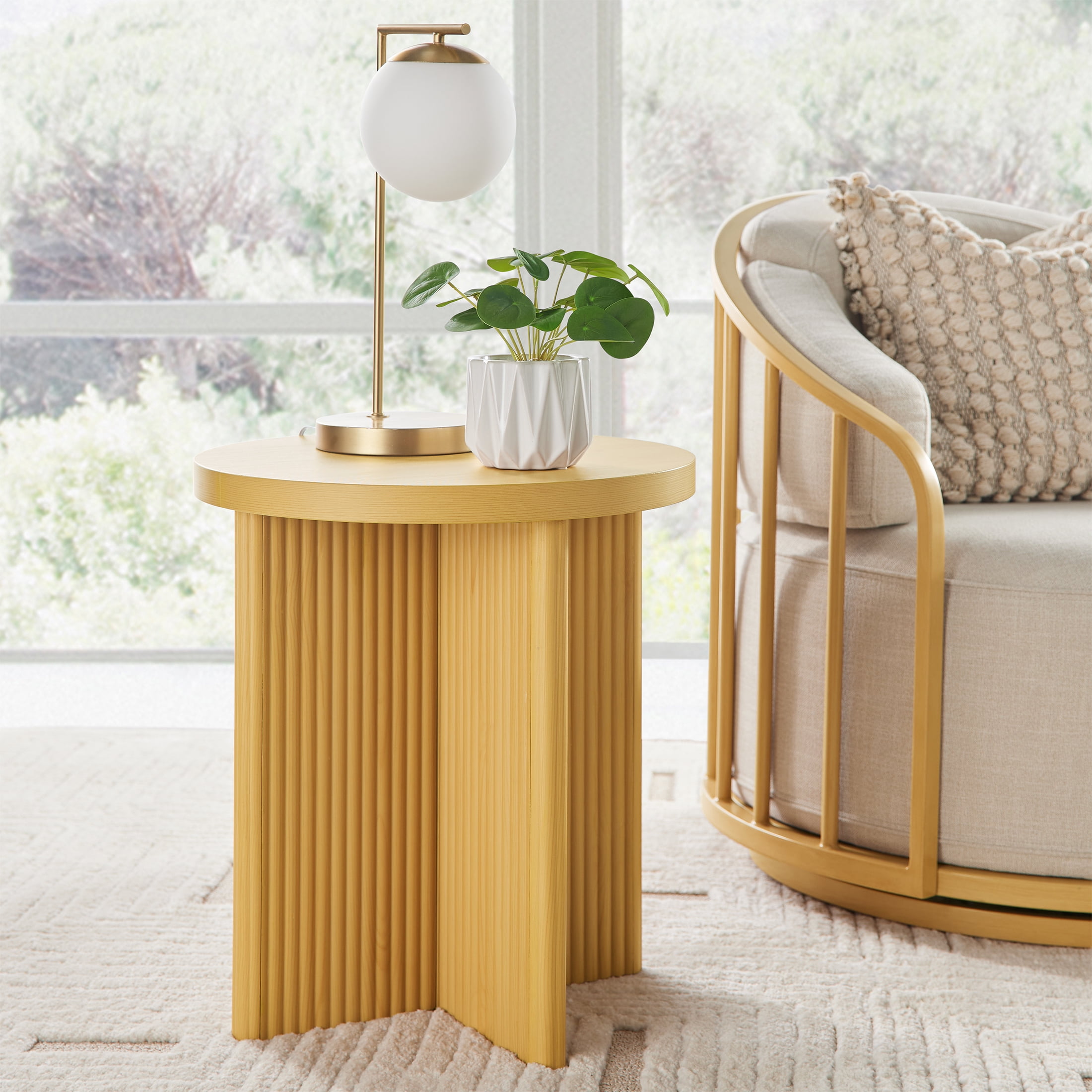

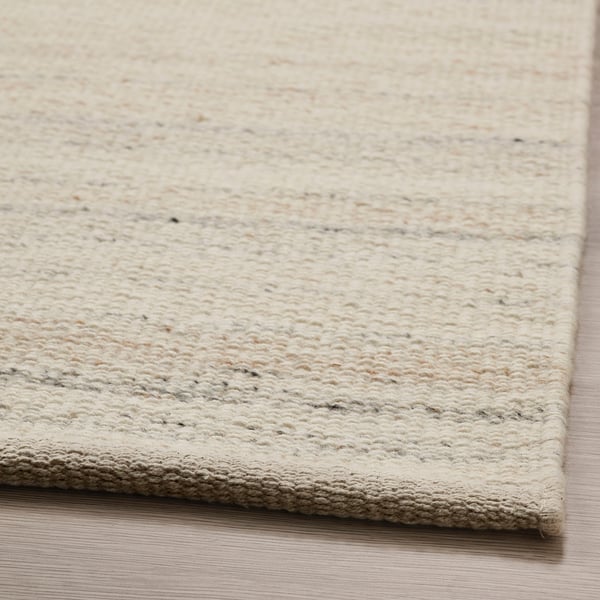
“A light grey or white sofa is a gorgeous minimalist choice, but let’s be honest: it’s a magnet for stains.”
If you have kids, pets, or just enjoy a glass of red wine on the couch, this requires vigilance. Opt for performance fabrics that are pre-treated for stain resistance. Alternatively, consider a sofa with a removable, machine-washable slipcover. This gives you the clean aesthetic without the constant low-level anxiety every time someone gets near it with a coffee cup.
5. Layer Textures in a Cozy, Light-Filled Living Area
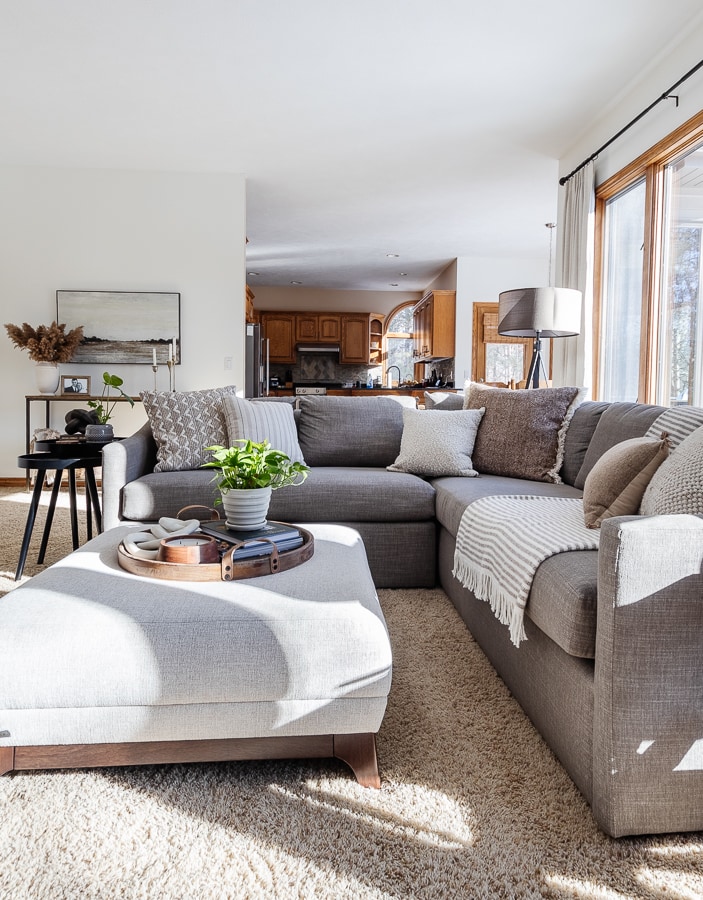
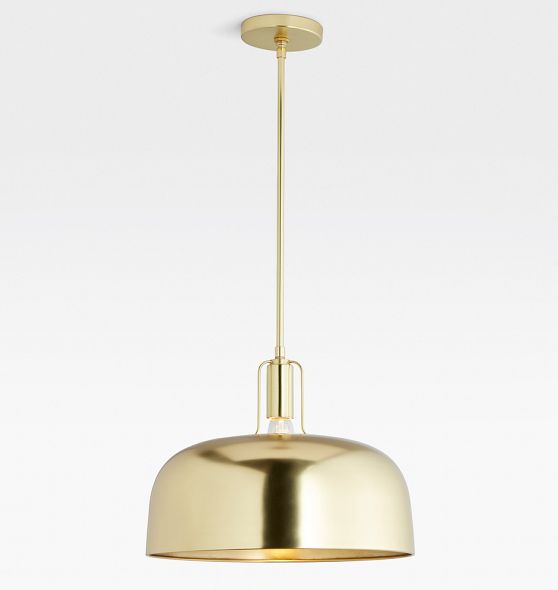
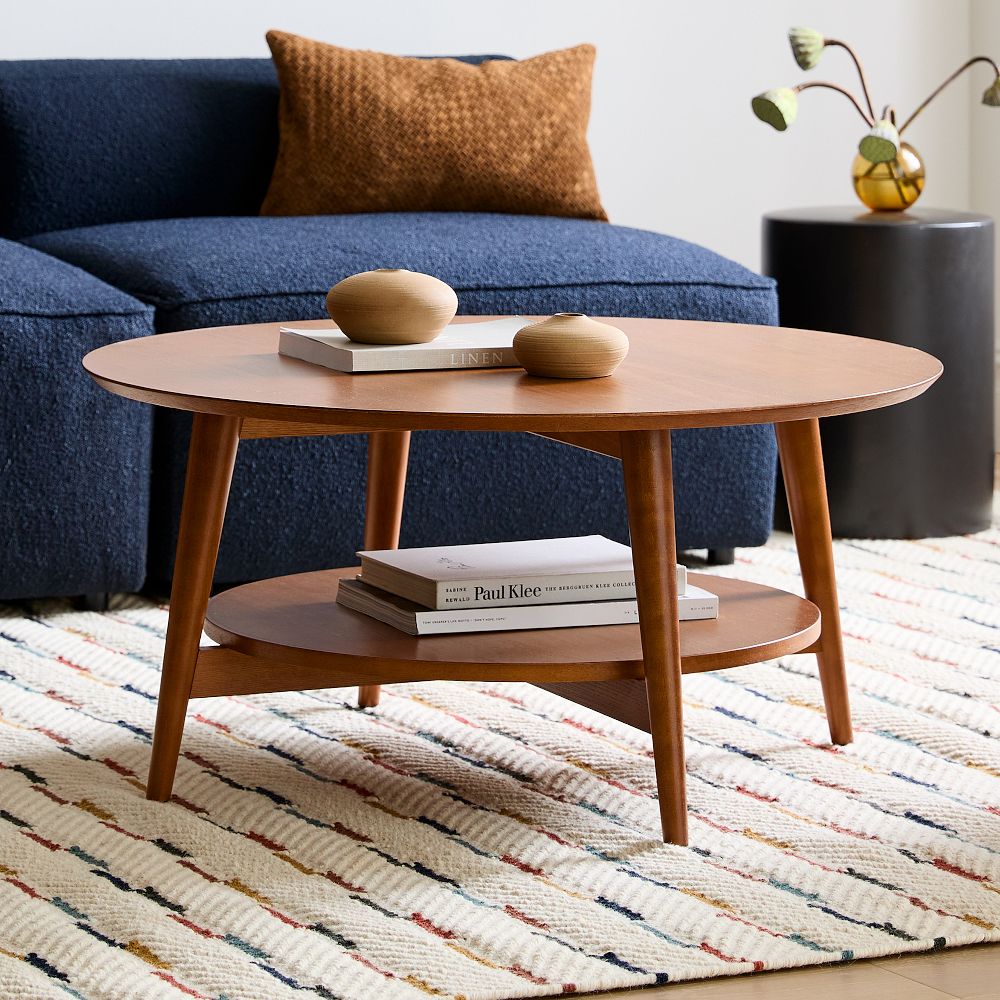
This room’s cozy formula is all about balancing hard and soft. It’s roughly 50% plush textiles + 30% natural wood + 20% clean lines. The sectional sofa, patterned rug, and multiple pillows provide a soft, inviting base. The light wood of the coffee table and the frame of the lounge chair introduce natural warmth. Finally, the strong lines of the window frames, the pendant lamp, and the chair’s structure add a modern, graphic quality that keeps the coziness from feeling cluttered or frumpy.
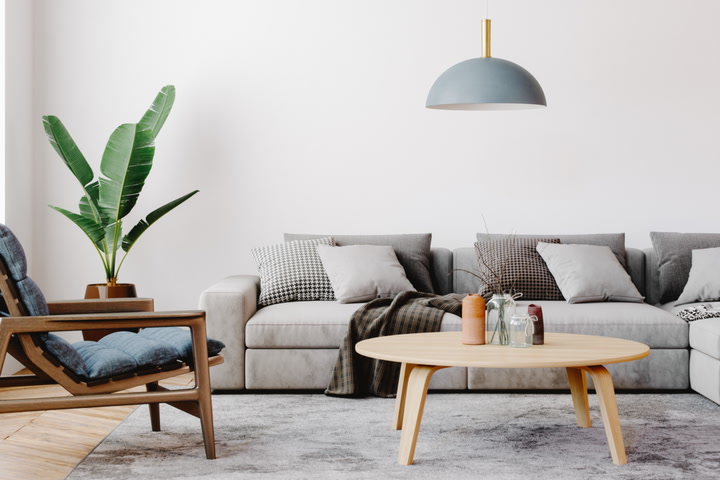
|
$879.00
|
$479.20
|
$799.98
|
$79.99
|

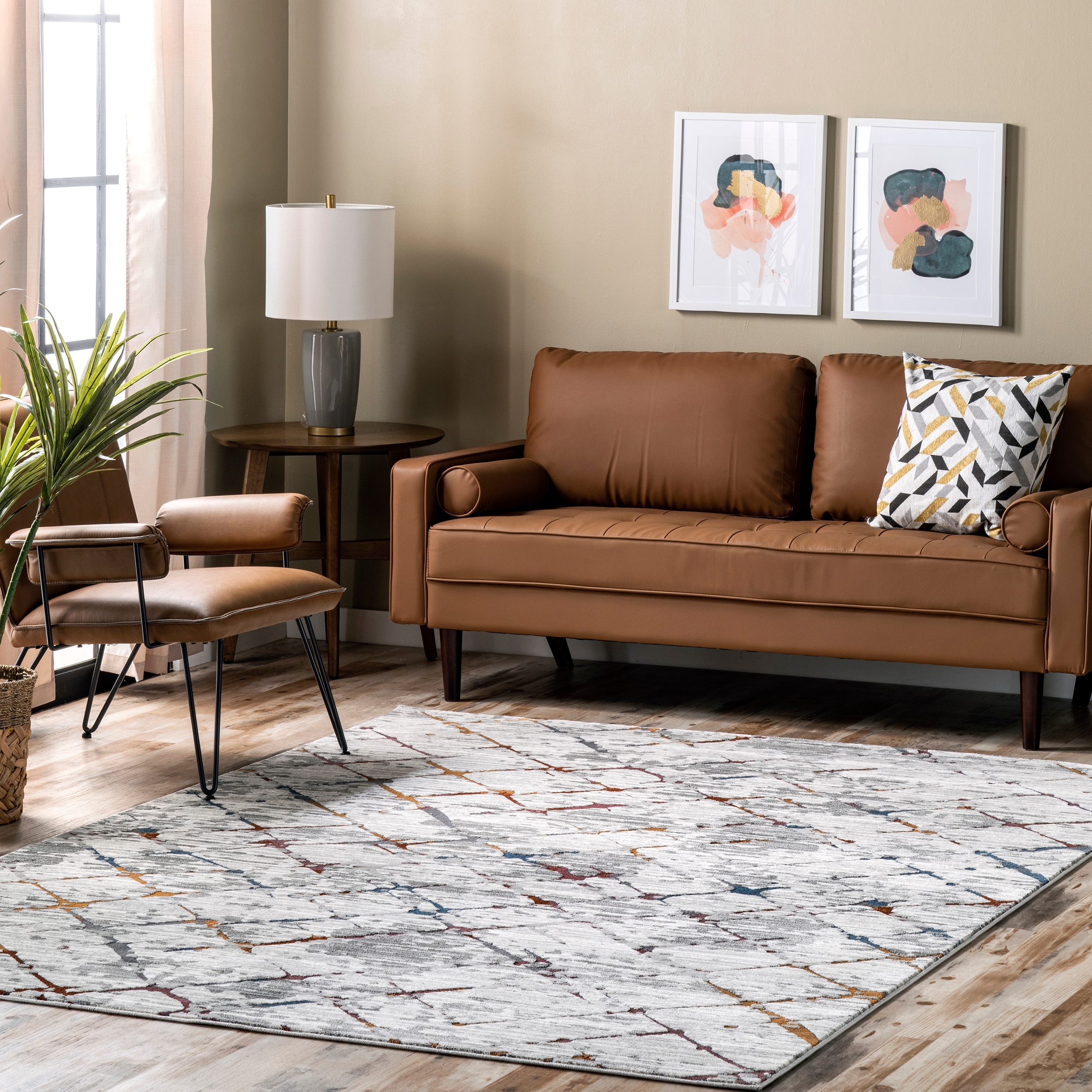
“You don’t need a huge budget to get this modern, cozy vibe.”
An IKEA SÖDERHAMN sectional ($800-$1,200) can stand in for the pricier model. Pair it with a LACK coffee table in a light wood finish. For the accent chair, scour Facebook Marketplace for a mid-century piece that needs a little love—reupholstering the cushions with a simple blue fabric is an easy DIY. Target’s Studio McGee line is a great source for patterned rugs and pillows that hit this exact aesthetic.
6. Blend Living and Dining with Sculptural Lighting and Rustic Wood
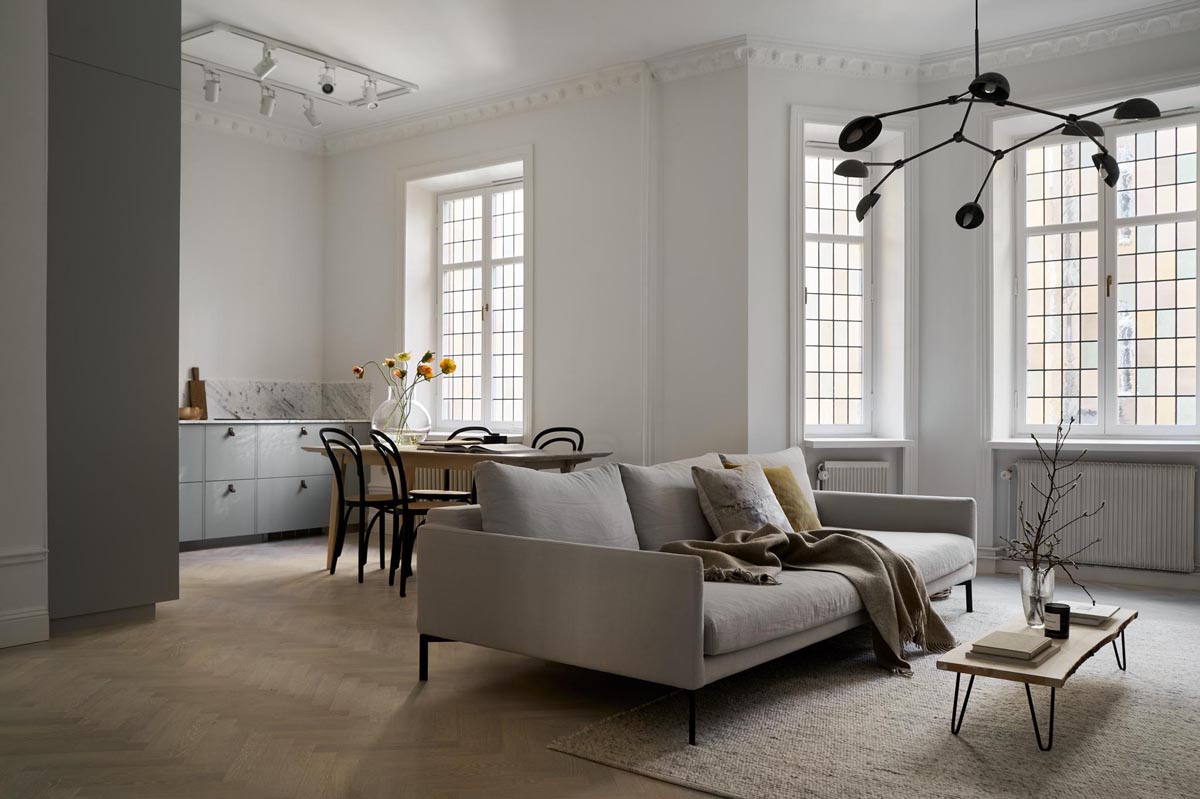
that ties this entire open-plan space together is the black sculptural chandelier. It hangs almost perfectly between the living and dining zones, creating a visual canopy that connects them. Its organic, branch-like form is a stark, artistic contrast to the clean lines of the sofa and cabinetry. If you replaced it with simple recessed lighting, the two areas would feel much more separate and less like a single, cohesive design. It’s a statement piece that does the job of a wall, but with style.
|
$447.99
|
$392.00
|
$213.00
|
$57.92
|


“A raw, rustic wood slab coffee table like this one is stunning, but it requires specific care.”
Unsealed or lightly oiled wood is susceptible to water rings and stains. Always use coasters! For cleaning, avoid harsh chemical sprays. A simple damp cloth is best for dust. Periodically (once or twice a year), you may need to re-apply a food-safe furniture oil or wax to keep the wood from drying out and cracking, especially if you live in a dry climate. The beauty is worth the effort, but it’s not a set-it-and-forget-it piece.
7. Anchor a Neutral Room with an Industrial Pendant Light
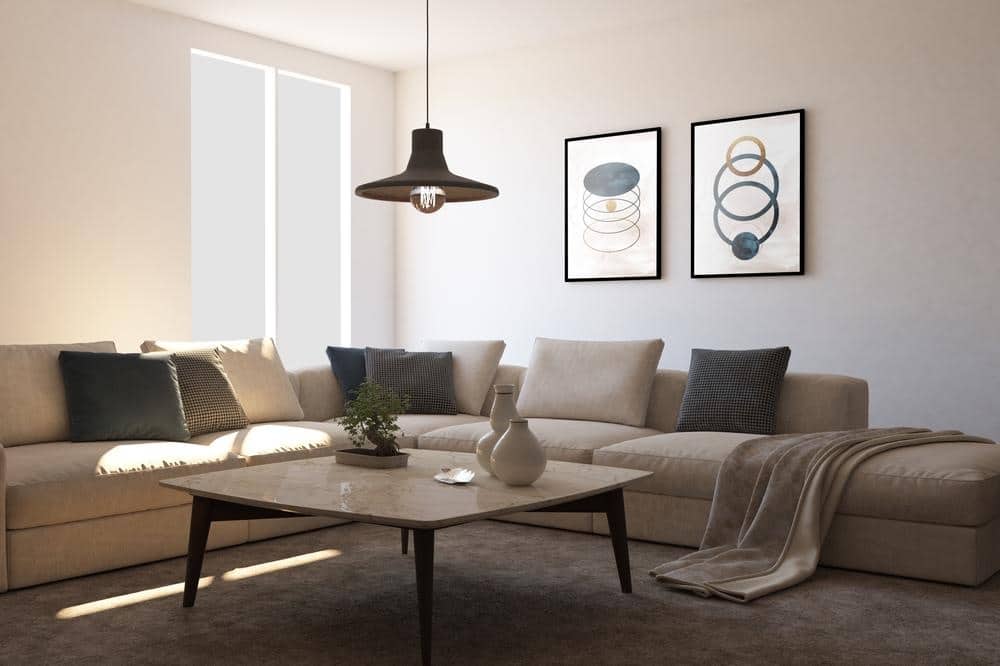
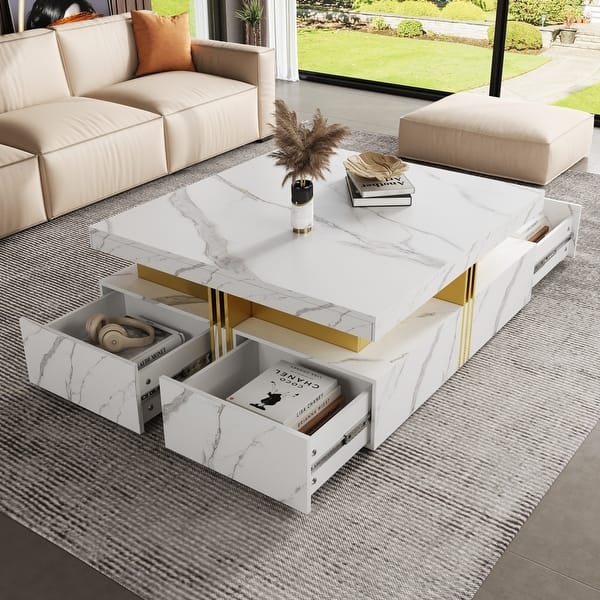
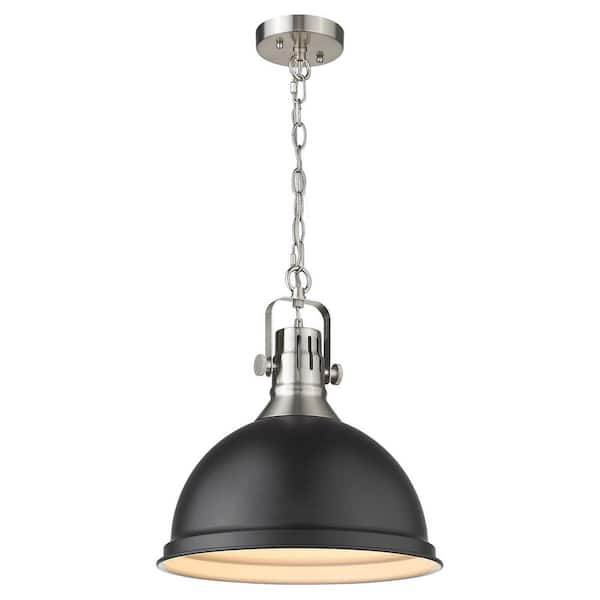
This room demonstrates the power of a single, high-contrast focal point. The space is otherwise very soft and low-contrast, with a beige sofa, light walls, and a light marble coffee table. The large, dark industrial-style pendant light provides a necessary point of visual tension. It draws the eye upward and adds a touch of graphic, urban edge that keeps the sea of neutrals from becoming bland. The dark gray rug and black pillow serve to balance this bold statement from below.
|
$1,308.39
|
$92.86
|
$20.00
|
“When hanging abstract art above a sofa, scale and placement are key.”
The collection of art should be about two-thirds the width of the sofa. Don’t hang it too high! The bottom edge of the lowest frame should be 6-8 inches above the back of the sofa. This connects the art to the furniture, making them feel like a single vignette rather than two separate elements floating on the wall.
8. Use a Large Abstract Rug to Define a Modern White Space
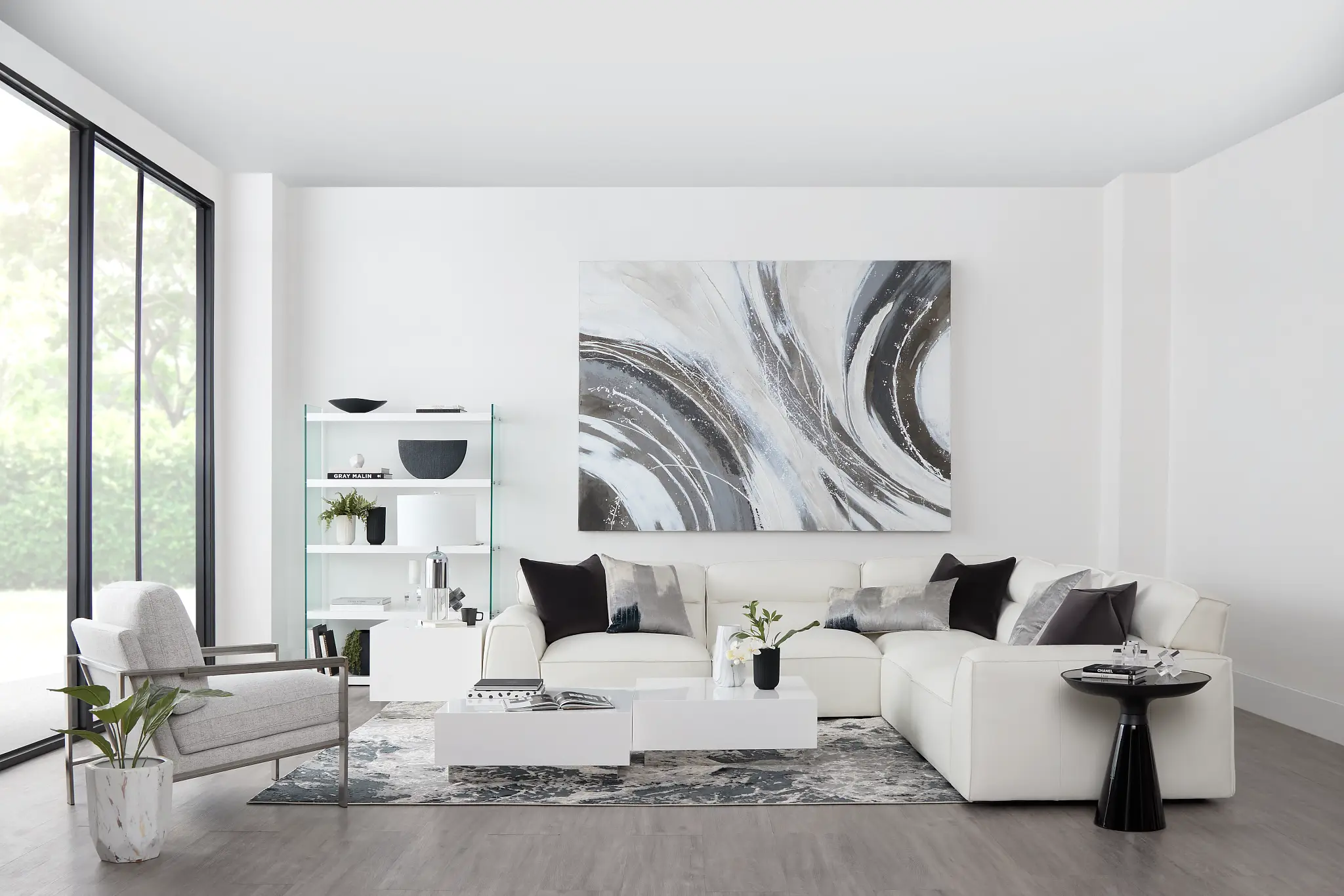
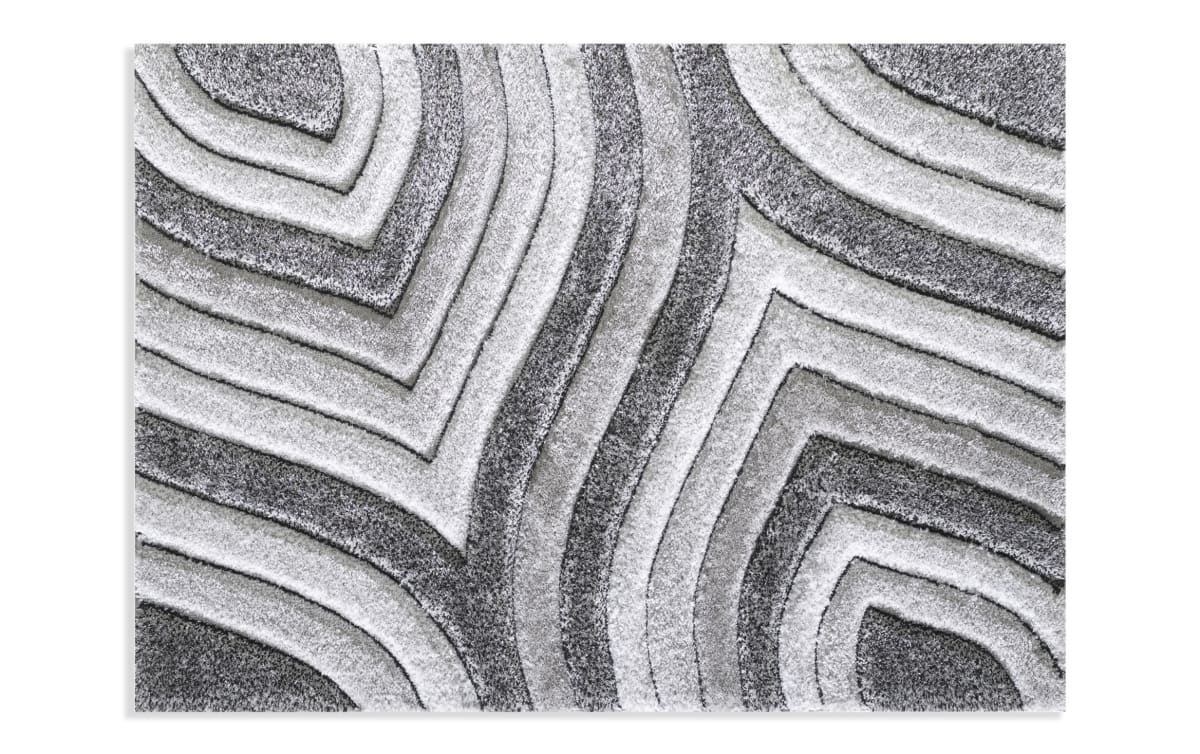
The abstract rug is, without a doubt, the hero of this room. In a space dominated by solid white—the sectional, the walls, the coffee tables, the bookshelf—the rug injects all the personality and movement. Its bold, graphic pattern of grey and black creates a dynamic foundation that keeps the minimalism from feeling sterile. Remove the rug, and you have a nice but forgettable room. With the rug, you have a confident, curated statement.
|
$49.99
|
$70.51
|
$199.00
|
$469.90
|
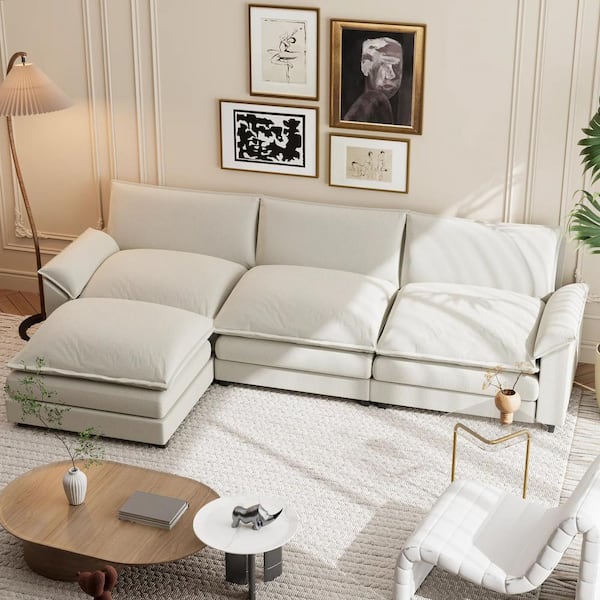
“An expansive sectional sofa like this requires a significant amount of floor space.”
This layout works best in a room that is at least 15 feet by 20 feet. This allows for ample walkway clearance (at least 36 inches) around the furniture grouping and prevents the large sofa from making the room feel cramped. For smaller spaces, a similar look can be achieved with a standard 3-seater sofa and a single armchair, as seen in Idea #13.
9. Warm Up a Structural Sofa with a Red Geometric Rug
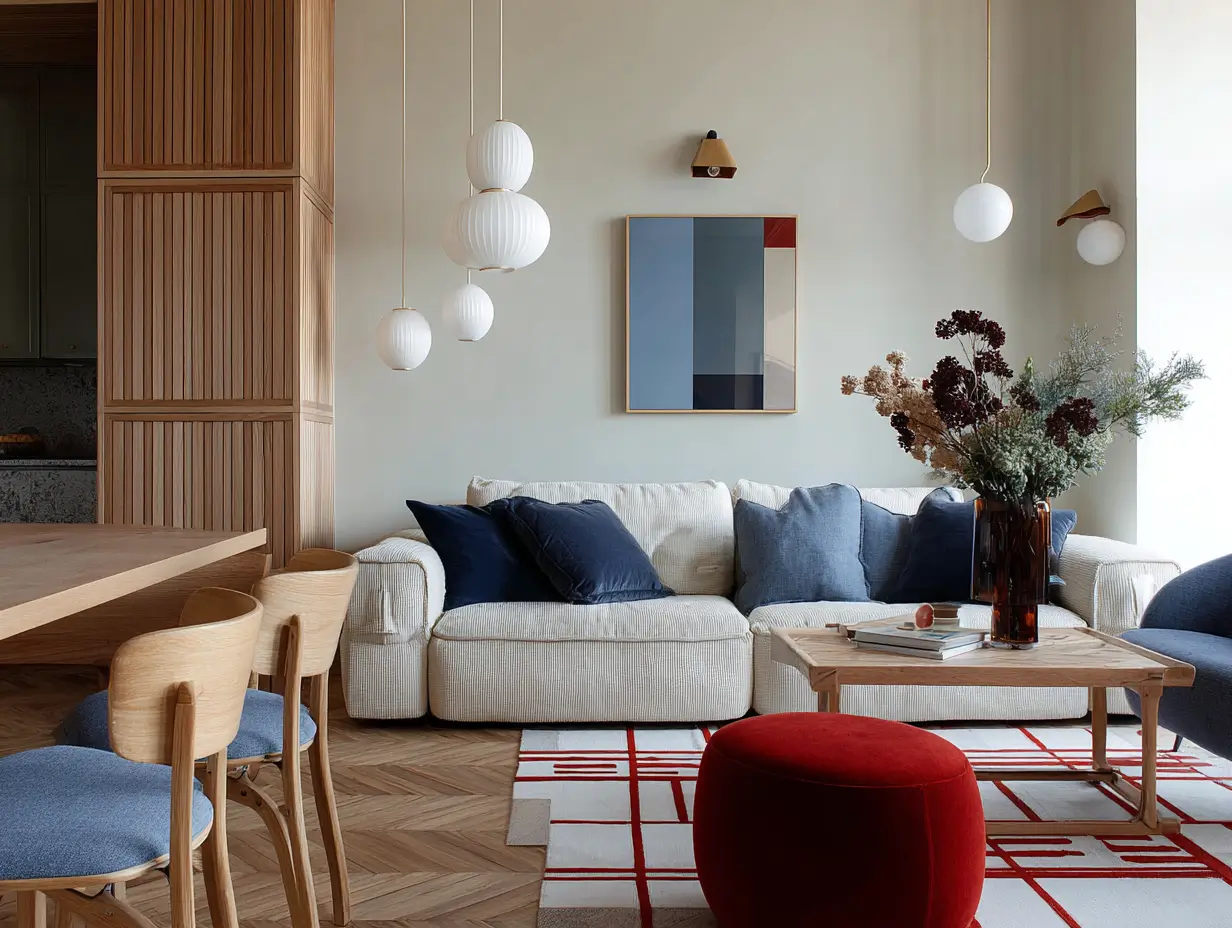
Here, the style is a careful equation: 60% calm neutrals + 30% bold color + 10% natural texture. The off-white sofa and light sage green wall create a serene, neutral backdrop. Then, the vibrant red of the rug and ottoman are layered in, providing a jolt of energy and personality. Finally, the wooden cabinetry panel adds a touch of organic texture, keeping the look grounded. You could swap the red for a deep cobalt blue or emerald green and the formula would still hold perfectly.
|
$399.00
|
$85.20
|
$204.00
|
$206.99
|
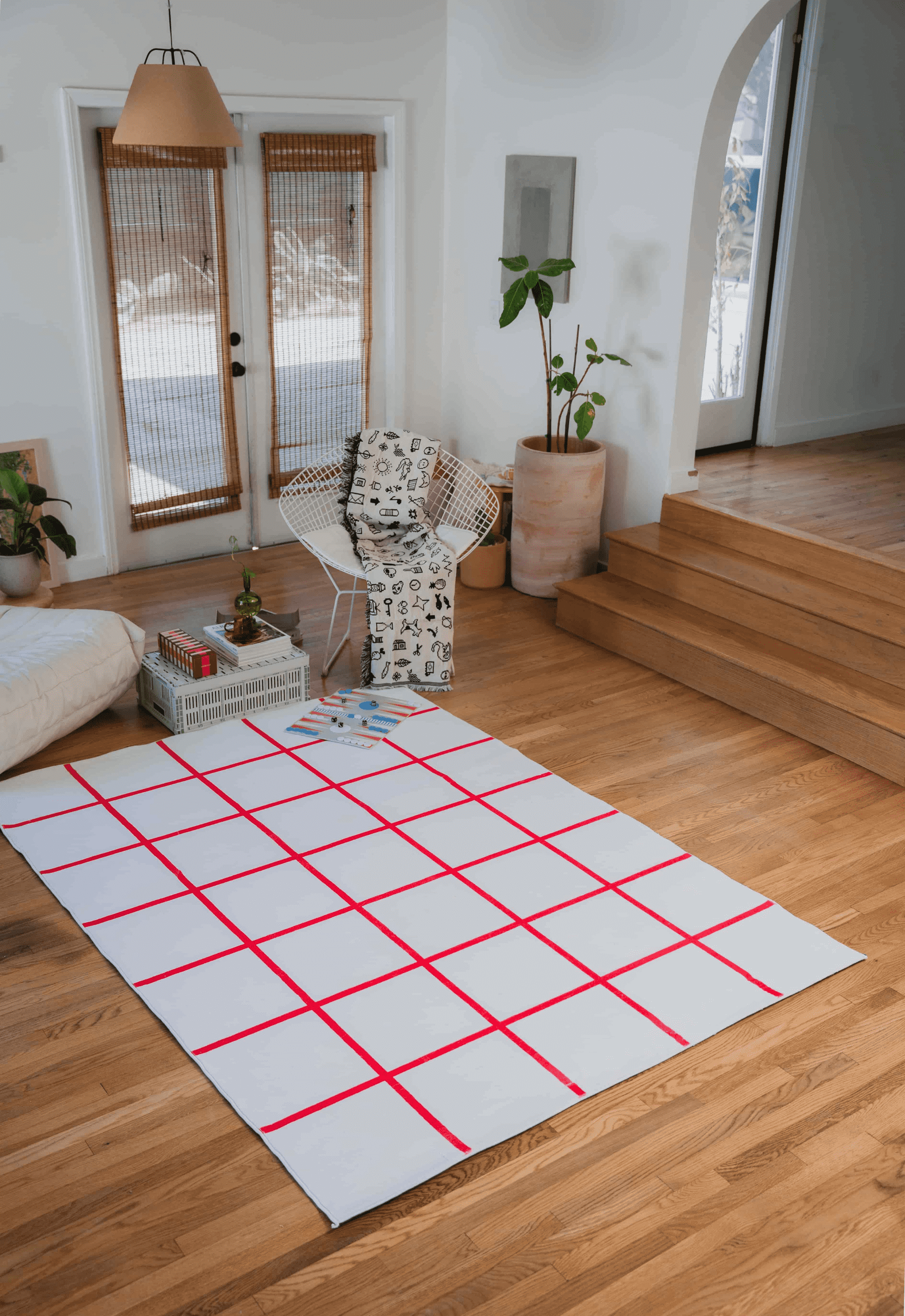
“This look is a direct response to the “sad beige” trend that dominated minimalist design for years.”
In 2026, we’re seeing a confident return to color, but in a controlled, intentional way. It’s not about maximalism; it’s about using one or two strong accent colors to bring life to an otherwise restrained palette. Homeowners are getting braver, moving beyond just a colorful pillow to statement pieces like a bold rug or ottoman. This trend has staying power because it’s a perfect hybrid of minimalist principles and expressive color.
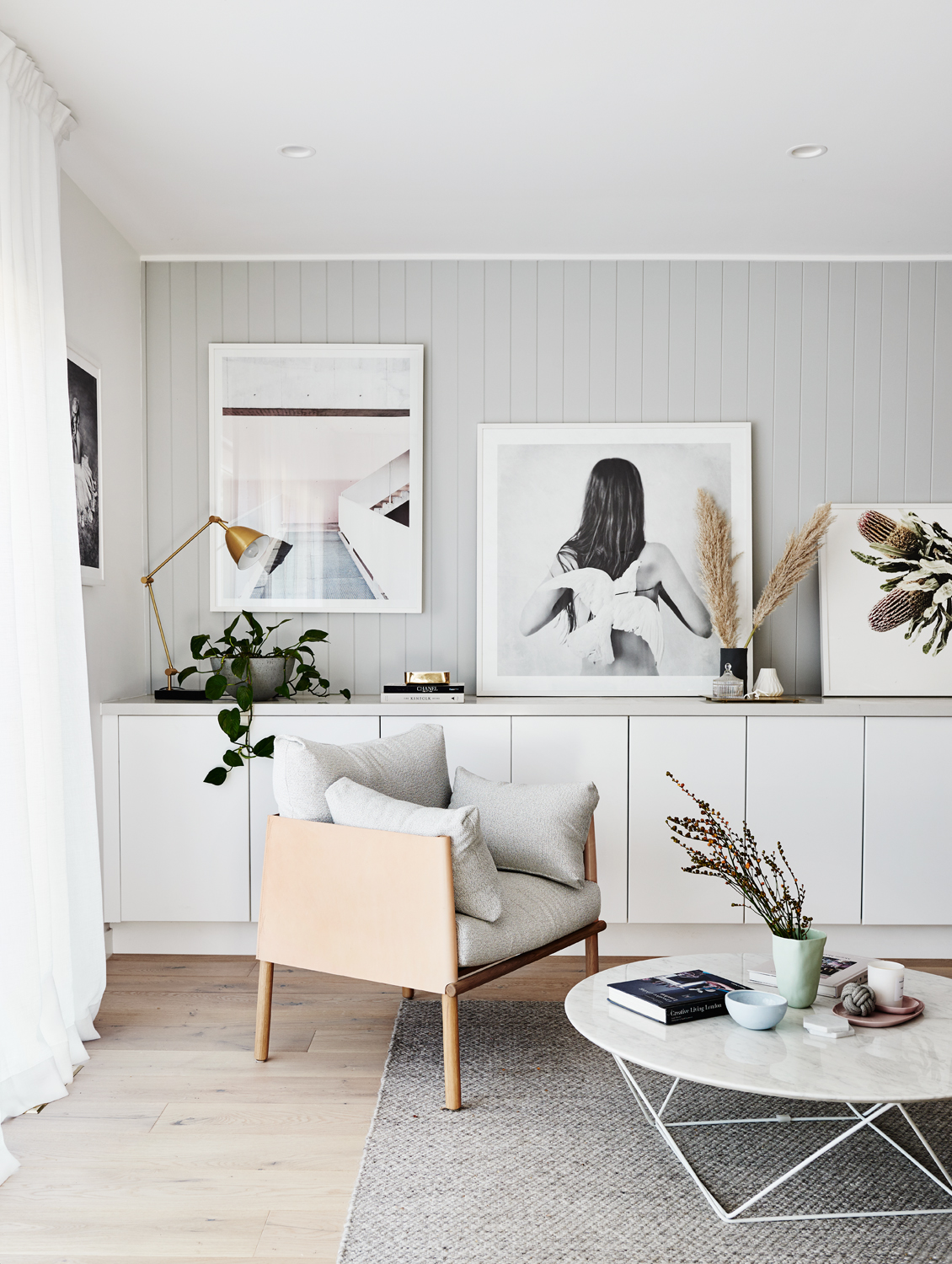
10. Style a Low-Profile Console with a Leaning Art Gallery
The key to a successful leaning art gallery is varying the height and overlap of the frames. Start by placing the largest piece of art slightly off-center. Then, lean a smaller, contrasting piece in front of it, making sure a significant portion of the larger piece is still visible. Add a third, even smaller item—perhaps with a thicker frame or different orientation—to create a sense of layered depth. The arrangement should feel casual and collected, not rigidly symmetrical.
|
$412.99
|
$699.00
|
$35.00
|
$579.00
|

“This setup works because it combines a clean, architectural element—the light gray panelled wall—with a relaxed, almost bohemian approach to displaying art.”
The low-profile console provides a strong horizontal line that grounds the arrangement, while the leaning frames feel informal and effortless. The mix of materials, from the tan leather and light wood of the chair to the cool marble of the coffee table, adds a layer of subtle, sophisticated texture.
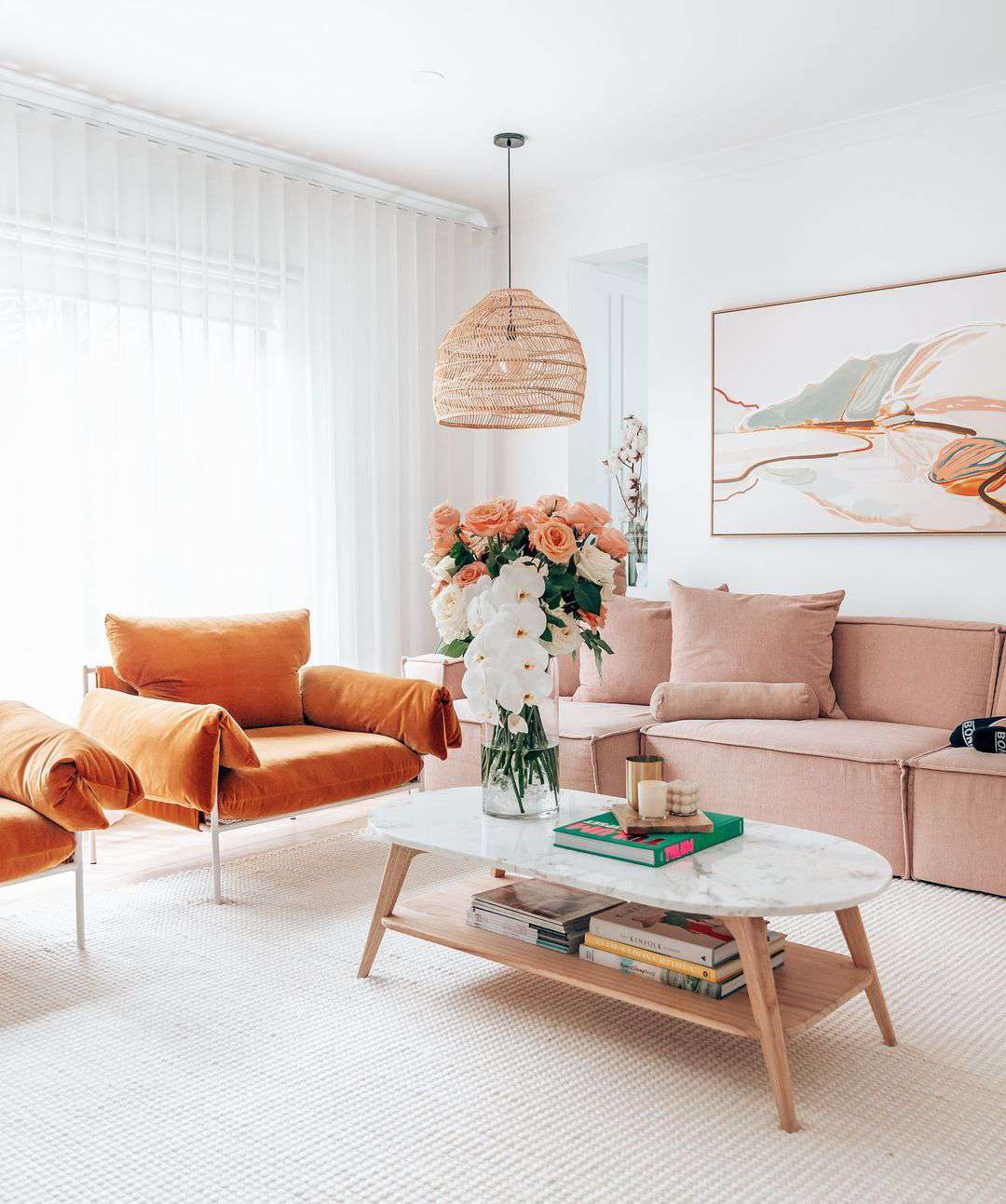
11. Introduce Soft Color with a Modular Pink Sofa and Orange Armchairs
Committing to a colorful sofa is a big decision. While this modular pink sofa is stunning, be prepared for the fact that you are designing the entire room around it. It will dictate your paint choices, rug choices, and accent colors for years to come. If you love pink now, will you still love it in five years? If you’re hesitant, consider getting your color fix from the armchairs instead, which are smaller, less expensive, and easier to swap out when your taste evolves.
|
$108.62
|
$2,199.00
|
$94.78
|
$549.00
|
“You can get this soft, colorful look for much less.”
IKEA stocks modular sofas like the SÖDERHAMN that you can get in a variety of colors, or you can buy a white version and dye the covers yourself. For the orange armchairs, look to brands like Article or Wayfair, which offer velvet seating in rich colors for a fraction of designer prices. A rattan pendant light from a store like World Market or even Target can easily replicate the high-end version, saving you hundreds.
12. Mix Raw Concrete and Polished Gold for a Modern Edge
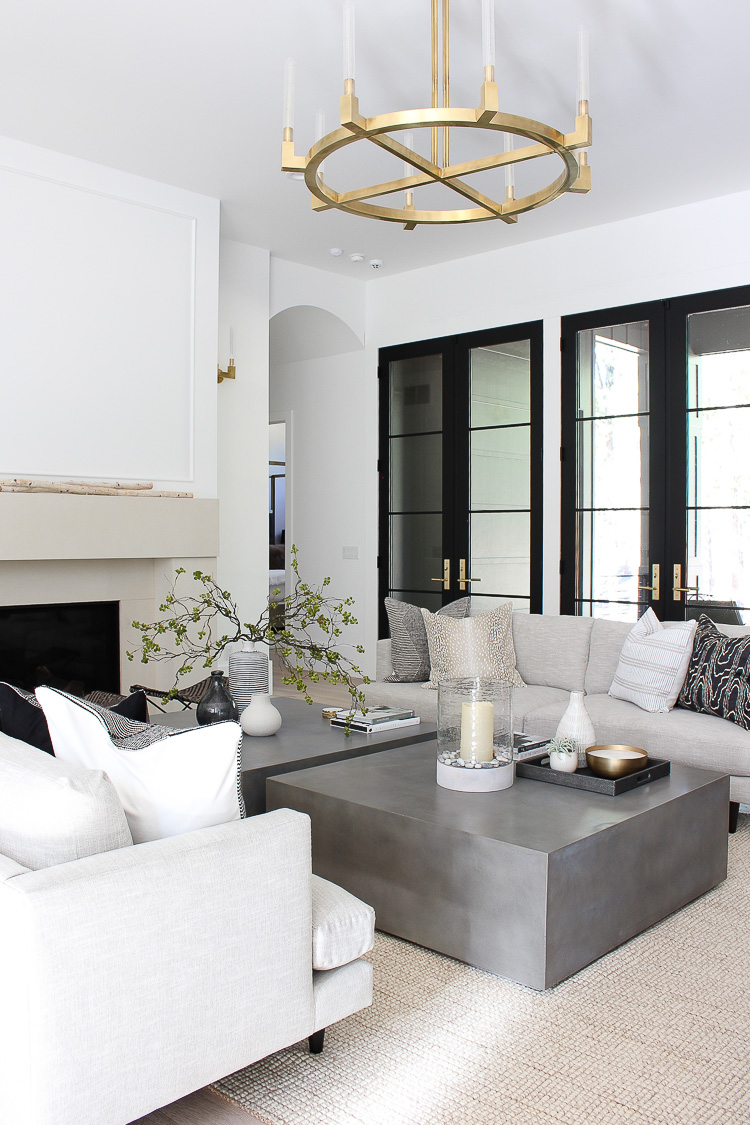
The element that elevates this room from simply modern to truly sophisticated is the tension between the raw and the refined. The dark gray concrete coffee tables are brutalist, heavy, and matte. The gold chandelier, in contrast, is delicate, light, and shiny. It’s this pairing of opposites—the industrial and the glamorous—that creates a dynamic energy. Without the gold, the room would feel colder; without the concrete, it might feel a bit too precious.
|
$583.00
|
$1,119.20
|
$28.55
|


“While concrete coffee tables are incredibly durable, they are not impervious to damage.”
Concrete is porous, so if your tables aren’t properly sealed, they can absorb spills and stain easily, especially with oils or dark liquids like wine. The edges and corners can also be prone to chipping if struck by a hard object. To maintain the finish, clean up spills immediately and check with the manufacturer if it needs periodic resealing. Also, they are exceptionally heavy, so decide on their placement and don’t plan on moving them often!
13. Add Warmth with a Contrasting Brown Leather Armchair
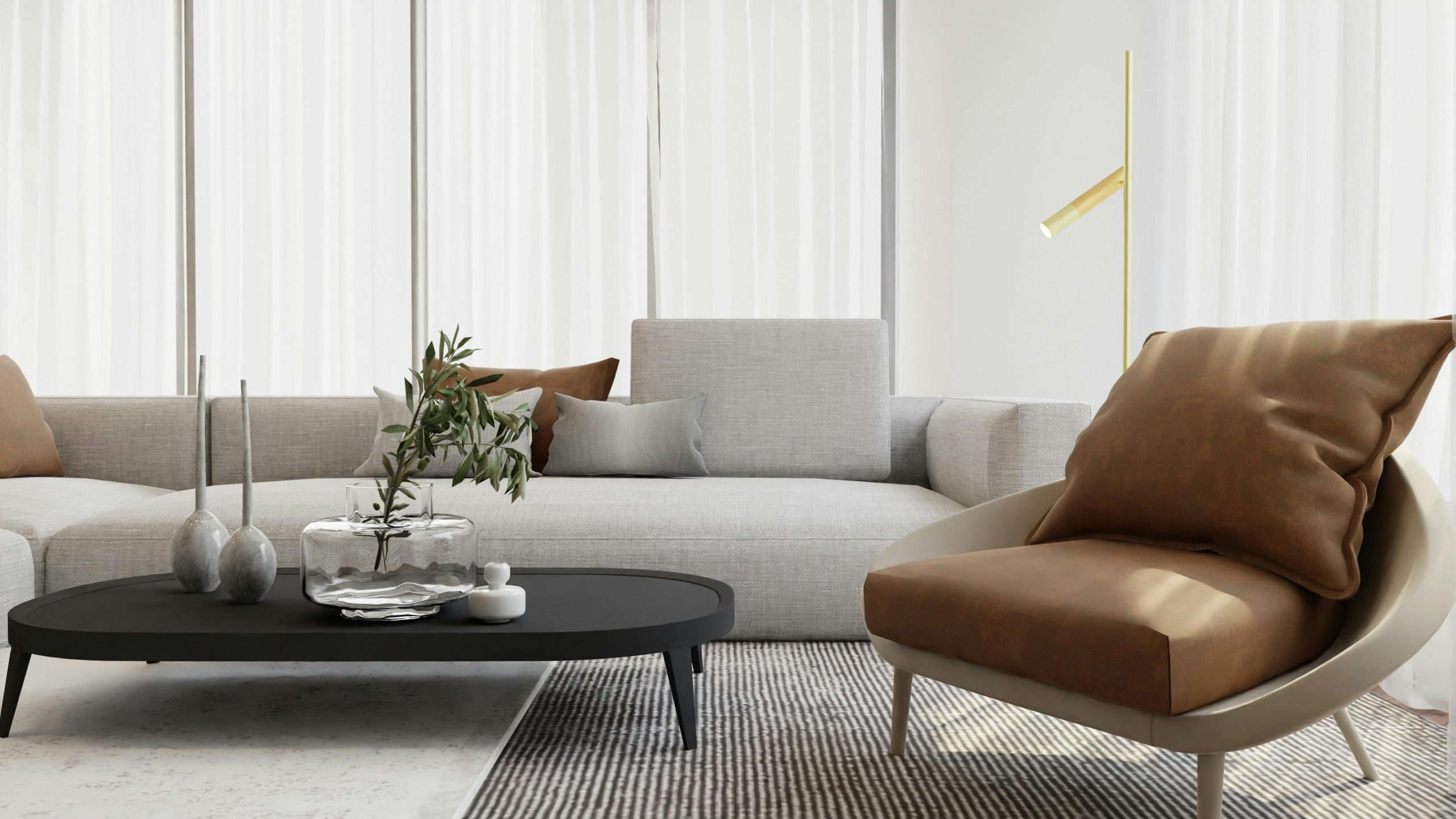
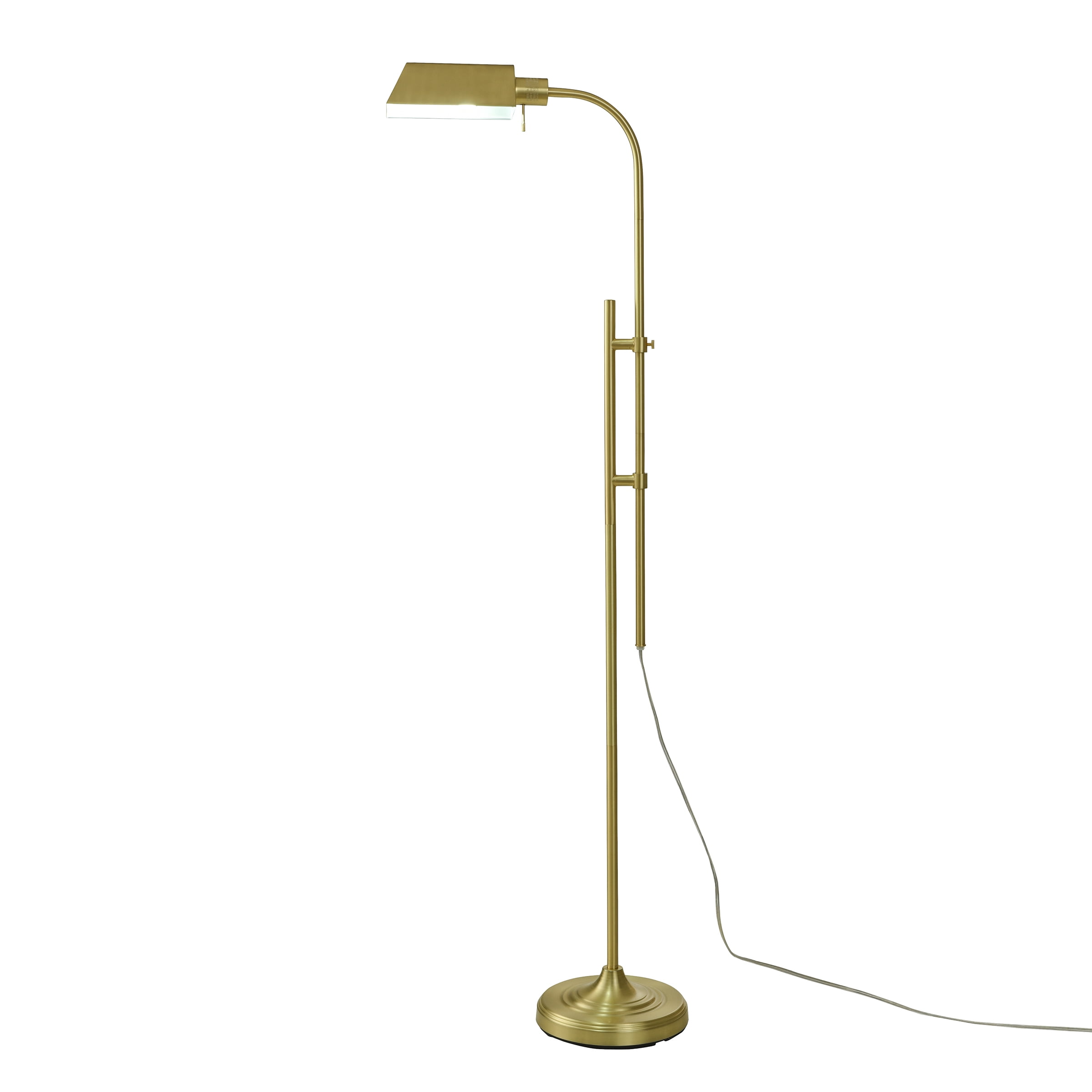
This room’s success lies in its understanding of balance. The long, light grey sectional and sheer white curtains create a cool, linear backdrop. This could easily feel sterile, but the introduction of the brown armchair provides the perfect counterbalance. Its rich, warm color and softer, more rounded shape break up the monotony. The sleek black coffee table and gold floor lamp act as punctuation marks, adding a touch of modern polish and tying the disparate elements together.
|
$94.99
|
$2,599.00
|
$77.34
|
$470.28
|

“Before committing to a large sectional and separate armchair, map out your space carefully.”
Measure the total length and width of your room.
Use painter’s tape on the floor to outline the footprint of the sectional and the armchair.
Ensure there are at least 18 inches between the edge of the sofa and the coffee table.
Check that you have at least 3 feet of clear walkway in major traffic paths.
14. Display Art Casually with a Floating Picture Shelf and Leather Poufs
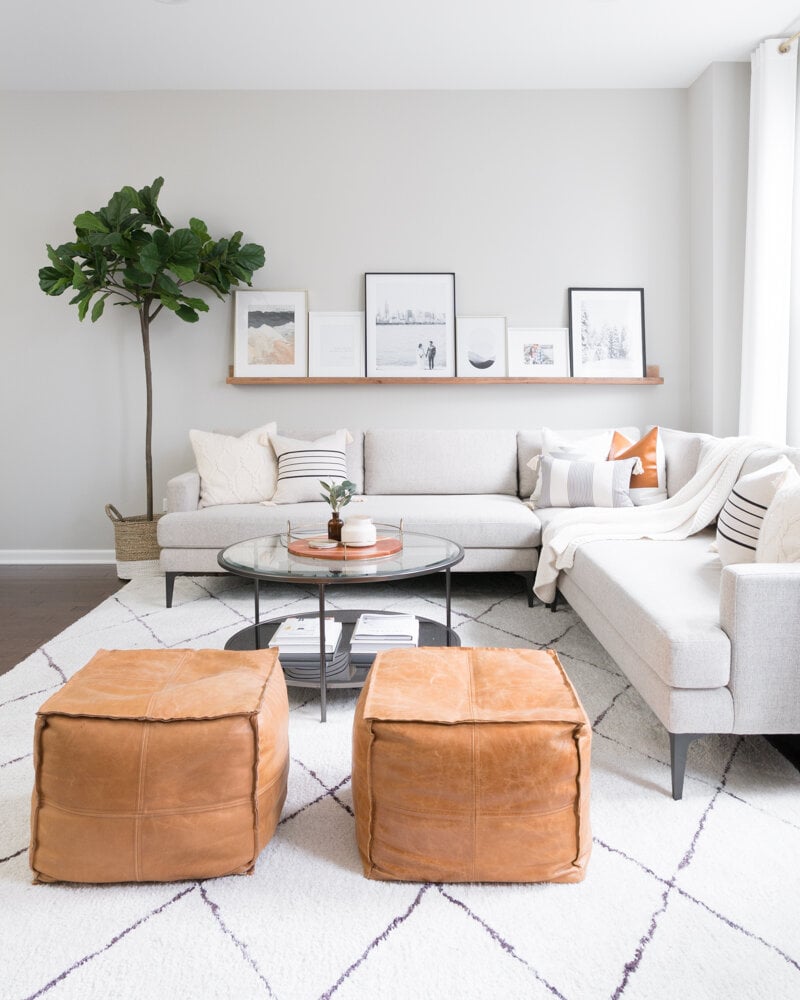
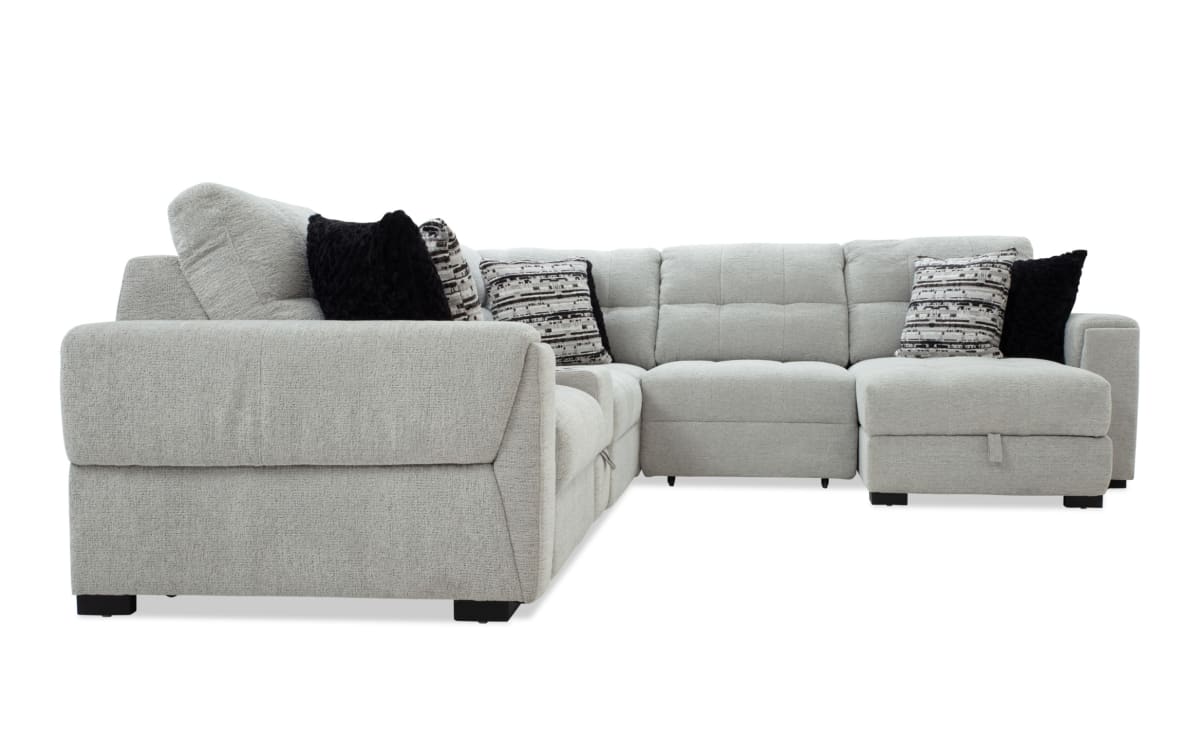
This chic, collected look is surprisingly achievable on a budget. The key pieces are a simple gray sectional (IKEA is your friend here) and a floating shelf (like the MOSSLANDA from IKEA, for about $20). The real savings come from the art; you can find endless affordable prints on Etsy or Society6. Frame them in simple, inexpensive frames from Target or a craft store. Tan leather poufs can be found on Amazon or at HomeGoods for under $100 each, giving you that high-end touch for less. Compare this with the built-in shelving look from Idea #10!
|
$2,499.00
|
$135.00
|
$132.50
|
$69.99
|

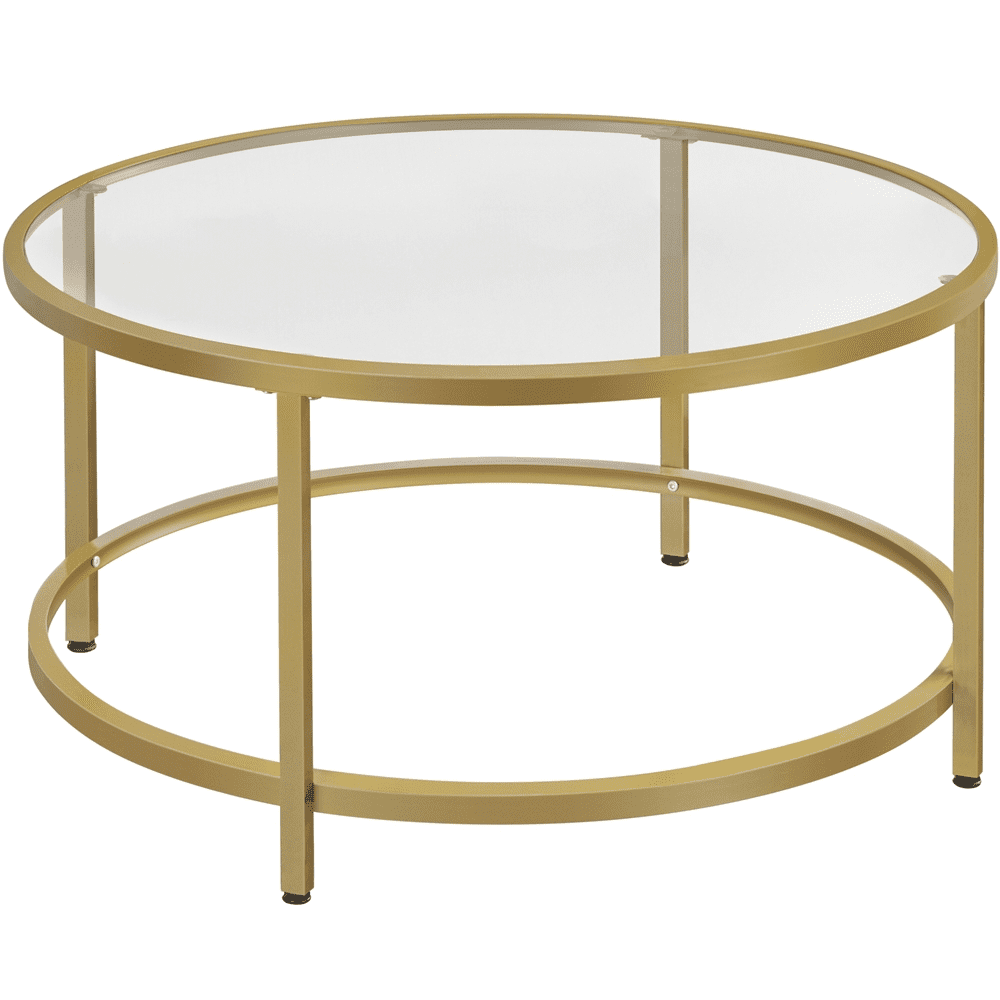
“Installing a floating picture ledge is a simple DIY project that makes a huge impact.”
Choose Your Spot: Decide on the height—typically 8-10 inches above your sofa. Use a level and a pencil to mark a straight line.
Find the Studs: Use a stud finder to locate the wall studs along your line. Mark them clearly. This is critical for a secure hold.
Mark Your Holes: Hold the shelf up to the line and transfer the stud locations to the shelf’s screw holes.
Drill Pilot Holes: Drill small pilot holes into the wall at your marked stud locations.
Attach the Shelf: Drive the screws through the shelf into the pilot holes. Double-check that it’s level before fully tightening.
15. Balance a White Brick Fireplace with an Organic Wood Coffee Table
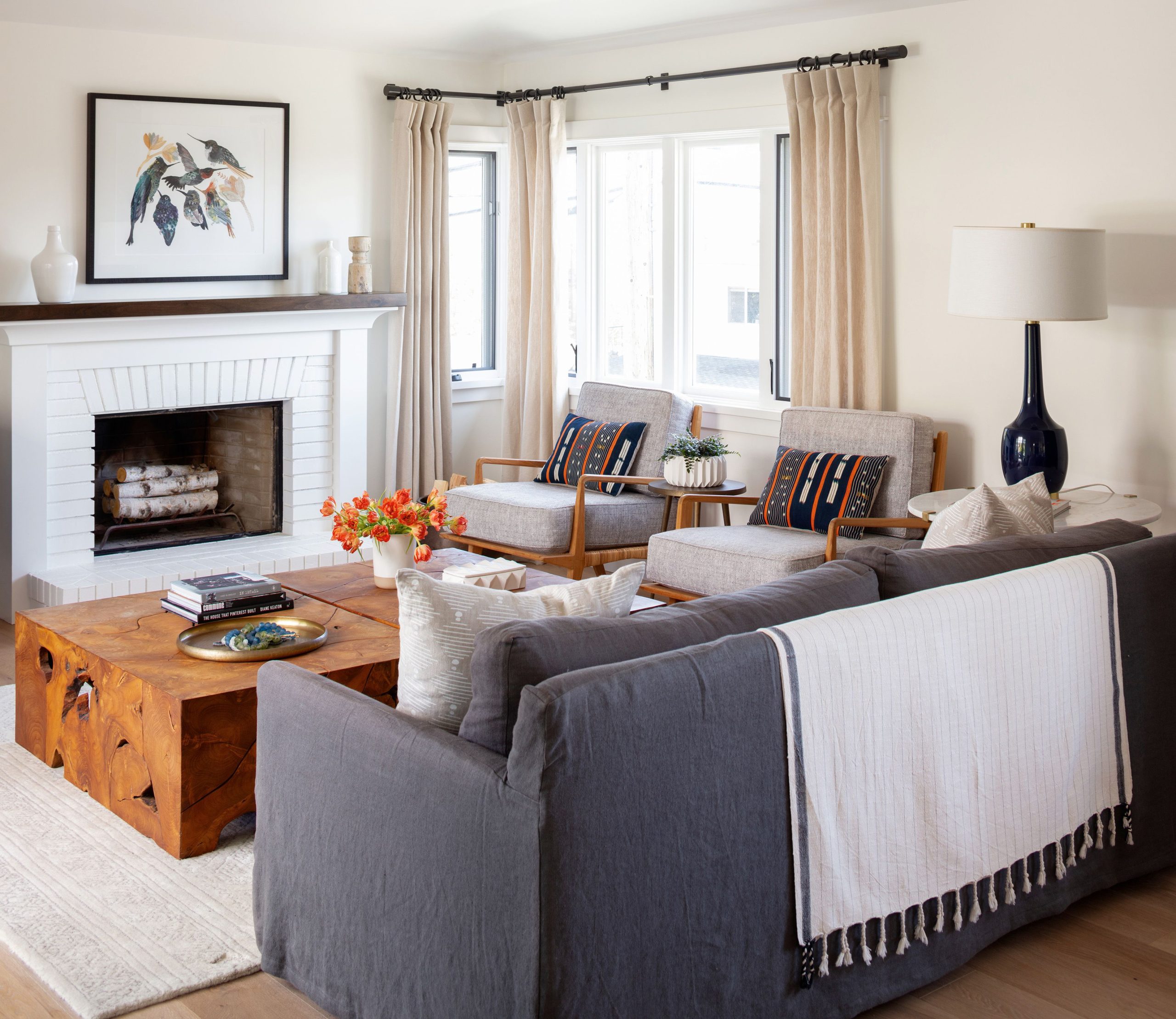
The single element that keeps this room from feeling too rigid is the organic-shaped wooden coffee table. The fireplace, framed art, and even the sofa are all based on strong, straight lines. The coffee table defies this geometry with its free-form, natural curves. This contrast is what brings the room to life. It introduces a necessary softness and a connection to nature that balances the more structured elements around it, making the entire space feel more relaxed and approachable.
|
$899.99
|
$1,899.00
|
$41.11
|
$12.97
|
“When you have two matching armchairs, don’t feel obligated to place them side-by-side.”
Angling them towards each other, as shown here, creates a more conversational and intimate seating arrangement. It closes off the grouping just enough to feel cozy, but remains open enough to feel welcoming. This trick works especially well when the chairs are flanking another major element, like a fireplace or a large window.
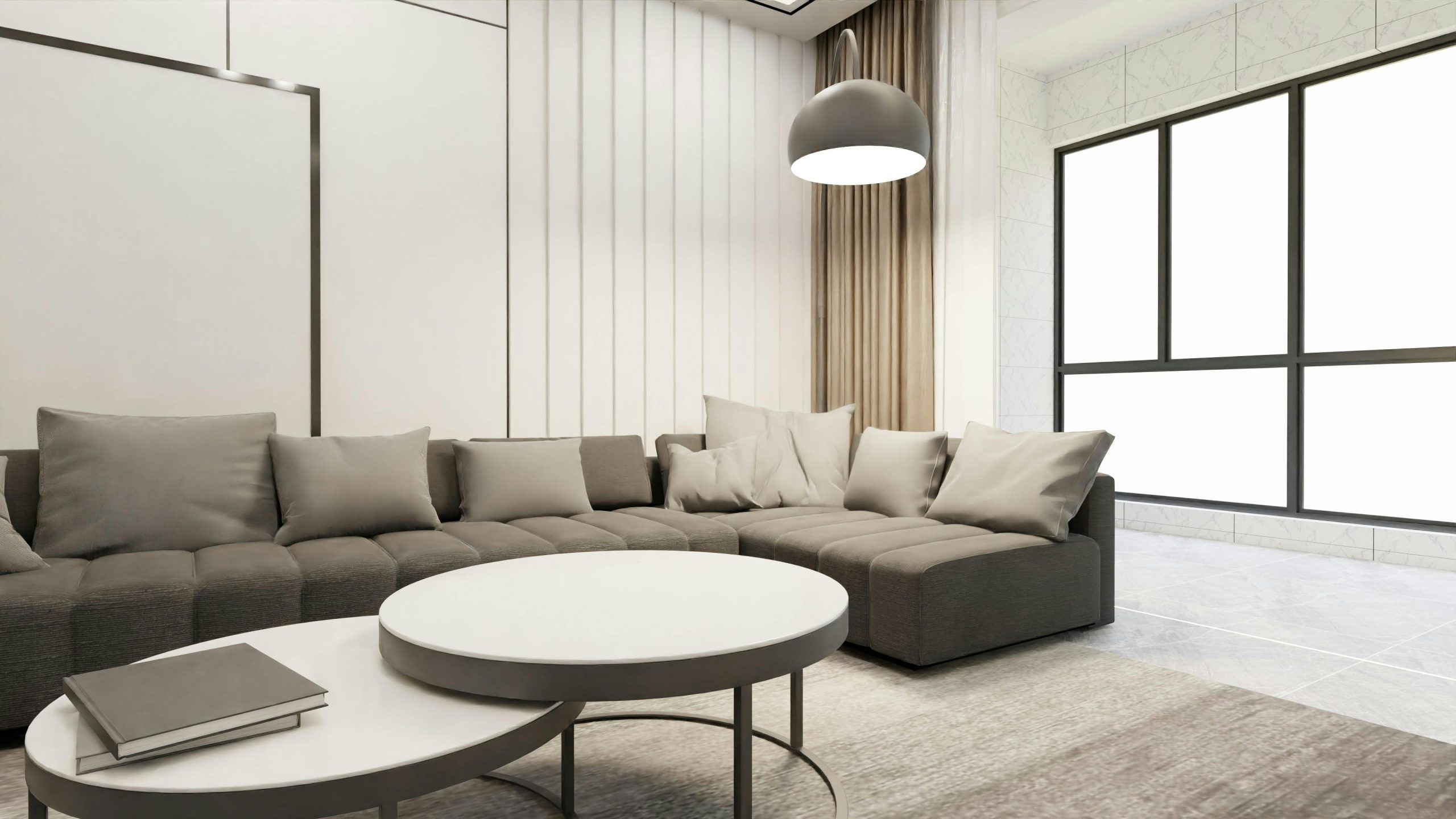
16. Go Monochromatic with a Dark Gray Sectional and Nested Tables
The visual recipe for this sleek space is a study in controlled tones: 50% dark gray + 40% crisp white + 10% light gray/beige. The dark sectional provides a dramatic, grounding anchor. The white walls, slatted paneling, and table tops create a bright, spacious canvas that bounces light around the room. Finally, the light gray rug and beige curtains act as subtle mid-tones that bridge the gap between the dark and light extremes, giving the room a cohesive, layered feel.
|
$1,411.39
|
$189.99
|
$108.49
|
$199.98
|

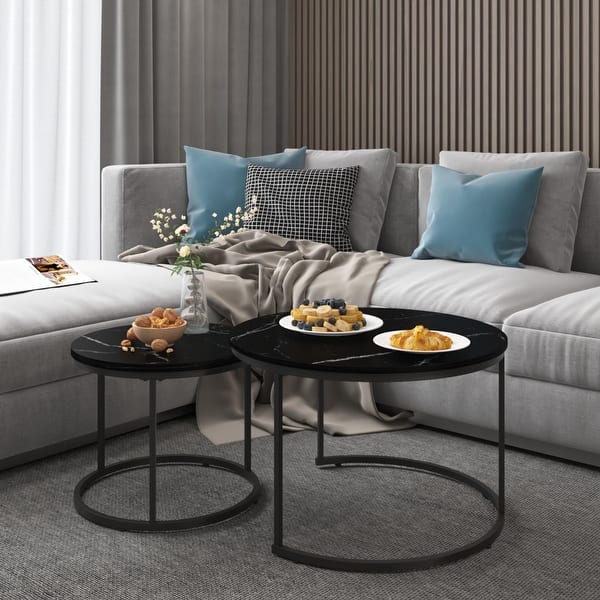

“A dark gray sectional is fantastic for hiding minor spills and looking chic, but in a room without enough natural light, it can feel like a black hole, sucking all the brightness out of the space.”
Notice how this room balances the dark sofa with huge black-framed windows, white walls, and light-colored flooring. If your room is naturally dim, consider a medium-gray sofa instead, or be prepared to invest heavily in layered lighting—from pendants to floor lamps—to keep it from feeling gloomy.
17. Mix a Warm Leather Sofa with Shaggy and Geometric Textiles
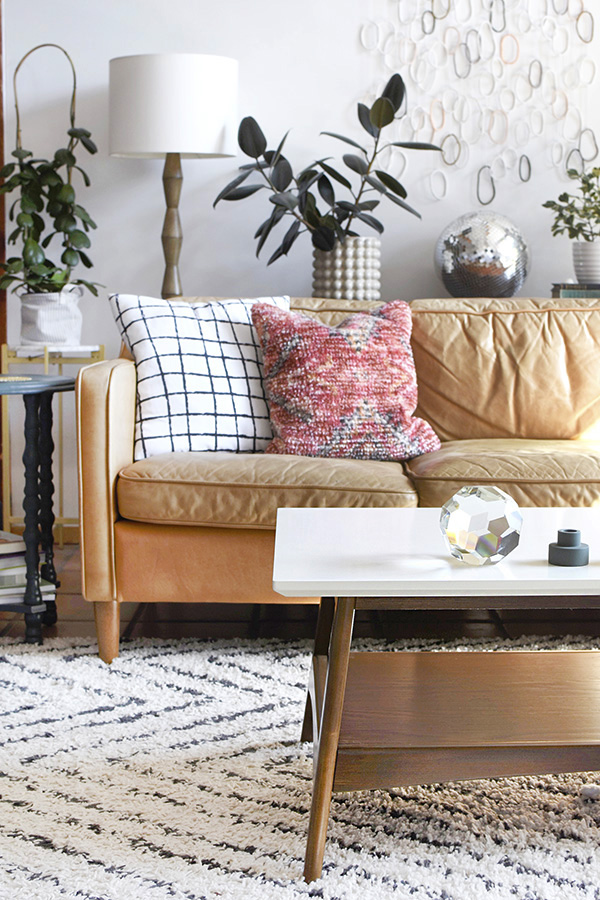
This room feels so inviting because it expertly mixes different design languages. The caramel leather sofa is classic mid-century modern. The shaggy, high-pile rug with its zig-zag pattern leans a bit bohemian. The grid-patterned throw pillow is distinctly graphic and modern. It works because the color palette is kept tight—caramel, black, white, and green. This allows the different patterns and textures to create a rich, layered look that feels collected over time, not bought from a single showroom.
|
$54.99
|
$110.22
|
$149.99
|
$2,391.99
|

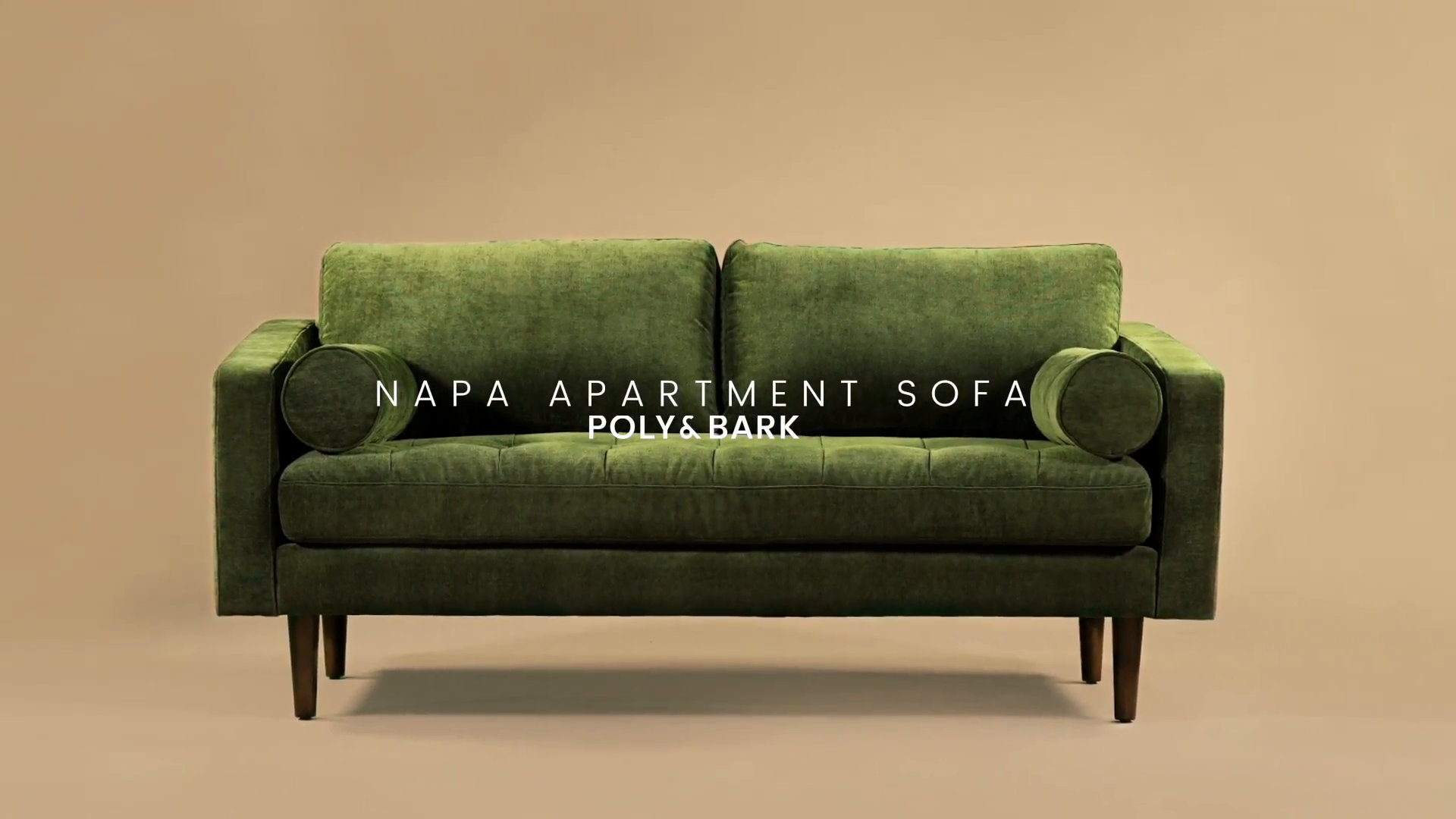
“A genuine leather sofa can be a huge investment.”
To get this look for less, look for a faux leather or “vegan leather” option from a store like Wayfair or Article, which can give you the same color and profile for under $1,500. The real star, the shaggy geometric rug, can be found at places like Rugs USA or even Target for a few hundred dollars. Fill the space with real, easy-care plants like a snake plant or pothos instead of a pricey fiddle-leaf fig.
18. Create an Earthy Vibe with Low-Slung Seating and Floating Shelves
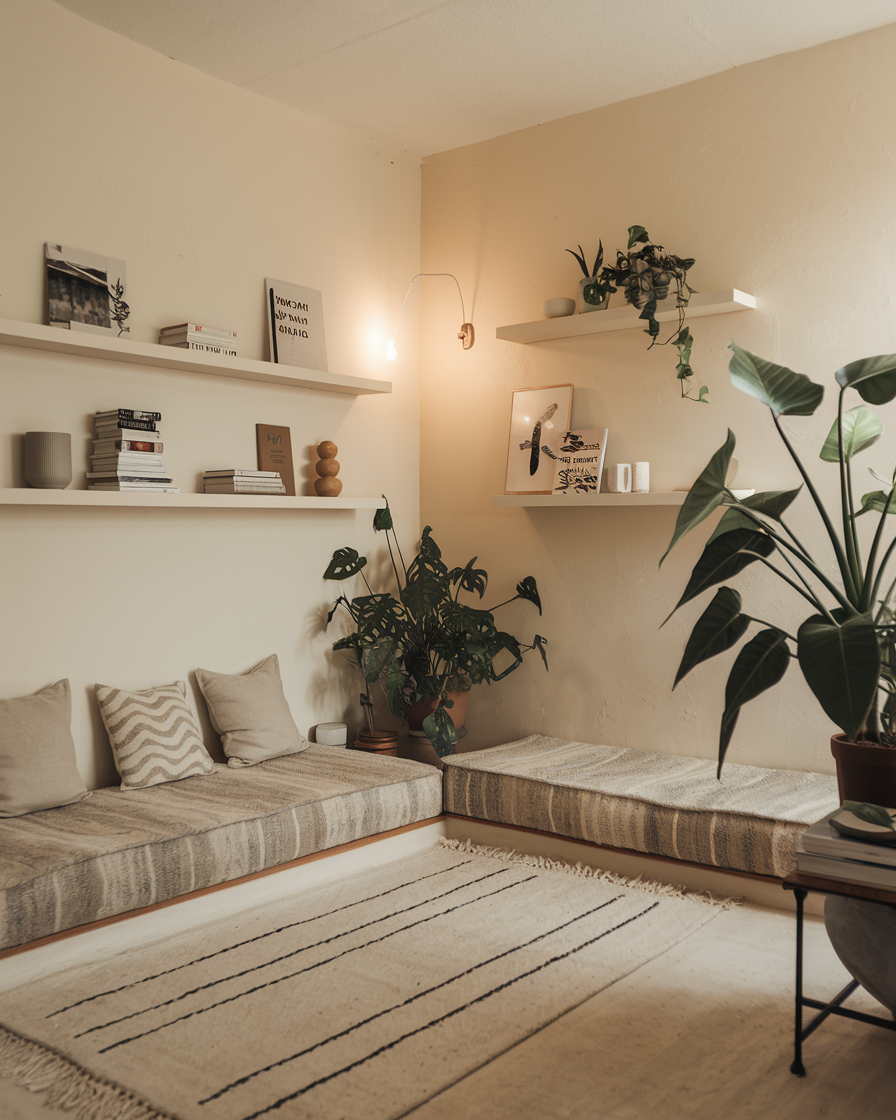
that defines the relaxed, earthy character of this room is the built-in, low-slung seating. Traditional sofas and armchairs would have given this space a completely different, more formal energy. The low bench creates a casual, communal, almost lounge-like atmosphere. It encourages you to lean back, put your feet up, and unwind. It’s a design choice that prioritizes comfort and a laid-back lifestyle above all else.
|
$59.99
|
$99.85
|
$200.00
|
$11.64
|
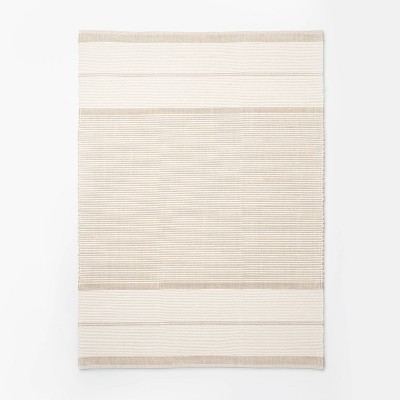
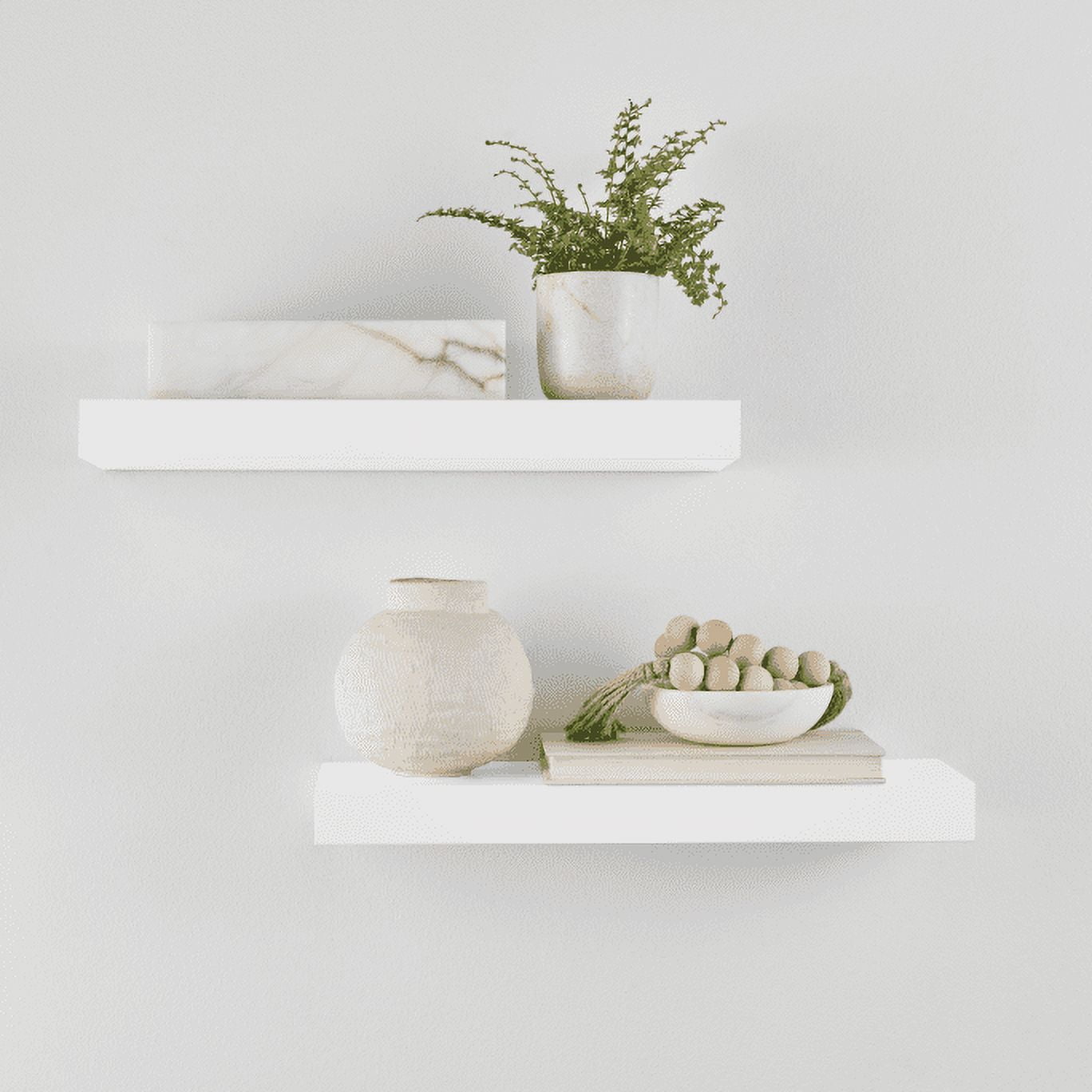
“Styling floating shelves is an art form.”
Here is a simple process to get it right.
Start with an Anchor: On each shelf, place your largest item first, like a piece of art or a taller vase. Place it slightly off-center.
Add Verticals: Place stacks of books—some vertically, some horizontally—to vary the height and create platforms for smaller objects.
Layer in Objects: Add your decorative objects (bowls, sculptures, small plants) in front of or next to the books and art. Work in triangles to create visual flow.
Create Breathing Room: Don’t fill every inch. Leave some empty space to allow the items to stand out.
19. Design a Moody Retreat with Dark Walls and Integrated Lighting
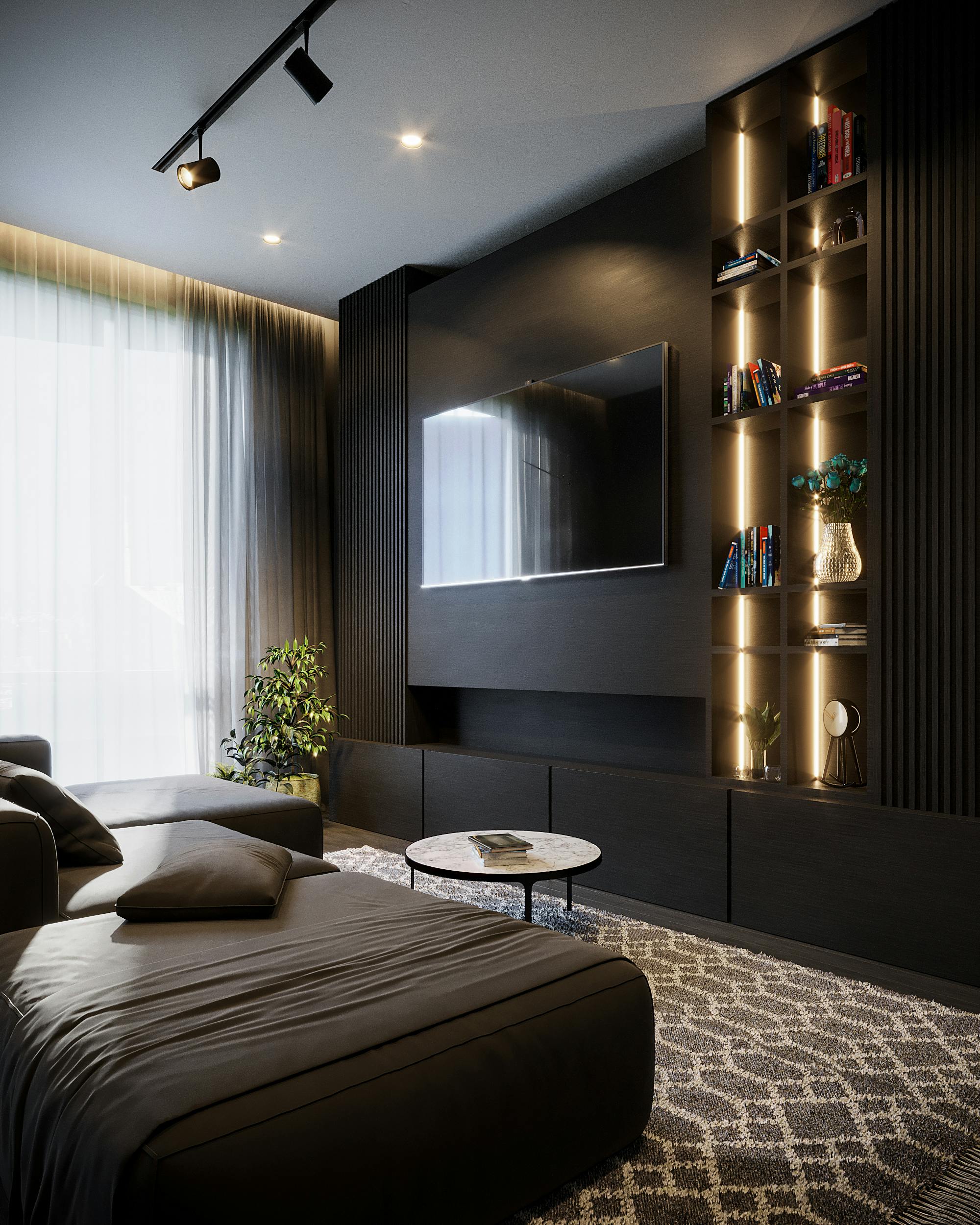
Dark, moody interiors are becoming a popular form of “cocooning,” a trend about making our homes feel like safe, cozy retreats from a chaotic world. By wrapping the room in a dark charcoal grey, the space feels intimate and enveloping. The integrated strip lighting in the shelving unit is key; it adds a warm, ambient glow that prevents the dark color from feeling oppressive and instead makes it feel luxurious and modern. This is minimalism for the person who finds white walls stark, not serene. The darker theme in Idea #20 offers another take on this trend.
|
$19.97
|
$999.00
|
$60.99
|
$119.99
|
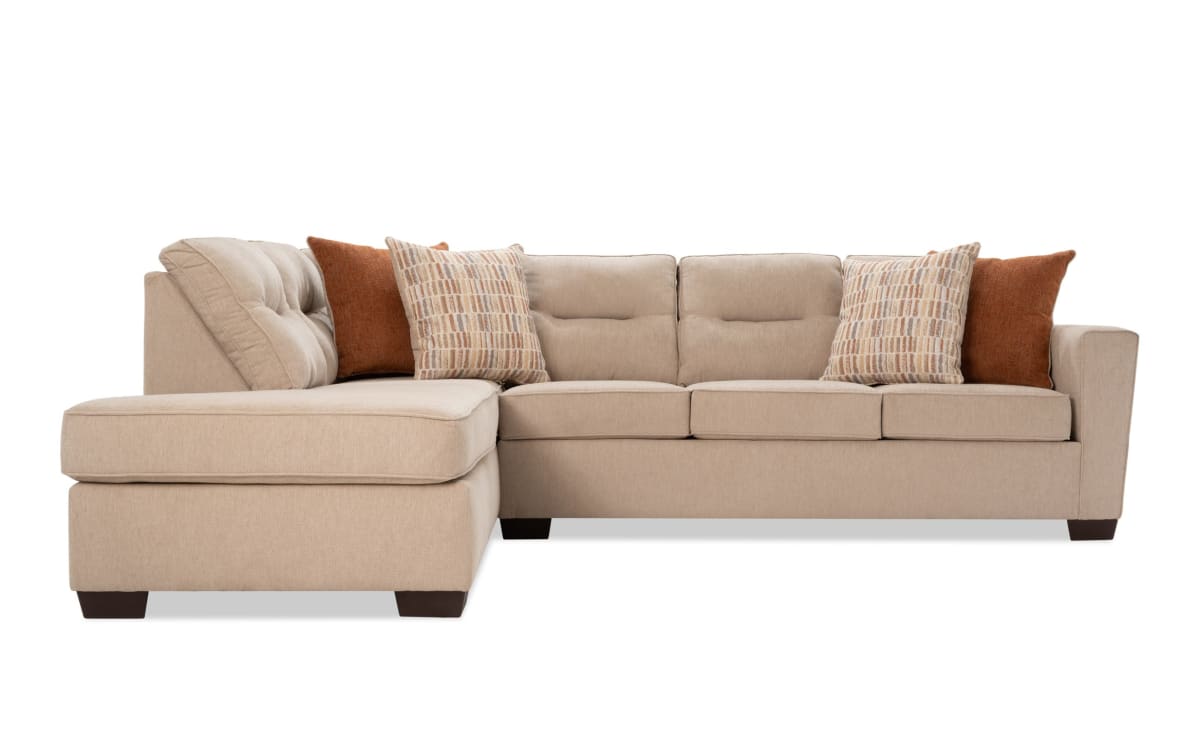
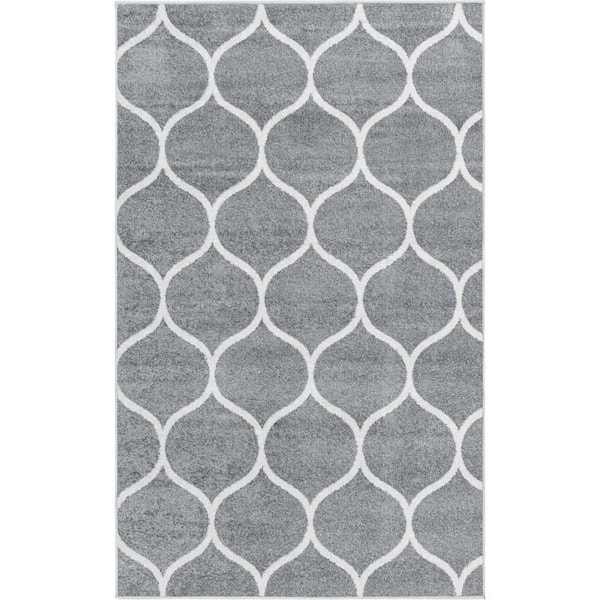
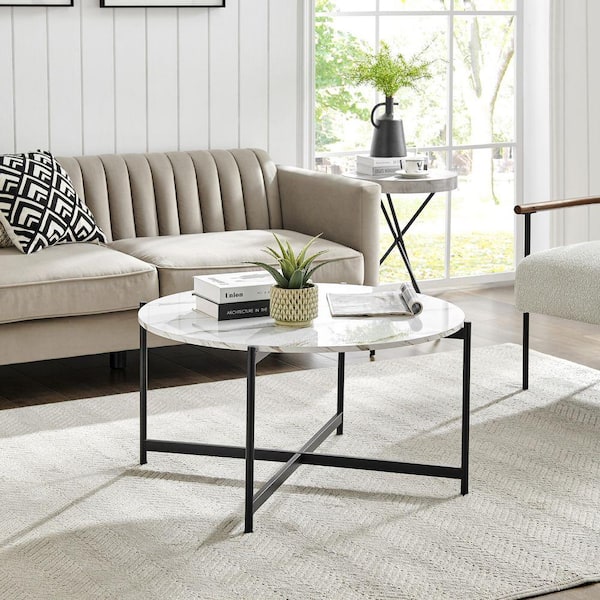
“A custom built-in media wall like this is a significant investment, but it creates a seamless, high-end look.”
Custom Cabinetry & Paneling: $8,000 – $20,000+
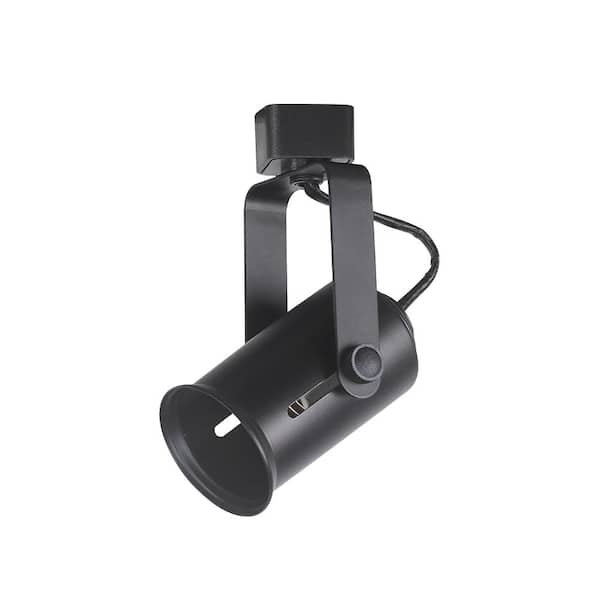
Lighting (LED strips, track lights): $1,500 – $4,000
Main Furniture (Sectional, Coffee Table): $4,000 – $9,000
Textiles (Rug): $800 – $2,500
TOTAL: $14,300 – $35,500+
Budget alternative: Get a similar vibe by painting a feature wall a dark charcoal, and using modular shelving units (like IKEA’s BESTÅ system) with added stick-on LED light strips.
20. Embrace Monochromatic Luxe with Dark Teal Velvet and Ornate Paneling
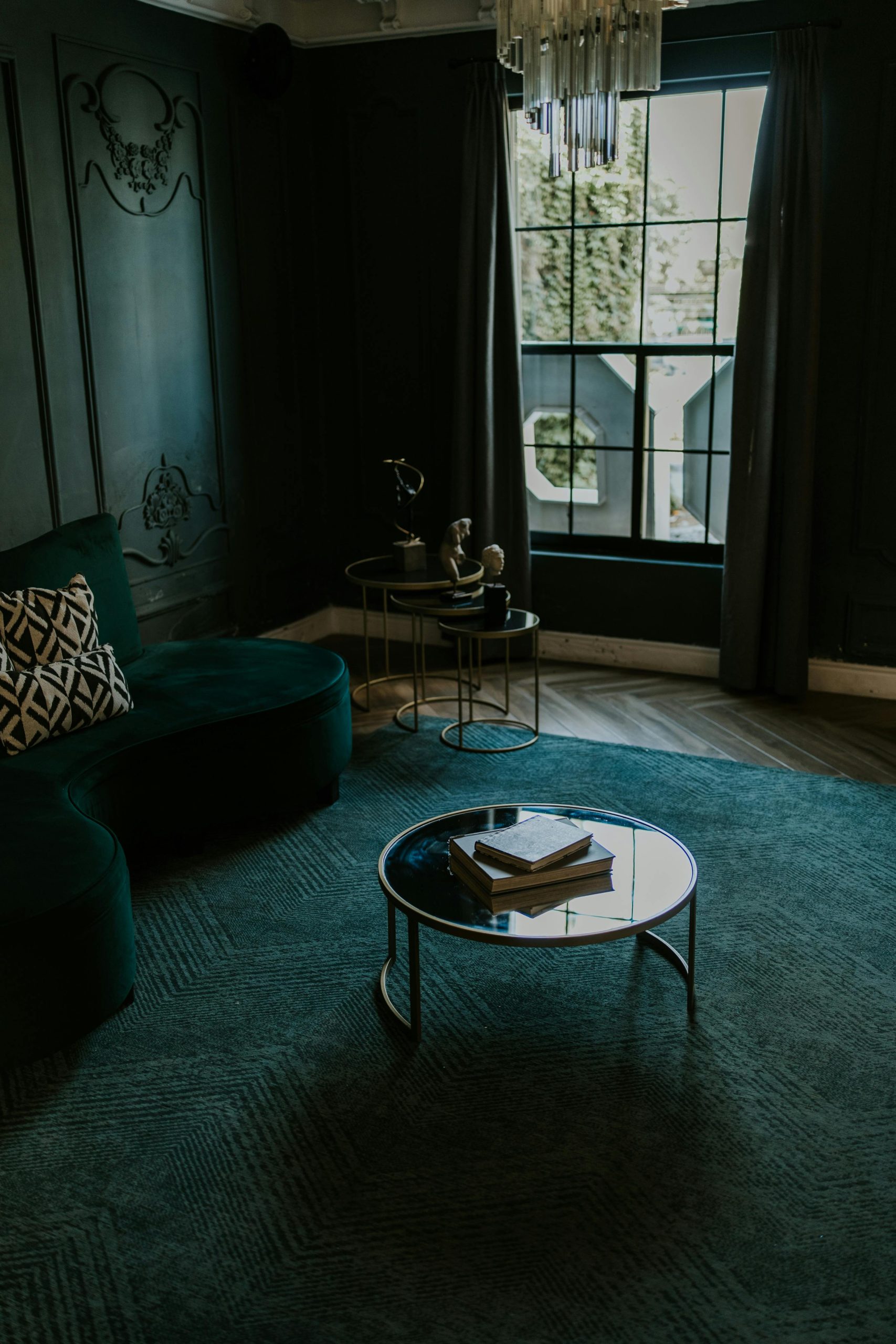
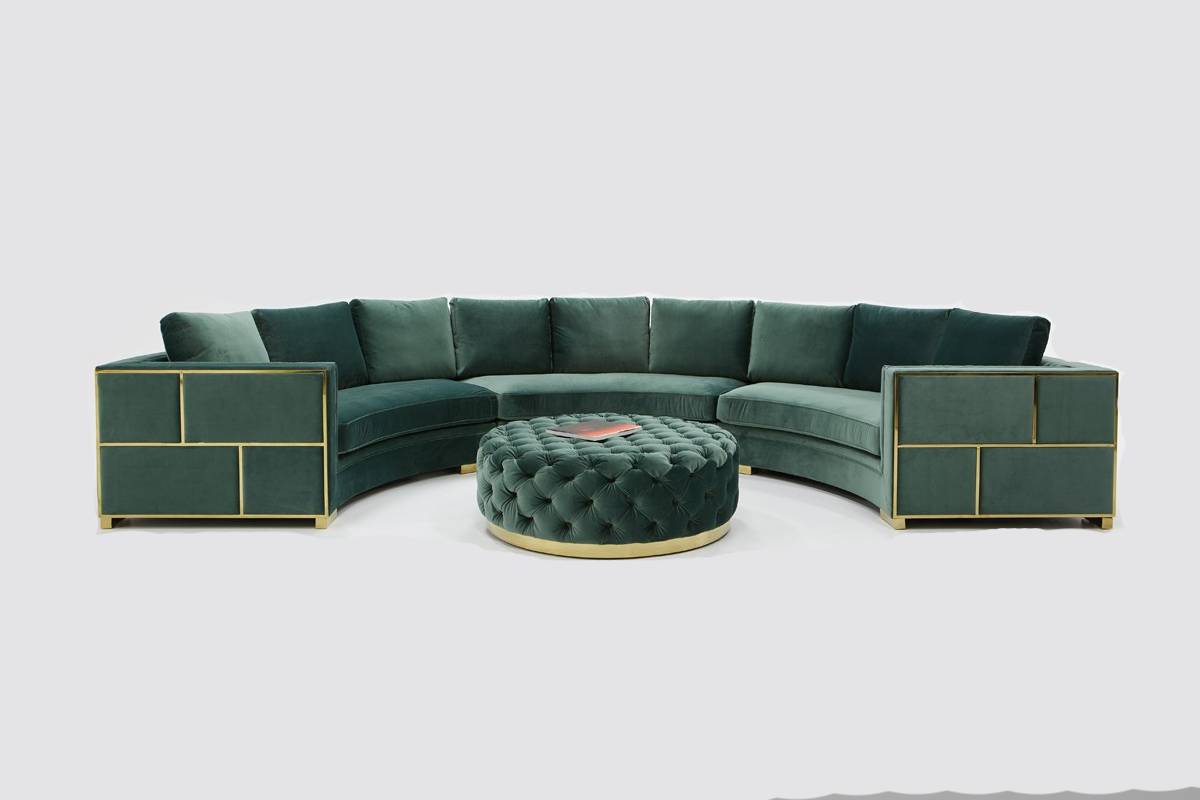
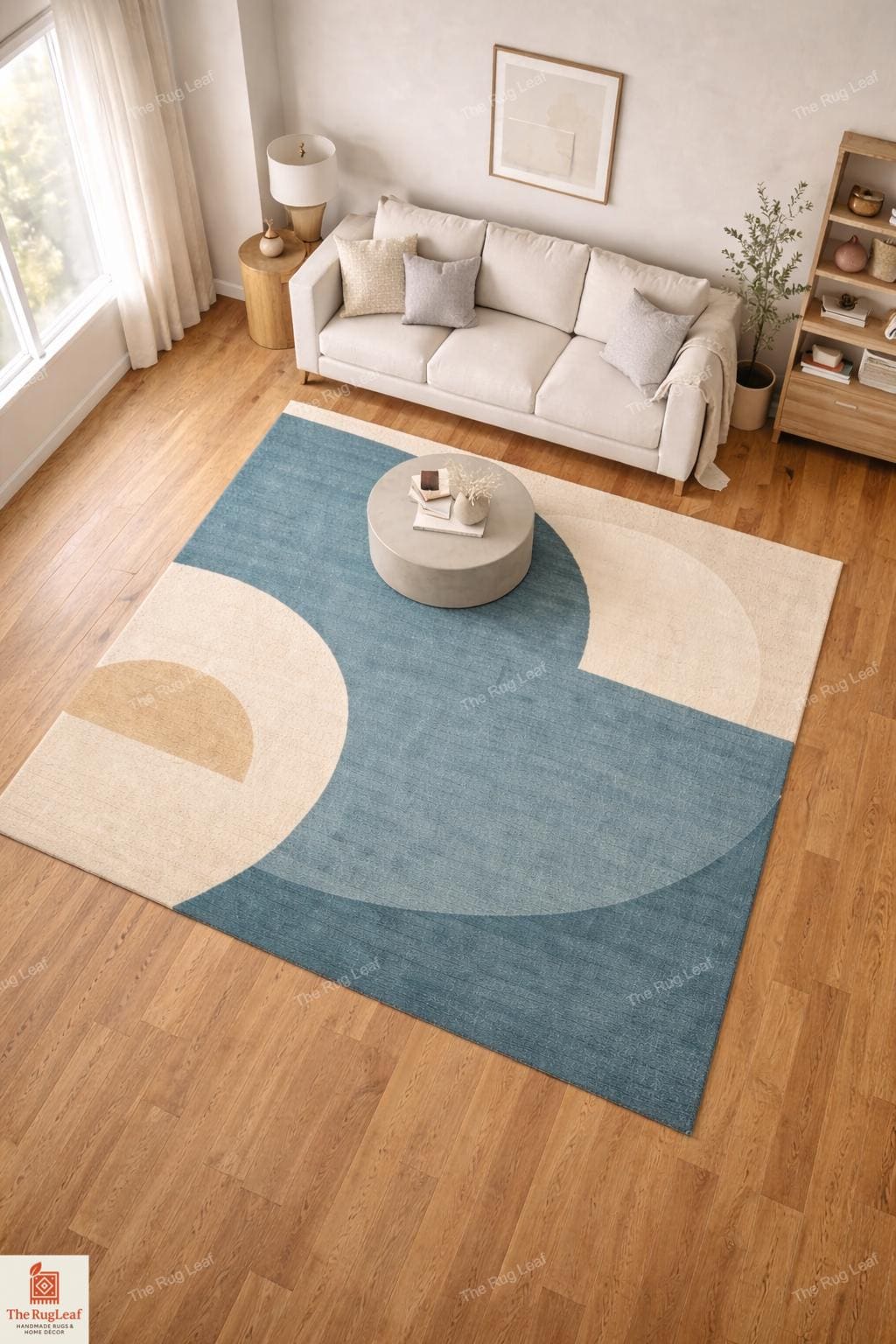
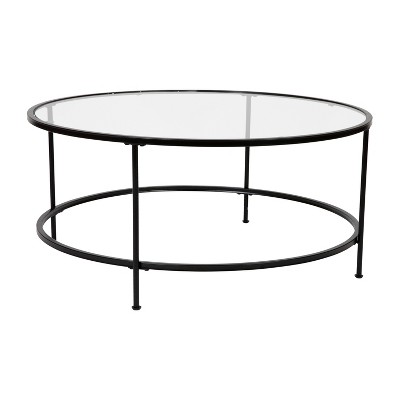
The single most important decision in this room is the commitment to a single, dramatic color: dark teal. By using it on the walls *and* the curved sofa *and* the rug, the designer creates an incredibly immersive and luxurious experience. This monochromatic approach is bold. It makes the room feel like a self-contained jewel box. The gold and black accents pop against the deep teal, but it’s the full saturation of that one color that makes the space so memorable and sophisticated.
|
$1,299.00
|
$145.25
|
$369.00
|
$130.99
|

“This look, with its dark, saturated color and ornate paneling, works best in rooms with high ceilings (10ft or more) and large windows.”
The height and natural light are crucial to prevent the deep teal from making the space feel small or cavernous. In a room with lower ceilings or less light, you could achieve a similar feel by painting just one accent wall in the dark teal and keeping the other walls a lighter, complementary neutral. Use plenty of mirrors to bounce light around.
21. Create Contrast with Dark Wood Trim and a Geometric Rug
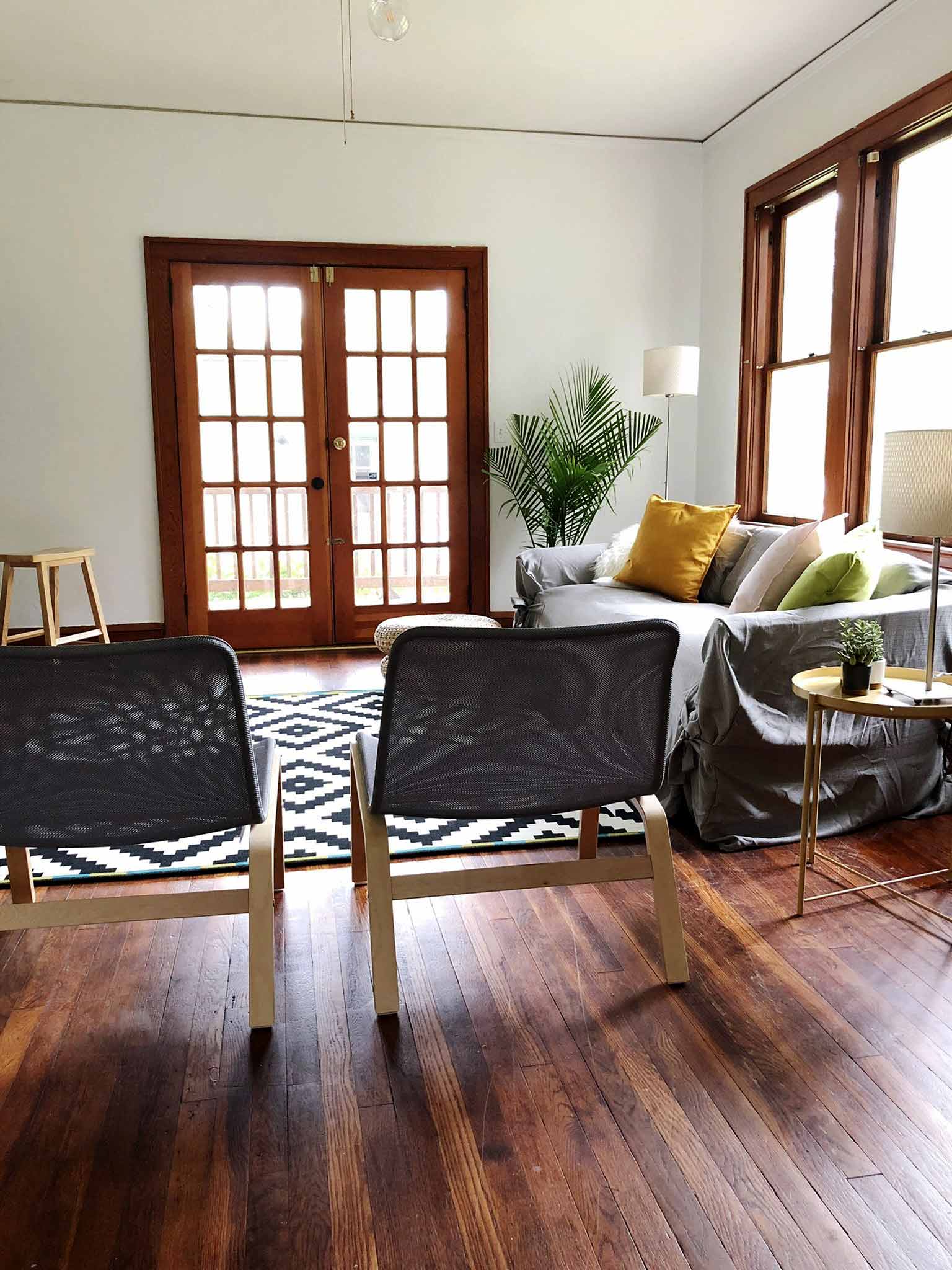
The success of this design lies in its bold use of contrast. The dark, almost black stain on the wooden doors and window frames creates a strong graphic outline against the crisp white walls. This is not a subtle look; it’s a confident statement. The black and white geometric rug powerfully echoes this high-contrast theme, tying the whole room together. The softer grey of the sofa and pops of color in the pillows then serve to soften the look just enough, preventing it from feeling too harsh.
|
$129.99
|
$49.99
|
$49.99
|
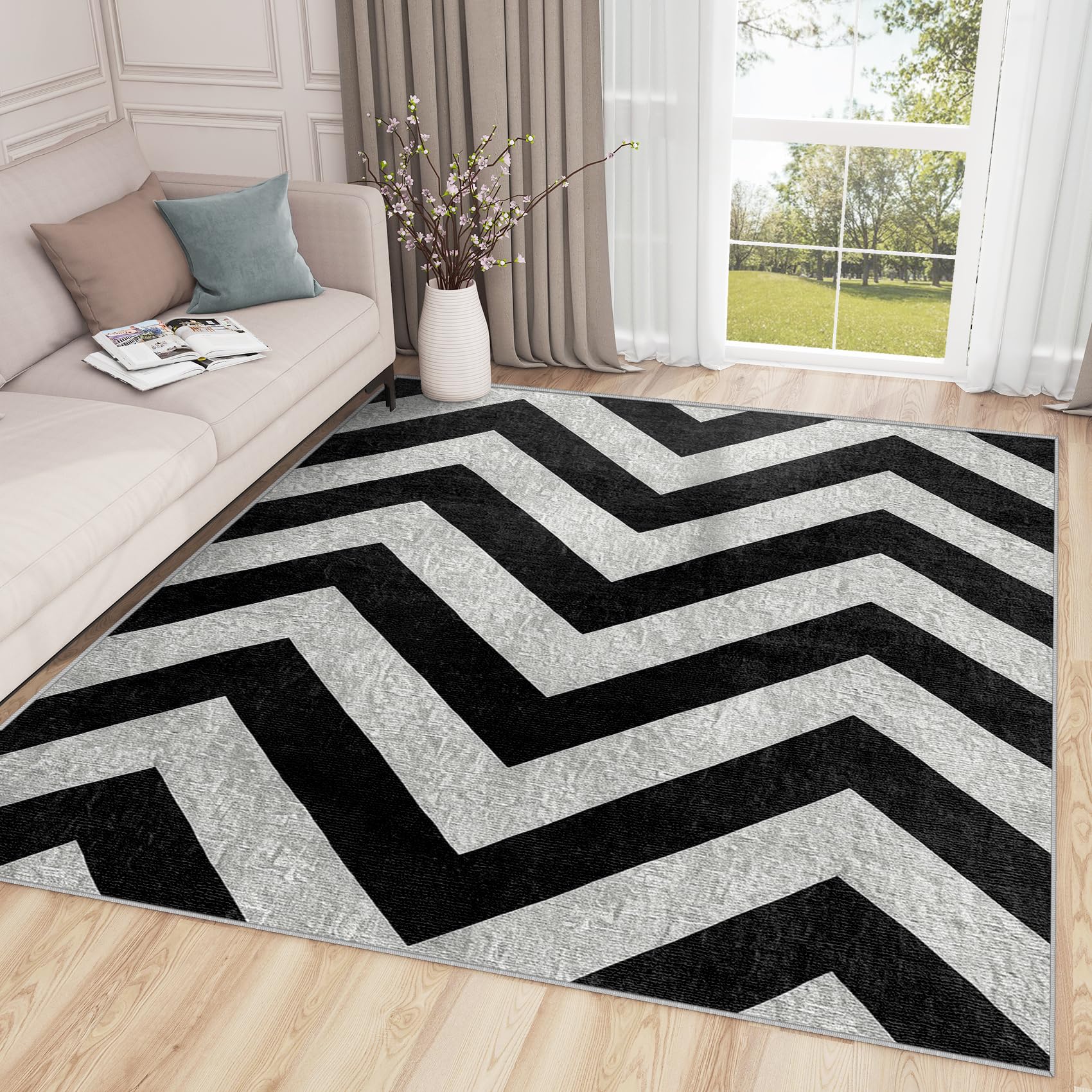
“Stained dark wood trim is a beautiful, classic choice, but it can be a double-edged sword.”
It can make a room feel smaller and the ceilings feel lower by drawing strong horizontal and vertical lines. While this room has enough natural light to handle it, a darker room could quickly feel gloomy. Also, if you decide you don’t like it in a few years, properly prepping and painting over dark-stained wood is a laborious, multi-step process. Be sure you’re committed before you start staining!
22. Soften a Modern Space with a Textured Cream Sectional
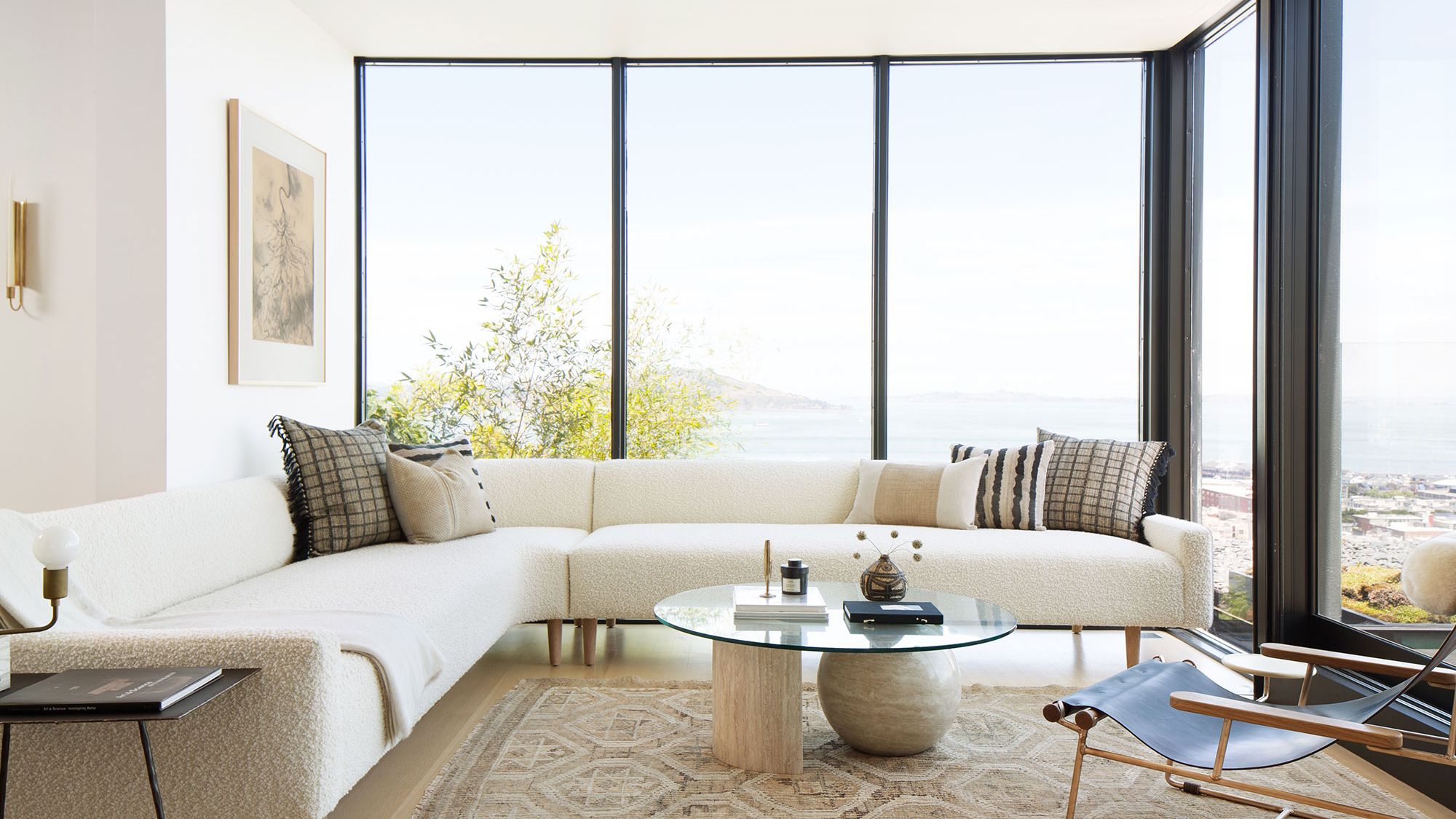
that makes this room feel both minimalist and supremely comfortable is the texture of the cream sectional sofa. In a room with so many hard, smooth surfaces—the glass coffee table, the stone base, the black-framed floor-to-ceiling windows—the nubby, tactile fabric of the sofa provides essential softness and warmth. It invites you to touch it and lounge on it. Without this textural element, the room, though beautiful, would risk feeling cold and uninviting.
|
$3,649.00
|
$199.00
|
$799.99
|
$221.99
|

“A light-colored, textured fabric like bouclé or chenille is gorgeous, but it can be a challenge to maintain.”
The open weave and lofty piles that make it so cozy can also trap dust, crumbs, and pet hair. Regular vacuuming with an upholstery attachment is a must. Spills should be blotted immediately, as rubbing can damage the fibers. For deeper cleaning, professional upholstery cleaning once a year is recommended to keep it looking fresh. A similar, lower-maintenance look could be achieved with a flat-weave performance fabric in a similar cream color.
23. Create an Airy Atmosphere with a Beige Sofa and Sheer Curtains
The formula for this serene space is all about light and softness. It’s about 70% light neutrals (beige sofa, white walls, white rug), 20% diffused natural light (the sheer curtains are key), and 10% sharp, modern accents (the dark metal coffee table). The sheer curtains are the magic ingredient, filtering the harsh sunlight into a soft, ambient glow that bathes the entire room and makes the shaggy rug and plush sofa feel even more inviting. The dark table provides a necessary point of contrast.
|
$185.90
|
$3,799.99
|
$99.00
|
$85.21
|
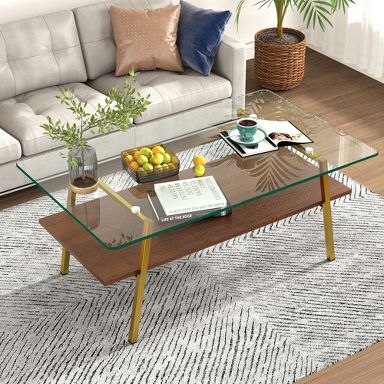

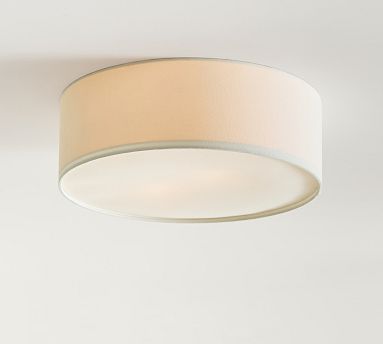
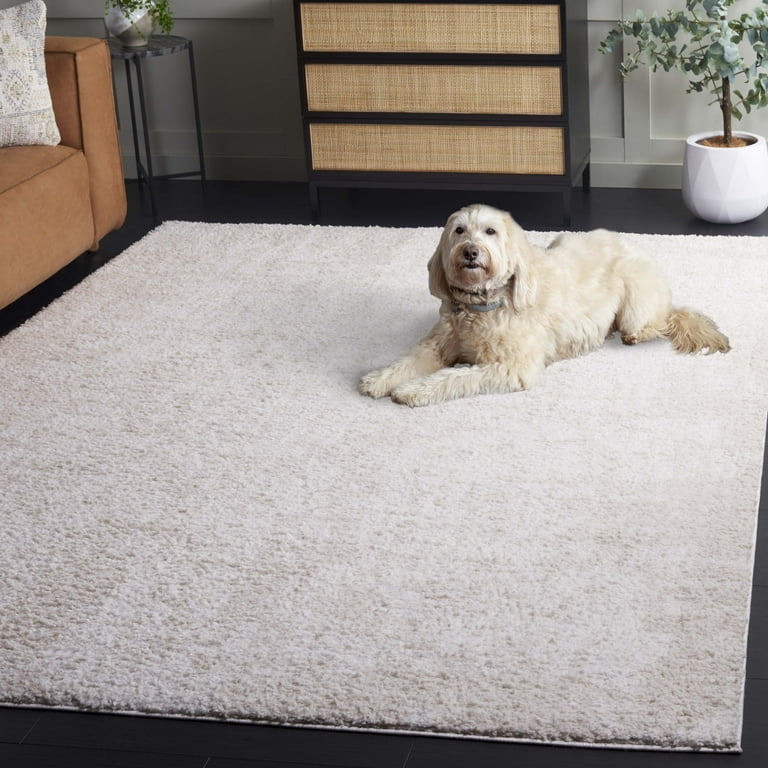
“To get that elegant, floor-to-ceiling drape look, hang your curtain rod as high and wide as possible.”
Mount the rod at least 4-6 inches above the window frame—or even right up against the ceiling molding. Extend the rod 6-12 inches on either side of the window. This makes the window appear much larger and allows the curtains to be pulled completely clear of the glass, maximizing natural light. Make sure the curtains just “kiss” the floor or puddle slightly for a more luxurious feel.
24. Use Blue Textiles to Add Color to a Bright White Living Room
This space is a perfect example of how to introduce color into a minimalist framework without overwhelming it. By keeping the large, foundational pieces neutral—the off-white sectional, white walls, and light wood floors—the room maintains its bright, airy feel. The color is then layered in through smaller, easily changeable items: accent chairs, throw pillows, and blankets. Sticking to a consistent color family (in this case, various shades of blue) makes the additions feel cohesive and intentional, not random.
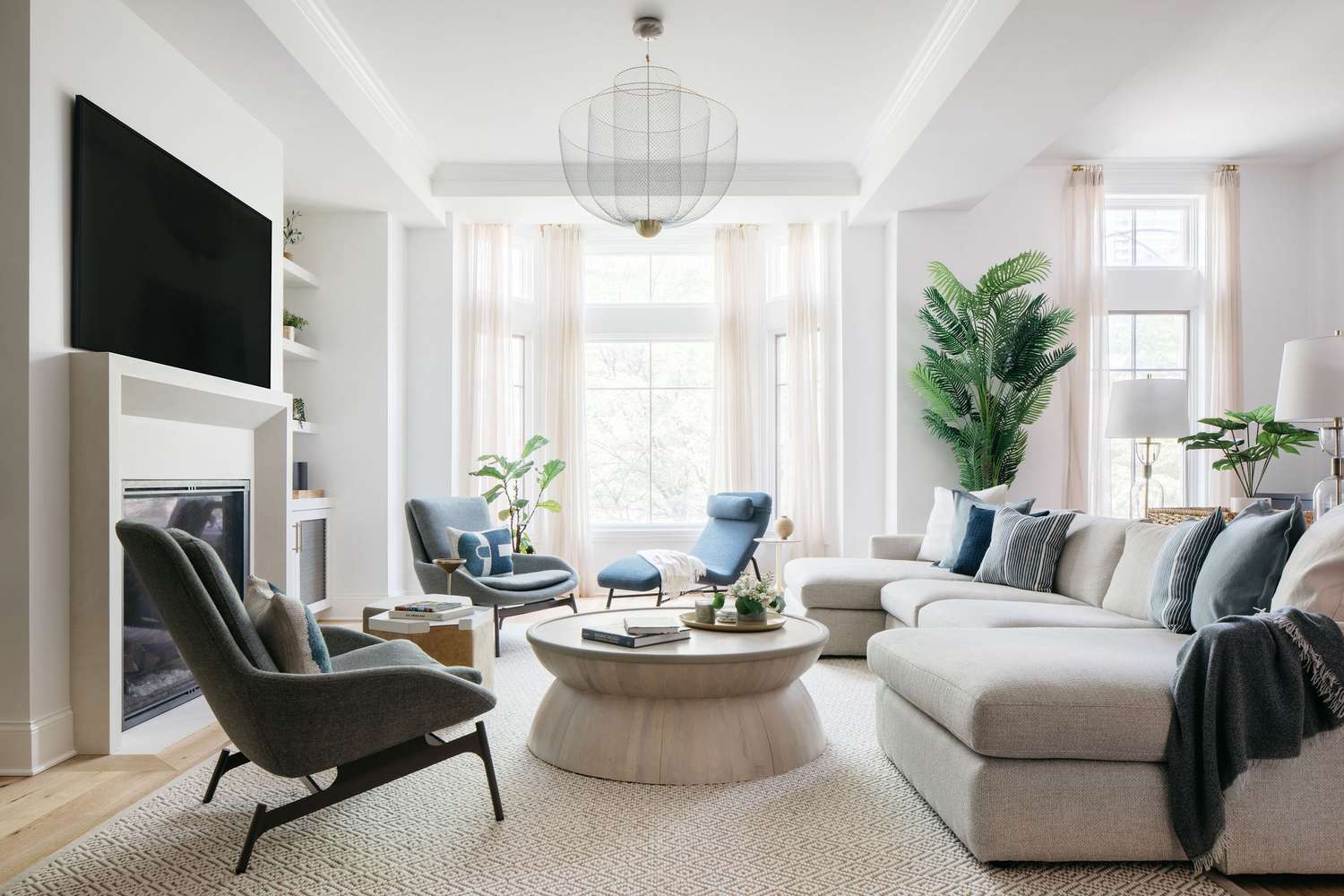
|
$1,037.19
|
$699.00
|
$109.19
|
$382.00
|
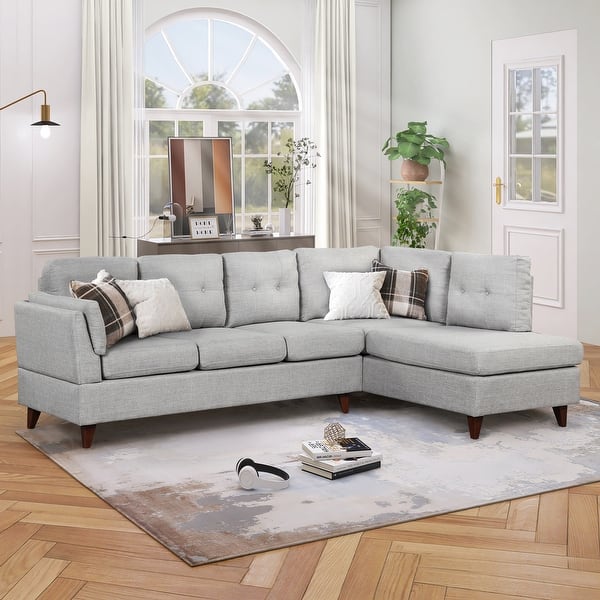
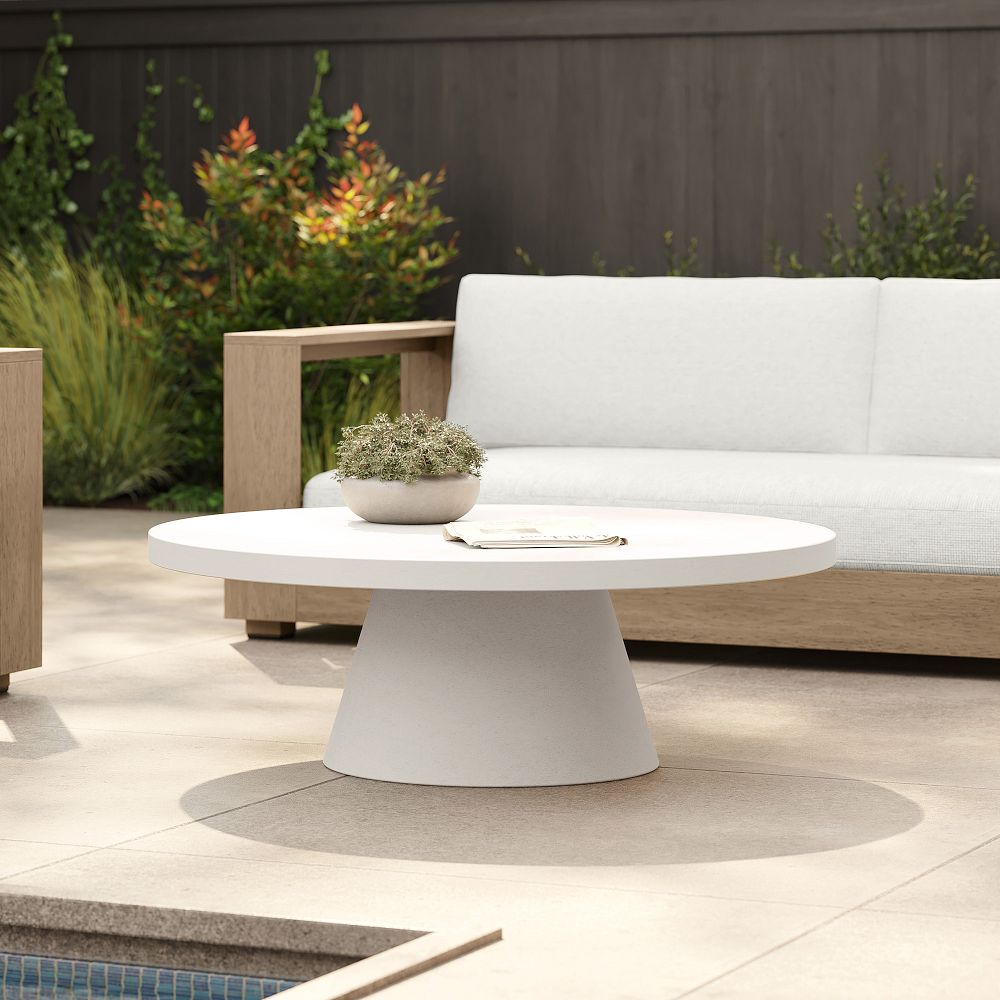
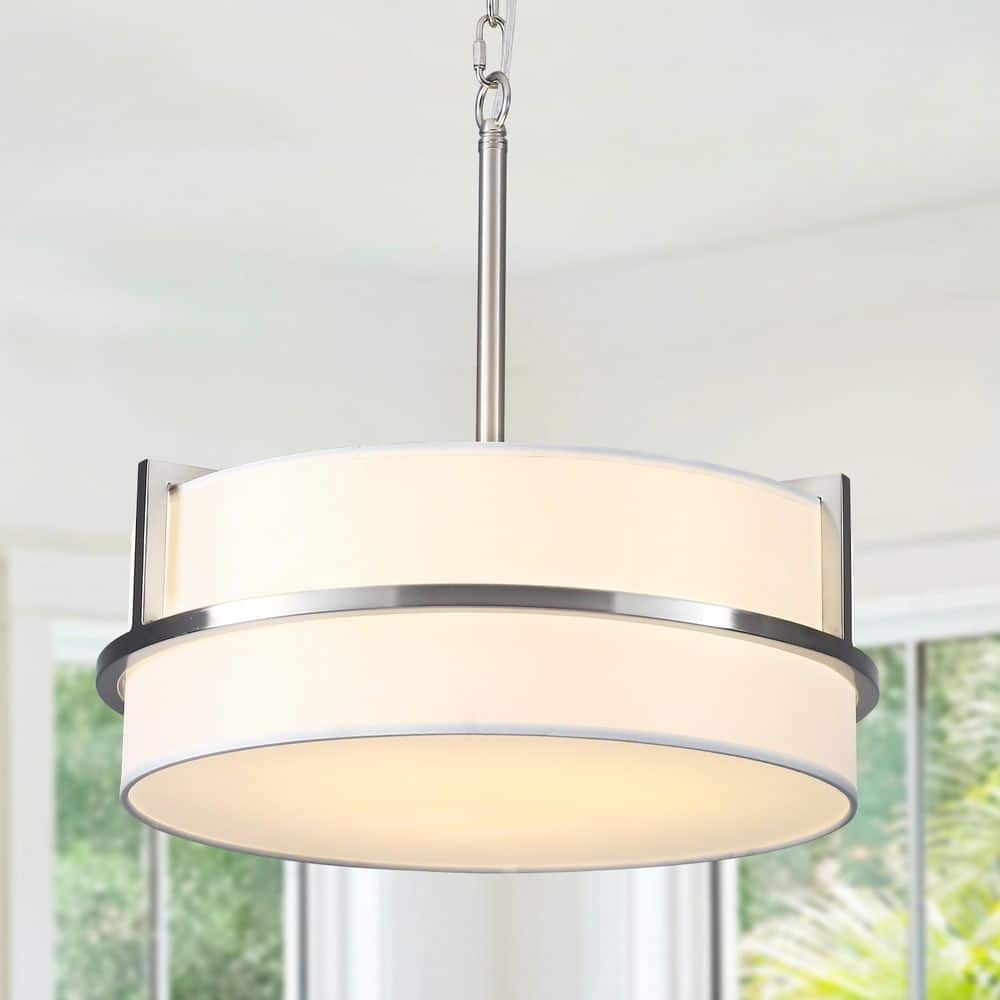

“This is an incredibly budget-friendly way to add personality to a space.”
Start with an affordable neutral sofa, like the IKEA UPPLAND or a similar style from a big-box store. Then, have fun with the color! Look for accent chairs, pillows, and rugs on sale at places like West Elm, CB2, or even Amazon. Because none of these colorful pieces is a huge investment, you can feel free to swap them out in a few years as trends (or your tastes) change. It gives you the flexibility of a neutral room with the joy of a colorful one. For a different take on adding color, look at the bolder choices in Idea #9.
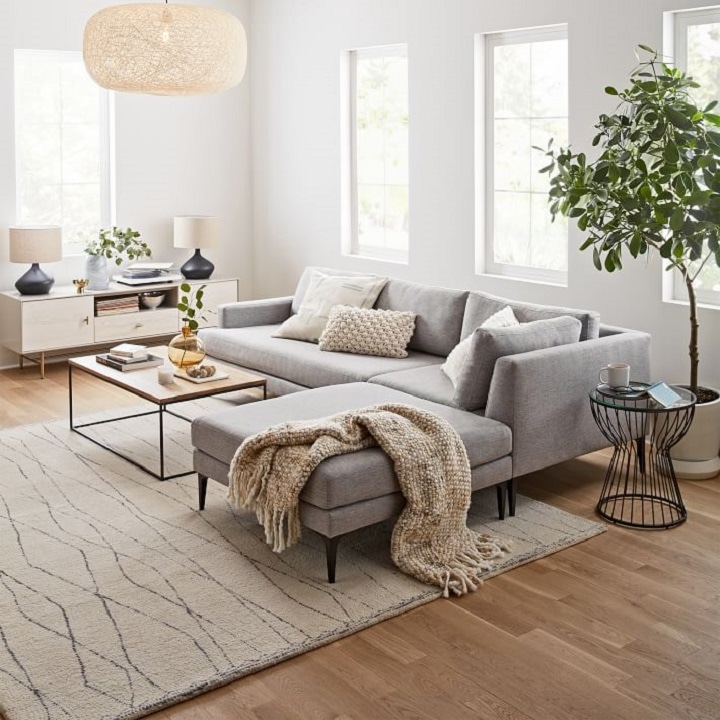
25. Soften a Grey Sectional with Textured Accents and Warm Wood
Building this cozy, contemporary look is about layering textures and tones around a versatile centerpiece sofa.
- Main Furniture (Sectional, Coffee Table, Console): $3,000 – $6,500
- Lighting (Pendant, Table Lamps): $500 – $1,500
- Textiles (Rug, Pillows, Throws): $700 – $2,000
- Decor/Accessories (Plant, Decor): $200 – $600
- TOTAL: $4,400 – $10,600
- Budget alternative: Opt for a gray sectional from a value-focused retailer, a simple pine coffee table, and a jute rug to achieve a similar feel for around 40% less.
|
$499.00
|
$653.66
|
$65.40
|
$1,399.99
|
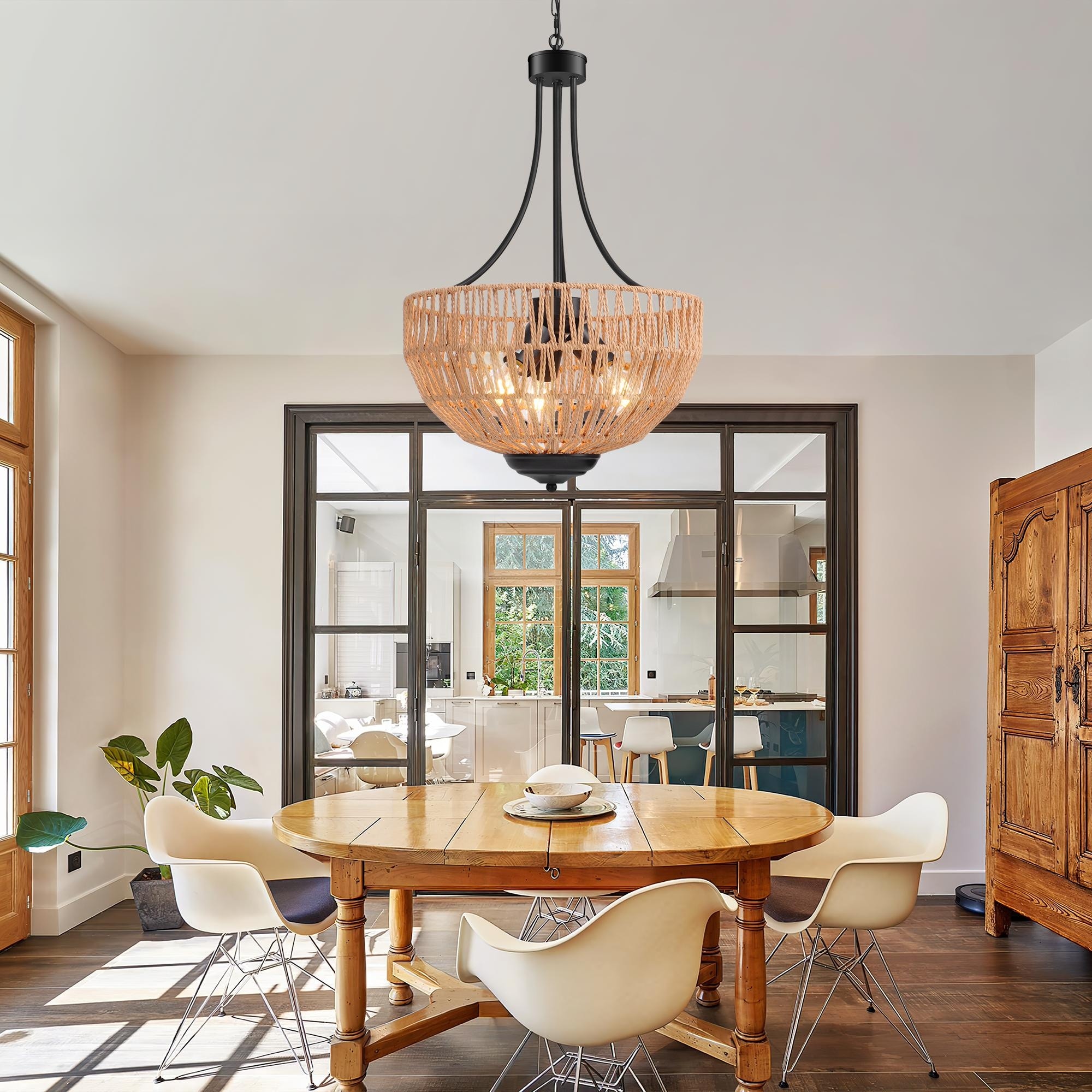
“The large macrame-style pendant light is a key feature.”
You can create your own with a simple kit.
Gather Supplies: You’ll need a metal hoop (like a wreath frame), macrame cord, a basic light cord kit, and scissors.
Attach Vertical Cords: Tie long strands of macrame cord to the hoop using a lark’s head knot, spacing them evenly.
Weave the Pattern: Working in sections, create your desired pattern using basic knots like square knots and half-hitch knots. There are many free tutorials online.
Install the Light: Once your macrame shade is complete, carefully feed the light cord kit through the top center.
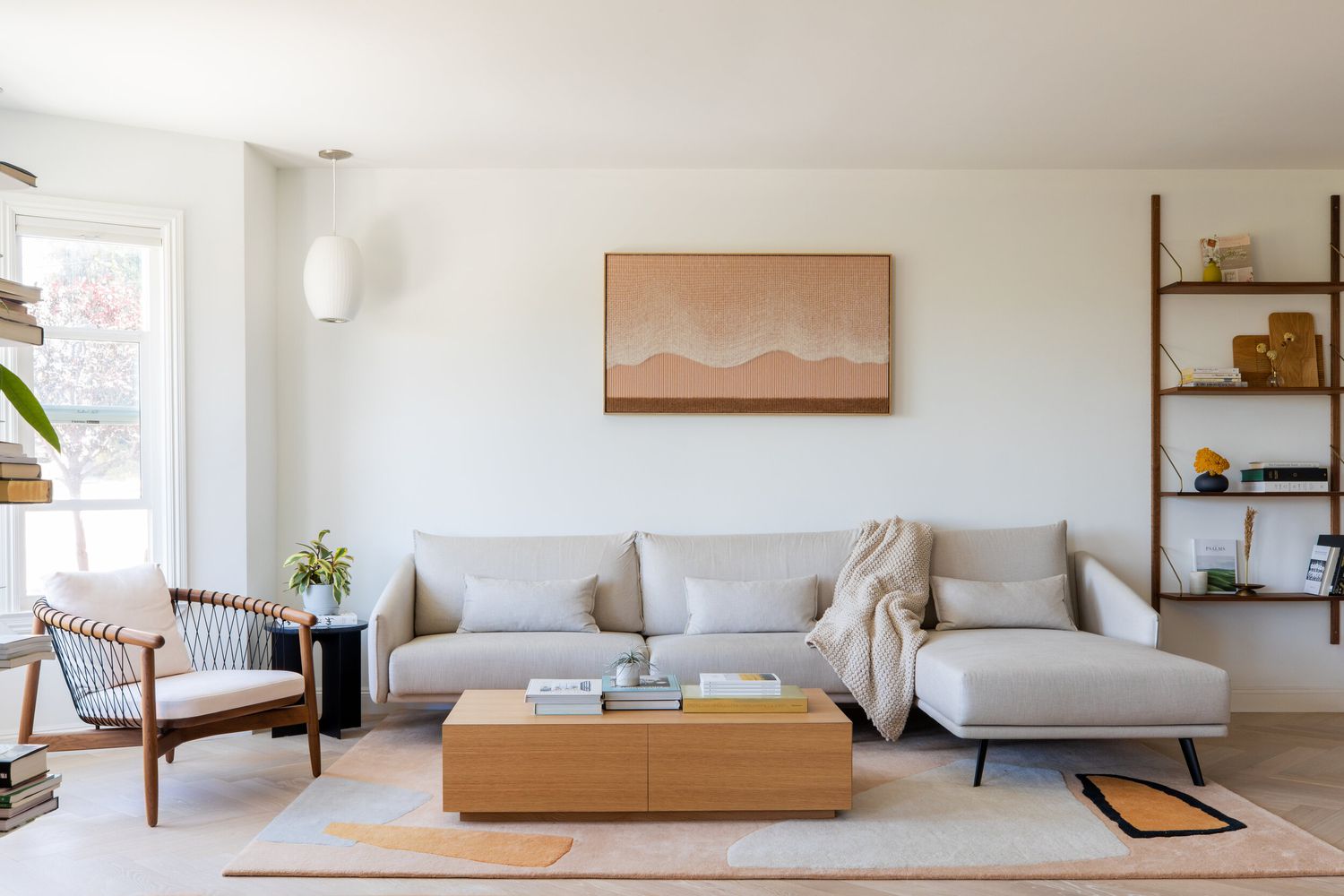
26. Pair an Off-White Sectional with a Peachy Abstract Rug
This room’s serene atmosphere comes from its masterful use of analogous colors—colors that sit next to each other on the color wheel. The palette is a gentle blend of off-white, light wood tones, peach, and terracotta. Because the colors are so closely related, the effect is incredibly calming and cohesive. The abstract shapes on the rug and the wavy lines in the artwork echo each other, creating a subtle sense of movement that prevents the soft palette from feeling static.
|
$845.00
|
$1,550.00
|
$160.30
|
$318.00
|

“Before you commit to a light-colored sectional and rug, do a quick lifestyle audit.”
Do you have young children or pets that are prone to making messes?
Are you willing to enforce a “no shoes on the rug” or “no food on the sofa” policy?
Does your budget allow for professional cleaning once a year?
Have you checked the cleaning codes for the specific fabrics you’re considering?
27. Style a Light Gray Sofa with Natural Wood and Greenery
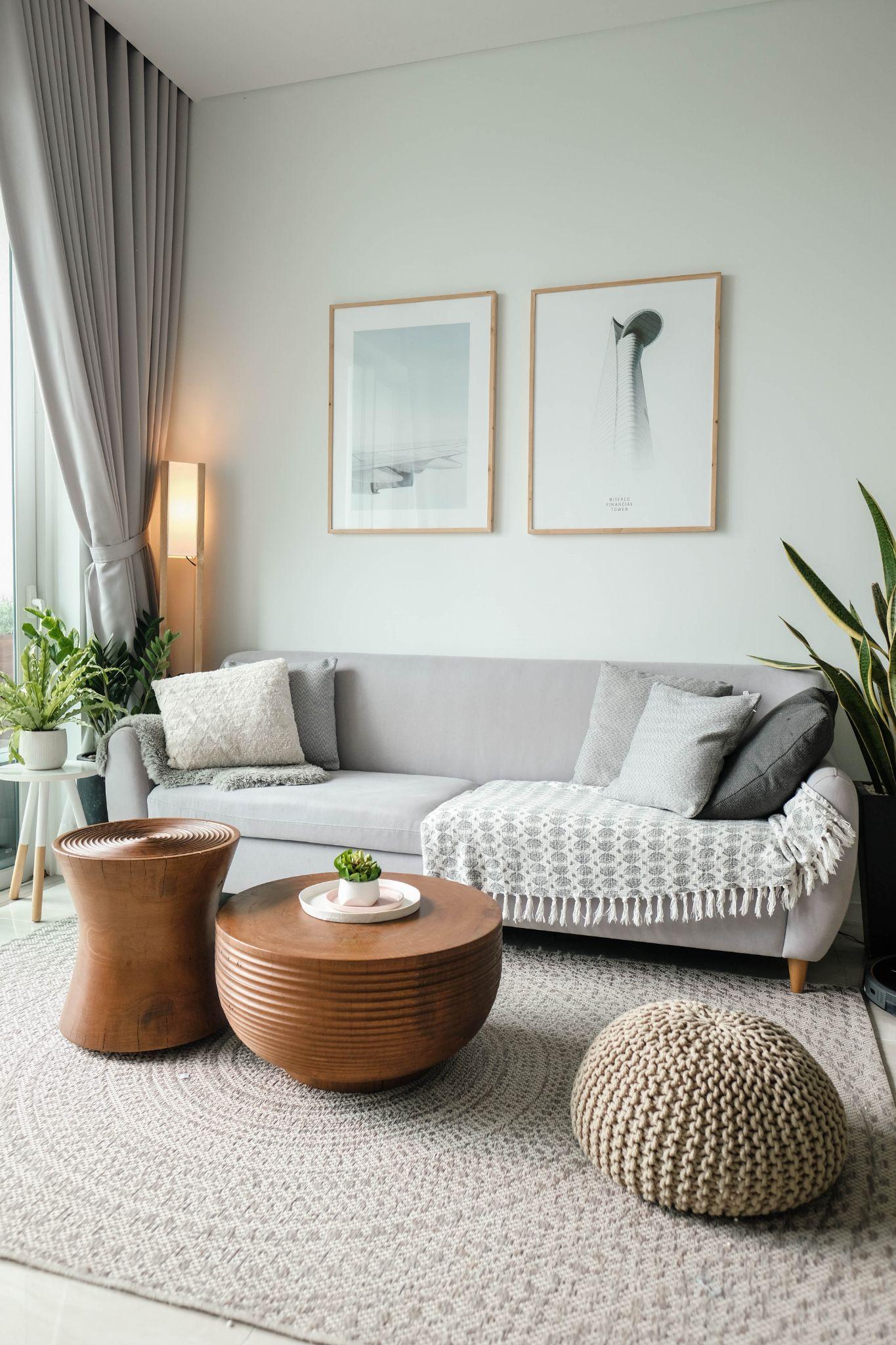
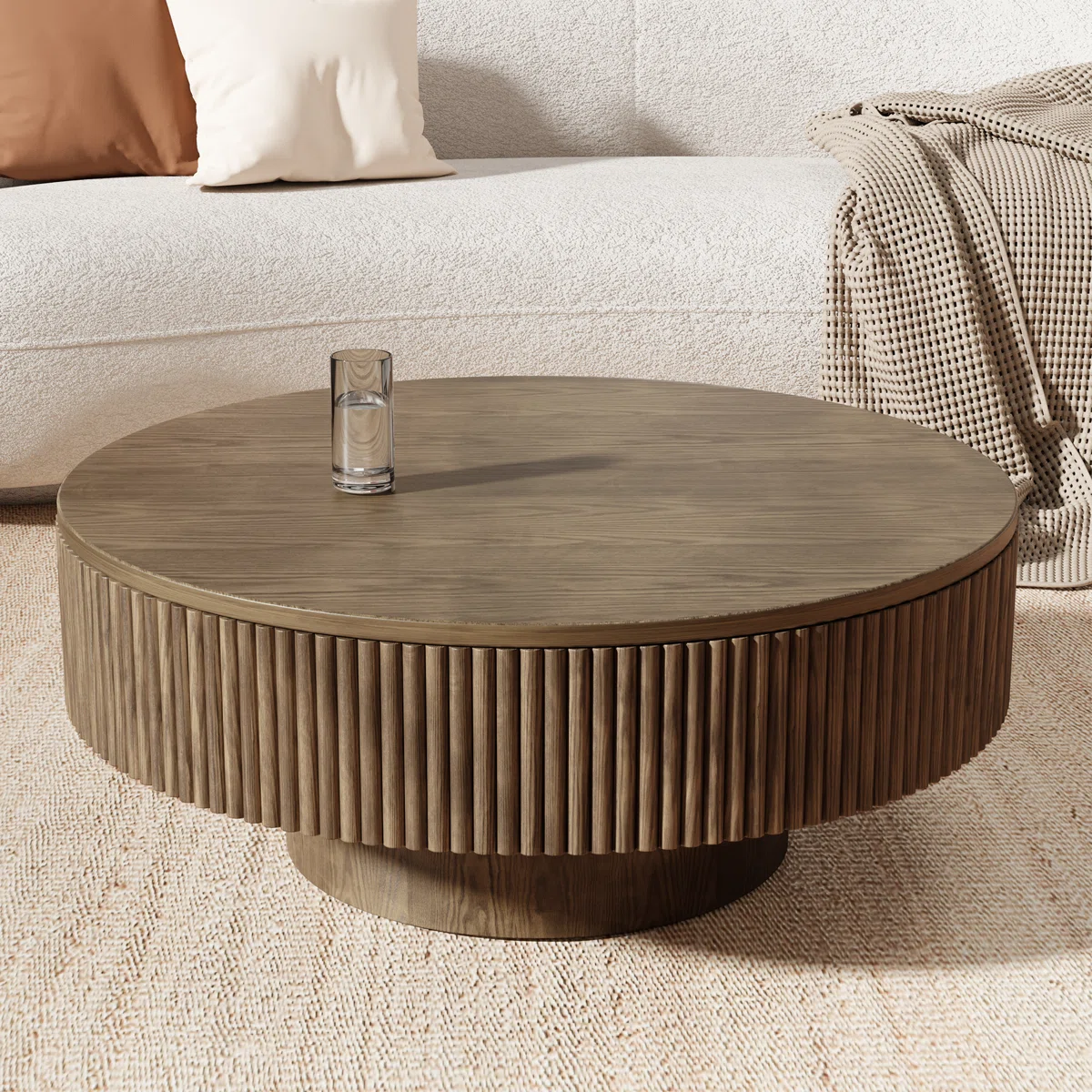
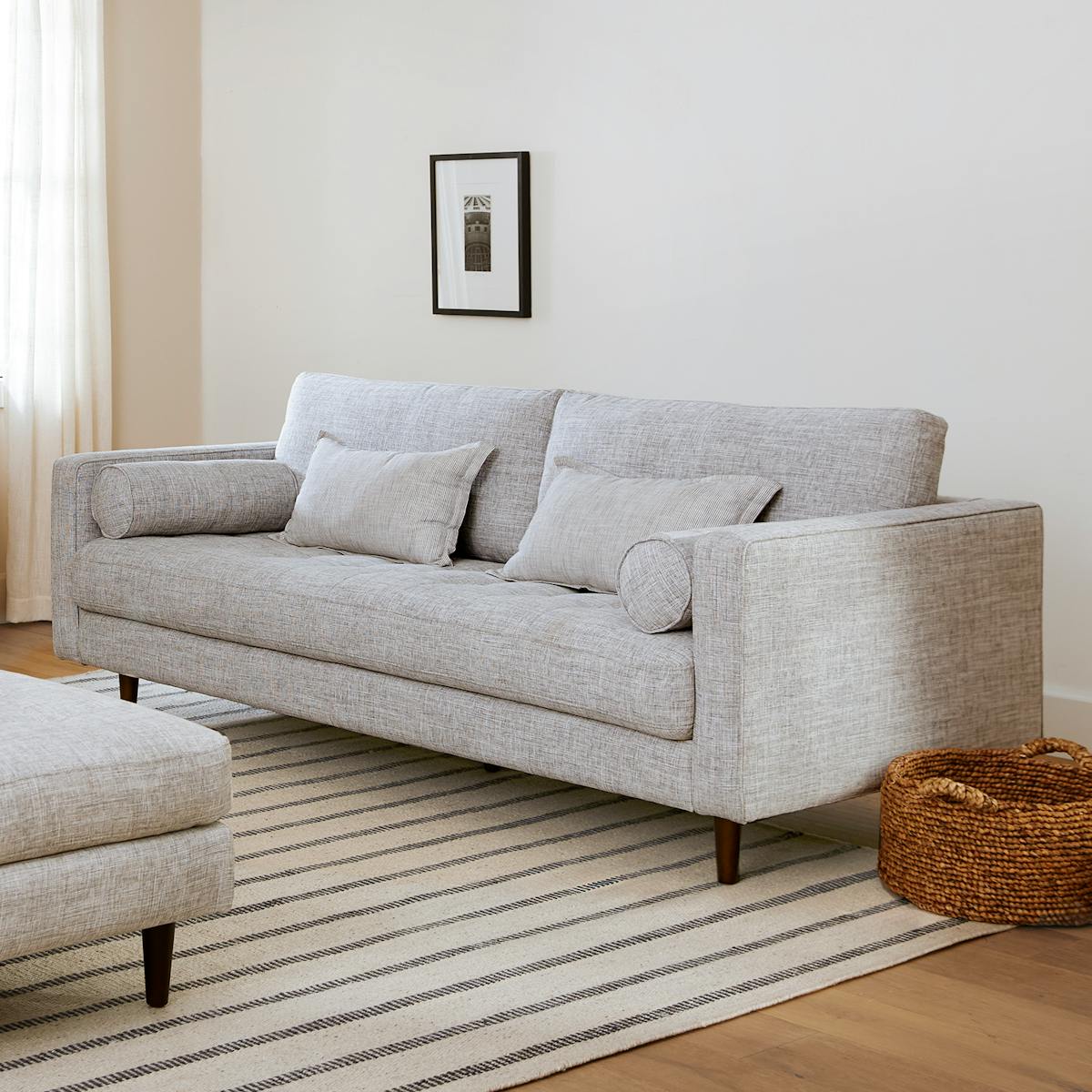
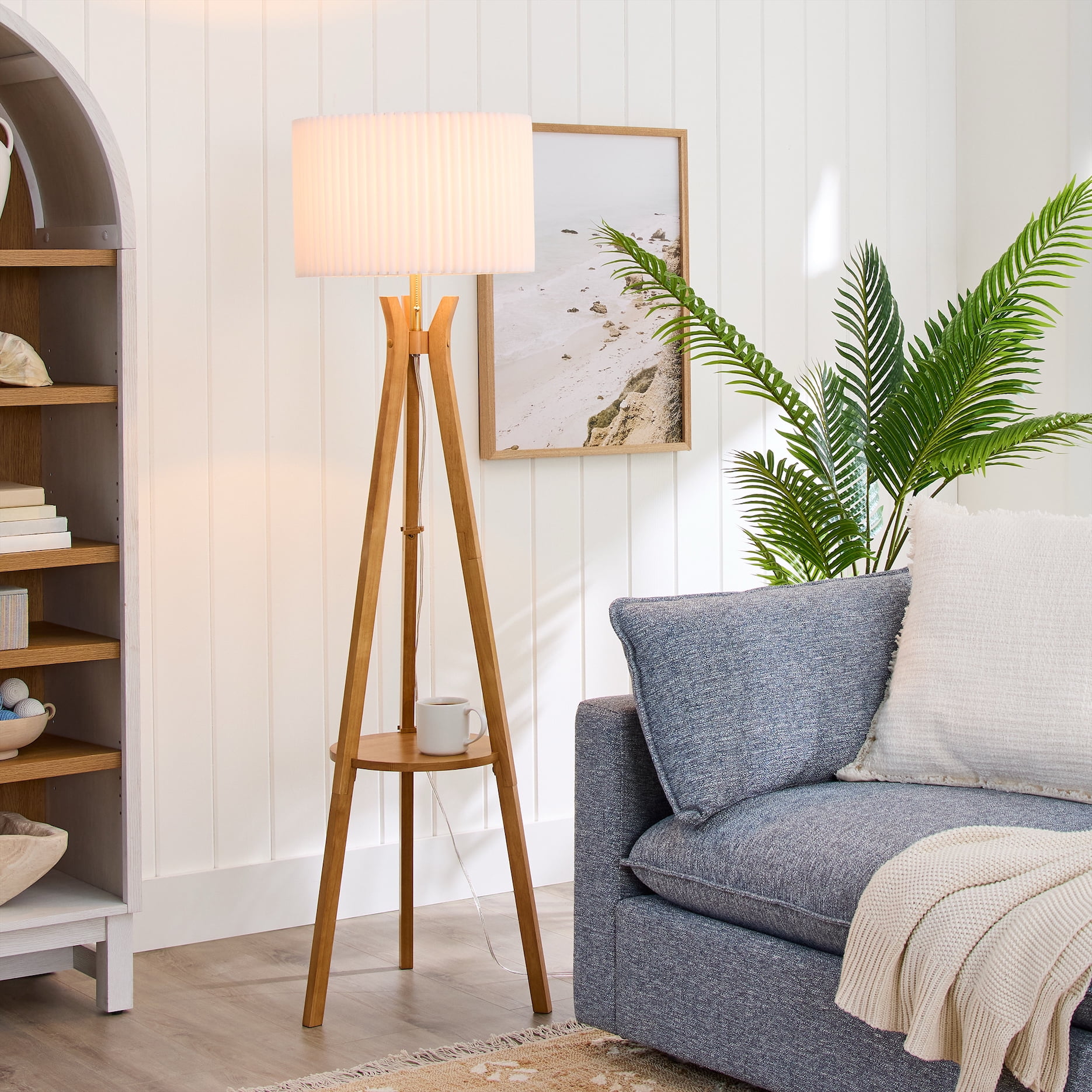
This calm, natural look is very achievable without a big spend. A simple light gray sofa from a store like Article or even Walmart can serve as the base. The key is the warmth from the wood; look for inexpensive coffee and side tables made from acacia or mango wood at Target or on Overstock. Gather a variety of affordable pots from a garden center or Home Depot and fill them with easy-care plants like snake plants and ZZ plants. The framed prints can be inexpensive downloads from Etsy placed in simple frames.
|
$129.99
|
$1,299.00
|
$95.62
|
$150.12
|
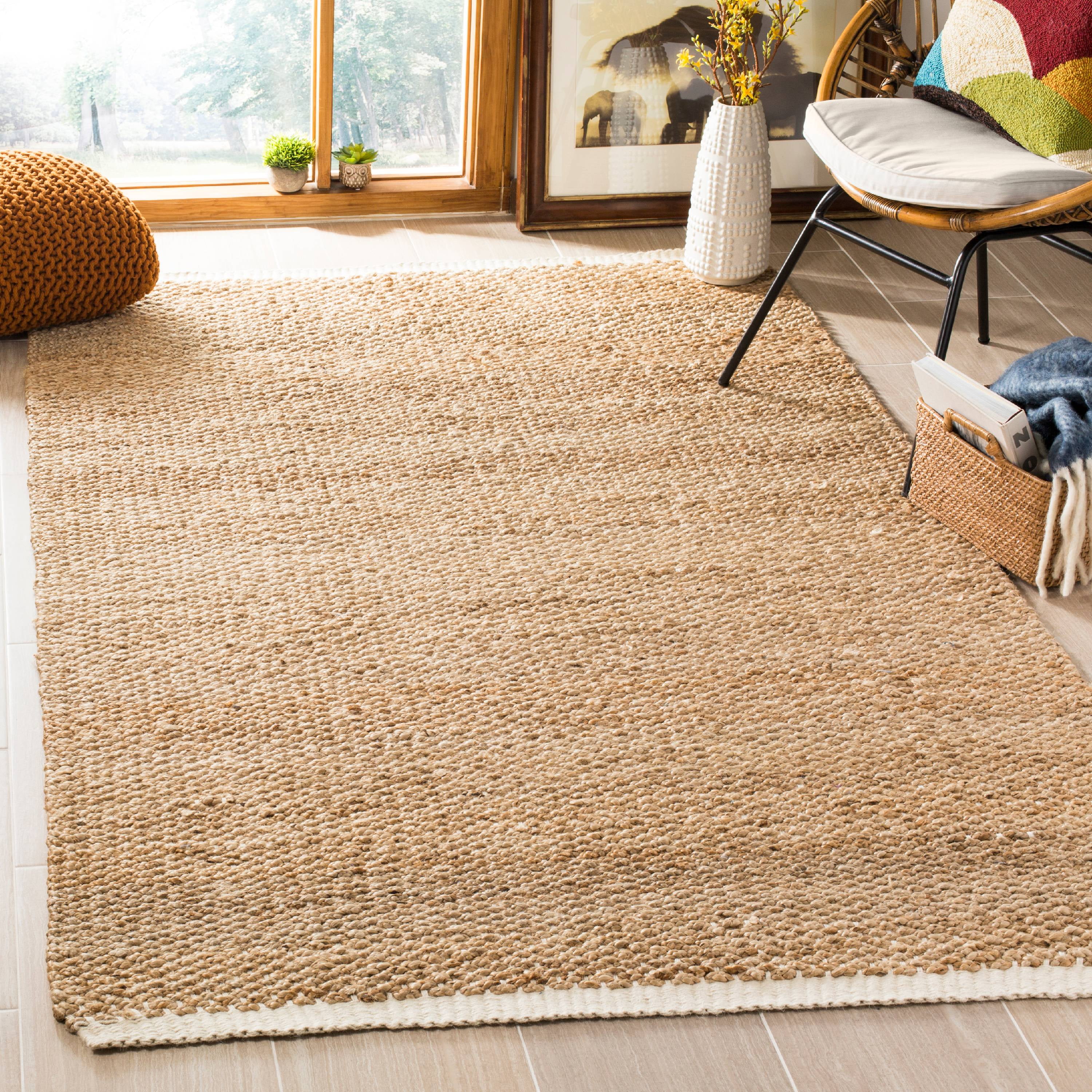
“When styling with multiple plants, think in terms of varying height, texture, and leaf shape.”
Don’t just use three medium-sized plants. Instead, combine a tall, vertical plant (like a snake plant), a bushy, space-filling plant (like a philodendron), and a small, sculptural plant (like a succulent on the coffee table). This creates a more dynamic and natural-looking arrangement. Also, group them in odd numbers—threes or fives—for a more visually pleasing composition.
28. Integrate a Linear Fireplace into a Custom Media Wall
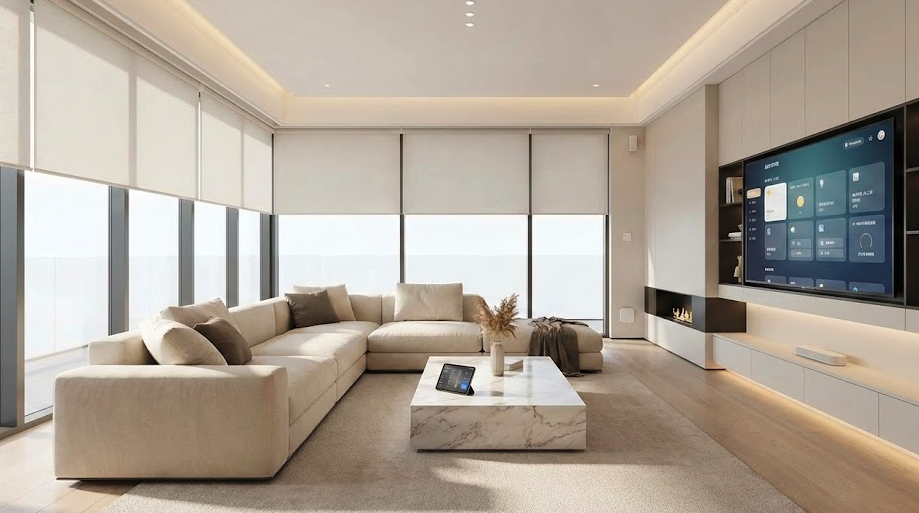
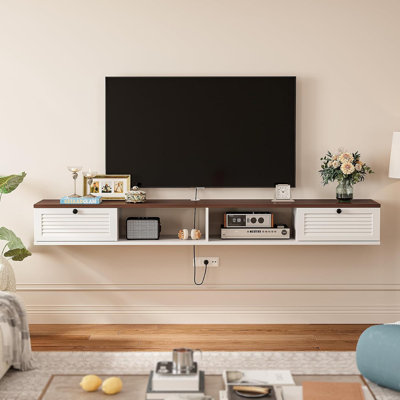
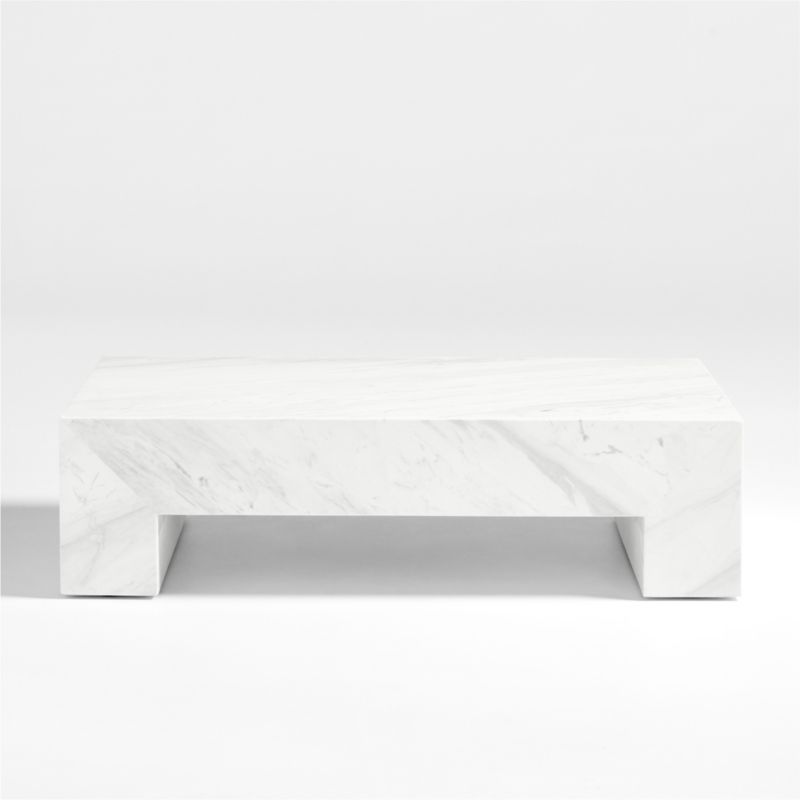
The single element that defines this room’s luxurious, modern feel is the fully integrated media unit. It’s not just a TV stand; it’s an architectural feature. Combining the television, an electric fireplace, and concealed storage into one seamless built-in creates an incredibly clean, uncluttered focal point. The strip lighting further enhances this effect, making the whole unit appear to float. This is the pinnacle of minimalist design: function and form becoming one.
|
$479.99
|
$3,199.99
|
$3,499.00
|

“While a custom built-in unit is the dream for a minimalist space, it’s a major commitment of both budget and permanence.”
These units can cost anywhere from $8,000 to $25,000+ depending on the materials and complexity. Furthermore, it fixes the layout of your room permanently. Before you build, be absolutely certain about the placement of your seating and your screen size, because changing it later is not an option. A more flexible approach is a modular system that can be reconfigured.
29. Soften Minimalism with a Curved Cream Sofa and a Travertine Table
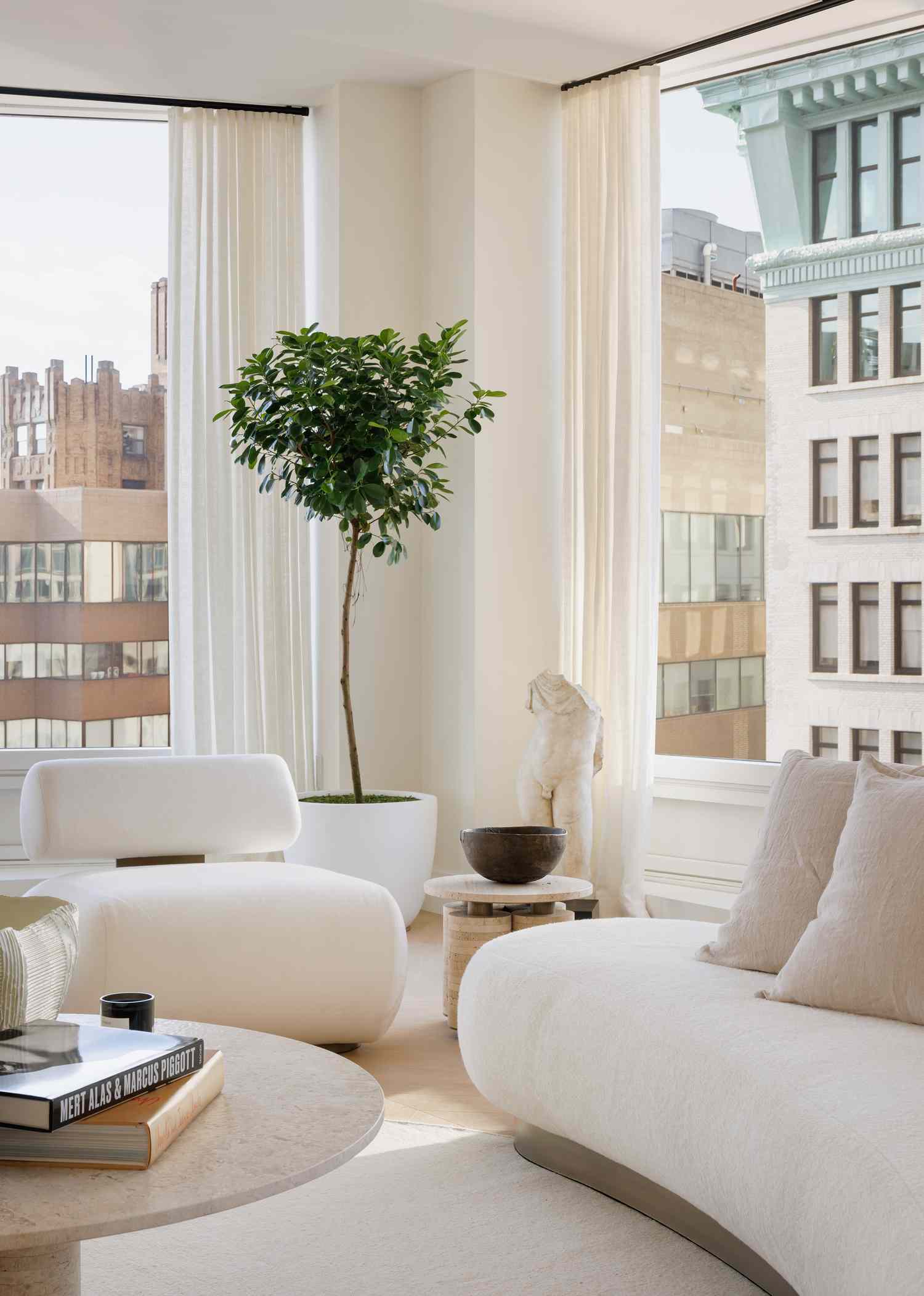
This look is at the forefront of the “soft minimalism” or “curvilinear” trend for 2026. After years of sharp lines and rigid geometry in minimalist design, we’re seeing a collective desire for softer, more organic shapes. The curved lines of the bouclé sofa and armchair feel gentle, welcoming, and almost sculptural. This trend is about creating spaces that are not only visually clean but also emotionally comforting. It has staying power because it successfully merges the simplicity of minimalism with a very human need for coziness.
|
$395.00
|
$23.00
|
$209.00
|


“This room works because it’s a study in subtle, organic forms.”
Nothing is perfectly straight or sharp. The cream sofa has a gentle curve, the armchair echoes it, the coffee table is a soft round shape, and even the potted tree has naturally arching branches. This repetition of curved and organic lines creates a wonderful sense of visual harmony and flow. The use of natural materials like travertine and wood enhances this feeling, making the space feel both elegant and grounded. Compare the feeling here to the more linear approach in Idea #6.
30. Add a Pop of Soft Pink in a Crisp White Room
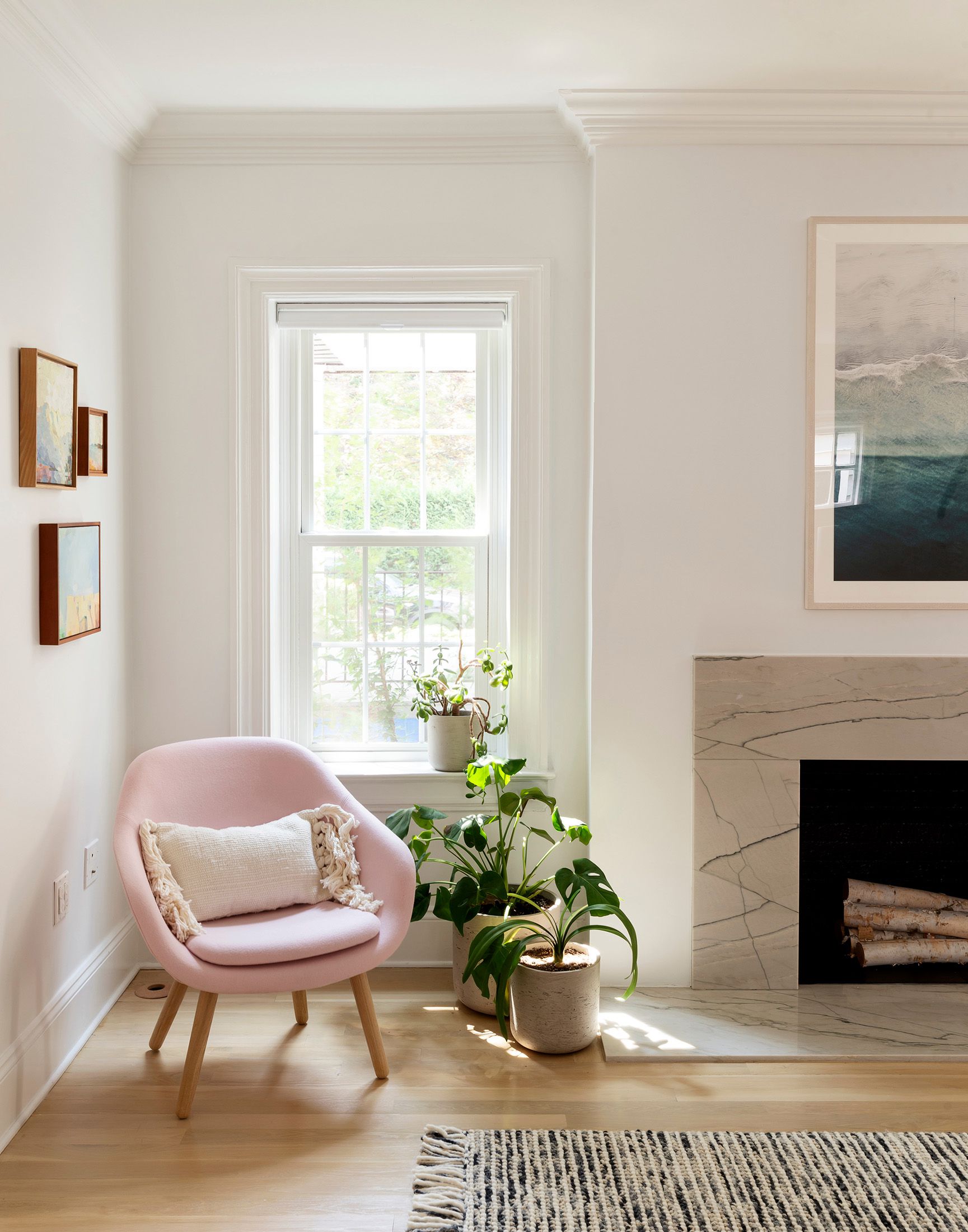
When using a single, colorful piece of furniture like this pink chair, the key is to give it breathing room. Don’t crowd it with other furniture. By placing it in a well-lit corner near the window, with only a few plants as companions, it becomes a deliberate, artistic statement. If you were to place it right next to a sofa or a large cabinet, it would lose its special quality and just become another piece of furniture. Let your statement piece make a statement.
|
$201.15
|
$8.00
|
$142.49
|
$139.63
|


“An accent chair works as a focal point in almost any size room, but this specific arrangement thrives with a bit of negative space around it.”
To replicate this airy feeling, you need an empty corner with at least 4×4 feet of floor space. This ensures the chair doesn’t feel crammed against the walls. The white walls and light wood flooring are also crucial in creating the bright, open backdrop that allows the soft pink color to really shine.
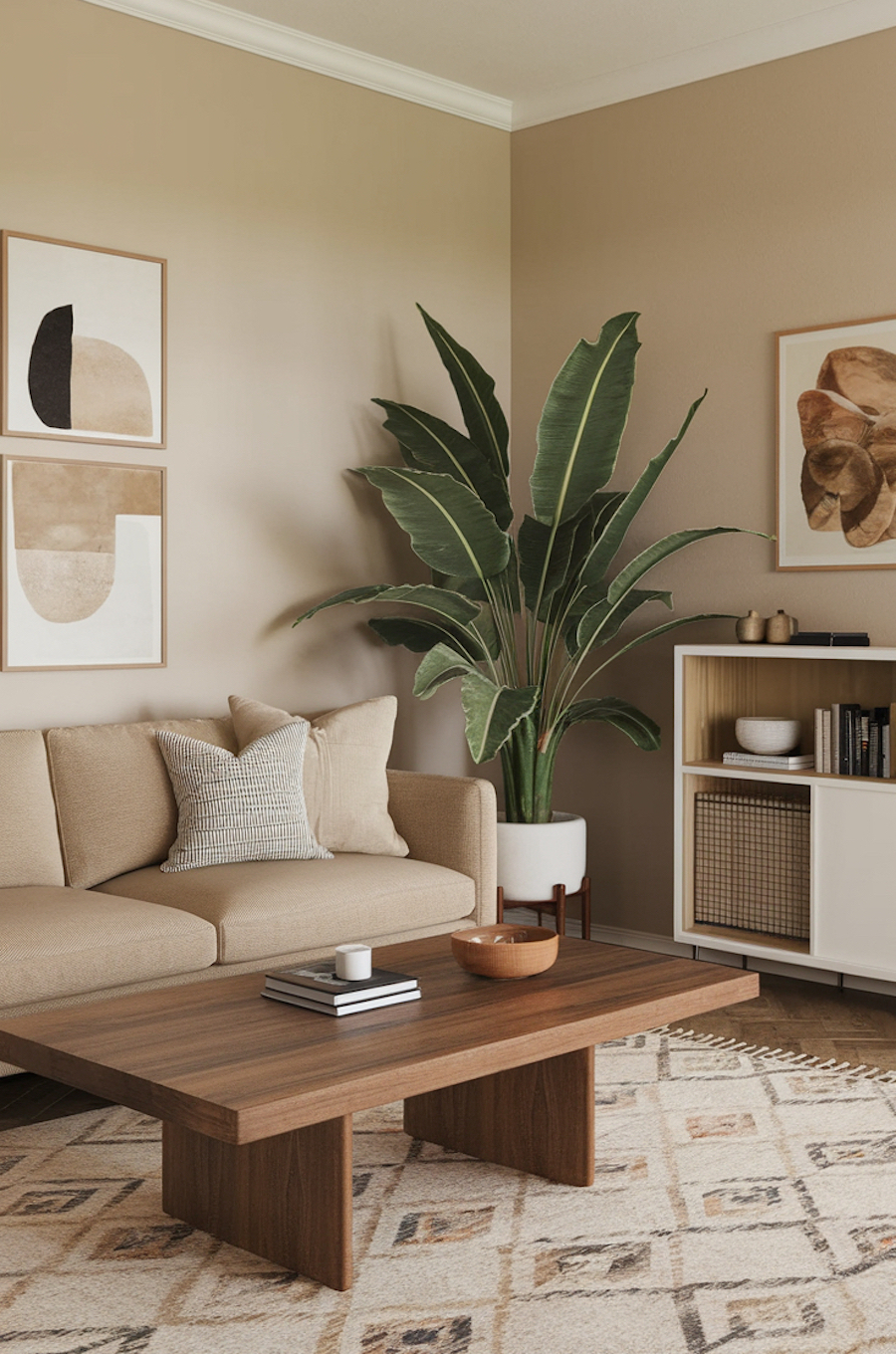
31. Ground a Beige Room with a Dark Wood Coffee Table
holding this entire room together is the dark wood coffee table. In a space dominated by light, warm neutrals—the beige walls, the light beige sofa, the light tones in the rug—the coffee table provides a crucial, grounding anchor point. Its dark, solid presence offers a point of contrast that prevents the sea of beige from becoming one-dimensional. Without it, the room would feel much less defined and far more bland. It proves that even in a minimalist space, every room needs an anchor.
|
$176.67
|
$179.19
|
$100.00
|

“This design succeeds by creating a gentle, low-contrast harmony.”
The walls and sofa are very close in color, which creates a serene, enveloping feeling. The geometric pattern on the rug introduces a bit of subtle energy without shouting for attention. The large potted plant adds an organic shape and a touch of lively color. It’s a very calm, balanced composition where no single element is fighting for dominance, resulting in a space that feels deeply restful.
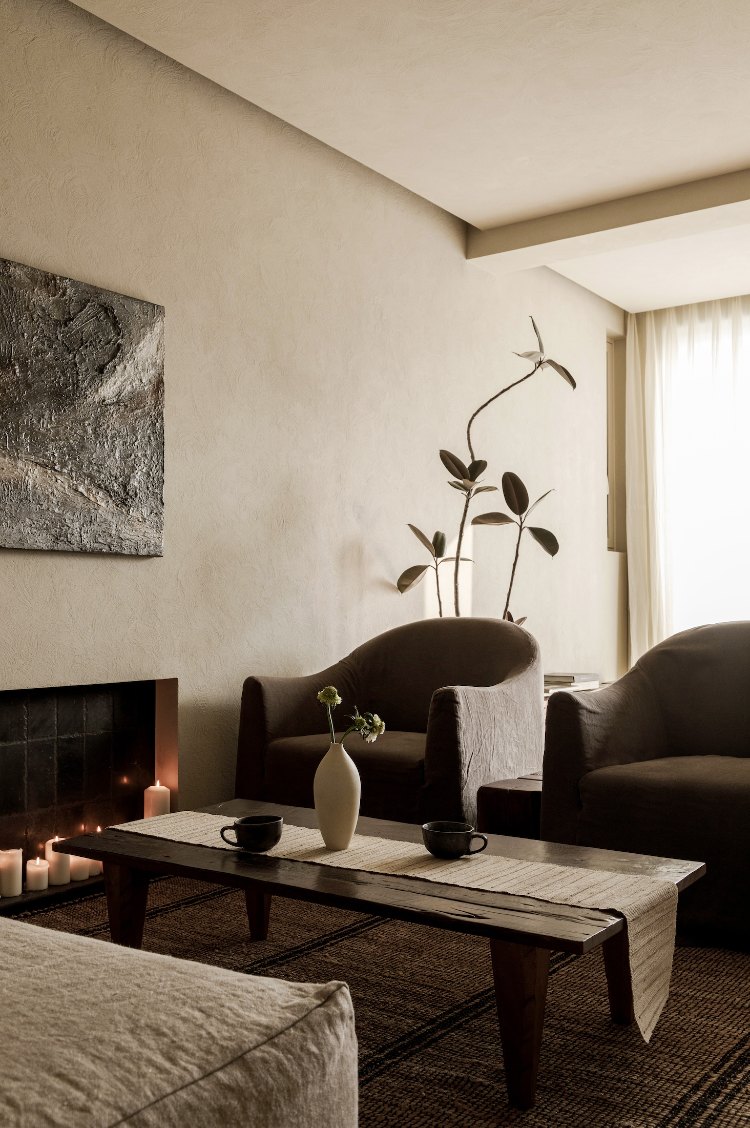
32. Create an Earthy Mood with Dark Brown Armchairs and Textured Walls
The formula here is all about warmth and texture: 50% textured neutrals + 40% dark earth tones + 10% warm light. The textured beige walls create a soft, tactile backdrop. The dark brown of the armchairs and coffee table provide a rich, grounding element reminiscent of soil and wood. Finally, the cluster of white candles inside the fireplace adds a flickering, ambient glow, which is essential for making the dark colors feel cozy rather than somber. This is a perfect formula for a moody, sophisticated retreat.
|
$1,581.64
|
$238.00
|
$315.48
|
$417.09
|

“Textured walls, like Venetian plaster or limewash, are beautiful but can be tricky.”
First, the application is an art form and can be expensive if you hire a pro. Doing it yourself can result in a splotchy, uneven finish if you’re not careful. Second, they are more difficult to clean than a standard painted wall; you can’t just wipe them down with a sponge. And finally, patching or repainting a textured wall is much more involved than with a flat surface. It’s a stunning look, but know what you’re getting into.
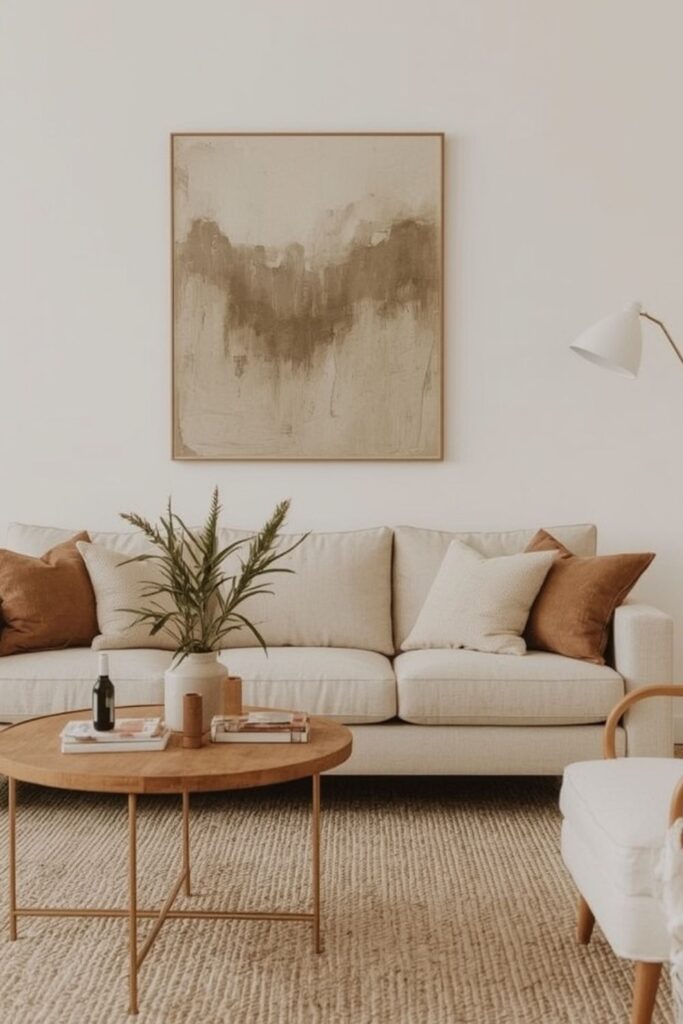
33. Warm Up a Cream Sofa with Rusty Brown and Wood Tones
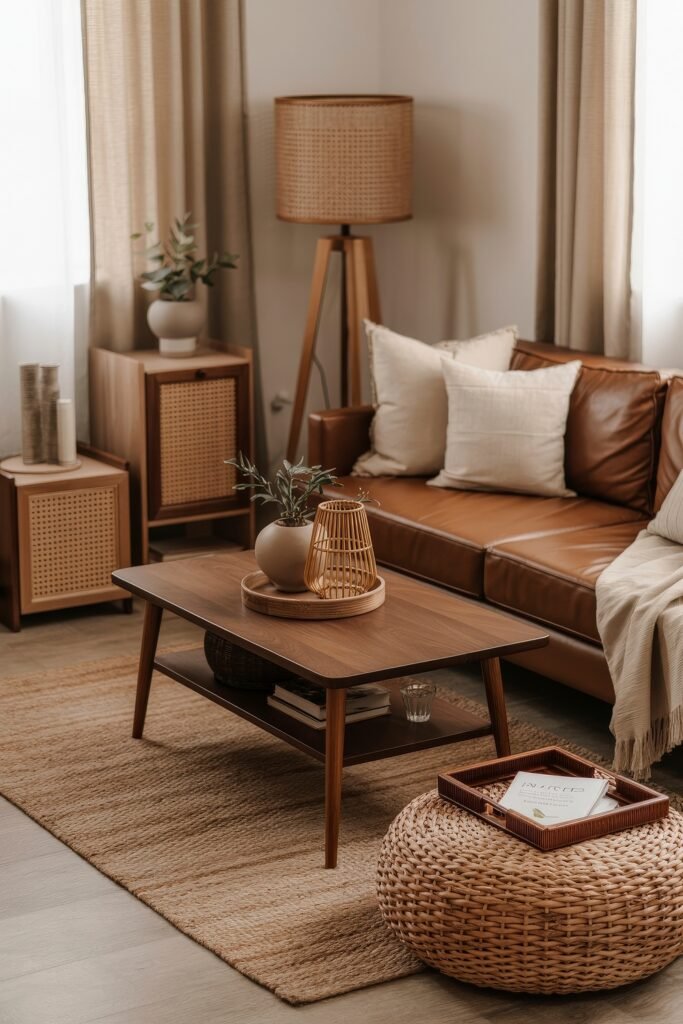
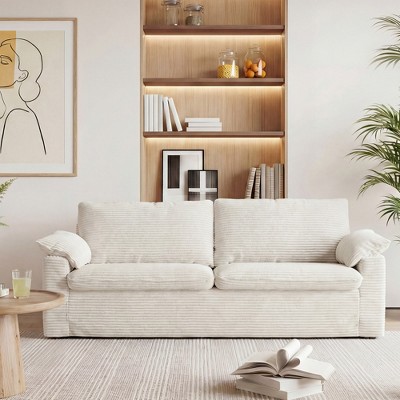
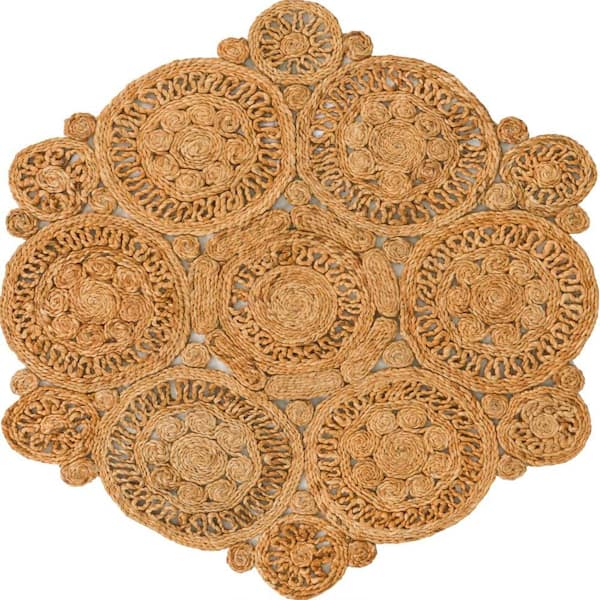
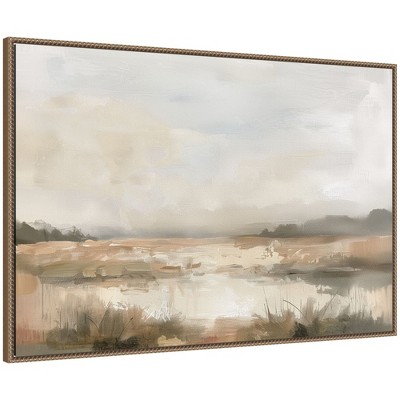
The single element that gives this room its warm, on-trend personality is the specific color of the throw pillows: a rich, rusty brown. The cream sofa, white walls, and light brown rug are all beautiful but quiet neutrals. The rusty pillows inject a dose of earthy, desert-inspired color that feels both modern and timeless. It connects with the wood tones in the coffee table and art frame, creating a cohesive, warm palette. It’s a small detail that does a lot of heavy lifting.
|
$299.99
|
$337.99
|
$699.00
|
$174.99
|

“Achieving this warm, natural minimalist look is all about investing in the right textures and tones.”
Main Furniture (Sofa, Coffee Table): $2,500 – $6,000
Textiles (Rug, Pillows): $600 – $1,800
Lighting (Floor Lamp): $200 – $700
Decor (Wall Art): $300 – $900
TOTAL: $3,600 – $9,400
Budget alternative: Find a simple cream sofa from a budget-friendly retailer, then focus on finding a high-quality woven rug and pillows in those key rusty brown and beige tones to elevate the whole look.
Your Calm, Curated Living Room Awaits
Minimalism in 2026 is less about stark emptiness and more about creating a personal sanctuary that feels both calming and full of life. It’s about choosing fewer, better things that you truly love. We hope these 33 ideas have sparked your imagination and shown you the incredible range of what a minimalist living room can be. Now, go back to your favorite look and start planning! Make sure to save your top ideas to your Pinterest boards so you can find them again when inspiration strikes.
Photo credits: INOLEDS, Better Homes & Gardens, The Spruce, Homeg, styledhavens.com, zenhomespaces.com, The House of Silver Lining, Real Homes, TLC Interiors, CITY Furniture, TheCoolist, Bienal Closets, Your DIY Family, That Homebird Life, West Elm, Architectural Digest, These Four Walls Blog, Delineate Your Dwelling, – Shannon Torrens, Povison, Homes and Gardens, Martha Stewart, VIV & TIM / Web, dada _design, Bilal Mansuri, Amar Preciado / Pexels