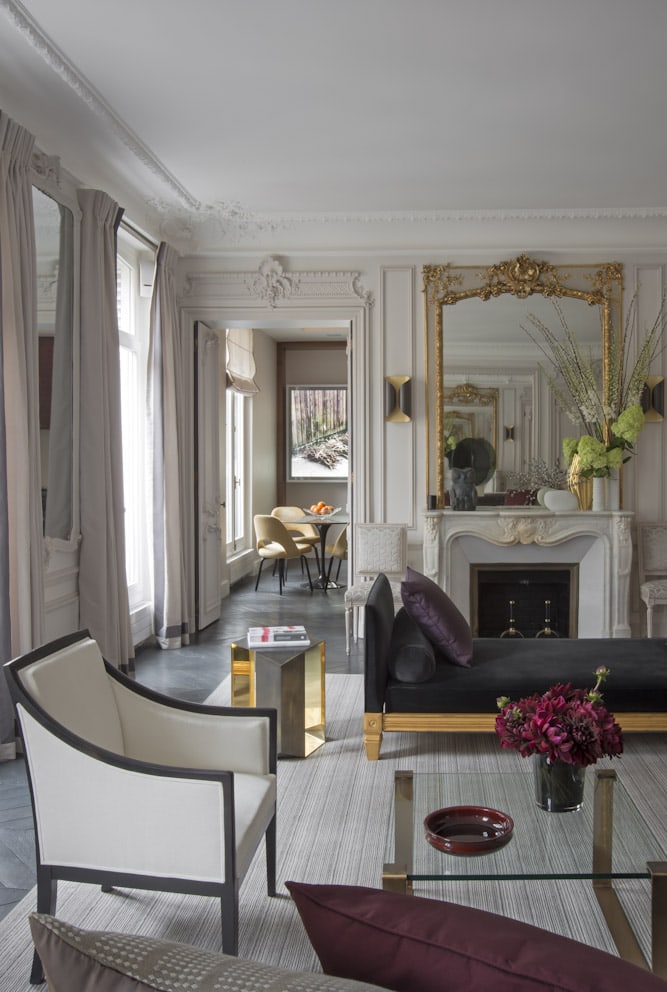
That feeling when you save a dozen living room pins and realize they all contradict each other? We’ve all been there. It’s easy to get lost in a sea of inspiration, but hard to know what will actually work in your own home in 2026. After filtering through hundreds of options across Pinterest, designer portfolios, and high-end catalogs, we narrowed it down to these 31 ideas that actually deliver.
This post may contain affiliate links. As an Amazon Associate, we earn from qualifying purchases at no extra cost to you.
We’re covering everything from grand, rustic spaces to cozy, coastal nooks. Plus, we’re showing you how to get these looks with specific, actionable advice. And stay until the end — we break down the most common mistakes that can ruin these looks.
📌 Save this to Pinterest for later — you’ll want to revisit these ideas.
1. Balance Curved and Straight Lines for a Soft, Modern Look
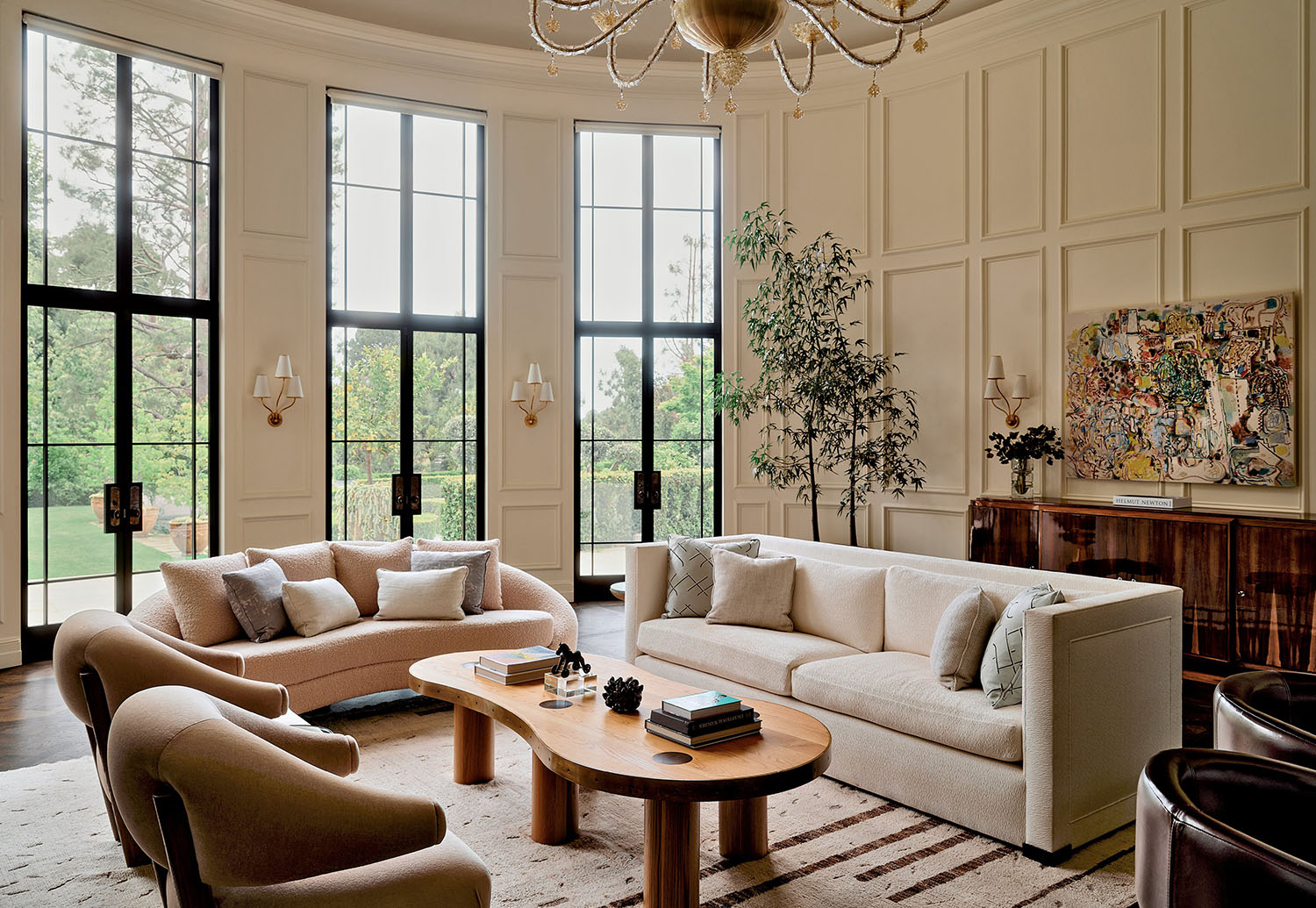
What makes this room feel so harmonious is the conversation between its shapes. The strict, rectilinear forms of the tall black-framed windows and panel molding provide a strong architectural grid. This structure allows the softer, curvier elements—like the pink sofa and kidney-shaped coffee table—to feel graceful rather than formless. This blend of masculine and feminine, hard and soft, is a cornerstone of sophisticated contemporary design.
|
$3,099.00
|
$309.00
|
$53.00
|
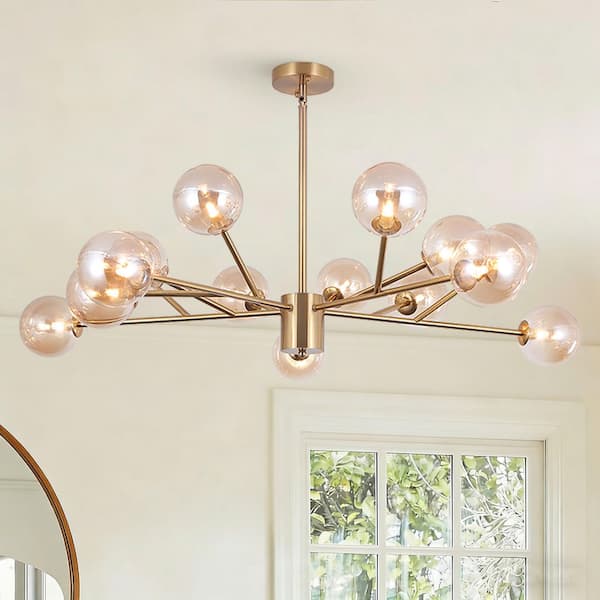
“Recreating this elegant balance involves a thoughtful mix of statement pieces.”
The key is investing in foundational items that have longevity while allowing for playful, trendy additions in decor and color.
- Main Furniture (sofas, credenza): $7,000 – $15,000
- Lighting (chandelier): $2,500 – $6,000
- Textiles (area rug): $1,500 – $4,000
- Decor (art, accessories): $1,000 – $3,500
- Paint & Molding: $800 – $2,000
- Budget alternative: Find a similar vibe for around $5,000 – $8,000 by thrifting the credenza, choosing a more affordable (but still large) rug, and finding replica sofas.
- TOTAL: $12,800 – $30,500
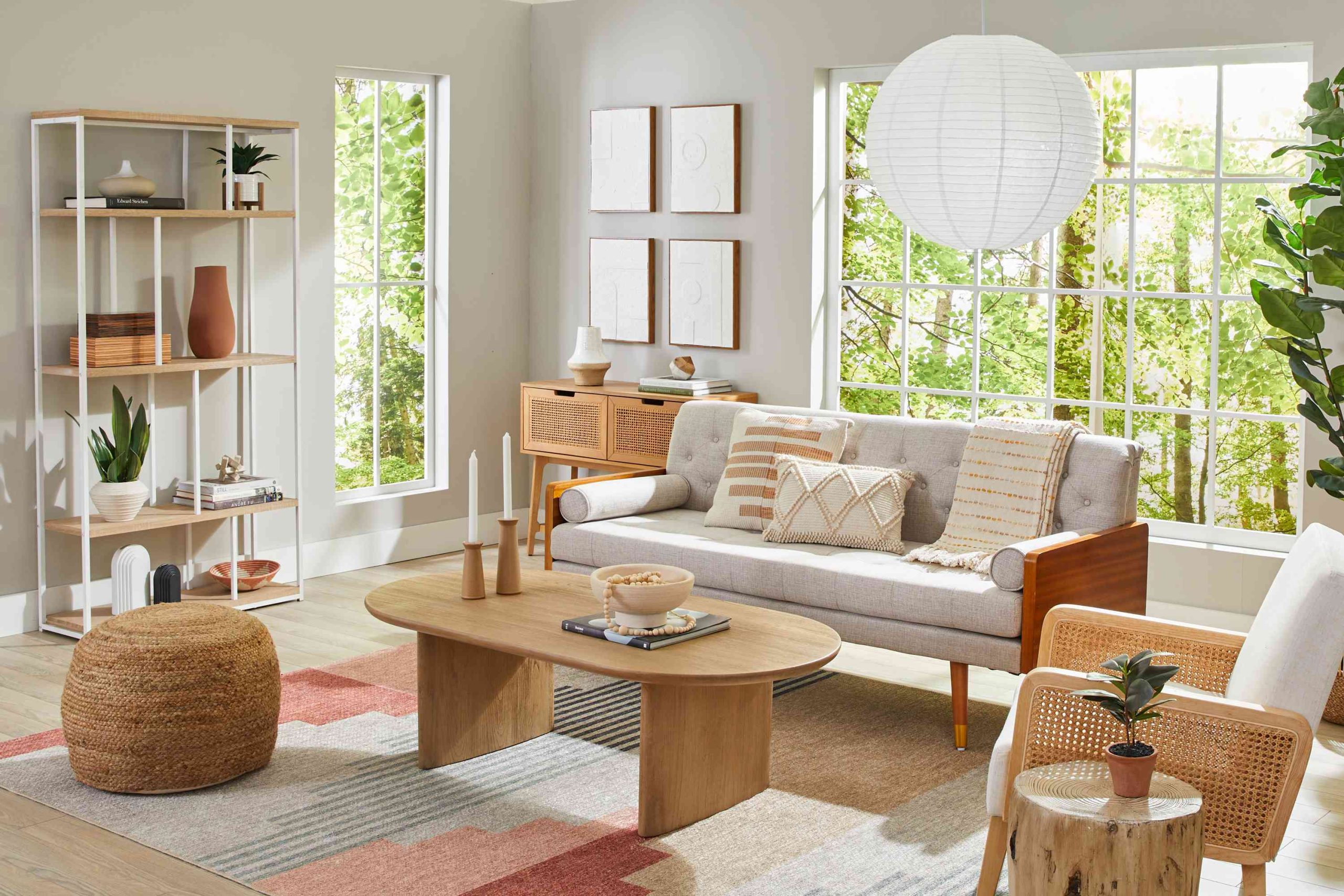
2. Embrace Natural Wood and Rattan for a Serene Feel
To keep a neutral, wood-toned room from feeling flat, focus on varying the wood grain and finish. Notice how the smooth, consistent grain of the oval coffee table contrasts with the woven texture of the rattan cabinet and armchair. This subtle variation adds depth and interest without introducing new colors. When shopping, don’t just match wood tones; intentionally pair a smooth finish with something more rustic or woven to create this layered effect.
|
$242.64
|
$1,099.00
|
$149.00
|
$49.99
|
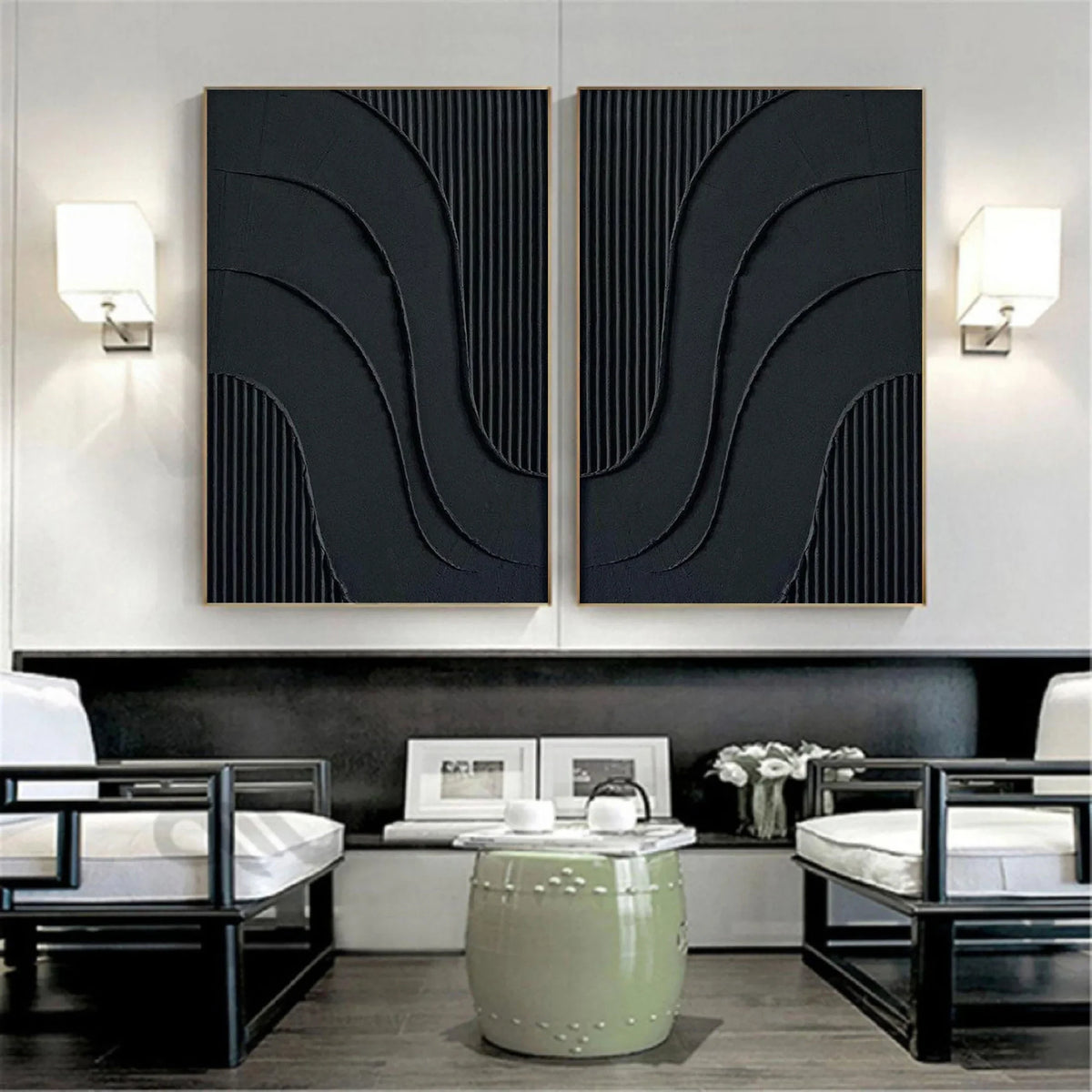
“that truly elevates this space is the large-scale abstract relief artwork.”
Without it, the room would still be pleasant, but it would lack a sophisticated focal point. The art’s texture and monochromatic nature add immense visual interest without competing with the natural materials. It solidifies the room’s identity as calm, curated, and contemporary, proving that art doesn’t need to be colorful to make a powerful statement.
3. Go All-White in a Vaulted Space for Maximum Airiness
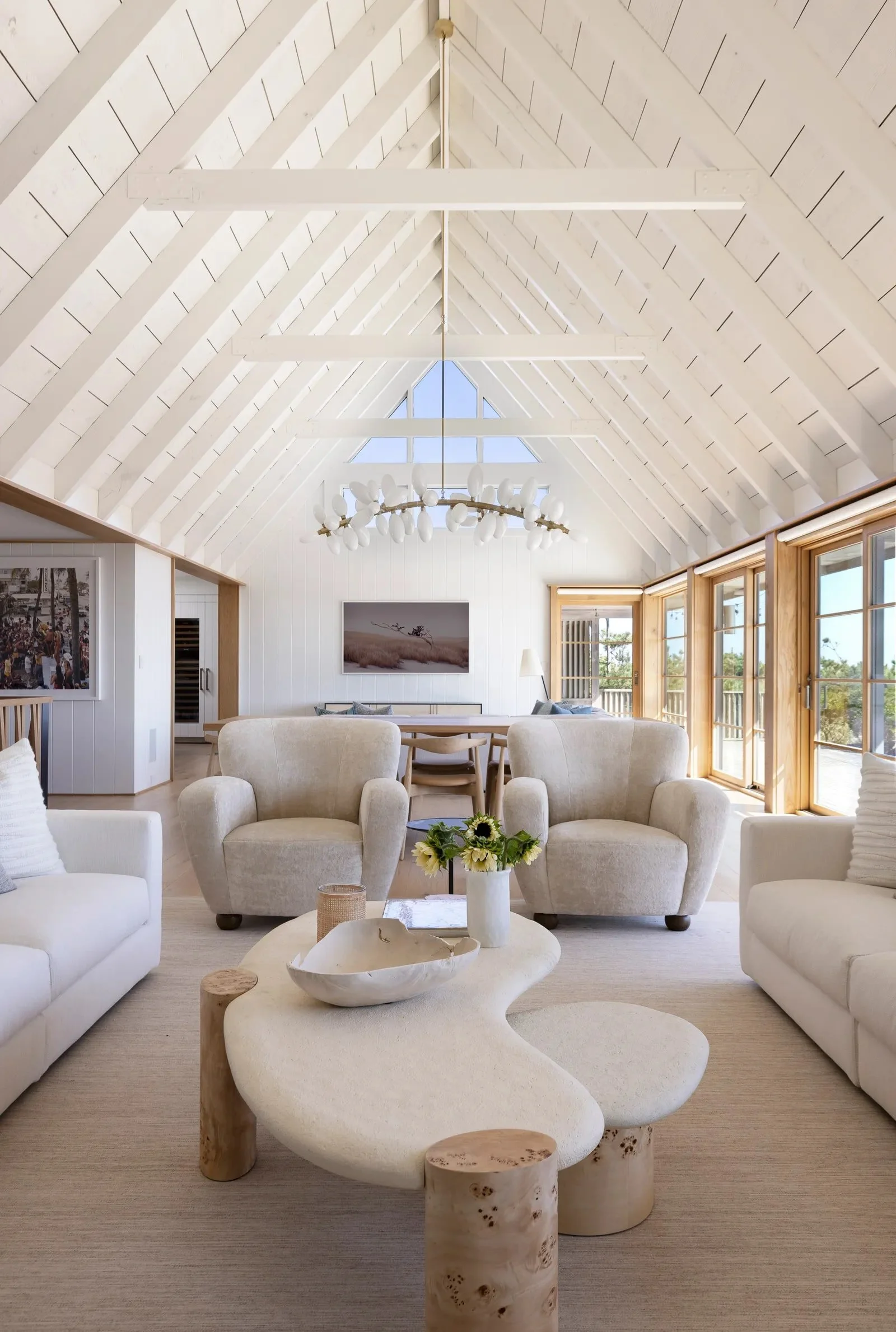
An all-white palette is tailor-made for rooms with high or vaulted ceilings. This approach works best in spaces that are at least 15′ x 20′ with a ceiling peak of 12′ or higher. The single color erases the visual boundaries between walls and ceiling, making the architecture itself the star. The exposed white beams add texture without breaking the serene, lofty feeling. If your room is smaller, consider the more contained coastal look in Idea #11.
|
$371.63
|
$118.97
|
$917.99
|
$1,299.00
|
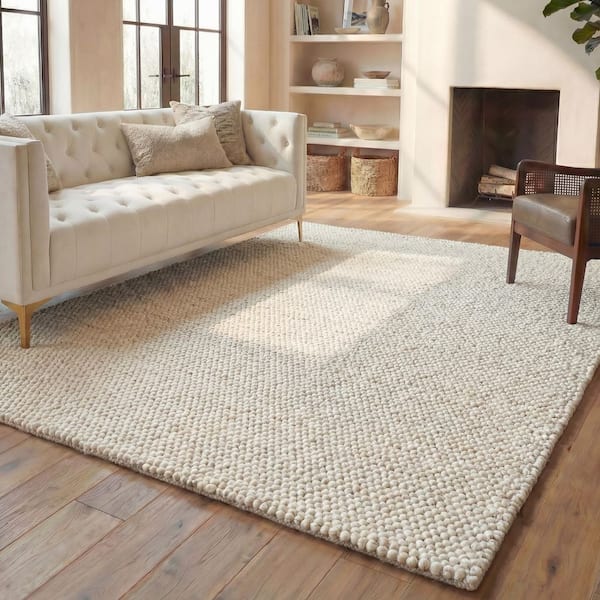
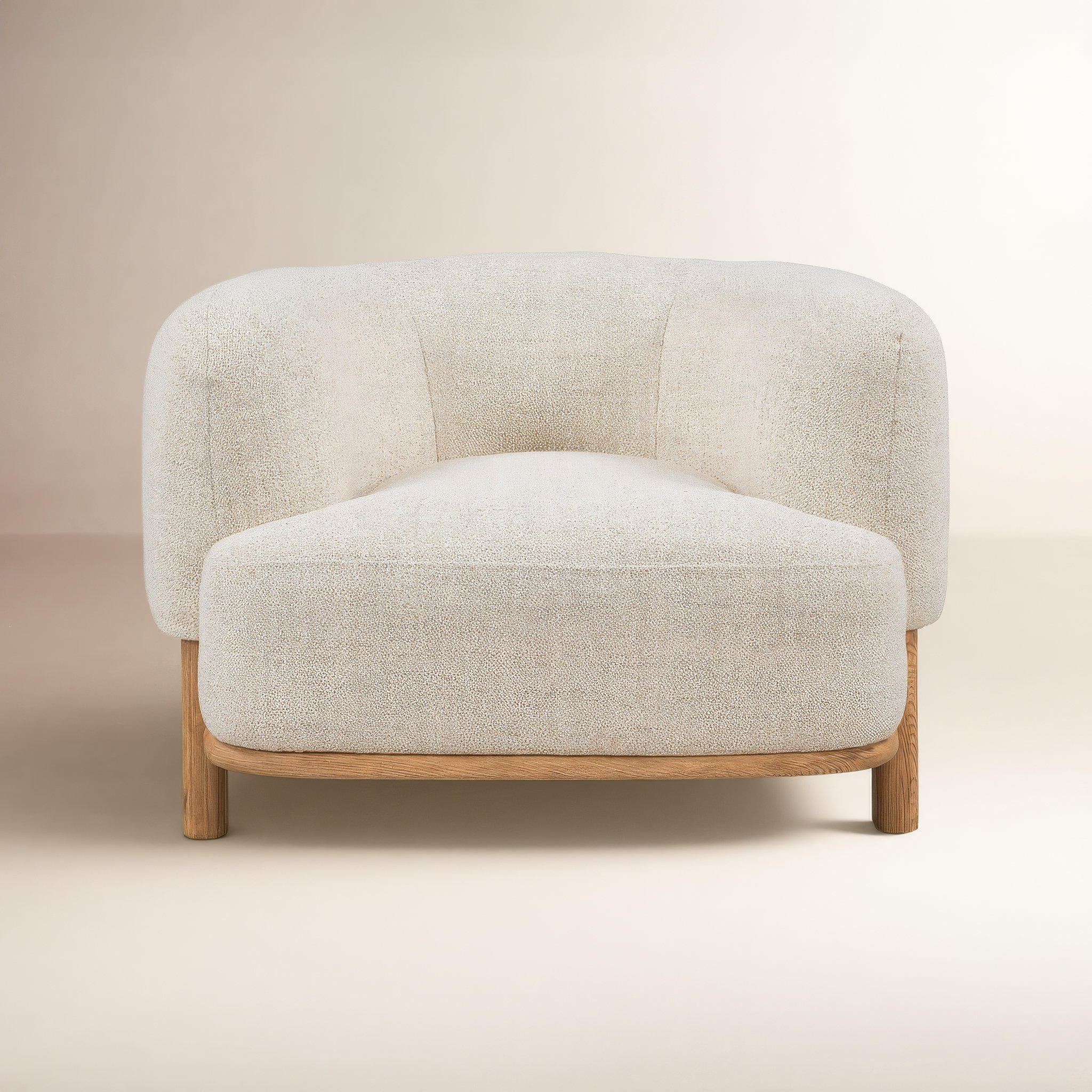
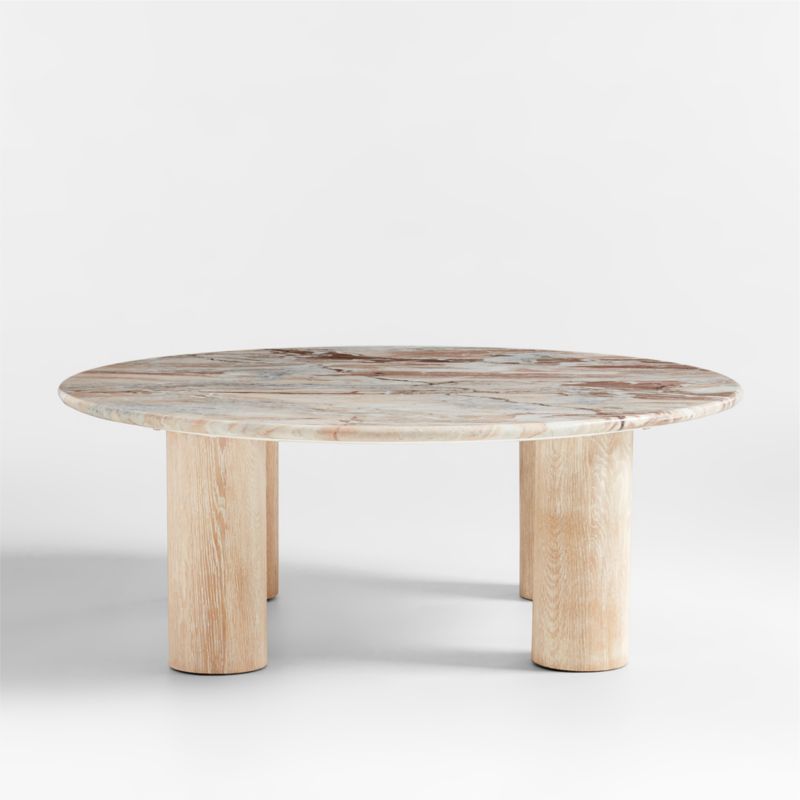
“Let’s be honest: an all-white living room is a high-maintenance commitment.”
This look is stunning, but it’s not the most practical choice for homes with pets, small children, or a love for red wine on the sofa. Spills require immediate attention, and the fabrics will likely need professional cleaning annually to maintain their brightness. If you love the vibe but not the worry, opt for performance fabrics or removable, washable slipcovers.
4. Pair Charcoal Gray with a Pop of Teal
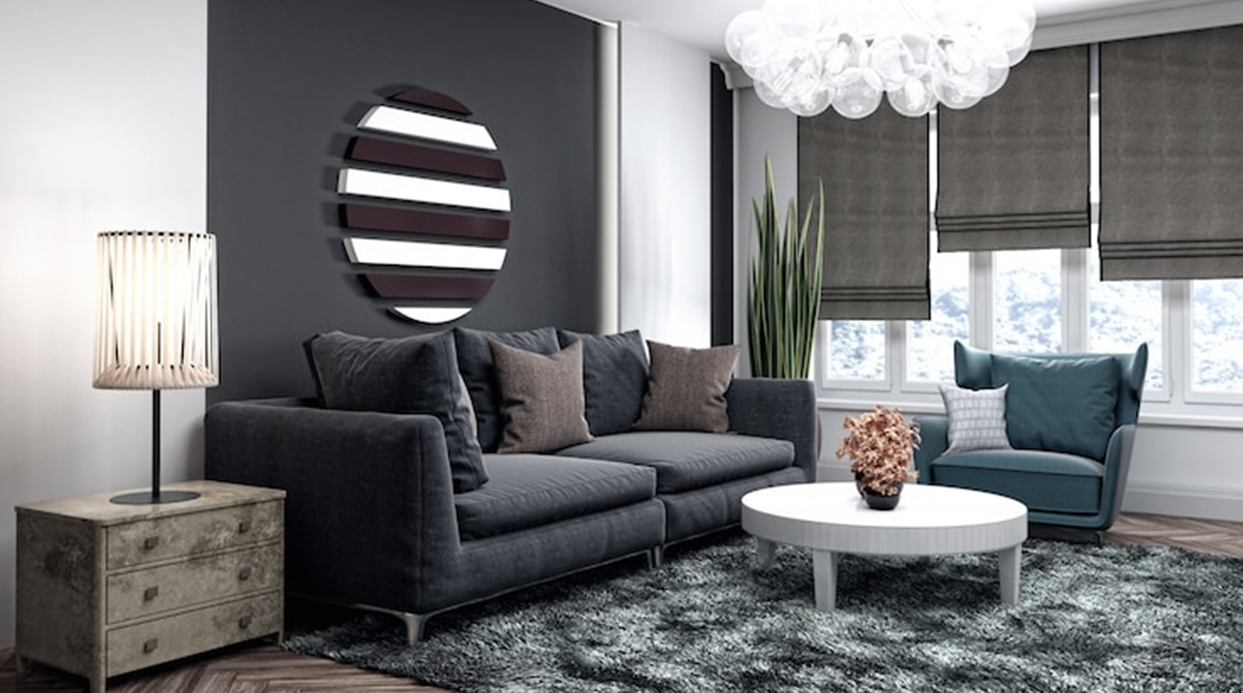
This room’s chic and moody vibe comes from a balanced color formula. Think of it as: 60% sophisticated neutral + 30% bold accent color + 10% warm textures. Here, the charcoal gray sofa and shag rug form the neutral base. The teal armchair provides the confident color pop, while the brown pillows and distressed wood table bring in warmth and prevent the gray from feeling too cold. You could easily swap the teal for a mustard yellow or deep magenta to achieve a different but equally balanced mood.
|
$275.99
|
$499.00
|
$189.00
|
$54.00
|

“That designer bubble chandelier can cost thousands, but you don’t need it to get this look.”
Find a similar multi-globe fixture on Wayfair or Overstock for $300-$500. For the seating, scout Facebook Marketplace for a charcoal gray sofa (a common color, so options are plentiful) and hunt for a vintage armchair you can have reupholstered in a fun teal fabric for a total of around $600. The circular wall art can be a DIY project for under $100.
5. Use Large-Scale Art to Set a Coastal Mood
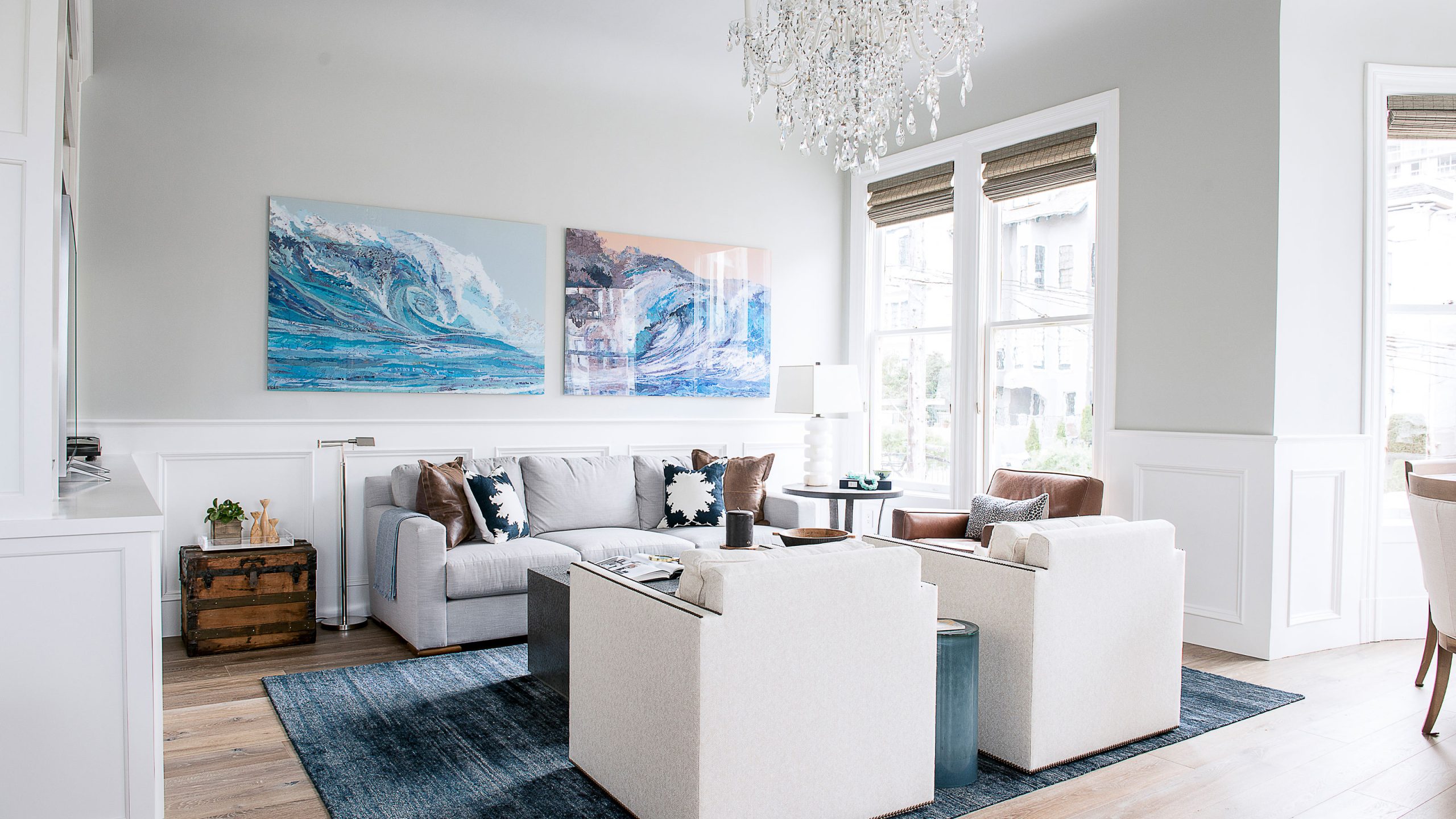
The absolute star of this show is the pair of enormous, crashing wave artworks. Take them away, and you have a perfectly nice, neutral living room. But with them, you have a story. They infuse the entire space with the dynamic energy of the ocean, dictating the color palette and the mood. It’s a powerful lesson in how investing in one significant element can define an entire room, making all the other components feel more purposeful. Contrast this with the gallery wall approach in Idea #11.
|
$1,030.00
|
$2,464.02
|
$302.41
|
$39.94
|
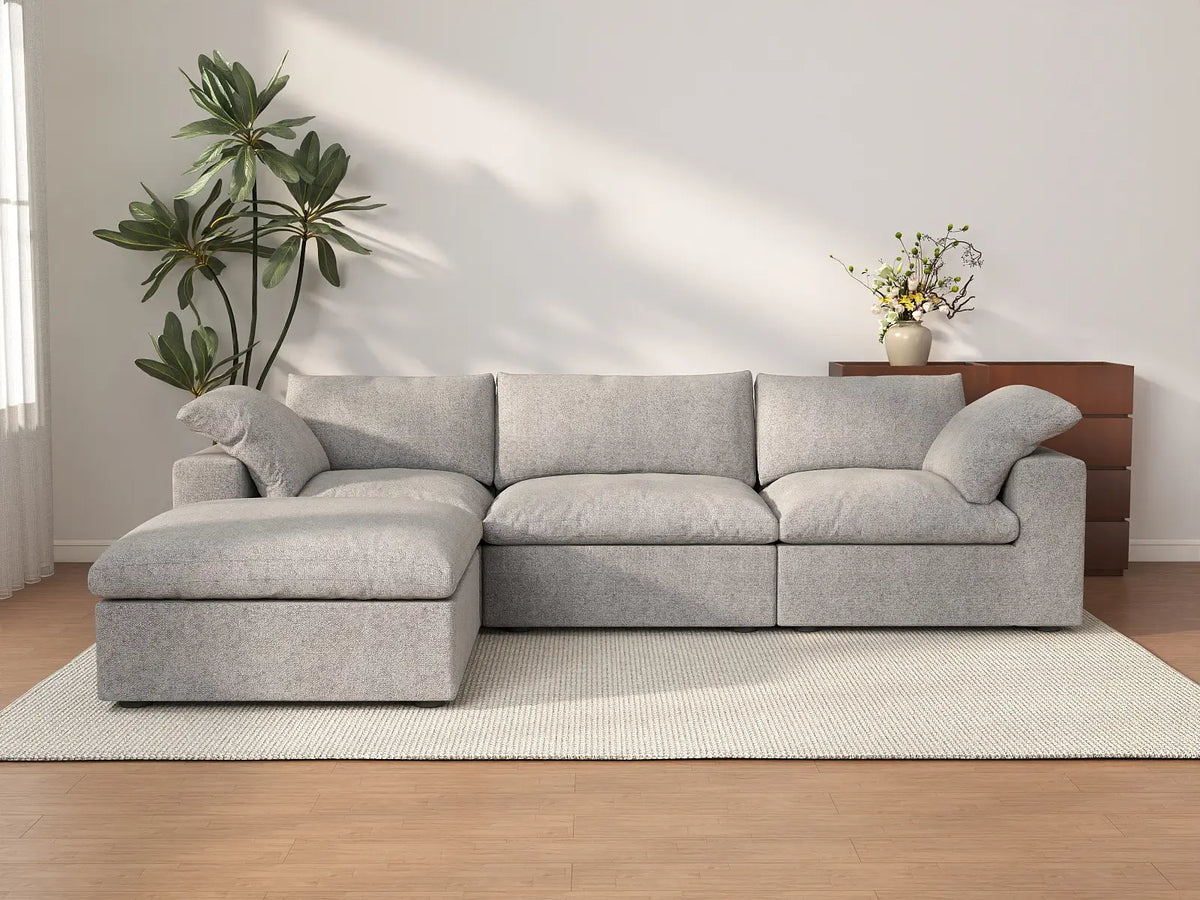
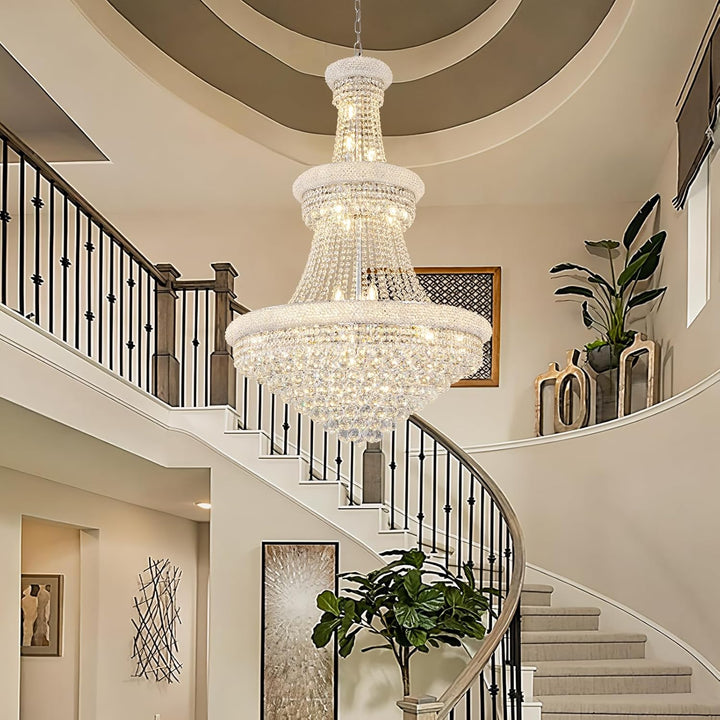
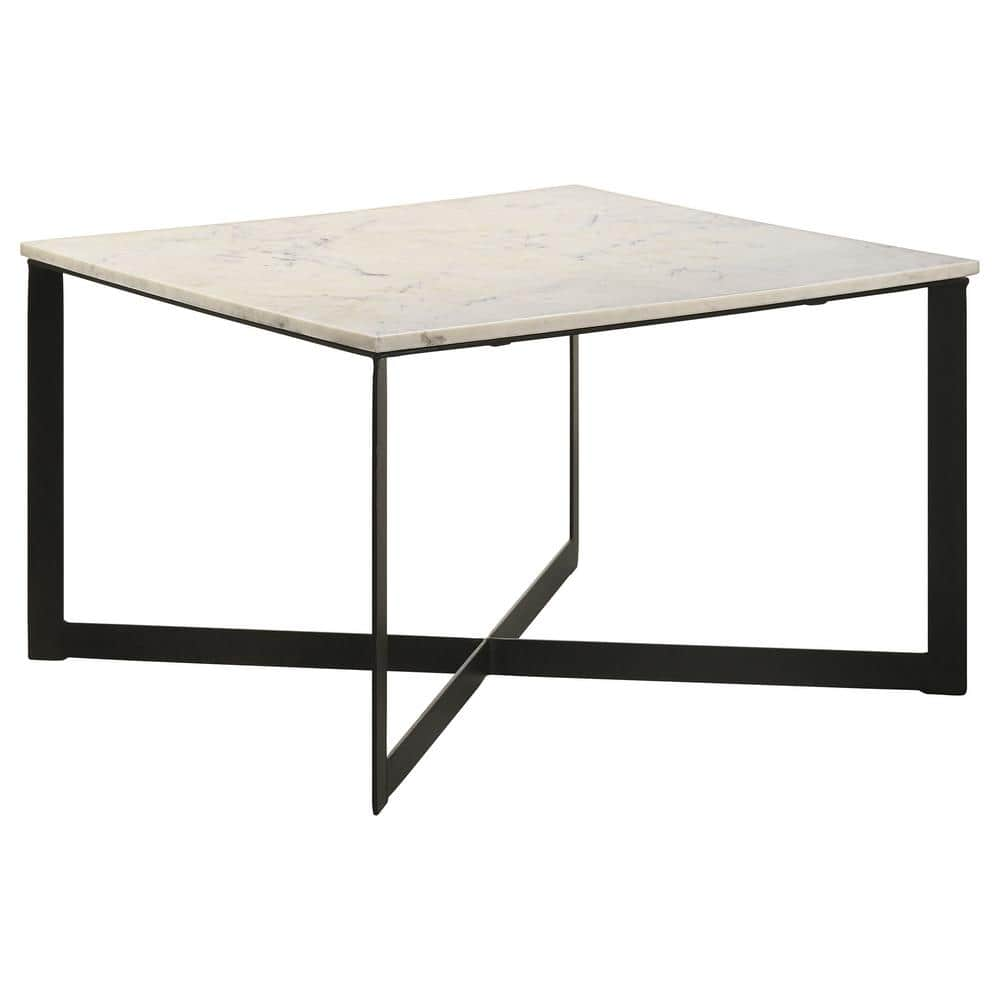
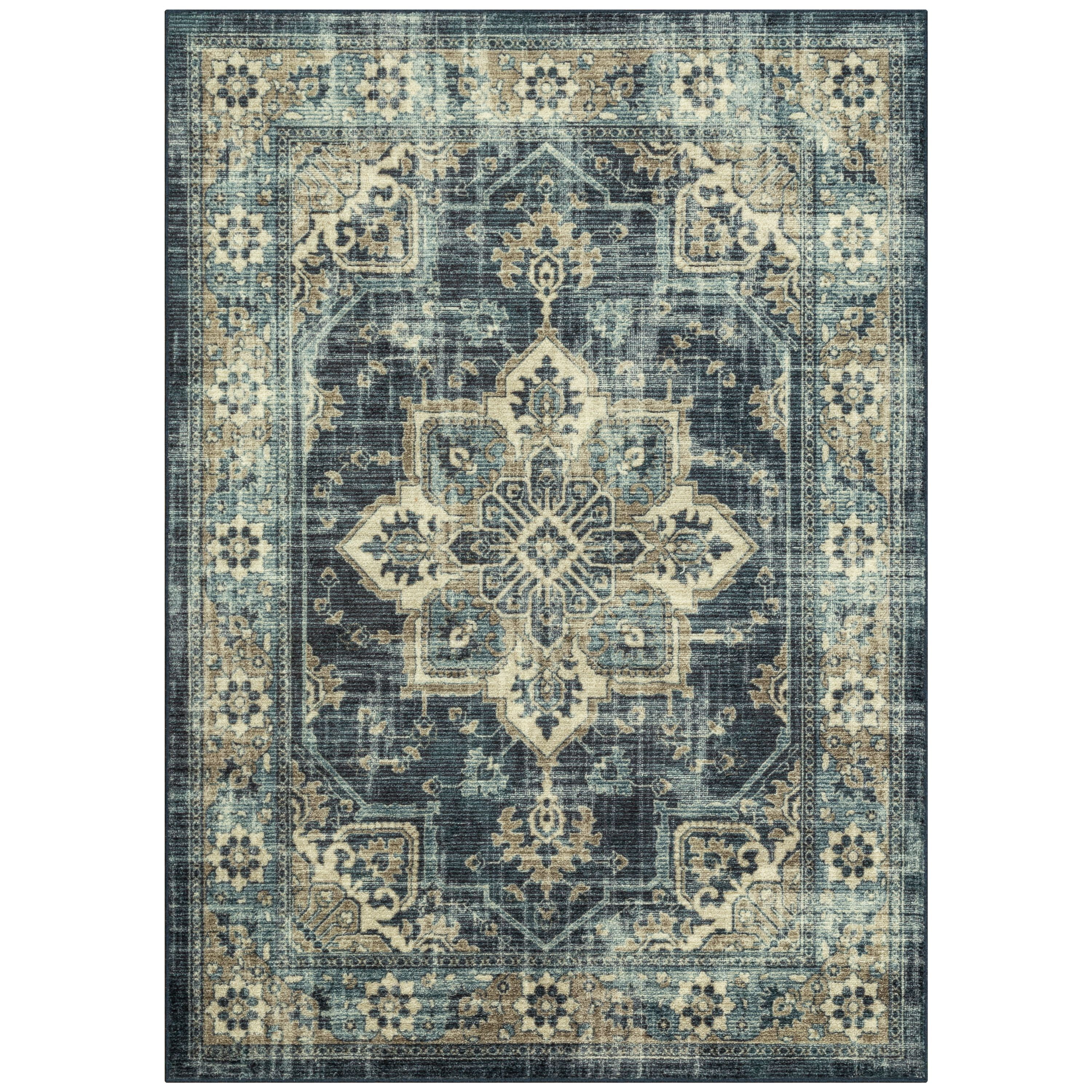
“This design succeeds by mastering contrast and repetition.”
The sharp, dark rectangle of the coffee table provides a strong anchor against the soft, light gray sectional. The vibrant blue of the art is repeated in the deep, textural blue of the area rug, which ties the top and bottom of the room together. Finally, the elegant repetition of the white paneled wainscoting and cream armchairs creates a classic, rhythmic backdrop for the more dramatic elements.
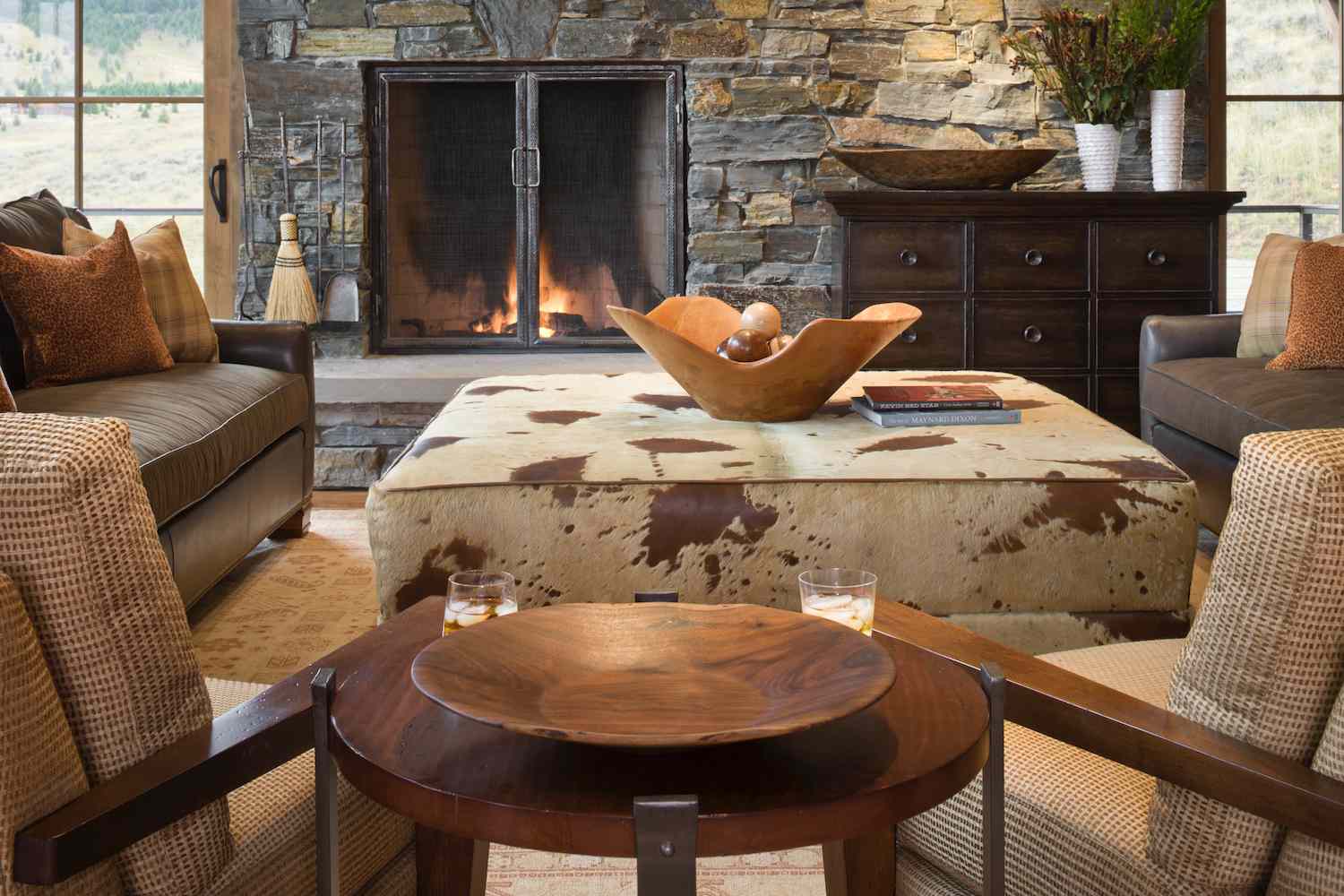
6. Anchor a Rustic Room with a Cowhide Ottoman
A cowhide ottoman is a fantastic way to introduce organic shape and texture, but it requires specific care. For liquid spills, blot immediately—don’t rub. For dust and debris, a vacuum with a brush attachment works well, always moving in the direction of the hair. Avoid direct sunlight, which can cause the hide to fade and become brittle over time. While durable, it’s not impervious to scratches from pet claws or sharp objects, so place it thoughtfully.
|
$134.89
|
$17.96
|
$309.00
|
$425.00
|

“To prevent a rustic room from feeling like a theme park cabin, you must mix your textures.”
Notice the interplay here: the smooth, cool leather of the armchair, the rugged warmth of the stacked stone fireplace, the nubby weave of the fabric chair, and the soft hair-on-hide of the ottoman. No two primary textures are the same. When you’re decorating, consciously choose at least four distinct textures to create this rich, layered effect.
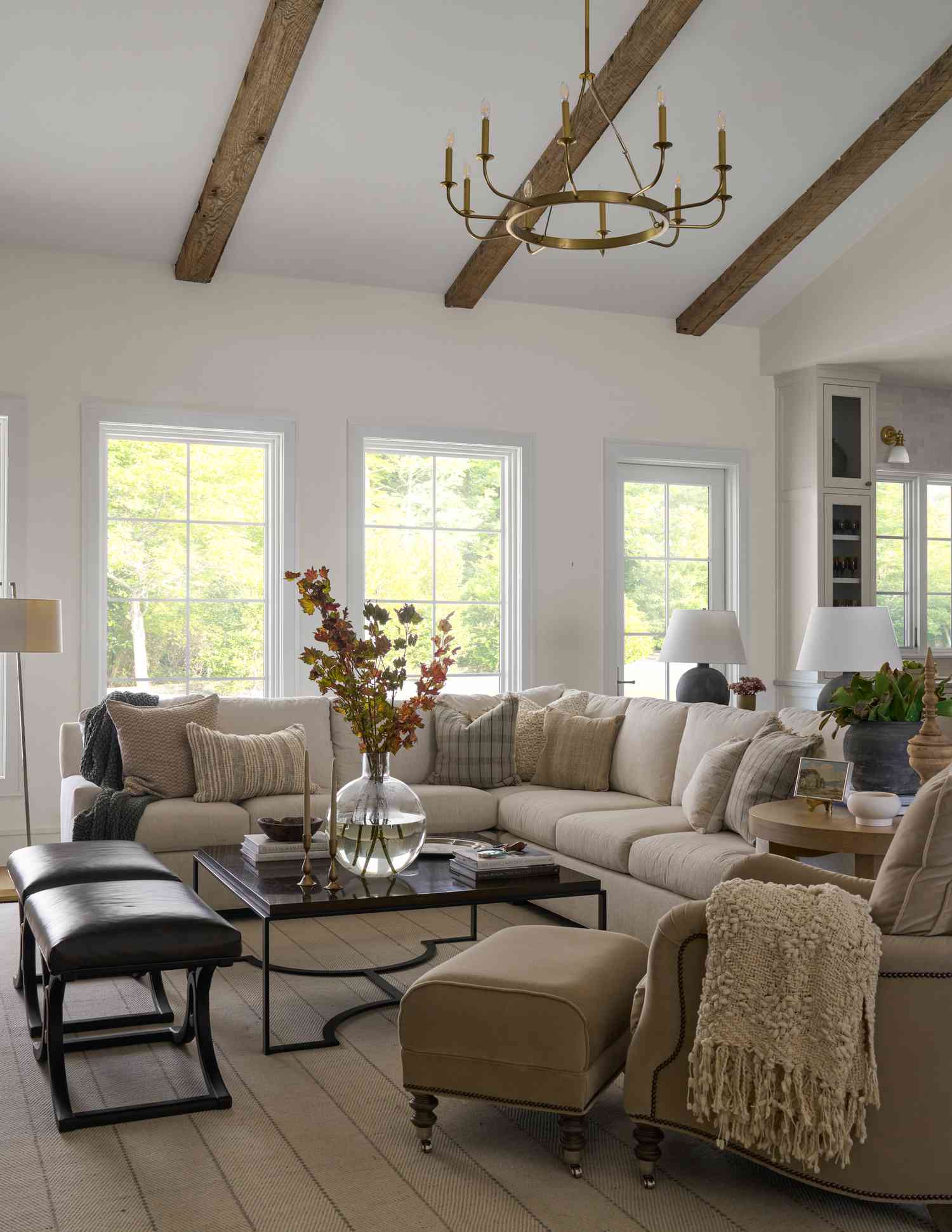
7. Balance a Vaulted Ceiling with a Large Sectional
A room with a high vaulted ceiling needs appropriately scaled furniture to keep it from feeling empty. This look is perfect for a great room or open-concept space, typically requiring a footprint of at least 18′ x 24′. The large L-shaped sectional is crucial; it grounds the seating area and provides a visual anchor that’s proportional to the room’s verticality. A smaller sofa would be lost. Compare this to the lighter feel of the vaulted room in Idea #3.
|
$67.99
|
$309.11
|
$259.98
|
$1,649.00
|


“The design formula here is about balancing grand architecture with cozy livability.”
Let’s call it: 50% architectural volume (the vaulted ceiling and beams) + 40% plush comfort (the oversized sectional and piles of pillows) + 10% industrial edge (the dark metal coffee table and chandelier). This mix ensures the room feels both impressive and genuinely inviting, a place you want to actually hang out in, not just admire.
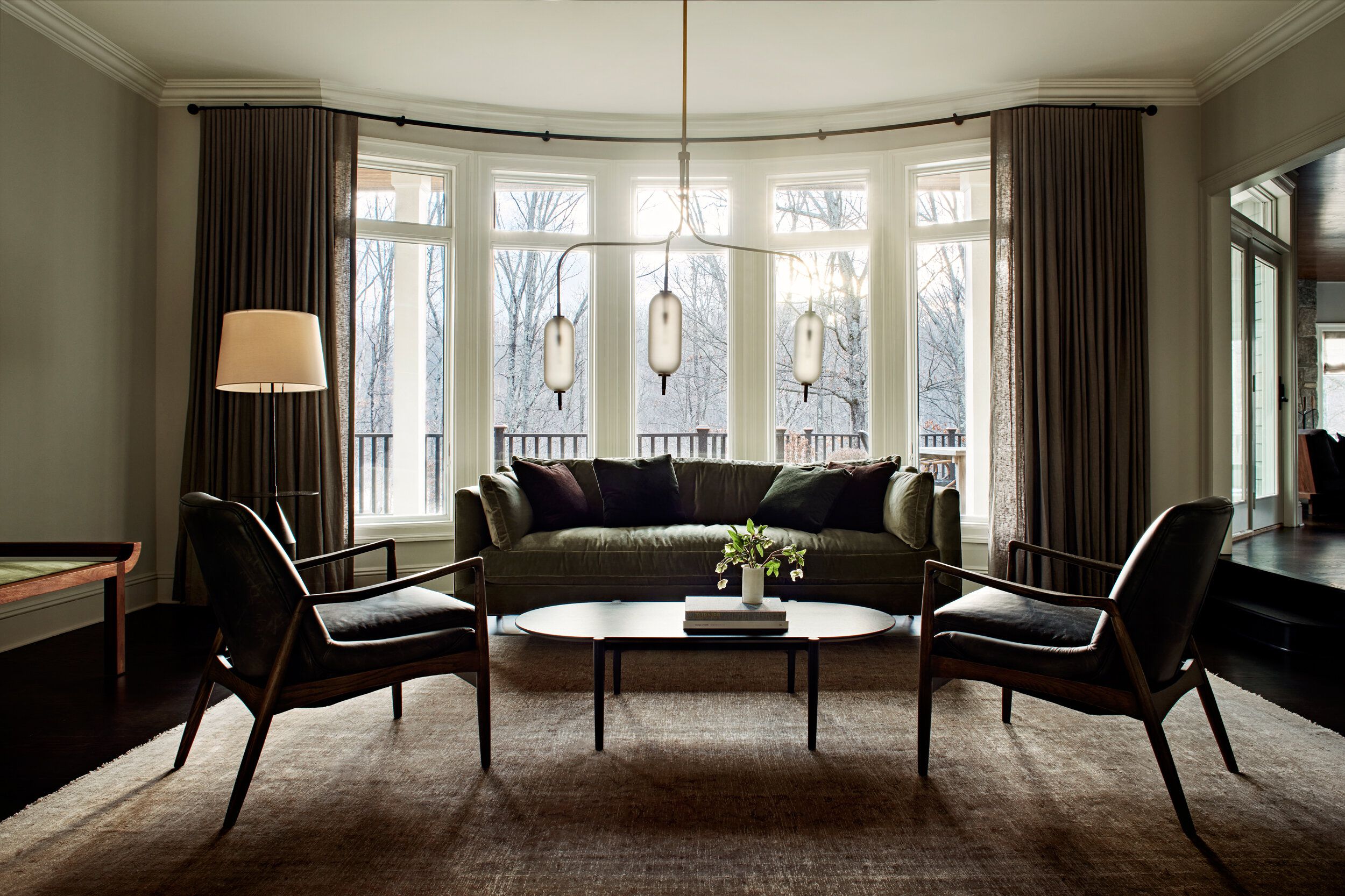
8. Mix Muted Green and Rich Leather for Earthy Sophistication
This room feels so calming because it expertly mixes color temperatures and textures. The muted green of the velvet sofa is a cool, serene anchor. This coolness is balanced by the warmth of the dark leather armchairs, the rich brown drapes, and the beige-brown rug. The sleek, black metal of the coffee table adds a contemporary edge that keeps the earthy palette from feeling too rustic. It’s a sophisticated dance of warm and cool tones.
|
$93.49
|
$228.99
|
$40.00
|
$979.99
|
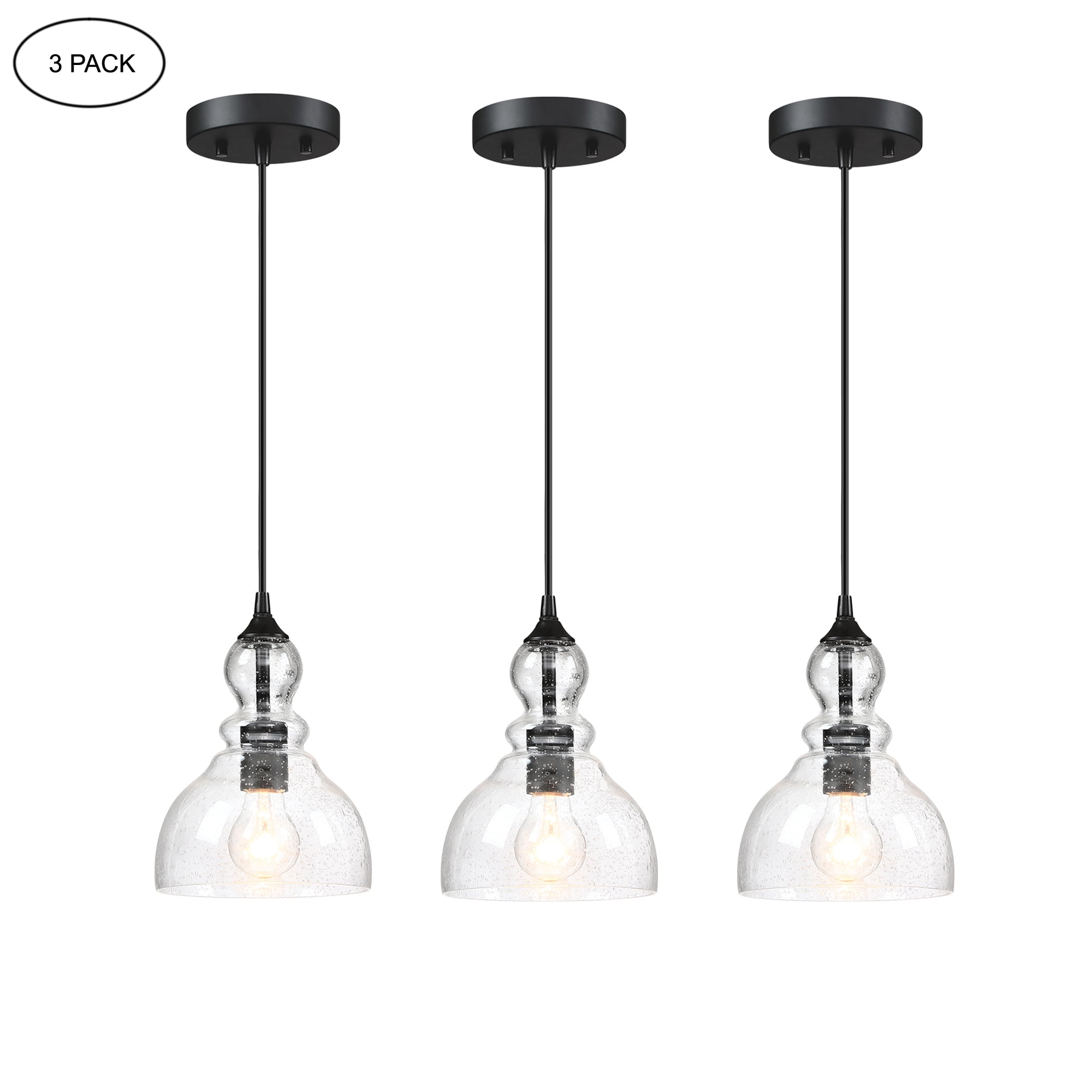
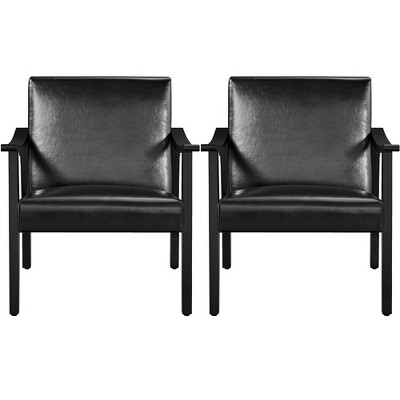
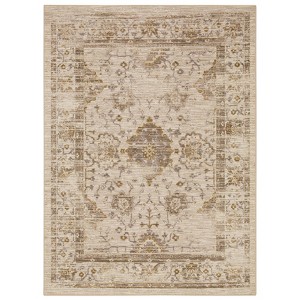

“We’re seeing a huge move away from cool grays and toward warmer, earthier color palettes, and this room is a perfect example of why.”
As we seek to create homes that feel like sanctuaries, colors drawn from nature—like mossy greens, rich soil browns, and warm clay tones—are becoming the new neutrals. This look has staying power because it’s rooted in something timeless: the calming, grounding effect of the natural world.
9. Use Symmetry and Gold Accents for Quiet Elegance
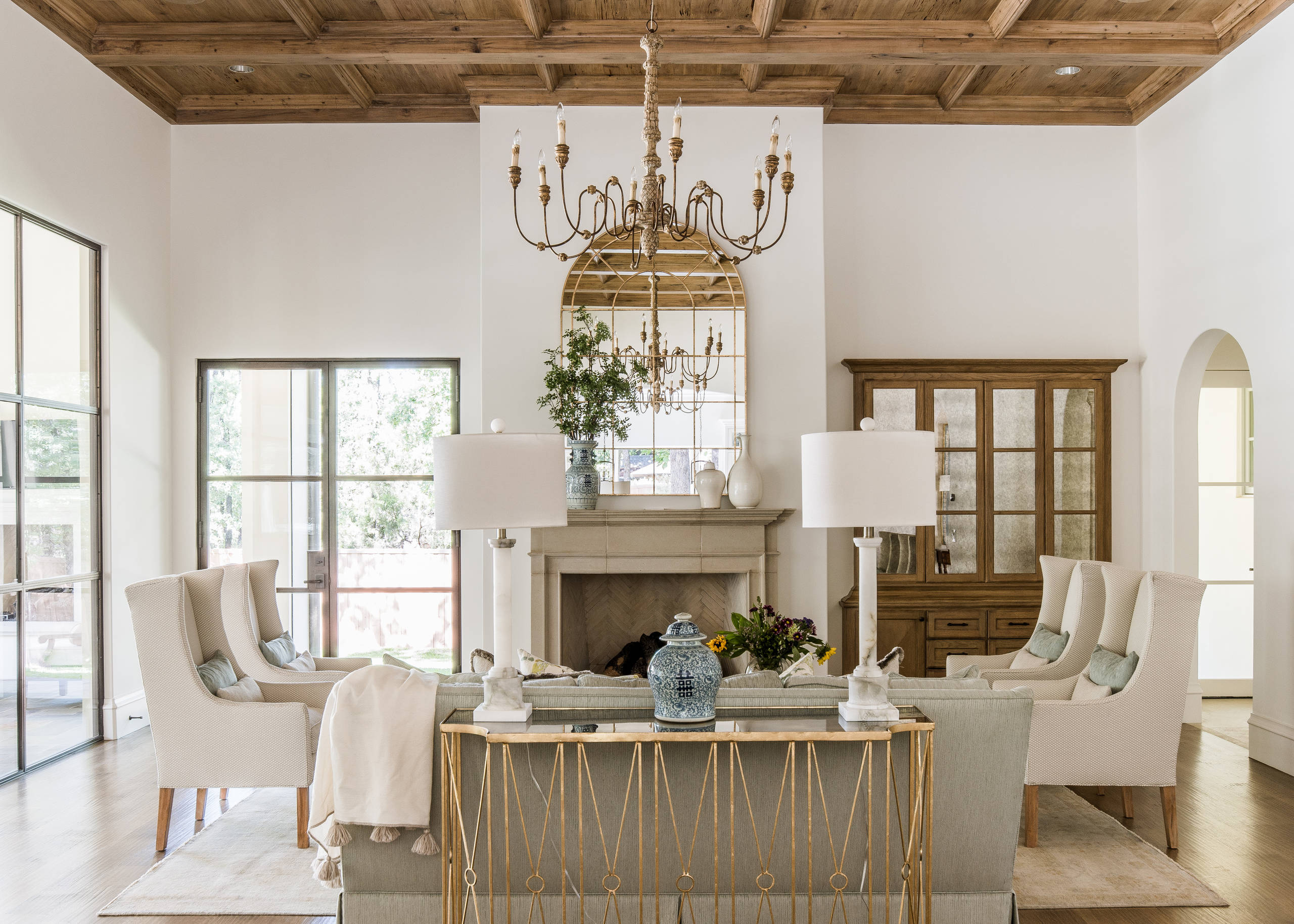
The gilded arched mirror is the undeniable centerpiece of this room. It does more than just fill a space; it introduces a classical shape, reflects the light from the chandelier, and adds a touch of historical elegance that elevates the entire design. Without this single piece, the room’s symmetry would be less impactful, and its character would be significantly more subdued. It beautifully bridges the gap between the room’s formal architecture and its cozy, neutral furnishings.
|
$289.98
|
$63.98
|
$150.00
|

“Want to recreate that elegant light wood coffered ceiling effect on a standard flat ceiling?”
Here’s a simplified approach. Time: 2 days. Cost: $300-$700. Plan your grid on paper first. A 3’x3′ or 4’x4′ grid works well for a standard room.Find the center of your ceiling and mark your grid lines with a chalk line.Install 1×4 MDF boards flat against the ceiling along your chalk lines, using construction adhesive and a brad nailer.Add a second layer of 1×4 boards on top of the first to create the beam’s depth.Caulk all seams, prime, and paint everything—the ceiling surface inside the boxes and the beams themselves—in the same color to create a unified look.
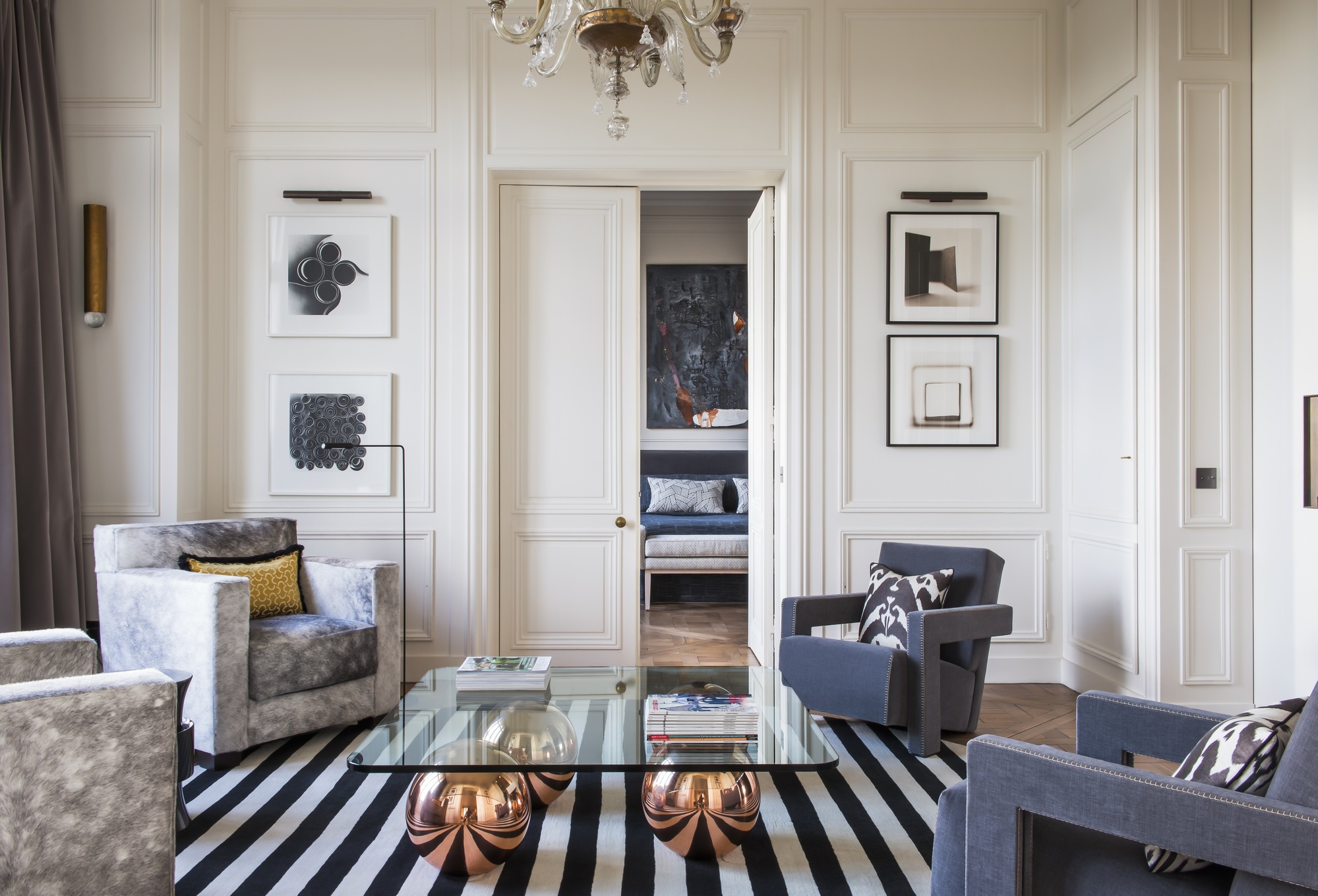
10. Anchor a Neutral Room with a Bold Black and White Rug
A high-contrast rug like this is a showstopper, but it can also be a bossy design element. It will dictate almost every other choice in the room. This isn’t a rug you can easily swap out if you get tired of it. Furthermore, a striped pattern can create weird optical effects in certain lights or room layouts, and a predominantly white rug in a high-traffic area is a brave choice. Be sure you love it and are willing to design *around* it before you commit.
|
$1,703.51
|
$1,511.01
|
$799.00
|
$399.99
|


“Achieving this level of curated contrast requires investment in varied, high-quality seating and statement pieces.”
The unique forms and materials are central to the look.
- Seating (4 armchairs): $6,000 – $12,000
- Statement Rug: $2,000 – $5,000
- Coffee Table: $1,500 – $4,000
- Lighting (picture lights): $600 – $1,500
- Art & Decor: $1,000 – $3,000
- Budget alternative: Get the look for less ($4k-$7k) by using IKEA’s ‘STRANDMON’ chairs (and reupholstering two), finding a similar striped rug on Rugs USA, and sourcing abstract prints from Etsy.
- TOTAL: $11,100 – $25,500
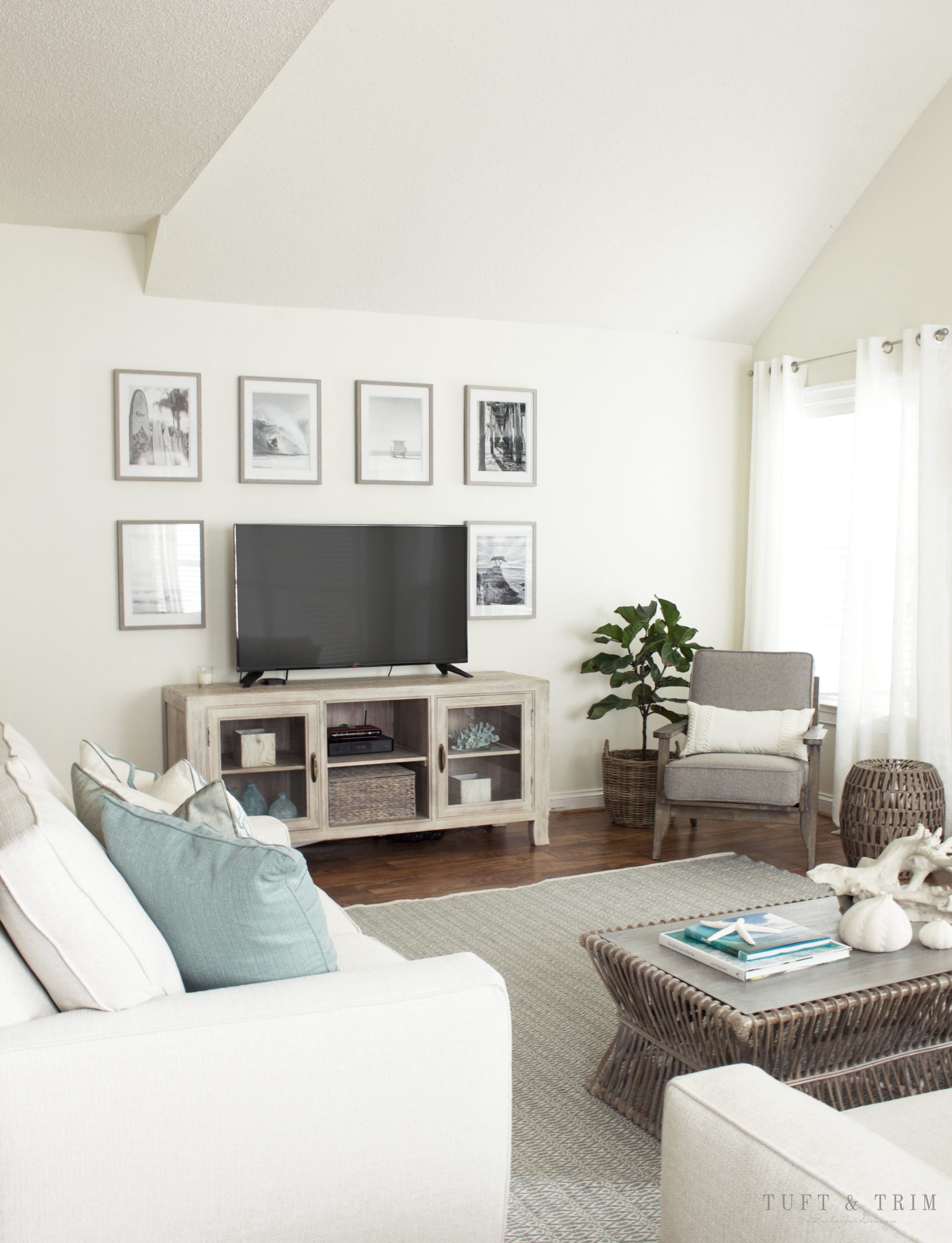
11. Create an Airy Coastal Vibe with a Gallery Wall
A grid-style gallery wall looks polished and intentional. Here’s how to get it right. Time: 2 hours. Cost: $150-$400 (for frames and prints).
- Choose your frames first (all matching). A good size is 11″x14″ or 16″x20″.
- Lay the frames on the floor and arrange them until you like the composition. Leave 2-3 inches of space between each frame.
- Measure the total height and width of your final arrangement.
- Mark the center point on your wall. Use your measurements to place the four corner nails first, using a level to ensure they’re straight.
- Hang the corner frames, then fill in the rest.
|
$225.00
|
$299.99
|
$499.00
|
$69.99
|
“This light, coastal look is incredibly achievable on a budget.”
The key pieces—whitewashed furniture and simple frames—are staples at stores like IKEA and Target. Look for the ‘HEMNES’ or ‘BRIMNES’ series for a similar TV console ($150-$250). A set of matching black frames (‘RIBBA’ from IKEA) is around $100. Find a similar patterned rug on Wayfair for under $200 and complete the look with affordable pillows from H&M Home. You can get this entire vibe for well under $1,000.
12. Mix Warm Wood Paneling with a Cool Stone Fireplace
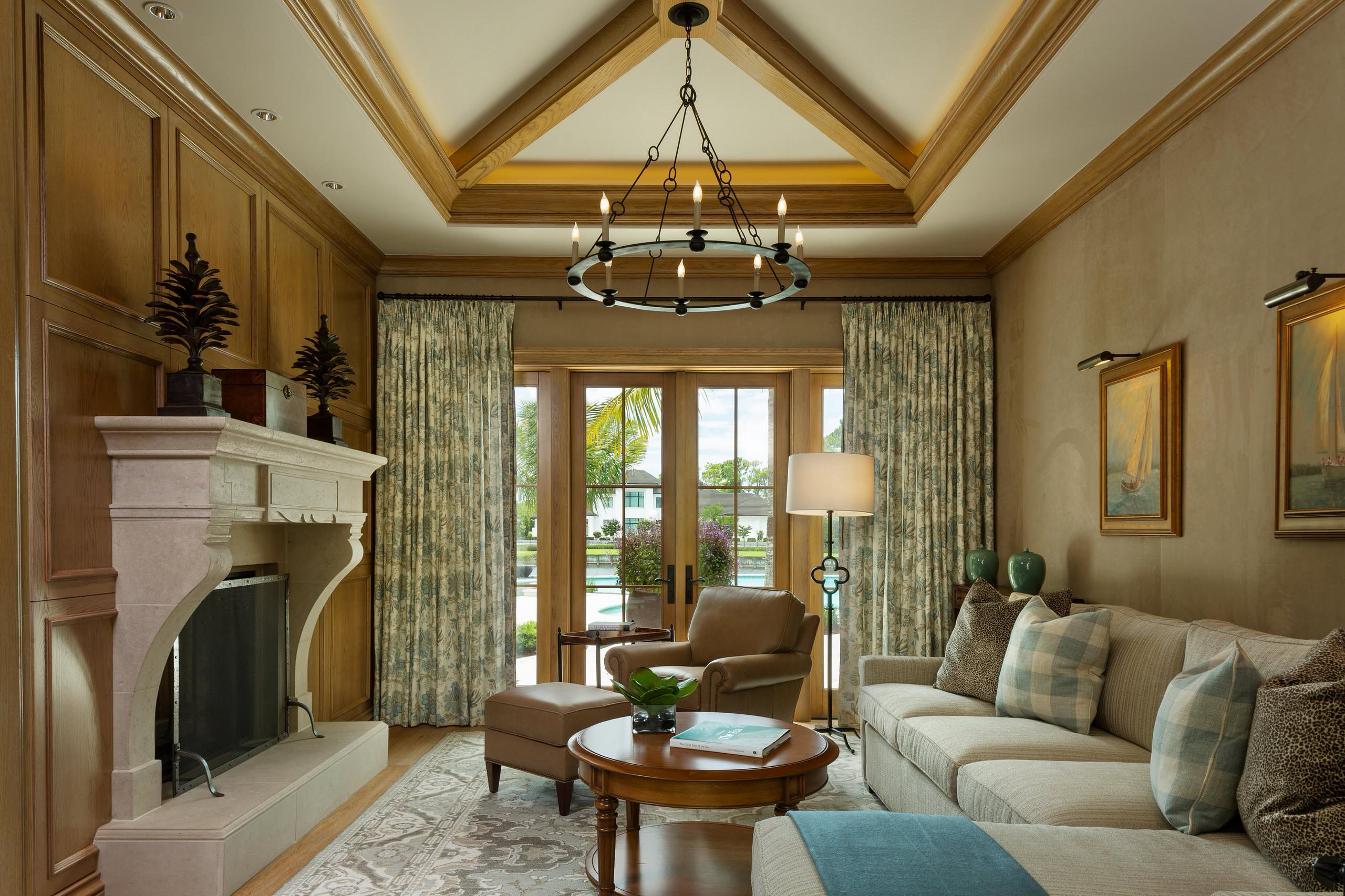
When combining two dominant natural materials like wood and stone, the key is to choose one to be the ‘star’ and the other to be the ‘supporting actor.’ Here, the warm oak wood paneling has more visual weight due to its color and grain. The lighter, more neutral-toned stone fireplace complements it without competing. If the stone were dark and heavily patterned, it would fight with the wood, creating a visually chaotic space. Always pair a bold material with a calmer one.
|
$167.13
|
$74.10
|
$1,620.00
|
$1,999.99
|

“This room feels so inviting because of the masterful use of repetition and balance.”
The warm tones of the oak paneling on the wall are repeated in the ceiling beams and the round coffee table, creating a cohesive envelope of warmth. This is balanced by the large sectional sofa in a neutral cream, which prevents the wood from overwhelming the space. The patterned drapes add just enough color and movement to keep the eye engaged without disrupting the calm.
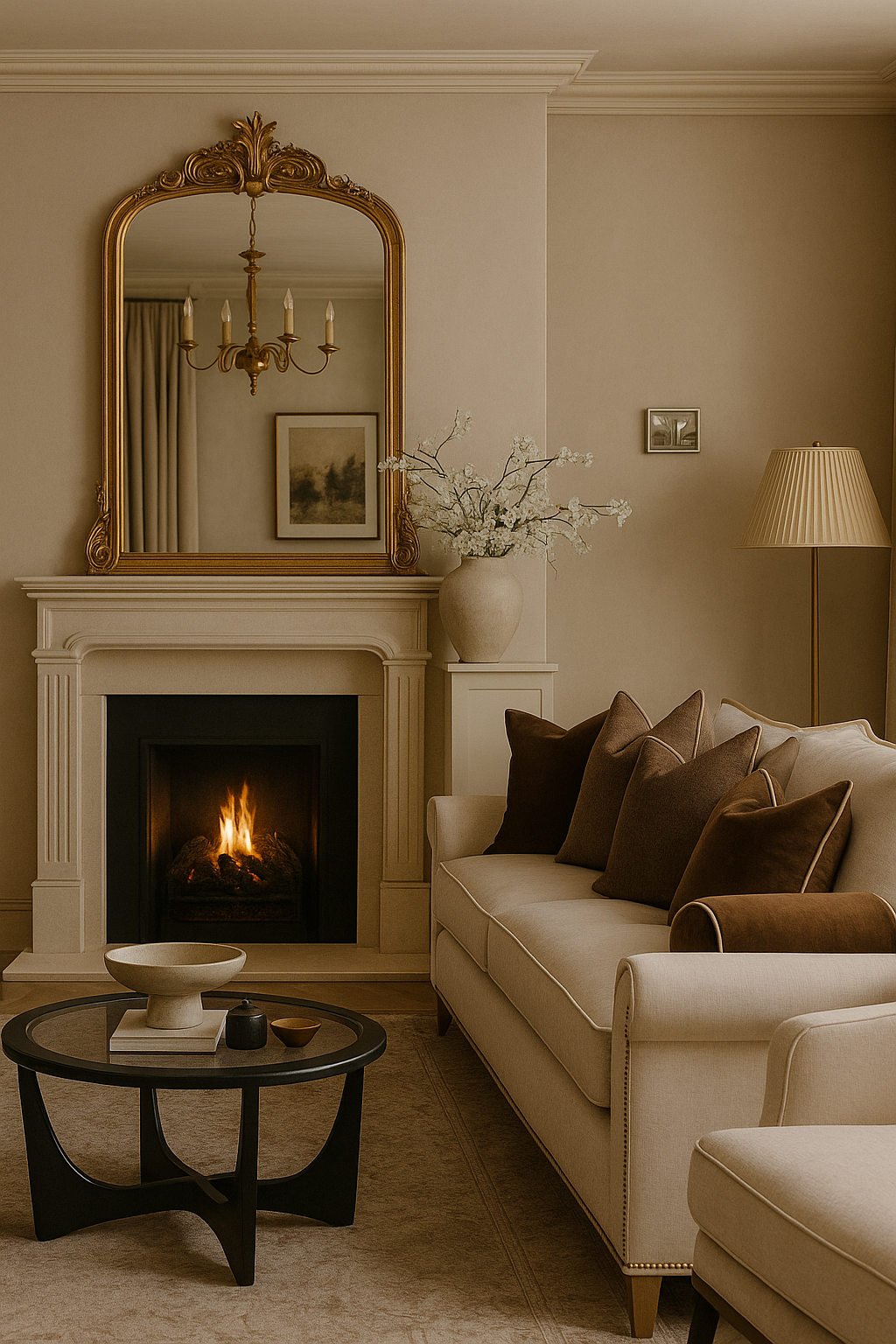
13. Elevate a Cozy Fireplace with an Ornate Gold Mirror
The single element doing the most work here is the large, ornate gold mirror. It’s a classic designer trick for a reason. It adds a touch of glamour and history, instantly making the room feel more expensive and layered. It also bounces light from the windows and chandelier around the room, making the cozy space feel brighter. Without it, the fireplace wall would be much less of a focal point, and the room would lose its elegant anchor.
|
$213.99
|
$2,479.99
|
$199.99
|
$103.99
|
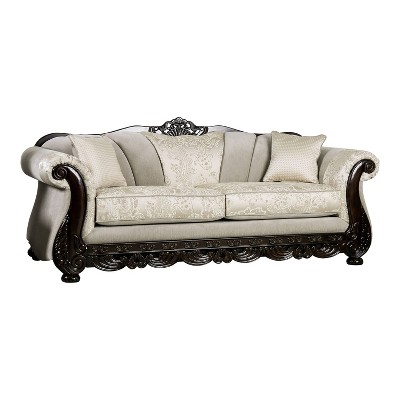
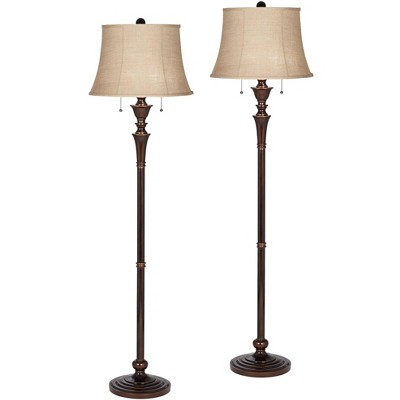

“A look this cozy relies on plush, light-colored upholstery, which can be a magnet for dirt and stains.”
Before committing to a cream sofa, be honest about your lifestyle. Do you have pets that shed or kids who snack in the living room? If so, you might want to consider a similar style with a more forgiving color or, even better, a high-performance fabric that’s treated for stain resistance. It provides the same look with a lot less anxiety.
14. Build a Rustic Room Around a Statement Floral Rug
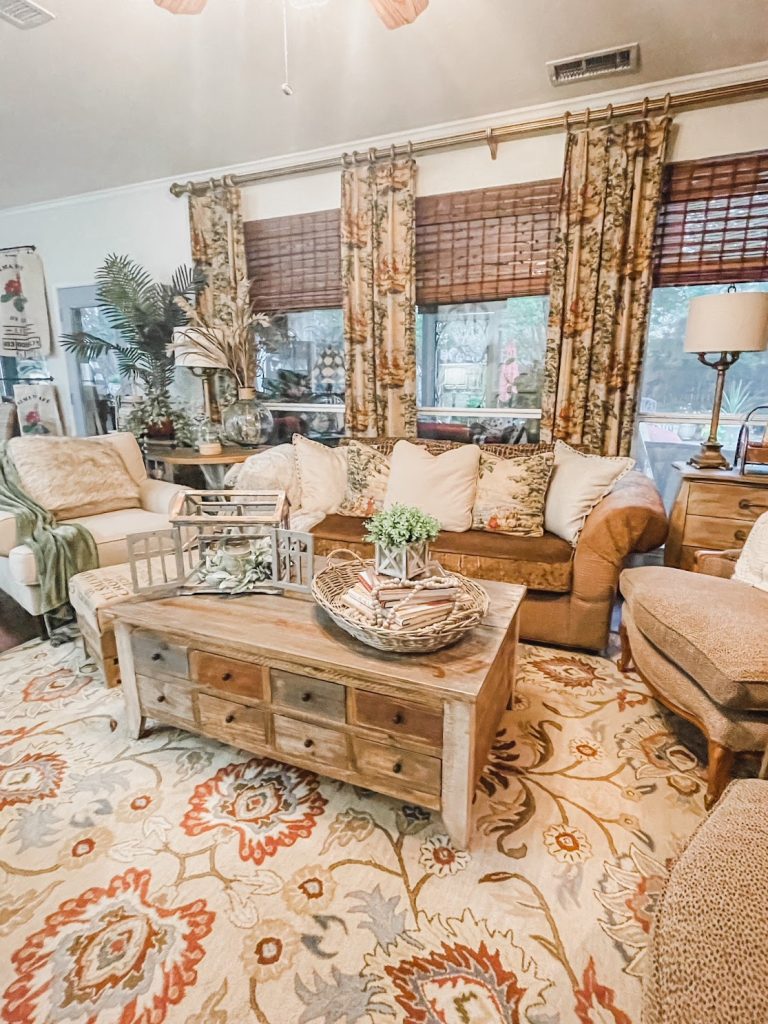
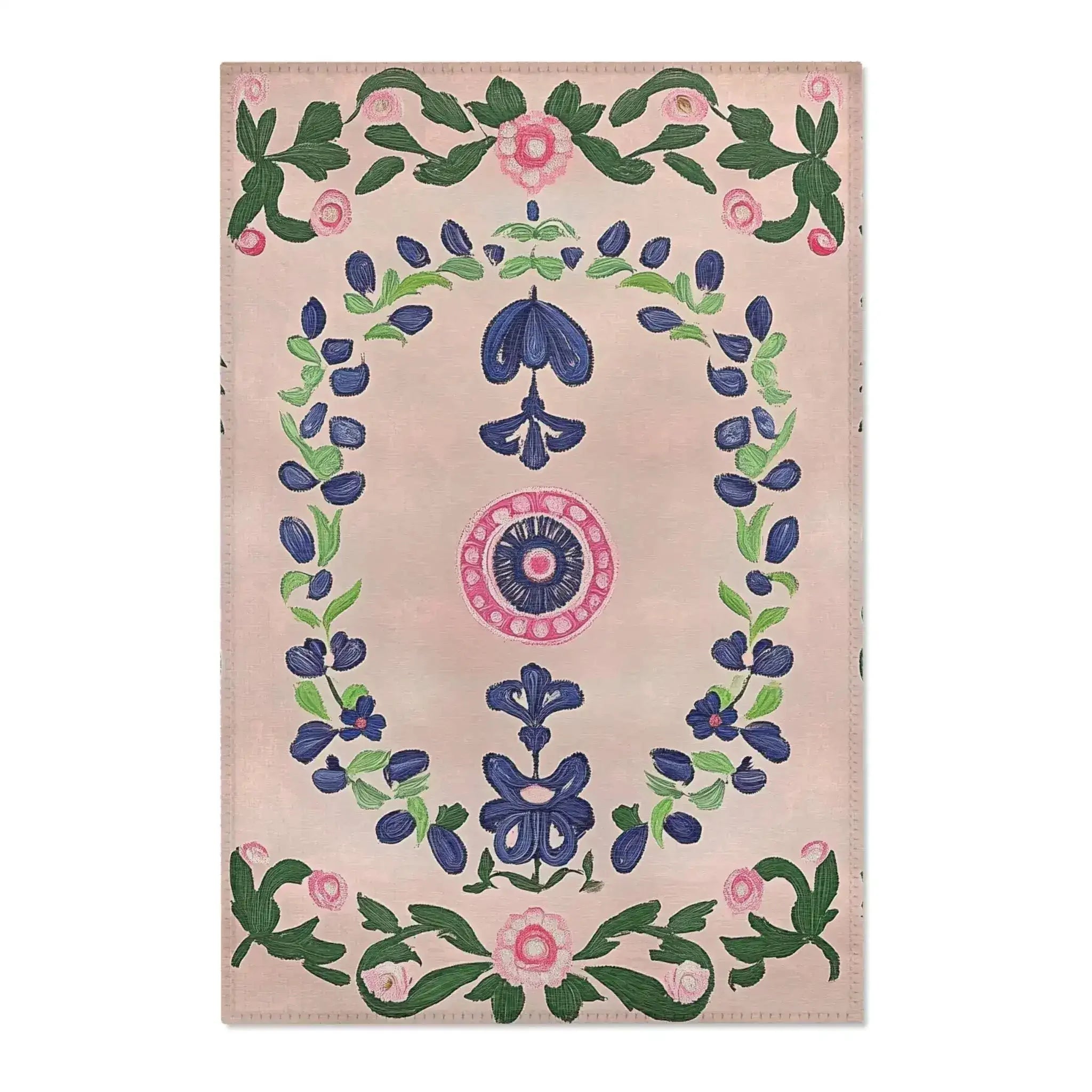
This cozy, botanical vibe follows a simple recipe: 50% rustic foundation + 30% bold pattern + 20% soft textures. The multi-toned wooden coffee table and woven blinds provide the rustic base. The large floral rug is the undeniable star, infusing the room with color and life. The soft brown sofa, patterned pillows, and warm lamplight make up the final layer of comfort. This formula ensures the room feels layered and personal, not like a showroom.
|
$194.99
|
$399.99
|
$27.96
|
$1,800.91
|


“The rise of ‘Grandmillennial’ and ‘Cozy Rustic’ styles on Pinterest and Instagram shows a collective desire for homes that feel personal and lived-in.”
We’re moving away from the stark minimalism of the past and embracing pattern, warmth, and nostalgia. A floral rug like this, once considered dated, is now seen as charming and soulful. This trend has staying power because it prioritizes comfort and personality over rigid design rules.
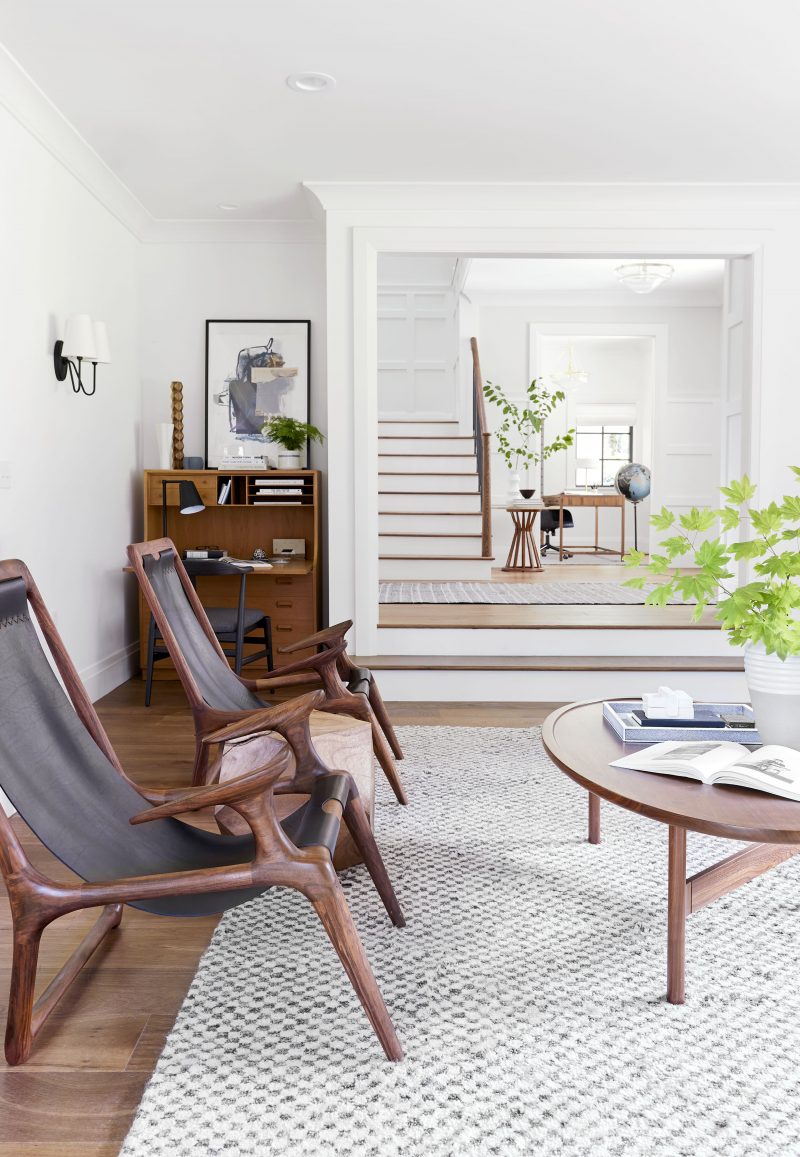
15. Design a Structured Nook with Dark Wood and Gray Tones
Before you carve out a reading or work nook like this, run through a quick checklist to make sure the space is right for it:
|
$409.00
|
$269.00
|
$20.00
|
“Measure the space: Do you have at least a 6′ x 8′ area to dedicate?”
You need enough room for the desk, chair, and circulation around them.
Check the light: Is there a window nearby for natural light, or a place to add both an overhead light and a task lamp?
Locate outlets: Are there outlets nearby for a lamp and charging devices, or will you need to run an extension cord?
Consider traffic flow: Will this nook interrupt a major walkway in your home? It should feel like a destination, not an obstacle.
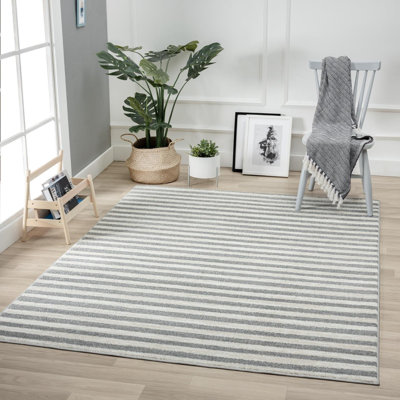
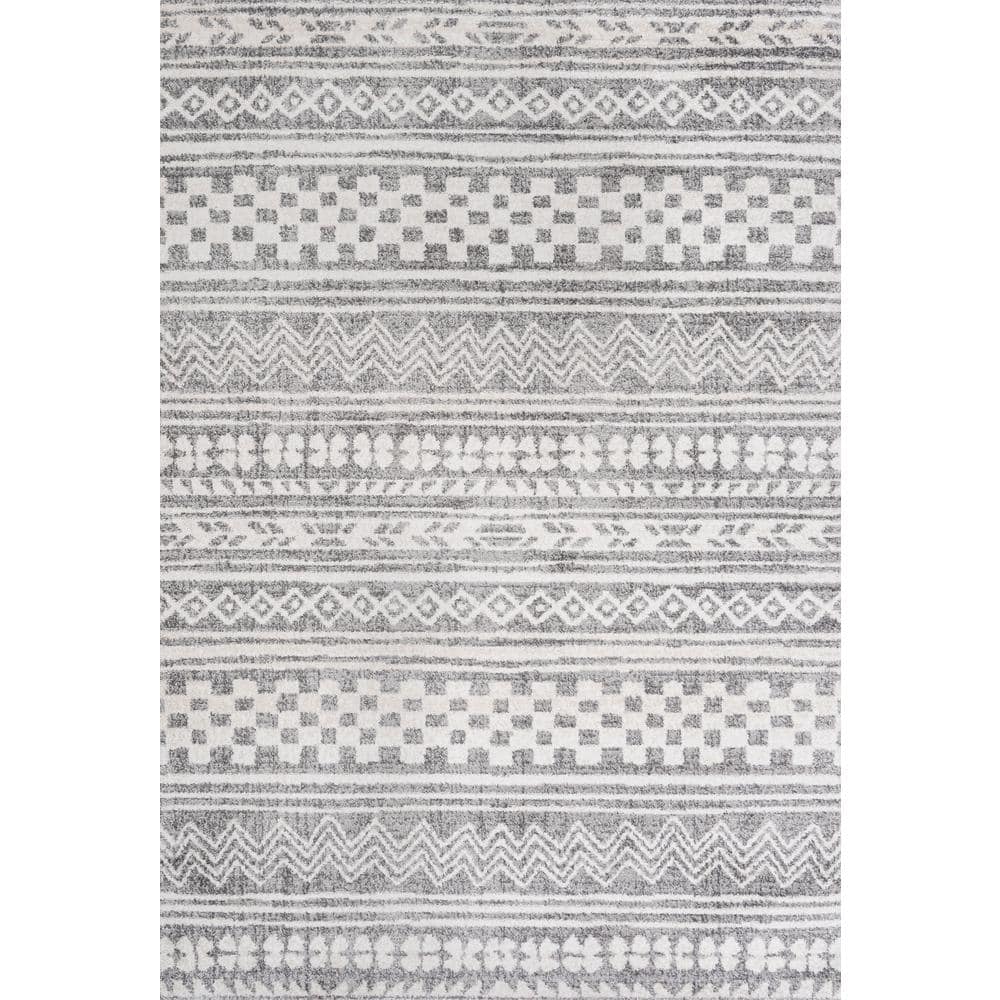
This concept works beautifully in an underutilized corner of a larger living room or in a defined alcove. It requires a minimum width of about 8 feet to accommodate the desk and chair side-by-side comfortably. The key is to define the zone with a distinct area rug, like the textured gray and white one shown, which visually separates the nook from the main living space without needing a wall. It gives the corner its own identity and purpose.
16. Create Calm with Symmetry and a Dark Fireplace
The serene, balanced feel of this room is achieved through deliberate symmetry. The two light-colored sofas act as perfect mirror images of each other, creating a clear and calming sightline toward the fireplace. This formal arrangement is softened by the natural, organic shape of the branches in the vase. The strong vertical line of the dark fireplace anchors the entire composition, giving the room a sense of stability and order. It feels both formal and incredibly restful at the same time.
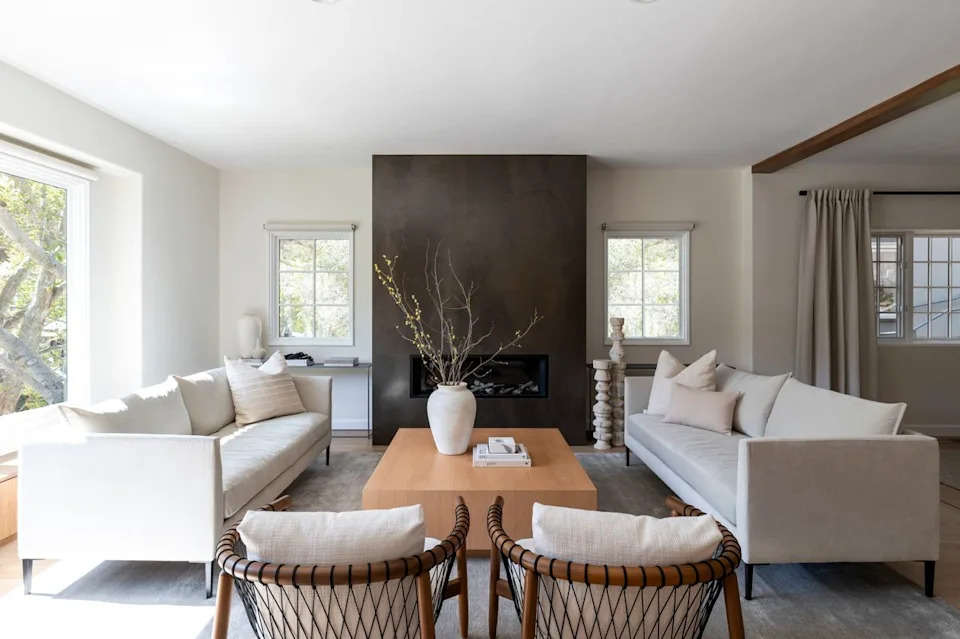
|
$719.56
|
$899.00
|
$179.57
|
$38.48
|
“That sleek, modern, floor-to-ceiling fireplace surround looks stunning, but the material choice matters for upkeep.”
If it’s a matte or textured finish (like honed stone or plaster), it can be more susceptible to showing dust, soot stains, or fingerprints. A smoother, slightly glossier finish will be easier to wipe down. Also, be aware that any light-colored hearth will require regular cleaning to look its best, especially with a wood-burning firebox.
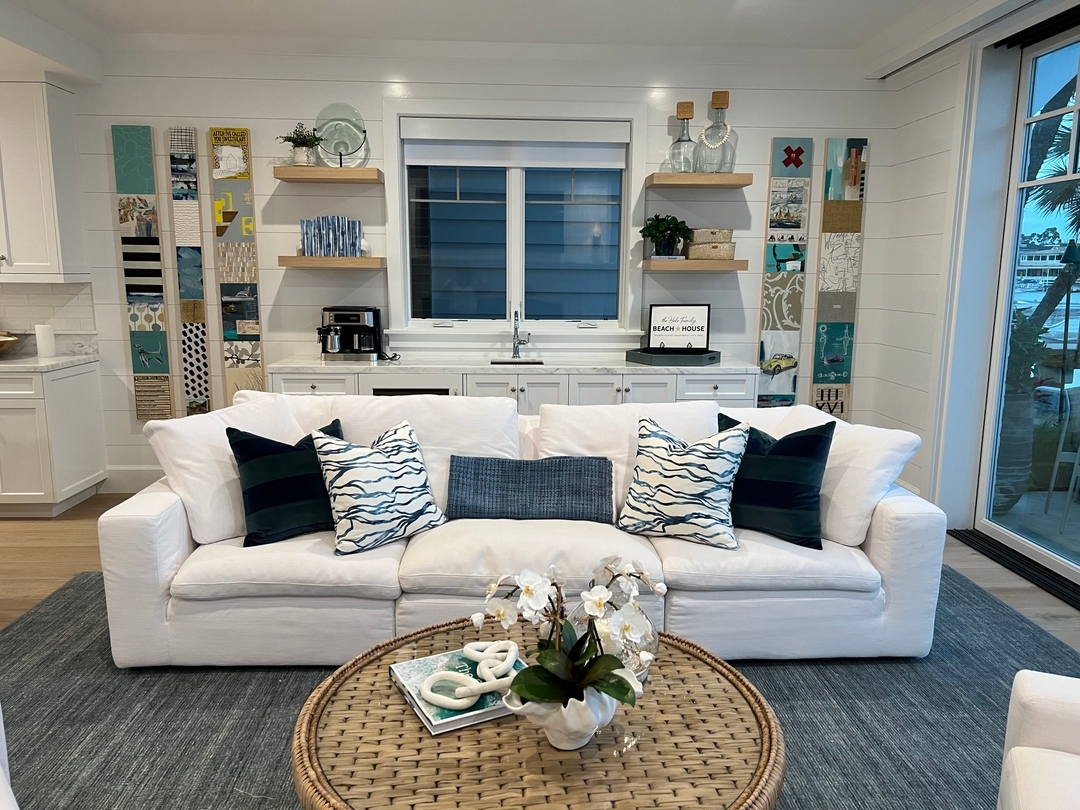
17. Layer Coastal Blues on a White Slipcovered Sofa
The hero of this relaxed, coastal space is unquestionably the white slipcovered sectional. It’s the ultimate canvas for a casual, comfortable vibe. Its forgiving, washable nature says “come hang out” and removes the fear of spills or sandy feet. It allows the layers of blue and green pillows, the wicker table, and the textured rug to pop, providing a bright, clean backdrop that is the very essence of modern coastal style. It is more informal than the coastal look in Idea #5.
|
$1,241.44
|
$203.00
|
$33.99
|
$27.78
|
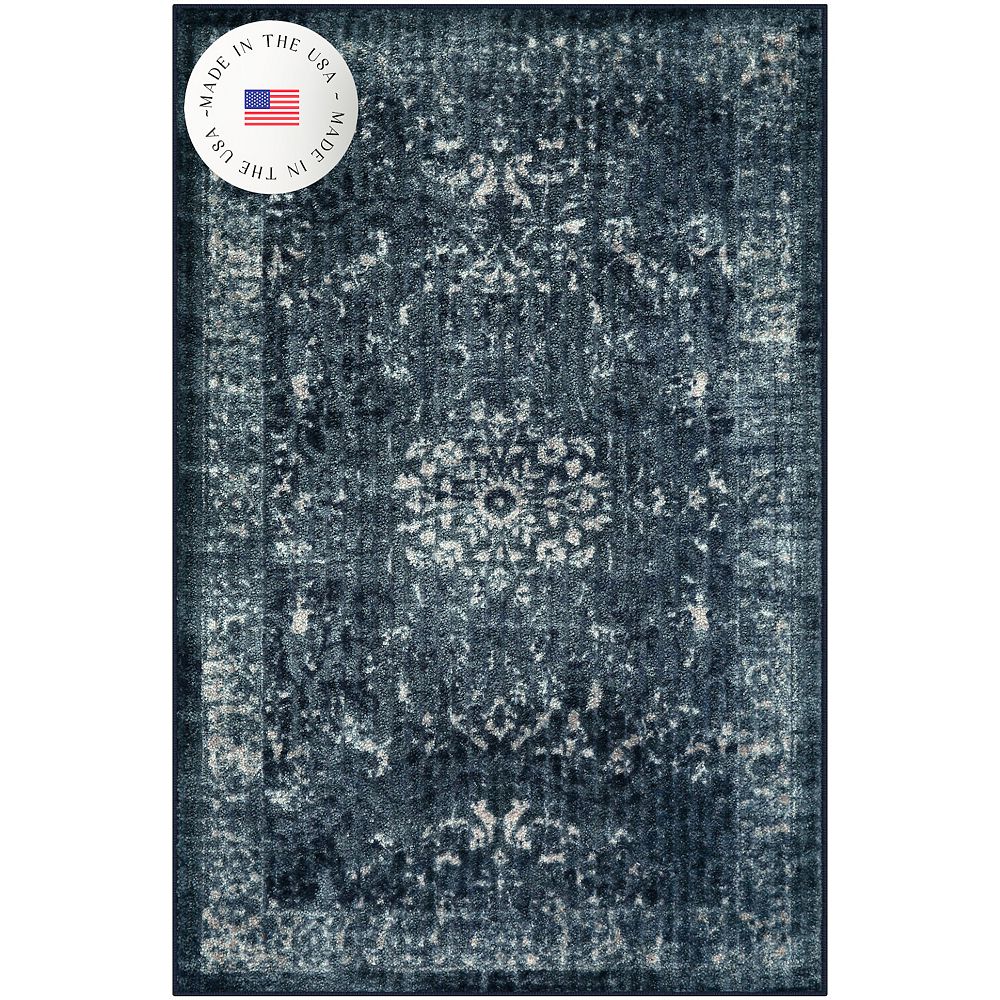
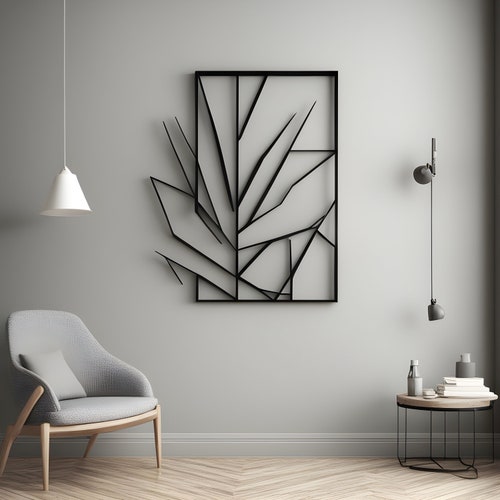
“You can get this breezy look for a fraction of the cost of custom furniture.”
The IKEA ‘UPPLAND’ or ‘HARLANDA’ sectionals with white covers are famous for a reason—they offer this exact vibe for under $1500. Pair one with a round wicker coffee table from Target or Walmart for around $200. The key is the styling: load up on affordable blue, green, and neutral pillows from places like H&M Home or Amazon to create that plush, layered effect.
18. Achieve Neoclassical Luxury with Ornate Paneling and Gold
This is a maximalist, historically-inspired look where the devil is in the details. The cost is driven by architectural elements and high-end finishes.
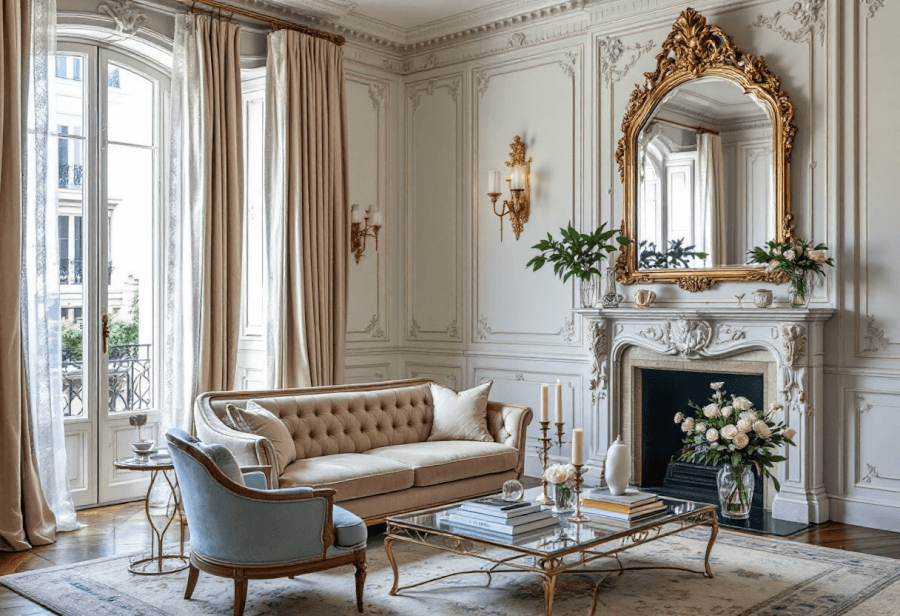
|
$705.99
|
$2,924.78
|
$119.99
|
$19.41
|
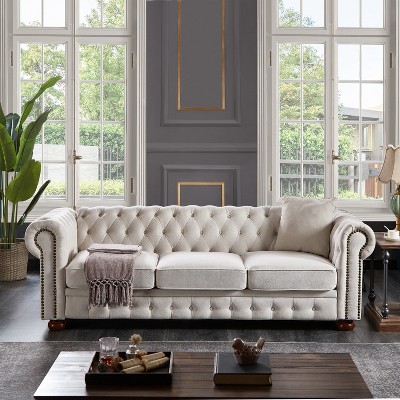
“Architectural Molding & Paneling: $8,000 – $20,000+ (custom carpentry)
Furniture”
- Architectural Molding & Paneling: $8,000 – $20,000+ (custom carpentry)
- Furniture (sofa, armchair): $7,000 – $18,000
- Fireplace & Mirror: $5,000 – $15,000
- Lighting (chandelier, sconces): $3,000 – $8,000
- Textiles (custom drapes, rug): $4,000 – $10,000
- Budget alternative: This look is difficult to replicate cheaply, but you can hint at it with applied picture-frame molding (a DIY project), a good vintage-style gold mirror, and velvet curtains from a retailer like Half Price Drapes.
- TOTAL: $27,000 – $71,000+
A room this ornate and luxurious can sometimes feel more like a museum than a home. While beautiful, maintaining this level of formality isn’t for everyone. The sheer volume of intricate details in the molding and fireplace requires regular, careful dusting. The gold leaf and delicate carvings on furniture are susceptible to damage. It’s a look that demands respect and a certain level of tidiness to truly shine. This is a space for quiet, elegant gatherings, not movie nights with popcorn.
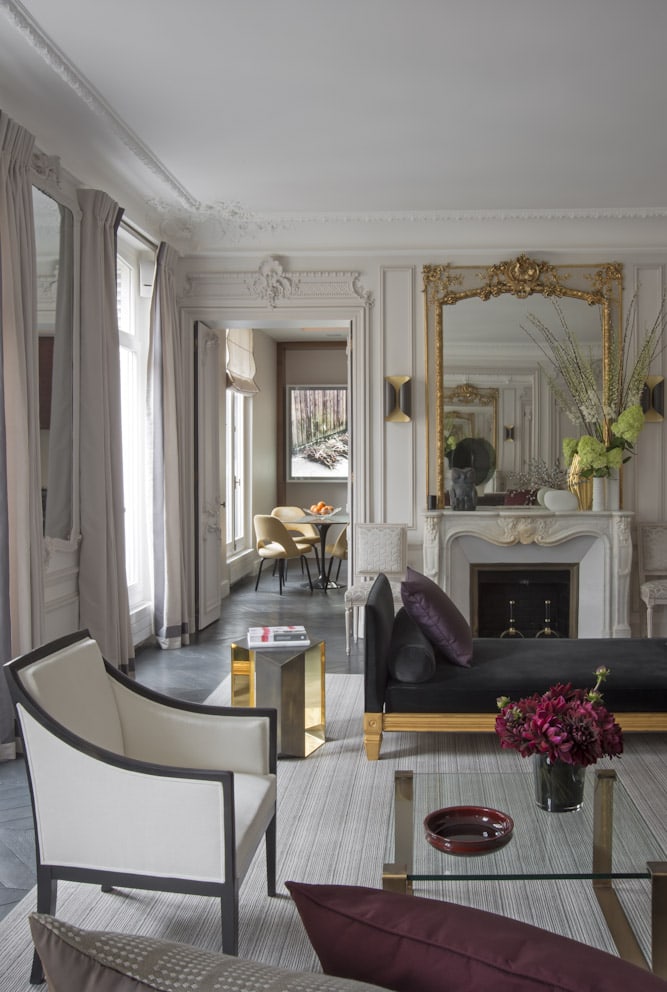
19. Contrast Classical Architecture with Modern Furniture
When placing modern furniture in a room with strong classical bones, the secret is to let the architecture breathe. Don’t push your furniture right up against the ornate moldings or fireplace. Notice how the chaise and armchairs are ‘floated’ in the center of the room, creating a distinct seating group. This creates a respectful distance, allowing you to appreciate both the historical details of the room and the clean lines of the contemporary pieces as separate, beautiful entities.
|
$359.99
|
$395.00
|
$799.00
|
$101.26
|

“The magic here is in the tension between old and new.”
The room’s architecture—the ornate marble fireplace, the gilded mirror, the intricate wall moldings—is unapologetically classical. In contrast, the furniture features clean lines and modern forms, from the sleek black velvet chaise to the geometric side table. This high-contrast pairing makes both elements feel more special and intentional. The rich burgundy and gold accents act as a bridge, sharing a color palette with classical art while feeling fresh and modern.
20. Go Grand and Rustic with a Massive Stone Fireplace
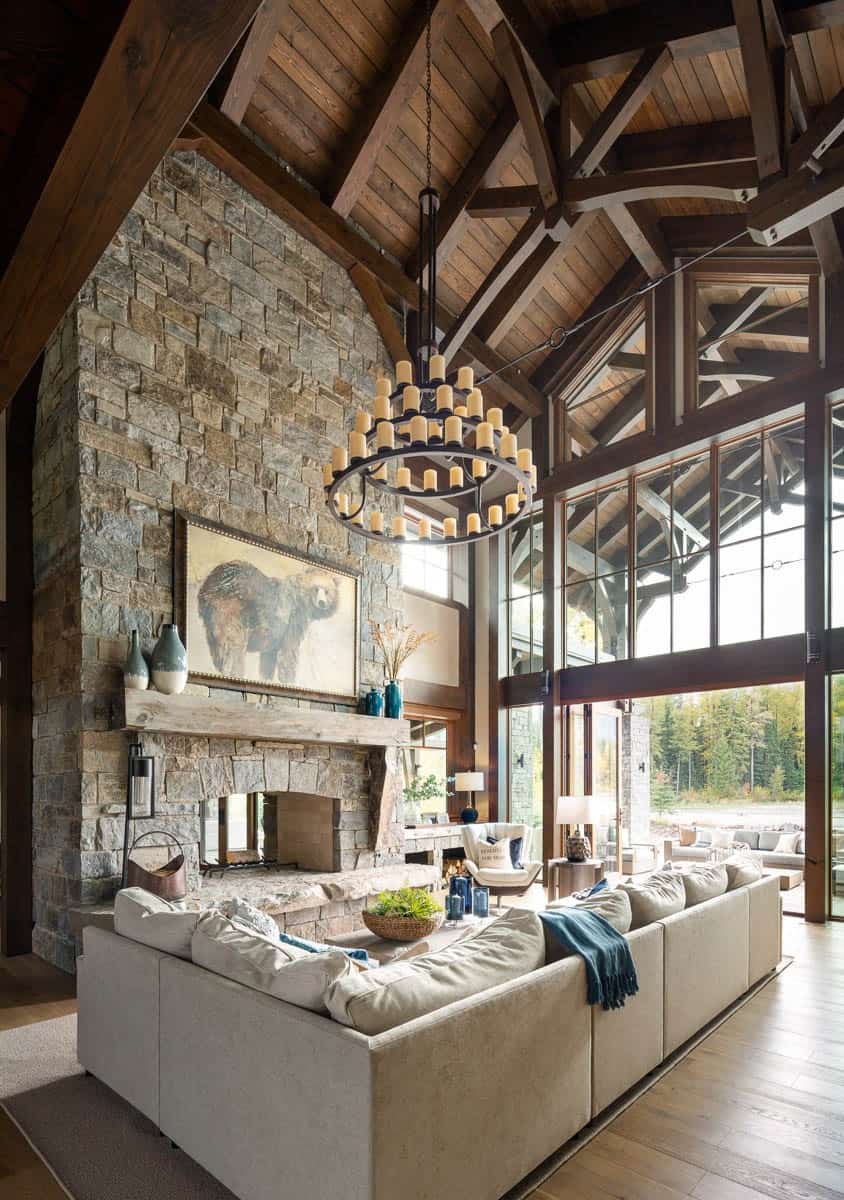
This grand, lodge-inspired look demands a large space with high ceilings. It’s ideal for a “great room” with a minimum of 400 square feet and ceilings of at least 12-15 feet. Anything smaller, and the massive scale of the stone fireplace and exposed beams would be overwhelming. The full-height window wall is also key, as it floods the large volume with light and prevents the heavy materials from feeling oppressive. Compare the scale here with the cozier fireplace in Idea #6.
|
$2,500.00
|
$59.02
|
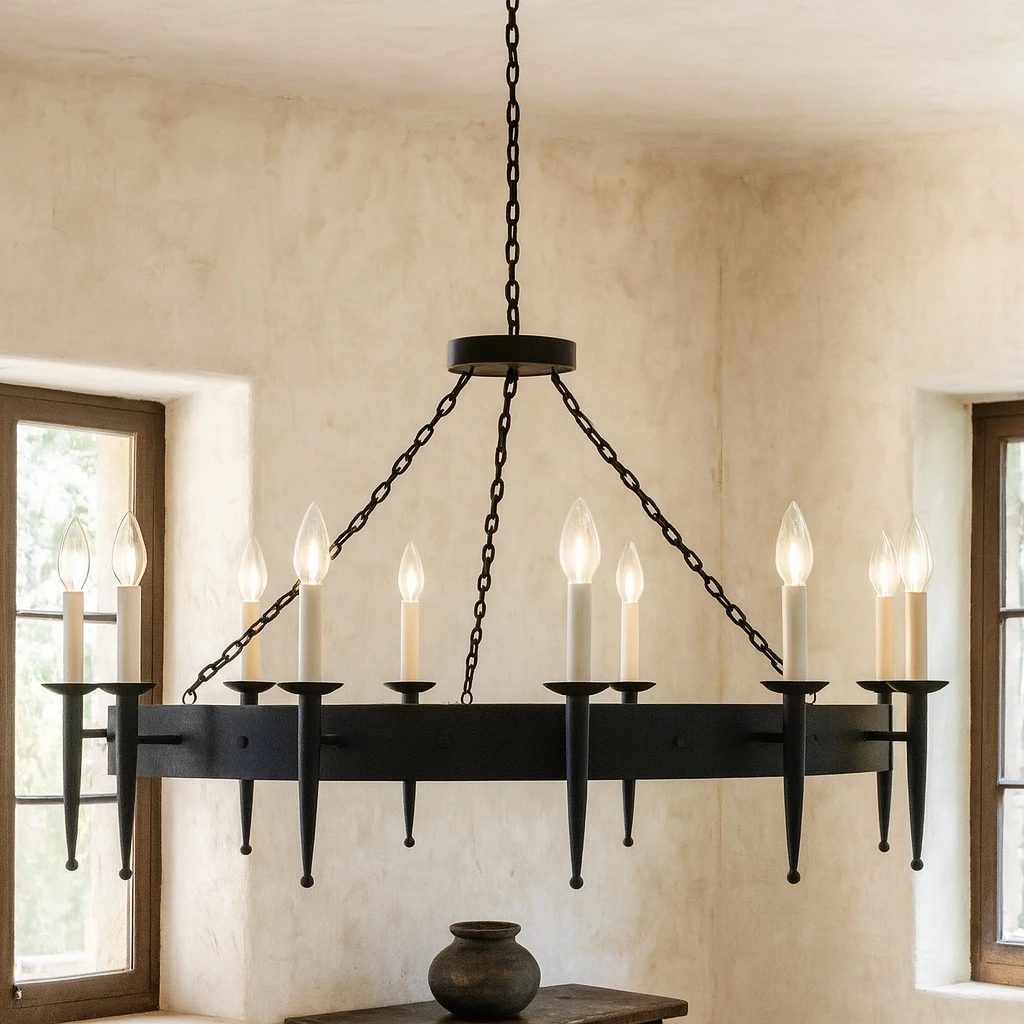

“It’s all about the fireplace.”
This isn’t just a heating element; it’s the soul of the room. The sheer scale and rugged texture of the floor-to-ceiling stonework establish the rustic, grand mood in an instant. The live-edge wood mantel and the large bear artwork reinforce this narrative. Everything else—the comfortable sectional, the large windows—is designed to support and appreciate this monumental feature. Removing it would fundamentally change the room from a rustic haven to a simple, large living space.
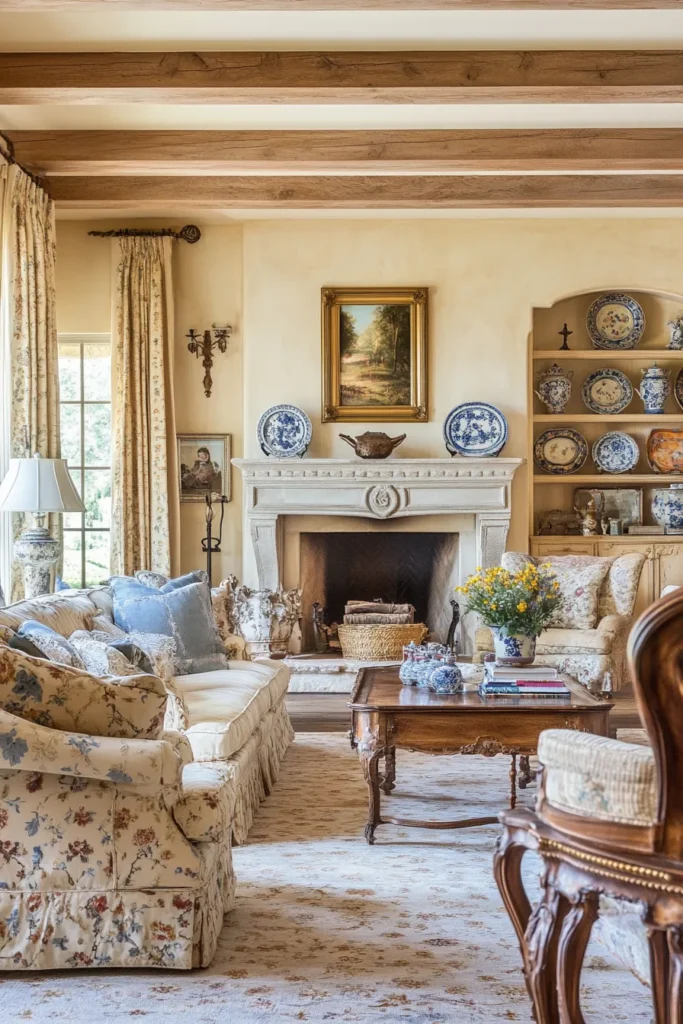
21. Capture French Provençal Charm with Floral Fabrics
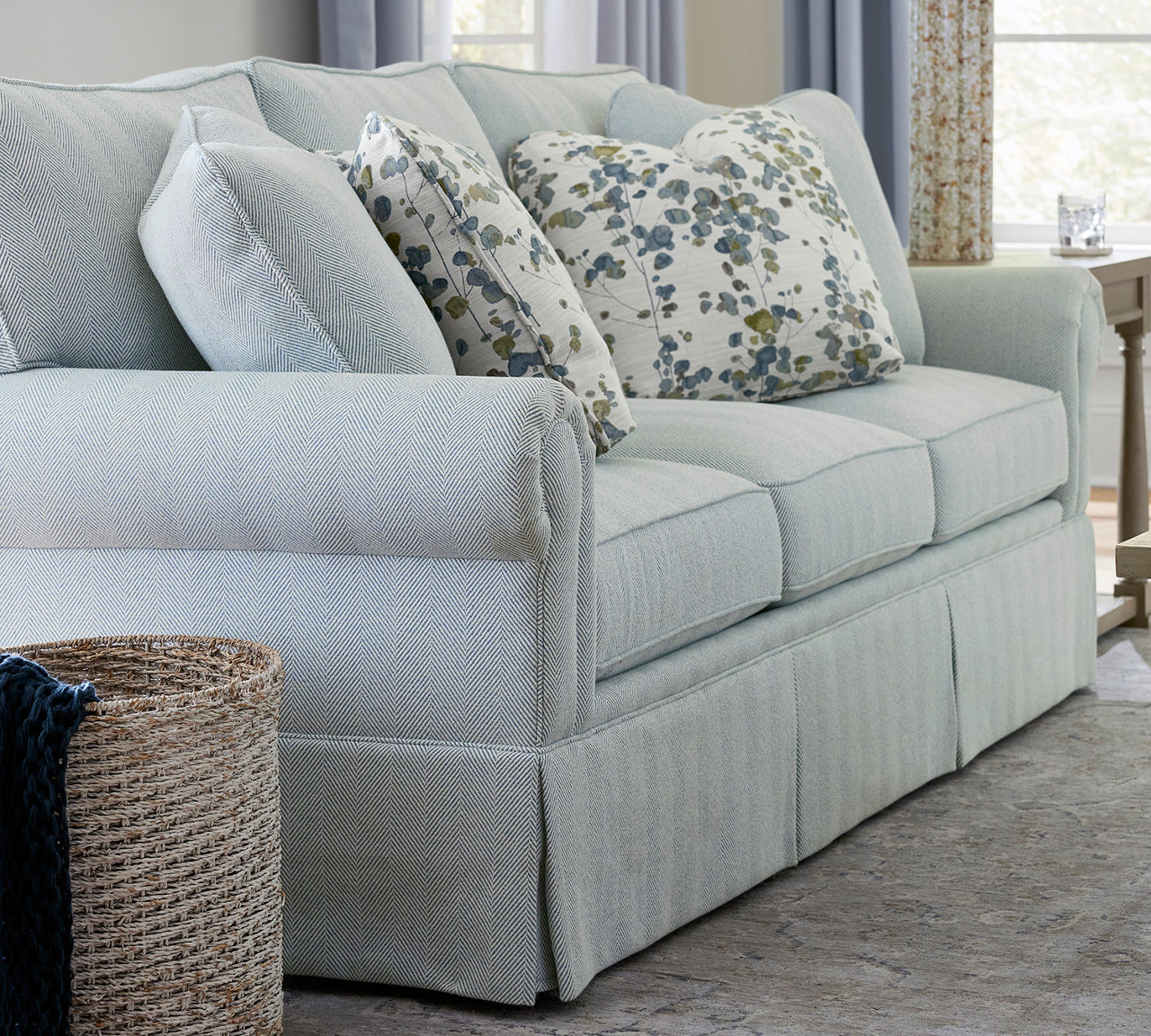
To achieve this warm, French-inspired look, use a formula of: 40% rustic architecture + 40% traditional patterned textiles + 20% refined details. The exposed wooden beams and stone fireplace provide the essential rustic, earthy foundation. The floral sofa and armchair carry the traditional, romantic pattern. Finally, the carved coffee table, gilded accents, and decorative plates in the niche add that layer of refinement that keeps the look from being purely country, steering it toward classic French style.
|
$3,199.99
|
$121.99
|
$23.60
|
$1,499.00
|
“Those charming floral fabrics and light-colored rugs, while central to the Provençal look, require some care.”
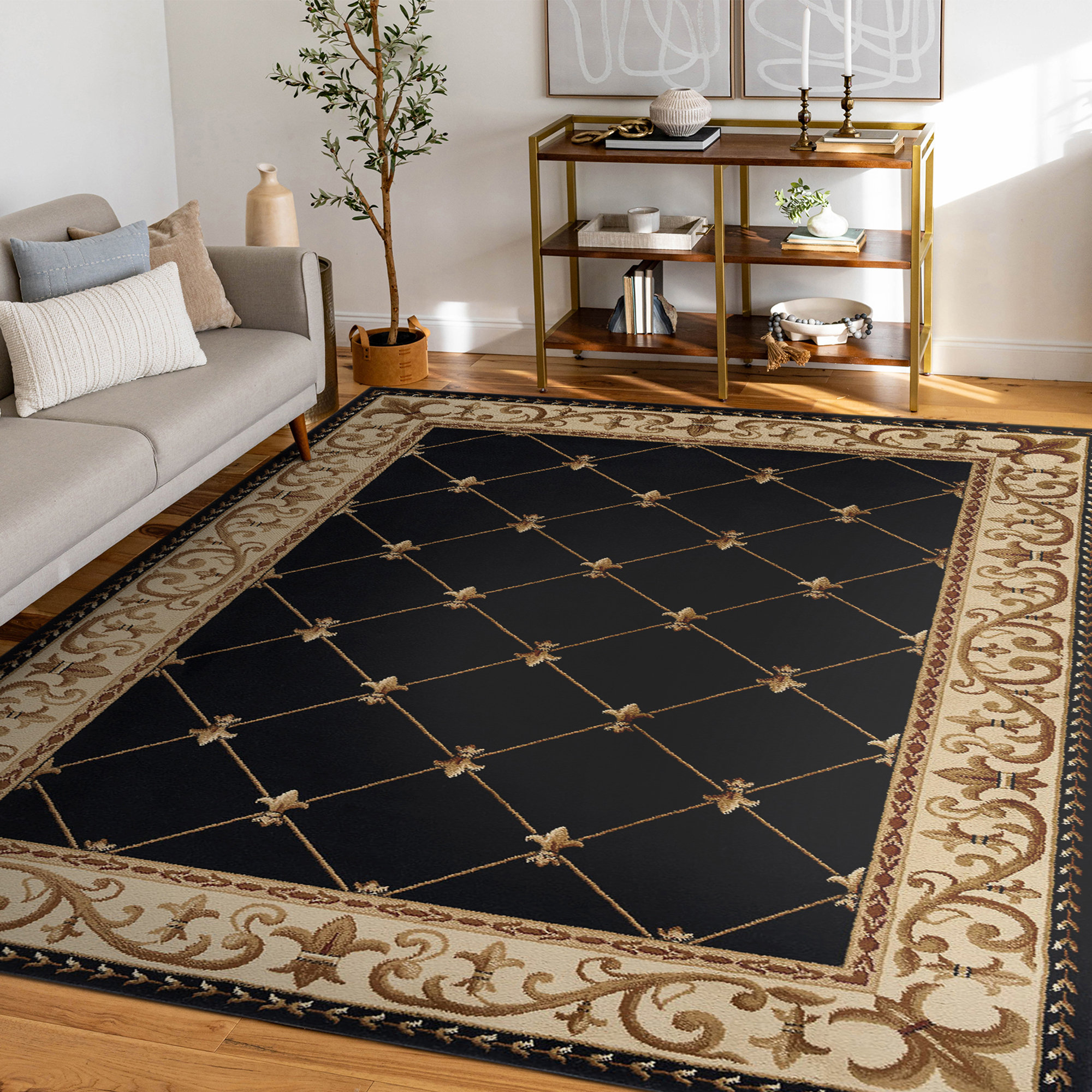
Patterned fabrics are great at hiding minor spots, but they can be prone to fading in direct sunlight. If your room gets a lot of sun, consider rotating cushions regularly. The light-colored rug will need vacuuming frequently and professional cleaning every 12-18 months to keep it looking fresh, especially in a high-traffic area of the home.
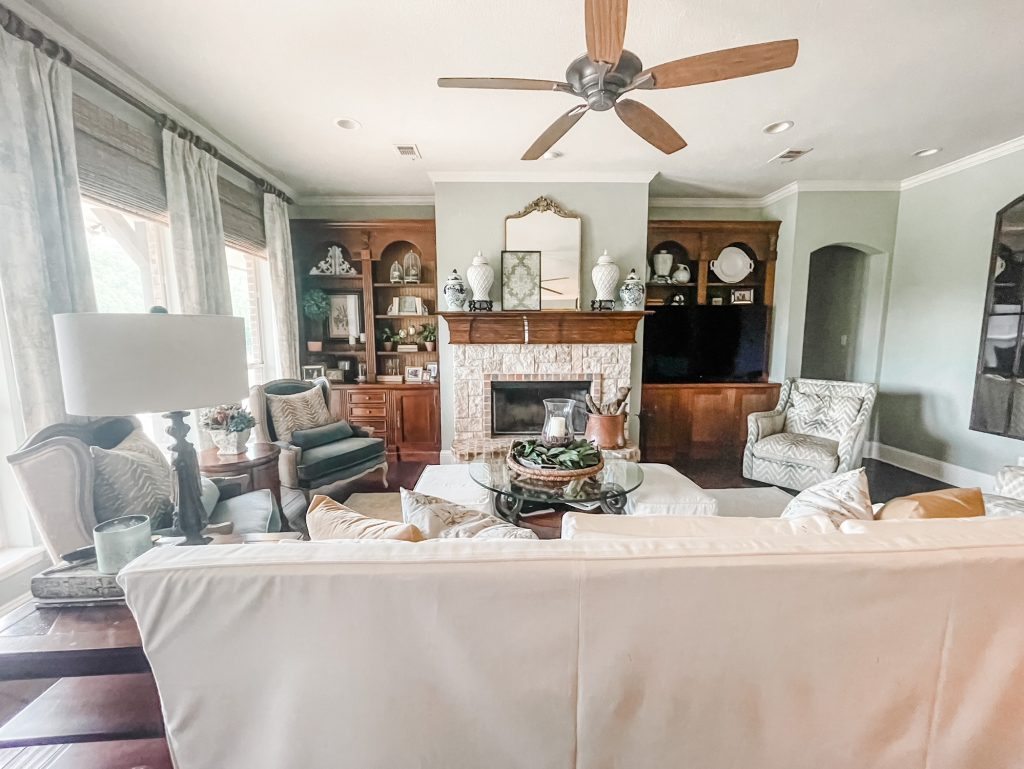
22. Balance Dark Wood Built-ins with a White Sofa
When you have dark, heavy built-in cabinetry, the key to keeping the room from feeling dated or gloomy is to make a bold contrasting move. A large, bright white slipcover sofa does exactly that. It acts as a massive block of light, visually balancing the weight of the dark wood. Don’t try to fight the wood with more medium tones; lean into the contrast. The slipcover material also adds a casual, comfortable feel that prevents the traditional architecture from feeling too stuffy.
|
$89.24
|
$76.79
|
$124.99
|
$60.00
|
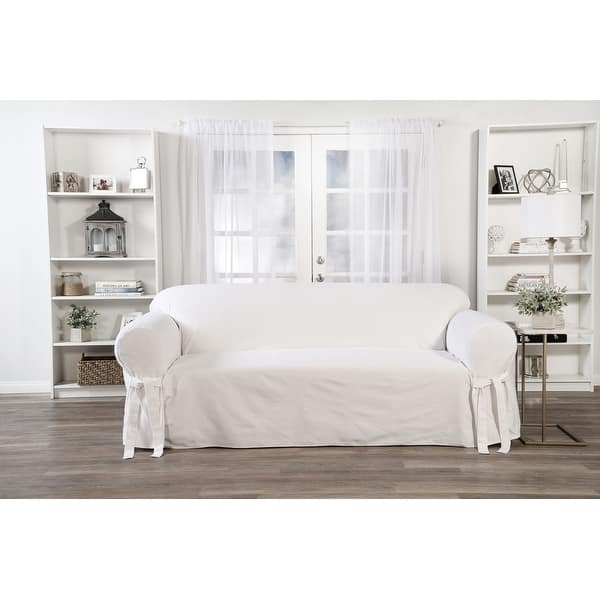

“A white slipcover sofa is a fantastic solution for creating brightness, and its washability is a huge plus.”
However, let’s be real about the effort involved. Wrestling a giant slipcover off a sofa, washing it, and then getting it back on is no small feat. It’s a weekend project. While it offers peace of mind against spills, be prepared for the physical maintenance it requires to keep it looking pristine. For some, it’s worth it; for others, a light gray or beige sofa might be a more practical choice.
23. Create a Polished Look with Mirrored Sofas
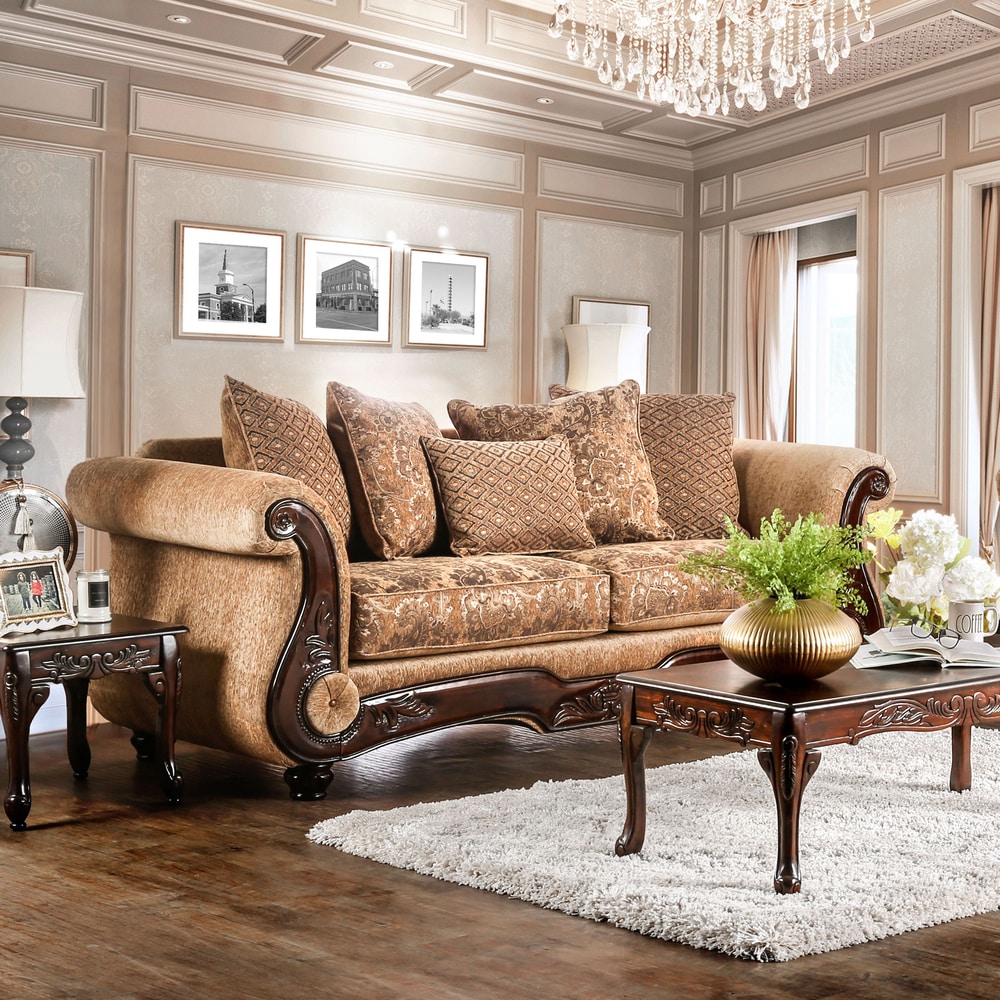
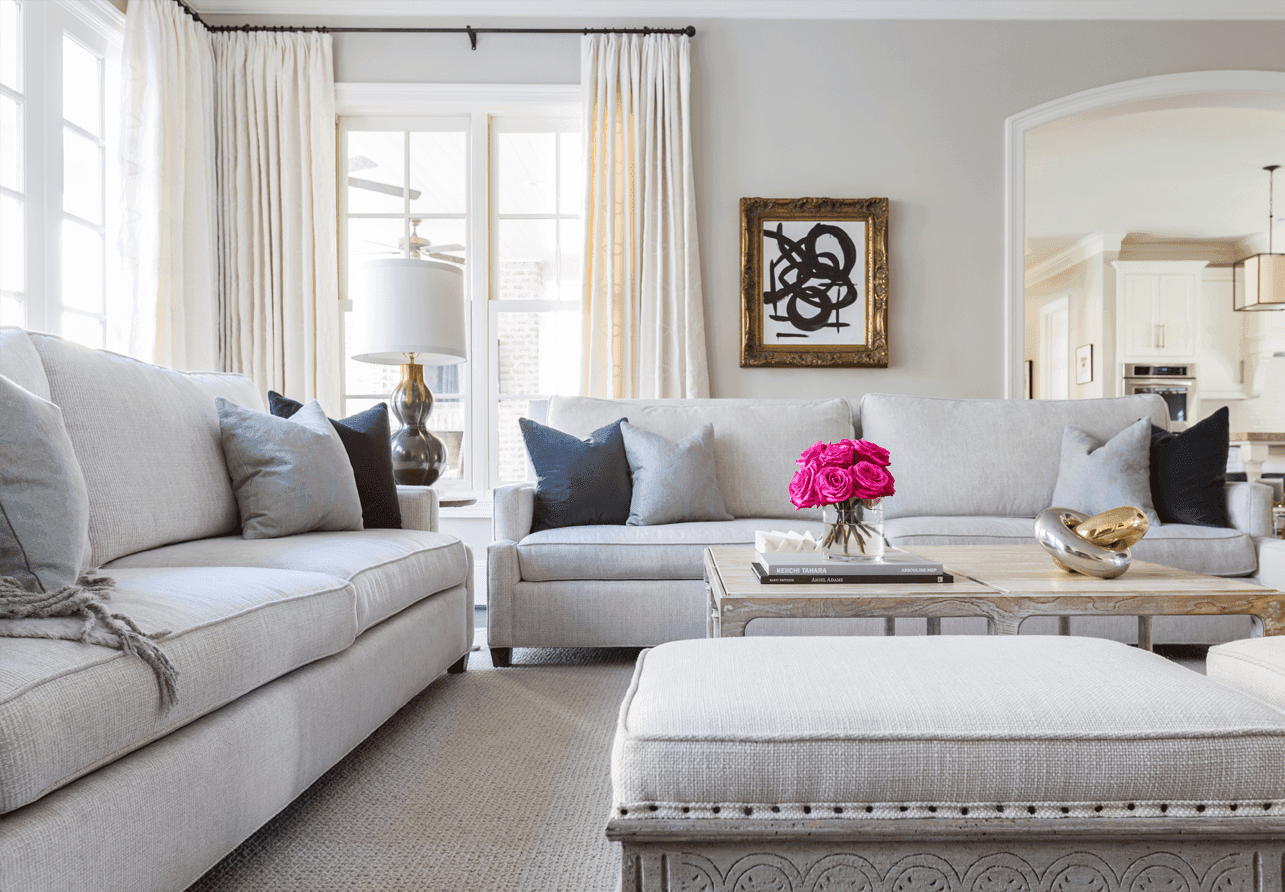
This room’s serene and upscale feel comes from a classic design principle: symmetry. Placing two identical sofas directly facing each other creates an instant sense of order, formality, and balance. This arrangement, known as a ‘tête-à-tête’ layout, is inherently conversational and encourages interaction. The coffee table and ottoman in the center anchor the space, and the matching floor lamps on either end complete the perfectly mirrored composition. It’s a timeless layout that always looks polished.
|
$490.86
|
$70.49
|
$249.50
|
$479.40
|

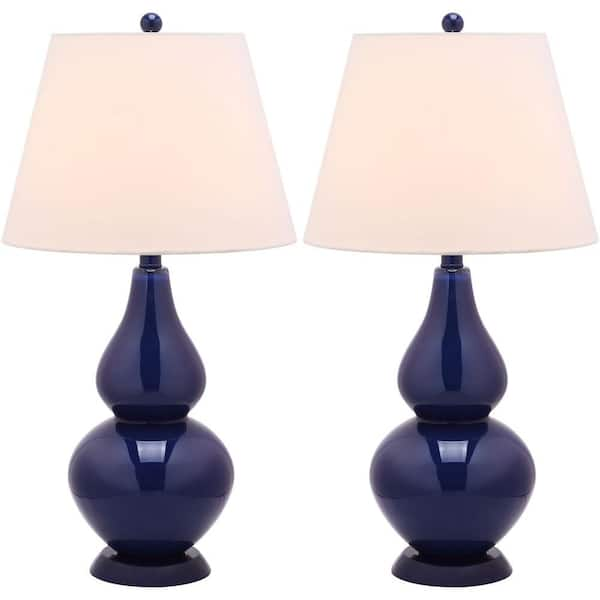
“Styling a coffee table is an art, but it’s an easy one to learn.”
Here’s a 3-step a formula: 1. Something Tall: Start with a vase of flowers or branches to create height. 2. Something Low: Add a stack of 2-3 coffee table books. This creates a visual anchor. 3. Something Sculptural: Finish with a decorative object—a metallic sphere, a small tray, or a unique bowl—to add personality and a different shape. This simple trio creates a balanced and interesting vignette every time.
24. Carve Out a Traditional Writing Nook
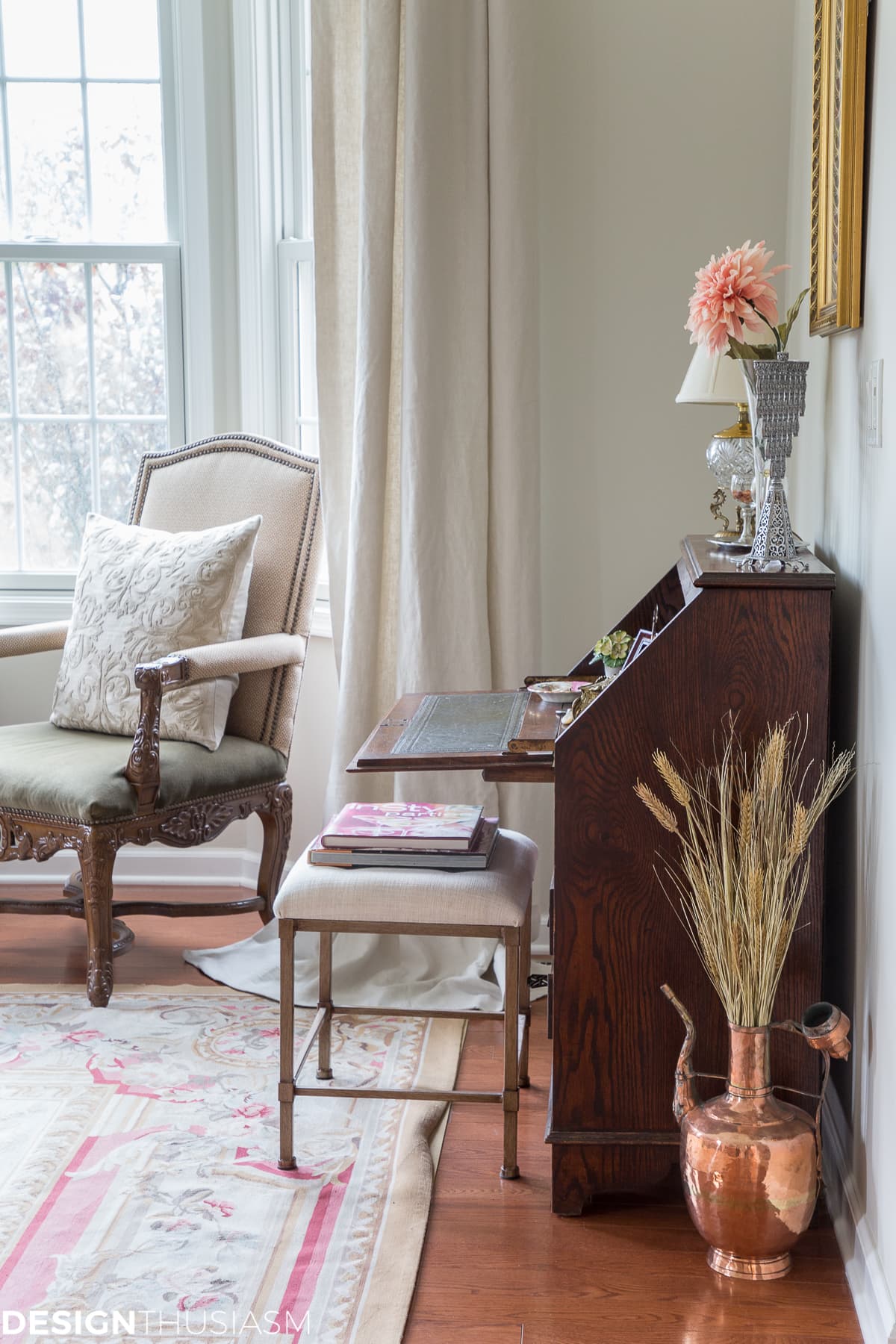
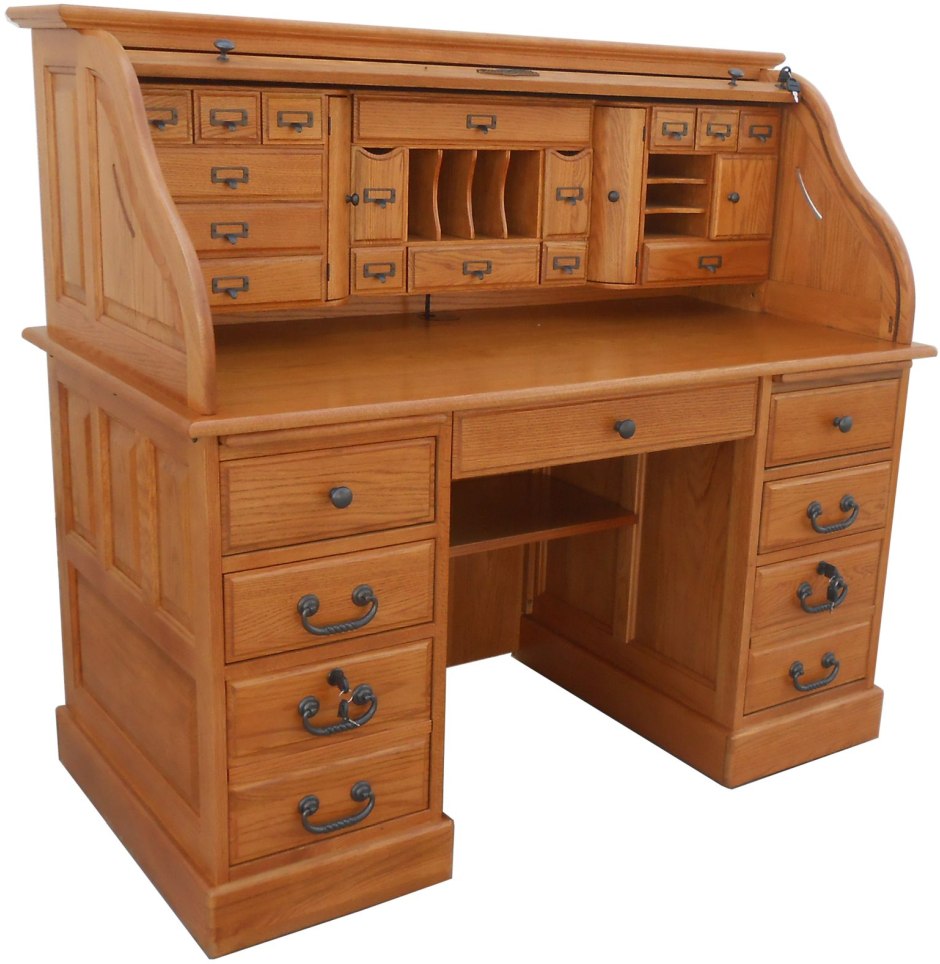
The single most important piece in this vignette is the dark wood secretary desk. It’s more than just a surface to write on; its verticality gives the nook presence, and the fold-down design speaks to a time of letter-writing and quiet contemplation. The rich, reddish-brown wood tone sets the traditional mood, and its classic form is something that modern, minimalist desks simply can’t replicate. It provides both function and a powerful sense of history.
|
$126.96
|
$723.00
|
$5,340.00
|
$55.60
|
“You don’t need a pricey antique to create this cozy, traditional corner.”
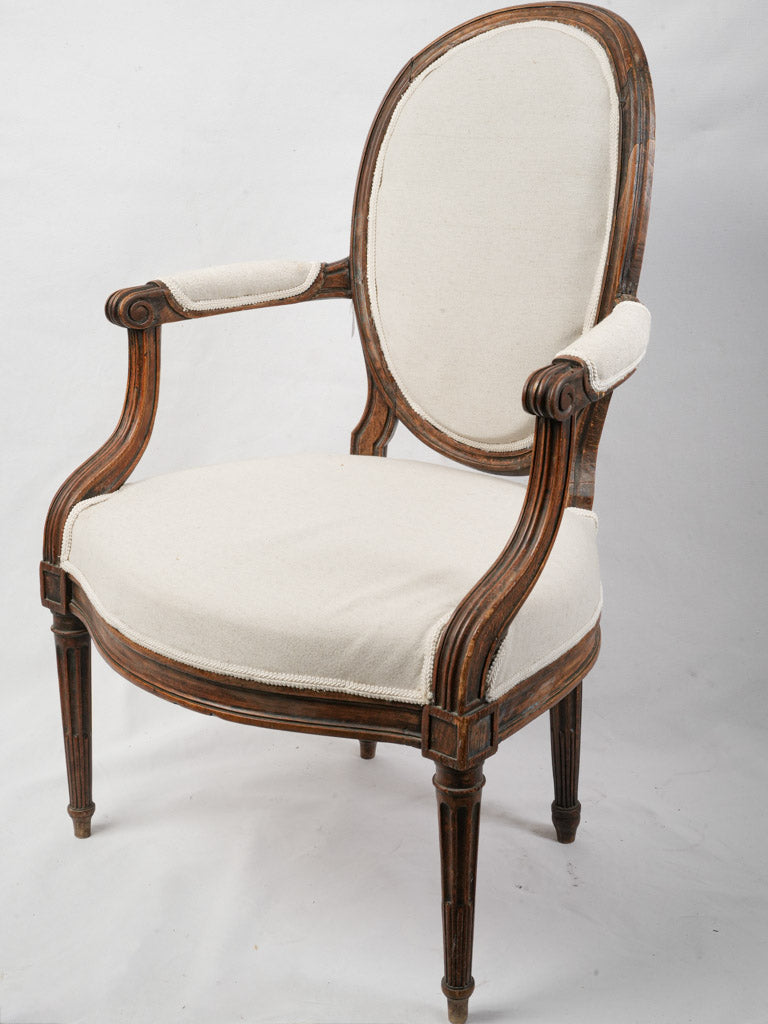
Secretary desks are often seen as bulky or dated, which means you can frequently find beautiful, solid wood versions at thrift stores or on Facebook Marketplace for $100-$300. Look for one with good bones, even if the finish is a bit worn. A little wood polish or a fresh coat of paint can work wonders. Pair it with a simple upholstered dining chair if a carved armchair isn’t in the budget.
25. Combine Sage Green and Cream for an Earthy Palette
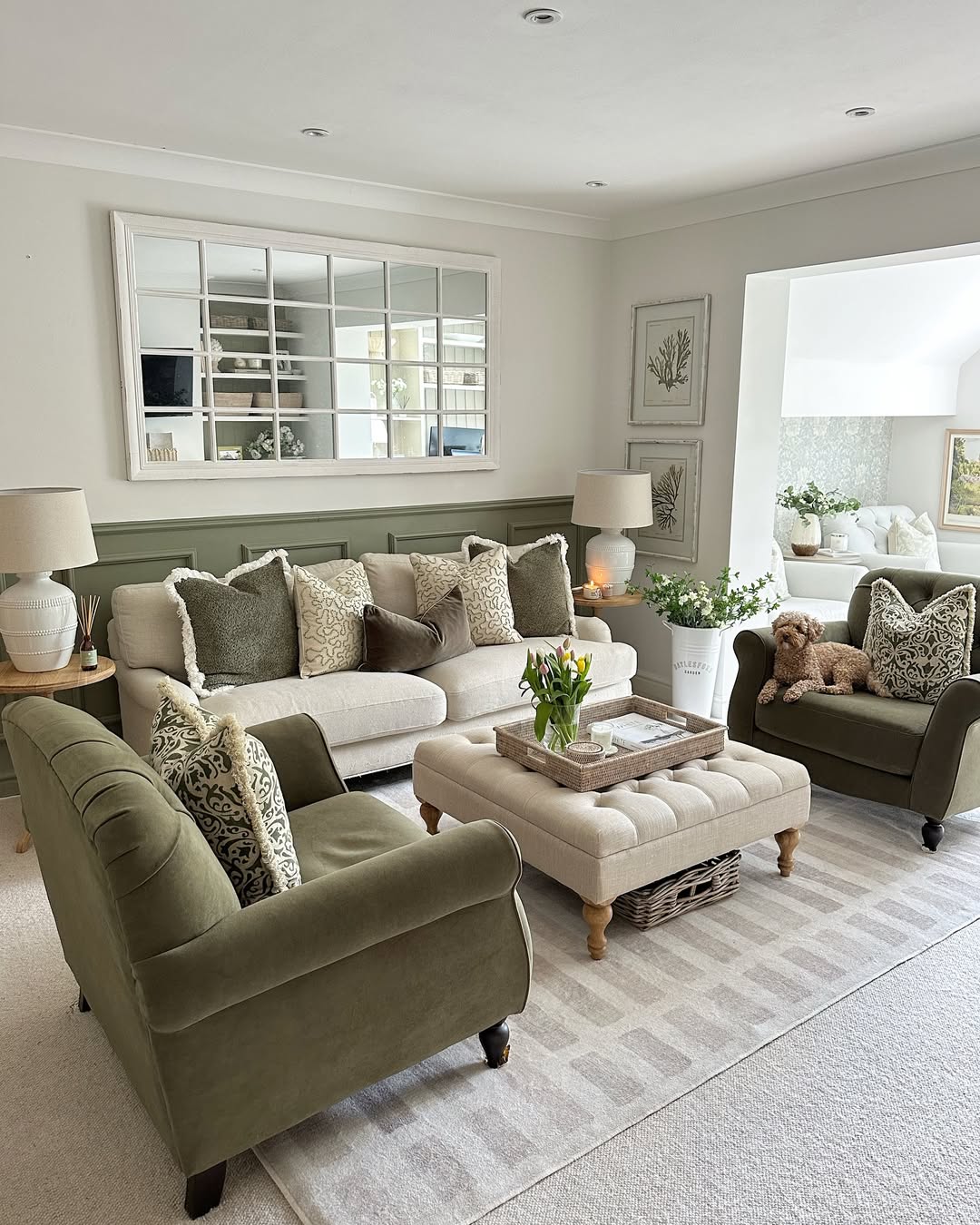
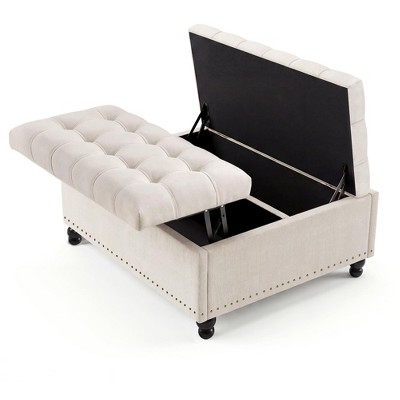
The sage green wall paneling is a perfect example of how to use color with intention. Notice it only goes two-thirds of the way up the wall. This is a clever trick for a few reasons. First, it adds architectural interest without the cost of full-wall paneling. Second, by keeping the top third of the wall and the ceiling a light cream, it draws the eye upward, making the room feel taller. If you paint a room a dark color, stopping it short of the ceiling can prevent the space from feeling heavy.
|
$174.99
|
$214.99
|
$949.99
|
$28.00
|

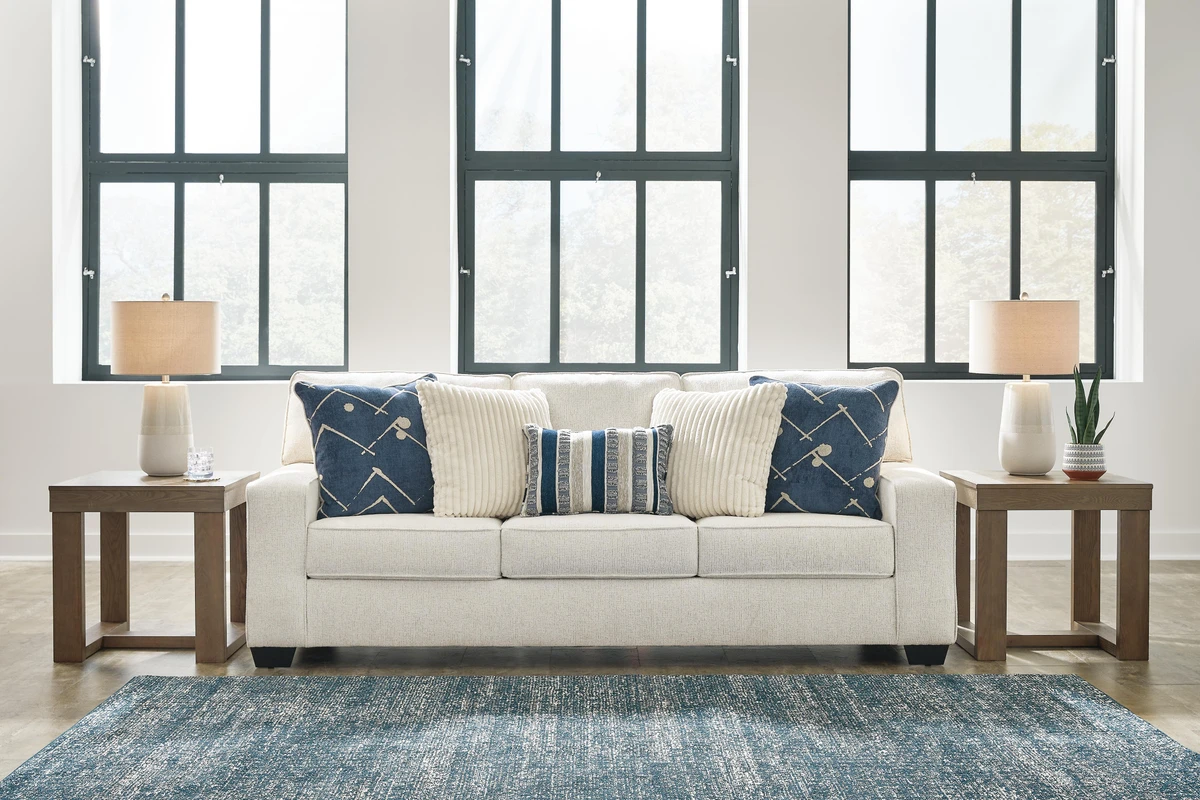
“This room feels so cozy and complete because of its use of repetition and texture.”
The sage green from the paneled wall is brilliantly repeated in the two armchairs, creating a strong, cohesive color story. The rectangular shape of the wall panels is echoed in the large multi-paneled mirror and the tufted ottoman. Finally, the soft texture of the sofa, the plushness of the ottoman, the weave of the rug, and the smoothness of the mirror create a rich tactile experience that is incredibly inviting.
26. Let an Emerald Velvet Sectional Steal the Show
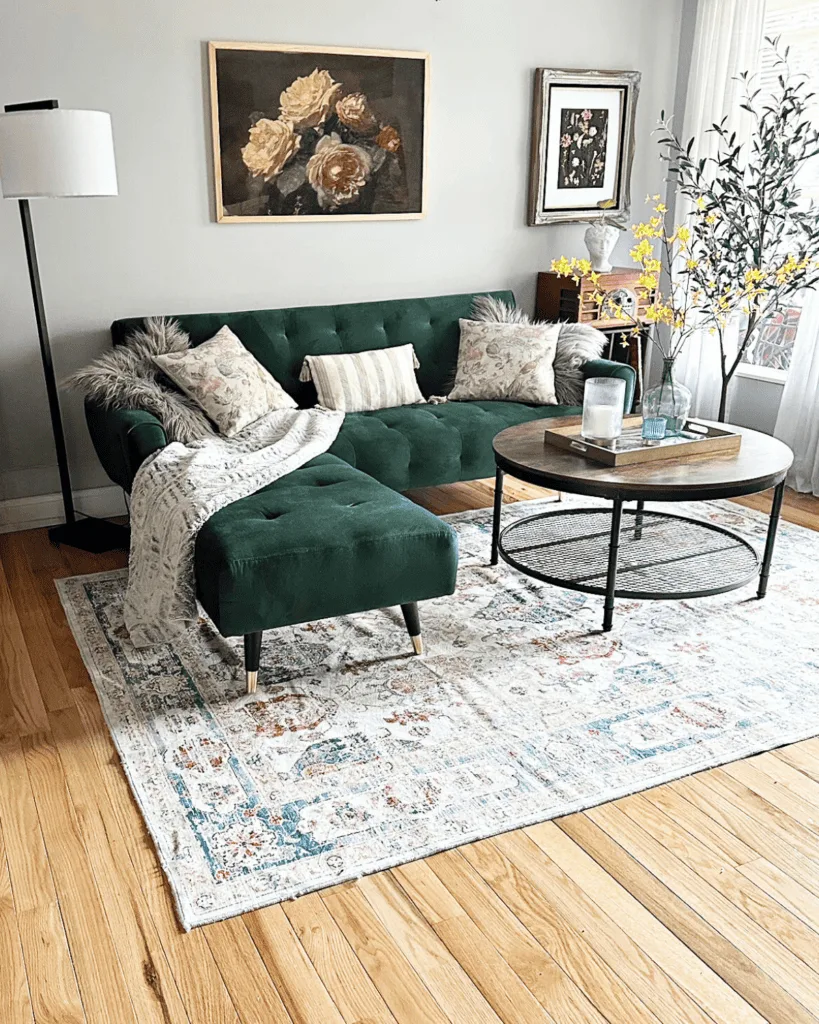
An emerald green velvet sofa is a stunning statement piece, but it’s also a major commitment. Deep, saturated colors like this can be trickier to design around than neutrals. You’ll need to be thoughtful about the other colors and patterns you bring into the room. Also, while durable, velvet has a ‘pile’ or direction to the fabric that can show marks or bruising from pressure. It’s not a flaw, but a characteristic of the fabric that you have to be okay with living with.
|
$169.99
|
$114.62
|
$2,099.00
|
$34.62
|
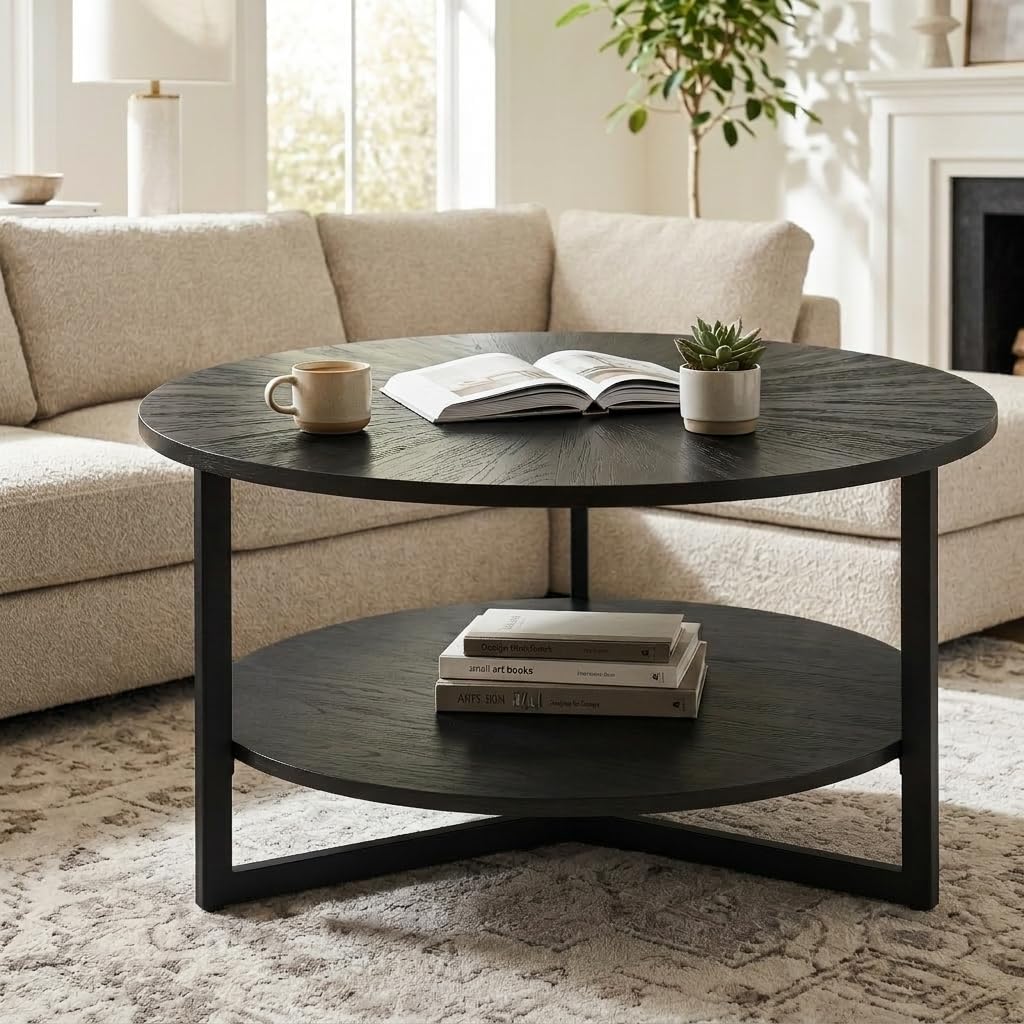
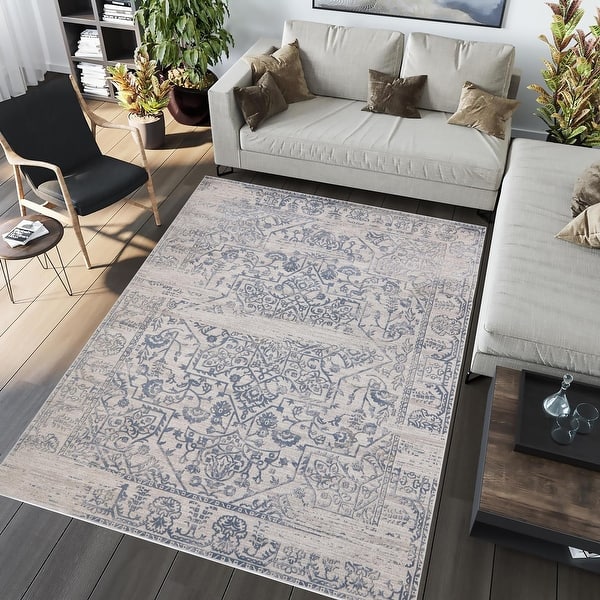

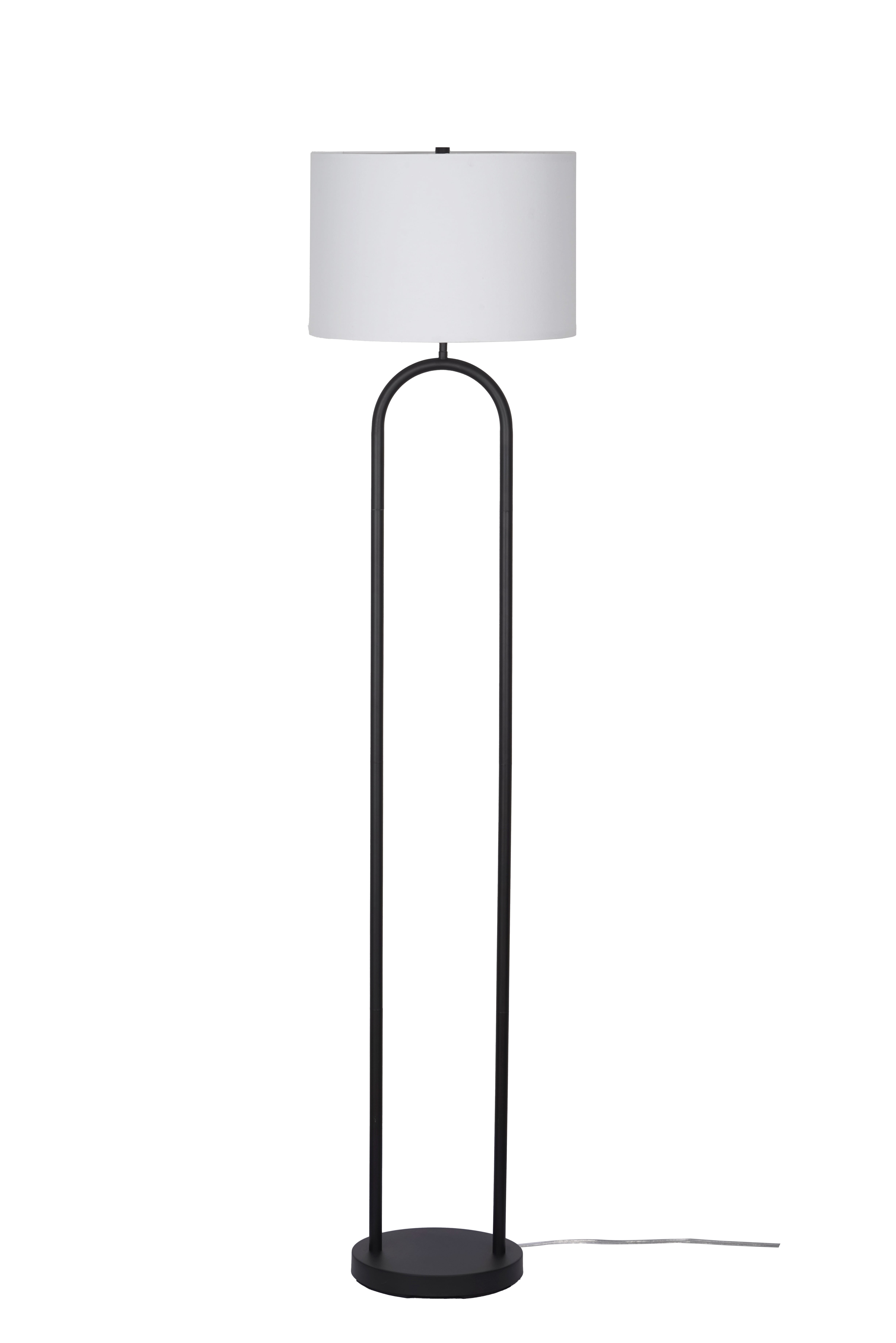
“The success of a bold sofa comes down to the supporting cast.”
The formula is: 60% statement piece + 30% neutral backdrop + 10% pattern. The emerald sectional is the undisputed star. The light gray walls and simple white-shade lamp are the quiet, neutral background that lets the sofa shine. The final 10% comes from the distressed, global-inspired rug, which adds a layer of pattern and history that keeps the room from feeling too new or one-note.
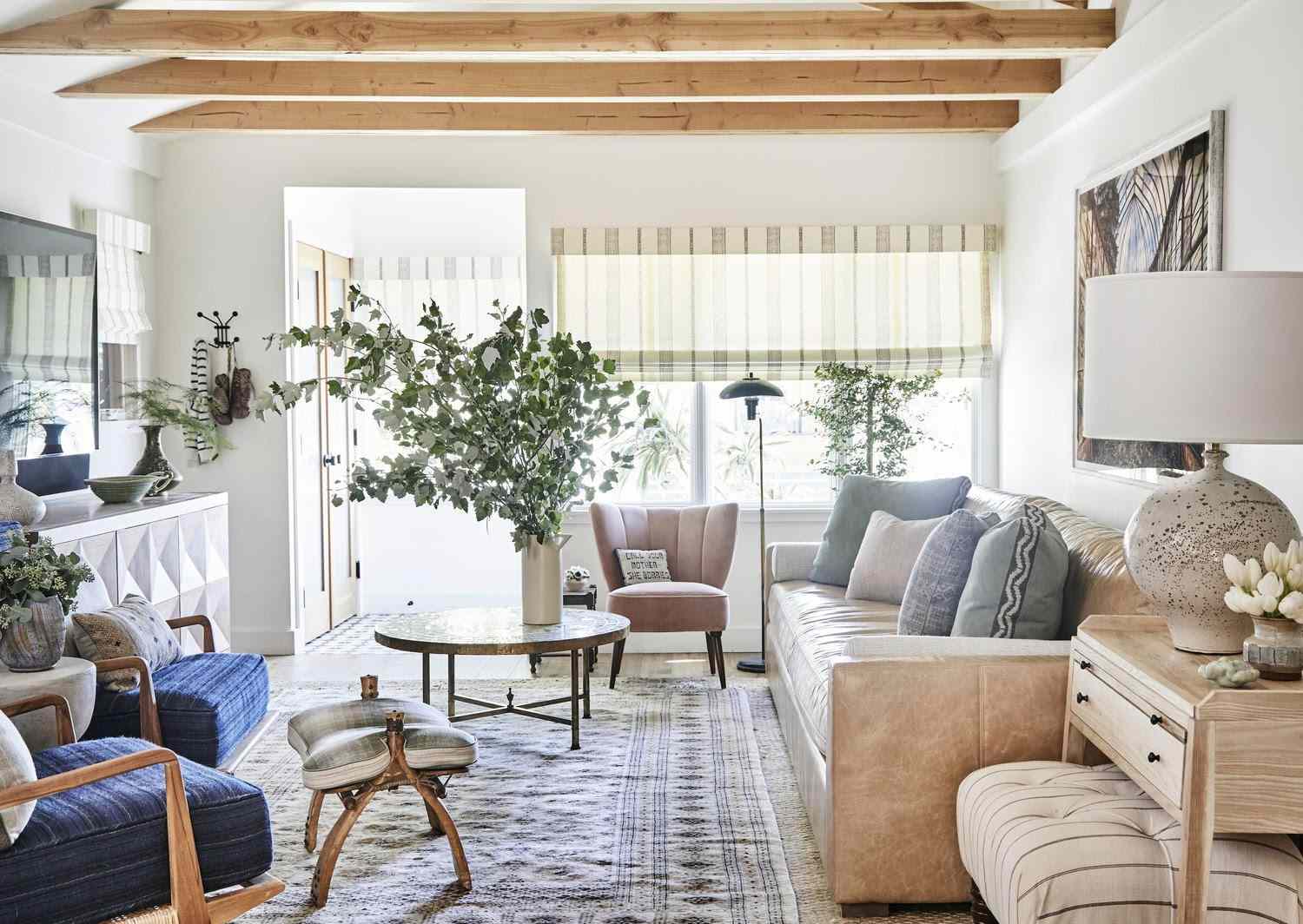
27. Layer Textures with a Light Brown Leather Sofa
This space feels calm and collected because it limits the color palette but goes all-in on texture. The smooth, soft leather of the sofa provides a warm base. This is layered with nubby, woven throw pillows in shades of blue and grey. Below, a patterned area rug adds another layer of visual texture. Even the console table has a geometric, textured surface. By keeping the colors simple (brown, blue, white), the designer can pile on the textures without the room feeling chaotic.
|
$1,489.99
|
$209.00
|
$2,796.00
|

“A light brown leather sofa is a great choice for durability, but it’s not invincible.”
To keep it looking its best, condition the leather every 6-12 months to prevent it from drying out and cracking, especially if it’s in a sunny spot. For spills, blot immediately with a clean cloth. While it develops a beautiful patina over time, be aware that it can be punctured by sharp objects or pet claws. The exposed wood beams are low-maintenance, requiring only occasional dusting.
28. Embrace a Cozy Mood with Dark Green Walls
A coffered ceiling adds instant character and the illusion of height. Here’s a simplified path to creating one. Time: 2-3 days. Cost: $500-$1000.
- Start by painting your entire ceiling white. This will be the color inside your “boxes”.
- Use 1×6 MDF boards to create your grid. Plan the layout on paper first to ensure symmetrical boxes.
- Install the perimeter boards first, then the main beams running across the room, using construction adhesive and a brad nailer into the ceiling joists.
- Add the shorter cross-beams to complete your grid.
- Caulk every seam and nail hole for a seamless finish.
- Prime and paint the “beams” you’ve created.
|
$1,170.00
|
$39.90
|
$259.99
|
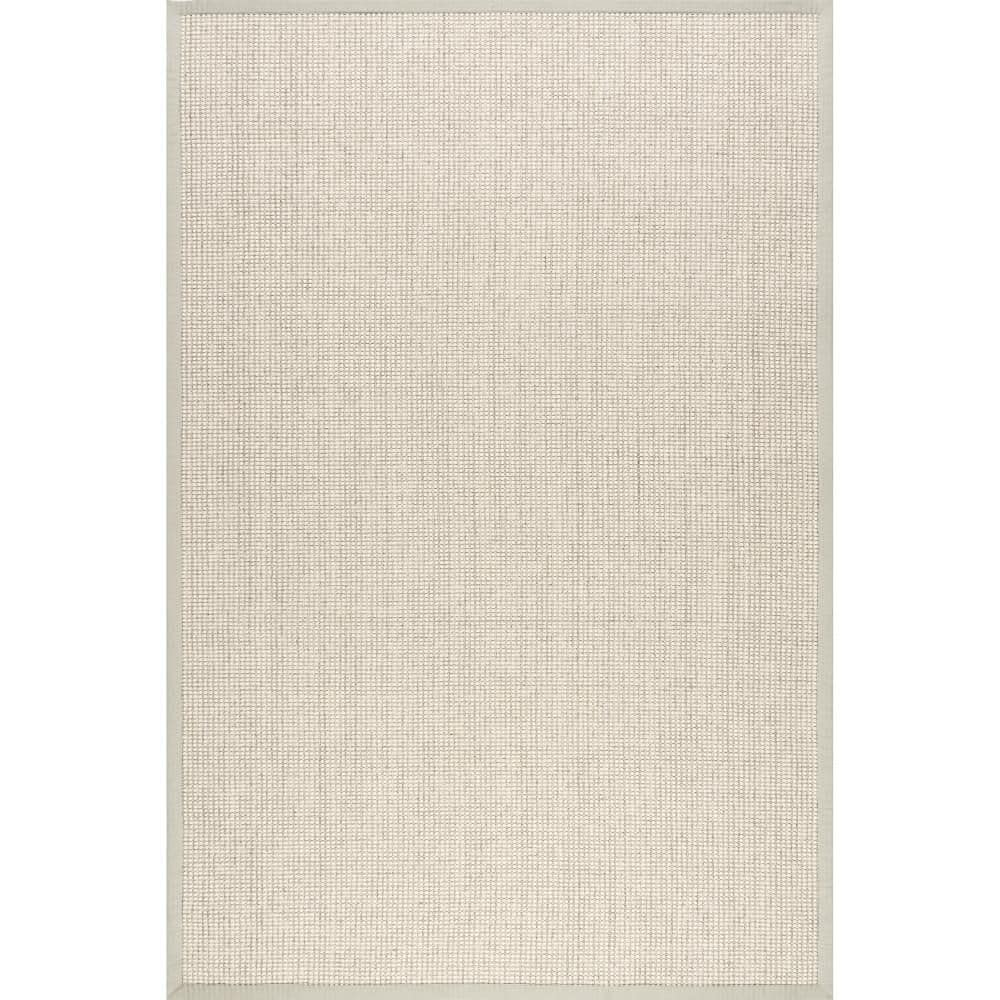
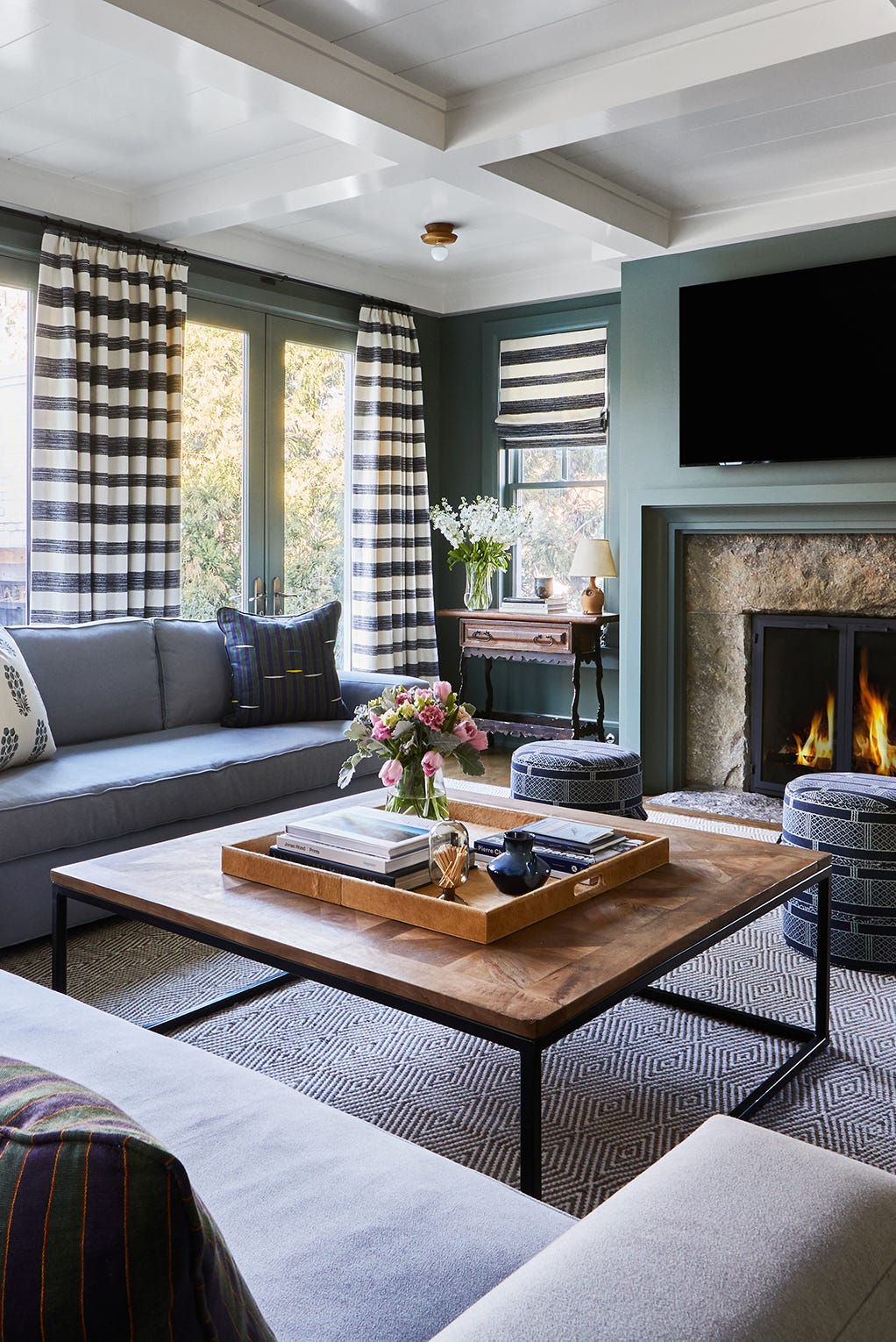
“When you have dark, moody walls like this gorgeous green, you need to add back the light in other ways.”
The key is high-contrast trim. Notice the crisp, thick white on the coffered ceiling, the window frames, and the fireplace mantel. This stark contrast prevents the dark green from absorbing all the light and making the room feel like a cave. It frames the color and gives the eye clean lines to follow, making the whole design feel intentional and sharp.
29. Fuse Contemporary and Rustic with Exposed Beams
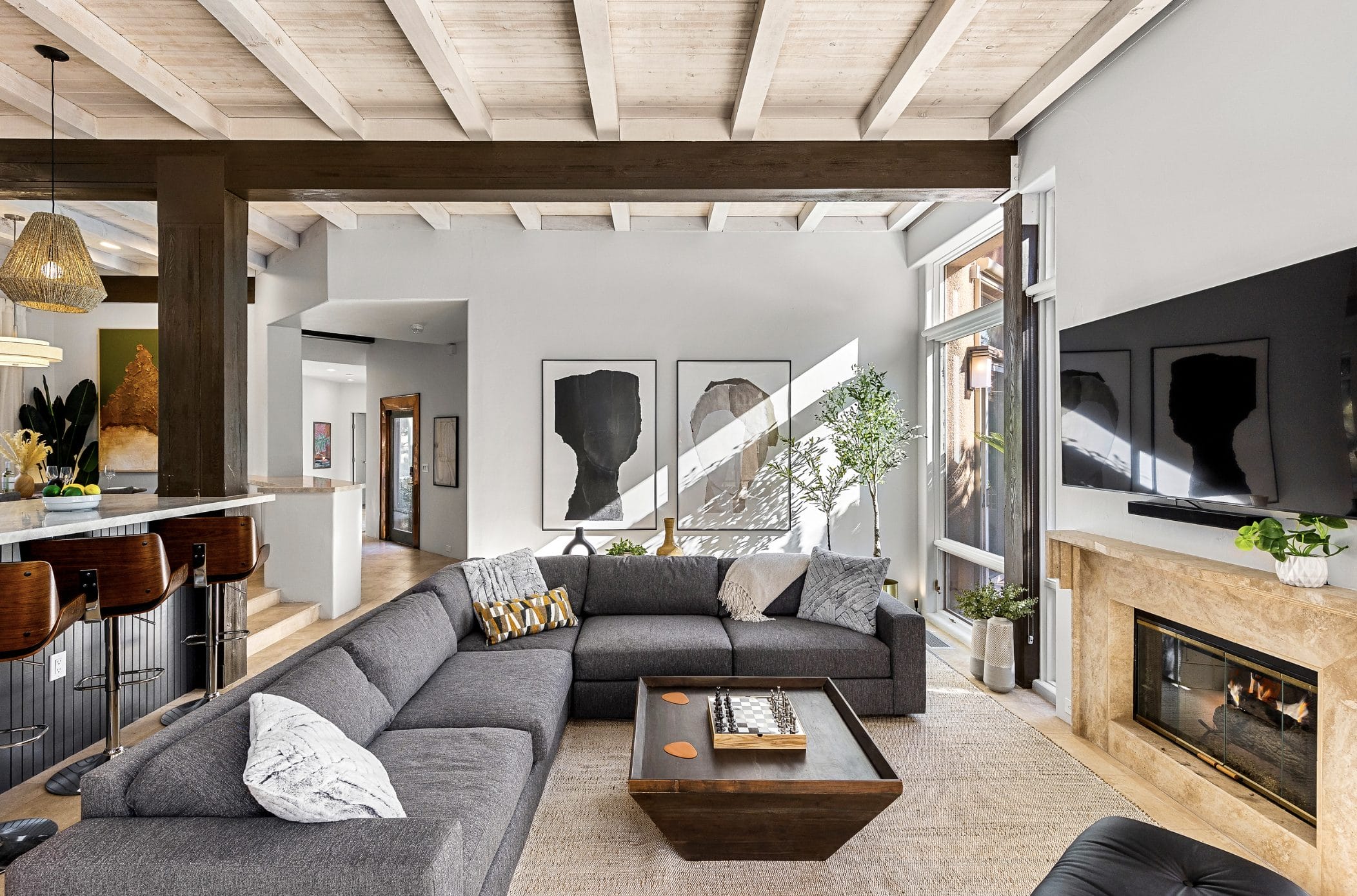
This is a look for a large, open-plan living area, benefiting from a room size of at least 20’x25′. The substantial gray sectional requires ample space to not feel cramped, and the visual weight of the dark exposed structural beams needs high ceilings (10′ or more) to feel balanced rather than heavy. The combination of a large footprint and vertical space is what allows the different powerful elements—stone, dark wood, large sofa—to coexist harmoniously.
|
$489.99
|
$188.30
|
$947.99
|
$620.99
|

“This room succeeds by creating a dialogue between rustic and contemporary elements.”
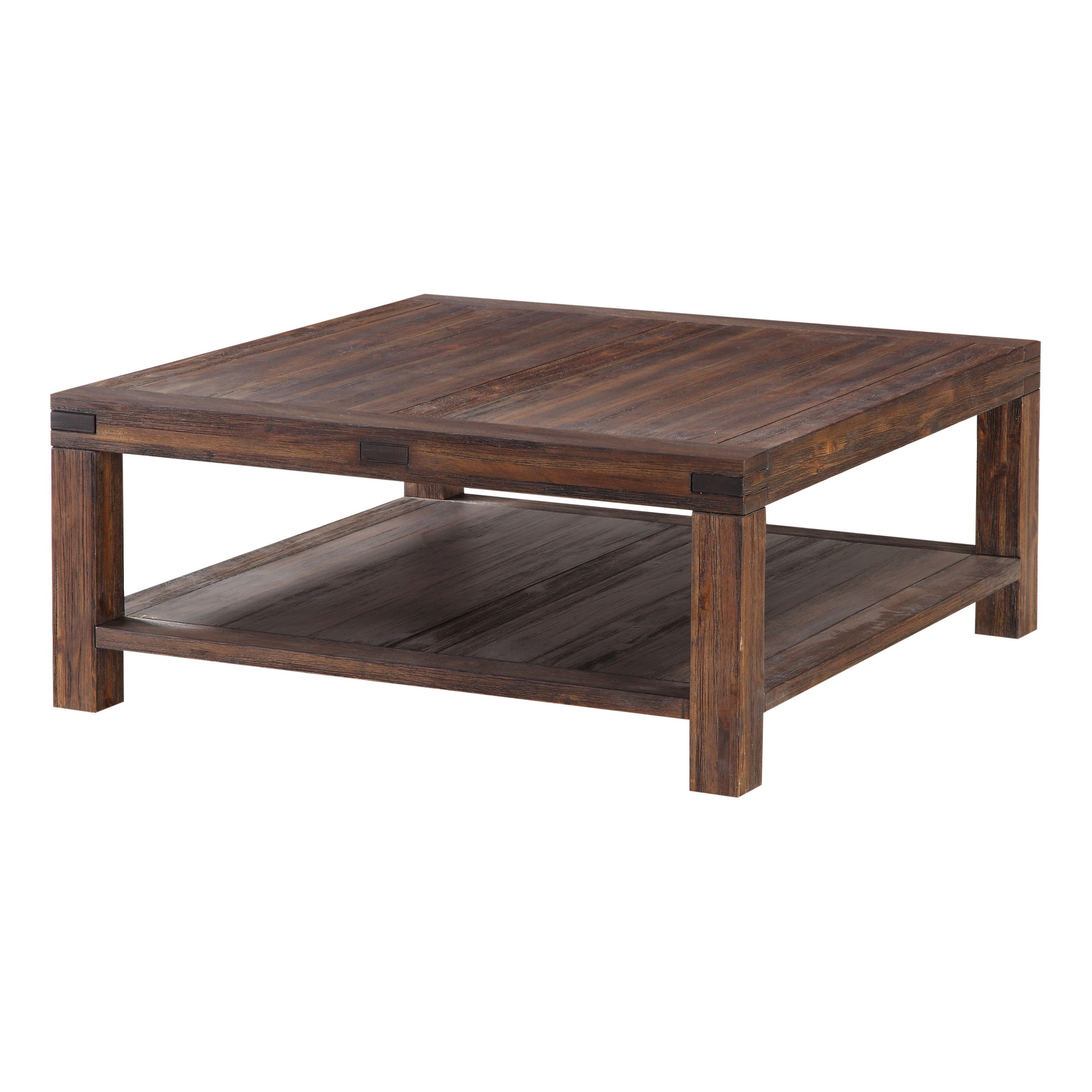
The whitewashed plank ceiling, dark exposed beams, and natural stone fireplace all speak a rustic, textural language. These are paired with the clean lines of the large gray sectional, the simple form of the dark wood coffee table, and the minimalist abstract artworks. This constant back-and-forth between rugged and smooth, old and new, creates a dynamic and visually interesting space that feels both grounded and modern.
30. Soften a Gray Sectional with Round Ottomans
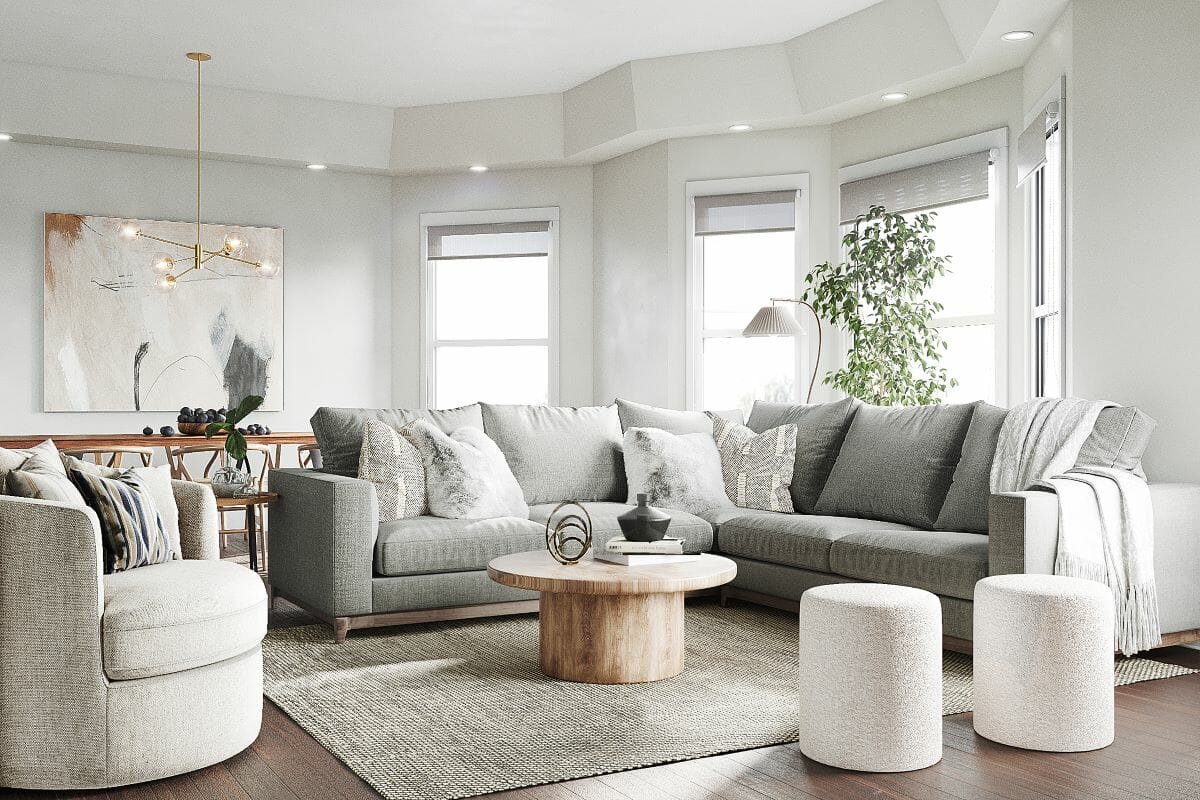
The two round, off-white ottomans are the quiet heroes of this space. A large, gray sectional can feel like a huge, angular block of color. The ottomans, with their soft color and curved shape, directly counteract that. They break up the sharp lines, add a layer of texture, and provide flexible, movable seating or footrests. They are the key to making this large sofa feel approachable and a part of a softer, more inviting whole.
|
$359.99
|
$1,388.57
|
$604.99
|
$149.99
|


“Before investing in a massive sectional, make sure it’s the right choice for your family and your space.”
Here’s what to check:
- Measure your space AND your entryways: Will this piece physically fit through your doors, hallways, and stairwells?
- Confirm the orientation: Do you need a right-arm-facing (RAF) or left-arm-facing (LAF) chaise? Sit on your floor and visualize it.
- Assess your lifestyle: Is your family more about lounging and movie nights (perfect for a sectional) or formal entertaining (maybe separate sofas are better)?
31. Use a Light Wood Console in a Bright, Neutral Room
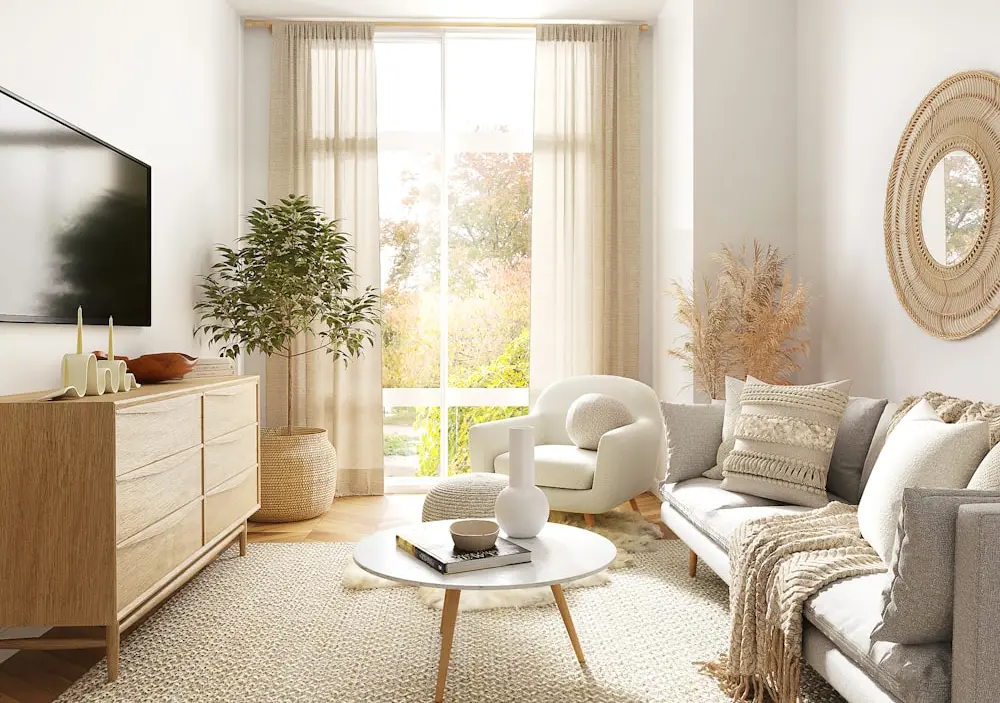
This bright, calm, and textured look is one of the easiest to achieve on a budget because its core elements are widely available. You can find a light wood media console or dresser at IKEA (like the ‘NORDLI’ or ‘MALM’ series) for $200-$400. A simple gray sofa can be found at any major furniture retailer or even on Amazon. The key is to focus the rest of your budget on textures: a fluffy rug from Rugs USA, woven pillows from H&M Home, and a large woven mirror from Target can complete the look for under $1500 total.
|
$445.00
|
$121.63
|
$65.00
|
$559.00
|



“This aesthetic, often dubbed ‘Japandi’ or ‘Warm Minimalism’, is a direct response to years of cooler, starker Scandinavian design.”
In 2026, the focus is on creating serene, uncluttered spaces that still feel warm and human. The emphasis on light wood, soft textures, and abundant natural light reflects a collective desire for our homes to be calming sanctuaries. This isn’t a fleeting trend; it’s a shift in how we want to live.
Your Living Room’s Story Starts Now
At the end of the day, contemporary design is all about creating a space that feels right for you, right now. It’s not about following rigid rules, but about mixing, matching, and finding a balance that tells your story. Use these ideas as a jumping-off point to create a living room you can’t wait to come home to.
Ready for more inspiration? Check out our latest pins on Pinterest for daily ideas and product finds!
Photo credits: Homedit, DesignThusiasm, Our Crafty Mom, mammypi, Livingetc, Atomic Ranch, Homes and Gardens, Houzz, Tuft & Trim, Trendir, The Spruce, monica benavidez, Laura U Design Collective, TheCoolist, Good Housekeeping, Decorilla, Planner 5D, LUXE Interiors + Design, Martha Stewart, Yahoo, MyDomaine, Interior Design & Decorating Knowledge, Edward George, Amitābha Studio, Nest with the Nelsons, HomeDesigns AI / Web