You know that feeling when you finally find the corner decorating idea that looks exactly right for your space? It’s a specific kind of triumph. After filtering through hundreds of options from high-end designers to budget-friendly finds, we narrowed it down to the looks that truly deliver. Inside, you’ll find 31 curated ideas covering styles from cozy and rustic to modern minimalist, proving that those forgotten spaces can become the most-loved spots in your home. And stay until the end—we break down the most common mistakes that can ruin these looks. 📌 Save this to Pinterest for later—you’ll want to revisit these ideas.
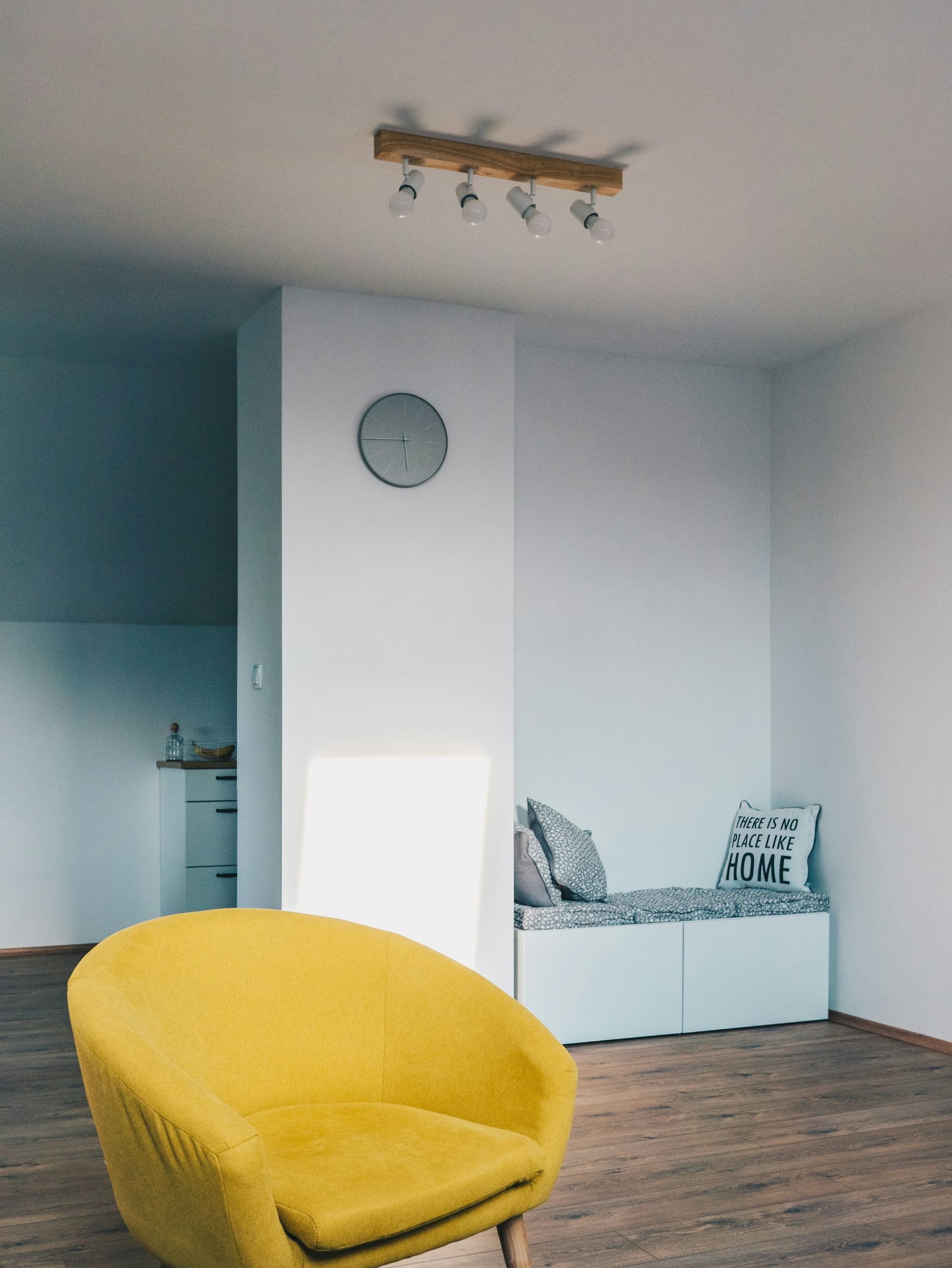
1. Create a Sunny Reading Spot with a Statement Yellow Armchair
This corner proves you don’t need a massive amount of space to create a functional and stylish nook. What makes it work is the smart combination of seating. The built-in bench offers a permanent, streamlined solution for storage and casual seating, while the vibrant yellow armchair acts as a sculptural focal point. The color provides a burst of energy that draws the eye, making the corner feel intentional and curated, rather than like an afterthought. The mix of straight lines from the bench and soft curves from the chair creates a beautiful visual balance.
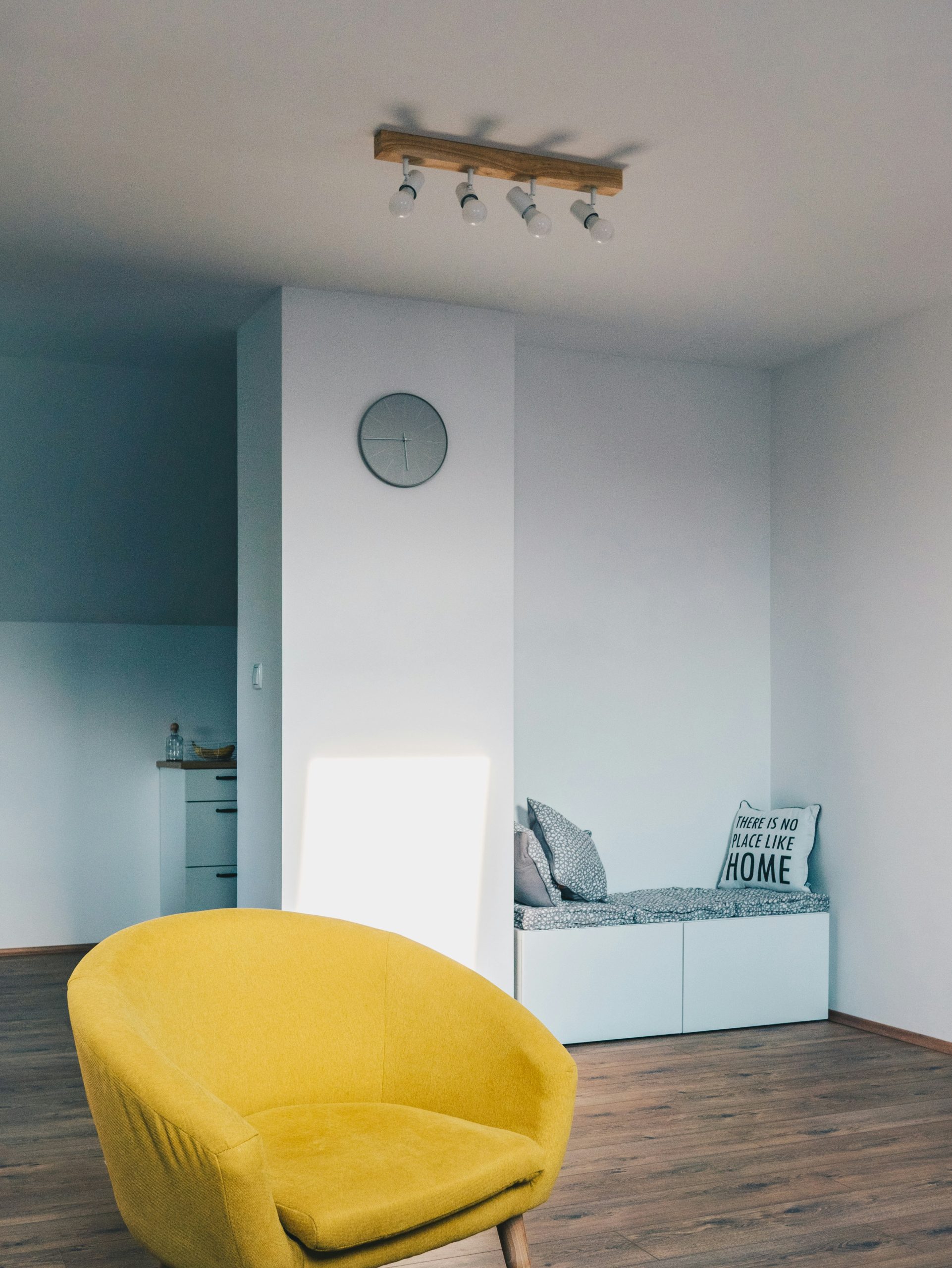
“For a reading nook to feel truly inviting, position your main accent chair at a slight angle, about 10-15 inches away from the wall junction.”
This simple trick creates visual depth and prevents the corner from feeling boxed-in or stiff. It signals that this is a place to relax and linger. This little bit of breathing room also leaves just enough space for air to circulate and for a slim floor lamp to be tucked behind, adding another layer of cozy functionality without taking up precious floor space.
2. Use a Full-Length Mirror to Double Your Bedroom’s Light
The single most impactful element here is the large, unframed mirror. It’s not just a place to check your reflection; it’s a powerful design tool. By placing it in the corner, it captures light from the nearby window and bounces it back into the room, effectively doubling the brightness and creating an illusion of spaciousness. Without the mirror, this corner would be darker and feel much more confined. It transforms a simple corner into a feature that elevates the entire room’s sense of luxury and scale.
“A floor-to-ceiling mirror looks incredibly chic, but let’s be honest: it’s a giant fingerprint and dust magnet.”
If you have kids, pets, or just a lot of traffic in the room, be prepared for frequent wipe-downs to keep it looking pristine. More importantly, safety is paramount with a piece this large. It absolutely must be securely anchored to the wall using proper hardware. An unsecured leaning mirror is a serious hazard, especially in a bedroom where you might be moving around in the dark.
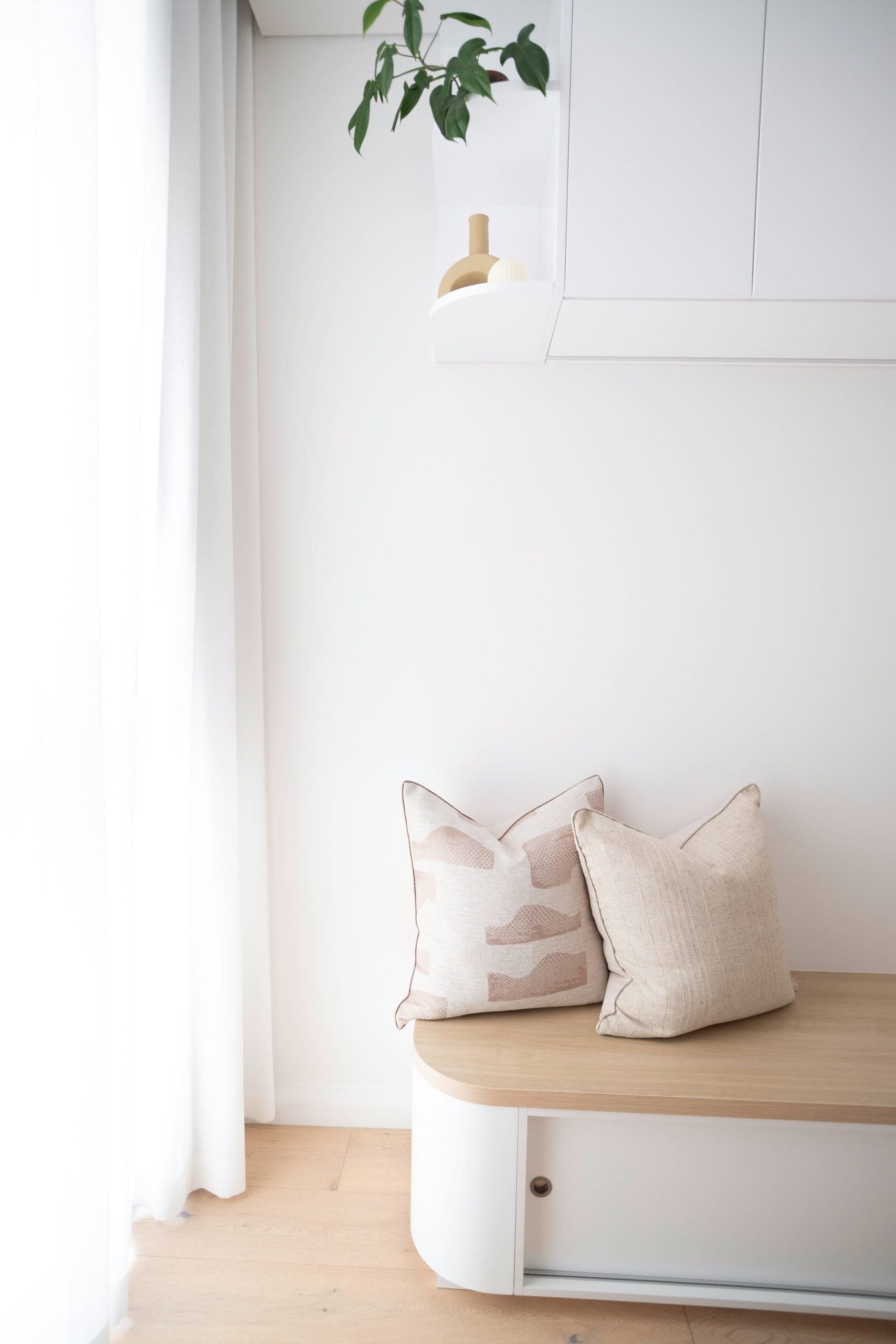
3. Embrace Scandi Minimalism with a Sleek Built-in Bench
The formula for this serene corner is simple but effective: 70% Neutral Base + 20% Natural Materials + 10% Soft Texture. The dominant neutral base comes from the clean white walls and bench structure. The natural materials are introduced through the light wood benchtop and flooring, which add warmth and prevent the space from feeling sterile. Finally, the soft textures from the two decorative pillows and the trailing green plant provide just enough detail and organic shape to make the corner feel welcoming and lived-in without sacrificing its minimalist aesthetic.
“Recreating this custom look has a wide price range depending on your approach.Cu”
Recreating this custom look has a wide price range depending on your approach.
- Custom Carpentry: For a professionally built-in bench with curved details and integrated storage, expect to pay between $1,500 and $4,000.
- Decor & Accessories: Pillows, a high-quality plant, and shelf decor will add $150 – $400.
- TOTAL: $1,650 – $4,400
- Budget Alternative: Achieve a similar vibe for about 50% less by using two pre-made IKEA BESTÅ or STUVA benches side-by-side and having a custom wood top cut at a local hardware store.
4. Layer Curtains for a Serene, Light-Filled Bedroom Corner
Layering curtains provides both style and ultimate light control. Here’s a quick guide to getting it right.
- Install a double curtain rod bracket, ensuring it extends at least 4-6 inches beyond the window frame on each side.
- Hang your sheer curtains on the inner rod (closest to the window). This layer will diffuse bright sunlight while maintaining privacy.
- Hang your heavier, opaque curtains on the outer rod. These are for blocking light completely for sleep or reducing glare.
- Ensure both sets of curtains are long enough to just kiss or “puddle” slightly on the floor for a polished, professionally-styled look.
Time estimate: 1-2 hours. Material Cost: $150-$500.
“This corner feels so airy and spacious due to a clever trio of design choices.”
First, the light wood flooring and white walls create a bright, reflective canvas. Second, the floor-to-ceiling mirror not only adds depth but also multiplies the light pouring in from the window. Third, the layered curtains add softness and verticality. The sheer layer keeps it light, while the grey outer curtains provide a gentle contrast that frames the corner without weighing it down. It’s a masterclass in using a limited color palette to maximize the sense of space.
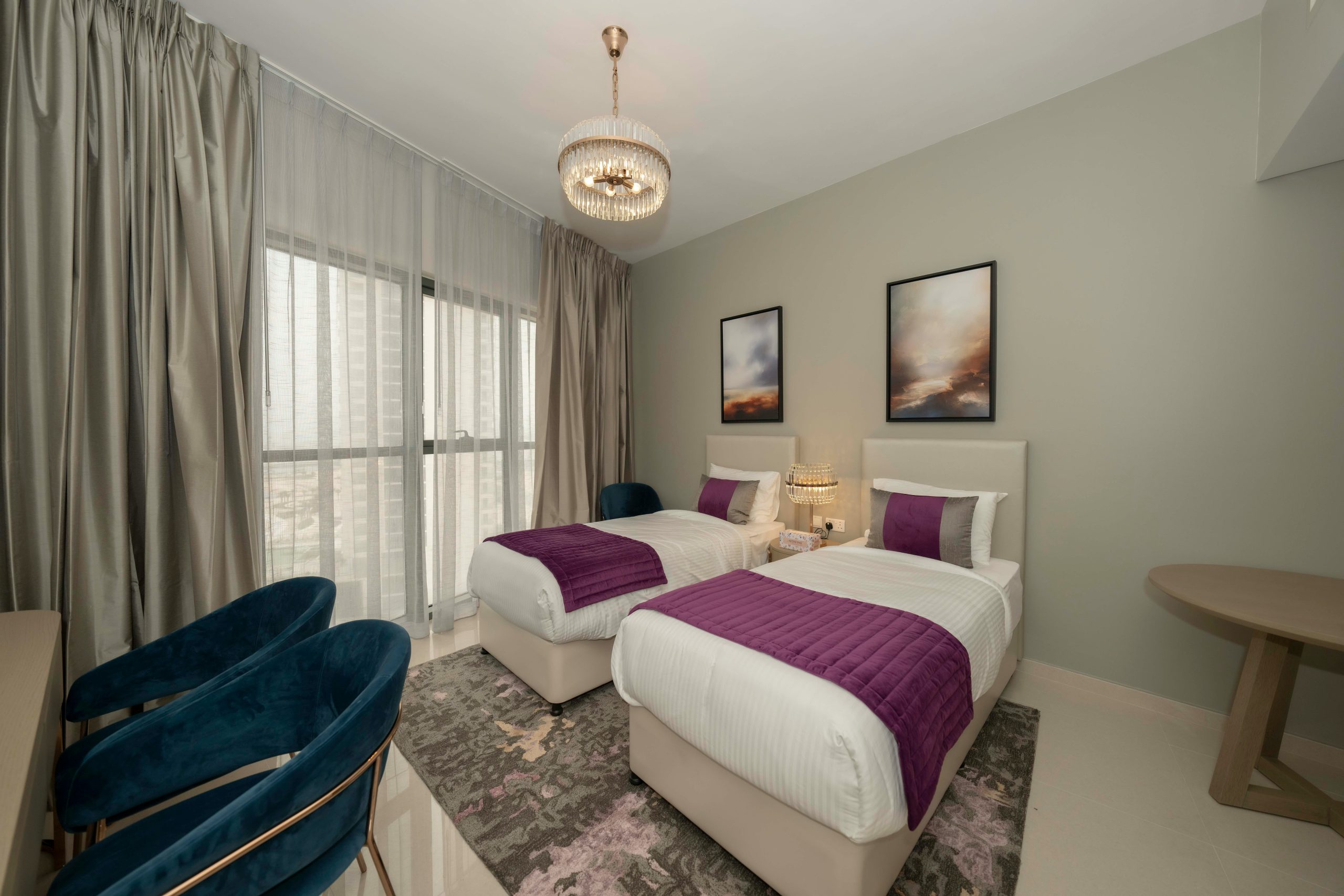
5. Coordinate a Twin Bedroom with Teal and Plum Accents
that makes this room sing is the disciplined and repeated use of accent colors. It’s not just one teal chair or one plum pillow; it’s a deliberate theme. The vibrant plum of the bedspreads is echoed in the artwork, and the rich teal of the corner chairs is a standout feature. This repetition creates a sense of rhythm and intention. If you removed the second chair or one of the plum pillows, the design would lose its confident, cohesive feel and start to look accidental rather than expertly planned.
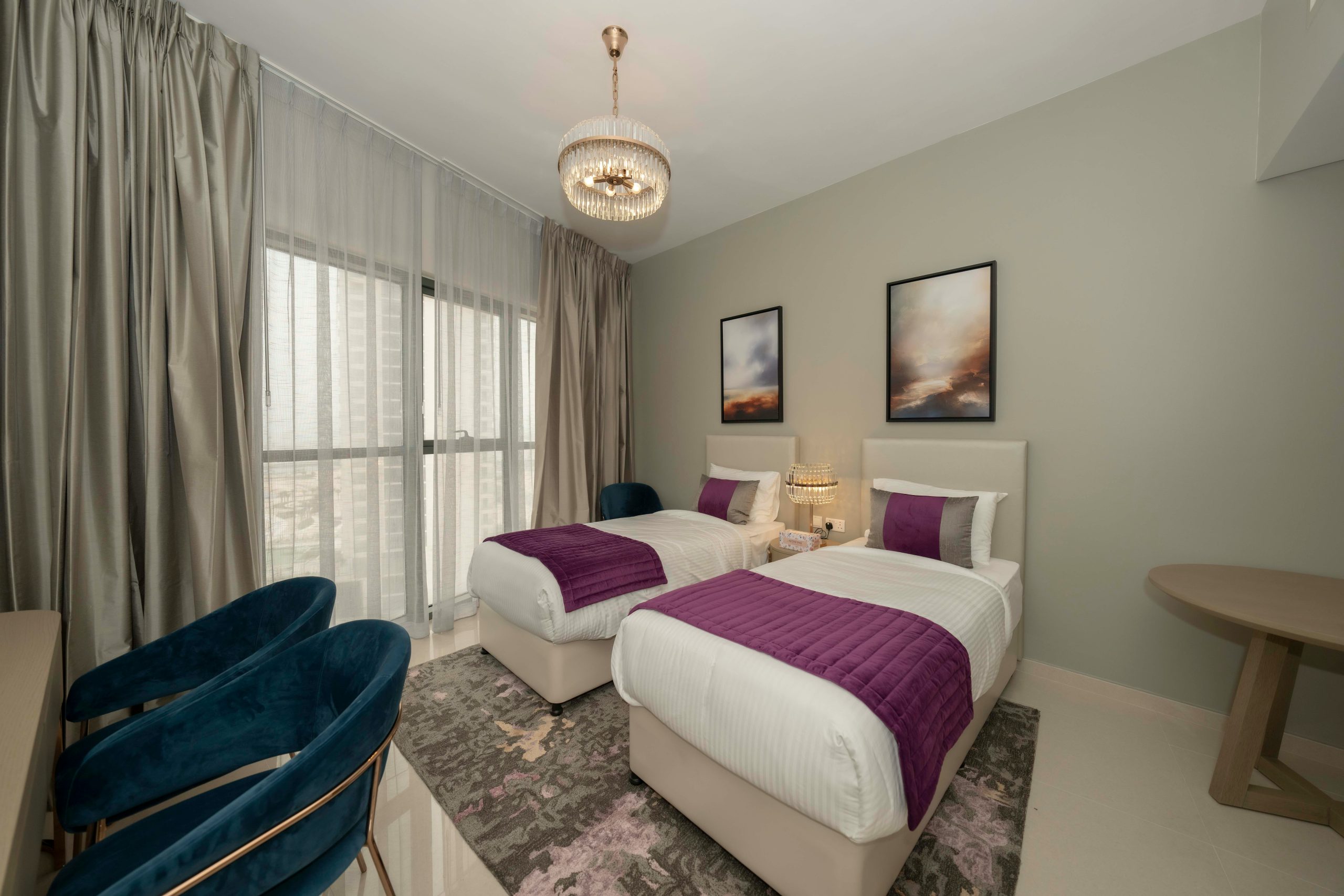
“This setup, with a distinct seating area in the corner, is ideal for larger bedrooms, typically those over 250 square feet.”
You need enough clearance (at least 36 inches) between the foot of the beds and the desk/chair area to allow for comfortable movement. For smaller rooms, attempting this can feel cramped. If you have less space but love the vibe, consider a more compact version, maybe with a single chair and a smaller side table instead of a full desk, like the setup in Idea #7.
6. Go Bold with Botanical Wallpaper and a Deep Blue Sofa
There’s a reason “biophilic design”—the practice of connecting with nature indoors—is more than just a passing fad. After years of minimalist white and grey, people are craving color, pattern, and life in their homes. This corner perfectly captures that shift. The green botanical wallpaper brings the energy of the outdoors inside, creating a vibe that is both calming and visually stimulating. It’s a move away from stark, impersonal spaces toward homes that feel personal, layered, and deeply comforting.
“While a dark fabric sofa is more forgiving with spills than a light one, it does come with its own maintenance list.”
Dark colors, especially navy blue, can be notorious for showing lint, pet hair, and dust. Regular vacuuming with an upholstery attachment is a must. Also, be mindful of sunlight. A corner near a bright window can cause the fabric to fade over time, so rotating cushions and considering a UV-protectant fabric spray is a smart move for long-term vibrancy. Unlike this L-shaped sofa, a smaller piece like the armchair in Idea #1 is much easier to move or protect from sun.
7. Curate a Cheerful Gallery Wall in Your Reading Nook
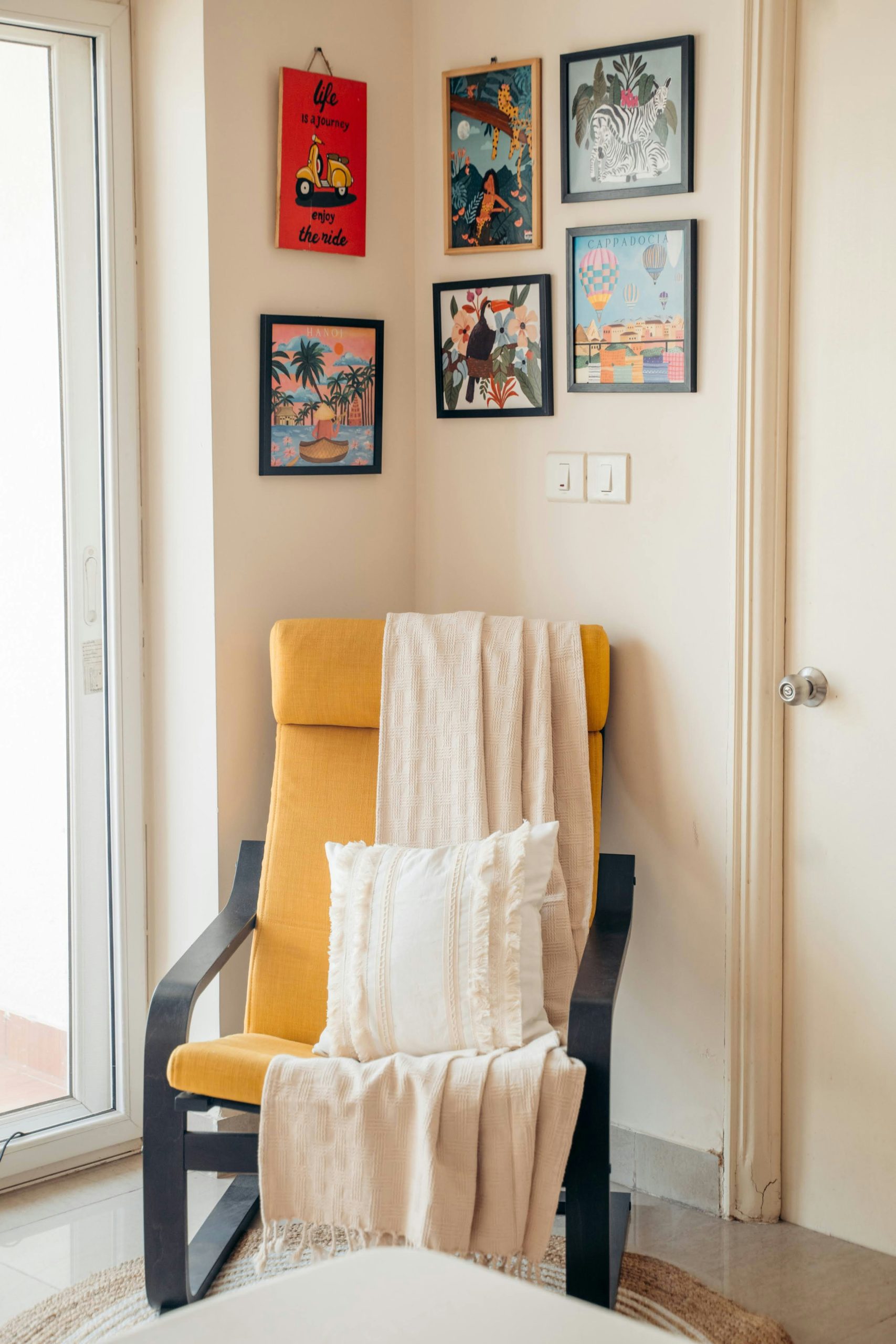
When creating a gallery wall for a cozy corner, think of it as a single unit. Lay out all your frames on the floor first to perfect the arrangement before putting any nails in the wall. Start with your largest piece slightly off-center, and build the other frames around it, keeping the spacing between them relatively consistent (2-3 inches is a good rule of thumb). The overall shape of your gallery should feel balanced and relate to the furniture below it, not just float randomly on the wall.
“What makes this gallery wall so successful is its personality and restraint.”
It’s not just a random collection of images; there’s a clear point of view with whimsical illustrations and a unified color story of warm, earthy tones. The pop of red from the wooden sign is a deliberate, joyful accent. Furthermore, the use of identical black frames for most of the pieces provides a sense of cohesion, allowing the varied artwork inside to shine without the arrangement feeling chaotic or cluttered.
8. Play with Organic Shapes in a Fresh, Green Reading Nook
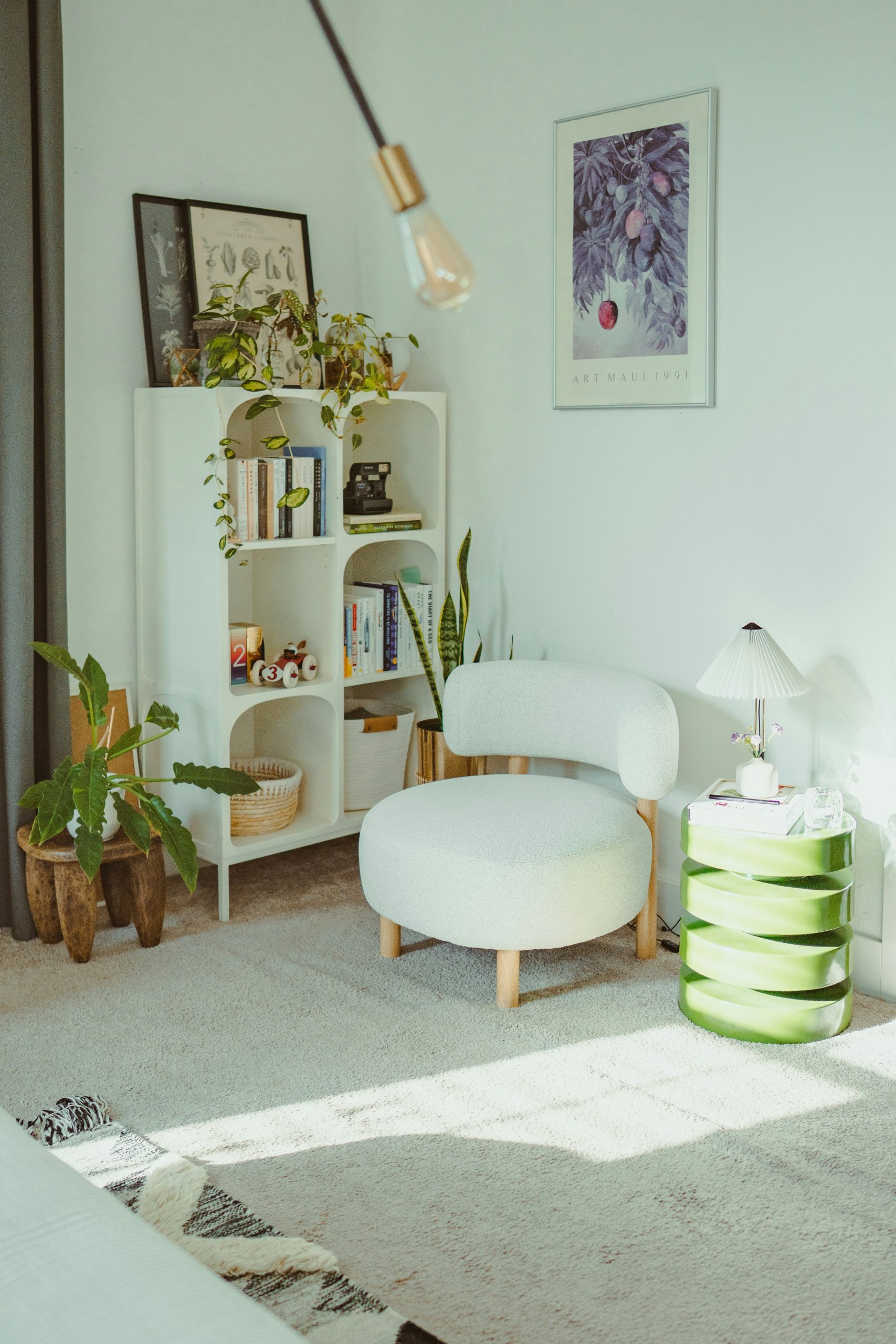
The single element that makes this corner feel so special and current is the lime green spiral side table. It’s a piece of functional sculpture. While the arched bookshelf and bouclé chair are beautiful and on-trend, the table adds a surprising, playful jolt of color and an unconventional shape. It breaks up the expected lines of a typical reading nook and injects a dose of high-design personality. Without it, the corner would still be lovely, but it would lose its witty, fashion-forward edge.
“An arched bookshelf and a designer side table can be pricey, but you can get this look for much less.”
Search Facebook Marketplace or thrift stores for a standard rectangular bookshelf; you can often find one for under $50. For the chair, look to stores like Target or HomeGoods for affordable bouclé or sherpa accent chairs, often in the $250-$400 range. For the sculptural side table, check out sites like Etsy for handmade options or even try a DIY project with stacked and painted wooden rounds for a similar effect.
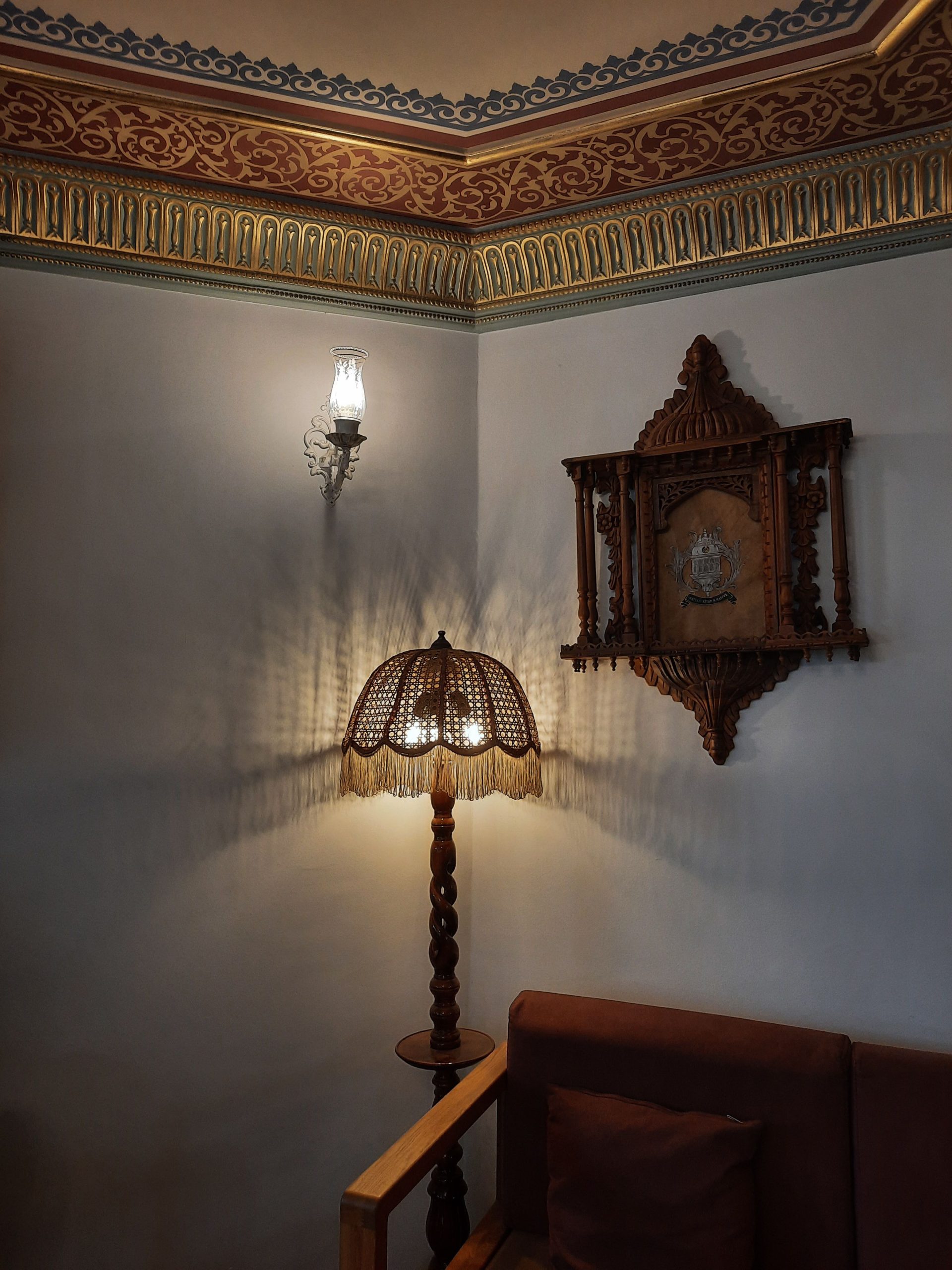
9. Add Historic Charm with a Carved Wood Corner Shelf
This corner works because it fully commits to its ornate, traditional aesthetic through layering. The richness comes from the combination of multiple textures and intricate details. You have the deep carving of the wooden shelf, the complex patterns in the ceiling trim, and the woven texture of the cane lampshade all working together. The lighting also plays a key role; the warm glow from the floor lamp and sconce highlights these details and creates a cozy, moody atmosphere that feels both grand and inviting.
“A look this detailed and specific isn’t for everyone or every home.”
Ornate trim and carved wood can feel out of place in a modern or minimalist house, potentially clashing with clean lines. This style also requires a commitment to dusting! All those intricate carvings and the woven lampshade are beautiful, but they are also prime spots for dust to settle. This is a high-maintenance look that rewards diligence but can quickly look tired if not cared for. For a lower-maintenance approach to corner shelving, see Idea #10.
10. Style an Industrial Bookshelf with a Curated Gallery Wall
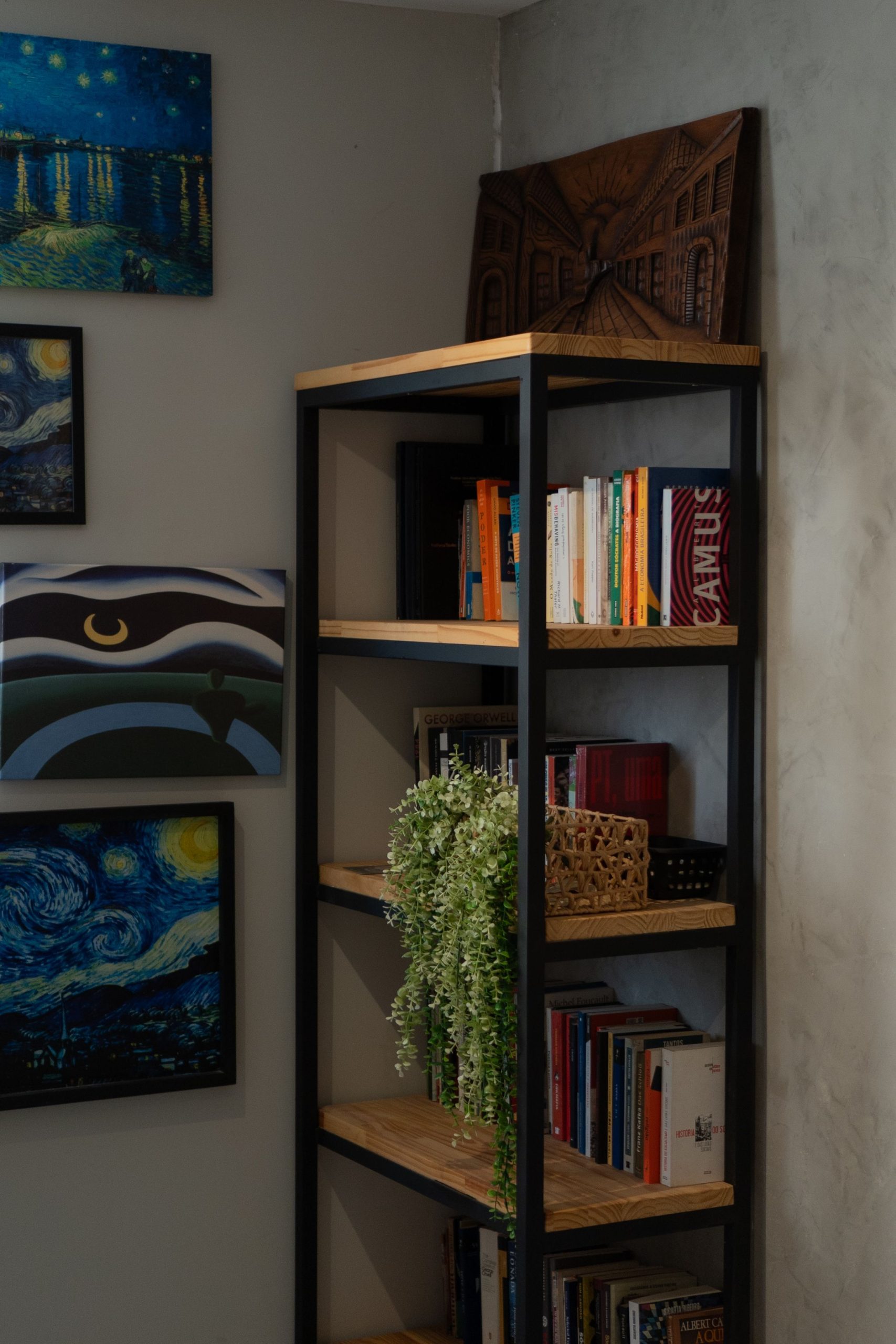
This productive corner follows a clear visual recipe: 50% Sleek Structure + 30% Curated Content + 20% Textural Contrast. The “Sleek Structure” is the black metal and light wood bookshelf, providing a strong, geometric foundation. The “Curated Content” is the thoughtful arrangement of books and the adjacent gallery wall, which adds personality and color. The “Textural Contrast” comes from the rough, concrete-effect wall, the foliage of the plant, and the varied book spines, preventing the design from feeling too flat or one-note.
“Before you commit to a tall bookshelf and gallery wall, check these items off your list:Measure your wall space carefully.”
Ensure you have at least 4-5 feet of horizontal wall space to avoid a cramped look.Confirm your wall material. A gallery wall requires numerous nails or hangers. Make sure your wall (especially if it’s plaster or concrete) can handle it.Take stock of your “content.” Do you have enough books, objects, and art to fill the space in a way that looks curated, not cluttered?Check your lighting. Is there enough natural or overhead light to illuminate your display?
11. Create a Lush Plant Corner with Rustic Shelving
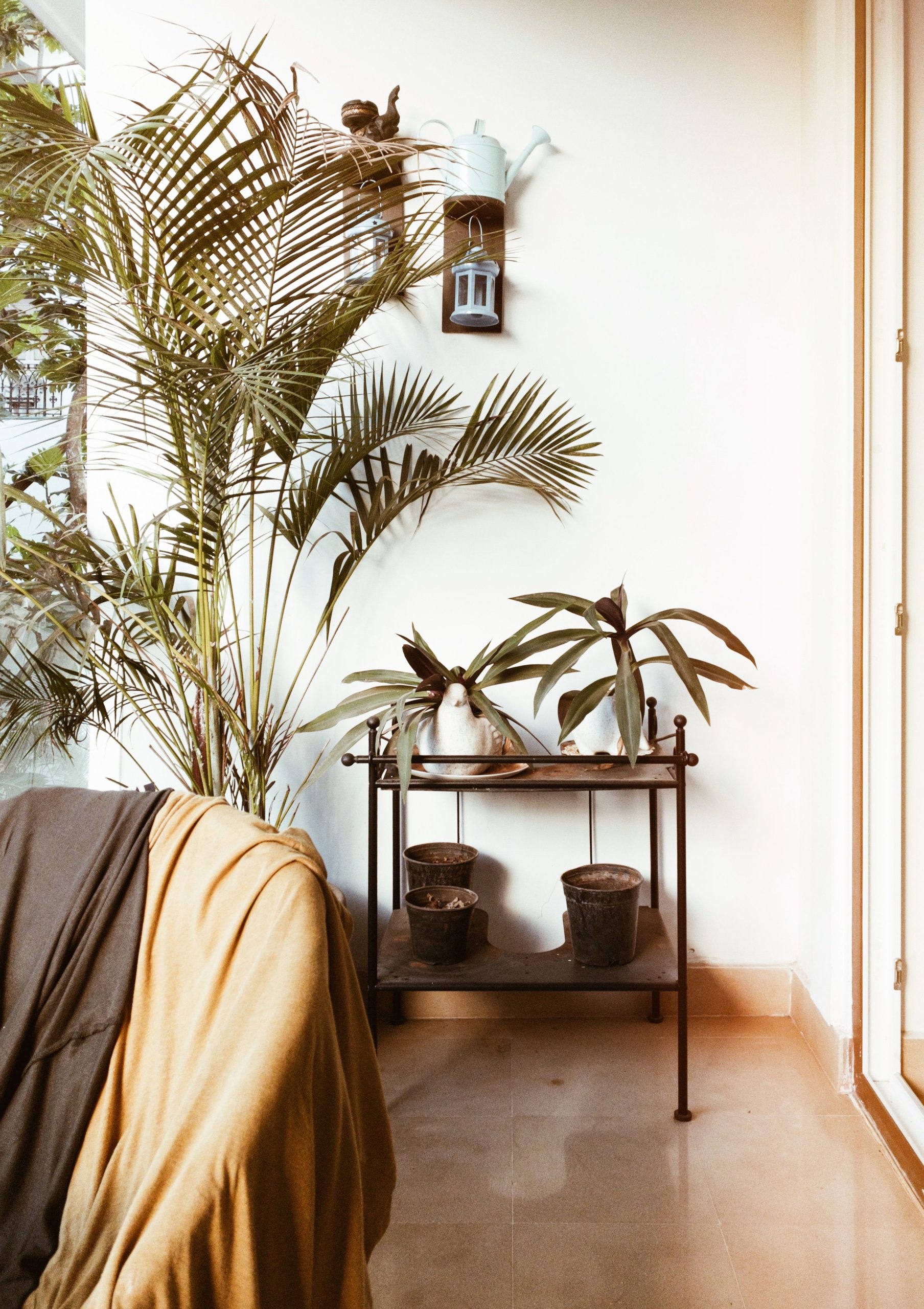
that truly brings this corner to life is the sheer abundance of plants. It’s not just one token plant; it’s a collection. This creates a mini-jungle effect that feels lush, vibrant, and intentional. The variety in plant size, leaf shape, and pot style adds layers of texture and interest. The large palm acts as an anchor, while the smaller plants on the shelves fill out the space. Without this generous greenery, the shelf and decor would look sparse and the corner would lack its primary source of energy and charm.
“When grouping plants, think in triangles.”
Create visual interest by varying the heights of your plants and the surfaces they sit on. Place your tallest plant (like the palm here) as the highest point of a triangle. Then, use shelves and the floor to position smaller plants at medium and low points. This creates a more dynamic and natural-looking arrangement than simply lining up plants of the same size. The light blue watering can here is cleverly used as a decor piece that also serves this height variation purpose.
12. Style a Simple Bedside Corner with a Plant and Artwork
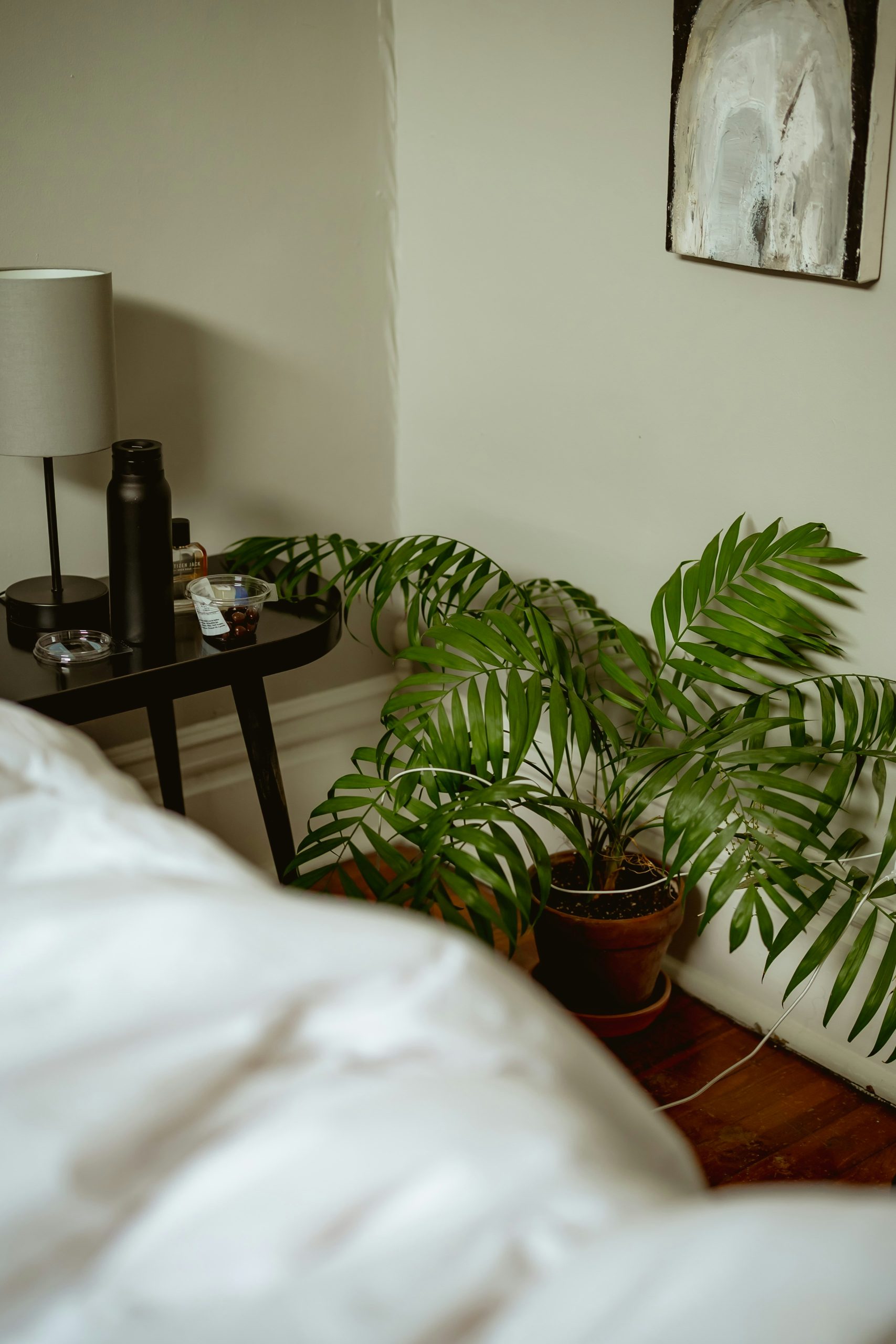
This corner is a perfect example of the “Rule of Threes.” The design is composed of three key elements at varying heights: the low side table, the medium-height potted plant, and the high-hung artwork. This variation creates a balanced and visually pleasing composition that guides the eye upward. The simple, functional nature of each piece—a place for a lamp, a touch of nature, a bit of personality on the wall—makes the corner feel effortlessly put-together and calm, which is exactly the vibe you want in a bedroom.
“You don’t need a big budget to create this serene corner.”
A simple, dark side table can be found at IKEA (like the NESNA) or thrifted for under $30. For the lamp, Target’s Room Essentials line has great-looking basics for around $20. Pick up a low-maintenance snake plant or ZZ plant from a local nursery or hardware store for $20-$40. For artwork, you can find affordable and stylish abstract prints on Etsy or even frame a beautiful piece of scrapbook paper or fabric for a similar effect.
13. Embrace Sunlight with Traditional Textiles
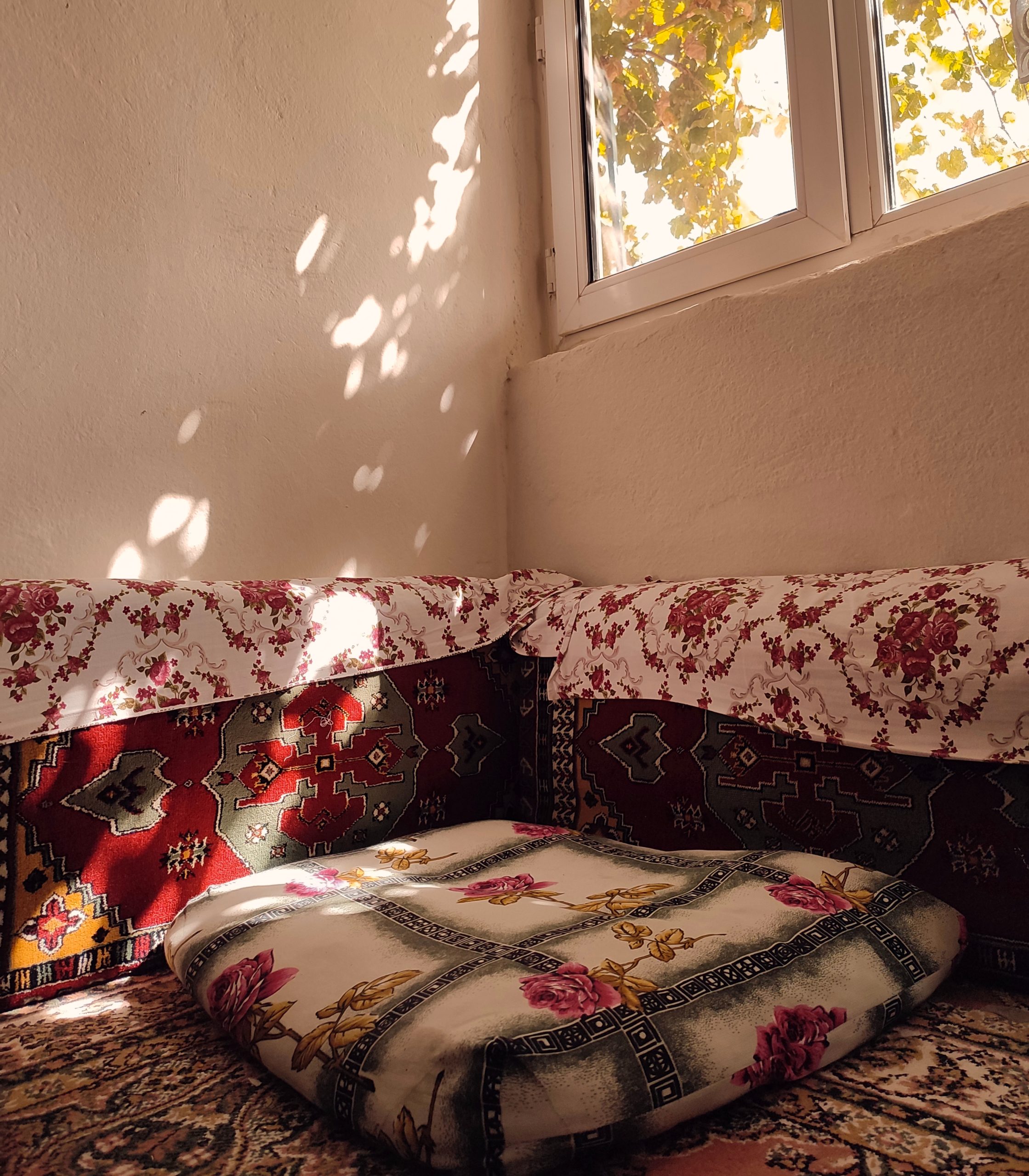
In a world of fast furniture and fleeting trends, there’s a growing appreciation for “Grandmillennial” style—a fresh take on the traditional decor our grandparents loved. This corner taps right into that. The floral patterns, the ornate textiles, and the cozy, sun-drenched feel are a comforting antidote to years of stark minimalism. It’s about embracing patterns, textures, and pieces that feel collected and have a story, creating a space that is warm, personal, and timeless rather than generically modern.
“While beautiful, these traditional floral fabrics require some care, especially when they are in a spot that gets strong, direct sunlight.”
The vibrant reds and greens are susceptible to fading over time. To preserve the colors, consider using a UV-filtering film on the window or rotating the cushions regularly. Also, be mindful that highly patterned fabrics can be a bold commitment; make sure you truly love the pattern before investing in custom upholstery, as it will heavily define the room’s aesthetic.
14. Use Strong Light and Shadow as a Design Element
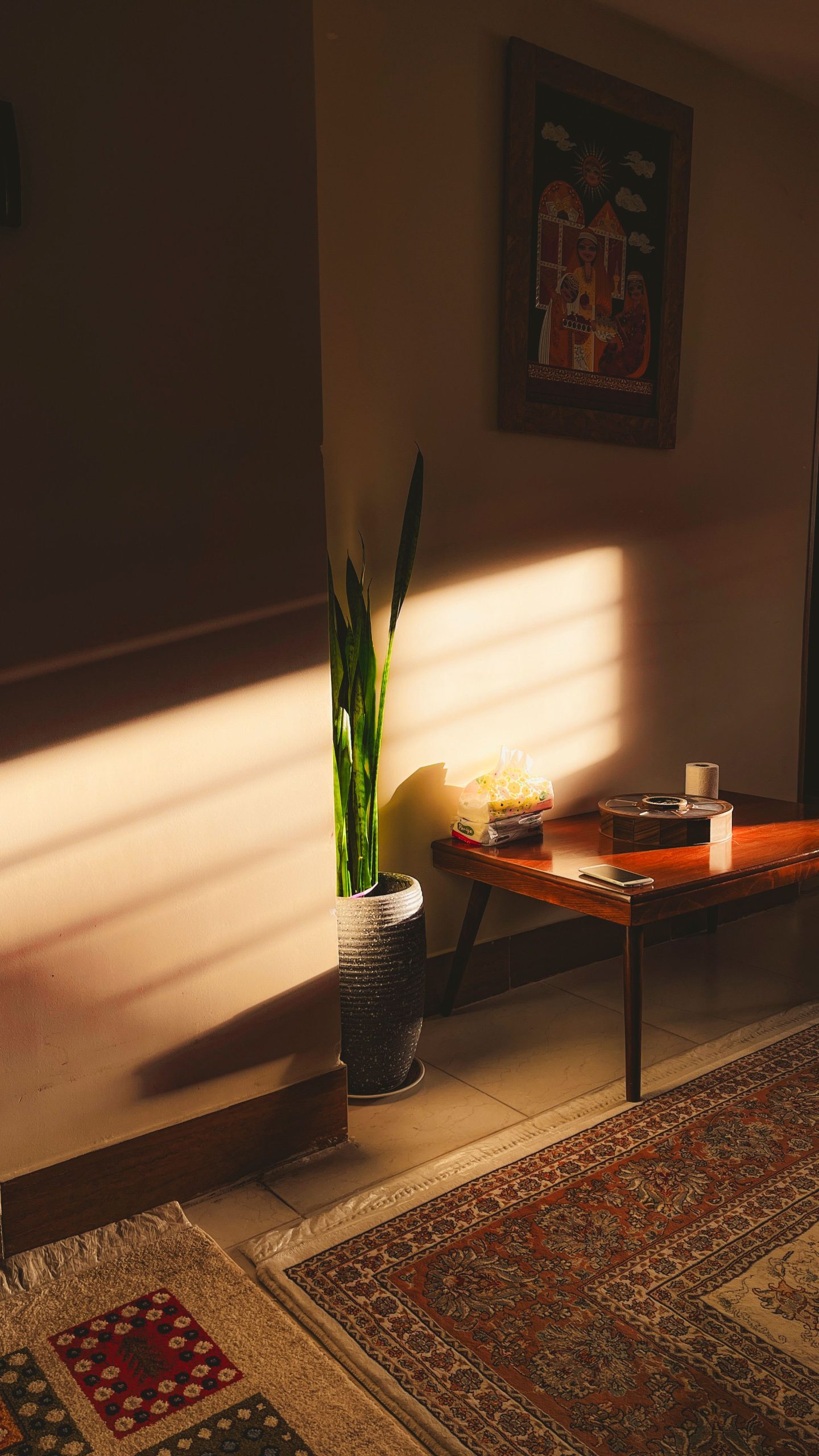
The most important element in this corner isn’t an object—it’s the sunlight. The dramatic, striped shadows cast by the window blinds are the star of the show. They turn a plain wall into a dynamic piece of art that changes throughout the day. This corner is a powerful reminder that sometimes the best decor isn’t something you buy, but something you allow to happen. By keeping the window treatment simple, the homeowner has turned ephemeral light into a central feature. Without these shadows, the corner would be far less captivating.
“This corner works because it expertly balances complexity and simplicity.”
The traditional patterned rugs and folk-art style piece bring intricate detail and a sense of history to the floor and wall. However, these are set against very simple, large-scale elements: the plain tiled floor and the unadorned tan wall. This contrast allows the detailed pieces to stand out without overwhelming the space. The bold, graphic shadows from the window act as a bridge, adding a layer of pattern that is modern and clean, tying everything together.
15. Layer-up a Cozy Corner with Plants and Eclectic Decor
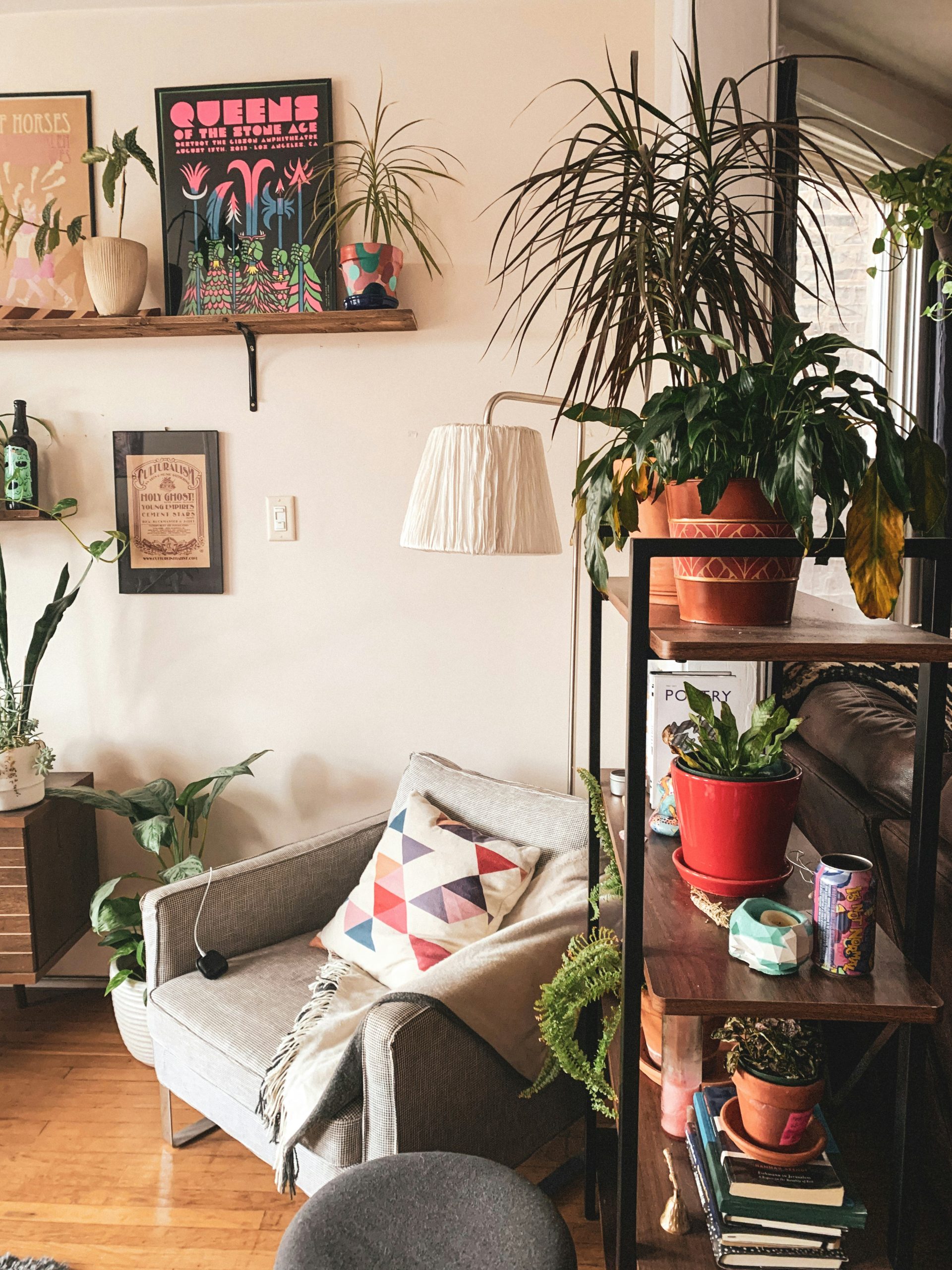
To achieve this lush, collected look without it feeling messy, think in layers, starting from the back. Begin with the wall treatment—a floating shelf for art and smaller items. Next, place your largest furniture item, the armchair. Then, add the multi-tiered shelving unit next to it; its open structure prevents it from feeling too heavy. Finally, pepper in the smaller items: the floor lamp, the various plants on the shelves and floor, and pillows and throws on the chair. This systematic layering ensures every item has its place and purpose.
“This “maximalist” corner arrangement works best in a room with at least 8-foot ceilings to accommodate the vertical shelving and layered decor without feeling cramped.”
The footprint itself is relatively small, requiring a corner space of about 4×4 feet. It’s a fantastic solution for a standard living room or a larger bedroom. In a very small apartment (under 500 sq ft), this much visual information might feel overwhelming. For a more minimal approach better suited to small spaces, see Idea #3.
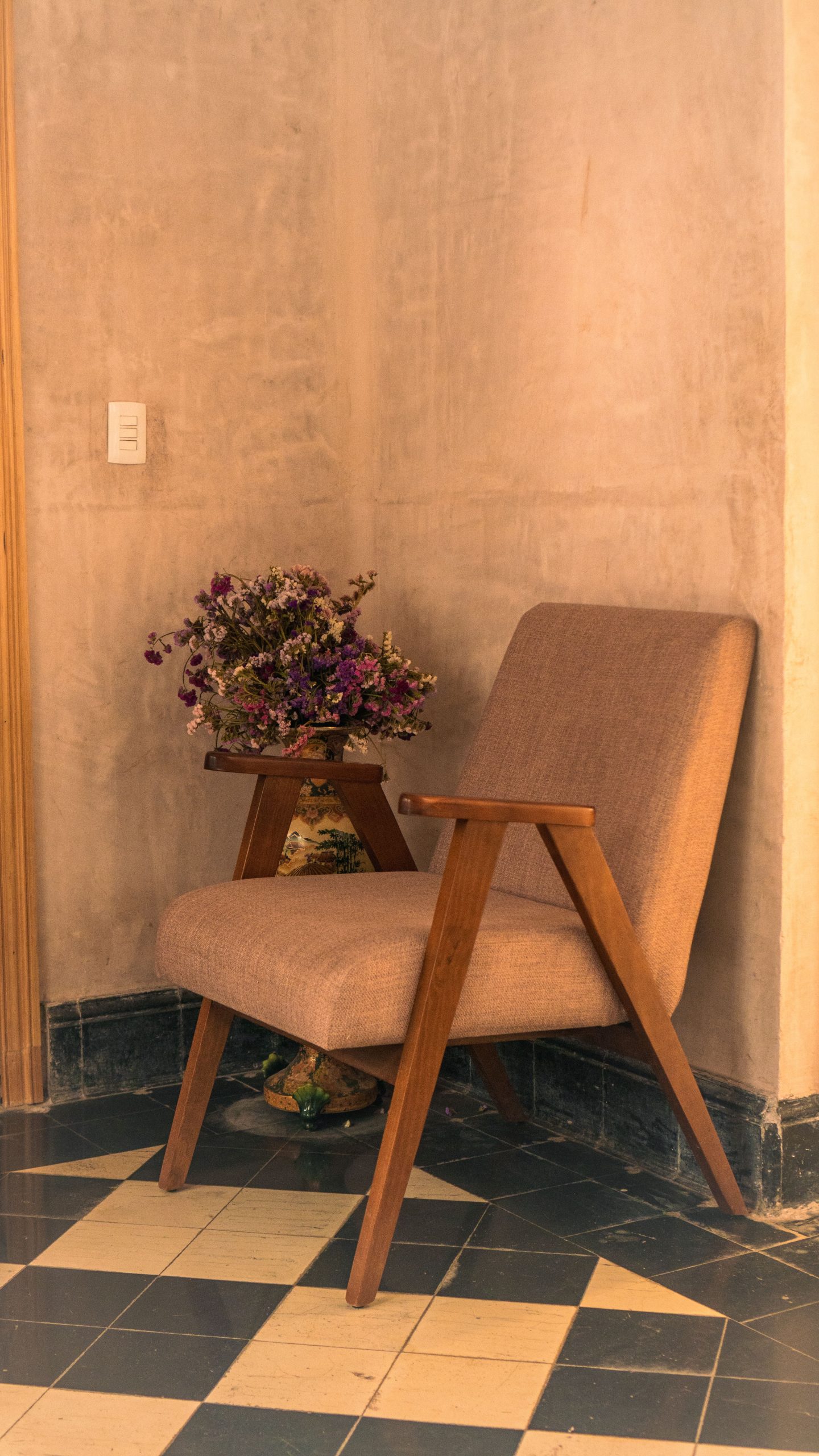
16. Create a Warm, Rustic Vibe with a Mid-Century Chair
The visual recipe for this inviting corner is: 60% Warm Neutral Base + 30% Natural Wood Tones + 10% Handcrafted Accents. The warm neutral base is the textured beige wall, which creates a soft, welcoming backdrop. The natural wood tones of the armchair frame and side table add organic warmth and a nod to mid-century design. The handcrafted accents—the patterned vase with dried flowers—provide a pop of color, texture, and personality, making the corner feel personal and curated.
“A checkerboard floor is a bold, timeless statement, but painted or vinyl tiles in a high-traffic area require some upkeep.”
The black tiles will show dust and light-colored debris, while the off-white tiles are prone to showing dirt and scuffs. Regular sweeping and mopping are key. Use furniture pads under the chair and table legs to prevent scratching. For long-term durability, ceramic or porcelain tiles are a more robust, lower-maintenance option than vinyl or painted floors, though the initial cost is higher.
17. Define a Cozy Nook with a Sofa and Floor Lamp
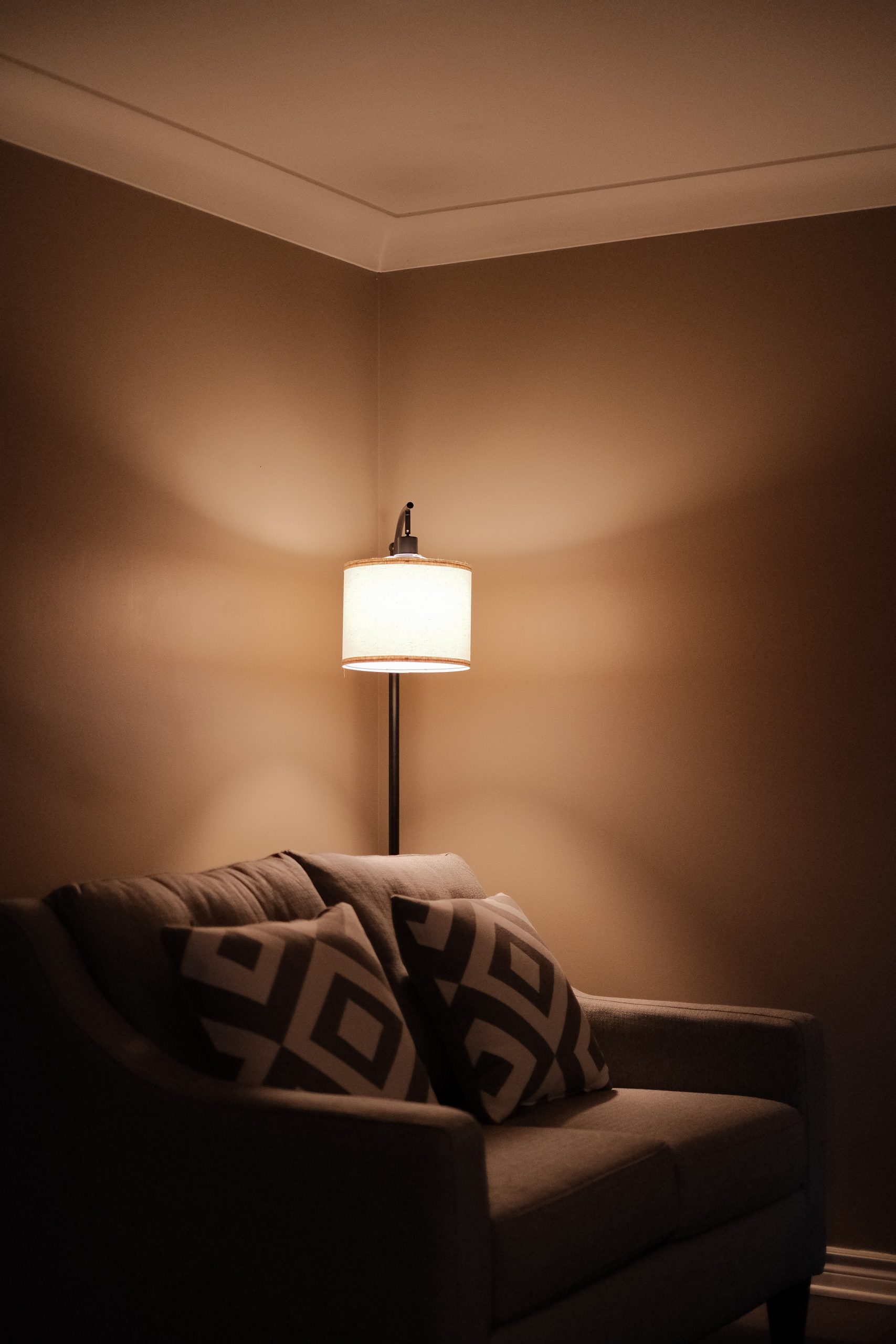
This corner demonstrates the power of localized lighting. While overhead lighting illuminates a whole room, the floor lamp here creates a specific “zone.” Its warm glow is contained within the corner, visually separating it from the larger space and establishing an intimate atmosphere perfect for conversation or reading. The lamp, combined with the comfortable sofa tucked into the corner, transforms an otherwise ordinary space into a purposeful and inviting nook. The contrast between the warm brown walls and the white lamp shade also adds a crisp, clean focal point.
“You can create this cozy and sophisticated corner on a reasonable budget.Sofa: A”
You can create this cozy and sophisticated corner on a reasonable budget.
- Sofa: A good quality two or three-seater sofa can range from $700 to $2,500.
- Lighting: A stylish floor lamp can be found for $100 – $300.
- Textiles: Decorative pillows will cost between $40 – $100 for a pair.
- Paint: A gallon of quality paint for the accent wall is about $50 – $80.
- TOTAL: $890 – $2,980
- Budget Alternative: Check Facebook Marketplace or consignment stores for a secondhand sofa, which can bring the biggest cost down by 60-80%.
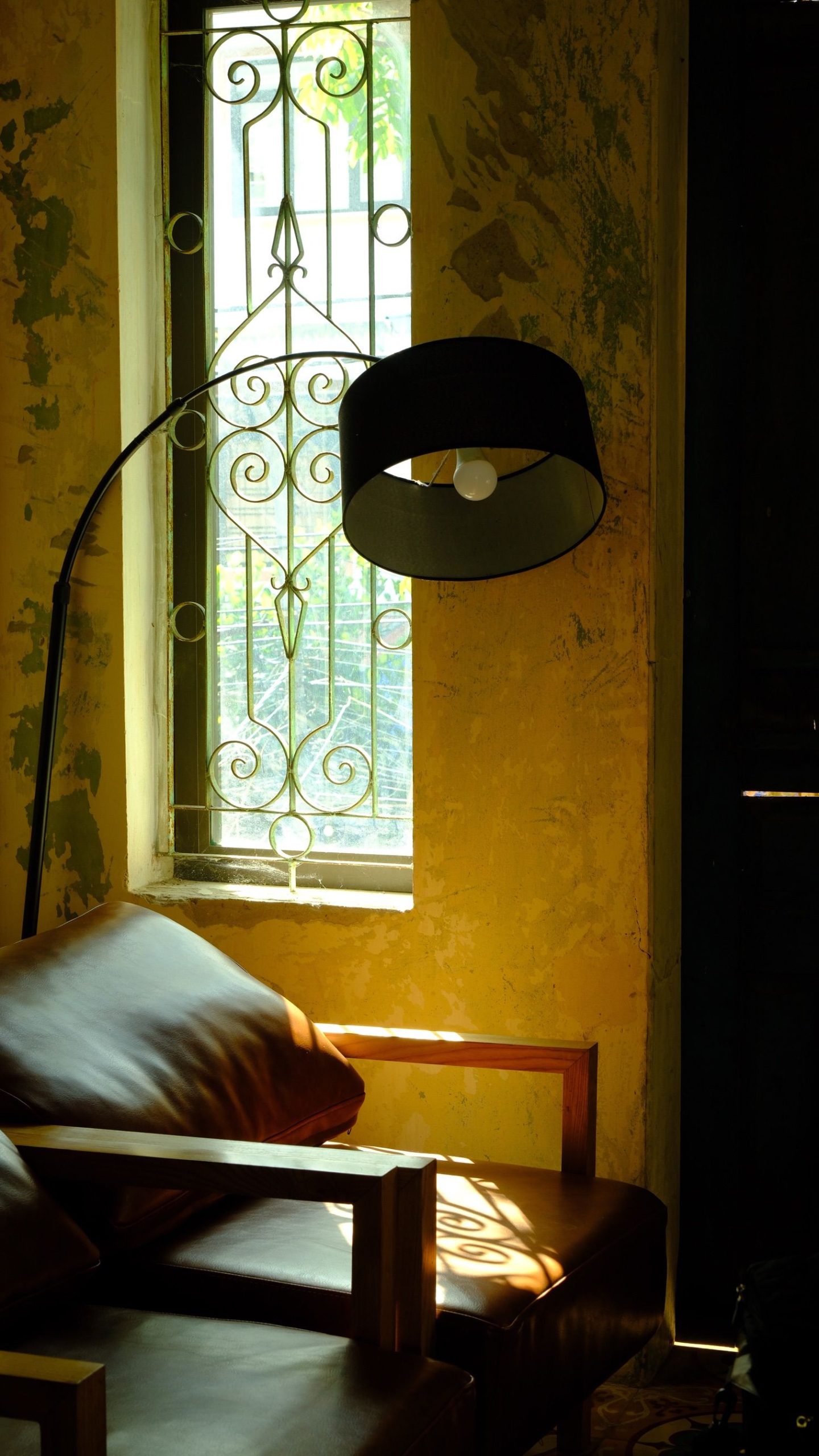
18. Embrace Moodiness with an Arc Floor Lamp and Distressed Walls
The single element that defines this corner is the dramatic arc floor lamp. Its sweeping curve is a strong sculptural statement that draws the eye and perfectly frames the seating area. More importantly, its focused, downward light carves out a pool of intimacy in the dimly lit room, making it the undeniable focal point. The lamp isn’t just for illumination; it’s an architectural feature that provides both function and high drama. Without its bold shape and specific glow, the corner would lose its purpose and sense of place.
“A distressed, aged wall finish is beautiful and full of character, but it’s a very specific taste that might not appeal to future buyers if you plan to sell.”
It can also be tricky to clean; unlike a standard painted wall, you can’t just scrub a scuff mark without potentially damaging the finish. Similarly, the deep, moody atmosphere is fantastic for a cozy evening but might feel too dark or heavy during the day, especially in a room that doesn’t get a lot of natural light. This is a bold choice that prioritizes atmosphere over bright practicality.
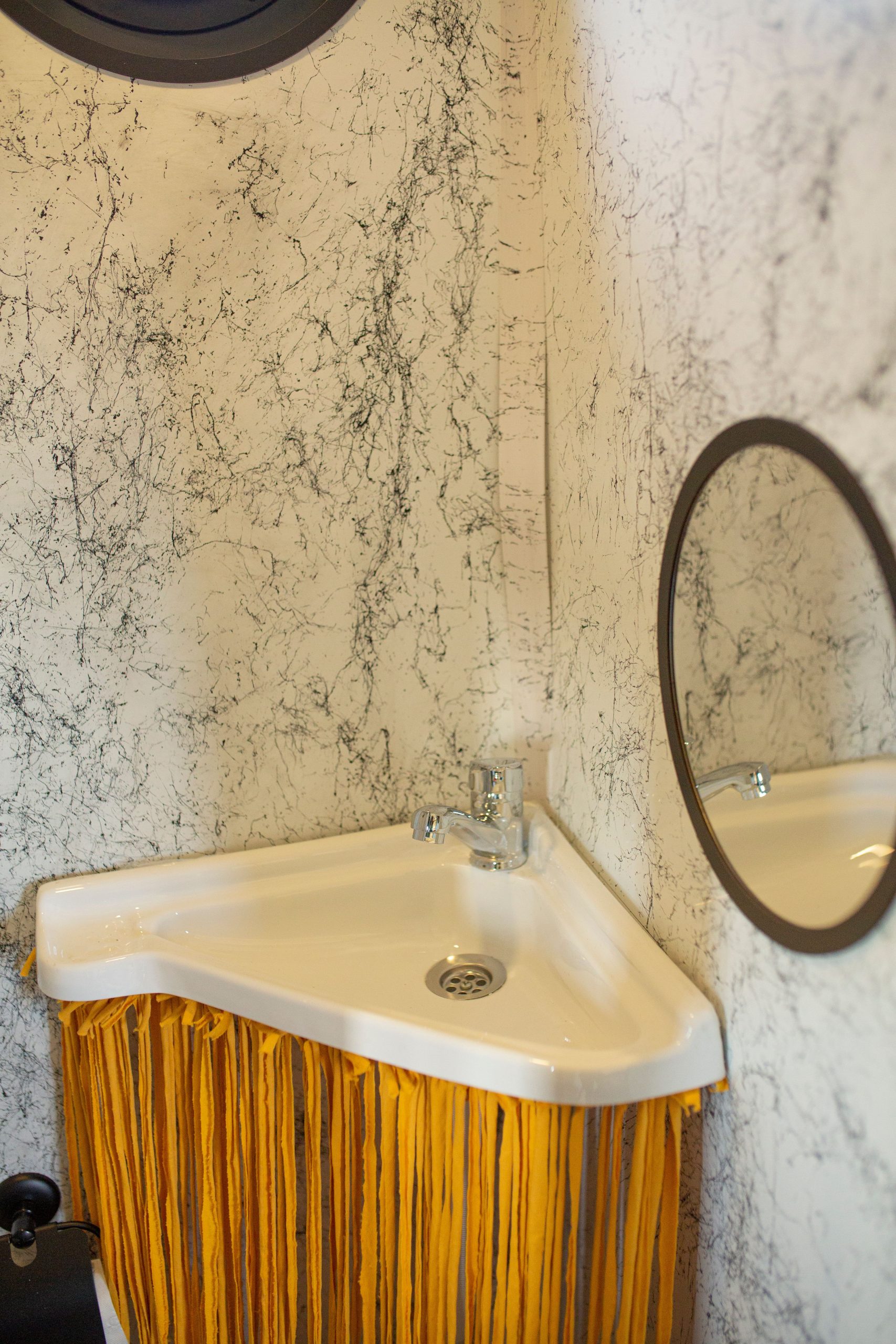
19. Add Whimsy to a Small Bathroom with a Corner Sink Skirt
In a small or unusually shaped space, leaning into quirky, unconventional solutions is often a winning strategy. This corner works because it doesn’t try to hide its function. Instead, it celebrates it with a playful touch. The yellow ribbon “skirt” is an unexpected and low-cost way to conceal plumbing while adding a punch of color and soft texture. It contrasts beautifully with the hard surfaces of the sink and the textured walls, creating a focal point that is both charming and clever. It’s a solution born from necessity that ends up being the most interesting feature.
“Creating a simple sink skirt is a fantastic no-sew DIY project.”
Measure the width of the sink area you want to cover and the desired height (from the sink’s underside to the floor).Purchase a roll of wide, sturdy ribbon (like grosgrain). Cut multiple strips to your desired height.Buy a roll of adhesive-backed Velcro. Stick the “hook” side of the Velcro to the underside of your sink.Attach the “loop” side of the Velcro to the top of each ribbon strip.Simply press the ribbons into place along the underside of the sink. Time estimate: 30 minutes. Material Cost: $20-$40.
20. Combine Natural Patterns and Bold Color for a Vibrant Corner
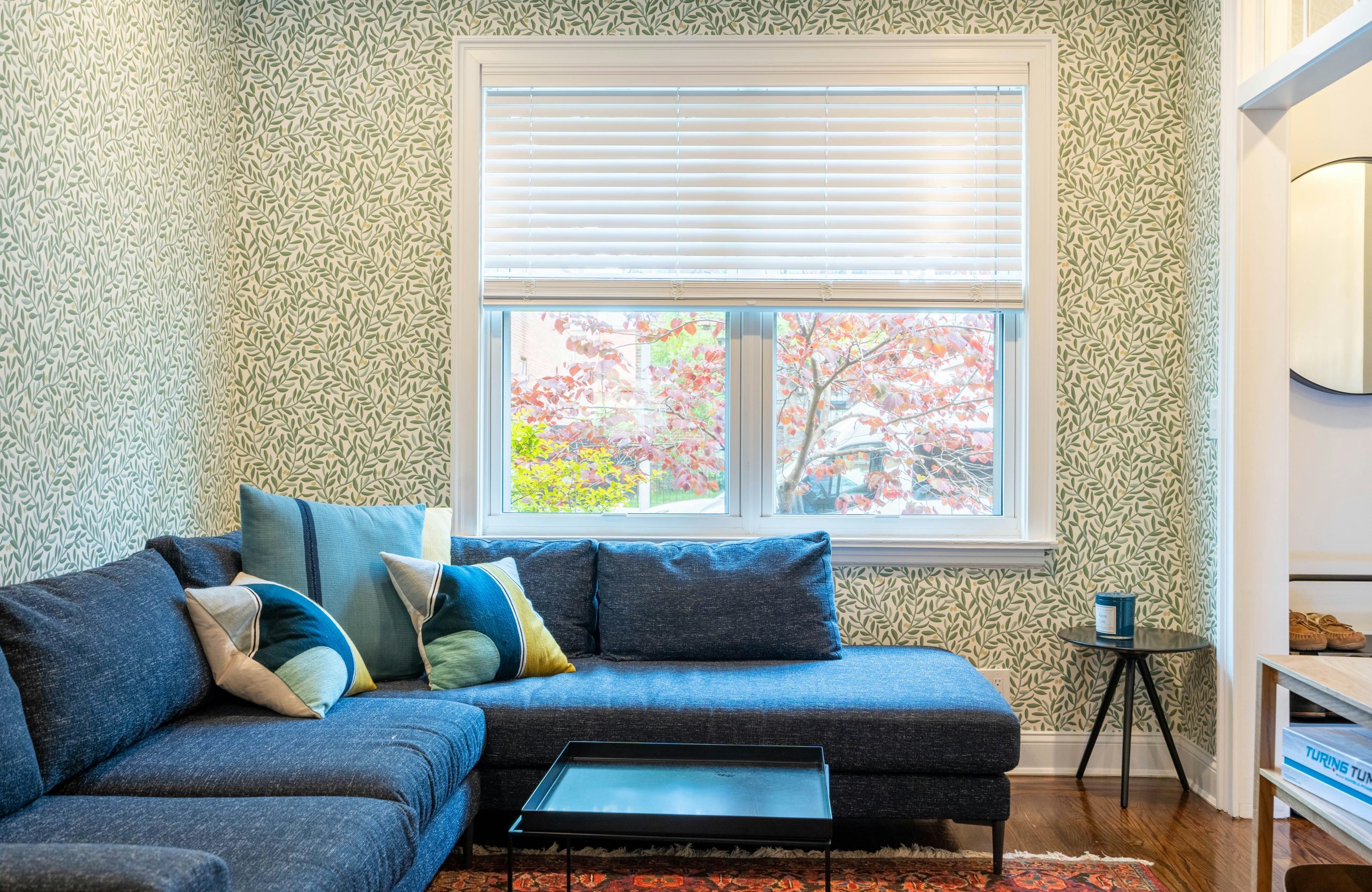
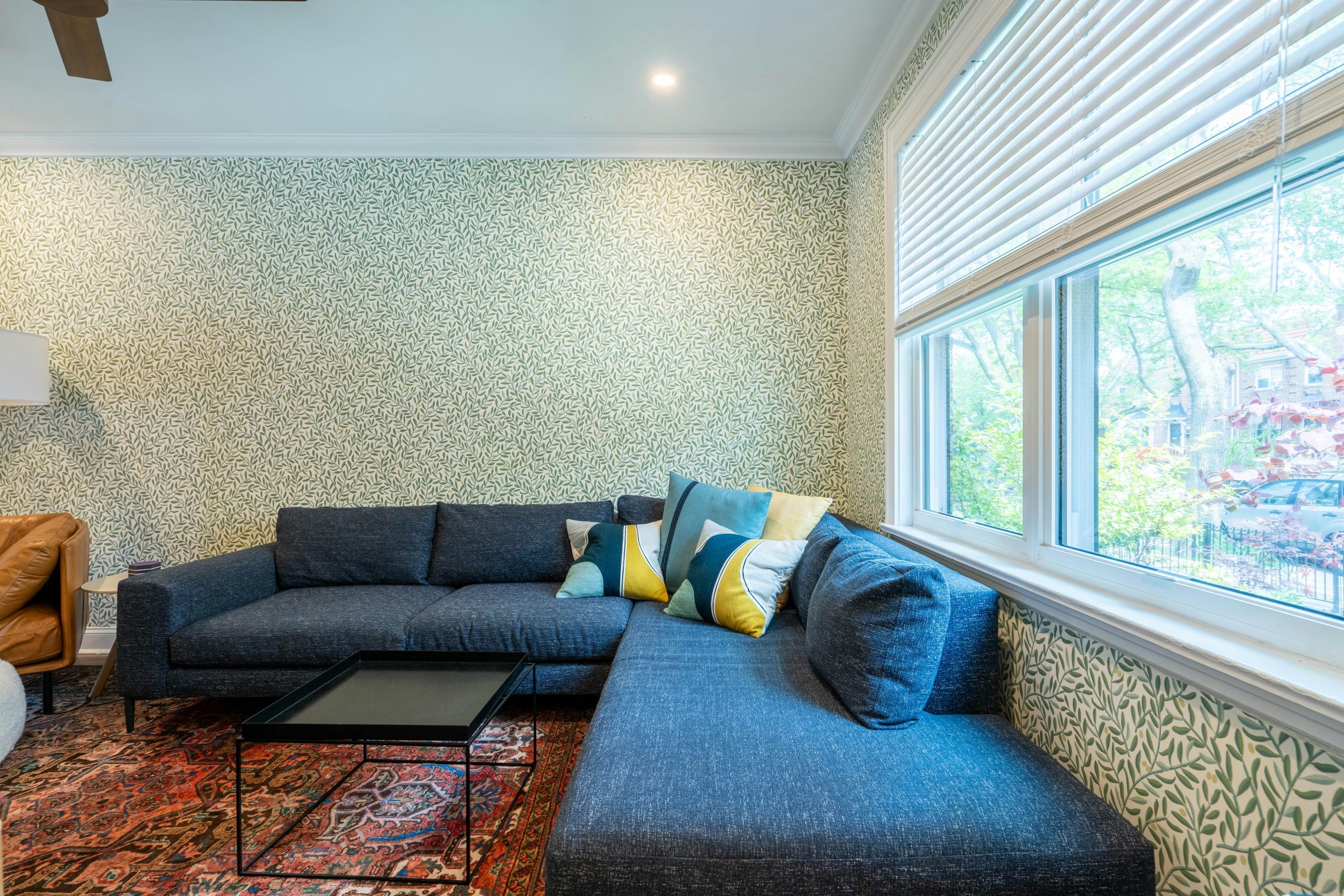
This lively corner gets its energy from a confident mix of pattern and color. The formula is approximately: 50% Dominant Pattern + 40% Solid Anchor Color + 10% Complementary Hues. The dominant pattern is the large-scale green leaf wallpaper, which sets the natural, vibrant tone. The solid anchor color is the deep blue of the sectional sofa, which grounds the space and keeps the pattern from overwhelming it. The complementary hues come from the red patterned rug and the colorful throw pillows, adding layers of warmth and visual interest.
“This is a bolder, more color-saturated version of the corner featured in Idea #6.”
While both use a blue sectional and botanical wallpaper, this version amps up the energy with a high-contrast red rug and brighter pillows. It demonstrates how adjusting just one or two elements can completely shift the mood of a room from quietly cozy to dynamically vibrant, even when the core components are similar.
21. Use a Caged Pendant Light to Anchor a Cozy Nook
The caged pendant light is the crucial element that defines this corner as a distinct “space.” By hanging a light fixture directly over the seating area, you create a visual destination. It draws the eye and establishes this nook as a place with a purpose. It acts like a ceiling-mounted exclamation point, saying, “This spot is important.” Without it, the chair and table would just be furniture in a corner; with it, they become an intentionally designed vignette. The dark metal of the cage also adds a touch of industrial contrast to the soft, warm tones of the room.
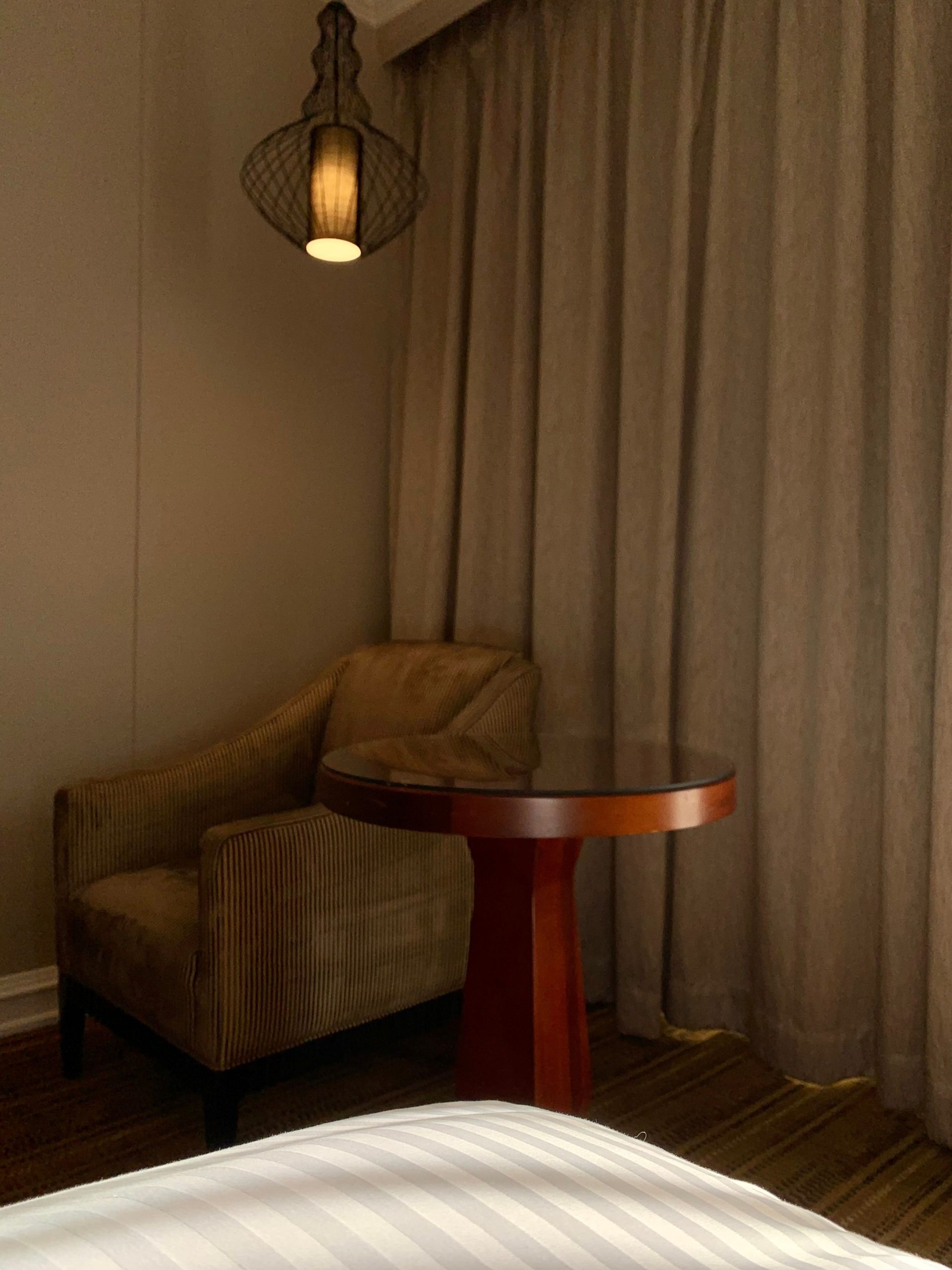
“This idea is incredibly versatile and works well in almost any size room, from a small apartment living area to a spacious master bedroom.”
The key is scaling the pendant light correctly. For a small corner with a single armchair, a pendant with a diameter of 12-18 inches is usually perfect. Make sure to hang it low enough to relate to the furniture—the bottom of the fixture should be about 30-36 inches above the side table, or 7-8 feet from the floor if it’s in a path, to avoid head-bumps.
22. A Modern Interior with a Cozy Chair by a Window
To recreate a serene window-side reading corner, pay close attention to the scale of your chair. It should be substantial enough to feel inviting, but not so large that it overwhelms the window or blocks precious natural light. A good rule of thumb is to choose a chair with a relatively low back if it sits directly in front of a window. A chair with clean lines and neutral upholstery will keep the focus on the view and the light, while a pop of color on a pillow can add personality without competing with the scenery.
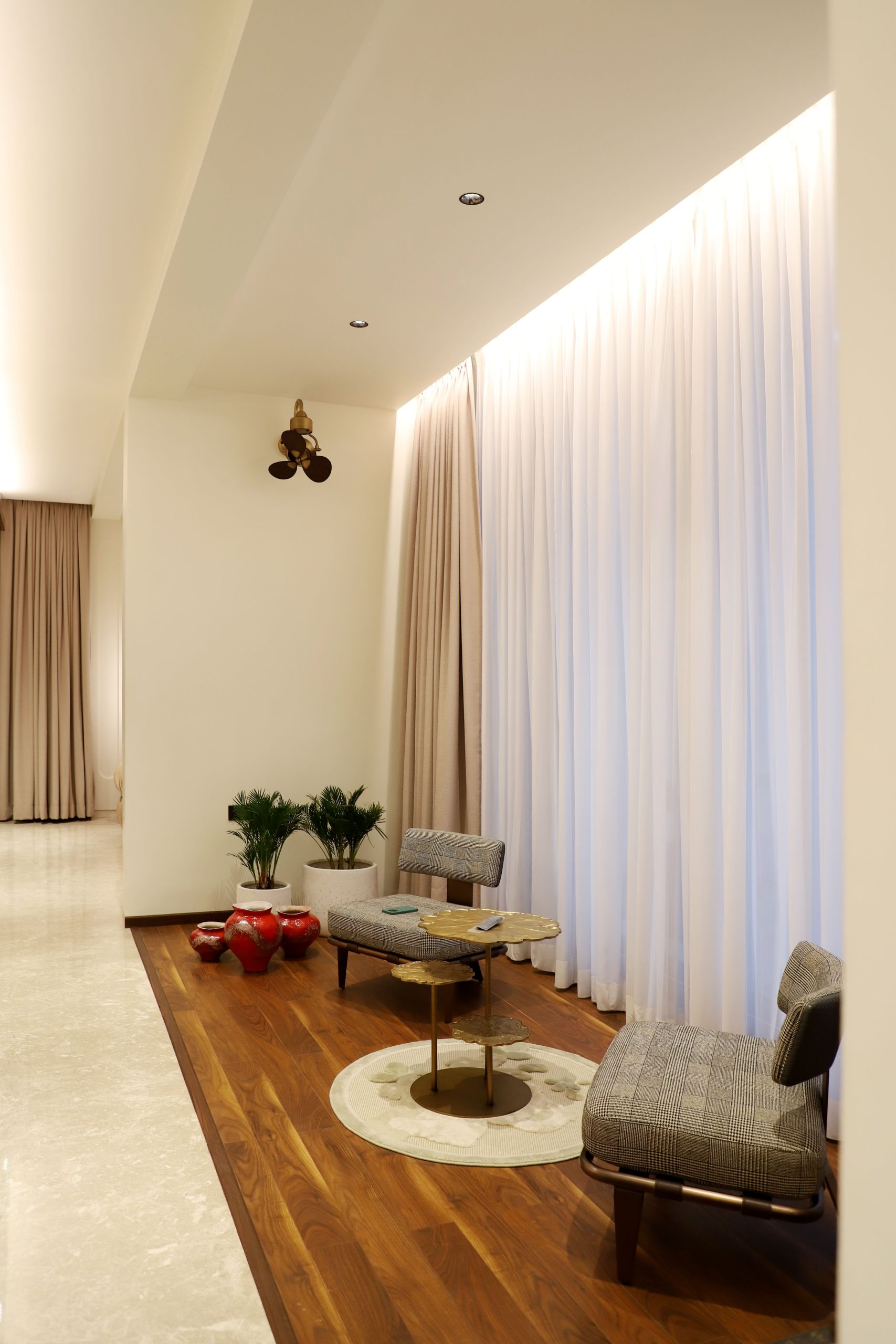
“Placing furniture right next to a window looks beautiful, but be mindful of the practicalities.”
Direct sunlight, even through a modern window, can cause upholstery fabric to fade significantly over time. This is especially true for natural fibers like cotton and linen, and for dark or vibrant colors. If you plan to place a favorite chair in a sunny spot, consider rotating it periodically, using a throw blanket to cover the most exposed areas, or investing in window films that block UV rays to protect your furniture investment.
23. Define a Sophisticated Lounge Area with a Raised Floor
This corner design feels so luxurious because it uses a change in floor level and material to create a distinct “room within a room.” The raised platform, finished in a rich brown wood, separates the lounge area from the main walkway, making it feel like an exclusive destination. This architectural choice elevates the entire space, turning a simple corner into a sophisticated and intentionally designed lounge. The low-profile chairs and golden coffee table further enhance the chic, intimate atmosphere. It’s a masterclass in using architectural details for visual separation.
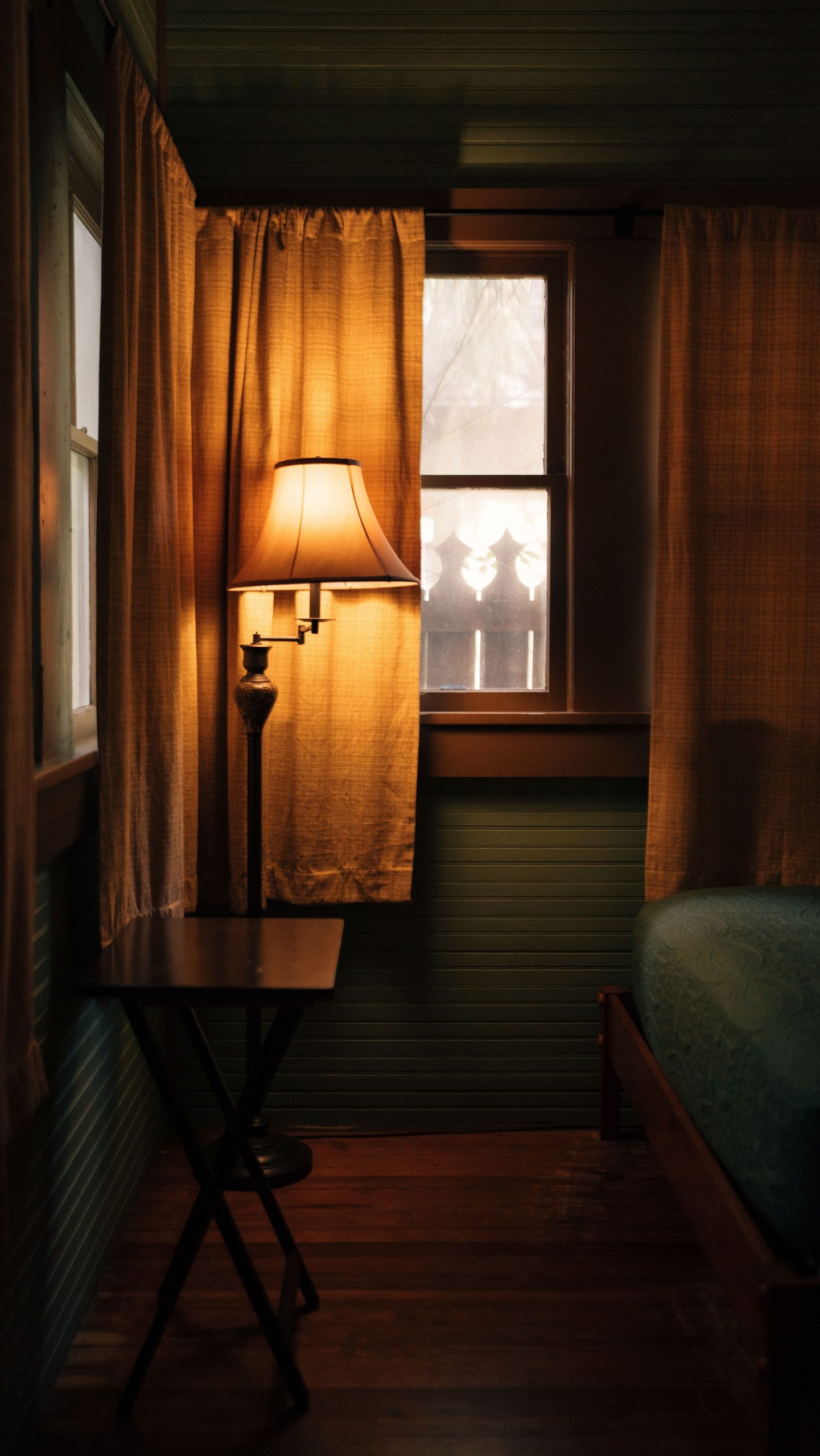
“Building a raised platform is a significant renovation.”
Before you start, consider these points:Check your ceiling height. You need adequate headroom (ideally 7 feet or more) on top of the platform. A standard 6-8 inch platform is usually sufficient.Think about the transition. How will the step up or down feel in the flow of your home? Ensure it isn’t a tripping hazard.Electrical planning is key. Do you need outlets on the platform? Plan for wiring before you build.Confirm your budget. A custom-built platform is a construction project, not just a decorating one, and the cost will reflect that.
24. Create an Intimate Reading Nook with Deep, Moody Hues
The single element that gives this corner its powerful, cozy atmosphere is the deep teal/green wood paneling. This bold color choice envelops the space, creating a sense of enclosure and intimacy that you could never achieve with a light, neutral paint. It absorbs light rather than reflecting it, which makes the warm glow from the floor lamp feel even more pronounced and inviting. This is what transforms the corner from just a space to a mood. It’s a choice that is dramatic, confident, and deeply comforting.
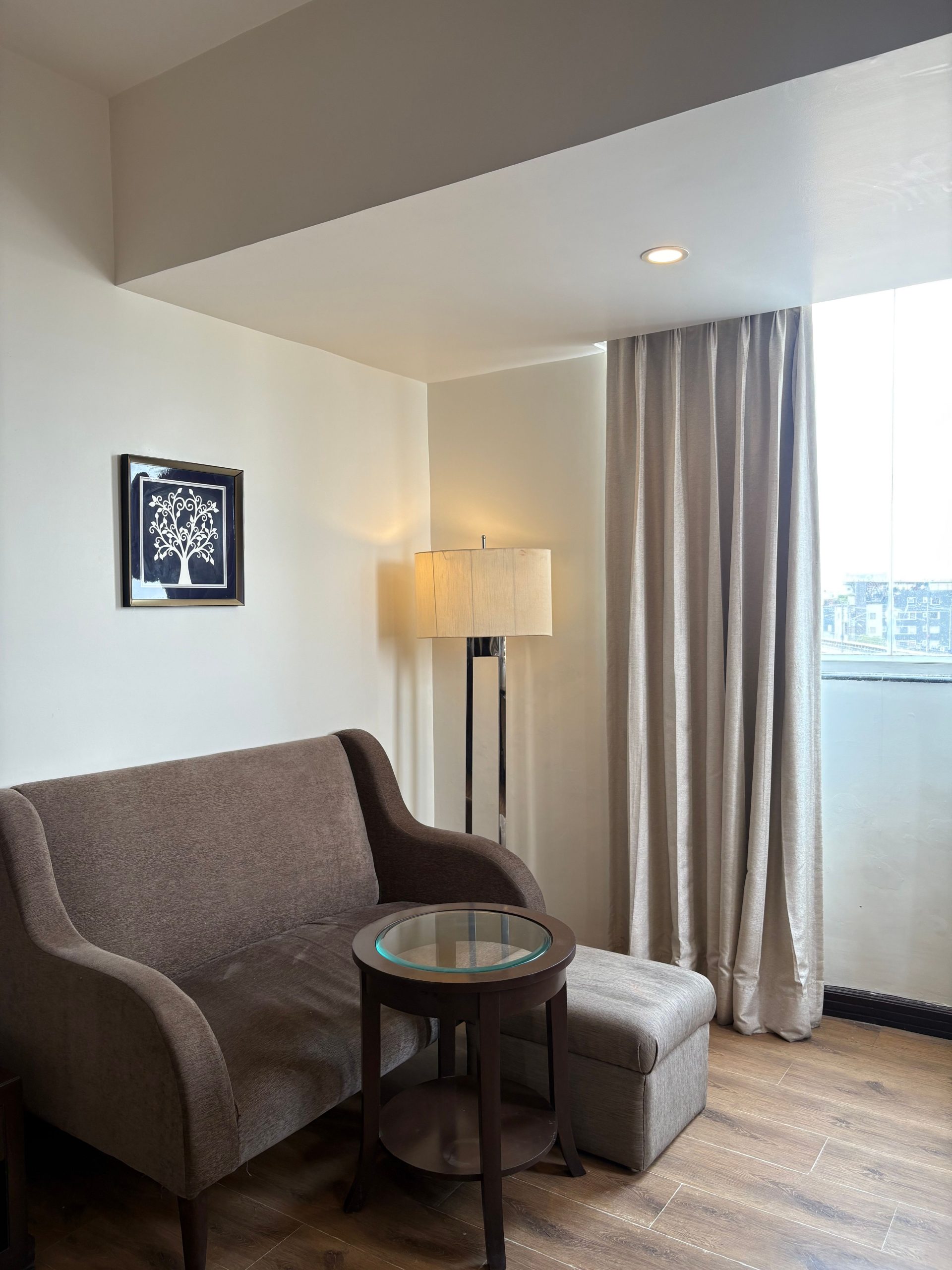
“When working with dark, saturated wall colors, lighting is everything.”
You must have a dedicated light source within the nook to prevent it from feeling like a black hole. A floor lamp that casts a warm, downward-focused glow (around 2700K-3000K) is perfect. It will illuminate the immediate area for reading and create a beautiful, dramatic contrast with the dark walls, highlighting their rich color instead of letting them recede into shadow. The goal is moody, not gloomy.
25. Balance a Neutral Sofa with a Striking Tree Artwork
This corner achieves a perfect balance between comfort and visual interest. The brown sofa and light-colored curtains create a soft, neutral foundation that feels calm and inviting. However, it’s the artwork that prevents the space from feeling boring. The high-contrast image of white trees against a dark background is a powerful focal point that adds drama and a touch of nature. The round side table and rectangular lamp shade echo the shapes within the art and sofa, creating a cohesive and thoughtfully composed vignette.
“This arrangement is exceptionally well-suited for apartments or living rooms where the corner is a primary seating area.”
To make this work, the sofa should have a bit of breathing room. Don’t shove it tightly into the corner. Pull it out 3-4 inches from each wall. The artwork should be scaled to the sofa, about two-thirds the width of the sofa section it hangs over. For a larger sofa, you might consider a diptych (two panels) to achieve the right scale without investing in one enormous, expensive piece.
26. Create a Playful Nook with a Terrazzo-Style Accent Wall
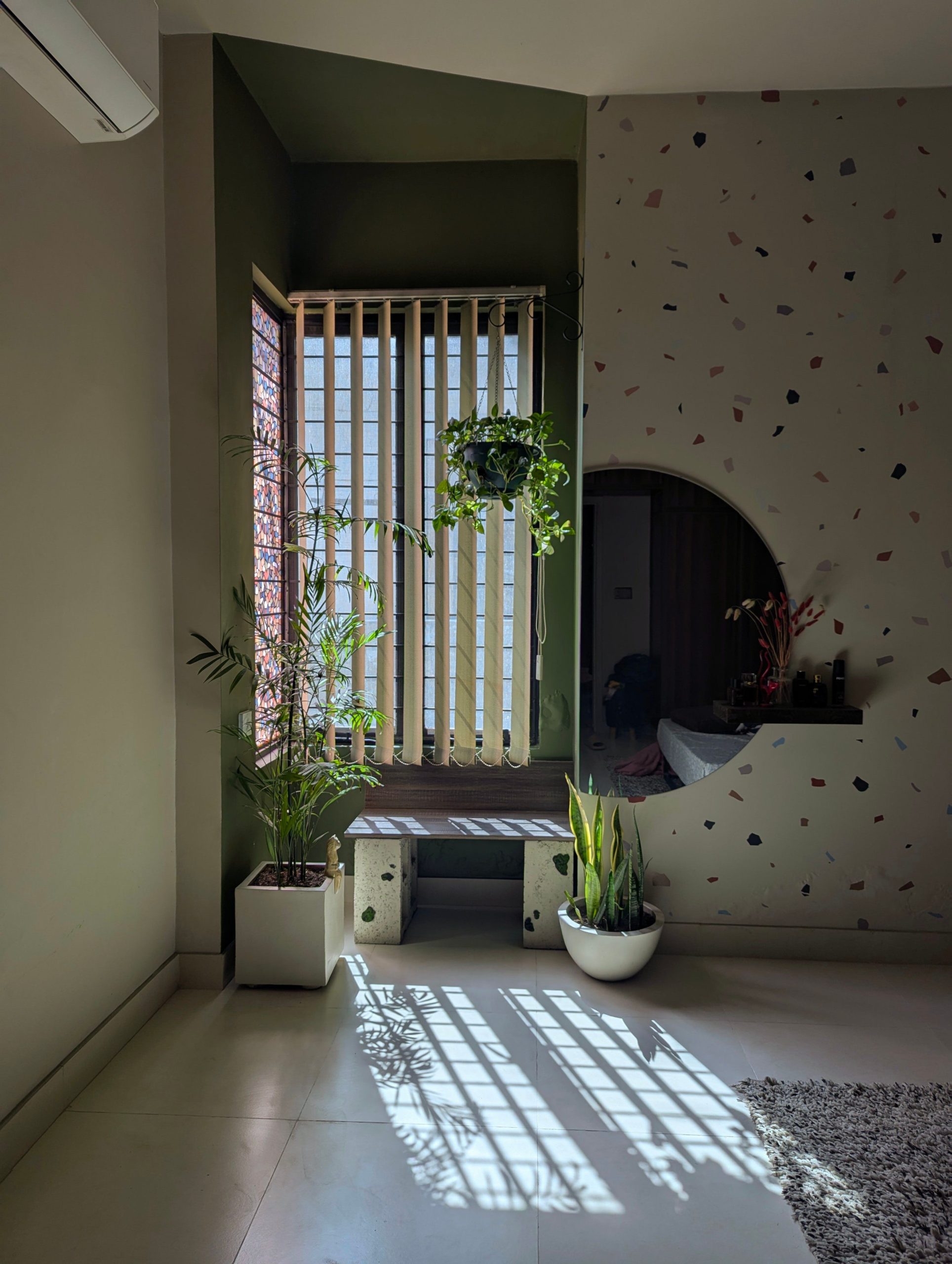
Terrazzo and terrazzo-inspired patterns are having a major comeback, and this corner shows why. It’s a fantastic way to introduce color and pattern in a way that feels more organic and less structured than traditional wallpaper. The random, confetti-like spread of colors against a neutral background is playful and visually engaging. It taps into the current trend of using authentic, textural materials (or convincing lookalikes) to add personality and a touch of artistic flair to minimalist spaces. It feels both fun and sophisticated.
“You can create a similar terrazzo-look accent wall yourself with paint!”
Start with a neutral base coat (like the light beige here). Let it dry completely.Choose 3-5 accent colors. Pour a small amount of each onto a paper plate.Use a small, stiff-bristled brush or a sea sponge to dab irregular, blob-like shapes onto the wall. Vary the size and spacing for a random, natural look.Overlap some of the shapes slightly.Step back frequently to assess the overall pattern. Add smaller “chips” of color to fill in any sparse areas. Time estimate: 2-3 hours. Material Cost: $50-$100.
27. Maximize a Bedroom Corner with a Mirrored Wardrobe and Vanity
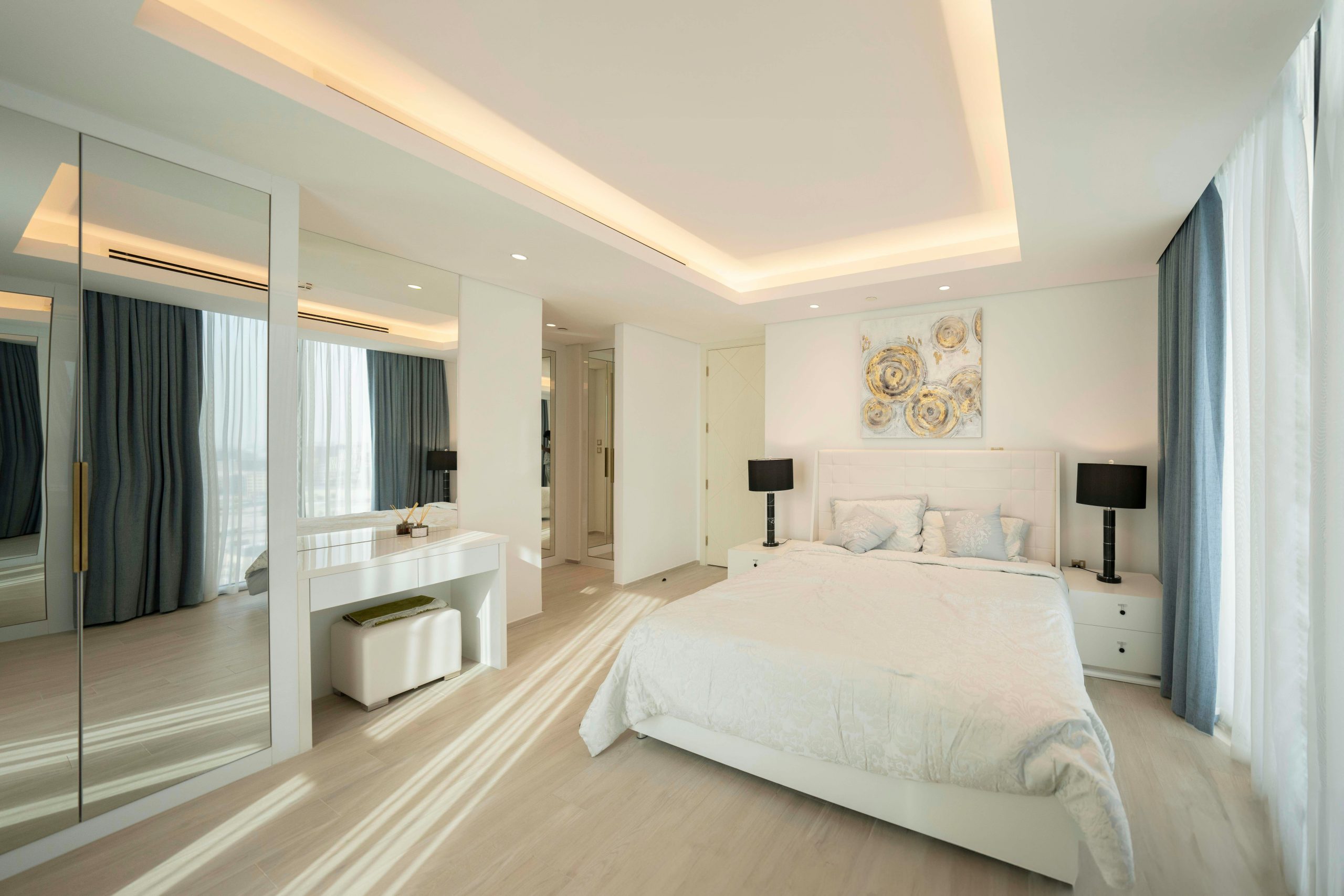
This corner is a triunph of functional design, making a single space work three times as hard. The mirrored wardrobe doors are the key; they visually erase the bulk of a large storage unit, making the room feel larger and brighter by reflecting light and space. The glossy white vanity table continues this light-reflecting strategy, while the hidden cove lighting adds a soft, ambient glow that feels luxurious. It’s a smart combination of reflective surfaces, functional storage, and layered lighting that creates a corner that is both practical and glamorous.
“Mirrored and glossy white surfaces are the undisputed champions of showing every single fingerprint, speck of dust, and makeup smudge.”
To keep this corner looking sleek and clean, you’ll need to commit to a regular cleaning routine. Keep a microfiber cloth and a gentle glass cleaner handy for daily touch-ups on the wardrobe doors and vanity top. While stunning, this is a high-maintenance choice best suited for someone who doesn’t mind a frequent wipe-down to maintain the pristine look.
28. Carve Out a Simple Home Office Nook with a Great Chair
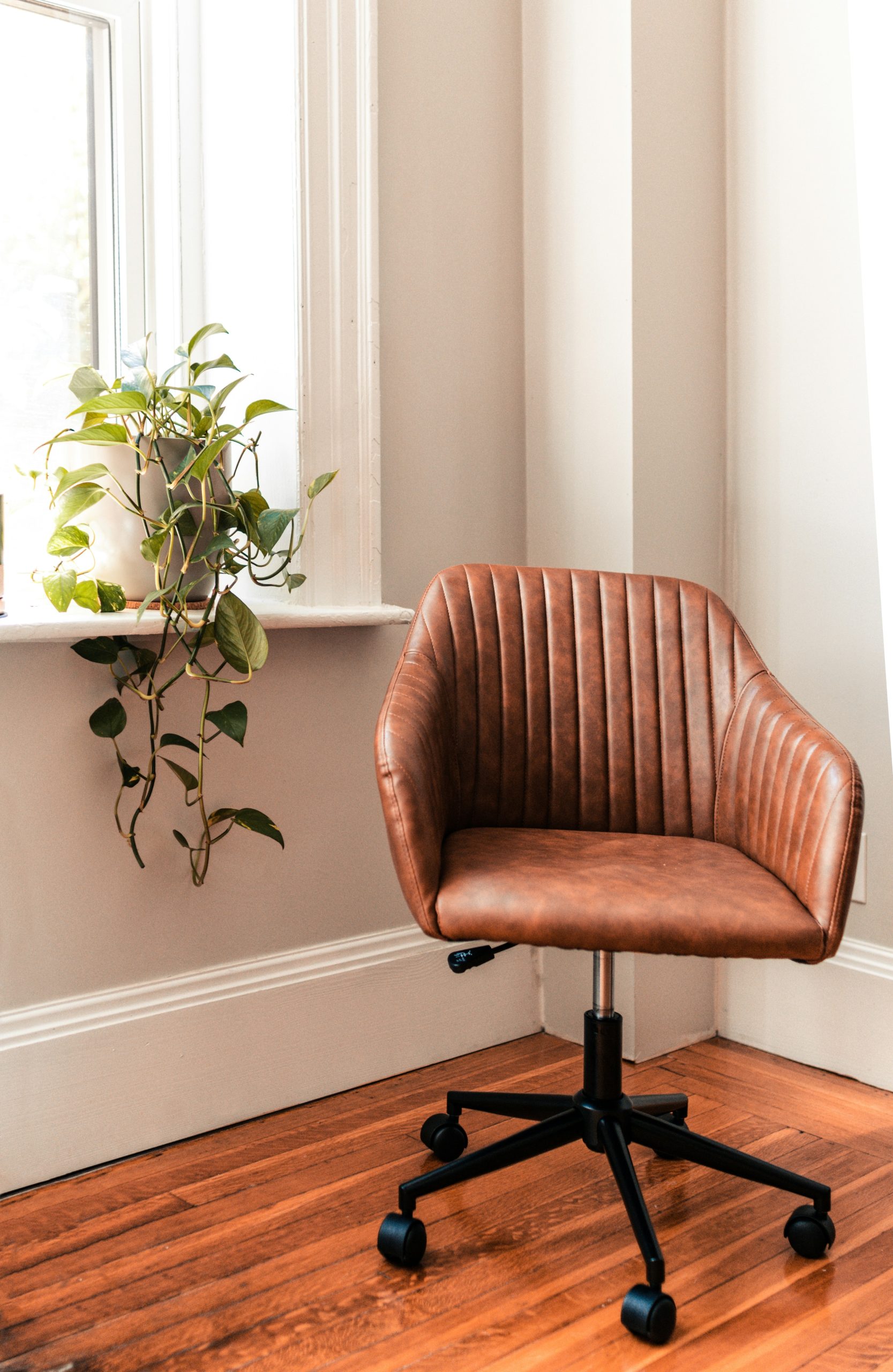
that elevates this corner from just an empty space to a designated “home office” is the chair. It’s a statement of intent. The rich brown leather and ribbed design signal that this is a place for work and focus, even without a traditional desk. By choosing a high-quality, ergonomically designed office chair instead of a simple stool or accent chair, the corner gains a clear purpose and a touch of professional polish. The chair itself defines the function of the space. Compare this to the reading nook in Idea #16, where the chair signals relaxation.
“A classic ribbed leather office chair can cost upwards of $500, but you can achieve this polished look for less.”
Look for faux leather or “vegan leather” alternatives from online retailers like Wayfair or Amazon, which often have similar styles for $150-$250. Don’t forget to check office supply stores like Staples or Office Depot, which have frequent sales. For the plant, a durable pothos or philodendron is an inexpensive and fast-growing option that will quickly provide that lush, trailing vine look.
29. Achieve Serenity with Recessed Lighting and Minimal Wall Art
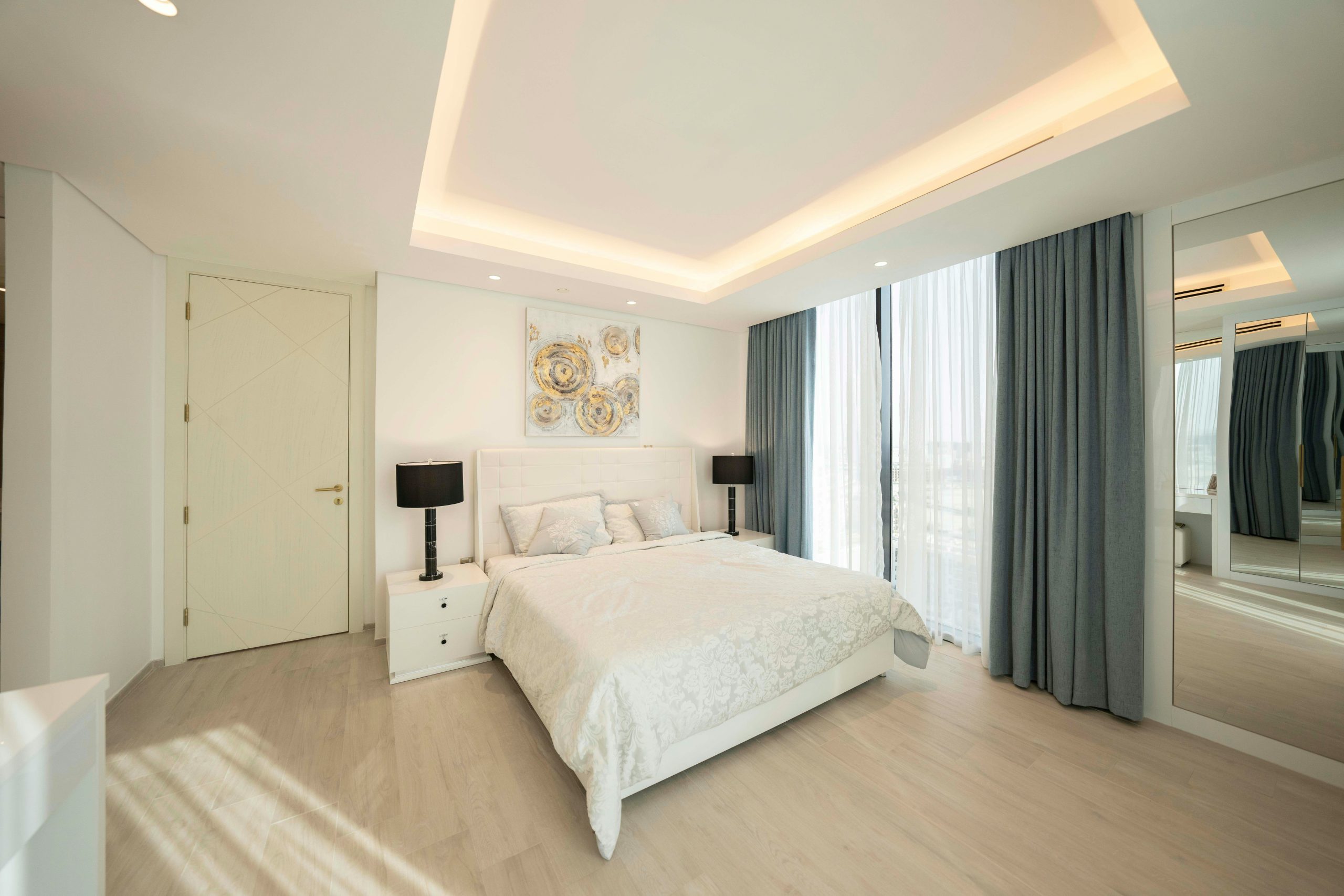
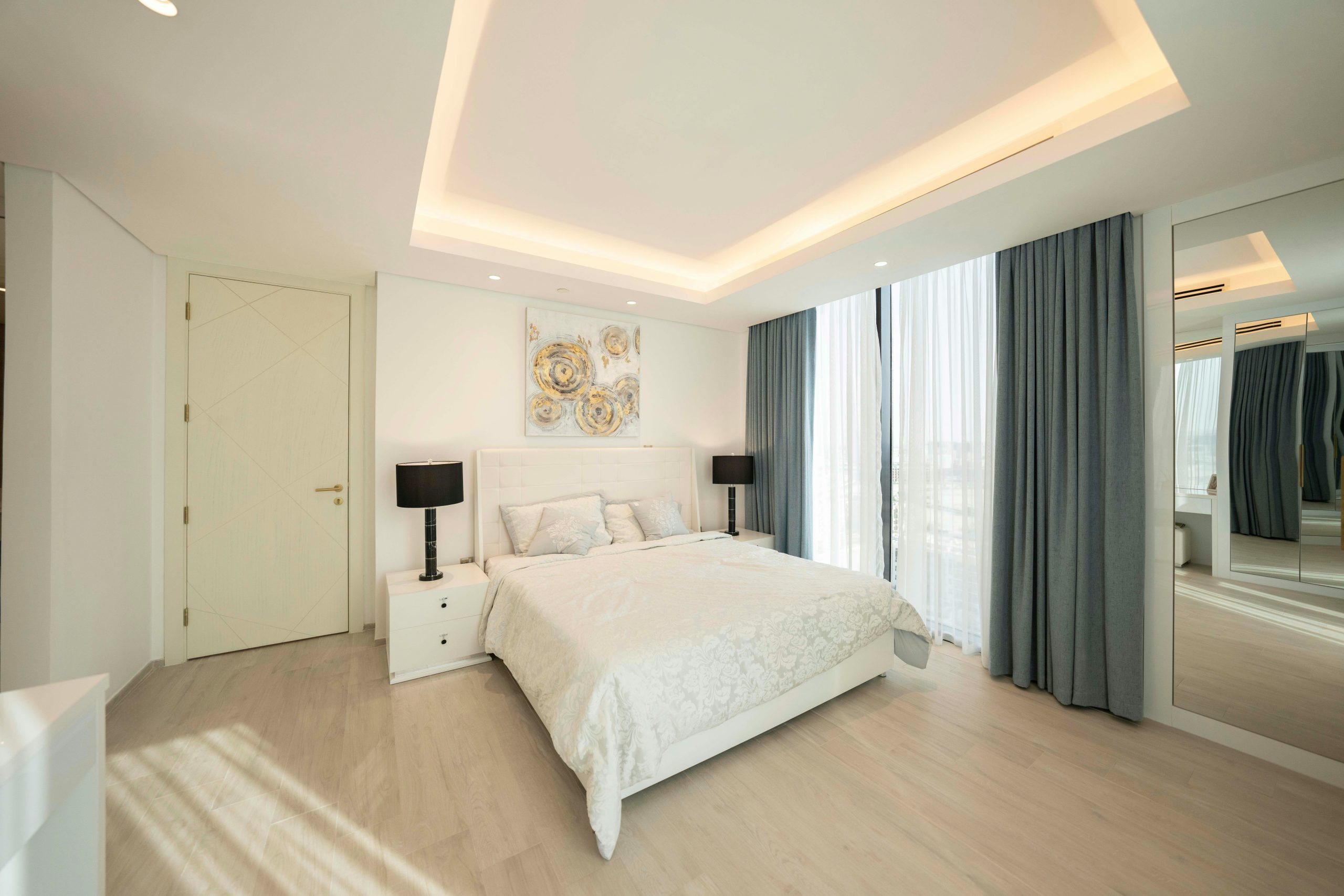
For a truly seamless and modern look, consider cove lighting, as seen here. This is where rope or strip lights are hidden inside a recess or ledge in the ceiling. The light bounces off the ceiling and washes down the walls, creating a soft, even glow without any visible fixtures or hot spots. It provides ambient light that feels incredibly high-end and serene. Ask your electrician about installing a dimmable LED strip light in a simple cove for the ultimate mood-setting feature in a bedroom.
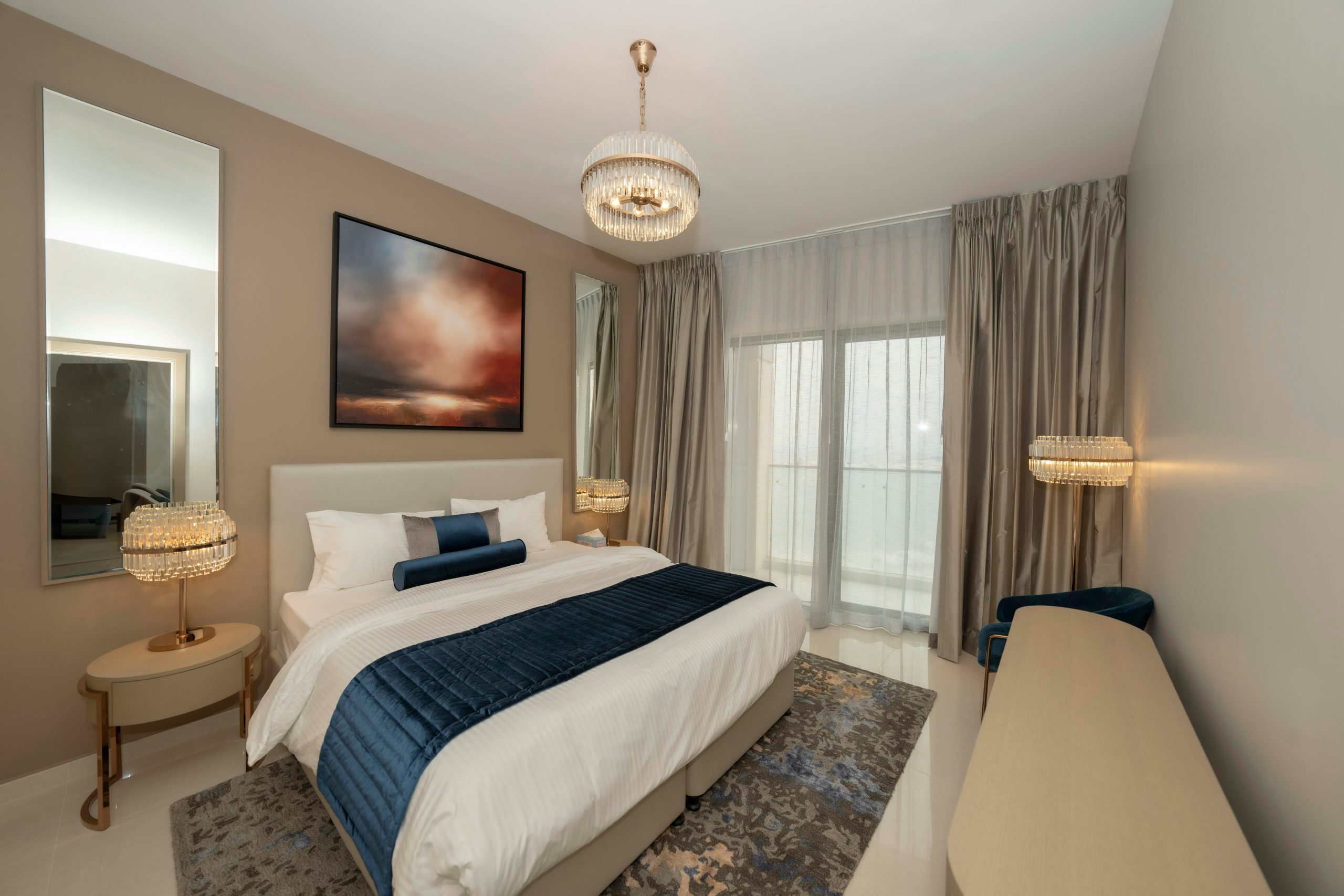
“This corner feels so calming because of its strict adherence to a minimal, cohesive palette and clean lines.”
The beauty is in what isn’t there: no clutter, no jarring colors, no complex patterns. The light wood floor, white walls, and white bedding create a peaceful, unified envelope. The black lamps and the gold in the artwork are used as deliberate, sparing accents that add a touch of graphic punch and sophistication without disrupting the overall tranquility. The recessed lighting enhances this effect by providing a soft glow without adding visual clutter.
30. Balance a Shared Bedroom with Symmetrical Accent Chairs
that brings a sense of order and luxury to this shared bedroom is the pair of identical teal chairs. In a room with multiple beds and pieces of art, a matched set of accent furniture creates a powerful point of stability and cohesion. Using a single, different chair might have looked like an afterthought. Using two identical chairs, however, feels deliberate, balanced, and upscale. It carves out a distinct, purposeful seating area and reinforces the room’s symmetrical layout, making it feel more organized and serene.
“A dedicated seating area with two chairs works best in a twin bedroom that is at least 12 by 14 feet.”
This allows for standard twin beds, a central walkway, and a designated corner space of at least 6 by 4 feet for the chairs without feeling cramped. For smaller rooms, a single accent chair, as seen in Idea #28, is a more space-efficient choice. The key is ensuring at least 30 inches of clear walkway space around the main furniture elements to maintain comfortable flow.
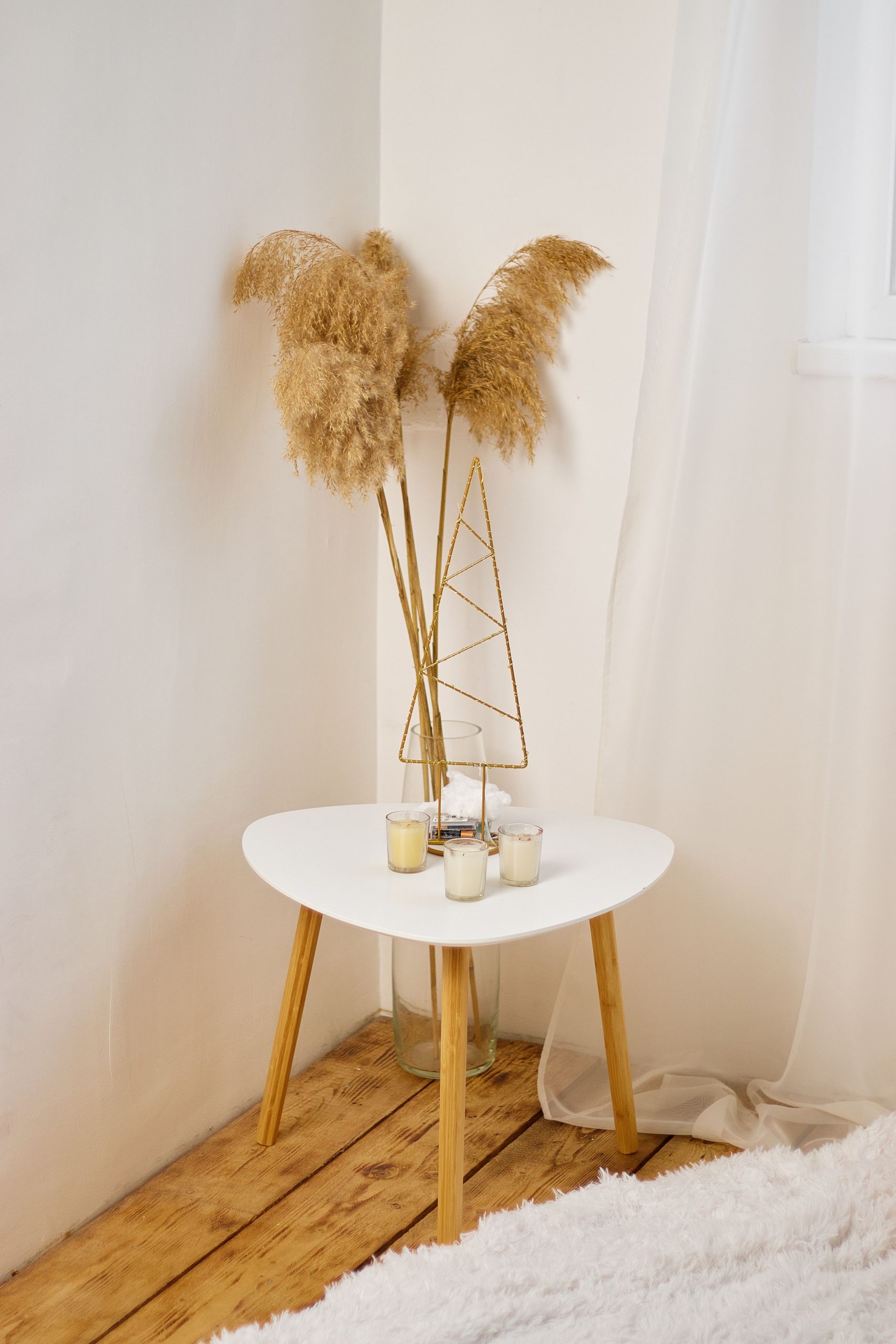
31. Style a Soft, Neutral Corner with Pampas Grass and Candles
This corner is a masterclass in tone-on-tone decorating. It works because it relies on texture, not color, to create interest. You have the fluffy, feathery plumes of the pampas grass, the smooth matte surface of the table, the soft glow of the candles, the glossy wire of the sculpture, and the deep pile of the shag rug. All of these elements are within the same neutral palette of white, cream, and beige, but their varied textures create a rich, layered look that feels incredibly soft, cozy, and sophisticated. It’s proof that you don’t need bright colors to make a statement.
“This light and airy look is very budget-friendly to assemble.”
Dried pampas grass can be purchased from online sellers on Etsy or even Amazon for $20-$40. The small side table is a classic find at stores like IKEA or Target for under $50. Votive candles and simple glass holders are available at any craft or dollar store for just a few dollars. The shag rug is the biggest variable, but a small 3’x5′ version can often be found for under $75. It’s an accessible look that feels much more expensive than it is.
From Awkward Corner to Favorite Nook
That awkward, empty corner doesn’t have to be a source of frustration. As these 31 ideas show, it’s an opportunity to add personality, function, and style to your home. Whether you need a quiet reading spot, a bit of extra storage, or just a beautiful moment, the perfect solution is waiting. Now go turn that forgotten space into your new favorite nook. And don’t forget to save your favorites to your Pinterest board for when inspiration strikes!