You know that feeling when you finally find the bedroom curtain idea that looks exactly right for your space? It can completely change the feel of a room, but getting there often means endless scrolling. After filtering through hundreds of options across direct-to-consumer brands and major retailers like Target and IKEA, we narrowed it down to the looks that actually deliver. This guide is packed with 33 curated ideas covering everything from moody and dramatic to light and airy aesthetics. For 2026, it’s all about creating a personal sanctuary, and the right curtains are a huge part of that cozy, layered feel we’re all craving. 📌 Save this to Pinterest for later — you’ll want to revisit these ideas.
This post may contain affiliate links. As an Amazon Associate, we earn from qualifying purchases at no extra cost to you.
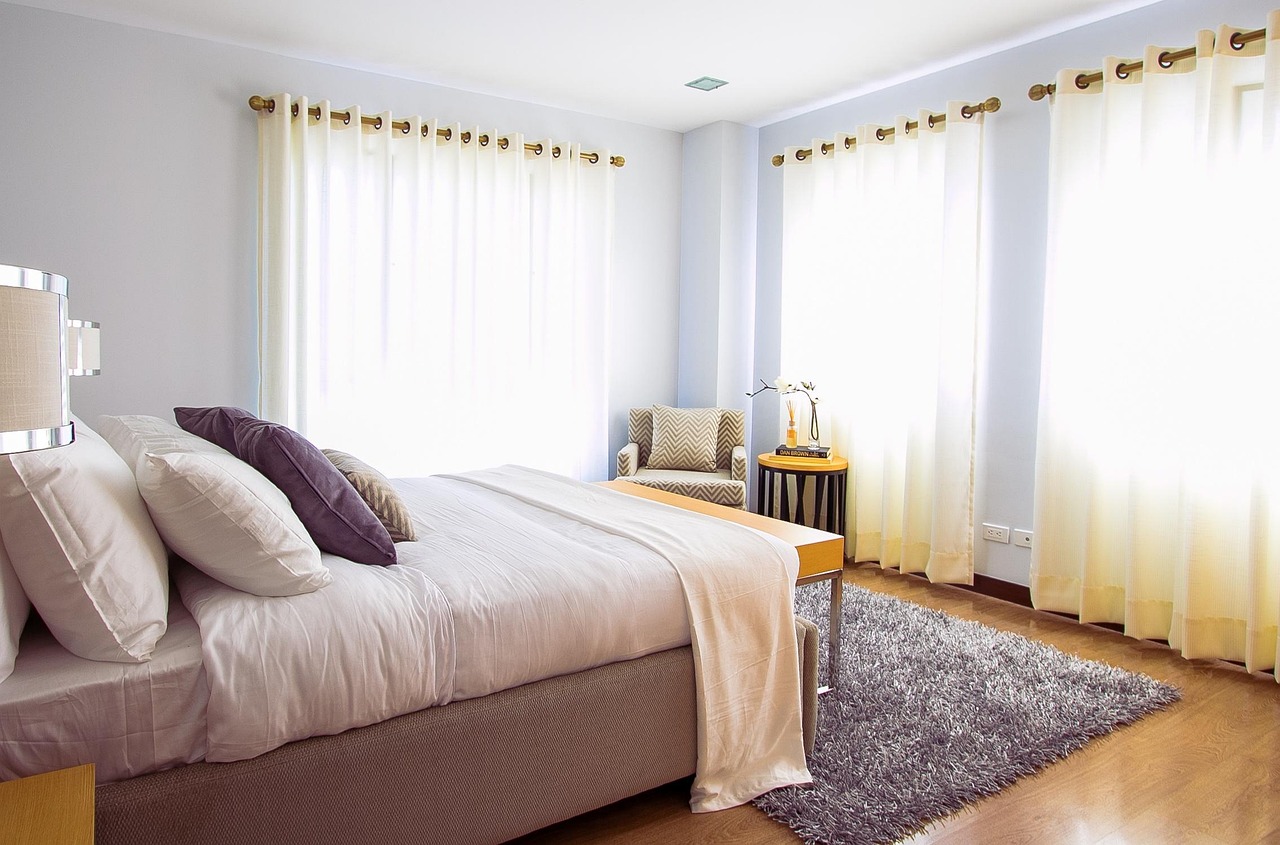
1. Sheer Grommet Curtains on Light Blue Walls
There’s a beautiful harmony in how the sheer cream curtains interact with the light blue walls. The combination feels fresh and modern, thanks to the crisp gold grommets and thin metal rod. This pairing works because of the contrast in temperature—the warm cream and gold against the cool blue creates a look that is both inviting and serene. The light-filtering quality of the sheers ensures the room feels bright and airy, not stuffy, while the shaggy rug adds a layer of can’t-get-out-of-bed coziness.
|
$13.24
|
$13.99
|
$299.99
|
$44.00
|


“For windows that are close together like this, use one single, long curtain rod instead of multiple short ones.”
Measure the total width of all windows plus the space between them, then add at least 10-12 inches to each side. This allows the curtain panels to stack back completely off the glass when open, maximizing natural light and making the window arrangement look intentional and grander than it is. It visually unites the wall.
2. Patterned Curtains by a Cozy Brick Fireplace
that truly makes this room sing is the bold pattern on the curtains. In a space defined by strong textures like the vertical slat walls and the rustic brick fireplace, a simple, solid curtain would have been lost. Instead, the intricate blue and white pattern adds a necessary layer of visual detail. It breaks up the solid blocks of color and texture, connecting the blue accents in the room and adding a touch of classic charm that keeps the rustic elements from feeling too heavy.
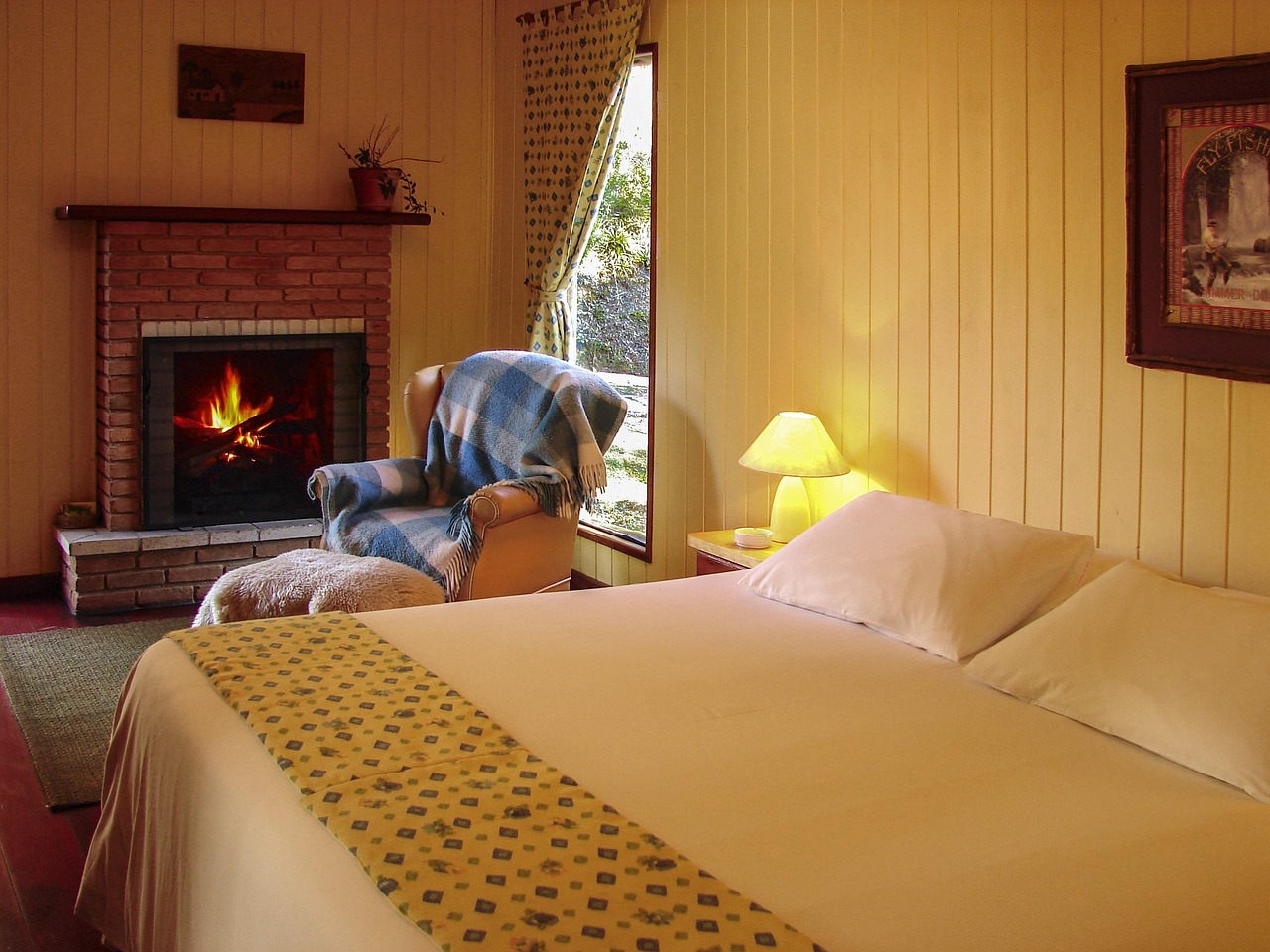
“A working fireplace in the bedroom is the absolute dream for cozy vibes, but it comes with practical considerations.”
Ensure your curtains, rugs, and any upholstered furniture are a safe distance from the fireplace opening to prevent fire hazards. You’ll also need to account for more frequent cleaning, as soot and dust can accumulate on textiles, especially lighter-colored fabrics like the white linens and patterned curtains shown here.
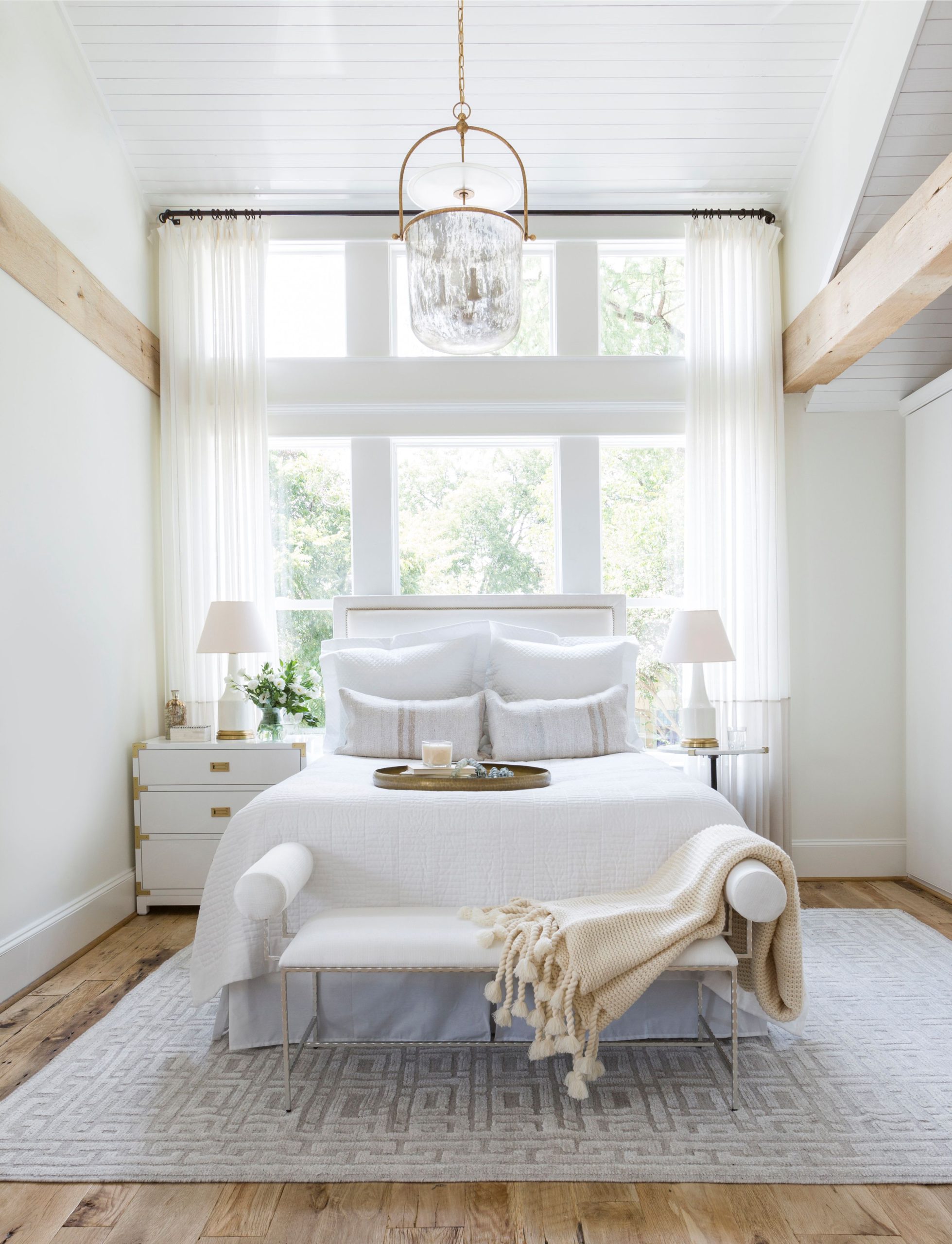
3. Floor-to-Ceiling Sheer White Curtains on a Dark Rod
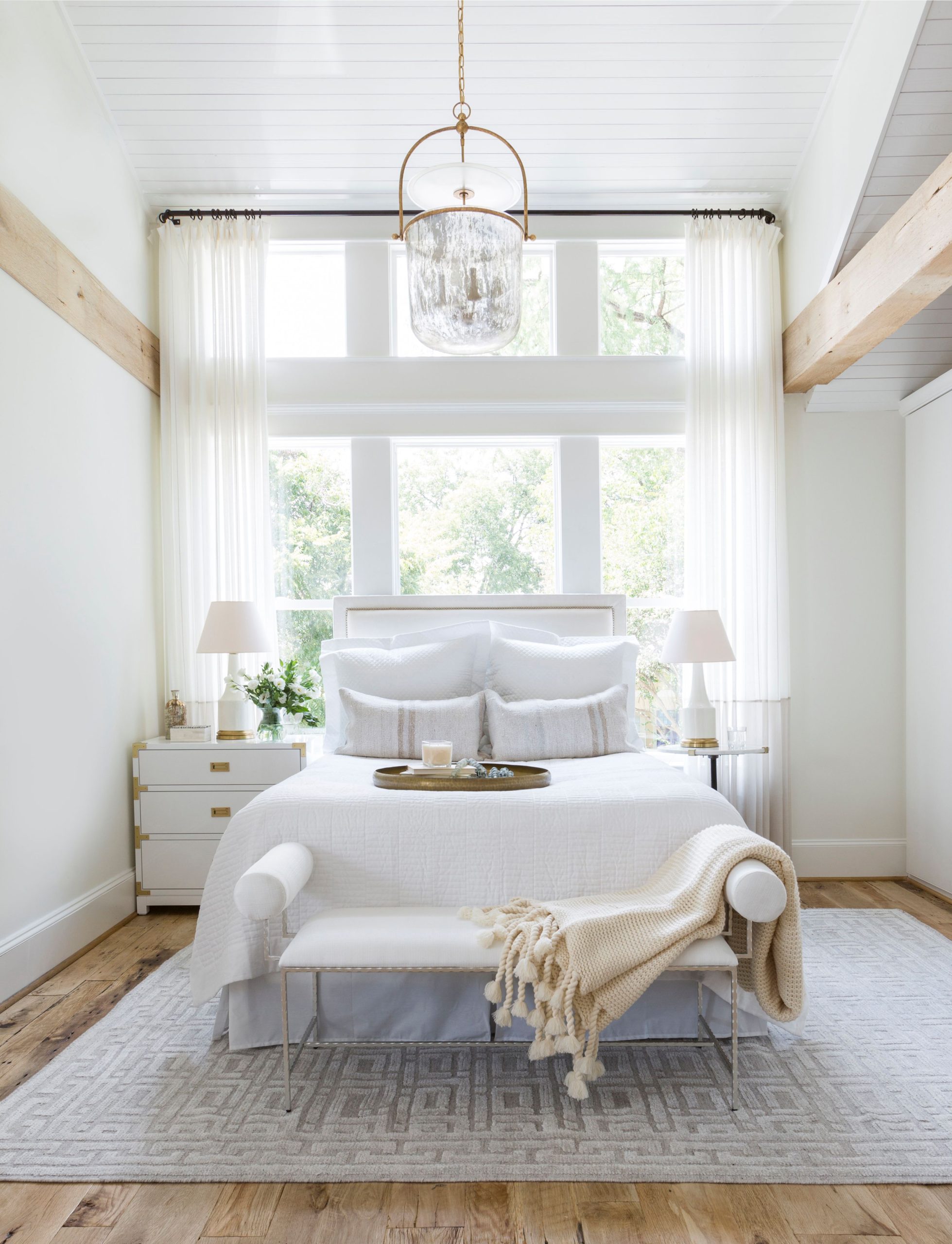
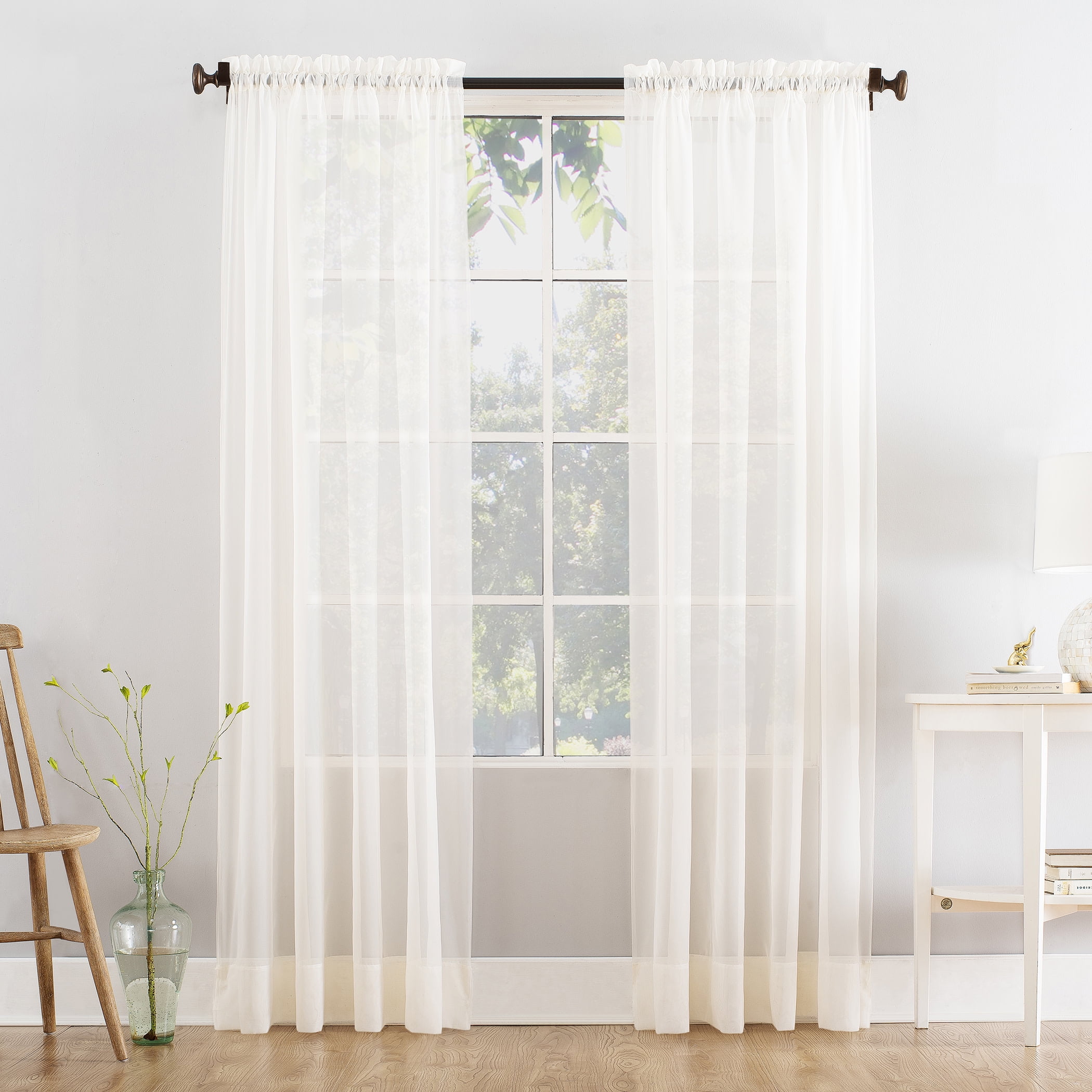
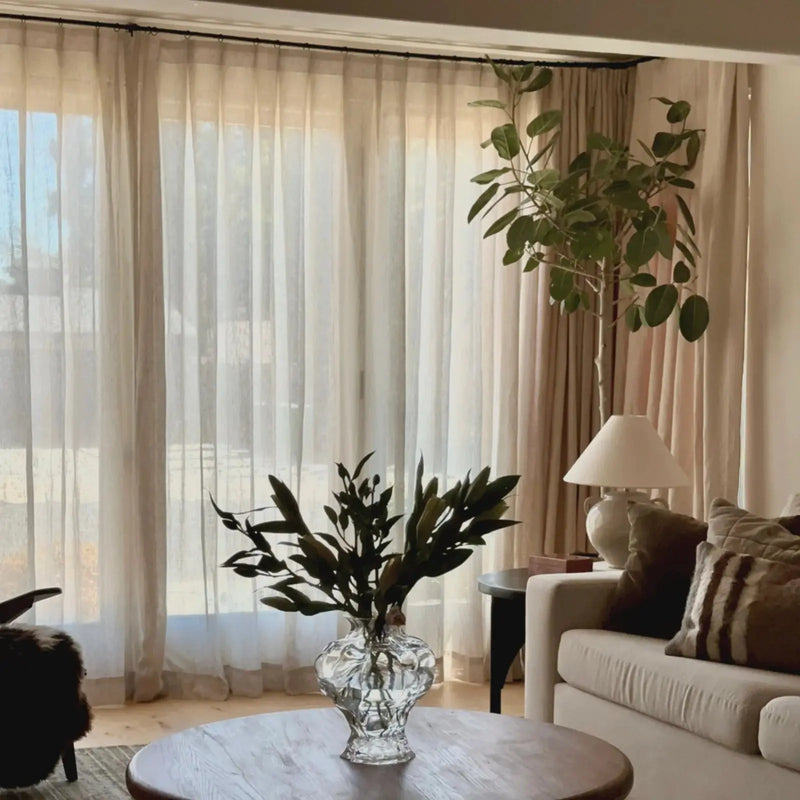
This look achieves its drama through height and simplicity. Going floor-to-ceiling with sheer curtains is a fantastic way to make a room feel taller and more elegant. The dark rod provides a strong horizontal line that defines the top of the window wall, adding a touch of graphic contrast without overwhelming the softness of the fabric.
|
$143.59
|
$2,089.99
|
$8.76
|
$225.67
|
“Curtain Panels (Sheer, 2): $80 – $200
Curtain Rod & Hardware (Extra Wide): $”
- Curtain Panels (Sheer, 2): $80 – $200
- Curtain Rod & Hardware (Extra Wide): $70 – $150
- Curtain Rings: $20 – $40
- TOTAL: $170 – $390
- Budget alternative: Get a similar airy vibe with IKEA’s HILJA or LILL curtains and a simple black FISKBO rod for under $75.
This floor-to-ceiling treatment works best with ceiling heights of 9 feet or more. It’s especially effective for rooms with large window units or walls that are at least 10 feet wide. For standard 8-foot ceilings, you can still get a similar effect by mounting the rod as close to the ceiling as possible—at least 6-8 inches above the window frame—to create the illusion of height. For a budget-friendly version, check out Idea #32’s use of a recessed track.
4. Brown Curtain Panel Layered Over White Blinds
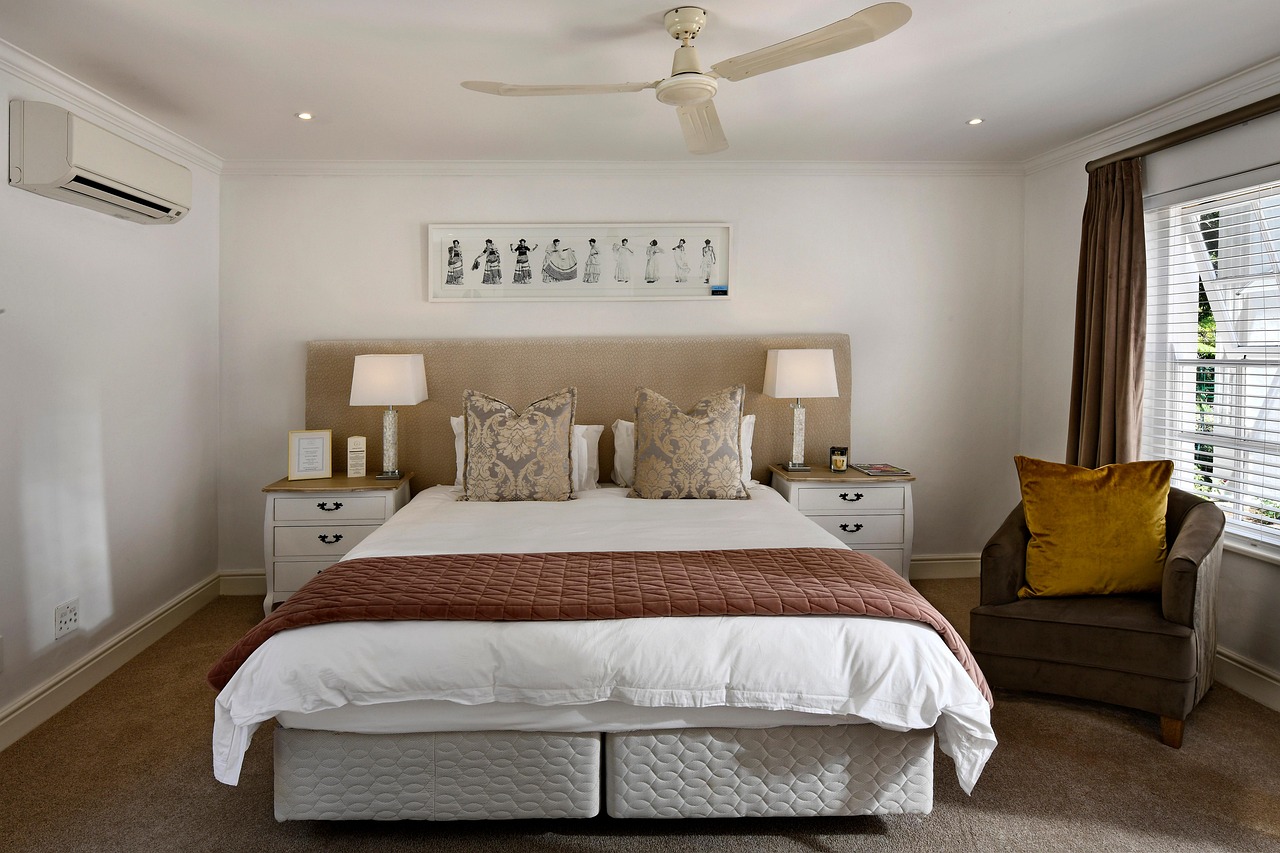
This bedroom achieves a calm, layered look by sticking to a simple formula: 60% warm neutrals (cream walls, beige bedding) + 30% deep accent (the single brown curtain panel) + 10% functional white (the blinds and nightstands). The key is the layering. The blinds handle the practical light control and privacy, while the single curtain panel adds softness, color, and a vertical line that draws the eye upward. You could swap the brown for navy or forest green and still maintain the same balanced feel.
|
$13.95
|
$174.99
|
$439.00
|
“Horizontal blinds are fantastic for controlling light, but they are absolute dust magnets.”
Plan on dusting them weekly with a microfiber wand to keep them looking fresh. The fabric curtain panel will also need occasional maintenance; vacuuming with a brush attachment every month or two and a full wash or dry-clean once a year should suffice. If you have pets that rub against furniture, consider a more durable fabric than a simple cotton for the curtain.
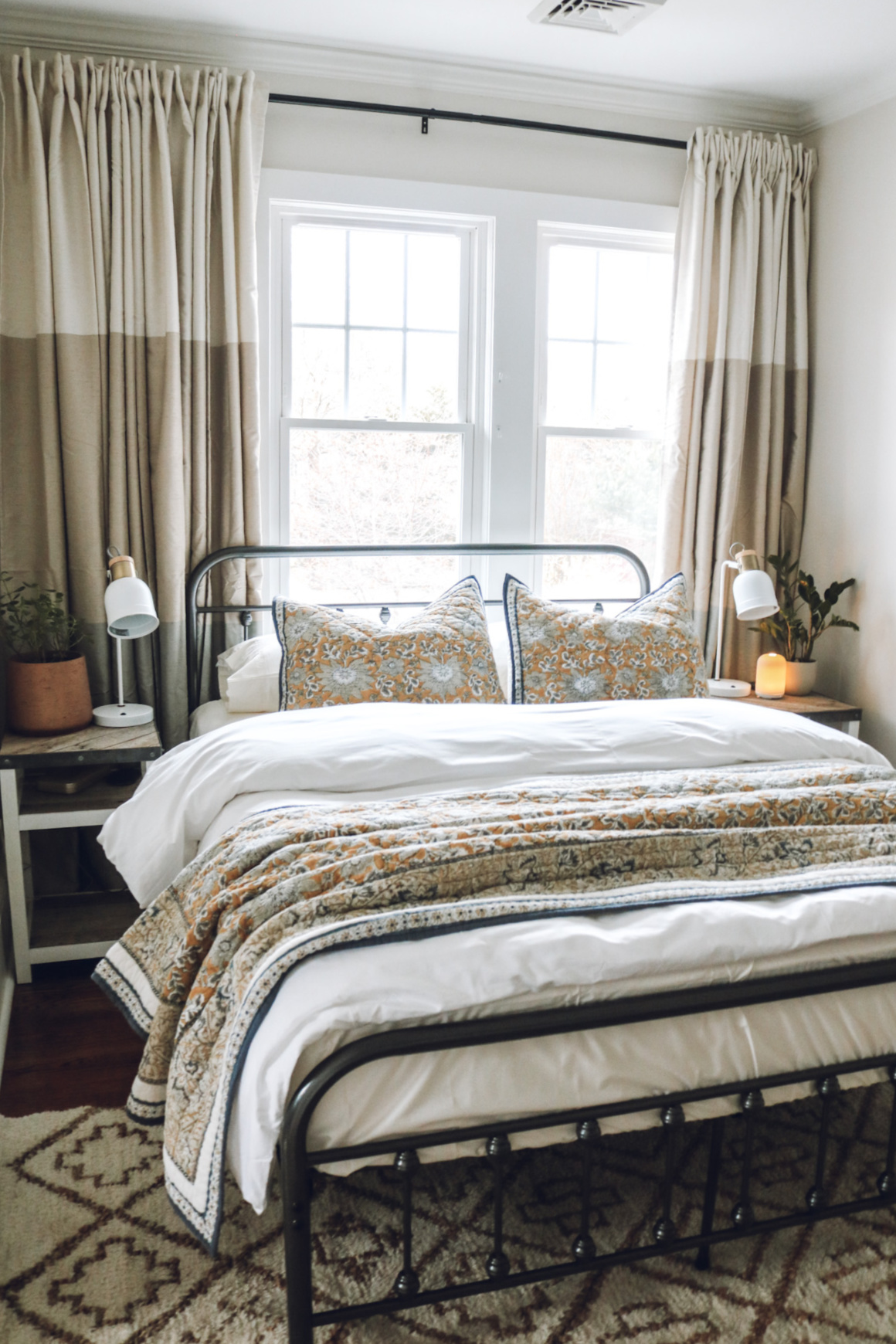
5. Two-Tone Beige Curtains Above a Black Metal Bed
This setup feels so inviting because it masters the art of subtle contrast. The soft, two-tone beige curtains provide a gentle backdrop that warms up the graphic lines of the black metal bed frame and curtain rod. The darker beige stripe on the bottom of the curtains cleverly anchors the window treatment, adding a bit of visual weight that feels balanced and intentional. It’s a quiet, confident design that doesn’t need to shout to make a statement, instead relying on a tight color palette and pleasing symmetry.
|
$750.00
|
$79.99
|
$59.99
|

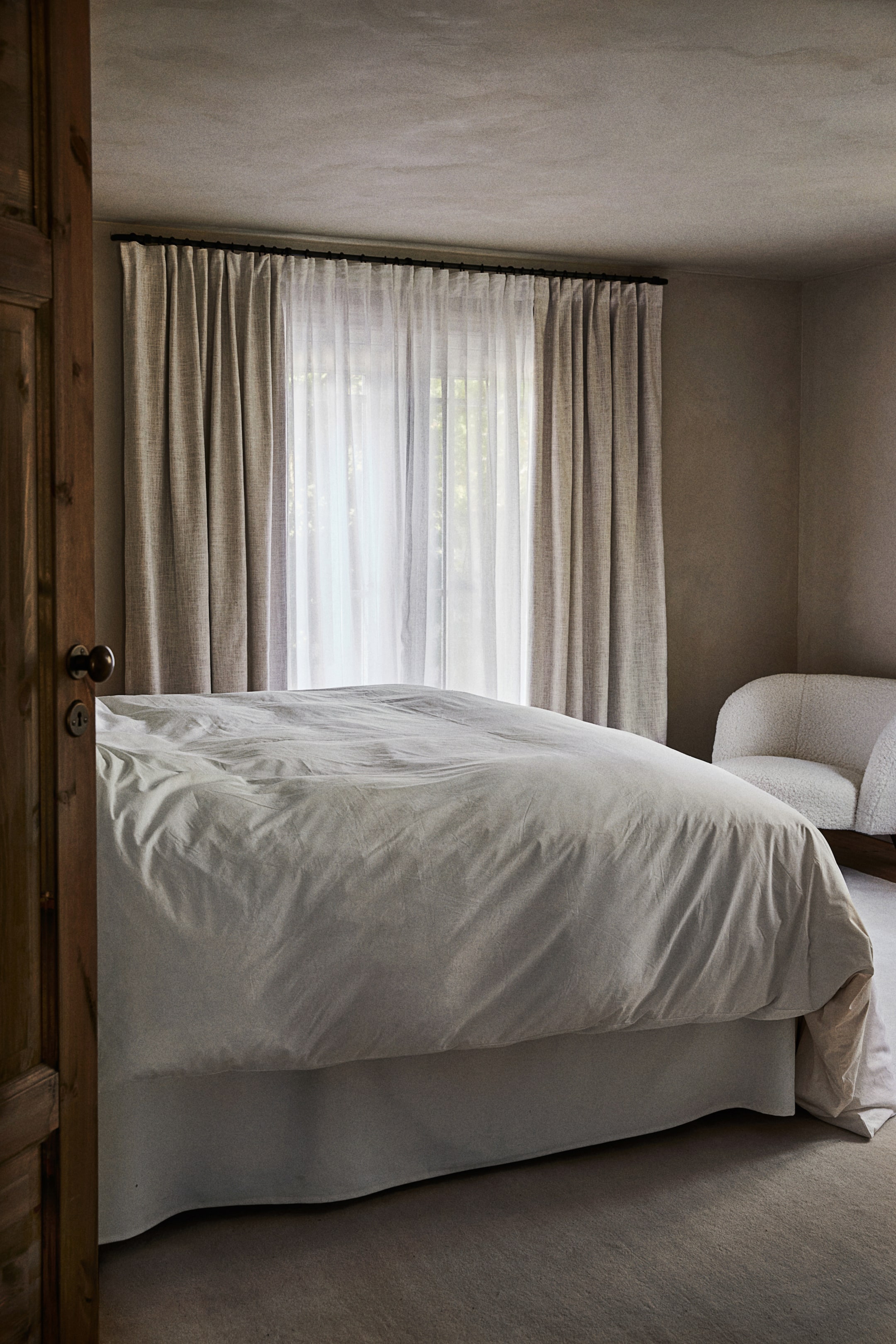
“When hanging curtains behind a bed, ensure the rod is wide enough so the curtain panels can be pulled clear of the bed frame.”
You want the inner edge of each stacked curtain to hang just outside the line of the headboard, not behind it. This frames the bed beautifully. For a queen bed (60″ wide), aim for a rod that is at least 80-90″ wide, allowing for about 10-15″ of stackback space on each side.
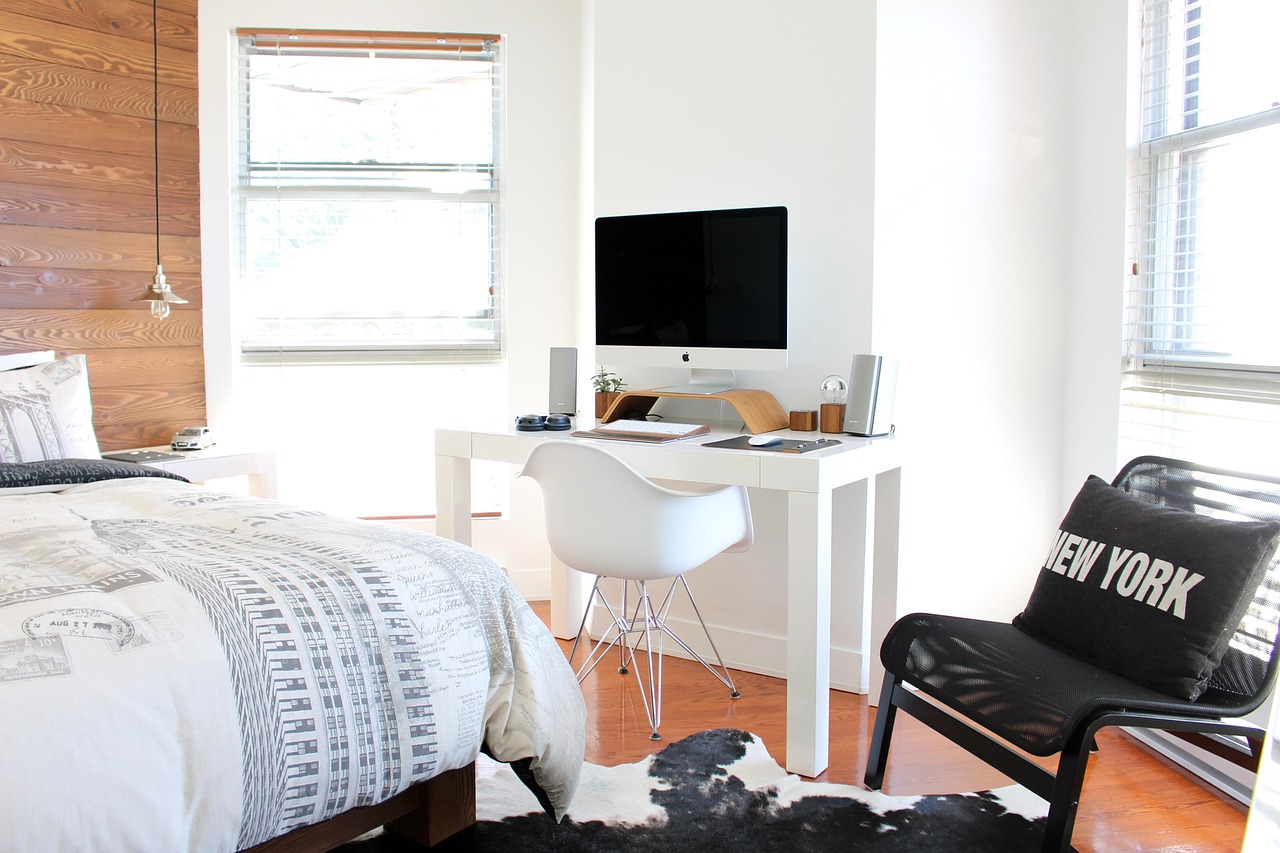
6. Wood-Slat Venetian Blinds on a Light Wood Accent Wall
The single element that defines this space is the wood-on-wood pairing of the slatted blinds and the plank accent wall. It’s a bold choice that could have felt overwhelming, but by using a very light-toned wood and keeping the rest of the room’s palette starkly white and black, it feels incredibly fresh and modern. Removing the wood blinds in favor of fabric curtains would have completely erased that clean, architectural statement. This choice commits fully to a natural, Scandinavian-inspired texture.
|
$600.00
|
$90.23
|
$54.00
|
$19.98
|

“We’re seeing a huge move away from the all-white-everything aesthetic toward spaces that feel more tactile and organic.”
This look taps right into the “Japandi” trend, which blends Scandinavian minimalism with Japanese-inspired natural materials. The wood slat wall and blinds provide warmth and texture without adding clutter, which is why it resonates so strongly on Pinterest right now. It feels clean and intentional, but also livable and warm.
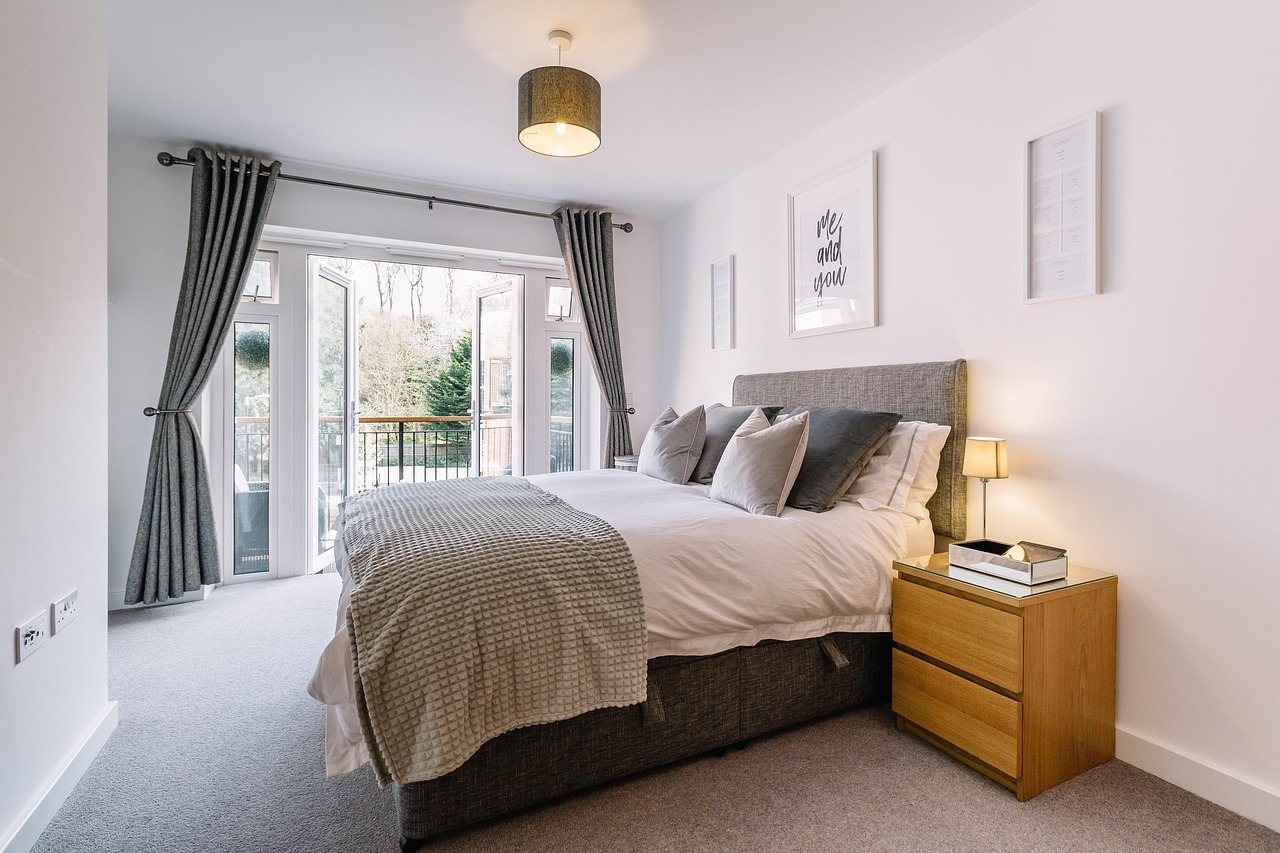
7. Grey Eyelet Curtains Framing Balcony Doors
Using eyelet (or grommet) curtains on a functional doorway like these French doors to a balcony is a stylish choice, but be prepared for the reality of their movement. The metal rings glide easily, which is great, but they can also make a bit of noise scraping against the metal rod. If you are a light sleeper and your partner is an early riser who likes to step out onto the balcony, the sound might be a nuisance. Also, ensure the curtains are tied back securely so they don’t get caught in the door when opening or closing.
|
$299.00
|
$849.00
|
$21.97
|

“Here’s how to get that perfect, relaxed tie-back swoop.”
Time: 5 minutes. Cost: $10-$30 for holdbacks.
- Install a small hook or decorative curtain holdback on the wall about two-thirds of the way down the window frame.
- Gather one curtain panel in your hand, creating soft, even folds.
- Drape the fabric around the holdback.
- Gently pull the top of the draped section forward and let it blouse over the holdback slightly.
- Adjust the folds so they fall gracefully.
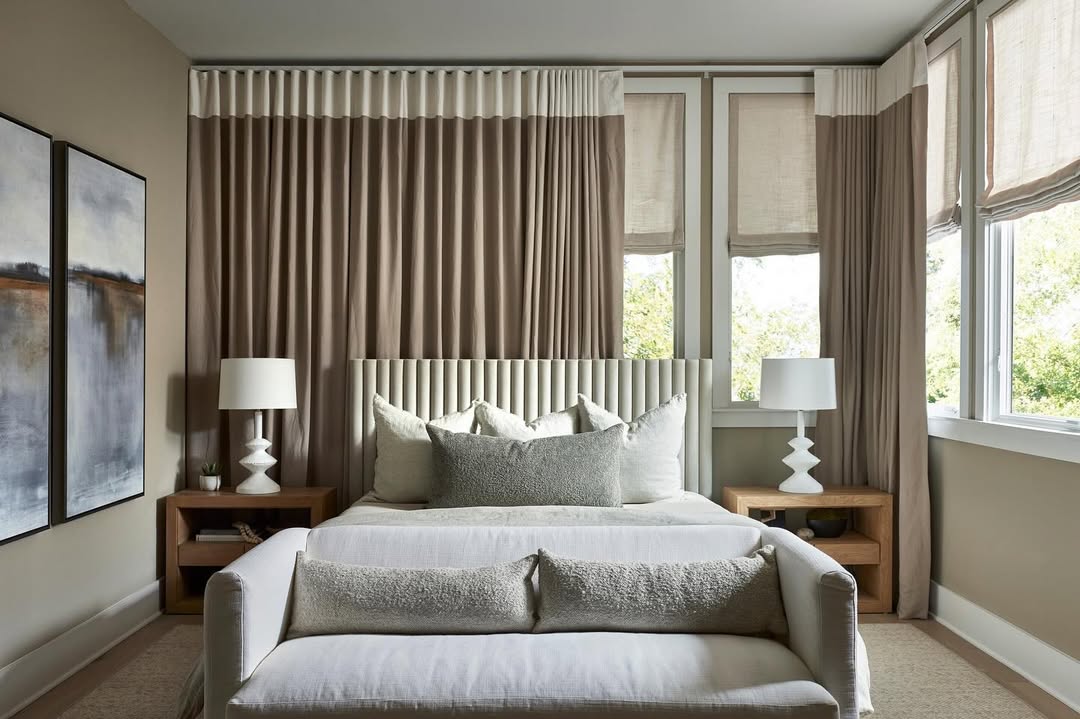
8. Neutral Two-Tone Drapes with a Fluted Headboard
This room’s serene sophistication comes from a disciplined formula: 50% soft textures (drapes, shades, bedding) + 40% architectural details (fluted headboard, geometric lamps) + 10% natural wood. The magic is in the mix of textures all within the same color family. By keeping the palette to cream, taupe, and light wood, the fluting, weaves, and solids can play together without competing. Changing the drapes to a bold color would break this delicate balance. For a warmer feel, you could swap the light wood for a rich walnut. Compare this neutral approach with the more layered textures in Idea #30.
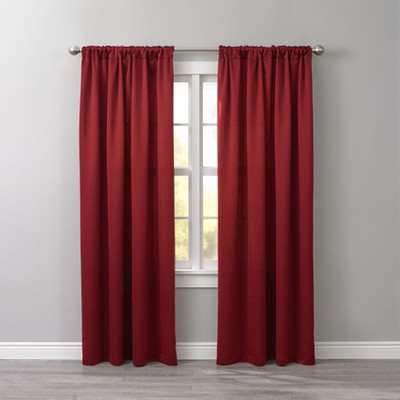
|
$27.99
|
“What makes this work is the principle of repetition in texture.”
The vertical lines of the fluted headboard are subtly echoed in the pleats of the drapes and the folds of the Roman shades. This repetition creates a quiet rhythm that is incredibly calming to the eye. The symmetry of the lamps, nightstands, and curtain panels on either side of the bed establishes a sense of order and formality, making the space feel both restful and deliberately designed.
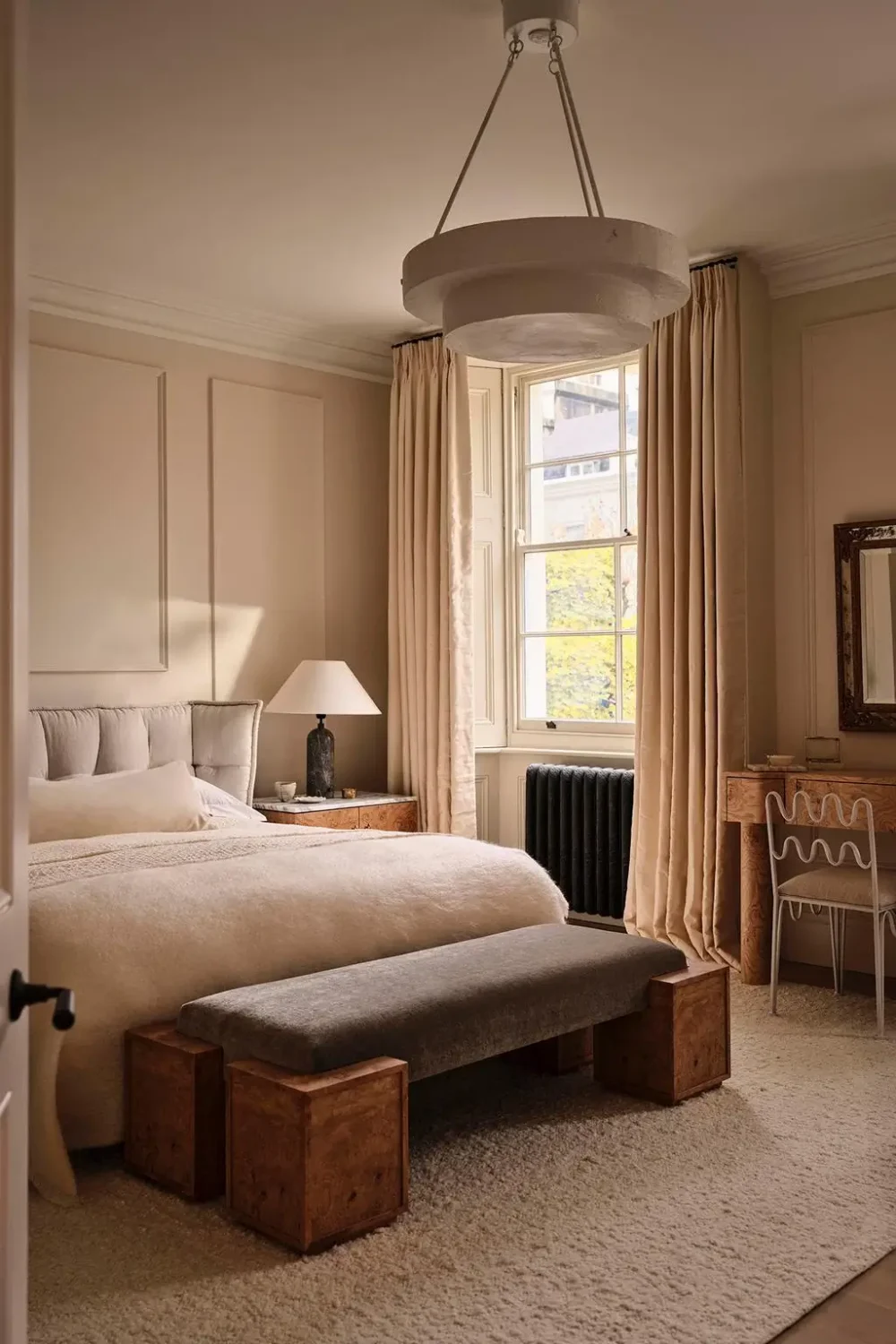
9. Full-Length Pleated Curtains in a Bay Window Nook
A bay window offers a fantastic opportunity for full-length drapes, but the scale has to be right. This look is ideal for a primary bedroom with a dedicated bay window area of at least 6-8 feet wide and 2-3 feet deep. The key is to run the curtains along the main wall, not inside the bay itself. This frames the entire nook as a single feature, making it feel more spacious and integrated into the room, rather than sectioning it off. This approach requires a ceiling height of at least 8.5 feet to avoid feeling cramped.
|
$258.00
|
$129.99
|
$349.00
|
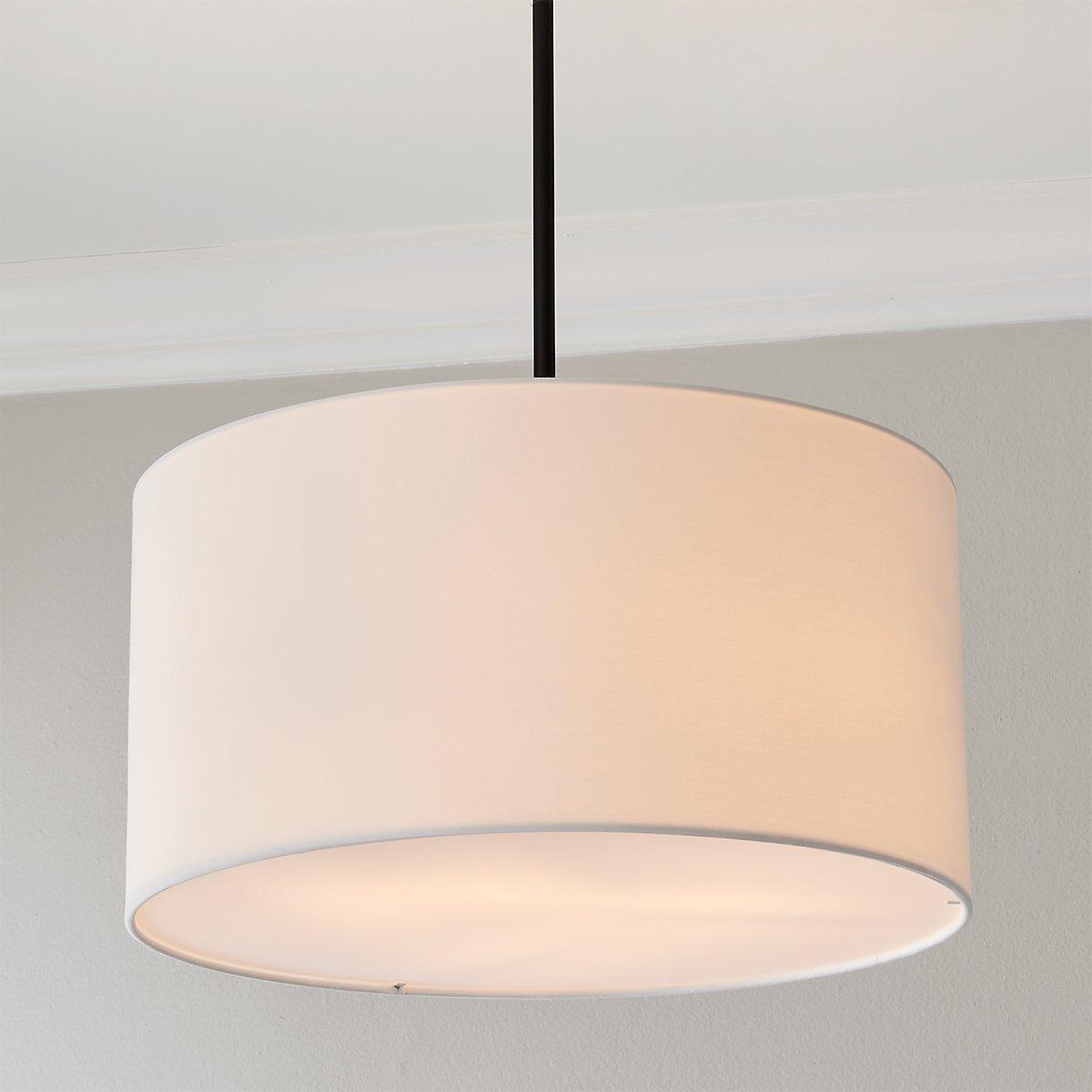
“For a bay window, a custom-curved or a professionally bent curtain rod is the ultimate solution, but it can be pricey.”
A clever workaround is to use multiple straight rods connected by corner elbow connectors. You can buy these from most hardware or curtain speciality stores. This allows you to follow the angles of the bay precisely with standard rods, giving you that continuous, high-end look for a fraction of the cost of a custom-bent piece.
10. Layered Blush Pink Curtains and Patterned Roman Shades
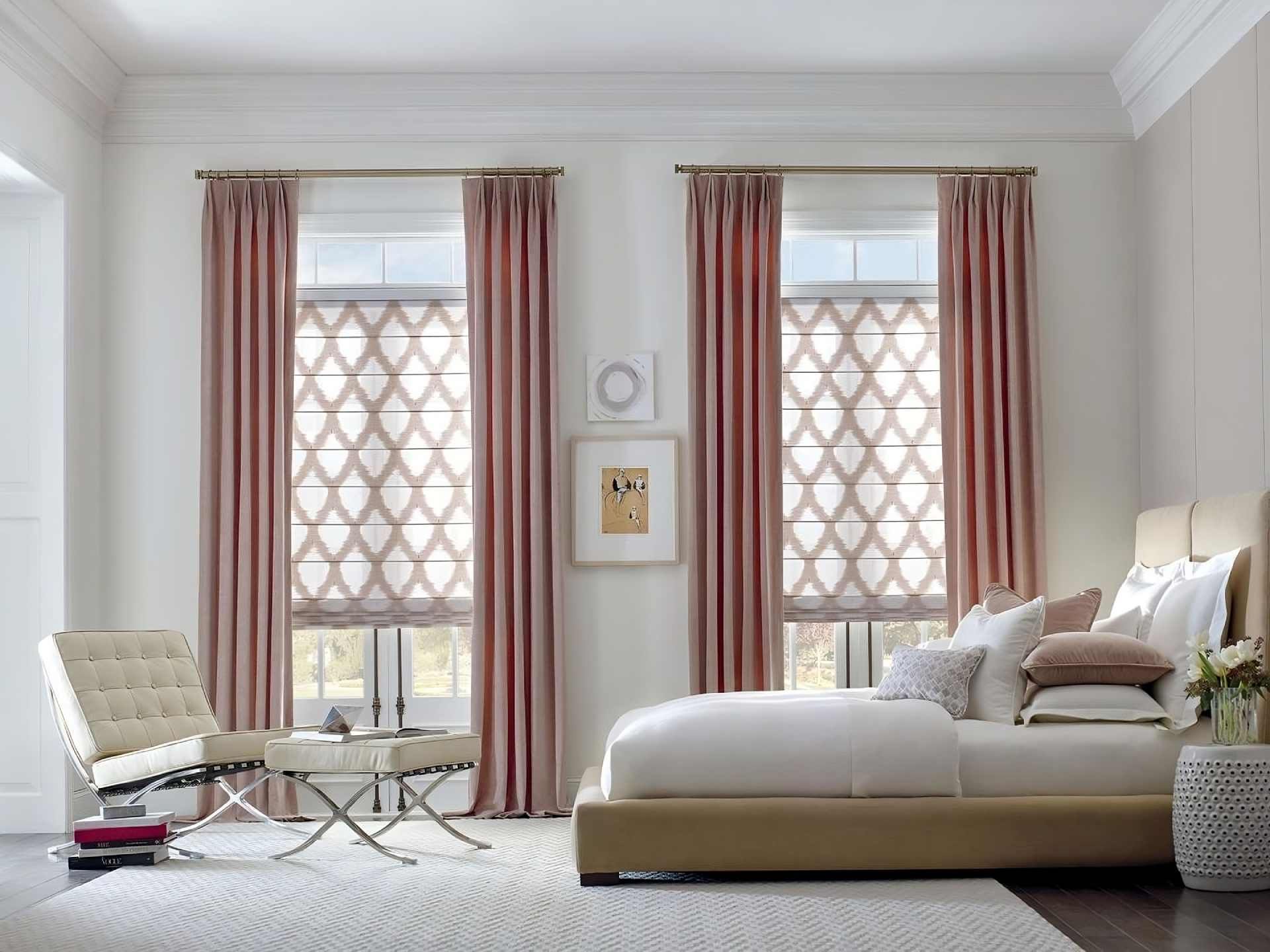
The single most important element here is the layering of two distinct window treatments. The blush pink curtain panels add softness, color, and drama, while the patterned Roman shades underneath provide texture and practical light control. Without the shades, the look would be pretty but less sophisticated. Without the curtains, it would be functional but lacking warmth. It’s the combination that creates a truly custom and elevated feel, proving that more can, in fact, be more.
|
$227.99
|
$86.99
|
$289.99
|
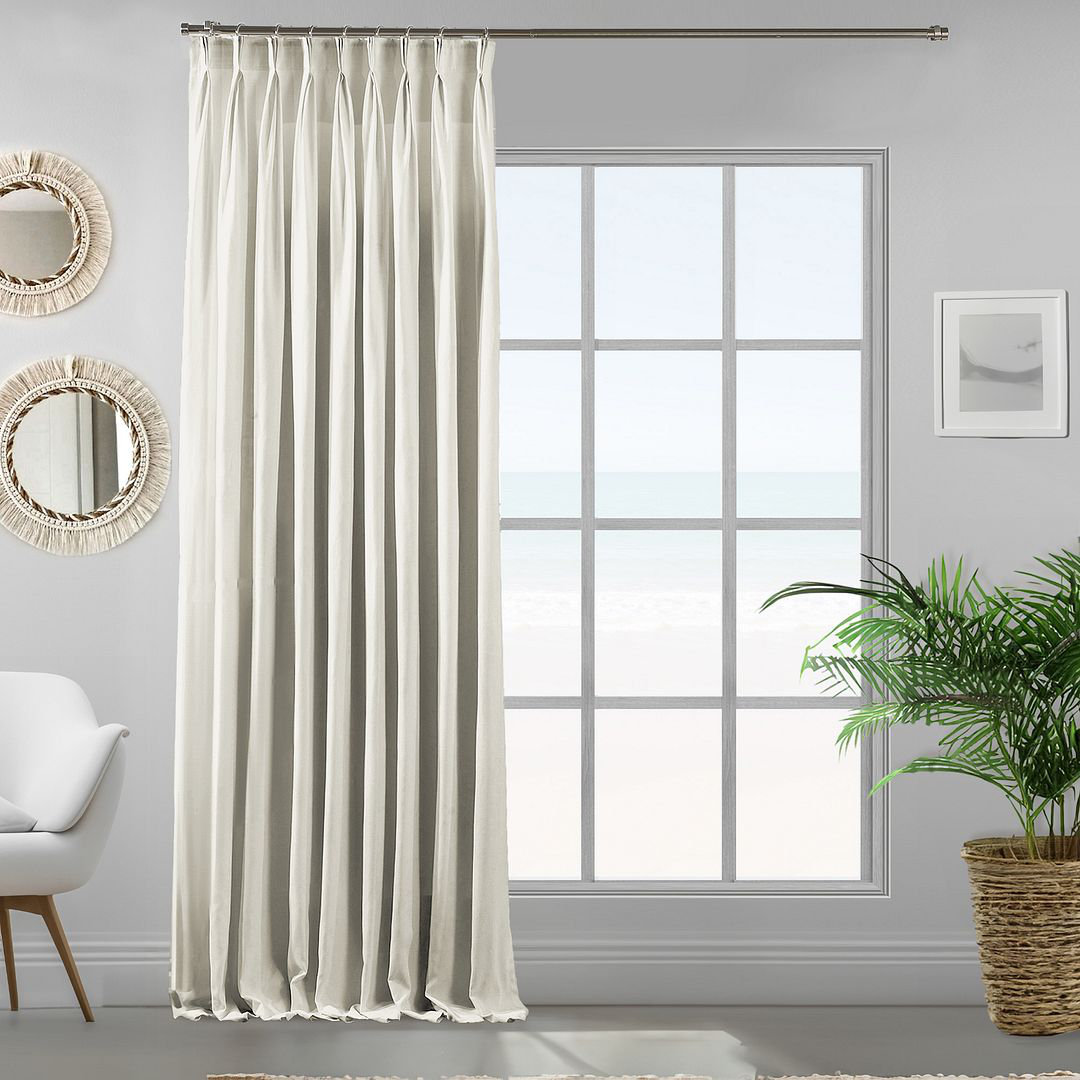
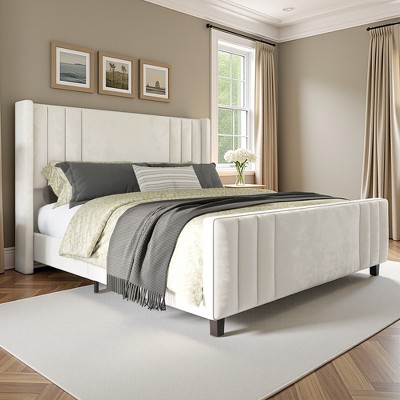
“You don’t need a celebrity designer’s budget to get this layered effect.”
Start with affordable blackout Roman shades from a big-box store. Then, find some simple, solid-colored curtain panels — IKEA’s SANELA in a pale pink are a great velvet option. Finish with a basic gold-toned rod. By choosing smart, ready-made pieces, you can recreate this entire dual-treatment look for two windows for under $300, saving thousands compared to custom drapery.
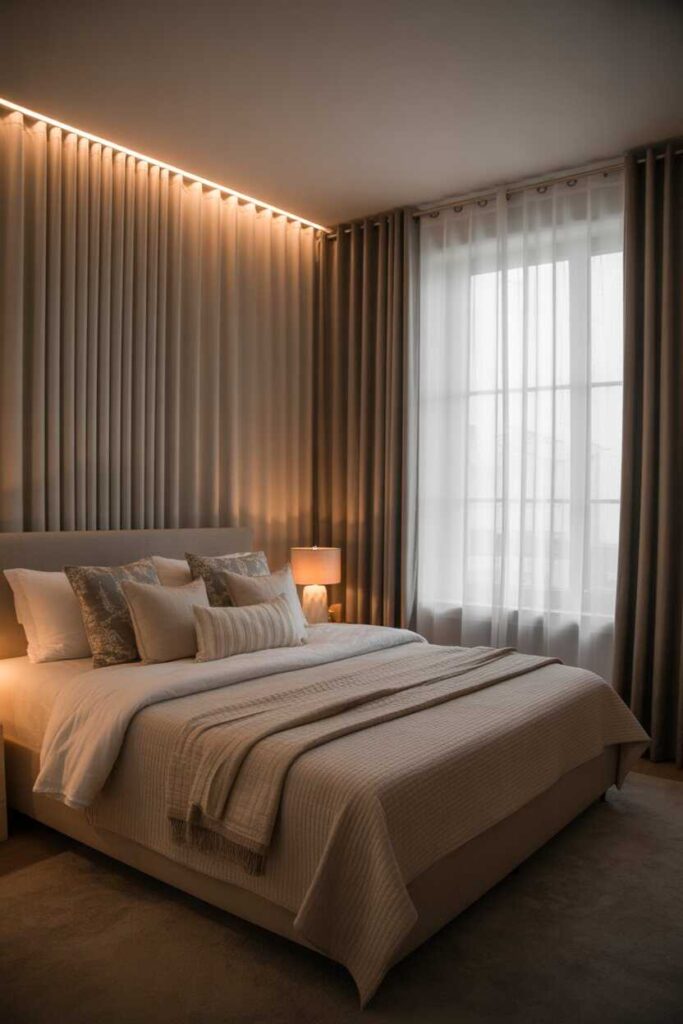
11. Wall of Brown Drapes with Hidden Cove Lighting
This design works because it treats the curtains not as a window dressing, but as an architectural feature. By covering the entire wall in floor-to-ceiling brown drapes, the room gains immense softness and texture. The hidden cove lighting is the masterstroke; it casts a warm, downward glow that highlights the fabric’s texture and creates a halo effect. This indirect lighting is far more flattering and atmospheric than a harsh overhead light, transforming the entire wall into a source of gentle, ambient illumination.
|
$27.96
|
$30.00
|

“A full wall of heavy drapes is a stunning look, but it’s a serious dust trap.”
This is not a low-maintenance choice. You will need to commit to vacuuming the drapes with a brush attachment at least once a month. Darker fabrics like this brown are more forgiving of stains but will show every single piece of dust and lint. If you have allergies or pets, you might want to reconsider or opt for a fabric that is machine washable, which heavy drapes often are not.
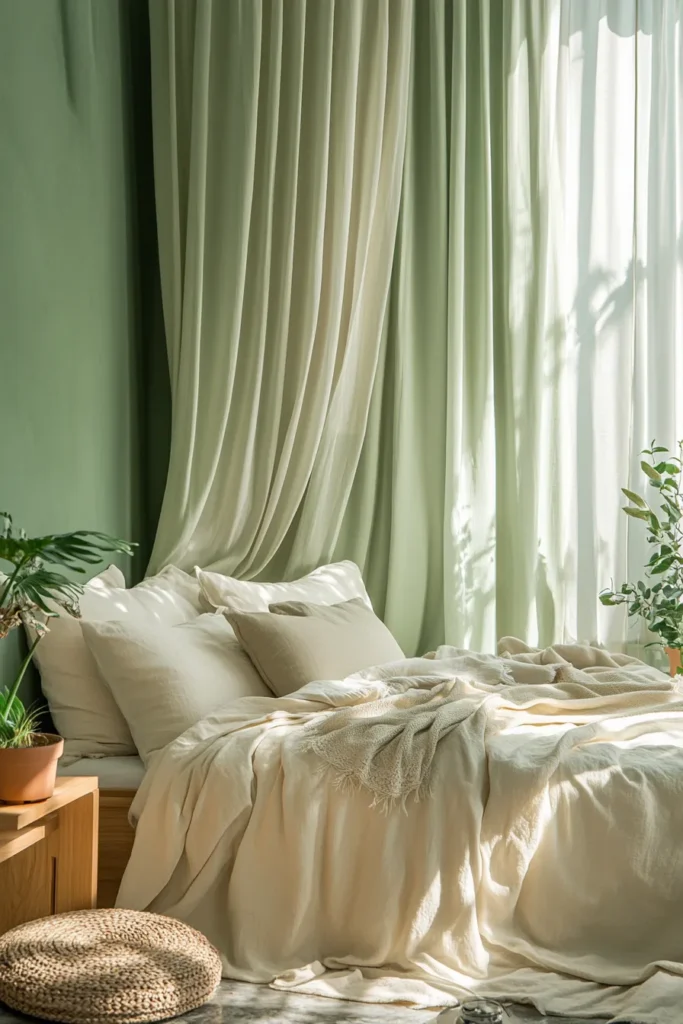
12. Layered Light Green and White Curtains with Natural Bedding
The peaceful, natural vibe here follows a simple recipe: 40% calming color (the light green wall and outer curtains), 40% soft neutrals (white inner curtains, beige and off-white bedding), and 20% natural materials (light wood furniture, terracotta pots, woven floor cushion). The green is earthy and serene, not jarring, and acts as a perfect backdrop for the layers of cream and beige. This balance feels cohesive and intentional, like a breath of fresh air. See how a different shade of green is used in Idea #28.
|
$12.76
|
“This look is right on point for the biophilic design trend, which is all about connecting our homes with nature to improve our well-being.”
The gentle green palette, abundance of natural light filtered through layered curtains, and the inclusion of potted plants all work together to create a space that feels restorative and calm. After years of cool grays, people are craving colors that feel grounding and positive, and this soft, earthy green is at the top of the list.
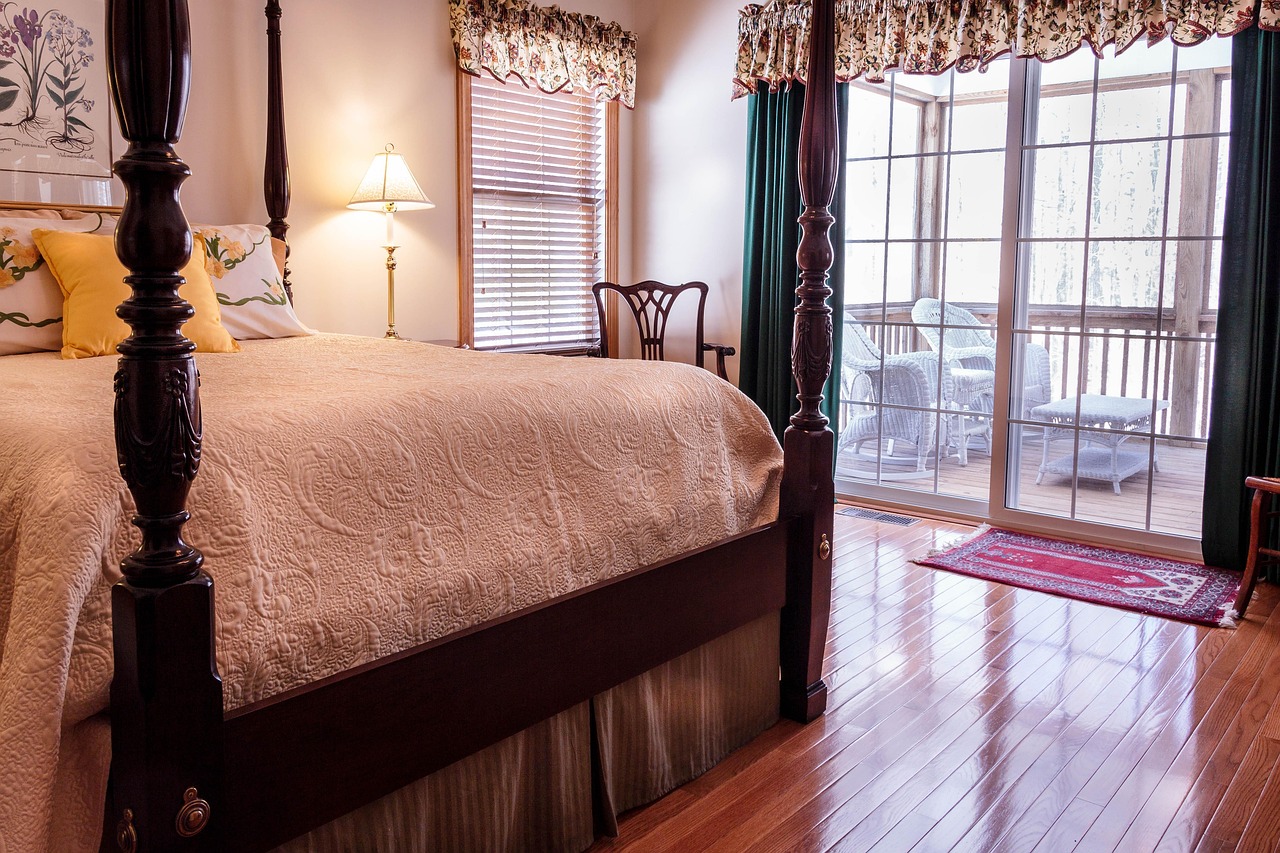
13. Traditional Full Canopy Bed with a Floral Valance
This is a high-commitment, traditional look. Before you start, make sure you have the space and the will for upkeep.
|
$179.98
|
$23.19
|
$27.96
|
$1,342.70
|
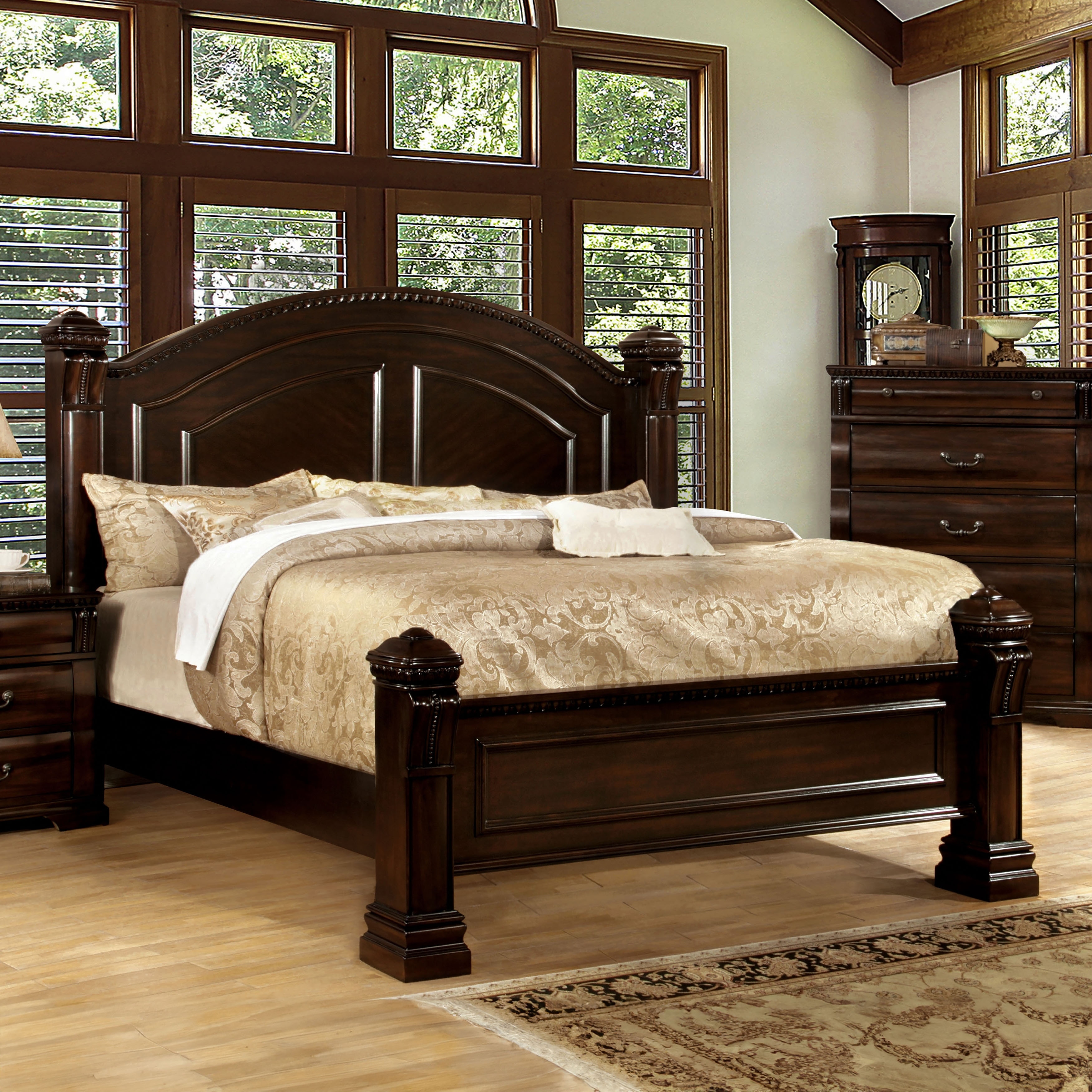
“Measure Your Ceiling Height: A full canopy bed with a valance needs vertical space to breathe.”
You’ll want at least 9-foot ceilings to pull this off without the room feeling crowded and short.
Check Your Room’s Width: Ensure there will be at least 3 feet of walking space around the bed once the frame and curtains are in place.
Assess Your Style Commitment: This is a very specific, traditional look. Does it truly align with your long-term vision for the room, or is it a passing fancy?
The combination of a valance, curtains, and a quilted bedspread means a lot of fabric, and fabric means dust. The valance, in particular, will be tricky to clean—you’ll likely need to take it down completely for a thorough washing or dry cleaning once or twice a year. The carved wooden posts of the bed frame will also require regular dusting with a soft cloth to keep them looking their best. This is a beautiful look, but it is not for someone who wants a “set it and forget it” bedroom.
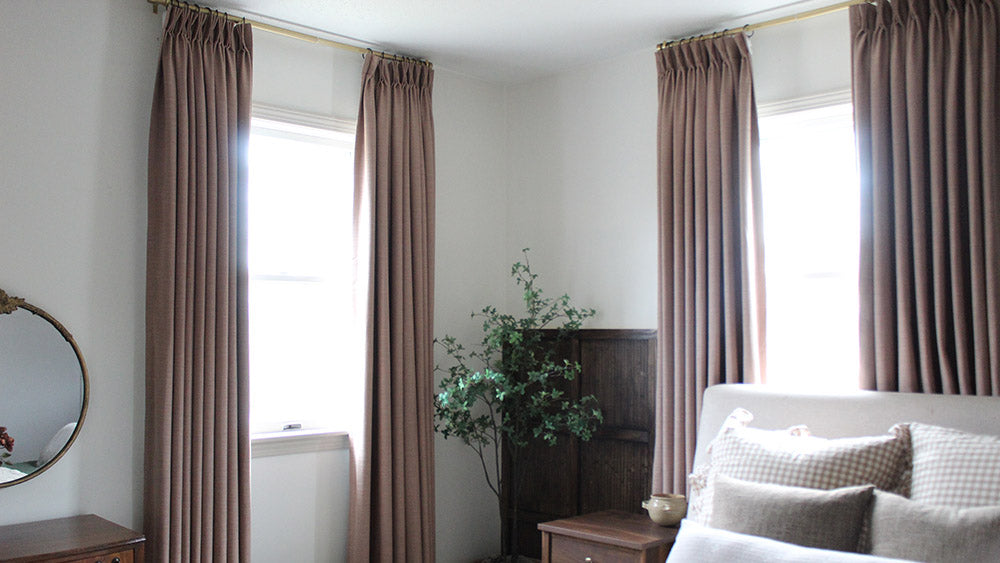
14. Dusty Rose Curtains on High-Mounted Gold Rods
The success of this design lies in its elegant proportions. By mounting the gold curtain rods high above the window frames, almost to the ceiling, the walls appear taller and the room feels more grand. The dusty rose color adds warmth and a touch of romance without being overly sweet, and the pleats give the fabric a nice weight and structure. It’s a classic, feminine look that gets its modern edge from the clean lines of the straight rod and the height of the installation. For a different take on pink curtains, see Idea #24.
|
$54.90
|
$249.99
|
$22.98
|

“To recreate this high-end look, follow the “Rule of Six.” Mount your curtain rod at least six inches above the top of your window frame.”
Then, make sure the rod is wide enough for the curtains to extend at least six inches past the frame on both sides when closed. Finally, your curtains should either just kiss the floor or puddle by about one to three inches—never hang more than a half-inch above. This formula guarantees a polished, professionally-styled appearance every time.
15. Canopy-Style Valance with Toile Bedding
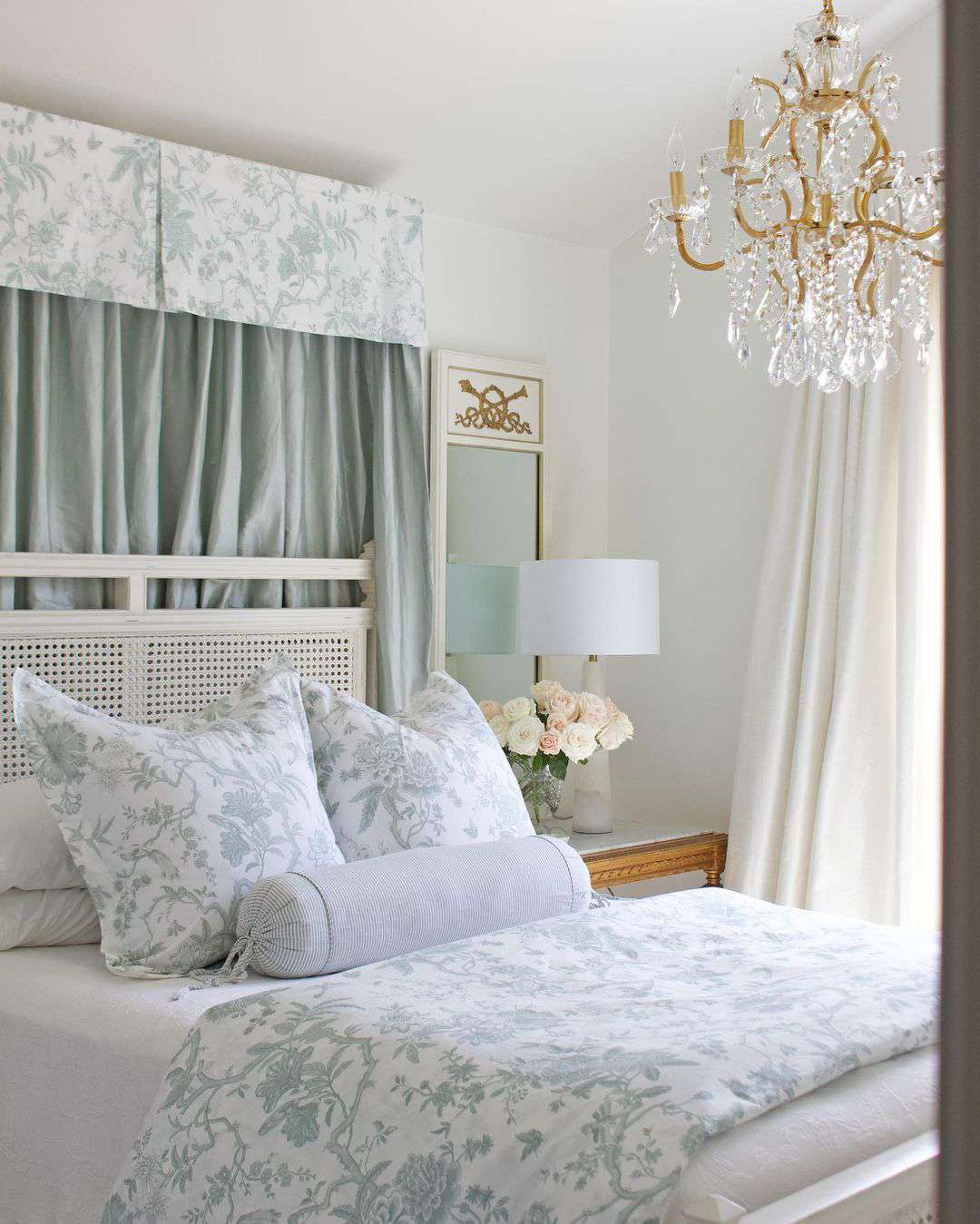
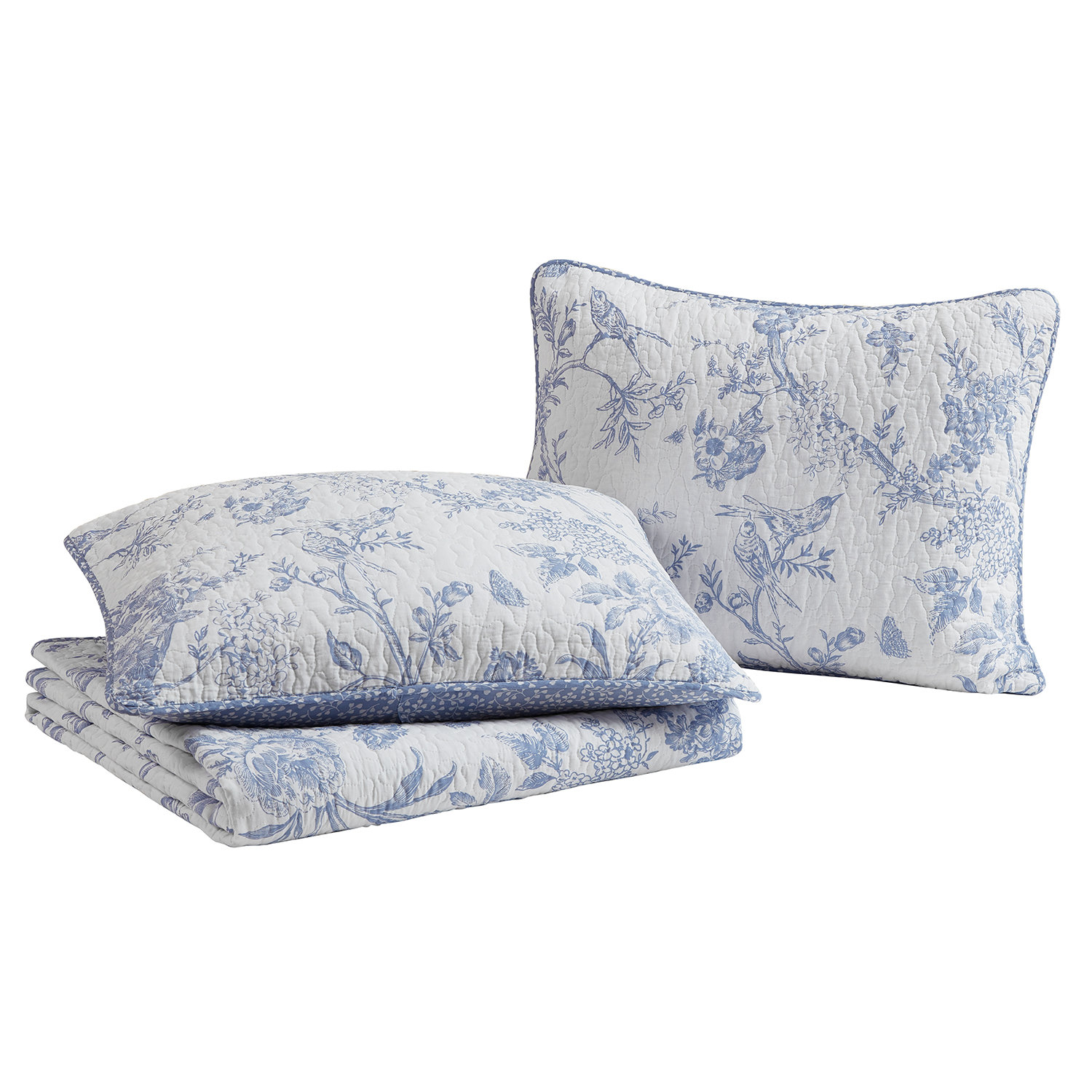
that elevates this room from simply pretty to truly special is the thoughtful coordination of the toile pattern. Using the same light blue floral toile on both the bedding and the canopy-style valance creates an incredibly cohesive and immersive design statement. It’s a classic, almost historical approach that feels intentional and luxurious. The solid blue curtains behind the bed act as a quiet backdrop, allowing the intricate pattern to be the star. Compare this to the canopy in Idea #19.
|
$140.00
|
$66.99
|
$179.99
|
“A canopy valance behind the bed looks incredibly romantic, but it can be a real pain to install and clean.”
It often requires a custom-built frame or a complex set of rods. And let’s be honest: that fabric is going to collect a lot of dust right above where you sleep. If you have dust allergies, this might be a beautiful nightmare. Be prepared for regular vacuuming with an upholstery attachment to keep it fresh.
16. Beige Drapes Paired with a Blue Tufted Headboard
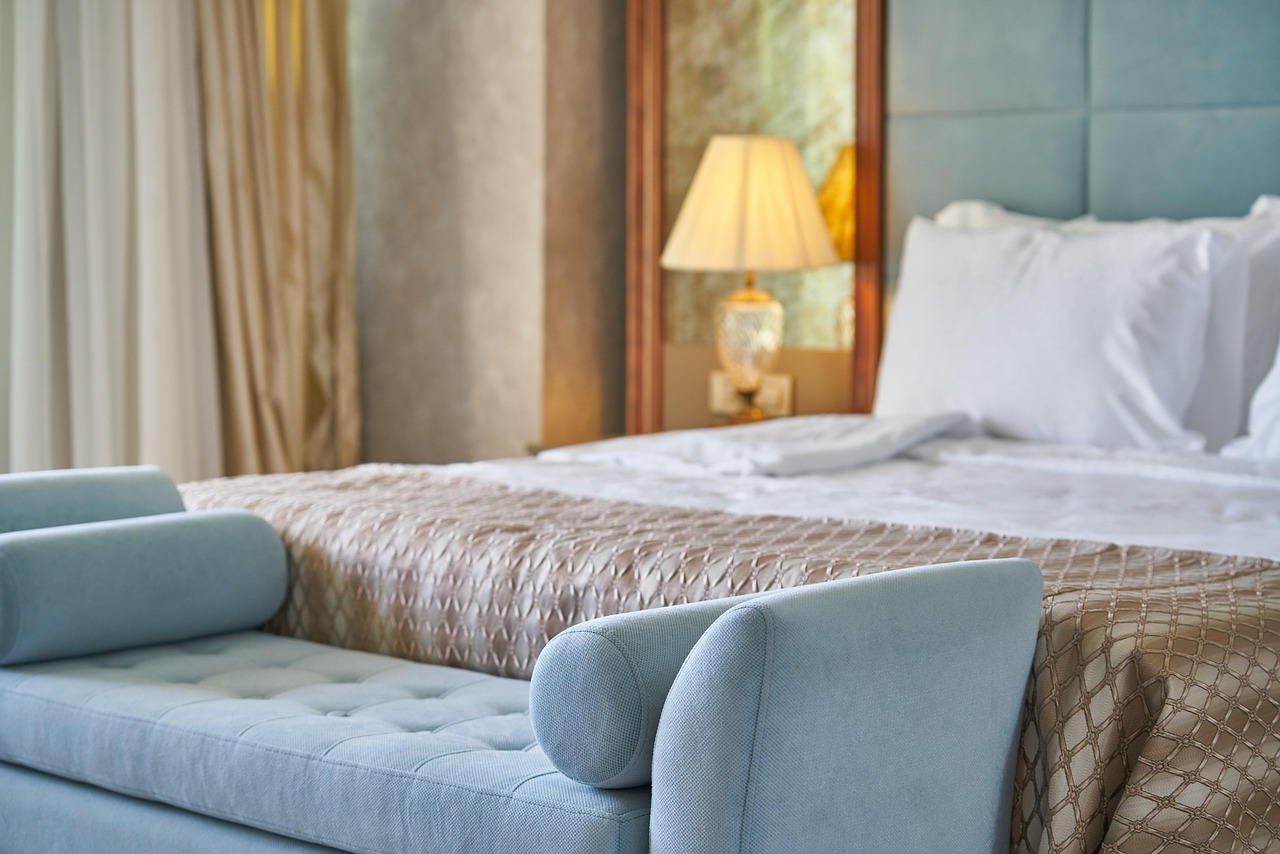
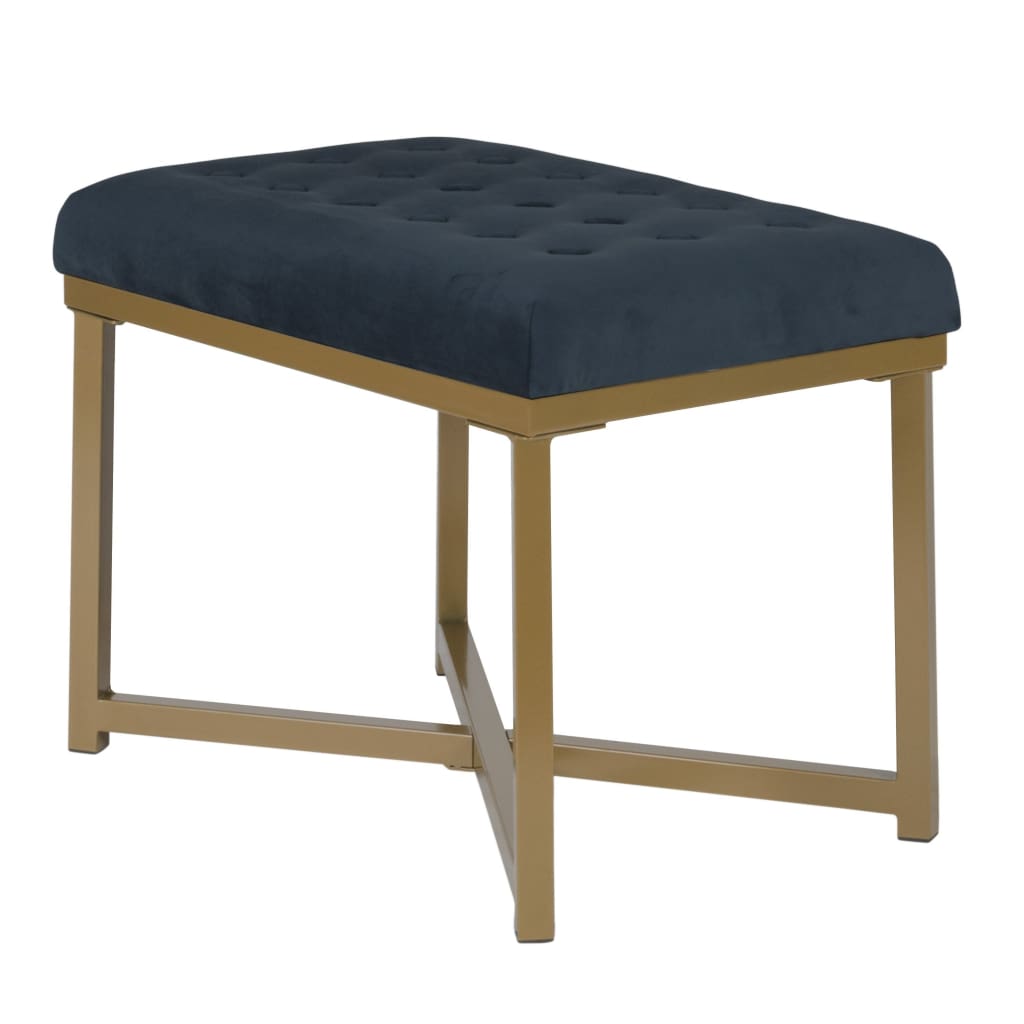
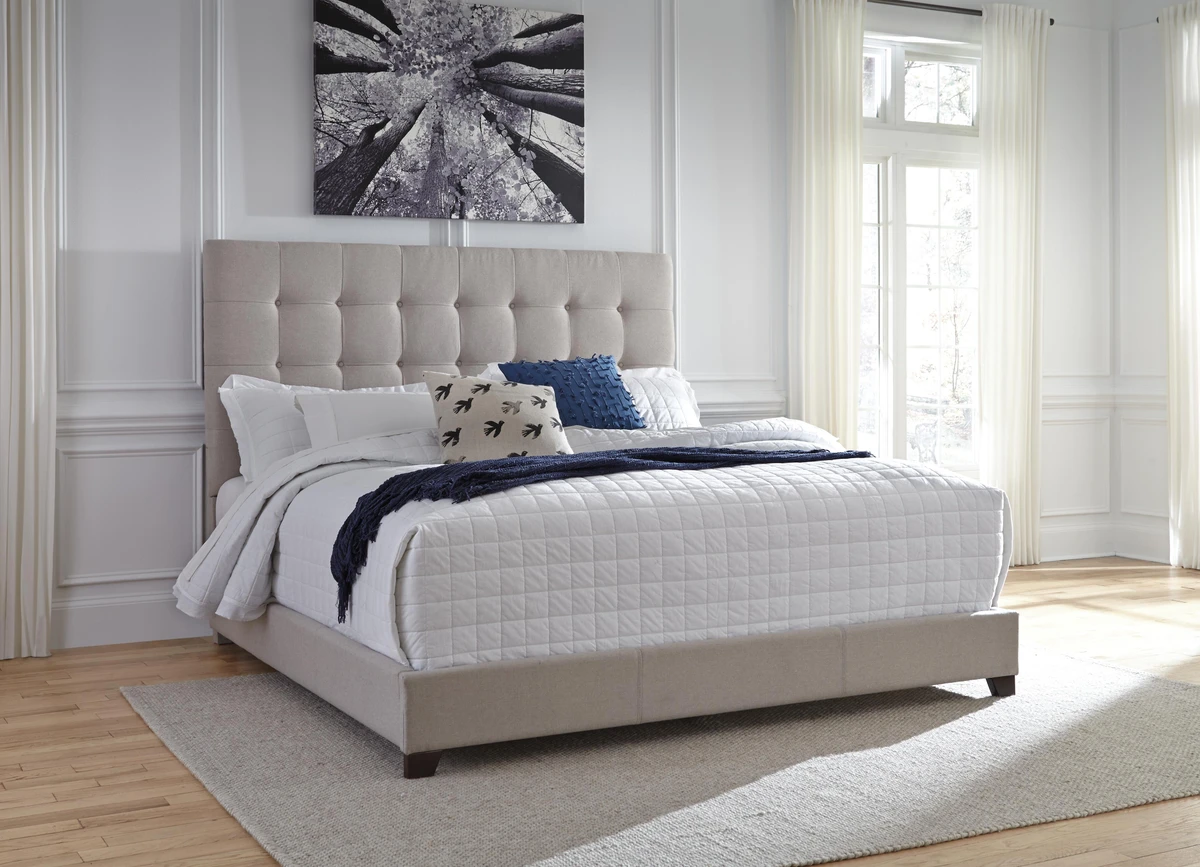
This bedroom proves that a luxurious feel can be achieved with a simple, smart color and texture formula. The math is roughly: 50% calm neutrals (beige curtains, white linens, light walls) + 40% luxe texture (the tufted blue headboard and matching bench) + 10% warm metallic accents (the lamp base and undertones in the runner). The beige curtains provide a soft, unobtrusive frame, allowing the rich blue velvet texture to be the star of the show.
|
$169.99
|
$79.99
|
$60.00
|
$132.75
|
“That tufted headboard and bench look expensive, but you can get this vibe for much less.”
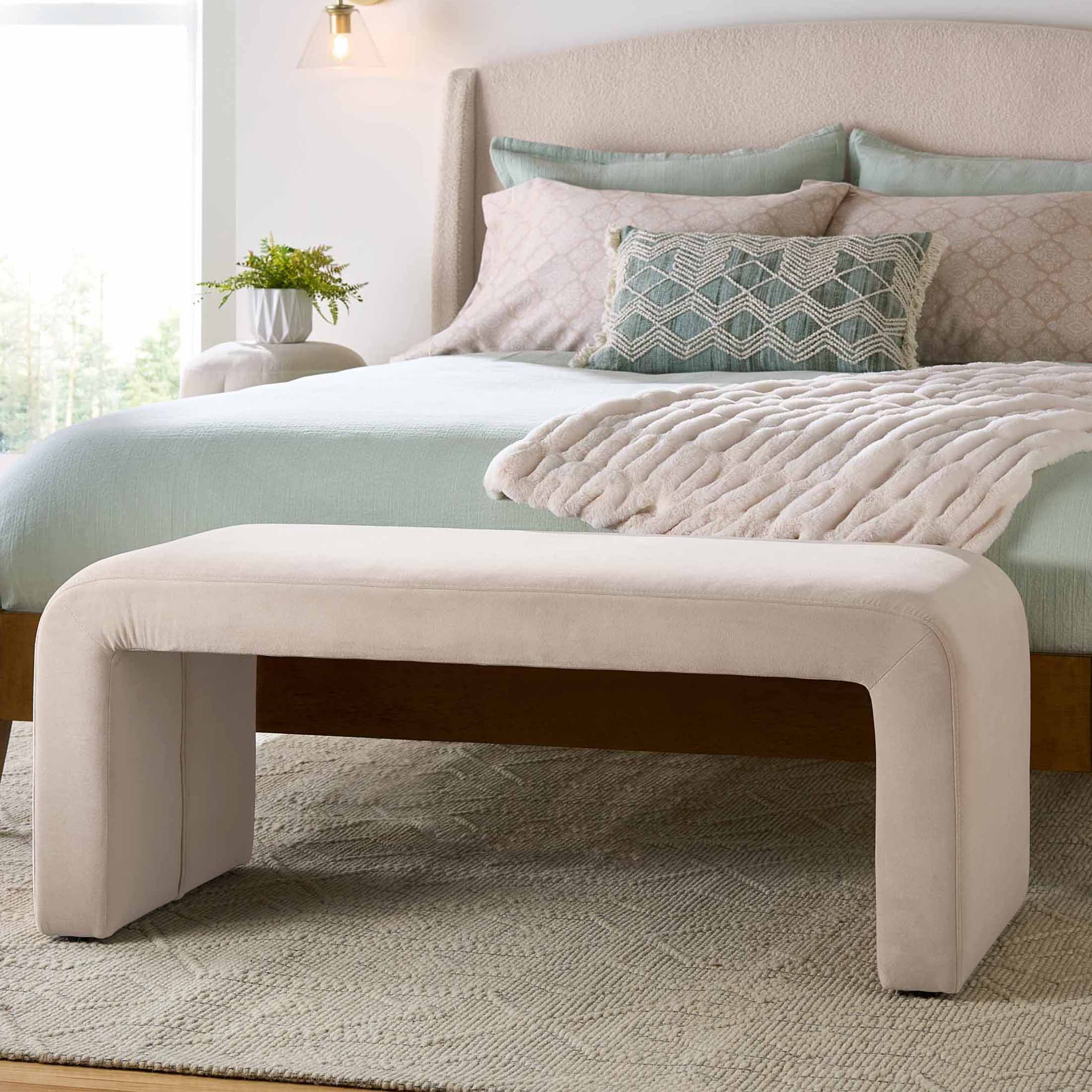
Check out Wayfair, Overstock, or even Walmart for upholstered headboards in a similar style, often for under $250. For the bench, a simple upholstered ottoman from Target or HomeGoods can do the trick. Pair them with IKEA’s MAJGULL room-darkening curtains in beige to complete the look. You can achieve this same serene and inviting atmosphere for under $600 for the key pieces.
17. Beige and Yellow Striped Curtains with a Patterned Headboard
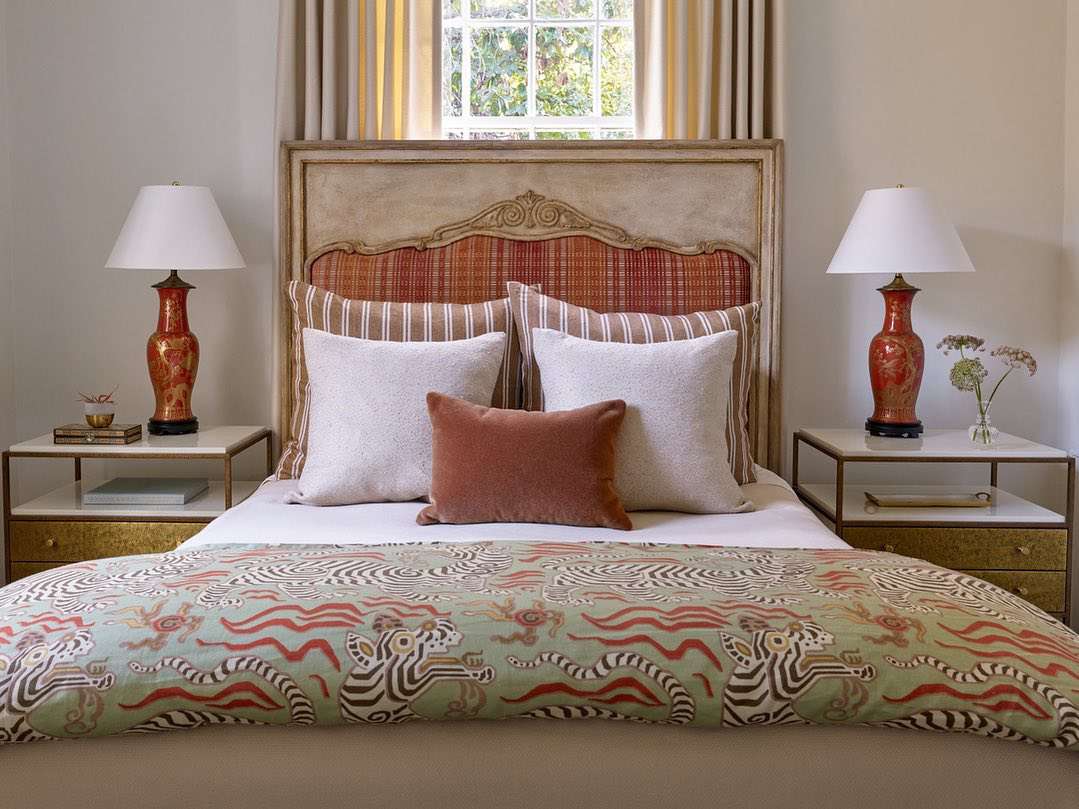
This eclectic space works because it confidently commits to the “more is more” philosophy of pattern mixing. The key to its success is scale and color. The wide, simple stripes of the curtains provide a calm, vertical counterpoint to the smaller, more intricate patterns on the headboard and duvet. The shared color palette—shades of beige, red, and off-white—acts as the glue that holds all these different patterns together, preventing them from descending into chaos. It’s a masterful execution of controlled maximalism.
|
$239.98
|
$3,134.05
|
$83.97
|
$193.67
|

“A look this layered and specific requires a discerning eye and a commitment to the vision.”
It can be very easy for a pattern-heavy room to go from “eclectic and charming” to “cluttered and chaotic.” One wrong element can throw off the whole balance. This style is also less forgiving of everyday mess—an unmade bed or a pile of clothes will look much more jarring here than in a minimalist space. It’s a high-style look that demands a certain level of daily tidiness to shine.
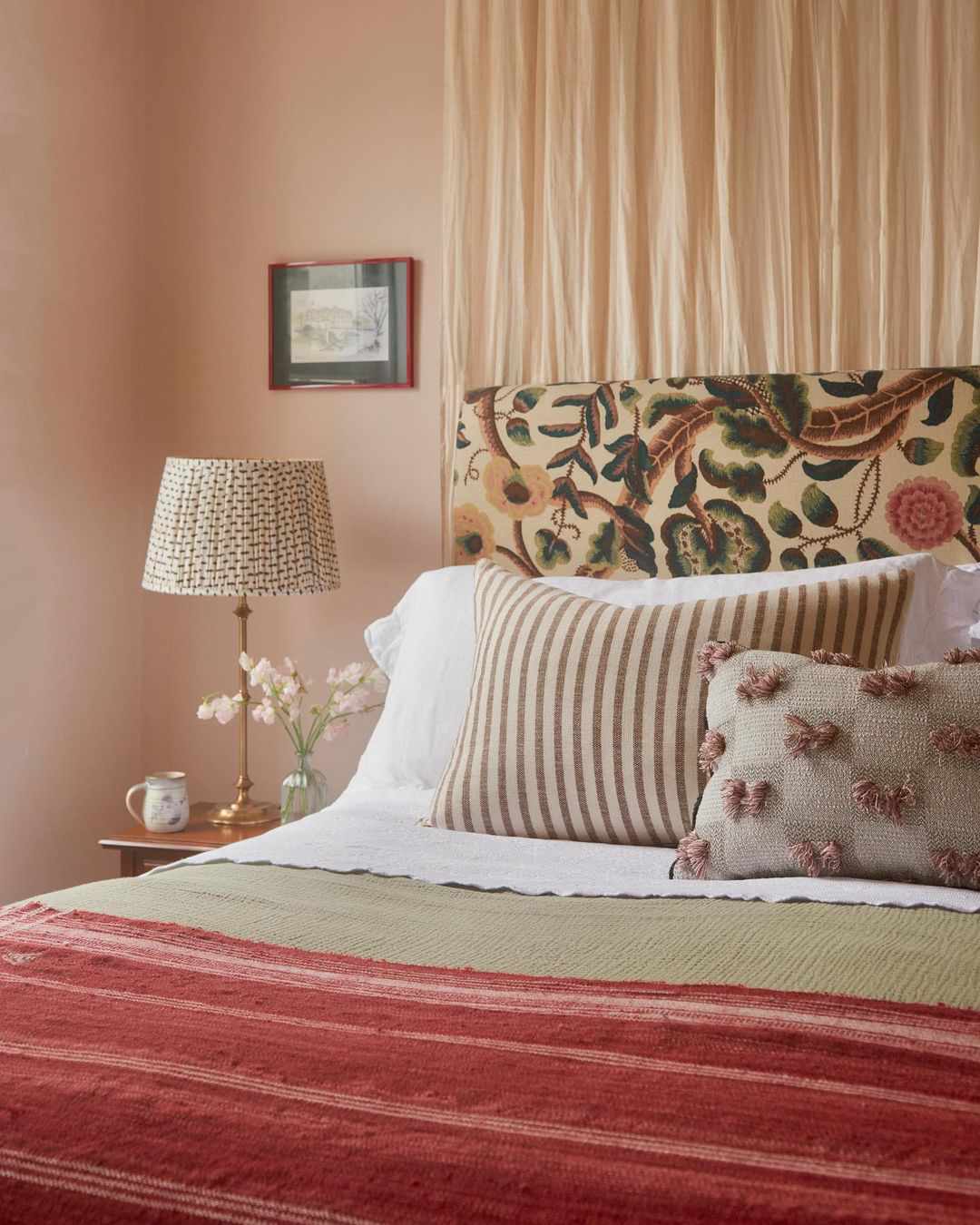
18. Sheer Curtains Behind a Floral Headboard
The single element making this bedroom feel special is the floral upholstered headboard. It acts as the room’s primary piece of art, setting the tone and color palette for everything else. The sheer beige curtains are a genius choice because they don’t compete with it. Instead, they create a soft, diffused backdrop that makes the headboard pop, adding a layer of dreamy texture without introducing another pattern or bold color. The look would be completely different—and far less focused—with a solid wood or plain upholstered headboard.
|
$775.00
|
$260.87
|
$34.99
|
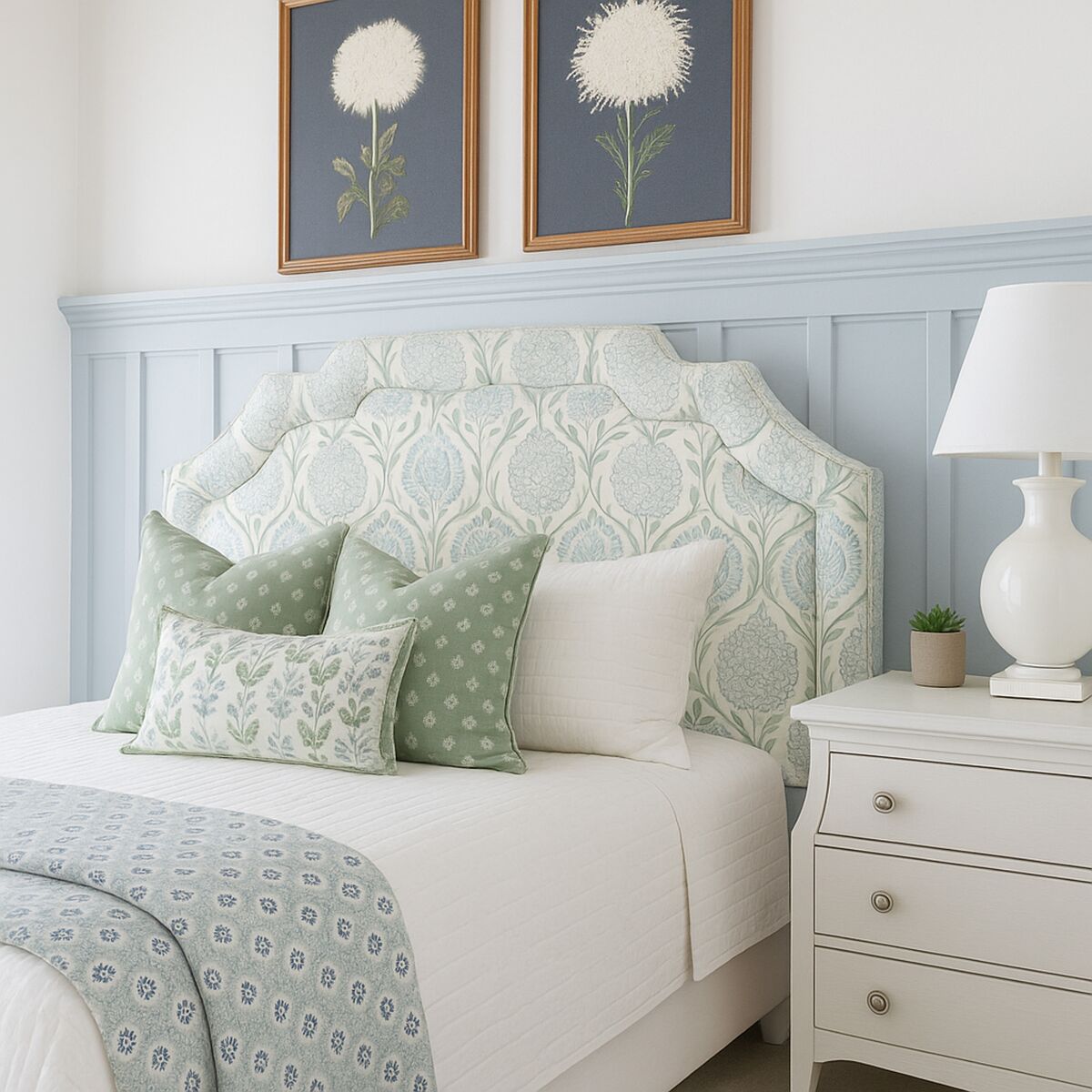

“When you have a “hero” piece like a statement headboard, treat your curtains as the supporting cast.”
Opt for a simple, solid-color fabric that pulls one of the more subtle tones from the hero piece. Here, the sheer beige echoes the background of the floral pattern. For the rod, choose an understated finish like the matte black or simple brass here. The goal is to frame the star of the show, not upstage it. This principle ensures your design has a clear and confident focal point.
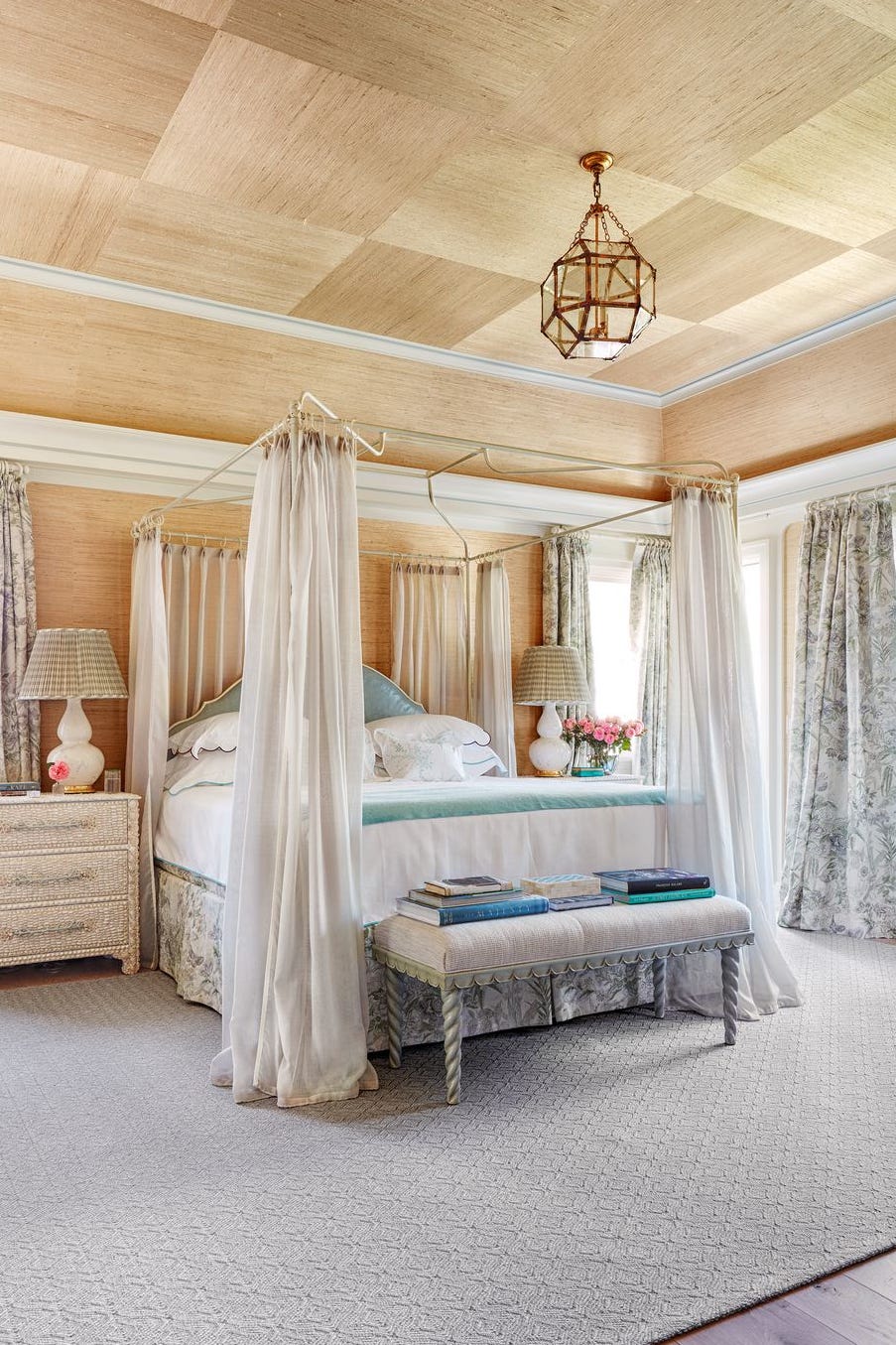
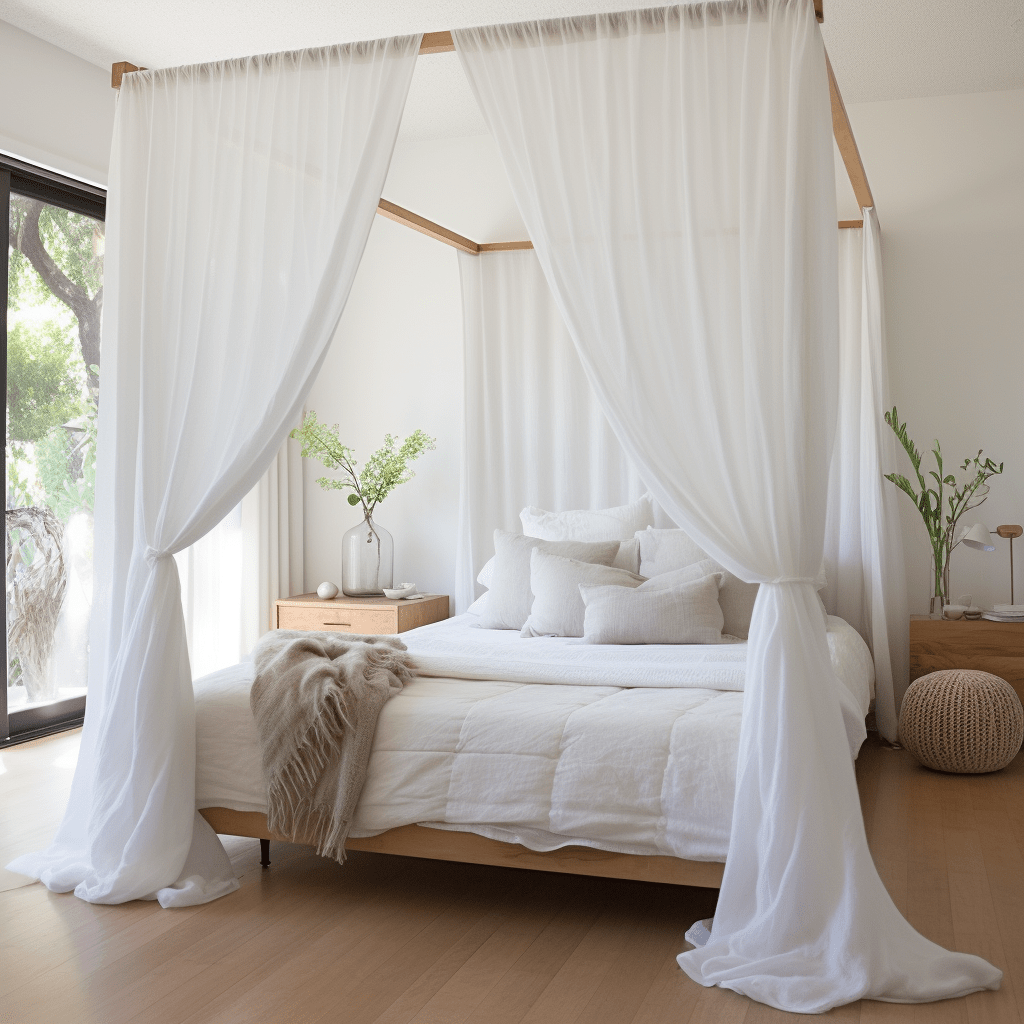
19. Canopy Bed with Sheer Drapes in a Raffia-Wrapped Room
This room is a masterclass in texture. What makes it work so beautifully is the interplay between the organic, horizontal-weave raffia on the walls and the soft, vertical drape of the sheer white canopy fabric. The floral curtains then add a layer of pattern, but the palette is kept so soft (light blues, whites, and greens) that it feels serene rather than busy. The checkerboard ceiling is a bold, brilliant move that adds architectural interest and draws the eye up, making the canopy feel even more grand.
|
$750.00
|
$425.58
|
$749.00
|
$22.98
|

“Textured wallcoverings like raffia or grasscloth are absolutely stunning, but they are delicate and difficult to clean.”
You can’t just wipe them down with a sponge. Stains are often permanent, and seams can sometimes lift in humid environments. Furthermore, the fabric canopy and floral curtains are significant dust collectors. This is a very high-maintenance room that requires careful, regular cleaning and is not well-suited for homes with young children or pets.
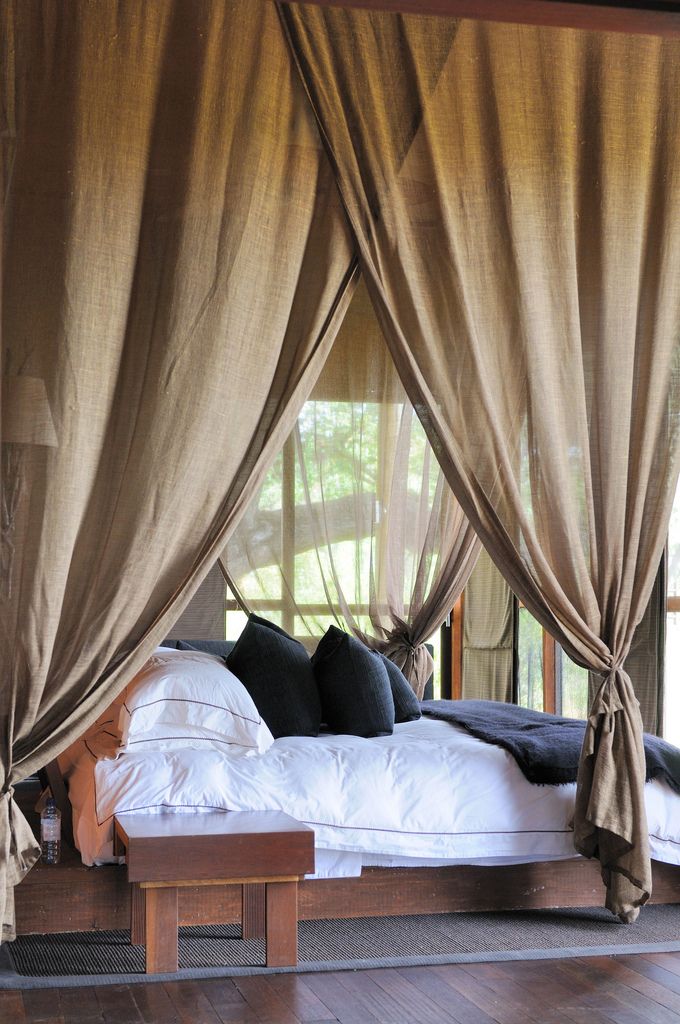
20. Sheer Brown Canopy Curtains with a Natural View
The most important element here isn’t a piece of furniture, but the view itself. The sheer brown canopy curtains are specifically chosen to frame—not block—the lush green scenery outside. By using a translucent, earthy-toned fabric, the design creates a seamless transition between the indoor and outdoor spaces. Tying the curtains back opens the room up completely, making the landscape the primary artwork. The entire design is in service of that incredible natural view.
|
$652.00
|
$69.99
|
$27.19
|
$354.71
|

“A full canopy bed, even one with sheer drapes, requires a good amount of space to avoid feeling cramped.”
This look works best in a bedroom that is at least 12 feet by 14 feet, with ceilings of 9 feet or higher. The canopy creates a “room within a room,” so you need enough surrounding negative space for it to breathe. It is particularly effective in rooms with large windows or a great view, as the frame of the canopy can be used to direct the eye outward, as seen here.
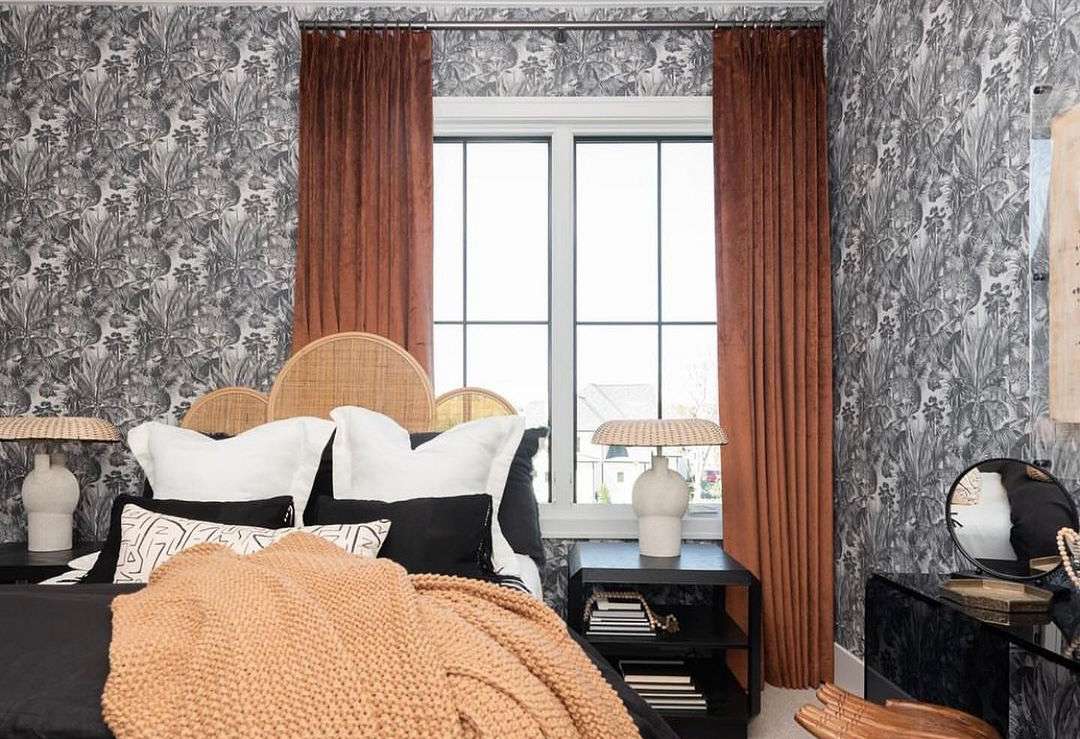
21. Russet Velvet Curtains and Botanical Wallpaper
This dramatic look is all about confident contrast. The rich, warm texture of the russet velvet curtains pops beautifully against the cool, graphic black and white botanical wallpaper. It works because the two elements are so different. The velvet absorbs light and feels plush, while the wallpaper is flat and graphic. This push-and-pull creates visual energy. The rattan headboard and knit throw add another layer of natural texture, bridging the gap between the soft drapes and the crisp wallpaper.
|
$29.99
|
$249.99
|

“When pairing curtains with a bold wallpaper, don’t try to match the pattern.”
Instead, pull one of the less dominant colors from the wallpaper and find a solid-colored curtain in that shade, but in a luxurious texture like velvet, linen, or a heavy slub cotton. Here, the russet color is a warm accent that likely appears subtly in the room’s other decor, providing a cohesive feel without being overly “matchy-matchy.” This makes the room feel curated and personal, not like a showroom set.
22. Layered Gray Drapes on Dark Gray Walls
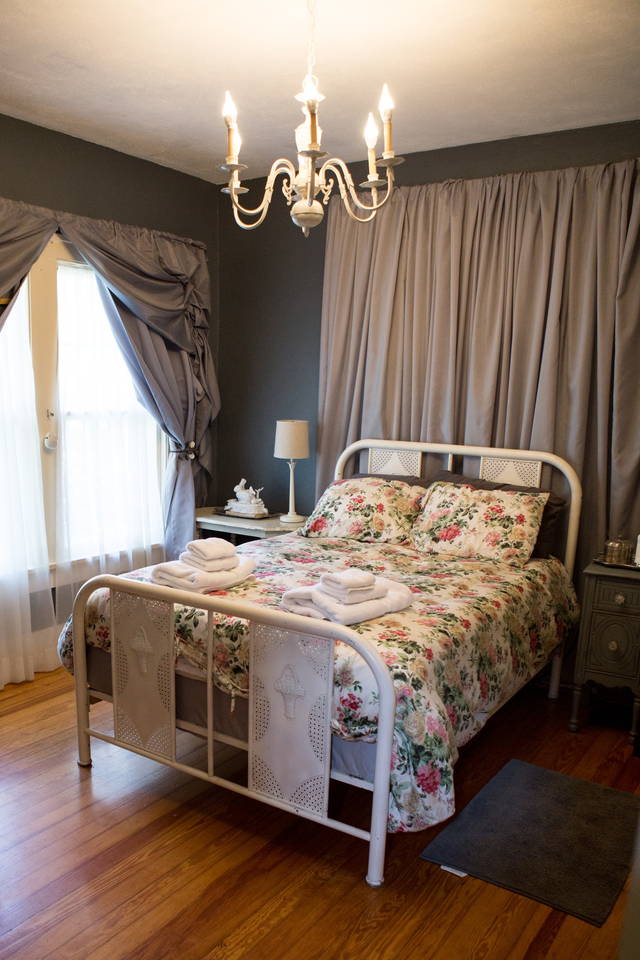
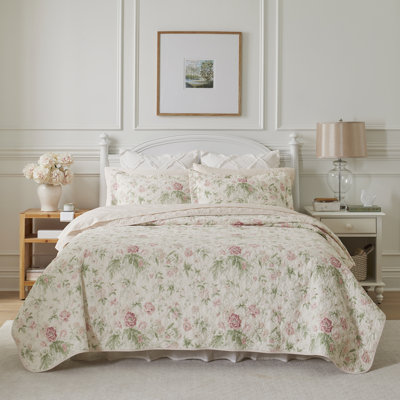
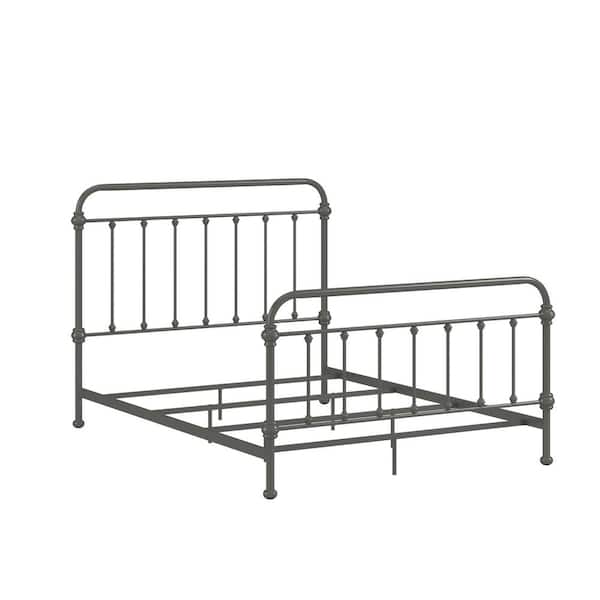
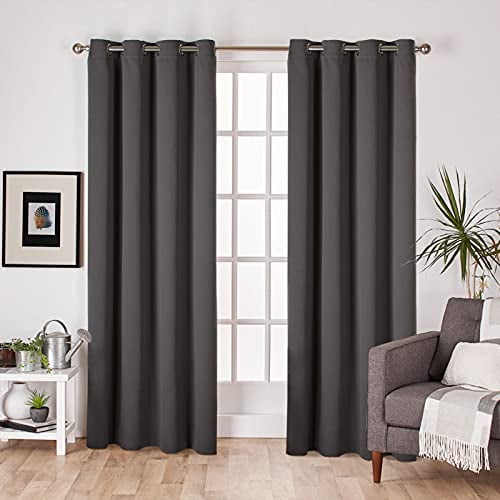
This cozy, traditional room uses a monochromatic approach to create a cocoon-like feeling. The style math is simple: 70% moody gray (walls, multiple curtains) + 20% crisp white (bed frame, sheer curtain) + 10% pattern and color (floral bedding). By layering different shades and textures of gray, the design creates depth without overwhelming the space. The ornate white bed frame and the pop of floral color are essential; they provide a focal point and keep the gray from feeling flat or depressing.
|
$259.00
|
$99.99
|
$405.76
|
$25.64
|

“Painting your walls a dark color like this charcoal gray can make a room feel incredibly intimate and cozy, but it’s a bold choice that can be hard to reverse.”
Dark walls will absorb a lot of light, so it’s crucial to have multiple light sources: good overhead light, bedside lamps, and natural light from a window. This look works best in a room that gets a decent amount of daylight; in a dark, north-facing room, it could feel more like a cave than a cocoon.
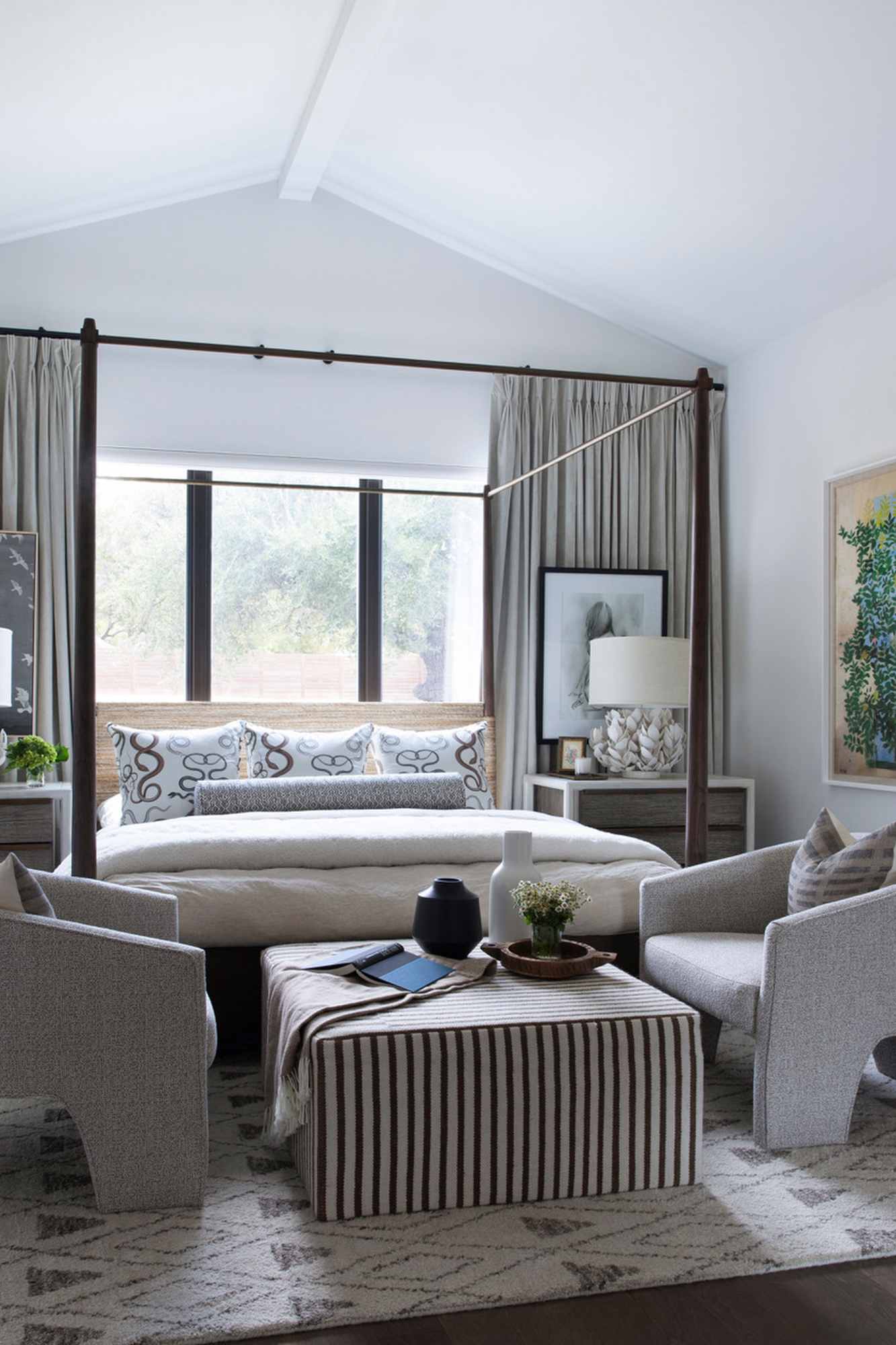
23. Canopy Bed with Grey Curtains in a Bright Sitting Area
The single element that makes this room feel so luxurious and complete is the dedicated seating area at the foot of the bed. It’s not just an afterthought bench; it’s a fully realized zone with two armchairs and a large ottoman. This arrangement transforms the bedroom from just a place to sleep into a true suite or retreat. The simple grey curtains and wooden canopy bed create a serene, neutral backdrop for this functional, hotel-like feature.
|
$3,999.00
|
$67.54
|
$89.24
|
“This is a look for a generously sized primary suite.”
To comfortably fit a canopy bed plus a full seating area like this one, you’ll need a room that is at least 15 feet by 20 feet. This allows for proper circulation around the bed and chairs. The sloped ceiling and large window help the room feel even more expansive, but the core footprint is the most critical factor. In a smaller room, you can echo this idea with a single armchair and a small side table in a corner.
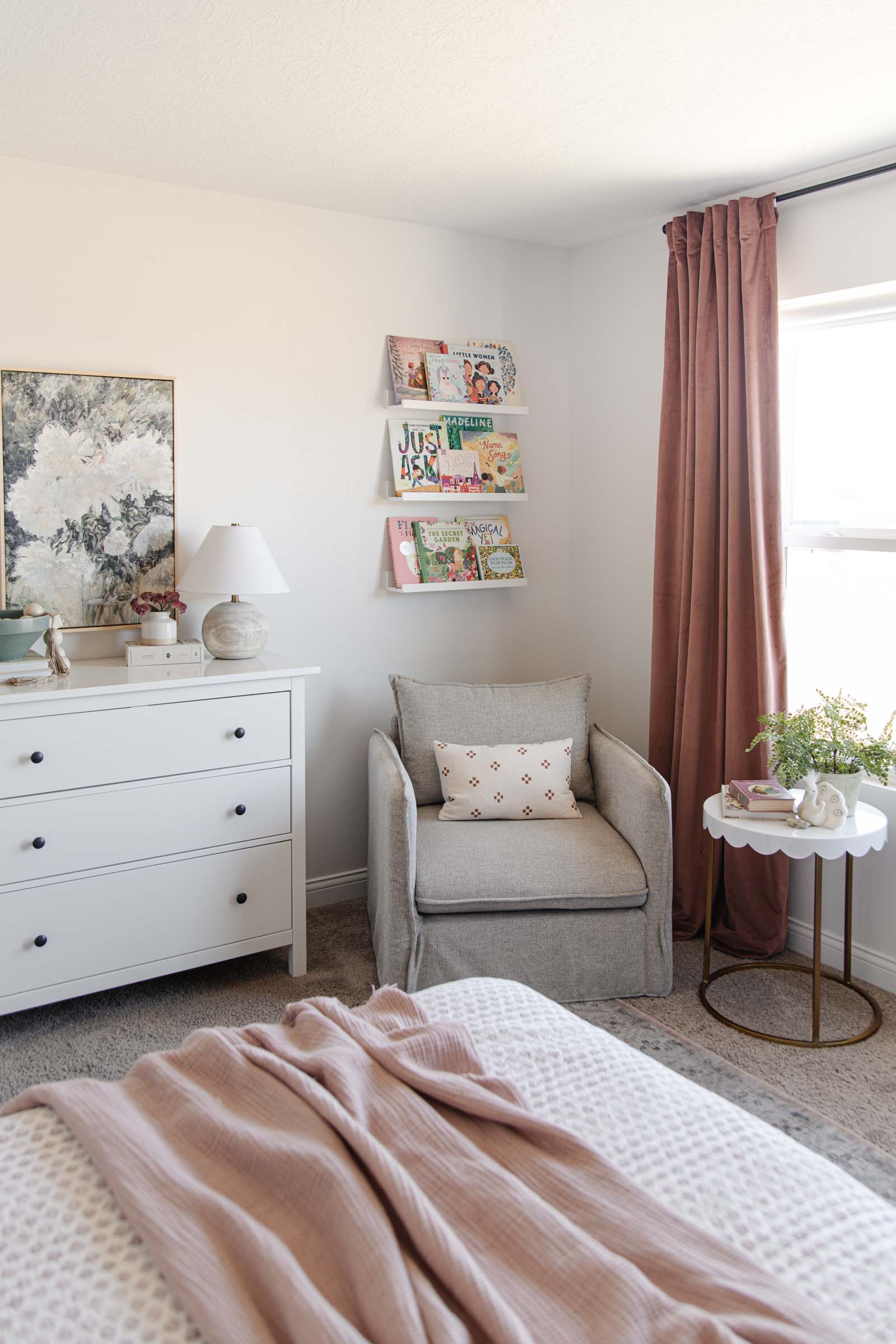
24. Single Blush Velvet Curtain Panel on a Black Rod
This single panel look is a perfect example of high-impact, low-budget design. You only need to buy one curtain panel and a simple rod. Check places like Amazon, Target, or even H&M Home for affordable velvet curtains—you can often find a single panel for $30-$50. A basic black curtain rod is around $25. For under $75, you get a soft, romantic accent that adds color, texture, and a touch of drama to an otherwise simple corner. It feels intentional and stylish without breaking the bank. Compare with the fuller look of Idea #14.
|
$349.99
|
$85.03
|
$13.70
|
$279.00
|

“Hanging a single curtain panel can be a stylish, minimalist choice, especially for a narrow window.”
Here’s how to do it without it looking like you forgot the other one. Time: 15 mins. Cost: $50-$100.
- Choose a rod that is about 12-18 inches wider than your window frame.
- Mount the rod so the extra length is all on the side where the curtain will stack.
- Thread the single panel onto the rod.
- Position the panel so it fully covers the window when closed.
- When open, “stack” the curtain entirely on the wider side, leaving the glass completely exposed.
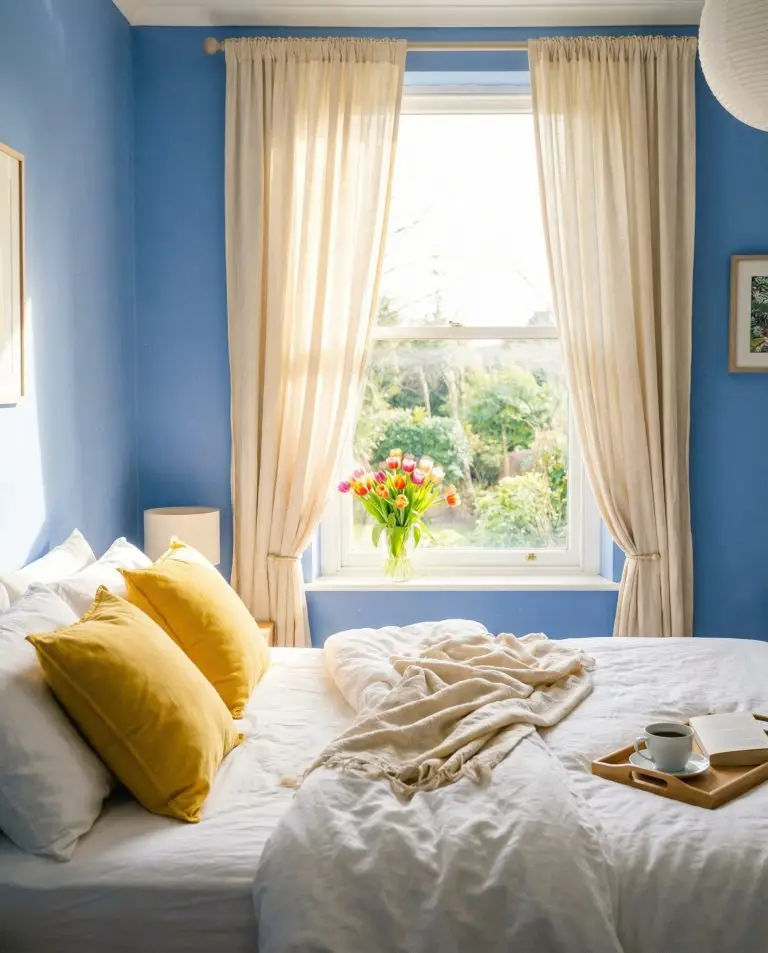
25. Pleated Off-White Curtains Tied Back in a Blue Room
The charm of this look lies in its simplicity and cottage-core aesthetic. The combination of the soft sky blue walls and the creamy off-white curtains creates a feeling of freshness and calm. The traditional pleated heading and matching fabric tie-backs are key details that lean into a classic, almost nostalgic style. It works because it doesn’t try to be overly modern or grand; it’s content being sweet, simple, and airy, with the fresh tulips on the sill as the perfect finishing touch.
|
$14.98
|
$72.97
|
$19.49
|

“Tie-back curtains, especially in a light off-white color, will show dirt and smudges right where you handle them.”
Be prepared to spot-clean the tie-backs and the leading edges of the curtains more frequently. Since they are held in a fixed position, they can also gather dust in the folds. A regular shake-out and occasional vacuuming will be necessary. Luckily, cotton or linen-blend curtains like these are often machine washable on a gentle cycle, which makes deep cleaning easier.
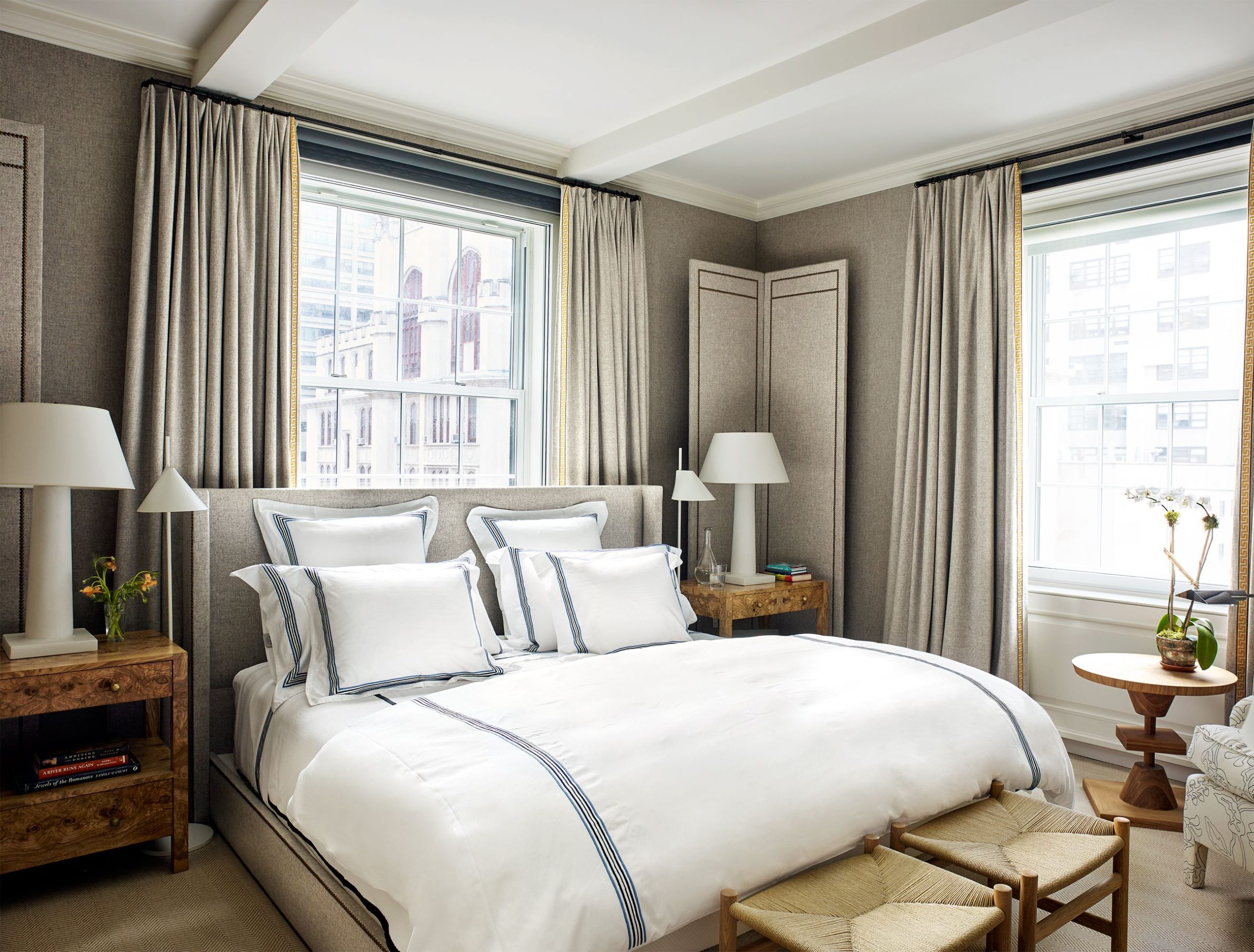
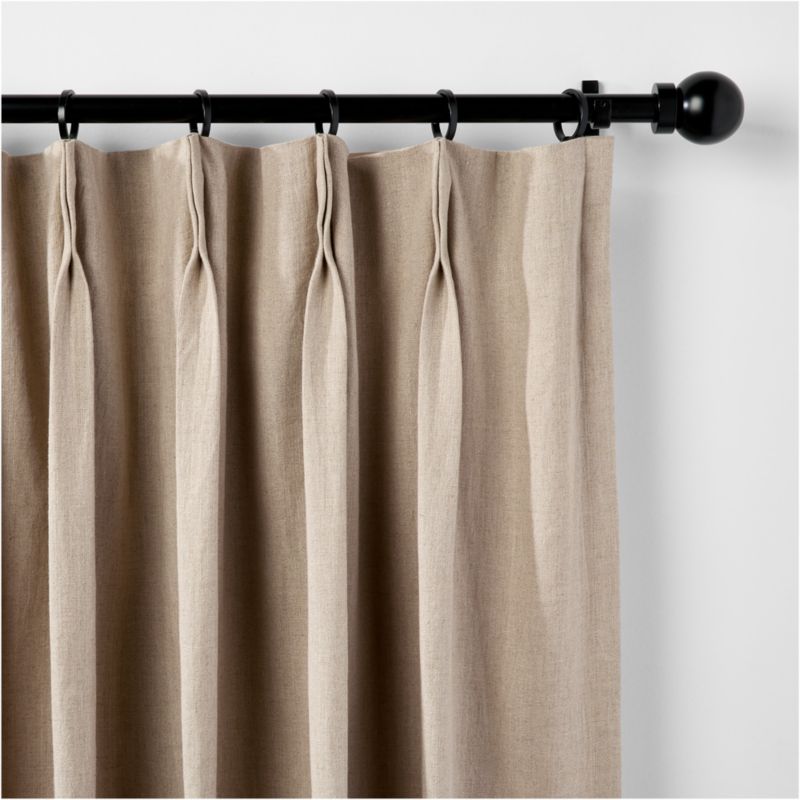
26. Neutral Textured Curtains with Gold Greek Key Trim
that takes these curtains from standard to stunning is the gold Greek key trim. It’s a small detail, but it makes all the difference. This single strip of metallic embroidery adds a touch of glamour and a bespoke, custom-made feel. Without it, the neutral textured curtains would be perfectly nice, but they wouldn’t have this spark of luxury. It proves that a small, thoughtful detail can elevate an entire design.
|
$181.90
|
$139.00
|
$179.99
|
“Adding trim is a fantastic way to customize off-the-shelf curtains.”
You can buy decorative trim by the yard from fabric stores or online. Look for a “no-sew” option with iron-on adhesive backing for the easiest application. Simply lay your curtain panel flat, position the trim along the leading edge, and use a hot iron to bond it. It’s a 30-minute project that makes inexpensive curtains look like they were custom-designed for your space.
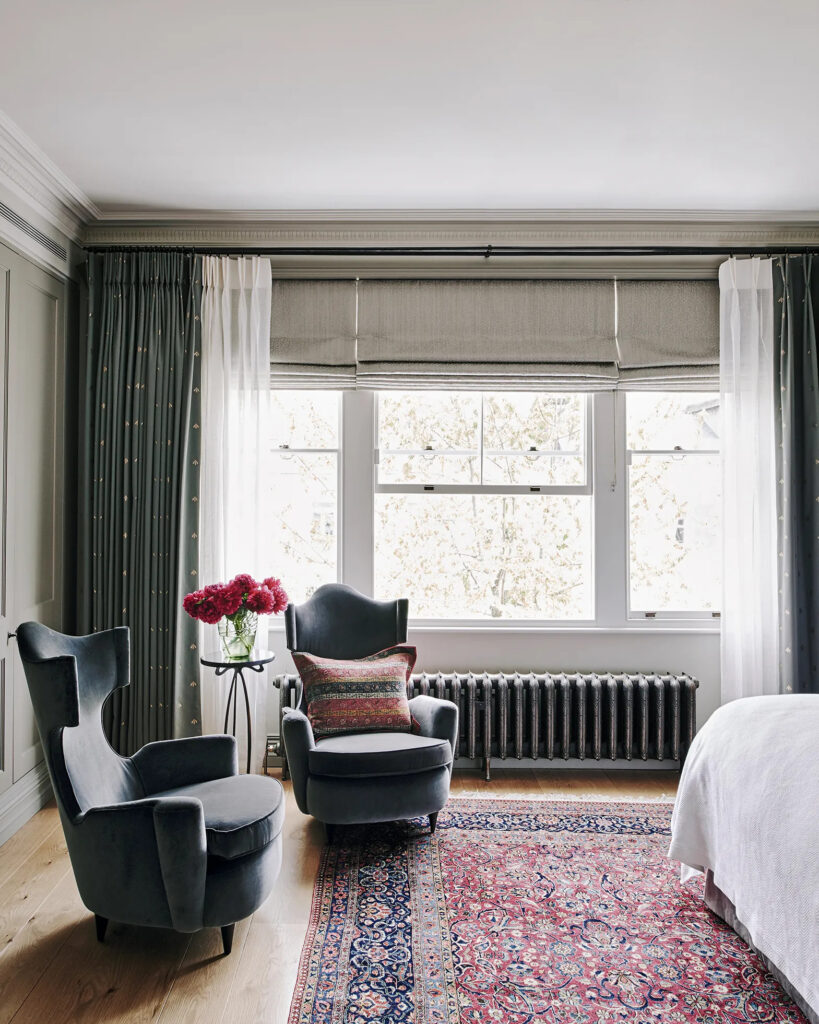
27. Layered Dark Teal Curtains with Sheer Panels and Roman Shades
This room’s elegance is pure formula: 30% dramatic color (the teal curtains), 40% soft neutral layers (the sheer white panels and light gray shades/walls), and 30% rich textures (velvet chairs, patterned rug). The three layers of window treatments—opaque drapes for drama, sheers for diffused light, and Roman shades for privacy—offer ultimate flexibility. The deep teal is the statement, but it’s balanced by the large expanses of soft gray and white, keeping it from overwhelming the room.
|
$108.00
|
$48.65
|
$249.99
|
$136.00
|

“A three-layer window treatment is the peak of luxury, but it requires specialized hardware and precise installation.”
You’ll need a double curtain rod or a combination of a single rod and an inside-mount for the sheers, plus a separate inside-mount for the Roman shades. This can get crowded on the window frame and is often a job for a professional installer to get perfectly right. It’s a gorgeous and functional choice, but it’s not a simple DIY project.
28. Layered Olive Green Drapes with Sheer White Curtains
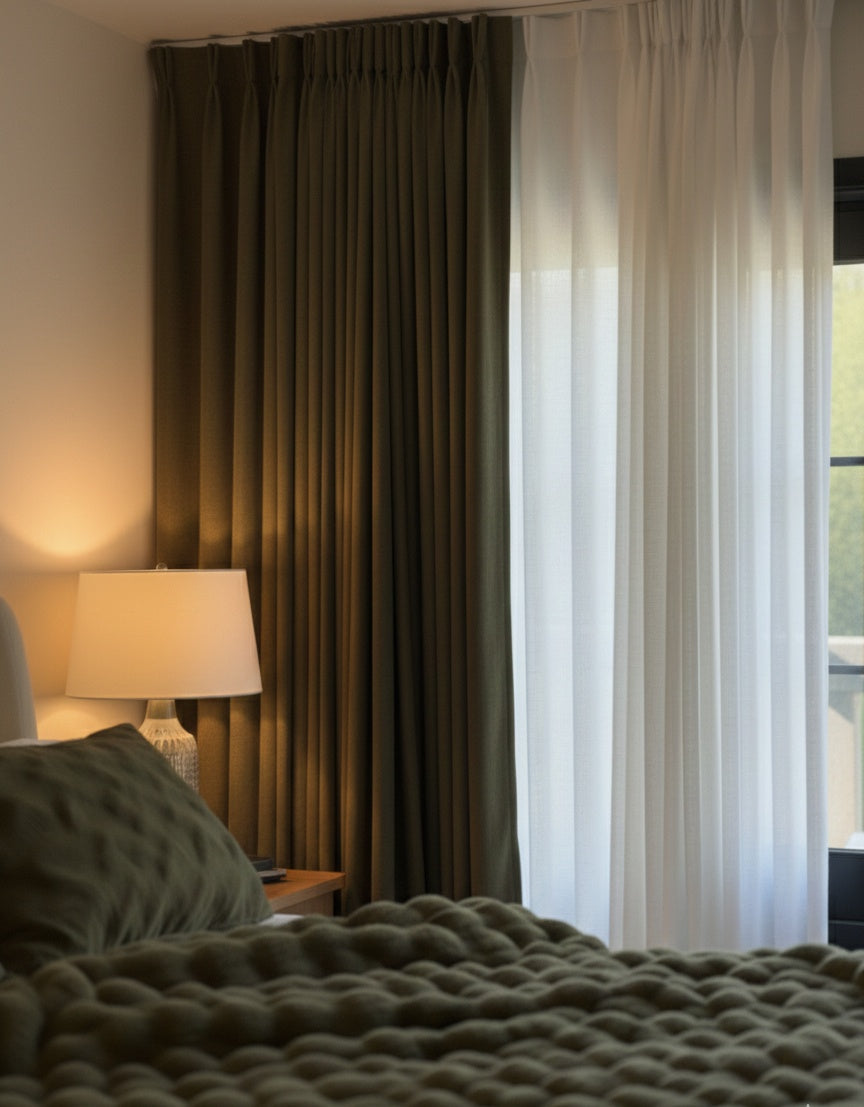
This cozy setup works because it expertly balances color and texture. The olive green is earthy and calming, and by using it on both the pleated drapes and the textured blanket, the color feels integrated and purposeful. The inner layer of sheer white curtains is crucial—it prevents the look from becoming too dark or heavy, adding a layer of softness and allowing for diffused natural light when the main drapes are open. The dark window frame provides a crisp, graphic outline. See how this compares to the lighter green in Idea #12.
|
$90.00
|
$24.00
|
$68.84
|
$49.99
|

“Earthy, nature-inspired tones like olive green have become the new neutrals for 2026.”
Homeowners are moving away from cool grays and seeking out colors that make their spaces feel like a warm, enveloping hug. Olive green is incredibly versatile, pairing well with woods, creams, and black accents, as seen here. It taps into our collective desire for calm, grounding spaces that feel like a retreat from the outside world. This is a trend with staying power because it’s based on emotion, not just aesthetics.
29. Deep Teal Curtains on an Accent Wall with a Slanted Ceiling
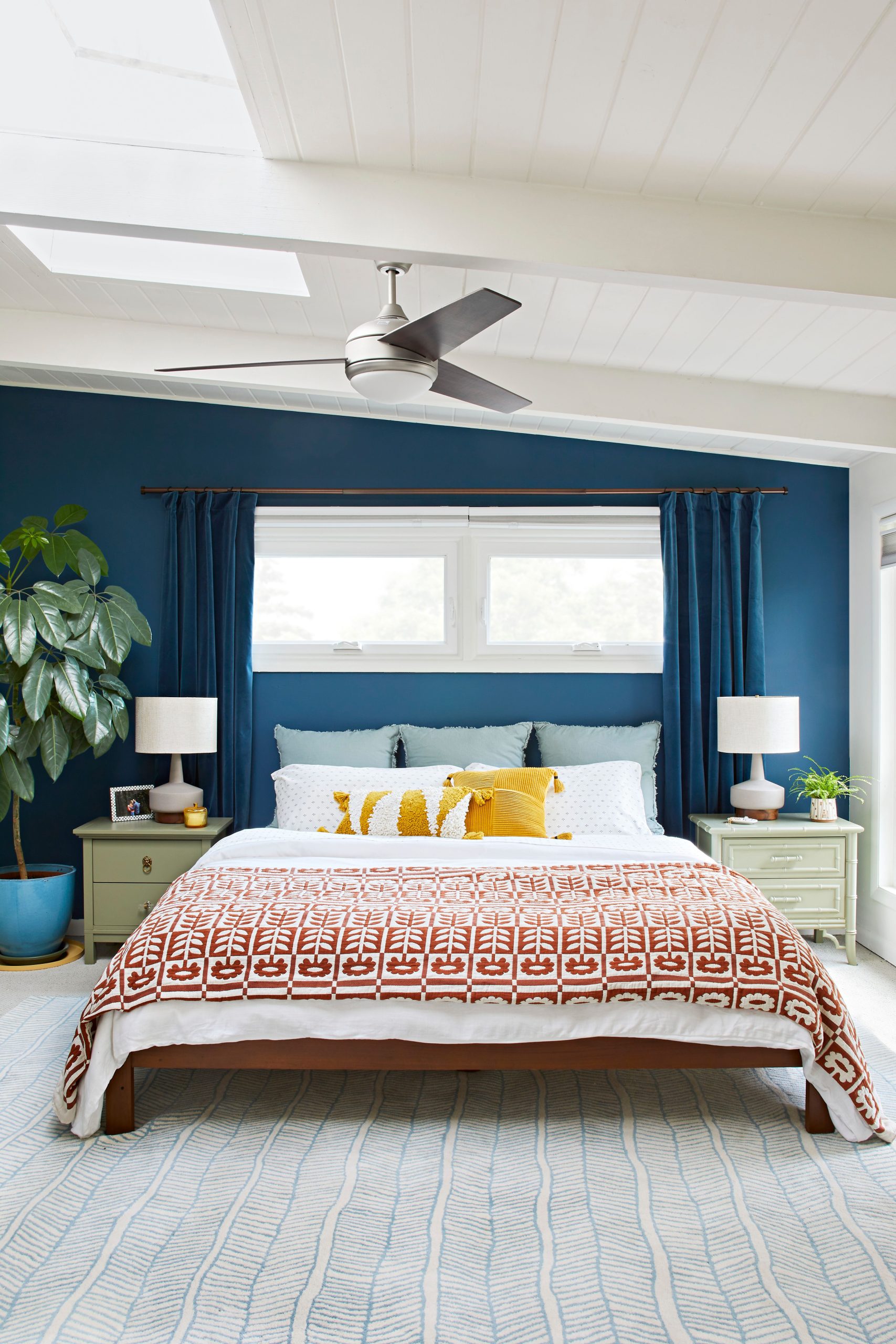
This idea is perfect for attic rooms or bedrooms with challenging architecture like a slanted ceiling. By painting the main window wall a deep teal and matching the curtains to it, the design creates a single, cohesive focal point. This prevents the angled walls from making the room feel choppy or disjointed. It works best on the tallest vertical wall in the room. The skylights are a huge bonus, as they provide balancing light to offset the deep, moody accent color.
|
$192.15
|
$199.99
|
$333.00
|
$75.00
|
“When dealing with a slanted ceiling, hang your curtain rod on the vertical wall space below the slant.”
Extend the rod at least 8-10 inches wider than the window on each side. Then, choose curtains that match the wall color. This monochromatic approach makes the curtains blend into the wall, creating an unbroken field of color that makes the room feel larger and less architecturally awkward. It visually simplifies the space.
30. Layered Sheers and Venetian Blinds with Terracotta Accents
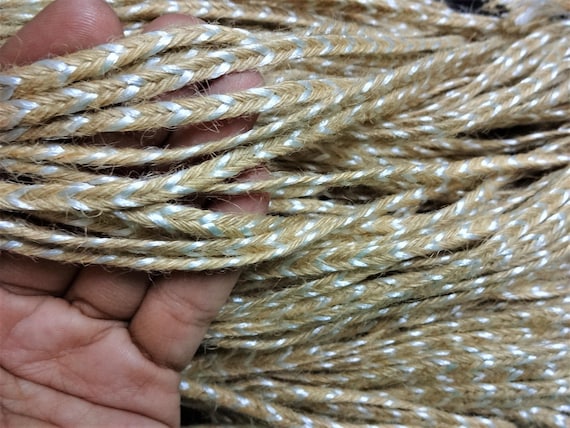
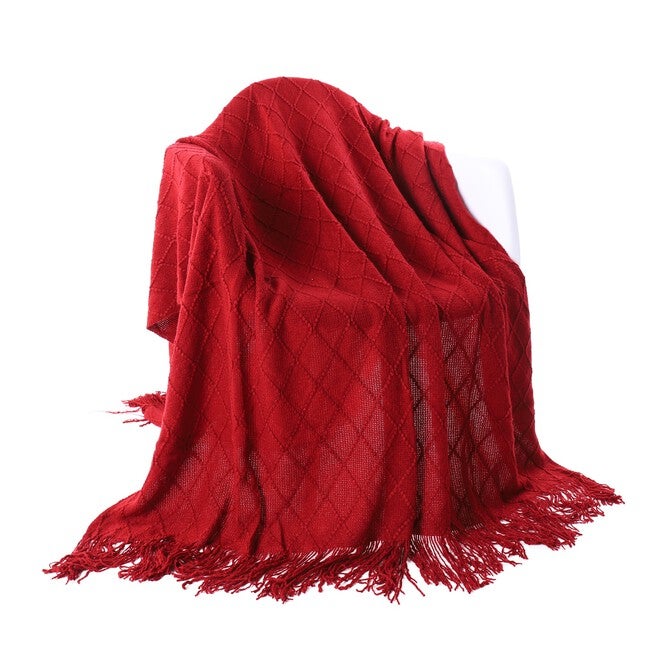
This design succeeds by mastering the art of the “warm minimalist” aesthetic. The window treatment itself is simple and functional: basic venetian blinds for privacy, layered with soft sheer curtains to diffuse light. What makes it special is the carefully curated color and texture palette. The rustic orange throw, terracotta pillows, and jute rug inject just the right amount of warmth and earthiness to keep the white-and-wood base from feeling sterile. You can see a similar layering concept with a different mood in Idea #4.
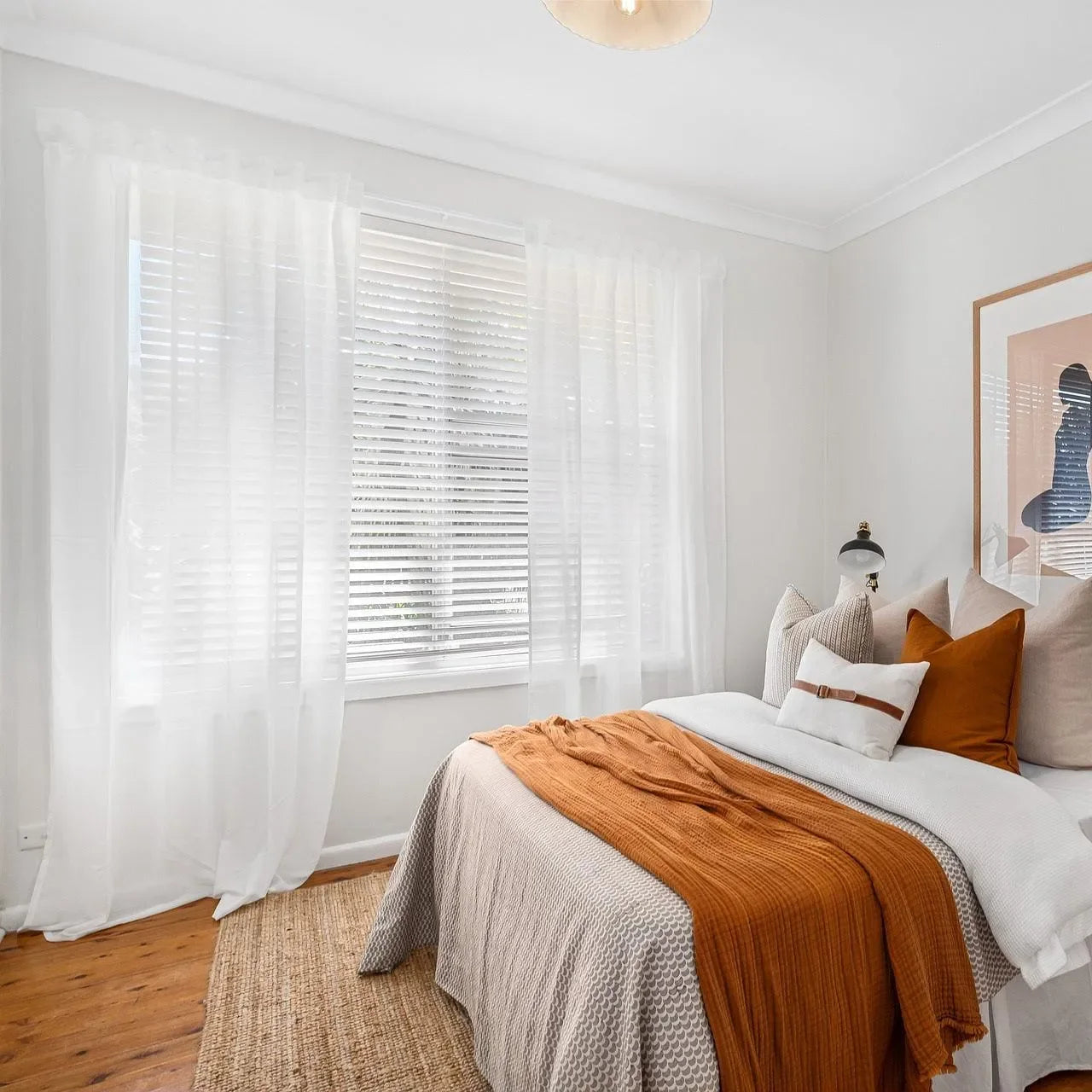
|
$49.50
|
$21.99
|
“Achieving this warm, natural look doesn’t require a big budget.”
The core elements are widely available and affordable. Find basic white sheer curtains and faux-wood venetian blinds at Target or Walmart. The real impact comes from the accessories: a chunky knit throw, a few textured pillows in terracotta or rust from H&M Home or Amazon, and an affordable jute rug from IKEA. You can pull the entire vibe together for under $250.
31. Teal Drapes with Matching Valance and Tufted Headboard
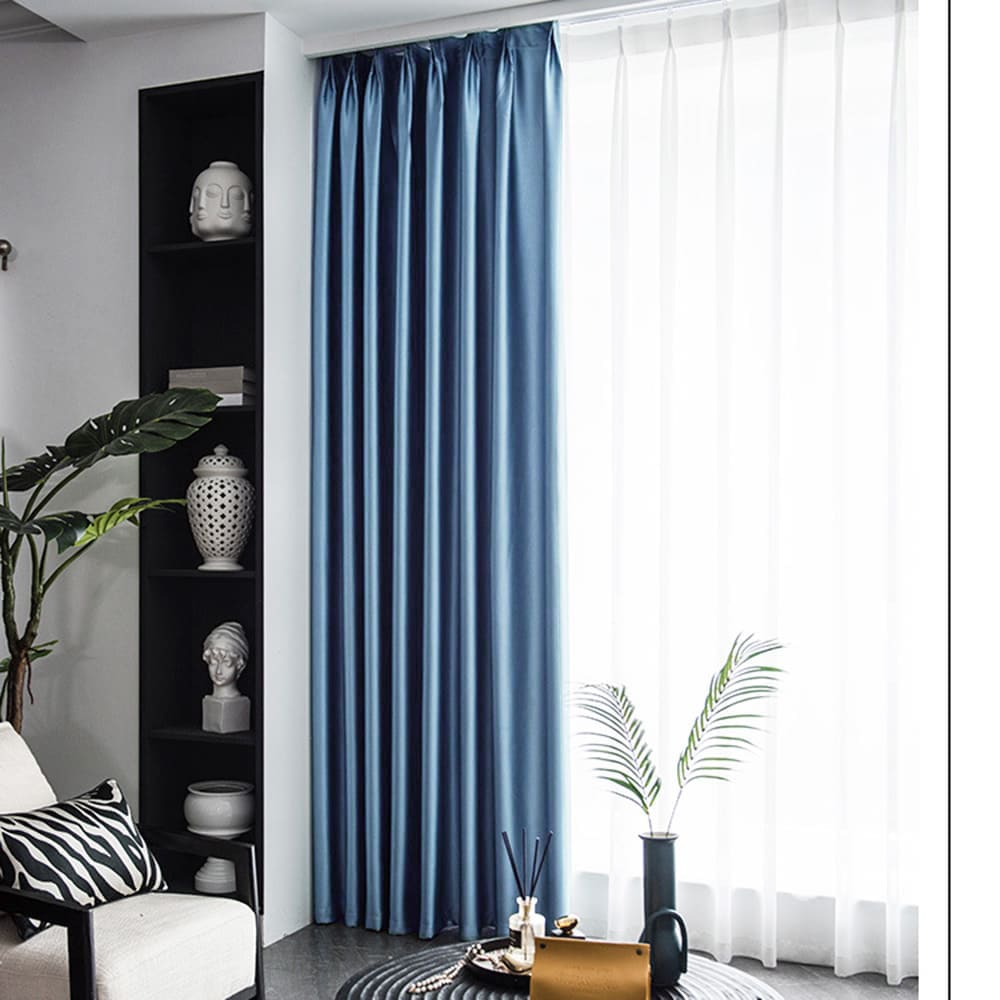
This polished, serene look feels custom and high-end due to the matching valances and quality textiles. The investment is in creating a fully coordinated window treatment that feels like a single architectural element.
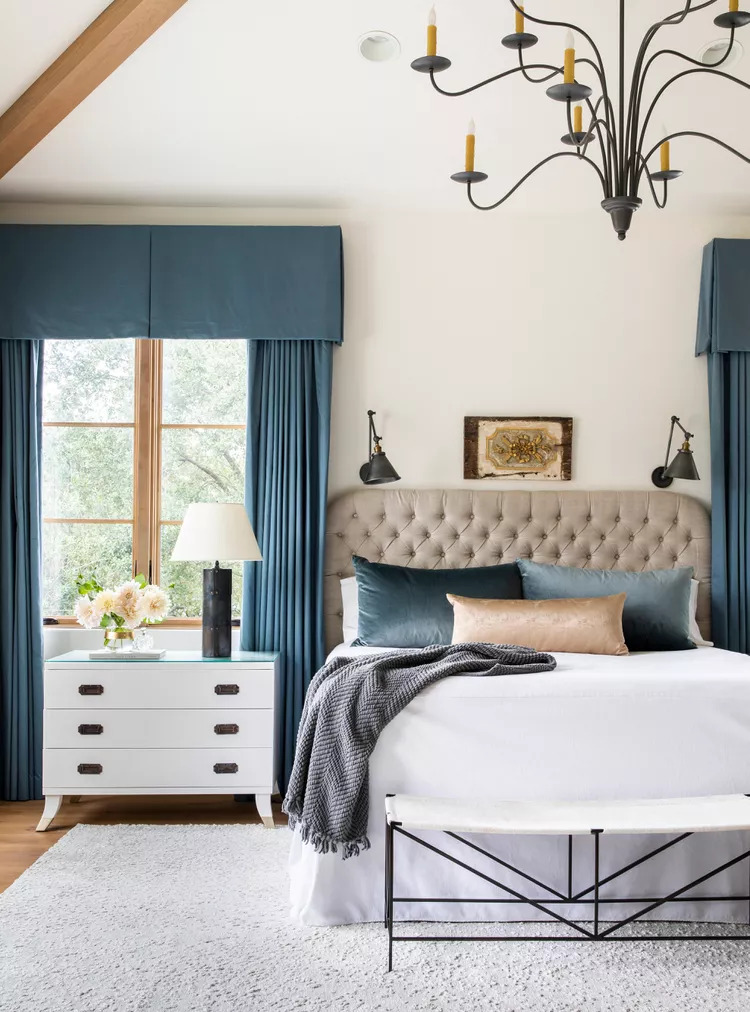
|
$146.21
|
$49.99
|
$79.95
|
$499.99
|

“Drapery Panels (Pleated, 2): $250 – $600
Matching Fabric Valances: $200 – $5”
- Drapery Panels (Pleated, 2): $250 – $600
- Matching Fabric Valances: $200 – $500
- Tufted Headboard (King): $400 – $900
- Hardware (Rods, Brackets): $80 – $200
- TOTAL: $930 – $2,200
- Budget alternative: Skip the valance and use solid teal curtains from a store like JCPenney, paired with a Wayfair tufted headboard for a total cost of around $400-$600.
A valance adds a formal, traditional touch, but it also adds visual weight to the top of a window. In a room with standard 8-foot ceilings, a bulky valance can make the ceiling feel lower. This look is best suited for rooms with ceilings that are 9 feet or higher. Also, be aware that matching your curtains and valance so perfectly is a very specific style choice that can feel dated if not paired with modern or transitional furniture to balance it out.
32. Layered Sheer and Opaque Drapes on a Recessed Ceiling Track
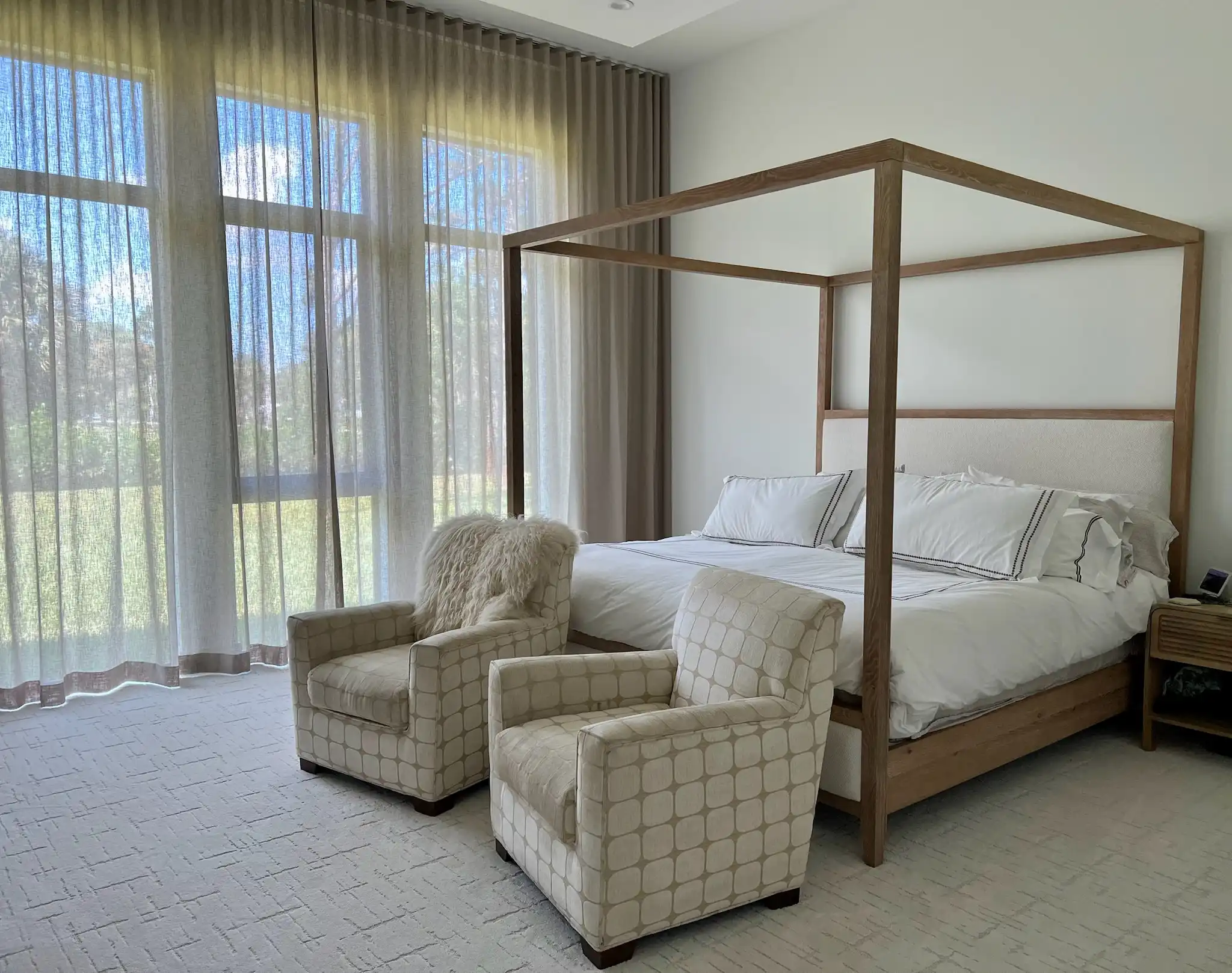
The single thing giving this room its seamless, high-end hotel quality is the recessed ceiling track. By hiding the curtain hardware completely, the drapes appear to flow directly from the ceiling, creating an uninterrupted vertical line. This small architectural detail makes the room feel taller and more polished than a standard wall-mounted rod ever could. It allows the sheer and an opaque layer to hang perfectly, creating a wall of fabric that feels both grand and airy. For a different take on floor-to-ceiling sheers, see Idea #3.
|
$55.20
|
“While a recessed track is best installed during construction, you can fake the look.”
Time: 2-3 hours. Cost: $100-$300.
- Install a ceiling-mount curtain track (like IKEA’s VIDGA system) about 4-6 inches away from the window wall.
- Mount a 1×4 piece of MDF or pine wood to the ceiling, parallel to the track, about 1 inch in front of it.
- Cut, prime, and paint a thin piece of plywood or drywall to match the ceiling.
- Nail this piece to the front of the wood board, creating a faux bulkhead that hides the track.
- Caulk the seams and touch up the paint for a built-in look.
33. Sheer White Curtains on a Brass Rod in a Light Gray Bedroom
This room proves you don’t need bold colors to make an impact. The formula is simple and effective: 80% cool, soft neutrals (light gray walls, white sheers, beige chair) + 15% cozy texture (patterned bedding, nubby rug) + 5% warm metallic (the single brass rod). The brass rod is the key accent; it acts as a piece of jewelry for the room, adding just enough warmth and shine to keep the gray and white palette from feeling cold or sterile.
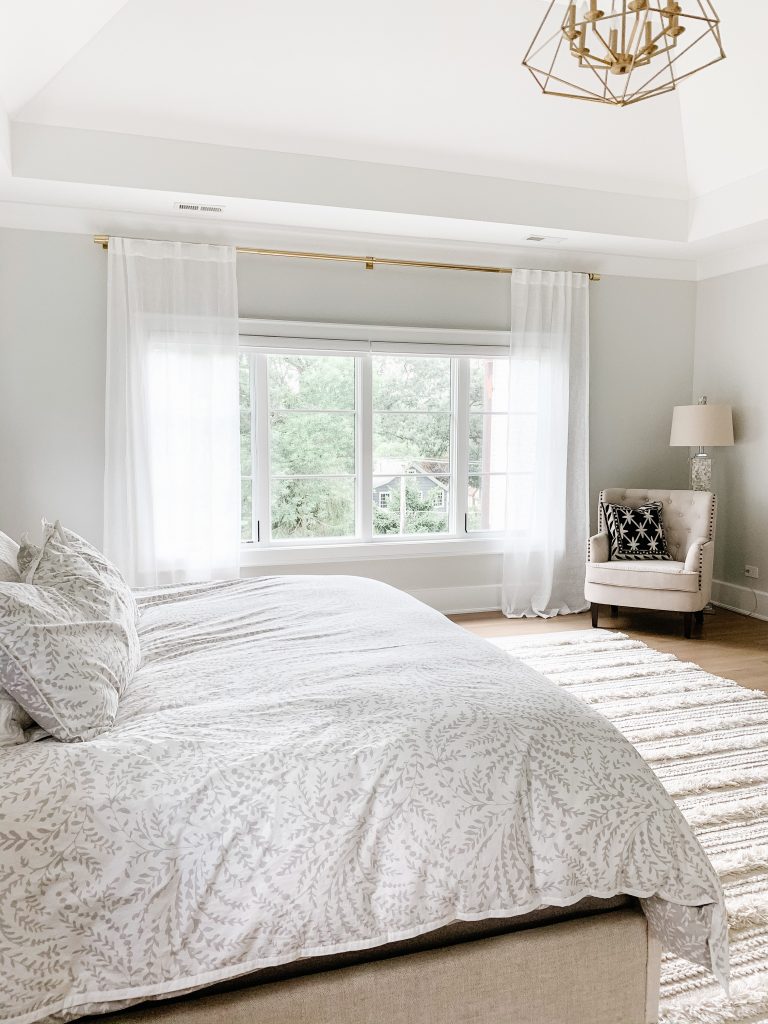
“This design feels so serene because of the masterful use of light—both real and perceived.”
The sheer white curtains allow maximum natural light to flood the room, while the light gray walls have a high Light Reflectance Value (LRV), bouncing that light around the space. The brass rod contributes by reflecting light with a warm glow. The overall effect is bright, airy, and incredibly peaceful, a perfect recipe for a restful bedroom.
The Final Drape: Your Bedroom’s Next Chapter
Think of your curtains as the final layer of your personal sanctuary—the element that ties it all together. Whether your style is bold and dramatic or soft and serene, the right window treatment can completely reshape the way your bedroom feels. Now you’re ready to take inspiration from these ideas and create a space that feels perfectly you. And don’t forget to share your favorite looks with your friends on Pinterest!
Photo credits: Pexels, peterweideman, Engin_Akyurt, joseclaudioguima, JamesDeMers, StuBaileyPhoto / Pixabay, The Spruce, Better Homes & Gardens, Decoholic, Pugerudes, Homerilla, ELLE Decor, Trendir, Home Spire Studio, Homedit, Hawk Hill, Apartment Therapy, Caitlin Marie Design, Hackrea, National Assemblers, Spiffy Spools, EaseEase Curtains, IXA Curtains, Miami’s Best Blinds, My Kind of Sweet, Nesting With Grace, Edward George / Web