You know that feeling. You’ve pinned a hundred “Bedroom Color Schemes Ideas 2026” photos, but your saved folder is a chaotic mix of blues, greens, and neutrals that don’t quite feel like *you*. How do you go from a Pinterest board to a paint color you won’t regret? After filtering through hundreds of options from places like West Elm, CB2, and IKEA, we narrowed it down to the 33 ideas that truly deliver. In this guide, we’re diving into the best palettes for every style, from cozy modern to earthy traditional, covering price points from under $100 for a DIY refresh to $8,000 for a full designer look. For 2026, it’s all about creating a personal sanctuary, and the right color palette is the foundation for that feeling. And stay until the end — we break down the most common mistakes that can ruin these looks.
This post may contain affiliate links. As an Amazon Associate, we earn from qualifying purchases at no extra cost to you.
📌 Save this to Pinterest for later — you’ll want to revisit these ideas.
1. Airy Periwinkle with Textured Gray and Brass
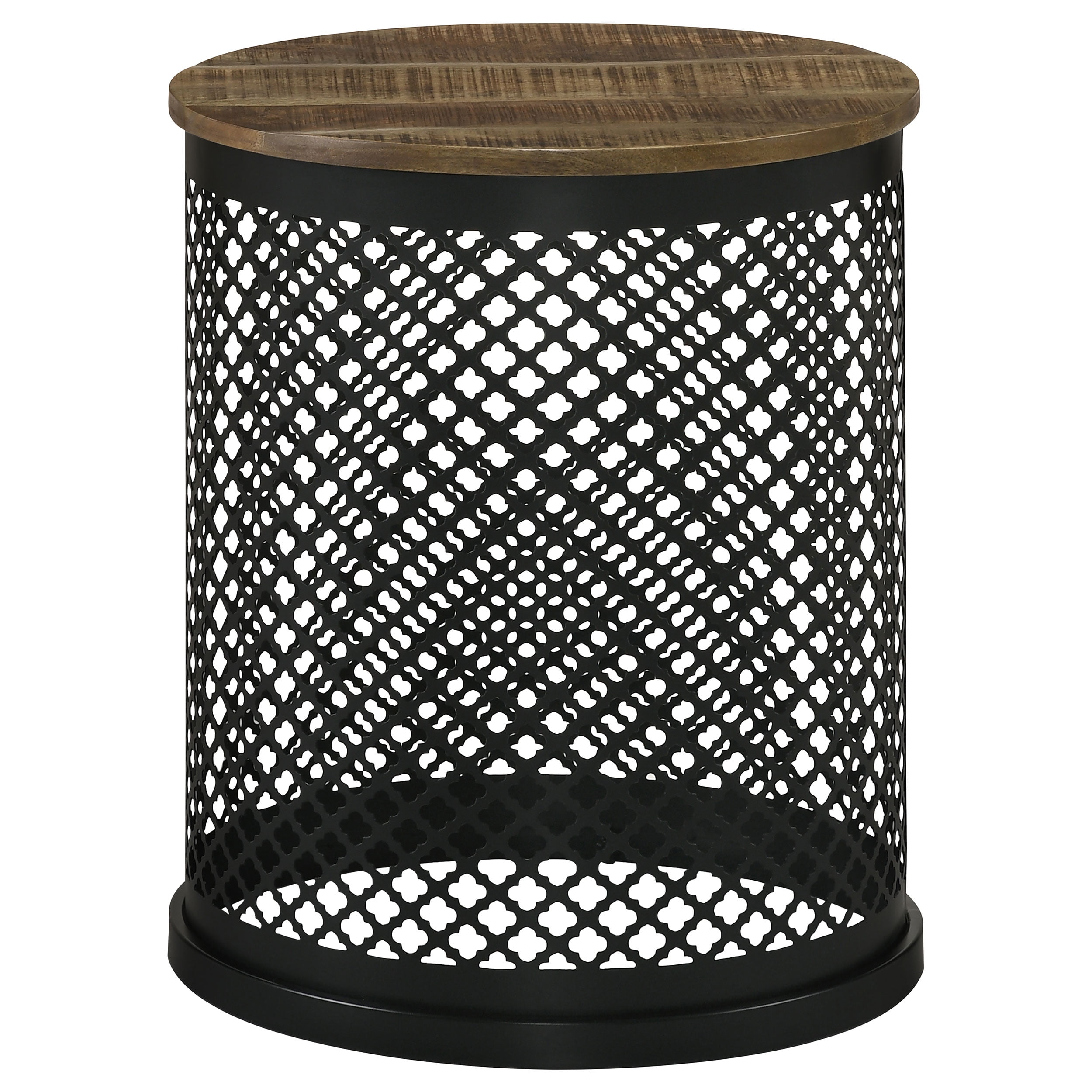
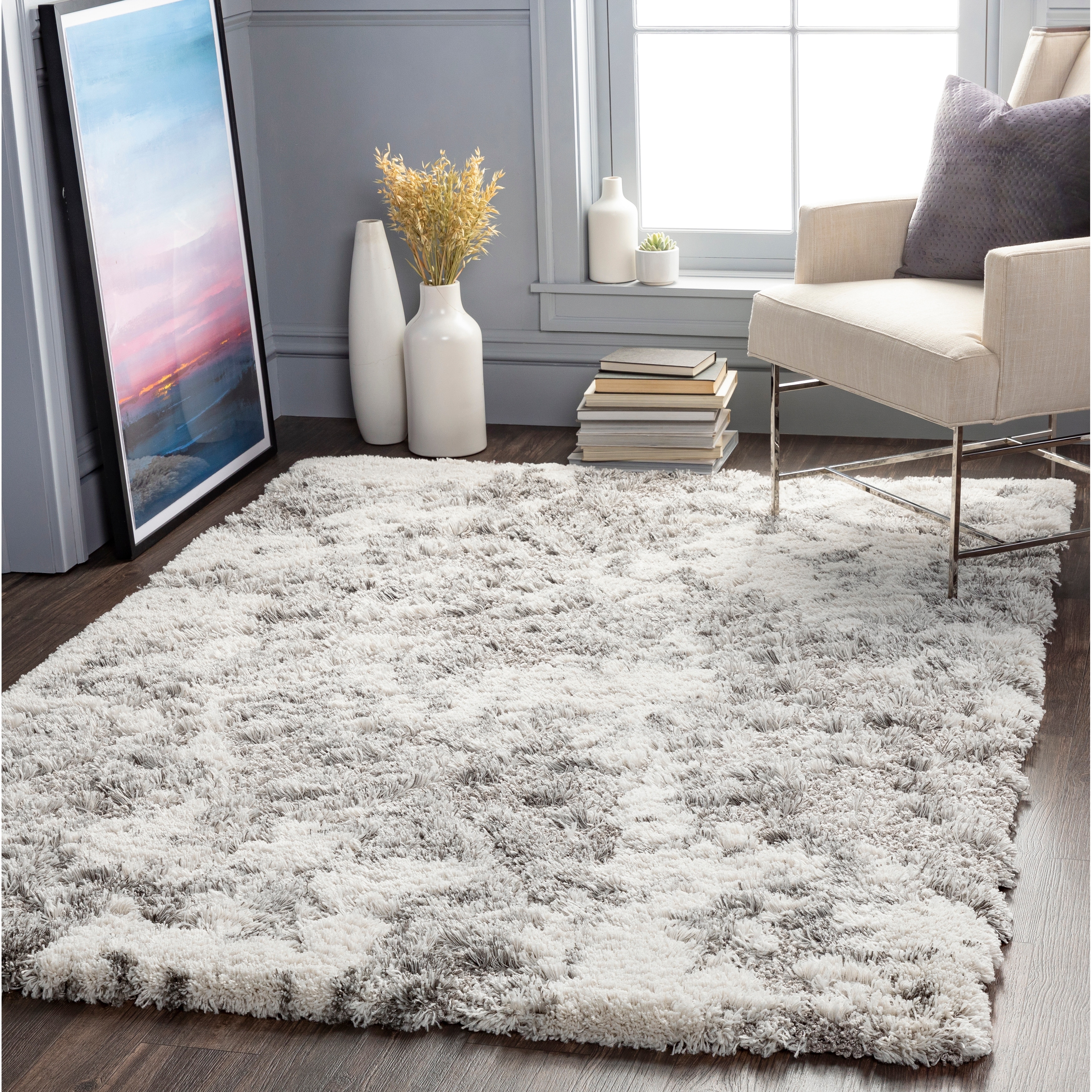
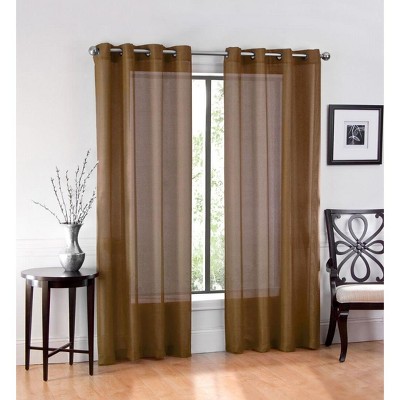
What makes this click is the smart use of color temperature and texture. The periwinkle walls have a cool, calming effect, but the brass grommets on the curtains and the warm hardwood floor prevent the room from feeling chilly. The variety of textures—from the gray shaggy rug to the tufted accent chair and the crisp striped side table—adds layers of visual interest that keep the soft palette from falling flat. It’s a masterclass in making a simple color scheme feel rich and complete.
|
$182.39
|
$42.30
|
$279.99
|
$16.00
|

“To keep an airy room like this from feeling too sparse, pay close attention to the scale of your lamps.”
The wall-mounted reading lamps here are perfectly placed, freeing up space on the small side table. Aim for a height of 22-28 inches above the mattress top to the bottom of the shade. This ensures the light is useful for reading in bed but isn’t glaring. Choosing a metallic finish, like the brass seen here, ties into other accents for a cohesive look.
2. Neutral Bedroom with a Large Window and Wood Beams
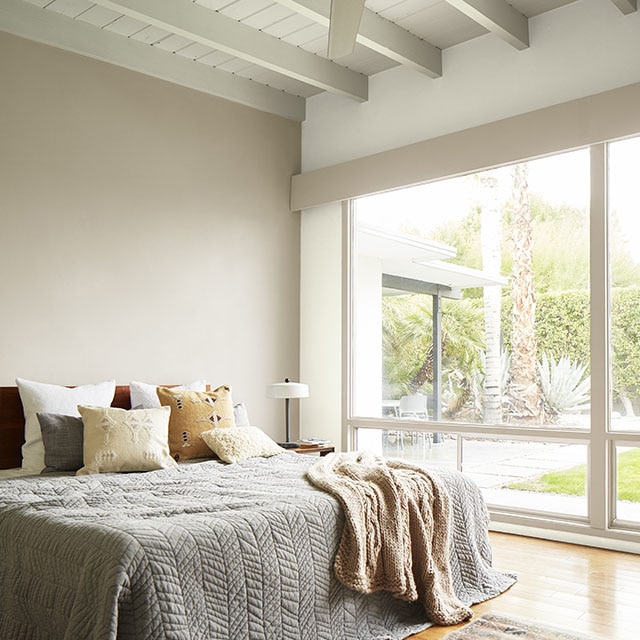
that truly defines this space is the massive floor-to-ceiling window. Without it, the neutral palette could feel a bit plain. But with that expansive view of lush greenery pouring in, the simple beige, grey, and white scheme becomes a quiet, supportive frame for nature. The window transforms the room from just a bedroom into a serene retreat, proving that sometimes the best design element is the one you can see right outside.
|
$134.00
|
$214.99
|
$32.99
|
$75.00
|
“Think of this room as a simple equation: 60% warm neutrals (light beige walls, cream pillows) + 30% soft textures (light grey quilted comforter, assorted pillows) + 10% natural wood (headboard, ceiling beams).”
You could easily swap the mustard accent pillow for a dusty blue or a soft sage green to shift the mood without disrupting the room’s peaceful balance. The formula is what creates the calm, not the specific accent color.
3. Modern Bedroom with a Black Shiplap Accent Wall
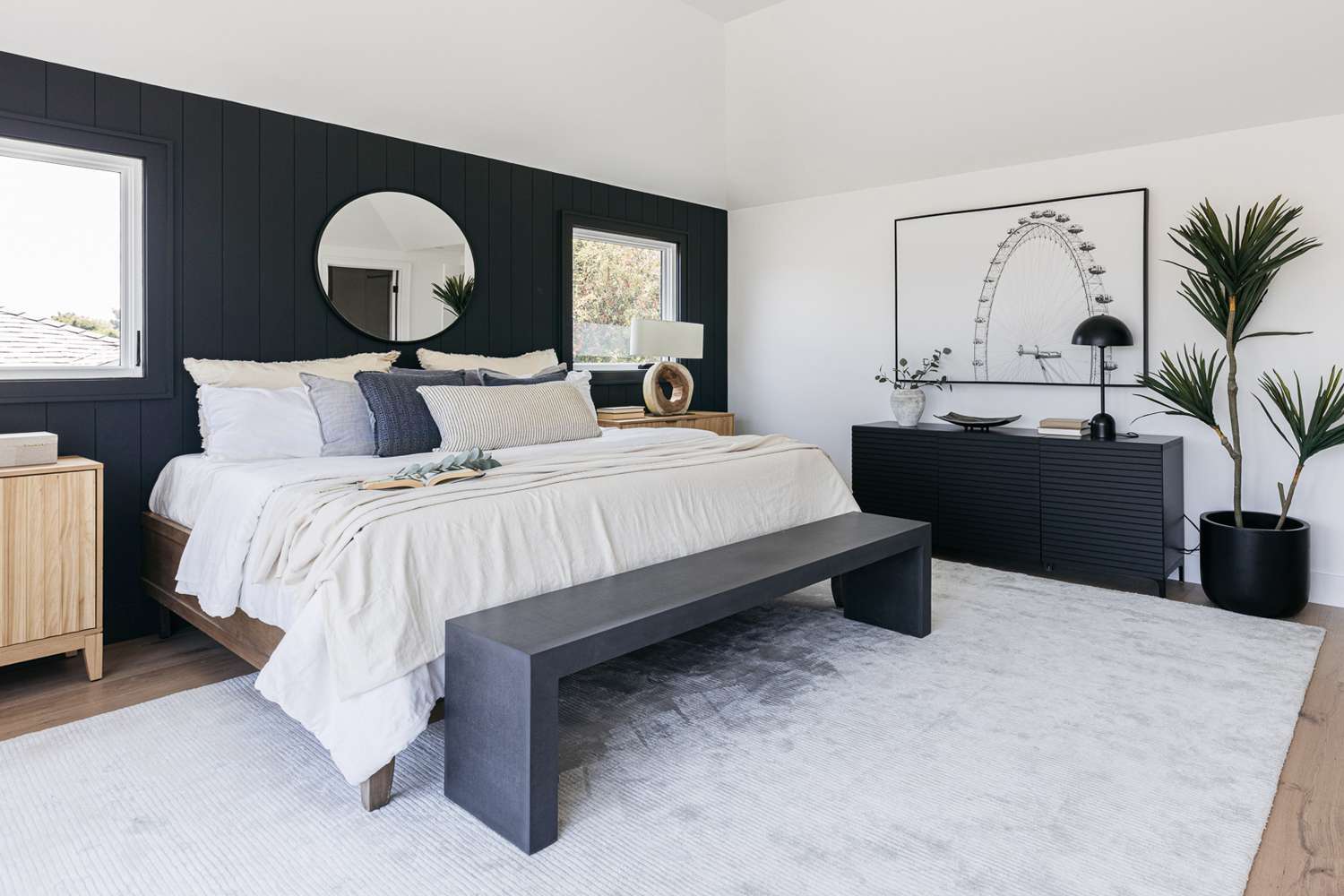
A black accent wall is a bold, sophisticated move, but it comes with a warning. This look requires ample natural light to avoid feeling like a cave. If your room is north-facing or has small windows, a full black wall can feel heavy and oppressive. Notice how the adjacent white wall and light gray rug are doing a lot of work to bounce light around the room. Without that balance, this chic statement could become a gloomy-Gus situation real fast. Compare the a moodier take in Idea #21.
|
$71.99
|
$378.99
|
$69.49
|
“You can get this high-contrast look for a fraction of the cost.”
Instead of custom shiplap, use a high-quality matte or eggshell black paint (around $70 for a premium gallon). For furniture, check out IKEA’s MALM series or look for light-colored wood pieces on Facebook Marketplace. A simple light gray rug from Target can anchor the space for under $200. You achieve the same modern, balanced vibe without the high material and labor costs of installing a full wood-plank wall.
4. Warm Peach Walls Framed by Black Fluted Glass
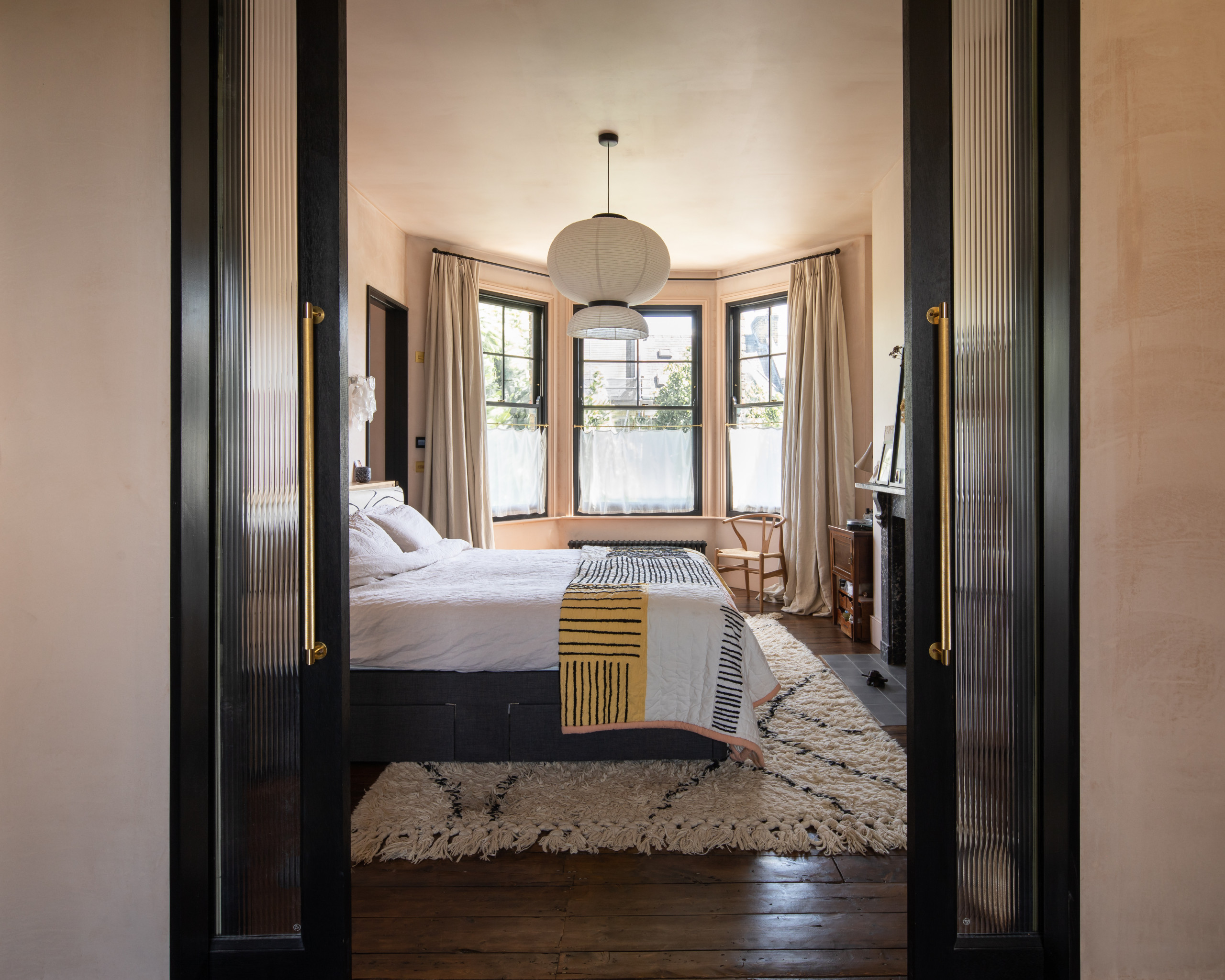
This idea works best in a room that is at least 12×12 feet with standard 8-foot or higher ceilings. The dark, dramatic elements—the black glass doors and dark wood floors—need some breathing room to feel intentional rather than cramped. The choice of a large, light-colored rug (the cream shag here) is crucial in a smaller space to prevent the floor and doors from visually shrinking the room. A smaller room could adapt this by using the peach color but pairing it with a lighter door style.
|
$99.90
|
$579.99
|
$43.09
|
$27.96
|


“The success here is all about contrast and balance.”
The soft, warm peach walls create a welcoming glow, which is beautifully juxtaposed with the strong, modern lines of the black fluted glass doors and dark bay window frames. The cream shag rug with its own black pattern serves as a bridge, echoing both the light walls and the dark accents. Finally, the brass handles add a touch of metallic warmth, tying the whole palette together with an elegant finish.
5. Sage Green Bedroom with a White Vaulted Ceiling
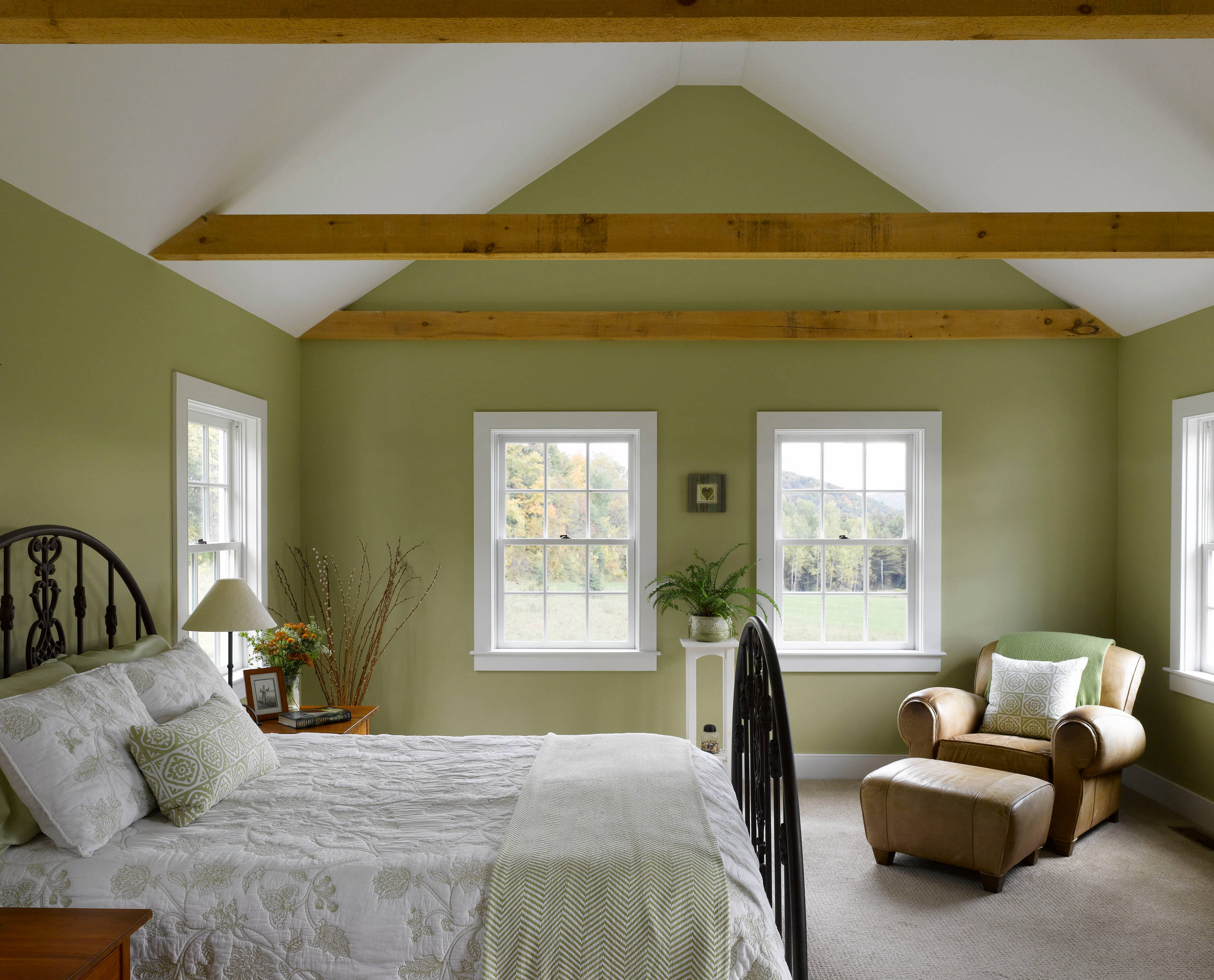
Sage green continues its reign as a top “new neutral,” and this room shows why. It taps into the biophilic design trend—our collective desire to bring the calming, restorative feeling of nature indoors. Unlike more saturated greens, sage has a grayish, muted undertone that makes it incredibly versatile and soothing. It feels current yet timeless, making it a safe bet for a color you’ll love for years. This isn’t a fleeting fad; it’s a reflection of a larger shift towards creating peaceful, grounded home environments.
|
$127.98
|
$49.99
|
$319.99
|
$814.49
|
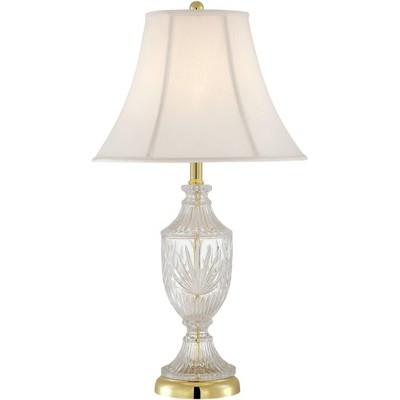
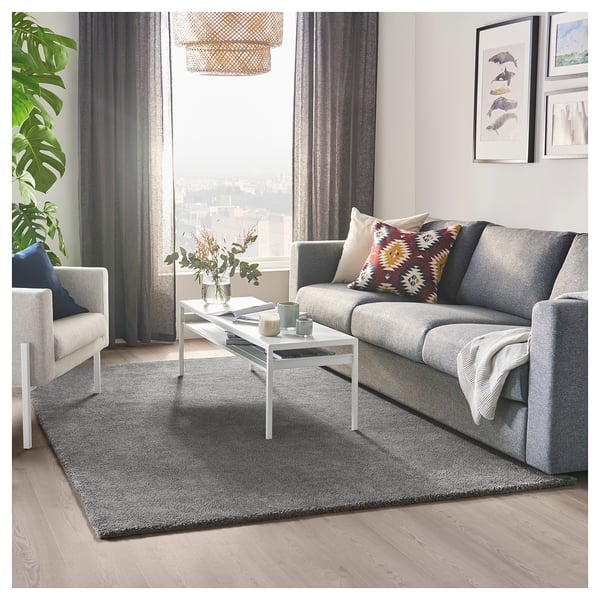
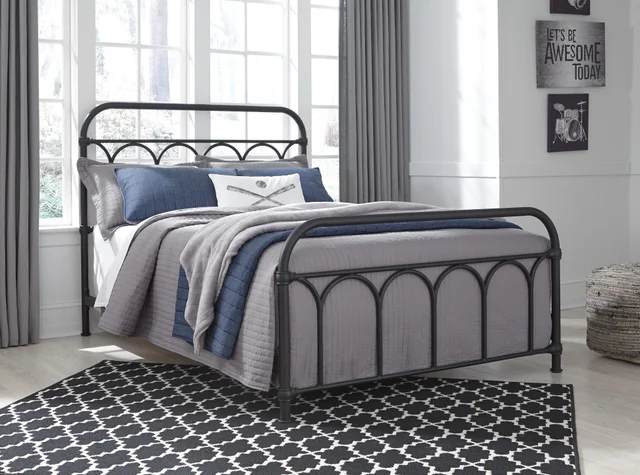
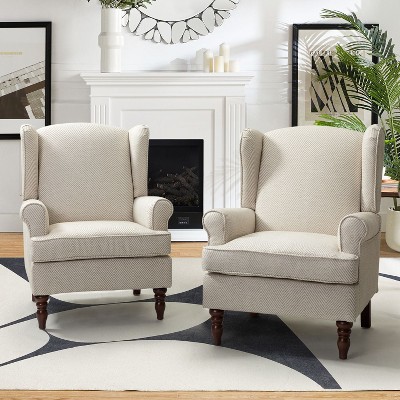
“While the sage green walls set the tone, it’s the exposed natural wood beams on the vaulted ceiling that truly make this room special.”
They draw the eye upward, emphasizing the room’s height and architecture, and add a layer of rustic warmth that prevents the green and white palette from feeling one-note. Take away the beams, and you have a pretty room. With them, you have a room with character and soul. Cross-reference this with the beamed ceiling in Idea #2 to see how they add character to a more neutral palette.
6. Deep Navy Walls Contrasted with Light Gray and Wood
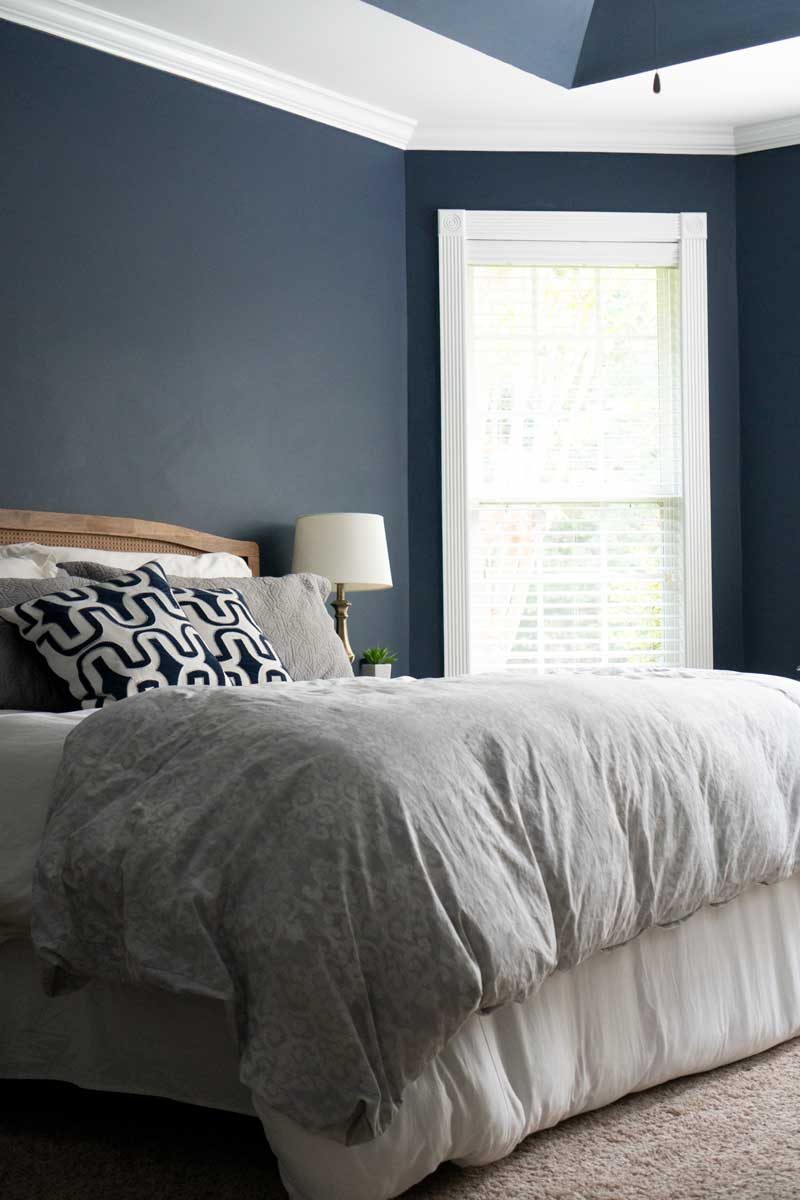
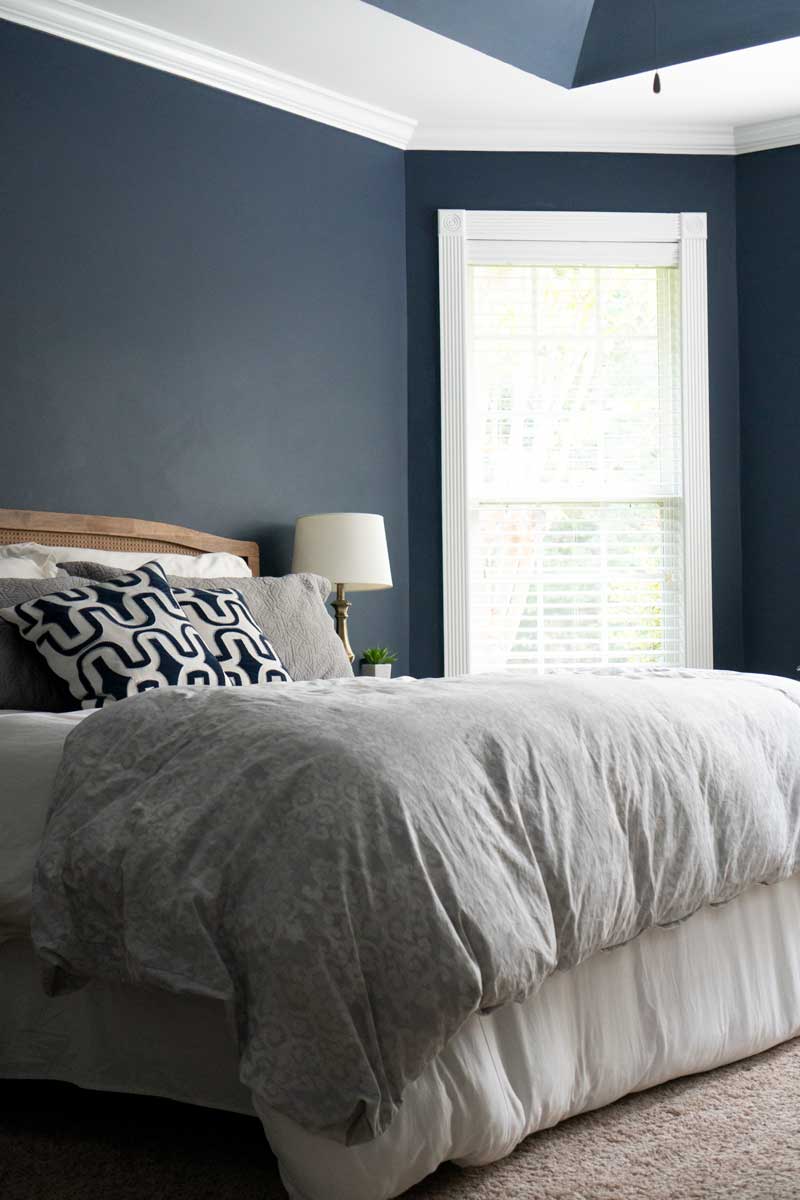
When using a dark wall color like this deep navy, the finish you choose is critical. I almost always recommend a matte or eggshell finish for dark colors in a bedroom. A higher gloss will reflect light unevenly, highlighting every tiny imperfection on the wall and creating a “hot spot” effect from lamps. A matte finish absorbs light, giving the color a rich, velvety depth that makes a room feel incredibly cozy and enveloping. Leave the satin and semi-gloss for trim and doors.
|
$169.99
|
$140.59
|
$349.00
|
$100.00
|

“Want to perfectly frame a dark wall?”
Installing crisp white crown molding is the key. Time: 4-6 hours. Cost: $150-$300.
Measure each wall and purchase 10% extra molding.
Set your miter saw to 45 degrees to cut the inside and outside corners. Remember: for an inside corner, the bottom of the molding will be longer; for an outside corner, the top is longer.
Use a stud finder to locate and mark the wall studs.
Apply a bead of construction adhesive to the back of your first piece and press it into place.
Secure the molding by nailing it into the studs with a brad nailer.
Caulk the seams and nail holes, then paint a final coat.
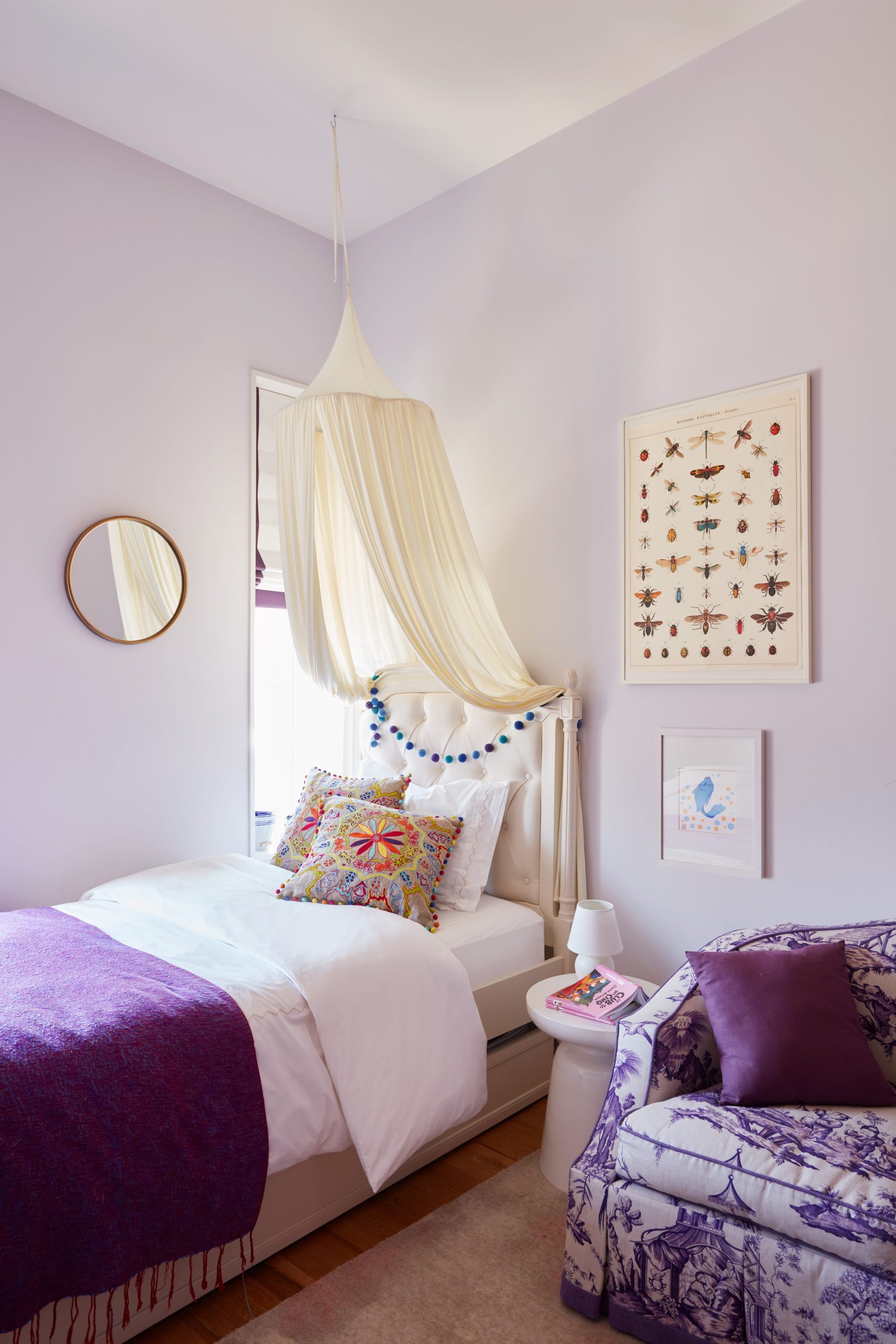
7. Soft Lavender Room with Whimsical, Colorful Accents
This room’s playful energy comes from a clear formula: 70% soft and dreamy base (lavender walls, cream tufted bed) + 20% vibrant pattern (floral pillows, patterned armchair) + 10% whimsical touches (sheer canopy, pom-pom garland). The lavender is gentle enough to act as a neutral canvas, allowing the brighter purple, pink, and green accents to pop without overwhelming the space. You could swap the lavender for a pale blush or sky blue and the formula would still work perfectly.
“A sheer bed canopy is pure romance, but let’s be real about the upkeep.”
That beautiful drapery is a dust magnet! If you have allergies or live in a dusty area, you’ll need to commit to taking it down and washing it at least once a month, or more often if you have pets. It can also make changing your bedding a bit more of a gymnastic event. It’s a high-impact look, but it’s not zero-maintenance.
8. Deep Blue Walls with Warm Rust and Patterned Textiles
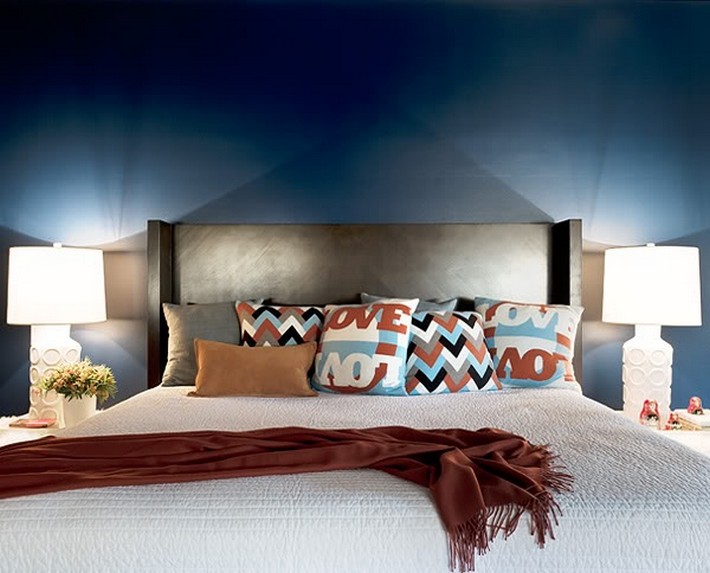
Here’s a rough estimate to get this cozy, eclectic look.
- Main Furniture (Headboard, Nightstands): $800 – $2,000
- Lighting (Ceramic Table Lamps): $200 – $500
- Textiles (Duvet, Pillows, Throw): $400 – $900
- Decor & Accessories: $150 – $400
- Paint (Deep Navy): $70 – $150
- TOTAL: $1,620 – $3,950
“This room feels so inviting because it expertly balances cool and warm tones.”
The deep navy blue walls provide a cool, dramatic foundation, which could easily feel somber. However, the introduction of the rust-colored throw blanket and the warm light from the ceramic lamps injects a vital dose of warmth and energy. The mix of pillow patterns adds a layer of personality and breaks up the large fields of solid color, making the space feel curated and personal rather than stark.
9. Two-Tone Olive Green and Golden Beige Room
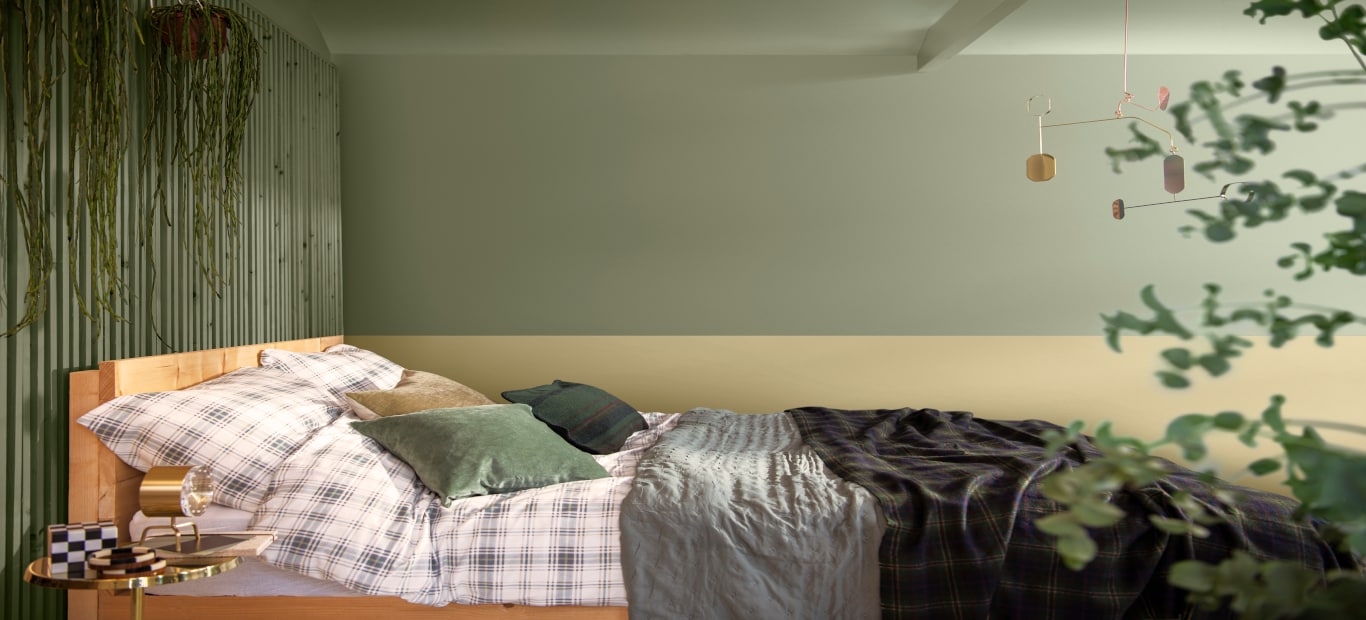
Creating a crisp two-tone wall is easier than you think. Time: 3-4 hours. Cost: $80-$160.
- First, paint the entire wall with the lighter color (the golden beige) and let it dry completely for 24 hours.
- Use a laser level and a pencil to mark your dividing line. For this look, the line is about 60% of the way up the wall.
- Apply high-quality painter’s tape (like FrogTape) just *above* your pencil line.
- Press the tape down firmly with a credit card to seal the edge and prevent bleeding.
- Paint the upper section with your darker color (the olive green). Apply two coats.
- Carefully remove the tape while the second coat is still slightly damp for the sharpest line.
“The star of this show is undeniably the olive green vertical wood-slatted panel.”
It serves multiple functions: it acts as a textural headboard, adds architectural interest, and reinforces the room’s color story. By painting it the same color as the upper wall, it creates a seamless, sophisticated look that feels custom and intentional. Without this panel, the two-tone wall would still be nice, but the panel is what gives the room its designer edge.
10. Cozy Alcove Bedroom with Dusty Rose and Pale Blue
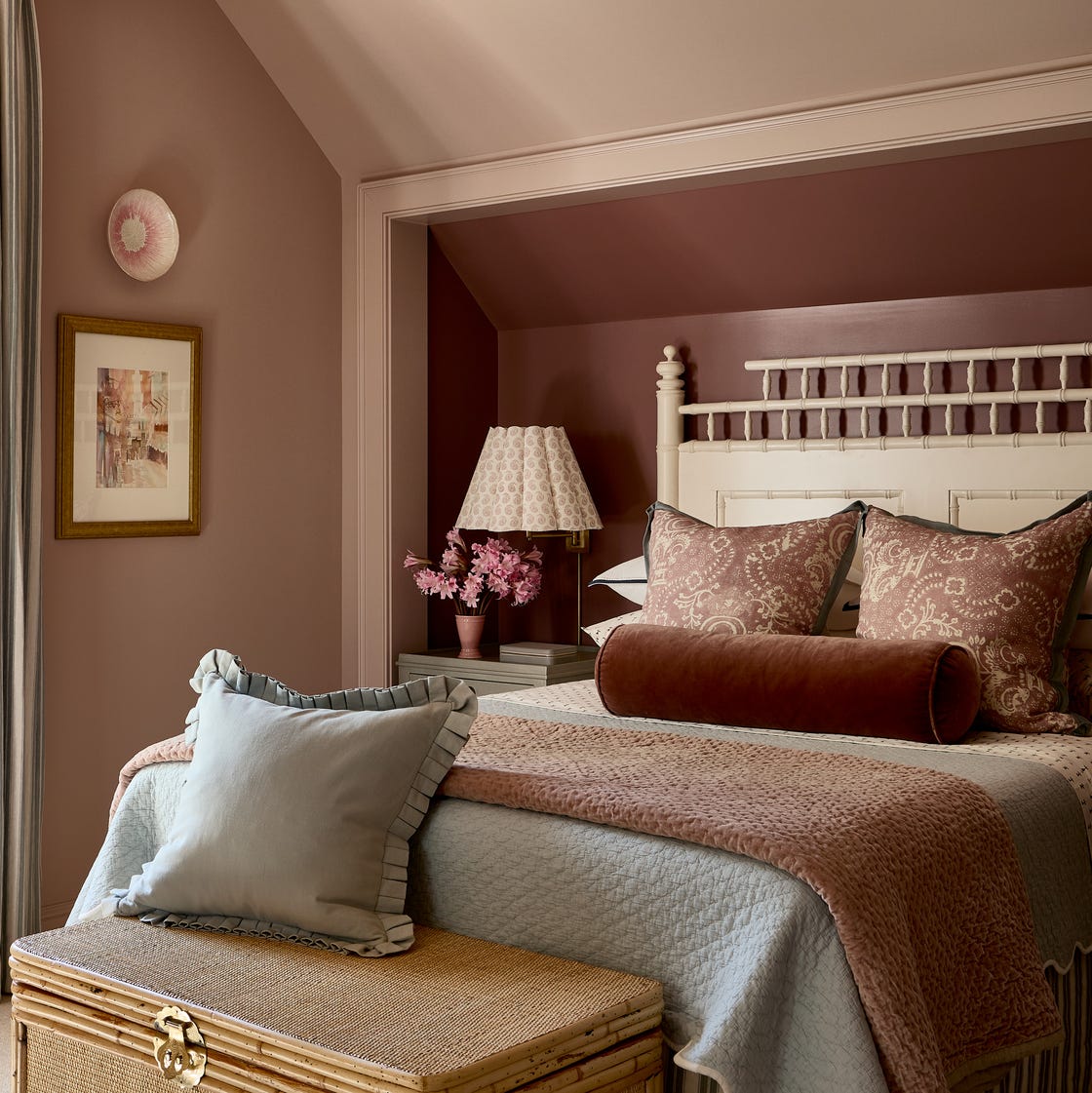
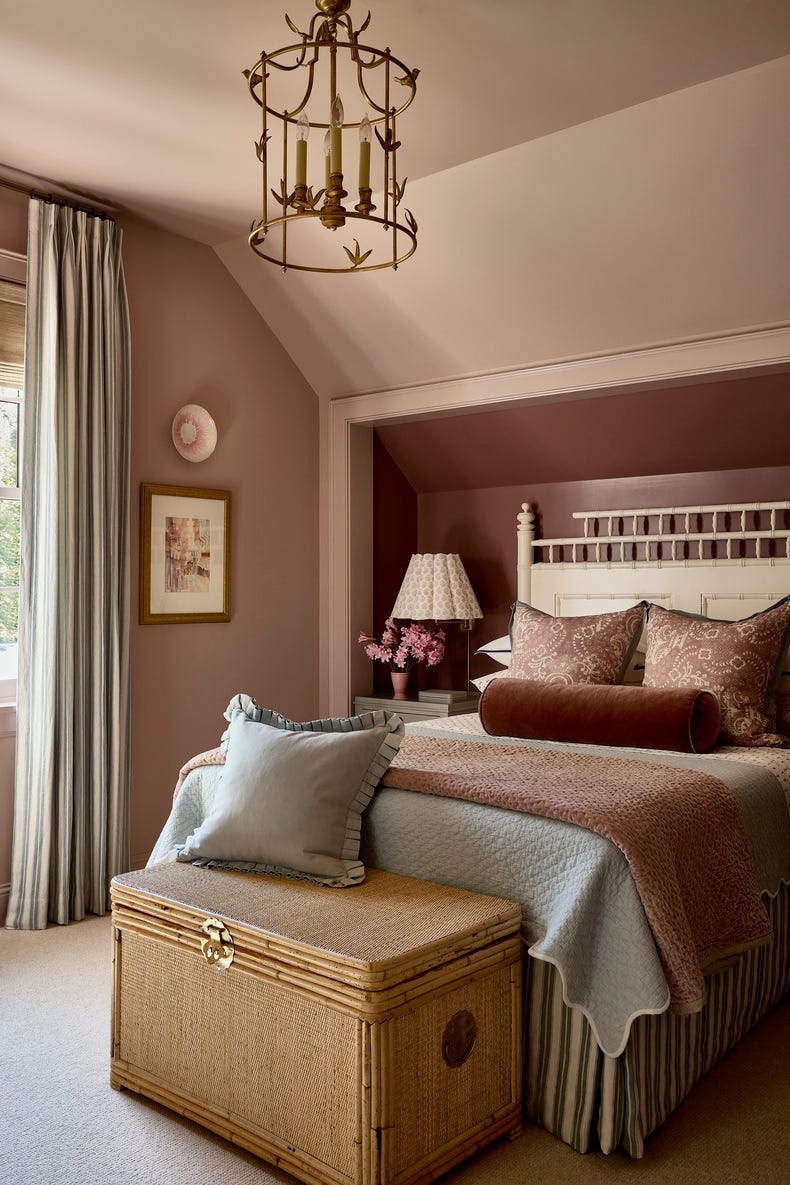
This color scheme is practically made for small bedrooms, attics, or rooms with interesting architectural nooks. The warm, enveloping dusty rose on the walls makes a small space feel intentionally cozy and jewel-box-like, rather than just cramped. An alcove bed, as seen here, further enhances this feeling of a snug retreat. I wouldn’t try this in a large, open-plan master bedroom; it would lose its intimate charm. This is for spaces under 150 square feet where you want to lean into the coziness. For a different take on cozy hues, see Idea #17.
|
$69.99
|
$182.38
|
$354.45
|
“Love this look but not the price tag of boutique bedding?”
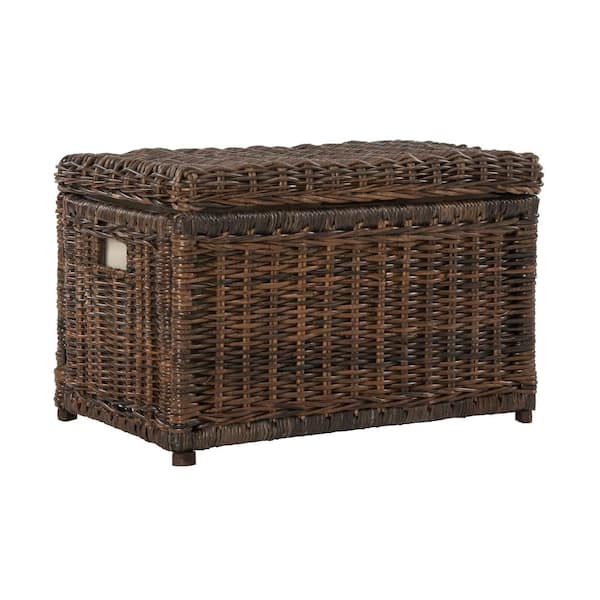
You can easily recreate this palette on a budget. IKEA’s GURLI and SANELA velvet cushion covers come in beautiful pink and blue tones for under $10 each. A pale blue quilt can often be found at Target or Walmart in their seasonal collections. For the final touch, hunt for a vintage rattan or wicker trunk at a local thrift store or on Facebook Marketplace—they add instant texture and storage for a steal.
11. A Classic Green and White Combination
When working with any shade of green, the key to a sophisticated look is layering multiple tones. Don’t just paint the walls green and stop there. You should aim to include at least three different greens in your room.
- Your primary green (e.g., the wall color).
- A lighter or darker shade in your textiles (pillows, a throw blanket).
- A natural green from a live plant.
|
$279.19
|
$172.99
|
$76.97
|
$438.99
|
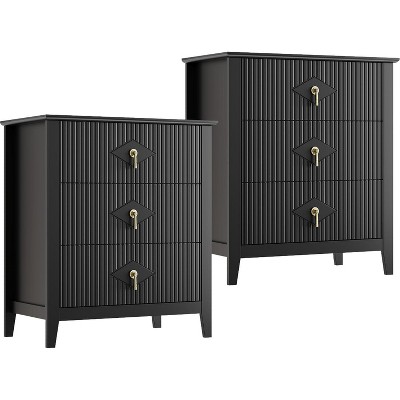
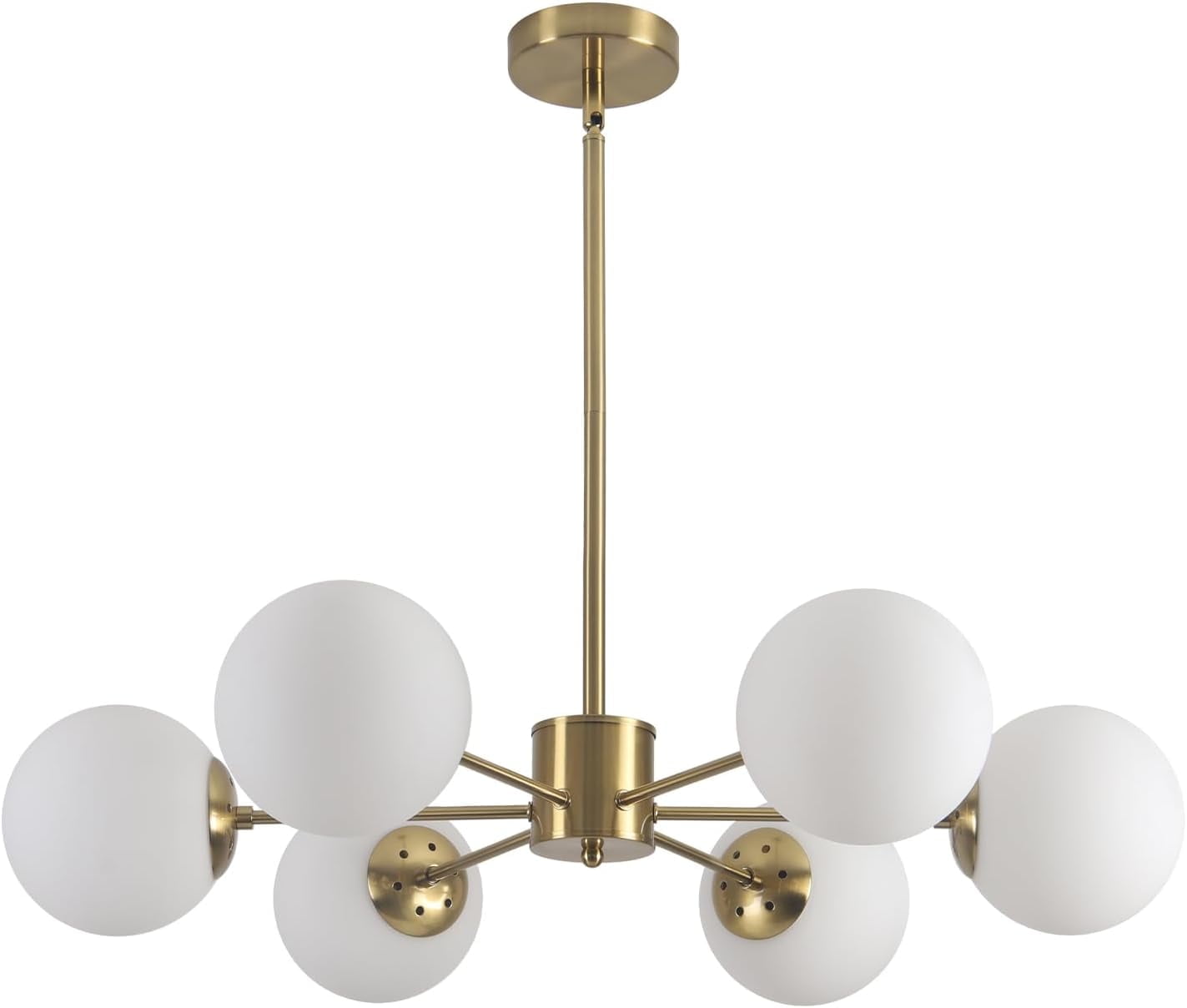
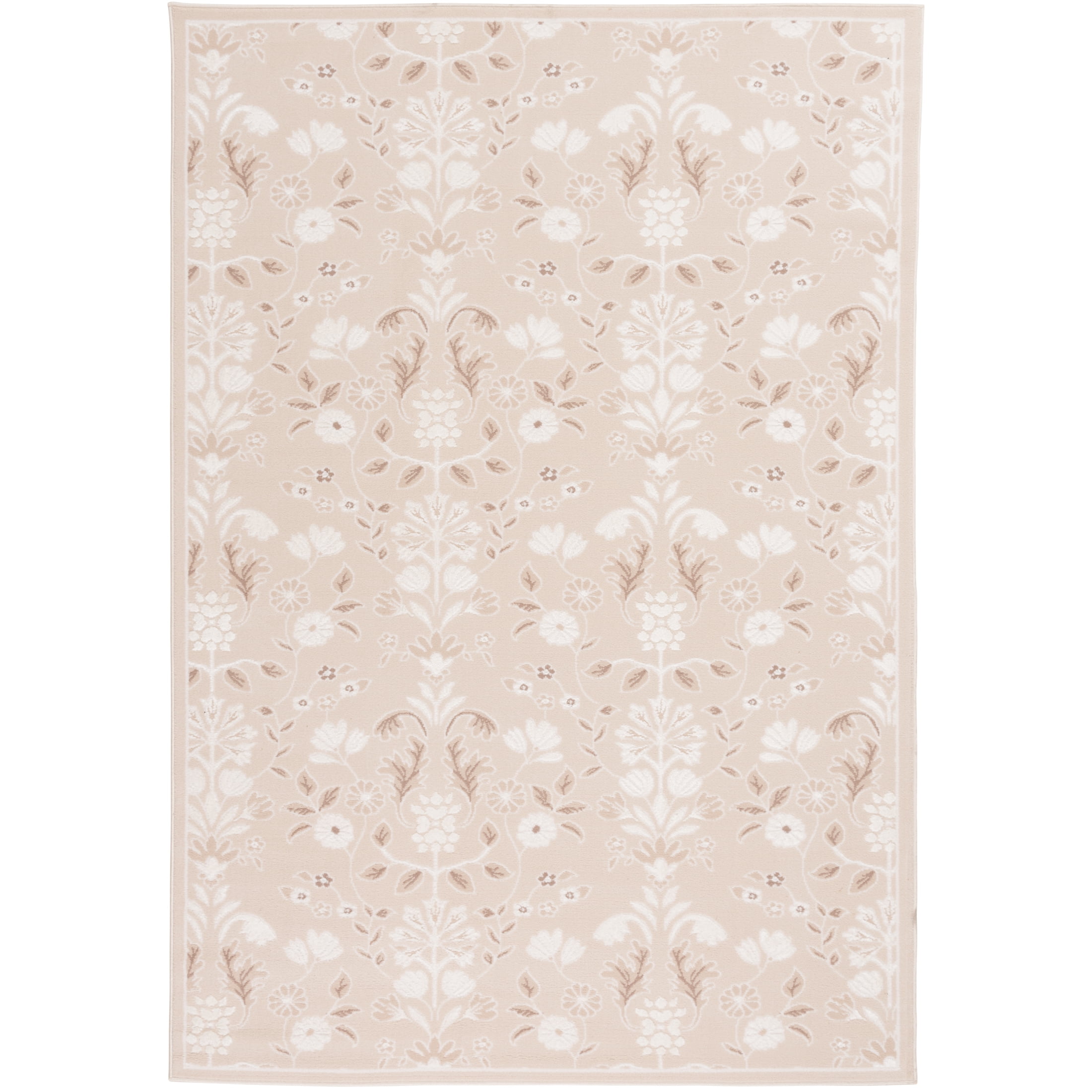
“A timeless green bedroom formula is 50% green, 40% crisp white, and 10% natural wood or black accents.”
The white (on trim, bedding, or furniture) keeps the green feeling fresh and prevents it from overwhelming the space. The 10% accent acts as punctuation, adding a grounding element. You could use a black iron bed frame or a warm oak nightstand to fill this role. The balance is what makes it feel classic and serene.
12. Dusty Blue Attic Bedroom with Neutral Textiles
The paneled walls are the single most important element in this room. Painting these sloped attic walls a flat dusty blue would have been nice, but adding the vertical paneling creates texture, shadow, and a subtle sense of rhythm. It elevates the space from a simple painted room to a space with architectural character. It leans into the rustic, cozy potential of an attic, making it feel like a thoughtfully designed retreat rather than a forgotten top floor.
“This is a brilliant solution for rooms with challenging architecture, like the sloped ceilings of an attic.”
This design works best where you have at least one full-height wall to balance the angled ones. The minimum ceiling height at the peak should be at least 8 feet to avoid feeling claustrophobic. By painting the angled walls a color and keeping the flat ceiling portion white, you define the space without making it feel smaller. For another attic idea, check out the use of wallpaper in Idea #29.
13. Deep Blue Paneled Walls with a Wallpaper Border
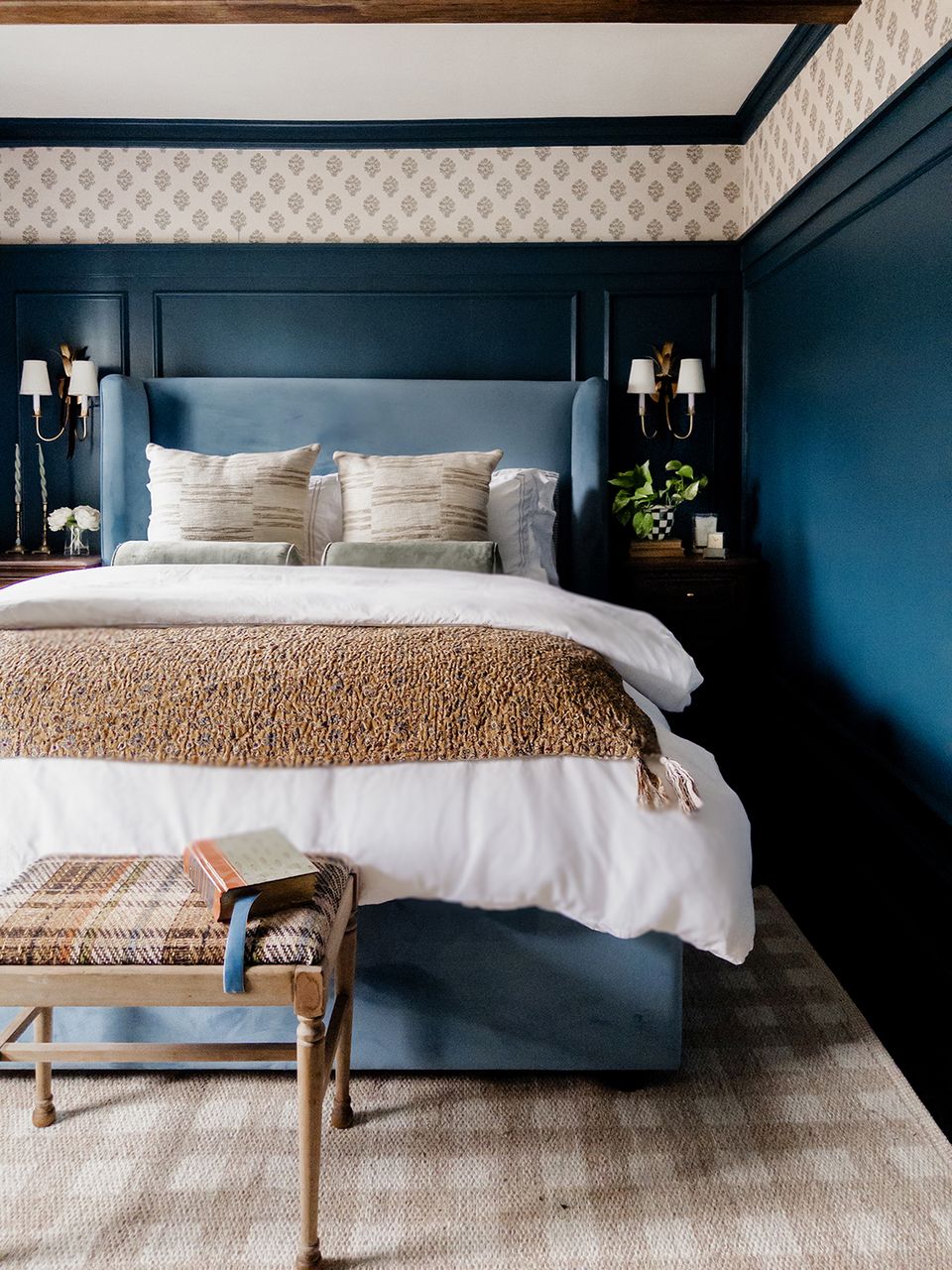
This room is a masterclass in layering. It’s not just one element, but how they all work together. The deep blue paneled walls ground the space with rich color. The lighter patterned wallpaper above the paneling adds a touch of intricate detail and prevents the dark blue from feeling too heavy. Finally, the chunky brown woven throw and patterned rug introduce a variety of textures that make the room feel cozy, collected, and incredibly comfortable. It’s a perfect marriage of color, pattern, and texture.
|
$327.78
|
$39.99
|
$246.99
|
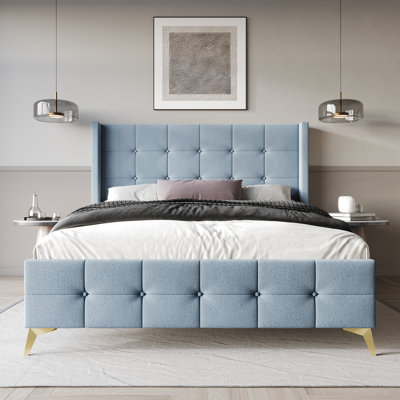
“A room with this much texture and detail requires a specific cleaning routine.”
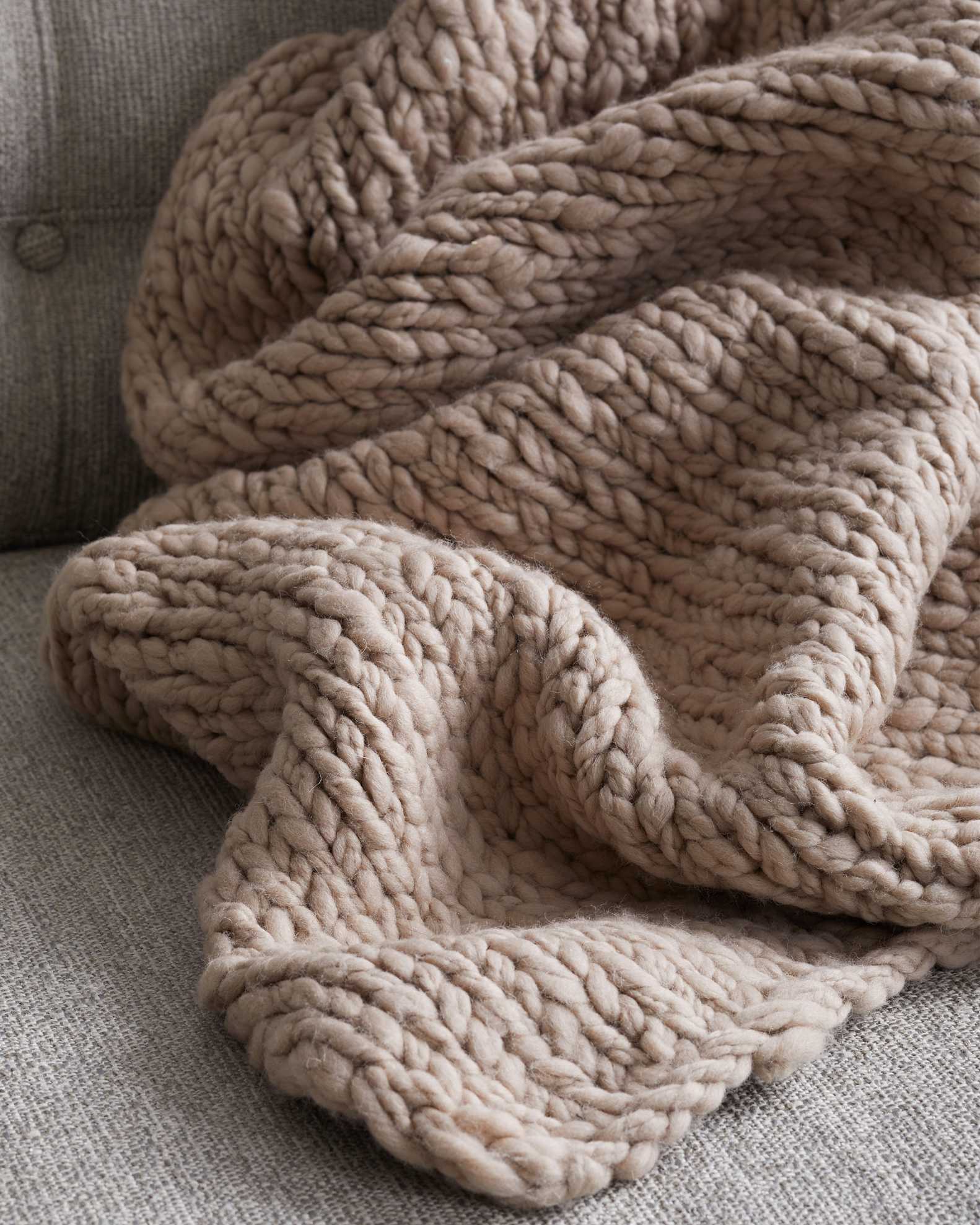
The paneled walls, especially the ledges on the wainscoting, will collect dust and need to be wiped down weekly or bi-weekly. A chunky knit throw like that one is gorgeous but can be prone to snagging and may require hand-washing or delicate cycle care. Similarly, a textured area rug will need regular vacuuming with a beater bar to keep it looking fresh. It’s a stunning look, but it’s not “wipe-and-go” low maintenance.
14. Dark Green Canopy Bed with Warm Wood and Woven Textures
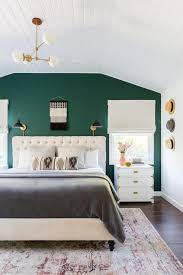
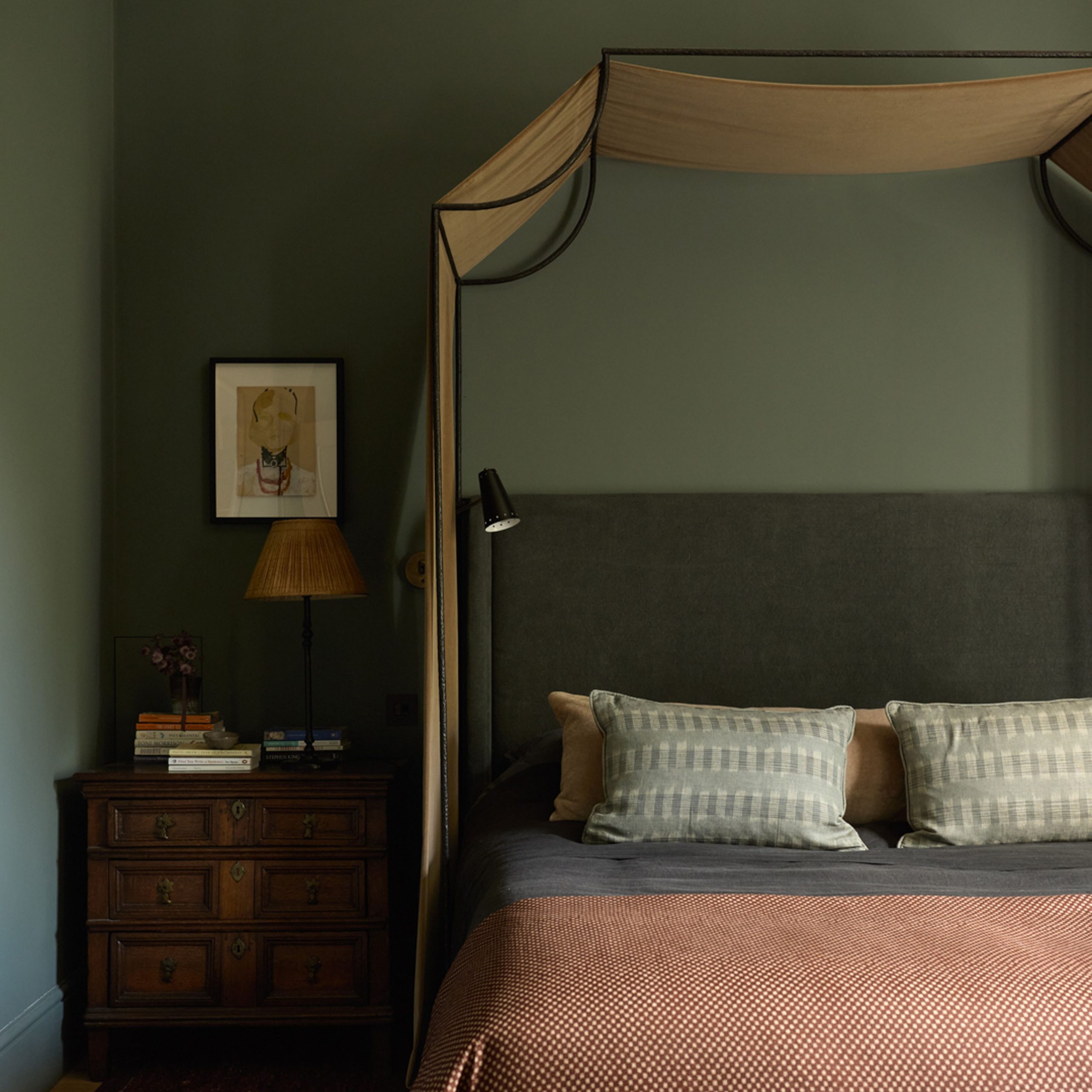
The formula for this moody, traditional look is 50% deep, dark color (the green walls) + 30% warm, dark wood tones (nightstand, bed frame) + 20% creamy, light textiles (drapery, bedding). The key is the balance. The light textiles are essential to keep the room from feeling like a black hole. The cream and beige cut through the darkness, adding softness and preventing the space from being overly masculine or heavy. It feels balanced because the light and dark are in a constant, beautiful conversation.
|
$3,995.00
|
$556.50
|
$726.90
|
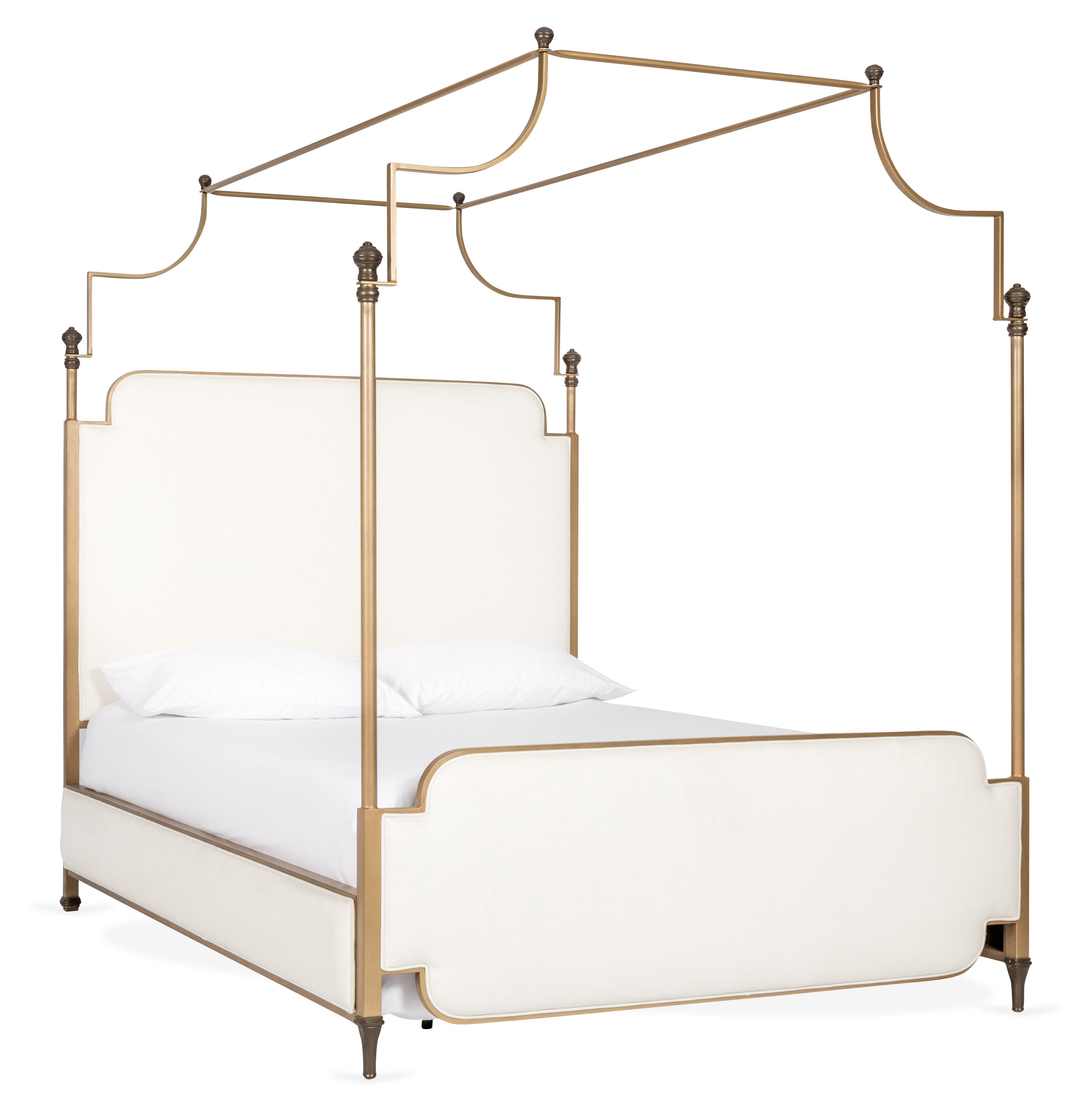
“A canopy bed is the height of romance, but it can absolutely dominate a room.”
Before you commit, measure your ceiling height! You need at least 9-foot ceilings for a traditional canopy bed to not feel squashed. Even then, in a smaller room (under 14×14 feet), it can make the space feel crowded. Notice how the light fabric draping here helps; a dark or heavy velvet drape would have been too much with the dark green walls.
15. Traditional Red Toile with a Striped Roman Shade
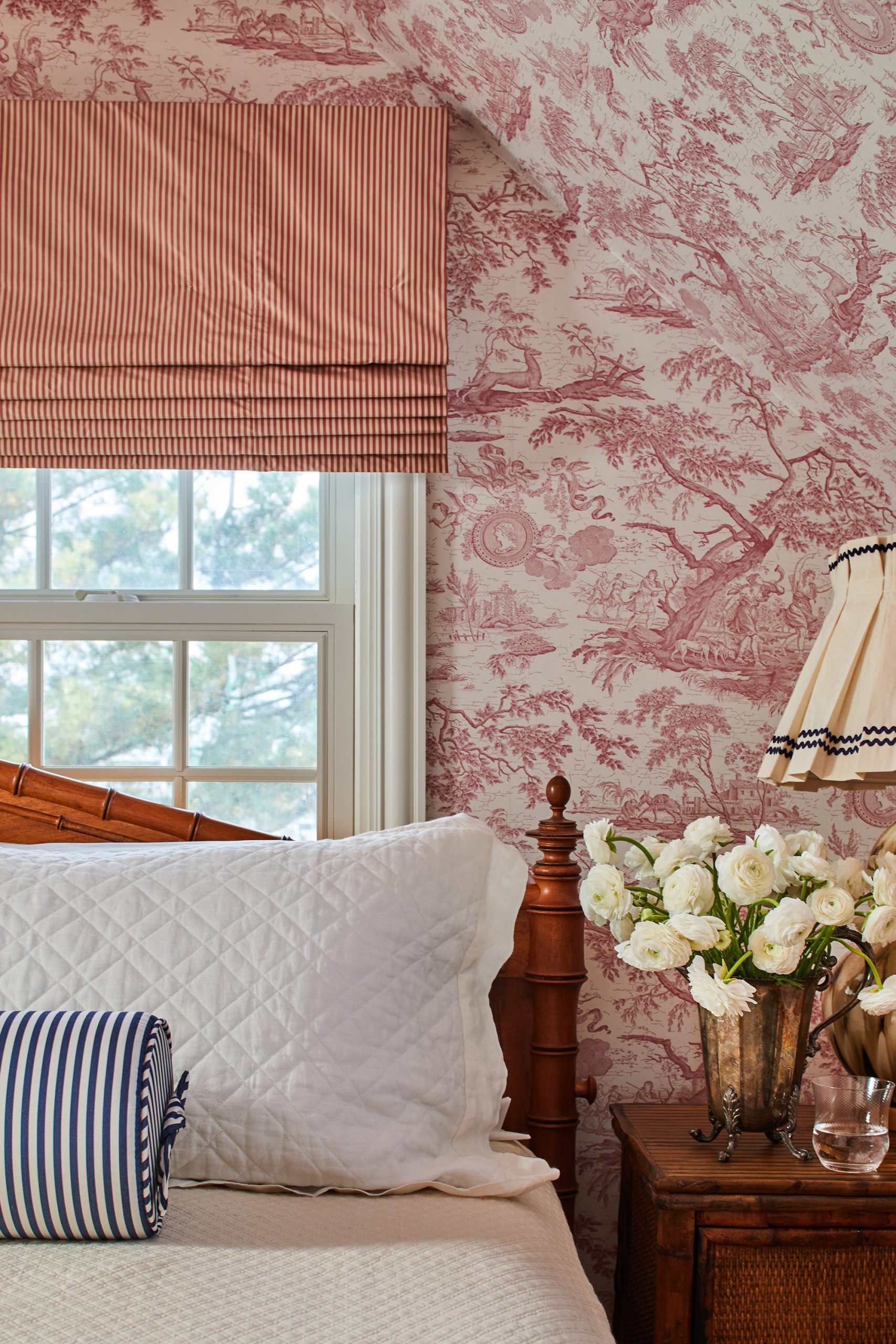
The secret to successfully mixing patterns, as seen here, is scale. The toile wallpaper has a medium-scale, organic, and busy pattern. The Roman shade works because it features a simple, large-scale stripe. The patterns complement each other instead of competing because their scales are so different. A good rule of thumb: pair a large-scale geometric with a small- or medium-scale organic pattern. The striped bolster pillow works for the same reason—it’s another simple geometric to balance the complex toile.
|
$49.90
|
$22.56
|
$599.99
|
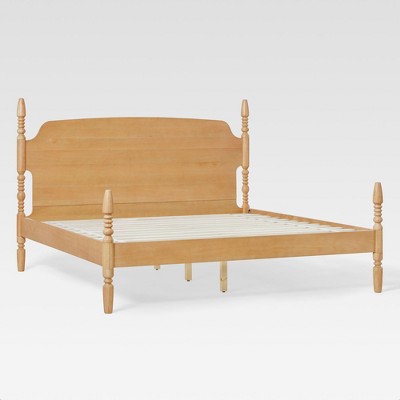
“Ready to go bold with pattern?”
Check these boxes first.
Have you ordered a large sample of the wallpaper? Tape a 2’x2′ piece to your wall and live with it for a few days to see how it looks in different light.
Is your room large enough? A busy, large-scale pattern like this can overwhelm a very small space.
Are your other elements simple? This look requires solid bedding and minimal other patterns to work.
Did you budget for professional installation? Wallpaper, especially a traditional toile, can be very tricky to align perfectly.
16. Luxurious Royal Blue and Gold Bedroom
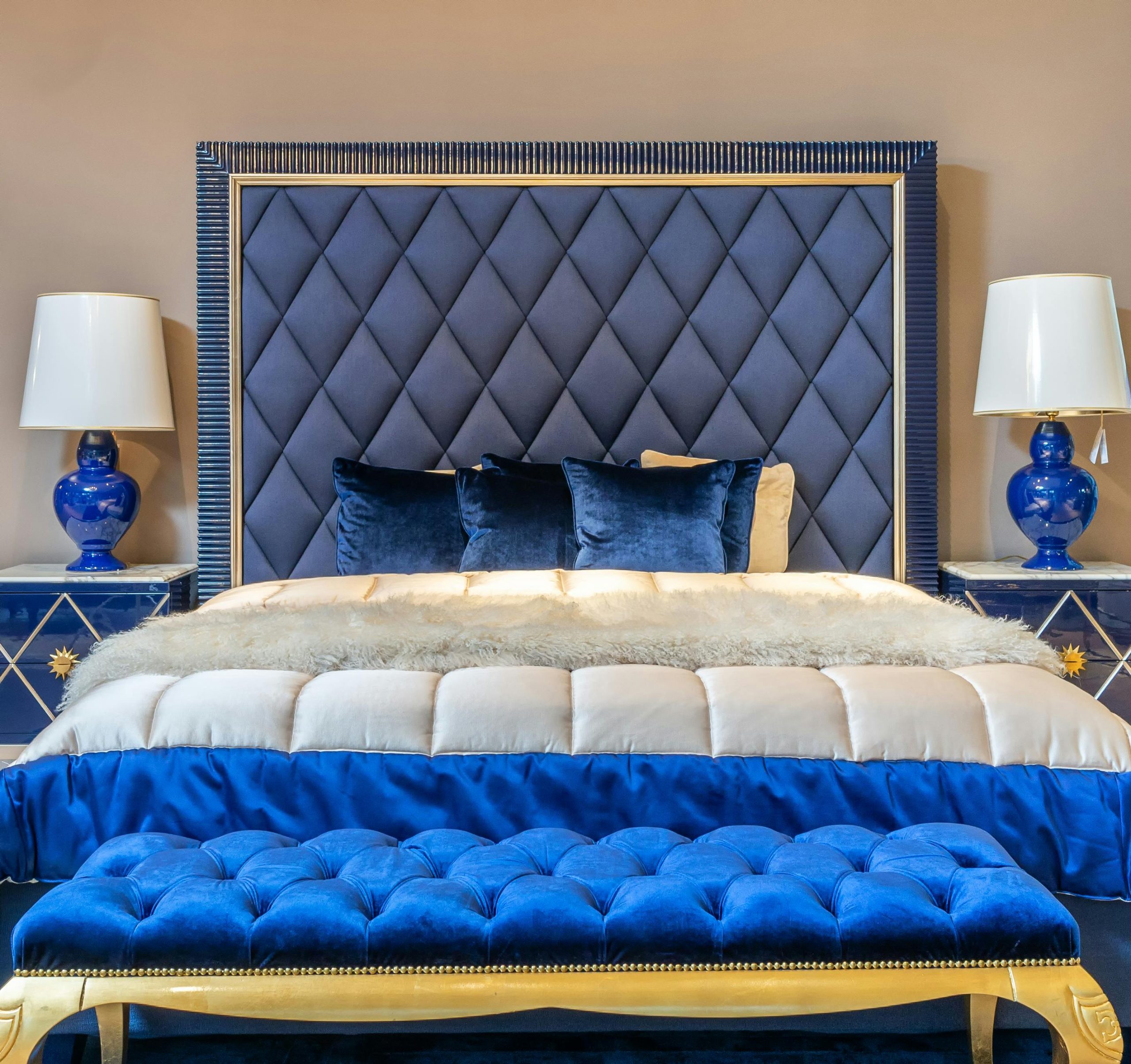
This is a high-impact, luxury look, and the budget reflects that. It’s all about the materials and custom feel.
- Main Furniture (Tufted Bed, Bench, Nightstands): $3,000 – $8,000+
- Lighting (Ceramic & Gold Lamps): $400 – $1,200
- Textiles (Custom Bedding, Throw): $500 – $1,500
- Decor & Accessories: $200 – $600
- TOTAL: $4,100 – $11,300+
|
$134.99
|
$247.49
|
$165.73
|
$156.51
|
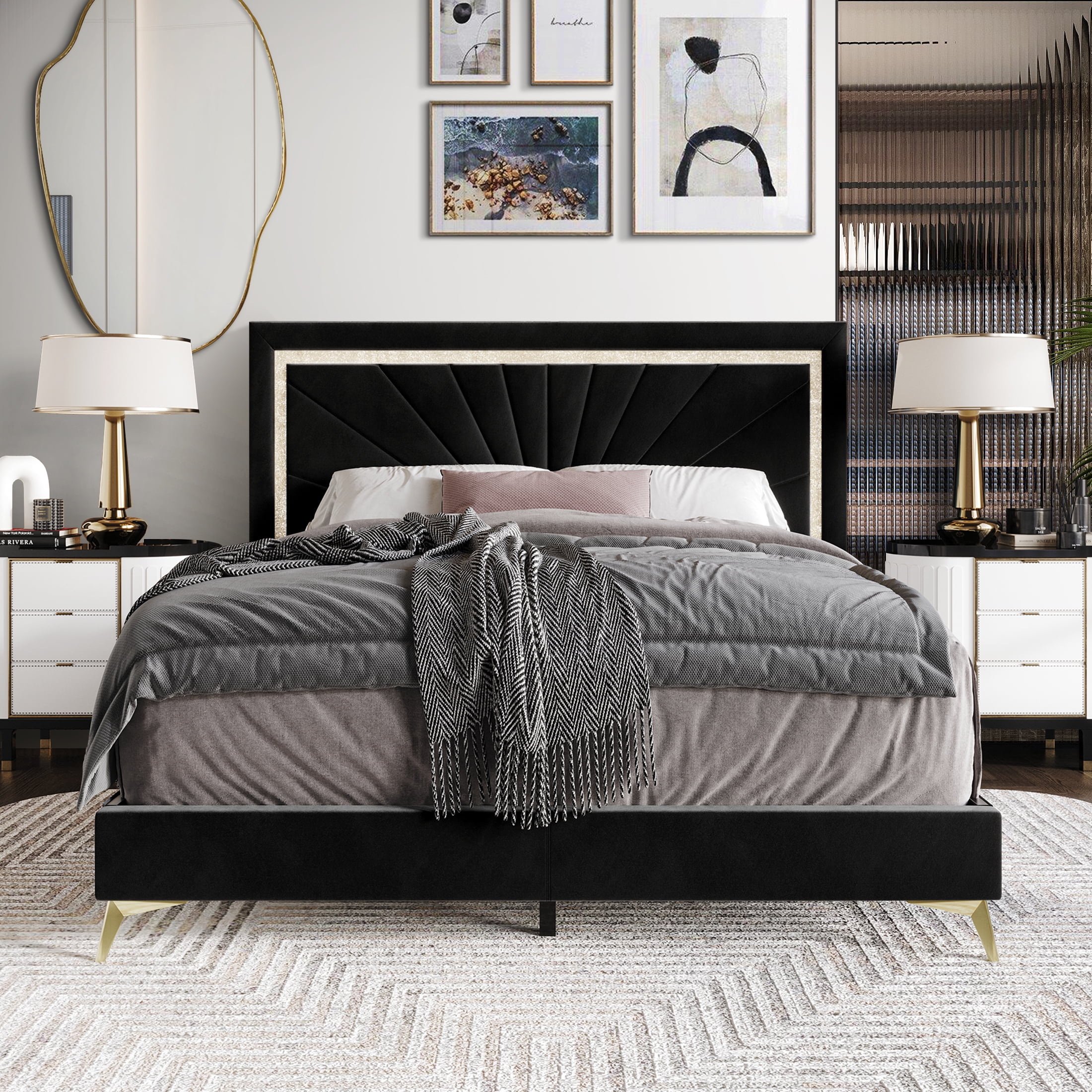

“It’s the gold.”
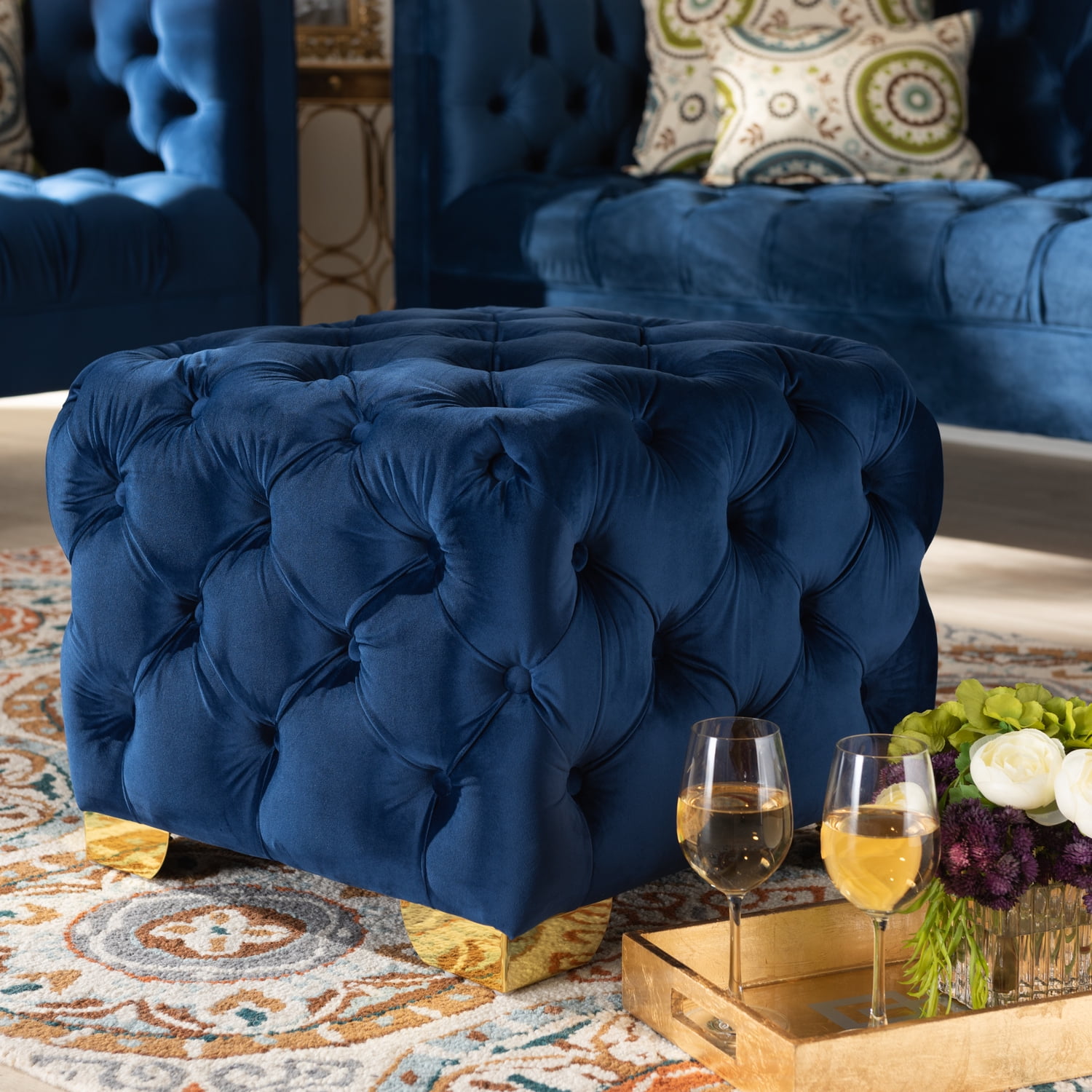
Without a doubt, the strategic use of gold is what elevates this room from simply colorful to downright luxurious. It’s not just one gold accent; it’s repeated with intention: the frame on the headboard, the legs of the bench, the hardware on the nightstands. This repetition creates a sense of rhythm and opulence. The royal blue is bold and beautiful, but the gold is what makes the whole space feel rich and glamorous.
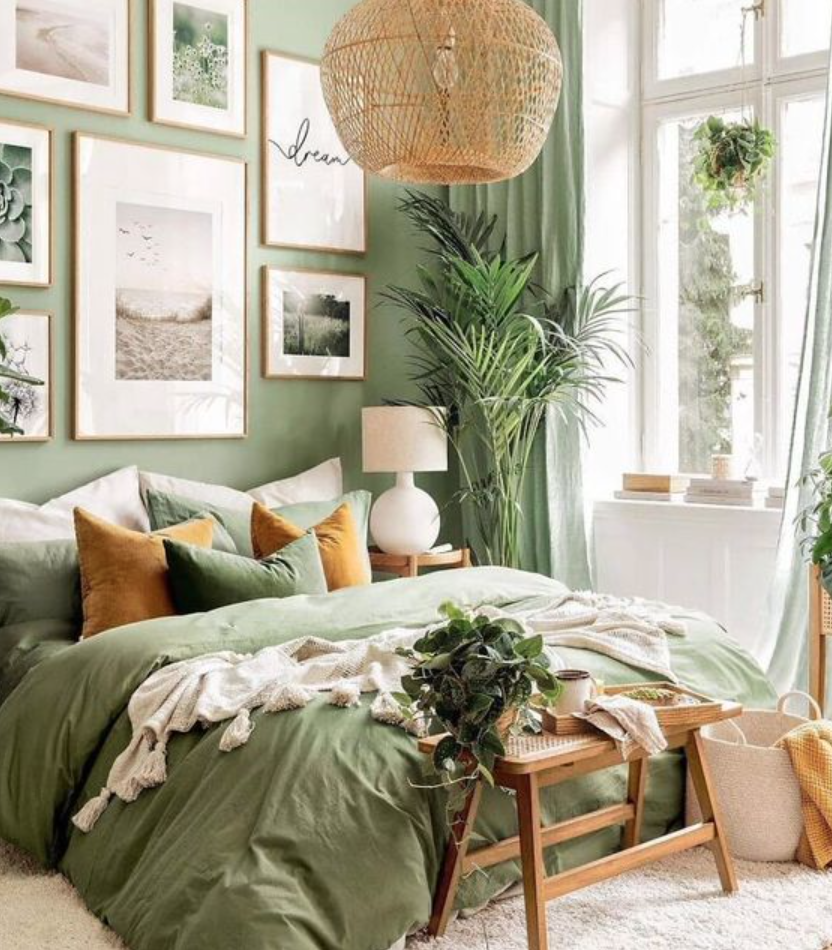
17. Dusty Rose and Light Blue with Woven Accents
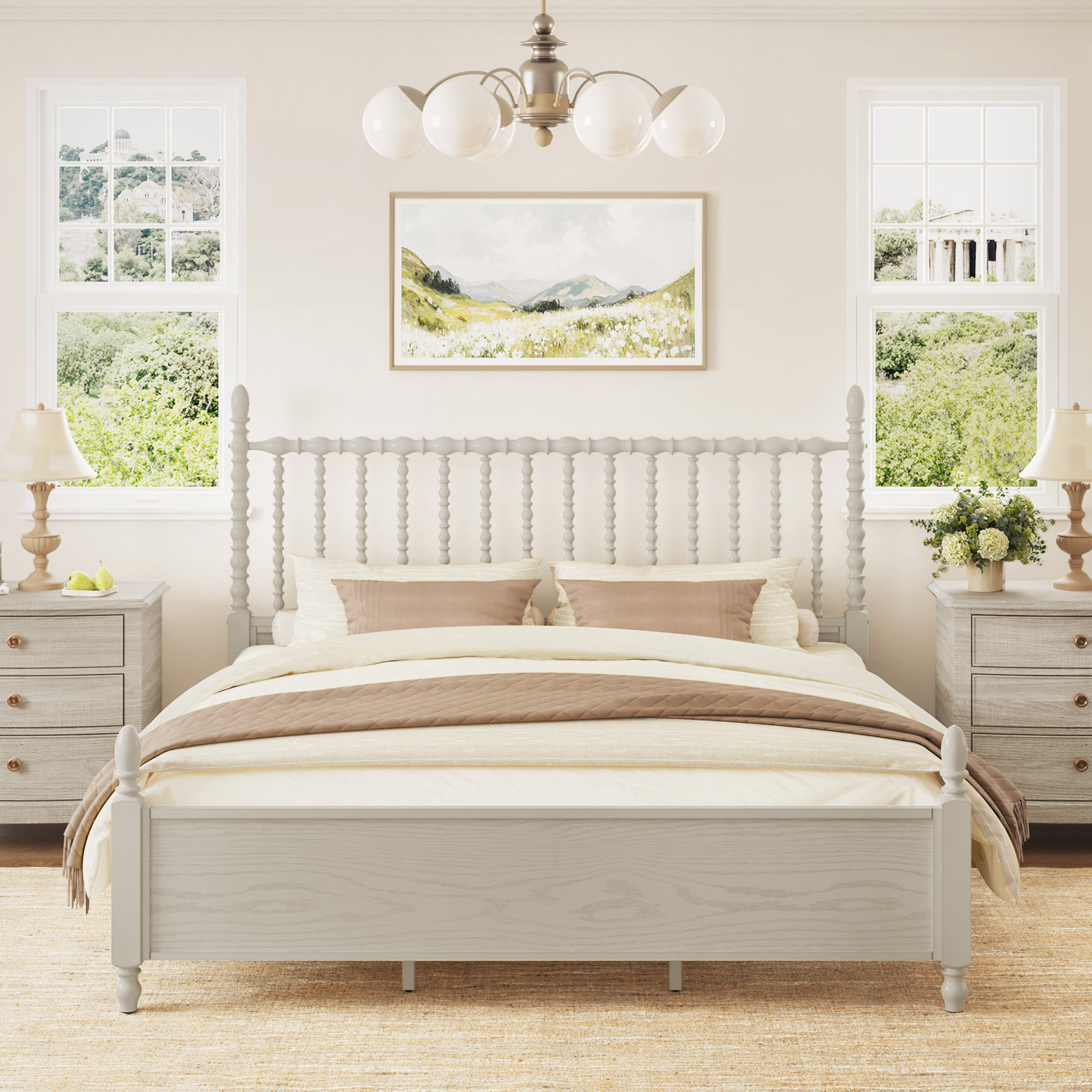
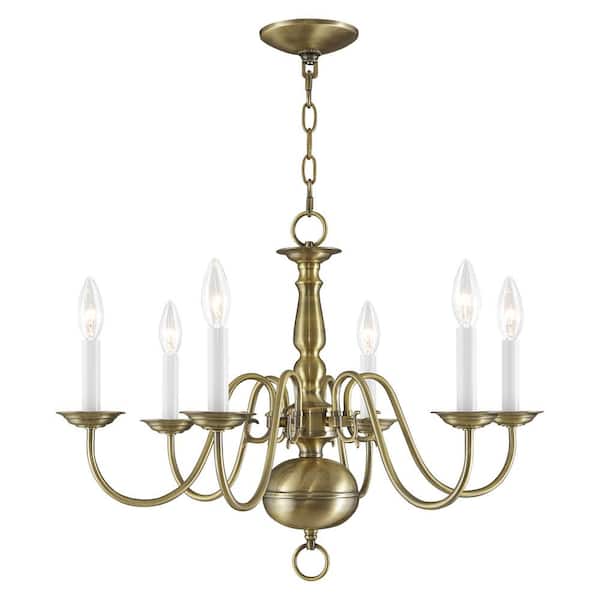
This palette works because it uses analogous colors (colors next to each other on the color wheel, like pink and red-violet) paired with a complementary accent (the light blue). The dusty rose walls provide a warm, feminine base. The light blue bedspread offers a cool, calming counterpoint that keeps the pink from becoming overly sweet. The woven trunk and brass chandelier then add layers of texture and warmth, grounding the soft colors with natural and metallic elements.
|
$374.99
|
$49.99
|
$117.76
|
$47.24
|

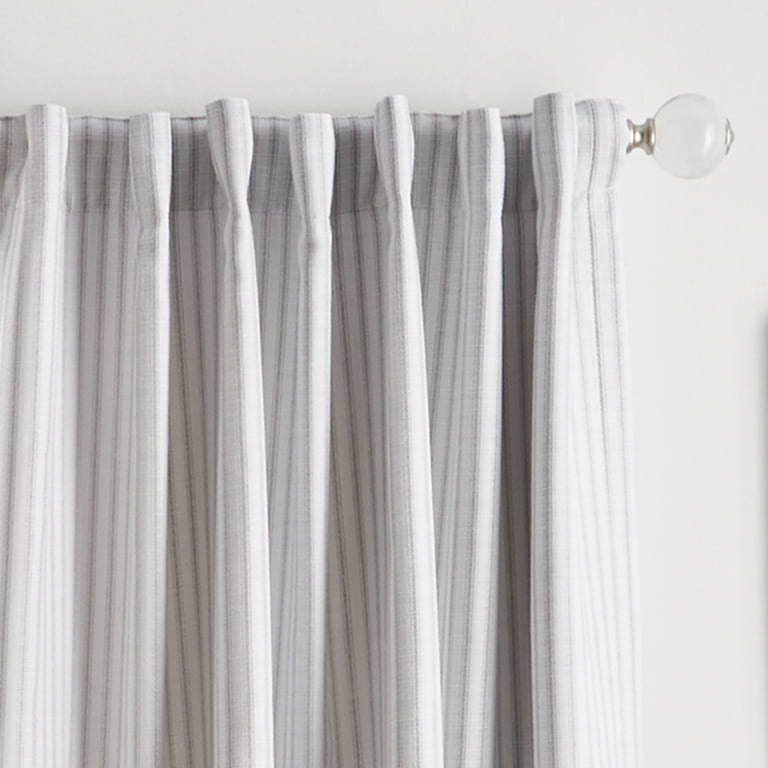
“This particular combination of dusty rose and light blue, often dubbed “dusty pastels,” is a more mature evolution of the Millennial Pink trend from the late 2010s.”
It reflects a shift towards subtler, more livable pastels that feel calming and sophisticated rather than childlike. It’s a color scheme that has staying power because it’s soft without being saccharine, making it feel both current and classic. The addition of natural textures like rattan and bamboo keeps it feeling grounded and modern.
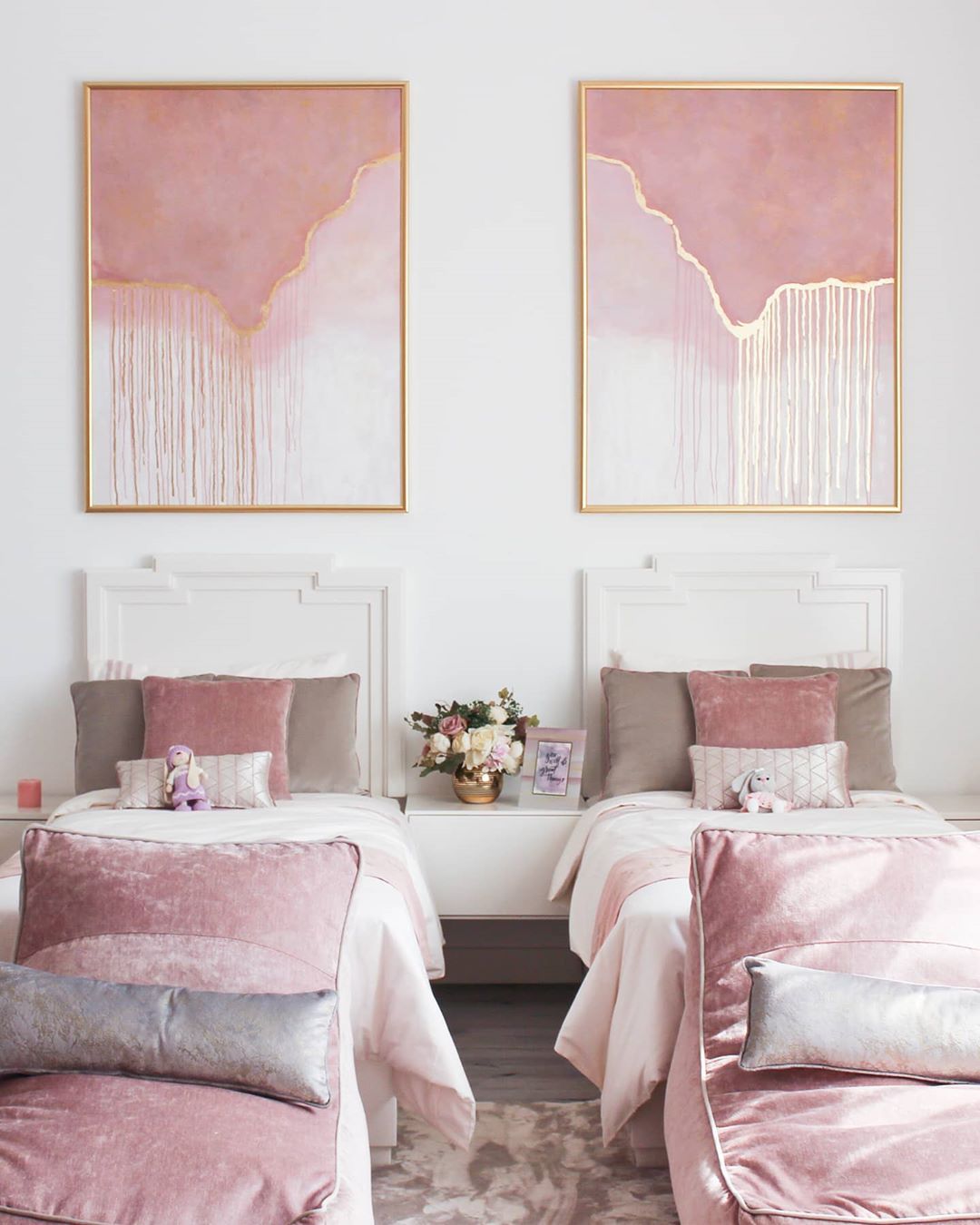
18. Blush Pink and Gold Twin Bedroom with Abstract Art
The calming and elegant feel of this room is based on a strict color hierarchy. Think of it as 60% white + 30% blush pink + 10% gold. The white on the walls, headboards, and nightstand creates a bright, clean canvas. The blush pink, used in the bedding and seating, adds softness and warmth without being overpowering. The gold is used sparingly but effectively in the abstract art and decor to add a touch of glamour and sophistication. Sticking to these proportions is key to achieving this balanced look.
|
$22.95
|
$399.00
|
$59.97
|
$70.00
|

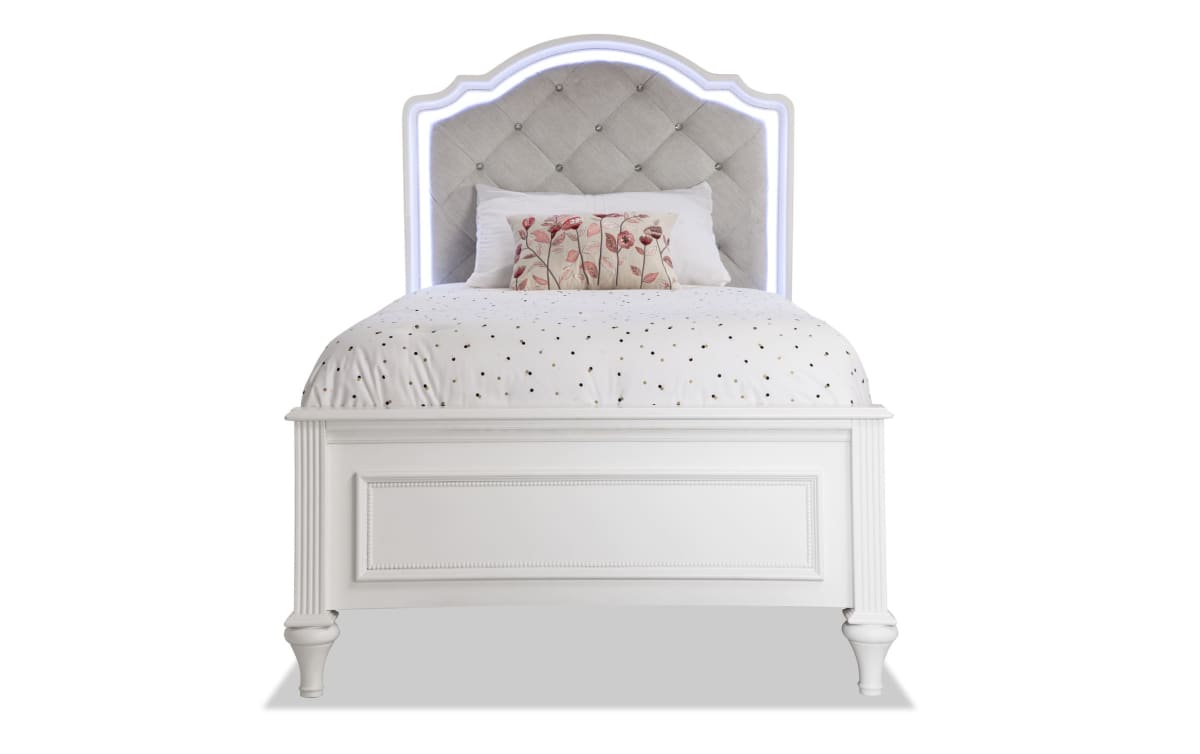
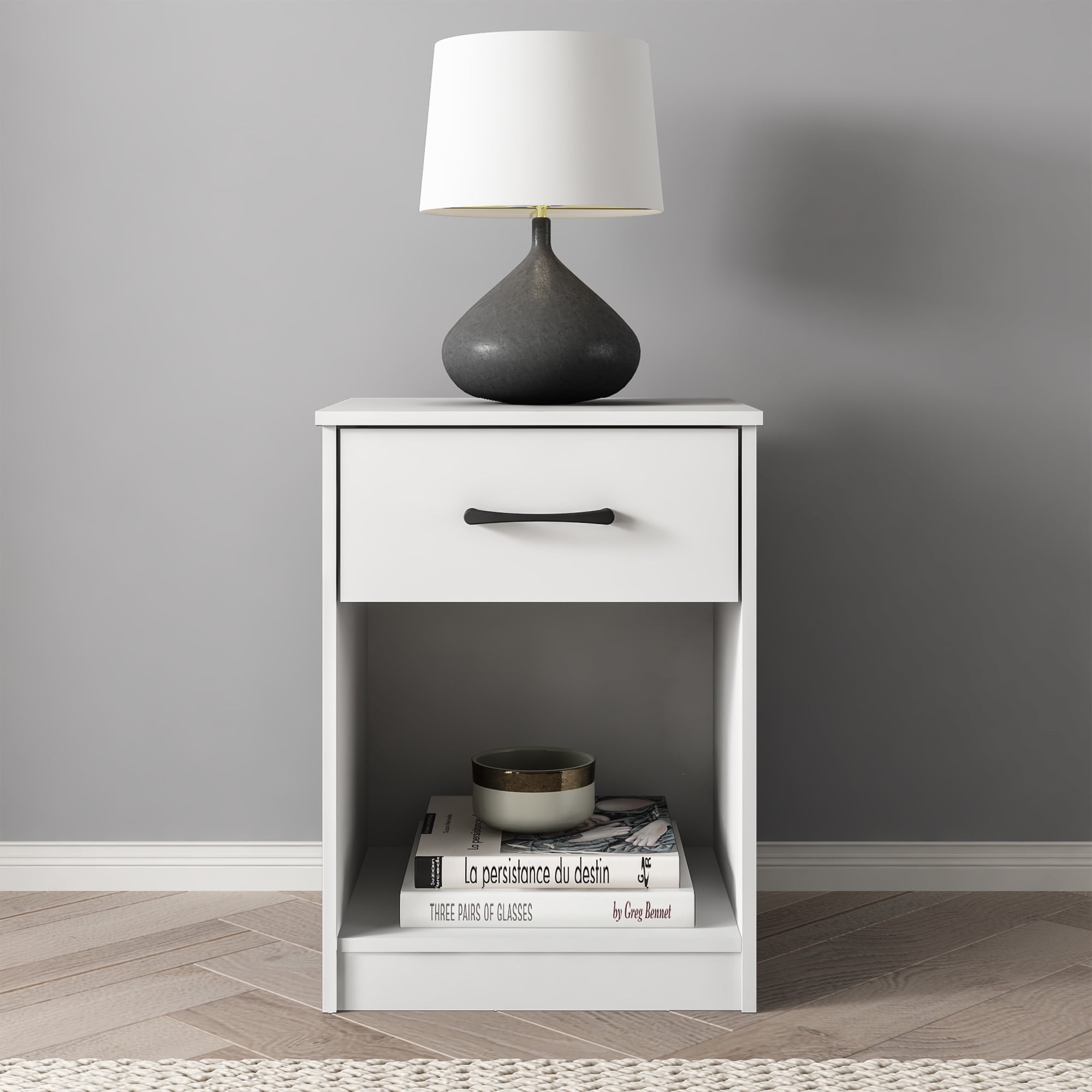
“A twin bed setup like this is perfect for a guest room or a shared children’s room, but it requires careful planning.”
For two twin beds (typically 38″ wide each) with a central nightstand (20-28″ wide), you’ll need a wall that is at least 11 feet long to allow for comfortable spacing and access. This arrangement maximizes floor space in a rectangular room and creates a pleasing sense of symmetry.
19. Sage Green and Earth Tones with a Botanical Gallery Wall
A gallery wall is the perfect way to personalize your space. Time: 2-3 hours. Cost: $100-$400 (depending on frames/art).
- Collect your art. Mix prints, photos, and different frame styles (like the natural wood here) for an eclectic look.
- Trace each frame onto paper and cut out the shapes.
- Use painter’s tape to arrange the paper cutouts on the wall above your bed. This lets you perfect the layout without making a single nail hole.
- Aim for a spacing of 2-3 inches between each frame.
- Once you love the arrangement, install your nails or picture hangers right through the paper.
- Tear the paper away and hang your art.
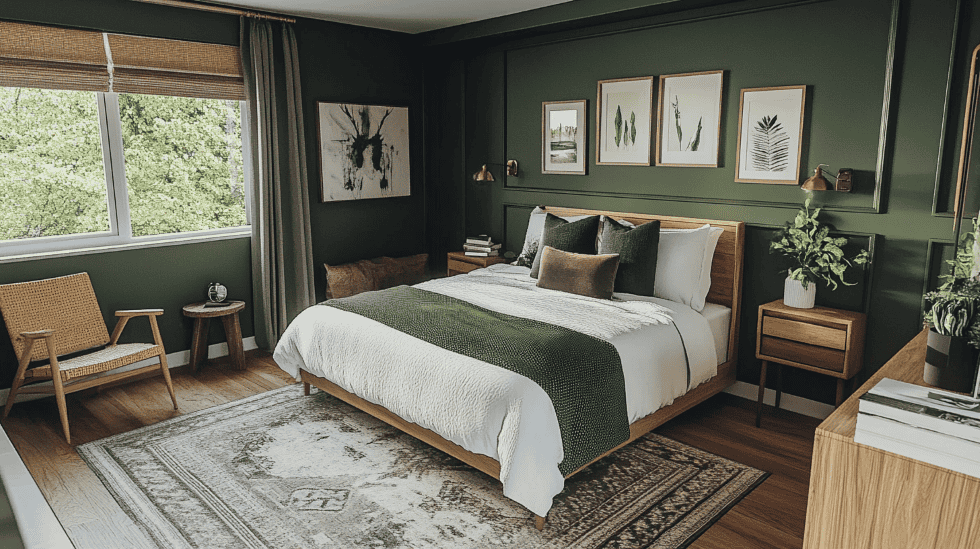
“This room is a plant-lover’s dream, but let’s talk about the reality of having that many live plants in a bedroom.”
It requires commitment! You’ll need to understand the light requirements for each plant, remember a watering schedule, and be prepared to deal with the occasional pest. The large woven pendant light is beautiful, but it offers more ambient glow than direct light, so you may need additional task lighting (like a reading lamp) if you read in bed.
20. Deep Gray and Blush with a Whitewashed Shiplap Ceiling
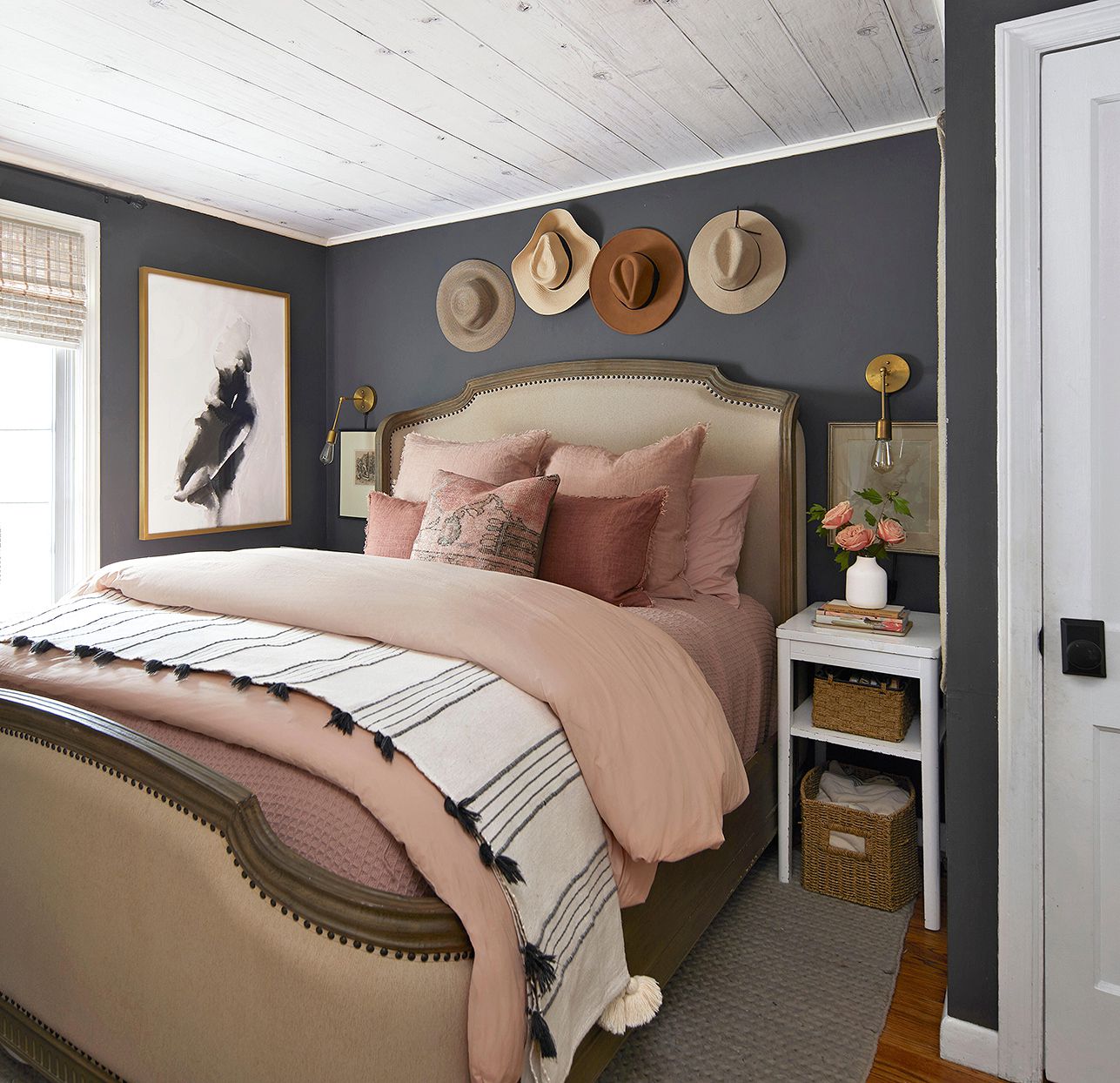
This room is all about mastering high contrast. The deep, moody charcoal gray walls create a cozy, cocooning effect, which is then dramatically balanced by the bright, whitewashed shiplap ceiling. This pushes and pulls the perception of space, making the walls feel intimate and the ceiling feel lofty. The soft blush pink textiles are the perfect mediator, adding a touch of feminine warmth that prevents the gray from feeling too stark or industrial. The brass sconces add a final, warm metallic pop.
“The single element holding this entire design together is the whitewashed shiplap ceiling.”
Without it, the charcoal walls and blush bedding would be a fine, if slightly generic, color combination. But the textured, bright ceiling adds a layer of rustic charm and architectural interest that is completely transformative. It’s unexpected, draws the eye upward, and provides the crucial visual lift needed to make the dark walls feel chic instead of heavy.
21. Deep Green Bedroom with Natural Wood and Textured Linens
To prevent a room with dark walls and wood floors from feeling too dark, layering in light-colored, highly textured textiles is key. Notice the chunky white and green bed linens and the large, light-patterned area rug. These elements don’t just add comfort; they are crucial for reflecting and diffusing light around the room. A flat, low-pile rug or a simple, smooth duvet would not have the same brightening effect. When you go dark on the walls, go big on texture for your fabrics.
“A deep, rich wall color like this forest green is stunning, but it’s more prone to showing scuffs, dust, and fingerprints than a lighter color.”
Using a high-quality, washable matte paint is a must for easier cleanup. The large, patterned area rug will require regular vacuuming to keep the light areas looking bright, and a natural wood bed frame should be dusted regularly and kept out of direct, prolonged sunlight to prevent fading over time. It’s a look that requires a bit more mindfulness in its maintenance.
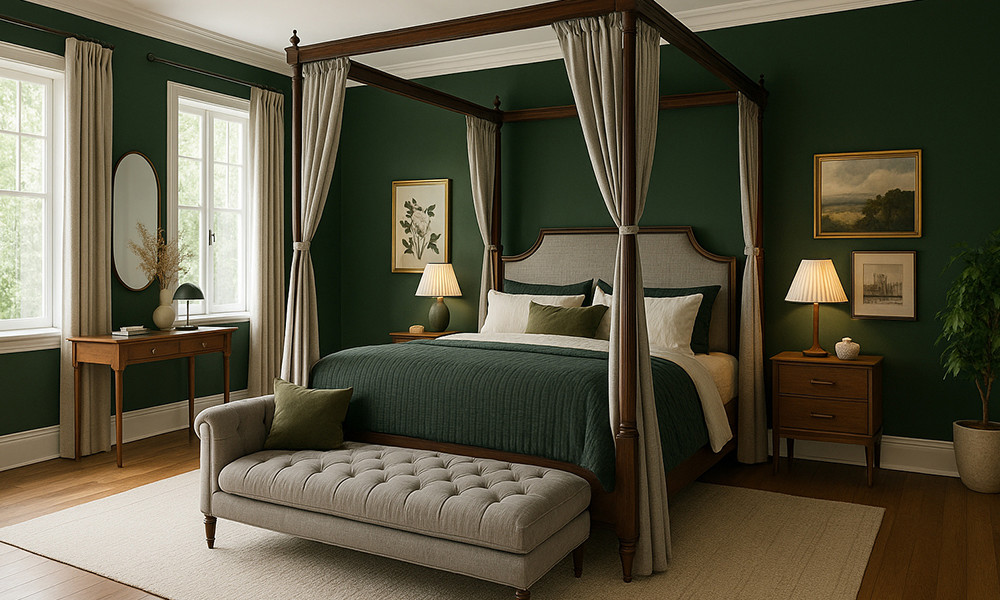
22. Deep Green Walls with a Traditional Four-Poster Bed
This room achieves its elegant, classic vibe with a foolproof ratio: 50% moody wall color (the deep forest green), 30% light neutral fabrics (the off-white curtains and bedding, the light grey upholstery), and 20% warm wood & metallic accents (the dark wood furniture and gold art frames). The light fabrics are essential for creating balance and preventing the dark walls and furniture from making the room feel oppressive. It feels rich because the elements are perfectly proportioned. This is a much more traditional take than the modern green in Idea #21.
“A four-poster bed is a major commitment.”
Here’s what to consider before you buy.
Ceiling Height: You absolutely need at least 9-foot ceilings. An 8-foot ceiling will make the room feel incredibly cramped and the bed will look squashed.
Room Size: This is not for a small bedroom. You need a room that is at least 14×16 feet to accommodate the bed’s visual and physical footprint without it touching every wall.
Light: A dark wood, four-poster bed will absorb a lot of light. Ensure your room has ample natural light or plan for multiple layers of artificial lighting.
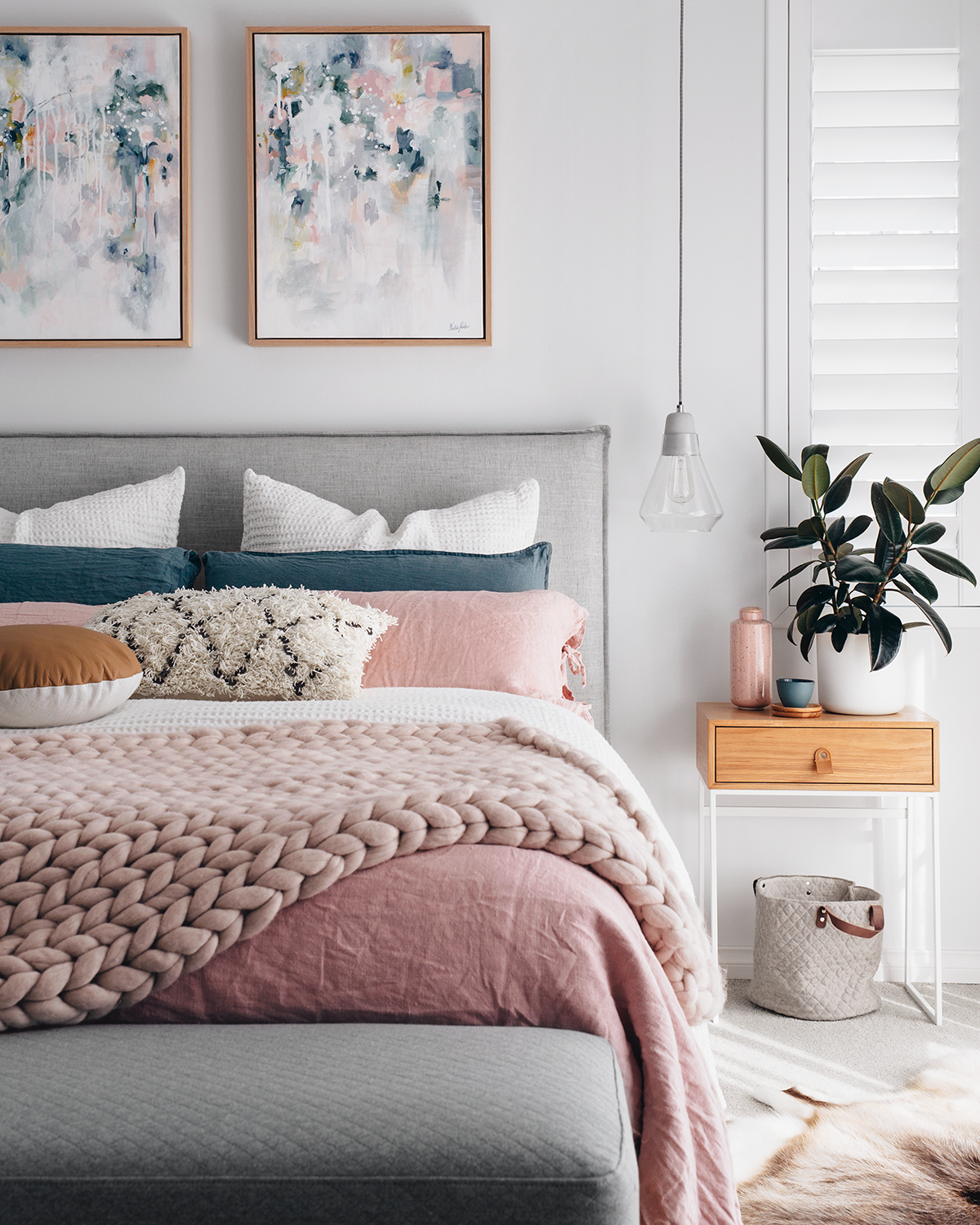
23. Neutral Bedroom with Pops of Pink and Teal
This look is so achievable on a budget because the foundational pieces are neutral and versatile. Find a basic light gray upholstered headboard from a big-box store like Wayfair or Overstock. The real magic is in the accessories! Hunt for affordable pink linen-look duvets on Amazon, a chunky knit throw from Target, and hit up stores like HomeGoods or Marshalls for unique, textured pillows in teal and white. The abstract art can be a DIY project or a digital print from Etsy, framed yourself. The whole vibe is about personality, not price tags.
“This works because it adheres to the “60-30-10” rule of color, but with a modern twist.”
The 60% is a calm base of neutrals (white shutters, light gray headboard). The 30% is the secondary color, a soft and inviting dusty pink used on the main bedding. The 10% is the fun part—a pop of high-contrast teal in the pillows and artwork. This small dose of an unexpected color adds energy and personality, keeping the pink-and-gray scheme from feeling anything but generic.
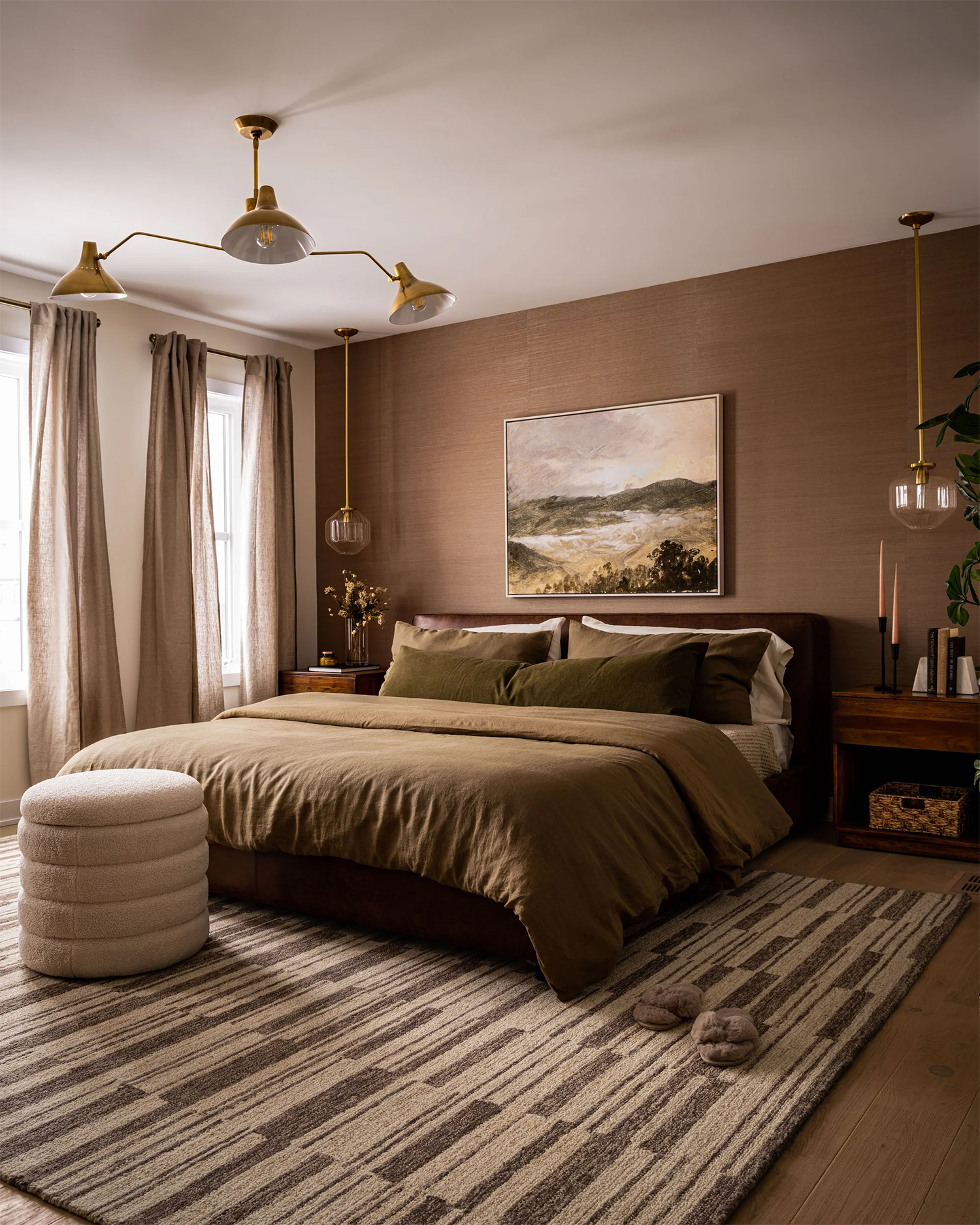
24. Earth-Toned Bedroom with a Textured Accent Wall and Brass
The textured brown accent wall is the heart of this design. It’s not just a color; it’s a tactile experience. A plain brown painted wall would have been warm but could have felt flat. By choosing a textured finish—like plaster, limewash, or textured wallpaper—the wall catches light in interesting ways, creating depth and a dynamic surface that changes throughout the day. It’s what gives the room its unique, earthy, and sophisticated character. The look is far more luxe than the black shiplap in Idea #3.
“Brass fixtures are beautiful, but they do require some specific care to stay looking their best.”
Unlacquered brass will naturally develop a patina over time, which can be a beautiful, evolving look. If you prefer a consistent, high-shine finish, you’ll need to polish the fixtures every few months with a dedicated brass cleaner. Also, linen bedding like the brown set shown here is known for its tendency to wrinkle. If you’re not a fan of the relaxed, slightly rumpled look, be prepared for regular steaming or ironing.
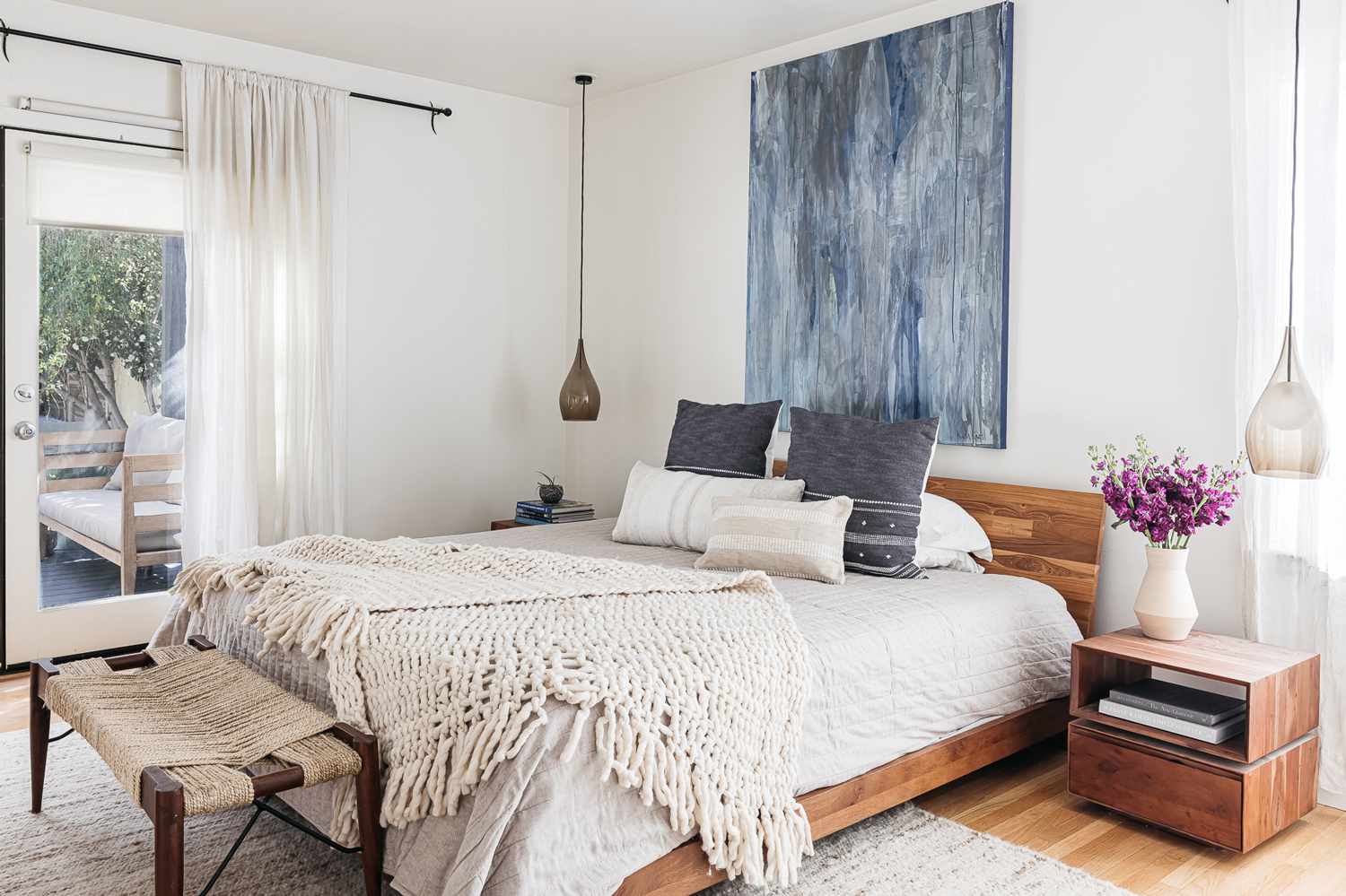
25. Serene Bedroom with Warm Wood, Gray, and Blue
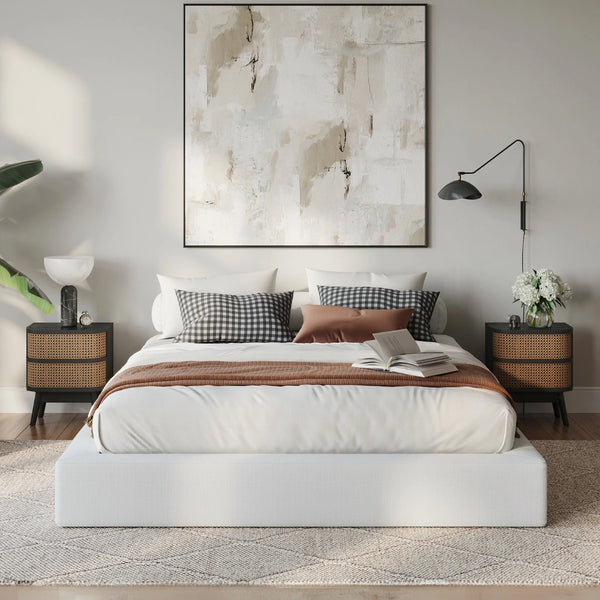
The serenity in this room comes from a carefully curated, low-contrast palette. The colors (light wood, gray, white, and muted blue) are all similar in value, meaning none of them scream for attention. This creates a harmonious, blended look that is very easy on the eyes. The large abstract painting reinforces this by using the exact same color family. The texture from the chunky knit throw and assorted pillows adds interest without adding visual noise, completing the tranquil feeling.
“When hanging art above a bed, scale and height are everything.”
A single piece of art should be about two-thirds the width of the headboard. The large abstract painting here is a perfect example. If it were any smaller, it would look lost. It should also be hung low enough to feel connected to the bed, not floating near the ceiling. A good rule of thumb is to place the bottom of the frame 5-9 inches above the top of the headboard.
26. Bright Bedroom with Light Blue-Grey Walls and Purple Pops
This room proves that a touch of bold color can liven up a neutral scheme. The formula is approximately: 70% light neutrals (light blue-grey walls, cream curtains, white bedding) + 20% grounding texture (grey shaggy rug, patterned armchair) + 10% vibrant accent color (the purple pillows). The purple works so well because it’s used sparingly and with confidence. It adds a touch of personality and fun without disrupting the overall calm and airy feel of the room. This exact formula is also used in Idea #1, just with slightly different pieces!
“A shaggy, high-pile rug like the gray one here feels incredibly luxurious underfoot, but it is not the most practical choice for everyone.”
It can be difficult to vacuum and is notorious for trapping dirt, crumbs, and pet hair. If you have pets that shed or suffer from dust allergies, you might want to opt for a lower-pile rug that offers a similar color and softness but is much easier to keep clean. The look is great, but the upkeep is real.
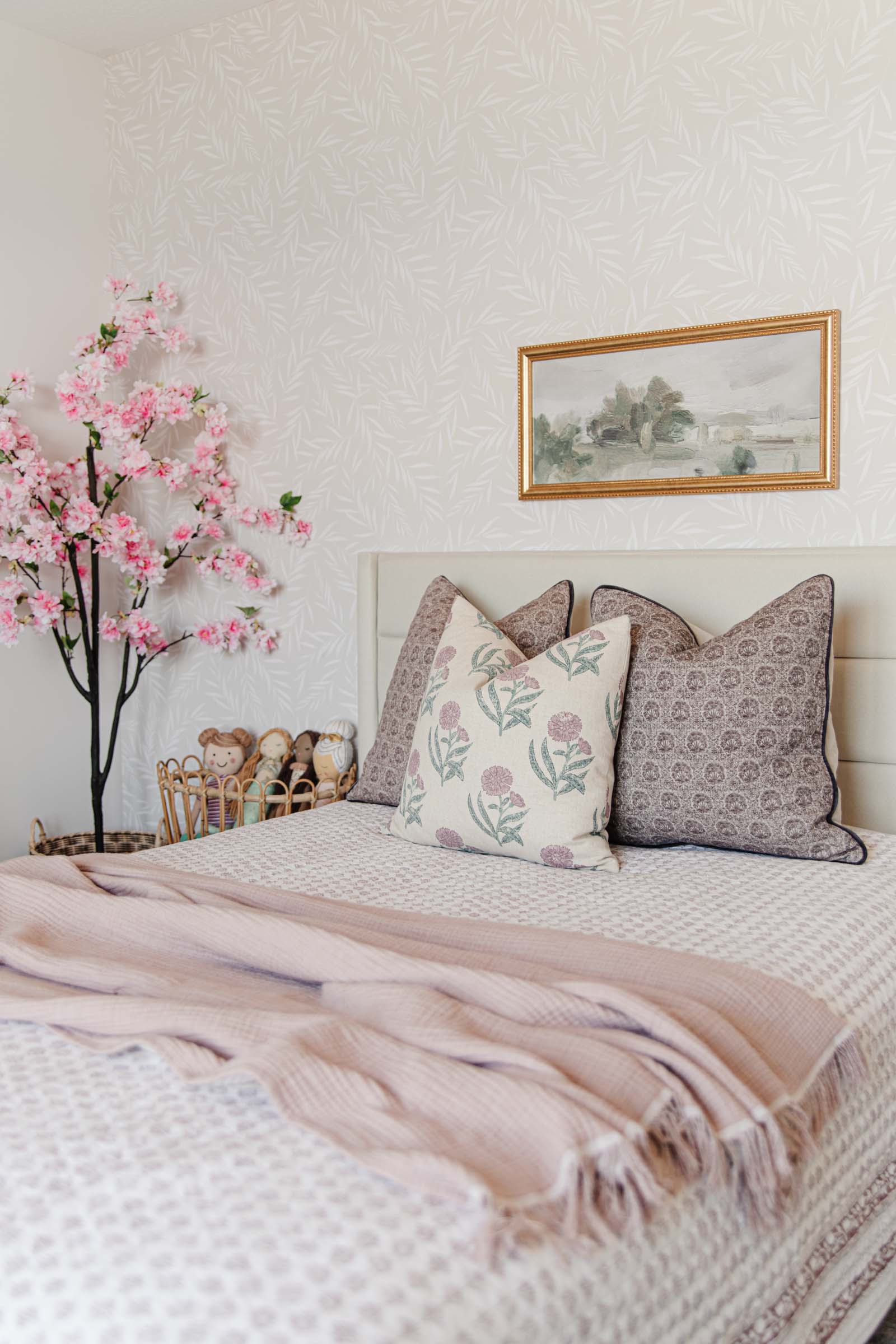
27. Soft and Whimsical Bedroom with Botanical Wallpaper
The subtle, tone-on-tone botanical wallpaper is the quiet star of this bedroom. It provides just enough pattern to add interest and a touch of whimsy, but because it’s a light beige-on-beige print, it doesn’t overwhelm the serene feeling of the space. It acts as a sophisticated, textured backdrop that elevates the entire room, making the simple act of placing a bed against it feel like a fully realized design moment. Without it, the wall would be just a wall.
“You don’t need to spend a fortune on designer wallpaper to get this effect.”
Look for “peel-and-stick removable wallpaper” on sites like Etsy, Amazon, or Wayfair. You can often find beautiful, subtle botanical patterns for a fraction of the cost of traditional wallpaper. Pair it with an affordable cream upholstered headboard from a big-box retailer and some blush pink pillows from Target or IKEA to complete this soft, inviting look for under $500.
28. Dreamy and Versatile Pink Palettes
When selecting a pink for a bedroom, always go for a shade that is dustier or more muted than you think you want. On a large wall, colors can appear much brighter and more saturated than they do on a small paint chip. Look for pinks with gray or beige undertones (like “Setting Plaster” or “Dusty Rose”). These sophisticated shades create a soft, warm glow without looking like a children’s party room, ensuring your space feels calming and timeless.
“A sophisticated pink palette isn’t just one note.”
For a balanced look, try this formula: 60% soft blush or dusty rose (walls or main bedding) + 30% crisp white or cream (furniture, trim) + 10% grounding accent. That 10% is key and can be a darker color like charcoal gray, a natural texture like rattan, or a metallic like brass. This keeps the pink feeling grown-up and intentional, not accidental.
29. Cozy Attic Room with Floral Wallpaper and Green Paneling
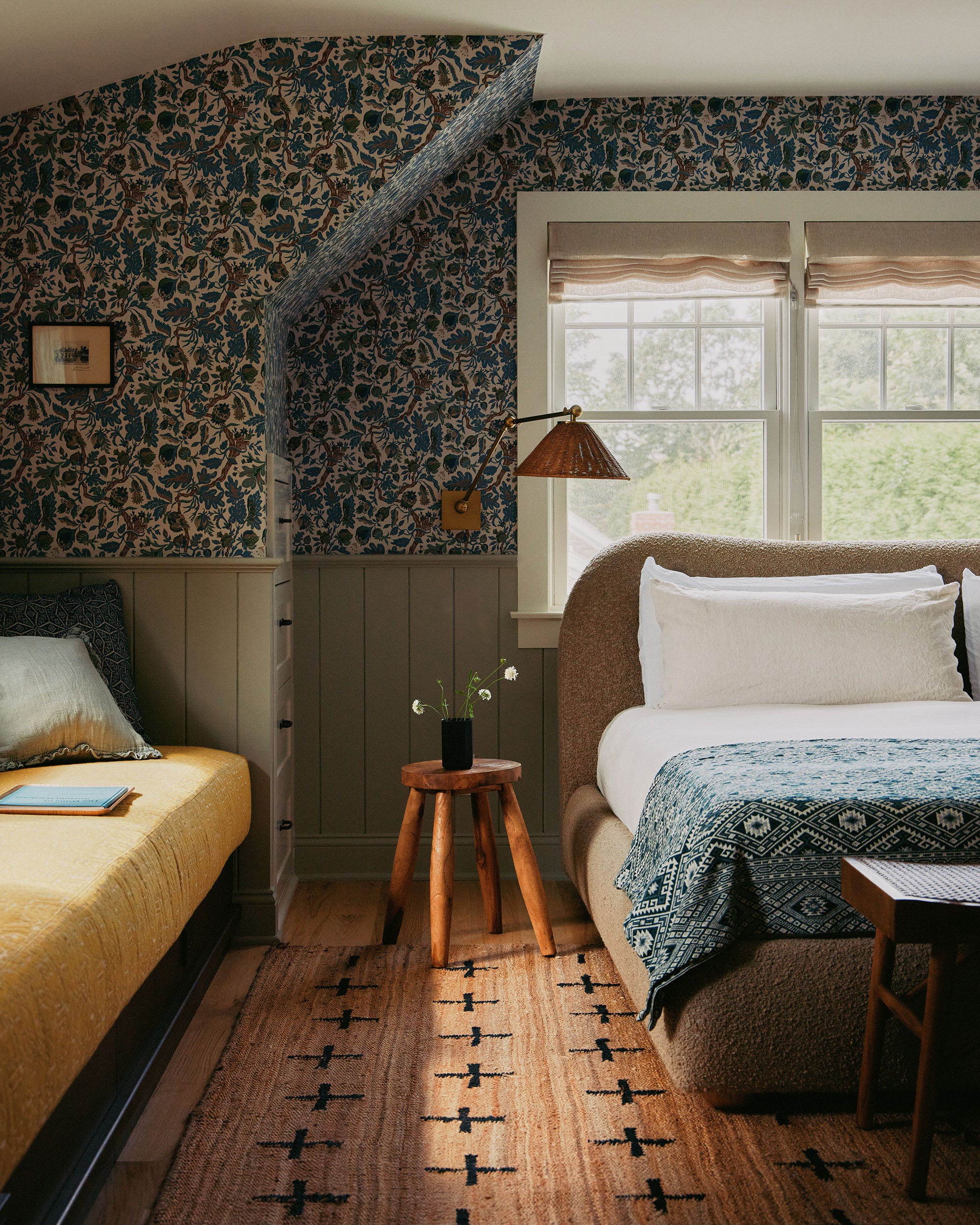
This eclectic space feels perfectly balanced due to a clever use of visual weight. The dark, busy floral wallpaper on the sloped wall could easily feel overwhelming. However, it’s grounded by the solid, calming sage green board and batten wainscoting below it. This breaks up the pattern and provides a place for the eye to rest. The mix of textures—boucle, braided wool, linen—adds to the cozy, layered feel, making the room feel like a curated collection rather than a chaotic mix.
“This is a fantastic strategy for an attic or any room with sloped ceilings, which often feel awkward to decorate.”
It works particularly well in a room that is at least 10 feet wide, allowing for both a bed and a walkway. By using a bold pattern on the largest (sloped) wall, you turn a challenge into a feature. The board and batten should come up to about 36-42 inches from the floor to feel properly proportioned.
30. Playful Twin Bedroom with Blue, Yellow, and Orange
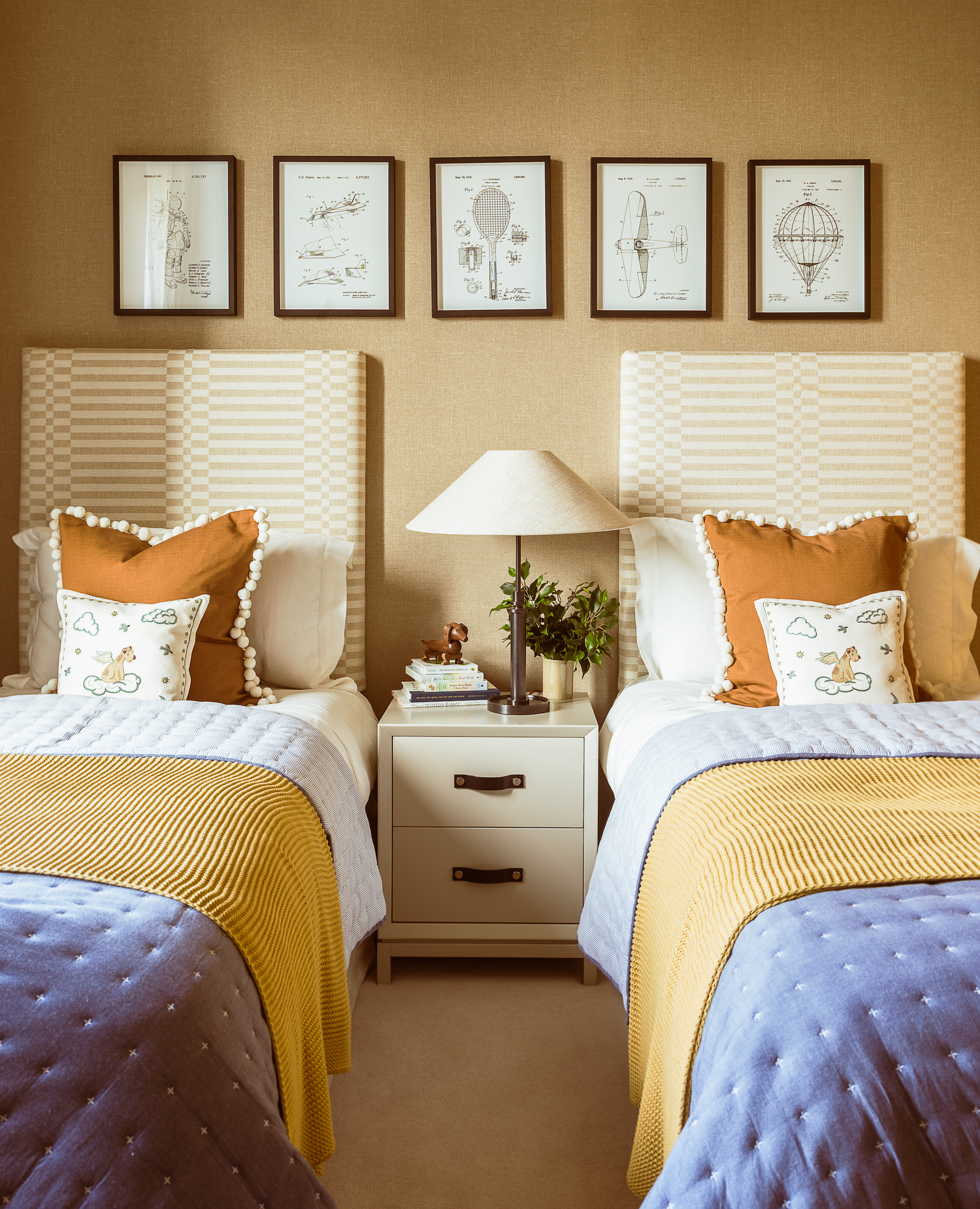
This room uses a triadic color scheme (three colors evenly spaced on the color wheel) for a playful yet harmonious look. The base is 70% warm neutral (the tan wall and cream headboards). Then, it layers on 30% primary-adjacent colors: periwinkle blue, mustard yellow, and rust orange. Because they are used in roughly equal measure across the bedding, the effect is balanced and cheerful, not chaotic. The key is the neutral backdrop, which gives the colors space to shine.
“It’s the details on the decor that truly make this room sing.”
Specifically, the orange pillows with their oversized pom-poms and the white pillows with their delicate embroidery. These textural, slightly whimsical elements prevent the room from feeling like a sterile furniture showroom. They add a touch of handcrafted charm and personality that says this is a room meant for fun and comfort, not just for show. It’s a small choice that has a huge impact on the overall vibe.
31. Earthy Bedroom with Dark Brown Walls and Rust Accents
Getting this warm, earthy vibe is very accessible. Here’s a potential cost breakdown.
- Main Furniture (Spindle Bed, Nightstand): $600 – $1,500
- Lighting (Pendant Light): $100 – $300
- Textiles (Rug, Layered Bedding): $400 – $900
- Decor & Accessories: $100 – $250
- Paint (Dark Brown): $70 – $140
- TOTAL: $1,270 – $3,090
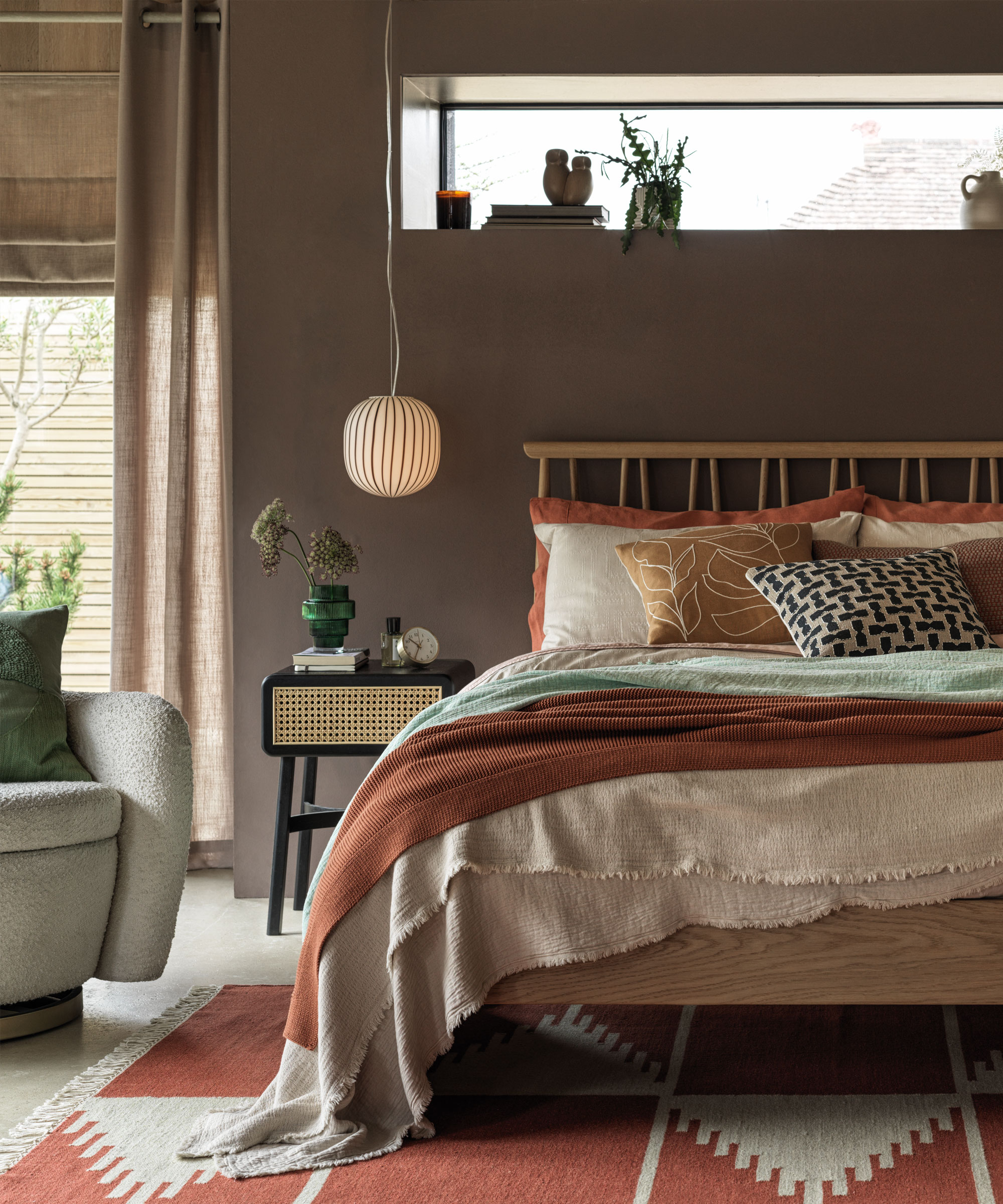
“This room feels so cozy because it expertly mixes a “dark academia” mood with a touch of boho.”
The dark brown walls create a dramatic, enveloping feeling. But instead of leaning into a purely dark and moody look, the room is lifted by the light wood spindle headboard and the vibrant rust and mint green textiles. The patterned rug ties all the colors together, and the rattan on the nightstand adds a natural, relaxed texture. It’s the perfect blend of sophisticated and laid-back.
32. Bright Neutral Room with Plaid and Striped Textiles
Mixing patterns like plaid and stripes is easy when you follow one simple rule: vary the scale and stick to a tight color palette. The plaid cushions here feature a medium-scale pattern, while the bed quilt has a much smaller, thinner stripe. Because both patterns pull from the same neutral family of white, grey, and brown, they feel cohesive rather than chaotic. The solid brown and olive pillows act as a visual break, completing the layered look without overwhelming it.
“The single element that makes this simple, bright room feel special is the partial wall paint.”
Painting just a small section of the wall a soft, muted green-grey adds a custom, architectural feel without the cost or commitment of painting the whole room. It cleverly defines the seating area around the wooden sofa and adds just the right amount of color to an otherwise all-white space. It’s a high-impact design choice that is incredibly easy and affordable to execute.
33. Calm Bedroom with Light Blue, Gray, and a Touch of Green
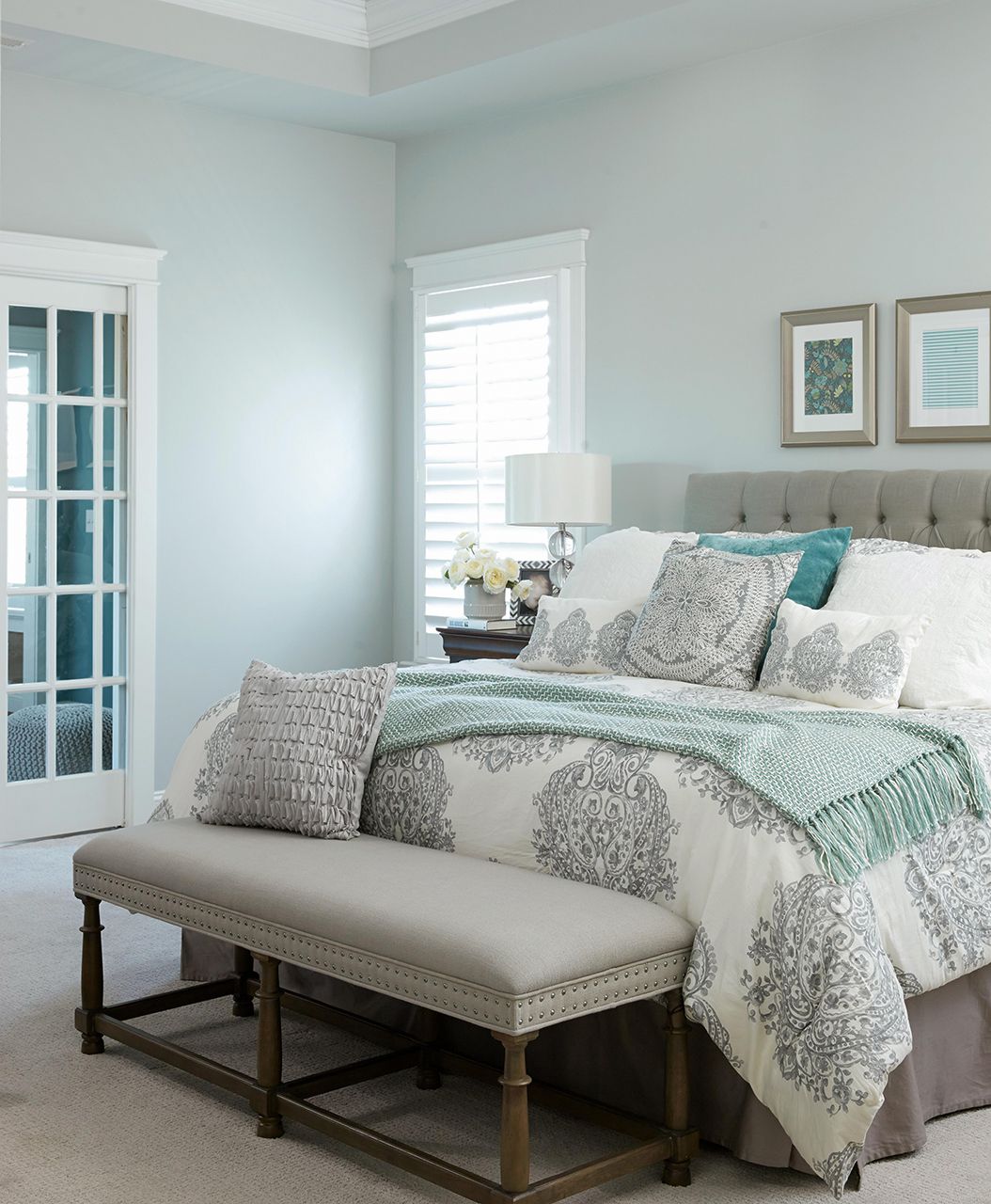
This serene space is a study in analogous colors—colors that sit next to each other on the color wheel. The palette is 60% light blue (walls), 30% gray (headboard, bench, bedding pattern), and 10% light green (throw blanket). Because blue and green are neighbors, their combination feels inherently calm and harmonious. The gray acts as a neutral mediator, grounding the colors and adding a layer of sophistication. It’s a nearly foolproof recipe for a peaceful bedroom.
“A tufted fabric headboard adds wonderful softness and a touch of hotel luxury, but it can be a magnet for dust, hair, and oils from your head.”
To keep it looking fresh, you’ll need to vacuum it regularly with an upholstery attachment. For any stains, it’s best to spot-clean immediately with a dedicated upholstery cleaner. If you have pets who love to be on the bed, you might consider a leather or wood headboard for easier cleaning. This is a design choice that prioritizes aesthetics over low-maintenance living.
Your Perfect Bedroom Palette Awaits
Whew, that was a lot of color! But hopefully, you’re leaving with more clarity and less confusion. Remember, the best color scheme is the one that makes you feel the most at home. Don’t be afraid to sample a few paints, mix textures, and create a space that tells your story.
Feeling inspired? Pin your favorite ideas to your own board and start dreaming up your perfect bedroom sanctuary.
Photo credits: The Spruce, Benjamin Moore, HGTV, House & Garden, Better Homes & Gardens, Caitlin Marie Design, South Georgia Style, Havenly, Maison Valentina, 9Creation, Houzz, Dulux, You Comfort, Jaipur Rugs, House Beautiful, Essential Home, ELLE Decor, 100+ Home Decorating Ideas & Interior Design Blog, Homes and Gardens / Web, Max Vakhtbovych / Pexels