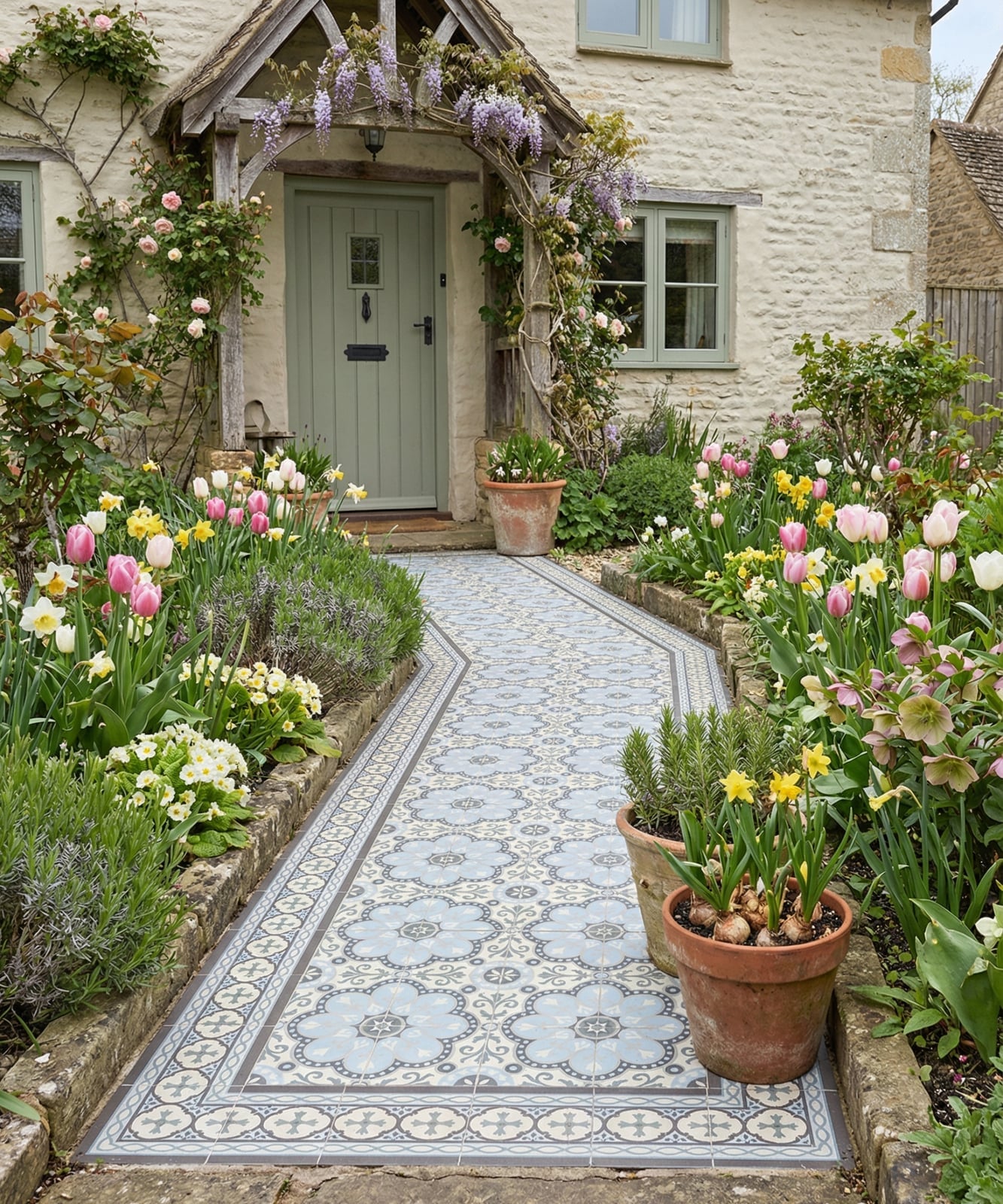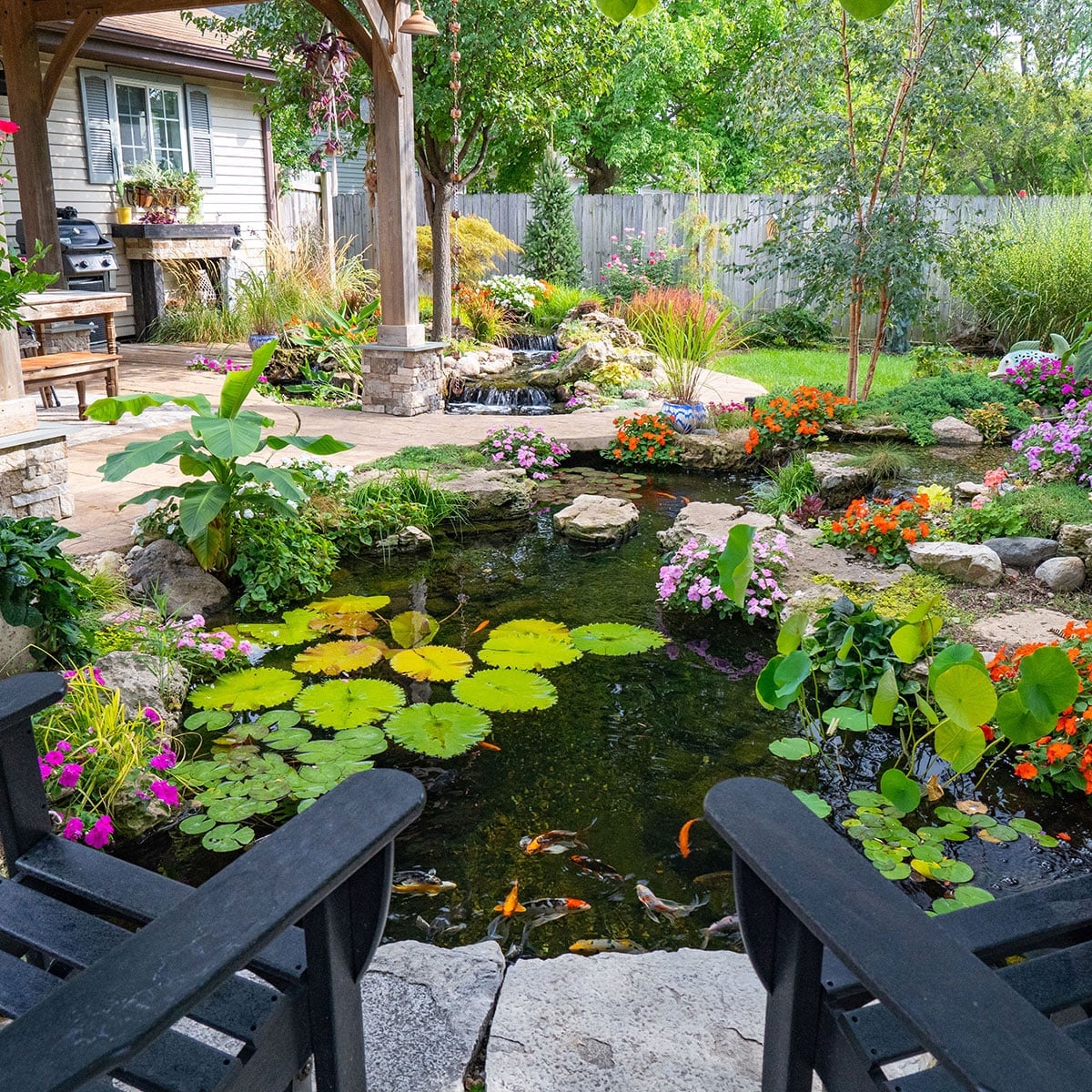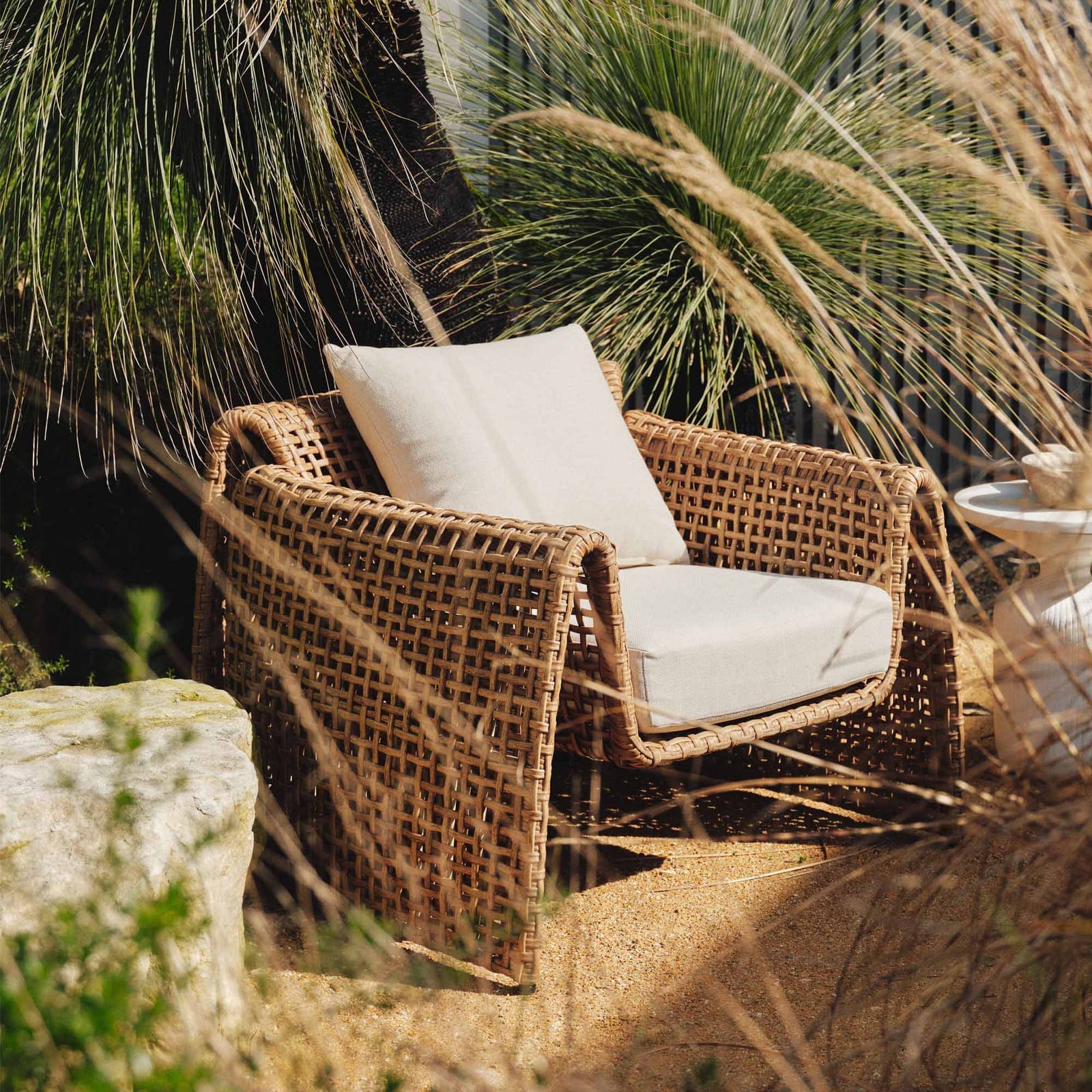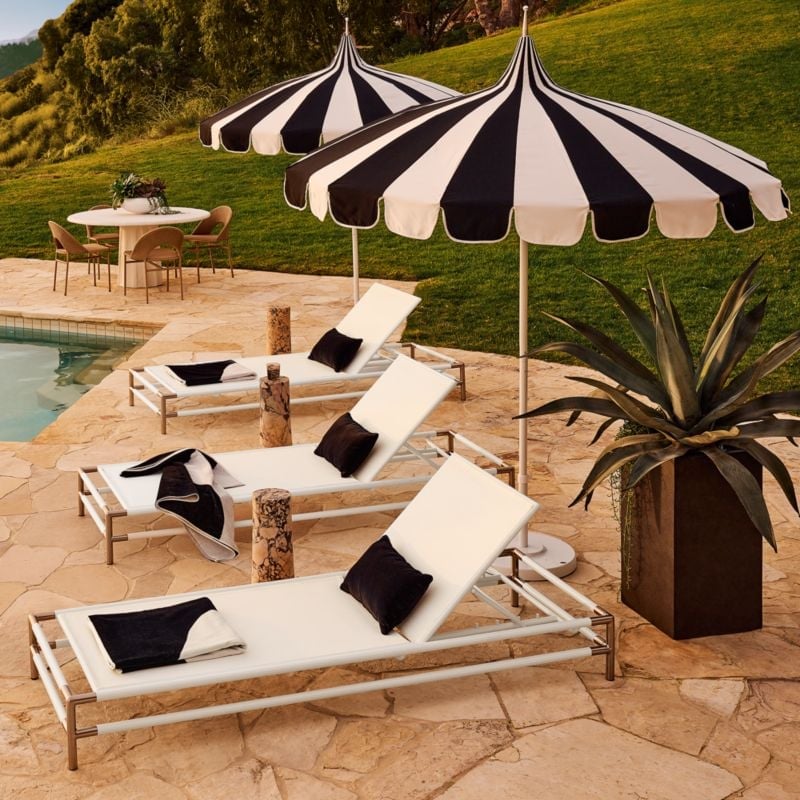
A paver patio is one of the most practical upgrades for a backyard, offering a durable surface that can handle years of foot traffic and weather. The pathway itself becomes the defining feature, guiding the eye and structuring the space around it. This roundup of 28 designs shows how different paver patterns, from herringbone brick to large format stone, can shape the feel of an outdoor area.
Whether you are planning a complete overhaul or just gathering ideas, these examples focus on the hardscape as the hero, keeping the surrounding decor simple and supportive. You will see how layout, lighting, and material choices work together to make the pathway the star of the patio.
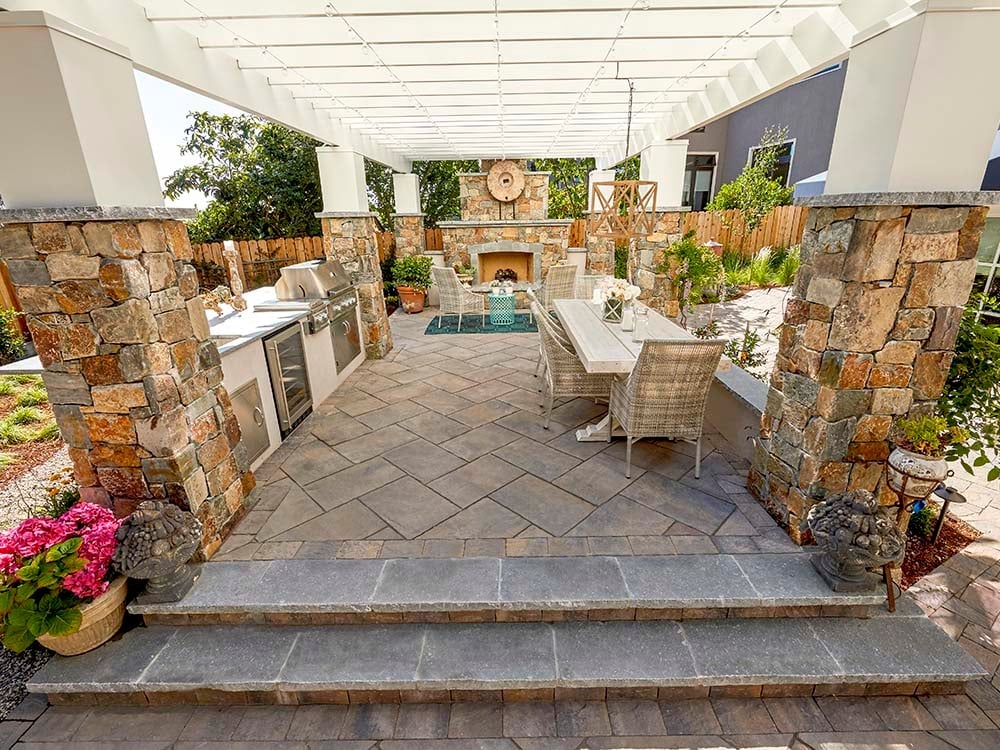
Modern Outdoor Kitchen and Dining Paver Patio with Pergola
A large paver patio can feel like one big empty space unless you give it a job to do. This design breaks the expanse into clear zones: an outdoor kitchen island with stone cladding anchors one end, a dining set sits under a wood pergola, and a fireplace adds a third gathering point. The stone pavers run through all of them, so the floor acts as a neutral backdrop that ties the zones together without competing. The result is 28 looks that actually work as a full outdoor room.
Luxury Multi-Level Paver Patio with Illuminated Outdoor Kitchen
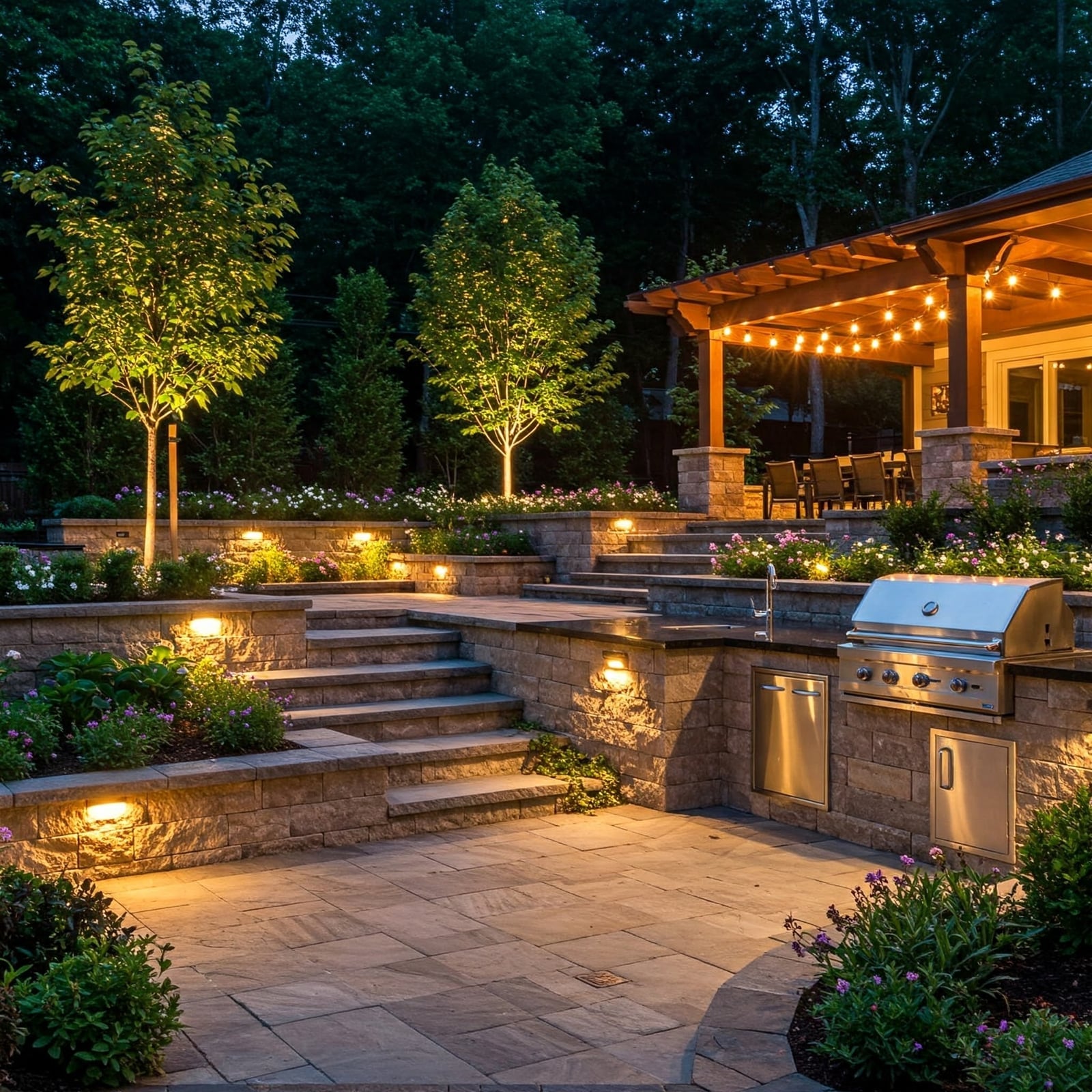
Evening lighting makes this patio feel like a second living room. String lights cross the pergola above the dining set, while landscape lights along the stone walls and steps define the multi-level layout. The warm glow softens the stone pavers and keeps the outdoor kitchen visible after dark. The palette stays natural: warm stone, green from nearby plants, and white trim that reflects the light. It is a luxury multi-level paver patio lighting plan that prioritizes function over drama. Every fixture has a purpose, whether it is guiding a step or highlighting the grill area.
Modern Zoned Paver Patio with Fire Pit, Outdoor Kitchen, and Putting
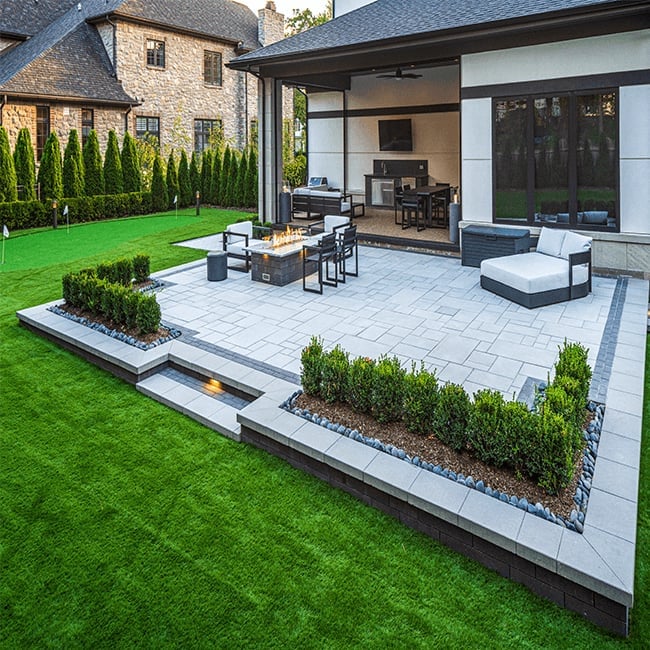
Can one patio really hold a fire pit, an outdoor kitchen, lounge seating, and a putting green without looking cluttered? This design says yes by letting the floor plan do the organizing. Gray pavers cover the main level, then a low stone wall separates the dining zone from the putting area. The fire pit sits at the center of the lounge section, with wood accents and a trimmed hedge adding soft edges. The layout works because each zone has its own purpose and its own boundary. You do not walk through the kitchen to reach the putting green, and the lounge stays separate from the dining table. That kind of zoning makes a roomy patio feel intentional rather than random.
Coastal Patio with String Lights and Multiple Seating Areas
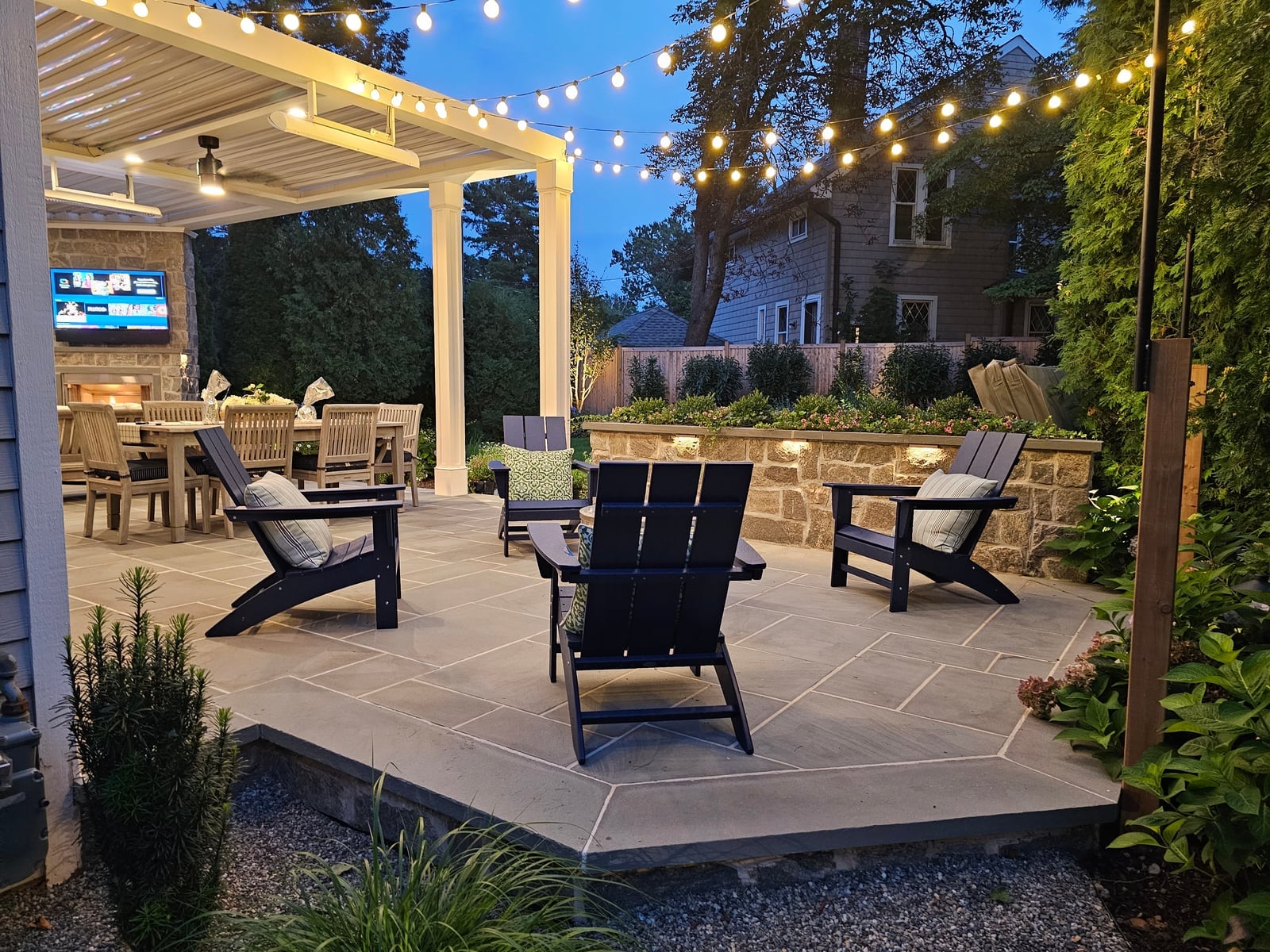
String lights do more than add glow; they define the ceiling of an outdoor room. Here, they cross above a dining set and continue toward a second seating area with Adirondack chairs. The gray stone pavers keep the ground neutral, while blue fabric on the chairs and green plantings bring in the coastal palette. The lights create a visual line that connects the two zones without needing a wall or railing. It is a coastal patio with string lights that doubles as a layout tool.
Modern Luxury Paver Patio with Comprehensive Outdoor Kitchen
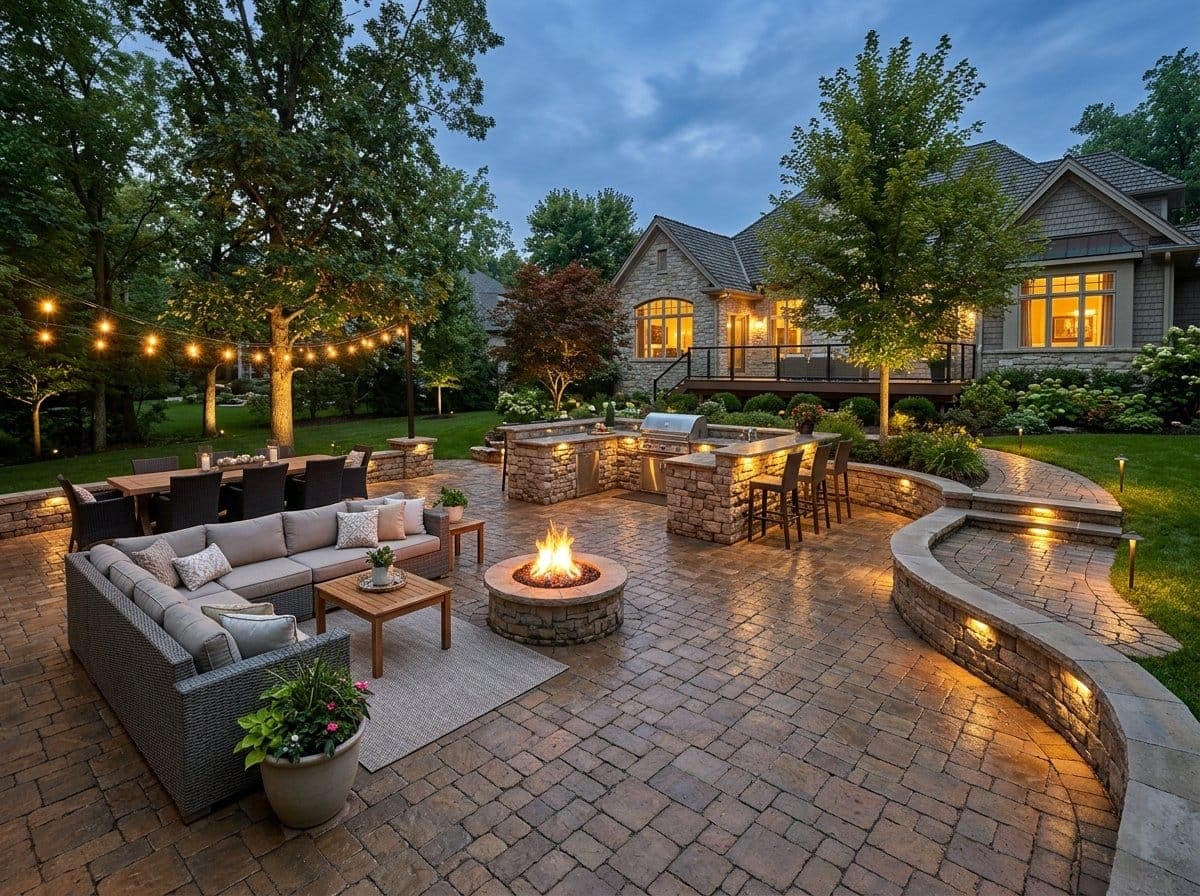
Give every item a home on a patio with this many pieces. The outdoor kitchen anchors one side with bar stools lined up at the counter. The fire pit sits opposite, surrounded by a large sectional sofa that faces both the flames and the cooking area. The stone pavers run in a consistent pattern across the whole space, creating smooth transitions from zone to zone. String lights and landscape lighting keep each area usable after sunset. This luxury paver patio outdoor kitchen setup proves that storage and layout are the same thing when every surface has a designated use.
Traditional Paver Patio with Warm Evening Lighting and Seating Areas
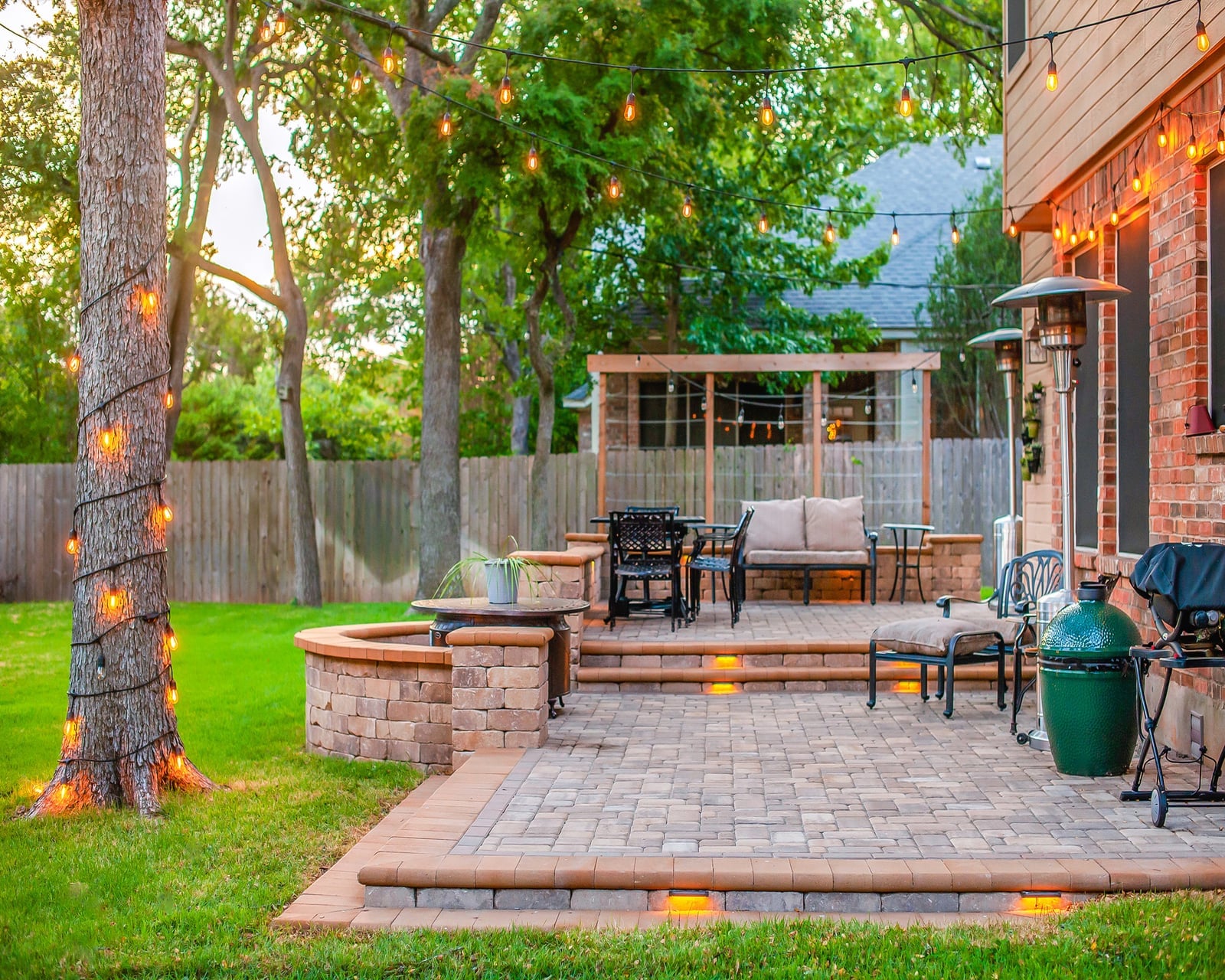
A gas grill might seem like the natural centerpiece for an outdoor cooking setup, but a traditional paver patio with a dedicated dining zone and a separate lounge area shifts the focus to how you actually use the space. Warm string lights and accent lights strung overhead make the tan brick pavers glow after dark, so the patio lives as a second living room rather than a grill station. A multi-level layout keeps the dining set and the lounge seating on their own planes, which means two conversations can happen at once without anyone stepping over a chair leg. The palette of tan, brick, green, and orange ties back to the house exterior, so the whole yard reads as one connected space rather than a patchwork of projects.
Contemporary Multi-Level Paver Patio with Stone Wall and Fire Pit
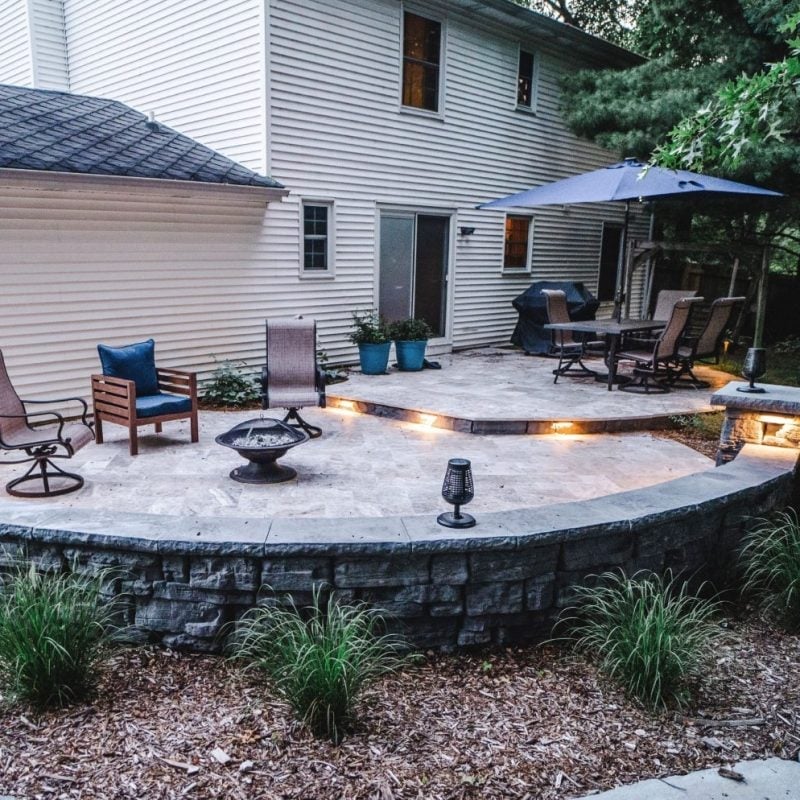
A low retaining wall in stacked stone does more than define the edge of a multi-level patio. It creates a visual anchor that lets the gray stone pavers feel intentional rather than leftover. The fire pit sits on the lower level, ringed by lounge chairs, while the dining set stays up one step. Landscape lighting tucked into the wall and around the fire pit keeps the whole setup usable after sundown without flooding the yard. The palette stays tight: gray, beige, green, and warm light. A renter can mimic this look by arranging modular furniture on a flat paver base and adding a portable fire pit on a protective mat.
Expansive Contemporary Stone Paver Patio with Simple Seating
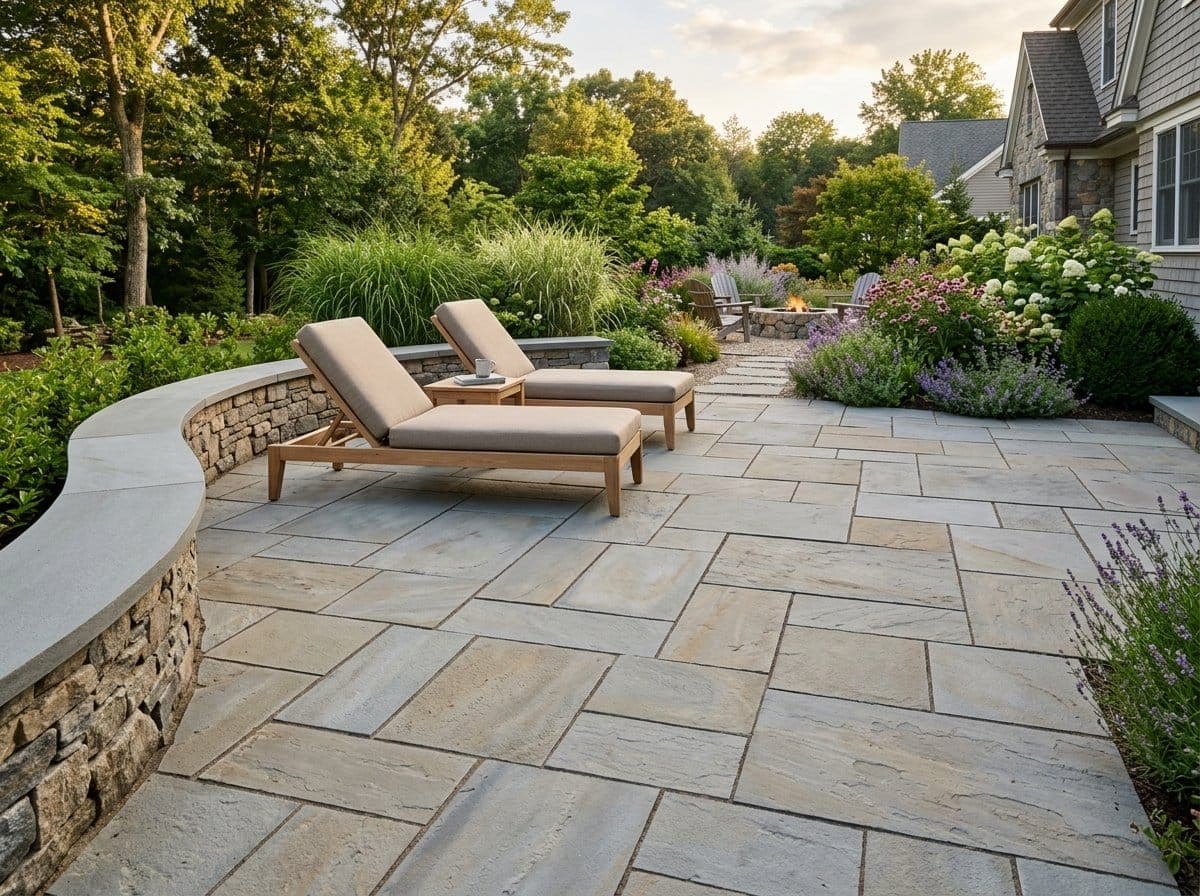
This patio proves that a large stone paver area does not need a crowd of furniture to feel complete. Two lounge chairs and a low table sit on the expanse, leaving the stone to register as negative space. The beige and gray pavers read as a single plane because the joints are tight and the stone is uniform in thickness. A low wood wall along one edge adds warmth without breaking the clean line. The palette of beige, gray, green, and blue keeps the eye moving across the yard. For anyone with a generous slab of open yard, this approach solves the problem of how to furnish a big space without cluttering it.
Rustic Paver Patio with Stone Fire Pit and Distinct Seating Areas
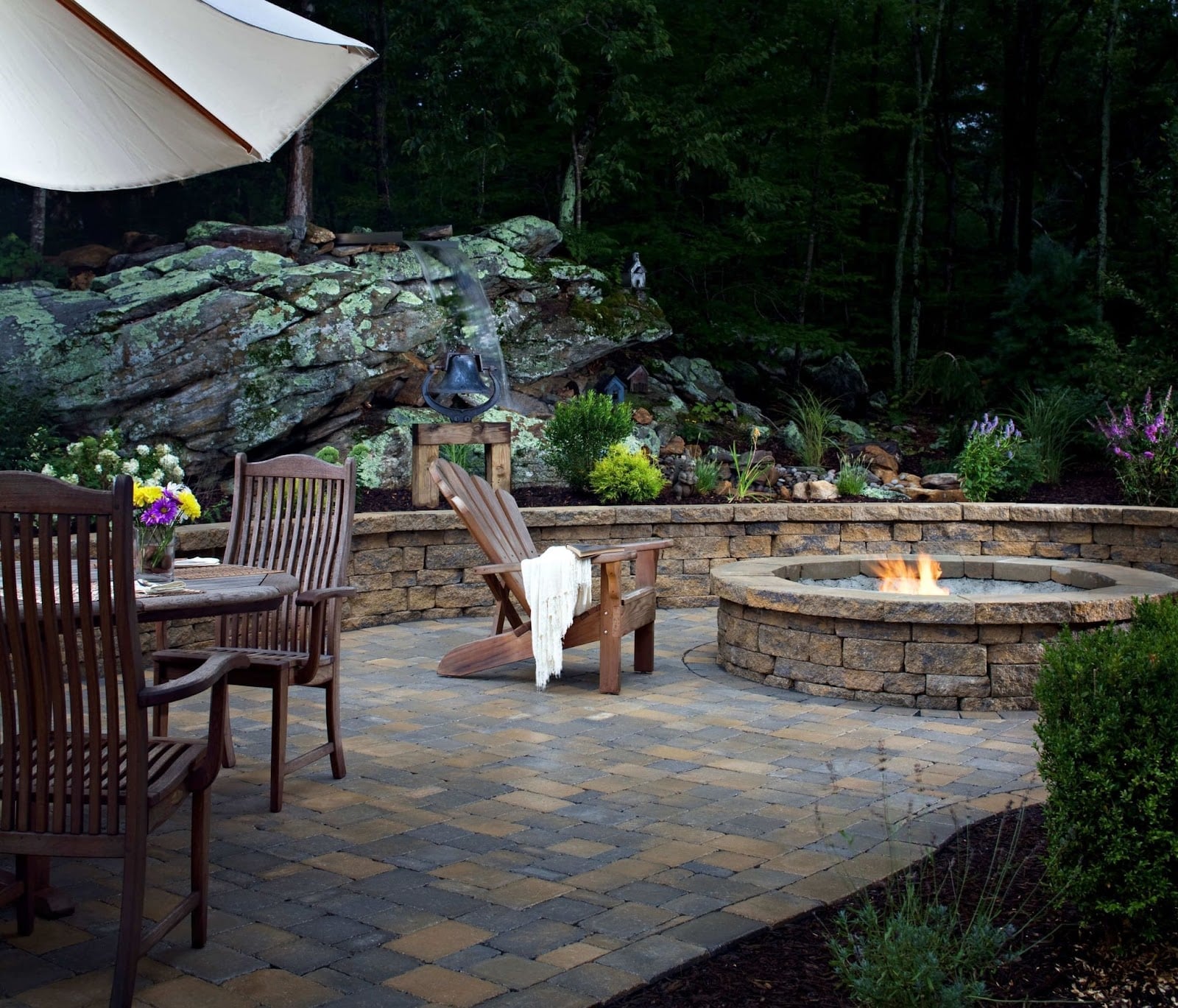
Can a stone fire pit pull double duty as a heat source and a room divider? In this rustic paver patio, it does exactly that. Adirondack chairs are pulled close on one side of the fire pit, and a dining set is placed a few feet away on the other. The tan and brown pavers extend in every direction, but the fire pit creates a natural break between the two zones. Firelight from the pit and a warm glow from the house provide the only lighting, which keeps the space feeling intimate without being floodlit. The palette stays grounded in tan, brown, and green, with no bright accent colors to compete with the stone. This layout works for anyone who wants separate conversation and dining areas without building a permanent wall.
Modern Herringbone Paver Patio with Compact Seating Area
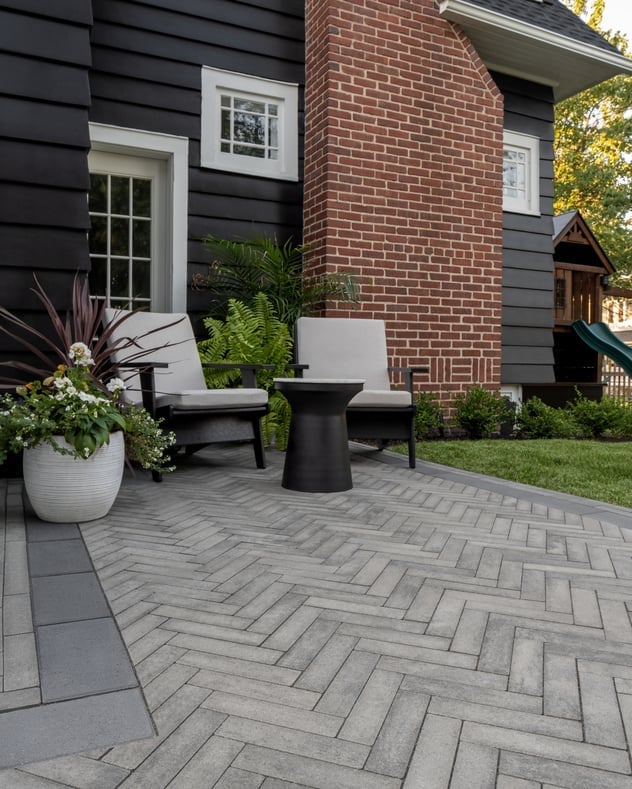
A herringbone pattern in concrete pavers adds visual texture to a compact patio without needing a larger footprint. The diagonal lines draw the eye across the gray and beige surface, making the space feel wider than it measures. Two chairs with cushions and a side table sit at one end, leaving room for foot traffic around them. The dark brown fabric on the cushions picks up the warm tone in the pavers, so the furniture does not float away from the ground plane. For a small yard or a narrow side lot, this pattern gives the patio a finished look without requiring elaborate furniture or multiple zones.
Modern Multi-Level Paver Patio with Integrated Step Lighting
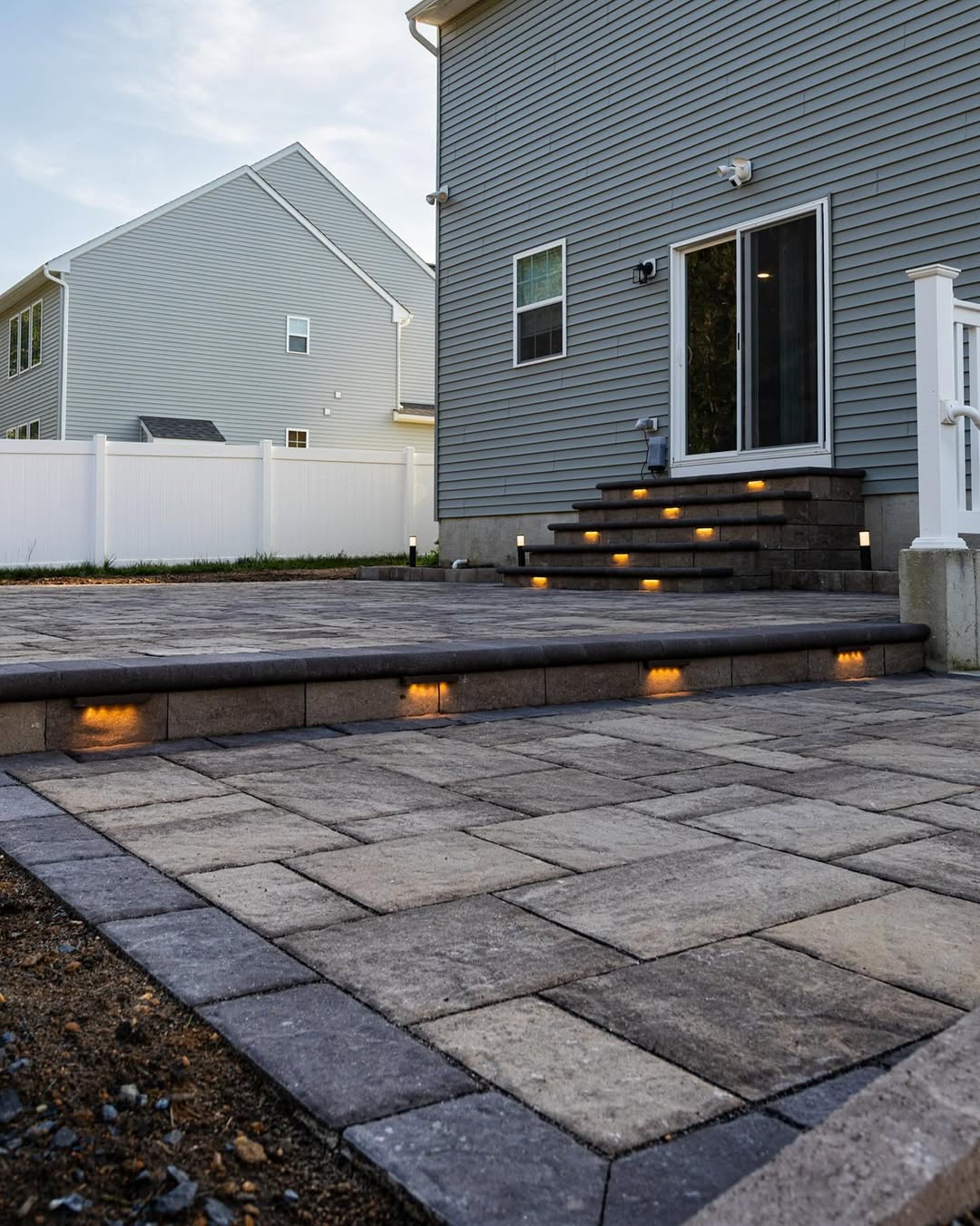
A multi-level paver patio benefits from lighting that does more than just illuminate. Integrated step lighting turns a tripping hazard into a design feature, guiding the eye and the foot from one level to the next. The gray pavers and stone walls in this modern setup absorb the evening light, so the glow from the step lights appears warm. The blue and white cushions on the vinyl seating keep the palette cool against the warm light. When planning your own layout, consider where the natural traffic paths fall. Adding low-voltage lights at the edge of each riser makes the transition between levels feel planned.
Modern Geometric Paver and Gravel Patio with Outdoor Grill
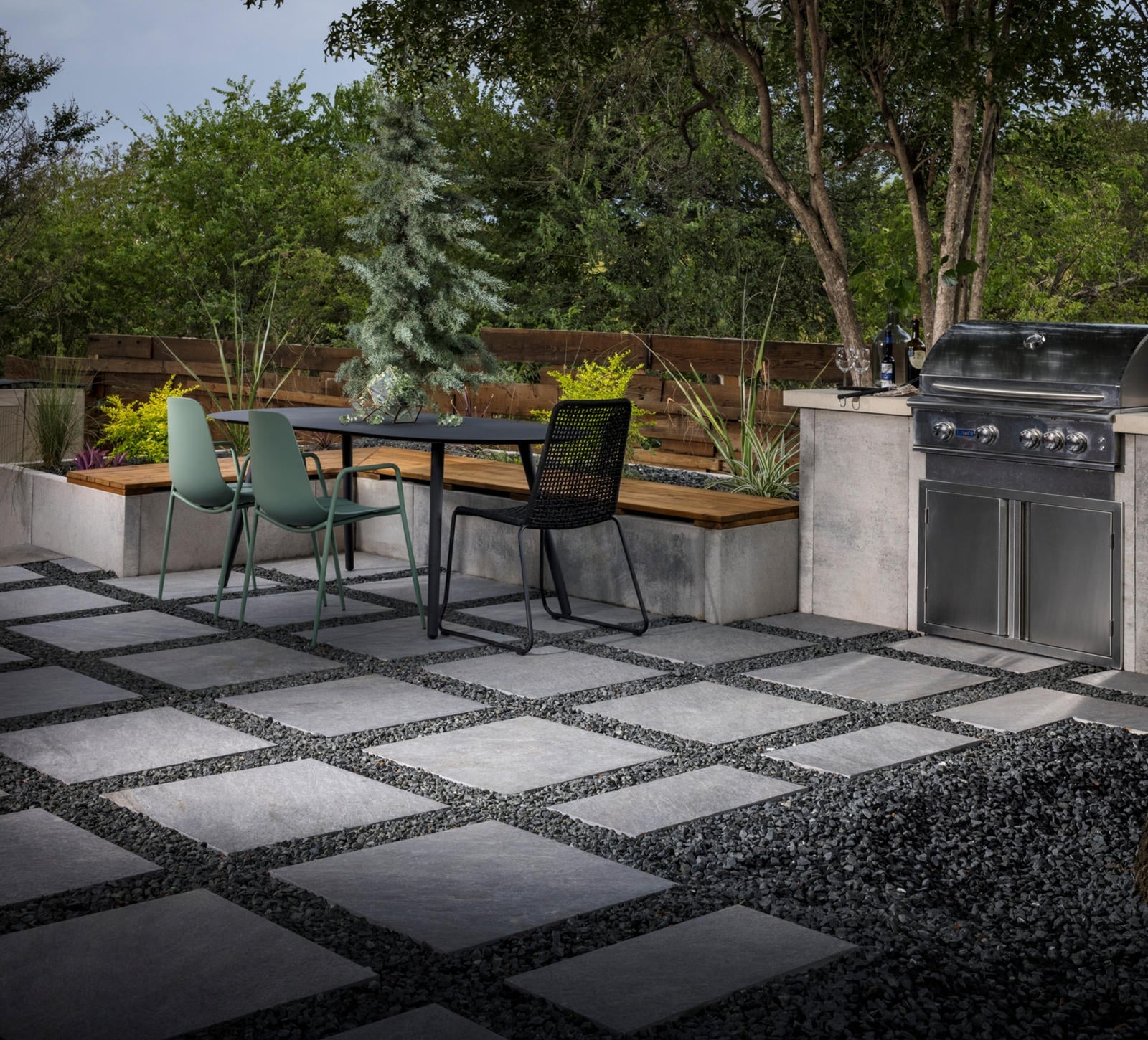
A paver pathway that cuts through gravel is a natural choice for anyone who wants the structure of a hard surface without a full concrete pour. In this modern patio, large rectangular pavers are set in a geometric grid with dark gravel filling the gaps. The contrast between the smooth gray stone and the loose black gravel creates a pattern that holds visual interest even when the patio is empty. The outdoor grill and dining table sit on the paver strips, keeping the furniture stable while the gravel softens the overall look. Concrete benches add extra seating without blocking the sightlines. The palette stays restrained: gray, black, and the green of the surrounding plants. What breaks the grid is the organic texture of the gravel, which keeps the design from feeling too rigid. Use pavers at least 24 inches long so the pattern looks like a deliberate geometric layout rather than a stepping stone path.
Rustic Multi-Level Patio with Built-In Stone Block Fire Pit
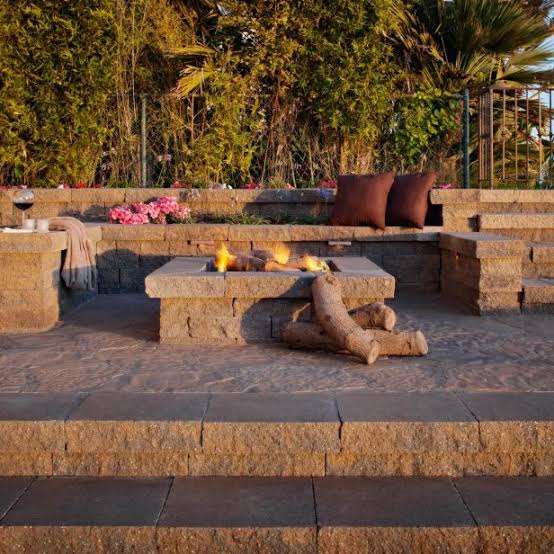
The fire pit here is not a portable metal bowl but a built-in structure of stacked stone blocks that anchors the lower level of the patio. The warm glow from the fire picks up the tan, brown, and pink tones in the stone, making the whole seating area feel enclosed without walls. The upper level holds logs stacked neatly nearby, ready to feed the fire. The pavers underfoot are a warm brown that blends into the surrounding landscape. Keeping the fire pit at seat height allows the flames to stay visible from both levels.
Modern Paver Patio with Large Stone Fireplace and Seating
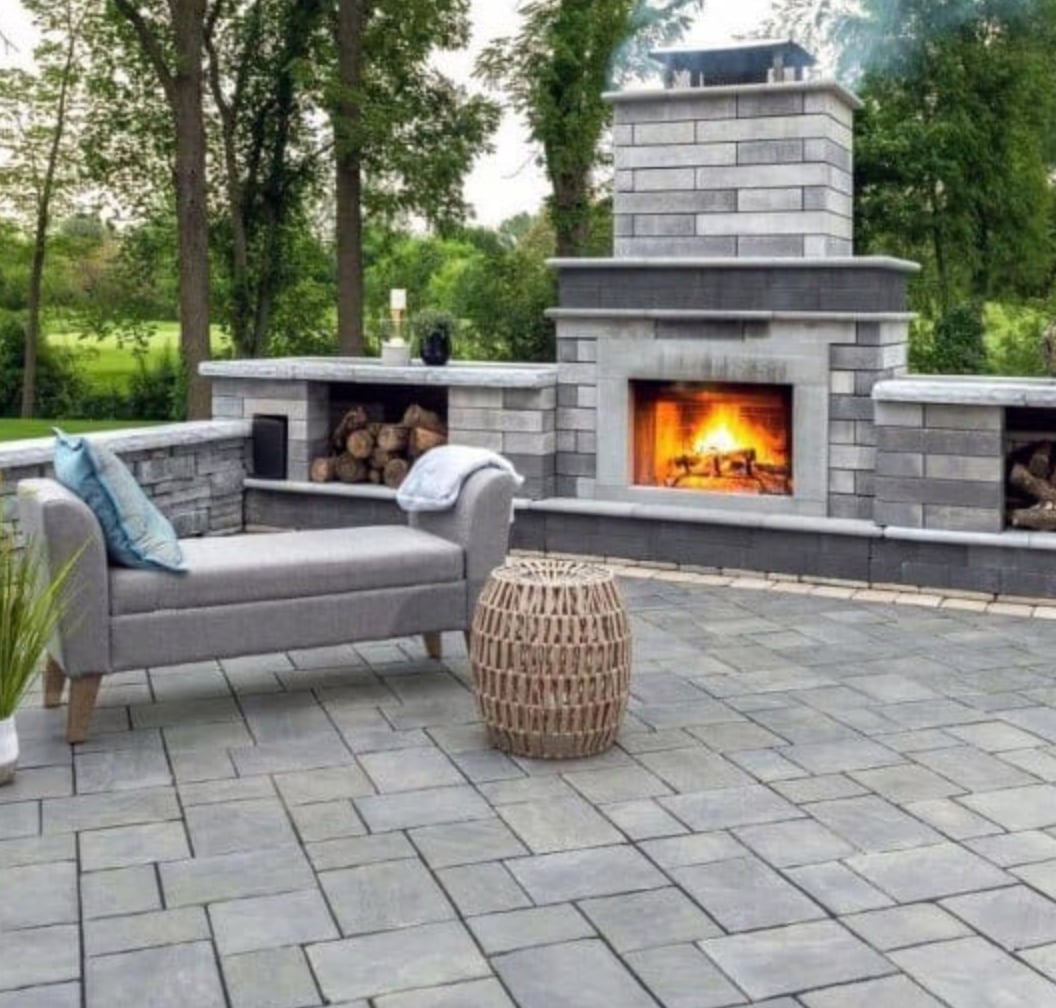
A large stone fireplace turns a paver patio into a year-round room. This modern setup places the fireplace as the focal point at one end of a spacious gray concrete paver area, with a long lounge bench facing it directly. A wicker stool adds a softer texture near the fire. The blue cushions on the bench echo the cool gray of the pavers, while the warm firelight balances the palette. The layout works because the seating is arranged to face the heat source, not scattered around it. Leave enough room between the bench and the fireplace for people to walk through without stepping around furniture. Ambient light from the house or nearby fixtures keeps the edges of the patio visible without competing with the fire.
Rustic Flagstone Paver Patio with Stone Wall and Fire Pit
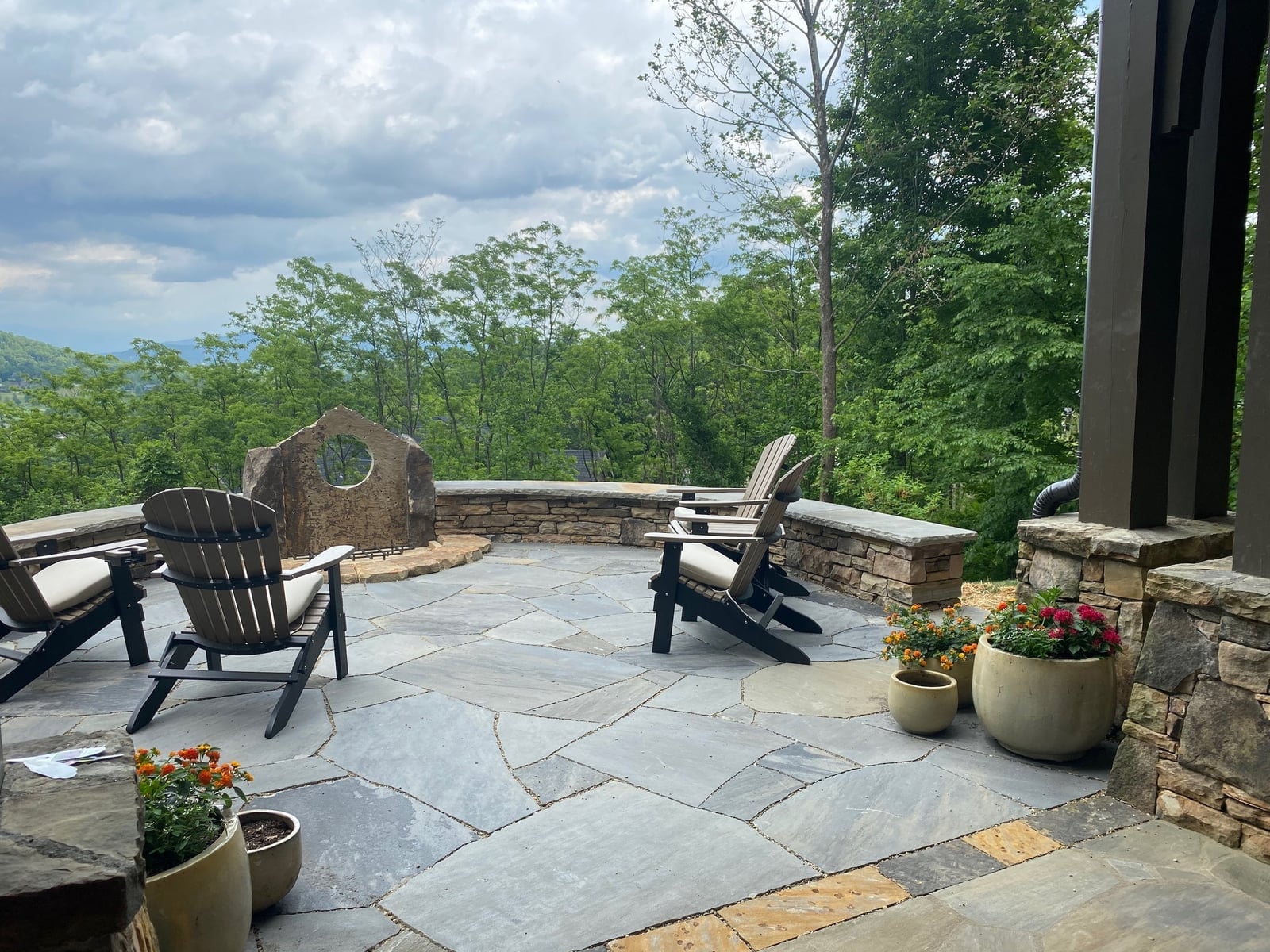
A rustic flagstone patio looks like the materials have been there longer than the house. The irregular gray and beige stone pavers here are set with wide joints that allow moss or ground cover to soften the edges over time. A low stone wall defines one side of the patio, and a stone fire pit anchors the seating area with Adirondack chairs pulled close. The wall does double duty: it holds back the adjacent soil and creates a visual boundary without a fence. The palette stays natural with stone, wood, and the green of the surrounding plants. For a similar feel, choose flagstone pieces with varied shapes and avoid cutting them into uniform rectangles. The uneven joints are part of the look, not a flaw.
Modern Patio with Large Format Gray Pavers and Dining Area
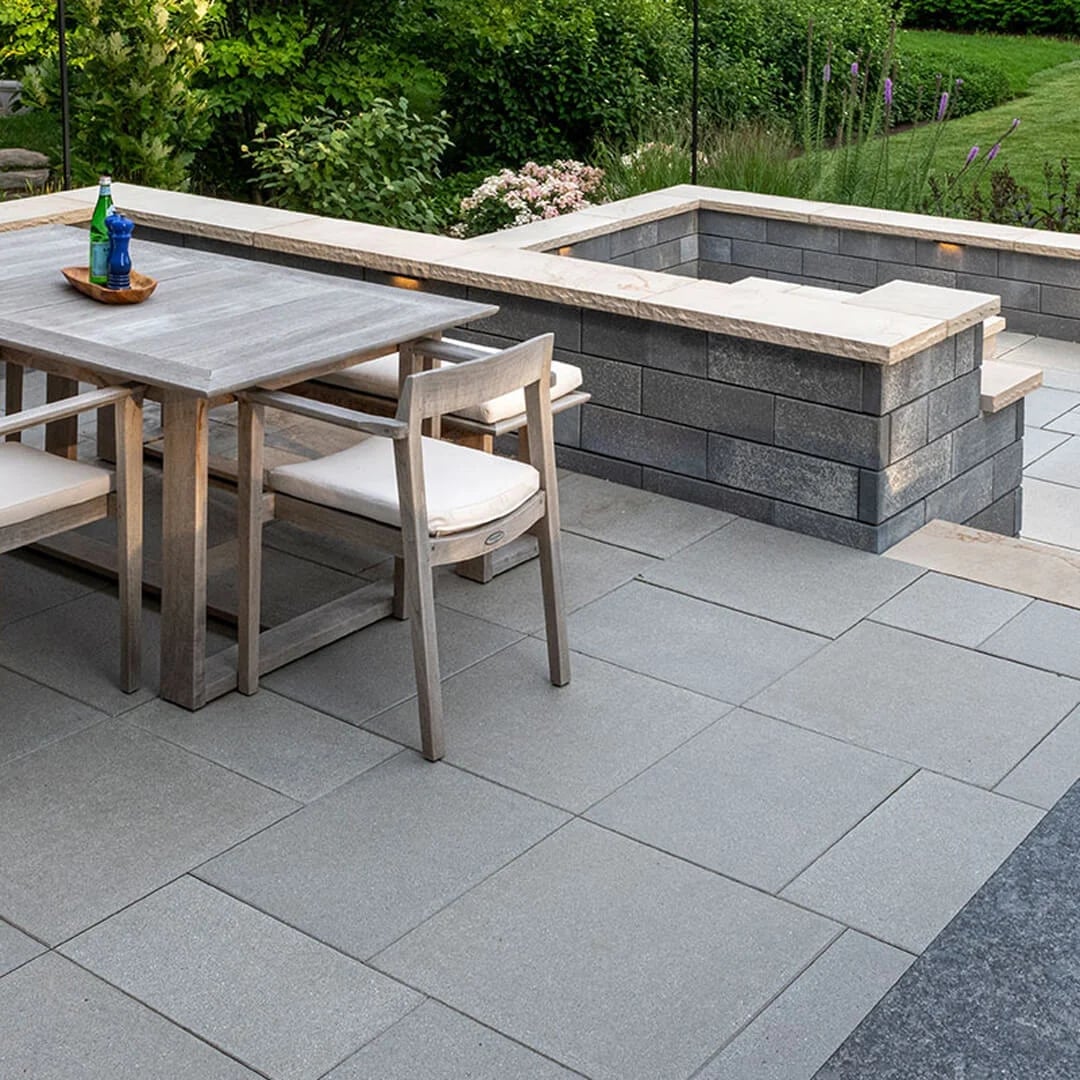
Large format pavers are the obvious starting point for a modern patio, and this one proves the point with an expansive gray surface that anchors a wooden dining set. The stone retaining wall along the edge keeps the ground plane clean, so the dining area feels grounded. Choosing oversized pavers means fewer joints and a more seamless look, which is the main advantage here. The gray tone stays neutral against the wood table and green surroundings, making the palette easy to maintain.
Rustic Patio with Circular Gray Stone Paver Pathway and Seating
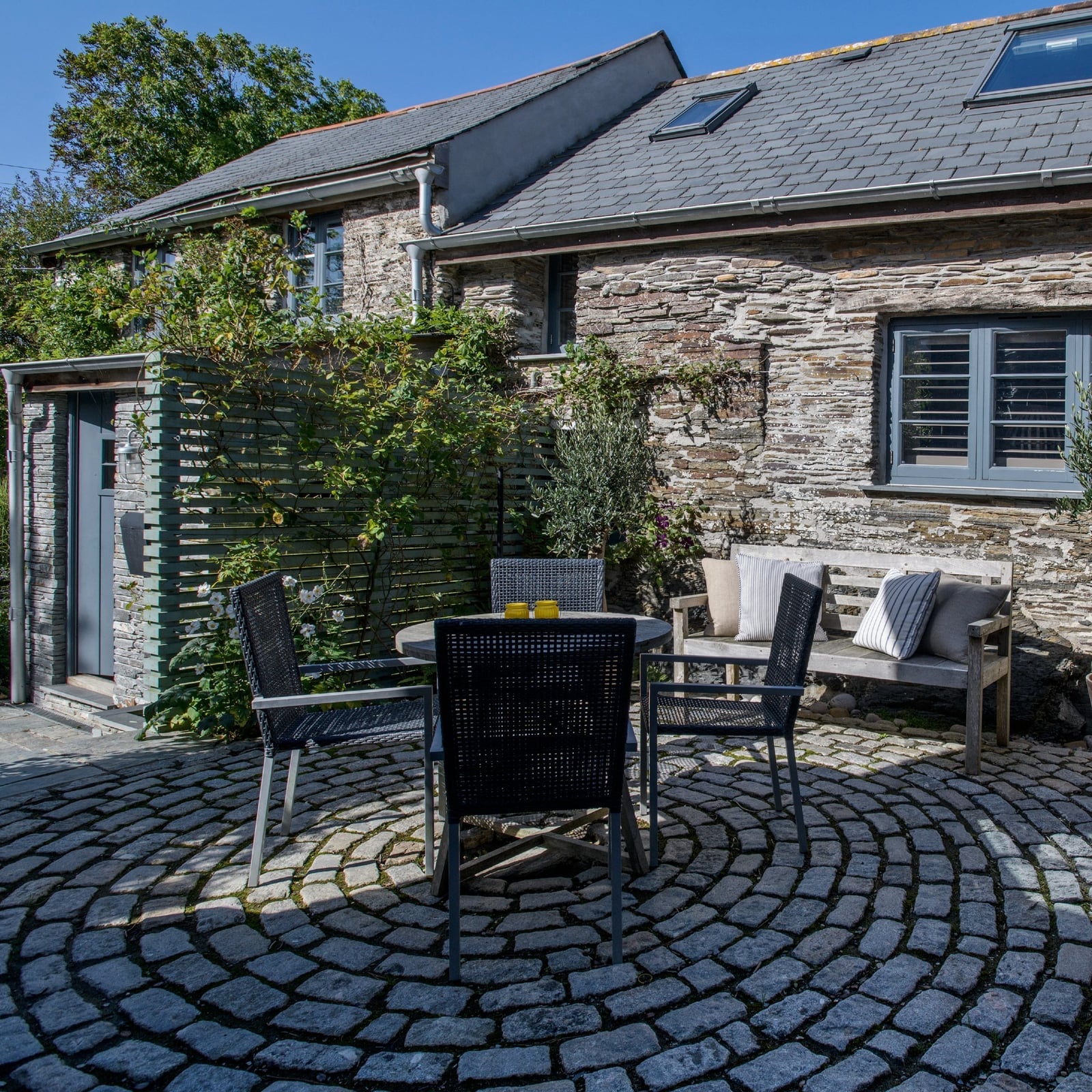
A circular paver pathway works best when the curve guides the furniture layout. This rustic patio uses a ring of gray stone pavers to define a central seating zone with a metal table, chairs, and a wooden bench set back against the lawn. The circular pattern naturally channels foot traffic around the edge, leaving the middle open for conversation. For renters, this layout works because the pavers sit on the ground without permanent adhesive, so the whole setup can shift or disappear when the lease ends. The bright sun keeps the gray stones warm underfoot, which is a bonus during cooler months.
Modern Paver Patio with Pergola and Sectional Seating
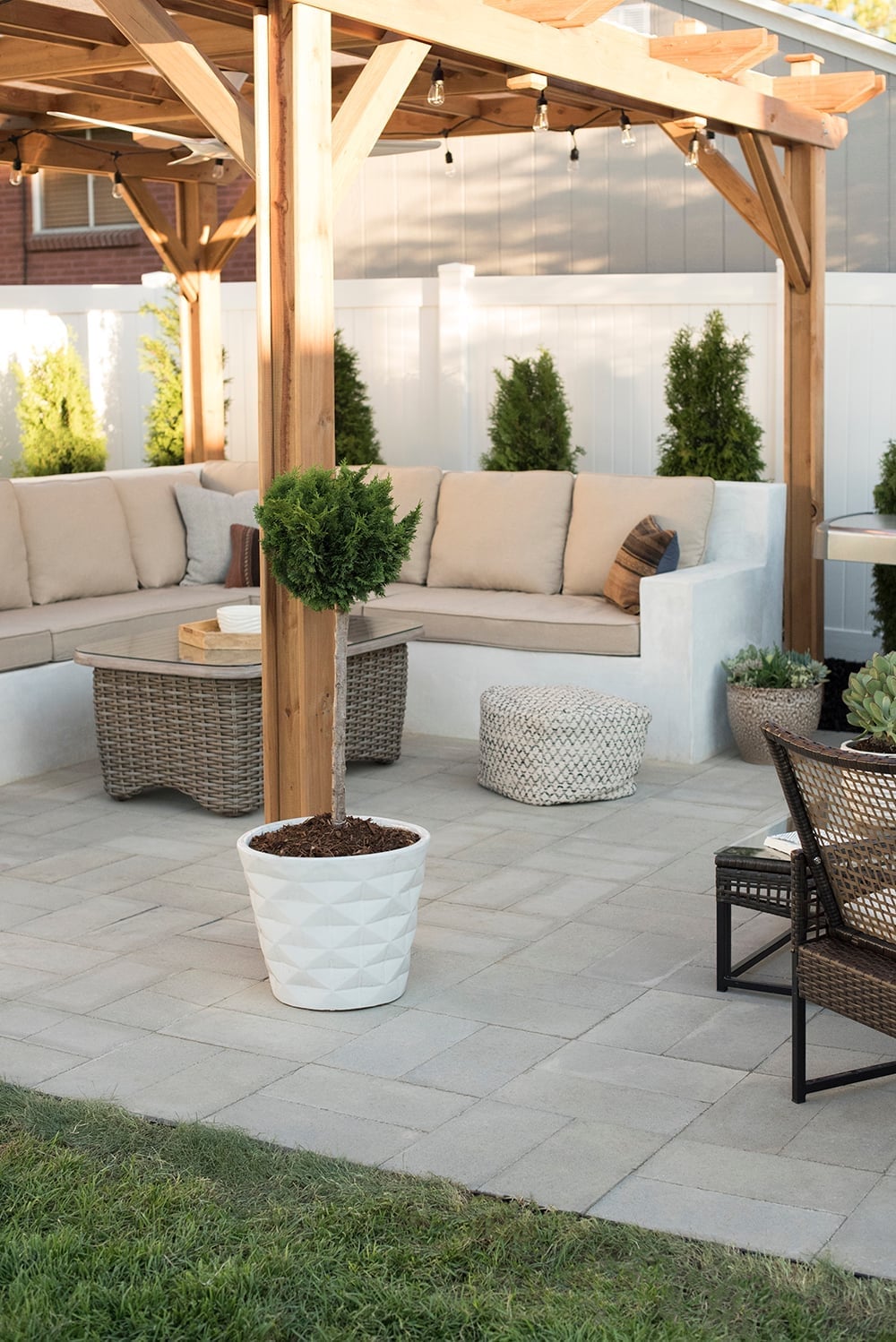
A modern paver patio with a pergola gets compared to a covered porch, but the difference is openness. The pergola here frames the sectional sofa and wicker coffee table without blocking the sky, and the string lights add a soft glow that a solid roof would kill. The beige pavers keep the base neutral, so the white cushions and green plants pop.
The key move is giving the pergola enough clearance. This one sits high enough that the sectional fits under it, but the edges of the patio extend past the structure. That extra paving keeps the space from feeling cramped and gives room for foot traffic around the seating.
Traditional Herringbone Brick Paver Pathway with Steps
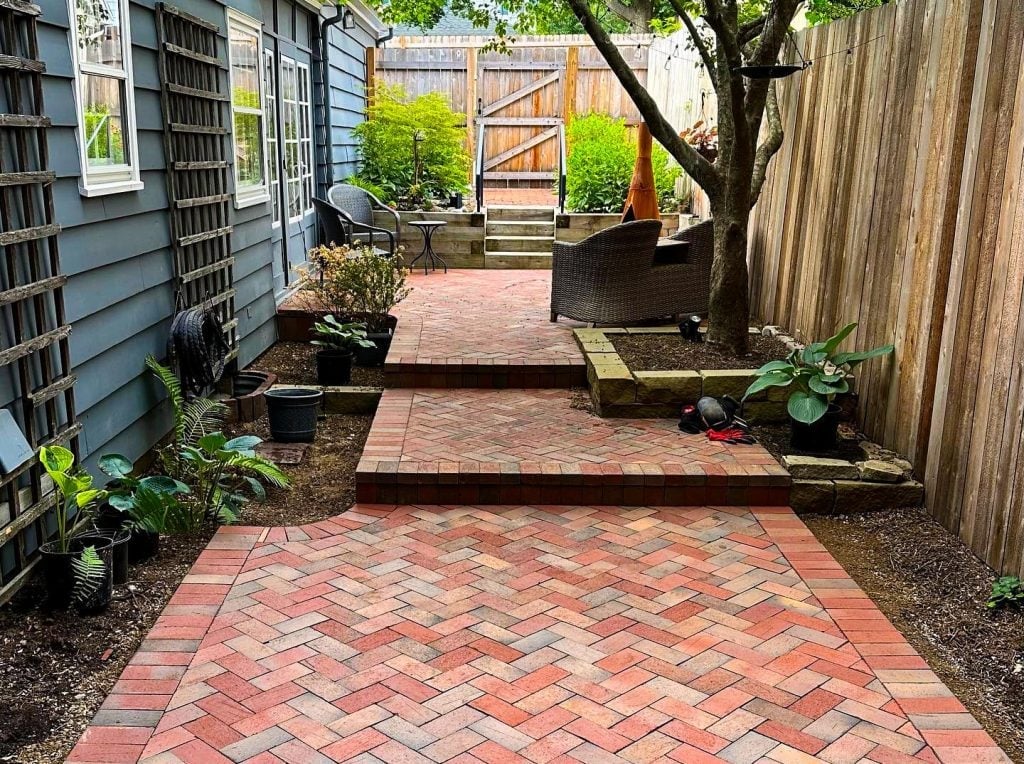
The herringbone brick paver pathway here does something smart: it uses the diagonal pattern to visually slow the eye as the path rises through a set of steps. The red and brown bricks contrast with the gray stone edging and the green potted plants tucked beside the wicker chair and small table. The tight herringbone weave locks each brick in place, which helps prevent shifting on a sloped run. For a compact patio, this pattern adds texture without needing extra materials, and the steps break the walk into manageable segments.
Modern Patio with Large Format Pavers and Gravel Border
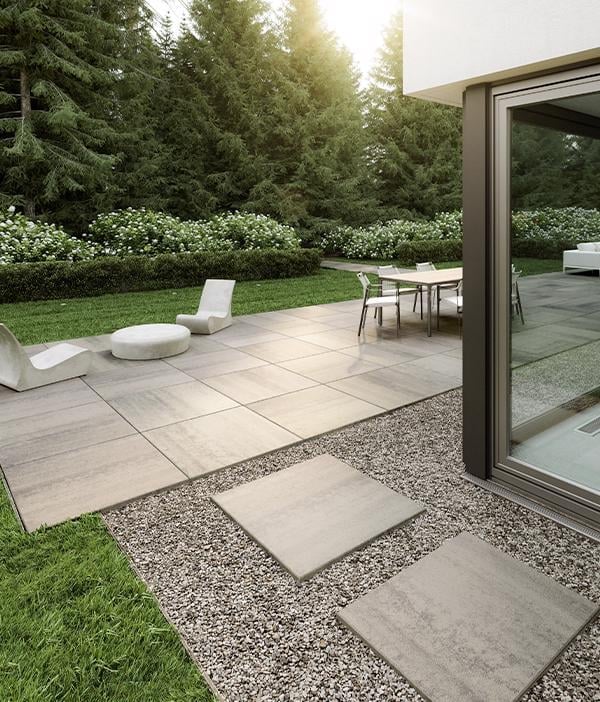
The scale here is the whole point. Large format stone-like pavers cover most of the patio, with a gravel border that separates the paved zone from the grass. The modern lounge chairs and dining set sit on the gray pavers, while the gravel acts as a natural transition that keeps mulch and mud off the main surface. The soft daylight makes the white glass tabletop glow against the gray ground. For a multi-zone patio, the gravel border defines the edge without a hard retaining wall, so the paved area feels deliberate without overwhelming the yard.
Transitional Paver Pathway Leading to Striped Chair Seating Area
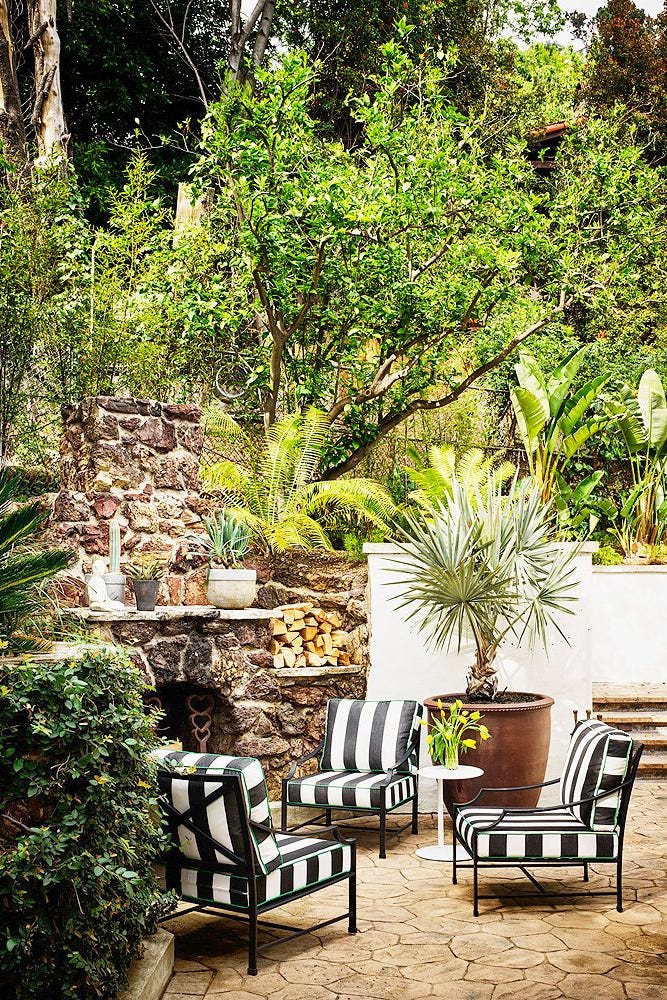
For a patio that feels like a destination, let the path do the work. A transitional paver pathway made of gray stone and mulch leads the eye toward a central seating area anchored by striped chairs. The stone wall and green plants frame the space without crowding it, keeping the focus on the pair of chairs. This layout works because the pathway acts as a visual arrow, guiding movement. Use a straight or slightly curved path of pavers set in a neutral tone, with soft mulch or gravel on either side to define the edges. The patio then feels planned without being fussy.
Modern Circular Paver Pathway with Central Fire Pit and Seating
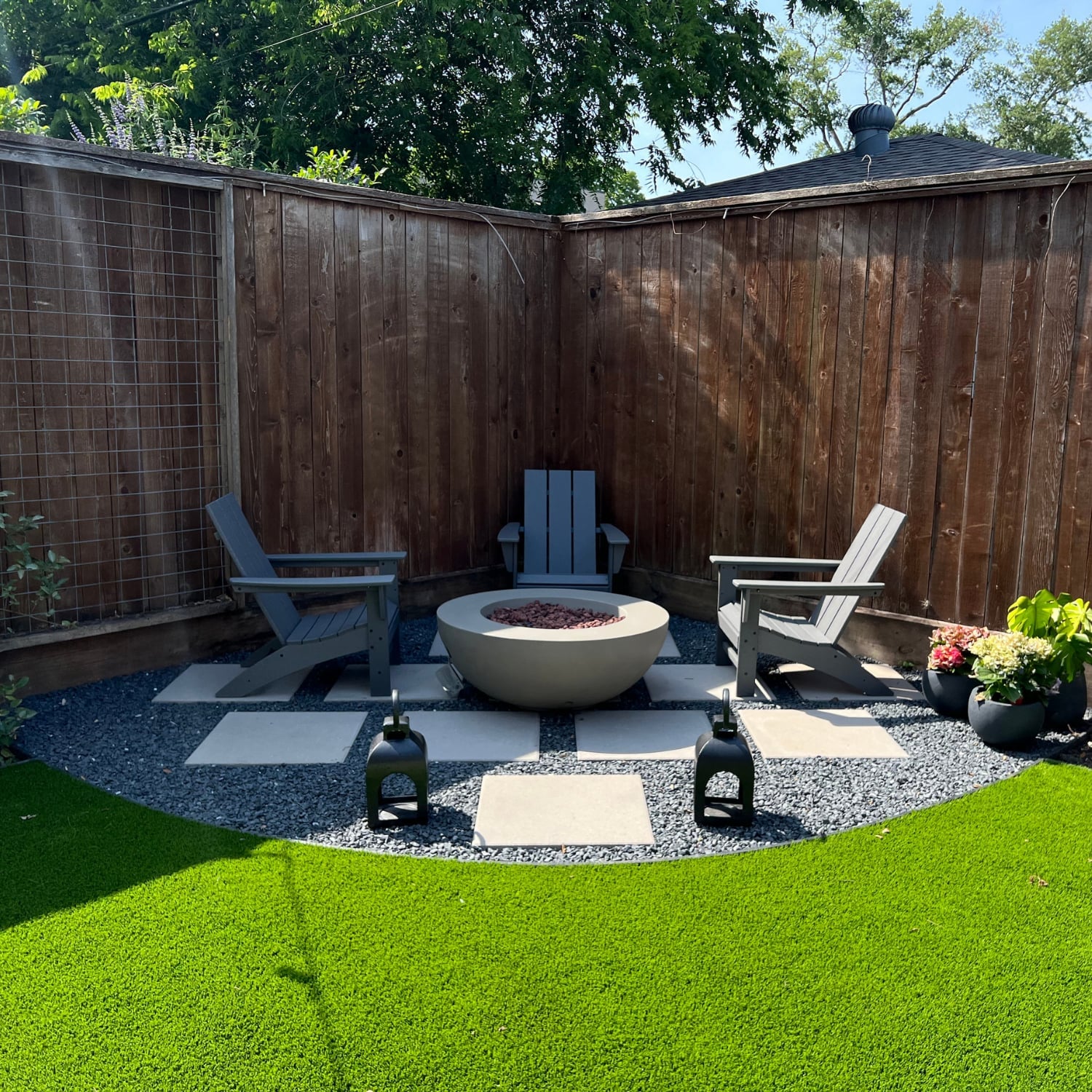
A modern circular paver pathway changes how a patio lives. The ring of pavers sets the fire pit in the middle. Adirondack chairs and lanterns are placed around the edge. Gravel fills the gap between the path and the pit, adding texture. This layout works for a compact space because the circle pulls seating inward, making the area feel full. The wood and metal accents keep the look from feeling too hard or cold.
Traditional Garden Patio with Large Gray Stone Slabs and Brick Border
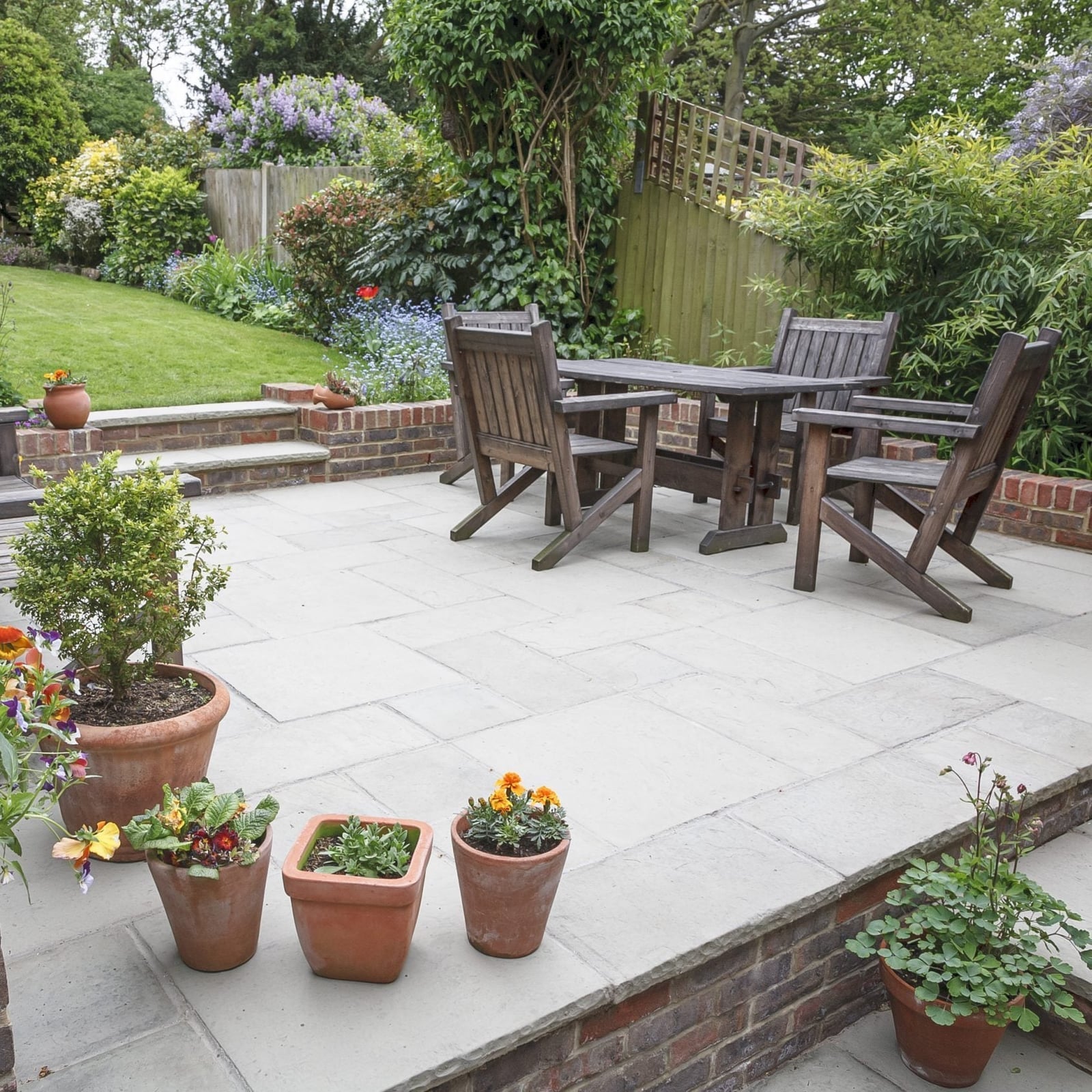
For a traditional garden patio, use large stone slabs to anchor the space and a brick border to define the edges. The wide gray stone slabs create a solid floor for a wooden dining set and potted plants, while the brick border adds a crisp line between patio and lawn. This combination is classic without feeling dated. The steps leading off the patio help connect different levels of the yard. For a similar look, choose stone slabs in a consistent gray tone and lay brick in a running bond pattern around the perimeter.
Traditional Circular Paver Patio with Central Stone Fire Pit
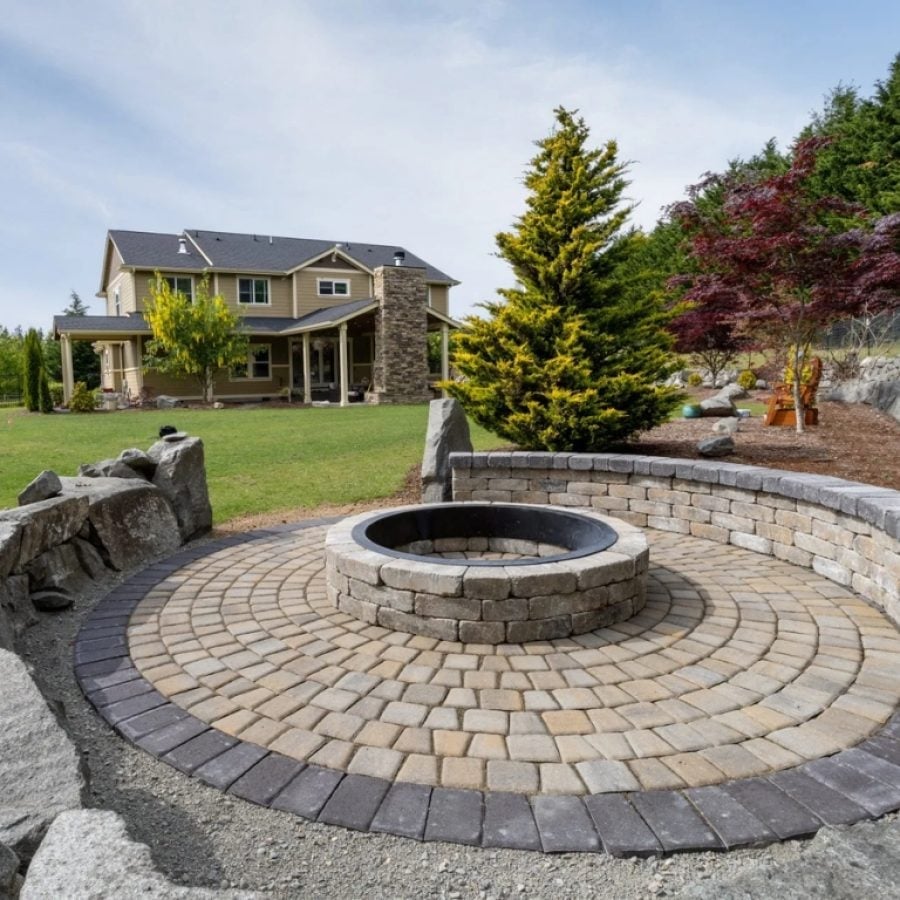
A circular paver patio with a central fire pit feels more like a room than a typical fire feature. Instead of a straight edge that pushes seating to one side, the round shape wraps everything around the fire. Large boulders and a stone wall reinforce the circle, making the patio feel enclosed without a roof. The beige and gray pavers keep the look grounded, while the gravel around the fire pit adds a practical buffer. For a similar layout, start with the fire pit as the center point and let the paver ring follow a consistent radius.
Natural Bluestone Patio with Irregular Slabs for Organic Look
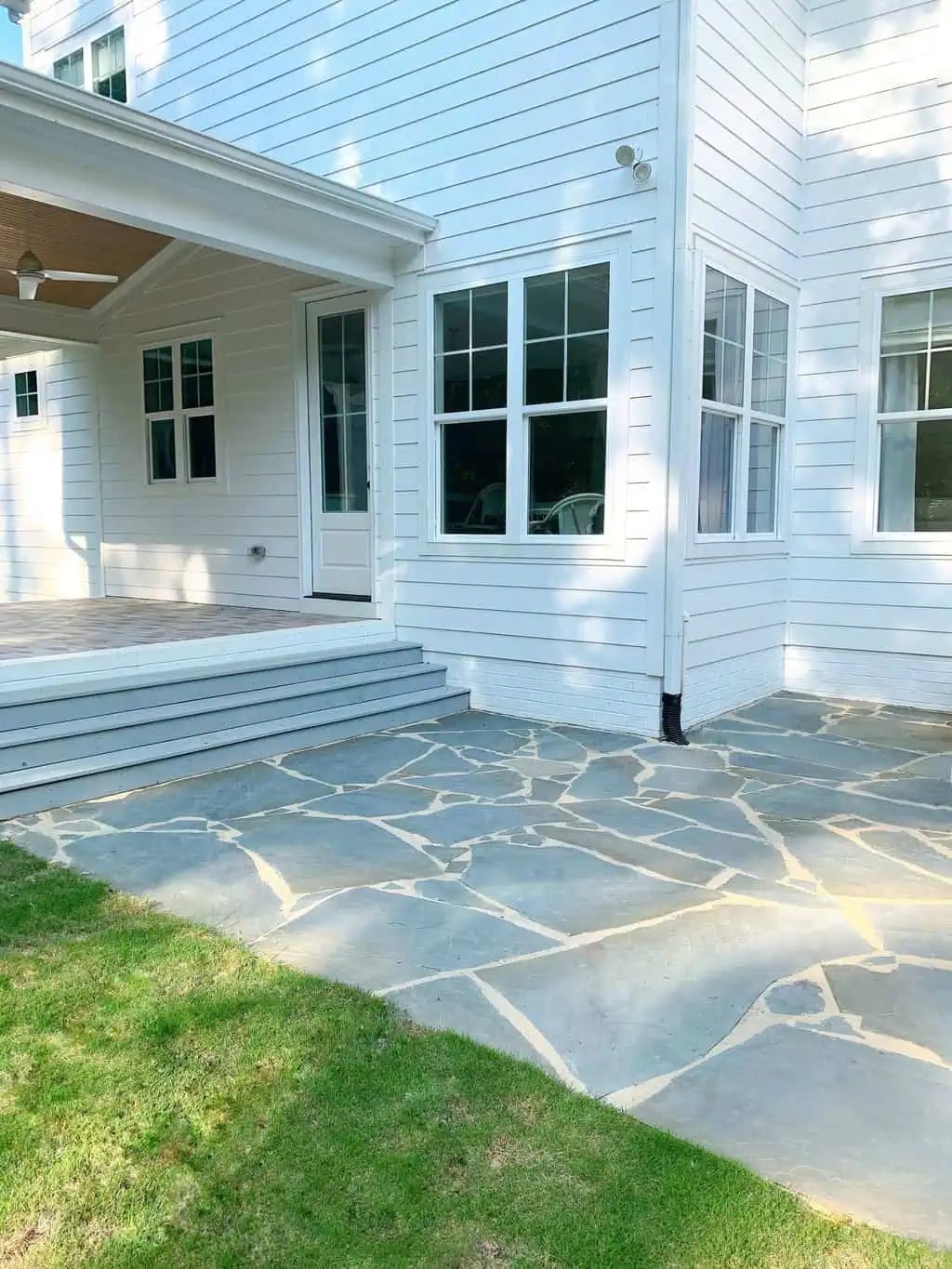
Bluestone pavers in irregular shapes give a patio an organic feel that regular rectangles cannot match. The blue-gray tones blend with the surrounding grass and white accents, creating a surface that looks like it has been there for years. The irregular joints let moss or low plants grow between the slabs, softening the hardscape. For a similar effect, choose bluestone pieces in varied sizes and lay them with wider gaps than standard pavers.
Traditional Herringbone Brick Paver Patio with Abundant Plantings
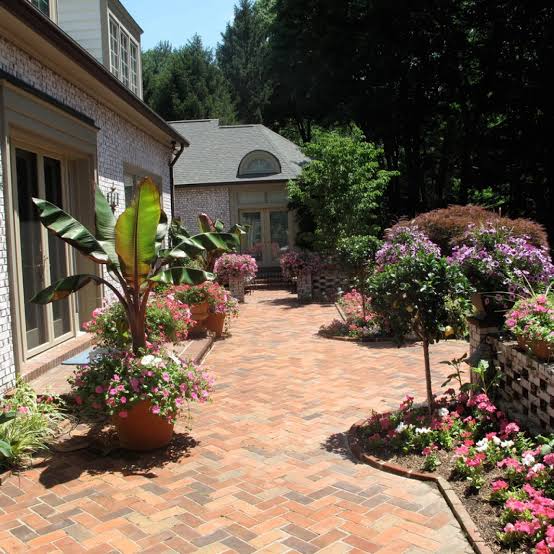
A herringbone brick paver patio with abundant flowering plants leans into classic garden charm without feeling fussy. The red brick pathway forms a strong geometric base, while large terracotta pots and a big banana plant soften the edges with layers of pink and green. The stone border keeps the brick pattern contained, so the planting can spread without making the layout feel chaotic. For a renter-friendly swap, use container plants in terracotta or glazed pots instead of permanent beds. You get the same lush, cottage-garden effect, but you can rearrange or take everything with you when you move. The key is keeping the paver pattern as the anchor and letting the flowers do the heavy lifting.
Rustic Paver Pathway Against Textured Brick Wall with Lavender
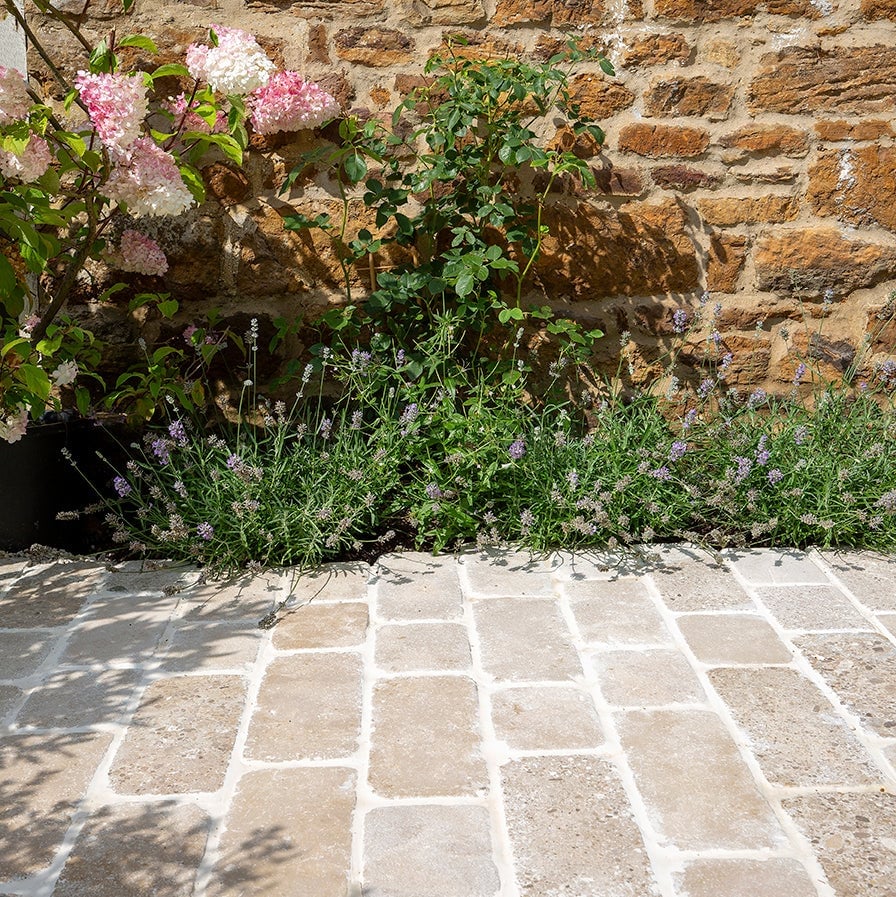
Instead of a plain gravel path, this rustic paver pathway runs alongside a textured brick wall with lavender spilling over the edge. The combination of warm stone pavers, rough brick, and soft purple blooms makes the narrow space feel spacious. Dappled sunlight through overhead leaves adds depth without extra effort. This setup is renter-friendly because the pathway uses loose-laid stone pavers on a sand or gravel base, so you can lift and reposition them without breaking anything permanent. The lavender grows in containers or a narrow bed along the wall, which means the whole look can be undone in an afternoon. The trick is choosing plants with soft, draping habits that contrast with the brick and stone.
Rustic Paver Patio with Circular Brick Fire Pit and Adirondack Chairs
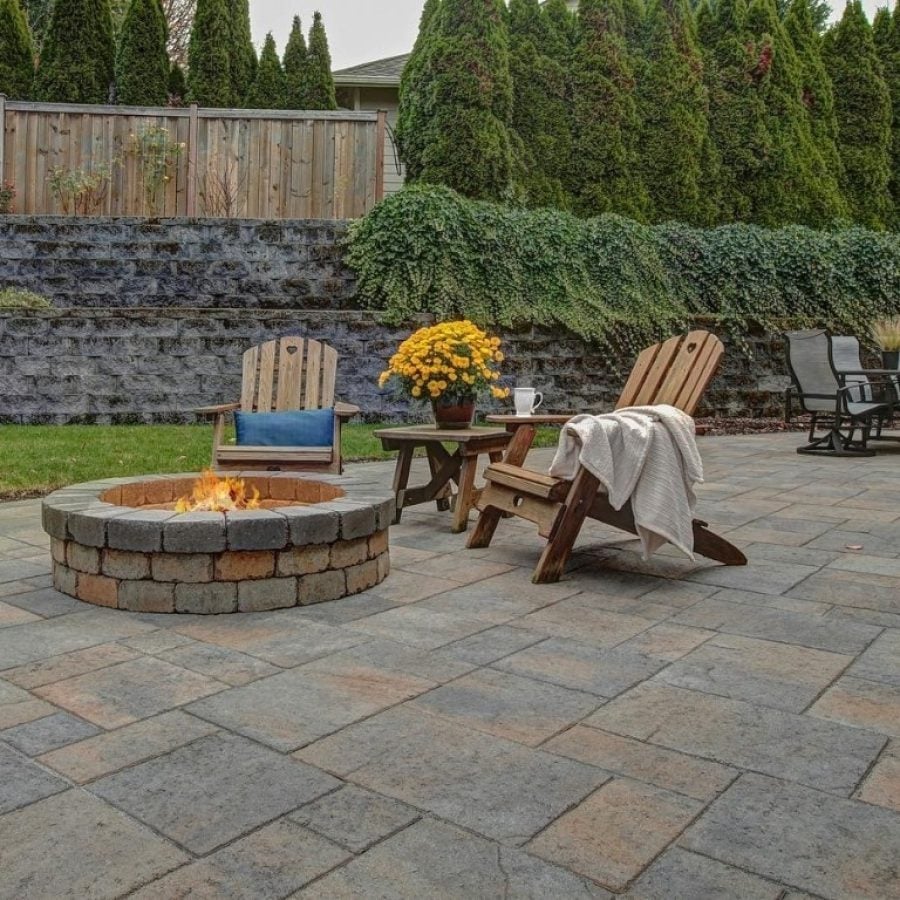
A circular brick fire pit anchors this paver patio, with Adirondack chairs pulled close on three sides and a small wooden side table within arm’s reach. The brown brick pavers spread out in a wide, open layout, so the fire pit becomes the natural gathering point without the seating feeling crowded. The wood furniture and stone block accents keep the palette earthy and casual, matching the rustic style. If you want a similar setup, make the fire pit the center of the layout and arrange seating around it in a loose arc. That way, everyone faces the fire, and the conversation flows around the circle.
Final Thoughts
From herringbone brick to large-format bluestone, a paver pathway sets the tone for every outdoor gathering. The practical lessons here are clear: keep the route direct, match the paver style to your home’s character, and let the path breathe with simple borders or gravel. Seasonal upkeep matters, sweep joints clean and check for shifting after heavy rain. One final takeaway: a well-laid pathway makes the patio feel intentional, not accidental.