Still scrolling through Mid-Century Modern house ideas without a clear direction? It’s easy to get lost in a sea of wood paneling and tapered legs. We get it. That’s why we did the heavy lifting, filtering through hundreds of designs from places like Design Within Reach, West Elm, and even IKEA to find what truly defines the best of this style for 2026. This isn’t just another photo dump; it’s a curated guide to 30 distinct, achievable ideas, from richly detailed kitchens to serene living rooms and statement-making exteriors. These looks are popping up on Pinterest for a reason: they celebrate character, warmth, and a connection to nature that we’re all craving. And stay until the end—we break down the most common mistakes that can ruin these looks.
📌 Save this to Pinterest for later—you’ll want to revisit these ideas.
1. White Brick Split-Level with a Vaulted Wood Entry
What makes this exterior so striking is the high-contrast material play. The crisp, white-painted brick provides a clean, textured base that feels both classic and modern. This allows the vaulted entry, clad in dark gray siding and warm wood, to really pop as the architectural focal point. The sharp, black-framed windows act like punctuation, adding definition and a graphic quality to the entire facade. It’s a design that feels balanced and intentional, guiding your eye directly to the welcoming front door.
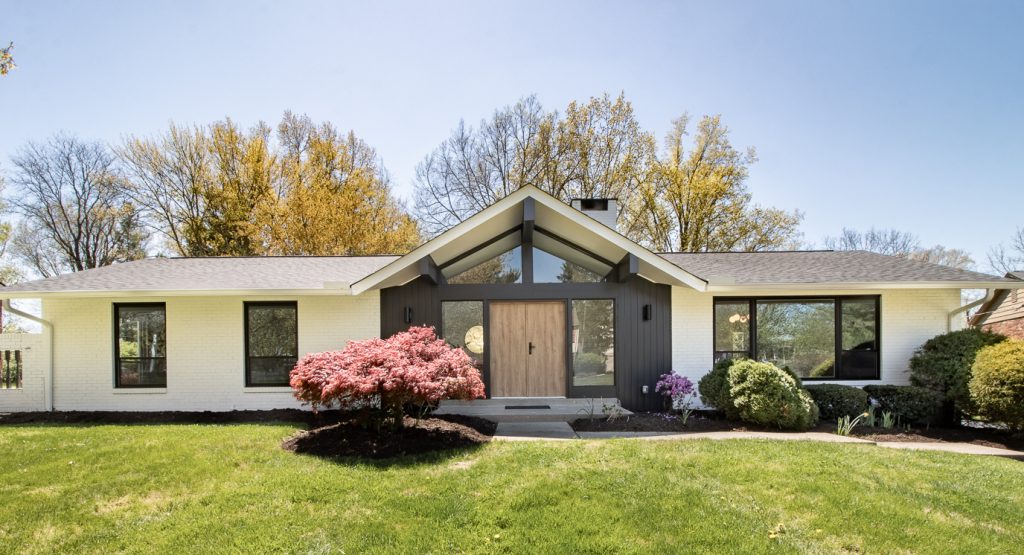
“To capture this look, think in percentages.”
The formula is approximately: 60% Clean Neutral Base + 30% Dramatic Architectural Feature + 10% Sharp Accents. The white brick is your neutral base. The vaulted entry, with its dark siding and wood door, is your dramatic feature. The black window frames and exterior lights are your accents. You could swap the materials while keeping the formula. Imagine dark siding for the base, a limestone-clad entry feature, and bronze accents—the same confident balance, but a totally different mood.
2. The Quintessential California Custom Ranch
The visual notes for this one were a bit sparse, pointing only to a “Mid-Century Modern Custom Built House in Redding, CA.” This tells us something important: a key element of the MCM revival is its connection to custom, regional architecture. This isn’t an off-the-shelf look. Achieving this kind of authentic, site-specific design often involves working with an architect to honor the original principles of the movement—low-slung rooflines, integration with nature, and honest materials—while adapting them to a specific landscape and climate.
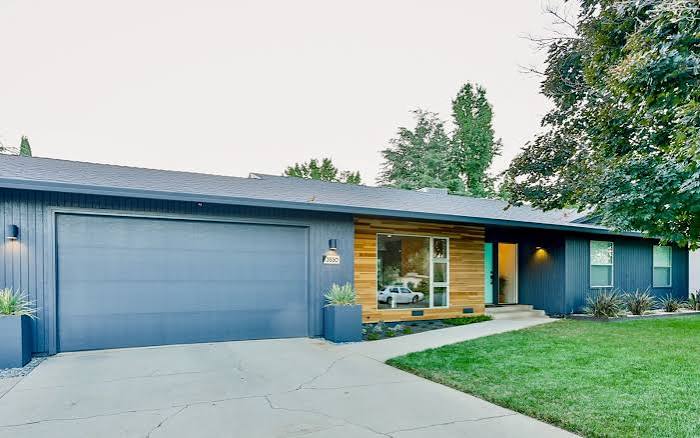
“Why is this specific, custom-built look trending?”
After years of cookie-cutter developments, there’s a huge cultural swing towards homes with personality and a story. People are actively searching for ‘builders with a point of view’ rather than just a floor plan. This desire for authenticity is fueling the appreciation for original MCM homes and inspiring new builds that aren’t just copies, but thoughtful reinterpretations. This trend has staying power because it’s rooted in quality craftsmanship and a desire for a home that feels unique.
3. A Modern Woodland Retreat with a Wall of Glass
The single element holding this entire design together is the seamless transition between indoors and out. If you took away the massive sliding glass doors, you’d just have a dark wood house. But with them, the dark wood paneling doesn’t feel heavy; it feels like an extension of the forest floor and tree bark outside. The home stops being an object placed *in* nature and becomes a frame *for* nature. Every other element, from the interior wood beams to the sprawling deck, serves to reinforce this connection.
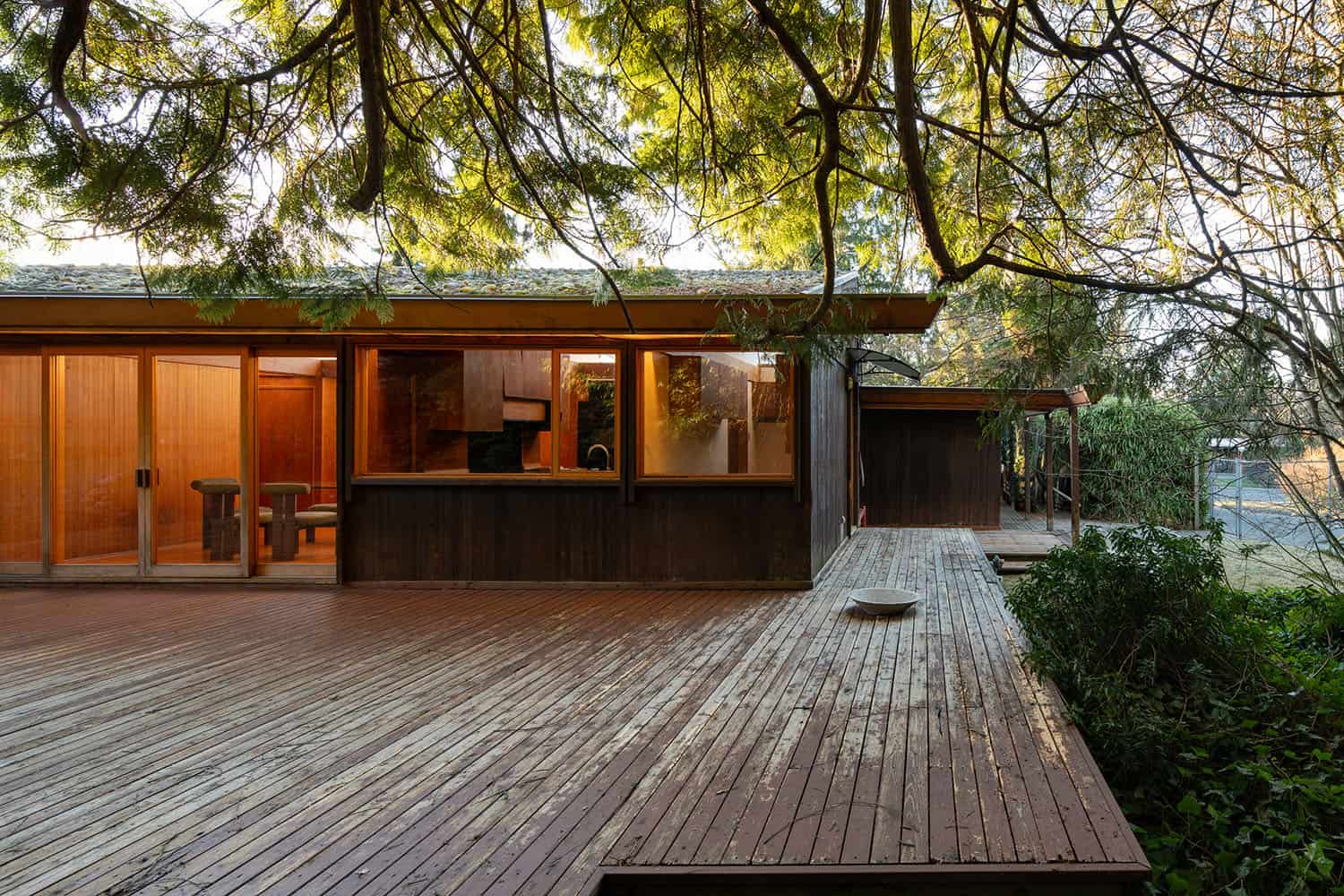
“Let’s talk about keeping all that dark wood looking its best.”
A wood-clad house, especially one surrounded by trees, requires a commitment. Expect to have the exterior professionally cleaned and re-sealed every 3-5 years to protect it from moisture, UV damage, and mildew. The cost for this can range from $2,000 to $5,000+ depending on the size of the house. The wooden deck will also need annual cleaning and sealing. For a lower-maintenance alternative that gives a similar vibe, consider composite siding with a realistic wood grain finish.
4. Poolside Serenity with a Wooden Slat Facade
If you’re installing a wooden slat facade or screen like this, the spacing of the slats is everything. For a look that feels high-end and architectural, don’t space them any wider than the width of the slat itself. A 1-to-1 ratio (e.g., a 1.5-inch slat with a 1.5-inch gap) is a professional standard that provides texture and interest without looking flimsy. Any wider, and the effect starts to feel less like a cohesive surface and more like a simple fence. This precise rhythm is what creates that serene, refined feeling.
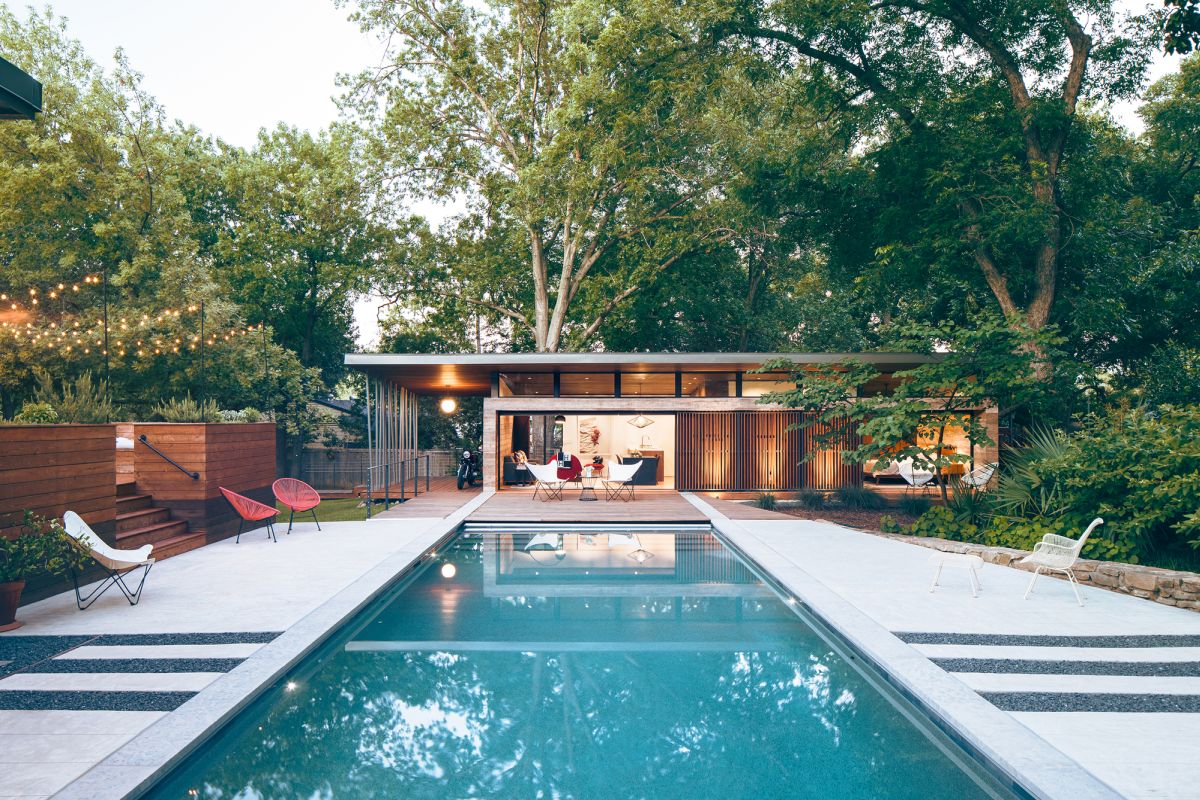
“This design thrives on a horizontal plane.”
It’s ideal for a wider lot, at least 60-75 feet, where the low-slung, single-story profile can really stretch out and connect with the landscape. The sense of tranquility comes from this horizontality. It wouldn’t have the same impact on a narrow, vertical lot. You also need a decent-sized backyard—at least 1,500 sq. ft. of open space—to accommodate the pool, decking, and surrounding greenery without feeling cramped. Compare this to the verticality of Idea #1, which could work on a much smaller footprint.
5. Desert Modern with a Pop of Bold Orange
This home’s exterior is a masterclass in using a single, bold accent color. The bright orange works because it’s deployed with intention and restraint. It appears in two key places: the slatted panels, which add architectural texture, and the front door, which serves as a clear beacon. This repetition makes the color feel like a deliberate part of the design, not an afterthought. The crisp white facade and dark trim provide a neutral canvas that keeps the orange from becoming overwhelming, allowing it to feel vibrant and playful.
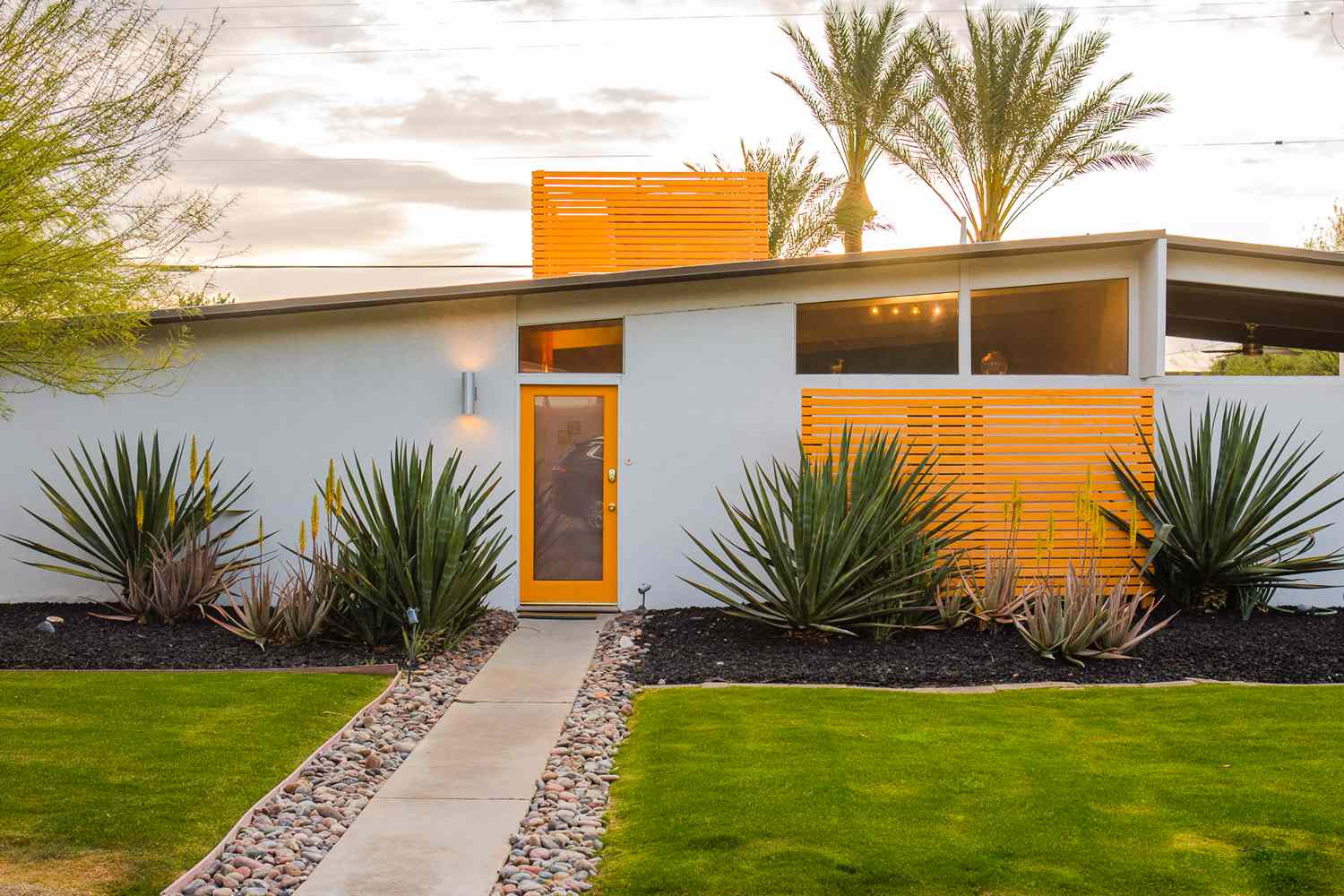
“You don’t need a custom-built home to get this vibe.”
The key ingredients are a bold color and a clean backdrop. You can recreate this on a simple ranch or tract home for under $1,000. Start by painting your front door a high-impact color like this orange (a quart of good quality exterior paint is about $40). Then, build a simple slatted screen using standard lumber from Lowe’s or Home Depot (around $200 in materials) and paint it to match. Update your exterior lights and house numbers with modern, black replacements from Target or Amazon for another $150.
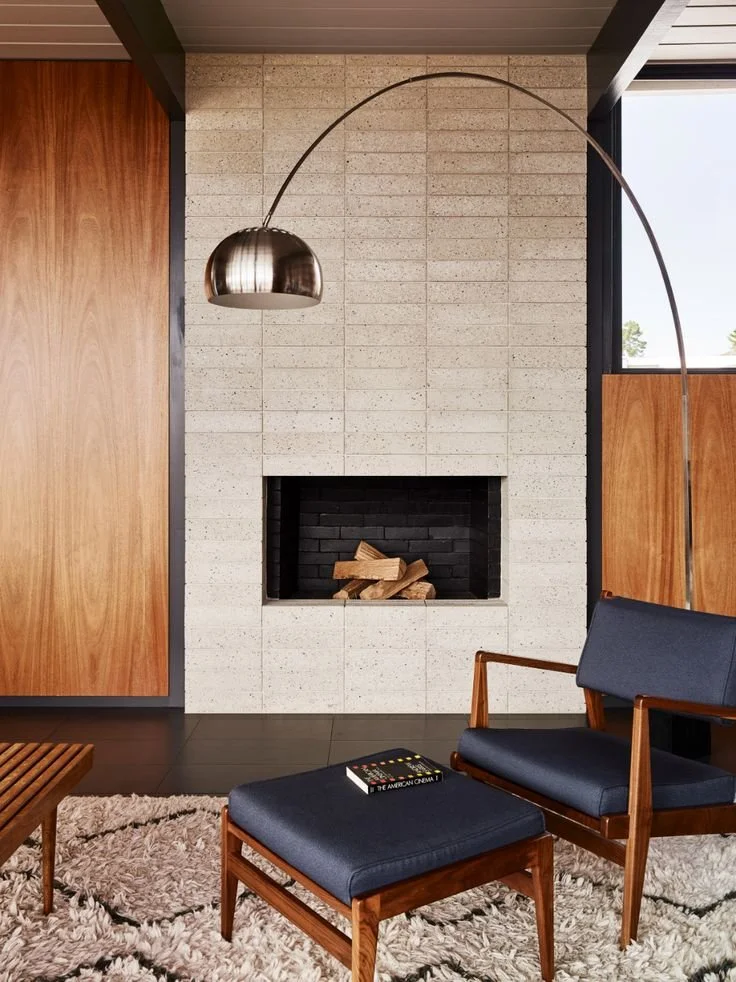
6. Minimalist Fireplace with an Arc Lamp Feature
that truly elevates this space from simple to sophisticated is the arc floor lamp. Without it, you have a nice, but very straightforward, fireplace and chair. The lamp introduces a graceful, curving line that breaks up the rigid geometry of the rectangular tiles, the square firebox, and the angular furniture. It adds a touch of sculptural drama and glamour, defining the seating area as an intentional, cozy destination. Its metallic finish also provides a necessary textural contrast to the wood and fabric.
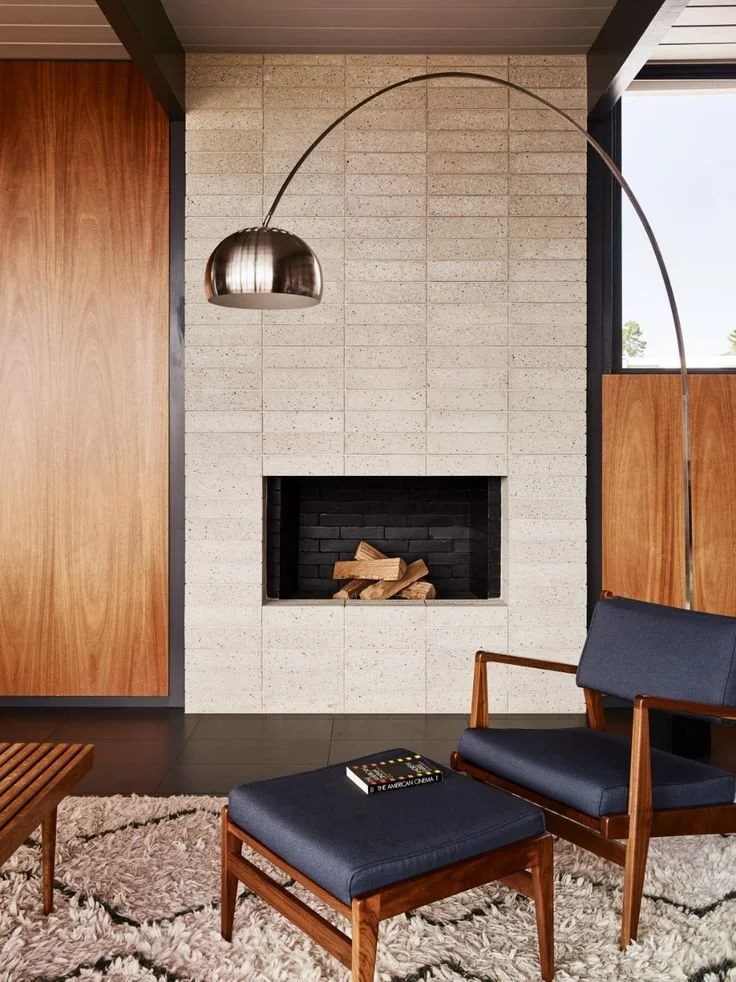
“While that oversized arc lamp is a showstopper, it requires a specific room layout to work.”
You need a clear, uninterrupted arc of space—typically a 5- to 7-foot radius from the lamp’s base—for it to curve gracefully over the seating area without becoming a head-bumping hazard. This means it’s not ideal for high-traffic pathways or smaller living rooms where furniture is already cramped. Before you fall in love with the look, map out the lamp’s footprint on your floor to ensure you have the clearance.
7. Approachable Mid-Century for a Neighborhood Setting
Sourced from HGTV and labeled “Midcentury Modern in a Home Town Setting,” this image points to a huge trend: the “democratization” of MCM. This isn’t about museum-piece purism; it’s about taking the friendly, human-scale elements of the style—like welcoming entryways, natural materials, and pops of color—and making them work for a typical suburban or town home. It’s why you’re seeing more MCM elements at mainstream stores. The goal is a home that feels stylish and current, but also completely livable and unpretentious.
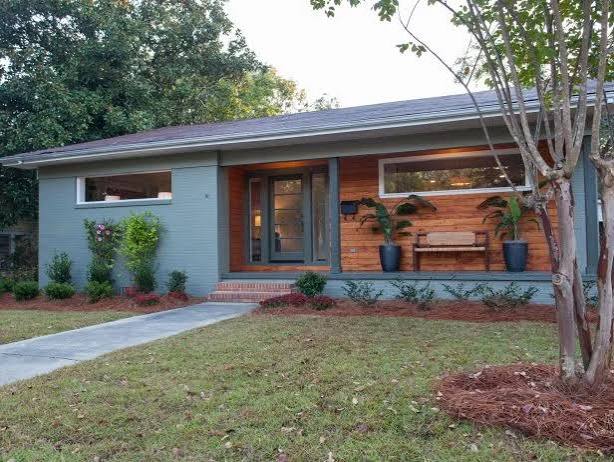
“A hallmark of this friendlier MCM style is an emphasis on the front door and entry sequence.”
To get this look, paint your door a confident, optimistic color—think turquoise, sunny yellow, or orange-red. Then, invest in a single, high-quality piece of hardware: a beautiful new door handle set. Finish by adding one or two large-scale planters with architectural plants like snake plants or a yucca. This “three-point” upgrade system—door color, hardware, and planters—creates a focal point that signals style from the curb.
8. Modern Exterior with Mixed-Tone Vertical Wood Siding
The visual formula here is all about balanced asymmetry. It breaks down to roughly 50% Varied Wood Tones + 30% Dark Structural Lines + 20% Soft Natural Elements. The vertical wooden siding in different shades provides the main texture and interest. The dark, slanted roofline and black window frames provide the strong, graphic structure. The soft seating, wooden deck, and lush greenery keep it from feeling too sterile or rigid. This balance is what creates the serene, modern-natural vibe that feels so peaceful.
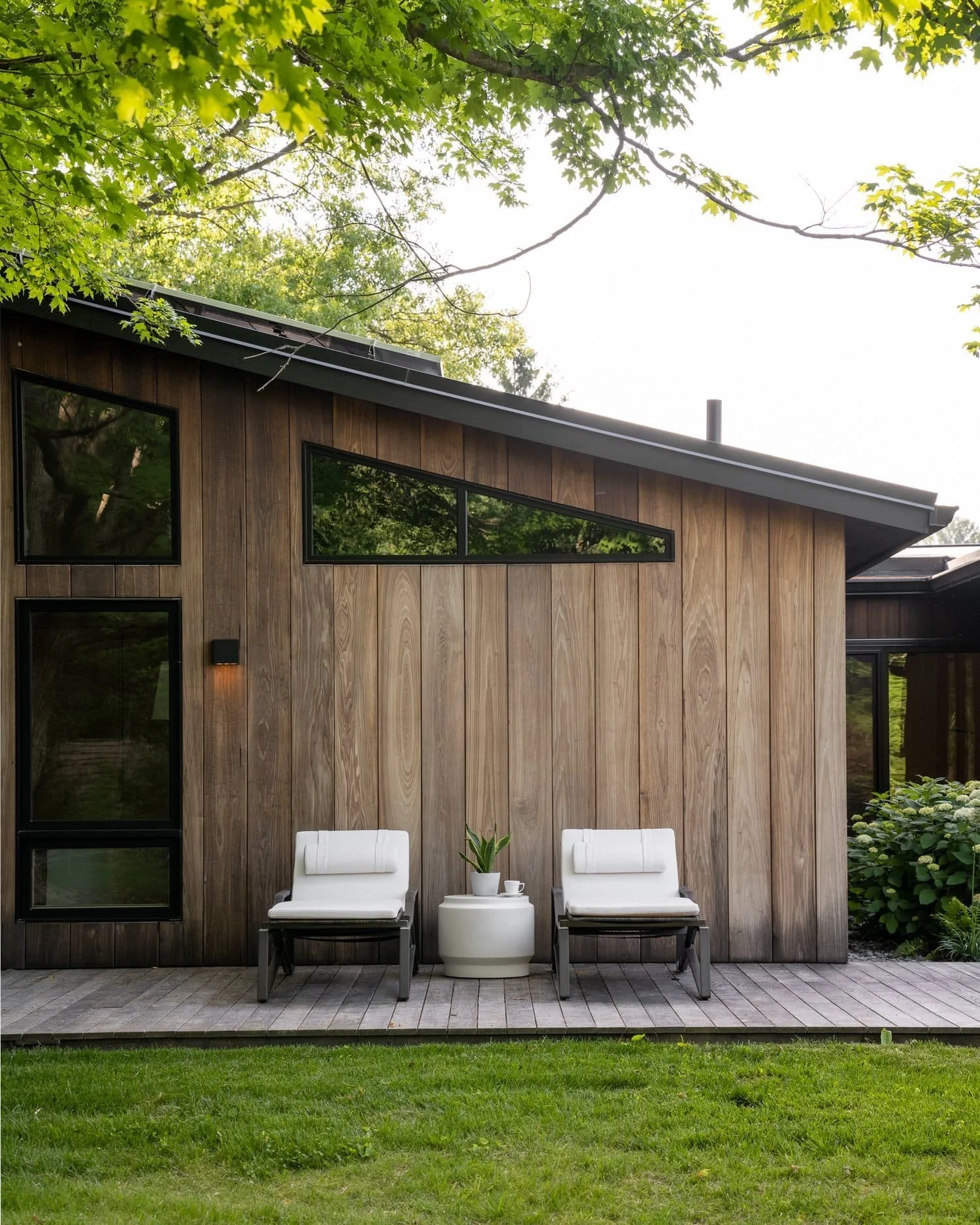
“Before you commit to wood siding, it’s crucial to do a little research.”
Here’s a quick checklist to run through:
- What direction does this wall face? A south-facing wall will get more sun and require more frequent maintenance than a north-facing one.
- What is my climate? In a wet or humid climate, you need to ensure proper installation with a rainscreen gap to prevent moisture damage.
- Have I budgeted for upkeep? Natural wood siding will need to be cleaned and re-stained or sealed every few years, a cost that should be factored in from the start.
9. A Living Room with a Wood Plank Ceiling and Orange Wall
This room feels so open and inviting because of the masterful handling of planes. The light wood plank ceiling draws your eye up and across the length of the room, exaggerating its size. The floor-to-ceiling windows dissolve the boundary to the outside, making the room feel endless. And the warm orange accent wall provides a solid, grounding element that keeps the space from feeling like it might float away. The Eames-style lounge chair is the perfect final touch, its iconic form adding a layer of design history.
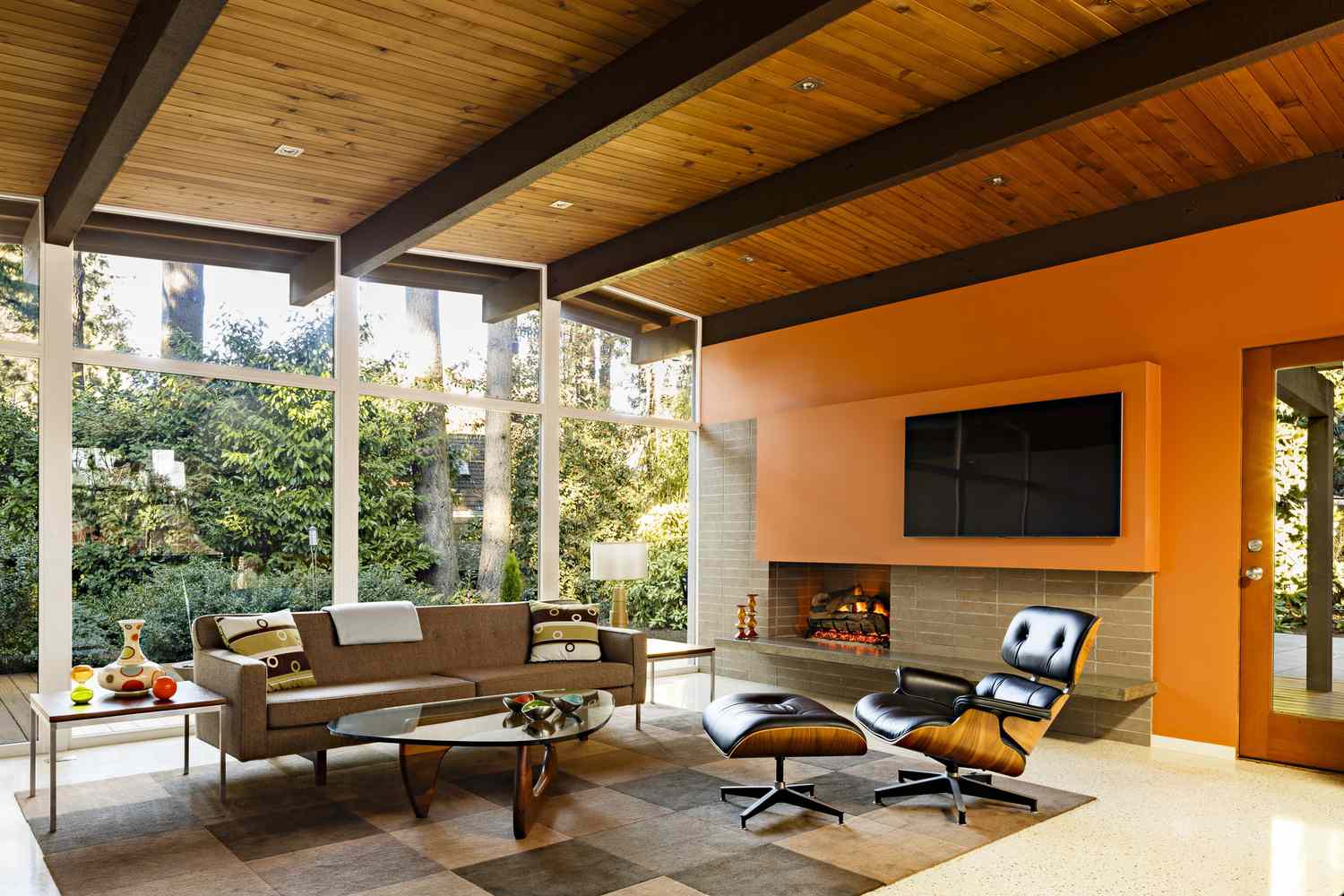
“A feature like that stunning wood ceiling needs height to breathe.”
This look is best suited for rooms with vaulted ceilings or a ceiling height of at least 10 feet. In a room with standard 8-foot ceilings, a full wood treatment can feel heavy and oppressive, making the space seem smaller. The large glass wall also works best when you have a view worth showcasing; if you just face a neighbor’s wall, the effect is lost. This is grand-scale design that celebrates spaciousness.
10. Sleek Kitchen with Tiered Pendants and a Marble Island
Those tiered pendant lights are the single element that gives this kitchen its unique personality. Everything else—the wood cabinets, the stainless steel, the marble island—is a classic, almost expected, component of a modern kitchen. They are beautiful, but standard. The pendants, however, are sculptural and slightly retro. They serve the function of lighting the island, but more importantly, they act as jewelry for the room, adding a layer of custom-designed artistry that you can’t get from a simple can light.
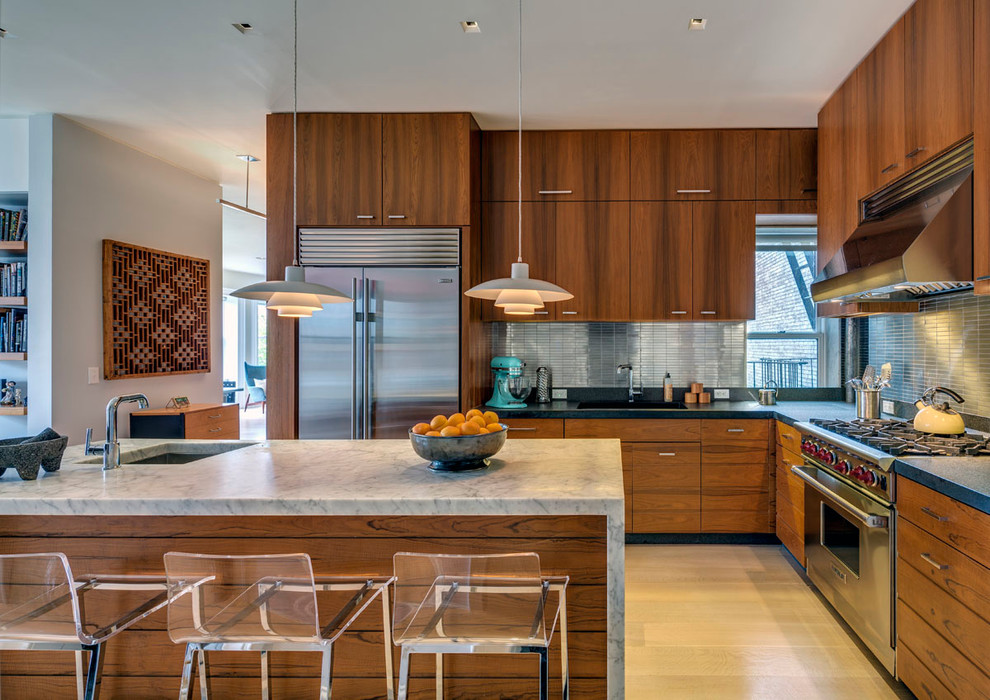
“Recreating this high-end kitchen look is a significant investment.”
Here’s a potential breakdown:
- Main Furniture (Cabinets, Island): $15,000 – $30,000
- Lighting (Pendants, Recessed): $2,500 – $5,000
- Textiles (Bar Stools): $1,200 – $2,500
- Decor/Appliances: $8,000 – $15,000
- Finishes (Countertop, Backsplash, Floor): $10,000 – $20,000
- TOTAL: $36,700 – $72,500
Budget alternative: Get a similar feel with IKEA wood-look cabinets, a laminate countertop, and lookalike pendants from Wayfair to bring the total closer to $15,000 – $25,000.
11. Bright Kitchen with Green Tile and Brass Accents
When you take a backsplash tile all the way to the ceiling, it transforms it from a functional element into a full-blown feature wall. The key to making this work is to choose a tile with a subtle, solid color, like this sage green. A busy pattern would be overwhelming on such a large scale. The vertical stacking of the subway tile also draws the eye upward, emphasizing the height of the room, especially with the slanted ceiling and skylight. It’s a designer move that adds major custom impact for a relatively low material cost.
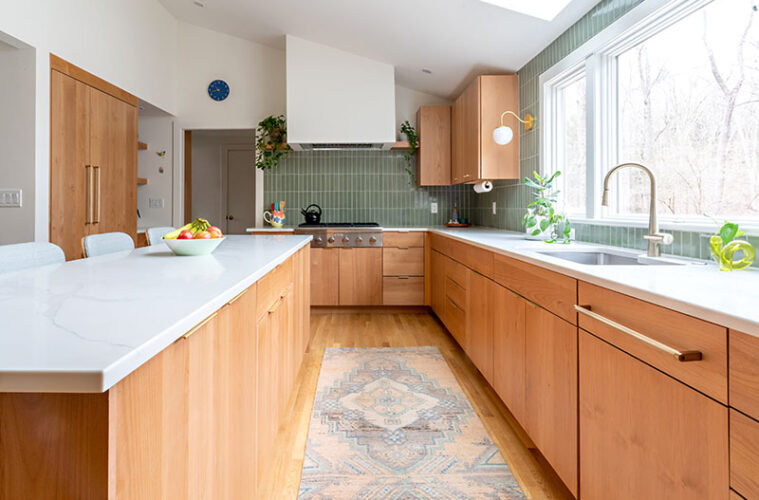
“Want to recreate that high-end, vertically stacked tile look?”
Here’s a mini-guide for a DIY backsplash:
- Prep the wall: Make sure the wall is clean, dry, and perfectly smooth. This is the most important step. (Time: 1 hour)
- Find your center: Mark a vertical level line down the center of the wall section you’re tiling. You will work outwards from this line. (Time: 15 mins)
- Apply thin-set mortar: Using a notched trowel, apply a small section of mortar to the wall. Do not cover more than you can tile in 10-15 minutes. (Time: Ongoing)
- Set the tiles: Press your first tile into the mortar against your center line. Use tile spacers to create even gaps. Check for level constantly. (Time: 2-4 hours)
- Grout and Seal: After the mortar has cured (usually 24 hours), remove the spacers, apply grout, and wipe away the excess. Once the grout is cured, apply a grout sealant. (Time: 2 hours + curing time)
Material cost for a typical backsplash area: $200 – $500.
12. Vaulted Kitchen with Airy Wood and White Palette
This kitchen feels so incredibly bright and spacious due to a clever use of color and texture continuity. The white of the cabinets, range, and marble backsplash flows seamlessly into the white walls, creating an unbroken expanse that reflects light everywhere. The vaulted ceiling, instead of being a heavy wood, features wood planks painted white, which maintains the texture but adds to the airy feeling. The natural wood beams are left unpainted, providing just enough warmth and definition to keep the space from feeling stark white.
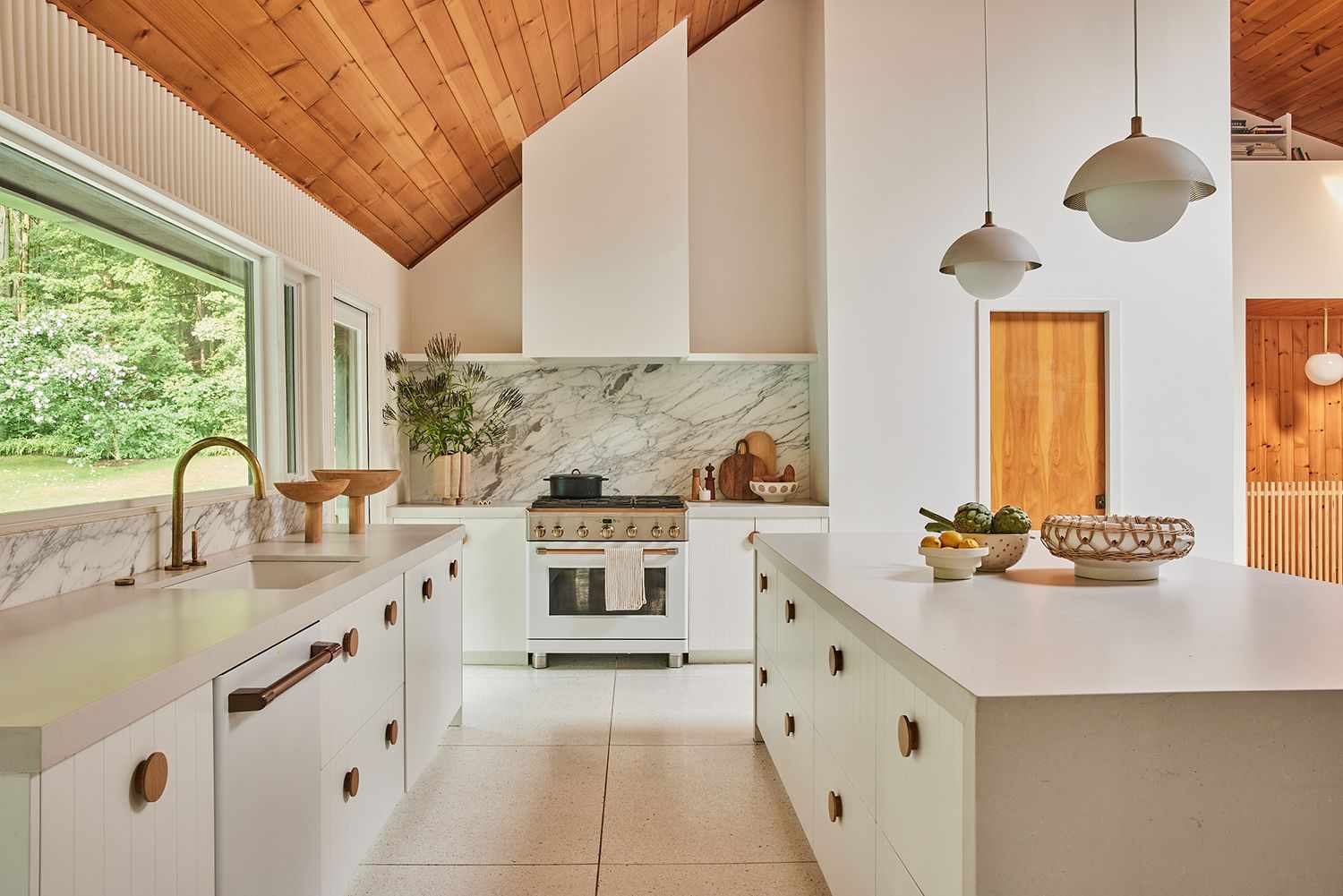
“A mostly-white kitchen is stunning, but it’s not for the faint of heart when it comes to cleaning.”
White shaker cabinets have grooves and corners that are magnets for dust and drips. White terrazzo or tile floors will show every crumb and pet hair. And that beautiful white marble backsplash? It’s a porous stone, meaning it can stain easily from things like tomato sauce or red wine if not sealed properly and wiped up immediately. It’s a high-maintenance look that requires daily wipe-downs to stay pristine.
13. Warm Wood Kitchen with a Slatted Range Hood
The slatted wood range hood is the element that elevates this kitchen. Without it, this is a nice, well-executed modern kitchen with wood cabinets and stainless appliances. But the custom-look range hood, matching the warmth of the cabinetry, turns a functional appliance into a deliberate, architectural feature. It introduces a new texture and a vertical element that breaks up the horizontal lines of the cabinets and countertops, creating a beautiful focal point that feels both modern and handcrafted.
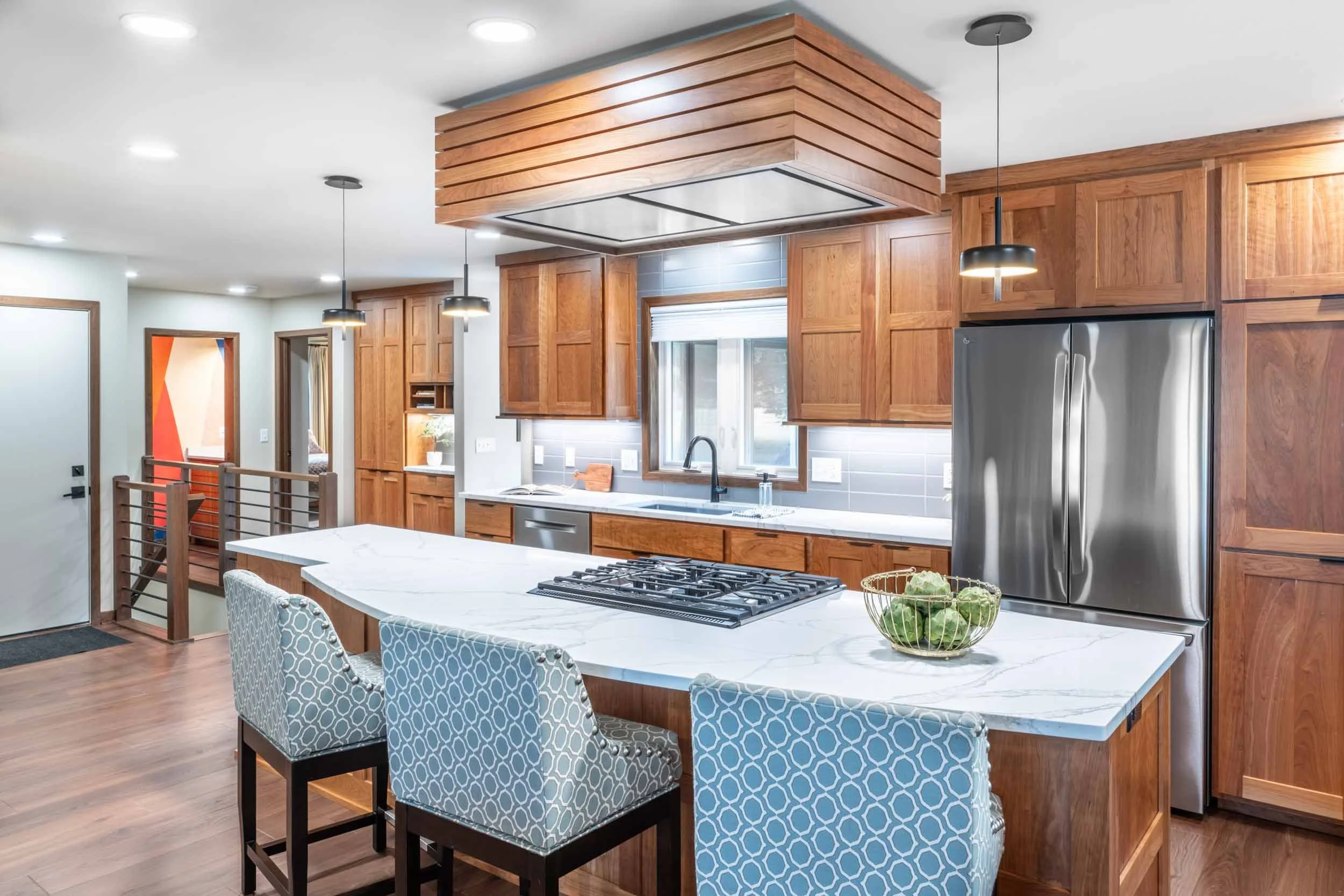
“You can get a similar warm wood kitchen aesthetic on a much smaller budget.”
Start with IKEA’s GRIMSLÖV or similar wood-effect cabinet fronts. For the countertop, choose a high-quality laminate with a subtle marble pattern—they are remarkably convincing these days and a fraction of the cost of stone. Find light blue patterned bar stools from a place like Target or HomeGoods. For the backsplash, a simple gray ceramic subway tile is a classic and affordable choice. This approach gets you 80% of the vibe for probably 30% of the price. Check out Idea #10 for a higher-end version.
14. Dynamic Kitchen with Walnut Cabinets and Geometric Tile
The formula here is all about confident clashing: 50% Rich, Classic Wood + 40% Bold, Graphic Pattern + 10% Quiet Neutral. The walnut cabinetry provides a timeless, grounding base with its deep tones and beautiful grain. The geometric leaf-patterned backsplash is the star of the show, injecting a huge dose of energy and retro personality. The clean white countertops and simple terrazzo floor are the quiet neutral, giving the eye a place to rest so the wood and tile can really sing without competing.
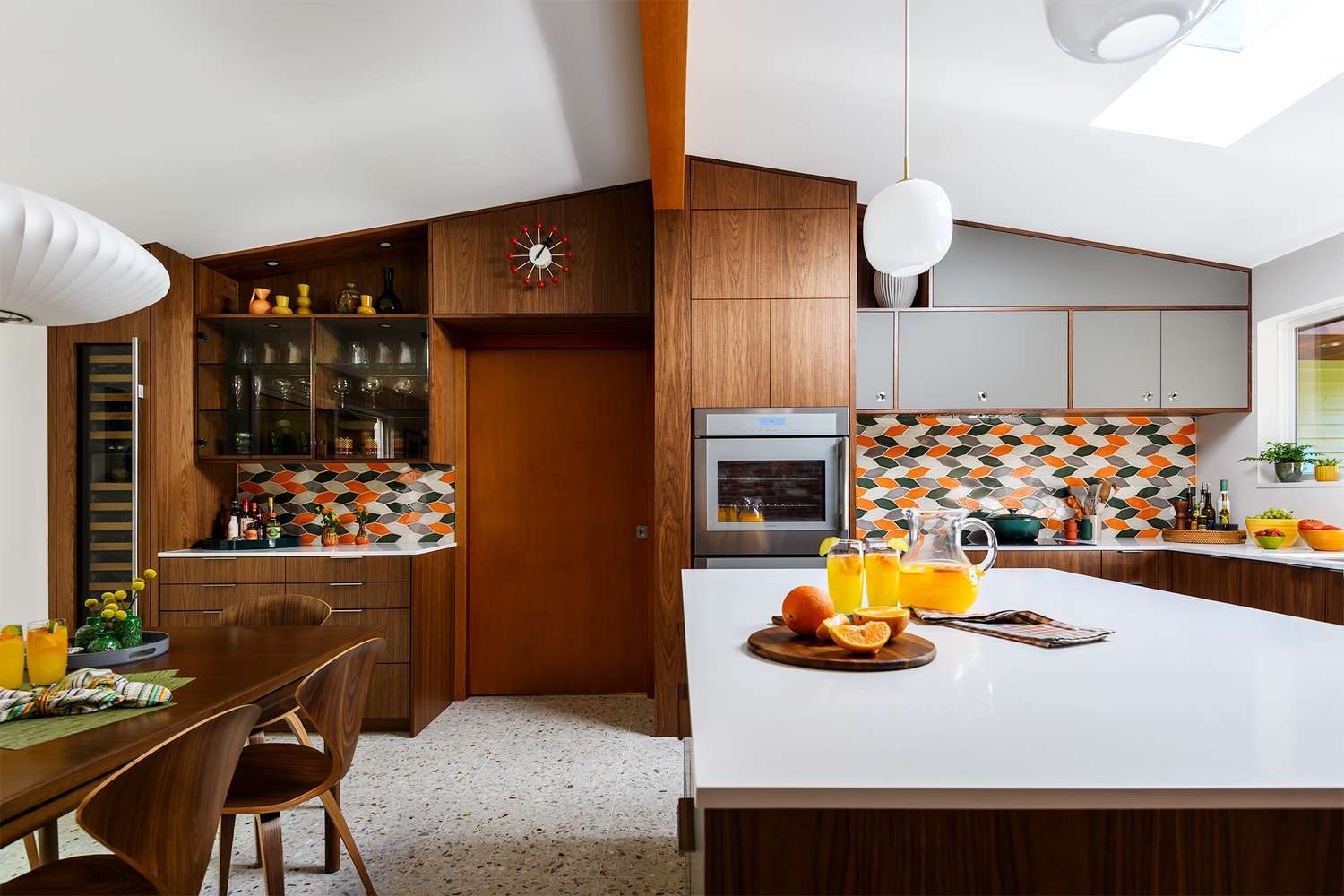
“That stunning geometric tile backsplash is a commitment, both stylistically and practically.”
The more complex the pattern and the more grout lines you have, the more challenging it is to keep clean. Splatters from cooking can get trapped in the texture and grout of a tile like this. Be prepared for regular wiping and annual grout sealing to keep it looking fresh. An alternative for an easier-to-clean surface would be a sheet of back-painted glass or a solid quartz slab, though you would lose the retro, tiled texture.
15. Cozy Living Room with an Olive Green Sectional
This room feels so balanced and inviting because it layers warm and cool tones perfectly. The olive green of the sectional and the brown of the leather chair are warm, earthy colors that feel cozy and grounding. These are set against the clean white walls and the natural light from the large windows, which provide a cool, bright backdrop. The colorful rug acts as a bridge, picking up all the tones in the room—greens, browns, reds, blues—and tying the entire palette together into one cohesive, cheerful space.
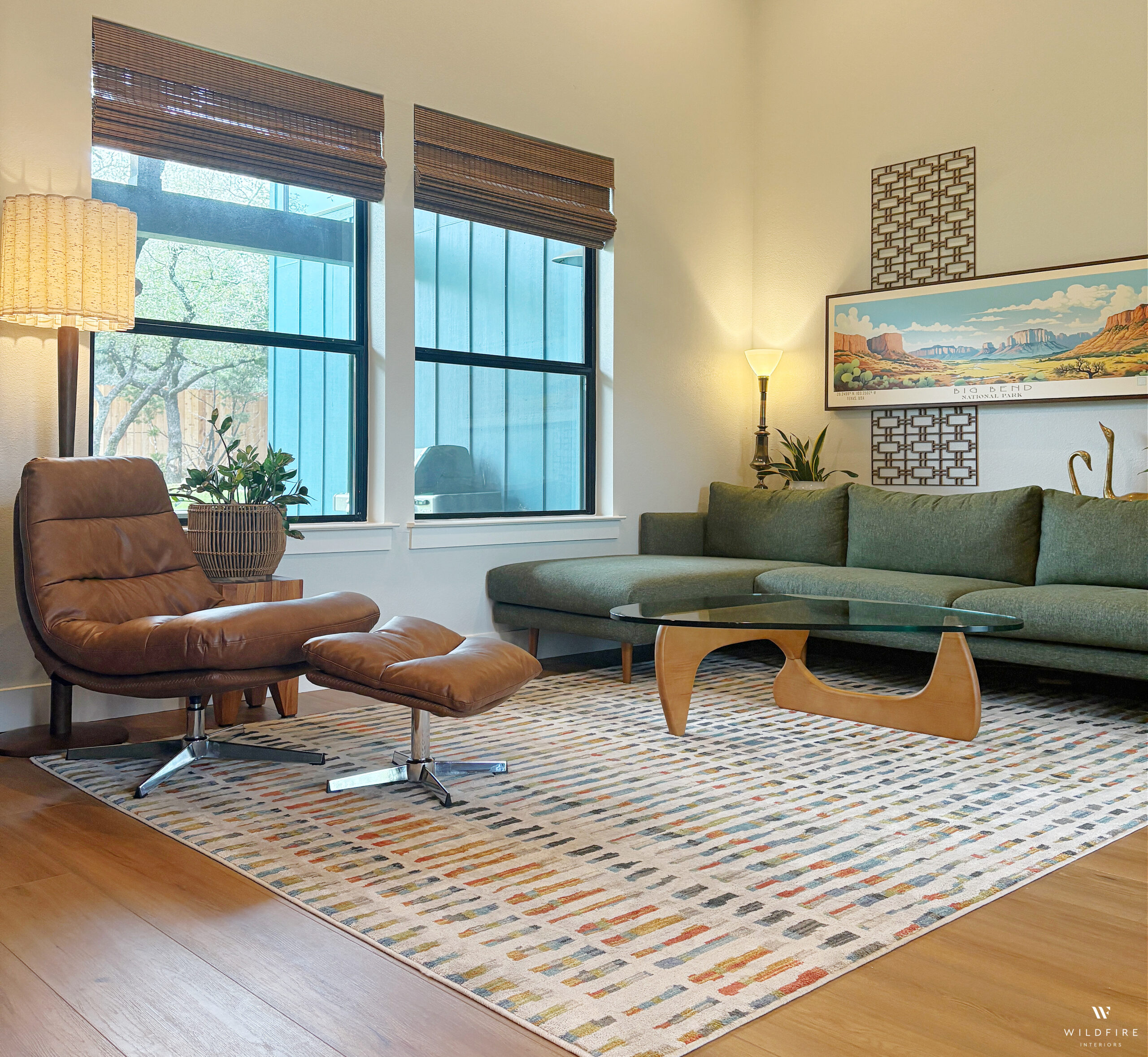
“Want to get this eclectic, collected look?”
Here’s a possible budget:
- Main Furniture (Sectional, Lounge Chair): $3,500 – $7,000
- Lighting (Lamps, etc.): $300 – $600
- Textiles (Rug, Pillows, Blinds): $800 – $1,500
- Decor/Accessories (Coffee Table, Art): $500 – $1,200
- TOTAL: $5,100 – $10,300
Budget alternative: Find a similar green sectional on Facebook Marketplace, a glass coffee table at a thrift store, and a colorful rug from Wayfair or Overstock to recreate this entire room for under $2,500.
16. Sunlit Dining Nook with Wicker and Wood Chairs
The woven wicker seats on the dining chairs are the key to this room’s relaxed, airy charm. If the chairs were solid wood, the set could feel heavy and overly formal. The wicker introduces a natural, slightly rustic texture that instantly softens the look. It adds a layer of handcrafted detail that feels both timeless and casual, perfectly complementing the bright light from the windows and the potted plant. It’s a small detail that makes a huge difference in the overall mood of the space.
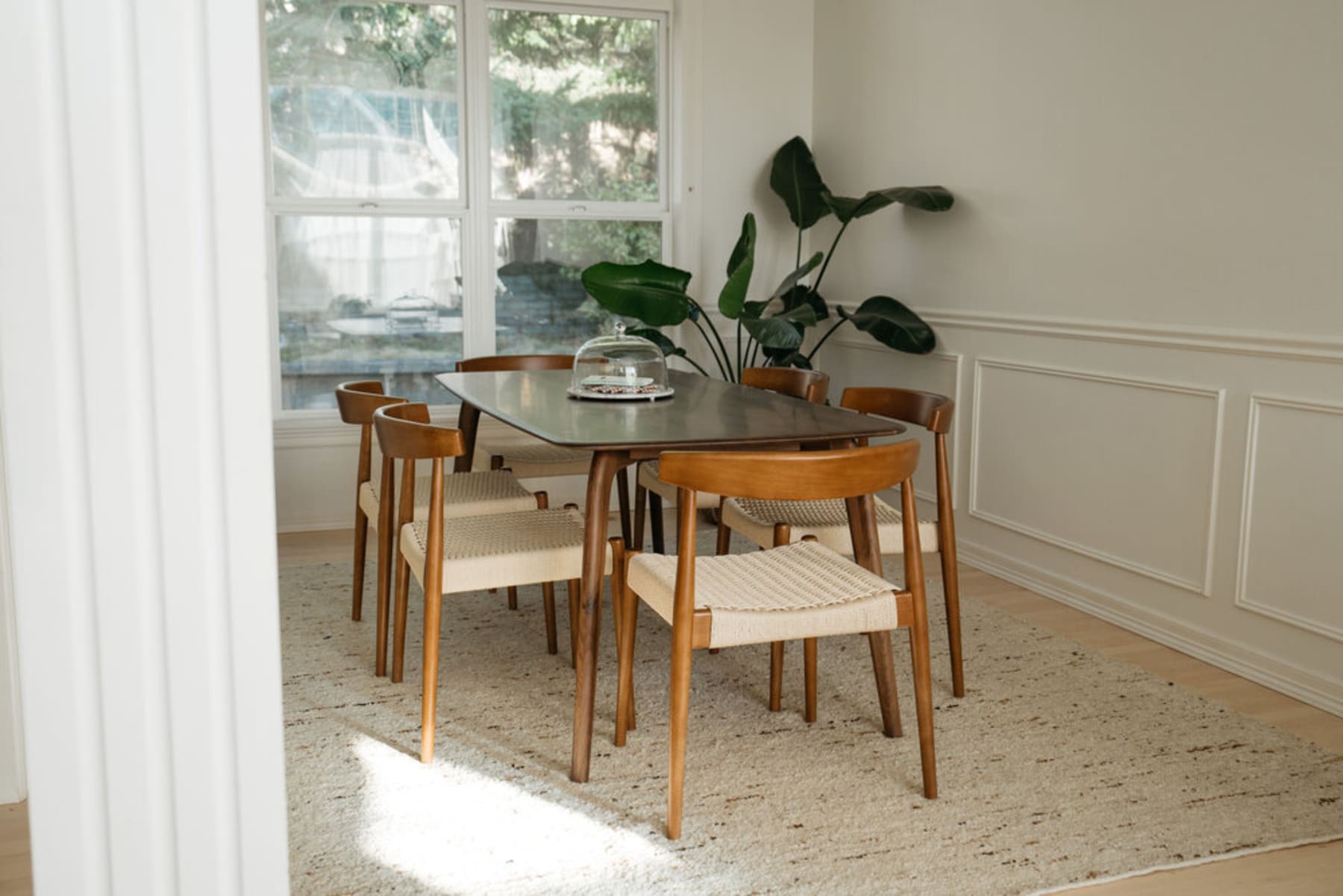
“When using wainscoting like the decorative trim seen on these walls, the height is crucial.”
For a classic, balanced look in a room with 8-foot ceilings, the top of the wainscoting should hit at about 32 to 36 inches from the floor—roughly one-third of the wall height. This aligns with the “rule of thirds” and creates a pleasing proportion. Going too high can make the ceiling feel lower, and going too low can look stunted and awkward. Measure your wall and aim for that one-third mark.
17. Airy Living Room with a Wood Slat Room Divider
This space feels so open yet defined because of the wood slat divider. It’s a genius design move. It creates a clear visual separation between the living area and whatever is beyond it, but because you can see through it, it doesn’t block light or shrink the perceived size of the room. It adds architectural interest and warm texture without the heaviness of a solid wall. The repetition of the vertical slats subtly echoes the lines in the geometric rug, creating a quiet, pleasing rhythm in the room.
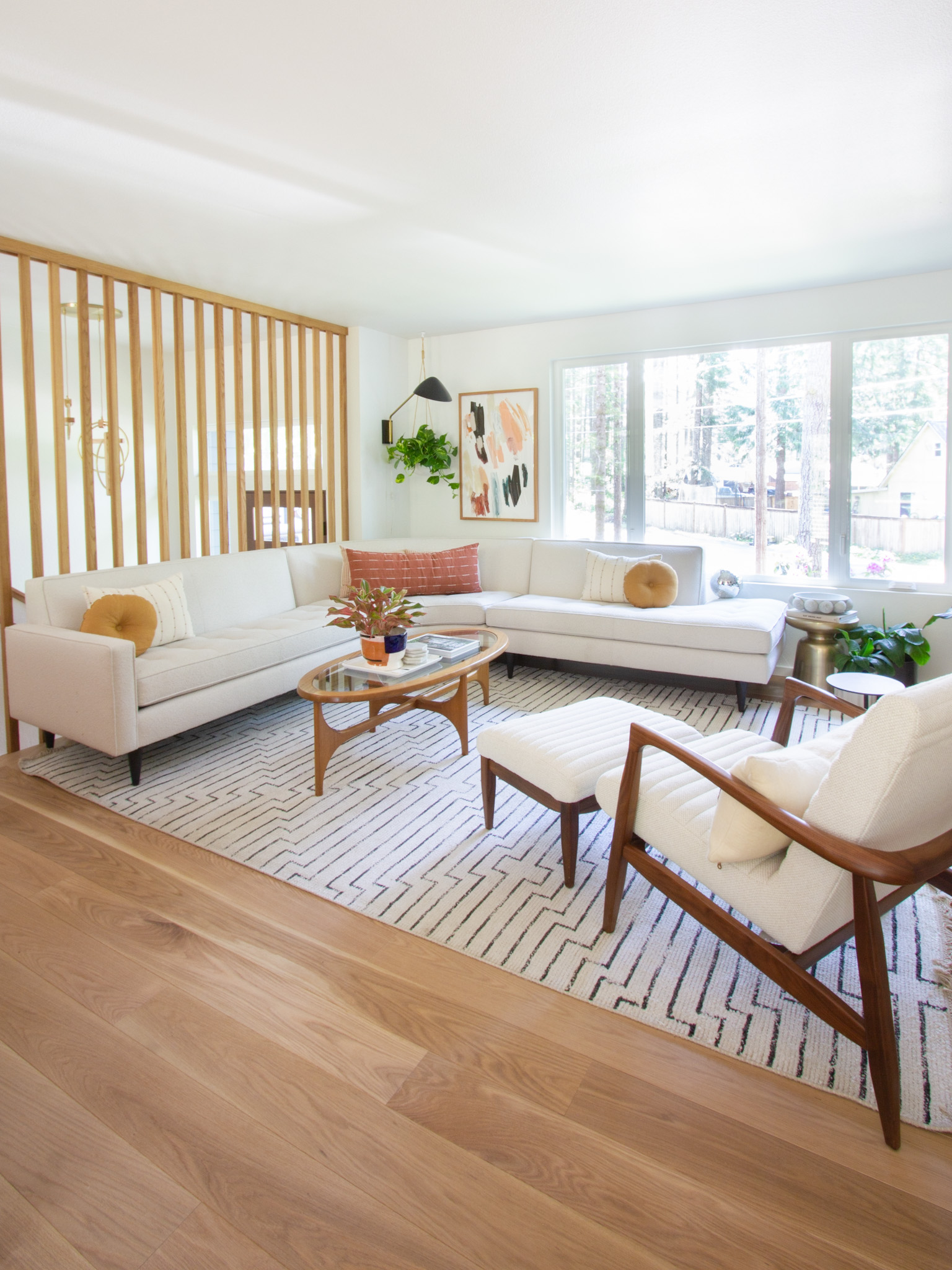
“Creating a wood slat divider is a very achievable DIY project.”
Here’s a simplified how-to:
- Measure and Plan: Determine the height and width of your desired screen. Calculate how many slats you need based on their width and your desired spacing (a 1″ gap is common).
- Cut Your Wood: Cut your 1×2 or 1×3 lumber (poplar or oak works well) to the exact same height. Sand all pieces smooth.
- Build the Frame: Create a simple top and bottom plate to anchor the slats. Use pocket holes for a clean finish.
- Install the Slats: Attach the slats to the top and bottom plates using a nail gun or screws. Use a spacer block to ensure perfect, consistent gaps between each slat.
- Finish: Stain or seal the wood to your desired color.
Material Cost: $150 – $400. Time: 1 weekend.
18. An Eclectic Ocean-View Room with a Wood Plank Ceiling
This room’s magic comes from an eclectic, fearless formula: 40% Natural Architecture + 40% Mismatched Anchor Furniture + 20% Unobstructed View. The light wood plank ceiling and massive windows are the architectural container. The key is that the main furniture pieces don’t match—a red armchair, a blue sofa, a dark leather lounge chair. They are united by their shared quality and modernist shapes, but not by color or fabric. This “collected over time” feel is what makes the room feel personal and sophisticated, not like a furniture showroom. The ocean view, of course, does a lot of the heavy lifting.
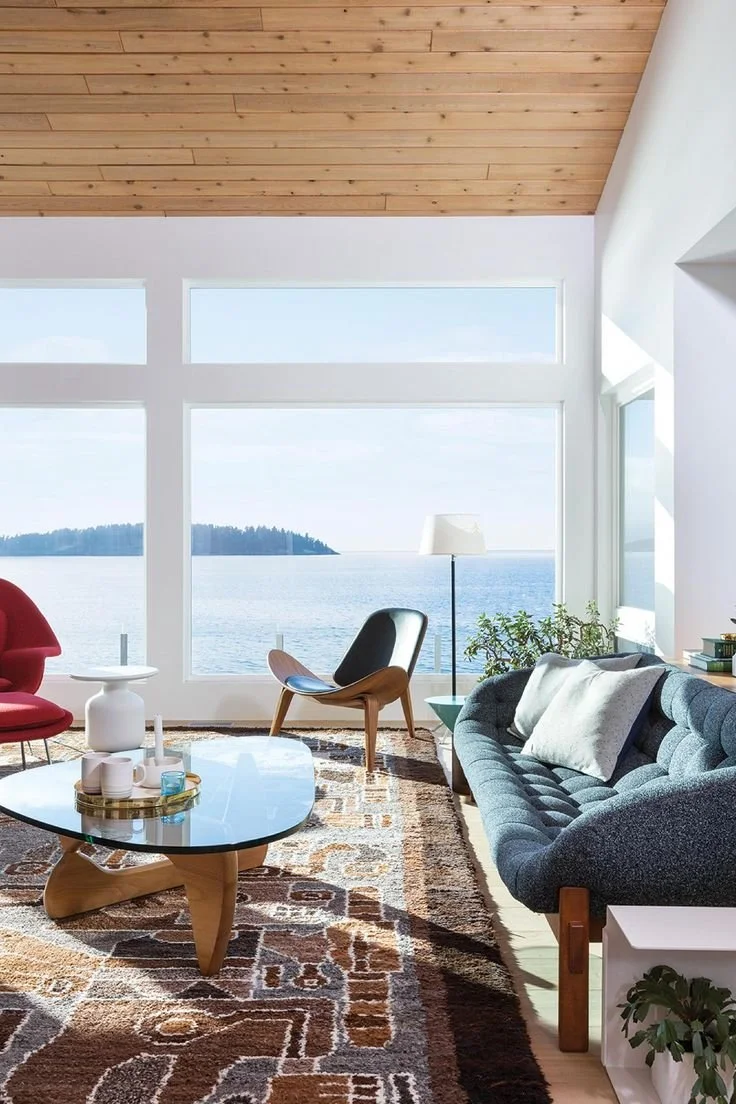
“Pulling off a “mismatched” furniture look is harder than it seems.”
The risk is that it can all too easily look like a chaotic jumble of random stuff. The secret is to have a unifying element. Here, that element is the shared Mid-Century Modern silhouette of all the pieces. Even though the colors and materials are different, they speak the same design language. If you tried to mix a frilly traditional armchair with a sleek modern sofa, the result would be jarring. Stick to one style era when mixing and matching.
19. Split-Level Home with a Beige Stacked Stone Facade
You’re seeing a lot of stacked stone on exteriors right now, and it’s because it hits a sweet spot between modern and rustic. It adds incredible texture and a sense of permanence that you don’t get from flat siding. In the Mid-Century period, stone was often used to anchor a house to its site, and that principle feels very relevant again. As people seek homes that feel solid and connected to the earth, this kind of substantial, natural material is making a huge comeback. The pink blossoming tree is a reminder of how crucial landscaping is to this style.
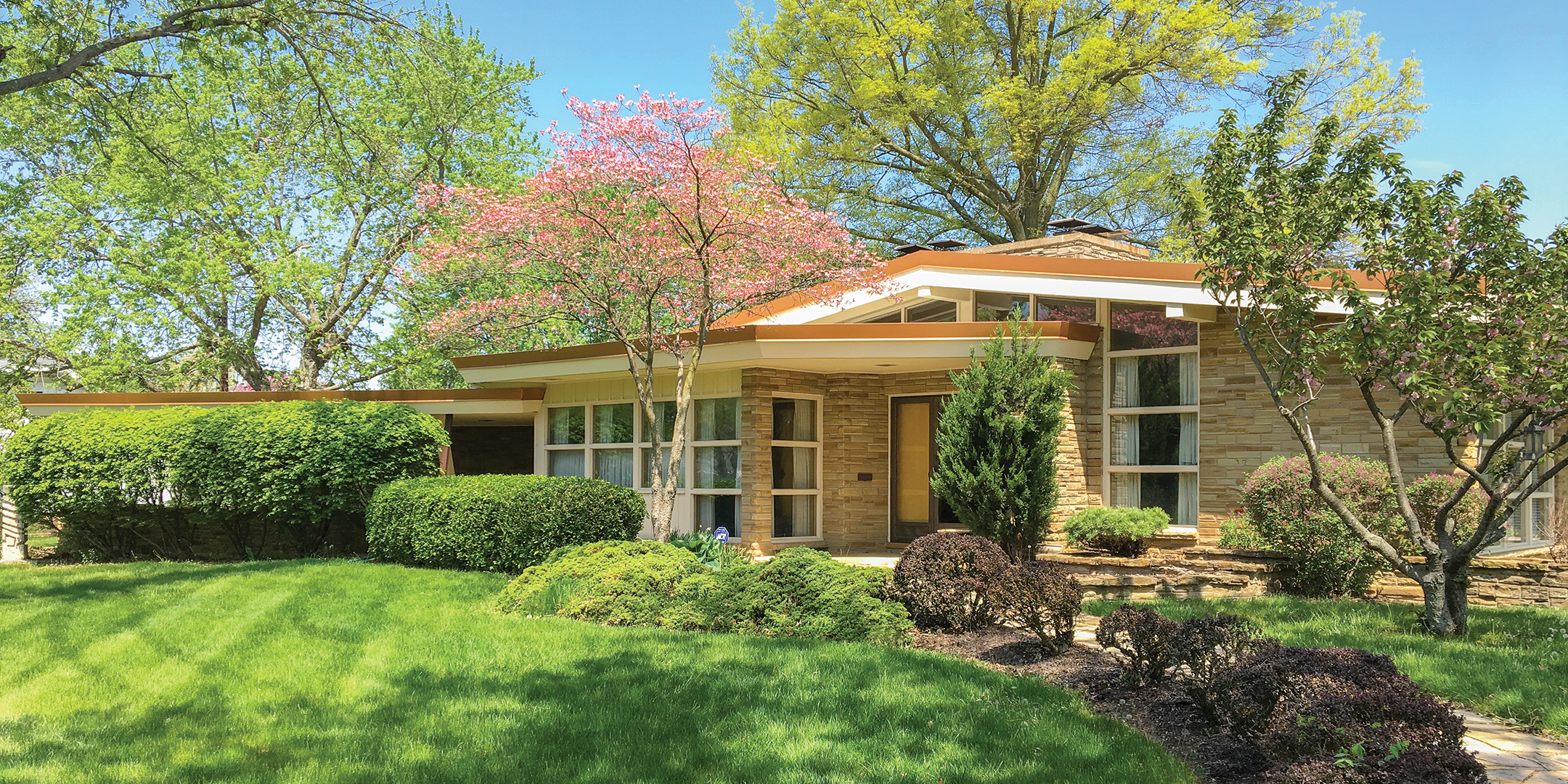
“That beautiful stacked stone facade is impressively durable, but not zero-maintenance.”
Over time, efflorescence (a salty white powder) can appear on the surface as moisture moves through the masonry. This usually needs to be cleaned off with a stiff brush and specialized cleaner. You should also inspect the mortar joints annually for any cracks or gaps, as water getting behind the stone can cause major problems, especially in freeze-thaw climates. It’s a “forever” material, but it still needs a little check-up now and then.
20. Modern Stucco House with a Glass-Walled Entry
This is architecture that demands space. The grandeur of the glass-enclosed entry and the interesting play of varying rooflines need room to be appreciated. This design would be best on a lot that is at least a half-acre, allowing for the sprawling footprint, the paved driveway approach, and the mature landscaping to frame it properly. The ceiling height in that entryway is likely 12-15 feet, so this is not a design that translates well to a smaller, more constrained property. It’s all about creating an impression through generous scale. Compare this to the more compact exterior of Idea #19.
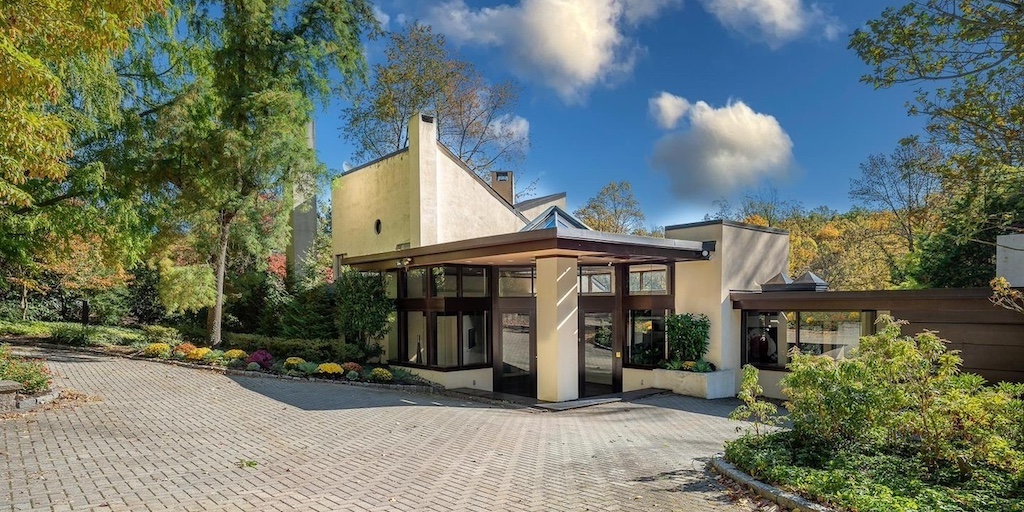
“that makes this design feel truly special is the abundance of natural light in the entryway.”
The combination of the glass walls, the oversized glass door, and the large skylight above means the center of the home is flooded with light. This fundamentally changes the experience of entering the house. Instead of moving from a bright exterior into a darker interior, you step into a space that feels just as open and airy as the outside, blurring the lines in a really beautiful, modern way.
21. A Rich Living Space with Wood Paneling and Blue Velvet
When you have dark wood paneling, lighting is absolutely critical to prevent the room from feeling like a cave. The trick is to layer your lighting. Notice the combination here: there’s likely overhead ambient light (not visible), a task light (the copper floor lamp for reading), and accent light on the art. By using multiple sources of light at different heights and for different purposes, you create pools of illumination that add depth and warmth, making the dark wood feel cozy and enveloping rather than heavy and oppressive.
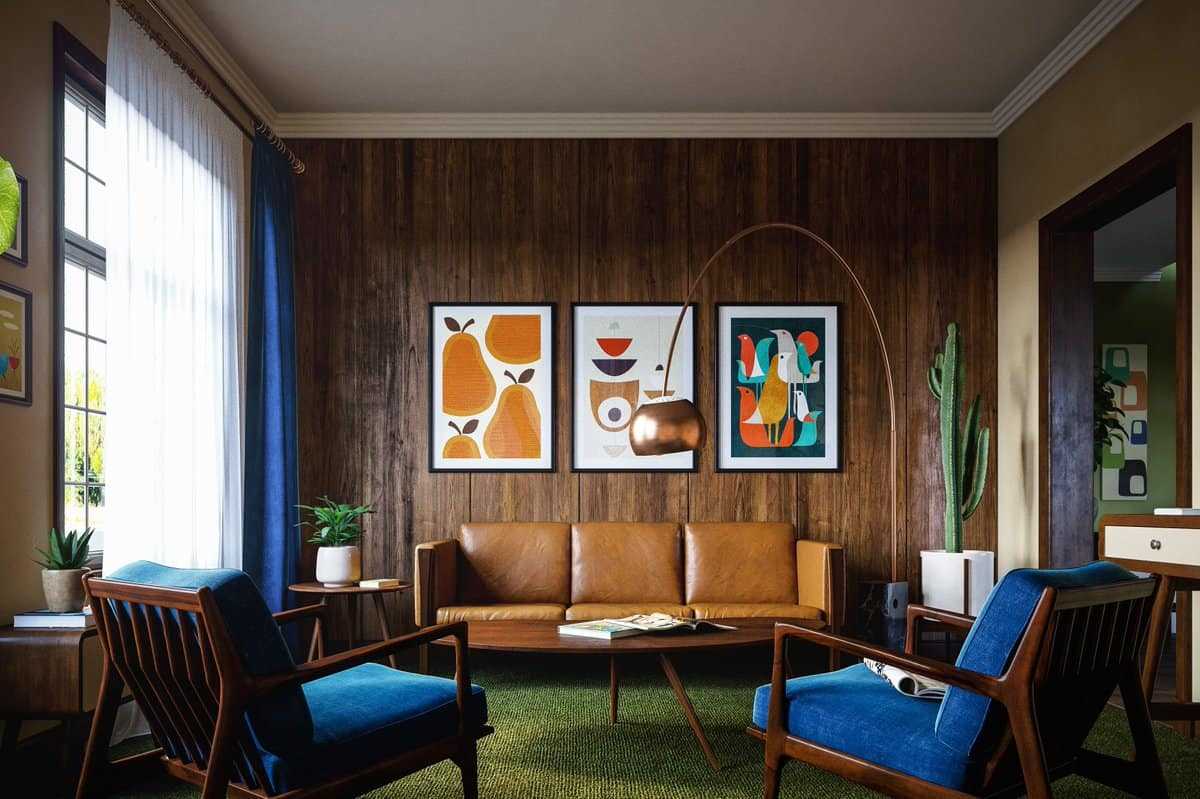
“Love this vibe but don’t have the budget for custom woodwork and velvet armchairs?”
You can get a surprisingly close feel for less. Look for “wood look” paintable wallpaper to create a paneled accent wall. Find a cognac-colored leather-look sofa from a store like Article or even on Facebook Marketplace. For the chairs, search for vintage mid-century armchairs (often under $100 each) and have them reupholstered in a more affordable blue velvet fabric. The key pieces are the color palette and the textures—you can definitely find them at lower price points.
22. Cozy Bedroom with a Dark Blue Upholstered Headboard
The single element that defines this bedroom is the dark blue upholstered headboard. It provides a soft, visually grounding anchor for the entire room. The color is deep and calming, perfect for a restful space, while its height adds a touch of hotel-like luxury. Every other element in the room—the light walls, the warm wood nightstands, the patterned bench—is chosen to complement and support the headboard as the undeniable focal point. Without it, the room would be pleasant, but it wouldn’t have this clear sense of purpose and comfort.
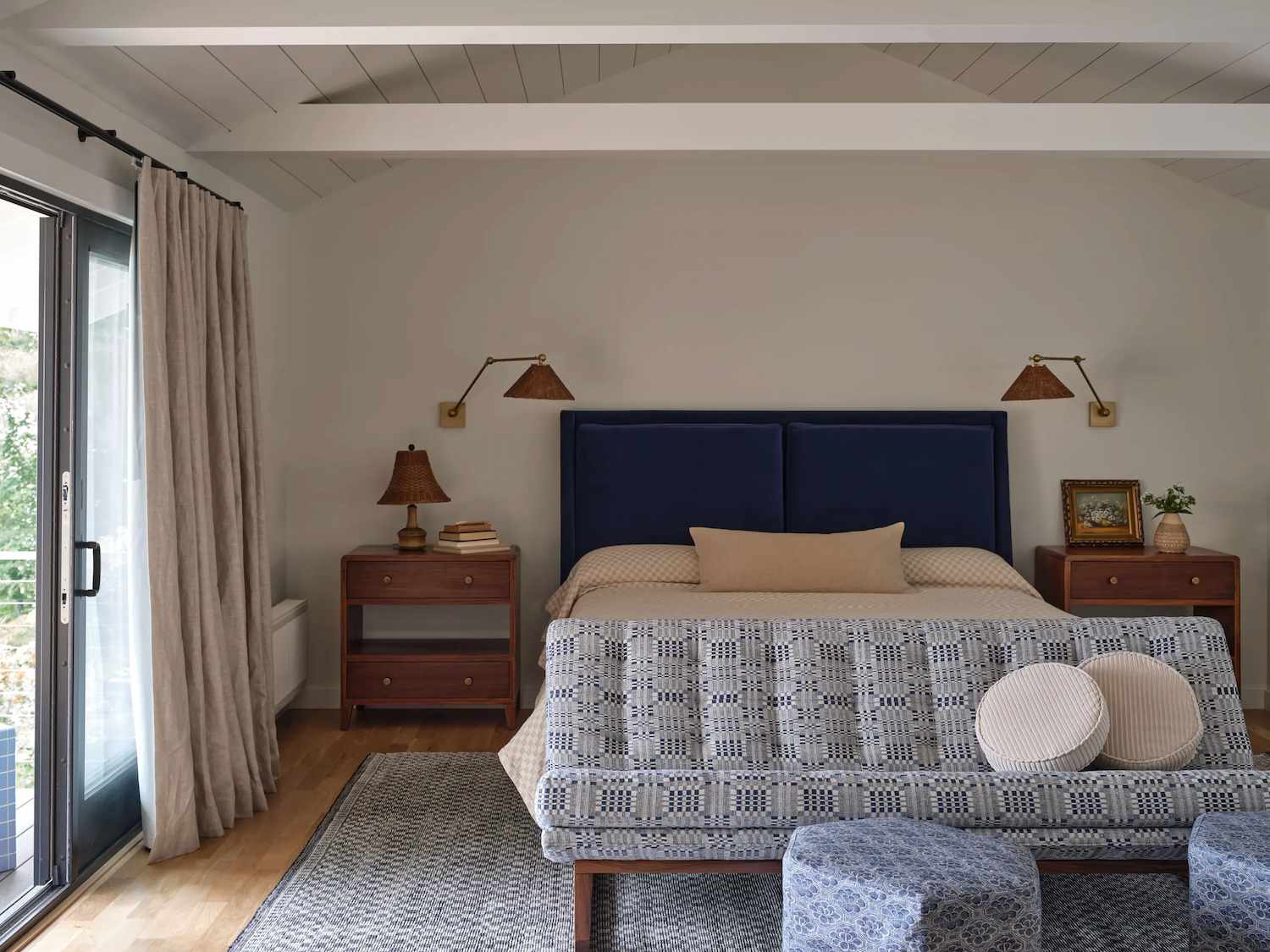
“Creating your own upholstered headboard is a classic, high-impact DIY project.”
Here are the basic steps:
- Get your base: Cut a piece of 1/2-inch plywood to your desired headboard shape and size.
- Add foam: Use spray adhesive to attach a layer of 2-inch thick upholstery foam to the plywood. Trim the excess foam with a serrated or electric knife.
- Add batting: Wrap a layer of polyester batting over the foam and plywood, stretching it taut and stapling it to the back of the plywood. This softens the edges.
- Upholster: Lay your chosen fabric over the batting. Starting from the center of each side and working your way out, pull the fabric tight and staple it securely to the back.
- Finishing touches: Neatly fold the corners as if you were wrapping a gift before stapling. Mount to the wall using a French cleat.
Material Cost: $100-$250. Time: 4-5 hours.
23. Modern Kitchen with Vertical Wood Grain and Quartz
This kitchen is a perfect example of how to correctly mix materials for a clean, modern look. The key is the limited palette and the distinct role each material plays. The warm, vertically-grained wood brings texture and natural pattern. The white speckled quartz provides a bright, durable surface that doesn’t compete with the wood. The stainless steel appliances add a professional, functional feel. And the matte black handles act as a sharp, graphic accent. Each material has its job, and together they create a harmonious, uncluttered whole.
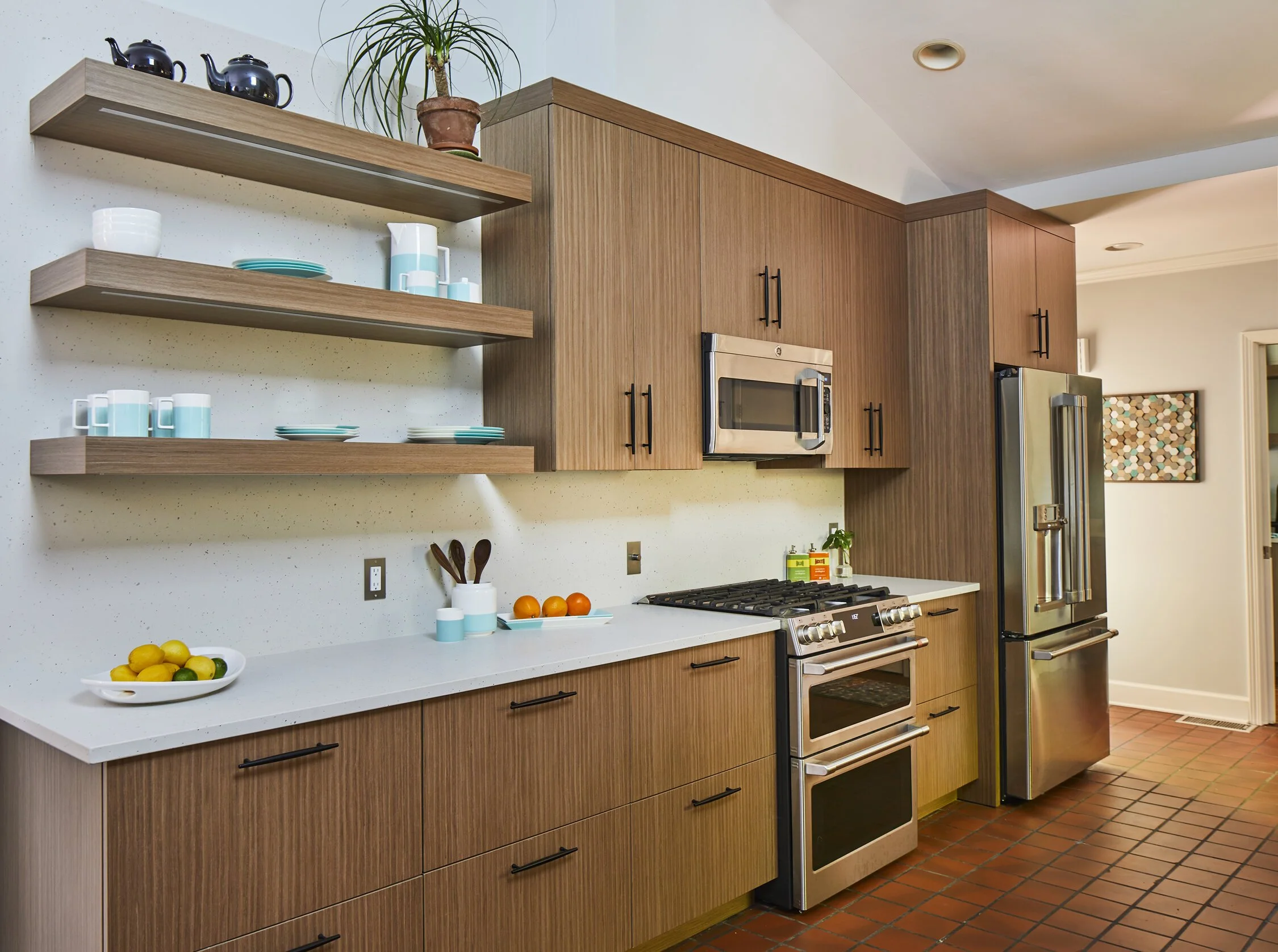
“Here’s a realistic cost estimate for a kitchen with this level of finish:”
Here’s a realistic cost estimate for a kitchen with this level of finish:
- Main Furniture (Custom Cabinets): $12,000 – $25,000
- Lighting (Undercabinet, etc.): $1,000 – $2,500
- Textiles (N/A): $0
- Decor/Appliances: $6,000 – $12,000
- Finishes (Quartz Countertops, Backsplash, Flooring): $9,000 – $18,000
- TOTAL: $28,000 – $57,500
Budget alternative: Source ready-to-assemble slab-front cabinets with a wood-look laminate, use a butcher block countertop for the island, and choose a more affordable ceramic tile floor. This could bring the total down to the $12,000 – $20,000 range.
24. Walnut Kitchen with a Bold Blue Geometric Backsplash
When you have a showstopper element like this deep blue tile, the number one rule is to let it be the star. Notice how everything else in the kitchen is designed to support it. The walnut cabinets have flat slab fronts—no complex details to distract the eye. The white quartz countertops are almost solid, with very minimal veining. The hardware is simple. If you try to pair a tile this bold with equally bold countertops or ornate cabinets, the result is a visual battle where everything loses. Let one element shine.
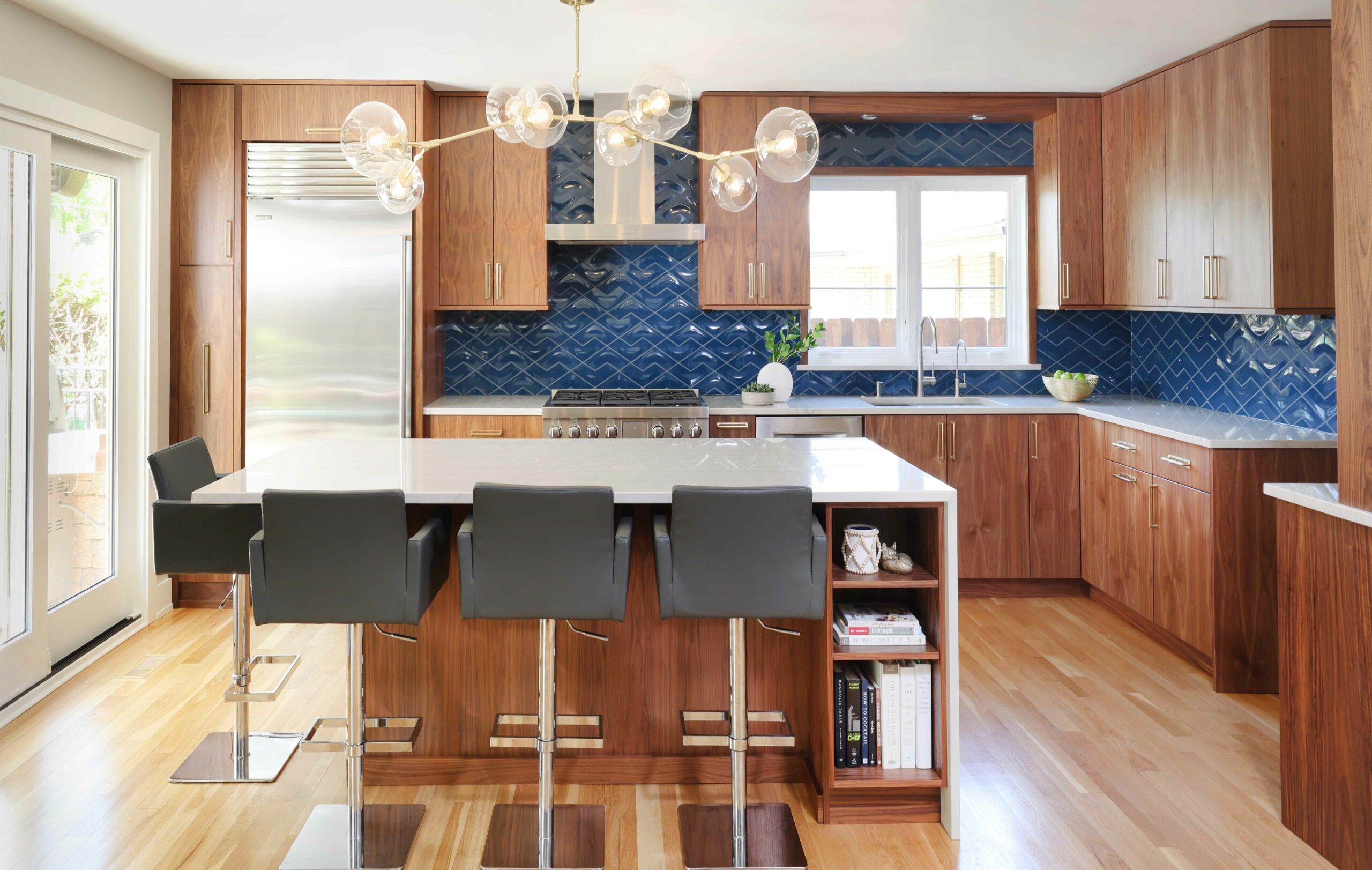
“A bold, specific, and trendy tile like this is a significant commitment.”
While it looks absolutely incredible now, you have to ask yourself if you will still love it in five or ten years. Tile is not an easy or cheap thing to replace. If you’re planning on selling your home in the near future, a more classic and neutral backsplash might be a safer choice. This is a design element for someone who is confident in their personal style and is designing for their own enjoyment, not necessarily for mass appeal or resale value.
25. Modern Concrete and Grey Home with an Integrated Pool
This exterior achieves its sophisticated look by sticking to a strict tonal formula: 50% Mid-Tone Neutral + 30% Dark Accents + 20% Natural Texture. The grey horizontal siding is the mid-tone neutral that covers most of the surface area. The black-framed windows, roofline, and dramatic suspended fireplace provide the sharp, dark accents that give it a modern edge. The light concrete walls, wooden deck, and lush green grass provide the necessary organic texture to keep the design from feeling cold or sterile.
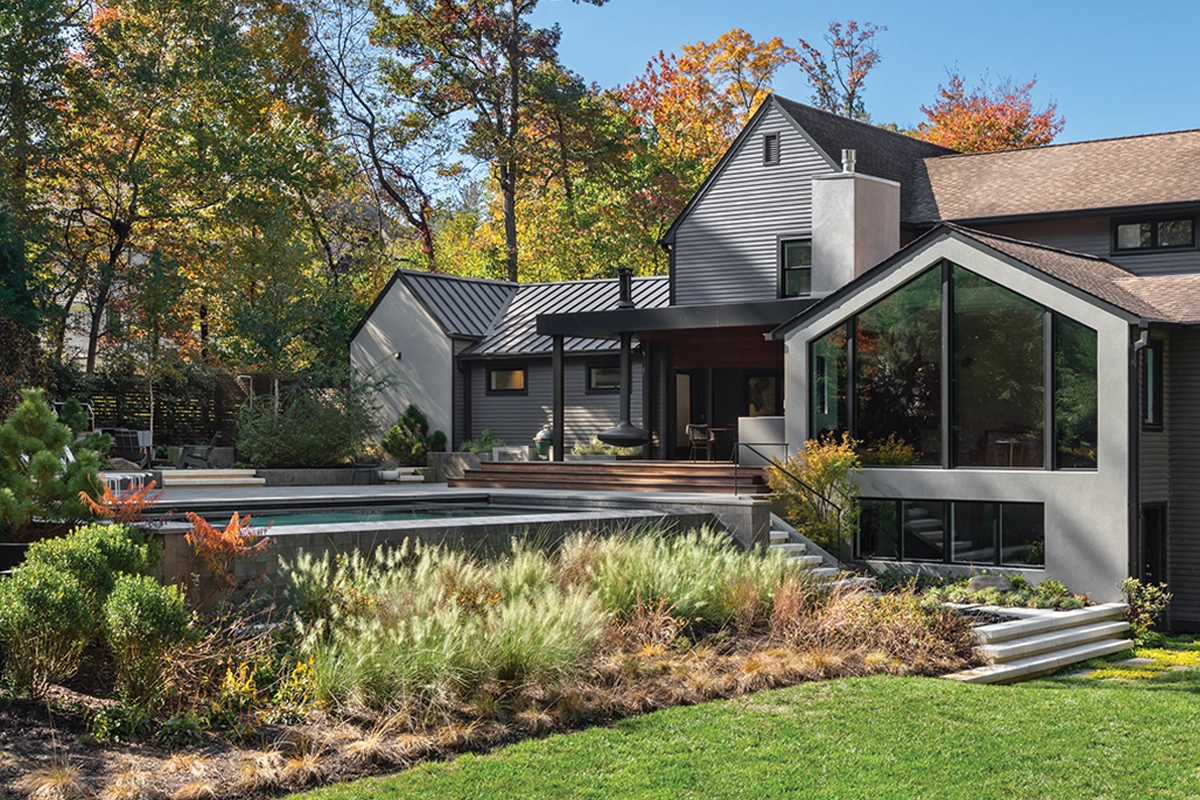
“Before you commit to a dark exterior and large windows, consider your climate and orientation.”
Here’s a checklist:
- Sun Exposure: Dark colors absorb more heat. If this side of the house gets intense afternoon sun in a hot climate, your cooling bills could be significantly higher.
- Window Quality: With this much glass, you must invest in high-performance, double- or triple-pane windows with a low-E coating to manage heat gain in summer and heat loss in winter.
- Privacy Needs: A wall of windows is stunning, but does it face a private backyard or your neighbor’s kitchen? Consider your sightlines before you build.
26. High-End Custom Kitchen Cabinetry
The source for this image highlights “Custom High End Cabinets,” and that’s an important distinction. The seamless fit, the perfect grain matching across doors, and the precisely integrated appliances are hallmarks of true custom cabinetry, which is a world away from stock or even semi-custom options. This level of craftsmanship involves a cabinet maker designing and building the kitchen specifically for your space. It delivers a superior result but comes with a significantly higher price tag and a much longer lead time (often 3-6 months).
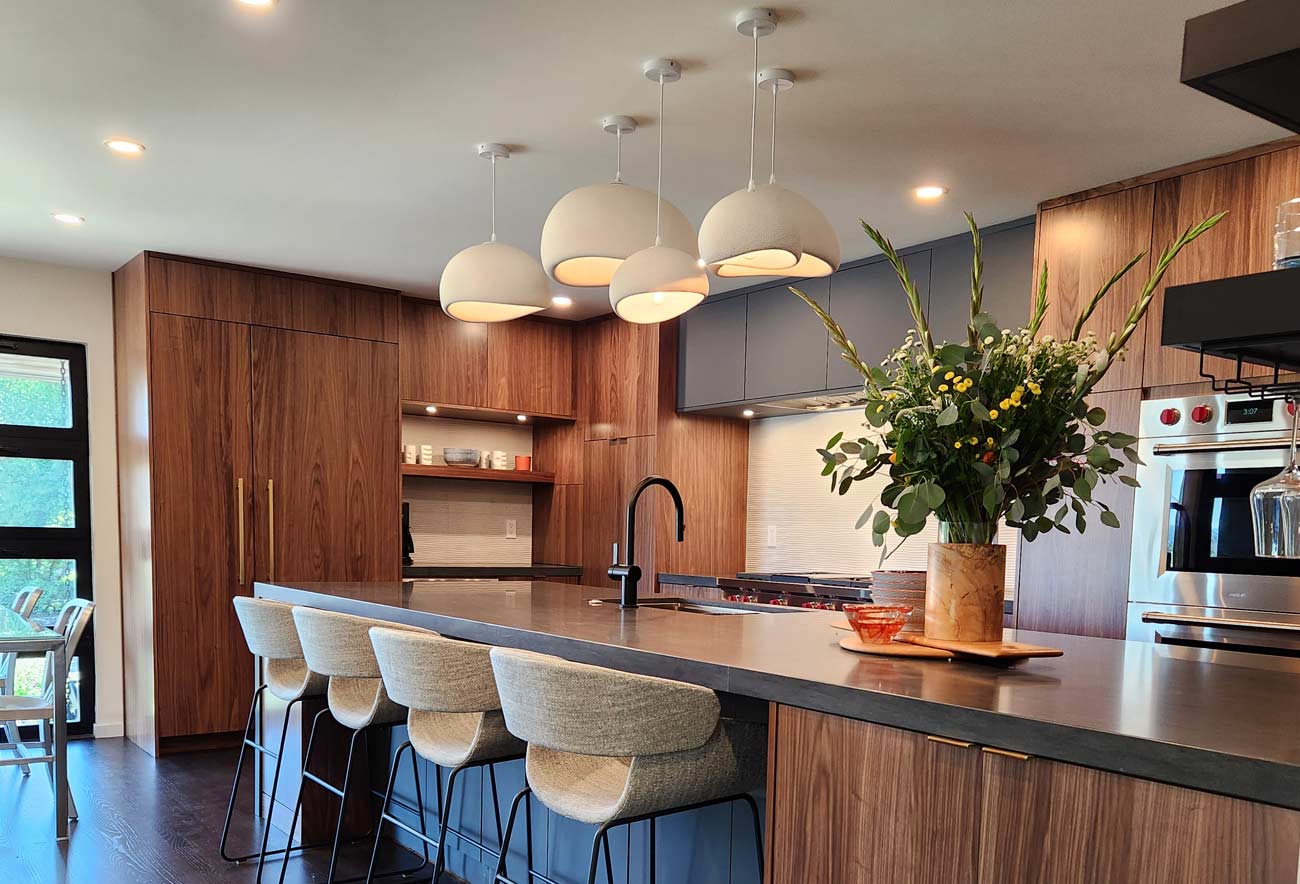
“You can achieve a similar clean, mid-century kitchen aesthetic without going full custom.”
Companies like Semihandmade or Reform specialize in making high-style doors that fit standard IKEA cabinet boxes. This “IKEA hack” approach allows you to get the look of premium walnut or oak slab-front cabinets for a fraction of the price of a fully custom job. You still get the modern, integrated look, but you save thousands by using the affordable and durable IKEA cabinet system as the foundation.
27. White and Wood Kitchen with Hexagon Tile
The single element that keeps this kitchen from feeling like every other generic white kitchen are the two oversized globe pendant lights. They are a bold statement of scale. Their simple, perfect shape has a distinctly mid-century feel, but their large size makes them feel modern and impactful. They anchor the island as the center of the room and provide a sculptural quality that simple recessed lighting could never achieve. If you replaced them with smaller pendants, the whole room would lose its punch.
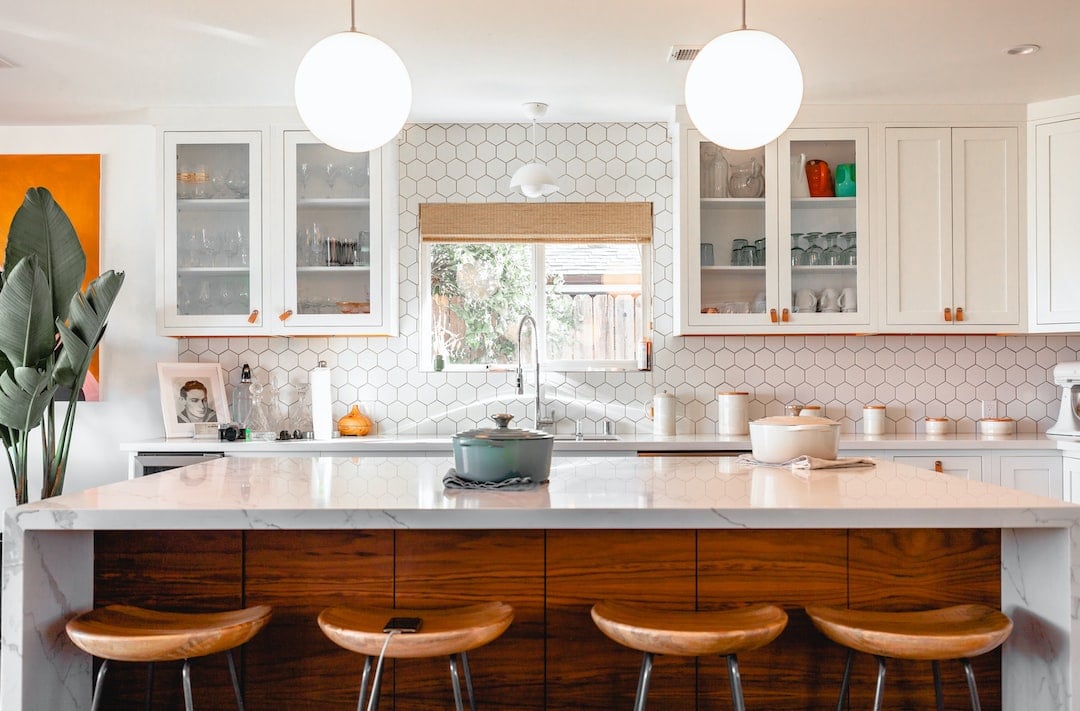
“This design is a masterclass in mixing warm and cool elements.”
The crisp white cabinets, white hexagonal backsplash, and cool grey tones in the marble countertop could easily feel sterile on their own. However, they are balanced by the deep, warm wood of the island base and the lighter wood of the stools. This deliberate pairing of warm and cool is what creates a space that feels both clean and bright, but also welcoming and grounded. The matte black legs on the stools add a final, sharp accent. For a variation on this palette, see Idea #24.
28. A Golden Sectional in a Wood-Paneled Room
The enveloping warmth of this room comes from a commitment to a tonal color palette. The style math is roughly: 70% Warm Wood Tones + 25% Rich Fabric + 5% Natural Oddity. The walls and ceiling are covered in wood, creating a coocoon-like effect. The mustard yellow/golden corduroy sectional doesn’t contrast with the wood; it complements it, staying within the same warm family. The shaggy rug adds another layer of texture in the same palette. The one-of-a-kind coffee table with its gnarled wood base is the “natural oddity” that gives the room its unique, organic soul.
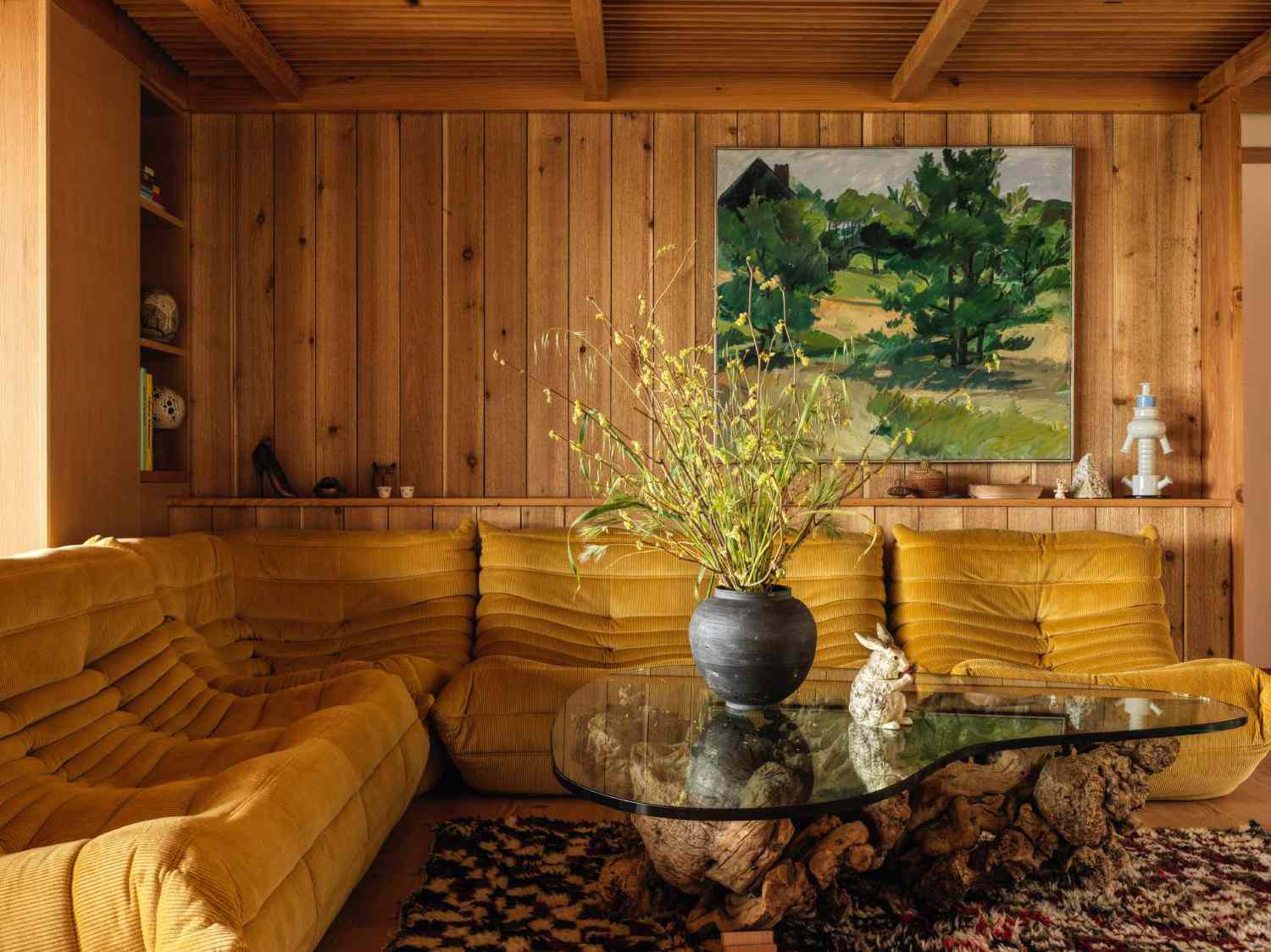
“When decorating a room with wood-paneled walls, don’t be afraid to hang art directly on the paneling.”
The key is to give the artwork breathing room. Choose pieces that have a good amount of negative space or are mounted with a wide mat board, like the landscape print seen here. This creates a visual separation between the art and the wood grain, allowing both to be appreciated. A busy piece hung directly against the wood would create visual chaos.
29. Living Room with Bold Colors and a Geometric Screen
This room successfully mixes multiple patterns and colors without feeling chaotic. The secret is scale variation. The rug has a small, repeating geometric pattern. The armchairs have a larger, more organic, and spaced-out pattern. The geometric room divider has a large-scale, open pattern. By using patterns of different sizes, the designer ensures they don’t compete with each other. The solid deep blue of the sofa acts as a calming anchor point amidst all the pattern, giving the eye a place to rest. This feels more eclectic than the minimalist Idea #30.
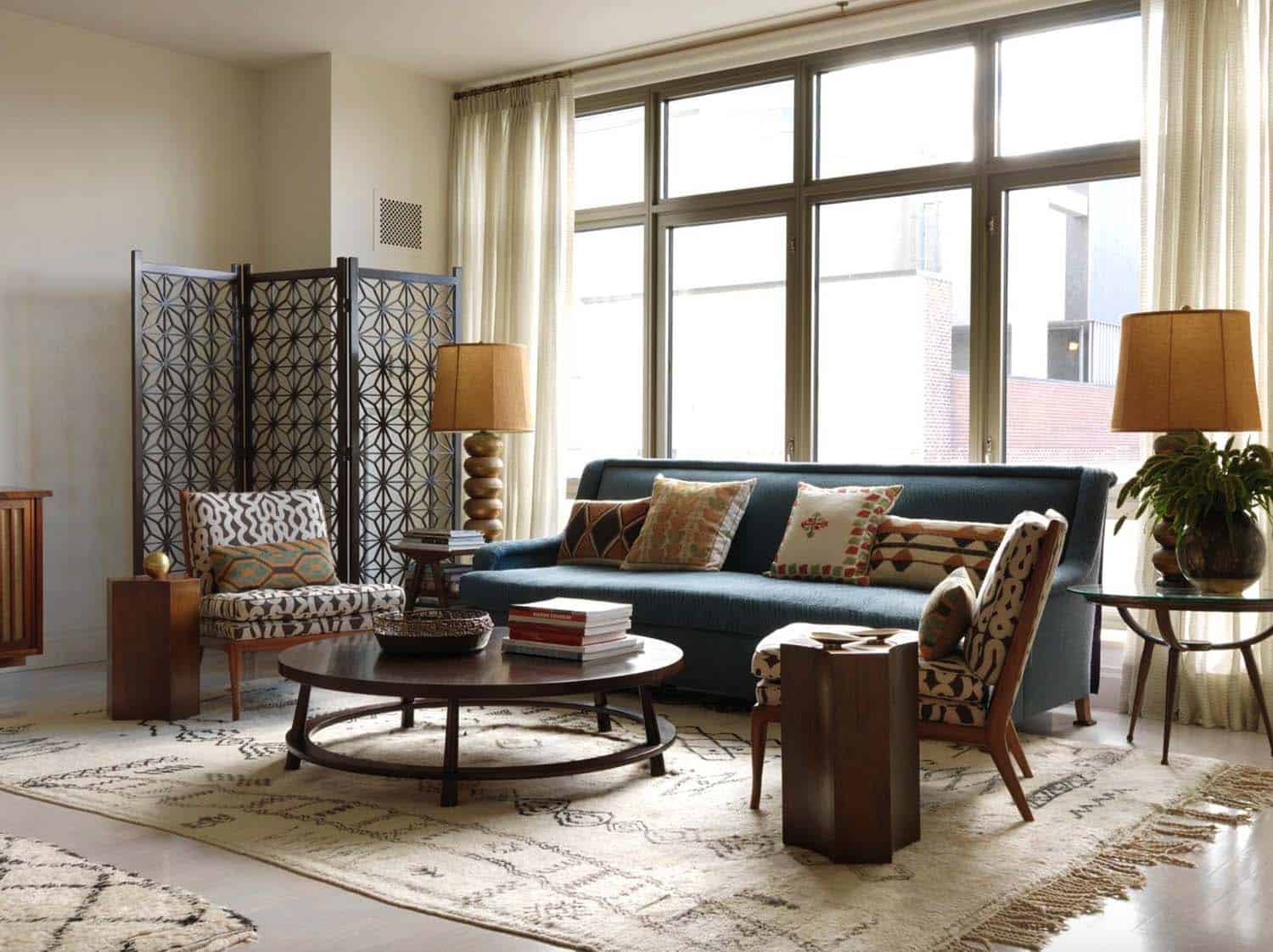
“You can get this collected, eclectic look on a budget by shopping secondhand.”
The foundation of the room is classic furniture shapes. Look for a sofa with clean lines and simple tapered legs on Facebook Marketplace—even if the color is wrong, you can have it reupholstered or use a good-quality slipcover. Patterned mid-century armchairs are a common find at thrift and vintage stores. A large, round wooden coffee table can often be found for a steal. The key is to hunt for good “bones” and not worry about the original finish or fabric.
30. Airy Living Room with Leather Slings and Woven Textures
that truly defines the feel of this room is the chunky, woven rug. It’s the textural foundation for everything else. Imagine this room with a thin, flat-weave rug or just the bare floor—it would feel much colder and more generic. The rug’s natural fibers and substantial texture provide a layer of organic softness that makes the minimalist furniture feel cozy and inviting. It sets the tone for the entire space: relaxed, natural, and effortlessly stylish. It proves that sometimes, what’s on the floor is the most important element.
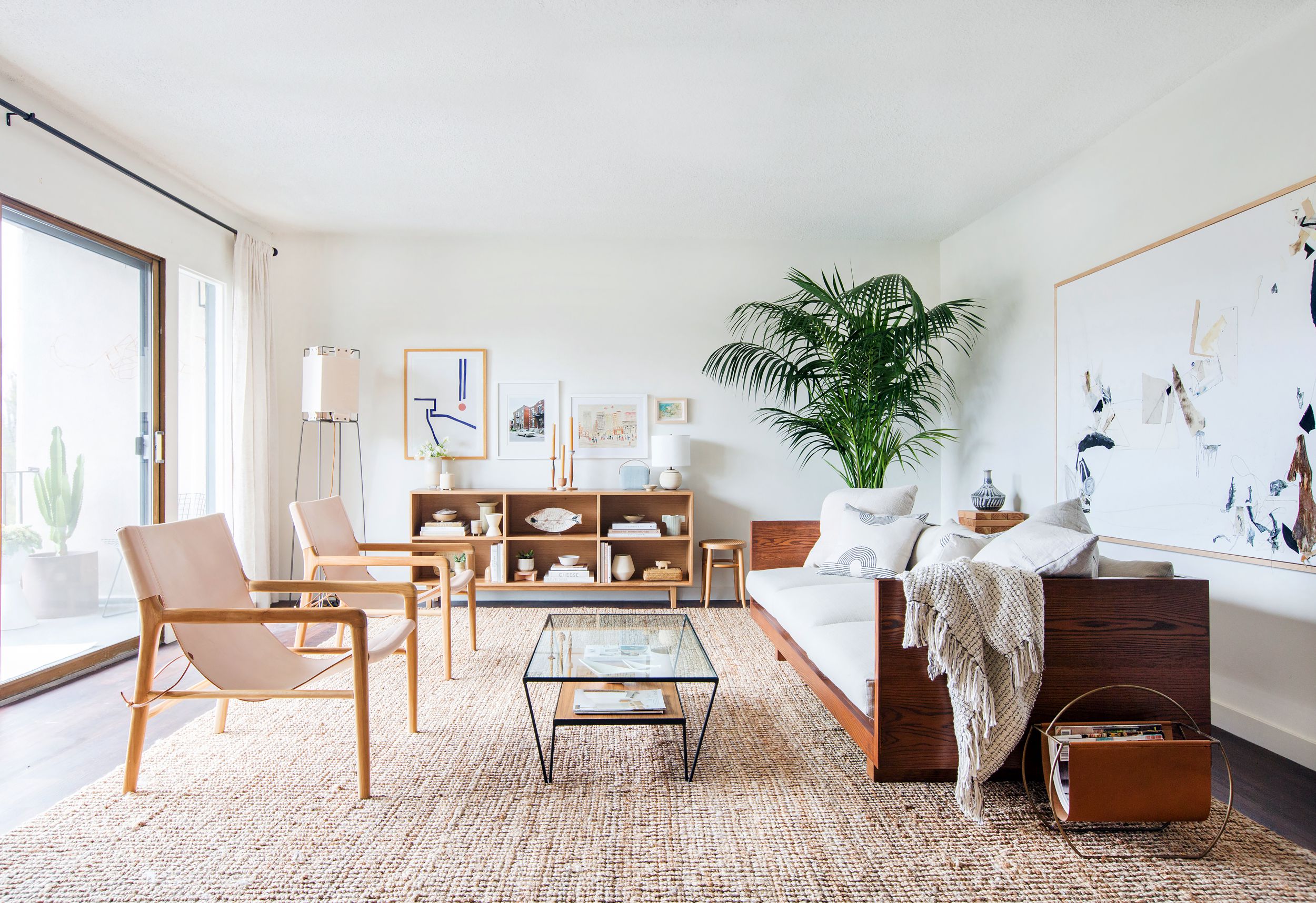
“This light and airy aesthetic works best in a room that is at least 12 by 15 feet.”
The furniture, while clean-lined, has a significant footprint—especially the low-slung sofa and the open shelving unit. You need enough negative space around each piece to maintain that uncluttered, serene feeling. This look is less about filling a room and more about carefully placing beautiful objects within it. If your room is too small, the same furniture will feel cramped and cluttered, completely undermining the minimalist vibe.
Your Mid-Century Story Starts Here
Remember, Mid-Century Modern isn’t about creating a museum; it’s about creating a home that reflects your personality with warmth, character, and style. Use these ideas as a starting point to build a space that feels uniquely you. Now, go open up your Pinterest board and start planning!